EP4524280A1 - Ultrahigh reaming steel and manufacturing method therefor - Google Patents
Ultrahigh reaming steel and manufacturing method therefor Download PDFInfo
- Publication number
- EP4524280A1 EP4524280A1 EP23826549.0A EP23826549A EP4524280A1 EP 4524280 A1 EP4524280 A1 EP 4524280A1 EP 23826549 A EP23826549 A EP 23826549A EP 4524280 A1 EP4524280 A1 EP 4524280A1
- Authority
- EP
- European Patent Office
- Prior art keywords
- steel
- hole expansion
- cooling
- present
- rolling
- Prior art date
- Legal status (The legal status is an assumption and is not a legal conclusion. Google has not performed a legal analysis and makes no representation as to the accuracy of the status listed.)
- Pending
Links
Images
Classifications
-
- C—CHEMISTRY; METALLURGY
- C22—METALLURGY; FERROUS OR NON-FERROUS ALLOYS; TREATMENT OF ALLOYS OR NON-FERROUS METALS
- C22C—ALLOYS
- C22C38/00—Ferrous alloys, e.g. steel alloys
- C22C38/04—Ferrous alloys, e.g. steel alloys containing manganese
-
- C—CHEMISTRY; METALLURGY
- C21—METALLURGY OF IRON
- C21C—PROCESSING OF PIG-IRON, e.g. REFINING, MANUFACTURE OF WROUGHT-IRON OR STEEL; TREATMENT IN MOLTEN STATE OF FERROUS ALLOYS
- C21C5/00—Manufacture of carbon-steel, e.g. plain mild steel, medium carbon steel or cast steel or stainless steel
- C21C5/28—Manufacture of steel in the converter
-
- C—CHEMISTRY; METALLURGY
- C21—METALLURGY OF IRON
- C21D—MODIFYING THE PHYSICAL STRUCTURE OF FERROUS METALS; GENERAL DEVICES FOR HEAT TREATMENT OF FERROUS OR NON-FERROUS METALS OR ALLOYS; MAKING METAL MALLEABLE, e.g. BY DECARBURISATION OR TEMPERING
- C21D1/00—General methods or devices for heat treatment, e.g. annealing, hardening, quenching or tempering
- C21D1/02—Hardening articles or materials formed by forging or rolling, with no further heating beyond that required for the formation
-
- C—CHEMISTRY; METALLURGY
- C21—METALLURGY OF IRON
- C21D—MODIFYING THE PHYSICAL STRUCTURE OF FERROUS METALS; GENERAL DEVICES FOR HEAT TREATMENT OF FERROUS OR NON-FERROUS METALS OR ALLOYS; MAKING METAL MALLEABLE, e.g. BY DECARBURISATION OR TEMPERING
- C21D1/00—General methods or devices for heat treatment, e.g. annealing, hardening, quenching or tempering
- C21D1/56—General methods or devices for heat treatment, e.g. annealing, hardening, quenching or tempering characterised by the quenching agents
- C21D1/60—Aqueous agents
-
- C—CHEMISTRY; METALLURGY
- C21—METALLURGY OF IRON
- C21D—MODIFYING THE PHYSICAL STRUCTURE OF FERROUS METALS; GENERAL DEVICES FOR HEAT TREATMENT OF FERROUS OR NON-FERROUS METALS OR ALLOYS; MAKING METAL MALLEABLE, e.g. BY DECARBURISATION OR TEMPERING
- C21D1/00—General methods or devices for heat treatment, e.g. annealing, hardening, quenching or tempering
- C21D1/84—Controlled slow cooling
-
- C—CHEMISTRY; METALLURGY
- C21—METALLURGY OF IRON
- C21D—MODIFYING THE PHYSICAL STRUCTURE OF FERROUS METALS; GENERAL DEVICES FOR HEAT TREATMENT OF FERROUS OR NON-FERROUS METALS OR ALLOYS; MAKING METAL MALLEABLE, e.g. BY DECARBURISATION OR TEMPERING
- C21D6/00—Heat treatment of ferrous alloys
-
- C—CHEMISTRY; METALLURGY
- C21—METALLURGY OF IRON
- C21D—MODIFYING THE PHYSICAL STRUCTURE OF FERROUS METALS; GENERAL DEVICES FOR HEAT TREATMENT OF FERROUS OR NON-FERROUS METALS OR ALLOYS; MAKING METAL MALLEABLE, e.g. BY DECARBURISATION OR TEMPERING
- C21D6/00—Heat treatment of ferrous alloys
- C21D6/005—Heat treatment of ferrous alloys containing Mn
-
- C—CHEMISTRY; METALLURGY
- C21—METALLURGY OF IRON
- C21D—MODIFYING THE PHYSICAL STRUCTURE OF FERROUS METALS; GENERAL DEVICES FOR HEAT TREATMENT OF FERROUS OR NON-FERROUS METALS OR ALLOYS; MAKING METAL MALLEABLE, e.g. BY DECARBURISATION OR TEMPERING
- C21D8/00—Modifying the physical properties of ferrous metals or ferrous alloys by deformation combined with, or followed by, heat treatment
- C21D8/02—Modifying the physical properties of ferrous metals or ferrous alloys by deformation combined with, or followed by, heat treatment during manufacturing of plates or strips
-
- C—CHEMISTRY; METALLURGY
- C21—METALLURGY OF IRON
- C21D—MODIFYING THE PHYSICAL STRUCTURE OF FERROUS METALS; GENERAL DEVICES FOR HEAT TREATMENT OF FERROUS OR NON-FERROUS METALS OR ALLOYS; MAKING METAL MALLEABLE, e.g. BY DECARBURISATION OR TEMPERING
- C21D8/00—Modifying the physical properties of ferrous metals or ferrous alloys by deformation combined with, or followed by, heat treatment
- C21D8/02—Modifying the physical properties of ferrous metals or ferrous alloys by deformation combined with, or followed by, heat treatment during manufacturing of plates or strips
- C21D8/0221—Modifying the physical properties of ferrous metals or ferrous alloys by deformation combined with, or followed by, heat treatment during manufacturing of plates or strips characterised by the working steps
- C21D8/0226—Hot rolling
-
- C—CHEMISTRY; METALLURGY
- C21—METALLURGY OF IRON
- C21D—MODIFYING THE PHYSICAL STRUCTURE OF FERROUS METALS; GENERAL DEVICES FOR HEAT TREATMENT OF FERROUS OR NON-FERROUS METALS OR ALLOYS; MAKING METAL MALLEABLE, e.g. BY DECARBURISATION OR TEMPERING
- C21D8/00—Modifying the physical properties of ferrous metals or ferrous alloys by deformation combined with, or followed by, heat treatment
- C21D8/02—Modifying the physical properties of ferrous metals or ferrous alloys by deformation combined with, or followed by, heat treatment during manufacturing of plates or strips
- C21D8/0278—Modifying the physical properties of ferrous metals or ferrous alloys by deformation combined with, or followed by, heat treatment during manufacturing of plates or strips involving a particular surface treatment
-
- C—CHEMISTRY; METALLURGY
- C21—METALLURGY OF IRON
- C21D—MODIFYING THE PHYSICAL STRUCTURE OF FERROUS METALS; GENERAL DEVICES FOR HEAT TREATMENT OF FERROUS OR NON-FERROUS METALS OR ALLOYS; MAKING METAL MALLEABLE, e.g. BY DECARBURISATION OR TEMPERING
- C21D9/00—Heat treatment, e.g. annealing, hardening, quenching or tempering, adapted for particular articles; Furnaces therefor
- C21D9/46—Heat treatment, e.g. annealing, hardening, quenching or tempering, adapted for particular articles; Furnaces therefor for sheet metals
-
- C—CHEMISTRY; METALLURGY
- C22—METALLURGY; FERROUS OR NON-FERROUS ALLOYS; TREATMENT OF ALLOYS OR NON-FERROUS METALS
- C22C—ALLOYS
- C22C33/00—Making ferrous alloys
- C22C33/04—Making ferrous alloys by melting
-
- C—CHEMISTRY; METALLURGY
- C22—METALLURGY; FERROUS OR NON-FERROUS ALLOYS; TREATMENT OF ALLOYS OR NON-FERROUS METALS
- C22C—ALLOYS
- C22C38/00—Ferrous alloys, e.g. steel alloys
- C22C38/002—Ferrous alloys, e.g. steel alloys containing In, Mg, or other elements not provided for in one single group C22C38/001 - C22C38/60
-
- C—CHEMISTRY; METALLURGY
- C22—METALLURGY; FERROUS OR NON-FERROUS ALLOYS; TREATMENT OF ALLOYS OR NON-FERROUS METALS
- C22C—ALLOYS
- C22C38/00—Ferrous alloys, e.g. steel alloys
- C22C38/02—Ferrous alloys, e.g. steel alloys containing silicon
-
- C—CHEMISTRY; METALLURGY
- C22—METALLURGY; FERROUS OR NON-FERROUS ALLOYS; TREATMENT OF ALLOYS OR NON-FERROUS METALS
- C22C—ALLOYS
- C22C38/00—Ferrous alloys, e.g. steel alloys
- C22C38/06—Ferrous alloys, e.g. steel alloys containing aluminium
-
- C—CHEMISTRY; METALLURGY
- C22—METALLURGY; FERROUS OR NON-FERROUS ALLOYS; TREATMENT OF ALLOYS OR NON-FERROUS METALS
- C22C—ALLOYS
- C22C38/00—Ferrous alloys, e.g. steel alloys
- C22C38/08—Ferrous alloys, e.g. steel alloys containing nickel
-
- C—CHEMISTRY; METALLURGY
- C22—METALLURGY; FERROUS OR NON-FERROUS ALLOYS; TREATMENT OF ALLOYS OR NON-FERROUS METALS
- C22C—ALLOYS
- C22C38/00—Ferrous alloys, e.g. steel alloys
- C22C38/12—Ferrous alloys, e.g. steel alloys containing tungsten, tantalum, molybdenum, vanadium, or niobium
-
- C—CHEMISTRY; METALLURGY
- C22—METALLURGY; FERROUS OR NON-FERROUS ALLOYS; TREATMENT OF ALLOYS OR NON-FERROUS METALS
- C22C—ALLOYS
- C22C38/00—Ferrous alloys, e.g. steel alloys
- C22C38/14—Ferrous alloys, e.g. steel alloys containing titanium or zirconium
-
- C—CHEMISTRY; METALLURGY
- C22—METALLURGY; FERROUS OR NON-FERROUS ALLOYS; TREATMENT OF ALLOYS OR NON-FERROUS METALS
- C22C—ALLOYS
- C22C38/00—Ferrous alloys, e.g. steel alloys
- C22C38/16—Ferrous alloys, e.g. steel alloys containing copper
-
- C—CHEMISTRY; METALLURGY
- C22—METALLURGY; FERROUS OR NON-FERROUS ALLOYS; TREATMENT OF ALLOYS OR NON-FERROUS METALS
- C22C—ALLOYS
- C22C38/00—Ferrous alloys, e.g. steel alloys
- C22C38/18—Ferrous alloys, e.g. steel alloys containing chromium
- C22C38/22—Ferrous alloys, e.g. steel alloys containing chromium with molybdenum or tungsten
-
- C—CHEMISTRY; METALLURGY
- C22—METALLURGY; FERROUS OR NON-FERROUS ALLOYS; TREATMENT OF ALLOYS OR NON-FERROUS METALS
- C22C—ALLOYS
- C22C38/00—Ferrous alloys, e.g. steel alloys
- C22C38/18—Ferrous alloys, e.g. steel alloys containing chromium
- C22C38/28—Ferrous alloys, e.g. steel alloys containing chromium with titanium or zirconium
-
- C—CHEMISTRY; METALLURGY
- C22—METALLURGY; FERROUS OR NON-FERROUS ALLOYS; TREATMENT OF ALLOYS OR NON-FERROUS METALS
- C22C—ALLOYS
- C22C38/00—Ferrous alloys, e.g. steel alloys
- C22C38/18—Ferrous alloys, e.g. steel alloys containing chromium
- C22C38/32—Ferrous alloys, e.g. steel alloys containing chromium with boron
-
- C—CHEMISTRY; METALLURGY
- C22—METALLURGY; FERROUS OR NON-FERROUS ALLOYS; TREATMENT OF ALLOYS OR NON-FERROUS METALS
- C22C—ALLOYS
- C22C38/00—Ferrous alloys, e.g. steel alloys
- C22C38/18—Ferrous alloys, e.g. steel alloys containing chromium
- C22C38/40—Ferrous alloys, e.g. steel alloys containing chromium with nickel
- C22C38/44—Ferrous alloys, e.g. steel alloys containing chromium with nickel with molybdenum or tungsten
-
- C—CHEMISTRY; METALLURGY
- C22—METALLURGY; FERROUS OR NON-FERROUS ALLOYS; TREATMENT OF ALLOYS OR NON-FERROUS METALS
- C22C—ALLOYS
- C22C38/00—Ferrous alloys, e.g. steel alloys
- C22C38/18—Ferrous alloys, e.g. steel alloys containing chromium
- C22C38/40—Ferrous alloys, e.g. steel alloys containing chromium with nickel
- C22C38/46—Ferrous alloys, e.g. steel alloys containing chromium with nickel with vanadium
-
- C—CHEMISTRY; METALLURGY
- C22—METALLURGY; FERROUS OR NON-FERROUS ALLOYS; TREATMENT OF ALLOYS OR NON-FERROUS METALS
- C22C—ALLOYS
- C22C38/00—Ferrous alloys, e.g. steel alloys
- C22C38/18—Ferrous alloys, e.g. steel alloys containing chromium
- C22C38/40—Ferrous alloys, e.g. steel alloys containing chromium with nickel
- C22C38/48—Ferrous alloys, e.g. steel alloys containing chromium with nickel with niobium or tantalum
-
- C—CHEMISTRY; METALLURGY
- C22—METALLURGY; FERROUS OR NON-FERROUS ALLOYS; TREATMENT OF ALLOYS OR NON-FERROUS METALS
- C22C—ALLOYS
- C22C38/00—Ferrous alloys, e.g. steel alloys
- C22C38/18—Ferrous alloys, e.g. steel alloys containing chromium
- C22C38/40—Ferrous alloys, e.g. steel alloys containing chromium with nickel
- C22C38/50—Ferrous alloys, e.g. steel alloys containing chromium with nickel with titanium or zirconium
-
- C—CHEMISTRY; METALLURGY
- C22—METALLURGY; FERROUS OR NON-FERROUS ALLOYS; TREATMENT OF ALLOYS OR NON-FERROUS METALS
- C22C—ALLOYS
- C22C38/00—Ferrous alloys, e.g. steel alloys
- C22C38/18—Ferrous alloys, e.g. steel alloys containing chromium
- C22C38/40—Ferrous alloys, e.g. steel alloys containing chromium with nickel
- C22C38/54—Ferrous alloys, e.g. steel alloys containing chromium with nickel with boron
-
- C—CHEMISTRY; METALLURGY
- C22—METALLURGY; FERROUS OR NON-FERROUS ALLOYS; TREATMENT OF ALLOYS OR NON-FERROUS METALS
- C22C—ALLOYS
- C22C38/00—Ferrous alloys, e.g. steel alloys
- C22C38/18—Ferrous alloys, e.g. steel alloys containing chromium
- C22C38/40—Ferrous alloys, e.g. steel alloys containing chromium with nickel
- C22C38/58—Ferrous alloys, e.g. steel alloys containing chromium with nickel with more than 1.5% by weight of manganese
-
- C—CHEMISTRY; METALLURGY
- C23—COATING METALLIC MATERIAL; COATING MATERIAL WITH METALLIC MATERIAL; CHEMICAL SURFACE TREATMENT; DIFFUSION TREATMENT OF METALLIC MATERIAL; COATING BY VACUUM EVAPORATION, BY SPUTTERING, BY ION IMPLANTATION OR BY CHEMICAL VAPOUR DEPOSITION, IN GENERAL; INHIBITING CORROSION OF METALLIC MATERIAL OR INCRUSTATION IN GENERAL
- C23G—CLEANING OR DE-GREASING OF METALLIC MATERIAL BY CHEMICAL METHODS OTHER THAN ELECTROLYSIS
- C23G1/00—Cleaning or pickling metallic material with solutions or molten salts
- C23G1/02—Cleaning or pickling metallic material with solutions or molten salts with acid solutions
- C23G1/08—Iron or steel
-
- C—CHEMISTRY; METALLURGY
- C23—COATING METALLIC MATERIAL; COATING MATERIAL WITH METALLIC MATERIAL; CHEMICAL SURFACE TREATMENT; DIFFUSION TREATMENT OF METALLIC MATERIAL; COATING BY VACUUM EVAPORATION, BY SPUTTERING, BY ION IMPLANTATION OR BY CHEMICAL VAPOUR DEPOSITION, IN GENERAL; INHIBITING CORROSION OF METALLIC MATERIAL OR INCRUSTATION IN GENERAL
- C23G—CLEANING OR DE-GREASING OF METALLIC MATERIAL BY CHEMICAL METHODS OTHER THAN ELECTROLYSIS
- C23G3/00—Apparatus for cleaning or pickling metallic material
- C23G3/02—Apparatus for cleaning or pickling metallic material for cleaning wires, strips, filaments continuously
- C23G3/021—Apparatus for cleaning or pickling metallic material for cleaning wires, strips, filaments continuously by dipping
-
- C—CHEMISTRY; METALLURGY
- C23—COATING METALLIC MATERIAL; COATING MATERIAL WITH METALLIC MATERIAL; CHEMICAL SURFACE TREATMENT; DIFFUSION TREATMENT OF METALLIC MATERIAL; COATING BY VACUUM EVAPORATION, BY SPUTTERING, BY ION IMPLANTATION OR BY CHEMICAL VAPOUR DEPOSITION, IN GENERAL; INHIBITING CORROSION OF METALLIC MATERIAL OR INCRUSTATION IN GENERAL
- C23G—CLEANING OR DE-GREASING OF METALLIC MATERIAL BY CHEMICAL METHODS OTHER THAN ELECTROLYSIS
- C23G3/00—Apparatus for cleaning or pickling metallic material
- C23G3/02—Apparatus for cleaning or pickling metallic material for cleaning wires, strips, filaments continuously
- C23G3/025—Details of the apparatus, e.g. linings or sealing means
-
- C—CHEMISTRY; METALLURGY
- C21—METALLURGY OF IRON
- C21D—MODIFYING THE PHYSICAL STRUCTURE OF FERROUS METALS; GENERAL DEVICES FOR HEAT TREATMENT OF FERROUS OR NON-FERROUS METALS OR ALLOYS; MAKING METAL MALLEABLE, e.g. BY DECARBURISATION OR TEMPERING
- C21D2211/00—Microstructure comprising significant phases
- C21D2211/004—Dispersions; Precipitations
-
- C—CHEMISTRY; METALLURGY
- C21—METALLURGY OF IRON
- C21D—MODIFYING THE PHYSICAL STRUCTURE OF FERROUS METALS; GENERAL DEVICES FOR HEAT TREATMENT OF FERROUS OR NON-FERROUS METALS OR ALLOYS; MAKING METAL MALLEABLE, e.g. BY DECARBURISATION OR TEMPERING
- C21D2211/00—Microstructure comprising significant phases
- C21D2211/005—Ferrite
-
- C—CHEMISTRY; METALLURGY
- C21—METALLURGY OF IRON
- C21D—MODIFYING THE PHYSICAL STRUCTURE OF FERROUS METALS; GENERAL DEVICES FOR HEAT TREATMENT OF FERROUS OR NON-FERROUS METALS OR ALLOYS; MAKING METAL MALLEABLE, e.g. BY DECARBURISATION OR TEMPERING
- C21D2211/00—Microstructure comprising significant phases
- C21D2211/009—Pearlite
Definitions
- the present invention relates to a steel and method for manufacturing therefor, in particular to an ultrahigh hole expansion steel and a method for manufacturing therefor.
- the high hole expansion steel used by domestic vehicle parts companies is basically high-strength steel with a tensile strength of 600MPa or less or 400MPa or less.
- High hole expansion steel with a tensile strength of 780MPa is gradually being used in batches in China. Due to the increase in steel strength, higher requirements have been placed on two important indicators in the forming process, that is, elongation and hole expansion rate of steel.
- some passenger vehicle companies have further increased the performance requirements of the materials. For example, control arms for vehicle chassis, which is a structural component, is required to have high strength and high plasticity while further improving the hole expansion rate so as to reduce the stamping process and reduce costs during the production.
- the hole expansion rate of present 780MPa grade high hole expansion steel is required to be further increased from ⁇ 50% to ⁇ 70%.
- 780MPa grade high hole expansion steel mostly adopts the design idea of high silicon composition system and the structure is mainly bainite.
- some trace elements are added to the steel to provide a certain precipitation strengthening effect.
- the surface of the strip steel after pickling not only has obvious red scale, but the hole expansion rate is basically between 50-65%, and the elongation of the bainite structure is low. None of these can meet the performance requirement of higher hole expansion rate proposed by the users.
- Chinese patent CN103602895A provides a low carbon Nb-Ti micro-alloying high hole expansion steel, which adopts a composition design of low carbon and high silicon in combination with Nb-Ti micro-alloying and has a hole expansion rate of ⁇ 50%.
- the composition design of high silicon usually results in red scale on the surface of the steel plate.
- the coiling temperature required to form bainite is around 500°C, which makes it difficult to control the full-length temperature of the steel coil, resulting in large performance fluctuations on the entire length.
- Chinese patent CN105821301A provides an 800MPa grade hot-rolled high-strength high hole expansion steel, which also adopts a composition design of low carbon and high silicon in combination with Nb-Ti micro-alloying.
- the Ti content in the steel is very high, ranging from 0.15 to 0.18%. Therefore, in the actual production process, the surface of strip steel with such composition will have defects such as red scale, and ultrahigh Ti content tends to form coarse TiN in the steel, which is very detrimental to the stability of the hole expansion rate.
- Chinese patent CN108570604A provides a 780MPa grade hot-rolled pickled high hole expansion steel, which adopts a composition design of low carbon, high aluminum and high chromium, and a three-stage cooling process in the process design.
- this three-stage cooling process is difficult to control, and the actual hole expansion rate of the steel is not high.
- Chinese patent CN114107792A discloses a 780MPa grade hot-rolled pickled high hole expansion steel, which adopts a composition design of low carbon and high titanium and an appropriate amount of Mo is added to the steel. Since the phase transformation process of Mo-containing steel is relatively slow, the phase transformation process mainly occurs after coiling. Therefore, in the actual production process of the steel, there are problems such as low strength of the inner and outer rings of steel coils.
- An objective of the present invention is to provide an ultrahigh hole expansion steel and a method for manufacturing therefor.
- the steel of the present invention has good surface quality, excellent and stable mechanical performance, which is suitable for passenger vehicle chassis parts such as control arms and subframes that require high strength and thickness reduction.
- the elongation of a material is inversely proportional to the hole expansion rate, that is, the higher the elongation, the lower the hole expansion rate; conversely, the lower the elongation, the higher the hole expansion rate. Therefore, it is very difficult to achieve high elongation and ultrahigh hole expansion rate at the same time, and it is even more difficult to ensure uniform performance across the entire length of the strip steel. Under the same or similar strengthening mechanism, the higher the strength of the material, the lower the hole expansion rate. In order to obtain steel with both good plasticity and hole expansion and flanging performances, a better balance between the two is needed.
- the addition of higher amount of silicon element seems to be indispensable for high-strength and high-plasticity high hole expansion steel.
- the composition design of high silicon usually leads to poor surface quality of steel plates. Specifically, the red scale defects formed during the hot rolling process are difficult to be removed completely in the subsequent pickling process, resulting in the appearance of striped red scale on the surface of the pickled high-strength steel, which seriously affect the surface quality.
- the present pickled 780MPa grade high hole expansion steel needs to be improved.
- the present invention adopts the composition design of low silicon (or even no Si), low carbon and high aluminum to avoid the appearance of red scale on the surface of the strip steel, thereby improving the surface quality of pickled high-strength steel.
- the first aspect of the present invention provides a steel, comprising the following components in percentage by mass: C: 0.03-0.09%; Si ⁇ 0.2%; Mn: 0.5-2.0%; P ⁇ 0.02%; S ⁇ 0.003%; Al: 0.2-1.2%; N ⁇ 0.004 %; Ti: 0.05-0.20%; Mo: 0.05-0.5%; Mg ⁇ 0.005%; O ⁇ 0.003%; B ⁇ 0.001%; and the balance being Fe and inevitable impurities, wherein C, Mn, Mo and B in the steel satisfy the following formula: 0.25 ⁇ 2 ⁇ C + Mn / 3 + Mo + 150 ⁇ B ⁇ 1.5 , wherein each chemical element in the formula represent the numerical value before the percentage sign of the percentage by mass. For example, when the C content of the steel is 0.05%, the numerical value 0.05 is substituted for calculation.
- the C content When the C content is 0.03% or less, the tensile strength of the ferrite structure is difficult to reach 780MPa; but the C content should not be higher than 0.09%. If the C content is too high, pearlite structure is easily formed during the phase transformation process, which is detrimental to the hole expansion performance. Therefore, the C content should be controlled between 0.03-0.09%.
- P is an impurity element in steel. P is very easy to segregate at the grain boundaries. When the P content in the steel is high ( ⁇ 0.1%), Fe 2 P is formed and precipitated around the grains, reducing the plasticity and toughness of steel. Therefore, the lower its content, the better. Generally, when the P content is within 0.02%, the performance of the steel is better and the cost of steelmaking will not be increased.
- S is an impurity element in steel.
- S in steel usually combines with Mn to form MnS inclusions. Especially when the contents of S and Mn are both high, more MnS will be formed in the steel. MnS itself has a certain plasticity. During the subsequent rolling process, MnS is deformed along the rolling direction, which not only reduces the transverse plasticity of the steel, but also increases the anisotropy of the structure, thus it is detrimental to the hole expansion performance. Therefore, the lower the S content in steel, the better. In order to reduce the MnS content, the S content needs to be strictly controlled. In the present invention, the S content is within 0.003%, preferably 0.0015% or less.
- Al is one of the most important elements in the present invention.
- adding Al into steel has another important role in the present invention, which is to accelerate the phase transformation process, so that the phase transformation of the strip steel is completed on the laminar flow cooling rollers before coiling, so as to avoid uneven precipitation of nanoscale carbides due to different cooling speeds in the inner and outer rings of the steel coil after coiling, which avoids large performance fluctuations across the entire length of the strip steel.
- the amount of Al added to steel is closely related to the austenite stabilizing elements C and Mn, as well as the key elements Mo and B that inhibit ferrite phase transformation. Generally speaking, the higher the content of C, Mg, Mo and B, the higher the Al content. Therefore, depending on the content of C, Mg, Mo and B in the steel, the Al content is usually 0.1-1.5%, preferably 0.5-1.0%.
- N is an impurity element in the present invention, and the lower its content, the better.
- N is an inevitable element in the steelmaking process. Although its content is relatively low, after combination with strong carbide forming elements such as Ti, the resulting TiN particles would adversely affect the performances of the steel, especially very detrimental to the hole expansion performance. Due to the square shape of TiN, there is a large stress concentration between its sharp corners and the substrate. During the process of hole expansion deformation, the stress concentration between TiN and the substrate can easily form crack sources, thus greatly reducing the hole expansion performance of the material. Since the present invention adopts a high Ti design in the composition system, in order to minimize the adverse effect on hole expansion caused by TiN, the N content of the present invention is 0.004% or less, preferably 0.003% or less.
- Ti is one of the important elements in the present invention. Ti mainly plays two roles in the present invention: firstly, it combines with the impurity element N in the steel to form TiN, providing a sort of "nitrogen fixation" effect; secondly, it forms fine nanoscale carbides that disperse uniformly in the ferrite during the coiling phase transformation process, which improve strength, plasticity and hole expansion rate.
- the Ti content in steel of the present invention is 0.05-0.20%, preferably 0.07-0.11%.
- Mo is one of the important elements in the present invention.
- the addition of Mo to steel can greatly delay the phase transformation of ferrite and pearlite, which is conducive to obtaining an irregular ferrite structure.
- Mo and Ti are added to the steel at the same time, and the resulting nanoscale titanium-molybdenum carbide precipitated phase is resistant to high-temperature roughening, which ensures that roughening does not occur for a long period of time after coiling and avoids a reduction in strength.
- Mo has strong resistance to welding softening. Since the main objective of the present invention is to obtain a ferrite plus nano-precipitation structure, adding a certain amount of Mo can effectively reduce the level of welding softening. Therefore, the Mo content of the present invention is 0.1-0.5%, preferably 0.15-0.45%.
- Mg is one of the important elements in the present invention.
- the addition of Mg in steel can preferably form dispersed fine MgO during the steelmaking stage. These fine MgO can serve as nucleation sites for TiN, which can effectively increase the nucleation sites of TiN and reduce the size of TiN in the subsequent continuous casting process. Since TiN has a great impact on the hole expansion rate of the final steel plate, it is easy to cause the instability of the hole expansion rate. Therefore, the Mg content in steel of the present invention is within 0.005%.
- the O content in the steel can generally reach 30 ppm or less after deoxidation, which will not cause obvious adverse effects on the performance of the steel plate. Therefore, the O content in steel is within 30 ppm.
- Nb is one of the addable elements in the present invention.
- Nb similar to Ti, is a strong carbide element in steel. Adding Nb to steel can greatly increase the non-recrystallization temperature of the steel, obtain deformed austenite with higher dislocation density during the finishing rolling stage, and refine the final structure during the subsequent transformation process. However, the amount of Nb should not be too much. On one hand, if the amount of Nb added exceeds 0.06%, it is easy to form relatively coarse niobium carbonitrides in the structure, consuming part of the carbon atoms and reducing the precipitation strengthening effect of carbides.
- the Nb content in the steel is usually ⁇ 0.06%, preferably ⁇ 0.03%.
- V is an addable element in the present invention. Similar to Ti and Nb, V is also a strong carbide forming element. However, vanadium carbides have low solid-solution or precipitate temperature and are usually fully solid-solutionized in austenite during the finishing rolling stage. Only when the temperature is lowered and phase transformation begins, V begins to form in the ferrite. Since the solid solubility of vanadium carbide in ferrite is greater than the solid solubility of Nb and Ti, the size of vanadium carbide formed in ferrite is larger, which is not conducive to precipitation strengthening and contributes much less to the strength of steel than titanium carbide or titanium molybdenum carbide. However, the formation of vanadium carbide also consumes a certain amount of C atoms, which is detrimental to the improvement of the strength of steel. Therefore, the amount of V added in steel is usually ⁇ 0.10%, preferably ⁇ 0.05%.
- Cu is an addable element in the present invention.
- the addition of Cu to steel can improve the corrosion resistance of steel, especially when it is added together with the P element, the corrosion resistance effect is better; when the amount of Cu exceeds 1%, under certain conditions, an ⁇ -Cu precipitated phase can be formed, causing a relatively strong precipitation strengthening effect.
- the addition of Cu can easily cause the "Cu brittleness" phenomenon during the rolling process.
- the Cu content is usually within 0.5%, preferably within 0.3%.
- Ni is an addable element in the present invention.
- the addition of Ni to steel has a certain corrosion resistance, but it is weaker than that of Cu. Adding Ni to steel has little effect on the tensile performance of the steel, but can refine the structure and precipitated phases of the steel, which greatly improve the low-temperature toughness of the steel; at the same time, in steel added with Cu element, adding a small amount of Ni can inhibit the occurrence of "Cu brittleness".
- the addition of a relatively high amount of Ni has no significant adverse effect on the performance of the steel itself. If Cu and Ni are added at the same time, it can not only improve the corrosion resistance, but also refine the structure and precipitated phases of the steel, thereby greatly improving the low-temperature toughness of the steel.
- the amount of Ni added is usually ⁇ 0.5%, preferably ⁇ 0.3%.
- Cr is an addable element in the present invention. Cr is added to steel to improve the strength of steel mainly through solid solution strengthening or structure refinement. Since the structure of the steel in the present invention is fine bainitic ferrite plus nano-precipitated carbides, together with the reduction of mobile dislocations in the structure after high-temperature bell annealing process, the ratio of yield strength and tensile strength of the steel, i.e., the yield ratio, is relatively high, usually reaching 0.90 or more. The addition of a small amount of Cr element can appropriately reduce the yield strength of steel, thereby reducing the yield ratio. In addition, adding a small amount of Cr can also improve corrosion resistance. The amount of Cr added is usually ⁇ 0.5%, preferably ⁇ 0.3%.
- B is an impurity element in the present invention. Since B can rapidly segregate at the austenite grain boundary during the finishing rolling stage, it strongly inhibits the ferrite phase transformation. Considering that the present invention expects to obtain full ferrite structure as ferrite prior to hot rolling and coiling, the B element content must be strictly limited.
- the amount of B added to steel is usually ⁇ 0.001%, preferably ⁇ 0.0005%.
- the steel of the present invention has a yield strength of ⁇ 700MPa, a tensile strength of ⁇ 780MPa, a transverse elongation A50 of ⁇ 17%, and a hole expansion rate ⁇ 80%.
- the yield strength of the steel is 850MPa or less
- the tensile strength is 900MPa or less
- the transverse elongation A50 is 25% or less
- the hole expansion rate is 115% or less.
- the steel of the present invention has a structure containing 95 volume% or more, preferably 97 volume% or more of ferrite and 5 volume% or less, preferably 3 volume% or less of pearlite, wherein the ferrite contains dispersively distributed nanoscale carbides.
- Most of the present 780MPa grade high hole expansion steel adopts high Ti design in composition design, and alloying elements such as Nb, Mo, and Cr are added at the same time.
- the structure transformation process mainly occurs after coiling. Considering that the cooling speed of the inner, middle and outer rings of the steel coil after coiling is different, the strength of the steel coil at different locations fluctuates greatly. In particular, the inner and outer rings of steel coils within a certain length range differ significantly from the performances of the middle ring, resulting in significant differences in the hole expansion performance of the strip steel.
- the present invention adds more Al in the composition design, and at the same time controls the contents of C, Mn, Mo, and B elements that have an important impact on the ferrite phase transformation, so that the strip steel can complete the phase transformation process in the air-cooling stage on the laminar flow cooling rollers prior to coiling, thereby obtaining a strip steel with good uniformity of structure and precipitation, and improving the performance stability across the entire length of the strip steel.
- Another aspect of the present invention provides a method for manufacturing the above steel, comprising the following steps:
- the method further comprises step 4) Pickling, wherein a pickling operating speed of the hot-rolled strip steel is 30-140m/min, a pickling temperature is 75-85°C, a straightening rate is ⁇ 3%, rinsing is carried out at 35-50°C, and surface drying and oiling are carried out at 120-140°C.
- a pickling operating speed of the hot-rolled strip steel is 30-140m/min
- a pickling temperature is 75-85°C
- a straightening rate is ⁇ 3%
- rinsing is carried out at 35-50°C
- surface drying and oiling are carried out at 120-140°C.
- the advantageous effects of the method for manufacturing the steel in the present invention are as follows:
- the present invention adopts a specially controlled low carbon and high aluminum composition design to obtain a high surface ultrahigh hole expansion steel with excellent performance stability through high-temperature coiling process on the hot continuous rolling production line. Due to the innovative design of the composition system, the strip steel can complete the phase transformation before coiling, which avoids the problem of structure uniformity caused by different cooling speeds at the inner, middle and outer rings of the steel coils after coiling, and greatly improves the uniformity of the performances of the steel coils.
- the present invention adopts Mg deoxygenation in the steelmaking process, which gives priority to the formation of dispersed and fine MgO in the molten steel, creating more nucleation sites for the formation of TiN in the subsequent continuous casting process, which can effectively refine the TiN particles and improve the stability of the hole expansion rate.
- the initial rolling temperature of the present invention is 1050-1150°C
- rolling of 3-5 passes is carried out under high pressure at 1050°C or more toa a cumulative deformation of ⁇ 50%,the main purpose of which is to refine the austenite grain while retaining more solid-solutionized Ti.
- an intermediate billet is air-cooled or water-cooled to 950-1000°C, and rolling of 5-7 passes is carried out to a cumulative deformation of ⁇ 70%.
- the steel plate was water-cooled to 550-650°C at a cooling rate of ⁇ 10°C/s, and then slowly cooled to room temperature after coiling.
- the specific manufacturing process is shown in Figure 2 .
- the rolling pace should be completed as quickly as possible to ensure that more Ti is solid-solutionized in austenite.
- the strip steel is cooled in-line to 550-650°C at a cooling rate of ⁇ 10°C/s to obtain ferrite and nano-precipitation structures.
- the strip steel completes the whole phase transformation process within 5-20s on the laminar flow cooling rollers, so as to obtain a more uniform structure and precipitation.
- the inhomogeneity of thermal stress formed within the steel coil during the high-temperature coiling will be reduced and homogenized during pickling and straightening, which can further improve the structure uniformity of the steel, and is conducive to obtain pickled ultrahigh hole expansion steels with high surface performance, high plasticity, ultrahigh hole expansion rate, and good performance stability.
- the advantages of the present invention are as follows: Compared with the high silicon composition design used in Chinese patents CN103602895A and CN105821301A , the present invention adopts a unique, i.e., low-silicon or even silicon-free, low carbon and high vanadium composition design to avoid the appearance of red scale on the surface of the strip steel and improve the surface quality of pickled high-strength steel.
- the steel in Chinese patent CN108570604A is designed with a low silicon composition, in which the Si content is 0.05-0.5%. However, it is still not guaranteed to completely eliminate red scale defects on the surface of the strip steel. Moreover, the three-stage cooling process is difficult to control and the performance stability is difficult to guarantee.
- the present invention adopts an innovative low carbon and high vanadium composition design.
- a hot-rolled steel coil with a good matching of high strength, high plasticity, ultrahigh hole expansion rate and performance stability across the entire length can be obtained by using a simple rolling process.
- the internal stress in the ferrite structure is reduced and homogenized.
- the uniformly fine and dispersively distributed nano-scale carbides in the ferrite on one hand give the steel plate high strength and high plasticity, and at the same time, the good structure and uniform distribution of internal stress give the steel plate an ultrahigh hole expansion rate.
- the method of the present invention can be used to manufacture ultrahigh hole expansion steel with yield strength ⁇ 700 MPa and tensile strength ⁇ 780 MPa, but with good elongation (transverse A50 ⁇ 17%) and high hole expansion performance (hole expansion rate ⁇ 80%), showing good performance stability and achieving excellent matching of surface performance, strength, plasticity, and hole expansion performance, which is suitable for the manufacture of vehicle chassis, subframe and other complex parts that require high strength, thickness reduction and hole expansion flanging.
- the process path for manufacturing the steel in Examples of the present invention is:
- Table 2 shows the manufacturing process parameters of the steel of the Examples of the present invention.
- Table 3 shows the performance evaluation of the steel of the Examples and the Comparative Examples of the present invention.
- the steel in Comparative Examples 1-3 is selected from CN103602895A
- the steel in Comparative Example 4 is selected from CN114107792A .
- Table 1 provides composition differences between the Examples and the Comparative Examples. It can be seen from Table 1 that the composition designs of the Comparative Examples are all low aluminum designs, and the composition designs of Comparative Examples 1-3 also include high silicon designs, while the composition design of the present invention is silicon-free and high aluminum. The two are completely different in composition design.
- the steel coil obtained according to the compositions and processes of the present invention have a yield strength of ⁇ 700 MPa, a tensile strength of ⁇ 780 MPa, a transverse elongation A50 of ⁇ 17%, and a hole expansion rate of ⁇ 80%.
- Comparative Examples 1-3 are similar to the present invention in terms of yield strength, tensile strength and elongation, the hole expansion rate of Comparative Examples 1-3 are significantly lower than those of the Examples of the present invention.
- Figures 2-4 respectively show typical metallographic photographs of the steels in Examples 2, 4 and 6 of the present invention.
- a ferrite-dominated structure is obtained with a very small amount of pearlite.
- the ferrite in the steel is 97 volume% or more, the pearlite is 3 volume% or less, and the ferrite contains dispersively distributed nanoscale carbides.
- the steel of the Examples of the present invention exhibits a good matching of high strength, high plasticity and ultrahigh hole expansion rate with excellent comprehensive performance.
- the 780MPa high-strength steel of the present invention has a good matching of high strength, high plasticity and ultrahigh hole expansion rate, and is particularly suitable for manufacturing vehicle chassis structure and other parts that require high strength, thickness reduction, hole expansion and flanging forming such as the control arm, etc., and can be used for wheels and other complex parts that need flanging, which has a broad application prospect.
- Example 1 percentage by mass C Si Mn P S Al N Mo Ti O Mg Cu Ni Cr Nb V B
- Example 2 0.088 0.05 0.51 0.013 0.0020 0.39 0.0031 0.06 0.12 0.0025 0.005 - - - 0.04 - 0.0005
- Example 3 0.041 0.07 1.46 0.020 0.0027 1.05 0.0028 0.5 0.05 0.0028 - - 0.2 0.2 - 0.10 0.0008
- Example 4 0.070 0.10 0.88 0.018 0.0029 0.62 0.0035 0.16 0.07 0.0024 0.004 - - - - - -
- Example 5 0.035 0.12 0.51 0.015 0.0019 0.21 0.0038 0.05 0.18 0.0029 - - 0.1 0.1 0.02 0.06 0.0006
- Example 6 0.062 0.06 1.98 0.008 0.0022 1.48
Landscapes
- Chemical & Material Sciences (AREA)
- Engineering & Computer Science (AREA)
- Materials Engineering (AREA)
- Metallurgy (AREA)
- Organic Chemistry (AREA)
- Mechanical Engineering (AREA)
- Thermal Sciences (AREA)
- Crystallography & Structural Chemistry (AREA)
- Physics & Mathematics (AREA)
- Chemical Kinetics & Catalysis (AREA)
- General Chemical & Material Sciences (AREA)
- Manufacturing & Machinery (AREA)
- Heat Treatment Of Sheet Steel (AREA)
- Heat Treatment Of Steel (AREA)
Abstract
Description
- The present invention relates to a steel and method for manufacturing therefor, in particular to an ultrahigh hole expansion steel and a method for manufacturing therefor.
- Many parts in passenger vehicle, especially chassis and body parts, commonly use pickled products. Lightweight of passenger vehicle is a development trend in the automotive industry. High strength and weight reduction is the inevitable requirements for the subsequent new models, which will inevitably result in a higher grade of steel, while the chassis structure will also change: for example, components are more complex, placing higher requirements on material properties, surface and forming technologies such as hydroforming, hot stamping, laser welding, etc., which in turn require higher performance on material strength, stamping, flanging, rebound, and fatigue properties.
- At present, the high hole expansion steel used by domestic vehicle parts companies is basically high-strength steel with a tensile strength of 600MPa or less or 400MPa or less. High hole expansion steel with a tensile strength of 780MPa is gradually being used in batches in China. Due to the increase in steel strength, higher requirements have been placed on two important indicators in the forming process, that is, elongation and hole expansion rate of steel. In order to further reduce process costs, some passenger vehicle companies have further increased the performance requirements of the materials. For example, control arms for vehicle chassis, which is a structural component, is required to have high strength and high plasticity while further improving the hole expansion rate so as to reduce the stamping process and reduce costs during the production. For instance, the hole expansion rate of present 780MPa grade high hole expansion steel is required to be further increased from ≥50% to ≥70%. At present, 780MPa grade high hole expansion steel mostly adopts the design idea of high silicon composition system and the structure is mainly bainite. At the same time, some trace elements are added to the steel to provide a certain precipitation strengthening effect. The surface of the strip steel after pickling not only has obvious red scale, but the hole expansion rate is basically between 50-65%, and the elongation of the bainite structure is low. None of these can meet the performance requirement of higher hole expansion rate proposed by the users.
- There are already some solutions for 780MPa grade pickled high hole expansion steel in the prior arts. For example:
Chinese patentCN103602895A provides a low carbon Nb-Ti micro-alloying high hole expansion steel, which adopts a composition design of low carbon and high silicon in combination with Nb-Ti micro-alloying and has a hole expansion rate of ≥50%. However, the composition design of high silicon usually results in red scale on the surface of the steel plate. In addition, the coiling temperature required to form bainite is around 500°C, which makes it difficult to control the full-length temperature of the steel coil, resulting in large performance fluctuations on the entire length. - Chinese patent
CN105821301A provides an 800MPa grade hot-rolled high-strength high hole expansion steel, which also adopts a composition design of low carbon and high silicon in combination with Nb-Ti micro-alloying. The Ti content in the steel is very high, ranging from 0.15 to 0.18%. Therefore, in the actual production process, the surface of strip steel with such composition will have defects such as red scale, and ultrahigh Ti content tends to form coarse TiN in the steel, which is very detrimental to the stability of the hole expansion rate. - Chinese patent
CN108570604A provides a 780MPa grade hot-rolled pickled high hole expansion steel, which adopts a composition design of low carbon, high aluminum and high chromium, and a three-stage cooling process in the process design. However, this three-stage cooling process is difficult to control, and the actual hole expansion rate of the steel is not high. - Chinese patent
CN114107792A discloses a 780MPa grade hot-rolled pickled high hole expansion steel, which adopts a composition design of low carbon and high titanium and an appropriate amount of Mo is added to the steel. Since the phase transformation process of Mo-containing steel is relatively slow, the phase transformation process mainly occurs after coiling. Therefore, in the actual production process of the steel, there are problems such as low strength of the inner and outer rings of steel coils. - An objective of the present invention is to provide an ultrahigh hole expansion steel and a method for manufacturing therefor. The steel of the present invention has good surface quality, excellent and stable mechanical performance, which is suitable for passenger vehicle chassis parts such as control arms and subframes that require high strength and thickness reduction.
- It is well known that, in general, the elongation of a material is inversely proportional to the hole expansion rate, that is, the higher the elongation, the lower the hole expansion rate; conversely, the lower the elongation, the higher the hole expansion rate. Therefore, it is very difficult to achieve high elongation and ultrahigh hole expansion rate at the same time, and it is even more difficult to ensure uniform performance across the entire length of the strip steel. Under the same or similar strengthening mechanism, the higher the strength of the material, the lower the hole expansion rate. In order to obtain steel with both good plasticity and hole expansion and flanging performances, a better balance between the two is needed. To achieve a good matching between strength, plasticity and hole expansion performance, the addition of higher amount of silicon element seems to be indispensable for high-strength and high-plasticity high hole expansion steel. However, the composition design of high silicon usually leads to poor surface quality of steel plates. Specifically, the red scale defects formed during the hot rolling process are difficult to be removed completely in the subsequent pickling process, resulting in the appearance of striped red scale on the surface of the pickled high-strength steel, which seriously affect the surface quality.
- In order to meet user demands for the matching of higher surface quality, better performance stability, good plasticity and ultrahigh hole expansion performance, the present pickled 780MPa grade high hole expansion steel needs to be improved.
- The present invention adopts the composition design of low silicon (or even no Si), low carbon and high aluminum to avoid the appearance of red scale on the surface of the strip steel, thereby improving the surface quality of pickled high-strength steel.
- Specifically, the first aspect of the present invention provides a steel, comprising the following components in percentage by mass: C: 0.03-0.09%; Si≤0.2%; Mn: 0.5-2.0%; P≤0.02%; S≤0.003%; Al: 0.2-1.2%; N≤0.004 %; Ti: 0.05-0.20%; Mo: 0.05-0.5%; Mg≤0.005%; O≤0.003%; B≤0.001%; and the balance being Fe and inevitable impurities, wherein C, Mn, Mo and B in the steel satisfy the following formula:

- Preferably, 0.25≤2×C+Mn/3+Mo+150×B≤1.2.
- Unless otherwise specified, the content of chemical elements in steel refers to the weight percentage of the elements.
- Preferably, the steel of the present invention further comprises one or more selected from Nb, V, Cu, Ni and Cr, wherein Nb≤0.06%, V≤0.10%, preferably ≤0.05wt%, Cu≤0.5%, preferably ≤0.3wt%, Ni≤0.5%, preferably ≤0.3%, Cr≤0.5%, preferably ≤0.3% in percentage by mass.
- Preferably, the components of the steel further satisfy at least one of the following: Si≤0.15wt%, Mn: 1.0-1.6wt%, S≤0.0015wt%, Al: 0.5-1.0wt%, N≤0.003wt%, Ti: 0.07-0.11wt %, Mo: 0.15-0.45wt%, Ni≤0.03wt%, B≤0.0005wt%.
- The design idea for each element in the ultrahigh hole expansion steel of the present invention are as follows:
C is a basic element in steel and one of the important elements in the present invention. C can expand the austenite phase area and stabilize the austenite. As an interstitial atom in steel, C plays a very important role in improving the strength of steel, among which it has the greatest impact on the yield strength and tensile strength of steel. In the present invention, since the structure to be obtained during the hot rolling stage is close to full ferrite, in order to obtain high-strength steel with a tensile strength of 780MPa, the C content must be 0.03% or more. When the C content is 0.03% or less, the tensile strength of the ferrite structure is difficult to reach 780MPa; but the C content should not be higher than 0.09%. If the C content is too high, pearlite structure is easily formed during the phase transformation process, which is detrimental to the hole expansion performance. Therefore, the C content should be controlled between 0.03-0.09%. - Silicon, a basic element in steel, is an impurity element in the present invention. As mentioned above, in order to meet user demands for high strength, high plasticity and ultrahigh hole expansion rate, a relatively high amount of Si is usually added in the composition design. However, the composition design of high silicon brings about a reduction in the surface quality of the steel plate, which has higher amount of red scale defects. In the present invention, in order to ensure good surface quality, the Si content should be strictly controlled. According to a large amount of statistical data from actual production, when the Si content is 0.2% or less, the surface red scale defects can be avoided during the hot rolling process. Usually, when the Si content is 0.15% or less, it is guaranteed that no red scale will appear. Therefore, the Si content in steel is within 0.2%, preferably within 0.15%.
- Mn is the most basic element in steel and one of the most important elements in the present invention. Mn is an important element in expanding the austenite phase area, which can stabilize austenite, refine grains, and delay the transformation of austenite to pearlite. In the present invention, in order to ensure the strength and grain refinement effect of the steel plate, the Mn content is usually 0.5% or more. At the same time, the Mn content generally should not exceed 2.0%, otherwise Mn segregation will easily occur during steelmaking, and hot cracking is also prone to occur during continuous casting of slabs. Therefore, the Mn content in the steel is at 0.5-2.0%, preferably 1.0-1.6%.
- P is an impurity element in steel. P is very easy to segregate at the grain boundaries. When the P content in the steel is high (≥0.1%), Fe2P is formed and precipitated around the grains, reducing the plasticity and toughness of steel. Therefore, the lower its content, the better. Generally, when the P content is within 0.02%, the performance of the steel is better and the cost of steelmaking will not be increased.
- S is an impurity element in steel. S in steel usually combines with Mn to form MnS inclusions. Especially when the contents of S and Mn are both high, more MnS will be formed in the steel. MnS itself has a certain plasticity. During the subsequent rolling process, MnS is deformed along the rolling direction, which not only reduces the transverse plasticity of the steel, but also increases the anisotropy of the structure, thus it is detrimental to the hole expansion performance. Therefore, the lower the S content in steel, the better. In order to reduce the MnS content, the S content needs to be strictly controlled. In the present invention, the S content is within 0.003%, preferably 0.0015% or less.
- Al is one of the most important elements in the present invention. In addition to the conventional deoxidation and nitrogen fixation function, adding Al into steel has another important role in the present invention, which is to accelerate the phase transformation process, so that the phase transformation of the strip steel is completed on the laminar flow cooling rollers before coiling, so as to avoid uneven precipitation of nanoscale carbides due to different cooling speeds in the inner and outer rings of the steel coil after coiling, which avoids large performance fluctuations across the entire length of the strip steel. The amount of Al added to steel is closely related to the austenite stabilizing elements C and Mn, as well as the key elements Mo and B that inhibit ferrite phase transformation. Generally speaking, the higher the content of C, Mg, Mo and B, the higher the Al content. Therefore, depending on the content of C, Mg, Mo and B in the steel, the Al content is usually 0.1-1.5%, preferably 0.5-1.0%.
- N is an impurity element in the present invention, and the lower its content, the better. However, N is an inevitable element in the steelmaking process. Although its content is relatively low, after combination with strong carbide forming elements such as Ti, the resulting TiN particles would adversely affect the performances of the steel, especially very detrimental to the hole expansion performance. Due to the square shape of TiN, there is a large stress concentration between its sharp corners and the substrate. During the process of hole expansion deformation, the stress concentration between TiN and the substrate can easily form crack sources, thus greatly reducing the hole expansion performance of the material. Since the present invention adopts a high Ti design in the composition system, in order to minimize the adverse effect on hole expansion caused by TiN, the N content of the present invention is 0.004% or less, preferably 0.003% or less.
- Ti is one of the important elements in the present invention. Ti mainly plays two roles in the present invention: firstly, it combines with the impurity element N in the steel to form TiN, providing a sort of "nitrogen fixation" effect; secondly, it forms fine nanoscale carbides that disperse uniformly in the ferrite during the coiling phase transformation process, which improve strength, plasticity and hole expansion rate. When the Ti content is less than 0.05%, there is no obvious precipitation strengthening effect; when the Ti content is higher than 0.20%, the coarse TiN easily leads to poor impact toughness of the steel plate. Therefore, the Ti content in steel of the present invention is 0.05-0.20%, preferably 0.07-0.11%.
- Mo is one of the important elements in the present invention. The addition of Mo to steel can greatly delay the phase transformation of ferrite and pearlite, which is conducive to obtaining an irregular ferrite structure. Mo and Ti are added to the steel at the same time, and the resulting nanoscale titanium-molybdenum carbide precipitated phase is resistant to high-temperature roughening, which ensures that roughening does not occur for a long period of time after coiling and avoids a reduction in strength. At the same time, Mo has strong resistance to welding softening. Since the main objective of the present invention is to obtain a ferrite plus nano-precipitation structure, adding a certain amount of Mo can effectively reduce the level of welding softening. Therefore, the Mo content of the present invention is 0.1-0.5%, preferably 0.15-0.45%.
- Mg is one of the important elements in the present invention. The addition of Mg in steel can preferably form dispersed fine MgO during the steelmaking stage. These fine MgO can serve as nucleation sites for TiN, which can effectively increase the nucleation sites of TiN and reduce the size of TiN in the subsequent continuous casting process. Since TiN has a great impact on the hole expansion rate of the final steel plate, it is easy to cause the instability of the hole expansion rate. Therefore, the Mg content in steel of the present invention is within 0.005%.
- O is an inevitable element in the steelmaking process. For the present invention, the O content in the steel can generally reach 30 ppm or less after deoxidation, which will not cause obvious adverse effects on the performance of the steel plate. Therefore, the O content in steel is within 30 ppm.
- Nb is one of the addable elements in the present invention. Nb, similar to Ti, is a strong carbide element in steel. Adding Nb to steel can greatly increase the non-recrystallization temperature of the steel, obtain deformed austenite with higher dislocation density during the finishing rolling stage, and refine the final structure during the subsequent transformation process. However, the amount of Nb should not be too much. On one hand, if the amount of Nb added exceeds 0.06%, it is easy to form relatively coarse niobium carbonitrides in the structure, consuming part of the carbon atoms and reducing the precipitation strengthening effect of carbides. At the same time, a relatively high Nb content also tends to cause anisotropy in the hot-rolled austenite structure that is inherited to the final structure during the subsequent cooling phase transformation process, which is detrimental to the hole expansion performance. Therefore, the Nb content in the steel is usually ≤0.06%, preferably ≤0.03%.
- V is an addable element in the present invention. Similar to Ti and Nb, V is also a strong carbide forming element. However, vanadium carbides have low solid-solution or precipitate temperature and are usually fully solid-solutionized in austenite during the finishing rolling stage. Only when the temperature is lowered and phase transformation begins, V begins to form in the ferrite. Since the solid solubility of vanadium carbide in ferrite is greater than the solid solubility of Nb and Ti, the size of vanadium carbide formed in ferrite is larger, which is not conducive to precipitation strengthening and contributes much less to the strength of steel than titanium carbide or titanium molybdenum carbide. However, the formation of vanadium carbide also consumes a certain amount of C atoms, which is detrimental to the improvement of the strength of steel. Therefore, the amount of V added in steel is usually ≤0.10%, preferably ≤0.05%.
- Cu is an addable element in the present invention. The addition of Cu to steel can improve the corrosion resistance of steel, especially when it is added together with the P element, the corrosion resistance effect is better; when the amount of Cu exceeds 1%, under certain conditions, an ε-Cu precipitated phase can be formed, causing a relatively strong precipitation strengthening effect. However, the addition of Cu can easily cause the "Cu brittleness" phenomenon during the rolling process. In order to make full use of Cu's corrosion resistance improvement effect in certain applications without causing significant "Cu brittleness" phenomenon, the Cu content is usually within 0.5%, preferably within 0.3%.
- Ni is an addable element in the present invention. The addition of Ni to steel has a certain corrosion resistance, but it is weaker than that of Cu. Adding Ni to steel has little effect on the tensile performance of the steel, but can refine the structure and precipitated phases of the steel, which greatly improve the low-temperature toughness of the steel; at the same time, in steel added with Cu element, adding a small amount of Ni can inhibit the occurrence of "Cu brittleness". The addition of a relatively high amount of Ni has no significant adverse effect on the performance of the steel itself. If Cu and Ni are added at the same time, it can not only improve the corrosion resistance, but also refine the structure and precipitated phases of the steel, thereby greatly improving the low-temperature toughness of the steel. However, since both Cu and Ni are relatively expensive alloying elements, in order to minimize the cost of the alloy design, the amount of Ni added is usually ≤0.5%, preferably≤0.3%.
- Cr is an addable element in the present invention. Cr is added to steel to improve the strength of steel mainly through solid solution strengthening or structure refinement. Since the structure of the steel in the present invention is fine bainitic ferrite plus nano-precipitated carbides, together with the reduction of mobile dislocations in the structure after high-temperature bell annealing process, the ratio of yield strength and tensile strength of the steel, i.e., the yield ratio, is relatively high, usually reaching 0.90 or more. The addition of a small amount of Cr element can appropriately reduce the yield strength of steel, thereby reducing the yield ratio. In addition, adding a small amount of Cr can also improve corrosion resistance. The amount of Cr added is usually ≤0.5%, preferably ≤0.3%.
- B is an impurity element in the present invention. Since B can rapidly segregate at the austenite grain boundary during the finishing rolling stage, it strongly inhibits the ferrite phase transformation. Considering that the present invention expects to obtain full ferrite structure as ferrite prior to hot rolling and coiling, the B element content must be strictly limited. The amount of B added to steel is usually ≤0.001%, preferably ≤0.0005%.
- Preferably, the steel of the present invention has a yield strength of ≥700MPa, a tensile strength of ≥780MPa, a transverse elongation A50 of ≥17%, and a hole expansion rate ≥80%.
- Considering the manufacturing cost of steel, preferably, the yield strength of the steel is 850MPa or less, the tensile strength is 900MPa or less, the transverse elongation A50 is 25% or less, and the hole expansion rate is 115% or less.
- Preferably, the steel of the present invention has a structure containing 95 volume% or more, preferably 97 volume% or more of ferrite and 5 volume% or less, preferably 3 volume% or less of pearlite, wherein the ferrite contains dispersively distributed nanoscale carbides.
- Most of the present 780MPa grade high hole expansion steel adopts high Ti design in composition design, and alloying elements such as Nb, Mo, and Cr are added at the same time. The structure transformation process mainly occurs after coiling. Considering that the cooling speed of the inner, middle and outer rings of the steel coil after coiling is different, the strength of the steel coil at different locations fluctuates greatly. In particular, the inner and outer rings of steel coils within a certain length range differ significantly from the performances of the middle ring, resulting in significant differences in the hole expansion performance of the strip steel.
- In order to improve the performance uniformity throughout the entire length of the steel coil, the present invention adds more Al in the composition design, and at the same time controls the contents of C, Mn, Mo, and B elements that have an important impact on the ferrite phase transformation, so that the strip steel can complete the phase transformation process in the air-cooling stage on the laminar flow cooling rollers prior to coiling, thereby obtaining a strip steel with good uniformity of structure and precipitation, and improving the performance stability across the entire length of the strip steel.
- Another aspect of the present invention provides a method for manufacturing the above steel, comprising the following steps:
- 1) Smelting and casting;
Smelting a molten steel in a converter or an electric furnace according to the above composition, then secondary refining in a vacuum furnace, and casting into a billet or an ingot; - 2) Reheating the billet or the ingot;
Heating temperature≥1200°C, holding time: 1-2 hours; - 3) Hot rolling and cooling the billet or the ingot;
- Preferably, the method further comprises step 4) Pickling, wherein a pickling operating speed of the hot-rolled strip steel is 30-140m/min, a pickling temperature is 75-85°C, a straightening rate is ≤3%, rinsing is carried out at 35-50°C, and surface drying and oiling are carried out at 120-140°C.
- The advantageous effects of the method for manufacturing the steel in the present invention are as follows:
The present invention adopts a specially controlled low carbon and high aluminum composition design to obtain a high surface ultrahigh hole expansion steel with excellent performance stability through high-temperature coiling process on the hot continuous rolling production line. Due to the innovative design of the composition system, the strip steel can complete the phase transformation before coiling, which avoids the problem of structure uniformity caused by different cooling speeds at the inner, middle and outer rings of the steel coils after coiling, and greatly improves the uniformity of the performances of the steel coils. - The present invention adopts Mg deoxygenation in the steelmaking process, which gives priority to the formation of dispersed and fine MgO in the molten steel, creating more nucleation sites for the formation of TiN in the subsequent continuous casting process, which can effectively refine the TiN particles and improve the stability of the hole expansion rate.
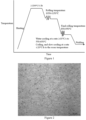
- The initial rolling temperature of the present invention is 1050-1150°C, rolling of 3-5 passes is carried out under high pressure at 1050°C or more toa a cumulative deformation of ≥50%,the main purpose of which is to refine the austenite grain while retaining more solid-solutionized Ti. Subsequently, an intermediate billet is air-cooled or water-cooled to 950-1000°C, and rolling of 5-7 passes is carried out to a cumulative deformation of ≥70%. Then, after final rolling between 850-950°C, the steel plate was water-cooled to 550-650°C at a cooling rate of ≥10°C/s, and then slowly cooled to room temperature after coiling. The specific manufacturing process is shown in
Figure 2 . - During the rough rolling and finishing rolling stages, the rolling pace should be completed as quickly as possible to ensure that more Ti is solid-solutionized in austenite. After the final rolling, the strip steel is cooled in-line to 550-650°C at a cooling rate of ≥10°C/s to obtain ferrite and nano-precipitation structures. According to the actual production experience, depending on the thickness and composition of the strip steel, the strip steel completes the whole phase transformation process within 5-20s on the laminar flow cooling rollers, so as to obtain a more uniform structure and precipitation.
- In the subsequent pickling process, the inhomogeneity of thermal stress formed within the steel coil during the high-temperature coiling will be reduced and homogenized during pickling and straightening, which can further improve the structure uniformity of the steel, and is conducive to obtain pickled ultrahigh hole expansion steels with high surface performance, high plasticity, ultrahigh hole expansion rate, and good performance stability.
- Compared with the prior arts, the advantages of the present invention are as follows:
Compared with the high silicon composition design used in Chinese patentsCN103602895A andCN105821301A , the present invention adopts a unique, i.e., low-silicon or even silicon-free, low carbon and high vanadium composition design to avoid the appearance of red scale on the surface of the strip steel and improve the surface quality of pickled high-strength steel. - The steel in Chinese patent
CN108570604A is designed with a low silicon composition, in which the Si content is 0.05-0.5%. However, it is still not guaranteed to completely eliminate red scale defects on the surface of the strip steel. Moreover, the three-stage cooling process is difficult to control and the performance stability is difficult to guarantee. - In Chinese patents
CN105154769A andCN114107792A , because the composition of steel contains elements such as Mo that inhibit ferrite phase transformation, making the phase transformation process occur after coiling, and there are problems such as large performance fluctuations in the inner and outer rings of steel coils during actual production. - The present invention adopts an innovative low carbon and high vanadium composition design. By precisely controlling the content of C, Mn, Mo and B, a hot-rolled steel coil with a good matching of high strength, high plasticity, ultrahigh hole expansion rate and performance stability across the entire length can be obtained by using a simple rolling process.
- After the pickling step, the internal stress in the ferrite structure is reduced and homogenized. The uniformly fine and dispersively distributed nano-scale carbides in the ferrite on one hand give the steel plate high strength and high plasticity, and at the same time, the good structure and uniform distribution of internal stress give the steel plate an ultrahigh hole expansion rate.
- The method of the present invention can be used to manufacture ultrahigh hole expansion steel with yield strength ≥700 MPa and tensile strength ≥780 MPa, but with good elongation (transverse A50 ≥17%) and high hole expansion performance (hole expansion rate ≥80%), showing good performance stability and achieving excellent matching of surface performance, strength, plasticity, and hole expansion performance, which is suitable for the manufacture of vehicle chassis, subframe and other complex parts that require high strength, thickness reduction and hole expansion flanging.
-
-
Figure 1 is a schematic diagram of the rolling and cooling process for the steel according to the present invention; -
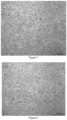
Figure 2 is a typical metallographic photograph of the steel of Example 2 of the present invention; -
Figure 3 is a typical metallographic photograph of the steel of Example 4 of the present invention; -
Figure 4 is a typical metallographic photograph of the steel of Example 6 of the present invention. - The present invention is further described below with reference to the accompanying examples and drawings.
- The steel compositions of Examples and Comparative Examples of the present invention are shown in Table 1, and the balance of the composition in Table 1 are Fe and inevitable impurities.
- The process path for manufacturing the steel in Examples of the present invention is:
- 1) Smelting and casting;
Smelting the composition shown in Table 1 in a converter or an electric furnace, then secondary refining in a vacuum furnace, and casting into a billet or an ingot; - 2) Reheating the billet or the ingot;
Heating temperature ≥1200°C, holding time: 1-2 hours. - 3) Hot rolling and cooling the billet or the ingot;
- wherein initial rolling temperature: 1050-1150°C, rough rolling of 3-5 passes was carried out under high pressure at 1050°C or more to a cumulative deformation of ≥50%, obtaining an intermediate billet; thereafter, the intermediate billet was air-cooled or water-cooled to 950-1000°C, and finishing rolling of 5-7 passes were carried out to an cumulative deformation of ≥70%, a final rolling was completed between 850-950°C, obtaining a strip steel;
- wherein cooling adopts laminar flow cooling, the strip steel is water-cooled to 550-650°C at a cooling speed of ≥10°C/s and coiling, after coiling, cooling to room temperature at a cooling speed of ≤50°C/h after coiling.
- The specific process is shown in
Figure 1 . - Table 2 shows the manufacturing process parameters of the steel of the Examples of the present invention. Table 3 shows the performance evaluation of the steel of the Examples and the Comparative Examples of the present invention.
- The steel in Comparative Examples 1-3 is selected from
CN103602895A , and the steel in Comparative Example 4 is selected fromCN114107792A . - Table 1 provides composition differences between the Examples and the Comparative Examples. It can be seen from Table 1 that the composition designs of the Comparative Examples are all low aluminum designs, and the composition designs of Comparative Examples 1-3 also include high silicon designs, while the composition design of the present invention is silicon-free and high aluminum. The two are completely different in composition design.
- As can be seen from Table 3, the steel coil obtained according to the compositions and processes of the present invention have a yield strength of ≥700 MPa, a tensile strength of ≥780 MPa, a transverse elongation A50 of ≥17%, and a hole expansion rate of ≥80%.
- It can also be seen from Table 3 that, although Comparative Examples 1-3 are similar to the present invention in terms of yield strength, tensile strength and elongation, the hole expansion rate of Comparative Examples 1-3 are significantly lower than those of the Examples of the present invention.
- The yield strength, tensile strength and elongation of the steel in Table 3 were tested in accordance with GB/T 228.1-2021 "Tensile Test of Metallic Materials Part 1: Room Temperature Test Methods".
- The hole expansion rate of steel was tested in accordance with GB/T 24524-2021 "Experimental Methods for Hole Expansion of Thin Plates and Thin Strips of Metallic Materials".
-
Figures 2-4 respectively show typical metallographic photographs of the steels in Examples 2, 4 and 6 of the present invention. - It is clear from the figures that using the composition and process path designed by the present invention, a ferrite-dominated structure is obtained with a very small amount of pearlite. Specifically, the ferrite in the steel is 97 volume% or more, the pearlite is 3 volume% or less, and the ferrite contains dispersively distributed nanoscale carbides.
- The steel of the Examples of the present invention exhibits a good matching of high strength, high plasticity and ultrahigh hole expansion rate with excellent comprehensive performance.
- As can be seen from the above Examples and Comparative Examples, the 780MPa high-strength steel of the present invention has a good matching of high strength, high plasticity and ultrahigh hole expansion rate, and is particularly suitable for manufacturing vehicle chassis structure and other parts that require high strength, thickness reduction, hole expansion and flanging forming such as the control arm, etc., and can be used for wheels and other complex parts that need flanging, which has a broad application prospect.
Table 1 unit: percentage by mass C Si Mn P S Al N Mo Ti O Mg Cu Ni Cr Nb V B Example 1 0.055 0.13 1.79 0.010 0.0026 0.92 0.0037 0.27 0.15 0.0030 0.001 - 0.3 0.3 - 0.02 - Example 2 0.088 0.05 0.51 0.013 0.0020 0.39 0.0031 0.06 0.12 0.0025 0.005 - - - 0.04 - 0.0005 Example 3 0.041 0.07 1.46 0.020 0.0027 1.05 0.0028 0.5 0.05 0.0028 - - 0.2 0.2 - 0.10 0.0008 Example 4 0.070 0.10 0.88 0.018 0.0029 0.62 0.0035 0.16 0.07 0.0024 0.004 - - - - - - Example 5 0.035 0.12 0.51 0.015 0.0019 0.21 0.0038 0.05 0.18 0.0029 - - 0.1 0.1 0.02 0.06 0.0006 Example 6 0.062 0.06 1.98 0.008 0.0022 1.48 0.0025 0.42 0.11 0.0027 0.003 - - - 0.06 - - Example 7 0.045 0.14 0.75 0.017 0.0025 0.81 0.0040 0.36 0.20 0.0026 - - - 0.5 - - 0.0010 Example 8 0.075 0.08 1.22 0.014 0.0024 0.53 0.0033 0.05 0.09 0.0023 0.002 - 0.5 - 0.03 0.04 - Comparative Example 1 0.045 1.10 1.70 0.010 0.0009 0.057 0.0031 - 0.13 - - - - - 0.045 - - Comparative Example 2 0.050 0.85 1.90 0.011 0.0020 0.024 0.0031 - 0.11 - 0.001 - - - 0.060 - - Comparative Example 3 0.080 0.55 1.65 0.009 0.0010 0.051 0.0045 - 0.15 - - - - - 0.024 - - Comparative Example 4 0.052 0.09 1.51 0.008 0.0008 0.035 0.0029 0.18 0.09 0.0020 - - - - - - - Table 2 Example Heating tempera ture °C Initial rolling temperat ure °C Cumulative deformatio n of rough rolling % Intermediat e billet temperature °C Cumulative deformation of finishing rolling % Final rolling temperat ure °C Water-cooling rate °C/s Air-cooling time s Coiling temperat ure °C 1 1310 1150 80 1000 95.0 950 50 8 560 2 1270 1130 65 990 94.5 890 25 15 610 3 1220 1060 75 970 97.6 860 80 5 580 4 1280 1110 60 995 95.8 920 38 12 550 5 1240 1090 71 980 96.8 880 65 6 630 6 1200 1050 50 950 95.2 850 10 20 600 7 1300 1140 55 990 96.8 930 46 10 650 8 1230 1070 75 975 91.4 870 20 16 620 Table 3 Steel plate thickness mm Yield strength MPa Tensile strength MPa Transverse elongation A50 % Hole expansion rate % Example 1 2.5 759 810 20 95.5 Example 2 4.8 776 849 18 101.2 Example 3 1.5 746 833 20 94.4 Example 4 4.2 761 842 19 98.9 Example 5 2.3 755 828 21 97.7 Example 6 6.0 732 815 19 103.6 Example 7 3.6 797 854 18 87.8 Example 8 5.4 738 803 20 110.3 Comparative Example 1 2.9 720 790 19 58 Comparative Example 2 2.8 710 820 17 65 Comparative Example 3 4.0 750 856 15 50 Comparative Example 4 2.5 736 803 20 93
Claims (7)
- A steel, comprising the following components in percentage by mass:C: 0.03-0.09%; Si≤0.2%; Mn: 0.5-2.0%; P≤0.02%; S≤0.003%; Al: 0.2-1.2%; N≤0.004 %; Ti: 0.05-0.20%; Mo: 0.05-0.5%; Mg≤0.005%; O≤0.003%; B≤0.001%; and the balance being Fe and inevitable impurities, wherein C, Mn, Mo and B in the steel satisfy the following formula:
 wherein each chemical element in the formula represent the numerical value before the percentage sign of the percentage by mass of corresponding chemical elements.
 - The steel as claimed in claim 1, characterized in that, the steel further comprises one or more elements selected from Nb, V, Cu, Ni and Cr, wherein Nb≤0.06%, V≤0.10%, preferably ≤0.05%, Cu≤0.5%, preferably ≤0.3wt%, Ni≤0.5%, preferably ≤0.3%, Cr≤0.5%, preferably ≤0.3% in percentage by mass.
- The steel as claimed in claim 1, characterized in that, the components of the steel further satisfy at least one of the following: Si≤0.15wt%, Mn: 1.0-1.6wt%, S≤0.0015wt%, Al: 0.5-1.0wt%, N≤0.003wt%, Ti: 0.07-0.11wt %, Mo: 0.15-0.45wt%, Ni≤0.03wt%, B≤0.0005wt%.
- The steel as claimed in any one of claims 1-3, characterized in that, the steel has a yield strength of ≥700MPa, a tensile strength of ≥780MPa, a transverse elongation A50 of ≥17%, and a hole expansion rate ≥80%.
- The steel as claimed in any one of claims 1-4, characterized in that, the steel has a structure containing 95 volume% or more, preferably 97 volume% or more of ferrite, and 5 volume% or less, preferably 3 volume% or less, of pearlite, wherein the ferrite contains dispersively distributed nanoscale carbides.
- A method for manufacturing the steel as claimed in any one of claims 1-5, comprising the following steps:1) Smelting and casting;
Smelting a molten steel in a converter or an electric furnace according to the composition as claimed in any one of claims 1-5, then secondary refining in a vacuum furnace, and casting into a billet or an ingot;2) Reheating the billet or the ingot;
Heating temperature≥1200°C, holding time: 1-2 hours;3) Hot rolling and cooling the billet or the ingot;wherein initial rolling temperature: 1050-1150°C, rough rolling of 3-5 passes is carried out under high pressure at 1050°C or more to a cumulative deformation of ≥50%, obtaining an intermediate billet, thereafter, the intermediate billet is air-cooled or water-cooled to 950-1000°C, and finishing rolling of 5-7 passes is carried out to a cumulative deformation of ≥70%, a final rolling temperature is 850-950°C, obtaining a steel strip; wherein cooling adopts laminar flow cooling; after final rolling, water cooling the steel strip to 550-650°C at a cooling speed of ≥10°C/s and coiling, after coiling, cooling to room temperature at a cooling speed of ≤50°C/h, obtaining a hot-rolled strip steel. - The method as claimed in claim 6, characterized in that, the method further comprises step 4) Pickling, wherein a pickling operating speed of the hot-rolled strip steel is 30-140m/min, a pickling temperature is 75-85°C, a straightening rate is ≤3%, rinsing is carried out at 35-50°C, and surface drying and oiling are carried out at 120-140°C.
Applications Claiming Priority (2)
| Application Number | Priority Date | Filing Date | Title |
|---|---|---|---|
| CN202210714704.XA CN117305693A (en) | 2022-06-22 | 2022-06-22 | Ultra-high expansion hole steel and manufacturing method thereof |
| PCT/CN2023/101852 WO2023246904A1 (en) | 2022-06-22 | 2023-06-21 | Ultrahigh reaming steel and manufacturing method therefor |
Publications (2)
| Publication Number | Publication Date |
|---|---|
| EP4524280A1 true EP4524280A1 (en) | 2025-03-19 |
| EP4524280A4 EP4524280A4 (en) | 2025-07-30 |
Family
ID=89279929
Family Applications (1)
| Application Number | Title | Priority Date | Filing Date |
|---|---|---|---|
| EP23826549.0A Pending EP4524280A4 (en) | 2022-06-22 | 2023-06-21 | ULTRA-HIGH QUALITY BORING STEEL AND ITS MANUFACTURING PROCESS |
Country Status (6)
| Country | Link |
|---|---|
| US (1) | US20250376746A1 (en) |
| EP (1) | EP4524280A4 (en) |
| JP (1) | JP2025521327A (en) |
| KR (1) | KR20250011202A (en) |
| CN (1) | CN117305693A (en) |
| WO (1) | WO2023246904A1 (en) |
Families Citing this family (4)
| Publication number | Priority date | Publication date | Assignee | Title |
|---|---|---|---|---|
| CN118441223B (en) * | 2024-04-26 | 2025-11-18 | 鞍钢股份有限公司 | A lightweight, high-strength ferritic steel plate with integrated structural and functional properties and its manufacturing method. |
| CN118792583A (en) * | 2024-06-28 | 2024-10-18 | 武汉钢铁有限公司 | A fire-resistant and easily adjustable hot-rolled high-strength flat plate and its production method and application |
| CN118979190B (en) * | 2024-08-26 | 2025-11-25 | 北京科技大学 | Low-carbon high-hole-expansion steel and its preparation method |
| CN119082600B (en) * | 2024-08-28 | 2026-04-07 | 武汉钢铁有限公司 | A high-strength, high-ductility ferritic single-phase automotive structural steel and its production method |
Family Cites Families (22)
| Publication number | Priority date | Publication date | Assignee | Title |
|---|---|---|---|---|
| US4769214A (en) * | 1985-09-19 | 1988-09-06 | Sptek | Ultrahigh carbon steels containing aluminum |
| JP4819489B2 (en) * | 2005-11-25 | 2011-11-24 | Jfeスチール株式会社 | High strength steel plate with excellent uniform elongation characteristics and method for producing the same |
| JP5126846B2 (en) * | 2008-10-15 | 2013-01-23 | 新日鐵住金株式会社 | Hot-rolled steel sheet and manufacturing method thereof |
| JP5458641B2 (en) * | 2009-04-21 | 2014-04-02 | Jfeスチール株式会社 | Carbide dispersion steel |
| BR112014020244B1 (en) * | 2012-02-17 | 2019-04-30 | Nippon Steel & Sumitomo Metal Corporation | STEEL PLATE, COATED STEEL PLATE, AND METHOD FOR PRODUCTION OF THE SAME |
| JP5821861B2 (en) * | 2013-01-23 | 2015-11-24 | 新日鐵住金株式会社 | High-strength hot-rolled steel sheet with excellent appearance and excellent balance between elongation and hole expansibility and method for producing the same |
| KR101543836B1 (en) * | 2013-07-11 | 2015-08-11 | 주식회사 포스코 | High strength hot rolled steel sheet having excellent impact resistance and formability and method for manufacturing the same |
| CN103602895B (en) | 2013-11-29 | 2016-08-24 | 宝山钢铁股份有限公司 | A kind of tensile strength 780MPa level high-chambering steel plate and manufacture method thereof |
| WO2016132549A1 (en) * | 2015-02-20 | 2016-08-25 | 新日鐵住金株式会社 | Hot-rolled steel sheet |
| CN105154769B (en) | 2015-09-18 | 2017-06-23 | 宝山钢铁股份有限公司 | A kind of 780MPa grades of hot-rolled high-strength reaming steel high and its manufacture method |
| CN105821301A (en) | 2016-04-21 | 2016-08-03 | 河北钢铁股份有限公司邯郸分公司 | 800MPa-level hot-rolled high strength chambering steel and production method thereof |
| CN106119698B (en) * | 2016-06-21 | 2018-01-30 | 宝山钢铁股份有限公司 | A kind of high reaming dual phase steel of 780MPa levels hot-rolled ferrite-bainite and its manufacture method |
| CN108441763B (en) * | 2018-03-23 | 2019-11-19 | 马钢(集团)控股有限公司 | A kind of tensile strength 1000MPa grades of cold rollings galvanizing by dipping high-strength steel and preparation method thereof |
| CN108570604A (en) | 2018-04-28 | 2018-09-25 | 唐山钢铁集团有限责任公司 | A kind of high reaming steel band of 780MPa grades of hot rolling acid-cleaning and its production method |
| CN109825768B (en) * | 2019-03-27 | 2020-09-04 | 武汉钢铁有限公司 | 780 MPa-grade ultrathin hot-galvanized dual-phase steel and preparation method thereof |
| CN110512146A (en) * | 2019-09-05 | 2019-11-29 | 首钢集团有限公司 | A kind of super high strength hot rolled pickling reaming steel and its production method with Good All-around Property |
| KR102846338B1 (en) * | 2020-08-27 | 2025-08-14 | 닛폰세이테츠 가부시키가이샤 | hot rolled steel plate |
| CN114107789B (en) * | 2020-08-31 | 2023-05-09 | 宝山钢铁股份有限公司 | A kind of 780MPa grade high surface high performance stability ultrahigh reaming steel and its manufacturing method |
| CN114107795B (en) * | 2020-08-31 | 2023-05-09 | 宝山钢铁股份有限公司 | A 1180MPa grade low temperature tempered martensitic high hole expansion steel and its manufacturing method |
| CN114107792B (en) * | 2020-08-31 | 2024-01-09 | 宝山钢铁股份有限公司 | A 780MPa grade high surface ultra-high hole expansion steel and its manufacturing method |
| CN114107791B (en) * | 2020-08-31 | 2023-06-13 | 宝山钢铁股份有限公司 | 980 MPa-grade full bainite type ultra-high reaming steel and manufacturing method thereof |
| CN117120647B (en) * | 2021-06-22 | 2025-09-23 | 日本制铁株式会社 | Hot rolled steel sheet and method for manufacturing the same |
-
2022
- 2022-06-22 CN CN202210714704.XA patent/CN117305693A/en active Pending
-
2023
- 2023-06-21 WO PCT/CN2023/101852 patent/WO2023246904A1/en not_active Ceased
- 2023-06-21 KR KR1020247042004A patent/KR20250011202A/en active Pending
- 2023-06-21 JP JP2024574814A patent/JP2025521327A/en active Pending
- 2023-06-21 EP EP23826549.0A patent/EP4524280A4/en active Pending
- 2023-06-21 US US18/876,509 patent/US20250376746A1/en active Pending
Also Published As
| Publication number | Publication date |
|---|---|
| CN117305693A (en) | 2023-12-29 |
| US20250376746A1 (en) | 2025-12-11 |
| KR20250011202A (en) | 2025-01-21 |
| JP2025521327A (en) | 2025-07-08 |
| WO2023246904A1 (en) | 2023-12-28 |
| EP4524280A4 (en) | 2025-07-30 |
Similar Documents
| Publication | Publication Date | Title |
|---|---|---|
| CN114107792B (en) | A 780MPa grade high surface ultra-high hole expansion steel and its manufacturing method | |
| US20250376746A1 (en) | Ultrahigh hole expansion steel and method for manufacturing therefor | |
| EP3354763B1 (en) | Seamless steel tube with high strength and toughness and manufacturing method therefor | |
| EP4206348A1 (en) | 780 mpa-grade ultra-high reaming steel having high surface quality and high performance stability, and manufacturing method therefor | |
| EP4086362B1 (en) | Low-silicon and low-carbon equivalent gpa grade multi-phase steel plate/steel strip and manufacturing method therefor | |
| CN110306123A (en) | A kind of tensile strength >=1800MPa grades of high-toughness hot forming steel and its production method | |
| CN113403550A (en) | High-plasticity fatigue-resistant cold-rolled hot-galvanized DH1180 steel plate and preparation method thereof | |
| CN113073261B (en) | Automobile Mn-TRIP steel plate with 50 GPa% of product of strength and elongation and preparation method thereof | |
| CN113416889A (en) | Ultrahigh-strength hot-dip galvanized DH1470 steel with good welding performance and preparation method thereof | |
| CN108642379B (en) | Cold-rolled dual-phase steel with tensile strength of 1200MPa and preparation method thereof | |
| EP4541921A1 (en) | 1000mpa-grade high hole expansion hot-rolled complex phase steel plate and manufacturing method thereof | |
| EP4545668A1 (en) | High-plasticity 1500-mpa-grade ultrahigh-strength steel and preparation method therefor | |
| CN111172466B (en) | A plastic-enhanced cold-rolled dual-phase steel with a tensile strength of 590 MPa and a production method thereof | |
| CN110268085A (en) | High-strength cold-rolled steel sheet for automobiles | |
| CN115198176B (en) | A kind of ultra-high-strength martensitic steel for carriages and its preparation method | |
| CN109943765B (en) | A kind of 800MPa grade high yield-strength ratio cold-rolled dual-phase steel and preparation method thereof | |
| EP4524278A1 (en) | High reaming steel and manufacturing method therefor | |
| CN107557665A (en) | A kind of yield strength 345MPa levels rare earth Weather-resistance bridge steel plate and its production method | |
| CN110373615B (en) | Economical fine-grain austenitic stainless steel and manufacturing method thereof | |
| CN109518080A (en) | Strong dual phase steel of cold rolling low cost superelevation and preparation method thereof | |
| CN115505847B (en) | Cold-rolled ultra-high-strength steel plate with excellent impact performance and preparation method thereof | |
| CN108624818A (en) | 400-500MPa grades high uniform elongation hot continuous-milling steel plate and its manufacturing method | |
| CN111979470A (en) | Production method of ultrahigh-strength cold-rolled martensite steel plate with good bending property | |
| CN120945294B (en) | A cold-rolled continuously annealed CH steel with ultra-high hole expansion performance of 1000MPa and its preparation method | |
| CN117966033B (en) | Steel material and preparation method thereof, packaging steel, and metal can |
Legal Events
| Date | Code | Title | Description |
|---|---|---|---|
| STAA | Information on the status of an ep patent application or granted ep patent |
Free format text: STATUS: THE INTERNATIONAL PUBLICATION HAS BEEN MADE |
|
| PUAI | Public reference made under article 153(3) epc to a published international application that has entered the european phase |
Free format text: ORIGINAL CODE: 0009012 |
|
| STAA | Information on the status of an ep patent application or granted ep patent |
Free format text: STATUS: REQUEST FOR EXAMINATION WAS MADE |
|
| 17P | Request for examination filed |
Effective date: 20241210 |
|
| AK | Designated contracting states |
Kind code of ref document: A1 Designated state(s): AL AT BE BG CH CY CZ DE DK EE ES FI FR GB GR HR HU IE IS IT LI LT LU LV MC ME MK MT NL NO PL PT RO RS SE SI SK SM TR |
|
| A4 | Supplementary search report drawn up and despatched |
Effective date: 20250626 |
|
| RIC1 | Information provided on ipc code assigned before grant |
Ipc: C22C 38/02 20060101AFI20250627BHEP Ipc: C22C 38/04 20060101ALI20250627BHEP Ipc: C22C 38/06 20060101ALI20250627BHEP Ipc: C22C 38/08 20060101ALI20250627BHEP Ipc: C22C 38/12 20060101ALI20250627BHEP Ipc: C22C 38/14 20060101ALI20250627BHEP Ipc: C22C 38/32 20060101ALI20250627BHEP Ipc: C22C 38/38 20060101ALI20250627BHEP Ipc: C22C 38/54 20060101ALI20250627BHEP Ipc: C21D 6/00 20060101ALI20250627BHEP Ipc: C21D 8/02 20060101ALI20250627BHEP Ipc: C22C 33/04 20060101ALI20250627BHEP Ipc: C21D 1/02 20060101ALI20250627BHEP Ipc: C21D 1/60 20060101ALI20250627BHEP Ipc: C21D 1/84 20060101ALI20250627BHEP Ipc: C21D 9/46 20060101ALI20250627BHEP Ipc: C22C 38/00 20060101ALI20250627BHEP Ipc: C22C 38/16 20060101ALI20250627BHEP Ipc: C22C 38/22 20060101ALI20250627BHEP Ipc: C22C 38/28 20060101ALI20250627BHEP |
|
| DAV | Request for validation of the european patent (deleted) | ||
| DAX | Request for extension of the european patent (deleted) |