EP4517541A1 - Datenübertragungsverfahren und -vorrichtung - Google Patents
Datenübertragungsverfahren und -vorrichtung Download PDFInfo
- Publication number
- EP4517541A1 EP4517541A1 EP23795004.3A EP23795004A EP4517541A1 EP 4517541 A1 EP4517541 A1 EP 4517541A1 EP 23795004 A EP23795004 A EP 23795004A EP 4517541 A1 EP4517541 A1 EP 4517541A1
- Authority
- EP
- European Patent Office
- Prior art keywords
- data
- transmitted
- processing unit
- transmission
- physical parameter
- Prior art date
- Legal status (The legal status is an assumption and is not a legal conclusion. Google has not performed a legal analysis and makes no representation as to the accuracy of the status listed.)
- Pending
Links
Images

Classifications
-
- G—PHYSICS
- G06—COMPUTING OR CALCULATING; COUNTING
- G06F—ELECTRIC DIGITAL DATA PROCESSING
- G06F13/00—Interconnection of, or transfer of information or other signals between, memories, input/output devices or central processing units
- G06F13/38—Information transfer, e.g. on bus
- G06F13/42—Bus transfer protocol, e.g. handshake; Synchronisation
-
- G—PHYSICS
- G06—COMPUTING OR CALCULATING; COUNTING
- G06F—ELECTRIC DIGITAL DATA PROCESSING
- G06F13/00—Interconnection of, or transfer of information or other signals between, memories, input/output devices or central processing units
- G06F13/38—Information transfer, e.g. on bus
- G06F13/42—Bus transfer protocol, e.g. handshake; Synchronisation
- G06F13/4265—Bus transfer protocol, e.g. handshake; Synchronisation on a point to point bus
- G06F13/4273—Bus transfer protocol, e.g. handshake; Synchronisation on a point to point bus using a clocked protocol
-
- G—PHYSICS
- G06—COMPUTING OR CALCULATING; COUNTING
- G06F—ELECTRIC DIGITAL DATA PROCESSING
- G06F15/00—Digital computers in general; Data processing equipment in general
- G06F15/16—Combinations of two or more digital computers each having at least an arithmetic unit, a program unit and a register, e.g. for a simultaneous processing of several programs
-
- G—PHYSICS
- G06—COMPUTING OR CALCULATING; COUNTING
- G06F—ELECTRIC DIGITAL DATA PROCESSING
- G06F15/00—Digital computers in general; Data processing equipment in general
- G06F15/76—Architectures of general purpose stored program computers
- G06F15/78—Architectures of general purpose stored program computers comprising a single central processing unit
- G06F15/7807—System on chip, i.e. computer system on a single chip; System in package, i.e. computer system on one or more chips in a single package
-
- G—PHYSICS
- G06—COMPUTING OR CALCULATING; COUNTING
- G06F—ELECTRIC DIGITAL DATA PROCESSING
- G06F2213/00—Indexing scheme relating to interconnection of, or transfer of information or other signals between, memories, input/output devices or central processing units
- G06F2213/0038—System on Chip
-
- Y—GENERAL TAGGING OF NEW TECHNOLOGICAL DEVELOPMENTS; GENERAL TAGGING OF CROSS-SECTIONAL TECHNOLOGIES SPANNING OVER SEVERAL SECTIONS OF THE IPC; TECHNICAL SUBJECTS COVERED BY FORMER USPC CROSS-REFERENCE ART COLLECTIONS [XRACs] AND DIGESTS
- Y02—TECHNOLOGIES OR APPLICATIONS FOR MITIGATION OR ADAPTATION AGAINST CLIMATE CHANGE
- Y02D—CLIMATE CHANGE MITIGATION TECHNOLOGIES IN INFORMATION AND COMMUNICATION TECHNOLOGIES [ICT], I.E. INFORMATION AND COMMUNICATION TECHNOLOGIES AIMING AT THE REDUCTION OF THEIR OWN ENERGY USE
- Y02D30/00—Reducing energy consumption in communication networks
- Y02D30/70—Reducing energy consumption in communication networks in wireless communication networks
Definitions
- This disclosure relates to the technical field of chip diagnosis, and in particular, to a data transmission method and an apparatus.
- IP cores In a system on chip (SoC), multiple intellectual property cores (IP cores) are typically disposed, and data may be transmitted between IP cores in a same SoC and between IP cores in different SoCs.
- SoC system on chip
- the transmission delay may generally cause functional abnormalities (such as IP core hanging) to the IP core, and may even cause a SoC failure.
- this disclosure provides a data transmission method and an apparatus to reduce a possibility of data transmission delays and improve reliability of data transmission.
- a data transmission method including: first, determining transmission duration required for transmitting data to be transmitted between a first processing unit and a second processing unit; and then, starting timing when it is detected that the data to be transmitted is transmitted from the first processing unit; further, determining, based on timing duration and a transmission status of the data to be transmitted, a physical parameter of the first processing unit when transmitting the data to be transmitted; and finally, transmitting the data to be transmitted to the second processing unit based on the physical parameter.
- a data transmission apparatus including: a duration determining module, configured to determine transmission duration required for transmitting data to be transmitted between a first processing unit and a second processing unit; a timing start module, configured to start timing when it is detected that the data to be transmitted is transmitted from the first processing unit; a parameter determining module, configured to determine, based on timing duration determined by the timing start module and a transmission status of the data to be transmitted, a physical parameter of the first processing unit when transmitting the data to be transmitted; and a data transmission module, configured to transmit the data to be transmitted to the second processing unit based on the physical parameter determined by the parameter determining module.
- a chip is a circuit module that integrates multiple electronic components on a silicon board to implement a specific function.
- chips There are usually various types of chips, such as a system on chip (SoC), a microcontroller unit (MCU), a field programmable gate array (FPGA), and the like.
- SoC system on chip
- MCU microcontroller unit
- FPGA field programmable gate array
- each chip generally includes multiple modules, which may usually exchange data with each other.
- some chips may also exchange data with other chips.
- multiple IP cores are usually disposed in the SoC. Data exchange may be performed between various IP cores in a same SoC.
- the SoC may also be connected to other SoCs through buses (such as high-speed serial computer expansion buses) and exchange data with IP cores in other SoCs.
- buses such as high-speed serial computer expansion buses
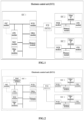
- FIG. 1 the schematic architectural diagram of SoCs shown in FIG. 1 , three SoCs SoC 1, SoC 2, and SoC 3 are shown in FIG. 1 .
- the three SoCs are located in a same electronic control unit (ECU), and may be connected to each other through buses to form an integrated circuit module of the ECU.
- the ECU may be disposed in a vehicle-mounted intelligent terminal of a vehicle, so as to provide an assisted driving function or an autonomous driving function for the vehicle.
- the IP cores in the SoC 1 include a general interrupt controller (GIC) module, a central processing unit (CPU) module, a network on chip (NOC) control module, a high-speed serial computer expansion bus standard (peripheral component interconnect express PCIe) module, a direct memory access (DMA) module, a memory module, and other IP modules.
- the IP cores in the SoC 2 include a PCIe module, a CPU module, a memory module, and other IP modules.
- the IP cores in the SoC 3 include a PCIe module, a CPU module, a memory module, and other IP modules.
- solid lines connecting various IP modules in a same SoC represent on-chip buses, while dashed lines represent signal lines.
- data may usually be transmitted between the various IP cores in the SoC to achieve data exchange, and may also be transmitted between different SoCs.
- the IP core in the SoC 1 may transmit data to the IP cores in the SoC 2 and the SoC 3 for data exchange.
- a transmitting end in the data exchange process may be referred to as a first processing unit, and a receiving end may be referred to as a second processing unit.
- a first processing unit a receiving end in the data exchange process
- a second processing unit a transmitting end in the data exchange process
- the IP cores that need to perform data exchange in the SoC 1 may be referred to the first processing unit and the second processing unit.
- the IP core in the SoC 1 transmits data to the IP core in the SoC 2
- the IP core in the SoC 2 may be referred to the second processing unit.
- the transmission delay in the data exchange process between the first processing unit and the second processing unit may cause functional abnormalities to the modules in the chip (for example, the second processing unit that needs to receive data hangs), and may even cause overall functional failures to the chip.
- the transmission delay during data transmission may result in loss of the autonomous driving function of the vehicle.
- a timeout error monitoring technology is typically used in conventional schemes.
- the process of data transmission is generally monitored by a module (such as the NOC control module in FIG. 1 ) in the chip, and an error is reported when it is monitored that timeout occurs to transmission of a piece of data.
- embodiments of this disclosure provide a data transmission method and an apparatus to reduce the occurrence of data transmission delays in the chip.
- Embodiments of this disclosure may be applied to chips that need to perform data exchange, which may include a SoC, a MCU, an FPGA, and the like. Moreover, the chip may be applied in various application scenarios, which may include assisted driving, autonomous driving, or the Internet of Things (IoT), and the like.
- SoC SoC
- MCU MCU
- FPGA field-programmable gate array
- IoT Internet of Things
- various processing units in a same chip of a vehicle may exchange data with each other according to the data transmission method provided in the embodiments of this disclosure, so as to reduce data transmission delays, thereby improving reliability of data transmission and further improving accuracy of assisted driving or autonomous driving.
- a module capable of implementing the data transmission method is usually disposed in the chip.
- this module may be a NOC control module in the schematic diagram shown in FIG. 1 .
- this module may be an additional module disposed on the basis of the conventional chip.
- FIG. 2 is an example diagram of a chip to which this disclosure is applicable.
- a chip to which the data transmission method provided in the embodiments of this disclosure is applied is a SoC.
- SoC SoC 1
- SoC 2 there are three SoCs SoC 1, SoC 2, and SoC 3 disposed in an ECU.
- Data transmission may be performed between various IP cores in the SoC 1.
- both a first processing unit and a second processing unit are IP cores in the SoC 1.
- the IP core in the SoC 1 may also perform data transmission with IP cores in other SoCs.
- the first processing unit may be the IP core in the SoC 1
- the second processing unit may be the IP core in another SoC.
- an NOC diagnosis module may be added in the SoC 1 to implement the data transmission method provided in the embodiments of this disclosure, so as to reduce a phenomenon of transmission delay during a data transmission process.
- an NOC diagnosis module may also be disposed in the SoC 2 or the SoC 3 to implement the data transmission method provided in the embodiments of this disclosure, so as to reduce a phenomenon of transmission delay during the data transmission process.
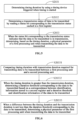
- FIG. 3 is a schematic flowchart of a data transmission method according to an exemplary embodiment of this disclosure. This embodiment may be applied to an electronic device. As shown in FIG. 3 , the method includes the following steps.
- Step S201 Determining transmission duration required for transmitting data to be transmitted between a first processing unit and a second processing unit.
- the first processing unit and the second processing unit are located on the same chip. For example, if the data to be transmitted is transmitted between a CPU module and a memory module in a SoC 1 shown in FIG. 2 , the first processing unit is the CPU module in the SoC 1 while the second processing unit is the memory module in the SoC 1.
- the first processing unit and the second processing unit are located on different chips. For example, if the data to be transmitted is transmitted between the SoC 1 and a SoC 2 shown in FIG. 2 , for example, the data to be transmitted is transmitted by the CPU module in the SoC 1 and is received by a memory module in the SoC 2, the first processing unit is the CPU module in the SoC 1 while the second processing unit is the memory module in the SoC2.
- Step S202 Starting timing when it is detected that the data to be transmitted is transmitted from the first processing unit.
- timing may be started when it is detected that the first processing unit starts tramsmitting a write address to the second processing unit. If this data transmission is a data read operation, timing may be started when it is detected that the first processing unit starts transmitting a read address to the second processing unit.
- the first processing unit is the CPU module in the SoC 1 shown in FIG. 2
- the second processing unit is the memory module in the SoC 2 shown in FIG. 2
- the CPU module in the SoC 1 may be monitored. Timing is started if this data transmission is a data write operation and it is determined through monitoring that the CPU module in the SoC 1 transmits a write address to the memory module in the SoC2. In addition, timing is started if this data transmission is a data read operation and it is determined through monitoring that the CPU module in the SoC 1 transmits a read address to the memory module in the SoC2.
- Step S203 Determining, based on timing duration and a transmission status of the data to be transmitted, a physical parameter of the first processing unit when transmitting the data to be transmitted.
- the transmission status of the data to be transmitted usually includes: a state in which the data to be transmitted is in transmission or a state in which the transmission of the data to be transmitted has ended.
- the physical parameter of the first processing unit when transmitting the data to be transmitted is determined if it is determined that there occurs a transmission delay to the data to be transmitted based on the timing duration and the transmission status of the data to be transmitted.
- the first processing unit is the CPU module in the SoC 1 shown in FIG. 2
- the second processing unit is the memory module in the SoC 2 shown in FIG. 2 . It is indicated that there occurs a transmission delay to thedata to be transmitted if the timing duration and the transmission status of the data to be transmitted indicate that the transmission status of the data to be transmitted is still that the data to be transmitted is in transmission after the transmission duration required for transmitting the data to be transmitted between the first processing unit and the second processing unit is reached. In this case, a physical parameter of the CPU module in the SoC 1 when transmitting the data to be transmitted is determined.
- Step S204 Transmitting the data to be transmitted to the second processing unit based on the physical parameter.
- the physical parameter of the first processing unit when transmitting the data to be transmitted may be determined when a transmission delay occurs to the data to be transmitted.
- the data to be transmitted may be transmitted to the second processing unit again based on the determined physical parameter.
- FIG. 2 an architecture of the chip is shown in FIG. 2 , where the first processing unit is the CPU module in the SoC1 and the second processing unit is the memory module in the SoC 2.
- the transmission duration required for transmitting the data to be transmitted between the CPU module in the SoC 1 and the memory module in the SoC 2 is first determined, and timing is started when it is detected that the data to be transmitted is transmitted from the CPU module in the SoC 1.
- a physical parameter of the CPU module in the SoC 1 when transmitting the data to be transmitted is determined, and then the data to be transmitted is transmitted to the memory module in the SoC 2 based on the physical parameter.
- the physical parameter of the first processing unit when transmitting the data to be transmitted can be adjusted, and the data to be transmitted can be transmitted to the second processing unit based on the adjusted physical parameter. That is, according to the solution provided in this embodiment of this disclosure, the physical parameter during the data transmission process can be dynamically adjusted based on whether there is a delay in data transmission, thereby reducing a possibility of data transmission delays and improving reliability of the data transmission.
- the first processing unit may need to transmit various types of data, such as an interrupt signal, a failure signal, a handshake signal, a control signal, application data, and a status signal.
- data such as an interrupt signal, a failure signal, a handshake signal, a control signal, application data, and a status signal.
- the first processing unit may transmit the interrupt signal.
- the first processing unit may transmit the failure signal, which may contain failure information of the module.
- the first processing unit may transmit the handshake signal.
- the first processing unit may transmit the corresponding control signal to the second processing unit.
- the second processing unit needs to obtain application data
- the first processing unit may transmit the application data to the second processing unit. For example, if the first processing unit obtains a file from a portable hard disk and the file is required by the second processing unit, the first processing unit may transmit the application data including the file to the second processing unit.
- the first processing unit may transmit the status signal to the second processing unit.
- the status signal may include the status of the first processing unit.
- the various types of data may be used as the data to be transmitted, and data transmission is performed according to the solution provided in this embodiment of this disclosure.
- some of the various types of data may be used as the data to be transmitted, and data transmission is performed according to the solution provided in this embodiment of this disclosure, thereby reducing power consumption of the chip.
- data with longer transmission duration among the various types of data that need to be transmitted by the first processing unit may be used as the data to be transmitted. For example, top five types of data with longest transmission duration are used as the data to be transmitted.
- data with a higher priority is usually more important, to reduce transmission delays of the important data, the data with a higher priority among the various types of data that need to be transmitted by the first processing unit may be used as the data to be transmitted.
- the physical parameter of the first processing unit when transmitting the data to be transmitted may be determined based on the timing duration and the transmission status of the data to be transmitted.
- the physical parameter includes a parameter for controlling a transmission speed of the data to be transmitted.
- the wider the bandwidth for data transmission the faster the data transmission speed.
- the transmission bandwidth of the data has certain impact on the transmission speed of the data. Therefore, when it is determined based on the timing duration and the transmission status of the data to be transmitted that a transmission delay occurs to the data to be transmitted, a transmission bandwidth of the data to be transmitted may be increased, and the corresponding physical parameter may include a transmission bandwidth of the data to be transmitted.
- different levels of priorities are preset for the data, when a priority of a piece of data is higher, a wider transmission bandwidth is allocated to the piece of data and a corresponding transmission speed of the piece of data is faster. In other words, the priority of the data has certain impact on the transmission speed of the data.
- a priority of the data to be transmitted may be increased.
- the physical parameter may include the priority of the data to be transmitted.
- the physical parameter includes a parameter for controlling the transmission speed of the data to be transmitted.
- the physical parameter may be adjusted and the data to be transmitted may be transmitted based on the adjusted physical parameter, so as to accelerate the transmission speed of the data to be transmitted, thereby reducing occurrence of transmission delays and improving the reliability of the data transmission.
- step S201 the operation of determining the transmission duration required for transmitting the data to be transmitted between the first processing unit and the second processing unit is disclosed.
- data transmission typically includes a data write operation and a data read operation.
- the data transmission process generally includes the following steps.
- Step 1 The first processing unit transmits a write address (AW) to the second processing unit.
- AW write address
- Step 2 The first processing unit reads data from the second processing unit.
- Step 3 The second processing unit transmits a write response to the first processing unit, which receives the write response.
- the transmission duration required for transmitting the data to be transmitted between the first processing unit and the second processing unit is usually duration from the first processing unit starting transmitting the write address to the first processing unit receiving the write response.
- the required transmission duration may be determined in advance by monitoring this process.
- the data transmission process generally includes the following steps.
- Step 1 The first processing unit transmits a read address (AR) to the second processing unit.
- AR read address
- Step 2 The second processing unit transmits data corresponding to the read address to the first processing unit, which obtains the data.
- the transmission duration required for transmitting the data to be transmitted between the first processing unit and the second processing unit is usually duration from the first processing unit starting transmitting the read address to successfully obtaining the data that needs to be read.
- the required transmission duration may be determined in advance by monitoring this process.
- the physical parameter of the first processing unit when transmitting the data to be transmitted may be determined according to the following steps.
- Step S203 Determining timing duration by using a timing device triggered when timing is started.
- the timing device may be disposed within a chip where the first processing unit is located.
- the timing device may be disposed in the NOC diagnosis module shown in FIG. 2 .
- the timing device When it is detected that the data to be transmitted is transmitted from the first processing unit, the timing device may be triggered to start timing, and the timing duration may be determined by reading timing information of the timing device. If the timing device is disposed in the NOC diagnosis module, the NOC diagnosis module triggers the timing device when detecting that the first processing unit transmits the data to be transmitted, and determines the timing duration by reading the timing information passed by the timing device.
- Step S2032. Determining the transmission status of the data to be transmitted by reading a status bit corresponding to the transmission status cached in a first register.
- the first register may be disposed within the chip where the first processing unit is located.
- the first processing unit is the IP core in the SoC 1 shown in FIG. 2
- the first register may be disposed in the NOC diagnosis module shown in FIG. 2 .
- the first register is configured to cache the status bit corresponding to the transmission status. If the data to be transmitted is in transmission, the first register usually caches a corresponding first status bit, which is used to indicate that the data to be transmitted is in transmission. In addition, if the transmission of the data to be transmitted ends, the status bit cached in the first register is adjusted to a corresponding second status bit, which indicates that the transmission of the data to be transmitted has ended.
- the transmission status of the data to be transmitted may be determined by reading the status bit corresponding to the transmission status cached in the first register. If the first register is disposed in the NOC diagnosis module shown in FIG. 2 , the NOC diagnosis module may read the status bit cached in the first register and determine the transmission status of the data to be transmitted based on the status bit.
- Step S2033. Determining, based on the timing duration, the physical parameter of the first processing unit when transmitting the data to be transmitted, when the status bit corresponding to the transmission status indicates that the data to be transmitted is in transmission.
- the status bit corresponding to the transmission status indicates that the data to be transmitted is in transmission, it indicates that the transmission has not been completed and there may be a transmission delay. Therefore, whether the physical parameter of the first processing unit when transmitting the data to be transmitted needs to be determined may be determined based on the timing duration and the transmission duration required for transmitting the data to be transmitted between the first processing unit and the second processing unit.
- the timing duration can be determined based on the timing device and the transmission status of the data to be transmitted can be determined based on cache of the first register, so as to determine, based on the timing duration and the transmission status of the data to be transmitted, the physical parameter of the first processing unit when transmitting the data to be transmitted.
- the timing device for timing may include a time-meter.
- step S2031 may be implemented through the following operation: determining the timing duration by periodically reading timing information of the time-meter.
- the time-meter when it is detected that the data to be transmitted is transmitted from the first processing unit, the time-meter is triggered to start timing, so that the timing duration may be determined by using the time-meter.
- determining, based on the timing duration, the physical parameter of the first processing unit when transmitting the data to be transmitted may include the following steps.
- Step S20331 Comparing the timing duration with the transmission duration required for transmitting the data to be transmitted between the first processing unit and the second processing unit.
- Step S20332 When the timing duration is greater than the transmission duration, determining a duration threshold corresponding to the data to be transmitted based on a correspondence between identification information stored in a second register and a duration threshold and identification information of the data to be transmitted.
- the identification information includes at least one of the following: an address, a data identifier (DID), and a transmission channel.
- This address usually includes a source address and a destination address.
- the second register may be disposed within the chip where the first processing unit is located.
- the first processing unit is the IP core in the SoC 1 shown in FIG. 2
- the second register may be disposed in the NOC diagnosis module shown in FIG. 2 .
- the first register may be same as or different from the second register, which is not limited in this embodiment of this disclosure.
- the correspondence between the identification information and the duration threshold may be determined in different ways. In an example, for data with a higher priority or more important data, identification information thereof corresponds to a smaller duration threshold. Alternatively, in another example, it may be set that for data with longer transmission duration, identification information thereof corresponds to a greater duration threshold. Certainly, the correspondence may also be set in other ways, which is not limited in this embodiment of this disclosure.
- the second register is disposed in the NOC diagnosis module shown in FIG. 2
- the NOC diagnosis module determines that the timing duration is greater than the transmission duration
- the correspondence between the identification information stored in the second register and the duration threshold and the identification information of the data to be transmitted may be read, and the duration threshold corresponding to the data to be transmitted may be determined accordingly.
- Step S20333 When a difference between the timing duration and the transmission duration is not less than the duration threshold corresponding to the data to be transmitted, determining the physical parameter of the first processing unit when transmitting the data to be transmitted.
- the difference between the timing duration and the transmission duration is not less than the duration threshold corresponding to the data to be transmitted, it indicates that there is a delay in the transmission of the data to be transmitted. In this case, it is needed to determine the physical parameter of the first processing unit when transmitting the data to be transmitted.
- the timing duration is determined by periodically reading the timing information of the time-meter, and the duration threshold corresponding to the data to be transmitted is determined based on the correspondence between the identification information stored in the second register and the duration threshold. In this way, whether the physical parameter of the first processing unit when transmitting the data to be transmitted needs to be determined can be determined based on the duration threshold.
- the second register may store correspondences between various identification information and the duration threshold, so that the physical parameter of the first processing unit when transmitting various data to be transmitted can be determined based on these correspondences, thereby meeting transmission requirements of various data.
- the timing device for timing may include an intervalometer.
- step S2031 may be implemented through the following operation:
- the intervalometer is configured to generate the timing information when a difference between current time and trigger time reaches warning duration.
- the warning duration is greater than the transmission duration required for transmitting the data to be transmitted between the first processing unit and the second processing unit.
- the intervalometer is triggered when it is detected that transmission of the data to be transmitted starts from the first processing unit.
- the intervalometer generates the timing information when the difference between the current time and the trigger time reaches the warning duration.
- duration between the current time and the trigger time may be used as the transmission duration of the data to be transmitted.
- the intervalometer generates the timing information when the transmission duration of the data to be transmitted reaches the warning duration.
- timing information it may be determined that there is a delay in the transmission process of the data to be transmitted, so that the physical parameter of the first processing unit when transmitting the data to be transmitted needs to be determined.
- the intervalometer needs to be disposed and the physical parameter may be determined by reading the timing information generated by the intervalometer, making the operation manner relatively simple.
- the timing information may be obtained when the transmission duration of the data to be transmitted reaches the warning duration. Therefore, whether there is a transmission delay in the data to be transmitted can be determined in a timely manner, thereby improving efficiency of data transmission.
- the physical parameter of the first processing unit when transmitting the data to be transmitted may be determined according to the following steps.
- Step S20334 Determining identification information of the first processing unit when transmitting the data to be transmitted.
- the identification information includes at least one of the following: an address, a data identifier DID, and a transmission channel.
- Step S20335 Determining a type and an adjustment magnitude of the physical parameter that currently needs to be adjusted based on the identification information and correspondences between the identification information stored in a third register and the respective type and the adjustment magnitude of the physical parameter that currently needs to be adjusted.
- the third register may be disposed within the chip where the first processing unit is located.
- the third register may be disposed in the NOC diagnosis module shown in FIG. 2 .
- the third register may be same as or different from the first register or the second register, which is not limited in this embodiment of this disclosure.
- the third register is configured to store the correspondences between the preset identification information and the type and the adjustment magnitude of the physical parameter that currently needs to be adjusted.
- the adjustment magnitude in the correspondence may be a specific numerical value, which may be, for example, represented according to Table 1.
- Table 1 Identification information Type of physical parameter Adjustment magnitude DID 1 Priority Level 1
- the corresponding physical parameter that needs to be adjusted is the priority
- the corresponding adjustment magnitude is the level 1.
- the corresponding physical parameter that needs to be adjusted is the transmission bandwidth
- the corresponding adjustment magnitude is 10%.
- the identification information is the transmission channel 1
- corresponding physical parameters that need to be adjusted are the priority and the transmission bandwidth
- the corresponding adjustment magnitudes are the level 1 and 5%, respectively.
- the identification information is the transmission channel 2
- the corresponding physical parameter that needs to be adjusted is the operating frequency, and the corresponding adjustment magnitude is 5%.
- the at least two physical parameters may all be used as the physical parameters that currently need to be adjusted, or any one thereof may be selected as the physical parameter that currently needs to be adjusted.
- the physical parameters that need to be adjusted which are indicated by the correspondence are the priority and the transmission bandwidth.
- the physical parameters that currently need to be adjusted include the priority and the transmission bandwidth, and both of the two physical parameters may be adjusted in subsequent operations.
- only the priority or the transmission bandwidth may be used as the physical parameter that currently needs to be adjusted.
- the adjustment magnitudes in the correspondence may include adjustment magnitudes respectively corresponding to different ranges of the physical parameter.
- the corresponding adjustment magnitude may be determined based on the range of the physical parameter.
- the physical parameter includes the priority and the priority includes seven levels
- a current priority of the data to be transmitted is the level 3
- an adjustment magnitude of a priority that needs to be adjusted is the level 2.
- the priority of the data to be transmitted is a level 5.
- the physical parameter includes the transmission bandwidth
- it may be set in the correspondence that when an idle transmission bandwidth is within a range of a-b MHz, the corresponding adjustment magnitude is c MHz; and when the idle transmission bandwidth is within a range of d-e MHz, the corresponding adjustment magnitude is f MHz, wherein a, b, c, d, e, and f are all positive numbers, and it is satisfied that c ⁇ a ⁇ b, and f ⁇ d ⁇ e.
- the current idle transmission bandwidth is g MHz and it is satisfied that a ⁇ g ⁇ b
- it is determined that the adjustment magnitude of the transmission bandwidth that needs to be adjusted is c Mhz. In other words, after adjustment, the transmission bandwidth of the data to be transmitted is increased by c MHz.
- the physical parameter may be adjusted based on a current value and the adjustment magnitude of the physical parameter.
- the physical parameter of the first processing unit when transmitting the data to be transmitted may be determined based on the identification information corresponding to the data to be transmitted and the correspondences between the identification information and the respective type and the adjustment magnitude of the physical parameter that currently needs to be adjusted, so as to adjust the physical parameter, thereby reducing occurrence of transmission delays by transmitting the data to be transmitted based on the adjusted physical parameter.
- the physical parameter may include multiple types.
- the physical parameter of the first processing unit when transmitting the data to be transmitted may be determined according to the following steps:
- the priority of the data to be transmitted is adjusted based on the current priority of the data to be transmitted and the adjustment magnitude.
- the priority of the data to be transmitted is usually increased based on the adjustment magnitude, so as to improve the transmission speed of the data to be transmitted. For example, if the priority of the data is divided into seven levels in advance, where a higher level indicates a higher priority, the current priority of the data to be transmitted is a third level, and the adjustment magnitude is a level 1, it may be determined that the adjusted priority is a fourth level.
- determining the physical parameter of the first processing unit when transmitting the data to be transmitted may include the following step: determining an adjusted physical bandwidth based on a current physical bandwidth of the data to be transmitted and the adjustment magnitude.
- determining the physical parameter of the first processing unit when transmitting the data to be transmitted may include the following step:
- the operating frequency of the first processing unit or the chip on which the first processing unit is located may usually be reduced based on the adjustment magnitude. For example, if the adjustment magnitude is 5%, the operating frequency of the first processing unit or the chip on which the first processing unit is located may be reduced by 5% based on the current operating frequency.
- the physical parameter of the first processing unit when transmitting the data to be transmitted may be adjusted. Transmitting the data to be transmitted based on the adjusted physical parameter helps to reduce data transmission delays and improve the reliability of data transmission.
- determining the physical parameter of the first processing unit when transmitting the data to be transmitted may include the following steps.
- Step 1 Determining a number of adjustment for the physical parameter by reading count information of a counter, where the counter is configured to count a number of adjustment made to the physical parameter.
- the counter may be disposed within the chip where the first processing unit is located.
- the counter may be disposed in the NOC diagnosis module shown in FIG. 2 .
- the counter is configured to count the number of adjustment made to the physical parameter. In other words, every time the physical parameter is adjusted, the counter is incremented by one based on a current count.
- the number of adjustment of the physical parameter may be determined by reading the count information of the counter.
- Step 2 When the number of adjustment is less than a number threshold corresponding to the data to be transmitted, determining the physical parameter of the first processing unit when transmitting the data to be transmitted.
- the physical parameter of the first processing unit when transmitting the data to be transmitted is determined merely when the number of adjustment of the physical parameter is less than the number threshold.
- the corresponding number threshold is set for the physical parameter, and the physical parameter of the first processing unit when transmitting the data to be transmitted is determined merely when the number of adjustment of the physical parameter is less than the number threshold.
- prompt information may also be generated to prompt technicians to detect performance of the chip.
- timeout error handling may be performed.
- the interruption duration is usually greater than the warning duration. If the timing duration reaches the interrupt duration but the data to be transmitted is still in transmission, it indicates that after the warning duration, the transmission of the data to be transmitted is still not completed, and the data to be transmitted encounters a severe transmission delay. In this case, it may be considered that there is a timeout error in the transmission of the data to be transmitted, and thus timeout error handling may be performed.
- the timeout error handling may include invoking a preset timeout error handling function to fix the timeout error. Moreover, the timeout error handling may also include generating warning information to prompt the technicians to pay attention to the severe transmission delay in a timely manner, so that the technicians can take corresponding measures in a timely manner to avoid affecting normal operation of the chip.
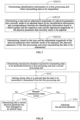
- the data transmission method may include the following steps.
- Step S301 Determining transmission duration required for transmitting data to be transmitted between a first processing unit and a second processing unit.
- Step S302. Starting timing when it is detected that the data to be transmitted is transmitted from the first processing unit.
- steps S301 and S302 are same as those of steps S201 and S202, and reference may be made to each other. Details are not described herein again.
- Step S303 Determining, based on timing duration and a transmission status of the data to be transmitted, whether a transmission delay occurs to the first processing unit when transmitting the data to be transmitted.
- step S304 If not, the operation of step S304 is performed; and if yes, the operation of step S305 is performed.
- Step S304 If it is determined that no transmission delay occurs to the first processing unit when transmitting the data to be transmitted, determining that a current physical parameter has been adjusted to an optimal range and the adjustment of the physical parameter is complete.
- Step S305 If it is determined that a transmission delay occurs to the first processing unit when transmitting the data to be transmitted, adjust the physical parameter and return to perform the operation of step S302.
- the physical parameter may be adjusted, and transmission delays can be reduced by transmitting data through a adjusted chip, thereby improving reliability of data transmission and improving the performance of the chip.
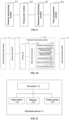
- FIG. 9 is a diagram of a structure of a data transmission apparatus according to an exemplary embodiment of this disclosure.
- the data transmission apparatus may be disposed in an electronic device such as a terminal device or a server, or on an object such as a vehicle, to implement the data transmission method according to any one of the foregoing embodiments of this disclosure.
- the data transmission apparatus in this embodiment includes a duration determining module 21, a timing start module 22, a parameter determining module 23, and a data transmission module 24.
- the duration determining module 21 is configured to determine transmission duration required for transmitting data to be transmitted between a first processing unit and a second processing unit.
- the timing start module 22 is configured to start timing when it is detected that the data to be transmitted is transmitted from the first processing unit.
- the parameter determining module 23 is configured to determine, based on timing duration determined by the timing start module 22 and a transmission status of the data to be transmitted, a physical parameter of the first processing unit when transmitting the data to be transmitted.
- the data transmission module 24 is configured to transmit the data to be transmitted to the second processing unit based on the physical parameter determined by the parameter determining module 23.
- the physical parameter during the data transmission process can be dynamically adjusted based on whether there is a delay in data transmission, thereby reducing a possibility of data transmission delays and improving reliability of the data transmission.
- the physical parameter includes a parameter for controlling a transmission speed of the data to be transmitted.
- the parameter determining module 23 includes:
- the timing unit 23 is configured to determine the timing duration by periodically reading timing information of the time-meter.
- the parameter determining unit 233 includes a comparison subunit, a threshold determining subunit, and a parameter determining subunit.
- the comparison subunit is configured to compare the timing duration with the transmission duration.
- the threshold determining subunit is configured to determine a duration threshold corresponding to the data to be transmitted based on a correspondence between identification information stored in a second register and a duration threshold and identification information of the data to be transmitted.
- the identification information includes at least one of the following: an address, a data identifier DID, and a transmission channel.
- the parameter determining subunit is configured to determine the physical parameter of the first processing unit when transmitting the data to be transmitted.
- the parameter determining unit 233 includes an identification information determining subunit 2331, a parameter information determining subunit 2332, and a first determining subunit 2333.
- the embodiments of this disclosure may also relate to a computer program product, which includes computer program instructions.
- the processor When the computer program instructions are run by a processor, the processor is enabled to perform the steps of the data transmission method according to the embodiments of this disclosure, that are described in the "exemplary method" section of this specification.
Landscapes
- Engineering & Computer Science (AREA)
- Theoretical Computer Science (AREA)
- General Engineering & Computer Science (AREA)
- Physics & Mathematics (AREA)
- General Physics & Mathematics (AREA)
- Computer Hardware Design (AREA)
- Software Systems (AREA)
- Computing Systems (AREA)
- Microelectronics & Electronic Packaging (AREA)
- Communication Control (AREA)
- Quality & Reliability (AREA)
- Debugging And Monitoring (AREA)
Applications Claiming Priority (2)
| Application Number | Priority Date | Filing Date | Title |
|---|---|---|---|
| CN202210451683.7A CN114817110B (zh) | 2022-04-26 | 2022-04-26 | 一种数据传输方法及装置 |
| PCT/CN2023/087455 WO2023207571A1 (zh) | 2022-04-26 | 2023-04-11 | 一种数据传输方法及装置 |
Publications (2)
| Publication Number | Publication Date |
|---|---|
| EP4517541A1 true EP4517541A1 (de) | 2025-03-05 |
| EP4517541A4 EP4517541A4 (de) | 2026-04-22 |
Family
ID=82509024
Family Applications (1)
| Application Number | Title | Priority Date | Filing Date |
|---|---|---|---|
| EP23795004.3A Pending EP4517541A4 (de) | 2022-04-26 | 2023-04-11 | Datenübertragungsverfahren und -vorrichtung |
Country Status (5)
| Country | Link |
|---|---|
| US (1) | US20250291664A1 (de) |
| EP (1) | EP4517541A4 (de) |
| JP (1) | JP2025515469A (de) |
| CN (1) | CN114817110B (de) |
| WO (1) | WO2023207571A1 (de) |
Families Citing this family (3)
| Publication number | Priority date | Publication date | Assignee | Title |
|---|---|---|---|---|
| CN114817110B (zh) * | 2022-04-26 | 2023-04-25 | 地平线(上海)人工智能技术有限公司 | 一种数据传输方法及装置 |
| CN116701287B (zh) * | 2023-08-09 | 2023-12-08 | 西安甘鑫科技股份有限公司 | 一种基于pcie的多设备兼容设备拓展方法 |
| CN119928746B (zh) * | 2025-01-06 | 2026-01-30 | 广州汽车集团股份有限公司 | 车辆控制信号传输方法、装置、电子设备及存储介质 |
Family Cites Families (21)
| Publication number | Priority date | Publication date | Assignee | Title |
|---|---|---|---|---|
| WO2008015501A1 (en) * | 2006-08-01 | 2008-02-07 | Freescale Semiconductor, Inc. | Data communication with control of the transmission rate of data |
| JP5768540B2 (ja) * | 2011-01-14 | 2015-08-26 | 株式会社リコー | 画像処理装置およびデータ転送管理方法 |
| US9286257B2 (en) * | 2011-01-28 | 2016-03-15 | Qualcomm Incorporated | Bus clock frequency scaling for a bus interconnect and related devices, systems, and methods |
| CN102890663B (zh) * | 2011-07-21 | 2016-08-10 | 国家电网公司 | 一种数据传输方法以及时间延迟模块 |
| WO2013046734A1 (ja) * | 2011-09-27 | 2013-04-04 | 三菱電機株式会社 | スレーブ装置、マスター装置及び通信方法 |
| US10353845B2 (en) * | 2015-02-12 | 2019-07-16 | Atmel Corporation | Adaptive speed single-wire communications |
| CN104883391B (zh) * | 2015-04-20 | 2019-10-18 | Oppo广东移动通信有限公司 | 一种数据传输控制方法及设备 |
| US10142972B2 (en) * | 2015-04-27 | 2018-11-27 | Qualcomm Incorporated | Methods and apparatus for multiple user uplink response rules |
| WO2017039141A1 (ko) * | 2015-09-02 | 2017-03-09 | 엘지전자 주식회사 | 비면허 대역을 지원하는 무선접속시스템에서 우선순위 클래스를 고려하여 경쟁 윈도우 크기를 조절하는 방법 및 이를 지원하는 장치 |
| CN110995773B (zh) * | 2016-05-24 | 2021-01-05 | 华为技术有限公司 | QoS控制方法及设备 |
| CN107734662B (zh) * | 2016-08-11 | 2020-10-16 | 中国移动通信有限公司研究院 | 数据传输指示方法、装置、数据传输方法、装置及设备 |
| CN107102822B (zh) * | 2017-04-27 | 2020-01-03 | 杭州迪普科技股份有限公司 | 一种数据回写方法及装置 |
| CN109039453A (zh) * | 2018-10-31 | 2018-12-18 | 中国电子科技集团公司第三十四研究所 | 一种传输光纤延时的测量系统及测量方法 |
| US10790827B2 (en) * | 2018-12-27 | 2020-09-29 | Intel Corporation | Network-on-chip (NOC) with flexible data width |
| JP2021002187A (ja) * | 2019-06-21 | 2021-01-07 | 京セラドキュメントソリューションズ株式会社 | データ転送装置及びデータ転送方法 |
| KR102803099B1 (ko) * | 2019-11-05 | 2025-05-08 | 주식회사 쏠리드 | 통신 신호 처리 방법, 이를 이용하는 기지국 및 헤드엔드 장치 |
| GB2589594B (en) * | 2019-12-03 | 2023-10-11 | Siemens Ind Software Inc | Detecting anomalous latent communications in an integrated circuit chip |
| CN114095445A (zh) * | 2020-07-29 | 2022-02-25 | 华人运通(上海)自动驾驶科技有限公司 | 车载以太网的数据传输控制方法、装置、电子设备及存储介质 |
| CN112152759B (zh) * | 2020-10-14 | 2022-10-21 | 平安科技(深圳)有限公司 | 一种数据传输方法、数据传输系统、设备及存储介质 |
| CN114143270B (zh) * | 2021-12-01 | 2023-06-06 | 中国联合网络通信集团有限公司 | 一种带宽调整方法及装置 |
| CN114817110B (zh) * | 2022-04-26 | 2023-04-25 | 地平线(上海)人工智能技术有限公司 | 一种数据传输方法及装置 |
-
2022
- 2022-04-26 CN CN202210451683.7A patent/CN114817110B/zh active Active
-
2023
- 2023-04-11 WO PCT/CN2023/087455 patent/WO2023207571A1/zh not_active Ceased
- 2023-04-11 JP JP2024563129A patent/JP2025515469A/ja active Pending
- 2023-04-11 US US18/860,194 patent/US20250291664A1/en active Pending
- 2023-04-11 EP EP23795004.3A patent/EP4517541A4/de active Pending
Also Published As
| Publication number | Publication date |
|---|---|
| JP2025515469A (ja) | 2025-05-15 |
| US20250291664A1 (en) | 2025-09-18 |
| CN114817110A (zh) | 2022-07-29 |
| EP4517541A4 (de) | 2026-04-22 |
| WO2023207571A1 (zh) | 2023-11-02 |
| CN114817110B (zh) | 2023-04-25 |
Similar Documents
| Publication | Publication Date | Title |
|---|---|---|
| EP4517541A1 (de) | Datenübertragungsverfahren und -vorrichtung | |
| US20010032287A1 (en) | Processing method, chip set and controller for supporting message signaled interrupt | |
| US7257658B2 (en) | Message based interrupt table | |
| US9542341B2 (en) | Resolving contention between data bursts | |
| US7934029B2 (en) | Data transfer between devices within an integrated circuit | |
| US20080209139A1 (en) | Rapid Input/Output Doorbell Coalescing To minimize CPU Utilization And Reduce System Interrupt Latency | |
| US9489328B2 (en) | System on chip and method for accessing device on bus | |
| WO2020168933A1 (zh) | 一种网络请求的处理方法、装置、终端及存储介质 | |
| US11275683B2 (en) | Method, apparatus, device and computer-readable storage medium for storage management | |
| US20250165348A1 (en) | Processor, method for obtaining information, board, and network device | |
| US20130019032A1 (en) | Apparatus and method for generating interrupt signal that supports multi-processor | |
| US11847089B2 (en) | Electronic device and method for sharing data lanes of a network interface device between two or more computing devices | |
| US7181559B2 (en) | Message based transport mechanism for level sensitive interrupts | |
| US7523351B2 (en) | System and method for providing mutual breakpoint capabilities in computing device | |
| JPS634209B2 (de) | ||
| US7451240B2 (en) | Method and related circuit for increasing network transmission efficiency by increasing a data updating rate of a memory | |
| US12282442B2 (en) | Data processing method and system, and related components | |
| KR20170117326A (ko) | 랜덤 액세스 메모리를 포함하는 하나 이상의 처리 유닛을 위한 직접 메모리 액세스 제어 장치 | |
| US20090013117A1 (en) | System and method for generating interrupt | |
| US9411758B2 (en) | Semiconductor device | |
| US20210373766A1 (en) | Method facilitating data transmission, apparatus, and storage medium thereof | |
| EP4492242A2 (de) | Integrierte schaltung und kommunikationsverfahren dafür, elektronische vorrichtung und speichermedium | |
| US20260118929A1 (en) | Method for resetting hardware unit in integrated circuit, computer-readable storage medium and electronic device | |
| EP4654063A2 (de) | Verfahren für den zugriff durch einen bus in einer integrierten schaltung, integrierte schaltung und elektronische vorrichtung | |
| CN118819638B (zh) | 一种中断处理系统、方法、可读存储介质及程序产品 |
Legal Events
| Date | Code | Title | Description |
|---|---|---|---|
| STAA | Information on the status of an ep patent application or granted ep patent |
Free format text: STATUS: THE INTERNATIONAL PUBLICATION HAS BEEN MADE |
|
| PUAI | Public reference made under article 153(3) epc to a published international application that has entered the european phase |
Free format text: ORIGINAL CODE: 0009012 |
|
| STAA | Information on the status of an ep patent application or granted ep patent |
Free format text: STATUS: REQUEST FOR EXAMINATION WAS MADE |
|
| 17P | Request for examination filed |
Effective date: 20241025 |
|
| AK | Designated contracting states |
Kind code of ref document: A1 Designated state(s): AL AT BE BG CH CY CZ DE DK EE ES FI FR GB GR HR HU IE IS IT LI LT LU LV MC ME MK MT NL NO PL PT RO RS SE SI SK SM TR |
|
| DAV | Request for validation of the european patent (deleted) | ||
| DAX | Request for extension of the european patent (deleted) | ||
| A4 | Supplementary search report drawn up and despatched |
Effective date: 20260320 |
|
| RIC1 | Information provided on ipc code assigned before grant |
Ipc: G06F 13/42 20060101AFI20260316BHEP Ipc: G06F 15/16 20060101ALI20260316BHEP |