EP4507068A1 - Electric device and heating control method and device therefor, and medium - Google Patents
Electric device and heating control method and device therefor, and medium Download PDFInfo
- Publication number
- EP4507068A1 EP4507068A1 EP23794879.9A EP23794879A EP4507068A1 EP 4507068 A1 EP4507068 A1 EP 4507068A1 EP 23794879 A EP23794879 A EP 23794879A EP 4507068 A1 EP4507068 A1 EP 4507068A1
- Authority
- EP
- European Patent Office
- Prior art keywords
- battery
- heating
- operating parameters
- electrical apparatus
- motor
- Prior art date
- Legal status (The legal status is an assumption and is not a legal conclusion. Google has not performed a legal analysis and makes no representation as to the accuracy of the status listed.)
- Pending
Links
Images



Classifications
-
- B—PERFORMING OPERATIONS; TRANSPORTING
- B60—VEHICLES IN GENERAL
- B60L—PROPULSION OF ELECTRICALLY-PROPELLED VEHICLES; SUPPLYING ELECTRIC POWER FOR AUXILIARY EQUIPMENT OF ELECTRICALLY-PROPELLED VEHICLES; ELECTRODYNAMIC BRAKE SYSTEMS FOR VEHICLES IN GENERAL; MAGNETIC SUSPENSION OR LEVITATION FOR VEHICLES; MONITORING OPERATING VARIABLES OF ELECTRICALLY-PROPELLED VEHICLES; ELECTRIC SAFETY DEVICES FOR ELECTRICALLY-PROPELLED VEHICLES
- B60L58/00—Methods or circuit arrangements for monitoring or controlling batteries or fuel cells, specially adapted for electric vehicles
- B60L58/10—Methods or circuit arrangements for monitoring or controlling batteries or fuel cells, specially adapted for electric vehicles for monitoring or controlling batteries
- B60L58/24—Methods or circuit arrangements for monitoring or controlling batteries or fuel cells, specially adapted for electric vehicles for monitoring or controlling batteries for controlling the temperature of batteries
- B60L58/27—Methods or circuit arrangements for monitoring or controlling batteries or fuel cells, specially adapted for electric vehicles for monitoring or controlling batteries for controlling the temperature of batteries by heating
-
- B—PERFORMING OPERATIONS; TRANSPORTING
- B60—VEHICLES IN GENERAL
- B60L—PROPULSION OF ELECTRICALLY-PROPELLED VEHICLES; SUPPLYING ELECTRIC POWER FOR AUXILIARY EQUIPMENT OF ELECTRICALLY-PROPELLED VEHICLES; ELECTRODYNAMIC BRAKE SYSTEMS FOR VEHICLES IN GENERAL; MAGNETIC SUSPENSION OR LEVITATION FOR VEHICLES; MONITORING OPERATING VARIABLES OF ELECTRICALLY-PROPELLED VEHICLES; ELECTRIC SAFETY DEVICES FOR ELECTRICALLY-PROPELLED VEHICLES
- B60L53/00—Methods of charging batteries, specially adapted for electric vehicles; Charging stations or on-board charging equipment therefor; Exchange of energy storage elements in electric vehicles
- B60L53/20—Methods of charging batteries, specially adapted for electric vehicles; Charging stations or on-board charging equipment therefor; Exchange of energy storage elements in electric vehicles characterised by converters located in the vehicle
- B60L53/24—Using the vehicle's propulsion converter for charging
-
- B—PERFORMING OPERATIONS; TRANSPORTING
- B60—VEHICLES IN GENERAL
- B60L—PROPULSION OF ELECTRICALLY-PROPELLED VEHICLES; SUPPLYING ELECTRIC POWER FOR AUXILIARY EQUIPMENT OF ELECTRICALLY-PROPELLED VEHICLES; ELECTRODYNAMIC BRAKE SYSTEMS FOR VEHICLES IN GENERAL; MAGNETIC SUSPENSION OR LEVITATION FOR VEHICLES; MONITORING OPERATING VARIABLES OF ELECTRICALLY-PROPELLED VEHICLES; ELECTRIC SAFETY DEVICES FOR ELECTRICALLY-PROPELLED VEHICLES
- B60L58/00—Methods or circuit arrangements for monitoring or controlling batteries or fuel cells, specially adapted for electric vehicles
- B60L58/10—Methods or circuit arrangements for monitoring or controlling batteries or fuel cells, specially adapted for electric vehicles for monitoring or controlling batteries
- B60L58/24—Methods or circuit arrangements for monitoring or controlling batteries or fuel cells, specially adapted for electric vehicles for monitoring or controlling batteries for controlling the temperature of batteries
- B60L58/25—Methods or circuit arrangements for monitoring or controlling batteries or fuel cells, specially adapted for electric vehicles for monitoring or controlling batteries for controlling the temperature of batteries by controlling the electric load
-
- H—ELECTRICITY
- H01—ELECTRIC ELEMENTS
- H01M—PROCESSES OR MEANS, e.g. BATTERIES, FOR THE DIRECT CONVERSION OF CHEMICAL ENERGY INTO ELECTRICAL ENERGY
- H01M10/00—Secondary cells; Manufacture thereof
- H01M10/42—Methods or arrangements for servicing or maintenance of secondary cells or secondary half-cells
- H01M10/48—Accumulators combined with arrangements for measuring, testing or indicating the condition of cells, e.g. the level or density of the electrolyte
- H01M10/486—Accumulators combined with arrangements for measuring, testing or indicating the condition of cells, e.g. the level or density of the electrolyte for measuring temperature
-
- H—ELECTRICITY
- H01—ELECTRIC ELEMENTS
- H01M—PROCESSES OR MEANS, e.g. BATTERIES, FOR THE DIRECT CONVERSION OF CHEMICAL ENERGY INTO ELECTRICAL ENERGY
- H01M10/00—Secondary cells; Manufacture thereof
- H01M10/60—Heating or cooling; Temperature control
- H01M10/61—Types of temperature control
- H01M10/615—Heating or keeping warm
-
- H—ELECTRICITY
- H01—ELECTRIC ELEMENTS
- H01M—PROCESSES OR MEANS, e.g. BATTERIES, FOR THE DIRECT CONVERSION OF CHEMICAL ENERGY INTO ELECTRICAL ENERGY
- H01M10/00—Secondary cells; Manufacture thereof
- H01M10/60—Heating or cooling; Temperature control
- H01M10/62—Heating or cooling; Temperature control specially adapted for specific applications
- H01M10/625—Vehicles
-
- H—ELECTRICITY
- H01—ELECTRIC ELEMENTS
- H01M—PROCESSES OR MEANS, e.g. BATTERIES, FOR THE DIRECT CONVERSION OF CHEMICAL ENERGY INTO ELECTRICAL ENERGY
- H01M10/00—Secondary cells; Manufacture thereof
- H01M10/60—Heating or cooling; Temperature control
- H01M10/63—Control systems
- H01M10/633—Control systems characterised by algorithms, flow charts, software details or the like
-
- H—ELECTRICITY
- H01—ELECTRIC ELEMENTS
- H01M—PROCESSES OR MEANS, e.g. BATTERIES, FOR THE DIRECT CONVERSION OF CHEMICAL ENERGY INTO ELECTRICAL ENERGY
- H01M10/00—Secondary cells; Manufacture thereof
- H01M10/60—Heating or cooling; Temperature control
- H01M10/63—Control systems
- H01M10/637—Control systems characterised by the use of reversible temperature-sensitive devices, e.g. NTC, PTC or bimetal devices; characterised by control of the internal current flowing through the cells, e.g. by switching
-
- H—ELECTRICITY
- H01—ELECTRIC ELEMENTS
- H01M—PROCESSES OR MEANS, e.g. BATTERIES, FOR THE DIRECT CONVERSION OF CHEMICAL ENERGY INTO ELECTRICAL ENERGY
- H01M10/00—Secondary cells; Manufacture thereof
- H01M10/60—Heating or cooling; Temperature control
- H01M10/65—Means for temperature control structurally associated with the cells
- H01M10/657—Means for temperature control structurally associated with the cells by electric or electromagnetic means
- H01M10/6571—Resistive heaters
-
- B—PERFORMING OPERATIONS; TRANSPORTING
- B60—VEHICLES IN GENERAL
- B60L—PROPULSION OF ELECTRICALLY-PROPELLED VEHICLES; SUPPLYING ELECTRIC POWER FOR AUXILIARY EQUIPMENT OF ELECTRICALLY-PROPELLED VEHICLES; ELECTRODYNAMIC BRAKE SYSTEMS FOR VEHICLES IN GENERAL; MAGNETIC SUSPENSION OR LEVITATION FOR VEHICLES; MONITORING OPERATING VARIABLES OF ELECTRICALLY-PROPELLED VEHICLES; ELECTRIC SAFETY DEVICES FOR ELECTRICALLY-PROPELLED VEHICLES
- B60L2240/00—Control parameters of input or output; Target parameters
- B60L2240/10—Vehicle control parameters
- B60L2240/36—Temperature of vehicle components or parts
-
- B—PERFORMING OPERATIONS; TRANSPORTING
- B60—VEHICLES IN GENERAL
- B60L—PROPULSION OF ELECTRICALLY-PROPELLED VEHICLES; SUPPLYING ELECTRIC POWER FOR AUXILIARY EQUIPMENT OF ELECTRICALLY-PROPELLED VEHICLES; ELECTRODYNAMIC BRAKE SYSTEMS FOR VEHICLES IN GENERAL; MAGNETIC SUSPENSION OR LEVITATION FOR VEHICLES; MONITORING OPERATING VARIABLES OF ELECTRICALLY-PROPELLED VEHICLES; ELECTRIC SAFETY DEVICES FOR ELECTRICALLY-PROPELLED VEHICLES
- B60L2240/00—Control parameters of input or output; Target parameters
- B60L2240/40—Drive Train control parameters
- B60L2240/42—Drive Train control parameters related to electric machines
- B60L2240/425—Temperature
-
- B—PERFORMING OPERATIONS; TRANSPORTING
- B60—VEHICLES IN GENERAL
- B60L—PROPULSION OF ELECTRICALLY-PROPELLED VEHICLES; SUPPLYING ELECTRIC POWER FOR AUXILIARY EQUIPMENT OF ELECTRICALLY-PROPELLED VEHICLES; ELECTRODYNAMIC BRAKE SYSTEMS FOR VEHICLES IN GENERAL; MAGNETIC SUSPENSION OR LEVITATION FOR VEHICLES; MONITORING OPERATING VARIABLES OF ELECTRICALLY-PROPELLED VEHICLES; ELECTRIC SAFETY DEVICES FOR ELECTRICALLY-PROPELLED VEHICLES
- B60L2240/00—Control parameters of input or output; Target parameters
- B60L2240/40—Drive Train control parameters
- B60L2240/42—Drive Train control parameters related to electric machines
- B60L2240/427—Voltage
-
- B—PERFORMING OPERATIONS; TRANSPORTING
- B60—VEHICLES IN GENERAL
- B60L—PROPULSION OF ELECTRICALLY-PROPELLED VEHICLES; SUPPLYING ELECTRIC POWER FOR AUXILIARY EQUIPMENT OF ELECTRICALLY-PROPELLED VEHICLES; ELECTRODYNAMIC BRAKE SYSTEMS FOR VEHICLES IN GENERAL; MAGNETIC SUSPENSION OR LEVITATION FOR VEHICLES; MONITORING OPERATING VARIABLES OF ELECTRICALLY-PROPELLED VEHICLES; ELECTRIC SAFETY DEVICES FOR ELECTRICALLY-PROPELLED VEHICLES
- B60L2240/00—Control parameters of input or output; Target parameters
- B60L2240/40—Drive Train control parameters
- B60L2240/42—Drive Train control parameters related to electric machines
- B60L2240/429—Current
-
- B—PERFORMING OPERATIONS; TRANSPORTING
- B60—VEHICLES IN GENERAL
- B60L—PROPULSION OF ELECTRICALLY-PROPELLED VEHICLES; SUPPLYING ELECTRIC POWER FOR AUXILIARY EQUIPMENT OF ELECTRICALLY-PROPELLED VEHICLES; ELECTRODYNAMIC BRAKE SYSTEMS FOR VEHICLES IN GENERAL; MAGNETIC SUSPENSION OR LEVITATION FOR VEHICLES; MONITORING OPERATING VARIABLES OF ELECTRICALLY-PROPELLED VEHICLES; ELECTRIC SAFETY DEVICES FOR ELECTRICALLY-PROPELLED VEHICLES
- B60L2240/00—Control parameters of input or output; Target parameters
- B60L2240/40—Drive Train control parameters
- B60L2240/54—Drive Train control parameters related to batteries
- B60L2240/545—Temperature
-
- B—PERFORMING OPERATIONS; TRANSPORTING
- B60—VEHICLES IN GENERAL
- B60L—PROPULSION OF ELECTRICALLY-PROPELLED VEHICLES; SUPPLYING ELECTRIC POWER FOR AUXILIARY EQUIPMENT OF ELECTRICALLY-PROPELLED VEHICLES; ELECTRODYNAMIC BRAKE SYSTEMS FOR VEHICLES IN GENERAL; MAGNETIC SUSPENSION OR LEVITATION FOR VEHICLES; MONITORING OPERATING VARIABLES OF ELECTRICALLY-PROPELLED VEHICLES; ELECTRIC SAFETY DEVICES FOR ELECTRICALLY-PROPELLED VEHICLES
- B60L2240/00—Control parameters of input or output; Target parameters
- B60L2240/40—Drive Train control parameters
- B60L2240/54—Drive Train control parameters related to batteries
- B60L2240/547—Voltage
-
- B—PERFORMING OPERATIONS; TRANSPORTING
- B60—VEHICLES IN GENERAL
- B60L—PROPULSION OF ELECTRICALLY-PROPELLED VEHICLES; SUPPLYING ELECTRIC POWER FOR AUXILIARY EQUIPMENT OF ELECTRICALLY-PROPELLED VEHICLES; ELECTRODYNAMIC BRAKE SYSTEMS FOR VEHICLES IN GENERAL; MAGNETIC SUSPENSION OR LEVITATION FOR VEHICLES; MONITORING OPERATING VARIABLES OF ELECTRICALLY-PROPELLED VEHICLES; ELECTRIC SAFETY DEVICES FOR ELECTRICALLY-PROPELLED VEHICLES
- B60L2240/00—Control parameters of input or output; Target parameters
- B60L2240/40—Drive Train control parameters
- B60L2240/54—Drive Train control parameters related to batteries
- B60L2240/549—Current
-
- H—ELECTRICITY
- H01—ELECTRIC ELEMENTS
- H01M—PROCESSES OR MEANS, e.g. BATTERIES, FOR THE DIRECT CONVERSION OF CHEMICAL ENERGY INTO ELECTRICAL ENERGY
- H01M2220/00—Batteries for particular applications
- H01M2220/20—Batteries in motive systems, e.g. vehicle, ship, plane
Definitions
- the present application relates to battery management technologies, and in particular relates to an electrical apparatus, and a method, apparatus and medium for controlling heating thereof.
- an electrical apparatus is an electric vehicle
- the electric vehicle is gradually adapted with a battery heating function.
- Battery heating is a new function of electric vehicles. In use of the function, the actual conditions of a battery, a motor and the entire vehicle need to be considered, and heating is enabled in certain scenarios to protect the battery, the motor and other components, and prevent the electric vehicles from faults. Thus, the expectation of a driver is met in using the electric vehicles.
- a battery self-heating function is mostly controlled to be enabled or disabled manually by a user, which likely leads to conditions of ineffective heating increased due to unreasonable user control, and further causes high energy consumption.
- Embodiments of the present application provide an electrical apparatus, and a method, apparatus and medium for controlling heating thereof, to avoid conditions of ineffective heating increased by a user manually controlling a battery self-healing function, and the resulting high energy consumption in related technologies.
- Embodiments of the present application provide an electrical apparatus, and a method, apparatus and medium for controlling heating thereof, to avoid conditions of ineffective heating increased by a user manually controlling a battery self-healing function, and the resulting high energy consumption in related technologies.
- a method for controlling heating of a battery including: determining a driving heating mode; acquiring first operating parameters of the battery and second operating parameters of a motor in a charging and discharging circuit of the battery during a driving process of a mobile electrical apparatus; determining that the mobile electrical apparatus meets a battery heating condition based on the first operating parameters and the second operating parameters; and enabling the corresponding battery heating function based on the driving heating mode.
- a driving heating mode selected by a user before detecting a mobile electrical apparatus is driving, a driving heating mode selected by a user can be firstly received, and the driving heating mode corresponds to that enablement of a heating function is allowed or enablement of a heating function is to be allowed.
- the battery heating function is comprehensively controlled to be enabled or disabled according to the operating parameters of the battery and the motor based on the current driving heating mode.
- a heating mode that best matches the electrical apparatus may be selected based on the user's usage habit and the current driving environment of the electrical apparatus for heating the battery. Further, the conditions of ineffective heating increased by a user manually controlling a battery self-healing function, and the resulting high energy consumption in related technologies are avoided.
- the driving heating mode includes an automatic heating mode, a semi-automatic heating mode and a manual heating mode.
- the manual heating mode and the automatic heating mode that allow the electrical apparatus to directly enable the battery heating function can be provided for the user, or the semi-automatic heating mode that allows the electrical apparatus to directly enable the battery heating function only when the user allows can be provided for the user.
- the driving heating mode is the semi-automatic heating mode
- the following steps are included: sending a request instruction for requesting to enable the battery heating function; and enabling the battery heating function if a reply instruction allowing the heating function to be enabled is received.
- the manual heating mode and the automatic heating mode that allow the electrical apparatus to directly enable the battery heating function can be provided for the user, or the semi-automatic heating mode that allows the electrical apparatus to directly enable the battery heating function only when the user allows can be provided for the user.
- the battery heating function is prevented from being directly enabled in a scenario where the user does not agree to enable the battery heating function, and the user's experience in using the electrical apparatus is not affected.
- the driving heating mode is the manual heating mode
- the driving heating mode is the automatic heating mode
- the driving heating mode is included: receiving a request to allow the mobile electrical apparatus to enable the heating function during a driving process within a preset time limit.
- the manual heating mode and the automatic heating mode that allow the electrical apparatus to directly enable the battery heating function can be provided for the user, or the semi-automatic heating mode that allows the electrical apparatus to directly enable the battery heating function only when the user allows can be provided for the user.
- the battery heating function is prevented from being directly enabled in a scenario where the user does not agree to enable the battery heating function, and the user's experience in using the electrical apparatus is not affected.
- the electrical apparatus can enable the battery heating function only when the user allows, when detecting that the user selects the semi-automatic heating mode.
- An enabling request is sent to the user when determining that the operating parameters of the battery and the motor meet a heating condition currently.
- the battery heating function is prevented from being directly enabled in a scenario where the user does not agree to enable the battery heating function, and the user's experience in using the electrical apparatus is not affected.
- the acquiring first operating parameters of the battery and second operating parameters of a motor of the electrical apparatus includes: acquiring first operating parameters of the battery, the first operating parameters including the corresponding cell temperature value, battery current value, battery voltage value, and remaining capacity value of the battery; and acquiring second operating parameters of the motor, the second operating parameters including the corresponding motor temperature value, motor current value and motor voltage value of the motor.
- the determining that the mobile electrical apparatus meets a battery heating condition based on the first operating parameters and the second operating parameters includes: determining that the operating indices of the battery meet a heating function enabling condition and that the battery is in a fault-free state based on the first operating parameters; determining that the motor is in a fault-free state based on the second operating parameters; and determining that the mobile electrical apparatus meets the battery heating condition.
- the determining that the operating indices of the battery meet a heating function enabling condition and that the battery is in a fault-free state based on the first operating parameters includes: determining that the cell temperature value of the battery is lower than a first preset temperature value, and the remaining capacity value of the battery is greater than a first preset capacity threshold based on the cell temperature value and the remaining capacity value included in the first operating parameters; determining that the operating indices of the battery meet the heating function enabling condition; determining that the battery current value is within a first preset current threshold range, and the battery voltage value is within a first preset voltage threshold range based on the battery current value and the battery voltage value included in the first operating parameters; and determining that the battery is in a fault-free state.
- the corresponding battery heating function can be enabled only when it is ensured that the battery is not in an overheated state and the remaining capacity is sufficient, and it is ensured by detecting the current and voltage values of the battery that the battery is fault-free.
- the potential safety hazard caused by rashly enabling the heating function before the battery reaches a preset static state is avoided.
- the determining that the motor is in a fault-free state based on the second operating parameters includes: determining that the motor current value is within a second preset current threshold range, and the motor voltage value is within a second preset voltage threshold range based on the motor current value and the motor voltage value included in the second operating parameters; determining that the motor temperature value is within a preset temperature range; and determining that the motor is in a fault-free state.
- whether the motor is in a fault-free state may be determined by detecting whether the current and voltage values of the motor are within the normal threshold ranges.
- the corresponding battery heating function is enabled only when confirming that the motor is fault-free. Thus, the potential safety hazard caused by rashly enabling the heating function before the motor reaches a preset static state is avoided.
- the following steps are further included: determining whether the battery meets a heating function disabling condition based on the first operating parameters and the second operating parameters; and if the condition is met, disabling the battery heating function.
- the battery heating function may be automatically disabled after detecting that a preset condition is met based on the operating parameters of the battery and the voltage. Thus, the battery life is prevented from being affected by overheating of the battery.
- the determining whether the battery meets a heating function disabling condition based on the first operating parameters and the second operating parameters includes: determining that the battery meets the heating function disabling condition if it is detected that the cell temperature value of the battery is greater than or equal to a second preset temperature value.
- the following steps are further included: generating a control instruction for continuously acquiring the first operating parameters and the second operating parameters; and enabling the battery heating function based on the driving heating mode after determining that the mobile electrical apparatus meets a battery heating condition and based on the first operating parameters and the second operating parameters.
- the determining whether the battery meets a heating function disabling condition based on the first operating parameters and the second operating parameters includes: if it is detected that the remaining capacity value of the battery is less than or equal to a second preset capacity threshold, and/or the mobile electrical apparatus corresponds to a fault state, determining that the battery meets an abnormal disabling condition for the heating function.
- the following step is further included: generating a control instruction to stop acquiring the first operating parameters and the second operating parameters.
- an apparatus for controlling heating of a battery including: a receiving module, configured to determine a driving heating mode; an acquisition module, configured to acquire first operating parameters of the battery and second operating parameters of a motor in a charging and discharging circuit of the battery during a driving process of a mobile electrical apparatus; a determining module, configured to determine that the mobile electrical apparatus meets a battery heating condition based on the first operating parameters and the second operating parameters; and an enabling module, configured to enable the corresponding battery heating function based on the driving heating mode.
- a mobile electrical apparatus including:
- a computer-readable storage medium having computer-readable instructions stored therein, and the instructions, when executed, implement the operations of any one of the aforementioned methods for controlling heating of a battery.
- FIG. 1 to FIG. 7 A method for controlling heating of a battery according to an exemplary embodiment of the present application is described below in conjunction with FIG. 1 to FIG. 7 . It should be noted that the following application scenarios are only shown for the purpose of facilitating understanding of the spirit and principle of the present application, and the embodiments of the present application are not limited in this regard. In contrast, the embodiments of the present application may be applied to any applicable scenario.
- the electrical apparatus is a vehicle
- vehicles are one of important means of transportation for human beings.
- the per capita ownership of vehicles in China continues to increase and has entered thousands of households.
- Electric vehicles powered by batteries are becoming increasingly popular due to their environmentally friendly characteristics.
- power batteries are the core components of electric vehicles, but power batteries are sensitive to temperature, and low temperatures may affect a battery's discharge performance. To make a power battery discharge smoothly and extend the service life thereof, the power battery needs to be heated in the driving process of electric vehicles at low temperatures.
- the applicant of the present application notices a problem in the prior art that, in related technologies, a battery self-heating function is mostly controlled to be enabled or disabled manually by a user, which likely leads to conditions of ineffective heating increased due to unreasonable user control, and further causes high energy consumption.
- the mobile electrical apparatus disclosed in the embodiments of the present application may include but is not limited to vehicles, ships, aircraft, or the like.
- the battery or battery pack disclosed in the present application can be used to form a power supply system of the electrical apparatus, which is beneficial for alleviating and automatically adjusting a method for controlling heating of a battery, and further improves the stability of battery performance and battery life.
- the embodiments of the present application provide an electrical apparatus using a battery as a power source, and the electrical apparatus may be, but is not limited to, mobile phones, tablets, laptops, electric toys, electric tools, electric bicycles, electric vehicles, ships, spacecraft, and the like.
- the electric toys may include fixed or mobile electric toys, such as game consoles, electric car toys, electric ship toys and electric aircraft toys.
- the spacecraft may include aircraft, rockets, space shuttles, spaceships, and the like.
- the battery in the present application may be a rechargeable battery, such as lithium-ion batteries, nickel-hydrogen batteries, nickel-chromium batteries, and nickel-zinc batteries.
- a mobile electrical apparatus of an embodiment of the present application being a vehicle 1000 is taken as an example for explanation.
- FIG. 1 is a schematic structural diagram of a vehicle 1000 provided in some embodiments of the present application.
- the vehicle 1000 may be a fuel vehicle, a gas vehicle or a new energy vehicle.
- the new energy vehicle may be an all-electric vehicle, a hybrid vehicle, an extended-range vehicle, or the like.
- a battery 100 is arranged in the vehicle 1000.
- the battery 100 may be arranged at the bottom or head or tail of the vehicle 1000.
- the battery 100 may be used as a power supply for the vehicle 1000, for example, the battery 100 may be used as an operating power source for the vehicle 1000.
- the vehicle 1000 may further include a controller 200 and a motor 300.
- the controller 200 is configured to control the battery 100 to supply power to the motor 300, for example, to supply power for starting, navigation and driving of the vehicle 1000.
- the battery 100 may not only be used as the operating power source for the vehicle 1000, but also as a driving power source for the vehicle 1000, to replace or partially replace fuel or natural gas to provide driving power for the vehicle 1000.
- the present application provides an electrical apparatus, and a method, apparatus and medium for controlling heating thereof.
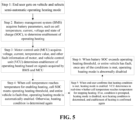
- FIG. 2 schematically illustrates a flowchart of a method for controlling heating of a battery according to an embodiment of the present application. As shown in FIG. 2 , the method includes: S101: Determine a driving heating mode.
- the driving heating mode may be manually selected by a user in the embodiment of the present application.
- a manual heating mode/automatic heating mode corresponding to that enablement of a heating function is allowed is determined.
- a semi-automatic heating mode corresponding to that enablement of a heating function is to be allowed is determined.
- the difference lies in that the manual heating mode/automatic heating mode may directly enable the corresponding battery heating function after determining that the mobile electrical apparatus meets a battery heating condition based on the first operating parameters and the second operating parameters.
- the semi-automatic heating mode after determining that the mobile electrical apparatus meets a battery heating condition based on the first operating parameters and the second operating parameters, first a request instruction for requesting to enable a battery heating function needs to be sent to the user using the mobile electrical apparatus, and only after receiving a reply instruction generated by the user to allow enablement of the heating function may the corresponding battery heating function be enabled. Based on different driving heating modes, the corresponding heating function enabling methods are used to achieve reasonable enablement of the heating function under different working conditions, thereby ensuring the stability of battery performance.
- a user may generate an instruction to select the driving heating mode in the mobile electrical apparatus, or generate an instruction to select the driving heating mode through a control system (e.g., APP).
- a control system e.g., APP
- S102 Acquire first operating parameters of the battery and second operating parameters of a motor in a charging and discharging circuit of the battery during a driving process of the mobile electrical apparatus.
- first operating parameters of the battery may be acquired, and the first operating parameters include the corresponding cell temperature value, battery current value, battery voltage value, and remaining capacity value of the battery.
- second operating parameters of the motor are also acquired, and the second operating parameters include the corresponding motor current value and motor voltage value.
- the present application may enable the corresponding battery heating function only when it is ensured that the battery is not in an overheated state and the remaining capacity is sufficient, and it is ensured by detecting the current and voltage values of the motor that the motor is fault-free.
- the potential safety hazard caused by rashly enabling the heating function before the battery and the motor reach a preset static state is avoided.
- S103 Determine that the mobile electrical apparatus meets a battery heating condition based on the first operating parameters and the second operating parameters.
- the driving heating mode may include three situations, namely an automatic heating mode, a semi-automatic heating mode, and a manual heating mode in the embodiments of the present application.
- a battery management system (BMS) and a vehicle control unit (VCU) may be configured to determine the enablement and actuation of an operating heating mode.
- the VCU may determine whether the battery (i.e., based on the first operating parameters of the battery) and the motor (i.e., based on the second operating parameters of the motor) meet the requirement for operating heating. If the requirement is met, the operating heating mode is enabled.
- the BMS is configured to intelligently manage and maintain respective battery units, prevent overcharging and over-discharging of batteries, extend the battery life, and monitor the battery state.
- the BMS unit includes a BMS, a control module, a display module, a wireless communication module, an electrical device, a battery pack for supplying power to the electrical device, and an acquisition module for acquiring the information of the battery pack.
- the BMS is connected to the wireless communication module and the display module respectively through communication interfaces.
- An output end of the acquisition module is connected to an input end of the BMS.
- An output end of the BMS is connected to an input end of the control module.
- the control module is connected to the battery pack and the electrical device respectively.
- the BMS is connected to a server end through the wireless communication module.
- the VCU mainly includes hardware and software.
- the hardware includes a case and hardware circuits
- the software includes application software and underlying software.
- the case is mainly used for protecting and sealing the hardware circuits, and should meet cleanliness requirements such as waterproof and dustproof, as well as mechanical requirements to avoid falling, vibration, and the like.
- the hardware circuits mainly include a main control chip (32-bit processing chip) and peripheral clock circuits, reset circuits, and power modules.
- the hardware circuits typically also include digital/analog signal processing circuits, frequency signal processing circuits, communication interface circuits, and the like.
- the application software and the underlying software are generally written in C language.
- the application software mainly controls upper-level control strategies, and is mainly responsible for real-time control of energy flow and distribution ratio based on the vehicle state and driver intentions.
- the underlying software is mainly responsible for initializing a microcontroller, real-time sending and receiving of controller area network (CAN) bus signals, and real-time processing and diagnosis of input and output signals.
- CAN controller area network
- the operating heating mode when detecting that the battery reaches a heating disabling condition, in an embodiment, the operating heating mode may be automatically disabled, and the disabling condition is determined. In a case of abnormal disabling, the heating condition is no longer determined, otherwise, the heating condition is determined again.
- the semi-automatic heating mode before a user starts a vehicle, first the semi-automatic heating mode of a battery heating function is selected. Further, the VCU determines whether the battery (i.e., based on the first operating parameters of the battery) and the motor (i.e., based on the second operating parameters of the motor) meet the requirement for operating heating. If the requirement is met, an operating heating request instruction (request instruction for requesting to enable a battery heating function) is sent to a user terminal.
- an operating heating request instruction request instruction for requesting to enable a battery heating function
- the user terminal determines whether to enable the operating heating mode.
- the entire vehicle enters the operating heating mode.
- the operating heating mode when detecting that the battery reaches a heating disabling condition, in an embodiment, the operating heating mode may be automatically disabled, and the disabling condition is determined. Optionally, if the operating heating mode is disabled abnormally, the heating condition is no longer determined, otherwise, the heating condition is determined again.
- the manual heating mode before a user starts a vehicle, first the manual heating mode of a battery heating function is selected.
- the corresponding battery heating function may be directly enabled in the manual heating mode.
- the VCU determines whether the battery (i.e., based on the first operating parameters of the battery) and the motor (i.e., based on the second operating parameters of the motor) meet the requirement for operating heating. If the requirement is met, the corresponding battery heating function is enabled.
- the operating heating mode is automatically disabled, and the disabling condition is determined.
- the heating condition is no longer determined, otherwise, the heating condition is determined again.
- a method for controlling heating of a battery including: a driving heating mode is determined; first operating parameters of the battery and second operating parameters of a motor in a charging and discharging circuit of the battery are acquired during a driving process of a mobile electrical apparatus; it is determined that the mobile electrical apparatus meets a battery heating condition based on the first operating parameters and the second operating parameters; and the corresponding battery heating function is enabled based on the driving heating mode.
- a driving heating mode selected by a user before detecting a mobile electrical apparatus is driving, a driving heating mode selected by a user can be firstly received, and the driving heating mode corresponds to that enablement of a heating function is allowed or enablement of a heating function is to be allowed.
- the battery heating function is comprehensively controlled to be enabled or disabled according to the operating parameters of the battery and the motor based on the current driving heating mode.
- a heating mode that best matches the electrical apparatus may be selected based on the user's usage habit and the current driving environment of the electrical apparatus for heating the battery. Further, the conditions of ineffective heating increased by a user manually controlling a battery self-healing function, and the resulting high energy consumption in related technologies are avoided.
- the driving heating mode includes an automatic heating mode, a semi-automatic heating mode and a manual heating mode.
- the difference lies in that the manual heating mode/automatic heating mode may directly enable the corresponding battery heating function after determining that the mobile electrical apparatus meets a battery heating condition based on the first operating parameters and the second operating parameters (without seeking the user's agreement for heating).
- an instruction agreeing to a request to enable the heating function of the mobile electrical apparatus in the current driving process, is generated by the user in the driving process of the mobile electrical apparatus.
- the user needs to manually generate the instruction before or during every driving process of the mobile electrical apparatus.
- an instruction agreeing to a request to enable the heating function of the mobile electrical apparatus in a preset time limit (including the current driving process and several subsequent driving processes), is generated by the user.
- the battery heating condition met by the mobile electrical apparatus in the manual heating mode is different from that met by the mobile electrical apparatus in the automatic heating mode.
- the mobile electrical apparatus may enable the battery heating function when detecting that the battery is at a temperature of lower than or equal to 10 °C (and is in a fault-free state).
- the mobile electrical apparatus may still enable the battery heating function.
- the mobile electrical apparatus meets the battery heating condition based on the first operating parameters and the second operating parameters. But the battery heating conditions corresponding to the two modes may be the same or different.
- the driving heating mode is the semi-automatic heating mode
- the battery heating function is enabled based on the driving heating mode
- the following steps are included: a request instruction is sent to enable the battery heating function; and the battery heating function is enabled if a reply instruction allowing the heating function to be enabled is received.
- first a request instruction for requesting to enable a battery heating function needs to be sent to the user using the mobile electrical apparatus, and only after receiving a reply instruction generated by the user to allow enablement of the heating function may the corresponding battery heating function be enabled.
- the form of the reply instruction is not specifically limited in the present application, for example, the reply instruction may be voice generated.
- the reply instruction may also be implemented by controlling an internal touch module of the mobile electrical apparatus.
- the manual heating mode and the automatic heating mode that allow the electrical apparatus to directly enable the battery heating function can be provided for the user, or the semi-automatic heating mode that allows the electrical apparatus to directly enable the battery heating function only when the user allows can be provided for the user.
- the battery heating function is prevented from being directly enabled in a scenario where the user does not agree to enable the battery heating function, and the user's experience in using the electrical apparatus is not affected.
- the driving heating mode is the manual heating mode
- the driving heating mode is the automatic heating mode
- the driving heating mode is the automatic heating mode
- a request to allow the mobile electrical apparatus to enable the heating function during a driving process within a preset time limit is received.
- the corresponding battery heating function may be directly enabled after determining that the mobile electrical apparatus meets a battery heating condition based on the first operating parameters and the second operating parameters (without sending a request to the user to ask whether to enable the heating function).
- an instruction agreeing to a request to enable the heating function of the mobile electrical apparatus in the current driving process, is generated by the user.
- the user needs to manually generate the instruction before every driving process of the mobile electrical apparatus.
- an instruction agreeing to a request to enable the heating function of the mobile electrical apparatus in a preset time limit (including the current driving process and several subsequent driving processes), is generated by the user.
- the preset time limit is not limited in the present application, for example, the preset time limit may be 3 days, 1 month, or the like.
- the manual heating mode and the automatic heating mode that allow the electrical apparatus to directly enable the battery heating function can be provided for the user, or the semi-automatic heating mode that allows the electrical apparatus to directly enable the battery heating function only when the user allows can be provided for the user.
- the battery heating function is prevented from being directly enabled in a scenario where the user does not agree to enable the battery heating function, and the user's experience in using the electrical apparatus is not affected.
- the electrical apparatus can enable the battery heating function only when the user allows, when detecting that the user selects the semi-automatic heating mode.
- An enabling request is sent to the user when determining that the operating parameters of the battery and the motor meet a heating condition currently.
- the battery heating function is prevented from being directly enabled in a scenario where the user does not agree to enable the battery heating function, and the user's experience in using the electrical apparatus is not affected.
- the acquiring first operating parameters of the battery and second operating parameters of a motor of the electrical apparatus includes: first operating parameters of the battery are acquired, the first operating parameters including the corresponding cell temperature value, battery current value, battery voltage value, and remaining capacity value of the battery; and second operating parameters of the motor are acquired, the second operating parameters including the corresponding motor current value and motor voltage value.
- the determining that the mobile electrical apparatus meets a battery heating condition based on the first operating parameters and the second operating parameters includes: it is determined that the operating indices of the battery meet a heating function enabling condition and that the battery is in a fault-free state based on the first operating parameters; it is determined that the motor is in a fault-free state based on the second operating parameters; and it is determined that the mobile electrical apparatus meets the battery heating condition.
- the determination may be performed by determining whether the operating indices and fault state of the battery meet a heating enabling condition based on the acquired first operating parameters of the battery.
- the corresponding battery heating function can be enabled only when it is ensured that the battery is not in an overheated state and the remaining capacity is sufficient, and it is ensured by detecting the current and voltage values of the battery that the battery is fault-free.
- the potential safety hazard caused by rashly enabling the heating function before the battery reaches a preset static state is avoided.
- the determining that the operating indices of the battery meet a heating function enabling condition and that the battery is in a fault-free state based on the first operating parameters includes: it is determined that the cell temperature value of the battery is lower than a first preset temperature value, and the remaining capacity value of the battery is greater than a first preset capacity threshold based on the cell temperature value and the remaining capacity value included in the first operating parameters; it is determined that the operating indices of the battery meet the heating function enabling condition; it is determined that the battery current value is within a first preset current threshold range, and the battery voltage value is within a first preset voltage threshold range based on the battery current value and the battery voltage value included in the first operating parameters; and it is determined that the battery is in a fault-free state.
- the determination may be performed by determining whether the operating indices and fault state of the battery meet a heating enabling condition based on the acquired first operating parameters of the battery.
- the enablement of the battery heating function may be implemented by determining whether the cell temperature value and remaining capacity of the battery reach the mark.
- the first preset temperature value is not specifically limited in the present application, for example, the first present temperature value may be 30 °C, or 20 °C, or the like.
- the first preset capacity threshold is also not specifically limited in the present application, for example, the first preset capacity threshold may be 30%, or 20%, or the like.
- the corresponding battery heating function can be enabled only when it is ensured that the battery is not in an overheated state and the remaining capacity is sufficient, and it is ensured by detecting the current and voltage values of the battery that the battery is fault-free.
- the potential safety hazard caused by rashly enabling the heating function before the battery reaches a preset static state is avoided.
- the determining that the motor is in a fault-free state based on the second operating parameters includes: it is determined that the motor current value is within a second preset current threshold range, and the motor voltage value is within a second preset voltage threshold range based on the motor current value and the motor voltage value included in the second operating parameters; it is determined that the motor temperature value is within a preset temperature range; and it is determined that the motor is in a fault-free state.
- the determination may be performed by determining whether the fault state of the motor meets a heating enabling condition (i.e., the motor is in a fault-free state) based on the acquired second operating parameters of the motor.
- the enablement of the battery heating function may be implemented by determining whether the temperature value, the current value and the voltage value of the motor reach the mark.
- the second preset current threshold range is not specifically limited in the present application, for example the second preset current threshold range may be 50A, or 20A, or the like.
- the second preset voltage threshold range is not specifically limited in the present application, for example, the second preset voltage threshold range may be 50V, or 20V, or the like.
- whether the motor is in a fault-free state may be determined by detecting whether the current and voltage values of the motor are within the normal threshold ranges.
- the corresponding battery heating function is enabled only when confirming that the motor is fault-free.
- the potential safety hazard caused by rashly enabling the heating function before the motor reaches a preset static state is avoided.
- the following steps are further included: it is determined whether the battery meets a heating function disabling condition based on the first operating parameters and the second operating parameters; and if the battery meets the heating function disabling condition, the battery heating function is disabled.
- the battery heating function after enabling the battery heating function, whether the battery meets a heating function disabling condition is monitored in real-time or periodically. If the condition is met, the battery heating function needs to be disabled.
- the operating heating mode when the battery reaches a heating function disabling condition, the operating heating mode may be automatically disabled, and the disabling condition is determined. In a case of abnormal disabling, the heating condition is no longer determined, otherwise, the heating condition is determined again.
- the battery heating function may be automatically disabled after detecting that a preset condition is met based on the operating parameters of the battery and the voltage.
- the battery life is prevented from being affected by overheating of the battery.
- the determining whether the battery meets a heating function disabling condition based on the first operating parameters and the second operating parameters includes: it is determined that the battery meets the heating function disabling condition if it is detected that the cell temperature value of the battery is greater than or equal to a second preset temperature value.
- the battery heating function after enabling the battery heating function, whether the battery meets a heating function disabling condition is monitored in real-time or periodically. If the condition is met, the battery heating function needs to be disabled.
- the heating function disabling condition if the cell temperature value of the battery is monitored to be higher than or equal to the second preset temperature value, it may be considered that a normal heating function disabling condition is met. Then, the operating heating mode may be automatically disabled, and the operating parameters of the battery and the motor are acquired again. Thus, after detecting that the operating parameters of the battery and the motor meet the battery heating condition, the corresponding battery heating function can be enabled again.
- the battery heating function is automatically disabled when detecting that the cell temperature value of the battery is over-high
- the operating parameters of the battery and the motor can be acquired again, and the corresponding battery heating function can be enabled again when detecting that the operating parameters of the battery and the motor meet the battery heating condition.
- the battery can be heated again after cooling to a certain temperature.
- the conditions of ineffective heating increased by a user manually controlling a battery self-healing function, and the resulting high energy consumption in related technologies are avoided.
- the determining whether the battery meets a heating function disabling condition based on the first operating parameters and the second operating parameters includes: if it is detected that the remaining capacity value of the battery is less than or equal to a second preset capacity threshold, and/or the mobile electrical apparatus corresponds to a fault state, it is determined that the battery meets an abnormal disabling condition for the heating function.
- the heating function disabling condition if it is monitored that the remaining capacity value of the battery is over-low or the mobile electrical apparatus is in a faulty state (the motor has a fault, or the battery has a fault, or other components have faults), it may be considered that the abnormal disabling condition for the heating function is met. Then, the operating heating mode may be automatically disabled, and the operating parameters of the battery and the motor are no longer acquired.
- a control instruction to stop acquiring the first operating parameters and the second operating parameters is generated.
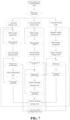
- FIG. 7 is an overall flowchart of a method for controlling heating of a battery provided by the present application, and the method is specifically explained below with reference to FIG. 7 :
- a driving heating mode selected by a user before detecting a mobile electrical apparatus is driving, a driving heating mode selected by a user can be firstly received, and the driving heating mode corresponds to that enablement of a heating function is allowed or enablement of a heating function is to be allowed.
- the battery heating function is comprehensively controlled to be enabled or disabled according to the operating parameters of the battery and the motor based on the current driving heating mode.
- a heating mode that best matches the electrical apparatus may be selected based on the user's usage habit and the current driving environment of the electrical apparatus for heating the battery. Further, the conditions of ineffective heating increased by a user manually controlling a battery self-healing function, and the resulting high energy consumption in related technologies are avoided.
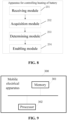
- the present application further provides an apparatus for controlling heating of a battery.
- the apparatus includes:
- a driving heating mode may be determined; first operating parameters of the battery and second operating parameters of a motor in a charging and discharging circuit of the battery are acquired during a driving process of a mobile electrical apparatus; it is determined that the mobile electrical apparatus meets a battery heating condition based on the first operating parameters and the second operating parameters; and the corresponding battery heating function is enabled based on the driving heating mode.
- the battery heating function is comprehensively controlled to be enabled or disabled according to the operating parameters of the battery and the motor based on the current driving heating mode. Further, a heating mode that best matches the electrical apparatus may be selected based on the user's usage habit and the current driving environment of the electrical apparatus for heating the battery. Further, the conditions of ineffective heating increased by a user manually controlling a battery self-healing function, and the resulting high energy consumption in related technologies are avoided.
- the receiving module 201 is configured to: send a request instruction for requesting to enable the battery heating function; and enable the battery heating function if a reply instruction allowing the heating function to be enabled is received.
- the receiving module 201 is configured to: receive a request to allow enablement of the heating function.
- the acquisition module 202 is configured to:
- the determining module 203 is configured to:
- the determining module 203 is configured to:
- the determining module 203 is configured to:
- the determining module 203 is configured to:
- the determining module 203 is configured to: determine that the battery meets the heating function disabling condition if it is detected that the cell temperature value of the battery is greater than or equal to a second preset temperature value.
- the acquisition module 202 is configured to:
- the determining module 203 is configured to:
- the acquisition module 202 is configured to: generate a control instruction to stop acquiring the first operating parameters and the second operating parameters.
- FIG. 9 is a logical structure block diagram of a mobile electrical apparatus illustrated according to an exemplary embodiment.
- a battery 300 may be a mobile electrical apparatus containing a battery.
- a non-transitory computer-readable storage medium having instructions is further provided, for example, a memory having instructions, the instructions, when executed by a processor of the battery, implementing the aforementioned method for controlling heating of a battery.
- the method includes: a driving heating mode is determined; first operating parameters of the battery and second operating parameters of a motor in a charging and discharging circuit of the battery are acquired during a driving process of a mobile electrical apparatus; it is determined that the mobile electrical apparatus meets a battery heating condition based on the first operating parameters and the second operating parameters; and the corresponding battery heating function is enabled based on the driving heating mode.
- the instructions may also be executed by the processor of the battery to implement other steps involved in the above exemplary embodiments.
- the non-transitory computer-readable storage medium may be a read-only memory (ROM), a random access memory (RAM), a compact disc-ROM (CD-ROM), a magnetic tape, a floppy disk, an optical data storage device, or the like.
- ROM read-only memory
- RAM random access memory
- CD-ROM compact disc-ROM
- magnetic tape a magnetic tape
- floppy disk a magnetic tape
- optical data storage device or the like.
- an application program/computer program product including one or more instructions.
- the one or more instructions may be executed by a processor of the battery, to implement the aforementioned method for controlling heating of a battery.
- the method includes: a driving heating mode is determined; first operating parameters of the battery and second operating parameters of a motor in a charging and discharging circuit of the battery are acquired during a driving process of a mobile electrical apparatus; it is determined that the mobile electrical apparatus meets a battery heating condition based on the first operating parameters and the second operating parameters; and the corresponding battery heating function is enabled based on the driving heating mode.
- the instructions may also be executed by the processor of the battery to implement other steps involved in the above exemplary embodiments.
- FIG. 9 is an example diagram of the battery 300. Those skilled in the art may understand that FIG. 9 shows only an example of the battery 300 and does not constitute a limitation on the battery 300.
- the battery 300 may include more or fewer components than those shown in the figure, or combine certain components, or include different components.
- the battery 300 may also include an input/output device, a network access device, a bus, and the like.
- the processor 302 may be a central processing unit (CPU), other general-purpose processor, a digital signal processor (DSP), an application specific integrated circuit (ASIC), a field-programmable gate array (FPGA) or other programmable logic device, a discrete gate or transistor logic device, a discrete hardware component, or the like.
- the general-purpose processor may be a microprocessor, or the processor 302 may be any conventional processor, or the like.
- the processor 302 is a control center of the battery 300 and connects the respective parts of the entire battery 300 via various interfaces and circuits.
- the 301 is configured to store computer-readable instructions 303.
- the processor 302 implements various functions of the battery 300 by running or executing the computer-readable instructions or modules stored in the memory 301, and calling data stored in the memory 301.
- the memory 301 may mainly include a program storing area and a data storing area.
- the program storing area may store an operating system, an application program required by at least one function (e.g., a sound playback function, and an image playback function), and the like.
- the data storing area may store data created based on use of the battery 300, and the like.
- the memory 301 may be a hard disk, an internal memory, a plug-in hard disk, a smart media card (SMC), a secure digital (SD) card, a flash card, at least one disk storage device, a flash device, an ROM, an RAM, or other non-volatile/volatile storage device.
- SMC smart media card
- SD secure digital
- a module integrated with the battery 300 may also be stored in a computer-readable storage medium. Based on such understanding, to implement all or part of the processes in the methods of the aforementioned embodiments, the present invention may also instruct the relevant hardware through computer-readable instructions.
- the computer-readable instructions are stored in a computer-readable storage medium, and the computer-readable instructions may implement the steps of the aforementioned method embodiments when executed by a processor.
Landscapes
- Engineering & Computer Science (AREA)
- General Chemical & Material Sciences (AREA)
- Chemical & Material Sciences (AREA)
- Electrochemistry (AREA)
- Chemical Kinetics & Catalysis (AREA)
- Manufacturing & Machinery (AREA)
- Transportation (AREA)
- Mechanical Engineering (AREA)
- Power Engineering (AREA)
- Sustainable Energy (AREA)
- Automation & Control Theory (AREA)
- Sustainable Development (AREA)
- Life Sciences & Earth Sciences (AREA)
- Physics & Mathematics (AREA)
- Electromagnetism (AREA)
- Electric Propulsion And Braking For Vehicles (AREA)
- Secondary Cells (AREA)
- Printers Characterized By Their Purpose (AREA)
Abstract
Description
- The present application claims priority to
Chinese patent application 202210435623.6 entitled "ELECTRICAL APPARATUS, AND METHOD, APPARATUS AND MEDIUM FOR CONTROLLING HEATING THEREOF" and filed on April 24, 2022 - The present application relates to battery management technologies, and in particular relates to an electrical apparatus, and a method, apparatus and medium for controlling heating thereof.
- With the development of science and technology, more and more electrical apparatuses implement their operational functions by carrying batteries.
- In a case that an electrical apparatus is an electric vehicle, in related technologies, to improve the adaptability in cold regions, the electric vehicle is gradually adapted with a battery heating function. Battery heating is a new function of electric vehicles. In use of the function, the actual conditions of a battery, a motor and the entire vehicle need to be considered, and heating is enabled in certain scenarios to protect the battery, the motor and other components, and prevent the electric vehicles from faults. Thus, the expectation of a driver is met in using the electric vehicles.
- However, in related technologies, a battery self-heating function is mostly controlled to be enabled or disabled manually by a user, which likely leads to conditions of ineffective heating increased due to unreasonable user control, and further causes high energy consumption.
- Embodiments of the present application provide an electrical apparatus, and a method, apparatus and medium for controlling heating thereof, to avoid conditions of ineffective heating increased by a user manually controlling a battery self-healing function, and the resulting high energy consumption in related technologies.
- Embodiments of the present application provide an electrical apparatus, and a method, apparatus and medium for controlling heating thereof, to avoid conditions of ineffective heating increased by a user manually controlling a battery self-healing function, and the resulting high energy consumption in related technologies.
- According to a first aspect of the embodiments of the present application, a method for controlling heating of a battery is provided, including: determining a driving heating mode; acquiring first operating parameters of the battery and second operating parameters of a motor in a charging and discharging circuit of the battery during a driving process of a mobile electrical apparatus; determining that the mobile electrical apparatus meets a battery heating condition based on the first operating parameters and the second operating parameters; and enabling the corresponding battery heating function based on the driving heating mode.
- By applying the technical solutions of the embodiments of the present application, before detecting a mobile electrical apparatus is driving, a driving heating mode selected by a user can be firstly received, and the driving heating mode corresponds to that enablement of a heating function is allowed or enablement of a heating function is to be allowed. Thus, the battery heating function is comprehensively controlled to be enabled or disabled according to the operating parameters of the battery and the motor based on the current driving heating mode. Further, a heating mode that best matches the electrical apparatus may be selected based on the user's usage habit and the current driving environment of the electrical apparatus for heating the battery. Further, the conditions of ineffective heating increased by a user manually controlling a battery self-healing function, and the resulting high energy consumption in related technologies are avoided.
- Optionally, in another embodiment based on the aforementioned method in the present application, the driving heating mode includes an automatic heating mode, a semi-automatic heating mode and a manual heating mode. By applying the technical solutions of the embodiments of the present application, the manual heating mode and the automatic heating mode that allow the electrical apparatus to directly enable the battery heating function can be provided for the user, or the semi-automatic heating mode that allows the electrical apparatus to directly enable the battery heating function only when the user allows can be provided for the user.
- Optionally, in another embodiment based on the aforementioned method in the present application, when the driving heating mode is the semi-automatic heating mode, before enabling the battery heating function based on the driving heating mode, the following steps are included: sending a request instruction for requesting to enable the battery heating function; and enabling the battery heating function if a reply instruction allowing the heating function to be enabled is received. By applying the technical solutions of the embodiments of the present application, the manual heating mode and the automatic heating mode that allow the electrical apparatus to directly enable the battery heating function can be provided for the user, or the semi-automatic heating mode that allows the electrical apparatus to directly enable the battery heating function only when the user allows can be provided for the user. Thus, the battery heating function is prevented from being directly enabled in a scenario where the user does not agree to enable the battery heating function, and the user's experience in using the electrical apparatus is not affected.
- Optionally, in another embodiment based on the aforementioned method in the present application, when the driving heating mode is the manual heating mode, before a driving process of the mobile electrical apparatus is started, the following step is included: receiving a request to allow the mobile electrical apparatus to enable the heating function during the current driving process; or, when the driving heating mode is the automatic heating mode, before a driving process of the mobile electrical apparatus is started, the following step is included: receiving a request to allow the mobile electrical apparatus to enable the heating function during a driving process within a preset time limit. By applying the technical solutions of the embodiments of the present application, the manual heating mode and the automatic heating mode that allow the electrical apparatus to directly enable the battery heating function can be provided for the user, or the semi-automatic heating mode that allows the electrical apparatus to directly enable the battery heating function only when the user allows can be provided for the user. Thus, the battery heating function is prevented from being directly enabled in a scenario where the user does not agree to enable the battery heating function, and the user's experience in using the electrical apparatus is not affected.
- Optionally, in another embodiment based on the aforementioned method in the present application, when the driving heating mode is the manual heating mode, before a driving process of the mobile electrical apparatus is started, the following step is included: receiving a request to allow enablement of the heating function. By applying the technical solutions of the embodiments of the present application, the electrical apparatus can enable the battery heating function only when the user allows, when detecting that the user selects the semi-automatic heating mode. An enabling request is sent to the user when determining that the operating parameters of the battery and the motor meet a heating condition currently. Thus, the battery heating function is prevented from being directly enabled in a scenario where the user does not agree to enable the battery heating function, and the user's experience in using the electrical apparatus is not affected.
- Optionally, in another embodiment based on the aforementioned method in the present application, the acquiring first operating parameters of the battery and second operating parameters of a motor of the electrical apparatus includes: acquiring first operating parameters of the battery, the first operating parameters including the corresponding cell temperature value, battery current value, battery voltage value, and remaining capacity value of the battery; and acquiring second operating parameters of the motor, the second operating parameters including the corresponding motor temperature value, motor current value and motor voltage value of the motor. By applying the technical solutions of the embodiments of the present application, the corresponding battery heating function can be enabled only when it is ensured that the battery is not in an overheated state and the remaining capacity is sufficient, and it is ensured by detecting the current and voltage values of the motor that the motor is fault-free. Thus, the potential safety hazard caused by rashly enabling the heating function before the battery and the motor reach a preset static state is avoided.
- Optionally, in another embodiment based on the aforementioned method in the present application, the determining that the mobile electrical apparatus meets a battery heating condition based on the first operating parameters and the second operating parameters includes: determining that the operating indices of the battery meet a heating function enabling condition and that the battery is in a fault-free state based on the first operating parameters; determining that the motor is in a fault-free state based on the second operating parameters; and determining that the mobile electrical apparatus meets the battery heating condition. By applying the technical solutions of the embodiments of the present application, the corresponding battery heating function can be enabled only when it is ensured that the battery is not in an overheated state and the remaining capacity is sufficient, and it is ensured by detecting the current and voltage values of the battery that the battery is fault-free. Thus, the potential safety hazard caused by rashly enabling the heating function before the battery reaches a preset static state is avoided.
- Optionally, in another embodiment based on the aforementioned method in the present application, the determining that the operating indices of the battery meet a heating function enabling condition and that the battery is in a fault-free state based on the first operating parameters includes: determining that the cell temperature value of the battery is lower than a first preset temperature value, and the remaining capacity value of the battery is greater than a first preset capacity threshold based on the cell temperature value and the remaining capacity value included in the first operating parameters; determining that the operating indices of the battery meet the heating function enabling condition; determining that the battery current value is within a first preset current threshold range, and the battery voltage value is within a first preset voltage threshold range based on the battery current value and the battery voltage value included in the first operating parameters; and determining that the battery is in a fault-free state. By applying the technical solutions of the embodiments of the present application, the corresponding battery heating function can be enabled only when it is ensured that the battery is not in an overheated state and the remaining capacity is sufficient, and it is ensured by detecting the current and voltage values of the battery that the battery is fault-free. Thus, the potential safety hazard caused by rashly enabling the heating function before the battery reaches a preset static state is avoided.
- Optionally, in another embodiment based on the aforementioned method in the present application, the determining that the motor is in a fault-free state based on the second operating parameters includes: determining that the motor current value is within a second preset current threshold range, and the motor voltage value is within a second preset voltage threshold range based on the motor current value and the motor voltage value included in the second operating parameters; determining that the motor temperature value is within a preset temperature range; and determining that the motor is in a fault-free state. By applying the technical solutions of the embodiments of the present application, whether the motor is in a fault-free state may be determined by detecting whether the current and voltage values of the motor are within the normal threshold ranges. The corresponding battery heating function is enabled only when confirming that the motor is fault-free. Thus, the potential safety hazard caused by rashly enabling the heating function before the motor reaches a preset static state is avoided.
- Optionally, in another embodiment based on the aforementioned method in the present application, after enabling the battery heating function, the following steps are further included: determining whether the battery meets a heating function disabling condition based on the first operating parameters and the second operating parameters; and if the condition is met, disabling the battery heating function. By applying the technical solutions of the embodiments of the present application, after enabling the corresponding battery heating function, the battery heating function may be automatically disabled after detecting that a preset condition is met based on the operating parameters of the battery and the voltage. Thus, the battery life is prevented from being affected by overheating of the battery.
- Optionally, in another embodiment based on the aforementioned method in the present application, the determining whether the battery meets a heating function disabling condition based on the first operating parameters and the second operating parameters includes: determining that the battery meets the heating function disabling condition if it is detected that the cell temperature value of the battery is greater than or equal to a second preset temperature value. By applying the technical solutions of the embodiments of the present application, after enabling the corresponding battery heating function, the battery heating function may be automatically disabled when detecting that the cell temperature value of the battery is over-high. Thus, the battery life is prevented from being affected by overheating of the battery.
- Optionally, in another embodiment based on the aforementioned method in the present application, after the disabling the battery heating function, the following steps are further included: generating a control instruction for continuously acquiring the first operating parameters and the second operating parameters; and enabling the battery heating function based on the driving heating mode after determining that the mobile electrical apparatus meets a battery heating condition and based on the first operating parameters and the second operating parameters. By applying the technical solutions of the embodiments of the present application, after the battery heating function is automatically disabled when detecting that the cell temperature value of the battery is over-high, the operating parameters of the battery and the motor can be acquired again, and the corresponding battery heating function can be enabled again when detecting that the operating parameters of the battery and the motor meet the battery heating condition. Thus, it is ensured that the battery can be heated again after cooling to a certain temperature. Further, the conditions of ineffective heating increased by a user manually controlling a battery self-healing function, and the resulting high energy consumption in related technologies are avoided.
- Optionally, in another embodiment based on the aforementioned method in the present application, the determining whether the battery meets a heating function disabling condition based on the first operating parameters and the second operating parameters includes: if it is detected that the remaining capacity value of the battery is less than or equal to a second preset capacity threshold, and/or the mobile electrical apparatus corresponds to a fault state, determining that the battery meets an abnormal disabling condition for the heating function. By applying the technical solutions of the embodiments of the present application, after detecting that the battery heating function is disabled due to a low remaining capacity value of the battery or a fault of the mobile electrical apparatus, it can be determined that the battery meets the abnormal disabling condition for the heating function. Then, an instruction to stop acquiring the operating parameters of the battery and the motor is generated. Thus, the computing resource of the electrical apparatus is prevented from being further consumed due to continuous acquisition of the operating parameters.
- Optionally, in another embodiment based on the aforementioned method in the present application, after the determining that the battery meets the abnormal disabling condition for the heating function, the following step is further included: generating a control instruction to stop acquiring the first operating parameters and the second operating parameters. By applying the technical solutions of the embodiments of the present application, after detecting that the battery heating function is disabled due to a low remaining capacity value of the battery or a fault of the mobile electrical apparatus, it can be determined that the battery meets the abnormal disabling condition for the heating function. Then, an instruction to stop acquiring the operating parameters of the battery and the motor is generated. Thus, the computing resource of the electrical apparatus is prevented from being further consumed due to continuous acquisition of the operating parameters.
- According to a second aspect of the embodiments of the present application, an apparatus for controlling heating of a battery is provided, including: a receiving module, configured to determine a driving heating mode; an acquisition module, configured to acquire first operating parameters of the battery and second operating parameters of a motor in a charging and discharging circuit of the battery during a driving process of a mobile electrical apparatus; a determining module, configured to determine that the mobile electrical apparatus meets a battery heating condition based on the first operating parameters and the second operating parameters; and an enabling module, configured to enable the corresponding battery heating function based on the driving heating mode.
- According to a third aspect of the embodiments of the present application, a mobile electrical apparatus is provided, including:
- a memory, configured to store executable instructions; and
- a display, configured to execute the executable instructions stored in the memory to implement the operations of any one of the aforementioned methods for controlling heating of a battery.
- According to a fourth aspect of the embodiments of the present application, a computer-readable storage medium is provided, having computer-readable instructions stored therein, and the instructions, when executed, implement the operations of any one of the aforementioned methods for controlling heating of a battery.
- The above summary is only an overview of the technical solutions of the present application. To have a clearer understanding of the technical means of the present application, implement according to the content of the specification, and make the above and other objectives, features and advantages of the present application clearer and easier to understand, a detailed description of the present application is listed below.
- By reading the detailed description of the preferred embodiments below, various other advantages and benefits may become apparent to those of ordinary skill in the art. The accompanying drawings are only intended to illustrate the preferred embodiments and are not considered a limitation to the present application. Moreover, in all of the drawings, the same components are indicated by the same reference numerals. In the figures:
-
FIG. 1 is a schematic structural diagram of a power supply apparatus applied to a battery provided by the present application. -
FIG. 2 is a flowchart of a method for controlling heating of a battery provided by the present application. -
FIG. 3 is an overall flowchart of a method for controlling heating of a battery provided by the present application. -
FIG. 4 is a flowchart in an automatic heating mode of a method for controlling heating of a battery provided by the present application. -
FIG. 5 is a flowchart in a semi-automatic heating mode of a method for controlling heating of a battery provided by the present application. -
FIG. 6 is a flowchart in a manual heating mode of a method for controlling heating of a battery provided by the present application. -
FIG. 7 is an overall flowchart of another method for controlling heating of a battery provided by the present application. -
FIG. 8 is a schematic structural diagram of an electronic apparatus for controlling heating of a battery provided by the present application. -
FIG. 9 is a schematic diagram of an electronic device of a battery provided by the present application. - Various exemplary embodiments of the present application are described in detail with reference to the accompanying drawings. It should be noted that, unless otherwise specified, the relative arrangement, numerical expressions and numerical values of the components and steps described in the embodiments do not limit the scope of the present application.
- Also, it should be understood that for ease of description, the dimensions of the respective parts shown in the accompanying drawings are not drawn according to the actual proportional relationship.
- The following description of at least one exemplary embodiment is merely illustrative in nature and is in no way intended to limit the present application, and application or use thereof.
- The technology, methods and devices known to those of ordinary skill in related art may not be discussed in detail, but in appropriate cases, such technology, methods and devices should be considered as part of the specification.
- It should be noted that similar labels and letters represent similar items in the following accompanying drawings, so once an item is defined in an accompanying drawing, further discussion is dispensable in the subsequent accompanying drawings.
- In addition, the technical solutions of the respective embodiments of the present application may be combined with each other, on the basis that the combinations can be implemented by those of ordinary skill in the art. When the combinations of the technical solutions are contradictory or cannot be implemented, it should be considered that such combinations of the technical solutions do not exist and are not within the scope of protection claimed by the present application.
- It should be noted that all directional indications (e.g., up, down, left, right, front and back) in the embodiments of the present application are only used for describing the relative positional relationships, motion situations or the like between components in specific postures (as shown in the accompany drawings). If the specific postures change, the directional indications also change accordingly.
- A method for controlling heating of a battery according to an exemplary embodiment of the present application is described below in conjunction with
FIG. 1 to FIG. 7 . It should be noted that the following application scenarios are only shown for the purpose of facilitating understanding of the spirit and principle of the present application, and the embodiments of the present application are not limited in this regard. In contrast, the embodiments of the present application may be applied to any applicable scenario. - With the development of science and technology, more and more electrical apparatuses implement their operational functions by carrying batteries.
- In a case that the electrical apparatus is a vehicle, in related technologies, vehicles are one of important means of transportation for human beings. With the progress of the times, the per capita ownership of vehicles in China continues to increase and has entered thousands of households. Electric vehicles powered by batteries are becoming increasingly popular due to their environmentally friendly characteristics.
- Further, power batteries are the core components of electric vehicles, but power batteries are sensitive to temperature, and low temperatures may affect a battery's discharge performance. To make a power battery discharge smoothly and extend the service life thereof, the power battery needs to be heated in the driving process of electric vehicles at low temperatures.
- The applicant of the present application notices a problem in the prior art that, in related technologies, a battery self-heating function is mostly controlled to be enabled or disabled manually by a user, which likely leads to conditions of ineffective heating increased due to unreasonable user control, and further causes high energy consumption.
- The mobile electrical apparatus disclosed in the embodiments of the present application may include but is not limited to vehicles, ships, aircraft, or the like. The battery or battery pack disclosed in the present application can be used to form a power supply system of the electrical apparatus, which is beneficial for alleviating and automatically adjusting a method for controlling heating of a battery, and further improves the stability of battery performance and battery life.
- The embodiments of the present application provide an electrical apparatus using a battery as a power source, and the electrical apparatus may be, but is not limited to, mobile phones, tablets, laptops, electric toys, electric tools, electric bicycles, electric vehicles, ships, spacecraft, and the like. The electric toys may include fixed or mobile electric toys, such as game consoles, electric car toys, electric ship toys and electric aircraft toys. The spacecraft may include aircraft, rockets, space shuttles, spaceships, and the like.
- In an embodiment, the battery in the present application may be a rechargeable battery, such as lithium-ion batteries, nickel-hydrogen batteries, nickel-chromium batteries, and nickel-zinc batteries.
- To facilitate explanation, in the following embodiment, a mobile electrical apparatus of an embodiment of the present application being a
vehicle 1000 is taken as an example for explanation. - Please refer to
FIG. 1 , which is a schematic structural diagram of avehicle 1000 provided in some embodiments of the present application. Thevehicle 1000 may be a fuel vehicle, a gas vehicle or a new energy vehicle. The new energy vehicle may be an all-electric vehicle, a hybrid vehicle, an extended-range vehicle, or the like. Abattery 100 is arranged in thevehicle 1000. Thebattery 100 may be arranged at the bottom or head or tail of thevehicle 1000. Thebattery 100 may be used as a power supply for thevehicle 1000, for example, thebattery 100 may be used as an operating power source for thevehicle 1000. Thevehicle 1000 may further include acontroller 200 and amotor 300. Thecontroller 200 is configured to control thebattery 100 to supply power to themotor 300, for example, to supply power for starting, navigation and driving of thevehicle 1000. - In some embodiments of the present application, the
battery 100 may not only be used as the operating power source for thevehicle 1000, but also as a driving power source for thevehicle 1000, to replace or partially replace fuel or natural gas to provide driving power for thevehicle 1000. - In an embodiment, the present application provides an electrical apparatus, and a method, apparatus and medium for controlling heating thereof.
-
FIG. 2 schematically illustrates a flowchart of a method for controlling heating of a battery according to an embodiment of the present application. As shown inFIG. 2 , the method includes:
S101: Determine a driving heating mode. - Further, the driving heating mode may be manually selected by a user in the embodiment of the present application. In an embodiment, for example, a manual heating mode/automatic heating mode corresponding to that enablement of a heating function is allowed is determined. Or, a semi-automatic heating mode corresponding to that enablement of a heating function is to be allowed is determined.
- Specifically, for the manual heating mode/automatic heating mode and the semi-automatic heating mode, the difference lies in that the manual heating mode/automatic heating mode may directly enable the corresponding battery heating function after determining that the mobile electrical apparatus meets a battery heating condition based on the first operating parameters and the second operating parameters. In the semi-automatic heating mode, after determining that the mobile electrical apparatus meets a battery heating condition based on the first operating parameters and the second operating parameters, first a request instruction for requesting to enable a battery heating function needs to be sent to the user using the mobile electrical apparatus, and only after receiving a reply instruction generated by the user to allow enablement of the heating function may the corresponding battery heating function be enabled. Based on different driving heating modes, the corresponding heating function enabling methods are used to achieve reasonable enablement of the heating function under different working conditions, thereby ensuring the stability of battery performance.
- In an embodiment, a user may generate an instruction to select the driving heating mode in the mobile electrical apparatus, or generate an instruction to select the driving heating mode through a control system (e.g., APP).
- S102: Acquire first operating parameters of the battery and second operating parameters of a motor in a charging and discharging circuit of the battery during a driving process of the mobile electrical apparatus.
- Optionally, in an embodiment of the present application, first operating parameters of the battery may be acquired, and the first operating parameters include the corresponding cell temperature value, battery current value, battery voltage value, and remaining capacity value of the battery.
- In addition, second operating parameters of the motor are also acquired, and the second operating parameters include the corresponding motor current value and motor voltage value.
- Further, the present application may enable the corresponding battery heating function only when it is ensured that the battery is not in an overheated state and the remaining capacity is sufficient, and it is ensured by detecting the current and voltage values of the motor that the motor is fault-free. Thus, the potential safety hazard caused by rashly enabling the heating function before the battery and the motor reach a preset static state is avoided.
- S103: Determine that the mobile electrical apparatus meets a battery heating condition based on the first operating parameters and the second operating parameters.
- Taking the mobile electrical apparatus being an electric vehicle as an example, processes of determining that the mobile electrical apparatus meets a battery heating condition based on the first operating parameters of the battery and the second operating parameters of the motor in different driving heating modes are explained:
As shown inFIG. 3 , the driving heating mode may include three situations, namely an automatic heating mode, a semi-automatic heating mode, and a manual heating mode in the embodiments of the present application. - In the automatic heating mode, before a user starts a vehicle, first the automatic heating mode of a battery heating function is selected. Further, a battery management system (BMS) and a vehicle control unit (VCU) may be configured to determine the enablement and actuation of an operating heating mode.
- Further, the VCU may determine whether the battery (i.e., based on the first operating parameters of the battery) and the motor (i.e., based on the second operating parameters of the motor) meet the requirement for operating heating. If the requirement is met, the operating heating mode is enabled.
- The BMS is configured to intelligently manage and maintain respective battery units, prevent overcharging and over-discharging of batteries, extend the battery life, and monitor the battery state.
- In an embodiment, the BMS unit includes a BMS, a control module, a display module, a wireless communication module, an electrical device, a battery pack for supplying power to the electrical device, and an acquisition module for acquiring the information of the battery pack. The BMS is connected to the wireless communication module and the display module respectively through communication interfaces. An output end of the acquisition module is connected to an input end of the BMS. An output end of the BMS is connected to an input end of the control module. The control module is connected to the battery pack and the electrical device respectively. The BMS is connected to a server end through the wireless communication module.
- In addition, the VCU mainly includes hardware and software. The hardware includes a case and hardware circuits, and the software includes application software and underlying software. The case is mainly used for protecting and sealing the hardware circuits, and should meet cleanliness requirements such as waterproof and dustproof, as well as mechanical requirements to avoid falling, vibration, and the like.
- Further, the hardware circuits mainly include a main control chip (32-bit processing chip) and peripheral clock circuits, reset circuits, and power modules. The hardware circuits typically also include digital/analog signal processing circuits, frequency signal processing circuits, communication interface circuits, and the like. The application software and the underlying software are generally written in C language. The application software mainly controls upper-level control strategies, and is mainly responsible for real-time control of energy flow and distribution ratio based on the vehicle state and driver intentions. The underlying software is mainly responsible for initializing a microcontroller, real-time sending and receiving of controller area network (CAN) bus signals, and real-time processing and diagnosis of input and output signals.
- It should be noted that in the automatic heating mode, when detecting that the battery reaches a heating disabling condition, in an embodiment, the operating heating mode may be automatically disabled, and the disabling condition is determined. In a case of abnormal disabling, the heating condition is no longer determined, otherwise, the heating condition is determined again.
- In the semi-automatic heating mode, before a user starts a vehicle, first the semi-automatic heating mode of a battery heating function is selected. Further, the VCU determines whether the battery (i.e., based on the first operating parameters of the battery) and the motor (i.e., based on the second operating parameters of the motor) meet the requirement for operating heating. If the requirement is met, an operating heating request instruction (request instruction for requesting to enable a battery heating function) is sent to a user terminal.
- Further, the user terminal determines whether to enable the operating heating mode. When the user confirms enabling the operating heating mode, the entire vehicle enters the operating heating mode.
- It should be noted that in the semi-automatic heating mode, when detecting that the battery reaches a heating disabling condition, in an embodiment, the operating heating mode may be automatically disabled, and the disabling condition is determined. Optionally, if the operating heating mode is disabled abnormally, the heating condition is no longer determined, otherwise, the heating condition is determined again.
- In the manual heating mode, before a user starts a vehicle, first the manual heating mode of a battery heating function is selected. In an embodiment, the corresponding battery heating function may be directly enabled in the manual heating mode. In another embodiment, the VCU determines whether the battery (i.e., based on the first operating parameters of the battery) and the motor (i.e., based on the second operating parameters of the motor) meet the requirement for operating heating. If the requirement is met, the corresponding battery heating function is enabled.
- In addition, when the battery reaches a heating disabling condition, the operating heating mode is automatically disabled, and the disabling condition is determined. In a case of abnormal disabling, the heating condition is no longer determined, otherwise, the heating condition is determined again.
- S104: Enable the corresponding battery heating function based on the driving heating mode.
- According to an aspect of the embodiments of the present application, a method for controlling heating of a battery is provided, including: a driving heating mode is determined; first operating parameters of the battery and second operating parameters of a motor in a charging and discharging circuit of the battery are acquired during a driving process of a mobile electrical apparatus; it is determined that the mobile electrical apparatus meets a battery heating condition based on the first operating parameters and the second operating parameters; and the corresponding battery heating function is enabled based on the driving heating mode.
- By applying the technical solutions of the embodiments of the present application, before detecting a mobile electrical apparatus is driving, a driving heating mode selected by a user can be firstly received, and the driving heating mode corresponds to that enablement of a heating function is allowed or enablement of a heating function is to be allowed. Thus, the battery heating function is comprehensively controlled to be enabled or disabled according to the operating parameters of the battery and the motor based on the current driving heating mode. Further, a heating mode that best matches the electrical apparatus may be selected based on the user's usage habit and the current driving environment of the electrical apparatus for heating the battery. Further, the conditions of ineffective heating increased by a user manually controlling a battery self-healing function, and the resulting high energy consumption in related technologies are avoided.
- Optionally, in another embodiment based on the aforementioned method in the present application, the driving heating mode includes an automatic heating mode, a semi-automatic heating mode and a manual heating mode.
- Specifically, for the manual heating mode/automatic heating mode and the semi-automatic heating mode, the difference lies in that the manual heating mode/automatic heating mode may directly enable the corresponding battery heating function after determining that the mobile electrical apparatus meets a battery heating condition based on the first operating parameters and the second operating parameters (without seeking the user's agreement for heating).
- It should be noted that in the manual heating mode, an instruction, agreeing to a request to enable the heating function of the mobile electrical apparatus in the current driving process, is generated by the user in the driving process of the mobile electrical apparatus. In such a case, the user needs to manually generate the instruction before or during every driving process of the mobile electrical apparatus.
- In addition, in the automatic heating mode, an instruction, agreeing to a request to enable the heating function of the mobile electrical apparatus in a preset time limit (including the current driving process and several subsequent driving processes), is generated by the user.
- In an embodiment, the battery heating condition met by the mobile electrical apparatus in the manual heating mode is different from that met by the mobile electrical apparatus in the automatic heating mode. For example, in the automatic heating mode, the mobile electrical apparatus may enable the battery heating function when detecting that the battery is at a temperature of lower than or equal to 10 °C (and is in a fault-free state). In the manual heating mode, even if the user gives a manual heating instruction when the battery is at a temperature of 15 °C (and is in a fault-free state), the mobile electrical apparatus may still enable the battery heating function.
- Further, in both the manual heating mode and the automatic heating mode, it is determined that the mobile electrical apparatus meets the battery heating condition based on the first operating parameters and the second operating parameters. But the battery heating conditions corresponding to the two modes may be the same or different.
- Optionally, in another embodiment based on the aforementioned method in the present application, when the driving heating mode is the semi-automatic heating mode, before the battery heating function is enabled based on the driving heating mode, the following steps are included: a request instruction is sent to enable the battery heating function; and the battery heating function is enabled if a reply instruction allowing the heating function to be enabled is received.
- Further, in the semi-automatic heating mode, after determining that the mobile electrical apparatus meets a battery heating condition based on the first operating parameters and the second operating parameters, first a request instruction for requesting to enable a battery heating function needs to be sent to the user using the mobile electrical apparatus, and only after receiving a reply instruction generated by the user to allow enablement of the heating function may the corresponding battery heating function be enabled.
- The form of the reply instruction is not specifically limited in the present application, for example, the reply instruction may be voice generated. The reply instruction may also be implemented by controlling an internal touch module of the mobile electrical apparatus.
- By applying the technical solutions of the embodiments of the present application, the manual heating mode and the automatic heating mode that allow the electrical apparatus to directly enable the battery heating function can be provided for the user, or the semi-automatic heating mode that allows the electrical apparatus to directly enable the battery heating function only when the user allows can be provided for the user. Thus, the battery heating function is prevented from being directly enabled in a scenario where the user does not agree to enable the battery heating function, and the user's experience in using the electrical apparatus is not affected.
- Optionally, in another embodiment based on the aforementioned method in the present application, when the driving heating mode is the manual heating mode, before a driving process of the mobile electrical apparatus is started, the following step is included: a request to allow the mobile electrical apparatus to enable the heating function during the current driving process is received; or when the driving heating mode is the automatic heating mode, before a driving process of the mobile electrical apparatus is started, the following step is included: a request to allow the mobile electrical apparatus to enable the heating function during a driving process within a preset time limit is received.
- Specifically, in the manual heating mode/automatic heating mode, the corresponding battery heating function may be directly enabled after determining that the mobile electrical apparatus meets a battery heating condition based on the first operating parameters and the second operating parameters (without sending a request to the user to ask whether to enable the heating function).
- In the manual heating mode, an instruction, agreeing to a request to enable the heating function of the mobile electrical apparatus in the current driving process, is generated by the user. In such a case, the user needs to manually generate the instruction before every driving process of the mobile electrical apparatus.
- In addition, in the automatic heating mode, an instruction, agreeing to a request to enable the heating function of the mobile electrical apparatus in a preset time limit (including the current driving process and several subsequent driving processes), is generated by the user.
- It should be noted that the preset time limit is not limited in the present application, for example, the preset time limit may be 3 days, 1 month, or the like.
- By applying the technical solutions of the embodiments of the present application, the manual heating mode and the automatic heating mode that allow the electrical apparatus to directly enable the battery heating function can be provided for the user, or the semi-automatic heating mode that allows the electrical apparatus to directly enable the battery heating function only when the user allows can be provided for the user. Thus, the battery heating function is prevented from being directly enabled in a scenario where the user does not agree to enable the battery heating function, and the user's experience in using the electrical apparatus is not affected.
- Optionally, in another embodiment based on the aforementioned method in the present application, when the driving heating mode is the manual heating mode, before a driving process of the mobile electrical apparatus is started, the following step is included: a request to allow enablement of the heating is received. By applying the technical solutions of the embodiments of the present application, the electrical apparatus can enable the battery heating function only when the user allows, when detecting that the user selects the semi-automatic heating mode. An enabling request is sent to the user when determining that the operating parameters of the battery and the motor meet a heating condition currently. Thus, the battery heating function is prevented from being directly enabled in a scenario where the user does not agree to enable the battery heating function, and the user's experience in using the electrical apparatus is not affected.
- Optionally, in another embodiment based on the aforementioned method in the present application, the acquiring first operating parameters of the battery and second operating parameters of a motor of the electrical apparatus includes: first operating parameters of the battery are acquired, the first operating parameters including the corresponding cell temperature value, battery current value, battery voltage value, and remaining capacity value of the battery; and second operating parameters of the motor are acquired, the second operating parameters including the corresponding motor current value and motor voltage value. By applying the technical solutions of the embodiments of the present application, the corresponding battery heating function can be enabled only when it is ensured that the battery is not in an overheated state and the remaining capacity is sufficient, and it is ensured by detecting the current and voltage values of the motor that the motor is fault-free. Thus, the potential safety hazard caused by rashly enabling the heating function before the battery and the motor reach a preset static state is avoided.
- As shown in
FIG. 4 , in the embodiments of the present application, taking a mobile electrical apparatus being a vehicle as an example, a process of the automatic heating mode is explained: - Step 1: An end user gets on the vehicle and selects the automatic operating heating mode.
- Step 2: A BMS acquires battery parameters, such as cell temperature, current, voltage and state of charge (SOC), to determine enablement of operating heating.
- Step 3: An MCU acquires information such as voltage, current and faults of a motor, and a VCU determines enablement of operating heating based on signals acquired by the BMS and the MCU.
- Step 4: When the cell temperature reaches a temperature for enabling heating, the cell SOC meets an operating heating threshold, and the entire vehicle is fault-free, the operating heating mode is automatically enabled. Otherwise, the heating condition is determined again.
- Step 5: The VCU determines in real-time whether the cell temperature reaches a temperature for stopping heating. If so, the condition is prompted, the heating mode is disabled and the next heating condition is determined.
- Step 6: When the battery SOC exceeds an operating heating threshold, or the entire vehicle has a fault, the operating heating mode is abnormally disabled.
- As shown in
FIG. 5 , in the embodiments of the present application, taking a mobile electrical apparatus being a vehicle as an example, a process of the semi-automatic heating mode is explained: - Step 1: An end user gets on the vehicle and selects the semi-automatic operating heating mode.
- Step 2: A BMS acquires battery parameters, such as cell temperature, current, voltage and SOC, to determine enablement of operating heating.
- Step 3: An MCU acquires information such as voltage, current and faults of a motor, and a VCU determines enablement of operating heating based on signals acquired by the BMS and the MCU.
- Step 4: When the cell temperature reaches a temperature for enabling heating, the cell SOC meets an operating heating threshold, and the entire vehicle is fault-free, the VCU sends an operating heating instruction to the end user for determination. Otherwise, the heating condition is determined again.
- Step 5: When the end user confirms that the heating condition is met, the heating mode is enabled. The VCU determines in real-time whether the cell temperature reaches a temperature for stopping heating. If so, the condition is prompted, the heating mode is disabled, the next heating condition is determined, and enablement of heating is confirmed again.
- Step 6: When the battery SOC exceeds an operating heating threshold, or the entire vehicle has a fault, the operating heating mode is abnormally disabled.
- As shown in
FIG. 6 , in the embodiments of the present application, taking a mobile electrical apparatus being a vehicle as an example, a process of the manual heating mode is explained: - Step 1: An end user gets on the vehicle and selects the manual operating heating mode.
- Step 2: A BMS acquires battery parameters, such as cell temperature, current, voltage and state of charge (SOC), to determine enablement of operating heating.
- Step 3: An MCU acquires information such as voltage, current and faults of a motor, and a VCU determines enablement of operating heating based on signals acquired by the BMS and the MCU.
- Step 4: When the cell temperature reaches a temperature for enabling heating, the cell SOC meets an operating heating threshold, and the entire vehicle is fault-free, the operating heating mode is automatically enabled. Otherwise, the heating condition is determined again.
- Step 5: The VCU determines in real-time whether the cell temperature reaches a temperature for stopping heating. If so, the condition is prompted, the heating mode is disabled and the heating condition is determined again.
- Step 6: When the battery SOC exceeds an operating heating threshold, or the entire vehicle has a fault, the operating heating mode is abnormally disabled.
- Optionally, in another embodiment based on the aforementioned method in the present application, the determining that the mobile electrical apparatus meets a battery heating condition based on the first operating parameters and the second operating parameters includes: it is determined that the operating indices of the battery meet a heating function enabling condition and that the battery is in a fault-free state based on the first operating parameters; it is determined that the motor is in a fault-free state based on the second operating parameters; and it is determined that the mobile electrical apparatus meets the battery heating condition.
- Further, in the process of determining that the mobile electrical apparatus meets a battery heating condition based on the first operating parameters and the second operating parameters, the determination may be performed by determining whether the operating indices and fault state of the battery meet a heating enabling condition based on the acquired first operating parameters of the battery.
- By applying the technical solutions of the embodiments of the present application, the corresponding battery heating function can be enabled only when it is ensured that the battery is not in an overheated state and the remaining capacity is sufficient, and it is ensured by detecting the current and voltage values of the battery that the battery is fault-free. Thus, the potential safety hazard caused by rashly enabling the heating function before the battery reaches a preset static state is avoided.
- Optionally, in another embodiment based on the aforementioned method in the present application, the determining that the operating indices of the battery meet a heating function enabling condition and that the battery is in a fault-free state based on the first operating parameters includes: it is determined that the cell temperature value of the battery is lower than a first preset temperature value, and the remaining capacity value of the battery is greater than a first preset capacity threshold based on the cell temperature value and the remaining capacity value included in the first operating parameters; it is determined that the operating indices of the battery meet the heating function enabling condition; it is determined that the battery current value is within a first preset current threshold range, and the battery voltage value is within a first preset voltage threshold range based on the battery current value and the battery voltage value included in the first operating parameters; and it is determined that the battery is in a fault-free state.
- Further, in the process of determining that the mobile electrical apparatus meets a battery heating condition based on the first operating parameters, the determination may be performed by determining whether the operating indices and fault state of the battery meet a heating enabling condition based on the acquired first operating parameters of the battery.
- Specifically, to prevent the battery life from being affected due to enablement of the battery heating function in case of overheating of the battery, in the embodiments of the present application, the enablement of the battery heating function may be implemented by determining whether the cell temperature value and remaining capacity of the battery reach the mark.
- The first preset temperature value is not specifically limited in the present application, for example, the first present temperature value may be 30 °C, or 20 °C, or the like. In addition, the first preset capacity threshold is also not specifically limited in the present application, for example, the first preset capacity threshold may be 30%, or 20%, or the like.
- By applying the technical solutions of the embodiments of the present application, the corresponding battery heating function can be enabled only when it is ensured that the battery is not in an overheated state and the remaining capacity is sufficient, and it is ensured by detecting the current and voltage values of the battery that the battery is fault-free. Thus, the potential safety hazard caused by rashly enabling the heating function before the battery reaches a preset static state is avoided.
- Optionally, in another embodiment based on the aforementioned method in the present application, the determining that the motor is in a fault-free state based on the second operating parameters includes: it is determined that the motor current value is within a second preset current threshold range, and the motor voltage value is within a second preset voltage threshold range based on the motor current value and the motor voltage value included in the second operating parameters; it is determined that the motor temperature value is within a preset temperature range; and it is determined that the motor is in a fault-free state.
- Further, in the process of determining that the mobile electrical apparatus meets a battery heating condition based on the second operating parameters, the determination may be performed by determining whether the fault state of the motor meets a heating enabling condition (i.e., the motor is in a fault-free state) based on the acquired second operating parameters of the motor.
- Specifically, to prevent ineffective heating due to enablement of the battery heating function in a case that the motor has a fault, in the embodiments of the present application, the enablement of the battery heating function may be implemented by determining whether the temperature value, the current value and the voltage value of the motor reach the mark.
- The second preset current threshold range is not specifically limited in the present application, for example the second preset current threshold range may be 50A, or 20A, or the like. In addition, the second preset voltage threshold range is not specifically limited in the present application, for example, the second preset voltage threshold range may be 50V, or 20V, or the like.
- By applying the technical solutions of the embodiments of the present application, whether the motor is in a fault-free state may be determined by detecting whether the current and voltage values of the motor are within the normal threshold ranges. The corresponding battery heating function is enabled only when confirming that the motor is fault-free. Thus, the potential safety hazard caused by rashly enabling the heating function before the motor reaches a preset static state is avoided.
- Optionally, in another embodiment based on the aforementioned method in the present application, after the battery heating function is enabled, the following steps are further included: it is determined whether the battery meets a heating function disabling condition based on the first operating parameters and the second operating parameters; and if the battery meets the heating function disabling condition, the battery heating function is disabled.
- Further, in the present application, after enabling the battery heating function, whether the battery meets a heating function disabling condition is monitored in real-time or periodically. If the condition is met, the battery heating function needs to be disabled.
- In an embodiment, when the battery reaches a heating function disabling condition, the operating heating mode may be automatically disabled, and the disabling condition is determined. In a case of abnormal disabling, the heating condition is no longer determined, otherwise, the heating condition is determined again.
- By applying the technical solutions of the embodiments of the present application, after enabling the corresponding battery heating function, the battery heating function may be automatically disabled after detecting that a preset condition is met based on the operating parameters of the battery and the voltage. Thus, the battery life is prevented from being affected by overheating of the battery.
- Optionally, in another embodiment based on the aforementioned method in the present application, the determining whether the battery meets a heating function disabling condition based on the first operating parameters and the second operating parameters includes: it is determined that the battery meets the heating function disabling condition if it is detected that the cell temperature value of the battery is greater than or equal to a second preset temperature value. By applying the technical solutions of the embodiments of the present application, after enabling the corresponding battery heating function, the battery heating function may be automatically disabled when detecting that the cell temperature value of the battery is over-high. Thus, the battery life is prevented from being affected by overheating of the battery.
- Further, in the present application, after enabling the battery heating function, whether the battery meets a heating function disabling condition is monitored in real-time or periodically. If the condition is met, the battery heating function needs to be disabled.
- In an embodiment, for the heating function disabling condition, if the cell temperature value of the battery is monitored to be higher than or equal to the second preset temperature value, it may be considered that a normal heating function disabling condition is met. Then, the operating heating mode may be automatically disabled, and the operating parameters of the battery and the motor are acquired again. Thus, after detecting that the operating parameters of the battery and the motor meet the battery heating condition, the corresponding battery heating function can be enabled again.
- By applying the technical solutions of the embodiments of the present application, after the battery heating function is automatically disabled when detecting that the cell temperature value of the battery is over-high, the operating parameters of the battery and the motor can be acquired again, and the corresponding battery heating function can be enabled again when detecting that the operating parameters of the battery and the motor meet the battery heating condition. Thus, it is ensured that the battery can be heated again after cooling to a certain temperature. Further, the conditions of ineffective heating increased by a user manually controlling a battery self-healing function, and the resulting high energy consumption in related technologies are avoided.
- Optionally, in another embodiment based on the aforementioned method in the present application, the determining whether the battery meets a heating function disabling condition based on the first operating parameters and the second operating parameters includes: if it is detected that the remaining capacity value of the battery is less than or equal to a second preset capacity threshold, and/or the mobile electrical apparatus corresponds to a fault state, it is determined that the battery meets an abnormal disabling condition for the heating function.
- In an embodiment, for the heating function disabling condition, if it is monitored that the remaining capacity value of the battery is over-low or the mobile electrical apparatus is in a faulty state (the motor has a fault, or the battery has a fault, or other components have faults), it may be considered that the abnormal disabling condition for the heating function is met. Then, the operating heating mode may be automatically disabled, and the operating parameters of the battery and the motor are no longer acquired.
- By applying the technical solutions of the embodiments of the present application, after detecting that the battery heating function is disabled due to a low remaining capacity value of the battery or a fault of the mobile electrical apparatus, it can be determined that the battery meets the abnormal disabling condition for the heating function. Then, an instruction to stop acquiring the operating parameters of the battery and the motor is generated. Thus, the computing resource of the electrical apparatus is prevented from being further consumed caused by the mobile electrical apparatus continuing to acquire the operating parameters.
- Optionally, in another embodiment based on the aforementioned method in the present application, after the determining that the battery meets the abnormal disabling condition for the heating function, the following step is further included: a control instruction to stop acquiring the first operating parameters and the second operating parameters is generated.
- By applying the technical solutions of the embodiments of the present application, after detecting that the battery heating function is disabled due to a low remaining capacity value of the battery or a fault of the mobile electrical apparatus, it can be determined that the battery meets the abnormal disabling condition for the heating function. Then, an instruction to stop acquiring the operating parameters of the battery and the motor is generated. Thus, the computing resource of the electrical apparatus is prevented from being further consumed due to continuous acquisition of the operating parameters.
- In an embodiment, still taking the mobile electrical apparatus being a vehicle as an example,
FIG. 7 is an overall flowchart of a method for controlling heating of a battery provided by the present application, and the method is specifically explained below with reference toFIG. 7 : - First, in the automatic heating mode, the method includes:
- Step 1: An end user gets on the vehicle and selects the automatic operating heating mode.
- Step 2: A BMS acquires battery parameters, such as cell temperature, current, voltage and SOC, an MCU acquires information such as voltage, current and faults of a motor, and a VCU determines enablement of operating heating based on signals acquired by the BMS and the MCU.
- Step 3: When the cell temperature reaches a temperature for enabling heating, the cell SOC meets an operating heating threshold, and the entire vehicle is fault-free, the operating heating mode is automatically enabled. Otherwise, the heating condition is determined again.
- Step 4: The VCU determines in real-time whether the cell temperature reaches a temperature for stopping heating. If so, the condition is prompted, the heating mode is disabled and the next heating condition is determined. When the battery SOC exceeds an operating heating threshold, or the entire vehicle has a fault, the operating heating mode is abnormally disabled.
- Further, in the semi-automatic heating mode, the method includes:
- Step 1: An end user gets on the vehicle and selects the semi-automatic operating heating mode.
- Step 2: A BMS acquires battery parameters, such as cell temperature, current, voltage and SOC, an MCU acquires information such as voltage, current and faults of a motor, and a VCU determines enablement of operating heating based on signals acquired by the BMS and the MCU.
- Step 3: When the cell temperature reaches a temperature for enabling heating, the cell SOC meets an operating heating threshold, and the entire vehicle is fault-free, the VCU sends an operating heating instruction to the end user for determination. Otherwise, the heating condition is determined again.
- Step 4: When the end user confirms that the heating condition is met, the heating mode is enabled. The VCU determines in real-time whether the cell temperature reaches a temperature for stopping heating. If so, the condition is prompted, the heating mode is disabled, the next heating condition is determined, and enablement of heating is confirmed again. When the battery SOC exceeds an operating heating threshold, or the entire vehicle has a fault, the operating heating mode is abnormally disabled.
- Finally, in the manual heating mode, the method includes:
- Step 1: An end user gets on the vehicle and selects the manual operating heating mode.
- Step 2: The user manually enables the operating heating mode. A BMS acquires battery parameters, such as cell temperature, current, voltage and SOC, an MCU acquires information such as voltage, current and faults of a motor, a VCU determines whether the battery temperature reaches the upper limit of a heating threshold, and the operating heating mode is enabled when the entire vehicle is fault-free.
- Step 3: The VCU determines in real-time whether the cell temperature reaches a temperature for stopping heating. If so, the condition is prompted, the heating mode is disabled, and the VCU waits for the end user to send the next operating heating instruction. When the battery SOC exceeds an operating heating threshold, or the entire vehicle has a fault, the operating heating mode is abnormally disabled.
- By applying the technical solutions of the embodiments of the present application, before detecting a mobile electrical apparatus is driving, a driving heating mode selected by a user can be firstly received, and the driving heating mode corresponds to that enablement of a heating function is allowed or enablement of a heating function is to be allowed. Thus, the battery heating function is comprehensively controlled to be enabled or disabled according to the operating parameters of the battery and the motor based on the current driving heating mode. Further, a heating mode that best matches the electrical apparatus may be selected based on the user's usage habit and the current driving environment of the electrical apparatus for heating the battery. Further, the conditions of ineffective heating increased by a user manually controlling a battery self-healing function, and the resulting high energy consumption in related technologies are avoided.
- Optionally, in another embodiment of the present application, as shown in
FIG. 8 , the present application further provides an apparatus for controlling heating of a battery. The apparatus includes: - a
receiving module 201, configured to determine a driving heating mode; - an
acquisition module 202, configured to acquire first operating parameters of the battery and second operating parameters of a motor in a charging and discharging circuit of the battery during a driving process of a mobile electrical apparatus; - a determining
module 203, configured to determine that the mobile electrical apparatus meets a battery heating condition based on the first operating parameters and the second operating parameters; and - an enabling
module 204, configured to enable the battery heating function based on the driving heating mode. - In an aspect of the embodiments of the present application, a driving heating mode may be determined; first operating parameters of the battery and second operating parameters of a motor in a charging and discharging circuit of the battery are acquired during a driving process of a mobile electrical apparatus; it is determined that the mobile electrical apparatus meets a battery heating condition based on the first operating parameters and the second operating parameters; and the corresponding battery heating function is enabled based on the driving heating mode. By applying the technical solutions of the embodiments of the present application, before detecting a mobile electrical apparatus is driving, a driving heating mode selected by a user can be firstly received, and the driving heating mode corresponds to that enablement of a heating function is allowed or enablement of a heating function is to be allowed. Thus, the battery heating function is comprehensively controlled to be enabled or disabled according to the operating parameters of the battery and the motor based on the current driving heating mode. Further, a heating mode that best matches the electrical apparatus may be selected based on the user's usage habit and the current driving environment of the electrical apparatus for heating the battery. Further, the conditions of ineffective heating increased by a user manually controlling a battery self-healing function, and the resulting high energy consumption in related technologies are avoided.
- In another embodiment of the present application, the receiving
module 201 is configured to:
send a request instruction for requesting to enable the battery heating function; and enable the battery heating function if a reply instruction allowing the heating function to be enabled is received. - In another embodiment of the present application, the receiving
module 201 is configured to: receive a request to allow enablement of the heating function. - In another embodiment of the present application, the
acquisition module 202 is configured to: - acquire first operating parameters of the battery, the first operating parameters including the corresponding cell temperature value, battery current value, battery voltage value, and remaining capacity value of the battery; and
- acquire second operating parameters of the motor, the second operating parameters including the corresponding motor current value and motor voltage value.
- In another embodiment of the present application, the determining
module 203 is configured to: - determine that the operating indices of the battery meet a heating function enabling condition and that the battery is in a fault-free state based on the first operating parameters; determine that the motor is in a fault-free state based on the second operating parameters; and
- determine that the mobile electrical apparatus meets the battery heating condition.
- In another embodiment of the present application, the determining
module 203 is configured to: - determine that the cell temperature value of the battery is lower than a first preset temperature value, and the remaining capacity value of the battery is greater than a first preset capacity threshold based on the cell temperature value and the remaining capacity value included in the first operating parameters;
- determine that the operating indices of the battery meet the heating function enabling condition;
and - determine that the battery current value is within a first preset current threshold range, and the battery voltage value is within a first preset voltage threshold range based on the battery current value and the battery voltage value included in the first operating parameters;
- determine that the battery is in a fault-free state.
- In another embodiment of the present application, the determining
module 203 is configured to: - determine that the motor current value is within a second preset current threshold range, and the motor voltage value is within a second preset voltage threshold range based on the motor current value and the motor voltage value included in the second operating parameters; determine that the motor temperature value is within a preset temperature range; and
- determine that the motor is in a fault-free state.
- In another embodiment of the present application, the determining
module 203 is configured to: - determine whether the battery meets a heating function disabling condition based on the first operating parameters and the second operating parameters; and
- if the battery meets the heating function disabling condition, disable the battery heating function.
- In another embodiment of the present application, the determining
module 203 is configured to:
determine that the battery meets the heating function disabling condition if it is detected that the cell temperature value of the battery is greater than or equal to a second preset temperature value. - In another embodiment of the present application, the
acquisition module 202 is configured to: - generate a control instruction for continuously acquiring the first operating parameters and the second operating parameters; and
- enable the battery heating function based on the driving heating mode after determining that the mobile electrical apparatus meets a battery heating condition based on the first operating parameters and the second operating parameters.
- In another embodiment of the present application, the determining
module 203 is configured to: - if it is detected that the remaining capacity value of the battery is less than or equal to a second preset capacity threshold, and/or the mobile electrical apparatus corresponds to a fault state,
- determine that the battery meets an abnormal disabling condition for the heating function.
- In another embodiment of the present application, the
acquisition module 202 is configured to:
generate a control instruction to stop acquiring the first operating parameters and the second operating parameters. -
FIG. 9 is a logical structure block diagram of a mobile electrical apparatus illustrated according to an exemplary embodiment. For example, abattery 300 may be a mobile electrical apparatus containing a battery. - In an exemplary embodiment, a non-transitory computer-readable storage medium having instructions is further provided, for example, a memory having instructions, the instructions, when executed by a processor of the battery, implementing the aforementioned method for controlling heating of a battery. The method includes: a driving heating mode is determined; first operating parameters of the battery and second operating parameters of a motor in a charging and discharging circuit of the battery are acquired during a driving process of a mobile electrical apparatus; it is determined that the mobile electrical apparatus meets a battery heating condition based on the first operating parameters and the second operating parameters; and the corresponding battery heating function is enabled based on the driving heating mode. Optionally, the instructions may also be executed by the processor of the battery to implement other steps involved in the above exemplary embodiments. For example, the non-transitory computer-readable storage medium may be a read-only memory (ROM), a random access memory (RAM), a compact disc-ROM (CD-ROM), a magnetic tape, a floppy disk, an optical data storage device, or the like.
- In an exemplary embodiment, an application program/computer program product is further provided, including one or more instructions. The one or more instructions may be executed by a processor of the battery, to implement the aforementioned method for controlling heating of a battery. The method includes: a driving heating mode is determined; first operating parameters of the battery and second operating parameters of a motor in a charging and discharging circuit of the battery are acquired during a driving process of a mobile electrical apparatus; it is determined that the mobile electrical apparatus meets a battery heating condition based on the first operating parameters and the second operating parameters; and the corresponding battery heating function is enabled based on the driving heating mode. Optionally, the instructions may also be executed by the processor of the battery to implement other steps involved in the above exemplary embodiments.
-
FIG. 9 is an example diagram of thebattery 300. Those skilled in the art may understand thatFIG. 9 shows only an example of thebattery 300 and does not constitute a limitation on thebattery 300. Thebattery 300 may include more or fewer components than those shown in the figure, or combine certain components, or include different components. For example, thebattery 300 may also include an input/output device, a network access device, a bus, and the like. - The
processor 302 may be a central processing unit (CPU), other general-purpose processor, a digital signal processor (DSP), an application specific integrated circuit (ASIC), a field-programmable gate array (FPGA) or other programmable logic device, a discrete gate or transistor logic device, a discrete hardware component, or the like. The general-purpose processor may be a microprocessor, or theprocessor 302 may be any conventional processor, or the like. Theprocessor 302 is a control center of thebattery 300 and connects the respective parts of theentire battery 300 via various interfaces and circuits. - The 301 is configured to store computer-readable instructions 303. The
processor 302 implements various functions of thebattery 300 by running or executing the computer-readable instructions or modules stored in thememory 301, and calling data stored in thememory 301. Thememory 301 may mainly include a program storing area and a data storing area. The program storing area may store an operating system, an application program required by at least one function (e.g., a sound playback function, and an image playback function), and the like. The data storing area may store data created based on use of thebattery 300, and the like. In addition, thememory 301 may be a hard disk, an internal memory, a plug-in hard disk, a smart media card (SMC), a secure digital (SD) card, a flash card, at least one disk storage device, a flash device, an ROM, an RAM, or other non-volatile/volatile storage device. - If implemented in the form of a software functional module and sold or used as an independent product, a module integrated with the
battery 300 may also be stored in a computer-readable storage medium. Based on such understanding, to implement all or part of the processes in the methods of the aforementioned embodiments, the present invention may also instruct the relevant hardware through computer-readable instructions. The computer-readable instructions are stored in a computer-readable storage medium, and the computer-readable instructions may implement the steps of the aforementioned method embodiments when executed by a processor. - Those skilled in the art may easily come up with other embodiments of the present application after considering the specification and practicing the invention disclosed herein. The present application aims to cover any variations, uses, or adaptive changes of the present application, which follow the general principles of the present application and include common knowledge or customary technical means in the present technical field, not disclosed in the present application. The specification and embodiments are only considered exemplary, and the true scope and spirit of the present application are indicated by the following claims.
- It should be understood that the present application is not limited to the precise structure described above and shown in the drawings, and various modifications and changes can be made without departing from the scope of the present application. The scope of the present application is limited only by the attached claims.
Claims (16)
- A method for controlling heating of a battery, comprising:determining a driving heating mode;acquiring first operating parameters of the battery and second operating parameters of a motor in a charging and discharging circuit of the battery during a driving process of a mobile electrical apparatus;determining that the mobile electrical apparatus meets a battery heating condition based on the first operating parameters and the second operating parameters; andenabling the corresponding battery heating function based on the driving heating mode.
- The method according to claim 1, wherein the driving heating mode comprises an automatic heating mode, a semi-automatic heating mode and a manual heating mode.
- The method according to claim 2, wherein when the driving heating mode is the semi-automatic heating mode, before enabling the battery heating function based on the driving heating mode, the method comprises:
sending a request instruction for requesting to enable the battery heating function; and enabling the battery heating function if a reply instruction allowing the heating function to be enabled is received. - The method according to claim 2, wherein when the driving heating mode is the manual heating mode, before a driving process of the mobile electrical apparatus is started, the method comprises: receiving a request to allow the mobile electrical apparatus to enable the heating function during the current driving process; or,
when the driving heating mode is the automatic heating mode, before a driving process of the mobile electrical apparatus is started, the method comprises: receiving a request to allow the mobile electrical apparatus to enable the heating function during a driving process within a preset time limit. - The method according to any one of claims 1 to 4, wherein the acquiring first operating parameters of the battery and second operating parameters of a motor of the electrical apparatus comprises:acquiring first operating parameters of the battery, the first operating parameters comprising the corresponding cell temperature value, battery current value, battery voltage value, and remaining capacity value of the battery; andacquiring second operating parameters of the motor, the second operating parameters comprising the corresponding motor temperature value, motor current value and motor voltage value of the motor.
- The method according to claim 1 or 4, wherein the determining that the mobile electrical apparatus meets a battery heating condition based on the first operating parameters and the second operating parameters comprises:determining that the operating indices of the battery meet a heating function enabling condition and that the battery is in a fault-free state based on the first operating parameters; determining that the motor is in a fault-free state based on the second operating parameters; anddetermining that the mobile electrical apparatus meets the battery heating condition.
- The method according to claim 6, wherein the determining that the operating indices of the battery meet a heating function enabling condition and that the battery is in a fault-free state based on the first operating parameters comprises:determining that the cell temperature value of the battery is lower than a first preset temperature value, and the remaining capacity value of the battery is greater than a first preset capacity threshold based on the cell temperature value and the remaining capacity value comprised in the first operating parameters;determining that the operating indices of the battery meet the heating function enabling condition;
anddetermining that the battery current value is within a first preset current threshold range, and the battery voltage value is within a first preset voltage threshold range based on the battery current value and the battery voltage value comprised in the first operating parameters;determining that the battery is in a fault-free state. - The method according to claim 6 or 7, wherein the determining that the motor is in a fault-free state based on the second operating parameters comprises:determining that the motor current value of the motor is within a second preset current threshold range, and the motor voltage value of the motor is within a second preset voltage threshold range based on the motor current value and the motor voltage value comprised in the second operating parameters; determining that the motor temperature value is within a preset temperature range; determining that the motor temperature value is within a preset temperature range; anddetermining that the motor is in a fault-free state.
- The method according to any one of claims 1 to 8, wherein after the enabling the battery heating function, the method further comprises:determining whether the battery meets a heating function disabling condition based on the first operating parameters and the second operating parameters; andif the battery meets the heating function disabling condition, disabling the battery heating function.
- The method according to claim 9, wherein the determining whether the battery meets a heating function disabling condition based on the first operating parameters and the second operating parameters comprises:
determining that the battery meets the heating function disabling condition if it is detected that the cell temperature value of the battery is greater than or equal to a second preset temperature value. - The method according to claim 9 or 10, wherein after the disabling the battery heating function, the method further comprises:generating a control instruction for continuously acquiring the first operating parameters and the second operating parameters; andenabling the battery heating function based on the driving heating mode after determining that the mobile electrical apparatus meets a battery heating condition and based on the first operating parameters and the second operating parameters.
- The method according to claim 9, or 10, or 11, wherein the determining whether the battery meets a heating function disabling condition based on the first operating parameters and the second operating parameters comprises:if it is detected that the remaining capacity value of the battery is less than or equal to a second preset capacity threshold, and/or the mobile electrical apparatus corresponds to a fault state;determining that the battery meets an abnormal disabling condition for the heating function.
- The method according to claim 11, wherein after the determining that the battery meets the abnormal disabling condition for the heating function, the method further comprises:
generating a control instruction to stop acquiring the first operating parameters and the second operating parameters. - An apparatus for controlling heating of a battery, comprising:a receiving module, configured to determine a driving heating mode;an acquiring module, configured to acquire first operating parameters of the battery and second operating parameters of a motor in a charging and discharging circuit of the battery during a driving process of a mobile electrical apparatus;a determining module, configured to determine that the mobile electrical apparatus meets a battery heating condition based on the first operating parameters and the second operating parameters; andan enabling module, configured to enable the corresponding battery heating function based on the driving heating mode.
- A mobile electrical apparatus, comprising:a memory, configured to store executable instructions; anda processor, configured to execute the executable instructions stored in the memory to implement the operations of the method for controlling heating of a battery according to any one of claims 1 to 13.
- A computer-readable storage medium, having computer-readable instructions stored therein, wherein the instructions, when executed, implement the operations of the method for controlling heating of a battery according to any one of claims 1 to 13.
Applications Claiming Priority (2)
| Application Number | Priority Date | Filing Date | Title |
|---|---|---|---|
| CN202210435623.6A CN115377554B (en) | 2022-04-24 | 2022-04-24 | Electrical devices and heating control methods, devices and media |
| PCT/CN2023/083100 WO2023207444A1 (en) | 2022-04-24 | 2023-03-22 | Electric device and heating control method and device therefor, and medium |
Publications (2)
| Publication Number | Publication Date |
|---|---|
| EP4507068A1 true EP4507068A1 (en) | 2025-02-12 |
| EP4507068A4 EP4507068A4 (en) | 2025-08-20 |
Family
ID=84060389
Family Applications (1)
| Application Number | Title | Priority Date | Filing Date |
|---|---|---|---|
| EP23794879.9A Pending EP4507068A4 (en) | 2022-04-24 | 2023-03-22 | ELECTRICAL DEVICE AND HEATING CONTROL METHOD AND DEVICE THEREFOR AND MEDIUM |
Country Status (4)
| Country | Link |
|---|---|
| US (1) | US20250115165A1 (en) |
| EP (1) | EP4507068A4 (en) |
| CN (1) | CN115377554B (en) |
| WO (1) | WO2023207444A1 (en) |
Families Citing this family (2)
| Publication number | Priority date | Publication date | Assignee | Title |
|---|---|---|---|---|
| CN115377554B (en) * | 2022-04-24 | 2023-12-22 | 宁德时代新能源科技股份有限公司 | Electrical devices and heating control methods, devices and media |
| KR20260021404A (en) * | 2024-08-06 | 2026-02-13 | 에이치엘만도 주식회사 | Electric bicycle and method for controlling pedal response of electric bicycle |
Family Cites Families (25)
| Publication number | Priority date | Publication date | Assignee | Title |
|---|---|---|---|---|
| FR2997233A1 (en) * | 2012-10-23 | 2014-04-25 | Renault Sa | BATTERY MANAGEMENT OF A NON-CONNECTED VEHICLE TO AN EXTERNAL ENERGY SOURCE |
| CN103560304B (en) * | 2013-11-19 | 2016-05-04 | 东风汽车公司 | A kind of electric automobile power battery group method for heating and controlling |
| JP6330511B2 (en) * | 2014-06-23 | 2018-05-30 | 三菱自動車工業株式会社 | Hybrid car |
| US9834114B2 (en) * | 2014-08-27 | 2017-12-05 | Quantumscape Corporation | Battery thermal management system and methods of use |
| DE102017122029B4 (en) * | 2017-09-22 | 2021-08-05 | Borgward Trademark Holdings Gmbh | Vehicle battery heating control method, associated device, associated system, and vehicle |
| CN108501675A (en) * | 2018-05-30 | 2018-09-07 | 安徽江淮汽车集团股份有限公司 | A kind of method and system of the long-range warm-up control of electric vehicle |
| CN108649300B (en) * | 2018-06-04 | 2020-03-20 | 合肥工业大学 | Battery low-temperature appointment heating control method for electric automobile |
| US10800287B2 (en) * | 2018-08-17 | 2020-10-13 | GM Global Technology Operations LLC | Vehicle rechargeable energy storage system and method of preconditioning the rechargeable energy storage system |
| CN111355001B (en) * | 2018-12-21 | 2022-10-18 | 比亚迪股份有限公司 | Power battery heating device and method, vehicle and terminal equipment |
| CN112706657B (en) * | 2018-12-29 | 2022-12-23 | 宁德时代新能源科技股份有限公司 | Control method, battery management module, motor controller and medium |
| CN112373351B (en) * | 2019-06-24 | 2022-04-22 | 宁德时代新能源科技股份有限公司 | Battery pack heating method |
| CN112356738B (en) * | 2019-06-24 | 2022-04-22 | 宁德时代新能源科技股份有限公司 | Motor controller, vehicle control unit, battery management system and control method |
| KR20210076648A (en) * | 2019-12-16 | 2021-06-24 | 현대자동차주식회사 | Heating system for vehicle body |
| CN111016738A (en) * | 2019-12-25 | 2020-04-17 | 东风汽车有限公司 | Vehicle on-road battery preheating method and system and vehicle |
| JP7349922B2 (en) * | 2020-01-30 | 2023-09-25 | 株式会社エクセディ | drive unit |
| LU101819B1 (en) * | 2020-05-25 | 2021-11-25 | Cebi Luxembourg S A | System and Method for Thermal Management in Electric Vehicles |
| CN113829958B (en) * | 2020-06-23 | 2023-11-21 | 北京新能源汽车股份有限公司 | Control method and device for temperature of vehicle battery pack, control equipment and automobile |
| CN112002962A (en) * | 2020-08-24 | 2020-11-27 | 奇瑞商用车(安徽)有限公司 | Preheating method and system for automobile power battery |
| US20220234472A1 (en) * | 2021-01-26 | 2022-07-28 | Rivian Ip Holdings, Llc | Systems and methods for pre-heating batteries |
| CN113067056A (en) * | 2021-03-23 | 2021-07-02 | 远景动力技术(江苏)有限公司 | Battery heating method and device, electronic equipment and storage medium |
| CN113224411A (en) * | 2021-03-26 | 2021-08-06 | 江铃汽车股份有限公司 | Battery pack heating control method and system |
| CN113341909B (en) * | 2021-04-27 | 2022-11-04 | 浙江合众新能源汽车有限公司 | Battery constant-temperature thermal management control strategy based on user selection |
| CN113161649B (en) * | 2021-04-30 | 2022-10-04 | 重庆长安新能源汽车科技有限公司 | Method for determining optimal pulse current parameters during pulse heating of power battery |
| CN113879179B (en) * | 2021-09-26 | 2023-05-23 | 重庆长安新能源汽车科技有限公司 | Battery heating control method and control system in vehicle running process |
| CN115377554B (en) * | 2022-04-24 | 2023-12-22 | 宁德时代新能源科技股份有限公司 | Electrical devices and heating control methods, devices and media |
-
2022
- 2022-04-24 CN CN202210435623.6A patent/CN115377554B/en active Active
-
2023
- 2023-03-22 EP EP23794879.9A patent/EP4507068A4/en active Pending
- 2023-03-22 WO PCT/CN2023/083100 patent/WO2023207444A1/en not_active Ceased
-
2024
- 2024-10-22 US US18/922,690 patent/US20250115165A1/en active Pending
Also Published As
| Publication number | Publication date |
|---|---|
| WO2023207444A1 (en) | 2023-11-02 |
| CN115377554A (en) | 2022-11-22 |
| EP4507068A4 (en) | 2025-08-20 |
| CN115377554B (en) | 2023-12-22 |
| US20250115165A1 (en) | 2025-04-10 |
Similar Documents
| Publication | Publication Date | Title |
|---|---|---|
| US20250115165A1 (en) | Electrical apparatus, and method, apparatus and medium for controlling heating thereof | |
| US10179514B2 (en) | Battery charging system and battery charging method for electrically driven vehicle | |
| EP3170691B1 (en) | Apparatus and method of preventing over-discharge of vehicle battery | |
| CN103872720B (en) | System and method for being charged to electric car with sub- battery cycle | |
| US20230052414A1 (en) | Apparatus for vehicle over-the-air updating, and method thereof | |
| CN112039159A (en) | Charging control method and device, vehicle control module and storage medium | |
| CN103997071B (en) | Systems and methods for charging multiple vehicle rechargeable energy storage systems | |
| CN114825530B (en) | Methods, equipment, storage media and devices for charging automotive batteries | |
| US20170088071A1 (en) | Battery management system for vehicle and controlling method thereof | |
| CN113696748A (en) | Fuel cell power supply system and control method and control device thereof | |
| CN114030384A (en) | Battery pack charging control method, battery management system, device and vehicle | |
| CN104701922A (en) | Multimedia terminal device for high-speed charging and method of controlling the same | |
| CN117400909A (en) | Range extender control method, device, equipment and media | |
| JP7569477B2 (en) | Over-discharge protection method and system, vehicle, battery management system, and storage medium | |
| CN106671804A (en) | Vehicle and charging control method thereof | |
| CN116424159B (en) | Battery pack cooling method, device, vehicle and storage medium | |
| CN117261629A (en) | Vehicle charge and discharge control methods, related components and electric vehicles | |
| CN116945963A (en) | Automobile charging energy management method and device and electric automobile | |
| CN113852164B (en) | Charge and discharge control method, device and storage medium for parallel dual battery pack | |
| CN118953017A (en) | Energy sharing method and related equipment | |
| US20250050775A1 (en) | Method and control device for electrically charging an energy storage of a motor vehicle | |
| CN118665270B (en) | Battery charging control method, device, electronic device and storage medium | |
| US20240083302A1 (en) | Advanced Battery Bank and Management Thereof | |
| CN111098745A (en) | Battery discharge protection method, device, equipment and medium | |
| CN118061811A (en) | Vehicle control method, device and storage medium |
Legal Events
| Date | Code | Title | Description |
|---|---|---|---|
| STAA | Information on the status of an ep patent application or granted ep patent |
Free format text: STATUS: THE INTERNATIONAL PUBLICATION HAS BEEN MADE |
|
| PUAI | Public reference made under article 153(3) epc to a published international application that has entered the european phase |
Free format text: ORIGINAL CODE: 0009012 |
|
| STAA | Information on the status of an ep patent application or granted ep patent |
Free format text: STATUS: REQUEST FOR EXAMINATION WAS MADE |
|
| 17P | Request for examination filed |
Effective date: 20241106 |
|
| AK | Designated contracting states |
Kind code of ref document: A1 Designated state(s): AL AT BE BG CH CY CZ DE DK EE ES FI FR GB GR HR HU IE IS IT LI LT LU LV MC ME MK MT NL NO PL PT RO RS SE SI SK SM TR |
|
| DAV | Request for validation of the european patent (deleted) | ||
| DAX | Request for extension of the european patent (deleted) | ||
| A4 | Supplementary search report drawn up and despatched |
Effective date: 20250717 |
|
| RIC1 | Information provided on ipc code assigned before grant |
Ipc: H01M 10/615 20140101AFI20250711BHEP Ipc: H01M 10/625 20140101ALI20250711BHEP Ipc: H01M 10/633 20140101ALI20250711BHEP Ipc: B60L 58/27 20190101ALI20250711BHEP Ipc: B60L 53/24 20190101ALI20250711BHEP Ipc: B60L 58/25 20190101ALI20250711BHEP |