EP4506357A1 - Echinocandin compound, and preparation method therefor and use thereof - Google Patents
Echinocandin compound, and preparation method therefor and use thereof Download PDFInfo
- Publication number
- EP4506357A1 EP4506357A1 EP23784285.1A EP23784285A EP4506357A1 EP 4506357 A1 EP4506357 A1 EP 4506357A1 EP 23784285 A EP23784285 A EP 23784285A EP 4506357 A1 EP4506357 A1 EP 4506357A1
- Authority
- EP
- European Patent Office
- Prior art keywords
- alkylene
- alkyl
- compound
- echinocandin
- stereoisomer
- Prior art date
- Legal status (The legal status is an assumption and is not a legal conclusion. Google has not performed a legal analysis and makes no representation as to the accuracy of the status listed.)
- Pending
Links
Images














Classifications
-
- A—HUMAN NECESSITIES
- A61—MEDICAL OR VETERINARY SCIENCE; HYGIENE
- A61K—PREPARATIONS FOR MEDICAL, DENTAL OR TOILETRY PURPOSES
- A61K38/00—Medicinal preparations containing peptides
- A61K38/04—Peptides having up to 20 amino acids in a fully defined sequence; Derivatives thereof
- A61K38/12—Cyclic peptides, e.g. bacitracins; Polymyxins; Gramicidins S, C; Tyrocidins A, B or C
-
- A—HUMAN NECESSITIES
- A61—MEDICAL OR VETERINARY SCIENCE; HYGIENE
- A61K—PREPARATIONS FOR MEDICAL, DENTAL OR TOILETRY PURPOSES
- A61K45/00—Medicinal preparations containing active ingredients not provided for in groups A61K31/00 - A61K41/00
- A61K45/06—Mixtures of active ingredients without chemical characterisation, e.g. antiphlogistics and cardiaca
-
- A—HUMAN NECESSITIES
- A61—MEDICAL OR VETERINARY SCIENCE; HYGIENE
- A61P—SPECIFIC THERAPEUTIC ACTIVITY OF CHEMICAL COMPOUNDS OR MEDICINAL PREPARATIONS
- A61P31/00—Antiinfectives, i.e. antibiotics, antiseptics, chemotherapeutics
- A61P31/10—Antimycotics
-
- C—CHEMISTRY; METALLURGY
- C07—ORGANIC CHEMISTRY
- C07K—PEPTIDES
- C07K14/00—Peptides having more than 20 amino acids; Gastrins; Somatostatins; Melanotropins; Derivatives thereof
- C07K14/37—Peptides having more than 20 amino acids; Gastrins; Somatostatins; Melanotropins; Derivatives thereof from fungi
- C07K14/38—Peptides having more than 20 amino acids; Gastrins; Somatostatins; Melanotropins; Derivatives thereof from fungi from Aspergillus
-
- C—CHEMISTRY; METALLURGY
- C07—ORGANIC CHEMISTRY
- C07K—PEPTIDES
- C07K7/00—Peptides having 5 to 20 amino acids in a fully defined sequence; Derivatives thereof
- C07K7/50—Cyclic peptides containing at least one abnormal peptide link
- C07K7/54—Cyclic peptides containing at least one abnormal peptide link with at least one abnormal peptide link in the ring
- C07K7/56—Cyclic peptides containing at least one abnormal peptide link with at least one abnormal peptide link in the ring the cyclisation not occurring through 2,4-diamino-butanoic acid
-
- C—CHEMISTRY; METALLURGY
- C12—BIOCHEMISTRY; BEER; SPIRITS; WINE; VINEGAR; MICROBIOLOGY; ENZYMOLOGY; MUTATION OR GENETIC ENGINEERING
- C12N—MICROORGANISMS OR ENZYMES; COMPOSITIONS THEREOF; PROPAGATING, PRESERVING, OR MAINTAINING MICROORGANISMS; MUTATION OR GENETIC ENGINEERING; CULTURE MEDIA
- C12N1/00—Microorganisms; Compositions thereof; Processes of propagating, maintaining or preserving microorganisms or compositions thereof; Processes of preparing or isolating a composition containing a microorganism; Culture media therefor
- C12N1/14—Fungi; Culture media therefor
- C12N1/145—Fungi isolates
-
- C—CHEMISTRY; METALLURGY
- C12—BIOCHEMISTRY; BEER; SPIRITS; WINE; VINEGAR; MICROBIOLOGY; ENZYMOLOGY; MUTATION OR GENETIC ENGINEERING
- C12N—MICROORGANISMS OR ENZYMES; COMPOSITIONS THEREOF; PROPAGATING, PRESERVING, OR MAINTAINING MICROORGANISMS; MUTATION OR GENETIC ENGINEERING; CULTURE MEDIA
- C12N15/00—Mutation or genetic engineering; DNA or RNA concerning genetic engineering, vectors, e.g. plasmids, or their isolation, preparation or purification; Use of hosts therefor
- C12N15/09—Recombinant DNA-technology
- C12N15/11—DNA or RNA fragments; Modified forms thereof; Non-coding nucleic acids having a biological activity
-
- C—CHEMISTRY; METALLURGY
- C12—BIOCHEMISTRY; BEER; SPIRITS; WINE; VINEGAR; MICROBIOLOGY; ENZYMOLOGY; MUTATION OR GENETIC ENGINEERING
- C12N—MICROORGANISMS OR ENZYMES; COMPOSITIONS THEREOF; PROPAGATING, PRESERVING, OR MAINTAINING MICROORGANISMS; MUTATION OR GENETIC ENGINEERING; CULTURE MEDIA
- C12N15/00—Mutation or genetic engineering; DNA or RNA concerning genetic engineering, vectors, e.g. plasmids, or their isolation, preparation or purification; Use of hosts therefor
- C12N15/09—Recombinant DNA-technology
- C12N15/11—DNA or RNA fragments; Modified forms thereof; Non-coding nucleic acids having a biological activity
- C12N15/52—Genes encoding for enzymes or proenzymes
-
- C—CHEMISTRY; METALLURGY
- C12—BIOCHEMISTRY; BEER; SPIRITS; WINE; VINEGAR; MICROBIOLOGY; ENZYMOLOGY; MUTATION OR GENETIC ENGINEERING
- C12N—MICROORGANISMS OR ENZYMES; COMPOSITIONS THEREOF; PROPAGATING, PRESERVING, OR MAINTAINING MICROORGANISMS; MUTATION OR GENETIC ENGINEERING; CULTURE MEDIA
- C12N15/00—Mutation or genetic engineering; DNA or RNA concerning genetic engineering, vectors, e.g. plasmids, or their isolation, preparation or purification; Use of hosts therefor
- C12N15/09—Recombinant DNA-technology
- C12N15/63—Introduction of foreign genetic material using vectors; Vectors; Use of hosts therefor; Regulation of expression
- C12N15/79—Vectors or expression systems specially adapted for eukaryotic hosts
- C12N15/80—Vectors or expression systems specially adapted for eukaryotic hosts for fungi
-
- C—CHEMISTRY; METALLURGY
- C12—BIOCHEMISTRY; BEER; SPIRITS; WINE; VINEGAR; MICROBIOLOGY; ENZYMOLOGY; MUTATION OR GENETIC ENGINEERING
- C12P—FERMENTATION OR ENZYME-USING PROCESSES TO SYNTHESISE A DESIRED CHEMICAL COMPOUND OR COMPOSITION OR TO SEPARATE OPTICAL ISOMERS FROM A RACEMIC MIXTURE
- C12P21/00—Preparation of peptides or proteins
- C12P21/02—Preparation of peptides or proteins having a known sequence of two or more amino acids, e.g. glutathione
-
- A—HUMAN NECESSITIES
- A61—MEDICAL OR VETERINARY SCIENCE; HYGIENE
- A61K—PREPARATIONS FOR MEDICAL, DENTAL OR TOILETRY PURPOSES
- A61K38/00—Medicinal preparations containing peptides
-
- C—CHEMISTRY; METALLURGY
- C12—BIOCHEMISTRY; BEER; SPIRITS; WINE; VINEGAR; MICROBIOLOGY; ENZYMOLOGY; MUTATION OR GENETIC ENGINEERING
- C12R—INDEXING SCHEME ASSOCIATED WITH SUBCLASSES C12C - C12Q, RELATING TO MICROORGANISMS
- C12R2001/00—Microorganisms ; Processes using microorganisms
- C12R2001/645—Fungi ; Processes using fungi
- C12R2001/66—Aspergillus
Definitions
- the present invention belongs to the field of synthetic biology and pharmaceutical science, and specifically relates to a class of echinocandin B deoxidation analogues and a preparation method therefor and a use thereof.
- Echinocandins compounds are a class of natural cyclic lipopeptide compounds discovered in the 1970s. Their chemical structure contains a cyclic hexapeptide scaffold and fatty acid side chain structural fragments (connected to the hexapeptide scaffold via amide bonds). Echinocandins have antifungal activity, and their mechanism of action is to prevent the synthesis of fungal cell walls through non-competitive inhibition of ⁇ -(1,3)-D-glucan synthase. The typical representative is echinocandin B. To date, new antifungal drugs, such as anidulafungin and rezafungin, etc, have been developed through semi-synthesis based on echinocandin B.
- Chinese patent application CN101993477A discloses a method for preparing deoxidation analogues of echinocandin B, which includes mixing a fermentation broth of echinocandin B with an acidic solution to prepare the deoxidation analogues. This method obtains a variety of echinocandin B deoxidation analogue components, but has low conversion efficiency and high purification cost.
- the present inventors have found a biosynthetic method after extensive research, which can specifically synthesize desired echinocandin B deoxidation analogues.
- the Method has high conversion efficiency, with relatively simple reaction product compositions and few impurities, which is conducive to industrialization.
- novel echinocandin B deoxidation analogues prepared by the method have good antifungal activity.
- the obtained compound derivatives can also exhibit good antifungal activity.
- the present invention provides an echinocandin compound represented by general formula (I), or an ester, a stereoisomer, a prodrug, a solvate and a pharmaceutically acceptable salt thereof, wherein,
- R 2 is selected from the group consisting of H, OH, -O-(C 1-3 alkylene-O) m -C 1-3 alkylene-X 3 , -NH-(C 1-3 alkylene-O) m -C 1-3 alkylene-X 3 , -O-(C 1-3 alkylene-NH) m -C 1-3 alkylene-X 3 , -NH-(C 1-3 alkylene-NH) m -C 1-3 alkylene-X 3 , -O-(C 1-3 alkylene-O) n -CH[CH 2 (O-C 1-3 alkylene) p -X 5 ] 2 , -NH-(C 1-3 alkylene-O) n -CH[CH 2 (O-C 1-3 alkylene) p -X 5 ] 2 , -NH-(C 1-3 alkylene-O) n -CH[CH 2 (O-C 1-3 alkylene) p -X
- R 2 is selected from the group consisting of H, OH, -O-(C 1-3 alkylene-O) m -C 1-3 alkylene-X 3 , -NH-(C 1-3 alkylene-O) m -C 1-3 alkylene-X 3 , -O-(C 1-3 alkylene-NH) m -C 1-3 alkylene-X 3 , -NH-(C 1-3 alkylene-NH) m -C 1-3 alkylene-X 3 , -O-(C 1-3 alkylene-O) n -CH[CH 2 (O-C 1-3 alkylene) p -X 5 ] 2 , -NH-(C 1-3 alkylene-O) n -CH[CH 2 (O-C 1-3 alkylene) p -X 5 ] 2 , -NH-(C 1-3 alkylene-O) n -CH[CH 2 (O-C 1-3 alkylene) p -X
- R 4 and R 8 are identical with or different from each other and are each independently selected from the group consisting of H, C 1-6 alkyl, C 1-6 alkenyl, C 1-6 alkynyl, C 6-14 aryl, C 6-14 heteroaryl, C 6-14 cycloalkyl, C 6-14 heterocyclyl, wherein the C 1-6 alkyl, C 1-6 alkenyl, C 1-6 alkynyl, C 6-14 aryl, C 6-14 heteroaryl, C 6-14 cycloalkyl, C 6-14 heterocyclyl are optionally substituted by halogen, cyano, nitro, thiol, -S-C 1-6 alkyl, -S(O)-C 1-6 alkyl, -SO 2 -C 1-6 alkyl, NR c R d , COOR e
- R 4 and R 8 are identical with or different from each other, and are each independently selected from H, C 1-6 alkyl, said C 1-6 alkyl is optionally substituted by halogen, cyano, nitro, thiol, -S-C 1-6 alkyl, -S(O)-C 1-6 alkyl, -SO 2 -C 1-6 alkyl, NR c R d , COOR e , and CONR c 'R d ', wherein R c , R d , R e , R c ', and R d ' are each independently selected from H, C 1-6 alkyl.
- R 9 is C 6-50 fatty acyl, which optionally contains an unsaturated alkenyl, cycloalkyl, aryl, heteroaryl, or heterocyclic.
- Another aspect of the present invention relates to a pharmaceutical composition, comprising the compound, or an ester, a stereoisomer, a prodrug, a solvate and a pharmaceutically acceptable salt thereof, according to the preceding.
- composition according to the preceding, further comprising an additional antifungal agent.
- Yet another aspect of the present invention relates to an echinocandin biosynthetic gene cluster comprising two or more of the genes ecdA, ecd I , ecd K and htyE.
- the echinocandin biosynthesis gene cluster according to the preceding, which comprises genes ecd A , ecd I and htyE.
- the echinocandin biosynthesis gene cluster according to the preceding, which comprises genes ecd A , ecd I , ecd K and htyE.
- the echinocandin biosynthesis gene cluster according to the preceding, which consists of genes ecd A , ecd I and htyE.
- the echinocandin biosynthesis gene cluster according to the preceding, which consists of genes ecd A , ecd I , ecd K and htyE.
- the echinocandin biosynthesis gene cluster according to the preceding, which further comprises one or more of the genes ecd G , ecd H or htyF.
- the echinocandin biosynthesis gene cluster according to the preceding, which consists of genes ecd A , ecd I , ecd G and htyE.
- the echinocandin biosynthesis gene cluster according to the preceding, which consists of genes ecd A , ecd I , ecd G , hty E , and htyF.
- Another aspect of the present invention relates to a genetically engineered transformed strain comprising the echinocandin biosynthetic gene cluster according to any one of the preceding.
- the genetically engineered transformant strain according to the preceding which is a genetically engineered transformant strain deposited in the China Center for Type Culture Collection (Wuhan University, Wuhan, China) on November 2, 2021, with a deposit accession number of CCTCC M 20211360, named as Aspergillus nidulans LO8030-5.1; or a genetically engineered transformant strain deposited in the China Center for Type Culture Collection (Wuhan University, Wuhan, China) on February 28, 2022, with a deposit accession number of CCTCC M 2022168, named as Aspergillus nidulans LO8030-4.2.1; or a genetically engineered transformant strain deposited in the China Center for Type Culture Collection (Wuhan University, Wuhan, China) on February 20, 2023, with a deposit accession number of CCTCC M 2023155, named as Aspergillus nidulans LO8030-4.2.1.5; or a genetically engineered transformant strain deposited in the China Center for Type
- Another aspect of the present invention relates to a method for preparing the preceding compound, which includes: fermenting and culturing any of the preceding genetically engineered transformant strains to express the target product, and extracting and separating the fermentation broth to obtain the compound.
- the genetically engineered Aspergillus nidulans LO8030-5.1 or LO8030-4.2.1 or LO8030-4.2.1.5 or LO8030-4.2.1.9 is fermented in XSMM fermentation medium for 5-14 days; fungal liquid is separated from the fungal cells, extracted with methanol or ethyl acetate respectively, concentrated under vacuum respectively and combined into a total extract; the total extract is separated by silica gel column chromatography and high performance liquid column (HPLC) chromatography to obtain pure product.
- HPLC high performance liquid column
- the eluent of the silica gel column chromatography is dichloromethane/methanol (gradient elution).
- the eluent of the HPLC is methanol/water, and the elution ratio (volume ratio) is 85:15.
- the compound of the invention when the compound of the invention has been obtained by a biosynthetic method and the structure of the compound of the invention is known to those skilled in the art, the compound of the invention can also be prepared by a conventional organic synthesis method.
- amino acids and may be used as reaction starting materials, and the compound of the present invention is prepared by conventional polypeptide synthesis methods (including liquid phase synthesis and solid phase synthesis methods).
- the active groups such as amino group and carboxyl group etc in the above amino acids that do not participate in the current reaction can be temporarily protected by conventional protecting groups, and the protecting groups can be removed after the current reaction is completed to proceed with the next reaction.
- Specific protecting groups may be referred to "Green's protective groups in organic synthesis 5th edition".
- the method for preparing the echinocandin compound represented by general formula (I) provided by the present invention further includes:
- the preparation method provided by the present invention includes:
- the method for preparing the echinocandin compound represented by general formula (I) provided by the present invention further includes:
- Another aspect of the present invention provides a method for treating or preventing fungal infection, comprising administering a therapeutically effective amount of the compound of the present invention to a patient in need thereof.
- Another aspect of the present invention relates to use of the aforementioned compound in the preparation of a medicament for treating or preventing fungal infection-related diseases.
- the fungus is selected from any one or more of Aspergillus (such as Aspergillus flavus, Aspergillus fumigatus, Aspergillus glaucus, Aspergillus nidulans, Aspergillus niger and Aspergillus terreus), Blastomyces dermatitidis, Candida (such as Candida albicans, Candida glabrata, Candida tropicalis, Candida parapsilosis, Candida krusei and Candida guilliermondii ) , Coccidioides immitis, Cryptococcus (such as Cryptococcus neoformans, Cryptococcus albicans and Cryptococcus laurentii ) , Histoplasma capsulatum var.capsulatum, Histoplasma capsulatum duboisii, Paracoccidioides brasiliensis, Sporothrix schenckii, Absidia corymbifera,
- Aspergillus such as
- the fungal infection-associated diseases are selected from one or more of scalp tinea, tinea corporis, tinea pedis, onychomycosis, perionychomycosis, tinea versicolor, thrush, vaginal candidiasis, respiratory tract candidiasis, biliary tract candidiasis, esophageal candidiasis, urethral candidiasis, systemic candidiasis, mucosal and skin candidiasis, aspergillosis, mucormycosis, paracoccidioidomycosis, North American blastomycosis, histoplasmosis, coccidioidomycosis, sporotrichosis, fungal sinusitis and chronic sinusitis.
- the beneficial effects of the present invention are:
- the present inventors have designed a series of biosynthetic gene clusters for echinocandin B deoxidation analogues, and specifically produced the desired echinocandin B deoxidation analogues by culturing and expressing the same in a heterologous host.
- this method has simple product components, high conversion efficiency, few reaction impurities, easy separation and purification, which is conducive to industrialization.
- a secondary metabolic profile of the fermentation product of the genetically engineered strain is simple and the yield is higher.
- the yield of the echinocandin B deoxidation analogue produced by the Aspergillus nidulans genetically engineered transformant strain of the present invention is significantly higher than the echinocandin B yield of the wild type echinocandin B producing strain.
- the echinocandin compounds prepared by the invention exhibit good antifungal activity and have the potential to be developed into antifungal drugs.
- the detachment of hydroxyl groups on the ornithine residue and homotyrosine residue of echinocandin B can lead to the instable structure of echinocandin B.
- the echinocandin B deoxidation analogues of the present invention especially the homotyrosine residue and ornithine residue in the structures of echinocandin E and echinocandin F, have no hydroxylation modification, but have higher chemical stability than the echinocandin B cyclic hexapeptide structure, which is more conducive to subsequent chemical derivatization.
- ester refers to an ester formed by an esterification reaction between OH of the compound represented by formula (I) and an organic acid, an inorganic acid, etc.
- the ester may undergo hydrolysis under acidic or alkaline conditions to generate the corresponding acid or alcohol.
- stereoisomer(s) refers to compounds that have identical chemical constitution and connectivity but have different orientations of their atoms in space that are not interchangeable by single bond rotation.
- Stepoisomer(s) includes “diastereomer(s)” and “enantiomer(s)”.
- Diastereomer(s) refers to stereoisomers that have two or more chiral centers and of which molecules are not mirror images of one another. Diastereomers have different physical properties, such as melting points, boiling points, spectral characteristics, and reactivity. Diastereomeric mixtures may be separated under high resolution analytical procedures such as crystallization, electrophoresis and chromatography.
- Enantiomers refers to two stereoisomers of a compound that are non-superimposable mirror images of one another.
- the term "pharmaceutically acceptable salt” refers to a pharmaceutically acceptable organic or inorganic salt of a compound of the present invention.
- Exemplary salts include, but are not limited to, sulfates, citrates, acetates, oxalates, chlorides, bromides, iodides, nitrates, bisulfates, phosphates, acidic phosphates, isonicotinates, lactates, salicylates, acidic citrates, tartrates, oleates, tannates, pantothenates, bitartrates, ascorbates, succinates, maleates, gentisinates, fumarates, gluconates, glucuronates, saccharates, formates, benzoates, glutamates, methanesulfonates (mesylate), ethanesulfonates, benzenesulfonates, p-toluenesulfonates, and pamoates
- the term "pharmaceutically acceptable” means that the substance or composition must be chemically and/or toxicologically compatible with the other ingredients comprising the formulation and/or the mammals to be treated therewith.
- treatment refers to both therapeutic treatment and prophylactic or preventative or preventative measures, wherein the object is to prevent or slow down (lessen) the undesired pathological change or condition.
- beneficial or desired clinical results include, but are not limited to, alleviation of symptoms, reduction in disease severity, delay or slowing of disease progression, improvement or palliation of the disease state, and remission (whether partial or total), whether detectable or undetectable.
- the term "therapeutically effective amount” refers to an amount of a compound of the invention that can: (i) treat or prevent a disease or condition described herein, (ii) ameliorate or eliminate one or more diseases or conditions described herein, or (iii) prevent or delay the onset of one or more symptoms of a disease or condition described herein.
- alkyl refers to a linear or branched saturated hydrocarbon group having 1 to 20 carbon atoms.
- the alkyl is an alkyl having 1 to 12 carbon atoms. More preferably, the alkyl is an alkyl having 1 to 6 carbon atoms. Most preferably, the alkyl is an alkyl having 1 to 4 carbon atoms.
- alkyl examples include, but are not limited to, methyl, ethyl, 1-propyl (n-propyl), 2-propyl (isopropyl), 1-butyl (n-butyl), 2-methyl-1-propyl (isobutyl), 2-butyl (sec-butyl), 2-methyl-2-propyl (tert-butyl), 1-pentyl (n-pentyl), 2-pentyl, 3-pentyl, 2-methyl-2-butyl, 3-methyl-2-butyl, 3-methyl-1-butyl, 2-methyl-1-butyl, 1-hexyl, 2-hexyl, 3-hexyl, 2-methyl-2-pentyl, 3-methyl-2-pentyl, 4-methyl-2-pentyl, 3-methyl-3-pentyl, 2-methyl-3-pentyl, 2,3-dimethyl-2-butyl, 3,3-dimethyl-2-butyl, 1-heptyl, 1-octyl, 1-non
- alkylene refers to a divalent alkyl as defined above.
- the alkylene has 1 to 10 carbon atoms (i.e., C 1-10 alkylene), 1 to 8 carbon atoms (i.e., C 1-8 alkylene), 1 to 6 carbon atoms (i.e., C 1-6 alkylene), or 1 to 4 carbon atoms (i.e., C 1-4 alkylene).
- alkenyl refers to a hydrocarbon containing at least one carbon-carbon double bond and having 2 to 20 carbon atoms (i.e., C 2-20 alkenyl), 2 to 8 carbon atoms (i.e., C 2-8 alkenyl), 2 to 6 carbon atoms (i.e., C 2-6 alkenyl), or 2 to 4 carbon atoms (i.e., C 2-4 alkenyl).
- alkenyl include, for example, ethenyl, propenyl, butadienyl (including 1,2-butadienyl and 1,3-butadienyl).
- alkynyl refers to a hydrocarbon group containing at least one carbon-carbon triple bond and having 2 to 20 carbon atoms (i.e., C 2-20 alkynyl), 2 to 8 carbon atoms (i.e., C 2-8 alkynyl), 2 to 6 carbon atoms (i.e., C 2-6 alkynyl), or 2 to 4 carbon atoms (i.e., C 2-4 alkynyl).
- alkynyl also includes those groups having one triple bond and one double bond.
- halogen refers to fluorine, chlorine, bromine, and iodine.
- cycloalkyl refers to a monovalent saturated carbocyclic group.
- the cycloalkyl is a 3 to 8 membered monocyclic group. More preferably, the cycloalkyl is a 3 to 6 membered monocyclic group.
- Examples of cycloalkyl include, but are not limited to, cyclopropyl, cyclobutyl, cyclopentyl, cyclohexyl, etc.
- aryl refers to a single all-carbon aromatic ring or a multiple condensed all-carbon ring system wherein at least one ring is aromatic, and wherein the aryl has 6 to 20 carbon atoms, 6 to 14 carbon atoms, 6 to 12 carbon atoms, or 6 to 10 carbon atoms.
- Aryl includes phenyl.
- Aryl also includes multiple condensed ring systems (e.g., ring systems comprising 2, 3 or 4 rings) having about 9 to 12 carbon atoms in which at least one ring is aromatic and wherein the other ring(s) may be aromatic or not aromatic (i.e., carbocycle).
- Such multiple condensed ring system is optionally substituted with one or more (e.g., 1, 2 or 3) oxo groups on any carbocycle portion of the multiple condensed ring system.
- the rings of the multiple condensed ring system can be connected to each other via condensed, spiro and bridged bonds when allowed by valency requirements. It is to be understood that the point of attachment of a multiple condensed ring system, as defined above, can be at any position of the ring system including the aromatic portion or the carbocycle portion of the ring.
- Exemplary aryl includes, but are not limited to, phenyl, indenyl, naphthyl, 1, 2, 3, 4-tetrahydronaphthyl, anthryl, and the like.
- heteroaryl refers to a 5-to 6-membered aromatic ring having at least one atom other than carbon in the ring, wherein the atom is selected from oxygen, nitrogen and sulfur; "heteroaryl” also includes multiple condensed ring systems having 8-16 atoms, which have at least one such aromatic ring, and multiple condensed ring systems are further described below.
- heteroaryl includes single aromatic rings having about 1 to 6 carbon atoms and about 1-4 heteroatoms selected from the group consisting of oxygen, nitrogen and sulfur. The sulfur and nitrogen atoms may also be present in an oxidized form if the ring is aromatic.
- heteroaryl ring systems include but are not limited to pyridyl, pyrimidinyl, oxazolyl or furyl.
- Heteroaryl also includes multiple condensed ring systems (e.g., ring systems comprising 2 or 3 rings) wherein a heteroaryl, as defined above, is condensed with one or more rings selected from heteroaryls (to form for example a naphthyridinyl such as 1,8-naphthyridinyl), heterocycles, (to form for example a 1, 2, 3, 4-tetrahydronaphthyridinyl such as 1,2,3,4-tetrahydro-1,8-naphthyridinyl), carbocycles (to form for example 5,6,7,8-tetrahydroquinolyl) and aryls (to form for example indazolyl) to form the multiple condensed ring system.
- heteroaryl to form for example a naphthyridinyl such as
- a heteroaryl (a single aromatic ring or multiple condensed ring system) has about 1-15 carbon atoms and about 1-6 heteroatoms within the heteroaryl ring.
- Multiple condensed ring systems may be optionally substituted with one or more (e.g., 1, 2, 3 or 4) oxo groups on the carbocycle or heterocycle portions of the condensed ring.
- the rings of the multiple condensed ring system can be connected to each other via condensed, spiro and bridged bonds when allowed by valency requirements. It is to be understood that the individual rings of the multiple condensed ring system may be connected in any order relative to one another.
- the point of attachment of a multiple condensed ring system can be at any position of the multiple condensed ring system including a heteroaryl, heterocycle, aryl or carbocycle portion of the multiple condensed ring system. It is also to be understood that the point of attachment for a heteroaryl or heteroaryl multiple condensed ring system can be at any suitable atom of the heteroaryl or heteroaryl multiple condensed ring system including a carbon atom and a heteroatom (e.g., a nitrogen).
- heteroaryls include but are not limited to pyridyl, pyrrolyl, pyrazinyl, pyrimidinyl, pyridazinyl, pyrazolyl, thienyl, indolyl, imidazolyl, oxazolyl, isoxazolyl, thiazolyl, furyl, oxadiazolyl, thiadiazolyl, quinolyl, isoquinolyl, benzothiazolyl, benzoxazolyl, indazolyl, quinoxalyl, quinazolyl, 5,6,7,8-tetrahydroisoquinolinyl benzofuranyl, benzimidazolyl, thianaphthenyl, pyrrolo[2,3-b]pyridinyl, quinazolinyl-4(3H)-one, triazolyl, 4,5,6,7-tetrahydro-1H-indazolyl, and 3b,
- heterocyclyl or “heterocycle” as used herein refers to a single saturated or partially unsaturated 4 to 8 membered ring that has at least one atom other than carbon in the ring, wherein the atom is selected from oxygen, nitrogen and sulfur; the term also includes multiple condensed ring systems that have at least one such saturated or partially unsaturated ring, which multiple condensed ring systems have 7 to 12 atoms and are further described below.
- the term includes single saturated or partially unsaturated rings (e.g., 3, 4, 5, 6, 7 or 8 membered rings) having about 1 to 7 carbon atoms and about 1 to 4 heteroatoms selected from oxygen, nitrogen and sulfur in the ring.
- the ring may be substituted with one or more (e.g., 1, 2 or 3) oxo groups and the sulfur and nitrogen atoms may also be present in their oxidized forms.
- the rings of the multiple condensed ring system can be connected to each other via condensed, spiro and bridged bonds when allowed by valency requirements. It should be understood that the individual rings of the multiple condensed ring system may be connected in any order relative to one another. It should also be understood that the point of attachment of the multiple condensed ring system (as defined above for heterocyclyl or heterocycle) may be at any position of the multiple condensed ring system.
- heterocyclyls or heterocycles include, but are not limited to aziridinyl, azetidinyl, pyrrolidinyl, piperidinyl, homopiperidinyl, morpholinyl, thiomorpholinyl, piperazinyl, tetrahydrofuranyl, dihydrooxazolyl, tetrahydropyranyl, tetrahydrothiopyranyl, 1,2,3,4-tetrahydroquinolyl, benzoxazinyl, dihydrooxazolyl, chromanyl, 1,2-dihydropyridinyl, 2,3-dihydrobenzofuranyl, 1,3-benzodioxolyl, 1,4-benzodioxanyl, spiro[cyclo[
- the term "optionally substituted” means that a given structure or group is not substituted, or that a given structure or group is substituted with one or more specific substituents. Unless otherwise stated, optional substitution may occur at any position of the substituted group.
- solvate refers to an association complex or complex of one or more solvent molecules and a compound of the present invention.
- solvents that form solvates include, but are not limited to, water, isopropanol, ethanol, methanol, DMSO, ethyl acetate, acetic acid, and ethanolamine.
- hydrate refers to a complex wherein the solvent molecule is water.
- prodrug refers to those compounds that readily undergo chemical changes under physiological conditions to provide the compounds of the present invention. Additionally, prodrugs can be converted to the compounds of the present invention by chemical or biochemical methods in an ex vivo environment. For example, prodrugs can be slowly converted to the compounds of the present invention when placed in a transdermal patch reservoir with a suitable enzyme or chemical reagent.
- any compound or structure given herein is also intended to represent unlabeled forms as well as isotopically labeled forms of the compounds. These forms of the compounds may also be referred to as "isotopically enriched analogues". Isotopically labeled compounds have structures depicted by the formulas given herein except that one or more atoms are replaced by an atom having a selected atomic mass or mass number.
- isotopes examples include isotopes of hydrogen, carbon, nitrogen, oxygen, phosphorous, fluorine chlorine, and iodine, such as, 2 H, 3 H, 11 C, 13 C, 14 C, 13 N, 15 N, 15 O, 17 O, 18 O, 31 P, 32 P, 35 S, 18 F, 36 Cl, 123 I, and 125 I, respectively.
- isotopically labeled compounds of the present disclosure for example those into which radioactive isotopes such as 3 H, 13 C, and 14 C are incorporated.
- Such compounds are synthesized by means well known in the art, for example by employing starting materials in which one or more hydrogens have been replaced with deuterium.
- genomic DNA is referring to the genetic information of a host organism.
- the genomic DNA comprises the entire genetic material of a cell or an organism, including the DNA of the nucleus (chromosomal DNA), extrachromosomal DNA, and organellar DNA (e.g. of mitochondria).
- chromosomal DNA DNA of the nucleus
- extrachromosomal DNA DNA of the nucleus
- organellar DNA e.g. of mitochondria
- the terms “genome” or “genomic DNA” is referring to the chromosomal DNA of the nucleus.
- the term “recombination” is used to specify an organism or cell, e.g. a microorganism, it is used to express that the organism or cell comprises at least one "transgene”, “transgenic” or “recombination” polynucleotide, which is usually specified later on.
- a polynucleotide "exogenous to" an individual organism is a polynucleotide which is introduced into the organism by any means other than by sexual hybridization.
- promoter refers to a polynucleotide region that initiates transcription of a coding sequence. Promoters are located near the transcription start sites of genes, on the same strand and upstream on the DNA (towards the 5' region of the sense strand). Some promoters are constitutive as they are active in all circumstances in the cell, while others are regulated becoming active in response to specific stimuli, e.g., an inducible promoter.
- promoter activity and its grammatical equivalents as used herein refer to the extent of expression of nucleotide sequence that is operably linked to the promoter whose activity is being measured.
- Promoter activity can be measured directly by determining the amount of the produced RNA transcript, for example by Northern blot analysis or be measured indirectly by determining the amount of product coded for by the linked nucleic acid sequence, such as a reporter nucleic acid sequence linked to the promoter.
- expression cassette means those constructs in which the polynucleotide sequence to encode the amino acid sequence to be expressed is effectively linked to at least one genetic control element which enables or regulates the expression (i.e. transcription and / or translation) of the same.
- the expression may be, for example, stable or transient, constitutive or inducible.
- the term "plasmid” refers to an extrachromosomal element that often carries genes that are not part of the core metabolic mechanism of the cell and is usually in the form of a circular double-stranded DNA molecule. These elements may be autonomously replicating sequence, genome-integrating sequence, phage or nucleotide sequence of any origin, linear, circular or supercoiled single-stranded or double-stranded DNA or RNA.
- the plasmid contains an origin of replication functional in host cells (e.g., E. coli ) and a selectable marker for detecting host cells containing the plasmid.
- gene ecd A includes gene sequences having about 83%, 84%, 85%, 86%, 87%, 88%, 89%, 90%, 91%, 92%, 93%, 94%, 95%, 96%, 97%, 98%, or 99% sequence identity with the gene sequence having accession number AFT91378.1; preferably, “gene ecd A " is a gene sequence having about 83%, 84%, 85%, 86%, 87%, 88%, 89%, 90%, 91%, 92%, 93%, 94%, 95%, 96%, 97%, 98%, or 99% sequence identity with the gene sequence having accession number AFT91378.1; and more preferably, "gene ecd A " is a gene sequence having accesion number AFT91378.1.
- gene ecd I includes gene sequences having about 83%, 84%, 85%, 86%, 87%, 88%, 89%, 90%, 91%, 92%, 93%, 94%, 95%, 96%, 97%, 98%, or 99% sequence identity with the gene sequence having accession number AFT91380.1; preferably, “gene ecd I” is a gene sequence having about 83%, 84%, 85%, 86%, 87%, 88%, 89%, 90%, 91%, 92%, 93%, 94%, 95%, 96%, 97%, 98%, or 99% sequence identity with the gene sequence having accession number AFT91380.1; and more preferably, "gene ecd I” is a gene sequence having accession number AFT91380.1.
- gene ecd K includes gene sequences having about 83%, 84%, 85%, 86%, 87%, 88%, 89%, 90%, 91%, 92%, 93%, 94%, 95%, 96%, 97%, 98%, or 99% sequence identity with the gene sequence having accession number AFT91382.1; preferably, “gene ecd K " is a gene sequence having about 83%, 84%, 85%, 86%, 87%, 88%, 89%, 90%, 91%, 92%, 93%, 94%, 95%, 96%, 97%, 98%, or 99% sequence identity with the gene sequence having accession number AFT91382.1; and more preferably, "gene ecd K " is a gene sequence having accession number AFT91382.1.
- gene hty E includes gene sequences having about 83%, 84%, 85%, 86%, 87%, 88%, 89%, 90%, 91%, 92%, 93%, 94%, 95%, 96%, 97%, 98%, or 99% sequence identity with the gene sequence having accession number AFT91391.1; and preferably, “gene htyE " is a gene sequence having about 83%, 84%, 85%, 86%, 87%, 88%, 89%, 90%, 91%, 92%, 93%, 94%, 95%, 96%, 97%, 98%, or 99% sequence identity with the gene sequence having accession number AFT91391.1. More preferably, “gene hty E " is the gene sequence having accession number AFT91391.1.
- gene hty F includes gene sequences having about 83%, 84%, 85%, 86%, 87%, 88%, 89%, 90%, 91%, 92%, 93%, 94%, 95%, 96%, 97%, 98%, or 99% sequence identity with the gene sequence having accession number AFT91399.1; and preferably, "gene htyF " is a gene sequence having about 83%, 84%, 85%, 86%, 87%, 88%, 89%, 90%, 91%, 92%, 93%, 94%, 95%, 96%, 97%, 98%, or 99% sequence identity with the gene sequence having accession number AFT91399.1. More preferably, the "gene hty F " is the gene sequence having accession number AFT91399.1.
- gene ecd G includes gene sequences having about 83%, 84%, 85%, 86%, 87%, 88%, 89%, 90%, 91%, 92%, 93%, 94%, 95%, 96%, 97%, 98%, or 99% sequence identity with the gene sequence having accession number AFT91379.1; and preferably, "gene ecd G " is a gene sequence having about 83%, 84%, 85%, 86%, 87%, 88%, 89%, 90%, 91%, 92%, 93%, 94%, 95%, 96%, 97%, 98%, or 99% sequence identity with the gene sequence having accession number AFT91379.1. More preferably, “gene ecd G " is the gene sequence having accession number AFT91379.1.
- gene ecd H includes gene sequences having about 83%, 84%, 85%, 86%, 87%, 88%, 89%, 90%, 91%, 92%, 93%, 94%, 95%, 96%, 97%, 98%, or 99% sequence identity with the gene sequence having accession number AFT91389.1; and preferably, "gene ecd H " is a gene sequence having about 83%, 84%, 85%, 86%, 87%, 88%, 89%, 90%, 91%, 92%, 93%, 94%, 95%, 96%, 97%, 98%, or 99% sequence identity with the gene sequence having accession number AFT91389.1. More preferably, "gene ecd H " is the gene sequence having accession number AFT91389.1.
- transformation refers to the introduction of one or more exogenous polynucleotides into a host cell by using physical or chemical methods.
- expression is the process by which the information encoded within a gene is revealed. If the gene encodes a protein, then expression involves both transcription of the DNA into mRNA, the processing of mRNA (if necessary) into a mature mRNA product, and translation of the mature mRNA into protein.
- the term "host cell” refers to any cell type that is susceptible to transformation, transfection, transduction, and the like, with a nucleic acid construct or plasmid comprising a polynucleotide of the present invention.
- the term "host cell” encompasses any progeny of a parent cell that is not identical to the parent cell due to mutations that occur during replication.
- the host cell is a microorganism. More preferably, the microorganism is a bacterium, a yeast, a fungus, such as a cell of the class Ascomycetes.
- the bacteria that can be used as the host cell of the present invention are preferably selected from Escherichia coli and Bacillus subtilis.
- the fungus is selected from the genus Aspergillus (such as Aspergillus japonicus, Aspergillus niger, Aspergillus oryzae, Aspergillus nidulans, Aspergillus fumigatus, Aspergillus aculeatus, Aspergillus caesiellus, Aspergillus candidus, Aspergillus carneus, Aspergillus clavatus, Aspergillus deflectus, Aspergillus fischerianus, Aspergillus flavus, Aspergillus glaucus, Aspergillus ochraceus, Aspergillus parasiticus, Aspergillus penicilloides, Aspergillus restrictus, Aspergillus sojae, Aspergillus tamari, Aspergillus terreus, Aspergillus ustus, Aspergillus versicolor), and the genus Penicillium (such as Penta
- the present invention provides a pharmaceutical composition having antifungal infection activity, including a compound represented by general formula (I) or an ester, stereoisomer, prodrug, solvate or pharmaceutically acceptable salt thereof, and a pharmaceutically acceptable carrier.
- a pharmaceutical composition having antifungal infection activity including a compound represented by general formula (I) or an ester, stereoisomer, prodrug, solvate or pharmaceutically acceptable salt thereof, and a pharmaceutically acceptable carrier.
- Pharmaceutically acceptable carriers can be solid or liquid.
- the solid carrier may be one or more materials used as excipients, diluents, sweeteners, solubilizers, lubricants, binders, tablet disintegrants, stabilizers, preservatives, or encapsulating materials.
- the liquid carrier may be solvents or liquid dispersion media.
- Suitable solid carriers include, but are not limited to, for example, cellulose, glucose, lactose, mannitol, magnesium stearate, magnesium carbonate, saccharin sodium, sucrose, dextrin, talc, starch, pectin, gelatin, tragacanth, arabic gum, sodium alginate, parabens, methylcellulose, sodium carboxymethyl cellulose, a low-melting point wax, cocoa butter, and the like.
- Suitable liquid carriers include, but are not limited to, water, ethanol, polylol (such as glycerol, propanediol, liquid polyethylene glycol, etc.), a vegetable oil(such as peanut oil, cottonseed oil, safflower oil, sesame oil, olive oil, corn oil, and soybean oil), glyceride, agar, water free of pyrogen, isotonic saline, Ringer's solution and a mixture thereof.
- polylol such as glycerol, propanediol, liquid polyethylene glycol, etc.
- a vegetable oil such as peanut oil, cottonseed oil, safflower oil, sesame oil, olive oil, corn oil, and soybean oil
- glyceride glyceride
- agar water free of pyrogen, isotonic saline, Ringer's solution and a mixture thereof.
- the pharmaceutical composition according to the present invention may be prepared by a known method, including conventional blending, granulating, tableting, coating, dissolving, or lyophilization processes.
- the pharmaceutical composition of the present invention may be administered to a patient or subject in need of treatment by any suitable route of administration, including oral administration, parenteral administration (including subcutaneous, intramuscular, intravenous, and intradermal administration), inhalation spray administration, topical administration, rectal administration, nasal administration, cervicobuccal administration, vaginal administration or administration via an implantable reservoir.
- parenteral administration including subcutaneous, intramuscular, intravenous, and intradermal administration
- inhalation spray administration topical administration
- rectal administration nasal administration
- vaginal administration vaginal administration via an implantable reservoir.
- the orally administered composition in the present invention includes a solid dosage form such as pill, tablet, caplet, capsule (including immediate release, timed release and sustained release formulations), granule, and powder; or a liquid dosage form such as solution, syrup, elixir, emulsion, and suspension.
- a solid dosage form such as pill, tablet, caplet, capsule (including immediate release, timed release and sustained release formulations), granule, and powder
- a liquid dosage form such as solution, syrup, elixir, emulsion, and suspension.
- Sterile solutions or ocular drug delivery devices are intended for ocular administration.
- Sterile solutions, emulsions and suspensions are intended for parenteral administration.
- the compound of the present invention or its ester, stereoisomer or pharmaceutically acceptable salt and the pharmaceutical composition comprising the compound of the present invention or its ester, stereoisomer or pharmaceutically acceptable salt can be used for treating and/or preventing diseases caused by fungal infection. Therefore, the present invention also relates to a method for treating and/or preventing diseases caused by fungal infection, comprising administering a therapeutically effective amount of a compound represented by formula (I) or its ester, stereoisomer, prodrug, solvate or pharmaceutically acceptable salt of the present invention to a patient in need.
- Diseases caused by fungal infections include, but are not limited to, one or more of scalp tinea, tinea corporis, tinea pedis, onychomycosis, perionychomycosis, tinea versicolor, thrush, vaginal candidiasis, respiratory tract candidiasis, biliary tract candidiasis, esophageal candidiasis, urethral candidiasis, systemic candidiasis, mucosal and skin candidiasis, aspergillosis, mucormycosis, paracoccidioidomycosis, North American blastomycosis, histoplasmosis, coccidioidomycosis, sporotrichosis, fungal sinusitis and chronic sinusitis.
- the dosage depends on various factors including the age, weight and condition of a patient and the route of administration. The exact dosage to be administered is left to the discretion of the attending physician.
- the actual dose levels and time frame of the active ingredient of the pharmaceutical composition of the present invention may be varied to obtain an amount of the active ingredient that, for a particular patient, composition and route of administration, may induce the desired therapeutic response without posing toxicity to the patient.
- the pharmaceutical composition of the present invention is administered at a dose sufficient to reduce or eliminate symptoms associated with fungal infection.
- the preferred dose of the agent is the maximum dose that a patient can tolerate and that does not produce serious or unacceptable side effects.
- Exemplary dose ranges include 0.01 to 250 mg/day, 0.01 to 100 mg/day, 1 to 100 mg/day, 10 to 100 mg/day, 1 to 10 mg/day, and 0.01 to 10 mg/day.
- the preferred dose of the agent is the maximum dose that a patient can tolerate and that does not produce serious or unacceptable side effects.
- the medicament is administered at a dose of about 0.01 to about 100 mg/kg bw/day, about 0.1 to about 10 mg/kg bw/day, or about 1.0 to about 10 mg/kg bw/day.
- a therapeutically effective dose results in a serum medicament concentration from about 0.1 ng/mL to about 50-100 mg/mL.
- these pharmaceutical compositions should be administrated at a dose of about 0.001 to about 2000 mg/kg bw/day.
- the range of the dose for systemic administration to a human patient may be 1-10 mg/kg, 20-80 mg/kg, 5-50 mg/kg, 75-150 mg/kg, 100-500 mg/kg, 250-750 mg/kg, 500-1000 mg/kg, 1-10 mg/kg, 5-50 mg/kg, 25-75 mg/kg, 50-100 mg/kg, 100-250 mg/kg, 50-100 mg/kg, 250-500 mg/kg, 500-750 mg/kg, 750-1000 mg/kg, 1000-1500 mg/kg, 10 1500-2000 mg/kg, 5 mg/kg, 20 mg/kg, 50 mg/kg, 100 mg/kg, 500 mg/kg, 1000 mg/kg, 1500 mg/kg, or 2000 mg/kg.
- Unit dosage forms are prepared to provide about 1 to about 5000 mg (e.g., about 100 to about 2500 mg) of the compound or combination of essential ingredients per unit dosage form.
- Preferred unit dose formulations are those containing a daily dose or unit, a daily sub-dose, or an appropriate fraction thereof, as discussed herein, of a given ingredient.
- the strains used in the present invention are listed in Table 1. Among them, by knocking out eight most highly expressed biosynthetic gene clusters (BGCs) genes, the triple auxotrophic chassis strain Aspergillus nidulans LO8030 ( pyrG-, riboB-, pyroA- ) has a clean metabolic background and low demand for precursors (see Chiang YM et al., (2013) An efficient system for heterologous expression of secondary metabolite genes in Aspergillus nidulans, Journal of the American Chemical Society 135, 7720-7731 ). Considering the large number of genes that need to be transferred and the huge gene fragments encoding core biosynthetic enzymes, one of the challenges of heterologous expression of fungal BGCs is to assemble and transfer the BGC genes into heterologous chassis strains.
- BGCs biosynthetic gene clusters
- each liter of culture medium contains 10 g glucose, 6 g NaNO 3 , 0.52 g KCl, 0.52 g MgSO 4 ⁇ 7H 2 O, 1.52 g KH 2 PO 4 , 0.022 g ZnSO 4 ⁇ 7H 2 O, 0.011 g H 3 BO 3 , 0.005 g MnCl 2 ⁇ 4H 2 O, 0.0016 g FeSO 4 ⁇ 7H 2 O, 0.0016 g CoCl 2 ⁇ 5H 2 O, 0.0016 g CuSO 4 ⁇ 5H 2 O, 0.0011 g (NH 4 ) 6 Mo 7 O 24 ⁇ 4H 2 O, 0.05 g Na 4 EDTA, 16 g agar powder, and NaOH (adjusting pH to 6.5).
- Liquid glucose minimum medium Formulation: each liter of culture medium contains 10 g glucose, 6 g NaNO 3 , 0.52 g KCl, 0.52 g MgSO 4 ⁇ 7H 2 O, 1.52 g KH 2 PO 4 , 0.022 g ZnSO 4 ⁇ 7H 2 O, 0.011 g H 3 BO 3 , 0.005 g MnCl 2 ⁇ 4H 2 O, 0.0016 g FeSO 4 ⁇ 7H 2 O, 0.0016 g CoCl 2 ⁇ 5H 2 O, 0.0016 g CuSO 4 ⁇ 5H 2 O, 0.0011 g (NH 4 ) 6 Mo 7 O 24 ⁇ 4H 2 O, 0.05 g Na 4 EDTA, and NaOH (adjusting pH to 6.5).
- Emericella rugulosa NRRL 11440 and Aspergillus nidulans LO8030 strains were stored as glycerol stocks at -80°C and activated in solid glucose minimum medium (GMM) at 37°C (see Shimizu et al. (2001) Genetic involvement of a cAMP-dependent protein kinase in a G protein signaling pathway regulating morphological and chemical transitions in Aspergillus nidulans, Genetics 157, 591-600 ), supplementing for nutritional deficiencies when necessary.
- GMM solid glucose minimum medium
- pyr G auxotrophic type 0.56 g/L uracil and 1.26 g/L uridine were supplemented in the GMM; for the pyro A auxotrophic type, 1 mg/L pyridoxine hydrochloride was supplemented; for the ribo B auxotrophic type, 2.5 mg/L riboflavin was supplemented. Saccharomyces cerevisiae BJ5464 was used for yeast homologous recombination plasmid construction (see Yin WB, et al., (2013).
- Emericella rugulosa NRRL 11440 Wild type obtain Ecd / Hty BGC gene ATCC, USA Escherichia coli DH5 ⁇ Plasmid cloning and storage laboratory Saccharomyces cerevisiae BJ5464 MATalpha, ura 3-52, trp 1, leu2- ⁇ 1, his 3- ⁇ 200, pep4::HIS 3, prb 1- ⁇ 1.6R, can 1, GAL Plasmid construction Wen-Bing Yin et al.
- Aspergillus nidulans LO8030 a pyr G89, pyro A4 , ribo B2 , nkuA::argB, sterigmatocystin cluster (AN7804-AN7825) ⁇ , emericellamide cluster (AN2545-AN2549) ⁇ , asperfuranone cluster (AN1039-AN1029) ⁇ , monodictyphenone cluster (AN10023-AN10021) ⁇ , terrequinone cluster (AN8512-AN8520) ⁇ , austinol cluster (AN8379-AN8384, AN9246-AN9259) ⁇ , F9775 cluster (AN7906-AN7915), asperthecin cluster (AN6000-AN6002) ⁇ .
- pyro A4 ⁇ yA:: ( xylp-ecdA 1 - 2 - AfriboB) transformant strains of the first round
- ribo B2 ⁇ yA:: ( xylp-ecdA 1 - 2 -ecdA 3 -AppyrG -gpdAp-ecdI ) transformant strains of the second round
- b 1.1/1.3/1.6 represent three parallel transformant strains generated in the first round of Aspergillus transformation, and the three transformants have the same genotype; 2.2/2.4/2.5, 4.1/4.2/4.3 and 5.1/5.2/5.3/5.4/5.5/5.6 represent different parallel transformant strains generated in the second, third and fourth rounds of transformation, respectively.
- 1 Yin, WB, Chooi, YH, Smith, AR, Cacho, RA, Hu, Y, White, TC, and Tang, Y. (2013)
- Emericella rugulosa NRRL 11440 and Aspergillus nidulans LO8030 were cultivated in liquid GMM at 37°C for 24 h and supplemented for auxotrophs as necessary.
- gDNA was extracted from Emericella rugulosa NRRL 11440 according to the standard protocol (see Sambrook, J., and Russell, DW (2001) Molecular cloning: a laboratory manual, 3rd ed., Cold Spring Harbor Laboratory Press, Cold Spring Harbor, NY ).
- gDNA of Emericella rugulosa NRRL 11440 was used as a template and high-fidelity DNA polymerase Primestar HS/MAX (Takara, Japan) was used to clone the echinocandin biosynthetic gene cluster (BGC) genes (as shown in Table 3) by PCR (PCR operation program is shown in Table 2).
- BGC echinocandin biosynthetic gene cluster
- NRPS nonribosomal polypeptide synthetase gene ecdA of the echinocandin biosynthetic gene cluster (BGC) was divided into four fragments ecdA 1-4, each of which was approximately 6-7 kb, for PCR cloning, wherein the ecdA 1 fragment contained base pairs 1 to 5831, the ecdA 2 fragment contained base pairs 5648 to 11563, the ecdA 3 fragment contained base pairs 10591 to 16084, and the ecdA 4 fragment contained base pairs 14938 to 21910. All PCR primers used in the present invention are shown in Table 4.
- PCR primers Name Sequence (5'-3') a Purpose ecdA1-F ATGCACAGAACCAACGAGATGG ecdA1 amplification ecdA1-R TCGCTGCAGGTGGAGTGAATG ecdA2-F CGTTTGCGACCCTTACCTCTAC ecdA2 amplification ecdA2-R TGGCCTGCTCCTCAACCATTTC pYX1-Ribo-yAdn-F Amplification of the Ribo and yA downstream fragments of pYX1 pYX1-Ribo-yAdn-R pYX1-AscI-F GCTTTACGGAAGACAATG Amplification of pYX1 plasmid pYX1-AscI-R backbone pYX1-YAup-F TTTATGCTTCCGGCTCG Amplification of the yA upstream fragment yA-up of pYX1 p
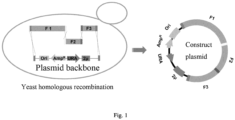
- a plasmid was constructed in Saccharomyces cerevisiae BJ5464 by yeast homologous recombination ( Fig. 1 ).
- the constructed plasmid can produce a gene expression cassette for Aspergillus transformation (as shown in Table 5).
- the plasmid backbone containing the Escherichia coli origin of replication (Ori) and ampicillin resistance (Amp R ) (GenBank: M77789), the yeast replication origin 2 ⁇ (2 micron/2 micron ori/2 mu) and the uracil auxotrophic selection marker URA (GenBank: X75459) was derived from the plasmid pYH-yA-riboA ( Wang, PM et al. (2016). " TrpE feedback mutants reveal roadblocks and conduits toward increasing secondary metabolism in Aspergillus fumigatus. " Fungal genetics and biology 89: 102-113 .). Table 5.
- Example 2 Preparation of Aspergillus nidulans gene transformant strain LO8030-5.1
- Double-joint PCR a PCR-based molecular tool for gene manipulations in filamentous fungi, Fungal genetics and biology : FG & B 41, 973-981 .
- yeast homologous recombination to obtain the gene expression cassette.
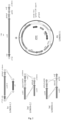
- the heterologous gene expression cassettes of ecdA and ecdI were integrated into the yA gene site of Aspergillus nidulans LO8030, as shown in Fig. 2 .
- the gene expression cassette used for the first round of transformation was from plasmid pYX1 ( Fig. 3 ), which contains the xylose-inducible promoter xylp (GenBank: HM640258) from pSK plasmid ( Hartmann, T. et al. (2010).
- yeast plasmids were extracted using a yeast plasmid extraction kit (OMEGA Bio-tek), and the plasmids were transformed into competent Escherichia coli for plasmid amplification and PCR detection. By detecting the interface of each fragment with primer pairs, the target fragment of the expected size was obtained, and the plasmid pYX1 was successfully constructed ( Fig. 3 ). Plasmid pYX1 was digested with restriction endonuclease Eco RI and the 17.9 kb gene expression cassette was recovered using a DNA fragment sorting and purification kit (BioMag, China). Protoplast generation and transformation of A. nidulans, screening and verification of transformant strains of A.
- nidulans were performed according to Ma et al. ((2018) Rational design for heterologous production of aurovertin-type compounds in Aspergillus nidulans, Appl Microbiol Biotechnol 102, 297-304 ) and Bok et al. ((2004) LaeA, a regulator of secondary metabolism in Aspergillus spp, Eukaryotic cell 3, 527-535 ).
- Three transformant strains harboring xylp-ecdA1-2-AfriboB in the yA locus were obtained and named LO8030-1.1, 1.3, and 1.6, respectively. One of them, LO8030-1.3, was used as the parent strain for the next round of transformation ( Fig.
- TrpE feedback mutants reveal roadblocks and conduits toward increasing secondary metabolism in Aspergillus fumigatus.
- Fungal genetics and biology 89: 102-113 .) b Hartmann, T. et al. (2010). "Validation of a self-excising marker in the human pathogen Aspergillus fumigatus by employing the beta-rec/six site-specific recombination system.” Appl Environ Microbiol 76(18): 6313-6317 .
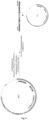
- the gene expression cassette for the second round of transformation was from plasmid pYX5 ( Fig. 4 ).
- the gene expression cassette contains the third fragment of ecd A , ecdA3, the nutritional deficiency marker gene pyrG ( AppyrG ) from Aspergillus parasiticus (GenBank: EU817656), the promoter of the glyceraldehyde-3-phosphate dehydrogenase encoding gene gpdAp from Aspergillus nidulans ( Lim, FY et al. (2012).
- yeast plasmids were extracted using a yeast plasmid extraction kit (OMEGA Bio-tek), and the plasmids were transformed into competent Escherichia coli for plasmid amplification and PCR detection. By detecting the interface of each fragment with primer pairs, the target fragment of the expected size was obtained, and the plasmid pYX5 was successfully constructed ( Fig. 4 ). Plasmid pYX5 was digested with restriction endonuclease Not I and the 11.7 kb gene expression cassette was recovered using a DNA fragment sorting and purification kit (BioMag, China). Protoplast generation and transformation of A. nidulans LO8030-1.3, screening and verification of transformant strains of A.
- nidulans LO8030-1.3 were performed according to Ma et al. ((2018) Rational design for heterologous production of aurovertin-type compounds in Aspergillus nidulans, Appl Microbiol Biotechnol 102, 297-304 ) and Bok et al. ((2004) LaeA, a regulator of secondary metabolism in Aspergillus spp, Eukaryotic cell 3, 527-535 ). Three transformant strains with xylp-ecdA1-3-AppyrG- gpdAp-ecdI inserted into the yA locus were obtained and named LO8030-2.2, 2.4, and 2.5, respectively.
- the gene expression cassette for the third round of transformation were from plasmid pYX9 ( Fig. 5 ).
- the gene expression cassette contains the fourth fragment (i.e., ecdA4 ) of ecdA, the nutritional deficiency marker gene riboB ( AfriboB ) derived from Aspergillus fumigatus ( Nayak, T. et al. (2006).
- ecd A4 and ecd A3 have a homologous sequence of about 1 kb, which is a homologous region fragment used for homologous recombination in Aspergillus transformation.
- PCR amplification of each fragment Table 8
- transformation of yeast BJ5464 was performed.
- yeast plasmids were extracted using a yeast plasmid extraction kit (OMEGA Bio-tek), and the plasmids were transformed into competent Escherichia coli for plasmid amplification and PCR detection.
- Plasmid pYX9 was digested with restriction endonuclease Not I and the 10.7 kb gene expression cassette was recovered using a DNA fragment sorting and purification kit (BioMag, China). Protoplast generation and transformation of A. nidulans LO8030-2.2, screening and verification of transformant strains of A. nidulans LO8030-2.2 were performed according to Ma et al.
- TrpE feedback mutants reveal roadblocks and conduits toward increasing secondary metabolism in Aspergillus fumigatus.
- Fungal genetics and biology 89: 102-113 .) b Lim, FY et al. (2012).
- Gene-based cluster deletion reveals an endocrocin biosynthetic pathway in Aspergillus fumigatus. Appl Environ Microbiol 78(12): 4117-4125 .
- the control plasmid pYX14 was constructed to obtain the expression cassettes containing xylp, AfriboB and gpdAp ( Fig. 6 ). After PCR amplification of each fragment (Table 9), after gel tapping, purification, and mixing, transformation of yeast BJ5464 was performed. After obtaining yeast transformants, yeast plasmids were extracted using a yeast plasmid extraction kit (OMEGA Bio-tek), and the plasmids were transformed into competent Escherichia coli for plasmid amplification and PCR detection. By detecting the interface of each fragment with primer pairs, the target fragment of the expected size was obtained, and the plasmid pYX14 was successfully constructed ( Fig. 6 ).
- Plasmid pYX14 was digested with restriction endonuclease Not I and the 7.5 kb gene expression cassette was recovered using a DNA fragment sorting and purification kit (BioMag, China).
- Protoplast generation and transformation of A. nidulans LO8030, screening and verification of transformant strains of A. nidulans LO8030 were performed according to Ma et al. ((2018) Rational design for heterologous production of aurovertin-type compounds in Aspergillus nidulans, Appl Microbiol Biotechnol 102, 297-304 ) and Bok et al.
- Fragment Template Primer pair Length (kb) 1 yA-up pYX1 pYX14-yA-up-F and pYX14-yA-up-R 1.1 2 xylp pYX1 pYX14-xyl-F and pYX14-xyl-R 1.8 3 AfriboB pYX9 pYX14-riboB-F and pYX14-riboB-R 2.3 4 gpdAp pYX9 pYX14-gpdA-F and pYX14-gpdA-R 1.2 5 yA-down pYX1 pYX14-yA-down-F and pYX14-yA-down-R 1 6 Plasmid backbone fragment pYX1 pYX14-AscI-F and pYX14-AscI-R 4.8 a Wang, PM et al.
- TrpE feedback mutants reveal roadblocks and conduits toward increasing secondary metabolism in Aspergillus fumigatus.
- Fungal genetics and biology 89: 102-113 .) b Lim, FY et al. (2012).
- Gene-based cluster deletion reveals an endocrocin biosynthetic pathway in Aspergillus fumigatus. Appl Environ Microbiol 78(12): 4117-4125 .
- the "E. coli-yeast-Aspergillus" shuttle plasmid pYX10 ( Fig. 7 ) was constructed to express the oxygenase genes ecdK and htyE in the transformant strain LO8030-4.1.
- the plasmid In addition to the plasmid backbone containing the Escherichia coli origin of replication (Ori) and ampicillin resistance ( Amp R ) (GenBank: M77789), the yeast replication origin 2 ⁇ (2 micron/2 micron ori/2 mu) and the uracil auxotrophic screening marker URA (GenBank: X75459), the plasmid also has the htyE gene ( amyBp-htyE ) regulated by the promoter amyBp, the ecdK gene (gpdAp-ecdK) regulated by the promoter gpdAp ( Lim, FY et al. (2012).
- yeast plasmids were extracted using a yeast plasmid extraction kit (OMEGA Bio-tek), and the plasmids were transformed into competent Escherichia coli for plasmid amplification and PCR detection. By detecting the interface of each fragment with primer pairs, the target fragment of the expected size was obtained, and the plasmid pYX10 was successfully constructed ( Fig. 7 ). Protoplast generation and transformation of A. nidulans LO8030-4.1, screening and verification of transformant strains of A.
- nidulans LO8030-4.1 were performed according to Ma et al. ((2018) Rational design for heterologous production of aurovertin-type compounds in Aspergillus nidulans, Appl Microbiol Biotechnol 102, 297-304 ) and Bok et al. ((2004) LaeA, a regulator of secondary metabolism in Aspergillus spp, Eukaryotic cell 3, 527-535 ).
- a series of transformant strains with plasmid pYX10 in the cells were obtained and named LO8030-5.1 to 5.6, respectively. One of them, LO8030-5.1, was used for subsequent research. At the same time, a control plasmid pYX12 was constructed.
- the Aspergillus nidulans gene transformant strain LO8030-5.1 and its control strain LO8030-5C.1 were cultured in XSMM medium under the same conditions as those for the fermentation production of echinocandin, and the strains were collected in duplicate.
- XSMM medium is derived from liquid GMM medium, except that the carbon source glucose (10 g/L) in GMM is replaced by xylose (20 g/L) and starch (20 g/L).
- Total RNA was extracted using Trizol ® reagent (Ambion) and DNase I (Promaga).
- cDNA was synthesized using the PrimeScript RT reagent kit (TaKaRa) and 100 ng of DNase I-treated RNA.
- the Aspergillus nidulans gene transformant strains LO8030-4.1 and LO8030-5.1 and their controls LO8030-4C.1 and LO8030-5C.1 were cultured in XSMM fermentation medium.
- XSMM medium is derived from liquid GMM medium, except that the carbon source glucose (10 g/L) in GMM is replaced by xylose (20 g/L) and starch (20 g/L).
- pyridoxine hydrochloride 1 mg/L pyridoxine hydrochloride was added to the culture medium of LO8030-5.1 and LO8030-5C.1, and 1.26 g/L uracil, 1.26 g/L uridine and 100 mg/L 4R-Me-L-proline were added to the culture medium of LO8030-4.1 and LO8030-4C.1. Since the BGC biosynthetic gene cluster transformed in the present invention does not contain htyA-D genes, L-homotyrosine (100 mg/L) is added to the culture medium of the present invention for the synthesis of deoxyechinocandins. In addition, linoleic acid (300 mg/L) was added to the XSMM fermentation medium to promote the production of echinocandins.
- the above 100 mL XSMM medium was added to a 500 mL flask and fermented at 25°C and 180 rpm for 12 days in triplicate.
- the fungal cells were separated from the culture solution by filtration.
- the cells were soaked in methanol and the metabolites were extracted by ultrasound for 3 times, 30 min each time, and the culture medium was extracted for 3 times with an equal amount of ethyl acetate.
- the organic phases were combined, and the solvent was removed by evaporation in vacuo.
- the extract was dissolved in 1 mL of methanol, filtered through a 0.22 ⁇ m filter membrane, and used for HPLC and LC-MS analysis.
- LC-MS analysis was performed with an Agilent UPLC-Triple-TOF 5600 + LC/MS system using positive mode electrospray ionization.
- a Waters ACQUITY UPLC HSS SB-C 18 column (100 ⁇ 2.1 mm, 1.7 ⁇ m) was used, the eluent was 5-100% methanol in water + 0.1% formic acid (linear gradient), and the flow rate was 0.4 mL/min.
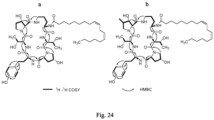
- Compound 1 (echinocandin F) has the same structural features as compound 2 (echinocandin E), except for the loss of the methyl on the 3S-OH-4S-Me-L-proline residue, including the loss of the hydroxyl at C 3 /C 4 of L-homotyrosine and the loss of the hydroxyl at C 4 /C 5 of L-ornithine (as shown in Fig. 12 ).
- ecdA, ecd I , ecdK, htyE ecdK is responsible for the formation of 3S-OH-4S -Me-L-proline.
- Example 6 Construction of plasmid and preparation of Aspergillus nidulans gene transformant strain LO8030-4.2.1
- the "E. coli-yeast-Aspergillus" shuttle plasmid pJQ10 ( Fig. 13 ) was constructed to express the oxygenase gene htyE in the transformant strain LO8030-4.2.
- the plasmid backbone containing the Escherichia coli origin of replication ( Ori ) and ampicillin resistance ( Amp R ) (GenBank: M77789), the yeast replication origin 2 ⁇ (2 micron/2 micron ori/2 mu) and the uracil auxotrophic screening marker URA (GenBank: X75459)
- the plasmid also has the htyE gene ( amyBp-htyE ) regulated by the promoter amyBp, the nutritional deficiency marker gene pyrG (AppyrG) derived from A.
- yeast plasmids were extracted using a yeast plasmid extraction kit (OMEGA Bio-tek), and the plasmids were transformed into competent Escherichia coli for plasmid amplification and PCR detection. By detecting the interface of each fragment with primer pairs, the target fragment of the expected size was obtained, and the plasmid pJQ10 was successfully constructed ( Fig. 13 ).
- Protoplast generation and transformation of A. nidulans LO8030-4.2, screening and verification of transformant strains of A. nidulans LO8030-4.2 were performed according to Ma et al.
- the Aspergillus nidulans gene transformant strain LO8030-4.2.1 was cultured in XSMM medium, and 1 mg/L pyridoxine hydrochloride was added to the medium. In addition, L-homotyrosine (100 mg/L) and linoleic acid (300 mg/L) were added to the XSMM fermentation medium. After the transformant strain LO8030-4.2.1 was fermented in 10 L XSMM medium for 12 days, the fermentation liquid and the fungal cells were extracted three times with equal volumes of ethyl acetate and methanol, respectively. The organic phases were combined and evaporated under reduced pressure to obtain a crude extract. According to the analysis method in Example 4, it was confirmed that the transformant strain LO8030-4.2.1 was able to produce echinocandin F.
- Example 8 Quantitative analysis of echinocandin E and echinocandin F in fermentation products
- the transformant strains LO8030-5.1 and LO8030-4.2.1 were fermented in parallel in three bottles (200 mL in each bottle) according to the preceding fermentation method. Ten volumes of methanol were added to each bottle of fermentation product (including fungal cells and fermentation liquid). After precipitation, the samples were centrifuged and filtered through a membrane and used as samples for HPLC quantitative analysis.
- the ODS-HPLC analysis conditions were: isocratic elution with 80% methanol/water, a flow rate of 1 mL/min, and a detection wavelength of 220 nm.
- the quantitative control substances are the echinocandin E and echinocandin F separated above.
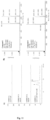
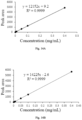
- control substances were prepared into solutions with different concentrations, and the HPLC peak areas of the solutions at each concentration under the condition of constant injection volume were measured to draw a standard curve ( Figs. 14A and 14B ).
- the yield of echinocandin E and echinocandin F in the fermentation product of LO8030-5.1 was 10 mg/L and 6 mg/L, respectively, and the yield of echinocandin F in the fermentation product of LO8030-4.2.1 was 7 mg/L.
- Example 9 Construction of plasmid and preparation of Aspergillus nidulans gene transformant strain LO8030-4.2.1.5
- the "E. coli-yeast-Aspergillus" shuttle plasmid pJQ5 ( Fig. 25 ) was constructed to express the oxygenase gene ecdG in the transformant strain LO8030-4.2.1.
- the plasmid backbone containing the Escherichia coli origin of replication (Ori) and ampicillin resistance screening marker (AmpR) (GenBank: M77789)
- the yeast origin of replication 2 ⁇ (2 micron/2 micron ori/2 mu) and the uracil auxotrophic screening marker URA GenBank: X75459
- the plasmid also has the ecdG gene ( amyBp-ecdG ) regulated by the promoter amyBp, the nutritional deficiency marker gene pyroA4 derived from Aspergillus fumigatus ) (GenBank: CP097567.1), and the Aspergillus autonomous replicating sequence AMA1 derived from Aspergillus nidulans (
- yeast plasmids were extracted using a yeast plasmid extraction kit (OMEGA Bio-tek), and the plasmids were transformed into competent Escherichia coli for plasmid amplification and PCR detection. By detecting the interface of each fragment with primer pairs, the target fragment of the expected size was obtained, and the plasmid pJQ5 was successfully constructed ( Fig. 25 ).
- Protoplast generation and transformation of A. nidulans LO8030-4.2.1, screening and verification of transformant strains of A. nidulans LO8030-4.2.1 were performed according to Ma et al. ((2018) Rational design for heterologous production of aurovertin-type compounds in Aspergillus nidulans, Appl Microbiol Biotechnol 102, 297-304 ) and Bok et al. ((2004) LaeA, a regulator of secondary metabolism in Aspergillus spp, Eukaryotic cell 3, 527-535 ).
- the Aspergillus nidulans gene transformant strain LO8030-4.2.1.5 was cultured in XSMM medium, and L-homotyrosine (100 mg/L) and linoleic acid (300 mg/L) were added to the medium.
- L-homotyrosine 100 mg/L
- linoleic acid 300 mg/L
- the organic phases were combined and evaporated under reduced pressure to obtain a crude extract.
- the extract was separated using a silica gel column with a mobile phase of CH 2 Cl 2 /MeOH (50:1, 20:1, 10:1, 5:1, 2:1, 1:1).
- the echinocandins were preliminarily identified by thin layer chromatography (TLC) and high-performance liquid chromatography (HPLC). Then, it was further purified by semi-preparative HPLC with a COSMOCIL C18-MS-II column (10 ⁇ 250 mm, 5 ⁇ m) and a mobile phase of MeOH/H 2 O (85:15) at a flow rate of 3.0 mL/min.
- Compound 3 was isolated, which is a novel tetradeoxyechinocandin and named as echinocandin G (ECG).
- ECG echinocandin G
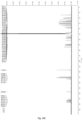
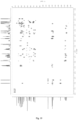
- the isolated compound 3 was dissolved in CD 3 OD for NMR analysis.
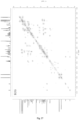
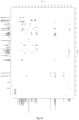
- 1 H, 13 C and 2D ( 1 H- 13 C HSQC, 1 H - 13 C HMBC and 1 H- 1 HCOSY) NMR spectra were recorded on a JNM-ECZ600R/S1 spectrometer.
- Table 15 shows the 1 H NMR and 13 C NMR data.
- Example 11 Construction of plasmid and preparation of Aspergillus nidulans gene transformant strain LO8030-4.2.1.9
- the " E. coli -yeast-Aspergillus" shuttle plasmid pJQ9 ( Fig. 28 ) was constructed to express the oxygenase genes ecdG and htyF in the transformant strain LO8030-4.2.1.
- the plasmid In addition to the plasmid backbone of the Escherichia coli origin of replication (Ori) and ampicillin resistance screening marker (AmpR) (GenBank: M77789), the yeast origin of replication 2 ⁇ (2 micron/2 micron ori/2 mu) and the uracil auxotrophic screening marker URA (GenBank: X75459), the plasmid also has the ecdG gene ( amyBp-ecdG ) regulated by the promoter amyBp, the htyF gene (gpdAp-htyF) regulated by the promoter gpdAp, the nutritional deficiency marker gene pyroA4 derived from Aspergillus fumigatus ) (GenBank: CP097567.1), and the Aspergillus autonomous replicating sequence AMA1 derived from Aspergillus nidulans ( Storms, R.
- AmyBp-ecdG regulated by the promoter amyBp
- yeast plasmids were extracted using a yeast plasmid extraction kit (OMEGA Bio-tek), and the plasmids were transformed into competent Escherichia coli for plasmid amplification and PCR detection. By detecting the interface of each fragment with primer pairs, the target fragment of the expected size was obtained, and the plasmid pJQ9 was successfully constructed ( Fig. 28 ).
- Protoplast generation and transformation of A. nidulans LO8030-4.2.1, screening and verification of transformant strains of A. nidulans LO8030-4.2.1 were performed according to Ma et al. ((2018) Rational design for heterologous production of aurovertin-type compounds in Aspergillus nidulans, Appl Microbiol Biotechnol 102, 297-304 ) and Bok et al. ((2004) LaeA, a regulator of secondary metabolism in Aspergillus spp, Eukaryotic cell 3, 527-535 ).
- the Aspergillus nidulans gene transformant strain LO8030-4.2.1.9 was cultured in XSMM medium, and L-homotyrosine (100 mg/L) and linoleic acid (300 mg/L) were added to the medium. After the transformant strain LO8030-4.2.1.9 was fermented in 10 L XSMM medium for 12 days, the fermentation liquid and the fungal cells were extracted for three times with equal volumes of ethyl acetate and methanol, respectively. The organic phases were combined and evaporated under reduced pressure to obtain a crude extract. The extract was separated using a silica gel column with a mobile phase of CH 2 Cl 2 /MeOH (50:1, 20:1, 10:1, 5:1, 2:1, 1:1).
- the echinocandins were preliminarily identified by thin layer chromatography (TLC) and high performance liquid chromatography (HPLC). Then, it was further purified by semi-preparative HPLC with a COSMOCIL C18-MS-II column (10 ⁇ 250 mm, 5 ⁇ m) and a mobile phase of MeOH/H 2 O (85:15) at a flow rate of 3.0 mL/min.
- Compound 4 was isolated, which is a novel tetradeoxyechinocandin and named as echinocandin H (ECH).
- TOF-ESIMS C 51 H 79 N 7 O 14 m / z 1014.5770 [M+H] + , m / z 1036.5590 [M+Na] + ( Fig. 29 ).
- the isolated compound 4 was dissolved in CD 3 OD for NMR analysis.
- 1 H, 13 C and 2D ( 1 H- 13 C HSQC, 1 H - 13 C HMBC and 1 H- 1 HCOSY) NMR spectra were recorded on a JNM-ECZ600R/S1 spectrometer.
- Table 17 shows the 1 H NMR and 13 C NMR data.
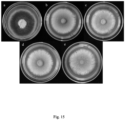
- the minimum inhibitory concentration (MIC) values of echinocandin E and echinocandin F were determined by broth microdilution method, and the test strain was Candida albicans ATCC 10231. The MIC value was defined as the lowest antibiotic concentration that inhibited the growth of more than 90% of the strains. Amphotericin B was used as a positive control and echinocandin B as a reference, and each sample was subjected to three parallel experiments.
- Candida albicans was cultured in Mueller-Hinton (MH) broth (50 mL 20 ⁇ Nitrate Salts, 1 mL Trace Elements, and 10.0 g glucose, dissolved in 800 mL ddH 2 O, adjusted to pH 6.5, fixed to 1 L, added with 16.0 g agar powder, and sterilized at 121°C for 20 min) (purchased from Hangzhou Basebio Biotechnology Co., Ltd. (Basebio)) and cultured at 37°C and 180 rpm for 12-16 hours.
- the fungal solution concentration was controlled to 10 6 CFU/mL by gradient dilution with MH broth.
- the sample solution was prepared by dissolving the test samples (amphotericin B, echinocandin B, echinocandin E, echinocandin F) in DMSO to prepare a stock solution with a concentration of 40 ⁇ g/ml.
- An appropriate amount of sterile MH broth medium and the test compounds were added to a 96-well plate, and Candida albicans was quantitatively inoculated so that the total liquid volume in each well was 100 ⁇ L.
- the final concentrations of the compounds were 2, 1.5, 1, 0.8, 0.6, 0.4, 0.2, 0.1, 0.05 and 0 ⁇ g/ml, respectively, and DMSO (volume concentration of 5%) was used as a negative control.
Landscapes
- Health & Medical Sciences (AREA)
- Life Sciences & Earth Sciences (AREA)
- Chemical & Material Sciences (AREA)
- Genetics & Genomics (AREA)
- Organic Chemistry (AREA)
- Engineering & Computer Science (AREA)
- General Health & Medical Sciences (AREA)
- Medicinal Chemistry (AREA)
- Bioinformatics & Cheminformatics (AREA)
- Wood Science & Technology (AREA)
- Zoology (AREA)
- Biomedical Technology (AREA)
- Biotechnology (AREA)
- Molecular Biology (AREA)
- General Engineering & Computer Science (AREA)
- Biochemistry (AREA)
- Animal Behavior & Ethology (AREA)
- Veterinary Medicine (AREA)
- Public Health (AREA)
- Pharmacology & Pharmacy (AREA)
- Biophysics (AREA)
- Proteomics, Peptides & Aminoacids (AREA)
- Microbiology (AREA)
- Epidemiology (AREA)
- Mycology (AREA)
- Plant Pathology (AREA)
- Physics & Mathematics (AREA)
- Chemical Kinetics & Catalysis (AREA)
- General Chemical & Material Sciences (AREA)
- Nuclear Medicine, Radiotherapy & Molecular Imaging (AREA)
- Gastroenterology & Hepatology (AREA)
- Communicable Diseases (AREA)
- Oncology (AREA)
- Immunology (AREA)
- Virology (AREA)
- Tropical Medicine & Parasitology (AREA)
- Botany (AREA)
- Medicines That Contain Protein Lipid Enzymes And Other Medicines (AREA)
- Peptides Or Proteins (AREA)
- Micro-Organisms Or Cultivation Processes Thereof (AREA)
Abstract
Description
- The present invention belongs to the field of synthetic biology and pharmaceutical science, and specifically relates to a class of echinocandin B deoxidation analogues and a preparation method therefor and a use thereof.
- Echinocandins compounds are a class of natural cyclic lipopeptide compounds discovered in the 1970s. Their chemical structure contains a cyclic hexapeptide scaffold and fatty acid side chain structural fragments (connected to the hexapeptide scaffold via amide bonds). Echinocandins have antifungal activity, and their mechanism of action is to prevent the synthesis of fungal cell walls through non-competitive inhibition of β-(1,3)-D-glucan synthase. The typical representative is echinocandin B. To date, new antifungal drugs, such as anidulafungin and rezafungin, etc, have been developed through semi-synthesis based on echinocandin B.
- Studies have shown that deoxidation analogues of echinocandin B have similar antifungal activity with echinocandin B. Currently, the preparation methods of echinocandin B deoxidation analogues are divided into chemical synthesis methods and biosynthesis methods. Chinese patent
CN1298410A discloses the conversion of mulondulin into its C4-homotyrosine monodeoxy analogue using Raney nickel hydrogenolysis under neutral conditions;US patent application 222157 uses trifluoroacetic acid, NaCNBH3 or NaBH(OAc)3 to reduce pure echinocandin B into a monodeoxy analog. The above methods both belong to chemical methods, which require the use of pure products for conversion, have low conversion efficiency and high cost, and the reagents used are harmful to the human body. Chinese patent applicationCN101993477A discloses a method for preparing deoxidation analogues of echinocandin B, which includes mixing a fermentation broth of echinocandin B with an acidic solution to prepare the deoxidation analogues. This method obtains a variety of echinocandin B deoxidation analogue components, but has low conversion efficiency and high purification cost. There have also been reports on the preparation of echinocandin B deoxidation analogues by fermentation culture of customized mutants with oxygenase genes (such as ecdG or ecdH) knocked out. However, the echinocandin B deoxidation analogues obtained by this method have very complex components, many byproducts, low conversion efficiency, and high purification costs, which are not conducive to industrialization. - Therefore, there is an urgent need to find a method for preparing a certain echinocandin B deoxidation analogue with high conversion efficiency and specificity, and to discover and prepare echinocandin B deoxidation analogues with good antifungal activity through this method.
- In order to solve the above problems, the present inventors have found a biosynthetic method after extensive research, which can specifically synthesize desired echinocandin B deoxidation analogues. The Method has high conversion efficiency, with relatively simple reaction product compositions and few impurities, which is conducive to industrialization. The present inventors also found that novel echinocandin B deoxidation analogues prepared by the method have good antifungal activity. Moreover, by further chemical structure modification of these novel echinocandin B deoxidation analogues, the obtained compound derivatives can also exhibit good antifungal activity.
- Therefore, in one aspect, the present invention provides an echinocandin compound represented by general formula (I),

wherein, - R1, R5, and R6 are identical with or different from each other, and are each independently selected from H or OH;
- R2 is selected from the group consisting of H, OH, -X1-(alkylene-X2)m -alkylene-X3, -X1-(alkylene-X2)n -CH[CH2(X4-alkylene)p-X5 ]2, wherein X1, X2, X4 are selected from -O-, -NH-, and -S-; X3, X5 are selected from ORa, NRaRb, NRaRbRc, wherein Ra, Rb, Rc are each independently selected from H, alkyl, arylalkyl, heteroarylalkyl, heterocyclylalkyl, and cycloalkylalkyl, said aryl, heteroaryl, heterocyclyl, and cycloalkyl are optionally substituted by a group selected from: hydroxyl, alkoxyl, amino, alkyl, alkenyl, alkynyl, halogen, cyano, nitro, thiol, -S-alkyl, -S(O)-alkyl, -SO2-alkyl, NRcRd, COORe, and CONRcRd, wherein Rc, Rd, and Re are each independently selected from H and alkyl; or any two of Ra, Rb, and Rc are connected to form a heterocycle; or any one of Ra, Rb, and Rc is connected to a carbon atom of the alkylene group to which NRaRbRc is connected to form a heterocycle; m, n, and p are integers of 0-5;
- R3 is selected from H, alkyl;
- R4 and R8 are identical with or different from each other, and are each independently selected from H, alkyl, alkenyl, alkynyl, aryl, heteroaryl, cycloalkyl, and heterocyclyl, said alkyl, alkenyl, alkynyl, aryl, heteroaryl, cycloalkyl, and heterocyclyl are optionally substituted by halogen, cyano, nitro, thiol, -S-alkyl, -S(O)-alkyl, -SO2-alkyl, NRcRd, COORe, and CONRc'Rd', wherein Rc, Rd, Re, Rc', and Rd' are each independently selected from H and alkyl;
- R7 is selected from H, OH, halogen, -OSO3H, or -alkylene-NfRg, wherein Rf and Rg are each independently selected from H, alkyl;
- R9 is H or fatty acyl;
- provided that:
- at least one of R1, R2, R5, and R6 is H;
- Rc' and Rd' are not both H;
- when R1, R2, and R5 are H, and R6 is OH, R3 is not methyl;
- when R1 and R6 are OH, R2 and R5 are H, R3 is not methyl;
- when R1, R2, and R6 are OH, and R5 is H, R3 is not methyl;
- when R1, R5, and R6 are OH, and R2 is H, R3 is not methyl.
- The compound or an ester, a stereoisomer, a prodrug, a solvate and a pharmaceutically acceptable salt thereof, according to the preceding, wherein
R2 is selected from the group consisting of H, OH, -O-(C1-3 alkylene-O)m-C1-3alkylene-X3, -NH-(C1-3alkylene-O)m-C1-3alkylene-X3, -O-(C1-3alkylene-NH)m-C1-3alkylene-X3, -NH-(C1-3alkylene-NH)m-C1-3alkylene-X3, -O-(C1-3alkylene-O)n-CH[CH2(O-C1-3alkylene)p-X5]2, -NH-(C1-3alkylene-O)n-CH[CH2(O-C1-3alkylene)p-X5]2, -O-(C1-3alkylene-O)n -CH[CH2(O-C1-3alkylene)p-X5]2, -O-(C1-3alkylene-NH)n-CH[CH2(NH-C1-3alkylene)p-X5]2, and -NH-(C1-3alkylene-NH)n-CH[CH2(NH-C1-3alkylene)p-X5]2; X3 and X5 are selected from ORa, NRaRb, NRaRbRc, wherein, Ra, Rb, Rc are each independently selected from H, alkyl, arylalkyl, heteroarylalkyl, heterocyclylalkyl, and cycloalkylalkyl, said aryl, heteroaryl, heterocyclyl, cycloalkyl are optionally substituted by a group selected from: hydroxyl, alkoxyl, amino, alkyl, alkenyl, alkynyl, halogen, cyano, nitro, thiol, -S-alkyl, -S(O)-alkyl, -SO2-alkyl, NRcRd, COORe, and CONRcRd, wherein Rc, Rd, and Re are each independently selected from H and alkyl; or any two of Ra, Rb, and Rc are connected to form a heterocycle; or any one of Ra, Rb, and Rc is connected to a carbon atom of the alkylene group to which NRaRbRc is connected to form a heterocycle; m, n, and p are integers of 0-5; - The compound or an ester, a stereoisomer, a prodrug, a solvate and a pharmaceutically acceptable salt thereof, according to the preceding, wherein
R2 is selected from the group consisting of H, OH, -O-(C1-3alkylene-O)m-C1-3alkylene-X3, -NH-(C1-3alkylene-O)m-C1-3alkylene-X3, -O-(C1-3alkylene-NH)m-C1-3alkylene-X3, -NH-(C1-3alkylene-NH)m-C1-3alkylene-X3, -O-(C1-3alkylene-O)n-CH[CH2(O-C1-3alkylene)p-X5]2, -NH-(C1-3alkylene-O)n-CH[CH2(O-C1-3alkylene)p-X5]2, -O-(C1-3alkylene-O)n -CH[CH2(O-C1-3alkylene)p-X5]2, -O-(C1-3alkylene-NH)n-CH[CH2(NH-C1-3alkylene)p-X5]2, and -NH-(C1-3alkylene-NH)n-CH[CH2(NH-C1-3alkylene)p-X5]2; X3, X5 are selected from ORa, NRaRb, NRaRbRc, wherein Ra, Rb, Rc are each independently selected from H, C1-6 alkyl, C7-20 arylalkyl, C7-20 heteroarylalkyl, C7-20 heterocyclylalkyl, and C7-20 cycloalkylalkyl, said aryl, heteroaryl, heterocyclyl, cycloalkyl are optionally substituted by a group selected from: hydroxyl, C1-6 alkoxyl, amino, C1-6 alkyl, C1-6 alkenyl, C1-6 alkynyl, halogen, cyano, nitro, thiol, -S-C1-6alkyl, -S(O)-C1-6alkyl, -SO2-C1-6alkyl, NRcRd, COORe, and CONRcRd, wherein Rc, Rd, and Re are each independently selected from H, C1-6 alkyl; or any two of Ra, Rb and Rc are connected to form a heterocycle; or any one of Ra, Rb and Rc is connected to a carbon atom of the alkylene group to which NRaRbRc is connected to form a heterocycle; m, n and p are integers of 0-5. - The compound or an ester, a stereoisomer, a prodrug, a solvate and a pharmaceutically acceptable salt thereof, according to the preceding, wherein
R2 is selected from H, OH,


- The compound or an ester, a stereoisomer, a prodrug, a solvate and a pharmaceutically acceptable salt thereof, according to the preceding, wherein
R4 and R8 are identical with or different from each other and are each independently selected from the group consisting of H, C1-6 alkyl, C1-6 alkenyl, C1-6 alkynyl, C6-14 aryl, C6-14 heteroaryl, C6-14 cycloalkyl, C6-14 heterocyclyl, wherein the C1-6 alkyl, C1-6 alkenyl, C1-6 alkynyl, C6-14 aryl, C6-14 heteroaryl, C6-14 cycloalkyl, C6-14 heterocyclyl are optionally substituted by halogen, cyano, nitro, thiol, -S-C1-6alkyl, -S(O)-C1-6alkyl, -SO2 -C1-6alkyl, NRcRd, COORe, and CONRc'Rd', wherein Rc, Rd, Re, Rc', and Rd' are each independently selected from H, C1-6 alkyl. - The compound or an ester, a stereoisomer, a prodrug, a solvate and a pharmaceutically acceptable salt thereof, according to the preceding, wherein R4 and R8 are identical with or different from each other, and are each independently selected from H, C1-6 alkyl, said C1-6 alkyl is optionally substituted by halogen, cyano, nitro, thiol, -S-C1-6alkyl, -S(O)-C1-6alkyl, -SO2-C1-6alkyl, NRcRd, COORe, and CONRc'Rd', wherein Rc, Rd, Re, Rc', and Rd' are each independently selected from H, C 1-6 alkyl.
- The compound or an ester, a stereoisomer, a prodrug, a solvate and a pharmaceutically acceptable salt thereof, according to the preceding, wherein
R9 is C6-50 fatty acyl, which optionally contains an unsaturated alkenyl, cycloalkyl, aryl, heteroaryl, or heterocyclic. - The compound or an ester, a stereoisomer, a prodrug, a solvate and a pharmaceutically acceptable salt thereof, according to the preceding, wherein
R9 is


- The compound or an ester, a stereoisomer, a prodrug, a solvate and a pharmaceutically acceptable salt thereof, according to the preceding,
provided that: - at least two of R1, R2, R5, and R6 are H;
- Rc' and Rd' are not both H;
- when R1, R2, and R5 are H, and R6 is OH, R3 is not methyl;
- when R1 and R6 are OH, R2 and R5 are H, R3 is not methyl;
- when R1, R2, and R6 are OH, and R5 is H, R3 is not methyl;
- when R1, R5, and R6 are OH, and R2 is H, R3 is not methyl.
- The compound or an ester, a stereoisomer, a prodrug, a solvate and a pharmaceutically acceptable salt thereof, according to the preceding,
provided that: - at least three of R1, R2, R5, and R6 are H;
- Rc' and Rd' are not both H;
- when R1, R2, and R5 are H, and R6 is OH, R3 is not methyl;
- when R1 and R6 are OH, R2 and R5 are H, R3 is not methyl;
- when R1, R2, and R6 are OH, and R5 is H, R3 is not methyl;
- when R1, R5, and R6 are OH, and R2 is H, R3 is not methyl.
- The compound or an ester, a stereoisomer, a prodrug, a solvate and a pharmaceutically acceptable salt thereof, according to the preceding, wherein
- R1, R5, and R6 are H;
- R2 is selected from H, -X1-(alkylene-X2)m-alkylene-X3, or -X1-(alkylene-X2)n -CH[CH2(X4-alkylene)p-X5 ]2, wherein X1, X2, X4 are selected from -O-, -NH-, and -S-; X3, X5 are selected from ORa, NRaRb, NRaRbRc, wherein Ra, Rb, Rc are each independently selected from H, alkyl, arylalkyl, heteroarylalkyl, heterocyclylalkyl, and cycloalkylalkyl, said aryl, heteroaryl, heterocyclyl, cycloalkyl are optionally substituted by a group selected from: hydroxyl, alkoxyl, amino, alkyl, alkenyl, alkynyl, halogen, cyano, nitro, thiol, -S-alkyl, -S(O)-alkyl, -SO2-alkyl, NRcRd, COORe, and CONReRd, wherein Rc, Rd, and Re are each independently selected from H and alkyl; or any two of Ra, Rb, and Rc are connected to form a heterocycle; or any one of Ra, Rb, and Rc is connected to a carbon atom of the alkylene to which NRaRbRc is connected to form a heterocycle; m, n, and p are integers of 0-5.
- The compound or an ester, a stereoisomer, a prodrug, a solvate and a pharmaceutically acceptable salt thereof, according to the preceding wherein
R1, R2, R5, and R6 are H. - The compound or an ester, a stereoisomer, a prodrug, a solvate and a pharmaceutically acceptable salt thereof, according to the preceding, wherein
- R1, R2, R5, and R6 are H;
- R3, R4, and R8 are each independently H or methyl;
- R7 is H, OH, or -OSO3H;
- R9 is





- The compound according to the preceding, which is:

wherein R1, R2, R3, R4, R5, R6, R7 and R8 are as defined herein. - The compound according to the preceding, which is:

wherein R1, R2, R3, R4, R5, R6, R7 and R8 are as defined herein. - The compound according to the preceding, which is:

wherein R1, R3, R4, R5, R6, R7, R8 and R9 are as defined herein. - The compound according to the preceding, which is:

wherein R1, R2, R3, R4, R5, R6, R7, R8, and R9 are as defined herein. - The compound according to the preceding, which is:

wherein R1, R2, R3, R4, R5, R6, R7 and R8 are as defined herein. - The compound according to the preceding, which is:

wherein R1, R2, R3, R4, R5, R6, R7 and R8 are as defined herein. - The compound according to the preceding, which is:

wherein R1, R3, R4, R5, R6, R7, R8 and R9 are as defined herein. - The compound according to the preceding, which is:
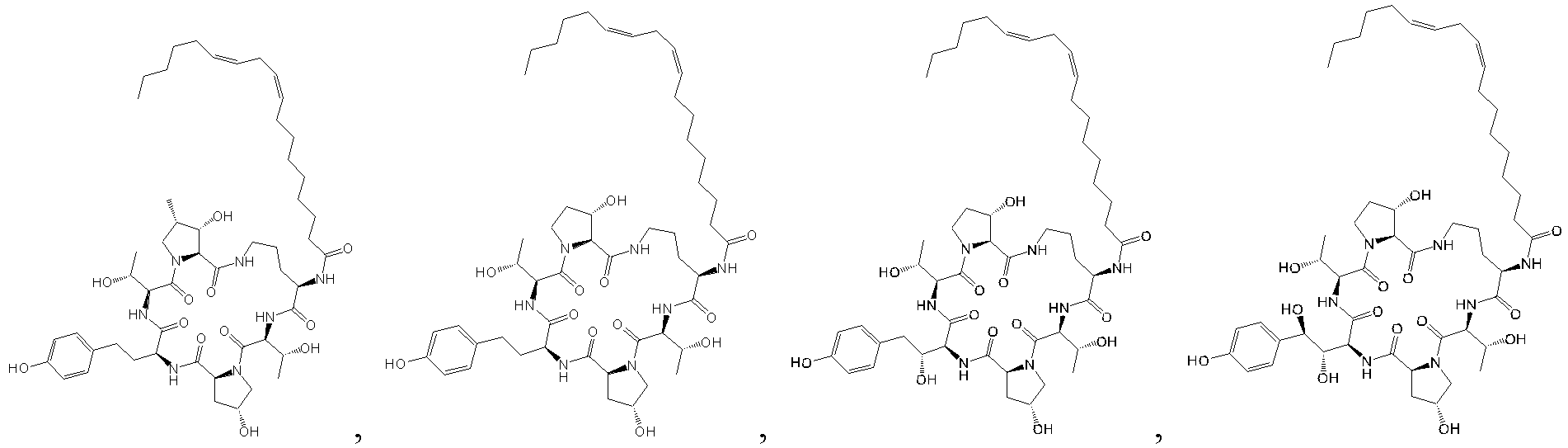
- Another aspect of the present invention relates to a pharmaceutical composition, comprising the compound, or an ester, a stereoisomer, a prodrug, a solvate and a pharmaceutically acceptable salt thereof, according to the preceding.
- The pharmaceutical composition according to the preceding, further comprising an additional antifungal agent.
- Yet another aspect of the present invention relates to an echinocandin biosynthetic gene cluster comprising two or more of the genes ecdA, ecdI, ecdK and htyE.
- The echinocandin biosynthesis gene cluster according to the preceding, which comprises genes ecdA, ecdI and htyE.
- The echinocandin biosynthesis gene cluster according to the preceding, which comprises genes ecdA, ecdI, ecdK and htyE.
- The echinocandin biosynthesis gene cluster according to the preceding, which consists of genes ecdA, ecdI and htyE.
- The echinocandin biosynthesis gene cluster according to the preceding, which consists of genes ecdA, ecdI, ecdK and htyE.
- The echinocandin biosynthesis gene cluster according to the preceding, which further comprises one or more of the genes ecdG, ecdH or htyF.
- The echinocandin biosynthesis gene cluster according to the preceding, which consists of genes ecdA, ecdI, ecdG and htyE.
- The echinocandin biosynthesis gene cluster according to the preceding, which consists of genes ecdA, ecdI, ecdG, htyE, and htyF.
- Another aspect of the present invention relates to a genetically engineered transformed strain comprising the echinocandin biosynthetic gene cluster according to any one of the preceding.
- The genetically engineered transformant strain according to the preceding, which is a genetically engineered transformant strain deposited in the China Center for Type Culture Collection (Wuhan University, Wuhan, China) on November 2, 2021, with a deposit accession number of CCTCC M 20211360, named as Aspergillus nidulans LO8030-5.1; or a genetically engineered transformant strain deposited in the China Center for Type Culture Collection (Wuhan University, Wuhan, China) on February 28, 2022, with a deposit accession number of CCTCC M 2022168, named as Aspergillus nidulans LO8030-4.2.1; or a genetically engineered transformant strain deposited in the China Center for Type Culture Collection (Wuhan University, Wuhan, China) on February 20, 2023, with a deposit accession number of CCTCC M 2023155, named as Aspergillus nidulans LO8030-4.2.1.5; or a genetically engineered transformant strain deposited in the China Center for Type Culture Collection (Wuhan University, Wuhan, China) on February 20, 2023, with the deposit accession number CCTCC M 2023156, named as Aspergillus nidulans LO8030-4.2.1.9.
- Another aspect of the present invention relates to a method for preparing the preceding compound, which includes: fermenting and culturing any of the preceding genetically engineered transformant strains to express the target product, and extracting and separating the fermentation broth to obtain the compound.
- According to the preceding preparation method, the genetically engineered Aspergillus nidulans LO8030-5.1 or LO8030-4.2.1 or LO8030-4.2.1.5 or LO8030-4.2.1.9 is fermented in XSMM fermentation medium for 5-14 days; fungal liquid is separated from the fungal cells, extracted with methanol or ethyl acetate respectively, concentrated under vacuum respectively and combined into a total extract; the total extract is separated by silica gel column chromatography and high performance liquid column (HPLC) chromatography to obtain pure product.
- According to the preceding preparation method, the eluent of the silica gel column chromatography is dichloromethane/methanol (gradient elution).
- According to the preceding preparation method, the eluent of the HPLC is methanol/water, and the elution ratio (volume ratio) is 85:15.
- On the other aspect, when the compound of the invention has been obtained by a biosynthetic method and the structure of the compound of the invention is known to those skilled in the art, the compound of the invention can also be prepared by a conventional organic synthesis method.
- For example, amino acids


- In one embodiment, the method for preparing the echinocandin compound represented by general formula (I) provided by the present invention further includes:
- Step 1: the compound represented by formula (I') is delinoleoylated under the catalysis of echinocandin B deacylase to obtain the compound represented by formula (I");

- Step 2: the compound represented by formula (I") is reacted with R9 -X under alkaline conditions to obtain the compound represented by formula (I);

- In a specific embodiment, the preparation method provided by the present invention includes:
- Step 1: a linoleoyl group is removed from echinocandin E (compound 2) or echinocandin F (compound 1) under the catalysis of echinocandin B deacylase to obtain compound 2' or compound 1', respectively:

- Step 2: Compound 2' or compound 1' is reacted with R9-X under alkaline conditions to obtain the compound represented by the following formula.

- In a further embodiment, the method for preparing the echinocandin compound represented by general formula (I) provided by the present invention further includes:
- the compound represented by formula (I"') is reacted with a halide or an active ester of R2H, or in the presence of a condensing agent to obtain the compound represented by formula (I).

- wherein, R1, R3, R4, R5, R6, R7, R8, and R9 are as defined herein; R2 is -X1-(alkylene-X2)m-alkylene-X3, or -X1-(alkylene-X2)n -CH[CH2(X4-alkylene)p-X5 ]2, wherein X1, X2, X4 are selected from -O-, -NH-, and -S-; X3, X5 are selected from ORa, NRaRb, NRaRbRc, wherein Ra, Rb, Rc are each independently selected from H, alkyl, arylalkyl, heteroarylalkyl, heterocyclylalkyl, and cycloalkylalkyl, said aryl, heteroaryl, heterocyclyl, cycloalkyl are optionally substituted by a group selected from: hydroxyl, alkoxyl, amino, alkyl, alkenyl, alkynyl, halogen, cyano, nitro, thiol, -S-alkyl, -S(O)-alkyl, -SO2-alkyl, NRcRd, COORe, and CONRcRd, wherein Rc, Rd, and Re are each independently selected from H and alkyl; or any two of Ra, Rb, and Rc are connected to form a heterocycle; or any one of Ra, Rb, and Rc is connected to a carbon atom of the alkylene to which NRaRbRc is connected to form a heterocycle; m, n, and p are integers of 0-5.
- Another aspect of the present invention provides a method for treating or preventing fungal infection, comprising administering a therapeutically effective amount of the compound of the present invention to a patient in need thereof.
- Another aspect of the present invention relates to use of the aforementioned compound in the preparation of a medicament for treating or preventing fungal infection-related diseases.
- According to the aforementioned method or use, the fungus is selected from any one or more of Aspergillus (such as Aspergillus flavus, Aspergillus fumigatus, Aspergillus glaucus, Aspergillus nidulans, Aspergillus niger and Aspergillus terreus), Blastomyces dermatitidis, Candida (such as Candida albicans, Candida glabrata, Candida tropicalis, Candida parapsilosis, Candida krusei and Candida guilliermondii), Coccidioides immitis, Cryptococcus (such as Cryptococcus neoformans, Cryptococcus albicans and Cryptococcus laurentii), Histoplasma capsulatum var.capsulatum, Histoplasma capsulatum duboisii, Paracoccidioides brasiliensis, Sporothrix schenckii, Absidia corymbifera, Rhizomucor pusillus and Rhizopus arrhizus.
- According to the proceding method or use, the fungal infection-associated diseases are selected from one or more of scalp tinea, tinea corporis, tinea pedis, onychomycosis, perionychomycosis, tinea versicolor, thrush, vaginal candidiasis, respiratory tract candidiasis, biliary tract candidiasis, esophageal candidiasis, urethral candidiasis, systemic candidiasis, mucosal and skin candidiasis, aspergillosis, mucormycosis, paracoccidioidomycosis, North American blastomycosis, histoplasmosis, coccidioidomycosis, sporotrichosis, fungal sinusitis and chronic sinusitis.
- The beneficial effects of the present invention are:
The present inventors have designed a series of biosynthetic gene clusters for echinocandin B deoxidation analogues, and specifically produced the desired echinocandin B deoxidation analogues by culturing and expressing the same in a heterologous host. Compared with the prior art, this method has simple product components, high conversion efficiency, few reaction impurities, easy separation and purification, which is conducive to industrialization. - Compared with the wild-type echinocandin B producing strain, a secondary metabolic profile of the fermentation product of the genetically engineered strain is simple and the yield is higher. The yield of the echinocandin B deoxidation analogue produced by the Aspergillus nidulans genetically engineered transformant strain of the present invention is significantly higher than the echinocandin B yield of the wild type echinocandin B producing strain.
- The echinocandin compounds prepared by the invention exhibit good antifungal activity and have the potential to be developed into antifungal drugs.
- Studies have shown that the detachment of hydroxyl groups on the ornithine residue and homotyrosine residue of echinocandin B can lead to the instable structure of echinocandin B. However, the echinocandin B deoxidation analogues of the present invention, especially the homotyrosine residue and ornithine residue in the structures of echinocandin E and echinocandin F, have no hydroxylation modification, but have higher chemical stability than the echinocandin B cyclic hexapeptide structure, which is more conducive to subsequent chemical derivatization.
-
-
Fig. 1 illustrates a schematic diagram of the construction of a plasmid by connecting multiple fragments using yeast homologous recombination. "F 1-F3" are multiple segments of a target gene or multiple target genes; the plasmid backbone includes "Ori" E. coli origin of replication, "AmpR " E. coli ampicillin resistance screening marker, "2µ" yeast origin of replication, and "URA" yeast uracil auxotrophic screening marker. -
Fig. 2 illustrates a schematic diagram of the transformation of the Ecd/Hty gene cluster in Aspergillus nidulans LO8030. -
Fig. 3 illustrates a schematic diagram of the map of a plasmid pYX1 and the first round of transformation to construct a gene expression cassette. -
Fig. 4 illustrates a schematic diagram of the map of a plasmid pYX5 and a second round of transformation to construct a gene expression cassette. -
Fig. 5 illustrates a schematic diagram of the map of a plasmid pYX9 and a third round of transformation to construct a gene expression cassette. -
Fig. 6 illustrates a schematic diagram of the map of a control plasmid pYX14 and the transformation to construct a gene expression cassette. -
Fig. 7 illustrates a schematic diagram of the map of a plasmid pYX10 and a fourth round of transformation. -
Fig. 8 illustrates a schematic diagram of the map of a control plasmid pYX12 and the transformation. -
Fig. 9 illustrates the results of sequencing and comparation of biosynthetic genes inserted into Aspergillus nidulans genetically engineered transformant LO8030-5.1 (a: ecdA; b: ecdI; c: ecdK; d: htyE). -
Fig. 10 illustrates transcriptional analysis of biosynthetic genes in Aspergillus nidulans genetically engineered transformant LO8030-5.1. -
Fig. 11 illustrates HPLC and LC-MS analysis of metabolites of transformant strains (LO8030-4.1, LO8030-4C.1, LO8030-5C.1, LO8030-5.1). (A) HPLC tracking (222 nm) of metabolites from different transformant strains. (B) MS data ofcompounds -
Fig. 12 illustrates a schematic diagram of the biosynthesis of the echinocandin B deoxidation analogues of the present invention. -
Fig. 13 illustrates a schematic diagram of the map of a plasmid pJQ10 and the transformation. -
Fig. 14A illustrates a peak area-concentration standard curve of compound 2 (echinocandin E);Fig. 14B illustrates a peak area-concentration standard curve of compound 1 (echinocandin F). -
Fig. 15 illustrates the growth of Aspergillus nidulans LO8030 and its genetically engineered transformant strains (a. LO8030, b. LO8030-1.3, c. LO8030-2.2, d. LO8030-4.1, e. LO8030-5.1) on GMM supplemented with appropriate additives. -
Fig. 16A illustrates the 1H NMR spectrum of Compound 1 (CD3OD, 600 MHz);Fig. 16B illustrate the 13C NMR spectrum of Compound 1 (CD3OD, 150 MHz). -
Fig. 17 illustrates the 1H-13C HSQC spectrum of Compound 1 (CD3OD, 600 MHz). -
Fig. 18 illustrates the 1H-1H COSY spectrum of Compound 1 (CD3OD, 600 MHz). -
Fig. 19 illustrates the 1H-13C HMBC spectrum of Compound 1 (CD3OD, 600 MHz). -
Fig. 20A illustrates the 1H NMR spectrum of Compound 2 (CD3OD, 600 MHz);Fig. 20B illustrate the 13C NMR spectrum of Compound 2 (CD3OD, 150 MHz). -
Fig. 21 illustrates the 1H-13C HSQC spectrum of Compound 2 (CD3OD, 600 MHz). -
Fig. 22 illustrates the 1H-1H COSY spectrum of Compound 2 (CD3OD, 600 MHz). -
Fig. 23 illustrates the 1H-13C HMBC spectrum of Compound 2 (CD3OD, 600 MHz). -
Fig. 24 illustrates 1H-1H COSY and critical HMBC correlation peaks ofCompound 1 and Compound 2 (a:Compound 1; b: Compound 2). -
Fig. 25 illustrates a schematic diagram of the map of a plasmid pJQ5 and the transformation. -
Fig. 26 illustrates a schematic diagram of the map of a plasmid pJQ9 and the transformation. -
Fig. 27 illustrates the 1H-1H COSY spectrum of Compound 3 (echinocandin G) (CD3OD, 600 MHz). -
Fig. 28 illustrates the 1H-13C HMBC spectrum of Compound 3 (CD3OD, 600 MHz). -
Fig. 29 illustrates the 1H-1H COSY spectrum of Compound 4 (echinocandin H) (CD3OD, 600 MHz). -
Fig. 30 illustrates the 1H-13C HMBC spectrum of Compound 4 (CD3OD, 600 MHz). -
Fig. 31 illustrates 1H-1H COSY and critical HMBC correlation peaks of Compound 3 and Compound 4 (a: Compound 3; b: Compound 4). - Unless otherwise defined herein, scientific and technical terms used in connection with the present disclosure shall have the meanings commonly understood by one of ordinary skill in the art. The meaning and scope of terms should be clear, however, in the event of any potential ambiguity, the definitions provided hereinafter take precedence over any dictionary or external definition.
- As used herein, the term "ester" refers to an ester formed by an esterification reaction between OH of the compound represented by formula (I) and an organic acid, an inorganic acid, etc. The ester may undergo hydrolysis under acidic or alkaline conditions to generate the corresponding acid or alcohol.
- As used herein, the term "stereoisomer(s)" refers to compounds that have identical chemical constitution and connectivity but have different orientations of their atoms in space that are not interchangeable by single bond rotation. "Stereoisomer(s)" includes "diastereomer(s)" and "enantiomer(s)". "Diastereomer(s)" refers to stereoisomers that have two or more chiral centers and of which molecules are not mirror images of one another. Diastereomers have different physical properties, such as melting points, boiling points, spectral characteristics, and reactivity. Diastereomeric mixtures may be separated under high resolution analytical procedures such as crystallization, electrophoresis and chromatography. "Enantiomers" refers to two stereoisomers of a compound that are non-superimposable mirror images of one another.
- As used herein, the term "pharmaceutically acceptable salt" refers to a pharmaceutically acceptable organic or inorganic salt of a compound of the present invention. Exemplary salts include, but are not limited to, sulfates, citrates, acetates, oxalates, chlorides, bromides, iodides, nitrates, bisulfates, phosphates, acidic phosphates, isonicotinates, lactates, salicylates, acidic citrates, tartrates, oleates, tannates, pantothenates, bitartrates, ascorbates, succinates, maleates, gentisinates, fumarates, gluconates, glucuronates, saccharates, formates, benzoates, glutamates, methanesulfonates (mesylate), ethanesulfonates, benzenesulfonates, p-toluenesulfonates, and pamoates; or ammonium salts (e.g., primary, secondary, tertiary, quaternary ammonium salts), metal salts (e.g., sodium, potassium, calcium, magnesium, manganese, iron, zinc, copper, lithium, aluminum salt).
- As used herein, the term "pharmaceutically acceptable" means that the substance or composition must be chemically and/or toxicologically compatible with the other ingredients comprising the formulation and/or the mammals to be treated therewith.
- As used herein, the term "treatment" refers to both therapeutic treatment and prophylactic or preventative or preventative measures, wherein the object is to prevent or slow down (lessen) the undesired pathological change or condition. For purposes of this invention, beneficial or desired clinical results include, but are not limited to, alleviation of symptoms, reduction in disease severity, delay or slowing of disease progression, improvement or palliation of the disease state, and remission (whether partial or total), whether detectable or undetectable.
- As used herein, the term "therapeutically effective amount" refers to an amount of a compound of the invention that can: (i) treat or prevent a disease or condition described herein, (ii) ameliorate or eliminate one or more diseases or conditions described herein, or (iii) prevent or delay the onset of one or more symptoms of a disease or condition described herein.
- As used herein, the term "alkyl" refers to a linear or branched saturated hydrocarbon group having 1 to 20 carbon atoms. Preferably, the alkyl is an alkyl having 1 to 12 carbon atoms. More preferably, the alkyl is an alkyl having 1 to 6 carbon atoms. Most preferably, the alkyl is an alkyl having 1 to 4 carbon atoms. Examples of alkyl include, but are not limited to, methyl, ethyl, 1-propyl (n-propyl), 2-propyl (isopropyl), 1-butyl (n-butyl), 2-methyl-1-propyl (isobutyl), 2-butyl (sec-butyl), 2-methyl-2-propyl (tert-butyl), 1-pentyl (n-pentyl), 2-pentyl, 3-pentyl, 2-methyl-2-butyl, 3-methyl-2-butyl, 3-methyl-1-butyl, 2-methyl-1-butyl, 1-hexyl, 2-hexyl, 3-hexyl, 2-methyl-2-pentyl, 3-methyl-2-pentyl, 4-methyl-2-pentyl, 3-methyl-3-pentyl, 2-methyl-3-pentyl, 2,3-dimethyl-2-butyl, 3,3-dimethyl-2-butyl, 1-heptyl, 1-octyl, 1-nonyl, 1-decyl, etc.
- As used herein, the term "alkylene" refers to a divalent alkyl as defined above. As used herein, the alkylene has 1 to 10 carbon atoms (i.e., C1-10 alkylene), 1 to 8 carbon atoms (i.e., C1-8 alkylene), 1 to 6 carbon atoms (i.e., C1-6 alkylene), or 1 to 4 carbon atoms (i.e., C1-4 alkylene).
- As used herein, the term "alkenyl" refers to a hydrocarbon containing at least one carbon-carbon double bond and having 2 to 20 carbon atoms (i.e., C2-20 alkenyl), 2 to 8 carbon atoms (i.e., C2-8 alkenyl), 2 to 6 carbon atoms (i.e., C2-6 alkenyl), or 2 to 4 carbon atoms (i.e., C2-4 alkenyl). Examples of the alkenyl include, for example, ethenyl, propenyl, butadienyl (including 1,2-butadienyl and 1,3-butadienyl).
- As used herein, the term "alkynyl" refers to a hydrocarbon group containing at least one carbon-carbon triple bond and having 2 to 20 carbon atoms (i.e., C2-20 alkynyl), 2 to 8 carbon atoms (i.e., C2-8 alkynyl), 2 to 6 carbon atoms (i.e., C2-6 alkynyl), or 2 to 4 carbon atoms (i.e., C2-4 alkynyl). The term "alkynyl" also includes those groups having one triple bond and one double bond.
- As used herein, the term "halogen" refers to fluorine, chlorine, bromine, and iodine.
- As used herein, the term "cycloalkyl" refers to a monovalent saturated carbocyclic group. Preferably, the cycloalkyl is a 3 to 8 membered monocyclic group. More preferably, the cycloalkyl is a 3 to 6 membered monocyclic group. Examples of cycloalkyl include, but are not limited to, cyclopropyl, cyclobutyl, cyclopentyl, cyclohexyl, etc.
- The term "aryl" as used herein refers to a single all-carbon aromatic ring or a multiple condensed all-carbon ring system wherein at least one ring is aromatic, and wherein the aryl has 6 to 20 carbon atoms, 6 to 14 carbon atoms, 6 to 12 carbon atoms, or 6 to 10 carbon atoms. Aryl includes phenyl. Aryl also includes multiple condensed ring systems (e.g., ring systems comprising 2, 3 or 4 rings) having about 9 to 12 carbon atoms in which at least one ring is aromatic and wherein the other ring(s) may be aromatic or not aromatic (i.e., carbocycle). Such multiple condensed ring system is optionally substituted with one or more (e.g., 1, 2 or 3) oxo groups on any carbocycle portion of the multiple condensed ring system. The rings of the multiple condensed ring system can be connected to each other via condensed, spiro and bridged bonds when allowed by valency requirements. It is to be understood that the point of attachment of a multiple condensed ring system, as defined above, can be at any position of the ring system including the aromatic portion or the carbocycle portion of the ring. Exemplary aryl includes, but are not limited to, phenyl, indenyl, naphthyl, 1, 2, 3, 4-tetrahydronaphthyl, anthryl, and the like.
- As used herein, the term "heteroaryl" refers to a 5-to 6-membered aromatic ring having at least one atom other than carbon in the ring, wherein the atom is selected from oxygen, nitrogen and sulfur; "heteroaryl" also includes multiple condensed ring systems having 8-16 atoms, which have at least one such aromatic ring, and multiple condensed ring systems are further described below. Thus, "heteroaryl" includes single aromatic rings having about 1 to 6 carbon atoms and about 1-4 heteroatoms selected from the group consisting of oxygen, nitrogen and sulfur. The sulfur and nitrogen atoms may also be present in an oxidized form if the ring is aromatic. Exemplary heteroaryl ring systems include but are not limited to pyridyl, pyrimidinyl, oxazolyl or furyl. "Heteroaryl" also includes multiple condensed ring systems (e.g., ring systems comprising 2 or 3 rings) wherein a heteroaryl, as defined above, is condensed with one or more rings selected from heteroaryls (to form for example a naphthyridinyl such as 1,8-naphthyridinyl), heterocycles, (to form for example a 1, 2, 3, 4-tetrahydronaphthyridinyl such as 1,2,3,4-tetrahydro-1,8-naphthyridinyl), carbocycles (to form for example 5,6,7,8-tetrahydroquinolyl) and aryls (to form for example indazolyl) to form the multiple condensed ring system. Thus, a heteroaryl (a single aromatic ring or multiple condensed ring system) has about 1-15 carbon atoms and about 1-6 heteroatoms within the heteroaryl ring. Multiple condensed ring systems may be optionally substituted with one or more (e.g., 1, 2, 3 or 4) oxo groups on the carbocycle or heterocycle portions of the condensed ring. The rings of the multiple condensed ring system can be connected to each other via condensed, spiro and bridged bonds when allowed by valency requirements. It is to be understood that the individual rings of the multiple condensed ring system may be connected in any order relative to one another. It is also to be understood that the point of attachment of a multiple condensed ring system (as defined above for a heteroaryl) can be at any position of the multiple condensed ring system including a heteroaryl, heterocycle, aryl or carbocycle portion of the multiple condensed ring system. It is also to be understood that the point of attachment for a heteroaryl or heteroaryl multiple condensed ring system can be at any suitable atom of the heteroaryl or heteroaryl multiple condensed ring system including a carbon atom and a heteroatom (e.g., a nitrogen). Exemplary heteroaryls include but are not limited to pyridyl, pyrrolyl, pyrazinyl, pyrimidinyl, pyridazinyl, pyrazolyl, thienyl, indolyl, imidazolyl, oxazolyl, isoxazolyl, thiazolyl, furyl, oxadiazolyl, thiadiazolyl, quinolyl, isoquinolyl, benzothiazolyl, benzoxazolyl, indazolyl, quinoxalyl, quinazolyl, 5,6,7,8-tetrahydroisoquinolinyl benzofuranyl, benzimidazolyl, thianaphthenyl, pyrrolo[2,3-b]pyridinyl, quinazolinyl-4(3H)-one, triazolyl, 4,5,6,7-tetrahydro-1H-indazolyl, and 3b,4,4a,5-tetrahydro-1H-cyclopropa[3,4]cyclopenta[1,2-c]pyrazolyl.
- The term "heterocyclyl" or "heterocycle" as used herein refers to a single saturated or partially unsaturated 4 to 8 membered ring that has at least one atom other than carbon in the ring, wherein the atom is selected from oxygen, nitrogen and sulfur; the term also includes multiple condensed ring systems that have at least one such saturated or partially unsaturated ring, which multiple condensed ring systems have 7 to 12 atoms and are further described below. Thus, the term includes single saturated or partially unsaturated rings (e.g., 3, 4, 5, 6, 7 or 8 membered rings) having about 1 to 7 carbon atoms and about 1 to 4 heteroatoms selected from oxygen, nitrogen and sulfur in the ring. The ring may be substituted with one or more (e.g., 1, 2 or 3) oxo groups and the sulfur and nitrogen atoms may also be present in their oxidized forms. The rings of the multiple condensed ring system can be connected to each other via condensed, spiro and bridged bonds when allowed by valency requirements. It should be understood that the individual rings of the multiple condensed ring system may be connected in any order relative to one another. It should also be understood that the point of attachment of the multiple condensed ring system (as defined above for heterocyclyl or heterocycle) may be at any position of the multiple condensed ring system. It should also be understood that the point of attachment of the heterocycle or heterocyclic multiple condensed ring system may be at any suitable atom of the heterocyclyl, including carbon and nitrogen atoms. Exemplary heterocyclyls or heterocycles include, but are not limited to aziridinyl, azetidinyl, pyrrolidinyl, piperidinyl, homopiperidinyl, morpholinyl, thiomorpholinyl, piperazinyl, tetrahydrofuranyl, dihydrooxazolyl, tetrahydropyranyl, tetrahydrothiopyranyl, 1,2,3,4-tetrahydroquinolyl, benzoxazinyl, dihydrooxazolyl, chromanyl, 1,2-dihydropyridinyl, 2,3-dihydrobenzofuranyl, 1,3-benzodioxolyl, 1,4-benzodioxanyl, spiro[cyclopropane-1,1'-isoindolinyl]-3'-one, isoindolinyl-1-one, 2-oxa-6-azaspiro[3.3]heptanyl, imidazolidin-2-one-N-methylpiperidine, imidazolidine, pyrazolidine, butyrolactam, valerolactam, imidazolidinone, hydantoin, dioxolane, phthalimide, 1,4-dioxane, thiomorpholine, thiomorpholine-S-oxide, thiomorpholine-S,S-oxide, pyranyl, 3-pyrrolinyl, thiopyranyl, pyronyl, tetrahydrothiophenyl, quinuclidinyl, tropanyl, 2-azaspiro[3.3]heptanyl, (1R,5S)-3-azabicyclo[3.2.1]octanyl, (1s,4s)-2-azabicyclo[2.2.2]octanyl, (1R,4R)-2-oxa-5-azabicyclo[2.2.2]octanyl, and pyrrolidin-2-one.
- As used herein, the term "optionally substituted" means that a given structure or group is not substituted, or that a given structure or group is substituted with one or more specific substituents. Unless otherwise stated, optional substitution may occur at any position of the substituted group.
- As used herein, the term "solvate" refers to an association complex or complex of one or more solvent molecules and a compound of the present invention. Examples of solvents that form solvates include, but are not limited to, water, isopropanol, ethanol, methanol, DMSO, ethyl acetate, acetic acid, and ethanolamine. The term "hydrate" refers to a complex wherein the solvent molecule is water.
- As used herein the term "prodrug" refers to those compounds that readily undergo chemical changes under physiological conditions to provide the compounds of the present invention. Additionally, prodrugs can be converted to the compounds of the present invention by chemical or biochemical methods in an ex vivo environment. For example, prodrugs can be slowly converted to the compounds of the present invention when placed in a transdermal patch reservoir with a suitable enzyme or chemical reagent.
- Any compound or structure given herein, is also intended to represent unlabeled forms as well as isotopically labeled forms of the compounds. These forms of the compounds may also be referred to as "isotopically enriched analogues". Isotopically labeled compounds have structures depicted by the formulas given herein except that one or more atoms are replaced by an atom having a selected atomic mass or mass number. Examples of isotopes that can be incorporated into compounds of the disclosure include isotopes of hydrogen, carbon, nitrogen, oxygen, phosphorous, fluorine chlorine, and iodine, such as, 2H, 3H, 11C, 13C, 14C, 13N, 15N, 15O, 17O, 18O, 31P, 32P, 35S, 18F, 36Cl, 123I, and 125I, respectively. Various isotopically labeled compounds of the present disclosure, for example those into which radioactive isotopes such as 3H, 13C, and 14C are incorporated. Such compounds are synthesized by means well known in the art, for example by employing starting materials in which one or more hydrogens have been replaced with deuterium.
- The term "genome" or "genomic DNA" as used herein is referring to the genetic information of a host organism. The genomic DNA comprises the entire genetic material of a cell or an organism, including the DNA of the nucleus (chromosomal DNA), extrachromosomal DNA, and organellar DNA (e.g. of mitochondria). Preferably, the terms "genome" or "genomic DNA" is referring to the chromosomal DNA of the nucleus.
- As used herein, in case the term "recombination" is used to specify an organism or cell, e.g. a microorganism, it is used to express that the organism or cell comprises at least one "transgene", "transgenic" or "recombination" polynucleotide, which is usually specified later on.
- As used herein, A polynucleotide "exogenous to" an individual organism is a polynucleotide which is introduced into the organism by any means other than by sexual hybridization.
- As used herein, the term "promoter" refers to a polynucleotide region that initiates transcription of a coding sequence. Promoters are located near the transcription start sites of genes, on the same strand and upstream on the DNA (towards the 5' region of the sense strand). Some promoters are constitutive as they are active in all circumstances in the cell, while others are regulated becoming active in response to specific stimuli, e.g., an inducible promoter. The term "promoter activity" and its grammatical equivalents as used herein refer to the extent of expression of nucleotide sequence that is operably linked to the promoter whose activity is being measured. Promoter activity can be measured directly by determining the amount of the produced RNA transcript, for example by Northern blot analysis or be measured indirectly by determining the amount of product coded for by the linked nucleic acid sequence, such as a reporter nucleic acid sequence linked to the promoter.
- The term "expression cassette" means those constructs in which the polynucleotide sequence to encode the amino acid sequence to be expressed is effectively linked to at least one genetic control element which enables or regulates the expression (i.e. transcription and / or translation) of the same. The expression may be, for example, stable or transient, constitutive or inducible.
- As used herein, the term "plasmid" refers to an extrachromosomal element that often carries genes that are not part of the core metabolic mechanism of the cell and is usually in the form of a circular double-stranded DNA molecule. These elements may be autonomously replicating sequence, genome-integrating sequence, phage or nucleotide sequence of any origin, linear, circular or supercoiled single-stranded or double-stranded DNA or RNA. Typically, the plasmid contains an origin of replication functional in host cells (e.g., E. coli) and a selectable marker for detecting host cells containing the plasmid.
- As used herein, "gene ecdA" includes gene sequences having about 83%, 84%, 85%, 86%, 87%, 88%, 89%, 90%, 91%, 92%, 93%, 94%, 95%, 96%, 97%, 98%, or 99% sequence identity with the gene sequence having accession number AFT91378.1; preferably, "gene ecdA" is a gene sequence having about 83%, 84%, 85%, 86%, 87%, 88%, 89%, 90%, 91%, 92%, 93%, 94%, 95%, 96%, 97%, 98%, or 99% sequence identity with the gene sequence having accession number AFT91378.1; and more preferably, "gene ecdA" is a gene sequence having accesion number AFT91378.1.
- As used herein, "gene ecdI" includes gene sequences having about 83%, 84%, 85%, 86%, 87%, 88%, 89%, 90%, 91%, 92%, 93%, 94%, 95%, 96%, 97%, 98%, or 99% sequence identity with the gene sequence having accession number AFT91380.1; preferably, "gene ecdI" is a gene sequence having about 83%, 84%, 85%, 86%, 87%, 88%, 89%, 90%, 91%, 92%, 93%, 94%, 95%, 96%, 97%, 98%, or 99% sequence identity with the gene sequence having accession number AFT91380.1; and more preferably, "gene ecdI" is a gene sequence having accession number AFT91380.1.
- As used herein, "gene ecdK" includes gene sequences having about 83%, 84%, 85%, 86%, 87%, 88%, 89%, 90%, 91%, 92%, 93%, 94%, 95%, 96%, 97%, 98%, or 99% sequence identity with the gene sequence having accession number AFT91382.1; preferably, "gene ecdK" is a gene sequence having about 83%, 84%, 85%, 86%, 87%, 88%, 89%, 90%, 91%, 92%, 93%, 94%, 95%, 96%, 97%, 98%, or 99% sequence identity with the gene sequence having accession number AFT91382.1; and more preferably, "gene ecdK" is a gene sequence having accession number AFT91382.1.
- As used herein, "gene htyE" includes gene sequences having about 83%, 84%, 85%, 86%, 87%, 88%, 89%, 90%, 91%, 92%, 93%, 94%, 95%, 96%, 97%, 98%, or 99% sequence identity with the gene sequence having accession number AFT91391.1; and preferably, "gene htyE " is a gene sequence having about 83%, 84%, 85%, 86%, 87%, 88%, 89%, 90%, 91%, 92%, 93%, 94%, 95%, 96%, 97%, 98%, or 99% sequence identity with the gene sequence having accession number AFT91391.1. More preferably, "gene htyE" is the gene sequence having accession number AFT91391.1.
- As used herein, "gene htyF" includes gene sequences having about 83%, 84%, 85%, 86%, 87%, 88%, 89%, 90%, 91%, 92%, 93%, 94%, 95%, 96%, 97%, 98%, or 99% sequence identity with the gene sequence having accession number AFT91399.1; and preferably, "gene htyF " is a gene sequence having about 83%, 84%, 85%, 86%, 87%, 88%, 89%, 90%, 91%, 92%, 93%, 94%, 95%, 96%, 97%, 98%, or 99% sequence identity with the gene sequence having accession number AFT91399.1. More preferably, the "gene htyF" is the gene sequence having accession number AFT91399.1.
- As used herein, "gene ecdG" includes gene sequences having about 83%, 84%, 85%, 86%, 87%, 88%, 89%, 90%, 91%, 92%, 93%, 94%, 95%, 96%, 97%, 98%, or 99% sequence identity with the gene sequence having accession number AFT91379.1; and preferably, "gene ecdG" is a gene sequence having about 83%, 84%, 85%, 86%, 87%, 88%, 89%, 90%, 91%, 92%, 93%, 94%, 95%, 96%, 97%, 98%, or 99% sequence identity with the gene sequence having accession number AFT91379.1. More preferably, "gene ecdG" is the gene sequence having accession number AFT91379.1.
- As used herein, "gene ecdH" includes gene sequences having about 83%, 84%, 85%, 86%, 87%, 88%, 89%, 90%, 91%, 92%, 93%, 94%, 95%, 96%, 97%, 98%, or 99% sequence identity with the gene sequence having accession number AFT91389.1; and preferably, "gene ecdH" is a gene sequence having about 83%, 84%, 85%, 86%, 87%, 88%, 89%, 90%, 91%, 92%, 93%, 94%, 95%, 96%, 97%, 98%, or 99% sequence identity with the gene sequence having accession number AFT91389.1. More preferably, "gene ecdH" is the gene sequence having accession number AFT91389.1.
- As used herein, the term "transformation" refers to the introduction of one or more exogenous polynucleotides into a host cell by using physical or chemical methods.
- As used herein, the term "expression" is the process by which the information encoded within a gene is revealed. If the gene encodes a protein, then expression involves both transcription of the DNA into mRNA, the processing of mRNA (if necessary) into a mature mRNA product, and translation of the mature mRNA into protein.
- As used herein, the term "host cell" refers to any cell type that is susceptible to transformation, transfection, transduction, and the like, with a nucleic acid construct or plasmid comprising a polynucleotide of the present invention. The term "host cell" encompasses any progeny of a parent cell that is not identical to the parent cell due to mutations that occur during replication. Preferably, the host cell is a microorganism. More preferably, the microorganism is a bacterium, a yeast, a fungus, such as a cell of the class Ascomycetes. The bacteria that can be used as the host cell of the present invention are preferably selected from Escherichia coli and Bacillus subtilis. Preferably the fungus is selected from the genus Aspergillus (such as Aspergillus japonicus, Aspergillus niger, Aspergillus oryzae, Aspergillus nidulans, Aspergillus fumigatus, Aspergillus aculeatus, Aspergillus caesiellus, Aspergillus candidus, Aspergillus carneus, Aspergillus clavatus, Aspergillus deflectus, Aspergillus fischerianus, Aspergillus flavus, Aspergillus glaucus, Aspergillus ochraceus, Aspergillus parasiticus, Aspergillus penicilloides, Aspergillus restrictus, Aspergillus sojae, Aspergillus tamari, Aspergillus terreus, Aspergillus ustus, Aspergillus versicolor), and the genus Penicillium (such as Penicillium aurantiogriseum, Penicillium bilaiae, Penicillium camemberti, Penicillium candidum, Penicillium chrysogenum, Penicillium claviforme, Penicillium commune, Penicillium crustosum, Penicillium digitatum, Penicillium expansum, Penicillium funiculosum, Penicillium glabrum, Penicillium glaucum, Penicillium italicum, Penicillium lacussarmientei, Penicillium marneffei, Penicillium purpurogenum, Penicillium roqueforti, Penicillium stoloniferum, Penicillium ulaiense, Penicillium verrucosum, Penicillium viridicatum). Preferably the yeast is selected from the genera Saccharomyces, Schizosaccharomyces, Candida and Pichia.
- In one embodiment, the present invention provides a pharmaceutical composition having antifungal infection activity, including a compound represented by general formula (I) or an ester, stereoisomer, prodrug, solvate or pharmaceutically acceptable salt thereof, and a pharmaceutically acceptable carrier.
- Pharmaceutically acceptable carriers can be solid or liquid. Among them, the solid carrier may be one or more materials used as excipients, diluents, sweeteners, solubilizers, lubricants, binders, tablet disintegrants, stabilizers, preservatives, or encapsulating materials. The liquid carrier may be solvents or liquid dispersion media. Suitable solid carriers include, but are not limited to, for example, cellulose, glucose, lactose, mannitol, magnesium stearate, magnesium carbonate, saccharin sodium, sucrose, dextrin, talc, starch, pectin, gelatin, tragacanth, arabic gum, sodium alginate, parabens, methylcellulose, sodium carboxymethyl cellulose, a low-melting point wax, cocoa butter, and the like. Suitable liquid carriers include, but are not limited to, water, ethanol, polylol (such as glycerol, propanediol, liquid polyethylene glycol, etc.), a vegetable oil(such as peanut oil, cottonseed oil, safflower oil, sesame oil, olive oil, corn oil, and soybean oil), glyceride, agar, water free of pyrogen, isotonic saline, Ringer's solution and a mixture thereof.
- The pharmaceutical composition according to the present invention may be prepared by a known method, including conventional blending, granulating, tableting, coating, dissolving, or lyophilization processes.
- In one embodiment, the pharmaceutical composition of the present invention may be administered to a patient or subject in need of treatment by any suitable route of administration, including oral administration, parenteral administration (including subcutaneous, intramuscular, intravenous, and intradermal administration), inhalation spray administration, topical administration, rectal administration, nasal administration, cervicobuccal administration, vaginal administration or administration via an implantable reservoir.
- The orally administered composition in the present invention includes a solid dosage form such as pill, tablet, caplet, capsule (including immediate release, timed release and sustained release formulations), granule, and powder; or a liquid dosage form such as solution, syrup, elixir, emulsion, and suspension. Sterile solutions or ocular drug delivery devices are intended for ocular administration. Sterile solutions, emulsions and suspensions are intended for parenteral administration.
- The compound of the present invention or its ester, stereoisomer or pharmaceutically acceptable salt and the pharmaceutical composition comprising the compound of the present invention or its ester, stereoisomer or pharmaceutically acceptable salt can be used for treating and/or preventing diseases caused by fungal infection. Therefore, the present invention also relates to a method for treating and/or preventing diseases caused by fungal infection, comprising administering a therapeutically effective amount of a compound represented by formula (I) or its ester, stereoisomer, prodrug, solvate or pharmaceutically acceptable salt of the present invention to a patient in need.
- Diseases caused by fungal infections include, but are not limited to, one or more of scalp tinea, tinea corporis, tinea pedis, onychomycosis, perionychomycosis, tinea versicolor, thrush, vaginal candidiasis, respiratory tract candidiasis, biliary tract candidiasis, esophageal candidiasis, urethral candidiasis, systemic candidiasis, mucosal and skin candidiasis, aspergillosis, mucormycosis, paracoccidioidomycosis, North American blastomycosis, histoplasmosis, coccidioidomycosis, sporotrichosis, fungal sinusitis and chronic sinusitis.
- The dosage depends on various factors including the age, weight and condition of a patient and the route of administration. The exact dosage to be administered is left to the discretion of the attending physician. The actual dose levels and time frame of the active ingredient of the pharmaceutical composition of the present invention may be varied to obtain an amount of the active ingredient that, for a particular patient, composition and route of administration, may induce the desired therapeutic response without posing toxicity to the patient. Typically, the pharmaceutical composition of the present invention is administered at a dose sufficient to reduce or eliminate symptoms associated with fungal infection.
- The preferred dose of the agent is the maximum dose that a patient can tolerate and that does not produce serious or unacceptable side effects. Exemplary dose ranges include 0.01 to 250 mg/day, 0.01 to 100 mg/day, 1 to 100 mg/day, 10 to 100 mg/day, 1 to 10 mg/day, and 0.01 to 10 mg/day.
- The preferred dose of the agent is the maximum dose that a patient can tolerate and that does not produce serious or unacceptable side effects. In examples, the medicament is administered at a dose of about 0.01 to about 100 mg/kg bw/day, about 0.1 to about 10 mg/kg bw/day, or about 1.0 to about 10 mg/kg bw/day.
- In one embodiment, a therapeutically effective dose results in a serum medicament concentration from about 0.1 ng/mL to about 50-100 mg/mL. Typically, these pharmaceutical compositions should be administrated at a dose of about 0.001 to about 2000 mg/kg bw/day. For example, the range of the dose for systemic administration to a human patient may be 1-10 mg/kg, 20-80 mg/kg, 5-50 mg/kg, 75-150 mg/kg, 100-500 mg/kg, 250-750 mg/kg, 500-1000 mg/kg, 1-10 mg/kg, 5-50 mg/kg, 25-75 mg/kg, 50-100 mg/kg, 100-250 mg/kg, 50-100 mg/kg, 250-500 mg/kg, 500-750 mg/kg, 750-1000 mg/kg, 1000-1500 mg/kg, 10 1500-2000 mg/kg, 5 mg/kg, 20 mg/kg, 50 mg/kg, 100 mg/kg, 500 mg/kg, 1000 mg/kg, 1500 mg/kg, or 2000 mg/kg. Pharmaceutical unit dosage forms are prepared to provide about 1 to about 5000 mg (e.g., about 100 to about 2500 mg) of the compound or combination of essential ingredients per unit dosage form. Preferred unit dose formulations are those containing a daily dose or unit, a daily sub-dose, or an appropriate fraction thereof, as discussed herein, of a given ingredient.
- The present invention is further illustrated by the following specific examples, which are not intended to limit the present invention. Many modifications and adjustments may be made by those skilled in the art in light of the above teachings without departing from the spirit and scope of the present invention.
- The strains used in the present invention are listed in Table 1. Among them, by knocking out eight most highly expressed biosynthetic gene clusters (BGCs) genes, the triple auxotrophic chassis strain Aspergillus nidulans LO8030 (pyrG-, riboB-, pyroA-) has a clean metabolic background and low demand for precursors (see Chiang YM et al., (2013) An efficient system for heterologous expression of secondary metabolite genes in Aspergillus nidulans, Journal of the American Chemical Society 135, 7720-7731). Considering the large number of genes that need to be transferred and the huge gene fragments encoding core biosynthetic enzymes, one of the challenges of heterologous expression of fungal BGCs is to assemble and transfer the BGC genes into heterologous chassis strains.
- Formulation: each liter of culture medium contains 10 g glucose, 6 g NaNO3, 0.52 g KCl, 0.52 g MgSO4·7H2O, 1.52 g KH2PO4, 0.022 g ZnSO4·7H2O, 0.011 g H3BO3, 0.005 g MnCl2·4H2O, 0.0016 g FeSO4·7H2O, 0.0016 g CoCl2·5H2O, 0.0016 g CuSO4·5H2O, 0.0011 g (NH4)6Mo7O24·4H2O, 0.05 g Na4EDTA, 16 g agar powder, and NaOH (adjusting pH to 6.5).
- Preparation process:
-
1L 20×Nitrate Salts was prepared, containing 120 g NaNO3, 10.4 g KCl, 10.4 g MgSO4·7H2O, and 30.4 g KH2PO4; - 100 mL of Trace Elements was prepared, containing 2.2 g ZnSO4·7H2O, 1.1 g H3BO3, 0.5 g MnCl2·4H2O, 0.16 g FeSO4·7H2O, 0.16 g CoCl2·5H2O, 0.16 g CuSO4·5H2O, 0.11 g (NH4)6Mo7O24·4H2O, and 5 g Na4EDTA;
- Then, for each liter of GMM liquid medium, a solid glucose minimum medium was obtained by taking 50 mL of 20× Nitrate Salts, 1 mL of Trace Elements, 10.0 g of glucose, and 16.0 g of agar powder, and by adding 800 mL of ddH2O, adjusting the pH to 6.5 with NaOH, making up to 1 liter, with autoclave at 121°C for 20 minutes, further cooling to 60°C, dispensing into plates, and cooling and solidify at room temperature.
- Liquid glucose minimum medium:
Formulation: each liter of culture medium contains 10 g glucose, 6 g NaNO3, 0.52 g KCl, 0.52 g MgSO4·7H2O, 1.52 g KH2PO4, 0.022 g ZnSO4·7H2O, 0.011 g H3BO3, 0.005 g MnCl2·4H2O, 0.0016 g FeSO4·7H2O, 0.0016 g CoCl2·5H2O, 0.0016 g CuSO4·5H2O, 0.0011 g (NH4)6Mo7O24·4H2O, 0.05 g Na4EDTA, and NaOH (adjusting pH to 6.5). - Preparation process:
-
1L 20×Nitrate Salts was prepared, containing 120 g NaNO3, 10.4 g KCl, 10.4 g MgSO4·7H2O, and 30.4 g KH2PO4; - 100 mL of Trace Elements was prepared, containing 2.2 g ZnSO4·7H2O, 1.1 g H3BO3, 0.5 g MnCl2·4H2O, 0.16 g FeSO4·7H2O, 0.16 g CoCl2·5H2O, 0.16 g CuSO4·5H2O, 0.11 g (NH4)6Mo7O24·4H2O, and 5 g Na4EDTA;
- Then, for each liter of GMM liquid medium, a liquid glucose minimum medium was obtained by taking 50 mL of 20× Nitrate Salts, 1 mL of Trace Elements, 10.0 g of glucose, and by adding 800 mL of ddH2O, adjusting the pH to 6.5 with NaOH, making up to 1 liter, with autoclave at 121°C for 20 minutes, further cooling to room temperature.
-
Emericella rugulosa NRRL 11440 and Aspergillus nidulans LO8030 strains were stored as glycerol stocks at -80°C and activated in solid glucose minimum medium (GMM) at 37°C (see Shimizu et al. (2001) Genetic involvement of a cAMP-dependent protein kinase in a G protein signaling pathway regulating morphological and chemical transitions in Aspergillus nidulans, Genetics 157, 591-600), supplementing for nutritional deficiencies when necessary. For the pyr G auxotrophic type, 0.56 g/L uracil and 1.26 g/L uridine were supplemented in the GMM; for the pyro A auxotrophic type, 1 mg/L pyridoxine hydrochloride was supplemented; for the ribo B auxotrophic type, 2.5 mg/L riboflavin was supplemented. Saccharomyces cerevisiae BJ5464 was used for yeast homologous recombination plasmid construction (see Yin WB, et al., (2013). Discovery of cryptic polyketide metabolites from dermatophytes using heterologous expression in Aspergillus nidulans, .), and Escherichia coli DH5α was used for plasmid amplification.Table 1 Strains used in the present invention Strains Notes Purpose Source Emericella rugulosa NRRL 11440Wild type obtain Ecd/Hty BGC gene ATCC, USA Escherichia coli DH5α Plasmid cloning and storage laboratory Saccharomyces cerevisiae BJ5464 MATalpha, ura 3-52, trp 1, leu2-Δ1, his 3-Δ200, pep4::HIS 3, prb 1-Δ1.6R, can 1, GALPlasmid construction Wen-Bing Yin et al. 1 Aspergillus nidulans LO8030 a pyr G89, pyro A4, ribo B2, nkuA::argB, sterigmatocystin cluster (AN7804-AN7825)Δ, emericellamide cluster (AN2545-AN2549)Δ, asperfuranone cluster (AN1039-AN1029)Δ, monodictyphenone cluster (AN10023-AN10021)Δ, terrequinone cluster (AN8512-AN8520) Δ, austinol cluster (AN8379-AN8384, AN9246-AN9259) Δ, F9775 cluster (AN7906-AN7915), asperthecin cluster (AN6000-AN6002) Δ. Chassis strain Yi-Ming Chiang et al. 2 LO8030-1.1/1.3/1.6 b pyr G89, pyro A4, ΔyA:: (xylp-ecdA 1 - 2 - AfriboB) transformant strains of the first round This study LO8030-2.2 /2.4/2.5 b pyro A4, ribo B2, ΔyA:: (xylp-ecdA 1 - 2 -ecdA 3 -AppyrG -gpdAp-ecdI) transformant strains of the second round This study LO8030-4.1/4.2/4.3 b pyr G89, pyro A4, ΔyA:: (xylp-ecdA-gpdAp-ecdI-AfriboB) transformant strains of the third round This study LO8030-5.1/5.2/5.3/5.4/5.5/5.6b pyro A4, ΔyA:: (xylp-ecdA-gpdAp-ecdI-AfriboB), pYX10 transformant strains of the fourth round This study LO8030-4.2.1b pyro A4, ΔyA:: (xylp-ecdA-gpdAp-ecdI-AfriboB), pJQ10 transformant strains of the fourth round This study LO8030-4C.1 pyr G89, pyro A4, ΔyA:: (xylp-gpdAp-AfriboB) Control of transformant strains of the third round, without biosynthetic genes This study LO8030-5C.1 pyro A4, ΔyA:: (xylp-gpdAp-AfriboB), pYX12 Control of transformant strains of the fourth round, without biosynthetic genes This study LO8030-4.2.1.5 pyro A4, ΔyA::(xylp-ecdA-gpdAp-ecdI-AfriboB), pJQ10, pJQ5 transformant strains of the fifth round This study LO8030-4.2.19 pyro A4, ΔyA: :(xylp-ecdA-gpdAp-ecdI-AfriboB), pJQ10, pJQ9 transformant strains of the fifth round This study a Description of the Aspergillus nidulans LO8030 transformant strains, with omitting the genotype portion identical to LO8030.
b 1.1/1.3/1.6 represent three parallel transformant strains generated in the first round of Aspergillus transformation, and the three transformants have the same genotype; 2.2/2.4/2.5, 4.1/4.2/4.3 and 5.1/5.2/5.3/5.4/5.5/5.6 represent different parallel transformant strains generated in the second, third and fourth rounds of transformation, respectively.
1 Yin, WB, Chooi, YH, Smith, AR, Cacho, RA, Hu, Y, White, TC, and Tang, Y. (2013) Discovery of cryptic polyketide metabolites from dermatophytes using heterologous expression in Aspergillus nidulans, .
2 Chiang, YM, Ahuja, M., Oakley, CE, Entwistle, R., Asokan, A., Zutz, C., Wang, CC, and Oakley, BR (2016) Development of Genetic Dereplication Strains in Aspergillus nidulans Results in the Discovery of Aspercryptin, Angewandte Chemie (International ed. in English) 55, 1662-1665. - To extract genomic DNA (gDNA),
Emericella rugulosa NRRL 11440 and Aspergillus nidulans LO8030 were cultivated in liquid GMM at 37°C for 24 h and supplemented for auxotrophs as necessary. gDNA was extracted fromEmericella rugulosa NRRL 11440 according to the standard protocol (see Sambrook, J., and Russell, DW (2001) Molecular cloning: a laboratory manual, 3rd ed., Cold Spring Harbor Laboratory Press, Cold Spring Harbor, NY). Then, the gDNA ofEmericella rugulosa NRRL 11440 was used as a template and high-fidelity DNA polymerase Primestar HS/MAX (Takara, Japan) was used to clone the echinocandin biosynthetic gene cluster (BGC) genes (as shown in Table 3) by PCR (PCR operation program is shown in Table 2). The nonribosomal polypeptide synthetase (NRPS) gene ecdA of the echinocandin biosynthetic gene cluster (BGC) was divided into four fragments ecdA 1-4, each of which was approximately 6-7 kb, for PCR cloning, wherein theecdA 1 fragment containedbase pairs 1 to 5831, theecdA 2 fragment contained base pairs 5648 to 11563, the ecdA 3 fragment contained base pairs 10591 to 16084, and the ecdA 4 fragment contained base pairs 14938 to 21910. All PCR primers used in the present invention are shown in Table 4.Table 2 PCR operation program: Pre-denaturation 98° C 1 min 30× Cycle Denaturation 98° C 10s annealing 60° C 30s extension 72° C 5s/kb Thermal insulation 4° C Table 3 Genes of the echinocandin biosynthetic gene cluster Gene Length (bp) Function Accession Number ecdA 21910 NRPS (TCATCATCATCATCATCATC)* AFT91378.1 ecdI 1924 Fatty acyl AMP ligase AFT91380.1 ecdK 1119 Dioxygenase, involved in the cyclization of L-leucine to 4R -Me-L-proline AFT91382.1 htyE 1104 Oxygenase, involved in the hydroxylation of L-proline C4 and 4R -Me-L-proline C3 AFT91391.1 ecdG Monooxygenase, responsible for the hydroxylation of L-homotyrosine at the C-3 position AFT91379.1 HtyF Monooxygenase, responsible for the hydroxylation of L-homotyrosine at the C-4 position AFT91399.1 EcdH Dioxygenase, responsible for the hydroxylation of L-ornithine at C-4 and C-5 positions AFT91389.1 *NRPS domains: T represents thiolation, C represents condensation, and A represents adenylylation. Table 4. PCR primers Name Sequence (5'-3') a Purpose ecdA1-F ATGCACAGAACCAACGAGATGG ecdA1 amplification ecdA1-R TCGCTGCAGGTGGAGTGAATG ecdA2-F CGTTTGCGACCCTTACCTCTAC ecdA2 amplification ecdA2-R TGGCCTGCTCCTCAACCATTTC pYX1-Ribo-yAdn-F 
Amplification of the Ribo and yA downstream fragments of pYX1 pYX1-Ribo-yAdn-R 
pYX1-AscI-F GCTTTACGGAAGACAATG Amplification of pYX1 plasmid pYX1-AscI-R 

backbone pYX1-YAup-F TTTATGCTTCCGGCTCG Amplification of the yA upstream fragment yA-up of pYX1 pYX1-YAup-R 
pYX1-xylp-F GCATCACTCAGGTCCTATAGG Amplification of xylp of pYX1 pYX1-xylp-R CAGTTGGTTCTTCGAGTCGATG ecdA3-F 
ecdA3 amplification ecdA3-R CTTTCGTTGGATCTGGTATTC pYX5-pyrG-F 
Amplification of AppyrG of pYX5 pYX5-pyrG-R 
pYX5-gpdA-F CACCTTCAGTGGACTCGAGTAC Amplification of gpdAp of pYX5 pYX5-gpdA-R 
ecdI-F ATGGTCTTCACTTCCCCAGCATG ecdI amplification ecdI-R CCAAGGCGCATGTACTAGTCAAG pYX5-yA-down-F 
Amplification of the yA downstream fragment yA-down of pYX5 pYX5-yA-down-R 
pYX5-AscI-F AAATATGCGGCCGCTATAAAGCTTTACGGAAGACAATG Amplification of pYX5 plasmid backbone pYX5-AscI-R TTTATAUCUUCCUCATATTTGGGTGCCTAATGAGTGAG ecdA4-F GACCTTGCTGCCTCATTTGC ecdA4 amplification ecdA4-R GGCTCCCTTTATGCTCTTCG pYX9-riboB-F 
Amplification of AffiboB pYX9-riboB-R CAACAAGTGCCACTCAACGC pYX9-gpdA-F 
gpdAp amplification pYX9-gpdA-R 
pYX9-Ascl-F AAATATGCGGCCGCTATAAAGCTTTACGGAAGACAATG Amplification of pYX9 plasmid backbone pYX9-AscI-R 
pYX14-yA-up -F 
Amplification of the yA upstream fragment yA-up of pYX14 pYX14-yA-up -R 
pYX14-xyl-F ACGGAAGCGCGCAGTCGGCG Amplification of xylp of pYX14 pYX14-xyl-R 
pYX14-riboB-F GCGGACTGAGTTATGGATGAC Amplification of AfriboB of pYX14 pYX14-riboB-R CAACAAGTGCCACTCAACGC pYX14-gpdA-F 
Amplification of gpdAp of pYX14 pYX 14-gpdA-R TGTGATGTCTGCTCAAGCG pYX14-yA-down-F 
Amplification of the yA upstream fragment yA-down of pYX14 pYX14-yA-down-R 
pYX14-Ascl-F AAATATGCGGCCGCTATAAAGCTTTACGGAAGACAATGTA Amplification of pYX14 plasmid backbone pYX14-AscI-R TTTATAGCGGCCGCATATTTGGGTGCCTAATGAGTGAGCT pYX10-amyB-F CCATCATGGTGTTTTGATC Amplification of amyBp of pYX10 pYX10-amyB-R AATTCGGAGCTTGCTGTGG pYX10-htyE-F 
Amplification of htyE pYX10-htyE-R TGTCAACTACGACTGTCATG pYX10-gpdA-F 
Amplification of gpdAp of pYX10 pYX10-gpdA-R TGTGATGTCTGCTCAAGCG pYX10-ecdK-F 
Amplification of ecdK pYX10-ecdK-R 
pYX10-pyrG-F AGCTTATACGAACAGATGG Amplification of pYX10-pyrG-R 
AppyrG of pYX10 pYX10-AMA1-F TTAGAGCTTGACGGGGAAAGC Amplification of AMA1 of pYX10 pYX10-AMA1-R 
pYX10-Ascl-F GCTTTACGGAAGACAATG Amplification of pYX10 plasmid backbone pYX10-AscI-R 
pYX12-gpdA-F 
Amplification of gpdAp of pYX12 pYX12-gpdA-R 
pJQ10-pyrG/AMA1-F AGCTTATACGAACAGATGG Amplification of the pyrG-AMA1 fragment of pJQ10-pyrG/AMA1-R 
pJQ10-Ascl-F GCTTTACGGAAGACAATG Amplification of pJQ10 plasmid backbone pJQ10-AscI-R GGGTGCCTAATGAGTGAG pJQ10-amyBp/htyE-F 
Amplification of the amyBp-htyE fragment of pJQ10 pJQ10-amyBp/htyE-R 
pJQ5-pyroA4/AMA1-F GCATCCACATGATCGACAGC Amplification of fragments pyroA4 and AMA1 of pJQ5 pJQ5-pyroA4/AMA1-R 
pJQ5-Ascl-F GCTTTACGGAAGACAATG Amplification of pJQ5 plasmid backbone pJQ5-AscI-R GGGTGCCTAATGAGTGAG pJQ5-amyBp/ecdG-F 
Amplification of fragments amyBp and ecdG of pJQ5 pJQ5-amyBp/ecdG-R 
pJQ9-pyroA4/AMA1-F GCATCCACATGATCGACAGC Amplification of fragments pyroA4 and AMA1 of pJQ9 pJQ9-pyroA4/AMA1-R 
pJQ9-AscI-F GCTTTACGGAAGACAATG Amplification of pJQ9 plasmid backbone pJQ9-AscI-R GGGTGCCTAATGAGTGAG pJQ9-amyBp/ecdG-F 
Amplification of fragments amyBp and ecdG of pJQ9 pJQ9-amyBp/ecdG-R GGATTTACTGGATCTGTCA pJQ9-gpdAp/htyF-F 
Amplification of 
fragments gpdAp and htyF of pJQ9 pJQ9-gpdAp/htyF-R 
RT-ecdA-F TTCTCCGGGTCTTCTTGTC RT-ecdA-R TTCTTCCCATTCTGGTGTC RT-ecdI-F TCTTTGGCATTAACGACG RT-ecdI-R CTGTGACCCTTGGGAATAC RT-ecdK-F ATCTGCCTGTGCGGTTTG Semiquantitative RT-PCR detection RT-ecdK-R ATCCTGGAACGATGGACG RT-htyE-F TTTGTTCGGCGAATCATCG RT-htyE-R GCAACGCAGTCAAATGGTC RT-H2B-F CTGCCGAGAAGAAGCCTAGCAC RT-H2B-R GAAGAGTAGGTCTCCTTCCTGGTC a The bases in italics are the homologous region sequences used for yeast homologous recombination. - According to Yin et al. (Discovery of cryptic polyketide metabolites from dermatophytes using heterologous expression in Aspergillus nidulans, ACS Synth Biol (2013) 2, 629-634.), a plasmid was constructed in Saccharomyces cerevisiae BJ5464 by yeast homologous recombination (
Fig. 1 ). The constructed plasmid can produce a gene expression cassette for Aspergillus transformation (as shown in Table 5). The plasmid backbone containing the Escherichia coli origin of replication (Ori) and ampicillin resistance (AmpR) (GenBank: M77789), the yeast replication origin 2µ (2 micron/2 micron ori/2 mu) and the uracil auxotrophic selection marker URA (GenBank: X75459) was derived from the plasmid pYH-yA-riboA (Wang, PM et al. (2016). " TrpE feedback mutants reveal roadblocks and conduits toward increasing secondary metabolism in Aspergillus fumigatus. " Fungal genetics and biology 89: 102-113.).Table 5. Constructed plasmids Name Notes Purpose pYX1 xylp-ecdA1-2-AfriboB Contains the expression cassette for the first round of transformation pYX5 ecdA3-AppyrG-gpdAp-ecdI Contains the expression cassette for the second round of transformation pYX9 ecdA4-AfriboB-gpdAp Contains the expression cassette for the third round of transformation pYX10 amyBp-htyE-gpdAp-ecdK-AppyrG, AMA1 Heterologous expression of oxygenase genes htyE and ecdK pYX14 xylp-AfriboB-gpdAp, Contains expression cassette for control transformant strains pYX12 amyBp-gpdAp-AppyrG, AMA1 pYX10 control pJQ10 amyBp-htyE-AppyrG, AMA1 Heterologous expression of oxygenase gene htyE pJQ5 amyBp-ecdG-pyroA4, AMA1 Heterologous expression of oxygenase gene ecdG pJQ9 amyBp-ecdG-gpdAp-htyF-pyroA4, AMA1 Heterologous expression of oxygenase genes ecdG and htyF - Some fragments of the plasmid were initially connected by double-joint PCR (DJ-PCR) (Yu et al. (2004) Double-joint PCR: a PCR-based molecular tool for gene manipulations in filamentous fungi, Fungal genetics and biology : FG & .), and then the plasmid was constructed by yeast homologous recombination to obtain the gene expression cassette. Through three rounds of transformation, the heterologous gene expression cassettes of ecdA and ecdI were integrated into the yA gene site of Aspergillus nidulans LO8030, as shown in
Fig. 2 . - Specifically, the gene expression cassette used for the first round of transformation was from plasmid pYX1 (
Fig. 3 ), which contains the xylose-inducible promoter xylp (GenBank: HM640258) from pSK plasmid (Hartmann, T. et al. (2010). "Validation of a self-excising marker in the human pathogen Aspergillus fumigatus by employing the beta-rec/six site-specific recombination system." Appl Environ Microbiol 76 (18): 6313-6317.), the first and second fragments of ecdA, ecdA1-2, and the auxotrophic marker gene riboB (AfriboB) from Aspergillus fumigatus (Nayak, T. et al. (2006). "A versatile and efficient gene-targeting system for Aspergillus nidulans." Genetics 172 (3): 1557-1566.). On both sides of the gene cassette are DNA fragments yA-up and yA-down, about 1 kb upstream and downstream of gene yA (O'Hara, EB and W. Timberlake (1989). "Molecular characterization of the Aspergillus nidulans yA locus." Genetics 121 (2): 249-254.). First, ecdA1 and ecdA2 fragments were connected by double-joint PCR to obtain ecdA1-2. The templates and primers for PCR cloning of each fragment are shown in Table 6, and the specific primer sequences used are shown in Table 4. After PCR amplification of each fragment (Table 6), after gel tapping and purification, each fragment was mixed and transformed into yeast BJ5464. After obtaining yeast transformants, yeast plasmids were extracted using a yeast plasmid extraction kit (OMEGA Bio-tek), and the plasmids were transformed into competent Escherichia coli for plasmid amplification and PCR detection. By detecting the interface of each fragment with primer pairs, the target fragment of the expected size was obtained, and the plasmid pYX1 was successfully constructed (Fig. 3 ). Plasmid pYX1 was digested with restriction endonuclease Eco RI and the 17.9 kb gene expression cassette was recovered using a DNA fragment sorting and purification kit (BioMag, China). Protoplast generation and transformation of A. nidulans, screening and verification of transformant strains of A. nidulans were performed according to Ma et al. ((2018) Rational design for heterologous production of aurovertin-type compounds in Aspergillus nidulans, Appl Microbiol Biotechnol 102, 297-304) and Bok et al. ((2004) LaeA, a regulator of secondary metabolism in Aspergillus spp, Eukaryotic cell 3, 527-535). Three transformant strains harboring xylp-ecdA1-2-AfriboB in the yA locus were obtained and named LO8030-1.1, 1.3, and 1.6, respectively. One of them, LO8030-1.3, was used as the parent strain for the next round of transformation (Fig. 3 ).Table 6 Templates and primers for constructing PCR clones of each fragment of pYX1 plasmid Fragment No. Fragment Template Primer pair Length (kb) ① ecdA1 E.plicatilis NRRL 11440 genomic DNAecdA1-F and ecdA1-R 5.8 ② ecdA2 E.plicatilis NRRL 11440 genomic DNAecdA2-F and ecdA2-R 5.9 ③ AfriboB-yA-down pYH-yA-riboA plasmida pYX1-Ribo-yAdn-F and pYX1-Ribo-yAdn-R 3.4 ④ Plasmid backbone fragment pYH-yA-riboA plasmida pYX1-AscI-F and pYX1-AscI-R 4.8 ⑤ yA-up pYH-yA-riboA plasmida pYX1-YAup-F and pYX1-YAup-R 1.1 ⑥ xylp pSK485 plasmidb pYX1-xylp-F and pYX1-xylp-R 1.8 a Wang, PM et al. (2016). " TrpE feedback mutants reveal roadblocks and conduits toward increasing secondary metabolism in Aspergillus fumigatus. " Fungal genetics and biology 89: 102-113.)
b Hartmann, T. et al. (2010). "Validation of a self-excising marker in the human pathogen Aspergillus fumigatus by employing the beta-rec/six site-specific recombination system." Appl Environ Microbiol 76(18): 6313-6317 . - The gene expression cassette for the second round of transformation was from plasmid pYX5 (
Fig. 4 ). The gene expression cassette contains the third fragment of ecdA, ecdA3, the nutritional deficiency marker gene pyrG (AppyrG) from Aspergillus parasiticus (GenBank: EU817656), the promoter of the glyceraldehyde-3-phosphate dehydrogenase encoding gene gpdAp from Aspergillus nidulans (Lim, FY et al. (2012). "Genome-based cluster deletion reveals an endocrocin biosynthetic pathway in Aspergillus fumigatus ." Appl Environ Microbiol 78 (12): 4117-4125.), ecdI and a DNA fragment yA-down of about 1 kb downstream of the gene yA, wherein, ecdA3 and ecdA2 have a homologous sequence of about 1 kb, which is a homologous region fragment used for homologous recombination in Aspergillus transformation. After PCR amplification of each fragment (Table 7), after gel tapping, purification, and mixing, transformation of yeast BJ5464 was performed. After obtaining yeast transformants, yeast plasmids were extracted using a yeast plasmid extraction kit (OMEGA Bio-tek), and the plasmids were transformed into competent Escherichia coli for plasmid amplification and PCR detection. By detecting the interface of each fragment with primer pairs, the target fragment of the expected size was obtained, and the plasmid pYX5 was successfully constructed (Fig. 4 ). Plasmid pYX5 was digested with restriction endonuclease NotI and the 11.7 kb gene expression cassette was recovered using a DNA fragment sorting and purification kit (BioMag, China). Protoplast generation and transformation of A. nidulans LO8030-1.3, screening and verification of transformant strains of A. nidulans LO8030-1.3 were performed according to Ma et al. ((2018) Rational design for heterologous production of aurovertin-type compounds in Aspergillus nidulans, Appl Microbiol Biotechnol 102, 297-304) and Bok et al. ((2004) LaeA, a regulator of secondary metabolism in Aspergillus spp, Eukaryotic cell 3, 527-535). Three transformant strains with xylp-ecdA1-3-AppyrG-gpdAp-ecdI inserted into the yA locus were obtained and named LO8030-2.2, 2.4, and 2.5, respectively. One of them, LO8030-2.2, was used as the parent strain for the next round of transformation (Fig. 4 ).Table 7 Templates and primers for constructing PCR clones of each fragment of pYX5 plasmid Fragment No. Fragment Template Primer pair Length (kb) ① ecdA3 E.plicatilis NRRL 11440 genomic DNAecdA3-F and ecdA3-R 5.5 ② AppyrG pJMP9.1 plasmida pYX5-pyrG-F and pYX5-pyrG- R 2 ③ gpdAp pJMP9.1 plasmida pYX5-gpdA-F and pYX5-gpdA-R 1.2 ④ ecdI E.plicatilis NRRL 11440 genomic DNAecdI-F and ecdI- R 2 ⑤ yA-down pYH-yA-riboA plasmid pYX5-yA-down-F and pYX5-yA-down- R 1 ⑥ Plasmid backbone fragment pYH-yA-riboA plasmidb pYX5-AscI-F2 and pYX5-AscI-R2 4.8 a Lim, FY et al. (2012). "Genome-based cluster deletion reveals an endocrocin biosynthetic pathway in Aspergillus fumigatus." Appl Environ Microbiol 78(12): 4117-4125.
b Wang, PM et al. (2016). " TrpE feedback mutants reveal roadblocks and conduits toward increasing secondary metabolism in Aspergillus fumigatus. " Fungal genetics and biology 89: 102-113.) - The gene expression cassette for the third round of transformation were from plasmid pYX9 (
Fig. 5 ). The gene expression cassette contains the fourth fragment (i.e., ecdA4) of ecdA, the nutritional deficiency marker gene riboB (AfriboB) derived from Aspergillus fumigatus (Nayak, T. et al. (2006). "A versatile and efficient gene-targeting system for Aspergillus nidulans." Genetics 172 (3): 1557-1566.), and the promoter of the gene encoding glyceraldehyde-3-phosphate dehydrogenase from Aspergillus nidulans (GpdAp) (Lim, FY et al. (2012). "Genome-based cluster deletion reveals an endocrocin biosynthetic pathway in Aspergillus fumigatus." Appl Environ Microbiol 78 (12): 4117-4125 .), wherein, ecdA4 and ecdA3 have a homologous sequence of about 1 kb, which is a homologous region fragment used for homologous recombination in Aspergillus transformation. After PCR amplification of each fragment (Table 8), after gel tapping, purification, and mixing, transformation of yeast BJ5464 was performed. After obtaining yeast transformants, yeast plasmids were extracted using a yeast plasmid extraction kit (OMEGA Bio-tek), and the plasmids were transformed into competent Escherichia coli for plasmid amplification and PCR detection. By detecting the interface of each fragment with primer pairs, the target fragment of the expected size was obtained, and the plasmid pYX9 was successfully constructed (Fig. 5 ). Plasmid pYX9 was digested with restriction endonuclease NotI and the 10.7 kb gene expression cassette was recovered using a DNA fragment sorting and purification kit (BioMag, China). Protoplast generation and transformation of A. nidulans LO8030-2.2, screening and verification of transformant strains of A. nidulans LO8030-2.2 were performed according to Ma et al. ((2018) Rational design for heterologous production of aurovertin-type compounds in Aspergillus nidulans, Appl Microbiol Biotechnol 102, 297-304) and Bok et al. ((2004) LaeA, a regulator of secondary metabolism in Aspergillus spp, Eukaryotic cell 3, 527-535). Three transformant strains with xylp-ecdA-AfriboB-gpdAp-ecdI inserted into the yA locus were obtained and named LO8030-4.1, 4.2, and 4.3, respectively. One of them, LO8030-4.1, was used as the parent strain for the next round of transformation (Fig. 5 ).Table 8 Templates and primers for constructing PCR clones of each fragment of pYX9 plasmid Fragment No. Fragment Template Primer pair Length (kb) ① ecdA4 E.plicatilis NRRL 11440 genomic DNAecdA4-F and ecdA4-R 7.1 ② AfriboB pYH-yA-riboA plasmida pYX9-riboB-F and pYX9-riboB-R 2.3 ③ gpdAp pJMP9.1 plasmidb pYX9-gpdA-F and pYX9-gpdA-R 1.2 ④ Plasmid backbone fragment pYH-yA-riboA plasmida pYX9-AscI-F and pYX9-AscI-R 4.8 a Wang, PM et al. (2016). " TrpE feedback mutants reveal roadblocks and conduits toward increasing secondary metabolism in Aspergillus fumigatus. " Fungal genetics and biology 89: 102-113.)
b Lim, FY et al. (2012). "Genome-based cluster deletion reveals an endocrocin biosynthetic pathway in Aspergillus fumigatus." Appl Environ Microbiol 78(12): 4117-4125. - The control plasmid pYX14 was constructed to obtain the expression cassettes containing xylp, AfriboB and gpdAp (
Fig. 6 ). After PCR amplification of each fragment (Table 9), after gel tapping, purification, and mixing, transformation of yeast BJ5464 was performed. After obtaining yeast transformants, yeast plasmids were extracted using a yeast plasmid extraction kit (OMEGA Bio-tek), and the plasmids were transformed into competent Escherichia coli for plasmid amplification and PCR detection. By detecting the interface of each fragment with primer pairs, the target fragment of the expected size was obtained, and the plasmid pYX14 was successfully constructed (Fig. 6 ). Plasmid pYX14 was digested with restriction endonuclease NotI and the 7.5 kb gene expression cassette was recovered using a DNA fragment sorting and purification kit (BioMag, China). Protoplast generation and transformation of A. nidulans LO8030, screening and verification of transformant strains of A. nidulans LO8030 were performed according to Ma et al. ((2018) Rational design for heterologous production of aurovertin-type compounds in Aspergillus nidulans, Appl Microbiol Biotechnol 102, 297-304) and Bok et al. ((2004) LaeA, a regulator of secondary metabolism in Aspergillus spp, Eukaryotic cell 3, 527-535). A control transformant strain with xylp-gpdAp-AfriboB inserted into the yA locus was obtained and named LO8030-4C.1 (Fig. 6 ).Table 9 Templates and primers of PCR clones of each fragment for constructing a control plasmid pYX14 Fragment No. Fragment Template Primer pair Length (kb) ① yA-up pYX1 pYX14-yA-up-F and pYX14-yA-up-R 1.1 ② xylp pYX1 pYX14-xyl-F and pYX14-xyl-R 1.8 ③ AfriboB pYX9 pYX14-riboB-F and pYX14-riboB-R 2.3 ④ gpdAp pYX9 pYX14-gpdA-F and pYX14-gpdA-R 1.2 ⑤ yA-down pYX1 pYX14-yA-down-F and pYX14-yA-down- R 1 ⑥ Plasmid backbone fragment pYX1 pYX14-AscI-F and pYX14-AscI-R 4.8 a Wang, PM et al. (2016). " TrpE feedback mutants reveal roadblocks and conduits toward increasing secondary metabolism in Aspergillus fumigatus. " Fungal genetics and biology 89: 102-113.)
b Lim, FY et al. (2012). "Genome-based cluster deletion reveals an endocrocin biosynthetic pathway in Aspergillus fumigatus." Appl Environ Microbiol 78(12): 4117-4125. - The "E. coli-yeast-Aspergillus" shuttle plasmid pYX10 (
Fig. 7 ) was constructed to express the oxygenase genes ecdK and htyE in the transformant strain LO8030-4.1. In addition to the plasmid backbone containing the Escherichia coli origin of replication (Ori) and ampicillin resistance (AmpR ) (GenBank: M77789), the yeast replication origin 2µ (2 micron/2 micron ori/2 mu) and the uracil auxotrophic screening marker URA (GenBank: X75459), the plasmid also has the htyE gene (amyBp-htyE) regulated by the promoter amyBp, the ecdK gene (gpdAp-ecdK) regulated by the promoter gpdAp (Lim, FY et al. (2012). "Genome-based cluster deletion reveals an endocrocin biosynthetic pathway in Aspergillus fumigatus." Appl Environ Microbiol 78(12): 4117-4125.), and the nutritional deficiency marker gene pyrG (AppyrG) derived from A. parasiticus) (GenBank: EU817656), and the Aspergillus autonomous replicating sequence AMA1 derived from Aspergillus nidulans (Storms, R. et al. (2005). "Plasmid vectors for protein production, gene expression and molecular manipulations in Aspergillus niger." Plasmid 53(3): 191-204.). After PCR amplification of each fragment (Table 10), after gel tapping, purification, and mixing, transformation of yeast BJ5464 was performed. After obtaining yeast transformants, yeast plasmids were extracted using a yeast plasmid extraction kit (OMEGA Bio-tek), and the plasmids were transformed into competent Escherichia coli for plasmid amplification and PCR detection. By detecting the interface of each fragment with primer pairs, the target fragment of the expected size was obtained, and the plasmid pYX10 was successfully constructed (Fig. 7 ). Protoplast generation and transformation of A. nidulans LO8030-4.1, screening and verification of transformant strains of A. nidulans LO8030-4.1 were performed according to Ma et al. ((2018) Rational design for heterologous production of aurovertin-type compounds in Aspergillus nidulans, Appl Microbiol Biotechnol 102, 297-304) and Bok et al. ((2004) LaeA, a regulator of secondary metabolism in Aspergillus spp, Eukaryotic cell 3, 527-535). A series of transformant strains with plasmid pYX10 in the cells were obtained and named LO8030-5.1 to 5.6, respectively. One of them, LO8030-5.1, was used for subsequent research. At the same time, a control plasmid pYX12 was constructed. The difference between this plasmid and pYX10 is that it does not have the ecdK and htyE genes. After PCR amplification of each fragment according to Table 11, the transformation of yeast BJ5464, the protoplast generation and transformation of Aspergillus nidulans LO8030-4.1, screening and verification of transformant strains of Aspergillus nidulans LO8030-4.1 were carried out in the same manner as above. A transformant strain with the control plasmid pYX12 was obtained and named LO8030-5C.1 (Fig. 8 ).Table 10 Templates and primers of PCR clones of each fragment for constructing plasmid pYX10 Fragment No. Fragment Template Primer pair Length (kb) ① amyBp pTAex3 plasmida pYX10-amyB-F and pYX10-amyB-R 0.6 ② htyE E.plicatilis NRRL 11440pYX10-htyE-F and 1.2 genomic DNA pYX14-xyl-R ③ gpdAp pYX5 plasmid pYX10-gpdA-F and pYX10-gpdA-R 1.2 ④ ecdK E.plicatilis NRRL 11440 genomic DNApYX10-ecdK-F and pYX10-ecdK-R 1.2 ⑤ AppyrG pYX5 plasmid pYX10-pyrG-F and pYX10-pyrG-R 2.0 ⑥ AMA1 ANEp2b pYX10-AMA1-F and pYX10-AMA1-R 2.6 ⑦ Plasmid backbone fragment pYX5 pYX10-AscI-F and pYX10-AscI-R 4.8 a Awakawa, T. et al. (2012). " A heptaketide naphthaldehyde produced by a polyketide synthase from Nectria haematococca. " Bioorg Med Chem Lett 22(13): 4338-4340.)
b Storms, R. et al. (2005). "Plasmid vectors for protein production, gene expression and molecular manipulations in Aspergillus niger." Plasmid 53(3): 191-204.Table 11 Templates and primers of PCR clones of each fragment for constructing control plasmid pYX12 Fragment No. Fragment Template Primer pair Length (kb) ① AppyrG-AMA1-backbone fragment-amyBp pYX10 plasmid pYX10-pyrG-F and pYX10-amyB- R 10 ② gpdAp pYX10 plasmid pYX12-gpdA-F and pYX12-gpdA-R 1.2 - Whole genome sequencing of the gene transformant strain LO8030-5.1 was performed by
Illumina HiSeq 2000, and the results showed that no mutations occurred in the four gene cluster genes (ecdA, ecdI, ecdK, and htyE) expressed in the transformant strain LO8030-5.1 (as shown inFig. 9 ) and each gene cassette was not randomly inserted into chromosome. This indicates that high-fidelity DNA polymerase can effectively prevent gene mutations that are prone to occur in PCR cloning of large fragments, and also proves the accuracy and reliability of homologous recombination integration of gene expression cassettes in the chassis strain Aspergillus nidulans LO8030. - The Aspergillus nidulans gene transformant strain LO8030-5.1 and its control strain LO8030-5C.1 were cultured in XSMM medium under the same conditions as those for the fermentation production of echinocandin, and the strains were collected in duplicate. XSMM medium is derived from liquid GMM medium, except that the carbon source glucose (10 g/L) in GMM is replaced by xylose (20 g/L) and starch (20 g/L). Total RNA was extracted using Trizol® reagent (Ambion) and DNase I (Promaga). cDNA was synthesized using the PrimeScript RT reagent kit (TaKaRa) and 100 ng of DNase I-treated RNA. Semi-quantitative RT-PCR was performed in a 25 µL reaction mixture containing 1 µL of diluted cDNA (diluted 10-fold) as a template and 12.5 µL of 2×Es Taq MasterMix (Cwbio, China). The internal control was the histone 2B gene (H2B), and the primers used for each indicated gene are shown in Table 4.
- The results showed that the four transformed genes (ecdA, ecdI, htyE, and ecdK) could be transcribed to varying degrees. Furthermore, the expression of ecdG, ecdH and htyF was not detected, indicating that the above genes were not transformed into LO8030-5.1. The results of RT-PCR are shown in
Fig. 10 . - The Aspergillus nidulans gene transformant strains LO8030-4.1 and LO8030-5.1 and their controls LO8030-4C.1 and LO8030-5C.1 were cultured in XSMM fermentation medium. XSMM medium is derived from liquid GMM medium, except that the carbon source glucose (10 g/L) in GMM is replaced by xylose (20 g/L) and starch (20 g/L). 1 mg/L pyridoxine hydrochloride was added to the culture medium of LO8030-5.1 and LO8030-5C.1, and 1.26 g/L uracil, 1.26 g/L uridine and 100 mg/L 4R-Me-L-proline were added to the culture medium of LO8030-4.1 and LO8030-4C.1. Since the BGC biosynthetic gene cluster transformed in the present invention does not contain htyA-D genes, L-homotyrosine (100 mg/L) is added to the culture medium of the present invention for the synthesis of deoxyechinocandins. In addition, linoleic acid (300 mg/L) was added to the XSMM fermentation medium to promote the production of echinocandins.
- The above 100 mL XSMM medium was added to a 500 mL flask and fermented at 25°C and 180 rpm for 12 days in triplicate.
- Then, the fungal cells were separated from the culture solution by filtration. The cells were soaked in methanol and the metabolites were extracted by ultrasound for 3 times, 30 min each time, and the culture medium was extracted for 3 times with an equal amount of ethyl acetate. The organic phases were combined, and the solvent was removed by evaporation in vacuo. The extract was dissolved in 1 mL of methanol, filtered through a 0.22 µm filter membrane, and used for HPLC and LC-MS analysis.
- 20 µL of the filtrate was subj ected to reverse phase high performance liquid chromatography (RP-HPLC) (Agilent 1260). A COSMOCIL C18 -MS-II column (4.6×250 mm, 5 µm) was used with a flow rate of 1 mL/min, a column temperature of 35°C, an eluent of 10-100% MeOH-H2O (v/v) (linear gradient), and a time of 60 min. The chromatographic peaks were detected at a wavelength of 222 nm.
- LC-MS analysis was performed with an Agilent UPLC-Triple-TOF 5600+ LC/MS system using positive mode electrospray ionization. A Waters ACQUITY UPLC HSS SB-C18 column (100×2.1 mm, 1.7µm) was used, the eluent was 5-100% methanol in water + 0.1% formic acid (linear gradient), and the flow rate was 0.4 mL/min.
- HPLC analysis showed that compared with the control strain LO8030-4C.1, LO8030-4.1 did not have any new obvious peaks (as shown in
Fig. 11 ). Compared with the control strain LO8030-5C.1, two new peaks appeared at retention times of 57.3 minutes and 57.8 minutes in the HPLC spectrum of LO8030-5.1 (as shown inFig. 11 ). Subsequently, the molecular weights of these two peaks were determined by LC-MS. Compound 1: TOF-ESIMS, m/z 982.5841 [M+H]+, m/z 1004.5668 [M+Na]+; Compound 2: TOF-ESIMS, m/z 996.6004 [M+H]+, m/z 1018.5823 [M+Na]+ (Fig. 11 ). - After the fermentation of the transformant strain LO8030-5.1 in 10 L XSMM medium was completed, the fermentation liquid and the thallus were extracted three times with equal volumes of ethyl acetate and methanol, respectively. The organic phases were combined and evaporated under reduced pressure to obtain a crude extract (2.20 g). The extract was separated using a silica gel column with a mobile phase of CH2Cl2/MeOH (50:1, 20:1, 10:1, 5:1, 2:1, 1:1). The echinocandins were preliminarily identified by thin layer chromatography (TLC) and high performance liquid chromatography (HPLC). Then, it was further purified by semi-preparative HPLC with a COSMOCIL C18-MS-II column (10 × 250 mm, 5 µm) and a mobile phase of MeOH/H2O (85:15) at a flow rate of 3.0 mL/min.
- The separated compounds 1 and 2 were dissolved in CD3OD for NMR analysis. 1H, 13C and 2D (1H-13C HSQC, 1H-13C HMBC and 1H-1HCOSY) NMR spectra were recorded on a JNM-ECZ600R/S1 spectrometer. Table 12 shows the 1H NMR and 13C NMR data.
Table 12. 13C NMR and 1H NMR of Echinocandin E and Echinocandin F Position 1 (Echinocandin F) 2 (Echinocandin E) Position 1 (Echinocandin F) 2 (Echinocandin E) 13C NMR 1H NMR 1st L-Omithine C-1 175.1 175.0 C-2 53.5 53.4 2-H 4.39 4.38 C-3 28.4 28.4 3-H2 1.54, 2.10 1.54, 2.06 C-4 25.1 25.1 4-H2 1.69 1.69 C-5 38.5 38.5 5-H2 2.98, 3.47 3.02, 3.41 2st L-Threonine C-1 172.9 172.8 C-2 58.9 58.9 2-H 4.83 4.81 C-3 68.7 68.5 3-H 4.42 4.41 C-4 19.9 19.9 4-H3 1.26 1.26 5st L-Threonine C-1 170.6 170.8 C-2 56.6 56.7 2-H 4.89 4.90 C-3 69.5 69.4 3-H 4.23 4.27 C-4 20.6 20.6 4-H3 1.18 1.18 3rd 4R-OH-L-proline C-1 173.8 173.7 C-2 62.3 62.2 2-H 4.54 4.55 C-3 38.7 38.7 3-H2 1.81, 2.32 1.82, 2.32 C-4 71.4 71.4 4-H 4.48 4.49 C-5 57.2 57.2 5-H2 3.75 3.76 4th L-Homotyrosine C-1 174.0 174.0 C-2 55.4 55.4 2-H 4.26 4.23 C-3 34.5 34.4 3-H2 2.11, 2.24 2.14, 2.24 C-4 33.0 33.0 4-H2 2.58 2.58 C-1' 133.2 133.2 C-2'/C-6' 130.6 130.6 2'/6'-H 7.01 7.01 C-3'/C-5' 116.4 116.4 3'/5'-H 6.70 6.70 C-4' 156.9 156.9 6th 3S-OH-L-proline/3S-OH-4S-Me-L-proline C-1 172.6 172.5 C-2 69.9 70.1 2-H 4.22 4.34 C-3 74.3 76.0 3-H 4.35 4.18 C-4 34.5 39.1 4-H2/H 1.97, 2.24 2.45 C-5 46.8 52.9 5-H2 3.81 3.39, 3.88 4-CH3 11.5 4-CH3 1.06 Fatty acid side chain C-1 176.7 176.7 C-2 37.0 36.9 2-H 2.24 (m, 2H) 2.23(m, 2H) C-3 27.2 27.2 3-H 1.61(m, 2H) 1.60(m, 2H) C-8/C-14 28.3, 28.3 28.3, 28.3 8-H /14-H 2.06 (m, 4H) 2.06 (m, 4H) C-9 /C-10/ C-12/C-13 131.1, 131.1, 129.2, 129.2 131.1, 131.1, 129.2, 129.2 9-H /10-H / 12-H/13-H 5.29-5.39 (m, 4H) 5.29-5.39 (m, 4H) C-11 26.7 26.7 11-H 2.78 (t, J = 6.8 Hz, 2H) 2.77 (t, J= 6.8 Hz, 2H) C-4/C-5 / C-6/C-7 / C-15/C-16 / C-17 32.8, 30.9, 30.6, 30.5, 30.4, 30.4, 23.8 32.8, 30.9, 30.6, 30.5, 30.4, 30.4, 23.8 4-H /5-H / 6-H /7-H / 15-H /16-H / 17-H 1.28-1.39 (m, 14H) 1.28-1.39 (m, 14H) C-18 14.6 14.6 18-H 0.91 (t, J = 7.2 Hz, 3H) 0.91 (t, J = 7.3 Hz, 3H) - Compound 1 (echinocandin F) has the same structural features as compound 2 (echinocandin E), except for the loss of the methyl on the 3S-OH-4S-Me-L-proline residue, including the loss of the hydroxyl at C3/C4 of L-homotyrosine and the loss of the hydroxyl at C4/C5 of L-ornithine (as shown in
Fig. 12 ). In the gene cluster (ecdA, ecdI, ecdK, htyE), ecdK is responsible for the formation of 3S-OH-4S -Me-L-proline. Therefore, we speculate that the reason that the transformant strain LO8030-5.1 produces echinocandin F may be that ecdK does not play a role in the biosynthesis of this compound, that is, the biosynthetic gene cluster of echinocandin F is (ecdA, ecdI, htyE). This inference is verified in Examples 6 and 7. - The "E. coli-yeast-Aspergillus" shuttle plasmid pJQ10 (
Fig. 13 ) was constructed to express the oxygenase gene htyE in the transformant strain LO8030-4.2. In addition to the plasmid backbone containing the Escherichia coli origin of replication (Ori) and ampicillin resistance (AmpR ) (GenBank: M77789), the yeast replication origin 2µ (2 micron/2 micron ori/2 mu) and the uracil auxotrophic screening marker URA (GenBank: X75459), the plasmid also has the htyE gene (amyBp-htyE) regulated by the promoter amyBp, the nutritional deficiency marker gene pyrG (AppyrG) derived from A. parasiticus) (GenBank: EU817656), and the Aspergillus autonomous replicating sequence AMA1 derived from Aspergillus nidulans (Storms, R. et al. (2005). "Plasmid vectors for protein production, gene expression and molecular manipulations in Aspergillus niger." Plasmid 53(3): 191-204.). After PCR amplification of each fragment (Table 13), after gel tapping, purification, and mixing, transformation of yeast BJ5464 was performed. After obtaining yeast transformants, yeast plasmids were extracted using a yeast plasmid extraction kit (OMEGA Bio-tek), and the plasmids were transformed into competent Escherichia coli for plasmid amplification and PCR detection. By detecting the interface of each fragment with primer pairs, the target fragment of the expected size was obtained, and the plasmid pJQ10 was successfully constructed (Fig. 13 ). Protoplast generation and transformation of A. nidulans LO8030-4.2, screening and verification of transformant strains of A. nidulans LO8030-4.2 were performed according to Ma et al. ((2018) Rational design for heterologous production of aurovertin-type compounds in Aspergillus nidulans, Appl Microbiol Biotechnol 102, 297-304) and Bok et al. ((2004) LaeA, a regulator of secondary metabolism in Aspergillus spp, Eukaryotic cell 3, 527-535). A series of transformant strains were obtained that contained plasmid pJQ10 in the cells, and one of them was named LO8030-4.2.1 for subsequent research.Table 13 Templates and primers for constructing PCR clones of each fragment of pJQ10 plasmidb Fragment No. Fragment Template Primer pair Length (kb) ① pyrG-AMA1 pYX10 plasmid pJQ10-pyrG/AMA1-F 4.7 and pJQ10-pyrG/AMA1- R ② Plasmid backbone fragment pYX10 plasmid pJQ10-AscI-F and pJQ10-AscI-R 4.8 ③ amyBp-htyE pYX10 plasmid pJQ 10-PamyB/htyE-F and pJQ10-PamyB/htyE-R 1.9 - The Aspergillus nidulans gene transformant strain LO8030-4.2.1 was cultured in XSMM medium, and 1 mg/L pyridoxine hydrochloride was added to the medium. In addition, L-homotyrosine (100 mg/L) and linoleic acid (300 mg/L) were added to the XSMM fermentation medium. After the transformant strain LO8030-4.2.1 was fermented in 10 L XSMM medium for 12 days, the fermentation liquid and the fungal cells were extracted three times with equal volumes of ethyl acetate and methanol, respectively. The organic phases were combined and evaporated under reduced pressure to obtain a crude extract. According to the analysis method in Example 4, it was confirmed that the transformant strain LO8030-4.2.1 was able to produce echinocandin F.
- The transformant strains LO8030-5.1 and LO8030-4.2.1 were fermented in parallel in three bottles (200 mL in each bottle) according to the preceding fermentation method. Ten volumes of methanol were added to each bottle of fermentation product (including fungal cells and fermentation liquid). After precipitation, the samples were centrifuged and filtered through a membrane and used as samples for HPLC quantitative analysis. The ODS-HPLC analysis conditions were: isocratic elution with 80% methanol/water, a flow rate of 1 mL/min, and a detection wavelength of 220 nm. The quantitative control substances are the echinocandin E and echinocandin F separated above. The control substances were prepared into solutions with different concentrations, and the HPLC peak areas of the solutions at each concentration under the condition of constant injection volume were measured to draw a standard curve (
Figs. 14A and 14B ). According to the standard curve, the yield of echinocandin E and echinocandin F in the fermentation product of LO8030-5.1 was 10 mg/L and 6 mg/L, respectively, and the yield of echinocandin F in the fermentation product of LO8030-4.2.1 was 7 mg/L. - The "E. coli-yeast-Aspergillus" shuttle plasmid pJQ5 (
Fig. 25 ) was constructed to express the oxygenase gene ecdG in the transformant strain LO8030-4.2.1. In addition to the plasmid backbone containing the Escherichia coli origin of replication (Ori) and ampicillin resistance screening marker (AmpR) (GenBank: M77789), the yeast origin of replication 2µ (2 micron/2 micron ori/2 mu) and the uracil auxotrophic screening marker URA (GenBank: X75459), the plasmid also has the ecdG gene (amyBp-ecdG) regulated by the promoter amyBp, the nutritional deficiency marker gene pyroA4 derived from Aspergillus fumigatus) (GenBank: CP097567.1), and the Aspergillus autonomous replicating sequence AMA1 derived from Aspergillus nidulans (Storms, R. et al. (2005). "Plasmid vectors for protein production, gene expression and molecular manipulations in Aspergillus niger." Plasmid 53(3): 191-204.). After PCR amplification of each fragment (Table 14), after gel tapping, purification, and mixing, transformation of yeast BJ5464 was performed. After obtaining yeast transformants, yeast plasmids were extracted using a yeast plasmid extraction kit (OMEGA Bio-tek), and the plasmids were transformed into competent Escherichia coli for plasmid amplification and PCR detection. By detecting the interface of each fragment with primer pairs, the target fragment of the expected size was obtained, and the plasmid pJQ5 was successfully constructed (Fig. 25 ). Protoplast generation and transformation of A. nidulans LO8030-4.2.1, screening and verification of transformant strains of A. nidulans LO8030-4.2.1 were performed according to Ma et al. ((2018) Rational design for heterologous production of aurovertin-type compounds in Aspergillus nidulans, Appl Microbiol Biotechnol 102, 297-304) and Bok et al. ((2004) LaeA, a regulator of secondary metabolism in Aspergillus spp, Eukaryotic cell 3, 527-535). A series of transformant strains were obtained that contained plasmid pJQ5 in the cells, and one of them was named LO8030-4.2.1.5 for subsequent research.Table 14 Templates and primers for constructing PCR clones of each fragment of pJQ5 plasmidb Fragment No. Fragment Template Primer pair Length (kb) ① pyro-AMA1 pYH11 plasmid pJQ5-pyro/AMA1-F and pJQ5-pyro/AMA1-R 4.5 ② Plasmid backbone fragment pYH11 plasmid pJQ5-AscI-F and pJQ5-AscI-R 4.8 ③ amyBp-ecdG pYH11 plasmid pJQ5-PamyB/ecdG-F and pJQ5-PamyB/ecdG-R 1.8 - The Aspergillus nidulans gene transformant strain LO8030-4.2.1.5 was cultured in XSMM medium, and L-homotyrosine (100 mg/L) and linoleic acid (300 mg/L) were added to the medium. After the transformant strain LO8030-4.2.1 was fermented in 10 L XSMM medium for 12 days, the fermentation liquid and the fungal cells were extracted for three times with equal volumes of ethyl acetate and methanol, respectively. The organic phases were combined and evaporated under reduced pressure to obtain a crude extract. The extract was separated using a silica gel column with a mobile phase of CH2Cl2/MeOH (50:1, 20:1, 10:1, 5:1, 2:1, 1:1). The echinocandins were preliminarily identified by thin layer chromatography (TLC) and high-performance liquid chromatography (HPLC). Then, it was further purified by semi-preparative HPLC with a COSMOCIL C18-MS-II column (10 × 250 mm, 5 µm) and a mobile phase of MeOH/H2O (85:15) at a flow rate of 3.0 mL/min. Compound 3 was isolated, which is a novel tetradeoxyechinocandin and named as echinocandin G (ECG). TOF-ESIMS m/z 998.5800 [M+H] +, m/z 1020.5626 [M+Na] + (
Fig. 26 ). - The isolated compound 3 was dissolved in CD3OD for NMR analysis. 1H, 13C and 2D (1H-13C HSQC, 1H -13C HMBC and 1H-1HCOSY) NMR spectra were recorded on a JNM-ECZ600R/S1 spectrometer. Table 15 shows the 1H NMR and 13C NMR data.
Table 15 1H and 13C NMR data of compound Echinocandin G (1H 600 MHz, 13C 150 MHz, CD3OD) Position 13C NMR Position 1H NMR 1st L-Ornithine C-1 175.2 C-2 53.3 2-H 4.40 C-3 28.1 3-H2 1.56, 2.16 C-4 24.9 4-H2 1.73, 1.73 C-5 38.2 5-H2 2.94, 3.53 2st L-Threonine C-1 173.1 C-2 58.9 2-H 4.93 C-3 68.4 3-H 4.49 C-4 20.4 4-H 1.23 5st L-Threonine C-1 170.5 C-2 57.0 2-H 4.91 C-3 69.5 3-H 4.22 C-4 19.8 4-H 1.19 3rd 4R-methyl-L-proline C-1 174.4 C-2 62.6 2-H 4.64 C-3 39.1 3-H2 2.47, 2.07 C-4 71.4 4-H 4.58 C-5 57.4 5-H2 4.02, 3.82 4th L-Homotyrosine C-1 172.8 C-2 57.9 2-H 4.45 C-3 74.4 3-H 4.39 C-4 41.1 4-H2 2.57, 2.66 C-1' 129.9 C-2'/ C-6' 131.6 2'/ 6'- H 7.02 C-3'/ C-5' 116.4 3'/ 5'- H 6.71 C-4' 157.3 6rd 3S-Hydroxy-L-proline C-1 172.8 C-2 69.9 2-H 4.19 C-3 74.4 3-H 4.33 C-4 34.6 4-H2 1.96, 2.25 C-5 46.9 5-H2 3.79, 3.79 Fatty acid side chains C-1 176.6 C-2 37.0 2-H 2.25 (m, 2H) C-3 27.2 3-H 1.61(m, 2H) C-8 / C-14 28.3, 28.3 8-H / 14-H 2.07 (m, 3H) C-11 26.7 11-H 2.78 (t, J = 6.7 Hz, 1H) C-9 / C-10 / C-12 / C-13 131.1, 131.1, 129.2, 129.2 9-H / 10-H / 12-H / 13-H 5.30-5.40 (m, 2H) C-4 / C-5 / C-6 / C-7 / C-15 / C-16 / C-17 32.8, 30.9, 30.6, 30.5, 30.4, 30.4, 23.8 4-H / 5-H / 6-H / 7-H / 15-H / 16-H / 17-H 1.28-1.40 (m, 14H) C-18 14.6 18-H 0.91 (t, J = 7.3 Hz, 3H) - The "E. coli-yeast-Aspergillus" shuttle plasmid pJQ9 (
Fig. 28 ) was constructed to express the oxygenase genes ecdG and htyF in the transformant strain LO8030-4.2.1. In addition to the plasmid backbone of the Escherichia coli origin of replication (Ori) and ampicillin resistance screening marker (AmpR) (GenBank: M77789), the yeast origin of replication 2µ (2 micron/2 micron ori/2 mu) and the uracil auxotrophic screening marker URA (GenBank: X75459), the plasmid also has the ecdG gene (amyBp-ecdG) regulated by the promoter amyBp, the htyF gene (gpdAp-htyF) regulated by the promoter gpdAp, the nutritional deficiency marker gene pyroA4 derived from Aspergillus fumigatus) (GenBank: CP097567.1), and the Aspergillus autonomous replicating sequence AMA1 derived from Aspergillus nidulans (Storms, R. et al. (2005). "Plasmid vectors for protein production, gene expression and molecular manipulations in Aspergillus niger." Plasmid 53(3): 191-204.). After PCR amplification of each fragment (Table 16), after gel tapping, purification, and mixing, transformation of yeast BJ5464 was performed. After obtaining yeast transformants, yeast plasmids were extracted using a yeast plasmid extraction kit (OMEGA Bio-tek), and the plasmids were transformed into competent Escherichia coli for plasmid amplification and PCR detection. By detecting the interface of each fragment with primer pairs, the target fragment of the expected size was obtained, and the plasmid pJQ9 was successfully constructed (Fig. 28 ). Protoplast generation and transformation of A. nidulans LO8030-4.2.1, screening and verification of transformant strains of A. nidulans LO8030-4.2.1 were performed according to Ma et al. ((2018) Rational design for heterologous production of aurovertin-type compounds in Aspergillus nidulans, Appl Microbiol Biotechnol 102, 297-304) and Bok et al. ((2004) LaeA, a regulator of secondary metabolism in Aspergillus spp, Eukaryotic cell 3, 527-535). A series of transformant strains were obtained that contained plasmid pJQ9 in the cells, and one of them was named LO8030-4.2.1 for subsequent research.Table 16 Templates and primers for constructing PCR clones of each fragment of pJQ9 plasmid Fragment No. Fragment Template Primer pair Length (kb) ① pyro-AMA1 pYH11 plasmid pJQ9-pyro/AMA1-F and pJQ9-pyro/AMA1-R 4.5 ② Plasmid backbone fragment pYH11 plasmid pJQ9-AscI-F and pJQ9-AscI-R 4.8 ③ amyBp-ecdG pYH11 plasmid pJQ9-PamyB/ecdG-F and pJQ9-PamyB/ecdG-R 1.8 ④ gpdAp-htyF pYH11 plasmid pJQ9-PgpdA/htyF-F and pJQ9-PgpdA/htyF-R 4.0 - The Aspergillus nidulans gene transformant strain LO8030-4.2.1.9 was cultured in XSMM medium, and L-homotyrosine (100 mg/L) and linoleic acid (300 mg/L) were added to the medium. After the transformant strain LO8030-4.2.1.9 was fermented in 10 L XSMM medium for 12 days, the fermentation liquid and the fungal cells were extracted for three times with equal volumes of ethyl acetate and methanol, respectively. The organic phases were combined and evaporated under reduced pressure to obtain a crude extract. The extract was separated using a silica gel column with a mobile phase of CH2Cl2/MeOH (50:1, 20:1, 10:1, 5:1, 2:1, 1:1). The echinocandins were preliminarily identified by thin layer chromatography (TLC) and high performance liquid chromatography (HPLC). Then, it was further purified by semi-preparative HPLC with a COSMOCIL C18-MS-II column (10 × 250 mm, 5 µm) and a mobile phase of MeOH/H2O (85:15) at a flow rate of 3.0 mL/min. Compound 4 was isolated, which is a novel tetradeoxyechinocandin and named as echinocandin H (ECH). TOF-ESIMS C51H79N7O14 m/z 1014.5770 [M+H]+, m/z 1036.5590 [M+Na]+ (
Fig. 29 ). - The isolated compound 4 was dissolved in CD3OD for NMR analysis. 1H, 13C and 2D (1H-13C HSQC, 1H -13C HMBC and 1H-1HCOSY) NMR spectra were recorded on a JNM-ECZ600R/S1 spectrometer. Table 17 shows the 1H NMR and 13C NMR data.
Table 17 1H and 13C NMR data of compound ECH (1H 600 MHz, 13C 150 MHz, CD3OD) Position 13C NMR Position 1H NMR 1st L-Ornithine C-1 175.2 C-2 53.5 2-H 4.39 C-3 28.2 3-H2 1.55, 2.15 C-4 25.0 4-H2 1.71, 1.71 C-5 38.5 5-H2 2.94, 3.50 2st L-Threonine C-1 172.6 C-2 58.7 2-H 4.90 C-3 68.4 3-H 4.49 C-4 19.9 4-H 1.23 5st L-Threonine C-1 170.4 C-2 57.2 2-H 4.88 C-3 69.7 3-H 4.22 C-4 20.3 4-H 1.21 3rd 4R-methyl-L-proline C-1 173.9 C-2 62.7 2-H 4.58 C-3 38.8 3-H2 2.42, 2.07 C-4 71.4 4-H 4.55 C-5 57.4 5-H2 3.97, 3.80 4th L-Homotyrosine C-1 173.1 C-2 56.8 2-H 4.26 C-3 77.0 3-H 4.26 C-4 76.0 4-H 4.31 C-1' 133.2 C-2'/ C-6' 129.7 2'/ 6'- H 7.14 C-3'/ C-5' 116.4 3'/ 5'- H 6.76 C-4' 158.7 6rd 3S-Hydroxy-L-proline C-1 172.8 C-2 69.9 2-H 4.16 C-3 74.3 3-H 4.32 C-4 34.6 4-H2 1.94, 2.24 C-5 46.9 5-H2 3.79, 3.79 Fatty acid side chains C-1 176.6 C-2 37.0 2-H 2.24 (m, 2H) C-3 27.2 3-H 1.61(m, 2H) C-8 / C-14 28.3, 28.3 8-H / 14-H 2.07 (m, 2H) C-11 26.7 11-H 2.78 (t, J = 7.3Hz, 1H) 1.36 (m, 1H) C-9 / C-10 / C-12 / C-13 131.1, 131.1, 129.2, 129.2 9-H / 10-H / 12-H / 13-H 5.30-5.39 (m, 2H) C-4 / C-5 / C-6 / C-7 / C-15 / C-16 / C-17 32.8, 30.9, 30.6, 30.5, 30.4, 30.4, 23.8 4-H / 5-H / 6-H / 7-H / 15-H / 16-H / 17-H 1.28-1.39 (m, 14H) C-18 14.6 18-H 0.91 (t, J = 7.3 Hz, 3H) - The minimum inhibitory concentration (MIC) values of echinocandin E and echinocandin F were determined by broth microdilution method, and the test strain was Candida albicans ATCC 10231. The MIC value was defined as the lowest antibiotic concentration that inhibited the growth of more than 90% of the strains. Amphotericin B was used as a positive control and echinocandin B as a reference, and each sample was subjected to three parallel experiments.
- Candida albicans was cultured in Mueller-Hinton (MH) broth (50
mL 20× Nitrate Salts, 1 mL Trace Elements, and 10.0 g glucose, dissolved in 800 mL ddH2O, adjusted to pH 6.5, fixed to 1 L, added with 16.0 g agar powder, and sterilized at 121°C for 20 min) (purchased from Hangzhou Basebio Biotechnology Co., Ltd. (Basebio)) and cultured at 37°C and 180 rpm for 12-16 hours. The fungal solution concentration was controlled to 106 CFU/mL by gradient dilution with MH broth. - The sample solution was prepared by dissolving the test samples (amphotericin B, echinocandin B, echinocandin E, echinocandin F) in DMSO to prepare a stock solution with a concentration of 40 µg/ml. An appropriate amount of sterile MH broth medium and the test compounds were added to a 96-well plate, and Candida albicans was quantitatively inoculated so that the total liquid volume in each well was 100 µL. The final concentrations of the compounds were 2, 1.5, 1, 0.8, 0.6, 0.4, 0.2, 0.1, 0.05 and 0 µg/ml, respectively, and DMSO (volume concentration of 5%) was used as a negative control.
- After the 96-well plate was placed in a 37°C constant temperature incubator for 12 hours, the growth of pathogens in the wells was observed, and the concentration at which the pathogens did not grow in the wells was used as the judgment standard. The fungal concentration was measured at OD600 using an ELISA reader to determine the MIC value of each sample. The results are shown in Table 18 below.
Table 18 MIC values of the compounds of the present invention Compound MIC value µg/mL Amphotericin B 0.2 Echinocandin B 0.4 Echinocandin F 1.0 Echinocandin E 0.6 Echinocandin G 0.8 Echinocandin H 0.8 - Experiments have shown that echinocandins E, F, G and H exhibit good activity against Candida albicans. It can also be further known that compounds of the present invention which are appropriately modified on this basis will also have good anti-Candida albicans activity.
- Although the foregoing invention has been described in some detail by way of illustration and examples for the purposes of clarity of understanding, it will be readily apparent to one of ordinary skill in the art in light of the teaching of this invention that certain changes and modification may be made thereto without departing from the spirit or scope of the invention as defined in the claims.
Claims (30)
- An echinocandin compound represented by the general formula (I),
 or an ester, a stereoisomer, a prodrug, a solvate and a pharmaceutically acceptable salt thereof, wherein,R1, R5, and R6 are identical with or different from each other, and are each independently selected from H or OH;R2 is selected from the group consisting of H, OH, -X1-(alkylene-X2)m-alkylene-X3, -X1-(alkylene-X2)n-CH[CH2(X4-alkylene)p-X5]2, wherein X1, X2, X4 are selected from -O-, -NH-, and -S-; X3, X5 are selected from ORa, NRaRb, NRaRbRe, wherein Ra, Rb, Rc are each independently selected from the group consisting of H, alkyl, arylalkyl, heteroarylalkyl, heterocyclylalkyl, and cycloalkylalkyl, said aryl, heteroaryl, heterocyclyl, and cycloalkyl are optionally substituted by a group selected from: hydroxyl, alkoxyl, amino, alkyl, alkenyl, alkynyl, halogen, cyano, nitro, thiol, -S-alkyl, -S(O)-alkyl, -SO2-alkyl, NRcRd, COORe, and CONRcRd, wherein Re, Rd, and Re are each independently selected from H and alkyl; or any two of Ra, Rb, and Rc are connected to form a heterocycle; or any one of Ra, Rb, and Rc is connected to a carbon atom of the alkylene to which NRaRbRc is connected to form a heterocycle; m, n, and p are integers of 0-5;R3 is selected from H, alkyl;R4 and R8 are identical with or different from each other, and are each independently selected from the group consisting of H, alkyl, alkenyl, alkynyl, aryl, heteroaryl, cycloalkyl, and heterocyclyl, said alkyl, alkenyl, alkynyl, aryl, heteroaryl, cycloalkyl, and heterocyclyl are optionally substituted by halogen, cyano, nitro, thiol, -S-alkyl, -S(O)-alkyl, -SO2-alkyl, NRcRd, COORe, and CONRc'Rd', wherein Rc, Rd, Re, Rc', and Rd' are each independently selected from H and alkyl;R7 is selected from H, OH, halogen, -OSO3H, or -alkylene-NfRg, wherein Rf and Rg are each independently selected from H, alkyl;R9 is H or fatty acyl;provided that:at least one of R1, R2, R5, and R6 is H;Rc' and R4' are not both H;when R1, R2, and R5 are H, and R6 is OH, R3 is not methyl;when R1 and R6 are OH, R2 and R5 are H, R3 is not methyl;when R1, R2, and R6 are OH, and R5 is H, R3 is not methyl;when R1, R5, and R6 are OH, and R2 is H, R3 is not methyl.
 - The compound or an ester, a stereoisomer, a prodrug, a solvate and a pharmaceutically acceptable salt thereof according to claim 1, wherein
R2 is selected from the group consisting of H, OH, -O-(C1-3 alkylene-O)m-C1-3alkylene-X3, -NH-(C1-3alkylene-O)m-C1-3alkylene-X3, -O-(C1-3alkylene-NH)m-C1-3alkylene-X3, -NH-(C1-3alkylene-NH)m-C1-3alkylene-X3, -O-(C1-3alkylene-O)n-CH[CH2(O-C1-3alkylene)p-X5]2, -NH-(C1-3alkylene-O)n-CH[CH2(O-C1-3alkylene)p-X5]2, -O-(C1-3alkylene-O)n-CH[CH2(O-C1-3alkylene)p-X5]2, -O-(C1-3alkylene-NH)n-CH[CH2(NH-C1-3alkylene)p-X5]2, and -NH-(C1-3alkylene-NH)n-CH[CH2(NH-C1-3alkylene)p-X5]2; X3 and X5 are selected from ORa, NRaRb, NRaRbRc, wherein, Ra, Rb, Rc are each independently selected from H, alkyl, arylalkyl, heteroarylalkyl, heterocyclylalkyl, and cycloalkylalkyl, said aryl, heteroaryl, heterocyclyl, cycloalkyl are optionally substituted by a group selected from: hydroxyl, alkoxyl, amino, alkyl, alkenyl, alkynyl, halogen, cyano, nitro, thiol, -S-alkyl, -S(O)-alkyl, -SO2-alkyl, NRcRd, COORe, and CONRcRd, wherein Rc, Rd, and Re are each independently selected from H and alkyl; or any two of Ra, Rb, and Rc are connected to form a heterocycle; or any one of Ra, Rb, and Rc is connected to a carbon atom of the alkylene to which NRaRbRc is connected to form a heterocycle; m, n, and p are integers of 0-5. - The compound or an ester, a stereoisomer, a prodrug, a solvate and a pharmaceutically acceptable salt thereof according to any one of the preceding claims, wherein
R2 is selected from H, OH, -O-(C1-3alkylene-O)m-C1-3alkylene-X3, -NH-(C1-3alkylene-O)m-C1-3alkylene-X3, -O-(C1-3alkylene-NH)m-C1-3alkylene-X3, -NH-(C1-3alkylene-NH)m-C1-3alkylene-X3, -O-(C1-3alkylene-O)n-CH[CH2(O-C1-3alkylene)p-X5]2, -NH-(C1-3alkylene-O)n-CH[CH2(O-C1-3alkylene)p-X5]2, -O-(C1-3alkylene-O)n-CH[CH2(O-C1-3alkylene)p-X5]2, -O-(C1-3alkylene-NH)n-CH[CH2(NH-C1-3alkylene)p-X5]2, and -NH-(C1-3alkylene-NH)n-CH[CH2(NH-C1-3alkylene)p-X5]2; X3, X5 are selected from ORa, NRaRb, NRaRbRc, wherein Ra, Rb, Rc are each independently selected from the group consisting of H, C1-6 alkyl, C7-20 arylalkyl, C7-20 heteroarylalkyl, C7-20 heterocyclylalkyl, and C7-20 cycloalkylalkyl, said aryl, heteroaryl, heterocyclyl, and cycloalkyl are optionally substituted by a group selected from: hydroxyl, C1-6 alkoxyl, amino, C1-6 alkyl, C1-6 alkenyl, C1-6 alkynyl, halogen, cyano, nitro, thiol, -S-C1-6alkyl, - S(O)-C1-6alkyl, -SO2-C1-6alkyl, NRcRd, COORe, and CONRcRd, wherein Rc, Rd, and Re are each independently selected from H, C1-6 alkyl; or any two of Ra, Rb and Rc are connected to form a heterocycle; or any one of Ra, Rb and Rc is connected to a carbon atom of the alkylene to which NRaRbRc is connected to form a heterocycle; m, n and p are integers of 0-5. - The compound or an ester, a stereoisomer, a prodrug, a solvate and a pharmaceutically acceptable salt thereof according to any one of the preceding claims, wherein
R2 is selected from H, OH,


- The compound or an ester, a stereoisomer, a prodrug, a solvate and a pharmaceutically acceptable salt thereof according to any one of the preceding claims, wherein
R4 and R8 are identical with or different from each other and are each independently selected from H, C1-6 alkyl, C1-6 alkenyl, C1-6 alkynyl, C6-14 aryl, C6-14 heteroaryl, C6-14 cycloalkyl, C6-14 heterocyclyl, wherein the C1-6 alkyl, C1-6 alkenyl, C1-6 alkynyl, C6-14 aryl, C6-14 heteroaryl, C6-14 cycloalkyl, C6-14 heterocyclyl are optionally substituted by halogen, cyano, nitro, thiol, -S-C1-6alkyl, -S(O)-C1-6alkyl, -SO2 -C1-6alkyl, NRcRd, COORe, and CONRc'Rd', wherein Rc, Rd, Re, Rc', and Rd' are each independently selected from H, C1-6 alkyl. - The compound or an ester, a stereoisomer, a prodrug, a solvate and a pharmaceutically acceptable salt thereof according to any one of the preceding claims, wherein, R4 and R8 are identical with or different from each other, and are each independently selected from H, C1-6 alkyl, said C1-6 alkyl is optionally substituted by halogen, cyano, nitro, thiol, -S-C1-6alkyl, -S(O)-C1-6alkyl, -SO2-C1-6alkyl, NRcRd, COORe, CONRc'Rd', wherein Rc, Rd, Re, Rc', and Rd' are each independently selected from H, C 1-6 alkyl.
- The compound or an ester, a stereoisomer, a prodrug, a solvate and a pharmaceutically acceptable salt thereof according to any one of the preceding claims, wherein
R 9 is C6-50 fatty acyl, which optionally contains an unsaturated alkenyl, cycloalkyl, aryl, heteroaryl, or heterocyclic. - The compound or an ester, a stereoisomer, a prodrug, a solvate and a pharmaceutically acceptable salt thereof according to any one of the preceding claims, wherein
R9 is




- The compound or an ester, a stereoisomer, a prodrug, a solvate and a pharmaceutically acceptable salt thereof according to any one of the preceding claims, wherein
provided that:at least two of R1, R2, R5, and R6 are H;Rc' and R4' are not both H;when R1, R2, and R5 are H, and R6 is OH, R3 is not methyl;when R1 and R6 are OH, R2 and R5 are H, R3 is not methyl;when R1, R2, and R6 are OH, and R5 is H, R3 is not methyl;when R1, R5, and R6 are OH, and R2 is H, R3 is not methyl. - The compound or an ester, a stereoisomer, a prodrug, a solvate and a pharmaceutically acceptable salt thereof according to any one of the preceding claims, wherein
provided that:at least three of R1, R2, R5, and R6 are H;Rc' and R4' are not both H;when R1, R2, and R5 are H, and R6 is OH, R3 is not methyl;when R1 and R6 are OH, R2 and R5 are H, R3 is not methyl;when R1, R2, and R6 are OH, and R5 is H, R3 is not methyl;when R1, R5, and R6 are OH, and R2 is H, R3 is not methyl. - The compound or an ester, a stereoisomer, a prodrug, a solvate and a pharmaceutically acceptable salt thereof according to any one of the preceding claims, whereinR1, R5, and R6 are H;R2 is selected from H, -X1-(alkylene-X2)m-alkylene-X3, or -X1-(alkylene-X2)n -CH[CH2(X4-alkylene)p-X5 ]2, wherein X1, X2, X4 are selected from -O-, -NH-, and -S-; X3, X5 are selected from ORa, NRaRb, NRaRbRc, wherein Ra, Rb, Rc are each independently selected from H, alkyl, arylalkyl, heteroarylalkyl, heterocyclylalkyl, and cycloalkylalkyl, said aryl, heteroaryl, heterocyclyl, cycloalkyl are optionally substituted by a group selected from the: hydroxyl, alkoxyl, amino, alkyl, alkenyl, alkynyl, halogen, cyano, nitro, thiol, -S-alkyl, -S(O)-alkyl, -SO2-alkyl, NRcRd, COORe, and CONRcRd, wherein Rc, Rd, and Re are each independently selected from H and alkyl; or any two of Ra, Rb, and Rc are connected to form a heterocycle; or any one of Ra, Rb, and Rc is connected to a carbon atom of the alkylene to which NRaRbRc is connected to form a heterocycle; m, n, and p are integers of 0-5.
- The compound or an ester, a stereoisomer, a prodrug, a solvate and a pharmaceutically acceptable salt thereof according to any one of the preceding claims, wherein
R1, R2, R5, and R6 are H. - The compound or an ester, a stereoisomer, a prodrug, a solvate and a pharmaceutically acceptable salt thereof according to any one of the preceding claims, whereinR1, R2, R5, and R6 are H;R3, R4, and R8 are each independently H or methyl;R7 is H, OH, or -OSO3H;R9 is


- The compound according to any one of the preceding claims, wherein the compound is

- A pharmaceutical composition comprising the compound, or an ester, stereoisomer, prodrug, solvate and pharmaceutically acceptable salt thereof according to any one of the preceding claims.
- The pharmaceutical composition according to any one of the preceding claims, further comprises an additional antifungal agent.
- An echinocandin biosynthetic gene cluster comprising two or more of genes ecdA, ecdI, ecdK and htyE.
- The echinocandin biosynthetic gene cluster according to any one of the preceding claims, which comprises genes ecdA, ecdI and htyE.
- The echinocandin biosynthetic gene cluster according to any one of the preceding claims, which comprises genes ecdA, ecdI, ecdK and htyE.
- The echinocandin biosynthetic gene cluster according to any one of the preceding claims, which consists of genes ecdA, ecdI and htyE.
- The echinocandin biosynthetic gene cluster according to any one of the preceding claims, which consists of genes ecdA, ecdI, ecdK and htyE.
- The echinocandin biosynthetic gene cluster according to any one of the preceding claims, which further comprises one or more of genes ecdG, ecdH or htyF.
- The echinocandin biosynthetic gene cluster according to any one of the preceding claims, which consists of genes ecdA, ecdI, ecdG and htyE.
- The echinocandin biosynthetic gene cluster according to any one of the preceding claims, which consists of genes ecdA, ecdI, ecdG, htyE, and htyF.
- A genetically engineered transformant strain comprising the echinocandin biosynthetic gene cluster according to any one of the preceding claims.
- The genetically engineered transformant strain according to any one of the preceding claims, which is the transformant strain LO8030-5.1 with a deposit accession number of CCTCC M 20211360, or the transformant strain LO8030-4.2.1 with a deposit accession number of CCTCC M 2022168, or the transformant strain LO8030-4.2.1.5 with a deposit accession number of CCTCC M 2023155, or the transformant strain LO8030-4.2.1.9 with a deposit accession number of CCTCC M 2023156.
- A method for preparing the compound according to any one of the preceding claims, which comprises: culturing the genetically engineered transformnt strains according to any one of the preceding claims for heterologous expression, and extracting and separating the fermentation broth to obtain the compound.
- Use of the compound according to any one of claims 1 to 14 in the preparation of a medicament for treating or preventing fungal infection-associated diseases.
- The use according to any one of the preceding claims, wherein the fungus is selected from any one or more of Aspergillus (such as Aspergillus flavus, Aspergillus fumigatus, Aspergillus glaucus, Aspergillus nidulans, Aspergillus niger and Aspergillus terreus), Blastomyces dermatitidis, Candida (such as Candida albicans, Candida glabrata, Candida tropicalis, Candida parapsilosis, Candida krusei and Candida guilliermondii), Coccidioides immitis, Cryptococcus (such as Cryptococcus neoformans, Cryptococcus albicans and Cryptococcus laurentii), Histoplasma capsulatum var.capsulatum, Histoplasma capsulatum duboisii, Paracoccidioides brasiliensis, Sporothrix schenckii, Absidia corymbifera, Rhizomucor pusillus and Rhizopus arrhizus.
- The use according to any one of the preceding claims, the fungal infection-associated disease is selected from one or more of scalp tinea, tinea corporis, tinea pedis, onychomycosis, perionychomycosis, tinea versicolor, thrush, vaginal candidiasis, respiratory tract candidiasis, biliary tract candidiasis, esophageal candidiasis, urethral candidiasis, systemic candidiasis, mucosal and skin candidiasis, aspergillosis, mucormycosis, paracoccidioidomycosis, North American blastomycosis, histoplasmosis, coccidioidomycosis, sporotrichosis, fungal sinusitis and chronic sinusitis.
Applications Claiming Priority (2)
| Application Number | Priority Date | Filing Date | Title |
|---|---|---|---|
| CN202210364079.0A CN116925187A (en) | 2022-04-07 | 2022-04-07 | Echinocandin compound, and preparation method and application thereof |
| PCT/CN2023/086269 WO2023193722A1 (en) | 2022-04-07 | 2023-04-04 | Echinocandin compound, and preparation method therefor and use thereof |
Publications (2)
| Publication Number | Publication Date |
|---|---|
| EP4506357A1 true EP4506357A1 (en) | 2025-02-12 |
| EP4506357A4 EP4506357A4 (en) | 2026-04-22 |
Family
ID=88244065
Family Applications (1)
| Application Number | Title | Priority Date | Filing Date |
|---|---|---|---|
| EP23784285.1A Pending EP4506357A4 (en) | 2022-04-07 | 2023-04-04 | ECHINOCANDIN COMPOUND AND METHOD OF MANUFACTURING IT AND USES THEREOF |
Country Status (6)
| Country | Link |
|---|---|
| US (1) | US20250360180A1 (en) |
| EP (1) | EP4506357A4 (en) |
| JP (1) | JP2025511851A (en) |
| KR (1) | KR20250003737A (en) |
| CN (2) | CN116925187A (en) |
| WO (1) | WO2023193722A1 (en) |
Families Citing this family (2)
| Publication number | Priority date | Publication date | Assignee | Title |
|---|---|---|---|---|
| CN117844657B (en) * | 2024-01-16 | 2025-02-11 | 山东第一医科大学(山东省医学科学院) | Genetically engineered bacteria with high production of echinocandin B and its application |
| CN119504952A (en) * | 2024-11-15 | 2025-02-25 | 上海天伟生物制药有限公司 | An echinocandin drug impurity compound and its preparation method and application |
Family Cites Families (5)
| Publication number | Priority date | Publication date | Assignee | Title |
|---|---|---|---|---|
| US222157A (en) | 1879-12-02 | Improvement in metallic standards and lasts for boots and shoes | ||
| US5229363A (en) * | 1991-02-19 | 1993-07-20 | Merck & Co., Inc. | Cyclic hexapeptide compounds |
| CA2327474A1 (en) | 1998-04-23 | 1999-11-04 | Aventis Pharma Deutschland Gmbh | A process for the conversion of echinocandin class of peptides to their c4-homotyrosine monodeoxy analogues |
| CN101993477B (en) | 2009-08-18 | 2014-03-26 | 上海医药工业研究院 | Preparation method of deoxy analog of Echinocandin B |
| WO2016201283A1 (en) * | 2015-06-12 | 2016-12-15 | Cidara Therapeutics, Inc. | Antifungal agents |
-
2022
- 2022-04-07 CN CN202210364079.0A patent/CN116925187A/en active Pending
-
2023
- 2023-04-04 WO PCT/CN2023/086269 patent/WO2023193722A1/en not_active Ceased
- 2023-04-04 CN CN202380044846.2A patent/CN120787233A/en active Pending
- 2023-04-04 JP JP2024559395A patent/JP2025511851A/en active Pending
- 2023-04-04 KR KR1020247037233A patent/KR20250003737A/en active Pending
- 2023-04-04 US US18/853,119 patent/US20250360180A1/en active Pending
- 2023-04-04 EP EP23784285.1A patent/EP4506357A4/en active Pending
Also Published As
| Publication number | Publication date |
|---|---|
| WO2023193722A1 (en) | 2023-10-12 |
| US20250360180A1 (en) | 2025-11-27 |
| EP4506357A4 (en) | 2026-04-22 |
| CN116925187A (en) | 2023-10-24 |
| CN120787233A (en) | 2025-10-14 |
| KR20250003737A (en) | 2025-01-07 |
| JP2025511851A (en) | 2025-04-16 |
Similar Documents
| Publication | Publication Date | Title |
|---|---|---|
| US20250360180A1 (en) | Echinocandin compound, and preparation method therefor and use thereof | |
| TW200814997A (en) | Novel physiologically active substance | |
| CN108753627B (en) | Marine aspergillus derived oxaanthraquinone compound, preparation method thereof and application thereof in preparation of antitumor agent | |
| CN112142585A (en) | Mangicols disesquiterpenoids, methods of synthesis, gene clusters, nucleic acid molecules, constructs and uses thereof | |
| CN109694827B (en) | Marine fungi-derived azaphilones compounds and their preparation methods and their application in the preparation of anti-Vibrio medicaments | |
| CN110527629A (en) | A kind of brefeldin A in marine fungi source, preparation method and its application in terms of anti-agriculture pathogenic bacteria | |
| CN111411045B (en) | Marine fungus-derived azaphilones dimer compound and preparation method thereof | |
| CN111732579B (en) | A kind of polyether polyketone compound polydecalinmycin and its preparation method and application | |
| CN111423987B (en) | A kind of azaphilones dimer compound derived from marine fungi and its application in anti-tuberculosis drugs | |
| CN116410185B (en) | Azone compound, preparation method thereof and application thereof in preparation of neurodegenerative disease drugs | |
| CN105884782B (en) | A kind of preparation method of Indolyl diketopiperazine compounds class compound | |
| US8952140B2 (en) | Compound amycolose derivative, method for producing the same, and use of the same | |
| JP5581322B2 (en) | Pyrrolo [4,3,2-de] quinolin-8-amine compounds and methods for their preparation and use | |
| KR102109168B1 (en) | A novel compound and a pharmaceutical composition for treating fungal infections | |
| CN102070588A (en) | Alpha-pyrone compounds, and preparation method and application thereof | |
| WO2020177568A1 (en) | Novel ll-d49194 α1 analog, preparation method therefor and application thereof | |
| CN111321083B (en) | A kind of marine fungus source azaphilones dimer compound and its application in antitumor agent | |
| CN115991687B (en) | A diisoprenylated aspulvinone compound and its preparation method and application | |
| CN119875850B (en) | Marine sediment source fungus and application thereof | |
| EP1908846A1 (en) | Method of producing compound having anti-hcv action | |
| CN115385900B (en) | Alkaloid compound and application thereof | |
| JP2015013825A (en) | Novel compound quinofuracins, process for producing the same, use thereof, and novel microorganism | |
| EP3937931B1 (en) | Macrocycles with antioxidant and neuroprotective activities | |
| CN1263762C (en) | Desugar and deaminosugar FR-008 derived polyketone antibiotics | |
| Mehta et al. | Ergot alkaloids: biological activities and therapeutic applications |
Legal Events
| Date | Code | Title | Description |
|---|---|---|---|
| STAA | Information on the status of an ep patent application or granted ep patent |
Free format text: STATUS: THE INTERNATIONAL PUBLICATION HAS BEEN MADE |
|
| PUAI | Public reference made under article 153(3) epc to a published international application that has entered the european phase |
Free format text: ORIGINAL CODE: 0009012 |
|
| STAA | Information on the status of an ep patent application or granted ep patent |
Free format text: STATUS: REQUEST FOR EXAMINATION WAS MADE |
|
| 17P | Request for examination filed |
Effective date: 20241107 |
|
| AK | Designated contracting states |
Kind code of ref document: A1 Designated state(s): AL AT BE BG CH CY CZ DE DK EE ES FI FR GB GR HR HU IE IS IT LI LT LU LV MC ME MK MT NL NO PL PT RO RS SE SI SK SM TR |
|
| DAV | Request for validation of the european patent (deleted) | ||
| DAX | Request for extension of the european patent (deleted) | ||
| A4 | Supplementary search report drawn up and despatched |
Effective date: 20260323 |
|
| RIC1 | Information provided on ipc code assigned before grant |
Ipc: C07K 7/56 20060101AFI20260318BHEP Ipc: A61K 45/06 20060101ALI20260318BHEP Ipc: A61P 31/10 20060101ALI20260318BHEP Ipc: C12N 15/80 20060101ALI20260318BHEP |