EP4497845A1 - Method for electrochemically synthesizing alkylene carbonate - Google Patents
Method for electrochemically synthesizing alkylene carbonate Download PDFInfo
- Publication number
- EP4497845A1 EP4497845A1 EP23775267.0A EP23775267A EP4497845A1 EP 4497845 A1 EP4497845 A1 EP 4497845A1 EP 23775267 A EP23775267 A EP 23775267A EP 4497845 A1 EP4497845 A1 EP 4497845A1
- Authority
- EP
- European Patent Office
- Prior art keywords
- nitrogen compound
- carbonate
- alkylene carbonate
- scheme
- group
- Prior art date
- Legal status (The legal status is an assumption and is not a legal conclusion. Google has not performed a legal analysis and makes no representation as to the accuracy of the status listed.)
- Pending
Links
Images


Classifications
-
- C—CHEMISTRY; METALLURGY
- C07—ORGANIC CHEMISTRY
- C07D—HETEROCYCLIC COMPOUNDS
- C07D317/00—Heterocyclic compounds containing five-membered rings having two oxygen atoms as the only ring hetero atoms
- C07D317/08—Heterocyclic compounds containing five-membered rings having two oxygen atoms as the only ring hetero atoms having the hetero atoms in positions 1 and 3
- C07D317/10—Heterocyclic compounds containing five-membered rings having two oxygen atoms as the only ring hetero atoms having the hetero atoms in positions 1 and 3 not condensed with other rings
- C07D317/32—Heterocyclic compounds containing five-membered rings having two oxygen atoms as the only ring hetero atoms having the hetero atoms in positions 1 and 3 not condensed with other rings with hetero atoms or with carbon atoms having three bonds to hetero atoms with at the most one bond to halogen, e.g. ester or nitrile radicals, directly attached to ring carbon atoms
- C07D317/34—Oxygen atoms
- C07D317/36—Alkylene carbonates; Substituted alkylene carbonates
-
- C—CHEMISTRY; METALLURGY
- C07—ORGANIC CHEMISTRY
- C07D—HETEROCYCLIC COMPOUNDS
- C07D317/00—Heterocyclic compounds containing five-membered rings having two oxygen atoms as the only ring hetero atoms
- C07D317/08—Heterocyclic compounds containing five-membered rings having two oxygen atoms as the only ring hetero atoms having the hetero atoms in positions 1 and 3
- C07D317/10—Heterocyclic compounds containing five-membered rings having two oxygen atoms as the only ring hetero atoms having the hetero atoms in positions 1 and 3 not condensed with other rings
- C07D317/32—Heterocyclic compounds containing five-membered rings having two oxygen atoms as the only ring hetero atoms having the hetero atoms in positions 1 and 3 not condensed with other rings with hetero atoms or with carbon atoms having three bonds to hetero atoms with at the most one bond to halogen, e.g. ester or nitrile radicals, directly attached to ring carbon atoms
- C07D317/34—Oxygen atoms
- C07D317/36—Alkylene carbonates; Substituted alkylene carbonates
- C07D317/38—Ethylene carbonate
-
- C—CHEMISTRY; METALLURGY
- C25—ELECTROLYTIC OR ELECTROPHORETIC PROCESSES; APPARATUS THEREFOR
- C25B—ELECTROLYTIC OR ELECTROPHORETIC PROCESSES FOR THE PRODUCTION OF COMPOUNDS OR NON-METALS; APPARATUS THEREFOR
- C25B15/00—Operating or servicing cells
- C25B15/08—Supplying or removing reactants or electrolytes; Regeneration of electrolytes
- C25B15/081—Supplying products to non-electrochemical reactors that are combined with the electrochemical cell, e.g. Sabatier reactor
-
- C—CHEMISTRY; METALLURGY
- C25—ELECTROLYTIC OR ELECTROPHORETIC PROCESSES; APPARATUS THEREFOR
- C25B—ELECTROLYTIC OR ELECTROPHORETIC PROCESSES FOR THE PRODUCTION OF COMPOUNDS OR NON-METALS; APPARATUS THEREFOR
- C25B3/00—Electrolytic production of organic compounds
- C25B3/01—Products
- C25B3/05—Heterocyclic compounds
-
- C—CHEMISTRY; METALLURGY
- C25—ELECTROLYTIC OR ELECTROPHORETIC PROCESSES; APPARATUS THEREFOR
- C25B—ELECTROLYTIC OR ELECTROPHORETIC PROCESSES FOR THE PRODUCTION OF COMPOUNDS OR NON-METALS; APPARATUS THEREFOR
- C25B3/00—Electrolytic production of organic compounds
- C25B3/01—Products
- C25B3/09—Nitrogen containing compounds
-
- C—CHEMISTRY; METALLURGY
- C25—ELECTROLYTIC OR ELECTROPHORETIC PROCESSES; APPARATUS THEREFOR
- C25B—ELECTROLYTIC OR ELECTROPHORETIC PROCESSES FOR THE PRODUCTION OF COMPOUNDS OR NON-METALS; APPARATUS THEREFOR
- C25B3/00—Electrolytic production of organic compounds
- C25B3/01—Products
- C25B3/11—Halogen containing compounds
-
- C—CHEMISTRY; METALLURGY
- C25—ELECTROLYTIC OR ELECTROPHORETIC PROCESSES; APPARATUS THEREFOR
- C25B—ELECTROLYTIC OR ELECTROPHORETIC PROCESSES FOR THE PRODUCTION OF COMPOUNDS OR NON-METALS; APPARATUS THEREFOR
- C25B3/00—Electrolytic production of organic compounds
- C25B3/20—Processes
- C25B3/23—Oxidation
-
- C—CHEMISTRY; METALLURGY
- C25—ELECTROLYTIC OR ELECTROPHORETIC PROCESSES; APPARATUS THEREFOR
- C25B—ELECTROLYTIC OR ELECTROPHORETIC PROCESSES FOR THE PRODUCTION OF COMPOUNDS OR NON-METALS; APPARATUS THEREFOR
- C25B3/00—Electrolytic production of organic compounds
- C25B3/20—Processes
- C25B3/27—Halogenation
Definitions
- the present disclosure relates to a method for synthesizing alkylene carbonate, and more specifically, to a method for synthesizing alkylene carbonate, such as ethylene carbonate and propylene carbonate using an electrochemical method.
- Alkylene carbonate is not only used as a raw material for polycarbonate, a pharmaceutical intermediate, an oxyalkylation agent in a dye synthesis process, a process equipment protector, a solvent in a process for producing textiles, and the like, but the scope of use thereof has been recently expanded, including as a solvent for a polymer electrolyte in a secondary battery.
- Japanese Patent Laid-Open No. 9-67365 discloses a method of using Kl (potassium iodide) as a catalyst
- Japanese Patent Publication No. 59-13776 discloses a method of using a tetraalkyl phosphnium halide such as tributylmethyl phosphonium iodide as a catalyst, respectively.
- the conventional technology for commercially producing ethylene carbonate and propylene carbonate has difficult reaction conditions, including that high-pressure gas or liquid carbon dioxide should be reacted at a high temperature and, the content of moisture of the raw material should be very low, and the like.
- high-pressure gas or liquid carbon dioxide should be reacted at a high temperature and, the content of moisture of the raw material should be very low, and the like.
- the generation of carbon dioxide in the process of producing ethylene oxide cannot be avoided.
- An aspect of the present disclosure is to provide a method for synthesizing alkylene carbonate using an electrochemical process.
- a method for electrochemically synthesizing alkylene carbonate including: a first operation of obtaining a mixture of a halogen-substituted nitrogen compound (XY), a nitrogen compound (Y), and hydroxide ions (OH-), by electrochemically reacting halogen and a nitrogen compound, in a reactor having cathode and anode electrodes, and including a solvent; and a second operation of obtaining alkylene carbonate by mixing the mixture with alkylene (C x H 2x , where x is an integer of 2 to 10) and carbon dioxide.
- XY halogen-substituted nitrogen compound
- Y nitrogen compound
- OH- hydroxide ions
- alkylene carbonate such as ethylene carbonate, propylene carbonate, and the like
- alkylene carbonate such as ethylene carbonate, propylene carbonate, and the like
- a carbon dioxide capturing process in which a nitrogen compound and a hydroxide salt react with carbon dioxide, is included, making it possible to capture and additionally use carbon dioxide.
- the electrochemical-based carbonate synthesis of the present disclosure may be used in conjunction with renewable electric energy and may be presented as a more environmentally friendly synthesis process.
- the method for electrochemically synthesizing alkylene carbonate of the present disclosure includes: a first operation of obtaining a mixture of a halogen-substituted nitrogen compound (XY), a nitrogen compound (Y), and hydroxide ions (OH - ), by electrochemically reacting halogen and a nitrogen compound, in a reactor having cathode and anode electrodes, and including a solvent; and a second operation of obtaining alkylene carbonate by mixing the mixture with alkylene (C x H 2x , where x is an integer of 2 to 10) and carbon dioxide.
- XY halogen-substituted nitrogen compound
- Y nitrogen compound
- hydroxide ions OH ions
- liquid electrolytes such as mixed salts or ionic salts
- the mixed salts include halogen anions such as F - , Cl-, Br-, I-, and the like.
- NaCl, NaBr, NaI, and the like may be used in combination with water-soluble salt and ionic liquid, but the present disclosure is not limited thereto.
- metal or a metal composite used as the cathode electrode should not react with the liquid electrolyte such as the mixed salt, an ionic salt, or the like, and should not have any effect on corrosion or impurities.
- the anode and cathode electrodes are not particularly limited, but include, for example, Fe, Al, Ni, stainless steel 304 (SUS 304), a Dimensionally Stabilized Anode (DSA) electrode, a Ru oxide-based composition electrode, an Ir oxide-based composition electrode, and the like can be used, and in more detail, the anode(+) electrode is a metal oxide or an oxide alloy, preferably a nickel-based electrode such as an oxide of Ni-Fe, Ni-Co, or Ni-Mo alloy, and the cathode (-) electrode is preferably a DSA electrode.
- a DSA electrode has the advantage of having excellent characteristics as an electrode, such as having a relatively low overvoltage against oxygen generation and being able to maintain soundness for a very long time as compared to metal electrodes.
- a DSA electrode may be a platinum-coated electrode commonly used in the plating industry.
- a size of a reactor is not particularly limited, and the narrower the gap between the anode and cathodes, the lower an amount of operating resistance, which may increase energy efficiency, but the gap therebetween is not limited.
- a power supply device that can be used in the present disclosure is not particularly limited.
- the electrochemical reaction in the first operation may be performed under conditions of 1 mA/cm 2 to 100 A/cm 2 , and may be performed under conditions of, for example, 10 mA/cm 2 to 1 A/cm 2 .
- the current density is less than 1 mA/cm 2 , there is a problem of slow reaction speed, and when the current density exceeds 100 A/cm 2 , there is a problem of reduced efficiency due to an oxygen generation reaction at the cathode and instability of the cathode electrode.
- X is halogen selected from the group consisting of fluorine, chlorine, bromine and iodine
- Y is a nitrogen compound
- the nitrogen compound is a neutral nitrogen compound or an anionic nitrogen compound.
- an amount of hydroxide ions may be determined by an amount of conjugate acid (HY) of the nitrogen compound and pKa.
- alkylene may be selected from C 1 -C 10 alkylene, is preferably selected from the group consisting of ethylene and propylene, where halogenated alcohol is selected from the group consisting of halogenated ethanol and halogenated propanol, and preferably, the alkylene carbonate is selected from the group consisting of ethylene carbonate and propylene carbonate.
- the first operation and the second operation may be performed simultaneously or sequentially, and the first operation and the second operation may be performed in the same reactor or separately in several separate reactors, and the present disclosure is not limited thereto.
- the reaction conditions of the first operation and the second operation can be set differently in more detail as needed, thereby improving the yield.
- ethylene and carbon dioxide may be mixed with the mixture of the halogen-substituted nitrogen compound, nitrogen compound, and hydroxyl ion in a separate operation or a separate reactor.
- alkylene and carbon dioxide may be separately mixed in a plurality of reactors including the products obtained in the first operation, and the results obtained therefrom may be mixed again.
- Schemes 2, 3-1, and 3-2 below can occur in regions separated from each other.
- alkylene may be selected from C 2 -C 10 alkylene, and is preferably selected from the group consisting of ethylene and propylene, where halogenated alcohol is selected from the group consisting of halogenated ethanol and halogenated propanol, and alkylene carbonate is selected from the group consisting of ethylene carbonate and propylene carbonate.
- halogenated alcohol such as halogenated ethanol, halogenated propanol, and hydrogen carbonate ions (HCO 3 - )
- Schemes 2, 3-1, and 3-2 respectively, and ethylene carbonate, propylene carbonate, and the like can be obtained by using the halogenated ethanol, halogenated propanol, and hydrogen carbonate ions (HCO 3 - ) as reactants in the following Scheme 4 below.
- alkylene carbonate may be selected from the group consisting of ethylene carbonate and propylene carbonate.
- the first operation and/or the second operation may be performed at a temperature within a range of higher than 0°C and lower than or equal to 150°C, and may be performed, for example, at a temperature within a range of 1°C to 100°C, or 50°C to 100°C.
- the temperature is below or equal to 0°C or above 150°C, there is a problem that the pressure should be increased because water, which is a solvent, freezes or changes phase into water vapor under atmospheric pressure.
- the method for electrochemically synthesizing alkylene carbonate based on the present disclosure may be performed for 15 minutes to 24 hours, for example, 30 minutes to 6 hours, preferably 2 hours to 6 hours.
- the operation may be performed at a temperature within a range of 40°C or higher and lower than 150°C, for example, at a temperature within a range of 45°C to 90°C, preferably at a temperature within a range of 60 to 90°C, and more preferably, may be performed at a temperature within a range of 65 to 85°C.
- the temperature is below the above-described ranges, the reaction may be somewhat slow, and the temperature exceeds the range of the present disclosure, an amount of glycol generated increases due to an increase in side reactions as shown in the following Scheme 5, resulting in a problem of lowering the yield of carbonate.
- Halogenated alcohol may be selected, for example, from the group consisting of halogenated ethanol and halogenated propanol
- glycol may be selected from the group consisting of ethylene glycol and propylene glycol.
- the operation may be performed for 15 minutes to 24 hours, for example, for 30 minutes to 12 hours.
- a reaction time is less than 15 minutes, a yield of a product may be insufficient, and when the reaction time exceeds 24 hours, the increase in the yield of the product due to the increase in reaction time is not significant, which is not preferable in terms of process economy.
- the nitrogen compound (Y) of the present disclosure is preferably a nitrogen compound of which conjugate acid (HY) has a pKa of 7 to 14, preferably a pKa of 7 to 11, is preferably at least one selected from, for example, a compound having an imide functional group and an ammonium compound, and more specifically, as the compound having an imide function group, succinimide, hydantoin, cyanurate, and the like, may be used, and as the ammonium compound, ammonium, monoethanol ammonium, diethanol ammonium, and the like, may be used.
- a solvent in the first step may be water
- the second operation may be performed in at least one solvent selected from the group consisting of polar organic solvents including water, alcohol, dimethylformamide, acetone, ether, and ester, or such solvent may be added during the second operation.
- a solvent in the second operation may water, or an aqueous ethanol solution, etc.
- ethylene and carbon dioxide in the second operation may be mixed in a volume ratio or molar ratio of 1:0.5 to 2, and are preferably mixed in a ratio of 1:1.
- Carbon dioxide and ethylene in the second operation may respectively be introduced to reach a saturated state in the solution, and the pressure can be increased to increase a saturation concentration.
- the introduction method is not limited, and may be introduced continuously, at regular intervals, or at required times, depending on the reaction.
- these gases may be introduced by bubbling or by applying pressure using these gases.
- the pressure range is from greater than 1 atm to 50 atm, for example, may be 2 to 4 atm, but is not limited thereto, and pressurization is not essential.
- the method for electromechanically synthesizing alkylene carbonate of the present disclosure is performed not based on a gas phase reaction, but based on a gas-liquid reaction under a solvent, and alkylene carbonate may be synthesized using reactants that are difficult to convert to the gas phase.
- the two electrodes in Manufacturing Example 1 were separated by an anion exchange membrane, and hydrogen production efficiency of the anode was measured under CO 2 bubbling conditions at room temperature and atmospheric pressure.
- Each of 5ml of sodium hydroxide, sodium succinimide, and ethanolamine at a concentration of 0.5M were inserted in a vial with a capacity of 20ml, respectively, and carbon dioxide was supplied through bubbling. After carbon dioxide bubbling was performed until the pH of each solution no longer dropped, the amount of carbon dioxide captured in each solution was measured, and in this case, the amount of carbon dioxide generated after acid treatment of each solution was measured through a volume thereof.
Landscapes
- Chemical & Material Sciences (AREA)
- Organic Chemistry (AREA)
- Engineering & Computer Science (AREA)
- Chemical Kinetics & Catalysis (AREA)
- Electrochemistry (AREA)
- Materials Engineering (AREA)
- Metallurgy (AREA)
- Organic Low-Molecular-Weight Compounds And Preparation Thereof (AREA)
Abstract
Description
- The present disclosure relates to a method for synthesizing alkylene carbonate, and more specifically, to a method for synthesizing alkylene carbonate, such as ethylene carbonate and propylene carbonate using an electrochemical method.
- Alkylene carbonate is not only used as a raw material for polycarbonate, a pharmaceutical intermediate, an oxyalkylation agent in a dye synthesis process, a process equipment protector, a solvent in a process for producing textiles, and the like, but the scope of use thereof has been recently expanded, including as a solvent for a polymer electrolyte in a secondary battery.
- The conventionally known synthesis of ethylene carbonate and propylene carbonate was undertaken by reacting carbon dioxide with ethylene oxide or propylene oxide in the presence of a catalyst, but in this case, in order for the accompanying reaction to achieve an industrially useful reaction rate, high temperature and high pressure carbon dioxide gas or liquid was required. In addition, in the case of ethylene oxide, there was a problem in that a large amount of carbon dioxide is released during the process of synthesizing ethylene oxide from ethylene. Since ethylene oxide or propylene oxide tends to decompose or polymerize under high temperature and pressure conditions, various catalysts have been developed to alleviate reaction conditions.
- For example,
Japanese Patent Laid-Open No. 9-67365 Japanese Patent Publication No. 59-13776 - In summary, the conventional technology for commercially producing ethylene carbonate and propylene carbonate has difficult reaction conditions, including that high-pressure gas or liquid carbon dioxide should be reacted at a high temperature and, the content of moisture of the raw material should be very low, and the like. In addition, despite the development of various catalysts, the generation of carbon dioxide in the process of producing ethylene oxide cannot be avoided.
- Accordingly, under more alleviated conditions, when a technology that does not require the use of high-pressure carbon oxide, ethylene oxide, propylene oxide, and the like, and can obtain carbonate in a high concentration, so the technology has a simple subsequent purification process, is developed, it is expected that the technology will be widely applied in the related fields.
- An aspect of the present disclosure is to provide a method for synthesizing alkylene carbonate using an electrochemical process.
- According to an aspect of the present disclosure, a method for electrochemically synthesizing alkylene carbonate is provided, the method including: a first operation of obtaining a mixture of a halogen-substituted nitrogen compound (XY), a nitrogen compound (Y), and hydroxide ions (OH-), by electrochemically reacting halogen and a nitrogen compound, in a reactor having cathode and anode electrodes, and including a solvent; and a second operation of obtaining alkylene carbonate by mixing the mixture with alkylene (CxH2x, where x is an integer of 2 to 10) and carbon dioxide.
- According to the present disclosure, alkylene carbonate such as ethylene carbonate, propylene carbonate, and the like, may be provided in a high yield through an electrochemical process, the additional use of ingredients such as alkylene oxide is not required through an electrochemical process of alkylene. In addition, according to the present disclosure, a carbon dioxide capturing process in which a nitrogen compound and a hydroxide salt react with carbon dioxide, is included, making it possible to capture and additionally use carbon dioxide. In addition, as compared to the existing thermochemical process, the electrochemical-based carbonate synthesis of the present disclosure may be used in conjunction with renewable electric energy and may be presented as a more environmentally friendly synthesis process.
-
-
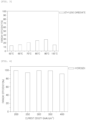
FIG. 1 is a graph illustrating a change in products over time when synthesizing ethylene carbonate according to the present disclosure. -
FIG. 2 is a graph illustrating a change in products depending on current when synthesizing ethylene carbonate according to the present disclosure. -
FIG. 3 is a graph illustrating a change in products depending on temperature when synthesizing ethylene carbonate according to the present disclosure. -
FIG. 4 is a graph illustrating a change in hydrogen conversion efficiency at an anode(+) depending on current when synthesizing ethylene carbonate according to the present disclosure. -
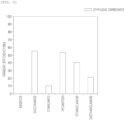
FIG. 5 graphically illustrates a yield of ethylene carbonate according to the type of nitrogen compound. -
FIG. 6 illustrates the results of testing an amount of carbon dioxide that can be captured in a process for synthesizing ethylene carbonate according to the present disclosure. - Hereinafter, preferred embodiments of the present disclosure will be described with reference to the attached drawings. However, the embodiments of the present disclosure may be modified to have various other forms, and the scope of the present disclosure is not limited to the embodiments described below.
- According to the present disclosure, a method for synthesizing alkylene (alkene) carbonate by an electrochemical method is provided, and in more detail, the method for electrochemically synthesizing alkylene carbonate of the present disclosure includes: a first operation of obtaining a mixture of a halogen-substituted nitrogen compound (XY), a nitrogen compound (Y), and hydroxide ions (OH-), by electrochemically reacting halogen and a nitrogen compound, in a reactor having cathode and anode electrodes, and including a solvent; and a second operation of obtaining alkylene carbonate by mixing the mixture with alkylene (CxH2x, where x is an integer of 2 to 10) and carbon dioxide.
- As an electrolyte used in the electrochemical reaction of the present disclosure, various liquid electrolytes, such as mixed salts or ionic salts, may be used, and the mixed salts include halogen anions such as F-, Cl-, Br-, I-, and the like. Specifically, NaCl, NaBr, NaI, and the like may be used in combination with water-soluble salt and ionic liquid, but the present disclosure is not limited thereto.
- In this case, metal or a metal composite used as the cathode electrode should not react with the liquid electrolyte such as the mixed salt, an ionic salt, or the like, and should not have any effect on corrosion or impurities.
- The anode and cathode electrodes are not particularly limited, but include, for example, Fe, Al, Ni, stainless steel 304 (SUS 304), a Dimensionally Stabilized Anode (DSA) electrode, a Ru oxide-based composition electrode, an Ir oxide-based composition electrode, and the like can be used, and in more detail, the anode(+) electrode is a metal oxide or an oxide alloy, preferably a nickel-based electrode such as an oxide of Ni-Fe, Ni-Co, or Ni-Mo alloy, and the cathode (-) electrode is preferably a DSA electrode. A DSA electrode has the advantage of having excellent characteristics as an electrode, such as having a relatively low overvoltage against oxygen generation and being able to maintain soundness for a very long time as compared to metal electrodes. For example, a DSA electrode may be a platinum-coated electrode commonly used in the plating industry.
- A size of a reactor is not particularly limited, and the narrower the gap between the anode and cathodes, the lower an amount of operating resistance, which may increase energy efficiency, but the gap therebetween is not limited. In addition, a power supply device that can be used in the present disclosure is not particularly limited.
- The electrochemical reaction in the first operation may be performed under conditions of 1 mA/cm2 to 100 A/cm2, and may be performed under conditions of, for example, 10 mA/cm2 to 1 A/cm2. When the current density is less than 1 mA/cm2, there is a problem of slow reaction speed, and when the current density exceeds 100 A/cm2, there is a problem of reduced efficiency due to an oxygen generation reaction at the cathode and instability of the cathode electrode.
- In the first operation, a mixture of a halogen-substituted nitrogen compound (XY) and a nitrogen compound (Y) or a mixture of a halogen-substituted nitrogen compound (XY), a nitrogen compound (Y), and hydroxyl ions (OH-) are obtained according to Scheme 1-1, or Scheme 1-1 and Scheme 1-2. Regarding Scheme 1-2, when the solvent includes water, a nitrogen compound (Y-) reacts with water and hydroxide ions (OH-) may exist together, according to Scheme 1-2.
[Scheme 1-1] 4X- + 4HY = 2XY + 2H2 + 2X- + 2Y-
[Scheme 1-2] 2Y- + 2H2O = 2OH- + 2HY
- In Scheme 1-1, X is halogen selected from the group consisting of fluorine, chlorine, bromine and iodine, and in Schemes 1-1 and 1-2, Y is a nitrogen compound, and the nitrogen compound is a neutral nitrogen compound or an anionic nitrogen compound. Meanwhile, when water is present in the solvent, water may participate in the reaction and generate hydroxyl ions as shown in Scheme 1-2. In this case, an amount of hydroxide ions may be determined by an amount of conjugate acid (HY) of the nitrogen compound and pKa.
- In the second operation, by mixing a mixture of a halogen-substituted nitrogen compound and a nitrogen compound or a mixture of a halogen-substituted nitrogen compound, a nitrogen compound, and hydrogen ions with alkylene (CxH2x, where x is an integer of 2 to 10) and carbon dioxide, obtain halogenated alcohol and a hydrogen carbonateions (HCO3 -) from these by the following reaction of
Schemes 2 and 3-1, respectively, and obtain alkylene carbonate from these by the following Scheme 4. Meanwhile, according to Scheme 1-2, when hydroxide ions are formed, the hydroxide ions can also be converted to hydrogen carbonate ions based on Scheme 3-2.
[Scheme 2] 2alkene + 2XY + 2H2O = 2halogenated alcohol + 2HY
[Scheme 3-1] 2Y- + 2CO2 + 2H2O = 2HY + 2HCO3 -
[Scheme 3-2] 2OH- + 2CO2 = 2HCO3 -
[Scheme 4] 2HCO3 - + 2halogenated alcohol = 2alkylene carbonate + 2X- + 2H2O
- In
Schemes 2 to 4, X and Y are as defined in Schemes 1-1 and 1-2, where alkylene may be selected from C1-C10 alkylene, is preferably selected from the group consisting of ethylene and propylene, where halogenated alcohol is selected from the group consisting of halogenated ethanol and halogenated propanol, and preferably, the alkylene carbonate is selected from the group consisting of ethylene carbonate and propylene carbonate. - The first operation and the second operation may be performed simultaneously or sequentially, and the first operation and the second operation may be performed in the same reactor or separately in several separate reactors, and the present disclosure is not limited thereto. When the first operation and the second operation are performed sequentially or in separate reactors, the reaction conditions of the first operation and the second operation can be set differently in more detail as needed, thereby improving the yield.
- For example, in the second operation, ethylene and carbon dioxide may be mixed with the mixture of the halogen-substituted nitrogen compound, nitrogen compound, and hydroxyl ion in a separate operation or a separate reactor. When the mixing is performed in the separate reactor, for example, alkylene and carbon dioxide may be separately mixed in a plurality of reactors including the products obtained in the first operation, and the results obtained therefrom may be mixed again. In this case,
Schemes 2, 3-1, and 3-2 below can occur in regions separated from each other.
[Scheme 2] 2alkene + 2XY + 2H2O = 2halogenated alcohol + 2HY
[Scheme 3-1] 2Y- + 2CO2 + 2H2O = 2HY + 2HCO3 -
[Scheme 3-2] 2OH- + 2CO2 = 2HCO3 -
- In this case, in
Schemes 2, 3-1, and 3-2, X and Y are as defined in Schemes 1-1 and 1-2, where alkylene may be selected from C2-C10 alkylene, and is preferably selected from the group consisting of ethylene and propylene, where halogenated alcohol is selected from the group consisting of halogenated ethanol and halogenated propanol, and alkylene carbonate is selected from the group consisting of ethylene carbonate and propylene carbonate. - That is, in this case, halogenated alcohol, such as halogenated ethanol, halogenated propanol, and hydrogen carbonate ions (HCO3 -) may be obtained according to
Schemes 2, 3-1, and 3-2, respectively, and ethylene carbonate, propylene carbonate, and the like can be obtained by using the halogenated ethanol, halogenated propanol, and hydrogen carbonate ions (HCO3 -) as reactants in the following Scheme 4 below.
[Scheme 4] 2HCO3 - + 2halogenated alcohol = 2alkylene carbonate + 2X- + 2H2O
- In this case, in Scheme 4, X and Y are as defined in Schemes 1-1 and 1-2, and alkylene carbonate may be selected from the group consisting of ethylene carbonate and propylene carbonate.
- Meanwhile, in the method for electrochemically synthesizing alkylene carbonate of the present disclosure, the first operation and/or the second operation may be performed at a temperature within a range of higher than 0°C and lower than or equal to 150°C, and may be performed, for example, at a temperature within a range of 1°C to 100°C, or 50°C to 100°C. When the temperature is below or equal to 0°C or above 150°C, there is a problem that the pressure should be increased because water, which is a solvent, freezes or changes phase into water vapor under atmospheric pressure.
- The method for electrochemically synthesizing alkylene carbonate based on the present disclosure may be performed for 15 minutes to 24 hours, for example, 30 minutes to 6 hours, preferably 2 hours to 6 hours.
- Meanwhile, when the second operation is performed separately, the operation may be performed at a temperature within a range of 40°C or higher and lower than 150°C, for example, at a temperature within a range of 45°C to 90°C, preferably at a temperature within a range of 60 to 90°C, and more preferably, may be performed at a temperature within a range of 65 to 85°C. When the temperature is below the above-described ranges, the reaction may be somewhat slow, and the temperature exceeds the range of the present disclosure, an amount of glycol generated increases due to an increase in side reactions as shown in the following Scheme 5, resulting in a problem of lowering the yield of carbonate.
- HCO3 - + halogenated alcohol = glycol + CO2 + X- [Scheme 5]
- In Scheme 5, X is as defined in Scheme 1-1. Halogenated alcohol may be selected, for example, from the group consisting of halogenated ethanol and halogenated propanol, and glycol may be selected from the group consisting of ethylene glycol and propylene glycol.
- When the second operation is performed separately, the operation may be performed for 15 minutes to 24 hours, for example, for 30 minutes to 12 hours. When a reaction time is less than 15 minutes, a yield of a product may be insufficient, and when the reaction time exceeds 24 hours, the increase in the yield of the product due to the increase in reaction time is not significant, which is not preferable in terms of process economy.
- The nitrogen compound (Y) of the present disclosure is preferably a nitrogen compound of which conjugate acid (HY) has a pKa of 7 to 14, preferably a pKa of 7 to 11, is preferably at least one selected from, for example, a compound having an imide functional group and an ammonium compound, and more specifically, as the compound having an imide function group, succinimide, hydantoin, cyanurate, and the like, may be used, and as the ammonium compound, ammonium, monoethanol ammonium, diethanol ammonium, and the like, may be used.
- In the method for electrochemically synthesizing alkylene carbonate of the present disclosure, a solvent in the first step may be water, and the second operation may be performed in at least one solvent selected from the group consisting of polar organic solvents including water, alcohol, dimethylformamide, acetone, ether, and ester, or such solvent may be added during the second operation. For example, a solvent in the second operation may water, or an aqueous ethanol solution, etc.
- Meanwhile, ethylene and carbon dioxide in the second operation may be mixed in a volume ratio or molar ratio of 1:0.5 to 2, and are preferably mixed in a ratio of 1:1.
- Carbon dioxide and ethylene in the second operation may respectively be introduced to reach a saturated state in the solution, and the pressure can be increased to increase a saturation concentration. In addition, the introduction method is not limited, and may be introduced continuously, at regular intervals, or at required times, depending on the reaction.
- When the ethylene and carbon dioxide are respectively introduced, these gases may be introduced by bubbling or by applying pressure using these gases. In this case, when pressure is applied in the second operation, the pressure range is from greater than 1 atm to 50 atm, for example, may be 2 to 4 atm, but is not limited thereto, and pressurization is not essential.
- The method for electromechanically synthesizing alkylene carbonate of the present disclosure is performed not based on a gas phase reaction, but based on a gas-liquid reaction under a solvent, and alkylene carbonate may be synthesized using reactants that are difficult to convert to the gas phase.
- Hereinafter, the present disclosure will be described in more detail through specific examples. The following examples are merely examples to aid understanding of the present disclosure, and the scope of the present disclosure is not limited thereto.
- By using a porous nickel foam electrode as an anode (+), and using a DSA electrode as a cathode(-), two electrodes having a size of 0.5cm2 were immersed in 10ml of electrolytic solution with 0.4M succinimide, and 1 M NaBr. A temperature of a vessel in which electrolysis was performed was set to be 90°C, and 4 atm of carbon dioxide and 2 atm of ethylene were applied. The two gases were introduced into a reaction vessel at 80 sccm and 40 sccm, respectively. Under the above conditions, a current of 400 mA/cm2 was applied for a total charge of 192.97 C.
- As a result of observing products in a solution over time when synthesizing ethylene carbonate by the same process as in Manufacturing Example 1, as can be seen in
FIG. 1 , it was confirmed that bromoethanol and dibromoethylene were initially produced, and then bromoethanol was converted to ethylene carbonate over time. - When synthesizing ethylene carbonate using the same process as in Manufacturing Example 1, a total charge was fixed at 192.97 C, and the product in the solution was confirmed 3 hours after the start of the reaction at different current densities.
- As a result thereof, as can be seen in
FIG. 2 , it was confirmed that ethylene carbonate can be formed in all current ranges of 100mA/cm2 or more, which is industrially meaningful. - When synthesizing ethylene carbonate using the same process as in Manufacturing Example 1, a product in the solution was confirmed 3 hours after the start of the reaction under different temperature conditions.
- As a result thereof, as can be seen in
FIG. 3 , it was confirmed that excellent Faradaic efficiency was observed at a temperature within a range of 50 to 100 °C. - The two electrodes in Manufacturing Example 1 were separated by an anion exchange membrane, and hydrogen production efficiency of the anode was measured under CO2 bubbling conditions at room temperature and atmospheric pressure.
- As a result thereof, as can be seen in
FIG. 4 , high hydrogen production efficiency was confirmed during the carbonate generation process. - When synthesizing ethylene carbonate using the same process as in Manufacturing Example 1, the production efficiency of ethylene carbonate in the solution was measured after 6 hours after the start of reaction according to the use of different nitrogen compounds. The pKa values of conjugate acid (HY) of the nitrogen compounds used in this experiment were shown in Table 1 below.
[Table 1] Nitrogen compound pKa Example 1 Succinimide 9.5 Example 2 Hydantoin 9.12 Example 3 Ethanolamine 9.5 Example 4 Diethanolamine 8.88 Example 5 Cyanurate 11.4 - As a result thereof, as can be seen in
FIG. 5 , in the case of cyanurate with a relatively high pKa, it was confirmed that the production efficiency was somewhat reduced. - 4. Experiment to confirm carbon dioxide capturing trend.
- Each of 5ml of sodium hydroxide, sodium succinimide, and ethanolamine at a concentration of 0.5M were inserted in a vial with a capacity of 20ml, respectively, and carbon dioxide was supplied through bubbling. After carbon dioxide bubbling was performed until the pH of each solution no longer dropped, the amount of carbon dioxide captured in each solution was measured, and in this case, the amount of carbon dioxide generated after acid treatment of each solution was measured through a volume thereof.
- As a result thereof, as can be seen in
FIG. 6 , it was confirmed that about 0.9 molecules of carbon dioxide could be captured per succinimide anion molecule. - While example embodiments have been illustrated and described above, it will be apparent to those skilled in the art that modifications and variations could be made without departing from the scope of the present disclosure as defined by the appended claims.
Claims (12)
- A method for electrochemically synthesizing alkylene carbonate, comprising:a first operation of obtaining a mixture of a halogen-substituted nitrogen compound (XY), a nitrogen compound (Y), and hydroxide ions (OH-), by electrochemically reacting halogen and a nitrogen compound, in a reactor having cathode and anode electrodes, and including a solvent; anda second operation of obtaining alkylene carbonate by mixing the mixture with alkylene (CxH2x, where x is an integer of 2 to 10) and carbon dioxide.
- The method for electrochemically synthesizing alkylene carbonate of claim 1, wherein, in the first operation, the mixture of a halogen-substituted nitrogen compound (XY), a nitrogen compound (Y), and hydroxyl ions (OH-) are obtained according to the following Scheme 1-1,
[Scheme 1-1] 4X- + 4HY = 2XY + 2H2 + 2X- + 2Y-
in Scheme 1-1, X is halogen selected from the group consisting of fluorine, chlorine, bromine, and iodine,Y is a nitrogen compound, and the nitrogen compound is a neutral nitrogen compound or an anionic nitrogen compound. - The method for electrochemically synthesizing alkylene carbonate of claim 1, wherein, in the second operation, alkylene carbonate is obtained according to the following Scheme 4, from halogenated alcohol and hydrogen carbonate ions (HCO3 -), respectively obtained according to the following Schemes 2, 3-1 and 3-2 by mixing the mixture of a halogen-substituted nitrogen compound, a nitrogen compound, and hydroxyl ions with alkylene and carbon dioxide,
[Scheme 2] 2alkene + 2XY + 2H2O = 2halogenated alcohol + 2HY
[Scheme 3-1] 2Y- + 2CO2 + 2H2O = 2HY + 2HCO3 -
[Scheme 3-2] 2OH- + 2CO2 = 2HCO3 -
[Scheme 4] 2HCO3 - + 2halogenated alcohol = 2alkylene carbonate + 2X- + 2H2O
in Schemes 2 to 4, X and Y are independently as defined in Scheme 1-1, where alkylene is selected from the group consisting of ethylene and propylene, halogenated alcohol is selected from the group consisting of halogenated ethanol and halogenated propanol, and alkylene carbonate is selected from the group consisting of ethylene carbonate and propylene carbonate. - The method for electrochemically synthesizing alkylene carbonate of claim 1, wherein the first operation and the second operation are performed simultaneously or performed sequentially.
- The method for electrochemically synthesizing alkylene carbonate of claim 1, wherein an electrochemical reaction in the first operation is performed under conditions of 1 mA/cm2 to 100 A/cm2.
- The method for electrochemically synthesizing alkylene carbonate of claim 1, wherein the nitrogen compound is a nitrogen compound of which conjugate acid (HY) of the nitrogen compound has a pKa of 7 to 14.
- The method for electrochemically synthesizing alkylene carbonate of claim 6, wherein the nitrogen compound is selected from the group consisting of a compound having an imide functional group and an ammonium compound.
- The method for electrochemically synthesizing alkylene carbonate of claim 6, wherein the nitrogen compound is at least one selected from the group consisting of succinimide, hydantoin, and cyanurate, and the ammonium compound is at least one selected from the group consisting of ammonium, monoethanolammonium, and diethanolammonium.
- The method for electrochemically synthesizing alkylene carbonate of claim 1, wherein the solvent in the first operation is water.
- The method for electrochemically synthesizing alkylene carbonate of claim 1, wherein the second operation is performed in at least one solvent selected from the group consisting of a polar organic solvent including alcohol, dimethylformamide, acetone, ether, and ester; and water.
- The method for electrochemically synthesizing alkylene carbonate of claim 1, wherein ethylene and carbon dioxide in the second operation are mixed in a volume ratio of 1:0.5 to 2.
- The method for electrochemically synthesizing alkylene carbonate of claim 1, wherein the first operation and the second operation are performed at a temperature within a range of higher than 0°C and 150°C or lower.
Applications Claiming Priority (2)
| Application Number | Priority Date | Filing Date | Title |
|---|---|---|---|
| KR1020220035181A KR102675741B1 (en) | 2022-03-22 | 2022-03-22 | Method for electrochemically synthesizing alkylene carbonate |
| PCT/KR2023/003719 WO2023182771A1 (en) | 2022-03-22 | 2023-03-21 | Method for electrochemically synthesizing alkylene carbonate |
Publications (2)
| Publication Number | Publication Date |
|---|---|
| EP4497845A1 true EP4497845A1 (en) | 2025-01-29 |
| EP4497845A4 EP4497845A4 (en) | 2025-07-16 |
Family
ID=88101820
Family Applications (1)
| Application Number | Title | Priority Date | Filing Date |
|---|---|---|---|
| EP23775267.0A Pending EP4497845A4 (en) | 2022-03-22 | 2023-03-21 | METHOD FOR THE ELECTROCHEMICAL SYNTHESIS OF ALKYLENE CARBONATE |
Country Status (3)
| Country | Link |
|---|---|
| EP (1) | EP4497845A4 (en) |
| KR (1) | KR102675741B1 (en) |
| WO (1) | WO2023182771A1 (en) |
Family Cites Families (11)
| Publication number | Priority date | Publication date | Assignee | Title |
|---|---|---|---|---|
| US3344046A (en) * | 1964-10-23 | 1967-09-26 | Sun Oil Co | Electrolytic preparation of organic carbonates |
| US4131521A (en) * | 1977-11-07 | 1978-12-26 | Allied Chemical Corporation | Electrochemical synthesis of organic carbonates |
| JPS5913776A (en) | 1982-07-14 | 1984-01-24 | Mitsubishi Petrochem Co Ltd | Method for producing alkylene carbonate |
| JPH0967365A (en) | 1995-08-29 | 1997-03-11 | Mitsubishi Chem Corp | Method for producing alkylene carbonate |
| KR100391845B1 (en) * | 2000-02-11 | 2003-07-16 | 한국과학기술연구원 | Synthesis of Alkylene Carbonates using a Metal Halides Complex containing Pyridine Ligands |
| KR100508700B1 (en) * | 2002-05-14 | 2005-08-17 | 한국과학기술연구원 | Polymer-immobilized catalysts for the synthesis of alkylene carbonate and preparation method of alkylene carbonate using thereof |
| JP2013508330A (en) | 2009-10-21 | 2013-03-07 | ゾルファイ フルーオル ゲゼルシャフト ミット ベシュレンクテル ハフツング | Method for producing fluorinated ethylene carbonate |
| CN102877086B (en) * | 2012-09-13 | 2014-12-31 | 华南理工大学 | Method for preparing cyclic carbonate from olefin and carbon dioxide by electrochemical method |
| KR102109420B1 (en) * | 2018-08-20 | 2020-05-12 | 한국과학기술연구원 | Catalyst including carbonyl group for preparing alkylene carbonate, method for preparing the catalyst, method and apparatus for preparing alkylene carbonate using the catalyst |
| KR102680020B1 (en) * | 2019-08-22 | 2024-06-28 | 주식회사 엘지화학 | Preparation method of polyalkylene carbonate |
| KR102150240B1 (en) * | 2019-10-14 | 2020-09-01 | 그린케미칼 주식회사 | Alkylenecarbonate Manufacturing System and Manufacturing Method Using the Same |
-
2022
- 2022-03-22 KR KR1020220035181A patent/KR102675741B1/en active Active
-
2023
- 2023-03-21 WO PCT/KR2023/003719 patent/WO2023182771A1/en not_active Ceased
- 2023-03-21 EP EP23775267.0A patent/EP4497845A4/en active Pending
Also Published As
| Publication number | Publication date |
|---|---|
| KR20230139819A (en) | 2023-10-06 |
| KR102675741B1 (en) | 2024-06-18 |
| WO2023182771A1 (en) | 2023-09-28 |
| EP4497845A4 (en) | 2025-07-16 |
Similar Documents
| Publication | Publication Date | Title |
|---|---|---|
| Zhang et al. | Recent advances in non‐noble metal‐based electrocatalysts for hybrid water electrolysis systems | |
| CA2742755C (en) | Methods and apparatus of electrochemical production of carbon monoxide, and uses thereof | |
| RU2479558C2 (en) | Electrochemical method of producing nitrogen fertilisers | |
| WO2017117410A1 (en) | Non-noble metal electrocatalysts for oxygen depolarized cathodes and their application in chlor-alkali electrolysis cells | |
| EP3470389B1 (en) | Formic acid preparation method | |
| WO2017125469A1 (en) | Electrolysis system and method for electrochemical ethylene oxide production | |
| JP2019510874A (en) | Method and battery for converting dinitrogen to ammonia | |
| RU2014118792A (en) | METHOD FOR PRODUCING HYDROGEN AND OXYGEN BY ELECTROLYSIS OF WATER VAPOR | |
| KR20150068366A (en) | Reducing carbon dioxide to products with an indium oxide electrode | |
| CN114616359A (en) | Electrochemical CO2Transformation of | |
| KR20140084640A (en) | Method for reducing carbon dioxide and non-diaphragm reductor of carbon dioxide using the same | |
| CN114737208A (en) | Synthetic method of organic carbonate | |
| CN113355682A (en) | Iron-doped trifluoro cobaltate oxygen evolution electro-catalytic material, preparation method and application thereof | |
| CN113174603A (en) | For capturing and electrolyzing CO2Compositions and methods of | |
| KR102675741B1 (en) | Method for electrochemically synthesizing alkylene carbonate | |
| AU2022268059A1 (en) | Method for producing nitrogen-containing compound | |
| CN113430547A (en) | A kind of device and electrolysis method for electrolyzing carbon dioxide to produce potassium formate | |
| US12188138B1 (en) | Electrochemical carbon oxides reduction to ethylene | |
| CN116145171B (en) | APTES modified CFP anode material and method for electrosynthesizing H2O2 using the same | |
| WO2024234105A1 (en) | Electroreduction of carbonate to multicarbon products using an mea with an interposer | |
| US20240209520A1 (en) | Apparatus for manufacturing nitrogen-containing compound and method for manufacturing nitrogen-containing compound | |
| CA1161393A (en) | Electrolytic process for potassium hydroxide | |
| GB2572354A (en) | Novel electrochemical set-up for ammonia production | |
| CN111647906B (en) | A kind of silver or silver-nickel alloy catalyzed electrochemical dechlorination process methylene chloride method | |
| CN116926376B (en) | A cadmium-bismuth alloy, its preparation method and application |
Legal Events
| Date | Code | Title | Description |
|---|---|---|---|
| STAA | Information on the status of an ep patent application or granted ep patent |
Free format text: STATUS: THE INTERNATIONAL PUBLICATION HAS BEEN MADE |
|
| PUAI | Public reference made under article 153(3) epc to a published international application that has entered the european phase |
Free format text: ORIGINAL CODE: 0009012 |
|
| STAA | Information on the status of an ep patent application or granted ep patent |
Free format text: STATUS: REQUEST FOR EXAMINATION WAS MADE |
|
| 17P | Request for examination filed |
Effective date: 20240916 |
|
| AK | Designated contracting states |
Kind code of ref document: A1 Designated state(s): AL AT BE BG CH CY CZ DE DK EE ES FI FR GB GR HR HU IE IS IT LI LT LU LV MC ME MK MT NL NO PL PT RO RS SE SI SK SM TR |
|
| DAV | Request for validation of the european patent (deleted) | ||
| DAX | Request for extension of the european patent (deleted) | ||
| A4 | Supplementary search report drawn up and despatched |
Effective date: 20250613 |
|
| RIC1 | Information provided on ipc code assigned before grant |
Ipc: C25B 3/05 20210101AFI20250606BHEP Ipc: C25B 3/07 20210101ALI20250606BHEP Ipc: C25B 3/09 20210101ALI20250606BHEP Ipc: C25B 3/11 20210101ALI20250606BHEP Ipc: C25B 3/23 20210101ALI20250606BHEP Ipc: C25B 3/27 20210101ALI20250606BHEP Ipc: C25B 15/08 20060101ALI20250606BHEP Ipc: C07D 317/36 20060101ALI20250606BHEP Ipc: C07D 317/38 20060101ALI20250606BHEP |