EP4492347A1 - Entry control system, entry control method, and recording medium - Google Patents
Entry control system, entry control method, and recording medium Download PDFInfo
- Publication number
- EP4492347A1 EP4492347A1 EP22930852.3A EP22930852A EP4492347A1 EP 4492347 A1 EP4492347 A1 EP 4492347A1 EP 22930852 A EP22930852 A EP 22930852A EP 4492347 A1 EP4492347 A1 EP 4492347A1
- Authority
- EP
- European Patent Office
- Prior art keywords
- vehicle
- person
- target
- registered
- entry
- Prior art date
- Legal status (The legal status is an assumption and is not a legal conclusion. Google has not performed a legal analysis and makes no representation as to the accuracy of the status listed.)
- Withdrawn
Links
Images





Classifications
-
- G—PHYSICS
- G07—CHECKING-DEVICES
- G07C—TIME OR ATTENDANCE REGISTERS; REGISTERING OR INDICATING THE WORKING OF MACHINES; GENERATING RANDOM NUMBERS; VOTING OR LOTTERY APPARATUS; ARRANGEMENTS, SYSTEMS OR APPARATUS FOR CHECKING NOT PROVIDED FOR ELSEWHERE
- G07C9/00—Individual registration on entry or exit
- G07C9/10—Movable barriers with registering means
- G07C9/15—Movable barriers with registering means with arrangements to prevent the passage of more than one individual at a time
-
- G—PHYSICS
- G07—CHECKING-DEVICES
- G07C—TIME OR ATTENDANCE REGISTERS; REGISTERING OR INDICATING THE WORKING OF MACHINES; GENERATING RANDOM NUMBERS; VOTING OR LOTTERY APPARATUS; ARRANGEMENTS, SYSTEMS OR APPARATUS FOR CHECKING NOT PROVIDED FOR ELSEWHERE
- G07C9/00—Individual registration on entry or exit
- G07C9/00174—Electronically operated locks; Circuits therefor; Nonmechanical keys therefor, e.g. passive or active electrical keys or other data carriers without mechanical keys
- G07C9/00896—Electronically operated locks; Circuits therefor; Nonmechanical keys therefor, e.g. passive or active electrical keys or other data carriers without mechanical keys specially adapted for particular uses
-
- G—PHYSICS
- G06—COMPUTING OR CALCULATING; COUNTING
- G06V—IMAGE OR VIDEO RECOGNITION OR UNDERSTANDING
- G06V20/00—Scenes; Scene-specific elements
- G06V20/50—Context or environment of the image
- G06V20/52—Surveillance or monitoring of activities, e.g. for recognising suspicious objects
-
- G—PHYSICS
- G06—COMPUTING OR CALCULATING; COUNTING
- G06V—IMAGE OR VIDEO RECOGNITION OR UNDERSTANDING
- G06V20/00—Scenes; Scene-specific elements
- G06V20/60—Type of objects
- G06V20/62—Text, e.g. of license plates, overlay texts or captions on TV images
- G06V20/625—License plates
-
- G—PHYSICS
- G06—COMPUTING OR CALCULATING; COUNTING
- G06V—IMAGE OR VIDEO RECOGNITION OR UNDERSTANDING
- G06V40/00—Recognition of biometric, human-related or animal-related patterns in image or video data
- G06V40/10—Human or animal bodies, e.g. vehicle occupants or pedestrians; Body parts, e.g. hands
- G06V40/16—Human faces, e.g. facial parts, sketches or expressions
- G06V40/172—Classification, e.g. identification
-
- G—PHYSICS
- G07—CHECKING-DEVICES
- G07B—TICKET-ISSUING APPARATUS; FARE-REGISTERING APPARATUS; FRANKING APPARATUS
- G07B15/00—Arrangements or apparatus for collecting fares, tolls or entrance fees at one or more control points
-
- G—PHYSICS
- G07—CHECKING-DEVICES
- G07B—TICKET-ISSUING APPARATUS; FARE-REGISTERING APPARATUS; FRANKING APPARATUS
- G07B15/00—Arrangements or apparatus for collecting fares, tolls or entrance fees at one or more control points
- G07B15/02—Arrangements or apparatus for collecting fares, tolls or entrance fees at one or more control points taking into account a variable factor such as distance or time, e.g. for passenger transport, parking systems or car rental systems
- G07B15/04—Arrangements or apparatus for collecting fares, tolls or entrance fees at one or more control points taking into account a variable factor such as distance or time, e.g. for passenger transport, parking systems or car rental systems comprising devices to free a barrier, turnstile, or the like
-
- G—PHYSICS
- G07—CHECKING-DEVICES
- G07C—TIME OR ATTENDANCE REGISTERS; REGISTERING OR INDICATING THE WORKING OF MACHINES; GENERATING RANDOM NUMBERS; VOTING OR LOTTERY APPARATUS; ARRANGEMENTS, SYSTEMS OR APPARATUS FOR CHECKING NOT PROVIDED FOR ELSEWHERE
- G07C9/00—Individual registration on entry or exit
- G07C9/10—Movable barriers with registering means
-
- G—PHYSICS
- G07—CHECKING-DEVICES
- G07C—TIME OR ATTENDANCE REGISTERS; REGISTERING OR INDICATING THE WORKING OF MACHINES; GENERATING RANDOM NUMBERS; VOTING OR LOTTERY APPARATUS; ARRANGEMENTS, SYSTEMS OR APPARATUS FOR CHECKING NOT PROVIDED FOR ELSEWHERE
- G07C9/00—Individual registration on entry or exit
- G07C9/30—Individual registration on entry or exit not involving the use of a pass
- G07C9/32—Individual registration on entry or exit not involving the use of a pass in combination with an identity check
- G07C9/37—Individual registration on entry or exit not involving the use of a pass in combination with an identity check using biometric data, e.g. fingerprints, iris scans or voice recognition
-
- G—PHYSICS
- G06—COMPUTING OR CALCULATING; COUNTING
- G06V—IMAGE OR VIDEO RECOGNITION OR UNDERSTANDING
- G06V2201/00—Indexing scheme relating to image or video recognition or understanding
- G06V2201/07—Target detection
-
- G—PHYSICS
- G06—COMPUTING OR CALCULATING; COUNTING
- G06V—IMAGE OR VIDEO RECOGNITION OR UNDERSTANDING
- G06V2201/00—Indexing scheme relating to image or video recognition or understanding
- G06V2201/08—Detecting or categorising vehicles
-
- G—PHYSICS
- G07—CHECKING-DEVICES
- G07C—TIME OR ATTENDANCE REGISTERS; REGISTERING OR INDICATING THE WORKING OF MACHINES; GENERATING RANDOM NUMBERS; VOTING OR LOTTERY APPARATUS; ARRANGEMENTS, SYSTEMS OR APPARATUS FOR CHECKING NOT PROVIDED FOR ELSEWHERE
- G07C9/00—Individual registration on entry or exit
- G07C9/00174—Electronically operated locks; Circuits therefor; Nonmechanical keys therefor, e.g. passive or active electrical keys or other data carriers without mechanical keys
- G07C9/00896—Electronically operated locks; Circuits therefor; Nonmechanical keys therefor, e.g. passive or active electrical keys or other data carriers without mechanical keys specially adapted for particular uses
- G07C2009/00928—Electronically operated locks; Circuits therefor; Nonmechanical keys therefor, e.g. passive or active electrical keys or other data carriers without mechanical keys specially adapted for particular uses for garage doors
-
- G—PHYSICS
- G07—CHECKING-DEVICES
- G07C—TIME OR ATTENDANCE REGISTERS; REGISTERING OR INDICATING THE WORKING OF MACHINES; GENERATING RANDOM NUMBERS; VOTING OR LOTTERY APPARATUS; ARRANGEMENTS, SYSTEMS OR APPARATUS FOR CHECKING NOT PROVIDED FOR ELSEWHERE
- G07C9/00—Individual registration on entry or exit
- G07C9/30—Individual registration on entry or exit not involving the use of a pass
- G07C9/38—Individual registration on entry or exit not involving the use of a pass with central registration
Definitions
- This disclosure relates to, for example, technical fields of an entry management system, an entry management method, and a recording medium that are configured to manage/control entry to an entry restricted area of a person who enters the entry restricted area by vehicle.
- Patent Literature 1 describes an example of an entry management system that is configured to manage/control entry/admission to an entry restricted area of a person who enters the entry restricted area by vehicle.
- Patent Literatures 2 to 9 are cited.
- An entry management system that manages entry to an entry restricted area of a target person who enters the entry restricted area in a target vehicle, the entry management system including: a storage unit that stores registration information in which vehicle information indicating a vehicle number of a registered vehicle that is scheduled to enter the entry restricted area is associated with person information including a registration image of a registered person who is scheduled to enter the entry restricted area in the registered vehicle; a first imaging unit that generates a vehicle image by imaging the target vehicle located at a vehicle entrance through which the target vehicle should pass to enter the entry restricted area; a first determination unit that determines whether or not the target vehicle located at the vehicle entrance is the registered vehicle, by comparing a vehicle number of the target vehicle captured in the vehicle image with the vehicle number of the registered vehicle indicated by the vehicle information; a second imaging unit that generates a person image by imaging the target person in the target vehicle located at the vehicle entrance; a second determination unit that determines whether or not the target person in the target vehicle is the registered person, by comparing
- An entry management method is an entry management method that manages entry to an entry restricted area of a target person who enters the entry restricted area in a target vehicle, the entry management method including: storing registration information in which vehicle information indicating a vehicle number of a registered vehicle that is scheduled to enter the entry restricted area is associated with person information including a registration image of a registered person who is scheduled to enter the entry restricted area in the registered vehicle; generating a vehicle image by imaging the target vehicle located at a vehicle entrance through which the target vehicle should pass to enter the entry restricted area; determining whether or not the target vehicle located at the vehicle entrance is the registered vehicle, by comparing a vehicle number of the target vehicle captured in the vehicle image with the vehicle number of the registered vehicle indicated by the vehicle information; generating a person image by imaging the target person in the target vehicle located at the vehicle entrance; determining whether or not the target person in the target vehicle is the registered person, by comparing the person image with the registration image indicated by the person information; permitting the target vehicle to pass through the vehicle entrance when the target vehicle located
- a recording medium is a recording medium on which a computer program that allows a computer to execute an entry management method is recorded, the entry management method managing entry to an entry restricted area of a target person who enters the entry restricted area in a target vehicle, the entry management method including: storing registration information in which vehicle information indicating a vehicle number of a registered vehicle that is scheduled to enter the entry restricted area is associated with person information including a registration image of a registered person who is scheduled to enter the entry restricted area in the registered vehicle; generating a vehicle image by imaging the target vehicle located at a vehicle entrance through which the target vehicle should pass to enter the entry restricted area; determining whether or not the target vehicle located at the vehicle entrance is the registered vehicle, by comparing a vehicle number of the target vehicle captured in the vehicle image with the vehicle number of the registered vehicle indicated by the vehicle information; generating a person image by imaging the target person in the target vehicle located at the vehicle entrance; determining whether or not the target person in the target vehicle is the registered person, by comparing the person image with the registration image
- FIG. 1 is a block diagram illustrating a configuration of the entry management system 1000 in the first example embodiment.
- the entry management system 1000 manages/controls entry/admission to an entry restricted area of a target person who enters the entry restricted area by vehicle.
- the entry management system 1000 includes a storage unit 1100, a first imaging unit 1200, a first determination unit 1300, a second imaging unit 1400, a second determination unit 1500, and an entry management unit 1600.
- the storage unit 1100 stores registration information 1110.
- the registration information 1110 is information in which vehicle information 1111 is associated with person information 1112.
- the vehicle information 1111 indicates a vehicle number of a registered vehicle that is scheduled to enter the entry restricted area.
- the person information 1112 includes a registration image of a registered person who is scheduled to enter the entry registered area by vehicle.
- the first imaging unit 1200 generates a vehicle image by imaging a target vehicle located at a vehicle entrance through which the target vehicle should pass to enter the entry restricted area.
- the first determination unit 1300 determines whether or not the target vehicle located at the vehicle entrance is the registered vehicle, by comparing a vehicle number of the target vehicle captured in the vehicle image with the vehicle number of the registered vehicle indicated by the vehicle information.
- the second imaging unit 1400 generates a person image by imaging the target person in the target vehicle located at the vehicle entrance.
- the second determination unit 1500 determines whether or not the target person in the target vehicle is the registered person, by comparing the person image with the registration image indicated by the person information.
- the entry management unit 1600 permits the target vehicle to pass through the vehicle entrance, when the first determination unit 1300 determines that the target vehicle located at the vehicle entrance is the registered vehicle and the second determination unit 1500 determines that the target person in the target vehicle is the registered person.
- the entry management unit 1600 does not permit the target vehicle to pass through the vehicle entrance, when the first determination unit 1300 determines that the target vehicle located at the vehicle entrance is not the registered vehicle.
- the entry management unit 1600 does not permit the target vehicle to pass through the vehicle entrance, when the second determination unit 1500 determines that the target person in the target vehicle is not the registered person.
- the entry management system 1000 described above determines whether or not to permit the vehicle to pass through the vehicle entrance, by using at the vehicle entrance the vehicle image captured by the first imaging unit 1200, the person image captured by the second imaging unit 1400, and the registration information stored in advance in the storage unit 1100. This eliminates a need for the target person to get out of the target vehicle and fill out a document at the vehicle entrance so as to entry the entry restricted area. Therefore, the target person is able to enter the entry restricted area with him staying in the target vehicle. Therefore, a time required to enter the entry restricted area is reduced. As a result, it is less likely that a large number of the target vehicles that desire to enter the entry restricted area are stuck at the vehicle entrance (resulting in traffic jams). Therefore, the entry management system 1000 is capable of solving a technical problem that a large number of the target vehicles that desire to enter the entry restricted area may be stuck at the vehicle entrance.
- the entry management system 1000 permits the target vehicle to pass through the vehicle entrance, when the target vehicle is determined to be the registered vehicle and the target person is determined to be the registered person. Therefore, as compared with a case where the target vehicle is permitted to pass through the vehicle entrance even when the target vehicle is determined to be the registered vehicle, but the target person is not determined to be the registered person, the entry management system 1000 is capable of more properly preventing a suspicious target person from entering the entry restricted area. Similarly, as compared with a case where the target vehicle is permitted to pass through the vehicle entrance even when the target person is determined to be the registered person, but the target vehicle is not determined to be the registered vehicle, it is possible to more properly prevent the suspicious target person from entering the entry restricted area. Therefore, the entry management system 1000 is capable of solving a technical problem that the suspicious target person may enter the entry restricted area.
- an entry management system, an entry management method, and a recording medium in a second example embodiment will be described.
- the following describes the entry management system, the entry management method, and the recording medium in the second example embodiment, by using an entry management system SYS to which the entry management system, the entry management method, and the recording medium in the second example are applied.
- the entry management system SYS manages/controls entry/admission to an entry restricted area 9 of a target person P who enters the entry restricted area 9 in a target vehicle V
- the entry management system SYS may monitor actions in the entry restricted area 9 of the target person P who has entered the entry restricted area 9.
- the entry management system SYS may manage an exit from the entry restricted area 9 of the target person P who has entered the entry restricted area 9.
- the second example embodiment describes an example in which the entry restricted area 9 is a factory.
- the entry management system SYS may manage/control entry/admission to the factory of the target person P who enters the factory in the target vehicle V
- the entry management system SYS may manage actions in the factory of the target person P who has entered the factory.
- the entry management system SYS may manage an exit from the factory of the target person P who has entered the factory.
- the entry restricted area 9 is not limited to the factory.
- the entry restricted area 9 may be an arbitrary area as long as it is an area where free entry of the target person is restricted.
- another example of the entry restricted area 9 may be at least one of a corporate office, a school, a theme park, and an airport.
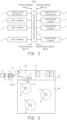
- FIG. 2 is a block diagram illustrating the overall configuration of the entry management system SYS in the second example embodiment.
- FIG. 3 is a floor plan of the entry restricted area 9 area where the target person enters.
- the entry management system SYS includes a vehicle gate apparatus 1, a user terminal 2, a person gate apparatus 3, a monitoring camera 4 that is a specific example of the "fourth imaging unit" described in Supplementary Note later, and an entry management server 5.
- the entry management system SYS includes a plurality of user terminals 2, but may include a single user terminal 2.
- the entry management system SYS includes a plurality of monitoring cameras 4, but may include a single monitoring camera 4.
- the vehicle gate apparatus 1 is disposed at a vehicle entrance 91 through which the target vehicle V should pass to enter the entry restricted area 9.
- the target vehicle V enters the entry restricted area 9 (especially, a first restricted area 9A in the entry restricted area 9) from an area outside the entry restricted area 9 through the vehicle entrance 91.
- the vehicle gate apparatus 1 generates a vehicle image IMG_V in which the target vehicle V is captured, by imaging the target vehicle V located at the vehicle entrance 91 to enter the entry restricted area 9.
- the vehicle gate apparatus 1 transmits the generated vehicle image IMG_V to the entry management server 5.
- the vehicle entrance 91 may be used as a vehicle exit through which the target vehicle V should pass to leave the entry restricted area 9.
- the target vehicle V may leave the entry restricted area 9 to an area outside the entry restricted area 9 through the vehicle entrance 91.
- the vehicle gate apparatus 1 may generate the vehicle image IMG V in which the target vehicle V is captured, by imaging the target vehicle V located at the vehicle entrance 91 to leave the entry restricted area 9.
- the vehicle entrance 91 may not be used as the vehicle exit through which the target vehicle V should pass to leave the entry restricted area 9.
- the entry restricted area 9 may be provided with a vehicle exit through which the target vehicle V should pass to leave the entry restricted area 9, separately from the vehicle entrance 91.
- the vehicle gate apparatus 1 described above may be disposed at the vehicle exit. The following describes an example in which the vehicle entrance 91 is used as the vehicle exit through which the target vehicle V should pass to leave the entry restricted area 9.
- the user terminal 2 is an information terminal (e.g., a smartphone or a tablet terminal) possessed by the target person P who enters the entry restricted area 9. Therefore, the entry management system SYS may include the same number of user terminals 2 as the number of the target persons P who enter the entry restricted area 9. However, one user terminal 2 may be shared by two or more target persons P.
- the user terminal 2 generates a person image IMG_P1 in which the target person P is captured, by imaging the target person P in the target vehicle V located at the vehicle entrance 91.
- the user terminal 2 may generate the person image IMG_P1 by imaging the target person P in the target vehicle V who intends to enter the entry restricted area 9 through the vehicle entrance 91.
- the user terminal 2 may generate the person image IMG_P1 by imaging the target person P in the target vehicle V who intends to leave the entry restricted area 9 through the vehicle entrance 91.
- the user terminal 2 transmits the created person image IMG_P1 to the entry management server 5.
- the person gate apparatus 3 is disposed at a person entrance 92 in the entry restricted area 9.
- the target vehicle V that has passed through the vehicle entrance 91 is parked in a parking lot 93 in the entry restricted area 9 (especially, the first restricted area 9A).
- the target person P passes through the person entrance 92 after getting off the target vehicle V
- the target person P enters a second restricted area 9B in the entry restricted area 9 from the first restricted area 9A in the entry restricted area 9 through the person entrance 92.
- the person entrance 92 may be regarded as a person entrance through which the target person P should pass to enter the second restricted area 9B.
- the person gate apparatus 3 generates a person image IMG_P2 in which the target person P is captured, by imaging the target person P located at the person entrance 92 to enter the second restricted area 9B.
- the person gate apparatus 3 transmits the generated person image IMG_P2 to the entry management server 5.
- the person entrance 92 may be used as a person exit through which the target person P should pass to leave the second restricted area 9B.
- the target person P may leave the second restricted area 9B to the first restricted area 9A through the person entrance 92.
- the person gate apparatus 3 may generate the person image IMG_P2 in which the target person P is captured, by imaging the target person P located at the person entrance 92 to leave the second restricted area 9B.
- the person entrance 92 may not be used as the person exit through which the target person P should pass to leave the second restricted area 9B.
- the entry restricted area 9 may be provided with a person exit through which the target person P should pass to leave the second restricted area 9B, separately from the person entrance 92.
- the person gate apparatus 3 described above may be disposed at the person exit. The following describes an example in which the person entrance 92 is used as the person exit through which the target person P should pass to leave the second restricted area 9B.
- the monitoring camera 4 is disposed in the entry restricted area 9.
- each of a plurality of monitoring cameras 4 is disposed in the second restricted area 9B (i.e., an area where the target person P who has passed through the person entrance 92, enters) in the entry restricted area 9.
- the monitoring camera 4 generates a monitoring image IMG_M in which a scene of an imaging range 41 of the monitoring camera 4 is captured, by imaging the imaging range 41.
- the monitoring camera 4 transmits the generated monitoring image IMG_M to the entry management server 5.
- the entry management server 5 performs a vehicle entry management operation for managing/controlling the entry/admission of the target vehicle V to the entry restricted area 9 (especially, the first restricted area 9A) through the vehicle entrance 91.
- the entry management server 5 acquires the vehicle image IMG_V from the vehicle gate apparatus 1 and acquires the person image IMG_P1 from the user terminal 2. Based on the vehicle image IMG_V, the entry management server 5 determines whether or not the target vehicle V located at the vehicle entrance 91 is a registered vehicle V_R that is scheduled to enter the entry restricted area 9.
- the entry management server 5 determines whether or not the target person P in the target vehicle V is a registered person P_R who is scheduled to enter the entry restricted area 9.
- the entry management server 5 permits the target vehicle V to pass through the vehicle entrance 91. That is, the entry management server 5 permits the target vehicle V and the target person P in the target vehicle V to enter the entry restricted area 9 (especially, the first restricted area 9A) through the vehicle entrance 91.
- the entry management server 5 does not permit the target vehicle V to pass through the vehicle entrance 91.
- the entry management server 5 does not permit the target vehicle V to pass through the vehicle entrance 91. That is, the entry management server 5 does not permit the target vehicle V and the target person P in the target vehicle V to enter the entry restricted area 9 (especially, the first restricted area 9A) through the vehicle entrance 91.
- the entry management server 5 performs a person entry management operation for managing/controlling the entry/admission of the target person P to the second restricted area 9B through the person entrance 92.
- the entry management server 5 acquires the person image IMG_P2 from the person gate apparatus 3. Based on the person image IMG_P2, the entry management server 5 determines whether or not the target person P located at the person entrance 92 is the registered person P_R who is scheduled to enter the entry restricted area 9.
- the entry management server 5 permits the target person P to pass through the person entrance 92. That is, the entry management server 5 permits the target person P to enter the second restricted area 9B through the person entrance 92.
- the entry management server 5 does not permit the target person P to pass through the person entrance 92. That is, the entry management server 5 does not permit the target person P to enter the second restricted area 9B through the person entrance 92.
- the entry management server 5 performs a monitoring operation for monitoring at least one of the target vehicles V and the target person P located in the entry restricted area 9.
- the entry management server 5 acquires the monitoring image IMG_M from the monitoring camera 4. Based on the monitoring image IMG_M, the entry management server 5 monitors at least one of the target vehicles V and the target person P located in the entry restricted area 9.
- the entry management server 5 performs a person exit management operation for managing/controlling the exit of the target person P from the second restricted area 9B through the person entrance 92.
- the entry management server 5 acquires the person image IMG_P2 from the person gate apparatus 3. Based on the person image IMG_P2, the entry management server 5 determines whether or not the target person P located at the person entrance 92 is the registered person P_R. When the target person P is determined to be the registered person P_R, the entry management server 5 permits the target person P to pass through the person entrance 92. That is, the entry management server 5 permits the target person P to leave the second restricted area 9B through the person entrance 92.
- the entry management server 5 does not permit the target person P to pass through the person entrance 92. That is, the entry management server 5 does not permit the target person P to leave the second restricted area 9B through the person entrance 92.
- the entry management server 5 performs a vehicle exit management operation for managing/controlling the exit of the target vehicle V from the entry restricted area 9 (especially, the first restricted area 9A) via the vehicle entrance 91.
- the entry management server 5 acquires the vehicle image IMG_V from the vehicle gate apparatus 1 and acquires the person image IMG_P1 from the user terminal 2.
- the entry management server 5 determines whether or not the target vehicle V located at the vehicle entrance 91 is the registered vehicle V_R.
- the entry management server 5 determines whether or not the target person P in the target vehicle V is the registered person P_R.
- the entry management server 5 permits the target vehicle V to pass through the vehicle entrance 91. That is, the entry management server 5 permits the target vehicle V and the target person P in the target vehicle V to leave the entry restricted area 9 (especially, the first restricted area 9A) through the vehicle entrance 91.
- the entry management server 5 does not permit the target vehicle V to pass through the vehicle entrance 91.
- the entry management server 5 does not permit the target vehicle V to pass through the vehicle entrance 91. That is, the entry management server 5 does not permit the target vehicle V and the target person P in the target vehicle V to leave the entry restricted area 9 (especially, the first restricted area 9A) through the vehicle entrance 91.
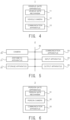
- FIG. 4 is a block diagram illustrating the configuration of the vehicle gate apparatus 1.
- the vehicle gate apparatus 1 includes a vehicle gate mechanism 11, a vehicle camera 12 that is a specific example of the "first imaging unit” described in Supplementary Note later, and a communication apparatus 13.
- the vehicle gate mechanism is an apparatus that is configured to control the passage of the target vehicle V at the vehicle entrance 91.
- a state of the vehicle gate mechanism 11 is controlled on the basis of a vehicle gate control signal transmitted from the entry management server 5.
- the state of the vehicle gate mechanism 11 is switchable between a closing state in which the target vehicle V is not capable of passing through the vehicle entrance 91 and an opening state in which the target vehicle V is capable of passing through the vehicle entrance 91.
- the vehicle gate mechanism 11 includes a gate bar
- the state of the vehicle gate mechanism 11 may be switchable between a closing state in which the gate bar is closed and an opening state in which the gate bar is open.
- the vehicle camera 12 generates the vehicle image IMG_V in which the target vehicle V is captured, by imaging the target vehicle V located at the vehicle entrance 91.
- the vehicle camera 12 transmits the generated vehicle image IMG_V to the entry management server 5.
- the communication apparatus 13 is configured to communicate with the entry management server 5 through a not-illustrated communication network.
- the communication apparatus 13 transmits the vehicle image IMG V captured by the vehicle camera 12, to the entry management server 5. That is, the vehicle camera 12 transmits the vehicle image IMG_V to the entry management server 5 by using the communication apparatus 13.
- the communication apparatus 13 receives the vehicle gate control signal from the entry management server 5. The state of the vehicle gate mechanism 11 is controlled on the basis of the vehicle gate control signal received by the communication apparatus 13.
- FIG. 5 is a block diagram illustrating the configuration of the user terminal 2.
- the user terminal 2 includes a camera 20 that is a specific example of the "second imaging unit" described in Supplementary Note later, an arithmetic apparatus 21, a storage apparatus 22, and a communication apparatus 23.
- the user terminal 2 may further include an input apparatus 24 and an output apparatus 25.
- the user terminal 2 may not include at least one of the input apparatus 24 and the output apparatus 25.
- the camera 20, the arithmetic apparatus 21, the storage apparatus 22, the communication apparatus 23, the input apparatus 24, and the output apparatus 25 may be connected through a data bus 26.
- the camera 20 generates the person image IMG_P1 by imaging the target person P. Especially, as described above, the camera 20 generates the person image IMG_P1 by imaging the target person P in the target vehicle V located at the vehicle entrance 91. The camera 20 transmits the generated person image IMG_P1 to the entry management server 5.
- the arithmetic apparatus 21 includes at least one of a CPU (Central Processing Unit), a GPU (Graphics Processing Unit), a FPGA (Field Programmable Gate Array), for example.
- the arithmetic apparatus 21 reads a computer program.
- the arithmetic apparatus 21 may read a computer program stored in the storage apparatus 22.
- the arithmetic apparatus 21 may read a computer program stored by a computer-readable and non-transitory recording medium, by using a not-illustrated recording medium reading apparatus provided in the user terminal 2.
- the arithmetic apparatus 21 may acquire (i.e., download or read) a computer program from a not-illustrated apparatus disposed outside the user terminal 2, through the communication apparatus 23 (or another communication apparatus).
- the arithmetic apparatus 21 executes the read computer program. Consequently, a logical functional block for performing an operation to be performed by the user terminal 2 is realized or implemented in the arithmetic apparatus 21. That is, the arithmetic apparatus 21 is allowed to function as a control unit for realizing or implementing the logical functional block for performing an operation (in other words, processing) to be performed by the user terminal 2.
- the storage apparatus 22 is configured to store desired data.
- the storage apparatus 22 may temporarily store a computer program to be executed by the arithmetic apparatus 21.
- the storage apparatus 22 may temporarily store data that are temporarily used by the arithmetic apparatus 21 when the arithmetic apparatus 21 executes the computer program.
- the storage apparatus 22 may store data that are stored by the user terminal 2 for a long time.
- the storage apparatus 22 may store an entry history DB 421.
- the storage apparatus 22 may include at least one of a RAM (Random Access Memory), a ROM (Read Only Memory), a hard disk apparatus, a magneto-optical disk apparatus, a SSD (Solid State Drive), and a disk array apparatus. That is, the storage apparatus 22 may include a non-transitory recording medium.
- the communication apparatus 23 is configured to communicate with the entry management server 5 through a not-illustrated communication network.
- the communication apparatus 23 transmits the person image IMG_P1 captured by the camera 20, to the entry management server 5. That is, the camera 20 transmits the person image IMG_P1 to the entry management server 5 by using the communication apparatus 23.
- the input apparatus 24 is an apparatus that receives an input of information to the user terminal 2 from an outside of the user terminal 2.
- the input apparatus 24 may include an operating apparatus (e.g., at least one of a keyboard, a mouse, and a touch panel) that is operable by an operator of the user terminal 2.
- the input apparatus 24 may include a reading apparatus that is configured to read information recorded as data on a recording medium that is externally attachable to the user terminal 2.
- the output apparatus 25 is an apparatus that outputs information to the outside of the user terminal 2.
- the output apparatus 25 may output information as an image.
- the output apparatus 25 may include a display apparatus (a so-called display) that is configured to display an image indicating the information that is desirably outputted.
- the output apparatus 25 may output information as audio/sound.
- the output apparatus 25 may include an audio apparatus (a so-called speaker) that is configured to output the audio/sound.
- the output apparatus 25 may output information onto a paper surface. That is, the output apparatus 25 may include a print apparatus (a so-called printer) that is configured to print desired information on the paper surface.
- FIG. 6 is a block diagram illustrating the configuration of the person gate apparatus 3.
- the person gate apparatus 3 includes a person gate mechanism 31, a person camera 32 that is a specific example of the "third imaging unit” described in Supplementary Note later, and a communication apparatus 33.
- the person gate mechanism 31 is an apparatus that is configured to control the passage of the target person P at the person entrance 92.
- a state of the person gate mechanism 31 is controlled on the basis of a person gate control signal transmitted from the entry management server 5.
- the state of the person gate mechanism 31 is switchable between a closing state in which the target person P is not able to pass through the person entrance 92 and an opening state in which the target person P is able to pass through the person entrance 92.
- the state of the person gate mechanism 31 may be switchable between a closing state in which the gate bar is closed and an opening state in which the gate bar is open.
- the person camera 32 generates the person image IMG_P2 in which the target person P is captured, by imaging the target person P located at the person entrance 92.
- the person camera 32 transmits the generated person image IMG_P to the entry management server 5.
- the communication apparatus 33 is configured to communicate with the entry management server 5 through a not-illustrated communication network.
- the communication apparatus 33 transmits the person image IMG_P2 captured by the person camera 32, to the entry management server 5. That is, the person camera 32 transmits the person image IMG_P2 to the entry management server 5 by using the communication apparatus 33.
- the communication apparatus 33 receives the person gate control from the entry management server 5. The state of the person gate mechanism 31 is controlled on the basis of the person gate control signal received by the communication apparatus 33.
- FIG. 7 is a block diagram illustrating the configuration of the entry management server 5.
- the entry management server 5 includes an arithmetic apparatus 51, a storage apparatus 52, and a communication apparatus 53.
- the entry management server 5 may further include an input apparatus 54 and an output apparatus 55.
- the arithmetic apparatus 51, the storage apparatus 52, the communication apparatus 53, the input apparatus 54, and the output apparatus 55 may be connected through a data bus 56.
- the arithmetic apparatus 51 includes at least one of a CPU, a GPU, a FPGA, for example.
- the arithmetic apparatus 51 reads a computer program.
- the arithmetic apparatus 51 may read a computer program stored in the storage apparatus 52.
- the arithmetic apparatus 51 may read a computer program stored by a computer-readable and non-transitory recording medium, by using a not-illustrated recording medium reading apparatus provided in the entry management server 5.
- the arithmetic apparatus 51 may acquire (i.e., download or read) a computer program from a not-illustrated apparatus disposed outside the entry management server 5, through the communication apparatus 53 (or another communication apparatus).
- the arithmetic apparatus 51 executes the read computer program.
- a logical functional block for performing an operation to be performed by the entry management server 5 is realized or implemented in the arithmetic apparatus 51. That is, the arithmetic apparatus 51 is allowed to function as a control unit for realizing or implementing the logical functional block for performing an operation (in other words, processing) to be performed by the entry management server 5.
- the entry management server 5 performs the vehicle entry management operation, the person entry management operation, the monitoring operation, the person exit management operation, and the vehicle exit management operation. Therefore, a logical functional block for performing the vehicle entry management operation, the person entry management operation, the monitoring operation, the person exit management operation, and the vehicle exit management operation is realized or implemented in the arithmetic apparatus 51.
- FIG. 7 illustrates an example of the logical functional block realized or implemented in the arithmetic apparatus 51 to perform the vehicle entry management operation, the person entry management operation, the monitoring operation, the person exit management operation, and the vehicle exit management operation. As illustrated in FIG.
- the arithmetic apparatus 51 includes a vehicle authentication unit 511 that is a specific example of the "first determination unit” described in Supplementary Note later, a person authentication unit 512 that is a specific example of the "second determination unit” and the “third determination unit” described in Supplementary Note later, a vehicle gate control unit 513 that is a specific example of the "entry management unit” described in Supplementary Note later, a person gate control unit 514 that is a specific example of the "entry management unit” described in Supplementary Note later, and a monitoring unit 515 that is a specific example of the "fourth determination unit” and the "alerting unit” described in Supplementary Note later.
- a vehicle authentication unit 511 that is a specific example of the "first determination unit” described in Supplementary Note later
- a person authentication unit 512 that is a specific example of the "second determination unit” and the "third determination unit” described in Supplementary Note later
- a vehicle gate control unit 513 that is a specific example of the "entry management unit” described in Supplement
- the vehicle authentication unit 511, the person authentication unit 512, and the vehicle gate control unit 513 are mainly used to perform the vehicle entry management operation and the vehicle exit management operation.
- the person authentication unit 512 and the person gate control unit 514 are mainly used to perform the person entry management operation and the person exit management operation.
- the monitoring unit 515 is mainly used to perform the monitoring operation.
- the storage apparatus 52 is configured to store desired data.
- the storage apparatus 52 may temporarily store a computer program to be executed by the arithmetic apparatus 51.
- the storage apparatus 52 may temporarily store data that are temporarily used by the arithmetic apparatus 51 when the arithmetic apparatus 51 executes the computer program.
- the storage apparatus 52 may store data that are stored by the arithmetic apparatus 51 for a long time.
- the storage apparatus 52 may include at least one of a RAM, a ROM, a hard disk apparatus, a magneto-optical disk apparatus, a SSD, and a disk array apparatus. That is, the storage apparatus 52 may include a non-transitory recording medium.
- the storage apparatus 52 may store a registration information DB (Database) 521 including information about the registered vehicle V_R that is scheduled to enter the entry restricted area 9 and the registered person P_R who is scheduled to enter the entry restricted area 9.
- a registration information DB Database 521 including information about the registered vehicle V_R that is scheduled to enter the entry restricted area 9 and the registered person P_R who is scheduled to enter the entry restricted area 9.
- the registration information DB 521 includes a plurality of registration information records 5210.
- the registration information record 5210 includes a record ID 5211 for identifying the registration information record 5210, vehicle information 5212, and person information 5213. That is, the registration information record 5210 is information in which the vehicle information 5212 is associated with the person information 521 by the record ID 5211.
- the vehicle information 5212 is information about the registered vehicle V_R.
- the plurality of registration information records 5210 may respectively include a plurality of pieces of vehicle information 5212 about a plurality of different registered vehicles V_R.
- An example of a data structure of the vehicle information 5212 is illustrated in FIG. 8B .
- the vehicle information 5212 may include vehicle number information about a vehicle number of the registered vehicle V_R (i.e., a vehicle number described in a license plate).
- the vehicle information 5212 may include number-of-persons information about the number of the registered persons P_R who are scheduled to enter the entry restricted area 9 in the registered vehicle V_R.
- the vehicle information 5212 may include manager information about a manager of the registered vehicle V_R.
- the manager information may include information about a name of the manager, information about where the manager belongs to, and information about contacts of the manager.
- the vehicle information 5212 may include vehicle permitted area information about a vehicle entry permitted area in which the registered vehicle V_R is permitted to enter, in the entry restricted area 9.
- the person information 5213 is information about the registered person P who is scheduled to enter the entry restricted area 9 in the registered vehicle V_R corresponding to the vehicle information 5212.
- the person information 5213 may include information about the one registered person P_R.
- the person information 5213 may include information about each of the plurality of registered persons P_R.
- the person information 5213 may include a person ID for identifying the registered person P_R.
- the person information 5213 may include a registration image that is an image of the registered person P_R.
- the person information 5213 may include person permitted area information about a person entry permitted area in which the registered person P_R is permitted to enter, in the entry restricted area 9.
- the person information 5213 may include attendance information indicating whether or not the registered person P_R has attended safety training in the factory that is the entry restricted area 9.
- the attendance information may further include information about a date and time when the registered person P_R attended the safety training.
- a registration information record 5210 included in the registration information DB 521 may be registered in advance by the manager of the registered vehicle V_R or the registered person P_R.
- the manager of the registered vehicle V_R or the registered person P_R may transmit to the entry management server 5 the vehicle information 5212 and the person information 5213 together with an application request for applying for the entry to the entry restricted area 9.
- the entry management server 5 may newly register the registration information record 5210 including the vehicle information 5212 and the person information 5213 transmitted from the manager of the registered vehicle V_R or the registered person P_R, in the registration information DB 521.
- the communication apparatus 53 is configured to communicate with the vehicle gate apparatus 1, the user terminal 2, the person gate apparatus 3, and the monitoring camera 4 through a not-illustrated communication network.
- the communication apparatus 53 receives the vehicle image IMG_V from the vehicle gate apparatus 1.
- the communication apparatus 53 transmits the vehicle gate control signal for controlling the state of the vehicle gate mechanism 11, to the vehicle gate apparatus 1.
- the communication apparatus 53 receives the person image IMG_P1 from the user terminal 2.
- the communication apparatus 53 receives the person image IMG_P2 from the person gate apparatus 3.
- the communication apparatus 53 transmits the person gate control signal for controlling the state of the person gate mechanism 31, to the person gate apparatus 3.
- the communication apparatus 53 receives the monitoring image IMG_M from the monitoring camera 4.
- the input apparatus 54 is an apparatus that receives an input of information to the entry management server 5 from an outside of the entry management server 5.
- the input apparatus 54 may include an operating apparatus (e.g., at least one of a keyboard, a mouse, and a touch panel) that is operable by an operator of the entry management server 5.
- the input apparatus 54 may include a reading apparatus that is configured to read information recorded as data on a recording medium that is externally attachable to the entry management server 5.
- the output apparatus 55 is an apparatus that outputs information to the outside of the entry management server 5.
- the output apparatus 55 may output information as an image.
- the output apparatus 55 may include a display apparatus (a so-called display) that is configured to display an image indicating the information that is desirably outputted.
- the output apparatus 55 may output information as audio/sound.
- the output apparatus 55 may include an audio apparatus (a so-called speaker) that is configured to output the audio/sound.
- the output apparatus 55 may output information onto a paper surface. That is, the output apparatus 55 may include a print apparatus (a so-called printer) that is configured to print desired information on the paper surface.
- the entry management server 5 performs each of the vehicle entry management operation, the person entry management operation, the monitoring operation, the person exit management operation, and the vehicle exit management operation. Therefore, hereinafter, the vehicle entry management operation, the person entry management operation, the monitoring operation, the person exit management operation, and the vehicle exit management operation will be described in order.
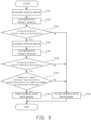
- FIG. 9 is a flowchart illustrating the flow of the vehicle entry management operation.
- the vehicle authentication unit 511 acquires the vehicle image IMG_V from the vehicle gate apparatus 1 (step S101).
- the vehicle gate apparatus 1 images the target vehicle V located at the vehicle entrance 91, by using the vehicle camera 12 at the timing when the target vehicle V arrives at the vehicle entrance 91.
- the vehicle camera 12 images the target vehicle V located outside the entry restricted area 9.
- the imaging of the target vehicle V located outside the entry restricted area 9 by the vehicle camera 12, may cause the entry management server 5 to start the vehicle entry management operation illustrated in FIG. 9 .
- the vehicle authentication unit 511 authenticates the target vehicle V by using the vehicle image IMG_V acquired in the step S101 and the registration information DB 521 stored in the storage apparatus 52 (step S102).
- an operation of authenticating the target vehicle V means an operation of determining whether or not the target vehicle V is the registered vehicle V_R.
- the vehicle authentication unit 511 compares the vehicle number of the target vehicle V captured in the vehicle image IMG_V with the vehicle number of the registered vehicle V_R indicated by the vehicle information 5212 included in the registration information DB 521.
- the vehicle authentication unit 511 determines that the target vehicle V is the registered vehicle V_R. That is, the vehicle authentication unit 511 determines that the authentication of the target vehicle V is successful.
- the vehicle authentication unit 511 determines that the target vehicle V is not the registered vehicle V_R. That is, the vehicle authentication unit 511 determines that the authentication of the target vehicle V is failed.
- the vehicle gate control unit 513 does not permit the target vehicle V to pass through the vehicle entrance 91 (step S109). Specifically, the vehicle gate control unit 513 generates the vehicle gate control signal for setting the state of the vehicle gate mechanism 11 into the closing state. The vehicle gate control unit 513 transmits the generated vehicle gate control signal to the vehicle gate apparatus 1. Consequently, the state of the vehicle gate mechanism 11 is set in the closing state, and the target vehicle V is not capable of passing through the vehicle entrance 91.
- the vehicle gate control unit 513 may output alert information for warning that the target vehicle V is not permitted to pass through the vehicle entrance 91, to a predetermined user.
- the vehicle gate control unit 513 may output the alert information for warning that the target vehicle V is not permitted to pass through the vehicle entrance 91, to the manager of the target vehicle V (i.e., the registered vehicle V_R), on the basis of the manager information included in the vehicle information 5212.
- the vehicle gate control unit 513 may output the alert information for warning that the target vehicle V is not permitted to pass through the vehicle entrance 91, to an operator of the entry management system SYS. The user may investigate the target vehicle V that is not permitted to pass through the vehicle entrance 91.
- the person authentication unit 512 acquires the person image IMG P1 from the user terminal 2 (step S104). Specifically, at the timing when the target vehicle V arrives at the vehicle entrance 91, the user terminal 2 provided by each of the target persons P in the target vehicle V, images each of the target persons P in the target vehicle V by using the camera 20. That is, each of the target persons P in the target vehicle V images each of the target persons P by using the user terminal 2 provided by each of the target persons P. The person authentication unit 512 acquires the same number of person images IMG P1 as the number of the target persons P in the target vehicle V
- the person authentication unit 512 authenticates the target person P by using each person image IMG_P1 acquired in the step S104 and the registration information DB 521 stored in the storage apparatus 52 (step S105).
- an operation of authenticating the target person P means an operation of determining whether or not the target person P is the registered person P_R.
- the person authentication unit 512 acquires, from the registration information DB 521, the person information 5213 associated with the vehicle information 5212 about the target vehicle V authenticated in the step S102.
- the person authentication unit 512 determines whether or not each of the target persons P is the registered person P_R who is scheduled to enter the entry restricted area 9 in the target vehicle V authenticated in the step S102, by comparing each person image IMG_P1 acquired in the step S104 with the registration image included in the person information 5213. For example, the person authentication unit 512 may extract feature quantities of each of the target persons P (e.g., feature quantities of a face of each of the target persons P) based on each person image IMG_P1, and may extract feature quantities of the registered person P_R (e.g., feature quantities of a face of the registered person P_R) based on the registration image.
- feature quantities of each of the target persons P e.g., feature quantities of a face of each of the target persons P
- the registered person P_R e.g., feature quantities of a face of the registered person P_R
- the person authentication unit 512 may determine that each of the target persons P is the registered person P_R when a degree of similarity between the feature quantities of each of the target persons P and the feature quantities of the registered person P_R exceeds a predetermined threshold. That is, the person authentication unit 512 determines that the authentication of the target person P is successful. On the other hand, when the degree of similarity between the feature quantities of each of the target persons P and the feature quantities of the registered person P_R falls below the predetermined threshold, the person authentication unit 512 may determine that each of the target persons P is not the registered person P_R. That is, the person authentication unit 512 determines that the authentication of the target person P is failed.
- step S105 when the authentication is failed for at least one target person P who is an authentication target in the step S105 (step S106: No), the target person P who is not scheduled to enter the entry restricted area 9, is in the target vehicle V Therefore, in this instance, the vehicle gate control unit 513 does not permit the target vehicle V to pass through the vehicle entrance 91 (step S109).
- the person authentication unit 512 determines whether or not the number of the target persons P who succeed in the authentication in the step S105 is the same as the number of the registered persons P_R who are scheduled to enter the entry restricted area 9 in the target vehicle V authenticated in the step S102 (step S107). Information about the number of the registered persons P_R who are scheduled to enter the entry restricted area 9 in the target vehicle V, is included in the vehicle information 5212 stored in the storage apparatus 52 as described above.
- the vehicle gate control unit 513 may not permit the target vehicle V to pass through the vehicle entrance 91 (step S109).
- the vehicle gate control unit 513 permits the target vehicle V to pass through the vehicle entrance 91 (step S108). Specifically, the vehicle gate control unit 513 generates the vehicle gate control signal for setting the state of the vehicle gate mechanism 11 into the opening state. The vehicle gate control unit 513 transmits the generated vehicle gate control signal to the vehicle gate apparatus 1. Consequently, the state of the vehicle gate mechanism 11 is set in the opening state, and the target vehicle V is capable of passing through the vehicle entrance 91.
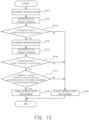
- FIG. 10 is a flowchart illustrating the flow of the person entry management operation.
- the person authentication unit 512 acquires the person image IMG_P2 from the person gate apparatus 3 (step S111).
- the person gate apparatus 3 images the target person P located at the person entrance 92, by using the person camera 32 at the timing when the target person P arrives at the person entrance 92.
- the person camera 32 images the target person P located outside the second restricted area 9B (i.e., in the first restricted area 9A).
- the imaging of the target person P located outside the second restricted area 9B by the person camera 32 may cause the entry management server 5 to start the person entry management operation illustrated in FIG. 10 .
- the person authentication unit 512 authenticates the target person P by using the person image IMG_P2 acquired in the step S111 and the registration information DB 521 stored in the storage apparatus 52 (step S112).
- the operation of authenticating the target person P may be the same as the operation of authenticating the target person P in the step S105 in FIG. 9 described above. Therefore, a detailed description of the operation of authenticating the target person P in the step S112 in FIG. 10 will be omitted.
- the person gate control unit 514 does not permit the target person P to pass through the person entrance 92 (step S117). Specifically, the person gate control unit 514 generates the person gate control signal for setting the state of the person gate mechanism 31 into the closing state. The person gate control unit 514 transmits the generated person gate control signal to the person gate apparatus 3. Consequently, the state of the person gate mechanism 31 is set in the closing state, and the target person P is not able to pass through the person entrance 92.
- the person gate control unit 514 may output alert information for warning that the target person P is not permitted to pass through the person entrance 92, to a predetermined user.
- the person gate control unit 514 may output the alert information for warning that the target person P is not permitted to pass through the person entrance 92, to the manager of the target vehicle V (i.e., the registered vehicle V_R) in which the target person P is, on the basis of the manager information included in the vehicle information 5212.
- the person gate control unit 514 may output the alert information for warning that the target person P is not permitted to pass through the person entrance 92, to the operator of the entry management system SYS.
- the user may investigate the target person P who is not permitted to pass through the person entrance 92.
- the person gate control unit 514 determines whether or not the authentication of the target person P is successful at the vehicle entrance 91 (step S114).
- the target person P who is not authenticated by the entry management server 5 at the vehicle entrance 91 is located at the person entrance 92.
- the target person P who unauthorizedly passes through the vehicle entrance 91 without authorized by the entry management server 5 at the vehicle entrance 91 by being hidden in the target vehicle V may be located at the person entrance 92.
- the person gate control unit 514 does not permit the target person P to pass through the person entrance 92 (step S117).
- the person gate control unit 514 determines whether or not the target person P has attended the safety training in the factory that is the entry restricted area 9 (step S115).
- the person information 5213 stored in the storage apparatus 52 includes the attendance information indicating whether or not the registered person P_R has attended the safety training.
- the person gate control unit 514 may determine whether or not the target person P has attended the safety training, by determining whether or not the target person P is the registered person P_R who has attended the safety training, on the basis of the attendance information.
- the person gate control unit 514 may encourage the target person P to attend the safety training.
- the person gate apparatus 3 includes a display (or any output apparatus)
- the person gate control unit 514 may control the display to show thereon an image for encouraging the target person P to attend the safety training.
- the person gate control unit 514 permits the target person P to pass through the person entrance 92 (step S116). Specifically, the person gate control unit 514 generates the person gate control signal for setting the state of the person gate mechanism 31 into the opening state. The person gate control unit 514 transmits the generated person gate control signal to the person gate apparatus 3. Consequently, the state of the person gate mechanism 31 is set in the opening state, and the target person P is able to pass through the person entrance 92.
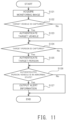
- FIG. 11 is a flowchart illustrating the flow of the monitoring operation.
- the monitoring unit 515 acquires the monitoring image IMG_M from the monitoring camera 4 (step 5121).
- the monitoring cameras 4 images the imaging range 41 at a predetermined imaging rate.
- the generation of the monitoring image IMG_M by the monitoring camera 4 may cause the entry management server 5 to start the monitoring operation illustrated in FIG. 11 .
- the transmission of the monitoring image IMG_M by the monitoring camera 4 to the entry management server 5, may cause the entry management server 5 to start the monitoring operation illustrated in FIG. 11 .
- the monitoring unit 515 determines whether or not a vehicle (specifically, the target vehicle V that has entered the entry restricted area 9) is captured in the monitoring image IMG_M, by analyzing the monitoring image IMG_M acquired in the step S121 (step S122).
- the monitoring unit 515 authenticates the target vehicle V by using the monitoring image IMG_M acquired in the step S121 and the registration information DB 521 stored in the storage apparatus 52 (step S123).
- the operation of authenticating the target vehicle V may be the same as the operation of authenticating the target vehicle V in the step S102 in FIG. 9 . Therefore, a detailed description of the operation of authenticating the target vehicle V in the step S123 in FIG. 11 will be omitted.
- the monitoring unit 515 may not perform the step S123.
- the monitoring unit 515 determines whether or not a person (specifically, the target person P who has entered the entry restricted area 9) is captured in the monitoring image IMG_M, by analyzing the monitoring image IMG_M acquired in the step S121 (step S124).
- the monitoring unit 515 authenticates the target person P by using the monitoring image IMG_M acquired in the step S121 and the registration information DB 521 stored in the storage apparatus 52 (step S125).
- the operation of authenticating the target person P may be the same as the operation of authenticating the target person P in the step S105 in FIG. 9 . Therefore, a detailed description of the operation of authenticating the target person P in the step S125 in FIG. 11 will be omitted.
- the monitoring unit 515 may not perform the step S125.
- the monitoring unit 515 determines whether or not the target vehicle V authenticated in the step S123 is in an abnormal state (step S126). Furthermore, the monitoring unit 515 determines whether or not the target person P authenticated in the step S125 is in an abnormal state (step S126).
- the registration information DB 521 includes, as a part of the vehicle information 5212, the vehicle permitted area information about the vehicle entry permitted area in which the registered vehicle V_R is permitted to enter, in the entry restricted area 9.
- the monitoring unit 515 may determine whether or not the target vehicle V is in the abnormal state, by determining whether or not the target vehicle V authenticated in the step S123 is located in a different area from the vehicle entry permitted area. Specifically, since the target vehicle V authenticated in the step S123 is captured by the monitoring camera 4, the monitoring unit 515 is capable of identifying a current position of the target vehicle V from a position of the imaging range 41 of the monitoring camera 4. Information about the position of the imaging range 41 of the monitoring camera 4 may be information known to the monitoring unit 515.
- the monitoring unit 515 is capable of identifying the vehicle entry permitted area of the registered vehicle V_R corresponding to the target vehicle V, on the basis of the registration information DB 521. Consequently, the monitoring unit 515 is capable of determining whether or not the target vehicle V is located in a different area from the vehicle entry permitted area. When the target vehicle V is determined to be located in a different area from the vehicle entry permitted area, it is assumed that the target vehicle V is located in an area where the target vehicle V is not permitted to enter. In this instance, the monitoring unit 515 may determine that the target vehicle V is in the abnormal state.
- the registration information DB 521 includes, as a part of the person information 5213, the person permitted area information about the person entry permitted area in which the registered person P_R is permitted to enter, in the entry restricted area 9.
- the monitoring unit 515 may determine whether or not the target person P authenticated in the step S125 is in the abnormal state, by determining whether or not the target person P is located in a different area from the person entry permitted area. Specifically, since the target person P authenticated in the step S125 is captured by the monitoring camera 4, the monitoring unit 515 is capable of identifying a current position of the target person P from the position of the imaging range 41 of the monitoring camera 4.
- the monitoring unit 515 is capable of identifying the person entry permitted area of the registered person P_R corresponding to the target person P, on the basis of the registration information DB 521. Consequently, the monitoring unit 515 is capable of determining whether or not the target person P is located in a different area from the person entry permitted area. When the target person P is determined to be located in a different area from the person entry permitted area, it is assumed that the target person P is located in an area where the target person P is not permitted to enter. In this instance, the monitoring unit 515 may determine that the target person P is in the abnormal state.
- the monitoring unit 515 may calculate a traveling speed of the target vehicle V by analyzing the monitoring image IMG_M, and may determine that the target vehicle V is in the abnormal state when the calculated traveling speed exceeds a speed limit.
- the monitoring unit 515 may identify the travel permission period of the target vehicle V by analyzing the monitoring image IMG_M, and may determine that the target vehicle V is in the abnormal state when the identified travel permission period has already elapsed.
- the monitoring unit 515 may determine whether or not the target person P is smoking a cigarette by analyzing the monitoring image IMG_M, and may determine that the target person P is in the abnormal state when the target person P is smoking a cigarette in a place other than a smoking area. For example, the monitoring unit 515 may determine that the target vehicle V is in the abnormal state when the authentication of the target vehicle V is failed in the step S123 (i.e., when the target vehicle V that is not the registered vehicle V_R is located in the entry restricted area 9).
- the monitoring unit 515 may determine that the target person P is in the abnormal state when the authentication of the target person P is failed in the step S125 (i.e., when the target person P who is not the registered person P_R is located in the entry restricted area 9).
- the monitoring unit 515 may output warning informing for warning that the target vehicle V is in the abnormal state, to a predetermined user. For example, the monitoring unit 515 may output the alert information for warning that the target vehicle V is in the abnormal state, to the manager of the target vehicle V (i.e., the registered vehicle V_R), on the basis of the manager information included in the vehicle information 5212. For example, the monitoring unit 515 may output the alert information for warning that the target vehicle V is in the abnormal state, to the operator of the entry management system SYS. The user may investigate the target vehicle V that is in the abnormal state.
- the monitoring unit 515 may output alert information for warning that the target person P is in the abnormal state, to a predetermined user.
- the monitoring unit 515 may output the alert information for warning that the target person P is in an abnormal state, to the manager of the target vehicle V (i.e., the registered vehicle V_R) in which the target person P is, on the basis of the manager information included in the vehicle information 5212.
- the monitoring unit 515 may output the alert information for warning that the target person P is in the abnormal state, to the operator of the entry management system SYS. The user may investigate the target person P who is in the abnormal state.
- FIG. 12 is a flowchart illustrating the flow of the person exit management operation.
- the person authentication unit 512 acquires the person image IMG_P2 from the person gate apparatus 3 (step S131).
- the person gate apparatus 3 images the target person P located at the person entrance 92, by using the person camera 32 at the timing when the target person P arrives at the person entrance 92.
- the person camera 32 images the target vehicle V located inside the second restricted area 9B.
- the imaging of the target person P located inside the second restricted area 9B by the person camera 32 may cause the entry management server 5 to start the person exit management operation illustrated in FIG. 12 .
- the person authentication unit 512 authenticates the target person P by using the person image IMG_P2 acquired in the step S111 and the registration information DB 521 stored in the storage apparatus 52 (step S132).
- the operation of authenticating the target person P may be the same as the operation of authenticating the target person P in the step S112 in FIG. 10 described above. Therefore, a detailed description of the operation of authenticating the target person P in the step S132 in FIG. 12 will be omitted.
- the step S133 when the authentication of the target person P is failed (the step S133: No), it is assumed that the target person P located at the person entrance 92 stays in the entry restricted area 9 even though the target person P is not scheduled to enter the entry restricted area 9. Therefore, in this case, the person gate control unit 514 does not permit the target person P to pass through the person entrance 92 (step S135).
- the step 5135 may be the same as the step S117 in FIG. 10 described above. Therefore, a detailed description of the step S135 in FIG. 12 will be omitted.
- the person gate control unit 514 may output alert information for warning that the target person P is not permitted to pass through the person entrance 92, to a predetermined user.
- the person gate control unit 514 may output the alert information for warning that the target person P is not permitted to pass through the person entrance 92, to the manager of the target vehicle V (i.e., the registered vehicle V_R) in which the target person P is, on the basis of the manager information included in the vehicle information 5212.
- the person gate control unit 514 may output the alert information for warning that the target person P is not permitted to pass through the person entrance 92, to the operator of the entry management system SYS.
- the user may investigate the target person P who is not permitted to pass through the person entrance 92 (i.e., the target person P who stays in the entry restricted area 9 even though the target person P is not scheduled to enter the entry restricted area 9).
- step S134 when the authentication of the target person P is successful (step S133 :Yes), the person gate control unit 514 permits the target person P to pass through the person entrance 92 (step S134).
- the step S134 may be the same as the step S116 in FIG. 10 described above. Therefore, a detailed description of the step S134 in FIG. 12 will be omitted.
- FIG. 13 is a flowchart illustrating the flow of the vehicle exit management operation.
- the vehicle authentication unit 511 acquires the vehicle image IMG_V from the vehicle gate apparatus 1 (step S141).
- the vehicle gate apparatus 1 images the target vehicle V located at the vehicle entrance 91, by using the vehicle camera 12 at the timing when the target vehicle V arrives at the vehicle entrance 91.
- the vehicle camera 12 images the target vehicle V located inside the entry restricted area 9 (specifically, the first restricted area 9A).
- the imaging of the target vehicle V located inside the entry restricted area 9 by the vehicle camera 12 may cause the entry management server 5 to start the vehicle exit management operation illustrated in FIG. 13 .
- the entry management server 5 performs the step S142 to the step S149, which may be respectively the same as the step S102 to the step S109 of the vehicle entry management operation illustrated in FIG. 9 . That is, the vehicle authentication unit 511 authenticates the target vehicle V by using the vehicle image IMG_V acquired in the step S141 and the registration information DB 521 stored in the storage apparatus 52 (step S142). As a result of the authentication in the step S142, when the authentication of the target vehicle V is failed (the step S143: No), the vehicle gate control unit 513 does not permit the target vehicle V to pass through the vehicle entrance 91 (step S149).
- the person authentication unit 512 acquires the person image IMG_P1 from the user terminal 2 (step S144). Thereafter, the person authentication unit 512 authenticates the target person P by using each person image IMG_P1 acquired in the step S144 and the registration information DB 521 stored in the storage apparatus 52 (step S145). As a result of the authentication in the step S145, when the authentication is failed for at least one target person P who is an authentication target in the step S145 (step S146: No), the vehicle gate control unit 513 does not permit the target vehicle V to pass through the vehicle entrance 91 (step S149).
- the person authentication unit 512 determines whether or not the number of the target persons P who succeed in the authentication in the step S145 is the same as the number of the registered persons P_R who are scheduled to enter the entry restricted area 9 in the target vehicles V authenticated in the step S142 (who is thus naturally scheduled to leave the entry restricted area 9) (step S147).
- the vehicle gate control unit 513 may not permit the target vehicle V to pass through the vehicle entrance 91 (step S149).
- the vehicle gate control unit 513 permits the target vehicle V to pass through the vehicle entrance 91 (step S148).
- the entry management system SYS determines whether or not to permit the target vehicle V to pass through the vehicle entrance 91, by using the vehicle image IMG_V, the person image IMG_P1, and the registration information DB 521, at the vehicle entrance 91.
- the entry management system SYS permits the target vehicle V to pass through the vehicle entrance 91, when the target vehicle V is determined to be the registered vehicle V_R and the target person P is determined to be the registered person P_R. Therefore, as compared with a case where the target vehicle V is permitted to pass through the vehicle entrance 91 even when the target vehicle V is determined to be the registered vehicle V_R, but the target person P is not determined to be the registered person P_R, the entry management system SYS is capable of more properly preventing a suspicious target person P from entering the entry restricted area 9.
- the entry management system SYS is capable of solving a technical problem that the suspicious target person P may enter the entry restricted area 9.
- the entry management system SYS permits the target vehicle V to pass through the vehicle entrance 91 when the number of the target persons P who succeed in the authentication is the same as the number of the registered persons P_R who are scheduled to enter the entry restricted area 9 in the target vehicle V that succeeds in the authentication. Therefore, as compared with a case where the number of the target persons P is not considered, the entry management system SYS is capable of more properly preventing the suspicious target person P from entering the entry restricted area 9.
- the entry management system SYS determines whether or not to permit the target person P to pass through the person entrance 92. Therefore, even if there is the target person P who unauthorizedly passes through the vehicle entrance 91, this target person P is not permitted to pass through the person entrance 92. Therefore, the entry management system SYS is capable of more properly preventing the suspicious target person P from entering the entry restricted area 9 (especially, the second restricted area 9B).
- the entry management system SYS does not permit the target person P who has not attended the safety training, to pass through the person entrance 92. Therefore, as compared with a case where the target person P who has not attended the safety training is permitted to pass through the person entrance 92, the entry management system SYS is capable of more reliably ensuring safety in the factory that is the entry restricted area 9.
- the entry management system SYS performs the monitoring operation for monitoring actions in the entry restricted area 9 of the target person P who has entered the entry restricted area 9. Therefore, the entry management system SYS is capable of identifying at least one of the target person P and the target vehicles V that is in the abnormal state. As a consequence, the entry management system SYS is capable of properly resolving the abnormal state, as compared with a case where the monitoring action is not performed.
- the entry management server 5 determines whether or not the number of the target persons P who succeed in the authentication in the step S105 is the same as the number of the registered persons P_R who are scheduled to enter the entry restricted area 9 in the target vehicle V authenticated in the step S102 (step S107 in FIG. 9 ).
- the entry management server 5 determines whether or not the authentication of the target person P is successful at the vehicle entrance 91 (step S114 in FIG. 10 ). The entry management server 5, however, may not perform the step S114 in FIG. 10 .
- the entry management server 5 determines whether or not the target person P has attended the safety training (step S115 in FIG. 10 ).
- the registration information DB 521 may not include the attendance information indicating whether or not the registered person P_R has attended the safety training.
- the entry management server 5 may, in addition to or instead of determining whether or not the target person P has attended the safety training in the person entry management operation in FIG.
- the entry management server 5 determines whether or not the target person P located at the vehicle entrance 91 (i.e., the target person P in the target vehicle V located at the vehicle entrance 91) has attended the safety training in the vehicle entry management operation in FIG. 9 . In this case, when it is determined that the target person P has not attended the safety training, the entry management server 5 may not permit the target vehicle V to pass through the vehicle entrance 91. hen, the entry management server 5 may encourage the target person P to attend the safety training.
- the entry management server 5 may determine whether or not a predetermined effective period has elapsed since the last time the target person P attended the safety training. That is, the entry management server 5 may determine whether or not the target person P has attended the safety training in the valid period. When it is determined that the effective period has elapsed since the last time the target person P attended the safety training (i.e., the target person P has not attended the safety training in the effective period), the entry management server 5 may not permit the target person P to pass through the person entrance 92. Then, the entry management server 5 may encourage the target person P to attend the safety training.
- the vehicle gate control unit 513 may output alert information for warning that the registered person P_R has not left the entry restricted area 9, to a predetermined user.
- the vehicle gate control unit 513 may output the alert information for warning that the registered person P_R has not left the entry restricted area 9, to the manager of the target vehicle V
- the vehicle gate control unit 513 may output the alert information for warning that the registered person P_R has not left the entry restricted area 9, to the operator of the entry management system SYS.
- the user may investigate a reason why the registered person P_R has not left the entry restricted area 9, or the like.
- the vehicle gate control unit 513 may output alert information for warning that the target vehicle V has not left the entry restricted area 9, to a predetermined user.
- the vehicle gate control unit 513 may output the alert information for warning that the target vehicle V has not left the entry restricted area 9, to the manager of the target vehicle V
- the vehicle gate control unit 513 may output the alert information for warning that the target vehicle V has not left the entry restricted area 9, to the operator of the entry management system SYS.
- the user may investigate a reason why the target vehicle V has not left the entry restricted area 9, or the like.
- the entry management server 5 determines whether or not the number of the target persons P who succeed in the authentication in the step S145 is the same as the number of the registered persons P_R who are scheduled to enter the entry restricted area 9 in the target vehicle V authenticated in the step S142 (who is thus naturally scheduled to leave the entry restricted area 9) (step S147 in FIG. 13 ).
- the entry management server 5 authenticates the target person P (step S144 to step S146 in FIG. 13 ).
- the target person P is able to leave the entry restricted area 9 in a different vehicle from the target vehicle V the target person P gets in so as to enter the entry restricted area 9.
- the first target person P who has completed work before the second target person P is able to leave the entry restricted area 9 without waiting for the completion of the work of the second target person P. Therefore, it is possible to ensure flexibility in an exit time.
- the entry management server 5 performs the vehicle entry management operation, the person entry management operation, the monitoring operation, the person exit management operation, and the vehicle exit management operation.
- the entry management server 5, however, may not perform at least one of the vehicle entry management operation, the person entry management operation, the monitoring operation, the person exit management operation, and the vehicle exit management operation.
- the entry management system SYS may not include the vehicle gate apparatus 1 and the user terminal 2, and the entry management server 5 may not include the vehicle authentication unit 511 and the vehicle gate control unit 513.
- the entry management system SYS may not include the person gate apparatus 3, and the entry management server 5 may not include the person authentication unit 512 and the person gate control unit 514.
- the entry management system SYS may not include the monitoring camera 4, and the entry management server 5 may not include the monitoring unit 515.
- the entry restricted area 9 is provided with the person entrance 92.
- the entry restricted area 9, however, may not be provided with the person entrance 92.
- the entry restricted area 9 may not be divided into the first restricted area 9A and the second restricted area 9B by the person entrance 92.
- the entry management system SYS may not include the person gate apparatus 2 disposed at the person entrance 92.
- the entry management server 5 may not perform the person entry management operation and the person exit management operation based on the person image IMG_P2 generated by the person gate apparatus 2.
- An entry management system that manages entry to an entry restricted area of a target person who enters the entry restricted area in a target vehicle, the entry management system including:
- the entry management unit permits the target person to pass through the person entrance when the target person in the target vehicle located at the vehicle entrance is determined to be the registered person and the target person located at the person entrance is determined to be the registered person, but does not permit the target person to pass through the person entrance when the target person in the target vehicle located at the vehicle entrance is determined to be not the registered person and/or the target person located at the person entrance is determined to be not the registered person.
- An entry management method that manages entry to an entry restricted area of a target person who enters the entry restricted area in a target vehicle, the entry management method including:
Landscapes
- General Physics & Mathematics (AREA)
- Physics & Mathematics (AREA)
- Engineering & Computer Science (AREA)
- Multimedia (AREA)
- Theoretical Computer Science (AREA)
- Human Computer Interaction (AREA)
- Business, Economics & Management (AREA)
- Finance (AREA)
- Oral & Maxillofacial Surgery (AREA)
- General Health & Medical Sciences (AREA)
- Health & Medical Sciences (AREA)
- Time Recorders, Dirve Recorders, Access Control (AREA)
- Alarm Systems (AREA)
Abstract
Description
- This disclosure relates to, for example, technical fields of an entry management system, an entry management method, and a recording medium that are configured to manage/control entry to an entry restricted area of a person who enters the entry restricted area by vehicle.
-
Patent Literature 1 describes an example of an entry management system that is configured to manage/control entry/admission to an entry restricted area of a person who enters the entry restricted area by vehicle. In addition, as prior art literatures related to this disclosure,Patent Literatures 2 to 9 are cited. -
- Patent Literature 1:
JP2003-303363A - Patent Literature 2:
JP2018-106315A - Patent Literature 3:
JP2010-191800A - Patent Literature 4:
JP4932437B - Patent Literature 5:
JP2018-081449A - Patent Literature 6:
JP2004-110154A - Patent Literature 7: International Publication No.
WO2015/052896 pamphlet - Patent Literature 8: International Publication No.
WO2014/064898 pamphlet - Patent Literature 9: International Publication No.
WO2014/061195 pamphlet - It is an example object of this disclosure to provide an entry management system, an entry management method, and a recording medium that are intended to improve the techniques/technologies described in Citation List.
- An entry management system according to an example aspect of this disclosure is an entry management system that manages entry to an entry restricted area of a target person who enters the entry restricted area in a target vehicle, the entry management system including: a storage unit that stores registration information in which vehicle information indicating a vehicle number of a registered vehicle that is scheduled to enter the entry restricted area is associated with person information including a registration image of a registered person who is scheduled to enter the entry restricted area in the registered vehicle; a first imaging unit that generates a vehicle image by imaging the target vehicle located at a vehicle entrance through which the target vehicle should pass to enter the entry restricted area; a first determination unit that determines whether or not the target vehicle located at the vehicle entrance is the registered vehicle, by comparing a vehicle number of the target vehicle captured in the vehicle image with the vehicle number of the registered vehicle indicated by the vehicle information; a second imaging unit that generates a person image by imaging the target person in the target vehicle located at the vehicle entrance; a second determination unit that determines whether or not the target person in the target vehicle is the registered person, by comparing the person image with the registration image indicated by the person information; and an entry management unit that permits the target vehicle to pass through the vehicle entrance when the target vehicle located at the vehicle entrance is determined to be the registered vehicle and the target person in the target vehicle is determined to be the registered person, but does not permit the target vehicle to pass through the vehicle entrance when the target vehicle located at the vehicle entrance is determined to be not the registered vehicle and/or the target person in the target vehicle is determined to be not the registered person.
- An entry management method according to an example aspect of this disclosure is an entry management method that manages entry to an entry restricted area of a target person who enters the entry restricted area in a target vehicle, the entry management method including: storing registration information in which vehicle information indicating a vehicle number of a registered vehicle that is scheduled to enter the entry restricted area is associated with person information including a registration image of a registered person who is scheduled to enter the entry restricted area in the registered vehicle; generating a vehicle image by imaging the target vehicle located at a vehicle entrance through which the target vehicle should pass to enter the entry restricted area; determining whether or not the target vehicle located at the vehicle entrance is the registered vehicle, by comparing a vehicle number of the target vehicle captured in the vehicle image with the vehicle number of the registered vehicle indicated by the vehicle information; generating a person image by imaging the target person in the target vehicle located at the vehicle entrance; determining whether or not the target person in the target vehicle is the registered person, by comparing the person image with the registration image indicated by the person information; permitting the target vehicle to pass through the vehicle entrance when the target vehicle located at the vehicle entrance is determined to be the registered vehicle and the target person in the target vehicle is determined to be the registered person; and not permitting the target vehicle to pass through the vehicle entrance when the target vehicle located at the vehicle entrance is determined to be not the registered vehicle and/or the target person in the target vehicle is determined to be not the registered person.
- A recording medium according to an example aspect of this disclosure is a recording medium on which a computer program that allows a computer to execute an entry management method is recorded, the entry management method managing entry to an entry restricted area of a target person who enters the entry restricted area in a target vehicle, the entry management method including: storing registration information in which vehicle information indicating a vehicle number of a registered vehicle that is scheduled to enter the entry restricted area is associated with person information including a registration image of a registered person who is scheduled to enter the entry restricted area in the registered vehicle; generating a vehicle image by imaging the target vehicle located at a vehicle entrance through which the target vehicle should pass to enter the entry restricted area; determining whether or not the target vehicle located at the vehicle entrance is the registered vehicle, by comparing a vehicle number of the target vehicle captured in the vehicle image with the vehicle number of the registered vehicle indicated by the vehicle information; generating a person image by imaging the target person in the target vehicle located at the vehicle entrance; determining whether or not the target person in the target vehicle is the registered person, by comparing the person image with the registration image indicated by the person information; permitting the target vehicle to pass through the vehicle entrance when the target vehicle located at the vehicle entrance is determined to be the registered vehicle and the target person in the target vehicle is determined to be the registered person; and not permitting the target vehicle to pass through the vehicle entrance when the target vehicle located at the vehicle entrance is determined to be not the registered vehicle and/or the target person in the target vehicle is determined to be not the registered person.
-
- [
FIG. 1] FIG. 1 is a block diagram illustrating a configuration of an entry management system in a first example embodiment. - [
FIG. 2] FIG. 2 is a block diagram illustrating an overall configuration of an entry management system in a second example embodiment. - [
FIG. 3] FIG. 3 is a floor plan of an entry restricted area where a target person enters. - [
FIG. 4] FIG. 4 is a block diagram illustrating a configuration of a vehicle gate apparatus in the second example embodiment. - [
FIG. 5] FIG. 5 is a block diagram illustrating a configuration of a user terminal in the second example embodiment. - [
FIG. 6] FIG. 6 is a block diagram illustrating a configuration of a person gate apparatus in the second example embodiment. - [
FIG. 7] FIG. 7 is a block diagram illustrating a configuration of an entry management server in the second example embodiment. - [
FIG. 8 ] Each inFIG. 8A to FIG. 8C is a data structure diagram illustrating a data structure of a registration information DB. - [
FIG. 9] FIG. 9 is a flowchart illustrating a flow of a vehicle entry management operation performed by the entry management server. - [
FIG. 10] FIG. 10 is a flowchart illustrating a flow of a person entry management operation performed by the entry management server. - [
FIG. 11] FIG. 11 is a flowchart illustrating a flow of a monitoring operation performed by the entry management server. - [
FIG. 12] FIG. 12 is a flowchart illustrating a flow of a person exit management operation performed by the entry management server. - [
FIG. 13] FIG. 13 is a flowchart illustrating a flow of a vehicle exit management operation performed by the entry management server. - Hereinafter, with reference to the drawings, an entry management system, an entry management method, and a recording medium according to example embodiments will be described.
- First, an entry management system, an entry management method, and a recording medium in a first example embodiment will be described. With reference to
FIG. 1 , the following describes the entry management system, the entry management method, and the recording medium in the first example embodiment, by using anentry management system 1000 to which the entry management system, the entry management method, and the recording medium in the first example are applied.FIG. 1 is a block diagram illustrating a configuration of theentry management system 1000 in the first example embodiment. - The
entry management system 1000 manages/controls entry/admission to an entry restricted area of a target person who enters the entry restricted area by vehicle. In order to manage the entry of the target person to the entry restricted area, theentry management system 1000 includes astorage unit 1100, afirst imaging unit 1200, afirst determination unit 1300, asecond imaging unit 1400, asecond determination unit 1500, and anentry management unit 1600. - The
storage unit 1100stores registration information 1110. Theregistration information 1110 is information in whichvehicle information 1111 is associated withperson information 1112. Thevehicle information 1111 indicates a vehicle number of a registered vehicle that is scheduled to enter the entry restricted area. Theperson information 1112 includes a registration image of a registered person who is scheduled to enter the entry registered area by vehicle. - The
first imaging unit 1200 generates a vehicle image by imaging a target vehicle located at a vehicle entrance through which the target vehicle should pass to enter the entry restricted area. Thefirst determination unit 1300 determines whether or not the target vehicle located at the vehicle entrance is the registered vehicle, by comparing a vehicle number of the target vehicle captured in the vehicle image with the vehicle number of the registered vehicle indicated by the vehicle information. - The
second imaging unit 1400 generates a person image by imaging the target person in the target vehicle located at the vehicle entrance. Thesecond determination unit 1500 determines whether or not the target person in the target vehicle is the registered person, by comparing the person image with the registration image indicated by the person information. - The
entry management unit 1600 permits the target vehicle to pass through the vehicle entrance, when thefirst determination unit 1300 determines that the target vehicle located at the vehicle entrance is the registered vehicle and thesecond determination unit 1500 determines that the target person in the target vehicle is the registered person. On the other hand, theentry management unit 1600 does not permit the target vehicle to pass through the vehicle entrance, when thefirst determination unit 1300 determines that the target vehicle located at the vehicle entrance is not the registered vehicle. Furthermore, theentry management unit 1600 does not permit the target vehicle to pass through the vehicle entrance, when thesecond determination unit 1500 determines that the target person in the target vehicle is not the registered person. - The
entry management system 1000 described above determines whether or not to permit the vehicle to pass through the vehicle entrance, by using at the vehicle entrance the vehicle image captured by thefirst imaging unit 1200, the person image captured by thesecond imaging unit 1400, and the registration information stored in advance in thestorage unit 1100. This eliminates a need for the target person to get out of the target vehicle and fill out a document at the vehicle entrance so as to entry the entry restricted area. Therefore, the target person is able to enter the entry restricted area with him staying in the target vehicle. Therefore, a time required to enter the entry restricted area is reduced. As a result, it is less likely that a large number of the target vehicles that desire to enter the entry restricted area are stuck at the vehicle entrance (resulting in traffic jams). Therefore, theentry management system 1000 is capable of solving a technical problem that a large number of the target vehicles that desire to enter the entry restricted area may be stuck at the vehicle entrance. - In addition, the
entry management system 1000 permits the target vehicle to pass through the vehicle entrance, when the target vehicle is determined to be the registered vehicle and the target person is determined to be the registered person. Therefore, as compared with a case where the target vehicle is permitted to pass through the vehicle entrance even when the target vehicle is determined to be the registered vehicle, but the target person is not determined to be the registered person, theentry management system 1000 is capable of more properly preventing a suspicious target person from entering the entry restricted area. Similarly, as compared with a case where the target vehicle is permitted to pass through the vehicle entrance even when the target person is determined to be the registered person, but the target vehicle is not determined to be the registered vehicle, it is possible to more properly prevent the suspicious target person from entering the entry restricted area. Therefore, theentry management system 1000 is capable of solving a technical problem that the suspicious target person may enter the entry restricted area. - Next, an entry management system, an entry management method, and a recording medium in a second example embodiment will be described. The following describes the entry management system, the entry management method, and the recording medium in the second example embodiment, by using an entry management system SYS to which the entry management system, the entry management method, and the recording medium in the second example are applied.
- The entry management system SYS manages/controls entry/admission to an entry restricted
area 9 of a target person P who enters the entry restrictedarea 9 in a target vehicle V In addition, the entry management system SYS may monitor actions in the entry restrictedarea 9 of the target person P who has entered the entry restrictedarea 9. In addition, the entry management system SYS may manage an exit from the entry restrictedarea 9 of the target person P who has entered the entry restrictedarea 9. - The second example embodiment describes an example in which the entry restricted
area 9 is a factory. In this situation, the entry management system SYS may manage/control entry/admission to the factory of the target person P who enters the factory in the target vehicle V In addition, the entry management system SYS may manage actions in the factory of the target person P who has entered the factory. In addition, the entry management system SYS may manage an exit from the factory of the target person P who has entered the factory. - The entry restricted
area 9, however, is not limited to the factory. The entry restrictedarea 9 may be an arbitrary area as long as it is an area where free entry of the target person is restricted. For example, another example of the entry restrictedarea 9 may be at least one of a corporate office, a school, a theme park, and an airport. - Such an entry management system SYS will be described below.
- First, a configuration of the entry management system SYS in the second example embodiment will be described.
- First, with reference to
FIG. 2 and FIG. 3 , an overall configuration of the entry management system SYS in the second example embodiment will be described.FIG. 2 is a block diagram illustrating the overall configuration of the entry management system SYS in the second example embodiment.FIG. 3 is a floor plan of the entry restrictedarea 9 area where the target person enters. - As illustrated in
FIG. 2 and FIG. 3 , the entry management system SYS includes avehicle gate apparatus 1, auser terminal 2, aperson gate apparatus 3, amonitoring camera 4 that is a specific example of the "fourth imaging unit" described in Supplementary Note later, and anentry management server 5. In the example illustrated inFIG. 2 , the entry management system SYS includes a plurality ofuser terminals 2, but may include asingle user terminal 2. Furthermore, in the example illustrated inFIG. 2 , the entry management system SYS includes a plurality ofmonitoring cameras 4, but may include asingle monitoring camera 4. - As illustrated in
FIG. 3 , thevehicle gate apparatus 1 is disposed at avehicle entrance 91 through which the target vehicle V should pass to enter the entry restrictedarea 9. The target vehicle V enters the entry restricted area 9 (especially, a first restrictedarea 9A in the entry restricted area 9) from an area outside the entry restrictedarea 9 through thevehicle entrance 91. Thevehicle gate apparatus 1 generates a vehicle image IMG_V in which the target vehicle V is captured, by imaging the target vehicle V located at thevehicle entrance 91 to enter the entry restrictedarea 9. Thevehicle gate apparatus 1 transmits the generated vehicle image IMG_V to theentry management server 5. - The
vehicle entrance 91 may be used as a vehicle exit through which the target vehicle V should pass to leave the entry restrictedarea 9. The target vehicle V may leave the entry restrictedarea 9 to an area outside the entry restrictedarea 9 through thevehicle entrance 91. Thevehicle gate apparatus 1 may generate the vehicle image IMG V in which the target vehicle V is captured, by imaging the target vehicle V located at thevehicle entrance 91 to leave the entry restrictedarea 9. - The
vehicle entrance 91, however, may not be used as the vehicle exit through which the target vehicle V should pass to leave the entry restrictedarea 9. The entry restrictedarea 9 may be provided with a vehicle exit through which the target vehicle V should pass to leave the entry restrictedarea 9, separately from thevehicle entrance 91. In this instance, thevehicle gate apparatus 1 described above may be disposed at the vehicle exit. The following describes an example in which thevehicle entrance 91 is used as the vehicle exit through which the target vehicle V should pass to leave the entry restrictedarea 9. - The
user terminal 2 is an information terminal (e.g., a smartphone or a tablet terminal) possessed by the target person P who enters the entry restrictedarea 9. Therefore, the entry management system SYS may include the same number ofuser terminals 2 as the number of the target persons P who enter the entry restrictedarea 9. However, oneuser terminal 2 may be shared by two or more target persons P. Theuser terminal 2 generates a person image IMG_P1 in which the target person P is captured, by imaging the target person P in the target vehicle V located at thevehicle entrance 91. For example, theuser terminal 2 may generate the person image IMG_P1 by imaging the target person P in the target vehicle V who intends to enter the entry restrictedarea 9 through thevehicle entrance 91. For example, theuser terminal 2 may generate the person image IMG_P1 by imaging the target person P in the target vehicle V who intends to leave the entry restrictedarea 9 through thevehicle entrance 91. Theuser terminal 2 transmits the created person image IMG_P1 to theentry management server 5. - As illustrated in
FIG. 3 , theperson gate apparatus 3 is disposed at aperson entrance 92 in the entry restrictedarea 9. The target vehicle V that has passed through thevehicle entrance 91 is parked in aparking lot 93 in the entry restricted area 9 (especially, the first restrictedarea 9A). The target person P passes through theperson entrance 92 after getting off the target vehicle V The target person P enters a second restrictedarea 9B in the entry restrictedarea 9 from the first restrictedarea 9A in the entry restrictedarea 9 through theperson entrance 92. In this instance, theperson entrance 92 may be regarded as a person entrance through which the target person P should pass to enter the second restrictedarea 9B. Theperson gate apparatus 3 generates a person image IMG_P2 in which the target person P is captured, by imaging the target person P located at theperson entrance 92 to enter the second restrictedarea 9B. Theperson gate apparatus 3 transmits the generated person image IMG_P2 to theentry management server 5. - The
person entrance 92 may be used as a person exit through which the target person P should pass to leave the second restrictedarea 9B. The target person P may leave the second restrictedarea 9B to the first restrictedarea 9A through theperson entrance 92. Theperson gate apparatus 3 may generate the person image IMG_P2 in which the target person P is captured, by imaging the target person P located at theperson entrance 92 to leave the second restrictedarea 9B. - The
person entrance 92, however, may not be used as the person exit through which the target person P should pass to leave the second restrictedarea 9B. The entry restrictedarea 9 may be provided with a person exit through which the target person P should pass to leave the second restrictedarea 9B, separately from theperson entrance 92. In this instance, theperson gate apparatus 3 described above may be disposed at the person exit. The following describes an example in which theperson entrance 92 is used as the person exit through which the target person P should pass to leave the second restrictedarea 9B. - The
monitoring camera 4 is disposed in the entry restrictedarea 9. In the example illustrated inFIG. 3 , each of a plurality ofmonitoring cameras 4 is disposed in the second restrictedarea 9B (i.e., an area where the target person P who has passed through theperson entrance 92, enters) in the entry restrictedarea 9. At least one of the plurality ofmonitoring cameras 4, however, may be disposed in the first restrictedarea 9A (i.e., an area where the target person P who has passed through thevehicle entrance 91, but has not yet passed through theperson entrance 92, enters) in the entry restrictedarea 9. Themonitoring camera 4 generates a monitoring image IMG_M in which a scene of animaging range 41 of themonitoring camera 4 is captured, by imaging theimaging range 41. Themonitoring camera 4 transmits the generated monitoring image IMG_M to theentry management server 5. - The
entry management server 5 performs a vehicle entry management operation for managing/controlling the entry/admission of the target vehicle V to the entry restricted area 9 (especially, the first restrictedarea 9A) through thevehicle entrance 91. In order to perform the vehicle entry management operation, theentry management server 5 acquires the vehicle image IMG_V from thevehicle gate apparatus 1 and acquires the person image IMG_P1 from theuser terminal 2. Based on the vehicle image IMG_V, theentry management server 5 determines whether or not the target vehicle V located at thevehicle entrance 91 is a registered vehicle V_R that is scheduled to enter the entry restrictedarea 9. Furthermore, based on the person image IMG_P1, theentry management server 5 determines whether or not the target person P in the target vehicle V is a registered person P_R who is scheduled to enter the entry restrictedarea 9. When the target vehicle V is determined to be the registered vehicle V_R and the target person P is determined to be the registered person P_R, theentry management server 5 permits the target vehicle V to pass through thevehicle entrance 91. That is, theentry management server 5 permits the target vehicle V and the target person P in the target vehicle V to enter the entry restricted area 9 (especially, the first restrictedarea 9A) through thevehicle entrance 91. On the other hand, when the target vehicle V is determined to be not the registered vehicle V_R, theentry management server 5 does not permit the target vehicle V to pass through thevehicle entrance 91. In addition, when the target person P is determined to be not the registered person P_R, theentry management server 5 does not permit the target vehicle V to pass through thevehicle entrance 91. That is, theentry management server 5 does not permit the target vehicle V and the target person P in the target vehicle V to enter the entry restricted area 9 (especially, the first restrictedarea 9A) through thevehicle entrance 91. - Furthermore, the
entry management server 5 performs a person entry management operation for managing/controlling the entry/admission of the target person P to the second restrictedarea 9B through theperson entrance 92. In order to perform the person entry management operation, theentry management server 5 acquires the person image IMG_P2 from theperson gate apparatus 3. Based on the person image IMG_P2, theentry management server 5 determines whether or not the target person P located at theperson entrance 92 is the registered person P_R who is scheduled to enter the entry restrictedarea 9. When the target person P is determined to be the registered person P_R, theentry management server 5 permits the target person P to pass through theperson entrance 92. That is, theentry management server 5 permits the target person P to enter the second restrictedarea 9B through theperson entrance 92. On the other hand, when the target person P is determined to be not the registered person P_R, theentry management server 5 does not permit the target person P to pass through theperson entrance 92. That is, theentry management server 5 does not permit the target person P to enter the second restrictedarea 9B through theperson entrance 92. - Furthermore, the
entry management server 5 performs a monitoring operation for monitoring at least one of the target vehicles V and the target person P located in the entry restrictedarea 9. In order to perform the monitoring operation, theentry management server 5 acquires the monitoring image IMG_M from themonitoring camera 4. Based on the monitoring image IMG_M, theentry management server 5 monitors at least one of the target vehicles V and the target person P located in the entry restrictedarea 9. - Furthermore, the
entry management server 5 performs a person exit management operation for managing/controlling the exit of the target person P from the second restrictedarea 9B through theperson entrance 92. In order to perform the person exit management operation, theentry management server 5 acquires the person image IMG_P2 from theperson gate apparatus 3. Based on the person image IMG_P2, theentry management server 5 determines whether or not the target person P located at theperson entrance 92 is the registered person P_R. When the target person P is determined to be the registered person P_R, theentry management server 5 permits the target person P to pass through theperson entrance 92. That is, theentry management server 5 permits the target person P to leave the second restrictedarea 9B through theperson entrance 92. On the other hand, when the target person P is determined to be not the registered person P_R, theentry management server 5 does not permit the target person P to pass through theperson entrance 92. That is, theentry management server 5 does not permit the target person P to leave the second restrictedarea 9B through theperson entrance 92. - Furthermore, the
entry management server 5 performs a vehicle exit management operation for managing/controlling the exit of the target vehicle V from the entry restricted area 9 (especially, the first restrictedarea 9A) via thevehicle entrance 91. In order to perform the vehicle exit management operation, theentry management server 5 acquires the vehicle image IMG_V from thevehicle gate apparatus 1 and acquires the person image IMG_P1 from theuser terminal 2. Based on the vehicle image IMG_V, theentry management server 5 determines whether or not the target vehicle V located at thevehicle entrance 91 is the registered vehicle V_R. Furthermore, based on the person image IMG_P1, theentry management server 5 determines whether or not the target person P in the target vehicle V is the registered person P_R. When the target vehicle V is determined to be the registered vehicle V_R and the target person P is determined to be the registered person P_R, theentry management server 5 permits the target vehicle V to pass through thevehicle entrance 91. That is, theentry management server 5 permits the target vehicle V and the target person P in the target vehicle V to leave the entry restricted area 9 (especially, the first restrictedarea 9A) through thevehicle entrance 91. On the other hand, when the target vehicle V is determined to be not the registered vehicle V_R, theentry management server 5 does not permit the target vehicle V to pass through thevehicle entrance 91. In addition, when the target person P is determined to be not the registered person P_R, theentry management server 5 does not permit the target vehicle V to pass through thevehicle entrance 91. That is, theentry management server 5 does not permit the target vehicle V and the target person P in the target vehicle V to leave the entry restricted area 9 (especially, the first restrictedarea 9A) through thevehicle entrance 91. - Next, with reference to
FIG. 4 , a configuration of thevehicle gate apparatus 1 will be described.FIG. 4 is a block diagram illustrating the configuration of thevehicle gate apparatus 1. - As illustrated in
FIG. 4 , thevehicle gate apparatus 1 includes avehicle gate mechanism 11, avehicle camera 12 that is a specific example of the "first imaging unit" described in Supplementary Note later, and acommunication apparatus 13. - The vehicle gate mechanism is an apparatus that is configured to control the passage of the target vehicle V at the
vehicle entrance 91. A state of thevehicle gate mechanism 11 is controlled on the basis of a vehicle gate control signal transmitted from theentry management server 5. In the second example embodiment, the state of thevehicle gate mechanism 11 is switchable between a closing state in which the target vehicle V is not capable of passing through thevehicle entrance 91 and an opening state in which the target vehicle V is capable of passing through thevehicle entrance 91. For example, when thevehicle gate mechanism 11 includes a gate bar, the state of thevehicle gate mechanism 11 may be switchable between a closing state in which the gate bar is closed and an opening state in which the gate bar is open. - The
vehicle camera 12 generates the vehicle image IMG_V in which the target vehicle V is captured, by imaging the target vehicle V located at thevehicle entrance 91. Thevehicle camera 12 transmits the generated vehicle image IMG_V to theentry management server 5. - The
communication apparatus 13 is configured to communicate with theentry management server 5 through a not-illustrated communication network. In the second example embodiment, thecommunication apparatus 13 transmits the vehicle image IMG V captured by thevehicle camera 12, to theentry management server 5. That is, thevehicle camera 12 transmits the vehicle image IMG_V to theentry management server 5 by using thecommunication apparatus 13. In addition, in the second example embodiment, thecommunication apparatus 13 receives the vehicle gate control signal from theentry management server 5. The state of thevehicle gate mechanism 11 is controlled on the basis of the vehicle gate control signal received by thecommunication apparatus 13. - Next, with reference to
FIG. 5 , a configuration of theuser terminal 2 will be described.FIG. 5 is a block diagram illustrating the configuration of theuser terminal 2. - As illustrated in
FIG. 5 , theuser terminal 2 includes acamera 20 that is a specific example of the "second imaging unit" described in Supplementary Note later, anarithmetic apparatus 21, astorage apparatus 22, and acommunication apparatus 23. Theuser terminal 2 may further include aninput apparatus 24 and anoutput apparatus 25. Theuser terminal 2, however, may not include at least one of theinput apparatus 24 and theoutput apparatus 25. Thecamera 20, thearithmetic apparatus 21, thestorage apparatus 22, thecommunication apparatus 23, theinput apparatus 24, and theoutput apparatus 25 may be connected through a data bus 26. - The
camera 20 generates the person image IMG_P1 by imaging the target person P. Especially, as described above, thecamera 20 generates the person image IMG_P1 by imaging the target person P in the target vehicle V located at thevehicle entrance 91. Thecamera 20 transmits the generated person image IMG_P1 to theentry management server 5. - The
arithmetic apparatus 21 includes at least one of a CPU (Central Processing Unit), a GPU (Graphics Processing Unit), a FPGA (Field Programmable Gate Array), for example. Thearithmetic apparatus 21 reads a computer program. For example, thearithmetic apparatus 21 may read a computer program stored in thestorage apparatus 22. For example, thearithmetic apparatus 21 may read a computer program stored by a computer-readable and non-transitory recording medium, by using a not-illustrated recording medium reading apparatus provided in theuser terminal 2. Thearithmetic apparatus 21 may acquire (i.e., download or read) a computer program from a not-illustrated apparatus disposed outside theuser terminal 2, through the communication apparatus 23 (or another communication apparatus). Thearithmetic apparatus 21 executes the read computer program. Consequently, a logical functional block for performing an operation to be performed by theuser terminal 2 is realized or implemented in thearithmetic apparatus 21. That is, thearithmetic apparatus 21 is allowed to function as a control unit for realizing or implementing the logical functional block for performing an operation (in other words, processing) to be performed by theuser terminal 2. - The
storage apparatus 22 is configured to store desired data. For example, thestorage apparatus 22 may temporarily store a computer program to be executed by thearithmetic apparatus 21. Thestorage apparatus 22 may temporarily store data that are temporarily used by thearithmetic apparatus 21 when thearithmetic apparatus 21 executes the computer program. Thestorage apparatus 22 may store data that are stored by theuser terminal 2 for a long time. Especially in the present example embodiment, thestorage apparatus 22 may store an entry history DB 421. Thestorage apparatus 22 may include at least one of a RAM (Random Access Memory), a ROM (Read Only Memory), a hard disk apparatus, a magneto-optical disk apparatus, a SSD (Solid State Drive), and a disk array apparatus. That is, thestorage apparatus 22 may include a non-transitory recording medium. - The
communication apparatus 23 is configured to communicate with theentry management server 5 through a not-illustrated communication network. In the second example embodiment, thecommunication apparatus 23 transmits the person image IMG_P1 captured by thecamera 20, to theentry management server 5. That is, thecamera 20 transmits the person image IMG_P1 to theentry management server 5 by using thecommunication apparatus 23. - The
input apparatus 24 is an apparatus that receives an input of information to theuser terminal 2 from an outside of theuser terminal 2. For example, theinput apparatus 24 may include an operating apparatus (e.g., at least one of a keyboard, a mouse, and a touch panel) that is operable by an operator of theuser terminal 2. For example, theinput apparatus 24 may include a reading apparatus that is configured to read information recorded as data on a recording medium that is externally attachable to theuser terminal 2. - The
output apparatus 25 is an apparatus that outputs information to the outside of theuser terminal 2. For example, theoutput apparatus 25 may output information as an image. That is, theoutput apparatus 25 may include a display apparatus (a so-called display) that is configured to display an image indicating the information that is desirably outputted. For example, theoutput apparatus 25 may output information as audio/sound. That is, theoutput apparatus 25 may include an audio apparatus (a so-called speaker) that is configured to output the audio/sound. For example, theoutput apparatus 25 may output information onto a paper surface. That is, theoutput apparatus 25 may include a print apparatus (a so-called printer) that is configured to print desired information on the paper surface. - Next, with reference to
FIG. 6 , a configuration of theperson gate apparatus 3 will be described.FIG. 6 is a block diagram illustrating the configuration of theperson gate apparatus 3. - As illustrated in
FIG. 6 , theperson gate apparatus 3 includes aperson gate mechanism 31, aperson camera 32 that is a specific example of the "third imaging unit" described in Supplementary Note later, and acommunication apparatus 33. - The
person gate mechanism 31 is an apparatus that is configured to control the passage of the target person P at theperson entrance 92. A state of theperson gate mechanism 31 is controlled on the basis of a person gate control signal transmitted from theentry management server 5. In the second example embodiment, the state of theperson gate mechanism 31 is switchable between a closing state in which the target person P is not able to pass through theperson entrance 92 and an opening state in which the target person P is able to pass through theperson entrance 92. For example, when theperson gate mechanism 31 includes a gate bar, the state of theperson gate mechanism 31 may be switchable between a closing state in which the gate bar is closed and an opening state in which the gate bar is open. - The
person camera 32 generates the person image IMG_P2 in which the target person P is captured, by imaging the target person P located at theperson entrance 92. Theperson camera 32 transmits the generated person image IMG_P to theentry management server 5. - The
communication apparatus 33 is configured to communicate with theentry management server 5 through a not-illustrated communication network. In the second example embodiment, thecommunication apparatus 33 transmits the person image IMG_P2 captured by theperson camera 32, to theentry management server 5. That is, theperson camera 32 transmits the person image IMG_P2 to theentry management server 5 by using thecommunication apparatus 33. In addition, in the second example embodiment, thecommunication apparatus 33 receives the person gate control from theentry management server 5. The state of theperson gate mechanism 31 is controlled on the basis of the person gate control signal received by thecommunication apparatus 33. - Next, with reference to
FIG. 7 , a configuration of theentry management server 5 will be described.FIG. 7 is a block diagram illustrating the configuration of theentry management server 5. - As illustrated in
FIG. 7 , theentry management server 5 includes anarithmetic apparatus 51, astorage apparatus 52, and acommunication apparatus 53. Theentry management server 5 may further include aninput apparatus 54 and anoutput apparatus 55. Theentry management server 5, however, may not include at least one of theinput apparatus 54 and theoutput apparatus 55. Thearithmetic apparatus 51, thestorage apparatus 52, thecommunication apparatus 53, theinput apparatus 54, and theoutput apparatus 55 may be connected through adata bus 56. - The
arithmetic apparatus 51 includes at least one of a CPU, a GPU, a FPGA, for example. Thearithmetic apparatus 51 reads a computer program. For example, thearithmetic apparatus 51 may read a computer program stored in thestorage apparatus 52. For example, thearithmetic apparatus 51 may read a computer program stored by a computer-readable and non-transitory recording medium, by using a not-illustrated recording medium reading apparatus provided in theentry management server 5. Thearithmetic apparatus 51 may acquire (i.e., download or read) a computer program from a not-illustrated apparatus disposed outside theentry management server 5, through the communication apparatus 53 (or another communication apparatus). Thearithmetic apparatus 51 executes the read computer program. Consequently, a logical functional block for performing an operation to be performed by theentry management server 5 is realized or implemented in thearithmetic apparatus 51. That is, thearithmetic apparatus 51 is allowed to function as a control unit for realizing or implementing the logical functional block for performing an operation (in other words, processing) to be performed by theentry management server 5. - As described above, in the second example embodiment, the
entry management server 5 performs the vehicle entry management operation, the person entry management operation, the monitoring operation, the person exit management operation, and the vehicle exit management operation. Therefore, a logical functional block for performing the vehicle entry management operation, the person entry management operation, the monitoring operation, the person exit management operation, and the vehicle exit management operation is realized or implemented in thearithmetic apparatus 51.FIG. 7 illustrates an example of the logical functional block realized or implemented in thearithmetic apparatus 51 to perform the vehicle entry management operation, the person entry management operation, the monitoring operation, the person exit management operation, and the vehicle exit management operation. As illustrated inFIG. 7 , thearithmetic apparatus 51 includes avehicle authentication unit 511 that is a specific example of the "first determination unit" described in Supplementary Note later, aperson authentication unit 512 that is a specific example of the "second determination unit" and the "third determination unit" described in Supplementary Note later, a vehiclegate control unit 513 that is a specific example of the "entry management unit" described in Supplementary Note later, a persongate control unit 514 that is a specific example of the "entry management unit" described in Supplementary Note later, and amonitoring unit 515 that is a specific example of the "fourth determination unit" and the "alerting unit" described in Supplementary Note later. Thevehicle authentication unit 511, theperson authentication unit 512, and the vehiclegate control unit 513 are mainly used to perform the vehicle entry management operation and the vehicle exit management operation. Theperson authentication unit 512 and the persongate control unit 514 are mainly used to perform the person entry management operation and the person exit management operation. Themonitoring unit 515 is mainly used to perform the monitoring operation. - The
storage apparatus 52 is configured to store desired data. For example, thestorage apparatus 52 may temporarily store a computer program to be executed by thearithmetic apparatus 51. Thestorage apparatus 52 may temporarily store data that are temporarily used by thearithmetic apparatus 51 when thearithmetic apparatus 51 executes the computer program. Thestorage apparatus 52 may store data that are stored by thearithmetic apparatus 51 for a long time. Thestorage apparatus 52 may include at least one of a RAM, a ROM, a hard disk apparatus, a magneto-optical disk apparatus, a SSD, and a disk array apparatus. That is, thestorage apparatus 52 may include a non-transitory recording medium. - Especially in the second example embodiment, the
storage apparatus 52 may store a registration information DB (Database) 521 including information about the registered vehicle V_R that is scheduled to enter the entry restrictedarea 9 and the registered person P_R who is scheduled to enter the entry restrictedarea 9. - An example of a data structure of the
registration information DB 521 is illustrated inFIG. 8A toFIG. 8C . As illustrated inFIG. 8A , theregistration information DB 521 includes a plurality of registration information records 5210. Theregistration information record 5210 includes arecord ID 5211 for identifying theregistration information record 5210,vehicle information 5212, andperson information 5213. That is, theregistration information record 5210 is information in which thevehicle information 5212 is associated with theperson information 521 by therecord ID 5211. - The
vehicle information 5212 is information about the registered vehicle V_R. The plurality ofregistration information records 5210 may respectively include a plurality of pieces ofvehicle information 5212 about a plurality of different registered vehicles V_R. An example of a data structure of thevehicle information 5212 is illustrated inFIG. 8B . As illustrated inFIG. 8B , thevehicle information 5212 may include vehicle number information about a vehicle number of the registered vehicle V_R (i.e., a vehicle number described in a license plate). Thevehicle information 5212 may include number-of-persons information about the number of the registered persons P_R who are scheduled to enter the entry restrictedarea 9 in the registered vehicle V_R. Thevehicle information 5212 may include manager information about a manager of the registered vehicle V_R. The manager information may include information about a name of the manager, information about where the manager belongs to, and information about contacts of the manager. Thevehicle information 5212 may include vehicle permitted area information about a vehicle entry permitted area in which the registered vehicle V_R is permitted to enter, in the entry restrictedarea 9. - The
person information 5213 is information about the registered person P who is scheduled to enter the entry restrictedarea 9 in the registered vehicle V_R corresponding to thevehicle information 5212. When only one registered person P is scheduled to enter the entry restrictedarea 9 in a certain registered vehicle V_R, theperson information 5213 may include information about the one registered person P_R. When only a plurality of registered persons P are scheduled to enter the entry restrictedarea 9 in a certain registered vehicle V_R, theperson information 5213 may include information about each of the plurality of registered persons P_R. - An example of a data structure of the
person information 5213 is illustrated inFIG. 8C . As illustrated inFIG. 8C , theperson information 5213 may include a person ID for identifying the registered person P_R. Theperson information 5213 may include a registration image that is an image of the registered person P_R. Theperson information 5213 may include person permitted area information about a person entry permitted area in which the registered person P_R is permitted to enter, in the entry restrictedarea 9. Theperson information 5213 may include attendance information indicating whether or not the registered person P_R has attended safety training in the factory that is the entry restrictedarea 9. The attendance information may further include information about a date and time when the registered person P_R attended the safety training. - A
registration information record 5210 included in theregistration information DB 521 may be registered in advance by the manager of the registered vehicle V_R or the registered person P_R. For example, the manager of the registered vehicle V_R or the registered person P_R may transmit to theentry management server 5 thevehicle information 5212 and theperson information 5213 together with an application request for applying for the entry to the entry restrictedarea 9. Theentry management server 5 may newly register theregistration information record 5210 including thevehicle information 5212 and theperson information 5213 transmitted from the manager of the registered vehicle V_R or the registered person P_R, in theregistration information DB 521. - Referring back to
FIG. 7 , thecommunication apparatus 53 is configured to communicate with thevehicle gate apparatus 1, theuser terminal 2, theperson gate apparatus 3, and themonitoring camera 4 through a not-illustrated communication network. In the second example embodiment, thecommunication apparatus 53 receives the vehicle image IMG_V from thevehicle gate apparatus 1. In addition, thecommunication apparatus 53 transmits the vehicle gate control signal for controlling the state of thevehicle gate mechanism 11, to thevehicle gate apparatus 1. In addition, thecommunication apparatus 53 receives the person image IMG_P1 from theuser terminal 2. In addition, thecommunication apparatus 53 receives the person image IMG_P2 from theperson gate apparatus 3. Furthermore, thecommunication apparatus 53 transmits the person gate control signal for controlling the state of theperson gate mechanism 31, to theperson gate apparatus 3. In addition, thecommunication apparatus 53 receives the monitoring image IMG_M from themonitoring camera 4. - The
input apparatus 54 is an apparatus that receives an input of information to theentry management server 5 from an outside of theentry management server 5. For example, theinput apparatus 54 may include an operating apparatus (e.g., at least one of a keyboard, a mouse, and a touch panel) that is operable by an operator of theentry management server 5. For example, theinput apparatus 54 may include a reading apparatus that is configured to read information recorded as data on a recording medium that is externally attachable to theentry management server 5. - The
output apparatus 55 is an apparatus that outputs information to the outside of theentry management server 5. For example, theoutput apparatus 55 may output information as an image. That is, theoutput apparatus 55 may include a display apparatus (a so-called display) that is configured to display an image indicating the information that is desirably outputted. For example, theoutput apparatus 55 may output information as audio/sound. That is, theoutput apparatus 55 may include an audio apparatus (a so-called speaker) that is configured to output the audio/sound. For example, theoutput apparatus 55 may output information onto a paper surface. That is, theoutput apparatus 55 may include a print apparatus (a so-called printer) that is configured to print desired information on the paper surface. - Next, the operations performed by the
entry management server 5 will be described. As described above, theentry management server 5 performs each of the vehicle entry management operation, the person entry management operation, the monitoring operation, the person exit management operation, and the vehicle exit management operation. Therefore, hereinafter, the vehicle entry management operation, the person entry management operation, the monitoring operation, the person exit management operation, and the vehicle exit management operation will be described in order. - First, with reference to
FIG. 9 , a flow of the vehicle entry management operation will be described.FIG. 9 is a flowchart illustrating the flow of the vehicle entry management operation. - As illustrated in
FIG. 9 , thevehicle authentication unit 511 acquires the vehicle image IMG_V from the vehicle gate apparatus 1 (step S101). Thevehicle gate apparatus 1 images the target vehicle V located at thevehicle entrance 91, by using thevehicle camera 12 at the timing when the target vehicle V arrives at thevehicle entrance 91. Specifically, when the target vehicle V enters the entry restrictedarea 9 through thevehicle entrance 91, thevehicle camera 12 images the target vehicle V located outside the entry restrictedarea 9. The imaging of the target vehicle V located outside the entry restrictedarea 9 by thevehicle camera 12, may cause theentry management server 5 to start the vehicle entry management operation illustrated inFIG. 9 . - Thereafter, the
vehicle authentication unit 511 authenticates the target vehicle V by using the vehicle image IMG_V acquired in the step S101 and theregistration information DB 521 stored in the storage apparatus 52 (step S102). In the second example embodiment, an operation of authenticating the target vehicle V means an operation of determining whether or not the target vehicle V is the registered vehicle V_R. In order to authenticate the target vehicle V, thevehicle authentication unit 511 compares the vehicle number of the target vehicle V captured in the vehicle image IMG_V with the vehicle number of the registered vehicle V_R indicated by thevehicle information 5212 included in theregistration information DB 521. When theregistration information DB 521 includes thevehicle information 5212 indicating the vehicle number of the registered vehicle V_R that is the same as the vehicle number of the target vehicle V, thevehicle authentication unit 511 determines that the target vehicle V is the registered vehicle V_R. That is, thevehicle authentication unit 511 determines that the authentication of the target vehicle V is successful. On the other hand, when theregistration information DB 521 does not include thevehicle information 5212 indicating the vehicle number of the registered vehicle V_R that is the same as the vehicle number of the target vehicle V, thevehicle authentication unit 511 determines that the target vehicle V is not the registered vehicle V_R. That is, thevehicle authentication unit 511 determines that the authentication of the target vehicle V is failed. - As a result of the authentication in the step S102, when the authentication of the target vehicle V is failed (the step S103: No), the target vehicle V located at the
vehicle entrance 91 is not scheduled to enter the entry restrictedarea 9. Therefore, in this instance, the vehiclegate control unit 513 does not permit the target vehicle V to pass through the vehicle entrance 91 (step S109). Specifically, the vehiclegate control unit 513 generates the vehicle gate control signal for setting the state of thevehicle gate mechanism 11 into the closing state. The vehiclegate control unit 513 transmits the generated vehicle gate control signal to thevehicle gate apparatus 1. Consequently, the state of thevehicle gate mechanism 11 is set in the closing state, and the target vehicle V is not capable of passing through thevehicle entrance 91. - When the target vehicle V is not permitted to pass through the
vehicle entrance 91, the vehiclegate control unit 513 may output alert information for warning that the target vehicle V is not permitted to pass through thevehicle entrance 91, to a predetermined user. For example, the vehiclegate control unit 513 may output the alert information for warning that the target vehicle V is not permitted to pass through thevehicle entrance 91, to the manager of the target vehicle V (i.e., the registered vehicle V_R), on the basis of the manager information included in thevehicle information 5212. For example, the vehiclegate control unit 513 may output the alert information for warning that the target vehicle V is not permitted to pass through thevehicle entrance 91, to an operator of the entry management system SYS. The user may investigate the target vehicle V that is not permitted to pass through thevehicle entrance 91. - On the other hand, as a result of the authentication in the step S102, when the authentication of the target vehicle V is successful (the step S103: Yes), the
person authentication unit 512 acquires the person image IMG P1 from the user terminal 2 (step S104). Specifically, at the timing when the target vehicle V arrives at thevehicle entrance 91, theuser terminal 2 provided by each of the target persons P in the target vehicle V, images each of the target persons P in the target vehicle V by using thecamera 20. That is, each of the target persons P in the target vehicle V images each of the target persons P by using theuser terminal 2 provided by each of the target persons P. Theperson authentication unit 512 acquires the same number of person images IMG P1 as the number of the target persons P in the target vehicle V - Thereafter, the
person authentication unit 512 authenticates the target person P by using each person image IMG_P1 acquired in the step S104 and theregistration information DB 521 stored in the storage apparatus 52 (step S105). In the second example embodiment, an operation of authenticating the target person P means an operation of determining whether or not the target person P is the registered person P_R. In order to authenticate the target person P, theperson authentication unit 512 acquires, from theregistration information DB 521, theperson information 5213 associated with thevehicle information 5212 about the target vehicle V authenticated in the step S102. Theperson authentication unit 512 determines whether or not each of the target persons P is the registered person P_R who is scheduled to enter the entry restrictedarea 9 in the target vehicle V authenticated in the step S102, by comparing each person image IMG_P1 acquired in the step S104 with the registration image included in theperson information 5213. For example, theperson authentication unit 512 may extract feature quantities of each of the target persons P (e.g., feature quantities of a face of each of the target persons P) based on each person image IMG_P1, and may extract feature quantities of the registered person P_R (e.g., feature quantities of a face of the registered person P_R) based on the registration image. Thereafter, theperson authentication unit 512 may determine that each of the target persons P is the registered person P_R when a degree of similarity between the feature quantities of each of the target persons P and the feature quantities of the registered person P_R exceeds a predetermined threshold. That is, theperson authentication unit 512 determines that the authentication of the target person P is successful. On the other hand, when the degree of similarity between the feature quantities of each of the target persons P and the feature quantities of the registered person P_R falls below the predetermined threshold, theperson authentication unit 512 may determine that each of the target persons P is not the registered person P_R. That is, theperson authentication unit 512 determines that the authentication of the target person P is failed. - As a result of the authentication in the step S105, when the authentication is failed for at least one target person P who is an authentication target in the step S105 (step S106: No), the target person P who is not scheduled to enter the entry restricted
area 9, is in the target vehicle V Therefore, in this instance, the vehiclegate control unit 513 does not permit the target vehicle V to pass through the vehicle entrance 91 (step S109). - On the other hand, as a result of the authentication in the step S105, when the authentication is successful for all the target persons P who are authentication targets in the step S105 (the step S106: Yes), the
person authentication unit 512 determines whether or not the number of the target persons P who succeed in the authentication in the step S105 is the same as the number of the registered persons P_R who are scheduled to enter the entry restrictedarea 9 in the target vehicle V authenticated in the step S102 (step S107). Information about the number of the registered persons P_R who are scheduled to enter the entry restrictedarea 9 in the target vehicle V, is included in thevehicle information 5212 stored in thestorage apparatus 52 as described above. - As a result of the determination in the step S107, when it is determined that the number of the target persons P who succeed in the authentication is not the same as the number of the registered persons P_R (the step S107: No), it is assumed that there is the registered person P_R who is scheduled to enter the entry restricted
area 9 in the target vehicle V, but is not actually in the target vehicle V In this instance, the vehiclegate control unit 513 may not permit the target vehicle V to pass through the vehicle entrance 91 (step S109). - On the other hand, as a result of the determination in the step S107, when it is determined that the number of the target persons P who succeed in the authentication is the same as the number of the registered persons P_R (the step S107: Yes), it is assumed that all the registered persons P_R who are scheduled to enter the entry restricted
area 9 in the target vehicle V, are in the target vehicle V In this instance, the vehiclegate control unit 513 permits the target vehicle V to pass through the vehicle entrance 91 (step S108). Specifically, the vehiclegate control unit 513 generates the vehicle gate control signal for setting the state of thevehicle gate mechanism 11 into the opening state. The vehiclegate control unit 513 transmits the generated vehicle gate control signal to thevehicle gate apparatus 1. Consequently, the state of thevehicle gate mechanism 11 is set in the opening state, and the target vehicle V is capable of passing through thevehicle entrance 91. - Next, a flow of the person entry management operation will be described with reference to
FIG. 10. FIG. 10 is a flowchart illustrating the flow of the person entry management operation. - As illustrated in
FIG. 10 , theperson authentication unit 512 acquires the person image IMG_P2 from the person gate apparatus 3 (step S111). Theperson gate apparatus 3 images the target person P located at theperson entrance 92, by using theperson camera 32 at the timing when the target person P arrives at theperson entrance 92. Specifically, when the target person P enters the second restrictedarea 9B through theperson entrance 92, theperson camera 32 images the target person P located outside the second restrictedarea 9B (i.e., in the first restrictedarea 9A). The imaging of the target person P located outside the second restrictedarea 9B by theperson camera 32, may cause theentry management server 5 to start the person entry management operation illustrated inFIG. 10 . - Then, the
person authentication unit 512 authenticates the target person P by using the person image IMG_P2 acquired in the step S111 and theregistration information DB 521 stored in the storage apparatus 52 (step S112). In the step S112, the operation of authenticating the target person P may be the same as the operation of authenticating the target person P in the step S105 inFIG. 9 described above. Therefore, a detailed description of the operation of authenticating the target person P in the step S112 inFIG. 10 will be omitted. - As a result of the authentication in the step S112, when the authentication of the target person P is failed (the step S113: No), the target person P located at the
person entrance 92 is not scheduled to enter the entry restrictedarea 9. Therefore, in this case, the persongate control unit 514 does not permit the target person P to pass through the person entrance 92 (step S117). Specifically, the persongate control unit 514 generates the person gate control signal for setting the state of theperson gate mechanism 31 into the closing state. The persongate control unit 514 transmits the generated person gate control signal to theperson gate apparatus 3. Consequently, the state of theperson gate mechanism 31 is set in the closing state, and the target person P is not able to pass through theperson entrance 92. - When the target person P is not permitted to pass through the
person entrance 92, the persongate control unit 514 may output alert information for warning that the target person P is not permitted to pass through theperson entrance 92, to a predetermined user. For example, the persongate control unit 514 may output the alert information for warning that the target person P is not permitted to pass through theperson entrance 92, to the manager of the target vehicle V (i.e., the registered vehicle V_R) in which the target person P is, on the basis of the manager information included in thevehicle information 5212. For example, the persongate control unit 514 may output the alert information for warning that the target person P is not permitted to pass through theperson entrance 92, to the operator of the entry management system SYS. The user may investigate the target person P who is not permitted to pass through theperson entrance 92. - On the other hand, as a result of the authentication in the step S112, when the authentication of the target person P is successful (the step S113: Yes), the person
gate control unit 514 determines whether or not the authentication of the target person P is successful at the vehicle entrance 91 (step S114). - As a result of the determination in the step S114, when it is determined that the authentication of the target person P is not successful at the vehicle entrance 91 (the step S114: No), the target person P who is not authenticated by the
entry management server 5 at thevehicle entrance 91, is located at theperson entrance 92. For example, the target person P who unauthorizedly passes through thevehicle entrance 91 without authorized by theentry management server 5 at thevehicle entrance 91 by being hidden in the target vehicle V, may be located at theperson entrance 92. In this instance, the persongate control unit 514 does not permit the target person P to pass through the person entrance 92 (step S117). - On the other hand, as a result of the determination in the step S114, when it is determined that the authentication of the target person P is successful at the vehicle entrance 91 (the step S114: Yes), the person
gate control unit 514 determines whether or not the target person P has attended the safety training in the factory that is the entry restricted area 9 (step S115). As described above, theperson information 5213 stored in thestorage apparatus 52 includes the attendance information indicating whether or not the registered person P_R has attended the safety training. In this instance, the persongate control unit 514 may determine whether or not the target person P has attended the safety training, by determining whether or not the target person P is the registered person P_R who has attended the safety training, on the basis of the attendance information. - As a result of the determination in the step S115, when it is determined that the target person P has not attended the safety training (the step S115: No), it is assumed that the target person P should preferably enter the entry restricted
area 9 after attending the safety training. In this instance, the persongate control unit 514 does not permit the target person P to pass through the person entrance 92 (step S117). Then, the persongate control unit 514 may encourage the target person P to attend the safety training. For example, when theperson gate apparatus 3 includes a display (or any output apparatus), the persongate control unit 514 may control the display to show thereon an image for encouraging the target person P to attend the safety training. - On the other hand, as a result of the determination in the step S115, when it is determined that the target person P has attended the safety training (the step S115: Yes), the person
gate control unit 514 permits the target person P to pass through the person entrance 92 (step S116). Specifically, the persongate control unit 514 generates the person gate control signal for setting the state of theperson gate mechanism 31 into the opening state. The persongate control unit 514 transmits the generated person gate control signal to theperson gate apparatus 3. Consequently, the state of theperson gate mechanism 31 is set in the opening state, and the target person P is able to pass through theperson entrance 92. - Next, with reference to
FIG. 11 , a flow of the monitoring operation will be described.FIG. 11 is a flowchart illustrating the flow of the monitoring operation. - As illustrated in
FIG. 11 , themonitoring unit 515 acquires the monitoring image IMG_M from the monitoring camera 4 (step 5121). Themonitoring cameras 4 images theimaging range 41 at a predetermined imaging rate. The generation of the monitoring image IMG_M by themonitoring camera 4, may cause theentry management server 5 to start the monitoring operation illustrated inFIG. 11 . The transmission of the monitoring image IMG_M by themonitoring camera 4 to theentry management server 5, may cause theentry management server 5 to start the monitoring operation illustrated inFIG. 11 . - Thereafter, the
monitoring unit 515 determines whether or not a vehicle (specifically, the target vehicle V that has entered the entry restricted area 9) is captured in the monitoring image IMG_M, by analyzing the monitoring image IMG_M acquired in the step S121 (step S122). - As a result of the determination in the step S122, when it is determined that the target vehicle V is captured in the image IMG_M (the step S122: Yes), the
monitoring unit 515 authenticates the target vehicle V by using the monitoring image IMG_M acquired in the step S121 and theregistration information DB 521 stored in the storage apparatus 52 (step S123). In the step S123, the operation of authenticating the target vehicle V may be the same as the operation of authenticating the target vehicle V in the step S102 inFIG. 9 . Therefore, a detailed description of the operation of authenticating the target vehicle V in the step S123 inFIG. 11 will be omitted. - On the other hand, as a result of the determination in the step S122, when it is determined that the target vehicle V is not captured in the monitoring image IMG_M (the step S122: No), the
monitoring unit 515 may not perform the step S123. - Furthermore, the
monitoring unit 515 determines whether or not a person (specifically, the target person P who has entered the entry restricted area 9) is captured in the monitoring image IMG_M, by analyzing the monitoring image IMG_M acquired in the step S121 (step S124). - As a result of the determination in the step S124, when it is determined that the target person P is captured in the monitoring image IMG_M (the step S124: Yes), the
monitoring unit 515 authenticates the target person P by using the monitoring image IMG_M acquired in the step S121 and theregistration information DB 521 stored in the storage apparatus 52 (step S125). In the step S125, the operation of authenticating the target person P may be the same as the operation of authenticating the target person P in the step S105 inFIG. 9 . Therefore, a detailed description of the operation of authenticating the target person P in the step S125 inFIG. 11 will be omitted. - On the other hand, as a result of the determination in the step S124, when it is determined that the target person P is not captured in the monitoring image IMG_M (the step S124: No), the
monitoring unit 515 may not perform the step S125. - Thereafter, the
monitoring unit 515 determines whether or not the target vehicle V authenticated in the step S123 is in an abnormal state (step S126). Furthermore, themonitoring unit 515 determines whether or not the target person P authenticated in the step S125 is in an abnormal state (step S126). - For example, as described above, the
registration information DB 521 includes, as a part of thevehicle information 5212, the vehicle permitted area information about the vehicle entry permitted area in which the registered vehicle V_R is permitted to enter, in the entry restrictedarea 9. In this case, themonitoring unit 515 may determine whether or not the target vehicle V is in the abnormal state, by determining whether or not the target vehicle V authenticated in the step S123 is located in a different area from the vehicle entry permitted area. Specifically, since the target vehicle V authenticated in the step S123 is captured by themonitoring camera 4, themonitoring unit 515 is capable of identifying a current position of the target vehicle V from a position of theimaging range 41 of themonitoring camera 4. Information about the position of theimaging range 41 of themonitoring camera 4 may be information known to themonitoring unit 515. Furthermore, themonitoring unit 515 is capable of identifying the vehicle entry permitted area of the registered vehicle V_R corresponding to the target vehicle V, on the basis of theregistration information DB 521. Consequently, themonitoring unit 515 is capable of determining whether or not the target vehicle V is located in a different area from the vehicle entry permitted area. When the target vehicle V is determined to be located in a different area from the vehicle entry permitted area, it is assumed that the target vehicle V is located in an area where the target vehicle V is not permitted to enter. In this instance, themonitoring unit 515 may determine that the target vehicle V is in the abnormal state. - For example, as described above, the
registration information DB 521 includes, as a part of theperson information 5213, the person permitted area information about the person entry permitted area in which the registered person P_R is permitted to enter, in the entry restrictedarea 9. In this instance, themonitoring unit 515 may determine whether or not the target person P authenticated in the step S125 is in the abnormal state, by determining whether or not the target person P is located in a different area from the person entry permitted area. Specifically, since the target person P authenticated in the step S125 is captured by themonitoring camera 4, themonitoring unit 515 is capable of identifying a current position of the target person P from the position of theimaging range 41 of themonitoring camera 4. Furthermore, themonitoring unit 515 is capable of identifying the person entry permitted area of the registered person P_R corresponding to the target person P, on the basis of theregistration information DB 521. Consequently, themonitoring unit 515 is capable of determining whether or not the target person P is located in a different area from the person entry permitted area. When the target person P is determined to be located in a different area from the person entry permitted area, it is assumed that the target person P is located in an area where the target person P is not permitted to enter. In this instance, themonitoring unit 515 may determine that the target person P is in the abnormal state. - In addition to this, for example, the
monitoring unit 515 may calculate a traveling speed of the target vehicle V by analyzing the monitoring image IMG_M, and may determine that the target vehicle V is in the abnormal state when the calculated traveling speed exceeds a speed limit. When the target vehicle V is a special vehicle whose travel permission period of allowing a travel on a road is limited, themonitoring unit 515 may identify the travel permission period of the target vehicle V by analyzing the monitoring image IMG_M, and may determine that the target vehicle V is in the abnormal state when the identified travel permission period has already elapsed. For example, themonitoring unit 515 may determine whether or not the target person P is smoking a cigarette by analyzing the monitoring image IMG_M, and may determine that the target person P is in the abnormal state when the target person P is smoking a cigarette in a place other than a smoking area. For example, themonitoring unit 515 may determine that the target vehicle V is in the abnormal state when the authentication of the target vehicle V is failed in the step S123 (i.e., when the target vehicle V that is not the registered vehicle V_R is located in the entry restricted area 9). For example, themonitoring unit 515 may determine that the target person P is in the abnormal state when the authentication of the target person P is failed in the step S125 (i.e., when the target person P who is not the registered person P_R is located in the entry restricted area 9). - When it is determined that the target vehicle V is in the abnormal state, the
monitoring unit 515 may output warning informing for warning that the target vehicle V is in the abnormal state, to a predetermined user. For example, themonitoring unit 515 may output the alert information for warning that the target vehicle V is in the abnormal state, to the manager of the target vehicle V (i.e., the registered vehicle V_R), on the basis of the manager information included in thevehicle information 5212. For example, themonitoring unit 515 may output the alert information for warning that the target vehicle V is in the abnormal state, to the operator of the entry management system SYS. The user may investigate the target vehicle V that is in the abnormal state. - When it is determined that the target person P is in the abnormal state, the
monitoring unit 515 may output alert information for warning that the target person P is in the abnormal state, to a predetermined user. For example, themonitoring unit 515 may output the alert information for warning that the target person P is in an abnormal state, to the manager of the target vehicle V (i.e., the registered vehicle V_R) in which the target person P is, on the basis of the manager information included in thevehicle information 5212. For example, themonitoring unit 515 may output the alert information for warning that the target person P is in the abnormal state, to the operator of the entry management system SYS. The user may investigate the target person P who is in the abnormal state. - Next, with reference to
FIG. 12 , a flow of the person exit management operation will be described.FIG. 12 is a flowchart illustrating the flow of the person exit management operation. - As illustrated in
FIG. 12 , theperson authentication unit 512 acquires the person image IMG_P2 from the person gate apparatus 3 (step S131). Theperson gate apparatus 3 images the target person P located at theperson entrance 92, by using theperson camera 32 at the timing when the target person P arrives at theperson entrance 92. Specifically, when the target person P leaves the second restrictedarea 9B through theperson entrance 92, theperson camera 32 images the target vehicle V located inside the second restrictedarea 9B. The imaging of the target person P located inside the second restrictedarea 9B by theperson camera 32, may cause theentry management server 5 to start the person exit management operation illustrated inFIG. 12 . - Then, the
person authentication unit 512 authenticates the target person P by using the person image IMG_P2 acquired in the step S111 and theregistration information DB 521 stored in the storage apparatus 52 (step S132). In the step S132, the operation of authenticating the target person P may be the same as the operation of authenticating the target person P in the step S112 inFIG. 10 described above. Therefore, a detailed description of the operation of authenticating the target person P in the step S132 inFIG. 12 will be omitted. - As a result of the authentication in the step S132, when the authentication of the target person P is failed (the step S133: No), it is assumed that the target person P located at the
person entrance 92 stays in the entry restrictedarea 9 even though the target person P is not scheduled to enter the entry restrictedarea 9. Therefore, in this case, the persongate control unit 514 does not permit the target person P to pass through the person entrance 92 (step S135). The step 5135 may be the same as the step S117 inFIG. 10 described above. Therefore, a detailed description of the step S135 inFIG. 12 will be omitted. - When the target person P is not permitted to pass through the
person entrance 92, the persongate control unit 514 may output alert information for warning that the target person P is not permitted to pass through theperson entrance 92, to a predetermined user. For example, the persongate control unit 514 may output the alert information for warning that the target person P is not permitted to pass through theperson entrance 92, to the manager of the target vehicle V (i.e., the registered vehicle V_R) in which the target person P is, on the basis of the manager information included in thevehicle information 5212. For example, the persongate control unit 514 may output the alert information for warning that the target person P is not permitted to pass through theperson entrance 92, to the operator of the entry management system SYS. The user may investigate the target person P who is not permitted to pass through the person entrance 92 (i.e., the target person P who stays in the entry restrictedarea 9 even though the target person P is not scheduled to enter the entry restricted area 9). - On the other hand, as a result of the authentication in the step S112, when the authentication of the target person P is successful (step S133 :Yes), the person
gate control unit 514 permits the target person P to pass through the person entrance 92 (step S134). The step S134 may be the same as the step S116 inFIG. 10 described above. Therefore, a detailed description of the step S134 inFIG. 12 will be omitted. - Next, with reference to
FIG. 13 , a flow of the vehicle exit management operation will be described.FIG. 13 is a flowchart illustrating the flow of the vehicle exit management operation. - As illustrated in
FIG. 13 , thevehicle authentication unit 511 acquires the vehicle image IMG_V from the vehicle gate apparatus 1 (step S141). Thevehicle gate apparatus 1 images the target vehicle V located at thevehicle entrance 91, by using thevehicle camera 12 at the timing when the target vehicle V arrives at thevehicle entrance 91. Specifically, when the target vehicle V leaves the entry restrictedarea 9 through thevehicle entrance 91, thevehicle camera 12 images the target vehicle V located inside the entry restricted area 9 (specifically, the first restrictedarea 9A). The imaging of the target vehicle V located inside the entry restrictedarea 9 by thevehicle camera 12, may cause theentry management server 5 to start the vehicle exit management operation illustrated inFIG. 13 . - Thereafter, the
entry management server 5 performs the step S142 to the step S149, which may be respectively the same as the step S102 to the step S109 of the vehicle entry management operation illustrated inFIG. 9 . That is, thevehicle authentication unit 511 authenticates the target vehicle V by using the vehicle image IMG_V acquired in the step S141 and theregistration information DB 521 stored in the storage apparatus 52 (step S142). As a result of the authentication in the step S142, when the authentication of the target vehicle V is failed (the step S143: No), the vehiclegate control unit 513 does not permit the target vehicle V to pass through the vehicle entrance 91 (step S149). On the other hand, as a result of the authentication in the step S142, when the authentication of the target vehicle V is successful (the step S143: Yes), theperson authentication unit 512 acquires the person image IMG_P1 from the user terminal 2 (step S144). Thereafter, theperson authentication unit 512 authenticates the target person P by using each person image IMG_P1 acquired in the step S144 and theregistration information DB 521 stored in the storage apparatus 52 (step S145). As a result of the authentication in the step S145, when the authentication is failed for at least one target person P who is an authentication target in the step S145 (step S146: No), the vehiclegate control unit 513 does not permit the target vehicle V to pass through the vehicle entrance 91 (step S149). On the other hand, as a result of the authentication in the step S145, when the authentication is successful for all the target persons P who are authentication targets in the step S145 (the step S146: Yes), theperson authentication unit 512 determines whether or not the number of the target persons P who succeed in the authentication in the step S145 is the same as the number of the registered persons P_R who are scheduled to enter the entry restrictedarea 9 in the target vehicles V authenticated in the step S142 (who is thus naturally scheduled to leave the entry restricted area 9) (step S147). As a result of the determination in the step S147, when it is determined that the number of the target persons P who succeed in the authentication is not the same as the number of the registered persons P_R (the step S147: No), the vehiclegate control unit 513 may not permit the target vehicle V to pass through the vehicle entrance 91 (step S149). On the other hand, as a result of the determination in the step S147, when it is determined that the number of the target persons P who succeed in the authentication is the same as the number of the registered persons P_R (the step S147: Yes), the vehiclegate control unit 513 permits the target vehicle V to pass through the vehicle entrance 91 (step S148). - As described above, the entry management system SYS determines whether or not to permit the target vehicle V to pass through the
vehicle entrance 91, by using the vehicle image IMG_V, the person image IMG_P1, and theregistration information DB 521, at thevehicle entrance 91. This eliminates a need for the target person P to get out of the target vehicle V and fill out a document at thevehicle entrance 91 so as to entry the entry restrictedarea 9. Therefore, the target person P is able to enter the entry restrictedarea 9 with him staying in the target vehicle V Therefore, a time required to enter the entry restrictedarea 9 is reduced. As a result, it is less likely that a large number of the target vehicles V that desire to enter the entry restrictedarea 9 are stuck at the vehicle entrance 91 (resulting in traffic jams). Therefore, the entry management system SYS is capable of solving a technical problem that a large number of the target vehicles V that desire to enter the entry restrictedarea 9 may be stuck at thevehicle entrance 91. - In addition, the entry management system SYS permits the target vehicle V to pass through the
vehicle entrance 91, when the target vehicle V is determined to be the registered vehicle V_R and the target person P is determined to be the registered person P_R. Therefore, as compared with a case where the target vehicle V is permitted to pass through thevehicle entrance 91 even when the target vehicle V is determined to be the registered vehicle V_R, but the target person P is not determined to be the registered person P_R, the entry management system SYS is capable of more properly preventing a suspicious target person P from entering the entry restrictedarea 9. Similarly, as compared with a case where the target vehicle V is permitted to pass through thevehicle entrance 91 even when the target person P is determined to be the registered person P_R, but the target vehicle V is not determined to be the registered vehicle V_R, it is possible to more properly prevent the suspicious target person P from entering the entry restrictedarea 9. Therefore, the entry management system SYS is capable of solving a technical problem that the suspicious target person P may enter the entry restrictedarea 9. - In addition, the entry management system SYS permits the target vehicle V to pass through the
vehicle entrance 91 when the number of the target persons P who succeed in the authentication is the same as the number of the registered persons P_R who are scheduled to enter the entry restrictedarea 9 in the target vehicle V that succeeds in the authentication. Therefore, as compared with a case where the number of the target persons P is not considered, the entry management system SYS is capable of more properly preventing the suspicious target person P from entering the entry restrictedarea 9. - In addition to determining whether or not to permit the target vehicle V to pass through the
vehicle entrance 91, the entry management system SYS determines whether or not to permit the target person P to pass through theperson entrance 92. Therefore, even if there is the target person P who unauthorizedly passes through thevehicle entrance 91, this target person P is not permitted to pass through theperson entrance 92. Therefore, the entry management system SYS is capable of more properly preventing the suspicious target person P from entering the entry restricted area 9 (especially, the second restrictedarea 9B). - Furthermore, the entry management system SYS does not permit the target person P who has not attended the safety training, to pass through the
person entrance 92. Therefore, as compared with a case where the target person P who has not attended the safety training is permitted to pass through theperson entrance 92, the entry management system SYS is capable of more reliably ensuring safety in the factory that is the entry restrictedarea 9. - In addition, the entry management system SYS performs the monitoring operation for monitoring actions in the entry restricted
area 9 of the target person P who has entered the entry restrictedarea 9. Therefore, the entry management system SYS is capable of identifying at least one of the target person P and the target vehicles V that is in the abnormal state. As a consequence, the entry management system SYS is capable of properly resolving the abnormal state, as compared with a case where the monitoring action is not performed. - In the above description, in the vehicle entry management operation in
FIG. 9 , theentry management server 5 determines whether or not the number of the target persons P who succeed in the authentication in the step S105 is the same as the number of the registered persons P_R who are scheduled to enter the entry restrictedarea 9 in the target vehicle V authenticated in the step S102 (step S107 inFIG. 9 ). Theentry management server 5, however, may not perform the step S107 inFIG. 9 . - In the above description, in the person entry management operation in
FIG. 10 , theentry management server 5 determines whether or not the authentication of the target person P is successful at the vehicle entrance 91 (step S114 inFIG. 10 ). Theentry management server 5, however, may not perform the step S114 inFIG. 10 . - In the above description, in the person entry management operation in
FIG. 10 , theentry management server 5 determines whether or not the target person P has attended the safety training (step S115 inFIG. 10 ). Theentry management server 5, however, may not perform the step S115 inFIG. 10 . When theentry management server 5 does not perform the step S115 inFIG. 10 , theregistration information DB 521 may not include the attendance information indicating whether or not the registered person P_R has attended the safety training. Alternatively, theentry management server 5 may, in addition to or instead of determining whether or not the target person P has attended the safety training in the person entry management operation inFIG. 10 , determine whether or not the target person P located at the vehicle entrance 91 (i.e., the target person P in the target vehicle V located at the vehicle entrance 91) has attended the safety training in the vehicle entry management operation inFIG. 9 . In this case, when it is determined that the target person P has not attended the safety training, theentry management server 5 may not permit the target vehicle V to pass through thevehicle entrance 91. hen, theentry management server 5 may encourage the target person P to attend the safety training. - In the person entry management operation in
FIG. 10 , theentry management server 5 may determine whether or not a predetermined effective period has elapsed since the last time the target person P attended the safety training. That is, theentry management server 5 may determine whether or not the target person P has attended the safety training in the valid period. When it is determined that the effective period has elapsed since the last time the target person P attended the safety training (i.e., the target person P has not attended the safety training in the effective period), theentry management server 5 may not permit the target person P to pass through theperson entrance 92. Then, theentry management server 5 may encourage the target person P to attend the safety training. - In the vehicle exit management operation in
FIG. 13 , when the registered person P_R who is scheduled to enter the entry restrictedarea 9 in the target vehicle V (who is thus naturally scheduled to leave the entry restricted area 9), even though the target vehicle V leaves the entry restrictedarea 9, has not left the entry restrictedarea 9, the vehiclegate control unit 513 may output alert information for warning that the registered person P_R has not left the entry restrictedarea 9, to a predetermined user. For example, the vehiclegate control unit 513 may output the alert information for warning that the registered person P_R has not left the entry restrictedarea 9, to the manager of the target vehicle V For example, the vehiclegate control unit 513 may output the alert information for warning that the registered person P_R has not left the entry restrictedarea 9, to the operator of the entry management system SYS. The user may investigate a reason why the registered person P_R has not left the entry restrictedarea 9, or the like. - In the vehicle exit management operation in
FIG. 13 , when the registered person P_R who is scheduled to enter the entry restrictedarea 9 in the target vehicle V (who is thus naturally scheduled to leave the entry restricted area 9), even though the target vehicle V has not left the entry restrictedarea 9, has left the entry restrictedarea 9, the vehiclegate control unit 513 may output alert information for warning that the target vehicle V has not left the entry restrictedarea 9, to a predetermined user. For example, the vehiclegate control unit 513 may output the alert information for warning that the target vehicle V has not left the entry restrictedarea 9, to the manager of the target vehicle V For example, the vehiclegate control unit 513 may output the alert information for warning that the target vehicle V has not left the entry restrictedarea 9, to the operator of the entry management system SYS. The user may investigate a reason why the target vehicle V has not left the entry restrictedarea 9, or the like. - In the above description, in the vehicle exit management operation in
FIG. 13 , theentry management server 5 determines whether or not the number of the target persons P who succeed in the authentication in the step S145 is the same as the number of the registered persons P_R who are scheduled to enter the entry restrictedarea 9 in the target vehicle V authenticated in the step S142 (who is thus naturally scheduled to leave the entry restricted area 9) (step S147 inFIG. 13 ). Theentry management server 5, however, may not perform the step S147 inFIG. 13 . - In the above description, in the vehicle exit management operation in
FIG. 13 , theentry management server 5 authenticates the target person P (step S144 to step S146 inFIG. 13 ). Theentry management server 5, however, may not perform the step S144 to the step S146 inFIG. 13 . In this situation, the target person P is able to leave the entry restrictedarea 9 in a different vehicle from the target vehicle V the target person P gets in so as to enter the entry restrictedarea 9. For example, in a situation where a first target person P and a second target person P2 get in a first target vehicle V and enter the entry restrictedarea 9, the first target person P who has completed work before the second target person P, is able to leave the entry restrictedarea 9 without waiting for the completion of the work of the second target person P. Therefore, it is possible to ensure flexibility in an exit time. - In the above description, the
entry management server 5 performs the vehicle entry management operation, the person entry management operation, the monitoring operation, the person exit management operation, and the vehicle exit management operation. Theentry management server 5, however, may not perform at least one of the vehicle entry management operation, the person entry management operation, the monitoring operation, the person exit management operation, and the vehicle exit management operation. When theentry management server 5 does not perform the vehicle entry management operation and the vehicle exit management operation, the entry management system SYS may not include thevehicle gate apparatus 1 and theuser terminal 2, and theentry management server 5 may not include thevehicle authentication unit 511 and the vehiclegate control unit 513. When theentry management server 5 does not perform the person entry management operation and the person exit management operation, the entry management system SYS may not include theperson gate apparatus 3, and theentry management server 5 may not include theperson authentication unit 512 and the persongate control unit 514. When theentry management server 5 does not perform the monitoring operation, the entry management system SYS may not include themonitoring camera 4, and theentry management server 5 may not include themonitoring unit 515. - In the above description, the entry restricted
area 9 is provided with theperson entrance 92. The entry restrictedarea 9, however, may not be provided with theperson entrance 92. The entry restrictedarea 9 may not be divided into the first restrictedarea 9A and the second restrictedarea 9B by theperson entrance 92. In this instance, the entry management system SYS may not include theperson gate apparatus 2 disposed at theperson entrance 92. Theentry management server 5 may not perform the person entry management operation and the person exit management operation based on the person image IMG_P2 generated by theperson gate apparatus 2. - With respect to the example embodiments described above, the following Supplementary Notes are further disclosed.
- An entry management system that manages entry to an entry restricted area of a target person who enters the entry restricted area in a target vehicle, the entry management system including:
- a storage unit that stores registration information in which vehicle information indicating a vehicle number of a registered vehicle that is scheduled to enter the entry restricted area is associated with person information including a registration image of a registered person who is scheduled to enter the entry restricted area in the registered vehicle;
- a first imaging unit that generates a vehicle image by imaging the target vehicle located at a vehicle entrance through which the target vehicle should pass to enter the entry restricted area;
- a first determination unit that determines whether or not the target vehicle located at the vehicle entrance is the registered vehicle, by comparing a vehicle number of the target vehicle captured in the vehicle image with the vehicle number of the registered vehicle indicated by the vehicle information;
- a second imaging unit that generates a person image by imaging the target person in the target vehicle located at the vehicle entrance;
- a second determination unit that determines whether or not the target person in the target vehicle is the registered person, by comparing the person image with the registration image indicated by the person information; and
- an entry management unit that permits the target vehicle to pass through the vehicle entrance when the target vehicle located at the vehicle entrance is determined to be the registered vehicle and the target person in the target vehicle is determined to be the registered person, but does not permit the target vehicle to pass through the vehicle entrance when the target vehicle located at the vehicle entrance is determined to be not the registered vehicle and/or the target person in the target vehicle is determined to be not the registered person.
- The entry management system according to
Supplementary Note 1, wherein - the vehicle information further indicates a number of the registered persons who are scheduled to enter the entry restricted area in the registered vehicle, and
- the entry management unit permits the target vehicle to pass through the vehicle entrance when a number of the target persons who are determined to be the registered persons matches the number of the registered persons indicated by the vehicle information, but does not permit the target vehicle to pass through the vehicle entrance when the number of the registered persons who are determined to be the registered persons does not match the number of the registered persons indicated by the person information.
- The entry management system according to
Supplementary Note - the person image is a first person image,
- the entry management system includes:
- a third imaging unit that generates a second person image by imaging the target person located at a person entrance through which the target person should pass after getting off the target vehicle, after the target vehicle passes through the vehicle entrance; and
- a third determination unit that determines whether or not the target person located at the person entrance is the registered person, by comparing the second person image with the registration image indicated by the person information, and
- the entry management unit permits the target person to pass through the person entrance when the target person located at the person entrance is determined to be the registered person, but does not permit the target person to pass through the person entrance when the target person located at the person entrance is determined to be not the registered person.
- The entry management system according to
Supplementary Note 3, wherein the entry management unit permits the target person to pass through the person entrance when the target person in the target vehicle located at the vehicle entrance is determined to be the registered person and the target person located at the person entrance is determined to be the registered person, but does not permit the target person to pass through the person entrance when the target person in the target vehicle located at the vehicle entrance is determined to be not the registered person and/or the target person located at the person entrance is determined to be not the registered person. - The entry management system according to
Supplementary Note - the entry restricted area includes an area in premises of a factory,
- the person information further indicates whether or not the registered person has attended safety training in the factory,
- the third determination unit determines, based on the person information, whether or not the target person located at the person entrance is the registered person who has attended the safety training, and
- the entry management unit permits the target person to pass through the person entrance when the target person located at the person entrance is determined to be the registered person who has attended the safety training, but does not permit the target person to pass through the person entrance when the target person located at the person entrance is determined to be not the registered person who has attended the safety training.
- The entry management system according to any one of
Supplementary Notes 1 to 5, wherein - the person image is a first person image,
- the vehicle information includes information about contacts of a manager of the vehicle,
- the person information further indicates a person entry permitted area in which the registered person is permitted to enter, in the entry restricted area, and
- the entry management system further includes:
- a fourth imaging unit that generates a third person image by imaging the target person located in the entry restricted area;
- a fourth determination unit that determines whether or not the target person located in the entry restricted area is in a different area from the person entry permitted area indicated by the person information, by comparing the third person image with the registration image indicated by the person information; and
- an alert unit that outputs alert information for warning that the target person enters the different area from the person entry permitted area, to the contacts indicated by the vehicle information, when it is determined that the target person is in the different area from the person entry permitted area.
- An entry management method that manages entry to an entry restricted area of a target person who enters the entry restricted area in a target vehicle, the entry management method including:
- storing registration information in which vehicle information indicating a vehicle number of a registered vehicle that is scheduled to enter the entry restricted area is associated with person information including a registration image of a registered person who is scheduled to enter the entry restricted area in the registered vehicle;
- generating a vehicle image by imaging the target vehicle located at a vehicle entrance through which the target vehicle should pass to enter the entry restricted area;
- determining whether or not the target vehicle located at the vehicle entrance is the registered vehicle, by comparing a vehicle number of the target vehicle captured in the vehicle image with the vehicle number of the registered vehicle indicated by the vehicle information;
- generating a person image by imaging the target person in the target vehicle located at the vehicle entrance;
- determining whether or not the target person in the target vehicle is the registered person, by comparing the person image with the registration image indicated by the person information;
- permitting the target vehicle to pass through the vehicle entrance when the target vehicle located at the vehicle entrance is determined to be the registered vehicle and the target person in the target vehicle is determined to be the registered person; and
- not permitting the target vehicle to pass through the vehicle entrance when the target vehicle located at the vehicle entrance is determined to be not the registered vehicle and/or the target person in the target vehicle is determined to be not the registered person.
- A recording medium on which a computer program that allows a computer to execute an entry management method is recorded, the entry management method managing entry to an entry restricted area of a target person who enters the entry restricted area in a target vehicle,
the entry management method including: - storing registration information in which vehicle information indicating a vehicle number of a registered vehicle that is scheduled to enter the entry restricted area is associated with person information including a registration image of a registered person who is scheduled to enter the entry restricted area in the registered vehicle;
- generating a vehicle image by imaging the target vehicle located at a vehicle entrance through which the target vehicle should pass to enter the entry restricted area;
- determining whether or not the target vehicle located at the vehicle entrance is the registered vehicle, by comparing a vehicle number of the target vehicle captured in the vehicle image with the vehicle number of the registered vehicle indicated by the vehicle information;
- generating a person image by imaging the target person in the target vehicle located at the vehicle entrance;
- determining whether or not the target person in the target vehicle is the registered person, by comparing the person image with the registration image indicated by the person information;
- permitting the target vehicle to pass through the vehicle entrance when the target vehicle located at the vehicle entrance is determined to be the registered vehicle and the target person in the target vehicle is determined to be the registered person; and
- not permitting the target vehicle to pass through the vehicle entrance when the target vehicle located at the vehicle entrance is determined to be not the registered vehicle and/or the target person in the target vehicle is determined to be not the registered person.
- At least a part of the constituent components of each of the example embodiments described above can be combined with at least another part of the constituent components of each of the example embodiments described above, as appropriate. A part of the constituent components of each of the example embodiments described above may not be used. Furthermore, to the extent permitted by law, all the references (e.g., publications) cited in this disclosure are incorporated by reference as a part of the description of this disclosure.
- This disclosure is permitted to be changed, if desired, without departing from the essence or spirit of this disclosure which can be read from the claims and the entire identification. An entry management system, an entry management method, and a recording medium with such changes are also intended to be in the technical scope of this disclosure.
-
- SYS Entry management system
- 1 Vehicle gate apparatus
- 12 Vehicle camera
- 2 User terminal
- 20 Camera
- 3 Person gate apparatus
- 32 Person camera
- 4 Monitoring camera
- 5 Entry management server
- 51 Arithmetic apparatus
- 511 Vehicle authentication unit
- 512 Person authentication unit
- 513 Vehicle gate control unit
- 514 Person gate control unit
- 515 Monitoring unit
- 52 Storage apparatus
- 521 Registration information DB
- 5210 Registration information record
- 5212 Vehicle information
- 5213 Person information
- 9 Entry restricted area
- 91 Vehicle entrance
- 92 Person entrance
- 1000 Entry management system
- 1100 Storage unit
- 1110 Registration information
- 1111 Vehicle information
- 1112 Person information
- 1200 First imaging unit
- 1300 First determination unit
- 1400 Second imaging unit
- 1500 Second determination unit
- 1600 Entry management unit
- V Target vehicle
- P Target person
- V_R Registered vehicle
- P_R Registered person
- IMG V Vehicle image
- IMG_P1, IMG_P2 Person image
- IMG_M Monitoring image
Claims (8)
- An entry management system that manages entry to an entry restricted area of a target person who enters the entry restricted area in a target vehicle, the entry management system comprising:a storage unit that stores registration information in which vehicle information indicating a vehicle number of a registered vehicle that is scheduled to enter the entry restricted area is associated with person information including a registration image of a registered person who is scheduled to enter the entry restricted area in the registered vehicle;a first imaging unit that generates a vehicle image by imaging the target vehicle located at a vehicle entrance through which the target vehicle should pass to enter the entry restricted area;a first determination unit that determines whether or not the target vehicle located at the vehicle entrance is the registered vehicle, by comparing a vehicle number of the target vehicle captured in the vehicle image with the vehicle number of the registered vehicle indicated by the vehicle information;a second imaging unit that generates a person image by imaging the target person in the target vehicle located at the vehicle entrance;a second determination unit that determines whether or not the target person in the target vehicle is the registered person, by comparing the person image with the registration image indicated by the person information; andan entry management unit that permits the target vehicle to pass through the vehicle entrance when the target vehicle located at the vehicle entrance is determined to be the registered vehicle and the target person in the target vehicle is determined to be the registered person, but does not permit the target vehicle to pass through the vehicle entrance when the target vehicle located at the vehicle entrance is determined to be not the registered vehicle and/or the target person in the target vehicle is determined to be not the registered person.
- The entry management system according to claim 1, whereinthe vehicle information further indicates a number of the registered persons who are scheduled to enter the entry restricted area in the registered vehicle, andthe entry management unit permits the target vehicle to pass through the vehicle entrance when a number of the target persons who are determined to be the registered persons matches the number of the registered persons indicated by the vehicle information, but does not permit the target vehicle to pass through the vehicle entrance when the number of the registered persons who are determined to be the registered persons does not match the number of the registered persons indicated by the person information.
- The entry management system according to claim 1 or 2, whereinthe person image is a first person image,the entry management system comprises:a third imaging unit that generates a second person image by imaging the target person located at a person entrance through which the target person should pass after getting off the target vehicle, after the target vehicle passes through the vehicle entrance; anda third determination unit that determines whether or not the target person located at the person entrance is the registered person, by comparing the second person image with the registration image indicated by the person information, andthe entry management unit permits the target person to pass through the person entrance when the target person located at the person entrance is determined to be the registered person, but does not permit the target person to pass through the person entrance when the target person located at the person entrance is determined to be not the registered person.
- The entry management system according to claim 3, wherein the entry management unit permits the target person to pass through the person entrance when the target person in the target vehicle located at the vehicle entrance is determined to be the registered person and the target person located at the person entrance is determined to be the registered person, but does not permit the target person to pass through the person entrance when the target person in the target vehicle located at the vehicle entrance is determined to be not the registered person and/or the target person located at the person entrance is determined to be not the registered person.
- The entry management system according to claim 3 or 4, whereinthe entry restricted area includes an area in premises of a factory,the person information further indicates whether or not the registered person has attended safety training in the factory,the third determination unit determines, based on the person information, whether or not the target person located at the person entrance is the registered person who has attended the safety training, andthe entry management unit permits the target person to pass through the person entrance when the target person located at the person entrance is determined to be the registered person who has attended the safety training, but does not permit the target person to pass through the person entrance when the target person located at the person entrance is determined to be not the registered person who has attended the safety training.
- The entry management system according to any one of claims 1 to 5, whereinthe person image is a first person image,the vehicle information includes information about contacts of a manager of the vehicle, the person information further indicates a person entry permitted area in which the registered person is permitted to enter, in the entry restricted area, andthe entry management system further comprises:a fourth imaging unit that generates a third person image by imaging the target person located in the entry restricted area;a fourth determination unit that determines whether or not the target person located in the entry restricted area is in a different area from the person entry permitted area indicated by the person information, by comparing the third person image with the registration image indicated by the person information; andan alert unit that outputs alert information for warning that the target person enters the different area from the person entry permitted area, to the contacts indicated by the vehicle information, when it is determined that the target person is in the different area from the person entry permitted area.
- An entry management method that manages entry to an entry restricted area of a target person who enters the entry restricted area in a target vehicle, the entry management method comprising:storing registration information in which vehicle information indicating a vehicle number of a registered vehicle that is scheduled to enter the entry restricted area is associated with person information including a registration image of a registered person who is scheduled to enter the entry restricted area in the registered vehicle;generating a vehicle image by imaging the target vehicle located at a vehicle entrance through which the target vehicle should pass to enter the entry restricted area;determining whether or not the target vehicle located at the vehicle entrance is the registered vehicle, by comparing a vehicle number of the target vehicle captured in the vehicle image with the vehicle number of the registered vehicle indicated by the vehicle information;generating a person image by imaging the target person in the target vehicle located at the vehicle entrance;determining whether or not the target person in the target vehicle is the registered person, by comparing the person image with the registration image indicated by the person information;permitting the target vehicle to pass through the vehicle entrance when the target vehicle located at the vehicle entrance is determined to be the registered vehicle and the target person in the target vehicle is determined to be the registered person; andnot permitting the target vehicle to pass through the vehicle entrance when the target vehicle located at the vehicle entrance is determined to be not the registered vehicle and/or the target person in the target vehicle is determined to be not the registered person.
- A recording medium on which a computer program that allows a computer to execute an entry management method is recorded, the entry management method managing entry to an entry restricted area of a target person who enters the entry restricted area in a target vehicle,
the entry management method including:storing registration information in which vehicle information indicating a vehicle number of a registered vehicle that is scheduled to enter the entry restricted area is associated with person information including a registration image of a registered person who is scheduled to enter the entry restricted area in the registered vehicle;generating a vehicle image by imaging the target vehicle located at a vehicle entrance through which the target vehicle should pass to enter the entry restricted area;determining whether or not the target vehicle located at the vehicle entrance is the registered vehicle, by comparing a vehicle number of the target vehicle captured in the vehicle image with the vehicle number of the registered vehicle indicated by the vehicle information;generating a person image by imaging the target person in the target vehicle located at the vehicle entrance;determining whether or not the target person in the target vehicle is the registered person, by comparing the person image with the registration image indicated by the person information;permitting the target vehicle to pass through the vehicle entrance when the target vehicle located at the vehicle entrance is determined to be the registered vehicle and the target person in the target vehicle is determined to be the registered person; andnot permitting the target vehicle to pass through the vehicle entrance when the target vehicle located at the vehicle entrance is determined to be not the registered vehicle and/or the target person in the target vehicle is determined to be not the registered person.
Applications Claiming Priority (1)
| Application Number | Priority Date | Filing Date | Title |
|---|---|---|---|
| PCT/JP2022/010624 WO2023170871A1 (en) | 2022-03-10 | 2022-03-10 | Entry control system, entry control method, and recording medium |
Publications (1)
| Publication Number | Publication Date |
|---|---|
| EP4492347A1 true EP4492347A1 (en) | 2025-01-15 |
Family
ID=87936354
Family Applications (1)
| Application Number | Title | Priority Date | Filing Date |
|---|---|---|---|
| EP22930852.3A Withdrawn EP4492347A1 (en) | 2022-03-10 | 2022-03-10 | Entry control system, entry control method, and recording medium |
Country Status (4)
| Country | Link |
|---|---|
| US (1) | US20250166440A1 (en) |
| EP (1) | EP4492347A1 (en) |
| JP (2) | JP7798171B2 (en) |
| WO (1) | WO2023170871A1 (en) |
Family Cites Families (8)
| Publication number | Priority date | Publication date | Assignee | Title |
|---|---|---|---|---|
| JP2003303363A (en) | 2002-04-11 | 2003-10-24 | Ishikawajima Harima Heavy Ind Co Ltd | Container terminal entrance / exit management method and apparatus |
| JP4932437B2 (en) | 2006-11-08 | 2012-05-16 | 三菱電機株式会社 | Entrance / exit management system |
| JP2010191800A (en) | 2009-02-19 | 2010-09-02 | Nec Software Kyushu Ltd | Security management system |
| US9477881B2 (en) | 2012-10-19 | 2016-10-25 | Nec Corporation | Passenger counting system, passenger counting method and passenger counting program |
| WO2014064898A1 (en) | 2012-10-26 | 2014-05-01 | 日本電気株式会社 | Device, method and program for measuring number of passengers |
| US9934442B2 (en) | 2013-10-09 | 2018-04-03 | Nec Corporation | Passenger counting device, passenger counting method, and program recording medium |
| JP2018081449A (en) | 2016-11-15 | 2018-05-24 | グローリー株式会社 | Facility visitor authentication system, visitor authentication system, personal authentication system, personal authentication device, and notification method |
| JP6145210B1 (en) | 2016-12-26 | 2017-06-07 | 株式会社スバルカーベル | Passenger management device and passenger management method |
-
2022
- 2022-03-10 US US18/841,033 patent/US20250166440A1/en active Pending
- 2022-03-10 EP EP22930852.3A patent/EP4492347A1/en not_active Withdrawn
- 2022-03-10 JP JP2024505765A patent/JP7798171B2/en active Active
- 2022-03-10 WO PCT/JP2022/010624 patent/WO2023170871A1/en not_active Ceased
-
2025
- 2025-12-24 JP JP2025280475A patent/JP2026062812A/en active Pending
Also Published As
| Publication number | Publication date |
|---|---|
| JPWO2023170871A1 (en) | 2023-09-14 |
| WO2023170871A1 (en) | 2023-09-14 |
| JP7798171B2 (en) | 2026-01-14 |
| US20250166440A1 (en) | 2025-05-22 |
| JP2026062812A (en) | 2026-04-10 |
Similar Documents
| Publication | Publication Date | Title |
|---|---|---|
| JP7404117B2 (en) | Ticket gate machines, ticket gate systems and ticket gate methods | |
| CN109816829A (en) | A kind of visitor's vehicle pass-through system | |
| JP7743897B2 (en) | Store management system, store management method, computer program, and recording medium | |
| US20180131767A1 (en) | Autonomous vehicle management | |
| WO2022143427A1 (en) | Driver detection method | |
| JP2019159985A (en) | Biometric authentication system, biometric authentication device, automatic ticket examination device, biometric authentication method, and program | |
| CN110869232B (en) | Distributed system for access control and sobriety testing | |
| US20220371512A1 (en) | Information processing device and method, and program | |
| US20250166440A1 (en) | Entry management system, entry management method, and recording medium | |
| JP2003228744A (en) | Parked vehicle management system | |
| US20240060338A1 (en) | Door lock control apparatus, in-vehicle apparatus, door lock control method, and non-transitory storage medium | |
| CN112307933A (en) | Subway management system, method and storage medium | |
| JP2018129047A (en) | Method and apparatus for electronic money transfer to pay parking fees | |
| JPH10154248A (en) | Illegal user managing device for automatic ticket examination machine | |
| JP6154621B2 (en) | Automatic toll collection system | |
| CN112825203B (en) | Methods and devices for access control of specific areas | |
| JP7555861B2 (en) | Information processing device, information processing method, and information processing program | |
| JP7631082B2 (en) | Information processing system, management server, information processing method, and information processing program | |
| JP2022141992A (en) | Parking lot management device, parking lot management system, parking lot management method and program | |
| US12263810B2 (en) | Travel control apparatus, travel control method, and non-transitory storage medium | |
| CN116259122B (en) | Image Data Processing-Based Identity Authentication Methods and Access Control Machines | |
| CN114943980B (en) | Vehicle storage bin control method, device, equipment and storage medium | |
| JP2023170288A (en) | Entrance/exit control system | |
| CN116363900B (en) | Release management method, device, equipment, storage medium and system | |
| CN120108075A (en) | A face recognition method and system for fence network channel |
Legal Events
| Date | Code | Title | Description |
|---|---|---|---|
| STAA | Information on the status of an ep patent application or granted ep patent |
Free format text: STATUS: THE INTERNATIONAL PUBLICATION HAS BEEN MADE |
|
| PUAI | Public reference made under article 153(3) epc to a published international application that has entered the european phase |
Free format text: ORIGINAL CODE: 0009012 |
|
| STAA | Information on the status of an ep patent application or granted ep patent |
Free format text: STATUS: REQUEST FOR EXAMINATION WAS MADE |
|
| 17P | Request for examination filed |
Effective date: 20240910 |
|
| AK | Designated contracting states |
Kind code of ref document: A1 Designated state(s): AL AT BE BG CH CY CZ DE DK EE ES FI FR GB GR HR HU IE IS IT LI LT LU LV MC MK MT NL NO PL PT RO RS SE SI SK SM TR |
|
| STAA | Information on the status of an ep patent application or granted ep patent |
Free format text: STATUS: THE APPLICATION HAS BEEN WITHDRAWN |
|
| 18W | Application withdrawn |
Effective date: 20250312 |