EP4480408A1 - Elektrochemische vorrichtung mit einer elektrode mit einer vernetzten polymerbeschichtung - Google Patents
Elektrochemische vorrichtung mit einer elektrode mit einer vernetzten polymerbeschichtung Download PDFInfo
- Publication number
- EP4480408A1 EP4480408A1 EP23180348.7A EP23180348A EP4480408A1 EP 4480408 A1 EP4480408 A1 EP 4480408A1 EP 23180348 A EP23180348 A EP 23180348A EP 4480408 A1 EP4480408 A1 EP 4480408A1
- Authority
- EP
- European Patent Office
- Prior art keywords
- crosslinked
- sensor device
- substance
- electrode
- microneedle
- Prior art date
- Legal status (The legal status is an assumption and is not a legal conclusion. Google has not performed a legal analysis and makes no representation as to the accuracy of the status listed.)
- Withdrawn
Links
Images







Classifications
-
- A—HUMAN NECESSITIES
- A61—MEDICAL OR VETERINARY SCIENCE; HYGIENE
- A61B—DIAGNOSIS; SURGERY; IDENTIFICATION
- A61B5/00—Measuring for diagnostic purposes; Identification of persons
- A61B5/145—Measuring characteristics of blood in vivo, e.g. gas concentration or pH-value ; Measuring characteristics of body fluids or tissues, e.g. interstitial fluid or cerebral tissue
- A61B5/1468—Measuring characteristics of blood in vivo, e.g. gas concentration or pH-value ; Measuring characteristics of body fluids or tissues, e.g. interstitial fluid or cerebral tissue using chemical or electrochemical methods, e.g. by polarographic means
-
- A—HUMAN NECESSITIES
- A61—MEDICAL OR VETERINARY SCIENCE; HYGIENE
- A61B—DIAGNOSIS; SURGERY; IDENTIFICATION
- A61B5/00—Measuring for diagnostic purposes; Identification of persons
- A61B5/145—Measuring characteristics of blood in vivo, e.g. gas concentration or pH-value ; Measuring characteristics of body fluids or tissues, e.g. interstitial fluid or cerebral tissue
- A61B5/14546—Measuring characteristics of blood in vivo, e.g. gas concentration or pH-value ; Measuring characteristics of body fluids or tissues, e.g. interstitial fluid or cerebral tissue for measuring analytes not otherwise provided for, e.g. ions, cytochromes
-
- A—HUMAN NECESSITIES
- A61—MEDICAL OR VETERINARY SCIENCE; HYGIENE
- A61B—DIAGNOSIS; SURGERY; IDENTIFICATION
- A61B5/00—Measuring for diagnostic purposes; Identification of persons
- A61B5/24—Detecting, measuring or recording bioelectric or biomagnetic signals of the body or parts thereof
- A61B5/25—Bioelectric electrodes therefor
- A61B5/263—Bioelectric electrodes therefor characterised by the electrode materials
-
- A—HUMAN NECESSITIES
- A61—MEDICAL OR VETERINARY SCIENCE; HYGIENE
- A61B—DIAGNOSIS; SURGERY; IDENTIFICATION
- A61B5/00—Measuring for diagnostic purposes; Identification of persons
- A61B5/68—Arrangements of detecting, measuring or recording means, e.g. sensors, in relation to patient
- A61B5/6846—Arrangements of detecting, measuring or recording means, e.g. sensors, in relation to patient specially adapted to be brought in contact with an internal body part, i.e. invasive
- A61B5/6847—Arrangements of detecting, measuring or recording means, e.g. sensors, in relation to patient specially adapted to be brought in contact with an internal body part, i.e. invasive mounted on an invasive device
- A61B5/685—Microneedles
-
- A—HUMAN NECESSITIES
- A61—MEDICAL OR VETERINARY SCIENCE; HYGIENE
- A61B—DIAGNOSIS; SURGERY; IDENTIFICATION
- A61B5/00—Measuring for diagnostic purposes; Identification of persons
- A61B5/145—Measuring characteristics of blood in vivo, e.g. gas concentration or pH-value ; Measuring characteristics of body fluids or tissues, e.g. interstitial fluid or cerebral tissue
- A61B5/14507—Measuring characteristics of blood in vivo, e.g. gas concentration or pH-value ; Measuring characteristics of body fluids or tissues, e.g. interstitial fluid or cerebral tissue specially adapted for measuring characteristics of body fluids other than blood
- A61B5/1451—Measuring characteristics of blood in vivo, e.g. gas concentration or pH-value ; Measuring characteristics of body fluids or tissues, e.g. interstitial fluid or cerebral tissue specially adapted for measuring characteristics of body fluids other than blood for interstitial fluid
-
- A—HUMAN NECESSITIES
- A61—MEDICAL OR VETERINARY SCIENCE; HYGIENE
- A61B—DIAGNOSIS; SURGERY; IDENTIFICATION
- A61B5/00—Measuring for diagnostic purposes; Identification of persons
- A61B5/145—Measuring characteristics of blood in vivo, e.g. gas concentration or pH-value ; Measuring characteristics of body fluids or tissues, e.g. interstitial fluid or cerebral tissue
- A61B5/14532—Measuring characteristics of blood in vivo, e.g. gas concentration or pH-value ; Measuring characteristics of body fluids or tissues, e.g. interstitial fluid or cerebral tissue for measuring glucose, e.g. by tissue impedance measurement
Definitions
- the present invention is situated in the field of electrochemical devices, systems and related methods for analyte monitoring in a fluid. More in particular, the present invention provides electrochemical devices, systems and methods allowing for the continuous determination of the concentration of various analytes or substances in a sample, such as a bodily fluid, even more in particular in a bodily fluid within a body.
- Electrochemical devices for monitoring of analytes such as pharmaceutical compounds or metabolites thereof in fluids, particularly biofluids
- biofouling or passivation of the surface of the electrode(s) of the electrochemical device due to the adsorption of biomolecules hinders the proper detection/monitoring.
- biomolecules e.g. protein and lipids
- passivation occurs, the diffusion of the analyte towards the electrode's surface is blocked, and thus, there is a loss of the performance of the sensor as the analytical signal is reduced. Therefore, there is a need for a method to avoid this passivation while allowing the diffusion of the analyte of interest.
- Several coatings have been used for this purpose. However, the coating normally hinders the diffusion toward the electrode thus limiting highly sensitive detection. Ideally, a coating that avoids biofouling while allowing the fast diffusion of the analyte toward an electrode's surface for sensitive detection is desired.
- Wearable electrochemical devices particularly wearable microneedle (MN) based electrochemical devices, have revolutionized how chemical data from patients is obtained and analyzed.
- Wearable MN-based electrochemical sensors have been produced under different configurations: (i) a conductive solid MN array can be functionalized (e.g. with nanomaterials, mediator, enzyme); (ii) a hollow microneedle array (HMA) can be filled with conductive pastes to attain an electrochemical cell; (iii) a HMA can be used for the extraction of interstitial fluid toward an electrochemical sensor at the back side of the HMA; or a miniaturized electrode/sensor is inserted in a polymeric MN array with the capability to uptake interstitial fluid.
- a conductive solid MN array can be functionalized (e.g. with nanomaterials, mediator, enzyme);
- HMA hollow microneedle array
- HMA can be filled with conductive pastes to attain an electrochemical cell;
- a HMA can be used for the extraction of interstitial fluid
- transdermal diagnostics with MNs represents an appealing technology to monitor analytes in interstitial fluid due to its minimal invasiveness, the ability to monitor analytes in real time, and the simplicity and availability of the matrix in comparison to blood.
- electrochemical sensors offer in drug detection, particularly fitting the therapeutic range, sensitivity and limit of detection (LOD).
- LOD limit of detection
- Three strategies are mainly approached for drug monitoring using MN arrays: (i) the use of direct electrochemical oxidation at the surface of the HMA electrode; (ii) the functionalization of solid MNs with aptamers for different antibiotics; and (iii) the use of swellable MNs mounted on interdigitated electrodes.
- the electrochemical sensor according to the present application is a microneedle based electrochemical sensor for the transdermal monitoring of an analyte, such as methotrexate (MTX), wherein the microneedle based electrochemical sensor is functionalized by coating an electrode with the crosslinked polymer coating.
- MTX methotrexate
- the electrochemical sensor demonstrated the ability to transdermally monitor decreasing concentrations of an analyte, such as MTX, thus allowing to observe the clearance of a drug, such as MTX, in patients under MTX treatment.
- the electrochemical sensor could further be developed in an on-demand iontophoretic system, contributing toward a closed-loop sensing and delivery system for the self-sufficient management of therapy, such as MTX therapy in cancer patients.
- a first aspect of the present application provides a sensor device for electrochemically measuring a substance in a sample, such as a bodily fluid, said sensor device comprising one or more electrodes, wherein said one or more electrodes comprise at least a working electrode, a reference electrode and/or a counter electrode, wherein the surface of at least the working electrode is coated with a coating, characterized in that the coating comprises a crosslinked polymer, preferably a crosslinked polymer carrying a positively or negatively charged ionizable functional group.
- the crosslinked polymer is a crosslinked chitosan, a crosslinked chitosan derivative, a crosslinked polyethyleneimine, a crosslinked polylysine, a crosslinked polyallylamine, a crosslinked poly(diallyl dimethyl ammonium chloride), a crosslinked polyvinyl alcohol, or a mix or copolymer thereof.
- the coating may have a thickness ranging between 0.1 and 15 ⁇ m, particularly between 0.5 and 10 ⁇ m. More in particular, the crosslinked polymer has been or is obtained by reacting a polymer and a crosslinking agent at a polymer to crosslinking agent ratio of 0.01 to 20 by weight, particularly a polymer to crosslinking agent ratio of 0.05 to 15.
- the coating may further comprise nanomaterials or nanocomposites to increase the electroactive surface area of the electrode and to attain an increment of the sensitivity and a decrease in the limit of detection of the substance.
- the substance may be a small molecule, such as a pharmaceutical compound or a metabolite thereof.
- the sensor device is an electrochemical point-of-care device.
- a sensor device for measuring the substance in the dermal interstitial fluid of a subject, wherein the device comprises:
- the sensor device further comprises one or more of (i) a potentiostat, coupled to the one or more electrodes via a conductive connector; (ii) a processing unit, coupled to the potentiostat, for measuring electric signals via the electrodes and analyzing the electric signals; (iii) a memory unit, coupled to the processing unit, for storing data regarding the measured electric signals and/or the analysis thereof, and comprising instructions for the processing unit; (iv) a transmitter, coupled to the processing unit, for transmitting a signal to an external device, system or network, for instance wherein said external device, system or network includes a display or a user control for the sensor device; (v) optionally, a plug-in connector as an interface between a disposable microneedle array and an electronics unit; and/or (vi) optionally, means for the sustained attachment and/or proper insertion of the sensor device to the skin of the subject.
- a potentiostat coupled to the one or more electrodes via a conductive connector
- a processing unit coupled to
- the instructions for the processing unit include the steps of (i) applying a specific voltage or scanning/sweeping voltage in different ramp forms, such as linear sweep, a square-wave form, a differential-pulse form, a triangular wave form, to the microneedle array based electrochemical cell, (ii) measuring an electrical current in response to the applied voltage, and (iii) determining the concentration of the substance in the dermal interstitial fluid of the subject using the measured current.
- a specific voltage or scanning/sweeping voltage in different ramp forms such as linear sweep, a square-wave form, a differential-pulse form, a triangular wave form
- a further related aspect of the present application provides a system, particularly a closed loop system for the monitoring of a first substance and delivery of a second substance, particularly in the dermal interstitial fluid of a subject, wherein optionally said first and second substance are identical, the system comprising:
- system further comprises one or more of:
- the senor device or the system according to the present application is a wearable device.
- a further related aspect of the present application provides the use of a crosslinked polymer, particularly a crosslinked polymer carrying a positively or negatively charged ionizable functional group, for coating the surface of at least a working electrode of a sensor device for electrochemically measuring a substance in a bodily fluid, more particularly wherein said crosslinked polymer is crosslinked chitosan, crosslinked chitosan derivative, crosslinked polyethyleneimine, crosslinked polylysine, crosslinked polyallyl amine, crosslinked poly(diallyl dimethyl ammonium chloride), crosslinked polyvinyl alcohol or a mix or copolymer thereof, optionally wherein the coating further comprises conductive nanomaterials or nanocomposites.
- a further related aspect provides a method for measuring a substance in a bodily fluid of a subject, particularly the dermal interstitial fluid of a subject, in particular wherein the substance is a pharmaceutical compound or a metabolite thereof, comprising the steps of:
- step (b) includes (i) applying a fix voltage and measuring the electrical signal output or applying a voltage through a voltage window from -0.9V to 1.2V and/or from 0V to -0.9V, such as a linear sweep, a square-wave form, a differential-pulse form, a triangular wave form and measuring the electrical signal, to the microneedle array, (ii) measuring an electrical current in response to the applied voltage, and (iii) determining the presence, absence or concentration of the substance in the bodily fluid of the subject using the measured current or total charge.
- a fix voltage and measuring the electrical signal output or applying a voltage through a voltage window from -0.9V to 1.2V and/or from 0V to -0.9V, such as a linear sweep, a square-wave form, a differential-pulse form, a triangular wave form and measuring the electrical signal, to the microneedle array
- measuring an electrical current in response to the applied voltage and (iii) determining the presence, absence
- step (a) comprises attaching a system according to the present application to the skin of the subject, wherein the drug delivery device of the system comprises a second substance and the method further comprises the step of (c) providing the second substance to the subject by actuating the drug delivery device, when the measured signal indicates the absence or a too low concentration of the first substance in the subject.
- the senor device or the system according to the present application is continuously attached to the skin of the subject for a time period of a plurality of days and wherein step (b) is performed repeatedly during said time period, for determining the evolution of the presence, absence or concentration of the substance over time.
- the terms "one or more” or “at least one”, such as one or more or at least one member(s) of a group of members, is clear per se, by means of further exemplification, the term encompasses inter alia a reference to any one of said members, or to any two or more of said members, such as, e.g ., any ⁇ 3, ⁇ 4, ⁇ 5, ⁇ 6 or ⁇ 7 etc. of said members, and up to all said members.
- determining means determining if an element is present or not (for example, detection), but can also include quantitative and/or qualitative determinations, or relative or absolute determinations.
- the inventors have developed an improved electrochemical sensor device comprising at least one electrode coated with a crosslinked polymer.
- the electrochemical sensor device is particularly suitable for measuring a substance or analyte in a bodily fluid, and exhibits an improved sensitivity, including to detect fluctuations in the concentration of the analyte of interest, an improved stability and an outstanding resistance to biofouling, compared to an electrochemical sensor with uncoated electrodes or with electrodes coated with non-crosslinked polymers.
- a first aspect of the present application provides a sensor device, particularly for electrochemically measuring a substance in a fluid, such as a bodily fluid, said sensor device comprising one or more electrodes, wherein said one or more electrodes comprise at least a working electrode, and a reference electrode and/or a counter electrode, wherein the surface of at least the working electrode is coated with a coating, characterized in that the coating comprises a crosslinked polymer.
- Electrode typically refers to a conductive part of the electrochemical sensor device which can contact the fluid sample, directly or via at least one semipermeable layer, such as the coating.
- the sensor device as envisaged may comprise a working electrode, a counter electrode, and a reference electrode.
- the "working electrode” refers to the electrode where oxidative and/or reductive processes, and the corresponding transfers of electrons, occur at its surface, particularly when a potential is applied to the one or more electrodes, particularly between the working electrode and the reference electrode and/or the counter electrode.
- a “counter electrode” refers to an electrode that ensures the proper current flow between the working and the counter electrodes.
- the “reference electrode” refers to an electrode that has a stable and well-known electrode potential thus providing the correct potential difference between the reference electrode and the working electrode.
- the reference electrode can be silver/silver chloride (Ag/AgCI) electrode or saturated calomel electrode (SCE).
- An electrical potential may be applied between the working electrode and the counter electrode, and the current generated thereby can be measured between the working electrode and the counter electrode.
- the reference electrode and the counter electrode may be the same electrode.
- the electrodes described herein comprise screen-printed electrodes (SPEs).
- the term "screen printed electrode” refers to an electrochemical device that is manufactured by printing inks/pastes on substrates.
- the inks/pastes can comprise carbon, silver, gold, platinum, or a combination thereof.
- the substrates can comprise plastic, paper, textile or ceramic substrates.
- the coating of at least the working electrode by a crosslinked polymer exhibits a synergic effect for the detection of a substance of interest.
- the crosslinked polymer coating acts as a barrier for macromolecules, such as proteins, present in the bodily fluid, and prevents their adsorption to the electrode's surface, and thus provides anti-biofouling properties to the sensor device in general, and to the working electrode in particular.
- the crosslinked polymer coating further promotes the concentration and adsorption of the substance close to the electrode's surface, thereby catalyzing the electrochemical reaction and promoting the separation of the substance from other components in the fluid, thus increasing the sensitivity of the sensor.
- the coating may also result in the decrease of the oxidation potential.
- a crosslinked polymer is the product of the reaction between a polymer and a crosslinking agent.
- the crosslinked polymer may be nonionic, positively or negatively charged.
- the polymer present in the crosslinked polymer may be a mixture of two or more polymers.
- the polymer present in the crosslinked polymer may be a homopolymer, i.e. a polymer derived from one species of monomer, or a copolymer, i.e. a polymer derived from more than one species of monomer, which may be randomly or non-randomly distributed in the polymer.
- the polymer present in the crosslinked polymer may be linear or branched.
- the crosslinked polymer is a crosslinked chitosan or a crosslinked chitosan derivative, a crosslinked polyethyleneimine, a crosslinked polylysine, a crosslinked polyallylamine, a crosslinked poly(diallyl dimethylammonium chloride), a crosslinked polyvinylalcohol, or a mix or copolymer thereof.
- the crosslinked polymer comprises or is derived from a polymer carrying a positively or negatively charged ionizable functional group.
- an "ionizable functional group" as envisaged herein is a specific chemical moiety or a part of a molecule that can either gain or lose protons in a solution, depending on the solution's pH, thereby becoming positively charged (e.g. in the case of an amine group), or negatively charged (e.g. in the case of a carboxyl group).
- the crosslinked polymer comprises or is derived from a polymer carrying a positively charged ionizable functional group, including but not limited to chitosan, polyethyleneimine, polylysine, polyallyl amine or poly(diallyl dimethyl ammonium chloride).
- Crosslinked polymers carrying a charged ionizable functional group may promote the concentration and adsorption of an oppositely charged substance.
- the crosslinked polymer is crosslinked chitosan or crosslinked chitosan derivative, crosslinked polyethyleneimine, crosslinked polylysine, crosslinked polyallyl amine, or crosslinked poly(diallyl dimethyl ammonium chloride), or a mix or copolymer thereof.
- Chitosan herein also abbreviated as CHI, is a natural polysaccharide, typically obtained by (partial) deacetylation of chitin.
- Chitosan is a linear polysaccharide composed of randomly distributed ⁇ -(1 ⁇ 4)-linked D-glucosamine (deacetylated unit) and N-acetyl-D-glucosamine (acetylated unit). The amino group in chitosan is significantly protonated in neutral solution. Chitosan crosslinking is known to the skilled person.
- crosslinking agents for crosslinking chitosan include glutaraldehyde (and other dialdehydes), which reacts with the amino groups of chitosan; epoxy compounds, such as epichlorohydrin, which reacts with the hydroxyl and amino groups of chitosan; polyols, such as glycerol, ethylene glycol or polyethylene glycol, or poly- or dicarboxylic acids.
- Chitosan derivatives include for instance the modification of chitosan by acylation, carboxylation, alkylation, and quaternization.
- the chitosan as envisaged herein is at least 75% deacetylated, particularly is between 75% and 95% deacetylated.
- PEI Polyethyleneimine
- PEI is a polymer with repeating units of -[CH 2 CH 2 NH]-.
- PEI may be linear with chemical formula (C 2 H 5 N) n , wherein the amine functional groups are secondary amines, or branched, comprising primary, secondary and tertiary amine groups.
- PEI has a polycationic character due to protonation of the amine group.
- Commonly used crosslinking agents for crosslinking PEI include glutaraldehyde and other dialdehydes; epoxy compounds, such as epichlorohydrin, or isocyanates.
- Polylysine (herein also abbreviated as PL) is a homopolypeptide consisting of repeating lysine amino acid units, which may be linked via the amino group at the ⁇ carbon or at the ⁇ carbon of the lysine molecule. At pH 7 it contains a positively charged amino group.
- Crosslinking agents for polylysine are known, and include glutaraldehyde.
- Polyallylamine also known as polyallylamine hydrochloride and herein abbreviated as PAA, is a cationic polymer prepared by the polymerization of allylamine (CH 2 CHNH 2 ).
- Crosslinking agents for polyallylamine are known, and include glutaraldehyde.
- Poly(diallyl dimethylammonium chloride), herein also abbreviated as PDDA, is a homopolymer of diallyldimethylammonium chloride.
- Crosslinking agents for PDDA are known, and include glutaraldehyde.
- Polyvinyl alcohol (herein also abbreviated as PVA) is a synthetic polymer according to the chemical formula (C 2 H 4 O) n or [CH 2 CH(OH)] n .
- PVA crosslinking is known in the art and includes chemical crosslinking with crosslinking agents, such as glutaraldehyde.
- PVA may also be crosslinked by esterification reactions, by reacting the PVA with a carboxylic acid or acid derivative.
- the polymer may have a broad molecular weight range. More in particular, prior to crosslinking, the chitosan may be low-molecular-weight chitosan, with an average molecular mass of less than about 100 kDa; medium-molecular-weight chitosan, with an average molecular mass between about 100 kDa and about 700 kDa; and high-molecular weight chitosan, with molecular mass above about 700 kDa.
- linear or branched PEI may have an average molecular mass ranging between 1 kDa and 200 kDa, or even higher.
- polylysine Prior to crosslinking, polylysine may have an average molecular mass ranging between 1 kDa and 200 kDa, or even higher.
- PAA Prior to crosslinking, PAA may have an average molecular mass ranging between 1 kDa and 200 kDa, or even higher.
- PDDA Prior to crosslinking, PDDA may have an average molecular mass ranging from 1 kDa to 1000 kDa, or even higher.
- the crosslinked polymer is a glutaraldehyde crosslinked chitosan, chitosan derivative, PEI, polylysine, PAA, PDDA, or PVA.
- the crosslinked polymer is obtained or obtainable by reacting a polymer, such as chitosan, a linear or branched PEI, polylysine, PAA, PDDA or PVA, and a suitable crosslinking agent, as known in the art, such as glutaraldehyde, particularly at a polymer to crosslinking agent ratio of 0.01 to 20 by weight, more particularly a polymer to crosslinking agent ratio of 0.05 to 15 or 0.1 to 12 by weight, or at a polymer to crosslinking agent molar ratio of about 0.005 to 50, such as at a polymer to crosslinking agent molar ratio of about 0.05 to 30 or 0.05 to 25.
- a polymer such as chitosan, a linear or branched PEI, polylysine, PAA, PDDA or PVA
- a suitable crosslinking agent as known in the art, such as glutaraldehyde, particularly at a polymer to crosslinking agent ratio of 0.01 to 20 by weight
- the reaction between the polymer and the crosslinking agent proceeds until completion of the reaction, i.e. until the concentration of at least the crosslinking agent no longer changes over time.
- the reaction between the polymer and the crosslinking agent may proceed for at least 30 min, for at least 1 h, for at least 2 h, for at least 5 h, at least 10 h or at least 15 h.
- the progress of the crosslinking reaction may be monitored by spectroscopy, such as UV-VIS spectroscopy.
- a crosslinked chitosan is obtained or obtainable by reacting a chitosan and a suitable crosslinking agent, in particular glutaraldehyde, at a chitosan to crosslinking agent ratio ranging between 0.01 and 10 by weight, more particularly at a chitosan to crosslinking agent ratio ranging between 0.05 and 5 by weight or 0.05 to 2 by weight.
- a suitable crosslinking agent in particular glutaraldehyde
- a crosslinked PEI is obtained or obtainable by reacting PEI and a suitable crosslinking agent, in particular glutaraldehyde, at a PEI to crosslinking agent ratio ranging between 0.1 and 20 by weight, more particularly at a PEI to crosslinking agent ratio ranging between 1 and 15 by weight or between 2 and 12 by weight.
- a suitable crosslinking agent in particular glutaraldehyde
- the crosslinked polymer is obtained or obtainable by reacting a solution comprising a polymer and a solution of a suitable crosslinking agent, wherein the polymer concentration ranges from 0.05 wt% to 5 wt%, such as ranging from 0.1 wt% to 2.5 wt%, and wherein the concentration of the crosslinking agent ranges from 0.01 to 20 wt%, such as from 0.1 to 10 wt%.
- the crosslinked nature of the polymer coating may be evaluated by scanning electron microscopy (SEM). It has been found that the crosslinked polymer provides a smooth coating on the electrode, compared to a non-coated electrode or an electrode coated with a non-crosslinked polymer.
- SEM scanning electron microscopy
- the degree of crosslinking in the crosslinked polymer may be determined by known methods. For instance, FTIR spectroscopy and Raman spectroscopy as known by the skilled person can be used to analyze the functional groups present in the crosslinked polymer.
- the degree of crosslinking can be estimated by examining the changes in the peak intensities or shifts in the characteristic absorption bands related to the functional groups involved in the crosslinking process.
- TGA thermogravimetry analysis
- NMR nuclear magnetic resonance spectroscopy
- the coating may further comprise conductive nanomaterials or nanocomposites to increase the electroactive surface area of the electrode and to attain an enhanced sensitivity and decrease in the limit of detection of the substance.
- a coating comprising a crosslinked polymer, such as a crosslinked chitosan polymer, mixed with a conductive nanomaterials, such as carbon nanotubes was substantially more sensitive than the coating only comprising the crosslinked polymer.
- Suitable nanomaterials or nanocomposites comprise carbon nanotubes, graphene, fullerene, gold nanoparticles or nanorods, silver wires, palladium nanoparticles, zinc oxide nanoparticles, conductive polymers such as polyaniline, polypyrrole, poly(thiophene)s, poly(3,4-ethylenedioxythiophene), poly(p-phenylene sulfide), metal organic frameworks, or a combination of them with structural polymers such as polyethyleneimine, cellulose acetate, chitosan, polyvinyl chloride, polyvinyl butyral, polyvinyl acetate, polyurethane, polysterene, polyvinylpyrrolidone, polyvinyl alcohol or a combination of them, or a combination with surfactants such as sodium dodecyl sulfonate, sodium dodecylbenzenesulfonate, cetyltrimethylammonium chloride, cetyltrimethylammonium bromide
- the nanomaterials or nanocomposites as envisaged herein typically have at least one dimension (e.g. diameter) ranging between 0.5 nm and 500 nm, preferably between 1 nm and 250 nm.
- the carbon nanotubes as envisaged herein may have a diameter ranging between 0.5 nm and 120 nm, and a length ranging between 10 nm and 10 ⁇ m.
- the crosslinked polymer coating on at least the working electrode as envisaged herein may have a thickness ranging between 0.1 and 20 ⁇ m, particularly between 0.5 and 15 ⁇ m or between 1 and 10 ⁇ m, such as for instance determined by analyzing a scratched coating by scanning electron microscopy.
- the sensor device or electrochemical sensor device may be a voltammetric and/or amperometric sensor device.
- An electrochemical sensor typically functions by the production of a current when a potential is applied between at least two electrodes, wherein the generated current is proportional to the concentration of the analyte of interest in the sample or bodily fluid.
- An amperometric sensor is a sensor that measures the current at a constant potential
- a voltammetric sensor is a sensor that measures current as a function of applied potential.
- the term "amperometry" can refer to measuring the electric current between a pair of electrodes that are driving an electrolysis reaction, wherein the current is proportional to the concentration of an analyte.
- the term “voltammetry” refers to techniques in which the relation between current and voltage is observed during an electrochemical process, particularly wherein the potential is varied as a function of time.
- the term “voltammogram” refers to a graph of current vs. potential. For example, cyclic voltammetry (CV) sweeps the potential of linearly across a voltage range. Square-wave voltammetry (SWV) uses a square wave superimposed over a staircase function to provide a sweeping measurement that provides two sampling instances per potential. Advantageously, as a result of this sampling technique, the contribution to the total current that results from non-faradic currents is minimized. Like CV, the current is plotted as a function of potential.
- the above indicated advantages provided by the crosslinked polymer coating make the sensor device according to the present application particularly suitable for measuring a substance in a bodily fluid, which comprises multiple biomolecules, such as proteins or lipids, that may otherwise adsorb on the electrode, thereby blocking the electrode surface for the detection of the substance.
- the sensor device is a point-of-care sensor device, i.e. a portable diagnostic device designed and adapted to provide on site testing of biological samples, in particular a bodily fluid.
- the bodily fluid is blood, plasma, urine or saliva.
- a point-of-care sensor device comprises one or more electrodes, wherein said one or more electrodes comprise at least a working electrode, and a reference electrode and/or a counter electrode, wherein the surface of at least the working electrode is coated with a coating, wherein the coating comprises a crosslinked polymer as defined elsewhere herein.
- a point-of-care sensor allows to analyze and monitor an analyte of interest in a simple and efficient way, close to the patient, such as in ambulatory settings, with reduced sample transportation and laboratory processing time, thus enabling faster diagnosis and treatment decisions. It has a high sensitivity and remarkable stability, even in the presence of possible interfering compounds, and is able to quantify and detect fluctuations in the concentration of the analyte of interest.
- a point-of-care sensor device according to the present application may be a voltammetric or an amperometric sensor device.
- the point-of-care sensor device further comprises one or more of,
- the sensor device as envisaged herein may be adapted to measure a substance in the dermal interstitial fluid.
- the sensor device as envisaged herein may be a microneedle-based sensor device.
- microneedle-based sensors are able to pierce the skin and allow to analyze and monitor analytes in interstitial fluid in a simple way, with a minimal invasiveness, particularly compared to a blood analysis.
- the microneedle-based sensor device as further described herein has a high sensitivity, even in the presence of possible interfering compounds, and is able to detect fluctuations in the concentration of the analyte of interest. It exhibits a remarkable stability and an outstanding resistance to biofouling.
- microneedle-based sensor device particularly suitable as a wearable sensor device.
- the microneedle-based sensor device according to the present application may be a wearable patch.
- Said microneedle-based sensor device may be a voltammetric or an amperometric sensor device.
- the present application further provides a microneedle-based sensor device, particularly suitable for measuring a substance in the dermal interstitial fluid, wherein the sensor device comprises:
- the substrate is particularly an electrically insulative material, such as a plastic material (e.g., polyethylene terephthalate (PET), polyurethane (PU), polyethylene terephthalate glycol (PETG), and the like).
- a plastic material e.g., polyethylene terephthalate (PET), polyurethane (PU), polyethylene terephthalate glycol (PETG), and the like.
- PET polyethylene terephthalate
- PU polyurethane
- PETG polyethylene terephthalate glycol
- the substrate may be flexible and/or bendable and/or stretchable.
- the substrate may further include an adhesive on at least one side of the substrate to enable secure attachment of the sensor device to the skin of the subject.
- Microneedle arrays and methods for their production are known in the art. They typically comprise a plurality of microneedles.
- the term "microneedle” generally refers to an elongated microstructure, extending between a base and top, such as a needle-like or pillar-like microstructure, with a geometry, length and girth (e.g., aspect ratio) adapted for piercing or insertion into the skin of a subject to provide physical access to the dermal interstitium (i.e. the liquid filled space between skin cells).
- the microneedle structures are typically (but not exclusively) orientated perpendicularly to the substrate, and are adapted to contact and pierce the skin of a subject, particularly when the sensor device is attached to the skin of a subject.
- the shape of the microneedle array in particular its contact surface, i.e. the surface of the microneedle array adapted to contact the skin of the subject, is not particularly limiting and may be triangular, square, circular, or polygonal.
- the dimensions of the microneedle array, in particular its contact surface may range between 5 and 20 mm.
- the shape and dimensions of each microneedle structure in the microneedle array is not particularly limiting.
- each microneedle structure may have a triangular, square, circular or polygonal shaped cross section, and may have a straight or tapered wall.
- the height of each microneedle (from base to top) may range between 500 ⁇ m and 2000 ⁇ m, such as between 600 ⁇ m and 1500 ⁇ m.
- the width or diameter at the base of each microneedle may range between 50 ⁇ m and 1000 ⁇ m.
- the microneedle structures can be spaced at various spacings and arrangements, which can be selected based on the application of the microneedle sensor device. Methods to deposit the crosslinked polymeric coating on the microneedle electrodes are known in the art.
- said plurality of microneedles may comprise a plurality of conductive solid microneedles, for instance made of a metal, such as gold, platinum, silver, copper, and the like for the working or counter electrode, and silver, silver chloride or combinations thereof for the reference electrode.
- said plurality of microneedles comprises hollow microneedles, i.e. a plurality of microneedles with a hollow center, wherein the hollow center comprises a conductive material, such as a paste made of a conductive material for the working and counter electrode, and/or a silver/silver chloride paste for the reference electrode.
- the conductive material or paste thereof is not particularly limiting.
- It may be any conductive material known in the art, such as graphite or graphite paste, gold or platinum, or a paste comprising conductive nanomaterials, such as carbon nanotubes, graphene, gold nanoparticles or gold nanorods, or a combination thereof.
- the conductive material may be adjusted to the substance to be measured.
- the microneedle-based sensor device further comprises one or more of, preferably integrated in and/or coupled to the substrate:
- the measured concentration of the substance may be time-dependent. Accordingly, in some embodiments, the microneedle-based sensor device is configured to be attached to the skin of a subject for about 1 day to about 30 days or even longer, advantageously without substantial biofouling, i.e. without substantial loss of the functionality or accuracy of the sensor device.
- the substance is not particularly limiting and may be any analyte of interest that can be electrochemically detected, i.e. is able to exchange electrons with the working electrode in an oxidation or reduction process.
- the substance or analyte typically refers to a compound in a fluid, such as a bodily fluid, particularly in the interstitial fluid, wherein the presence and/or the concentration of the substance can be of interest to the subject or to a medical staff, such as to a medical doctor.
- the substance is a small molecule, i.e. with a molecular weight between 0 and 3 kDa, such as a pharmaceutical compound or a metabolite thereof.
- the pharmaceutical compound may be an anti-cancer drug or a metabolite thereof, an opioid or metabolite thereof, an antibiotic or a metabolite thereof, an immunosuppressant or a metabolite thereof, an anxiolytic or metabolite thereof, an anticonvulsant or metabolite thereof, a hormone or neurotransmitter.
- Non-limiting examples include methotrexate or doxorubicin, leucovorin, amikacin, kanamycin, gentamicin, vancomycin, tobramycin, cyclosporin, procainamide, phenobarbital, phenytoin, esketamine, primidone, trazodone, carbamazepine, digoxin, quinidine, lidocaine, morphine, fentanyl, acetaminophen, naproxen, propofol, levodopa, mycophenolate, and the like.
- the sensor device according to the present invention allows to assess the presence, absence or concentration of the substance in a bodily fluid, particularly the interstitial fluid, over time.
- the sensor device according to the present application may be combined with a suitable drug delivery device adapted to release a drug or other substance in response to the measured presence, absence, or concentration of the substance.
- the microneedle-based sensor according to the present application may be interfaced with a closed-loop feedback drug-delivery system that uses the estimated substance (drug/metabolite) concentration determined by the sensor device according to the present invention, such as a microneedle-based sensor for controlling the timing and dose of a drug through subcutaneous delivery.
- a further related aspect of the present application provides a system, particularly a closed loop system for the monitoring of a first substance and delivery of a second substance, particularly in the dermal interstitial fluid of a subject, wherein optionally said first and second substance are identical, the system comprising a sensor device according to the present application and a delivery device, such as a iontophoretic drug delivery device.
- the system or closed loop system comprises:
- system particularly closed loop system, further comprises one or more of:
- a further related aspect of the present application provides the use of a crosslinked polymer, particularly a crosslinked polymer carrying a positively or negatively charged ionizable functional group, for coating the surface of at least a working electrode of a sensor device for electrochemically measuring a substance in a bodily fluid, more particularly wherein said crosslinked polymer is crosslinked chitosan, crosslinked chitosan derivative, crosslinked polyethyleneimine, crosslinked polylysine, crosslinked polyallyl amine, crosslinked poly(diallyl dimethyl ammonium chloride), crosslinked polyvinylalcohol or a mix or copolymer thereof, optionally wherein the coating further comprises conductive nanomaterials or nanocomposites.
- the sensor device particularly a microneedle-based sensor device or a point-of-care sensor according to the present invention may be particularly used in the treatment of a disease or disorder, including but not limited to the monitoring of the therapeutic treatment.
- a therapeutic treatment is prescribed, typically comprising the administration of a pharmaceutical compound.
- the sensor device, particularly a microneedle-based sensor device or a point-of-care sensor according to the present invention is particularly suited to monitor the presence, absence or concentration of the pharmaceutical compound or a metabolite thereof. This is particularly useful for medications where there is a clinical need to verify compliance and/or for drugs that have very strict dosage requirements and high toxicity.
- the microneedle-based sensor device may be configured to be attached to the skin of a subject for long periods of time without substantial biofouling, allowing for the sustained and continuous follow up of the presence, absence or concentration of the pharmaceutical compound or a metabolite thereof.
- This monitoring may allow for dosage regulation and/or monitoring of prescription compliance, thus ensuring a proper treatment of the disorder or disease.
- a further related aspect provides a method for measuring a substance in a bodily fluid of a subject, particularly the dermal interstitial fluid of a subject, in particular wherein the substance is a pharmaceutical compound or a metabolite thereof, comprising the steps of:
- the step (b) of applying a voltage to the microneedle array may comprise applying a voltage through a voltage window from -3.0 V to 3.0 V, particularly from -2.0 V to 2.0 V or from -1.0 V to 2.0 V, more particularly from -0.9 V to 1.6 V or from -0.7 V to 1.5 V.
- the applied voltage may be a linear voltage sweep, a square-wave form, a differential-pulse form, a triangular wave form.
- the sensor device or the system according to the present application is continuously attached to the skin of the subject for a time period of a plurality of days and wherein step (b) is performed repeatedly during said time period, for determining the evolution of the presence, absence or concentration of the substance over time.
- the steps of applying a voltage and measuring a current may be repeated at an interval of one or more minutes to several hours, such as at an interval of about 1 min, 5 min, 10 min, 30 min, 1 h, 2 h, 3 h, 4 h, 5 h, 6 h, or even at longer intervals.
- the sensor device, particularly microneedle-based sensor device according to the present application allows for the real time monitoring of in vivo drug concentrations, which may be critical for determining dosing and therapeutic adjustments.
- step (b) may further comprise the step (iv) determining if the measured concentration exceeds a threshold value for the substance.
- the measured concentration of the substance generates a signal indicating the need to administer a pharmaceutical substance.
- the administering of a pharmaceutical substance may be performed by iontophoresis.
- step (a) comprises attaching a system according to the present application to the skin of the subject, wherein the system comprises a microneedle sensor according to the present application, a first and a second electrode and a drug delivery device, wherein the drug delivery device of the system comprises a second substance and the method further comprises the step of (c) providing the second substance to the subject when the measured signal indicates the absence or a too low concentration of the first substance in the subject, particularly by applying a voltage between the first and second electrode, thereby actuating the drug delivery device.
- Example 1 Fabrication of a microneedle patch for sensing
- MNs electrochemical sensor based on microneedles
- A/ A hollow MN array hereinafter abbreviated as HMA, was selected as the wearable platform due to their ability to pierce the skin and reach the interstitial fluid (hereinafter abbreviated as ISF).
- the hollow MN arrays were designed using a computer-aided design (CAD) software.
- the arrays consist of 5 ⁇ 5 hollow MNs that have a designed pyramidal shape with 1 mm height, 0.75 mm width, 2 mm tip-to-tip interspacing, and 100 ⁇ m hole diameter.
- the hollow MN arrays were fabricated from polyether ether ketone (PEEK) sheets which were machined using a nanosecond-pulse, diode-pumped, solid-state laser operating at a wavelength of 355 nm. The drilling of the holes was done at the same time using the same laser system.
- PEEK polyether ether ketone
- the MN sensing patch was fabricated by filling the holes with the appropriate conductive paste to form a three-electrode electrochemical cell.
- the MN sensor incorporates a working electrode (WE) and counter electrode (CE) based on graphite paste, and a reference electrode (RE) based on silver/silver chloride (Ag/AgCI) paste.
- WE working electrode
- CE counter electrode
- RE reference electrode
- conductive pastes were cured at 80 °C for 30 min in an oven.
- the WE consists of 12 MNs
- the RE consists of five MNs
- the CE consists of eight MNs.
- the distribution of the electrodes followed the same configuration used in regular screen-printed electrodes, with a central WE and a CE and RE surrounding the WE to complete the electrochemical cell ( Figure 1A ).
- the MN sensor is attached to a planar connector for an easy connection to the potentiostat ( Figure 1B ).
- the termination of the connector follows the same pattern as a widely-used screen-printed electrode which enables a straightforward connection to the potentiostat while minimizing electrical noise.
- the MN sensor is stacked on top of the connector using double-side adhesive transfer tape and silver conductive paste to assure a proper electrical connection. Glue is used to isolate the edges of the MN sensor and avoid the solution to leak into the connections.
- the working electrode was subsequently functionalized with chitosan crosslinked with glutaraldehyde.
- a chitosan stock solution comprising 1.5 wt% chitosan in 2 wt% acetic acid was prepared.
- the chitosan used was obtained from shrimp shells, and is ⁇ 75% deacetylated.
- a crosslinked chitosan solution was prepared by dilution of the chitosan stock solution to a 0.15wt% chitosan aqueous solution, which was subsequently mixed with a glutaraldehyde (GA) solution to obtain a 1.5% GA solution.
- the reaction was allowed to proceed overnight.
- the reaction can be followed spectroscopically (UV-VIS).
- the crosslinked chitosan solution was thus obtained from a solution with a chitosan to GA ratio of 0.1.
- the crosslinked chitosan was deposited on the MNs WE (70 ⁇ L) and let dry in the oven at 40 °C for 30 min.
- the completed MN sensor ( Figure 1C ) can be stored until its use.
- a non-crosslinked chitosan coating was applied to the MN WE of a second HMA. Other coatings are discussed in Example 3 below.
- crosslinked chitosan solution was deposited on screen-printed electrodes (SPEs).
- SPEs screen-printed electrodes
- the MNs exhibited a height of 994 ⁇ 56 ⁇ m and a width/diameter of 736 ⁇ 12 ⁇ m with a hole diameter of 94 ⁇ 7 ⁇ m.
- the functionalization of the WE with the crosslinked chitosan (CHI/GA) solution provides anti-biofouling and adsorption capabilities to the WE allowing the continuous monitoring of methotrexate (MTX) in biofluids, as discussed in more detail in the following sections.
- MTX methotrexate
- the morphology of the coated electrodes was studied by scanning electron microscopy (SEM). The results are shown in Figure 2 .
- FIG. 2A depicts the surface of a bare graphite electrode in the SPE showing its wrinkle structure with graphite flakes.
- Figure 2B shows the surface of the graphite electrode with the deposited chitosan layer without crosslinking (CHI layer/coating).
- the SEM images display similar shapes as per the bare graphite electrode meaning that the non-crosslinked chitosan coating remained highly porous on the electrode.
- the crosslinked chitosan coating (or CHI/GA coating) exhibited a very smoothed layer on top of the graphite proving the crosslinking activity on the coating ( Figure 2C ).
- Attenuated total reflectance coupled with Fourier transform infrared was utilized for the chemical characterization of the crosslinked chitosan layer.
- ATR-FTIR Fourier transform infrared
- 128 scans were accumulated at 4 cm -1 spectral resolution, the wavenumber range was between 4000 and 475 cm -1 .
- the spectra have been baseline-corrected, no additional treatments have been applied.
- the corrections of the spectra have been executed using the OPUS 8.2 software.
- the membranes were deposited on carbon-based electrodes in screen-printed electrodes to provide a planar surface that can be analyzed under the ATR module.
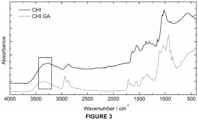
- Figure 3 shows the FTIR spectra of a non-crosslinked chitosan (CHI) and a crosslinked chitosan (CHI/GA) coating confirming the reaction of the amino groups of chitosan with GA.
- CHI non-crosslinked chitosan
- CHI/GA crosslinked chitosan
- a crosslinked chitosan (CHI/GA) coating on an electrode produced a synergic effect for the detection of methotrexate (MTX): (i) the coating acts as an anti-biofouling layer, thus small molecules such as MTX diffuse toward the electrode's surface while blocking the entrance of macromolecules such as protein which is the main cause of biofouling; (ii) it allows the concentration/adsorption of MTX at the surface of the electrode causing an increment in the sensitivity; and (iii) a decrease in the oxidation potential.
- SPEs were modified with a non-crosslinked chitosan (CHI) and crosslinked chitosan (CHI/GA) coating to evaluate the synergic effect in PBS and PBS with albumin.
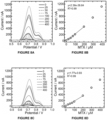
- Figures 4A-4F depict the electrochemical oxidation of MTX on bare, non-crosslinked chitosan (CHI) and crosslinked chitosan (CHI/GA) coated SPEs in PBS after 10 min.
- the anodic signal was dramatically increased in the oxidation of 100 ⁇ M and 300 ⁇ M MTX in PBS pH 7.4 when using the crosslinked CHI-GA coating, exhibiting an increment in peak current (I p ) of 4.2 ⁇ 0.2 fold and 3.0 ⁇ 0.2 fold in comparison to the bare and CHI-coated SPEs, respectively.
- the CHI/GA-coated SPE displayed a 7.9 ⁇ 1.6 fold and 2.85 ⁇ 1.0 fold increase in the I p when the electrodes were interrogated under PBS with BSA ( Figures 4D-4F ).
- the oxidation potential of the SPEs in BSA-enriched solution decreased from 0.92 V at bare SPE (uncoated) to 0.85 V for chitosan (CHI) coated SPE and 0.78 V for the crosslinked chitosan (CHI/GA) coated SPE.
- the CHI/GA coating unraveled a two-oxidation phenomenon at the surface of the WE.
- the adsorption hypothesis was verified by executing a scan rate study to evaluate the mass transport behavior at the crosslinked chitosan coated CHI/GA electrode, by measuring cyclic voltammograms of 500 ⁇ M at different scan rates (i.e. 0.025 - 0.75 V s -1 ). By plotting the anodic contribution against the scan rate, a linear relationship was obtained corresponding to an adsorption-controlled process. Furthermore, plotting the I p against the square root of the scan rate showed a non-linear behavior. In addition, plotting the logarithm of the I p against the logarithm of the scan rate showed a linear relationship with a slope of 0.76 which is higher than the theoretical value of the diffusion-controlled process (i.e. 0.5).
- the crosslinked chitosan coating endows the MTX sensor with an adsorption-controlled behavior.
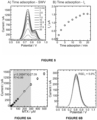
- the influence of the adsorption time on the electrochemical response was assessed on a modified MN sensor ( Figure 5 ). An absorption time of ten minutes was selected for further experiments as a compromise between time and sensitivity. The oxidation peak at the lowest potential was always selected as the main analytical signal.
- SWV square-wave voltammetry
- CHI/GA crosslinked chitosan
- the crosslinked chitosan coating (CHI/GA) allows the adsorption of MTX into the layer close to the electrode's surface and prevents macromolecules such as proteins, the main cause of biofouling, to be adsorbed at the surface ( Figure 7A ).
- CHI/GA is suggested to have a synergic effect that is beneficial for continuous operation in biofluids.
- the slope substantially increased to 4.5 nA ⁇ M -1 while maintaining a similar dynamic range and LOD (12.1 ⁇ M). It has been reported that temperature provides higher mass transfer in the Nernst layer as well as it has been empirically shown its effect on the increment in peak current and the shift toward more negative potentials employing SWV.
- the chitosan crosslinked coated MN sensor thus demonstrates analytical capabilities to be used at skin temperature. However, further experiments were performed at room temperature for easy handling of the setup. The selectivity test was executed by adding 100 ⁇ M of the interferent (or 200 ⁇ M for glycine) to 100 ⁇ M MTX before the electrochemical interrogation.
- Figure 7E shows the I p obtaining a RSD of 7.8% between all measurements.
- the crosslinked chitosan coated MN sensor did not exhibit interferences on the MTX signal with regularly encountered electroactive molecules in biofluids.
- the anti-biofouling capacity see Figure 4F vs Figure 4C
- PBS with BSA as biofouling agent was employed for the testing.
- SWVs of the f-MN sensor were measured in the BSA in solution and the corresponding calibration curve is illustrated in Figure 7F .
- a slope of 2.3 nA ⁇ M -1 and LOD of 19.9 ⁇ M showed an effect of the protein on the analytical performance: the crosslinked chitosan coating thus allowed for MTX detection in the therapeutic range.
- FIG. 8A depicts the SWVs of the f-MN sensor upon increasing concentrations of MTX.
- Figure 8B shows the calibration curve with a slope of 2.4 nA ⁇ M -1 , LOD of 10.2 ⁇ M within a linear range from 25 to 200 ⁇ M. It is important to mention that different f-MN sensors were used for the tests in buffer and artificial interstitial fluid (AISF), thus differences in the sensitivity of the systems can be obtained.
- AISF artificial interstitial fluid
- the f-MN sensor was interrogated under AISF with BSA ( Figures 8C and 8D ).
- the slope of the calibration curve of 1.8 nA ⁇ M -1 and LOD of 12.3 ⁇ M showed a decrease in the analytical performance similar to the behavior studied using PBS and PBS-BSA solutions.
- the f-MN sensor allowed the monitoring of MTX within the range of interest.
- An important feature of a transdermal device aiming for continuous monitoring is the ability to detect fluctuations in the target analyte.
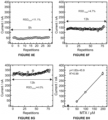
- the f-MN sensor was subsequently analyzed under 100 ⁇ M MTX for 13 h exhibiting a repeatable peak current with a RSD of 4.7% ( Figure 8F ). Finally, the f-MN sensor was interrogated with 200 ⁇ M MTX for 13 h exhibiting a RSD of 4.0% on the peak current ( Figure 8G ). Moreover, the SWVs exhibited a constant oxidation potential of the MTX signal between 0.72 V and 0.74 V. Finally, the average I p obtained during the stability tests was used to construct a calibration plot ( Figure 8H ).
- the calibration curve exhibited a slope of 1.8 nA ⁇ M -1 which is the same slope as the previous experiments proving the stability of the f-MN sensor after more than three days of operation (i.e. two days during the stability test and one day for the reversibility test).
- the f-MN sensor proved to be a highly stable sensor for the monitoring and detection of fluctuations of MTX in protein-enriched media.
- the analytical performance of the MN sensing patch was assessed under a Franz diffusion cell configuration. Dermatomed neonatal porcine skin (500 ⁇ m thickness) was attached to the donor compartment. The donor compartment is filled with PBS solution and is subsequently spiked using the sampling port with the corresponding methotrexate (MTX) amount by using the standard addition method. The MN sensor that is previously pierced in the skin can monitor the concentration of MTX in the donor compartment. For the decreasing concentration curve, extraction of the MTX solution through the sampling port and the addition of fresh buffer was performed. The SWV measurements were launched every 10 min.
- MTX methotrexate
- the ex vivo test is an important step in the characterization of MN-based devices.
- Franz diffusion cells are well-established setups used in ex vivo tests to emulate a real scenario while controlling the concentration of the analyte at the receptor compartment.
- the setup mimics physiological conditions by employing porcine skin and a heating system.
- the concentration at the receptor compartment can be varied by spiking the analyte through the sampling port to increase the concentration at the inner side of the skin or the concentration can be diluted by the extraction of the solution and introducing fresh solution (without the analyte) to the Franz cell.
- FIG 9A illustrates the Franz diffusion cell setup where the crosslinked chitosan coated sensor (f-MN sensor) is situated in the donor compartment (previously pierced in porcine skin). Through the skin, the f-MN sensor can detect methotrexate (MTX) that is present in the solution in the donor compartment. Once the f-MN sensor was established on the Franz cell and connected to the potentiostat, a calibration curve was executed.
- Figure 9B displays the SWVs from the increasing concentrations of MTX in the receptor compartment.
- the levels of a patient under MTX treatment expand from high concentration (mM range) due to the administration of a high-dose MTX to low ⁇ M levels which levels determine the toxicity to the body and a potential rescue with leucovorin. Therefore, the interest is to monitor the clearance from MTX to rapidly detect toxic levels of MTX meaning the monitoring from high concentration to low concentration in the ISF.
- the f-MN sensor was interrogated with SWV under decreasing concentrations of MTX ranging from 400 ⁇ M to 25 ⁇ M MTX in the Franz cell setup ( Figure 9C ).
- the calibration curves from the increasing and decreasing concentrations of MTX exhibited a slope of 1.75 nA ⁇ M -1 and 1.76 nA ⁇ M -1 with LODs of 22.5 ⁇ M and 9.3 ⁇ M, respectively ( Figure 9D ), proving the analytical capability of the f-MN sensor to monitor the decrease of MTX in the donor compartment through the skin.
- the f-MN sensor was able to monitor increasing, and importantly, decreasing concentrations of MTX through the skin which validates its potential use to monitor MTX clearance in patients.
- A/ Coatings made up of different crosslinked polymers were prepared and assessed in a similar manner as in Examples 1C and 2B. All experiments were performed with screen-printed electrodes (SPEs) as the standard electrochemical platform. The crosslinking agent used in all experiments was glutaraldehyde. Time of adsorption was set at 10 min before launching the experiment. The following coatings were tested: crosslinked chitosan comprising carbon nanotubes, crosslinked polylysine, crosslinked polyallylamine (PAA) and crosslinked poly(diallyldimethylammonium chloride) (PDDA).
- SPEs screen-printed electrodes
- the crosslinking degree of the polymer can (i) have an effect on the exposure of more sides where MTX can be adsorbed, (ii) limit the hydration of the coating, and, thus, the free diffusion of analytes, and/or (iii) block the entrance of macromolecules (e.g. proteins).
- macromolecules e.g. proteins
- Providing a polymeric coating wherein the polymers are crosslinked on a sensor allows to obtain an enhanced electrochemical signal from the sensor.
- the crosslinking of the polymers provides the coating with improved features that can be applied for the sensing or monitoring of specific analytes.
- the above examples demonstrate MN-based electrochemical sensors for the transdermal monitoring of MTX.
- the functionalization of the MN sensor (f-MN sensor) with a crosslinked polymer coating, in particular a crosslinked chitosan coating conferred a synergic effect of anti-biofouling and preconcentration capabilities for the continuous operation of the f-MN sensor.
- a HMA was modified with conductive pastes to create a three-electrode electrochemical system in a single patch.
- the MN sensor was analytically characterized with and without the crosslinked chitosan coating to unravel its unique properties for the detection of MTX in protein-enrich artificial interstitial fluid (AISF).
- AISF protein-enrich artificial interstitial fluid
- the full in vitro analysis exhibited remarkable results within the linear range of high-dose MTX administration levels in cancer patients.
- the reversibility and long-term stability of the readout exhibited an outstanding performance which is essential for wearable devices.
- the f-MN sensor was assessed under an ex vivo configuration in porcine skin proving the ability to transdermally monitor decreasing concentrations of MTX, an essential future to observe the MTX clearance in patients under MTX treatment.
Landscapes
- Health & Medical Sciences (AREA)
- Life Sciences & Earth Sciences (AREA)
- Physics & Mathematics (AREA)
- Surgery (AREA)
- General Health & Medical Sciences (AREA)
- Engineering & Computer Science (AREA)
- Biomedical Technology (AREA)
- Heart & Thoracic Surgery (AREA)
- Medical Informatics (AREA)
- Molecular Biology (AREA)
- Biophysics (AREA)
- Animal Behavior & Ethology (AREA)
- Pathology (AREA)
- Public Health (AREA)
- Veterinary Medicine (AREA)
- Optics & Photonics (AREA)
- Chemical & Material Sciences (AREA)
- Chemical Kinetics & Catalysis (AREA)
- General Chemical & Material Sciences (AREA)
- Measurement Of The Respiration, Hearing Ability, Form, And Blood Characteristics Of Living Organisms (AREA)
Priority Applications (1)
| Application Number | Priority Date | Filing Date | Title |
|---|---|---|---|
| EP23180348.7A EP4480408A1 (de) | 2023-06-20 | 2023-06-20 | Elektrochemische vorrichtung mit einer elektrode mit einer vernetzten polymerbeschichtung |
Applications Claiming Priority (1)
| Application Number | Priority Date | Filing Date | Title |
|---|---|---|---|
| EP23180348.7A EP4480408A1 (de) | 2023-06-20 | 2023-06-20 | Elektrochemische vorrichtung mit einer elektrode mit einer vernetzten polymerbeschichtung |
Publications (1)
| Publication Number | Publication Date |
|---|---|
| EP4480408A1 true EP4480408A1 (de) | 2024-12-25 |
Family
ID=86904182
Family Applications (1)
| Application Number | Title | Priority Date | Filing Date |
|---|---|---|---|
| EP23180348.7A Withdrawn EP4480408A1 (de) | 2023-06-20 | 2023-06-20 | Elektrochemische vorrichtung mit einer elektrode mit einer vernetzten polymerbeschichtung |
Country Status (1)
| Country | Link |
|---|---|
| EP (1) | EP4480408A1 (de) |
Cited By (3)
| Publication number | Priority date | Publication date | Assignee | Title |
|---|---|---|---|---|
| CN120522253A (zh) * | 2025-07-24 | 2025-08-22 | 成都理工大学 | 花状金纳米电极在夹心型适体传感器检测Kana中的应用 |
| CN121265819A (zh) * | 2025-12-08 | 2026-01-06 | 江西中医药大学 | 一种电化学发光MeHA微针贴片、制备方法及应用 |
| CN121476346A (zh) * | 2026-01-12 | 2026-02-06 | 上海大学 | 一种用于氯离子检测的微针电化学传感器及其制备方法 |
Citations (7)
| Publication number | Priority date | Publication date | Assignee | Title |
|---|---|---|---|---|
| US20170325724A1 (en) * | 2014-12-03 | 2017-11-16 | The Regents Of The University Of California | Non-invasive and wearable chemical sensors and biosensors |
| WO2021032894A1 (en) * | 2019-08-22 | 2021-02-25 | Biocyto Limited | Nanoparticle composition comprising chitosan and clathrin |
| CN112903781A (zh) * | 2021-01-11 | 2021-06-04 | 北京理工大学 | 一种电铜基MOFs敏感膜修饰电极的分子印迹电化学传感器及其制备方法和检测方法 |
| WO2021232109A1 (en) * | 2020-05-20 | 2021-11-25 | Commonwealth Scientific And Industrial Research Organisation | Bioanalyte detection and monitoring |
| CN113907753A (zh) * | 2021-09-07 | 2022-01-11 | 东南大学 | 一种无创血糖检测电极贴片及其制造方法和反离子电渗体外实验装置 |
| US20220257181A1 (en) * | 2019-07-23 | 2022-08-18 | The Regents Of The University Of California | Minimally invasive continuous analyte monitoring for closed-loop treatment applications |
| US20220397545A1 (en) * | 2021-06-15 | 2022-12-15 | Laxmi Therapeutic Devices, Inc. | Photochemical-based method for enzyme immobilization on biosensor electrodes |
-
2023
- 2023-06-20 EP EP23180348.7A patent/EP4480408A1/de not_active Withdrawn
Patent Citations (7)
| Publication number | Priority date | Publication date | Assignee | Title |
|---|---|---|---|---|
| US20170325724A1 (en) * | 2014-12-03 | 2017-11-16 | The Regents Of The University Of California | Non-invasive and wearable chemical sensors and biosensors |
| US20220257181A1 (en) * | 2019-07-23 | 2022-08-18 | The Regents Of The University Of California | Minimally invasive continuous analyte monitoring for closed-loop treatment applications |
| WO2021032894A1 (en) * | 2019-08-22 | 2021-02-25 | Biocyto Limited | Nanoparticle composition comprising chitosan and clathrin |
| WO2021232109A1 (en) * | 2020-05-20 | 2021-11-25 | Commonwealth Scientific And Industrial Research Organisation | Bioanalyte detection and monitoring |
| CN112903781A (zh) * | 2021-01-11 | 2021-06-04 | 北京理工大学 | 一种电铜基MOFs敏感膜修饰电极的分子印迹电化学传感器及其制备方法和检测方法 |
| US20220397545A1 (en) * | 2021-06-15 | 2022-12-15 | Laxmi Therapeutic Devices, Inc. | Photochemical-based method for enzyme immobilization on biosensor electrodes |
| CN113907753A (zh) * | 2021-09-07 | 2022-01-11 | 东南大学 | 一种无创血糖检测电极贴片及其制造方法和反离子电渗体外实验装置 |
Cited By (3)
| Publication number | Priority date | Publication date | Assignee | Title |
|---|---|---|---|---|
| CN120522253A (zh) * | 2025-07-24 | 2025-08-22 | 成都理工大学 | 花状金纳米电极在夹心型适体传感器检测Kana中的应用 |
| CN121265819A (zh) * | 2025-12-08 | 2026-01-06 | 江西中医药大学 | 一种电化学发光MeHA微针贴片、制备方法及应用 |
| CN121476346A (zh) * | 2026-01-12 | 2026-02-06 | 上海大学 | 一种用于氯离子检测的微针电化学传感器及其制备方法 |
Similar Documents
| Publication | Publication Date | Title |
|---|---|---|
| EP4480408A1 (de) | Elektrochemische vorrichtung mit einer elektrode mit einer vernetzten polymerbeschichtung | |
| Dervisevic et al. | Transdermal electrochemical monitoring of glucose via high‐density silicon microneedle array patch | |
| Xu et al. | A wearable sensor based on multifunctional conductive hydrogel for simultaneous accurate pH and tyrosine monitoring in sweat | |
| GhavamiNejad et al. | A conductive hydrogel microneedle‐based assay integrating PEDOT: PSS and Ag‐Pt nanoparticles for real‐time, enzyme‐less, and electrochemical sensing of glucose | |
| Possanzini et al. | Textile sensors platform for the selective and simultaneous detection of chloride ion and pH in sweat | |
| Chen et al. | Construction of a flexible electrochemiluminescence platform for sweat detection | |
| Jarosova et al. | Inkjet-printed carbon nanotube electrodes for measuring pyocyanin and uric acid in a wound fluid simulant and culture media | |
| Tasca et al. | Microneedle-based electrochemical devices for transdermal biosensing: a review | |
| Sun et al. | Electrochemical behavior and determination of rutin on a pyridinium-based ionic liquid modified carbon paste electrode | |
| Chinnadayyala et al. | Nonenzymatic determination of glucose at near neutral pH values based on the use of nafion and platinum black coated microneedle electrode array | |
| Mehretie et al. | Simultaneous determination of N-acetyl-p-aminophenol and p-aminophenol with poly (3, 4-ethylenedioxythiophene) modified glassy carbon electrode | |
| Ensafi et al. | Different interaction of codeine and morphine with DNA: a concept for simultaneous determination | |
| Malode et al. | Voltammetric behavior of theophylline and its determination at multi-wall carbon nanotube paste electrode | |
| Atta et al. | Electrochemical determination of paracetamol using gold nanoparticles–application in tablets and human fluids | |
| US9708640B2 (en) | Electrospun nanofibrous membranes and disposable glucose biosensor | |
| US12336816B2 (en) | Method for improved sensor sensitivity of a microneedle-based continuous analyte monitoring system | |
| Ziyatdinova et al. | Poly (gallic acid)/MWNT-modified electrode for the selective and sensitive voltammetric determination of quercetin in medicinal herbs | |
| Peng et al. | Application of a disposable doxorubicin sensor for direct determination of clinical drug concentration in patient blood | |
| Li et al. | Electrochemical behavior of sophoridine at a new amperometric sensor based on l-Theanine modified electrode and its sensitive determination | |
| Troiani et al. | Cathodically pretreated poly (1-aminoanthraquinone)-modified electrode for determination of ascorbic acid, dopamine, and uric acid | |
| Varadharaj et al. | Non-invasive potentiometric sensor for measurement of blood urea in human subjects using reverse iontophoresis | |
| Liu et al. | Development of an amperometric biosensor on a toothbrush for glucose | |
| Aliabadi et al. | A new droplet-based polymeric banana electrochemical biosensor for analysis of one microliter solution of paracetamol | |
| Tsakova et al. | Role of the anionic dopant of poly (3, 4-ethylenedioxythiophene) for the electroanalytical performance: electrooxidation of acetaminophen | |
| Mac Kenna et al. | Impedimetric transduction of swelling in pH-responsive hydrogels |
Legal Events
| Date | Code | Title | Description |
|---|---|---|---|
| PUAI | Public reference made under article 153(3) epc to a published international application that has entered the european phase |
Free format text: ORIGINAL CODE: 0009012 |
|
| STAA | Information on the status of an ep patent application or granted ep patent |
Free format text: STATUS: THE APPLICATION HAS BEEN PUBLISHED |
|
| AK | Designated contracting states |
Kind code of ref document: A1 Designated state(s): AL AT BE BG CH CY CZ DE DK EE ES FI FR GB GR HR HU IE IS IT LI LT LU LV MC ME MK MT NL NO PL PT RO RS SE SI SK SM TR |
|
| STAA | Information on the status of an ep patent application or granted ep patent |
Free format text: STATUS: THE APPLICATION IS DEEMED TO BE WITHDRAWN |
|
| 18D | Application deemed to be withdrawn |
Effective date: 20250626 |