EP4477262A2 - Nährstoffzusammensetzungen für säuglinge und/oder kleinkinder - Google Patents
Nährstoffzusammensetzungen für säuglinge und/oder kleinkinder Download PDFInfo
- Publication number
- EP4477262A2 EP4477262A2 EP24201630.1A EP24201630A EP4477262A2 EP 4477262 A2 EP4477262 A2 EP 4477262A2 EP 24201630 A EP24201630 A EP 24201630A EP 4477262 A2 EP4477262 A2 EP 4477262A2
- Authority
- EP
- European Patent Office
- Prior art keywords
- composition
- total amount
- oligosaccharide
- infants
- nutritional composition
- Prior art date
- Legal status (The legal status is an assumption and is not a legal conclusion. Google has not performed a legal analysis and makes no representation as to the accuracy of the status listed.)
- Pending
Links
Images





Classifications
-
- A—HUMAN NECESSITIES
- A61—MEDICAL OR VETERINARY SCIENCE; HYGIENE
- A61K—PREPARATIONS FOR MEDICAL, DENTAL OR TOILETRY PURPOSES
- A61K31/00—Medicinal preparations containing organic active ingredients
- A61K31/70—Carbohydrates; Sugars; Derivatives thereof
- A61K31/702—Oligosaccharides, i.e. having three to five saccharide radicals attached to each other by glycosidic linkages
-
- A—HUMAN NECESSITIES
- A23—FOODS OR FOODSTUFFS; TREATMENT THEREOF, NOT COVERED BY OTHER CLASSES
- A23L—FOODS, FOODSTUFFS OR NON-ALCOHOLIC BEVERAGES, NOT OTHERWISE PROVIDED FOR; PREPARATION OR TREATMENT THEREOF
- A23L33/00—Modifying nutritive qualities of foods; Dietetic products; Preparation or treatment thereof
- A23L33/20—Reducing nutritive value; Dietetic products with reduced nutritive value
- A23L33/21—Addition of substantially indigestible substances, e.g. dietary fibres
-
- A—HUMAN NECESSITIES
- A23—FOODS OR FOODSTUFFS; TREATMENT THEREOF, NOT COVERED BY OTHER CLASSES
- A23L—FOODS, FOODSTUFFS OR NON-ALCOHOLIC BEVERAGES, NOT OTHERWISE PROVIDED FOR; PREPARATION OR TREATMENT THEREOF
- A23L33/00—Modifying nutritive qualities of foods; Dietetic products; Preparation or treatment thereof
- A23L33/40—Complete food formulations for specific consumer groups or specific purposes, e.g. infant formula
-
- A—HUMAN NECESSITIES
- A61—MEDICAL OR VETERINARY SCIENCE; HYGIENE
- A61K—PREPARATIONS FOR MEDICAL, DENTAL OR TOILETRY PURPOSES
- A61K45/00—Medicinal preparations containing active ingredients not provided for in groups A61K31/00 - A61K41/00
- A61K45/06—Mixtures of active ingredients without chemical characterisation, e.g. antiphlogistics and cardiaca
-
- A—HUMAN NECESSITIES
- A61—MEDICAL OR VETERINARY SCIENCE; HYGIENE
- A61K—PREPARATIONS FOR MEDICAL, DENTAL OR TOILETRY PURPOSES
- A61K9/00—Medicinal preparations characterised by special physical form
- A61K9/0012—Galenical forms characterised by the site of application
- A61K9/0053—Mouth and digestive tract, i.e. intraoral and peroral administration
- A61K9/0056—Mouth soluble or dispersible forms; Suckable, eatable, chewable coherent forms; Forms rapidly disintegrating in the mouth; Lozenges; Lollipops; Bite capsules; Baked products; Baits or other oral forms for animals
-
- A—HUMAN NECESSITIES
- A61—MEDICAL OR VETERINARY SCIENCE; HYGIENE
- A61K—PREPARATIONS FOR MEDICAL, DENTAL OR TOILETRY PURPOSES
- A61K9/00—Medicinal preparations characterised by special physical form
- A61K9/0087—Galenical forms not covered by A61K9/02 - A61K9/7023
- A61K9/0095—Drinks; Beverages; Syrups; Compositions for reconstitution thereof, e.g. powders or tablets to be dispersed in a glass of water; Veterinary drenches
-
- A—HUMAN NECESSITIES
- A61—MEDICAL OR VETERINARY SCIENCE; HYGIENE
- A61P—SPECIFIC THERAPEUTIC ACTIVITY OF CHEMICAL COMPOUNDS OR MEDICINAL PREPARATIONS
- A61P1/00—Drugs for disorders of the alimentary tract or the digestive system
-
- A—HUMAN NECESSITIES
- A61—MEDICAL OR VETERINARY SCIENCE; HYGIENE
- A61P—SPECIFIC THERAPEUTIC ACTIVITY OF CHEMICAL COMPOUNDS OR MEDICINAL PREPARATIONS
- A61P31/00—Antiinfectives, i.e. antibiotics, antiseptics, chemotherapeutics
- A61P31/04—Antibacterial agents
-
- A—HUMAN NECESSITIES
- A23—FOODS OR FOODSTUFFS; TREATMENT THEREOF, NOT COVERED BY OTHER CLASSES
- A23V—INDEXING SCHEME RELATING TO FOODS, FOODSTUFFS OR NON-ALCOHOLIC BEVERAGES AND LACTIC OR PROPIONIC ACID BACTERIA USED IN FOODSTUFFS OR FOOD PREPARATION
- A23V2002/00—Food compositions, function of food ingredients or processes for food or foodstuffs
Definitions
- the present invention relates to nutritional compositions for infants or young children and their health effects.
- it relates to nutritional compositions comprising specific oligosaccharides for use to prevent and/or treat infection in an infant or young child, by promote and/or reduce specific microbiota communities in an infant or young child.
- Nutritional compositions for infants and young children are often sold as powders to be reconstituted with water or in some instances as ready to drink or concentrated liquid compositions. Those compositions are intended to cover most or all the nutritional needs of the infants or young children.
- human breast milk represents the ultimate gold standard in terms of infants' nutrition. Infant formula manufacturers have therefore made many attempts to induce nutritional health effects close to or similar to the benefits of human breast milk. However many studies have shown that infant formula do not induce the identical effects on the body compared to human breast milk. For example, infants fed infant formula and infants fed human-breast milk (HBM) can exhibit a different intestinal (gut) microbiota.
- HBM human-breast milk
- the modulation of the gut microbiota during infancy can prospectively have a great influence in the future health status of the bodies.
- the gut flora can have influence on the development of a strong immune system later in life, a normal growth and even on the development of obesity later in life.
- a healthy intestinal flora is an indicator of the health of an infant and an altered intestinal microbiota can be an indicator (and/or a cause) of abnormal health events such as diarrhoea, under-absorption of nutrients, colic, altered sleep and/or altered growth and development.
- gut microbiota and its evolution during the development of the infant is, however, a fine balance between the presence and prevalence (amount) of many populations of gut bacteria.
- Some gut bacteria are classified as “generally positive” while other ones are “generally negative” (or pathogenic) as to their effect on the overall health of the infant.
- Certain species of "generally positive" bacteria such as bifidobacteria, may be under-represented in infants fed conventional infant formula in comparison to breast fed infants. Similarly some bacterial populations are considered pathogenic and should remain of low prevalence in the gut microbiota.
- infant fed infant formulae may not benefit from the natural, well balanced intestinal gut flora (gut microbiota) of infants fed exclusively or predominantly Human Breast Milk.
- gut microbiota intestinal gut flora
- Such natural microbiota observed in breast fed infants is indeed both very well controlled over time (evolution over time) and complex.
- Many taxa of micro-organisms co-exist in the highly complex microenvironment of the gut/intestine, each in sequentially defined proportions. Quantitative and qualitative dimensions are to be considered when defining the microbiota of infants or young children.
- the variation over time of the gut microbiota adds to the complexity.
- gut microbiota is a key factor in the development of the mucosal immune system of the infant. While many studies have identified ways to promote the growth and prevalence of some positive bacteria in the gut of infants, little is known about ways to induce the specific microbiota profile which protects from infection.
- the present invention relates in one aspect to a nutritional composition
- a nutritional composition comprising at least one fucosylated oligosaccharide and at least one N-acetylated oligosaccharide, for use to prevent and/or treat infection by promoting in an infant or young child a Community type B and/or by reducing a Community type C, wherein Community type B is defined as a microbiota community comprising at least 80% Bifidobactera (% relative abundance );
- Another aspect of the present invention relates to a method of preventing and/or treating infection in an infant or young child by providing a nutritional composition according to the invention.
- infant means a child under the age of 12 months.
- young child means a child aged between one and three years, also called toddler.
- An "infant or young child born by C-section” means an infant or young child who was delivered by caesarean. It means that the infant or young child was not vaginally delivered.
- An "infant or young child vaginally born” means an infant or young child who was vaginally delivered and not delivered by caesarean.
- preterm or premature means an infant or young child who was not born at term. Generally, it refers to an infant or young child born prior to the completion of 37 weeks of gestation.
- SGA small for gestational age
- SGA may be associated with Intrauterine growth restriction (IUGR), which refers to a condition in which a foetus is unable to achieve its potential size.
- IUGR Intrauterine growth restriction
- low birth weight it should be understood as any body weight under 2500g at birth.
- the expression "nutritional composition” means a composition which nourishes a subject.
- This nutritional composition is usually to be taken orally or intravenously, and it usually includes a lipid or fat source, a carbohydrate source and a protein source.
- the nutritional composition of the present invention is an hypoallergenic nutritional composition.
- hypoallergenic nutritional composition means a nutritional composition which is unlikely to cause allergic reactions.
- the nutritional composition of the present invention is a "synthetic nutritional composition".
- synthetic nutritional composition means a mixture obtained by chemical and/or biological means, which can be chemically identical to the mixture naturally occurring in mammalian milks (i.e. the synthetic composition is not breast milk).
- infant formula refers to a foodstuff intended for particular nutritional use by infants during the first months of life and satisfying by itself the nutritional requirements of this category of person (Article 2(c) of the European Commission Directive 91/321/EEC 2006/141/EC of 22 December 2006 on infant formulae and follow-on formulae). It also refers to a nutritional composition intended for infants and as defined in Codex Alimentarius (Codex STAN 72-1981) and Infant Specialities (incl. Food for Special Medical Purpose).
- infant formula encompasses both "starter infant formula” and “follow-up formula” or “follow-on formula”. In some embodiments, the infant formula is a preterm formula.
- a “follow-up formula” or “follow-on formula” is given from the 6th month onwards. It constitutes the principal liquid element in the progressively diversified diet of this category of person.
- baby food means a foodstuff intended for particular nutritional use by infants or young children during the first years of life.
- infant cereal composition means a foodstuff intended for particular nutritional use by infants or young children during the first years of life, and comprising a cereal component.
- fortifier refers to liquid or solid nutritional compositions suitable for mixing with breast milk or infant formula.
- weaning period means the period during which the mother's milk is substituted by other food in the diet of an infant or young child.
- the "mother's milk” should be understood as the breast milk or colostrum of the mother.
- HBM refers to Human Breast Milk.
- infants/young children fed exclusively with human breast milk can be used interchangeably. They refer to infants or young children fed with a great majority (i.e. at least 90%, or at least 95%, or at least 99%) or all (100%) of nutrients and/or energy originating from human breast milk.
- infants or young children exclusively fed nutritional compositions refers to infants or young children fed with a great majority (i.e. at least 90%, or at least 95%, or at least 99%) or all (100%) of nutrients and/or energy originating from synthetic nutritional compositions such as infant formula, follow-up milks or growing-up milks.
- infants or young children predominantly fed nutritional compositions refers to infants or young children fed with nutritional sources of nutrients and/or energy predominantly originating from synthetic nutritional compositions such as infant formula, follow-up milks or growing-up milks. Predominantly refers to at least 50% (or at least 60% or at least 75%) of those nutrients and/or energy, such as from 50% to 90%, or from 60% to 80%.
- conventional nutritional composition refers to standard synthetic nutritional compositions such as infant formula, follow-up milks or growing-up milks already found in the market.
- a "conventional nutritional composition not comprising said oligosaccharides” refers to a standard nutritional composition that does not comprise the "at least one fucosylated oligosaccharide and at least one N-acetylated oligosaccharide”.
- the nutritional composition of the present invention can be in solid form (e.g. powder) or in liquid form.
- the amount of the various ingredients e.g. the oligosaccharides
- oligosaccharide is a saccharide polymer containing a small number (typically three to two) of simple sugars (monosaccharides).
- HMO human milk oligosaccharide(s). These carbohydrates are highly resistant to enzymatic hydrolysis, indicating that they may display essential functions not directly related to their caloric value. It has especially been illustrated that they play a vital role in the early development of infants and young children, such as the maturation of the immune system. Many different kinds of HMOs are found in the human milk.
- Each individual oligosaccharide is based on a combination of glucose, galactose, sialic acid (N-acetylneuraminic acid), fucose and/or N-acetylglucosamine with many and varied linkages between them, thus accounting for the enormous number of different oligosaccharides in human milk - over 130 such structures have been identified so far. Almost all of them have a lactose moiety at their reducing end while sialic acid and/or fucose (when present) occupy terminal positions at the non-reducing ends.
- the HMOs can be acidic (e.g. charged sialic acid containing oligosaccharide) or neutral (e.g. fucosylated oligosaccharide).
- a "fucosylated oligosaccharide” is an oligosaccharide having a fucose residue. It has a neutral nature. Some examples are 2-FL (2' fucosyllactose), 3-FL (3-fucosyllactose), difucosyllactose, lacto-N-fucopentaose (e.g.
- lacto-N-fucopentaose I lacto-N-fucopentaose II, lacto-N-fucopentaose III, lacto-N-fucopentaose V)
- lacto-N-fucohexaose lacto-N-difucohexaose I, fucosyllacto-N-hexaose, fucosyllacto-N-neohexaose, difucosyllacto-N-hexaose I, difucosyllacto-N-neohexaose II and any combination thereof.
- fucosylated oligosaccharides comprising a 2'-fucosyl-epitope encompass fucosylated oligosaccharides with a certain homology of form since they contain a 2'-fucosyl-epitope, therefore a certain homology of function can be expected.
- the 2'- fucosyl-epitope of these fucosylated oligosaccharides is believed to be particularly specific to pathogens (or their secreted components) involved in the LRT and/or ear infections.
- N-acetylated oligosaccharide(s) encompasses both "N-acetyl-lactosamine” and “oligosaccharide(s) containing N-acetyl-lactosamine". They are neutral oligosaccharides having an N-acetyl-lactosamine residue. Suitable examples are LNT (lacto-N-tetraose), para-lacto-N-neohexaose (para-LNnH), LNnT (lacto-N-neotetraose) and any combinations thereof.
- lacto-N-hexaose lacto-N-neohexaose, para- lacto-N-hexaose, para-lacto-N-neohexaose, lacto-N-octaose, lacto-N- neooctaose, iso- lacto-N-octaose, para-lacto-N-octaose and lacto-N-decaose.
- At least one fucosylated oligosaccharide and “at least one N-acetylated oligosaccharide” means "at least one type of fucosylated oligosaccharide” and "at least one type of N-acetylated oligosaccharide”.
- a "precursor of HMO” is a key compound that intervenes in the manufacture of HMO, such as sialic acid and/or fucose.
- a "sialylated oligosaccharide” is a charged sialic acid containing oligosaccharide, i.e. an oligosaccharide having a sialic acid residue. It has an acidic nature.
- Some examples are 3-SL (3' sialyllactose) and 6-SL (6' sialyllactose).
- the expression "promoting and/or inducing" in infants or young children a refers to the development, the increase, the establishment, the apparition and/or the shifting of a particular microbiota community in said infants or young children.
- microflora and microbiota
- microbiota in the gut can be used interchangeably.
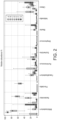
- Communication type refers to a set of bacteria present in taxa proportions as defined by the Dirichlet Multinomial Mixtures modeling framework (see further Examples for references) which best describes a cluster of samples showing similar microbiota compositions (ie, proportions or relative abundance of different bacterial taxa in the population).
- Community type B is defined as a microbiota community comprising almost exclusively Bifidobacteria, such as at least 80% Bifidobacteria (% relative abundance); for example from 80 to 95%, such as 85 to 93%, such as about 90% Bifidobacteria.
- Community type C is defined as a microbiota community which is dominated by Bifidobacteria and also showing a substantial proportion of other taxonomic groups belonging to Firmicutes, Bacteroidetes and/or Proteobacteria; for example Community type C may be defined as comprising from 40 to 80% Bifidobacteria (%relative abundance, such as from 50 to 80%, such as from 60 to 80%, for example 65 to 75%, or about 70%, relative abundance) as well as one or more selected from the group consisting of Firmicutes, Bacteroidetes and Proteobacteria.
- a community type may in other words be described as a subpopulation of the microbiota, the subpopulation defined by applying the Dirichlet Multinomial Mixtures modeling framework.
- Relative abundance means the amount in relation to the total amount.
- 80% relative abundance means 80% of the microbiota, irrespective of how the total microbiota is measured.
- Total microbiota may be measured for example by mass, counts, etc.
- a microbiota community means a subpopulation of a microbiota.
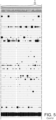
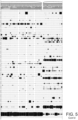
- the Community Type B and Community Type C respectively, comprises or consists of the bacteria as shown in the examples and figures.
- preventing or “prevention” it is meant avoiding that a physical state, a condition or their consequences occurs and/or decreasing its incidence (i.e. reduction of the frequency).
- treating or “treatment” it is meant a decrease of the duration and/or of the severity of a physical state, a condition or their consequences.
- the prevention and/or the treatment of a physical state, a condition or their consequences can occur during the treatment (i.e. during the administration of the composition of the present invention, either immediately after the start of the administration or some time after, e.g. some days or weeks after the start). But it can also encompass the prevention and/or the treatment later in life.
- the term “later in life” encompasses the effect after the termination of the intervention or treatment.
- the effect "later in life” can be from 1 week to several months, for example from 2 to 4 weeks, from 2 to 6 weeks, from 2 to 8 weeks, from 1 to 6 months or from 2 to 12 months.
- prebiotic means non-digestible carbohydrates that beneficially affect the host by selectively stimulating the growth and/or the activity of healthy bacteria such as bifidobacteria in the colon of humans ( Gibson GR, Roberfroid MB. Dietary modulation of the human colonic microbiota: introducing the concept of prebiotics. J Nutr. 1995;125:1401-12 ).
- probiotic means microbial cell preparations or components of microbial cells with a beneficial effect on the health or well-being of the host.
- the microbial cells are generally bacteria or yeasts.
- composition of the present invention can comprise, consist of, or consist essentially of the essential elements and limitations of the invention described herein, as well as any additional or optional ingredients, components, or limitations described herein or otherwise depending on the needs.
- the invention may be described as relating to a nutritional composition comprising at least one fucosylated oligosaccharide and at least one N-acetylated oligosaccharide, for use to prevent and/or treat infection in an infant or young child, by promoting a Community B and/or reducing a Community C, wherein said promotion involves an up-regulation of the population of Bifidobacterium and said reduction involves a down regulation of the populations of Escherichia and/or Peptostreptococcaceae, in comparison to the microbiota in the gut of infants or young children fed predominantly or exclusively with the conventional nutritional composition not comprising said oligosaccharides, and prevent and/or treat infection.
- the nutritional composition of the present invention comprises at least one fucosylated oligosaccharide.
- the fucosylated oligosaccharide(s) may be selected from the group consisting of 2'-fucosyllactose, 3'fucosyllactose, difucosyllactose, lacto-N-fucopentaose (such as lacto-N-fucopentaose I, lacto-N-fucopentaose II, lacto-N-fucopentaose III, lacto-N-fucopentaose V), lacto-N-fucohexaose, lacto-N-difucohexaose I, fucosyllacto-N-hexaose, fucosyllacto-N-neohexaose (such as fucosyllacto-N-n
- the fucosylated oligosaccharide comprises a 2'-fucosyl-epitope. It can be for example selected from the list consisting of 2'-fucosyllactose, difucosyllactose, lacto-N-fucopentaose, lacto-N-fucohexaose, lacto-N-difucohexaose, fucosyllacto-N-hexaose, fucosyllacto-N-neohexaose, difucosyllacto-N-hexaose difuco-lacto-N-neohexaose, difucosyllacto-N-neohexaose, fucosyl-para-Lacto-N-hexaose and any combination thereof.
- the nutritional composition according to the invention comprises 2'-fucosyllactose (or 2FL, or 2'FL, or 2-FL or 2'-FL).
- the nutritional composition of the invention comprises only 2'-fucosyllactose as fucosylated oligosaccharide.
- DP degree of polymerization
- fucosylated oligosaccharides may be produced by chemical synthesis from lactose and free fucose. Fucosylated oligosaccharides are also available for example from Kyowa, Hakko, Kogyo of Japan.
- the nutritional composition of the present invention also comprises at least one the N-acetylated oligosaccharide.
- the N-acetylated oligosaccharide(s) can be for example lacto-N-tetraose (LNT), lacto-N-neotetraose (LNnT) or any combination thereof.
- the N-acetylated oligosaccharide is lacto-N-neotetraose (LNnT), para-lacto-N-neohexaose (para-LNnH) or any combination thereof.
- the N-acetylated oligosaccharide is LNnT. In some particular embodiments the N-acetylated oligosaccharide is LNT. In some other particular embodiments the N-acetylated oligosaccharide is a mixture of LNT and LNnT. In some particular embodiments the composition comprises both LNT and LNnT in a ratio LNT:LNnT between 5:1 and 1:2, or from 2:1 to 1:1, or from 2:1.2 to 2:1.6.
- the nutritional composition according to the invention comprises lacto-N-neotetraose (LNnT).
- LNnT lacto-N-neotetraose
- the nutritional composition of the invention comprises only lacto-N-neotetraose (LNnT) as N-acetylated oligosaccharide.
- N-acetylated oligosaccharide(s) may be synthesised chemically by enzymatic transfer of saccharide units from donor moieties to acceptor moieties using glycosyltransferases as described for example in US patent No. 5,288,637 and WO 96/10086 .
- LNT and LNnT may be prepared by chemical conversion of Keto-hexoses (e.g. fructose) either free or bound to an oligosaccharide (e.g. lactulose) into N-acetylhexosamine or an N-acetylhexosamine-containing oligosaccharide as described in Wrodnigg, T.M.; Stutz, A.E. (1999) Angew. Chem. Int. Ed. 38:827-828 .
- N-acetyl-lactosamine produced in this way may then be transferred to lactose as the acceptor moiety.
- the nutritional composition comprises 2'-fucosyllactose (2FL) and lacto-N-neotetraose (LNnT) .
- the nutritional composition of the present invention comprises an oligosaccharide mixture that consists of 2'-fucosyllactose (2-FL) and lacto-N-neotetraose (LNnT).
- the nutritional composition of the invention comprises only 2'-fucosyllactose (2-FL) as fucosylated oligosaccharide and only lacto-N-neotetraose (LNnT) as N-acetylated oligosaccharide.
- the fucosylated oligosaccharide(s) and N-acetylated oligosaccharide(s) are present in the nutritional composition in some particular amounts.
- the term "amount” refers to the total amount of each of these 2 components in the nutritional composition unless otherwise specified. It therefore does not refer to an individual amount except when there is a single type of these components (in that case both the total and individual amounts equal).
- amount refers to the total amount of each of these 2 components in the nutritional composition unless otherwise specified. It therefore does not refer to an individual amount except when there is a single type of these components (in that case both the total and individual amounts equal).
- the composition e.g. 2FL
- its individual amount and therefore the total amount of fucosylated oligosaccharides
- fucosylated oligosaccharides their individual amount will be lower (e.g. if there are 2 different types of fucosylated oligosaccharide, e.g. 2FL + 3FL, there may be for example each in an individual amount of 0.5 g/L) but the total amount of fucosylated oligosaccharides will be in the range 0.5-2.0 g/L.
- the fucosylated oligosaccharide(s) can be present in the nutritional composition according to the present invention in a total amount of 0.75-1.65 g/L of the composition.
- the fucosylated oligosaccharide(s) may be in a total amount of 0.8-1.5 g/L of the composition, such as 0.85-1.3 g/L or 0.9-1.25 g/L or 0.9-1.1 g/L or 1-1.25 g/L or 1.05-1.25 g/L of the composition.
- the fucosylated oligosaccharide(s) may be in a total amount of 0.15-2 g/L of the composition, such as 0.2-1.5 g/L.
- the fucosylated oligosaccharide(s) is/are in a total amount of 1 g/L of the composition. In another particular embodiment, the fucosylated oligosaccharide(s) is/are in a total amount of 1.24 g/L of the composition.
- the fucosylated oligosaccharide(s) can be present in the nutritional composition in a total amount of 0.52-1.15 g/100g of composition on a dry weight basis.
- the fucosylated oligosaccharide(s) may be in a total amount of 0.55-1.05 g/100g of the composition, such as 0.59-0.9 g/100g, or 0.62-0.87 g/100g or 0.62-0.77 g/100g or 0.69-0.87 g/100g or 0.73-0.87 g/100g of the composition.
- the fucosylated oligosaccharide(s) may be in a total amount of 0.1-1.8 g/100g of the composition, such as 0.15-0.9 g/100g.
- the fucosylated oligosaccharide(s) is/are in a total amount of 0.69 g/100g of the composition. In another particular embodiment, the fucosylated oligosaccharide(s) is/are in a total amount of 0.86 g/100g of the composition.
- the N-acetylated oligosaccharide(s) can be present in the nutritional composition according to the present invention in a total amount of 0.45-0.85 g/L of the composition.
- the N-acetylated oligosaccharide(s) may be in a total amount of 0.5-0.8 g/L of the composition, such as 0.5-0.75 g/L or 0.5-0.7 g/L of the composition. In some embodiments, the N-acetylated oligosaccharide(s) may be in a total amount of 0.05-0.8 g/L of the composition, such as 0.1-0.5 g/L or 0.1-0.3 g/L of the composition. In a particular embodiment, the N-acetylated oligosaccharide(s) is/are in a total amount of 0.5 g/L or 0.1g/L of the composition (or at least those amounts). In another particular embodiment, the N-acetylated oligosaccharide(s) is/are in a total amount of 0.63 g/L of the composition.
- the N-acetylated oligosaccharide(s) can be present in the nutritional composition in a total amount of 0.31-0.59 g/100g of composition on a dry weight basis.
- the N-acetylated oligosaccharide(s) may be in a total amount of 0.35-0.56 g/100g of composition, such as 0.35-0.52 g/100g or 0.35-0.49 g/100g.
- the N-acetylated oligosaccharide(s) may be in a total amount of 0.04-0.65 g/100g of composition, such as 0.05-0.5 g/100g or 0.05-0.1 g/100g.
- the N-acetylated oligosaccharide(s) is/are in a total amount of 0.35 g/100g or 0.07 g/100g of the composition (or at least those amounts). In another particular embodiment, the N-acetylated oligosaccharide(s) is/are in a total amount of 0.44 g/100g of the composition.
- the nutritional composition comprises at least one fucosylated oligosaccharide and at least one N-acetylated oligosaccharide wherein:
- the fucosylated oligosaccharide(s) and the N-acetylated oligosaccharide(s) comprised in the nutritional composition according to the invention are typically present in a ratio fucosylated oligosaccharide(s):the N-acetylated oligosaccharide(s) of from 2:0.54 to 2:2.26, such as 2:0.76 - 2:1.8 or 2:0.8 - 2:1.4. In a particularly advantageous embodiment, this ratio is 2:1 or around 2:1. In another particularly advantageous embodiment this ratio is 10:1 or between 15:1 and 2:1.
- the nutritional composition according to the present invention may also comprise at least another oligosaccharide(s) (i.e. other than the fucosylated oligosaccharide(s) and N-acetylated oligosaccharide(s) necessarily present in the composition) and/or at least a fiber(s) and/or at least a precursor(s) thereof.
- at least another oligosaccharide(s) i.e. other than the fucosylated oligosaccharide(s) and N-acetylated oligosaccharide(s) necessarily present in the composition
- at least oligosaccharide(s) i.e. other than the fucosylated oligosaccharide(s) and N-acetylated oligosaccharide(s) necessarily present in the composition
- at least a fiber(s) and/or at least a precursor(s) thereof i.e. other than the fucosylated oligosaccharide
- the other oligosaccharide and/or fiber and/or precursor thereof may be selected from the list comprising galacto-oligosaccharides (GOS), fructo-oligosaccharides (FOS), inulin, xylooligosaccharides (XOS), polydextrose, sialylated oligosaccharides, sialic acid, fucose and any combination thereof. They may be in an amount between 0 and 10% by weight of composition.
- the nutritional composition can also contain at least one bovine milk oligosaccharide (BMO).
- Suitable commercial products that can be used in addition to the oligosaccharides comprised in the oligosaccharide mixture to prepare the nutritional compositions according to the invention include combinations of FOS with inulin such as the product sold by BENEO under the trademark Orafti, or polydextrose sold by Tate & Lyle under the trademark STA-LITE ® .
- the FOS can be long chain FOs or short chain FOS; preferably FOs is short chain FOS.
- the nutritional composition according to the invention can comprise at least about 0.4 g or at least 0.7 g of oligofructose per 100 kcal of the composition such as from about 0.4 to about 0.9 g, from about 0.4 to about 0.7 g, from about 0.4 to about 0.5 g, from about 0.7 to about 0.8 g, or from about 0.7 to about 0.9 g oligofructose per 100 kcal.
- the oligofructose has a degree of polymerization of from 2 to 10. In some embodiments, at least 80%, 90%, 95%, 99% or 100% of the oligofructose has a degree of polymerization of from 2 to 8 (between 2 and 8).
- the nutritional composition according to the invention can comprise GOS.
- a galacto-oligosaccharide is an oligosaccharide comprising two or more galactose molecules which has no charge and no N-acetyl residue.
- Suitable galacto-oligosaccharides that may also be added in the nutritional composition according to the present invention include Galbetal,3Galbetal,4Glc, Gal1,6Galbeta1,4Glc, Galbeta1,3Galbeta1,3Galbeta1,4Glc,
- Galbetal,6Galbetal,6Gal beta 1,4Glc Gal beta 1,3Gal beta 1,6Gal beta 1,4Glc, Gal beta 1,6Gal beta 1,3Gal beta 1,4Glc, Gal beta 1,6Gal beta 1,6Gal beta 1,6Glc, Gal beta 1,3Gal beta 1,3Glc, Gal beta 1,4Gal beta 1,4Glc and Gal beta 1,4Gal beta 1,4Gal beta 1,4Glc but also any mixture thereof.
- Synthesized galacto-oligosaccharides such as Gal beta 1,6Gal beta 1,4Glc, Gal beta 1,6Gal beta 1,6Gal beta 1,6Glc, Gal beta 1,3Gal beta 1,4Glc, Gal beta 1,6Gal beta 1,6Gal beta 1,4Glc, Gal beta 1,6Gal beta 1,3Gal beta 1,4Glc, Gal beta 1,3Gal beta 1,6Gal beta 1,4Glc, Gal beta 1,4Gal beta 1,4Glc and Gal beta 1,4Gal beta 1,4Glc and mixture thereof are commercially available under trademarks Vivinal and Elix'or.
- oligosaccharides are Dextra Laboratories, Sigma-Aldrich Chemie GmbH and Kyowa Hakko Kogyo Co., Ltd.
- specific glycotransferases such as galoctosyltransferases may be used to produce neutral oligosaccharides.
- the nutritional composition can also contain at least one bovine milk oligosaccharide.
- bovine milk oligosaccharides Conventional technologies for fractioning and enriching bovine milk fractions in bovine milk derived oligosaccharides can be used (such conventional technologies include column filtration, resin-filtration, nano-filtration, enzymatic treatment specially with beta-galactosidase, precipitation of proteins, crystallisation and separation of lactose etc,).
- Some fractions of bovine milk enriched in oligosaccharides are commercially available or have been described for example in EP2526784 A1 .
- the nutritional composition according to the invention can comprise sialylated oligosaccharide(s). There can be one or several sialylated oligosaccharide(s).
- the sialylated oligosaccharide(s) can be selected from the group comprising 3' sialyllactose (3-SL), 6' sialyllactose (6-SL), and any combination thereof.
- the composition comprises 3-SL and 6-SL.
- the ratio between 3'-sialyllactose (3-SL) and 6'-sialyllactose (6-SL) can be in the range between 5:1 and 1:10, or from 3:1 and 1:1, or from 1:1 to 1:10.
- the sialylated oligosaccharide of the composition is 6' sialyllactose (6-SL).
- DP degree of polymerisation
- sialyllactoses may be produced by chemical synthesis from lactose and free N'-acetylneuraminic acid (sialic acid). Sialyllactoses are also commercially available for example from Kyowa Hakko Kogyo of Japan.
- the composition may comprise from 0.05 to 5 g/L of sialylated oligosaccharide(s), or from 0.1 to 4 g/L, or from 0.3 to 2 g/L, or from 0.4 to 1.5 g/L, or from 0.4 to 1 g/L, for example 0.5 or 0.9 g/L of sialylated oligosaccharide(s).
- the composition can comprise from 0.8 to 1.7 g/l of sialylated oligosaccharide(s).
- composition according to the invention can contain from 0.03 to 3.88 g of sialylated oligosaccharide(s) per 100g of composition on a dry weight basis, e.g. 0.08-3.10 g or 0.23-1.55 g or 0.31-1.16 g or 0.31-0.77 g or 0.39-0.7 g or 0.62-1.32 g of sialylated oligosaccharide(s) per 100g of composition on a dry weight basis.
- the nutritional composition comprises sialylated oligosaccharide(s) in an amount of below 0.1g/100 g of composition on a dry weight basis.
- the nutritional composition does not contain any sialylated oligosaccharide(s).
- the nutritional composition may also additionally comprise an oligosaccharide mixture ("BMOS") that comprises from 0.1 to 4.0 wt% of N-acetylated oligosaccharide(s), from 92.0 to 98.5 wt% of the galacto-oligosaccharide(s) and from 0.3 to 4.0 wt% of the sialylated oligosaccharide(s).
- BMOS oligosaccharide mixture
- composition according to the present invention may optionally also comprise at least one precursor of oligosaccharide.
- oligosaccharide There can be one or several precursor(s) of oligosaccharide.
- the precursor of human milk oligosaccharide is sialic acid, fucose or a mixture thereof.
- the composition comprises sialic acid.
- the composition comprises from 0 to 3 g/L of precursor(s) of oligosaccharide, or from 0 to 2 g/L, or from 0 to 1 g/L, or from 0 to 0.7 g/L, or from 0 to 0.5 g/L or from 0 to 0.3 g/L, or from 0 to 0.2 g/L of precursor(s) of oligosaccharide.
- composition according to the invention can contain from 0 to 2.1 g of precursor(s) of oligosaccharide per 100g of composition on a dry weight basis, e.g. from 0 to 1.5 g or from 0 to 0.8 g or from 0 to 0.15 g of precursor(s) of oligosaccharide per 100g of composition on a dry weight basis.
- the nutritional composition of the present invention can further comprise at least one probiotic (or probiotic strain), such as a probiotic bacterial strain.
- probiotic microorganisms most commonly used are principally bacteria and yeasts of the following genera: Lactobacillus spp., Streptococcus spp., Enterococcus spp., Bifidobacterium spp. and Saccharomyces spp.
- the probiotic is a probiotic bacterial strain. In some specific embodiments, it is particularly Bifidobacteria and/or Lactobacilli.
- Suitable probiotic bacterial strains include Lactobacillus rhamnosus ATCC 53103 available from Valio Oy of Finland under the trademark LGG, Lactobacillus rhamnosus CGMCC 1.3724, Lactobacillus paracasei CNCM I-2116, Lactobacillus johnsonii CNCM I-1225, Streptococcus salivarius DSM 13084 sold by BLIS Technologies Limited of New Zealand under the designation KI2, Bifidobacterium lactis CNCM 1-3446 sold inter alia by the Christian Hansen company of Denmark under the trademark Bb 12, Bifidobacterium longum ATCC BAA-999 sold by Morinaga Milk Industry Co. Ltd.
- the probiotic is a Bifidobacterium lactis, such as Bifidobacterium lactis CNCM 1-3446.
- the nutritional composition according to the invention may contain from 10e3 to 10e12 cfu of probiotic strain, more preferably between 10e7 and 10e12 cfu such as between 10e8 and 10e10 cfu of probiotic strain per g of composition on a dry weight basis.
- the probiotics are viable. In another embodiment the probiotics are non-replicating or inactivated. There may be both viable probiotics and inactivated probiotics in some other embodiments.
- the nutritional composition of the invention can further comprise at least one phage (bacteriophage) or a mixture of phages, preferably directed against pathogenic Streptococci, Haemophilus, Moraxella and Staphylococci.
- the nutritional composition according to the invention can be for example an infant formula, a starter infant formula, a follow-on or follow-up formula, a preterm formula, a baby food, an infant cereal composition, a fortifier such as a human milk fortifier, or a supplement.
- the composition of the invention is an infant formula, a fortifier or a supplement that may be intended for the first 4 or 6 months of age.
- the nutritional composition of the invention is an infant formula.
- the nutritional composition of the present invention is a fortifier.
- the fortifier can be a breast milk fortifier (e.g. a human milk fortifier) or a formula fortifier such as an infant formula fortifier or a follow-on/follow-up formula fortifier.
- the nutritional composition when it is a supplement, it can be provided in the form of unit doses.
- the nutritional composition of the present invention can be in solid (e.g. powder), liquid or gelatinous form.
- the nutritional composition according to the invention generally contains a protein source.
- the protein can be in an amount of from 1.6 to 3 g per 100 kcal. In some embodiments, especially when the composition is intended for premature infants, the protein amount can be between 2.4 and 4 g/100kcal or more than 3.6 g/100kcal. In some other embodiments the protein amount can be below 2.1 g per 100 kcal, e.g. between 1.8 to 2.1 g/100kcal, or 1.8 - 2 g/100kcal or 1.9 - 2.1 g protein per 100 kcal, or in an amount below 1.8 g per 100 kcal such as 1.4-1.8 g/100kcal or 1.5-1.7 g/100kcal.
- protein sources based on whey, casein and mixtures thereof may be used as well as protein sources based on soy.
- the protein source may be based on acid whey or sweet whey or mixtures thereof and may include alpha-lactalbumin and betalactoglobulin in any desired proportions.
- Alpha-Lactalbumin refers to a high-quality, easy-to-digest whey protein that comprises 20-25% of total human breast milk (HBM) protein and is the primary protein found in HBM.
- HBM human breast milk
- the structure of alpha-lactalbumin is comprised of 123 amino acids and 4 disulfide bridges and the protein has a molecular weight of 14.2K Daltons.
- Alpha-lactalbumin is ideal for lower protein infant formulas due to its high content of essential amino acids, particularly tryptophan.
- the nutritional composition of this invention comprises alpha-lactalbumin in an amount of from about 0.2 to about 0.4 g/100 kcal of the nutritional composition, or in an amount of at least 1.7 g/L, or at least 2.0 g/L or at least 2.3 g/L, or at least 2.6 g/L of the nutritional composition.
- the protein source is whey predominant (i.e. more than 50% of proteins are coming from whey proteins, such as 60% or 70%).
- the proteins may be intact or hydrolysed or a mixture of intact and hydrolysed proteins.
- intact is meant that the main part of the proteins are intact, i.e. the molecular structure is not altered, for example at least 80% of the proteins are not altered, such as at least 85% of the proteins are not altered, preferably at least 90% of the proteins are not altered, even more preferably at least 95% of the proteins are not altered, such as at least 98% of the proteins are not altered. In a particular embodiment, 100% of the proteins are not altered.
- hydrolysed means in the context of the present invention a protein which has been hydrolysed or broken down into its component amino acids.
- the proteins may be either fully (i.e. extensively) or partially hydrolysed. It may be desirable to supply partially hydrolysed proteins (degree of hydrolysis between 2 and 20%), for example for infants or young children believed to be at risk of developing cow's milk allergy. If hydrolysed proteins are required, the hydrolysis process may be carried out as desired and as is known in the art. For example, whey protein hydrolysates may be prepared by enzymatically hydrolysing the whey fraction in one or more steps. If the whey fraction used as the starting material is substantially lactose free, it is found that the protein suffers much less lysine blockage during the hydrolysis process. This enables the extent of lysine blockage to be reduced from about 15% by weight of total lysine to less than about 10% by weight of lysine; for example about 7% by weight of lysine which greatly improves the nutritional quality of the protein source.
- At least 70% of the proteins are hydrolysed, preferably at least 80% of the proteins are hydrolysed, such as at least 85% of the proteins are hydrolysed, even more preferably at least 90% of the proteins are hydrolysed, such as at least 95% of the proteins are hydrolysed, particularly at least 98% of the proteins are hydrolysed. In a particular embodiment, 100% of the proteins are hydrolysed.
- the proteins of the nutritional composition are hydrolyzed, fully hydrolyzed or partially hydrolyzed.
- the degree of hydrolysis (DH) of the protein can be between 8 and 40, or between 20 and 60 or between 20 and 80 or more than 10, 20, 40, 60, 80 or 90.
- the nutritional composition according to the invention is a hypoallergenic composition.
- the composition according to the invention is a hypoallergenic nutritional composition.
- the nutritional composition according to the present invention generally contains a carbohydrate source. This is particularly preferable in the case where the nutritional composition of the invention is an infant formula.
- any carbohydrate source conventionally found in infant formulae such as lactose, sucrose, saccharose, maltodextrin, starch and mixtures thereof may be used although one of the preferred sources of carbohydrates is lactose.
- the nutritional composition according to the present invention generally contains a source of lipids. This is particularly relevant if the nutritional composition of the invention is an infant formula.
- the lipid source may be any lipid or fat which is suitable for use in infant formulae.
- Some suitable fat sources include palm oil, high oleic sunflower oil and high oleic safflower oil.
- the essential fatty acids linoleic and ⁇ -linolenic acid may also be added, as well small amounts of oils containing high quantities of preformed arachidonic acid and docosahexaenoic acid such as fish oils or microbial oils.
- the fat source may have a ratio of n-6 to n-3 fatty acids of about 5:1 to about 15:1; for example about 8:1 to about 10:1.
- the nutritional composition of this invention comprises triglycerides with high sn-2 palmitate, preferably triglycerides having more than 33% of the palmitic acids in sn-2 position.
- the nutritional composition of this invention comprises about 5 or 6 g per 100 kcal of fat, and for example at least about 7.5 wt% of this fat, for example, about 7.5-12.0%, consists of palmitic acid in the sn-2 position.
- the composition comprises at least 7.5%, preferably 8%, more preferably at least 9.6% of the fat is sn-2 palmitate, for example about 7.8-11.8%, about 8.0-11.5 wt%, about 8.5-11.0% or about 9.0-10.0 wt% of the fat is palmitic acid in the sn-2 position of a triglyceride.
- palmitic acid comprises from about 15 to about 25%, such as from about 15 to about 20%, of the total fatty acids content of the formula, by weight, and at least from about 30%, for example, from about 35 to about 43% of the total palmitic acid content is in the sn-2 position.
- BetapolTM B-55 is a triglyceride mixture derived from vegetable oil in which at least 54% of the palmitic acid is in the sn-2 position of the glycerol molecule.
- the nutritional composition of the invention comprises a fat content that is about 40-50% BetapolTM B-55 by weight, for example, from about 43% to about 45% by weight.
- the nutritional composition of the invention may also contain all vitamins and minerals understood to be essential in the daily diet and in nutritionally significant amounts. Minimum requirements have been established for certain vitamins and minerals. Examples of minerals, vitamins and other nutrients optionally present in the composition of the invention include vitamin A, vitamin B1, vitamin B2, vitamin B6, vitamin B12, vitamin E, vitamin K, vitamin C, vitamin D, folic acid, inositol, niacin, biotin, pantothenic acid, choline, calcium, phosphorous, iodine, iron, magnesium, copper, zinc, manganese, chlorine, potassium, sodium, selenium, chromium, molybdenum, taurine, and L-carnitine. Minerals are usually added in salt form. The presence and amounts of specific minerals and other vitamins will vary depending on the intended population.
- the nutritional composition of the invention may contain emulsifiers and stabilisers such as soy, lecithin, citric acid esters of mono- and diglycerides, and the like.
- the nutritional composition of the invention may also contain other substances which may have a beneficial effect such as lactoferrin, nucleotides, nucleosides, and the like.
- the nutritional composition of the invention may also contain carotenoid(s). In some particular embodiments of the invention, the nutritional composition of the invention does not comprise any carotenoid.
- the nutritional composition according to the invention may be prepared in any suitable manner.
- a composition will now be described by way of example.
- a formula such as an infant formula may be prepared by blending together the protein source, the carbohydrate source and the fat source in appropriate proportions. If used, the emulsifiers may be included at this point. The vitamins and minerals may be added at this point but they are usually added later to avoid thermal degradation. Any lipophilic vitamins, emulsifiers and the like may be dissolved into the fat source prior to blending. Water, preferably water which has been subjected to reverse osmosis, may then be mixed in to form a liquid mixture. The temperature of the water is conveniently in the range between about 50°C and about 80°C to aid dispersal of the ingredients. Commercially available liquefiers may be used to form the liquid mixture.
- the fucosylated oligosaccharide(s) and the N-acetylated oligosaccharide(s) may be added at this stage, especially if the final product is to have a liquid form. If the final product is to be a powder, they may likewise be added at this stage if desired.
- the liquid mixture is then homogenised, for example in two stages.
- the liquid mixture may then be thermally treated to reduce bacterial loads, by rapidly heating the liquid mixture to a temperature in the range between about 80°C and about 150°C for a duration between about 5 seconds and about 5 minutes, for example.
- This may be carried out by means of steam injection, an autoclave or a heat exchanger, for example a plate heat exchanger.
- the liquid mixture may be cooled to between about 60°C and about 85°C for example by flash cooling.
- the liquid mixture may then be again homogenised, for example in two stages between about 10 MPa and about 30 MPa in the first stage and between about 2 MPa and about 10 MPa in the second stage.
- the homogenised mixture may then be further cooled to add any heat sensitive components, such as vitamins and minerals.
- the pH and solids content of the homogenised mixture are conveniently adjusted at this point.
- the homogenised mixture is transferred to a suitable drying apparatus such as a spray dryer or freeze dryer and converted to powder.
- the powder should have a moisture content of less than about 5% by weight.
- the fucosylated oligosaccharide(s) and the N-acetylated oligosaccharide(s) may also or alternatively be added at this stage by dry-mixing or by blending them in a syrup form of crystals, along with the probiotic strain(s) (if used), and the mixture is spray-dried or freeze-dried.
- the homogenised mixture may be sterilised then aseptically filled into suitable containers or may be first filled into the containers and then retorted.
- composition of the invention may be a supplement.
- the supplement may be in the form of tablets, capsules, pastilles or a liquid for example.
- the supplement may further contain protective hydrocolloids (such as gums, proteins, modified starches), binders, film forming agents, encapsulating agents/materials, wall/shell materials, matrix compounds, coatings, emulsifiers, surface active agents, solubilizing agents (oils, fats, waxes, lecithins etc.), adsorbents, carriers, fillers, co-compounds, dispersing agents, wetting agents, processing aids (solvents), flowing agents, taste masking agents, weighting agents, jellifying agents and gel forming agents.
- protective hydrocolloids such as gums, proteins, modified starches
- binders film forming agents
- encapsulating agents/materials, wall/shell materials such as binders, film forming agents, encapsulating agents/materials, wall/shell materials, matrix compounds, coatings, emulsifiers, surface active agents, solubilizing
- the supplement may also contain conventional pharmaceutical additives and adjuvants, excipients and diluents, including, but not limited to, water, gelatine of any origin, vegetable gums, ligninsulfonate, talc, sugars, starch, gum arabic, vegetable oils, polyalkylene glycols, flavouring agents, preservatives, stabilizers, emulsifying agents, buffers, lubricants, colorants, wetting agents, fillers, and the like.
- conventional pharmaceutical additives and adjuvants, excipients and diluents including, but not limited to, water, gelatine of any origin, vegetable gums, ligninsulfonate, talc, sugars, starch, gum arabic, vegetable oils, polyalkylene glycols, flavouring agents, preservatives, stabilizers, emulsifying agents, buffers, lubricants, colorants, wetting agents, fillers, and the like.
- the supplement may contain an organic or inorganic carrier material suitable for oral or parenteral administration as well as vitamins, minerals trace elements and other micronutrients in accordance with the recommendations of Government bodies such as the USRDA.
- the nutritional composition according to the invention is for use in infants or young children. It may be particularly adapted for infants under 6 months of age.
- the infants or young children may be born term or preterm.
- the nutritional composition of the invention is for use in infants or young children that were born preterm.
- the nutritional composition of the invention is for use in preterm infants.
- the nutritional composition of the present invention may also be used in an infant or a young child that was born small for gestational age or low birth weight.
- Infants or young children with low birth weight may or may not be preterm, and similarly, infants or young children who are small for gestational age may or may not be preterm.
- the nutritional composition of the present invention may also be used in an infant or a young child that was born by C-section or that was vaginally delivered.
- All infants and young children can benefit from the invention as all of them are or can be, at a certain age, susceptible to acquiring an infection.
- the nutritional composition in for use infants or young children having a fragile immune system, such as preterm infants, infants born by Caesarean-section, infants born small for gestational age or with low birth weight, hospitalized infants/young children, and/or infants/young children treated or having been treated by antibiotics, and/or infants/young children suffering or having suffered from gut infection and/or gut inflammation.
- a fragile immune system such as preterm infants, infants born by Caesarean-section, infants born small for gestational age or with low birth weight, hospitalized infants/young children, and/or infants/young children treated or having been treated by antibiotics, and/or infants/young children suffering or having suffered from gut infection and/or gut inflammation.
- composition of the invention may be even more beneficial to infants born with possibly impaired immune system or fragile infants/young children (such as prematurely born infants and/or infants born by C-section). It is also foreseen that the composition of the invention may be even more beneficial to infants/young children exhibiting intestinal disorders (such as diarrhoea, infections or colic), especially after birth, for example, during the first 4 weeks after birth.
- intestinal disorders such as diarrhoea, infections or colic
- the infants born prematurely or born by caesarean section or born small for gestational age or with low birth weight, or suffering or having suffered from gut infection and/or gut inflammation are targeted by the composition of the present invention, and especially when the infants are 0-6 months of age.
- younger infants benefit even more from the composition of the invention, especially when the infants have (or are at risk of having) a fragile health condition (as exemplified by the conditions cited above).
- composition according to the invention can be for use before and/or during the weaning period.
- the infants or young children are 0-36 months of age, such as 0-12 months or 0-6 months of age. It is foreseen that the composition of the invention may be even more beneficial to infants just after birth (0-4 weeks or 0-8 weeks) as their immune system may be more fragile.
- the nutritional composition can be administered (or given or fed) at an age and for a period that depends on the needs.
- the nutritional composition of the present invention may be used for prevention or treatment purposes:
- the nutritional composition can be an infant formula and may be especially intended for infants between 0 and 12 months of age fed predominantly with infant formula.
- the nutritional composition is used for prevention purposes.
- the nutritional composition can be for example given immediately after birth of the infants.
- the composition of the invention can also be given during the first week of life of the infant, or during the first 2 weeks of life, or during the first 3 weeks of life, or during the first month of life, or during the first 2 months of life, or during the first 3 months of life, or during the first 4 months of life, or during the first 6 months of life, or during the first 8 months of life, or during the first 10 months of life, or during the first year of life, or during the first two years of life or even more.
- the nutritional composition is given (or administered) to an infant within the first 4 or 6 months of birth of said infant.
- the nutritional composition of the invention is given few days (e.g. 1, 2, 3, 5, 10, 15, 20%), or few weeks (e.g. 1, 2, 3, 4, 5, 6, 7, 8, 9, 10%), or few months (e.g. 1, 2, 3, 4, 5, 6, 7, 8, 9, 10%) after birth. This may be especially the case when the infant is premature, but not necessarily.
- the nutritional composition of the present invention may be given for some days (1, 2, 3, 4, 5, 6%), or for some weeks (1, 2, 3, 4, 5, 6, 7, 8 or even more), or for some months (1, 2, 3, 4, 5, 6, 7, 8, 9, 10, 11 or even more), depending on the needs.
- the composition of the invention is given to the infant or young child as a supplementary composition to the mother's milk.
- the infant or young child receives the mother's milk during at least the first 2 weeks, or the first 1, 2, 4, or 6 months.
- the nutritional composition of the invention is given to the infant or young child after such period of mother's nutrition, or is given together with such period of mother's milk nutrition.
- the composition is given to the infant or young child as the sole or primary nutritional composition during at least one period of time, e.g. after the 1st, 2nd or 4th month of life, during at least 1, 2, 4 or 6 months.
- the nutritional composition of the invention is a complete nutritional composition (fulfilling all or most of the nutritional needs of the subject).
- the nutrition composition is a supplement or a fortifier intended for example to supplement human milk or to supplement an infant formula or a follow-on/follow-up formula.
- the nutritional composition according to the present invention is given for treatment purposes. This will more be the case when the cn is used for the treatment of infections, or for the promotion of Community type B and/or the reduction of Community C.
- the nutritional composition may be given may be given for some days (1, 2, 3, 4, 5, 6%), or for some weeks (1, 2, 3, 4, 5, 6, 7, 8 or even more), or for some months (1, 2, 3, 4, 5, 6, 7, 8, 9, 10, 11 or even more), depending on the needs. It may be given once the symptoms appear or once these health diseases/conditions have been diagnosed. It may be given up to the symptoms of the treated diseases/conditions disappear, or several days/weeks/months after said disappearance.
- the particular nutritional composition according to the invention is particularly efficient in reducing fever and in reducing the use (i.e. administration) of antibiotics and of antipyretics in an infant or a young child.
- the nutritional composition according to the invention may thus also be used in reducing fever and/or in promoting Community type B and/or reducing community C, thereby reducing the use of antibiotics and of antipyretics in the infant or young child
- the present invention also refers to a nutritional composition
- a nutritional composition comprising at least one fucosylated oligosaccharide and at least one N-acetylated oligosaccharide, for use to promote or increase Community type B and/or reduce Community type C in the gut of an infant or young child, thereby reducing fever and/or reducing the administration of antibiotics and/or reducing the use of antipyretics in an infant or a young child, wherein
- the present invention also refers to a nutritional composition
- a nutritional composition comprising at least one fucosylated oligosaccharide and at least one N-acetylated oligosaccharide, for use to promote or increase Community A and/or reduce Community type B in the gut of an infant or young child, thereby preventing and/or treating diseases/conditions (e.g. infections, inflammations%) involving fever and/or the administration of antibiotics or of antipyretics in an infant or a young child, wherein
- the nutritional composition of the present invention has a protective and/or preventive effect on the infants or young children: it promotes and/or induces Community type B in the gut of the infants or young children fed with the nutritional composition of the present invention, and reduces Community C. , in comparison to the respective communities in the gut of infants or young children fed predominantly or exclusively with a conventional nutritional composition not comprising said oligosaccharides (i.e. not comprising the at least one fucosylated oligosaccharide and the at least one N-acetylated oligosaccharide).
- the major and surprising health benefit of the nutritional composition of the present invention is that it reduces the amount of antibiotics prescribed to the infants and young children. This is due to that specific taxa of the microbiota are changed.
- the present invention also refers to a nutritional composition for use in preventing and/or treating infection in infants or young children.
- infection is meant pathological infection, i.e. typically does not refer to the colonization of the gut with bacteria but instead the situation where the infant or young child becomes ill due to the infection. Typically this will lead to fever in the infant or young child, and/or diarrhoea, coughing, or other symptoms.
- a doctor may prescribe antibiotics.
- composition of the invention can be short term and/or long term effects.
- the effect may be immediate with the administration of the composition of the present invention, or later in life, i.e. after the administration of the composition, e.g. from 1 week to several months, for example from 2 to 4 weeks, from 2 to 6 weeks, from 2 to 8 weeks, from 1 to 6 months or from 2 to 12 months after said administration.
- Another object of the present invention is the use of at least one fucosylated oligosaccharide and at least one N-acetylated oligosaccharide in the preparation of a nutritional composition for promoting Community type B and/or reducing Community type C in infants or young children, in comparison to the these communities in the gut of infants or young children fed predominantly or exclusively with a conventional nutritional composition not comprising said oligosaccharides.
- Another object of the present invention is the use of the nutritional composition according to the present invention for promoting Community type B and/or reducing Community type C in infants or young children and thereby preventing and/or treating infection in infants or young children.
- a nutritional composition comprising at least one fucosylated oligosaccharide and at least one N-acetylated oligosaccharide, for use to promote Community type B and/or reduce Community type C in infants or young children, thereby preventing and/or treating diseases/conditions (e.g. infections, inflammations%) involving fever and/or the administration of antibiotics or of antipyretics in an infant or a young child, wherein
- diseases/conditions e.g. infections, inflammations
- Another object of the present invention is a pharmaceutical composition
- a pharmaceutical composition comprising at least one fucosylated oligosaccharide and at least one N-acetylated oligosaccharide for promoting Community type B and/or reducing Community type C in infants or young children in comparison to these communities in the gut of infants or young children fed predominantly or exclusively with a conventional nutritional composition not comprising said oligosaccharides.
- This pharmaceutical composition may be used for preventing and/or treating infection in infants or young children.
- Another object of the present invention refers to a method for promoting Community type B and/or reducing Community type C in infants or young children in the gut of infants or young children, in comparison to the global microbiota in the gut of infants or young children fed predominantly or exclusively with a conventional nutritional composition not comprising said oligosaccharides, said method comprising administering to said infant or young child a nutritional composition comprising at least one fucosylated oligosaccharide and at least one N-acetylated oligosaccharide.
- Another object of the present invention is a method for preventing and/or treating infection infants or young children, said method comprising administering to said infant or young child a nutritional composition comprising at least one fucosylated oligosaccharide and at least one N-acetylated oligosaccharide.
- HMOs may provide health benefits to infants partly by shaping the development of the intestinal microbiota.
- composition of a nutritional composition (e.g. an infant formula) according to the present invention is given in the below table 1. This composition is given by way of illustration only.
- Table 1 Example of the composition of a nutritional composition (e.g. an infant formula) Nutrients per 100kcal per litre Energy (kcal) 100 670 Protein (g) 1.83 12.3 Fat (g) 5.3 35.7 Linoleic acid (g) 0.79 5.3 ⁇ -Linolenic acid (mg) 101 675 Lactose (g) 11.2 74.7 Minerals (g) 0.37 2.5 Na (mg) 23 150 K (mg) 89 590 Cl (mg) 64 430 Ca (mg) 62 410 P (mg) 31 210 Mg (mg) 7 50 Mn ( ⁇ g) 8 50 Se ( ⁇ g) 2 13 Vitamin A ( ⁇ g RE) 105 700 Vitamin D ( ⁇ g) 1.5 10 Vitamin E (mg TE) 0.8 5.4 Vitamin K1 ( ⁇ g) 8 54 Vitamin C (mg) 10
- the study population for the formula-fed groups consisted of healthy, full-term male and female infants old 0 to 14 days at enrolment who were exclusively formula-fed at the time of enrolment.
- Eligible infants were randomly assigned to one of two study formulas (Control or Test) using delivery method (vaginal or Caesarean section) and gender as stratification factors.
- randomized infants received exclusive feedings with the Test or Control formulas from enrolment through 4 months of age in amounts suitable for their weight, age and appetite.
- Parents/caregivers, investigators, study support staff, and the Clinical Project Manager were blinded to the identity of the study formulas.
- Control formula 100 g Test formula Energy (kcal) 518.7 518.7 Water (g) 2.6 2.6 Fat (g) 27.5 27.5 Fatty acids saturated (g) 11 11 Fatty acids Mono-unsaturated (g) 9.4 9.4 Alpha-Linolenic Acid C18:3 n-3 (mg) 510 510 Docosahexaenoic Acid C22:6 n-3 (DHA) (mg) 61 61 Arachidonic Acid C20:4 n-6 (ARA) (mg) 61 61 Linoleic Acid C18:2 n-6 (mg) 4270 4270 Fatty acids Poly-unsaturated (g) 4.9 4.9 Protein (g) 9.8 9.8 Available Carbohydrates (g) 58 58 Lactose
- Table 3 gives an overview of the samples. Number of infants in the intention to treat groups (ITT), per protocol groups (PP) and number of stool samples that were available from the per protocol groups or the breastfed reference group for microbiota analysis by global 16S rDNA sequencing.
- Stool samples were collected by parents from all subjects at home and within the 48 hours preceding the 3-month visit. To this end parents were supplied a kit (insulated bag, ice pack, spatula pots, sealable plastic bags, instruction sheet). Parents were asked to collect 2 samples, to store the samples at home in a -20°C freezer and to transport the stool samples within the insulated bag containing a frozen ice pack to the site of the visit where samples were kept frozen at -80°C. Samples were then shipped to the Nestle Research Center, Switzerland, on dry ice and kept frozen at -80°C until analysis.
- Total DNA was extracted using the QIAamp DNA Stool Mini Kit (QIAGEN), following the manufacturer's instructions, except for the addition of a series of mechanical disruption steps (11 x 45 s) using a FastPrep apparatus and Lysing Matrix B tubes (MP Biochemicals) ( Junick and Blaut, 2012, Quantification of human fecal bifidobacterium species by use of quantitative real-time PCR analysis targeting the groEL gene. Appl Environ Microbiol 78: 2613-2622 ).
- the 16S variable region V3 to V4 were PCR amplified using universal ( Klindworth et al., 2013, Evaluation of general 16S ribosomal RNA gene PCR primers for classical and next-generation sequencing-based diversity studies. Nucleic Acids Res 41: e1 ) and sequenced with Illumina Miseq technology as previously described ( Caporaso et al., 2012, Ultra-high-throughput microbial community analysis on the Illumina HiSeq and MiSeq platforms. ISME J 6: 1621-1624 ).
- 6'710'039 sequences described the microbiota of 154 samples of the per protocol (PP) set (see Table 3), with an average coverage of 42'739 sequences per sample classified in 173 OTUs. Three samples with less than 10'000 sequences were excluded from the 16S rDNA analysis.
- Raw sequence data were analyzed using a blend of Mothur ( Schloss et al., 2009, Introducing mothur: open-source, platform-independent, community-supported software for describing and comparing microbial communities. Appl Environ Microbiol 75: 7537-7541 ) and QIIME ( Caporaso et al., 2010, QIIME allows analysis of high-throughput community sequencing data. Nat Methods 7: 335-336 ) software packages. Paired-end sequences were demultiplexed and joined as described ( Kozich et al., 2013 Development of a dual-index sequencing strategy and curation pipeline for analyzing amplicon sequence data on the MiSeq Illumina sequencing platform. Appl Environ Microbiol 79: 5112-5120 ).
- sequences were splitted in separated fasta files for each sample using Mothur commands [deunique.seqs(), degap.seqs(), and split.groups()].
- Conversion to QIIME format using add_qiime_labels.py and subsequent analytical steps were performed in QIIME. Chimera check and OTUs picking at 97% identity were performed using Uchime ( Edgar et al., 2011, UCHIME improves sensitivity and speed of chimera detection. Bioinformatics 27: 2194-2200 ) with pick_open_reference.py.
- Taxonomy assignment was performed on representative sequences using RDP Classifier with confidence threshold of 0.6 ( Wang et al., 2007, Naive Bayesian classifier for rapid assignment of rRNA sequences into the new bacterial taxonomy. Appl Environ Microbiol 73: 5261-5267 ).
- OTU representative sequences were aligned using PyNast method ( Caporaso et al., 2010, PyNAST: a flexible tool for aligning sequences to a template alignment. Bioinformatics 26: 266-267 ) and Uclust as pairwise alignment method.
- HMOS supplementation decreased the number of infants with the C community, which community is specific to formula-fed infants.
- HMOS supplementation increased the number of infants with the B-community, which community is the most frequent in breast-fed infants.
- Table 2 Distribution of fecal community types in treatment groups 3 months 12 months BF TEST CONTROL BF TEST CONTROL A 0 0 0 11 10 10 B 0 0 0 21 22 7 C 0 0 0 1 26 45 D 9 19 23 2 0 0 E 6 10 11 0 0 0 F 2 1 5 0 0 0 G 13 16 10 0 0 1
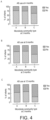
- Table 3 shows the results the likelihood of cumulative reported antibiotic use through 12 months. This was increased in infants harbouring the C community, and decreased in infants with the B community.
- Table 4A Antibiotics use at 4 months Antibiotics cumulative 4 M No (%) Yes (%) Total (%) p-value Community at 3M G 1 100.0 0 0.0 1 100 1.000 A 15 75.0 5 25.0 20 100 0.435 B 21 72.4 8 27.6 29 100 0.369 C 41 58.6 29 41.4 70 100 0.117 TOTAL 78 65.0 42 35.0 120 100 0.092
- Table 4B Antibiotics use at 6 months Antibiotics cumulative 6 M No (%) Yes (%) Total (%) p-value Community at 3M G 1 100.0 0 0.0 1 100 1.000 A 13 65.0 7 35.0 20 100 0.461 B 19 65.5 10 34.5 29 100 0.209 C 33 47.1 37 52.9 70 100 0.064 TOTAL 66 55.0 54 45.0 120 100 0.064
- Table 4C Antibiotics cumulative 12 M No (%) Yes (%) Total (%) p-value Community at 3M G 1 100.0 0 0.0 1 100 0.406 A 11 55.0 9 45.0 20 100 0.212 B 17 58.6 12 41.4 29 100 0.034 C 20 28.6 50 71.4 70 100 0.002 TOTAL 49 40.8 71 59.2 120 100 0.003
- Infants with microbiota Community type B have a lower risk of requiring antibiotics in the first year of life (12 M). Infants with microbiota Community type C have increased risk to require an
- the present invention promotes Community B, and reduces Community C.
Landscapes
- Health & Medical Sciences (AREA)
- Life Sciences & Earth Sciences (AREA)
- Chemical & Material Sciences (AREA)
- Veterinary Medicine (AREA)
- Public Health (AREA)
- General Health & Medical Sciences (AREA)
- Animal Behavior & Ethology (AREA)
- Medicinal Chemistry (AREA)
- Pharmacology & Pharmacy (AREA)
- Engineering & Computer Science (AREA)
- Nutrition Science (AREA)
- Epidemiology (AREA)
- Mycology (AREA)
- Food Science & Technology (AREA)
- Polymers & Plastics (AREA)
- Nuclear Medicine, Radiotherapy & Molecular Imaging (AREA)
- Organic Chemistry (AREA)
- General Chemical & Material Sciences (AREA)
- Chemical Kinetics & Catalysis (AREA)
- Pediatric Medicine (AREA)
- Molecular Biology (AREA)
- Bioinformatics & Cheminformatics (AREA)
- Oncology (AREA)
- Communicable Diseases (AREA)
- Zoology (AREA)
- Physiology (AREA)
- Coloring Foods And Improving Nutritive Qualities (AREA)
- Pharmaceuticals Containing Other Organic And Inorganic Compounds (AREA)
Applications Claiming Priority (3)
| Application Number | Priority Date | Filing Date | Title |
|---|---|---|---|
| EP16187699 | 2016-09-07 | ||
| PCT/EP2017/071387 WO2018046311A1 (en) | 2016-09-07 | 2017-08-24 | Nutritional compositions for infants and/or young children comprising oligosaccharides |
| EP17755536.4A EP3509438B1 (de) | 2016-09-07 | 2017-08-24 | Nahrungszusammensetzungen für säuglinge und/oder kleinkinder enthaltend oligosaccharide |
Related Parent Applications (3)
| Application Number | Title | Priority Date | Filing Date |
|---|---|---|---|
| PCT/EP2017/071387 Previously-Filed-Application WO2018046311A1 (en) | 2016-09-07 | 2017-08-24 | Nutritional compositions for infants and/or young children comprising oligosaccharides |
| EP17755536.4A Division-Into EP3509438B1 (de) | 2016-09-07 | 2017-08-24 | Nahrungszusammensetzungen für säuglinge und/oder kleinkinder enthaltend oligosaccharide |
| EP17755536.4A Division EP3509438B1 (de) | 2016-09-07 | 2017-08-24 | Nahrungszusammensetzungen für säuglinge und/oder kleinkinder enthaltend oligosaccharide |
Publications (2)
| Publication Number | Publication Date |
|---|---|
| EP4477262A2 true EP4477262A2 (de) | 2024-12-18 |
| EP4477262A3 EP4477262A3 (de) | 2025-04-23 |
Family
ID=56888970
Family Applications (2)
| Application Number | Title | Priority Date | Filing Date |
|---|---|---|---|
| EP24201630.1A Pending EP4477262A3 (de) | 2016-09-07 | 2017-08-24 | Nährstoffzusammensetzungen für säuglinge und/oder kleinkinder |
| EP17755536.4A Active EP3509438B1 (de) | 2016-09-07 | 2017-08-24 | Nahrungszusammensetzungen für säuglinge und/oder kleinkinder enthaltend oligosaccharide |
Family Applications After (1)
| Application Number | Title | Priority Date | Filing Date |
|---|---|---|---|
| EP17755536.4A Active EP3509438B1 (de) | 2016-09-07 | 2017-08-24 | Nahrungszusammensetzungen für säuglinge und/oder kleinkinder enthaltend oligosaccharide |
Country Status (9)
| Country | Link |
|---|---|
| US (1) | US11179405B2 (de) |
| EP (2) | EP4477262A3 (de) |
| CN (1) | CN109640702A (de) |
| AU (1) | AU2017324759B2 (de) |
| ES (1) | ES3020257T3 (de) |
| MX (1) | MX2019001906A (de) |
| PH (1) | PH12019500092A1 (de) |
| RU (1) | RU2742510C2 (de) |
| WO (1) | WO2018046311A1 (de) |
Families Citing this family (4)
| Publication number | Priority date | Publication date | Assignee | Title |
|---|---|---|---|---|
| EP4151097A1 (de) * | 2019-06-04 | 2023-03-22 | N.V. Nutricia | Nährstoffzusammensetzung enthaltend 2'fucosyllaktose und butyrat |
| WO2021109022A1 (zh) * | 2019-12-04 | 2021-06-10 | 中国农业大学 | 岩藻糖苷酶及其相关生物材料与应用 |
| CA3192821A1 (en) * | 2020-10-16 | 2022-04-21 | Societe Des Produits Nestle S.A. | Infant or young child formula |
| WO2026013110A1 (en) * | 2024-07-10 | 2026-01-15 | Société des Produits Nestlé S.A. | A mixture of human milk oligosaccharides |
Citations (3)
| Publication number | Priority date | Publication date | Assignee | Title |
|---|---|---|---|---|
| US5288637A (en) | 1990-04-16 | 1994-02-22 | The Trustees Of The University Of Pennsylvania | Apparatus for the synthesis of saccharide compositions |
| WO1996010086A1 (en) | 1994-09-26 | 1996-04-04 | The Rockefeller University | Glycosyltransferases for biosynthesis of oligosaccharides, and genes encoding them |
| EP2526784A1 (de) | 2011-05-24 | 2012-11-28 | Nestec S.A. | Milcholigosaccharid-Galactooligosaccharid-Zusammensetzung für Kindernahrung mit niedrigem Monosaccharidgehalt, enthaltend die in der Milch vorhandene lösliche Oligosaccharidfraktion, sowie ein Verfahren zur Herstellung der Zusammensetzung |
Family Cites Families (13)
| Publication number | Priority date | Publication date | Assignee | Title |
|---|---|---|---|---|
| PL2453901T3 (pl) * | 2009-07-15 | 2015-03-31 | Nutricia Nv | Fukozyloklaktoza jako identyczny z mlekiem kobiecym niestrawny oligosacharyd do leczenia i/lub zapobiegania infekcji wirusowych |
| EP2465509A1 (de) * | 2010-11-23 | 2012-06-20 | Nestec S.A. | Oligosaccharid Zusammensetzung zur Behandlung von akuten Atemwegsinfektionen |
| EP2454948A1 (de) * | 2010-11-23 | 2012-05-23 | Nestec S.A. | Oligosaccharidmischung und Lebensmittel mit dieser Mischung, insbesondere Säuglingsnahrung |
| MY191538A (en) * | 2010-12-31 | 2022-06-30 | Abbott Lab | Human milk oligosaccharides to promote growth of beneficial bacteria |
| MY196432A (en) * | 2010-12-31 | 2023-04-10 | Abbott Lab | Methods Of Using Human Milk Oligosaccharides For Improving Airway Respiratory Health |
| EP2522232A1 (de) * | 2011-05-13 | 2012-11-14 | Nestec S.A. | Nahrungsmittel mit menschlichen Milcholigosacchariden und Herstellungsverfahren dafür |
| DK2999358T3 (en) | 2013-05-22 | 2021-10-11 | Glycom As | Synthetic mixture of oligosaccharides for the treating a microbiota of a mammal |
| CN114522175A (zh) * | 2013-11-15 | 2022-05-24 | 雀巢产品有限公司 | 用于预防或治疗婴儿和幼儿的坏死性小肠结肠炎的组合物 |
| PL3209673T5 (pl) * | 2014-10-24 | 2023-10-23 | Glycom A/S | Mieszaniny hmo |
| ES2870425T3 (es) * | 2014-10-29 | 2021-10-27 | Biogaia Ab | Uso de L. reuteri para la prevención o el tratamiento de la disbiosis de microbiota en la vida temprana |
| CN107427054A (zh) * | 2015-03-05 | 2017-12-01 | 雀巢产品技术援助有限公司 | 用于预防或治疗婴儿或幼儿的耳炎或支气管炎的组合物 |
| ES2772685T3 (es) * | 2015-08-04 | 2020-07-08 | Nestle Sa | Composiciones nutricionales con 2FL y LNNT para inducir una microbiota intestinal similar a la de los bebés lactantes |
| MX2018015187A (es) * | 2016-08-04 | 2019-04-24 | Nestec Sa | Composiciones nutricionales con 2fl y lnnt para su uso en la prevencion y/o tratamiento de la diarrea no causada por rotavirus mediante la accion en la disbiosis de la microbiota intestinal. |
-
2017
- 2017-08-24 US US16/328,782 patent/US11179405B2/en active Active
- 2017-08-24 EP EP24201630.1A patent/EP4477262A3/de active Pending
- 2017-08-24 CN CN201780051692.4A patent/CN109640702A/zh active Pending
- 2017-08-24 ES ES17755536T patent/ES3020257T3/es active Active
- 2017-08-24 WO PCT/EP2017/071387 patent/WO2018046311A1/en not_active Ceased
- 2017-08-24 MX MX2019001906A patent/MX2019001906A/es unknown
- 2017-08-24 AU AU2017324759A patent/AU2017324759B2/en active Active
- 2017-08-24 EP EP17755536.4A patent/EP3509438B1/de active Active
- 2017-08-24 RU RU2019109938A patent/RU2742510C2/ru active
-
2019
- 2019-01-14 PH PH12019500092A patent/PH12019500092A1/en unknown
Patent Citations (3)
| Publication number | Priority date | Publication date | Assignee | Title |
|---|---|---|---|---|
| US5288637A (en) | 1990-04-16 | 1994-02-22 | The Trustees Of The University Of Pennsylvania | Apparatus for the synthesis of saccharide compositions |
| WO1996010086A1 (en) | 1994-09-26 | 1996-04-04 | The Rockefeller University | Glycosyltransferases for biosynthesis of oligosaccharides, and genes encoding them |
| EP2526784A1 (de) | 2011-05-24 | 2012-11-28 | Nestec S.A. | Milcholigosaccharid-Galactooligosaccharid-Zusammensetzung für Kindernahrung mit niedrigem Monosaccharidgehalt, enthaltend die in der Milch vorhandene lösliche Oligosaccharidfraktion, sowie ein Verfahren zur Herstellung der Zusammensetzung |
Non-Patent Citations (13)
| Title |
|---|
| BOKULICH ET AL.: "Quality-filtering vastly improves diversity estimates from Illumina amplicon sequencing", NAT METHODS, vol. 10, 2013, pages 57 - 59, XP037015523, DOI: 10.1038/nmeth.2276 |
| CAPORASO ET AL.: "PyNAST: a flexible tool for aligning sequences to a template alignment.", BIOINFORMATICS, vol. 26, 2010, pages 266 - 267 |
| CAPORASO ET AL.: "QIIME allows analysis of high-throughput community sequencing data", NAT METHODS, vol. 7, 2010, pages 335 - 336, XP055154026, DOI: 10.1038/nmeth.f.303 |
| CAPORASO ET AL.: "Ultra-high-throughput microbial community analysis on the Illumina HiSeq and MiSeq platforms.", ISME J, vol. 6, 2012, pages 1621 - 1624, XP055341618, DOI: 10.1038/ismej.2012.8 |
| EDGAR ET AL.: "UCHIME improves sensitivity and speed of chimera detection.", BIOINFORMATICS, vol. 27, 2011, pages 2194 - 2200, XP055534113, DOI: 10.1093/bioinformatics/btr381 |
| J NUTR., vol. 125, 1995, pages 1401 - 12 |
| KLINDWORTH ET AL.: "Evaluation of general 16S ribosomal RNA gene PCR primers for classical and next-generation sequencing-based diversity studies", NUCLEIC ACIDS RES, 2013, pages 41 |
| KOZICH ET AL.: "Development of a dual-index sequencing strategy and curation pipeline for analyzing amplicon sequence data on the MiSeq Illumina sequencing platform.", APPL ENVIRON MICROBIOL, vol. 79, 2013, pages 5112 - 5120, XP055492930, DOI: 10.1128/AEM.01043-13 |
| PRICE: "FastTree: computing large minimum evolution trees with profiles instead of a distance matrix.", MOL BIOL EVOL, vol. 26, 2009, pages 1641 - 1650 |
| SALMINEN SOUWEHAND A.BENNO Y. ET AL.: "Probiotics: how should they be defined", TRENDS FOOD SCI. TECHNOL., vol. 10, 1999, pages 107 - 10, XP055150446 |
| SCHLOSS ET AL.: "Introducing mothur: open-source, platform-independent, community-supported software for describing and comparing microbial communities", APPL ENVIRON MICROBIOL, vol. 75, 2009, pages 7537 - 7541, XP055154024, DOI: 10.1128/AEM.01541-09 |
| WANG ET AL.: "Naive Bayesian classifier for rapid assignment of rRNA sequences into the new bacterial taxonomy.", APPL ENVIRON MICROBIOL, vol. 73, 2007, pages 5261 - 5267, XP055154006, DOI: 10.1128/AEM.00062-07 |
| WRODNIGG, T.M.STUTZ, A.E., ANGEW. CHEM. INT. ED., vol. 38, 1999, pages 827 - 828 |
Also Published As
| Publication number | Publication date |
|---|---|
| RU2019109938A3 (de) | 2020-10-08 |
| EP3509438A1 (de) | 2019-07-17 |
| RU2742510C2 (ru) | 2021-02-08 |
| EP3509438B1 (de) | 2025-01-22 |
| EP4477262A3 (de) | 2025-04-23 |
| AU2017324759A1 (en) | 2019-01-24 |
| WO2018046311A1 (en) | 2018-03-15 |
| RU2019109938A (ru) | 2020-10-08 |
| PH12019500092A1 (en) | 2019-12-02 |
| CN109640702A (zh) | 2019-04-16 |
| AU2017324759B2 (en) | 2022-07-28 |
| ES3020257T3 (en) | 2025-05-22 |
| MX2019001906A (es) | 2019-07-15 |
| US20190209593A1 (en) | 2019-07-11 |
| US11179405B2 (en) | 2021-11-23 |
Similar Documents
| Publication | Publication Date | Title |
|---|---|---|
| EP3331534B1 (de) | Nährstoffzusammensetzung mit 2fl und lnnt zum induzieren einer darmbiozönose in der nähe gestillter kleinkinder | |
| AU2024213182B2 (en) | HMOs blends for use in infants or young children for health purposes | |
| EP3634156B1 (de) | Synergistische produktion von butyrat im zusammenhang mit der komplexität des hmos-gemischs zur verwendung bei babys oder kleinkindern für gesundheitszwecke | |
| AU2014350419B2 (en) | Compositions for preventing or treating allergies in infants from or fed by non secretor mothers by providing fucosylated-oligosaccharides in particular among infants at risk or born by C-section | |
| EP2642876B1 (de) | Lebensmittelprodukt beinhaltend ein oligosaccharid-gemisch und hydrolysierte proteine zur reduzierung von lebensmittelallergien | |
| AU2014350144B2 (en) | Compositions for use in the prevention or treatment of URT infections in infants or young children at risk | |
| EP3331383B1 (de) | Nährstoffzusammensetzungen und säuglingsnahrungsmittelformeln mit bifidobacterium animalis ssp. lactis und optionale mischung von oligosacchariden zum induzieren einer darmbiozönose in der nähe gestillter kleinkinder | |
| AU2017211274A1 (en) | Compositions comprising 2FL and LNnT for use in infants or young children to prevent later in life obesity or related comorbidities | |
| EP3493686B1 (de) | Nährstoffzusammensetzungen und säuglingsformeln mit einer mischung von oligosacchariden und gegebenenfalls bifidobacterium lactis zur verhinderung, behandlung oder reduzierung der nicht-rotavirus-assoziierten diarrhöe | |
| EP3509438B1 (de) | Nahrungszusammensetzungen für säuglinge und/oder kleinkinder enthaltend oligosaccharide |
Legal Events
| Date | Code | Title | Description |
|---|---|---|---|
| PUAI | Public reference made under article 153(3) epc to a published international application that has entered the european phase |
Free format text: ORIGINAL CODE: 0009012 |
|
| STAA | Information on the status of an ep patent application or granted ep patent |
Free format text: STATUS: THE APPLICATION HAS BEEN PUBLISHED |
|
| AC | Divisional application: reference to earlier application |
Ref document number: 3509438 Country of ref document: EP Kind code of ref document: P |
|
| AK | Designated contracting states |
Kind code of ref document: A2 Designated state(s): AL AT BE BG CH CY CZ DE DK EE ES FI FR GB GR HR HU IE IS IT LI LT LU LV MC MK MT NL NO PL PT RO RS SE SI SK SM TR |
|
| REG | Reference to a national code |
Ref country code: DE Ref legal event code: R079 Free format text: PREVIOUS MAIN CLASS: A61P0001120000 Ipc: A23L0033210000 |
|
| PUAL | Search report despatched |
Free format text: ORIGINAL CODE: 0009013 |
|
| AK | Designated contracting states |
Kind code of ref document: A3 Designated state(s): AL AT BE BG CH CY CZ DE DK EE ES FI FR GB GR HR HU IE IS IT LI LT LU LV MC MK MT NL NO PL PT RO RS SE SI SK SM TR |
|
| RIC1 | Information provided on ipc code assigned before grant |
Ipc: A61P 1/12 20060101ALN20250318BHEP Ipc: A61K 31/702 20060101ALI20250318BHEP Ipc: A23L 33/00 20160101ALI20250318BHEP Ipc: A23L 33/21 20160101AFI20250318BHEP |
|
| P01 | Opt-out of the competence of the unified patent court (upc) registered |
Free format text: CASE NUMBER: UPC_APP_4503_4477262/2025 Effective date: 20250825 |
|
| STAA | Information on the status of an ep patent application or granted ep patent |
Free format text: STATUS: REQUEST FOR EXAMINATION WAS MADE |
|
| 17P | Request for examination filed |
Effective date: 20251023 |
|
| GRAP | Despatch of communication of intention to grant a patent |
Free format text: ORIGINAL CODE: EPIDOSNIGR1 |
|
| STAA | Information on the status of an ep patent application or granted ep patent |
Free format text: STATUS: GRANT OF PATENT IS INTENDED |