EP4454646A1 - Combination therapy involving radiotherapy and hypoxia-responsive prodrug of anticancer drug, and novel hypoxia-responsive prodrug - Google Patents
Combination therapy involving radiotherapy and hypoxia-responsive prodrug of anticancer drug, and novel hypoxia-responsive prodrug Download PDFInfo
- Publication number
- EP4454646A1 EP4454646A1 EP22911039.0A EP22911039A EP4454646A1 EP 4454646 A1 EP4454646 A1 EP 4454646A1 EP 22911039 A EP22911039 A EP 22911039A EP 4454646 A1 EP4454646 A1 EP 4454646A1
- Authority
- EP
- European Patent Office
- Prior art keywords
- represented
- derived
- structural formula
- compound
- anticancer drug
- Prior art date
- Legal status (The legal status is an assumption and is not a legal conclusion. Google has not performed a legal analysis and makes no representation as to the accuracy of the status listed.)
- Pending
Links
Images





Classifications
-
- A—HUMAN NECESSITIES
- A61—MEDICAL OR VETERINARY SCIENCE; HYGIENE
- A61K—PREPARATIONS FOR MEDICAL, DENTAL OR TOILETRY PURPOSES
- A61K31/00—Medicinal preparations containing organic active ingredients
- A61K31/33—Heterocyclic compounds
- A61K31/395—Heterocyclic compounds having nitrogen as a ring hetero atom, e.g. guanethidine or rifamycins
- A61K31/435—Heterocyclic compounds having nitrogen as a ring hetero atom, e.g. guanethidine or rifamycins having six-membered rings with one nitrogen as the only ring hetero atom
- A61K31/4353—Heterocyclic compounds having nitrogen as a ring hetero atom, e.g. guanethidine or rifamycins having six-membered rings with one nitrogen as the only ring hetero atom ortho- or peri-condensed with heterocyclic ring systems
- A61K31/437—Heterocyclic compounds having nitrogen as a ring hetero atom, e.g. guanethidine or rifamycins having six-membered rings with one nitrogen as the only ring hetero atom ortho- or peri-condensed with heterocyclic ring systems the heterocyclic ring system containing a five-membered ring having nitrogen as a ring hetero atom, e.g. indolizine, beta-carboline
-
- A—HUMAN NECESSITIES
- A61—MEDICAL OR VETERINARY SCIENCE; HYGIENE
- A61K—PREPARATIONS FOR MEDICAL, DENTAL OR TOILETRY PURPOSES
- A61K31/00—Medicinal preparations containing organic active ingredients
- A61K31/33—Heterocyclic compounds
- A61K31/395—Heterocyclic compounds having nitrogen as a ring hetero atom, e.g. guanethidine or rifamycins
- A61K31/435—Heterocyclic compounds having nitrogen as a ring hetero atom, e.g. guanethidine or rifamycins having six-membered rings with one nitrogen as the only ring hetero atom
- A61K31/44—Non condensed pyridines; Hydrogenated derivatives thereof
- A61K31/4406—Non condensed pyridines; Hydrogenated derivatives thereof only substituted in position 3, e.g. zimeldine
-
- A—HUMAN NECESSITIES
- A61—MEDICAL OR VETERINARY SCIENCE; HYGIENE
- A61K—PREPARATIONS FOR MEDICAL, DENTAL OR TOILETRY PURPOSES
- A61K31/00—Medicinal preparations containing organic active ingredients
- A61K31/33—Heterocyclic compounds
- A61K31/395—Heterocyclic compounds having nitrogen as a ring hetero atom, e.g. guanethidine or rifamycins
- A61K31/435—Heterocyclic compounds having nitrogen as a ring hetero atom, e.g. guanethidine or rifamycins having six-membered rings with one nitrogen as the only ring hetero atom
- A61K31/44—Non condensed pyridines; Hydrogenated derivatives thereof
- A61K31/4427—Non condensed pyridines; Hydrogenated derivatives thereof containing further heterocyclic ring systems
- A61K31/4439—Non condensed pyridines; Hydrogenated derivatives thereof containing further heterocyclic ring systems containing a five-membered ring with nitrogen as a ring hetero atom, e.g. omeprazole
-
- A—HUMAN NECESSITIES
- A61—MEDICAL OR VETERINARY SCIENCE; HYGIENE
- A61K—PREPARATIONS FOR MEDICAL, DENTAL OR TOILETRY PURPOSES
- A61K31/00—Medicinal preparations containing organic active ingredients
- A61K31/33—Heterocyclic compounds
- A61K31/395—Heterocyclic compounds having nitrogen as a ring hetero atom, e.g. guanethidine or rifamycins
- A61K31/435—Heterocyclic compounds having nitrogen as a ring hetero atom, e.g. guanethidine or rifamycins having six-membered rings with one nitrogen as the only ring hetero atom
- A61K31/44—Non condensed pyridines; Hydrogenated derivatives thereof
- A61K31/445—Non condensed piperidines, e.g. piperocaine
- A61K31/4523—Non condensed piperidines, e.g. piperocaine containing further heterocyclic ring systems
-
- A—HUMAN NECESSITIES
- A61—MEDICAL OR VETERINARY SCIENCE; HYGIENE
- A61K—PREPARATIONS FOR MEDICAL, DENTAL OR TOILETRY PURPOSES
- A61K31/00—Medicinal preparations containing organic active ingredients
- A61K31/33—Heterocyclic compounds
- A61K31/395—Heterocyclic compounds having nitrogen as a ring hetero atom, e.g. guanethidine or rifamycins
- A61K31/435—Heterocyclic compounds having nitrogen as a ring hetero atom, e.g. guanethidine or rifamycins having six-membered rings with one nitrogen as the only ring hetero atom
- A61K31/44—Non condensed pyridines; Hydrogenated derivatives thereof
- A61K31/445—Non condensed piperidines, e.g. piperocaine
- A61K31/4523—Non condensed piperidines, e.g. piperocaine containing further heterocyclic ring systems
- A61K31/454—Non condensed piperidines, e.g. piperocaine containing further heterocyclic ring systems containing a five-membered ring with nitrogen as a ring hetero atom, e.g. pimozide, domperidone
-
- A—HUMAN NECESSITIES
- A61—MEDICAL OR VETERINARY SCIENCE; HYGIENE
- A61K—PREPARATIONS FOR MEDICAL, DENTAL OR TOILETRY PURPOSES
- A61K31/00—Medicinal preparations containing organic active ingredients
- A61K31/33—Heterocyclic compounds
- A61K31/395—Heterocyclic compounds having nitrogen as a ring hetero atom, e.g. guanethidine or rifamycins
- A61K31/435—Heterocyclic compounds having nitrogen as a ring hetero atom, e.g. guanethidine or rifamycins having six-membered rings with one nitrogen as the only ring hetero atom
- A61K31/44—Non condensed pyridines; Hydrogenated derivatives thereof
- A61K31/445—Non condensed piperidines, e.g. piperocaine
- A61K31/4523—Non condensed piperidines, e.g. piperocaine containing further heterocyclic ring systems
- A61K31/4545—Non condensed piperidines, e.g. piperocaine containing further heterocyclic ring systems containing a six-membered ring with nitrogen as a ring hetero atom, e.g. pipamperone, anabasine
-
- A—HUMAN NECESSITIES
- A61—MEDICAL OR VETERINARY SCIENCE; HYGIENE
- A61K—PREPARATIONS FOR MEDICAL, DENTAL OR TOILETRY PURPOSES
- A61K31/00—Medicinal preparations containing organic active ingredients
- A61K31/33—Heterocyclic compounds
- A61K31/395—Heterocyclic compounds having nitrogen as a ring hetero atom, e.g. guanethidine or rifamycins
- A61K31/495—Heterocyclic compounds having nitrogen as a ring hetero atom, e.g. guanethidine or rifamycins having six-membered rings with two or more nitrogen atoms as the only ring heteroatoms, e.g. piperazine or tetrazines
- A61K31/505—Pyrimidines; Hydrogenated pyrimidines, e.g. trimethoprim
- A61K31/506—Pyrimidines; Hydrogenated pyrimidines, e.g. trimethoprim not condensed and containing further heterocyclic rings
-
- A—HUMAN NECESSITIES
- A61—MEDICAL OR VETERINARY SCIENCE; HYGIENE
- A61K—PREPARATIONS FOR MEDICAL, DENTAL OR TOILETRY PURPOSES
- A61K31/00—Medicinal preparations containing organic active ingredients
- A61K31/33—Heterocyclic compounds
- A61K31/395—Heterocyclic compounds having nitrogen as a ring hetero atom, e.g. guanethidine or rifamycins
- A61K31/495—Heterocyclic compounds having nitrogen as a ring hetero atom, e.g. guanethidine or rifamycins having six-membered rings with two or more nitrogen atoms as the only ring heteroatoms, e.g. piperazine or tetrazines
- A61K31/505—Pyrimidines; Hydrogenated pyrimidines, e.g. trimethoprim
- A61K31/513—Pyrimidines; Hydrogenated pyrimidines, e.g. trimethoprim having oxo groups directly attached to the heterocyclic ring, e.g. cytosine
-
- A—HUMAN NECESSITIES
- A61—MEDICAL OR VETERINARY SCIENCE; HYGIENE
- A61K—PREPARATIONS FOR MEDICAL, DENTAL OR TOILETRY PURPOSES
- A61K31/00—Medicinal preparations containing organic active ingredients
- A61K31/33—Heterocyclic compounds
- A61K31/395—Heterocyclic compounds having nitrogen as a ring hetero atom, e.g. guanethidine or rifamycins
- A61K31/495—Heterocyclic compounds having nitrogen as a ring hetero atom, e.g. guanethidine or rifamycins having six-membered rings with two or more nitrogen atoms as the only ring heteroatoms, e.g. piperazine or tetrazines
- A61K31/505—Pyrimidines; Hydrogenated pyrimidines, e.g. trimethoprim
- A61K31/519—Pyrimidines; Hydrogenated pyrimidines, e.g. trimethoprim ortho- or peri-condensed with heterocyclic rings
-
- A—HUMAN NECESSITIES
- A61—MEDICAL OR VETERINARY SCIENCE; HYGIENE
- A61K—PREPARATIONS FOR MEDICAL, DENTAL OR TOILETRY PURPOSES
- A61K31/00—Medicinal preparations containing organic active ingredients
- A61K31/70—Carbohydrates; Sugars; Derivatives thereof
- A61K31/7028—Compounds having saccharide radicals attached to non-saccharide compounds by glycosidic linkages
- A61K31/7034—Compounds having saccharide radicals attached to non-saccharide compounds by glycosidic linkages attached to a carbocyclic compound, e.g. phloridzin
- A61K31/704—Compounds having saccharide radicals attached to non-saccharide compounds by glycosidic linkages attached to a carbocyclic compound, e.g. phloridzin attached to a condensed carbocyclic ring system, e.g. sennosides, thiocolchicosides, escin, daunorubicin
-
- A—HUMAN NECESSITIES
- A61—MEDICAL OR VETERINARY SCIENCE; HYGIENE
- A61K—PREPARATIONS FOR MEDICAL, DENTAL OR TOILETRY PURPOSES
- A61K31/00—Medicinal preparations containing organic active ingredients
- A61K31/70—Carbohydrates; Sugars; Derivatives thereof
- A61K31/7042—Compounds having saccharide radicals and heterocyclic rings
- A61K31/7052—Compounds having saccharide radicals and heterocyclic rings having nitrogen as a ring hetero atom, e.g. nucleosides, nucleotides
- A61K31/706—Compounds having saccharide radicals and heterocyclic rings having nitrogen as a ring hetero atom, e.g. nucleosides, nucleotides containing six-membered rings with nitrogen as a ring hetero atom
- A61K31/7064—Compounds having saccharide radicals and heterocyclic rings having nitrogen as a ring hetero atom, e.g. nucleosides, nucleotides containing six-membered rings with nitrogen as a ring hetero atom containing condensed or non-condensed pyrimidines
- A61K31/7068—Compounds having saccharide radicals and heterocyclic rings having nitrogen as a ring hetero atom, e.g. nucleosides, nucleotides containing six-membered rings with nitrogen as a ring hetero atom containing condensed or non-condensed pyrimidines having oxo groups directly attached to the pyrimidine ring, e.g. cytidine, cytidylic acid
-
- A—HUMAN NECESSITIES
- A61—MEDICAL OR VETERINARY SCIENCE; HYGIENE
- A61K—PREPARATIONS FOR MEDICAL, DENTAL OR TOILETRY PURPOSES
- A61K41/00—Medicinal preparations obtained by treating materials with wave energy or particle radiation ; Therapies using these preparations
- A61K41/0038—Radiosensitizing, i.e. administration of pharmaceutical agents that enhance the effect of radiotherapy
-
- A—HUMAN NECESSITIES
- A61—MEDICAL OR VETERINARY SCIENCE; HYGIENE
- A61K—PREPARATIONS FOR MEDICAL, DENTAL OR TOILETRY PURPOSES
- A61K47/00—Medicinal preparations characterised by the non-active ingredients used, e.g. carriers or inert additives; Targeting or modifying agents chemically bound to the active ingredient
- A61K47/50—Medicinal preparations characterised by the non-active ingredients used, e.g. carriers or inert additives; Targeting or modifying agents chemically bound to the active ingredient the non-active ingredient being chemically bound to the active ingredient, e.g. polymer-drug conjugates
- A61K47/51—Medicinal preparations characterised by the non-active ingredients used, e.g. carriers or inert additives; Targeting or modifying agents chemically bound to the active ingredient the non-active ingredient being chemically bound to the active ingredient, e.g. polymer-drug conjugates the non-active ingredient being a modifying agent
- A61K47/54—Medicinal preparations characterised by the non-active ingredients used, e.g. carriers or inert additives; Targeting or modifying agents chemically bound to the active ingredient the non-active ingredient being chemically bound to the active ingredient, e.g. polymer-drug conjugates the non-active ingredient being a modifying agent the modifying agent being an organic compound
- A61K47/545—Heterocyclic compounds
-
- A—HUMAN NECESSITIES
- A61—MEDICAL OR VETERINARY SCIENCE; HYGIENE
- A61N—ELECTROTHERAPY; MAGNETOTHERAPY; RADIATION THERAPY; ULTRASOUND THERAPY
- A61N5/00—Radiation therapy
- A61N5/10—X-ray therapy; Gamma-ray therapy; Particle-irradiation therapy
-
- A—HUMAN NECESSITIES
- A61—MEDICAL OR VETERINARY SCIENCE; HYGIENE
- A61P—SPECIFIC THERAPEUTIC ACTIVITY OF CHEMICAL COMPOUNDS OR MEDICINAL PREPARATIONS
- A61P35/00—Antineoplastic agents
-
- A—HUMAN NECESSITIES
- A61—MEDICAL OR VETERINARY SCIENCE; HYGIENE
- A61P—SPECIFIC THERAPEUTIC ACTIVITY OF CHEMICAL COMPOUNDS OR MEDICINAL PREPARATIONS
- A61P43/00—Drugs for specific purposes, not provided for in groups A61P1/00-A61P41/00
-
- C—CHEMISTRY; METALLURGY
- C07—ORGANIC CHEMISTRY
- C07D—HETEROCYCLIC COMPOUNDS
- C07D401/00—Heterocyclic compounds containing two or more hetero rings, having nitrogen atoms as the only ring hetero atoms, at least one ring being a six-membered ring with only one nitrogen atom
- C07D401/02—Heterocyclic compounds containing two or more hetero rings, having nitrogen atoms as the only ring hetero atoms, at least one ring being a six-membered ring with only one nitrogen atom containing two hetero rings
- C07D401/12—Heterocyclic compounds containing two or more hetero rings, having nitrogen atoms as the only ring hetero atoms, at least one ring being a six-membered ring with only one nitrogen atom containing two hetero rings linked by a chain containing hetero atoms as chain links
-
- C—CHEMISTRY; METALLURGY
- C07—ORGANIC CHEMISTRY
- C07D—HETEROCYCLIC COMPOUNDS
- C07D401/00—Heterocyclic compounds containing two or more hetero rings, having nitrogen atoms as the only ring hetero atoms, at least one ring being a six-membered ring with only one nitrogen atom
- C07D401/14—Heterocyclic compounds containing two or more hetero rings, having nitrogen atoms as the only ring hetero atoms, at least one ring being a six-membered ring with only one nitrogen atom containing three or more hetero rings
-
- C—CHEMISTRY; METALLURGY
- C07—ORGANIC CHEMISTRY
- C07D—HETEROCYCLIC COMPOUNDS
- C07D417/00—Heterocyclic compounds containing two or more hetero rings, at least one ring having nitrogen and sulfur atoms as the only ring hetero atoms, not provided for by group C07D415/00
- C07D417/14—Heterocyclic compounds containing two or more hetero rings, at least one ring having nitrogen and sulfur atoms as the only ring hetero atoms, not provided for by group C07D415/00 containing three or more hetero rings
-
- C—CHEMISTRY; METALLURGY
- C07—ORGANIC CHEMISTRY
- C07D—HETEROCYCLIC COMPOUNDS
- C07D471/00—Heterocyclic compounds containing nitrogen atoms as the only ring hetero atoms in the condensed system, at least one ring being a six-membered ring with one nitrogen atom, not provided for by groups C07D451/00 - C07D463/00
- C07D471/02—Heterocyclic compounds containing nitrogen atoms as the only ring hetero atoms in the condensed system, at least one ring being a six-membered ring with one nitrogen atom, not provided for by groups C07D451/00 - C07D463/00 in which the condensed system contains two hetero rings
- C07D471/04—Ortho-condensed systems
-
- C—CHEMISTRY; METALLURGY
- C07—ORGANIC CHEMISTRY
- C07D—HETEROCYCLIC COMPOUNDS
- C07D487/00—Heterocyclic compounds containing nitrogen atoms as the only ring hetero atoms in the condensed system, not provided for by groups C07D451/00 - C07D477/00
- C07D487/02—Heterocyclic compounds containing nitrogen atoms as the only ring hetero atoms in the condensed system, not provided for by groups C07D451/00 - C07D477/00 in which the condensed system contains two hetero rings
- C07D487/04—Ortho-condensed systems
-
- A—HUMAN NECESSITIES
- A61—MEDICAL OR VETERINARY SCIENCE; HYGIENE
- A61N—ELECTROTHERAPY; MAGNETOTHERAPY; RADIATION THERAPY; ULTRASOUND THERAPY
- A61N5/00—Radiation therapy
- A61N5/10—X-ray therapy; Gamma-ray therapy; Particle-irradiation therapy
- A61N2005/1092—Details
- A61N2005/1098—Enhancing the effect of the particle by an injected agent or implanted device
Definitions
- the present invention relates to a formulation comprising a hypoxia-responsive prodrug as an active ingredient, for improving or enhancing the effect of radiotherapy in combination therapy of an anticancer drug and radiotherapy. More specifically, the present invention relates to the formulation in which the hypoxia-responsive prodrug is a compound having a structure covalently bonded to 2-nitro-1-imidazolepropionic acid through an amino group (-NH 2 ) or an imino group (-NH-) in a molecule of the anticancer drug by forming an amide or an imide, and to a novel hypoxia-responsive prodrug in the compound.
- the hypoxia-responsive prodrug is a compound having a structure covalently bonded to 2-nitro-1-imidazolepropionic acid through an amino group (-NH 2 ) or an imino group (-NH-) in a molecule of the anticancer drug by forming an amide or an imide, and to a novel hypoxia-responsive prodrug in the compound.
- radiotherapy with drug therapy is recommended as a standard therapy for some types of cancer.
- both side effects associated with radiotherapy and side effects associated with anticancer drug(s) can occur.
- improvement in irradiation mode of irradiation and the like has been studied.
- sensitization effect by oxygen may not be observed, or even if the effect is observed, it is very small.
- a cytotoxic effect of radiation on tumor cells is small.
- a tumor including a large number of hypoxic cells becomes resistant to radiotherapy.
- Non-Patent Literature 1 radiosensitizers for hypoxic cells and hypoxia-activated prodrugs have been proposed ( I. N. Mistry et. al., Int J Radiation Oncol Bio Phys, Vol. 98, No. 5, pp. 1183-1196, 2017 (hereinafter referred to as Non-Patent Literature 1)).
- nitroimidazole-based TH-302 evofosafamide
- combination therapy with radiotherapy has been investigated; however, as far as the present inventors know, it has not reached clinical use.
- the sensitizers as described above such as similar nitroimidazole-based pimonidazole, etanidazole, nimorazole and the like have been proposed; however, any of these compounds achieves no significant improvement statistically in survival rate compared to typical radiotherapy alone, and the combination of these compounds with radiotherapy either has been found no significant benefit or has not resulted in clinical use due to its higher toxicity.
- cancer can be treated by administering TH-302 alone or in combination with other anticancer agents and/or radiotherapy (however, no specific data regarding specific treatments combined with the therapy are disclosed and the results of the subsequent clinical trials and the like are against their expectation, as described in Non-Patent Literature 1.)
- the compound belongs to a nitroimidazole-based compound, in which 2-nitro-1-imidazolepropionic acid is covalently bonded to the anticancer drug via an amino group (-NH 2 ) or an imino group (-NH-) in a molecule of the anticancer drug (Japanese Patent JP 5676020 B2 ).
- PropHAPs may contribute to the drug therapy for cancer in that it exhibits cytotoxicity comparable to that of a parent anticancer drug against malignant tumor cells at a low oxygen concentration but exhibits significantly lower cytotoxicity than that of the parent anticancer drug in cells at normal oxygen concentration.
- Non-Patent Literature 1 the nitroimidazole-based prodrugs described therein did not necessarily exhibit satisfactory effects in combination therapy with radiotherapy performed by us. Nevertheless, we investigated if there exists benefit or not in the therapy combined with radiotherapy using the PropHAP of gemcitabine. As a result, it was unexpectedly confirmed that the PropHAP of gemcitabine, in the therapy combined with radiotherapy (in vivo), exhibits a therapeutic effect on experimental animals that is almost equivalent to that of the parent compound while not resulting in a significant weight loss, at a radiation dose at which the parent compound causes side effects such as weight loss in the subject animals. Even if the dose of the drug was increased, the effect stayed the same.
- the combination of the radiotherapy and the drug therapy prevails significantly superior anticancer effects, compared to those of the radiation monotherapy, the parent compound monotherapy and the combination of the parent compound and the radiotherapy.
- Such effects were also observed in case of the PropHAP of palbociclib, niraparib, ribociclib or doxorubicin.
- Each PropHAP differs from gemcitabine in its chemical structure of the anticancer drug and the mechanism of action on tumors.
- the PropHAP is different from the typical nitroimidazole-based HAP described above because it is understood that PropHAP undergoes cleavage of a residual group or moiety X derived from an anticancer drug at a low hypoxic environment as shown in the following reaction scheme as described in the above-mentioned patent publication. It is considered that the chemical structure is different from that of the nitroimidazole-based prodrug described in Non-Patent Literature 1 and both the mode of cleavage of the nitroimidazole-based protective group and the product obtained by cleavage are completely different. In view of them, in the present invention or the subject matter disclosed herein, a use of Prop, referred as PropHAPs, as a protective group for the parent compound is of great importance.
- a pharmaceutical formulation for improving or enhancing, or for use in improving or enhancing, a therapeutic effect of combination therapy including radiotherapy, in the combination therapy of radiotherapy and drug therapy for a malignant tumor comprising a compound represented by Formula I as an active ingredient: wherein, a moiety in which R1 and R2 bond to an N atom is a part of an anticancer drug having an amino group or an imino group with the amino group or the imino group removed; in case of the anticancer drug having the amino group, either R1 or R2 represents a hydrogen atom, and the anticancer drug having the moiety in which R1 and R2 bond to an N atom is selected from the group consisting of: anthracyclines selected from doxorubicin, idarubicin, epirubicin, daunorubicin, pirarubicin, amrubicin, aclacinomycin, anthramycin and zorubicin; peptides selected from bleomycin and actin
- Aspect 2 The pharmaceutical formulation according to Aspect 1, wherein the compound represented by Formula I is derived from the following anticancer drug and represented by the following structural formulae:
- Aspect 3 Combination therapy of drug therapy and radiotherapy for a malignant tumor, the combination therapy comprising: administering an effective dose of a compound of Formula I to a patient or an individual in need of treatment for a malignant tumor; and irradiating the patient or the individual with an effective dose of radiation: wherein, a moiety in which R1 and R2 bond to an N atom is a part of an anticancer drug having an amino group or an imino group with the amino group or the imino group removed; in case of the anticancer drug having the amino group, either R1 or R2 represents a hydrogen atom, and the anticancer drug having the moiety in which R1 and R2 bond to an N atom is selected from the group consisting of: anthracyclines selected from doxorubicin, idarubicin, epirubicin, daunorubicin, pirarubicin, amrubicin, aclacinomycin, anthramycin and zorubicin; peptides selected from
- Aspect 4 The combination therapy according to Aspect 3, wherein the compound represented by Formula I is derived from the following anticancer drug and represented by the following structural formulae:
- Aspect 5 A compound represented by Formula I-1 or a pharmaceutically acceptable salt thereof: wherein,
- the radiation used in the "radiotherapy" of the present invention is one used in ordinary radiotherapy in a broad sense, and examples thereof can include, but are not limited to, X-ray, gamma ( ⁇ ) ray, alpha ( ⁇ ) ray, beta ( ⁇ ) ray, proton beam and heavy particle (carbon ion) ray, and the irradiation mode of the radiation may be any mode already used in the art.
- a patient or an individual (which may be a mammal, including a human) is generally subjected to irradiation from about 30 minutes to about 48 hours, typically from about 1 hour to about 24 hours after administration of the compound of Formula I.
- Irradiation can be external irradiation in which radiation is applied from outside the body of the patient or subject, internal irradiation in which radiation is applied to the cancer or its surroundings from an irradiation source embedded in the body, or a combination of both.
- malignant tumors that can be remedied or treated by such administration and irradiation include, for example, head and neck cancer, cervical cancer, esophageal cancer, lung cancer, pancreatic cancer, breast cancer, soft tissue sarcoma, and other tumors that may be treated by radiotherapy and drug administration or chemoradiotherapy at present or in the future, and for which treatment by said therapy is expected to provide the desired effect.
- the administration mode of the compound represented by Formula I may be oral administration or parenteral administration, and specifically, it can be appropriately determined with reference to the administration mode of being usually used in clinical cases for the parent compound.
- the meaning of the phrase "improving or enhancing an effect of combination therapy including radiotherapy” is defined as follows: in combination therapy with radio therapy, when an experimental animal bearing a malignant tumor is subjected to administration of a parent compound of a compound represented by Formula I (an anticancer drug having a moiety in which R1 and R2 bonded to the N atom in the compound represented by Formula I, or a compound serving as a starting material of the compound) and then subjected to radiotherapy, the animal may exhibit nausea, vomiting, neuropathy and the like or weight loss and the like sometimes resulting therefrom. These adverse conditions are statistically and significantly reduced when the parent compound is replaced with the compound of Formula I, while the therapeutic effect is at least comparable or at least statistically and significantly enhanced as compared with that by radiotherapy alone.
- the phrase "statistically significant reduction” or “significant enhancement” means a reduction or enhancement of the effect with a statistically significant difference when data obtained from the study results of a group of five or more of subjects (including subject individuals) are statistically processed by t-test.
- “Pharmaceutical formulation” is a formulation which can be used in the art of medicine and is a concept which is interchangeable with pharmaceutical composition and can comprise, in addition to the compound of Formula I as an active ingredient, diluents, carriers, excipients and the like. These are generally safe, non-toxic and do not adversely affect the properties of the compound and include but are not limited to sterile water, non-ionic surfactants, ethanol, glycerol and mixtures thereof and other compounds or mixtures which have been used as diluents, carriers or excipients for individual drug substances.
- the pharmaceutically acceptable salt of the compound disclosed in Aspect 5 can be an acid addition salt of a mineral acid such as hydrochloric acid or sulfuric acid or an organic acid such as formic acid, acetic acid, citric acid or methanesulfonic acid.
- a mineral acid such as hydrochloric acid or sulfuric acid
- an organic acid such as formic acid, acetic acid, citric acid or methanesulfonic acid.
- the compound has an acidic group such as a carboxyl group or a hydroxyl group, it can be an addition salt of an alkali metal such as sodium or potassium or an organic amine such as ammonium or methylamine.
- a compound of Formula I according to Aspect 1 or a hypoxia-responsive prodrug according to Aspect 6 may be prepared by reaction of a corresponding or general anticancer drug with an imidazolepropionic acid represented by Formula II to form an amide or imide bond.
- a reaction may be carried out by reacting the anti-cancer drug with the compound of Formula II in a suitable inert solvent in the presence of a condensing agent well known per se in the art (e.g. carbodiimides) or by reacting an active ester of the compound of Formula II (halide, ester of the compound with N-hydroxysuccinimide, etc.) with the compound of Formula I in a suitable solvent.
- any one of the groups may be protected by a method known in the art if necessary, and then any one of the reactions described above may be carried out.
- carrying out the reaction reference can be made to those described in Japanese Patent JP 5676020 B2 , and for the PropHAPs of gemcitabine, doxorubicin and 5-fluorouracil, those described therein can be used as they are, so that the contents thereof are incorporated herein by reference in their entirety.
- the effective dose of irradiation and the effective dose of the compound represented by Formula I cannot be specified because the optimal dose varies depending on the type and severity of the malignant tumor to be treated and the type of the compound to be used.
- the irradiation dose, usage and dosage of the corresponding parent compound which has been specifically examined for such combination therapy can be referred to; for example, they can be determined by a medical professional with reference to materials available from the United States Food and Drug Administration, data discussed in pharmaceutical literatures, and the like.
- mice (6 or 7 mice per group) were each subcutaneously implanted with MDA-MB-231 cells, and administered with niraparib or niraparib HAP to analyze the synergistic effect with radiotherapy.
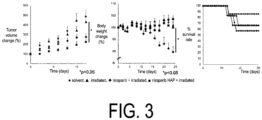
- the results are shown in FIG. 3 . From FIG. 3 , it can be confirmed that the tumor growth inhibitory effect is enhanced in the drug-administered group as compared with the case of the radiation monotherapy. In addition, it can be confirmed that the niraparib-HAP-administered group showed no decrease in body weight and improved survival rate as compared with the niraparib-administered group.
- EML-ALK mutant human non-small-cell lung cancer (EMI,4-ALK fusion-A549) (ATCC Model No. CCL-185IG) was seeded in a 96-well plate at a density of 3000 cells/well, and the obtained crizotinib or crizotinib HAP (a mixture of 5 and 6) was added and incubated for 1 day at normal and low oxygen concentrations (0.2 %), followed by medium exchange and further cultured for 2 days under the same conditions to examine the cell viability. The results are shown in FIG. 4 . From FIG. 4 , it can be confirmed that cytotoxicity is recovered at the low oxygen concentration.
- Human malignant melanoma (A375) cells were seeded in a 96-well plate at a density of 3000 cells/well, added with the obtained vemurafenib or Compound 11, and incubated for 2 days at normal and lower (0.2 %) oxygen concentrations to observe the cell viability. The results are shown in FIG. 6 . From FIG. 6 , it can be confirmed that cytotoxicity is recovered at the low oxygen concentration.
- MIA Paca-2 Human pancreatic cancer cells (MIA Paca-2) were subcutaneously implanted into Balb/c nude mice (6 mice per group), and palbociclib or palbociclib HAP was orally administered (100 mg/kg, twice/week) to examine the synergistic effect with radiotherapy (2 Gy on the day after drug administration, twice/week).
- a 17 ⁇ -estradiol sustained-release pellet (manufactured by Innovative Research of America) and human breast cancer cells (MCF7) were subcutaneously implanted to Balb/c nude mice (6 mice per group), and ribociclib or ribociclib HAP was orally administered (75 mg/kg, twice/week) to examine the synergistic effect with radiotherapy (1 Gy, on the day after drug administration, twice/week).
- the results are illustrated in a lower panel of FIG. 11 . From this figure, it can be confirmed that in the prodrug-administered group, the tumor growth inhibitory effect was enhanced when radiation was used in combination, as compared with the case in which radiation therapy was used alone or the case in which the drug substance ribociclib was used in combination with radiation.
- FIG. 13 Human pancreatic cancer cells (MIA Paca-2) were subcutaneously implanted to Balb/c nude mice (6 mice per group), and gemcitabine or gemcitabine HAP was intraperitoneally administered (10 mg/kg, twice/week) to examine the synergistic effect of the combination therapy with radiotherapy (1 Gy, on the day after drug administration, twice/week). The results are shown in FIG. 13 . From FIG. 13 , it can be confirmed that the tumor growth inhibitory effect was enhanced in the gemcitabine-HAP administered group when radiation was used in combination, as compared with the case of radiation monotherapy and the case of using the drug substance gemcitabine and radiation in combination. When the dosage was reduced to 10 mg/kg, it can be confirmed that the effect was higher than that of gemcitabine when used in combination with radiation.
- MIA Paca-2 Human cancer cells
- 2-nitroimidazole (10 mg/kg, twice/week)
- 2-nitroimidazole and gemcitabine (10 mg/kg respectively, twice/week)
- gemcitabine HAP 10 mg/kg, twice/week
- Human cholangiocarcinoma cells (HuCCT1) were subcutaneously implanted into Balb/c nude mice (5 mice per group), respectively, and gemcitabine or gemcitabine HAP was intraperitoneally administered (30 mg/kg, twice/week), respectively to examine the synergistic effect of the combination therapy with radiotherapy (2 Gy, on the day after drug administration, twice/week). The results are shown in FIG. 15 . From FIG. 15 , it can be confirmed that the tumor growth inhibitory effect was enhanced in the drug-administered group as compared with that of radiation monotherapy. In addition, as compared with the gemcitabine-administered group, the gemcitabine-HAP administered group did not show a decrease in body weight.
- mice (6 mice or more per group) were subcutaneously implanted with 17 ⁇ -estradiol sustained-release pellets (produced by Innovative Research of America) and human breast cancer cells (MCF7), and intraperitoneally administered with doxorubicin (4 mg/kg, Day 0 and 2) or doxorubicin HAP 4 mg/kg, or 16 mg/kg, Day 0, 2, 7 and 9) to examine the synergistic effect with radiotherapy (0.5 Gy, Day 1, 3, 8 and 10). The results are shown in a lower panel of FIG. 16 .
- the tumor growth inhibitory effect was enhanced when radiation was used in combination, as compared with the case in which radiotherapy was used alone and the case in which the drug substance doxorubicin was used in combination with radiation.
- the doxorubicin HAP-administered group did not show the weight loss.
Landscapes
- Health & Medical Sciences (AREA)
- Chemical & Material Sciences (AREA)
- Organic Chemistry (AREA)
- Life Sciences & Earth Sciences (AREA)
- General Health & Medical Sciences (AREA)
- Veterinary Medicine (AREA)
- Public Health (AREA)
- Animal Behavior & Ethology (AREA)
- Pharmacology & Pharmacy (AREA)
- Medicinal Chemistry (AREA)
- Epidemiology (AREA)
- Molecular Biology (AREA)
- Nuclear Medicine, Radiotherapy & Molecular Imaging (AREA)
- Engineering & Computer Science (AREA)
- Chemical Kinetics & Catalysis (AREA)
- General Chemical & Material Sciences (AREA)
- Biomedical Technology (AREA)
- Bioinformatics & Cheminformatics (AREA)
- Pathology (AREA)
- Radiology & Medical Imaging (AREA)
- Pharmaceuticals Containing Other Organic And Inorganic Compounds (AREA)
Abstract
Description
- The present invention relates to a formulation comprising a hypoxia-responsive prodrug as an active ingredient, for improving or enhancing the effect of radiotherapy in combination therapy of an anticancer drug and radiotherapy. More specifically, the present invention relates to the formulation in which the hypoxia-responsive prodrug is a compound having a structure covalently bonded to 2-nitro-1-imidazolepropionic acid through an amino group (-NH2) or an imino group (-NH-) in a molecule of the anticancer drug by forming an amide or an imide, and to a novel hypoxia-responsive prodrug in the compound.
- At present, radiotherapy with drug therapy (anticancer drug therapy) is recommended as a standard therapy for some types of cancer. In such combination therapy, both side effects associated with radiotherapy and side effects associated with anticancer drug(s) can occur. For this reason, for example, improvement in irradiation mode of irradiation and the like has been studied. Furthermore, in cells in a hypoxic state present in a malignant tumor, sensitization effect by oxygen may not be observed, or even if the effect is observed, it is very small. Thus, a cytotoxic effect of radiation on tumor cells is small. In general, a tumor including a large number of hypoxic cells becomes resistant to radiotherapy. Therefore, radiosensitizers for hypoxic cells and hypoxia-activated prodrugs have been proposed (I. N. Mistry et. al., Int J Radiation Oncol Bio Phys, Vol. 98, No. 5, pp. 1183-1196, 2017 (hereinafter referred to as Non-Patent Literature 1)). For example, nitroimidazole-based TH-302 (evofosafamide) has been proposed as a prodrug as described above, and combination therapy with radiotherapy has been investigated; however, as far as the present inventors know, it has not reached clinical use. In addition, the sensitizers as described above such as similar nitroimidazole-based pimonidazole, etanidazole, nimorazole and the like have been proposed; however, any of these compounds achieves no significant improvement statistically in survival rate compared to typical radiotherapy alone, and the combination of these compounds with radiotherapy either has been found no significant benefit or has not resulted in clinical use due to its higher toxicity. It should be noted that it is described that cancer can be treated by administering TH-302 alone or in combination with other anticancer agents and/or radiotherapy (however, no specific data regarding specific treatments combined with the therapy are disclosed and the results of the subsequent clinical trials and the like are against their expectation, as described in
Non-Patent Literature 1.) - Nevertheless, there still exists a need to provide a compound which exerts more pronounced combined effects in combination therapy of radiotherapy and drug therapy.
- Some of the present inventors have previously proposed a compound as a hypoxia-responsive prodrug of an anticancer drug. The compound belongs to a nitroimidazole-based compound, in which 2-nitro-1-imidazolepropionic acid is covalently bonded to the anticancer drug via an amino group (-NH2) or an imino group (-NH-) in a molecule of the anticancer drug (Japanese Patent
JP 5676020 B2 - In fact, as described in
Non-Patent Literature 1, the nitroimidazole-based prodrugs described therein did not necessarily exhibit satisfactory effects in combination therapy with radiotherapy performed by us. Nevertheless, we investigated if there exists benefit or not in the therapy combined with radiotherapy using the PropHAP of gemcitabine. As a result, it was unexpectedly confirmed that the PropHAP of gemcitabine, in the therapy combined with radiotherapy (in vivo), exhibits a therapeutic effect on experimental animals that is almost equivalent to that of the parent compound while not resulting in a significant weight loss, at a radiation dose at which the parent compound causes side effects such as weight loss in the subject animals. Even if the dose of the drug was increased, the effect stayed the same. On the other hand, in a case where the PropHAP was used at a radiation dose and a drug dose at which the parent compound does not substantially express a side effect represented by weight loss or the like in the subject animals, the combination of the radiotherapy and the drug therapy prevails significantly superior anticancer effects, compared to those of the radiation monotherapy, the parent compound monotherapy and the combination of the parent compound and the radiotherapy. Such effects were also observed in case of the PropHAP of palbociclib, niraparib, ribociclib or doxorubicin. Each PropHAP differs from gemcitabine in its chemical structure of the anticancer drug and the mechanism of action on tumors. - The PropHAP is different from the typical nitroimidazole-based HAP described above because it is understood that PropHAP undergoes cleavage of a residual group or moiety X derived from an anticancer drug at a low hypoxic environment as shown in the following reaction scheme as described in the above-mentioned patent publication. It is considered that the chemical structure is different from that of the nitroimidazole-based prodrug described in
Non-Patent Literature 1 and both the mode of cleavage of the nitroimidazole-based protective group and the product obtained by cleavage are completely different. In view of them, in the present invention or the subject matter disclosed herein, a use of Prop, referred as PropHAPs, as a protective group for the parent compound is of great importance.
- Accordingly, main aspects or features of the invention provided the present application or the subject matter disclosed in the present description can include the following.
- Aspect 1: A pharmaceutical formulation for improving or enhancing, or for use in improving or enhancing, a therapeutic effect of combination therapy including radiotherapy, in the combination therapy of radiotherapy and drug therapy for a malignant tumor, the pharmaceutical formulation comprising a compound represented by Formula I as an active ingredient:

a moiety in which R1 and R2 bond to an N atom is a part of an anticancer drug having an amino group or an imino group with the amino group or the imino group removed; in case of the anticancer drug having the amino group, either R1 or R2 represents a hydrogen atom, and the anticancer drug having the moiety in which R1 and R2 bond to an N atom is selected from the group consisting of: anthracyclines selected from doxorubicin, idarubicin, epirubicin, daunorubicin, pirarubicin, amrubicin, aclacinomycin, anthramycin and zorubicin; peptides selected from bleomycin and actinomycin; quinoline alkaloids selected from camptothecin, topotecan and irinotecan; taxanes selected from docetaxel and paclitaxel; vinca alkaloids selected from vinorelbine, vincristine, vinblastine and vindesine; deoxycytidines selected from gemcitabine and cytarabine; pyrimidines selected from 5-fluorouracil, capecitabine and doxifluridine; purine ring derivatives selected from fludarabine, 6-mercaptopurine and 6-thioguanine; macrolides selected from epothilone; and other anticancer drugs selected from niraparib, crizotinib, dabrafenib, vemurafenib, entinostat, panobinostat, cobimetinib, palbociclib and ribociclib. - Aspect 2: The pharmaceutical formulation according to
Aspect 1, wherein the compound represented by Formula I is derived from the following anticancer drug and represented by the following structural formulae: - the compound being: derived from gemcitabine and represented by the structural formula:

- derived from doxorubicin and represented by the structural formula:

- derived from 5-fluorouracil and represented by any one of the structural formulae:

- derived from niraparib and represented by the structural formula:

- derived from crizotinib and represented by any one of the structural formulae:

- derived from dabrafenib and represented by the structural formula:

- derived from vemurafenib and represented by the structural formula:

- derived from entinostat and represented by the structural formula:

- derived from cobimetinib and represented by the structural formula:

- derived from palbociclib and represented by the structural formula:

- derived from ribociclib and represented by the structural formula:

- Aspect 3: Combination therapy of drug therapy and radiotherapy for a malignant tumor, the combination therapy comprising: administering an effective dose of a compound of Formula I to a patient or an individual in need of treatment for a malignant tumor; and irradiating the patient or the individual with an effective dose of radiation:

a moiety in which R1 and R2 bond to an N atom is a part of an anticancer drug having an amino group or an imino group with the amino group or the imino group removed; in case of the anticancer drug having the amino group, either R1 or R2 represents a hydrogen atom, and the anticancer drug having the moiety in which R1 and R2 bond to an N atom is selected from the group consisting of: anthracyclines selected from doxorubicin, idarubicin, epirubicin, daunorubicin, pirarubicin, amrubicin, aclacinomycin, anthramycin and zorubicin; peptides selected from bleomycin and actinomycin; quinoline alkaloids selected from camptothecin, topotecan and irinotecan; taxanes selected from docetaxel and paclitaxel; vinca alkaloids selected from vinorelbine, vincristine, vinblastine and vindesine; deoxycytidines selected from gemcitabine and cytarabine; pyrimidines selected from 5-fluorouracil, capecitabine and doxifluridine; purine ring derivatives selected from fludarabine, 6-mercaptopurine and 6-thioguanine; macrolides selected from epothilone; and other anticancer drugs selected from niraparib, crizotinib, dabrafenib, vemurafenib, entinostat, panobinostat, cobimetinib, palbociclib and ribociclib. - Aspect 4: The combination therapy according to Aspect 3, wherein the compound represented by Formula I is derived from the following anticancer drug and represented by the following structural formulae:
- the compound being: derived from gemcitabine and represented by the structural formula:

- derived from doxorubicin and represented by the structural formula:

- derived from 5-fluorouracil and represented by any one of the structural formulae:

- derived from niraparib and represented by the structural formula:

- derived from crizotinib and represented by any one of the structural formulae:

- derived from dabrafenib and represented by the structural formula:

- derived from vemurafenib and represented by the structural formula:

- derived from entinostat and represented by the structural formula:

- derived from cobimetinib and represented by the structural formula:

- derived from palbociclib and represented by the structural formula:

- derived from ribociclib and represented by the structural formula :

- Aspect 5: A compound represented by Formula I-1 or a pharmaceutically acceptable salt thereof:

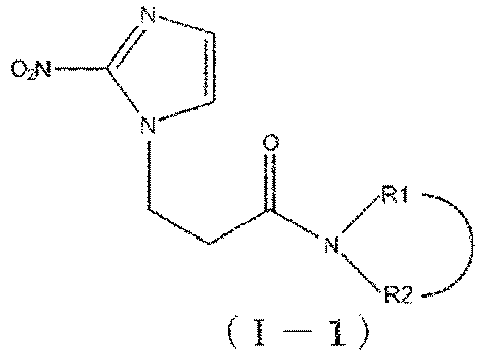
- a moiety in which R1 and R2 bond to an N atom is a part of an anticancer drug having an amino group or an imino group with the amino group or the imino group removed; and in case of the anticancer drug having the amino group, either R1 or R2 represents a hydrogen atom, and the compound is derived from the anticancer drug selected from the group consisting of niraparib, crizotinib, dabrafenib, vemurafenib, entinostat, cobimetinib, palbociclib and ribociclib; respectively, the compound being: derived from niraparib and represented by the structural formula:
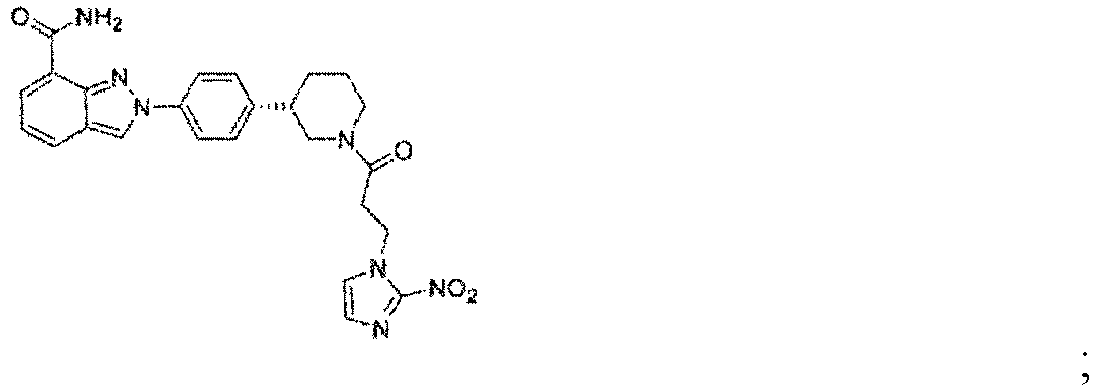
- derived from crizotinib and represented by any one of the structural formulae:

- derived from dabrafenib and represented by the structural formula:

- derived from vemurafenib and represented by the structural formula:

- derived from entinostat and represented by the structural formula:

- derived from cobimetinib and represented by the structural formula:

- derived from palbociclib and represented by the structural formula:

- derived from ribociclib and represented by the structural formula:

- Aspect 6: A method of providing a hypoxia-responsive prodrug in combination therapy of radiotherapy and drug therapy for a malignant tumor, for improving or enhancing a therapeutic effect of combination therapy including the radiotherapy, the method comprising:
- (1) covalently bonding an anticancer drug, via an amino group (NH2) or an imino group (-NH-) with an imidazolepropionic acid represented by Formula II:

- (2) treating a tumor experimental animal with the prodrug of the anticancer drug obtained in step (1) and its corresponding parent compound in combination with radiotherapy, to select the prodrug having statistically significantly lower side effects or significantly higher therapeutic effects higher than radiotherapy alone.
-
-
FIG. 1 is a graphical representation of the results of the (b) in vitrostudy 1 of Example 1. -
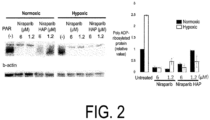
FIG. 2 is a graphical representation of the results of the (c) in vitrostudy 2 of Example 1. -
FIG. 3 is a graphical representation of the results of the (d) in vivo study of Example 1. -
FIG. 4 is a graphical representation of the results of the (b) in vitro study of Example 2. -
FIG. 5 is a graphical representation of the results of the (b) in vitro study of Example 3. -
FIG. 6 is a graphical representation of the results of the (b) in vitro study of Example 4. -
FIG. 7 is a graphical representation of the results of the (b) in vitro study of Example 5. -
FIG. 8 is a graphical representation of the results of the (b) in vitro study of Example 6. -
FIG. 9 is a graphical representation of the results of the (b) in vitro study of Example 7. -
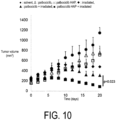
FIG. 10 is a graphical representation of the results of the (c) in vivo study of Example 7. -
FIG. 11 is a graphical representation of the results of the (b) in vitro study and the (c) in vivo study of Example 8. -
FIG. 12 is a graphical representation of the results of the invivo study 1 of Example 9. -
FIG. 13 is a graphical representation of the results of the invivo study 2 of Example 9. -
FIG. 14 is a graphical representation of the results of the in vivo study 2 (part 2) of Example 9. -
FIG. 15 is a graphical representation of the results of the in vivo study 3 of Example 9. -
FIG. 16 is a graphical representation of the results of the in vivo study of Example 10. - The technical terms used herein or used in relation to the description of the present invention have meanings and contents commonly used in the art, unless otherwise defined.
- The radiation used in the "radiotherapy" of the present invention is one used in ordinary radiotherapy in a broad sense, and examples thereof can include, but are not limited to, X-ray, gamma (γ) ray, alpha (α) ray, beta (β) ray, proton beam and heavy particle (carbon ion) ray, and the irradiation mode of the radiation may be any mode already used in the art.
- In the combination therapy of the invention, a patient or an individual (which may be a mammal, including a human) is generally subjected to irradiation from about 30 minutes to about 48 hours, typically from about 1 hour to about 24 hours after administration of the compound of Formula I. Irradiation can be external irradiation in which radiation is applied from outside the body of the patient or subject, internal irradiation in which radiation is applied to the cancer or its surroundings from an irradiation source embedded in the body, or a combination of both. In addition, malignant tumors that can be remedied or treated by such administration and irradiation include, for example, head and neck cancer, cervical cancer, esophageal cancer, lung cancer, pancreatic cancer, breast cancer, soft tissue sarcoma, and other tumors that may be treated by radiotherapy and drug administration or chemoradiotherapy at present or in the future, and for which treatment by said therapy is expected to provide the desired effect. On the other hand, the administration mode of the compound represented by Formula I may be oral administration or parenteral administration, and specifically, it can be appropriately determined with reference to the administration mode of being usually used in clinical cases for the parent compound.
- The meaning of the phrase "improving or enhancing an effect of combination therapy including radiotherapy" is defined as follows: in combination therapy with radio therapy, when an experimental animal bearing a malignant tumor is subjected to administration of a parent compound of a compound represented by Formula I (an anticancer drug having a moiety in which R1 and R2 bonded to the N atom in the compound represented by Formula I, or a compound serving as a starting material of the compound) and then subjected to radiotherapy, the animal may exhibit nausea, vomiting, neuropathy and the like or weight loss and the like sometimes resulting therefrom. These adverse conditions are statistically and significantly reduced when the parent compound is replaced with the compound of Formula I, while the therapeutic effect is at least comparable or at least statistically and significantly enhanced as compared with that by radiotherapy alone. The phrase "statistically significant reduction" or "significant enhancement" means a reduction or enhancement of the effect with a statistically significant difference when data obtained from the study results of a group of five or more of subjects (including subject individuals) are statistically processed by t-test.
- "Pharmaceutical formulation" is a formulation which can be used in the art of medicine and is a concept which is interchangeable with pharmaceutical composition and can comprise, in addition to the compound of Formula I as an active ingredient, diluents, carriers, excipients and the like. These are generally safe, non-toxic and do not adversely affect the properties of the compound and include but are not limited to sterile water, non-ionic surfactants, ethanol, glycerol and mixtures thereof and other compounds or mixtures which have been used as diluents, carriers or excipients for individual drug substances.
- The pharmaceutically acceptable salt of the compound disclosed in
Aspect 5 can be an acid addition salt of a mineral acid such as hydrochloric acid or sulfuric acid or an organic acid such as formic acid, acetic acid, citric acid or methanesulfonic acid. When the compound has an acidic group such as a carboxyl group or a hydroxyl group, it can be an addition salt of an alkali metal such as sodium or potassium or an organic amine such as ammonium or methylamine. - A compound of Formula I according to
Aspect 1 or a hypoxia-responsive prodrug according toAspect 6 may be prepared by reaction of a corresponding or general anticancer drug with an imidazolepropionic acid represented by Formula II to form an amide or imide bond. Such a reaction may be carried out by reacting the anti-cancer drug with the compound of Formula II in a suitable inert solvent in the presence of a condensing agent well known per se in the art (e.g. carbodiimides) or by reacting an active ester of the compound of Formula II (halide, ester of the compound with N-hydroxysuccinimide, etc.) with the compound of Formula I in a suitable solvent. As a specific example of the reaction, when an amino group or a cyclic amino group and a hydroxyl group coexist in the molecule of the organic compound, any one of the groups may be protected by a method known in the art if necessary, and then any one of the reactions described above may be carried out. For specific examples of carrying out the reaction, reference can be made to those described in Japanese PatentJP 5676020 B2 - The effective dose of irradiation and the effective dose of the compound represented by Formula I cannot be specified because the optimal dose varies depending on the type and severity of the malignant tumor to be treated and the type of the compound to be used. However, the irradiation dose, usage and dosage of the corresponding parent compound which has been specifically examined for such combination therapy can be referred to; for example, they can be determined by a medical professional with reference to materials available from the United States Food and Drug Administration, data discussed in pharmaceutical literatures, and the like.
- Hereinafter, the present invention will be disclosed in more detail with reference to specific examples, but is not intended to limit itself to these examples.
-

- Niraparib (
Compound - Human breast cancer cells (MDA-MB-231) were seeded in a 96-well plate at a density of 3000 cells/well, niraparib or Compound 3 was added, and the cell viability was observed after incubation at normal oxygen concentration and low oxygen concentration (0.2 %) for 2 days. The results are shown in
FIG.1 . FromFIG. 1 , it can be confirmed that the cytotoxicity is recovered at the low oxygen concentration. - To determine whether the targeted PARP activity was inhibited under a hypoxic environment, proteins were recovered from the cells and poly ADP ribosylated (PARylated) proteins were detected by Western blotting. The results are shown in
FIG. 2 . FromFIG. 2 , it can be confirmed that PARP activity is specifically inhibited under the low oxygen environment. - Balb/c nude mice (6 or 7 mice per group) were each subcutaneously implanted with MDA-MB-231 cells, and administered with niraparib or niraparib HAP to analyze the synergistic effect with radiotherapy. The results are shown in
FIG. 3 . FromFIG. 3 , it can be confirmed that the tumor growth inhibitory effect is enhanced in the drug-administered group as compared with the case of the radiation monotherapy. In addition, it can be confirmed that the niraparib-HAP-administered group showed no decrease in body weight and improved survival rate as compared with the niraparib-administered group. -
- A drug: the drug was orally administered (
Day - Irradiation: 1 hour of drug administration followed by irradiation at 0.5 Gy
-

- Crizotinib (
Compound dichloromethane 2 mL, Compound 2 (32 mg), 1-(3-dimethylaminopropyl)-3-ethylcarbodiimide hydrochloride 22 mg and dimethylaminopyridine (7 mg) were added and allowed to react for 24 hours at room temperature. Following the reaction, the product was purified by silica gel chromatography (chloroform : methanol = 97 : 3) to yield a mixture ofcompounds 5 and 6 (crizotinib HAP) by 20 mg. ([M + H] +: calculated value 618.2, observed value 618.3) - EML-ALK mutant human non-small-cell lung cancer (EMI,4-ALK fusion-A549) (ATCC Model No. CCL-185IG) was seeded in a 96-well plate at a density of 3000 cells/well, and the obtained crizotinib or crizotinib HAP (a mixture of 5 and 6) was added and incubated for 1 day at normal and low oxygen concentrations (0.2 %), followed by medium exchange and further cultured for 2 days under the same conditions to examine the cell viability. The results are shown in
FIG. 4 . FromFIG. 4 , it can be confirmed that cytotoxicity is recovered at the low oxygen concentration. -

- Dabrafenib (
Compound 7, 50 mg) was dissolved indichloromethane 2 mL, and Compound 8 (35 mg) was added, and allowed to react for 24 hours at room temperature . Following the reaction, the product was purified by silica gel chromatography (chloroform : methanol = 98 : 2) to yield Compound 9 (dabrafenib HAP) by 20mg. ([M - H]-: calculated value 685.1, observed value 685.3) - Human malignant melanomas (A375) were seeded in a 96-well plate at a density of 3000 cells/well, the obtained dabrafenib or Compound 9 was added, and the cell viability was observed when they were incubated for 2 days at normal and lower (0.2 %) oxygen concentrations. The results are indicated in
FIG. 5 . FromFIG. 5 , it can be confirmed that cytotoxicity is recovered at the low oxygen concentration. -

- Vemurafenib (
Compound dichloromethane 2 mL and Compound 8 (35 mg) was added and allowed to react for 24 hours at room temperature. Following the reaction, purification was performed by silica gel chromatography (chloroform : methanol = 100 : 0 to 98 : 2) to yield Compound 11 (vemurafenib HAP) by 20 mg. ([M - H]-: calculated value 655.0, observed value 654.9) - Human malignant melanoma (A375) cells were seeded in a 96-well plate at a density of 3000 cells/well, added with the obtained vemurafenib or Compound 11, and incubated for 2 days at normal and lower (0.2 %) oxygen concentrations to observe the cell viability. The results are shown in
FIG. 6 . FromFIG. 6 , it can be confirmed that cytotoxicity is recovered at the low oxygen concentration. -

- Entinostat (
Compound dichloromethane 2 mL, and Compound 2 (105 mg), 1-(3-dimethylaminopropyl)-3-ethylcarbodiimide hydrochloride 76 mg and dimethylaminopyridine (24 mg) were added and allowed to react for 24 hours at room temperature. Following the reaction, the product was purified by silica gel chromatography (chloroform : methanol = 97 : 3) to yield Compound 13 (entinostat HAP) by 50 mg. ([M + H]+: calculated value 544.2, observed value 544.5) - Human breast cancer cells (MDA-MB-231) were seeded in a 96-well plate at a density of 3000 cells/well, added with the obtained entinostat or Compound 13, and incubated for 4 days at normal and lower (0.2%) oxygen concentrations to observe the cell viability. The results are shown in
FIG. 7 . FromFIG. 7 , it can be confirmed that cytotoxicity is recovered at the low oxygen concentration. -

- Cobimetinib (
compound 14, 50 mg) was dissolved indichloromethane 2 mL, Compound 2 (26 mg), 1-(3-dimethylaminopropyl)-3-ethylcarbodiimide hydrochloride 28 mg and dimethylaminopyridine (9 mg) were added, and allowed to react for 24 hours at room temperature. Following the reaction, the product was purified by silica gel chromatography (chloroform : methanol = 100 : 0 to 97 : 3) to yield Compound 15 (cobimetinib HAP) by 30 mg. - Human malignant melanomas (A375) were seeded in a 96-well plate at a density of 3000 cells/well, and the obtained cobimetinib or
Compound 15 was added and incubated for 2 days at normal and lower (0.2 %) oxygen concentrations to observe the cell viability. The results are shown inFIG. 8 . FromFIG. 8 , it can be confirmed that cytotoxicity is recovered at the low oxygen concentration. -

- Palbociclib (
Compound dichloromethane 2 mL, and Compound 2 (75 mg), 1-(3-dimethylaminopropyl)-3-ethylcarbodiimide hydrochloride 51 mg and dimethylaminopyridine (16 mg) were added, and allowed to react for 24 hours at room temperature. Following the reaction, the product was purified by silica gel chromatography (chloroform : methanol = 100 : 0 to 97 : 3) to yield Compound 17 (palbociclib HAP) by 120 mg. - Human breast cancer cells (MCF-7) were seeded in a 96-well plate at a density of 3000 cells/well, added with the obtained palbociclib or
Compound 17, and incubated for 2 days at normal and lower (0.2 %) oxygen concentrations to observe the cell viability. The results are shown inFIG. 9 . FromFIG. 9 , it can be confirmed that cytotoxicity is recovered at the low oxygen concentration. - Human pancreatic cancer cells (MIA Paca-2) were subcutaneously implanted into Balb/c nude mice (6 mice per group), and palbociclib or palbociclib HAP was orally administered (100 mg/kg, twice/week) to examine the synergistic effect with radiotherapy (2 Gy on the day after drug administration, twice/week).
- The results are shown in
FIG. 10 . FromFIG. 10 , it can be confirmed that in the prodrug-administered group, the tumor growth inhibitory effect was enhanced when radiation was used in combination, as compared with the case in which radiation therapy was used alone and the case in which the drug substance palbociclib and radiation were used in combination. -

- Ribociclib (
Compound dichloromethane 2 mL, Compound 2 (75 mg), 1-(3-dimethylaminopropyl)-3-ethylcarbodiimide hydrochloride 51 mg and dimethylaminopyridine (16 mg) were added, and allowed to react for 24 hours at room temperature. Following the reaction, the product was purified by silica gel chromatography (chloroform : methanol = 100 : 0 to 97 : 3) to yield Compound 19 (ribociclib HAP) by 100 mg. - Human breast cancer cells (MCF-7) were seeded in a 96-well plate at a density of 3000 cells/well, the obtained ribociclib or
Compound 19 was added, and the cells were incubated for 2 days at normal and low (0.2 %) oxygen concentrations to examine the cell viability. The results are illustrated inFIG. 11 . FromFIG. 11 , it can be confirmed that cytotoxicity is recovered at the low oxygen concentration. - A 17β-estradiol sustained-release pellet (manufactured by Innovative Research of America) and human breast cancer cells (MCF7) were subcutaneously implanted to Balb/c nude mice (6 mice per group), and ribociclib or ribociclib HAP was orally administered (75 mg/kg, twice/week) to examine the synergistic effect with radiotherapy (1 Gy, on the day after drug administration, twice/week). The results are illustrated in a lower panel of
FIG. 11 . From this figure, it can be confirmed that in the prodrug-administered group, the tumor growth inhibitory effect was enhanced when radiation was used in combination, as compared with the case in which radiation therapy was used alone or the case in which the drug substance ribociclib was used in combination with radiation. - Human pancreatic cancer cells (MIA Paca-2) were subcutaneously implanted into Balb/c nude mice (6 or 7 mice per group), respectively, and gemcitabine or gemcitabine HAP (prepared according to the method described in Examples of
JP 5676020 B2 FIG. 12 . FromFIG. 12 , it can be confirmed that the tumor growth inhibitory effect was enhanced in the drug-administered group as compared with the case of administrating the radiation monotherapy. In addition, as compared with the gemcitabine-administered group, the gemcitabine-HAP administered group showed no decrease in body weight and an improved survival rate. - Human pancreatic cancer cells (MIA Paca-2) were subcutaneously implanted to Balb/c nude mice (6 mice per group), and gemcitabine or gemcitabine HAP was intraperitoneally administered (10 mg/kg, twice/week) to examine the synergistic effect of the combination therapy with radiotherapy (1 Gy, on the day after drug administration, twice/week). The results are shown in
FIG. 13 . FromFIG. 13 , it can be confirmed that the tumor growth inhibitory effect was enhanced in the gemcitabine-HAP administered group when radiation was used in combination, as compared with the case of radiation monotherapy and the case of using the drug substance gemcitabine and radiation in combination. When the dosage was reduced to 10 mg/kg, it can be confirmed that the effect was higher than that of gemcitabine when used in combination with radiation. - Human cancer cells (MIA Paca-2) were subcutaneously implanted into Balb/c nude mice (7 mice per group), respectively, and 2-nitroimidazole (10 mg/kg, twice/week), 2-nitroimidazole and gemcitabine (10 mg/kg respectively, twice/week), and gemcitabine HAP (10 mg/kg, twice/week) were intraperitoneally administered to examine the synergistic effect of the combination therapy with irradiation (1 Gy, on the day after drug administration, twice/week). The results are shown in
FIG. 14 . FromFIG. 14 , it can be confirmed that the tumor growth inhibitory effect was enhanced in the gemcitabine-HAP administered group when radiation was used in combination, as compared with the case of radiation monotherapy and the case of using 2-nitroimidazole which is a radiation sensitizer and the case of using gemcitabine which is a drug substance, 2-nitroimidazole and radiation in combination. - Human cholangiocarcinoma cells (HuCCT1) were subcutaneously implanted into Balb/c nude mice (5 mice per group), respectively, and gemcitabine or gemcitabine HAP was intraperitoneally administered (30 mg/kg, twice/week), respectively to examine the synergistic effect of the combination therapy with radiotherapy (2 Gy, on the day after drug administration, twice/week). The results are shown in
FIG. 15 . FromFIG. 15 , it can be confirmed that the tumor growth inhibitory effect was enhanced in the drug-administered group as compared with that of radiation monotherapy. In addition, as compared with the gemcitabine-administered group, the gemcitabine-HAP administered group did not show a decrease in body weight. - Balb/c nude mice (6 mice or more per group) were subcutaneously implanted with 17β-estradiol sustained-release pellets (produced by Innovative Research of America) and human breast cancer cells (MCF7), and intraperitoneally administered with doxorubicin (4 mg/kg,
Day 0 and 2) ordoxorubicin HAP 4 mg/kg, or 16 mg/kg,Day Day 1, 3, 8 and 10). The results are shown in a lower panel ofFIG. 16 . From this figure, it can be confirmed that in the prodrug-administered group, the tumor growth inhibitory effect was enhanced when radiation was used in combination, as compared with the case in which radiotherapy was used alone and the case in which the drug substance doxorubicin was used in combination with radiation. In addition, as compared with the doxorubicin-administered group, the doxorubicin HAP-administered group did not show the weight loss.
Claims (6)
- A pharmaceutical formulation for improving or enhancing, or for use in improving or enhancing, a therapeutic effect of combination therapy including radiotherapy, in the combination therapy of radiotherapy and drug therapy for a malignant tumor, the pharmaceutical formulation comprising a compound represented by Formula I as an active ingredient:
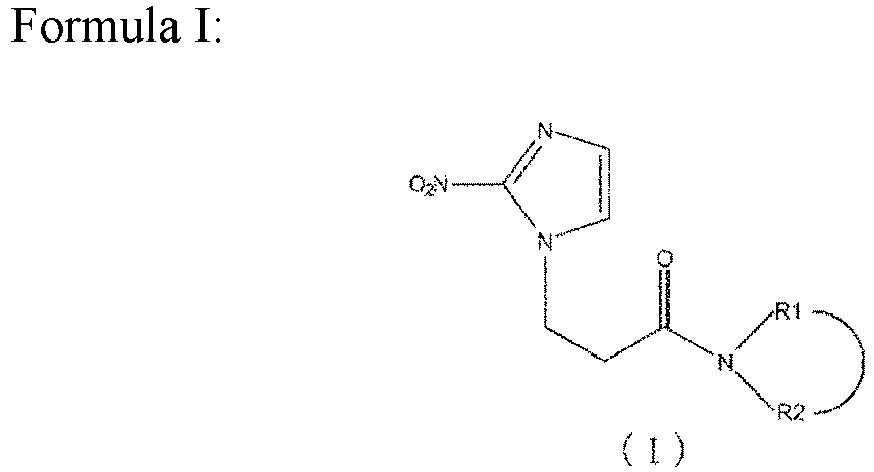
a moiety in which R1 and R2 bond to an N atom is a part of an anticancer drug having an amino group or an imino group with the amino group or the imino group removed; in case of the anticancer drug having the amino group, either R1 or R2 represents a hydrogen atom, and the anticancer drug having the moiety in which R1 and R2 bond to an N atom is selected from the group consisting of: anthracyclines selected from doxorubicin, idarubicin, epirubicin, daunorubicin, pirarubicin, amrubicin, aclacinomycin, anthramycin and zorubicin; peptides selected from bleomycin and actinomycin; quinoline alkaloids selected from camptothecin, topotecan and irinotecan; taxanes selected from docetaxel and paclitaxel; vinca alkaloids selected from vinorelbine, vincristine, vinblastine and vindesine; deoxycytidines selected from gemcitabine and cytarabine; pyrimidines selected from 5-fluorouracil, capecitabine and doxifluridine; purine ring derivatives selected from fludarabine, 6-mercaptopurine and 6-thioguanine; macrolides selected from epothilone; and other anticancer drugs selected from niraparib, crizotinib, dabrafenib, vemurafenib, entinostat, panobinostat, cobimetinib, palbociclib and ribociclib. - The pharmaceutical formulation according to claim 1, wherein the compound represented by Formula I is derived from the following anticancer drug and represented by the following structural formula,the compound being: derived from gemcitabine and represented by the structural formula:
 derived from doxorubicin and represented by the structural formula:
 derived from 5-fluorouracil and represented by any one of the structural formulae:
 derived from niraparib and represented by the structural formula:
 derived from crizotinib and represented by any one of the structural formulae:
 derived from dabrafenib and represented by the structural formula:
 derived from vemurafenib and represented by the structural formula:
 derived from entinostat and represented by the structural formula:
 derived from cobimetinib and represented by the structural formula:
 derived from palbociclib and represented by the structural formula:
 derived from ribociclib and represented by the structural formula:
- Combination therapy of drug therapy and radiotherapy for a malignant tumor, the combination therapy comprising: administering an effective dose of a compound represented by Formula I to a patient or an individual in need of treatment for a malignant tumor; and irradiating the patient or the individual with an effective dose of radiation:

a moiety in which R1 and R2 bond to an N atom is a part of an anticancer drug having an amino group or an imino group with the amino group or the imino group removed; and in case of the anticancer drug having the amino group, either R1 or R2 represents a hydrogen atom, and the anticancer drug having the moiety in which R1 and R2 bond to an N atom is selected from the group consisting of: anthracyclines selected from doxorubicin, idarubicin, epirubicin, daunorubicin, pirarubicin, amrubicin, aclacinomycin, anthramycin and zorubicin; peptides selected from bleomycin and actinomycin; quinoline alkaloids selected from camptothecin, topotecan and irinotecan; taxanes selected from docetaxel and paclitaxel; vinca alkaloids selected from vinorelbine, vincristine, vinblastine and vindesine; deoxycytidines selected from gemcitabine and cytarabine; pyrimidines selected from 5-fluorouracil, capecitabine and doxifluridine; purine ring derivatives selected from fludarabine, 6-mercaptopurine and 6-thioguanine; macrolides selected from epothilone; and other anti-cancer drugs selected from niraparib, crizotinib, dabrafenib, vemurafenib, entinostat, panobinostat, cobimetinib, palbociclib and ribociclib. - The combination therapy according to claim 3, wherein the compound represented by Formula I is derived from the following anticancer drugs and is represented by the following structural formulae:the compound being: derived from gemcitabine and represented by the structural formula:
 derived from doxorubicin and represented by the structural formula:
 derived from 5-fluorouracil and represented by any one of the structural formulae:
 derived from niraparib and represented by the structural formula:
 derived from crizotinib and represented by any one of the structural formulae:
 derived from dabrafenib and represented by the structural formula:
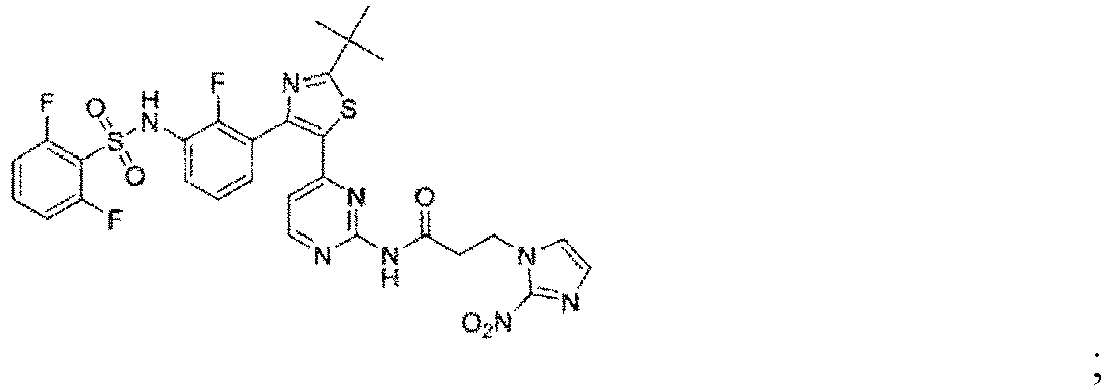 derived from vemurafenib and represented by the structural formula:
 derived from entinostat and represented by the structural formula:
 derived from cobimetinib and represented by the structural formula:
 derived from palbociclib and represented by the structural formula:
 derived from ribociclib and represented by the structural formula:
- A compound represented by Formula I-1 or a pharmaceutically acceptable salt thereof:
 a moiety in which R1 and R2 bond to an N atom is a part of an anticancer drug having an amino group or an imino group with the amino group or the imino group removed; and in case of the anticancer drug having the amino group, either R1 or R2 represents a hydrogen atom, and the compound is derived from the anticancer drug selected from the group consisting of niraparib, crizotinib, dabrafenib, vemurafenib, entinostat, cobimetinib, palbociclib and ribociclib; respectively, the compound being: derived from niraparib and represented by the following structural formula:
 derived from crizotinib and represented by any one of the structural formulae:
 derived from dabrafenib and represented by the structural formula:
 derived from vemurafenib and represented by the structural formula:
 derived from entinostat and represented by the structural formula:
 derived from cobimetinib and represented by the structural formula:
 derived from palbociclib and represented by the structural formula:
 derived from ribociclib and represented by the structural formula:
- A method of providing a hypoxia-responsive prodrug in combination therapy of radiotherapy and drug therapy for a malignant tumor, for improving or enhancing a therapeutic effect of combination therapy, the method comprising:(1) covalently bonding an anticancer drug, via an amino group (NH2) or an imino group (-NH-) with an imidazolepropionic acid represented by Formula II:
 (2) treating a tumor experimental animal with the prodrug of the anticancer drug obtained in step (1) and its corresponding parent compound in combination with radiotherapy, to select the prodrug having statistically significantly lower side effects or significantly higher therapeutic effects than radiotherapy alone.
Applications Claiming Priority (2)
| Application Number | Priority Date | Filing Date | Title |
|---|---|---|---|
| JP2021207215 | 2021-12-21 | ||
| PCT/JP2022/046076 WO2023120331A1 (en) | 2021-12-21 | 2022-12-14 | Combination therapy involving radiotherapy and hypoxia-responsive prodrug of anticancer drug, and novel hypoxia-responsive prodrug |
Publications (2)
| Publication Number | Publication Date |
|---|---|
| EP4454646A1 true EP4454646A1 (en) | 2024-10-30 |
| EP4454646A4 EP4454646A4 (en) | 2025-12-17 |
Family
ID=86902538
Family Applications (1)
| Application Number | Title | Priority Date | Filing Date |
|---|---|---|---|
| EP22911039.0A Pending EP4454646A4 (en) | 2021-12-21 | 2022-12-14 | Polytherapy comprising radiotherapy and a hypoxia-responsive prodrug of an anticancer drug, and a new hypoxia-responsive prodrug |
Country Status (6)
| Country | Link |
|---|---|
| US (1) | US20240424011A1 (en) |
| EP (1) | EP4454646A4 (en) |
| JP (1) | JPWO2023120331A1 (en) |
| CN (1) | CN118475349A (en) |
| CA (1) | CA3240954A1 (en) |
| WO (1) | WO2023120331A1 (en) |
Families Citing this family (1)
| Publication number | Priority date | Publication date | Assignee | Title |
|---|---|---|---|---|
| US12115154B2 (en) | 2020-12-16 | 2024-10-15 | Srx Cardio, Llc | Compounds for the modulation of proprotein convertase subtilisin/kexin type 9 (PCSK9) |
Family Cites Families (6)
| Publication number | Priority date | Publication date | Assignee | Title |
|---|---|---|---|---|
| JPH07101860A (en) * | 1993-09-30 | 1995-04-18 | Taiho Yakuhin Kogyo Kk | Antineoplastic agent |
| ZA200507752B (en) * | 2003-03-28 | 2007-01-31 | Threshold Pharmaceuticals Inc | Compositions and methods for treating cancer |
| US7842278B2 (en) * | 2006-10-27 | 2010-11-30 | Natural Pharmacia International, Inc. | Hypoxia-selective, weakly basic 2-nitroimidazole delivery agents and methods of use thereof |
| EP2816036B1 (en) * | 2012-02-13 | 2019-04-17 | University of Tsukuba | Prodrug using nitroimidazole |
| JP2016017059A (en) * | 2014-07-10 | 2016-02-01 | 国立大学法人 筑波大学 | Composition comprising antitumor prodrug |
| CN110755628B (en) * | 2019-11-13 | 2023-06-20 | 华南协同创新研究院 | A hypoxia-responsive chitosan drug carrier and its preparation method and application |
-
2022
- 2022-12-14 CA CA3240954A patent/CA3240954A1/en active Pending
- 2022-12-14 WO PCT/JP2022/046076 patent/WO2023120331A1/en not_active Ceased
- 2022-12-14 US US18/718,920 patent/US20240424011A1/en active Pending
- 2022-12-14 EP EP22911039.0A patent/EP4454646A4/en active Pending
- 2022-12-14 CN CN202280085171.1A patent/CN118475349A/en active Pending
- 2022-12-14 JP JP2023569350A patent/JPWO2023120331A1/ja active Pending
Also Published As
| Publication number | Publication date |
|---|---|
| EP4454646A4 (en) | 2025-12-17 |
| WO2023120331A1 (en) | 2023-06-29 |
| JPWO2023120331A1 (en) | 2023-06-29 |
| CN118475349A (en) | 2024-08-09 |
| CA3240954A1 (en) | 2023-06-29 |
| US20240424011A1 (en) | 2024-12-26 |
Similar Documents
| Publication | Publication Date | Title |
|---|---|---|
| TW581677B (en) | Use of alkylated iminosugars to treat multidrug resistance | |
| US10934255B2 (en) | Nrf and HIF activators/HDAC inhibitors and therapeutic methods using the same | |
| EP0769967B1 (en) | Conjugates comprising an antitumour agent and their use | |
| CN101668547B (en) | Hypoxia-selective, weakly basic 2-nitroimidazole delivery agents and methods of use thereof | |
| EP4253391A1 (en) | Radiation-activated tetravalent platinum complex and use thereof | |
| JP2019533727A (en) | Prodrug of clofarabine | |
| WO2019170059A1 (en) | Method for encapsulating drug within ferritin, and product thereof | |
| US11590233B2 (en) | Porphyrin compounds and compositions useful for treating cancer | |
| JP2003528920A (en) | Combination therapy with vascular damaging activity | |
| KR19990036137A (en) | Use of griseofulvin to inhibit cancer growth | |
| JPS634809B2 (en) | ||
| US20240424011A1 (en) | Combination therapy of hypoxia-responsive prodrug of an anticancer drug and radiotherapy, and novel hypoxia-responsive prodrug | |
| JPS637164B2 (en) | ||
| EP4335442A1 (en) | Use of adenosine diphosphate ribose as adjuvant therapy for radiation and/or anticancer therapy | |
| US20130101680A1 (en) | Radiotherapy enhancer | |
| ES2991018T3 (en) | (N-(2-((2-benzylphenyl)amino)-2-oxoethyl)-L-naphthamide) as an anticancer therapeutic agent | |
| JP3253663B2 (en) | Radiosensitizer | |
| HK1054193A1 (en) | Use of substituted acryloyl distamycin derivatives in the treatment of tumors associated with high levels of glutathione | |
| EP1611889A1 (en) | Antibacterial agent and anticancer agent | |
| EP4450092A1 (en) | Modified oligonucleotide-drug conjugate and use thereof | |
| US6589981B2 (en) | Tumor radiosensitization and/or chemopotentiation using isocoumarin derivatives | |
| HUP0002717A2 (en) | 13-Deoxyanthracycline derivatives and their production processes | |
| JP2007302609A (en) | Agent for reinforcing radiation-sensitizing ability in hypoxic cell radiation sensitizer | |
| EP4733301A1 (en) | Radiation-activatable compound and use thereof | |
| EP4531868A1 (en) | Anti-cancer saccharide-linked dihtiocarbamate compounds |
Legal Events
| Date | Code | Title | Description |
|---|---|---|---|
| STAA | Information on the status of an ep patent application or granted ep patent |
Free format text: STATUS: THE INTERNATIONAL PUBLICATION HAS BEEN MADE |
|
| PUAI | Public reference made under article 153(3) epc to a published international application that has entered the european phase |
Free format text: ORIGINAL CODE: 0009012 |
|
| STAA | Information on the status of an ep patent application or granted ep patent |
Free format text: STATUS: REQUEST FOR EXAMINATION WAS MADE |
|
| 17P | Request for examination filed |
Effective date: 20240523 |
|
| AK | Designated contracting states |
Kind code of ref document: A1 Designated state(s): AL AT BE BG CH CY CZ DE DK EE ES FI FR GB GR HR HU IE IS IT LI LT LU LV MC ME MK MT NL NO PL PT RO RS SE SI SK SM TR |
|
| DAV | Request for validation of the european patent (deleted) | ||
| DAX | Request for extension of the european patent (deleted) | ||
| REG | Reference to a national code |
Ref country code: DE Ref legal event code: R079 Free format text: PREVIOUS MAIN CLASS: A61K0031437000 Ipc: A61K0031706800 |
|
| A4 | Supplementary search report drawn up and despatched |
Effective date: 20251119 |
|
| RIC1 | Information provided on ipc code assigned before grant |
Ipc: A61K 31/7068 20060101AFI20251113BHEP Ipc: A61K 31/437 20060101ALI20251113BHEP Ipc: A61K 31/4406 20060101ALI20251113BHEP Ipc: A61K 31/4439 20060101ALI20251113BHEP Ipc: A61K 31/4523 20060101ALI20251113BHEP Ipc: A61K 31/454 20060101ALI20251113BHEP Ipc: A61K 31/4545 20060101ALI20251113BHEP Ipc: A61K 31/506 20060101ALI20251113BHEP Ipc: A61K 31/513 20060101ALI20251113BHEP Ipc: A61K 31/519 20060101ALI20251113BHEP Ipc: A61K 31/704 20060101ALI20251113BHEP Ipc: A61K 47/54 20170101ALI20251113BHEP Ipc: A61P 35/00 20060101ALI20251113BHEP Ipc: A61P 43/00 20060101ALI20251113BHEP Ipc: C07D 401/12 20060101ALI20251113BHEP Ipc: C07D 401/14 20060101ALI20251113BHEP Ipc: C07D 417/14 20060101ALI20251113BHEP Ipc: C07D 471/04 20060101ALI20251113BHEP Ipc: C07D 487/04 20060101ALI20251113BHEP Ipc: A61K 41/00 20200101ALI20251113BHEP Ipc: A61N 5/10 20060101ALI20251113BHEP |