EP4445909A1 - Pharmaceutical formulation consisting of c-peptide combined with a bisphosphonate in a single form and its use in the treatment of osteosarcopenia - Google Patents
Pharmaceutical formulation consisting of c-peptide combined with a bisphosphonate in a single form and its use in the treatment of osteosarcopenia Download PDFInfo
- Publication number
- EP4445909A1 EP4445909A1 EP24169036.1A EP24169036A EP4445909A1 EP 4445909 A1 EP4445909 A1 EP 4445909A1 EP 24169036 A EP24169036 A EP 24169036A EP 4445909 A1 EP4445909 A1 EP 4445909A1
- Authority
- EP
- European Patent Office
- Prior art keywords
- peptide
- pharmaceutical formulation
- formulation according
- bisphosphonate
- acid
- Prior art date
- Legal status (The legal status is an assumption and is not a legal conclusion. Google has not performed a legal analysis and makes no representation as to the accuracy of the status listed.)
- Granted
Links
Images



Classifications
-
- A—HUMAN NECESSITIES
- A61—MEDICAL OR VETERINARY SCIENCE; HYGIENE
- A61K—PREPARATIONS FOR MEDICAL, DENTAL OR TOILETRY PURPOSES
- A61K38/00—Medicinal preparations containing peptides
- A61K38/16—Peptides having more than 20 amino acids; Gastrins; Somatostatins; Melanotropins; Derivatives thereof
-
- A—HUMAN NECESSITIES
- A61—MEDICAL OR VETERINARY SCIENCE; HYGIENE
- A61K—PREPARATIONS FOR MEDICAL, DENTAL OR TOILETRY PURPOSES
- A61K31/00—Medicinal preparations containing organic active ingredients
- A61K31/66—Phosphorus compounds
- A61K31/662—Phosphorus acids or esters thereof having P—C bonds, e.g. foscarnet, trichlorfon
- A61K31/663—Compounds having two or more phosphorus acid groups or esters thereof, e.g. clodronic acid, pamidronic acid
-
- A—HUMAN NECESSITIES
- A61—MEDICAL OR VETERINARY SCIENCE; HYGIENE
- A61K—PREPARATIONS FOR MEDICAL, DENTAL OR TOILETRY PURPOSES
- A61K31/00—Medicinal preparations containing organic active ingredients
- A61K31/66—Phosphorus compounds
- A61K31/675—Phosphorus compounds having nitrogen as a ring hetero atom, e.g. pyridoxal phosphate
-
- A—HUMAN NECESSITIES
- A61—MEDICAL OR VETERINARY SCIENCE; HYGIENE
- A61K—PREPARATIONS FOR MEDICAL, DENTAL OR TOILETRY PURPOSES
- A61K38/00—Medicinal preparations containing peptides
- A61K38/04—Peptides having up to 20 amino acids in a fully defined sequence; Derivatives thereof
- A61K38/08—Peptides having 5 to 11 amino acids
-
- A—HUMAN NECESSITIES
- A61—MEDICAL OR VETERINARY SCIENCE; HYGIENE
- A61K—PREPARATIONS FOR MEDICAL, DENTAL OR TOILETRY PURPOSES
- A61K9/00—Medicinal preparations characterised by special physical form
- A61K9/0012—Galenical forms characterised by the site of application
- A61K9/0019—Injectable compositions; Intramuscular, intravenous, arterial, subcutaneous administration; Compositions to be administered through the skin in an invasive manner
-
- A—HUMAN NECESSITIES
- A61—MEDICAL OR VETERINARY SCIENCE; HYGIENE
- A61K—PREPARATIONS FOR MEDICAL, DENTAL OR TOILETRY PURPOSES
- A61K9/00—Medicinal preparations characterised by special physical form
- A61K9/0012—Galenical forms characterised by the site of application
- A61K9/0053—Mouth and digestive tract, i.e. intraoral and peroral administration
-
- A—HUMAN NECESSITIES
- A61—MEDICAL OR VETERINARY SCIENCE; HYGIENE
- A61P—SPECIFIC THERAPEUTIC ACTIVITY OF CHEMICAL COMPOUNDS OR MEDICINAL PREPARATIONS
- A61P15/00—Drugs for genital or sexual disorders; Contraceptives
- A61P15/12—Drugs for genital or sexual disorders; Contraceptives for climacteric disorders
-
- A—HUMAN NECESSITIES
- A61—MEDICAL OR VETERINARY SCIENCE; HYGIENE
- A61P—SPECIFIC THERAPEUTIC ACTIVITY OF CHEMICAL COMPOUNDS OR MEDICINAL PREPARATIONS
- A61P19/00—Drugs for skeletal disorders
- A61P19/08—Drugs for skeletal disorders for bone diseases, e.g. rachitism, Paget's disease
- A61P19/10—Drugs for skeletal disorders for bone diseases, e.g. rachitism, Paget's disease for osteoporosis
-
- A—HUMAN NECESSITIES
- A61—MEDICAL OR VETERINARY SCIENCE; HYGIENE
- A61K—PREPARATIONS FOR MEDICAL, DENTAL OR TOILETRY PURPOSES
- A61K2300/00—Mixtures or combinations of active ingredients, wherein at least one active ingredient is fully defined in groups A61K31/00 - A61K41/00
Definitions
- the present invention relates to a pharmaceutical formulation composed of C-Peptide associated with a bisphosphonate in unique form.
- the present invention also relates to the use of a pharmaceutical formulation composed of C-Peptide associated with a bisphosphonate in a unique form in the treatment and/or prevention of osteosarcopenia and/or osteoporosis.
- the present invention relates to a formulation for pharmaceutical use for the prevention and treatment of osteosarcopenia.
- osteoporosis is a disease characterized by reduced mineral density and bone microarchitecture that leads to fractures and affects 50% of postmenopausal women and up to 70% of the elderly.
- Italy there are about 100,000 admissions per year for femoral fracture with an estimated cost of 1 billion euros.
- Motor disability affects more than half of patients in the year following the fracture and only 30-40% of these people independently resume daily activities.
- the total direct costs for the Italian National Health System amount to about 8.5 billion euros.
- Mortality is also high as a result of the fracture, resulting in 15-25%.
- Data and estimates of the European situation show that the number of femur fractures expected in the coming years is constantly increasing.
- Sarcopenia is a syndrome characterized by the progressive and generalized loss of skeletal muscle mass associated with at least one of the following conditions: reduced muscle strength or reduced physical performance. This condition is associated with an increased risk of adverse events such as physical disability, poor quality of life, falls, hospitalizations and death.
- Sarcopenia has a prevalence of about 10.2% in the general population with peaks of 30% in adults over 60 years of age up to 50% in the elderly over 80 years of age. It is the elderly who are most at risk, who can lose up to 10% of their muscle mass in just 3 days of inactivity, following, for example, a hospital admission.
- osteosarcopenia Although the molecular and cellular etiopathogenic mechanisms of osteosarcopenia are not completely known, we know that the loss of bone and muscle mass is related to age, an unbalanced diet, the reduction of protein synthesis, physical inactivity, the slowing of basal metabolism, chronic diseases and the infiltration of fat into muscle and bone tissue. Bones and cone muscles interconnected both chemically and metabolically as well as physically. Furthermore, specific pathophysiological findings, such as fat infiltration and alterations in stem cell differentiation, are common to both diseases, thus suggesting that sarcopenia and osteoporosis are closely linked. In the presence of osteosarcopenia, therapeutic interventions should aim to improve strength and the amount of muscle mass and not just bone density.
- Object of the present invention is to provide an optimized pharmaceutical preparation for use in the treatment of osteosarcopenia.
- peptide-C has been tested and is known for the prevention of diabetes complications, as for example reported in patent document EP11784109A .
- it has never entered clinical practice, as it is not currently in the category of drugs for the treatment of diabetes or its complications.
- C-peptide for the treatment of osteoporosis or sarcopenia, or osteosarcopenia.
- C-peptide for many years has been considered inert and simply involved in the correct folding of the insulin molecule.
- C-peptide is secreted in equimolar concentrations with insulin; however, its half-life is longer and it has serum concentrations five times higher than insulin itself. Therefore, in diabetes mellitus of type 1 (T1DM), residual beta cell function is assessed by basal and/or stimulated secretion of C-Peptide.
- C-Peptide levels correlate well with both type of diabetes and duration of disease as C-Peptide is absent in T1DM. To Date.
- C-peptide specifically binds to cell membranes on G-protein associated receptors and mediates Ca +2-dependent pathways, resulting in activation and increased expression of endothelial nitric oxide synthase Na+/K+-ATPase and other transcription factors involved in cellular antiinflammatory, antioxidant and protective mechanisms.
- Bisphosphonates associated in the pharmaceutical formulation object of the present invention, are known only for the therapy of osteoporosis and in the prevention of fractures. Some applications are described for example in patent document US6596710B1 regarding risedronate, US5914099A for alendronate, and finally patent document US5776499A regarding clodronate.
- Object of the present invention is to provide an optimized pharmaceutical preparation for use in the treatment of osteosarcopenia.
- a pharmaceutical preparation for use in the treatment of osteosarcopenia as defined in claim 1, is provided.
- the present invention relates to the use of a pharmaceutical formulation comprising C-peptide and at least one bisphosphonate, for the treatment and prevention of osteosarcopenia.
- the at least one bisphosphonate is selected from the group consisting of:
- bisphosphonates can be considered derivatives of pyrophosphate (chemical structure P2O74-) in which the oxygen that binds both phosphorus atoms has been replaced with a carbon atom, so as to make this type of bond non-hydrolysable.
- C-Peptide another component of the pharmaceutical formulation according to the invention, is a 31 amino acid molecule released from pancreatic beta cells during cleavage of the hormone precursor pro-insulin into insulin.
- Figure 2 shows the structure of the C-peptide.
- C-peptide and bisphosphonates have been experimentally demonstrated and consists in the fact that the combination between these molecules increases the protein expression of beta-catenin and ERK 1 ⁇ 2, which represent the main intracellular pathways leading to bone synthesis in osteoblasts and the inhibition of markers of muscle damage, even at lower concentrations of C-peptide and various bisphosphonates.
- the pharmaceutical formulation according to the invention allows the C-peptide to be strongly retained in the bone mass and to best exert its effects on the bone-muscle unit.
- the pharmaceutical formulation according to the invention consists of C-peptide, a plurality of bisphosphonates, preferably Risedronate, Alendronate, Ibandronate or clodronate, and at least one excipient such as surfactant, aggregant, stabilizer and/or flavoring.
- the formulation according to the invention is administrable orally, intramuscularly or parenterally.
- the formulation comprises active fragments/peptides of the C-peptide molecule, for example A-F peptides, together with a pharmaceutically acceptable carrier and, optionally, other therapeutic ingredients.
- the total amount of active components (C-peptide and one or more Bisphosphonates) in the pharmaceutical formulation is between 99.99% and 0.01% by weight.
- the formulation according to the invention when in a form suitable for parenteral administration, it comprises sterile aqueous solutions and/or suspensions of the pharmaceutically active ingredients, preferably rendered isotonic with the blood of the recipient, generally using sodium chloride, glycerin, glucose, mannitol, sorbitol and/or the like.
- the formulation according to one aspect of the invention comprises adjuvants, such as buffers, preservatives, dispersing agents, onset of action or prolonged action promoting agents.
- adjuvants such as buffers, preservatives, dispersing agents, onset of action or prolonged action promoting agents.
- the formulation when suitable for oral administration, comprises active fragments/peptides of the C-peptide molecule in the form of sterile purified stock powder, preferably covered by one or more envelopes that protect from degradation of the active peptides in the stomach and thus allow absorption of these substances from the gum or small intestine.
- compositions according to the present invention are developed by non-recombinant and recombinant methods.
- Chemical or non-recombinant methods include, but are not limited to, solid-phase SPPs peptide synthesis, solution-phase peptide synthesis, native chemical ligation, gut-mediated protein ligation, or chemical ligation, or a combination thereof.
- C-peptides are synthesized using standard SPPs, either manually or using commercially available automated SPPs synthesizers.
- the Applicant has carried out experimental studies and tests from which it emerges that the use of the pharmaceutical formulation according to the invention in the treatment of osteosarcopenia, allows to prevent the loss of muscle mass of 20-30% and the loss of bone mass of 10% compared to the control group.
- the experimental tests carried out by the Applicant have shown that the administration of 72 nmol/kg/24 h of C-Peptide for 42 days improves the cross-sectional area (CSA), the perimeter and the Minimum Feret diameter of the muscle fibers of the Gastrocnemius (GC), Thiabialis (TA) and the long finger extensor muscle (EDL) in diabetic rats.
- the mean CSA of the GC fibers decreased by 39.5% in the diabetic group, while only 6.6% in the rats of the C-peptide group.
- the CSA of the TA and EDL muscles was reduced, in the C-peptide group, by 10% and 11%, respectively, while a reduction of 65% and 45% occurred in the diabetic group, compared to the control animals. Similar results were obtained with the other parameters (perimeter and Minimum Feret diameter).
- C-PEP C-peptide
- the pharmaceutical formulation for oral administration is composed of C-peptide and alendonic acid, or alendronate, for the prevention and treatment of osteoporosis and the reduction of the risk of fractures.
- the preferred dosage of the formulation for oral administration is in this case 1-5 mg/day of peptide-C and 10 mg/day or 70 mg/1 time per week of alendonic acid.
- the pharmaceutical formulation for oral administration is composed of C-peptide and resendronic acid, for the prevention and treatment of osteoporosis and the reduction of the risk of fractures.
- the preferred dosage of the formulation for oral administration is in this case 1-5 mg/day of C-peptide and 5 mg/day or 35 mg/1 time per week or 75 mg/ 1 time per month of resendronic acid.
- the pharmaceutical formulation for oral administration is composed of C-peptide and clodronic acid, or clodronate, for the prevention and treatment of osteoporosis and the reduction of the risk of fractures.
- the preferred dosage of the formulation for oral administration is in this case 1-5 mg/day of C-peptide and 200-300 mg/day and of clodronic acid.
- the pharmaceutical formulation for oral administration is composed of C-peptide and ibandronic acid, or Ibandronate, for the prevention and treatment of osteoporosis and the reduction of the risk of fractures.
- the preferred dosage compared to ibandronate of the formulation for oral administration is in this case 50 mg/day or 150 mg/1 tablet per month.
- the pharmaceutical formulation for parenteral administration is composed of C-peptide and clodronic acid, or clodronate, for the prevention and treatment of osteoporosis and the reduction of the risk of fractures.
- the preferred dosage of the formulation for parenteral administration is in this case 300 mg/day of clodronic acid.
- the pharmaceutical formulation for intramuscular administration is composed of C-peptide and clodronic acid, or clodronate, for the prevention and treatment of osteoporosis and the reduction of the risk of fractures.
- the preferred dosage of the formulation for intramuscular administration is in this case 100 mg/day of clodronic acid.
- the pharmaceutical formulation for the prevention and treatment of osteoporosis and the reduction of the risk of fractures is composed of C-peptide molecule, also pegylated, and an aminobisphosphonate.
- the pharmaceutical formulation for the prevention and treatment of osteoporosis and the reduction of the risk of fractures is composed of a C-peptide molecule, also pegylated, and a bisphosphonate adapted to fix the C-peptide to the bone matrix and muscle fibres.
- the pharmaceutical formulation is suitable for delayed-release oral or parenteral administration, and comprises C-peptide incorporated in a resorbable matrix, preferably of the polymeric type, which advantageously slows the release of the peptide after administration to the patient.
- the pharmaceutical formulation according to the invention allows to maximize the combined effect of C-peptide and bisphosphonates for the treatment and prevention of osteoporosis and osteosarcopenia.
Landscapes
- Health & Medical Sciences (AREA)
- Life Sciences & Earth Sciences (AREA)
- Chemical & Material Sciences (AREA)
- Medicinal Chemistry (AREA)
- Pharmacology & Pharmacy (AREA)
- Animal Behavior & Ethology (AREA)
- General Health & Medical Sciences (AREA)
- Public Health (AREA)
- Veterinary Medicine (AREA)
- Epidemiology (AREA)
- Bioinformatics & Cheminformatics (AREA)
- Engineering & Computer Science (AREA)
- Physical Education & Sports Medicine (AREA)
- Organic Chemistry (AREA)
- Nuclear Medicine, Radiotherapy & Molecular Imaging (AREA)
- Immunology (AREA)
- Proteomics, Peptides & Aminoacids (AREA)
- Rheumatology (AREA)
- Gastroenterology & Hepatology (AREA)
- Orthopedic Medicine & Surgery (AREA)
- Chemical Kinetics & Catalysis (AREA)
- General Chemical & Material Sciences (AREA)
- Dermatology (AREA)
- Physiology (AREA)
- Reproductive Health (AREA)
- Endocrinology (AREA)
- Nutrition Science (AREA)
- Medicines That Contain Protein Lipid Enzymes And Other Medicines (AREA)
Abstract
Description
- The present invention relates to a pharmaceutical formulation composed of C-Peptide associated with a bisphosphonate in unique form.
- The present invention also relates to the use of a pharmaceutical formulation composed of C-Peptide associated with a bisphosphonate in a unique form in the treatment and/or prevention of osteosarcopenia and/or osteoporosis.
- In particular, the present invention relates to a formulation for pharmaceutical use for the prevention and treatment of osteosarcopenia.
- As is known, osteoporosis is a disease characterized by reduced mineral density and bone microarchitecture that leads to fractures and affects 50% of postmenopausal women and up to 70% of the elderly. In Italy there are about 100,000 admissions per year for femoral fracture with an estimated cost of 1 billion euros. Motor disability affects more than half of patients in the year following the fracture and only 30-40% of these people independently resume daily activities. There are more than 150,000 cases of permanent disability. The total direct costs for the Italian National Health System amount to about 8.5 billion euros. Mortality is also high as a result of the fracture, resulting in 15-25%. Data and estimates of the European situation show that the number of femur fractures expected in the coming years is constantly increasing. Much of the social and health costs resulting from osteoporosis and its complications are not related to drug costs but to the consequences of osteoporosis itself. Prevention plays a fundamental role and today makes use of care strategies that promote the intake of calcium and vitamin D. In addition, state-of-the-art drugs are now available for treatment that can be prescribed by accredited centres and professionals specialised in the sector. Among these, bisphosphonates are the most prescribed for their efficacy and safety.
- However, the risk of fractures remains high even in patients adhering to current pharmacological treatments.
- Sarcopenia is a syndrome characterized by the progressive and generalized loss of skeletal muscle mass associated with at least one of the following conditions: reduced muscle strength or reduced physical performance. This condition is associated with an increased risk of adverse events such as physical disability, poor quality of life, falls, hospitalizations and death.
- Sarcopenia has a prevalence of about 10.2% in the general population with peaks of 30% in adults over 60 years of age up to 50% in the elderly over 80 years of age. It is the elderly who are most at risk, who can lose up to 10% of their muscle mass in just 3 days of inactivity, following, for example, a hospital admission.
- The socio-economic costs of sarcopenia are extremely high, hence the importance of preventing and treating this syndrome.
- Although the molecular and cellular etiopathogenic mechanisms of osteosarcopenia are not completely known, we know that the loss of bone and muscle mass is related to age, an unbalanced diet, the reduction of protein synthesis, physical inactivity, the slowing of basal metabolism, chronic diseases and the infiltration of fat into muscle and bone tissue. Bones and cone muscles interconnected both chemically and metabolically as well as physically. Furthermore, specific pathophysiological findings, such as fat infiltration and alterations in stem cell differentiation, are common to both diseases, thus suggesting that sarcopenia and osteoporosis are closely linked. In the presence of osteosarcopenia, therapeutic interventions should aim to improve strength and the amount of muscle mass and not just bone density.
- Object of the present invention is to provide an optimized pharmaceutical preparation for use in the treatment of osteosarcopenia.
- One of the components of the formulation object of the present invention, peptide-C has been tested and is known for the prevention of diabetes complications, as for example reported in patent document
EP11784109A - C-peptide for many years has been considered inert and simply involved in the correct folding of the insulin molecule. C-peptide is secreted in equimolar concentrations with insulin; however, its half-life is longer and it has serum concentrations five times higher than insulin itself. Therefore, in diabetes mellitus of type 1 (T1DM), residual beta cell function is assessed by basal and/or stimulated secretion of C-Peptide. C-Peptide levels correlate well with both type of diabetes and duration of disease as C-Peptide is absent in T1DM. To Date. It is known that C-peptide specifically binds to cell membranes on G-protein associated receptors and mediates Ca +2-dependent pathways, resulting in activation and increased expression of endothelial nitric oxide synthase Na+/K+-ATPase and other transcription factors involved in cellular antiinflammatory, antioxidant and protective mechanisms.
- Bisphosphonates, associated in the pharmaceutical formulation object of the present invention, are known only for the therapy of osteoporosis and in the prevention of fractures. Some applications are described for example in patent document
US6596710B1 regarding risedronate,US5914099A for alendronate, and finally patent documentUS5776499A regarding clodronate. - Therefore, pharmaceutical formulations for the prevention and treatment of osteoporosis and reduction of the risk of fractures, obtained by the combination of the C-peptide molecule and bisphosphonates, are not currently known.
- Object of the present invention is to provide an optimized pharmaceutical preparation for use in the treatment of osteosarcopenia.
- According to the present invention, a pharmaceutical preparation for use in the treatment of osteosarcopenia, as defined in claim 1, is provided.
- For a better understanding of the present invention, a preferred embodiment is now described, by way of nonlimiting example, with reference to the accompanying figures, in which:
-
figure 1 shows the chemical structure of some bisphosphonates present as a component of the pharmaceutical formulation, according to the invention; -
figure 2 shows the structure of the C-peptide, component of the pharmaceutical formulation, according to the invention; -
figure 3 shows three-dimensional Micro-CT images after administration of C-Peptide in diabetic rats; -
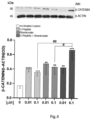
figure 4 shows a graph relating to the experimental results obtained from the co-treatment with C-Peptide and Risedronate and its effect on protein levels of b-Catenin in Saos-2 cells, according to the invention; -
figure 5 shows experimental results obtained by the Applicant and in particular the effect of the administration of C-peptide on rat gastrocnemius muscle; -
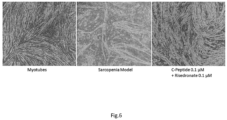
figure 6 shows further experimental results obtained by the Applicant with the pharmaceutical formulation according to the invention. - The present invention relates to the use of a pharmaceutical formulation comprising C-peptide and at least one bisphosphonate, for the treatment and prevention of osteosarcopenia.
- In more detail, the at least one bisphosphonate is selected from the group consisting of:
- Alendonic acid, oral endronate C7H11NO7P2;
- Resendronic acid, or resendronate C4H13NO7P2;
- Clodronic acid, clodronate CH4Cl2O6P2;
- Ibandronic acid, or ibandronate C9H23NO7P2.
- From a chemical point of view, bisphosphonates can be considered derivatives of pyrophosphate (chemical structure P2O74-) in which the oxygen that binds both phosphorus atoms has been replaced with a carbon atom, so as to make this type of bond non-hydrolysable.
- The chemical structures of the most commonly used bisphosphonates are shown in
Figure 1 . Note that clodronic acid is the only non-aminobisphosphonate. - C-Peptide, another component of the pharmaceutical formulation according to the invention, is a 31 amino acid molecule released from pancreatic beta cells during cleavage of the hormone precursor pro-insulin into insulin.
Figure 2 shows the structure of the C-peptide. - The synergistic effect of C-peptide and bisphosphonates has been experimentally demonstrated and consists in the fact that the combination between these molecules increases the protein expression of beta-catenin and ERK ½, which represent the main intracellular pathways leading to bone synthesis in osteoblasts and the inhibition of markers of muscle damage, even at lower concentrations of C-peptide and various bisphosphonates.
- The pharmaceutical formulation and its specific use, according to the invention, combining C-peptide and bisphosphonates allows to exploit the ability of the latter to bind stably to the bone matrix.
- Thus, the pharmaceutical formulation according to the invention allows the C-peptide to be strongly retained in the bone mass and to best exert its effects on the bone-muscle unit.
- The pharmaceutical formulation according to the invention consists of C-peptide, a plurality of bisphosphonates, preferably Risedronate, Alendronate, Ibandronate or clodronate, and at least one excipient such as surfactant, aggregant, stabilizer and/or flavoring.
- The formulation according to the invention is administrable orally, intramuscularly or parenterally.
- The formulation comprises active fragments/peptides of the C-peptide molecule, for example A-F peptides, together with a pharmaceutically acceptable carrier and, optionally, other therapeutic ingredients.
- The total amount of active components (C-peptide and one or more Bisphosphonates) in the pharmaceutical formulation is between 99.99% and 0.01% by weight.
- When the formulation according to the invention is in a form suitable for parenteral administration, it comprises sterile aqueous solutions and/or suspensions of the pharmaceutically active ingredients, preferably rendered isotonic with the blood of the recipient, generally using sodium chloride, glycerin, glucose, mannitol, sorbitol and/or the like.
- The formulation according to one aspect of the invention comprises adjuvants, such as buffers, preservatives, dispersing agents, onset of action or prolonged action promoting agents.
- According to one aspect of the invention, the formulation, when suitable for oral administration, comprises active fragments/peptides of the C-peptide molecule in the form of sterile purified stock powder, preferably covered by one or more envelopes that protect from degradation of the active peptides in the stomach and thus allow absorption of these substances from the gum or small intestine.
- The synthesis of the C-petpide compound - Risedronate, is obtained, for example, by Fisher esterification.
- The compositions according to the present invention are developed by non-recombinant and recombinant methods. Chemical or non-recombinant methods include, but are not limited to, solid-phase SPPs peptide synthesis, solution-phase peptide synthesis, native chemical ligation, gut-mediated protein ligation, or chemical ligation, or a combination thereof. C-peptides are synthesized using standard SPPs, either manually or using commercially available automated SPPs synthesizers.
- The Applicant has carried out experimental studies and tests from which it emerges that the use of the pharmaceutical formulation according to the invention in the treatment of osteosarcopenia, allows to prevent the loss of muscle mass of 20-30% and the loss of bone mass of 10% compared to the control group.
- Studies with bisphosphonates have shown that a 2-7% change in bone density results in a 30-40% reduction in fracture risk over a period of at least 3 years. Therefore, a remarkable fracture prevention effect linked to the synergistic effect of C-peptide molecules and bisphosphonates is expected.
- Experiments in in vitro and in vivo models of osteosarcopenia, and not only osteoporosis or sarcopenia considered in isolation, demonstrate the optimized efficacy of the formulation according to the present invention.
- The experimental tests carried out by the Applicant have shown that the administration of 72 nmol/kg/24 h of C-Peptide for 42 days improves the cross-sectional area (CSA), the perimeter and the Minimum Feret diameter of the muscle fibers of the Gastrocnemius (GC), Thiabialis (TA) and the long finger extensor muscle (EDL) in diabetic rats. Specifically, the mean CSA of the GC fibers decreased by 39.5% in the diabetic group, while only 6.6% in the rats of the C-peptide group. The CSA of the TA and EDL muscles was reduced, in the C-peptide group, by 10% and 11%, respectively, while a reduction of 65% and 45% occurred in the diabetic group, compared to the control animals. Similar results were obtained with the other parameters (perimeter and Minimum Feret diameter).
- In addition, administration of 72 nmol/kg/24 h of C-peptide for 42 days prevents the increase in serum ubiquitin, induced by diabetes.
- The effect of C-peptide on bone has been experimentally demonstrated. In fact, animals treated with 72 nmol/kg/24 h of C-peptide (C-PEP) showed a better trabecular thickness (p=0.04) and a reduction in trabecular spaces (p=0.01) compared to the diabetes only group (D-CTR), as also shown in the Micro-CT image of
Figure 3 . - In vitro testing of C-peptide and risedronate co-treatment on bone showed that, on human osteoblast cells (Saos-2), co-treatment with 0.1 µM C-peptide and risedronate statistically significantly increased β-Catenin protein levels (t-student test: * vs. 0; # 0.1 µM C-peptide + risedronate vs. 0.1 µM C-peptide or risedronate). The corresponding experimental results are shown in the graph of
Figure 4 . - According to one aspect of the invention, the pharmaceutical formulation for oral administration is composed of C-peptide and alendonic acid, or alendronate, for the prevention and treatment of osteoporosis and the reduction of the risk of fractures. The preferred dosage of the formulation for oral administration is in this case 1-5 mg/day of peptide-C and 10 mg/day or 70 mg/1 time per week of alendonic acid.
- According to one aspect of the invention, the pharmaceutical formulation for oral administration is composed of C-peptide and resendronic acid, for the prevention and treatment of osteoporosis and the reduction of the risk of fractures. The preferred dosage of the formulation for oral administration is in this case 1-5 mg/day of C-peptide and 5 mg/day or 35 mg/1 time per week or 75 mg/ 1 time per month of resendronic acid.
- According to one aspect of the invention, the pharmaceutical formulation for oral administration is composed of C-peptide and clodronic acid, or clodronate, for the prevention and treatment of osteoporosis and the reduction of the risk of fractures. The preferred dosage of the formulation for oral administration is in this case 1-5 mg/day of C-peptide and 200-300 mg/day and of clodronic acid.
- According to one aspect of the invention, the pharmaceutical formulation for oral administration is composed of C-peptide and ibandronic acid, or Ibandronate, for the prevention and treatment of osteoporosis and the reduction of the risk of fractures. The preferred dosage compared to ibandronate of the formulation for oral administration is in this case 50 mg/day or 150 mg/1 tablet per month.
- According to one aspect of the invention, the pharmaceutical formulation for parenteral administration is composed of C-peptide and clodronic acid, or clodronate, for the prevention and treatment of osteoporosis and the reduction of the risk of fractures. The preferred dosage of the formulation for parenteral administration is in this case 300 mg/day of clodronic acid.
- According to one aspect of the invention, the pharmaceutical formulation for intramuscular administration is composed of C-peptide and clodronic acid, or clodronate, for the prevention and treatment of osteoporosis and the reduction of the risk of fractures. The preferred dosage of the formulation for intramuscular administration is in this case 100 mg/day of clodronic acid.
- According to one aspect of the invention, the pharmaceutical formulation for the prevention and treatment of osteoporosis and the reduction of the risk of fractures, is composed of C-peptide molecule, also pegylated, and an aminobisphosphonate.
- According to one aspect of the invention, the pharmaceutical formulation for the prevention and treatment of osteoporosis and the reduction of the risk of fractures, is composed of a C-peptide molecule, also pegylated, and a bisphosphonate adapted to fix the C-peptide to the bone matrix and muscle fibres.
- According to one aspect of the invention, the pharmaceutical formulation is suitable for delayed-release oral or parenteral administration, and comprises C-peptide incorporated in a resorbable matrix, preferably of the polymeric type, which advantageously slows the release of the peptide after administration to the patient.
- Thus, the pharmaceutical formulation according to the invention allows to maximize the combined effect of C-peptide and bisphosphonates for the treatment and prevention of osteoporosis and osteosarcopenia.
- Finally, it is clear that modifications and variants can be made to the pharmaceutical formulation for the treatment of osteosarcopenia described and illustrated herein without departing from the protective scope of the present invention, as defined in the appended claims.
Claims (17)
- Orally, intramuscularly or parenterally administrable pharmaceutical formulation comprising C-peptide and at least one bisphosphonate.
- Pharmaceutical formulation according to claim 1, for use in the treatment and/or prevention of osteosarcopenia and/or osteoporosis.
- Pharmaceutical formulation according to claim 1, characterized in that the at least one bisphosphonate is selected from the group consisting of:- Alendonic acid, or alendronate, of thegeneral formula C7H11NO7P2;- Risendronic acid, or risendronate, of thegeneral formula C4H13NO7P2;- Clodronic acid, clodronate, of the general formula CH4Cl2O6P2;- Ibandronic acid, or ibandronate, of the general formula C9H23NO7P2.
- Pharmaceutical formulation according to claim 1, characterized in that it consists of Peptide-C, at least one excipient, and a plurality of bisphosphonates, preferably selected from the group consisting of Risedronate, Alendronate, Ibandronate and clodronate.
- Pharmaceutical formulation according to claim 4, characterized in that said at least one excipient is selected from the group consisting of: a surfactant, an aggregator, a stabilizer and/or a flavor.
- Formulation according to claim 1, characterized in that said C-peptide is comprised in the form of active fragments/peptides of the C-peptide molecule and in that said formulation further comprises a pharmaceutically acceptable carrier.
- Formulation according to claim 1, characterized in that it comprises a total amount of Peptide-C and of the at least one bisphosphonate comprised between 99.99% and 0.01% by weight.
- Pharmaceutical formulation according to claim 1, characterized in that it comprises at least one additive selected from the group consisting of: adjuvants, buffers, preservatives, dispersing agents, agents promoting the onset of action or prolonged action.
- Pharmaceutical formulation according to claim 1, characterized in that it is suitable for parentetal administration, and comprises sterile aqueous solutions and/or suspensions of Peptide-C and the at least one Bisphosphonate.
- Pharmaceutical formulation according to claim 1, characterized in that it is composed of a C-peptide molecule, also pegylated, and an aminobisphosphonate.
- Pharmaceutical formulation according to claim 2, characterized in that it is suitable for oral administration and that said at least one bisphosphonate is alendonic acid, or alendronate, wherein the dosage is between 1 and 5 mg/day of C-peptide and equal to 10 mg/day or 70 mg/1 time per week of alendonic acid.
- Pharmaceutical formulation according to claim 2, characterized in that it is suitable for oral administration and that said at least one bisphosphonate is risendronic acid, and wherein the dosage is between 1 and 5 mg/day of C-peptide and equal to 5 mg/day or 35 mg/1 time per week or 75 mg/ 1 time per month of risendronic acid.
- Pharmaceutical formulation according to claim 2 characterized in that it is suitable for oral administration, and in that said at least one bisphosphonate is clodronic acid, or clodronate, and wherein the dosage is between 1 and 5 mg/day of C-peptide and between 200 and 300 mg/day of clodronic acid.
- Pharmaceutical formulation according to claim 2, characterized in that it is suitable for oral administration, and in that said at least one bisphosphonate is ibandronic acid, or ibandronate, and wherein the dosage of ibandronate in the formulation is equal to 50 mg/day or 150 mg/month.
- Pharmaceutical formulation according to claim 2, characterized in that it is suitable for parenteral administration and in that said at least one bisphosphonate is clodronic acid, or clodronate, and wherein the dosage in clodronic acid is equal to 300 mg/day.
- Pharmaceutical formulation according to claim 2 characterized in that it is suitable for intramuscular administration and in that said at least one bisphosphonate is clodronic acid, or clodronate, and wherein the dosage of clodronic acid is equal to 100 mg/day.
- Pharmaceutical formulation according to claim 1, characterized in that it is suitable for delayed-release oral or parenteral administration, and that it comprises C-peptide incorporated in a resorbable matrix, preferably of polymeric type.
Applications Claiming Priority (1)
| Application Number | Priority Date | Filing Date | Title |
|---|---|---|---|
| IT102023000007269A IT202300007269A1 (en) | 2023-04-14 | 2023-04-14 | Pharmaceutical formulation composed of C-Peptide associated with a bisphosphonate in a unique form and its use in the treatment of osteosarcopenia |
Publications (3)
| Publication Number | Publication Date |
|---|---|
| EP4445909A1 true EP4445909A1 (en) | 2024-10-16 |
| EP4445909B1 EP4445909B1 (en) | 2026-02-18 |
| EP4445909C0 EP4445909C0 (en) | 2026-02-18 |
Family
ID=86942262
Family Applications (1)
| Application Number | Title | Priority Date | Filing Date |
|---|---|---|---|
| EP24169036.1A Active EP4445909B1 (en) | 2023-04-14 | 2024-04-08 | Pharmaceutical formulation consisting of c-peptide combined with a bisphosphonate in a single form and its use in the treatment of osteosarcopenia |
Country Status (2)
| Country | Link |
|---|---|
| EP (1) | EP4445909B1 (en) |
| IT (1) | IT202300007269A1 (en) |
Citations (3)
| Publication number | Priority date | Publication date | Assignee | Title |
|---|---|---|---|---|
| US5776499A (en) | 1993-11-11 | 1998-07-07 | Leiras Oy | Process for preparing a clodronate preparation |
| US5914099A (en) | 1995-05-12 | 1999-06-22 | Merck & Co., Inc. | Prevention of tooth loss by the administration of alendronate or its salts |
| US6596710B1 (en) | 1991-11-22 | 2003-07-22 | The Procter & Gamble Company | Dosage forms of risedronate |
-
2023
- 2023-04-14 IT IT102023000007269A patent/IT202300007269A1/en unknown
-
2024
- 2024-04-08 EP EP24169036.1A patent/EP4445909B1/en active Active
Patent Citations (3)
| Publication number | Priority date | Publication date | Assignee | Title |
|---|---|---|---|---|
| US6596710B1 (en) | 1991-11-22 | 2003-07-22 | The Procter & Gamble Company | Dosage forms of risedronate |
| US5776499A (en) | 1993-11-11 | 1998-07-07 | Leiras Oy | Process for preparing a clodronate preparation |
| US5914099A (en) | 1995-05-12 | 1999-06-22 | Merck & Co., Inc. | Prevention of tooth loss by the administration of alendronate or its salts |
Non-Patent Citations (3)
| Title |
|---|
| MAUROTTI SAMANTHA ET AL: "Effects of C-Peptide Replacement Therapy on Bone Microarchitecture Parameters in Streptozotocin-Diabetic Rats", CALCIFIED TISSUE INTERNATIONAL, NEW YORK, NY, US, vol. 107, no. 3, 30 June 2020 (2020-06-30), pages 266 - 280, XP037213629, ISSN: 0171-967X, [retrieved on 20200630], DOI: 10.1007/S00223-020-00716-0 * |
| PUJIA ARTURO ET AL: "An update on the potential role of C-peptide in diabetes and osteoporosis", ENDOCRINE, HUMANA PRESS, INC, US, vol. 58, no. 3, 3 April 2017 (2017-04-03), pages 408 - 412, XP036366444, ISSN: 1355-008X, [retrieved on 20170403], DOI: 10.1007/S12020-017-1286-5 * |
| TONK CHRISTIAN HORST ET AL: "Therapeutic Treatments for Osteoporosis-Which Combination of Pills Is the Best among the Bad?", INTERNATIONAL JOURNAL OF MOLECULAR SCIENCES, vol. 23, no. 3, 26 January 2022 (2022-01-26), pages 1393, XP093087766, DOI: 10.3390/ijms23031393 * |
Also Published As
| Publication number | Publication date |
|---|---|
| EP4445909B1 (en) | 2026-02-18 |
| EP4445909C0 (en) | 2026-02-18 |
| IT202300007269A1 (en) | 2024-10-14 |
Similar Documents
| Publication | Publication Date | Title |
|---|---|---|
| JP5161412B2 (en) | Methods of using GLP-1 and GLP-2 peptides | |
| JP6329487B2 (en) | Treatment protocol for type 2 diabetes | |
| EP2329848B2 (en) | Lixisenatide as add-on therapy to insulin glargine and metformin for treating type 2 diabetes | |
| JP2023038234A (en) | A method comprising continuous administration of a GLP-1 receptor agonist and co-administration of drugs | |
| US20080213288A1 (en) | Combined Use Of A Modulator Of CD3 And A GLP-1 Compound | |
| MXPA04012497A (en) | Glp-1 and methods for treating diabetes. | |
| US20250241992A1 (en) | Compositions and methods for treating metabolic diseases | |
| US20160287674A1 (en) | Treatment Type 2 Diabetes Mellitus Patients | |
| EP1515749A1 (en) | Combined use of a modulator of cd3 and a glp-1 compound | |
| EP4445909B1 (en) | Pharmaceutical formulation consisting of c-peptide combined with a bisphosphonate in a single form and its use in the treatment of osteosarcopenia | |
| CA2685638C (en) | Method of treatment of diabetes type 2 comprising add-on therapy to insulin glargine and metformin | |
| JPH0873376A (en) | Therapeutic agent for osteoporosis | |
| WO2005110394A1 (en) | Therapeutic agent for diabetes | |
| JP5980466B2 (en) | Method for treating type 2 diabetes including addition therapy to insulin glargine and metformin | |
| AU2007301170B2 (en) | Agent for preventing development of reflex sympathetic dystrophy after stroke | |
| Pagkalos | Combinations of insulin and oral hypoglycemic agents in diabetes mellitus type 2 | |
| WO2007060924A1 (en) | PROTECTING AGENT FOR PANCREATIC β-CELL | |
| WO2008062420A2 (en) | Use of glucagon and insulin in methods and compositions for the treatment of acute brain injury and neurodegenerative disorders | |
| JP2001515863A (en) | How to increase bone volume | |
| US20250367218A1 (en) | Methods of treating metabolic disorders and combination products for use in the same | |
| JP2008530121A (en) | Use of calcitonin and calcitonin-like peptides to treat and prevent multiple sclerosis | |
| EP1984016A1 (en) | Use of insulin-like factor 3 for treating osteoporosis and bone disorders | |
| JP2012041344A (en) | Pharmaceutical compound agent for safely promoting osteogenesis | |
| MX2009012308A (en) | Method of treatment of diabetes type 2 comprising add-on therapy to insulin glargine and metformin. | |
| KR20110052987A (en) | Methods of Treating Type 2 Diabetes Including Additional Therapies for Metformin |
Legal Events
| Date | Code | Title | Description |
|---|---|---|---|
| PUAI | Public reference made under article 153(3) epc to a published international application that has entered the european phase |
Free format text: ORIGINAL CODE: 0009012 |
|
| STAA | Information on the status of an ep patent application or granted ep patent |
Free format text: STATUS: THE APPLICATION HAS BEEN PUBLISHED |
|
| AK | Designated contracting states |
Kind code of ref document: A1 Designated state(s): AL AT BE BG CH CY CZ DE DK EE ES FI FR GB GR HR HU IE IS IT LI LT LU LV MC ME MK MT NL NO PL PT RO RS SE SI SK SM TR |
|
| STAA | Information on the status of an ep patent application or granted ep patent |
Free format text: STATUS: REQUEST FOR EXAMINATION WAS MADE |
|
| 17P | Request for examination filed |
Effective date: 20250411 |
|
| GRAP | Despatch of communication of intention to grant a patent |
Free format text: ORIGINAL CODE: EPIDOSNIGR1 |
|
| STAA | Information on the status of an ep patent application or granted ep patent |
Free format text: STATUS: GRANT OF PATENT IS INTENDED |
|
| RIC1 | Information provided on ipc code assigned before grant |
Ipc: A61K 38/16 20060101AFI20250908BHEP Ipc: A61K 31/663 20060101ALI20250908BHEP Ipc: A61P 15/12 20060101ALI20250908BHEP Ipc: A61P 19/10 20060101ALI20250908BHEP Ipc: A61K 9/00 20060101ALI20250908BHEP Ipc: A61K 31/675 20060101ALI20250908BHEP Ipc: A61K 38/08 20190101ALI20250908BHEP |
|
| INTG | Intention to grant announced |
Effective date: 20250919 |
|
| GRAS | Grant fee paid |
Free format text: ORIGINAL CODE: EPIDOSNIGR3 |
|
| GRAL | Information related to payment of fee for publishing/printing deleted |
Free format text: ORIGINAL CODE: EPIDOSDIGR3 |
|
| GRAS | Grant fee paid |
Free format text: ORIGINAL CODE: EPIDOSNIGR3 |
|
| GRAA | (expected) grant |
Free format text: ORIGINAL CODE: 0009210 |
|
| STAA | Information on the status of an ep patent application or granted ep patent |
Free format text: STATUS: THE PATENT HAS BEEN GRANTED |
|
| AK | Designated contracting states |
Kind code of ref document: B1 Designated state(s): AL AT BE BG CH CY CZ DE DK EE ES FI FR GB GR HR HU IE IS IT LI LT LU LV MC ME MK MT NL NO PL PT RO RS SE SI SK SM TR |
|
| RAP3 | Party data changed (applicant data changed or rights of an application transferred) |
Owner name: UNIVERSITA DEGLI STUDI MAGNA GRAECIA DI CATANZARO |
|
| REG | Reference to a national code |
Ref country code: CH Ref legal event code: F10 Free format text: ST27 STATUS EVENT CODE: U-0-0-F10-F00 (AS PROVIDED BY THE NATIONAL OFFICE) Effective date: 20260218 Ref country code: GB Ref legal event code: FG4D |
|
| REG | Reference to a national code |
Ref country code: IE Ref legal event code: FG4D |
|
| REG | Reference to a national code |
Ref country code: DE Ref legal event code: R096 Ref document number: 602024002573 Country of ref document: DE |
|
| U01 | Request for unitary effect filed |
Effective date: 20260302 |
|
| U07 | Unitary effect registered |
Designated state(s): AT BE BG DE DK EE FI FR IT LT LU LV MT NL PT RO SE SI Effective date: 20260311 |
|
| U20 | Renewal fee for the european patent with unitary effect paid |
Year of fee payment: 3 Effective date: 20260319 |