EP4431615A1 - Composition for preparing retinoid, and method for preparing retinoid using same - Google Patents
Composition for preparing retinoid, and method for preparing retinoid using same Download PDFInfo
- Publication number
- EP4431615A1 EP4431615A1 EP22893110.1A EP22893110A EP4431615A1 EP 4431615 A1 EP4431615 A1 EP 4431615A1 EP 22893110 A EP22893110 A EP 22893110A EP 4431615 A1 EP4431615 A1 EP 4431615A1
- Authority
- EP
- European Patent Office
- Prior art keywords
- seq
- sequence
- production
- retinoid
- composition
- Prior art date
- Legal status (The legal status is an assumption and is not a legal conclusion. Google has not performed a legal analysis and makes no representation as to the accuracy of the status listed.)
- Pending
Links
Images



Classifications
-
- C—CHEMISTRY; METALLURGY
- C07—ORGANIC CHEMISTRY
- C07K—PEPTIDES
- C07K14/00—Peptides having more than 20 amino acids; Gastrins; Somatostatins; Melanotropins; Derivatives thereof
- C07K14/195—Peptides having more than 20 amino acids; Gastrins; Somatostatins; Melanotropins; Derivatives thereof from bacteria
- C07K14/24—Peptides having more than 20 amino acids; Gastrins; Somatostatins; Melanotropins; Derivatives thereof from bacteria from Enterobacteriaceae (F), e.g. Citrobacter, Serratia, Proteus, Providencia, Morganella, Yersinia
- C07K14/245—Escherichia (G)
-
- C—CHEMISTRY; METALLURGY
- C12—BIOCHEMISTRY; BEER; SPIRITS; WINE; VINEGAR; MICROBIOLOGY; ENZYMOLOGY; MUTATION OR GENETIC ENGINEERING
- C12N—MICROORGANISMS OR ENZYMES; COMPOSITIONS THEREOF; PROPAGATING, PRESERVING, OR MAINTAINING MICROORGANISMS; MUTATION OR GENETIC ENGINEERING; CULTURE MEDIA
- C12N1/00—Microorganisms; Compositions thereof; Processes of propagating, maintaining or preserving microorganisms or compositions thereof; Processes of preparing or isolating a composition containing a microorganism; Culture media therefor
- C12N1/20—Bacteria; Culture media therefor
-
- C—CHEMISTRY; METALLURGY
- C12—BIOCHEMISTRY; BEER; SPIRITS; WINE; VINEGAR; MICROBIOLOGY; ENZYMOLOGY; MUTATION OR GENETIC ENGINEERING
- C12N—MICROORGANISMS OR ENZYMES; COMPOSITIONS THEREOF; PROPAGATING, PRESERVING, OR MAINTAINING MICROORGANISMS; MUTATION OR GENETIC ENGINEERING; CULTURE MEDIA
- C12N15/00—Mutation or genetic engineering; DNA or RNA concerning genetic engineering, vectors, e.g. plasmids, or their isolation, preparation or purification; Use of hosts therefor
- C12N15/09—Recombinant DNA-technology
- C12N15/63—Introduction of foreign genetic material using vectors; Vectors; Use of hosts therefor; Regulation of expression
- C12N15/70—Vectors or expression systems specially adapted for E. coli
-
- C—CHEMISTRY; METALLURGY
- C12—BIOCHEMISTRY; BEER; SPIRITS; WINE; VINEGAR; MICROBIOLOGY; ENZYMOLOGY; MUTATION OR GENETIC ENGINEERING
- C12N—MICROORGANISMS OR ENZYMES; COMPOSITIONS THEREOF; PROPAGATING, PRESERVING, OR MAINTAINING MICROORGANISMS; MUTATION OR GENETIC ENGINEERING; CULTURE MEDIA
- C12N9/00—Enzymes; Proenzymes; Compositions thereof; Processes for preparing, activating, inhibiting, separating or purifying enzymes
- C12N9/0004—Oxidoreductases (1.)
- C12N9/0071—Oxidoreductases (1.) acting on paired donors with incorporation of molecular oxygen (1.14)
- C12N9/0083—Miscellaneous (1.14.99)
-
- C—CHEMISTRY; METALLURGY
- C12—BIOCHEMISTRY; BEER; SPIRITS; WINE; VINEGAR; MICROBIOLOGY; ENZYMOLOGY; MUTATION OR GENETIC ENGINEERING
- C12N—MICROORGANISMS OR ENZYMES; COMPOSITIONS THEREOF; PROPAGATING, PRESERVING, OR MAINTAINING MICROORGANISMS; MUTATION OR GENETIC ENGINEERING; CULTURE MEDIA
- C12N9/00—Enzymes; Proenzymes; Compositions thereof; Processes for preparing, activating, inhibiting, separating or purifying enzymes
- C12N9/0004—Oxidoreductases (1.)
- C12N9/0095—Oxidoreductases (1.) acting on iron-sulfur proteins as donor (1.18)
-
- C—CHEMISTRY; METALLURGY
- C12—BIOCHEMISTRY; BEER; SPIRITS; WINE; VINEGAR; MICROBIOLOGY; ENZYMOLOGY; MUTATION OR GENETIC ENGINEERING
- C12N—MICROORGANISMS OR ENZYMES; COMPOSITIONS THEREOF; PROPAGATING, PRESERVING, OR MAINTAINING MICROORGANISMS; MUTATION OR GENETIC ENGINEERING; CULTURE MEDIA
- C12N9/00—Enzymes; Proenzymes; Compositions thereof; Processes for preparing, activating, inhibiting, separating or purifying enzymes
- C12N9/0004—Oxidoreductases (1.)
- C12N9/0097—Oxidoreductases (1.) acting on reduced flavodoxin as donor (1.19)
-
- C—CHEMISTRY; METALLURGY
- C12—BIOCHEMISTRY; BEER; SPIRITS; WINE; VINEGAR; MICROBIOLOGY; ENZYMOLOGY; MUTATION OR GENETIC ENGINEERING
- C12N—MICROORGANISMS OR ENZYMES; COMPOSITIONS THEREOF; PROPAGATING, PRESERVING, OR MAINTAINING MICROORGANISMS; MUTATION OR GENETIC ENGINEERING; CULTURE MEDIA
- C12N9/00—Enzymes; Proenzymes; Compositions thereof; Processes for preparing, activating, inhibiting, separating or purifying enzymes
- C12N9/10—Transferases (2.)
- C12N9/12—Transferases (2.) transferring phosphorus containing groups, e.g. kinases (2.7)
-
- C—CHEMISTRY; METALLURGY
- C12—BIOCHEMISTRY; BEER; SPIRITS; WINE; VINEGAR; MICROBIOLOGY; ENZYMOLOGY; MUTATION OR GENETIC ENGINEERING
- C12N—MICROORGANISMS OR ENZYMES; COMPOSITIONS THEREOF; PROPAGATING, PRESERVING, OR MAINTAINING MICROORGANISMS; MUTATION OR GENETIC ENGINEERING; CULTURE MEDIA
- C12N9/00—Enzymes; Proenzymes; Compositions thereof; Processes for preparing, activating, inhibiting, separating or purifying enzymes
- C12N9/90—Isomerases (5.)
-
- C—CHEMISTRY; METALLURGY
- C12—BIOCHEMISTRY; BEER; SPIRITS; WINE; VINEGAR; MICROBIOLOGY; ENZYMOLOGY; MUTATION OR GENETIC ENGINEERING
- C12P—FERMENTATION OR ENZYME-USING PROCESSES TO SYNTHESISE A DESIRED CHEMICAL COMPOUND OR COMPOSITION OR TO SEPARATE OPTICAL ISOMERS FROM A RACEMIC MIXTURE
- C12P23/00—Preparation of compounds containing a cyclohexene ring having an unsaturated side chain containing at least ten carbon atoms bound by conjugated double bonds, e.g. carotenes
-
- C—CHEMISTRY; METALLURGY
- C12—BIOCHEMISTRY; BEER; SPIRITS; WINE; VINEGAR; MICROBIOLOGY; ENZYMOLOGY; MUTATION OR GENETIC ENGINEERING
- C12Y—ENZYMES
- C12Y102/00—Oxidoreductases acting on the aldehyde or oxo group of donors (1.2)
- C12Y102/01—Oxidoreductases acting on the aldehyde or oxo group of donors (1.2) with NAD+ or NADP+ as acceptor (1.2.1)
- C12Y102/0101—Acetaldehyde dehydrogenase (acetylating) (1.2.1.10)
-
- C—CHEMISTRY; METALLURGY
- C12—BIOCHEMISTRY; BEER; SPIRITS; WINE; VINEGAR; MICROBIOLOGY; ENZYMOLOGY; MUTATION OR GENETIC ENGINEERING
- C12Y—ENZYMES
- C12Y103/00—Oxidoreductases acting on the CH-CH group of donors (1.3)
- C12Y103/99—Oxidoreductases acting on the CH-CH group of donors (1.3) with other acceptors (1.3.99)
- C12Y103/99031—Phytoene desaturase (lycopene-forming) (1.3.99.31)
-
- C—CHEMISTRY; METALLURGY
- C12—BIOCHEMISTRY; BEER; SPIRITS; WINE; VINEGAR; MICROBIOLOGY; ENZYMOLOGY; MUTATION OR GENETIC ENGINEERING
- C12Y—ENZYMES
- C12Y119/00—Oxidoreductases acting on reduced flavodoxin as donor (1.19)
- C12Y119/06—Oxidoreductases acting on reduced flavodoxin as donor (1.19) with dinitrogen as acceptor (1.19.6)
- C12Y119/06001—Nitrogenase (flavodoxin) (1.19.6.1)
-
- C—CHEMISTRY; METALLURGY
- C12—BIOCHEMISTRY; BEER; SPIRITS; WINE; VINEGAR; MICROBIOLOGY; ENZYMOLOGY; MUTATION OR GENETIC ENGINEERING
- C12Y—ENZYMES
- C12Y207/00—Transferases transferring phosphorus-containing groups (2.7)
- C12Y207/02—Phosphotransferases with a carboxy group as acceptor (2.7.2)
- C12Y207/02001—Acetate kinase (2.7.2.1)
-
- C—CHEMISTRY; METALLURGY
- C12—BIOCHEMISTRY; BEER; SPIRITS; WINE; VINEGAR; MICROBIOLOGY; ENZYMOLOGY; MUTATION OR GENETIC ENGINEERING
- C12N—MICROORGANISMS OR ENZYMES; COMPOSITIONS THEREOF; PROPAGATING, PRESERVING, OR MAINTAINING MICROORGANISMS; MUTATION OR GENETIC ENGINEERING; CULTURE MEDIA
- C12N9/00—Enzymes; Proenzymes; Compositions thereof; Processes for preparing, activating, inhibiting, separating or purifying enzymes
-
- C—CHEMISTRY; METALLURGY
- C12—BIOCHEMISTRY; BEER; SPIRITS; WINE; VINEGAR; MICROBIOLOGY; ENZYMOLOGY; MUTATION OR GENETIC ENGINEERING
- C12N—MICROORGANISMS OR ENZYMES; COMPOSITIONS THEREOF; PROPAGATING, PRESERVING, OR MAINTAINING MICROORGANISMS; MUTATION OR GENETIC ENGINEERING; CULTURE MEDIA
- C12N9/00—Enzymes; Proenzymes; Compositions thereof; Processes for preparing, activating, inhibiting, separating or purifying enzymes
- C12N9/0004—Oxidoreductases (1.)
-
- C—CHEMISTRY; METALLURGY
- C12—BIOCHEMISTRY; BEER; SPIRITS; WINE; VINEGAR; MICROBIOLOGY; ENZYMOLOGY; MUTATION OR GENETIC ENGINEERING
- C12N—MICROORGANISMS OR ENZYMES; COMPOSITIONS THEREOF; PROPAGATING, PRESERVING, OR MAINTAINING MICROORGANISMS; MUTATION OR GENETIC ENGINEERING; CULTURE MEDIA
- C12N9/00—Enzymes; Proenzymes; Compositions thereof; Processes for preparing, activating, inhibiting, separating or purifying enzymes
- C12N9/0004—Oxidoreductases (1.)
- C12N9/0006—Oxidoreductases (1.) acting on CH-OH groups as donors (1.1)
-
- C—CHEMISTRY; METALLURGY
- C12—BIOCHEMISTRY; BEER; SPIRITS; WINE; VINEGAR; MICROBIOLOGY; ENZYMOLOGY; MUTATION OR GENETIC ENGINEERING
- C12N—MICROORGANISMS OR ENZYMES; COMPOSITIONS THEREOF; PROPAGATING, PRESERVING, OR MAINTAINING MICROORGANISMS; MUTATION OR GENETIC ENGINEERING; CULTURE MEDIA
- C12N9/00—Enzymes; Proenzymes; Compositions thereof; Processes for preparing, activating, inhibiting, separating or purifying enzymes
- C12N9/0004—Oxidoreductases (1.)
- C12N9/0008—Oxidoreductases (1.) acting on the aldehyde or oxo group of donors (1.2)
-
- C—CHEMISTRY; METALLURGY
- C12—BIOCHEMISTRY; BEER; SPIRITS; WINE; VINEGAR; MICROBIOLOGY; ENZYMOLOGY; MUTATION OR GENETIC ENGINEERING
- C12N—MICROORGANISMS OR ENZYMES; COMPOSITIONS THEREOF; PROPAGATING, PRESERVING, OR MAINTAINING MICROORGANISMS; MUTATION OR GENETIC ENGINEERING; CULTURE MEDIA
- C12N9/00—Enzymes; Proenzymes; Compositions thereof; Processes for preparing, activating, inhibiting, separating or purifying enzymes
- C12N9/0004—Oxidoreductases (1.)
- C12N9/001—Oxidoreductases (1.) acting on the CH-CH group of donors (1.3)
-
- C—CHEMISTRY; METALLURGY
- C12—BIOCHEMISTRY; BEER; SPIRITS; WINE; VINEGAR; MICROBIOLOGY; ENZYMOLOGY; MUTATION OR GENETIC ENGINEERING
- C12N—MICROORGANISMS OR ENZYMES; COMPOSITIONS THEREOF; PROPAGATING, PRESERVING, OR MAINTAINING MICROORGANISMS; MUTATION OR GENETIC ENGINEERING; CULTURE MEDIA
- C12N9/00—Enzymes; Proenzymes; Compositions thereof; Processes for preparing, activating, inhibiting, separating or purifying enzymes
- C12N9/0004—Oxidoreductases (1.)
- C12N9/0069—Oxidoreductases (1.) acting on single donors with incorporation of molecular oxygen, i.e. oxygenases (1.13)
-
- C—CHEMISTRY; METALLURGY
- C12—BIOCHEMISTRY; BEER; SPIRITS; WINE; VINEGAR; MICROBIOLOGY; ENZYMOLOGY; MUTATION OR GENETIC ENGINEERING
- C12N—MICROORGANISMS OR ENZYMES; COMPOSITIONS THEREOF; PROPAGATING, PRESERVING, OR MAINTAINING MICROORGANISMS; MUTATION OR GENETIC ENGINEERING; CULTURE MEDIA
- C12N9/00—Enzymes; Proenzymes; Compositions thereof; Processes for preparing, activating, inhibiting, separating or purifying enzymes
- C12N9/0004—Oxidoreductases (1.)
- C12N9/0071—Oxidoreductases (1.) acting on paired donors with incorporation of molecular oxygen (1.14)
-
- C—CHEMISTRY; METALLURGY
- C12—BIOCHEMISTRY; BEER; SPIRITS; WINE; VINEGAR; MICROBIOLOGY; ENZYMOLOGY; MUTATION OR GENETIC ENGINEERING
- C12N—MICROORGANISMS OR ENZYMES; COMPOSITIONS THEREOF; PROPAGATING, PRESERVING, OR MAINTAINING MICROORGANISMS; MUTATION OR GENETIC ENGINEERING; CULTURE MEDIA
- C12N9/00—Enzymes; Proenzymes; Compositions thereof; Processes for preparing, activating, inhibiting, separating or purifying enzymes
- C12N9/10—Transferases (2.)
- C12N9/1025—Acyltransferases (2.3)
-
- C—CHEMISTRY; METALLURGY
- C12—BIOCHEMISTRY; BEER; SPIRITS; WINE; VINEGAR; MICROBIOLOGY; ENZYMOLOGY; MUTATION OR GENETIC ENGINEERING
- C12N—MICROORGANISMS OR ENZYMES; COMPOSITIONS THEREOF; PROPAGATING, PRESERVING, OR MAINTAINING MICROORGANISMS; MUTATION OR GENETIC ENGINEERING; CULTURE MEDIA
- C12N9/00—Enzymes; Proenzymes; Compositions thereof; Processes for preparing, activating, inhibiting, separating or purifying enzymes
- C12N9/10—Transferases (2.)
- C12N9/1025—Acyltransferases (2.3)
- C12N9/1029—Acyltransferases (2.3) transferring groups other than amino-acyl groups (2.3.1)
-
- C—CHEMISTRY; METALLURGY
- C12—BIOCHEMISTRY; BEER; SPIRITS; WINE; VINEGAR; MICROBIOLOGY; ENZYMOLOGY; MUTATION OR GENETIC ENGINEERING
- C12N—MICROORGANISMS OR ENZYMES; COMPOSITIONS THEREOF; PROPAGATING, PRESERVING, OR MAINTAINING MICROORGANISMS; MUTATION OR GENETIC ENGINEERING; CULTURE MEDIA
- C12N9/00—Enzymes; Proenzymes; Compositions thereof; Processes for preparing, activating, inhibiting, separating or purifying enzymes
- C12N9/10—Transferases (2.)
- C12N9/1025—Acyltransferases (2.3)
- C12N9/1029—Acyltransferases (2.3) transferring groups other than amino-acyl groups (2.3.1)
- C12N9/1033—Chloramphenicol O-acetyltransferase (2.3.1.28)
-
- C—CHEMISTRY; METALLURGY
- C12—BIOCHEMISTRY; BEER; SPIRITS; WINE; VINEGAR; MICROBIOLOGY; ENZYMOLOGY; MUTATION OR GENETIC ENGINEERING
- C12N—MICROORGANISMS OR ENZYMES; COMPOSITIONS THEREOF; PROPAGATING, PRESERVING, OR MAINTAINING MICROORGANISMS; MUTATION OR GENETIC ENGINEERING; CULTURE MEDIA
- C12N9/00—Enzymes; Proenzymes; Compositions thereof; Processes for preparing, activating, inhibiting, separating or purifying enzymes
- C12N9/10—Transferases (2.)
- C12N9/12—Transferases (2.) transferring phosphorus containing groups, e.g. kinases (2.7)
- C12N9/1217—Phosphotransferases with a carboxyl group as acceptor (2.7.2)
-
- C—CHEMISTRY; METALLURGY
- C12—BIOCHEMISTRY; BEER; SPIRITS; WINE; VINEGAR; MICROBIOLOGY; ENZYMOLOGY; MUTATION OR GENETIC ENGINEERING
- C12N—MICROORGANISMS OR ENZYMES; COMPOSITIONS THEREOF; PROPAGATING, PRESERVING, OR MAINTAINING MICROORGANISMS; MUTATION OR GENETIC ENGINEERING; CULTURE MEDIA
- C12N9/00—Enzymes; Proenzymes; Compositions thereof; Processes for preparing, activating, inhibiting, separating or purifying enzymes
- C12N9/10—Transferases (2.)
- C12N9/12—Transferases (2.) transferring phosphorus containing groups, e.g. kinases (2.7)
- C12N9/1294—Phosphotransferases with paired acceptors (2.7.9)
-
- C—CHEMISTRY; METALLURGY
- C12—BIOCHEMISTRY; BEER; SPIRITS; WINE; VINEGAR; MICROBIOLOGY; ENZYMOLOGY; MUTATION OR GENETIC ENGINEERING
- C12N—MICROORGANISMS OR ENZYMES; COMPOSITIONS THEREOF; PROPAGATING, PRESERVING, OR MAINTAINING MICROORGANISMS; MUTATION OR GENETIC ENGINEERING; CULTURE MEDIA
- C12N9/00—Enzymes; Proenzymes; Compositions thereof; Processes for preparing, activating, inhibiting, separating or purifying enzymes
- C12N9/10—Transferases (2.)
- C12N9/13—Transferases (2.) transferring sulfur containing groups (2.8)
-
- C—CHEMISTRY; METALLURGY
- C12—BIOCHEMISTRY; BEER; SPIRITS; WINE; VINEGAR; MICROBIOLOGY; ENZYMOLOGY; MUTATION OR GENETIC ENGINEERING
- C12N—MICROORGANISMS OR ENZYMES; COMPOSITIONS THEREOF; PROPAGATING, PRESERVING, OR MAINTAINING MICROORGANISMS; MUTATION OR GENETIC ENGINEERING; CULTURE MEDIA
- C12N9/00—Enzymes; Proenzymes; Compositions thereof; Processes for preparing, activating, inhibiting, separating or purifying enzymes
- C12N9/88—Lyases (4.)
-
- C—CHEMISTRY; METALLURGY
- C12—BIOCHEMISTRY; BEER; SPIRITS; WINE; VINEGAR; MICROBIOLOGY; ENZYMOLOGY; MUTATION OR GENETIC ENGINEERING
- C12Y—ENZYMES
- C12Y101/00—Oxidoreductases acting on the CH-OH group of donors (1.1)
- C12Y101/01—Oxidoreductases acting on the CH-OH group of donors (1.1) with NAD+ or NADP+ as acceptor (1.1.1)
- C12Y101/01027—L-Lactate dehydrogenase (1.1.1.27)
-
- C—CHEMISTRY; METALLURGY
- C12—BIOCHEMISTRY; BEER; SPIRITS; WINE; VINEGAR; MICROBIOLOGY; ENZYMOLOGY; MUTATION OR GENETIC ENGINEERING
- C12Y—ENZYMES
- C12Y101/00—Oxidoreductases acting on the CH-OH group of donors (1.1)
- C12Y101/01—Oxidoreductases acting on the CH-OH group of donors (1.1) with NAD+ or NADP+ as acceptor (1.1.1)
- C12Y101/01028—D-Lactate dehydrogenase (1.1.1.28)
-
- C—CHEMISTRY; METALLURGY
- C12—BIOCHEMISTRY; BEER; SPIRITS; WINE; VINEGAR; MICROBIOLOGY; ENZYMOLOGY; MUTATION OR GENETIC ENGINEERING
- C12Y—ENZYMES
- C12Y102/00—Oxidoreductases acting on the aldehyde or oxo group of donors (1.2)
- C12Y102/05—Oxidoreductases acting on the aldehyde or oxo group of donors (1.2) with a quinone or similar compound as acceptor (1.2.5)
- C12Y102/05001—Pyruvate dehydrogenase (quinone) (1.2.5.1)
-
- C—CHEMISTRY; METALLURGY
- C12—BIOCHEMISTRY; BEER; SPIRITS; WINE; VINEGAR; MICROBIOLOGY; ENZYMOLOGY; MUTATION OR GENETIC ENGINEERING
- C12Y—ENZYMES
- C12Y113/00—Oxidoreductases acting on single donors with incorporation of molecular oxygen (oxygenases) (1.13)
- C12Y113/11—Oxidoreductases acting on single donors with incorporation of molecular oxygen (oxygenases) (1.13) with incorporation of two atoms of oxygen (1.13.11)
- C12Y113/11063—Beta-carotene 15,15'-dioxygenase (1.13.11.63)
-
- C—CHEMISTRY; METALLURGY
- C12—BIOCHEMISTRY; BEER; SPIRITS; WINE; VINEGAR; MICROBIOLOGY; ENZYMOLOGY; MUTATION OR GENETIC ENGINEERING
- C12Y—ENZYMES
- C12Y113/00—Oxidoreductases acting on single donors with incorporation of molecular oxygen (oxygenases) (1.13)
- C12Y113/11—Oxidoreductases acting on single donors with incorporation of molecular oxygen (oxygenases) (1.13) with incorporation of two atoms of oxygen (1.13.11)
- C12Y113/11071—Carotenoid-9',10'-cleaving dioxygenase (1.13.11.71)
-
- C—CHEMISTRY; METALLURGY
- C12—BIOCHEMISTRY; BEER; SPIRITS; WINE; VINEGAR; MICROBIOLOGY; ENZYMOLOGY; MUTATION OR GENETIC ENGINEERING
- C12Y—ENZYMES
- C12Y114/00—Oxidoreductases acting on paired donors, with incorporation or reduction of molecular oxygen (1.14)
- C12Y114/99—Miscellaneous (1.14.99)
- C12Y114/99036—Beta-carotene 15,15'-monooxygenase (1.14.99.36)
-
- C—CHEMISTRY; METALLURGY
- C12—BIOCHEMISTRY; BEER; SPIRITS; WINE; VINEGAR; MICROBIOLOGY; ENZYMOLOGY; MUTATION OR GENETIC ENGINEERING
- C12Y—ENZYMES
- C12Y118/00—Oxidoreductases acting on iron-sulfur proteins as donors (1.18)
- C12Y118/01—Oxidoreductases acting on iron-sulfur proteins as donors (1.18) with NAD+ or NADP+ as acceptor (1.18.1)
- C12Y118/01002—Ferredoxin-NADP+ reductase (1.18.1.2)
-
- C—CHEMISTRY; METALLURGY
- C12—BIOCHEMISTRY; BEER; SPIRITS; WINE; VINEGAR; MICROBIOLOGY; ENZYMOLOGY; MUTATION OR GENETIC ENGINEERING
- C12Y—ENZYMES
- C12Y118/00—Oxidoreductases acting on iron-sulfur proteins as donors (1.18)
- C12Y118/01—Oxidoreductases acting on iron-sulfur proteins as donors (1.18) with NAD+ or NADP+ as acceptor (1.18.1)
- C12Y118/01003—Ferredoxin--NAD+ reductase (1.18.1.3)
-
- C—CHEMISTRY; METALLURGY
- C12—BIOCHEMISTRY; BEER; SPIRITS; WINE; VINEGAR; MICROBIOLOGY; ENZYMOLOGY; MUTATION OR GENETIC ENGINEERING
- C12Y—ENZYMES
- C12Y203/00—Acyltransferases (2.3)
- C12Y203/01—Acyltransferases (2.3) transferring groups other than amino-acyl groups (2.3.1)
- C12Y203/01008—Phosphate acetyltransferase (2.3.1.8)
-
- C—CHEMISTRY; METALLURGY
- C12—BIOCHEMISTRY; BEER; SPIRITS; WINE; VINEGAR; MICROBIOLOGY; ENZYMOLOGY; MUTATION OR GENETIC ENGINEERING
- C12Y—ENZYMES
- C12Y203/00—Acyltransferases (2.3)
- C12Y203/01—Acyltransferases (2.3) transferring groups other than amino-acyl groups (2.3.1)
- C12Y203/01009—Acetyl-CoA C-acetyltransferase (2.3.1.9)
-
- C—CHEMISTRY; METALLURGY
- C12—BIOCHEMISTRY; BEER; SPIRITS; WINE; VINEGAR; MICROBIOLOGY; ENZYMOLOGY; MUTATION OR GENETIC ENGINEERING
- C12Y—ENZYMES
- C12Y203/00—Acyltransferases (2.3)
- C12Y203/03—Acyl groups converted into alkyl on transfer (2.3.3)
- C12Y203/0301—Hydroxymethylglutaryl-CoA synthase (2.3.3.10)
-
- C—CHEMISTRY; METALLURGY
- C12—BIOCHEMISTRY; BEER; SPIRITS; WINE; VINEGAR; MICROBIOLOGY; ENZYMOLOGY; MUTATION OR GENETIC ENGINEERING
- C12Y—ENZYMES
- C12Y205/00—Transferases transferring alkyl or aryl groups, other than methyl groups (2.5)
- C12Y205/01—Transferases transferring alkyl or aryl groups, other than methyl groups (2.5) transferring alkyl or aryl groups, other than methyl groups (2.5.1)
- C12Y205/01029—Geranylgeranyl diphosphate synthase (2.5.1.29)
-
- C—CHEMISTRY; METALLURGY
- C12—BIOCHEMISTRY; BEER; SPIRITS; WINE; VINEGAR; MICROBIOLOGY; ENZYMOLOGY; MUTATION OR GENETIC ENGINEERING
- C12Y—ENZYMES
- C12Y205/00—Transferases transferring alkyl or aryl groups, other than methyl groups (2.5)
- C12Y205/01—Transferases transferring alkyl or aryl groups, other than methyl groups (2.5) transferring alkyl or aryl groups, other than methyl groups (2.5.1)
- C12Y205/01032—15-Cis-phytoene synthase (2.5.1.32)
-
- C—CHEMISTRY; METALLURGY
- C12—BIOCHEMISTRY; BEER; SPIRITS; WINE; VINEGAR; MICROBIOLOGY; ENZYMOLOGY; MUTATION OR GENETIC ENGINEERING
- C12Y—ENZYMES
- C12Y207/00—Transferases transferring phosphorus-containing groups (2.7)
- C12Y207/01—Phosphotransferases with an alcohol group as acceptor (2.7.1)
- C12Y207/01036—Mevalonate kinase (2.7.1.36)
-
- C—CHEMISTRY; METALLURGY
- C12—BIOCHEMISTRY; BEER; SPIRITS; WINE; VINEGAR; MICROBIOLOGY; ENZYMOLOGY; MUTATION OR GENETIC ENGINEERING
- C12Y—ENZYMES
- C12Y207/00—Transferases transferring phosphorus-containing groups (2.7)
- C12Y207/04—Phosphotransferases with a phosphate group as acceptor (2.7.4)
- C12Y207/04002—Phosphomevalonate kinase (2.7.4.2)
-
- C—CHEMISTRY; METALLURGY
- C12—BIOCHEMISTRY; BEER; SPIRITS; WINE; VINEGAR; MICROBIOLOGY; ENZYMOLOGY; MUTATION OR GENETIC ENGINEERING
- C12Y—ENZYMES
- C12Y207/00—Transferases transferring phosphorus-containing groups (2.7)
- C12Y207/09—Phosphotransferases with paired acceptors (2.7.9)
- C12Y207/09002—Pyruvate, water dikinase (2.7.9.2)
-
- C—CHEMISTRY; METALLURGY
- C12—BIOCHEMISTRY; BEER; SPIRITS; WINE; VINEGAR; MICROBIOLOGY; ENZYMOLOGY; MUTATION OR GENETIC ENGINEERING
- C12Y—ENZYMES
- C12Y208/00—Transferases transferring sulfur-containing groups (2.8)
- C12Y208/03—CoA-transferases (2.8.3)
-
- C—CHEMISTRY; METALLURGY
- C12—BIOCHEMISTRY; BEER; SPIRITS; WINE; VINEGAR; MICROBIOLOGY; ENZYMOLOGY; MUTATION OR GENETIC ENGINEERING
- C12Y—ENZYMES
- C12Y401/00—Carbon-carbon lyases (4.1)
- C12Y401/01—Carboxy-lyases (4.1.1)
- C12Y401/01033—Diphosphomevalonate decarboxylase (4.1.1.33), i.e. mevalonate-pyrophosphate decarboxylase
-
- C—CHEMISTRY; METALLURGY
- C12—BIOCHEMISTRY; BEER; SPIRITS; WINE; VINEGAR; MICROBIOLOGY; ENZYMOLOGY; MUTATION OR GENETIC ENGINEERING
- C12Y—ENZYMES
- C12Y503/00—Intramolecular oxidoreductases (5.3)
- C12Y503/03—Intramolecular oxidoreductases (5.3) transposing C=C bonds (5.3.3)
- C12Y503/03002—Isopentenyl-diphosphate DELTA-isomerase (5.3.3.2)
-
- C—CHEMISTRY; METALLURGY
- C12—BIOCHEMISTRY; BEER; SPIRITS; WINE; VINEGAR; MICROBIOLOGY; ENZYMOLOGY; MUTATION OR GENETIC ENGINEERING
- C12Y—ENZYMES
- C12Y505/00—Intramolecular lyases (5.5)
- C12Y505/01—Intramolecular lyases (5.5.1)
- C12Y505/01019—Lycopene beta-cyclase (5.5.1.19)
Definitions
- the present invention relates to a composition for producing retinoid and a retinoid producing method using the same.
- Retinoids are a class of lipophilic isoprenoid molecules that are chemically related to vitamin A. Retinoids consist of retinol, retinal, retinoic acid, or retinyl acetate. They are necessary to maintain three basic physiological functions: vision protection, growth and development, and immunity, and are known to reduce the risk of certain cancers. In recent years, retinoids have gained increasing attention as a pharmaceutical and functional cosmetic ingredient for the treatment of wrinkles and skin diseases by increasing skin elasticity, resulting in rapidly growing industrial demand and an estimated $4.3 billion global market.
- the monooxygenation reaction the main enzymatic reaction of beta-carotene monooxygenase (Beta-Carotene 15,15'-MonoOxygenase: BCMO), a cytochrome P450 enzyme that produces retinal from beta-carotene, requires an oxygen molecule (O 2 ) and a reducing substance of NADPH (or NADH), where one atom of the oxygen molecule binds to the substrate being oxidized and the other atom is reduced to water.
- beta-carotene monooxygenase Beta-Carotene 15,15'-MonoOxygenase: BCMO
- BCMO beta-carotene monooxygenase
- NADPH or NADH
- Cytochrome P450 enzymes in microorganisms such as bacteria and mitochondria use a two-component shuttle system consisting of flavodoxin, ferredoxin, flavodoxin reductase, and ferredoxin reductase as an electron transfer partner.
- retinoids are chemically unstable, containing reactive conjugated double bonds, and are easily oxidized and isomerized by heat, oxygen, and light, resulting in low production efficiency.
- further research is required to improve production efficiency so that they can be economically produced in large quantities. Therefore, it is necessary to develop biotechnological methods to increase the efficiency of retinoid conversion by increasing the activity of the cytochrome P450 system to improve productivity.
- the present invention aims to provide compositions for the manufacture of retinoids with increased production efficiency.
- the present invention aims to provide a method for the preparation of retinoids with increased production efficiency.
- the present invention can improve the economics and efficiency of retinoid production by expanding the reducing electron supply metabolism and increasing the activity of the cytochrome P450 system to improve retinoid productivity and establish a foundation for low-cost raw material production.
- the present invention provides a composition for producing retinoids.
- the composition for producing retinoids includes a NADH or NADPH, a beta-carotene oxidase (Beta-Carotene Oxygenase) and a flavodoxin or a ferredoxin or a reductase of flavodoxin or ferredoxin; or a microorganism expressing them; or a culture or pulverized product of the microorganism.
- a beta-carotene oxidase Beta-carotene Oxygenase
- flavodoxin or a ferredoxin or a reductase of flavodoxin or ferredoxin or a microorganism expressing them; or a culture or pulverized product of the microorganism.
- Retinoids may be compounds with the skeleton of vitamin A (retinol) or compounds that bind to retinoic acid receptors with the same or similar effects as retinoic acid (all trans and 9-cis), the activator of retinol.
- the retinoid may be, for example, retinal, retinol, retinyl palmitate, retinoic acid, or retinyl acetate, and may specifically be retinal, but is not limited thereto.
- Beta-carotene oxidase is an enzyme that catalyzes the reaction that produces two molecules of retinal from beta-carotene, the precursor of vitamin A (retinol).
- the beta-carotene oxidation enzyme may be, for example, beta-carotene monooxygenase (BCMO, Beta-Carotene 15,15'-MonoOxygenase).
- Beta-carotene monooxygenase may include a sequence of SEQ ID NO: 1, but is not limited thereto.
- Flavodoxin is an electron transfer enzyme, which provides electrons or hydrogen ions used as a driving force through cofactors such as NAD and NADP to enzymes involved in oxidation or reduction reactions in vivo. means. Flavodoxin is used as an electron transfer partner in the reaction that generates two molecules of retinal from beta-carotene.
- the flavodoxin may be a flavodoxin 1 (fldA) or a flavodoxin 2 (fldB).
- Flavodoxin 1 may include a sequence of SEQ ID NO: 2, but is not limited thereto.
- Flavodoxin 2 may include a sequence of SEQ ID NO: 3, but is not limited thereto.
- Ferredoxin is an electron transfer enzyme that is used as an electron transfer partner in the reaction that produces two molecules of retinal from beta-carotene.
- Ferredoxin may be a reduced ferredoxin (fdx).
- the reduced ferredoxin may include a sequence of SEQ ID NO: 4, but is not limited thereto.
- Flavodoxin or ferredoxin reductase is an electron transfer enzyme that is used as an electron transfer partner in the reaction that produces two molecules of retinal from beta-carotene.
- the reductase enzyme for flavodoxin or ferredoxin is flavodoxin/ferredoxin-NADP(+) reductase (fpr) or pyruvate-flavodoxin oxidoreductase. oxidoreductase, YdbK).
- the flavodoxin/ferredoxin-NADP(+) reductase enzyme may include a sequence of SEQ ID NO: 5, but is not limited thereto.
- the pyruvic acid-flavodoxin oxidoreductase enzyme may include a sequence of SEQ ID NO: 6, but is not limited thereto.
- Flavodoxin or ferredoxin, or a reductase of flavodoxin or ferredoxin may optionally be included.
- flavodoxin, only ferredoxin, only flavodoxin reductase, or only ferredoxin reductase may be included.
- a combination of at least two of these may be included.
- flavodoxin and its reductase may be included
- flavodoxin and ferredoxin reductase may be included
- ferredoxin and flavodoxin reductase may be included.
- microorganism expressing these may express them intrinsically or exogenously.
- Microorganism expressing them exogenously may be a microorganism into which genes encoding NADH or NADPH, beta-carotene oxidase (Beta-Carotene Oxygenase), flavodoxin or ferredoxin, or reductase of flavodoxin or ferredoxin are introduced.
- Gene introduction may be carried out using viral vectors such as plasmids, retroviruses, adenoviruses, and non-viral vectors known in the art, without limitation.
- Microorganism may be a prokaryotic cell or eukaryotic cell that can be cultured in a liquid medium.
- the microorganism may be, for example, a bacterium, fungus, or a combination thereof.
- Bacteria may be Gram-positive bacteria, Gram-negative bacteria, or a combination thereof, and to increase psicose production capacity, bacteria may be Gram-positive bacteria.
- Gram-negative bacteria may include the genus Escherichia.
- Gram-positive bacteria may be the genus Bascillus, the genus Corynebacterium, the genus Actinomyces, the genus Lactobacillus or a combination thereof.
- Fungi may be yeast, the genus Kluyveromyces or a combination thereof.
- the microorganism may be a natural or foreign gene introduced.
- the foreign gene may be a gene involved in retinoid production, such as one or more genes of the MEP or MVA pathway.
- the microorganism may be a microorganism of the genus Escherichia, specifically Escherichia coli (Escherichia coli), and more specifically an Escherichia coli MG1655 strain, but is not limited thereto.
- the culture of the microorganism may include a medium containing microorganisms after culture, a medium in which microorganisms are separated after culture, or substances secreted by microorganisms during culture.
- the medium may be a solid medium or a liquid medium.
- the crushed product of the microorganism is the crushed product of the microorganism through sonication, etc., and may include the protein in the microorganism.
- Microorganisms may further express genes encoding enzymes of the mevalonate (MVA) synthesis pathway or beta-carotene synthesis pathway.
- VVA mevalonate
- the production efficiency of mevalonate or lycopene or beta-carotene, which are precursors of beta-carotene is improved so that retinoids can be obtained with excellent yield when using the microorganism as a composition for the manufacture of retinoids.
- the microorganism may endogenously or exogenously express genes encoding enzymes of the mevalonate synthesis pathway or the beta-carotene synthesis pathway. Microorganism that exogenously expresses these may have genes encoding enzymes of the mevalonate synthesis pathway or beta-carotene synthesis pathway introduced. Gene introduction may be carried out using viral vectors such as plasmids, retroviruses, adenoviruses, and non-viral vectors known in the art, without limitation.
- the enzymes in the mevalonate synthesis pathway may be acetyl-CoA acetyltransferase/hydroxymethylglutaryl (HMG)-CoA reductase (mvaE) and HMG-CoA synthase (mvaS), mevalonate kinase (mvaK1), phosphomevalonate kinase (mvaK2), diphosphomevalonate decarboxylase (mvaD), and isopentenyldiphosphate isomerase (idi).
- the mvaE may include a sequence of SEQ ID NO: 18, but is not limited thereto.
- the mvaS may include a sequence of SEQ ID NO: 19, but is not limited thereto.
- the mvaK1 may include a sequence of SEQ ID NO: 20, but is not limited thereto.
- the mvaK2 may include a sequence of SEQ ID NO: 21, but is not limited thereto.
- the mvaD may include a sequence of SEQ ID NO: 22, but is not limited thereto.
- the idi may include a sequence of SEQ ID NO: 23, but is not limited thereto.
- the mvaE may be derived from Enterococcus faecalis.
- the mvaS may be derived from Enterococcus faecalis.
- the mvaK1 may be derived from Streptococcus pneumoniae.
- the mvaK2 may be derived from Streptococcus pneumoniae.
- the mvaD may be derived from Streptococcus pneumoniae.
- the idi may be derived from Escherichia coli.
- the enzymes in the beta-carotene synthesis pathway may be geranylgeranyl pyrophosphate synthase (crtE), phytoene synthase (crtB), phytoene dehydrogenase (crtl), lycopene beta-cyclase (crtY) and IPP isopomerase (isopentenyl pyrophosphate:dimethylallyl pyrophosphate isomerase, ipiHP1).
- the crtE may include a sequence of SEQ ID NO: 48, but is not limited thereto.
- the crtB may include a sequence of SEQ ID NO: 49, but is not limited thereto.
- the crtl may include a sequence of SEQ ID NO: 50, but is not limited thereto.
- the crtY may include a sequence of SEQ ID NO: 51, but is not limited thereto.
- the ipiHP1 may include a sequence of SEQ ID NO: 52, but is not limited thereto.
- the crtE may be derived from Pantoea agglomerans.
- the crtB may be derived from Pantoea aglumerans.
- the crtl may be derived from Pantoea aglumerans.
- the crtY may be derived from Pantoea ananatis.
- the ipiHP1 may be derived from Haematococcus pluvialis.
- Microorganism may have genes encoding enzymes that produce fermentation by-products attenuated or deleted.
- acetate, alcohol, lactate, acetoacetate, phosphoenolpyburic acid, etc. may be produced as by-products of fermentation, which consumes acetyl-CoA, a precursor in the mevalonate synthesis pathway, and retinoid production efficiency decreases. If the gene encoding the enzyme that produces fermentation by-products is attenuated or deleted, unnecessary consumption of the precursor acetyl-CoA can be prevented and retinoid productivity can be maximized.
- the enzymes that produce fermentation by-products may be at least one selected from a group consisting of ackA (acetate kinase), pta (phosphate acetyltransferase/phosphate propionyltransferase), adhE (aldehyde-alcohol dehydrogenase), IdhA (lactate dehydrogenase A), atoDA (acyl CoA:acetate/3-ketoacid CoA transferase), did (D-lactate dehydrogenase), poxB (pyruvate dehydrogenase), and pps (phosphoenolpyruvate synthase).
- ackA acetate kinase
- pta phosphate acetyltransferase/phosphate propionyltransferase
- adhE aldehyde-alcohol dehydrogenase
- IdhA lactate dehydrogenase A
- atoDA acy
- the ackA may be an acetate kinase involved in acetate production.
- the pta may be a phosphate acetyltransferase/phosphate propionyltransferase, which is involved in acetate production.
- the adhE may be an aldehyde-alcohol dehydrogenase involved in alcohol production.
- the IdhA may be a lactate dehydrogenase A, which is involved in lactate production.
- the atoDA may be acyl CoA:acetate/3-ketoacid CoA transferase involved in acetoacetate production. The did may be a D-lactate dehydrogenase, which is involved in lactate production.
- the poxB may be a pyruvate dehydrogenase, which is involved in acetate production.
- the pps may be a phosphoenolpyruvate synthase, which is involved in producing phosphoenolpyruvate.
- the present invention provides a method for producing retinoids.
- the method for producing a retinoid includes reacting beta-carotene with the composition for producing a retinoid.
- Beta-carotene, retinoids, and compositions for producing retinoids may be within the above-mentioned range, but are not limited thereto.
- retinoid When beta-carotene is reacted with the composition for producing retinoid, a reaction that generates two molecules of retinal from beta-carotene is activated, so that retinoid can be produced with excellent yield.
- the reaction between beta-carotene and the composition for producing a retinoid may be carried out within the microorganism.
- Microorganisms may be within the range described above, but are not limited thereto.
- composition for producing a retinoid includes the microorganism, it may further include culturing the microorganism in a medium containing a carbon source.
- the carbon source may be, for example, selected from the group consisting of starch, glucose, sucrose, galactose, fructose, glycerol, and mixtures thereof, but is not limited thereto.
- Microorganisms used in the experiment were purchased from ATCC (American Type Culture Collection) and KCCM (Korea Culture Center of Microorganisms) and are summarized in Table 1.
- the DH5 ⁇ E. coli strain was used for gene cloning, and the MG1655, AceCo, and SBL7 E. coli strains listed in Table 1 were used to produce the target material.
- As expression vectors pTrc99A, pSTV28, and pBBR1MCS2 listed in Table 2 were used. Restriction enzymes and other enzymes used were products from New England Biolabs (USA).
- the preparation of medium for microbial culture followed the recommended medium composition of each strain distribution organization and the Difco manual (11th edition, Difco; BD Science, USA). Reagents used to prepare media were purchased from BD Science (USA) and Sigma. The amount of bacterial cells during culture was expressed as the result of measuring OD (optical density) at 600 nm using a spectrophotometer (Shimadzu UV-1601, Japan), and pH was measured using a pH meter B-212 (HORIBA, Japan).
- ampicillin, chloramphenicol, and kanamycin were used as antibiotics for plasmid maintenance at concentrations of 100 ⁇ g/mL, 50 ⁇ g/mL, and 50 ⁇ g/mL, respectively.
- Retinoids were analyzed by the following method. Quantitative HPLC analysis was carried out by taking only the dodecane layer added to the retinoid culture.
- the retinoid analysis system used is the SHIMADZU LC-20A series with UV/Vis detector (Shimadzu, Kyoto, Japan), and the analysis column was Symmetry C18 (250x4.6,5 ⁇ m) with Symmetry guard C18 (15x4.6, 5 ⁇ m) was used.
- the mobile phase was analyzed with a methanol:acetonitrile mixed solution (95:5, v/v) for a total of 15 minutes.
- the flow rate was set at 1.5 mL/min, the detection wavelength was measured at 370 nm for retinal and 340 nm for retinol and retinyl acetate, the sample injection volume was 20 ⁇ l, and the oven temperature was 40°C.
- the retinoid standard sample was dissolved in ethanol and used. As shown in Figure 2 , the peak retention time of standard time is about 3.2 minutes for retinol, about 3.4 minutes for retinal, and about 4.0 minutes for retinyl acetate, and the analysis results are based on a calibration curve calculated by calculating the area of the analyzed peak from the peak area of the standard sample. It was calculated by substituting and converting the dilution factor.
- Genes encoding enzymes involved in the cytochrome P450 system are listed in Table 3. Primer sequences and restriction enzymes used for gene cloning are shown in Table 4. The genes were amplified through polymerase chain reaction (PCR) using the primers listed in Table 4 and using the chromosomal DNA of the MG1655 strain containing the corresponding gene as a template. The amplified products were introduced into each vector using the restriction enzymes listed in Table 4, producing vectors pB2-fA, pB2-fB, pB2-fx, pB2-fr, pB2-yK, pB2-fAfr, pB2-fBfr, pB2.
- PCR polymerase chain reaction
- This example includes contents related to the production of an E. coli MG1655 strain with improved productivity of lycopene, a beta-carotene precursor, to improve retinoid production.
- the MVA pathway in Figure 3 was divided into an upper pathway from acetyl-CoA to mevalonate based on mevalonate and a lower pathway synthesizing mevalonate through IPP to DMAPP. These pathways were inserted into the chromosome of E. coli MG1655 strain using the high-efficiency genetic resources of the exogenous MVA pathway.
- the genes that form the upper mevalonate pathway are mvaE (SEQ ID NO: 18) and mvaS (SEQ ID NO: 19) derived from Enterococcus faecalis PCI1326, and the pTFKC (DPB) vector ( Korean Patent Publication No. 2018-0124777 ) is used to insert the two genes into E. coli.
- pTFKC(DPB)-EFAES was constructed by cloning using the PCR primers in Table 5 (Table 6).
- the insertion site upstream of the MVA pathway was inserted by simultaneously deleting the ackA gene, an acetate kinase involved in acetate production, and the pta gene, a phosphate acetyltransferase/phosphate propionyltransferase.
- the homologous recombination method using Arecombinase was used.
- the prepared MVA upper pathway insertion strain was named APTOP and is shown in Table 7.
- the promoter included the trc promoter and terminator modified to ensure constant expression, so the inserted upper path was designated as PcTrc-EFAES-ter.
- the MVA lower pathway consists of mvaK1 (SEQ ID NO: 20), mvaK2 (SEQ ID NO: 21), mvaD (SEQ ID NO: 22) of Streptococcus pneumoniae and idi (SEQ ID NO: 23) genes of Escherichia coli, and the genes of the above genes were amplified using the primer in Table 5 so that four genes could be inserted into Escherichia coli, and pTFCC (DPB) - SN12Didi was constructed by cloning it on a pTFCC (DPB) vector (Korean Open Patent No. 2018-0124777) (Table 6).
- the MVA lower pathway was inserted at the same time as the adhE gene defect, and was inserted using a primer in Table 5 having a homology of 50 bp to the E. coli chromosome to be inserted according to the gene.
- homologous recombination method using Arecombinase was used for gene defects.
- MVA subpathway insertion strain was constructed.
- the promoter at the time of insertion includes a modified trc promoter and a terminator to always be expressed, the inserted upper path is labeled as PcTrc-SN12Didi-ter. This was selected as a mevalonate subpathway insertion strain and named aEBOTTOM (Table 7).
- crtE SEQ ID NO: 48
- crtB SEQ ID NO: 49
- crtl SEQ ID NO: 50
- ipiHP1 SEQ ID NO: 52
- coli chromosome to be inserted according to each gene.
- the genes for inserting lycopene biosynthetic operons into the Escherichia coli chromosomes were selected for poxB , ldhA , and dld genes to block the production of acetate and lactate, pps genes for pyruvate preservation, and atoD and atoA genes for acetyl-CoA preservation. Therefore, in the MG1655 strain, the above genes were defected by homologous recombination method using Arecombinase, and lycopene biosynthetic operon containing trc promoter was inserted.
- lycopene biosynthetic operons were inserted into the SBL1 strain with the foreign MVA full pathway inserted into the Escherichia coli chromosome, and lycopene operons were sequentially multiplexed into the SBL1 strain through P1 transduction from strains inserted at ldhA , atoDA, dld , poxB , and pps gene sites, which was named SBL7 ( FIG. 5 , Table 10).
- SBL7 FIG. 5 , Table 10
- E. coli with lycopene productivity was developed through multiple insertions of the lycopene biosynthetic operon into the chromosome. Since this E. coli strain itself has the ability to produce lycopene, it can stably produce lycopene without the introduction of a plasmid.
- E. coli MG1655, AceCo Korean Open Patent No. 2017-0089426
- AceCo Korean Open Patent No. 2017-0089426
- the retinoid-producing plasmid pT-DHBSR and the MVA pathway expressing plasmid pS-NA PCT Patent No. 2013-019051
- the SBL7 strain produced in 2-2 above are transformed to produce an E. coli transformant.
- Competent cells are fabricated to transform plasmids into MG1655 (pT-DHBSR / pS-NA), AceCo (pT-DHBSR / pS-NA), and SBL7 (pT-DHBSR / pS-NA) strains.
- MG1655 (pT-DHBSR / pS-NA), AceCo (pT-DHBSR / pS-NA), and SBL7 (pT-DHBSR / pS-NA) strains are inoculated in 5 ml LB medium containing ampicillin and chloramphenicol antibiotics, and OD600, 2-3 at temperature 30 ° C.
- the above-constructed transformant was inoculated into 5 ml of 2YT medium containing ampicillin, chloramphenicol, and kanamycin antibiotics, and seed culture was performed at a temperature of 37°C to OD 600 , 2-3 After adding 2% (w/v) glycerol and 0.2% (w/v) L(+)-arabinose as a carbon source to 5 ml of new 2YT medium containing ampicillin, chloramphenicol, and kanamycin antibiotics, adjust to OD 600, 0.1 . After inoculation, 5 ml of dodecane was overlaid and cultured in a shaking incubator at 30°C and 250 rpm for 72 hours to confirm retinoid productivity.
- retinoid culture in which a plasmid based on the cytochrome P450 system was introduced into the MG1655 strain and activated the cytochrome P450 system are shown in Table 11 and FIG. 6 and 7 .
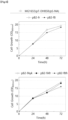
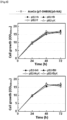
- bacterial growth was similar in all strains, and retinoid production was 322 mg/L when the fpr gene was overexpressed, which was about 1.7-fold higher than the MG1655 strain containing pT-DHBSR and pS-NA produced 190 mg/L.
- retinoid production increased to 288 mg/L and 294 mg/L when fldB-fpr and fldA-ydbK genes were overexpressed.
- retinoid culture in which a plasmid based on the cytochrome P450 system was introduced into the AceCo strain and activated the cytochrome P450 system are shown in Table 12 and FIGS. 8 and 9 .
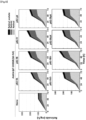
- cell growth was similar in all strains, and when the fldA , fldB , fpr , and ydbK genes were overexpressed, the retinoid production increased to 196 mg/L, 230 mg/L, 243 mg/L, and 211 mg/L, respectively, compared to 101 mg/L produced the AceCo strain containing conventional pT-DHBSR and pS-NA at 72 hours of incubation.
- fldA-fpr Overexpression of fldA-fpr , fldB-fpr , fldA-ydbK , and fldB-ydbK genes resulted in an increase in retinoid production to 212 mg/L, 256 mg/L, 216 mg/L, and 212 mg/L, respectively.
- retinoid culture in which a plasmid based on the cytochrome P450 system was introduced into the SBL7 strain and activated the cytochrome P450 system are shown in Tables 13 and 10 and 11.
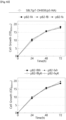
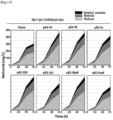
- cell growth was similar in all strains, and when the fldA , fldB , and fdx genes were overexpressed, retinoid production increased to 471 mg/L, 467 mg/L, and 422 mg/L, respectively, compared to 310 mg/L produced by the SBL7 strain containing pT-DHBSR and pS-NA at 72 hours.
- retinoid production increased to 481 mg/L and 475 mg/L when fldB-fpr and fldB-ydbK genes were overexpressed.
- the highest retinoid productivity was shown at 481 mg/L when the fldB-fpr gene was overexpressed, and the production was increased by about 1.6 times compared to the SBL7 strain containing the existing pT-DHBSR and pS-NA.
Landscapes
- Chemical & Material Sciences (AREA)
- Organic Chemistry (AREA)
- Life Sciences & Earth Sciences (AREA)
- Health & Medical Sciences (AREA)
- Engineering & Computer Science (AREA)
- Genetics & Genomics (AREA)
- Zoology (AREA)
- Wood Science & Technology (AREA)
- Bioinformatics & Cheminformatics (AREA)
- Biochemistry (AREA)
- General Health & Medical Sciences (AREA)
- General Engineering & Computer Science (AREA)
- Biotechnology (AREA)
- Microbiology (AREA)
- Biomedical Technology (AREA)
- Molecular Biology (AREA)
- Medicinal Chemistry (AREA)
- General Chemical & Material Sciences (AREA)
- Chemical Kinetics & Catalysis (AREA)
- Biophysics (AREA)
- Tropical Medicine & Parasitology (AREA)
- Virology (AREA)
- Physics & Mathematics (AREA)
- Plant Pathology (AREA)
- Gastroenterology & Hepatology (AREA)
- Proteomics, Peptides & Aminoacids (AREA)
- Micro-Organisms Or Cultivation Processes Thereof (AREA)
- Preparation Of Compounds By Using Micro-Organisms (AREA)
Abstract
The present invention relates to a composition for preparing retinoid, and more specifically, the composition comprises: a NADH or NADPH, a Beta-Carotene Oxygenase and a flavodoxin or a ferredoxin or a reductase of flavodoxin or ferredoxin; or a microorganism expressing them; or a culture or pulverized product of the microorganism, and thus can expand the supply metabolism of reducing electrons to enhance retinoid productivity through an increase in the activity of the cytochrome P450 system and provide a foundation for the low-cost production of raw materials, and thereby enhance the economic feasibility and efficiency of retinoid production.
Description
- The present invention relates to a composition for producing retinoid and a retinoid producing method using the same.
- Retinoids are a class of lipophilic isoprenoid molecules that are chemically related to vitamin A. Retinoids consist of retinol, retinal, retinoic acid, or retinyl acetate. They are necessary to maintain three basic physiological functions: vision protection, growth and development, and immunity, and are known to reduce the risk of certain cancers. In recent years, retinoids have gained increasing attention as a pharmaceutical and functional cosmetic ingredient for the treatment of wrinkles and skin diseases by increasing skin elasticity, resulting in rapidly growing industrial demand and an estimated $4.3 billion global market.
- The monooxygenation reaction, the main enzymatic reaction of beta-carotene monooxygenase (Beta-
Carotene 15,15'-MonoOxygenase: BCMO), a cytochrome P450 enzyme that produces retinal from beta-carotene, requires an oxygen molecule (O2) and a reducing substance of NADPH (or NADH), where one atom of the oxygen molecule binds to the substrate being oxidized and the other atom is reduced to water. Cytochrome P450 enzymes in microorganisms such as bacteria and mitochondria use a two-component shuttle system consisting of flavodoxin, ferredoxin, flavodoxin reductase, and ferredoxin reductase as an electron transfer partner. - In previous prior art, enhanced retinoid production using microorganisms has been studied, but retinoids are chemically unstable, containing reactive conjugated double bonds, and are easily oxidized and isomerized by heat, oxygen, and light, resulting in low production efficiency. In order to actually utilize retinoids for industrial production, further research is required to improve production efficiency so that they can be economically produced in large quantities. Therefore, it is necessary to develop biotechnological methods to increase the efficiency of retinoid conversion by increasing the activity of the cytochrome P450 system to improve productivity.
- The present invention aims to provide compositions for the manufacture of retinoids with increased production efficiency.
- The present invention aims to provide a method for the preparation of retinoids with increased production efficiency.
-
- 1. A composition for production of retinoid comprising a NADH or NADPH, a Beta-Carotene Oxygenase and a flavodoxin or a ferredoxin or reductase of flavodoxin or ferredoxin; or a microorganism expressing them; or a culture or pulverized product of the microorganism.
- 2. The composition for production of retinoid according to claim 1, wherein the Beta-Carotene Oxygenase is a Beta-Carotene MonoOxygenase(BCMO, Beta-
Carotene 15,15'-MonoOxygenase) comprising a sequence of SEQ ID NO: 1. - 3. The composition for production of retinoid according to claim 1, wherein the flavodoxin is a flavodoxin 1(fldA) comprising a sequence of SEQ ID NO: 2 or a flavodoxin 2(fldB) comprising a sequence of SEQ ID NO: 3.
- 4. The composition for production of retinoid according to claim 1, wherein the ferredoxin is a reduced ferredoxin(fdx) comprising a sequence of SEQ ID NO: 4.
- 5. The composition for production of retinoid according to claim 1, wherein the flavodoxin or ferredoxin reductase is a flavodoxin/ferredoxin-NADP(+) reductase(fpr) comprising a sequence of SEQ ID NO: 5 or a pyruvate-flavodoxin oxidoreductase(YdbK) comprising a sequence of SEQ ID NO: 6.
- 6. The composition for production of retinoid according to claim 1, wherein the microorganism is of the genus Escherichia.
- 7. The composition for production of retinoid according to claim 1, wherein the microorganism further expresses a gene encoding an enzyme of a mevalonate(MVA) synthesis pathway or a beta-carotene synthesis pathway.
- 8. The composition for production of retinoid according to claim 7, wherein the enzyme of the mevalonate synthesis pathway is an acetyl-CoA acetyltransferase/hydroxymethylglutaryl (HMG)-COA reductase(mvaE) comprising a sequence of SEQ ID NO: 18, a HMG-CoA synthase(mvaS) comprising a sequence of SEQ ID NO: 19, a mevalonate kinase(mvaK1) comprising a sequence of SEQ ID NO: 20, a phosphomevalonate kinase(mvaK2) comprising a sequence of SEQ ID NO: 21, a mevalonate diphosphate decarboxylase(mvaD) comprising a sequence of SEQ ID NO: 22, and an isopentenyldiphosphate isomerase(idi) comprising a sequence of SEQ ID NO: 23.
- 9. The composition for production of retinoid according to claim 7, wherein the enzyme of the beta-carotene synthesis pathway is a geranylgeranyl pyrophosphate synthase(crtE) comprising a sequence of SEQ ID NO: 48, a phytoene synthase(crtB) comprising a sequence of SEQ ID NO: 49, a phytoene dehydrogenase(crtl) comprising a sequence of SEQ ID NO: 50, a lycopene beta-cyclase(crtY) comprising a sequence of SEQ ID NO: 51, an IPP isopomerase(isopentenyl pyrophosphate:dimethylallyl pyrophosphate isomerase, ipiHP1) comprising a sequence of SEQ ID NO: 52.
- 10. The composition for production of retinoid according to claim 1, wherein the microorganism where at least one gene encoding an enzyme selected from a group consisting of ackA(acetate kinase), pta(phosphate acetyltransferase/phosphate propionyltransferase), adhE(aldehyde-alcohol dehydrogenase), IdhA(lactate dehydrogenase A), atoDA(acyl CoA:acetate/3-ketoacid CoA transferase), dld(D-lactate dehydrogenase), poxB(pyruvate dehydrogenase) and pps(phosphoenolpyruvate synthase) is attenuated or deleted.
- 11. A method for production of retinoid comprising reacting a beta-carotene with the composition according to claim 1.
- 12. The method for production of retinoid according to claim 11, wherein the composition comprises the microorganism, and the reaction is carried out within the microorganism.
- 13. The method for production of retinoid according to claim 11, wherein the composition comprises the microorganism, and the method further comprises culturing the microorganism in a medium containing a carbon source.
- The present invention can improve the economics and efficiency of retinoid production by expanding the reducing electron supply metabolism and increasing the activity of the cytochrome P450 system to improve retinoid productivity and establish a foundation for low-cost raw material production.
-
-
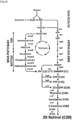
FIG. 1 is a schematic diagram of the retinal synthesis process and the electron transport system involved in it. -
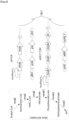
FIG. 2 is a High Performance Liquid Chromatography (HPLC) analysis profile of retinoids including retinal, retinol, and retinyl acetate. -
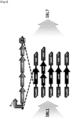
FIG. 3 is a diagram schematically showing the MEP pathway and the exogenous MVA pathway of retinal biosynthesis. -
FIG. 4 schematically shows the SBL1 strain production process. -
FIG. 5 schematically shows the SBL7 strain production process. -
FIG. 6 shows cell growth of retinoid producing strain MG1655 into which pB2-fB, pB2-fr, pB2-fAfr, pB2-fBfr or pB2-fAyK was introduced. -
FIG. 7 shows the retinoid production amount of retinoid producing strain MG1655 into which pB2-fB, pB2-fr, pB2-fAfr, pB2-fBfr or pB2-fAyK was introduced. -
FIG. 8 shows cell growth of the retinoid producing strain AceCo into which pB2-fA, pB2-fB, pB2-fr, pB2-yK, pB2-fAfr, pB2-fBfr, pB2-fAyK, or pB2-fByK was introduced. -
FIG. 9 shows the retinoid production of the retinoid producing strain AceCo into which pB2-fA, pB2-fB, pB2-fr, pB2-yK, pB2-fAfr, pB2-fBfr, pB2-fAyK, or pB2-fByK was introduced. -
FIG. 10 shows cell growth of retinoid producing strain SBL7 into which pB2-fA, pB2-fB, pB2-fx, pB2-fBfr, pB2-fxfr, pB2-fByK, or pB2-fxyK was introduced. -
FIG. 11 shows the retinoid production of the retinoid producing strain SBL7 into which pB2-fA, pB2-fB, pB2-fx, pB2-fBfr, pB2-fxfr, pB2-fByK, or pB2-fxyK was introduced. - Hereinafter, the present invention will be described in detail.
- The present invention provides a composition for producing retinoids.
- The composition for producing retinoids includes a NADH or NADPH, a beta-carotene oxidase (Beta-Carotene Oxygenase) and a flavodoxin or a ferredoxin or a reductase of flavodoxin or ferredoxin; or a microorganism expressing them; or a culture or pulverized product of the microorganism.
- Retinoids may be compounds with the skeleton of vitamin A (retinol) or compounds that bind to retinoic acid receptors with the same or similar effects as retinoic acid (all trans and 9-cis), the activator of retinol. The retinoid may be, for example, retinal, retinol, retinyl palmitate, retinoic acid, or retinyl acetate, and may specifically be retinal, but is not limited thereto.
- Beta-carotene oxidase is an enzyme that catalyzes the reaction that produces two molecules of retinal from beta-carotene, the precursor of vitamin A (retinol). The beta-carotene oxidation enzyme may be, for example, beta-carotene monooxygenase (BCMO, Beta-
Carotene 15,15'-MonoOxygenase). Beta-carotene monooxygenase may include a sequence of SEQ ID NO: 1, but is not limited thereto. - Flavodoxin is an electron transfer enzyme, which provides electrons or hydrogen ions used as a driving force through cofactors such as NAD and NADP to enzymes involved in oxidation or reduction reactions in vivo. means. Flavodoxin is used as an electron transfer partner in the reaction that generates two molecules of retinal from beta-carotene. The flavodoxin may be a flavodoxin 1 (fldA) or a flavodoxin 2 (fldB). Flavodoxin 1 may include a sequence of SEQ ID NO: 2, but is not limited thereto. Flavodoxin 2 may include a sequence of SEQ ID NO: 3, but is not limited thereto.
- Ferredoxin is an electron transfer enzyme that is used as an electron transfer partner in the reaction that produces two molecules of retinal from beta-carotene. Ferredoxin may be a reduced ferredoxin (fdx). The reduced ferredoxin may include a sequence of SEQ ID NO: 4, but is not limited thereto.
- Flavodoxin or ferredoxin reductase is an electron transfer enzyme that is used as an electron transfer partner in the reaction that produces two molecules of retinal from beta-carotene. The reductase enzyme for flavodoxin or ferredoxin is flavodoxin/ferredoxin-NADP(+) reductase (fpr) or pyruvate-flavodoxin oxidoreductase. oxidoreductase, YdbK). The flavodoxin/ferredoxin-NADP(+) reductase enzyme may include a sequence of SEQ ID NO: 5, but is not limited thereto. The pyruvic acid-flavodoxin oxidoreductase enzyme may include a sequence of SEQ ID NO: 6, but is not limited thereto.
- Flavodoxin or ferredoxin, or a reductase of flavodoxin or ferredoxin, may optionally be included. For example, only flavodoxin, only ferredoxin, only flavodoxin reductase, or only ferredoxin reductase may be included. A combination of at least two of these may be included. For example, flavodoxin and its reductase may be included, flavodoxin and ferredoxin reductase may be included, and ferredoxin and flavodoxin reductase may be included.
- The microorganism expressing these may express them intrinsically or exogenously. Microorganism expressing them exogenously may be a microorganism into which genes encoding NADH or NADPH, beta-carotene oxidase (Beta-Carotene Oxygenase), flavodoxin or ferredoxin, or reductase of flavodoxin or ferredoxin are introduced. Gene introduction may be carried out using viral vectors such as plasmids, retroviruses, adenoviruses, and non-viral vectors known in the art, without limitation.
- Microorganism may be a prokaryotic cell or eukaryotic cell that can be cultured in a liquid medium. The microorganism may be, for example, a bacterium, fungus, or a combination thereof. Bacteria may be Gram-positive bacteria, Gram-negative bacteria, or a combination thereof, and to increase psicose production capacity, bacteria may be Gram-positive bacteria. Gram-negative bacteria may include the genus Escherichia. Gram-positive bacteria may be the genus Bascillus, the genus Corynebacterium, the genus Actinomyces, the genus Lactobacillus or a combination thereof. Fungi may be yeast, the genus Kluyveromyces or a combination thereof. The microorganism may be a natural or foreign gene introduced. The foreign gene may be a gene involved in retinoid production, such as one or more genes of the MEP or MVA pathway.
- The microorganism may be a microorganism of the genus Escherichia, specifically Escherichia coli (Escherichia coli), and more specifically an Escherichia coli MG1655 strain, but is not limited thereto.
- The culture of the microorganism may include a medium containing microorganisms after culture, a medium in which microorganisms are separated after culture, or substances secreted by microorganisms during culture. The medium may be a solid medium or a liquid medium. The crushed product of the microorganism is the crushed product of the microorganism through sonication, etc., and may include the protein in the microorganism.
- Microorganisms may further express genes encoding enzymes of the mevalonate (MVA) synthesis pathway or beta-carotene synthesis pathway.
- In the case of microorganism further expressing genes encoding the mevalonate synthesis pathway or enzymes of the beta-carotene synthesis pathway, the production efficiency of mevalonate or lycopene or beta-carotene, which are precursors of beta-carotene, is improved so that retinoids can be obtained with excellent yield when using the microorganism as a composition for the manufacture of retinoids.
- The microorganism may endogenously or exogenously express genes encoding enzymes of the mevalonate synthesis pathway or the beta-carotene synthesis pathway. Microorganism that exogenously expresses these may have genes encoding enzymes of the mevalonate synthesis pathway or beta-carotene synthesis pathway introduced. Gene introduction may be carried out using viral vectors such as plasmids, retroviruses, adenoviruses, and non-viral vectors known in the art, without limitation.
- The enzymes in the mevalonate synthesis pathway may be acetyl-CoA acetyltransferase/hydroxymethylglutaryl (HMG)-CoA reductase (mvaE) and HMG-CoA synthase (mvaS), mevalonate kinase (mvaK1), phosphomevalonate kinase (mvaK2), diphosphomevalonate decarboxylase (mvaD), and isopentenyldiphosphate isomerase (idi).
- The mvaE may include a sequence of SEQ ID NO: 18, but is not limited thereto. The mvaS may include a sequence of SEQ ID NO: 19, but is not limited thereto. The mvaK1 may include a sequence of SEQ ID NO: 20, but is not limited thereto. The mvaK2 may include a sequence of SEQ ID NO: 21, but is not limited thereto. The mvaD may include a sequence of SEQ ID NO: 22, but is not limited thereto. The idi may include a sequence of SEQ ID NO: 23, but is not limited thereto.
- The mvaE may be derived from Enterococcus faecalis. The mvaS may be derived from Enterococcus faecalis. The mvaK1 may be derived from Streptococcus pneumoniae. The mvaK2 may be derived from Streptococcus pneumoniae. The mvaD may be derived from Streptococcus pneumoniae. The idi may be derived from Escherichia coli.
- The enzymes in the beta-carotene synthesis pathway may be geranylgeranyl pyrophosphate synthase (crtE), phytoene synthase (crtB), phytoene dehydrogenase (crtl), lycopene beta-cyclase (crtY) and IPP isopomerase (isopentenyl pyrophosphate:dimethylallyl pyrophosphate isomerase, ipiHP1).
- The crtE may include a sequence of SEQ ID NO: 48, but is not limited thereto. The crtB may include a sequence of SEQ ID NO: 49, but is not limited thereto. The crtl may include a sequence of SEQ ID NO: 50, but is not limited thereto. The crtY may include a sequence of SEQ ID NO: 51, but is not limited thereto. The ipiHP1 may include a sequence of SEQ ID NO: 52, but is not limited thereto.
- The crtE may be derived from Pantoea agglomerans. The crtB may be derived from Pantoea aglumerans. The crtl may be derived from Pantoea aglumerans. The crtY may be derived from Pantoea ananatis. The ipiHP1 may be derived from Haematococcus pluvialis.
- Microorganism may have genes encoding enzymes that produce fermentation by-products attenuated or deleted. During the retinoid production reaction, acetate, alcohol, lactate, acetoacetate, phosphoenolpyburic acid, etc. may be produced as by-products of fermentation, which consumes acetyl-CoA, a precursor in the mevalonate synthesis pathway, and retinoid production efficiency decreases. If the gene encoding the enzyme that produces fermentation by-products is attenuated or deleted, unnecessary consumption of the precursor acetyl-CoA can be prevented and retinoid productivity can be maximized.
- The enzymes that produce fermentation by-products may be at least one selected from a group consisting of ackA (acetate kinase), pta (phosphate acetyltransferase/phosphate propionyltransferase), adhE (aldehyde-alcohol dehydrogenase), IdhA (lactate dehydrogenase A), atoDA (acyl CoA:acetate/3-ketoacid CoA transferase), did (D-lactate dehydrogenase), poxB (pyruvate dehydrogenase), and pps (phosphoenolpyruvate synthase).
- The ackA may be an acetate kinase involved in acetate production. The pta may be a phosphate acetyltransferase/phosphate propionyltransferase, which is involved in acetate production. The adhE may be an aldehyde-alcohol dehydrogenase involved in alcohol production. The IdhA may be a lactate dehydrogenase A, which is involved in lactate production. The atoDA may be acyl CoA:acetate/3-ketoacid CoA transferase involved in acetoacetate production. The did may be a D-lactate dehydrogenase, which is involved in lactate production. The poxB may be a pyruvate dehydrogenase, which is involved in acetate production. The pps may be a phosphoenolpyruvate synthase, which is involved in producing phosphoenolpyruvate.
- The present invention provides a method for producing retinoids.
- The method for producing a retinoid includes reacting beta-carotene with the composition for producing a retinoid.
- Beta-carotene, retinoids, and compositions for producing retinoids may be within the above-mentioned range, but are not limited thereto.
- When beta-carotene is reacted with the composition for producing retinoid, a reaction that generates two molecules of retinal from beta-carotene is activated, so that retinoid can be produced with excellent yield.
- When the composition for producing a retinoid includes the microorganism, the reaction between beta-carotene and the composition for producing a retinoid may be carried out within the microorganism.
- Microorganisms may be within the range described above, but are not limited thereto.
- When the composition for producing a retinoid includes the microorganism, it may further include culturing the microorganism in a medium containing a carbon source.
- The carbon source may be, for example, selected from the group consisting of starch, glucose, sucrose, galactose, fructose, glycerol, and mixtures thereof, but is not limited thereto.
- Hereinafter, the present invention will be described in detail with reference to examples.
- Microorganisms used in the experiment were purchased from ATCC (American Type Culture Collection) and KCCM (Korea Culture Center of Microorganisms) and are summarized in Table 1. The DH5α E. coli strain was used for gene cloning, and the MG1655, AceCo, and SBL7 E. coli strains listed in Table 1 were used to produce the target material. As expression vectors, pTrc99A, pSTV28, and pBBR1MCS2 listed in Table 2 were used. Restriction enzymes and other enzymes used were products from New England Biolabs (USA). Additionally, to perform PCR, Pfu-X DNA polymerase from Solgent (Korea) and Phusion DNA polymerase from Thermo Scientific (USA) were used. The DNA size maker used was a product from Invitrogen (USA). L(+)-arabinose was from Sigma (USA), glycerol was from Amresco (USA), and dodecane was from Honeywell (USA). Other reagents were used from Sigma.
[Table 1] E. coli strain explanation DH5α F-f80dlacZDM15D(lacZYA-argF)U169 deoR recA1 endA1 hsdR17(rK -, mK +) phoA supE44I- thi-1 gyrA96 relA1 MG1655 F-λ-ilvGrfb-50 rph-1 AceCo E. coli MG1655ΔackA-pta, poxB, ldhA, dld, adhE, pps, atoDA SBL7 E. coli MG1655Δ ackA-pta(::PcTrc-EFAES-ter), adhE (::PcTrc-SN12Didi-ter), ldhA(::PcTrc-LYCm4-ter), atoDA (::PcTrc-LYCm4-ter), dld(::PcTrc-LYCm4-ter), poxB (::PcTrc-LYCm4-ter), pps(::PcTrc-LYCm4-ter) [Table 2] plasmid Explanation Information or references (Genbank accession no.) pTrc99A pMB1 origin, trc promoter, laclq, and bla (U13872.1) pSTV28 p15A origin, lac promoter, lacZ, and cat (M22744) pBBR1MCS2 Broad-host-range, Kmr; lacPOZ mobRP Kovach et al. 1995 - The preparation of medium for microbial culture followed the recommended medium composition of each strain distribution organization and the Difco manual (11th edition, Difco; BD Science, USA). Reagents used to prepare media were purchased from BD Science (USA) and Sigma. The amount of bacterial cells during culture was expressed as the result of measuring OD (optical density) at 600 nm using a spectrophotometer (Shimadzu UV-1601, Japan), and pH was measured using a pH meter B-212 (HORIBA, Japan).
- For gene cloning, ampicillin, chloramphenicol, and kanamycin were used as antibiotics for plasmid maintenance at concentrations of 100 µg/mL, 50 µg/mL, and 50 µg/mL, respectively.
- Retinoids were analyzed by the following method. Quantitative HPLC analysis was carried out by taking only the dodecane layer added to the retinoid culture. The retinoid analysis system used is the SHIMADZU LC-20A series with UV/Vis detector (Shimadzu, Kyoto, Japan), and the analysis column was Symmetry C18 (250x4.6,5 µm) with Symmetry guard C18 (15x4.6, 5 µm) was used. The mobile phase was analyzed with a methanol:acetonitrile mixed solution (95:5, v/v) for a total of 15 minutes. The flow rate was set at 1.5 mL/min, the detection wavelength was measured at 370 nm for retinal and 340 nm for retinol and retinyl acetate, the sample injection volume was 20 µℓ, and the oven temperature was 40°C. The retinoid standard sample was dissolved in ethanol and used. As shown in
Figure 2 , the peak retention time of standard time is about 3.2 minutes for retinol, about 3.4 minutes for retinal, and about 4.0 minutes for retinyl acetate, and the analysis results are based on a calibration curve calculated by calculating the area of the analyzed peak from the peak area of the standard sample. It was calculated by substituting and converting the dilution factor. - Genes encoding enzymes involved in the cytochrome P450 system are listed in Table 3. Primer sequences and restriction enzymes used for gene cloning are shown in Table 4. The genes were amplified through polymerase chain reaction (PCR) using the primers listed in Table 4 and using the chromosomal DNA of the MG1655 strain containing the corresponding gene as a template. The amplified products were introduced into each vector using the restriction enzymes listed in Table 4, producing vectors pB2-fA, pB2-fB, pB2-fx, pB2-fr, pB2-yK, pB2-fAfr, pB2-fBfr, pB2. -fxfr, pB2-fAyK, pB2-fByK, and pB2-fxyK were constructed.
[Table 3] Enzyme name gene Amino acid sequence (Genbank accession number) Flavodoxin 1 fldA SEQ ID NO: 2 NP_415210.1 Flavodoxin 2 fldB SEQ ID NO: 3 NP_417371.1 reduced ferredoxin fdx SEQ ID NO: 4 NP_417020.1 Flavodoxin/ferredoxin-NADP(+) reductase fpr SEQ ID NO: 5 NP_418359.1 Pyruvate-flavodoxin oxidoreductase ydbK SEQ ID NO: 6 NP_415896.1 [Table 4] Vector Insert restriction enzyme construction vector gene primer sequence pBBR1MCS2 fldA Fwd SEQ ID NO: 7 Xbal pB2-fA Rev SEQ ID NO: 8 Sacl pBBR1MCS2 fldB Fwd SEQ ID NO: 9 BamHI pB2-fB Rev SEQ ID NO: 10 Xbal pBBR1MCS2 fdx Fwd SEQ ID NO: 11 Xbal pB2-fx Rev SEQ ID NO: 12 Sacl pBBR1MCS2 fpr Fwd SEQ ID NO: 13 Kpnl pB2-fr Rev SEQ ID NO: 14 Sall pBBR1MCS2 ydbK Fwd SEQ ID NO: 15 Sall pB2-yK Rev SEQ ID NO: 16 Xbal pB2-fA fpr Fwd SEQ ID NO: 13 Kpnl pB2-fAfr Rev SEQ ID NO: 14 Sall pB2-fB fpr Fwd SEQ ID NO: 13 Kpnl pB2-fBfr Rev SEQ ID NO: 14 Sall pB2-fx fpr Fwd SEQ ID NO: 13 Kpnl pB2-fxfr Rev SEQ ID NO: 14 Sall pB2-fA ydbK Fwd SEQ ID NO: 15 Sall pB2-fAyK Rev SEQ ID NO: 16 Xball pB2-fB ydbK Fwd SEQ ID NO: 15 Sall pB2-fByK Rev SEQ ID NO: 17 HindIII pB2-fx ydbK Fwd SEQ ID NO: 15 Sall pB2-fxyK Rev SEQ ID NO: 16 Xball - This example includes contents related to the production of an E. coli MG1655 strain with improved productivity of lycopene, a beta-carotene precursor, to improve retinoid production.
- In this example, in order to improve the efficiency of lycopene production, genes involved in the production of organic acids and alcohols, which are fermentation by-products, were deleted in strain MG1655, and the exogenous mevalonate (MVA) pathway and lycopene biosynthetic pathway were introduced multiple times into the E. coli chromosome. In order to increase the expression of isoprenoid biosynthesis genes on the E. coli chromosome, the original promoters of rate-limiting genes were replaced with strong trc promoters modified to ensure constant expression, and the final SBL7 strain was created.
- Describing the production process of the SBL7 strain in detail, first, the MVA pathway in
Figure 3 was divided into an upper pathway from acetyl-CoA to mevalonate based on mevalonate and a lower pathway synthesizing mevalonate through IPP to DMAPP. These pathways were inserted into the chromosome of E. coli MG1655 strain using the high-efficiency genetic resources of the exogenous MVA pathway. - The genes that form the upper mevalonate pathway are mvaE (SEQ ID NO: 18) and mvaS (SEQ ID NO: 19) derived from Enterococcus faecalis PCI1326, and the pTFKC (DPB) vector (
Korean Patent Publication No. 2018-0124777 - The insertion site upstream of the MVA pathway was inserted by simultaneously deleting the ackA gene, an acetate kinase involved in acetate production, and the pta gene, a phosphate acetyltransferase/phosphate propionyltransferase. For gene deletion, the homologous recombination method using Arecombinase was used. The prepared MVA upper pathway insertion strain was named APTOP and is shown in Table 7. At this time, the promoter included the trc promoter and terminator modified to ensure constant expression, so the inserted upper path was designated as PcTrc-EFAES-ter.
- The MVA lower pathway consists of mvaK1 (SEQ ID NO: 20), mvaK2 (SEQ ID NO: 21), mvaD (SEQ ID NO: 22) of Streptococcus pneumoniae and idi (SEQ ID NO: 23) genes of Escherichia coli, and the genes of the above genes were amplified using the primer in Table 5 so that four genes could be inserted into Escherichia coli, and pTFCC (DPB) - SN12Didi was constructed by cloning it on a pTFCC (DPB) vector (Korean Open Patent No. 2018-0124777) (Table 6). The MVA lower pathway was inserted at the same time as the adhE gene defect, and was inserted using a primer in Table 5 having a homology of 50 bp to the E. coli chromosome to be inserted according to the gene. For gene defects, homologous recombination method using Arecombinase was used. Through this, MVA subpathway insertion strain was constructed. In addition, since the promoter at the time of insertion includes a modified trc promoter and a terminator to always be expressed, the inserted upper path is labeled as PcTrc-SN12Didi-ter. This was selected as a mevalonate subpathway insertion strain and named aEBOTTOM (Table 7). An E. coli strain containing the entire MVA pathway was developed using the P1 transduction method using the strain inserting the MVA upper/lower pathway constructed above, and was named SBL1 (
FIG. 4 , Table 7).[Table 5] MVA path primer sequence number MVA path primer sequence number upper pathway EFAES-F 24 lower pathway IS adhE-Ptrc-F 36 EFAES-R 25 KO adhE-R 37 IS ackA-pta-Ptrc-F 26 IS atoDA-Ptrc-F 38 KO ackA-pta-R 27 Also DA-R 39 KO 28 KO poxBCF-F 40 ackA-ptaCF-F KO ackA-ptaCF-R 29 KO poxBCF-R 41 lower pathway SN12 Didi-F 30 OR IdhACF-F 42 SN12 Didi-R 31 OR IdhACF-R 43 IS poxB-Ptrc-F 32 KO adhECF-F 44 THE poxB-R 33 KO adhECF-R 45 IS IdhA-Ptrc-F 34 OR atoDACF-F 46 KO IdhA-R 35 OR atoDACF-R 47 [Table 6] plasmid explanation pTFKC(DPB) pTFKC(DPB)-EFAES containing mvaE and mvaS of Enterococcus faecalis PCI1326 pTFCC(DPB) pTFCC(DPB)-SN12Didi containing mvaK1, mvak2 and mvaD of S. pneumonia, and idi of E. coli [Table 7] strain explanation APTOP MG1655Δ ackA -pta(::PcTrc-EFAES-ter) aEBOTTOM MG1655ΔadhE (::PcTrc-SN12Didi-ter) SBL1 MG1655Δ ackA -pta(::PcTrc-EFAES-ter), adhE(::PcTrc-SN12Didi-ter) - A total of four genes, crtE (SEQ ID NO: 48), crtB (SEQ ID NO: 49), and crtl (SEQ ID NO: 50) genes of Pantoea agglomerans, which are lycopene biosynthesis pathways, and ipiHP1 (SEQ ID NO: 52) genes of Haematococcus pluvialis, were cloned into the pBFKC vector (
Korean Patent No. 2018-0124777 - Next, lycopene biosynthetic operons were inserted into the SBL1 strain with the foreign MVA full pathway inserted into the Escherichia coli chromosome, and lycopene operons were sequentially multiplexed into the SBL1 strain through P1 transduction from strains inserted at ldhA, atoDA, dld, poxB, and pps gene sites, which was named SBL7 (
FIG. 5 , Table 10).[Table 8] plasmid explanation pBFKC-LYCm4 pBFKC containing crtE, crtB and crtl of P. agglomerans, and ipiHP1 of H. pluvialis [Table 9] primer sequence number primer sequence number LYCm4-F 53 KO pps-R 64 LYCm4-R 54 KO poxBCF-F 65 IS poxB-Ptrc-F 55 KO poxBCF-R 66 KO poxB-R 56 KO IdhACF-F 67 IS IdhA-Ptrc-F 57 KO ldhACF-R 68 KO IdhA-R 58 KO dldCF-F 69 IS dld-Ptrc-F 59 KO dldCF-R 70 KO dld-R 60 KO atoDACF-F 71 IS atoDA-Ptrc-F 61 KO atoDACF- R 72 KO atoDA-R 62 KO ppsCF-F 73 IS pps-Ptrc-F 63 KO ppsCF-R 74 [Table 10] strain explanation SBL7 SBL1ΔldhA(::Ptrc-LYCm4-ter), atoDA(::Ptrc-LYCm4-ter), dld(::Ptrc-LYCm4-ter), poxB(::Ptrc-LYCm4-ter), pps(::Ptrc-LYCm4-ter) - From the above results, E. coli with lycopene productivity was developed through multiple insertions of the lycopene biosynthetic operon into the chromosome. Since this E. coli strain itself has the ability to produce lycopene, it can stably produce lycopene without the introduction of a plasmid.
- E. coli MG1655, AceCo (
Korean Open Patent No. 2017-0089426 - Competent cells are fabricated to transform plasmids into MG1655 (pT-DHBSR / pS-NA), AceCo (pT-DHBSR / pS-NA), and SBL7 (pT-DHBSR / pS-NA) strains. MG1655 (pT-DHBSR / pS-NA), AceCo (pT-DHBSR / pS-NA), and SBL7 (pT-DHBSR / pS-NA) strains are inoculated in 5 ml LB medium containing ampicillin and chloramphenicol antibiotics, and OD600, 2-3 at temperature 30 ° C. 5 ml of new LB medium containing Ampicillin and chloramphenicol antibiotics will be incubated at 30 ° C. for 3 hours after inoculation to OD600, 0.1. To make water-soluble cells, the culture medium is cooled in ice for 5 minutes, centrifuged for 5 minutes at a temperature of 4 ° C. and 5000 rpm for 5 minutes to remove the supernatant, and washed twice with 1 ml of washing buffer (0.5 M sucrose, 10% glycerol). The washed cells are suspended in 0.1 ml of washing buffer to obtain water-soluble cells.
- Add 100 ng/µl of the recombinant plasmid to 100 µl of the obtained soluble cells, mix, place the mixture in an electroporation cuvette (2 mm apart), and perform electroporation under the conditions of 25 µF, 200 Ω, and 2,500 V. After electroporation, add 1 ml of LB medium and incubate at 37°C for 1 hour. Transformants are obtained by plating 100 µl of the cell sample into which the recombinant plasmid was introduced by electroporation on LB solid plate medium containing ampicillin, chloramphenicol, and kanamycin antibiotics.
- The above-constructed transformant was inoculated into 5 ml of 2YT medium containing ampicillin, chloramphenicol, and kanamycin antibiotics, and seed culture was performed at a temperature of 37°C to OD600, 2-3 After adding 2% (w/v) glycerol and 0.2% (w/v) L(+)-arabinose as a carbon source to 5 ml of new 2YT medium containing ampicillin, chloramphenicol, and kanamycin antibiotics, adjust to OD 600, 0.1 . After inoculation, 5 ml of dodecane was overlaid and cultured in a shaking incubator at 30°C and 250 rpm for 72 hours to confirm retinoid productivity.
- The results of retinoid culture in which a plasmid based on the cytochrome P450 system was introduced into the MG1655 strain and activated the cytochrome P450 system are shown in Table 11 and
FIG. 6 and7 . In detail, bacterial growth was similar in all strains, and retinoid production was 322 mg/L when the fpr gene was overexpressed, which was about 1.7-fold higher than the MG1655 strain containing pT-DHBSR and pS-NA produced 190 mg/L. As a result of overexpression in various combinations, retinoid production increased to 288 mg/L and 294 mg/L when fldB-fpr and fldA-ydbK genes were overexpressed.[Table 11] Strain MG1655 (pT-DHBSR/pS-NA) (72hr) None pB2-fB pB2-fr pB2-fAfr pB2-fBfr pB2-fAyK Cell growth amount (OD600) 16.7±0.4 18.3±0.3 19.2±0.2 16.8±0.3 16.0±0.2 18.4±1.8 Total retinoids (mg/L) 190 236 322 201 288 294 - The results of retinoid culture in which a plasmid based on the cytochrome P450 system was introduced into the AceCo strain and activated the cytochrome P450 system are shown in Table 12 and
FIGS. 8 and9 . In detail, cell growth was similar in all strains, and when the fldA, fldB, fpr, and ydbK genes were overexpressed, the retinoid production increased to 196 mg/L, 230 mg/L, 243 mg/L, and 211 mg/L, respectively, compared to 101 mg/L produced the AceCo strain containing conventional pT-DHBSR and pS-NA at 72 hours of incubation. Overexpression of fldA-fpr, fldB-fpr, fldA-ydbK, and fldB-ydbK genes resulted in an increase in retinoid production to 212 mg/L, 256 mg/L, 216 mg/L, and 212 mg/L, respectively.[Table 12] Strain (72hr) AceCo (pT-DHBSR/pS-NA) None pB2-fA pB2-fB pB2-fr pB2-yK pB2-fAfr pB2-fBfr pB2-fAy K pB2-fBy K Cell growth amount (OD600) 15.5± 0.1 17.1± 0.6 16.4± 1.0 16.5± 1.3 16.5± 0.1 16.2± 0.6 17.1± 2.3 16.8± 0.5 15.8± 0.8 Total retinoids (mg/L) 101 196 230 243 211 212 256 216 212 - The results of retinoid culture in which a plasmid based on the cytochrome P450 system was introduced into the SBL7 strain and activated the cytochrome P450 system are shown in Tables 13 and 10 and 11. In detail, cell growth was similar in all strains, and when the fldA, fldB, and fdx genes were overexpressed, retinoid production increased to 471 mg/L, 467 mg/L, and 422 mg/L, respectively, compared to 310 mg/L produced by the SBL7 strain containing pT-DHBSR and pS-NA at 72 hours. As a result of overexpression in various combinations, retinoid production increased to 481 mg/L and 475 mg/L when fldB-fpr and fldB-ydbK genes were overexpressed. In particular, the highest retinoid productivity was shown at 481 mg/L when the fldB-fpr gene was overexpressed, and the production was increased by about 1.6 times compared to the SBL7 strain containing the existing pT-DHBSR and pS-NA.
[Table 13] Strain (72hr) SBL7 (pT-DHBSR/pS-NA) None pB2-fA pB2-fB pB2-fx pB2-fBfr pB2-fxfr pB2-fByK pB2-fxyK Cell growth 18.1± 0.1 18.1± 0.1 19.0± 0.0 17.8± 0.1 17.9± 0.6 19.0± 0.4 18.1± 0.5 17.7± 0.1 amount (OD600) Total retinoids (mg/L) 310 471 467 422 481 380 475 339 - Based on the above results, the effect on retinoid production was different when fldA, fldB, fdx, fpr, and ydbK genes were overexpressed in each strain of MG1655, AceCo, and SBL7, either in combination or in combination, but the efficiency increase of the cytochrome P450 system improved retinoid productivity.
Claims (13)
- A composition for production of retinoid comprising a NADH or NADPH, a Beta-Carotene Oxygenase and a flavodoxin or a ferredoxin or a reductase of flavodoxin or ferredoxin; or a microorganism expressing them; or a culture or pulverized product of the microorganism.
- The composition for production of retinoid according to claim 1, wherein the Beta-Carotene Oxygenase is a Beta-Carotene MonoOxygenase(BCMO, Beta-Carotene 15,15'-MonoOxygenase) comprising a sequence of SEQ ID NO: 1.
- The composition for production of retinoid according to claim 1, wherein the flavodoxin is a flavodoxin 1(fldA) comprising a sequence of SEQ ID NO: 2 or a flavodoxin 2(fldB) comprising a sequence of SEQ ID NO: 3.
- The composition for production of retinoid according to claim 1, wherein the ferredoxin is a reduced ferredoxin(fdx) comprising a sequence of SEQ ID NO: 4.
- The composition for production of retinoid according to claim 1, wherein the flavodoxin or ferredoxin reductase is a flavodoxin/ferredoxin-NADP(+) reductase(fpr) comprising a sequence of SEQ ID NO: 5 or a pyruvate-flavodoxin oxidoreductase(YdbK) comprising a sequence of SEQ ID NO: 6.
- The composition for production of retinoid according to claim 1, wherein the microorganism is of the genus Escherichia.
- The composition for production of retinoid according to claim 1, wherein the microorganism further expresses a gene encoding an enzyme of a mevalonate(MVA) synthesis pathway or a beta-carotene synthesis pathway.
- The composition for production of retinoid according to claim 7, wherein the enzyme of the mevalonate synthesis pathway is an acetyl-CoA acetyltransferase/hydroxymethylglutaryl (HMG)-COA reductase(mvaE) comprising a sequence of SEQ ID NO: 18, a HMG-CoA synthase(mvaS) comprising a sequence of SEQ ID NO: 19, a mevalonate kinase(mvaK1) comprising a sequence of SEQ ID NO: 20, a phosphomevalonate kinase(mvaK2) comprising a sequence of SEQ ID NO: 21, a mevalonate diphosphate decarboxylase(mvaD) comprising a sequence of SEQ ID NO: 22, and an isopentenyldiphosphate isomerase(idi) comprising a sequence of SEQ ID NO: 23.
- The composition for production of retinoid according to claim 7, wherein the enzyme of the beta-carotene synthesis pathway is a geranylgeranyl pyrophosphate synthase(crtE) comprising a sequence of SEQ ID NO: 48, a phytoene synthase(crtB) comprising a sequence of SEQ ID NO: 49, a phytoene dehydrogenase(crtl) comprising a sequence of SEQ ID NO: 50, a lycopene beta-cyclase(crtY) comprising a sequence of SEQ ID NO: 51, an IPP isopomerase(isopentenyl pyrophosphate:dimethylallyl pyrophosphate isomerase, ipiHP1) comprising a sequence of SEQ ID NO: 52.
- The composition for production of retinoid according to claim 1, wherein the microorganism where at least one gene encoding an enzyme selected from a group consisting of ackA(acetate kinase), pta(phosphate acetyltransferase/phosphate propionyltransferase), adhE(aldehyde-alcohol dehydrogenase), IdhA(lactate dehydrogenase A), atoDA(acyl CoA:acetate/3-ketoacid CoA transferase), dld(D-lactate dehydrogenase), poxB(pyruvate dehydrogenase) and pps(phosphoenolpyruvate synthase) is attenuated or deleted.
- A method for production of retinoid comprising reacting a beta-carotene with the composition according to claim 1.
- The method for production of retinoid according to claim 11, wherein the composition comprises the microorganism, and the reaction is carried out within the microorganism.
- The method for production of retinoid according to claim 11, wherein the composition comprises the microorganism, and the method further comprises culturing the microorganism in a medium containing a carbon source.
Applications Claiming Priority (2)
| Application Number | Priority Date | Filing Date | Title |
|---|---|---|---|
| KR1020210153276A KR102518841B1 (en) | 2021-11-09 | 2021-11-09 | Composition and method for preparing retinoids |
| PCT/KR2022/017114 WO2023085688A1 (en) | 2021-11-09 | 2022-11-03 | Composition for preparing retinoid, and method for preparing retinoid using same |
Publications (1)
| Publication Number | Publication Date |
|---|---|
| EP4431615A1 true EP4431615A1 (en) | 2024-09-18 |
Family
ID=85984816
Family Applications (1)
| Application Number | Title | Priority Date | Filing Date |
|---|---|---|---|
| EP22893110.1A Pending EP4431615A1 (en) | 2021-11-09 | 2022-11-03 | Composition for preparing retinoid, and method for preparing retinoid using same |
Country Status (4)
| Country | Link |
|---|---|
| US (1) | US20250129403A1 (en) |
| EP (1) | EP4431615A1 (en) |
| KR (1) | KR102518841B1 (en) |
| WO (1) | WO2023085688A1 (en) |
Family Cites Families (10)
| Publication number | Priority date | Publication date | Assignee | Title |
|---|---|---|---|---|
| US7566795B2 (en) * | 2006-10-06 | 2009-07-28 | Eastman Chemical Company | Preparation of retinyl esters |
| KR101359484B1 (en) * | 2011-07-29 | 2014-02-13 | 경상대학교산학협력단 | Escherichia genus microorganism having deleted EutE or PuuC gene and Method of producing retinoids using the same |
| WO2013019051A2 (en) | 2011-07-29 | 2013-02-07 | 경상대학교산학협력단 | Method for producing retinoid from microorganism |
| KR20140147982A (en) * | 2013-06-20 | 2014-12-31 | 경상대학교산학협력단 | Microorganism including genes coding enzymes involved in the production of retinoid and preparing method for retinoid using the same |
| KR101936825B1 (en) | 2016-01-26 | 2019-01-11 | 경상대학교산학협력단 | Preparing method for isoprene |
| KR101724992B1 (en) * | 2016-01-27 | 2017-04-11 | 경상대학교산학협력단 | Microorganism including genes coding enzymes involved in the production of retinoid and preparing method for retinoid using the same |
| US10480015B2 (en) * | 2017-01-26 | 2019-11-19 | Manus Bio Inc. | Metabolic engineering for microbial production of terpenoid products |
| KR102106038B1 (en) | 2017-05-11 | 2020-04-29 | 경상대학교 산학협력단 | Marker composition for transformed organism, transformed organism and method for transformation |
| KR102202606B1 (en) | 2018-11-30 | 2021-01-15 | (주)바이오스플래시 | A microorganism for producing a bio-retinol and a method for preparing a bio-retinol using the same |
| KR102282663B1 (en) * | 2019-10-07 | 2021-07-28 | 아주대학교 산학협력단 | Recombinant microorganism with retinoid production ability and method for preparing retinoid using the same |
-
2021
- 2021-11-09 KR KR1020210153276A patent/KR102518841B1/en active Active
-
2022
- 2022-11-03 WO PCT/KR2022/017114 patent/WO2023085688A1/en not_active Ceased
- 2022-11-03 EP EP22893110.1A patent/EP4431615A1/en active Pending
- 2022-11-03 US US18/706,382 patent/US20250129403A1/en active Pending
Also Published As
| Publication number | Publication date |
|---|---|
| US20250129403A1 (en) | 2025-04-24 |
| KR102518841B1 (en) | 2023-04-10 |
| WO2023085688A1 (en) | 2023-05-19 |
Similar Documents
| Publication | Publication Date | Title |
|---|---|---|
| JP6636550B2 (en) | Recombinant metabolic microorganisms and uses thereof | |
| US9834794B2 (en) | Method for producing retinoid from microorganism | |
| Salles et al. | Evolution of a Saccharomyces cerevisiae metabolic pathway in Escherichia coli | |
| US20050042736A1 (en) | High molar succinate yield bacteria by increasing the intracellular NADH availability | |
| Zhu et al. | Mitochondrial engineering of Yarrowia lipolytica for sustainable production of α-bisabolene from waste cooking oil | |
| Zhang et al. | Improvement of betanin biosynthesis in Saccharomyces cerevisiae by metabolic engineering | |
| CN119351238A (en) | A recombinant Yarrowia lipolytica for efficiently and rapidly producing sclareol, construction method and application thereof | |
| Seol et al. | Engineering of formate-hydrogen lyase gene cluster for improved hydrogen production in Escherichia coli | |
| Liu et al. | Influence of site-directed mutagenesis of UbiA, overexpression of dxr, menA and ubiE, and supplementation with precursors on menaquinone production in Elizabethkingia meningoseptica | |
| Jain et al. | Dihydroxyacetone production in an engineered Escherichia coli through expression of Corynebacterium glutamicum dihydroxyacetone phosphate dephosphorylase | |
| Kristjansdottir et al. | Engineering the carotenoid biosynthetic pathway in Rhodothermus marinus for lycopene production | |
| US20250129403A1 (en) | Composition for preparing retinoid, and method for preparing retinoid using same | |
| Liu et al. | Significant increase of glycolytic flux in Torulopsis glabrata by inhibition of oxidative phosphorylation | |
| Guo et al. | Diverting mevalonate pathway metabolic flux leakage in Saccharomyces cerevisiae for monoterpene geraniol production from cane molasses | |
| WO2022003130A2 (en) | Yeast expression system | |
| Tao et al. | Metabolic engineering for synthesis of aryl carotenoids in Rhodococcus | |
| Sode et al. | Construction and characterization of fermentative lactate dehydrogenase Escherichia coli mutant and its potential for bacterial hydrogen production | |
| Fu et al. | Controlled chain length production of ε-poly-l-lysine by Streptomyces albulus | |
| EP3623480A1 (en) | Marker composition for selecting living modified organism, living modified organism, and transformation method | |
| US20220340949A1 (en) | Methods of Isoprenoid Synthesis Using a Genetically Engineered Hydrocarbonoclastic Organism in a Biofilm Bioreactor | |
| Chen et al. | De novo biosynthesis of zeaxanthin and 3-hydroxy-β-ionone by engineered Yarrowia lipolytica | |
| Matsumoto et al. | Enhancing 3-hydroxypropionic acid production in Saccharomyces cerevisiae through enzyme localization within mitochondria | |
| CN120796097B (en) | A brewer's yeast strain with enhanced isopentenol tolerance and transformation ability, its construction method and application | |
| TWI535844B (en) | Production of n - Butanol Strain and Its Application | |
| Yamada et al. | Simultaneous point and structural mutations in engineered yeast Saccharomyces cerevisiae improve carotenoid production |
Legal Events
| Date | Code | Title | Description |
|---|---|---|---|
| STAA | Information on the status of an ep patent application or granted ep patent |
Free format text: STATUS: THE INTERNATIONAL PUBLICATION HAS BEEN MADE |
|
| PUAI | Public reference made under article 153(3) epc to a published international application that has entered the european phase |
Free format text: ORIGINAL CODE: 0009012 |
|
| STAA | Information on the status of an ep patent application or granted ep patent |
Free format text: STATUS: REQUEST FOR EXAMINATION WAS MADE |
|
| 17P | Request for examination filed |
Effective date: 20240503 |
|
| AK | Designated contracting states |
Kind code of ref document: A1 Designated state(s): AL AT BE BG CH CY CZ DE DK EE ES FI FR GB GR HR HU IE IS IT LI LT LU LV MC ME MK MT NL NO PL PT RO RS SE SI SK SM TR |
|
| DAV | Request for validation of the european patent (deleted) | ||
| DAX | Request for extension of the european patent (deleted) |