EP4424550A1 - Exchange-type ocean energy storage system and control method therefor - Google Patents
Exchange-type ocean energy storage system and control method therefor Download PDFInfo
- Publication number
- EP4424550A1 EP4424550A1 EP22901601.9A EP22901601A EP4424550A1 EP 4424550 A1 EP4424550 A1 EP 4424550A1 EP 22901601 A EP22901601 A EP 22901601A EP 4424550 A1 EP4424550 A1 EP 4424550A1
- Authority
- EP
- European Patent Office
- Prior art keywords
- ship
- mobile
- charging
- operating
- battery
- Prior art date
- Legal status (The legal status is an assumption and is not a legal conclusion. Google has not performed a legal analysis and makes no representation as to the accuracy of the status listed.)
- Granted
Links
Images




Classifications
-
- B—PERFORMING OPERATIONS; TRANSPORTING
- B60—VEHICLES IN GENERAL
- B60L—PROPULSION OF ELECTRICALLY-PROPELLED VEHICLES; SUPPLYING ELECTRIC POWER FOR AUXILIARY EQUIPMENT OF ELECTRICALLY-PROPELLED VEHICLES; ELECTRODYNAMIC BRAKE SYSTEMS FOR VEHICLES IN GENERAL; MAGNETIC SUSPENSION OR LEVITATION FOR VEHICLES; MONITORING OPERATING VARIABLES OF ELECTRICALLY-PROPELLED VEHICLES; ELECTRIC SAFETY DEVICES FOR ELECTRICALLY-PROPELLED VEHICLES
- B60L53/00—Methods of charging batteries, specially adapted for electric vehicles; Charging stations or on-board charging equipment therefor; Exchange of energy storage elements in electric vehicles
- B60L53/80—Exchanging energy storage elements, e.g. removable batteries
-
- B—PERFORMING OPERATIONS; TRANSPORTING
- B63—SHIPS OR OTHER WATERBORNE VESSELS; RELATED EQUIPMENT
- B63B—SHIPS OR OTHER WATERBORNE VESSELS; EQUIPMENT FOR SHIPPING
- B63B35/00—Vessels or similar floating structures specially adapted for specific purposes and not otherwise provided for
-
- B—PERFORMING OPERATIONS; TRANSPORTING
- B60—VEHICLES IN GENERAL
- B60L—PROPULSION OF ELECTRICALLY-PROPELLED VEHICLES; SUPPLYING ELECTRIC POWER FOR AUXILIARY EQUIPMENT OF ELECTRICALLY-PROPELLED VEHICLES; ELECTRODYNAMIC BRAKE SYSTEMS FOR VEHICLES IN GENERAL; MAGNETIC SUSPENSION OR LEVITATION FOR VEHICLES; MONITORING OPERATING VARIABLES OF ELECTRICALLY-PROPELLED VEHICLES; ELECTRIC SAFETY DEVICES FOR ELECTRICALLY-PROPELLED VEHICLES
- B60L53/00—Methods of charging batteries, specially adapted for electric vehicles; Charging stations or on-board charging equipment therefor; Exchange of energy storage elements in electric vehicles
- B60L53/10—Methods of charging batteries, specially adapted for electric vehicles; Charging stations or on-board charging equipment therefor; Exchange of energy storage elements in electric vehicles characterised by the energy transfer between the charging station and the vehicle
- B60L53/14—Conductive energy transfer
-
- B—PERFORMING OPERATIONS; TRANSPORTING
- B60—VEHICLES IN GENERAL
- B60L—PROPULSION OF ELECTRICALLY-PROPELLED VEHICLES; SUPPLYING ELECTRIC POWER FOR AUXILIARY EQUIPMENT OF ELECTRICALLY-PROPELLED VEHICLES; ELECTRODYNAMIC BRAKE SYSTEMS FOR VEHICLES IN GENERAL; MAGNETIC SUSPENSION OR LEVITATION FOR VEHICLES; MONITORING OPERATING VARIABLES OF ELECTRICALLY-PROPELLED VEHICLES; ELECTRIC SAFETY DEVICES FOR ELECTRICALLY-PROPELLED VEHICLES
- B60L53/00—Methods of charging batteries, specially adapted for electric vehicles; Charging stations or on-board charging equipment therefor; Exchange of energy storage elements in electric vehicles
- B60L53/50—Charging stations characterised by energy-storage or power-generation means
- B60L53/51—Photovoltaic means
-
- B—PERFORMING OPERATIONS; TRANSPORTING
- B60—VEHICLES IN GENERAL
- B60L—PROPULSION OF ELECTRICALLY-PROPELLED VEHICLES; SUPPLYING ELECTRIC POWER FOR AUXILIARY EQUIPMENT OF ELECTRICALLY-PROPELLED VEHICLES; ELECTRODYNAMIC BRAKE SYSTEMS FOR VEHICLES IN GENERAL; MAGNETIC SUSPENSION OR LEVITATION FOR VEHICLES; MONITORING OPERATING VARIABLES OF ELECTRICALLY-PROPELLED VEHICLES; ELECTRIC SAFETY DEVICES FOR ELECTRICALLY-PROPELLED VEHICLES
- B60L53/00—Methods of charging batteries, specially adapted for electric vehicles; Charging stations or on-board charging equipment therefor; Exchange of energy storage elements in electric vehicles
- B60L53/50—Charging stations characterised by energy-storage or power-generation means
- B60L53/52—Wind-driven generators
-
- B—PERFORMING OPERATIONS; TRANSPORTING
- B60—VEHICLES IN GENERAL
- B60L—PROPULSION OF ELECTRICALLY-PROPELLED VEHICLES; SUPPLYING ELECTRIC POWER FOR AUXILIARY EQUIPMENT OF ELECTRICALLY-PROPELLED VEHICLES; ELECTRODYNAMIC BRAKE SYSTEMS FOR VEHICLES IN GENERAL; MAGNETIC SUSPENSION OR LEVITATION FOR VEHICLES; MONITORING OPERATING VARIABLES OF ELECTRICALLY-PROPELLED VEHICLES; ELECTRIC SAFETY DEVICES FOR ELECTRICALLY-PROPELLED VEHICLES
- B60L53/00—Methods of charging batteries, specially adapted for electric vehicles; Charging stations or on-board charging equipment therefor; Exchange of energy storage elements in electric vehicles
- B60L53/50—Charging stations characterised by energy-storage or power-generation means
- B60L53/53—Batteries
-
- B—PERFORMING OPERATIONS; TRANSPORTING
- B60—VEHICLES IN GENERAL
- B60L—PROPULSION OF ELECTRICALLY-PROPELLED VEHICLES; SUPPLYING ELECTRIC POWER FOR AUXILIARY EQUIPMENT OF ELECTRICALLY-PROPELLED VEHICLES; ELECTRODYNAMIC BRAKE SYSTEMS FOR VEHICLES IN GENERAL; MAGNETIC SUSPENSION OR LEVITATION FOR VEHICLES; MONITORING OPERATING VARIABLES OF ELECTRICALLY-PROPELLED VEHICLES; ELECTRIC SAFETY DEVICES FOR ELECTRICALLY-PROPELLED VEHICLES
- B60L53/00—Methods of charging batteries, specially adapted for electric vehicles; Charging stations or on-board charging equipment therefor; Exchange of energy storage elements in electric vehicles
- B60L53/50—Charging stations characterised by energy-storage or power-generation means
- B60L53/57—Charging stations without connection to power networks
-
- B—PERFORMING OPERATIONS; TRANSPORTING
- B60—VEHICLES IN GENERAL
- B60L—PROPULSION OF ELECTRICALLY-PROPELLED VEHICLES; SUPPLYING ELECTRIC POWER FOR AUXILIARY EQUIPMENT OF ELECTRICALLY-PROPELLED VEHICLES; ELECTRODYNAMIC BRAKE SYSTEMS FOR VEHICLES IN GENERAL; MAGNETIC SUSPENSION OR LEVITATION FOR VEHICLES; MONITORING OPERATING VARIABLES OF ELECTRICALLY-PROPELLED VEHICLES; ELECTRIC SAFETY DEVICES FOR ELECTRICALLY-PROPELLED VEHICLES
- B60L53/00—Methods of charging batteries, specially adapted for electric vehicles; Charging stations or on-board charging equipment therefor; Exchange of energy storage elements in electric vehicles
- B60L53/60—Monitoring or controlling charging stations
- B60L53/63—Monitoring or controlling charging stations in response to network capacity
-
- B—PERFORMING OPERATIONS; TRANSPORTING
- B60—VEHICLES IN GENERAL
- B60L—PROPULSION OF ELECTRICALLY-PROPELLED VEHICLES; SUPPLYING ELECTRIC POWER FOR AUXILIARY EQUIPMENT OF ELECTRICALLY-PROPELLED VEHICLES; ELECTRODYNAMIC BRAKE SYSTEMS FOR VEHICLES IN GENERAL; MAGNETIC SUSPENSION OR LEVITATION FOR VEHICLES; MONITORING OPERATING VARIABLES OF ELECTRICALLY-PROPELLED VEHICLES; ELECTRIC SAFETY DEVICES FOR ELECTRICALLY-PROPELLED VEHICLES
- B60L53/00—Methods of charging batteries, specially adapted for electric vehicles; Charging stations or on-board charging equipment therefor; Exchange of energy storage elements in electric vehicles
- B60L53/60—Monitoring or controlling charging stations
- B60L53/66—Data transfer between charging stations and vehicles
-
- B—PERFORMING OPERATIONS; TRANSPORTING
- B60—VEHICLES IN GENERAL
- B60L—PROPULSION OF ELECTRICALLY-PROPELLED VEHICLES; SUPPLYING ELECTRIC POWER FOR AUXILIARY EQUIPMENT OF ELECTRICALLY-PROPELLED VEHICLES; ELECTRODYNAMIC BRAKE SYSTEMS FOR VEHICLES IN GENERAL; MAGNETIC SUSPENSION OR LEVITATION FOR VEHICLES; MONITORING OPERATING VARIABLES OF ELECTRICALLY-PROPELLED VEHICLES; ELECTRIC SAFETY DEVICES FOR ELECTRICALLY-PROPELLED VEHICLES
- B60L53/00—Methods of charging batteries, specially adapted for electric vehicles; Charging stations or on-board charging equipment therefor; Exchange of energy storage elements in electric vehicles
- B60L53/60—Monitoring or controlling charging stations
- B60L53/67—Controlling two or more charging stations
-
- B—PERFORMING OPERATIONS; TRANSPORTING
- B60—VEHICLES IN GENERAL
- B60L—PROPULSION OF ELECTRICALLY-PROPELLED VEHICLES; SUPPLYING ELECTRIC POWER FOR AUXILIARY EQUIPMENT OF ELECTRICALLY-PROPELLED VEHICLES; ELECTRODYNAMIC BRAKE SYSTEMS FOR VEHICLES IN GENERAL; MAGNETIC SUSPENSION OR LEVITATION FOR VEHICLES; MONITORING OPERATING VARIABLES OF ELECTRICALLY-PROPELLED VEHICLES; ELECTRIC SAFETY DEVICES FOR ELECTRICALLY-PROPELLED VEHICLES
- B60L53/00—Methods of charging batteries, specially adapted for electric vehicles; Charging stations or on-board charging equipment therefor; Exchange of energy storage elements in electric vehicles
- B60L53/60—Monitoring or controlling charging stations
- B60L53/68—Off-site monitoring or control, e.g. remote control
-
- B—PERFORMING OPERATIONS; TRANSPORTING
- B60—VEHICLES IN GENERAL
- B60L—PROPULSION OF ELECTRICALLY-PROPELLED VEHICLES; SUPPLYING ELECTRIC POWER FOR AUXILIARY EQUIPMENT OF ELECTRICALLY-PROPELLED VEHICLES; ELECTRODYNAMIC BRAKE SYSTEMS FOR VEHICLES IN GENERAL; MAGNETIC SUSPENSION OR LEVITATION FOR VEHICLES; MONITORING OPERATING VARIABLES OF ELECTRICALLY-PROPELLED VEHICLES; ELECTRIC SAFETY DEVICES FOR ELECTRICALLY-PROPELLED VEHICLES
- B60L8/00—Electric propulsion with power supply from forces of nature, e.g. sun or wind
- B60L8/003—Converting light into electric energy, e.g. by using photo-voltaic systems
-
- B—PERFORMING OPERATIONS; TRANSPORTING
- B60—VEHICLES IN GENERAL
- B60S—SERVICING, CLEANING, REPAIRING, SUPPORTING, LIFTING, OR MANOEUVRING OF VEHICLES, NOT OTHERWISE PROVIDED FOR
- B60S5/00—Servicing, maintaining, repairing, or refitting of vehicles
- B60S5/06—Supplying batteries to, or removing batteries from, vehicles
-
- B—PERFORMING OPERATIONS; TRANSPORTING
- B63—SHIPS OR OTHER WATERBORNE VESSELS; RELATED EQUIPMENT
- B63B—SHIPS OR OTHER WATERBORNE VESSELS; EQUIPMENT FOR SHIPPING
- B63B35/00—Vessels or similar floating structures specially adapted for specific purposes and not otherwise provided for
- B63B35/44—Floating buildings, stores, drilling platforms, or workshops, e.g. carrying water-oil separating devices
-
- B—PERFORMING OPERATIONS; TRANSPORTING
- B63—SHIPS OR OTHER WATERBORNE VESSELS; RELATED EQUIPMENT
- B63H—MARINE PROPULSION OR STEERING
- B63H21/00—Use of propulsion power plant or units on vessels
- B63H21/12—Use of propulsion power plant or units on vessels the vessels being motor-driven
- B63H21/17—Use of propulsion power plant or units on vessels the vessels being motor-driven by electric motor
-
- B—PERFORMING OPERATIONS; TRANSPORTING
- B63—SHIPS OR OTHER WATERBORNE VESSELS; RELATED EQUIPMENT
- B63J—AUXILIARIES ON VESSELS
- B63J3/00—Driving of auxiliaries
- B63J3/04—Driving of auxiliaries from power plant other than propulsion power plant
-
- G—PHYSICS
- G05—CONTROLLING; REGULATING
- G05D—SYSTEMS FOR CONTROLLING OR REGULATING NON-ELECTRIC VARIABLES
- G05D1/00—Control of position, course, altitude or attitude of land, water, air or space vehicles, e.g. using automatic pilots
- G05D1/60—Intended control result
- G05D1/656—Interaction with payloads or external entities
- G05D1/661—Docking at a base station
- G05D1/663—Docking at a base station docking at a moving base station
-
- G—PHYSICS
- G05—CONTROLLING; REGULATING
- G05D—SYSTEMS FOR CONTROLLING OR REGULATING NON-ELECTRIC VARIABLES
- G05D1/00—Control of position, course, altitude or attitude of land, water, air or space vehicles, e.g. using automatic pilots
- G05D1/60—Intended control result
- G05D1/656—Interaction with payloads or external entities
- G05D1/667—Delivering or retrieving payloads
-
- H—ELECTRICITY
- H02—GENERATION; CONVERSION OR DISTRIBUTION OF ELECTRIC POWER
- H02J—ELECTRIC POWER NETWORKS; CIRCUIT ARRANGEMENTS OR SYSTEMS FOR SUPPLYING OR DISTRIBUTING ELECTRIC POWER; SYSTEMS FOR STORING ELECTRIC ENERGY
- H02J7/00—Circuit arrangements for charging or discharging batteries or for supplying loads from batteries
- H02J7/14—Circuit arrangements for charging or discharging batteries or for supplying loads from batteries for charging batteries from dynamo-electric generators driven at varying speed, e.g. on vehicle
-
- H—ELECTRICITY
- H02—GENERATION; CONVERSION OR DISTRIBUTION OF ELECTRIC POWER
- H02J—ELECTRIC POWER NETWORKS; CIRCUIT ARRANGEMENTS OR SYSTEMS FOR SUPPLYING OR DISTRIBUTING ELECTRIC POWER; SYSTEMS FOR STORING ELECTRIC ENERGY
- H02J7/00—Circuit arrangements for charging or discharging batteries or for supplying loads from batteries
- H02J7/34—Parallel operation in networks using both storage and other DC sources, e.g. providing buffering
-
- H—ELECTRICITY
- H02—GENERATION; CONVERSION OR DISTRIBUTION OF ELECTRIC POWER
- H02J—ELECTRIC POWER NETWORKS; CIRCUIT ARRANGEMENTS OR SYSTEMS FOR SUPPLYING OR DISTRIBUTING ELECTRIC POWER; SYSTEMS FOR STORING ELECTRIC ENERGY
- H02J7/00—Circuit arrangements for charging or discharging batteries or for supplying loads from batteries
- H02J7/34—Parallel operation in networks using both storage and other DC sources, e.g. providing buffering
- H02J7/342—The other DC source being a battery actively interacting with the first one, i.e. battery to battery charging
-
- H—ELECTRICITY
- H02—GENERATION; CONVERSION OR DISTRIBUTION OF ELECTRIC POWER
- H02J—ELECTRIC POWER NETWORKS; CIRCUIT ARRANGEMENTS OR SYSTEMS FOR SUPPLYING OR DISTRIBUTING ELECTRIC POWER; SYSTEMS FOR STORING ELECTRIC ENERGY
- H02J7/00—Circuit arrangements for charging or discharging batteries or for supplying loads from batteries
- H02J7/34—Parallel operation in networks using both storage and other DC sources, e.g. providing buffering
- H02J7/35—Parallel operation in networks using both storage and other DC sources, e.g. providing buffering with light sensitive cells
-
- H—ELECTRICITY
- H02—GENERATION; CONVERSION OR DISTRIBUTION OF ELECTRIC POWER
- H02J—ELECTRIC POWER NETWORKS; CIRCUIT ARRANGEMENTS OR SYSTEMS FOR SUPPLYING OR DISTRIBUTING ELECTRIC POWER; SYSTEMS FOR STORING ELECTRIC ENERGY
- H02J7/00—Circuit arrangements for charging or discharging batteries or for supplying loads from batteries
- H02J7/40—Circuit arrangements for charging or discharging batteries or for supplying loads from batteries characterised by the exchange of charge or discharge related data
-
- H—ELECTRICITY
- H02—GENERATION; CONVERSION OR DISTRIBUTION OF ELECTRIC POWER
- H02J—ELECTRIC POWER NETWORKS; CIRCUIT ARRANGEMENTS OR SYSTEMS FOR SUPPLYING OR DISTRIBUTING ELECTRIC POWER; SYSTEMS FOR STORING ELECTRIC ENERGY
- H02J7/00—Circuit arrangements for charging or discharging batteries or for supplying loads from batteries
- H02J7/70—Circuit arrangements for charging or discharging batteries or for supplying loads from batteries characterised by the mechanical construction
-
- H—ELECTRICITY
- H02—GENERATION; CONVERSION OR DISTRIBUTION OF ELECTRIC POWER
- H02J—ELECTRIC POWER NETWORKS; CIRCUIT ARRANGEMENTS OR SYSTEMS FOR SUPPLYING OR DISTRIBUTING ELECTRIC POWER; SYSTEMS FOR STORING ELECTRIC ENERGY
- H02J7/00—Circuit arrangements for charging or discharging batteries or for supplying loads from batteries
- H02J7/70—Circuit arrangements for charging or discharging batteries or for supplying loads from batteries characterised by the mechanical construction
- H02J7/751—Circuit arrangements for charging or discharging batteries or for supplying loads from batteries characterised by the mechanical construction concerning the insertion or the connection of the batteries
-
- B—PERFORMING OPERATIONS; TRANSPORTING
- B60—VEHICLES IN GENERAL
- B60L—PROPULSION OF ELECTRICALLY-PROPELLED VEHICLES; SUPPLYING ELECTRIC POWER FOR AUXILIARY EQUIPMENT OF ELECTRICALLY-PROPELLED VEHICLES; ELECTRODYNAMIC BRAKE SYSTEMS FOR VEHICLES IN GENERAL; MAGNETIC SUSPENSION OR LEVITATION FOR VEHICLES; MONITORING OPERATING VARIABLES OF ELECTRICALLY-PROPELLED VEHICLES; ELECTRIC SAFETY DEVICES FOR ELECTRICALLY-PROPELLED VEHICLES
- B60L2200/00—Type of vehicles
- B60L2200/32—Waterborne vessels
-
- B—PERFORMING OPERATIONS; TRANSPORTING
- B60—VEHICLES IN GENERAL
- B60L—PROPULSION OF ELECTRICALLY-PROPELLED VEHICLES; SUPPLYING ELECTRIC POWER FOR AUXILIARY EQUIPMENT OF ELECTRICALLY-PROPELLED VEHICLES; ELECTRODYNAMIC BRAKE SYSTEMS FOR VEHICLES IN GENERAL; MAGNETIC SUSPENSION OR LEVITATION FOR VEHICLES; MONITORING OPERATING VARIABLES OF ELECTRICALLY-PROPELLED VEHICLES; ELECTRIC SAFETY DEVICES FOR ELECTRICALLY-PROPELLED VEHICLES
- B60L2240/00—Control parameters of input or output; Target parameters
- B60L2240/60—Navigation input
- B60L2240/62—Vehicle position
-
- B—PERFORMING OPERATIONS; TRANSPORTING
- B60—VEHICLES IN GENERAL
- B60L—PROPULSION OF ELECTRICALLY-PROPELLED VEHICLES; SUPPLYING ELECTRIC POWER FOR AUXILIARY EQUIPMENT OF ELECTRICALLY-PROPELLED VEHICLES; ELECTRODYNAMIC BRAKE SYSTEMS FOR VEHICLES IN GENERAL; MAGNETIC SUSPENSION OR LEVITATION FOR VEHICLES; MONITORING OPERATING VARIABLES OF ELECTRICALLY-PROPELLED VEHICLES; ELECTRIC SAFETY DEVICES FOR ELECTRICALLY-PROPELLED VEHICLES
- B60L2240/00—Control parameters of input or output; Target parameters
- B60L2240/60—Navigation input
- B60L2240/66—Ambient conditions
-
- B—PERFORMING OPERATIONS; TRANSPORTING
- B60—VEHICLES IN GENERAL
- B60L—PROPULSION OF ELECTRICALLY-PROPELLED VEHICLES; SUPPLYING ELECTRIC POWER FOR AUXILIARY EQUIPMENT OF ELECTRICALLY-PROPELLED VEHICLES; ELECTRODYNAMIC BRAKE SYSTEMS FOR VEHICLES IN GENERAL; MAGNETIC SUSPENSION OR LEVITATION FOR VEHICLES; MONITORING OPERATING VARIABLES OF ELECTRICALLY-PROPELLED VEHICLES; ELECTRIC SAFETY DEVICES FOR ELECTRICALLY-PROPELLED VEHICLES
- B60L2240/00—Control parameters of input or output; Target parameters
- B60L2240/70—Interactions with external data bases, e.g. traffic centres
- B60L2240/72—Charging station selection relying on external data
-
- B—PERFORMING OPERATIONS; TRANSPORTING
- B60—VEHICLES IN GENERAL
- B60L—PROPULSION OF ELECTRICALLY-PROPELLED VEHICLES; SUPPLYING ELECTRIC POWER FOR AUXILIARY EQUIPMENT OF ELECTRICALLY-PROPELLED VEHICLES; ELECTRODYNAMIC BRAKE SYSTEMS FOR VEHICLES IN GENERAL; MAGNETIC SUSPENSION OR LEVITATION FOR VEHICLES; MONITORING OPERATING VARIABLES OF ELECTRICALLY-PROPELLED VEHICLES; ELECTRIC SAFETY DEVICES FOR ELECTRICALLY-PROPELLED VEHICLES
- B60L2260/00—Operating Modes
- B60L2260/20—Drive modes; Transition between modes
- B60L2260/32—Auto pilot mode
-
- B—PERFORMING OPERATIONS; TRANSPORTING
- B63—SHIPS OR OTHER WATERBORNE VESSELS; RELATED EQUIPMENT
- B63B—SHIPS OR OTHER WATERBORNE VESSELS; EQUIPMENT FOR SHIPPING
- B63B35/00—Vessels or similar floating structures specially adapted for specific purposes and not otherwise provided for
- B63B2035/006—Unmanned surface vessels, e.g. remotely controlled
- B63B2035/007—Unmanned surface vessels, e.g. remotely controlled autonomously operating
-
- B—PERFORMING OPERATIONS; TRANSPORTING
- B63—SHIPS OR OTHER WATERBORNE VESSELS; RELATED EQUIPMENT
- B63B—SHIPS OR OTHER WATERBORNE VESSELS; EQUIPMENT FOR SHIPPING
- B63B35/00—Vessels or similar floating structures specially adapted for specific purposes and not otherwise provided for
- B63B35/44—Floating buildings, stores, drilling platforms, or workshops, e.g. carrying water-oil separating devices
- B63B2035/4433—Floating structures carrying electric power plants
- B63B2035/4453—Floating structures carrying electric power plants for converting solar energy into electric energy
-
- B—PERFORMING OPERATIONS; TRANSPORTING
- B63—SHIPS OR OTHER WATERBORNE VESSELS; RELATED EQUIPMENT
- B63B—SHIPS OR OTHER WATERBORNE VESSELS; EQUIPMENT FOR SHIPPING
- B63B35/00—Vessels or similar floating structures specially adapted for specific purposes and not otherwise provided for
- B63B35/44—Floating buildings, stores, drilling platforms, or workshops, e.g. carrying water-oil separating devices
- B63B2035/4433—Floating structures carrying electric power plants
- B63B2035/446—Floating structures carrying electric power plants for converting wind energy into electric energy
-
- B—PERFORMING OPERATIONS; TRANSPORTING
- B63—SHIPS OR OTHER WATERBORNE VESSELS; RELATED EQUIPMENT
- B63B—SHIPS OR OTHER WATERBORNE VESSELS; EQUIPMENT FOR SHIPPING
- B63B35/00—Vessels or similar floating structures specially adapted for specific purposes and not otherwise provided for
- B63B35/44—Floating buildings, stores, drilling platforms, or workshops, e.g. carrying water-oil separating devices
- B63B2035/4433—Floating structures carrying electric power plants
- B63B2035/4466—Floating structures carrying electric power plants for converting water energy into electric energy, e.g. from tidal flows, waves or currents
-
- B—PERFORMING OPERATIONS; TRANSPORTING
- B63—SHIPS OR OTHER WATERBORNE VESSELS; RELATED EQUIPMENT
- B63J—AUXILIARIES ON VESSELS
- B63J3/00—Driving of auxiliaries
- B63J3/04—Driving of auxiliaries from power plant other than propulsion power plant
- B63J2003/043—Driving of auxiliaries from power plant other than propulsion power plant using shore connectors for electric power supply from shore-borne mains, or other electric energy sources external to the vessel, e.g. for docked, or moored vessels
-
- G—PHYSICS
- G05—CONTROLLING; REGULATING
- G05D—SYSTEMS FOR CONTROLLING OR REGULATING NON-ELECTRIC VARIABLES
- G05D2105/00—Specific applications of the controlled vehicles
- G05D2105/57—Specific applications of the controlled vehicles for producing or harvesting energy
-
- G—PHYSICS
- G05—CONTROLLING; REGULATING
- G05D—SYSTEMS FOR CONTROLLING OR REGULATING NON-ELECTRIC VARIABLES
- G05D2107/00—Specific environments of the controlled vehicles
- G05D2107/25—Aquatic environments
-
- G—PHYSICS
- G05—CONTROLLING; REGULATING
- G05D—SYSTEMS FOR CONTROLLING OR REGULATING NON-ELECTRIC VARIABLES
- G05D2109/00—Types of controlled vehicles
- G05D2109/30—Water vehicles
- G05D2109/34—Water vehicles operating on the water surface
-
- H—ELECTRICITY
- H02—GENERATION; CONVERSION OR DISTRIBUTION OF ELECTRIC POWER
- H02J—ELECTRIC POWER NETWORKS; CIRCUIT ARRANGEMENTS OR SYSTEMS FOR SUPPLYING OR DISTRIBUTING ELECTRIC POWER; SYSTEMS FOR STORING ELECTRIC ENERGY
- H02J2105/00—Networks for supplying or distributing electric power characterised by their spatial reach or by the load
- H02J2105/30—Networks for supplying or distributing electric power characterised by their spatial reach or by the load the load networks being external to vehicles, i.e. exchanging power with vehicles
- H02J2105/31—Networks for supplying or distributing electric power characterised by their spatial reach or by the load the load networks being external to vehicles, i.e. exchanging power with vehicles for ships or vessels
-
- Y—GENERAL TAGGING OF NEW TECHNOLOGICAL DEVELOPMENTS; GENERAL TAGGING OF CROSS-SECTIONAL TECHNOLOGIES SPANNING OVER SEVERAL SECTIONS OF THE IPC; TECHNICAL SUBJECTS COVERED BY FORMER USPC CROSS-REFERENCE ART COLLECTIONS [XRACs] AND DIGESTS
- Y02—TECHNOLOGIES OR APPLICATIONS FOR MITIGATION OR ADAPTATION AGAINST CLIMATE CHANGE
- Y02T—CLIMATE CHANGE MITIGATION TECHNOLOGIES RELATED TO TRANSPORTATION
- Y02T10/00—Road transport of goods or passengers
- Y02T10/60—Other road transportation technologies with climate change mitigation effect
- Y02T10/70—Energy storage systems for electromobility, e.g. batteries
-
- Y—GENERAL TAGGING OF NEW TECHNOLOGICAL DEVELOPMENTS; GENERAL TAGGING OF CROSS-SECTIONAL TECHNOLOGIES SPANNING OVER SEVERAL SECTIONS OF THE IPC; TECHNICAL SUBJECTS COVERED BY FORMER USPC CROSS-REFERENCE ART COLLECTIONS [XRACs] AND DIGESTS
- Y02—TECHNOLOGIES OR APPLICATIONS FOR MITIGATION OR ADAPTATION AGAINST CLIMATE CHANGE
- Y02T—CLIMATE CHANGE MITIGATION TECHNOLOGIES RELATED TO TRANSPORTATION
- Y02T10/00—Road transport of goods or passengers
- Y02T10/60—Other road transportation technologies with climate change mitigation effect
- Y02T10/7072—Electromobility specific charging systems or methods for batteries, ultracapacitors, supercapacitors or double-layer capacitors
-
- Y—GENERAL TAGGING OF NEW TECHNOLOGICAL DEVELOPMENTS; GENERAL TAGGING OF CROSS-SECTIONAL TECHNOLOGIES SPANNING OVER SEVERAL SECTIONS OF THE IPC; TECHNICAL SUBJECTS COVERED BY FORMER USPC CROSS-REFERENCE ART COLLECTIONS [XRACs] AND DIGESTS
- Y02—TECHNOLOGIES OR APPLICATIONS FOR MITIGATION OR ADAPTATION AGAINST CLIMATE CHANGE
- Y02T—CLIMATE CHANGE MITIGATION TECHNOLOGIES RELATED TO TRANSPORTATION
- Y02T90/00—Enabling technologies or technologies with a potential or indirect contribution to GHG emissions mitigation
- Y02T90/10—Technologies relating to charging of electric vehicles
- Y02T90/12—Electric charging stations
Definitions
- the present disclosure relates to an exchangeable marine energy storage system and a control method thereof, more particularly, an exchangeable marine energy storage system that may increase the operation distances of a ship using an electric battery.
- a conventional ship is provided with a power propulsion device configured to drive a propeller mounted to the rear.
- a steam turbine system and an electric propulsion system are typically used as the power propulsion device.
- the steam turbine system is a rotary steam power motor.
- the steam turbine system is a type of external combustion engine configured to generate power by ejecting the high-pressure steam from a boiler through a nozzle to a rotating impeller, after making high-speed steam jets.
- the steam turbine system Since it has low vibration and high performance as well as high-speed and large-capacity propulsion, such the steam turbine system is widely applied to thermal power generation and a ship propulsion engine.
- the steam turbine system has a disadvantage of unnecessarily increasing the weight of the ship due to its noise and excessively large scale.
- the electric propulsion system using an electric motor with less noise, less pollution, and strong propulsion, compared to the steam turbine system, is applied.
- the electric propulsion system of the ship propels a ship by driving a propulsion shaft connected to a propeller at an end by using an electric motor for propulsion.
- the electric propulsion system has been applied to various types of ships such as LNG carriers, cruise ships and drilling ships.
- the capacity of the battery should be increased in consideration of the load of the large ship and long-distance operation.
- the increase in the battery capacity results in the increase in the weight of the battery itself so that there may be disadvantages in that the operating distance of the ship is shortened and the operating efficiency of the electric motor is deteriorated.
- KP 2021-009020 published on July 23, 2021, Title of Invention: POWER CONTROL DEVICE FOR ELECTRIC PROPULSION SHIP).
- one objective of the present disclosure is invented to solve the above-noted disadvantages of the prior art, and to provide an exchangeable marine energy storage system that may facilitate long-distance navigation even with a battery having a smaller charging capacity than the conventional one, and a control method thereof.
- Another objective of the present disclosure is to provide an exchangeable marine energy storage system to solve the disadvantage of increasing the overall operating time of a ship due to the long-charging time of a battery mounted in a ship in the prior art.
- An exchangeable marine energy storage system and a control method thereof according to the present disclosure may be characterized in that a mobile battery of a mobile charging ship is replaced with a mounted battery mounted in the operating ship.
- the battery loaded on the mobile charging ship is exchanged with the mounted battery loaded on the operating ship in order to increase the movable distance of the operating ship.
- the mounted battery loaded on the operating ship may be replaced with a mobile battery, a smaller capacity mounted battery may be used compared to the conventional one, thereby reducing the total weight of the operating ship.
- the exchangeable marine energy storage system and the control method thereof may be characterized in that electricity for power generation that is stored in the charging station is transferred to the mobile charging ship to charge the mobile battery.
- the exchangeable marine energy storage system and the control method thereof may be characterized in that energy supply of the operating ship is continuously performed by dividing the movement route of the operating ship into a plurality of zones and distributing the mobile charging ship and the charging station in the zones.
- An exchangeable marine energy storage system may include a mobile battery configured to be used as a power source of an operating ship after replacing a mounted battery mounted on the operating ship; a mobile charging ship configured to move the mobile battery; and a charging station configured to float on the sea with the mobile charging ship and charge the mobile battery loaded on the mobile charging ship by using electricity generated by the charging station.
- the exchangeable marine energy storage system may further include an operation controller wirelessly configured to be connected with the operating ship, the mobile charging ship and the charging station, and configured to control operations of the mobile charging ship and the charging station based on a location and a navigation route of the operating ship transmitted to the operation controller.
- an operation controller wirelessly configured to be connected with the operating ship, the mobile charging ship and the charging station, and configured to control operations of the mobile charging ship and the charging station based on a location and a navigation route of the operating ship transmitted to the operation controller.
- the operating ship may be supplied electricity through the mounted battery or the mobile battery which may generate a propulsion power of the operating ship by operating an electric motor provided in the operating ship.
- the mobile charging ship may be a plurality of mobile charging ships , and configured to dock with the charging station and charge the mobile battery of each of the plurality of mobile charging ships by using electricity transmitted to the plurality of mobile charging ships through the charging station.
- the mobile charging ship may be operated by an unmanned system configured to automatically operate based on a control signal of the operation controller.
- An exchangeable marine energy storage system may include a mounted battery mounted inside an operating ship and configured to be used as a power source of the operating ship; a charging station installed at a location distant from the operating ship, and configured to generate power by using at least one of solar light, tidal power and wind power and float on the sea; and a mobile charging ship configured to perform charging by docking with the charging station, and configured to move to a movement route of the operating ship.
- a mobile battery may be installed inside the mobile charging ship and configured to be replaced with the mounted battery.
- the mobile battery may be charged while the mobile charging ship docks with the charging station or by using solar light power generation inside the mobile charging ship.
- the mobile charging ship may be provided in plural and dock with the charging station in plural, and configured to move to a preset location along a movement route of the operating ship.
- Communication may be possible between the operating ship and the charging station to exchange information. Communication may be possible between the charging station and the mobile charging ship to exchange information or communication may be possible between the operating ship and the mobile charging ship to exchange information.
- Navigation information of the operating ship including a location and a destination arrival time of the operating ship and a capacity of a mounted battery may be transmitted through communication between the operating ship and the charging station.
- the mobile charging ship may be provided in plural and a navigation route of the operating ship may be divided into a plurality of zones.
- the mobile charging ship may be moved in each of the zones to anchor.
- the charging station may include a station body configured to float on the sea; and a power generator disposed in the station body and configured to generate electricity by using at least one of solar light, wind power and tidal power.
- the charging station may include a first docking connection part protruding from a lateral surface of the station body.
- the mobile charging ship may include a second docking connection part connected with the first docking connection part.
- electricity stored in the charging station may be transmitted to the mobile charging ship to charge the mobile battery.
- a control method of an exchangeable marine energy storage system may include calculating a moveable distance of an operating ship through a mounted battery mounted in the operating ship; implementing an operating controller, having received the movable distance and a movement route of the operating ship, to set an exchanging position and time of the mounted battery mounted in the operating ship; and replacing the mounted battery with a mobile battery mounted on a mobile charging ship after moving the operating ship to the exchanging position.
- the control method of an exchangeable marine energy storage system may further include dividing a navigation route of the operating ship into a plurality of zones.
- the control method of an exchangeable marine energy storage system may further include determining a total retained energy capacity of each zone based on a number of the mobile charging ship and the charging station measured in each of the divided zones; and moving at least one of the mobile charging ship and the charging station to an zone having an insufficient total retained energy capacity after determining the total retained energy capacity.
- the exchangeable marine energy storage system and a control method thereof according to the present disclosure may allow the operating ship to travel long distances even when the battery with the smaller charging capacity than the conventional one, thereby reducing transportation costs.
- the supply of electricity energy may be continuously performed by exchanging the mounted battery mounted in the operating ship without charging it, thereby reducing the overall operating time of the ship.
- the mobile charging ship may charge the mobile battery and also the electricity for power generation stored in the charging station may be transferred to the mobile charging ship to charge the mobile battery, thereby reducing the time and cost required for charging the mobile battery.
- the mobile charging ship may exchange the battery after approaching the operating route of the operating ship, thereby minimizing a degree of the operating ship's changing of the operation route to charge the mounted battery and reducing the time of the operation of the operating ship.
- energy supply of the operating ship may be continuously performed by dividing the movement route of the operating ship into a plurality of zones and distributing the mobile charging ship and the charging station in the zones, thereby increasing the movable distance of the operating ship.
- first may be used to describe various components, these components are not limited by these terms. These terms are only used to distinguish one component from another component, and unless otherwise stated, the first component may be the second component, of course.
- ком ⁇ онент when a component is described as “linked”, “coupled” or “connected” to another component, the components may be directly connected or connected to each other, but other components may be “interposed” between each component. ", or each component may be “linked”, “coupled” or “connected” through other components.
- the mounted battery 20 loaded on the operating ship 10 is exchangeable with the mobile battery 30 mounted in the mobile charging ship 40, a smaller capacity mounted battery 20 compared to the conventional battery may be used and then the total weight of the operating ship 10 may be reduced so that the electrical energy consumed may be saved.
- a plurality of mobile charging ships 40 may be provided per one charging station 50, and each mobile charging ship 40 may be supplied electrical energy through the charging station 50 or supplied with electrical energy by self-generation using sunlight or wind power.
- the electrical energy of the mounted battery 20 may generate rotational power by driving an electric motor provided in the operating ship 10, and the rotational power may rotate a screw to move the operating ship 10.
- the mounted battery 20 and the mobile battery 30 are batteries having the same size and the same electrical energy storage capacity. However, for convenience of description, the battery mounted in the operating ship 10 is referred to as the mounted battery 20 and the battery mounted in a mobile charging ship 40 is referred to as the mobile battery 30.
- the mobile charging ship 40 may move with the mobile battery 30 loaded therein. In addition, the charging of the mobile battery 30 may be performed once the mobile charging ship 40 is docked to the charging station 50.
- the mobile charging ship 40 may include an energy harvesting device (e.g., a solar panel) to charge the mobile battery 30 by itself.
- the mobile charging ship 40 may be moved along the navigation route of the operating ship 10, and may dock with the operating ship 10 or maintain a preset distance with the operating ship 10. While keeping this state, the exchange of the mounted battery 20 with the mobile battery 30 may be performed.
- the mobile charging ship 40 may be provided in plural.
- the plurality of mobile charging ships 40 may dock with the charging station 50 and may charge the mobile battery 30 with electricity supplied by the charging station 50.
- the mobile charging ship 40 may include a power generation unit 52 configured to generate power by using at least one of wind power, solar light and tidal power.
- a mobile power generation unit 42 may be configured to generate electricity through solar power generation.
- the power source of the mobile charging ship 40 may use the electricity generated in the power generation unit 52. Since it generates the electricity by using at least one of the wind power, solar light and tidal power, the power generation unit 52 may move the mobile charging ship 40 by operating a motor provided in the mobile charging ship 40.
- the mobile charging ship 40 may further include a separate battery for driving the motor.
- a separate emergency diesel fuel may be charged in the mobile charging ship 40 and an engine operated using such diesel fuel may be additionally provided in the mobile charging ship 40.
- the mobile battery 30 may be charged as the mobile charging ship 40 docks with the charging station 50 or by the solar light generation of the mobile charging ship 40.
- the mobile charging ship 40 may be operated by an unmanned system configured to be automatically operated based on a control signal of the operation controller 60. If necessary, a person may directly board the mobile charging ship 40.
- the mobile charging ship 40 may include a ship body 41, a mobile power generation unit 42 and a second docking connection part 43.
- the mobile power generation unit 42 may have a ship shape, and may be modified in various ways such as being operated by electrical energy or a separate internal combustion engine provided therein.
- the mobile power generation unit 42 may be disposed inside the ship body 41.
- the mobile power generation unit 42 may be configured to generate electricity by using at least one of wind power, solar light and tidal power.
- the mobile power generation unit 42 according to an embodiment may include a solar panel configured to generate electricity by using solar light.
- the second docking connection part 43 may protrude outward from the ship body 41, and may be coupled to a first docking connection part 54 provided in the charging station 50 to secure the ship body 41 to the outside of the charging station 50.
- the mobile ship 40 may be provided in plural to dock with the charging station 50.
- the plurality of mobile ships 40 may move to preset positions along the navigation route of the operating ship 10, respectively.
- the mobile charging ship 40 may be provided with communication equipment so that communication may be made between the mobile charging ship 40 and the operating ship 10 to exchange diverse information including location information with each other.
- the electricity for power generation which is stored in the charging station 50, may be transmitted to the mobile charging ship 40 to charge the mobile battery 30.
- the charging station 50 may be floating on the sea together with the mobile charging ship 40 and charge the mobile battery 30 loaded on the mobile charging ship by using the electricity generated in the charging station 50.
- the charging station 50 floating on the sea may be modified in various ways within a technical feature of storing electrical energy by generating power and charging the mobile batter 30 loaded on the mobile charging ship 40.
- the charging station 50 may be installed at a position spaced apart from the operating ship 10, and configured to generate power by using at least one of solar light, tidal power and wind power.
- the charging station 50 may include a station body 51, a power generation unit 52, an electricity storage unit 53 and a first docking connection part 54.
- the station body 51 may have a shape floating on water like the body of a ship.
- the station body 51 may have the same shape as a conventional ship, and may include a rectangular upper plate so that the plurality of mobile charging ships 40 can dock at the same time.
- the station body 51 may be modified in various ways within the technical feature of having the shape floating on the sea.
- the power generation unit 52 may be disposed inside the station body 51 and configured to generate electricity by using at least one of the solar light, wind power and tidal power.
- the power generation unit 52 according to an embodiment may be configured to generate electricity by using solar light.
- the electricity storage unit 53 may be a device configured to store the electricity generated by the power generation unit 52.
- Various devices including a battery may be used as the electricity storage unit 53.
- the first docking connection part 54 may protrude to a lateral surface of the station body 51 and may be connected with the second docking connection part 43 provided in the mobile charging ship 40. In a state where the first docking connection part 54 and the second docking connection part 43 are connected with each other, the electricity stored in the charging station 50 may be transmitted to the mobile charging ship 40 to charge the mobile battery 30.
- the electrical energy stored in the charging station 50 may be transmitted to the mobile charging ship 40 wirelessly or through wire. Since the electricity for power generation stored in the charging station 50 charges the mobile battery 30 by being transmitted to the mobile charging ship 40, the time and cost required for charging the mobile battery 30 may be reduced.
- Each of the operating ship 10, the mobile charging ship 40 and the charging station 50 may include a communication device. Communication between the operating ship 10 and the charging station 50 may be performed to exchange information, and communication between the charging station 50 and the mobile charging ship 40 may be performed to exchange information. Through communication between the operating ship 10 and the charging station 50, navigation information of the operating ship 10 including the location of the operating ship 10, the arrival time to the destination and the capacity of the mounted battery 20 may be transmitted.
- FIG. 5 is a block view showing an exchangeable marine energy storage system 1 according to an embodiment of the present disclosure.
- the operation controller 60 may be wirelessly connected with the mobile charging ship 40 and the charging station 50.
- the operation controller 60 may function as a server and control each component provided in the exchangeable marine energy storage system 1.
- the operation controller 60 may be provided inside the charging station 50. In another embodiment, the operation controller 60 may be modified in various ways such as being provided inside the operating ship 10 or in a separate controller installed on land.
- the operation controller 60 may control the operations of the mobile charging ship 40 and the charging station 50 based on the location and navigation route of the operating ship 10.
- FIG. 3 is a view showing a state a route of an operating ship 10 is divided into a plurality of zones.
- the operation controller 60 may divide the navigation route of the operating ship 10 into a plurality of zones.
- the energy supply of the operating ship 10 may be continuously controlled by distributing the mobile charging ship 40 and the charging station 50 for each zone. Accordingly, the movable distance of the operating ship 10 that can continuously operate without anchoring may be increased.
- a plurality of mobile charging ships 40 may be provided and the navigation route of the operating ship 10 is divided into a plurality of zones.
- the mobile charging ships 40 may be moved to and anchored in each of the zones.
- the operation controller 60 may divide the route of the operating ship 10 into three zones.
- the area where the operating ship 10 departs may be set as a first area A1, and the area where the operating ship 10 arrives may be set as a third zone A3.
- the area between the first zone A1 and the third zone A3 may be set as a second zone A2.
- the operation controller 60 may assign the charging station 50 and the mobile charging ship 40 to the first zone A1, the second zone A2, and the third zone A3, respectively. If necessary, the operation controller 60 may move the charging station 50 and the mobile charging ship 40 may move to another zone.
- the size of the zone may be determined in consideration of natural factors that generate electrical energy such as solar radiation and wind power.
- the operation controller 60 may count the number of the charging stations 50 and the number of the mobile charging ships 40 in each zone, and calculate the energy capacity that can be generated in each zone.
- the energy capacity of a specific zone may be small, the energy capacity of the corresponding zone may be increased by increasing the number of the charging stations or the mobile charging ships 40.
- the operation controller 60 may move the mobile charging ship 40 or the charging station 50 in the zone having the large energy capacity to the zone having the small energy capacity.
- FIG. 6 is a flow chart showing a control method of an exchangeable marine energy storage system 1 according to an embodiment of the present disclosure.
- the control method of the exchangeable marine energy storage system 1 may include a moveable distance calculating step S10 of calculating the distance that the operating ship 10 can be operated by using the mounted battery 20 mounted therein.
- the navigation route and information such as the capacity of the mounted battery 20 may be transmitted to the operation controller 60.
- the operation controller 60 may calculate the moveable distance of the operating ship 10 in consideration of weather information, a state of the operating ship 10 and the mounted battery 20, and the like.
- the calculation of the moveable distance may include factors such as the navigation speed of the operating ship 10, current, wind speed and temperature.
- the moveable distance calculation may be performed by the operating ship 10 or the operation controller 60. After the calculation is performed by the operating ship 10, coordinates requiring replacement of the mounted battery 20 may be transmitted to the operation controller 60. Alternatively, the operation controller 60 receives data from the operating ship 10 and calculates the coordinates requiring the replacement of the mounted battery 20 to transmit to the operating ship 10.
- the control method may include a dividing step S20 of dividing a navigation route of the operating ship 10 into a plurality of zones.
- the plurality of zones may include a first zone A1, a second zone A2 and a third zone A3, but the present disclosure is not limited thereto.
- the number of the zones may be three or more or less.
- the operation controller 60 may perform a measuring step S30 of determining the total energy capacity of each zone based on the number of the mobile charging ships 40 and the charging stations 50 disposed in each of the divided zones.
- the operation controller 60 determines that the first zone A1 has more total energy capacity than the second zone A2.
- the operation controller 60 may perform an adjusting step S40 of moving at least one of the mobile charging ships 40 and the charging stations 50 to the zone having insufficient total energy capacity.
- the operation controller 60 may re-adjust the arrangement of each zone and the number of the mobile charging ships and the charging stations 50 disposed in each zone, based on the movement route and movement distance of the operating ship 10 and the number of the mobile charging ships 40 and charging stations 50.
- the mobile charging ship 40 may move to the battery exchange location and exchange the batteries with the operating ship 10.
- the operating ship 10 may move to the destination, while repeating the battery exchange described above.
- the mobile battery 30 loaded on the mobile charging ship 40 may be charged with electrical energy generated by the mobile power generation unit 42 of the mobile charging ship 40.
- the mobile charging ship 40 may move to the charging station 50 and dock with the charging station 50 so that the mobile battery 30 loaded on the mobile charging ship 40 may be charged through the charging station 50.
- the mobile charging ship 40 in which the mobile battery 30 has been charged completely may be moved to a position adjacent to the charging station 50 or a preset position to standby.
- the operation controller 60 may frequently check the total amount of energy in each zone. When the total amount of energy in one of the zones is a preset amount of less, the operation controller 60 may move at least one of the mobile charging ship 40 and the charging station 50 to the zone having the insufficient total energy amount.
- the long-distance operation of the operating ship 10 having the mounted battery 20 with a smaller charging capacity than the conventional one of the prior art may be possible, thereby reducing transportation costs.
- the supply of electrical energy may be continuously performed by exchanging the mounted battery 20 mounted on the operating ship 10 without charging it, thereby shortening the overall operating time of the ship and reducing the transportation costs.
Landscapes
- Engineering & Computer Science (AREA)
- Mechanical Engineering (AREA)
- Power Engineering (AREA)
- Transportation (AREA)
- Ocean & Marine Engineering (AREA)
- Chemical & Material Sciences (AREA)
- Combustion & Propulsion (AREA)
- Physics & Mathematics (AREA)
- Aviation & Aerospace Engineering (AREA)
- Radar, Positioning & Navigation (AREA)
- Remote Sensing (AREA)
- General Physics & Mathematics (AREA)
- Automation & Control Theory (AREA)
- Structural Engineering (AREA)
- Civil Engineering (AREA)
- Architecture (AREA)
- Charge And Discharge Circuits For Batteries Or The Like (AREA)
Abstract
Description
- This application is claims priority to Patent Application No.
10-2021-0171108 filed in the Republic of Korea on December 2, 2021 - The present disclosure relates to an exchangeable marine energy storage system and a control method thereof, more particularly, an exchangeable marine energy storage system that may increase the operation distances of a ship using an electric battery.
- A conventional ship is provided with a power propulsion device configured to drive a propeller mounted to the rear. A steam turbine system and an electric propulsion system are typically used as the power propulsion device.
- The steam turbine system is a rotary steam power motor. The steam turbine system is a type of external combustion engine configured to generate power by ejecting the high-pressure steam from a boiler through a nozzle to a rotating impeller, after making high-speed steam jets.
- Since it has low vibration and high performance as well as high-speed and large-capacity propulsion, such the steam turbine system is widely applied to thermal power generation and a ship propulsion engine. However, the steam turbine system has a disadvantage of unnecessarily increasing the weight of the ship due to its noise and excessively large scale.
- To improve such a disadvantage, the electric propulsion system using an electric motor with less noise, less pollution, and strong propulsion, compared to the steam turbine system, is applied.
- The electric propulsion system of the ship propels a ship by driving a propulsion shaft connected to a propeller at an end by using an electric motor for propulsion. The electric propulsion system has been applied to various types of ships such as LNG carriers, cruise ships and drilling ships.
- When a battery is used as the driving power of a large ship, the capacity of the battery should be increased in consideration of the load of the large ship and long-distance operation. However, the increase in the battery capacity results in the increase in the weight of the battery itself so that there may be disadvantages in that the operating distance of the ship is shortened and the operating efficiency of the electric motor is deteriorated.
- Moreover, when the battery capacity increases, the time for charging the battery also increases so that there is a problem of increasing the overall operating time of the ship.
- The background art of the present disclosure is disclosed in KP 2021-009020 (published on July 23, 2021, Title of Invention: POWER CONTROL DEVICE FOR ELECTRIC PROPULSION SHIP).
- Accordingly, one objective of the present disclosure is invented to solve the above-noted disadvantages of the prior art, and to provide an exchangeable marine energy storage system that may facilitate long-distance navigation even with a battery having a smaller charging capacity than the conventional one, and a control method thereof.
- Another objective of the present disclosure is to provide an exchangeable marine energy storage system to solve the disadvantage of increasing the overall operating time of a ship due to the long-charging time of a battery mounted in a ship in the prior art.
- Objects of the present invention are not limited to the above-described objects, and other objects and advantages of the present invention will be understood by the following description and will be more definitely understood through the embodiments of the present invention. It is also to be easily understood that the objectives and advantages of the present invention may be realized and attained by means and a combination thereof described in the appended claims.
- An exchangeable marine energy storage system and a control method thereof according to the present disclosure may be characterized in that a mobile battery of a mobile charging ship is replaced with a mounted battery mounted in the operating ship.
- Specifically, since the mobile charging ship equipped with the mobile battery is located on a movement path of the operating ship, the battery loaded on the mobile charging ship is exchanged with the mounted battery loaded on the operating ship in order to increase the movable distance of the operating ship. In addition, since the mounted battery loaded on the operating ship may be replaced with a mobile battery, a smaller capacity mounted battery may be used compared to the conventional one, thereby reducing the total weight of the operating ship.
- Further, the exchangeable marine energy storage system and the control method thereof may be characterized in that electricity for power generation that is stored in the charging station is transferred to the mobile charging ship to charge the mobile battery.
- Still further, the exchangeable marine energy storage system and the control method thereof may be characterized in that energy supply of the operating ship is continuously performed by dividing the movement route of the operating ship into a plurality of zones and distributing the mobile charging ship and the charging station in the zones.
- An exchangeable marine energy storage system according to an embodiment may include a mobile battery configured to be used as a power source of an operating ship after replacing a mounted battery mounted on the operating ship; a mobile charging ship configured to move the mobile battery; and a charging station configured to float on the sea with the mobile charging ship and charge the mobile battery loaded on the mobile charging ship by using electricity generated by the charging station.
- The exchangeable marine energy storage system may further include an operation controller wirelessly configured to be connected with the operating ship, the mobile charging ship and the charging station, and configured to control operations of the mobile charging ship and the charging station based on a location and a navigation route of the operating ship transmitted to the operation controller.
- The operating ship may be supplied electricity through the mounted battery or the mobile battery which may generate a propulsion power of the operating ship by operating an electric motor provided in the operating ship.
- The mobile charging ship may be a plurality of mobile charging ships , and configured to dock with the charging station and charge the mobile battery of each of the plurality of mobile charging ships by using electricity transmitted to the plurality of mobile charging ships through the charging station.
- The mobile charging ship may be operated by an unmanned system configured to automatically operate based on a control signal of the operation controller.
- An exchangeable marine energy storage system according to an embodiment may include a mounted battery mounted inside an operating ship and configured to be used as a power source of the operating ship; a charging station installed at a location distant from the operating ship, and configured to generate power by using at least one of solar light, tidal power and wind power and float on the sea; and a mobile charging ship configured to perform charging by docking with the charging station, and configured to move to a movement route of the operating ship.
- A mobile battery may be installed inside the mobile charging ship and configured to be replaced with the mounted battery. The mobile battery may be charged while the mobile charging ship docks with the charging station or by using solar light power generation inside the mobile charging ship.
- The mobile charging ship may be provided in plural and dock with the charging station in plural, and configured to move to a preset location along a movement route of the operating ship.
- Communication may be possible between the operating ship and the charging station to exchange information. Communication may be possible between the charging station and the mobile charging ship to exchange information or communication may be possible between the operating ship and the mobile charging ship to exchange information.
- Navigation information of the operating ship including a location and a destination arrival time of the operating ship and a capacity of a mounted battery may be transmitted through communication between the operating ship and the charging station.
- The mobile charging ship may be provided in plural and a navigation route of the operating ship may be divided into a plurality of zones. The mobile charging ship may be moved in each of the zones to anchor.
- The charging station may include a station body configured to float on the sea; and a power generator disposed in the station body and configured to generate electricity by using at least one of solar light, wind power and tidal power.
- The charging station may include a first docking connection part protruding from a lateral surface of the station body. In addition, the mobile charging ship may include a second docking connection part connected with the first docking connection part.
- In a state in which the first docking connection part and the second docking connection part are connected with each other, electricity stored in the charging station may be transmitted to the mobile charging ship to charge the mobile battery.
- A control method of an exchangeable marine energy storage system according to an embodiment may include calculating a moveable distance of an operating ship through a mounted battery mounted in the operating ship; implementing an operating controller, having received the movable distance and a movement route of the operating ship, to set an exchanging position and time of the mounted battery mounted in the operating ship; and replacing the mounted battery with a mobile battery mounted on a mobile charging ship after moving the operating ship to the exchanging position.
- The control method of an exchangeable marine energy storage system may further include dividing a navigation route of the operating ship into a plurality of zones.
- The control method of an exchangeable marine energy storage system may further include determining a total retained energy capacity of each zone based on a number of the mobile charging ship and the charging station measured in each of the divided zones; and moving at least one of the mobile charging ship and the charging station to an zone having an insufficient total retained energy capacity after determining the total retained energy capacity.
- The exchangeable marine energy storage system and a control method thereof according to the present disclosure may allow the operating ship to travel long distances even when the battery with the smaller charging capacity than the conventional one, thereby reducing transportation costs.
- In addition, according to the exchangeable marine energy storage system and a control method thereof, the supply of electricity energy may be continuously performed by exchanging the mounted battery mounted in the operating ship without charging it, thereby reducing the overall operating time of the ship.
- According to the exchangeable marine energy storage system and a control method thereof, the mobile charging ship may charge the mobile battery and also the electricity for power generation stored in the charging station may be transferred to the mobile charging ship to charge the mobile battery, thereby reducing the time and cost required for charging the mobile battery.
- In addition, according to the exchangeable marine energy storage system and a control method thereof, the mobile charging ship may exchange the battery after approaching the operating route of the operating ship, thereby minimizing a degree of the operating ship's changing of the operation route to charge the mounted battery and reducing the time of the operation of the operating ship.
- In addition, according to the exchangeable marine energy storage system and a control method thereof, energy supply of the operating ship may be continuously performed by dividing the movement route of the operating ship into a plurality of zones and distributing the mobile charging ship and the charging station in the zones, thereby increasing the movable distance of the operating ship.
- In addition to the above-described effects, specific effects of the present invention will be described together with the following detailed description for implementing the present invention.
-
-
FIG. 1 is a view showing an exchangeable marine energy storage system according to an embodiment of the present disclosure; -
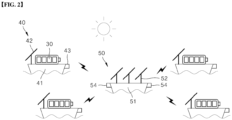
FIG. 2 is a view showing a charging station and a mobile charging ship according to an embodiment of the present disclosure; -
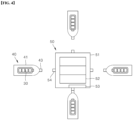
FIG. 3 is a view showing a state a route of an operating ship is divided into a plurality of zones; -
FIG. 4 is a plane view showing a charging station and a mobile charging ship according to an embodiment of the present disclosure; -
FIG. 5 is a block view showing an exchangeable marine energy storage system according to an embodiment of the present disclosure; and -
FIG. 6 is a flow chart showing a control method of an exchangeable marine energy storage system according to an embodiment of the present disclosure. - 1: Exchangeable marine energy storage system 10: Operating ship 20: Mounted battery 30: Mobile battery 40: Mobile charging ship 41: Ship body 42: Mobile power generation unit 43: Second docking connection part 50: Charging station 51: Station body 52: Power generation unit 53: Electricity storage unit 54: First docking connection part 60: Operation controller A1: First zone A2; Second zone A3: Third zone S10: Calculating step S20: Dividing step S30: Measuring step S40: Adjusting step S50: Exchange-position setting step S60: Exchanging step
- The above objects, features and advantages will be described later in detail with reference to the accompanying drawings, and accordingly, those skilled in the art to which the present invention belongs will be able to easily implement the technical idea of the present invention. In describing the present invention, if it is determined that the detailed description of the known technology related to the present invention may unnecessarily obscure the subject matter of the present invention, the detailed description will be omitted. Hereinafter, preferred embodiments according to the present invention will be described in detail with reference to the accompanying drawings. In the drawings, the same reference numerals are used to indicate the same or similar components.
- Although "first", "second", and the like may be used to describe various components, these components are not limited by these terms. These terms are only used to distinguish one component from another component, and unless otherwise stated, the first component may be the second component, of course.
- Hereinafter, the arrangement of an arbitrary component on the "upper portion (or lower portion)" or "upper (or lower)" of a component means that an arbitrary component is placed in contact with the upper (or lower) surface of the component. In addition, it may mean that other components may be interposed between the component and any component disposed on (or under) the component.
- In addition, when a component is described as "linked", "coupled" or "connected" to another component, the components may be directly connected or connected to each other, but other components may be "interposed" between each component. ", or each component may be "linked", "coupled" or "connected" through other components.
- Throughout the specification, unless otherwise stated, each component may be singular or plural.
- Singular expressions used herein include plural expressions unless the context clearly dictates otherwise. In this application, terms such as "consisting of" or "comprising" should not be construed as necessarily including all of the various components or steps described in the specification. It should be construed that it may not include some of the components or some of the steps. Or may further include additional components or steps.
- Throughout the specification, when it says "A and/or B", it means A, B or A and B, unless otherwise specified, and when it says "C to D", it means C or more and D or less, unless otherwise specified.
- Hereinafter, an exchangeable marine
energy storage system 1 according to an embodiment of the present disclosure and a control method thereof will be described. -
FIG. 1 is a view showing an exchangeable marineenergy storage system 1 according to an embodiment of the present disclosure.FIG. 2 is a view showing a chargingstation 50 and amobile charging ship 40 according to an embodiment of the present disclosure. - As shown in
FIGS. 1 and2 , the exchangeable marineenergy storage system 1 according to an embodiment may provide amobile charging ship 40 and a chargingstation 50 that store electrical energy along a navigation route of anoperating ship 10, and may be configured to supply electrical energy to theoperating ship 10. - That is, the
mobile charging ship 40 mounting amobile battery 30 therein may be located on the navigation route. Accordingly, the battery loaded on themobile charging ship 40 may be exchanged with the mountedbattery 20 loaded on theoperating ship 10, so that the movable distance of theoperating ship 10 can be increased. - Since the mounted
battery 20 loaded on theoperating ship 10 is exchangeable with themobile battery 30 mounted in themobile charging ship 40, a smaller capacity mountedbattery 20 compared to the conventional battery may be used and then the total weight of theoperating ship 10 may be reduced so that the electrical energy consumed may be saved. - A plurality of mobile charging ships 40 may be provided per one charging
station 50, and eachmobile charging ship 40 may be supplied electrical energy through the chargingstation 50 or supplied with electrical energy by self-generation using sunlight or wind power. - The charging
station 50 may be modified in various ways such as remaining anchored at sea or moving to preset coordinates based on a control signal. - The operating
ship 10 may be supplied electricity through the mountedbattery 20 or themobile battery 30, and generate propulsion by operating an electric motor provided therein. The operatingship 10 may be used for various purposes such as a cargo ship or a passenger ship, and the mountedbattery 20 may be installed in theoperating ship 10. - The route of a cargo ship or a passenger ship, which is operating, may be determined as the most efficient route. The charging station and the mobile charging ship may be disposed near the navigation route. The charging station and the mobile charging ship may be disposed near the route, but they may be preferably disposed in an area where the weather is uniformly clear enough to favor solar power generation, an area where the wind speed and direction are constant to favor wind power generation, and an area with strong waves to favor wave power generation.
- The electrical energy of the mounted
battery 20 may generate rotational power by driving an electric motor provided in theoperating ship 10, and the rotational power may rotate a screw to move theoperating ship 10. - The operating
ship 10 may be provided with a separate power generation facility for charging the mountedbattery 20. The power generation facility may generate electrical energy, using at least one of solar light, wind power and tidal power. The power generation facility may be modified in various ways such as generating electrical energy by using petroleum as a raw material. - The mounted
battery 20 may be a battery mounted inside the operatingship 10 and configured to store electrical energy. The mountedbattery 20 may be used as a power source of theoperating ship 10. - The
mobile battery 30 may be exchanged with the mountedbattery 20 mounted in theoperating ship 10 to be used as a power source of theoperating ship 10. - The mounted
battery 20 and themobile battery 30 are batteries having the same size and the same electrical energy storage capacity. However, for convenience of description, the battery mounted in theoperating ship 10 is referred to as the mountedbattery 20 and the battery mounted in amobile charging ship 40 is referred to as themobile battery 30. -
FIG. 4 is a plane view showing a chargingstation 40 and amobile charging ship 50 according to an embodiment of the present disclosure. - As shown in
FIGS. 2 and4 , themobile charging ship 40 may be a ship capable of performing maritime movement by itself, and themobile battery 30 to be exchanged with the mountedbattery 20 may be installed inside themobile charging ship 40. - The
mobile charging ship 40 may move with themobile battery 30 loaded therein. In addition, the charging of themobile battery 30 may be performed once themobile charging ship 40 is docked to the chargingstation 50. Themobile charging ship 40 may include an energy harvesting device (e.g., a solar panel) to charge themobile battery 30 by itself. In addition, themobile charging ship 40 may be moved along the navigation route of theoperating ship 10, and may dock with the operatingship 10 or maintain a preset distance with the operatingship 10. While keeping this state, the exchange of the mountedbattery 20 with themobile battery 30 may be performed. - The
mobile charging ship 40 according to an embodiment of the present disclosure may be provided in plural. The plurality of mobile charging ships 40 may dock with the chargingstation 50 and may charge themobile battery 30 with electricity supplied by the chargingstation 50. - The
mobile charging ship 40 may include apower generation unit 52 configured to generate power by using at least one of wind power, solar light and tidal power. A mobilepower generation unit 42 according to an embodiment may be configured to generate electricity through solar power generation. - The power source of the
mobile charging ship 40 may use the electricity generated in thepower generation unit 52. Since it generates the electricity by using at least one of the wind power, solar light and tidal power, thepower generation unit 52 may move themobile charging ship 40 by operating a motor provided in themobile charging ship 40. Themobile charging ship 40 may further include a separate battery for driving the motor. In addition, a separate emergency diesel fuel may be charged in themobile charging ship 40 and an engine operated using such diesel fuel may be additionally provided in themobile charging ship 40. - The
mobile battery 30 may be charged as themobile charging ship 40 docks with the chargingstation 50 or by the solar light generation of themobile charging ship 40. - The
mobile charging ship 40 may be operated by an unmanned system configured to be automatically operated based on a control signal of theoperation controller 60. If necessary, a person may directly board themobile charging ship 40. - The
mobile charging ship 40 according to an embodiment may include aship body 41, a mobilepower generation unit 42 and a seconddocking connection part 43. - The mobile
power generation unit 42 may have a ship shape, and may be modified in various ways such as being operated by electrical energy or a separate internal combustion engine provided therein. - The mobile
power generation unit 42 may be disposed inside theship body 41. The mobilepower generation unit 42 may be configured to generate electricity by using at least one of wind power, solar light and tidal power. The mobilepower generation unit 42 according to an embodiment may include a solar panel configured to generate electricity by using solar light. - The second
docking connection part 43 may protrude outward from theship body 41, and may be coupled to a firstdocking connection part 54 provided in the chargingstation 50 to secure theship body 41 to the outside of the chargingstation 50. - The
mobile ship 40 may be provided in plural to dock with the chargingstation 50. The plurality ofmobile ships 40 may move to preset positions along the navigation route of theoperating ship 10, respectively. Themobile charging ship 40 may be provided with communication equipment so that communication may be made between themobile charging ship 40 and theoperating ship 10 to exchange diverse information including location information with each other. - The electricity for power generation, which is stored in the charging
station 50, may be transmitted to themobile charging ship 40 to charge themobile battery 30. The chargingstation 50 may be floating on the sea together with themobile charging ship 40 and charge themobile battery 30 loaded on the mobile charging ship by using the electricity generated in the chargingstation 50. - The charging
station 50 floating on the sea may be modified in various ways within a technical feature of storing electrical energy by generating power and charging themobile batter 30 loaded on themobile charging ship 40. The chargingstation 50 may be installed at a position spaced apart from the operatingship 10, and configured to generate power by using at least one of solar light, tidal power and wind power. - The charging
station 50 according to an embodiment may include astation body 51, apower generation unit 52, anelectricity storage unit 53 and a firstdocking connection part 54. - The
station body 51 may have a shape floating on water like the body of a ship. Thestation body 51 may have the same shape as a conventional ship, and may include a rectangular upper plate so that the plurality of mobile charging ships 40 can dock at the same time. Thestation body 51 may be modified in various ways within the technical feature of having the shape floating on the sea. - The
power generation unit 52 may be disposed inside thestation body 51 and configured to generate electricity by using at least one of the solar light, wind power and tidal power. Thepower generation unit 52 according to an embodiment may be configured to generate electricity by using solar light. - The
electricity storage unit 53 may be a device configured to store the electricity generated by thepower generation unit 52. Various devices including a battery may be used as theelectricity storage unit 53. - The first
docking connection part 54 may protrude to a lateral surface of thestation body 51 and may be connected with the seconddocking connection part 43 provided in themobile charging ship 40. In a state where the firstdocking connection part 54 and the seconddocking connection part 43 are connected with each other, the electricity stored in the chargingstation 50 may be transmitted to themobile charging ship 40 to charge themobile battery 30. - The electrical energy stored in the charging
station 50 may be transmitted to themobile charging ship 40 wirelessly or through wire. Since the electricity for power generation stored in the chargingstation 50 charges themobile battery 30 by being transmitted to themobile charging ship 40, the time and cost required for charging themobile battery 30 may be reduced. - Each of the
operating ship 10, themobile charging ship 40 and the chargingstation 50 may include a communication device. Communication between the operatingship 10 and the chargingstation 50 may be performed to exchange information, and communication between the chargingstation 50 and themobile charging ship 40 may be performed to exchange information. Through communication between the operatingship 10 and the chargingstation 50, navigation information of theoperating ship 10 including the location of theoperating ship 10, the arrival time to the destination and the capacity of the mountedbattery 20 may be transmitted. -
FIG. 5 is a block view showing an exchangeable marineenergy storage system 1 according to an embodiment of the present disclosure. - As shown in
FIG. 5 , theoperation controller 60 may be wirelessly connected with themobile charging ship 40 and the chargingstation 50. Theoperation controller 60 may function as a server and control each component provided in the exchangeable marineenergy storage system 1. - The
operation controller 60 may be provided inside the chargingstation 50. In another embodiment, theoperation controller 60 may be modified in various ways such as being provided inside the operatingship 10 or in a separate controller installed on land. - The
operation controller 60 according to an embodiment may control the operations of themobile charging ship 40 and the chargingstation 50 based on the location and navigation route of theoperating ship 10. -
FIG. 3 is a view showing a state a route of anoperating ship 10 is divided into a plurality of zones. - As shown in
FIG. 3 , theoperation controller 60 according to an embodiment may divide the navigation route of theoperating ship 10 into a plurality of zones. The energy supply of theoperating ship 10 may be continuously controlled by distributing themobile charging ship 40 and the chargingstation 50 for each zone. Accordingly, the movable distance of theoperating ship 10 that can continuously operate without anchoring may be increased. - A plurality of mobile charging ships 40 may be provided and the navigation route of the
operating ship 10 is divided into a plurality of zones. The mobile charging ships 40 may be moved to and anchored in each of the zones. - In an embodiment of the present disclosure, the
operation controller 60 may divide the route of theoperating ship 10 into three zones. The area where theoperating ship 10 departs may be set as a first area A1, and the area where theoperating ship 10 arrives may be set as a third zone A3. The area between the first zone A1 and the third zone A3 may be set as a second zone A2. - The
operation controller 60 may assign the chargingstation 50 and themobile charging ship 40 to the first zone A1, the second zone A2, and the third zone A3, respectively. If necessary, theoperation controller 60 may move the chargingstation 50 and themobile charging ship 40 may move to another zone. - The size of the zone may be determined in consideration of natural factors that generate electrical energy such as solar radiation and wind power. The
operation controller 60 may count the number of the chargingstations 50 and the number of the mobile charging ships 40 in each zone, and calculate the energy capacity that can be generated in each zone. - If the energy capacity of a specific zone is small, the energy capacity of the corresponding zone may be increased by increasing the number of the charging stations or the mobile charging ships 40.
- If the energy capacity of one of the divided zones is small and that of another one is large, the
operation controller 60 may move themobile charging ship 40 or the chargingstation 50 in the zone having the large energy capacity to the zone having the small energy capacity. - Hereinafter, referring to the accompanying drawings, a control method of the exchangeable marine
energy storage system 1 according to an embodiment will be described in detail. -
FIG. 6 is a flow chart showing a control method of an exchangeable marineenergy storage system 1 according to an embodiment of the present disclosure. - As shown in
FIG. 6 , the control method of the exchangeable marineenergy storage system 1 may include a moveable distance calculating step S10 of calculating the distance that the operatingship 10 can be operated by using the mountedbattery 20 mounted therein. - Before the operation of the operating ship starts, information on the
operation ship 10, the navigation route and information such as the capacity of the mountedbattery 20 may be transmitted to theoperation controller 60. Theoperation controller 60 may calculate the moveable distance of theoperating ship 10 in consideration of weather information, a state of theoperating ship 10 and the mountedbattery 20, and the like. - The calculation of the moveable distance may include factors such as the navigation speed of the
operating ship 10, current, wind speed and temperature. - The moveable distance calculation may be performed by the operating
ship 10 or theoperation controller 60. After the calculation is performed by the operatingship 10, coordinates requiring replacement of the mountedbattery 20 may be transmitted to theoperation controller 60. Alternatively, theoperation controller 60 receives data from the operatingship 10 and calculates the coordinates requiring the replacement of the mountedbattery 20 to transmit to theoperating ship 10. - After the calculation step, the control method may include a dividing step S20 of dividing a navigation route of the
operating ship 10 into a plurality of zones. In an embodiment of the present disclosure, the plurality of zones may include a first zone A1, a second zone A2 and a third zone A3, but the present disclosure is not limited thereto. Various modifications are possible such as the number of the zones may be three or more or less. - After the dividing step S20, the
operation controller 60 may perform a measuring step S30 of determining the total energy capacity of each zone based on the number of the mobile charging ships 40 and the chargingstations 50 disposed in each of the divided zones. - For example, when the first zone A1 has more mobile charging ships 50 and charging
stations 50 than the second zone A2, theoperation controller 60 determines that the first zone A1 has more total energy capacity than the second zone A2. - After the measuring step S30, the
operation controller 60 may perform an adjusting step S40 of moving at least one of the mobile charging ships 40 and the chargingstations 50 to the zone having insufficient total energy capacity. - The
operation controller 60 may re-adjust the arrangement of each zone and the number of the mobile charging ships and the chargingstations 50 disposed in each zone, based on the movement route and movement distance of theoperating ship 10 and the number of the mobile charging ships 40 and chargingstations 50. - After receiving the moveable distance calculated by the operating
ship 10 and the movement route of theoperating ship 10, theoperation controller 60 may perform an exchange location setting step S50 of setting an exchange location and time of the mountedbattery 20 mounted in theoperating ship 10. - The
operation controller 60 may set points for exchanging the mountedbattery 20 loaded on theoperating ship 10 and select one of the mobile charging ships 40 that is located close to the movement route of theoperating ship 10 and has completed the charging of themobile battery 30. - Hence, the
operation controller 60 may perform an exchanging step S60 of exchanging the mountedbattery 20 with themobile battery 30 mounted in themobile charging ship 40 by moving theoperating ship 10 to an exchange location. - The
mobile charging ship 40 may move to the battery exchange location and exchange the batteries with the operatingship 10. The operatingship 10 may move to the destination, while repeating the battery exchange described above. - After the battery exchange, the
mobile battery 30 loaded on themobile charging ship 40 may be charged with electrical energy generated by the mobilepower generation unit 42 of themobile charging ship 40. Themobile charging ship 40 may move to the chargingstation 50 and dock with the chargingstation 50 so that themobile battery 30 loaded on themobile charging ship 40 may be charged through the chargingstation 50. - The
mobile charging ship 40 in which themobile battery 30 has been charged completely may be moved to a position adjacent to the chargingstation 50 or a preset position to standby. - The
operation controller 60 may frequently check the total amount of energy in each zone. When the total amount of energy in one of the zones is a preset amount of less, theoperation controller 60 may move at least one of themobile charging ship 40 and the chargingstation 50 to the zone having the insufficient total energy amount. - When using the exchangeable marine
energy storage system 1 according to the embodiment, the long-distance operation of theoperating ship 10 having the mountedbattery 20 with a smaller charging capacity than the conventional one of the prior art may be possible, thereby reducing transportation costs. - In addition, the supply of electrical energy may be continuously performed by exchanging the mounted
battery 20 mounted on theoperating ship 10 without charging it, thereby shortening the overall operating time of the ship and reducing the transportation costs. - Although the present invention has been described with reference to the exemplified drawings, it is to be understood that the present invention is not limited to the embodiments and drawings disclosed in this specification, and those skilled in the art will appreciate that various modifications are possible without departing from the scope and idea of the present invention. Further, although the operating effects according to the configuration of the present invention are not explicitly described while describing an embodiment of the present invention, it should be appreciated that predictable effects are also to be recognized by the configuration.
Claims (10)
- An exchangeable marine energy storage system comprising:a mobile battery configured to be used as a power source of an operating ship after replacing a mounted battery mounted on the operating ship;a mobile charging ship configured to move the mobile battery; anda charging station configured to float on the sea with the mobile charging ship and charge the mobile battery loaded on the mobile charging ship by using electricity generated by the charging station.
- The exchangeable marine energy storage system of claim 1, further comprising:
an operation controller wirelessly configured to be connected with the operating ship, the mobile charging ship and the charging station, and configured to control operations of the mobile charging ship and the charging station based on a location and a navigation route of the operating ship transmitted to the operation controller. - The exchangeable marine energy storage system of claim 2, wherein the operating ship is supplied electricity through the mounted battery or the mobile battery which generate a propulsion power of the operating ship by operating an electric motor provided in the operating ship.
- The exchangeable marine energy storage system of claim 2, wherein the mobile charging ship isa plurality of mobile charging ships configured to dock with the charging station and charge the mobile battery of each pf the plurality of mobile charging ships by using electricity transmitted to the plurality of mobile charging ships through the charging station.
- The exchangeable marine energy storage system of claim 2, wherein the mobile charging ship is operated by an unmanned system configured to automatically operate based on a control signal of the operation controller.
- The exchangeable marine energy storage system of claim 2, wherein the charging station comprises,a station body configured to float on the sea; anda power generator disposed in the station body and configured to generate electricity by using at least one of solar light, wind power and tidal power.
- The exchangeable marine energy storage system of claim 6, wherein the charging station comprises a first docking connection part protruding from a lateral surface of the station body, and
wherein the mobile charging ship comprises a second docking connection part connected with the first docking connection part. - The exchangeable marine energy storage system of claim 7, wherein in a state in which the first docking connection part and the second docking connection part are connected with each other, electricity stored in the charging station is transmitted to the mobile charging ship to charge the mobile battery.
- A control method of an exchangeable marine energy storage system comprising:calculating a moveable distance of an operating ship through a mounted battery mounted in the operating ship;implementing an operating controller, which has received the movable distance and a movement route of the operating ship, to set an exchanging position and time of the mounted battery mounted in the operating ship; andreplacing the mounted battery with a mobile battery mounted on a mobile charging ship after moving the operating ship to the exchanging position.
- A control method of an exchangeable marine energy storage system of claim 9, further comprising:dividing the moving route of the operating ship into a plurality of zones;determining a total retained energy capacity of each zone based on a number of the mobile charging ship and the charging station measured in each of the divided zones; andmoving at least one of the mobile charging ship and the charging station to a zone having an insufficient total retained energy capacity after determining the total retained energy capacity.
Applications Claiming Priority (2)
| Application Number | Priority Date | Filing Date | Title |
|---|---|---|---|
| KR1020210171108A KR20230083385A (en) | 2021-12-02 | 2021-12-02 | Exchangeable marine energy storage system and control method thereof |
| PCT/KR2022/017398 WO2023101242A1 (en) | 2021-12-02 | 2022-11-08 | Exchange-type ocean energy storage system and control method therefor |
Publications (3)
| Publication Number | Publication Date |
|---|---|
| EP4424550A1 true EP4424550A1 (en) | 2024-09-04 |
| EP4424550A4 EP4424550A4 (en) | 2025-01-15 |
| EP4424550B1 EP4424550B1 (en) | 2025-10-29 |
Family
ID=86612722
Family Applications (1)
| Application Number | Title | Priority Date | Filing Date |
|---|---|---|---|
| EP22901601.9A Active EP4424550B1 (en) | 2021-12-02 | 2022-11-08 | Exchangeable marine energy storage system and control method thereof |
Country Status (8)
| Country | Link |
|---|---|
| US (1) | US20250100416A1 (en) |
| EP (1) | EP4424550B1 (en) |
| JP (1) | JP2024542709A (en) |
| KR (1) | KR20230083385A (en) |
| CN (1) | CN118339053A (en) |
| ES (1) | ES3056542T3 (en) |
| PL (1) | PL4424550T3 (en) |
| WO (1) | WO2023101242A1 (en) |
Cited By (1)
| Publication number | Priority date | Publication date | Assignee | Title |
|---|---|---|---|---|
| DE102024210019A1 (en) | 2024-10-16 | 2026-04-16 | Siemens Energy Global GmbH & Co. KG | TRANSMISSION OF ENERGY OR ENERGY CARRIERS IN MARITIME ENVIRONMENTS |
Families Citing this family (3)
| Publication number | Priority date | Publication date | Assignee | Title |
|---|---|---|---|---|
| SE2251363A1 (en) * | 2022-11-22 | 2023-12-20 | Volvo Penta Corp | Marine mobile energy storage |
| BE1032342B1 (en) * | 2024-01-16 | 2025-08-18 | Batia Mosa Group Srl | ENERGY SUPPLY CHAIN TO POWER RIVER VESSELS |
| WO2025239837A1 (en) * | 2024-05-16 | 2025-11-20 | Five Aluminium Boat & Engineering Pte. Ltd. | Renewable energy system for an electric boat |
Family Cites Families (11)
| Publication number | Priority date | Publication date | Assignee | Title |
|---|---|---|---|---|
| DE10224808A1 (en) * | 2002-06-05 | 2003-12-18 | Aloys Wobben | Process and device for transporting electrical energy has multi element electricity store on a vehicle and transmits the electricity by discharging the store |
| DE102009016869A1 (en) * | 2009-04-08 | 2010-10-14 | Li-Tec Battery Gmbh | Method for operating a vehicle |
| US9887570B2 (en) * | 2011-05-10 | 2018-02-06 | Stephen G. Johnsen | Mobile variable power system and method |
| KR101918920B1 (en) * | 2018-03-21 | 2018-11-15 | 주식회사 포드림 | Ship for supplying energy and method of supplying energy using the same |
| KR102597830B1 (en) * | 2018-06-11 | 2023-11-03 | 현대모비스 주식회사 | Charging robot for electric vehicle and control method thereof |
| SG11202101557RA (en) * | 2018-08-31 | 2021-03-30 | Kawasaki Heavy Ind Ltd | Battery-electricity propulsion ship electric power feed system, offshore electric power feed facility, and battery-electricity propulsion ship |
| GB2581332B (en) * | 2019-02-05 | 2021-08-11 | Siemens Ag | Energy storage supply system and method of delivery |
| DE202019101254U1 (en) * | 2019-03-06 | 2020-06-10 | Wärtsilä Finland Oy | Power system for water vehicles |
| US11273719B2 (en) * | 2019-03-14 | 2022-03-15 | C-Innovation, LLC | System and method for reduction of power consumption and emissions of marine vessels |
| KR102228754B1 (en) | 2019-07-16 | 2021-03-18 | 오브맘코리아컴퍼니 주식회사 | Functional high chair |
| KR102308659B1 (en) * | 2019-12-11 | 2021-10-06 | 한국해양과학기술원 | High-capacity power supply device for ship powered by the electric energy |
-
2021
- 2021-12-02 KR KR1020210171108A patent/KR20230083385A/en active Pending
-
2022
- 2022-11-08 EP EP22901601.9A patent/EP4424550B1/en active Active
- 2022-11-08 CN CN202280080010.3A patent/CN118339053A/en active Pending
- 2022-11-08 PL PL22901601.9T patent/PL4424550T3/en unknown
- 2022-11-08 JP JP2024532550A patent/JP2024542709A/en active Pending
- 2022-11-08 US US18/715,471 patent/US20250100416A1/en active Pending
- 2022-11-08 ES ES22901601T patent/ES3056542T3/en active Active
- 2022-11-08 WO PCT/KR2022/017398 patent/WO2023101242A1/en not_active Ceased
Cited By (1)
| Publication number | Priority date | Publication date | Assignee | Title |
|---|---|---|---|---|
| DE102024210019A1 (en) | 2024-10-16 | 2026-04-16 | Siemens Energy Global GmbH & Co. KG | TRANSMISSION OF ENERGY OR ENERGY CARRIERS IN MARITIME ENVIRONMENTS |
Also Published As
| Publication number | Publication date |
|---|---|
| CN118339053A (en) | 2024-07-12 |
| WO2023101242A1 (en) | 2023-06-08 |
| EP4424550A4 (en) | 2025-01-15 |
| KR20230083385A (en) | 2023-06-12 |
| US20250100416A1 (en) | 2025-03-27 |
| EP4424550B1 (en) | 2025-10-29 |
| ES3056542T3 (en) | 2026-02-23 |
| JP2024542709A (en) | 2024-11-15 |
| PL4424550T3 (en) | 2026-02-23 |
Similar Documents
| Publication | Publication Date | Title |
|---|---|---|
| EP4424550A1 (en) | Exchange-type ocean energy storage system and control method therefor | |
| CN111819133B (en) | Energy supply ship and energy supply method using same | |
| EP4164919B1 (en) | Autonomous seagoing power replenishment watercraft | |
| US7077072B2 (en) | Unmanned underwater vehicle turbine powered charging system and method | |
| KR102172247B1 (en) | Recharging System For Drone Ocean Reconnaissance Drone | |
| US12189353B2 (en) | Watercraft servicing system | |
| JP7177159B2 (en) | Battery electric propulsion ship power supply system | |
| Mauro et al. | An hybrid-electric solution for station-keeping and propulsion of a small coastal research vessel | |
| NL2025728B1 (en) | Method for providing energy to a seagoing vessel, shipping infrastructure, and relay system | |
| JP5127974B1 (en) | Ship | |
| CN119176052A (en) | Power supply ship | |
| JP7517306B2 (en) | Ships | |
| JP7265233B1 (en) | Floating offshore wind power generation system | |
| WO2025239837A1 (en) | Renewable energy system for an electric boat | |
| CN219077051U (en) | Electric yacht replenishing platform | |
| US20240042875A1 (en) | Marine rechargeable power source system | |
| JP2024142529A (en) | Pier and Mobile Systems | |
| CN121749416A (en) | Ship energy system and method based on resistance power generation and battery pack alternate power supply | |
| CN119749767A (en) | A submersible high-speed hydrofoil unmanned boat | |
| JP2024142532A (en) | Mobile |
Legal Events
| Date | Code | Title | Description |
|---|---|---|---|
| STAA | Information on the status of an ep patent application or granted ep patent |
Free format text: STATUS: THE INTERNATIONAL PUBLICATION HAS BEEN MADE |
|
| PUAI | Public reference made under article 153(3) epc to a published international application that has entered the european phase |
Free format text: ORIGINAL CODE: 0009012 |
|
| STAA | Information on the status of an ep patent application or granted ep patent |
Free format text: STATUS: REQUEST FOR EXAMINATION WAS MADE |
|
| 17P | Request for examination filed |
Effective date: 20240530 |
|
| AK | Designated contracting states |
Kind code of ref document: A1 Designated state(s): AL AT BE BG CH CY CZ DE DK EE ES FI FR GB GR HR HU IE IS IT LI LT LU LV MC ME MK MT NL NO PL PT RO RS SE SI SK SM TR |
|
| A4 | Supplementary search report drawn up and despatched |
Effective date: 20241213 |
|
| RIC1 | Information provided on ipc code assigned before grant |
Ipc: B60S 5/06 20190101ALI20241210BHEP Ipc: B60L 53/68 20190101ALI20241210BHEP Ipc: B60L 53/67 20190101ALI20241210BHEP Ipc: B60L 53/63 20190101ALI20241210BHEP Ipc: B60L 53/14 20190101ALI20241210BHEP Ipc: B60L 8/00 20060101ALI20241210BHEP Ipc: B63J 3/04 20060101ALI20241210BHEP Ipc: H02J 7/00 20060101ALI20241210BHEP Ipc: H02J 7/14 20060101ALI20241210BHEP Ipc: B63H 21/17 20060101ALI20241210BHEP Ipc: B60L 53/52 20190101ALI20241210BHEP Ipc: B60L 53/51 20190101ALI20241210BHEP Ipc: B60L 53/66 20190101ALI20241210BHEP Ipc: B60L 53/53 20190101ALI20241210BHEP Ipc: B60L 53/80 20190101AFI20241210BHEP |
|
| DAV | Request for validation of the european patent (deleted) | ||
| DAX | Request for extension of the european patent (deleted) | ||
| RIC1 | Information provided on ipc code assigned before grant |
Ipc: B60S 5/06 20190101ALI20250502BHEP Ipc: B60L 53/68 20190101ALI20250502BHEP Ipc: B60L 53/67 20190101ALI20250502BHEP Ipc: B60L 53/63 20190101ALI20250502BHEP Ipc: B60L 53/14 20190101ALI20250502BHEP Ipc: B60L 8/00 20060101ALI20250502BHEP Ipc: B63J 3/04 20060101ALI20250502BHEP Ipc: H02J 7/00 20060101ALI20250502BHEP Ipc: H02J 7/14 20060101ALI20250502BHEP Ipc: B63H 21/17 20060101ALI20250502BHEP Ipc: B60L 53/52 20190101ALI20250502BHEP Ipc: B60L 53/51 20190101ALI20250502BHEP Ipc: B60L 53/66 20190101ALI20250502BHEP Ipc: B60L 53/53 20190101ALI20250502BHEP Ipc: B60L 53/80 20190101AFI20250502BHEP |
|
| GRAP | Despatch of communication of intention to grant a patent |
Free format text: ORIGINAL CODE: EPIDOSNIGR1 |
|
| STAA | Information on the status of an ep patent application or granted ep patent |
Free format text: STATUS: GRANT OF PATENT IS INTENDED |
|
| INTG | Intention to grant announced |
Effective date: 20250613 |
|
| P01 | Opt-out of the competence of the unified patent court (upc) registered |
Free format text: CASE NUMBER: APP_31610/2025 Effective date: 20250701 |
|
| GRAS | Grant fee paid |
Free format text: ORIGINAL CODE: EPIDOSNIGR3 |
|
| GRAA | (expected) grant |
Free format text: ORIGINAL CODE: 0009210 |
|
| STAA | Information on the status of an ep patent application or granted ep patent |
Free format text: STATUS: THE PATENT HAS BEEN GRANTED |
|
| AK | Designated contracting states |
Kind code of ref document: B1 Designated state(s): AL AT BE BG CH CY CZ DE DK EE ES FI FR GB GR HR HU IE IS IT LI LT LU LV MC ME MK MT NL NO PL PT RO RS SE SI SK SM TR |
|
| REG | Reference to a national code |
Ref country code: CH Ref legal event code: F10 Free format text: ST27 STATUS EVENT CODE: U-0-0-F10-F00 (AS PROVIDED BY THE NATIONAL OFFICE) Effective date: 20251029 Ref country code: GB Ref legal event code: FG4D |
|
| REG | Reference to a national code |
Ref country code: IE Ref legal event code: FG4D |
|
| REG | Reference to a national code |
Ref country code: DE Ref legal event code: R096 Ref document number: 602022024204 Country of ref document: DE |
|
| PGFP | Annual fee paid to national office [announced via postgrant information from national office to epo] |
Ref country code: DE Payment date: 20251208 Year of fee payment: 4 |
|
| PGFP | Annual fee paid to national office [announced via postgrant information from national office to epo] |
Ref country code: AT Payment date: 20260113 Year of fee payment: 4 |
|
| PGFP | Annual fee paid to national office [announced via postgrant information from national office to epo] |
Ref country code: FR Payment date: 20251209 Year of fee payment: 4 |
|
| PGFP | Annual fee paid to national office [announced via postgrant information from national office to epo] |
Ref country code: BE Payment date: 20251209 Year of fee payment: 4 |
|
| PGFP | Annual fee paid to national office [announced via postgrant information from national office to epo] |
Ref country code: SE Payment date: 20251209 Year of fee payment: 4 |
|
| REG | Reference to a national code |
Ref country code: SE Ref legal event code: TRGR |
|
| PGFP | Annual fee paid to national office [announced via postgrant information from national office to epo] |
Ref country code: ES Payment date: 20251215 Year of fee payment: 4 |
|
| REG | Reference to a national code |
Ref country code: ES Ref legal event code: FG2A Ref document number: 3056542 Country of ref document: ES Kind code of ref document: T3 Effective date: 20260223 |
|
| REG | Reference to a national code |
Ref country code: NL Ref legal event code: MP Effective date: 20251029 |
|
| PGFP | Annual fee paid to national office [announced via postgrant information from national office to epo] |
Ref country code: HU Payment date: 20260129 Year of fee payment: 4 |
|
| REG | Reference to a national code |
Ref country code: LT Ref legal event code: MG9D |
|
| PG25 | Lapsed in a contracting state [announced via postgrant information from national office to epo] |
Ref country code: NO Free format text: LAPSE BECAUSE OF FAILURE TO SUBMIT A TRANSLATION OF THE DESCRIPTION OR TO PAY THE FEE WITHIN THE PRESCRIBED TIME-LIMIT Effective date: 20260129 |
|
| PG25 | Lapsed in a contracting state [announced via postgrant information from national office to epo] |
Ref country code: FI Free format text: LAPSE BECAUSE OF FAILURE TO SUBMIT A TRANSLATION OF THE DESCRIPTION OR TO PAY THE FEE WITHIN THE PRESCRIBED TIME-LIMIT Effective date: 20251029 Ref country code: AT Free format text: LAPSE BECAUSE OF FAILURE TO SUBMIT A TRANSLATION OF THE DESCRIPTION OR TO PAY THE FEE WITHIN THE PRESCRIBED TIME-LIMIT Effective date: 20251029 Ref country code: HR Free format text: LAPSE BECAUSE OF FAILURE TO SUBMIT A TRANSLATION OF THE DESCRIPTION OR TO PAY THE FEE WITHIN THE PRESCRIBED TIME-LIMIT Effective date: 20251029 |
|
| REG | Reference to a national code |
Ref country code: AT Ref legal event code: MK05 Ref document number: 1851209 Country of ref document: AT Kind code of ref document: T Effective date: 20251029 |
|
| PG25 | Lapsed in a contracting state [announced via postgrant information from national office to epo] |
Ref country code: NL Free format text: LAPSE BECAUSE OF FAILURE TO SUBMIT A TRANSLATION OF THE DESCRIPTION OR TO PAY THE FEE WITHIN THE PRESCRIBED TIME-LIMIT Effective date: 20251029 |
|
| PG25 | Lapsed in a contracting state [announced via postgrant information from national office to epo] |
Ref country code: RS Free format text: LAPSE BECAUSE OF FAILURE TO SUBMIT A TRANSLATION OF THE DESCRIPTION OR TO PAY THE FEE WITHIN THE PRESCRIBED TIME-LIMIT Effective date: 20260129 |
|
| PG25 | Lapsed in a contracting state [announced via postgrant information from national office to epo] |
Ref country code: IS Free format text: LAPSE BECAUSE OF FAILURE TO SUBMIT A TRANSLATION OF THE DESCRIPTION OR TO PAY THE FEE WITHIN THE PRESCRIBED TIME-LIMIT Effective date: 20260228 |