EP4417197A1 - Pharmaceutical composition for treatment of castration-resistant prostate cancer comprising bruceantin and nanoparticles - Google Patents
Pharmaceutical composition for treatment of castration-resistant prostate cancer comprising bruceantin and nanoparticles Download PDFInfo
- Publication number
- EP4417197A1 EP4417197A1 EP22881197.2A EP22881197A EP4417197A1 EP 4417197 A1 EP4417197 A1 EP 4417197A1 EP 22881197 A EP22881197 A EP 22881197A EP 4417197 A1 EP4417197 A1 EP 4417197A1
- Authority
- EP
- European Patent Office
- Prior art keywords
- bruceantin
- pharmaceutical composition
- nanoparticles
- prostate cancer
- nano
- Prior art date
- Legal status (The legal status is an assumption and is not a legal conclusion. Google has not performed a legal analysis and makes no representation as to the accuracy of the status listed.)
- Pending
Links
Images




Classifications
-
- A—HUMAN NECESSITIES
- A61—MEDICAL OR VETERINARY SCIENCE; HYGIENE
- A61K—PREPARATIONS FOR MEDICAL, DENTAL OR TOILETRY PURPOSES
- A61K31/00—Medicinal preparations containing organic active ingredients
- A61K31/33—Heterocyclic compounds
- A61K31/335—Heterocyclic compounds having oxygen as the only ring hetero atom, e.g. fungichromin
- A61K31/365—Lactones
- A61K31/366—Lactones having six-membered rings, e.g. delta-lactones
-
- A—HUMAN NECESSITIES
- A61—MEDICAL OR VETERINARY SCIENCE; HYGIENE
- A61K—PREPARATIONS FOR MEDICAL, DENTAL OR TOILETRY PURPOSES
- A61K47/00—Medicinal preparations characterised by the non-active ingredients used, e.g. carriers or inert additives; Targeting or modifying agents chemically bound to the active ingredient
- A61K47/06—Organic compounds, e.g. natural or synthetic hydrocarbons, polyolefins, mineral oil, petrolatum or ozokerite
- A61K47/08—Organic compounds, e.g. natural or synthetic hydrocarbons, polyolefins, mineral oil, petrolatum or ozokerite containing oxygen, e.g. ethers, acetals, ketones, quinones, aldehydes, peroxides
- A61K47/14—Esters of carboxylic acids, e.g. fatty acid monoglycerides, medium-chain triglycerides, parabens or PEG fatty acid esters
-
- A—HUMAN NECESSITIES
- A61—MEDICAL OR VETERINARY SCIENCE; HYGIENE
- A61K—PREPARATIONS FOR MEDICAL, DENTAL OR TOILETRY PURPOSES
- A61K47/00—Medicinal preparations characterised by the non-active ingredients used, e.g. carriers or inert additives; Targeting or modifying agents chemically bound to the active ingredient
- A61K47/06—Organic compounds, e.g. natural or synthetic hydrocarbons, polyolefins, mineral oil, petrolatum or ozokerite
- A61K47/24—Organic compounds, e.g. natural or synthetic hydrocarbons, polyolefins, mineral oil, petrolatum or ozokerite containing atoms other than carbon, hydrogen, oxygen, halogen, nitrogen or sulfur, e.g. cyclomethicone or phospholipids
-
- A—HUMAN NECESSITIES
- A61—MEDICAL OR VETERINARY SCIENCE; HYGIENE
- A61K—PREPARATIONS FOR MEDICAL, DENTAL OR TOILETRY PURPOSES
- A61K9/00—Medicinal preparations characterised by special physical form
- A61K9/10—Dispersions; Emulsions
- A61K9/107—Emulsions ; Emulsion preconcentrates; Micelles
- A61K9/1075—Microemulsions or submicron emulsions; Preconcentrates or solids thereof; Micelles, e.g. made of phospholipids or block copolymers
-
- A—HUMAN NECESSITIES
- A61—MEDICAL OR VETERINARY SCIENCE; HYGIENE
- A61K—PREPARATIONS FOR MEDICAL, DENTAL OR TOILETRY PURPOSES
- A61K9/00—Medicinal preparations characterised by special physical form
- A61K9/48—Preparations in capsules, e.g. of gelatin, of chocolate
- A61K9/50—Microcapsules having a gas, liquid or semi-solid filling; Solid microparticles or pellets surrounded by a distinct coating layer, e.g. coated microspheres, coated drug crystals
- A61K9/51—Nanocapsules; Nanoparticles
- A61K9/5107—Excipients; Inactive ingredients
- A61K9/5123—Organic compounds, e.g. fats, sugars
-
- A—HUMAN NECESSITIES
- A61—MEDICAL OR VETERINARY SCIENCE; HYGIENE
- A61K—PREPARATIONS FOR MEDICAL, DENTAL OR TOILETRY PURPOSES
- A61K9/00—Medicinal preparations characterised by special physical form
- A61K9/48—Preparations in capsules, e.g. of gelatin, of chocolate
- A61K9/50—Microcapsules having a gas, liquid or semi-solid filling; Solid microparticles or pellets surrounded by a distinct coating layer, e.g. coated microspheres, coated drug crystals
- A61K9/51—Nanocapsules; Nanoparticles
- A61K9/5192—Processes
-
- A—HUMAN NECESSITIES
- A61—MEDICAL OR VETERINARY SCIENCE; HYGIENE
- A61P—SPECIFIC THERAPEUTIC ACTIVITY OF CHEMICAL COMPOUNDS OR MEDICINAL PREPARATIONS
- A61P35/00—Antineoplastic agents
-
- A—HUMAN NECESSITIES
- A61—MEDICAL OR VETERINARY SCIENCE; HYGIENE
- A61K—PREPARATIONS FOR MEDICAL, DENTAL OR TOILETRY PURPOSES
- A61K9/00—Medicinal preparations characterised by special physical form
- A61K9/0012—Galenical forms characterised by the site of application
- A61K9/0053—Mouth and digestive tract, i.e. intraoral and peroral administration
Definitions
- the present invention relates to a pharmaceutical composition for treating castration-resistant prostate cancer comprising bruceantin and nanoparticles.
- Prostate cancer is the most common cancer in men, ranking second in cancer mortality among men in the United States, and is showing a 10.5% increase every year in Korea. Thus, the importance of diagnosis and treatment of prostate cancer is emerging.
- Androgen receptor is a transcription factor that plays an important role in the onset and progression of prostate cancer, and it is known that more than 90% of prostate cancer is AR-positive prostate cancer.
- AR is a ligand-dependent transcription factor that is activated by binding to its ligand androgen, and prostate-specific antigen (PSA), a representative target gene of AR, is used as a representative diagnostic marker of prostate cancer.
- PSA prostate-specific antigen
- ADT androgen deprivation therapy
- AR-V7 may have ligand-independent transcriptional activity, and also has resistance to existing drugs developed to target the C terminus of AR, and thus acts as an important factor that promotes the progression of CRPC.
- Polymeric nanoparticles are one of the important fields in drug delivery systems, and recently, many studies have been conducted on the production of nanoparticles using amphiphilic polymers.
- Amphiphilic polymers in which hydrophobic blocks and hydrophilic blocks coexist form nano-aggregates having unique structures by physical cohesive forces such as intermolecular hydrophobic interactions and van der Waals forces in aqueous solutions. This means that the hydrophobic blocks tend to aggregate themselves to minimize their contact with water.
- This hydrophobic aggregate forms a core, and hydrophilic blocks surround the outside of the core, thus forming a polymer micelle having increased solubility in aqueous solutions.
- These polymer micelles have a core with a size of tens to hundreds of nanometers and encapsulate poorly soluble drugs therein, and thus they are widely used as a formulation for solubilizing poorly soluble drugs having low water solubility and low in vivo absorption rate.
- An object of the present invention is to provide a pharmaceutical composition for treating castration-resistant prostate cancer comprising bruceantin and nanoparticles, and a method for treating castration-resistant prostate cancer.
- One aspect of the present invention provides a pharmaceutical composition for treating castration-resistant prostate cancer comprising bruceantin (BCT) and nanoparticles.
- BCT bruceantin
- the bruceantin may be a compound having a structure of the following Formula 1:
- the bruceantin is known to simultaneously and strongly inhibit the transcriptional activity of AR/AR-V7 in both castration-resistant prostate cancer cell line 22RV1 cells and androgen-dependent LNCaP cells ( Korean Patent Application Publication No. 10-2020-0139625 ).
- the term "castration-resistant prostate cancer (CRPC)” refers to prostate cancer that continues to grow even when the amount of testosterone in the blood is reduced to a very low level.
- CRPC castration-resistant prostate cancer
- Early-stage prostate cancer requires androgen for growth, but castration-resistant prostate cancer, which is resistant to androgen deprivation therapy, continues to grow without androgen.
- Such patients have a very poor prognosis because cancer progresses even when the amount of testosterone is reduced to the level of castration using radiation, surgery, drugs, etc.
- treatment refers to any action that alleviates or beneficially alters the symptoms of castration-resistant prostate cancer by administration of the pharmaceutical composition according to the present invention.
- the pharmaceutical composition may preferably be formulated as a pharmaceutical composition further comprising one or more pharmaceutically acceptable carriers in addition to the pharmaceutical composition for treating castration-resistant prostate cancer comprising bruceantin and nanoparticles.
- the dosage form of the pharmaceutical composition may be granules, powders, tablets, coated tablets, capsules, suppositories, solutions, syrups, juices, suspensions, emulsions, drops, or injectable solutions, or the like.
- the active ingredient may be combined with an oral, non-toxic, pharmaceutically acceptable inert carrier, such as ethanol, glycerol, or water.
- an oral, non-toxic, pharmaceutically acceptable inert carrier such as ethanol, glycerol, or water.
- a suitable binder, a lubricant, a disintegrant, and a colorant may also be contained in the form of being mixed.
- Suitable binders include, but are not limited to, natural sugars, such as starch, gelatin, glucose, or beta-lactose, corn sweeteners, natural and synthetic gums, such as gum acacia, tragacanth, or sodium oleate, sodium stearate, magnesium stearate, sodium benzoate, sodium acetate, sodium chloride, and the like.
- Suitable disintegrants include, but are not limited to, starch, methyl cellulose, agar, bentonite, xanthan gum, etc.
- Examples of a pharmaceutically acceptable carrier that may be used in the composition formulated into a liquid solution include saline, sterile water, Ringer's solution, buffered saline, an albumin injection solution, a dextrose solution, a maltodextrin solution, glycerol, ethanol, and a mixture of one or more thereof, which are sterilizable and biocompatible. If necessary, other ordinary additives, such as an antioxidant, a buffer solution, and a bacteriostatic agent, may be added.
- composition may be formulated into an injectable formulation, such as an aqueous solution, a suspension, or an emulsion, a pill, a capsule, granules, or a tablet by further adding a diluent, a dispersant, a surfactant, a binder, and a lubricant thereto.
- an injectable formulation such as an aqueous solution, a suspension, or an emulsion, a pill, a capsule, granules, or a tablet by further adding a diluent, a dispersant, a surfactant, a binder, and a lubricant thereto.
- the appropriate dosage of the pharmaceutical composition of the present invention may be determined depending on factors such as formulation method, administration mode, patient's age, weight, sex, pathological condition, diet, administration time, administration route, excretion rate, and reaction sensitivity.
- the pharmaceutical composition of the present invention may be prepared in a unit dose form or prepared to be contained in a multi-dose container by formulating with a pharmaceutically acceptable carrier and/or excipient, according to a method that may be easily carried out by a person skilled in the art to which the present invention pertains.
- the nanoparticles may be self-assembled nanostructures.
- self-assembly refers to an assembly method that creates nanostructures by spontaneous combination of atoms, molecules, or nanoparticles.
- Self-assembly is a process that runs counter to the fact that increasing disorder is a spontaneous process from a thermodynamic point of view.
- the self-assembly process overcomes this disorder through energy generated by interaction between particles, and sources of energy include Coulomb interaction due to charges on the particle surface, van der Waals interaction due to polarization, hydrogen bonding, interaction between hydrophilic/hydrophobic functional groups (hydrophilic/hydrophobic interaction), short-range repulsive forces, etc.
- the self-assembly method is an important method for fabricating nanodevices through a bottom-up approach. This is used for the creation of functional supramolecular assemblies controlled at the molecular level, the arrangement of molecules or nanoparticles on a solid surface, and the fabrication of other nanostructures using these self-assemblies as templates.
- the self-assembled nanostructures may have cell membrane-mimicking nanostructures that self-assemble from a mixture of long-chain and short-chain lipidic components.
- the exact morphology of these self-assembled nanostructures may be determined by factors such as the molar ratio of long-chain to short-chain lipidic components, lipid composition, and temperature.
- the long-chain lipidic component may be selected from the group consisting of dioleoyl phosphatidylethanolamine (DOPE), 1,2-diphytanoyl-sn-glycero-3-phosphoethanolamine (DPhPE), 1,2-distearoyl-sn-glycero-3-phosphoethanolamine (DSPE), 1,2-dipalmitoyl-sn-glycero3-phosphoethanolamine (DPPE), and 1,2-dioleoyl-sn-glycero-3-phosphocholine (DOPC), and preferably may be DOPC.
- DOPE dioleoyl phosphatidylethanolamine
- DPhPE 1,2-diphytanoyl-sn-glycero-3-phosphoethanolamine
- DSPE 1,2-distearoyl-sn-glycero-3-phosphoethanolamine
- DPPE 1,2-dipalmitoyl-sn-glycero3-phosphoethanolamine
- DOPC 1,2-d
- the short-chain lipidic component may be glycerol monolaurate (GML).
- GML glycerol monolaurate
- the bruceantin may be encapsulated in the nanoparticles.
- the bruceantin may be encapsulated in the amphiphilic shell and/or water-soluble interior of the nanoparticle, which can lower the drug concentration outside the nanoparticle and facilitate drug delivery.
- the bruceantin may be dispersed within the nanoparticles.
- the size of the nanoparticles may be 300 to 400 nm, without being limited thereto.
- the pharmaceutical composition of the present invention may be administered orally or parenterally.
- parenteral administration the pharmaceutical composition may be administered by intravenous injection, subcutaneous injection, intramuscular injection, intraperitoneal injection, transdermal administration, or the like.
- oral administration the composition may be prepared and administered in oral dosage forms.
- the oral dosage forms include troches, lozenges, tablets, aqueous suspensions, oily suspensions, prepared powders, granules, pills, powders, emulsions, hard capsules, soft capsules, syrups, or elixirs.
- composition may be formulated in oral dosage forms using binders such as lactose, saccharose, sorbitol, mannitol, starch, amylopectin, cellulose, or gelatin; excipients such as dicalcium phosphate; disintegrants such as corn starch or sweet potato starch; lubricants such as magnesium stearate, calcium stearate, sodium stearyl fumarate, or polyethylene glycol wax, etc.
- a liquid carrier such as fatty oil may be additionally used.
- Another aspect of the present invention provides a method for treating castration-resistant prostate cancer, comprising a step of administering to a castration-resistant prostate cancer patient a pharmaceutical composition comprising bruceantin represented by the following Formula 1 and nanoparticles:
- Still another aspect provides the use of bruceantin represented by the following Formula 1 and nanoparticles for treating castration-resistant prostate cancer:
- Yet another aspect provides the use of bruceantin represented by the following Formula 1 and nanoparticles for preparing a pharmaceutical composition for treating castration-resistant prostate cancer.
- the pharmaceutical composition comprising bruceantin and nanoparticles according to one embodiment, it is possible to effectively treat castration-resistant prostate cancer by reducing the side effects of bruceantin and overcoming the poor solubility thereof.
- One aspect provides a pharmaceutical composition for treating castration-resistant prostate cancer comprising bruceantin represented by the following Formula (1) and nanoparticles:
- the nanoparticles may be self-assembled nanostructures.
- the self-assembled nanostructures may have cell membrane-mimicking nanostructures that self-assemble from a mixture of long-chain and short-chain lipidic components.
- the long-chain lipidic component may be selected from the group consisting of dioleoyl phosphatidylethanolamine (DOPE), 1,2-diphytanoyl-sn-glycero-3-phosphoethanolamine (DPhPE), 1,2-distearoyl-sn-glycero-3-phosphoethanolamine (DSPE), 1,2-dipalmitoyl-sn-glycero3-phosphoethanolamine (DPPE), and 1,2-dioleoyl-sn-glycero-3-phosphocholine (DOPC).
- DOPE dioleoyl phosphatidylethanolamine
- DPhPE 1,2-diphytanoyl-sn-glycero-3-phosphoethanolamine
- DSPE 1,2-distearoyl-sn-glycero-3-phosphoethanolamine
- DPPE 1,2-dipalmitoyl-sn-glycero3-phosphoethanolamine
- DOPC 1,2-dioleoyl-s
- the short-chain lipidic component may be glycerol monolaurate.
- the bruceantin may be encapsulated in the nanoparticles.
- the size of the nanoparticles may be 300 to 400 nm.
- the composition may be in an oral dosage form.
- Another aspect provides a method for treating castration-resistant prostate cancer, comprising a step of administering to a castration-resistant prostate cancer patient a pharmaceutical composition comprising bruceantin represented by the following Formula 1 and nanoparticles:
- Still another aspect provides the use of bruceantin represented by the following Formula 1 and nanoparticles for treating castration-resistant prostate cancer:
- bruceantin represented by the following Formula 1 and nanoparticles for preparing a pharmaceutical composition for treating castration-resistant prostate cancer:
- 6-week-old male nude mice (Orient Bio, Korea) were used.
- DOPC 1,2-dioleoyl-sn-glycero-3-phosphocholine
- US Avanti Polar Lipids, Inc.
- GML glycerol monolaurate
- UK Abcam
- the long-chain lipidic component DOPC and the drug bruceantin were dissolved in chloroform, and then low-density nitrogen gas was injected thereinto and the chloroform solvent was removed, thus forming a dried drug-lipid film.
- the short-chain lipidic component GML was dissolved in ethanol, and then added to the dried drug-lipid film, and the ethanol solvent was removed in the same manner using nitrogen gas.
- the drug-lipid film was hydrated in PBS (pH 7.4), and then the hydrated sample was processed for 5 cycles, each consisting of freezing in liquid nitrogen for 1 minute - thawing in a water bath at 60°C for 5 minutes) - strong vortexing for 30 seconds, thereby ultimately forming nanoparticles encapsulating bruceantin ( FIG. 1 ).
- the final nanoparticle composition was composed of 3 mM DOPC, 12 mM GML, and 1 mg/mL nano-bruceantin 1 (nano-BCT#1), or 1 mM DOPC, 4 mM GML, and 1 mg/mL nano-bruceantin 2 (nano-BCT#2).
- Mice were divided into a nanoparticle-administered group (nano-Veh), a phosphate buffer saline-administered group (PBS), a nano-bruceantin-administered group (nano-BCT), and a bruceantin-administered group (free-BCT).
- the nano-BCT group was orally administered nano-bruceantin at 5 mg/kg daily for 7 days, and the free-BCT group was orally administered bruceantin at 5 mg/kg daily for 7 days.
- the nano-BCT group was orally administered nano-bruceantin at 2 mg/kg every two days for 17 days, and the free-BCT group was orally administered bruceantin at 2 mg/kg every two days for 17 days.
- Castration-resistant prostate cancer cell line 22RV1 cells were cultured with RPMI-1640 (Welgene) medium containing 10% fetal bovine serum (FBS) (Welgene) and 1% penicillin/streptomycin.
- Castration-resistant prostate cancer cell line 22RV1 cells were treated with various concentrations of each of bruceantin (BCT), nano-bruceantin 1 (nano-BCT#1), and nano-bruceantin 2 (nano-BCT#2) and subjected to cell growth inhibition assay and colony formation assay.
- BCT bruceantin
- nano-bruceantin 1 nano-bruceantin 1
- nano-bruceantin 2 nano-bruceantin 2
- Reporter gene assay was performed by transfecting 22RV1 cells with an MMTV-LUC reporter, which can measure the transcriptional activities of AR and AR-V7, and treating the cells with various concentrations of each of BCT, nano-BCT#1, and nano-BCT#2 depending on the presence or absence of the androgen dihydrotestosterone (DHT) (DHT+, AR transcriptional activity measurement condition; DHT-, AR-V7 transcriptional activity measurement condition).
- DHT androgen dihydrotestosterone
- Immunoblotting was performed by treating 22RV1 cells with various concentrations of each of BCT and nano-BCT, extracting protein from the cells, electrophoresing the protein on 4 to 12% SDS-PAGE gel, and transferring the electrophoresed protein to a PVDF membrane, followed by incubation with antibody.
- the cell growth inhibitory effects in the BCT group, the nano-BCT#1 group, and the nano-BCT#2 group at a concentration of 10 nM or more were similar ( FIG. 5 ).
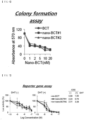
- the colony formation assay it was shown that there was no significant difference between the results of the BCT group, the nano-BCT#1 group, and the nano-BCT#2 group ( FIG. 6 ).
- the reporter gene assay showed that there was no significant difference between the results of the BCT group, the nano-BCT#1 group, and the nano-BCT#2 group ( FIG. 7 ).
- the immunoblotting results showed that AR and AR-V7 were decreased in all of the BCT group, the nano-BCT#1 group and the nano-BCT#2 group ( FIG. 8 ).
- Castration-resistant prostate cancer cell line CWR22RV1 was purchased from ATCC (USA), and xenograft mice were constructed by subcutaneously injecting CWR22RV1 into nude mice.
- the xenograft mice were divided into a nanoparticle-treated group (nano-Veh), a control group (free-Veh), a nano-bruceantin-treated group (nano-BCT), and a bruceantin-treated group (free-BCT).
- the nano-BCT group and the free-BCT group were orally administered nano-bruceantin and bruceantin, respectively, at 2 mg/kg every two days for 19 days. Thereafter, tumor volume and bioluminescence were measured for each treated group.
- nano-bruceantin did not impair the therapeutic effect of bruceantin against castration-resistant prostate cancer.
Landscapes
- Health & Medical Sciences (AREA)
- Chemical & Material Sciences (AREA)
- Life Sciences & Earth Sciences (AREA)
- Public Health (AREA)
- General Health & Medical Sciences (AREA)
- Animal Behavior & Ethology (AREA)
- Veterinary Medicine (AREA)
- Medicinal Chemistry (AREA)
- Pharmacology & Pharmacy (AREA)
- Epidemiology (AREA)
- Engineering & Computer Science (AREA)
- Bioinformatics & Cheminformatics (AREA)
- Chemical Kinetics & Catalysis (AREA)
- General Chemical & Material Sciences (AREA)
- Optics & Photonics (AREA)
- Physics & Mathematics (AREA)
- Nanotechnology (AREA)
- Biomedical Technology (AREA)
- Nuclear Medicine, Radiotherapy & Molecular Imaging (AREA)
- Organic Chemistry (AREA)
- Biophysics (AREA)
- Oil, Petroleum & Natural Gas (AREA)
- Molecular Biology (AREA)
- Dispersion Chemistry (AREA)
- Pharmaceuticals Containing Other Organic And Inorganic Compounds (AREA)
- Medicinal Preparation (AREA)
- Nutrition Science (AREA)
- Physiology (AREA)
Abstract
Description
- The present invention relates to a pharmaceutical composition for treating castration-resistant prostate cancer comprising bruceantin and nanoparticles.
- Prostate cancer is the most common cancer in men, ranking second in cancer mortality among men in the United States, and is showing a 10.5% increase every year in Korea. Thus, the importance of diagnosis and treatment of prostate cancer is emerging.
- Androgen receptor (AR) is a transcription factor that plays an important role in the onset and progression of prostate cancer, and it is known that more than 90% of prostate cancer is AR-positive prostate cancer.
- AR is a ligand-dependent transcription factor that is activated by binding to its ligand androgen, and prostate-specific antigen (PSA), a representative target gene of AR, is used as a representative diagnostic marker of prostate cancer.
- Treatment of prostate cancer is performed using androgen deprivation therapy (hereinafter referred to as ADT), which indirectly inhibits the transcriptional activity of AR by inhibiting the synthesis of androgens, and anti-androgen therapy which inhibits the transcriptional activity of AR by direct binding to AR.
- Both therapies exhibit therapeutic effects in the early stages of treatment, but prostate cancer eventually progresses to castration-resistant prostate cancer (CRPC), which is resistant to anticancer drugs. Currently, there is virtually no therapeutic method for the CRPC stage.
- Various causes including AR and coactivator gene amplification, mutations, etc. are known to be responsible for the mechanisms of CRPC progression. However, in recent years, expression of AR-V7, an AR variant lacking the C-terminal ligand binding domain of the AR protein, has been reported to be the main cause of CRPC progression.
- Lacking the ligand binding domain, AR-V7 may have ligand-independent transcriptional activity, and also has resistance to existing drugs developed to target the C terminus of AR, and thus acts as an important factor that promotes the progression of CRPC.
- Therefore, in order to overcome the limitations of existing therapies, there is a need to develop a new therapeutic agent that simultaneously targets AR and AR-V7.
- Application studies using nanoparticles in medicine have been actively conducted. These studies have been conducted in various fields, including oral formulations for improved absorption, transdermal formulations for high permeability absorption, injectable formulations for targeting or improving stability in aqueous solutions, and formulations for lung or mucous membrane penetration.
- Many drugs currently used as pharmaceuticals are poorly soluble and show low bioavailability due to their low solubility when administered in vivo. Many of the drug candidates under development also face difficulties in formulation due to their poor solubility. Thus, many different formulation methods have been studied for solubilizing poorly soluble drugs, but to date, their effect has been minimal or their application has been limited.
- Polymeric nanoparticles are one of the important fields in drug delivery systems, and recently, many studies have been conducted on the production of nanoparticles using amphiphilic polymers. Amphiphilic polymers in which hydrophobic blocks and hydrophilic blocks coexist form nano-aggregates having unique structures by physical cohesive forces such as intermolecular hydrophobic interactions and van der Waals forces in aqueous solutions. This means that the hydrophobic blocks tend to aggregate themselves to minimize their contact with water. This hydrophobic aggregate forms a core, and hydrophilic blocks surround the outside of the core, thus forming a polymer micelle having increased solubility in aqueous solutions. These polymer micelles have a core with a size of tens to hundreds of nanometers and encapsulate poorly soluble drugs therein, and thus they are widely used as a formulation for solubilizing poorly soluble drugs having low water solubility and low in vivo absorption rate.
- Many efforts have been made to deliver anticancer drugs for cancers that are difficult to cure, based on the above-described nano-based technology, but no clear results have yet been shown. Accordingly, studies need to be conducted to increase the in vivo absorption rate of bruceantin, which has been reported to have a therapeutic effect by simultaneously targeting AR and AR-V7 in castration-resistant prostate cancer (
Korean Patent Application Publication No. 10-2020-0139625 - An object of the present invention is to provide a pharmaceutical composition for treating castration-resistant prostate cancer comprising bruceantin and nanoparticles, and a method for treating castration-resistant prostate cancer.
- One aspect of the present invention provides a pharmaceutical composition for treating castration-resistant prostate cancer comprising bruceantin (BCT) and nanoparticles.
- According to one embodiment of the present invention, the bruceantin may be a compound having a structure of the following Formula 1:

- The bruceantin is known to simultaneously and strongly inhibit the transcriptional activity of AR/AR-V7 in both castration-resistant prostate cancer cell line 22RV1 cells and androgen-dependent LNCaP cells (
Korean Patent Application Publication No. 10-2020-0139625 - As used in the present specification, the term "castration-resistant prostate cancer (CRPC)" refers to prostate cancer that continues to grow even when the amount of testosterone in the blood is reduced to a very low level. Early-stage prostate cancer requires androgen for growth, but castration-resistant prostate cancer, which is resistant to androgen deprivation therapy, continues to grow without androgen. Such patients have a very poor prognosis because cancer progresses even when the amount of testosterone is reduced to the level of castration using radiation, surgery, drugs, etc.
- As used in the present specification, the term "treatment" refers to any action that alleviates or beneficially alters the symptoms of castration-resistant prostate cancer by administration of the pharmaceutical composition according to the present invention.
- For administration, the pharmaceutical composition may preferably be formulated as a pharmaceutical composition further comprising one or more pharmaceutically acceptable carriers in addition to the pharmaceutical composition for treating castration-resistant prostate cancer comprising bruceantin and nanoparticles.
- The dosage form of the pharmaceutical composition may be granules, powders, tablets, coated tablets, capsules, suppositories, solutions, syrups, juices, suspensions, emulsions, drops, or injectable solutions, or the like. For example, for the formulation into a tablet or capsule, the active ingredient may be combined with an oral, non-toxic, pharmaceutically acceptable inert carrier, such as ethanol, glycerol, or water. If desired or necessary, a suitable binder, a lubricant, a disintegrant, and a colorant may also be contained in the form of being mixed. Suitable binders include, but are not limited to, natural sugars, such as starch, gelatin, glucose, or beta-lactose, corn sweeteners, natural and synthetic gums, such as gum acacia, tragacanth, or sodium oleate, sodium stearate, magnesium stearate, sodium benzoate, sodium acetate, sodium chloride, and the like. Suitable disintegrants include, but are not limited to, starch, methyl cellulose, agar, bentonite, xanthan gum, etc.
- Examples of a pharmaceutically acceptable carrier that may be used in the composition formulated into a liquid solution include saline, sterile water, Ringer's solution, buffered saline, an albumin injection solution, a dextrose solution, a maltodextrin solution, glycerol, ethanol, and a mixture of one or more thereof, which are sterilizable and biocompatible. If necessary, other ordinary additives, such as an antioxidant, a buffer solution, and a bacteriostatic agent, may be added. In addition, the composition may be formulated into an injectable formulation, such as an aqueous solution, a suspension, or an emulsion, a pill, a capsule, granules, or a tablet by further adding a diluent, a dispersant, a surfactant, a binder, and a lubricant thereto.
- The appropriate dosage of the pharmaceutical composition of the present invention may be determined depending on factors such as formulation method, administration mode, patient's age, weight, sex, pathological condition, diet, administration time, administration route, excretion rate, and reaction sensitivity.
- The pharmaceutical composition of the present invention may be prepared in a unit dose form or prepared to be contained in a multi-dose container by formulating with a pharmaceutically acceptable carrier and/or excipient, according to a method that may be easily carried out by a person skilled in the art to which the present invention pertains.
- According to one embodiment, the nanoparticles may be self-assembled nanostructures.
- As used in the present specification, the term "self-assembly" refers to an assembly method that creates nanostructures by spontaneous combination of atoms, molecules, or nanoparticles. Self-assembly is a process that runs counter to the fact that increasing disorder is a spontaneous process from a thermodynamic point of view. Thus, the self-assembly process overcomes this disorder through energy generated by interaction between particles, and sources of energy include Coulomb interaction due to charges on the particle surface, van der Waals interaction due to polarization, hydrogen bonding, interaction between hydrophilic/hydrophobic functional groups (hydrophilic/hydrophobic interaction), short-range repulsive forces, etc.
- The self-assembly method is an important method for fabricating nanodevices through a bottom-up approach. This is used for the creation of functional supramolecular assemblies controlled at the molecular level, the arrangement of molecules or nanoparticles on a solid surface, and the fabrication of other nanostructures using these self-assemblies as templates.
- According to one embodiment, the self-assembled nanostructures may have cell membrane-mimicking nanostructures that self-assemble from a mixture of long-chain and short-chain lipidic components.
- The exact morphology of these self-assembled nanostructures may be determined by factors such as the molar ratio of long-chain to short-chain lipidic components, lipid composition, and temperature.
- According to one embodiment, the long-chain lipidic component may be selected from the group consisting of dioleoyl phosphatidylethanolamine (DOPE), 1,2-diphytanoyl-sn-glycero-3-phosphoethanolamine (DPhPE), 1,2-distearoyl-sn-glycero-3-phosphoethanolamine (DSPE), 1,2-dipalmitoyl-sn-glycero3-phosphoethanolamine (DPPE), and 1,2-dioleoyl-sn-glycero-3-phosphocholine (DOPC), and preferably may be DOPC.
- According to one embodiment, the short-chain lipidic component may be glycerol monolaurate (GML).
- According to one embodiment, the bruceantin may be encapsulated in the nanoparticles. The bruceantin may be encapsulated in the amphiphilic shell and/or water-soluble interior of the nanoparticle, which can lower the drug concentration outside the nanoparticle and facilitate drug delivery. The bruceantin may be dispersed within the nanoparticles.
- According to one embodiment, the size of the nanoparticles may be 300 to 400 nm, without being limited thereto.
- The pharmaceutical composition of the present invention may be administered orally or parenterally. For parenteral administration, the pharmaceutical composition may be administered by intravenous injection, subcutaneous injection, intramuscular injection, intraperitoneal injection, transdermal administration, or the like. For oral administration, the composition may be prepared and administered in oral dosage forms. The oral dosage forms include troches, lozenges, tablets, aqueous suspensions, oily suspensions, prepared powders, granules, pills, powders, emulsions, hard capsules, soft capsules, syrups, or elixirs. The composition may be formulated in oral dosage forms using binders such as lactose, saccharose, sorbitol, mannitol, starch, amylopectin, cellulose, or gelatin; excipients such as dicalcium phosphate; disintegrants such as corn starch or sweet potato starch; lubricants such as magnesium stearate, calcium stearate, sodium stearyl fumarate, or polyethylene glycol wax, etc. In addition, sweeteners, fragrances, syrups, etc. may also be used. Furthermore, in the case of capsules, in addition to the above-mentioned substances, a liquid carrier such as fatty oil may be additionally used.
- Another aspect of the present invention provides a method for treating castration-resistant prostate cancer, comprising a step of administering to a castration-resistant prostate cancer patient a pharmaceutical composition comprising bruceantin represented by the following
Formula 1 and nanoparticles:
- Still another aspect provides the use of bruceantin represented by the following
Formula 1 and nanoparticles for treating castration-resistant prostate cancer:
- Yet another aspect provides the use of bruceantin represented by the following
Formula 1 and nanoparticles for preparing a pharmaceutical composition for treating castration-resistant prostate cancer.


- Using the pharmaceutical composition comprising bruceantin and nanoparticles according to one embodiment, it is possible to effectively treat castration-resistant prostate cancer by reducing the side effects of bruceantin and overcoming the poor solubility thereof.
-
-
FIG. 1 shows an optimized method for fabricating nano-bruceantin structures. -
FIG. 2 shows the results of analyzing the solubility of the drug and nanoparticle size characteristics of nano-bruceantin. -
FIG. 3 shows the results of evaluating the occurrence of side effects of bruceantin and nano-bruceantin upon short-term administration. -
FIG. 4 shows the results of evaluating the occurrence of side effects of bruceantin and nano-bruceantin upon long-term administration. -
FIG. 5 shows the results of evaluating the cell growth inhibitory effect of treatment with nano-bruceantin. -
FIG. 6 shows the results of colony formation assay after treatment with nano-bruceantin. -
FIG. 7 shows the results of reporter gene assay after treatment with nano-bruceantin. -
FIG. 8 shows the results of immunoblotting for AR/AR-7 after treatment with nano-bruceantin. -
FIG. 9 shows the results of evaluating the tumor volume after administration of nano-bruceantin to mice xenografted with castration-resistant prostate cancer cells. -
FIG. 10 shows the results of measuring bioluminescence after administration of nano-bruceantin to mice xenografted with castration-resistant prostate cancer cells. - One aspect provides a pharmaceutical composition for treating castration-resistant prostate cancer comprising bruceantin represented by the following Formula (1) and nanoparticles:


- According to one embodiment, the nanoparticles may be self-assembled nanostructures.
- According to one embodiment, the self-assembled nanostructures may have cell membrane-mimicking nanostructures that self-assemble from a mixture of long-chain and short-chain lipidic components.
- According to one embodiment, the long-chain lipidic component may be selected from the group consisting of dioleoyl phosphatidylethanolamine (DOPE), 1,2-diphytanoyl-sn-glycero-3-phosphoethanolamine (DPhPE), 1,2-distearoyl-sn-glycero-3-phosphoethanolamine (DSPE), 1,2-dipalmitoyl-sn-glycero3-phosphoethanolamine (DPPE), and 1,2-dioleoyl-sn-glycero-3-phosphocholine (DOPC).
- According to one embodiment, the short-chain lipidic component may be glycerol monolaurate.
- According to one embodiment, the bruceantin may be encapsulated in the nanoparticles.
- According to one embodiment, the size of the nanoparticles may be 300 to 400 nm.
- According to one embodiment, the composition may be in an oral dosage form.
- Another aspect provides a method for treating castration-resistant prostate cancer, comprising a step of administering to a castration-resistant prostate cancer patient a pharmaceutical composition comprising bruceantin represented by the following
Formula 1 and nanoparticles:
- Still another aspect provides the use of bruceantin represented by the following
Formula 1 and nanoparticles for treating castration-resistant prostate cancer:

- Yet another aspect provides the use of bruceantin represented by the following
Formula 1 and nanoparticles for preparing a pharmaceutical composition for treating castration-resistant prostate cancer: - One or more embodiments will be described in more detail below by way of examples. However, these examples are intended to illustrate one or more embodiments and the scope of the present invention is not limited to these examples.

- As experimental animals, 6-week-old male nude mice (Orient Bio, Korea) were used.
- 1,2-dioleoyl-sn-glycero-3-phosphocholine (DOPC) was purchased from Avanti Polar Lipids, Inc. (US), and glycerol monolaurate (GML) was purchased from Abcam (UK).
- The long-chain lipidic component DOPC and the drug bruceantin were dissolved in chloroform, and then low-density nitrogen gas was injected thereinto and the chloroform solvent was removed, thus forming a dried drug-lipid film. Next, the short-chain lipidic component GML was dissolved in ethanol, and then added to the dried drug-lipid film, and the ethanol solvent was removed in the same manner using nitrogen gas. The drug-lipid film was hydrated in PBS (pH 7.4), and then the hydrated sample was processed for 5 cycles, each consisting of freezing in liquid nitrogen for 1 minute - thawing in a water bath at 60°C for 5 minutes) - strong vortexing for 30 seconds, thereby ultimately forming nanoparticles encapsulating bruceantin (
FIG. 1 ). The final nanoparticle composition was composed of 3 mM DOPC, 12 mM GML, and 1 mg/mL nano-bruceantin 1 (nano-BCT#1), or 1 mM DOPC, 4 mM GML, and 1 mg/mL nano-bruceantin 2 (nano-BCT#2). - Referring to
FIG. 2 , as a result of visually examining the solubility of nano-bruceantin, it was confirmed that there was no agglomerated powder, indicating that the solubility of the drug increased. As a result of measuring the size of nano-bruceantin by dynamic light scattering (DLS) (also, measuring the size of a non-drug-loaded nanoparticle sample for comparison), it was confirmed that the average diameter of nano-bruceantin was about 300 to 400 nm. The results of UV-Vis spectroscopy showed that, while bruceantin alone was substantially insoluble in an aqueous solution (<0.1 mg/mL), the solubility of nano-bruceantin in an aqueous solution was at least 1 mg bruceantin/mL, indicating that the solubility of bruceantin of nano-bruceantin in an aqueous solution was improved. - Various combinations of long-chain phospholipids, medium-chain fatty acids, and monoglycerides were tested at various q-ratios and lipid-to-bruceantin ratios conditions to measure colloidal stability and release profiles, and the final composition and preparation method of bruceantin-nanoparticles were optimized.
- Mice were divided into a nanoparticle-administered group (nano-Veh), a phosphate buffer saline-administered group (PBS), a nano-bruceantin-administered group (nano-BCT), and a bruceantin-administered group (free-BCT). The nano-BCT group was orally administered nano-bruceantin at 5 mg/kg daily for 7 days, and the free-BCT group was orally administered bruceantin at 5 mg/kg daily for 7 days.
- It was shown that, in the free-BCT group, short-term oral administration of bruceantin was accompanied by acute side effects such as exophthalmos, sudden death, and weight loss, and in the nano-BCT group, these side effects were not observed (
FIG. 3 ). - The nano-BCT group was orally administered nano-bruceantin at 2 mg/kg every two days for 17 days, and the free-BCT group was orally administered bruceantin at 2 mg/kg every two days for 17 days.
- It was shown that, in the free-BCT group, long-term oral administration of bruceantin was accompanied by side effects such as exophthalmos, sudden death, and weight loss, and in the nano-BCT group, these side effects were alleviated (
FIG. 4 ). - Castration-resistant prostate cancer cell line 22RV1 cells were cultured with RPMI-1640 (Welgene) medium containing 10% fetal bovine serum (FBS) (Welgene) and 1% penicillin/streptomycin.
- Castration-resistant prostate cancer cell line 22RV1 cells were treated with various concentrations of each of bruceantin (BCT), nano-bruceantin 1 (nano-BCT#1), and nano-bruceantin 2 (nano-BCT#2) and subjected to cell growth inhibition assay and colony formation assay. Reporter gene assay was performed by transfecting 22RV1 cells with an MMTV-LUC reporter, which can measure the transcriptional activities of AR and AR-V7, and treating the cells with various concentrations of each of BCT, nano-
BCT# 1, and nano-BCT# 2 depending on the presence or absence of the androgen dihydrotestosterone (DHT) (DHT+, AR transcriptional activity measurement condition; DHT-, AR-V7 transcriptional activity measurement condition). Immunoblotting was performed by treating 22RV1 cells with various concentrations of each of BCT and nano-BCT, extracting protein from the cells, electrophoresing the protein on 4 to 12% SDS-PAGE gel, and transferring the electrophoresed protein to a PVDF membrane, followed by incubation with antibody. - In the cell growth inhibition assay, the cell growth inhibitory effects in the BCT group, the nano-
BCT# 1 group, and the nano-BCT# 2 group at a concentration of 10 nM or more were similar (FIG. 5 ). In the colony formation assay, it was shown that there was no significant difference between the results of the BCT group, the nano-BCT# 1 group, and the nano-BCT# 2 group (FIG. 6 ). - In addition, the reporter gene assay showed that there was no significant difference between the results of the BCT group, the nano-
BCT# 1 group, and the nano-BCT# 2 group (FIG. 7 ). The immunoblotting results showed that AR and AR-V7 were decreased in all of the BCT group, the nano-BCT# 1 group and the nano-BCT# 2 group (FIG. 8 ). - Castration-resistant prostate cancer cell line CWR22RV1 was purchased from ATCC (USA), and xenograft mice were constructed by subcutaneously injecting CWR22RV1 into nude mice.
- The xenograft mice were divided into a nanoparticle-treated group (nano-Veh), a control group (free-Veh), a nano-bruceantin-treated group (nano-BCT), and a bruceantin-treated group (free-BCT). The nano-BCT group and the free-BCT group were orally administered nano-bruceantin and bruceantin, respectively, at 2 mg/kg every two days for 19 days. Thereafter, tumor volume and bioluminescence were measured for each treated group.
- It was shown that a decrease in tumor volume was from
day 13 in the nano-BCT and free-BCT groups, excluding the nano-Veh and free-Veh groups, and there was no significant difference in the degree of decrease in tumor volume between the nano-BCT group and the free-BCT group (FIG. 9 ). - In addition, it was shown that a decrease in bioluminescence was found in the nano-BCT and free-BCT groups, excluding nano-Veh and free-Veh, and there was no significant difference in the degree of decrease in bioluminescence between the nano-BCT group and the free-BCT group (
FIG. 10 ). Based on the above results, it was shown that nano-bruceantin did not impair the therapeutic effect of bruceantin against castration-resistant prostate cancer. - So far, the present invention has been described with reference to the embodiments. Those of ordinary skill in the art to which the present invention pertains will appreciate that the present invention may be embodied in modified forms without departing from the essential characteristics of the present invention. Therefore, the disclosed embodiments should be considered from an illustrative point of view, not from a restrictive point of view. The scope of the present invention is defined by the claims rather than the foregoing description, and all differences within the scope equivalent thereto should be construed as being included in the present invention.
Claims (11)
- A pharmaceutical composition for treating castration-resistant prostate cancer comprising bruceantin represented by the following Formula (1) and nanoparticles:

- The pharmaceutical composition according to claim 1, wherein the nanoparticles are self-assembled nanostructures.
- The pharmaceutical composition according to claim 2, wherein the self-assembled nanostructures have cell membrane-mimicking nanostructures that self-assemble from a mixture of long-chain and short-chain lipidic components.
- The pharmaceutical composition according to claim 3, wherein the long-chain lipidic component is selected from the group consisting of dioleoyl phosphatidylethanolamine (DOPE), 1,2-diphytanoyl-sn-glycero-3-phosphoethanolamine (DPhPE), 1,2-distearoyl-sn-glycero-3-phosphoethanolamine (DSPE), 1,2-dipalmitoyl-sn-glycero3-phosphoethanolamine (DPPE), and 1,2-dioleoyl-sn-glycero-3-phosphocholine (DOPC).
- The pharmaceutical composition according to claim 3, wherein the short-chain lipidic component is glycerol monolaurate.
- The pharmaceutical composition according to claim 1, wherein the bruceantin is encapsulated in the nanoparticles.
- The pharmaceutical composition according to claim 1, wherein the nanoparticles have a size of 300 to 400 nm.
- The pharmaceutical composition according to claim 1, wherein the composition is in an oral dosage form.
- A method for treating castration-resistant prostate cancer, comprising a step of administering to a castration-resistant prostate cancer patient a pharmaceutical composition comprising bruceantin represented by the following Formula 1 and nanoparticles:

- Use of bruceantin represented by the following Formula 1 and nanoparticles for treating castration-resistant prostate cancer:

- Use of bruceantin represented by the following Formula 1 and nanoparticles for preparing a pharmaceutical composition for treating castration-resistant prostate cancer:

Applications Claiming Priority (2)
| Application Number | Priority Date | Filing Date | Title |
|---|---|---|---|
| KR1020210137432A KR102626693B1 (en) | 2021-10-15 | 2021-10-15 | A pharmaceutical composition for treating castration-resistant prostate cancer comprising bruceantin and nanoparticles |
| PCT/KR2022/012796 WO2023063567A1 (en) | 2021-10-15 | 2022-08-26 | Pharmaceutical composition for treatment of castration-resistant prostate cancer comprising bruceantin and nanoparticles |
Publications (2)
| Publication Number | Publication Date |
|---|---|
| EP4417197A1 true EP4417197A1 (en) | 2024-08-21 |
| EP4417197A4 EP4417197A4 (en) | 2025-10-01 |
Family
ID=85987881
Family Applications (1)
| Application Number | Title | Priority Date | Filing Date |
|---|---|---|---|
| EP22881197.2A Pending EP4417197A4 (en) | 2021-10-15 | 2022-08-26 | Pharmaceutical composition for the treatment of castration-resistant prostate cancer with bruceantin and nanoparticles |
Country Status (4)
| Country | Link |
|---|---|
| US (1) | US20250064777A1 (en) |
| EP (1) | EP4417197A4 (en) |
| KR (1) | KR102626693B1 (en) |
| WO (1) | WO2023063567A1 (en) |
Families Citing this family (1)
| Publication number | Priority date | Publication date | Assignee | Title |
|---|---|---|---|---|
| CN117101623B (en) * | 2023-09-20 | 2024-12-10 | 东莞市东南部中心医院(东莞市东南部中医医疗服务中心) | Preparation method and application of brucein D molecularly imprinted polymer functionalized magnetic nanoparticles |
Family Cites Families (3)
| Publication number | Priority date | Publication date | Assignee | Title |
|---|---|---|---|---|
| JP2005314236A (en) * | 2004-04-27 | 2005-11-10 | Nippon Kayaku Co Ltd | New quassinoid-based compound and use thereof |
| KR101085203B1 (en) * | 2011-04-01 | 2011-11-21 | 서울대학교산학협력단 | Phospholipid Nanoparticles for Drug Delivery |
| KR102413642B1 (en) | 2019-06-04 | 2022-06-28 | 사회복지법인 삼성생명공익재단 | Composition for treating castration-resistant prostate cancer, including quassinoids |
-
2021
- 2021-10-15 KR KR1020210137432A patent/KR102626693B1/en active Active
-
2022
- 2022-08-26 US US18/700,767 patent/US20250064777A1/en active Pending
- 2022-08-26 EP EP22881197.2A patent/EP4417197A4/en active Pending
- 2022-08-26 WO PCT/KR2022/012796 patent/WO2023063567A1/en not_active Ceased
Also Published As
| Publication number | Publication date |
|---|---|
| EP4417197A4 (en) | 2025-10-01 |
| US20250064777A1 (en) | 2025-02-27 |
| KR102626693B1 (en) | 2024-01-17 |
| WO2023063567A1 (en) | 2023-04-20 |
| KR20230053968A (en) | 2023-04-24 |
Similar Documents
| Publication | Publication Date | Title |
|---|---|---|
| Ağardan et al. | Tamoxifen/raloxifene loaded liposomes for oral treatment of breast cancer | |
| Ray et al. | PEG-b-poly (carbonate)-derived nanocarrier platform with pH-responsive properties for pancreatic cancer combination therapy | |
| Prasad et al. | Doxorubicin and mitomycin C co-loaded polymer-lipid hybrid nanoparticles inhibit growth of sensitive and multidrug resistant human mammary tumor xenografts | |
| Xiao et al. | PEG-oligocholic acid telodendrimer micelles for the targeted delivery of doxorubicin to B-cell lymphoma | |
| Zhu et al. | Tumor microenvironment-activated therapeutic peptide-conjugated prodrug nanoparticles for enhanced tumor penetration and local T cell activation in the tumor microenvironment | |
| Long et al. | Azo-inserted responsive hybrid liposomes for hypoxia-specific drug delivery | |
| Pourhassan et al. | Revisiting the use of sPLA2-sensitive liposomes in cancer therapy | |
| Jha et al. | DNA biodots based targeted theranostic nanomedicine for the imaging and treatment of non-small cell lung cancer | |
| JP2020183406A (en) | Methods of enhancing drug delivery and effectiveness of therapeutic agents | |
| EP3006453A1 (en) | 17alpha-monoesters and 17alpha,21-diesters of cortexolone for use in the treatment of tumors | |
| BRPI0808635A2 (en) | Nanoparticle Understanding Rapamycin And Albumin As An Anti-Cancer Agent | |
| US12128041B2 (en) | Nanoparticles for delivering drug, whose surface is modified with peptide for targeting brain cancer, preparation method thereof and use thereof | |
| Chen et al. | Leveraging tumor cell ferroptosis for colorectal cancer treatment via nanoelicitor-activated tumoricidal immunity | |
| US20250064777A1 (en) | Pharmaceutical composition for treatment of castration-resistant prostate cancer comprising bruceantin and nanoparticles | |
| Li et al. | Cysteine-modified PEGylated nanoparticles for targeted delivery of methylprednisolone to pancreatitis | |
| CN109071527A (en) | Cellular signal transduction inhibitor, their preparation and its method | |
| Hu et al. | Enhanced uptake and improved anti-tumor efficacy of doxorubicin loaded fibrin gel with liposomal apatinib in colorectal cancer | |
| US20220249438A1 (en) | Carbocyanine compounds for targeting mitochondria and eradicating cancer stem cells | |
| Shahrukh et al. | Quality by design enabled tumor microenvironment-responsive simvastatin-loaded liposomes for prostate cancer management | |
| EP2825198B1 (en) | Glut-1 targeted and curcumin loaded micelles | |
| US20150065443A1 (en) | Embelin-based delivery system for water-insoluble active agents | |
| Sun et al. | Oral microbiota-responsive ZIF nanoplatform via double-layer glycans modified combined with PD-1 inhibitor for treatment of microsatellite-stable colorectal cancer | |
| EP4623915A1 (en) | Combination medicine comprising liposome composition having topotecan or salt thereof encapsulated therein and dna damage repair inhibitor | |
| Santhi et al. | Solid Lipid Nanoparticles for the Co-Delivery of Nilotinib and Rutin: A Comprehensive Strategy to Enhance Efficacy and Reduce Toxicity in Cancer Treatment | |
| US20180055949A1 (en) | Cancer therapeutics |
Legal Events
| Date | Code | Title | Description |
|---|---|---|---|
| STAA | Information on the status of an ep patent application or granted ep patent |
Free format text: STATUS: THE INTERNATIONAL PUBLICATION HAS BEEN MADE |
|
| PUAI | Public reference made under article 153(3) epc to a published international application that has entered the european phase |
Free format text: ORIGINAL CODE: 0009012 |
|
| STAA | Information on the status of an ep patent application or granted ep patent |
Free format text: STATUS: REQUEST FOR EXAMINATION WAS MADE |
|
| 17P | Request for examination filed |
Effective date: 20240514 |
|
| AK | Designated contracting states |
Kind code of ref document: A1 Designated state(s): AL AT BE BG CH CY CZ DE DK EE ES FI FR GB GR HR HU IE IS IT LI LT LU LV MC MK MT NL NO PL PT RO RS SE SI SK SM TR |
|
| DAV | Request for validation of the european patent (deleted) | ||
| DAX | Request for extension of the european patent (deleted) | ||
| A4 | Supplementary search report drawn up and despatched |
Effective date: 20250828 |
|
| RIC1 | Information provided on ipc code assigned before grant |
Ipc: A61K 9/51 20060101AFI20250822BHEP Ipc: A61K 47/24 20060101ALI20250822BHEP Ipc: A61K 47/14 20170101ALI20250822BHEP Ipc: A61K 9/107 20060101ALI20250822BHEP Ipc: A61K 31/366 20060101ALI20250822BHEP Ipc: A61P 35/00 20060101ALI20250822BHEP Ipc: A61K 9/00 20060101ALI20250822BHEP |