EP4407315A1 - Diagnose und behandlung neurogener heterotoper ossifikation - Google Patents
Diagnose und behandlung neurogener heterotoper ossifikation Download PDFInfo
- Publication number
- EP4407315A1 EP4407315A1 EP23382063.8A EP23382063A EP4407315A1 EP 4407315 A1 EP4407315 A1 EP 4407315A1 EP 23382063 A EP23382063 A EP 23382063A EP 4407315 A1 EP4407315 A1 EP 4407315A1
- Authority
- EP
- European Patent Office
- Prior art keywords
- tgfbi
- acm
- expression
- tgfβi
- osteoblasts
- Prior art date
- Legal status (The legal status is an assumption and is not a legal conclusion. Google has not performed a legal analysis and makes no representation as to the accuracy of the status listed.)
- Withdrawn
Links
Images


















Classifications
-
- A—HUMAN NECESSITIES
- A61—MEDICAL OR VETERINARY SCIENCE; HYGIENE
- A61K—PREPARATIONS FOR MEDICAL, DENTAL OR TOILETRY PURPOSES
- A61K31/00—Medicinal preparations containing organic active ingredients
- A61K31/70—Carbohydrates; Sugars; Derivatives thereof
- A61K31/7088—Compounds having three or more nucleosides or nucleotides
- A61K31/713—Double-stranded nucleic acids or oligonucleotides
-
- A—HUMAN NECESSITIES
- A61—MEDICAL OR VETERINARY SCIENCE; HYGIENE
- A61P—SPECIFIC THERAPEUTIC ACTIVITY OF CHEMICAL COMPOUNDS OR MEDICINAL PREPARATIONS
- A61P19/00—Drugs for skeletal disorders
- A61P19/08—Drugs for skeletal disorders for bone diseases, e.g. rachitism, Paget's disease
-
- C—CHEMISTRY; METALLURGY
- C07—ORGANIC CHEMISTRY
- C07K—PEPTIDES
- C07K14/00—Peptides having more than 20 amino acids; Gastrins; Somatostatins; Melanotropins; Derivatives thereof
- C07K14/435—Peptides having more than 20 amino acids; Gastrins; Somatostatins; Melanotropins; Derivatives thereof from animals; from humans
- C07K14/46—Peptides having more than 20 amino acids; Gastrins; Somatostatins; Melanotropins; Derivatives thereof from animals; from humans from vertebrates
- C07K14/47—Peptides having more than 20 amino acids; Gastrins; Somatostatins; Melanotropins; Derivatives thereof from animals; from humans from vertebrates from mammals
-
- C—CHEMISTRY; METALLURGY
- C07—ORGANIC CHEMISTRY
- C07K—PEPTIDES
- C07K16/00—Immunoglobulins [IGs], e.g. monoclonal or polyclonal antibodies
- C07K16/18—Immunoglobulins [IGs], e.g. monoclonal or polyclonal antibodies against material from animals or humans
- C07K16/22—Immunoglobulins [IGs], e.g. monoclonal or polyclonal antibodies against material from animals or humans against growth factors ; against growth regulators
-
- G—PHYSICS
- G01—MEASURING; TESTING
- G01N—INVESTIGATING OR ANALYSING MATERIALS BY DETERMINING THEIR CHEMICAL OR PHYSICAL PROPERTIES
- G01N33/00—Investigating or analysing materials by specific methods not covered by groups G01N1/00 - G01N31/00
- G01N33/48—Biological material, e.g. blood, urine; Haemocytometers
- G01N33/50—Chemical analysis of biological material, e.g. blood, urine; Testing involving biospecific ligand binding methods; Immunological testing
- G01N33/5005—Chemical analysis of biological material, e.g. blood, urine; Testing involving biospecific ligand binding methods; Immunological testing involving human or animal cells
- G01N33/5008—Chemical analysis of biological material, e.g. blood, urine; Testing involving biospecific ligand binding methods; Immunological testing involving human or animal cells for testing or evaluating the effect of chemical or biological compounds, e.g. drugs, cosmetics
- G01N33/5044—Chemical analysis of biological material, e.g. blood, urine; Testing involving biospecific ligand binding methods; Immunological testing involving human or animal cells for testing or evaluating the effect of chemical or biological compounds, e.g. drugs, cosmetics involving specific cell types
-
- G—PHYSICS
- G01—MEASURING; TESTING
- G01N—INVESTIGATING OR ANALYSING MATERIALS BY DETERMINING THEIR CHEMICAL OR PHYSICAL PROPERTIES
- G01N33/00—Investigating or analysing materials by specific methods not covered by groups G01N1/00 - G01N31/00
- G01N33/48—Biological material, e.g. blood, urine; Haemocytometers
- G01N33/50—Chemical analysis of biological material, e.g. blood, urine; Testing involving biospecific ligand binding methods; Immunological testing
- G01N33/5005—Chemical analysis of biological material, e.g. blood, urine; Testing involving biospecific ligand binding methods; Immunological testing involving human or animal cells
- G01N33/5008—Chemical analysis of biological material, e.g. blood, urine; Testing involving biospecific ligand binding methods; Immunological testing involving human or animal cells for testing or evaluating the effect of chemical or biological compounds, e.g. drugs, cosmetics
- G01N33/5044—Chemical analysis of biological material, e.g. blood, urine; Testing involving biospecific ligand binding methods; Immunological testing involving human or animal cells for testing or evaluating the effect of chemical or biological compounds, e.g. drugs, cosmetics involving specific cell types
- G01N33/5058—Neurological cells
-
- G—PHYSICS
- G01—MEASURING; TESTING
- G01N—INVESTIGATING OR ANALYSING MATERIALS BY DETERMINING THEIR CHEMICAL OR PHYSICAL PROPERTIES
- G01N33/00—Investigating or analysing materials by specific methods not covered by groups G01N1/00 - G01N31/00
- G01N33/48—Biological material, e.g. blood, urine; Haemocytometers
- G01N33/50—Chemical analysis of biological material, e.g. blood, urine; Testing involving biospecific ligand binding methods; Immunological testing
- G01N33/68—Chemical analysis of biological material, e.g. blood, urine; Testing involving biospecific ligand binding methods; Immunological testing involving proteins, peptides or amino acids
- G01N33/6893—Chemical analysis of biological material, e.g. blood, urine; Testing involving biospecific ligand binding methods; Immunological testing involving proteins, peptides or amino acids related to diseases not provided for elsewhere
-
- A—HUMAN NECESSITIES
- A01—AGRICULTURE; FORESTRY; ANIMAL HUSBANDRY; HUNTING; TRAPPING; FISHING
- A01K—ANIMAL HUSBANDRY; AVICULTURE; APICULTURE; PISCICULTURE; FISHING; REARING OR BREEDING ANIMALS, NOT OTHERWISE PROVIDED FOR; NEW BREEDS OF ANIMALS
- A01K2207/00—Modified animals
- A01K2207/30—Animals modified by surgical methods
-
- A—HUMAN NECESSITIES
- A01—AGRICULTURE; FORESTRY; ANIMAL HUSBANDRY; HUNTING; TRAPPING; FISHING
- A01K—ANIMAL HUSBANDRY; AVICULTURE; APICULTURE; PISCICULTURE; FISHING; REARING OR BREEDING ANIMALS, NOT OTHERWISE PROVIDED FOR; NEW BREEDS OF ANIMALS
- A01K2227/00—Animals characterised by species
- A01K2227/10—Mammal
- A01K2227/105—Murine
-
- A—HUMAN NECESSITIES
- A01—AGRICULTURE; FORESTRY; ANIMAL HUSBANDRY; HUNTING; TRAPPING; FISHING
- A01K—ANIMAL HUSBANDRY; AVICULTURE; APICULTURE; PISCICULTURE; FISHING; REARING OR BREEDING ANIMALS, NOT OTHERWISE PROVIDED FOR; NEW BREEDS OF ANIMALS
- A01K2267/00—Animals characterised by purpose
- A01K2267/03—Animal model, e.g. for test or diseases
-
- A—HUMAN NECESSITIES
- A61—MEDICAL OR VETERINARY SCIENCE; HYGIENE
- A61K—PREPARATIONS FOR MEDICAL, DENTAL OR TOILETRY PURPOSES
- A61K39/00—Medicinal preparations containing antigens or antibodies
- A61K2039/505—Medicinal preparations containing antigens or antibodies comprising antibodies
-
- C—CHEMISTRY; METALLURGY
- C07—ORGANIC CHEMISTRY
- C07K—PEPTIDES
- C07K2317/00—Immunoglobulins specific features
- C07K2317/70—Immunoglobulins specific features characterized by effect upon binding to a cell or to an antigen
- C07K2317/76—Antagonist effect on antigen, e.g. neutralization or inhibition of binding
-
- G—PHYSICS
- G01—MEASURING; TESTING
- G01N—INVESTIGATING OR ANALYSING MATERIALS BY DETERMINING THEIR CHEMICAL OR PHYSICAL PROPERTIES
- G01N2800/00—Detection or diagnosis of diseases
- G01N2800/10—Musculoskeletal or connective tissue disorders
-
- G—PHYSICS
- G01—MEASURING; TESTING
- G01N—INVESTIGATING OR ANALYSING MATERIALS BY DETERMINING THEIR CHEMICAL OR PHYSICAL PROPERTIES
- G01N2800/00—Detection or diagnosis of diseases
- G01N2800/52—Predicting or monitoring the response to treatment, e.g. for selection of therapy based on assay results in personalised medicine; Prognosis
Definitions
- the present invention refers to the medical filed. Particularly, the present invention is focused on an in vitro method for the diagnosis or prognosis of Neurogenic Heterotopic Ossification (NHO). Moreover, the present invention also refers to a therapeutic strategy for treating NHO.
- NHO Neurogenic Heterotopic Ossification
- Heterotopic Ossification refers to the presence of mature lamellar bone in extra-skeletal soft tissue.
- the bone growth can occur through endochondral or intramembranous ossification mechanisms.
- this disease can be classified as genetic or acquired HO.
- Genetic variants Fibrodysplasia Ossificans Progressiva and Progressive Osseous Heteroplasia
- the acquired HO can develop after traumatism or a neurogenic insult.
- the NHO is one of the most frequent complications of suffering an injury in the Central Nervous System (CNS). According to this, it has been demonstrated that its incidence increases after concomitant CNS damage, such as a traumatic brain injury (TBI) or spinal cord injury, and a peripheral injury, such as a long bone fracture (LBF).
- CNS damage such as a traumatic brain injury (TBI) or spinal cord injury
- TBI traumatic brain injury
- LPF long bone fracture
- PNS Peripheral Nervous System
- BNB blood-nerve barrier
- the present invention refers to an in vitro method for the diagnosis or prognosis of NHO and also to a therapeutic strategy for treating NHO.
- the inventors of the present invention developed an in vitro Traumatic Brain Injury (TBI) model to investigate the effects of the unknown released factors on osteoblastogenesis, and adipogenesis.
- TBI Traumatic Brain Injury
- astrocytes and osteoblasts were co-cultured.
- the RNA and proteins were extracted to analyse the effects of the co-culture on osteoblasts.
- the obtained results revealed how the co-culture of astrocytes and osteoblasts increased the expression of two of the main bone markers related to HO: SPP1 and BMP2.
- SPP1 and BMP2 two of the main bone markers related to HO
- Astrocytes were cultured and let them conditioning the medium for 72 hours. After that, the astrocyte supernatant was added to the osteoblasts. The results previously observed in SPP1 and BMP2 bone markers were still preserved, which suggests that astrocytes secrete some factors that are able to induce the expression of bone related genes in osteoblasts. Considering that the effects were similar in the co-culture and in the astrocyte conditioned medium (ACM) model, the rest of the experiments were carried out with the ACM at day 3, and study other bone related bone markers. Thus, ACM increased the expression of bone related markers such as CD44 (the receptor of osteopontin), and LIF on osteoblasts.
- CD44 the receptor of osteopontin
- ACM induced the expression of AXIN2, and decreased the expression of SOST and DKK1, which suggest the activation of the WNT pathway (the main bone anabolic pathway).
- the ratio RANKL/OPG was decreased by the ACM, which indicates a modulation of bone remodelling towards bone anabolism.
- cell morphological changes induced by the ACM.
- an actin and tubulin staining was performed.
- these morphologic changes resembled osteocytes morphology.
- ACM may accelerate bone formation process by accelerating the differentiation of osteoblasts into osteocytes.
- ACM is able to increase bone anabolism.
- certain grade of inflammation is necessary to bone healing.
- the effect of ACM on osteoblast inflammatory responses was also investigated.
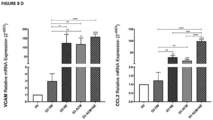
- the expression key inflammatory markers IL6, VCAM, and CCL2 were studied. The results showed a significantly increase of these three genes by the ACM.
- ACM not only could increase bone anabolism, but also inflammation on osteoblasts.
- osteoblasts were stimulated after 72 hours with the ACM, and left it with the IL1B for another 72 hours.
- IL1B synergised with the ACM, and increased the expression of the 3 inflammatory genes studied.
- IL1B stimulation increased some bone related markers such as BMP2 and LIF in osteoblasts stimulated with the ACM. This further supports the link between inflammation and bone anabolism.
- a RT-PCR was also performed on osteoblasts to elucidate the expression levels of TGFBi in these cells.
- the results showed that ACM was able to increase TGFBi expression levels in osteoblast. This suggests that osteoblasts can also amplify the levels of this factor.
- TGFBi was stimulated with TGFBi recombinant for 3 days.
- the results showed a partial recapitulation of the results obtained when osteoblasts were treated with the ACM, regarding the expression of SPP1, BMP2, VCAM and CCL2.
- the effect in one of the adipogenic markers was recapitulated.
- TGFBi stimulation significantly decreased the expression of PPARG, a master regulator of the adipogenesis. This could be attributed to the TGFBi concentration we used, as well as the missing interactions of TGFBi with other proteins in the ACM. Additionally, in MSC treated with TGFBi, differences on cell proliferation were observed, similar to those seen when cells were treated with the ACM. This appreciation was validated by quantifying the RNA, as well as by counting the number of cells. To sum up, TGFBi partially recapitulated the effects of ACM on osteoblastogenesis, adipogenesis, and cell proliferation. These results highlight TGFBi as a potential biomarker as well as therapeutic target for HO.
- the first embodiment of the present invention refers to an in vitro method for the diagnosis or prognosis of NHO which comprises assessing the expression level of TGFBi in a biological sample obtained from the subject, wherein the determination of an increase of the expression level of TGFBi with respect to a pre-established threshold value of the expression level measured in healthy control subjects, is an indication that the subject may be suffering from NHO or has a poor prognosis.
- the biological sample is selected from: blood, plasma, serum, tissue biopsy from, for instance, peripheral nerves comprising saphenous, posterior tibial and sciatic nerves or synovial fluid.
- the second embodiment of the present invention refers to the in vitro use of TGFBi, or of a kit comprising reagents for assessing the expression level of TGFBi, for the diagnosis or prognosis of NHO.
- the third embodiment of the present invention refers to TGFBi inhibitors, for instance selected from siRNA or TGFBi neutralizing antibodies, for use in the treatment of NHO.
- the treatment comprises silencing TGFBi in astrocytes by using a siRNA and/or sequestering TGFBi (for instance produced by altered astrocytes as a results of trauma) by using a neutralizing antibody against TGFBi.
- the present invention also refers to a method for treating NHO which comprises administering to the patient a therapeutically effective dose or amount of a TGFBi inhibitor.
- siRNA inhibition of TGFBi could also be used to ensure that tissues affected by astrocyte- or nerve-conditioned media do not produce TGFBi either. So, it is possible to eliminate the TGFBi produced by astrocytes in trauma patients, but it is equally possible to prevent them from producing it using siRNA.
- TGFBi produced once it reaches a target tissue is capable of self-induction, so the use of both the antibody and the siRNA could stop the self-amplification of its expression in tissues away from the brain or CNS.
- the objective of silencing TGFBi in astrocytes is avoiding the production of this protein.
- the results provided herein postulate that astrocytes are responsible for the release of molecules (including TGFBi) that enhance bone metabolism to the detriment of adipogenic metabolism. Therefore, it is herein suggested that astrocytes may be partly responsible for and involved in the development of NHO. This would be applicable to peripheral nerves, since, as it is herein shown, they secrete TGFBi and increase the expression of this protein in osteoblastic differentiation.
- TGFBi By silencing TGFBi in astrocytes, astrocytes would no longer produce TGFBi and, therefore, one would expect that the effects of ACM on osteoblastic differentiation would be reduced.
- an alternative therapeutic strategy would be sequestering TGFBi (for instance TGFBi produced by altered astrocytes as a results of trauma which is present in the secretome) with the use of a neutralizing antibody against TGFBi.
- TGFBi for instance TGFBi produced by altered astrocytes as a results of trauma which is present in the secretome
- the administration of the therapy can be carried out systemically, e.g., intravenously, to reduce the amounts of TGFBi systemically reducing the synergism between central and peripheral lesion on bone anabolism.
- this treatment could be administered locally or intra-articularly in patients who have already developed the bone plaque.
- the use of this treatment after or during the surgery to excise the ectopic bone would reduce the potential recurrences of the ectopic bone formation.
- the present invention also refers to an in vitro method for identifying compounds for the treatment of NHO, which comprises a) determining if the inhibition of TGFBi or the elimination of the anabolic effects of astrocytes on osteoblasts has taken place by the candidate compound, and b) wherein if said inhibition of TGFBi or the elimination of the anabolic effects of astrocytes on osteoblasts has taken place, it is indicative of the candidate may be effective in the treatment of NHO.
- the elimination of the anabolic effects of astrocytes on osteoblasts is determined by confirming the absence of bone related markers such as: SPP1 and BMP2.
- the present invention also refers to: A method for detecting TGFBi in a test sample from a human subject at risk of developing NHO, the method comprising: (a) contacting the test sample with a reagent specific to TGFBi, (b) amplifying the TGFBi biomarker to produce an amplification product in the test sample; and (c) measuring TGFBi expression level by determining the level of the amplification product in the test sample.
- the present invention is a computer-implemented invention, wherein a processing unit (hardware) and a software are configured to:
- Peripheral sciatic, posterior tibial, and saphenous nerves were obtained from human donors.
- the Research Ethics Committee of the Santiago and Lugo Area approved this procedure (registration code: 2017/262).
- the samples were extracted after the pertinent signing by the relatives of the donors of the informed consent regarding the treatment of the samples and the purpose of the investigation, in accordance with the declaration of Helsinki.
- POLY, 5 PERI, and 11 TBI rats were excluded due to either death immediately post-injury, euthanasia during the acute recovery period, or a comminuted fracture. This left a total of 14 POLY rats, 13 PERI rats, 11 TBI rats, and 13 SHAM rats.
- Extracranial injuries were administered as previously described (24). Briefly, anesthesia was given using 5% isoflurane in 2L/min oxygen, and subsequently maintained at 2% isoflurane (flow rate 500mL/min). Buprenorphine (dosage: 0.05 mg/kg) in sterile saline was administered subcutaneously before the muscle crush injury was performed. A 1.2 kg impactor (diameter: 1 cm, depth: 1.5 cm) was released from a height of 55 cm and guided by 2 metal rods to impact the right hamstring. Following the muscle injury, the femoral fracture was performed. First, an incision was made medial to the patella and the patella moved laterally to expose the femoral bone.
- a 1.1mm thick Kirschner wire was inserted into the marrow cavity to stabilize the fracture for the duration of the experiment.
- the patella was moved back to its original position (i.e., in front of the Kirshner wire) and stabilized by suture to facilitate locomotion.
- a 500 g impactor (diameter: 3 mm) was released from a height of 55 cm and guided to strike the femoral bone midshaft to induce a transverse non-comminuted femoral fracture which was confirmed via x-ray.
- a TBI was administered following the extracranial injuries using the lateral fluid percussion injury (FPI) model.
- FPI lateral fluid percussion injury
- a hollow injury cap was attached over the craniotomy using dental acrylic.
- the rat was then connected to the fluid percussion device (Model FP 302, Amscien Instruments, USA) by the injury cap, and a fluid pulse ( ⁇ 3 atmospheres) was delivered.
- anesthesia and buprenorphine were given before incisions and craniotomies were made and sutured, however, the weight was not released and FPI was not delivered.
- SaOS2 were differentiated for 3 days, C3H10T1/2 for 7 days, and ATDC5 for 14 days.
- the media were changed three times a week in SaOS2 and ATDC5 cells, starting the process 24h post-culture. In these cells, the same medium was used in all the changes made.
- the C3H10T1/2 two media were used to differentiate them into adipocytes: the induction medium which was changed after 6h post-culture, and the maintenance medium which replaced the induction medium after 4 days. after culture. All cells were seeded in 24-well plates (Thermo Fisher Scientific, Waltham, MA, USA).
- SaOS2 cells were differentiated for 0, 3, 7, 14, and 21 days in the presence of 10% FBS or 10% serum from the patients of the four groups (G1, G2, G3, and G4). To do this, 58,000 cells/well were seeded in a 24-well plate. The next day the seed medium was removed and SaOS2 differentiation medium (DM) devoid of FBS was added. 10% FBS or 10% patients' serum was then added, and cell differentiation was performed as we previously described .
- DM SaOS2 differentiation medium
- Cell co-cultures were performed in Millicell ® hanging cell culture inserts (Thermo Fisher Scientific, Wlatham, MA, USA) with a pore size of 0.4 ⁇ m and 24-well plates.
- Astrocytes CCF-STTG1
- the medium of the astrocytes was changed to the DM and they were kept in culture for 72h.
- the SaOS2 were seeded in the 24-well plates at a density of 58,000 cells/well.
- both cultures were unified to form a coculture of CCF-STTG1 and SaOS2.
- the medium for both cells was changed to a new DM and they were kept in coculture for 3, 7, 14, and 21 days.
- NE and SaOS2 cocultures the same procedure described above for astrocytes was used. The only difference is that instead of the astrocytes, a NE was placed on the insert.
- the protocol followed was exactly the same as that previously described for the NE. However, it differs from this in that the cells were seeded once confluence was reached in the well with the NE.
- the ONC were seeded in the inserts with a density of 21,000 cells/insert.
- the SaOS2 were seeded to constitute the coculture of ONC and SaOS2, and it was maintained for 3 days.
- ACM Astrocyte Conditioned Medium
- Nerve Conditioned Medium After processing the primary nerve sample, the NE were plated in a 6-well plate at a density of 3-4 ne/well. After a month and a half, and 72h after the conditioning of the medium (prior to its change), the NCM was collected.
- the MCA was obtained, it was used to stimulate the differentiations of SaOS2 and C3H10T1/T2, as previously described.
- NCM For cell differentiation stimulated with the NCM, NCM was concentrated using Amicon ® Ultra - 0.5mL Centrifugal Filters Ultracel 3K 3kDa centrifugal filter units, according to the supplier's specifications. Then, they were resuspended with the C3H10T1/2 differentiation medium and filtered through a 0.2 ⁇ m filter. Finally, C3H10T1/2 cells were differentiated into adipocytes in the presence and absence of NCM for 7 days, as previously described.
- SaOS2 cells were seeded and stimulated with the ACM in the presence and absence of 0.1 ng/mL of IL1 ⁇ and 100 ng/ mL of lipopolysaccharide (LPS). To do this, once the SaOS2 completed the 3-day differentiation with the ACM, these cells were treated with the inflammatory stimuli and were differentiated for a further 48h.
- LPS lipopolysaccharide
- TGF ⁇ i Transforming Growth Factor Beta Induced
- SaOS2, C3H10T1/2, and ATDC5 cells were differentiated in the presence or absence of 3 ⁇ g/mL of human recombinant protein transforming growth factor beta-induced (TGF ⁇ i), similar concentration to TGF ⁇ i-blood levels. It should be noted that this protein was added newly in every medium change corresponding to the differentiation of each cell line.
- TGF ⁇ i human recombinant protein transforming growth factor beta-induced
- RNA of the differentiated C3H10T1/2 was quantified using a NanoDrop One ® spectrophotometer (Thermo Fisher Scientific, Wlatham, MA, USA).
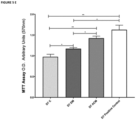
- Viability was tested using the MTT reagent. Briefly, 6 ⁇ 10 3 cells/well were plated in 96-well plates and treated as described above. Then, the cells were incubated for 4h with MTT reagent. After formazan salt was dissolved, absorbance was measured at 570nm in a spectrophotometer.
- SaOS2 cells were seeded on coverslips in a 24-well plate at a density of 58,000 cells/well. These cells were stimulated with the ACM and differentiated into osteoblasts for 3 days. After the differentiation period, the medium was removed from the well, and staining was performed following the supplier's instructions. Finally, the cells were visualized under a confocal microscope and photographs were taken.
- C3H10T1/2 cells were differentiated as we previously described. After completing 7 days of differentiation, cells were fixed with 4% formaldehyde at room temperature for 10 minutes. After this time, the formaldehyde was removed, and the cells were dried completely. Next, cells were incubated with 21% oil red O for 10 minutes and, subsequently, four washes with distilled water were carried out to eliminate the remains of non-specific staining. Finally, 500 ⁇ L of distilled water were added, and photographs were taken under a microscope.
- Plasma levels of TGF ⁇ i were quantified using Rat beta IG-H3/TGFBI ELISA Kit PicoKine ® (#EK1571, Boster Biological Technology, Pleasanton CA, USA). All samples and standards were run in duplicates and the assay was conducted as per the manufacturer's instructions.
- RNA extraction and real-time PCR (RT-PCR)
- the gene expression of bone related markers, inflammatory and adipogenic markers were measured using iTaq Universal SYBR Green Supermix (BioRad Laboratories, Hercules, CA, USA). Relative quantitation was performed using the ⁇ Ct Comparative Method. Results are expressed as 2 - ⁇ Ct versus unstimulated control or DM.
- results from this work were expressed as the mean ⁇ the standard deviation of the mean (SEM) of at least three experiments or independent samples and were analyzed using the GraphPad Prism statistical program (GraphPad Software Inc. 8, USA) and R (RStudio 1.3.1093, USA).
- SEM standard deviation of the mean
- R RStudio 1.3.1093, USA
- the parametric and non-parametric Student's t test were used, according to the origin of the samples. A p value less than 0.05 (p ⁇ 0.05) was considered significant.
- the results were expressed as * for p ⁇ 0.05, ** for p ⁇ 0.01, *** for p ⁇ 0.001 and **** for p ⁇ 0.0001.
- Pearson's non-parametric correlation analysis was used, applying 5% of the FDR.
- astrocytes play an important role in pathophysiological and repair processes through the release of numerous factors.
- CCF-STTG1 astrocytes
- SaOS2 osteoblasts
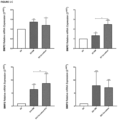
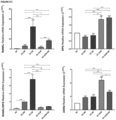
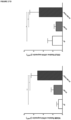
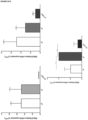
- cell co-culture promoted osteoblastogenesis by increasing gene expression of essential markers of bone anabolism such as SPP1, RUNX2, and BMP2 in osteoblasts ( Figure 1A-C ).
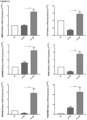
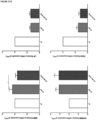
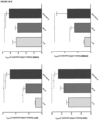
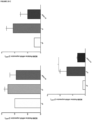
- astrocytes conditioned the DM for three days to obtain the ACM. Subsequently, osteoblasts were stimulated with ACM and differentiated for three days. The anabolic effects previously observed in cell co-culture were preserved, with the exception of the effect on RUNX2, which was not modified by the presence of ACM ( Figure 2A ), suggesting the release of anabolic factors by astrocytes. Based on these findings, we studied a greater number of bone metabolism markers.
- ACM increased the gene expression of the bone anabolism markers BMP4, LIF, GPNMB, CD44, PDGF ⁇ , and its receptor PDGFR ⁇ ( Figure 2B ), as well as OPG ( Figure 2C ) in osteoblasts.
- ACM did not induce changes in RANKL expression, which resulted in a reduction in the RANKL/OPG bone remodeling ratio ( Figure 2C ).
- ACM modulated the main gene markers of the WNT pathway.
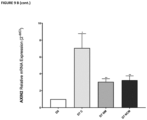
- ACM increased the gene expression of AXIN2 in osteoblasts, an inducible gene after the activation of the WNT pathway, which in turn acts as its inhibitor through a negative feedback mechanism; and decreased the gene expression of SOST and DKK1, the main inhibitors of this pathway ( Figure 2C ).
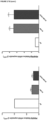
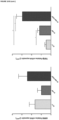
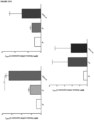
- ACM increased the gene expression of relevant inflammatory markers such as VCAM, a gene related to leukocyte recruitment and vascular adhesion associated with inflammation; and CCL2, a gene that promotes monocyte chemotaxis and macrophage polarization in inflammatory processes, in SaOS2 differentiated into osteoblasts for three days ( Figure 3A ) .
- Example 2.1.3 Determination of cellular morphological changes induced by the astrocyte conditioned medium
- HO is a multifactorial disease whose etiology remains unknown. However, there are certain risk factors that increase its prevalence. Among them, neurological damage, such as a TBI and spine cord injury should be highlighted. Recently, studies have indicated the possible involvement of the PNS in the development of NHO. In order to investigate the role of peripheral nerves in ectopic bone formation, NE and SaOS2 were co-cultured and differentiated into osteoblasts for three days.
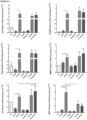
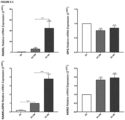
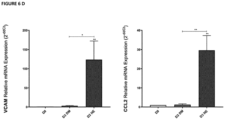
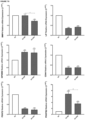
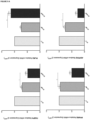
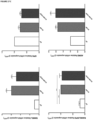
- the obtained data demonstrated an increase in the gene expression of the bone markers SPP1, RUNX2, BMP2, LIF, CD44, RANKL, the RANKL/OPG ratio, as well as an increase in the expression of the inflammatory markers VCAM and CCL2 in the cocultured SaOS2 with the NE ( Figure 6A-D ).
- the coexistence of NE and SaOS2 decreased the expression levels of BMP4 and GPNMB ( Figure 6B ), and did not modify the expression of PDGF ⁇ , PDGFR ⁇ , OPG, and AXIN2 ( Figure 6B-C ).
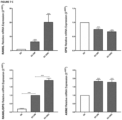
- ONC and SaOS2 were cocultured and differentiated into osteoblasts for three days. Despite the fact that the observed effects were not as strong as those observed in the cocultures of NE and SaOS2, ONC were able to increase SPP1 and VCAM gene expression in SaOS2 cells. Likewise, the presence of ONC increased the RANKL/OPG ratio and decreased the expression of BMP4 and PDGFR ⁇ . However, this coculture did not induce changes in the other genes studied ( Figure 7 ) .
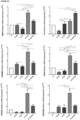
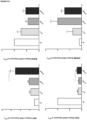
- NE significantly reduced the gene expression levels of BMP4, GPNMB, CD44, PDGF ⁇ , PDGFR ⁇ , and AXIN2 ( Figure 8B-C ).
- ACM beyond the previously mentioned synergistic induction, was able to modulate the effects of NE by significantly enhancing the expression of the markers BMP4, GPNMB, CD44, PDGF ⁇ , OPG, and AXIN2 ( Figure 8B-C ) ; and reducing the expression of the RUNX2, RANKL genes and the RANKL/OPG ratio ( Figure 8A , C ).
- NCM increased the expression of PLIN2 ( Figure 9A ) .
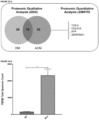
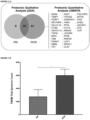
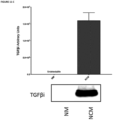
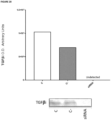
- TGF ⁇ i was the only common protein that remained significant in the ACM and NCM quantitative proteomic analyses.
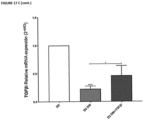
- the expression levels of TGF ⁇ i in SaOS2 differentiation to osteblasts, and C3H10T1/2 to adipocyte in presence or absence of the ACM, NE, and ONC were analyzed by RT-PCR.
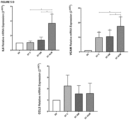
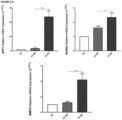
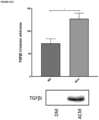
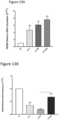
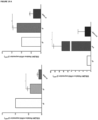
- the obtained results evidenced the capacity of ACM to increase the gene expression of TGF ⁇ i in osteoblastogenesis ( Figure 12 ) and in adipogenesis ( Figure 13 ) .
- the increase in TGF ⁇ i in the adipogenic model was not significant when compared to the control.
- the presence of NE and ONC increased TGF ⁇ i gene expression in both osteoblastic ( Figure 12 ) and adipogenic ( Figure 13 ) differentiation.
- TGF ⁇ i As a potential contributor to the anabolic and inflammatory processes of NHO, and in view of the differences in the proteome of the different groups of patients, kinetics studies of TGF ⁇ i expression in serum were performed. The results revealed an increase in this protein in patients at high risk of developing NHO (G1), reaching its maximum expression on the third day after the trauma ( Figure 16 ) .
- TGF ⁇ i as a potential biomarker of NHO due to its high expression induced by both ACM and NCM, as well as its presence in the rat's serum and in the serum of patients at risk of suffering from this disease.
- SaOS2 cells were differentiated in the presence or absence of the human recombinant protein TGF ⁇ i 3 ⁇ g/mL for three days.
- treatment with TGF ⁇ i partially reproduced the effects of ACM on osteoblasts.
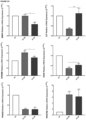
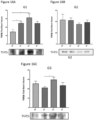
- TGF ⁇ i increased the gene expression of SPP1, BMP2, TGF ⁇ i, VCAM and CCL2 ( Figure 17 ).
- stimulation with TGF ⁇ i did not modify the gene expression of the other genes studied ( Figure 17 ).
- C3H10T1/2 cells were differentiated into adipocytes for seven days in the presence or absence of TGF ⁇ i 3 ⁇ g/mL.
- Treatment with the recombinant protein reduced the gene expression levels of all adipogenesis markers studied, including FABP4, PLIN2, PPARG and ADIPOQ ( Figure 18A ) .
- PPARG was the only marker whose reduction was statistically significant ( Figure 18A ) .
- TGF ⁇ i is a potential therapeutic target for NHO.
- TGF ⁇ i inhibitors two different approaches to inhibit its actions were explored.
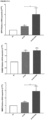
- a specific siRNA was used to silence the mRNA of TGF ⁇ i in astrocytes. Results showed that this approach is an effective way to blunt TGF ⁇ i released by astrocytes to the cell culture medium ( Figure 20 ).
- a neutralizing TGF ⁇ i antibody was added to the ACM to block TGF ⁇ i actions.
- SaOS2 cells differentiated to osteoblasts for 3 days in the presence of this antibody expressed lower mRNA levels of SPP1, a gene related to NHO ( Figure 21 ).
Landscapes
- Health & Medical Sciences (AREA)
- Life Sciences & Earth Sciences (AREA)
- Chemical & Material Sciences (AREA)
- Engineering & Computer Science (AREA)
- Biomedical Technology (AREA)
- Molecular Biology (AREA)
- Immunology (AREA)
- General Health & Medical Sciences (AREA)
- Medicinal Chemistry (AREA)
- Hematology (AREA)
- Urology & Nephrology (AREA)
- Biochemistry (AREA)
- Cell Biology (AREA)
- Organic Chemistry (AREA)
- Biotechnology (AREA)
- General Physics & Mathematics (AREA)
- Pathology (AREA)
- Food Science & Technology (AREA)
- Toxicology (AREA)
- Physics & Mathematics (AREA)
- Analytical Chemistry (AREA)
- Bioinformatics & Cheminformatics (AREA)
- Microbiology (AREA)
- Proteomics, Peptides & Aminoacids (AREA)
- Pharmacology & Pharmacy (AREA)
- Tropical Medicine & Parasitology (AREA)
- Veterinary Medicine (AREA)
- Public Health (AREA)
- Physical Education & Sports Medicine (AREA)
- Animal Behavior & Ethology (AREA)
- Biophysics (AREA)
- Genetics & Genomics (AREA)
- Neurosurgery (AREA)
- General Chemical & Material Sciences (AREA)
- Nuclear Medicine, Radiotherapy & Molecular Imaging (AREA)
- Chemical Kinetics & Catalysis (AREA)
- Rheumatology (AREA)
- Orthopedic Medicine & Surgery (AREA)
- Neurology (AREA)
- Zoology (AREA)
Priority Applications (6)
| Application Number | Priority Date | Filing Date | Title |
|---|---|---|---|
| EP23382063.8A EP4407315A1 (de) | 2023-01-26 | 2023-01-26 | Diagnose und behandlung neurogener heterotoper ossifikation |
| EP24702142.1A EP4655589A1 (de) | 2023-01-26 | 2024-01-25 | Diagnose und behandlung neurogener heterotoper ossifikation |
| IL322331A IL322331A (en) | 2023-01-26 | 2024-01-25 | Diagnosis and treatment of neurogenic heterotopic calcification |
| CN202480022354.8A CN121013981A (zh) | 2023-01-26 | 2024-01-25 | 神经源性异位骨化的诊断与治疗 |
| PCT/EP2024/051801 WO2024156815A1 (en) | 2023-01-26 | 2024-01-25 | Diagnosis and treatment of neurogenic heterotopic ossification |
| MX2025008722A MX2025008722A (es) | 2023-01-26 | 2025-07-25 | Diagnostico y tratamiento de la osificacion heterotopica neurogenica |
Applications Claiming Priority (1)
| Application Number | Priority Date | Filing Date | Title |
|---|---|---|---|
| EP23382063.8A EP4407315A1 (de) | 2023-01-26 | 2023-01-26 | Diagnose und behandlung neurogener heterotoper ossifikation |
Publications (1)
| Publication Number | Publication Date |
|---|---|
| EP4407315A1 true EP4407315A1 (de) | 2024-07-31 |
Family
ID=85132670
Family Applications (2)
| Application Number | Title | Priority Date | Filing Date |
|---|---|---|---|
| EP23382063.8A Withdrawn EP4407315A1 (de) | 2023-01-26 | 2023-01-26 | Diagnose und behandlung neurogener heterotoper ossifikation |
| EP24702142.1A Pending EP4655589A1 (de) | 2023-01-26 | 2024-01-25 | Diagnose und behandlung neurogener heterotoper ossifikation |
Family Applications After (1)
| Application Number | Title | Priority Date | Filing Date |
|---|---|---|---|
| EP24702142.1A Pending EP4655589A1 (de) | 2023-01-26 | 2024-01-25 | Diagnose und behandlung neurogener heterotoper ossifikation |
Country Status (5)
| Country | Link |
|---|---|
| EP (2) | EP4407315A1 (de) |
| CN (1) | CN121013981A (de) |
| IL (1) | IL322331A (de) |
| MX (1) | MX2025008722A (de) |
| WO (1) | WO2024156815A1 (de) |
Family Cites Families (1)
| Publication number | Priority date | Publication date | Assignee | Title |
|---|---|---|---|---|
| WO2020165101A1 (en) * | 2019-02-11 | 2020-08-20 | Servizo Galego De Saúde | Combinations with thiazolidinediones for use in the prevention or treatment of abnormal bone growth |
-
2023
- 2023-01-26 EP EP23382063.8A patent/EP4407315A1/de not_active Withdrawn
-
2024
- 2024-01-25 WO PCT/EP2024/051801 patent/WO2024156815A1/en not_active Ceased
- 2024-01-25 IL IL322331A patent/IL322331A/en unknown
- 2024-01-25 EP EP24702142.1A patent/EP4655589A1/de active Pending
- 2024-01-25 CN CN202480022354.8A patent/CN121013981A/zh active Pending
-
2025
- 2025-07-25 MX MX2025008722A patent/MX2025008722A/es unknown
Non-Patent Citations (6)
| Title |
|---|
| "GenBank", Database accession no. BC000097 |
| ALEXANDER KYLIE A. ET AL: "Inhibition of JAK1/2 Tyrosine Kinases Reduces Neurogenic Heterotopic Ossification After Spinal Cord Injury", FRONTIERS IN IMMUNOLOGY, vol. 10, 1 January 2019 (2019-01-01), pages 377, XP055829022, Retrieved from the Internet <URL:https://www.ncbi.nlm.nih.gov/pmc/articles/PMC6417366/pdf/fimmu-10-00377.pdf> DOI: 10.3389/fimmu.2019.00377 * |
| HUANG HUAN ET AL: "Relationship between heterotopic ossification and traumatic brain injury", JOURNAL OF ORTHOPAEDIC TRANSLATION, vol. 12, 14 November 2017 (2017-11-14), pages 16 - 25, XP093055042, ISSN: 2214-031X, Retrieved from the Internet <URL:https://www.ncbi.nlm.nih.gov/pmc/articles/PMC5866497/pdf/main.pdf> DOI: 10.1016/j.jot.2017.10.002 * |
| THAPA ET AL: "TGFBIp/@big-h3 protein: A versatile matrix molecule induced by TGF-@b", INTERNATIONAL JOURNAL OF BIOCHEMISTRY AND CELL BIOLOGY, ELSEVIER, AMSTERDAM, NL, vol. 39, no. 12, 1 January 2007 (2007-01-01), pages 2183 - 2194, XP022277793, ISSN: 1357-2725, DOI: 10.1016/J.BIOCEL.2007.06.004 * |
| WONG KER RUI ET AL: "Neurological heterotopic ossification: novel mechanisms, prognostic biomarkers and prophylactic therapies", BONE RESEARCH, vol. 8, no. 1, 9 December 2020 (2020-12-09), XP093055626, Retrieved from the Internet <URL:https://www.nature.com/articles/s41413-020-00119-9> DOI: 10.1038/s41413-020-00119-9 * |
| ZHANG QIANG ET AL: "[beta]ig-h3 enhances chondrogenesis via promoting mesenchymal condensation in rat Achilles tendon heterotopic ossification model", AGING, vol. 12, no. 8, 20 April 2020 (2020-04-20), pages 7030 - 7041, XP093054986, Retrieved from the Internet <URL:https://www.aging-us.com/article/103060/pdf> * |
Also Published As
| Publication number | Publication date |
|---|---|
| WO2024156815A1 (en) | 2024-08-02 |
| EP4655589A1 (de) | 2025-12-03 |
| CN121013981A (zh) | 2025-11-25 |
| IL322331A (en) | 2025-09-01 |
| MX2025008722A (es) | 2025-10-01 |
Similar Documents
| Publication | Publication Date | Title |
|---|---|---|
| Zhang et al. | Mechanical overloading promotes chondrocyte senescence and osteoarthritis development through downregulating FBXW7 | |
| Squarzoni et al. | Interleukin‐6 neutralization ameliorates symptoms in prematurely aged mice | |
| Imagawa et al. | The epigenetic effect of glucosamine and a nuclear factor-kappa B (NF-kB) inhibitor on primary human chondrocytes–implications for osteoarthritis | |
| Rufo et al. | Mechanisms inducing low bone density in Duchenne muscular dystrophy in mice and humans | |
| Oñate et al. | Stem cells isolated from adipose tissue of obese patients show changes in their transcriptomic profile that indicate loss in stemcellness and increased commitment to an adipocyte-like phenotype | |
| US20140274766A1 (en) | Methods of using f-spondin as a biomarker for cartilage degenerative conditions and bone diseases | |
| Lu et al. | miR-204 ameliorates osteoarthritis pain by inhibiting SP1-LRP1 signaling and blocking neuro-cartilage interaction | |
| US10953028B2 (en) | Method of treating heterotopic ossification | |
| Allas et al. | Development of a simple osteoarthritis model useful to predict in vitro the anti-hypertrophic action of drugs | |
| Fan et al. | CMTM3 suppresses bone formation and osteogenic differentiation of mesenchymal stem cells through inhibiting Erk1/2 and RUNX2 pathways | |
| Lv et al. | Cholinergic dysfunction-induced insufficient activation of alpha7 nicotinic acetylcholine receptor drives the development of rheumatoid arthritis through promoting protein citrullination via the SP3/PAD4 pathway | |
| US11819535B2 (en) | Composition and methods for regulating extracellular matrix accumulation | |
| EP4407315A1 (de) | Diagnose und behandlung neurogener heterotoper ossifikation | |
| Avnet et al. | Osteoblasts from a mandibuloacral dysplasia patient induce human blood precursors to differentiate into active osteoclasts | |
| Luo et al. | Airway basal stem cell-derived extracellular vesicles drive ECM remodeling and suppress fibroblasts activation via the miR-30a-5p/FAP axis in benign tracheal stenosis | |
| WO2023077234A1 (en) | A method of treating depression by immune modulation | |
| Lv et al. | Impaired proliferation of growth plate chondrocytes in a model of osteogenesis imperfecta | |
| KR20190079558A (ko) | miR-204 억제제의 골관절염 치료 용도 | |
| JP2026504991A (ja) | 神経原性異所性骨化の診断及び治療 | |
| US11851490B2 (en) | Methods and compositions for treating, inhibiting, and/or preventing heterotopic ossification | |
| Gao et al. | Aristolochic acid IVa ameliorates arthritis in SKG Mice by regulating macrophage polarization and Th17/Treg balance | |
| EP4541908A1 (de) | Zusammensetzung zur prävention oder behandlung von osteoarthritis und verwendung davon | |
| CN116814539B (zh) | 孕期强的松暴露所致胎源性骨关节炎模型的构建方法、干预靶标及其应用 | |
| Zhao et al. | Synovial inflammatory macrophage-derived extracellular vesicles exacerbate cartilage lesions with a FMRP-selectively sorted manner in osteoarthritis: OA can be relieved with EV-related technology | |
| Al-Adlaan | A NOVEL ANTI-INFLAMMATORY ROLE OF OSTEOACTIVIN/GPNMB IN POST-TRAUMATIC OSTEOARTHRITIS |
Legal Events
| Date | Code | Title | Description |
|---|---|---|---|
| PUAI | Public reference made under article 153(3) epc to a published international application that has entered the european phase |
Free format text: ORIGINAL CODE: 0009012 |
|
| STAA | Information on the status of an ep patent application or granted ep patent |
Free format text: STATUS: THE APPLICATION HAS BEEN PUBLISHED |
|
| AK | Designated contracting states |
Kind code of ref document: A1 Designated state(s): AL AT BE BG CH CY CZ DE DK EE ES FI FR GB GR HR HU IE IS IT LI LT LU LV MC ME MK MT NL NO PL PT RO RS SE SI SK SM TR |
|
| STAA | Information on the status of an ep patent application or granted ep patent |
Free format text: STATUS: THE APPLICATION IS DEEMED TO BE WITHDRAWN |
|
| 18D | Application deemed to be withdrawn |
Effective date: 20250201 |