EP4404110A1 - Verfahren und vorrichtung zur verarbeitung von föderierten lerngruppen und funktionale einheit - Google Patents
Verfahren und vorrichtung zur verarbeitung von föderierten lerngruppen und funktionale einheit Download PDFInfo
- Publication number
- EP4404110A1 EP4404110A1 EP22869326.3A EP22869326A EP4404110A1 EP 4404110 A1 EP4404110 A1 EP 4404110A1 EP 22869326 A EP22869326 A EP 22869326A EP 4404110 A1 EP4404110 A1 EP 4404110A1
- Authority
- EP
- European Patent Office
- Prior art keywords
- group
- functional entity
- information
- request
- federated learning
- Prior art date
- Legal status (The legal status is an assumption and is not a legal conclusion. Google has not performed a legal analysis and makes no representation as to the accuracy of the status listed.)
- Pending
Links
Images



Classifications
-
- H—ELECTRICITY
- H04—ELECTRIC COMMUNICATION TECHNIQUE
- H04L—TRANSMISSION OF DIGITAL INFORMATION, e.g. TELEGRAPHIC COMMUNICATION
- H04L67/00—Network arrangements or protocols for supporting network services or applications
- H04L67/2866—Architectures; Arrangements
- H04L67/30—Profiles
- H04L67/303—Terminal profiles
-
- G—PHYSICS
- G06—COMPUTING OR CALCULATING; COUNTING
- G06N—COMPUTING ARRANGEMENTS BASED ON SPECIFIC COMPUTATIONAL MODELS
- G06N20/00—Machine learning
-
- G—PHYSICS
- G06—COMPUTING OR CALCULATING; COUNTING
- G06N—COMPUTING ARRANGEMENTS BASED ON SPECIFIC COMPUTATIONAL MODELS
- G06N3/00—Computing arrangements based on biological models
- G06N3/02—Neural networks
- G06N3/08—Learning methods
- G06N3/098—Distributed learning, e.g. federated learning
-
- H—ELECTRICITY
- H04—ELECTRIC COMMUNICATION TECHNIQUE
- H04L—TRANSMISSION OF DIGITAL INFORMATION, e.g. TELEGRAPHIC COMMUNICATION
- H04L41/00—Arrangements for maintenance, administration or management of data switching networks, e.g. of packet switching networks
- H04L41/08—Configuration management of networks or network elements
- H04L41/0803—Configuration setting
- H04L41/0806—Configuration setting for initial configuration or provisioning, e.g. plug-and-play
-
- H—ELECTRICITY
- H04—ELECTRIC COMMUNICATION TECHNIQUE
- H04L—TRANSMISSION OF DIGITAL INFORMATION, e.g. TELEGRAPHIC COMMUNICATION
- H04L41/00—Arrangements for maintenance, administration or management of data switching networks, e.g. of packet switching networks
- H04L41/08—Configuration management of networks or network elements
- H04L41/0803—Configuration setting
- H04L41/0813—Configuration setting characterised by the conditions triggering a change of settings
- H04L41/082—Configuration setting characterised by the conditions triggering a change of settings the condition being updates or upgrades of network functionality
-
- H—ELECTRICITY
- H04—ELECTRIC COMMUNICATION TECHNIQUE
- H04L—TRANSMISSION OF DIGITAL INFORMATION, e.g. TELEGRAPHIC COMMUNICATION
- H04L41/00—Arrangements for maintenance, administration or management of data switching networks, e.g. of packet switching networks
- H04L41/08—Configuration management of networks or network elements
- H04L41/0893—Assignment of logical groups to network elements
-
- H—ELECTRICITY
- H04—ELECTRIC COMMUNICATION TECHNIQUE
- H04L—TRANSMISSION OF DIGITAL INFORMATION, e.g. TELEGRAPHIC COMMUNICATION
- H04L41/00—Arrangements for maintenance, administration or management of data switching networks, e.g. of packet switching networks
- H04L41/08—Configuration management of networks or network elements
- H04L41/0894—Policy-based network configuration management
-
- H—ELECTRICITY
- H04—ELECTRIC COMMUNICATION TECHNIQUE
- H04L—TRANSMISSION OF DIGITAL INFORMATION, e.g. TELEGRAPHIC COMMUNICATION
- H04L41/00—Arrangements for maintenance, administration or management of data switching networks, e.g. of packet switching networks
- H04L41/14—Network analysis or design
- H04L41/145—Network analysis or design involving simulating, designing, planning or modelling of a network
-
- H—ELECTRICITY
- H04—ELECTRIC COMMUNICATION TECHNIQUE
- H04L—TRANSMISSION OF DIGITAL INFORMATION, e.g. TELEGRAPHIC COMMUNICATION
- H04L41/00—Arrangements for maintenance, administration or management of data switching networks, e.g. of packet switching networks
- H04L41/16—Arrangements for maintenance, administration or management of data switching networks, e.g. of packet switching networks using machine learning or artificial intelligence
-
- H—ELECTRICITY
- H04—ELECTRIC COMMUNICATION TECHNIQUE
- H04L—TRANSMISSION OF DIGITAL INFORMATION, e.g. TELEGRAPHIC COMMUNICATION
- H04L41/00—Arrangements for maintenance, administration or management of data switching networks, e.g. of packet switching networks
- H04L41/08—Configuration management of networks or network elements
- H04L41/0895—Configuration of virtualised networks or elements, e.g. virtualised network function or OpenFlow elements
-
- H—ELECTRICITY
- H04—ELECTRIC COMMUNICATION TECHNIQUE
- H04L—TRANSMISSION OF DIGITAL INFORMATION, e.g. TELEGRAPHIC COMMUNICATION
- H04L63/00—Network architectures or network communication protocols for network security
- H04L63/10—Network architectures or network communication protocols for network security for controlling access to devices or network resources
Definitions
- the present disclosure relates to the field of communication technology, and in particular, to a federated learning group processing method, a device and a functional entity.
- NWDAF Network Data Analytics Function
- 5GS 5th Generation Mobile Communication Technology System
- NWDAF is based on artificial intelligence (AI) algorithms and provides network data analysis for other network functions (hereinafter referred to as “network data analysis”as “analysis”or “network function analysis ”) through interaction with other network functions (NF).
- AI artificial intelligence
- NWDAF can perform a federated learning with other NWDAFs to obtain optimized machine learning (ML) models for AI inference.
- a process of federated learning between NWDAFs in related art is as follows: one or more ML model users NWDAF (ML model consumer) requests the global model from the ML model provider NWDAF (ML model provider), and then uses locally collected data to train model and generate the local model, and the locally updated model parameters are sent to the ML model provider NWDAF.
- the ML model provider NWDAF updates the global model based on the locally updated model parameters provided by the ML model user NWDAF, and then provides the updated global model to the ML model user NWDAF. This cycle is repeated several times, and a better model for the network analysis is finally obtained.
- UE User Equipment
- AI capabilities such as:
- the present disclosure is to provide a federated learning group processing method, a device and a functional entity to solve the above problems.
- embodiments of the present disclosure provide a federated learning group processing method, applied to a first functional entity and including:
- the obtaining the characteristic information of the FL group includes:
- the characteristic information of the FL group includes first information, and/or identification information of functional entities allowed to join the FL group; the first information includes any one or more of the following:
- the determining the second functional entity according to the characteristic information of the FL group includes:
- the adding the second functional entity to the FL group includes:
- the determining the second functional entity according to the characteristic information of the FL group specifically includes:
- the federated learning group processing method further includes: storing second information of the FL group, where the second information includes one or more of the following:
- the information of the first functional entity includes one or more of: identification information, address information and location information of the first functional entity; or, the information of the second functional entity includes one or more of: identification information, address information and location information of the second functional entity.
- the method further includes (to be specific, after the second functional entity is joined to the FL group):
- the second functional entity meeting the conditions for leaving the FL group includes one or more of the following situations:
- the federated learning group processing method further includes:
- the removing the second functional entity from the FL group includes:
- the removing the second functional entity from the FL group includes: removing information of the second functional entity from the second information of the FL group.
- a federated learning group processing method is further provided in the embodiment of the present disclosure, applied to a second functional entity and including:
- the obtaining the characteristic information of the FL group includes:
- the characteristic information of the FL group includes first information, and/or identification information of functional entities allowed to join the FL group; the first information includes any one or more of the following:
- the determining the second functional entity according to the characteristic information of the FL group includes:
- the method further includes:
- the information of the first functional entity includes at least one of: address information, location information and service area information of the first functional entity;
- the joining the FL group includes:
- the method further comprises: storing second information of the FL group, where the second information includes one or more of the following:
- the information of the first functional entity includes one or more of: identification information, address information and location information of the first functional entity; or, the information of the second functional entity includes one or more of: identification information, address information and location information of the second functional entity.
- the federated learning group processing method further includes:
- the second functional entity meeting the conditions for leaving the FL group includes one or more of the following situations:
- the method further comprises: deleting second information of the FL group stored in the second functional entity, where the leaving the FL group further include: deleting second information of the FL group stored in the second functional entity.
- a federated learning group processing method is provided in the embodiment of the present disclosure, applied to a third functional entity and including:
- the application information, the service information or the control policy related to the FL group includes: the characteristic information of the FL group.
- the characteristic information of the FL group includes first information, and/or identification information of functional entities allowed to join the FL group; the first information includes any one or more of the following:
- a functional entity is provided in the embodiment of the present disclosure, where the functional entity is a first functional entity and including a memory, a transceiver and a processor; where the memory is configured to store computer programs; the transceiver is configured to send and receive data under a control of the processor; the processor is configured to read the computer programs in the memory to perform:
- the obtaining the characteristic information of the FL group includes:
- the characteristic information of the FL group includes first information, and/or identification information of functional entities allowed to join the FL group; the first information includes any one or more of the following:
- the determining the second functional entity according to the characteristic information of the FL group includes:
- the adding the second functional entity to the FL group includes:
- the determining the second functional entity according to the characteristic information of the FL group specifically includes:
- the processor is further configured to: store second information of the FL group through the memory, where the second information includes one or more of the following:
- the information of the first functional entity includes one or more of: identification information, address information and location information of the first functional entity; or, the information of the second functional entity includes one or more of: identification information, address information and location information of the second functional entity.
- the processor is further configured to perform:
- the second functional entity meeting the conditions for leaving the FL group includes one or more of the following situations:
- the determining whether the second functional entity meets conditions for leaving the FL group comprises:
- the removing the second functional entity from the FL group includes:
- the removing the second functional entity from the FL group includes: removing information of the second functional entity from the second information of the FL group.
- a functional entity is provided in the embodiment of the present disclosure, where the functional entity is a second functional entity and including a memory, a transceiver and a processor;
- the obtaining the characteristic information of the FL group includes:
- the characteristic information of the FL group includes first information, and/or identification information of functional entities allowed to join the FL group; the first information includes any one or more of the following:
- the determine whether the condition for joining the FL group is met, based on the characteristic information of the FL group includes:
- the processor is further configured to perform:
- the information of the first functional entity includes at least one of: address information, location information and service area information of the first functional entity; where based on the information of the at least one first functional entity, determining from the at least one first functional entity, the first functional entity that is to establish the FL group with the second functional entity includes:
- the joining the FL group includes:
- the processor is further configured to perform: storing second information of the FL group, where the second information includes one or more of the following:
- the information of the first functional entity includes one or more of: identification information, address information and location information of the first functional entity; or, the information of the second functional entity includes one or more of: identification information, address information and location information of the second functional entity.
- the processor is further configured to:
- the second functional entity meeting the conditions for leaving the FL group includes one or more of the following situations:
- the determining whether the second functional entity meets the conditions for leaving the FL group includes:
- the leaving the FL group further comprises: deleting second information of the FL group stored in the second functional entity.
- a functional entity is provided in the embodiment of the present disclosure, where the functional entity is a third functional entity and including a memory, a transceiver and a processor; where the memory is configured to store computer programs; the transceiver is configured to send and receive data under a control of the processor; the processor is configured to read the computer programs in the memory to perform:
- the application information, the service information or the control policy related to the FL group includes: the characteristic information of the FL group.
- the characteristic information of the FL group includes first information, and/or identification information of functional entities allowed to join the FL group; the first information includes any one or more of the following:
- a federated learning group processing device is provided in the embodiment of the present disclosure, applied to a first functional entity and including:
- the obtaining the characteristic information of the FL group includes:
- the characteristic information of the FL group includes first information, and/or identification information of functional entities allowed to join the FL group; the first information includes any one or more of the following:
- the determining the second functional entity according to the characteristic information of the FL group includes:
- the adding the second functional entity to the FL group includes:
- the determining the second functional entity according to the characteristic information of the FL group specifically includes:
- device further includes: a first storing unit, configured to store second information of the FL group, where the second information includes one or more of the following:
- the information of the first functional entity includes one or more of: identification information, address information and location information of the first functional entity; or, the information of the second functional entity includes one or more of: identification information, address information and location information of the second functional entity.
- the device further includes:
- the second functional entity meeting the conditions for leaving the FL group includes one or more of the following situations:
- the determining whether the second functional entity meets conditions for leaving the FL group includes:
- the removing the second functional entity from the FL group includes:
- the removing the second functional entity from the FL group includes: removing information of the second functional entity from the second information of the FL group.
- a federated learning group processing device is provided in the embodiment of the present disclosure, applied to a second functional entity and including:
- the obtaining the characteristic information of the FL group includes:
- the characteristic information of the FL group includes first information, and/or identification information of functional entities allowed to join the FL group; the first information includes any one or more of the following:
- the determining the second functional entity according to the characteristic information of the FL group includes:
- the device further includes:
- the information of the first functional entity includes at least one of: address information, location information and service area information of the first functional entity;
- the joining the FL group includes:
- the method further comprises: storing second information of the FL group, where the second information includes one or more of the following:
- the information of the first functional entity includes one or more of: identification information, address information and location information of the first functional entity; or, the information of the second functional entity includes one or more of: identification information, address information and location information of the second functional entity.
- the device further includes:
- the second functional entity meeting the conditions for leaving the FL group includes one or more of the following situations:
- the determining whether the second functional entity meets the conditions for leaving the FL group includes:
- the leaving the FL group further comprises: deleting second information of the FL group stored in the second functional entity.
- a federated learning group processing device is provided in the embodiment of the present disclosure, applied to a third functional entity and including:
- the application information, the service information or the control policy related to the FL group includes: the characteristic information of the FL group.
- the characteristic information of the FL group includes first information, and/or identification information of functional entities allowed to join the FL group; the first information includes any one or more of the following:
- a processor-readable storage medium where the processor-readable storage medium stores a computer program, the computer program is configured to cause the processor to perform the federated learning group processing method at the first functional entity side; or,
- characteristic information of a federated learning (FL) group is obtained, a second functional entity is determined according to the characteristic information of the FL group, and the second functional entity is joined to the FL group, thereby realizing dynamic processing of FL groups, so as to better meet the needs of network and service intelligence, and improve the intelligent performance of communications and applications.
- FL federated learning
- the term “plurality” refers to two or more than two, and other quantifiers are similar to it.
- GSM global system of mobile communication
- CDMA code division multiple access
- WCDMA wideband code division multiple access
- general packet Wireless service general packet radio service, GPRS
- LTE long term evolution
- FDD frequency division duplex
- TDD LTE time division duplex
- LTE-A Long term evolution advanced
- UMTS universal mobile telecommunication system
- WiMAX worldwide interoperability for microwave access
- 5G New Radio, NR 5G New Radio
- FIG. 1 shows a block diagram of a wireless communication system to which embodiments of the present disclosure are applicable.
- the wireless communication system includes a first functional entity and a second functional entity.
- the first functional entity and the second functional entity may be implemented as terminal device and/or network device respectively.
- the present disclosure may be a device that provides voice and/or data connectivity to users, a handheld device with a wireless connection function, or other processing devices connected to a wireless modem, etc.
- the names of terminal device may also be different.
- the terminal device may be called User Equipment (UE).
- UE User Equipment
- Wireless terminal device can communicate with one or more core networks (Core Network, CN) via a Radio Access Network (RAN).
- CN Core Network
- RAN Radio Access Network
- the wireless terminal device can be a mobile terminal device, such as a mobile phone (also known as a "cell phone") and computers with mobile terminal devices, which may be, for example, portable, pocket-sized, handheld, computer-built-in or vehicle-mounted mobile devices, which exchange speech and/or data with the radio access network.
- Wireless terminal device may also be called a system, a subscriber unit, a subscriber station, a mobile station, a mobile station, a remote station, or an access point.
- remote terminal device remote terminal
- access terminal device access terminal
- user terminal device user terminal
- user agent user agent
- user device user device
- the network device in the present disclosure may be a base station, and the base station may include multiple cells that provide services for terminals.
- a base station can also be called an access point, or it can be a device in the access network that communicates with wireless terminal device through one or more sectors on the air interface, or it can be named by another name.
- Network device can be configured to exchange received air frames with Internet Protocol (IP) packets and act as a router between the wireless terminal device and the rest of the access network, which can include the Internet. Protocol (IP) communications network.
- IP Internet Protocol
- Network devices also coordinate attribute management of the air interface.
- the network device involved in the embodiments of the present disclosure may be a network device (Base Transceiver Station, BTS) in Global System for Mobile communications (GSM) or Code Division Multiple Access (CDMA).), or it can be a network device (NodeB) in a Wide-band Code Division Multiple Access (WCDMA), or an evolutionary network device in a long term evolution (LTE) system (evolutional Node B, eNB or e-NodeB), 5G base station (gNB) in 5G network architecture (next generation system), or home evolved base station (Home evolved Node B, HeNB), relay node (relay node), home base station (femto), pico base station (pico), etc., are not limited in the embodiments of the present disclosure.
- network devices may include centralized unit (CU) nodes and distributed unit (DU) nodes, and the centralized units and distributed units may also be arranged geographically separately.
- Network device and terminal device can each use one or more antennas for Multi-Input Multi-Output (MIMO) transmission.
- MIMO transmission can be Single User MIMO (Single User MIMO, SU-MIMO) or Multi-User MIMO. (Multiple User MIMO, MU-MIMO).
- MIMO transmission can be 2D-MIMO, 3D-MIMO, FD-MIMO or massive-MIMO, or it can be diversity transmission, precoding transmission or beamforming transmission, etc.
- embodiments of the present disclosure provide a federated learning group processing method, device and functional entity to implement dynamic processing of federated learning groups.
- the methods, devices and functional entities are conceived based on the same application. Since the methods, devices and functional entities have similar principles for solving problems, the implementation of the methods, devices and functional entities can refer to each other, and repeated details will not be repeated.
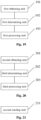
- the federated learning group processing method provided by the embodiment of the present disclosure is applied to the first functional entity, as shown in Fig. 2 .
- the method includes:
- the federated learning group processing method obtains the characteristic information of the federated learning (FL) group; determines the second functional entity according to the characteristic information of the FL group; and joins the second functional entity to the FL group, thereby realizing dynamic processing of FL groups, and better meeting the needs of network and service intelligence, and improving the intelligent performance of communications and applications.
- FL federated learning
- the obtaining the characteristic information of the FL group includes: receiving a first request sent by an application functional entity or a network exposure functional entity, and obtaining the characteristic information of the FL group according to application information or service information which is carried in the first request and related to the FL group; or, receiving a second request sent by a policy control functional entity, and obtaining the characteristic information of the FL group according to a control policy which is carried in the second request and related to the FL group.
- the first functional entity may dynamically process the FL group according to network policies or application requirements.
- the second functional entity is a terminal
- the first request or the second request is received through the application layer of the terminal.
- the characteristic information of the FL group includes first information, and/or identification information of functional entities allowed to join the FL group; the first information includes any one or more of the following: information of application or service corresponding to the FL group; area information corresponding to the FL group; network slice information corresponding to the FL group; data network information corresponding to the FL group.
- the determining the second functional entity according to the characteristic information of the FL group includes: determining the second functional entity that satisfies the first condition according to the characteristic information of the FL group; where the first condition includes the following One or a combination of conditions: support the application or service corresponding to the FL group; serve the data network, network slice or area corresponding to the FL group; access the data network or network slice corresponding to the FL group; be located in the In the area corresponding to the FL group; the identification information is included in the identification information of the functional entity allowed to join the FL group.
- the second functional entity that can be joined to the FL group can be determined more accurately.
- network slice or area corresponding to the FL group may be for the second functional entity being NF;
- accessing the data network or network slice corresponding to the FL group may be for the second functional entity being a UE, specifically, a protocol data unit PDU session is established under the data network or network slice corresponding to the FL group.
- the adding the second functional entity to the FL group includes: sending a first FL joining request to the second functional entity, where the first FL joining request is configured to request the second functional entity to join the FL group, the first FL joining request carries information of the first functional information and the first information of the FL group; receiving a first FL joining response sent by the second functional entity.
- the determining the second functional entity according to the characteristic information of the FL group specifically includes: receiving a second FL joining request sent by the second functional entity, where the second FL joining request is configured to request to join the FL group, the second FL joining request carries the first information of the FL group and identification information of the second functional entity; determining the FL group to which the second functional entity is to join, according to the first information; determining whether the identification information of the second functional entity is included in the identification information of the functional entities allowed to join the FL group; if so, determining that the second functional entity is the second functional entity corresponding to the characteristic information of the FL group.
- the identification information is included in the characteristic information of the FL group to which the second functional entity is to join; please refer to the above for details of the characteristic information.
- the federated learning group processing method further includes: storing second information of the FL group, where the second information includes one or more of the following: information of the first functional entity; information of the second functional entity; identification information of the FL group; information of application or service corresponding to the FL group; network slice information corresponding to the FL group; data network information corresponding to the FL group; and information of a machine learning (ML) model of the FL group.
- second information includes one or more of the following: information of the first functional entity; information of the second functional entity; identification information of the FL group; information of application or service corresponding to the FL group; network slice information corresponding to the FL group; data network information corresponding to the FL group; and information of a machine learning (ML) model of the FL group.
- ML machine learning
- storage it can be the storage when the FL group is created, or when a new functional entity is joined to the FL group; or the storage when the FL group is updated (such as updating the second information of the FL group), which is not limited here.
- the information of the first functional entity includes one or more of: identification information, address information and location information of the first functional entity; or, the information of the second functional entity includes one or more of: identification information, address information and location information of the second functional entity.
- the method further includes: determining whether the second functional entity meets the conditions for leaving the FL group; if the condition of the group is met, the second functional entity is removed from the FL group.
- the second functional entity meeting the conditions for leaving the FL group includes one or more of the following situations: the second functional entity no longer supports the application or service corresponding to the FL group; the second functional entity no longer serves the data network, the network slice or the area corresponding to the FL group; the second functional entity no longer accesses the data network or the network slice corresponding to the FL group; the second functional entity leaves the area corresponding to the FL group; the identification information of the second functional entity is no longer included in the identification information of the functional entities allowed to join the FL group; a first FL leaving request sent by the second functional entity is received, where the first FL leaving request is configured to request to leave the FL group; the second functional entity has an abnormal behavior, where the abnormal behavior includes: a frequency of establishing connections between the second functional entity and the first functional entity is higher than a first threshold, or an amount of data transmitted between the second functional entity and the first functional entity exceeds a second threshold.
- network slice or area corresponding to the FL group may be directed to the second functional entity being the NF; regarding "the second functional entity no longer accesses the data network or network slice corresponding to the FL group” may be directed to the second functional entity being the UE, specifically releasing the PDU session established under the data network or network slice corresponding to the FL group.
- the method further includes: receiving updated characteristic information of the FL group sent by the third functional entity, to update the characteristic information of the FL group; the determining whether the second functional entity meets the conditions for leaving the FL group includes: according to the updated characteristic information of the FL group, determining whether the second functional entity meets the conditions for leaving the FL group.
- the third functional entity may be an application functional entity, a network exposure functional entity or a policy control functional entity, which is not limited here.
- removing the second functional entity from the FL group includes: sending a second FL leaving request to the second functional entity, where the second FL leaving request is configured to request the second functional entity to leave the FL group; and receive a second FL leaving response sent by the second functional entity.
- removing the second functional entity from the FL group includes: deleting the information of the second functional entity from the second information of the FL group.
- the relevant information about the FL group is real-time and accurate.
- Embodiments of the present disclosure also provide a federated learning group processing method, as shown in Fig. 3 , applied to the second functional entity.
- the method includes:
- the federated learning group processing method obtains the characteristic information of the federated learning (FL) group; determines whether the condition for joining the FL group is met based on the characteristic information of the FL group; and joins the FL group when the conditions are met. Under the conditions, joining the FL group can realize dynamic processing of the FL group, thereby better meeting the needs of network and service intelligence, and improving the intelligent performance of communications and applications.
- FL federated learning
- the obtaining the characteristic information of the FL group includes: receiving a third request sent by an application functional entity or a network exposure functional entity, and obtaining the characteristic information of the FL group according to application information or service information which is carried in the third request and related to the FL group; or, receiving a fourth request sent by a policy control functional entity, and obtaining the characteristic information of the FL group according to a control policy which is carried in the fourth request and related to the FL group.
- the second functional entity is a terminal
- the first request or the second request is received through the application layer of the terminal.
- the characteristic information of the FL group includes first information, and/or identification information of functional entities allowed to join the FL group; the first information includes any one or more of the following: information of application or service corresponding to the FL group; area information corresponding to the FL group; network slice information corresponding to the FL group; data network information corresponding to the FL group.
- the determining the second functional entity according to the characteristic information of the FL group includes: determining the second functional entity that meets a second condition, according to the characteristic information of the FL group; where the second condition includes one or a combination of the following conditions: supporting the application or service corresponding to the FL group; serving the data network, network slice or area corresponding to the FL group; accessing the data network or network slice corresponding to the FL group; located in the area corresponding to the FL group; and the identification information being included in the identification information of the functional entities allowed to join the FL group.
- the second functional entity can join the FL group.
- network slice or area corresponding to the FL group may be for the second functional entity being NF; regarding "accessing the data network or network slice corresponding to the FL group” may be for the second function
- the entity is a UE, specifically, the PDU session is established under the data network or network slice corresponding to the FL group.
- the method further includes: sending a first query request to the fourth functional entity, where the first query request carries third information of the FL group; receiving a first query response sent by the fourth functional entity, where the first query response carries information of at least one first functional entity that satisfies the third information; based on the information of the at least one first functional entity, determining from the at least one first functional entity, the first functional entity that is to establish the FL group with the second functional entity; where the third information of the FL group includes at least one of the following: information of application or service corresponding to the FL group; network slice information corresponding to the FL group; data network information corresponding to the FL group; information of a machine learning (ML) model of the FL group.
- ML machine learning
- the information of the first functional entity includes at least one of: address information, location information and service area information of the first functional entity; where based on the information of the at least one first functional entity, determining from the at least one first functional entity, the first functional entity that is to establish the FL group with the second functional entity includes: based on the information of the at least one first functional entity, selecting the first functional entity that satisfies a third condition from the at least one first functional entity as the first functional entity to establish the FL group with the second functional entity; where the third condition includes at least one of the following: belonging to a same local network as the second functional entity; serving an area where the second functional entity is located; and having a shortest distance to the second functional entity among the at least one first functional entity.
- the first functional entity with better performance when interacting with the second functional entity can be obtained.
- joining the FL group includes: sending a second FL joining request to a first functional entity, where the second FL joining request is configured to request to join the FL group, the second FL joining request carries information of the first functional information and the first information of the FL group; receiving a second FL joining response sent by the first functional entity.
- the method further includes: storing second information of the FL group, where the second information includes one or more of the following: information of the first functional entity; information of the second functional entity; identification information of the FL group; information of application or service corresponding to the FL group; network slice information corresponding to the FL group; data network information corresponding to the FL group; and information of a machine learning (ML) model of the FL group.
- second information includes one or more of the following: information of the first functional entity; information of the second functional entity; identification information of the FL group; information of application or service corresponding to the FL group; network slice information corresponding to the FL group; data network information corresponding to the FL group; and information of a machine learning (ML) model of the FL group.
- ML machine learning
- “storage” it can be the storage when the FL group is created, or when a new functional entity is added to the FL group; or the storage when the FL group is updated (such as updating the second information of the FL group), which is not limited here.
- the information of the first functional entity includes one or more of: identification information, address information and location information of the first functional entity; or, the information of the second functional entity includes one or more of: identification information, address information and location information of the second functional entity.
- the federated learning group processing method further includes: determining whether the second functional entity meets conditions for leaving the FL group; when the second functional entity meets the conditions for leaving the FL group, sending a first FL leaving request to the first functional entity, where the first FL leaving request is configured to request to leave the FL group; when the second functional entity meets the conditions for leaving the FL group, leaving the FL group, where the leaving the FL group comprises: sending a first FL leaving request to the first functional entity, where the first FL leaving request is configured to request to leave the FL group.
- the second functional entity can be removed from the FL group.
- the second functional entity meeting the conditions for leaving the FL group includes one or more of the following situations: the second functional entity no longer supports the application or service corresponding to the FL group; the second functional entity no longer serves the data network, the network slice or the area corresponding to the FL group; the second functional entity no longer accesses the data network or the network slice corresponding to the FL group; and the second functional entity leaves the area corresponding to the FL group.
- the second functional entity no longer serves the data network, network slice or area corresponding to the FL group ", it may be that the second functional entity is NF; regarding "the second functional entity no longer accesses the data network or network slice corresponding to the FL group "may be directed to the second functional entity being the UE, specifically releasing the PDU session established under the data network or network slice corresponding to the FL group.
- the method further includes: receiving updated characteristic information of the FL group sent by the third functional entity; the determining whether the second functional entity meets the conditions for leaving the FL group includes: according to the updated characteristic information of the FL group, determining whether the second functional entity meets the conditions for leaving the FL group.
- the third functional entity may be an application functional entity, a network exposure functional entity or a policy control functional entity, which is not limited here.
- the method further includes: deleting the second information of the FL group stored in the second functional entity.
- leaving the FL group may further include deleting the second information of the FL group stored in the second functional entity.
- the relevant information about the FL group is real-time and accurate.
- the embodiment of the present disclosure also provides a federated learning group processing method, which is applied to the third functional entity.
- the method includes: Step 41: sending a first request or a second request to a first functional entity; where the first request carries application information or service information related to a federated learning (FL) group, and the second request carries a control policy related to the FL group, to enable the first functional entity to establish or update the FL group according to the application information, the service information or the control policy related to the FL group.
- the first request carries application information or service information related to a federated learning (FL) group
- the second request carries a control policy related to the FL group, to enable the first functional entity to establish or update the FL group according to the application information, the service information or the control policy related to the FL group.
- FL federated learning
- the third functional entity may be an application functional entity, a network exposure functional entity or a policy control functional entity, which is not limited here.
- the embodiment of the present disclosure sends a first request or a second request to the first functional entity; where the first request carries application information or service information related to the federated learning (FL) group, and the second request carries the control policy related to the federated learning (FL) group, so that the first functional entity can create or update the FL group according to apply information, service information or control policies related to the FL group, thereby dynamically processing the FL group, better meeting the needs of network and service intelligence, and improving the intelligent performance of communications and applications.
- the first request carries application information or service information related to the federated learning (FL) group
- the second request carries the control policy related to the federated learning (FL) group
- the application information, the service information or the control policy related to the FL group includes: the characteristic information of the FL group.
- the characteristic information of the FL group includes first information, and/or identification information of functional entities allowed to join the FL group; the first information includes any one or more of the following: information of application or service corresponding to the FL group; area information corresponding to the FL group; network slice information corresponding to the FL group; data network information corresponding to the FL group.
- the names of the above-mentioned requests, responses or information can be adjusted according to their roles or functions.
- the first FL joining request can be adjusted to a FL group joining request, a FL group joining request, and a FL group joining request. etc., are not limited in the embodiments of this disclosure.
- it can be adapted to the names of similar processes or content involved in the following examples, rather than simply being different because of different literal names; for example, the first FL leaving request mentioned above can be the same as the following federated learning leaving request, more specific, can be consistent, but are not limited to this.
- the first functional entity takes the network data analysis function NWDAF (entity) as an example
- the second functional entity takes the network function NF (entity) or the terminal UE.
- the third functional entity is Application function (AF) (entity), Network Exposure Function (NEF) (entity) or Policy Control Function (PCF) (entity)
- the fourth functional entity takes Network Repository Function (NRF) (entity) as an example.
- embodiments of the present disclosure provide a federated learning group processing method, for which specific examples are given below.
- specific examples are given below.
- Example 1 Network function NF initiates joining the federated learning (FL) group;
- the method includes:
- Step 52 Network function NF query operation
- the NF can select a NWDAF that supports the requested FL based on the query response. If the query response contains the NWDAF's location information and/or IP address information, the NF can select a local NWDAF that supports the requested FL to speed up the FL process.
- Step 53 NF sends a federated learning joining request (FL join request) to the selected NWDAF, which carries the NF identification (NF ID) and the FL group identification requested to join (if NF has learned this information through the previous process or pre-configuration) or FL characteristic information, request NWDAF to add it to the corresponding FL group.
- FL join request a federated learning joining request
- Step 54 NWDAF adding the NF to the FL group. Specifically, the information of the NF (such as NF ID) is added to the FL group context (FL group context) stored by NWDAF.
- the information of the NF such as NF ID
- the FL group context FL group context
- the FL group context in NWDAF may contain at least one of the following information:
- Step 55 NWDAF sends a federated learning join accept (FL join accept) message (i.e., FL join response) to NF, which can carry FL group identification, global model information, etc.
- FL join accept federated learning join accept
- Step 56 Manage update operations
- the method includes:
- Step 64 Manage update operations
- Example 3 Other NF (such as AF or NWDAF) initiates adding the NF to the FL group (if the AF is a trusted AF, the AF can communicate directly with UDR (unified database), NWDAF, etc., without going through NEF);
- NF such as AF or NWDAF
- the network can initiate the establishment of a specific FL group (that is, add the first member to the FL group) based on application requirements and/or network policies, or request NF to join a specific FL group.
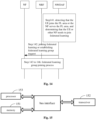
- Fig.s 7, 8 , 9 and 14 provide four possible processes.
- the first type specifically, can be shown in Fig. 7 .
- the method includes:
- the UE or other NF has a federated learning function.
- Other NFs are relative to NWDAF.
- PCF Before sending the federated learning policies, PCF can query NRF for information about the NF (such as AMF, SMF) that supports the federated learning. That is: PCF sends an NF discovery request Nnrf_NFDiscovery_Request to NRF, which carries one or more of the above service or application-related federated learning parameters, such as federated learning Application ID, UE ID list or UE Group ID, area, S-NSSAI, DNN, application features (Features), etc., based on which NRF replies to PCF with NF information that supports the federated learning (such as NF type, NF instance ID, etc.).
- NRF NF discovery request
- NRF which carries one or more of the above service or application-related federated learning parameters, such as federated learning Application ID, UE ID list or UE Group ID, area, S-NSSAI, DNN, application features (Features), etc.
- the UE or other NF After receiving the federated learning policies provided by PCF, the UE or other NF (such as AMF, SMF) performs the following steps according to the federated learning policies provided by PCF:
- the UE or other NF can select a NWDAF that supports the requested FL based on the query response. If the query response contains the location information and/or IP address information of the NWDAF, the UE or other NF can select a local NWDAF that supports the requested FL to speed up the FL process.
- Step 76 The UE or other NF sends a federated learning joining request (FL join request) to the selected NWDAF, which carries the NF identification (NF ID) and the FL group identification requested to join (if the UE or other NF passes the previous process or pre- The configuration has learned this information) or FL characteristic information, and requests NWDAF to add it to the corresponding FL group.
- FL join request a federated learning joining request
- the UE or other NF can also confirm whether it is allowed to join the federated learning group based on this information. If so, performing steps 75, 76 and subsequent steps.
- Step 77 NWDAF adds the UE or other NF to the FL group. Specifically, the information of the UE or other NF (such as NF ID) is added to the FL group context (FL group context) stored by NWDAF.
- the FL group context FL group context
- the FL group context in NWDAF may contain at least one of the following information:
- Step 78 NWDAF sends a federated learning join accept (FL join accept) message (i.e., FL join response) to the UE or other NF, which can carry the FL group identifier, global model information, etc.
- FL join accept federated learning join accept
- Step 79 Manage update operations
- the UE or other NF initiates the federated learning group joining process to the NWDAF according to the federated learning policies provided by the PCF.
- the steps are similar to steps 52-56 in Example 1, where the FL characteristic information Comprising one or more of the above service or application-related federated learning parameters, such as federated learning Application ID, UE ID list or UE Group ID, area, S-NSSAI, DNN, application features, etc.
- the second type specifically, can be shown in Fig. 8 .
- the method includes:
- the UE or other NF has a federated learning function.
- NWDAF Before sending a federated learning request, NWDAF can query NRF for information about the NF (such as AMF, SMF) that supports the federated learning. For example: NWDAF sends an NF discovery request Nnrf_NFDiscovery_Request to NRF, which carries one or more of the above service or application-related federated learning parameters, such as federated learning Application ID, UE ID list or UE Group ID, area, S-NSSAI, DNN, application features (Features), etc., based on which NRF replies to NWDAF with the NF information that supports the federated learning (such as NF type, NF instance ID, etc.).
- NRF NF discovery request
- NRF which carries one or more of the above service or application-related federated learning parameters, such as federated learning Application ID, UE ID list or UE Group ID, area, S-NSSAI, DNN, application features (Features), etc.
- Step 86 The UE or other NF sends a federated learning joining request (FL join request) to the NWDAF, which carries the NF identification (NF ID) and the FL group identification requested to join (if the UE or other NF has learned it through the previous process or pre-configuration) This information) or FL characteristic information, request NWDAF to add it to the corresponding FL group.
- FL join request a federated learning joining request
- the NWDAF which carries the NF identification (NF ID) and the FL group identification requested to join (if the UE or other NF has learned it through the previous process or pre-configuration) This information) or FL characteristic information, request NWDAF to add it to the corresponding FL group.
- Step 87 NWDAF adds the UE or other NF to the FL group. Specifically, the information of the UE or other NF (such as NF ID) is added to the FL group context (FL group context) stored by NWDAF.
- the FL group context FL group context
- the FL group context in NWDAF may contain at least one of the following information:
- Step 88 NWDAF sends a federated learning join accept (FL join accept) message (i.e., FL join response) to the UE or other NF, which can carry the FL group identifier, global model information, etc.
- FL join accept federated learning join accept
- Step 89 Management of update operations
- the UE or other NF initiates the adding process of the corresponding federated learning group to the NWDAF according to the federated learning request of the NWDAF.
- the steps are similar to steps 53-56 of Example 1, where the FL characteristic information includes one or more federated learning parameters related to the above services or applications, such as federated learning Application ID, UE ID list or UE Group ID, area, S-NSSAI, DNN, application features (Features), etc.
- the third type specifically, can be shown in Fig. 9 .
- the method includes:
- the UE or other NF has a federated learning function.
- NWDAF Before sending a federated learning request, NWDAF can query NRF for information about the NF (such as AMF, SMF) that supports the federated learning. For example: NWDAF sends an NF discovery request Nnrf_NFDiscovery_Request to NRF, which carries one or more of the above service or application-related federated learning parameters, such as federated learning Application ID, UE ID list or UE Group ID, area, S-NSSAI, DNN, application features (Features), etc., and NRF replies to NWDAF accordingly with the NF information that supports the federated learning (such as NF type, NF instance ID, etc.).
- NRF carries one or more of the above service or application-related federated learning parameters, such as federated learning Application ID, UE ID list or UE Group ID, area, S-NSSAI, DNN, application features (Features), etc.
- Step 94 The UE or other NF sends a federated learning joining request (FL join request) to the NWDAF, which carries the NF identification (NF ID) and the FL group identification requested to join (if the UE or other NF has learned it through the previous process or pre-configuration) This information) or FL characteristic information, request NWDAF to add it to the corresponding FL group.
- FL join request a federated learning joining request
- the NWDAF which carries the NF identification (NF ID) and the FL group identification requested to join (if the UE or other NF has learned it through the previous process or pre-configuration) This information) or FL characteristic information, request NWDAF to add it to the corresponding FL group.
- Step 95 NWDAF adds the UE or other NF to the FL group. Specifically, the information of the UE or other NF (such as NF ID) is added to the FL group context (FL group context) stored by NWDAF.
- the FL group context FL group context
- the FL group context in NWDAF may contain at least one of the following information:
- Step 96 NWDAF sends a federated learning join accept (FL join accept) message (i.e., FL join response) to the UE or other NF, which can carry the FL group identifier, global model information, etc.
- FL join accept federated learning join accept
- Step 97 Manage update operations
- the UE or other NF initiates the adding process of the corresponding federated learning group to the NWDAF according to the federated learning request of the NWDAF.
- the steps are similar to steps 53-56 of Example 1, where the FL feature
- the information includes one or more federated learning parameters related to the above services or applications, such as federated learning Application ID, UE ID list or UE Group ID, area, S-NSSAI, DNN, application features (Features), etc.
- This plan includes:
- steps 143 to 146 the UE or other NF that receives the request to join federated learning or establish a federated learning group initiates the process of joining the FL group (i.e., the federated learning group joining process); similar to steps 53-56 in Fig. 5 .
- Example 4 Other NF (such as AF or NWDAF) initiates the removal of the NF from the FL group (if the AF is a trusted AF, the AF can communicate directly with UDR (unified database), NWDAF, etc., without going through NEF);
- NF such as AF or NWDAF
- the network can initiate the termination of a specific FL group (that is, the last member of the FL group leaves) or request the NF to leave a specific FL group based on application requirements and/or network policies.
- Figs. 10 , 11 , 12 and 13 provide four possible processes.
- the first type specifically, can be shown in Fig. 10 .
- the method includes:
- PCF Before sending the federated learning policies, PCF can query NRF for information about NFs (such as AMF, SMF) that have joined the federated learning group.
- NFs such as AMF, SMF
- Step 105 The UE or NF that receives the request to terminate federated learning or leave the federated learning group sends a federated learning leaving request (FL leave request) to NWDAF, which carries the UE ID (UE ID) or NF ID (NF ID), requesting to leave.
- FL leave request a federated learning leaving request
- NWDAF which carries the UE ID (UE ID) or NF ID (NF ID)
- UE ID UE ID
- NF ID NF ID
- the NWDAF removes the UE or NF from the FL group; specifically, it can be: the UE's information (such as UE ID) or the NF's information (For example, NF ID) is deleted from the FL group context (FL group context) corresponding to the FL group identifier.
- Step 107 The NWDAF sends a federated learning leave accept (FL leave accept) message to the UE or NF, that is, a FL leaving response.
- FL leave accept federated learning leave accept
- Step 108 Manage update operations
- Steps 101 to 104 are similar to steps 71-74 in Fig. 7 , with the following differences:
- the PCF Before sending the federated learning policy, the PCF can query the NRF for information about UEs or other NFs (such as AMF, SMF) that have joined the federated learning group.
- NFs such as AMF, SMF
- steps 105 to 108 The UE or other NF that receives the request to terminate federated learning or leave the federated learning group initiates the process of leaving the FL group (that is, the federated learning group leaving process); similar to steps 61-64 in Fig. 6 .
- the second type specifically, can be shown in Fig. 11 .
- the method includes:
- steps 111 to 115 are similar to steps 81-85 in Fig. 8 , with the following differences:
- steps 116 to 119 the UE or other NF that receives the request to terminate federated learning or leave the federated learning group initiates the process of leaving the FL group (i.e., the federated learning group leaving process); similar to steps 61-64 in Fig. 6 .
- the third type specifically, can be shown in Fig. 12 .
- the method includes:
- Steps 11 to 112 are similar to steps 91-92 in Fig. 9 .
- the difference is that the service or application-related federated learning parameters provided by the AF include: Application ID, UE ID list or UE that requires the termination of federated learning. Group ID, area, S-NSSAI, DNN, application features (Features) and other information.
- the fourth type specifically, can be shown in Fig. 13 .
- the method includes:
- Step 132 NWDAF sends a request to terminate federated learning or leave a federated learning group to relevant UEs or other NFs (such as AMF, SMF); including sending a request to terminate federated learning or leave a federated learning group to the following UEs or other NFs:
- relevant UEs or other NFs such as AMF, SMF
- Step 133 The UE or NF that receives the request to terminate federated learning or leave the federated learning group sends a federated learning leaving request (FL leave request) to NWDAF, which carries the UE ID (UE ID) or NF ID (NF ID), requesting to leave.
- FL leave request a federated learning leaving request
- NWDAF which carries the UE ID (UE ID) or NF ID (NF ID)
- the FL group identifier The UE or NF that receives the request to terminate federated learning or leave the federated learning group sends a federated learning leaving request (FL leave request) to NWDAF, which carries the UE ID (UE ID) or NF ID (NF ID), requesting to leave.
- UE ID UE ID
- NF ID NF ID
- the NWDAF removes the UE or NF from the FL group; specifically, it can be: the UE's information (such as UE ID) or the NF's information (For example, NF ID) is deleted from the FL group context (FL group context) corresponding to the FL group identifier.
- Step 135. The NWDAF sends a federated learning leave accept (FL leave accept) message to the UE or NF, that is, a FL leaving response.
- FL leave accept federated learning leave accept
- Step 136 Manage update operations
- steps 133 to 136 the UE or other NF that receives the request to terminate federated learning or leave the federated learning group initiates the process of leaving the FL group (that is, the federated learning group leaving process); similar to steps 61-64 in Fig. 6 .
- the method provided by the embodiments of the present disclosure mainly involve:
- the solution provided by the embodiments of the present disclosure can realize the dynamic management of the federated learning group in the mobile communication network (including the establishment or termination of the federated learning group (specifically, when the member joining the FL group is the first member, the FL group establishment; when the last member removes the FL group, it is the termination of the FL group), members join or leave, etc.), which can better meet the needs of network and service intelligence and improve the intelligent performance of communications and applications.
- the embodiment of the present disclosure also provides a functional entity.
- the functional entity is a first functional entity.
- the functional entity includes a memory 151, a transceiver 152, and a processor 153:
- the functional entity obtains characteristic information of a federated learning (FL) group, determines a second functional entity according to the characteristic information of the FL group, and joins the second functional entity to the FL group, thereby realizing dynamic processing of FL groups, so as to better meet the needs of network and service intelligence, and improve the intelligent performance of communications and applications.
- FL federated learning
- the transceiver 152 is configured to receive and send data under the control of the processor 153.
- the bus architecture may include any number of interconnected buses and bridges, specifically one or more processors represented by processor 153 and various circuits of the memory represented by memory 151 are linked together.
- the bus architecture can also link together various other circuits such as peripherals, voltage regulators, and power management circuits, which are all well known in the art and therefore will not be described further herein.
- the bus interface provides the interface.
- the transceiver 152 may be a plurality of elements, including a transmitter and a receiver, providing a unit for communicating with various other devices over transmission media, including wireless channels, wired channels, optical cables, and other transmission media.
- the processor 153 is responsible for managing the bus architecture and general processing, and the memory 151 can store data used by the processor 153 when performing operations.
- the processor 153 may be a central processing unit (CPU), an application specific integrated circuit (Application Specific Integrated Circuit, ASIC), a field programmable gate array (Field-Programmable Gate Array, FPGA) or a complex programmable logic device (Complex Programmable Logic Device).,CPLD), the processor can also adopt a multi-core architecture.
- CPU central processing unit
- ASIC Application Specific Integrated Circuit
- FPGA field programmable gate array
- FPGA Field-Programmable Gate Array
- CPLD Complex Programmable Logic Device
- the obtaining the characteristic information of the FL group includes: receiving, by the transceiver, a first request sent by an application functional entity or a network exposure functional entity, and obtaining the characteristic information of the FL group according to application information or service information which is carried in the first request and related to the FL group; or, receiving, by the transceiver, a second request sent by a policy control functional entity, and obtaining the characteristic information of the FL group according to a control policy which is carried in the second request and related to the FL group.
- the characteristic information of the FL group includes first information, and/or identification information of functional entities allowed to join the FL group; the first information includes any one or more of the following: information of application or service corresponding to the FL group; area information corresponding to the FL group; network slice information corresponding to the FL group; data network information corresponding to the FL group.
- the determining the second functional entity according to the characteristic information of the FL group includes: determining the second functional entity that meets a first condition, according to the characteristic information of the FL group; where the first condition includes one or a combination of the following conditions: supporting the application or service corresponding to the FL group; serving the data network, network slice or area corresponding to the FL group; accessing the data network or network slice corresponding to the FL group; located in the area corresponding to the FL group; and the identification information being included in the identification information of the functional entities allowed to join the FL group.
- the adding the second functional entity to the FL group includes: sending, through a transceiver, a first FL joining request to the second functional entity, where the first FL joining request is configured to request the second functional entity to join the FL group, the first FL joining request carries information of the first functional information and the first information of the FL group; receiving, by a transceiver, a first FL joining response sent by the second functional entity.
- the determining the second functional entity according to the characteristic information of the FL group specifically includes: receiving, by the transceiver, a second FL joining request sent by the second functional entity, where the second FL joining request is configured to request to join the FL group, the second FL joining request carries the first information of the FL group and identification information of the second functional entity; determining the FL group to which the second functional entity is to join, according to the first information; determining whether the identification information of the second functional entity is included in the identification information of the functional entities allowed to join the FL group; if so, determining that the second functional entity is the second functional entity corresponding to the characteristic information of the FL group.
- the processor is further configured to: store second information of the FL group through the memory, where the second information includes one or more of the following: information of the first functional entity; information of the second functional entity; identification information of the FL group; information of application or service corresponding to the FL group; network slice information corresponding to the FL group; data network information corresponding to the FL group; and information of a machine learning (ML) model of the FL group.
- second information includes one or more of the following: information of the first functional entity; information of the second functional entity; identification information of the FL group; information of application or service corresponding to the FL group; network slice information corresponding to the FL group; data network information corresponding to the FL group; and information of a machine learning (ML) model of the FL group.
- ML machine learning
- the information of the first functional entity includes one or more of: identification information, address information and location information of the first functional entity; or, the information of the second functional entity includes one or more of: identification information, address information and location information of the second functional entity.
- the processor is further configured to perform: determining whether the second functional entity meets conditions for leaving the FL group; if the second functional entity meets the conditions for leaving the FL group, removing the second functional entity from the FL group.
- the second functional entity meeting the conditions for leaving the FL group includes one or more of the following situations: the second functional entity no longer supports the application or service corresponding to the FL group; the second functional entity no longer serves the data network, the network slice or the area corresponding to the FL group; the second functional entity no longer accesses the data network or the network slice corresponding to the FL group; the second functional entity leaves the area corresponding to the FL group; the identification information of the second functional entity is no longer included in the identification information of the functional entities allowed to join the FL group; a first FL leaving request sent by the second functional entity is received, where the first FL leaving request is configured to request to leave the FL group; the second functional entity has an abnormal behavior, where the abnormal behavior includes: a frequency of establishing connections between the second functional entity and the first functional entity is higher than a first threshold, or an amount of data transmitted between the second functional entity and the first functional entity exceeds a second threshold.
- the determining whether the second functional entity meets conditions for leaving the FL group comprises: receiving, through the transceiver, updated characteristic information of the FL group sent by the third functional entity; according to the updated characteristic information of the FL group, determining whether the second functional entity meets the conditions for leaving the FL group.
- the removing the second functional entity from the FL group includes: sending, through the transceiver, a second FL leaving request to the second functional entity, where the second FL leaving request is configured to request the second functional entity to leave the FL group; receiving, through the transceiver, a second FL leaving response sent by the second functional entity.
- the removing the second functional entity from the FL group includes: removing information of the second functional entity from the second information of the FL group.
- the embodiment of the present disclosure also provides a functional entity, which is a second functional entity.
- the functional entity includes a memory 161, a transceiver 162, and a processor 163: the memory is configured to store computer programs; the transceiver is configured to send and receive data under a control of the processor; the processor is configured to read the computer programs in the memory to perform:
- the functional entity obtains the characteristic information of the federated learning (FL) group; determines whether the condition for joining the FL group is met according to the characteristic information of the FL group; and the conditions for joining the FL group is met, the FL group is added, thereby dynamic processing the FL group, better meeting the requirements for network and service intelligence, and improving the intelligent performance of communications and applications.
- FL federated learning
- the second functional entity in the present disclosure can be implemented as a terminal (device), specifically as shown in FIG. 16 , the transceiver 162 is configured to receive and send data under the control of the processor 163.
- the bus architecture may include any number of interconnected buses and bridges, specifically one or more processors represented by processor 163 and various circuits of the memory represented by memory 161 are linked together.
- the bus architecture can also link together various other circuits such as peripherals, voltage regulators, and power management circuits, which are all well known in the art and therefore will not be described further herein.
- the bus interface provides the interface.
- Transceiver 162 may be a plurality of elements, including a transmitter and a receiver, providing a unit for communicating with various other devices over transmission media, including wireless channels, wired channels, optical cables, etc. Transmission medium.
- the user interface 164 may also be an interface capable of externally connecting internal and external required devices.
- the connected devices include but are not limited to keypads, monitors, speakers, microphones, joysticks, etc.
- the processor 163 is responsible for managing the bus architecture and general processing, and the memory 161 can store data used by the processor 163 when performing operations.
- the processor 163 can be a CPU (central processor), ASIC (Application Specific Integrated Circuit), FPGA (Field-Programmable Gate Array, field programmable gate array) or CPLD (Complex Programmable Logic Device)., complex programmable logic devices), the processor can also adopt a multi-core architecture.
- CPU central processor
- ASIC Application Specific Integrated Circuit
- FPGA Field-Programmable Gate Array, field programmable gate array
- CPLD Complex Programmable Logic Device
- complex programmable logic devices complex programmable logic devices
- the second functional entity in the embodiment of the present disclosure can also be implemented as a network (side) device, specifically as shown in Fig. 17 , the transceiver 162 is configured to receive and send data under the control of the processor 163.
- the bus architecture may include any number of interconnected buses and bridges, specifically one or more processors represented by processor 163 and various circuits of the memory represented by memory 161 are linked together.
- the bus architecture can also link together various other circuits such as peripherals, voltage regulators, and power management circuits, which are all well known in the art and therefore will not be described further herein.
- the bus interface provides the interface.
- the transceiver 162 may be a plurality of elements, including a transmitter and a receiver, providing a unit for communicating with various other devices over transmission media, including wireless channels, wired channels, optical cables, and other transmission media.
- the processor 163 is responsible for managing the bus architecture and general processing, and the memory 161 can store data used by the processor 163 when performing operations.
- the processor 163 may be a central processing unit (CPU), an Application Specific Integrated Circuit (ASIC), a Field-Programmable Gate Array (FPGA) or a complex programmable logic device (Complex Programmable Logic Device (CPLD), the processor can also adopt a multi-core architecture.
- CPU central processing unit
- ASIC Application Specific Integrated Circuit
- FPGA Field-Programmable Gate Array
- CPLD Complex Programmable Logic Device
- the obtaining the characteristic information of the FL group includes: receiving, by the transceiver, a third request sent by an application functional entity or a network exposure functional entity, and obtaining the characteristic information of the FL group according to application information or service information which is carried in the third request and related to the FL group; or, receiving, by the transceiver, a fourth request sent by a policy control functional entity, and obtaining the characteristic information of the FL group according to a control policy which is carried in the fourth request and related to the FL group.
- the characteristic information of the FL group includes first information, and/or identification information of functional entities allowed to join the FL group; the first information includes any one or more of the following: information of application or service corresponding to the FL group; area information corresponding to the FL group; network slice information corresponding to the FL group; data network information corresponding to the FL group.
- the determine whether the condition for joining the FL group is met, based on the characteristic information of the FL group includes: determining the second functional entity that meets a second condition, according to the characteristic information of the FL group; where the second condition includes one or a combination of the following conditions: supporting the application or service corresponding to the FL group; serving the data network, network slice or area corresponding to the FL group; accessing the data network or network slice corresponding to the FL group; located in the area corresponding to the FL group; and the identification information being included in the identification information of the functional entities allowed to join the FL group.
- the processor is further configured to perform: prior to the joining the FL group, sending, through the transceiver, a first query request to the fourth functional entity, where the first query request carries third information of the FL group; receiving, through the transceiver, a first query response sent by the fourth functional entity, where the first query response carries information of at least one first functional entity that satisfies the third information; based on the information of the at least one first functional entity, determining from the at least one first functional entity, the first functional entity that is to establish the FL group with the second functional entity; where the third information of the FL group includes at least one of the following: information of application or service corresponding to the FL group; network slice information corresponding to the FL group; data network information corresponding to the FL group; information of a machine learning (ML) model of the FL group.
- ML machine learning
- the information of the first functional entity includes at least one of: address information, location information and service area information of the first functional entity; where based on the information of the at least one first functional entity, determining from the at least one first functional entity, the first functional entity that is to establish the FL group with the second functional entity includes: based on the information of the at least one first functional entity, selecting the first functional entity that satisfies a third condition from the at least one first functional entity as the first functional entity to establish the FL group with the second functional entity; where the third condition includes at least one of the following: belonging to a same local network as the second functional entity; serving an area where the second functional entity is located; and having a shortest distance to the second functional entity among the at least one first functional entity.
- the joining the FL group includes: sending, through the transceiver, a second FL joining request to the first functional entity, where the second FL joining request is configured to request to join the FL group, the second FL joining request carries information of the first functional information and the first information of the FL group; receiving, through the transceiver, a second FL joining response sent by the first functional entity.
- the processor is further configured to perform: storing second information of the FL group, where the second information includes one or more of the following: information of the first functional entity; information of the second functional entity; identification information of the FL group; information of application or service corresponding to the FL group; network slice information corresponding to the FL group; data network information corresponding to the FL group; and information of a machine learning (ML) model of the FL group.
- second information includes one or more of the following: information of the first functional entity; information of the second functional entity; identification information of the FL group; information of application or service corresponding to the FL group; network slice information corresponding to the FL group; data network information corresponding to the FL group; and information of a machine learning (ML) model of the FL group.
- ML machine learning
- the information of the first functional entity includes one or more of: identification information, address information and location information of the first functional entity; or, the information of the second functional entity includes one or more of: identification information, address information and location information of the second functional entity.
- the processor is further configured to: determining whether the second functional entity meets conditions for leaving the FL group; when the second functional entity meets the conditions for leaving the FL group, leaving the FL group, wherein the leaving the FL group comprises: sending a first FL leaving request to the first functional entity, where the first FL leaving request is configured to request to leave the FL group.
- the second functional entity meeting the conditions for leaving the FL group includes one or more of the following situations: the second functional entity no longer supports the application or service corresponding to the FL group; the second functional entity no longer serves the data network, the network slice or the area corresponding to the FL group; the second functional entity no longer accesses the data network or the network slice corresponding to the FL group; and the second functional entity leaves the area corresponding to the FL group.
- the determining whether the second functional entity meets the conditions for leaving the FL group includes: receiving, through the transceiver, updated characteristic information of the FL group sent by the third functional entity; according to the updated characteristic information of the FL group, determining whether the second functional entity meets the conditions for leaving the FL group.
- the leaving the FL group further comprises: deleting second information of the FL group stored in the second functional entity.
- Embodiment of the present disclosure also provides a functional entity, which is a third functional entity.
- the functional entity includes a memory 181, a transceiver 182, and a processor 183:
- the functional entity sends a first request or a second request to the first functional entity; where the first request carries application information or service information related to the federated learning (FL) group, and the second request carries the control policy related to the federated learning (FL) group; so that the first functional entity can create or update the FL group according to control policy, apply information, service information or control policies of the FL group, thereby dynamic processing the FL group, better meeting the needs of network and service intelligence, and improving the intelligent performance of communications and applications.
- the first request carries application information or service information related to the federated learning (FL) group
- the second request carries the control policy related to the federated learning (FL) group
- the first functional entity can create or update the FL group according to control policy, apply information, service information or control policies of the FL group, thereby dynamic processing the FL group, better meeting the needs of network and service intelligence, and improving the intelligent performance of communications and applications.
- the transceiver 182 is configured to receive and send data under the control of the processor 183.
- the bus architecture may include any number of interconnected buses and bridges, specifically one or more processors represented by processor 183 and various circuits of the memory represented by memory 181 are linked together.
- the bus architecture can also link together various other circuits such as peripherals, voltage regulators, and power management circuits, which are all well known in the art and therefore will not be described further herein.
- the bus interface provides the interface.
- the transceiver 182 may be a plurality of elements, including a transmitter and a receiver, providing a unit for communicating with various other devices over transmission media, including wireless channels, wired channels, optical cables, and other transmission media.
- the processor 183 is responsible for managing the bus architecture and general processing, and the memory 181 can store data used by the processor 183 when performing operations.
- the processor 183 may be a central processing unit (CPU), an application specific integrated circuit (Application Specific Integrated Circuit, ASIC), a field programmable gate array (Field-Programmable Gate Array, FPGA) or a complex programmable logic device (Complex Programmable Logic Device).,CPLD), the processor can also adopt a multi-core architecture.
- CPU central processing unit
- ASIC Application Specific Integrated Circuit
- FPGA field programmable gate array
- FPGA Field-Programmable Gate Array
- CPLD Complex Programmable Logic Device
- the application information, the service information or the control policy related to the FL group includes: the characteristic information of the FL group.
- the characteristic information of the FL group includes first information, and/or identification information of functional entities allowed to join the FL group; the first information includes any one or more of the following: information of application or service corresponding to the FL group; area information corresponding to the FL group; network slice information corresponding to the FL group; data network information corresponding to the FL group.
- the embodiment of the present disclosure also provides a federated learning group processing device, which is applied to the first functional entity. As shown in Fig. 19 , the device includes:
- the federated learning group processing device obtains the characteristic information of the federated learning (FL) group; determines the second functional entity according to the characteristic information of the FL group; and joins the second functional entity to the FL group, thereby realizing dynamic processing of FL groups, better meeting the needs of network and service intelligence, and improving the intelligent performance of communications and applications.
- FL federated learning
- the obtaining the characteristic information of the FL group includes: receiving a first request sent by an application functional entity or a network exposure functional entity, and obtaining the characteristic information of the FL group according to application information or service information which is carried in the first request and related to the FL group; or, receiving a second request sent by a policy control functional entity, and obtaining the characteristic information of the FL group according to a control policy which is carried in the second request and related to the FL group.
- the characteristic information of the FL group includes first information, and/or identification information of functional entities allowed to join the FL group; the first information includes any one or more of the following: information of application or service corresponding to the FL group; area information corresponding to the FL group; network slice information corresponding to the FL group; data network information corresponding to the FL group.
- the determining the second functional entity according to the characteristic information of the FL group includes: determining the second functional entity that meets a first condition, according to the characteristic information of the FL group; where the first condition includes one or a combination of the following conditions: supporting the application or service corresponding to the FL group; serving the data network, network slice or area corresponding to the FL group; accessing the data network or network slice corresponding to the FL group; located in the area corresponding to the FL group; and the identification information being included in the identification information of the functional entities allowed to join the FL group.
- the adding the second functional entity to the FL group includes: sending a first FL joining request to the second functional entity, where the first FL joining request is configured to request the second functional entity to join the FL group, the first FL joining request carries information of the first functional information and the first information of the FL group; receiving a first FL joining response sent by the second functional entity.
- the determining the second functional entity according to the characteristic information of the FL group specifically includes: receiving a second FL joining request sent by the second functional entity, where the second FL joining request is configured to request to join the FL group, the second FL joining request carries the first information of the FL group and identification information of the second functional entity; determining the FL group to which the second functional entity is to join, according to the first information; determining whether the identification information of the second functional entity is included in the identification information of the functional entities allowed to join the FL group; if so, determining that the second functional entity is the second functional entity corresponding to the characteristic information of the FL group.
- device further includes: a first storing unit, configured to store second information of the FL group, where the second information includes one or more of the following: information of the first functional entity; information of the second functional entity; identification information of the FL group; information of application or service corresponding to the FL group; network slice information corresponding to the FL group; data network information corresponding to the FL group; and information of a machine learning (ML) model of the FL group.
- a first storing unit configured to store second information of the FL group, where the second information includes one or more of the following: information of the first functional entity; information of the second functional entity; identification information of the FL group; information of application or service corresponding to the FL group; network slice information corresponding to the FL group; data network information corresponding to the FL group; and information of a machine learning (ML) model of the FL group.
- ML machine learning
- the information of the first functional entity includes one or more of: identification information, address information and location information of the first functional entity; or, the information of the second functional entity includes one or more of: identification information, address information and location information of the second functional entity.
- the device further includes: a second determining unit, configured to, after the second functional entity is joined to the FL group, determine whether the second functional entity meets conditions for leaving the FL group; a second processing unit, configured to, if the second functional entity meets the conditions for leaving the FL group, remove the second functional entity from the FL group.
- a second determining unit configured to, after the second functional entity is joined to the FL group, determine whether the second functional entity meets conditions for leaving the FL group
- a second processing unit configured to, if the second functional entity meets the conditions for leaving the FL group, remove the second functional entity from the FL group.
- the second functional entity meeting the conditions for leaving the FL group includes one or more of the following situations: the second functional entity no longer supports the application or service corresponding to the FL group; the second functional entity no longer serves the data network, the network slice or the area corresponding to the FL group; the second functional entity no longer accesses the data network or the network slice corresponding to the FL group; the second functional entity leaves the area corresponding to the FL group; the identification information of the second functional entity is no longer included in the identification information of the functional entities allowed to join the FL group; a first FL leaving request sent by the second functional entity is received, where the first FL leaving request is configured to request to leave the FL group; the second functional entity has an abnormal behavior, where the abnormal behavior includes: a frequency of establishing connections between the second functional entity and the first functional entity is higher than a first threshold, or an amount of data transmitted between the second functional entity and the first functional entity exceeds a second threshold.
- the determining whether the second functional entity meets conditions for leaving the FL group includes: receiving updated characteristic information of the FL group sent by the third functional entity; the determining whether the second functional entity meets the conditions for leaving the FL group includes: according to the updated characteristic information of the FL group, determining whether the second functional entity meets the conditions for leaving the FL group.
- the removing the second functional entity from the FL group includes: sending a second FL leaving request to the second functional entity, where the second FL leaving request is configured to request the second functional entity to leave the FL group; receiving a second FL leaving response sent by the second functional entity.
- the removing the second functional entity from the FL group includes: removing information of the second functional entity from the second information of the FL group.
- the embodiment of the present disclosure also provides a federated learning group processing device, which is applied to the second functional entity. As shown in Fig. 20 , the device includes:
- the federated learning group processing device obtains the characteristic information of the federated learning (FL) group; determines whether the condition for joining the FL group is met based on the characteristic information of the FL group; and after the condition for joining the FL group is met, joins the FL group, thereby realizing dynamic processing of the FL group, better meeting the needs of network and service intelligence, and improving the intelligent performance of communications and applications.
- FL federated learning
- the obtaining the characteristic information of the FL group includes: receiving a third request sent by an application functional entity or a network exposure functional entity, and obtaining the characteristic information of the FL group according to application information or service information which is carried in the third request and related to the FL group; or, receiving a fourth request sent by a policy control functional entity, and obtaining the characteristic information of the FL group according to a control policy which is carried in the fourth request and related to the FL group.
- the characteristic information of the FL group includes first information, and/or identification information of functional entities allowed to join the FL group; the first information includes any one or more of the following: information of application or service corresponding to the FL group; area information corresponding to the FL group; network slice information corresponding to the FL group; data network information corresponding to the FL group.
- the determining the second functional entity according to the characteristic information of the FL group includes: determining the second functional entity that meets a second condition, according to the characteristic information of the FL group; where the second condition includes one or a combination of the following conditions: supporting the application or service corresponding to the FL group; serving the data network, network slice or area corresponding to the FL group; accessing the data network or network slice corresponding to the FL group; located in the area corresponding to the FL group; and the identification information being included in the identification information of the functional entities allowed to join the FL group
- the device further includes: a first sending unit, configured to, before adding to the FL group, send a first query request to the fourth functional entity, where the first query request carries third information of the FL group; a first receiving unit, configured to receive a first query response sent by the fourth functional entity, where the first query response carries information of at least one first functional entity that satisfies the third information; a first determining unit, configured to, based on the information of the at least one first functional entity, determine from the at least one first functional entity, the first functional entity that is to establish the FL group with the second functional entity; where the third information of the FL group includes at least one of the following: information of application or service corresponding to the FL group; network slice information corresponding to the FL group; data network information corresponding to the FL group; information of a machine learning (ML) model of the FL group.
- ML machine learning
- the information of the first functional entity includes at least one of: address information, location information and service area information of the first functional entity; where based on the information of the at least one first functional entity, determining from the at least one first functional entity, the first functional entity that is to establish the FL group with the second functional entity includes: based on the information of the at least one first functional entity, selecting the first functional entity that satisfies a third condition from the at least one first functional entity as the first functional entity to establish the FL group with the second functional entity; where the third condition includes at least one of the following: belonging to a same local network as the second functional entity; serving an area where the second functional entity is located; and having a shortest distance to the second functional entity among the at least one first functional entity.
- the adding the FL group includes: sending a second FL joining request to a first functional entity, where the second FL joining request is configured to request to join the FL group, the second FL joining request carries information of the first functional information and the first information of the FL group; receiving a second FL joining response sent by the first functional entity.
- the method further comprises: storing second information of the FL group, where the second information includes one or more of the following: information of the first functional entity; information of the second functional entity; identification information of the FL group; information of application or service corresponding to the FL group; network slice information corresponding to the FL group; data network information corresponding to the FL group; and information of a machine learning (ML) model of the FL group.
- second information includes one or more of the following: information of the first functional entity; information of the second functional entity; identification information of the FL group; information of application or service corresponding to the FL group; network slice information corresponding to the FL group; data network information corresponding to the FL group; and information of a machine learning (ML) model of the FL group.
- ML machine learning
- the information of the first functional entity includes one or more of: identification information, address information and location information of the first functional entity; or, the information of the second functional entity includes one or more of: identification information, address information and location information of the second functional entity.
- the device further includes: a fifth determining unit, configured to, after joining the FL group, determine whether the second functional entity meets conditions for leaving the FL group; a fourth processing unit, configured to, when the second functional entity meets the conditions for leaving the FL group, leave the FL group; where the leaving the FL group comprises: sending a first FL leaving request to the first functional entity, where the first FL leaving request is configured to request to leave the FL group.
- the second functional entity meeting the conditions for leaving the FL group includes one or more of the following situations: the second functional entity no longer supports the application or service corresponding to the FL group; the second functional entity no longer serves the data network, the network slice or the area corresponding to the FL group; the second functional entity no longer accesses the data network or the network slice corresponding to the FL group; and the second functional entity leaves the area corresponding to the FL group.
- the determining whether the second functional entity meets the conditions for leaving the FL group includes: receiving updated characteristic information of the FL group sent by the third functional entity; according to the updated characteristic information of the FL group, determining whether the second functional entity meets the conditions for leaving the FL group;
- the leaving the FL group further comprises: deleting second information of the FL group stored in the second functional entity.
- the embodiment of the present disclosure also provides a federated learning group processing device, which is applied to the third functional entity. As shown in Fig. 21 , the device includes:
- the federated learning group processing device sends a first request or a second request to the first functional entity; where the first request carries application information or service information related to the federated learning (FL) group, and the second request carries the control policy related to the federated learning (FL) group; so that the first functional entity may create or update the FL group according to control policy, apply information, service information or control policies of the FL group, thereby dynamic processing the FL group can be realized, thereby better meeting the needs of network and service intelligence, and improving the intelligent performance of communications and applications.
- the first request carries application information or service information related to the federated learning (FL) group
- the second request carries the control policy related to the federated learning (FL) group
- the first functional entity may create or update the FL group according to control policy, apply information, service information or control policies of the FL group, thereby dynamic processing the FL group can be realized, thereby better meeting the needs of network and service intelligence, and improving the intelligent performance of communications and applications.
- the application information, the service information or the control policy related to the FL group includes: the characteristic information of the FL group.
- the characteristic information of the FL group includes first information, and/or identification information of functional entities allowed to join the FL group; the first information includes any one or more of the following: information of application or service corresponding to the FL group; area information corresponding to the FL group; network slice information corresponding to the FL group; data network information corresponding to the FL group.
- each functional unit in various embodiments of the present disclosure may be integrated into one processing unit, or each unit may exist physically alone, or two or more units may be integrated into one unit.
- the above integrated units can be implemented in the form of hardware or software functional units.
- the integrated unit is implemented in the form of a software functional unit and sold or used as an independent product, it may be stored in a processor-readable storage medium.
- the technical solution of the present disclosure is essentially or contributes to the relevant technology, or all or part of the technical solution can be embodied in the form of a software product, and the computer software product is stored in a storage medium, It includes several instructions to cause a computer device (which can be a personal computer, a server, or a network device, etc.) or a processor to execute all or part of the steps of the methods described in various embodiments of the present disclosure.
- the aforementioned storage media include: U disk, mobile hard disk, read-only memory (ROM), random access memory (RAM), magnetic disk or optical disk and other media that can store program code.
- Embodiments of the present disclosure also provide a processor-readable storage medium.
- the processor-readable storage medium stores a computer program.
- the computer program is configured to cause the processor to perform the federated learning on the first functional entity side. Group processing method; or, the computer program is configured to cause the processor to execute the federated learning group processing method on the second functional entity side; or, the computer program is configured to cause the processor to execute the third functional entity Side federated learning group processing method.
- the processor-readable storage medium may be any available media or data storage device that the processor can access, including but not limited to magnetic storage (such as floppy disks, hard disks, magnetic tapes, magneto-optical disks (magneto-optical, MO), etc.), Optical storage (such as Compact Disk (CD), Digital Versatile Disc (DVD), Blu-ray Disc (BD), High-Definition Versatile Disc (HVD), etc.), and semiconductor memories (such as ROM, Erasable Programmable Read-Only Memory (EPROM), Electrically Erasable Programmable Read-Only Memory (EEPROM), non-volatile memory (NAND FLASH), solid state drive (Solid State Disk (SSD)), etc.
- magnetic storage such as floppy disks, hard disks, magnetic tapes, magneto-optical disks (magneto-optical, MO), etc.
- Optical storage such as Compact Disk (CD), Digital Versatile Disc (DVD), Blu-ray Disc (BD),
- the implementation embodiments of the federated learning group processing method on the first functional entity side, the second functional entity side or the third functional entity side are all applicable to the embodiment of the processor-readable storage medium, and can also achieve Same technical effect.
- embodiments of the present disclosure may be provided as methods, systems, or computer program products. Accordingly, the present disclosure may take the form of an entirely hardware embodiment, an entirely software embodiment, or an embodiment that combines software and hardware aspects. Furthermore, the present disclosure may take the form of a computer program product embodied on one or more computer-usable storage media (including, but not limited to, magnetic disk storage, optical storage, and the like) having computer-usable program code embodied therein.
- computer-usable storage media including, but not limited to, magnetic disk storage, optical storage, and the like
- processor-executable instructions may also be stored in a processor-readable memory that causes a computer or other programmable data processing apparatus to operate in a particular manner, such that the generation of instructions stored in the processor-readable memory includes the manufacture of the instruction means product, the instruction device implements the function specified in one process or multiple processes in the flow chart and/or one block or multiple blocks in the block diagram.
- processor-executable instructions may also be loaded onto a computer or other programmable data processing device, causing a series of operational steps to be performed on the computer or other programmable device to produce computer-implemented processing, thereby causing the computer or other programmable device to
- the instructions that are executed provide steps for implementing the functions specified in a process or processes of the flowchart diagrams and/or a block or blocks of the block diagrams.
- each module above is only a division of logical functions. In actual implementation, it can be fully or partially integrated into a physical entity, or it can also be physically separated.
- These modules can all be implemented in the form of software calling through processing components; they can also all be implemented in the form of hardware; some modules can also be implemented in the form of software calling through processing components, and some modules can be implemented in the form of hardware.
- the determination module can be a separate processing element, or can be integrated into a chip of the above device.
- it can also be stored in the memory of the above device in the form of program code, and can be processed by a certain processing element of the above device. Call and execute the functions of the above identified modules.
- the implementation of other modules is similar.
- each step of the above method or each of the above modules can be completed by instructions in the form of hardware integrated logic circuits or software in the processor element.
- each module, unit, sub-unit or sub-module may be one or more integrated circuits configured to implement the above method, such as: one or more Application Specific Integrated Circuits (ASICs), or one or Multiple microprocessors (digital signal processor, DSP), or one or more field programmable gate arrays (Field Programmable Gate Array, FPGA), etc.
- ASICs Application Specific Integrated Circuits
- DSP digital signal processor
- FPGA Field Programmable Gate Array
- the processing element can be a general-purpose processor, such as a central processing unit (Central Processing Unit, CPU) or other processors that can call the program code.
- CPU central processing unit
- these modules can be integrated together and implemented in the form of a system-on-a-chip (SOC).
- SOC system-on-a-chip
- first, second in the present disclosure are configured to distinguish similar objects and are not necessarily configured to describe a specific order or sequence. It is to be understood that the data so used are interchangeable under appropriate circumstances so that the embodiments of the disclosure described herein may be implemented, for example, in sequences other than those illustrated or described herein.
- the terms “include” and “having” and any variations thereof are intended to cover non- exclusive inclusions, e.g., a process, method, system, product, or apparatus that encompasses a series of steps or units and need not be limited to those explicitly listed. Those steps or elements may instead include other steps or elements not expressly listed or inherent to the process, method, product or apparatus.
Landscapes
- Engineering & Computer Science (AREA)
- Signal Processing (AREA)
- Computer Networks & Wireless Communication (AREA)
- Theoretical Computer Science (AREA)
- Software Systems (AREA)
- Evolutionary Computation (AREA)
- Artificial Intelligence (AREA)
- Physics & Mathematics (AREA)
- Computer Vision & Pattern Recognition (AREA)
- Mathematical Physics (AREA)
- Medical Informatics (AREA)
- Data Mining & Analysis (AREA)
- Computing Systems (AREA)
- General Engineering & Computer Science (AREA)
- General Physics & Mathematics (AREA)
- Biophysics (AREA)
- Computational Linguistics (AREA)
- Molecular Biology (AREA)
- Biomedical Technology (AREA)
- General Health & Medical Sciences (AREA)
- Life Sciences & Earth Sciences (AREA)
- Health & Medical Sciences (AREA)
- Databases & Information Systems (AREA)
- Information Retrieval, Db Structures And Fs Structures Therefor (AREA)
- Mobile Radio Communication Systems (AREA)
Applications Claiming Priority (2)
| Application Number | Priority Date | Filing Date | Title |
|---|---|---|---|
| CN202111098188.4A CN115842851B (zh) | 2021-09-18 | 2021-09-18 | 一种联邦学习组处理方法、装置及功能实体 |
| PCT/CN2022/119026 WO2023040958A1 (zh) | 2021-09-18 | 2022-09-15 | 一种联邦学习组处理方法、装置及功能实体 |
Publications (2)
| Publication Number | Publication Date |
|---|---|
| EP4404110A1 true EP4404110A1 (de) | 2024-07-24 |
| EP4404110A4 EP4404110A4 (de) | 2025-01-15 |
Family
ID=85574193
Family Applications (1)
| Application Number | Title | Priority Date | Filing Date |
|---|---|---|---|
| EP22869326.3A Pending EP4404110A4 (de) | 2021-09-18 | 2022-09-15 | Verfahren und vorrichtung zur verarbeitung von föderierten lerngruppen und funktionale einheit |
Country Status (4)
| Country | Link |
|---|---|
| US (1) | US20240396811A1 (de) |
| EP (1) | EP4404110A4 (de) |
| CN (1) | CN115842851B (de) |
| WO (1) | WO2023040958A1 (de) |
Families Citing this family (2)
| Publication number | Priority date | Publication date | Assignee | Title |
|---|---|---|---|---|
| US20230186167A1 (en) * | 2021-12-09 | 2023-06-15 | Verizon Patent And Licensing Inc. | Systems and methods for node weighting and aggregation for federated learning techniques |
| WO2025160236A1 (en) * | 2024-01-26 | 2025-07-31 | Google Llc | Updating federated deep neural networks |
Family Cites Families (10)
| Publication number | Priority date | Publication date | Assignee | Title |
|---|---|---|---|---|
| JP2015204592A (ja) * | 2014-04-16 | 2015-11-16 | 株式会社日立製作所 | 通信システム、通信方法、及び、通信管理装置 |
| CN106304004A (zh) * | 2015-05-18 | 2017-01-04 | 中兴通讯股份有限公司 | 应急通信网络的接入控制方法和装置 |
| CN111612153B (zh) * | 2019-02-22 | 2024-06-14 | 华为技术有限公司 | 训练模型的方法和装置 |
| CN110363305B (zh) * | 2019-07-17 | 2023-09-26 | 深圳前海微众银行股份有限公司 | 联邦学习方法、系统、终端设备及存储介质 |
| CN110490738A (zh) * | 2019-08-06 | 2019-11-22 | 深圳前海微众银行股份有限公司 | 一种混合联邦学习方法及架构 |
| CN110598870B (zh) * | 2019-09-02 | 2024-04-30 | 深圳前海微众银行股份有限公司 | 一种联邦学习方法及装置 |
| CN111241567B (zh) * | 2020-01-16 | 2023-09-01 | 深圳前海微众银行股份有限公司 | 纵向联邦学习中的数据共享方法、系统及存储介质 |
| WO2021179176A1 (en) * | 2020-03-10 | 2021-09-16 | Asiainfo Technologies (China) , Inc. | Federated learning in telecom communication system |
| CN111507481B (zh) * | 2020-04-17 | 2023-03-03 | 腾讯科技(深圳)有限公司 | 一种联邦学习系统 |
| CN112784995B (zh) * | 2020-12-31 | 2024-04-23 | 杭州趣链科技有限公司 | 联邦学习方法、装置、设备及存储介质 |
-
2021
- 2021-09-18 CN CN202111098188.4A patent/CN115842851B/zh active Active
-
2022
- 2022-09-15 WO PCT/CN2022/119026 patent/WO2023040958A1/zh not_active Ceased
- 2022-09-15 US US18/692,769 patent/US20240396811A1/en active Pending
- 2022-09-15 EP EP22869326.3A patent/EP4404110A4/de active Pending
Also Published As
| Publication number | Publication date |
|---|---|
| CN115842851A (zh) | 2023-03-24 |
| EP4404110A4 (de) | 2025-01-15 |
| US20240396811A1 (en) | 2024-11-28 |
| WO2023040958A1 (zh) | 2023-03-23 |
| CN115842851B (zh) | 2025-09-12 |
Similar Documents
| Publication | Publication Date | Title |
|---|---|---|
| EP4404110A1 (de) | Verfahren und vorrichtung zur verarbeitung von föderierten lerngruppen und funktionale einheit | |
| WO2023185573A1 (zh) | 一种信息处理方法、装置及设备 | |
| CN117768998A (zh) | 网络注册方法及装置 | |
| WO2024250933A1 (zh) | 一种创建配置信息的方法和通信装置 | |
| US12495293B2 (en) | Method and apparatus for determining communication mode, and storage medium | |
| CN117062193A (zh) | 降低定位功耗的方法、网元、终端、装置及存储介质 | |
| WO2025025940A1 (zh) | 一种通信方法、装置及设备 | |
| WO2024152837A1 (zh) | 定位处理方法及装置 | |
| WO2024022023A1 (zh) | QoE测量配置的指示方法及装置 | |
| JP2025508816A (ja) | ネットワーク分析方法、機能エンティティ及び記憶媒体 | |
| US11050796B2 (en) | Interface session discovery within wireless communication networks | |
| WO2023065865A1 (zh) | 一种通信方法及设备 | |
| US20250324345A1 (en) | Systems and methods for handling user equipment route selection policy rules | |
| EP4598165A1 (de) | Verfahren, vorrichtung, gerät und speichermedium zur übertragung von positionierungsnachrichten | |
| WO2024169652A1 (zh) | 信息处理、传输方法、装置及通信设备 | |
| WO2024099016A1 (zh) | 一种通信方法及装置 | |
| WO2024032270A1 (zh) | 一种策略确定方法、装置及存储介质 | |
| WO2024067398A1 (zh) | 紧急业务的处理方法及装置 | |
| WO2025036049A1 (zh) | 一种数据传输方法、装置及设备 | |
| WO2025039994A1 (zh) | 位置管理客户端定位方法和装置 | |
| CN118250789A (zh) | 基于分布式网络的终端注册方法及装置 | |
| WO2025167459A1 (zh) | 无人服务供应商uss迁移方法、装置和设备 | |
| CN119629672A (zh) | Ue策略控制方法、装置及存储介质 | |
| WO2024082839A1 (zh) | 一种信息传输方法、装置及设备 | |
| WO2024022157A1 (zh) | 定位处理方法、装置及设备 |
Legal Events
| Date | Code | Title | Description |
|---|---|---|---|
| STAA | Information on the status of an ep patent application or granted ep patent |
Free format text: STATUS: THE INTERNATIONAL PUBLICATION HAS BEEN MADE |
|
| PUAI | Public reference made under article 153(3) epc to a published international application that has entered the european phase |
Free format text: ORIGINAL CODE: 0009012 |
|
| STAA | Information on the status of an ep patent application or granted ep patent |
Free format text: STATUS: REQUEST FOR EXAMINATION WAS MADE |
|
| 17P | Request for examination filed |
Effective date: 20240418 |
|
| AK | Designated contracting states |
Kind code of ref document: A1 Designated state(s): AL AT BE BG CH CY CZ DE DK EE ES FI FR GB GR HR HU IE IS IT LI LT LU LV MC MK MT NL NO PL PT RO RS SE SI SK SM TR |
|
| REG | Reference to a national code |
Ref country code: DE Ref legal event code: R079 Free format text: PREVIOUS MAIN CLASS: G06N0020000000 Ipc: H04L0041089300 |
|
| DAV | Request for validation of the european patent (deleted) | ||
| DAX | Request for extension of the european patent (deleted) | ||
| A4 | Supplementary search report drawn up and despatched |
Effective date: 20241216 |
|
| RIC1 | Information provided on ipc code assigned before grant |
Ipc: H04L 9/40 20220101ALN20241210BHEP Ipc: H04L 41/0895 20220101ALN20241210BHEP Ipc: G06N 20/00 20190101ALI20241210BHEP Ipc: H04L 67/303 20220101ALI20241210BHEP Ipc: H04L 41/16 20220101ALI20241210BHEP Ipc: H04L 41/14 20220101ALI20241210BHEP Ipc: H04L 41/0894 20220101ALI20241210BHEP Ipc: H04L 41/082 20220101ALI20241210BHEP Ipc: H04L 41/0806 20220101ALI20241210BHEP Ipc: H04L 41/0893 20220101AFI20241210BHEP |
|
| STAA | Information on the status of an ep patent application or granted ep patent |
Free format text: STATUS: EXAMINATION IS IN PROGRESS |
|
| 17Q | First examination report despatched |
Effective date: 20250718 |
|
| GRAP | Despatch of communication of intention to grant a patent |
Free format text: ORIGINAL CODE: EPIDOSNIGR1 |
|
| STAA | Information on the status of an ep patent application or granted ep patent |
Free format text: STATUS: GRANT OF PATENT IS INTENDED |
|
| RIC1 | Information provided on ipc code assigned before grant |
Ipc: H04L 41/0893 20220101AFI20251217BHEP Ipc: H04L 41/0806 20220101ALI20251217BHEP Ipc: H04L 41/082 20220101ALI20251217BHEP Ipc: H04L 41/0894 20220101ALI20251217BHEP Ipc: H04L 41/14 20220101ALI20251217BHEP Ipc: H04L 41/16 20220101ALI20251217BHEP Ipc: H04L 67/303 20220101ALI20251217BHEP Ipc: G06N 20/00 20190101ALI20251217BHEP Ipc: H04L 41/0895 20220101ALN20251217BHEP Ipc: H04L 9/40 20220101ALN20251217BHEP |
|
| INTG | Intention to grant announced |
Effective date: 20260109 |