EP4397776A2 - Verfahren zur klassifizierung des ansprechens eines patienten auf eine immuncheckpoint-inhibitortherapie - Google Patents
Verfahren zur klassifizierung des ansprechens eines patienten auf eine immuncheckpoint-inhibitortherapie Download PDFInfo
- Publication number
- EP4397776A2 EP4397776A2 EP24163844.4A EP24163844A EP4397776A2 EP 4397776 A2 EP4397776 A2 EP 4397776A2 EP 24163844 A EP24163844 A EP 24163844A EP 4397776 A2 EP4397776 A2 EP 4397776A2
- Authority
- EP
- European Patent Office
- Prior art keywords
- cell cycle
- senescence
- cycle regulator
- mice
- genes
- Prior art date
- Legal status (The legal status is an assumption and is not a legal conclusion. Google has not performed a legal analysis and makes no representation as to the accuracy of the status listed.)
- Pending
Links
Images










Classifications
-
- C—CHEMISTRY; METALLURGY
- C12—BIOCHEMISTRY; BEER; SPIRITS; WINE; VINEGAR; MICROBIOLOGY; ENZYMOLOGY; MUTATION OR GENETIC ENGINEERING
- C12Q—MEASURING OR TESTING PROCESSES INVOLVING ENZYMES, NUCLEIC ACIDS OR MICROORGANISMS; COMPOSITIONS OR TEST PAPERS THEREFOR; PROCESSES OF PREPARING SUCH COMPOSITIONS; CONDITION-RESPONSIVE CONTROL IN MICROBIOLOGICAL OR ENZYMOLOGICAL PROCESSES
- C12Q1/00—Measuring or testing processes involving enzymes, nucleic acids or microorganisms; Compositions therefor; Processes of preparing such compositions
- C12Q1/68—Measuring or testing processes involving enzymes, nucleic acids or microorganisms; Compositions therefor; Processes of preparing such compositions involving nucleic acids
- C12Q1/6876—Nucleic acid products used in the analysis of nucleic acids, e.g. primers or probes
- C12Q1/6883—Nucleic acid products used in the analysis of nucleic acids, e.g. primers or probes for diseases caused by alterations of genetic material
- C12Q1/6886—Nucleic acid products used in the analysis of nucleic acids, e.g. primers or probes for diseases caused by alterations of genetic material for cancer
-
- C—CHEMISTRY; METALLURGY
- C12—BIOCHEMISTRY; BEER; SPIRITS; WINE; VINEGAR; MICROBIOLOGY; ENZYMOLOGY; MUTATION OR GENETIC ENGINEERING
- C12Q—MEASURING OR TESTING PROCESSES INVOLVING ENZYMES, NUCLEIC ACIDS OR MICROORGANISMS; COMPOSITIONS OR TEST PAPERS THEREFOR; PROCESSES OF PREPARING SUCH COMPOSITIONS; CONDITION-RESPONSIVE CONTROL IN MICROBIOLOGICAL OR ENZYMOLOGICAL PROCESSES
- C12Q2600/00—Oligonucleotides characterized by their use
- C12Q2600/106—Pharmacogenomics, i.e. genetic variability in individual responses to drugs and drug metabolism
-
- C—CHEMISTRY; METALLURGY
- C12—BIOCHEMISTRY; BEER; SPIRITS; WINE; VINEGAR; MICROBIOLOGY; ENZYMOLOGY; MUTATION OR GENETIC ENGINEERING
- C12Q—MEASURING OR TESTING PROCESSES INVOLVING ENZYMES, NUCLEIC ACIDS OR MICROORGANISMS; COMPOSITIONS OR TEST PAPERS THEREFOR; PROCESSES OF PREPARING SUCH COMPOSITIONS; CONDITION-RESPONSIVE CONTROL IN MICROBIOLOGICAL OR ENZYMOLOGICAL PROCESSES
- C12Q2600/00—Oligonucleotides characterized by their use
- C12Q2600/156—Polymorphic or mutational markers
Definitions
- Cellular senescence genes including cellular senescence-inducing cell cycle regulator genes and cellular senescence-inhibiting cell cycle regulator genes, are well known in the art and can be retrieved from pertinent databases, e.g. the "CellAge” database run by Human Ageing Genomic Resources; see Tacutu, R., Craig, T., Budovsky, A., Wuttke, D., Lehmann, G., Taranukha, D., Costa, J., Fraifeld, V. E., de Magalhaes, J. P. (2013) "Human Ageing Genomic Resources: Integrated databases and tools for the biology and genetics of ageing.” Nucleic Acids Research 41 (D1):D1027-D1033 .
- CDKN2A also known as cyclin-dependent kinase Inhibitor 2A codes for two proteins, including the INK4 family member p16 (or p16 INK4a ) and p14arf. Both act as tumor suppressors by regulating the cell cycle.
- CDKN2B stands for cyclin-dependent kinase 4 inhibitor B which is also known as multiple tumor suppressor 2 (MTS-2) or p15 INK4b . It is a cyclin-dependent kinase inhibitor which forms a complex with CDK4 or CDK6. The inhibitor prevents the activation of the CDK kinases by cyclin D, thus the encoded protein functions as a cell growth regulator that blocks cell cycle G1 progression.
- CDKN1B stands for cyclin-dependent kinase inhibitor 1B and is also known as p27 Kip1 . It encodes a protein which belongs to the Cip / Kip family of cyclin-dependent kinase inhibitor proteins. The encoded protein binds to and prevents the activation of cyclin E-CDK2 or cyclin D-CDK4 complexes, and thus controls the cell cycle progression at G1. Enhanced activity of CDKN1B and, in consequence, function activating mutations, can activate E2F2. Function-inactivating mutations can inactivate E2F. Therefore, CDKN1B qualifies as both cellular senescence-inducing cell cycle regulator gene and cellular senescence-inhibiting cell cycle regulator gene
- RB1 stands for retinoblastoma protein 1 and is a tumor suppressor protein that is dysfunctional in several major cancers.
- One function of Rb is to prevent excessive cell growth by inhibiting cell cycle progression until a cell is ready to divide.
- the hypo-phosphorylated form of RB1 impairs cell cycle progression as it does not activate E2F2, while the phosphorylated form promotes the cell cycle progression by activating the transcription factor E2F2. That is why RB1 qualifies as both cellular senescence-inducing cell cycle regulator gene and cellular senescence-inhibiting cell cycle regulator gene.
- TP53 encodes tumor protein p53 which is crucial in multicellular organisms, where it prevents cancer formation, thus, functions as a tumor suppressor.
- Activated p53 binds DNA and activates expression of several genes including microRNA miR-34a, WAF1/CIP1 encoding for p21 and hundreds of other down-stream genes. It can arrest growth by holding the cell cycle at the G1/S regulation point. It is a key molecule for senescence induction as it activates CDKN1A.
- Cyclin D2 encodes the cyclin D2 protein. Cyclin D2 also belongs to the cyclin family. It forms a complex with and functions as a regulatory subunit of CDK4 or CDK6, whose activity is required for cell cycle G1/S transition. This protein has been shown to interact with and be involved in the phosphorylation of tumor suppressor protein Rb. High level expression of this gene was observed in ovarian and testicular tumors.
- CDK4 encodes the cyclin-dependent kinase 4 also known as cell division protein kinase 4. It is a member of the cyclin-dependent kinase family. It is a catalytic subunit of the protein kinase complex that is important for cell cycle G1 phase progression. The activity of this kinase is restricted to the G1-S phase, which is controlled by the regulatory subunits D-type cyclins and CDK inhibitor p16 INK4a . This kinase was shown to be responsible for the phosphorylation of Rb. Cyclin D-CDK4 complexes are major integrators of various mitogenic and antimitogenic signals. Mutations in this gene as well as in its related proteins including D-type cyclins, p16 1NK4a and Rb were all found to be associated with tumorigenesis of a variety of cancers.
- Another subject-matter of the invention relates to the use of a gene set comprising (i) cellular senescence-inducing cell cycle regulator genes, and (ii) cellular senescence-inhibiting cell cycle regulator genes for classifying a patient in need as non-responder or responder to immune checkpoint inhibitor therapy.
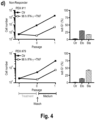
- Cancer control required senescence induction, as cancers deficient in p16 lnk4a or p21 Cip1 showed uncontrolled growth despite preserved susceptibility to apoptosis and cytolysis.
- Induction of senescence and cancer immune-control required T cells and activation of p16 lnk4a and p21 Cip1 by the interferon (IFN)-g-STAT1 signalling cascade.
- IFN interferon
- ⁇ -MYC mice and double transgenic ⁇ - MYC.p21 -/- mice received intraperitoneal (i.p.) injections of 100 ⁇ g anti-PD-1 mAb (clone J43, Bio X Cell) and 100 ⁇ g anti-CTLA-4 mAb (clone UC10-4B9, BioLegend) (ICB) two to four times every ten days, starting at day 55 after birth.
- Control mice (Ctr) received no treatment.
- Sections were blocked using donkey serum and incubated with rabbit-anti-p16 lnk4a (Serotec), rat-anti-Ki67 (eBioscience), rat-anti-p21 Cip1 (Abcam), goat-anti-CD20 (Santa Cruz), rabbit-anti-CD3 (DCS), rabbit-anti-pHP1 ⁇ phospho S93 (Abcam) and rabbit-anti-H3K9me3 (Abcam).
- Bound antibodies were visualized using donkey-anti-rabbit-Cy3 (Dianova), donkey-anti-rat-Alexa 647 (Dianova), donkey-anti-rat-Cy3, donkey-anti-goat-Cy3 and donkey-anti-rabbit-Alexa 488.
- HE staining of the serial cryosections was performed according to standard procedures.
- Tissues were fixed with Karnovsky's fixative for 24 h. Post-fixation was based on 1% osmium tetroxide containing 1.5% K-ferrocyanide in cacodylate buffer. After following standard methods, blocks were embedded in glycide ether and cut using an ultra-microtome (Ultracut, Reichert, Vienna, Austria). Ultra-thin sections (30 nm) were mounted on copper grids and analysed using a Zeiss LIBRA 120 transmission electron microscope (Carl Zeiss, Oberkochen, Germany) operating at 120 kV.
- Adherent RT2-cancer cells were cultured in Dulbecco's Modified Eagle's Medium (DMEM) supplemented with 10% foetal calf serum (FCS), nonessential amino acids, sodium pyruvate, antibiotics, and 50 ⁇ M 2-mercaptoethanol at 37°C and 7.5% CO 2 .
- DMEM Dulbecco's Modified Eagle's Medium
- FCS foetal calf serum
- the murine melanoma cell lines B16 and B16-OVA were cultured in DMEM medium, containing 10% FCS and penicillin/streptomycin (100 U ml -1 ; all from Biochrom AG), at 37°C and 5% CO 2 .
- the human TüMel and patient-derived xenograft (PDX) cell lines were cultured in RPMI-1640 Medium supplemented with 10% FCS, nonessential amino acids, sodium pyruvate, antibiotics, and 5 ⁇ g ml -1 Plasmocin TM (Invitrogen) at 37°C and 5.0% CO 2 .
- RT2-cancers were isolated from the pancreas of female RT2 or RT2.
- Stat1 -/- mice by collagenase digestion (1 mg ml -1 , Serva, Heidelberg, Germany) as described 10, 35 . Briefly, whole encapsulated tumors were separated under a dissection microscope (Leica Microsystems) and further processed for immunofluorescence microscopy, immunohistochemistry or gene expression analysis. Alternatively, single tumor cells were obtained by incubation of the tumors in 0.05% trypsin/EDTA solution (Invitrogen) at 37°C for 10 min. After incubation, RT2-cancer cells were seeded onto tissue culture plates.
- CDKN2a-loss variants on chromosome 4, qC4.A were generated by random selection from CIS- or ICB- resistant RT2-cancer cells.
- gRNAs targeting Exon 2 were designed using CRISPRdirect 36 .
- the gRNAs were cloned into pSpCas9(BB)-2A-GFP (pX458; Addgene plasmid ID: 48138) using Bbsl restrictions sites 37 (gCdkn2a_1: 5'-gcg tcg tgg tgg tcg cac agg-3' (SEQ ID No.
- gCdkn2a_2 5'-gac acg ctg gtg gtg ctg cac-3' (SEQ ID No. 2)).
- the DNA oligos were ordered from Sigma Aldrich and annealed according to the Zhang protocol. The annealed oligos were cloned into pSpCas9(BB)-2A-GFP (pX458; Addgene plasmid ID: 48138) using Bbsl restrictions sites. MaxiPreps of plasmids were done using the Qiagen EndoFreeMaxi Kit. The primary RT2-cell lines were transfected using the Quiagene Effectene Transfection Reagent.
- Patient tissue samples were either directly digested (TüMel) or expanded in a PDX mouse model by implanting the digested tumor tissue subcutaneously, as described previously 38, 39 .
- Stat1 -/- , RT2 .p16 lnk4a , RT2-CRISPER-control or RT-CRISPER- p16 lnk4a cancer or human melanoma-derived (PDX) cells were cultivated with medium containing 100 ng ml -1 IFN- ⁇ and 10 ng ml -1 TNF or exclusively with medium (Ctr) for 96 h, washed, then cultivated with medium for another 4 - 6 days (till to confluence of the Ctr cells) and counted 10 .
- RT2-cancer cells were fixed for 15 min at room temperature, and then stained for 16 h at 37°C using the ⁇ -galactosidase staining kit (United States Biological) as previously described 10 .
- cell nuclei were stained with 4',6-diamidin-2-phenylindole (DAPI; Invitrogen).
- SA- ⁇ -gal-positive and - negative cells were counted using a Zeiss Axiovert 200 microscope equipped with Visiview software and analysed by using imaged software (NIH).
- RT2-cancer cells were exposed to etoposide (Eto, 100 ⁇ M, Bristol-Meyers-Squibb, ETOPOPHOS ® ), staurosporine (Sta, 0.5 ⁇ M, BioVision) or medium (Ctr) for 24 h and stained for propidium iodide and Annexin V. Positive cells were detected by flow cytometry analysis.
- Eto 100 ⁇ M, Bristol-Meyers-Squibb, ETOPOPHOS ®
- staurosporine Sta, 0.5 ⁇ M, BioVision
- Ctr medium
- the library preparation and in solution capture of the target region was performed using the Agilent SureSelectXT and SureSelectXT HS reagent kit (Agilent, Santa Clara, CA).
- DNA from tumor (FFPE) and matched normal controls (blood) were sequenced in parallel on an Illumina NextSeq500 using 75bp paired-end reads.
- the tumor samples were sequenced to an average sequencing depth of coverage of 511x and the normal control samples to 521x, respectively.
- An in-house developed pipline, called "megSAP" was used for data analysis (https://github.com/imgag/megSAP, version: 0.1-733-g19bde95 and 0.1-751-g1c381e5).
- ClinCNV estimates statistical models for different copy number states per region (conditioned by tumor sample purity) and reports a likelihood for each statistical model, assuming that the majority of samples are diploid at a focal region. The log-likelihood of the diploid model is subtracted from alternative models, resulting in positive likelihoods for true alternative copy number states. Finally, maximum segments of contiguous regions with positive log-likelihood ratios are identified in an iterative manner. Segments consisting of at least three regions with log-likelihood ratio ⁇ 40 and CN state ⁇ 1.5 or ⁇ 3 are reported as CNVs. Quality control (QC) parameters were collected during all analysis steps 47 .
- QC Quality control
- the inventors stimulated the immune system by ICB once tumor diameters reached ⁇ 3 mm.
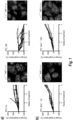
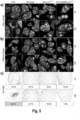
- the Stat1 -positive RT2-cancers became growth arrested or regressed and the few remaining cancer cells displayed a senescent p16 lnk4a+ , Ki67 - phenotype that was also positive for phosphorylated heterochromatin protein 1g (S93) (pHP1g) in senescence-associated heterochromatin foci (SAHF), H3K9me3 and senescence-associated b-galactosidase (SA-b-gal) ( Fig. 3a ; Fig. 11a-c ), ( Fig. 3a ).
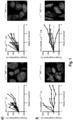
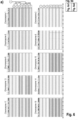
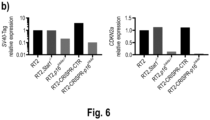
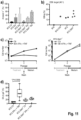
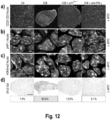
- RT2-cancer cells transfected with either a control sgGFP or the gCdkn2a construct grew with similar dynamics. Both cell types were sensitive to apoptosis, while the p16 lnk4a -deficient cells were resistant to CIS ( Fig. 12a, b ). All CRISPR-Cas9 control cell lines were rejected by the CD8-depleted mice. In contrast, 80 % of the CRISPR-Cas9-mediated p16 lnk4a -deficient RT2-cancer cell lines grew in syngeneic mice ( Fig. 12c ).
- Ki67 + p16 lnk4a- CD20 low B-cell lymphomas that destroyed lymph nodes and spleen
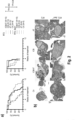
- the Ki67 + B cells were also negative for p21 Cip1 , pHP1g, H3K9me3 or SA-b-gal, showing that the tumors had a high proliferative capacity and were not senescent ( Fig. 1b ; Fig. 5b -d).
- ICB with anti-CTLA-4 and anti-PD-1 mAb protected 20%-40% of I- MYC mice from lymphomas, as they were still healthy at > 250 days ( Fig.
- ICB is an approved standard of care therapy for metastatic melanoma and some other cancers, and efficient in about 40% of patients with metastatic melanoma. Another 40% are non-responders that often progress rapidly despite ICB-therapy. 11, 12, 14, 16, 19-23, 30 .
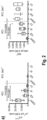
- the inventors asked whether cell cycle regulator genes that control senescence induction were also needed for cancer immune-control in humans. To address this, the inventors compared the genetic alterations by targeted panel sequencing of 30 melanomas from consecutive non-responders, where metastases progressed within ⁇ 3 months of ICB with the genetic alterations of 12 responders, where metastases regressed during ICB ⁇ 1 year.
Landscapes
- Chemical & Material Sciences (AREA)
- Life Sciences & Earth Sciences (AREA)
- Health & Medical Sciences (AREA)
- Proteomics, Peptides & Aminoacids (AREA)
- Organic Chemistry (AREA)
- Engineering & Computer Science (AREA)
- Zoology (AREA)
- Immunology (AREA)
- Wood Science & Technology (AREA)
- Pathology (AREA)
- Genetics & Genomics (AREA)
- Analytical Chemistry (AREA)
- Microbiology (AREA)
- Biochemistry (AREA)
- Biophysics (AREA)
- Molecular Biology (AREA)
- Physics & Mathematics (AREA)
- Oncology (AREA)
- Hospice & Palliative Care (AREA)
- Biotechnology (AREA)
- Bioinformatics & Cheminformatics (AREA)
- General Engineering & Computer Science (AREA)
- General Health & Medical Sciences (AREA)
- Medicines That Contain Protein Lipid Enzymes And Other Medicines (AREA)
- Measuring Or Testing Involving Enzymes Or Micro-Organisms (AREA)
- Medicines Containing Antibodies Or Antigens For Use As Internal Diagnostic Agents (AREA)
- Pharmaceuticals Containing Other Organic And Inorganic Compounds (AREA)
- Investigating Or Analysing Biological Materials (AREA)
Priority Applications (1)
| Application Number | Priority Date | Filing Date | Title |
|---|---|---|---|
| EP24163844.4A EP4397776A3 (de) | 2019-08-14 | 2019-08-14 | Verfahren zur klassifizierung des ansprechens eines patienten auf eine immuncheckpoint-inhibitortherapie |
Applications Claiming Priority (2)
| Application Number | Priority Date | Filing Date | Title |
|---|---|---|---|
| EP24163844.4A EP4397776A3 (de) | 2019-08-14 | 2019-08-14 | Verfahren zur klassifizierung des ansprechens eines patienten auf eine immuncheckpoint-inhibitortherapie |
| EP19191783.0A EP3778923A1 (de) | 2019-08-14 | 2019-08-14 | Verfahren zur klassifizierung des ansprechens eines patienten auf eine immun-checkpoint-inhibitor-therapie |
Related Parent Applications (1)
| Application Number | Title | Priority Date | Filing Date |
|---|---|---|---|
| EP19191783.0A Division EP3778923A1 (de) | 2019-08-14 | 2019-08-14 | Verfahren zur klassifizierung des ansprechens eines patienten auf eine immun-checkpoint-inhibitor-therapie |
Publications (2)
| Publication Number | Publication Date |
|---|---|
| EP4397776A2 true EP4397776A2 (de) | 2024-07-10 |
| EP4397776A3 EP4397776A3 (de) | 2024-12-25 |
Family
ID=67658848
Family Applications (2)
| Application Number | Title | Priority Date | Filing Date |
|---|---|---|---|
| EP19191783.0A Withdrawn EP3778923A1 (de) | 2019-08-14 | 2019-08-14 | Verfahren zur klassifizierung des ansprechens eines patienten auf eine immun-checkpoint-inhibitor-therapie |
| EP24163844.4A Pending EP4397776A3 (de) | 2019-08-14 | 2019-08-14 | Verfahren zur klassifizierung des ansprechens eines patienten auf eine immuncheckpoint-inhibitortherapie |
Family Applications Before (1)
| Application Number | Title | Priority Date | Filing Date |
|---|---|---|---|
| EP19191783.0A Withdrawn EP3778923A1 (de) | 2019-08-14 | 2019-08-14 | Verfahren zur klassifizierung des ansprechens eines patienten auf eine immun-checkpoint-inhibitor-therapie |
Country Status (5)
| Country | Link |
|---|---|
| US (1) | US20220235423A1 (de) |
| EP (2) | EP3778923A1 (de) |
| JP (1) | JP2022544529A (de) |
| CA (1) | CA3147333A1 (de) |
| WO (1) | WO2021028326A1 (de) |
Families Citing this family (3)
| Publication number | Priority date | Publication date | Assignee | Title |
|---|---|---|---|---|
| US11333588B1 (en) | 2020-12-07 | 2022-05-17 | Nebulum Technologies Co., Ltd. | Matrix-assisted methods and compositions to prepare biological samples for super-resolution imaging |
| WO2025217275A2 (en) * | 2024-04-10 | 2025-10-16 | Flagship Pioneering Innovations Vii, Llc | Immune cell targeted compositions and related methods |
| CN120319485B (zh) * | 2025-06-12 | 2025-10-03 | 杭州茵菲多组学生物科技有限公司 | 一种非小细胞肺癌免疫检查点抑制剂疗法的疗效评估系统 |
Family Cites Families (6)
| Publication number | Priority date | Publication date | Assignee | Title |
|---|---|---|---|---|
| EP3265079A4 (de) * | 2015-03-03 | 2019-01-02 | Caris MPI, Inc. | Molekulare profilierung von krebs |
| WO2017103086A1 (en) * | 2015-12-18 | 2017-06-22 | INSERM (Institut National de la Santé et de la Recherche Médicale) | A method for predicting the response to checkpoint blockade cancer immunotherapy |
| AU2017261353A1 (en) * | 2016-05-05 | 2018-11-08 | Nantomics, Llc | Checkpoint failure and methods therefor |
| US10711312B2 (en) * | 2016-07-12 | 2020-07-14 | The Regents Of The University Of California | Methods for immunotherapy-based treatment and assessment of cancer |
| WO2018183921A1 (en) * | 2017-04-01 | 2018-10-04 | The Broad Institute, Inc. | Methods and compositions for detecting and modulating an immunotherapy resistance gene signature in cancer |
| GB201710815D0 (en) * | 2017-07-05 | 2017-08-16 | Francis Crick Inst Ltd | Method |
-
2019
- 2019-08-14 EP EP19191783.0A patent/EP3778923A1/de not_active Withdrawn
- 2019-08-14 EP EP24163844.4A patent/EP4397776A3/de active Pending
-
2020
- 2020-08-06 CA CA3147333A patent/CA3147333A1/en active Pending
- 2020-08-06 WO PCT/EP2020/072203 patent/WO2021028326A1/en not_active Ceased
- 2020-08-06 JP JP2022509000A patent/JP2022544529A/ja active Pending
-
2022
- 2022-02-14 US US17/671,407 patent/US20220235423A1/en active Pending
Non-Patent Citations (48)
| Title |
|---|
| AYERS, M. ET AL.: "IFN-gamma-related mRNA profile predicts clinical response to PD-1 blockade", J. CLIN. INVEST., 2017 |
| BAUMEISTER, S. H.FREEMAN, G. J.DRANOFF, G.SHARPE, A. H.: "Coinhibitory pathways in immunotherapy for cancer", ANNU. REV. IMMUNOL., vol. 34, 2016, pages 539 - 573, XP055959996, DOI: 10.1146/annurev-immunol-032414-112049 |
| BERGERS, G.JAVAHERIAN, K.LO, K. M.FOLKMAN, J.HANAHAN, D.: "Effects of angio-genesis inhibitors on multistage carcinogenesis in mice", SCIENCE, vol. 284, 1999, pages 808 - 812 |
| BLANK, C. U.HAANEN, J. B.RIBAS, A.SCHUMACHER, T. N.: "Cancer immunology. The ''cancer immunogram", SCIENCE, vol. 352, 2016, pages 658 - 660 |
| BRAUMULLER, H. ET AL.: "T-helper-1-cell cytokines drive cancer into senescence", NATURE, vol. 494, 2013, pages 361 - 365, XP055110558, DOI: 10.1038/nature11824 |
| BREDE, C. ET AL.: "Mapping immune processes in intact tissues at cellular resolution", J. CLIN. INVEST., vol. 122, 2012, XP055327558, DOI: 10.1172/JCI65100 |
| CAMPISI, J.: "Aging, cellular senescence, and cancer", ANNU. REV. PHYSIOL., vol. 75, 2013, pages 685 - 705 |
| CINGOLANI, P. ET AL.: "A program for annotating and predicting the effects of single nucleotide polymorphisms, SnpEff: SNPs in the genome of Drosophila melanogaster strain w1118; iso-2; iso-3", FLY (AUSTIN, vol. 6, 2012, pages 80 - 92, XP055942858, DOI: 10.4161/fly.19695 |
| FERRARI DE ANDRADE, L. ET AL.: "Antibody-mediated inhibition of MICA and MICB shedding promotes NK cell-driven tumor immunity", SCIENCE, vol. 359, 2018, pages 1537 - 1542, XP002795051, DOI: 10.1126/science.aao0505 |
| FORSTER, I.HIROSE, R.ARBEIT, J. M.CLAUSEN, B. E.HANAHAN, D.: "Limited capacity for tolerization of CD4+ T cells specific for a pancreatic beta cell neo-antigen", IMMUNITY, vol. 2, 1995, pages 573 - 585 |
| GODING, S. R. ET AL.: "Restoring immune function of tumor-specific CD4+ T cells during recurrence of melanoma", J. IMMUNOL., vol. 190, 2013, pages 4899 - 4909, XP055145038, DOI: 10.4049/jimmunol.1300271 |
| JOHNSON, D. B. ET AL.: "Targeted next generation sequencing identifies markers of response to PD-1 blockade", CANCER IMMUNOL RES, vol. 4, 2016, pages 959 - 967, XP055486375, DOI: 10.1158/2326-6066.CIR-16-0143 |
| KAMMERTOENS, T. ET AL.: "Tumour ischaemia by interferon-gamma resembles physiological blood vessel regression", NATURE, vol. 545, 2017, pages 98 - 102 |
| KIM, S. ET AL.: "Strelka2: fast and accurate calling of germline and somatic variants", NAT METHODS, vol. 15, 2018, pages 591 - 594, XP036559399, DOI: 10.1038/s41592-018-0051-x |
| KOVALCHUK, A. L. ET AL.: "Burkitt lymphoma in the mouse", J. EXP. MED., vol. 192, 2000, pages 1183 - 1190 |
| KREPLER, C. ET AL.: "Personalized Preclinical Trials in BRAF Inhibitor-Resistant Patient-Derived Xenograft Models Identify Second-Line Combination Therapies", CLIN. CANCER RES., vol. 22, 2016, pages 1592 - 1602, XP055297488, DOI: 10.1158/1078-0432.CCR-15-1762 |
| LANDSBERG, J. ET AL.: "Melanomas resist T-cell therapy through inflammation-induced reversible dedifferentiation", NATURE, vol. 490, 2012, pages 412 - 416 |
| LASITHIOTAKIS, K. G. ET AL.: "Combined inhibition of MAPK and mTOR signaling inhibits growth, induces cell death, and abrogates invasive growth of melanoma cells", J. INVEST. DERMATOL., vol. 128, 2008, pages 2013 - 2023 |
| LI, H.DURBIN, R.: "Fast and accurate short read alignment with Burrows-Wheeler transform", BIOINFORMATICS, vol. 25, 2009, pages 1754 - 1760, XP055553969, DOI: 10.1093/bioinformatics/btp324 |
| MANGUSO, R. T. ET AL.: "In vivo CRISPR screening identifies Ptpn2 as a cancer immunotherapy target", NATURE, vol. 547, 2017, pages 413 - 418, XP055566515, DOI: 10.1038/nature23270 |
| MASSAGUE, J.OBENAUF, A. C.: "Metastatic colonization by circulating tumour cells", NATURE, vol. 529, 2016 |
| MERAZ, M. A. ET AL.: "Targeted disruption of the Stat1 gene in mice reveals unexpected physiologic specificity in the JAK-STAT signaling pathway", CELL, vol. 84, 1996, pages 431 - 442, XP000941704, DOI: 10.1016/S0092-8674(00)81288-X |
| MILANOVIC, M. ET AL.: "Senescence-associated reprogramming promotes cancer stem-ness", NATURE, vol. 553, 2018, pages 96 - 100 |
| MOCIKAT, R. ET AL.: "Natural killer cells activated by MHC class I(low) targets prime dendritic cells to induce protective CD8 T cell responses", IMMUNITY, vol. 19, 2003, pages 561 - 569, XP055028771, DOI: 10.1016/S1074-7613(03)00264-4 |
| MULLER-HERMELINK, N. ET AL.: "TNFR1 signaling and IFN-gamma signaling determine whether T cells induce tumor dormancy or promote multistage carcinogenesis", CANCER CELL, vol. 13, 2008, pages 507 - 518 |
| NAITO, Y.HINO, K.BONO, H.UI-TEI, K.: "CRISPRdirect: software for designing CRISPR/Cas guide RNA with reduced off-target sites", BIOINFORMATICS, vol. 31, 2015, pages 1120 - 1123, XP055186272, DOI: 10.1093/bioinformatics/btu743 |
| PAN, D. ET AL.: "A major chromatin regulator determines resistance of tumor cells to T cell-mediated killing", SCIENCE, vol. 359, 2018, pages 770 - 775, XP055827561, DOI: 10.1126/science.aao1710 |
| PATEL, S. J. ET AL.: "Identification of essential genes for cancer immunotherapy", NATURE, vol. 548, 2017, pages 537 - 542, XP055751651, DOI: 10.1038/nature23477 |
| PEREZ-MANCERA, P. A.YOUNG, A. R.NARITA, M.: "Inside and out: the activities of senescence in cancer", NAT. REV. CANCER, vol. 14, 2014, pages 547 - 558 |
| POLLARD, J. W.: "Defining metastatic cell latency", N. ENGL. J. MED., vol. 375, 2016, pages 280 - 282 |
| RAN, F. A. ET AL.: "Genome engineering using the CRISPR-Cas9 system", NAT. PROTOC., vol. 8, 2013, pages 2281 - 2308, XP009174668, DOI: 10.1038/nprot.2013.143 |
| RIBAS, A.WOLCHOK, J. D.: "Cancer immunotherapy using checkpoint blockade", SCIENCE, vol. 359, 2018, pages 1350 - 1355, XP055537294, DOI: 10.1126/science.aar4060 |
| ROBINSON, D. R. ET AL.: "Integrative clinical genomics of metastatic cancer", NATURE, vol. 548, 2017, pages 297 - 303 |
| SAGIV-BARFI, I. ET AL.: "Eradication of spontaneous malignancy by local immunotherapy", SCI. TRANSL. MED., vol. 10, 2018, XP055673289, DOI: 10.1126/scitranslmed.aan4488 |
| SCHMID, A.BRAUMULLER, H.WEHRL, H. F.ROCKEN, M.PICHLER, B. J.: "Non-invasive monitoring of pancreatic tumor progression in the RIP1-Tag2 mouse by magnetic resonance imaging", MOL. IMAGING BIOL., vol. 15, 2013, pages 186 - 193 |
| SCHREIBER, R. D.OLD, L. J.SMYTH, M. J.: "Cancer immunoediting: integrating immunity's roles in cancer suppression and promotion", SCIENCE, vol. 331, 2011, pages 1565 - 1570 |
| SCHROEDER, C. M. ET AL.: "A comprehensive quality control workflow for paired tumor-normal NGS experiments", BIOINFORMATICS, vol. 33, 2017, pages 1721 - 1722 |
| SERRANO, M.LIN, A. W.MCCURRACH, M. E.BEACH, D.LOWE, S. W.: "Oncogenic ras provokes premature cell senescence associated with accumulation of p53 and p16", CELL, vol. 88, 1997, pages 593 - 602, XP055413961, DOI: 10.1016/S0092-8674(00)81902-9 |
| SOSA, M. S.BRAGADO, P.AGUIRRE-GHISO, J. A.: "Mechanisms of disseminated cancer cell dormancy: an awakening field", NAT. REV. CANCER, vol. 14, 2014, pages 611 - 622, XP055639486, DOI: 10.1038/nrc3793 |
| SUCKER, A. ET AL.: "Acquired IFNgamma resistance impairs anti-tumor immunity and gives rise to T-cell-resistant melanoma lesions", NAT COMMUN, vol. 8, 2017, pages 15440 |
| SUN, R.GAO, B.: "Negative regulation of liver regeneration by innate immunity (natural killer cells/interferon-gamma", GASTROENTEROLOGY, vol. 127, 2004, pages 1525 - 1539, XP005313098, DOI: 10.1053/j.gastro.2004.08.055 |
| TACUTU, R.CRAIG, T.BUDOV-SKY, A.WUTTKE, D.LEHMANN, G.TARANUKHA, D.COSTA, J.FRAIFELD, V. E.DE MAGALHAES, J. P: "Human Ageing Genomic Resources: Integrated databases and tools for the biology and genetics of ageing", NUCLEIC ACIDS RESEARCH, vol. 41, no. D1, 2013, pages D1027 - D1033 |
| TOPALIAN, S. L.DRAKE, C. G.PARDOLL, D. M.: "Immune checkpoint blockade: a common denominator approach to cancer therapy", CANCER CELL, vol. 27, 2015, pages 450 - 461, XP055372181, DOI: 10.1016/j.ccell.2015.03.001 |
| TUMEH, P. C. ET AL.: "PD-1 blockade induces responses by inhibiting adaptive immune resistance", NATURE, vol. 515, 2014, pages 568 - 571, XP055247294, DOI: 10.1038/nature13954 |
| TWYMAN-SAINT VICTOR, C. ET AL.: "Radiation and dual checkpoint blockade activate non-redundant immune mechanisms in cancer", NATURE, vol. 520, 2015, pages 373 - 377, XP055606336, DOI: 10.1038/nature14292 |
| VANDESOMPELE, J. ET AL.: "Accurate normalization of real-time quantitative RT-PCR data by geometric averaging of multiple internal control genes", GENOME BIOL., vol. 3, 2002, pages 1 - 12, XP008027995 |
| WIEDER, T.EIGENTLER, T.BRENNER, E.ROCKEN, M.: "Immune checkpoint blockade therapy", J. ALLERGY CLIN. IMMUNOL., vol. 0091-6749, no. 18, 2018, pages 30445 - 7 |
| ZARETSKY, J. M. ET AL.: "Mutations associated with acquired resistance to PD-1 blockade in melanoma", N. ENGL. J. MED., vol. 375, 2016, pages 819 - 829, XP055443416, DOI: 10.1056/NEJMoa1604958 |
Also Published As
| Publication number | Publication date |
|---|---|
| JP2022544529A (ja) | 2022-10-19 |
| EP4397776A3 (de) | 2024-12-25 |
| WO2021028326A1 (en) | 2021-02-18 |
| US20220235423A1 (en) | 2022-07-28 |
| CA3147333A1 (en) | 2021-02-18 |
| EP3778923A1 (de) | 2021-02-17 |
Similar Documents
| Publication | Publication Date | Title |
|---|---|---|
| Brenner et al. | Cancer immune control needs senescence induction by interferon-dependent cell cycle regulator pathways in tumours | |
| Ennishi et al. | Molecular and genetic characterization of MHC deficiency identifies EZH2 as therapeutic target for enhancing immune recognition | |
| Hu et al. | STING inhibits the reactivation of dormant metastasis in lung adenocarcinoma | |
| Weeden et al. | Early immune pressure initiated by tissue-resident memory T cells sculpts tumor evolution in non-small cell lung cancer | |
| Reinhardt et al. | MAPK signaling and inflammation link melanoma phenotype switching to induction of CD73 during immunotherapy | |
| Finnberg et al. | TRAIL-R deficiency in mice promotes susceptibility to chronic inflammation and tumorigenesis | |
| Wang et al. | Somatic single hits inactivate the X-linked tumor suppressor FOXP3 in the prostate | |
| Maddison et al. | Conditional deletion of Rb causes early stage prostate cancer | |
| US20220235423A1 (en) | Method for Classifying a Patient's Responsiveness to Immune Checkpoint Inhibitor Therapy | |
| Vucur et al. | RIP3 inhibits inflammatory hepatocarcinogenesis but promotes cholestasis by controlling caspase-8-and JNK-dependent compensatory cell proliferation | |
| Rutishauser et al. | Transcriptional repressor Blimp-1 promotes CD8+ T cell terminal differentiation and represses the acquisition of central memory T cell properties | |
| Ahn et al. | The Shc1 adaptor simultaneously balances Stat1 and Stat3 activity to promote breast cancer immune suppression | |
| Peng et al. | PTEN is a tumor suppressor in CML stem cells and BCR-ABL–induced leukemias in mice | |
| Breitenecker et al. | Down-regulation of A20 promotes immune escape of lung adenocarcinomas | |
| De Winde et al. | Tetraspanin CD37 protects against the development of B cell lymphoma | |
| Ritter et al. | Reversal of epigenetic silencing of MHC class I chain-related protein A and B improves immune recognition of Merkel cell carcinoma | |
| López et al. | Dendritic cell-targeted therapy expands CD8 T cell responses to bona-fide neoantigens in lung tumors | |
| Alonso et al. | Expression of transcription factor E2F1 and telomerase in glioblastomas: mechanistic linkage and prognostic significance | |
| Li et al. | Aurora A kinase inhibition induces accumulation of SCLC tumor cells in mitosis with restored interferon signaling to increase response to PD-L1 | |
| Bae et al. | Evaluation of immune-biomarker expression in high-grade soft-tissue sarcoma: HLA-DQA1 expression as a prognostic marker | |
| Kelepouras et al. | STING induces ZBP1-mediated necroptosis independently of TNFR1 and FADD | |
| Dabydeen et al. | Comparison of tamoxifen and letrozole response in mammary preneoplasia of ER and aromatase overexpressing mice defines an immune-associated gene signature linked to tamoxifen resistance | |
| WO2023178290A1 (en) | Use of combined cd274 copy number changes and tmb to predict response to immunotherapies | |
| Kamori et al. | The effects of ARID1A mutations on colorectal cancer and associations with PD‐L1 expression by stromal cells | |
| Attalla et al. | HER2Δ16 engages ENPP1 to promote an immune-cold microenvironment in breast cancer |
Legal Events
| Date | Code | Title | Description |
|---|---|---|---|
| PUAI | Public reference made under article 153(3) epc to a published international application that has entered the european phase |
Free format text: ORIGINAL CODE: 0009012 |
|
| STAA | Information on the status of an ep patent application or granted ep patent |
Free format text: STATUS: REQUEST FOR EXAMINATION WAS MADE |
|
| 17P | Request for examination filed |
Effective date: 20240315 |
|
| AC | Divisional application: reference to earlier application |
Ref document number: 3778923 Country of ref document: EP Kind code of ref document: P |
|
| AK | Designated contracting states |
Kind code of ref document: A2 Designated state(s): AL AT BE BG CH CY CZ DE DK EE ES FI FR GB GR HR HU IE IS IT LI LT LU LV MC MK MT NL NO PL PT RO RS SE SI SK SM TR |
|
| RIC1 | Information provided on ipc code assigned before grant |
Ipc: C12Q 1/6886 20180101AFI20240828BHEP |
|
| PUAL | Search report despatched |
Free format text: ORIGINAL CODE: 0009013 |
|
| AK | Designated contracting states |
Kind code of ref document: A3 Designated state(s): AL AT BE BG CH CY CZ DE DK EE ES FI FR GB GR HR HU IE IS IT LI LT LU LV MC MK MT NL NO PL PT RO RS SE SI SK SM TR |
|
| RIC1 | Information provided on ipc code assigned before grant |
Ipc: C12Q 1/6886 20180101AFI20241120BHEP |
|
| STAA | Information on the status of an ep patent application or granted ep patent |
Free format text: STATUS: EXAMINATION IS IN PROGRESS |
|
| 17Q | First examination report despatched |
Effective date: 20260205 |