EP4397678A2 - Verfahren und zusammensetzungen zur behandlung von lebererkrankungen - Google Patents
Verfahren und zusammensetzungen zur behandlung von lebererkrankungen Download PDFInfo
- Publication number
- EP4397678A2 EP4397678A2 EP23202326.7A EP23202326A EP4397678A2 EP 4397678 A2 EP4397678 A2 EP 4397678A2 EP 23202326 A EP23202326 A EP 23202326A EP 4397678 A2 EP4397678 A2 EP 4397678A2
- Authority
- EP
- European Patent Office
- Prior art keywords
- mice
- sct
- liver
- biliary
- expression
- Prior art date
- Legal status (The legal status is an assumption and is not a legal conclusion. Google has not performed a legal analysis and makes no representation as to the accuracy of the status listed.)
- Granted
Links
Images



Classifications
-
- A—HUMAN NECESSITIES
- A61—MEDICAL OR VETERINARY SCIENCE; HYGIENE
- A61K—PREPARATIONS FOR MEDICAL, DENTAL OR TOILETRY PURPOSES
- A61K38/00—Medicinal preparations containing peptides
- A61K38/16—Peptides having more than 20 amino acids; Gastrins; Somatostatins; Melanotropins; Derivatives thereof
- A61K38/17—Peptides having more than 20 amino acids; Gastrins; Somatostatins; Melanotropins; Derivatives thereof from animals; from humans
- A61K38/22—Hormones
- A61K38/2235—Secretins
-
- A—HUMAN NECESSITIES
- A61—MEDICAL OR VETERINARY SCIENCE; HYGIENE
- A61P—SPECIFIC THERAPEUTIC ACTIVITY OF CHEMICAL COMPOUNDS OR MEDICINAL PREPARATIONS
- A61P1/00—Drugs for disorders of the alimentary tract or the digestive system
- A61P1/16—Drugs for disorders of the alimentary tract or the digestive system for liver or gallbladder disorders, e.g. hepatoprotective agents, cholagogues, litholytics
-
- C—CHEMISTRY; METALLURGY
- C07—ORGANIC CHEMISTRY
- C07K—PEPTIDES
- C07K14/00—Peptides having more than 20 amino acids; Gastrins; Somatostatins; Melanotropins; Derivatives thereof
- C07K14/435—Peptides having more than 20 amino acids; Gastrins; Somatostatins; Melanotropins; Derivatives thereof from animals; from humans
- C07K14/575—Hormones
- C07K14/645—Secretins
Definitions
- TGF- ⁇ 1 transforming growth factor- ⁇ 1
- HSCs hepatic stellate cells
- Alcoholic liver disease is a chronic disease that is widespread and culminates in cirrhosis and ultimately hepatocellular carcinoma.
- the role of cholangiocytes in ALD is unclear, but a hallmark of biliary damage/repair is ductular response in response to liver injury during ALD.
- a method of modulating a Sct/SR axis in a mammalian subject in need thereof comprising administering an effective amount of a SR antagonist to said subject.
- modulating the Sct/SR axis treats a liver disease in said subject.
- the liver disease is selected from the group of liver diseases consisting of: Early Stage PBC, Primary Sclerosing Cholangitis, Primary Biliary Cholangitis, Biliary Atresia, NASH, NAFLD, and Alcohol induced liver injury.
- the liver disease is Early Stage PBC.
- the phrase "modulating the Sct/SR axis” means: (i) down-regulating or decreasing one or more physiological activity(ies) of a SCT/SR signaling pathway in regulating cholangiocyte function, or alternatively, (ii) up-regulating or increasing the physiological activity one or more physiological activity(ies) of a SCT/SR signaling pathway in regulating cholangiocyte function.
- the phrase "effective amount” means a dose or quantity of an SR antagonist or SR agonist, as the case may be, that eliminates or ameliorates at least one symptom of a liver disease or disorder in a subject or patient.
- SR antagonist refers to a molecule, salt, or other ligand that specifically binds to SR and decreases its physiological activity in a SCT/SR signaling pathway.
- a SR antagonist is Sec 5-27 oligopeptide, a variant of Sec 5-27, a derivative of Sec 5-27, a Sec 5-27 peptide mimetic, an anti-SR antagonist antibody, or an SR-antagonist small molecule analog of Sec 5-27.
- anti-SR antibody antagonists of SR are also included among SR antagonists.
- SR agonist refers to a molecule, salt, or other ligand that specifically binds to SR and increases its physiological activity in a SCT/SR signaling pathway.
- a SR agonist is secretin, a variant of secretin, a derivative of secretin, a secretin peptide mimetic, an anti-SR agonist antibody, an anti-secretin agonist antibody, or a SR-agonist small molecule analog of secretin.
- secretin refers to a polypeptide hormone, commonly secreted by the duodenal and/or jejunal mucosa in mammals, when acid chyme enters the intestine; it stimulates secretion of pancreatic juice and, to a lesser extent, bile and intestinal secretion.
- secretin any secretin of mammalian origin (e.g., human, rodent, canine, feline, rabbit, monkey, simian, bovine, etc.), variants or sequence modifications and derivatives of secretin, peptide mimetics and small molecule analogs of secretin with physiologically functional SR agonist activity.
- human secretin is a 27-amino acid peptide (GenBank Accession No.
- the terms also include molecules in which one or more amino acid analogs (i.e., non-canonical or unnatural amino acids) are included as can be expressed recombinantly using known protein engineering techniques.
- fusion proteins can be derivatized as described herein by well-known organic chemistry techniques.
- derivative when used in connection with proteins of interest, refers to proteins that are modified by covalent conjugation to other therapeutic or diagnostic agents or moieties, or to a label or marker (e.g., a radionuclide or one or more various enzymes), or are covalently conjugated to a polymer, such as polyethylene glycol (PEGylation) or biotin (biotinylation).
- a label or marker e.g., a radionuclide or one or more various enzymes
- Late Stage PBC (or Advanced or late stage Primary Biliary Cholangitis) refers to stages III-IV, in which you have apoptosis, duct loss and intense fibrogenesis and/or development of cirrhosis (stage IV).
- Late or Advanced stage PBC can also be characterized by periportal fibrosis with portal-portal bridging fibrosis and ductopenia (loss of small ducts) that can develop into cirrhosis.
- Late Stage PBC (Advanced PBC) can identified clinically by detecting increases in liver stiffness (>9.6 kpa) or raises in bilirubin (> 1 mg/dl).
- peptide analog refers to a peptide having a sequence that differs from a peptide sequence existing in nature by at least one amino acid residue substitution, internal addition, or internal deletion of at least one amino acid, and/or amino- or carboxy-terminal end truncations or additions, and/or carboxy-terminal amidation.
- An "internal deletion” refers to absence of an amino acid from a sequence existing in nature at a position other than the N- or C-terminus.
- an “internal addition” refers to presence of an amino acid in a sequence existing in nature at a position other than the Nor C-terminus.
- mimetic peptide refers to a peptide or protein having biological activity comparable to a naturally occurring protein of interest, e.g., secretin. These terms further include peptides that indirectly mimic the activity of a naturally occurring peptide molecule, such as by potentiating the effects of the naturally occurring molecule.
- soluble when in reference to a protein produced by recombinant DNA technology in a host cell is a protein that exists in aqueous solution; if the protein contains a twin-arginine signal amino acid sequence the soluble protein is exported to the periplasmic space in gram negative bacterial hosts, or is secreted into the culture medium by eukaryotic host cells capable of secretion, or by bacterial host possessing the appropriate genes (e.g., the kil gene).
- a soluble protein is a protein which is not found in an inclusion body inside the host cell.
- a soluble protein is a protein which is not found integrated in cellular membranes.
- Formulations suitable for use with a nebulizer will typically comprise the inventive compound dissolved in water at a concentration of about 0.1 to 25 mg of biologically active protein per mL of solution.
- the formulation can also include a buffer and a simple sugar (e.g., for protein stabilization and regulation of osmotic pressure).
- the nebulizer formulation can also contain a surfactant, to reduce or prevent surface induced aggregation of the protein caused by atomization of the solution in forming the aerosol.
- the inventive composition is configured as a part of a pharmaceutically acceptable transdermal or transmucosal patch or a troche.
- Transdermal patch drug delivery systems for example, matrix type transdermal patches, are known and useful for practicing some embodiments of the present pharmaceutical compositions.
- Chien et al Transdermal estrogen/progestin dosage unit, system and process, U.S. Patent Nos. 4,906,169 and 5,023,084 ; Cleary et al., Diffusion matrix for transdermal drug administration and transdermal drug delivery devices including same, U.S. Patent No.
- the dosage regimen involved in a method for treating the above-described conditions will be determined by the attending physician, considering various factors which modify the action of drugs, e.g. the age, condition, body weight, sex and diet of the patient, the severity of any infection, time of administration and other clinical factors.
- the daily regimen should be in the range of 0.1-1000 micrograms of the inventive compound per kilogram of body weight, preferably 0.1-150 micrograms per kilogram.
- WT wild-type
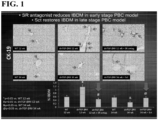
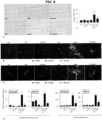
- dnTGF ⁇ RII 12 wk dnTGF ⁇ RII 34 wk mice treated with control or SR antagonist (SCT 5-27) minipump (10 ⁇ g/kg/day) for 1 wk.
- Hepatic damage was shown by H&E.
- IBDM and cholangiocyte proliferation were measured by immunohistochemistry for CK-19 and Ki67, respectively.
- Biliary apoptosis was evaluated by TUNEL staining. Senescence was measured in cholangiocytes by immunofluorescence for CCL2 or p16 co-stained with CK-19 (to image bile ducts) and SA- ⁇ -Galactosidase activity.
- the selected primers were purchased from Qiagen (Valencia, CA). The following primers were used: glyceraldehyde-3-phosphate dehydrogenase (GAPDH), mouse-PPM02946E-200; secretin (Sct), mouse-PPM25163A-200; Set receptor (SR), mouse-PPM32676F-200; cystic fibrosis transmembrane conductance regulator (CFTR), mouse-PPM04105F-200; Cl - /HCO 3 - AE2 (AE2), mouse-PPM25131A-200; cyclin-dependent kinase inhibitor 2A (p16), mouse-PPM02906F-200; cyclin-dependent kinase inhibitor 2C (p18), mouse-PPM02893C-200; cyclin-dependent kinase inhibitor 1A (p21), mouse-PPM02901B-200; C-C motif chemokine ligand 2 (CCL2), mouse-PPM
- Human samples Human serum, bile and liver blocks (formalin-fixed, paraffin-embedded) were collected from patients diagnosed with either early stage PBC, advanced stage PBC and non-diseased controls.
- Stage 1 was characterized by portal inflammation with destruction of bile ducts; Stage 2 was defined by periportal hepatitis and bile duct proliferation; Stage 3 was further identified by fibrous septa or bridging necrosis; and Stage 4 is further characterized by cirrhosis ( Ludwig, J et al., Staging of chronic nonsuppurative destructive cholangitis (syndrome of primary biliary cirrhosis). Virchows Arch A Pathol Anat Histol 379:103-11223 (1978 )). All samples were obtained from Dr.
- Pietro Invernizzi Humanitas Research Hospital, Rozzano, Italy
- Cholangiocytes were obtained by immunoaffinity separation (See, Wu, N et al., The secretin/secretin receptor axis modulates liver fibrosis through changes in transforming growth factor-betal biliary secretion in mice, Hepatology 64:865-879 (2016 )) by using a monoclonal antibody, rat IgG 2a (a gift from Dr. R. Faris, Brown University, Buffalo, RI), against an unidentified antigen expressed by all mouse cholangiocytes.
- liver morphology Assessment of liver morphology, serum chemistry, hepatic total bile acids, intrahepatic bile duct mass, and cholangiocyte proliferation .
- Hematoxylin and eosin (H&E) staining was performed in formalin-fixed, paraffin-embedded liver sections (4-5 ⁇ m, 3 samples from 3 different animals) to determine liver morphology.
- H&E stained liver sections were evaluated by a board-certified pathologist to assess the degree of lobular damage, hepatic necrosis and portal inflammation. At least 10 different portal areas were evaluated for each parameter.
- IBDM intrahepatic bile duct mass
- CK-19 a cholangiocyte specific marker
- Ki-67 a cholangiocyte specific marker
- liver fibrosis was evaluated by: (i) Sirius Red staining and semi-quantification in formalin-fixed, paraffin-embedded liver sections (4-5 ⁇ m, 10 fields analyzed from 3 samples from 3 different animals); and (ii) immunohistochemistry for alpha-smooth muscle actin (a-SMA) in formalin-fixed, paraffin-embedded liver sections (4-5 ⁇ m), 10 fields analyzed from 3 samples from 3 different animals) ( Han, Y et al., Prolonged exposure of cholestatic rats to complete dark inhibits biliary hyperplasia and liver fibrosis, Am J Physiol Gastrointest Liver Physiol 2014;307:G894-904 (2014 )).
- a-SMA alpha-smooth muscle actin
- Hepatic stellate cells are the key contributors to liver fibrosis (36); therefore, we determined the number of activated HSCs in liver sections (8 ⁇ m, 10 fields analyzed from 3 samples from 3 different animals) by immunofluorescence for synaptophysin-9 (SYP-9, a marker of activated HSCs ( Kennedy, LL et al., Knockout of microRNA-21 reduces biliary hyperplasia and liver, fibrosis in cholestatic bile duct ligated mice, Lab Invest 2016;96:1256-1267 (2016 )) co-stained for CK-19 (to visualize bile ducts) ( Jones, H et al., Inhibition of mast cell-secreted histamine decreases biliary proliferation and fibrosis in primary sclerosing cholangitis Mdr2(-/-) mice, Hepatology 2016;64:1202-1216 (2016 )).
- SYP-9 synaptophysin-9
- cholangiocyte-derived factors were incubated with in vivo isolated cholangiocyte supernatants (following incubation at 37°C for 4 hr) from WT mice and dnTGF- ⁇ RII mice at 12 wks and 32 wks of age treated with either saline, Set or SR antagonist.
- Activation of hHSCs was determined by q PCR for FN-1, TGF- ⁇ 1, ⁇ -SMA, and collagen type-1a ( Kennedy, LL et al., Knockout of microRNA-21 reduces biliary hyperplasia and liver fibrosis in cholestatic bile duct ligated mice, Lab Invest 96:1256-1267 (2016 )).
- Stage I/II early stages of PBC
- Stage III/IV late stages of PBC
- liver architecture in our mouse model of PBC and noticed that 12 wk old dnTGF- ⁇ RII mice had portal inflammation, scattered foci of lymphocytic inflammatory infiltration with little lobular necrosis when compared to age-matched WT, which were further increased following treatment with Set but ameliorated following treatment with the SR antagonist.
- the SR antagonist In the 34 wk old dnTGF- ⁇ RII mice, there was portal and lobular inflammation, heavy lymphocytic inflammatory infiltration and lobular necrosis when compared to age-matched WT. Liver damage was ameliorate 34 wk old dnTGF- ⁇ RII mice treated with Sct, but exacerbated following SR antagonist treatment (See, Figure 1 and Figure 2 ).
- IBDM and biliary proliferation within our models.
- CK-19 cholangiocyte-specific marker
- dnTGF- ⁇ RII mice at 12 wks of age had increased IBDM, but this was significantly reduced at 34 wks of age.
- dnTGF- ⁇ RII mice at 12 wks of age that were treated with Set had a further increase in IBDM when compared to saline treated mice, but treatment with SR antagonist reduced IBDM compared to saline treated mice.
- mice at 32 wks of age treated with Set showed increased IBDM compared to saline treated, and conversely treatment with SR antagonist lead to decreased IBDM compared to saline treated mice (data not shown). Similar trends were noted in biliary proliferation as determined by Ki-67 immunohistochemistry and semi-quantitative analysis (data not shown).
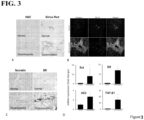
- AE2 Cholangiocyte expression of Sct, SR, CFTR and AE2 and levels of Set in serum, bile and cholangiocyte supernatant .
- AE2 participates in Set-stimulated biliary bicarbonate secretion and maintenance of biliary homeostasis, and previously it has been shown that AE2 biliary expression is decreased in late stage PBC patients.
- biliary expression of the Sct/SR axis and subsequent activation of CFTR and AE2 in early and late stage PBC is currently unknown.
- cholangiocytes isolated from 12 wk old dnTGF- ⁇ RII mice had increased expression of senescence markers p16, p18, p21, and CCL2, which were further enhanced in 32 wk old dnTGF- ⁇ RII mice.
- 12 wk old dnTGF- ⁇ RII mice treated with Set had a further increased senescence, whereas treatment with the SR antagonist decreased the expression of these markers.
- liver damage increased in dnTGF ⁇ RII mice but was reduced by Sct.
- IBDM and biliary growth were increased in dnTGF ⁇ RII mice at 12 wk but reduced at 34 wk indicating ductopenia.
- Set treatment to dnTGF ⁇ RII 34 wk increased these parameters.
- Biliary apoptosis was reduced in dnTGF ⁇ RII 12 wk, increased at 34 wk but reduced by Sct.
- Biliary senescence was increased in dnTGF ⁇ RII 12 wk, further increased at 34 wk but reduced by Sct.
- stage I/II early stages of PBC
- Stage III/IV late stages of PBC
- the early stage PBC mouse model had liver damage which closely mimicked human early stage PBC
- the late stage PBC mouse model more closely represented human late stage PBC.
- treatment with an SR antagonist reduced liver damage in the early stage PBC mouse model
- treatment with Set decreased liver damage in the late stage PBC mouse model.
- the early stage PBC mouse model had increased Sct, SR, CFTR, and AE2 expression, as well as increased Set secretion in bile and serum.
- Administration of SR antagonist to the early stage PBC mouse model reduced all of these parameters, but treatment with Set further increased them.
- the late stage PBC mouse model had decreased Sct, SR, CFTR, and AE2 expression, as well as reduced Set secretion in bile and serum.
- treatment with Set increased all of these parameters, but treatment with SR antagonist further decreased them.
- Cellular senescence is an irreversible growth arrest that is associated with telomere shortening and DNA damage. (See, Campisi, J et al., Cellular senescence: when bad things happen to good cells, Nat Rev Mol Cell Biol 8:729-740 (2007 )). As well, senescent cells can enter a SASP phenotype and begin to secrete various cytokines, chemokines and growth factors. Increased biliary senescence and SASP has been shown in patients with PBC and has been suggested to be the mechanism driving bile duct loss. Regardless of mechanism, the early stage PBC mouse model had increased biliary senescence, which was reduced following SR antagonist treatment.
- Early stage PBC is characterized by extensive fibrosis, which can progress to bridging fibrosis during is late stage PBC.
- Increased hepatic fibrosis and HSC activation was noted in our early stage PBC mouse model, which were reduced following treatment with an SR antagonist.
- the early stage PBC mouse model treated with Set showed increased hepatic fibrosis and HSC activation.
- a previous publication from our group found that loss of Sct/SR signaling reduced hepatic fibrosis via reduced TGF ⁇ 1 signaling, which may be the same mechanism through which hepatic fibrosis is reduced in our early stage PBC mouse model treated with the SR antagonist.
- Example 2 The secretin/secretin receptor axis modulates ductular reaction and liver fibrosis through changes in TGF- ⁇ 1-mediated biliary senescence
- mice were treated with euthasol (200-250 mg/kg BW). In all groups, we measured liver and body weight and liver to body weight ratio (index of liver cell growth).
- TGF- ⁇ phosphorylates Smad2/3 to mediate p16 or p21 to induce the senescence in several cell types including fibroblasts, colon cancer cells and hepatoma cells, which supports the concept that TGF- ⁇ -signaling regulates the cellular senescence of cholangiocytes and HSCs in our study.
- Isolated cholangiocytes from ethanol fed Sct -/- mice showed decreased levels of Col1A1 and VEGF-A compared to WT controls. Cholangiocytes from ethanol fed Sct -/- mice also had decreased levels of SR. LCM-isolated HSCs derived from WT mice showed increased levels of a-SMA, Col1A1 and Fn-1 that were reduced in Sct -/- mice.
- the protein of liver samples was extracted with lysis buffer and quantified by the bicinchoninic acid method (Pierce Biotechnology, Inc., Rockford, IL). Then, the protein expression of Col1a1, Fn1, p16, PCNA, TGF- ⁇ 1 receptor (TGF- ⁇ 1R), TNF- ⁇ and VEGF-A was evaluated by immunoblots. Protein expression was visualized and quantified using the LI-COR Odyssey Infrared Imaging System (LI-COR Bioscience, Lincoln, NE).Animals were maintained in a temperature-controlled environment (20-22°C) with 12:12-hr light/dark cycles and fed ad libitum standard chow with free access to drinking water.
- LI-COR Odyssey Infrared Imaging System LI-COR Bioscience, Lincoln, NE
- mice were treated with euthasol (200-250 mg/kg BW).
- euthasol 200-250 mg/kg BW.
- HSCs desmin-positive HSCs were dissected from the slides by a LCM system Leica LMD7000 (Buffalo Grove, IL) and collected into a PCR tube before being analyzed.
- liver Histology Serum Chemistry and Intrahepatic Ductal Mass (IBDM) .
- IBDM Intrahepatic Ductal Mass
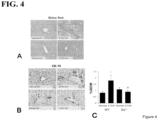
- the histology of liver, pancreas, heart, spleen, lung, kidney, stomach, small and large intestine was evaluated in paraffin-embedded liver sections (4-5 ⁇ m thick) by hematoxylin and eosin staining. Observations were processed by Image-Pro Plus software (Media Cybernetics) in a blinded fashion by a board-certified pathologist.
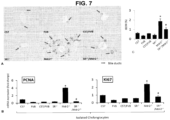
- Serum levels of glutamate pyruvate transaminases (SGPT), glutamic oxaloacetic transaminase (SGOT) and alkaline phosphatase (ALP) were measured by IDEXX Catalyst One Chemistry Analyzer and VetLab Station (Westbrook, ME). IBDM in paraffin-embedded liver sections (4-5 ⁇ m thick, 10 fields evaluated from 3 samples from 3 animals) was measured. Sections were examined by the Olympus Image Pro-Analyzer software (Olympus, Tokyo, Japan). Biliary proliferation was evaluated by measurement of PCNA and Ki67 expression in cholangiocytes by immunoblots and/or q PCR. q PCR was performed using RT 2 SYBR Green/ROX quantitative PCR master mix for the Applied Biosystems ViiA7 real-time PCR system (Life Technologies; Carlsbad, CA) according to the manufacturer's protocol.
- Liver Fibrosis was evaluated by Sirius Red staining in paraffin-embedded liver sections (4-5 ⁇ m thick, 10 different fields analyzed from 3 samples from 3 animals). Collagen content was quantified by Image-Pro Plus software (Media Cybernetics, Silver Springs, MD). Immunofluorescence double staining was performed for Col1a1 (co-stained with CK-19) or ⁇ -SMA (costained with desmin) in frozen liver sections (10 ⁇ m thick).
- Immunofluorescent staining was visualized using Leica TCS SP5 X system (Leica Microsystems Inc.). The mRNA expression of Col1a1 and FN-1 was evaluated in cholangiocytes and/or HSCs by q PCR and/or immunoblots. TGF- ⁇ 1 levels in serum and cholangiocyte supernatant were measured by ELISA kits.
- Biliary senescence was evaluated in frozen liver sections (10 ⁇ m thick) by staining for SA- ⁇ -gal using commercially available kits (MilliporeSigma, Billerica, MA); all the experiments were performed in 3 different liver samples from 3 animals.
- immunofluorescence for p16 co-stained with CK-19
- senescence was measured in frozen liver sections (10 ⁇ m thick) for cholangiocytes.
- the expression of the senescent genes p16 and CCL2 were evaluated in cholangiocytes and HSCs by immunoblots and/or q PCR.
- IPA Ingenuity pathway analysis
- TGF- ⁇ 1 directly modulates the function IMCLs and HHSteCs
- these cells were stimulated with TGF- ⁇ 1 (10 nM) for 12 hr before measuring the expression of VEGF-A and senescent and fibrosis genes by q PCR.
- IMCLs and HHSteCs were treated with r-VEGFA (100 nM) for 12 hr at 37°C before measuring the expression of senescent and fibrosis markers by q PCR.
- r-VEGFA 100 nM
- Loss of SR in Mdr2 -/- Mice Decreases Set Levels, the Expression of MicroRNA 125b and Angiogenesis Genes .
- Set levels in serum and cholangiocyte supernatant were increased in Mdr2 -/- mice compared to WT mice, which was decreased in SR -/- /Mdr2 -/- compared to Mdr2 -/- mice (data not shown).
- the expression of microRNA 125b decreased in cholangiocytes from Mdr2 -/- compared to WT mice, expression that returned to values similar to that of normal WT group in SR -/- /Mdr2 -/- mice (data not shown).
- TGF- ⁇ 1 mRNA expression of IMCLs and TGF- ⁇ 1 levels in IMCLs supernatant increases that were prevented by preincubation of IMCLs with a microRNA 125b precursor before treatment with Sct.
- the effects of r-VEGF-A on IMCLs and HHSteCs are mediated by interaction with VEGFR-2 that is expressed in both cholangiocytes and hepatic stellate cells.
- Changes in ductular reaction in response to cholestatic liver injury are modulated by a number of neuroendocrine/gastrointestinal factors such as gastrin, histamine, angiogenic factors (e.g., VEGF-A), neurotransmitters, melatonin, sex hormones and Sct.
- neuroendocrine/gastrointestinal factors such as gastrin, histamine, angiogenic factors (e.g., VEGF-A), neurotransmitters, melatonin, sex hormones and Sct.
- VEGF-A angiogenic factors
- neurotransmitters melatonin
- melatonin sex hormones
- Sct a number of neuroendocrine/gastrointestinal factors
- Set that exerts its effects by selective interaction with basolateral SR expressed only by cholangiocytes
- TGF- ⁇ 1 induces the activation of HSCs through decreased cellular senescence by a paracrine mechanism, but also provided novel evidence that TGF- ⁇ 1 increases biliary senescence by an autocrine loop, thus further increasing the paracrine activation of HSCs by cholangiocytes.
- Mdr2 -/- mice treated with the SR antagonist displayed reduced biliary mass and HSCs activation, which correlates with decreased TGF- ⁇ 1/TGF- ⁇ 1 receptor axis expression.
- microRNA 125b has been shown to play an important role in the regulation of TGF- ⁇ 1/Smads signaling.
- microRNA 125b has been shown to be negatively correlated with TGF- ⁇ 1/Smads signaling pathway in a model of peribiliary fibrosis caused by Clonorchis sinensis ( Yan, C et al., Characterization and identification of differentially expressed microRNAs during the process of the peribiliary fibrosis induced by Clonorchis sinensis, Infect Genet Evol 43:321-328 (2016 )).
- the downstream targets of miRNA 125b include STAT3, IL-6 as well as TGF- ⁇ /Smads signaling.
- microRNA 125b has been shown to potentiate early neural specification of human embryonic stem cells by a Smad4-dependent mechanism, since reduced microRNA 125b expression leads to upregulation of Smad4.
- VEGF has been shown to: (i) decrease the expression of the senescent genes, p16/p21, in human dermal microvascular endothelial cells; and (ii) to increase biliary proliferation and periductular fibrosis ( Gaudio, E et al., Administration of r-VEGF-A prevents hepatic artery ligation-induced bile duct damage in bile duct ligated rats, Am J Physiol Gastrointest Liver Physiol 291(2):G307-31 (2006 )) and fibrogenesis of HSCs ( Yoshiji, H et al., Vascular endothelial growth factor and receptor interaction is a prerequisite for murine hepatic fibrogenesis, Gut 52(9):1347-1354 (2003 )), no information exists regarding the effect of VEGF-A on biliary and HSC senescence.
- VEGF-A is an important SASP that increases biliary senescence (that subsequently activates HSCs by a paracrine pathway) as well as directly HSC fibrogenic activity through decreased HSC senescence.
- the data introduce the key concept that the Sct/microRNA 125b/TGF- ⁇ 1/VEGF-A axis is an important mediator of biliary and HSC fibrogenic activity through different changes in biliary (autocrine loop) and HSC (paracrine loop) senescence.
- HSCs secrete VEGF ( Zhao, Y et al., Hepatic stellate cells produce vascular endothelial growth factor via phospho-p44/42 mitogen-activated protein kinase/cyclooxygenase-2 pathway, Mol Cell Biochem 2012;359(1-2):217-22 (2012 )), we have to also consider in our models the possibility that changes of VEGF-A signaling affects the fibrogenic activity and cellular senescence of HSCs by an autocrine pathway.
- mice and SR knockout mice were fed either standard chow (Control Diet, CD) or a high-fat, trans-fat diet plus 0.2% cholesterol (HFD).
- the diet derives 45% of calories from fat, with 30% of the fat in the form of partially hydrogenated vegetable oil (28% saturated fatty acids, 57% monounsaturated fatty acids, 13% polyunsaturated fatty acids).
- the mice were given high fructose corn syrup (HFCS) equivalents in the drinking water at 42 g/L (55% fructose, 45% glucose w/w). The mice were fed the HFD for 20 weeks.
- HFCS high fructose corn syrup
- SCT/SR axis is upregulated in cholangiocytes isolated from an animal model of NAFLD and in human liver samples with steatosis and steatohepatitis .
- the expression of SR was increased in bile ducts in WT + HFD mice compared to control by semi-quantitative analysis of IHC (data not shown).
- SR KO mice Knockout of SR prevents HFD-induced hepatic steatosis and fibrosis .
- WT and SR KO mice were fed HFD or CD for twenty weeks.
- SR KO mice exhibited reduced body weight gain and body fat content compared to WT mice when chronically fed HFD (not shown).
- WT mice fed a high fat diet developed insulin resistance and glucose intolerance consistent with their obese phenotype.
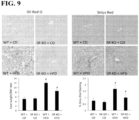
- Hepatic steatosis was apparent by Oil Red O histochemistry in WT + HFD mice compared to WT + CD. There is a significant reduction in Oil Red O staining in SR KO + HFD compared to WT + HFD ( Figure 9 , left panel top).
- HFD stimulates biliary proliferation in WT mice that is blocked by SR knockout .
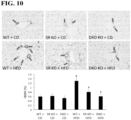
- Biliary proliferation was evaluated by analysis of immunohistochemistry for CK-19 (a specific marker of cholangiocytes).
- IBDM intrahepatic bile duct mass
- SR KO + HFD and DKO SCT/SR double knockout
- HFD induces apoptosis in cholangiocytes from WT mice that is blocked by SR knockout .
- miR-125b and let-7a expression levels are downregulated with concomitant upregulation of VEGF-A and NGF expression in WT mice fed HFD . It was shown that following liver injury, secretin produced by cholangiocytes and S cells reduces miR-125b and let-7a levels in cholangiocytes, resulting in upregulation of VEGF and NGF, respectively. (See, Glaser, S et al., Secretin stimulates biliary cell proliferation by regulating expression of microRNA 125b and microRNA let7a in mice, Gastroenterology 146:1795-808 e12 (2014 ).
- miRNA expression levels were evaluated by TaqMan MicroRNA Assay (Thermo Fisher Scientific). There was a significant increase in SCT and SR gene expression in MCC stimulated with saturated FFAs (palmitate and stearate) but not unsaturated FFAs (oleate) (data not shown). There was also increase SCT secretion in to the media of MCC stimulated with palmitate and stearate but not oleate (data not shown). miR-125b and let-7a expression levels were also decreased in MCC stimulated with palmitate and stearate for 24 hours (data not shown). These findings indicate a direct link between saturated FFAs and the SCT/SR axis in cholangiocytes.
Landscapes
- Health & Medical Sciences (AREA)
- Life Sciences & Earth Sciences (AREA)
- Chemical & Material Sciences (AREA)
- Medicinal Chemistry (AREA)
- Gastroenterology & Hepatology (AREA)
- General Health & Medical Sciences (AREA)
- Public Health (AREA)
- Bioinformatics & Cheminformatics (AREA)
- Veterinary Medicine (AREA)
- Pharmacology & Pharmacy (AREA)
- Engineering & Computer Science (AREA)
- Animal Behavior & Ethology (AREA)
- Organic Chemistry (AREA)
- Zoology (AREA)
- Endocrinology (AREA)
- Proteomics, Peptides & Aminoacids (AREA)
- Epidemiology (AREA)
- General Chemical & Material Sciences (AREA)
- Immunology (AREA)
- Nuclear Medicine, Radiotherapy & Molecular Imaging (AREA)
- Chemical Kinetics & Catalysis (AREA)
- Toxicology (AREA)
- Biochemistry (AREA)
- Biophysics (AREA)
- Genetics & Genomics (AREA)
- Molecular Biology (AREA)
- Medicines That Contain Protein Lipid Enzymes And Other Medicines (AREA)
- Peptides Or Proteins (AREA)
Applications Claiming Priority (3)
| Application Number | Priority Date | Filing Date | Title |
|---|---|---|---|
| US201762502374P | 2017-05-05 | 2017-05-05 | |
| EP18795253.6A EP3618846B1 (de) | 2017-05-05 | 2018-05-04 | Sekretin zur behandlung von lebererkrankungen |
| PCT/US2018/031261 WO2018204893A1 (en) | 2017-05-05 | 2018-05-04 | Methods and compositions for treating liver disease |
Related Parent Applications (3)
| Application Number | Title | Priority Date | Filing Date |
|---|---|---|---|
| PCT/US2018/031261 Previously-Filed-Application WO2018204893A1 (en) | 2017-05-05 | 2018-05-04 | Methods and compositions for treating liver disease |
| EP18795253.6A Division EP3618846B1 (de) | 2017-05-05 | 2018-05-04 | Sekretin zur behandlung von lebererkrankungen |
| EP18795253.6A Division-Into EP3618846B1 (de) | 2017-05-05 | 2018-05-04 | Sekretin zur behandlung von lebererkrankungen |
Publications (3)
| Publication Number | Publication Date |
|---|---|
| EP4397678A2 true EP4397678A2 (de) | 2024-07-10 |
| EP4397678A3 EP4397678A3 (de) | 2024-09-18 |
| EP4397678B1 EP4397678B1 (de) | 2026-02-18 |
Family
ID=64016768
Family Applications (2)
| Application Number | Title | Priority Date | Filing Date |
|---|---|---|---|
| EP23202326.7A Active EP4397678B1 (de) | 2017-05-05 | 2018-05-04 | Sec 5-27 zur behandlung der primären biliären cholangitis |
| EP18795253.6A Active EP3618846B1 (de) | 2017-05-05 | 2018-05-04 | Sekretin zur behandlung von lebererkrankungen |
Family Applications After (1)
| Application Number | Title | Priority Date | Filing Date |
|---|---|---|---|
| EP18795253.6A Active EP3618846B1 (de) | 2017-05-05 | 2018-05-04 | Sekretin zur behandlung von lebererkrankungen |
Country Status (4)
| Country | Link |
|---|---|
| US (1) | US11318190B2 (de) |
| EP (2) | EP4397678B1 (de) |
| CA (1) | CA3066611A1 (de) |
| WO (1) | WO2018204893A1 (de) |
Families Citing this family (3)
| Publication number | Priority date | Publication date | Assignee | Title |
|---|---|---|---|---|
| US11160826B1 (en) | 2017-03-03 | 2021-11-02 | United States Government As Represented By The Department Of Veterans Affairs | Cholesterol lowering drugs for the treatment of hepatic encephalopathy |
| US11318190B2 (en) | 2017-05-05 | 2022-05-03 | United States Government As Represented By The Department Of Veterans Affairs | Methods and compositions for treating liver disease |
| WO2019173148A1 (en) * | 2018-03-05 | 2019-09-12 | The United States Government As Represented By The United States Department Of Veterans Affairs | Cholesterol lowering drugs for the treatment of hepatic encephalopathy |
Citations (31)
| Publication number | Priority date | Publication date | Assignee | Title |
|---|---|---|---|---|
| US4083368A (en) | 1976-09-01 | 1978-04-11 | Freezer Winthrop J | Inhaler |
| US4351337A (en) | 1973-05-17 | 1982-09-28 | Arthur D. Little, Inc. | Biodegradable, implantable drug delivery device, and process for preparing and using the same |
| US4849224A (en) | 1987-11-12 | 1989-07-18 | Theratech Inc. | Device for administering an active agent to the skin or mucosa |
| US4906169A (en) | 1986-12-29 | 1990-03-06 | Rutgers, The State University Of New Jersey | Transdermal estrogen/progestin dosage unit, system and process |
| US4911916A (en) | 1986-12-22 | 1990-03-27 | Cygnus Research Corporation | Diffusion matrix for transdermal drug administration and transdermal drug delivery devices including same |
| US4925677A (en) | 1988-08-31 | 1990-05-15 | Theratech, Inc. | Biodegradable hydrogel matrices for the controlled release of pharmacologically active agents |
| US4925673A (en) | 1986-08-18 | 1990-05-15 | Clinical Technologies Associates, Inc. | Delivery systems for pharmacological agents encapsulated with proteinoids |
| US4983395A (en) | 1987-11-12 | 1991-01-08 | Theratech Inc. | Device for administering an active agent to the skin or mucosa |
| US4994439A (en) | 1989-01-19 | 1991-02-19 | California Biotechnology Inc. | Transmembrane formulations for drug administration |
| US5002936A (en) | 1985-04-12 | 1991-03-26 | Seymour Lieberman | Lipophilic complexes of pharmacologically active inorganic mineral acid esters of organic compounds |
| US5013556A (en) | 1989-10-20 | 1991-05-07 | Liposome Technology, Inc. | Liposomes with enhanced circulation time |
| US5023084A (en) | 1986-12-29 | 1991-06-11 | Rutgers, The State University Of New Jersey | Transdermal estrogen/progestin dosage unit, system and process |
| US5284656A (en) | 1991-03-15 | 1994-02-08 | Amgen Inc. | Pulmonary administration of granulocyte colony stimulating factor |
| US5346701A (en) | 1993-02-22 | 1994-09-13 | Theratech, Inc. | Transmucosal delivery of macromolecular drugs |
| US5460820A (en) | 1993-08-03 | 1995-10-24 | Theratech, Inc. | Methods for providing testosterone and optionally estrogen replacement therapy to women |
| US5605702A (en) | 1994-03-28 | 1997-02-25 | Laboratoires D'hygiene Et De Dietetique | Eva-based transdermal matrix system for the administration of an estrogen and/or a progestogen |
| US5662925A (en) | 1994-12-21 | 1997-09-02 | Theratech, Inc. | Transdermal delivery system with adhesive overlay and peel seal disc |
| US5770559A (en) | 1992-10-14 | 1998-06-23 | The Regents Of The University Of Colorado | Solubilization of pharmaceutical substances in an organic solvent and preparation of pharmaceutical powders using the same |
| US5783208A (en) | 1996-07-19 | 1998-07-21 | Theratech, Inc. | Transdermal drug delivery matrix for coadministering estradiol and another steroid |
| US5792451A (en) | 1994-03-02 | 1998-08-11 | Emisphere Technologies, Inc. | Oral drug delivery compositions and methods |
| WO2000038651A1 (en) | 1998-12-23 | 2000-07-06 | Amgen Inc. | BIODEGRADABLE pH/THERMOSENSITIVE HYDROGELS FOR SUSTAINED DELIVERY OF BIOLOGICALLY ACTIVE AGENTS |
| WO2000038652A1 (en) | 1998-12-23 | 2000-07-06 | Amgen Inc. | Polyol/oil suspensions for the sustained release of proteins |
| US6273086B1 (en) | 1998-02-06 | 2001-08-14 | Unisia Jecs Corporation | Inhalant medicator |
| WO2002011801A1 (en) | 2000-08-04 | 2002-02-14 | The Technology Partnership Plc | Dry powder inhaler |
| US20020119946A1 (en) | 2001-02-28 | 2002-08-29 | Mg Pharmacy Ltd. | Formative agent of protein complex |
| WO2004017918A2 (en) | 2002-08-21 | 2004-03-04 | Norton Healthcare Ltd. | Method of preparing dry powder inhalation compositions |
| US6887487B2 (en) | 2001-10-19 | 2005-05-03 | Idexx Laboratories, Inc. | Injectable compositions for the controlled delivery of pharmacologically active compound |
| US6892728B2 (en) | 2000-03-21 | 2005-05-17 | Astrazeneca Ab | Inhalation device |
| US6900317B2 (en) | 2002-02-19 | 2005-05-31 | Boehringer Ingelheim Pharma Gmbh & Co. Kg | Salts of the CGRP antagonist BIBN4096 and inhalable powdered medicaments containing them |
| US6932962B1 (en) | 1994-12-22 | 2005-08-23 | Astrazeneca Ab | Aerosol drug formulations containing hydrofluoroalkanes and alkyl saccharides |
| WO2005105057A1 (en) | 2004-04-23 | 2005-11-10 | Amgen Inc. | Sustained release formulations |
Family Cites Families (9)
| Publication number | Priority date | Publication date | Assignee | Title |
|---|---|---|---|---|
| US6197746B1 (en) | 1998-05-19 | 2001-03-06 | Repligen Corporation | Method of using secretin for treating autism |
| US6632429B1 (en) | 1999-12-17 | 2003-10-14 | Joan M. Fallon | Methods for treating pervasive development disorders |
| GB0016441D0 (en) * | 2000-07-04 | 2000-08-23 | Pharmagene Lab Limited | Therapeutic method |
| US7884076B2 (en) | 2003-11-06 | 2011-02-08 | The Trustees Of Columbia University In The City Of New York | Multipeptide regimen for the treatment of autistic spectrum, behavioral, emotional and visceral inflammation/autoimmune disorders |
| WO2009040027A1 (en) * | 2007-09-11 | 2009-04-02 | Mondobiotech Laboratories Ag | Use of the peptide stresscopin as a therapeutic agent |
| CA2797033C (en) * | 2010-04-22 | 2021-10-19 | Longevity Biotech, Inc. | Highly active polypeptides and methods of making and using the same |
| JP2015149907A (ja) * | 2014-02-10 | 2015-08-24 | 国立研究開発法人理化学研究所 | Vip受容体シグナルカスケードの調節剤を含む肝線維化に伴う疾患の治療剤とそのスクリーニング方法 |
| US20200179488A1 (en) | 2016-05-23 | 2020-06-11 | Technische Universität München | Secretin Receptor Agonists to Treat Diseases or Disorders of Energy Homeostasis |
| US11318190B2 (en) | 2017-05-05 | 2022-05-03 | United States Government As Represented By The Department Of Veterans Affairs | Methods and compositions for treating liver disease |
-
2018
- 2018-04-05 US US16/611,147 patent/US11318190B2/en active Active
- 2018-05-04 EP EP23202326.7A patent/EP4397678B1/de active Active
- 2018-05-04 WO PCT/US2018/031261 patent/WO2018204893A1/en not_active Ceased
- 2018-05-04 CA CA3066611A patent/CA3066611A1/en active Pending
- 2018-05-04 EP EP18795253.6A patent/EP3618846B1/de active Active
Patent Citations (35)
| Publication number | Priority date | Publication date | Assignee | Title |
|---|---|---|---|---|
| US4351337A (en) | 1973-05-17 | 1982-09-28 | Arthur D. Little, Inc. | Biodegradable, implantable drug delivery device, and process for preparing and using the same |
| US4083368A (en) | 1976-09-01 | 1978-04-11 | Freezer Winthrop J | Inhaler |
| US5002936A (en) | 1985-04-12 | 1991-03-26 | Seymour Lieberman | Lipophilic complexes of pharmacologically active inorganic mineral acid esters of organic compounds |
| US4925673A (en) | 1986-08-18 | 1990-05-15 | Clinical Technologies Associates, Inc. | Delivery systems for pharmacological agents encapsulated with proteinoids |
| US4911916A (en) | 1986-12-22 | 1990-03-27 | Cygnus Research Corporation | Diffusion matrix for transdermal drug administration and transdermal drug delivery devices including same |
| US5023084A (en) | 1986-12-29 | 1991-06-11 | Rutgers, The State University Of New Jersey | Transdermal estrogen/progestin dosage unit, system and process |
| US4906169A (en) | 1986-12-29 | 1990-03-06 | Rutgers, The State University Of New Jersey | Transdermal estrogen/progestin dosage unit, system and process |
| US4849224A (en) | 1987-11-12 | 1989-07-18 | Theratech Inc. | Device for administering an active agent to the skin or mucosa |
| US4983395A (en) | 1987-11-12 | 1991-01-08 | Theratech Inc. | Device for administering an active agent to the skin or mucosa |
| US4925677A (en) | 1988-08-31 | 1990-05-15 | Theratech, Inc. | Biodegradable hydrogel matrices for the controlled release of pharmacologically active agents |
| US4994439A (en) | 1989-01-19 | 1991-02-19 | California Biotechnology Inc. | Transmembrane formulations for drug administration |
| US5013556A (en) | 1989-10-20 | 1991-05-07 | Liposome Technology, Inc. | Liposomes with enhanced circulation time |
| US5284656A (en) | 1991-03-15 | 1994-02-08 | Amgen Inc. | Pulmonary administration of granulocyte colony stimulating factor |
| US5981474A (en) | 1992-10-14 | 1999-11-09 | University Technology Corporation | Solubilization of pharmaceutical substances in an organic solvent and preparation of pharmaceutical powders using the same |
| US5770559A (en) | 1992-10-14 | 1998-06-23 | The Regents Of The University Of Colorado | Solubilization of pharmaceutical substances in an organic solvent and preparation of pharmaceutical powders using the same |
| US5346701A (en) | 1993-02-22 | 1994-09-13 | Theratech, Inc. | Transmucosal delivery of macromolecular drugs |
| US5516523A (en) | 1993-02-22 | 1996-05-14 | Theratech, Inc. | Transmucosal delivery of macromolecular drugs |
| US5460820A (en) | 1993-08-03 | 1995-10-24 | Theratech, Inc. | Methods for providing testosterone and optionally estrogen replacement therapy to women |
| US5460820B1 (en) | 1993-08-03 | 1999-08-03 | Theratech Inc | Method for providing testosterone and optionally estrogen replacement therapy to women |
| US5792451A (en) | 1994-03-02 | 1998-08-11 | Emisphere Technologies, Inc. | Oral drug delivery compositions and methods |
| US5605702A (en) | 1994-03-28 | 1997-02-25 | Laboratoires D'hygiene Et De Dietetique | Eva-based transdermal matrix system for the administration of an estrogen and/or a progestogen |
| US5662925A (en) | 1994-12-21 | 1997-09-02 | Theratech, Inc. | Transdermal delivery system with adhesive overlay and peel seal disc |
| US6932962B1 (en) | 1994-12-22 | 2005-08-23 | Astrazeneca Ab | Aerosol drug formulations containing hydrofluoroalkanes and alkyl saccharides |
| US5783208A (en) | 1996-07-19 | 1998-07-21 | Theratech, Inc. | Transdermal drug delivery matrix for coadministering estradiol and another steroid |
| US6273086B1 (en) | 1998-02-06 | 2001-08-14 | Unisia Jecs Corporation | Inhalant medicator |
| WO2000038651A1 (en) | 1998-12-23 | 2000-07-06 | Amgen Inc. | BIODEGRADABLE pH/THERMOSENSITIVE HYDROGELS FOR SUSTAINED DELIVERY OF BIOLOGICALLY ACTIVE AGENTS |
| WO2000038652A1 (en) | 1998-12-23 | 2000-07-06 | Amgen Inc. | Polyol/oil suspensions for the sustained release of proteins |
| US6245740B1 (en) | 1998-12-23 | 2001-06-12 | Amgen Inc. | Polyol:oil suspensions for the sustained release of proteins |
| US6892728B2 (en) | 2000-03-21 | 2005-05-17 | Astrazeneca Ab | Inhalation device |
| WO2002011801A1 (en) | 2000-08-04 | 2002-02-14 | The Technology Partnership Plc | Dry powder inhaler |
| US20020119946A1 (en) | 2001-02-28 | 2002-08-29 | Mg Pharmacy Ltd. | Formative agent of protein complex |
| US6887487B2 (en) | 2001-10-19 | 2005-05-03 | Idexx Laboratories, Inc. | Injectable compositions for the controlled delivery of pharmacologically active compound |
| US6900317B2 (en) | 2002-02-19 | 2005-05-31 | Boehringer Ingelheim Pharma Gmbh & Co. Kg | Salts of the CGRP antagonist BIBN4096 and inhalable powdered medicaments containing them |
| WO2004017918A2 (en) | 2002-08-21 | 2004-03-04 | Norton Healthcare Ltd. | Method of preparing dry powder inhalation compositions |
| WO2005105057A1 (en) | 2004-04-23 | 2005-11-10 | Amgen Inc. | Sustained release formulations |
Non-Patent Citations (74)
Also Published As
| Publication number | Publication date |
|---|---|
| CA3066611A1 (en) | 2018-11-08 |
| US11318190B2 (en) | 2022-05-03 |
| EP3618846A1 (de) | 2020-03-11 |
| EP3618846A4 (de) | 2021-01-20 |
| WO2018204893A1 (en) | 2018-11-08 |
| EP3618846B1 (de) | 2026-01-07 |
| EP4397678B1 (de) | 2026-02-18 |
| EP4397678A3 (de) | 2024-09-18 |
| US20200078445A1 (en) | 2020-03-12 |
Similar Documents
| Publication | Publication Date | Title |
|---|---|---|
| Song et al. | CREG protects from myocardial ischemia/reperfusion injury by regulating myocardial autophagy and apoptosis | |
| JP6403685B2 (ja) | 胆汁酸ホメオスタシス調整並びに胆汁酸障害及び疾患の治療の方法 | |
| US9808501B2 (en) | Compositions and methods for treating and preventing hyperlipidemia, fatty liver, atherosclerosis and other disorders associated with metabolic syndrome | |
| CN105263948A (zh) | 用Nutlin-3a和肽抑制肺纤维化 | |
| EP3618846B1 (de) | Sekretin zur behandlung von lebererkrankungen | |
| Li et al. | DNMT3a-mediated methylation of TCF21/hnRNPA1 aggravates hepatic fibrosis by regulating the NF-κB signaling pathway | |
| Moser et al. | FAM3D: A gut secreted protein and its potential in the regulation of glucose metabolism | |
| US10272133B2 (en) | Compositions and methods for treating and preventing hyperlipidemia, fatty liver, atherosclerosis and other disorders associated with metabolic syndrome | |
| US8318657B2 (en) | Methods and compositions for preventing and/or treating pancreatitis | |
| JP4950903B2 (ja) | ボンベシン/ガストリン放出ペプチドアンタゴニストの、炎症性状態、急性肺損傷及び双極性障害の治療のための使用 | |
| WO2015112703A1 (en) | Compositions and methods for treating diabetes | |
| JP2021500078A (ja) | 細胞外小胞関連疾患のための材料および方法 | |
| Feurle et al. | Metabolism and potency of xenin and of its reduced hexapseudopeptide Ψ fragment in the dog | |
| US20220040253A1 (en) | Agonists of Human Kisspeptin Receptor for Modulating Sexual Desire | |
| KR102544211B1 (ko) | 대사성 글루타메이트 수용체 5가 활성화된 자연 살해 세포 및 이의 용도 | |
| US11040082B2 (en) | Compositions and methods for treating colorectal cancer | |
| Santos-Hernández et al. | Cholecystokinin in intestinal and extraintestinal endocrine cells | |
| WO2021032955A1 (en) | Treatment | |
| Hernandez | The Physiology and Pharmacology of FGF21 in the Exocrine Pancreas | |
| US7879572B2 (en) | Regulation of F1-ATPase beta subunit cellular location | |
| AU2006319749B2 (en) | Methods and compositions for preventing and/or treating pancreatitis | |
| Bianciotti et al. | Endothelins participate in the central and peripheral | |
| Morgenthaler | Copeptin—the steady and reliable copilot of vasopressin | |
| CN1738606A (zh) | 肽经口输递的改进 | |
| Minas | ETS family of transcription factors as a therapeutic target in cancer |
Legal Events
| Date | Code | Title | Description |
|---|---|---|---|
| PUAI | Public reference made under article 153(3) epc to a published international application that has entered the european phase |
Free format text: ORIGINAL CODE: 0009012 |
|
| STAA | Information on the status of an ep patent application or granted ep patent |
Free format text: STATUS: THE APPLICATION HAS BEEN PUBLISHED |
|
| AC | Divisional application: reference to earlier application |
Ref document number: 3618846 Country of ref document: EP Kind code of ref document: P |
|
| AK | Designated contracting states |
Kind code of ref document: A2 Designated state(s): AL AT BE BG CH CY CZ DE DK EE ES FI FR GB GR HR HU IE IS IT LI LT LU LV MC MK MT NL NO PL PT RO RS SE SI SK SM TR |
|
| REG | Reference to a national code |
Ref country code: DE Ref legal event code: R079 Free format text: PREVIOUS MAIN CLASS: C07K0014705000 Ipc: A61K0038000000 Ref document number: 602018089337 Country of ref document: DE |
|
| PUAL | Search report despatched |
Free format text: ORIGINAL CODE: 0009013 |
|
| AK | Designated contracting states |
Kind code of ref document: A3 Designated state(s): AL AT BE BG CH CY CZ DE DK EE ES FI FR GB GR HR HU IE IS IT LI LT LU LV MC MK MT NL NO PL PT RO RS SE SI SK SM TR |
|
| RIC1 | Information provided on ipc code assigned before grant |
Ipc: C07K 14/705 20060101ALI20240812BHEP Ipc: C07K 14/645 20060101ALI20240812BHEP Ipc: C07K 14/575 20060101ALI20240812BHEP Ipc: A61P 1/16 20060101ALI20240812BHEP Ipc: A61K 38/22 20060101ALI20240812BHEP Ipc: A61K 38/00 20060101AFI20240812BHEP |
|
| STAA | Information on the status of an ep patent application or granted ep patent |
Free format text: STATUS: REQUEST FOR EXAMINATION WAS MADE |
|
| STAA | Information on the status of an ep patent application or granted ep patent |
Free format text: STATUS: EXAMINATION IS IN PROGRESS |
|
| 17P | Request for examination filed |
Effective date: 20250318 |
|
| 17Q | First examination report despatched |
Effective date: 20250415 |
|
| GRAP | Despatch of communication of intention to grant a patent |
Free format text: ORIGINAL CODE: EPIDOSNIGR1 |
|
| STAA | Information on the status of an ep patent application or granted ep patent |
Free format text: STATUS: GRANT OF PATENT IS INTENDED |
|
| INTG | Intention to grant announced |
Effective date: 20250909 |
|
| GRAS | Grant fee paid |
Free format text: ORIGINAL CODE: EPIDOSNIGR3 |
|
| GRAA | (expected) grant |
Free format text: ORIGINAL CODE: 0009210 |
|
| STAA | Information on the status of an ep patent application or granted ep patent |
Free format text: STATUS: THE PATENT HAS BEEN GRANTED |
|
| AC | Divisional application: reference to earlier application |
Ref document number: 3618846 Country of ref document: EP Kind code of ref document: P |
|
| AK | Designated contracting states |
Kind code of ref document: B1 Designated state(s): AL AT BE BG CH CY CZ DE DK EE ES FI FR GB GR HR HU IE IS IT LI LT LU LV MC MK MT NL NO PL PT RO RS SE SI SK SM TR |
|
| REG | Reference to a national code |
Ref country code: CH Ref legal event code: F10 Free format text: ST27 STATUS EVENT CODE: U-0-0-F10-F00 (AS PROVIDED BY THE NATIONAL OFFICE) Effective date: 20260218 Ref country code: GB Ref legal event code: FG4D |
|
| REG | Reference to a national code |
Ref country code: IE Ref legal event code: FG4D |
|
| REG | Reference to a national code |
Ref country code: DE Ref legal event code: R096 Ref document number: 602018089337 Country of ref document: DE |