EP4394687A1 - Brain workload index calculation system and brain workload index calculation method - Google Patents
Brain workload index calculation system and brain workload index calculation method Download PDFInfo
- Publication number
- EP4394687A1 EP4394687A1 EP22860903.8A EP22860903A EP4394687A1 EP 4394687 A1 EP4394687 A1 EP 4394687A1 EP 22860903 A EP22860903 A EP 22860903A EP 4394687 A1 EP4394687 A1 EP 4394687A1
- Authority
- EP
- European Patent Office
- Prior art keywords
- brain
- brain activity
- workload index
- work performance
- tasks
- Prior art date
- Legal status (The legal status is an assumption and is not a legal conclusion. Google has not performed a legal analysis and makes no representation as to the accuracy of the status listed.)
- Pending
Links
Images



Classifications
-
- G—PHYSICS
- G06—COMPUTING OR CALCULATING; COUNTING
- G06Q—INFORMATION AND COMMUNICATION TECHNOLOGY [ICT] SPECIALLY ADAPTED FOR ADMINISTRATIVE, COMMERCIAL, FINANCIAL, MANAGERIAL OR SUPERVISORY PURPOSES; SYSTEMS OR METHODS SPECIALLY ADAPTED FOR ADMINISTRATIVE, COMMERCIAL, FINANCIAL, MANAGERIAL OR SUPERVISORY PURPOSES, NOT OTHERWISE PROVIDED FOR
- G06Q50/00—Information and communication technology [ICT] specially adapted for implementation of business processes of specific business sectors, e.g. utilities or tourism
- G06Q50/10—Services
- G06Q50/20—Education
-
- A—HUMAN NECESSITIES
- A61—MEDICAL OR VETERINARY SCIENCE; HYGIENE
- A61B—DIAGNOSIS; SURGERY; IDENTIFICATION
- A61B5/00—Measuring for diagnostic purposes; Identification of persons
- A61B5/145—Measuring characteristics of blood in vivo, e.g. gas concentration or pH-value ; Measuring characteristics of body fluids or tissues, e.g. interstitial fluid or cerebral tissue
- A61B5/1455—Measuring characteristics of blood in vivo, e.g. gas concentration or pH-value ; Measuring characteristics of body fluids or tissues, e.g. interstitial fluid or cerebral tissue using optical sensors, e.g. spectral photometrical oximeters
- A61B5/14551—Measuring characteristics of blood in vivo, e.g. gas concentration or pH-value ; Measuring characteristics of body fluids or tissues, e.g. interstitial fluid or cerebral tissue using optical sensors, e.g. spectral photometrical oximeters for measuring blood gases
- A61B5/14553—Measuring characteristics of blood in vivo, e.g. gas concentration or pH-value ; Measuring characteristics of body fluids or tissues, e.g. interstitial fluid or cerebral tissue using optical sensors, e.g. spectral photometrical oximeters for measuring blood gases specially adapted for cerebral tissue
-
- A—HUMAN NECESSITIES
- A61—MEDICAL OR VETERINARY SCIENCE; HYGIENE
- A61B—DIAGNOSIS; SURGERY; IDENTIFICATION
- A61B5/00—Measuring for diagnostic purposes; Identification of persons
- A61B5/16—Devices for psychotechnics; Testing reaction times ; Devices for evaluating the psychological state
- A61B5/18—Devices for psychotechnics; Testing reaction times ; Devices for evaluating the psychological state for vehicle drivers or machine operators
-
- A—HUMAN NECESSITIES
- A61—MEDICAL OR VETERINARY SCIENCE; HYGIENE
- A61B—DIAGNOSIS; SURGERY; IDENTIFICATION
- A61B5/00—Measuring for diagnostic purposes; Identification of persons
- A61B5/40—Detecting, measuring or recording for evaluating the nervous system
- A61B5/4058—Detecting, measuring or recording for evaluating the nervous system for evaluating the central nervous system
- A61B5/4064—Evaluating the brain
-
- G—PHYSICS
- G06—COMPUTING OR CALCULATING; COUNTING
- G06Q—INFORMATION AND COMMUNICATION TECHNOLOGY [ICT] SPECIALLY ADAPTED FOR ADMINISTRATIVE, COMMERCIAL, FINANCIAL, MANAGERIAL OR SUPERVISORY PURPOSES; SYSTEMS OR METHODS SPECIALLY ADAPTED FOR ADMINISTRATIVE, COMMERCIAL, FINANCIAL, MANAGERIAL OR SUPERVISORY PURPOSES, NOT OTHERWISE PROVIDED FOR
- G06Q10/00—Administration; Management
- G06Q10/06—Resources, workflows, human or project management; Enterprise or organisation planning; Enterprise or organisation modelling
- G06Q10/063—Operations research, analysis or management
- G06Q10/0639—Performance analysis of employees; Performance analysis of enterprise or organisation operations
- G06Q10/06398—Performance of employee with respect to a job function
-
- G—PHYSICS
- G06—COMPUTING OR CALCULATING; COUNTING
- G06Q—INFORMATION AND COMMUNICATION TECHNOLOGY [ICT] SPECIALLY ADAPTED FOR ADMINISTRATIVE, COMMERCIAL, FINANCIAL, MANAGERIAL OR SUPERVISORY PURPOSES; SYSTEMS OR METHODS SPECIALLY ADAPTED FOR ADMINISTRATIVE, COMMERCIAL, FINANCIAL, MANAGERIAL OR SUPERVISORY PURPOSES, NOT OTHERWISE PROVIDED FOR
- G06Q50/00—Information and communication technology [ICT] specially adapted for implementation of business processes of specific business sectors, e.g. utilities or tourism
- G06Q50/10—Services
-
- G—PHYSICS
- G06—COMPUTING OR CALCULATING; COUNTING
- G06Q—INFORMATION AND COMMUNICATION TECHNOLOGY [ICT] SPECIALLY ADAPTED FOR ADMINISTRATIVE, COMMERCIAL, FINANCIAL, MANAGERIAL OR SUPERVISORY PURPOSES; SYSTEMS OR METHODS SPECIALLY ADAPTED FOR ADMINISTRATIVE, COMMERCIAL, FINANCIAL, MANAGERIAL OR SUPERVISORY PURPOSES, NOT OTHERWISE PROVIDED FOR
- G06Q50/00—Information and communication technology [ICT] specially adapted for implementation of business processes of specific business sectors, e.g. utilities or tourism
- G06Q50/10—Services
- G06Q50/20—Education
- G06Q50/205—Education administration or guidance
-
- A—HUMAN NECESSITIES
- A61—MEDICAL OR VETERINARY SCIENCE; HYGIENE
- A61B—DIAGNOSIS; SURGERY; IDENTIFICATION
- A61B2503/00—Evaluating a particular growth phase or type of persons or animals
- A61B2503/08—Elderly
-
- A—HUMAN NECESSITIES
- A61—MEDICAL OR VETERINARY SCIENCE; HYGIENE
- A61B—DIAGNOSIS; SURGERY; IDENTIFICATION
- A61B2503/00—Evaluating a particular growth phase or type of persons or animals
- A61B2503/20—Workers
-
- A—HUMAN NECESSITIES
- A61—MEDICAL OR VETERINARY SCIENCE; HYGIENE
- A61B—DIAGNOSIS; SURGERY; IDENTIFICATION
- A61B2505/00—Evaluating, monitoring or diagnosing in the context of a particular type of medical care
- A61B2505/09—Rehabilitation or training
-
- A—HUMAN NECESSITIES
- A61—MEDICAL OR VETERINARY SCIENCE; HYGIENE
- A61B—DIAGNOSIS; SURGERY; IDENTIFICATION
- A61B5/00—Measuring for diagnostic purposes; Identification of persons
- A61B5/0059—Measuring for diagnostic purposes; Identification of persons using light, e.g. diagnosis by transillumination, diascopy, fluorescence
- A61B5/0075—Measuring for diagnostic purposes; Identification of persons using light, e.g. diagnosis by transillumination, diascopy, fluorescence by spectroscopy, i.e. measuring spectra, e.g. Raman spectroscopy, infrared absorption spectroscopy
-
- A—HUMAN NECESSITIES
- A61—MEDICAL OR VETERINARY SCIENCE; HYGIENE
- A61B—DIAGNOSIS; SURGERY; IDENTIFICATION
- A61B5/00—Measuring for diagnostic purposes; Identification of persons
- A61B5/05—Detecting, measuring or recording for diagnosis by means of electric currents or magnetic fields; Measuring using microwaves or radio waves
- A61B5/055—Detecting, measuring or recording for diagnosis by means of electric currents or magnetic fields; Measuring using microwaves or radio waves involving electronic [EMR] or nuclear [NMR] magnetic resonance, e.g. magnetic resonance imaging
-
- A—HUMAN NECESSITIES
- A61—MEDICAL OR VETERINARY SCIENCE; HYGIENE
- A61B—DIAGNOSIS; SURGERY; IDENTIFICATION
- A61B5/00—Measuring for diagnostic purposes; Identification of persons
- A61B5/16—Devices for psychotechnics; Testing reaction times ; Devices for evaluating the psychological state
- A61B5/168—Evaluating attention deficit, hyperactivity
-
- A—HUMAN NECESSITIES
- A61—MEDICAL OR VETERINARY SCIENCE; HYGIENE
- A61B—DIAGNOSIS; SURGERY; IDENTIFICATION
- A61B5/00—Measuring for diagnostic purposes; Identification of persons
- A61B5/24—Detecting, measuring or recording bioelectric or biomagnetic signals of the body or parts thereof
- A61B5/316—Modalities, i.e. specific diagnostic methods
- A61B5/369—Electroencephalography [EEG]
-
- A—HUMAN NECESSITIES
- A61—MEDICAL OR VETERINARY SCIENCE; HYGIENE
- A61B—DIAGNOSIS; SURGERY; IDENTIFICATION
- A61B5/00—Measuring for diagnostic purposes; Identification of persons
- A61B5/68—Arrangements of detecting, measuring or recording means, e.g. sensors, in relation to patient
- A61B5/6801—Arrangements of detecting, measuring or recording means, e.g. sensors, in relation to patient specially adapted to be attached to or worn on the body surface
- A61B5/6813—Specially adapted to be attached to a specific body part
- A61B5/6814—Head
Definitions
- the present invention relates to a brain workload index calculation system and a brain workload index calculation method, and more particularly, it relates to a brain workload index calculation system including a brain activity measurement device, a data processor, and a display, and a brain workload index calculation method.
- an optical measurement device including a brain activity measurement device, a data processor, and a display is known.
- Such an optical measurement device is disclosed in Japanese Patent Laid-Open No. 2015-229095 , for example.
- Japanese Patent Laid-Open No. 2015-229095 discloses an optical measurement device that performs optical measurement (brain function measurement) using near-infrared spectroscopy (NIRS).
- This optical measurement device includes an optical measurement unit (brain activity measurement device) and a control unit (data processor) including a display.
- Light transmitting probes and light receiving probes of the optical measurement device are placed at predetermined positions on the head surface of a subject by being attached to a probe fixing holder attached to the head of the subject.
- Patent Document 1 Japanese Patent Laid-Open No. 2015-229095
- a brain workload index calculation system includes a brain activity measurement device configured to measure brain activity of a subject, a data processor configured or programmed to calculate a brain workload index based on a degree of change in measurement data of the brain activity of the subject during execution of a plurality of tasks with different difficulty levels with respect to work performance of the subject for each of the plurality of tasks with different difficulty levels, the measurement data being acquired from the brain activity measurement device, and a display configured to display the brain workload index calculated by the data processor.
- the "work performance” is a score representing an evaluation of a result for a task performed by the subject during brain activity measurement.
- a brain workload index calculation method includes acquiring measurement data of brain activity of a subject during execution of a plurality of tasks with different difficulty levels, acquiring work performance of the subject for each of the plurality of tasks with different difficulty levels, calculating a brain workload index based on a degree of change in acquired measurement data of the brain activity of the subject with respect to acquired work performance of the subject, and displaying a calculated brain workload index.
- the brain workload index calculation method includes calculating the brain workload index based on the degree of change in the measurement data of the brain activity of the subject during execution of the plurality of tasks with different difficulty levels with respect to the work performance of the subject for each of the plurality of tasks with different difficulty levels.
- the degree of change in the measurement data of the brain activity of the subject with respect to the work performance of the subject is acquired as the brain workload index such that it can be evaluated that the larger degree of change acquired is closer to changes in the brain activity of young people. Therefore, it is possible to present an index showing the brain workload that can be used as objective data indicating the state of the brain when a worker performs work.
- a plurality of light transmitting probes and a plurality of light receiving probes are provided, and are attached to a holder 11 for fixing each probe at a predetermined position on the head surface.
- the brain activity measurement device 1 measures the amount of change in oxygenated hemoglobin, the amount of change in deoxygenated hemoglobin, and the amount of change in total hemoglobin based on the intensity of the measurement light (the amount of received light) at a plurality of wavelengths (three wavelengths of 780 nm, 805 nm, and 830 nm, for example) and the light absorption characteristics of hemoglobin.
- the brain activity measurement device 1 measures a change in the blood state of the brain associated with brain activity as a change in a hemoglobin amount.
- the brain activity measurement device 1 is communicably connected to the data processing device 2 and transmits the obtained measurement data to the data processing device 2.
- the data processing device 2 is a personal computer (PC) that includes a controller 21 including a CPU, a memory, etc., a storage 22 such as a hard disk drive or a flash memory, an input 23 such as a keyboard, and a display 24.
- the controller 21 CPU
- the controller 21 executes a program stored in the storage 22, the PC functions as the data processing device 2 of the brain workload index calculation system.
- the controller 21 acquires the measurement data through communication with the brain activity measurement device 1.
- the controller 21 acquires file data for data processing into which work performance has been input through the input 23.
- the work performance is a score representing an evaluation of a result for a task performed by the subject P during brain activity measurement.
- the controller 21 calculates a brain workload index based on the degree of change in the measurement data of the brain activity of the subject P during execution of the plurality of tasks with different difficulty levels acquired from the brain activity measurement device 1 with respect to the work performance of the subject P for each of the plurality of tasks with different difficulty levels.
- the controller 21 calculates, as the brain workload index, the amount of change in brain activity in the measurement data with respect to the amount of change in order of work performance for each of the plurality of tasks with different difficulty levels.
- the amount of change in brain activity refers to the amount of change in oxygenated hemoglobin, the amount of change in deoxygenated hemoglobin, and the amount of change in total hemoglobin, for example.
- the brain workload index is described below in detail.
- the input 23 receives an input by a user regarding a numerical value related to work performance.
- the work performance is input by the user into the file data for data processing according to the type of behavioral data and the subject P.
- the file data is data in Excel format, CSV format, or text format, for example.
- calculation of the brain workload index for the same subject P is performed a plurality of times.
- the current brain workload index 32 refers to the amount of change in brain activity in the measurement data with respect to the amount of change in work performance for each of the plurality of tasks with different difficulty levels acquired by performing all of the plurality of tasks with different difficulty levels.
- the workload index history 34 is obtained by arranging, in chronological order, previously calculated brain workload indexes.
- the current behavioral data 33 refers to the average value of the work performance that is results for the plurality of tasks at each difficulty level in the plurality of tasks with different difficulty levels, and the work performance is displayed according to the number of difficulty levels. Furthermore, the behavioral data history 35 is obtained by arranging, in chronological order, work performance according to the number of previously acquired difficulty levels.
- a value (numerical value) of the amount of change in brain activity in the measurement data with respect to the amount of change in work performance for each of the plurality of tasks with different difficulty levels is displayed on the display 24.
- a preset mark or color based on the above value may be displayed on the display 24. Examples of the mark include “0", “ ⁇ ", and "x" depending on the value.
- the work performance is a score representing the evaluation of the result for each of the plurality of tasks with different difficulty levels. For example, when the task is to perform a simulated drive using the drive simulator 3 (see FIG. 1 ), the work performance is obtained by converting various behavioral data, such as the time traveled at a constant speed and the time traveled from one section to another, into scores based on predetermined criteria.
- the brain workload index after the training can be said to have changed to the elderly model as compared with the brain workload index before the training.
- the user can evaluate that the training is not suitable for the subject P.
- the work performance and the brain activity amount have increased overall after the training. Furthermore, as a result of comparing the first approximate straight line 41 with the second approximate straight line 42 in FIG. 11 , after the training, on the higher work performance side, the work performance and the brain activity amount have increased, and on the lower work performance side, the work performance has increased while the brain activity amount has decreased. Moreover, as a result of comparing the first approximate straight line 41 with the second approximate straight line 42 in FIG. 12 , overall, the work performance has increased while the brain activity amount has decreased after the training. In all of FIGS. 10 to 12 , the amount of change in brain activity with respect to the amount of change in work performance (the slope of the approximate straight line) has decreased after the training.
- step S4 the controller 21 calculates an approximate straight line for plotting the calculated brain activity feature amount with respect to the acquired work performance. Then, the process advances to step S5.
- the controller 21 is configured or programmed to acquire the work performance obtained by converting the evaluations of the results for the plurality of tasks with different difficulty levels into scores. Accordingly, the work performance can be quantified and acquired.
- the amount of change in work performance varies depending on a work performance value, and thus it is possible to appropriately and precisely calculate the amount of change in brain activity with respect to the amount of change in work performance as the brain workload index.
- a step of acquiring the measurement data includes a step of causing the subject P to perform the plurality of tasks with different difficulty levels in order from a task with the lowest difficulty level to a task with the highest difficulty level and acquiring the measurement data of the brain activity of the subject P during execution of the plurality of tasks. It is possible to reduce or prevent the possibility that the subject P gives up performing the task midway through by changing the difficulty level of the task from a low difficulty level to a high difficulty level in stages.
- the young model is preferable to the elderly model.
- approximate straight lines are acquired for plotting the brain activity amount with respect to the work performance for each of the plurality of tasks with different difficulty levels when a product A and a product B are used.
- the product with a larger brain activity amount at + ⁇ in a case of estimating a difficulty level of + ⁇ and a smaller brain activity amount at - ⁇ in a case of estimating a difficulty level of - ⁇ can be estimated as a product that exhibits brain activity closer to that of the young model.
- the number of products to be compared in product evaluation may be two, or may be three or more.
- the plurality of tasks with different difficulty levels may be tasks using the product itself or may be tasks not using the product itself, as long as the tasks are performed when the product is used.
- Examples of using the brain workload index are not limited to evaluation of suitability of training and product evaluation in product development.
- Another example of using the brain workload index includes calculating the brain workload indexes of different subjects P and evaluating which subject P's brain workload index more closely approximates the young model.
- the present invention is not limited to this.
- the controller 21 may determine the presence or absence of the plateau region T.
- the subject P may be caused to perform a plurality of tasks with five or more different difficulty levels as the predetermined number.
- the controller 21 may determine the presence or absence of the plateau region T even when the calculated determination coefficient R 2 is equal to or greater than the preset threshold.
- the user may select at least two of a plurality of plot points of the brain activity amount with respect to the work performance for each of the plurality of tasks with different difficulty levels shown in the graph, and the controller 21 may calculate an approximate straight line based on the plot points selected by the user.
- the controller 21 may calculate an approximate straight line based on the plot points selected by the user.
- the brain workload index calculation system according to item 2 or 3, wherein the data processor is configured or programmed to calculate an approximate straight line for plot points plotted on a graph as a brain activity amount based on the amount of change in brain activity with respect to the work performance for each of the plurality of tasks with different difficulty levels, and use a slope of a calculated approximate straight line as the brain workload index.
- the brain workload index calculation system according to item 4, wherein the display is configured to display the graph representing the approximate straight line along with the brain workload index.
- the brain workload index calculation system according to item 5 or 6, wherein the display is configured to display the graph representing, as the approximate straight line, a first approximate straight line for plot points plotted on the graph as the brain activity amount with respect to the work performance for each of the plurality of tasks with different difficulty levels before predetermined training, and a second approximate straight line for plot points plotted on the graph as the brain activity amount with respect to the work performance for each of the plurality of tasks with different difficulty levels after the predetermined training.
- the brain workload index calculation system according to any one of items 4 to 7, wherein the data processor is configured or programmed to determine a presence or absence of a plateau region as a stagnant region in which the brain activity amount for each work performance is within a predetermined range.
- the brain workload index calculation system according to any one of items 1 to 8, wherein the brain activity measurement device is configured to measure brain activity of a prefrontal cortex in a head of the subject.
- the brain workload index calculation system according to any one of items 1 to 9, wherein the brain activity measurement device is configured to optically measure the brain activity of the subject using near-infrared spectroscopy.
- a brain workload index calculation method comprising:
- the brain workload index calculation method wherein the acquiring the measurement data includes causing the subject to perform the plurality of tasks with different difficulty levels in order from a task with a lowest difficulty level to a task with a highest difficulty level and acquiring the measurement data of the brain activity of the subject during execution of the plurality of tasks.
Landscapes
- Business, Economics & Management (AREA)
- Health & Medical Sciences (AREA)
- Engineering & Computer Science (AREA)
- Physics & Mathematics (AREA)
- Life Sciences & Earth Sciences (AREA)
- Human Resources & Organizations (AREA)
- Tourism & Hospitality (AREA)
- General Health & Medical Sciences (AREA)
- Strategic Management (AREA)
- Economics (AREA)
- Educational Administration (AREA)
- Marketing (AREA)
- General Business, Economics & Management (AREA)
- Educational Technology (AREA)
- General Physics & Mathematics (AREA)
- Theoretical Computer Science (AREA)
- Neurology (AREA)
- Biophysics (AREA)
- Animal Behavior & Ethology (AREA)
- Surgery (AREA)
- Public Health (AREA)
- Veterinary Medicine (AREA)
- Molecular Biology (AREA)
- Primary Health Care (AREA)
- Pathology (AREA)
- Biomedical Technology (AREA)
- Heart & Thoracic Surgery (AREA)
- Medical Informatics (AREA)
- Entrepreneurship & Innovation (AREA)
- Development Economics (AREA)
- Psychology (AREA)
- Optics & Photonics (AREA)
- Physiology (AREA)
- Game Theory and Decision Science (AREA)
- Social Psychology (AREA)
- Neurosurgery (AREA)
- Operations Research (AREA)
- Quality & Reliability (AREA)
- Psychiatry (AREA)
- Hospice & Palliative Care (AREA)
Abstract
Description
- The present invention relates to a brain workload index calculation system and a brain workload index calculation method, and more particularly, it relates to a brain workload index calculation system including a brain activity measurement device, a data processor, and a display, and a brain workload index calculation method.
- Conventionally, an optical measurement device including a brain activity measurement device, a data processor, and a display is known. Such an optical measurement device is disclosed in
Japanese Patent Laid-Open No. 2015-229095 -
Japanese Patent Laid-Open No. 2015-229095 - The optical measurement device can acquire a change in a hemoglobin amount (oxygenated hemoglobin, deoxygenated hemoglobin, and total hemoglobin) associated with brain activity based on the acquired intensity of the measurement light.
- Patent Document 1:
Japanese Patent Laid-Open No. 2015-229095 - Although not disclosed in
Japanese Patent Laid-Open No. 2015-229095 - The present invention is intended to solve at least one of the above problems. The present invention aims to provide a brain workload index calculation system and a brain workload index calculation method each capable of presenting an index showing brain workload that can be used as objective data indicating the state of the brain when a worker performs work.
- A brain workload index calculation system according to a first aspect of the present invention includes a brain activity measurement device configured to measure brain activity of a subject, a data processor configured or programmed to calculate a brain workload index based on a degree of change in measurement data of the brain activity of the subject during execution of a plurality of tasks with different difficulty levels with respect to work performance of the subject for each of the plurality of tasks with different difficulty levels, the measurement data being acquired from the brain activity measurement device, and a display configured to display the brain workload index calculated by the data processor. The "work performance" is a score representing an evaluation of a result for a task performed by the subject during brain activity measurement.
- A brain workload index calculation method according to a second aspect of the present invention includes acquiring measurement data of brain activity of a subject during execution of a plurality of tasks with different difficulty levels, acquiring work performance of the subject for each of the plurality of tasks with different difficulty levels, calculating a brain workload index based on a degree of change in acquired measurement data of the brain activity of the subject with respect to acquired work performance of the subject, and displaying a calculated brain workload index.
- In the brain workload index calculation system according to the first aspect of the present invention, as described above, the data processor calculates the brain workload index based on the degree of change in the measurement data of the brain activity of the subject during execution of the plurality of tasks with different difficulty levels with respect to the work performance of the subject for each of the plurality of tasks with different difficulty levels, acquired from the brain activity measurement device. The degree of change in the measurement data of the brain activity of the subject with respect to the work performance of the subject is acquired as the brain workload index such that it can be evaluated that the larger degree of change acquired is closer to changes in the brain activity of young people. Therefore, it is possible to present an index showing the brain workload that can be used as objective data indicating the state of the brain when a worker performs work.
- As described above, the brain workload index calculation method according to the second aspect of the present invention includes calculating the brain workload index based on the degree of change in the measurement data of the brain activity of the subject during execution of the plurality of tasks with different difficulty levels with respect to the work performance of the subject for each of the plurality of tasks with different difficulty levels. Similarly to the first aspect described above, the degree of change in the measurement data of the brain activity of the subject with respect to the work performance of the subject is acquired as the brain workload index such that it can be evaluated that the larger degree of change acquired is closer to changes in the brain activity of young people. Therefore, it is possible to present an index showing the brain workload that can be used as objective data indicating the state of the brain when a worker performs work.
-
-
FIG. 1 is a schematic view showing the overall configuration of a brain workload index calculation system according to one embodiment of the present invention. -
FIG. 2 is a block diagram of a brain workload index calculation system according to one embodiment of the present invention. -
FIG. 3 is a schematic view showing an example of a screen displayed on a display according to one embodiment of the present invention. -
FIG. 4 is a graph showing a young model and an elderly model for evaluating a difference in brain activity amount with respect to a difference in work performance. -
FIG. 5 is a schematic view showing a measurement design that includes task execution periods and rest periods according to one embodiment of the present invention. -
FIG. 6 is a graph for illustrating a plateau region. -
FIG. 7 is a graph showing a first example of a change to a young model after training in evaluation of suitability of training. -
FIG. 8 is a graph showing a second example of a change to a young model after training in evaluation of suitability of training. -
FIG. 9 is a graph showing a third example of a change to a young model after training in evaluation of suitability of training. -
FIG. 10 is a graph showing a first example of a change to an elderly model after training in evaluation of suitability of training. -
FIG. 11 is a graph showing a second example of a change to an elderly model after training in evaluation of suitability of training. -
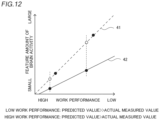
FIG. 12 is a graph showing a third example of a change to an elderly model after training in evaluation of suitability of training. -
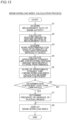
FIG. 13 is a flowchart for illustrating a brain workload index calculation process by a controller. -
FIG. 14 is a graph showing a first example of models for a product A and a product B in product evaluation. -
FIG. 15 is a graph showing a second example of models for a product A and a product B in product evaluation. -
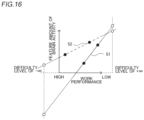
FIG. 16 is a graph showing a third example of models for a product A and a product B in product evaluation. Modes for Carrying Out the Invention - Embodiments embodying the present invention are hereinafter described on the basis of the drawings.
- The overall configuration of a brain workload
index calculation system 100 according to one embodiment of the present invention is now described with reference toFIGS. 1 to 9 . - As shown in
FIG. 1 , the brain workloadindex calculation system 100 according to this embodiment includes a brainactivity measurement device 1 and adata processing device 2. - The brain
activity measurement device 1 is a device (optical measurement device) that optically measures the brain activity of a subject P using near-infrared spectroscopy (NIRS) and generates time-series measurement result data. Specifically, the brainactivity measurement device 1 is a NIRS device. The brainactivity measurement device 1 emits measurement light in a near-infrared light wavelength range from light transmitting probes (not shown) placed on the head surface of the subject P. Then, the brainactivity measurement device 1 acquires the intensity of the measurement light (the amount of received light) by allowing the measurement light reflected in the head to enter light receiving probes (not shown) placed on the head surface and detecting the measurement light reflected in the head. A plurality of light transmitting probes and a plurality of light receiving probes are provided, and are attached to aholder 11 for fixing each probe at a predetermined position on the head surface. The brainactivity measurement device 1 measures the amount of change in oxygenated hemoglobin, the amount of change in deoxygenated hemoglobin, and the amount of change in total hemoglobin based on the intensity of the measurement light (the amount of received light) at a plurality of wavelengths (three wavelengths of 780 nm, 805 nm, and 830 nm, for example) and the light absorption characteristics of hemoglobin. Thus, the brainactivity measurement device 1 measures a change in the blood state of the brain associated with brain activity as a change in a hemoglobin amount. - Brain activity measurement is performed while a task execution period in which each of a plurality of tasks with different difficulty levels is performed for each difficulty level and a rest period in which no task is executed are alternately repeated (see
FIG. 5 ). In the brain activity measurement, a rest period may or may not be provided. Regions of the brain related to memory, cognition, motivation, judgment, etc. are set as measurement sites for acquiring measurement data of the brain activity of the subject P. For example, the prefrontal cortex of the brain is set as the measurement site. Specifically, the dorsolateral prefrontal cortex of the brain is set as the measurement site. - The brain
activity measurement device 1 is communicably connected to thedata processing device 2 and transmits the obtained measurement data to thedata processing device 2. - The device configuration of the
data processing device 2 is now described. - As shown in
FIG. 2 , thedata processing device 2 is a personal computer (PC) that includes acontroller 21 including a CPU, a memory, etc., astorage 22 such as a hard disk drive or a flash memory, aninput 23 such as a keyboard, and adisplay 24. When the controller 21 (CPU) executes a program stored in thestorage 22, the PC functions as thedata processing device 2 of the brain workload index calculation system. Thecontroller 21 acquires the measurement data through communication with the brainactivity measurement device 1. Furthermore, thecontroller 21 acquires file data for data processing into which work performance has been input through theinput 23. The work performance is a score representing an evaluation of a result for a task performed by the subject P during brain activity measurement. Specifically, the work performance is scores representing evaluations of results for the plurality of tasks with different difficulty levels performed by the subject P during brain activity measurement. The subject P is caused to perform the plurality of tasks set at different difficulty levels, and is also caused to perform a plurality of tasks at each difficulty level. Therefore, more specifically, the work performance is the average value of the work performance that is results for the plurality of tasks at each of a plurality of difficulty levels. Thecontroller 21 is an example of a "data processor" in the present invention. - In this embodiment, the
controller 21 calculates a brain workload index based on the degree of change in the measurement data of the brain activity of the subject P during execution of the plurality of tasks with different difficulty levels acquired from the brainactivity measurement device 1 with respect to the work performance of the subject P for each of the plurality of tasks with different difficulty levels. Thecontroller 21 calculates, as the brain workload index, the amount of change in brain activity in the measurement data with respect to the amount of change in order of work performance for each of the plurality of tasks with different difficulty levels. The amount of change in brain activity refers to the amount of change in oxygenated hemoglobin, the amount of change in deoxygenated hemoglobin, and the amount of change in total hemoglobin, for example. The brain workload index is described below in detail. - The
input 23 receives an input by a user regarding a numerical value related to work performance. The work performance is input by the user into the file data for data processing according to the type of behavioral data and the subject P. The file data is data in Excel format, CSV format, or text format, for example. - The
display 24 displays various information including the brain workload index output from thecontroller 21.FIG. 3 is a schematic view showing an example of a screen displayed on thedisplay 24. Examples of the information displayed on thedisplay 24 includesubject information 30,measurement information 31, a currentbrain workload index 32, currentbehavioral data 33, aworkload index history 34, and abehavioral data history 35. - In this embodiment, calculation of the brain workload index for the same subject P is performed a plurality of times. The current
brain workload index 32 refers to the amount of change in brain activity in the measurement data with respect to the amount of change in work performance for each of the plurality of tasks with different difficulty levels acquired by performing all of the plurality of tasks with different difficulty levels. Furthermore, theworkload index history 34 is obtained by arranging, in chronological order, previously calculated brain workload indexes. - The current
behavioral data 33 refers to the average value of the work performance that is results for the plurality of tasks at each difficulty level in the plurality of tasks with different difficulty levels, and the work performance is displayed according to the number of difficulty levels. Furthermore, thebehavioral data history 35 is obtained by arranging, in chronological order, work performance according to the number of previously acquired difficulty levels. - The information displayed on the
display 24 includes graphs representing approximate straight lines (seeFIGS. 7 to 12 and14 to 16 ) described below, the presence or absence of a plateau region T (seeFIG. 6 ) as a stagnant region described below, etc. As long as at least the currentbrain workload index 32 is displayed on thedisplay 24, any of the remaining information may not be displayed on thedisplay 24. - As the current
brain workload index 32, a value (numerical value) of the amount of change in brain activity in the measurement data with respect to the amount of change in work performance for each of the plurality of tasks with different difficulty levels is displayed on thedisplay 24. As the currentbrain workload index 32, a preset mark or color based on the above value may be displayed on thedisplay 24. Examples of the mark include "0", "Δ", and "x" depending on the value. As for the color, for example, when values (numerical values) of the amounts of change in brain activity with respect to the amounts of change in work performance before and after training, which are described later, are compared, and the value of the amount of change in brain activity with respect to the amount of change in work performance after the training is larger, the above value is displayed in a dark color. When the value of the amount of change in brain activity with respect to the amount of change in work performance after the training is smaller, the above value is displayed in a light color. - The name, gender, age, etc. of the subject P are displayed on the
display 24 as thesubject information 30. As themeasurement information 31, the date and time of brain activity measurement by the brainactivity measurement device 1, the measurement site, etc. are displayed on thedisplay 24. As the currentbehavioral data 33, the work performance of the subject P for each of the plurality of tasks with different difficulty levels is displayed on thedisplay 24. As theworkload index history 34, the brain workload index calculated in the past for the same subject P is displayed on thedisplay 24. As thebehavioral data history 35, the work performance for each of the plurality of tasks with different difficulty levels acquired in the past in the same subject P is displayed on thedisplay 24. Theworkload index history 34 and thebehavioral data history 35 may be displayed not as bar graphs but as line graphs. - The brain workload index is now described.
- The brain workload index is based on a model for evaluating differences in brain activity amount with respect to differences in work performance.
FIG. 4 is a graph in which the vertical axis (explained variable) represents a feature amount (brain activity amount) in brain activity, and the horizontal axis (explanatory variable) represents work performance. A large feature amount in brain activity indicates that the brain activity amount is large, and a small feature amount in brain activity indicates that the brain activity amount is small. -
FIG. 4 shows a young model (solid line), which is an example of a model for young people, and an elderly model (broken line), which is an example of a model for elderly people, as models for evaluating differences in brain activity with respect to differences in work performance. When the young model is compared with the elderly model, differences in brain activity with respect to differences in work performance in the young model are greater than those in the elderly model. That is, the young model has a larger slope, which is the amount of change in brain activity with respect to the amount of change in work performance, than the elderly model. Furthermore, in the young model, the brain has a stronger response (larger brain activity amount) when the work performance is low (high difficulty level) than in the elderly model. As the brain workload index, the young model is preferable to the elderly model. - In the graph representing the young model and the elderly model, the work performance is set as the horizontal axis. For example, even when tasks are set at the same difficulty level, some subjects P may find the task difficult, while others may find the task easy. Furthermore, even when the subject P becomes accustomed to the task after performing the task with the same difficulty level a plurality of times, the task will be treated as "the same difficulty level", and the influence of habituation will not be taken into consideration. In order to reduce or prevent the influence of differences in how the subjects P perceive difficulty and their habituation, and to obtain a more objective index that does not depend on "difficulty", a model with work performance as the horizontal axis is used.
- The training includes driving training using a drive simulator 3 (see
FIG. 1 ) at a driving license school, for example. Furthermore, the training includes flight training for pilots using a flight simulator (not shown), for example. The training is not limited to the driving training and flight training described above. - The measurement data of the brain activity of the subject P measured by the brain
activity measurement device 1 is measured during execution of a plurality of tasks with different difficulty levels. When the training is driving training using the drive simulator 3 (seeFIG. 1 ), the task is to perform a simulated driving using thesame drive simulator 3 as the training. When the training is flight training using a flight simulator (not shown), the task is to perform a simulated flight using the same flight simulator as the training. The task may be the same in content as the training or may be different in content from the training. - When the brain activity is measured by the brain
activity measurement device 1, the subject P is caused to perform a plurality of tasks with different difficulty levels. As shown inFIG. 5 , the tasks are performed in order from a task with the lowest difficulty level to a task with the highest difficulty level. Tasks with at least two different difficulty levels are performed. It is better to have a large number of tasks with different difficulty levels, but there is no particular limitation as long as there are two or more tasks. In this embodiment, tasks with five different difficulty levels are performed. Furthermore, the task at each difficulty level is performed a plurality of times for each difficulty level. In this embodiment, the task at each difficulty level is performed five times for each difficulty level. A difference in difficulty level between a plurality of tasks with different difficulty levels is preferably larger. The rest period is set between a plurality of tasks with different difficulty levels. The rest period may or may not be set. - As the work performance at each difficulty level, the average value of the work performance in the task performed a plurality of times for each difficulty level is used. As the brain activity amount in the task for each difficulty level, the average value or integral value of oxygenated hemoglobin, deoxygenated hemoglobin, and total hemoglobin in the task performed a plurality of times for each difficulty level is used, for example.
- For example, when the task is to perform a simulated driving using the drive simulator 3 (see
FIG. 1 ), the difficulty level is set based on the difficulty level of a driving course. For example, the difficulty level is set depending on the number of events that occur during the simulated driving. Setting different difficulty levels for tasks is not limited to the above examples. - The work performance is a score representing the evaluation of the result for each of the plurality of tasks with different difficulty levels. For example, when the task is to perform a simulated drive using the drive simulator 3 (see
FIG. 1 ), the work performance is obtained by converting various behavioral data, such as the time traveled at a constant speed and the time traveled from one section to another, into scores based on predetermined criteria. - A brain workload index calculation method is now described.
- The brain workload index is calculated based on a regression model between brain activity and work performance in graphs (see
FIGS. 7 to 12 ) in which the vertical axis (explained variable) represents a feature amount in brain activity (brain activity amount) and the horizontal axis (explanatory variable) represents work performance, for example. An example of the brain workload index includes the amount of change in brain activity in the measurement data with respect to the amount of change in order of work performance for each of the plurality of tasks with different difficulty levels. The horizontal axis in the graph is set such that a distance from the origin increases, the work performance decreases. The vertical axis in the graph is set such that the distance from the origin increases, the amount of change in brain activity increases. - The
controller 21 acquires the measurement data of the brain activity of the subject P from the brainactivity measurement device 1. Thecontroller 21 acquires the amount of change in brain activity as the measurement data of the brain activity. Specifically, thecontroller 21 acquires the amount of change in oxygenated hemoglobin, the amount of change in deoxygenated hemoglobin, and the amount of change in total hemoglobin as the measurement data of the brain activity. Thecontroller 21 calculates a feature amount in a certain section of the measurement data for each of the plurality of tasks with different difficulty degrees. The feature amount is the average value or integral value of the amount of change in oxygenated hemoglobin, the average value or integral value of the amount of change in deoxygenated hemoglobin, and the average value or integral value of the amount of change in total hemoglobin, as the measurement data of the brain activity in the certain section of the measurement data described above. - The
controller 21 acquires the work performance obtained by converting evaluations of the results for the plurality of tasks with different difficulty levels into scores, which is input through theinput 23. - The
controller 21 calculates an approximate straight line for plot points plotted on a graph as the brain activity amount with respect to the work performance for each of the plurality of tasks with different difficulty levels. The approximate straight line showing the relationship between work performance X and a brain activity amount (feature amount) Y is expressed by the following equation (1).
- The
controller 21 acquires the slope a of the calculated approximate straight line as the brain workload index. Furthermore, thecontroller 21 acquires the intercept b of the calculated approximate straight line as a secondary brain workload index. - The
controller 21 calculates a determination coefficient R2 indicating the accuracy of the approximate straight line expressed by the above equation (1). The determination coefficient R2 is calculated by the square of a correlation coefficient R expressed by the following equation (2). Thecontroller 21 acquires the calculated determination coefficient R2 as the secondary brain workload index.
- The user can evaluate that the larger slope a of the approximate straight line, which is a main evaluation item, is closer to changes in the brain activity of young people and therefore is preferable. When it is difficult to evaluate the main evaluation item, the user can evaluate that the larger intercept b of the approximate straight line as a secondary evaluation item is closer to changes in the brain activity of young people and therefore is preferable. Furthermore, the user can evaluate the reliability of the main evaluation item using the determination coefficient R2. The user can evaluate as the determination coefficient R2 is closer to 1, the effectiveness of the main evaluation item is higher.
- When the calculated determination coefficient R2 is less than a preset threshold, the
controller 21 determines the presence or absence of the plateau region T (seeFIG. 6 ) as a stagnant region in which the brain activity amount for each work performance is within a predetermined range. - Specifically, as shown in
FIG. 6 , it is assumed that five plots of the brain activity amount with respect to the work performance are attached. In this case, when the slope of the approximate straight line calculated using a plot of the brain activity amount with respect to the lowest work performance (a rightmost plot in the graph) and a plot of the brain activity with respect to the second lowest work performance (a second rightmost plot in the graph) is within a predetermined range, thecontroller 21 determines that a region between the above two plots (a portion indicated by a broken line) is the plateau region T as the stagnant region. - The evaluation of suitability of training using the brain workload index according to one embodiment of the present invention is now described with reference to
FIGS. 7 to 12 . In this embodiment, the brain workload index calculated by the data processing device is used to evaluate suitability of training. In order to simplify the following description, the number of plots of the brain activity amount with respect to the work performance shown inFIGS. 7 to 12 is two. - As described above, as the brain workload index, the young model is preferable to the elderly model. Therefore, when the brain workload index calculated after the training changes to the young model as compared with the brain workload index calculated before the training (when the slope, which is the amount of change in brain activity with respect to the amount of change in work performance, increases), it can be evaluated that the training is suitable for the subject P. When the brain workload index calculated after the training changes to the elderly model as compared with the brain workload index calculated before the training (when the slope, which is the amount of change in brain activity with respect to the amount of change in work performance, decreases), it can be evaluated that the training is not suitable for the subject P.
- Before and after the training, the subject P is caused to perform the plurality of tasks with different difficulty levels. The
data processing device 2 acquires brain activity measurement data before the training, brain activity measurement data after the training, and work performance for each task from the brainactivity measurement device 1. As shown inFIGS. 7 to 12 , thecontroller 21 calculates a first approximate straight line (before the training) 41 for plotting the brain activity amount with respect to the work performance for each of the plurality of tasks with different difficulty levels before the training. Thecontroller 21 also calculates a second approximate straight line (after the training) 42 for plotting the brain activity amount with respect to the work performance for each of the plurality of tasks with different difficulty levels after the training. InFIGS. 7 to 12 , plots of the brain activity amount with respect to the work performance are shown by black circles. - Then, the slope of the calculated first approximate
straight line 41 is compared with the slope of the calculated second approximatestraight line 42. At this time, as shown inFIGS. 7 to 9 , when the slope of the second approximatestraight line 42 is greater than the slope of the first approximatestraight line 41, the brain workload index after the training can be said to have changed to the young model as compared with the brain workload index before the training. In this case, the user can evaluate that the training is suitable for the subject P. InFIGS. 7 to 12 , an actual measured value refers to the value of the feature amount of the brain activity at a work performance value acquired after the training. Furthermore, a predicted value refers to the value of the feature amount of the brain activity at a work performance value (indicated by a white circle) acquired after the training on the calculated first approximate straight line. - As a result of comparing the first approximate
straight line 41 with the second approximatestraight line 42 inFIG. 7 , the work performance and the brain activity amount have increased overall after the training. Furthermore, as a result of comparing the first approximatestraight line 41 with the second approximatestraight line 42 inFIG. 8 , after the training, on the higher work performance side, the work performance has increased while the brain activity amount has decreased, and on the lower work performance side, the work performance and the brain activity amount have increased. Moreover, as a result of comparing the first approximatestraight line 41 with the second approximatestraight line 42 inFIG. 9 , overall, the work performance has increased while the brain activity amount has decreased after the training. In other words, the amount of change in brain activity with respect to the amount of change in work performance (the slope of the approximate straight line) is meaningful and important. In all ofFIGS. 7 to 9 , the amount of change in brain activity with respect to the amount of change in work performance (the slope of the approximate straight line) has increased after the training. In the case shown inFIG. 9 , it is possible that the subject became accustomed to the task through repeated training. - On the other hand, as shown in
FIGS. 10 to 12 , when the slope of the second approximatestraight line 42 is smaller than the slope of the first approximatestraight line 41, the brain workload index after the training can be said to have changed to the elderly model as compared with the brain workload index before the training. In this case, the user can evaluate that the training is not suitable for the subject P. - As a result of comparing the first approximate
straight line 41 with the second approximatestraight line 42 inFIG. 10 , the work performance and the brain activity amount have increased overall after the training. Furthermore, as a result of comparing the first approximatestraight line 41 with the second approximatestraight line 42 inFIG. 11 , after the training, on the higher work performance side, the work performance and the brain activity amount have increased, and on the lower work performance side, the work performance has increased while the brain activity amount has decreased. Moreover, as a result of comparing the first approximatestraight line 41 with the second approximatestraight line 42 inFIG. 12 , overall, the work performance has increased while the brain activity amount has decreased after the training. In all ofFIGS. 10 to 12 , the amount of change in brain activity with respect to the amount of change in work performance (the slope of the approximate straight line) has decreased after the training. - The brain workload index before and after the training is calculated for the same subject P such that it is possible to objectively show whether the training is suitable or not. When the brain workload index calculated after the training is larger than the brain workload index calculated before the training, it can be evaluated that the training is suitable for the subject P. When the brain workload index calculated after the training is smaller than the brain workload index calculated before the training, it can be evaluated that the training is not suitable for the subject P.
- A brain workload index calculation process according to this embodiment is now described with reference to
FIG. 13 . The brain workload index calculation process described below is executed by thecontroller 21 including a CPU or the like as hardware. Thecontroller 21 acquires brain activity measurement data and work performance before and after predetermined training, and calculates an approximate straight line before and after the predetermined training. - In step S1, the
controller 21 acquires, from the brainactivity measurement device 1, measurement data of the brain activity of a subject P during execution of a plurality of tasks with different difficulty levels. Then, the process advances to step S2. - In step S2, the
controller 21 calculates a feature amount in a certain section of the acquired brain activity measurement data. Then, the process advances to step S3. - In step S3, the
controller 21 acquires work performance for each of the plurality of tasks with different difficulty levels input through theinput 23. Then, the process advances to step S4. - In step S4, the
controller 21 calculates an approximate straight line for plotting the calculated brain activity feature amount with respect to the acquired work performance. Then, the process advances to step S5. - In step S5, the
controller 21 uses at least the slope of the calculated approximate straight line as the brain workload index. Furthermore, thecontroller 21 calculates a determination coefficient R2 indicating the accuracy of the approximate straight line. Then, the process advances to step S6. - In step S6, the
controller 21 determines whether or not the calculated determination coefficient R2 is less than a preset threshold. When the calculated determination coefficient R2 is less than the threshold (Yes in step S6), the process advances to step S7, and when the calculated determination coefficient R2 is equal to or greater than the threshold (No in step S6), the process advances to step S8. - In step S7, the
controller 21 determines the presence or absence of the plateau region T in the feature amount of the brain activity. Then, the process advances to step S8. - In step S8, the
controller 21 causes thedisplay 24 to display the brain workload index. Then, the process is terminated. - In the brain workload
index calculation system 100 according to this embodiment, the following advantages are obtained. - In this embodiment, as described above, the brain workload
index calculation system 100 includes the brainactivity measurement device 1, thecontroller 21 configured or programmed to calculate the brain workload index based on the degree of change in the measurement data of the brain activity of the subject P during execution of the plurality of tasks with different difficulty levels with respect to the work performance of the subject P for each of the plurality of tasks with different difficulty levels, acquired from the brainactivity measurement device 1, and thedisplay 24 configured to display the calculated brain workload index. The "work performance" is a score representing an evaluation of a result for a task performed by the subject P during brain activity measurement. The degree of change in the measurement data of the brain activity of the subject P with respect to the work performance of the subject P is acquired as the brain workload index such that it can be evaluated that the larger degree of change acquired is closer to changes in the brain activity of young people. Therefore, it is possible to present an index showing the brain workload that can be used as objective data indicating the state of the brain when a worker performs work. - In this embodiment, as described above, the
controller 21 is configured or programmed to calculate, as the brain workload index, the amount of change in brain activity in the measurement data with respect to the amount of change in order of work performance for each of the plurality of tasks with different difficulty levels. The amount of change in the order of work performance is used rather than the amount of change in order of difficulty for the work performance acquired for the plurality of tasks with different difficulty levels such that the amount of change in brain activity with respect to the amount of change in work performance can be quantified and acquired, and thus it is possible to present an index showing the brain workload that can be used as objective and clear data indicating the state of the brain. - In this embodiment, as described above, the
controller 21 is configured or programmed to acquire the work performance obtained by converting the evaluations of the results for the plurality of tasks with different difficulty levels into scores. Accordingly, the work performance can be quantified and acquired. The amount of change in work performance varies depending on a work performance value, and thus it is possible to appropriately and precisely calculate the amount of change in brain activity with respect to the amount of change in work performance as the brain workload index. - In this embodiment, as described above, the
controller 21 is configured or programmed to calculate the approximate straight line for the plot points plotted on the graph as the brain activity amount based on the amount of change in brain activity with respect to the work performance for each of the plurality of tasks with different difficulty levels, and use the slope of the calculated approximate straight line as the brain workload index. Accordingly, the amount of change in brain activity with respect to the amount of change in work performance can be easily quantified and acquired, and thus it is possible to present an index showing the brain workload that can be used as more objective data indicating the state of the brain when the worker performs work. - In this embodiment, as described above, the
display 24 is configured to display the graph representing the approximate straight line along with the brain workload index. Accordingly, the user or subject P can be caused to visually and intuitively recognize the brain workload index. - In this embodiment, as described above, the
display 24 is configured to display the graph in which the vertical axis represents the brain activity amount, the horizontal axis represents the work performance, and the work performance decreases as the distance from the origin increases. The brain activity tends to increase as the work performance decreases (as the difficulty level of the task increases), and thus the approximate straight line tends to slope upward to the right in the graph configured as described above. Accordingly, it is possible to display the approximate straight line that slopes upward to the right in the graph, and thus the user or subject P can be caused to more visually and intuitively recognize the brain workload index. - In this embodiment, as described above, the
display 24 is configured or programmed to display the graph representing, as the approximate straight line, the first approximatestraight line 41 for the plot points plotted on the graph as the brain activity amount with respect to the work performance for each of the plurality of tasks with different difficulty levels before the predetermined training, and the second approximatestraight line 42 for the plot points plotted on the graph as the brain activity amount with respect to the work performance for each of the plurality of tasks with different difficulty levels after the predetermined training. Accordingly, the user or subject P can be caused to visually and intuitively recognize the brain workload index before and after the predetermined training, and thus it is possible to easily recognize the evaluation of the suitability of the training. - In this embodiment, as described above, the
controller 21 is configured or programmed to determine the presence or absence of the plateau region T as the stagnant region in which the brain activity amount for each work performance is within the predetermined range. Accordingly, the user can easily recognize the presence or absence of the plateau region T that serves as an indicator that an increase in the brain activity amount has stagnated. - In this embodiment, as described above, the brain
activity measurement device 1 is configured to measure the brain activity of the prefrontal cortex in the head of the subject P. Accordingly, it is possible to present an index showing the workload of regions of the brain related to memory, cognition, motivation, judgment, etc. - In this embodiment, as described above, the brain
activity measurement device 1 is configured to optically measure the brain activity of the subject P using near-infrared spectroscopy. Accordingly, large-scale equipment is not required as compared with magnetic resonance imaging (MRI), for example, and thus changes in the brain activity of the subject P can be easily measured. - As described above, the brain workload index calculation method according to this embodiment includes a step of calculating the brain workload index based on the degree of change in the measurement data of the brain activity of the subject P during execution of the plurality of tasks with different difficulty levels with respect to the work performance of the subject P for each of the plurality of tasks with different difficulty levels. Similarly to the brain workload index calculation system described above, the degree of change in the measurement data of the brain activity of the subject P with respect to the work performance of the subject P is acquired as the brain workload index such that it can be evaluated that the larger degree of change acquired is closer to changes in the brain activity of young people. Therefore, it is possible to present an index showing the brain workload that can be used as objective data indicating the state of the brain when the worker performs work.
- In the brain workload index calculation method according to this embodiment, as described above, a step of acquiring the measurement data includes a step of causing the subject P to perform the plurality of tasks with different difficulty levels in order from a task with the lowest difficulty level to a task with the highest difficulty level and acquiring the measurement data of the brain activity of the subject P during execution of the plurality of tasks. It is possible to reduce or prevent the possibility that the subject P gives up performing the task midway through by changing the difficulty level of the task from a low difficulty level to a high difficulty level in stages.
- In the brain workload index calculation method according to this embodiment, as described above, the step of acquiring the measurement data includes a step of acquiring the measurement data of the brain activity of the subject P before the predetermined training and a step of acquiring the measurement data of the brain activity of the subject P after the predetermined training, and a step of acquiring the work performance includes a step of acquiring the work performance of the subject P for each of the plurality of tasks before the predetermined training, and a step of acquiring the work performance of the subject P for each of the plurality of tasks after the predetermined training. Accordingly, the brain workload index before and after the predetermined training can be easily calculated.
- In the brain workload index calculation method according to this embodiment, as described above, the step of calculating the brain workload index includes a step of calculating the approximate straight line for the plot points plotted on the graph as the brain activity amount based on the measurement data with respect to the work performance for each of the plurality of tasks before the predetermined training and using the slope of the calculated approximate straight line as the brain workload index before the predetermined training, and a step of calculating the approximate straight line for the plot points plotted on the graph as the brain activity amount with respect to the work performance for each of the plurality of tasks after the predetermined training and using the slope of the calculated approximate straight line as the brain workload index after the predetermined training. Accordingly, the suitability of the training can be evaluated based on the slope of the calculated approximate straight line.
- The embodiment disclosed this time must be considered as illustrative in all points and not restrictive. The scope of the present invention is not shown by the above description of the embodiment but by the scope of claims for patent, and all modifications (modified examples) within the meaning and scope equivalent to the scope of claims for patent are further included.
- For example, while the example in which the brain workload index is used to evaluate the suitability of the training has been shown in the aforementioned embodiment, the present invention is not limited to this. For example, the brain workload index may be used for product evaluation in product development. In the aforementioned embodiment, the brain workload index is calculated before and after the training, but in a modified example, the brain workload index is calculated when a different product is used.
- As described above, as the brain workload index, the young model is preferable to the elderly model. Assume that approximate straight lines are acquired for plotting the brain activity amount with respect to the work performance for each of the plurality of tasks with different difficulty levels when a product A and a product B are used. When the approximate straight line for the product A is compared with the approximate straight line for the product B, the product with a larger brain activity amount at +∞ in a case of estimating a difficulty level of +∞ and a smaller brain activity amount at -∞ in a case of estimating a difficulty level of -∞ can be estimated as a product that exhibits brain activity closer to that of the young model.
- For example, assume that the approximate straight line for the product A has a larger slope than the approximate straight line for the product B, which is the amount of change in brain activity with respect to the amount of change in work performance when the approximate straight line for the product A is compared with the approximate straight line for the product B. In this case, the product A can be evaluated as a product that exhibits brain activity closer to that of the young model.
Moreover, the product A can be evaluated as a product that can respond to the brain activity of the subject P according to the difficulty level better than the product B. - Whether it is preferable for a brain workload index of a product to more closely approximate the young model depends on the purpose and use of the product. In an example in which the brain workload index of the product A approximates the young model than the brain workload index of the product B, the product A is conceivably a product that is easier for the user to apply (easier to use) than the product B when the product A and the product B are products, the purposes of which are to enable efficient work, for example. On the other hand, the product B is conceivably a product that is easier for the user to apply (easier to use) than the product A when the product A and the product B are products, the purposes of which are to maintain a state of mental and physical rest.
- Product evaluation using the brain workload index is now described with reference to
FIGS. 14 to 16 . Similarly to the embodiment described above, the subject P is caused to perform the plurality of tasks with different difficulty levels when using the product A. Thedata processing device 2 acquires measurement data of brain activity and work performance for each task. Thecontroller 21 calculates a first approximatestraight line 51 for plotting a brain activity amount with respect to the work performance for each of the plurality of tasks with different difficulty levels for the product A. Furthermore, the subject P is caused to perform the plurality of tasks with different difficulty levels when using the product B. Thedata processing device 2 acquires measurement data of brain activity and work performance for each task. Thecontroller 21 calculates a second approximatestraight line 52 for plotting the brain activity amount with respect to the work performance for each of the plurality of tasks with different difficulty levels for the product B. Then, the slope of the calculated first approximatestraight line 51 is compared with the slope of the calculated second approximatestraight line 52. At this time, as shown inFIGS. 14 to 16 , when the slope of the first approximatestraight line 51 for the product A is larger than the slope of the second approximatestraight line 52 for the product B, it can be estimated that the brain workload index of the product A more closely approximates the young model than the brain workload index of the product B. InFIGS. 14 to 16 , plot points of the brain activity amount with respect to the work performance are shown by black circles, and plot points of the brain activity amount with respect to the work performance when estimating the +∞ difficulty level and -∞ difficulty level are shown by white circles. - The number of products to be compared in product evaluation may be two, or may be three or more. Furthermore, the plurality of tasks with different difficulty levels may be tasks using the product itself or may be tasks not using the product itself, as long as the tasks are performed when the product is used.
- Examples of using the brain workload index are not limited to evaluation of suitability of training and product evaluation in product development. Another example of using the brain workload index includes calculating the brain workload indexes of different subjects P and evaluating which subject P's brain workload index more closely approximates the young model.
- While the example in which the
controller 21 determines the presence or absence of the plateau region T when the calculated determination coefficient R2 is less than the preset threshold has been shown in the aforementioned embodiment, the present invention is not limited to this. When determining that the plateau region T is present, thecontroller 21 may calculate an approximate straight line excluding plot points included in the plateau region T (plot points of the brain activity amount with respect to the work performance). The slope of an approximate straight line calculated including the plot points included in the plateau region T is smaller than the slope of the approximate straight line calculated excluding the plot points included in the plateau region T, and thus it may not be appropriate as the brain workload index. The approximate straight line excluding the plot points included in the plateau region T is calculated such that it may be possible to calculate an appropriate brain workload index. - While the example in which the
controller 21 determines the presence or absence of the plateau region T when the calculated determination coefficient R2 is less than the preset threshold has been shown in the aforementioned embodiment, the present invention is not limited to this. For example, when the subject P is caused to perform a plurality of tasks with a predetermined number or more of different difficulty levels and the calculated determination coefficient R2 is less than the preset threshold, thecontroller 21 may determine the presence or absence of the plateau region T. For example, the subject P may be caused to perform a plurality of tasks with five or more different difficulty levels as the predetermined number. Alternatively, thecontroller 21 may determine the presence or absence of the plateau region T even when the calculated determination coefficient R2 is equal to or greater than the preset threshold. - The user may select at least two of a plurality of plot points of the brain activity amount with respect to the work performance for each of the plurality of tasks with different difficulty levels shown in the graph, and the
controller 21 may calculate an approximate straight line based on the plot points selected by the user. Thus, it is possible to appropriately acquire the brain workload index in a region in which the user desires to acquire the brain workload index. - While the example in which the approximate straight line for plotting the brain activity amount with respect to the work performance for each of the plurality of tasks with different difficulty levels is calculated has been shown in the aforementioned embodiment, the present invention is not limited to this. For example, an approximate curve for plotting the brain activity amount with respect to the work performance for each of the plurality of tasks with different difficulty levels may be calculated.
- While the example in which changes in the brain activity of the subject P are measured using a NIRS device has been shown in the aforementioned embodiment, the present invention is not limited to this. Changes in the brain activity of the subject P may be measured using an MRI device (magnetic resonance imaging device) or an electroencephalograph, for example.
- While the example in which the brain activity of the prefrontal cortex in the head of the subject P is measured has been shown in the aforementioned embodiment, the present invention is not limited to this. The measurement site of the subject P can be set as appropriate.
- While the example in which the work performance is input by the user has been shown in the aforementioned embodiment, the present invention is not limited to this. For example, an
input 23 may be provided in a processing device provided separately from thedata processing device 2. In this case, the processing device including theinput 23 is communicably connected to thedata processing device 2 and transmits the input work performance to thedata processing device 2. Alternatively, thedata processing device 2 may acquire, as the work performance, input data input by the subject P using a keyboard of a PC, a tablet terminal, a touch panel of a smartphone, etc. Alternatively, input data by the user regarding numerical values related to work performance may be stored in a database (not shown), and thedata processing device 2 may acquire, as the work performance, the input data from the database. - It will be appreciated by those skilled in the art that the exemplary embodiments described above are specific examples of the following first aspect.
- A brain workload index calculation system comprising:
- a brain activity measurement device configured to measure brain activity of a subject;
- a data processor configured or programmed to calculate a brain workload index based on a degree of change in measurement data of the brain activity of the subject during execution of a plurality of tasks with different difficulty levels with respect to work performance of the subject for each of the plurality of tasks with different difficulty levels, the measurement data being acquired from the brain activity measurement device; and
- a display configured to display the brain workload index calculated by the data processor.
- The brain workload index calculation system according to
item 1, wherein the data processor is configured or programmed to calculate, as the brain workload index, an amount of change in brain activity in the measurement data with respect to an amount of change in order of the work performance for each of the plurality of tasks with different difficulty levels. - The brain workload index calculation system according to
item 2, wherein the data processor is configured or programmed to acquire the work performance obtained by converting evaluations of results for the plurality of tasks with different difficulty levels into scores. - The brain workload index calculation system according to
item - The brain workload index calculation system according to
item 4, wherein the display is configured to display the graph representing the approximate straight line along with the brain workload index. - The brain workload index calculation system according to
item 5, wherein the display is configured to display the graph in which a vertical axis represents a brain activity amount, a horizontal axis represents work performance, and work performance decreases as a distance from an origin increases. - The brain workload index calculation system according to
item 5 or 6, wherein the display is configured to display the graph representing, as the approximate straight line, a first approximate straight line for plot points plotted on the graph as the brain activity amount with respect to the work performance for each of the plurality of tasks with different difficulty levels before predetermined training, and a second approximate straight line for plot points plotted on the graph as the brain activity amount with respect to the work performance for each of the plurality of tasks with different difficulty levels after the predetermined training. - The brain workload index calculation system according to any one of
items 4 to 7, wherein the data processor is configured or programmed to determine a presence or absence of a plateau region as a stagnant region in which the brain activity amount for each work performance is within a predetermined range. - The brain workload index calculation system according to any one of
items 1 to 8, wherein the brain activity measurement device is configured to measure brain activity of a prefrontal cortex in a head of the subject. - The brain workload index calculation system according to any one of
items 1 to 9, wherein the brain activity measurement device is configured to optically measure the brain activity of the subject using near-infrared spectroscopy. - A brain workload index calculation method comprising:
- acquiring measurement data of brain activity of a subject during execution of a plurality of tasks with different difficulty levels;
- acquiring work performance of the subject for each of the plurality of tasks with different difficulty levels;
- calculating a brain workload index based on a degree of change in acquired measurement data of the brain activity of the subject with respect to acquired work performance of the subject; and
- The brain workload index calculation method according to
item 11, wherein the acquiring the measurement data includes causing the subject to perform the plurality of tasks with different difficulty levels in order from a task with a lowest difficulty level to a task with a highest difficulty level and acquiring the measurement data of the brain activity of the subject during execution of the plurality of tasks. - The brain workload index calculation method according to
item 11 or 12, wherein
the acquiring the measurement data includes acquiring the measurement data of the brain activity of the subject before predetermined training, and acquiring the measurement data of the brain activity of the subject after the predetermined training; and
the acquiring the work performance includes acquiring the work performance of the subject for each of the plurality of tasks before the predetermined training, and acquiring the work performance of the subject for each of the plurality of tasks after the predetermined training. - The brain workload index calculation method according to item 13, wherein the calculating the brain workload index includes calculating an approximate straight line for plot points plotted on a graph as a brain activity amount based on the measurement data with respect to the work performance for each of the plurality of tasks before the predetermined training and using a slope of a calculated approximate straight line as the brain workload index before the predetermined training, and calculating an approximate straight line for plot points plotted on the graph as the brain activity amount with respect to the work performance for each of the plurality of tasks after the predetermined training and using a slope of a calculated approximate straight line as the brain workload index after the predetermined training.
-
- 1: brain activity measurement device
- 2: data processing device
- 21: controller
- 24: display
- 41: first approximate straight line (before training)
- 42: second approximate straight line (after training)
- 100: brain workload index calculation system
- P: subject
- T: plateau region
Claims (14)
- A brain workload index calculation system comprising:a brain activity measurement device configured to measure brain activity of a subject;a data processor configured or programmed to calculate a brain workload index based on a degree of change in measurement data of the brain activity of the subject during execution of a plurality of tasks with different difficulty levels with respect to work performance of the subject for each of the plurality of tasks with different difficulty levels, the measurement data being acquired from the brain activity measurement device; anda display configured to display the brain workload index calculated by the data processor.
- The brain workload index calculation system according to claim 1, wherein the data processor is configured or programmed to calculate, as the brain workload index, an amount of change in brain activity in the measurement data with respect to an amount of change in order of the work performance for each of the plurality of tasks with different difficulty levels.
- The brain workload index calculation system according to claim 2, wherein the data processor is configured or programmed to acquire the work performance obtained by converting evaluations of results for the plurality of tasks with different difficulty levels into scores.
- The brain workload index calculation system according to claim 2, wherein the data processor is configured or programmed to calculate an approximate straight line for plot points plotted on a graph as a brain activity amount based on the amount of change in brain activity with respect to the work performance for each of the plurality of tasks with different difficulty levels, and use a slope of a calculated approximate straight line as the brain workload index.
- The brain workload index calculation system according to claim 4, wherein the display is configured to display the graph representing the approximate straight line along with the brain workload index.
- The brain workload index calculation system according to claim 5, wherein the display is configured to display the graph in which a vertical axis represents a brain activity amount, a horizontal axis represents work performance, and work performance decreases as a distance from an origin increases.
- The brain workload index calculation system according to claim 5, wherein the display is configured to display the graph representing, as the approximate straight line, a first approximate straight line for plot points plotted on the graph as the brain activity amount with respect to the work performance for each of the plurality of tasks with different difficulty levels before predetermined training, and a second approximate straight line for plot points plotted on the graph as the brain activity amount with respect to the work performance for each of the plurality of tasks with different difficulty levels after the predetermined training.
- The brain workload index calculation system according to claim 4, wherein the data processor is configured or programmed to determine a presence or absence of a plateau region as a stagnant region in which the brain activity amount for each work performance is within a predetermined range.
- The brain workload index calculation system according to claim 1, wherein the brain activity measurement device is configured to measure brain activity of a prefrontal cortex in a head of the subject.
- The brain workload index calculation system according to claim 1, wherein the brain activity measurement device is configured to optically measure the brain activity of the subject using near-infrared spectroscopy.
- A brain workload index calculation method comprising:acquiring measurement data of brain activity of a subject during execution of a plurality of tasks with different difficulty levels;acquiring work performance of the subject for each of the plurality of tasks with different difficulty levels;calculating a brain workload index based on a degree of change in acquired measurement data of the brain activity of the subject with respect to acquired work performance of the subject; anddisplaying a calculated brain workload index.
- The brain workload index calculation method according to claim 11, wherein the acquiring the measurement data includes causing the subject to perform the plurality of tasks with different difficulty levels in order from a task with a lowest difficulty level to a task with a highest difficulty level and acquiring the measurement data of the brain activity of the subject during execution of the plurality of tasks.
- The brain workload index calculation method according to claim 11, whereinthe acquiring the measurement data includes acquiring the measurement data of the brain activity of the subject before predetermined training, and acquiring the measurement data of the brain activity of the subject after the predetermined training; andthe acquiring the work performance includes acquiring the work performance of the subject for each of the plurality of tasks before the predetermined training, and acquiring the work performance of the subject for each of the plurality of tasks after the predetermined training.
- The brain workload index calculation method according to claim 13, wherein the calculating the brain workload index includes calculating an approximate straight line for plot points plotted on a graph as a brain activity amount based on the measurement data with respect to the work performance for each of the plurality of tasks before the predetermined training and using a slope of a calculated approximate straight line as the brain workload index before the predetermined training, and calculating an approximate straight line for plot points plotted on the graph as the brain activity amount with respect to the work performance for each of the plurality of tasks after the predetermined training and using a slope of a calculated approximate straight line as the brain workload index after the predetermined training.
Applications Claiming Priority (2)
| Application Number | Priority Date | Filing Date | Title |
|---|---|---|---|
| JP2021138800 | 2021-08-27 | ||
| PCT/JP2022/020381 WO2023026606A1 (en) | 2021-08-27 | 2022-05-16 | Brain workload index calculation system and brain workload index calculation method |
Publications (2)
| Publication Number | Publication Date |
|---|---|
| EP4394687A1 true EP4394687A1 (en) | 2024-07-03 |
| EP4394687A4 EP4394687A4 (en) | 2025-08-27 |
Family
ID=85321750
Family Applications (1)
| Application Number | Title | Priority Date | Filing Date |
|---|---|---|---|
| EP22860903.8A Pending EP4394687A4 (en) | 2021-08-27 | 2022-05-16 | System for calculating the brain workload index and method for calculating the brain workload index |
Country Status (4)
| Country | Link |
|---|---|
| EP (1) | EP4394687A4 (en) |
| JP (1) | JP7619467B2 (en) |
| CN (1) | CN117916761A (en) |
| WO (1) | WO2023026606A1 (en) |
Families Citing this family (1)
| Publication number | Priority date | Publication date | Assignee | Title |
|---|---|---|---|---|
| WO2025248763A1 (en) * | 2024-05-31 | 2025-12-04 | 日産自動車株式会社 | Information presenting method and information presenting device |
Family Cites Families (6)
| Publication number | Priority date | Publication date | Assignee | Title |
|---|---|---|---|---|
| US5724987A (en) * | 1991-09-26 | 1998-03-10 | Sam Technology, Inc. | Neurocognitive adaptive computer-aided training method and system |
| JP6164160B2 (en) | 2014-06-09 | 2017-07-19 | 株式会社島津製作所 | Optical measuring device and optical measuring method |
| JP7045639B2 (en) * | 2017-02-28 | 2022-04-01 | パナソニックIpマネジメント株式会社 | Work suitability judgment system |
| JP7019139B2 (en) * | 2017-03-23 | 2022-02-15 | 国立大学法人東北大学 | Information processing equipment, information processing method, information processing program |
| JP7156081B2 (en) * | 2019-02-20 | 2022-10-19 | 株式会社島津製作所 | Cognitive function indexing method |
| CN111096741B (en) * | 2019-12-10 | 2023-04-07 | 中国航天员科研训练中心 | Mental load detection method and system and related equipment |
-
2022
- 2022-05-16 EP EP22860903.8A patent/EP4394687A4/en active Pending
- 2022-05-16 CN CN202280058112.5A patent/CN117916761A/en active Pending
- 2022-05-16 JP JP2023543691A patent/JP7619467B2/en active Active
- 2022-05-16 WO PCT/JP2022/020381 patent/WO2023026606A1/en not_active Ceased
Also Published As
| Publication number | Publication date |
|---|---|
| EP4394687A4 (en) | 2025-08-27 |
| CN117916761A (en) | 2024-04-19 |
| WO2023026606A1 (en) | 2023-03-02 |
| JP7619467B2 (en) | 2025-01-22 |
| JPWO2023026606A1 (en) | 2023-03-02 |
Similar Documents
| Publication | Publication Date | Title |
|---|---|---|
| JP5982483B2 (en) | Biological condition evaluation apparatus and program therefor | |
| Stadnitski | Measuring fractality | |
| Nikolaidis et al. | Suboptimal phenotypic reliability impedes reproducible human neuroscience | |
| Di Stasi et al. | Saccadic peak velocity as an alternative index of operator attention: A short review | |
| Qin et al. | Electroencephalogram-based mental workload prediction for using Augmented Reality head mounted display in construction assembly: A deep learning approach | |
| CN115462755B (en) | Pilot cognitive ability assessment method, system and storage medium | |
| JP7316574B2 (en) | Work adequacy judgment system | |
| JP2009530071A (en) | Visual attention and emotional reaction detection display system | |
| Jraidi et al. | Student's uncertainty modeling through a multimodal sensor-based approach | |
| EP3153097A1 (en) | A method and system for assessing learning experience of a person | |
| JP2018149262A (en) | Autonomic nerve evaluation apparatus, autonomic nerve evaluation method, program, and recording medium | |
| JP5898970B2 (en) | Mood evaluation system | |
| EP4394687A1 (en) | Brain workload index calculation system and brain workload index calculation method | |
| Tang et al. | Revisiting shyness and sociability: A preliminary investigation of hormone-brain-behavior relations | |
| Martin | A critical analysis of the theoretical construction and empirical measurement of cognitive load | |
| CN111588347B (en) | Extraction method of brain activity characteristic quantity | |
| Cook et al. | The use of ocular-motor measures in a convergent approach to studying cognitive load | |
| RU149593U1 (en) | EXPERT SYSTEM OF COMPLEX ANALYSIS OF PERSONALITY (ESCAL) | |
| Wang et al. | Gaze-based assessment of dyslexic students' motivation within an e-learning environment | |
| Bacic | Understanding business dashboard design user impact: triangulation approach using eye-tracking, facial expression, galvanic skin response and EEG sensors | |
| Chen et al. | A sensitivity analysis method of human factors measurement tools in pilot distraction | |
| CN111588348B (en) | Index method for cognitive function | |
| Valenti et al. | Emotional intensity plays an important role in working memory metacognition. | |
| KR20230062850A (en) | Biometric information processing system, server, and data structure | |
| Dyatlov et al. | Method of preliminary computer evaluation of professional readiness of the vehicle driver |
Legal Events
| Date | Code | Title | Description |
|---|---|---|---|
| STAA | Information on the status of an ep patent application or granted ep patent |
Free format text: STATUS: THE INTERNATIONAL PUBLICATION HAS BEEN MADE |
|
| PUAI | Public reference made under article 153(3) epc to a published international application that has entered the european phase |
Free format text: ORIGINAL CODE: 0009012 |
|
| STAA | Information on the status of an ep patent application or granted ep patent |
Free format text: STATUS: REQUEST FOR EXAMINATION WAS MADE |
|
| 17P | Request for examination filed |
Effective date: 20240229 |
|
| AK | Designated contracting states |
Kind code of ref document: A1 Designated state(s): AL AT BE BG CH CY CZ DE DK EE ES FI FR GB GR HR HU IE IS IT LI LT LU LV MC MK MT NL NO PL PT RO RS SE SI SK SM TR |
|
| DAV | Request for validation of the european patent (deleted) | ||
| DAX | Request for extension of the european patent (deleted) | ||
| A4 | Supplementary search report drawn up and despatched |
Effective date: 20250724 |
|
| RIC1 | Information provided on ipc code assigned before grant |
Ipc: G06Q 50/10 20120101AFI20250718BHEP Ipc: A61B 10/00 20060101ALI20250718BHEP |
|
| STAA | Information on the status of an ep patent application or granted ep patent |
Free format text: STATUS: EXAMINATION IS IN PROGRESS |