EP4394153A1 - Vehicle door control method and device, and vehicle and computer storage medium - Google Patents
Vehicle door control method and device, and vehicle and computer storage medium Download PDFInfo
- Publication number
- EP4394153A1 EP4394153A1 EP22914657.6A EP22914657A EP4394153A1 EP 4394153 A1 EP4394153 A1 EP 4394153A1 EP 22914657 A EP22914657 A EP 22914657A EP 4394153 A1 EP4394153 A1 EP 4394153A1
- Authority
- EP
- European Patent Office
- Prior art keywords
- vehicle
- door
- state
- guard mode
- determining
- Prior art date
- Legal status (The legal status is an assumption and is not a legal conclusion. Google has not performed a legal analysis and makes no representation as to the accuracy of the status listed.)
- Pending
Links
- 238000000034 method Methods 0.000 title claims abstract description 41
- 239000003990 capacitor Substances 0.000 description 16
- 238000010586 diagram Methods 0.000 description 6
- 230000006870 function Effects 0.000 description 3
- 239000000853 adhesive Substances 0.000 description 2
- 230000001070 adhesive effect Effects 0.000 description 2
- 238000005516 engineering process Methods 0.000 description 2
- 239000000463 material Substances 0.000 description 2
- 230000007246 mechanism Effects 0.000 description 2
- 238000013459 approach Methods 0.000 description 1
- 238000004891 communication Methods 0.000 description 1
- 230000009977 dual effect Effects 0.000 description 1
- 230000006872 improvement Effects 0.000 description 1
- 230000003993 interaction Effects 0.000 description 1
- 238000012986 modification Methods 0.000 description 1
- 230000004048 modification Effects 0.000 description 1
- 239000013307 optical fiber Substances 0.000 description 1
- 238000012545 processing Methods 0.000 description 1
- 238000007789 sealing Methods 0.000 description 1
Images


Classifications
-
- E—FIXED CONSTRUCTIONS
- E05—LOCKS; KEYS; WINDOW OR DOOR FITTINGS; SAFES
- E05B—LOCKS; ACCESSORIES THEREFOR; HANDCUFFS
- E05B81/00—Power-actuated vehicle locks
- E05B81/54—Electrical circuits
- E05B81/64—Monitoring or sensing, e.g. by using switches or sensors
- E05B81/76—Detection of handle operation; Detection of a user approaching a handle; Electrical switching actions performed by door handles
-
- E—FIXED CONSTRUCTIONS
- E05—LOCKS; KEYS; WINDOW OR DOOR FITTINGS; SAFES
- E05B—LOCKS; ACCESSORIES THEREFOR; HANDCUFFS
- E05B81/00—Power-actuated vehicle locks
- E05B81/54—Electrical circuits
- E05B81/64—Monitoring or sensing, e.g. by using switches or sensors
- E05B81/76—Detection of handle operation; Detection of a user approaching a handle; Electrical switching actions performed by door handles
- E05B81/78—Detection of handle operation; Detection of a user approaching a handle; Electrical switching actions performed by door handles as part of a hands-free locking or unlocking operation
-
- B—PERFORMING OPERATIONS; TRANSPORTING
- B60—VEHICLES IN GENERAL
- B60R—VEHICLES, VEHICLE FITTINGS, OR VEHICLE PARTS, NOT OTHERWISE PROVIDED FOR
- B60R25/00—Fittings or systems for preventing or indicating unauthorised use or theft of vehicles
- B60R25/01—Fittings or systems for preventing or indicating unauthorised use or theft of vehicles operating on vehicle systems or fittings, e.g. on doors, seats or windscreens
-
- B—PERFORMING OPERATIONS; TRANSPORTING
- B60—VEHICLES IN GENERAL
- B60R—VEHICLES, VEHICLE FITTINGS, OR VEHICLE PARTS, NOT OTHERWISE PROVIDED FOR
- B60R25/00—Fittings or systems for preventing or indicating unauthorised use or theft of vehicles
- B60R25/20—Means to switch the anti-theft system on or off
-
- B—PERFORMING OPERATIONS; TRANSPORTING
- B60—VEHICLES IN GENERAL
- B60R—VEHICLES, VEHICLE FITTINGS, OR VEHICLE PARTS, NOT OTHERWISE PROVIDED FOR
- B60R25/00—Fittings or systems for preventing or indicating unauthorised use or theft of vehicles
- B60R25/20—Means to switch the anti-theft system on or off
- B60R25/24—Means to switch the anti-theft system on or off using electronic identifiers containing a code not memorised by the user
-
- E—FIXED CONSTRUCTIONS
- E05—LOCKS; KEYS; WINDOW OR DOOR FITTINGS; SAFES
- E05B—LOCKS; ACCESSORIES THEREFOR; HANDCUFFS
- E05B79/00—Mounting or connecting vehicle locks or parts thereof
- E05B79/02—Mounting of vehicle locks or parts thereof
- E05B79/06—Mounting of handles, e.g. to the wing or to the lock
-
- E—FIXED CONSTRUCTIONS
- E05—LOCKS; KEYS; WINDOW OR DOOR FITTINGS; SAFES
- E05B—LOCKS; ACCESSORIES THEREFOR; HANDCUFFS
- E05B81/00—Power-actuated vehicle locks
- E05B81/54—Electrical circuits
- E05B81/64—Monitoring or sensing, e.g. by using switches or sensors
- E05B81/76—Detection of handle operation; Detection of a user approaching a handle; Electrical switching actions performed by door handles
- E05B81/77—Detection of handle operation; Detection of a user approaching a handle; Electrical switching actions performed by door handles comprising sensors detecting the presence of the hand of a user
-
- E—FIXED CONSTRUCTIONS
- E05—LOCKS; KEYS; WINDOW OR DOOR FITTINGS; SAFES
- E05B—LOCKS; ACCESSORIES THEREFOR; HANDCUFFS
- E05B85/00—Details of vehicle locks not provided for in groups E05B77/00 - E05B83/00
- E05B85/10—Handles
- E05B85/103—Handles creating a completely closed wing surface
-
- E—FIXED CONSTRUCTIONS
- E05—LOCKS; KEYS; WINDOW OR DOOR FITTINGS; SAFES
- E05B—LOCKS; ACCESSORIES THEREFOR; HANDCUFFS
- E05B85/00—Details of vehicle locks not provided for in groups E05B77/00 - E05B83/00
- E05B85/10—Handles
- E05B85/107—Pop-out handles, e.g. sliding outwardly before rotation
-
- G—PHYSICS
- G07—CHECKING-DEVICES
- G07C—TIME OR ATTENDANCE REGISTERS; REGISTERING OR INDICATING THE WORKING OF MACHINES; GENERATING RANDOM NUMBERS; VOTING OR LOTTERY APPARATUS; ARRANGEMENTS, SYSTEMS OR APPARATUS FOR CHECKING NOT PROVIDED FOR ELSEWHERE
- G07C9/00—Individual registration on entry or exit
- G07C9/00174—Electronically operated locks; Circuits therefor; Nonmechanical keys therefor, e.g. passive or active electrical keys or other data carriers without mechanical keys
- G07C9/00309—Electronically operated locks; Circuits therefor; Nonmechanical keys therefor, e.g. passive or active electrical keys or other data carriers without mechanical keys operated with bidirectional data transmission between data carrier and locks
-
- G—PHYSICS
- G07—CHECKING-DEVICES
- G07C—TIME OR ATTENDANCE REGISTERS; REGISTERING OR INDICATING THE WORKING OF MACHINES; GENERATING RANDOM NUMBERS; VOTING OR LOTTERY APPARATUS; ARRANGEMENTS, SYSTEMS OR APPARATUS FOR CHECKING NOT PROVIDED FOR ELSEWHERE
- G07C2209/00—Indexing scheme relating to groups G07C9/00 - G07C9/38
- G07C2209/60—Indexing scheme relating to groups G07C9/00174 - G07C9/00944
- G07C2209/63—Comprising locating means for detecting the position of the data carrier, i.e. within the vehicle or within a certain distance from the vehicle
- G07C2209/65—Comprising locating means for detecting the position of the data carrier, i.e. within the vehicle or within a certain distance from the vehicle using means for sensing the user's hand
Definitions
- the present disclosure is intended to resolve one of the technical problems in the related arts at least to some extent.
- the present disclosure proposes a control method for vehicle door, which allows users to unlock vehicle doors without additionally pulling door handles, thus greatly improving the user experience.
- the present disclosure further proposes a vehicle.
- the present disclosure further proposes a computer storage medium.
- collection is first performed on the first touch area.
- the vehicle state information and the key position information are acquired.
- the vehicle is controlled to turn off the guard mode and the door handles are controlled to stretch out.
- signal acquisition is performed on the second touch area.
- the touch signal is collected in the second touch area, the vehicle state information is acquired.
- an electric unlocking motor may be driven to control the corresponding vehicle door to unlock.
- the electric unlocking motor may be controlled to drive for 300 ms to unlock the corresponding vehicle door, so that the user no longer needs to pull the door handle to a certain distance to unlock the vehicle door, thus improving the user experience.
- the determining that the touch signal of the second touch area is valid according to the vehicle state information includes the following step: when it is determined that the vehicle door corresponding to the door handle is in a locked state and a guard mode off state according to the vehicle state information, it is determined that the touch signal of the second touch area is valid.
- the present disclosure proposes a computer-readable storage medium.
- the computer-readable storage medium stores a vehicle door control program.
- the vehicle door control program when executed by a processor implements a control method for vehicle door according to the above embodiment.
- orientation or position relationships indicated by the terms such as “center”, “longitudinal”, “transverse”, “length”, “width”, “thickness”, “up”, “down”, “front”, “back”, “left”, “right”, “vertical”, “horizontal”, “top”, “bottom”, “inside”, “outside”, “clockwise”, “anticlockwise”, “axial”, “radial”, and “circumferential” are based on orientation or position relationships shown in the accompanying drawings, and are used only for ease and brevity of illustration and description, rather than indicating or implying that the mentioned apparatus or component must have a particular orientation or must be constructed and operated in a particular orientation. Therefore, such terms should not be construed as limitations to the present disclosure.
Landscapes
- Engineering & Computer Science (AREA)
- Mechanical Engineering (AREA)
- Computer Networks & Wireless Communication (AREA)
- Physics & Mathematics (AREA)
- General Physics & Mathematics (AREA)
- Lock And Its Accessories (AREA)
Abstract
Description
- The present disclosure claims priority to
Chinese Patent Application No. 202111649687.8, entitled "CONTROL METHOD FOR VEHICLE DOOR AND APPARATUS, VEHICLE AND COMPUTER STORAGE MEDIUM" filed on December 30, 2021 - The present disclosure relates to the technical field of vehicle control, and more specifically, to a control method for vehicle door and apparatus, a vehicle and a computer storage medium.
- In the related arts, when a vehicle door handle is arranged as a hidden door handle, door opening is generally achieved by touching a sensing area to make the door handle stretch out, then manually unlocking a door lock by pulling the door handle, and then pulling the vehicle door open. This approach requires a user to pull the door handle, there is no improvement to the user experience compared to ordinary door handles, and the user experience is still unsatisfactory.
- The present disclosure is intended to resolve one of the technical problems in the related arts at least to some extent. For this purpose, the present disclosure proposes a control method for vehicle door, which allows users to unlock vehicle doors without additionally pulling door handles, thus greatly improving the user experience.
- The present disclosure further proposes a vehicle door control apparatus.
- The present disclosure further proposes a vehicle.
- The present disclosure further proposes a computer storage medium.
- The control method for vehicle door according to the present disclosure includes the following steps: when a touch signal of a first touch area is collected, vehicle state information and key position information are acquired; when it is determined that the touch signal of the first touch area is valid and is a guard mode off request signal according to the vehicle state information and the key position information, a vehicle is controlled to turn off a guard mode and door handles of the vehicle are driven to stretch out; after the door handles stretch out, when a touch signal of a second touch area corresponding to any door handle is collected, the touch signal of the second touch area is determined to be valid according to the vehicle state information, and a vehicle door corresponding to the door handle is controlled to unlock.
- In the control method for vehicle door according to this embodiment of the present disclosure, collection is first performed on the first touch area. When the touch signal is collected in the first touch area, the vehicle state information and the key position information are acquired. Then, it is determined whether the touch signal of the first touch area is valid according to the vehicle state information and the key position information. If it is valid, it is further determined which type of signal the touch signal belongs to. When it is determined that the touch signal is valid and is the guard mode off request signal, the vehicle is controlled to turn off the guard mode and the door handles are controlled to stretch out. After the door handles stretch out, signal acquisition is performed on the second touch area. When the touch signal is collected in the second touch area, the vehicle state information is acquired. When it is determined that the touch signal collected in the second touch area is valid according to the vehicle state information, the vehicle door corresponding to the door handle is controlled to unlock. Therefore, the control method for vehicle door according to this embodiment can allow users to unlock the vehicle doors without additionally pulling the door handles, thus greatly improving the user experience.
- According to some embodiments of the present disclosure, after the vehicle state information and the key position information are acquired, the method further includes the following step: when it is determined that the touch signal of the first touch area is valid and is a guard mode on request signal according to the vehicle state information and the key position information, the vehicle is controlled to turn on the guard mode and the door handles of the vehicle are driven to get back.
- According to some embodiments of the present disclosure, the determining that the touch signal of the first touch area is valid and is a guard mode off request signal according to the vehicle state information and the key position information includes the following step: when it is determined that the vehicle is in a guard mode on state and the vehicle is in an OFF gear state according to the vehicle state information and it is determined that a key is outside the vehicle according to the key position information, it is determined that the touch signal of the first touch area is valid and is the guard mode off request signal.
- According to some embodiments of the present disclosure, the determining that the touch signal of the first touch area is valid and is a guard mode on request signal according to the vehicle state information and the key position information includes the following step: when it is determined that the vehicle is in a guard mode off state, the vehicle doors are in a locked state and the vehicle is in an OFF gear state according to the vehicle state information and it is determined that a key is outside the vehicle according to the key position information, it is determined that the touch signal of the first touch area is valid and is the guard mode on request signal.
- According to some embodiments of the present disclosure, after the vehicle state information and the key position information are acquired, the method further includes the following step: when it is determined that the vehicle is in a guard mode off state and the vehicle doors are in an unlocked state according to the vehicle state information, it is determined that the touch signal of the first touch area is invalid; or when it is determined that the vehicle is in the guard mode off state, the vehicle doors are in a locked state and the vehicle is not in an OFF gear state according to the vehicle state information, it is determined that the touch signal of the first touch area is invalid; or when it is determined that the vehicle is in a guard mode off state, the vehicle doors are in a locked state and the vehicle is in an OFF gear state according to the vehicle state information and it is determined that the key is not outside the vehicle according to the key position information, it is determined that the touch signal of the first touch area is invalid; or when it is determined that the vehicle is in a guard mode on state and the vehicle is not in an OFF gear state according to the vehicle state information, it is determined that the touch signal of the first touch area is invalid; or when it is determined that the vehicle is in a guard mode on state and the vehicle is in an OFF gear state according to the vehicle state information and it is determined that the key is not outside the vehicle according to the key position information, it is determined that the touch signal of the first touch area is invalid.
- According to some embodiments of the present disclosure, after the vehicle is controlled to turn off the guard mode or turn on the guard mode and before the door handles of the vehicle are driven to stretch out or get back, the method further includes the following step: it is determined that door handle motors of the vehicle are not in a thermal protection state.
- According to some embodiments of the present disclosure, the determining that the touch signal of the second touch area is valid according to the vehicle state information includes the following step: when it is determined that the vehicle door corresponding to the door handle is in a locked state and a guard mode off state according to the vehicle state information, it is determined that the touch signal of the second touch area is valid.
- The vehicle door control apparatus according to the present disclosure includes: an acquisition module, configured to, when a touch signal of a first touch area is collected, acquire vehicle state information and key position information; and a control module, configured to, when it is determined that the touch signal of the first touch area is valid and is a guard mode off request signal according to the vehicle state information and the key position information, control a vehicle to turn off a guard mode and drive door handles of the vehicle to stretch out; and after the door handles stretch out, when a touch signal of a second touch area corresponding to any door handle is collected, determine that the touch signal of the second touch area is valid according to the vehicle state information, and control a vehicle door corresponding to the door handle to unlock.
- The vehicle door control apparatus according to this embodiment of the present disclosure includes an acquisition module and a control module. Collection is performed on the first touch area by the acquisition module. When the touch signal is collected in the first touch area, the vehicle state information and the key position information are further acquired. Then, the control module can determine whether the touch signal of the first touch area is valid according to the vehicle state information and the key position information. If it is valid, it is further determined which type of signal the touch signal belongs to. When it is determined that the touch signal is valid and is the guard mode off request signal, the vehicle is controlled to turn off the guard mode and the door handles are controlled to stretch out. After the door handles stretch out, acquisition is performed on the second touch area. When the touch signal is collected in the second touch area, the vehicle state information is acquired. When it is determined that the touch signal collected in the second touch area is valid according to the vehicle state information, the control module controls the vehicle door corresponding to the door handle to unlock. Therefore, the vehicle door control apparatus according to this embodiment can allow users to unlock the vehicle doors without additionally pulling the door handles, thus greatly improving the user experience.
- The vehicle according to the present disclosure includes a memory, a processor, and a vehicle door control program stored in the memory and runnable on the processor. The vehicle door control program when executed by the processor implements a control method for vehicle door according to the above embodiment.
- The vehicle according to this embodiment of the present disclosure includes the memory and the processor, and the processor executes the vehicle door control program stored in the memory, which can allow users to unlock the vehicle doors without additionally pulling the door handles, thus greatly improving the user experience.
- The computer-readable storage medium according to the present disclosure stores a vehicle door control program. The vehicle door control program when executed by a processor implements a control method for vehicle door according to the above embodiment.
- The computer-readable storage medium according to this embodiment of the present disclosure, by executing the vehicle door control program stored therein through the processor, can allow users to unlock the vehicle doors without additionally pulling door handles, thus greatly improving the user experience.
- The additional aspects and advantages of the present disclosure will be provided in the following description, some of which will become apparent from the following description or may be learned from practices of the present disclosure.
- The foregoing and/or additional aspects and advantages of the present disclosure will become apparent and comprehensible from the following descriptions of the embodiments with reference to the accompanying drawings.
-
FIG. 1 is a flowchart of a control method for vehicle door according to an embodiment of the present disclosure. -
FIG. 2 is a schematic diagram of a vehicle door handle according to a specific embodiment of the present disclosure. -
FIG. 3 is a schematic diagram of a vehicle door handle system according to a specific embodiment of the present disclosure. -
FIG. 4 is a flowchart of a control method for vehicle door according to a specific embodiment of the present disclosure. -
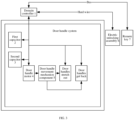
FIG. 5 is a structural block diagram of a vehicle door control apparatus according to an embodiment of the present disclosure. -
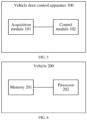
FIG. 6 is a structural block diagram of a vehicle according to an embodiment of the present disclosure. - The embodiments of the present disclosure are described below in detail. Examples of the embodiments are shown in the accompanying drawings, and same or similar reference signs in all the accompanying drawings indicate same or similar components or components having same or similar functions. The embodiments described below with reference to the accompanying drawings are exemplary, and are intended to explain the present disclosure and cannot be construed as limitations on the present disclosure.
- A control method for vehicle door and apparatus, a vehicle and a computer storage medium according to the embodiments of the present disclosure will be described below with reference to the accompanying drawings.
-
FIG. 1 is a flowchart of a control method for vehicle door according to an embodiment of the present disclosure. - As shown in
FIG. 1 , the present disclosure proposes a control method for vehicle door. The control method for vehicle door includes the following steps: - In S10, when a touch signal of a first touch area is collected, vehicle state information and key position information are acquired.
- Specifically, in this embodiment of the present disclosure, dual capacitors may be arranged to unlock each vehicle door. As shown in
FIG. 2 , afirst capacitor 2 may be used for guard mode off and guard mode on control of the vehicle door, and asecond capacitor 3 may be used for unlocking control of the vehicle door. - Referring to
FIG. 2 , the first touch area may be a capacitor-controlled guard mode on/off area inFIG. 2 . When a user touches this area, a domain controller of the vehicle can collect a corresponding touch signal. After the domain controller collects the touch signal of the first touch area, the vehicle state information and the key position information of the vehicle are acquired. It is to be understood that, the vehicle state information in this embodiment includes a guard mode state of the vehicle, a locked state of vehicle doors, a gear state of the vehicle, and key position information. - It is to be understood that, the
first capacitor 2 and thesecond capacitor 3 may be fixedly arranged in a door handle cavity through buckles, the door handle cavity is then filled with adhesive by adopting an adhesive filling technology to achieve the fixation and waterproof sealing performance of thefirst capacitor 2 and thesecond capacitor 3. Generally, the first touch area is arranged on a rear side of the door handle. - In S20, when it is determined that the touch signal of the first touch area is valid and is a guard mode off request signal according to the vehicle state information and the key position information, the vehicle is controlled to turn off a guard mode and door handles of the vehicle are driven to stretch out.
- Specifically, after the vehicle state information and the key position information are acquired, it can be determined whether the touch signal of the first touch area is valid according to the information. If it is valid, it can be further determined whether the touch signal of the first touch area is the guard mode off request signal.
- In some embodiments, the determining that the touch signal of the first touch area is valid and is a guard mode off request signal according to the vehicle state information and the key position information includes the following step: when it is determined that the vehicle is in a guard mode on state and the vehicle is in an OFF gear state according to the vehicle state information and it is determined that a key is outside the vehicle according to the key position information, it is determined that the touch signal of the first touch area is valid and is the guard mode off request signal.
- Specifically, after the touch signal of the first touch area is collected, the domain controller acquires the vehicle state information and the key position information through CAN bus signals and other means. When it is determined that the vehicle is in a guard mode on state, the vehicle is in an OFF gear state and the key is outside the vehicle, the touch signal of the first touch area is valid and is the guard mode off request signal.
- It is to be understood that, when it is determined that the vehicle is not in a guard mode on state, there is no need to turn off the guard mode, so the current touch signal of the first touch area is not the guard mode off request signal; when it is determined that the vehicle is not in an OFF gear state, which indicates that the current user possibly does not plan to park, there is no need to turn off the guard mode, so the touch signal is not the guard mode off request signal; and when it is determined that the key of the vehicle is inside the vehicle, for example, the key of the vehicle is inserted into a keyhole, which may also indicate that the current user does not plan to park, there is need to turn off the guard mode, and the touch signal is not the guard mode off request signal.
- After it is determined that the touch signal of the first touch area is valid and is the guard mode off request signal, the vehicle can be controlled to perform a guard mode off operation and the door handles of the vehicle can be driven to stretch out.
- It is to be understood that, the guard mode off operation of the vehicle in this embodiment aims at turning off the guard mode of the vehicle door, that is, before the vehicle door is opened, the guard mode off operation needs to be performed. If not, the vehicle door cannot be opened normally. After the guard mode off operation is completed, the door handle of the vehicle can be controlled by a door handle motor to stretch out to expose the touch area corresponding to the second capacitor, i.e., a capacitor-controlled unlocking area illustrated in
FIG. 2 . - In S30, after the door handles stretch out, when a touch signal of a second touch area corresponding to any door handle is collected, the touch signal of the second touch area is determined to be valid according to the vehicle state information, and the vehicle door corresponding to the door handle is controlled to unlock.
- Specifically, after the door handles of the vehicle stretch out, the second touch area can be exposed, and the user can touch the second touch area of any door handle. After the domain controller collects the touch signal of the second touch area, the vehicle state information can be further acquired, and then it is determined whether the touch signal of the second touch area is valid according to the vehicle state information.
- More specifically, when it is determined that the vehicle door corresponding to the door handle is in a locked state and a guard mode off state according to the vehicle state information, it is determined that the touch signal of the second touch area is valid.
- Specifically, after the vehicle state information is acquired, it can be determined whether the vehicle doors of the vehicle are in a locked state and whether the vehicle is in a guard mode off state according to the vehicle state information. When the vehicle doors of the vehicle are in a locked state and the vehicle is in a guard mode off state, it indicates that the guard mode off operation of the vehicle has been completed after the user touches the first touch area. When it is detected that the doors of the current vehicle are not in a locked state, there is no need to unlock them again, so the touch signal of the second touch area is invalid.
- When it is determined that the touch signal of the second touch area is valid, an electric unlocking motor may be driven to control the corresponding vehicle door to unlock. Specifically, the electric unlocking motor may be controlled to drive for 300 ms to unlock the corresponding vehicle door, so that the user no longer needs to pull the door handle to a certain distance to unlock the vehicle door, thus improving the user experience.
- In some embodiments of the present disclosure, after the vehicle state information and the key position information are acquired, the method further includes the following step: when it is determined that the touch signal of the first touch area is valid and is the guard mode on request signal according to the vehicle state information and the key position information, the vehicle is controlled to turn on the guard mode and the door handles of the vehicle are driven to get back.
- Specifically, after the vehicle state information and the key position information are acquired, when it is determined that the vehicle is in a guard mode off state, the vehicle doors are in a locked state, the vehicle is in an OFF gear state and the key is outside the vehicle according to the vehicle state information and the key position information, it is determined that the touch signal of the first touch area is valid and the touch signal is the guard mode on request signal.
- It is to be understood that, the guard mode on request signal may correspond to an operation of closing the vehicle door, while the guard mode off request signal may correspond to an operation of opening the vehicle door.
- In some embodiments of the present disclosure, after the vehicle state information and the key position information are acquired, the method further includes the following step: when it is determined that the vehicle is in a guard mode off state and the vehicle doors are in an unlocked state according to the vehicle state information, it is determined that the touch signal of the first touch area is invalid; or when it is determined that the vehicle is in a guard mode off state, the vehicle doors are in a locked state and the vehicle is not in an OFF gear state according to the vehicle state information, it is determined that the touch signal of the first touch area is invalid; or when it is determined that the vehicle is in a guard mode off state, the vehicle doors are in a locked state and the vehicle is in an OFF gear state according to the vehicle state information and it is determined that the key is not outside the vehicle according to the key position information, it is determined that the touch signal of the first touch area is invalid; or when it is determined that the vehicle is in a guard mode on state and the vehicle is not in an OFF gear state according to the vehicle state information, it is determined that the touch signal of the first touch area is invalid; or when it is determined that the vehicle is in a guard mode on state and the vehicle is in an OFF gear state according to the vehicle state information and it is determined that the key is not outside the vehicle according to the key position information, it is determined that the touch signal of the first touch area is invalid.
- Specifically, it is to be understood that, when whether the touch signal of the first touch area is valid is determined according to the vehicle state information and the key position information, a reference may be made to the above embodiment for determining the guard mode off signal and the guard mode on signal; when the touch signal does not satisfy the guard mode off signal and the guard mode on signal, it can be determined that the touch signal is an invalid signal.
- In some embodiments of the present disclosure, after the vehicle is controlled to turn off the guard mode or turn on the guard mode and before the door handles of the vehicle are driven to stretch out or get back, the method further includes the following step: it is determined that door handle motors of the vehicle are not in a thermal protection state.
- Specifically, in order to prevent children or some users from frequently opening and closing the doors, which may cause the motors to burn out, door handle motor thermal protection may be set up. The door handle motors are used for driving the door handles to stretch out and get back. When the door handle motors are in a thermal protection state, the vehicle can be controlled to turn off the guard mode or turn on the guard mode, but the door handles will not stretch out or get back. Specifically, it can be determined whether the motor is in a thermal protection state by the temperature of the motor or operating frequency of the motor. For example, if the motor repetitively runs more than 15 times within five minutes, it can be determined that the motor is in a thermal protection state. After it is determined that the motor is in the thermal protection state, the touch signal of the first touch area may be collected again after 30 s.
- Referring to
FIG. 3 , a door handle system may include afirst capacitor 2, asecond capacitor 3, adoor handle motor 4, a door handlemovement mechanism component 5, etc. After adomain controller 1 receives a touch signal from the first capacitor, when the signal is valid, it may control thedoor handle motor 4 to drive the door handlemovement mechanism component 5 to control the door handle to stretch out or get back, and then it may receive a touch signal from thesecond capacitor 3 to unlock the vehicle door. It is to be understood that, the unlocking of the vehicle door may be controlled by an electric unlockingassembly 6, and aremote key 7 illustrated in the figure can provide the key position information to thedomain controller 1. - To sum up, in a specific embodiment, referring to
FIG. 2 andFIG. 4 , firstly, the touch signal of the first touch area is collected through thefirst capacitor 2. When the touch signal is collected, it is determined whether the vehicle is in a guard mode off state. When the vehicle is in a guard mode off state, it is determined whether the vehicle doors are in a locked state. When the vehicle doors are in a locked state, it is further determined whether the vehicle is in an OFF gear state. If the vehicle is in an OFF gear state, it can be determined whether the key is outside the vehicle. When the key is outside the vehicle, it is determined that thedomain controller 1 receives the guard mode on request signal, and then it is determined whether the door handle motor is in a thermal protection state. If not, a door locking motor is driven to turn on the guard mode and the door handle motor is driven to make the door handle get back. When it is determined that the vehicle is not in a guard mode off state, the vehicle is in the OFF gear and the key is outside the vehicle, it is determined that thedomain controller 1 receives the guard mode off request signal, and then it is determined whether the door handle motor is in a thermal protection state. When the door handle motor is not in a thermal protection state, the door locking motor is driven to turn off the guard mode and the door handle motor is driven to stretch out. When the touch signal of the second touch area is collected through thesecond capacitor 3, it is determined whether the vehicle door on a corresponding side is in a locked state. When the vehicle door on the corresponding side is in a locked state, it is further determined whether the vehicle door on the corresponding side is in a guard mode off state. When the vehicle door on the corresponding side is in a guard mode off state, an unlocking motor on the corresponding side is driven for 300 ms to unlock the vehicle door. When the touch signal of the second touch area is collected, the vehicle door on the corresponding side is not in a locked state and the vehicle door on the corresponding side is not in a guard mode off state, the vehicle door will not respond. Before the unlocking motor on the corresponding side is driven for 300 ms to unlock the vehicle door, the method may further include determining whether the unlocking motor is in a thermal protection state. When the unlocking motor is not in a thermal protection state, the unlocking motor on the corresponding side is driven for 300 ms to unlock the vehicle door. When the unlocking motor is in a thermal protection state, the vehicle door will not be unlocked. - To sum up, the control method for vehicle door according to this embodiment of the present disclosure can allow users to unlock the vehicle doors without additionally pulling the door handles, thus greatly improving the user experience.
-
FIG. 5 is a structural block diagram of a vehicle door control apparatus according to an embodiment of the present disclosure. - As shown in
FIG. 5 , the present disclosure proposes a vehicle door control apparatus 100. The vehicle door control apparatus 100 includes anacquisition module 101 and acontrol module 102. - The
acquisition module 101 is configured to, when a touch signal of a first touch area is collected, acquire vehicle state information and key position information. Thecontrol module 102 is configured to, when it is determined that the touch signal of the first touch area is valid and is a guard mode off request signal according to the vehicle state information and the key position information, control a vehicle to turn off a guard mode and drive door handles of the vehicle to stretch out; and after the door handles stretch out, when a touch signal of a second touch area corresponding to any door handle is collected, determine that the touch signal of the second touch area is valid according to the vehicle state information, and control a vehicle door corresponding to the door handle to unlock. - In some embodiments of the present disclosure, the
control module 102 is further configured to, after the vehicle state information and the key position information are acquired, when it is determined that the touch signal of the first touch area is valid and is the guard mode on request signal according to the vehicle state information and the key position information, control the vehicle to turn on the guard mode and the door handles of the vehicle are driven to get back. - In some embodiments of the present disclosure, the
control module 102 is further configured to, when it is determined that the vehicle is in a guard mode on state and the vehicle is in an OFF gear state according to the vehicle state information and it is determined that a key is outside the vehicle according to the key position information, determine that the touch signal of the first touch area is valid and is the guard mode off request signal. - In some embodiments of the present disclosure, the
control module 102 is further configured to, when it is determined that the vehicle is in a guard mode off state, vehicle doors are in a locked state and the vehicle is in an OFF gear state according to the vehicle state information and it is determined that the key is outside the vehicle according to the key position information, it is determined that the touch signal of the first touch area is valid and is the guard mode on request signal. - In some embodiments of the present disclosure, the control module 102 is further configured to, after the vehicle state information and the key position information are acquired, when it is determined that the vehicle is in a guard mode off state and the vehicle doors are in an unlocked state according to the vehicle state information, determine that the touch signal of the first touch area is invalid; or when it is determined that the vehicle is in a guard mode off state, the vehicle doors are in a locked state and the vehicle is not in an OFF gear state according to the vehicle state information, determine that the touch signal of the first touch area is invalid; or when it is determined that the vehicle is in a guard mode off state, the vehicle doors are in a locked state and the vehicle is in an OFF gear state according to the vehicle state information and it is determined that the key is not outside the vehicle according to the key position information, determine that the touch signal of the first touch area is invalid; or when it is determined that the vehicle is in a guard mode on state and the vehicle is not in an OFF gear state according to the vehicle state information, determine that the touch signal of the first touch area is invalid; or when it is determined that the vehicle is in a guard mode on state and the vehicle is in an OFF gear state according to the vehicle state information and it is determined that the key is not outside the vehicle according to the key position information, determine that the touch signal of the first touch area is invalid.
- In some embodiments of the present disclosure, the
control module 102 is further configured to, before the vehicle is controlled to turn off the guard mode or turn on the guard mode, determine that door handle motors of the vehicle are not in a thermal protection state. - In some embodiments of the present disclosure, the determining that the touch signal of the second touch area is valid according to the vehicle state information includes the following step: when it is determined that the vehicle door corresponding to the door handle is in a locked state and a guard mode off state according to the vehicle state information, it is determined that the touch signal of the second touch area is valid.
- It is to be understood that, for the specific implementation of the vehicle door control apparatus according to this embodiment of the present disclosure, a reference can be made to the specific implementation of the control method for vehicle door in the above embodiment, which will not be repeated here.
- To sum up, the vehicle door control apparatus according to this embodiment of the present disclosure can allow users to unlock the vehicle doors without additionally pulling the door handles, thus greatly improving the user experience.
-
FIG. 6 is a structural block diagram of a vehicle according to an embodiment of the present disclosure. - As shown in
FIG. 6 , the present disclosure proposes avehicle 200. Thevehicle 200 includes amemory 201, aprocessor 202, and a vehicle door control program stored in thememory 201 and runnable on theprocessor 202. The vehicle door control program when executed by the processor implements a control method for vehicle door according to the above embodiment. - The vehicle according to this embodiment of the present disclosure includes the memory and the processor, and the processor executes the vehicle door control program stored in the memory, which can allow users to unlock the vehicle doors without additionally pulling the door handles, thus greatly improving the user experience.
- The present disclosure proposes a computer-readable storage medium. The computer-readable storage medium stores a vehicle door control program. The vehicle door control program when executed by a processor implements a control method for vehicle door according to the above embodiment.
- The computer-readable storage medium according to this embodiment of the present disclosure, by executing the vehicle door control program stored therein through the processor, can allow users to unlock the vehicle doors without additionally pulling door handles, thus greatly improving the user experience.
- It is to be understood that, the logic and/or steps shown in the flowcharts or described in any other manner herein, for example, a sequenced list that may be considered as executable instructions used for implementing logical functions, may be specifically implemented in any computer-readable medium to be used by an instruction execution system, apparatus, or device (for example, a computer-based system, a system including a processor, or another system that can obtain an instruction from the instruction execution system, apparatus, or device and execute the instruction) or to be used by combining such instruction execution systems, apparatuses, or devices. In this specification, the "computer-readable medium" may be any apparatus that can include, store, communicate, propagate, or transmit programs to be used by the instruction execution system, apparatus or device or to be used by combining such instruction execution systems, apparatuses or devices. More specific examples (a non-exhaustive list) of the computer-readable medium include the following: an electrical connection (electronic apparatus) having one or more wires, a portable computer diskette (magnetic apparatus), a random access memory (RAM), a read-only memory (ROM), an erasable programmable read-only memory (EPROM or flash memory), an optical fiber apparatus, and a portable compact disk read-only memory (CDROM). In addition, the computer-readable medium can even be paper or other suitable media on which the program can be printed, because the program can be obtained electronically by, for example, optically scanning paper or other media, then editing, interpreting, or processing in other suitable ways if necessary, and then storing it in a computer memory.
- It is to be understood that, parts of the present disclosure can be implemented by using hardware, software, firmware, or a combination thereof. In the foregoing implementations, multiple steps or methods may be implemented by using software or firmware that are stored in a memory and are executed by a proper instruction execution system. For example, if hardware is used for implementation, same as in another implementation, implementation may be performed by any one of the following technologies well known in the art or a combination thereof: a discrete logic circuit including a logic gate circuit for implementing a logic function of a data signal, a dedicated integrated circuit including a proper combined logic gate circuit, a programmable gate array (PGA), a field programmable gate array (FPGA), and the like.
- In the description of this specification, the description of the reference terms "an embodiment", "some embodiments", "an example", "a specific example", "some examples," and the like means that specific features, structures, materials or characteristics described in combination with the embodiment(s) or example(s) are included in at least one embodiment or example of the present disclosure. In this description, exemplary descriptions of the above terms do not necessarily refer to the same embodiment or example. In addition, the described specific features, structures, materials, or characteristics may be combined in a proper manner in any one or more of the embodiments or examples.
- In the description of the present disclosure, it is to be understood that, orientation or position relationships indicated by the terms such as "center", "longitudinal", "transverse", "length", "width", "thickness", "up", "down", "front", "back", "left", "right", "vertical", "horizontal", "top", "bottom", "inside", "outside", "clockwise", "anticlockwise", "axial", "radial", and "circumferential" are based on orientation or position relationships shown in the accompanying drawings, and are used only for ease and brevity of illustration and description, rather than indicating or implying that the mentioned apparatus or component must have a particular orientation or must be constructed and operated in a particular orientation. Therefore, such terms should not be construed as limitations to the present disclosure.
- In addition, terms such as "first" and "second" used in the embodiments of the present disclosure are only used for the purpose of description and cannot be understood as indicating or implying relative importance or implying a quantity of the indicated technical features in the embodiments. Therefore, a feature restricted by the term such as "first" or "second" in any embodiment of the present disclosure may explicitly or implicitly indicate that this embodiment includes at least one of such features. In the descriptions of the present disclosure, unless explicitly specified in the embodiments, "multiple" means at least two or more than two, for example, two, three or four
- In the present disclosure, unless otherwise explicitly specified or limited in the embodiments, the terms "mount", "connect", "connection", and "fix" should be understood in a broad sense. For example, a connection may be a fixed connection, a detachable connection, or an integral connection. It is to be understood that, it may also be a mechanical connection, an electric connection, etc. Of course, it may also be a direct connection, an indirect connection through an intermediate medium, internal communication between two components, or an interaction relationship between two components. A person of ordinary skill in the art can understand specific meanings of the terms in the present disclosure based on specific situations.
- In the present disclosure, unless otherwise explicitly specified and limited, the first feature being located "above" or "below" the second feature may be the first feature being in a direct contact with the second feature, or the first feature being in an indirect contact with the second feature through an intermediate medium. In addition, the first feature being "above", "over", or "on" the second feature may indicate that the first feature is directly above or obliquely above the second feature, or may merely indicate that the horizontal position of the first feature is higher than that of the second feature. That the first feature is "below", "under", and "beneath" the second feature may be that the first feature is right below the second feature or at an inclined bottom of the second feature, or may merely indicate that the horizontal position of the first feature is lower than that of the second feature.
- Although the embodiments of the present disclosure have been shown and described above, it can be understood that, the foregoing embodiments are exemplary and should not be understood as limitation to the present disclosure. A person of ordinary skill in the art can make changes, modifications, replacements, or variations to the foregoing embodiments within the scope of the present disclosure.
Claims (10)
- A method for controlling a vehicle door, comprising:when a touch signal of a first touch area is collected, acquiring vehicle state information and key position information;when determining that the touch signal of the first touch area is valid and is a guard mode off request signal according to the vehicle state information and the key position information, controlling a vehicle to turn off a guard mode and driving door handles of the vehicle to stretch out; andafter the door handles stretch out, when a touch signal of a second touch area corresponding to any door handle is collected, determining that the touch signal of the second touch area is valid according to the vehicle state information, and controlling a vehicle door corresponding to the door handle to unlock.
- The method for controlling a vehicle door according to claim 1, after acquiring the vehicle state information and the key position information, the method further comprising:
when determining that the touch signal of the first touch area is valid and is a guard mode on request signal according to the vehicle state information and the key position information, controlling the vehicle to turn on the guard mode and driving the door handles of the vehicle to get back. - The method for controlling a vehicle door according to any one of claims 1-2, wherein the determining that the touch signal of the first touch area is valid and is a guard mode off request signal according to the vehicle state information and the key position information comprises:
when determining that the vehicle is in a guard mode on state and the vehicle is in an OFF gear state according to the vehicle state information and determining that a key is outside the vehicle according to the key position information, determining that the touch signal of the first touch area is valid and is the guard mode off request signal. - The method for controlling a vehicle door according to claim 2, wherein the determining that the touch signal of the first touch area is valid and is a guard mode on request signal according to the vehicle state information and the key position information comprises:
when determining that the vehicle is in a guard mode off state, the vehicle doors are in a locked state and the vehicle is in an OFF gear state according to the vehicle state information and determining that a key is outside the vehicle according to the key position information, determining that the touch signal of the first touch area is valid and is the guard mode on request signal. - The method for controlling a vehicle door according to any one of claims 1-4, after acquiring the vehicle state information and the key position information, the method further comprising:when determining that the vehicle is in a guard mode off state and the vehicle doors are in an unlocked state according to the vehicle state information, determining that the touch signal of the first touch area is invalid; orwhen determining that the vehicle is in a guard mode off state, the vehicle doors are in a locked state and the vehicle is not in an OFF gear state according to the vehicle state information, determining that the touch signal of the first touch area is invalid; orwhen determining that the vehicle is in a guard mode off state, the vehicle doors are in a locked state and the vehicle is in an OFF gear state according to the vehicle state information and determining that the key is not outside the vehicle according to the key position information, determining that the touch signal of the first touch area is invalid; orwhen determining that the vehicle is in a guard mode on state and the vehicle is not in an OFF gear state according to the vehicle state information, determining that the touch signal of the first touch area is invalid; orwhen determining that the vehicle is in a guard mode on state and the vehicle is in an OFF gear state according to the vehicle state information and determining that the key is not outside the vehicle according to the key position information, determining that the touch signal of the first touch area is invalid.
- The method for controlling a vehicle door according to claim 2, after controlling the vehicle to turn off the guard mode or turn on the guard mode and before driving the door handles of the vehicle to stretch out or get back, the method further comprising:
determining that door handle motors of the vehicle are not in a thermal protection state. - The method for controlling a vehicle door according to claim 1, wherein the determining that the touch signal of the second touch area is valid according to the vehicle state information comprises:
when determining that the vehicle door corresponding to the door handle is in a locked state and a guard mode off state according to the vehicle state information, determining that the touch signal of the second touch area is valid. - A vehicle door control apparatus, comprising:an acquisition module, configured to, when a touch signal of a first touch area is collected, acquire vehicle state information and key position information; anda control module, configured to, when determining that the touch signal of the first touch area is valid and is a guard mode off request signal according to the vehicle state information and the key position information, control a vehicle to turn off a guard mode and drive door handles of the vehicle to stretch out; and after the door handles stretch out, when a touch signal of a second touch area corresponding to any door handle is collected, determine that the touch signal of the second touch area is valid according to the vehicle state information, and control a vehicle door corresponding to the door handle to unlock.
- A vehicle, comprising a memory, a processor, and a vehicle door control program stored in the memory which, when executed by the processor, causes the processor to implement the method for controlling a vehicle door according to any one of claims 1-7.
- A computer storage medium, storing a vehicle door control program which, when executed by a processor, causes the processor to implement the method for controlling a vehicle door according to any one of claims 1-7.
Applications Claiming Priority (2)
| Application Number | Priority Date | Filing Date | Title |
|---|---|---|---|
| CN202111649687.8A CN116411746B (en) | 2021-12-30 | 2021-12-30 | Vehicle door control method and device, vehicle and computer storage medium |
| PCT/CN2022/141901 WO2023125403A1 (en) | 2021-12-30 | 2022-12-26 | Vehicle door control method and device, and vehicle and computer storage medium |
Publications (2)
| Publication Number | Publication Date |
|---|---|
| EP4394153A1 true EP4394153A1 (en) | 2024-07-03 |
| EP4394153A4 EP4394153A4 (en) | 2025-02-26 |
Family
ID=86997939
Family Applications (1)
| Application Number | Title | Priority Date | Filing Date |
|---|---|---|---|
| EP22914657.6A Pending EP4394153A4 (en) | 2021-12-30 | 2022-12-26 | Vehicle door control method and device, and vehicle and computer storage medium |
Country Status (8)
| Country | Link |
|---|---|
| US (1) | US12546146B2 (en) |
| EP (1) | EP4394153A4 (en) |
| JP (1) | JP7796869B2 (en) |
| KR (1) | KR20240046252A (en) |
| CN (1) | CN116411746B (en) |
| AU (1) | AU2022428975B2 (en) |
| CA (1) | CA3232278A1 (en) |
| WO (1) | WO2023125403A1 (en) |
Families Citing this family (1)
| Publication number | Priority date | Publication date | Assignee | Title |
|---|---|---|---|---|
| CN117108149B (en) * | 2023-08-29 | 2026-03-20 | 中国重汽集团济南动力有限公司 | A method and system for controlling electric doors for automobiles |
Family Cites Families (101)
| Publication number | Priority date | Publication date | Assignee | Title |
|---|---|---|---|---|
| DE3301071A1 (en) * | 1983-01-14 | 1984-07-19 | Dr.Ing.H.C. F. Porsche Ag, 7000 Stuttgart | DEVICE FOR LOWERING AND LIFTING A WINDOW WINDOW OF A MOTOR VEHICLE DOOR |
| DE19539753B4 (en) * | 1995-10-26 | 2005-12-22 | Kiekert Ag | Motor vehicle door lock with central locking device |
| DE19617038C2 (en) * | 1996-04-27 | 2000-11-30 | Huf Huelsbeck & Fuerst Gmbh | Locking system, in particular for motor vehicles |
| DE19848652C1 (en) * | 1998-10-22 | 2000-03-16 | Porsche Ag | Method for lowering a power-operated disc |
| US6577226B1 (en) * | 1999-04-27 | 2003-06-10 | Trw Inc. | System and method for automatic vehicle unlock initiated via beam interruption |
| JP4552169B2 (en) * | 1999-11-09 | 2010-09-29 | マツダ株式会社 | Control device for opening / closing body of vehicle |
| US6412584B1 (en) * | 1999-12-09 | 2002-07-02 | Trw Vehicle Safety Systems Inc. | Vehicle door opener |
| US6825752B2 (en) * | 2000-06-13 | 2004-11-30 | Siemens Vdo Automotive Corporation | Effortless entry system and method |
| FR2813630B1 (en) * | 2000-09-05 | 2003-08-01 | Valeo Electronique | METHOD FOR AUTOMATICALLY LOCKING A VEHICLE OPENING ELEMENT WITH A HANDS-FREE ACCESS SYSTEM AND AN APPROACH SENSOR |
| EP1270853A3 (en) * | 2001-06-16 | 2005-01-26 | ArvinMeritor Light Vehicle Systems (UK) Ltd | Vehicle access and engagement means |
| FR2833292B1 (en) * | 2001-12-12 | 2004-06-18 | Valeo Electronique | SYSTEM FOR DETECTING THE PRESENCE OF A USER, PARTICULARLY FOR A MOTOR VEHICLE |
| FR2850699B1 (en) * | 2003-01-31 | 2005-03-18 | Siemens Vdo Automotive | METHOD FOR RECONCILING A VEHICLE EQUIPPED WITH A HANDS-FREE ACCESS SYSTEM |
| DE10306610C5 (en) * | 2003-02-14 | 2008-12-11 | BROSE SCHLIEßSYSTEME GMBH & CO. KG | Motor vehicle door and door lock unit and motor vehicle locking system |
| JP2006518817A (en) * | 2003-02-25 | 2006-08-17 | オーストラリアン アロー ピーティーワイ リミテッド | Access control |
| JP2004257126A (en) * | 2003-02-26 | 2004-09-16 | Aisin Seiki Co Ltd | Vehicle door opening and closing device |
| JP4074573B2 (en) * | 2003-09-02 | 2008-04-09 | 本田技研工業株式会社 | Door handle device |
| DE10349912B3 (en) * | 2003-10-25 | 2004-10-28 | Dr.Ing.H.C. F. Porsche Ag | Mounting for the moving window at an automobile side door has a motor, within the door, to raise an open window into an intermediate position in the seal when the door is closed to prevent rattles |
| JP4041090B2 (en) * | 2004-04-06 | 2008-01-30 | 本田技研工業株式会社 | Remote locking / unlocking control device for vehicle |
| US7971913B2 (en) * | 2004-07-23 | 2011-07-05 | Aisin Seiki Kabushiki Kaisha | Door handle device for vehicle |
| DE102004041709C5 (en) * | 2004-08-28 | 2009-11-12 | Bayerische Motoren Werke Aktiengesellschaft | Vehicle with automatic opening flap |
| DE102004041741B3 (en) * | 2004-08-28 | 2005-06-23 | Daimlerchrysler Ag | Sealing rail for automobile side windows has movable stop engaging counter-stop provided by roof frame of automobile in closed position |
| WO2007011938A2 (en) * | 2005-07-19 | 2007-01-25 | Lafrance Autoworks, Inc. | Touch-sensitive electronically controlled automotive door opener |
| JP4702613B2 (en) * | 2005-11-16 | 2011-06-15 | アイシン精機株式会社 | Vehicle door opening / closing device and vehicle door opening / closing control method |
| US7688179B2 (en) * | 2005-12-12 | 2010-03-30 | Denso International America, Inc. | Hands-free vehicle door opener |
| JP4600323B2 (en) | 2006-03-15 | 2010-12-15 | アイシン精機株式会社 | Vehicle door handle |
| FR2901392B1 (en) * | 2006-05-18 | 2008-09-05 | Siemens Vdo Automotive Sas | DEVICE FOR DETECTING AN EVENT IN A VEHICLE OR IN THE VEHICLE ENVIRONMENT |
| JP2007332739A (en) | 2006-06-19 | 2007-12-27 | Denso Corp | Vehicle control system |
| US7937893B2 (en) * | 2006-08-22 | 2011-05-10 | Magna Closures Inc. | Intuitive handle switch operation for power sliding doors |
| JP4947348B2 (en) * | 2006-09-13 | 2012-06-06 | アイシン精機株式会社 | Vehicle door handle device |
| FR2913808B1 (en) * | 2007-03-16 | 2009-04-24 | Siemens Vdo Automotive Sas | METHOD OF ENTANCING A COMPOUND-FORM ELECTRONIC SENSOR BY LOW PRESSURE INJECTION OF REACTIVE RESIN |
| JP2008261175A (en) * | 2007-04-13 | 2008-10-30 | Honda Motor Co Ltd | Vehicle door handle |
| FR2915796B1 (en) * | 2007-05-03 | 2009-06-12 | Siemens Vdo Automotive Sas | DEVICE FOR REMOVING THE INTERFERENCE PHENOMENON BETWEEN CAPACITIVE DETECTION AREAS OF A SENSOR |
| US8091280B2 (en) * | 2007-06-01 | 2012-01-10 | GM Global Technology Operations LLC | Arms full vehicle closure activation apparatus and method |
| ATE497076T1 (en) * | 2007-11-02 | 2011-02-15 | Gm Global Tech Operations Inc | HANDLE ARRANGEMENT |
| JP4724853B2 (en) * | 2008-06-04 | 2011-07-13 | 三井金属アクト株式会社 | Vehicle door opening / closing operation device |
| KR100974550B1 (en) * | 2008-07-15 | 2010-08-11 | 현대자동차주식회사 | Vehicle Door Lock Control System |
| JP5131472B2 (en) * | 2008-07-24 | 2013-01-30 | アイシン精機株式会社 | Door handle device |
| JP5359361B2 (en) * | 2008-09-25 | 2013-12-04 | 株式会社デンソー | Vehicle door opening control device |
| JP5382575B2 (en) * | 2009-03-31 | 2014-01-08 | 株式会社フジクラ | Lock / unlock control device |
| JP5644076B2 (en) * | 2009-08-27 | 2014-12-24 | 株式会社豊田自動織機 | Vehicle door structure |
| US8786401B2 (en) * | 2009-12-23 | 2014-07-22 | Magna Mirrors Of America, Inc. | Extendable flush door handle for vehicle |
| WO2011097011A2 (en) * | 2010-02-02 | 2011-08-11 | Tom Van Esch | Door latch misalignment measuring arrangement and method |
| US8708396B2 (en) * | 2010-11-30 | 2014-04-29 | GM Global Technology Operations LLC | Glass indexing system and method |
| JP5589869B2 (en) * | 2011-01-27 | 2014-09-17 | アイシン精機株式会社 | Vehicle door handle device |
| DE102011002105A1 (en) | 2011-04-15 | 2012-10-18 | Huf Hülsbeck & Fürst Gmbh & Co. Kg | An automobile door handle |
| GB2492319A (en) * | 2011-06-21 | 2013-01-02 | Jaguar Cars | Retractable handle |
| US9349236B2 (en) * | 2011-10-07 | 2016-05-24 | Assa Abloy Czech & Slovakia S.R.O. | Solutions for relay attacks on passive keyless entry and go |
| US8690204B2 (en) * | 2011-11-23 | 2014-04-08 | GM Global Technology Operations LLC | Flush door handle assembly with normal deployment |
| US8701353B2 (en) * | 2012-06-29 | 2014-04-22 | Ford Global Technologies, Llc | Deployable door handle for vehicles |
| US9957737B2 (en) * | 2012-06-29 | 2018-05-01 | Ford Global Technologies, Llc | Flush-mounted door handle for vehicles |
| WO2014050617A1 (en) * | 2012-09-26 | 2014-04-03 | アイシン精機 株式会社 | Remote control for vehicles |
| CN103909871B (en) * | 2014-03-26 | 2016-09-07 | 杭州天铭科技股份有限公司 | Vehicle and the foot pedal equipment for vehicle |
| US9382741B2 (en) * | 2014-05-19 | 2016-07-05 | GM Global Technology Operations LLC | Vehicle including an assembly for opening a vehicle door |
| JP2016142045A (en) * | 2015-02-02 | 2016-08-08 | アイシン精機株式会社 | Opening and closing body opening and closing device |
| MX365693B (en) * | 2015-04-07 | 2019-06-11 | Nissan Motor | Locking/unlocking system. |
| JP6503914B2 (en) * | 2015-06-19 | 2019-04-24 | アイシン精機株式会社 | Vehicle door handle device |
| JP6380279B2 (en) * | 2015-07-30 | 2018-08-29 | アイシン精機株式会社 | Locking and unlocking device for vehicle opening / closing body |
| JP2017101488A (en) * | 2015-12-03 | 2017-06-08 | トヨタ自動車株式会社 | Door handle control device |
| PL3272587T3 (en) * | 2016-02-18 | 2020-10-05 | T-Max (Hangzhou) Technology Co., Ltd. | Vehicle and pedal plate device for use in vehicle |
| JP2017154530A (en) * | 2016-02-29 | 2017-09-07 | 株式会社オートネットワーク技術研究所 | On-vehicle machine and vehicle security system |
| CN109715423B (en) * | 2016-08-23 | 2022-12-09 | 株式会社阿尔发 | Door outside handle device, door and vehicle |
| DE102016116462A1 (en) * | 2016-09-02 | 2018-03-08 | Huf Hülsbeck & Fürst Gmbh & Co. Kg | Outside door handle for a motor vehicle |
| JP6447600B2 (en) * | 2016-09-29 | 2019-01-09 | トヨタ自動車株式会社 | Vehicle side structure |
| US10055916B1 (en) * | 2017-01-31 | 2018-08-21 | Honda Motor Co., Ltd. | Remote vehicle access system |
| DE102018100654A1 (en) * | 2018-01-12 | 2019-07-18 | Huf Hülsbeck & Fürst Gmbh & Co. Kg | Motor vehicle handle assembly and method for mounting such a motor vehicle handle assembly |
| US20190234121A1 (en) * | 2018-01-26 | 2019-08-01 | Novares Us Llc | Flush door handle assembly |
| CN208473507U (en) * | 2018-05-11 | 2019-02-05 | 中山市澳多电子科技有限公司 | A kind of touch sensible concealed electric door handle |
| CN108533100A (en) * | 2018-05-11 | 2018-09-14 | 中山市澳多电子科技有限公司 | A kind of touch sensible concealed electric door handle |
| WO2019220254A1 (en) * | 2018-05-14 | 2019-11-21 | Gentex Corporation | Vehicle control module for smart home control system |
| FR3081179B1 (en) * | 2018-05-18 | 2020-07-10 | U-Shin Italia S.P.A. | AUTOMOTIVE DOOR HANDLE DEVICE WITH OPTIMIZED CONNECTIONS |
| CN108839635A (en) * | 2018-06-01 | 2018-11-20 | 浙江吉利汽车研究院有限公司 | Vehicle unblocks lock control method, apparatus and system |
| FR3082219B1 (en) * | 2018-06-07 | 2020-06-05 | Continental Automotive France | DEVICE FOR DETECTING THE LOCKING OR UNLOCKING INTENT OF A MOTOR VEHICLE OPENING ELEMENT WITH CAPACITIVE AND INDUCTIVE SENSORS |
| US10435924B1 (en) * | 2018-06-26 | 2019-10-08 | Ford Global Technologies, Llc | Vehicle door handle having ice handling |
| US11078691B2 (en) * | 2018-06-26 | 2021-08-03 | Ford Global Technologies, Llc | Deployable vehicle door handle |
| CN209924678U (en) * | 2018-08-21 | 2020-01-10 | 蔚来汽车有限公司 | Vehicle handle device, vehicle handle device component, door assembly, door control system and vehicle |
| US11859419B2 (en) * | 2018-09-19 | 2024-01-02 | Illinois Tool Works Inc. | Handle system for a vehicle and control method thereof |
| US11680432B2 (en) * | 2018-10-02 | 2023-06-20 | Magna Mirrors Of America, Inc. | Flush door handle for vehicle |
| CN209384825U (en) * | 2018-11-29 | 2019-09-13 | 上汽大众汽车有限公司 | Concealed door handle |
| DE102018010026B4 (en) * | 2018-12-19 | 2025-06-12 | Mercedes-Benz Group AG | Vehicle door for a motor vehicle |
| CN109538037A (en) * | 2018-12-30 | 2019-03-29 | 浙江众泰汽车制造有限公司 | A kind of control system of electric concealed type outside door handle |
| US10633895B1 (en) * | 2019-02-26 | 2020-04-28 | Ford Global Technologies, Llc | Deployable vehicle door handle having lighting |
| US10822842B2 (en) * | 2019-02-28 | 2020-11-03 | Ford Global Technologies, Llc | Adaptive door sealing using power cinching latch |
| CN209838008U (en) * | 2019-04-13 | 2019-12-24 | 无锡博金汽车部件有限公司 | Automatic hidden door handle |
| US11554646B2 (en) * | 2019-05-23 | 2023-01-17 | Ford Global Technologies, Llc | Open loop fixed outside pull handle integrated with door belt seal |
| JP2021008750A (en) * | 2019-07-01 | 2021-01-28 | 本田技研工業株式会社 | Outer handle device for vehicle |
| KR102291311B1 (en) | 2019-07-15 | 2021-08-20 | 현대자동차주식회사 | Vehicle and controlling method of the vehicle |
| KR102173472B1 (en) * | 2019-08-07 | 2020-11-03 | 주식회사 성우하이텍 | Retractable door handle apparatus, system and control method thereof |
| CN110485837B (en) * | 2019-08-26 | 2021-04-02 | 重庆金康赛力斯新能源汽车设计院有限公司 | Handle, automobile and control method for automobile door |
| US11873116B2 (en) * | 2019-10-15 | 2024-01-16 | Skydio, Inc. | Automated docking of unmanned aerial vehicle |
| US11619079B2 (en) * | 2019-12-09 | 2023-04-04 | Ford Global Technologies, Llc | Vehicle powered closure handle assembly and powered closure actuating method |
| CN111255314B (en) * | 2020-02-21 | 2021-06-04 | 重庆长安汽车股份有限公司 | Hidden door handle intelligence control system |
| US11732515B2 (en) * | 2020-03-06 | 2023-08-22 | Atieva, Inc. | Rotating flush vehicle door handle |
| US11441338B2 (en) * | 2020-03-18 | 2022-09-13 | Magna Mirrors Of America, Inc. | Vehicle door handle with enhanced lighting and touch sensors |
| WO2021210713A1 (en) * | 2020-04-16 | 2021-10-21 | 주식회사 우보테크 | Flush handle for vehicle door |
| CN113530381A (en) | 2020-04-16 | 2021-10-22 | 广州汽车集团股份有限公司 | A hidden door handle control device, system and control method |
| US11746575B2 (en) * | 2020-07-16 | 2023-09-05 | Magna Mirrors Of America, Inc. | Vehicular door handle with manual override stop |
| US11624228B1 (en) * | 2020-12-04 | 2023-04-11 | Zoox, Inc. | Vehicle door interface system |
| US12546150B2 (en) * | 2021-01-07 | 2026-02-10 | Ford Global Technologies, Llc | Door assembly for motor vehicle |
| CN216974484U (en) * | 2021-12-28 | 2022-07-15 | 比亚迪股份有限公司 | Door handle assembly, door handle assembly and vehicle |
| US20240227731A9 (en) * | 2022-10-19 | 2024-07-11 | Allyson McCollum | Vehicular entry systems and related methods |
| CN118087981A (en) * | 2022-11-28 | 2024-05-28 | 现代自动车株式会社 | Control device and method for locking or unlocking vehicle door |
-
2021
- 2021-12-30 CN CN202111649687.8A patent/CN116411746B/en active Active
-
2022
- 2022-12-26 JP JP2024517034A patent/JP7796869B2/en active Active
- 2022-12-26 KR KR1020247008846A patent/KR20240046252A/en not_active Ceased
- 2022-12-26 AU AU2022428975A patent/AU2022428975B2/en active Active
- 2022-12-26 WO PCT/CN2022/141901 patent/WO2023125403A1/en not_active Ceased
- 2022-12-26 EP EP22914657.6A patent/EP4394153A4/en active Pending
- 2022-12-26 CA CA3232278A patent/CA3232278A1/en active Pending
-
2024
- 2024-04-29 US US18/648,509 patent/US12546146B2/en active Active
Also Published As
| Publication number | Publication date |
|---|---|
| US12546146B2 (en) | 2026-02-10 |
| CN116411746A (en) | 2023-07-11 |
| AU2022428975B2 (en) | 2025-09-11 |
| US20240271470A1 (en) | 2024-08-15 |
| JP2024543300A (en) | 2024-11-21 |
| WO2023125403A1 (en) | 2023-07-06 |
| CA3232278A1 (en) | 2023-07-06 |
| CN116411746B (en) | 2024-10-29 |
| AU2022428975A1 (en) | 2024-04-04 |
| EP4394153A4 (en) | 2025-02-26 |
| KR20240046252A (en) | 2024-04-08 |
| JP7796869B2 (en) | 2026-01-09 |
Similar Documents
| Publication | Publication Date | Title |
|---|---|---|
| US12065121B2 (en) | Vehicle, start control method for vehicle, and start control system of vehicle | |
| US12546146B2 (en) | Control method for vehicle door and apparatus, vehicle and computer storage medium | |
| EP3019682B1 (en) | Lid lock device | |
| WO2019201307A1 (en) | Method, device, and system for preventing terminal apparatus from being left in vehicle and vehicle | |
| CN110242162A (en) | For the baffle without handle closure panel in motor vehicles | |
| CN113212129A (en) | Vehicle door control method and device, vehicle and storage medium | |
| KR102852631B1 (en) | Control method and control device for opening a vehicle door, and vehicle controller | |
| CN115214537A (en) | Vehicle running control method and device and electronic equipment | |
| GB2517577A (en) | Vehicle control system | |
| CN110836047A (en) | Electric lockset triggered and controlled by door handle rotation | |
| CN211691893U (en) | Electric lockset triggered and controlled by door handle rotation | |
| RU2728400C1 (en) | Door handle, a door handle control method, a door handle control device and a data medium | |
| US20240144758A1 (en) | Vehicle control device, vehicle, vehicle control method and recording medium on which a program is recorded | |
| JP2024543300A5 (en) | ||
| CN114320070A (en) | Automobile and automobile sliding door control system | |
| CN118618258A (en) | Vehicle control method, device and vehicle | |
| CN117661958A (en) | Car door control method, device, domain controller, and vehicle | |
| CN117261821A (en) | Vehicle control method, device, system, vehicle and storage medium | |
| EP4654162A1 (en) | Lock control method, lock and storage medium | |
| EP4560102A1 (en) | Vehicle sliding door control system, method and apparatus, storage medium, and electronic device | |
| CN116357189A (en) | Smart window and its control method, control device and computer-readable storage medium | |
| CN113338712B (en) | Door lock control method and device, storage medium, processor and door lock | |
| CN209653612U (en) | A kind of avoiding improper opening smart lock | |
| CN120422805A (en) | Vehicle control method, device, computer equipment and storage medium | |
| CN116591569A (en) | Vehicle hood control method, device and vehicle |
Legal Events
| Date | Code | Title | Description |
|---|---|---|---|
| STAA | Information on the status of an ep patent application or granted ep patent |
Free format text: STATUS: THE INTERNATIONAL PUBLICATION HAS BEEN MADE |
|
| PUAI | Public reference made under article 153(3) epc to a published international application that has entered the european phase |
Free format text: ORIGINAL CODE: 0009012 |
|
| STAA | Information on the status of an ep patent application or granted ep patent |
Free format text: STATUS: REQUEST FOR EXAMINATION WAS MADE |
|
| 17P | Request for examination filed |
Effective date: 20240327 |
|
| AK | Designated contracting states |
Kind code of ref document: A1 Designated state(s): AL AT BE BG CH CY CZ DE DK EE ES FI FR GB GR HR HU IE IS IT LI LT LU LV MC ME MK MT NL NO PL PT RO RS SE SI SK SM TR |
|
| A4 | Supplementary search report drawn up and despatched |
Effective date: 20250124 |
|
| RIC1 | Information provided on ipc code assigned before grant |
Ipc: B60R 25/24 20130101ALI20250120BHEP Ipc: B60R 25/01 20130101ALI20250120BHEP Ipc: G07C 9/00 20200101ALI20250120BHEP Ipc: B60R 25/20 20130101ALI20250120BHEP Ipc: E05B 85/10 20140101ALI20250120BHEP Ipc: E05B 81/76 20140101AFI20250120BHEP |
|
| DAV | Request for validation of the european patent (deleted) | ||
| DAX | Request for extension of the european patent (deleted) |