EP4389900A2 - Erzeugung von säuger-t-zellaktivierungsinduzierbaren synthetischen promotoren (syn+pro) zur verbesserung der t-zelltherapie - Google Patents
Erzeugung von säuger-t-zellaktivierungsinduzierbaren synthetischen promotoren (syn+pro) zur verbesserung der t-zelltherapie Download PDFInfo
- Publication number
- EP4389900A2 EP4389900A2 EP24169900.8A EP24169900A EP4389900A2 EP 4389900 A2 EP4389900 A2 EP 4389900A2 EP 24169900 A EP24169900 A EP 24169900A EP 4389900 A2 EP4389900 A2 EP 4389900A2
- Authority
- EP
- European Patent Office
- Prior art keywords
- cell
- cancer
- alternatives
- cells
- promoter
- Prior art date
- Legal status (The legal status is an assumption and is not a legal conclusion. Google has not performed a legal analysis and makes no representation as to the accuracy of the status listed.)
- Withdrawn
Links
Images















Classifications
-
- C—CHEMISTRY; METALLURGY
- C12—BIOCHEMISTRY; BEER; SPIRITS; WINE; VINEGAR; MICROBIOLOGY; ENZYMOLOGY; MUTATION OR GENETIC ENGINEERING
- C12N—MICROORGANISMS OR ENZYMES; COMPOSITIONS THEREOF; PROPAGATING, PRESERVING, OR MAINTAINING MICROORGANISMS; MUTATION OR GENETIC ENGINEERING; CULTURE MEDIA
- C12N15/00—Mutation or genetic engineering; DNA or RNA concerning genetic engineering, vectors, e.g. plasmids, or their isolation, preparation or purification; Use of hosts therefor
- C12N15/09—Recombinant DNA-technology
- C12N15/10—Processes for the isolation, preparation or purification of DNA or RNA
- C12N15/1034—Isolating an individual clone by screening libraries
- C12N15/1051—Gene trapping, e.g. exon-, intron-, IRES-, signal sequence-trap cloning, trap vectors
-
- C—CHEMISTRY; METALLURGY
- C12—BIOCHEMISTRY; BEER; SPIRITS; WINE; VINEGAR; MICROBIOLOGY; ENZYMOLOGY; MUTATION OR GENETIC ENGINEERING
- C12N—MICROORGANISMS OR ENZYMES; COMPOSITIONS THEREOF; PROPAGATING, PRESERVING, OR MAINTAINING MICROORGANISMS; MUTATION OR GENETIC ENGINEERING; CULTURE MEDIA
- C12N15/00—Mutation or genetic engineering; DNA or RNA concerning genetic engineering, vectors, e.g. plasmids, or their isolation, preparation or purification; Use of hosts therefor
- C12N15/09—Recombinant DNA-technology
- C12N15/11—DNA or RNA fragments; Modified forms thereof; Non-coding nucleic acids having a biological activity
- C12N15/113—Non-coding nucleic acids modulating the expression of genes, e.g. antisense oligonucleotides; Antisense DNA or RNA; Triplex- forming oligonucleotides; Catalytic nucleic acids, e.g. ribozymes; Nucleic acids used in co-suppression or gene silencing
-
- A—HUMAN NECESSITIES
- A61—MEDICAL OR VETERINARY SCIENCE; HYGIENE
- A61K—PREPARATIONS FOR MEDICAL, DENTAL OR TOILETRY PURPOSES
- A61K35/00—Medicinal preparations containing materials or reaction products thereof with undetermined constitution
- A61K35/12—Materials from mammals; Compositions comprising non-specified tissues or cells; Compositions comprising non-embryonic stem cells; Genetically modified cells
- A61K35/28—Bone marrow; Haematopoietic stem cells; Mesenchymal stem cells of any origin, e.g. adipose-derived stem cells
-
- A—HUMAN NECESSITIES
- A61—MEDICAL OR VETERINARY SCIENCE; HYGIENE
- A61K—PREPARATIONS FOR MEDICAL, DENTAL OR TOILETRY PURPOSES
- A61K40/00—Cellular immunotherapy
- A61K40/10—Cellular immunotherapy characterised by the cell type used
- A61K40/11—T-cells, e.g. tumour infiltrating lymphocytes [TIL] or regulatory T [Treg] cells; Lymphokine-activated killer [LAK] cells
-
- A—HUMAN NECESSITIES
- A61—MEDICAL OR VETERINARY SCIENCE; HYGIENE
- A61K—PREPARATIONS FOR MEDICAL, DENTAL OR TOILETRY PURPOSES
- A61K40/00—Cellular immunotherapy
- A61K40/30—Cellular immunotherapy characterised by the recombinant expression of specific molecules in the cells of the immune system
- A61K40/31—Chimeric antigen receptors [CAR]
-
- A—HUMAN NECESSITIES
- A61—MEDICAL OR VETERINARY SCIENCE; HYGIENE
- A61K—PREPARATIONS FOR MEDICAL, DENTAL OR TOILETRY PURPOSES
- A61K40/00—Cellular immunotherapy
- A61K40/40—Cellular immunotherapy characterised by antigens that are targeted or presented by cells of the immune system
- A61K40/41—Vertebrate antigens
- A61K40/42—Cancer antigens
- A61K40/4202—Receptors, cell surface antigens or cell surface determinants
- A61K40/421—Immunoglobulin superfamily
- A61K40/4211—CD19 or B4
-
- A—HUMAN NECESSITIES
- A61—MEDICAL OR VETERINARY SCIENCE; HYGIENE
- A61P—SPECIFIC THERAPEUTIC ACTIVITY OF CHEMICAL COMPOUNDS OR MEDICINAL PREPARATIONS
- A61P35/00—Antineoplastic agents
-
- C—CHEMISTRY; METALLURGY
- C07—ORGANIC CHEMISTRY
- C07K—PEPTIDES
- C07K14/00—Peptides having more than 20 amino acids; Gastrins; Somatostatins; Melanotropins; Derivatives thereof
- C07K14/435—Peptides having more than 20 amino acids; Gastrins; Somatostatins; Melanotropins; Derivatives thereof from animals; from humans
- C07K14/46—Peptides having more than 20 amino acids; Gastrins; Somatostatins; Melanotropins; Derivatives thereof from animals; from humans from vertebrates
- C07K14/47—Peptides having more than 20 amino acids; Gastrins; Somatostatins; Melanotropins; Derivatives thereof from animals; from humans from vertebrates from mammals
- C07K14/4701—Peptides having more than 20 amino acids; Gastrins; Somatostatins; Melanotropins; Derivatives thereof from animals; from humans from vertebrates from mammals not used
- C07K14/4702—Regulators; Modulating activity
-
- C—CHEMISTRY; METALLURGY
- C07—ORGANIC CHEMISTRY
- C07K—PEPTIDES
- C07K16/00—Immunoglobulins [IG], e.g. monoclonal or polyclonal antibodies
- C07K16/18—Immunoglobulins [IG], e.g. monoclonal or polyclonal antibodies against material from animals or humans
- C07K16/28—Immunoglobulins [IG], e.g. monoclonal or polyclonal antibodies against material from animals or humans against receptors, cell surface antigens or cell surface determinants
- C07K16/2803—Immunoglobulins [IG], e.g. monoclonal or polyclonal antibodies against material from animals or humans against receptors, cell surface antigens or cell surface determinants against the immunoglobulin superfamily
-
- C—CHEMISTRY; METALLURGY
- C12—BIOCHEMISTRY; BEER; SPIRITS; WINE; VINEGAR; MICROBIOLOGY; ENZYMOLOGY; MUTATION OR GENETIC ENGINEERING
- C12N—MICROORGANISMS OR ENZYMES; COMPOSITIONS THEREOF; PROPAGATING, PRESERVING, OR MAINTAINING MICROORGANISMS; MUTATION OR GENETIC ENGINEERING; CULTURE MEDIA
- C12N15/00—Mutation or genetic engineering; DNA or RNA concerning genetic engineering, vectors, e.g. plasmids, or their isolation, preparation or purification; Use of hosts therefor
- C12N15/09—Recombinant DNA-technology
- C12N15/63—Introduction of foreign genetic material using vectors; Vectors; Use of hosts therefor; Regulation of expression
-
- C—CHEMISTRY; METALLURGY
- C12—BIOCHEMISTRY; BEER; SPIRITS; WINE; VINEGAR; MICROBIOLOGY; ENZYMOLOGY; MUTATION OR GENETIC ENGINEERING
- C12N—MICROORGANISMS OR ENZYMES; COMPOSITIONS THEREOF; PROPAGATING, PRESERVING, OR MAINTAINING MICROORGANISMS; MUTATION OR GENETIC ENGINEERING; CULTURE MEDIA
- C12N15/00—Mutation or genetic engineering; DNA or RNA concerning genetic engineering, vectors, e.g. plasmids, or their isolation, preparation or purification; Use of hosts therefor
- C12N15/09—Recombinant DNA-technology
- C12N15/63—Introduction of foreign genetic material using vectors; Vectors; Use of hosts therefor; Regulation of expression
- C12N15/67—General methods for enhancing the expression
-
- C—CHEMISTRY; METALLURGY
- C12—BIOCHEMISTRY; BEER; SPIRITS; WINE; VINEGAR; MICROBIOLOGY; ENZYMOLOGY; MUTATION OR GENETIC ENGINEERING
- C12N—MICROORGANISMS OR ENZYMES; COMPOSITIONS THEREOF; PROPAGATING, PRESERVING, OR MAINTAINING MICROORGANISMS; MUTATION OR GENETIC ENGINEERING; CULTURE MEDIA
- C12N15/00—Mutation or genetic engineering; DNA or RNA concerning genetic engineering, vectors, e.g. plasmids, or their isolation, preparation or purification; Use of hosts therefor
- C12N15/09—Recombinant DNA-technology
- C12N15/63—Introduction of foreign genetic material using vectors; Vectors; Use of hosts therefor; Regulation of expression
- C12N15/79—Vectors or expression systems specially adapted for eukaryotic hosts
- C12N15/85—Vectors or expression systems specially adapted for eukaryotic hosts for animal cells
-
- C—CHEMISTRY; METALLURGY
- C12—BIOCHEMISTRY; BEER; SPIRITS; WINE; VINEGAR; MICROBIOLOGY; ENZYMOLOGY; MUTATION OR GENETIC ENGINEERING
- C12N—MICROORGANISMS OR ENZYMES; COMPOSITIONS THEREOF; PROPAGATING, PRESERVING, OR MAINTAINING MICROORGANISMS; MUTATION OR GENETIC ENGINEERING; CULTURE MEDIA
- C12N15/00—Mutation or genetic engineering; DNA or RNA concerning genetic engineering, vectors, e.g. plasmids, or their isolation, preparation or purification; Use of hosts therefor
- C12N15/09—Recombinant DNA-technology
- C12N15/63—Introduction of foreign genetic material using vectors; Vectors; Use of hosts therefor; Regulation of expression
- C12N15/79—Vectors or expression systems specially adapted for eukaryotic hosts
- C12N15/85—Vectors or expression systems specially adapted for eukaryotic hosts for animal cells
- C12N15/86—Viral vectors
-
- C—CHEMISTRY; METALLURGY
- C12—BIOCHEMISTRY; BEER; SPIRITS; WINE; VINEGAR; MICROBIOLOGY; ENZYMOLOGY; MUTATION OR GENETIC ENGINEERING
- C12N—MICROORGANISMS OR ENZYMES; COMPOSITIONS THEREOF; PROPAGATING, PRESERVING, OR MAINTAINING MICROORGANISMS; MUTATION OR GENETIC ENGINEERING; CULTURE MEDIA
- C12N5/00—Undifferentiated human, animal or plant cells, e.g. cell lines; Tissues; Cultivation or maintenance thereof; Culture media therefor
- C12N5/06—Animal cells or tissues; Human cells or tissues
- C12N5/0602—Vertebrate cells
- C12N5/0634—Cells from the blood or the immune system
- C12N5/0636—T lymphocytes
-
- A—HUMAN NECESSITIES
- A61—MEDICAL OR VETERINARY SCIENCE; HYGIENE
- A61K—PREPARATIONS FOR MEDICAL, DENTAL OR TOILETRY PURPOSES
- A61K2239/00—Indexing codes associated with cellular immunotherapy of group A61K40/00
- A61K2239/38—Indexing codes associated with cellular immunotherapy of group A61K40/00 characterised by the dose, timing or administration schedule
-
- C—CHEMISTRY; METALLURGY
- C07—ORGANIC CHEMISTRY
- C07K—PEPTIDES
- C07K14/00—Peptides having more than 20 amino acids; Gastrins; Somatostatins; Melanotropins; Derivatives thereof
- C07K14/435—Peptides having more than 20 amino acids; Gastrins; Somatostatins; Melanotropins; Derivatives thereof from animals; from humans
- C07K14/705—Receptors; Cell surface antigens; Cell surface determinants
- C07K14/70503—Immunoglobulin superfamily
- C07K14/7051—T-cell receptor (TcR)-CD3 complex
-
- C—CHEMISTRY; METALLURGY
- C07—ORGANIC CHEMISTRY
- C07K—PEPTIDES
- C07K2319/00—Fusion polypeptide
- C07K2319/01—Fusion polypeptide containing a localisation/targetting motif
- C07K2319/03—Fusion polypeptide containing a localisation/targetting motif containing a transmembrane segment
-
- C—CHEMISTRY; METALLURGY
- C12—BIOCHEMISTRY; BEER; SPIRITS; WINE; VINEGAR; MICROBIOLOGY; ENZYMOLOGY; MUTATION OR GENETIC ENGINEERING
- C12N—MICROORGANISMS OR ENZYMES; COMPOSITIONS THEREOF; PROPAGATING, PRESERVING, OR MAINTAINING MICROORGANISMS; MUTATION OR GENETIC ENGINEERING; CULTURE MEDIA
- C12N2310/00—Structure or type of the nucleic acid
- C12N2310/10—Type of nucleic acid
- C12N2310/20—Type of nucleic acid involving clustered regularly interspaced short palindromic repeats [CRISPR]
-
- C—CHEMISTRY; METALLURGY
- C12—BIOCHEMISTRY; BEER; SPIRITS; WINE; VINEGAR; MICROBIOLOGY; ENZYMOLOGY; MUTATION OR GENETIC ENGINEERING
- C12N—MICROORGANISMS OR ENZYMES; COMPOSITIONS THEREOF; PROPAGATING, PRESERVING, OR MAINTAINING MICROORGANISMS; MUTATION OR GENETIC ENGINEERING; CULTURE MEDIA
- C12N2510/00—Genetically modified cells
-
- C—CHEMISTRY; METALLURGY
- C12—BIOCHEMISTRY; BEER; SPIRITS; WINE; VINEGAR; MICROBIOLOGY; ENZYMOLOGY; MUTATION OR GENETIC ENGINEERING
- C12N—MICROORGANISMS OR ENZYMES; COMPOSITIONS THEREOF; PROPAGATING, PRESERVING, OR MAINTAINING MICROORGANISMS; MUTATION OR GENETIC ENGINEERING; CULTURE MEDIA
- C12N2740/00—Reverse transcribing RNA viruses
- C12N2740/00011—Details
- C12N2740/10011—Retroviridae
- C12N2740/15011—Lentivirus, not HIV, e.g. FIV, SIV
- C12N2740/15041—Use of virus, viral particle or viral elements as a vector
- C12N2740/15043—Use of virus, viral particle or viral elements as a vector viral genome or elements thereof as genetic vector
-
- C—CHEMISTRY; METALLURGY
- C12—BIOCHEMISTRY; BEER; SPIRITS; WINE; VINEGAR; MICROBIOLOGY; ENZYMOLOGY; MUTATION OR GENETIC ENGINEERING
- C12N—MICROORGANISMS OR ENZYMES; COMPOSITIONS THEREOF; PROPAGATING, PRESERVING, OR MAINTAINING MICROORGANISMS; MUTATION OR GENETIC ENGINEERING; CULTURE MEDIA
- C12N2800/00—Nucleic acids vectors
- C12N2800/10—Plasmid DNA
- C12N2800/106—Plasmid DNA for vertebrates
- C12N2800/107—Plasmid DNA for vertebrates for mammalian
Definitions
- the inducible promoters are derived from an NFAT-RE inducible system and are used to improve or enhance T cell survival and proliferation.
- a method of making an inducible synthetic promoter library comprises screening promoters, wherein the promoters are screened for being activated following CAR T cell activation, thereby producing a set of screened promoters, screening transcription factor response elements, thereby producing a set of screened transcription factor response elements, making an inducible synthetic promoter library comprising promoters that are activated following CAR T cell activation of transcription factor response elements and synthesizing oligonucleotides, wherein the oligonucleotides comprise a first sequence encoding a screened transcription factor response element and a second sequence encoding a screened promoter.
- an inducible synthetic promoter comprises a first sequence encoding a transcription factor response element and a second sequence encoding a promoter sequence, optionally, wherein said inducible synthetic promoter comprises one or more of SEQ ID. NOs: 1-33.
- the inducible synthetic promoter is inducible by chimeric antigen receptor activation.
- the inducible synthetic promoter is inducible by binding of the chimeric antigen receptor to a ligand.
- the inducible synthetic promoter is inducible by interaction with anti-CD3/anti-CD28 antibodies.
- the inducible synthetic promoter is inducible by a chemical.
- the chemical is PMA or lonomycin.
- the promoter comprises an endogenous IL2 minimal promoter sequence.
- the inducible synthetic promoter comprises a sequence set forth in any one of SEQ ID NO's 1-33.
- the transcription factor response element is E2F1, EGR1, HIF1A, NFAT, LEF1, SP1, PU.1, NFKB, JUN, FOS, and/or STAT4.
- a cell for molecule expression comprising a vector, wherein the vector comprises the inducible synthetic promoter any of the alternatives described above, a gene encoding a molecule and a sequence encoding a chimeric antigen receptor.
- the inducible synthetic promoter can comprise a first sequence encoding a transcription factor response element and a second sequence encoding a promoter sequence, optionally, wherein said inducible synthetic promoter comprises one or more of SEQ ID. NOs: 1-33.
- the inducible synthetic promoter is inducible by chimeric antigen receptor activation.
- the inducible synthetic promoter is inducible by binding of the chimeric antigen receptor to a ligand.
- the inducible synthetic promoter is inducible by interaction with anti-CD3/anti-CD28 antibodies. In some alternatives, the inducible synthetic promoter is inducible by a chemical. In some alternatives, the chemical is PMA or lonomycin. In some alternatives, the promoter comprises an endogenous IL2 minimal promoter sequence. In some alternatives, the inducible synthetic promoter comprises a sequence set forth in any one of SEQ ID NO's 1-33. In some alternatives, the transcription factor response element is E2F1, EGR1, HIF1A, NFAT, LEF1, SP1, PU.1, NFKB, JUN, FOS, and/or STAT4.
- the molecule is a protein, an antibody or binding fragment thereof, pro-proliferation molecule or a molecule that can eradicate tumors.
- the cell is a hematopoietic stem cell.
- the chimeric antigen receptor is specific for CD19.
- the cell is CD8+ or CD4+.
- expression of the molecule is inducible.
- the CAR comprises a signaling domain.
- the signaling domain is 1G, 2G or 3G.
- the vector is a lentiviral vector, a transposase based minicircle or a nanoplasmid.
- the cell further comprises a TCR knock out system for CAR specific activation.
- the molecule is a Chimeric Cytokine Receptor.
- the Chimeric Cytokine Receptor comprises CCR, CASTAT5, PD1 chimeras and/or a miRNA.
- the miRNA comprises miRNA155.
- the CCR comprises CD122, CD127 or CD360.
- the PD1 chimera comprises PD1:CD28, dnSHP1/2 and/or IL-12.
- a method of regulating gene expression in CAR T cell therapy comprises providing the cell of any one of the alternatives herein and introducing the cell into a subject in need of a CAR T cell therapy.
- the cell comprises a vector, wherein the vector comprises the inducible synthetic promoter any of the alternatives described herein, a gene encoding a molecule and a sequence encoding a chimeric antigen receptor.
- the inducible synthetic promoter can comprise a first sequence encoding a transcription factor response element and a second sequence encoding a promoter sequence, optionally, wherein said inducible synthetic promoter comprises one or more of SEQ ID. NOs: 1-33.
- the inducible synthetic promoter is inducible by chimeric antigen receptor activation. In some alternatives, the inducible synthetic promoter is inducible by binding of the chimeric antigen receptor to a ligand. In some alternatives, the inducible synthetic promoter is inducible by interaction with anti-CD3/anti-CD28 antibodies. In some alternatives, the inducible synthetic promoter is inducible by a chemical. In some alternatives, the chemical is PMA or lonomycin. In some alternatives, the promoter comprises an endogenous IL2 minimal promoter sequence. In some alternatives, the inducible synthetic promoter comprises a sequence set forth in any one of SEQ ID NO's 1-33.
- the transcription factor response element is E2F1, EGR1, HIF1A, NFAT, LEF1, SP1, PU.1, NFKB, JUN, FOS, and/or STAT4.
- the molecule is a protein, an antibody or binding fragment thereof, pro-proliferation molecule or molecule that can eradicate tumors.
- the cell is a hematopoietic stem cell.
- the chimeric antigen receptor is specific for CD19.
- the cell is CD8+ or CD4+.
- expression of the molecule is inducible.
- the CAR comprises a signaling domain.
- the signaling domain is 1G, 2G or 3G.
- the vector is a lentiviral vector, a transposase based minicircle or a nanoplasmid.
- the cell further comprises a TCR knock out system for CAR specific activation.
- the molecule is Chimeric Cytokine Receptors such as CCR (CD122, CD127, and CD360), CASTAT5, and PD1 chimeras such as PD1:CD28, dnSHP1/2, IL-12 and/or a miRNA such as miRNA155.
- the method of regulating gene expression in CAR T cell therapy further comprises monitoring the subject for a response to the molecule expressed under control of the inducible synthetic promoter.
- the subject is further monitored for expression of the molecule expressed under control of the inducible synthetic promoter.
- the molecule is a protein, an antibody or binding fragment thereof, a cytokine, and/or an anti-cancer therapeutic.
- the method further comprises inducing expression of the molecule. In some alternatives, the inducing is performed by administering PMA or lonomycin.
- the inducing step is performed prior to administering the cells to the subject in need, and wherein the cells are exposed to anti-CD3/anti-CD28 beads prior to administering of the cells.
- the subject is suffering from or has been diagnosed as having a cancer.
- the molecule is Chimeric Cytokine Receptors such as CCR (CD122, CD127, and CD360), CASTAT5, and PD1 chimeras such as PD 1: CD28, dnSHP1/2, IL-12 and/or a miRNA such as miRNA155.
- the molecule is a Chimeric Cytokine Receptor.
- the Chimeric Cytokine Receptor comprises CCR, CASTAT5, PD1 chimeras and/or a miRNA.
- the miRNA comprises miRNA155.
- the CCR comprises CD122, CD127 or CD360.
- the PD1 chimera comprises PD1:CD28, dnSHP1/2 and/or IL-12.
- a method of ameliorating, inhibiting, or treating a disease such as a cancer (e.g., any one or more of leukemia, breast cancer, stomach cancer, esophageal cancer, brain cancer, uterine cancer, prostate cancer, bone cancer, liver cancer, pancreatic cancer, ovarian cancer, lung cancer, colon cancer, kidney cancer, bladder cancer, uterine cancer or thyroid cancer), in a subject in need
- a disease such as a cancer
- the method comprises providing a vector to a cell, wherein the cell comprises the inducible synthetic promoter of any one of the alternatives described herein and wherein the cell comprises a chimeric antigen receptor, administering the cell to the subject in need and inducing expression of a molecule.
- the vector comprises the inducible synthetic promoter any of the alternatives described herein, a gene encoding a molecule and a sequence encoding a chimeric antigen receptor.
- the inducible synthetic promoter can comprise a first sequence encoding a transcription factor response element and a second sequence encoding a promoter sequence, optionally, wherein said inducible synthetic promoter comprises one or more of SEQ ID. NOs: 1-33.
- the inducible synthetic promoter is inducible by chimeric antigen receptor activation.
- the inducible synthetic promoter is inducible by binding of the chimeric antigen receptor to a ligand.
- the inducible synthetic promoter is inducible by interaction withanti-CD3/anti-CD28 antibodies.
- the inducible synthetic promoter is inducible by a chemical.
- the chemical is PMA or lonomycin.
- the promoter comprises an endogenous IL2 minimal promoter sequence.
- the inducible synthetic promoter comprises a sequence set forth in any one of SEQ ID NO's 1-33.
- the transcription factor response element is E2F1, EGR1, HIF1A, NFAT, LEF1, SP1, PU.1, NFKB, JUN, FOS, and/or STAT4.
- the molecule is a protein, an antibody or binding fragment thereof, pro-proliferation molecule or molecule that can eradicate tumors.
- the cell is a hematopoietic stem cell.
- the chimeric antigen receptor is specific for CD19.
- the cell is CD8+ or CD4+.
- expression of the molecule is inducible.
- the CAR comprises a signaling domain.
- the signaling domain is 1G, 2G or 3G.
- the vector is a lentiviral vector, a transposase based minicircle or a nanoplasmid.
- the cell further comprises a TCR knock out system for CAR specific activation.
- the molecule is CCR (CD122), CASTAT5, and PD1:CD28 and/or a miRNA.
- the cell is from the subject.
- the method further comprises monitoring the subject for a response to the molecule expressed under control of the inducible synthetic promoter.
- the molecule is a protein, an antibody, a cytokine or an anti-cancer therapeutic.
- the method further comprises inducing expression of the molecule.
- the inducing is performed by administering PMA or lonomycin.
- the inducing step is performed prior to administering the cells to the subject in need, wherein the cells are exposed toanti-CD3/anti-CD28 antibodies conjugated onto beads prior to administering of the cells.
- the subject is suffering from cancer.
- the molecule is CCR (CD122), CASTAT5, PD1:CD28 and/or a miRNA.
- the subject is selected for a therapy for cancer.
- the cancer is leukemia, breast cancer, stomach cancer, esophageal cancer, brain cancer, uterine cancer, prostate cancer, bone cancer, liver cancer, pancreatic cancer, ovarian cancer, lung cancer, colon cancer, kidney cancer, bladder cancer, uterine cancer or thyroid cancer.
- the molecule is a Chimeric Cytokine Receptor.
- the Chimeric Cytokine Receptor comprises CCR, CASTAT5, PD1 chimeras and/or a miRNA.
- the miRNA comprises miRNA155.
- the CCR comprises CD122, CD127 or CD360.
- the PD1 chimera comprises PD1:CD28, dnSHP1/2 and/or IL-12.
- Constant or “Inducible” as used herein have their plain and ordinary meaning when read in light of the specification, and may include but is not limited to, for example, a nucleic acid construct that includes a promoter that provides for gene expression in the presence of an inducer and does not substantially provide for gene expression in the absence of the inducer.
- inducible promoters for mammalian expression constructs include tetracycline, ecdysone, streptogramins, macrolides or doxycycline inducible promoters.
- inducible promoters for bacterial expression constructs include but are not limited to a T7 promoter, lac promoter, trc promoter, tac promoter, tetA promoter, araBAD promoter or a rhaPBAD promoters.
- insect-derived promoters include but are not limited to pB2 and polyhedrin promoters.
- a promoter is provided, wherein the promoter is an inducible promoter for mammalian protein expression.
- the promoter is an inducible synthetic promoter.
- the promoter is selected to be activated following CAR T cell activation.
- a "promoter” has its plain and ordinary meaning when read in light of the specification, and may include but is not limited to, for example, nucleotide sequence that directs the transcription of a structural gene.
- a promoter is located in the 5' non-coding region of a gene, proximal to the transcriptional start site of a structural gene. Sequence elements within promoters that function in the initiation of transcription are often characterized by consensus nucleotide sequences. It is a region of DNA that initiates transcription of a particular gene. Promoters are located near the transcription start sites of genes, on the same strand and upstream on the DNA (towards the 5' region of the sense strand).
- Promoters can be about 100, 200, 300, 400, 500, 600, 700, 800, or 1000 base pairs long or within a range defined by any two of the aforementioned lengths.
- a promoter can be constitutively active, repressible or inducible. If a promoter is an inducible promoter, then the rate of transcription increases in response to an inducing agent. In some alternatives, the promoter is a synthetic promoter.
- nucleic acid or “nucleic acid molecule” have their plain and ordinary meaning when read in light of the specification, and may include but is not limited to, for example, polynucleotides or oligonucleotides such as deoxyribonucleic acid (DNA) or ribonucleic acid (RNA), oligonucleotides, fragments generated by the polymerase chain reaction (PCR), and fragments generated by any of ligation, scission, endonuclease action, exonuclease action, and by synthetic generation.
- polynucleotides or oligonucleotides such as deoxyribonucleic acid (DNA) or ribonucleic acid (RNA), oligonucleotides, fragments generated by the polymerase chain reaction (PCR), and fragments generated by any of ligation, scission, endonuclease action, exonuclease action, and by synthetic generation.
- Nucleic acid molecules can be composed of monomers that are naturally-occurring nucleotides (such as DNA and RNA), or analogs of naturally-occurring nucleotides (e.g., enantiomeric forms of naturally-occurring nucleotides), or a combination of both.
- Modified nucleotides can have alterations in sugar moieties and/or in pyrimidine or purine base moieties.
- Sugar modifications include, for example, replacement of one or more hydroxyl groups with halogens, alkyl groups, amines, and azido groups, or sugars can be functionalized as ethers or esters.
- the entire sugar moiety can be replaced with sterically and electronically similar structures, such as aza-sugars and carbocyclic sugar analogs.
- modifications in a base moiety include alkylated purines and pyrimidines, acylated purines or pyrimidines, or other well-known heterocyclic substitutes.
- Nucleic acid monomers can be linked by phosphodiester bonds or analogs of such linkages. Analogs of phosphodiester linkages include phosphorothioate, phosphorodithioate, phosphoroselenoate, phosphorodiselenoate, phosphoroanilothioate, phosphoranilidate, or phosphoramidate.
- nucleic acid molecule also includes so-called “peptide nucleic acids,” which comprise naturally-occurring or modified nucleic acid bases attached to a polyamide backbone. Nucleic acids can be either single stranded or double stranded. They can also be referred to as “oligonucleotides.”
- Transcription factor response elements have their plain and ordinary meaning when read in light of the specification, and may include but is not limited to, for example, short sequences of DNA within a gene promoter region that are able to bind specific transcription factors and regulate transcription of genes. Under conditions of stress, a transcription activator protein binds to the response element and stimulates transcription. They may also be a short (50-1500 bp) region of DNA that can be bound by proteins (activators) to increase or promote or enhance the likelihood that transcription of a particular gene will occur or the level of transcription that takes place. These activator proteins are usually referred to as transcription factors.
- Enhancers are generally cis-acting, located up to 1 Mbp (1,000,000 bp) away from the gene and can be upstream or downstream from the start site, and either in the forward or backward direction.
- An enhancer may be located upstream or downstream of the gene it regulates.
- a plurality of enhancer domains may be used in some embodiments to generate greater transcription e.g., multimerized activation binding domains can be used to further enhance or increase the level of transcription.
- an enhancer doesn't need to be located near the transcription initiation site to affect transcription, as some have been found located in several hundred thousand base pairs upstream or downstream of the start site. Enhancers do not act on the promoter region itself, but are bound by activator proteins.
- Enhancers may also be found within introns. An enhancer's orientation may even be reversed without affecting its function. Additionally, an enhancer may be excised and inserted elsewhere in the chromosome, and still affect gene transcription.
- An example of an enhancer binding domain is the TCR alpha enhancer. In some alternatives, the enhancer domain in the alternatives described herein is a TCR alpha enhancer.
- Transcriptional activator domains or “Transcriptional activation domain” have their plain and ordinary meaning when read in light of the specification, and may include but is not limited to, for example, specific DNA sequences that can be bound by a transcription factor, in which the transcription factor can thereby control the rate of transcription of genetic information from DNA to messenger RNA.
- Specific transcription factors can include but is not limited to SP1, AP1, C/EBP, heat shock factor, ATF/CREB, c-Myc, Oct-1 and/or NF-1.
- a "chimeric antigen receptor” (CAR) described herein, also known as chimeric T-cell receptor, has its plain and ordinary meaning when read in light of the specification, and may include but is not limited to, for example, an artificial T-cell receptor or a genetically engineered receptor, which grafts a desired specificity onto an immune effector cell.
- a CAR may be a synthetically designed receptor comprising a ligand binding domain of an antibody or other protein sequence that binds to a molecule associated with the disease or disorder and is linked via a spacer domain to one or more intracellular signaling domains of a T-cell or other receptors, such as a costimulatory domain.
- a cell such as a mammalian cell
- the cell comprises a chimeric antigen receptor.
- These receptors can be used to graft the specificity of a monoclonal antibody or a binding portion thereof onto a T-cell, for example.
- the genetically engineered cell further comprises a sequence that encodes a chimeric antigen receptor.
- the chimeric antigen receptor is specific for a molecule on a tumor cell.
- a chimeric antigen receptor or an engineered cell expressing a T cell receptor can be used to target a specific tissue.
- Ligand refers to a substance that can form a complex with a biomolecule.
- ligands can include substrates, proteins, small molecules, inhibitors, activators, nucleic acids and neurotransmitters. Binding can occur through intermolecular forces, for example ionic bonds, hydrogen bonds, and van der walls interactions. Ligand binding to a receptor protein can alter the three dimensional structure and determine its functional state. The strength of binding of a ligand is referred to as the binding affinity and can be determined by direct interactions and solvent effects.
- a ligand can be bound by a "ligand binding domain.”
- a ligand binding domain for example, can refer to a conserved sequence in a structure that can bind a specific ligand or a specific epitope on a protein.
- the ligand binding domain or ligand binding portion can comprise an antibody or binding fragment thereof or scFv, a receptor ligand or mutants thereof, peptide, and/or polypeptide affinity molecule or binding partner.
- a ligand binding domain can be a specific protein domain or an epitope on a protein that is specific for a ligand or ligands.
- PMA or "phorbol 12-myristate 13-acetate” is a diester of phorbol and a potent tumor promoter often employed in biomedical research to activate the signal transduction enzyme protein kinase C (PKC).
- PKC protein kinase C
- PMA is used to induce a inducible synthetic promoter.
- “Lonomycin” is an ionophore produced by the bacterium Streptomyces conglobatus. It is used in research to raise the intracellular level of calcium (Ca2+) and as a research tool to understand Ca2+ transport across biological membranes. It is also used to stimulate the intracellular production of the following cytokines; interferon, perforin, IL-2, and/or IL-4 - usually in conjunction with PMA. In the alternatives herein, the lonomycin is used to induce an inducible synthetic promoter.
- a "minimal promoter” is used to get a low amount of transcription of a target gene. They have key sequences to specify the transcription start site, but only weakly activates transcription because it does not recruit RNA Polymerase or transcription factors strongly.
- the minimal promoter sequence is an IL2-minimal promoter sequence which is a fragment of IL2 promoter (-70 to +47) containing a TATA box.
- IL-2minimal promoter Prior to construction and use of an IL-2minimal promoter, a commercial minimal promoter from an inducible gene expression construct was tested. The commercially available minimal promoter was shown to work in cell lines but not in primary T cells.
- a “protein” is a macromolecule comprising one or more polypeptide chains.
- a protein can also comprise non-peptide components, such as carbohydrate groups. Carbohydrates and other non-peptide substituents can be added to a protein by the cell in which the protein is produced, and will vary with the type of cell. Proteins are defined herein in terms of their amino acid backbone structures; substituents such as carbohydrate groups are generally not specified, but can be present nonetheless.
- a cell is provided wherein the cell comprises a vector, wherein the vector comprises a gene encoding a protein, an antibody or binding fragment thereof, pro-proliferation molecule or molecule that can eradicate tumors.
- an “antibody” as described herein refers to a large Y-shape protein produced by plasma cells that is used by the immune system to identify and neutralize foreign objects such as bacteria and viruses.
- the antibody protein can comprise four polypeptide chains; two identical heavy chains and two identical light chains connected by disulfide bonds. Each chain is composed of structural domains called immunoglobulin domains. These domains can contain about 70-110 amino acids and are classified into different categories according to their size and function.
- Pro-proliferation molecule refers to chimeric cytokine receptors such as CCR(CD122), CCR(CD127), CCR(CD360), caSTAT5, miRNA such as miRNA155, dnSHP1, dnSHP2, PD1 chimeras such as PD1:MyD88 and PD1:CD28, CD200:CD28.
- the inducible synthetic promoter drives the synthesis of a pro-proliferation molecule.
- Inducible synthetic promoter library has its plain and ordinary meaning when read in light of the specification, and may include but is not limited to, for example, CAR activation inducible promoter library, T cell exhaustion inducible promoter library, tumor micro-environment inducible promoter library, hypoxia inducible promoter library.
- Inducible synthetic promoter (iSynPro) as used herein has its plain and ordinary meaning when read in light of the specification, and may include but is not limited to, for example, a CAR activation inducible promoter library, T cell exhaustion inducible promoter library, tumor micro-environment inducible promoter library, hypoxia inducible promoter library.
- T cell precursors refers to lymphoid precursor cells that can migrate to the thymus and become T cell precursors, which do not express a T cell receptor. All T cells originate from hematopoietic stem cells in the bone marrow. Hematopoietic progenitors (lymphoid progenitor cells) from hematopoietic stem cells populate the thymus and expand by cell division to generate a large population of immature thymocytes. The earliest thymocytes express neither CD4 nor CD8, and are therefore classed as double-negative (CD4 - CD8 - ) cells.
- CD19 as used herein has its plain and ordinary meaning when read in light of the specification, and may include but is not limited to, for example, a protein that is found on the surface of white blood cells and can assemble with the antigen receptor of B lymphocytes in order to decrease the threshold for antigen receptor-dependent stimulation.
- CD19 is expressed on follicular dendritic cells and B cells.
- CD19 is present on B cells from earliest recognizable B-lineage cells during development to B-cell blasts but is lost on maturation to plasma cells.
- CD19 primarily acts as a B cell co-receptor in conjunction with CD21 and CD81.
- CD19 Upon activation, the cytoplasmic tail of CD19 becomes phosphorylated, which leads to binding by Src-family kinases and recruitment of PI-3 kinase. As on T-cells, several surface molecules form the antigen receptor and form a complex on B lymphocytes.
- CD19 is associated with severe immunodeficiency syndromes characterized by diminished antibody production.
- aberrant expression of CD19 is a marker of monocytic lineage in acute myelogenous leukemia.
- CD19 is a hallmark of B-cells, the protein can be used to diagnose cancers that arise from this type of cell, notably B-cell lymphomas. Since 2011, therapies targeting CD19 have begun to enter clinical trials.
- Most current experimental anti-CD19 drugs in development work by exploiting the presence of CD19 to direct the therapy specifically towards B-cell cancers.
- the protein plays an active role in driving the growth of these cancers, by stabilizing the concentrations of the MYC oncoprotein.
- CD19 and its downstream signaling can be attractive therapeutic targets.
- Subject refers to any organism upon which the alternatives described herein may be used or administered, e.g., for experimental, diagnostic, prophylactic, and/or therapeutic purposes.
- Subjects or patients include, for example, animals.
- the subject is mice, rats, rabbits, non-human primates, and/or humans.
- the subject is a cow, sheep, pig, horse, dog, cat, primate or a human.
- Cytokines refers to small proteins (5-25 kDa) that are important in cell signaling. Cytokines are released by cells and affect the behavior of other cells, and sometimes the releasing cell itself, such as a T-cell. Cytokines can include, for example, chemokines, interferons, interleukins, lymphokines, and/or tumor necrosis factor. Cytokines can be produced by a broad range of cells, which can include, for example, immune cells like macrophages, B lymphocytes, T lymphocytes and/or mast cells, as well as, endothelial cells, fibroblasts, and/or various stromal cells.
- Cytokines can act through receptors, and are important in the immune system as the cytokines can modulate the balance between humoral and cell-based immune responses, and they can regulate the maturation, growth, and responsiveness of particular cell populations. Some cytokines enhance or inhibit the action of other cytokines in complex ways.
- cytokines can include, for example, Acylation stimulating protein, Adipokine, Albinterferon, CCL1, CCL11, CCL12, CCL13, CCL14, CCL15, CCL16, CCL17, CCL18, CCL19, CCL2, CCL20, CCL21, CCL22, CCL23, CCL24, CCL25, CCL26, CCL27, CCL28, CCL3, CCL5, CCL6, CCL7, CCL8, CCL9, Chemokine, Colony-stimulating factor, CX3CL1, CX3CR1, CXCL1, CXCL10, CXCL11, CXCL13, CXCL14, CXCL15, CXCL16, CXCL17, CXCL2, CXCL3, CXCL5, CXCL6, CXCL7, CXCL9, Erythropoietin, Gc-MAF, Granulocyte colony-stimulating factor, Granulocyte macrophage colony-stimulating factor,
- Interleukins are cytokines that the immune system depends largely upon.
- Examples of interleukins include IL-1, IL-2, IL-3, IL-4, IL-5, IL-6, Il-7, IL-8/CXCL8, IL-9, IL-10, IL-11, IL-12, IL-13, IL-14, IL-15, IL-16, IL-17, IL-18, IL-19, IL-20, IL-21, IL-22, IL-23, IL-24, IL-25, IL-26, IL-27, IL-28, IL-29, IL-30, IL-31, IL-32, IL-33, IL-34, IL-35, and/or IL-36.
- IL-1 for example can function in the maturation & proliferation of T-cells.
- IL-2 for example, can stimulate growth and differentiation of T-cell response.
- IL-3 for example, can promote differentiation and proliferation of myeloid progenitor cells.
- IL-4 for example, can promote proliferation and differentiation.
- IL-7 for example, can promote differentiation and/or proliferation of lymphoid progenitor cells, involved in B, T, and NK cell survival, development, and/or homeostasis.
- IL-15 for example, can induce production of natural killer cells.
- IL-21 for example, co-stimulates activation and/or proliferation of CD8+ T-cells, augments NK cytotoxicity, augments CD40-driven B cell proliferation, differentiation and/or isotype switching, and/or promotes differentiation of Th17 cells.
- Vector is a nucleic acid used to introduce heterologous nucleic acids into a cell that has regulatory elements to provide expression of the heterologous nucleic acids in the cell.
- Vectors include but are not limited to plasmid, minicircles, yeast, and/or viral genomes. In some alternatives, the vectors are plasmid, minicircles, yeast, or viral genomes. In some alternatives, the vector is a viral vector. In some alternatives, the viral vector is a lentivirus. In some alternatives, the vector is for protein expression in a bacterial system such as E. coli. In some alternatives, the vector is a lentiviral vector.
- the vector is a foamy viral vector, adenoviral vectors, retroviral vectors or lentiviral vectors.
- the vector is for protein expression in a bacterial system, such as E. coli.
- the vector is a lentiviral vector, a transposase based minicircle or a nanoplasmid.
- Combination therapy refers to a therapy that uses more than one medication or modality for a therapeutic application.
- Combination therapy for example can also refer to multiple therapies to treat a single disease, and often all the therapies are pharmaceutical product combinations.
- Combination therapy can also involve prescribing and administering separate drugs in which the dosage can also have more than one active ingredient.
- a combination therapy is provided.
- the combination therapy can further comprise administering a CAR bearing T-cell to a subject in need e.g., a human.
- “Chemotherapeutic drugs” are category of anti-cancer medicaments that can use, for example, chemical substances, such as anti-cancer drugs (chemotherapeutic agents) that can be given as part of a standardized chemotherapy regimen. Chemotherapeutic drugs can be given with a curative intent, or it can aim to prolong life or to reduce symptoms (palliative chemotherapy). Additional chemotherapies can also include hormonal therapy and targeted therapy, as it is one of the major categories of medical oncology (pharmacotherapy for cancer). These modalities are often used in conjunction with other cancer therapies, such as radiation therapy, surgery, and/or hyperthermia therapy. In few cases, cancer has been known to spread due to surgery. In some alternatives, a genetically modified immune cell is administered to the tumor site prior to or after a surgical procedure.
- Some newer anticancer drugs are not indiscriminately cytotoxic, but rather target proteins that are abnormally expressed in cancer cells and that are essential for their growth. Such therapies are often referred to as targeted therapy (as distinct from classic chemotherapy) and are often used alongside traditional chemotherapeutic agents in antineoplastic protocols.
- the methods described herein can further comprise administering any one or more of these targeted anti-cancer therapies (for example, various monoclonal antibodies, humanized versions thereof and/or binding fragments thereof).
- Chemotherapy in which chemotherapeutic drugs are administered, can use one drug at a time (single-agent chemotherapy) or several drugs at once (combination chemotherapy or polychemotherapy). The combination of chemotherapy and radiotherapy is chemoradiotherapy. Chemotherapy using drugs that convert to cytotoxic activity only upon light exposure is called photochemotherapy or photodynamic therapy. In some alternatives of administering the cell described herein, the method can further comprise administering to a subject having cancer, photochemotherapy or photodynamic therapy after receiving the cells.
- Chemotherapuetic drugs can include but are not limited to antibody-drug conjugates (for example, an antibody or binding fragment thereof attached to a drug by a linker), nanoparticles (for example a nanoparticle can be 1-1000 nanometer sized particle for promoting tumor selectivity and aid in delivering low-solubility drugs), electochemotherapy, alkylating agents, antimetabolites (for example, 5-fluorouracil (5-FU), 6-mercaptopurine (6-MP), Capecitabine (Xeloda ® ), Cladribine, Clofarabine, Cytarabine (Ara-C ® ), Floxuridine, Fludarabine, Gemcitabine (Gemzar ® ), Hydroxyurea, Methotrexate, Pemetrexed (Alimta ® ), Pentostatin, and/or Thioguanine), anti-tumor antibiotics, topoisomerase inhibitors, mitotic inhibitors, corticosteroids, DNA intercalating agents, or checkpoint
- the genetically modified immune cells or compositions comprising genetically modified immune cells are administered in combination with one or more anti-cancer agents, such as any one or more of the foregoing compounds or therapies.
- the one or more anti-cancer agents that are co-administered or administered in conjunction with the genetically modified immune cells comprises antibody-drug conjugates, nanoparticles, electrochemotherapy, alkylating agents, antimetabolites, anti-tumor antibiotics, topoisomerase inhibitors, mitotic inhibitors, corticosteroids, DNA intercalating agents, or checkpoint inhibitors.
- the antimetabolites comprises 5-fluorouracil (5-FU), 6-mercaptopurine (6-MP), Capecitabine (Xeloda ® ), Cladribine, Clofarabine, Cytarabine (Ara-C ® ), Floxuridine, Fludarabine, Gemcitabine (Gemzar ® ), Hydroxyurea, Methotrexate, Pemetrexed (Alimta ® ), Pentostatin, or Thioguanine.
- 5-fluorouracil 5-FU
- 6-MP Capecitabine
- Xeloda ® Capecitabine
- Cladribine Cladribine
- Clofarabine Cytarabine
- Cytarabine Ara-C ®
- Floxuridine Fludarabine
- Gemcitabine Gamzar ®
- Hydroxyurea Methotrexate
- Pemetrexed Pemetrexed
- Pentostatin or Thioguanine.
- Cancer as described herein, can refer to a malignant tumor or a malignant neoplasma in which they involve abnormal cell growth with the potential to invade or spread to other parts of a body.
- a method of treating, ameliorating, or inhibiting a disease or an infection in a subject is provided, wherein the method comprises delivering a cell of manufactured by any of the alternatives described herein to the subject.
- the subject suffers from a cancer.
- the subject is selected for a cancer therapy.
- the cancer comprises adrenal cancer, bile duct cancer, bladder cancer, bone cancer, brain cancer, breast cancer, Castleman disease, cervical cancer, colon cancer, endometrial cancer, esophagus cancer, Ewing family of tumors, eye cancer, gallbladder cancer, gastrointestinal carcinoid tumors, Hodgkin disease, Kaposi Sarcoma, kidney cancer, Laryngeal and hypopharyngeal cancer, leukemia, liver cancer, lung cancer, lymphoma, multiple myeloma, malignant mesothelioma, myelodysplastic syndrome, nasopharyngeal cancer, osteosarcoma, ovarian cancer, pancreatic cancer, pituitary tumors, prostate cancer, retinoblastoma, skin cancer, small intestine cancer, stomach cancer, testicular cancer, thymus cancer, thyroid cancer or uterine sarcoma.
- a synthetic promoter library was generated by random ligation of transcription factor response elements (TREs), built upstream of a known IL2 minimal promoter (IL2mp) and screened by a reporter gene expression in chimeric antigen receptor (CAR) engineered T cells upon CAR activation.
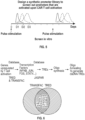
- Methods for developing the library for the assays are exemplified by Figure 5 , which shows how to screen promoters that are activated upon CAR T cell activation.
- the actions of the inducible synthetic promoter (iSynPro) is shown in Figure 3 . DNA was extracted from the sorted cells and sequenced. The top candidates of the derived promoter sequences were then synthesized and verified in the same system.
- the identified or selected promoters were found to be CAR activation inducible, CD3/CD28 inducible or chemical inducible (e.g. PMA/lonomycin).
- the promoter can be inducible by a bead comprising CD3, or CD28 or both ( Figure 27 ).
- the Syn-i-Pro controlled gene expression was not significantly weakened even after multiple rounds of stimulation (at least four). These promoters are useful in CAR T cell therapy, such as when the expression of a desired molecule in CAR T cells is selectively needed so as to avoid a side effect seen when constitutive expression is used, for example.
- NFAT inducible promoters have been used in T cell therapy
- the inducible promoters generated by the methods described herein showed a stronger reporter signal than the endogenous or unmodified NFAT promoter.
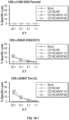
- the NFAT inducible promoters developed by the approaches described herein demonstrated a much higher signal to noise ratio than the endogenous or unmodified NFAT promoter and some of the promoters generated using the methods described herein can be repetitively turned on. As shown in Figure 4 , the NFAT promoter has poor induction in CD8 cells.
- the Syn-i-Pros promoters developed using the methodologies described herein can be used in CAR T cells to not only control the expression of a molecule that may have a side effect when constitutively expressed but these promoters can restrict or not express a molecule before the CAR T cell interacts with a desired antigen.
- the Syn-i-Pros promoters developed using the approaches described herein may exhibit a relatively higher basal level expression.
- Syn-i-Pros promoters that exhibit a lower level of basal level expression can be generated by engineering a minimal promoter sequence or by changing the expression system from a lentivirus to a transposase based minicircle or nanoplasmid.
- One benefit of the CAR activation of gene expression of the Syn-i-Pro promoters described herein is that that with CAR activation, there are no drugs involved and therefore no side effects.
- the methodologies used and additional embodiments are described in Additional Alternatives described below.
- Item 1 of the invention relates to a method of making an inducible synthetic promoter library, the method comprising:
- Item 2 of the invention relates to an inducible synthetic promoter, wherein the inducible synthetic promoter comprises
- Item 3 of the invention relates to the inducible synthetic promoter of Item 2, wherein the inducible synthetic promoter is inducible by chimeric antigen receptor activation.
- Item 4 of the invention relates to the inducible synthetic promoter of Item 3, wherein the inducible synthetic promoter is inducible by binding of the chimeric antigen receptor to a ligand.
- Item 5 of the invention relates to the inducible synthetic promoter of any one of Items 2-4, wherein the inducible synthetic promoter is inducible by interaction withanti-CD3/anti-CD28.
- Item 6 of the invention relates to the inducible synthetic promoter of any one of Items 2-5, wherein the inducible synthetic promoter is inducible by a chemical.
- Item 7 of the invention relates to the inducible synthetic promoter of Item 6, wherein the chemical is PMA or lonomycin.
- Item 8 of the invention relates to the inducible synthetic promoter of any one of Items 2-8, wherein the promoter comprises an endogenous IL2 minimal promoter sequence.
- Item 9 of the invention relates to the inducible synthetic promoter of any one of Items 2-8, wherein the inducible synthetic promoter comprises a sequence set forth in any one of SEQ ID NO's 1-33.
- Item 10 of the invention relates to the inducible synthetic promoter of any one of Items 2-9, wherein the transcription factor response element is E2F1, EGR1, HIF1A, NFAT, LEF1, SP1, PU.1, NFKB, JUN, FOS, and/or STAT4.
- the transcription factor response element is E2F1, EGR1, HIF1A, NFAT, LEF1, SP1, PU.1, NFKB, JUN, FOS, and/or STAT4.
- Item 11 of the invention relates to a cell for molecule expression, the cell comprising:
- Item 12 of the invention relates to the cell of Item 11, wherein the molecule is a protein, an antibody, pro-proliferation molecule or molecule that can eradicate tumors.
- Item 13 of the invention relates to the cell of Items 11 or 12, wherein the cell is a hematopoietic stem cell.
- Item 14 of the invention relates to the cell of any one of Items 11-13, wherein the chimeric antigen receptor is specific for CD19.
- Item 15 of the invention relates to the cell of any one of Items 11-14, wherein the cell is CD8+ or CD4+.
- Item 16 of the invention relates to the cell of any one of Items 11-15, wherein expression of the molecule is inducible.
- Item 17 of the invention relates to the cell of any one of Item 11-16, wherein the CAR comprises a signaling domain.
- Item 18 of the invention relates to the cell of Item 17, wherein the signaling domain is 1G, 2G or 3G.
- Item 19 of the invention relates to the cell of any one of Items 2-18, wherein the vector is a lentiviral vector, a transposase based minicircle or a nanoplasmid.
- Item 20 of the invention relates to the cell of any one of Items 11-19, wherein the cell further comprises a TCR knock out system for CAR specific activation.
- Item 21 of the invention relates to the cell of any one of Items 11-19, wherein the molecule is CCR (CD122), CASTAT5, PD1:CD28 and/or a miRNA.
- Item 22 of the invention relates to the cell of any one of Items 11-20, wherein the molecule is a Chimeric Cytokine Receptor.
- Item 23 of the invention relates to the cell of Item 22, wherein the Chimeric Cytokine Receptor is CCR, a PD1 chimera and/or a miRNA.
- Item 24 of the invention relates to the cell of Item 23, wherein the CCR comprises CD122, CD127 or CD360.
- Item 25 of the invention relates to the cell of Item 23, wherein the PD1 chimera comprises PD1:CD28, dnSHP1/2 or IL-12.
- Item 26 of the invention relates to the cell of Item 23, wherein the miRNA comprises miRNA155.
- Item 27 of the invention relates to the method of regulating gene expression in CAR T cell therapy, the method comprising:
- Item 28 of the invention relates to the method of Item 27, wherein the method further comprises monitoring the subject for a response to the molecule expressed under control of the inducible synthetic promoter.
- Item 29 of the invention relates to the method of Item 28, wherein the subject is further monitored for expression of the molecule expressed under control of the inducible synthetic promoter.
- Item 30 of the invention relates to the method of Item 29, wherein the molecule is a protein, an antibody or binding fragment thereof, a cytokine, or an anti-cancer therapeutic.
- Item 31 of the invention relates to the method of any one of Items 27-30, wherein the method further comprises inducing expression of the molecule.
- Item 32 of the invention relates to the method of Item 31, wherein the inducing is performed by administering PMA or lonomycin.
- Item 33 of the invention relates to the method of Item 31, wherein the inducing step is performed prior to administering the cells to the subject in need, and, wherein the cells are exposed toanti-CD3/anti-CD28 beads prior to administering of the cells.
- Item 34 of the invention relates to the method of any one of Items 27-33 wherein the subject is suffering from or has been diagnosed as having a cancer.
- Item 35 of the invention relates to the method of any one of Items 27-34, wherein the molecule is CCR(CD122), CASTAT5, PD1:CD28 and/or a miRNA.
- Item 36 of the invention relates to the method of ameliorating, inhibiting, or treating a disease (e.g., any one or more of leukemia, breast cancer, stomach cancer, esophageal cancer, brain cancer, uterine cancer, prostate cancer, bone cancer, liver cancer, pancreatic cancer, ovarian cancer, lung cancer, colon cancer, kidney cancer, bladder cancer, uterine cancer or thyroid cancer) in a subject in need, the method comprising:
- Item 37 of the invention relates to the method of Item 36, wherein the cell is from the subject.
- Item 38 of the invention relates to the method of Items 36 or 37, wherein the method further comprises monitoring the subject for a response to the molecule expressed under control of the inducible synthetic promoter.
- Item 39 of the invention relates to the method of Item 38, wherein the molecule is a protein, an antibody or binding fragment thereof, a cytokine or an anti-cancer therapeutic.
- Item 40 of the invention relates to the method of any one of Items 36-39, wherein the method further comprises inducing expression of the molecule.
- Item 41 of the invention relates to the method of Item 40, wherein the inducing is performed by administering PMA or lonomycin.
- Item 42 of the invention relates to the method of Item 40, wherein the inducing step is performed prior to administering the cells to the subject in need, wherein the cells are exposed toanti-CD3/anti-CD28 beads prior to administering of the cells.
- Item 43 of the invention relates to the method of any one of Items 36-42 wherein the subject is suffering from cancer.
- Item 44 of the invention relates to the method of any one of Items 36-43, wherein the molecule is CCR(CD122), CASTAT5, PD1:CD28 and/or a miRNA.
- Item 45 of the invention relates to the method of any one of Items 36-44, wherein the subject is selected for a therapy for cancer.
- Item 46 of the invention relates to the method of any one of Items 36-45, wherein the cancer is leukemia, breast cancer, stomach cancer, esophageal cancer, brain cancer, uterine cancer, prostate cancer, bone cancer, liver cancer, pancreatic cancer, ovarian cancer, lung cancer, colon cancer, kidney cancer, bladder cancer, uterine cancer or thyroid cancer.
- the cancer is leukemia, breast cancer, stomach cancer, esophageal cancer, brain cancer, uterine cancer, prostate cancer, bone cancer, liver cancer, pancreatic cancer, ovarian cancer, lung cancer, colon cancer, kidney cancer, bladder cancer, uterine cancer or thyroid cancer.
- a method of making an inducible synthetic promoter library comprising: screening promoters, wherein the promoters are screened for being activated following CAR T cell activation, thereby producing screened promoters; screening transcription factor response elements, thereby producing screened transcription factor response elements; making an inducible synthetic promoter library comprising promoters that are activated following CAR T cell activation of transcription factor response elements; and synthesizing oligonucleotides, wherein the oligonucleotides comprise a first sequence encoding a screened transcription factor response element and a second sequence encoding a screened promoter.
- a inducible synthetic promoter comprising a first sequence encoding a transcription factor response element; and a second sequence encoding a promoter sequence, optionally, wherein said inducible synthetic promoter comprises one or more of SEQ ID. NOs: 1-39.
- the inducible synthetic promoter is inducible by chimeric antigen receptor activation.
- the inducible synthetic promoter is inducible by binding of the chimeric antigen receptor to a ligand.
- the inducible synthetic promoter is inducible by interaction with CD3/CD28.
- the CD3/CD28 are conjugated on beads.
- the inducible synthetic promoter is inducible by a chemical.
- the chemical is PMA or lonomycin.
- the promoter comprises an endogenous IL2 minimal promoter sequence.
- the inducible synthetic promoter comprises a sequence set forth in any one of SEQ ID NO's 1-39.
- the inducible synthetic promoter comprises a sequence that has a 80%, 85%, 90% or 90% sequence identity or has a sequence identity within a range between any two aforementioned percentages to a sequence set forth in any one of SEQ ID NO's 1-39.
- the transcription factor response element is E2F1, EGR1, HIF1A, NFAT, LEF1, SP1, PU.1, NFKB, JUN, FOS, and/or STAT4.
- a cell for molecule expression comprising: a vector, wherein the vector comprises the inducible synthetic promoter of any one of the alternatives herein, a gene encoding a molecule; and a sequence encoding a chimeric antigen receptor.
- the inducible synthetic promoter comprises a first sequence encoding a transcription factor response element; and a second sequence encoding a promoter sequence, optionally, wherein said inducible synthetic promoter comprises one or more of SEQ ID. NOs: 1-39.
- the inducible synthetic promoter is inducible by chimeric antigen receptor activation.
- the inducible synthetic promoter is inducible by binding of the chimeric antigen receptor to a ligand.
- the inducible synthetic promoter is inducible by interaction withanti-CD3/anti-CD28. In some alternatives, theanti-CD3/anti-CD28 are conjugated on beads. In some alternatives, the inducible synthetic promoter is inducible by a chemical. In some alternatives, the chemical is PMA or lonomycin. In some alternatives, the promoter comprises an endogenous IL2 minimal promoter sequence. In some alternatives, the inducible synthetic promoter comprises a sequence set forth in any one of SEQ ID NO's 1-39.
- the inducible synthetic promoter comprises a sequence that has a 80%, 85%, 90% or 90% sequence identity or has a sequence identity within a range between any two aforementioned percentages to a sequence set forth in any one of SEQ ID NO's 1-39.
- the transcription factor response element is E2F1, EGR1, HIF1A, NFAT, LEF1, SP1, PU.1, NFKB, JUN, FOS, and/or STAT4.
- the molecule is a protein, an antibody or binding fragment thereof, pro-proliferation molecule or molecule that can eradicate tumors.
- the cell is a hematopoietic stem cell.
- the chimeric antigen receptor is specific for CD19.
- the cell is CD8+ or CD4+.
- expression of the molecule is inducible.
- the CAR comprises a signaling domain.
- the CAR comprises a spacer.
- a spacer can comprise any 20 amino acids, for example, in any order to create a desirable length of polypeptide chain in a chimeric antigen receptor, which includes the amino acids arginine, histidine, lysine, aspartic acid, glutamic acid, serine, threonine, asparagine, glutamine, cysteine, glycine, proline, alanine, valine, isoleucine, methionine, phenylalanine, tyrosine and/or tryptophan.
- a spacer sequence can be a linker between the scFv and the transmembrane domain of the chimeric antigen receptor.
- the signaling domain is 1G, 2G or 3G.
- the vector is a lentiviral vector, a transposase based minicircle or a nanoplasmid.
- the cell further comprises a TCR knock out system for CAR specific activation.
- the molecule is CCR (CD122), CASTAT5, PD1:CD28 and/or a miRNA.
- the molecule is a Chimeric Cytokine Receptor.
- the Chimeric Cytokine Receptor comprises CCR, CASTAT5, PD1 chimeras and/or a miRNA.
- the miRNA comprises miRNA155.
- the CCR comprises CD122, CD127 or CD360.
- the PD1 chimera comprises PD1:CD28, dnSHP1/2 and/or IL-12.
- a method of regulating gene expression in CAR T cell therapy comprising: providing the cell of any one of the alternatives herein; and introducing the cell into a subject in need of a CAR T cell therapy.
- the cell comprises a vector, wherein the vector comprises the inducible synthetic promoter of any one of the alternatives herein, a gene encoding a molecule; and a sequence encoding a chimeric antigen receptor.
- the inducible synthetic promoter comprises a first sequence encoding a transcription factor response element; anda second sequence encoding a promoter sequence, optionally, wherein said inducible synthetic promoter comprises one or more of SEQ ID. NOs: 1-39.
- the inducible synthetic promoter is inducible by chimeric antigen receptor activation. In some alternatives, the inducible synthetic promoter is inducible by binding of the chimeric antigen receptor to a ligand. In some alternatives, the inducible synthetic promoter is inducible by interaction withanti-CD3/anti-CD28. In some alternatives, theanti-CD3/anti-CD28 are conjugated on beads. In some alternatives, the inducible synthetic promoter is inducible by a chemical. In some alternatives, the chemical is PMA or lonomycin. In some alternatives, the promoter comprises an endogenous IL2 minimal promoter sequence. In some alternatives, the inducible synthetic promoter comprises a sequence set forth in any one of SEQ ID NO's 1-39.
- the inducible synthetic promoter comprises a sequence that has a 80%, 85%, 90% or 90% sequence identity or has a sequence identity within a range between any two aforementioned percentages to a sequence set forth in any one of SEQ ID NO's 1-39.
- the transcription factor response element is E2F1, EGR1, HIF1A, NFAT, LEF1, SP1, PU.1, NFKB, JUN, FOS, and/or STAT4.
- the molecule is a protein, an antibody or binding fragment thereof, pro-proliferation molecule or molecule that can eradicate tumors.
- the cell is a hematopoietic stem cell.
- the chimeric antigen receptor is specific for CD19.
- the cell is CD8+ or CD4+.
- expression of the molecule is inducible.
- the CAR comprises a signaling domain.
- the CAR comprises a spacer.
- a spacer can comprise any 20 amino acids, for example, in any order to create a desirable length of polypeptide chain in a chimeric antigen receptor, which includes the amino acids arginine, histidine, lysine, aspartic acid, glutamic acid, serine, threonine, asparagine, glutamine, cysteine, glycine, proline, alanine, valine, isoleucine, methionine, phenylalanine, tyrosine and/or tryptophan.
- a spacer sequence can be a linker between the scFv and the transmembrane domain of the chimeric antigen receptor.
- the signaling domain is 1G, 2G or 3G.
- the vector is a lentiviral vector, a transposase based minicircle or a nanoplasmid.
- the cell further comprises a TCR knock out system for CAR specific activation.
- the molecule is CCR (CD122), CASTAT5, PD1:CD28 and/or a miRNA.
- the method further comprises monitoring the subject for a response to the molecule expressed under control of the inducible synthetic promoter.
- the subject is further monitored for expression of the molecule expressed under control of the inducible synthetic promoter.
- the molecule is a protein, an antibody or binding fragment thereof, a cytokine, or an anti-cancer therapeutic.
- the method further comprises inducing expression of the molecule.
- the inducing is performed by administering PMA or lonomycin.
- the inducing step is performed prior to administering the cells to the subject in need, and wherein the cells are exposed toanti-CD3/anti-CD28 beads prior to administering of the cells.
- the subject is suffering from or has been diagnosed as having a cancer.
- the molecule is CCR(CD122), CASTAT5, PD1:CD28 and/or miRNA. In some alternatives, the molecule is a Chimeric Cytokine Receptor. In some alternatives, the Chimeric Cytokine Receptor comprises CCR, CASTAT5, PD1 chimeras and/or a miRNA. In some alternatives, the miRNA comprises miRNA155. In some alternatives, the CCR comprises CD122, CD127 or CD360.In some alternatives, the PD1 chimera comprises PD1:CD28, dnSHP1/2 and/or IL-12.
- a method of ameliorating, inhibiting, or treating a disease e.g., any one or more of leukemia, breast cancer, stomach cancer, esophageal cancer, brain cancer, uterine cancer, prostate cancer, bone cancer, liver cancer, pancreatic cancer, ovarian cancer, lung cancer, colon cancer, kidney cancer, bladder cancer, uterine cancer or thyroid cancer
- a disease e.g., any one or more of leukemia, breast cancer, stomach cancer, esophageal cancer, brain cancer, uterine cancer, prostate cancer, bone cancer, liver cancer, pancreatic cancer, ovarian cancer, lung cancer, colon cancer, kidney cancer, bladder cancer, uterine cancer or thyroid cancer
- the method comprising: providing a vector to a cell, wherein the cell comprises the inducible synthetic promoter of any one of the alternatives herein and wherein the cell comprises a chimeric antigen receptor; administering the cell to the subject in need; and inducing expression of a molecule.
- the inducible synthetic promoter comprises a first sequence encoding a transcription factor response element; anda second sequence encoding a promoter sequence, optionally, wherein said inducible synthetic promoter comprises one or more of SEQ ID. NOs: 1-39.
- the inducible synthetic promoter is inducible by chimeric antigen receptor activation.
- the inducible synthetic promoter is inducible by binding of the chimeric antigen receptor to a ligand.
- the inducible synthetic promoter is inducible by interaction withanti-CD3/anti-CD28.
- theanti-CD3/anti-CD28 are conjugated on beads.
- the inducible synthetic promoter is inducible by a chemical.
- the chemical is PMA or lonomycin.
- the promoter comprises an endogenous IL2 minimal promoter sequence.
- the inducible synthetic promoter comprises a sequence set forth in any one of SEQ ID NO's 1-39.
- the inducible synthetic promoter comprises a sequence that has a 80%, 85%, 90% or 90% sequence identity or has a sequence identity within a range between any two aforementioned percentages to a sequence set forth in any one of SEQ ID NO's 1-39.
- the transcription factor response element is E2F1, EGR1, HIF1A, NFAT, LEF1, SP1, PU.1, NFKB, JUN, FOS, and/or STAT4.
- the cell is from the subject.
- the method further comprises monitoring the subject for a response to the molecule expressed under control of the inducible synthetic promoter.
- the molecule is a protein, an antibody or binding fragment thereof, a cytokine or an anti-cancer therapeutic.
- the method further comprises inducing expression of the molecule.
- the inducing is performed by administering PMA or lonomycin.
- the inducing step is performed prior to administering the cells to the subject in need, wherein the cells are exposed toanti-CD3/anti-CD28 beads prior to administering of the cells.
- the subject is suffering from cancer.
- the molecule is Chimeric Cytokine Receptors such as CCR (CD122, CD127, and CD360), CASTAT5, PD1 chimeras such as PD1:CD28, dnSHP1/2, IL-12 and/or a miRNA such as miRNA155.
- the subject is selected for a therapy for cancer.
- the cancer is leukemia, breast cancer, stomach cancer, esophageal cancer, brain cancer, uterine cancer, prostate cancer, bone cancer, liver cancer, pancreatic cancer, ovarian cancer, lung cancer, colon cancer, kidney cancer, bladder cancer, uterine cancer or thyroid cancer.
- the subject is selected for combination therapy.
- the molecule is a Chimeric Cytokine Receptor.
- the Chimeric Cytokine Receptor comprises CCR, CASTAT5, PD1 chimeras and/or a miRNA.
- the miRNA comprises miRNA155.
- the CCR comprises CD122, CD127 or CD360.
- the PD1 chimera comprises PD1:CD28, dnSHP1/2 and/or IL-12.
- Synthetic promoters were contemplated in order to obtain promoters that would be useful in regulated gene expression in CAR T cell therapy.
- a drug may be used to turn on and off transgene expression such as expression of a CAR or a TCR in a T cell or to turn on the activation.
- Genes upregulated by T cell activation may be identified by mRNA analysis as well as the transcription factors that are upregulated, which may be identified as transcription response elements (TRE) ( Figure 6 ).
- TRE transcription response elements
- TCR activated CD8 T cell has been previously reported by Blair et al (Best, Blair et al. 2013; included by reference in its entirety).
- the selected genes were E2F1, EGR1, FOS, HIF1a, JUN, NFAT, LEF1, NFKB, SP1, PU.1, and STAT4.
- Their corresponding TRE sequences were obtained from JASPAR database and synthesized.
- the genes for the TRE may be used for ligating into a vector with a promoter to drive expression of a CAR or TCR ( Figure 7 ). As shown in Figure 8 , the frequency of the TRE may lead to expression of several TRE dependent on the types of promoters that they are driven by.
- the sense and antisense TRE oligonucleotides were annealed and the double stranded TREs were used as "building blocks" to generate a synthetic promoter library through random ligation as previously described (Brown A. 2014; included by reference in its entirety herein) ( Figure 7 )
- CARs in the clinical trials were mainly 2nd generation 4-1BB-CD3 zeta CAR. Based on its intracellular signaling domain relatively more NFkB building blocks were recruited since it had been known NFkB was a downstream transcription factor of 4-1BB.
- Two cloning blocks, each containing a restriction enzyme cutting site, were also included to allow cloning into a plasmid vector and to control the size range of the ligation products.
- the random ligation reaction pool contained 2x of each TRE block (no NFkB TRE), 6x of NFkB block and 1x of cloning blocks.
- the dsDNA ligation library was digested by restriction enzymes and, as expected, it was a diversified library showing on an agarose gel as a smear ranging from -75 bp to ⁇ 500 bp.
- the digested ligation library was inserted into a HIV7 transfer plasmid containing a GFP and a fire fly luciferase fusion reporter gene (GFP:ffluc) and an IL2 minimal promoter.
- GFP:ffluc reporter gene had been used in the lab for both in vitro and in vivo assays previously.
- the IL2mp had been published by multiple labs (Durand, Shaw et al. 1988, Fiering, Northrop et al. 1990; included by reference in their entireties herein) and were also tested in the lab previously.
- a No promoter and an IL2 mp only construct were created as negative control constructs; and a 6 x NFAT-IL2mp and a 7 x NFkB-IL2mp were used as positive control constructs for the following screening.
- the library was analyzed to see if the library looked the same as was expected.
- a small portion of transformed E. coli cells were streaked on an agarose plate and 10 colonies were picked up for a mini-prep followed by Sanger sequencing. The result showed that nine out ten clones contained a random ligation promoter with 6 to 20 TREs.
- Each TRE showed in at least one clone with NFkB had the highest frequency, which was consistent with the TRE mixing ratio in the ligation pool ( Figure 8 ).
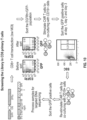
- the library of the Syn-iPro synthetic promoter was screened in CD8 primary T cells ( Figure 10 ).
- the second generation CD19CAR-T2A-EGFRt used in the clinical trials had been thoroughly studied and shown promising results. Therefore, the second generation CD19CAR-T2A-EGFRt was used to trigger the iSynPro library expression by co-transducing it with iSynPro library.
- the library needed to be transduced at a low MOI so that each single cell contains at most one iSynPro sequence.
- a cell system that contains a "quiescent" stage or an "OFF” stage and a CAR activated stage or an "ON" stage was also required.
- EGFRt positive and GFP negative cells at a "quiescent" stage (7 days after anti-CD3/anti-CD28 beads removal) were sorted out using a flow cytometer sorter. These cells were then co-cultured with irradiated Tm-LCL (CD19+) cells to activate CD19CAR.
- the GFP positive cells derived by iSynPro activation were sorted out at 24h, 48h, 72h in a GFP medium and a GFP high gate. The remaining cells were continuously cultured for another week and then co-cultured again with Tm-LCL cells. The GFP positive cells were sorted out 24h later.
- the cells were screened at days 1, 2, 3 and after re-stimulation with the PMA/lono for the number of unique contigs expressed .
- the sample processing for the targeted DNA sequencing is shown in Figure 23 .
- PCR was used to amplify the regions of interest and then purified.
- the purified DNA sequences were then subjected to a second round of PCR to add LMN indices and sequencing adaptors. This was then followed up with DNA MiSeq sequencing ( Figure 24 ).
- the sequences were then analyzed for total unique contigs per time point ( Figure 11 ). From left to right are total number of unique contigs at day1, day2, day3 post stimulation and one day after restimulation. Twenty eight (28) top hits from each pattern were used to analyze the clones for unique expression patterns and to evaluate the induction by specific CAR bearing T cells.
- CD8+ cells were also transfected with a first vector comprising a Syn-iPro synthetic promoter linked to a minimal promoter (I12mp) for the expression of GFP).
- the cells were co-transfected with either vector: a) nucleic acid for expression of CD19 with an EGFt marker or b) a nucleic acid for expression of CD19+ with an EGFRt marker and a DHFRdm promoter drug inducible promoter ( Figure 12 ). Analyzing the Syn-Pro for expression can be performed as in the method outlined in Figure 27 . Cells were then harvested and analyzed for protein expression using a pull down assay.
- iSynPro may be activated through the interaction of CD19CAR and the different CD19+ cells. Shown from left to right consecutively are the expression of GFP due to cells carrying: Tm-LCL, K562/CD19, Raja, DHL-4, SupB15, Be2/CD19, K562 and Be2.
- Cells were also analyzed for expression of cytokines (Il-2, IFNg and TNFa). As shown, CD/CD86-costimulators also did not induce cytokine release in the cells. However, the cells comprising the Syn-ipro promoter nucleic acids are activated or stimulated by cells that are CD19+CAR T cells. ( Figure 18 ). As shown in Figure 19 , cells expressing CD80/CD86 co-stimulators were not killed by CD19CAR T cells (top right panel, middle left panel and bottom left panel).
- Syn-iPro testing in CD8 CAR T cells was also performed in cells co-transfected with vectors: a) Syn-Pro-IL2mp-GFP and b) EF1a-CD19scFv-EGFRt ( Figure 27 ).
- the cells were first stimulated with CD3/CD28 beads prior to virus transfection.
- the cells were then co-cultured with irradiated Tm-LCL cells at days 12, 13, 15, 26, 27, 28, 29, 41, 42 and 43.
- a FACS assay was then performed on the cells.
- the cells were stimulated with CD19CAR bearing cells.
- cells that were stimulated with CD19 CAR only expressed the most EGFRt.
- Cells carrying the Syn iPro synthetic promoter S1-61-II,2mp expressed the most GFP after stimulation ( Figure 31 ).
- NGS Next generation sequencing
- the library sample size dropped down by cloning the random ligation library to GFP:ffluc_HIV 7 plasmid and further from packaging the plasmid into lentivirus or taking the DNA extracted from the sorted cells for PCR amplification.
- the sequence redundancy was created over the steps where amplification happened, e.g. GFP:ffluc_HIV 7 plasmid transformed E coli cells, lentivirus assembly in 293t cells, and PCR for targeted sequencing.
- a method of making an inducible synthetic promoter library comprising: sequencing of DNA from cells comprising a marker gene; screening of putative promoters, screening transcription factor response elements, thereby producing screened transcription factor response elements; making an inducible synthetic promoter library comprising the putative promoters and synthesizing oligonucleotides, wherein the oligonucleotides comprise a first sequence encoding a screened transcription factor response element and a second sequence encoding the promoter.
- the method is performed by Next generation sequencing.
- the promoters are tested in CAR T cells for activation by CAR binding and CAR T signaling.
- the screening comprises assaying for transcription or translation of a marker gene.
- a promoter is sequenced following upregulation of a marker gene and is tested for activation in response to a CAR-T cell interaction with a ligand.
- the CAR-T cell interaction drives upregulation of transcription factor response elements.
Landscapes
- Health & Medical Sciences (AREA)
- Life Sciences & Earth Sciences (AREA)
- Genetics & Genomics (AREA)
- Engineering & Computer Science (AREA)
- Chemical & Material Sciences (AREA)
- General Health & Medical Sciences (AREA)
- Organic Chemistry (AREA)
- Biomedical Technology (AREA)
- Zoology (AREA)
- Biotechnology (AREA)
- Bioinformatics & Cheminformatics (AREA)
- Wood Science & Technology (AREA)
- General Engineering & Computer Science (AREA)
- Public Health (AREA)
- Veterinary Medicine (AREA)
- Animal Behavior & Ethology (AREA)
- Epidemiology (AREA)
- Biochemistry (AREA)
- Molecular Biology (AREA)
- Biophysics (AREA)
- Immunology (AREA)
- Microbiology (AREA)
- Plant Pathology (AREA)
- Physics & Mathematics (AREA)
- Medicinal Chemistry (AREA)
- Cell Biology (AREA)
- Developmental Biology & Embryology (AREA)
- Pharmacology & Pharmacy (AREA)
- Virology (AREA)
- Hematology (AREA)
- Bioinformatics & Computational Biology (AREA)
- Crystallography & Structural Chemistry (AREA)
- Chemical Kinetics & Catalysis (AREA)
- General Chemical & Material Sciences (AREA)
- Proteomics, Peptides & Aminoacids (AREA)
- Nuclear Medicine, Radiotherapy & Molecular Imaging (AREA)
- Toxicology (AREA)
- Gastroenterology & Hepatology (AREA)
- Micro-Organisms Or Cultivation Processes Thereof (AREA)
- Medicines That Contain Protein Lipid Enzymes And Other Medicines (AREA)
Applications Claiming Priority (3)
| Application Number | Priority Date | Filing Date | Title |
|---|---|---|---|
| US201762507565P | 2017-05-17 | 2017-05-17 | |
| PCT/US2018/032800 WO2018213332A1 (en) | 2017-05-17 | 2018-05-15 | Generating mammalian t cell activation inducible synthetic promoters (syn+pro) to improve t cell therapy |
| EP18803169.4A EP3624814A4 (de) | 2017-05-17 | 2018-05-15 | Erzeugung von säuger-t-zellaktivierungsinduzierbaren synthetischen promotoren (syn+pro) zur verbesserung der t-zelltherapie |
Related Parent Applications (1)
| Application Number | Title | Priority Date | Filing Date |
|---|---|---|---|
| EP18803169.4A Division EP3624814A4 (de) | 2017-05-17 | 2018-05-15 | Erzeugung von säuger-t-zellaktivierungsinduzierbaren synthetischen promotoren (syn+pro) zur verbesserung der t-zelltherapie |
Publications (2)
| Publication Number | Publication Date |
|---|---|
| EP4389900A2 true EP4389900A2 (de) | 2024-06-26 |
| EP4389900A3 EP4389900A3 (de) | 2024-12-18 |
Family
ID=64274798
Family Applications (3)
| Application Number | Title | Priority Date | Filing Date |
|---|---|---|---|
| EP18803169.4A Pending EP3624814A4 (de) | 2017-05-17 | 2018-05-15 | Erzeugung von säuger-t-zellaktivierungsinduzierbaren synthetischen promotoren (syn+pro) zur verbesserung der t-zelltherapie |
| EP25186763.6A Pending EP4613864A3 (de) | 2017-05-17 | 2018-05-15 | Erzeugung von säuger-t-zellaktivierungsinduzierbaren synthetischen promotoren (syn+pro) zur verbesserung der t-zelltherapie |
| EP24169900.8A Withdrawn EP4389900A3 (de) | 2017-05-17 | 2018-05-15 | Erzeugung von säuger-t-zellaktivierungsinduzierbaren synthetischen promotoren (syn+pro) zur verbesserung der t-zelltherapie |
Family Applications Before (2)
| Application Number | Title | Priority Date | Filing Date |
|---|---|---|---|
| EP18803169.4A Pending EP3624814A4 (de) | 2017-05-17 | 2018-05-15 | Erzeugung von säuger-t-zellaktivierungsinduzierbaren synthetischen promotoren (syn+pro) zur verbesserung der t-zelltherapie |
| EP25186763.6A Pending EP4613864A3 (de) | 2017-05-17 | 2018-05-15 | Erzeugung von säuger-t-zellaktivierungsinduzierbaren synthetischen promotoren (syn+pro) zur verbesserung der t-zelltherapie |
Country Status (7)
| Country | Link |
|---|---|
| US (2) | US11851649B2 (de) |
| EP (3) | EP3624814A4 (de) |
| JP (3) | JP7264329B2 (de) |
| CN (3) | CN118374493A (de) |
| AU (2) | AU2018270156B2 (de) |
| CA (1) | CA3063695A1 (de) |
| WO (1) | WO2018213332A1 (de) |
Families Citing this family (28)
| Publication number | Priority date | Publication date | Assignee | Title |
|---|---|---|---|---|
| EP4282419A1 (de) | 2012-12-20 | 2023-11-29 | Purdue Research Foundation | Chimären antigenrezeptor exprimierende t-zellen als antikrebsmittel |
| EP3439675A4 (de) | 2016-04-08 | 2019-12-18 | Purdue Research Foundation | Verfahren und zusammensetzungen für car-t-zelltherapie |
| WO2018160622A1 (en) | 2017-02-28 | 2018-09-07 | Endocyte, Inc. | Compositions and methods for car t cell therapy |
| US20210130775A1 (en) * | 2017-08-02 | 2021-05-06 | Autolus Limited | Cells expressing a chimeric antigen receptor or engineered tcr and comprising a nucleotide sequence which is selectively expressed |
| AU2018329741B2 (en) | 2017-09-08 | 2025-02-20 | Poseida Therapeutics, Inc. | Compositions and methods for chimeric ligand receptor (CLR)-mediated conditional gene expression |
| US11311576B2 (en) | 2018-01-22 | 2022-04-26 | Seattle Children's Hospital | Methods of use for CAR T cells |
| AU2019225174B2 (en) | 2018-02-23 | 2025-11-20 | Endocyte, Inc. | Sequencing method for CAR T cell therapy |
| KR20210122814A (ko) * | 2019-02-01 | 2021-10-12 | 시애틀 칠드런즈 호스피탈 디/비/에이 시애틀 칠드런즈 리서치 인스티튜트 | 조작된 유전자 발현을 조절하기 위한 미세환경 센서 |
| EP3922721A4 (de) * | 2019-03-12 | 2023-01-11 | Chongqing Precision Biotech Company Limited | Hypoxieregulierter promotor und dessen anwendung |
| WO2021231569A1 (en) * | 2020-05-14 | 2021-11-18 | Seattle Children's Hospital (dba Seattle Children's Research Institute) | Dual promoter systems |
| WO2021259334A1 (zh) * | 2020-06-24 | 2021-12-30 | 南京博望医药科技有限公司 | 自我调节型嵌合抗原受体及其在肿瘤免疫中的应用 |
| US20240043868A1 (en) * | 2020-09-21 | 2024-02-08 | Fundación Pública Andaluza Progreso Y Salud | Polynucleotide for physiological expression in t-cells |
| ES2901575A1 (es) * | 2020-09-21 | 2022-03-22 | Fund Publica Andaluza Progreso Y Salud | Polinucleótido para expresión fisiológica en células T |
| KR20220113092A (ko) * | 2021-02-05 | 2022-08-12 | 바이젠셀 주식회사 | 변형된 살해 세포, 이의 제조방법 및 이의 약제학적 용도 |
| WO2022212879A1 (en) | 2021-04-01 | 2022-10-06 | The United States Of America, As Represented By The Secretary, Department Of Health And Human Services | Il-13ra2 chimeric antigen receptors and methods of use |
| US20240207319A1 (en) | 2021-05-06 | 2024-06-27 | Ludwig Institute For Cancer Research Ltd | Compositions and methods for immunotherapy |
| EP4377464A4 (de) * | 2021-07-29 | 2025-07-09 | Seattle Childrens Hospital D/B/A Seattle Childrens Res Institute | Synthetische nukleinsäureelemente zur erhöhung der car-t-zell-wirksamkeit |
| US20250009802A1 (en) | 2021-12-16 | 2025-01-09 | Ludwig Institute For Cancer Research Ltd | Antisense transfer vectors and methods of use thereof |
| CN116813794B (zh) * | 2023-02-27 | 2024-07-12 | 武汉波睿达生物科技有限公司 | 共表达spi1的嵌合抗原受体及其应用 |
| EP4694897A1 (de) * | 2023-04-14 | 2026-02-18 | Seattle Children's Hospital d/b/a Seattle Children's Research Institute | Induzierbare chimären mit programmiertem zelltod-1 (pd1)-zytokin für verstärkte immunzellfunktion |
| WO2024229126A2 (en) * | 2023-05-01 | 2024-11-07 | Seattle Children's Hospital D/B/A Seattle Children's Research Institute | Mutant interleukin 15 expressing immune cells |
| WO2024243460A1 (en) * | 2023-05-23 | 2024-11-28 | Abintus Bio, Inc. | Vectors and methods for in vivo transduction |
| CN119530217A (zh) * | 2023-08-30 | 2025-02-28 | 徐州医科大学 | T细胞激活后特异诱导基因表达的重组启动子系统 |
| CN120112648A (zh) * | 2023-09-22 | 2025-06-06 | 京东方科技集团股份有限公司 | 一种免疫细胞的制备方法 |
| WO2025076415A1 (en) * | 2023-10-06 | 2025-04-10 | Seattle Children's Hospital D/B/A Seattle Children's Research Institute | Inducible transgenes encoding intracellular molecules for modulating immune cell function |
| WO2025085511A1 (en) * | 2023-10-18 | 2025-04-24 | University Of Washington | Systems and methods for polymer-mediated activation of engineered cells |
| WO2025199252A1 (en) * | 2024-03-19 | 2025-09-25 | Seattle Children's Hospital D/B/A Seattle Children's Research Institute | Inducible transcription factor expression for modulating immune cell function |
| WO2026025092A1 (en) * | 2024-07-26 | 2026-01-29 | Juno Therapeutics, Inc. | Synthetic promoters for t cell expression |
Family Cites Families (19)
| Publication number | Priority date | Publication date | Assignee | Title |
|---|---|---|---|---|
| CA2390399A1 (en) * | 2000-12-27 | 2002-07-04 | Geneka Biotechnology Inc. | Methods for selecting and producing selective pharmaceutical compounds and compositions using an established genetically altered cell-based library responsive to transcription factors; genetic constructs and library therefor |
| CA2327581A1 (en) | 2000-12-27 | 2002-06-27 | Yves Blais | Methods and compositions for the establishment of genetically altered cell-based library designed for monitoring transcriptional activity of compounds and molecules |
| WO2004031357A2 (en) * | 2002-10-01 | 2004-04-15 | Duke University | Targeted tumor therapy by use of recombinant adenovirus vectors that selectively replicate in hypoxic regions of tumors |
| EP2046818A4 (de) * | 2006-07-11 | 2010-03-03 | Leap Biosciences Corp | Verfahren für selektive proteinanreicherung und entsprechende anwendungen |
| US20110165568A1 (en) * | 2009-12-31 | 2011-07-07 | Life Technologies Corporation | Sequences of e.coli 055:h7 genome |
| US10391126B2 (en) * | 2011-11-18 | 2019-08-27 | Board Of Regents, The University Of Texas System | CAR+ T cells genetically modified to eliminate expression of T-cell receptor and/or HLA |
| CA3285826A1 (en) | 2012-02-22 | 2026-03-02 | The Trustees Of The University Of Pennsylvania | Compositions and methods for generating a persisting population of t cells useful for the treatment of cancer |
| BR122020002986A8 (pt) * | 2012-08-20 | 2023-04-18 | Seattle Childrens Hospital Dba Seattle Childrens Res Inst | Método e composições para imunoterapia celular |
| DK2986311T3 (en) * | 2013-04-18 | 2019-02-25 | Tilt Biotherapeutics Oy | IMPROVED ADOPTIVE CELL THERAPY |
| WO2015079053A2 (en) * | 2013-11-29 | 2015-06-04 | Ucb Biopharma Sprl | Synthetic promoters |
| WO2015092024A2 (en) | 2013-12-20 | 2015-06-25 | Cellectis | Method of engineering multi-input signal sensitive t cell for immunotherapy |
| US10611837B2 (en) * | 2014-04-10 | 2020-04-07 | Seattle Children's Hospital | Transgene genetic tags and methods of use |
| JP6827319B2 (ja) | 2014-05-08 | 2021-02-10 | 中外製薬株式会社 | Gpc3標的治療剤療法が有効である患者に投与されるgpc3標的治療剤 |
| KR20170068504A (ko) * | 2014-10-08 | 2017-06-19 | 노파르티스 아게 | 키메라 항원 수용체 요법에 대한 치료 반응성을 예측하는 바이오마커 및 그의 용도 |
| WO2016100575A1 (en) * | 2014-12-16 | 2016-06-23 | Board Of Regents Of The University Of Nebraska | Gene therapy for juvenile batten disease |
| KR102624023B1 (ko) * | 2015-02-24 | 2024-01-11 | 더 리젠츠 오브 더 유니버시티 오브 캘리포니아 | 결합-촉발된 전사 스위치 및 이들의 이용 방법 |
| JP6961490B2 (ja) * | 2015-04-08 | 2021-11-05 | ノバルティス アーゲー | Cd20療法、cd22療法、およびcd19キメラ抗原受容体(car)発現細胞との併用療法 |
| EP3288568A4 (de) * | 2015-04-30 | 2019-01-02 | University of Southern California | Sekretorische tnt-car-zellimmuntherapie |
| EP3347026A4 (de) * | 2015-09-09 | 2019-05-08 | Seattle Children's Hospital (DBA Seattle Children's Research Institute) | Genmanipulation von makrophagen für immuntherapie |
-
2018
- 2018-05-15 CN CN202410174641.2A patent/CN118374493A/zh active Pending
- 2018-05-15 CA CA3063695A patent/CA3063695A1/en active Pending
- 2018-05-15 WO PCT/US2018/032800 patent/WO2018213332A1/en not_active Ceased
- 2018-05-15 CN CN201880047704.0A patent/CN110913871B/zh active Active
- 2018-05-15 AU AU2018270156A patent/AU2018270156B2/en active Active
- 2018-05-15 EP EP18803169.4A patent/EP3624814A4/de active Pending
- 2018-05-15 CN CN202410163430.9A patent/CN118147137A/zh active Pending
- 2018-05-15 EP EP25186763.6A patent/EP4613864A3/de active Pending
- 2018-05-15 EP EP24169900.8A patent/EP4389900A3/de not_active Withdrawn
- 2018-05-15 JP JP2019563586A patent/JP7264329B2/ja active Active
- 2018-05-15 US US16/613,025 patent/US11851649B2/en active Active
-
2023
- 2023-03-29 JP JP2023052632A patent/JP7551815B2/ja active Active
- 2023-07-20 AU AU2023206169A patent/AU2023206169B2/en active Active
- 2023-11-27 US US18/520,117 patent/US20240093178A1/en active Pending
-
2024
- 2024-09-04 JP JP2024152052A patent/JP2024170524A/ja active Pending
Also Published As
| Publication number | Publication date |
|---|---|
| WO2018213332A1 (en) | 2018-11-22 |
| JP2020520922A (ja) | 2020-07-16 |
| CN110913871B (zh) | 2024-02-23 |
| US20200095573A1 (en) | 2020-03-26 |
| EP4613864A3 (de) | 2026-04-15 |
| AU2018270156A1 (en) | 2019-12-19 |
| EP4613864A2 (de) | 2025-09-10 |
| JP2024170524A (ja) | 2024-12-10 |
| US11851649B2 (en) | 2023-12-26 |
| US20240093178A1 (en) | 2024-03-21 |
| AU2023206169A1 (en) | 2023-08-10 |
| JP2023085399A (ja) | 2023-06-20 |
| EP4389900A3 (de) | 2024-12-18 |
| JP7264329B2 (ja) | 2023-04-25 |
| CN118374493A (zh) | 2024-07-23 |
| AU2018270156B2 (en) | 2023-04-20 |
| CA3063695A1 (en) | 2018-11-22 |
| AU2023206169B2 (en) | 2026-02-19 |
| JP7551815B2 (ja) | 2024-09-17 |
| EP3624814A1 (de) | 2020-03-25 |
| EP3624814A4 (de) | 2021-02-24 |
| CN118147137A (zh) | 2024-06-07 |
| CN110913871A (zh) | 2020-03-24 |
Similar Documents
| Publication | Publication Date | Title |
|---|---|---|
| AU2023206169B2 (en) | Generating mammalian t cell activation inducible synthetic promoters (syn+pro) to improve t cell therapy | |
| US12503507B2 (en) | Defined composition gene modified T-cell products | |
| AU2017347637A1 (en) | Targeted gene insertion for improved immune cells therapy | |
| JP2025156332A (ja) | エクスビボ細胞療法用途のための免疫細胞の操作 | |
| AU2020214807A1 (en) | Microenvironment sensors to regulate engineered gene expression | |
| US20240327521A1 (en) | Synthetic nucleic acid elements for enhancing car t cell efficacy | |
| WO2025193972A1 (en) | Methods of using il-15 signaling to enhance nk and nk-like t cell function against aml | |
| CA2945302C (en) | Defined composition gene modified t-cell products |
Legal Events
| Date | Code | Title | Description |
|---|---|---|---|
| PUAI | Public reference made under article 153(3) epc to a published international application that has entered the european phase |
Free format text: ORIGINAL CODE: 0009012 |
|
| STAA | Information on the status of an ep patent application or granted ep patent |
Free format text: STATUS: THE APPLICATION HAS BEEN PUBLISHED |
|
| AC | Divisional application: reference to earlier application |
Ref document number: 3624814 Country of ref document: EP Kind code of ref document: P |
|
| AK | Designated contracting states |
Kind code of ref document: A2 Designated state(s): AL AT BE BG CH CY CZ DE DK EE ES FI FR GB GR HR HU IE IS IT LI LT LU LV MC MK MT NL NO PL PT RO RS SE SI SK SM TR |
|
| REG | Reference to a national code |
Ref country code: DE Ref legal event code: R079 Free format text: PREVIOUS MAIN CLASS: C12N0015670000 Ipc: A61K0035170000 |
|
| RIC1 | Information provided on ipc code assigned before grant |
Ipc: C12N 15/67 20060101ALI20240821BHEP Ipc: C12N 15/113 20100101ALI20240821BHEP Ipc: C12N 5/0783 20100101ALI20240821BHEP Ipc: C07K 14/705 20060101ALI20240821BHEP Ipc: A61P 35/00 20060101ALI20240821BHEP Ipc: A61K 35/17 20150101AFI20240821BHEP |
|
| PUAL | Search report despatched |
Free format text: ORIGINAL CODE: 0009013 |
|
| AK | Designated contracting states |
Kind code of ref document: A3 Designated state(s): AL AT BE BG CH CY CZ DE DK EE ES FI FR GB GR HR HU IE IS IT LI LT LU LV MC MK MT NL NO PL PT RO RS SE SI SK SM TR |
|
| RIC1 | Information provided on ipc code assigned before grant |
Ipc: C12N 15/67 20060101ALI20241112BHEP Ipc: C12N 15/113 20100101ALI20241112BHEP Ipc: C12N 5/0783 20100101ALI20241112BHEP Ipc: C07K 14/705 20060101ALI20241112BHEP Ipc: A61P 35/00 20060101ALI20241112BHEP Ipc: A61K 35/17 20150101AFI20241112BHEP |
|
| STAA | Information on the status of an ep patent application or granted ep patent |
Free format text: STATUS: THE APPLICATION IS DEEMED TO BE WITHDRAWN |
|
| 18D | Application deemed to be withdrawn |
Effective date: 20250619 |