EP4387622B1 - Haloperidol zur behandlung von spinaler muskelatrophie - Google Patents
Haloperidol zur behandlung von spinaler muskelatrophie Download PDFInfo
- Publication number
- EP4387622B1 EP4387622B1 EP22843657.2A EP22843657A EP4387622B1 EP 4387622 B1 EP4387622 B1 EP 4387622B1 EP 22843657 A EP22843657 A EP 22843657A EP 4387622 B1 EP4387622 B1 EP 4387622B1
- Authority
- EP
- European Patent Office
- Prior art keywords
- haloperidol
- pharmaceutically acceptable
- solvate
- ester
- pharmaceutical composition
- Prior art date
- Legal status (The legal status is an assumption and is not a legal conclusion. Google has not performed a legal analysis and makes no representation as to the accuracy of the status listed.)
- Active
Links
Images







Classifications
-
- A—HUMAN NECESSITIES
- A61—MEDICAL OR VETERINARY SCIENCE; HYGIENE
- A61K—PREPARATIONS FOR MEDICAL, DENTAL OR TOILETRY PURPOSES
- A61K31/00—Medicinal preparations containing organic active ingredients
- A61K31/33—Heterocyclic compounds
- A61K31/395—Heterocyclic compounds having nitrogen as a ring hetero atom, e.g. guanethidine or rifamycins
- A61K31/435—Heterocyclic compounds having nitrogen as a ring hetero atom, e.g. guanethidine or rifamycins having six-membered rings with one nitrogen as the only ring hetero atom
- A61K31/44—Non condensed pyridines; Hydrogenated derivatives thereof
- A61K31/445—Non condensed piperidines, e.g. piperocaine
- A61K31/4515—Non condensed piperidines, e.g. piperocaine having a butyrophenone group in position 1, e.g. haloperidol
-
- A—HUMAN NECESSITIES
- A61—MEDICAL OR VETERINARY SCIENCE; HYGIENE
- A61K—PREPARATIONS FOR MEDICAL, DENTAL OR TOILETRY PURPOSES
- A61K31/00—Medicinal preparations containing organic active ingredients
- A61K31/33—Heterocyclic compounds
- A61K31/395—Heterocyclic compounds having nitrogen as a ring hetero atom, e.g. guanethidine or rifamycins
- A61K31/435—Heterocyclic compounds having nitrogen as a ring hetero atom, e.g. guanethidine or rifamycins having six-membered rings with one nitrogen as the only ring hetero atom
- A61K31/47—Quinolines; Isoquinolines
- A61K31/4709—Non-condensed quinolines and containing further heterocyclic rings
-
- A—HUMAN NECESSITIES
- A61—MEDICAL OR VETERINARY SCIENCE; HYGIENE
- A61K—PREPARATIONS FOR MEDICAL, DENTAL OR TOILETRY PURPOSES
- A61K31/00—Medicinal preparations containing organic active ingredients
- A61K31/33—Heterocyclic compounds
- A61K31/395—Heterocyclic compounds having nitrogen as a ring hetero atom, e.g. guanethidine or rifamycins
- A61K31/495—Heterocyclic compounds having nitrogen as a ring hetero atom, e.g. guanethidine or rifamycins having six-membered rings with two or more nitrogen atoms as the only ring heteroatoms, e.g. piperazine or tetrazines
- A61K31/505—Pyrimidines; Hydrogenated pyrimidines, e.g. trimethoprim
- A61K31/519—Pyrimidines; Hydrogenated pyrimidines, e.g. trimethoprim ortho- or peri-condensed with heterocyclic rings
-
- A—HUMAN NECESSITIES
- A61—MEDICAL OR VETERINARY SCIENCE; HYGIENE
- A61K—PREPARATIONS FOR MEDICAL, DENTAL OR TOILETRY PURPOSES
- A61K31/00—Medicinal preparations containing organic active ingredients
- A61K31/70—Carbohydrates; Sugars; Derivatives thereof
- A61K31/7088—Compounds having three or more nucleosides or nucleotides
- A61K31/711—Natural deoxyribonucleic acids, i.e. containing only 2'-deoxyriboses attached to adenine, guanine, cytosine or thymine and having 3'-5' phosphodiester links
-
- A—HUMAN NECESSITIES
- A61—MEDICAL OR VETERINARY SCIENCE; HYGIENE
- A61K—PREPARATIONS FOR MEDICAL, DENTAL OR TOILETRY PURPOSES
- A61K31/00—Medicinal preparations containing organic active ingredients
- A61K31/70—Carbohydrates; Sugars; Derivatives thereof
- A61K31/7088—Compounds having three or more nucleosides or nucleotides
- A61K31/7125—Nucleic acids or oligonucleotides having modified internucleoside linkage, i.e. other than 3'-5' phosphodiesters
-
- A—HUMAN NECESSITIES
- A61—MEDICAL OR VETERINARY SCIENCE; HYGIENE
- A61P—SPECIFIC THERAPEUTIC ACTIVITY OF CHEMICAL COMPOUNDS OR MEDICINAL PREPARATIONS
- A61P21/00—Drugs for disorders of the muscular or neuromuscular system
Definitions
- the present invention belongs to the pharmaceutical sector and refers to haloperidol or a pharmaceutically acceptable salt or solvate thereof, as well as pharmaceutical compositions comprising the same, for use in methods for preventing and/or treating spinal muscular atrophy.
- SMA Spinal muscular atrophy
- SMA is primarily caused by mutations in the SMN1 gene.
- the SMN locus (chromosome location 5q13) contains two inverted copies of SMN, called SMN1 (telomeric) and SMN2 (centromeric).
- the SMN1 and SMN2 genes are almost identical with only 5 nucleotide changes: one in intron 6 (G/A), exon 7 (C/T), exon 8 (G/A) and two in intron 7 (AA/GG).
- the difference in the coding regions of both genes is a C-to-T transition at position +6 of exon 7 in SMN2. This change is critical, as it results in a different splicing pattern.
- exon 7 In SMN1, exon 7 (Ex7) is included, resulting in a full-length and functional SMN protein.
- C-to-T transition in SMN2 causes Ex7 exclusion in most cases, resulting in a C-terminally truncated SMN protein ( ⁇ 7-SMN).
- ⁇ 7-SMN C-terminally truncated SMN protein
- FL-SMN functional, full-length SMN protein
- the truncated SMN protein comprising 282 instead of 294 amino acids has an impaired oligomerization capability and is highly unstable.
- Table 1 SMA type SMA type Age of Onset Lifespan SMN2 copy number IA ⁇ 1 week/congenital ⁇ 1 month 1 IB 1 week - 3 months ⁇ 2 years 2, 3 IC 3 - 6 months ⁇ 2 years 2, 3 IIA 6 - 15 months > 2 years 2, 3, 4 IIB 6 - 15 months > 2 years 2, 3, 4 IIIA ⁇ 3 years Adult 3, 4 IIIB > 3 years Adult 3, 4 IV > 21 years Adult 4, 5
- SMN2 Ex7 inclusion is a promising therapeutic approach, which increases the full-length transcript levels and, as a consequence, the functional SMN protein levels.
- the full-length to truncated protein ratio in patients is approximately 1:4, and accordingly, a therapy increasing the Ex7 inclusion will be an efficient therapeutic approach.
- ASOs Ex7 inclusion-promoting antisense oligonucleotides
- ASOs are single-stranded oligonucleotides designed to be complementary to a targeted RNA sequence.
- the ASOs can be designed for modulation of splicing or RNA processing. This strategy was proposed for designing therapeutic oligonucleotides that modify the SMN2 pre-mRNA alternative splicing, favoring the Ex7 inclusion in the final transcript. For instance, recently, a 2'-O-methoxyethyl-ASO-based therapy called nusinersen (Spinraza TM ) has become the first FDA-approved therapy for severe SMA, although additional clinical trials are still being carried out.
- nusinersen Spinraza TM
- nusinersen requires intrathecal administration.
- the nusinersen administration protocol includes two phases: one initial charge doses, with a frequency of four injections during two months and, subsequently, a maintenance phase wherein injections are administered every four months.
- Risdiplam interacts directly with the spliceosome to promote exon 7 inclusion in the pre-mRNA of SMN2 producing an increase in the level of the full length functional SMN protein. It is a liquid drug administered orally, since it is capable of crossing the hematoencephalic barrier. This allows treatment without hospitalization and a systemic distribution of the drug, not only through the central nervous system but also in other organs and peripheric tissues.
- Zolgensma TM (Onashimogene abeparvovec) was approved in 2019 for pediatric SMA patients under the age of 2 years.
- Onacriogene abeparvovec is a gene therapy for the replacement of SMN1, independently of gene SMN2, i.e., it is directed directly to the dysfunctional gene causing SMA. This replacement is achieved using a non-replicating adeno-associated virus capsid (scAAV9).
- scAAV9 non-replicating adeno-associated virus capsid
- This therapy consists of a single intravenous systemic application, since it crosses the hematoencephalic barrier and also enters motor neurons, muscle and other tissues where SMN is highly expressed, resulting in a systemic and durable increase of SMN1 expression as well as a longer survival of the patient, since the protein is ubiquitously expressed.
- the currently marketed therapies include several limitations or disadvantages: invasive administration routes (nusinersen), efficacy dependent on patient age and type (more effective when patients are treated at earlier stages), adverse effects and high cost.
- nusinersen administration route is highly invasive, since it is administered intrathecally, several times per year, during the whole life of the patient's life and, accordingly, requires hospitalization periods. Moreover, this administration route may include several difficulties for patients with serious scoliosis or having suffered a spinal fusion. Analogously, the presence of low levels of the SMN protein in peripheric tissues, due to the lack of systemic availability of the drug due to the administration route and the consequence thereof is also a concern when using nusinersen.
- the first treatment year with nusinersen currently represents a cost of about 750,000 USD, and 375,000 USD for the following years of chronic treatment.
- the price of risdiplam represents about 340,000 USD per year and the single dose ona shogene abeparvovec is the world's most expensive drug costing the required single dose about 2.1 million USD.
- the present invention relates to haloperidol, or a pharmaceutically acceptable salt, ester or solvate thereof, for use in a method for preventing and/or treating spinal muscular atrophy. This method may result in an increase of full length functional SMN protein levels.
- Another aspect of present invention also refers to haloperidol, or a pharmaceutically acceptable salt, ester or solvate thereof, for use in a method for preventing and/or treating spinal muscular atrophy, wherein said method increases the SMN2 transcript expression and/or increases SMN2 exon 7 inclusion and, accordingly, results in an increase of full length functional SMN protein levels.
- present invention refers to a pharmaceutical composition
- a pharmaceutical composition comprising haloperidol, or a pharmaceutically acceptable salt, ester or solvate thereof, and at least a pharmaceutically acceptable excipient; for use in a method for preventing and/or treating spinal muscular atrophy. This method may result in an increase of functional SMN protein levels.
- Yet another aspect of present invention refers to a pharmaceutical composition
- a pharmaceutical composition comprising haloperidol, or a pharmaceutically acceptable salt, ester or solvate thereof, and at least a pharmaceutically acceptable excipient; for use in a method for preventing and/or treating spinal muscular atrophy, wherein said method increases the SMN2 transcript expression and/or increases of SMN2 exon 7 inclusion and, accordingly, results in an increase of full length functional SMN protein levels.
- another aspect of present invention refers to a pharmaceutical composition
- a pharmaceutical composition comprising haloperidol and moxifloxacin, or a pharmaceutically acceptable salt, ester or solvate thereof, and at least a pharmaceutically acceptable excipient, wherein said pharmaceutical composition comprises a molar ratio of haloperidol:moxifloxacin from 1:5 to 1:10.
- the present invention refers to haloperidol, or a pharmaceutically acceptable salt, ester or solvate thereof, for use in a method for preventing and/or treating spinal muscular atrophy. This method can result in an increase of full length functional SMN protein levels.
- Haloperidol is an antipsychotic drug, known to cross the hematoencephalic barrier, and is a strong antagonist of the dopamine receptor 2, which is indicated for the treatment of the manifestations of several psychotic disorders including schizophrenia, acute psychosis, Tourette syndrome, and other severe behavioral disorders. Additionally, haloperidol has also been used for the management of chorea associated with Huntington's disease or in palliative care, probably, as an antiemetic agent.
- present invention shows that, surprisingly, in addition to the metabolic effects known in the art, haloperidol administration can result in an increase of full length functional SMN protein levels, an effect that makes said compound useful in the treatment of spinal muscular atrophy.
- Example 1 shows that haloperidol produced a significant increase in SMN protein levels and, in particular, produced a significant increase in the SMN2 functional full-length isoform, as shown in Example 2.
- present invention refers to haloperidol, or a pharmaceutically acceptable salt, ester or solvate thereof, for use in a method for preventing and/or treating spinal muscular atrophy, wherein said method results in an increase of full length functional SMN protein levels, in particular, wherein said method increases the SMN2 transcript expression and/or increases of SMN2 exon 7 inclusion.
- a full length functional SMN or SMN2 protein can be any full length functional SMN or SMN2 protein. This also implies that any isoforms of this protein are envisioned.
- the present invention also contemplates that the functional full length SMN protein or SMN2 protein has a sequence that has a percent identity of at least 85 %, 90 %, 95 %, 96%, 97%, 98 % or 99 % or 100 % to a sequence as set forth in SEQ ID No. 5.
- the present invention contemplates that the functional full length SMN protein has a sequence as set forth in any one of SEQ ID No. 5 to SEQ ID No. 8.
- identity or “percent identity” in the context of the SMN or SMN2 protein of sequence of SEQ ID No. 5 refers to two or more polypeptide sequences that are the same or that have a specified percentage of amino acids that are the same (e.g. at least 85 %, 90 %, 95 %, 96%, 97%, 98 % or 99 % identity) when compared to SEQ ID No. 5 and aligned for maximum correspondence over a window of comparison, or over a designated region as measured using a sequence comparison as known in the art or by manual alignment and visual inspection. Sequences having, for example 85 % or greater identity are considered to be substantial identical.
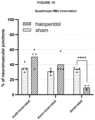
- the method of the present invention increases the number of synaptic contacts of neuromuscular junctions compared to the number of synaptic contacts of neuromuscular junctions before administering haloperidol. It is also contemplated that the method of the present invention reduces the number of denervated endplates compared to the number of denervated endplates before administering haloperidol. How the synaptic contacts of neuromuscular junctions or the denervated endplates can be measured is outlined in example 9 and figure 10 .
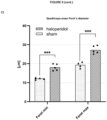
- the method of the present invention increases the fiber area, fiber perimeter and Ferret's diameter compared to the fiber area, fiber perimeter and Ferret's diameter before administering haloperidol. How the fiber area, fiber perimeter and Ferret's diameter can be measured is outlined in example 8 and figure 9 .
- pharmaceutically acceptable salt refers to any pharmaceutically acceptable salt, which upon administration to the patient is capable of providing (directly or indirectly) a compound as described herein.
- Such salts preferably are acid addition salts with physiologically acceptable organic or inorganic acids, or alkali addition salts with acceptable organic or inorganic bases.
- acid addition salts include mineral acid addition salts such as, for example, hydrochloride, hydrobromide, hydroiodide, sulphate, nitrate, phosphate, and organic acid addition salts such as, for example, lactate, acetate, trifluoroacetate, maleate, fumarate, citrate, oxalate, succinate, tartrate, malate, mandelate, methanesulphonate and p-toluenesulphonate.
- mineral acid addition salts such as, for example, hydrochloride, hydrobromide, hydroiodide, sulphate, nitrate, phosphate
- organic acid addition salts such as, for example, lactate, acetate, trifluoroacetate, maleate, fumarate, citrate, oxalate, succinate, tartrate, malate, mandelate, methanesulphonate and p-toluenesulphonate.
- alkali addition salts examples include inorganic salts such as, for example, sodium, potassium, calcium and ammonium salts, and organic alkali salts such as, for example, ethylenediamine, ethanolamine, N,N-dialkylenethanolamine, triethanolamine and basic aminoacids salts.
- organic alkali salts such as, for example, ethylenediamine, ethanolamine, N,N-dialkylenethanolamine, triethanolamine and basic aminoacids salts.
- non-pharmaceutically acceptable salts also fall within the scope of the invention since those may be useful in the preparation of pharmaceutically acceptable salts.
- Procedures for salt formation are conventional in the art.
- said pharmaceutically acceptable haloperidol salt is haloperidol lactate.
- pharmaceutically acceptable ester refers to any form of the active compound in accordance with the invention in which the hydroxyl group of haloperidol forms an ester with a carboxylic acid.
- said pharmaceutically acceptable haloperidol ester is haloperidol decanoate.
- pharmaceutically acceptable solvate in accordance with this invention should be understood as meaning any form of the active compound in accordance with the invention in which said compound is bonded by a non-covalent bond to another molecule (normally a polar solvent), including especially hydrates and alcoholates.
- Present invention shows, therefore, that haloperidol, a pharmaceutically acceptable salt, ester or solvate thereof, is useful in the prevention and/or treatment of SMA.
- the examples of present application show that, in addition to the effect of haloperidol in the SMN protein levels, treatment with haloperidol had, as a consequence effects on myoblasts and motor neurons.
- SMN-deficient myoblasts as those from SMA patients, have been reported to have impaired fusion capabilities.
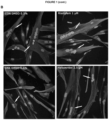
- myoblasts treated with haloperidol significantly increased the fusion index, recovering this capacity up to 66.7% (compared to a fusion rate of about 68% for healthy myoblasts) when patient myoblasts have reduced it to 50% ( Figure 1 ).
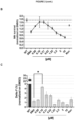
- haloperidol administration also resulted in an increased survival rate of motor neurons ( Figure 2 and 3 ) and increased the area of myotubes with respect to non-treated controls in co-cultures of SMA MN and SMA myotubes ( Figure 3 ).
- haloperidol administration resulted in a significant weight increase in treated SMA mice
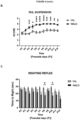
- the behavioral assessment showed that haloperidol administration improved motor performances ( Figure 4 ).
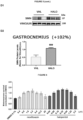
- the behavioral results and improved motor performances positively correlated with the increase in SMN expression in several tissues (spinal cord, diaphragm, quadriceps and gastrocnemius) provided by haloperidol administration ( Figure 5 ) and were not associated with any conspicuously deleterious or undesirable side effects, such as behavioral changes or sedation phenotypes.
- present invention also refers to a pharmaceutical composition
- a pharmaceutical composition comprising haloperidol, or a pharmaceutically acceptable salt, ester or solvate thereof, and at least a pharmaceutically acceptable excipient; for use in a method for preventing and/or treating spinal muscular atrophy.
- the method can result in an increase of full length functional SMN protein levels, in particular, wherein said method can increase the SMN2 transcript expression and/or increases of SMN2 exon 7 inclusion and, accordingly, results in an increase of full length functional SMN protein levels.
- the pharmaceutical composition of the present invention increases the number of synaptic contacts of neuromuscular junctions compared to the number of synaptic contacts of neuromuscular junctions before administering or in the absence of said pharmaceutical composition or compared to a control. It is also contemplated that the pharmaceutical composition of the present invention reduces the number of denervated endplates compared to the number of denervated endplates before administering said pharmaceutical composition or compared to a control. How the synaptic contacts of neuromuscular junctions or the denervated endplates can be measured is outlined in example 9 and figure 10 .
- the pharmaceutical composition of the present invention increases the fiber area, fiber perimeter and Ferret's diameter compared to the fiber area, fiber perimeter and Ferret's diameter the absence of said pharmaceutical composition. How the fiber area, fiber perimeter and Ferret's diameter can be measured is outlined in example 8 and figure 9 .
- the term “comprises” may be replaced by any of the terms “consists of”, or “consists essentially of”.
- “comprises” may refer to a group of features A, B and C, which additionally may include other features, such as E and D, with the condition that said features do not render the claim unworkable, but said term “comprises” also includes the situation in which the group of features "consists of” or “consists essentially” of A, B and C.
- excipient included in the pharmaceutical compositions for use according to present invention refers, for the purpose of present invention, to an inert ingredient such as, but not limited to, cosolvents, surfactants, oils, humectants, emollients, preservatives, stabilizers and antioxidants.
- Another aspect of present invention refers to the use of haloperidol, or a pharmaceutically acceptable salt, ester or solvate thereof, or to the use of a pharmaceutical composition comprising the same, for the manufacturing of a medicament for the prevention and/or treatment of spinal muscular atrophy.
- Said medicament can result in an increase of full length functional SMN protein levels and, in particular wherein administering said medicament can increase the SMN2 transcript expression and/or increases of SMN2 exon 7 inclusion.
- Yet another aspect of present invention refers to a method of preventing and/or treating spinal muscular atrophy, wherein said method comprises administering an effective amount of haloperidol, or a pharmaceutically acceptable salt, ester or solvate thereof, or of a pharmaceutical composition comprising the same, to a subject in need thereof.
- said method results in an increase of full length functional SMN protein levels and, in particular, said method increases the SMN2 transcript expression and/or increases of SMN2 exon 7 inclusion.
- the subject is a pediatric subject. In another preferred embodiment of the invention, the subject is an adult.
- a preferred aspect of the invention refers to haloperidol, or a pharmaceutically acceptable salt, ester or solvate thereof, or to a pharmaceutical composition comprising the same, for use in a method for preventing and/or treating spinal muscular atrophy, wherein said haloperidol, or a pharmaceutically acceptable salt, ester or solvate thereof, or pharmaceutical composition comprising the same is administered to a pediatric subject or to an adult.
- an effective amount of the compounds disclosed herein when said effective amount is referred to a therapeutic use of said compounds, is that which provides a therapeutic effect in the subject or an objectively identifiable improvement in the health condition of said subject as noted by the clinician or other qualified observer.
- said pharmaceutically acceptable salt, ester or solvate thereof is haloperidol lactate or haloperidol decanoate.
- the spinal muscular atrophy is type I, type II, type III or type IV.
- type 1 develops in 6-months-old or younger babies; type 2 appears in babies, who are 7 to 18 months old; type 3 develops at 19 months of age or older and type 4 affects adults.
- the spinal muscular atrophy is type IA, type IB, type IC, type IIA, type IIB, type IIIA, type IIIB or type IV.
- the pharmaceutical compositions disclosed herein may optionally comprise at least a second therapeutic agent having additive or synergistic biological activities.
- therapeutic agent should be taken as synonyms and mean a chemical entity that exerts therapeutic effects when administered to human or animal beings.
- haloperidol or said pharmaceutically acceptable salt, ester or solvate thereof, or the pharmaceutical composition comprising the same, is administered prior to, together with, or after administering an additional therapeutic agent for use in the treatment of spinal muscular atrophy.
- said additional therapeutic agent is an SMN gene replacement therapy, an SMN2 splicing modifier, a muscle enhancing agent, a p38 MPAK inhibitor, an antimyostatin, a calcium channel modifier or troponin activation therapy.
- said additional therapeutic agent is selected from the group consisting of: moxifloxacin, nusinersen, onasuitogene abeparvovec (AVXS-101), risdiplam (RO703406 or RG7916), BIIB110, Columbia/NU-p38aMAPK inhibitor, branaplam (LMI070), monoclonal antibody SRK-015, albuterol, splicing modifier RG7800, recombinant protein RO7239361, reldesemtiv, azithromycin, bortezomib and trochostatin A or a combination thereof.
- Moxifloxacin (IUPAC name 1-cyclopropyl-7-[(1S,6S)-2,8-diazabicyclo[4.3.0]nonan-8-yl]-6-fluoro-8-methoxy-4-oxoquinoline-3-carboxylic acid is an antibiotic with a quinolone structural core that is able to increase the full length SMN protein levels by promoting exon 7 inclusion in SMN2 in a concentration-dependent manner.
- Nusinersen is a 2'-O-methoxyethyl phosphorothioate-modified antisense oligonucleotide that promotes exon 7 inclusion in SMN2 transcripts by blocking through the steric hindrance of a splicing silencer.
- Onaqueous abeparvovec known previously as AVXS-101 (Zolgensma ® ) is a gene replacement therapy that uses a non-replicating adeno-associated virus capsid (scAAV9) to deliver a functional copy of the SMN gene to motor neuron cells.
- scAAV9 non-replicating adeno-associated virus capsid
- Risdiplam also known as RO703406 or RG7916 (Evrysdi ® ), is a small molecule that promotes exon 7 inclusion in pre-mRNA of SMN2, providing a higher expression of the full-length functional SMN protein.
- said additional therapeutic agent is moxifloxacin, nusinersen or risdiplam, or a combination thereof. More preferably, said additional therapeutic agent is nusinersen or risdiplam, or a combination thereof. Even more preferably, said additional therapeutic agent is moxifloxacin or a pharmaceutically acceptable salt, ester or solvate thereof.
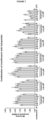
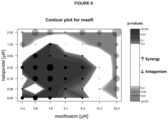
- example 7 shows the synergic effect of the combination of moxifloxacin and haloperidol (combined administration thereof) on SMA motoneurons survival rate using the Bliss Independence model to analyze the interaction between drugs (Thas et al., 2021; Van der Borght et al., 2017).
- Figures 7 and 8 show that the combination of both drugs, moxifloxacin and haloperidol, improves motoneurons survival to a greater extent than the drugs administered separately, even when moxifloxacin and haloperidol are administered separately at higher doses.
- haloperidol, or said pharmaceutically acceptable salt, ester or solvate thereof, or the pharmaceutical composition comprising the same is administered prior to, together with, or after administering moxifloxacin, providing said combined administration a synergic (higher than additive) activity, in the prevention and/or treatment of spinal muscular atrophy, when compared to the activity that said compounds provide when administered separately.
- the haloperidol for use, or a pharmaceutically acceptable salt, ester or solvate thereof is administered together with moxifloxacin, or a pharmaceutically acceptable salt, ester or solvate thereof, preferably in a pharmaceutical composition comprising haloperidol and moxifloxacin, or a pharmaceutically acceptable salt, ester or solvate thereof, and at least one pharmaceutically acceptable excipient.
- haloperidol for use is administered prior to, together with, or after administering moxifloxacin at a molar ratio of haloperidol:moxifloxacin from 1:5 to 1:10; or said haloperidol for use is administered in a pharmaceutical composition comprising haloperidol and moxifloxacin, or a pharmaceutically acceptable salt, ester or solvate thereof, at a molar ratio of haloperidol:moxifloxacin from 1:5 to 1:10.
- another aspect of present invention refers to a pharmaceutical composition
- a pharmaceutical composition comprising haloperidol and moxifloxacin, or a pharmaceutically acceptable salt, ester or solvate thereof, and at least a pharmaceutically acceptable excipient, wherein said pharmaceutical composition comprises a molar ratio of haloperidol:moxifloxacin from 1:5 to 1:10.
- One embodiment refers to said pharmaceutical composition comprising haloperidol and moxifloxacin, or a pharmaceutically acceptable salt, ester or solvate thereof, and at least a pharmaceutically acceptable excipient, wherein said pharmaceutical composition comprises a molar ratio of haloperidol:moxifloxacin from 1:5 to 1:10; for use as a medicament, and in particular, for use in the prevention and/or treatment of spinal muscular atrophy.
- said pharmaceutical composition comprising haloperidol and moxifloxacin, or a pharmaceutically acceptable salt, ester or solvate thereof, and at least a pharmaceutically acceptable excipient, in the manufacturing of a medicament for the prevention and/or treatment of spinal muscular atrophy, and wherein said medicament comprises a molar ratio of haloperidol:moxifloxacin from 1:5 to 1:10.
- a method of preventing and/or treating spinal muscular atrophy comprising administering an effective amount of a pharmaceutical composition comprising haloperidol and moxifloxacin, or a pharmaceutically acceptable salt, ester or solvate thereof, and at least a pharmaceutically acceptable excipient, to a subject in need thereof, wherein said pharmaceutical composition comprises a molar ratio of haloperidol:moxifloxacin from 1:5 to 1:10.
- haloperidol with risdiplam and/or nusinersen provides also a surprisingly improved activity (data not shown). Accordingly, more preferably, haloperidol, or said pharmaceutically acceptable salt, ester or solvate thereof, or the pharmaceutical composition comprising the same, is administered prior to, together with, or after administering risdiplam and/or nusinersen.
- the dosage of the compounds and compositions disclosed in accordance with the invention varies depending on the compound and the condition being treated for example the age, weight, and clinical condition of the recipient patient, as well as their use in combination with other therapeutic agents. Other factors include: the route of administration, the patient, the patient's medical history, the severity of the disease process, and the potency of the particular compound.
- the dose, or effective amount should be sufficient to ameliorate symptoms or signs of the disease treated without producing unacceptable toxicity to the patient.
- One preferred embodiment disclosed herein refers to the route of administration, which may be any route that effectively transports the compounds and compositions disclosed in present disclosure, to the appropriate or desired sites of action, such as oral, nasal, topical, pulmonary, transdermal, intrathecal or parenteral, e. g., rectal, subcutaneous, intravenous, intraurethral, intramuscular, intranasal, ophthalmic solution or an ointment.
- haloperidol or said pharmaceutically acceptable salt, ester or solvate thereof, or the pharmaceutical compositions comprising haloperidol alone or in combination with other therapeutic agents, and in particular comprising haloperidol and moxifloxacin, is administered orally, intrathecally or parenterally, more preferably orally, intrathecally or via transdermal administration route.
- either solid or fluid unit dosage forms can be prepared.
- solid compositions such as tablets
- the compounds for use according to present invention are mixed into formulations with conventional ingredients such as talc, magnesium stearate, dicalcium phosphate, magnesium aluminum silicate, calcium sulphate, starch, lactose, acacia, methylcellulose, and functionally similar materials as pharmaceutical diluents or carriers.
- Capsules are prepared by mixing the compounds for use according to present invention with an inert pharmaceutical diluent and filling the mixture into a hard gelatin capsule of appropriate size.
- Soft gelatin capsules are prepared by machine encapsulation of slurry of the compound with an acceptable vegetable oil, light liquid petrolatum or other inert oil.
- Fluid unit dosage forms for oral administration such as syrups, elixirs and suspensions can be prepared.
- the water-soluble forms can be dissolved in an aqueous vehicle together with sugar, aromatic flavoring agents and preservatives to form syrup.
- An elixir is prepared by using a hydroalcoholic (e. g., ethanol) vehicle with suitable sweeteners such as sugar and saccharin, together with an aromatic flavoring agent.
- Suspensions can be prepared with an aqueous vehicle with the aid of a suspending agent such as acacia, tragacanthin, methylcellulose and the like.
- compositions include the compounds described in present application associated with pharmaceutically acceptable excipients, which may be a carrier or a diluent, as a way of example. Such compositions can be included in a capsule, sachet, paper or other container.
- pharmaceutically acceptable excipients which may be a carrier or a diluent, as a way of example.
- Such compositions can be included in a capsule, sachet, paper or other container.
- conventional techniques for the preparation of pharmaceutical compositions may be used.
- the compounds for use according to present invention may be mixed with a carrier, or diluted by a carrier, or enclosed within a carrier that may be in the form of an ampoule, capsule, sachet, paper, or other containers.
- the carrier serves as a diluent, it may be solid, semi-solid, or liquid material that acts as a vehicle, excipient, or medium for the active compound.
- the compounds for use according to present invention can be adsorbed on a granular solid container for example in a sachet.
- suitable carriers are water, salt solutions, alcohols, polyethylene glycols, polyhydroxyethoxylated castor oil, peanut oil, olive oil, lactose, terra alba, sucrose, cyclodextrin, amylose, magnesium stearate, talc, gelatin, agar, pectin, acacia, stearic acid or lower alkyl ethers of cellulose, silicic acid, fatty acids, fatty acid amines, fatty acid monoglycerides and diglycerides, pentaerythritol fatty acid esters, polyoxyethylene, hydroxymethylcellulose, and polyvinylpyrrolidone.
- the carrier or diluent may include any sustained release material known in the art, such as glyceryl monostearate or glyceryl distearate, alone or mixed with a wax.
- Said compositions may also include wetting agents, emulsifying and suspending agents, preserving agents, sweetening agents or flavoring agents.
- the compositions for use according to the invention may be formulated so as to provide quick, sustained, or delayed release of the compounds for use according to present invention after administration to the patient by employing procedures well-known in the art.
- compositions can be sterilized and mixed, if desired, with auxiliary agents, emulsifiers, salt for influencing osmotic pressure, buffers and/or coloring substances and the like, which do not deleteriously react with the compounds for use according to present invention.
- compositions for use according to the invention may include, depending on the composition and mode of delivery desired, pharmaceutically- acceptable, non-toxic carriers or diluents, which include vehicles commonly used to form pharmaceutical compositions for animal or human administration.
- diluents are selected so as not to unduly affect the biological activity of the combination. Examples of such diluents that are especially useful for injectable formulations are water, the various saline, organic or inorganic salt solutions, Ringer's solution, dextrose solution, and Hank's solution.
- the pharmaceutical composition or formulation may include additives such as other carriers; adjuvants; or non-toxic, non-therapeutic, non-immunogenic stabilizers and the like.
- excipients can be included in the compositions disclosed. Examples include, but are not limited to, cosolvents, surfactants, oils, humectants, emollients, preservatives, stabilizers and antioxidants. Any pharmacologically acceptable buffer may be used, such as, tris or phosphate buffers. Effective amounts of diluents, additives, and excipients are those amounts that are effective in obtaining a pharmaceutically acceptable formulation in terms of solubility, biological activity, etc.
- the pharmaceutical compositions comprising the compounds for use according to present invention may be incorporated into a microsphere.
- the compounds for use according to present invention can be loaded into albumin microspheres, from which it is possible to recover such microspheres in a dry powder for nasal administration.
- Other materials suitable for the preparation of microspheres include agar, alginate, chitosan, starch, hydroxyethyl starch, albumin, agarose, dextran, hyaluronic acid, gelatin, collagen, and casein.
- the microspheres can be produced by various processes known to the person skilled in the art, such as a spray drying process or an emulsification process.
- unit dosage form refers to physically discrete units suitable as unitary dosages for subjects, e. g., mammalian subjects, e. g. humans, dogs, cats, and rodents, each unit containing a predetermined quantity of active material calculated to produce the desired pharmaceutical effect in association with the required pharmaceutical diluent, carrier or vehicle.
- the specifications for the unit dosage forms of this invention are dictated by and dependent on (a) the unique characteristics of the compounds and extracts disclosed above herein and the particular effect to be achieved and (b) the limitations inherent in the art wherein said compounds or extracts are used in humans and animals.
- unit dosage forms are tablets, capsules, pills, powder packets, wafers, suppositories, granules, cachets, teaspoonfuls, tablespoonfuls, dropperfuls, ampoules, vials, aerosols with metered discharges, segregated multiples of any of the foregoing, and other forms as herein described.
- the compositions disclosed herein can be included in kits, which can contain one or more-unit dosage forms of the composition and instructions for use.
- Slow or extended-release delivery systems including any of a number of biopolymers (biological-based systems), systems employing liposomes, colloids, resins, and other polymeric delivery systems or compartmentalized reservoirs, can be utilized with the compositions described herein to provide a continuous or long-term source of the therapeutic compound.
- biopolymers biological-based systems
- systems employing liposomes, colloids, resins, and other polymeric delivery systems or compartmentalized reservoirs can be utilized with the compositions described herein to provide a continuous or long-term source of the therapeutic compound.
- the haloperidol, or said pharmaceutically acceptable salt, ester or solvate thereof, and more preferably haloperidol decanoate, or a pharmaceutical composition comprising the same is administered by transdermal administration route, preferably using a skin patch or by intrathecal administration route, preferably using a pump with intrathecal port catheter.
- transdermal administration route preferably using a skin patch or by intrathecal administration route, preferably using a pump with intrathecal port catheter.
- one embodiment of the invention refers to a skin patch comprising haloperidol, or a pharmaceutically acceptable salt, ester or solvate thereof, or a pharmaceutical composition comprising the same, and more preferably comprising a pharmaceutical composition comprising haloperidol and moxifloxacin, or a pharmaceutically acceptable salt, ester or solvate thereof.
- one embodiment refers to said skin patch as a medicament and, in particular, for use according to present invention, in the prevention and treatment of spinal muscular atrophy.
- Said skin patch will slowly release the haloperidol, or the pharmaceutical composition comprising the same, dissolved in an oil with intramuscular delivery (haloperidol decanoate), or even through an intrathecal administration route using a pump with intrathecal port catheter.
- Haloperidol was evaluated in fibroblasts derived from patients with type II spinal muscular atrophy.
- Fibroblasts derived from SMA patients were grown at 37°C in cell culture bottles with Dulbecco's Modified Eagle Medium (DMEM; Gibco) and 4.5 g/ml glucose. The medium was supplemented with penicillin (100 U/ml) and streptomycin (100 mg/ml) [1% P/S; Gibco] and 10% inactivated fetal bovine serum (FBS; Gibco).
- DMEM Dulbecco's Modified Eagle Medium
- FBS inactivated fetal bovine serum
- RNA extraction 400,000 GM03813 fibroblasts were seeded in 60 mm culture dishes in 4 ml of supplemented DMEM medium. The following day the medium was changed, and the candidate compound was added at its maximum non-toxic concentration. The cells were incubated for 48 hours and then washed with 1x PBS and collected in sterile 1.5 ml tubes. The same was done for the evaluation of the effect of haloperidol on the level of SMN protein (example 2) with the difference that 1,000,000 fibroblasts were used in a 100 mm cell culture plate and that the cells were collected after 2 days with a RIPA protein extraction buffer supplemented with a protease inhibitor cocktail (cOmplete; Roche).
- a protease inhibitor cocktail cOmplete
- fibroblasts cells were seeded in a 400 ⁇ l 24-well plate with supplemented DMEM medium followed by medium change with the treatment of the corresponding candidate compound. Cells were incubated for 72 h with candidate compounds and fixed in 4% paraformaldehyde for 10 min. All cell cultures were incubated at 37°C with 5% CO 2 .
- Fibroblasts derived from SMA type II patients were incubated with haloperidol at three concentrations for 72 h. 10 ⁇ g of protein extracted from cells treated with haloperidol were separated by electrophoresis with acrylamide/bis-acrylamide gels SDS-PAGE with the Mini-protean Electrophoresis System (Bio-Rad). After electrophoresis was carried out, the proteins were transferred to a nitrocellulose membrane (GE Healthcare) using a semi-dry electro-transfer system (Bio-Rad) for one hour with a constant voltage of 15 V. The membranes were incubated with a blocking solution (5% skim milk in PBST, 1x PBS, 0.1% Tween 20) for at least 1 h at room temperature.
- a blocking solution 5% skim milk in PBST, 1x PBS, 0.1% Tween 20
- ⁇ -actin was used as a loading control, using an antibody against ⁇ -actin and a peroxidase-conjugated anti-rabbit IgG.
- Chemiluminescence was detected using SuperSignal West Pico Sensitivity Substrate (Pierce) and acquired with ImageQuant LAS 4000 (GE Healthcare). The SMN levels were measured by Western blotting and the results obtained were compared to those of a sample treated with solvent (0.5% DMSO). Statistical significance was calculated using the Student's t-test (* p ⁇ 0.05, ** p ⁇ 0.01, *** p ⁇ 0.001).
- RNA concentration and salt contamination were measured with the NanoDrop spectrophotometer (ThermoFisher). The samples were stored at -80°C. 1 ⁇ g of total RNA was retrotranscribed using SuperScript III retrotranscriptase (Invitrogen) following the manufacturer's instructions. Genomic DNA contamination was monitored in the RNA samples without the addition of retrotranscriptase.
- qPCR Probe Mix Solis Biodyne
- the reaction was carried out in a multiplex manner, in which the signal from the SMN2 and GAPDH probe was read in a single reaction. 10 ng of cDNA was used as a standard and the concentration of both probes was 250 nM.
- Primer sets for detection of SMN2 FL or ⁇ 7 isoforms were used at a final concentration of 500 nM while the concentration of the primer set used for GAPDH was 150 nM. All reactions were carried out using a Step-One Real-Time PCR thermocycler (Applied Biosystems). In all cases, the experiment included 3 biological samples and three technical replicates for each sample. Expression levels were normalized to the reference gene using a 2- ⁇ Ct method. Primers were obtained from Naryshkin, N. A. et al. Science (2014) 345, 688-693 .
- Table 3 primers set for detection of SMN2 FL or ⁇ 7 isoforms SEQ ID No.: 1 (SMN2 FL Forward) GCTCACATTCCTTAAATTAAGGAGAAA SEQ ID No.: 2 (SMN2 ⁇ 7 Forward) TGGCTATCATACTGGCTATTATATGGAA SEQ ID No.: 3 (SMN2 Reverse, both) TCCAGATCTGTCTGATCGTTTCTT SEQ ID No.: 4 (SMN2 TaqMan probe) /5' 6-FAM/-CTGGCATAGAGCAGCACTAAATGACACCAC-/3' BHQ_1/
- the selected SMA fibroblast line has 3 copies of the SMN2 gene and homozygous deletion of Ex7-Ex8 in SMN1 and therefore only SMN2 gene transcripts were measured.
- the conditions for cell cultures and extraction protocols are described in Example 1.
- the FL isoform which includes exon 7, increases together with haloperidol concentration, while the ⁇ 7 isoform that excludes exon7 does not change in a dose-dependent manner.
- the quantitative analysis of the isoforms showed that at the highest concentration haloperidol doubled the amount of FL SMN2 transcript, which is consistent with what has been observed on the SMN protein level.
- EXAMPLE 3 Evaluation of haloperidol in myoblasts from SMA patients.
- SMN-deficient myoblasts have been reported to have impaired fusion capabilities.
- haloperidol for its ability to restore myoblasts' ability to form multinuclear myotubes.
- the myoblasts derived from SMA type II patients (KM1150SMAII7PV; Institut de Myologie, Paris) and the control myoblasts (AB1190; Institut de Myologie, Paris) were grown at 37° C with 5% CO 2 in cell culture bottles with a KMEM medium that consisted of 4 vol of DMEM Glutamax 4.5 g (Gibco) + 1 vol of 199 medium (Gibco) supplemented with 20% inactivated fetal bovine serum (FBS; Gibco), fetuin (25 ⁇ g/ml; Life Technologies), hEGF (5 ng/ml; Life Technologies), bFGF (0.5 ng/ml; Life Technologies), insulin (5 g/ml; Sigma), dexamethasone (0.2 ⁇ g/ml; Sigma), penicillin (100 U/ml) and streptomycin (100 mg/ml) [1% P/S; Gibco].
- FBS inactivated fetal bovine serum
- FBS inactiv
- 40,000 cells were seeded in a 24-well plate (previously covered with collagen) with 400 ⁇ l of KMEM medium and incubated overnight. The following day the medium was changed for the DMEM Glutamax 4.5 g (Gibco) differentiation medium supplemented with 2% horse serum (Sigma); penicillin (100 U/ml) and streptomycin (100 mg/ml) [1% P/S; Gibco], gentamicin (50 ⁇ g/ml; Sigma) and insulin (10 ⁇ g/ml; Sigma). After 72 h the medium was changed, and the corresponding compound treatment was administered (2.5 ⁇ M haloperidol; 1 ⁇ M risdiplam). The cells were incubated for 72 h with the compounds and fixed in 4% paraformaldehyde for 10 minutes. All cell cultures were incubated at 37°C with 5% CO 2 .
- SMN-deficient myoblasts have been reported to have impaired fusion capabilities.
- haloperidol for its ability to restore myoblasts' ability to form multinuclear myotubes.
- SMA SMA type II patient-derived
- CON healthy control
- myoblasts were treated with 2.5 ⁇ M haloperidol for 72 h, and the cells were stained for Desmin, a specific protein of muscle cells. Nuclei were stained with DAPI.
- Myoblasts were seeded in 24-well plates (previously collagen-treated), in 400 ⁇ L KMEM, with 40,000 cells per well, and were incubated overnight at 37°C. The following day the cells were changed to differentiation medium in which they were incubated for 3 days. The following day, the cells were changed in medium and treated with DMSO (0.5%), haloperidol at 2.5 ⁇ M and risdiplam at 1 ⁇ M (positive control) diluted with 0.5% DMSO. The cells were incubated for 72 h and fixed with 4% paraformaldehyde for 10 minutes.
- the cellular-membrane was permeabilized with 1x PBST (1x PBS, 0.3% Triton X-100) for 15 min with subsequent incubation in blocking buffer (1x PBST, 1% normal goat serum) for 1 h at room temperature.
- Primary monoclonal anti-Desmin antibody (mouse, Millipore) was diluted with blocking buffer (1:50) and incubated overnight at 4°C.
- the cells were washed 3x with PBS-T (5 min) and biotin-conjugated anti-mouse secondary antibody was diluted with blocking buffer (1: 200) and incubated for 1 h at room temperature.
- myoblasts treated with haloperidol significantly increased the fusion index (number of cells with more than 2 nuclei divided by the total number of cells).
- the fusion index was calculated for healthy cells treated with DMSO 0.5% (CON 0.5%), cells from patients treated with DMSO 0.5%, cells from patients treated with the risdiplam positive control (1 ⁇ M) and cells from patients treated with haloperidol (2.5 ⁇ M). Healthy myoblasts were observed to have a fusion index of about 68% when patient myoblasts reduced it to 50%. Both, risdiplam and haloperidol treatments were able to almost fully restore the fusion capabilities of SMA myoblasts, recovering this capacity up to 66.7% ( Figure 1A ).
- the images ( Figure 1B ) were taken with an LSM 800 confocal microscope (Zeiss).
- EXAMPLE 4 Evaluation of haloperidol in motor neurons derived from hiPSCs from SMA patients.
- hiPSCs Human induced pluripotent stem cells
- ISTEM Institute for Stem cell Therapy and Exploration of Monogenic diseases
- HiPSC spinal motor neurons
- a neural induction medium containing DMEM/F12 and Neurobasal medium supplemented with B27 (Life Technologies), N 2 Supplement (Life Technologies), Pen-Strep 0.1%, ⁇ -Mercaptoethanol ( ⁇ -ME) 0.1% (Life Technologies), Ascorbic Acid (0.5 ⁇ M, Sigma-Aldrich), Chir99021 (3 ⁇ M, Stemgent), SB431542 (20 ⁇ M, Tocris), LDN 193189 (0.2 ⁇ M, Stemgent) and Y- 27632 (10 ⁇ M, Stemcell) at a density of 0.2x10 6 cells/ml in T25 flask or 0.25x10 6 cells/ml in spinner flask.
- RA 0.1 ⁇ M retinoic acid
- SAG smoothened agonist
- BDNF brain-derived neurotrophic factor
- GDNF glial-derived neurotrophic factor
- DAPT N-[N-(3,5-Difluorophenacetyl)-L-alanyl]-S- phenylglycine t-butyl ester
- EBs embryoid bodies
- Trypsin-EDTA was dissociated into single cells with Trypsin-EDTA and plated at 3.000 cells per well in 384-well plates (Corning) coated with poly-ornithin (20 ⁇ g/ml, Sigma-Aldrich) and 5 g/ml laminin (Invitrogen) in 35 ⁇ l of the same medium with Y- 27632 (10 ⁇ M, Stemcell).
- 35 ⁇ l of N2B27 medium containing different concentrations of Haloperidol was added to each well.
- a solution of 0.1% DMSO (Sigma) was used as a negative control.
- Cells were treated every 3 days for the next ten days. For each medium change, 32 ⁇ l of medium was replaced by 38 ⁇ l of N2B27 medium containing the different concentrations of Haloperidol.
- the cells were washed 3 times in PBS and incubated for 1 h at room temperature with secondary Alexa Fluor- 488, 568, 647-conjugated secondary antibodies diluted to 1:1000 in a solution of 1X PBS containing 1% BSA (ISL1: 568-donkey anti-goat IgG Ref: A11057, ThermoFisher Scientific; TuJI: 647-donkey anti-rabbit IgG Ref: A31573, ThermoFisher Scientific; SMN: 488-donkey anti-mouse IgG Ref: A21202 ThermoFisher Scientific). In addition, Hoechst 33228 (1:3000, Sigma) nuclear staining was performed during the secondary labeling. Finally, the cells were washed 3 times in PBS ( Figure 2A ).
- the survival of MNs was determined by quantifying the number of ISL1-positive cells in each condition.
- ISL1 positive cells were automatically detected using the high-content analysis system Cellomics Array Scan VTI high content imaging system (Thermofisher-Cellomics). Images were acquired with the 20X objective in High Resolution camera mode on two channels: nuclei (channel 1, HOECHST XF93) and ISL1 (channel 2, Texas-red BGRFR_549_15). Acquisition was done for each condition on 4 different wells with 16 fields per well. Based on the Hoechst channel, nuclei were identified using intensity thresholding, background correction and segmentation parameters. Each nuclear region was then reported on the second channel (Texas-red BGRFR_549_15) to limit the ISL1 detection to the nuclear area. ISL1 staining is identified using a fixed intensity threshold, background correction and segmentation parameters.
- the MNs were treated for 10 days starting on day 14 from neural induction. A fresh amount of medium with dissolved drugs was delivered every 3 days until day 24 when the MNs were fixed and immunostained. Healthy MNs were used as a cell survival control as well as the neuroprotective drug kenpaullone, which previously proved to decrease the death rate of SMA MNs in such a designed experimental system.
- MN survival was presented as a percentage of ISL1 positive cells counted at day 24 normalized to day 14 of differentiation ( Figure 2B ). Accordingly, haloperidol administration also resulted in an increased survival rate of motor neurons.
- Figure 2A shows representative image of motoneurons stained using the neural marker TUJ1 (class III beta-tubulin) and merge photos for cell nucleus using the fluorescent marker DAPI (4',6-diamidino-2-phenylindole), the MNs differentiation marker ISL1 (Insulin gene enhancer protein) and SMN protein (SMN) after treatment with haloperidol at 320 nM, compared to healthy MNs and DMSO solvent control.
- DAPI fluorescent marker
- ISL1 Insulin gene enhancer protein
- SSN SMN protein
- SMN protein was also quantified using Homogeneous Time Resolved Fluorescence (HTRF, Cisbio Bioassays) according to the manufacturer's protocol.
- HTRF Homogeneous Time Resolved Fluorescence
- EXAMPLE 5 Evaluation of haloperidol on motoneurons and myoblasts co-culture.
- Skeletal muscle cells were obtained from a quadriceps muscle biopsy of a 5 day-old unaffected infant (CHQ or Ctl) (Edom et al. 1994), a paravertebral muscle biopsy of a 11-year-old infant patient suffering from SMA (KM432-7PV or SMA type I) and a paravertebral muscle biopsy of a 7-year-old infant patient suffering from SMA (KM1150-11PV or SMA type II). Primary cells were isolated from skeletal muscle as described previously (Chaouch et al. 2009). These cells were expanded and differentiated as previously described.
- myoblasts were expanded in a mix of 199 medium/Dulbecco modified Eagles minimal essential medium (1:4 ratio) supplemented with 20% fetal bovine serum (FBS), 25 ⁇ g/mL fetuin, 0.5 ng/mL basic fibroblast growth factor, 5 ng/mL epidermal growth factor, 5 ⁇ g/mL insulin.
- FBS fetal bovine serum
- FBS fetal bovine serum
- FBS fetal bovine serum
- FBS fetal bovine serum
- FBS fetal bovine serum
- FBS fetal bovine serum
- FBS fetal bovine serum
- penicillin/steptomycin Life Technologies
- spinal MNs For co-culture, spinal MNs must be differentiated from hiPSC as described previously, but the embryoid bodies are dissociated at day 14 of differentiation and frozen. 384 micropatterned-well plates were designed and provided by CYTOO SA (Young et al. 2018). The myoblasts were plated at a density of 5 500 cells per well in myoblast growth medium (DMEM/F12-glutamax supplemented with 20% fetal bovine serum (Sigma-Aldrich) and 0.1% penicillin-streptomycin (ThermoFisher) with Y- 27632 (10 ⁇ M, Stemcell).
- myoblast growth medium DMEM/F12-glutamax supplemented with 20% fetal bovine serum (Sigma-Aldrich) and 0.1% penicillin-streptomycin (ThermoFisher) with Y- 27632 (10 ⁇ M, Stemcell).
- the growth medium was replaced by the differentiation medium (DMEM/F12-glutamax supplemented with 2% hors serum (ThermoFisher)).
- the hiPSC-dervied MNs were thawed and plated at a density of 8 000 cells per well in N2B27 medium supplemented by brain derived neurotrophic factor (BDNF, 10 ng/mL, Peprotech), glial-derived neurotrophic factor (GDNF, 10 ng/mL, Peprotech), N-[N-(3,5-Difluorophenacetyl)-L-alanyl]-S-phenylglycine t-butyl ester (DAPT, 10 ⁇ M, Tocris) and Y- 27632 (10 ⁇ M, Stemcell). Cultures have been maintained up to 11 days which correspond to 4 days of myogenic differentiation and 7 days of co-culture with hiPSC-derived MNs.
- BDNF brain derived neurotrophic factor
- GDNF
- Table 5 List of primary antibodies, providers and dilutions Antibodies Designation Reference Host Provider Dilution Primary antibodies Islet1 AF1837 Goat R&D systems 1:500 Tubulin ⁇ III (Tuj1) 801201 Mouse Biolegend 1:1 000 Tubulin ⁇ III (Tuj1) PRB-435P Rabbit Biolegend 1:1 000 Myosin Heavy Chain (MF20) MF20 Mouse DSHB 1:200 Acetylcholine receptor (AchR) mAB 35 Rat DSHB 1:350 SMN Sc-32313 Mouse Santa Cruz Biotechnology 1:200 Secondary antibodies Donkey anti-mouse IgG(H+L) alexa fluor 488 A21202 Thermo Fisher Scientific 1:1 000 Donkey anti-mouse IgG(H+L) alexa fluor 647 A-31571 Thermo Fisher Scientific 1:1 000 Donkey anti-goat IgG(H+L) alexa fluor 568 A-11057 Thermo Fisher Scientific 1:1 000 Donkey anti-rab
- Co-culture images were acquired using Spinning Disk microscopy (Zeiss) with 20X objective. Each image was taken with z-stack and an orthogonal view was performed on Fiji Software. Islet1 quantification was determined by automatically counting the number of Islet1-positive cells by micropattern. Myotube area was quantified by using Fiji Software to quantify total area of cells stained by MF20 antibody per micropattern. A neuroprotective drug kenpaulone was used as a positive control.
- results show that the haloperidol not only increases the survival rate of SMA MNs ( figure 3A ) but also increases the area of myotubes in respect to not treated controls ( figure 3B ).
- Figure 3C shows representative images of co-culture treated with haloperidol at 320 nM, compared to solvent-treated wild-type and SMA cells.
- Myotubes were marked using MF20 marker (dark green), MNs were marked with ISL1 (red), acetylcholine receptors were marked with AChR (light green) and cell nuclei were stained with Hoechst (blue).
- EXAMPLE 6 Evaluation of haloperidol efficacy in a murine model of SMA (SMN ⁇ 7 mice).
- mice were evaluated daily starting from P2 for body weight and behavioral performances:
- Nonspecific binding sites were blocked using 5% nonfat dried milk in PBS-0.2% Tween-20 (Merck Life Sciences) (PBS-T) for 1 h at RT under shaking. All membranes were incubated overnight at 4 °C under shaking with SMN-antibody solution (mouse-anti-SMN, BD Bioscience 610646) diluted 1:2,000 in 2% nonfat dried milk in PBS-T, and with Vinculin-antibody solution (Monoclonal mouse Anti-Vinculin, Clone Hvin-1, Merck Life Sciences) diluted 1:2,000 in 2% nonfat dried milk in PBS-T as loading control.
- SMN-antibody solution mouse-anti-SMN, BD Bioscience 610646
- Vinculin-antibody solution Monoclonal mouse Anti-Vinculin, Clone Hvin-1, Merck Life Sciences
- HRP-conjugated secondary antibody (Goat Anti-Mouse IGG HRP, Bio-Rad) was diluted 1:10,000 in 2% nonfat dried milk in PBS-T and incubated for 1 h at RT under shaking. Immunolabeling was detected with Clarity TM Western ECL Blotting Substrates (Bio-Rad) using the ChemiDocTM imaging system (Bio-Rad). Densitometric quantitation of bands was performed with Fiji (Image J, NIH).
- Haloperidol administration supported a significant weight increase in treated SMA mice, starting from P5 (postnatal day 5) and progressively increasing during days ( Figure 4A ).
- FIG. 5 The behavioral results positively correlated with SMN expression ( Figure 5 ): at P12, spinal cords, diaphragms, quadriceps and gastrocnemius muscles were dissected, and Western Blot was performed to evaluate the protein expression in HALO and VHL groups.
- Figures 5A , 5B , 5C and 5D show a 58%, 23%, 123% and 102% SMN expression increase in HALO mice compared to VHL mice, respectively, in the spinal cord, diaphragm, quadriceps and gastrocnemius samples.
- the MNs were treated with 49 combinations of different concentrations of haloperidol and moxifloxacin and the survival rate was measured after 10 days of treatment ( figure 7 ). To conduct the assay the same cellular model was used.
- the synergistic and antagonistic effects of drug combinations could be also plotted on a two-dimensional contour plot where the x-axis and y-axis represent doses of haloperidol and moxifloxacin, respectively, as shown in figure 8 .
- Each point follows a grey-scale shown according to the p-value and the sign of the maxR statistic.
- skeletal muscle sections on 4% gelatin-coated slices were stained for NMJ detection.
- the sections underwent antigen retrieval by sequential incubations with 1% SDS (5 min, RT) and sodium citrate solution heated to 95°C (pH 6, for 7-10 min). Subsequently, non-specific binding sites were blocked using 4% BSA solution, 4% foetal bovine serum and PBS-0.1% Triton-X for 1:30 h, RT.
- the sections were incubated overnight with the primary antibody (Neurofilament 145 kDa Antibody, CT, clone 3H11, 1:100, Sigma-Aldrich) diluted in the blocking solution for 24 h at 4 ° C.
- the primary antibody Neuroofilament 145 kDa Antibody, CT, clone 3H11, 1:100, Sigma-Aldrich
- the sections were subsequently incubated with appropriate fluorochrome-conjugated secondary antibody (1:30 h, RT) and with ⁇ -bungarotoxin (BTX) conjugated with Alexafluor-555 (1:500; 11554187, Invitrogen) diluted in 4% BSA and PBS-0.1% Triton-X (1:30 h, RT). Finally, slices were incubated with DAPI in PBS 1X for 3 min and then cover slipped with anti-fade mounting medium. Images were acquired with a Leica TCS SP5 confocal laser scanning microscope (Leica Microsystems).
- NMJs neuromuscular junctions
- haloperidol to delta 7 SMA mice improves the skeletal muscle trophism and leads to better muscular innervation.
- the formation of the NMJs proceeds normally in SMA mouse models, but their maturation stalls (Januel et al. (2022).
- the lack of SMN protein in those models was suggested to have a central role in the formation of the NMJs Boido and Vercelli (2016); therefore, enhancing the SMN levels can improve reciprocal signaling between motoneurons and muscles, important for the formation and maintenance of NMJs (Fralish et al. (2021).Haloperidol successfully contributed to sustaining the NMJ phenotype and muscular innervation in treated mice and delays the skeletal muscle atrophy.
- Boido M De Amicis E, Valsecchi V, Trevisan M, Ala U, Ruegg MA, Hettwer S, Vercelli A. Increasing Agrin Function Antagonizes Muscle Atrophy and Motor Impairment in Spinal Muscular Atrophy. Front Cell Neurosci. 2018 Jan 30;12:17. doi: 10.3389/fncel.2018.00017 .
Landscapes
- Health & Medical Sciences (AREA)
- Life Sciences & Earth Sciences (AREA)
- Chemical & Material Sciences (AREA)
- Pharmacology & Pharmacy (AREA)
- Veterinary Medicine (AREA)
- Public Health (AREA)
- General Health & Medical Sciences (AREA)
- Animal Behavior & Ethology (AREA)
- Medicinal Chemistry (AREA)
- Epidemiology (AREA)
- Physical Education & Sports Medicine (AREA)
- Organic Chemistry (AREA)
- Nuclear Medicine, Radiotherapy & Molecular Imaging (AREA)
- General Chemical & Material Sciences (AREA)
- Chemical Kinetics & Catalysis (AREA)
- Orthopedic Medicine & Surgery (AREA)
- Neurology (AREA)
- Bioinformatics & Cheminformatics (AREA)
- Engineering & Computer Science (AREA)
- Biochemistry (AREA)
- Molecular Biology (AREA)
- Pharmaceuticals Containing Other Organic And Inorganic Compounds (AREA)
- Medicines That Contain Protein Lipid Enzymes And Other Medicines (AREA)
Claims (15)
- Haloperidol oder ein pharmazeutisch akzeptables/akzeptabler Salz, Ester oder Solvat davon zur Verwendung in einer Methode zur Vorbeugung und/oder Behandlung von spinaler Muskelatrophie.
- Haloperidol oder ein pharmazeutisch akzeptables/akzeptabler Salz, Ester oder Solvat davon zur Verwendung nach Anspruch 1, wobei die Methode zu einer Erhöhung des funktionellen SMN-Proteinlevels in voller Länge führt.
- Haloperidol oder ein pharmazeutisch akzeptables/akzeptabler Salz, Ester oder Solvat davon zur Verwendung nach Anspruch 1 oder 2, wobei die spinale Muskelatrophie Typ I, Typ II, Typ III oder Typ IV ist.
- Haloperidol oder ein pharmazeutisch akzeptables/akzeptabler Salz, Ester oder Solvat davon zur Verwendung nach einem der Ansprüche 1 bis 3, wobei das Haloperidol oder das/der pharmazeutisch akzeptable Salz, Ester oder Solvat davon vor, zusammen mit oder nach der Verabreichung eines zusätzlichen therapeutischen Mittels zur Verwendung bei der Behandlung von spinaler Muskelatrophie verabreicht wird.
- Haloperidol oder ein pharmazeutisch akzeptables/akzeptabler Salz, Ester oder Solvat davon zur Verwendung nach Anspruch 4, wobei das zusätzliche therapeutische Mittel ausgewählt ist aus der Gruppe bestehend aus: Moxifloxacin, Nusinersen, Onasemnogen-Abeparvovec, Risdiplam, BIIB110, Columbia/NU-p38aMAPK-Inhibitor, Branaplam, monoklonaler Antikörper SRK-015, Albuterol, Spleißmodifikator RG7800, rekombinantes Protein RO7239361, Reldesemtiv, Azithromycin, Bortezomib und Trochostatin A oder einer Kombination davon.
- Haloperidol oder ein pharmazeutisch akzeptables/akzeptabler Salz, Ester oder Solvat davon zur Verwendung nach einem der Ansprüche 4 oder 5, wobei das zusätzliche therapeutische Mittel Nusinersen oder Risdiplam ist.
- Haloperidol oder ein pharmazeutisch akzeptables/akzeptabler Salz, Ester oder Solvat davon zur Verwendung nach einem der Ansprüche 1 bis 6, wobei das/der pharmazeutisch akzeptable Salz, Ester oder Solvat davon Haloperidollactat oder Haloperidoldecanoat ist.
- Pharmazeutische Zusammensetzung umfassend Haloperidol oder ein pharmazeutisch akzeptables/akzeptabler Salz, Ester oder Solvat davon und mindestens einen pharmazeutisch akzeptablen Hilfsstoff zur Verwendung in einer Methode zur Vorbeugung und/oder Behandlung von spinaler Muskelatrophie.
- Pharmazeutische Zusammensetzung zur Verwendung nach Anspruch 8, wobei die Methode zu einer Erhöhung des funktionellen SMN-Proteinlevels in voller Länge führt.
- Pharmazeutische Zusammensetzung zur Verwendung nach einem der Ansprüche 8 oder 9, wobei die pharmazeutische Zusammensetzung vor, zusammen mit oder nach der Verabreichung eines zusätzlichen therapeutischen Mittels zur Verwendung bei der Behandlung von spinaler Muskelatrophie verabreicht wird.
- Pharmazeutische Zusammensetzung zur Verwendung nach Anspruch 10, wobei das zusätzliche therapeutische Mittel ausgewählt ist aus der Gruppe bestehend aus: Moxifloxacin, Nusinersen, Onasemnogenem-Abeparvovec, Risdiplam, BIIB110, Columbia/NU-p38aMAPK-Inhibitor, Branaplam, monoklonalem Antikörper SRK-015, Albuterol, Spleißmodifikator RG7800, rekombinantem Protein RO7239361, Reldesemtiv, Azithromycin, Bortezomib und Trochostatin oder einer Kombination davon.
- Pharmazeutische Zusammensetzung zur Verwendung nach einem der Ansprüche 8 bis 11, wobei die pharmazeutische Zusammensetzung oral, transdermal, intrathekal oder parenteral verabreicht wird.
- Pharmazeutische Zusammensetzung umfassend Haloperidol und Moxifloxacin oder ein pharmazeutisch akzeptables/akzeptabler Salz, Ester oder Solvat davon und mindestens einen pharmazeutisch akzeptablen Hilfsstoff, wobei die pharmazeutische Zusammensetzung ein Molverhältnis von Haloperidoi:Moxifloxacin von 1:5 bis 1:10 umfasst
- Pharmazeutische Zusammensetzung nach Anspruch 13 zur Verwendung als Medikament.
- Pharmazeutische Zusammensetzung nach Anspruch 13 zur Verwendung in einer Methode zur Vorbeugung und/oder Behandlung von spinaler Muskelatrophie.
Applications Claiming Priority (2)
| Application Number | Priority Date | Filing Date | Title |
|---|---|---|---|
| EP21383162.1A EP4197536A1 (de) | 2021-12-20 | 2021-12-20 | Haloperidol zur behandlung von spinaler muskelatrophie |
| PCT/EP2022/087022 WO2023118164A1 (en) | 2021-12-20 | 2022-12-20 | Haloperidol for use in the treatment of spinal muscular atrophy |
Publications (3)
| Publication Number | Publication Date |
|---|---|
| EP4387622A1 EP4387622A1 (de) | 2024-06-26 |
| EP4387622C0 EP4387622C0 (de) | 2025-05-28 |
| EP4387622B1 true EP4387622B1 (de) | 2025-05-28 |
Family
ID=79602066
Family Applications (2)
| Application Number | Title | Priority Date | Filing Date |
|---|---|---|---|
| EP21383162.1A Withdrawn EP4197536A1 (de) | 2021-12-20 | 2021-12-20 | Haloperidol zur behandlung von spinaler muskelatrophie |
| EP22843657.2A Active EP4387622B1 (de) | 2021-12-20 | 2022-12-20 | Haloperidol zur behandlung von spinaler muskelatrophie |
Family Applications Before (1)
| Application Number | Title | Priority Date | Filing Date |
|---|---|---|---|
| EP21383162.1A Withdrawn EP4197536A1 (de) | 2021-12-20 | 2021-12-20 | Haloperidol zur behandlung von spinaler muskelatrophie |
Country Status (4)
| Country | Link |
|---|---|
| US (1) | US20240390356A1 (de) |
| EP (2) | EP4197536A1 (de) |
| ES (1) | ES3034601T3 (de) |
| WO (1) | WO2023118164A1 (de) |
Families Citing this family (1)
| Publication number | Priority date | Publication date | Assignee | Title |
|---|---|---|---|---|
| EP4609859A1 (de) * | 2024-02-28 | 2025-09-03 | Universidad Pablo de Olavide | Inhibitoren des smpd1-gens zur behandlung von spinaler muskelatrophie |
Family Cites Families (3)
| Publication number | Priority date | Publication date | Assignee | Title |
|---|---|---|---|---|
| US4732915A (en) * | 1983-11-02 | 1988-03-22 | Alza Corporation | Process for increasing solubility of drug |
| HU198494B (en) * | 1986-08-15 | 1989-10-30 | Gyogyszerkutato Intezet | Process for producing new 3,4-dihydro-5h-2,3-benzodiazepine derivative and acid addition salts thereof, as well as pharmaceutical compositions comprising same |
| EP3982970A1 (de) * | 2019-06-12 | 2022-04-20 | F. Hoffmann-La Roche AG | Neue behandlung von sma |
-
2021
- 2021-12-20 EP EP21383162.1A patent/EP4197536A1/de not_active Withdrawn
-
2022
- 2022-12-20 EP EP22843657.2A patent/EP4387622B1/de active Active
- 2022-12-20 US US18/695,991 patent/US20240390356A1/en active Pending
- 2022-12-20 ES ES22843657T patent/ES3034601T3/es active Active
- 2022-12-20 WO PCT/EP2022/087022 patent/WO2023118164A1/en not_active Ceased
Also Published As
| Publication number | Publication date |
|---|---|
| US20240390356A1 (en) | 2024-11-28 |
| ES3034601T3 (en) | 2025-08-20 |
| EP4387622C0 (de) | 2025-05-28 |
| WO2023118164A1 (en) | 2023-06-29 |
| EP4387622A1 (de) | 2024-06-26 |
| EP4197536A1 (de) | 2023-06-21 |
Similar Documents
| Publication | Publication Date | Title |
|---|---|---|
| US7648964B2 (en) | Use of lacritin in promoting ocular cell survival | |
| JP2020039345A (ja) | 分化細胞の分化転換 | |
| US20210180013A1 (en) | Improved methods for inducing tissue regeneration and senolysis in mammalian cells | |
| JP7653257B2 (ja) | 骨格筋肥大誘発剤としてのalk5阻害剤 | |
| EP3209306B1 (de) | Stabile neurale stammzellen mit einem exogenen polynukleotid zur codierung eines wachstumsfaktors und verfahren zur verwendung davon | |
| US20200009197A1 (en) | Compositions and methods for the reprogramming of cells into cardiomyocytes | |
| EP4387622B1 (de) | Haloperidol zur behandlung von spinaler muskelatrophie | |
| Toral-Ojeda et al. | A Novel Functional In Vitro Model that Recapitulates | |
| US20220213030A1 (en) | Aminoguanidine hydrazones as retromer stabilizers useful for treating neurological diseases | |
| US11479773B2 (en) | Antisense nucleic acid for inhibiting biosynthesis of chondroitin sulfate | |
| US20200352954A1 (en) | Methods of treating age-related symptoms in mammals and compositions therefor | |
| WO2015093901A1 (ko) | Taz 단백질 활성화 유도 성분을 포함하는 근육 분화 및 근육재생용약학적조성물 | |
| US11382872B2 (en) | LSD1 inhibitors as skeletal muscle hypertrophy inducers | |
| KR102511500B1 (ko) | 파이브로넥틴 단편 단백질이 과발현된 세포외소포체 및 이의 약물 전달 용도 | |
| JP7668536B2 (ja) | 細胞周期のg1期初期制御剤 | |
| EP3640339A1 (de) | Neues screening-verfahren für tgf-inhibitoren | |
| US20250059505A1 (en) | Improved methods for inducing the maturation of mammalian cells | |
| EP2843049B1 (de) | Promoter für neuronale differenzierung | |
| CN108272795A (zh) | 一种红曲霉素在制备治疗及延缓骨关节炎药物中的应用 | |
| WO2018057782A1 (en) | Methods of preventing stem cell differentiation using a pask inhibitor | |
| CA3235464A1 (en) | Methods for modulating the regenerative phenotype in mammalian cells | |
| WO2025003972A1 (en) | Cellular reprogramming | |
| Choudhary | Modulation of cytokine signaling in optic nerve regeneration in xenopus laevis |
Legal Events
| Date | Code | Title | Description |
|---|---|---|---|
| STAA | Information on the status of an ep patent application or granted ep patent |
Free format text: STATUS: UNKNOWN |
|
| STAA | Information on the status of an ep patent application or granted ep patent |
Free format text: STATUS: THE INTERNATIONAL PUBLICATION HAS BEEN MADE |
|
| PUAI | Public reference made under article 153(3) epc to a published international application that has entered the european phase |
Free format text: ORIGINAL CODE: 0009012 |
|
| STAA | Information on the status of an ep patent application or granted ep patent |
Free format text: STATUS: REQUEST FOR EXAMINATION WAS MADE |
|
| 17P | Request for examination filed |
Effective date: 20240320 |
|
| AK | Designated contracting states |
Kind code of ref document: A1 Designated state(s): AL AT BE BG CH CY CZ DE DK EE ES FI FR GB GR HR HU IE IS IT LI LT LU LV MC ME MK MT NL NO PL PT RO RS SE SI SK SM TR |
|
| GRAP | Despatch of communication of intention to grant a patent |
Free format text: ORIGINAL CODE: EPIDOSNIGR1 |
|
| STAA | Information on the status of an ep patent application or granted ep patent |
Free format text: STATUS: GRANT OF PATENT IS INTENDED |
|
| DAV | Request for validation of the european patent (deleted) | ||
| DAX | Request for extension of the european patent (deleted) | ||
| INTG | Intention to grant announced |
Effective date: 20250311 |
|
| GRAS | Grant fee paid |
Free format text: ORIGINAL CODE: EPIDOSNIGR3 |
|
| GRAA | (expected) grant |
Free format text: ORIGINAL CODE: 0009210 |
|
| STAA | Information on the status of an ep patent application or granted ep patent |
Free format text: STATUS: THE PATENT HAS BEEN GRANTED |
|
| AK | Designated contracting states |
Kind code of ref document: B1 Designated state(s): AL AT BE BG CH CY CZ DE DK EE ES FI FR GB GR HR HU IE IS IT LI LT LU LV MC ME MK MT NL NO PL PT RO RS SE SI SK SM TR |
|
| REG | Reference to a national code |
Ref country code: GB Ref legal event code: FG4D |
|
| REG | Reference to a national code |
Ref country code: CH Ref legal event code: EP |
|
| REG | Reference to a national code |
Ref country code: DE Ref legal event code: R096 Ref document number: 602022015292 Country of ref document: DE |
|
| REG | Reference to a national code |
Ref country code: IE Ref legal event code: FG4D |
|
| U01 | Request for unitary effect filed |
Effective date: 20250623 |
|
| U07 | Unitary effect registered |
Designated state(s): AT BE BG DE DK EE FI FR IT LT LU LV MT NL PT RO SE SI Effective date: 20250701 |
|
| REG | Reference to a national code |
Ref country code: ES Ref legal event code: FG2A Ref document number: 3034601 Country of ref document: ES Kind code of ref document: T3 Effective date: 20250820 |
|
| PG25 | Lapsed in a contracting state [announced via postgrant information from national office to epo] |
Ref country code: GR Free format text: LAPSE BECAUSE OF FAILURE TO SUBMIT A TRANSLATION OF THE DESCRIPTION OR TO PAY THE FEE WITHIN THE PRESCRIBED TIME-LIMIT Effective date: 20250829 Ref country code: NO Free format text: LAPSE BECAUSE OF FAILURE TO SUBMIT A TRANSLATION OF THE DESCRIPTION OR TO PAY THE FEE WITHIN THE PRESCRIBED TIME-LIMIT Effective date: 20250828 |
|
| PG25 | Lapsed in a contracting state [announced via postgrant information from national office to epo] |
Ref country code: PL Free format text: LAPSE BECAUSE OF FAILURE TO SUBMIT A TRANSLATION OF THE DESCRIPTION OR TO PAY THE FEE WITHIN THE PRESCRIBED TIME-LIMIT Effective date: 20250528 |
|
| PG25 | Lapsed in a contracting state [announced via postgrant information from national office to epo] |
Ref country code: HR Free format text: LAPSE BECAUSE OF FAILURE TO SUBMIT A TRANSLATION OF THE DESCRIPTION OR TO PAY THE FEE WITHIN THE PRESCRIBED TIME-LIMIT Effective date: 20250528 |
|
| PG25 | Lapsed in a contracting state [announced via postgrant information from national office to epo] |
Ref country code: RS Free format text: LAPSE BECAUSE OF FAILURE TO SUBMIT A TRANSLATION OF THE DESCRIPTION OR TO PAY THE FEE WITHIN THE PRESCRIBED TIME-LIMIT Effective date: 20250828 |
|
| PG25 | Lapsed in a contracting state [announced via postgrant information from national office to epo] |
Ref country code: IS Free format text: LAPSE BECAUSE OF FAILURE TO SUBMIT A TRANSLATION OF THE DESCRIPTION OR TO PAY THE FEE WITHIN THE PRESCRIBED TIME-LIMIT Effective date: 20250928 |
|
| REG | Reference to a national code |
Ref country code: CH Ref legal event code: U11 Free format text: ST27 STATUS EVENT CODE: U-0-0-U10-U11 (AS PROVIDED BY THE NATIONAL OFFICE) Effective date: 20260101 |
|
| PG25 | Lapsed in a contracting state [announced via postgrant information from national office to epo] |
Ref country code: SM Free format text: LAPSE BECAUSE OF FAILURE TO SUBMIT A TRANSLATION OF THE DESCRIPTION OR TO PAY THE FEE WITHIN THE PRESCRIBED TIME-LIMIT Effective date: 20250528 |
|
| PG25 | Lapsed in a contracting state [announced via postgrant information from national office to epo] |
Ref country code: CZ Free format text: LAPSE BECAUSE OF FAILURE TO SUBMIT A TRANSLATION OF THE DESCRIPTION OR TO PAY THE FEE WITHIN THE PRESCRIBED TIME-LIMIT Effective date: 20250528 |
|
| PG25 | Lapsed in a contracting state [announced via postgrant information from national office to epo] |
Ref country code: SK Free format text: LAPSE BECAUSE OF FAILURE TO SUBMIT A TRANSLATION OF THE DESCRIPTION OR TO PAY THE FEE WITHIN THE PRESCRIBED TIME-LIMIT Effective date: 20250528 |
|
| U20 | Renewal fee for the european patent with unitary effect paid |
Year of fee payment: 4 Effective date: 20251223 |