EP4381690B1 - Erkennung von netzwerkzugangsanomalien über grapheneinbettung - Google Patents
Erkennung von netzwerkzugangsanomalien über grapheneinbettung Download PDFInfo
- Publication number
- EP4381690B1 EP4381690B1 EP22754623.1A EP22754623A EP4381690B1 EP 4381690 B1 EP4381690 B1 EP 4381690B1 EP 22754623 A EP22754623 A EP 22754623A EP 4381690 B1 EP4381690 B1 EP 4381690B1
- Authority
- EP
- European Patent Office
- Prior art keywords
- nodes
- time
- graph
- accessing
- dependent
- Prior art date
- Legal status (The legal status is an assumption and is not a legal conclusion. Google has not performed a legal analysis and makes no representation as to the accuracy of the status listed.)
- Active
Links
Images



Classifications
-
- H—ELECTRICITY
- H04—ELECTRIC COMMUNICATION TECHNIQUE
- H04L—TRANSMISSION OF DIGITAL INFORMATION, e.g. TELEGRAPHIC COMMUNICATION
- H04L63/00—Network architectures or network communication protocols for network security
- H04L63/14—Network architectures or network communication protocols for network security for detecting or protecting against malicious traffic
- H04L63/1408—Network architectures or network communication protocols for network security for detecting or protecting against malicious traffic by monitoring network traffic
- H04L63/1425—Traffic logging, e.g. anomaly detection
-
- H—ELECTRICITY
- H04—ELECTRIC COMMUNICATION TECHNIQUE
- H04L—TRANSMISSION OF DIGITAL INFORMATION, e.g. TELEGRAPHIC COMMUNICATION
- H04L63/00—Network architectures or network communication protocols for network security
- H04L63/10—Network architectures or network communication protocols for network security for controlling access to devices or network resources
-
- H—ELECTRICITY
- H04—ELECTRIC COMMUNICATION TECHNIQUE
- H04L—TRANSMISSION OF DIGITAL INFORMATION, e.g. TELEGRAPHIC COMMUNICATION
- H04L63/00—Network architectures or network communication protocols for network security
- H04L63/14—Network architectures or network communication protocols for network security for detecting or protecting against malicious traffic
- H04L63/1441—Countermeasures against malicious traffic
-
- H—ELECTRICITY
- H04—ELECTRIC COMMUNICATION TECHNIQUE
- H04L—TRANSMISSION OF DIGITAL INFORMATION, e.g. TELEGRAPHIC COMMUNICATION
- H04L2463/00—Additional details relating to network architectures or network communication protocols for network security covered by H04L63/00
- H04L2463/082—Additional details relating to network architectures or network communication protocols for network security covered by H04L63/00 applying multi-factor authentication
Definitions
- a simple graph embedding for anomaly detection in a stream of heterogeneous labeled graphs discloses an approach to detect anomalous graphs in a stream of directed and labeled heterogeneous edges.
- the stream consists of a sequence of edges derived from different graphs.
- Each of these dynamic graphs represents the evolution of a specific activity in a monitored system whose events are acquired in real-time.
- the disclosed approach is based on graph clustering and uses a graph embedding based on substructures and graph edit distance.
- the graph representation updates incrementally the graph vectors when a new edge arrives. This allows the detection of anomalies in real-time to facilitate sensitive applications such as cyber-security.
- the interaction events each involve an access, or at least an attempted access, by one of the accessing entities (herein also "accessing nodes") to one of the resources (herein also resource nodes”), and are therefore herein also referred to as "access events.”
- accessing nodes e.g., devices like computers, data storage devices, peripheral devices, sensors, etc.
- data or software e.g., in the form of files or documents
- web sites e.g., text documents, images, video, audio files, multimedia files, computer programs, etc.
- Anomaly detection in accordance herewith is based on the notion that regular and benign resource utilization tends to be clustered around groups of accessing nodes collectively accessing generally the same sets of resource nodes, and conversely, that malicious activity, e.g., by a compromised user account, likely involves accesses to resource nodes for which there is no historical precedent. Accordingly, access events are evaluated, in accordance herewith, based on their similarity to prior access events, and flagged as suspicious if their dissimilarity from those other events exceeds a pre-defined threshold.
- Graph embeddings is the general name for a class of algorithms that learn vector representations of the network nodes which reflect the connection patterns of the nodes. Nodes with similar connection patterns are embedded close together, and those which are dissimilar are embedded far apart.
- Several algorithms that achieve such embeddings are known to those of ordinary skill in the art, and include, without limitation, techniques based on random walks (e.g., deepwalk , node2vec), deep learning, and matrix factorization.
- One particular approach, known as spectral embedding employs the spectral decomposition of a matrix representation of the graph. There are many variants involving different matrix representations, regularization to improve performance, and degree-correction to remove the dependence of degree from the embeddings.
- Bipartite graph embedding algorithms are adaptations of general graph embedding algorithms to bipartite graphs, and result in separate sets of graph embeddings for the two sets of nodes that allow similarity to be evaluated among nodes of the same type based on their connections to the nodes of the respective other type. Nodes of a given type that are similar in that they overlap in the nodes of the other type with which they are connected are embedded closer together than nodes that do not overlap, or overlap less, in the nodes of the other type with which they are connected.
- the anomaly detection system 100 further includes a graph-based access event representation component 114 that reads the access event records from the database 112 to create and maintain a bipartite graph representing the accessing nodes and the resource nodes as two distinct sets of nodes and the access events as edges between pairs of nodes of both sets. To the extent the same machine or program serves in the roles of both accessing node and resource node, it is represented twice in the graph.
- the graph-based access event representation component 114 further processes the bipartite graph to compute graph embeddings for the accessing nodes, the resource nodes, or both, and typically stores the graph embeddings in a database 116 for future use.
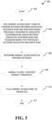
- the access event monitoring component 110 In addition to storing records of access events, the access event monitoring component 110 also forwards access events of interest to the anomaly detection component 118 for determination whether or not each forwarded event is anomalous. In some embodiments, all access events, or alternatively all access events that are new in the sense that the associated accessing node has not previously accessed the associated resource node, are evaluated for anomalies. In other embodiments, only selected access events, such as accesses of resources marked as particularly sensitive or access events that raise suspicion of posing a security threat, are further analyzed.
- a security breach such as a theft of login or authentication credentials or installation of malware
- a security breach may be discovered independently from the anomaly detection approach disclosed herein, and trigger heightened scrutiny of all subsequent access events that are associated with the breach in some way (e.g., by involving use of the stolen credentials or access to machines where the malware was installed).
- the severity of the mitigating action taken may depend, in some instances, on the computed anomaly score. Additional mitigating actions will occur to those of ordinary skill in the art.
- the functionality of the threat mitigation component 120 may, in some embodiments, be provided by existing cyber security products.
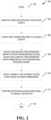
- FIG. 2 is a flow chart of an example method 200 of monitoring access events within a computer network 102 for anomalies, summarizing the operation of the anomaly detection system 100.
- the computer network 102 Upon commencement of the method 200 (at 202), the computer network 102 is monitored for access events (act 204), typically continuously, and time-stamped records of the access events are stored (act 206).
- access events are processed in two general stages, which may be referred to as training and scoring stages.
- the stored records are used to create a time-dependent bipartite graph, and after initial creation to maintain the graph via updates reflecting subsequent access events, and graph embeddings for accessing nodes and/or resource nodes are computed from the (most up-to-date) time-dependent graph (act 208).
- the bipartite graph is updated, and the graph embeddings are recomputed based on the updated graph, periodically, for instance, hourly, daily, weekly, monthly, or at some other regular time intervals.
- the bipartite graph is updated at irregular intervals, e.g., responsive to some kind of update trigger event. For example, in applications where anomaly detection is not performed by default, but only once a security breach has already occurred (e.g., to provide further insight into the nature of the threat and the resulting damage), discovery of the security breach may constitute an update trigger event.
- updates may be performed infrequently and triggered by some indicator that the graph has become "stale;” an example such indicator may be the increase of the anomaly detection rate above a certain trigger threshold. It is also possible, at least in principle, that the bipartite graphs and graph embeddings are updated continuously, responsive to each observed access event. Continuous updates ensure the highest anomaly detection accuracy, but come at significant computational cost; they may be feasible for smaller monitored computer networks 102, but can become prohibitively costly for very large computer networks 102.
- this resource node 316 has not been accessed by any other node within the group (i.e., node 302) to which accessing node 303 belongs, nor has accessing node 303 accessed any other resources within the group to which resource node 316 belongs. As such, this edge, and the access event it represents, can be deemed an anomaly.
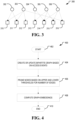
- FIG. 4 is a flow chart of an example method 400 of determining graph embeddings for resources and accessing nodes, illustrating the training stage in more detail for an individual iteration associated with a bipartite graph and graph embeddings for a given point in time.
- the method 400 involves either creating a bipartite graph from scratch, or updating an already existing bipartite graph, based on the access events.
- the graph may, optionally, be pruned by removing nodes connected to a number of nodes of the other type that is in excess of a specified upper threshold number or below a specified lower threshold number (act 406).
- a pre-defined number e.g., 5000
- Resource nodes connected to fewer than a lower threshold number of users (or other accessing nodes) may be removed for the sake of avoiding false positives that are otherwise likely to be raised whenever a new user accesses the resource.
- the vectors X 1 , ... , X m ⁇ R d are embeddings of the accessing nodes, and the vectors Y 1 , ... , Y n ⁇ R d are embeddings of the resources.
- only the accessing-node embeddings are used.
- the embedding dimension (or "dimensionality") d is a hyper-parameter, which may be chosen to balance the conflicting goals of keeping computational cost low while retaining enough of the complexity and richness of the graph data for the embeddings to be useful in anomaly detection. Both computational cost and the amount of information captured in the embeddings increase with the embedding dimension d , but the added benefit of further increasing d tends to diminish at a certain point. In some embodiments, this point is determined (in an approximate manner) based on examination of a plot of the singular values of the graph bi-adjacency matrix, known as a scree plot.
- An edge may be flagged as anomalous if its anomaly score is greater than a pre-defined anomaly threshold ⁇ ⁇ R .
- Setting ⁇ 0 is equivalent to flagging an edge whenever a user accesses a resource for the first time.
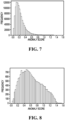
- the first alternative approach is equivalent to the graph-based anomaly detection with a detection threshold set to zero, and produces a large amount of anomalies.
- the second approach uses a notion of similarity between users, but rather than being learned from data, similarity is determined based simply on whether two users belong to the same organization. This approach raised 20,018 anomalies, a similar amount to the graph-based approach when a threshold of 0.75 is applied.
- the anomaly detection approach described herein can be implemented with a combination of computing hardware and software, e.g., with software executing on a general-purpose computer, or with a combination of special-purpose processors (such as hardware accelerators adapted for certain computational operations) and software executed on general-purpose processors.
- the machine 900 may additionally include a storage device (e.g., drive unit) 916, a signal generation device 918 (e.g., a speaker), a network interface device 920, and one or more sensors 921, such as a global positioning system (GPS) sensor, compass, accelerometer, or other sensor.
- a storage device e.g., drive unit
- a signal generation device 918 e.g., a speaker
- a network interface device 920 e.g., a Wi-Fi
- sensors 921 such as a global positioning system (GPS) sensor, compass, accelerometer, or other sensor.
- GPS global positioning system
- the machine 900 may include an output controller 928, such as a serial (e.g., universal serial bus (USB), parallel, or other wired or wireless (e.g., infrared(IR), near field communication (NFC), etc.) connection to communicate or control one or more peripheral devices (e.g., a printer, card reader, etc.).
- the storage device 916 may include a machine-readable medium 922 on which is stored one or more sets of data structures or instructions 924 (e.g., software) embodying or utilized by any one or more of the techniques or functions described herein.
- the instructions 924 may also reside, completely or at least partially, within the main memory 904, within static memory 906, or within the hardware processor 902 during execution thereof by the machine 900.
- one or any combination of the hardware processor 902, the main memory 904, the static memory 906, or the storage device 916 may constitute machine-readable media.
- machine-readable medium 922 is illustrated as a single medium, the term “machine-readable medium” may include a single medium or multiple media (e.g., a centralized or distributed database, and/or associated caches and servers) configured to store the one or more instructions 924.
- machine-readable medium may include a single medium or multiple media (e.g., a centralized or distributed database, and/or associated caches and servers) configured to store the one or more instructions 924.
- machine-readable medium may include any medium that is capable of storing, encoding, or carrying instructions for execution by the machine 900 and that cause the machine 900 to perform any one or more of the techniques of the present disclosure, or that is capable of storing, encoding or carrying data structures used by or associated with such instructions.
- machine-readable media include transitory propagating signals.
- machine-readable media include non-transitory machine-readable media, such as data storage devices.
- Non-limiting machine-readable medium examples include solid-state memories, and optical and magnetic media.
Landscapes
- Engineering & Computer Science (AREA)
- Computer Security & Cryptography (AREA)
- Computer Hardware Design (AREA)
- Computing Systems (AREA)
- General Engineering & Computer Science (AREA)
- Computer Networks & Wireless Communication (AREA)
- Signal Processing (AREA)
- Information Retrieval, Db Structures And Fs Structures Therefor (AREA)
Claims (15)
- System (100) zum Überwachen von Zugriffen auf Ressourcenknoten (104, 106, 310-316) in einem Computernetzwerk (102) auf Anomalien, wobei das System umfasst:einen oder mehrere Computerprozessoren (902); undein oder mehrere computerlesbare Medien (904, 906, 922) auf denen Anweisungen (924) gespeichert sind, die, wenn sie durch den einen oder die mehreren Computerprozessoren ausgeführt werden, den einen oder die mehreren Computerprozessoren veranlassen, Operationen durchzuführen, umfassend:Überwachen des Computernetzwerks auf Zugriffsereignisse, die jeweils einen Zugriff oder einen Zugriffsversuch durch einen einer Vielzahl von zugreifenden Knoten (104, 108, 302-306) auf einen einer Vielzahl von Ressourcenknoten (104, 106, 310-316) zur Folge haben;Speichern von zeitgestempelten Datensätzen (112) der Zugriffsereignisse;Erstellen und Verwalten, basierend auf den gespeicherten Datensätzen, eines zeitabhängigen bipartiten Graphen (300), der die Vielzahl von zugreifenden Knoten und die Vielzahl von Ressourcenknoten als zwei unterschiedliche Knotensätze und die Zugriffsereignisse als Kanten zwischen den Knoten darstellt;Berechnen zeitabhängiger mehrdimensionaler Grapheneinbettungen (116) von mindestens einem der Vielzahl von zugreifenden Knoten oder der Vielzahl von Ressourcenknoten aus dem zeitabhängigen bipartiten Graphen;Berechnen eines Anomaliepunktwerts für ein aktuelles Zugriffsereignis basierend auf mindestens einem aus:Abständen von Grapheneinbettungen eines zugreifenden Knotens, der dem aktuellen Zugriffsereignis zugeordnet ist, aus Grapheneinbettungen von zugreifenden Knoten, die zuvor auf einen Ressourcenknoten zugegriffen haben, der dem aktuellen Zugriffsereignis zugeordnet ist, oderAbständen einer Grapheneinbettung des dem aktuellen Zugriffsereignis zugeordneten Ressourcenknotens aus Grapheneinbettungen von Ressourcenknoten, auf die zuvor durch den dem aktuellen Zugriffsereignis zugeordneten Zugriffsknoten zugegriffen wurde;Feststellen, dass das aktuelle Zugriffsereignis anomal ist, basierend auf einem Vergleich des Anomaliepunktwerts mit einem angegebenen Anomalieschwellenwert; undals Reaktion auf das Feststellen, dass das aktuelle Zugriffsereignis anomal ist, Auslösen mindestens einer Abmilderungsmaßnahme.
- System nach Anspruch 1, wobei die Operationen ferner das Durchführen der mindestens einen Abmilderungsmaßnahme umfassen.
- System nach Anspruch 1, wobei die mindestens eine Abmilderungsmaßnahme mindestens eines umfasst aus:Präsentieren einer Anmeldeaufforderung für den zugeordneten Zugriffsknoten, bevor Zugriff auf den zugeordneten Ressourcenknoten gewährt wird;Verweigern, dass der zugeordnete zugreifende Knoten auf den zugeordneten Ressourcenknoten zugreift;Widerrufen der Zugangsdaten des zugeordneten zugreifenden Knotens; oderBenachrichtigen eines Sicherheitsadministrators (122) über das aktuelle Zugriffsereignis.
- System nach Anspruch 1, wobei das Aufrechterhalten des zeitabhängigen bipartiten Graphen (300) das regelmäßige Aktualisieren des zeitabhängigen bipartiten Graphen basierend auf Zugriffsereignissen seit einer jüngsten vorherigen Aktualisierung umfasst und wobei das Berechnen der zeitabhängigen mehrdimensionalen Grapheneinbettungen (116) das regelmäßige Neuberechnen der zeitabhängigen mehrdimensionalen Grapheneinbettungen basierend auf dem aktualisierten zeitabhängigen bipartiten Graphen umfasst.
- System nach Anspruch 1, wobei das Aufrechterhalten des zeitabhängigen bipartiten Graphen (300) das Aktualisieren des zeitabhängigen bipartiten Graphen als Reaktion auf ein Aktualisierungsauslöserereignis basierend auf Zugriffsereignissen seit einer jüngsten vorherigen Aktualisierung umfasst und wobei das Berechnen der zeitabhängigen mehrdimensionalen Grapheneinbettungen (116) das Neuberechnen der zeitabhängigen mehrdimensionalen Grapheneinbettungen basierend auf dem aktualisierten zeitabhängigen bipartiten Graphen umfasst.
- Verfahren nach Anspruch 1, wobei das Aufrechterhalten des zeitabhängigen bipartiten Graphen (300) das kontinuierliche Aktualisieren des zeitabhängigen bipartiten Graphen als Reaktion auf überwachte Zugriffsereignisse umfasst und wobei das Berechnen der zeitabhängigen mehrdimensionalen Grapheneinbettungen (116) das Neuberechnen der zeitabhängigen mehrdimensionalen Grapheneinbettungen als Reaktion auf Aktualisierungen des zeitabhängigen bipartiten Graphen umfasst.
- System nach Anspruch 1, wobei das Aufrechterhalten des zeitabhängigen bipartiten Graphen (300) das Entfernen von Ressourcenknoten (104, 106, 310-316) umfasst, die eine Anzahl zugeordneter Kanten aufweisen, die über einer angegebenen oberen Schwellenanzahl von zugreifenden Knoten (104, 108, 302-306) liegt oder unter einer angegebenen unteren Schwellenanzahl von zugreifenden Knoten liegt.
- System nach Anspruch 1, wobei in dem zeitabhängigen bipartiten Graphen (300) jedes Paar aus einem zugreifenden Knoten (104, 108, 302-306) und einem Ressourcenknoten (104, 106, 310-316) durch eine Kante verbunden ist, wenn und nur wenn der zugreifende Knoten zu einem bestimmten Zeitpunkt bis zu einem jüngsten Aktualisierungszeitpunkt, der dem zeitabhängigen bipartiten Graphen zugeordnet ist, auf den Ressourcenknoten zugegriffen hat.
- System nach Anspruch 1, wobei in dem zeitabhängigen bipartiten Graphen jedes Paar aus einem zugreifenden Knoten (104, 108, 302-306) und einem Ressourcenknoten (104, 106, 310-316) durch eine Kante verbunden ist, wenn und nur wenn der zugreifende Knoten auf den Ressourcenknoten innerhalb eines angegebenen Zeitfensters vor einem jüngsten Aktualisierungszeitpunkt zugegriffen hat, der dem zeitabhängigen bipartiten Graphen zugeordnet ist.
- System nach Anspruch 1, wobei eine Dimensionalität der zeitabhängigen mehrdimensionalen Grapheneinbettungen (116) basierend auf einer grafischen Bildschirmdarstellung einzelner Werte ausgewählt wird, die dem zeitabhängigen bipartiten Graphen (300) zugeordnet sind.
- System nach Anspruch 1, wobei der Anomaliepunktwert für das aktuelle Zugriffsereignis einem kleinsten Abstand unter den Abständen zwischen den Grapheneinbettungen (116) entspricht.
- System nach Anspruch 1, wobei der Anomaliepunktwert für das aktuelle Zugriffsereignis einem aus den Grapheneinbettungen (116) berechneten Mahalanobis-Abstand entspricht.
- Verfahren zum Überwachen von Zugriffen auf Ressourcenknoten (104, 108, 302-306) in einem Computernetzwerk (102) auf Anomalien, wobei das Verfahren umfasst:Überwachen des Computernetzwerks auf Zugriffsereignisse, die jeweils einen Zugriff oder einen Zugriffsversuch durch einen einer Vielzahl von zugreifenden Knoten (104, 108, 302-306) auf einen einer Vielzahl von Ressourcenknoten (104, 106, 310-316) zur Folge haben;Speichern von zeitgestempelten Datensätzen (112) der Zugriffsereignisse;Erstellen und Verwalten, basierend auf den gespeicherten Datensätzen, eines zeitabhängigen bipartiten Graphen (300), der die Vielzahl von zugreifenden Knoten und die Vielzahl von Ressourcenknoten als zwei unterschiedliche Knotensätze und die Zugriffsereignisse als Kanten zwischen den Knoten darstellt;Berechnen zeitabhängiger mehrdimensionaler Grapheneinbettungen (116) von mindestens einem der Vielzahl von zugreifenden Knoten oder der Vielzahl von Ressourcenknoten aus dem zeitabhängigen bipartiten Graphen;Berechnen eines Anomaliepunktwerts für ein aktuelles Zugriffsereignis basierend auf mindestens einem aus:Abständen von Grapheneinbettungen eines zugreifenden Knotens, der dem aktuellen Zugriffsereignis zugeordnet ist, aus Grapheneinbettungen von zugreifenden Knoten, die zuvor auf einen Ressourcenknoten zugegriffen haben, der dem aktuellen Zugriffsereignis zugeordnet ist, oderAbständen einer Grapheneinbettung des dem aktuellen Zugriffsereignis zugeordneten Ressourcenknotens aus Grapheneinbettungen von Ressourcenknoten, auf die zuvor durch den dem aktuellen Zugriffsereignis zugeordneten Zugriffsknoten zugegriffen wurde;Feststellen, dass das aktuelle Zugriffsereignis anomal ist, basierend auf einem Vergleich des Anomaliepunktwerts mit einem angegebenen Anomalieschwellenwert; undals Reaktion auf das Feststellen, dass das aktuelle Zugriffsereignis anomal ist, Auslösen mindestens einer Abmilderungsmaßnahme.
- Verfahren nach Anspruch 13, das ferner das Durchführen der mindestens einen Abmilderungsmaßnahme umfasst und wobei die mindestens eine Abmilderungsmaßnahme mindestens eines umfasst aus:Präsentieren einer Anmeldeaufforderung für den zugeordneten Zugriffsknoten, bevor Zugriff auf den zugeordneten Ressourcenknoten gewährt wird;Verweigern, dass der zugeordnete zugreifende Knoten auf den zugeordneten Ressourcenknoten zugreift;Widerrufen der Zugangsdaten des zugeordneten zugreifenden Knotens; oderBenachrichtigen eines Sicherheitsadministrators über das aktuelle Zugriffsereignis.
- Ein oder mehrere computerlesbare Medien (904, 906, 922) auf denen Anweisungen gespeichert sind, die, wenn sie durch einen oder mehrere Computerprozessoren (902) ausgeführt werden, den einen oder die mehreren Computerprozessoren veranlassen, Operationen durchzuführen, umfassend:Überwachen eines Computernetzwerks (102) auf Zugriffsereignisse, die jeweils einen Zugriff oder einen Zugriffsversuch durch einen einer Vielzahl von zugreifenden Knoten (104, 108, 302-306) auf einen einer Vielzahl von Ressourcenknoten (104, 106, 310-316) zur Folge haben;Speichern von zeitgestempelten Datensätzen (112) der Zugriffsereignisse;Erstellen und Verwalten, basierend auf den gespeicherten Datensätzen, eines zeitabhängigen bipartiten Graphen (300), der die Vielzahl von zugreifenden Knoten und die Vielzahl von Ressourcenknoten als zwei unterschiedliche Knotensätze und die Zugriffsereignisse als Kanten zwischen den Knoten darstellt;Berechnen zeitabhängiger mehrdimensionaler Grapheneinbettungen (116) von mindestens einem der Vielzahl von zugreifenden Knoten oder der Vielzahl von Ressourcenknoten aus dem zeitabhängigen bipartiten Graphen;Berechnen eines Anomaliepunktwerts für ein aktuelles Zugriffsereignis basierend auf mindestens einem aus:Abständen von Grapheneinbettungen eines zugreifenden Knotens, der dem aktuellen Zugriffsereignis zugeordnet ist, aus Grapheneinbettungen von zugreifenden Knoten, die zuvor auf einen Ressourcenknoten zugegriffen haben, der dem aktuellen Zugriffsereignis zugeordnet ist, oderAbständen einer Grapheneinbettung des dem aktuellen Zugriffsereignis zugeordneten Ressourcenknotens aus Grapheneinbettungen von Ressourcenknoten, auf die zuvor durch den dem aktuellen Zugriffsereignis zugeordneten Zugriffsknoten zugegriffen wurde;Feststellen, dass das aktuelle Zugriffsereignis anomal ist, basierend auf einem Vergleich des Anomaliepunktwerts mit einem angegebenen Anomalieschwellenwert; undals Reaktion auf das Feststellen, dass das aktuelle Zugriffsereignis anomal ist, Auslösen mindestens einer Abmilderungsmaßnahme.
Applications Claiming Priority (3)
| Application Number | Priority Date | Filing Date | Title |
|---|---|---|---|
| US202163229343P | 2021-08-04 | 2021-08-04 | |
| US17/492,439 US11949701B2 (en) | 2021-08-04 | 2021-10-01 | Network access anomaly detection via graph embedding |
| PCT/US2022/037554 WO2023014497A1 (en) | 2021-08-04 | 2022-07-19 | Network access anomaly detection via graph embedding |
Publications (2)
| Publication Number | Publication Date |
|---|---|
| EP4381690A1 EP4381690A1 (de) | 2024-06-12 |
| EP4381690B1 true EP4381690B1 (de) | 2025-04-09 |
Family
ID=82898770
Family Applications (1)
| Application Number | Title | Priority Date | Filing Date |
|---|---|---|---|
| EP22754623.1A Active EP4381690B1 (de) | 2021-08-04 | 2022-07-19 | Erkennung von netzwerkzugangsanomalien über grapheneinbettung |
Country Status (3)
| Country | Link |
|---|---|
| US (1) | US11949701B2 (de) |
| EP (1) | EP4381690B1 (de) |
| WO (1) | WO2023014497A1 (de) |
Families Citing this family (13)
| Publication number | Priority date | Publication date | Assignee | Title |
|---|---|---|---|---|
| US9699205B2 (en) | 2015-08-31 | 2017-07-04 | Splunk Inc. | Network security system |
| US10205735B2 (en) * | 2017-01-30 | 2019-02-12 | Splunk Inc. | Graph-based network security threat detection across time and entities |
| US11418526B2 (en) | 2019-12-20 | 2022-08-16 | Microsoft Technology Licensing, Llc | Detecting anomalous network activity |
| US11503054B2 (en) * | 2020-03-05 | 2022-11-15 | Aetna Inc. | Systems and methods for identifying access anomalies using network graphs |
| US11556636B2 (en) | 2020-06-30 | 2023-01-17 | Microsoft Technology Licensing, Llc | Malicious enterprise behavior detection tool |
| US12081569B2 (en) | 2022-02-25 | 2024-09-03 | Microsoft Technology Licensing, Llc | Graph-based analysis of security incidents |
| US12231448B2 (en) * | 2022-02-25 | 2025-02-18 | Microsoft Technology Licensing, Llc | Using graph enrichment to detect a potentially malicious access attempt |
| US12273389B2 (en) * | 2022-03-22 | 2025-04-08 | International Business Machines Corporation | Smart SDN for intrusion prevention |
| CN116680633B (zh) * | 2023-05-06 | 2024-01-26 | 国网四川省电力公司广安供电公司 | 基于多任务学习的异常用户检测方法、系统及存储介质 |
| US20250029000A1 (en) * | 2023-07-21 | 2025-01-23 | Paypal, Inc. | Label and Network Graph Expansion Using Multiple Feature Extraction Procedures |
| US12615299B2 (en) * | 2023-10-18 | 2026-04-28 | Intuit Inc. | Access control policy management |
| US20260081940A1 (en) * | 2024-09-19 | 2026-03-19 | Microsoft Technology Licensing, Llc | Malicious activity detection based on changes in a security graph |
| CN120086801B (zh) * | 2025-04-27 | 2025-07-18 | 国网浙江省电力有限公司信息通信分公司 | 一种基于电力通信网络的流量指纹识别方法及系统 |
Family Cites Families (62)
| Publication number | Priority date | Publication date | Assignee | Title |
|---|---|---|---|---|
| US10740724B2 (en) | 2009-09-11 | 2020-08-11 | Lnx Research, Llc | Methods of analyzing key entities in a social network |
| US8260914B1 (en) | 2010-06-22 | 2012-09-04 | Narus, Inc. | Detecting DNS fast-flux anomalies |
| US8612169B2 (en) * | 2011-04-26 | 2013-12-17 | International Business Machines Corporation | Method and system for detecting anomalies in a bipartite graph |
| US8949668B2 (en) * | 2011-05-23 | 2015-02-03 | The Boeing Company | Methods and systems for use in identifying abnormal behavior in a control system including independent comparisons to user policies and an event correlation model |
| US8528088B2 (en) | 2011-05-26 | 2013-09-03 | At&T Intellectual Property I, L.P. | Modeling and outlier detection in threat management system data |
| US9171158B2 (en) * | 2011-12-12 | 2015-10-27 | International Business Machines Corporation | Dynamic anomaly, association and clustering detection |
| US20150047026A1 (en) | 2012-03-22 | 2015-02-12 | Los Alamos National Security, Llc | Anomaly detection to identify coordinated group attacks in computer networks |
| CA2868054C (en) | 2012-03-22 | 2018-06-26 | Los Alamos National Security, Llc | Path scanning for the detection of anomalous subgraphs and use of dns requests and host agents for anomaly/change detection and network situational awareness |
| US9064210B1 (en) * | 2012-03-31 | 2015-06-23 | Emc Corporation | Semantically-aware behavioral security analysis system for security information and event management |
| US9336388B2 (en) * | 2012-12-10 | 2016-05-10 | Palo Alto Research Center Incorporated | Method and system for thwarting insider attacks through informational network analysis |
| US9659085B2 (en) * | 2012-12-28 | 2017-05-23 | Microsoft Technology Licensing, Llc | Detecting anomalies in behavioral network with contextual side information |
| US9306962B1 (en) * | 2013-07-25 | 2016-04-05 | Niddel Corp | Systems and methods for classifying malicious network events |
| US20160217378A1 (en) * | 2013-08-30 | 2016-07-28 | Hewlett Packard Enterprise Development Lp | Identifying anomalous behavior of a monitored entity |
| WO2015035559A1 (en) * | 2013-09-10 | 2015-03-19 | Symantec Corporation | Systems and methods for using event-correlation graphs to detect attacks on computing systems |
| US9367809B2 (en) * | 2013-10-11 | 2016-06-14 | Accenture Global Services Limited | Contextual graph matching based anomaly detection |
| WO2015127265A1 (en) | 2014-02-24 | 2015-08-27 | Visualization Balloons, Llc | Gastrointestinal endoscopy with attachable intestine pleating structures |
| US9886581B2 (en) | 2014-02-25 | 2018-02-06 | Accenture Global Solutions Limited | Automated intelligence graph construction and countermeasure deployment |
| US9699049B2 (en) * | 2014-09-23 | 2017-07-04 | Ebay Inc. | Predictive model for anomaly detection and feedback-based scheduling |
| US9800605B2 (en) | 2015-01-30 | 2017-10-24 | Securonix, Inc. | Risk scoring for threat assessment |
| US10015175B2 (en) | 2015-04-16 | 2018-07-03 | Los Alamos National Security, Llc | Detecting anomalous behavior via user authentication graphs |
| US9407652B1 (en) | 2015-06-26 | 2016-08-02 | Palantir Technologies Inc. | Network anomaly detection |
| US9699205B2 (en) | 2015-08-31 | 2017-07-04 | Splunk Inc. | Network security system |
| US10594710B2 (en) * | 2015-11-20 | 2020-03-17 | Webroot Inc. | Statistical analysis of network behavior using event vectors to identify behavioral anomalies using a composite score |
| US10192058B1 (en) | 2016-01-22 | 2019-01-29 | Symantec Corporation | System and method for determining an aggregate threat score |
| US10289471B2 (en) | 2016-02-08 | 2019-05-14 | Nec Corporation | Ranking causal anomalies via temporal and dynamical analysis on vanishing correlations |
| US10063572B2 (en) | 2016-03-28 | 2018-08-28 | Accenture Global Solutions Limited | Antivirus signature distribution with distributed ledger |
| US10958667B1 (en) | 2016-06-03 | 2021-03-23 | Mcafee Llc | Determining computing system incidents using node graphs |
| US9973522B2 (en) | 2016-07-08 | 2018-05-15 | Accenture Global Solutions Limited | Identifying network security risks |
| US10938844B2 (en) | 2016-07-22 | 2021-03-02 | At&T Intellectual Property I, L.P. | Providing security through characterizing mobile traffic by domain names |
| US10673880B1 (en) | 2016-09-26 | 2020-06-02 | Splunk Inc. | Anomaly detection to identify security threats |
| US11146578B2 (en) | 2016-12-16 | 2021-10-12 | Patternex, Inc. | Method and system for employing graph analysis for detecting malicious activity in time evolving networks |
| US10511613B2 (en) | 2017-01-24 | 2019-12-17 | Nec Corporation | Knowledge transfer system for accelerating invariant network learning |
| US10931694B2 (en) * | 2017-02-24 | 2021-02-23 | LogRhythm Inc. | Processing pipeline for monitoring information systems |
| US10462169B2 (en) | 2017-04-29 | 2019-10-29 | Splunk Inc. | Lateral movement detection through graph-based candidate selection |
| US20180337935A1 (en) * | 2017-05-16 | 2018-11-22 | Entit Software Llc | Anomalous entity determinations |
| US10929722B2 (en) | 2017-05-19 | 2021-02-23 | Nec Corporation | Anomaly detection in streaming networks |
| US10681070B2 (en) | 2017-05-26 | 2020-06-09 | Qatar Foundatiion | Method to identify malicious web domain names thanks to their dynamics |
| US10341373B2 (en) * | 2017-06-21 | 2019-07-02 | Symantec Corporation | Automatically detecting insider threats using user collaboration patterns |
| US10686816B1 (en) * | 2017-09-28 | 2020-06-16 | NortonLifeLock Inc. | Insider threat detection under user-resource bi-partite graphs |
| CN112055956B (zh) | 2018-02-23 | 2023-01-10 | 诺基亚技术有限公司 | 用于网络安全性的装置和方法 |
| US11165803B2 (en) * | 2018-06-12 | 2021-11-02 | Netskope, Inc. | Systems and methods to show detailed structure in a security events graph |
| US11539749B2 (en) * | 2018-06-12 | 2022-12-27 | Netskope, Inc. | Systems and methods for alert prioritization using security events graph |
| US11182396B2 (en) * | 2018-07-02 | 2021-11-23 | Palo Alto Research Center Incorporated | System and method for a graph search engine |
| US11134073B2 (en) * | 2018-07-27 | 2021-09-28 | Cisco Technology, Inc. | Detection of botnet hosts using global encryption data |
| US11023612B2 (en) * | 2018-09-27 | 2021-06-01 | International Business Machines Corporation | Operator isolation based on data security requirements |
| US10789530B2 (en) * | 2019-01-14 | 2020-09-29 | Capital One Services, Llc | Neural embeddings of transaction data |
| US11310257B2 (en) * | 2019-02-27 | 2022-04-19 | Microsoft Technology Licensing, Llc | Anomaly scoring using collaborative filtering |
| WO2020191001A1 (en) | 2019-03-18 | 2020-09-24 | Triad National Security, Llc | Real-world network link analysis and prediction using extended probailistic maxtrix factorization models with labeled nodes |
| US11488177B2 (en) | 2019-04-30 | 2022-11-01 | Paypal, Inc. | Detecting fraud using machine-learning |
| US11222176B2 (en) | 2019-05-24 | 2022-01-11 | International Business Machines Corporation | Method and system for language and domain acceleration with embedding evaluation |
| US10630704B1 (en) | 2019-07-25 | 2020-04-21 | Confluera, Inc. | Methods and systems for identifying infrastructure attack progressions |
| US11886971B2 (en) | 2019-08-15 | 2024-01-30 | Microsoft Technology Licensing, Llc | Multiple-entity-based recommendation system |
| US11399037B2 (en) * | 2019-09-06 | 2022-07-26 | Paypal, Inc. | Anomaly behavior detection in interactive networks |
| US11763198B2 (en) | 2019-10-08 | 2023-09-19 | Nec Corporation | Sensor contribution ranking |
| US11606367B2 (en) | 2019-10-11 | 2023-03-14 | Paypal, Inc. | Systems and methods for network anomaly detection and resolution |
| US11418526B2 (en) | 2019-12-20 | 2022-08-16 | Microsoft Technology Licensing, Llc | Detecting anomalous network activity |
| US11481485B2 (en) * | 2020-01-08 | 2022-10-25 | Visa International Service Association | Methods and systems for peer grouping in insider threat detection |
| US11757918B2 (en) * | 2020-02-18 | 2023-09-12 | Noblis, Inc. | Capability based insider threat detection |
| US11494787B2 (en) * | 2020-06-30 | 2022-11-08 | Optum, Inc. | Graph convolutional anomaly detection |
| US11556636B2 (en) | 2020-06-30 | 2023-01-17 | Microsoft Technology Licensing, Llc | Malicious enterprise behavior detection tool |
| US11647034B2 (en) * | 2020-09-12 | 2023-05-09 | Microsoft Technology Licensing, Llc | Service access data enrichment for cybersecurity |
| US12198338B2 (en) * | 2022-04-08 | 2025-01-14 | Iunu, Inc. | Automated plant grouping and tracking using image data |
-
2021
- 2021-10-01 US US17/492,439 patent/US11949701B2/en active Active
-
2022
- 2022-07-19 EP EP22754623.1A patent/EP4381690B1/de active Active
- 2022-07-19 WO PCT/US2022/037554 patent/WO2023014497A1/en not_active Ceased
Also Published As
| Publication number | Publication date |
|---|---|
| US20230053182A1 (en) | 2023-02-16 |
| US11949701B2 (en) | 2024-04-02 |
| EP4381690A1 (de) | 2024-06-12 |
| WO2023014497A1 (en) | 2023-02-09 |
Similar Documents
| Publication | Publication Date | Title |
|---|---|---|
| US11949701B2 (en) | Network access anomaly detection via graph embedding | |
| US12500920B2 (en) | Computer-implemented system and method for cybersecurity threat analysis using federated machine learning and hierarchical task networks | |
| US12081569B2 (en) | Graph-based analysis of security incidents | |
| US20230370490A1 (en) | System and method for cyber exploitation path analysis and task plan optimization | |
| US11856013B2 (en) | Method and system for detecting lateral movement in enterprise computer networks | |
| Kumar et al. | DBTP2SF: a deep blockchain‐based trustworthy privacy‐preserving secured framework in industrial internet of things systems | |
| US10547642B2 (en) | Security via adaptive threat modeling | |
| Zolotukhin et al. | Analysis of HTTP requests for anomaly detection of web attacks | |
| US10063581B1 (en) | Measure based anomaly detection | |
| US9369476B2 (en) | System for detection of mobile applications network behavior-netwise | |
| CN113094707B (zh) | 一种基于异质图网络的横向移动攻击检测方法及系统 | |
| US20160330226A1 (en) | Graph-based Instrusion Detection Using Process Traces | |
| Song et al. | Enhancing Packet‐Level Wi‐Fi Device Authentication Protocol Leveraging Channel State Information | |
| WO2016123522A1 (en) | Anomaly detection using adaptive behavioral profiles | |
| Ferragut et al. | A new, principled approach to anomaly detection | |
| US20230275908A1 (en) | Thumbprinting security incidents via graph embeddings | |
| Ashibani et al. | A behavior profiling model for user authentication in IoT networks based on app usage patterns | |
| WO2025024615A2 (en) | System and method for cyber exploitation path analysis and response using federated networks | |
| US20230275907A1 (en) | Graph-based techniques for security incident matching | |
| US20250088521A1 (en) | Identifying similarities in complex objects at scale | |
| Ashibani et al. | A user authentication model for IoT networks based on app traffic patterns | |
| Fereidouni et al. | F-RBA: A federated learning-based framework for risk-based authentication | |
| US11122064B2 (en) | Unauthorized authentication event detection | |
| Ambusaidi et al. | Intrusion detection method based on nonlinear correlation measure | |
| Rendall et al. | Toward situational awareness in threat detection. A survey |
Legal Events
| Date | Code | Title | Description |
|---|---|---|---|
| STAA | Information on the status of an ep patent application or granted ep patent |
Free format text: STATUS: UNKNOWN |
|
| STAA | Information on the status of an ep patent application or granted ep patent |
Free format text: STATUS: THE INTERNATIONAL PUBLICATION HAS BEEN MADE |
|
| PUAI | Public reference made under article 153(3) epc to a published international application that has entered the european phase |
Free format text: ORIGINAL CODE: 0009012 |
|
| STAA | Information on the status of an ep patent application or granted ep patent |
Free format text: STATUS: REQUEST FOR EXAMINATION WAS MADE |
|
| 17P | Request for examination filed |
Effective date: 20240112 |
|
| AK | Designated contracting states |
Kind code of ref document: A1 Designated state(s): AL AT BE BG CH CY CZ DE DK EE ES FI FR GB GR HR HU IE IS IT LI LT LU LV MC MK MT NL NO PL PT RO RS SE SI SK SM TR |
|
| DAV | Request for validation of the european patent (deleted) | ||
| DAX | Request for extension of the european patent (deleted) | ||
| GRAP | Despatch of communication of intention to grant a patent |
Free format text: ORIGINAL CODE: EPIDOSNIGR1 |
|
| STAA | Information on the status of an ep patent application or granted ep patent |
Free format text: STATUS: GRANT OF PATENT IS INTENDED |
|
| INTG | Intention to grant announced |
Effective date: 20241115 |
|
| GRAS | Grant fee paid |
Free format text: ORIGINAL CODE: EPIDOSNIGR3 |
|
| GRAA | (expected) grant |
Free format text: ORIGINAL CODE: 0009210 |
|
| STAA | Information on the status of an ep patent application or granted ep patent |
Free format text: STATUS: THE PATENT HAS BEEN GRANTED |
|
| P01 | Opt-out of the competence of the unified patent court (upc) registered |
Free format text: CASE NUMBER: APP_8634/2025 Effective date: 20250220 |
|
| AK | Designated contracting states |
Kind code of ref document: B1 Designated state(s): AL AT BE BG CH CY CZ DE DK EE ES FI FR GB GR HR HU IE IS IT LI LT LU LV MC MK MT NL NO PL PT RO RS SE SI SK SM TR |
|
| REG | Reference to a national code |
Ref country code: GB Ref legal event code: FG4D |
|
| REG | Reference to a national code |
Ref country code: CH Ref legal event code: EP |
|
| REG | Reference to a national code |
Ref country code: DE Ref legal event code: R096 Ref document number: 602022013011 Country of ref document: DE |
|
| REG | Reference to a national code |
Ref country code: IE Ref legal event code: FG4D |
|
| REG | Reference to a national code |
Ref country code: NL Ref legal event code: MP Effective date: 20250409 |
|
| PG25 | Lapsed in a contracting state [announced via postgrant information from national office to epo] |
Ref country code: NL Free format text: LAPSE BECAUSE OF FAILURE TO SUBMIT A TRANSLATION OF THE DESCRIPTION OR TO PAY THE FEE WITHIN THE PRESCRIBED TIME-LIMIT Effective date: 20250409 |
|
| REG | Reference to a national code |
Ref country code: AT Ref legal event code: MK05 Ref document number: 1784562 Country of ref document: AT Kind code of ref document: T Effective date: 20250409 |
|
| PG25 | Lapsed in a contracting state [announced via postgrant information from national office to epo] |
Ref country code: FI Free format text: LAPSE BECAUSE OF FAILURE TO SUBMIT A TRANSLATION OF THE DESCRIPTION OR TO PAY THE FEE WITHIN THE PRESCRIBED TIME-LIMIT Effective date: 20250409 Ref country code: ES Free format text: LAPSE BECAUSE OF FAILURE TO SUBMIT A TRANSLATION OF THE DESCRIPTION OR TO PAY THE FEE WITHIN THE PRESCRIBED TIME-LIMIT Effective date: 20250409 Ref country code: PT Free format text: LAPSE BECAUSE OF FAILURE TO SUBMIT A TRANSLATION OF THE DESCRIPTION OR TO PAY THE FEE WITHIN THE PRESCRIBED TIME-LIMIT Effective date: 20250811 |
|
| PGFP | Annual fee paid to national office [announced via postgrant information from national office to epo] |
Ref country code: DE Payment date: 20250620 Year of fee payment: 4 |
|
| REG | Reference to a national code |
Ref country code: LT Ref legal event code: MG9D |
|
| PG25 | Lapsed in a contracting state [announced via postgrant information from national office to epo] |
Ref country code: GR Free format text: LAPSE BECAUSE OF FAILURE TO SUBMIT A TRANSLATION OF THE DESCRIPTION OR TO PAY THE FEE WITHIN THE PRESCRIBED TIME-LIMIT Effective date: 20250710 Ref country code: NO Free format text: LAPSE BECAUSE OF FAILURE TO SUBMIT A TRANSLATION OF THE DESCRIPTION OR TO PAY THE FEE WITHIN THE PRESCRIBED TIME-LIMIT Effective date: 20250709 |
|
| PG25 | Lapsed in a contracting state [announced via postgrant information from national office to epo] |
Ref country code: PL Free format text: LAPSE BECAUSE OF FAILURE TO SUBMIT A TRANSLATION OF THE DESCRIPTION OR TO PAY THE FEE WITHIN THE PRESCRIBED TIME-LIMIT Effective date: 20250409 |
|
| PG25 | Lapsed in a contracting state [announced via postgrant information from national office to epo] |
Ref country code: BG Free format text: LAPSE BECAUSE OF FAILURE TO SUBMIT A TRANSLATION OF THE DESCRIPTION OR TO PAY THE FEE WITHIN THE PRESCRIBED TIME-LIMIT Effective date: 20250409 |
|
| PG25 | Lapsed in a contracting state [announced via postgrant information from national office to epo] |
Ref country code: HR Free format text: LAPSE BECAUSE OF FAILURE TO SUBMIT A TRANSLATION OF THE DESCRIPTION OR TO PAY THE FEE WITHIN THE PRESCRIBED TIME-LIMIT Effective date: 20250409 |
|
| PG25 | Lapsed in a contracting state [announced via postgrant information from national office to epo] |
Ref country code: AT Free format text: LAPSE BECAUSE OF FAILURE TO SUBMIT A TRANSLATION OF THE DESCRIPTION OR TO PAY THE FEE WITHIN THE PRESCRIBED TIME-LIMIT Effective date: 20250409 |
|
| PG25 | Lapsed in a contracting state [announced via postgrant information from national office to epo] |
Ref country code: RS Free format text: LAPSE BECAUSE OF FAILURE TO SUBMIT A TRANSLATION OF THE DESCRIPTION OR TO PAY THE FEE WITHIN THE PRESCRIBED TIME-LIMIT Effective date: 20250709 |
|
| PG25 | Lapsed in a contracting state [announced via postgrant information from national office to epo] |
Ref country code: IS Free format text: LAPSE BECAUSE OF FAILURE TO SUBMIT A TRANSLATION OF THE DESCRIPTION OR TO PAY THE FEE WITHIN THE PRESCRIBED TIME-LIMIT Effective date: 20250809 |
|
| PG25 | Lapsed in a contracting state [announced via postgrant information from national office to epo] |
Ref country code: LV Free format text: LAPSE BECAUSE OF FAILURE TO SUBMIT A TRANSLATION OF THE DESCRIPTION OR TO PAY THE FEE WITHIN THE PRESCRIBED TIME-LIMIT Effective date: 20250409 |
|
| REG | Reference to a national code |
Ref country code: DE Ref legal event code: R097 Ref document number: 602022013011 Country of ref document: DE |
|
| PG25 | Lapsed in a contracting state [announced via postgrant information from national office to epo] |
Ref country code: DK Free format text: LAPSE BECAUSE OF FAILURE TO SUBMIT A TRANSLATION OF THE DESCRIPTION OR TO PAY THE FEE WITHIN THE PRESCRIBED TIME-LIMIT Effective date: 20250409 Ref country code: SM Free format text: LAPSE BECAUSE OF FAILURE TO SUBMIT A TRANSLATION OF THE DESCRIPTION OR TO PAY THE FEE WITHIN THE PRESCRIBED TIME-LIMIT Effective date: 20250409 |
|
| PG25 | Lapsed in a contracting state [announced via postgrant information from national office to epo] |
Ref country code: CZ Free format text: LAPSE BECAUSE OF FAILURE TO SUBMIT A TRANSLATION OF THE DESCRIPTION OR TO PAY THE FEE WITHIN THE PRESCRIBED TIME-LIMIT Effective date: 20250409 |
|
| PG25 | Lapsed in a contracting state [announced via postgrant information from national office to epo] |
Ref country code: EE Free format text: LAPSE BECAUSE OF FAILURE TO SUBMIT A TRANSLATION OF THE DESCRIPTION OR TO PAY THE FEE WITHIN THE PRESCRIBED TIME-LIMIT Effective date: 20250409 |
|
| PG25 | Lapsed in a contracting state [announced via postgrant information from national office to epo] |
Ref country code: SK Free format text: LAPSE BECAUSE OF FAILURE TO SUBMIT A TRANSLATION OF THE DESCRIPTION OR TO PAY THE FEE WITHIN THE PRESCRIBED TIME-LIMIT Effective date: 20250409 |
|
| PG25 | Lapsed in a contracting state [announced via postgrant information from national office to epo] |
Ref country code: IT Free format text: LAPSE BECAUSE OF FAILURE TO SUBMIT A TRANSLATION OF THE DESCRIPTION OR TO PAY THE FEE WITHIN THE PRESCRIBED TIME-LIMIT Effective date: 20250409 |
|
| PLBE | No opposition filed within time limit |
Free format text: ORIGINAL CODE: 0009261 |
|
| STAA | Information on the status of an ep patent application or granted ep patent |
Free format text: STATUS: NO OPPOSITION FILED WITHIN TIME LIMIT |
|
| REG | Reference to a national code |
Ref country code: CH Ref legal event code: L10 Free format text: ST27 STATUS EVENT CODE: U-0-0-L10-L00 (AS PROVIDED BY THE NATIONAL OFFICE) Effective date: 20260218 |
|
| REG | Reference to a national code |
Ref country code: CH Ref legal event code: H13 Free format text: ST27 STATUS EVENT CODE: U-0-0-H10-H13 (AS PROVIDED BY THE NATIONAL OFFICE) Effective date: 20260224 |
|
| PG25 | Lapsed in a contracting state [announced via postgrant information from national office to epo] |
Ref country code: RO Free format text: LAPSE BECAUSE OF FAILURE TO SUBMIT A TRANSLATION OF THE DESCRIPTION OR TO PAY THE FEE WITHIN THE PRESCRIBED TIME-LIMIT Effective date: 20250409 |
|
| PG25 | Lapsed in a contracting state [announced via postgrant information from national office to epo] |
Ref country code: LU Free format text: LAPSE BECAUSE OF NON-PAYMENT OF DUE FEES Effective date: 20250719 |
|
| 26N | No opposition filed |
Effective date: 20260112 |
|
| REG | Reference to a national code |
Ref country code: BE Ref legal event code: MM Effective date: 20250731 |
|
| PG25 | Lapsed in a contracting state [announced via postgrant information from national office to epo] |
Ref country code: BE Free format text: LAPSE BECAUSE OF NON-PAYMENT OF DUE FEES Effective date: 20250731 |
|
| PG25 | Lapsed in a contracting state [announced via postgrant information from national office to epo] |
Ref country code: FR Free format text: LAPSE BECAUSE OF NON-PAYMENT OF DUE FEES Effective date: 20250731 |
|
| PG25 | Lapsed in a contracting state [announced via postgrant information from national office to epo] |
Ref country code: CH Free format text: LAPSE BECAUSE OF NON-PAYMENT OF DUE FEES Effective date: 20250731 |