EP4378906A1 - Architectural glass made of waste solar panel and manufacturing method thereof - Google Patents
Architectural glass made of waste solar panel and manufacturing method thereof Download PDFInfo
- Publication number
- EP4378906A1 EP4378906A1 EP23168520.7A EP23168520A EP4378906A1 EP 4378906 A1 EP4378906 A1 EP 4378906A1 EP 23168520 A EP23168520 A EP 23168520A EP 4378906 A1 EP4378906 A1 EP 4378906A1
- Authority
- EP
- European Patent Office
- Prior art keywords
- glass plate
- glass
- architectural
- solar panel
- waste solar
- Prior art date
- Legal status (The legal status is an assumption and is not a legal conclusion. Google has not performed a legal analysis and makes no representation as to the accuracy of the status listed.)
- Granted
Links
Images



Classifications
-
- C—CHEMISTRY; METALLURGY
- C03—GLASS; MINERAL OR SLAG WOOL
- C03C—CHEMICAL COMPOSITION OF GLASSES, GLAZES OR VITREOUS ENAMELS; SURFACE TREATMENT OF GLASS; SURFACE TREATMENT OF FIBRES OR FILAMENTS MADE FROM GLASS, MINERALS OR SLAGS; JOINING GLASS TO GLASS OR OTHER MATERIALS
- C03C27/00—Joining pieces of glass to pieces of other inorganic material; Joining glass to glass other than by fusing
- C03C27/06—Joining glass to glass by processes other than fusing
- C03C27/10—Joining glass to glass by processes other than fusing with the aid of adhesive specially adapted for that purpose
-
- B—PERFORMING OPERATIONS; TRANSPORTING
- B09—DISPOSAL OF SOLID WASTE; RECLAMATION OF CONTAMINATED SOIL
- B09B—DISPOSAL OF SOLID WASTE NOT OTHERWISE PROVIDED FOR
- B09B3/00—Destroying solid waste or transforming solid waste into something useful or harmless
- B09B3/20—Agglomeration, binding or encapsulation of solid waste
- B09B3/21—Agglomeration, binding or encapsulation of solid waste using organic binders or matrix
-
- B—PERFORMING OPERATIONS; TRANSPORTING
- B02—CRUSHING, PULVERISING, OR DISINTEGRATING; PREPARATORY TREATMENT OF GRAIN FOR MILLING
- B02C—CRUSHING, PULVERISING, OR DISINTEGRATING IN GENERAL; MILLING GRAIN
- B02C23/00—Auxiliary methods or auxiliary devices or accessories specially adapted for crushing or disintegrating not provided for in preceding groups or not specially adapted to apparatus covered by a single preceding group
- B02C23/06—Selection or use of additives to aid disintegrating
-
- B—PERFORMING OPERATIONS; TRANSPORTING
- B02—CRUSHING, PULVERISING, OR DISINTEGRATING; PREPARATORY TREATMENT OF GRAIN FOR MILLING
- B02C—CRUSHING, PULVERISING, OR DISINTEGRATING IN GENERAL; MILLING GRAIN
- B02C23/00—Auxiliary methods or auxiliary devices or accessories specially adapted for crushing or disintegrating not provided for in preceding groups or not specially adapted to apparatus covered by a single preceding group
- B02C23/08—Separating or sorting of material, associated with crushing or disintegrating
-
- B—PERFORMING OPERATIONS; TRANSPORTING
- B09—DISPOSAL OF SOLID WASTE; RECLAMATION OF CONTAMINATED SOIL
- B09B—DISPOSAL OF SOLID WASTE NOT OTHERWISE PROVIDED FOR
- B09B3/00—Destroying solid waste or transforming solid waste into something useful or harmless
- B09B3/30—Destroying solid waste or transforming solid waste into something useful or harmless involving mechanical treatment
- B09B3/35—Shredding, crushing or cutting
-
- B—PERFORMING OPERATIONS; TRANSPORTING
- B32—LAYERED PRODUCTS
- B32B—LAYERED PRODUCTS, i.e. PRODUCTS BUILT-UP OF STRATA OF FLAT OR NON-FLAT, e.g. CELLULAR OR HONEYCOMB, FORM
- B32B17/00—Layered products essentially comprising sheet glass, or glass, slag, or like fibres
- B32B17/06—Layered products essentially comprising sheet glass, or glass, slag, or like fibres comprising glass as the main or only constituent of a layer, next to another layer of a specific material
- B32B17/065—Layered products essentially comprising sheet glass, or glass, slag, or like fibres comprising glass as the main or only constituent of a layer, next to another layer of a specific material of paper or cardboard
-
- B—PERFORMING OPERATIONS; TRANSPORTING
- B32—LAYERED PRODUCTS
- B32B—LAYERED PRODUCTS, i.e. PRODUCTS BUILT-UP OF STRATA OF FLAT OR NON-FLAT, e.g. CELLULAR OR HONEYCOMB, FORM
- B32B29/00—Layered products comprising a layer of paper or cardboard
- B32B29/002—Layered products comprising a layer of paper or cardboard as the main or only constituent of a layer, which is next to another layer of the same or of a different material
-
- H—ELECTRICITY
- H10—SEMICONDUCTOR DEVICES; ELECTRIC SOLID-STATE DEVICES NOT OTHERWISE PROVIDED FOR
- H10F—INORGANIC SEMICONDUCTOR DEVICES SENSITIVE TO INFRARED RADIATION, LIGHT, ELECTROMAGNETIC RADIATION OF SHORTER WAVELENGTH OR CORPUSCULAR RADIATION
- H10F19/00—Integrated devices, or assemblies of multiple devices, comprising at least one photovoltaic cell covered by group H10F10/00, e.g. photovoltaic modules
- H10F19/80—Encapsulations or containers for integrated devices, or assemblies of multiple devices, having photovoltaic cells
-
- B—PERFORMING OPERATIONS; TRANSPORTING
- B09—DISPOSAL OF SOLID WASTE; RECLAMATION OF CONTAMINATED SOIL
- B09B—DISPOSAL OF SOLID WASTE NOT OTHERWISE PROVIDED FOR
- B09B2101/00—Type of solid waste
- B09B2101/15—Electronic waste
-
- B—PERFORMING OPERATIONS; TRANSPORTING
- B32—LAYERED PRODUCTS
- B32B—LAYERED PRODUCTS, i.e. PRODUCTS BUILT-UP OF STRATA OF FLAT OR NON-FLAT, e.g. CELLULAR OR HONEYCOMB, FORM
- B32B2451/00—Decorative or ornamental articles
-
- Y—GENERAL TAGGING OF NEW TECHNOLOGICAL DEVELOPMENTS; GENERAL TAGGING OF CROSS-SECTIONAL TECHNOLOGIES SPANNING OVER SEVERAL SECTIONS OF THE IPC; TECHNICAL SUBJECTS COVERED BY FORMER USPC CROSS-REFERENCE ART COLLECTIONS [XRACs] AND DIGESTS
- Y02—TECHNOLOGIES OR APPLICATIONS FOR MITIGATION OR ADAPTATION AGAINST CLIMATE CHANGE
- Y02E—REDUCTION OF GREENHOUSE GAS [GHG] EMISSIONS, RELATED TO ENERGY GENERATION, TRANSMISSION OR DISTRIBUTION
- Y02E10/00—Energy generation through renewable energy sources
- Y02E10/50—Photovoltaic [PV] energy
Definitions
- the present invention relates to an architectural glass made of waste solar panel and manufacturing method thereof, in particular to an architectural glass which is completely obtained from waste solar panel, cut and compounded.
- the main materials of solar panels are about 75% glass, 10% aluminum, 10% ethylene vinyl acetate (EVA), and others include silicon, copper, silver, etc. Since solar panels contain recyclable and reusable materials, solar waste panels are generally recycled and reused. The current treatment of solar waste panels is to disassemble the aluminum frame, junction box, and cables first, then smash the waste solar panels, and then deliver the broken pieces to an incineration plant, export them overseas or reuse them, wherein after the broken glass is ground into "glass sand", it can be mixed with asphalt to pave roads or make high-pressure concrete bricks, which not only has a reflective effect at night, but also has an anti-slip function. It is an environmentally friendly building material. However, it is a pity and a great waste to break the intact glass.
- a main object of the present invention is to provide an architectural glass made of waste solar panel and manufacturing method thereof, which can effectively solve the problem of waste solar panels.
- a manufacturing method of architectural glass made of waste solar panel wherein the steps are as follows:
- the architectural glass made of waste solar panel and manufacturing method thereof wherein the architectural glass comprises an upper glass plate and a lower glass plate, which are respectively made of glass removed from waste solar panels, an intermediate material arranged between the upper glass plate and the lower glass plate, and a sealant glued and sealed surround the edges of the upper glass plate and the lower glass plate together, wherein the intermediate material is implemented as a heat-insulating paper or heat-insulating paint or decorative sheet, wherein the sealant is selected from the group of adhesive materials consisting of EVA (ethylene vinyl acetate copolymer), PET (polyethylene terephthalate) or resin.
- EVA ethylene vinyl acetate copolymer
- PET polyethylene terephthalate
- the architectural glass made of waste solar panel and manufacturing method thereof wherein the architectural glass comprises an upper glass plate and a lower glass plate, which are respectively made of glass removed from waste solar panels, an intermediate material arranged on the bottom surface of the upper glass plate or the top surface of the lower glass plate, and an sealant glued and sealed surround the edges of the upper glass plate and the lower glass plate together, wherein the intermediate material is implemented as a heat-insulating paper or heat-insulating paint or decorative sheet, wherein a space is formed between the upper glass plate and the lower glass plate, wherein the sealant is selected from the group of adhesive materials consisting of EVA (ethylene vinyl acetate copolymer), PET (polyethylene terephthalate) or resin.
- EVA ethylene vinyl acetate copolymer
- PET polyethylene terephthalate
- the advantages of the architectural glass made from waste solar panels of the present invention include: Through the processing, cutting and compounding of the glass plates in the waste solar panels, the glass plates in the waste solar panels can be made into architectural glasses. Discarded solar glass panels can be reused and can replace tiles, wall decorations, wallpapers, etc., as building materials to beautify indoor and outdoor walls and ceilings. The building material made by the method of the invention enables the glass to be fully reused and can significantly reduce carbon emissions.
- the glass part of the waste solar panel is completely taken out to make an architectural glass, and the method is as follows:
- the architectural glass made of the above-mentioned waste solar panels mainly includes an upper glass plate 11, a lower glass plate 12 and an intermediate material 13 arranged thereon, wherein the intermediate material 13 is arranged between the upper glass plate 11 and the lower glass plate 12, and is glued together to form an architectural glass 1, wherein the intermediate material 13 is allowed to be heat-insulating paper or heat-insulating paint or decorative sheet... etc., wherein the architectural glass 1 further includes a sealant 14 seal the periphery thereof, wherein the sealant 14 is allowed to be one of EVA (ethylene vinyl acetate copolymer), PET (polyethylene terephthalate) or resin, etc., to form an architectural glass 1.
- EVA ethylene vinyl acetate copolymer
- PET polyethylene terephthalate
- the above-mentioned waste solar panel is made into an architectural glass, which mainly includes an upper glass plate 11, a lower glass plate 12 and an intermediate material 13 arranged thereon, wherein the intermediate material 13 is allowed to be heat-insulating paper or heat-insulating paint or decorative sheet...
- the intermediate material 13 is arranged on the bottom surface of the upper glass plate 11, or on the top surface of the lower glass plate 12, wherein a space A is formed between the upper glass plate 11 and the lower glass plate 12, wherein a periphery of the upper glass plate 11 and the lower glass plate 12 are bonded together with a sealant 14 for edge sealing, wherein the sealant 14 is selected from the group of adhesive materials consisting of EVA (ethylene vinyl acetate copolymer), PET (polyethylene terephthalate) or resin, thus forming an architectural glass 1.
- EVA ethylene vinyl acetate copolymer
- PET polyethylene terephthalate
- the glass of waste solar panel is used to make a composite architectural glass 1, wherein the intermediate material 13 is allowed to be implemented as a heat insulation layer, which has a heat insulation effect. Moreover, the space A formed between the upper glass plate 11 and the lower glass plate 12, the heat conduction can be greatly reduced, and a better heat insulation effect can be achieved.
- the intermediate material 13 is also allowed to be a decorative sheet with designs, patterns or colors, etc., and it is allowed to be manufactured into architectural glass 1 with specifications such as patterns and colors, which can be used for decoration.
- the architectural glass 1 produced by the present invention can be used as a substitute for tiles, wall tiles, floor tiles, etc., and can be used to beautify walls, floors, ceilings and other architectural decorations.
- the solar panel has excellent strength
- the architectural glass 1 made of the glass of the waste solar panel in the present invention also has the effects of good strength, heat insulation and antifreeze.
- the architectural glass 1 of the present invention is also allowed to be cut into a smaller size and used as mosaic tiles.
- the raw material of the building material of the present invention is solar waste panel, which is a green building material (low-carbon building material), and the carbon emission produced by processing is much lower than building materials such as tiles, wallpapers, stainless steel, plastics, etc., and has the advantage of low carbon emission.
Landscapes
- Engineering & Computer Science (AREA)
- Environmental & Geological Engineering (AREA)
- Chemical & Material Sciences (AREA)
- Food Science & Technology (AREA)
- Geochemistry & Mineralogy (AREA)
- Life Sciences & Earth Sciences (AREA)
- Chemical Kinetics & Catalysis (AREA)
- General Chemical & Material Sciences (AREA)
- Ceramic Engineering (AREA)
- Materials Engineering (AREA)
- Organic Chemistry (AREA)
- Joining Of Glass To Other Materials (AREA)
- Processing Of Solid Wastes (AREA)
- Panels For Use In Building Construction (AREA)
- Floor Finish (AREA)
- Finishing Walls (AREA)
- Laminated Bodies (AREA)
Abstract
Description
- The present invention relates to an architectural glass made of waste solar panel and manufacturing method thereof, in particular to an architectural glass which is completely obtained from waste solar panel, cut and compounded.
- It is noted that fossil fuels are gradually exhausted due to the continuous development of human beings, so the development of energy is extremely important, and solar power generation has become one of the development priorities of alternative energy in countries around the world. However, with the increase of the number of solar panels used, the number of waste solar panels that need to be treated by countries in the future is also increasing. The International Renewable Energy Agency (IRENA) estimates that the global solar panels will increase from 250000 tons at the end of 2016 to more than 5 million tons in 2050. The composition of the solar panel is to encapsulate the solar cells with sealing materials, such as EVA plastic, between the glass and the back plate, and then install aluminum frames around them. Ninety percent of solar cells on the market are made of silicon crystals. Therefore, the main materials of solar panels are about 75% glass, 10% aluminum, 10% ethylene vinyl acetate (EVA), and others include silicon, copper, silver, etc. Since solar panels contain recyclable and reusable materials, solar waste panels are generally recycled and reused. The current treatment of solar waste panels is to disassemble the aluminum frame, junction box, and cables first, then smash the waste solar panels, and then deliver the broken pieces to an incineration plant, export them overseas or reuse them, wherein after the broken glass is ground into "glass sand", it can be mixed with asphalt to pave roads or make high-pressure concrete bricks, which not only has a reflective effect at night, but also has an anti-slip function. It is an environmentally friendly building material. However, it is a pity and a great waste to break the intact glass.
- A main object of the present invention is to provide an architectural glass made of waste solar panel and manufacturing method thereof, which can effectively solve the problem of waste solar panels.
- A manufacturing method of architectural glass made of waste solar panel, wherein the steps are as follows:
- (1) removing an aluminum frame and taking out a glass plate with the largest area: using laser or diamond to cut the glass with the largest area of a waste solar panel, separating the aluminum frame from the waste solar panel, and taking out the glass plate with the largest area;
- (2) removing the non-glass parts, such as the back plate, solar cell and wire, on the glass plate: removing the non-glass parts such as the back plate, solar cell and wire on the glass plate obtained in step (1) with a grinding wheel in order to preserve a complete glass plate;
- (3) polishing the surface of the glass plate: polishing the surface of the glass plate obtained in step (2) to restore the bright surface of the glass plate;
- (4) processing and cutting the glass plate: cutting the glass plate obtained in step (3) into required sizes; and
- (5) compositing the glass plates into architectural glasses: stacking and laminating the glass plates obtained in step (4) in multiple layers to form a composite architectural glass.
- The architectural glass made of waste solar panel and manufacturing method thereof, wherein the architectural glass comprises an upper glass plate and a lower glass plate, which are respectively made of glass removed from waste solar panels, an intermediate material arranged between the upper glass plate and the lower glass plate, and a sealant glued and sealed surround the edges of the upper glass plate and the lower glass plate together, wherein the intermediate material is implemented as a heat-insulating paper or heat-insulating paint or decorative sheet, wherein the sealant is selected from the group of adhesive materials consisting of EVA (ethylene vinyl acetate copolymer), PET (polyethylene terephthalate) or resin.
- The architectural glass made of waste solar panel and manufacturing method thereof, wherein the architectural glass comprises an upper glass plate and a lower glass plate, which are respectively made of glass removed from waste solar panels, an intermediate material arranged on the bottom surface of the upper glass plate or the top surface of the lower glass plate, and an sealant glued and sealed surround the edges of the upper glass plate and the lower glass plate together, wherein the intermediate material is implemented as a heat-insulating paper or heat-insulating paint or decorative sheet, wherein a space is formed between the upper glass plate and the lower glass plate, wherein the sealant is selected from the group of adhesive materials consisting of EVA (ethylene vinyl acetate copolymer), PET (polyethylene terephthalate) or resin.
- The advantages of the architectural glass made from waste solar panels of the present invention include: Through the processing, cutting and compounding of the glass plates in the waste solar panels, the glass plates in the waste solar panels can be made into architectural glasses. Discarded solar glass panels can be reused and can replace tiles, wall decorations, wallpapers, etc., as building materials to beautify indoor and outdoor walls and ceilings. The building material made by the method of the invention enables the glass to be fully reused and can significantly reduce carbon emissions.
-
-
FIG.1 is a flow diagram of obtaining glass from waste solar panel according to an embodiment of the present invention. -
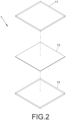
FIG. 2 is an exploded view of an embodiment according to the present invention. -
FIG. 3 is a perspective view of the first embodiment according to the present invention. -
FIG. 4 is a sectional view of the above first embodiment according to the present invention. -
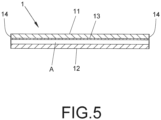
FIG. 5 is a sectional view of the second embodiment according to the present invention. - In order to achieve the above-mentioned objects and effects of the present invention, the technical means adopted are hereby enumerated through a preferred feasible embodiment, and illustrated in the drawings, detailed as follows:
- According to an embodiment of the present invention, referring to
Fig. 1 , the glass part of the waste solar panel is completely taken out to make an architectural glass, and the method is as follows: - (1) removing an aluminum frame and taking out a glass plate with the largest area: using laser or diamond to cut the glass with the largest area of a waste solar panel, separating the aluminum frame from the waste solar panel, and taking out the glass plate with the largest area;
- (2) removing the non-glass parts, such as the back plate, solar cell and wire, on the glass plate: removing the non-glass parts such as the back plate, solar cell and wire on the glass plate obtained in step (1) with a grinding wheel in order to preserve a complete glass plate;
- (3) polishing the surface of the glass plate: polishing the surface of the glass plate obtained in step (2) to restore the bright surface of the glass plate;
- (4) processing and cutting the glass plate: cutting the glass plate obtained in step (3) into required sizes, wherein the cut size is allowed to be standardized, and the cut size is allowed to be 30X30 cm, 30X60 cm, 45X45 cm, etc. ; and
- (5) compositing the glass plates into architectural glasses: stacking and laminating the glass plates obtained in step (4) in multiple layers to form a composite building material, which is allowed to be used as the architectural glass.
- According to the first embodiment of the present invention, as shown in
Figs. 2-4 , the architectural glass made of the above-mentioned waste solar panels mainly includes anupper glass plate 11, alower glass plate 12 and anintermediate material 13 arranged thereon, wherein theintermediate material 13 is arranged between theupper glass plate 11 and thelower glass plate 12, and is glued together to form anarchitectural glass 1, wherein theintermediate material 13 is allowed to be heat-insulating paper or heat-insulating paint or decorative sheet... etc., wherein thearchitectural glass 1 further includes asealant 14 seal the periphery thereof, wherein thesealant 14 is allowed to be one of EVA (ethylene vinyl acetate copolymer), PET (polyethylene terephthalate) or resin, etc., to form anarchitectural glass 1. - According to the second embodiment of the present invention, as shown in
FIG. 5 , the above-mentioned waste solar panel is made into an architectural glass, which mainly includes anupper glass plate 11, alower glass plate 12 and anintermediate material 13 arranged thereon, wherein theintermediate material 13 is allowed to be heat-insulating paper or heat-insulating paint or decorative sheet... etc., wherein theintermediate material 13 is arranged on the bottom surface of theupper glass plate 11, or on the top surface of thelower glass plate 12, wherein a space A is formed between theupper glass plate 11 and thelower glass plate 12, wherein a periphery of theupper glass plate 11 and thelower glass plate 12 are bonded together with asealant 14 for edge sealing, wherein thesealant 14 is selected from the group of adhesive materials consisting of EVA (ethylene vinyl acetate copolymer), PET (polyethylene terephthalate) or resin, thus forming anarchitectural glass 1. - According to the present invention, the glass of waste solar panel is used to make a composite
architectural glass 1, wherein theintermediate material 13 is allowed to be implemented as a heat insulation layer, which has a heat insulation effect. Moreover, the space A formed between theupper glass plate 11 and thelower glass plate 12, the heat conduction can be greatly reduced, and a better heat insulation effect can be achieved. In addition, theintermediate material 13 is also allowed to be a decorative sheet with designs, patterns or colors, etc., and it is allowed to be manufactured intoarchitectural glass 1 with specifications such as patterns and colors, which can be used for decoration. Thearchitectural glass 1 produced by the present invention can be used as a substitute for tiles, wall tiles, floor tiles, etc., and can be used to beautify walls, floors, ceilings and other architectural decorations. Moreover, the solar panel has excellent strength, and thearchitectural glass 1 made of the glass of the waste solar panel in the present invention also has the effects of good strength, heat insulation and antifreeze. Thearchitectural glass 1 of the present invention is also allowed to be cut into a smaller size and used as mosaic tiles. The raw material of the building material of the present invention is solar waste panel, which is a green building material (low-carbon building material), and the carbon emission produced by processing is much lower than building materials such as tiles, wallpapers, stainless steel, plastics, etc., and has the advantage of low carbon emission. - In summary, the present invention has indeed achieved the expected objects and effects, and is more ideal and practical than those in the art. The above-mentioned embodiment is only specific descriptions for the preferred embodiments of the present invention, the embodiment is not intended to limit the scope of the patent application of the present invention, and all other equivalent changes and modifications accomplished without departing from the technical means disclosed in the present invention shall be covered by the present application.
Claims (3)
- A manufacturing method of architectural glass made of waste solar panel, comprising the steps of:(1) removing an aluminum frame and taking out a glass plate with the largest area: using laser or diamond to cut the glass with the largest area of a waste solar panel, separating the aluminum frame from the waste solar panel, and taking out the glass plate with the largest area;(2) removing the non-glass parts, such as the back plate, solar cell and wire, on the glass plate: removing the non-glass parts such as the back plate, solar cell and wire on the glass plate obtained in step (1) with a grinding wheel to preserve a complete glass plate;(3) polishing the surface of the glass plate: polishing the surface of the glass plate obtained in step (2) to restore the bright surface of the glass plate;(4) processing and cutting the glass plate: cutting the glass plate obtained in step (3) into required sizes; and(5) compositing the glass plates into architectural glasses: stacking and laminating the glass plates obtained in step (4) in multiple layers to form a composite architectural glass.
- The manufacturing method of architectural glass made of waste solar panel, as recited in claim 1, wherein the architectural glass 1 comprises an upper glass plate 11 and a lower glass plate 12, which are respectively made of glass removed from waste solar panels, an intermediate material 13 arranged between the upper glass plate 11and the lower glass plate 12, and a sealant 14 glued and sealed surround the edges of the upper glass plate 11 and the lower glass plate 12 together, wherein the intermediate material 13 is implemented as a heat-insulating paper or heat-insulating paint or decorative sheet, wherein the sealant 14 is selected from the group of adhesive materials consisting of EVA (ethylene vinyl acetate copolymer), PET (polyethylene terephthalate) or resin.
- The manufacturing method of architectural glass made of waste solar panel, as recited in claim 1, wherein the architectural glass 1 comprises an upper glass plate 11 and a lower glass plate 12, which are respectively made of glass removed from waste solar panels, an intermediate material 13 arranged on the bottom surface of the upper glass plate 11 or the top surface of the lower glass plate 12, and a sealant 14 glued and sealed surround the edges of the upper glass plate 11 and the lower glass plate 12 together, wherein the intermediate material 13 is implemented as a heat-insulating paper or heat-insulating paint or decorative sheet, wherein a space A is formed between the upper glass plate 11 and the lower glass plate 12, wherein the sealant is selected from the group of adhesive materials consisting of EVA (ethylene vinyl acetate copolymer), PET (polyethylene terephthalate) or resin.
Applications Claiming Priority (1)
| Application Number | Priority Date | Filing Date | Title |
|---|---|---|---|
| TW111213308U TWM638093U (en) | 2022-12-01 | 2022-12-01 | Glass building materials made of wasted solar panels |
Publications (3)
| Publication Number | Publication Date |
|---|---|
| EP4378906A1 true EP4378906A1 (en) | 2024-06-05 |
| EP4378906B1 EP4378906B1 (en) | 2025-03-05 |
| EP4378906C0 EP4378906C0 (en) | 2025-03-05 |
Family
ID=86053667
Family Applications (1)
| Application Number | Title | Priority Date | Filing Date |
|---|---|---|---|
| EP23168520.7A Active EP4378906B1 (en) | 2022-12-01 | 2023-04-18 | Architectural glass made of waste solar panel and manufacturing method thereof |
Country Status (5)
| Country | Link |
|---|---|
| EP (1) | EP4378906B1 (en) |
| JP (1) | JP7529308B2 (en) |
| KR (1) | KR102817660B1 (en) |
| AU (1) | AU2023201879B2 (en) |
| TW (1) | TWM638093U (en) |
Cited By (1)
| Publication number | Priority date | Publication date | Assignee | Title |
|---|---|---|---|---|
| AU2024204799B1 (en) * | 2024-07-11 | 2025-02-06 | Alroy, Boyd MR | Manufacturing method for ground protection mat |
Citations (1)
| Publication number | Priority date | Publication date | Assignee | Title |
|---|---|---|---|---|
| CN113385520A (en) * | 2021-05-26 | 2021-09-14 | 铉锦(上海)环保科技有限公司 | Method for separating and recycling photovoltaic laminated part |
Family Cites Families (7)
| Publication number | Priority date | Publication date | Assignee | Title |
|---|---|---|---|---|
| JP2016222474A (en) * | 2015-05-28 | 2016-12-28 | ソーラーフロンティア株式会社 | Method for separating laminated glass and method for separating glass in solar cell module |
| JP6517174B2 (en) * | 2016-08-01 | 2019-05-22 | 東芝環境ソリューション株式会社 | How to recycle solar cell modules |
| JP2018176002A (en) * | 2017-04-03 | 2018-11-15 | 一般財団法人電力中央研究所 | Method and apparatus for recovering glass sheet of solar cell module |
| KR101986837B1 (en) * | 2017-09-26 | 2019-06-10 | (주)대은 | A Recycling System of Unusable Solar Module |
| CN211275854U (en) * | 2019-11-21 | 2020-08-18 | 保定市卓远液压机电设备制造有限公司 | Solar cell panel glass recovery system |
| JP2021151634A (en) * | 2020-03-24 | 2021-09-30 | 東芝環境ソリューション株式会社 | Reprocessing method of glass sheet used in solar battery panel and recycling method of solar battery panel |
| KR102404975B1 (en) * | 2020-06-02 | 2022-06-02 | 조상욱 | Method for manufacturing heat insulation panel using recycled solar panel and heat insulation panel manufactured thereby |
-
2022
- 2022-12-01 TW TW111213308U patent/TWM638093U/en unknown
-
2023
- 2023-03-27 JP JP2023050134A patent/JP7529308B2/en active Active
- 2023-03-28 AU AU2023201879A patent/AU2023201879B2/en active Active
- 2023-03-31 KR KR1020230042518A patent/KR102817660B1/en active Active
- 2023-04-18 EP EP23168520.7A patent/EP4378906B1/en active Active
Patent Citations (1)
| Publication number | Priority date | Publication date | Assignee | Title |
|---|---|---|---|---|
| CN113385520A (en) * | 2021-05-26 | 2021-09-14 | 铉锦(上海)环保科技有限公司 | Method for separating and recycling photovoltaic laminated part |
Non-Patent Citations (1)
| Title |
|---|
| DENG RONG ET AL: "Recent progress in silicon photovoltaic module recycling processes", RESOURCES, CONSERVATION AND RECYCLING, ELSEVIER, AMSTERDAM, NL, vol. 187, 24 August 2022 (2022-08-24), XP087185834, ISSN: 0921-3449, [retrieved on 20220824], DOI: 10.1016/J.RESCONREC.2022.106612 * |
Cited By (1)
| Publication number | Priority date | Publication date | Assignee | Title |
|---|---|---|---|---|
| AU2024204799B1 (en) * | 2024-07-11 | 2025-02-06 | Alroy, Boyd MR | Manufacturing method for ground protection mat |
Also Published As
| Publication number | Publication date |
|---|---|
| KR20240082149A (en) | 2024-06-10 |
| JP7529308B2 (en) | 2024-08-06 |
| TWM638093U (en) | 2023-02-21 |
| EP4378906B1 (en) | 2025-03-05 |
| EP4378906C0 (en) | 2025-03-05 |
| KR102817660B1 (en) | 2025-06-05 |
| JP2024080568A (en) | 2024-06-13 |
| AU2023201879B2 (en) | 2024-09-12 |
| AU2023201879A1 (en) | 2024-06-20 |
Similar Documents
| Publication | Publication Date | Title |
|---|---|---|
| US8966850B2 (en) | Roofing products, photovoltaic roofing elements and systems using them | |
| JP6871559B2 (en) | Photovoltaic panels, pavement structures and wall structures | |
| US9359776B2 (en) | Walkable photovoltaic floor | |
| US20110017278A1 (en) | Roofing products, photovoltaic roofing elements and systems using them | |
| EP4378906B1 (en) | Architectural glass made of waste solar panel and manufacturing method thereof | |
| CN116393481B (en) | Recycling method of solar waste plate | |
| CN101404298B (en) | Photovoltaic component, its production technique and application | |
| CN113437171A (en) | Photovoltaic tile easy to install and preparation method thereof | |
| CN206697498U (en) | A kind of solar components and Ground Power Generation System | |
| CN218989110U (en) | Glass decoration material made of solar waste plate | |
| CN102184989A (en) | Fireproof crystalline silicon photovoltaic module | |
| TWI844182B (en) | How to Reuse Waste Solar Panels | |
| KR20150083064A (en) | Method for reducing temperature difference between inside and outside of concrete using corrugated fiberboard in curing | |
| CN204885188U (en) | Dysmorphism solar module | |
| CN104929326A (en) | Adhesive-dripping package photovoltaic color steel tile and manufacturing method | |
| US11710800B2 (en) | Flexible laminate of photovoltaic cells and associated method | |
| CN112002776A (en) | Method for manufacturing surface pattern of solar panel and structure thereof | |
| CN202957272U (en) | Solar photovoltaic tile | |
| WO2022149140A2 (en) | Rubber molded articles that integrally incorporate a photovoltaic device, and method and system for producing such articles | |
| KR101971367B1 (en) | High efficiency solar cell module using single crystalline silicon solar cell for solar roadway | |
| CN208174226U (en) | A kind of lighting proof strip mounting structure of waveform asphalt shingle roofing | |
| CN114975679A (en) | A flipping equipment and pre-lamination process for manufacturing power generation building materials | |
| CN203867100U (en) | Photovoltaic color steel tile packaged through adhesive dropping | |
| HK1258709A1 (en) | Environmentally responsible insulating construction blocks | |
| CN109326667B (en) | Green electricity building material based on packaging material and preparation method thereof |
Legal Events
| Date | Code | Title | Description |
|---|---|---|---|
| PUAI | Public reference made under article 153(3) epc to a published international application that has entered the european phase |
Free format text: ORIGINAL CODE: 0009012 |
|
| STAA | Information on the status of an ep patent application or granted ep patent |
Free format text: STATUS: REQUEST FOR EXAMINATION WAS MADE |
|
| 17P | Request for examination filed |
Effective date: 20240104 |
|
| AK | Designated contracting states |
Kind code of ref document: A1 Designated state(s): AL AT BE BG CH CY CZ DE DK EE ES FI FR GB GR HR HU IE IS IT LI LT LU LV MC ME MK MT NL NO PL PT RO RS SE SI SK SM TR |
|
| GRAP | Despatch of communication of intention to grant a patent |
Free format text: ORIGINAL CODE: EPIDOSNIGR1 |
|
| STAA | Information on the status of an ep patent application or granted ep patent |
Free format text: STATUS: GRANT OF PATENT IS INTENDED |
|
| INTG | Intention to grant announced |
Effective date: 20240919 |
|
| GRAS | Grant fee paid |
Free format text: ORIGINAL CODE: EPIDOSNIGR3 |
|
| GRAA | (expected) grant |
Free format text: ORIGINAL CODE: 0009210 |
|
| STAA | Information on the status of an ep patent application or granted ep patent |
Free format text: STATUS: THE PATENT HAS BEEN GRANTED |
|
| AK | Designated contracting states |
Kind code of ref document: B1 Designated state(s): AL AT BE BG CH CY CZ DE DK EE ES FI FR GB GR HR HU IE IS IT LI LT LU LV MC ME MK MT NL NO PL PT RO RS SE SI SK SM TR |
|
| REG | Reference to a national code |
Ref country code: GB Ref legal event code: FG4D |
|
| REG | Reference to a national code |
Ref country code: CH Ref legal event code: EP |
|
| REG | Reference to a national code |
Ref country code: IE Ref legal event code: FG4D |
|
| REG | Reference to a national code |
Ref country code: DE Ref legal event code: R096 Ref document number: 602023002273 Country of ref document: DE |
|
| U01 | Request for unitary effect filed |
Effective date: 20250331 |
|
| U07 | Unitary effect registered |
Designated state(s): AT BE BG DE DK EE FI FR IT LT LU LV MT NL PT RO SE SI Effective date: 20250404 |
|
| U20 | Renewal fee for the european patent with unitary effect paid |
Year of fee payment: 3 Effective date: 20250418 |
|
| PG25 | Lapsed in a contracting state [announced via postgrant information from national office to epo] |
Ref country code: RS Free format text: LAPSE BECAUSE OF FAILURE TO SUBMIT A TRANSLATION OF THE DESCRIPTION OR TO PAY THE FEE WITHIN THE PRESCRIBED TIME-LIMIT Effective date: 20250605 |
|
| PG25 | Lapsed in a contracting state [announced via postgrant information from national office to epo] |
Ref country code: ES Free format text: LAPSE BECAUSE OF FAILURE TO SUBMIT A TRANSLATION OF THE DESCRIPTION OR TO PAY THE FEE WITHIN THE PRESCRIBED TIME-LIMIT Effective date: 20250305 |
|
| PG25 | Lapsed in a contracting state [announced via postgrant information from national office to epo] |
Ref country code: NO Free format text: LAPSE BECAUSE OF FAILURE TO SUBMIT A TRANSLATION OF THE DESCRIPTION OR TO PAY THE FEE WITHIN THE PRESCRIBED TIME-LIMIT Effective date: 20250605 |
|
| PG25 | Lapsed in a contracting state [announced via postgrant information from national office to epo] |
Ref country code: HR Free format text: LAPSE BECAUSE OF FAILURE TO SUBMIT A TRANSLATION OF THE DESCRIPTION OR TO PAY THE FEE WITHIN THE PRESCRIBED TIME-LIMIT Effective date: 20250305 |
|
| PG25 | Lapsed in a contracting state [announced via postgrant information from national office to epo] |
Ref country code: GR Free format text: LAPSE BECAUSE OF FAILURE TO SUBMIT A TRANSLATION OF THE DESCRIPTION OR TO PAY THE FEE WITHIN THE PRESCRIBED TIME-LIMIT Effective date: 20250606 |
|
| PG25 | Lapsed in a contracting state [announced via postgrant information from national office to epo] |
Ref country code: SM Free format text: LAPSE BECAUSE OF FAILURE TO SUBMIT A TRANSLATION OF THE DESCRIPTION OR TO PAY THE FEE WITHIN THE PRESCRIBED TIME-LIMIT Effective date: 20250305 |
|
| PG25 | Lapsed in a contracting state [announced via postgrant information from national office to epo] |
Ref country code: PL Free format text: LAPSE BECAUSE OF FAILURE TO SUBMIT A TRANSLATION OF THE DESCRIPTION OR TO PAY THE FEE WITHIN THE PRESCRIBED TIME-LIMIT Effective date: 20250305 |
|
| PG25 | Lapsed in a contracting state [announced via postgrant information from national office to epo] |
Ref country code: CZ Free format text: LAPSE BECAUSE OF FAILURE TO SUBMIT A TRANSLATION OF THE DESCRIPTION OR TO PAY THE FEE WITHIN THE PRESCRIBED TIME-LIMIT Effective date: 20250305 |
|
| PG25 | Lapsed in a contracting state [announced via postgrant information from national office to epo] |
Ref country code: SK Free format text: LAPSE BECAUSE OF FAILURE TO SUBMIT A TRANSLATION OF THE DESCRIPTION OR TO PAY THE FEE WITHIN THE PRESCRIBED TIME-LIMIT Effective date: 20250305 |
|
| PG25 | Lapsed in a contracting state [announced via postgrant information from national office to epo] |
Ref country code: IS Free format text: LAPSE BECAUSE OF FAILURE TO SUBMIT A TRANSLATION OF THE DESCRIPTION OR TO PAY THE FEE WITHIN THE PRESCRIBED TIME-LIMIT Effective date: 20250705 |
|
| PG25 | Lapsed in a contracting state [announced via postgrant information from national office to epo] |
Ref country code: MC Free format text: LAPSE BECAUSE OF FAILURE TO SUBMIT A TRANSLATION OF THE DESCRIPTION OR TO PAY THE FEE WITHIN THE PRESCRIBED TIME-LIMIT Effective date: 20250305 |
|
| PLBE | No opposition filed within time limit |
Free format text: ORIGINAL CODE: 0009261 |
|
| STAA | Information on the status of an ep patent application or granted ep patent |
Free format text: STATUS: NO OPPOSITION FILED WITHIN TIME LIMIT |
|
| REG | Reference to a national code |
Ref country code: CH Ref legal event code: L10 Free format text: ST27 STATUS EVENT CODE: U-0-0-L10-L00 (AS PROVIDED BY THE NATIONAL OFFICE) Effective date: 20260114 |
|
| 26N | No opposition filed |
Effective date: 20251208 |
|
| U20 | Renewal fee for the european patent with unitary effect paid |
Year of fee payment: 4 Effective date: 20260213 |
|
| PG25 | Lapsed in a contracting state [announced via postgrant information from national office to epo] |
Ref country code: IE Free format text: LAPSE BECAUSE OF NON-PAYMENT OF DUE FEES Effective date: 20250418 |