EP4375293A1 - Vhh-antikörper gegen sars-cov-2 omicron-varianten - Google Patents
Vhh-antikörper gegen sars-cov-2 omicron-varianten Download PDFInfo
- Publication number
- EP4375293A1 EP4375293A1 EP22208854.4A EP22208854A EP4375293A1 EP 4375293 A1 EP4375293 A1 EP 4375293A1 EP 22208854 A EP22208854 A EP 22208854A EP 4375293 A1 EP4375293 A1 EP 4375293A1
- Authority
- EP
- European Patent Office
- Prior art keywords
- vhh
- vhh antibody
- antibody
- cov
- sars
- Prior art date
- Legal status (The legal status is an assumption and is not a legal conclusion. Google has not performed a legal analysis and makes no representation as to the accuracy of the status listed.)
- Pending
Links
Images



Classifications
-
- A—HUMAN NECESSITIES
- A61—MEDICAL OR VETERINARY SCIENCE; HYGIENE
- A61P—SPECIFIC THERAPEUTIC ACTIVITY OF CHEMICAL COMPOUNDS OR MEDICINAL PREPARATIONS
- A61P31/00—Antiinfectives, i.e. antibiotics, antiseptics, chemotherapeutics
- A61P31/12—Antivirals
- A61P31/14—Antivirals for RNA viruses
-
- C—CHEMISTRY; METALLURGY
- C07—ORGANIC CHEMISTRY
- C07K—PEPTIDES
- C07K16/00—Immunoglobulins [IG], e.g. monoclonal or polyclonal antibodies
- C07K16/08—Immunoglobulins [IG], e.g. monoclonal or polyclonal antibodies against material from viruses
- C07K16/10—RNA viruses
- C07K16/102—Coronaviridae (F)
- C07K16/104—Severe acute respiratory syndrome coronavirus 2 [SARS‐CoV‐2]
-
- A—HUMAN NECESSITIES
- A61—MEDICAL OR VETERINARY SCIENCE; HYGIENE
- A61K—PREPARATIONS FOR MEDICAL, DENTAL OR TOILETRY PURPOSES
- A61K39/00—Medicinal preparations containing antigens or antibodies
- A61K2039/505—Medicinal preparations containing antigens or antibodies comprising antibodies
-
- C—CHEMISTRY; METALLURGY
- C07—ORGANIC CHEMISTRY
- C07K—PEPTIDES
- C07K2317/00—Immunoglobulins specific features
- C07K2317/30—Immunoglobulins specific features characterized by aspects of specificity or valency
- C07K2317/33—Crossreactivity, e.g. for species or epitope, or lack of said crossreactivity
-
- C—CHEMISTRY; METALLURGY
- C07—ORGANIC CHEMISTRY
- C07K—PEPTIDES
- C07K2317/00—Immunoglobulins specific features
- C07K2317/50—Immunoglobulins specific features characterized by immunoglobulin fragments
- C07K2317/56—Immunoglobulins specific features characterized by immunoglobulin fragments variable (Fv) region, i.e. VH and/or VL
- C07K2317/569—Single domain, e.g. dAb, sdAb, VHH, VNAR or nanobody®
-
- C—CHEMISTRY; METALLURGY
- C07—ORGANIC CHEMISTRY
- C07K—PEPTIDES
- C07K2317/00—Immunoglobulins specific features
- C07K2317/70—Immunoglobulins specific features characterized by effect upon binding to a cell or to an antigen
- C07K2317/76—Antagonist effect on antigen, e.g. neutralization or inhibition of binding
-
- C—CHEMISTRY; METALLURGY
- C07—ORGANIC CHEMISTRY
- C07K—PEPTIDES
- C07K2317/00—Immunoglobulins specific features
- C07K2317/90—Immunoglobulins specific features characterized by (pharmaco)kinetic aspects or by stability of the immunoglobulin
- C07K2317/92—Affinity (KD), association rate (Ka), dissociation rate (Kd) or EC50 value
-
- C—CHEMISTRY; METALLURGY
- C07—ORGANIC CHEMISTRY
- C07K—PEPTIDES
- C07K2317/00—Immunoglobulins specific features
- C07K2317/90—Immunoglobulins specific features characterized by (pharmaco)kinetic aspects or by stability of the immunoglobulin
- C07K2317/94—Stability, e.g. half-life, pH, temperature or enzyme-resistance
Definitions
- the present invention pertains in the fields of antibody technology, protein engineering, medicine, pharmacology, infection biology, virology, and medical diagnostics. More specifically, the present disclosure provides VHH antibodies that prevent cell entry of and infection by SARS-CoV-2 and that have been selected for potent neutralization of SARS-CoV-2 variants of concern, in particular Omicron variants.
- COVID-19 pandemics has plunged the world into a nearly unprecedented medical and economic crisis - mainly because only insufficient means for treatment are available.
- COVID-19 is caused by SARS-CoV-2 - a recently evolved virus belonging to the Coronaviridae. The virus infects the upper airways initially but can also cause pneumonia and more systemic infections with damages to lungs, kidneys and/or the circulatory system. Approximately 2% of the WHO-documented infections had a lethal outcome so far, whereby the probability of a severe course increases with the age of the individuals and with risk factors such as obesity, diabetes, and chronic lung or kidney diseases.
- the adaptive immune system can control viral infections by a T-cell mediated cytotoxic response that eliminates infected cells and/ or by B-cells producing antibodies that bind to the virus's surface and block infection (for a textbook view see: Murphy and Weaver, 2016).
- Such infection-blocking antibodies are referred to as neutralizing ones.
- neutralizing ones typically, however, only a small fraction of produced anti-viral antibodies also has neutralizing properties.
- Immunoglobulin G is not only the most abundant class of antibodies but also the most important one in terms of long-term immunity.
- IgGs are built from four polypeptide chains, two light and two heavy ones. They contain two antigen-binding sites formed each by one heavy and one light chain. Such a composite binding site can confer a virus-neutralizing activity.
- IgGs comprise an Fc fragment, formed only by the two heavy chains. The Fc fragment is a prototypic immune effector domain that can interact with cell surface receptors (called Fc receptors) as well as with components of the complement system.
- antibodies might even help viral entry by an effect called ADE (for antibody-dependent enhancement) that is mediated by Fc-receptor interactions (Kliks et al. , 1989; Littaua et al. , 1990).
- ADE antibody-dependent enhancement
- Fc-receptor interactions Kerats et al. , 1989; Littaua et al. , 1990.
- the immune system might aggravate the condition of patients with COVID-19 by a systemic over-reaction that manifests itself as a cytokine storm (Chen et al., 2020; Mehta et al., 2020) or an inappropriate complement activation (Magro et al., 2020).
- An effective immune response will either prevent a virus from establishing an infection in the first place or reduce, after an initial infection, the virus-load to non-pathogenic levels.
- An insufficiently controlled SARS-CoV-2 infection might have a lethal outcome. In survivors, it often causes permanent damage (e.g., lung dysfunction) and impairs quality of life.
- An efficient anti-viral therapy would be highly desirable, ideally with orthogonal lines of treatment that target distinct steps of the viral infection cycle independently.
- Remdesivir represents so far one line of treatment.
- This nucleoside analogue inhibits the SARS-CoV-2 RNA polymerase.
- clinical studies gave mixed outcomes: from no decrease in mortality to a modest reduction in hospitalization time (Wang et al., 2020b).
- Another treatment option for severely infected patients is passive immunization with polyclonal antibodies/blood plasma from individuals who have already recovered from COVD-19 (Duan et al. , 2020).
- This approach is considered as a last resort and generally has several drawbacks, such as the risk of ADE in case of an insufficient neutralization, limited availability of sera from convalescent individuals, inevitable batch-to-batch variability of plasma samples, the risk of transmitting other infectious diseases, and all other potential adverse effects when large amounts of antibodies of mixed specificity are transferred from one person to another.
- a more advanced approach is the isolation of monoclonal antibodies from SARS-CoV-2 infected or convalescent patients (Wang et al., 2020a). These can be characterized in-depth and produced reproducibly in a recombinant form. This solves some of the issues raised for the plasma-therapy mentioned above.
- monoclonal antibodies are very costly to produce, making it hard to imagine that it will be feasible to scale up production to levels needed for the treatment of large numbers of patients.
- immunological side effects such as aggravating cytokine storms, inappropriate complement activation, or ADE, cannot be ruled out either, mainly due to the Fc region present in human/ humanized antibodies.
- escape mutants SARS-CoV-2 variant strains with mutated RBDs, i.e., escape mutants.
- escape mutants can bypass antibody-based immunity in previously infected or vaccinated individuals. This has the potential of sustaining infection waves in populations that have acquired herd immunity against earlier strains.
- Escape mutants also pose a tremendous challenge for therapeutic antibodies, which may be rendered ineffective by a given mutation. Indeed, several monoclonal anti-SARS-CoV-2 antibodies developed for treating COVID-19 are ineffective against the South African and Brazilian variants (Garcia-Beltran et al., 2021; Hoffmann et al., 2021; Li et al., 2021; Tada et al., 2021; Wibmer et al., 2021; Zhou et al., 2021).
- VHH antibodies v ariable domain of heavy homodimer antibodies
- They are just ⁇ 14kDa in size - about one-tenth of a traditional IgG molecule. They have found numerous useful applications, for example as crystallization chaperones (Rasmussen et al. , 2011; Chug et al. , 2015), as tools in affinity chromatography, for localizing proteins in cells or as an animal-friendly substitute for secondary antibodies (Pleiner et al., 2015, 2018).
- VHH antibodies recognizing the SARS-CoV-2 spike protein S1 domain are described in co-owned application PCT/EP2021/071309 and in EP21209549.1 the content of which is herein incorporated by reference. These show good binding and neutralization characteristics with several SARS-CoV-2 variant strains.
- the SARS-CoV-2 variant of concern (VOC) Omicron (B.1.1.529, now called BA.1) is an unusual variant, harboring more than 30 escape mutations in the SARS-CoV-2 Spike protein alone.
- the Omicron variant has later diverged giving rise to >300 subvariants, notable ones being BA.2, BA.2.75, BA.4, BA.5 and BQ.1.
- the escape mutations in Omicron and subvariants thereof reside not only in epitope 1 but also in epitope 2, hampering binding ability of most antibodies, hence limiting their effectiveness in virus neutralization.
- VHH antibodies showing improved binding and neutralization characteristics with SARS-CoV-2 variant strains including Omicron variants.
- SARS-CoV-2-neutralizing VHH antibodies are provided, which are suitable for the effective treatment of COVID-19 patients.
- the invention provides VHH antibodies that neutralize virus already at a very low concentration. Further, the invention provides stable VHH antibodies.
- the VHH antibodies are monomeric VHH antibodies.
- the VHH antibodies are multimeric VHH antibodies, particularly homotrimeric VHH antibodies or heterodimeric VHH antibodies.
- a first aspect of the invention relates to an VHH antibody recognizing the SARS-CoV-2 spike protein of the Omicron variant or a subvariant thereof, particularly the receptor-binding domain (RBD) of the SARS-CoV-2 Omicron variant BA.5, BA.1, BA.2, BA.2.75, BA.4 and/or BQ.1.
- RBD receptor-binding domain
- the VHH antibody is selected from the group of VHH antibodies comprising a CDR3 sequence as disclosed herein or a related CDR3 sequence. In certain embodiments, the VHH antibody is selected from the group of VHH antibodies comprising a combination of CDR1, CDR2 and CDR3 sequences as disclosed herein or a related combination of CDR1, CDR2 and CDR3 sequences. In certain embodiments, the VHH antibody is selected from the group of antibodies comprising a VHH sequence as disclosed herein.
- the SARS-CoV-2-neutralizing VHH antibody is a stable, particularly a thermostable or a hyperthermostable VHH antibody.
- the VHH antibody as described above is covalently or non-covalently conjugated to a heterologous moiety, which may be selected from a labeling group, a capture group or an effector group.
- the VHH antibody as described above is fused to a heterologous polypeptide moiety, which may be selected from a multimerization module, e.g., dimerization, trimerization or tetramerization module.
- a multimerization module e.g., dimerization, trimerization or tetramerization module.
- the multimerization module is trimerization module.
- the VHH antibody is conjugated to one or several polymer moieties, preferably hydrophilic polymer moieties, such as polyethylene glycol (PEG), to increase the molecular weight of the antibody conjugate and, thus, delay renal clearance.
- polymer moieties preferably hydrophilic polymer moieties, such as polyethylene glycol (PEG)
- PEG polyethylene glycol
- the molecular weight of a polymer moiety may vary over a broad range, for example in the range of about 5 kDa to about 80 kDa.
- Such coupling may be performed through e.g., amino or carboxyl groups already present in the VHHs and/or through the side chains of lysine, aspartic acid, glutamic acid or cysteine residues, or through engineered backbone or side chains of other amino acids, and involve known chemistries for forming amide bonds, secondary amine bonds or thioether bonds.
- the VHH antibody as described above is directed against the SARS-CoV-2 spike protein receptor-binding domain (RBD).
- the VHH antibody binds to the RBD of a SARS-CoV-2 variant having the immune-escape mutations G339D, S371L, S373P, S375F, K417N, N440K, , S477N, T478K, E484A, G496S, Q498R, N501Y, and/or Y505H.
- the VHH antibody binds to the RBD of a SARS-CoV-2 variant having also at least one of the immune-escape mutations G446S, Q493R, L452R, and F486V. In certain embodiments, the VHH antibody binds to the RBD of the SARS-CoV-2 Omicron variant BA.5, BA.1, BA.2, BA.2.75, BA.4 and/or BQ.1 or to the RBD of a SARS-CoV-2 having the immune-escape mutations G339D, S371L, S373P, S375F, K417N, N440K, G446S, S477N, T478K, E484A, Q493R, G496S, Q498R, N501Y, and/or Y505H (BA.1) or G339D, S371L, S373P, S375F, K417N, N440K, L452R, S477N, T478K
- the numbering of the indicated positions in the RBD in which mutations are present refers in each case to the spike protein of the original Wuhan strain (SEQ ID NO. 31).
- the VHH antibody is capable of virus neutralization.
- the SARS-CoV-2-neutralizing VHH antibody neutralizes a SARS-CoV2 variant, e.g., a variant comprising at least one mutation in the RBD, particularly at position G339D, S371L, S373P, S375F, K417N, N440K, G446S, L452R, S477N, T478K, E484A, F486V, Q493R, G496S, Q498R, N501Y, and/or Y505H.
- the VHH antibody cross-neutralizes the SARS-CoV-2 Omicron variant or a subvariant thereof, in particular BA.5, BA.1, BA.2.75, BQ.1, the Wuhan strain, and the Delta variant.
- variable regions (CDRs) of preferred VHH antibodies of the present invention as well as assignment of SEQ ID NOs for VHHs and CDRs are listed in the following Table 1:
- CDR sequences of a given antibody molecule There are several methods known in the art for determining the CDR sequences of a given antibody molecule, but there is no standard unequivocal method. Determination of CDR sequences from antibody heavy chain variable regions can be made according to any method known in the art, including, but not limited to, the methods known as KABAT, Chothia, and IMGT.
- a selected set of CDRs may include sequences identified by more than one method, namely, some CDR sequences may be determined using KABAT and some using IMGT, for example.
- the CDR sequences of the mAb variable regions are determined using the KABAT methods.
- CDRs may also be defined through a multiple alignment (with many other VHH antibodies), to identify the hot-spots of variability and relate them to a standard VHH antibody structure. It is also possible to define CDRs by analysing the structure of the VHH antibody and deciding what is a loop and what is the antibody's scaffold. In some cases, CDR-adjacent residues are also variable, and are therefore included in the CDR definition.
- a further aspect of the present invention relates to a set of two or more different VHH antibodies, wherein the different VHH antibodies may recognize different epitopes, particularly different epitopes on the RBD, and more particularly non-overlapping epitopes on the RBD, and wherein at least one VHH antibody is as described above.
- a VHH antibody described above is suitable for use in medicine, e.g., human medicine, particularly for use in therapy, e.g., in the prevention or treatment of a disorder caused by and/or associated with an infection with SARS-CoV-2, or in diagnostics, e.g., for detecting SARS-CoV-2 virus or viral components in a patient sample, e.g., in a body fluid or tissue sample, or in research.
- Still a further aspect of the invention relates to a nucleic acid molecule encoding a VHH antibody as described above, particularly in operative linkage with a heterologous expression control sequence, a vector comprising said nucleic acid molecule or a recombinant cell or non-human organism transformed or transfected with said nucleic acid molecule or said vector.
- Still a further aspect of the invention relates to a method for recombinant production of a VHH antibody as described above, comprising cultivating a cell or an organism as described above in a suitable medium and obtaining the VHH antibody from the cell or organism or from the medium.
- Still a further aspect of the invention relates to a method for the prevention or treatment of a disorder caused by and/or associated with an infection with SARS-CoV-2 including a SARS-CoV2 mutant, comprising administering an effective dose of the VHH antibody as described above or the set of at least two different VHH antibodies as described above to a subject in need thereof, particularly to a human subject infected with SARS-CoV-2 or at risk from being infected with SARS-CoV-2.
- VHH antibodies of the present invention A non-limitative list of VHH antibodies of the present invention and their utility for virus neutralization is shown in the following Table 2:
- Re9B09 30 300 2000 2000 7000 ⁇ 10 6 Re32D03 >95°C ⁇ 10 ⁇ 10 n.b. 350 20000 50000 50 50 >5000 Ma28H11 >95°C ⁇ 10 30 30000 600 300 800 170 50 >5000 100 1 10 Ma16B06 57°C ⁇ 10 n.b. 40 60 20000 25000 1700 >5000 50 1 1 >100 Ma28D01 >95°C ⁇ 10 15 200 300 30 55 500 1700 1 1 1 Ma28F04 >95°C ⁇ 10 30 150 200 30 45 500 500 500 1 1 1 # When no binding signal was detected, KDs were reported as n.b. for "no binding".
- VHH antibodies Re5D06, Re6H06, Re9B09, Re9H03 and Re32D03 are described in PCT/EP2021/071309 or EP21209549.1 , supra. All other VHH antibodies are described for the first time in the present invention.
- the primary aim of this aspect of the invention has been to generate, select, engineer and optimize SARS-CoV-2-neutralising VHH antibodies for effective treatment of COVID-19 patients.
- VHH antibodies that are capable of virus neutralization of SARS-CoV-2 variants, particularly SARS-CoV-2 Omicron variants and subvariants thereof, and of cross-neutralization of different SARS-CoV-2 variants already at a very low concentration.
- VHH antibodies that have sufficient stability for pharmaceutical applications.
- VHH antibodies are provided which cross-neutralize SARS-CoV-2 Omicron variants of concern at very low concentrations.
- VHH antibodies from three alpacas immunized with SARS-CoV-2 S1 and RBD were obtained including neutralizing VHH antibodies directed against two RBD epitopes, namely epitope 1 (the main epitope defined by VHH antibody Re5D06 shown SEQ ID NO: 1) and epitope 2 (the epitope defined by the VHH antibody Re9F06 shown in SEQ ID NO: 115).
- epitope 1 has a very large overlap with ACE2, epitope 2 only a small overlap.
- Epitope 1-binders such as Re5D06 were found to be more potent in neutralization (neutralizing down to concentrations of 50 pM) than epitope 2 binders (so far not better than 1.7 nM).
- epitope 1 was found to be mutated in all variants of concern, namely in Alpha (N501Y), Beta (N501Y, E484K, K417N), Gamma (N501Y, E484K, K417T), Delta (L452R, T478K), Epsilon (L452R), Mu (E484K, N501Y). These escape mutations impede binding and neutralization by epitope 1-binding VHH antibodies, rendering them less suitable in therapeutic applications.
- the SARS-CoV-2 variant of concern (VOC) Omicron harbours more than 30 escape mutations in the SARS-CoV-2 Spike protein alone. 15 of these, namely G339D, S371L, S373P, S375F, K417N, N440K, G446S, S477N, T478K, E484A, Q493R, G496S, Q498R, N501Y, Y505H, are in the RBD domain. Unlike the earlier VOCs, these escape mutations reside not only in epitope 1 but also in epitope 2, hampering binding ability of most of the previous VHH antibodies, hence limiting their effectiveness in virus neutralization.
- VHH antibodies described in EP21209549.1 e.g., Re32D03 and Re30H02 classes
- Omicron BA.1 RBD Omicron BA.1 RBD
- Omicron BA.5 remains the predominant VOC, constituting >60% of the new infections in USA (as of October 2022). Yet, BA.5 has only four epitope 1 substitutions with respect to Omicron BA.1, two reversal mutations namely S446G and R493Q; and two further escape mutations namely L452R and F486V.
- Biolayer interferometry (BLI) experiments showed that Ma28H11 had a high affinity towards Omicron BA.5 RBD with a KD of 300 pM (Table 1 and Figure 2 ).
- Ma28D01 and Ma28F04 displayed even higher binding strength (30 pM). The latter two also showed remarkable cross-reaction with RBDs of earlier VOCs, namely Wuhan/Wildtype, Delta, Omicron BA.1 as well as with Omicron BA.2.75 and BQ.1 RBDs.
- Ma28D01 and Ma28F04 have very similar sequences, with only one amino acid change at the CDRs (S/P at the last amino acid residue of CDR2), and two additional changes (one of them conventional E/D) at non-CDR sequences.
- VHH antibodies were subsequently tested for Omicron BA.5 neutralization using vesicular stomatitis virus (VSV) pesudotyped virus particles.
- VSV vesicular stomatitis virus
- the VSV pseudotyping system employs pseudovirus particles that lack VSV envelope glycoprotein, instead incorporate protein of interest, e.g. SARS-CoV-2 Spike, at the particle surface. These particles also contain a reporter gene (e.g. green fluorescent protein, GFP) which is expressed in cells upon infection. Thus, infection and neutralization can be directly monitored using fluorescence microscopy.
- GFP green fluorescent protein
- the present invention relates to a VHH antibody, which is a monovalent heavy chain-only antibody comprising a CDR1 domain, a CDR2 domain and a CDR3 domain linked by framework regions including, but not being limited to, whole VHH antibodies, e.g. native VHH antibodies comprising framework regions derived from camelids, and modified VHH antibodies comprising modified framework regions, VHH antibody fragments and VHH antibody fusion proteins, e.g. a fusion protein with an immunoglobulin or non-immunoglobulin peptide or polypeptide, as long as it shows the properties according to the invention.
- VHH antibody which is a monovalent heavy chain-only antibody comprising a CDR1 domain, a CDR2 domain and a CDR3 domain linked by framework regions including, but not being limited to, whole VHH antibodies, e.g. native VHH antibodies comprising framework regions derived from camelids, and modified VHH antibodies comprising modified framework regions, VHH antibody fragments and VHH antibody fusion proteins, e.
- the present invention is also directed to a covalent or non-covalent conjugate of a VHH antibody molecule to a non-proteinaceous structure, for example, a labeling group, a capture group such a solid phase-binding group, or an effector group such as a toxin.
- a non-proteinaceous structure for example, a labeling group, a capture group such a solid phase-binding group, or an effector group such as a toxin.
- the heterologous moiety may be from a fluorescence group, biotin, an enzyme such as a peroxidase, phosphatase, or luciferase, a hapten, an affinity tag, or a nucleic acid such as an oligonucleotide.
- the VHH antibody of the present invention is particularly a monoclonal VHH antibody characterized by a specific amino acid sequence.
- the VHH antibody may be produced in a prokaryotic host cell, a yeast cell or a mammalian cell.
- the VHH antibody is non-glycosylated.
- the VHH antibody is glycosylated, wherein a carbohydrate structure may be derived from a glycosylation site introduced into the VHH sequence and/or from a fusion partner.
- a VHH antibody according to the present invention is characterized by (i) a CDR3 sequence, (ii) a combination of a CDR1 sequence, a CDR2 sequence, and a CDR3 sequence, (iii) by a complete VHH sequence, or (iv) by competition with a specific reference antibody.
- Specific CDR and VHH sequences are provided in the Tables, Figures and the Sequence Listing. According to the present invention, sequences related to the above sequences are encompassed. These related sequences are defined by having a minimum identity to a specifically indicated amino acid sequence, e.g., a CDR or VHH sequence. This identity is indicated over the whole length of the respective reference sequence and may be determined by using well-known algorithms such as BLAST.
- a related CDR3 sequence has an identity of at least 80% or at least 90% or at least 95% to a specifically indicated CDR3 sequence, e.g., a substitution of 1, 2, or 3 amino acids.
- a related combination of a CDR1 sequence, a CDR2 sequence, and a CDR3 sequence has an identity of at least 80% or at least 90% or at least 95% to a specifically indicated combination of a CDR1 sequence, a CDR2 sequence, and a CDR3 sequence, e.g., a substitution of 1, 2, 3, 4, 5 or 6 amino acids by different amino acids.
- a related VHH sequence has an identity of least 70%, at least 80%, at least 90%, at least 95% or at least 99% to a VHH sequence, e.g., a substitution of 1, 2, 3, 4, 5 or up to 20 amino acids.
- the invention refers to a VHH antibody, which competes with a specific VHH antibody disclosed herein for the binding to the SARS-CoV-2 spike protein S1 domain.
- a competing VHH antibody binds the same or an overlapping epitope on the SARS-CoV-2 spike protein S1 domain, particularly the receptor-binding domain (RBD) of the SARS-CoV-2 S1 domain as a specific VHH antibody disclosed herein.
- the invention refers to a VHH antibody, which competes either with VHH antibodies Ma28D01, Ma28F04, Ma28H11, Ma28H02, or Ma16B06.
- At least one amino acid of a reference sequence including an amino acid in a CDR1, CDR2 or CDR3 sequence and/or an amino acid in a framework region, is replaced by another amino acid, while preserving structural integrity and epitope-binding of the VHH antibody.
- These exchanges can be conservative (i.e., by a similar amino acid) or non-conservative.
- At least one amino acid of a reference sequence including an amino acid in a CDR1, CDR2 or CDR3 sequence and/or an amino acid in a framework region, is replaced by a conservative amino acid substitution, i.e. a substitution of an amino acid by another amino acid with similar biochemical properties, for example a substitution of an aliphatic amino acid, e.g. Gly, Ala, Val, Leu, or Ile, for another aliphatic amino acid; a substitution of a basic amino acid, e.g.
- the VHH antibody is selected from antibody Ma28D01 comprising a VHH sequence as shown in SEQ. ID NO: 1 or a VHH antibody, which is a variant thereof.
- 1, 2, 3, 4, 5, 6, 7, 8, 9 or 10 amino acids of SEQ. ID NO: 1 are replaced by another amino acid.
- Exemplary variants comprise an amino acid sequence as shown in SEQ ID NO.30.
- the VHH antibody is selected from antibody Ma28F04 comprising a VHH sequence as shown in SEQ. ID NO: 5 or a VHH antibody, which is a variant thereof.
- 1, 2, 3, 4, 5, 6, 7, 8, 9 or 10 amino acids of SEQ. ID NO: 5 are replaced by another amino acid.
- Exemplary variants comprise an amino acid sequence as shown in SEQ ID NO.30.
- the VHH antibody is selected from antibody Ma28H11 comprising a VHH sequence as shown in SEQ. ID NO: 7 or a VHH antibody, which is a variant thereof.
- 1, 2, 3, 4, 5, 6, 7, 8, 9 or 10 amino acids of SEQ. ID NO: 7 are replaced by another amino acid.
- the VHH antibody is selected from antibody Ma28H02 comprising a VHH sequence as shown in SEQ. ID NO: 11 or a VHH antibody, which is a variant thereof.
- 1, 2, 3, 4, 5, 6, 7, 8, 9 or 10 amino acids of SEQ. ID NO: 11 are replaced by another amino acid.
- the VHH antibody is selected from antibody Ma16B06 comprising a VHH sequence as shown in SEQ. ID NO: 15 or a VHH antibody, which is a variant thereof.
- 1, 2, 3, 4, 5, 6, 7, 8, 9 or 10 amino acids of SEQ. ID NO: 15 are replaced by another amino acid.
- the present invention relates to a nucleic acid molecule, e.g., a DNA molecule, encoding a VHH as indicated above, or a vector, comprising said nucleic acid molecule as indicated above in operative linkage with an expression control sequence, particularly with a heterologous expression control sequence. Furthermore, the invention relates to a cell comprising a nucleic acid molecule or a vector as described above.
- Vectors for the recombinant production of VHH antibodies are well-known in the art.
- the vector is an extrachromosomal vector.
- the vector is a vector for genomic integration.
- the cell may be a known host cell for producing antibodies or antibody fragments, e.g., a prokaryotic cell such as an E. coli or a Bacillus sp. cell, a yeast cell, particularly a Pichia yeast cell, an insect cell or a mammalian cell, e.g., a CHO cell, or a plant cell.
- the cell comprises the nucleic acid or the vector extrachromosomally.
- the cell comprises the nucleic acid or the vector integrated into the genome, e.g., as a genomically integrated expression cassette.
- Still a further aspect of the present invention is a method of recombinantly producing a VHH antibody by growing a cell as described above in a culture medium and obtaining the VHH antibody from the cell or the culture medium.
- Suitable culture media and culture conditions are well known in the art.
- VHH antibodies of the present invention bind to the RBD of Omicron variants of SARS-CoV-2.
- the inventors have identified VHH antibodies, which bind with high affinity to the Omicron BA.5 and/or BA.1 RBD as shown in Table 2, supra.
- the VHH antibody of the present invention binds to the RBD of the SARS-CoV-2 Omicron BA.5 variant and to RBD of other strains and VOCs, namely Wuhan/Wildtype, Delta, Omicron BA.1 as well as Omicron BA.2.75 and BQ.1 RBDs with an affinity expressed as dissociation constant KD of about 1000 pM or less, of about 500 pM or less, of about 100 pM or less or of about 50 pM or less.
- the binding affinity may be determined as described herein in detail below.
- VHH antibodies of the present invention are capable of neutralizing SARS-CoV-2 Omicron variants and subvariants thereof, e.g., the SARS-CoV-2 Omicron BA.5 and/or BA.1variant.
- the inventors have identified VHH antibodies, which cross-neutralize the SARS-CoV-2 Omicron BA.5 and/or BA.1 variant and other strains and variants, in particular the SARS-CoV-2 Wuhan/Wildtype, Delta, as well as Omicron BA.2.75 and BQ.1, as shown in Table 1, supra.
- the VHH antibody of the present invention neutralizes SARS-CoV-2, e.g., the SARS-CoV-2 Omicron variant and subvariants thereof, in particular BA.5 as well as Omicron BA.1, BA.2.75 and BQ.1, the Wuhan/Wildtype, and the Delta variant at a concentration of about 5 nM or less, of about 1000 pM or less, of about 500 pM or less of about 170 pM or less, or of about 100 pM or less.
- the neutralization potency may be determined as described herein in detail below.
- the VHH antibodies are capable of neutralizing a SARS-CoV2 variant comprising a spike protein RBD including at least one mutation, particularly at position G339D, S371L, S373P, S375F, K417N, N440K, G446S, S477N, T478K, E484A, Q493R, G496S, Q498R, N501Y, and/or Y505H.
- the VHH antibodies are capable of neutralizing a SARS-CoV-2 variant of concern including Omicron BA.5, BA.1, BA.2.75 and BQ.1 as well as Wuhan/Wildtype, and Delta (L452R, T478K).
- the VHH antibodies are capable of cross-neutralizing the SARS-CoV-2 Omicron BA.5 variant, and at least one of the BA.1, BA.2.75 and BQ.1 Omicron variants, the Wuhan/Wildtype, and the Delta variant.
- the VHH antibodies are capable of cross-neutralizing the SARS-CoV-2 Omicron BA.5 variant, the BA.1, BA.2.75 and BQ.1 Omicron variants, the Wuhan/Wildtype, and the Delta variant.
- the VHH antibodies are capable of cross-neutralizing the SARS-CoV-2 Omicron BA.5 variant, the BA.1, BA.2.75 and BQ.1 Omicron variants, the Wuhan/Wildtype, and the Delta variant at a concentration of about 5 nM or less, of about 1000 pM or less, of about 170 pM or less, or of about 100 pM or less.
- the neutralization potency may be determined as described herein in detail below.
- the VHH antibodies neutralize the Omicron BA.5 and/or BA1 variant of SARS-CoV-2 a concentration of about 5 nM or less, of about 1000 pM or less, of about 170 pM or less, or of about 100 pM or less, or of about 50 pM or less.
- the anti-SARS-CoV-2 VHH antibodies should not only be highly potent in virus neutralization, but also, they should be developable as biological drugs. This includes that they are stable enough to survive a lengthy, large-scale production process as well as transportation and storage (ideally for years in liquid formulation) without aggregation or loss of activity.
- thermostability which can be measured, e.g., by thermal shift assays or specifically by differential scanning fluorimetry.
- the present inventors have identified several thermostable or hyperthermostable VHH antibodies as shown in Table 1, supra.
- the invention relates to a VHH antibody, which is stable, particularly thermostable or hyperthermostable.
- the VHH antibody has a melting point (melting temperature) of at least about 65°C, of at least about 80°C, of at least 90°C or of at least about 95°C, and/or an aggregation temperature of at least about 50°C, of at least about 60°C, of at least 70°C or of at least about 80°C when measured under non-reducing conditions. Melting and aggregation temperatures are determined as described herein.
- the hyperthermostable VHH antibodies includes some extremely strong RBD-binders and very potent neutralizers, such as Ma28D01 and Ma28F04 (neutralization of the BA.1 variant at 1700 or 500 pM).
- the present invention relates to a set comprising at least 2, 3, 4 or more of the above VHH antibodies.
- the individual VHH antibodies are present in suitable molar ratios.
- the molar ratios are in the range of about 2:1 to about 1:2, particularly about 1.5:1 to about 1:1.5, even more particularly about 1:1.
- the VHH antibody set may comprise a single composition wherein the VHH antibodies in said set consist of a predetermined number of different species of VHH antibodies as described above.
- the VHH antibody set may comprise a plurality of compositions each comprising a different species of VHH antibody as described above.
- the set of the present invention may be free from other VHH antibodies.
- the set of VHH antibodies may contain at least one VHH antibody described above and additionally at least one of the VHH antibodies described in PCT/EP2021/071309 and in EP21209549.1 supra.
- the VHH antibody is a heterodimeric VHH antibody, particularly a covalently linked VHH heterodimer comprising a first VHH antibody and a second VHH antibody wherein the first VHH antibody and the second VHH antibody bind to different epitopes on the RBD of the SARS-CoV-2 S1 domain.
- a heterodimeric VHH antibody comprises two different VHH antibodies optionally connected by linker.
- at least one of the VHH antibodies is a VHH antibody of the present invention as described herein.
- a VHH antibody of a heterodimeric VHH antibody is characterized by (i) a CDR3 sequence, (ii) a combination of a CDR1 sequence, a CDR2 sequence, and a CDR3 sequence, (iii) by a complete VHH sequence, or (iv) by competition with a specific reference antibody.
- the first and the second VHH antibody do not compete with each other. Competition can be measured either as an at least 90% loss of fluorescence staining of the SARS-CoV-2 spike protein by a fluorophore-labelled candidate VHH antibody in the presence of a 100-fold molar excess of an unlabelled competitor VHH antibody, e.g., selected from Ma28D01, Ma28F04, Ma28H11, Ma28H02, or Ma16B06, or conversely as an at least 90% loss of spike protein-staining by a fluorophore-labelled VHH antibody in the presence of a 100-fold molar excess of the unlabelled candidate VHH antibody as a competitor.
- an unlabelled competitor VHH antibody e.g., selected from Ma28D01, Ma28F04, Ma28H11, Ma28H02, or Ma16B06
- competition can be measured by label-free biolayer interferometry - performed as a cross-competition or epitope binning assay using a label-free detection system, e.g., an Octet ® system from Sartorius, according to the manufacturer's instructions.
- a label-free detection system e.g., an Octet ® system from Sartorius
- the first and the second VHH antibody may be directly fused to each other or fused through a linker sequence.
- the first and the second VHH antibody are genetically fused by a peptidic linker sequence.
- the linker is a peptidic linker, particularly having a length of 5 to 50 amino acid residues, particularly of 10 to 40 amino acid residues and more particularly of 12 to 30 amino acid residues, particularly as described in PCT/EP2021/071309 supra.
- one of the first and the second VHH antibodies is a VHH antibody of the present invention as described herein and the other is a VHH antibody as described in PCT/EP2021/071309 or in EP21209549.1 , for example one of the VHH antibodies described above with regard to a set of VHH antibodies.
- the VHH antibody is a homotrimeric antibody.
- trimerization modules include domains derived from collagen, the most abundant class of proteins of the human body, including the trimerization (NC1) domains of collagen XV (PDB 3N3F, 54 residues) (Wirz et al., 2011), collagen XVIII (PDB 3HSH; 54 residues) (Boudko et al., 2009) and collagen X (PDB 1GR3; 160 amino acids) (Bogin et al., 2002).
- trimerization include domains derived from collagen, the most abundant class of proteins of the human body, including the trimerization (NC1) domains of collagen XV (PDB 3N3F, 54 residues) (Wirz et al., 2011), collagen XVIII (PDB 3HSH; 54 residues) (Boudko et al., 2009) and collagen X (PDB 1GR3; 160 amino acids) (Bogin et al., 2002).
- LSFPD lung surfactant protein D
- PDB 1B08, 3IKN, 3IKQ, 3IKR lung surfactant protein D
- VHH-LSPD fusion could confer a bimodal inhibition of spike function.
- the VHH antibody is linked to the trimerization domain via a spacer having a length of at least about 5 amino acids, particularly about 5 amino acids to about 100 amino acids, and more particularly of about 10 to about 50 amino acids, particularly as described in PCT/EP2021/071309 supra.
- trimerization module might be located N-terminally, followed by the spacer and the VHH antibody.
- VHH antibody might be located N-terminally, followed by spacer and trimerization module. The best arrangement will depend on the geometry of the target to be neutralized.
- the present invention relates to a neutralizing homotrimeric VHH antibody, e.g., a VHH antibody which has a lowest SARS-CoV-2 neutralizing concentration of about 100 pM or less, of about 25 pM or less, of about 17 pM or less, of about 10 pM or less, of about 5 pM or less or of about 1.7 pM or less.
- a neutralizing homotrimeric VHH antibody e.g., a VHH antibody which has a lowest SARS-CoV-2 neutralizing concentration of about 100 pM or less, of about 25 pM or less, of about 17 pM or less, of about 10 pM or less, of about 5 pM or less or of about 1.7 pM or less.
- VHH antibodies including monomeric, heterodimeric and homomultimeric, particularly homotrimeric VHH antibodies may be produced as described in PCT/EP2021/071309 and in EP21209549.1 supra, or by other methods well known in the art.
- a VHH antibody may be recombinantly produced in a suitable host cell, e.g., in a prokaryotic or eukaryotic host cell or host organism.
- a nucleic acid molecule encoding the VHH antibody is introduced into the host cell or host organism and expressed in the host cell or host organism.
- the nucleic acid molecule may encode a monomeric VHH antibody or a subunit of a homomultimeric VHH antibody, particularly of a homotrimeric VHH antibody.
- Any therapeutic application of neutralizing anti-SARS-CoV-2 VHH antibodies requires their production at a large scale.
- production in bacteria or yeast e.g., Pichia pastoris, Saccharomyces cerevisiae, or Hansenula polymorpha
- yeast e.g., Pichia pastoris, Saccharomyces cerevisiae, or Hansenula polymorpha
- yeast e.g., Pichia pastoris, Saccharomyces cerevisiae, or Hansenula polymorpha
- the VHH antibody is recombinantly produced in a bacterium, e.g., E. coli or Bacillus.
- expression in a bacterium may involve cytoplasmic and/or periplasmic expression and purification of the VHH antibody from the host cell, or secretory expression and purification of the VHH antibody from the culture medium.
- the nucleic acid sequence encoding the VHH antibody is fused to at least one sequence directing the expression to the periplasm and/or into the culture medium.
- the VHH antibody is recombinantly produced in a eukaryotic host cell or host organism, preferably in yeast, e.g., in Pichia pastoris, Saccharomyces cerevisiae, or Hansenula polymorpha.
- expression in a eukaryotic host cell or host organism, e.g., yeast may involve cytoplasmic and/or periplasmic expression and purification of the VHH antibody from the host cell, or preferably secretion from the host cell and purification of the VHH antibody from the culture medium.
- the nucleic acid sequence encoding the VHH antibody is fused to at least one sequence directing the expression into the culture medium.
- the VHH antibody encoding nucleic acid molecule may comprise a sequence encoding a monomeric VHH antibody, a sequence encoding a heterodimeric VHH antibody or a sequence encoding a subunit of a multimeric VHH antibody, particularly of a trimeric VHH antibody.
- the sequence encoding a heterodimeric VHH antibody may comprise two sequences each encoding a monomeric VHH antibody arranged in tandem fused to each other optionally through a linker.
- the subunit sequence may comprise (from N-terminus to C-terminus) the VHH antibody sequence, optionally a spacer, and a multimerization domain, particularly a trimerization domain, e.g., the Collagen XVIII NC1 domain.
- the subunit sequence may comprise (from N-terminus to C-terminus) a multimerization domain, particularly a trimerization domain, optionally a spacer and the VHH antibody sequence.
- Still a further aspect of the present invention is the use of an active agent as described above selected from a monomeric VHH antibody, a heterodimeric VHH antibody, a set of at least 2 different VHH antibodies, or a multimeric, particularly a trimeric VHH antibody in medicine, particularly for therapeutic and/or in vitro or vivo diagnostic use.
- an active agent as described above selected from a monomeric VHH antibody, a heterodimeric VHH antibody, a set of at least 2 different VHH antibodies, or a multimeric, particularly a trimeric VHH antibody in medicine, particularly for therapeutic and/or in vitro or vivo diagnostic use.
- the monomeric VHH antibody, the heterodimeric VHH antibody, the set of VHH antibodies or the multimeric, particularly trimeric VHH antibody is used in human medicine.
- a therapeutic VHH antibody is selected from (i) a VHH antibody comprising the CDR3 sequence of the thermostable VHH antibody Ma28D01 or a related sequence, (ii) a VHH antibody comprising the CDR1, CDR2 and CDR3 sequences of the VHH antibody Ma28D01 or related sequences, or (iii) a VHH antibody comprising the VHH sequence of the VHH antibody Ma28D01 or a related sequence.
- 1, 2, 3, 4, 5, 6, 7, 8, 9 or 10 amino acids of the VHH sequence of the reference antibody are replaced by another amino acid.
- a therapeutic VHH antibody is selected from (i) a VHH antibody comprising the CDR3 sequence of the thermostable VHH antibody Ma28F04 or a related sequence, (ii) a VHH antibody comprising the CDR1, CDR2 and CDR3 sequences of the VHH antibody Ma28F04or related sequences, or (iii) a VHH antibody comprising the VHH sequence of the VHH antibody Ma28F04or a related sequence.
- 1, 2, 3, 4, 5, 6, 7, 8, 9 or 10 amino acids of the VHH sequence of the reference antibody are replaced by another amino acid.
- a therapeutic VHH antibody is selected from (i) a VHH antibody comprising the CDR3 sequence of the thermostable VHH antibody Ma28H11 or a related sequence, (ii) a VHH antibody comprising the CDR1, CDR2 and CDR3 sequences of the VHH antibody Ma28H11 or related sequences, or (iii) a VHH antibody comprising the VHH sequence of the VHH antibody Ma28H11or a related sequence.
- 1, 2, 3, 4, 5, 6, 7, 8, 9 or 10 amino acids of the VHH sequence of the reference antibody are replaced by another amino acid.
- a therapeutic VHH antibody is selected from (i) a VHH antibody comprising the CDR3 sequence of the thermostable VHH antibody Ma28H02 or a related sequence, (ii) a VHH antibody comprising the CDR1, CDR2 and CDR3 sequences of the VHH antibody Ma28H02 or related sequences, or (iii) a VHH antibody comprising the VHH sequence of the VHH antibody Ma28H02 or a related sequence.
- 1, 2, 3, 4, 5, 6, 7, 8, 9 or 10 amino acids of the VHH sequence of the reference antibody are replaced by another amino acid.
- a therapeutic VHH antibody is selected from (i) a VHH antibody comprising the CDR3 sequence of the thermostable VHH antibody Ma16B06 or a related sequence, (ii) a VHH antibody comprising the CDR1, CDR2 and CDR3 sequences of the VHH antibody Ma16B06 or related sequences, or (iii) a VHH antibody comprising the VHH sequence of the VHH antibody Ma16B06 or a related sequence.
- 1, 2, 3, 4, 5, 6, 7, 8, 9 or 10 amino acids of the VHH sequence of the reference antibody are replaced by another amino acid.
- Therapeutic applications of an active agent as described above include methods for preventing or treating a disorder caused by and/or associated with a Coronavirus infection, particularly a disorder caused by and/or associated with a SARS-CoV-2 infection and more particularly of preventing or treating COVID-19.
- the therapeutic applications also include methods for preventing or treating a disorder caused by and/or associated with an infection by a SARS-CoV-2 Omicron variant including the BA.5, BA.1, BA.2, BA.2.75, BA.4, and BQ.1. variant as well as variants comprising at least one of the amino acid substitutions in the RBD domain in any one of the above variants.
- the active agent is administered in an effective amount to a subject in need thereof, particularly to a human subject.
- the dose will depend on the specific type of agent, e.g. monovalent VHH antibody or multimeric VHH antibody, and the type of disease.
- a daily dose of a monomeric VHH antibody for a human subject is any suitable dose based on the severity of the disease, the specific type of agent, and the mode of administration, e.g., locally, or systemically, particularly from about 5 ⁇ g to about 5000 mg per day.
- a daily dose of a heterodimeric VHH antibody for a human subject is any suitable dose based on the severity of the disease, the specific type of agent, and the mode of administration, e.g., locally, or systemically, particularly from about 5 ⁇ g to about 5000 mg per day.
- a daily dose of a trimeric VHH antibody for a human subject is any suitable dose based on the severity of the disease, the specific type of agent, and the mode of administration, e.g., locally or systemically, particularly from about 1 ⁇ g to about 2500 mg per day.
- a unit dose of a monomeric VHH antibody for a human subject is any suitable dose based on the severity of the disease, the specific type of agent, and the mode of administration, e.g., locally, or systemically, particularly from about 5 ⁇ g to about 5000 mg per unit.
- a unit dose of a heterodimeric VHH antibody for a human subject is any suitable dose based on the severity of the disease, the specific type of agent, and the mode of administration, e.g., locally, or systemically, particularly from about 5 ⁇ g to about 5000 mg per unit.
- a unit dose of a trimeric VHH antibody for a human subject is any suitable dose based on the severity of the disease, the specific type of agent, and the mode of administration, e.g., locally, or systemically, particularly from about 1 ⁇ g to about 2500 mg per unit.
- the VHH antibody is administered as a pharmaceutical composition
- a pharmaceutical composition comprising the active agent and a pharmaceutically acceptable carrier or excipient.
- suitable carriers and excipients for formulating antibodies or antibody fragments are well-known in the art.
- the pharmaceutical composition may be administered once or several times during the course of the disorder. For example, it may be administered once or several times daily, each second day, two times weekly or weekly for a suitable period of time.
- the pharmaceutical composition is administered parenterally, e.g., by subcutaneous, intramuscular or intravenous injection or by infusion.
- the pharmaceutical composition may be administered locally, e.g., orally, nasally or intrapulmonary, for example by inhalation as an aerosol.
- the pharmaceutical composition is administered in an early infection stage, e.g., in an infection stage where the upper airways such as the oral cavity, the nasal cavity, the paranasal sinus, the pharynx and/or the throat are infected, but the lower airways such as the bronchi and/or the lung are not infected.
- the pharmaceutical composition is administered in a late infection stage wherein the lower airways such as the bronchi and/or the lung are infected.
- the pharmaceutical composition may be administered in an infection stage where the subject suffers from a respiratory dysfunction and optionally is ventilated.
- the pharmaceutical composition may be administered prophylactically to a subject being at risk of a Coronavirus infection, e.g., a subject, which has previously, for example, within 1, 2, 3, 4, or 5 days or even longer, been in close contact with an infected subject.
- the VHH antibody may be administered alone or together with a further active agent, which may be selected from anti-viral agents such as remdesivir, methotrexate, Molnupiravir, or Paxlovid (Wang et al., 2020b; Malone and Campbell, 2021; Stegmann et al. , 2021).
- a further active agent such as anti-viral agents such as remdesivir, methotrexate, Molnupiravir, or Paxlovid (Wang et al., 2020b; Malone and Campbell, 2021; Stegmann et al. , 2021).
- a further aspect that needs to be considered is the plasma half-life of a VHH antibody.
- Proteins smaller than 40 kDa are subject to considerable renal clearance, and an isolated VHH antibody (-15 kDa) shows, therefore, a plasma half-life of only 4 hours (Hoefman et al., 2015).
- the administration might comprise repeated daily injections or continuous perfusion during anti-viral therapy that might last for days to weeks.
- One solution to this problem is to increase the size of the protein. Fusion to spacer and trimerization module increases the size to ⁇ 70 kDa, and such fusion should then have a far longer plasma half-life that is no longer limited by renal clearance.
- fusion to Fc fragments resulting in a VHH-Fc fusion protein significantly increases the protective activity in vivo and plasma half-life.
- An alternative strategy for half-life extension is to exploit the long circulating half-life of serum albumin by fusing the VHH antibodies of the invention to serum albumin or to a binding moiety that recognizes albumin.
- the here outlined antiviral clinical strategy will become more robust if not just one but an entire set of several VHH antibodies is deployed.
- Diagnostic applications include in vitro methods wherein a VHH antibody is used for detecting Coronavirus spike protein in a sample, e.g., in a body fluid such as saliva, blood, serum or plasma, stool samples or in a tissue or biopsy sample. Diagnostic applications further include in vivo methods wherein a VHH antibody is used for detecting Coronavirus spike protein in a subject, particularly in a human patient.
- the VHH antibody carry a label for direct detection or used in combination with secondary detection reagents, e.g., antibodies, including conventional antibodies or VHH antibodies, for indirect detection according to established techniques in the art.
- VHH antibody sequences (comprising the CDRs shown in Table 1)
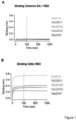
- VHH antibodies failed binding to the BA.1 RBD at the tested concentration. In contrast, they bound the Delta RBD rapidly and with a non-detectable dissociation rate. Results are shown in Fig. 1 .
- Vero E6 cells were grown in 96 well plates and infected with the SARS-CoV-2 Omicron BA.1 variant that was pre-incubated with indicated concentrations ov VHH Re32D03 or Ma16B06. Cells were fixed 48 h later, permeabilized and stained with DAPI (to locate cell nuclei) and a cocktail of fluorescently labelled VHH antibodies that cross-react with the SARS-CoV-2 Spike of a broad range of variants (Re9H03, Re7E02, Re9C07, Re9G12, Re22D04, Re6D06, Re8H11, Ma3F05, and Ma12A03 as disclosed in co-owned application PCT/EP2021/071309 and in EP21209549.1 supra). Analysis was by automated spinning disc fluorescence microscopy.
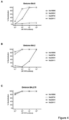
- SARS-CoV-2 pseudotype particles indicated in Fig. 4 were pre-incubated with VHH antibodies and later used to infect Vero E6 cells that were grown in 96 well plates. After 24 h, cells were imaged on a Celigo whole-well image cytometer in green channel. Pseudotype particles encode a GFP reporter gene that is expressed in infected cells. Neutralization potency was calculated by comparing the number of infected (green fluorescent) cells in VHH antibody pre-incubated wells with that of a control (no VHH antibody pre-incubation). Results are shown in Fig. 4 .
- VHH antibodies indicated in Fig. 5 were subjected to Differential scanning fluorimetry (DSF), which exploits that thermal unfolding exposes aromatic/hydrophobic residues, which then bind and enhance fluorescence of the added SYPRO orange dye.
- DSF Differential scanning fluorimetry
- Two replicates of each sample were placed onto a Thermal Cycler. The samples were incubated for 5 min at 25 °C and then the temperature was increased in 1 °C increments of 45 seconds to 95 °C. Fluorescence was measured at the end of each step.
Landscapes
- Health & Medical Sciences (AREA)
- Life Sciences & Earth Sciences (AREA)
- Virology (AREA)
- Chemical & Material Sciences (AREA)
- Organic Chemistry (AREA)
- Medicinal Chemistry (AREA)
- Molecular Biology (AREA)
- General Health & Medical Sciences (AREA)
- Biochemistry (AREA)
- Chemical Kinetics & Catalysis (AREA)
- Biophysics (AREA)
- Proteomics, Peptides & Aminoacids (AREA)
- Immunology (AREA)
- Communicable Diseases (AREA)
- Oncology (AREA)
- Genetics & Genomics (AREA)
- General Chemical & Material Sciences (AREA)
- Nuclear Medicine, Radiotherapy & Molecular Imaging (AREA)
- Pharmacology & Pharmacy (AREA)
- Animal Behavior & Ethology (AREA)
- Public Health (AREA)
- Veterinary Medicine (AREA)
- Peptides Or Proteins (AREA)
Priority Applications (2)
| Application Number | Priority Date | Filing Date | Title |
|---|---|---|---|
| EP22208854.4A EP4375293A1 (de) | 2022-11-22 | 2022-11-22 | Vhh-antikörper gegen sars-cov-2 omicron-varianten |
| PCT/EP2023/082465 WO2024110418A1 (en) | 2022-11-22 | 2023-11-21 | Variable domain of heavy chain (vhh) antibodies against sars-cov-2 omicron variants |
Applications Claiming Priority (1)
| Application Number | Priority Date | Filing Date | Title |
|---|---|---|---|
| EP22208854.4A EP4375293A1 (de) | 2022-11-22 | 2022-11-22 | Vhh-antikörper gegen sars-cov-2 omicron-varianten |
Publications (1)
| Publication Number | Publication Date |
|---|---|
| EP4375293A1 true EP4375293A1 (de) | 2024-05-29 |
Family
ID=84361227
Family Applications (1)
| Application Number | Title | Priority Date | Filing Date |
|---|---|---|---|
| EP22208854.4A Pending EP4375293A1 (de) | 2022-11-22 | 2022-11-22 | Vhh-antikörper gegen sars-cov-2 omicron-varianten |
Country Status (2)
| Country | Link |
|---|---|
| EP (1) | EP4375293A1 (de) |
| WO (1) | WO2024110418A1 (de) |
Cited By (1)
| Publication number | Priority date | Publication date | Assignee | Title |
|---|---|---|---|---|
| RU2848470C1 (ru) * | 2024-09-20 | 2025-10-20 | Федеральное бюджетное учреждение науки "Государственный научный центр вирусологии и биотехнологии "Вектор" Федеральной службы по надзору в сфере защиты прав потребителей и благополучия человека (ФБУН ГНЦ ВБ "Вектор" Роспотребнадзора) | Рекомбинантная плазмида, обеспечивающая синтез и секрецию рекомбинантного человеческого антитела к рецептор-связывающему домену (RBD) короновируса SARS-CoV-2 в клетках млекопитающих, и рекомбинантное моноклональное антитело, обладающее вируснейтрализующей активностью в отношении SARS-CoV-2 |
Citations (1)
| Publication number | Priority date | Publication date | Assignee | Title |
|---|---|---|---|---|
| WO2022023483A1 (en) * | 2020-07-29 | 2022-02-03 | MAX-PLANCK-Gesellschaft zur Förderung der Wissenschaften e.V. | Therapeutic and diagnostic vhh antibodies against sars-cov-2 and methods for their enhancement |
Family Cites Families (1)
| Publication number | Priority date | Publication date | Assignee | Title |
|---|---|---|---|---|
| EP4183801A1 (de) | 2021-11-22 | 2023-05-24 | Max-Planck-Gesellschaft zur Förderung der Wissenschaften e.V. | Vhh-antikörper gegen sars-cov-2-varianten |
-
2022
- 2022-11-22 EP EP22208854.4A patent/EP4375293A1/de active Pending
-
2023
- 2023-11-21 WO PCT/EP2023/082465 patent/WO2024110418A1/en not_active Ceased
Patent Citations (1)
| Publication number | Priority date | Publication date | Assignee | Title |
|---|---|---|---|---|
| WO2022023483A1 (en) * | 2020-07-29 | 2022-02-03 | MAX-PLANCK-Gesellschaft zur Förderung der Wissenschaften e.V. | Therapeutic and diagnostic vhh antibodies against sars-cov-2 and methods for their enhancement |
Non-Patent Citations (35)
| Title |
|---|
| ARBABI GHAHROUDI M, DESMYTER A, WYNS L, HAMERS R, MUYLDERMANS S: "Selection and identification of single domain antibody fragments from camel heavy-chain antibodies", FEBS LETT, vol. 414, 1997, pages 521 - 526, XP004261105, DOI: 10.1016/S0014-5793(97)01062-4 |
| BOGIN O, KVANSAKUL M, ROM E, SINGER J, YAYON A, HOHENESTER E: "Insight into Schmid metaphyseal chondrodysplasia from the crystal structure of the collagen X NC1 domain timer", STRUCTURE, vol. 10, 2002, pages 165 - 173 |
| BOUDKO SP, SASAKI T, ENGEL J, LERCH TF, NIX J, CHAPMAN MS, BACHINGER HP: "Crystal structure of human collagen XVIII trimerization domain: A novel collagen trimerization Fold", J MOLBIOL, vol. 392, 2009, pages 787 - 802, XP026699060, DOI: 10.1016/j.jmb.2009.07.057 |
| CHUG H, TRAKHANOV S, HULSMANN BB, PLEINER T, GORLICH D: " Crystal structure of the metazoan Nup62eNup58eNup54 nucleoporin complex", SCIENCE, vol. 350, 2015, pages 106 - 110 |
| CLARK SA, CLARK LE, PAN J, COSCIA A, MCKAY LGA, SHANKAR S, JOHNSON RI, BRUSIC V, CHOUDHARY MC, REGAN J, LI JZ, GRIFFITHS A, ABRAHA: "SARS-CoV-2 evolution in an immunocompromised host reveals shared neutralization escape mechanisms", CELL, vol. S0092-8674, no. 21, 2021, pages 00355 |
| CORMAN VM, LANDT O, KAISER M, MOLENKAMP R, MEIJER A, CHU DK, BLEICKER T, BRIININK S, SCHNEIDER J, SCHMIDT ML, MULDERS DG, HAAGMANS: "Detection of 2019 novel coronavirus (2019-nCoV) by real-time RT-PCR", EURO SURVEILL, vol. 25, 2020, XP055695049, DOI: 10.2807/1560-7917.ES.2020.25.3.2000045 |
| DORMESHKIN DMITRI ET AL: "Isolation of an escape-resistant SARS-CoV-2 neutralizing nanobody from a novel synthetic nanobody library", FRONTIERS IN IMMUNOLOGY, vol. 13, 16 September 2022 (2022-09-16), XP093038790, DOI: 10.3389/fimmu.2022.965446 * |
| DUAN KLIU BLI CZHANG HYU TQU JZHOU MCHEN LMENG SHU Y: "Effectiveness of convalescent plasma therapy in severe COVID-19 patients", PROCEEDINGS OF THE NATIONAL ACADEMY OF SCIENCES, vol. 117, 2020, pages 9490 - 9496, XP055729885, DOI: 10.1073/pnas.2004168117 |
| GARCIA-BELTRAN WF, LAM EC, ST DENIS K, NITIDO AD, GARCIA ZH, HAUSER BM, FELDMAN J, PAVLOVIC MN, GREGORY DJ, POZNANSKY MC, SIGAL A,: "Multiple SARS-CoV-2 variants escape neutralization by vaccine-induced humoral immunity", CELL, vol. 184, 2021, pages 2372 - 2383 |
| GÜTTLER THOMAS ET AL: "Appendix Neutralization of SARS-CoV-2 by highly potent, hyperthermostable, and mutation-tolerant nanobodies", 9 August 2021 (2021-08-09), XP055858059, Retrieved from the Internet <URL:https://www.embopress.org/action/downloadSupplement?doi=10.15252/embj.2021107985&file=embj2021107985-sup-0001-Appendix.pdf> [retrieved on 20211104] * |
| GÜTTLER THOMAS ET AL: "Neutralization of SARS-CoV-2 by highly potent, hyperthermostable, and mutation-tolerant nanobodies", THE EMBO JOURNAL / EUROPEAN MOLECULAR BIOLOGY ORGANIZATION, vol. 40, no. 19, 9 August 2021 (2021-08-09), Oxford, pages 107985, XP055858032, ISSN: 0261-4189, Retrieved from the Internet <URL:https://www.ncbi.nlm.nih.gov/pmc/articles/PMC8420576/pdf/EMBJ-40-e107985.pdf> DOI: 10.15252/embj.2021107985 * |
| HOEFMAN S, OTTEVAERE I, BAUMEISTER J, SARGENTINI-MAIER M: "Pre-Clinical Intravenous Serum Pharmacokinetics of Albumin Binding and Non-Half-Life Extended Nanobodies®", ANTIBODIES, vol. 4, 2015, pages 141 - 156, XP055687964, DOI: 10.3390/antib4030141 |
| HOFMANN-WINKLER H, KEMPF A, WINKLER MS, SCHULZ S, JACK HM, JAHRSDORFER B, SCHREZENMEIER H, MULLER M, KLEGER A, MUNCH J, POHLMANN S: "SARS-CoV-2 variants B.1.351 and P.1 escape from neutralizing antibodies", CELL, vol. 184, 2021, pages 2384 - 2393 |
| KLIKS SCNISALAK ABRANDT WEWAHL LBURKE DS: "Antibody-dependent enhancement of dengue virus growth in human monocytes as a risk factor for dengue hemorrhagic fever", AM J TROP MED HYG, vol. 40, 1989, pages 444 - 451, XP009140152 |
| KOENIG PAUL-ALBERT ET AL: "Structure-guided multivalent nanobodies block SARS-CoV-2 infection and suppress mutational escape", SCIENCE, vol. 371, no. 6530, 12 January 2021 (2021-01-12), US, pages eabe6230, XP055794977, ISSN: 0036-8075, Retrieved from the Internet <URL:https://science.sciencemag.org/content/sci/371/6530/eabe6230.full.pdf> DOI: 10.1126/science.abe6230 * |
| LI Q, NIE J, WU J, ZHANG L, DING R, WANG H, ZHANG Y, LI T, LIU S, ZHANG M, ZHAO C, LIU H, NIE L, QIN H, WANG M, LU Q, LI X, LIU J,: "SARS-CoV-2 501Y.V2 variants lack higher infectivity but do have immune escape", CELL, vol. 184, 2021, pages 2362 - 2371 |
| LI TINGTING ET AL: "Structural Characterization of a Neutralizing Nanobody With Broad Activity Against SARS-CoV-2 Variants", FRONTIERS IN MICROBIOLOGY, vol. 13, 2 June 2022 (2022-06-02), pages 875840, XP093038789, Retrieved from the Internet <URL:https://www.ncbi.nlm.nih.gov/pmc/articles/PMC9201380/pdf/fmicb-13-875840.pdf> DOI: 10.3389/fmicb.2022.875840 * |
| LITTAUA R, KURANE I, ENNIS FA: " Human IgG Fc receptor II mediates antibody-dependent enhancement of dengue virus infection.", J IMMUNOL, vol. 144, 1990, pages 3183 - 3186, XP002606240 |
| MAGRO C, MULVEY JJ, BERLIN D, NUOVO G, SALVATORE S, HARP J, BAXTER-STOLTZFUS A, LAURENCE J: " Complement associated microvascular injury and thrombosis in the pathogenesis of severe COVID-19 infection: A report of five cases", TRANSL RES, vol. 220, 2020, pages 1 - 13, XP086179509, DOI: 10.1016/j.trsl.2020.04.007 |
| MALONE BCAMPBELL EA: "Molnupiravir: coding for catastrophe", NAT STRUCT MOL BIOL, vol. 28, 2021, pages 706 - 708, XP037586918, DOI: 10.1038/s41594-021-00657-8 |
| MEHTA PMCAULEY DFBROWN MSANCHEZ ETATTERSALL RSMANSON JJ: "HLH Across Speciality Collaboration UK (2020) COVID-19: consider cytokine storm syndromes and immunosuppression", LANCET, vol. 395, pages 1033 - 1034 |
| MURPHY KWEAVER C: "Janeway's Immunobiology", GARLAND SCIENCE, 2016 |
| PLEINER TBATES MGORLICH D: "A toolbox of anti-mouse and anti-rabbit IgG secondary nanobodies", J CELL BIOL, vol. 217, 2018, pages 1143 - 1154, XP055466375, DOI: 10.1083/jcb.201709115 |
| PLEINER TBATES MTRAKHANOV SLEE CTSCHLIEP JECHUG HBOHNING MSTARK HURLAUB HGORLICH D: "Nanobodies: site-specific labeling for super-resolution imaging, rapid epitope-mapping and native protein complex isolation", ELIFE, vol. 4, 2015, pages el 1349 |
| RASMUSSEN SGCHOI HJFUNG JJPARDON ECASAROSA PCHAE PSDEVREE BTROSENBAUM DMTHIAN FSKOBILKA TS: "Structure of a nanobody-stabilized active state of the β(2) adrenoceptor", NATURE, vol. 469, 2011, pages 175 - 180, XP002677648, DOI: 10.1038/NATURE09648 |
| ROSSOTTI MARTIN A. ET AL: "Arsenal of nanobodies shows broad-spectrum neutralization against SARS-CoV-2 variants of concern in vitro and in vivo in hamster models", COMMUNICATIONS BIOLOGY, vol. 5, no. 1, 9 September 2022 (2022-09-09), XP093038763, Retrieved from the Internet <URL:https://www.nature.com/articles/s42003-022-03866-z> DOI: 10.1038/s42003-022-03866-z * |
| STARR TNGREANEY AJADDETIA AHANNON WWCHOUDHARY MCDINGENS ASLI JZBLOOM JD: "Prospective mapping of viral mutations that escape antibodies used to treat COVID-19", SCIENCE, vol. 371, 2021, pages 850 - 854, XP055981531, DOI: 10.1126/science.abf9302 |
| STEGMANN KMDICKMANNS AGERBER SNIKOLOVA VKLEMKE LMANZINI VSCHLOSSER DBIERWIRTH CFREUND JSITTE M: "The folate antagonist methotrexate diminishes replication of the coronavirus SARS-CoV-2 and enhances the antiviral efficacy of remdesivir in cell culture models", VIRUS RES, vol. 302, 2021, pages 198469, XP086701121, DOI: 10.1016/j.virusres.2021.198469 |
| TADA TDCOSTA BMZHOU HVAILL AKAZMIERSKI WLANDAU NR: "Decreased neutralization of SARS-CoV-2 global variants by therapeutic anti-spike protein monoclonal antibodies", BIORXIV, 18 February 2021 (2021-02-18), pages 431897 |
| WANG CLI WDRABEK DOKBA NMAVAN HAPEREN ROSTERHAUS ADMEVAN KUPPEVELD FJMHAAGMANS BLGROSVELD FBOSCH BJ: "A human monoclonal antibody blocking SARS-CoV-2 infection", NAT COMMUN, vol. 11, 2020, pages 2251 |
| WANG YZHANG DDU GDU RZHAO JJIN YFU SGAO LCHENG ZLU Q: "Remdesivir in adults with severe COVID-19: a randomised, double-blind, placebo-controlled, multicentre trial", LANCET, vol. 395, 2020, pages 1569 - 1578 |
| WIBMER CKAYRES FHERMANUS TMADZIVHANDILA MKGAGUDI POOSTHUYSEN BLAMBSON BEDE OLIVEIRA TVERMEULEN MVAN DER BERG K: "SARS-CoV-2 501Y. V2 escapes neutralization by South African COVID-19 donor plasma", NATURE MEDICINE, vol. 27, 2021, pages 622 - 625, XP037424501, DOI: 10.1038/s41591-021-01285-x |
| WIRZ JA, BOUDKO SP, LERCH TF, CHAPMAN MS, BACHINGER HP: " Crystal structure of the human collagen XV trimerization domain: A potent trimerizing unit common to multiplexin collagens.", MATRIX BIOLOGY, vol. 30, 2011, pages 9 - 15, XP028130841, DOI: 10.1016/j.matbio.2010.09.005 |
| ZHAO DONGPING ET AL: "A potent synthetic nanobody with broad-spectrum activity neutralizes SARS-CoV-2 virus and the Omicron variant BA.1 through a unique binding mode", JOURNAL OF NANOBIOTECHNOLOGY, vol. 20, no. 1, 15 September 2022 (2022-09-15), XP093038792, Retrieved from the Internet <URL:https://link.springer.com/article/10.1186/s12951-022-01619-y/fulltext.html> DOI: 10.1186/s12951-022-01619-y * |
| ZHOU D, DEJNIRATTISAI W, SUPASA P, LIU C, MENTZER AJ, GINN HM, ZHAO Y, DUYVESTEYN HME, TUEKPRAKHON A, NUTALAI R, WANG B, PAESEN GC: "Evidence of escape of SARS-CoV-2 variant B.1.351 from natural and vaccine-induced sera", CELL, vol. 184, 2021, pages 2348 - 2361 |
Cited By (1)
| Publication number | Priority date | Publication date | Assignee | Title |
|---|---|---|---|---|
| RU2848470C1 (ru) * | 2024-09-20 | 2025-10-20 | Федеральное бюджетное учреждение науки "Государственный научный центр вирусологии и биотехнологии "Вектор" Федеральной службы по надзору в сфере защиты прав потребителей и благополучия человека (ФБУН ГНЦ ВБ "Вектор" Роспотребнадзора) | Рекомбинантная плазмида, обеспечивающая синтез и секрецию рекомбинантного человеческого антитела к рецептор-связывающему домену (RBD) короновируса SARS-CoV-2 в клетках млекопитающих, и рекомбинантное моноклональное антитело, обладающее вируснейтрализующей активностью в отношении SARS-CoV-2 |
Also Published As
| Publication number | Publication date |
|---|---|
| WO2024110418A1 (en) | 2024-05-30 |
Similar Documents
| Publication | Publication Date | Title |
|---|---|---|
| US20250163177A1 (en) | Bispecific t cell engaging antibody constructs | |
| US20250282863A1 (en) | Antibody constructs for msln and cd3 | |
| US20230287087A1 (en) | Therapeutic and diagnostic vhh antibodies against sars-cov-2 and methods for their enhancement | |
| EP2624861B1 (de) | Impfstoff gegen malaria | |
| CN108271376A (zh) | 结合dll3和cd3的双特异性抗体构建体 | |
| TW202221024A (zh) | 結合sars-cov-2 s蛋白之中和抗體 | |
| EP2084185A2 (de) | Menschliche antikörper zur neutralisierung des menschlichen metapneumovirus | |
| EP3944877A1 (de) | Nanokörper sars-cov2 | |
| US20250019422A1 (en) | Vhh antibodies against sars-cov-2 variants | |
| KR20160138580A (ko) | Wisp1에 결합하는 항원 결합 단백질 | |
| US20160039948A1 (en) | Antibody constructs for influenza m2 and cd3 | |
| EP4375293A1 (de) | Vhh-antikörper gegen sars-cov-2 omicron-varianten | |
| EP4442276A1 (de) | Kombinierte antikörper gegen sarbecoviren und verwendungen davon | |
| US11359007B2 (en) | Anti-SARS-CoV-2 neutralizing antibodies | |
| US20230382979A1 (en) | Anti-sars-cov-2 antigen antibodies and related compositions and methods | |
| US20230391885A1 (en) | Claudin 18.2 antibodies, methods of making the same, and uses thereof | |
| US20240209065A1 (en) | Secretory iga antibodies against covid infection | |
| HK40108701A (en) | Antibody constructs for msln and cd3 | |
| AU2023343470A1 (en) | Bispecific molecule stabilizing composition | |
| HK1248250B (en) | Bispecific antibody constructs binding mesothelin and cd3 |
Legal Events
| Date | Code | Title | Description |
|---|---|---|---|
| PUAI | Public reference made under article 153(3) epc to a published international application that has entered the european phase |
Free format text: ORIGINAL CODE: 0009012 |
|
| STAA | Information on the status of an ep patent application or granted ep patent |
Free format text: STATUS: THE APPLICATION HAS BEEN PUBLISHED |
|
| AK | Designated contracting states |
Kind code of ref document: A1 Designated state(s): AL AT BE BG CH CY CZ DE DK EE ES FI FR GB GR HR HU IE IS IT LI LT LU LV MC ME MK MT NL NO PL PT RO RS SE SI SK SM TR |