EP4356908A1 - Method for treating feline with chronic kidney disease - Google Patents
Method for treating feline with chronic kidney disease Download PDFInfo
- Publication number
- EP4356908A1 EP4356908A1 EP22825019.7A EP22825019A EP4356908A1 EP 4356908 A1 EP4356908 A1 EP 4356908A1 EP 22825019 A EP22825019 A EP 22825019A EP 4356908 A1 EP4356908 A1 EP 4356908A1
- Authority
- EP
- European Patent Office
- Prior art keywords
- bps
- stage
- cats
- cat
- ckd
- Prior art date
- Legal status (The legal status is an assumption and is not a legal conclusion. Google has not performed a legal analysis and makes no representation as to the accuracy of the status listed.)
- Granted
Links
Images


Classifications
-
- A—HUMAN NECESSITIES
- A61—MEDICAL OR VETERINARY SCIENCE; HYGIENE
- A61K—PREPARATIONS FOR MEDICAL, DENTAL OR TOILETRY PURPOSES
- A61K31/00—Medicinal preparations containing organic active ingredients
- A61K31/33—Heterocyclic compounds
- A61K31/335—Heterocyclic compounds having oxygen as the only ring hetero atom, e.g. fungichromin
- A61K31/34—Heterocyclic compounds having oxygen as the only ring hetero atom, e.g. fungichromin having five-membered rings with one oxygen as the only ring hetero atom, e.g. isosorbide
- A61K31/343—Heterocyclic compounds having oxygen as the only ring hetero atom, e.g. fungichromin having five-membered rings with one oxygen as the only ring hetero atom, e.g. isosorbide condensed with a carbocyclic ring, e.g. coumaran, bufuralol, befunolol, clobenfurol, amiodarone
-
- A—HUMAN NECESSITIES
- A61—MEDICAL OR VETERINARY SCIENCE; HYGIENE
- A61K—PREPARATIONS FOR MEDICAL, DENTAL OR TOILETRY PURPOSES
- A61K9/00—Medicinal preparations characterised by special physical form
- A61K9/0012—Galenical forms characterised by the site of application
- A61K9/0053—Mouth and digestive tract, i.e. intraoral and peroral administration
- A61K9/0056—Mouth soluble or dispersible forms; Suckable, eatable, chewable coherent forms; Forms rapidly disintegrating in the mouth; Lozenges; Lollipops; Bite capsules; Baked products; Baits or other oral forms for animals
-
- A—HUMAN NECESSITIES
- A61—MEDICAL OR VETERINARY SCIENCE; HYGIENE
- A61K—PREPARATIONS FOR MEDICAL, DENTAL OR TOILETRY PURPOSES
- A61K9/00—Medicinal preparations characterised by special physical form
- A61K9/20—Pills, tablets, discs, rods
- A61K9/2004—Excipients; Inactive ingredients
- A61K9/2022—Organic macromolecular compounds
- A61K9/205—Polysaccharides, e.g. alginate, gums; Cyclodextrin
- A61K9/2054—Cellulose; Cellulose derivatives, e.g. hydroxypropyl methylcellulose
-
- A—HUMAN NECESSITIES
- A61—MEDICAL OR VETERINARY SCIENCE; HYGIENE
- A61P—SPECIFIC THERAPEUTIC ACTIVITY OF CHEMICAL COMPOUNDS OR MEDICINAL PREPARATIONS
- A61P13/00—Drugs for disorders of the urinary system
- A61P13/12—Drugs for disorders of the urinary system of the kidneys
-
- A—HUMAN NECESSITIES
- A61—MEDICAL OR VETERINARY SCIENCE; HYGIENE
- A61P—SPECIFIC THERAPEUTIC ACTIVITY OF CHEMICAL COMPOUNDS OR MEDICINAL PREPARATIONS
- A61P33/00—Antiparasitic agents
Definitions
- the present invention relates to a therapeutic method for a cat with chronic kidney disease that inhibits progression into IRIS stage 4 or kidney death of a cat with chronic kidney disease or improves the overall survival rate or observed survival rate.
- CKD Chronic kidney disease
- Non-Patent Literature 1 Non-Patent Literature 1
- Feline CKD is a pathological condition under which kidney dysfunctions progress over time, and its end-stage is an end-stage CKD characterized by an irreversible structural lesion of the kidney.
- the end-stage CKD can be treated by kidney transplantation and hemodialysis (Non-Patent Literature 2).
- treatment by kidney transplantation is a less-advanced method because there is no organization such as a kidney bank for human patients and it is difficult to acquire donor animals.
- application of hemodialysis to feline chronic renal failure is very limited because of a technically complicated procedure, a high treatment cost, and chronic debilitation (Non-Patent Literature 3). Since treatment options for the end-stage feline CKD are limited, a novel method of treatment that can surely delay clinical stage progression and improve the survival rate has been awaited.
- Feline CKD is known to involve impaired kidney function and impaired cardiovascular functions and it is referred to as "cardiovascular-renal axis disorders" (Non-Patent Literature 4). Accordingly, many cats with CKD die of heart failure instead of CKD.
- the International Society of Feline Medicine provides, in the guidelines on treatment and management of feline CKD, examples of complications/comorbidities associated with worsening of feline CKD, such as hypertension, proteinuria, hypokalemia, hyperphosphatemia, urinary tract infection, anemia, and CKD-mineral bone disorder (Non-Patent Literature 1), and such complications/comorbidities are known to cause death because of feline CKD.
- the most important indicator for evaluation of treatment methods for feline CKD can be the overall survival rate or observed survival rate that encompasses all the cases of death caused by other factors such as the complications/comorbidities mentioned above, in addition to the cases of death because of CKD.
- IRIS has proposed the clinical stratification consisting of diagnosis of feline CKD and staging shown in Table 1 below (hereafter, abbreviated to as "the IRIS staging") (Non-Patent Literature 5) and the IRIS staging has been extensively approved internationally (Non-Patent Literature 6).
- the IRIS staging enables diagnosis of feline CKD as described below. Specifically, patient animals are diagnosed to have feline CKD when at least one of the following indicators is persistently observed on the basis of the medical history and the results of physical examination, clinical examination, diagnostic imaging, and histopathological examination of patient animals in stable condition.
- SDMA serum creatinine or serum symmetric dimethylarginine
- UPC urine protein:creatinine
- the IRIS staging can be performed as described below on the basis of assessment of serum creatinine or serum SDMA or preferably serum creatinine and serum SDMA via two or more hospital visits: stage 1: serum creatinine of lower than 1.6 mg/dL or serum SDMA of lower than 18 ⁇ g/dL or preferably serum creatinine of lower than 1.6 mg/dL and serum SDMA of lower than 18 ⁇ g/dL; stage 2: serum creatinine of 1.6 to 2.8 mg/dL or serum SDMA of 18 to 25 ⁇ g/dL or preferably serum creatinine of 1.6 to 2.8 mg/dL and serum SDMA of 18 to 25 ⁇ g/dL; stage 3: serum creatinine of 2.9 to 5.0 mg/dL or serum SDMA of 26 to 38 ⁇ g/dL or preferably serum creatinine of 2.9 to 5.0 mg/dL and serum SDMA of 26 to 38 ⁇ g/dL; and stage 4: serum creatinine of higher than 5.0 mg/dL or serum SD
- IRIS staging Step 1 Diagnosis of feline CKD * Based on medical history and results of physical examination, clinical examination, diagnostic imaging, and histopathological examination * At least one of the following criteria is persistently observed Criteria (1) Decreased glomerular filtration rate Azotemia is observed: elevated serum creatinine or serum SDMA; persistent elevation in serum SDMA to > 14 ⁇ g/dL (2) Loss of normal glomerular function Renal proteinuria is observed: persistent UPC ratio of > 0.4 (3) Loss of normal tubular function Inappropriate urine specific gravity is observed: urine specific gravity of ⁇ 1.035 In addition, inappropriate tubular loss of potassium, bicarbonate, glucose or amino acid: based on the results of clinical examination (4) Abnormalities in renal structure Renal cyst, urolith, and renal tumor are observed: based on the results of diagnostic imaging or histo
- Stage 1 Stage 2 Stage 3 Stage 4 Serum creatinine (mg/dL) ⁇ 1.6 1.6-2.8 2.9-5.0 > 5.0 Serum SDMA ( ⁇ g/dL) ⁇ 18 18-25 26-38 > 38 UPC ratio
- Nonproteinuric ⁇ 0.2; borderline proteinuric: 0.2-0.4; proteinuric: > 0.4 Maximal blood pressure (mmHg) Normotensive: ⁇ 140; prehypertensive: 140-159; hypertensive: 160-179; severely hypertensive: ⁇ 180 Substaging
- Non-Patent Literature 1 The International Society of Feline Medicine proposes, in the guidelines on treatment and management of feline CKD, that the IRIS staging is associated with the survival rate of cats with CKD and that serum creatinine by itself is insufficient as the indicator for kidney function evaluation (Non-Patent Literature 1). While a formula to calculate a kidney function indicator of feline CKD similar to the estimated glomerular filtration rate for human patients based on serum creatinine had been studied, such study was reported to end up in failure (Non-Patent Literature 7). Accordingly, it is considered necessary to predict the survival rate of feline CKD based on the IRIS staging, and it is considered difficult to predict such survival rate based only on serum creatinine.
- Non-Patent Literature 8 In the case of feline CKD, the prevalence rate of proteinuria is reported to be 16% (Non-Patent Literature 8) and severity thereof is known to be associated with the lowered survival rate (Non-Patent Literature 9 and Non-Patent Literature 10).
- benazepril hydrochloride which is an angiotensin-converting enzyme inhibitor
- telmisartan which is an angiotensin receptor blocker
- Benazepril hydrochloride has been studied in terms of its clinical efficacy on feline CKD, it is reported to lower the severity of proteinuria (Non-Patent Literature 11 and Non-Patent Literature 12), and it is reported to inhibit elevation in serum creatinine, which serves as an indicator of renal filtration function (Non-Patent Literature 13).
- benazepril hydrochloride has not been found to inhibit progression of feline CKD stage, and its influence on the overall survival rate or the observed survival rate has not been reported (Non-Patent Literature 11 and Non-Patent Literature 12).
- telmisartan has been also reported to improve proteinuria of feline CKD; however, improvement in the IRIS stage progression or the overall survival rate or the observed survival rate has not been studied (Non-Patent Literature 14 and Non-Patent Literature 15).
- the prevalence rate of body weight loss is reported to be 42% to 82% (Non-Patent Literature 16) and it is known to be associated with the lowered survival rate (Non-Patent Literature 17).
- a ghrelin receptor agonist, capromorelin has been used as a therapeutic agent for body weight loss.
- the clinical efficacy thereof on feline CKD has been studied, and capromorelin is reported to inhibit body weight loss.
- Non-Patent Literature 18 As described above, therapeutic agents that have been reported to exert effects of improving or inhibiting worsening in poor prognostic factors of feline CKD; i.e., urine protein, serum creatinine, and body weight loss, are not approved to show improvement in IRIS stage progression and the overall survival rate or the observed survival rate.
- Non-Patent Literature 19 It has been reported that 19% of cats with the feline IRIS stage 2 CKD die without stage progression and that 27% of cats with the feline IRIS stage 3 CKD die without stage progression. It is thus deduced that the survival rate is associated with factors other than a change in the IRIS stage.
- BPS Beraprost sodium
- PKI 2 prostacyclin 2
- a therapeutic agent for ameliorating uremia in feline chronic renal failure comprising, as an active ingredient, BPS has been reported (Patent Literature 1).
- Patent Literature 1 reports that administration of BPS to a cat with uremia caused by chronic renal failure improved uremia and that recovery from chronic renal failure was observed in 2 cats with mild chronic renal failure exhibiting serum creatinine of 1.4 mg/dL to 2.0 mg/dL through administration of BPS at a dose of 150 ⁇ g twice daily for 6 months; that is, clinical symptoms of uremia was improved, serum creatinine and BUN were lowered to normal levels, and the normal state continued for a long period of time.
- Non-Patent Literature 1 thereafter reports that only serum creatinine and the like used as the indicators of the improving effects in Patent Literature 1 are insufficient as the kidney function indicators (Non-Patent Literature 1), and it is considered impossible to predict the survival rate of feline CKD based on the creatinine level and the like.
- the survival period is not analyzed and the overall survival rate or the observed survival rate is not calculated. Further, a control group is not provided, and it is thus impossible to evaluate the survival period.
- the IRIS stage is not evaluated, and the stage progression-free rate is not calculated. That is, Patent Literature 1 does not describe or indicate inhibition of IRIS stage progression.
- Non-Patent Literature 20 reports that administration of BPS to a cat with CKD at a dose of 150 ⁇ g twice daily for 6 months led to an improvement in kidney function evaluated with the use of serum creatinine, BUN, and other indicators and an improvement in clinical symptoms.
- the survival period is not analyzed and the overall survival rate or the observed survival rate is not calculated. Further, a control group is not provided, and it is thus impossible to evaluate the survival period.
- the IRIS stage is not evaluated, and the stage progression-free rate is not calculated. That is, Non-Patent Literature 20 does not describe or indicate inhibition of IRIS stage progression.
- BPS drugs for veterinary use were developed and clinical trials targeting cats with naturally occurring CKD that were raised by owners were performed.
- the trials were performed by administering BPS to cats with CKD at a dose of 55 ⁇ g twice daily for 6 months in order to evaluate clinical efficacy and safety of BPS as a method for treatment of cats with CKD and comparing the results with the results attained by placebo administration.
- Efficacy was evaluated with the use of serum creatinine, the serum phosphorus-calcium ratio, or the urine specific gravity as the major end points. Thirty one cats subjected to evaluation of efficacy to which BPS had been administered had the CKD with serum creatinine of 1.6 mg/dL to 4.1 mg/dL when the trials were initiated.
- Non-Patent Literature 21 For feline CKD, BPS therapy is demonstrated to be well-tolerated and safe and have inhibited serum creatinine elevation observed in the placebo group (Non-Patent Literature 21).
- the survival period is not analyzed and the overall survival rate or the observed survival rate is not calculated. Further, the IRIS stage is not evaluated, and the stage progression-free rate is not calculated. That is, Non-Patent Literature 21 does not describe or indicate inhibition of IRIS stage progression.
- Patent Literature 2 reports that administration of BPS at a dose of 55 ⁇ g or continuous administration of BPS at a dose of 6 to 26.4 ⁇ g/kg, preferably twice daily for 30 days or longer, to cats with chronic renal failure can inhibit elevation in kidney function marker values, such as serum creatinine and BUN, and stabilize the conditions without adverse side effects.
- the survival period is not analyzed and the overall survival rate or the observed survival rate is not calculated.
- the IRIS stage is not evaluated, and the stage progression-free rate is not calculated. That is, Patent Literature 2 does not describe or indicate inhibition of IRIS stage progression.
- Non-Patent Literature 22 reports treatment outcomes of administration of BPS at a dose of 20 to 55 ⁇ g twice daily to cats with CKD.
- BPS administration was initiated, six subject cats exhibited serum creatinine of 2.0 mg/dL to 4.4 mg/dL, BPS was administered at a dose of 20 to 55 ⁇ g twice daily, and the administration period was for 2 months to 3 years and 3 months.
- Non-Patent Literature 22 demonstrates changes in serum creatinine of all the cases and SDMA of some of the cases during the observational period, and Non-Patent Literature 22 describes that use of BPS leads to stabilized clinical symptoms and maintained kidney function. In Non-Patent Literature 22, however, the survival period is not analyzed and the overall survival rate or the observed survival rate is not calculated.
- Non-Patent Literature 22 does not describe or indicate inhibition of IRIS stage progression.
- Non-Patent Literature 23 reports treatment outcomes of administration of BPS at a dose of 55 ⁇ g twice daily for 3 to 13 months to cats with CKD examined at 14 animal hospitals. When BPS administration was initiated, 14 subject cats exhibited serum creatinine of 2.3 mg/dL to 12.1 mg/dL.
- Non-Patent Literature 23 demonstrates, as treatment outcomes, changes in serum creatinine of all the cases, in SDMA of some cases, and in IRIS stages (cases 7 to 12) during the observational period. In Non-Patent Literature 23, however, the survival period is not analyzed and the overall survival rate or the observed survival rate is not calculated. Further, a control group is not provided, and it is thus impossible to evaluate the survival period.
- Non-Patent Literature 23 does not describe or indicate the effects of inhibiting IRIS stage progression.
- Non-Patent Literature 24 reports treatment outcomes of administration of BPS at a dose of 55 ⁇ g twice daily for up to 1 year and 5 months to cats with CKD. When BPS administration was initiated, 5 subject cats had the IRIS stage 2 or 3 CKD.
- Non-Patent Literature 24 demonstrates changes in serum creatinine, BUN, phosphorus, and body weight of all the cases during the observational period. In Non-Patent Literature 24, however, the survival period is not analyzed and the overall survival rate or the observed survival rate is not calculated. Further, a control group is not provided, and it is thus impossible to evaluate the survival period. Furthermore, the IRIS stage is not evaluated, and the stage progression-free rate is not calculated. That is, Non-Patent Literature 24 does not describe or indicate inhibition of IRIS stage progression.
- Non-Patent Literature 25 reports treatment outcomes of administration of BPS at a dose of 55 ⁇ g twice daily to cats with CKD examined at 2 animal hospitals.
- BPS administration was initiated, six subject cats at the first hospital had the IRIS stage 2 or 3 CKD.
- the BPS administration period was for 6 months.
- Non-Patent Literature 25 demonstrates, as treatment outcomes, serum creatinine, BUN, phosphorus, calcium, body weight, and clinical activity scores concerning appetite, activity score, and dehydration of all the cases during the observational period.
- 8 subject cats at the second hospital had the IRIS stage 2 or 3 CKD.
- the BPS administration period was for up to 5 months.
- Non-Patent Literature 25 demonstrates, as treatment outcomes, serum creatinine, BUN, phosphorus, and body weight of all the cases during the observational period.
- the survival period is not analyzed and the overall survival rate or the observed survival rate is not calculated. Further, a control group is not provided, and it is thus impossible to evaluate the survival period. Furthermore, the IRIS stage is not evaluated, and the stage progression-free rate is not calculated. That is, Non-Patent Literature 25 does not describe or indicate inhibition of IRIS stage progression.
- Non-Patent Literature 26 reports the results of observation studies performed to compare the clinical effects of the renin-angiotensin system inhibitors and BPS on feline CKD.
- subject cats were 26 cats that would fit the specified criteria.
- 26 subject cats were divided into a renin-angiotensin system inhibitor group consisting of 15 cats and a BPS group consisting of 11 cats. The baseline characteristics were analyzed and the survival period and changes in body weight were compared and analyzed retrospectively. The cases of the BPS group subjected to administration of the both drugs were excluded.
- BPS had been continuously administered at a dose of 55 ⁇ g twice daily for at least 5 months during the observational period. Based on the medical records, evaluation was performed by recording the dates of death and body weights of the renin-angiotensin system inhibitor group and the BPS group and comparing between groups by Kaplan-Meier analysis by designating the death and 10% body weight loss as the outcomes.
- the 11 subject cats subjected to evaluation upon BPS administration had CKD with serum creatinine of 2.5 mg/dL to 4.9 mg/dL when observation was initiated.
- the BPS administration period was for 6 months to 2 years. No differences were observed in terms of baseline characteristics between groups.
- Non-Patent Literature 27 and Non-Patent Literature 28 published following Non-Patent Literature 26 report the results of observation studies performed to compare the clinical effects of the renin-angiotensin system inhibitors and BPS on feline CKD by the study design similar to the observation studies performed by the author of Non-Patent Literature 26. The observation studies do not include the cases using the both drugs in combination. Among 549 cats that were diagnosed to have CKD and found to be in need of therapeutic intervention, subject cats were 29 cats that would fit the specified criteria.
- 29 subject cats were divided into a renin-angiotensin system inhibitor group consisting of 14 cats and a BPS group consisting of 15 cats.
- the baseline characteristics were analyzed and the survival period and changes in body weight were compared and analyzed retrospectively.
- BPS had been continuously administered at a dose of 55 ⁇ g twice daily for at least 5 months during the observational period.
- evaluation was performed by recording the dates of death and body weights of the renin-angiotensin system inhibitor group and the BPS group and comparing between groups by Kaplan-Meier analysis by designating the death and 10% body weight loss as the outcomes.
- the 15 subject cats subjected to evaluation upon BPS administration had CKD with serum creatinine levels as follows: the mean: 3.1 mg/dL; the mean - the standard deviation: 2.4 mg/dL; and the mean + the standard deviation: 3.8 mg/dL, when observation was initiated.
- the maximal BPS administration period was for 2 years and 6 months.
- the baseline characteristics were very similar to each other between groups. In comparison with the renin-angiotensin system inhibitor group, no effects of improving the survival rate were observed but the effects of lowering the risk of 10% body weight loss were observed in the BPS group, unlike the case of Non-Patent Literature 26.
- Non-Patent Literatures 26, 27, and 28 do not demonstrate the effects of BPS administration to improve the overall survival rate or the observed survival rate of cats with CKD or inhibit progression into IRIS stage 4 for the following reasons.
- the survival period is analyzed, the cases with complications/comorbidities are excluded from the study targets and the overall survival rate is not calculated.
- use of the renin-angiotensin system inhibitors for cats with CKD without proteinuria or hypertension is not recommended in the guidelines on treatment and management of feline CKD from IRIS or the International Society of Feline Medicine (Non-Patent Literatures 1 and 5).
- Non-Patent Literature 29 In Japan, it is reported that the renin-angiotensin system inhibitors may rather impair kidney function when the circulating blood volume is lowered in cats with CKD due to dehydration, heart failure, or other reasons and that use thereof should be limited to the case with proteinuria and hypertension (Non-Patent Literature 29).
- Non-Patent Literatures 26, 27, and 28 demonstrate that the renin-angiotensin system inhibitors outside the recommendations had been administered to 85% or more cats without proteinuria or hypertension among the cats of the renin-angiotensin system inhibitor group. In such studies, it is considered necessary to perform evaluation of BPS efficacy by taking the influence of non-recommended use of the renin-angiotensin system inhibitors into consideration.
- Non-Patent Literatures 26, 27, and 28 After publication of Non-Patent Literatures 26, 27, and 28, in fact, a nephrology expert points out as follows.
- kidney function mainly focused on changes in serum creatinine is employed as the indicator instead of the effects of inhibiting proteinuria, for which the renin-angiotensin system inhibitors are intended to be used, the renin-angiotensin system inhibitors would rather impair kidney function.
- BPS efficacy is observed to be higher relative to the renin-angiotensin system inhibitors (Non-Patent Literature 30).
- Non-Patent Literatures 26, 27, and 28 On the basis of the findings reported in Non-Patent Literatures 26, 27, and 28, as described above, efficacy of BPS administration on feline CKD should not be predicted.
- the IRIS stage is not evaluated, and the stage progression-free rate is not calculated. That is, Non-Patent Literatures 26, 27, and 28 do not describe or indicate inhibition of IRIS stage progression.
- Non-Patent Literatures 11, 12, and 18 Even if effects of BPS administration on inhibition of impairment in kidney function and improvement in clinical symptoms of feline CKD are reported, accordingly, it is impossible to predict the possibility of inhibiting IRIS stage progression or improving the overall survival rate or the observed survival rate.
- Non-Patent Literatures 1, 10, and 17 reports that the median survival period of cats with the CKD is for 1,151 days at IRIS stage 2, 778 days at IRIS stage 3, and 103 days at IRIS stage 4.
- Non-Patent Literatures 31 and 32 pathological changes, such as tubular atrophy and tubulointerstitial inflammation/fibrosis, are known to become more severe in feline kidney tissue.
- Non-Patent Literatures 31 and 32 chronic hypoxia induced by loss of peritubular capillaries stimulates interstitial fibrosis through upregulation of profibrotic factors and worsens inflammation.
- negative feedback occurs when interstitial fibrosis causes the renal tubules to be separated from the peritubular capillaries and tubular hypoxia occurring as a consequence increases fibrosis (Non-Patent Literature 33).
- Non-Patent Literature 34 reports that BPS has pharmacological activity of improving microvascular network failure of kidney tissue. Based thereon, effects of BPS on feline CKD had heretofore been deduced to be high on feline CKD at an earlier stage where pathological changes in kidney tissue, such as tubular atrophy or tubulointerstitial inflammation/fibrosis, are mild.
- Non-Patent Literature 20 reports treatment outcomes of administration of BPS at a dose of 150 ⁇ g twice daily for 6 months to 12 cats with mild, moderate, and severe CKD.
- the subject cats were 4 cats exhibiting serum creatinine of 1.6 mg/dL to 2.4 mg/dL (mild), 4 cats exhibiting serum creatinine of 2.4 mg/dL to 4.0 mg/dL (moderate), and 4 cats exhibiting serum creatinine of higher than 4.0 mg/dL (severe) when BPS administration was initiated.
- improved kidney function was observed in all of the 4 subject cats exhibiting serum creatinine of 1.6 mg/dL to 2.4 mg/dL (mild) upon initiation of BPS administration.
- Non-Patent Literature 20 indicates that feline CKD with lower severity can achieve higher effects of BPS to improve kidney function. From the viewpoint of clinical medicine, as described above, BPS was considered to exert higher effects on feline CKD at an earlier IRIS stage. In the case of the human CKD, also, sufficient effects of BPS are observed only in minor conditions. When BPS immediate release tablets similar to RAPROS are administered to a patient with chronic renal failure, for example, effects of BPS are not observed at serum creatinine of 2.2 mg/dl or higher (Non-Patent Literature 35).
- An object of the present invention is to provide a therapeutic method for a cat with CKD to inhibit progression of CKD into IRIS stage 4 or kidney death of a cat or to improve the overall survival rate or the observed survival rate by administering a therapeutic agent comprising, as an active ingredient, a compound represented by the formula (I) to a specific cat with CKD.
- the present invention is as described below.
- the therapeutic method of the present invention it is possible to inhibit progression into IRIS stage 4 or kidney death of a cat having CKD with IRIS stage 3 or 4 according to the staging system established by the International Renal Interest Society (the IRIS staging).
- stage progression can be inhibited or the overall survival rate or the observed survival rate can be improved more effectively.
- the present invention provides a therapeutic agent used for the therapeutic method described above.
- the therapeutic agent that can be used in the present invention comprises a compound represented by the following general formula (I): wherein R represents hydrogen or a pharmacologically acceptable cation.
- Examples of pharmacologically acceptable cations include: alkali metals and alkaline earth metals such as sodium, potassium, and calcium; amines typified by mono-, di-, or trimethylamine, methylpiperidine, mono-, di-, or triethanolamine, and lysine; basic amino acids; and the like. Of these, sodium and potassium are particularly preferably used.
- beraprost or pharmacologically acceptable salts thereof are preferably used.
- BPS which is a sodium salt of beraprost, or a potassium salt of beraprost is particularly preferably used. It should be noted that such substances are simply examples and are not exclusive examples.
- Any of compounds represented by the formula (I) can be used by itself or in combination of two or more.
- a dose of the compound represented by the formula (I) or beraprost sodium is 90 to 130 ⁇ g, and preferably 110 ⁇ g daily.
- the compound represented by the formula (I) is beraprost potassium, such compound can preferably also be used.
- a daily dose is 93 to 135 ⁇ g, and preferably 114 ⁇ g.
- Body weights of cats with CKD vary among individuals.
- a dose is preferably determined per body weight.
- the compound represented by the formula (I) is beraprost sodium
- the compound can be administered while adjusting the dose to 12.6 to 57.7 ⁇ g/kg body weight/day, and preferably 14.1 to 52.4 ⁇ g/kg body weight/day.
- the compound represented by the formula (I) is beraprost potassium
- the dose thereof is 13.1 to 59.9 ⁇ g/kg body weight/day, and preferably 14.6 to 54.5 ⁇ g/kg body weight/day.
- administration is performed 1 to 4 times daily, and preferably twice daily. If there are no particular problems in terms of side-effects, administration may be performed once daily. Alternatively, administration may be performed during feeding, and a larger number of administration frequency may be set.
- the timing of administration during a day is not particularly limited, and administration is preferably performed after or during morning and evening feeding occasions.
- a formula feed for cats with CKD can be supplemented with the therapeutic agent of the present invention in advance and administered under a doctor's or veterinarian's guidance. In such a case, the formula feed can be divided and administered at the same frequency as the frequency of daily feeding occasions.
- BPS is composed of four stereoisomers, and its medicinal effect is mainly responsible for BPS-314d (sodium (+)-(1R,2R,3aS,8bS)-2,3,3a,8b-tetrahydro-2-hydroxy-1-[(E)-(3S,4S)-3-hydroxy-4-methyl-1-octen-6-ynyl]-1H-cyclopenta[b]benzofuran-5-butyrate) (Non-Patent Literature 11). Therefore, therapeutic agents containing only BPS-314d, which is an active ingredient of BPS, are also preferably used.
- both AUC area under the blood concentration time curve; the area of the part surrounded by the curve (blood drug concentration-time curve) showing the time course of blood concentration and the horizontal axis (time axis)
- Cmax maximum drug concentration
- the effective dose per day of BPS-314d is 22.5 to 32.5 ⁇ g, and preferably 27.5 ⁇ g, which is 1/4 the dose of BPS.
- an active body of beraprost potassium potassium (+)-(1R,2R,3aS,8bS)-2,3,3a,8b-tetrahydro-2-hydroxy-1-[(E)-(3S,4S)-3-hydroxy-4-methyl-1-octen-6-ynyl]-1H-cyclopenta[b]benzofuran-5-butyrate
- the daily dose in this case is 23 to 34 ⁇ g, and preferably 28 to 29 ⁇ g.
- dosage forms can be adopted for drugs used in the therapeutic method of the present invention.
- specific examples of dosage forms include tablets, chewable tablets, powders, fine granules, granules, liquids, syrups, capsules, pills, and sprays.
- molded products can be film-coated, sugar-coated, or encapsulated.
- Preferable examples include liquids, tablets, powders, fine granules, granules, liquids, syrups, and capsules.
- a drug may be administered parenterally in the form of a disinfection solution or the like, or another solute, such as a sufficient amount of sodium chloride or glucose to make an isotonic solution, may be used.
- the therapeutic agent of the present invention can be used in various forms, such as injection preparations, nasal drops, ear drops, eye drops, transdermal agents, ointments, or suppositories, in addition to the therapeutic agents described above.
- release of each agent can be controlled to prepare a sustained-release or delayed-release agent.
- the agent of the present invention can be provided with a controlled-release function in accordance with an conventional technique and administered via extensive parenteral routes in the form of an implanted controlled-release pump (e.g., Alzet mini pump) or the like.
- therapeutic agents for cats that can be preferably used in the present invention are therapeutic agents demonstrated to have bioequivalence to RAPROS (trademark) based on, for example, pharmacokinetic studies on elution behavior or in a clinical setting performed in accordance with the methods described in, for example, the "Guideline for Bioequivalence Studies of Generic Veterinary Products," the “Guideline on the conduct of bioequivalence studies for veterinary medicinal products (EMA/CVMP/016/2000),” and the "Guideline for Bioequivalence Studies of Generic Products.”
- such therapeutic agents can be prepared in the manner described below.
- lactose and starch are introduced into an agitation granulator, and granules are produced with agitation with the addition of a solution of BPS and a binder (hypromellose) prepared in advance.
- the granules are fractured, dried, and size-regulated to prepare dry granules, a lubricant (magnesium stearate) is added to the dry granules, the resultant is mixed in a mixer, and uncoated tablets are then obtained using a rotary tablet press machine.
- the uncoated tablets are introduced into a coater and sprayed with a coating solution prepared in advance (polyethylene glycol, hypromellose) to coat the uncoated tablets, and carnauba wax is then added to prepare film-coated tablets.
- the therapeutic agent used in the present invention may contain additives, such as excipients, lubricants, binders, stabilizers, and solubilizing agents.
- the additives are not particularly limited as long as they are pharmacologically acceptable.
- excipients include lactose, saccharose (sucrose), D-mannitol, sorbitol, xylitol, crystalline cellulose, corn starch, gelatin, polyvinyl pyrrolidone, dextran, polyethylene glycol (hereinafter, abbreviated as PEG; another name: Macrogol) 1500, PEG 4000, PEG 6000, PEG 20000, polyoxyethylene polyoxypropylene glycol (PEP 101 (trademark) and Pluronic (trademark)), and the like.
- PEG polyethylene glycol
- examples of lubricants include magnesium stearate, calcium stearate, talc, and the like;
- examples of binders include hydroxypropylcellulose, hydroxypropylmethylcellulose, methylcellulose, stearic acid, propylene glycol, and the like;
- examples of stabilizers include butylhydroxytoluene, butylhydroxyanisole, ascorbic acid, propyl gallate, dibutylmethylphenol, sodium thiosulfate, and the like; and examples of solubilizing agents include polyethylene hydrogenated castor oil, polyethyleneglycol monostearate, and the like. The amounts of these additives mixed are selected as appropriate depending on the type and purpose thereof.
- acrylic acid polymer polyvinyl alcohol, hydroxypropyl cellulose, various commercially available premix coating agents, and the like can be used as tablet-coating agents.
- a continuous production process can be employed as a method for preparing an oral therapeutic agent, and a production process is not particularly limited.
- a form of a therapeutic agent comprising the compound (I) that can be used in the present invention is not particularly limited, and a preferable example is a tablet.
- a tablet diameter is important because it significantly affects drug intake for cats. Such diameter is 4.5 to 10.5 mm, preferably 4.5 to 7.5 mm, and more preferably 5.5 to 6.5 mm.
- a size of a capsule is preferably 4.5 to 6.0 ⁇ 11.0 to 17.5 mm (inner diameter ⁇ full-length after filling), so that the capsule can be administered by itself.
- Sustained-release therapeutic agents are those that delay the release of active ingredients from therapeutic agents to reduce the number of doses, and keep the active ingredient concentration in the blood constant for a long period of time to avoid side effects, as described in the Pharmaceutical Glossary of the Pharmaceutical Society of Japan.
- sustained-release therapeutic agents As BPS therapeutic agents used for treatment of cats in the present invention, it is possible to use sustained-release therapeutic agents, and, in particular, oral sustained-release therapeutic agents.
- sustained-release therapeutic agents for oral administration include single-unit and multiple-unit sustained-release therapeutic agents. Many of single-unit agents gradually release drugs while the dosage form is maintained in the gastrointestinal tract. Examples of single-unit agents include wax matrix, gradumet, repetab, lontab, spantab, and the like. As for multiple-unit agents, administered tablets or capsules are rapidly disintegrated to release granules, and the released granules show sustained-release properties. Examples of multiple-unit agents include spacetab, spansule, granule, and the like. Further, in terms of release control mechanism, they are divided into reservoir agents and matrix agents.
- Reservoir agents are obtained by coating drug-containing tablets or granules with polymer coatings, and the drug release rate is determined by the properties and thickness of the coating.
- Repetab, spacetab, spansule, and granule belong to reservoir agents.
- Matrix agents are obtained by dispersing drugs in bases such as polymers or waxes, and the release rate is determined by the diffusion rate of drug molecules in the matrix. Wax matrix, gradumet, lontab, spantab, etc., belong to matrix agents.
- Various sustained-release therapeutic agents can be used, regardless of the method of sustained-release, as long as they have the release characteristics described above.
- sustained-release therapeutic agents that can be used in the present invention are not particularly limited.
- WO98/41210 and WO2004/103350 disclose BPS sustained-release therapeutic agents comprising a hydrogel base as a release control component of BPS.
- the BPS sustained-release therapeutic agents produced by these methods can also be used.
- WO2004/103350 discloses an oral sustained-release pharmaceutical composition comprising a plurality of granules with particle sizes of 1000 ⁇ m or less. Such therapeutic agent can also be used.
- Cats with CKD are known to lose their appetites. Accordingly, it is possible to increase their appetites by supplementing the therapeutic agent with a flavor or taste preferred by cats.
- RAPROS trademark of Toray Industries, Inc.
- equivalence may be determined primarily based on AUC.
- blood kinetics varies depending on a type of CKD, such variation is preferably taken into consideration to evaluate equivalence.
- a therapeutic agent comprising, as an active ingredient, the compound represented by the formula (I) for example, a therapeutic agent comprising BPS is to be administered, a tablet of RAPROS (trademark) (Toray Industries, Inc.) (BPS content: 55 ⁇ g/tablet) may be administered twice daily (2 tablets in total), so that 110 ⁇ g of BPS would be administered daily.
- RAPROS trademark of Toray Industries, Inc.
- patient animals are diagnosed to have feline CKD when at least one of the following indicators is persistently observed on the basis of the medical history and the results of physical examination, clinical examination, diagnostic imaging, and histopathological examination of patient animals in stable conditions.
- the indicators are elevated serum creatinine or serum SDMA, persistent elevation in serum SDMA to > 14 ⁇ g/dL, renal proteinuria accompanied by the persistent UPC ratio of > 0.4, the urine specific gravity of ⁇ 1.035, inappropriate tubular loss of potassium, bicarbonate, glucose or amino acid, renal cyst, urolith, and renal tumor.
- the IRIS staging can be performed as described below on the basis of assessment of serum creatinine or serum SDMA or preferably serum creatinine and serum SDMA via two or more hospital visits: stage 1: serum creatinine of lower than 1.6 mg/dL or serum SDMA of lower than 18 ⁇ g/dL or preferably serum creatinine of lower than 1.6 mg/dL and serum SDMA of lower than 18 ⁇ g/dL; stage 2: serum creatinine of 1.6 to 2.8 mg/dL or serum SDMA of 18 to 25 ⁇ g/dL or preferably serum creatinine of 1.6 to 2.8 mg/dL and serum SDMA of 18 to 25 ⁇ g/dL; stage 3: serum creatinine of 2.9 to 5.0 mg/dL or serum SDMA of 26 to 38 ⁇ g/dL or preferably serum creatinine of 2.9 to 5.0 mg/dL and serum SDMA of 26 to 38 ⁇ g/dL; and stage 4: serum creatinine of higher than 5.0 mg/dL or serum SD
- serum creatinine, serum SDMA, and body weight values are rounded to 2 significant figures.
- the diagnostic criteria In the IRIS diagnostic method, it is necessary that the diagnostic criteria be persistently satisfied. In clinical practice, however, a decision is often expected to be made through one hospital visit. In the present invention, accordingly, a patient animal can be diagnosed to have CKD if the patient animal satisfies the diagnostic criteria for the first time. In the IRIS staging, either serum creatinine or serum SDMA, and preferably both serum creatinine and serum SDMA, should be examined through at least 2 hospital visits. In the present invention, however, it is possible to treat a subject that satisfies the criteria through a single hospital visit in the same manner as in the case of a subject that is diagnosed to have CKD through 2 hospital visits in consideration of operation in clinical practice.
- stage of the target feline CKD based on serum creatinine by itself, and the determined stage is not necessarily consistent with the IRIS stage.
- the range of serum creatinine adopted in such a case is the same as that adopted in the IRIS staging.
- CKD is diagnosed as stage 2 at serum creatinine of 1.6 to 2.8 mg/dL, stage 3 at serum creatinine of 2.9 to 5.0 mg/dL, and stage 4 at serum creatinine of higher than 5.0 mg/dL.
- the method of the present invention is more preferably employed to inhibit progression of IRIS stage 3 CKD into stage 4 or improve the overall survival rate or the observed survival rate when cats having CKD with IRIS stage 3 have serum creatinine of 2.9 mg/dL to 5.0 mg/dL and serum SDMA of 9.0 ⁇ g/dL or higher.
- the method of the present invention is more preferably used to inhibit kidney death or improve the overall survival rate or the observed survival rate.
- the therapeutic method of the present invention is effective on stage 3 and stage 4 CKD.
- BPS sustained-release therapeutic agent delays transition of treatment of patients with primary glomerular disease or nephrosclerosis into dialysis and kidney death caused by transition into dialysis or transplantation in human patients with CKD, such effects are limited to the mildest case exhibiting serum creatinine of 2.0 mg to lower than 3.0 mg/dL when administration was initiated, and no effects were observed in cases exhibiting serum creatinine of 3.0 mg/dl or higher.
- the therapeutic method of the present invention is particularly effective for cats with CKD suffering from malnutrition.
- malnutrition in cats with CKD include body weight loss and decrease in body build, muscle weight, nutritional intake, and serum protein levels.
- body weight loss is an effective indicator of cats with CKD suffering from malnutrition.
- life prognosis in cats with CKD having body weight of less than 4.2 kg is poorer than that in cats having body weight of 4.2 kg or more (Non-Patent Literature 16).
- body weight of less than 4.2 kg is an important criterion to diagnose malnutrition.
- effects of inhibition of stage progression, inhibition of kidney death, and improvement in the survival rate are more remarkable in the cases of IRIS stage 3 or 4 having body weight of less than 4.2 kg.
- the effects of the present invention are more remarkable in the cases of advanced malnutrition having body weight of less than 3.5 kg.
- Decrease in body weight by 5% or more in 6 months is a useful criterion to determine that a subject has body weight loss or malnutrition. Such decrease is particularly useful when the body weight is naturally less than 4.2 kg or less than 3.5 kg and it is difficult to determine that body weight loss is caused by the CKD.
- lowering of the 9-point-scale body conditioning score serving as an indicator of decrease in body build or muscle weight to score 3 or lower or lowering of the 4-point-scale muscle conditioning score (MCS) to mild muscle wasting or lower.
- MCS 4-point-scale muscle conditioning score
- lowering of the serum protein level or the serum albumin level to a level lower than the standard level or lowering of the lymphocyte count to a level lower than the standard level as an indicator of malnutrition. It is also possible to diagnose malnutrition with the use of such indicators in combination.
- feline CKD The cause of feline CKD has not yet been fully elucidated at present, and aging is known to be a cause of feline CKD.
- Other diseases as exemplified below are known to cause feline CKD, although it is often impossible to identify the cause.
- causes or causative diseases of the CKD include chronic tubulointerstitial nephritis, chronic glomerulonephritis, juvenile kidney dysplasia, polycystic kidney disease, nephrolithiasis, urolithiasis, obstructive uropathy, acute kidney insufficiency, diabetic nephropathy, hypercalcemic nephropathy, kidney lymphoma, amyloid nephropathy, chronic pyelonephritis, chronic viral infection, systemic inflammatory syndrome, toxic disorders, and chronic malnutrition.
- Examples of chronic glomerulonephritis types include membranous nephropathy, mesangial proliferative glomerulonephritis, and membranoproliferative glomerulonephritis.
- IRIS diagnosis of feline CKD is performed based on, for example, serum creatinine, serum SDMA, and urine specific gravity. Accordingly, the CKD is defined as a common pathological condition regardless of the primary disease. In the present invention, the method of the present invention is effective regardless of the causative disease.
- the IRIS staging for feline CKD does not define the pathological stage at which a patient cat has lost almost all kidney functions and would die in a few days without kidney replacement therapy, such as dialysis or kidney transplantation.
- the IRIS guidelines on acute kidney insufficiency indicate that "a patient may die within 5 to 10 days despite appropriate conservative therapy without kidney replacement therapy if serum creatinine is higher than 10.0 mg/dL.”
- all survival rate is synonymous with the term “observed survival rate,” and such term indicates a survival rate regardless of the cause of death including death resulting from complications and comorbidities that arise as the kidney function is impaired. In the present invention, it is possible to improve the overall survival rate or the observed survival rate.
- kidney function to filter low-molecular-weight substances is irreversibly impaired.
- Serum creatinine and serum SDMA accumulate in the blood as the kidney function to filter low-molecular-weight substances is impaired and levels thereof are gradually elevated. Thus, such levels can be used as indicators which indicate that the kidney function to filter low-molecular-weight substances is impaired.
- Non-Patent Literature 4 On the other hand, as various functions including the kidney function to filter low-molecular-weight substances are impaired, the cardiovascular functions are damaged (Non-Patent Literature 4). Accordingly, many cats with CKD die of heart failure instead of progression of the CKD.
- the International Society of Feline Medicine provides, in the guidelines on treatment and management of feline CKD, examples of complications/comorbidities associated with worsening of feline CKD, such as hypertension, proteinuria, hypokalemia, hyperphosphatemia, urinary tract infection, anemia, and CKD-mineral bone disorder (Non-Patent Literature 1), and such complications/comorbidities are known to cause death because of feline CKD.
- the overall survival rate or the observed survival rate including all the deaths caused by other factors such as the complications/comorbidities in addition to the deaths caused by progression of the CKD can be the most important indicator. According to the therapeutic method of the present invention, it is possible to improve the overall survival rate or the observed survival rate of cats with IRIS stages 3 and 4 CKD.
- feline CKD is often associated with complications/comorbidities, such as hypertension, proteinuria, hypokalemia, hyperphosphatemia, urinary tract infection, anemia, and CKD-mineral bone disorder.
- cats with such complications/comorbidities associated with the CKD can be the targets.
- Complications/comorbidities are diagnosed as follows: hypertension when the systolic blood pressure is measured to be 160 mmHg or higher by the blood pressure test; proteinuria when urine protein is measured to be 100 mg/dL or higher by the urine dipstic test; hypokalemia when potassium is measured to be lower than 3.5 mEq/L by the blood chemistry test; hyperphosphatemia when phosphorus is measured to be 6.0 mg/dL or higher by the blood chemistry test; and anemia when hematocrit is measured to be lower than 30% by the blood count test.
- kidney diseases associated with diseases often observed in cats such as hyperthyroidism, pancreatitis, neoplasia, and chronic heart failure.
- the method of the present invention can be effectively used for cats with diabetic nephropathy that have developed diabetes mellitus associated with the CKD.
- the therapeutic method of the present invention can be employed in combination with an existing therapeutic method or a standard care for feline CKD.
- the therapeutic method of the present invention performed in combination with a common standard care for the CKD, which is the therapeutic method defined by the guidelines from the International Society of Feline Medicine and the International Renal Interest Society, is particularly effective.
- an angiotensin-converting enzyme inhibitor benazepril hydrochloride
- an angiotensin receptor blocker telmisartan
- enalapril, lisinopril, losartan, spironolactone, omega-3 fatty acids, and amlodipine are reported as therapeutic agents for feline proteinuria (Non-Patent Literature 36).
- therapeutic agents are not intended to normalize the pathological conditions of cats with CKD or improve the survival rate, and such therapeutic agents are used to improve symptoms characteristic of cats with CKD or abnormal laboratory values.
- erythrocyte-stimulating agents may be used for treatment of anemia that is often observed in cats with CKD
- angiotensin-converting enzyme inhibitors, angiotensin receptor blockers, calcium channel blockers, or ⁇ blockers may be used for treatment of hypertension associated with kidney disease.
- adequate therapeutic methods and medicines to be used in accordance with the pathological conditions of the cats with CKD are defined. It is pointed out in the guidelines that use of drugs for cases without symptoms may worsen the kidney disease.
- angiotensin-converting enzyme inhibitors examples include, in addition to the benazepril hydrochloride described above, captopril, enalapril, imidapril, lisinopril, perindopril, ramipril, alacepril, moexipril, fosinopril, quinapril, and a pharmacologically acceptable salt of any thereof.
- angiotensin receptor blockers include, in addition to the telmisartan described above, losartan, eprosartan, candesartan cilexetil, valsartan, irbesartan, tasosartan, olmesartan, zolasartan, mifasartan, folasartan, and, according to need, a metabolically active substance (e.g., candesartan) and a pharmacologically acceptable salt of any thereof.
- a metabolically active substance e.g., candesartan
- angiotensin-converting enzyme inhibitors and angiotensin receptor blockers may be used in combination, or angiotensin-converting enzyme inhibitors or angiotensin receptor blockers may be used in combination with aldosterone antagonists, calcium channel blockers, ⁇ blockers, or various diuretic agents.
- drugs that are commonly used for treatment of feline kidney disease described below can be used in combination.
- carbon based sorbents that remove causative substances of uremia from the gastrointestinal tract have been approved as drugs for veterinary use and extensively used in a clinical setting for the purpose of treatment of feline uremia.
- the therapeutic method of the present invention is also effective for the cases that have received treatment with carbon based sorbents.
- Specific examples include spherical adsorptive carbon granules, such as Covalzin (trademark) for cats and Kremezin (trademark) for humans, and active carbons commercialized as veterinary nutraceuticals/supplements and veterinary/prescription diets.
- body weight loss in feline CKD is associated with the lowered survival rate.
- a ghrelin receptor agonist, capromorelin has been extensively used as a therapeutic agent for body weight loss.
- Other examples of therapeutic agents include anamorelin, ipamorelin, tavimorelin, and a pharmacologically acceptable salt of any thereof.
- Veterinary/prescription diets and subcutaneous fluid therapy for CKD can also be employed in combination.
- a measurement method of serum creatinine is not particularly limited, and, in general, it is performed by an enzymatic method or the Jaffe method. Specifically, measurement is performed with the use of commercially available hematology analyzers for veterinary use, such as Fuji Dry Chem NX700V (FUJIFILM VET Systems Co., Ltd.), Catalyst One (IDEXX Laboratories, Inc.), Spotchem D-concept (Arkley), Vetscan VS2 (Abaxis, Inc.), and Element DC5X (Heska Corp.), or measurement is performed at clinical research centers, such as IDEXX Laboratories, Inc., FUJIFILM VET Systems Co., Ltd., Unitech Diagnostics, Inc., Abaxis, Inc., Heska Corp., and Abot Laboratories, Inc.
- a human measurement method of serum creatinine can also be employed.
- measurement is preferably performed by an enzymatic method.
- Cygnus Auto CRE Shino-Test Corp.
- L-type Wako CRE-M FJIFILM Wako Pure Chemical Corp.
- Pure Auto S CRE-N Sekisui Medical Co., Ltd.
- Serotec CRE-N Serotec Co., Ltd.
- Aqua-auto Kainos CRE-III plus Kainos Laboratories, Inc.
- Cica Liquid-N CRE Keranto Chemical Co., Inc.
- Any clinical test drugs that use the enzymatic method can be used without any particular limitation.
- a measurement method of serum SDMA is not particularly limited, and, in general, it is performed by an enzymatic method, liquid chromatography-mass spectrometry (LC-MS), or high performance liquid chromatography (HPLC). Specifically, measurement is performed with the use of a commercially available hematology analyzer for veterinary use, such as Catalyst One (IDEXX Laboratories, Inc.), or measurement is performed at clinical research centers, such as IDEXX Laboratories, Inc., FUJIFILM VET Systems Co., Ltd., Unitech Diagnostics, Inc., Abaxis, Inc., Heska Corp., and Abot Laboratories, Inc.
- IDEXX Laboratories, Inc. a commerciallyst One
- FUJIFILM VET Systems Co., Ltd. Unitech Diagnostics, Inc., Abaxis, Inc., Heska Corp., and Abot Laboratories, Inc.
- a measurement method of urine specific gravity is not particularly limited, and, in general, it is performed by refractometry. Specifically, measurement is performed with the use of a commercially available urine specific gravity refractometer for veterinary use, such as Pocket Urine Specific Gravity Refractometer PAL-CAT (ATAGO Co., Ltd.), Pocket Urine Specific Gravity Refractometer PAL-DOG & CAT (ATAGO Co., Ltd.), MASTER-Urine Specific Gravity Refractometer for dogs and cats (ATAGO Co., Ltd.), and VetScan UA (Abaxis, Inc.), or measurement is performed at clinical research centers, such as IDEXX Laboratories, Inc., FUJIFILM VET Systems Co., Ltd., Unitech Diagnostics, Inc., Abaxis, Inc., Heska Corp., and Abot Laboratories, Inc.
- a commercially available urine specific gravity refractometer for veterinary use, such as Pocket Urine Specific Gravity Refractometer PAL-CAT (ATAGO Co
- a urine specific gravity refractometer for human use can be used.
- use of a correction formula: feline urine specific gravity level (0.846 ⁇ measured value) + 0.154, is preferable.
- Drugs to be administered to the cats in the examples and the comparative examples of the present application were prepared in the form of film-coated tablets each containing 55 ⁇ g of beraprost sodium (BPS) as the compound represented by the formula (I) in the manner described below.
- BPS beraprost sodium
- lactose and starch were introduced into an agitation granulator, and granules were produced with agitation with the addition of a solution of BPS and a binder (hypromellose) prepared in advance.
- the granules were fractured, dried, and size-regulated to prepare dry granules, a lubricant (magnesium stearate) was added to the dry granules, the resultant was mixed in a mixer, and uncoated tablets were then obtained using a punch and a die (6 mm, 8 R) in a rotary tablet press machine.
- the uncoated tablets were introduced into a coater and sprayed with a coating solution prepared in advance (polyethylene glycol, hypromellose) to coat the uncoated tablets, and carnauba wax was then added to prepare film-coated tablets.
- the data sets of 1,681 cats subjected to the serum creatinine test and the data sets of 1,399 cats subjected to the urinalysis from April 1, 2017 to December 10, 2020 were extracted.
- the data sets of 730 cats that were diagnosed to have CKD as a result of serum creatinine tests at least two times, urinalysis, and other clinical tests were extracted.
- the data sets of 134 cats diagnosed to have CKD exhibiting serum creatinine of 2.9 mg/dL to 5.0 mg/dL (stage 3) in accordance with the method defined by the IRIS staging were extracted and subjected to the analysis.
- cats were divided into two groups: a BPS therapy group consisting of 57 cats; and a BPS therapy-free group consisting of 77 cats, and the baseline characteristics and the periods before progression into stage 4 were compared and analyzed retrospectively.
- BPS drugs for veterinary use BPS drugs for veterinary use, RAPROS (trademark) (Toray Industries, Inc.), were administered while adjusting the amount of BPS to 14.1 to 52.4 ⁇ g/kg body weight/day and the median to 29.1 ⁇ g/kg body weight/day twice daily during or after morning and evening feeding occasions.
- RAPROS trademark
- common therapy for feline chronic kidney insufficiency was performed and no significant differences were observed in such common therapy between groups.
- progression into stage 4 was examined by the method defined by the IRIS staging. Specifically, progression into stage 4 was determined based on serum creatinine or serum SDMA measured to be higher than 5.0 mg/dL or higher than 38 ⁇ g/dL, respectively, via two or more hospital visits. By designating progression into stage 4 as the outcome, the start date of treatment as the point of origin for the cats in the BPS therapy group, and the start date of observation as the point of origin for the cats in the No BPS therapy group, the periods (months) before the outcome was observed were recorded.
- the 3-year stage progression-free rates (%) of the BPS therapy group and of the No BPS therapy group, the standard errors thereof, the 95% confidence intervals, and the comparison of the 3-year stage progression-free rates (%) between the groups were calculated.
- the periods (months) before progression into stage 4 of the BPS therapy group and of the No BPS therapy group and the outcomes thereof were analyzed by Kaplan-Meier analysis to show curves demonstrating changes in the stage progression-free rate relative to the observational period (months). As a case summary, progression into stage 4, discontinuation, and the overall number were demonstrated.
- the average period (months) before progression into stage 4, the standard error thereof, the 95% confidence intervals, the medians and the standard errors thereof, the 95% confidence intervals, and the comparison of the average stage progression-free periods were calculated. Differences in the stage progression-free rates were assessed by the log rank test, the Cochran-Mantel-Haenszel test, by setting significant level at a two-tailed P-value of ⁇ 0.05.
- the results of Kaplan-Meier analysis demonstrated that the average period (months) before progression into stage 4 of the BPS therapy group was 26.5, the standard error thereof was 3.0, the 95% confidence interval was 20.6 to 32.3, the median thereof was 31.6, the standard error thereof was 9.4, and the 95% confidence interval was 13.1 to 50.1.
- the results demonstrated that the average period (months) before progression into stage 4 of the No BPS therapy group was 17.8, the standard error thereof was 2.3, the 95% confidence interval was 13.3 to 22.3, the median thereof was 12.1, the standard error thereof was 5.2, and the 95% confidence interval was 1.9 to 22.4.
- the average stage progression-free period of the BPS therapy group was 1.49 times that of the No BPS therapy group.
- a P value indicating a difference in the stage progression-free rate between the groups was 0.0119. That is, effects of BPS administration to inhibit progression into stage 4 were observed in cats with CKD that had exhibited serum creatinine of 2.9 mg/dL to 5.0 mg/dL (stage 3) before initiation of administration ( Figure 3 ).
- cats were divided into two groups: a BPS therapy group consisting of 37 cats; and a BPS therapy-free group consisting of 332 cats, and the baseline characteristics and the periods before progression into stage 4 were compared and analyzed retrospectively.
- BPS drugs for veterinary use BPS drugs for veterinary use, RAPROS (trademark) (Toray Industries, Inc.), were administered while adjusting the amount of BPS to 18.5 to 42.3 ⁇ g/kg body weight/day and the median to 26.5 ⁇ g/kg body weight/day twice daily during or after morning and evening feeding occasions. Progression into stage 4 was examined by the method defined by the IRIS staging.
- progression into stage 4 was determined based on serum creatinine or serum SDMA measured to be higher than 5.0 mg/dL or higher than 38 ⁇ g/dL, respectively, via two or more hospital visits.
- the start date of treatment as the point of origin for the cats in the BPS therapy group
- the start date of observation as the point of origin for the cats in the No BPS therapy group
- the periods (months) before the outcome was observed were recorded.
- the 3-year stage progression-free rates (%) of the BPS therapy group and of the No BPS therapy group, the standard errors thereof, the 95% confidence intervals, and the comparison of the 3-year stage progression-free rates (%) between the groups were calculated.
- the periods (months) before progression into stage 4 of the BPS therapy group and of the No BPS therapy group and the outcomes thereof were analyzed by Kaplan-Meier analysis. On the basis thereof, progression into stage 4, discontinuation, and the overall number were demonstrated as a summary of cases.
- the average period (months) before progression into stage 4, the standard error thereof, the 95% confidence interval, the median and the standard error thereof, the 95% confidence interval, and the comparison of the average stage progression-free rates were demonstrated. Differences in the stage progression-free rates were assessed by the log rank test, the Cochran-Mantel-Haenszel test, by setting significant level at a two-tailed P-value of ⁇ 0.05.
- the data sets of 218 cats diagnosed to have CKD exhibiting serum creatinine of 2.9 mg/dL to 5.0 mg/dL (stage 3) or higher than 5.0 mg/dL (stage 4) in accordance with the method defined by the IRIS staging were extracted, and the data sets of 199 cats exhibiting serum creatinine of 10.0 mg/dL or lower were analyzed.
- cats were divided into two groups: a BPS therapy group consisting of 73 cats; and a BPS therapy-free group consisting of 126 cats.
- Example 3 the periods before kidney death were compared and analyzed retrospectively.
- the timing of kidney death was determined with reference to the guidelines on acute kidney insufficiency from the International Renal Interest Society. On the basis of the statement such that "a patient may die within 5 to 10 days despite appropriate conservative therapy without kidney replacement therapy if serum creatinine is higher than 10.0 mg/dL," specifically, kidney death was determined when serum creatinine of higher than 10.0 mg/dL was recorded in the serum creatinine test.
- the start date of treatment as the point of origin for the cats in the BPS therapy group
- the start date of observation as the point of origin for the cats in the No BPS therapy group
- the 3-year kidney survival rates (%) of the BPS therapy group and of the No BPS therapy group, the standard errors thereof, the 95% confidence intervals, and the comparison of the 3-year kidney survival rates (%) between the groups were calculated.
- the periods (months) before kidney death of the BPS therapy group and of the No BPS therapy group and the outcomes thereof were analyzed by Kaplan-Meier analysis to show curves demonstrating changes in the kidney survival rate relative to the observational period (months). As a case summary, kidney death, discontinuation, and the overall number were demonstrated.
- the average period (months) before kidney death, the standard error thereof, the 95% confidence interval, and the comparison of the average kidney survival periods were demonstrated. Differences in the kidney survival rates were assessed by the log rank test, the Cochran-Mantel-Haenszel test, by setting significant level at a two-tailed P-value of ⁇ 0.05.
- the 3-year kidney survival rate (%) was 77.1, the standard error thereof was 13.1, and the 95% confidence interval was 51.4 to 100.0.
- Concerning the No BPS therapy group in contrast, the 3-year kidney survival rate (%) was 64.2, the standard error thereof was 7.1, and the 95% confidence interval was 50.4 to 78.1.
- the 3-year kidney survival rate (%) of the BPS therapy group was 1.20 times that of the No BPS therapy group.
- the results of Kaplan-Meier analysis demonstrated that the average period (months) before kidney death of the BPS therapy group was 39.2, the standard error thereof was 2.2, and the 95% confidence interval was 35.0 to 43.5.
- the 3-year kidney survival rates (%) of the BPS therapy group and of the No BPS therapy group, the standard errors thereof, the 95% confidence intervals, and the comparison of the 3-year kidney survival rates (%) between the groups were calculated.
- the periods (months) before kidney death of the BPS therapy group and of the No BPS therapy group and the outcomes thereof were analyzed by Kaplan-Meier analysis to show curves demonstrating changes in the kidney survival rate relative to the observational period (months). As a case summary, kidney death, discontinuation, and the overall number were demonstrated.
- the average period (months) before kidney death, the standard error thereof, the 95% confidence interval, and the comparison of the average kidney survival periods were demonstrated. Differences in the kidney survival rates were assessed by the log rank test, the Cochran-Mantel-Haenszel test, by setting significant level at a two-tailed P-value of ⁇ 0.05.
- the 3-year kidney survival rate (%) was 90.0, the standard error thereof was 9.5, and the 95% confidence interval was 71.4 to 100.0.
- Concerning the No BPS therapy group in contrast, the 3-year kidney survival rate (%) was 95.2, the standard error thereof was 1.9, and the 95% confidence interval was 91.5 to 98.9.
- the 3-year kidney survival rate (%) of the BPS therapy group was 0.95 times that of the No BPS therapy group.
- the results of Kaplan-Meier analysis demonstrated that the average period (months) before kidney death of the BPS therapy group was 40.8, the standard error thereof was 1.3, and the 95% confidence interval was 38.3 to 43.3.
- Example 4 the survival periods were compared and analyzed retrospectively. By designating all-cause death as the outcome, the start date of treatment as the point of origin for the cats in the BPS therapy group, and the start date of observation as the point of origin for the cats in the No BPS therapy group based on the death records, the periods (months) before the outcome was observed were recorded. In analysis, the 3-year overall survival rates (%) of the BPS therapy group and of the No BPS therapy group, the standard errors thereof, the 95% confidence intervals, and the comparison of the 3-year overall survival rates (%) between the groups were calculated.
- the survival periods (months) of the BPS therapy group and the No BPS therapy group and the outcomes thereof were analyzed by Kaplan-Meier analysis to show survival curves demonstrating changes in the overall survival rate or the observed survival rate relative to the observational period (months). As a case summary, death, discontinuation, and the overall number were demonstrated.
- the average survival periods (months), the standard errors thereof, the 95% confidence intervals, the medians and the standard errors thereof, the 95% confidence intervals, and the comparison of the average survival periods were demonstrated. Differences in the overall survival rates were assessed by the log rank test, the Cochran-Mantel-Haenszel test, by setting significant level at a two-tailed P-value of ⁇ 0.05.
- the 3-year overall survival rate (%) was 33.5, the standard error thereof was 10.1, and the 95% confidence interval was 13.8 to 53.2.
- Concerning the No BPS therapy group in contrast, the 3-year overall survival rate (%) was 18.1, the standard error thereof was 6.6, and the 95% confidence interval was 5.3 to 31.0.
- the 3-year overall survival rate (%) of the BPS therapy group was 1.85 times that of the No BPS therapy group.
- the results of Kaplan-Meier analysis demonstrated that the average survival period (months) of the BPS therapy group was 25.3, the standard error thereof was 2.5, the 95% confidence interval was 20.3 to 30.2, the median thereof was 23.4, the standard error thereof was 6.6, and the 95% confidence interval was 10.4 to 36.4.
- the average survival period of the BPS therapy group was 1.54 times that of the No BPS therapy group.
- a P value indicating a difference in the overall survival rate between the groups was 0.0040. That is, effects of BPS administration to improve the overall survival rate or the observed survival rate were observed in cats with CKD that had exhibited serum creatinine of 2.9 mg/dL to 5.0 mg/dL (stage 3) before initiation of administration ( Figure 7 ).
- cats were divided into two groups: a BPS therapy group consisting of 17 cats; and a BPS therapy-free group consisting of 67 cats, and baseline characteristics and the survival periods were compared and analyzed retrospectively.
- BPS drugs for veterinary use BPS drugs for veterinary use, RAPROS (trademark) (Toray Industries, Inc.), were administered while adjusting the amount of BPS to 20.0 to 49.1 ⁇ g/kg body weight/day and the median to 31.4 ⁇ g/kg body weight/day twice daily during or after morning and evening feeding occasions.
- the start date of treatment as the point of origin for the cats in the BPS therapy group
- the start date of observation as the point of origin for the cats in the No BPS therapy group
- the periods (months) before the outcome was observed were recorded.
- the 2-year overall survival rates (%) of the BPS therapy group and of the No BPS therapy group, the standard errors thereof, the 95% confidence intervals, and the comparison of the 2-year overall survival rates (%) between the groups were calculated.
- the survival periods (months) of the BPS therapy group and of the No BPS therapy group and the outcomes thereof were analyzed by Kaplan-Meier analysis to show survival curves demonstrating changes in the overall survival rate or the observed survival rate relative to the observational period (months). As a case summary, death, discontinuation, and the overall number were demonstrated.
- the average survival period (months), the standard error thereof, the 95% confidence interval, the median and the standard error thereof, the 95% confidence interval, and the comparison of the average survival periods were demonstrated. Differences in the overall survival rates were assessed by the log rank test, the Cochran-Mantel-Haenszel test, by setting significant level at a two-tailed P-value of ⁇ 0.05.
- the results of Kaplan-Meier analysis demonstrated that the average survival period (months) of the BPS therapy group was 14.1, the standard error thereof was 3.3, the 95% confidence interval was 7.7 to 20.5, the median thereof was 10.2, the standard error thereof was 1.4, and the 95% confidence interval was 7.5 to 12.9.
- the results demonstrated that the average survival period (months) of the No BPS therapy group was 5.8, the standard error thereof was 1.0, the 95% confidence interval was 3.8 to 7.8, the median thereof was 3.0, the standard error thereof was 1.1, and the 95% confidence interval was 0.9 to 5.1.
- the average survival period of the BPS therapy group was 2.43 times that of the No BPS therapy group.
- a P value indicating a difference in the overall survival rate between the groups was 0.0235. That is, effects of BPS administration to improve the overall survival rate or the observed survival rate were observed in cats with CKD that had exhibited serum creatinine of higher than 5.0 mg/dL (stage 4) before initiation of administration ( Figure 8 ).
- the 3-year overall survival rate (%) was 52.2, the standard error thereof was 11.8, and the 95% confidence interval was 29.1 to 75.3.
- Concerning the No BPS therapy group in contrast, the 3-year overall survival rate (%) was 72.4, the standard error thereof was 3.3, and the 95% confidence interval was 65.8 to 78.9.
- the 3-year overall survival rate (%) of the BPS therapy group was 0.72 times that of the No BPS therapy group.
- the results of Kaplan-Meier analysis demonstrated that the average survival period (months) of the BPS therapy group was 31.5, the standard error thereof was 2.6, and the 95% confidence interval was 26.3 to 36.7.
- Example 6 the survival periods were compared and analyzed retrospectively. By designating all-cause death as the outcome, the start date of treatment as the point of origin for the cats in the BPS therapy group, and the start date of observation as the point of origin for the cats in the No BPS therapy group based on the death records, the periods (months) before the outcome was observed were recorded. The 3-year overall survival rates (%) of the BPS therapy group and of the No BPS therapy group, the standard errors thereof, the 95% confidence intervals, and the comparison of the 3-year overall survival rates (%) between the groups were calculated.
- the survival periods (months) of the BPS therapy group and of the No BPS therapy group and the outcomes thereof were analyzed by Kaplan-Meier analysis to show survival curves demonstrating changes in the overall survival rate or the observed survival rate relative to the observational period (months). As a case summary, death, discontinuation, and the overall number were demonstrated.
- the average survival period (months), the standard error thereof, the 95% confidence interval, the median and the standard error thereof, the 95% confidence interval, and the comparison of the average survival periods were demonstrated. Differences in the overall survival rates were assessed by the log rank test, the Cochran-Mantel-Haenszel test, by setting significant level at a two-tailed P-value of ⁇ 0.05.
- the 3-year overall survival rate (%) was 28.0, the standard error thereof was 11.1, and the 95% confidence interval was 6.2 to 49.8.
- Concerning the No BPS therapy group in contrast, the 3-year overall survival rate (%) was 10.1, the standard error thereof was 5.9, and the 95% confidence interval was 0 to 21.7.
- the 3-year overall survival rate (%) of the BPS therapy group was 2.77 times that of the No BPS therapy group.
- the results of Kaplan-Meier analysis demonstrated that the average survival period (months) of the BPS therapy group was 22.4, the standard error thereof was 3.1, and the 95% confidence interval was 16.3 to 28.5, the median thereof was 19.8, the standard error thereof was 4.6, and the 95% confidence interval was 10.7 to 28.9.
- the average survival period of the BPS therapy group was 1.54 times that of the No BPS therapy group.
- a P value indicating a difference in the overall survival rate between the groups was 0.0257. That is, effects of BPS administration to improve the overall survival rate or the observed survival rate were observed in cats with CKD that had exhibited serum creatinine of 2.9 mg/dL to 5.0 mg/dL (stage 3) and body weight of less than 4.2 kg before initiation of administration ( Figure 10 ).
- Example 4 the 3-year overall survival rate (%) of the BPS therapy group was 1.85 times that of the No BPS therapy group. In Example 6, in contrast, the 3-year overall survival rate (%) of the BPS therapy group was 2.77 times that of the No BPS therapy group. That is, remarkable efficacy of the agent of the present invention was exerted on cats with CKD exhibiting body weight loss to less than 4.2 kg.
- the data sets of 69 cats having body weight of less than 3.5 kg were extracted, and the cats were divided into two groups: a BPS therapy group consisting of 19 cats; and a BPS therapy-free group consisting of 40 cats.
- the 3-year overall survival rates (%) and the average survival periods were compared between the groups. The results of comparison demonstrate that the 3-year overall survival rate (%) of the BPS therapy group was 2.90 times that of the No BPS therapy group, and the average survival period of the BPS therapy group was 1.66 times that of the No BPS therapy group. That is, remarkable efficacy of the agent of the present invention was further demonstrated.
Landscapes
- Health & Medical Sciences (AREA)
- Veterinary Medicine (AREA)
- Life Sciences & Earth Sciences (AREA)
- Pharmacology & Pharmacy (AREA)
- Medicinal Chemistry (AREA)
- Animal Behavior & Ethology (AREA)
- General Health & Medical Sciences (AREA)
- Public Health (AREA)
- Chemical & Material Sciences (AREA)
- Epidemiology (AREA)
- Organic Chemistry (AREA)
- Nuclear Medicine, Radiotherapy & Molecular Imaging (AREA)
- General Chemical & Material Sciences (AREA)
- Chemical Kinetics & Catalysis (AREA)
- Urology & Nephrology (AREA)
- Bioinformatics & Cheminformatics (AREA)
- Engineering & Computer Science (AREA)
- Physiology (AREA)
- Nutrition Science (AREA)
- Zoology (AREA)
- Tropical Medicine & Parasitology (AREA)
- Pharmaceuticals Containing Other Organic And Inorganic Compounds (AREA)
- Acyclic And Carbocyclic Compounds In Medicinal Compositions (AREA)
Abstract

Description
- The present invention relates to a therapeutic method for a cat with chronic kidney disease that inhibits progression into
IRIS stage 4 or kidney death of a cat with chronic kidney disease or improves the overall survival rate or observed survival rate. - Chronic kidney disease (hereafter, abbreviated to as "CKD") in cats is the leading cause of death in 5-year-old or older cats, the prevalence rate of CKD rises with age, which is as high as approximately 30% to 40% at the age of 10 or older (Non-Patent Literature 1), and CKD is the critical health problem for companion animals.
- Feline CKD is a pathological condition under which kidney dysfunctions progress over time, and its end-stage is an end-stage CKD characterized by an irreversible structural lesion of the kidney. The end-stage CKD can be treated by kidney transplantation and hemodialysis (Non-Patent Literature 2). However, treatment by kidney transplantation is a less-advanced method because there is no organization such as a kidney bank for human patients and it is difficult to acquire donor animals. Also, application of hemodialysis to feline chronic renal failure is very limited because of a technically complicated procedure, a high treatment cost, and chronic debilitation (Non-Patent Literature 3). Since treatment options for the end-stage feline CKD are limited, a novel method of treatment that can surely delay clinical stage progression and improve the survival rate has been awaited.
- Feline CKD is known to involve impaired kidney function and impaired cardiovascular functions and it is referred to as "cardiovascular-renal axis disorders" (Non-Patent Literature 4). Accordingly, many cats with CKD die of heart failure instead of CKD. In addition, the International Society of Feline Medicine provides, in the guidelines on treatment and management of feline CKD, examples of complications/comorbidities associated with worsening of feline CKD, such as hypertension, proteinuria, hypokalemia, hyperphosphatemia, urinary tract infection, anemia, and CKD-mineral bone disorder (Non-Patent Literature 1), and such complications/comorbidities are known to cause death because of feline CKD. Accordingly, the most important indicator for evaluation of treatment methods for feline CKD can be the overall survival rate or observed survival rate that encompasses all the cases of death caused by other factors such as the complications/comorbidities mentioned above, in addition to the cases of death because of CKD.
- While the guidelines from the International Society of Feline Medicine exemplify, as therapeutic agents for feline CKD, phosphate binders, active vitamin D3 analogs, calcium channel blockers, β blockers, erythrocyte-stimulating agents, angiotensin-converting enzyme inhibitors, angiotensin receptor blockers, nurokinin-1 receptor antagonists, nonadrenergic and specific serotonergic antidepressants, 5-
hydroxytryptamine receptor 4 agonists, 5-hydroxytryptamine receptor 3 antagonists, histamine-2 receptor blockers, and proton pump inhibitors, effects of such agents to improve the International Renal Interest Society (hereafter, abbreviated to as "IRIS") stage, the overall survival rate, or the observed survival rate of feline CKD are not demonstrated at all (Non-Patent Literature 1). - IRIS has proposed the clinical stratification consisting of diagnosis of feline CKD and staging shown in Table 1 below (hereafter, abbreviated to as "the IRIS staging") (Non-Patent Literature 5) and the IRIS staging has been extensively approved internationally (Non-Patent Literature 6). The IRIS staging enables diagnosis of feline CKD as described below. Specifically, patient animals are diagnosed to have feline CKD when at least one of the following indicators is persistently observed on the basis of the medical history and the results of physical examination, clinical examination, diagnostic imaging, and histopathological examination of patient animals in stable condition. That is, elevated serum creatinine or serum symmetric dimethylarginine (hereafter, abbreviated to as "SDMA"), persistent elevation in serum SDMA to higher than 14 µg/dL, renal proteinuria accompanied by the persistent urine protein:creatinine (UPC) ratio of higher than 0.4, the urine specific gravity of lower than 1.035, inappropriate tubular loss of potassium, bicarbonate, glucose or amino acid, renal cyst, urolith, and renal tumor. Subsequently, the IRIS staging can be performed as described below on the basis of assessment of serum creatinine or serum SDMA or preferably serum creatinine and serum SDMA via two or more hospital visits: stage 1: serum creatinine of lower than 1.6 mg/dL or serum SDMA of lower than 18 µg/dL or preferably serum creatinine of lower than 1.6 mg/dL and serum SDMA of lower than 18 µg/dL; stage 2: serum creatinine of 1.6 to 2.8 mg/dL or serum SDMA of 18 to 25 µg/dL or preferably serum creatinine of 1.6 to 2.8 mg/dL and serum SDMA of 18 to 25 µg/dL; stage 3: serum creatinine of 2.9 to 5.0 mg/dL or serum SDMA of 26 to 38 µg/dL or preferably serum creatinine of 2.9 to 5.0 mg/dL and serum SDMA of 26 to 38 µg/dL; and stage 4: serum creatinine of higher than 5.0 mg/dL or serum SDMA of higher than 38 µg/dL or preferably serum creatinine of higher than 5.0 mg/dL and serum SDMA of higher than 38 µg/dL (Non-Patent Literature 5). As described above, the IRIS staging is considered to play a key role as an indicator in evaluation of severity of feline CKD, which is different from serum creatinine as the indicator by itself.
[Table 1] IRIS staging Step 1: Diagnosis of feline CKD * Based on medical history and results of physical examination, clinical examination, diagnostic imaging, and histopathological examination * At least one of the following criteria is persistently observed Criteria (1) Decreased glomerular filtration rate Azotemia is observed: elevated serum creatinine or serum SDMA; persistent elevation in serum SDMA to > 14 µg/dL (2) Loss of normal glomerular function Renal proteinuria is observed: persistent UPC ratio of > 0.4 (3) Loss of normal tubular function Inappropriate urine specific gravity is observed: urine specific gravity of < 1.035 In addition, inappropriate tubular loss of potassium, bicarbonate, glucose or amino acid: based on the results of clinical examination (4) Abnormalities in renal structure Renal cyst, urolith, and renal tumor are observed: based on the results of diagnostic imaging or histopathological examination -
Evaluation criteria Stage 1 Stage 2Stage 3Stage 4Serum creatinine (mg/dL) < 1.6 1.6-2.8 2.9-5.0 > 5.0 Serum SDMA (µg/dL) < 18 18-25 26-38 > 38 UPC ratio Substaging Nonproteinuric: < 0.2; borderline proteinuric: 0.2-0.4; proteinuric: > 0.4 Maximal blood pressure (mmHg) Normotensive: < 140; prehypertensive: 140-159; hypertensive: 160-179; severely hypertensive: ≥ 180 Substaging - The International Society of Feline Medicine proposes, in the guidelines on treatment and management of feline CKD, that the IRIS staging is associated with the survival rate of cats with CKD and that serum creatinine by itself is insufficient as the indicator for kidney function evaluation (Non-Patent Literature 1). While a formula to calculate a kidney function indicator of feline CKD similar to the estimated glomerular filtration rate for human patients based on serum creatinine had been studied, such study was reported to end up in failure (Non-Patent Literature 7). Accordingly, it is considered necessary to predict the survival rate of feline CKD based on the IRIS staging, and it is considered difficult to predict such survival rate based only on serum creatinine.
- In the case of feline CKD, the prevalence rate of proteinuria is reported to be 16% (Non-Patent Literature 8) and severity thereof is known to be associated with the lowered survival rate (Non-Patent Literature 9 and Non-Patent Literature 10). As therapeutic agents of proteinuria, benazepril hydrochloride, which is an angiotensin-converting enzyme inhibitor, and telmisartan, which is an angiotensin receptor blocker, are used. Benazepril hydrochloride has been studied in terms of its clinical efficacy on feline CKD, it is reported to lower the severity of proteinuria (
Non-Patent Literature 11 and Non-Patent Literature 12), and it is reported to inhibit elevation in serum creatinine, which serves as an indicator of renal filtration function (Non-Patent Literature 13). However, benazepril hydrochloride has not been found to inhibit progression of feline CKD stage, and its influence on the overall survival rate or the observed survival rate has not been reported (Non-Patent Literature 11 and Non-Patent Literature 12). In addition, telmisartan has been also reported to improve proteinuria of feline CKD; however, improvement in the IRIS stage progression or the overall survival rate or the observed survival rate has not been studied (Non-Patent Literature 14 and Non-Patent Literature 15). In the case of feline CKD, the prevalence rate of body weight loss is reported to be 42% to 82% (Non-Patent Literature 16) and it is known to be associated with the lowered survival rate (Non-Patent Literature 17). As a therapeutic agent for body weight loss, a ghrelin receptor agonist, capromorelin, has been used. The clinical efficacy thereof on feline CKD has been studied, and capromorelin is reported to inhibit body weight loss. However, no improvement in the overall survival rate or the observed survival rate of feline CKD has been demonstrated (Non-Patent Literature 18). As described above, therapeutic agents that have been reported to exert effects of improving or inhibiting worsening in poor prognostic factors of feline CKD; i.e., urine protein, serum creatinine, and body weight loss, are not approved to show improvement in IRIS stage progression and the overall survival rate or the observed survival rate. - It has been reported that 19% of cats with the
feline IRIS stage 2 CKD die without stage progression and that 27% of cats with thefeline IRIS stage 3 CKD die without stage progression (Non-Patent Literature 19). It is thus deduced that the survival rate is associated with factors other than a change in the IRIS stage. - Beraprost sodium (hereafter abbreviated to as "BPS") is a prostacyclin (may be referred to as "PGI2") derivative, and a therapeutic agent for ameliorating uremia in feline chronic renal failure comprising, as an active ingredient, BPS has been reported (Patent Literature 1).
Patent Literature 1 reports that administration of BPS to a cat with uremia caused by chronic renal failure improved uremia and that recovery from chronic renal failure was observed in 2 cats with mild chronic renal failure exhibiting serum creatinine of 1.4 mg/dL to 2.0 mg/dL through administration of BPS at a dose of 150 µg twice daily for 6 months; that is, clinical symptoms of uremia was improved, serum creatinine and BUN were lowered to normal levels, and the normal state continued for a long period of time. However, Non-PatentLiterature 1 thereafter reports that only serum creatinine and the like used as the indicators of the improving effects inPatent Literature 1 are insufficient as the kidney function indicators (Non-Patent Literature 1), and it is considered impossible to predict the survival rate of feline CKD based on the creatinine level and the like. InPatent Literature 1, in addition, the survival period is not analyzed and the overall survival rate or the observed survival rate is not calculated. Further, a control group is not provided, and it is thus impossible to evaluate the survival period. Furthermore, the IRIS stage is not evaluated, and the stage progression-free rate is not calculated. That is,Patent Literature 1 does not describe or indicate inhibition of IRIS stage progression. - Non-Patent Literature 20 reports that administration of BPS to a cat with CKD at a dose of 150 µg twice daily for 6 months led to an improvement in kidney function evaluated with the use of serum creatinine, BUN, and other indicators and an improvement in clinical symptoms. In
Non-Patent Literature 20, however, the survival period is not analyzed and the overall survival rate or the observed survival rate is not calculated. Further, a control group is not provided, and it is thus impossible to evaluate the survival period. Furthermore, the IRIS stage is not evaluated, and the stage progression-free rate is not calculated. That is, Non-PatentLiterature 20 does not describe or indicate inhibition of IRIS stage progression. - Thereafter, BPS drugs for veterinary use were developed and clinical trials targeting cats with naturally occurring CKD that were raised by owners were performed. The trials were performed by administering BPS to cats with CKD at a dose of 55 µg twice daily for 6 months in order to evaluate clinical efficacy and safety of BPS as a method for treatment of cats with CKD and comparing the results with the results attained by placebo administration. Efficacy was evaluated with the use of serum creatinine, the serum phosphorus-calcium ratio, or the urine specific gravity as the major end points. Thirty one cats subjected to evaluation of efficacy to which BPS had been administered had the CKD with serum creatinine of 1.6 mg/dL to 4.1 mg/dL when the trials were initiated. For feline CKD, BPS therapy is demonstrated to be well-tolerated and safe and have inhibited serum creatinine elevation observed in the placebo group (Non-Patent Literature 21). In Non-Patent Literature 21, however, the survival period is not analyzed and the overall survival rate or the observed survival rate is not calculated. Further, the IRIS stage is not evaluated, and the stage progression-free rate is not calculated. That is, Non-Patent Literature 21 does not describe or indicate inhibition of IRIS stage progression.
- A therapeutic agent for feline chronic renal failure comprising, as an active ingredient, BPS for which the above-described trials are described as the examples has been reported (Patent Literature 2).
Patent Literature 2 reports that administration of BPS at a dose of 55 µg or continuous administration of BPS at a dose of 6 to 26.4 µg/kg, preferably twice daily for 30 days or longer, to cats with chronic renal failure can inhibit elevation in kidney function marker values, such as serum creatinine and BUN, and stabilize the conditions without adverse side effects. InPatent Literature 2, however, the survival period is not analyzed and the overall survival rate or the observed survival rate is not calculated. Further, the IRIS stage is not evaluated, and the stage progression-free rate is not calculated. That is,Patent Literature 2 does not describe or indicate inhibition of IRIS stage progression. - Based on the results of the test, manufacture and marketing of the BPS drugs for veterinary use were approved in Japan to inhibit impairment in kidney function and improve clinical symptoms of the
feline IRIS stages 2 to 3 CKD and such BPS drugs have been used in clinical settings as RAPROS (trademark) (Toray Industries, Inc.). The usage thereof is oral administration of a tablet of RAPROS comprising, as an active ingredient, 55 µg of BPS twice daily after morning and evening feeding occasions. - Several other treatment outcomes and results of observation studies using RAPROS (trademark) are reported.
-
Non-Patent Literature 22 reports treatment outcomes of administration of BPS at a dose of 20 to 55 µg twice daily to cats with CKD. When BPS administration was initiated, six subject cats exhibited serum creatinine of 2.0 mg/dL to 4.4 mg/dL, BPS was administered at a dose of 20 to 55 µg twice daily, and the administration period was for 2 months to 3 years and 3 months.Non-Patent Literature 22 demonstrates changes in serum creatinine of all the cases and SDMA of some of the cases during the observational period, andNon-Patent Literature 22 describes that use of BPS leads to stabilized clinical symptoms and maintained kidney function. InNon-Patent Literature 22, however, the survival period is not analyzed and the overall survival rate or the observed survival rate is not calculated. Further, a control group is not provided, and it is thus impossible to evaluate the survival period. Furthermore, the IRIS stage is not evaluated, and the stage progression-free rate is not calculated. That is,Non-Patent Literature 22 does not describe or indicate inhibition of IRIS stage progression. -
Non-Patent Literature 23 reports treatment outcomes of administration of BPS at a dose of 55 µg twice daily for 3 to 13 months to cats with CKD examined at 14 animal hospitals. When BPS administration was initiated, 14 subject cats exhibited serum creatinine of 2.3 mg/dL to 12.1 mg/dL.Non-Patent Literature 23 demonstrates, as treatment outcomes, changes in serum creatinine of all the cases, in SDMA of some cases, and in IRIS stages (cases 7 to 12) during the observational period. InNon-Patent Literature 23, however, the survival period is not analyzed and the overall survival rate or the observed survival rate is not calculated. Further, a control group is not provided, and it is thus impossible to evaluate the survival period. Furthermore, evaluation of the IRIS stage is limited to some of the cases, the stage progression-free rate is not calculated, and a control group is not provided. Thus, it is impossible to evaluate the period before stage progression. That is,Non-Patent Literature 23 does not describe or indicate the effects of inhibiting IRIS stage progression. -
Non-Patent Literature 24 reports treatment outcomes of administration of BPS at a dose of 55 µg twice daily for up to 1 year and 5 months to cats with CKD. When BPS administration was initiated, 5 subject cats had theIRIS stage Non-Patent Literature 24 demonstrates changes in serum creatinine, BUN, phosphorus, and body weight of all the cases during the observational period. InNon-Patent Literature 24, however, the survival period is not analyzed and the overall survival rate or the observed survival rate is not calculated. Further, a control group is not provided, and it is thus impossible to evaluate the survival period. Furthermore, the IRIS stage is not evaluated, and the stage progression-free rate is not calculated. That is,Non-Patent Literature 24 does not describe or indicate inhibition of IRIS stage progression. - Non-Patent Literature 25 reports treatment outcomes of administration of BPS at a dose of 55 µg twice daily to cats with CKD examined at 2 animal hospitals. When BPS administration was initiated, six subject cats at the first hospital had the
IRIS stage IRIS stage -
Non-Patent Literature 26 reports the results of observation studies performed to compare the clinical effects of the renin-angiotensin system inhibitors and BPS on feline CKD. Among 288 cats that were diagnosed to have CKD and found to be in need of therapeutic intervention, subject cats were 26 cats that would fit the specified criteria. Based on the drug prescription records, 26 subject cats were divided into a renin-angiotensin system inhibitor group consisting of 15 cats and a BPS group consisting of 11 cats. The baseline characteristics were analyzed and the survival period and changes in body weight were compared and analyzed retrospectively. The cases of the BPS group subjected to administration of the both drugs were excluded. To the cats in the BPS group, BPS had been continuously administered at a dose of 55 µg twice daily for at least 5 months during the observational period. Based on the medical records, evaluation was performed by recording the dates of death and body weights of the renin-angiotensin system inhibitor group and the BPS group and comparing between groups by Kaplan-Meier analysis by designating the death and 10% body weight loss as the outcomes. The 11 subject cats subjected to evaluation upon BPS administration had CKD with serum creatinine of 2.5 mg/dL to 4.9 mg/dL when observation was initiated. The BPS administration period was for 6 months to 2 years. No differences were observed in terms of baseline characteristics between groups. In the BPS group, effects of improving the survival rate and lowering the risk of 10% body weight loss were found to be higher than those in the renin-angiotensin system inhibitor group.Non-Patent Literature 27 andNon-Patent Literature 28 published followingNon-Patent Literature 26 report the results of observation studies performed to compare the clinical effects of the renin-angiotensin system inhibitors and BPS on feline CKD by the study design similar to the observation studies performed by the author ofNon-Patent Literature 26. The observation studies do not include the cases using the both drugs in combination. Among 549 cats that were diagnosed to have CKD and found to be in need of therapeutic intervention, subject cats were 29 cats that would fit the specified criteria. Based on the drug prescription records, 29 subject cats were divided into a renin-angiotensin system inhibitor group consisting of 14 cats and a BPS group consisting of 15 cats. The baseline characteristics were analyzed and the survival period and changes in body weight were compared and analyzed retrospectively. To the cats in the BPS group, BPS had been continuously administered at a dose of 55 µg twice daily for at least 5 months during the observational period. Based on the medical records, evaluation was performed by recording the dates of death and body weights of the renin-angiotensin system inhibitor group and the BPS group and comparing between groups by Kaplan-Meier analysis by designating the death and 10% body weight loss as the outcomes. The 15 subject cats subjected to evaluation upon BPS administration had CKD with serum creatinine levels as follows: the mean: 3.1 mg/dL; the mean - the standard deviation: 2.4 mg/dL; and the mean + the standard deviation: 3.8 mg/dL, when observation was initiated. The maximal BPS administration period was for 2 years and 6 months. The baseline characteristics were very similar to each other between groups. In comparison with the renin-angiotensin system inhibitor group, no effects of improving the survival rate were observed but the effects of lowering the risk of 10% body weight loss were observed in the BPS group, unlike the case ofNon-Patent Literature 26. -
Non-Patent Literatures IRIS stage 4 for the following reasons. In the aforementioned literatures, specifically, while the survival period is analyzed, the cases with complications/comorbidities are excluded from the study targets and the overall survival rate is not calculated. Further, use of the renin-angiotensin system inhibitors for cats with CKD without proteinuria or hypertension is not recommended in the guidelines on treatment and management of feline CKD from IRIS or the International Society of Feline Medicine (Non-Patent Literatures 1 and 5). In Japan, it is reported that the renin-angiotensin system inhibitors may rather impair kidney function when the circulating blood volume is lowered in cats with CKD due to dehydration, heart failure, or other reasons and that use thereof should be limited to the case with proteinuria and hypertension (Non-Patent Literature 29). However,Non-Patent Literatures Non-Patent Literatures Non-Patent Literatures Non-Patent Literatures Non-Patent Literatures - As described above, whether or not IRIS stage progression would be inhibited or the overall survival rate or the observed survival rate of cats with CKD would be improved by BPS administration was not described or indicated in conventional findings.
- Also, therapeutic agents that are reported to have effects of improving or inhibiting worsening of poor prognostic factors, such as proteinuria, elevated serum creatinine, and body weight loss, of feline CKD are reported to have no effects on IRIS stage progression, and such therapeutic agents are not demonstrated to improve the overall survival rate or the observed survival rate (
Non-Patent Literatures - It is also known that, as the IRIS stage progresses into the next stage, the disease conditions of feline CKD are rapidly worsened and the survival rate is lowered (
Non-Patent Literatures Non-Patent Literature 17 reports that the median survival period of cats with the CKD is for 1,151 days atIRIS stage 2, 778 days atIRIS stage 3, and 103 days atIRIS stage 4. - As the IRIS stage progresses, further, pathological changes, such as tubular atrophy and tubulointerstitial inflammation/fibrosis, are known to become more severe in feline kidney tissue (Non-Patent Literatures 31 and 32). In the kidney of a cat with CKD, chronic hypoxia induced by loss of peritubular capillaries stimulates interstitial fibrosis through upregulation of profibrotic factors and worsens inflammation. In addition, there is a report that negative feedback occurs when interstitial fibrosis causes the renal tubules to be separated from the peritubular capillaries and tubular hypoxia occurring as a consequence increases fibrosis (Non-Patent Literature 33). Further,
Non-Patent Literature 34 reports that BPS has pharmacological activity of improving microvascular network failure of kidney tissue. Based thereon, effects of BPS on feline CKD had heretofore been deduced to be high on feline CKD at an earlier stage where pathological changes in kidney tissue, such as tubular atrophy or tubulointerstitial inflammation/fibrosis, are mild. -
Non-Patent Literature 20 reports treatment outcomes of administration of BPS at a dose of 150 µg twice daily for 6 months to 12 cats with mild, moderate, and severe CKD. The subject cats were 4 cats exhibiting serum creatinine of 1.6 mg/dL to 2.4 mg/dL (mild), 4 cats exhibiting serum creatinine of 2.4 mg/dL to 4.0 mg/dL (moderate), and 4 cats exhibiting serum creatinine of higher than 4.0 mg/dL (severe) when BPS administration was initiated. According to the report, improved kidney function was observed in all of the 4 subject cats exhibiting serum creatinine of 1.6 mg/dL to 2.4 mg/dL (mild) upon initiation of BPS administration. Among the 4 subject cats exhibiting serum creatinine of 2.4 mg/dL to 4.0 mg/dL (moderate), improved kidney function was observed in the 2 subject cats, and retained kidney function was observed in other 2 cats. Among the 4 subject cats exhibiting serum creatinine of higher than 4.0 mg/dL (severe), improved kidney function was observed in a cat, and temporary improvement, followed by impairment, was observed in other 3 cats.Non-Patent Literature 20 indicates that feline CKD with lower severity can achieve higher effects of BPS to improve kidney function. From the viewpoint of clinical medicine, as described above, BPS was considered to exert higher effects on feline CKD at an earlier IRIS stage. In the case of the human CKD, also, sufficient effects of BPS are observed only in minor conditions. When BPS immediate release tablets similar to RAPROS are administered to a patient with chronic renal failure, for example, effects of BPS are not observed at serum creatinine of 2.2 mg/dl or higher (Non-Patent Literature 35). - Based on the conventional findings, accordingly, it was impossible to predict that progression of CKD into
IRIS stage 4 or kidney death of a cat would be inhibited or the overall survival rate or the observed survival rate would be improved by BPS administration. -
- Patent Literature 1:
WO 2007/007668 - Patent Literature 2:
WO 2016/031949 -
- Non-Patent Literature 1: Sparkes AH, Caney S, Chalhoub S, et al., ISFM Consensus Guidelines on the Diagnosis and Management of Feline Chronic Kidney Disease, J. Feline Med. Surg., 2016; 18(3): 219-239.
- Non-Patent Literature 2: Polzin O, Ross. Ettinger SJ, Feldman CE (eds.), Textbook of Veterinary Internal Medicine, 6th, 2005; Vol. 2: Chapter 260, 1756-1785.
- Non-Patent Literature 3: Langston CE, Cowgill LD, Spano JA., Applications and outcome of hemodialysis in cats: a review of 29 case, J. Vet. Intern. Med., 1997; 11(6): 348-355.
- Non-Patent Literature 4: Pouchelon JL, Atkins CE, Bussadori C, et al., Cardiovascular-renal axis disorders in the domestic dog and cat: a veterinary consensus statement, J. Small Anim. Pract., 2015; 56(9): 537-552.
- Non-Patent Literature 5: International Renal Interest Society, IRIS Treatment Recommendations for CKD, http://www.iris-kidney.com/education/staging_system.html., Accessed March 2021.
- Non-Patent Literature 6: Cannon M, Diagnosis and investigation of chronic kidney disease in cats, In Practice, 2016; 38: 2-9.
- Non-Patent Literature 7: Finch NC, Syme HM, Elliott J, Development of an estimated glomerular filtration rate formula in cats, J. Vet. Intern. Med., 2018; 32(6): 1970-1976.
- Non-Patent Literature 8: Geddes RF, Elliott J, Syme HM, Relationship between plasma fibroblast growth factor-23 concentration and survival time in cats with chronic kidney disease, J. Vet. Intern. Med., 2015; 29(6): 1494-1501.
- Non-Patent Literature 9: Syme HM, Markwell PJ, Pfeiffer D, Elliott J, Survival of cats with naturally occurring chronic renal failure is related to severity of proteinuria, J. Vet. Intern. Med., 2006; 20(3): 528-535.
- Non-Patent Literature 10: King JN, Tasker S, Gunn-Moore DA, Strehlau G, Group BS, Prognostic factors in cats with chronic kidney disease, J. Vet. Intern. Med., 2007; 21(5): 906-916.
- Non-Patent Literature 11: Mizutani H, Koyama H, Watanabe T, et al., Evaluation of the clinical efficacy of benazepril in the treatment of chronic renal insufficiency in cats, J. Vet. Intern. Med., 2006; 20(5): 1074-1079.
- Non-Patent Literature 12: King JN, Gunn-Moore DA, Tasker S, Gleadhill A, Strehlau G, Benazepril in Renal Insufficiency in Cats Study G, Tolerability and efficacy of benazepril in cats with chronic kidney disease, J. Vet. Intern. Med., 2006; 20(5): 1054-1064.
- Non-Patent Literature 13: Watanabe T, Mishina M, Effects of benazepril hydrochloride in cats with experimentally induced or spontaneously occurring chronic renal failure, J. Vet. Med. Sci., 2007; 69(10): 1015-1023.
- Non-Patent Literature 14: Sent U, Gossl R, Elliott J, Syme HM, Zimmering T, Comparison of Efficacy of Long-term Oral Treatment with Telmisartan and Benazepril in Cats with Chronic Kidney Disease, J. Vet. Intern. Med., 2015; 29(6): 1479-1487.
- Non-Patent Literature 15: Inc. BIV. FREEDOM OF INFORMATION SUMMARY ORIGINAL NEW ANIMAL DRUG APPLICATION NADA 141-501 Semintra™ (telmisartan oral solution) Oral Solution Cats For the control of systemic hypertension in cats, May 15, 2018.
- Non-Patent Literature 16: Freeman LM, Lachaud MP, Matthews S, Rhodes L, Zollers B, Evaluation of Weight Loss Over Time in Cats with Chronic Kidney Disease, J. Vet. Intern. Med., 2016; 30(5): 1661-1666.
- Non-Patent Literature 17: Boyd LM, Langston C, Thompson K, Zivin K, Imanishi M, Survival in cats with naturally occurring chronic kidney disease (2000-2002), J. Vet. Intern. Med., 2008; 22(5): 1111-1117.
- Non-Patent Literature 18: Inc. EU. FREEDOM OF INFORMATION SUMMARY ORIGINAL NEW ANIMAL DRUG APPLICATION NADA 141-536 Elura™ capromorelin oral solution Cats For management of weight loss in cats with chronic kidney disease, October 16, 2020.
- Non-Patent Literature 19: Chakrabarti S, Syme HM, Elliott J, Clinicopathological variables predicting progression of azotemia in cats with chronic kidney disease, J. Vet. Intern. Med., 2012; 26(2): 275-281.
- Non-Patent Literature 20: Examination of therapeutic effects of beraprost sodium on feline chronic renal failure; Masahiko Takenaka, Kazuaki Takashima, Hajimu Kurumatani, Nobutaka Ida, Yoshihisa Yamane, the 26th Annual Meeting of Japanese Society of Clinical Veterinary Medicine, 2005, 72-76.
- Non-Patent Literature 21: A Double-blind, Placebo-controlled, Multicenter, Prospective, Randomized Study of Beraprost Sodium Treatment for Cats with Chronic Kidney Disease, M. Takenaka, J. Vet. Intern. Med., 2018; 32: 236-248.
- Non-Patent Literature 22: Six updated cases of treatment of feline chronic kidney disease (CKD) with beraprost sodium, Yuki Hattori SAC, No.188, 2017 (Oct), 10-17.
- Non-Patent Literature 23: Finding through beraprost sodium (BPS) treatment-continuous treatment of feline chronic kidney disease (CKD), Takuo Ishida, the 9th WJVF Proceeding, 2018 (Jul), 164-165.
- Non-Patent Literature 24: Report on use of therapeutic agent (RAPROS) on feline chronic kidney disease, Mitsunobu Kawazu, SAC, 2019 (Feb), No. 193, 12-17.
- Non-Patent Literature 25: Update on treatment of feline chronic kidney disease with beraprost sodium (BPS), Reeko Sato, Kazuaki Takashima, Masahiko Takenaka, J-VET, 2018 (Mar), 372, 56-67.
- Non-Patent Literature 26: Drug therapy for feline chronic kidney disease from the viewpoint of clinical veterinarian, with a focus on RA system inhibitor and beraprost sodium, Hiroyuki Ito, the 10th WJVF Proceeding, 2019 (Jul), 275-279.
- Non-Patent Literature 27: Drug therapy for feline chronic kidney disease - ACEI, ARB, beraprost - Facts of therapeutic agents, selection, and treatment - Based on actual cases, Hiroyuki Ito, the 16th JCVIM Proceeding, 2019 (Feb), vol. 2, 106-107.
- Non-Patent Literature 28: Drug therapy for feline chronic kidney disease from the viewpoint of clinical veterinarian, What is promising for improved QOL and long-term survival?, Hiroyuki Ito, MVM, Vol. 29, No. 192, 2020.
- Non-Patent Literature 29: Kidney cycling - Use of drugs for chronic kidney disease - Stage 25, ACE inhibitor and .
- Non-Patent Literature 30: Kidney cycling - Use of drugs for chronic kidney disease - .
- Non-Patent Literature 31: Chakrabarti S, Syme H, Brown C, Elliott J, Histomorphometry of feline chronic kidney disease and correlation with markers of renal dysfunction, Veterinary pathology, 2013; 50(1): 147-155.
- Non-Patent Literature 32: McLeland S, Cianciolo RE, Duncan C, Quimby J, A comparison of biochemical and histopathologic staging in cats with chronic kidney disease, Veterinary pathology, 2015; 52(3): 524-534.
- Non-Patent Literature 33: Brown CA, Elliott J, Schmiedt CW, Brown SA, Chronic Kidney Disease in Aged Cats: Clinical Features, Morphology, and Proposed Pathogeneses, Vet. Pathol., 2016; 53(2): 309-326.
- Non-Patent Literature 34: Goto Y, Yamaguchi S, Tamura M, et al., A prostacyclin analog prevents the regression of renal microvascular network by inhibiting mitochondria-dependent apoptosis in the kidney of rat progressive glomerulonephritis, Prostaglandins Other Lipid Mediat., 2014; 112: 16-26.
- Non-Patent Literature 35: Fujita et al., Vascular Biology & Medicine, 2006, Vol. 7, p. 281.
- Non-Patent Literature 36: Harley L, Langston C, Proteinuria in dogs and cats, Can. Vet. J., 2012; 53(6): 631-638.
- An object of the present invention is to provide a therapeutic method for a cat with CKD to inhibit progression of CKD into
IRIS stage 4 or kidney death of a cat or to improve the overall survival rate or the observed survival rate by administering a therapeutic agent comprising, as an active ingredient, a compound represented by the formula (I) to a specific cat with CKD. - Specifically, the present invention is as described below.
- (1) A therapeutic method for a cat with CKD to inhibit progression of CKD into
IRIS stage 4 or kidney death of a cat with CKD by administering a therapeutic agent comprising, as an active ingredient, a compound represented by the formula (I) to a cat withstage 
- (2) A therapeutic method for a cat with CKD to improve the overall survival rate or the observed survival rate of a cat with CKD by administering a therapeutic agent comprising, as an active ingredient, a compound represented by the formula (I) to a cat with
stage 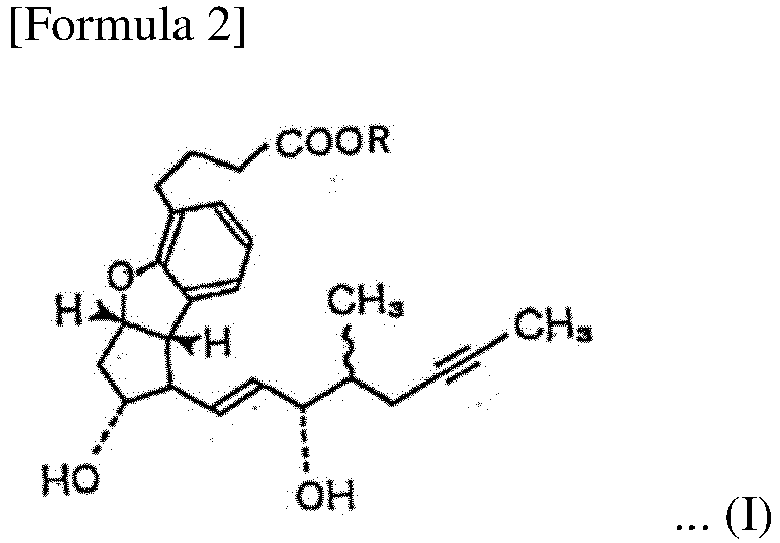
- (3) The therapeutic method according to (1) or (2), wherein the compound represented by the formula (I) is beraprost sodium.
- (4) The therapeutic method according to any of (1) to (3), wherein the cat having CKD with
IRIS stage - (5) The therapeutic method according to any of (1) to (4), wherein the cat having CKD with
IRIS stage 3 exhibits serum creatinine of 2.9 mg/dL to 5.0 mg/dL and serum SDMA of 9.0 µg/dL or higher. - (6) The therapeutic method according to any of (1) to (4), wherein the cat having CKD with
IRIS stage 4 exhibits serum creatinine of higher than 5.0 mg/dL and serum SDMA of 9.0 µg/dL or higher. - (7) The therapeutic method according to any of (1) to (5), wherein the therapeutic agent is administered to the cat having CKD with
IRIS stage 3. - (8) The therapeutic method according to any of (1) to (7), wherein the cat having CKD with
IRIS stage - (9) The therapeutic method according to any of (1) to (8), wherein the compound represented by the formula (I) is administered to the cat with CKD in an amount of 14.1 to 52.4 µg/kg body weight/day.
- (10) The therapeutic method according to any of (1) to (9), wherein administration to the cat with CKD is performed twice daily.
- (11) The therapeutic method according to any of (1) to (10), wherein administration to the cat with CKD is performed during or after feeding.
- (12) The therapeutic method according to any of (1) to (11), wherein administration to the cat with CKD is performed in addition to a standard care for feline CKD.
- (13) The therapeutic method according to (12), wherein the standard care is a therapeutic method defined by the guidelines from the International Society of Feline Medicine or the International Renal Interest Society.
- (14) The therapeutic method according to any of (1) to (13), wherein the cat with CKD also has chronic heart failure, diabetes mellitus, pancreatitis, neoplasia, hyperthyroidism, hypertension, proteinuria, hypokalemia, hyperphosphatemia, or anemia.
- (15) A therapeutic agent used for the therapeutic method according to any of (1) to (14).
- (16) A compound represented by the formula (I) used for the therapeutic method according to any of (1) to (14).
- According to the therapeutic method of the present invention, it is possible to inhibit progression into
IRIS stage 4 or kidney death of a cat having CKD withIRIS stage - According to the therapeutic method of the present invention, in addition, it is possible to improve the overall survival rate or the observed survival rate of a cat having CKD with
IRIS stage - When the cat having CKD with
IRIS stage - When the cat having CKD with
IRIS stage - Further, the present invention provides a therapeutic agent used for the therapeutic method described above.
-
- [
Figure 1] Figure 1 is a test flow chart demonstrating a method for extracting data sets of subject cats. - [
Figure 2] Figure 2 is a view showing classification of complications and comorbidities of subject cats. - [
Figure 3] Figure 3 is a view showing changes in stage progression-free rates of cats having CKD withIRIS stage 3 in the BPS therapy group and in the No BPS therapy group. - [
Figure 4] Figure 4 is a view showing changes in stage progression-free rates of cats having CKD withIRIS stage 2 in the BPS therapy group and in the No BPS therapy group. - [
Figure 5] Figure 5 is a view showing changes in kidney survival rates of cats having CKD withIRIS stage - [
Figure 6] Figure 6 is a view showing changes in kidney survival rates of cats having CKD withIRIS stage 2 in the BPS therapy group and in the No BPS therapy group. - [
Figure 7] Figure 7 is a view showing changes in overall survival rates of cats having CKD withIRIS stage 3 in the BPS therapy group and in the No BPS therapy group. - [
Figure 8] Figure 8 is a view showing changes in overall survival rates of cats having CKD withIRIS stage 4 in the BPS therapy group and in the No BPS therapy group. - [
Figure 9] Figure 9 is a view showing changes in overall survival rates of cats having CKD withIRIS stage 2 in the BPS therapy group and in the No BPS therapy group. - [
Figure 10] Figure 10 is a view showing changes in overall survival rates of cats having CKD withIRIS stage 3 and having body weight of less than 4.2 kg in the BPS therapy group and in the No BPS therapy group. - The therapeutic agent that can be used in the present invention comprises a compound represented by the following general formula (I):

- Examples of pharmacologically acceptable cations include: alkali metals and alkaline earth metals such as sodium, potassium, and calcium; amines typified by mono-, di-, or trimethylamine, methylpiperidine, mono-, di-, or triethanolamine, and lysine; basic amino acids; and the like. Of these, sodium and potassium are particularly preferably used.
- Further, among the compounds represented by the formula (I), beraprost or pharmacologically acceptable salts thereof are preferably used. Of these, in addition to beraprost, BPS, which is a sodium salt of beraprost, or a potassium salt of beraprost is particularly preferably used. It should be noted that such substances are simply examples and are not exclusive examples.
- Compounds represented by the formula (I) used in the present invention are known and can be produced by known techniques described in, for example,
JP H01-53672 B (1989 JP H07-5582 B (1985 JP H03-7275 A (1991 JP H06-62599 B (1994 - Any of compounds represented by the formula (I) can be used by itself or in combination of two or more.
- In the therapeutic method of the present invention, a dose of the compound represented by the formula (I) or beraprost sodium is 90 to 130 µg, and preferably 110 µg daily. When the compound represented by the formula (I) is beraprost potassium, such compound can preferably also be used. In such a case, a daily dose is 93 to 135 µg, and preferably 114 µg.
- Body weights of cats with CKD vary among individuals. Thus, a dose is preferably determined per body weight. When the compound represented by the formula (I) is beraprost sodium, for example, the compound can be administered while adjusting the dose to 12.6 to 57.7 µg/kg body weight/day, and preferably 14.1 to 52.4 µg/kg body weight/day. When the compound represented by the formula (I) is beraprost potassium, the dose thereof is 13.1 to 59.9 µg/kg body weight/day, and preferably 14.6 to 54.5 µg/kg body weight/day.
- While the frequency of administration to a cat per day is not particularly limited, in general, administration is performed 1 to 4 times daily, and preferably twice daily. If there are no particular problems in terms of side-effects, administration may be performed once daily. Alternatively, administration may be performed during feeding, and a larger number of administration frequency may be set.
- The timing of administration during a day is not particularly limited, and administration is preferably performed after or during morning and evening feeding occasions. Further, a formula feed for cats with CKD can be supplemented with the therapeutic agent of the present invention in advance and administered under a doctor's or veterinarian's guidance. In such a case, the formula feed can be divided and administered at the same frequency as the frequency of daily feeding occasions.
- BPS is composed of four stereoisomers, and its medicinal effect is mainly responsible for BPS-314d (sodium (+)-(1R,2R,3aS,8bS)-2,3,3a,8b-tetrahydro-2-hydroxy-1-[(E)-(3S,4S)-3-hydroxy-4-methyl-1-octen-6-ynyl]-1H-cyclopenta[b]benzofuran-5-butyrate) (Non-Patent Literature 11). Therefore, therapeutic agents containing only BPS-314d, which is an active ingredient of BPS, are also preferably used. Regarding the plasma concentration of BPS-314d when BPS is administered, both AUC (area under the blood concentration time curve; the area of the part surrounded by the curve (blood drug concentration-time curve) showing the time course of blood concentration and the horizontal axis (time axis)) and Cmax (maximum drug concentration) are found to be almost 1/4 in humans (Shimamura et al., J. Clin. Pharmacol., 2017, 57, 524-535) or rats (Matsumoto et al., Yakubutsu Dotai (Pharmacokinetics), 1989, 4(6), 713-725), and such tendency is considered to be similar in cats. Therefore, when a preparation containing an active body of BPS (e.g., BPS-314d) alone is administered, the effective dose per day of BPS-314d is 22.5 to 32.5 µg, and preferably 27.5 µg, which is 1/4 the dose of BPS. Further, an active body of beraprost potassium (potassium (+)-(1R,2R,3aS,8bS)-2,3,3a,8b-tetrahydro-2-hydroxy-1-[(E)-(3S,4S)-3-hydroxy-4-methyl-1-octen-6-ynyl]-1H-cyclopenta[b]benzofuran-5-butyrate) is also particularly preferably used by itself. The daily dose in this case is 23 to 34 µg, and preferably 28 to 29 µg.
- Various dosage forms can be adopted for drugs used in the therapeutic method of the present invention. In the case of oral administration, specific examples of dosage forms include tablets, chewable tablets, powders, fine granules, granules, liquids, syrups, capsules, pills, and sprays. Alternatively, molded products can be film-coated, sugar-coated, or encapsulated. Preferable examples include liquids, tablets, powders, fine granules, granules, liquids, syrups, and capsules. Alternatively, a drug may be administered parenterally in the form of a disinfection solution or the like, or another solute, such as a sufficient amount of sodium chloride or glucose to make an isotonic solution, may be used.
- The therapeutic agent of the present invention can be used in various forms, such as injection preparations, nasal drops, ear drops, eye drops, transdermal agents, ointments, or suppositories, in addition to the therapeutic agents described above. In accordance with properties of each agent, release of each agent can be controlled to prepare a sustained-release or delayed-release agent. For example, the agent of the present invention can be provided with a controlled-release function in accordance with an conventional technique and administered via extensive parenteral routes in the form of an implanted controlled-release pump (e.g., Alzet mini pump) or the like.
- In addition to the therapeutic agent that has been approved to be manufactured and commercialized as RAPROS (trademark) in Japan, therapeutic agents for cats that can be preferably used in the present invention are therapeutic agents demonstrated to have bioequivalence to RAPROS (trademark) based on, for example, pharmacokinetic studies on elution behavior or in a clinical setting performed in accordance with the methods described in, for example, the "Guideline for Bioequivalence Studies of Generic Veterinary Products," the "Guideline on the conduct of bioequivalence studies for veterinary medicinal products (EMA/CVMP/016/2000)," and the "Guideline for Bioequivalence Studies of Generic Products." For example, such therapeutic agents can be prepared in the manner described below.
- As excipients, lactose and starch are introduced into an agitation granulator, and granules are produced with agitation with the addition of a solution of BPS and a binder (hypromellose) prepared in advance. The granules are fractured, dried, and size-regulated to prepare dry granules, a lubricant (magnesium stearate) is added to the dry granules, the resultant is mixed in a mixer, and uncoated tablets are then obtained using a rotary tablet press machine. The uncoated tablets are introduced into a coater and sprayed with a coating solution prepared in advance (polyethylene glycol, hypromellose) to coat the uncoated tablets, and carnauba wax is then added to prepare film-coated tablets.
- The therapeutic agent used in the present invention may contain additives, such as excipients, lubricants, binders, stabilizers, and solubilizing agents. The additives are not particularly limited as long as they are pharmacologically acceptable. Examples of excipients include lactose, saccharose (sucrose), D-mannitol, sorbitol, xylitol, crystalline cellulose, corn starch, gelatin, polyvinyl pyrrolidone, dextran, polyethylene glycol (hereinafter, abbreviated as PEG; another name: Macrogol) 1500, PEG 4000, PEG 6000, PEG 20000, polyoxyethylene polyoxypropylene glycol (PEP 101 (trademark) and Pluronic (trademark)), and the like. Further, examples of lubricants include magnesium stearate, calcium stearate, talc, and the like; examples of binders include hydroxypropylcellulose, hydroxypropylmethylcellulose, methylcellulose, stearic acid, propylene glycol, and the like; examples of stabilizers include butylhydroxytoluene, butylhydroxyanisole, ascorbic acid, propyl gallate, dibutylmethylphenol, sodium thiosulfate, and the like; and examples of solubilizing agents include polyethylene hydrogenated castor oil, polyethyleneglycol monostearate, and the like. The amounts of these additives mixed are selected as appropriate depending on the type and purpose thereof.
- Further, acrylic acid polymer, polyvinyl alcohol, hydroxypropyl cellulose, various commercially available premix coating agents, and the like can be used as tablet-coating agents.
- In addition to the process described above, a continuous production process can be employed as a method for preparing an oral therapeutic agent, and a production process is not particularly limited.
- A form of a therapeutic agent comprising the compound (I) that can be used in the present invention is not particularly limited, and a preferable example is a tablet. A tablet diameter is important because it significantly affects drug intake for cats. Such diameter is 4.5 to 10.5 mm, preferably 4.5 to 7.5 mm, and more preferably 5.5 to 6.5 mm. When grains or fine grains with diameters of 10 to 1,000 µm are to be filled in a capsule so as to easily mix the therapeutic agent with a feed, a size of a capsule is preferably 4.5 to 6.0 × 11.0 to 17.5 mm (inner diameter × full-length after filling), so that the capsule can be administered by itself.
- Sustained-release therapeutic agents are those that delay the release of active ingredients from therapeutic agents to reduce the number of doses, and keep the active ingredient concentration in the blood constant for a long period of time to avoid side effects, as described in the Pharmaceutical Glossary of the Pharmaceutical Society of Japan.
- As BPS therapeutic agents used for treatment of cats in the present invention, it is possible to use sustained-release therapeutic agents, and, in particular, oral sustained-release therapeutic agents.
- Examples of sustained-release therapeutic agents for oral administration include single-unit and multiple-unit sustained-release therapeutic agents. Many of single-unit agents gradually release drugs while the dosage form is maintained in the gastrointestinal tract. Examples of single-unit agents include wax matrix, gradumet, repetab, lontab, spantab, and the like. As for multiple-unit agents, administered tablets or capsules are rapidly disintegrated to release granules, and the released granules show sustained-release properties. Examples of multiple-unit agents include spacetab, spansule, granule, and the like. Further, in terms of release control mechanism, they are divided into reservoir agents and matrix agents. Reservoir agents are obtained by coating drug-containing tablets or granules with polymer coatings, and the drug release rate is determined by the properties and thickness of the coating. Repetab, spacetab, spansule, and granule belong to reservoir agents. Matrix agents are obtained by dispersing drugs in bases such as polymers or waxes, and the release rate is determined by the diffusion rate of drug molecules in the matrix. Wax matrix, gradumet, lontab, spantab, etc., belong to matrix agents. Various sustained-release therapeutic agents can be used, regardless of the method of sustained-release, as long as they have the release characteristics described above.
- Among the above, the sustained-release therapeutic agents that can be used in the present invention are not particularly limited. For example,
WO98/41210 WO2004/103350 disclose BPS sustained-release therapeutic agents comprising a hydrogel base as a release control component of BPS. The BPS sustained-release therapeutic agents produced by these methods can also be used. - As another form of a sustained-release therapeutic agent comprising BPS,
WO2004/103350 discloses an oral sustained-release pharmaceutical composition comprising a plurality of granules with particle sizes of 1000 µm or less. Such therapeutic agent can also be used. - Cats with CKD are known to lose their appetites. Accordingly, it is possible to increase their appetites by supplementing the therapeutic agent with a flavor or taste preferred by cats.
- As described above, various dosage forms and administration methods can be adopted in the present invention. When a dosage form or administration method different from that of an oral therapeutic agent, RAPROS (trademark) (Toray Industries, Inc.), is to be adopted, it is preferable to adjust the amount of drug exposure to cats at the equivalent level. In such a case, such equivalence may be determined primarily based on AUC. When blood kinetics varies depending on a type of CKD, such variation is preferably taken into consideration to evaluate equivalence.
- When the therapeutic agent comprising, as an active ingredient, the compound represented by the formula (I), for example, a therapeutic agent comprising BPS is to be administered, a tablet of RAPROS (trademark) (Toray Industries, Inc.) (BPS content: 55 µg/tablet) may be administered twice daily (2 tablets in total), so that 110 µg of BPS would be administered daily.
- The methods of IRIS diagnosis and staging described in the Background Art section can be employed as the methods of diagnosis and staging of the target feline CKD in the present invention.
- Specifically, patient animals are diagnosed to have feline CKD when at least one of the following indicators is persistently observed on the basis of the medical history and the results of physical examination, clinical examination, diagnostic imaging, and histopathological examination of patient animals in stable conditions. The indicators are elevated serum creatinine or serum SDMA, persistent elevation in serum SDMA to > 14 µg/dL, renal proteinuria accompanied by the persistent UPC ratio of > 0.4, the urine specific gravity of < 1.035, inappropriate tubular loss of potassium, bicarbonate, glucose or amino acid, renal cyst, urolith, and renal tumor. Subsequently, the IRIS staging can be performed as described below on the basis of assessment of serum creatinine or serum SDMA or preferably serum creatinine and serum SDMA via two or more hospital visits: stage 1: serum creatinine of lower than 1.6 mg/dL or serum SDMA of lower than 18 µg/dL or preferably serum creatinine of lower than 1.6 mg/dL and serum SDMA of lower than 18 µg/dL; stage 2: serum creatinine of 1.6 to 2.8 mg/dL or serum SDMA of 18 to 25 µg/dL or preferably serum creatinine of 1.6 to 2.8 mg/dL and serum SDMA of 18 to 25 µg/dL; stage 3: serum creatinine of 2.9 to 5.0 mg/dL or serum SDMA of 26 to 38 µg/dL or preferably serum creatinine of 2.9 to 5.0 mg/dL and serum SDMA of 26 to 38 µg/dL; and stage 4: serum creatinine of higher than 5.0 mg/dL or serum SDMA of higher than 38 µg/dL or preferably serum creatinine of higher than 5.0 mg/dL and serum SDMA of higher than 38 µg/dL.
- In this description, serum creatinine, serum SDMA, and body weight values are rounded to 2 significant figures.
- In the IRIS diagnostic method, it is necessary that the diagnostic criteria be persistently satisfied. In clinical practice, however, a decision is often expected to be made through one hospital visit. In the present invention, accordingly, a patient animal can be diagnosed to have CKD if the patient animal satisfies the diagnostic criteria for the first time. In the IRIS staging, either serum creatinine or serum SDMA, and preferably both serum creatinine and serum SDMA, should be examined through at least 2 hospital visits. In the present invention, however, it is possible to treat a subject that satisfies the criteria through a single hospital visit in the same manner as in the case of a subject that is diagnosed to have CKD through 2 hospital visits in consideration of operation in clinical practice.
- In the present invention, it is possible to determine the stage of the target feline CKD based on serum creatinine by itself, and the determined stage is not necessarily consistent with the IRIS stage. The range of serum creatinine adopted in such a case is the same as that adopted in the IRIS staging. CKD is diagnosed as
stage 2 at serum creatinine of 1.6 to 2.8 mg/dL,stage 3 at serum creatinine of 2.9 to 5.0 mg/dL, andstage 4 at serum creatinine of higher than 5.0 mg/dL. - Concerning the cats with CKD in accordance with the staging based only on serum creatinine, progression from
stage 3 intostage 4 or progression fromstage 3 orstage 4 into kidney death can be inhibited by the method of the present invention. Further, the overall survival rate or the observed survival rate of cats having CKD withstage - Further, the method of the present invention is more preferably employed to inhibit progression of
IRIS stage 3 CKD intostage 4 or improve the overall survival rate or the observed survival rate when cats having CKD withIRIS stage 3 have serum creatinine of 2.9 mg/dL to 5.0 mg/dL and serum SDMA of 9.0 µg/dL or higher. - When cats having CKD with
IRIS stage 4 have serum creatinine of higher than 5.0 mg/dL and serum SDMA of 9.0 µg/dL or higher, in addition, the method of the present invention is more preferably used to inhibit kidney death or improve the overall survival rate or the observed survival rate. - The therapeutic method of the present invention is effective on
stage 3 andstage 4 CKD. Concerning cats having CKD withstage 2, however, inhibition of progression intostage 4 or improvement in the overall survival rate or the observed survival rate is not observed. - As described in the Background Art section, it is impossible to predict that higher effects would be achieved in severe cases of chronic nephropathy than in mild cases based on the conventional finding on BPS administration in treatment of feline CKD. That is, a feature such that higher effects would be achieved in severe cases is considered to be an important feature of the present invention.
- While a BPS sustained-release therapeutic agent delays transition of treatment of patients with primary glomerular disease or nephrosclerosis into dialysis and kidney death caused by transition into dialysis or transplantation in human patients with CKD, such effects are limited to the mildest case exhibiting serum creatinine of 2.0 mg to lower than 3.0 mg/dL when administration was initiated, and no effects were observed in cases exhibiting serum creatinine of 3.0 mg/dl or higher.
- As described above, it was impossible to predict that particularly significant effects would be observed in terms of inhibition of IRIS stage progression, inhibition of kidney death, and improvement in the survival rate in more severe cases of cats in the present invention.
- The therapeutic method of the present invention is particularly effective for cats with CKD suffering from malnutrition. Examples of malnutrition in cats with CKD include body weight loss and decrease in body build, muscle weight, nutritional intake, and serum protein levels.
- In particular, body weight loss is an effective indicator of cats with CKD suffering from malnutrition. Specifically, life prognosis in cats with CKD having body weight of less than 4.2 kg is poorer than that in cats having body weight of 4.2 kg or more (Non-Patent Literature 16). Accordingly, body weight of less than 4.2 kg is an important criterion to diagnose malnutrition. In the present invention, effects of inhibition of stage progression, inhibition of kidney death, and improvement in the survival rate are more remarkable in the cases of
IRIS stage - Decrease in body weight by 5% or more in 6 months is a useful criterion to determine that a subject has body weight loss or malnutrition. Such decrease is particularly useful when the body weight is naturally less than 4.2 kg or less than 3.5 kg and it is difficult to determine that body weight loss is caused by the CKD.
- As another indicator of malnutrition, it is possible to use lowering of the 9-point-scale body conditioning score (BCS) serving as an indicator of decrease in body build or muscle weight to score 3 or lower or lowering of the 4-point-scale muscle conditioning score (MCS) to mild muscle wasting or lower. In addition, it is possible to use lowering of the serum protein level or the serum albumin level to a level lower than the standard level or lowering of the lymphocyte count to a level lower than the standard level as an indicator of malnutrition. It is also possible to diagnose malnutrition with the use of such indicators in combination.
- The cause of feline CKD has not yet been fully elucidated at present, and aging is known to be a cause of feline CKD. Other diseases as exemplified below are known to cause feline CKD, although it is often impossible to identify the cause.
- Specifically, examples of causes or causative diseases of the CKD include chronic tubulointerstitial nephritis, chronic glomerulonephritis, juvenile kidney dysplasia, polycystic kidney disease, nephrolithiasis, urolithiasis, obstructive uropathy, acute kidney insufficiency, diabetic nephropathy, hypercalcemic nephropathy, kidney lymphoma, amyloid nephropathy, chronic pyelonephritis, chronic viral infection, systemic inflammatory syndrome, toxic disorders, and chronic malnutrition. Examples of chronic glomerulonephritis types include membranous nephropathy, mesangial proliferative glomerulonephritis, and membranoproliferative glomerulonephritis.
- It is apparent that IRIS diagnosis of feline CKD is performed based on, for example, serum creatinine, serum SDMA, and urine specific gravity. Accordingly, the CKD is defined as a common pathological condition regardless of the primary disease. In the present invention, the method of the present invention is effective regardless of the causative disease.
- The IRIS staging for feline CKD does not define the pathological stage at which a patient cat has lost almost all kidney functions and would die in a few days without kidney replacement therapy, such as dialysis or kidney transplantation. The IRIS guidelines on acute kidney insufficiency, however, indicate that "a patient may die within 5 to 10 days despite appropriate conservative therapy without kidney replacement therapy if serum creatinine is higher than 10.0 mg/dL." In accordance therewith, it is possible to define kidney death when serum creatinine is increased to higher than 10.0 mg/dL. In the present invention, it is possible to inhibit kidney death of cats having CKD with
stage - The term "overall survival rate" is synonymous with the term "observed survival rate," and such term indicates a survival rate regardless of the cause of death including death resulting from complications and comorbidities that arise as the kidney function is impaired. In the present invention, it is possible to improve the overall survival rate or the observed survival rate.
- In the case of feline CKD and, in particular, the cases of
stage 2 or advanced CKD, kidney function to filter low-molecular-weight substances is irreversibly impaired. Serum creatinine and serum SDMA accumulate in the blood as the kidney function to filter low-molecular-weight substances is impaired and levels thereof are gradually elevated. Thus, such levels can be used as indicators which indicate that the kidney function to filter low-molecular-weight substances is impaired. - On the other hand, as various functions including the kidney function to filter low-molecular-weight substances are impaired, the cardiovascular functions are damaged (Non-Patent Literature 4). Accordingly, many cats with CKD die of heart failure instead of progression of the CKD. In addition, the International Society of Feline Medicine provides, in the guidelines on treatment and management of feline CKD, examples of complications/comorbidities associated with worsening of feline CKD, such as hypertension, proteinuria, hypokalemia, hyperphosphatemia, urinary tract infection, anemia, and CKD-mineral bone disorder (Non-Patent Literature 1), and such complications/comorbidities are known to cause death because of feline CKD.
- In clinical practice, impaired kidney function caused by progression of the chronic kidney disease is often associated with the complications/comorbidities, and it is often impossible to identify the cause of death in fatal cases. In evaluation of therapeutic methods for feline CKD, accordingly, the overall survival rate or the observed survival rate including all the deaths caused by other factors such as the complications/comorbidities in addition to the deaths caused by progression of the CKD can be the most important indicator. According to the therapeutic method of the present invention, it is possible to improve the overall survival rate or the observed survival rate of cats with
IRIS stages - As described above, feline CKD is often associated with complications/comorbidities, such as hypertension, proteinuria, hypokalemia, hyperphosphatemia, urinary tract infection, anemia, and CKD-mineral bone disorder. In the present invention, cats with such complications/comorbidities associated with the CKD can be the targets. Complications/comorbidities are diagnosed as follows: hypertension when the systolic blood pressure is measured to be 160 mmHg or higher by the blood pressure test; proteinuria when urine protein is measured to be 100 mg/dL or higher by the urine dipstic test; hypokalemia when potassium is measured to be lower than 3.5 mEq/L by the blood chemistry test; hyperphosphatemia when phosphorus is measured to be 6.0 mg/dL or higher by the blood chemistry test; and anemia when hematocrit is measured to be lower than 30% by the blood count test.
- Further, it is possible to treat kidney diseases associated with diseases often observed in cats, such as hyperthyroidism, pancreatitis, neoplasia, and chronic heart failure. The method of the present invention can be effectively used for cats with diabetic nephropathy that have developed diabetes mellitus associated with the CKD.
- The therapeutic method of the present invention can be employed in combination with an existing therapeutic method or a standard care for feline CKD. The therapeutic method of the present invention performed in combination with a common standard care for the CKD, which is the therapeutic method defined by the guidelines from the International Society of Feline Medicine and the International Renal Interest Society, is particularly effective.
- The guidelines from the International Society of Feline Medicine exemplify, as therapeutic agents for feline CKD, phosphate binders, active vitamin D3 analogs, calcium channel blockers, β blockers, erythrocyte-stimulating agents, angiotensin-converting enzyme inhibitors, angiotensin receptor blockers, nurokinin-1 receptor antagonists, nonadrenergic and specific serotonergic antidepressants, 5-
hydroxytryptamine receptor 4 agonists, 5-hydroxytryptamine receptor 3 antagonists, histamine-2 receptor blockers, and proton pump inhibitors, and such therapeutic agents can be used. - Among them, an angiotensin-converting enzyme inhibitor, benazepril hydrochloride, and an angiotensin receptor blocker, telmisartan, are extensively used as therapeutic agents for proteinuria in feline CKD. Also, enalapril, lisinopril, losartan, spironolactone, omega-3 fatty acids, and amlodipine are reported as therapeutic agents for feline proteinuria (Non-Patent Literature 36).
- However, such therapeutic agents are not intended to normalize the pathological conditions of cats with CKD or improve the survival rate, and such therapeutic agents are used to improve symptoms characteristic of cats with CKD or abnormal laboratory values. For example, erythrocyte-stimulating agents may be used for treatment of anemia that is often observed in cats with CKD, and angiotensin-converting enzyme inhibitors, angiotensin receptor blockers, calcium channel blockers, or β blockers may be used for treatment of hypertension associated with kidney disease. In the aforementioned guidelines, adequate therapeutic methods and medicines to be used in accordance with the pathological conditions of the cats with CKD are defined. It is pointed out in the guidelines that use of drugs for cases without symptoms may worsen the kidney disease.
- Examples of angiotensin-converting enzyme inhibitors that can be used in the present invention include, in addition to the benazepril hydrochloride described above, captopril, enalapril, imidapril, lisinopril, perindopril, ramipril, alacepril, moexipril, fosinopril, quinapril, and a pharmacologically acceptable salt of any thereof.
- Examples of angiotensin receptor blockers include, in addition to the telmisartan described above, losartan, eprosartan, candesartan cilexetil, valsartan, irbesartan, tasosartan, olmesartan, zolasartan, mifasartan, folasartan, and, according to need, a metabolically active substance (e.g., candesartan) and a pharmacologically acceptable salt of any thereof.
- Alternatively, angiotensin-converting enzyme inhibitors and angiotensin receptor blockers may be used in combination, or angiotensin-converting enzyme inhibitors or angiotensin receptor blockers may be used in combination with aldosterone antagonists, calcium channel blockers, β blockers, or various diuretic agents.
- In addition to the therapeutic methods defined in the guidelines from the International Society of Feline Medicine and the International Renal Interest Society, drugs that are commonly used for treatment of feline kidney disease described below can be used in combination.
- In Japan, for example, carbon based sorbents that remove causative substances of uremia from the gastrointestinal tract have been approved as drugs for veterinary use and extensively used in a clinical setting for the purpose of treatment of feline uremia. The therapeutic method of the present invention is also effective for the cases that have received treatment with carbon based sorbents. Specific examples include spherical adsorptive carbon granules, such as Covalzin (trademark) for cats and Kremezin (trademark) for humans, and active carbons commercialized as veterinary nutraceuticals/supplements and veterinary/prescription diets.
- Also, body weight loss in feline CKD is associated with the lowered survival rate. Accordingly, a ghrelin receptor agonist, capromorelin, has been extensively used as a therapeutic agent for body weight loss. Other examples of therapeutic agents include anamorelin, ipamorelin, tavimorelin, and a pharmacologically acceptable salt of any thereof.
- Veterinary/prescription diets and subcutaneous fluid therapy for CKD can also be employed in combination.
- In the present invention, a measurement method of serum creatinine is not particularly limited, and, in general, it is performed by an enzymatic method or the Jaffe method. Specifically, measurement is performed with the use of commercially available hematology analyzers for veterinary use, such as Fuji Dry Chem NX700V (FUJIFILM VET Systems Co., Ltd.), Catalyst One (IDEXX Laboratories, Inc.), Spotchem D-concept (Arkley), Vetscan VS2 (Abaxis, Inc.), and Element DC5X (Heska Corp.), or measurement is performed at clinical research centers, such as IDEXX Laboratories, Inc., FUJIFILM VET Systems Co., Ltd., Unitech Diagnostics, Inc., Abaxis, Inc., Heska Corp., and Abot Laboratories, Inc.
- Alternatively, a human measurement method of serum creatinine can also be employed. In such a case, measurement is preferably performed by an enzymatic method. Specifically, in addition to Cygnus Auto CRE (Shino-Test Corp.) commercialized as a clinical test drug, L-type Wako CRE-M (FUJIFILM Wako Pure Chemical Corp.), Pure Auto S CRE-N (Sekisui Medical Co., Ltd.), Serotec CRE-N (Serotec Co., Ltd.), Aqua-auto Kainos CRE-III plus (Kainos Laboratories, Inc.), Cica Liquid-N CRE (Kanto Chemical Co., Inc.), and the like are used. Any clinical test drugs that use the enzymatic method can be used without any particular limitation.
- In the present invention, a measurement method of serum SDMA is not particularly limited, and, in general, it is performed by an enzymatic method, liquid chromatography-mass spectrometry (LC-MS), or high performance liquid chromatography (HPLC). Specifically, measurement is performed with the use of a commercially available hematology analyzer for veterinary use, such as Catalyst One (IDEXX Laboratories, Inc.), or measurement is performed at clinical research centers, such as IDEXX Laboratories, Inc., FUJIFILM VET Systems Co., Ltd., Unitech Diagnostics, Inc., Abaxis, Inc., Heska Corp., and Abot Laboratories, Inc.
- In the present invention, a measurement method of urine specific gravity is not particularly limited, and, in general, it is performed by refractometry. Specifically, measurement is performed with the use of a commercially available urine specific gravity refractometer for veterinary use, such as Pocket Urine Specific Gravity Refractometer PAL-CAT (ATAGO Co., Ltd.), Pocket Urine Specific Gravity Refractometer PAL-DOG & CAT (ATAGO Co., Ltd.), MASTER-Urine Specific Gravity Refractometer for dogs and cats (ATAGO Co., Ltd.), and VetScan UA (Abaxis, Inc.), or measurement is performed at clinical research centers, such as IDEXX Laboratories, Inc., FUJIFILM VET Systems Co., Ltd., Unitech Diagnostics, Inc., Abaxis, Inc., Heska Corp., and Abot Laboratories, Inc.
- Also, a urine specific gravity refractometer for human use can be used. In such a case, use of a correction formula: feline urine specific gravity level = (0.846 × measured value) + 0.154, is preferable. Specifically, Pocket Urine Specific Gravity Refractometer PAL-09S (ATAGO Co., Ltd.), MASTER-SUR/Jα (ATAGO Co., Ltd.), and the like may be used, and any refractometer may be used as long as measurement is performed by refractometry.
- Next, the present invention will be described in more detail while showing Examples and Comparative Examples; however, the present invention is not limited by these examples.
- Drugs to be administered to the cats in the examples and the comparative examples of the present application were prepared in the form of film-coated tablets each containing 55 µg of beraprost sodium (BPS) as the compound represented by the formula (I) in the manner described below.
- As excipients, lactose and starch were introduced into an agitation granulator, and granules were produced with agitation with the addition of a solution of BPS and a binder (hypromellose) prepared in advance. The granules were fractured, dried, and size-regulated to prepare dry granules, a lubricant (magnesium stearate) was added to the dry granules, the resultant was mixed in a mixer, and uncoated tablets were then obtained using a punch and a die (6 mm, 8 R) in a rotary tablet press machine. The uncoated tablets were introduced into a coater and sprayed with a coating solution prepared in advance (polyethylene glycol, hypromellose) to coat the uncoated tablets, and carnauba wax was then added to prepare film-coated tablets.
- In order to compare the periods before progression of feline CKD into
stage 4 with BPS therapy and without BPS therapy, the following retrospective observation studies were performed. The studies were performed at Ichikawa General Hospital, Kariya Animal Hospital, Inc., that had adopted the electronic chart system for veterinary hospitals, Ahmics (trademark) (PetCommunications Co., Ltd.), and completely eliminated the use of paper charts before 2017. In this hospital, all-encompassing information concerning medical treatment, such as test data, death records, and drug prescription records of all patient animals have been managed by the electronic chart system. The data sets of the subject cats were extracted in the manner as shown inFigure 1 . Specifically, the data sets of 1,681 cats subjected to the serum creatinine test and the data sets of 1,399 cats subjected to the urinalysis from April 1, 2017 to December 10, 2020 were extracted. Among them, by excluding 951 cats without records, the data sets of 730 cats that were diagnosed to have CKD as a result of serum creatinine tests at least two times, urinalysis, and other clinical tests were extracted. Among them, the data sets of 134 cats diagnosed to have CKD exhibiting serum creatinine of 2.9 mg/dL to 5.0 mg/dL (stage 3) in accordance with the method defined by the IRIS staging were extracted and subjected to the analysis. All the cats subjected to serum SDMA measurement exhibited serum SDMA of 9 µg/dL or higher, and some of them were found to have developed chronic heart failure, diabetes mellitus, hyperthyroidism, pancreatitis, neoplasia, hypertension, proteinuria, hypokalemia, hyperphosphatemia, or anemia (Figure 2 ). - Based on the drug prescription records, cats were divided into two groups: a BPS therapy group consisting of 57 cats; and a BPS therapy-free group consisting of 77 cats, and the baseline characteristics and the periods before progression into
stage 4 were compared and analyzed retrospectively. To the cats in the BPS therapy group, BPS drugs for veterinary use, RAPROS (trademark) (Toray Industries, Inc.), were administered while adjusting the amount of BPS to 14.1 to 52.4 µg/kg body weight/day and the median to 29.1 µg/kg body weight/day twice daily during or after morning and evening feeding occasions. Other than BPS administration, common therapy for feline chronic kidney insufficiency was performed and no significant differences were observed in such common therapy between groups. Progression intostage 4 was examined by the method defined by the IRIS staging. Specifically, progression intostage 4 was determined based on serum creatinine or serum SDMA measured to be higher than 5.0 mg/dL or higher than 38 µg/dL, respectively, via two or more hospital visits. By designating progression intostage 4 as the outcome, the start date of treatment as the point of origin for the cats in the BPS therapy group, and the start date of observation as the point of origin for the cats in the No BPS therapy group, the periods (months) before the outcome was observed were recorded. In analysis, the 3-year stage progression-free rates (%) of the BPS therapy group and of the No BPS therapy group, the standard errors thereof, the 95% confidence intervals, and the comparison of the 3-year stage progression-free rates (%) between the groups were calculated. The periods (months) before progression intostage 4 of the BPS therapy group and of the No BPS therapy group and the outcomes thereof were analyzed by Kaplan-Meier analysis to show curves demonstrating changes in the stage progression-free rate relative to the observational period (months). As a case summary, progression intostage 4, discontinuation, and the overall number were demonstrated. The average period (months) before progression intostage 4, the standard error thereof, the 95% confidence intervals, the medians and the standard errors thereof, the 95% confidence intervals, and the comparison of the average stage progression-free periods were calculated. Differences in the stage progression-free rates were assessed by the log rank test, the Cochran-Mantel-Haenszel test, by setting significant level at a two-tailed P-value of < 0.05. - No difference that would affect the results of analysis was observed in baseline characteristics between the BPS therapy group and the No BPS therapy group. Concerning the BPS therapy group, the 3-year stage progression-free rate (%) was 32.7, the standard error thereof was 13.5, and the 95% confidence interval was 6.3 to 59.1. Concerning the No BPS therapy group, in contrast, the 3-year stage progression-free rate (%) was 26.2, the standard error thereof was 12.0, and the 95% confidence interval was 2.7 to 49.7. The 3-year stage progression-free rate (%) of the BPS therapy group was 1.25 times that of the No BPS therapy group. The results of Kaplan-Meier analysis demonstrated that the average period (months) before progression into
stage 4 of the BPS therapy group was 26.5, the standard error thereof was 3.0, the 95% confidence interval was 20.6 to 32.3, the median thereof was 31.6, the standard error thereof was 9.4, and the 95% confidence interval was 13.1 to 50.1. In contrast, the results demonstrated that the average period (months) before progression intostage 4 of the No BPS therapy group was 17.8, the standard error thereof was 2.3, the 95% confidence interval was 13.3 to 22.3, the median thereof was 12.1, the standard error thereof was 5.2, and the 95% confidence interval was 1.9 to 22.4. The average stage progression-free period of the BPS therapy group was 1.49 times that of the No BPS therapy group. A P value indicating a difference in the stage progression-free rate between the groups was 0.0119. That is, effects of BPS administration to inhibit progression intostage 4 were observed in cats with CKD that had exhibited serum creatinine of 2.9 mg/dL to 5.0 mg/dL (stage 3) before initiation of administration (Figure 3 ). - In the studies described in Example 2, as shown in
Figure 1 , the data sets of 369 cats diagnosed to have CKD exhibiting serum creatinine of 1.6 mg/dL to 2.8 mg/dL (stage 2) in accordance with the method defined by the IRIS staging were extracted and analyzed. - Based on the drug prescription records, cats were divided into two groups: a BPS therapy group consisting of 37 cats; and a BPS therapy-free group consisting of 332 cats, and the baseline characteristics and the periods before progression into
stage 4 were compared and analyzed retrospectively. To the cats in the BPS therapy group, BPS drugs for veterinary use, RAPROS (trademark) (Toray Industries, Inc.), were administered while adjusting the amount of BPS to 18.5 to 42.3 µg/kg body weight/day and the median to 26.5 µg/kg body weight/day twice daily during or after morning and evening feeding occasions. Progression intostage 4 was examined by the method defined by the IRIS staging. Specifically, progression intostage 4 was determined based on serum creatinine or serum SDMA measured to be higher than 5.0 mg/dL or higher than 38 µg/dL, respectively, via two or more hospital visits. By designating progression intostage 4 as the outcome, the start date of treatment as the point of origin for the cats in the BPS therapy group, and the start date of observation as the point of origin for the cats in the No BPS therapy group, the periods (months) before the outcome was observed were recorded. In analysis, the 3-year stage progression-free rates (%) of the BPS therapy group and of the No BPS therapy group, the standard errors thereof, the 95% confidence intervals, and the comparison of the 3-year stage progression-free rates (%) between the groups were calculated. The periods (months) before progression intostage 4 of the BPS therapy group and of the No BPS therapy group and the outcomes thereof were analyzed by Kaplan-Meier analysis. On the basis thereof, progression intostage 4, discontinuation, and the overall number were demonstrated as a summary of cases. The average period (months) before progression intostage 4, the standard error thereof, the 95% confidence interval, the median and the standard error thereof, the 95% confidence interval, and the comparison of the average stage progression-free rates were demonstrated. Differences in the stage progression-free rates were assessed by the log rank test, the Cochran-Mantel-Haenszel test, by setting significant level at a two-tailed P-value of < 0.05. - No difference that would affect the results of analysis was observed in baseline characteristics between the BPS therapy group and the No BPS therapy group. Concerning the BPS therapy group, the 3-year stage progression-free rate (%) was 74.7, the standard error thereof was 12.9, and the 95% confidence interval was 49.4 to 99.9. Concerning the No BPS therapy group, in contrast, the 3-year stage progression-free rate (%) was 89.6, the standard error thereof was 2.9, and the 95% confidence interval was 83.9 to 95.4. The 3-year stage progression-free rate (%) of the BPS therapy group was 0.83 times that of the No BPS therapy group. The results of Kaplan-Meier analysis demonstrated that the average period (months) before progression into
stage 4 of the BPS therapy group was 38.0, the standard error thereof was 2.1, and the 95% confidence interval was 33.9 to 42.1. In contrast, the results demonstrated that the average period (months) before progression intostage 4 of the No BPS therapy group was 40.9, the standard error thereof was 0.5, and the 95% confidence interval was 39.9 to 42.0. The average stage progression-free period of the BPS therapy group was 0.93 times that of the No BPS therapy group. A P value indicating a difference in the stage progression-free rate between the groups was 0.3159. That is, no effects of BPS administration to inhibit progression intostage 4 were observed in cats with CKD that had exhibited serum creatinine of 1.6 mg/dL to 2.8 mg/dL (stage 2) before initiation of administration (Figure 4 ). - As in the studies described in Example 2, the data sets of 218 cats diagnosed to have CKD exhibiting serum creatinine of 2.9 mg/dL to 5.0 mg/dL (stage 3) or higher than 5.0 mg/dL (stage 4) in accordance with the method defined by the IRIS staging were extracted, and the data sets of 199 cats exhibiting serum creatinine of 10.0 mg/dL or lower were analyzed. Based on the drug prescription records, cats were divided into two groups: a BPS therapy group consisting of 73 cats; and a BPS therapy-free group consisting of 126 cats.
- In Example 3, the periods before kidney death were compared and analyzed retrospectively. The timing of kidney death was determined with reference to the guidelines on acute kidney insufficiency from the International Renal Interest Society. On the basis of the statement such that "a patient may die within 5 to 10 days despite appropriate conservative therapy without kidney replacement therapy if serum creatinine is higher than 10.0 mg/dL," specifically, kidney death was determined when serum creatinine of higher than 10.0 mg/dL was recorded in the serum creatinine test. By designating kidney death as the outcome, the start date of treatment as the point of origin for the cats in the BPS therapy group, and the start date of observation as the point of origin for the cats in the No BPS therapy group, the periods (months) before the outcome was observed were recorded. In analysis, the 3-year kidney survival rates (%) of the BPS therapy group and of the No BPS therapy group, the standard errors thereof, the 95% confidence intervals, and the comparison of the 3-year kidney survival rates (%) between the groups were calculated. The periods (months) before kidney death of the BPS therapy group and of the No BPS therapy group and the outcomes thereof were analyzed by Kaplan-Meier analysis to show curves demonstrating changes in the kidney survival rate relative to the observational period (months). As a case summary, kidney death, discontinuation, and the overall number were demonstrated. The average period (months) before kidney death, the standard error thereof, the 95% confidence interval, and the comparison of the average kidney survival periods were demonstrated. Differences in the kidney survival rates were assessed by the log rank test, the Cochran-Mantel-Haenszel test, by setting significant level at a two-tailed P-value of < 0.05.
- Concerning the BPS therapy group, the 3-year kidney survival rate (%) was 77.1, the standard error thereof was 13.1, and the 95% confidence interval was 51.4 to 100.0. Concerning the No BPS therapy group, in contrast, the 3-year kidney survival rate (%) was 64.2, the standard error thereof was 7.1, and the 95% confidence interval was 50.4 to 78.1. The 3-year kidney survival rate (%) of the BPS therapy group was 1.20 times that of the No BPS therapy group. The results of Kaplan-Meier analysis demonstrated that the average period (months) before kidney death of the BPS therapy group was 39.2, the standard error thereof was 2.2, and the 95% confidence interval was 35.0 to 43.5. In contrast, the results demonstrated that the average period (months) before kidney death of the No BPS therapy group was 26.5, the standard error thereof was 1.9, and the 95% confidence interval was 22.8 to 30.3. The average kidney survival period of the BPS therapy group was 1.48 times that of the No BPS therapy group. A P value indicating a difference in the kidney survival rate between the groups was 0.0003. That is, effects of BPS administration to inhibit kidney death were observed in cats with CKD that had exhibited serum creatinine of 2.9 mg/dL to 5.0 mg/dL (stage 3) or higher than 5.0 mg/dL (stage 4) before initiation of administration (
Figure 5 ). - As in the studies described in Comparative Example 1, as shown in
Figure 1 , the data sets of 369 cats diagnosed to have CKD exhibiting serum creatinine of 1.6 mg/dL to 2.8 mg/dL (stage 2) in accordance with the method defined by the IRIS staging were extracted and analyzed. Based on the drug prescription records, cats were divided into two groups: a BPS therapy group consisting of 37 cats; and a BPS therapy-free group consisting of 332 cats. - In Comparative Example 2, the periods before kidney death were compared and analyzed retrospectively. The timing of kidney death was determined with reference to the guidelines on acute kidney insufficiency from the International Renal Interest Society. On the basis of the statement such that "a patient may die within 5 to 10 days despite appropriate conservative therapy without kidney replacement therapy if serum creatinine is higher than 10.0 mg/dL," specifically, kidney death was determined when serum creatinine of higher than 10.0 mg/dL was recorded in the serum creatinine test. By designating kidney death as the outcome, the start date of treatment as the point of origin for the cats in the BPS therapy group, and the start date of observation as the point of origin for the cats in the No BPS therapy group, the periods (months) before the outcome was observed were recorded. In analysis, the 3-year kidney survival rates (%) of the BPS therapy group and of the No BPS therapy group, the standard errors thereof, the 95% confidence intervals, and the comparison of the 3-year kidney survival rates (%) between the groups were calculated. The periods (months) before kidney death of the BPS therapy group and of the No BPS therapy group and the outcomes thereof were analyzed by Kaplan-Meier analysis to show curves demonstrating changes in the kidney survival rate relative to the observational period (months). As a case summary, kidney death, discontinuation, and the overall number were demonstrated. The average period (months) before kidney death, the standard error thereof, the 95% confidence interval, and the comparison of the average kidney survival periods were demonstrated. Differences in the kidney survival rates were assessed by the log rank test, the Cochran-Mantel-Haenszel test, by setting significant level at a two-tailed P-value of < 0.05.
- Concerning the BPS therapy group, the 3-year kidney survival rate (%) was 90.0, the standard error thereof was 9.5, and the 95% confidence interval was 71.4 to 100.0. Concerning the No BPS therapy group, in contrast, the 3-year kidney survival rate (%) was 95.2, the standard error thereof was 1.9, and the 95% confidence interval was 91.5 to 98.9. The 3-year kidney survival rate (%) of the BPS therapy group was 0.95 times that of the No BPS therapy group. The results of Kaplan-Meier analysis demonstrated that the average period (months) before kidney death of the BPS therapy group was 40.8, the standard error thereof was 1.3, and the 95% confidence interval was 38.3 to 43.3. In contrast, the results demonstrated that the average period (months) before kidney death of the No BPS therapy group was 41.9, the standard error thereof was 0.4, and the 95% confidence interval was 41.1 to 42.7. The average kidney survival period of the BPS therapy group was 0.97 times that of the No BPS therapy group. A P value indicating a difference in the kidney survival rate between the groups was 0.9049. That is, no effects of BPS administration to inhibit kidney death were observed in cats with CKD that had exhibited serum creatinine of 1.6 mg/dL to 2.8 mg/dL (stage 2) before initiation of administration (
Figure 6 ). - As in the studies described in Example 2, the data sets of 134 cats diagnosed to have CKD exhibiting serum creatinine of 2.9 mg/dL to 5.0 mg/dL (stage 3) in accordance with the method of the IRIS staging were extracted and analyzed. Based on the drug prescription records, cats were divided into two groups: a BPS therapy group consisting of 57 cats; and a BPS therapy-free group consisting of 77 cats.
- In Example 4, the survival periods were compared and analyzed retrospectively. By designating all-cause death as the outcome, the start date of treatment as the point of origin for the cats in the BPS therapy group, and the start date of observation as the point of origin for the cats in the No BPS therapy group based on the death records, the periods (months) before the outcome was observed were recorded. In analysis, the 3-year overall survival rates (%) of the BPS therapy group and of the No BPS therapy group, the standard errors thereof, the 95% confidence intervals, and the comparison of the 3-year overall survival rates (%) between the groups were calculated. The survival periods (months) of the BPS therapy group and the No BPS therapy group and the outcomes thereof were analyzed by Kaplan-Meier analysis to show survival curves demonstrating changes in the overall survival rate or the observed survival rate relative to the observational period (months). As a case summary, death, discontinuation, and the overall number were demonstrated. The average survival periods (months), the standard errors thereof, the 95% confidence intervals, the medians and the standard errors thereof, the 95% confidence intervals, and the comparison of the average survival periods were demonstrated. Differences in the overall survival rates were assessed by the log rank test, the Cochran-Mantel-Haenszel test, by setting significant level at a two-tailed P-value of < 0.05.
- Concerning the BPS therapy group, the 3-year overall survival rate (%) was 33.5, the standard error thereof was 10.1, and the 95% confidence interval was 13.8 to 53.2. Concerning the No BPS therapy group, in contrast, the 3-year overall survival rate (%) was 18.1, the standard error thereof was 6.6, and the 95% confidence interval was 5.3 to 31.0. The 3-year overall survival rate (%) of the BPS therapy group was 1.85 times that of the No BPS therapy group. The results of Kaplan-Meier analysis demonstrated that the average survival period (months) of the BPS therapy group was 25.3, the standard error thereof was 2.5, the 95% confidence interval was 20.3 to 30.2, the median thereof was 23.4, the standard error thereof was 6.6, and the 95% confidence interval was 10.4 to 36.4. In contrast, the results demonstrated that the average survival period (months) of the No BPS therapy group was 16.4, the standard error thereof was 1.9, the 95% confidence interval was 12.6 to 20.1, the median thereof was 9.5, the standard error thereof was 2.3, and the 95% confidence interval was 5.1 to 13.9. The average survival period of the BPS therapy group was 1.54 times that of the No BPS therapy group. A P value indicating a difference in the overall survival rate between the groups was 0.0040. That is, effects of BPS administration to improve the overall survival rate or the observed survival rate were observed in cats with CKD that had exhibited serum creatinine of 2.9 mg/dL to 5.0 mg/dL (stage 3) before initiation of administration (
Figure 7 ). - In the studies described in Example 2, as shown in
Figure 1 , the data sets of 84 cats diagnosed to have CKD exhibiting serum creatinine of higher than 5.0 mg/dL (stage 4) in accordance with the method defined by the IRIS staging were extracted and analyzed. - Based on the drug prescription records, cats were divided into two groups: a BPS therapy group consisting of 17 cats; and a BPS therapy-free group consisting of 67 cats, and baseline characteristics and the survival periods were compared and analyzed retrospectively. To the cats in the BPS therapy group, BPS drugs for veterinary use, RAPROS (trademark) (Toray Industries, Inc.), were administered while adjusting the amount of BPS to 20.0 to 49.1 µg/kg body weight/day and the median to 31.4 µg/kg body weight/day twice daily during or after morning and evening feeding occasions. By designating all-cause death as the outcome, the start date of treatment as the point of origin for the cats in the BPS therapy group, and the start date of observation as the point of origin for the cats in the No BPS therapy group based on the death records, the periods (months) before the outcome was observed were recorded. In analysis, the 2-year overall survival rates (%) of the BPS therapy group and of the No BPS therapy group, the standard errors thereof, the 95% confidence intervals, and the comparison of the 2-year overall survival rates (%) between the groups were calculated. The survival periods (months) of the BPS therapy group and of the No BPS therapy group and the outcomes thereof were analyzed by Kaplan-Meier analysis to show survival curves demonstrating changes in the overall survival rate or the observed survival rate relative to the observational period (months). As a case summary, death, discontinuation, and the overall number were demonstrated. The average survival period (months), the standard error thereof, the 95% confidence interval, the median and the standard error thereof, the 95% confidence interval, and the comparison of the average survival periods were demonstrated. Differences in the overall survival rates were assessed by the log rank test, the Cochran-Mantel-Haenszel test, by setting significant level at a two-tailed P-value of < 0.05.
- No difference that would affect the results of analysis was observed in baseline characteristics between the BPS therapy group and the No BPS therapy group. Concerning the BPS therapy group, the 2-year overall survival rate (%) was 25.9, the standard error thereof was 11.9, and the 95% confidence interval was 2.6 to 49.3. Concerning the No BPS therapy group, in contrast, the 2-year overall survival rate (%) was 5.4, the standard error thereof was 3.4, and the 95% confidence interval was 0 to 12.1. The 2-year overall survival rate (%) of the BPS therapy group was 4.80 times that of the No BPS therapy group. The results of Kaplan-Meier analysis demonstrated that the average survival period (months) of the BPS therapy group was 14.1, the standard error thereof was 3.3, the 95% confidence interval was 7.7 to 20.5, the median thereof was 10.2, the standard error thereof was 1.4, and the 95% confidence interval was 7.5 to 12.9. In contrast, the results demonstrated that the average survival period (months) of the No BPS therapy group was 5.8, the standard error thereof was 1.0, the 95% confidence interval was 3.8 to 7.8, the median thereof was 3.0, the standard error thereof was 1.1, and the 95% confidence interval was 0.9 to 5.1. The average survival period of the BPS therapy group was 2.43 times that of the No BPS therapy group. A P value indicating a difference in the overall survival rate between the groups was 0.0235. That is, effects of BPS administration to improve the overall survival rate or the observed survival rate were observed in cats with CKD that had exhibited serum creatinine of higher than 5.0 mg/dL (stage 4) before initiation of administration (
Figure 8 ). - As in the studies described in Comparative Example 1, as shown in
Figure 1 , the data sets of 369 cats diagnosed to have CKD exhibiting serum creatinine of 1.6 mg/dL to 2.8 mg/dL (stage 2) in accordance with the method defined by the IRIS staging were extracted and analyzed. Based on the drug prescription records, cats were divided into two groups: a BPS therapy group consisting of 37 cats; and a BPS therapy-free group consisting of 332 cats. - In Comparative Example 3, the survival periods were compared and analyzed retrospectively. By designating all-cause death as the outcome, the start date of treatment as the point of origin for the cats in the BPS therapy group, and the start date of observation as the point of origin for the cats in the No BPS therapy group based on the death records, the periods (months) before the outcome was observed were recorded. In analysis, the 3-year overall survival rates (%) of the BPS therapy group and of the No BPS therapy group, the standard errors thereof, the 95% confidence intervals, and the comparison of the 3-year overall survival rates (%) between the groups were calculated. The survival periods (months) of the BPS therapy group and of the No BPS therapy group and the outcomes thereof were analyzed by Kaplan-Meier analysis. On the basis thereof, death, discontinuation, and the overall number were demonstrated as a summary of cases. The average survival period (months), the standard error thereof, the 95% confidence interval, the median and the standard error thereof, the 95% confidence interval, and the comparison of the average survival periods were demonstrated. Differences in the overall survival rates were assessed by the log rank test, the Cochran-Mantel-Haenszel test, by setting significant level at a two-tailed P-value of < 0.05.
- Concerning the BPS therapy group, the 3-year overall survival rate (%) was 52.2, the standard error thereof was 11.8, and the 95% confidence interval was 29.1 to 75.3. Concerning the No BPS therapy group, in contrast, the 3-year overall survival rate (%) was 72.4, the standard error thereof was 3.3, and the 95% confidence interval was 65.8 to 78.9. The 3-year overall survival rate (%) of the BPS therapy group was 0.72 times that of the No BPS therapy group. The results of Kaplan-Meier analysis demonstrated that the average survival period (months) of the BPS therapy group was 31.5, the standard error thereof was 2.6, and the 95% confidence interval was 26.3 to 36.7. In contrast, the results demonstrated that the average survival period (months) of the No BPS therapy group was 35.1, the standard error thereof was 0.9, and the 95% confidence interval was 33.4 to 36.9. The average survival period of the BPS therapy group was 0.90 times that of the No BPS therapy group. A P value indicating a difference in the overall survival rate between the groups was 0.2637. That is, no effects of BPS administration to improve the overall survival rate or the observed survival rate were observed in cats with CKD that had exhibited serum creatinine of 1.6 mg/dL to 2.8 mg/dL (stage 2) before initiation of administration (
Figure 9 ). - As the indicator of cats with CKD exhibiting body weight loss, "body weight of less than 4.2 kg" that is demonstrated to worsen life prognosis in
Non-Patent Literature 16 was used. As in the studies described in Example 2, the data sets of 134 cats diagnosed to have CKD exhibiting serum creatinine of 2.9 mg/dL to 5.0 mg/dL (stage 3) in accordance with the method defined by the IRIS staging were extracted, and the data sets of 89 cats having body weight of less than 4.2 kg were extracted and analyzed. Based on the drug prescription records, cats were divided into two groups: a BPS therapy group consisting of 35 cats; and a BPS therapy-free group consisting of 54 cats. - In Example 6, the survival periods were compared and analyzed retrospectively. By designating all-cause death as the outcome, the start date of treatment as the point of origin for the cats in the BPS therapy group, and the start date of observation as the point of origin for the cats in the No BPS therapy group based on the death records, the periods (months) before the outcome was observed were recorded. The 3-year overall survival rates (%) of the BPS therapy group and of the No BPS therapy group, the standard errors thereof, the 95% confidence intervals, and the comparison of the 3-year overall survival rates (%) between the groups were calculated. The survival periods (months) of the BPS therapy group and of the No BPS therapy group and the outcomes thereof were analyzed by Kaplan-Meier analysis to show survival curves demonstrating changes in the overall survival rate or the observed survival rate relative to the observational period (months). As a case summary, death, discontinuation, and the overall number were demonstrated. The average survival period (months), the standard error thereof, the 95% confidence interval, the median and the standard error thereof, the 95% confidence interval, and the comparison of the average survival periods were demonstrated. Differences in the overall survival rates were assessed by the log rank test, the Cochran-Mantel-Haenszel test, by setting significant level at a two-tailed P-value of < 0.05.
- Concerning the BPS therapy group, the 3-year overall survival rate (%) was 28.0, the standard error thereof was 11.1, and the 95% confidence interval was 6.2 to 49.8. Concerning the No BPS therapy group, in contrast, the 3-year overall survival rate (%) was 10.1, the standard error thereof was 5.9, and the 95% confidence interval was 0 to 21.7. The 3-year overall survival rate (%) of the BPS therapy group was 2.77 times that of the No BPS therapy group. The results of Kaplan-Meier analysis demonstrated that the average survival period (months) of the BPS therapy group was 22.4, the standard error thereof was 3.1, and the 95% confidence interval was 16.3 to 28.5, the median thereof was 19.8, the standard error thereof was 4.6, and the 95% confidence interval was 10.7 to 28.9. In contrast, the results demonstrated that the average survival period (months) of the No BPS therapy group was 14.5, the standard error thereof was 2.0, the 95% confidence interval was 10.5 to 18.4, the median thereof was 9.0, the standard error thereof was 1.5, and the 95% confidence interval was 6.1 to 11.9. The average survival period of the BPS therapy group was 1.54 times that of the No BPS therapy group. A P value indicating a difference in the overall survival rate between the groups was 0.0257. That is, effects of BPS administration to improve the overall survival rate or the observed survival rate were observed in cats with CKD that had exhibited serum creatinine of 2.9 mg/dL to 5.0 mg/dL (stage 3) and body weight of less than 4.2 kg before initiation of administration (
Figure 10 ). In Example 4, the 3-year overall survival rate (%) of the BPS therapy group was 1.85 times that of the No BPS therapy group. In Example 6, in contrast, the 3-year overall survival rate (%) of the BPS therapy group was 2.77 times that of the No BPS therapy group. That is, remarkable efficacy of the agent of the present invention was exerted on cats with CKD exhibiting body weight loss to less than 4.2 kg. - From among the cats with CKD, the data sets of 69 cats having body weight of less than 3.5 kg were extracted, and the cats were divided into two groups: a BPS therapy group consisting of 19 cats; and a BPS therapy-free group consisting of 40 cats. In the same manner as described above, the 3-year overall survival rates (%) and the average survival periods were compared between the groups. The results of comparison demonstrate that the 3-year overall survival rate (%) of the BPS therapy group was 2.90 times that of the No BPS therapy group, and the average survival period of the BPS therapy group was 1.66 times that of the No BPS therapy group. That is, remarkable efficacy of the agent of the present invention was further demonstrated.
Claims (15)
- A therapeutic method for a cat with chronic kidney disease to inhibit progression of chronic kidney disease into IRIS stage 4 or kidney death of a cat with chronic kidney disease by administering a therapeutic agent comprising, as an active ingredient, a compound represented by the formula (I) to a cat with stage 3 or 4 chronic kidney disease defined by the staging system established by the International Renal Interest Society (the IRIS staging) in an amount of 90 to 130 µg of the compound represented by the formula (I) daily:

- A therapeutic method for a cat with chronic kidney disease to improve the overall survival rate or the observed survival rate of a cat with chronic kidney disease by administering a therapeutic agent comprising, as an active ingredient, a compound represented by the formula (I) to a cat with stage 3 or 4 chronic kidney disease defined by the staging system established by the International Renal Interest Society (the IRIS staging) in an amount of 90 to 130 µg of the compound represented by the formula (I) daily:

- The therapeutic method according to claim 1 or 2, wherein the compound represented by the formula (I) is beraprost sodium.
- The therapeutic method according to any one of claims 1 to 3, wherein the cat having chronic kidney disease with IRIS stage 3 or 4 exhibits body weight loss to less than 4.2 kg.
- The therapeutic method according to any one of claims 1 to 4, wherein the cat having chronic kidney disease with IRIS stage 3 exhibits serum creatinine of 2.9 mg/dL to 5.0 mg/dL and serum SDMA of 9.0 µg/dL or higher.
- The therapeutic method according to any one of claims 1 to 4, wherein the cat having chronic kidney disease with IRIS stage 4 exhibits serum creatinine of higher than 5.0 mg/dL and serum SDMA of 9.0 µg/dL or higher.
- The therapeutic method according to any one of claims 1 to 5, wherein the therapeutic agent is administered to the cat having chronic kidney disease with IRIS stage 3.
- The therapeutic method according to any one of claims 1 to 7, wherein the cat having chronic kidney disease with IRIS stage 3 or 4 satisfies the serum creatinine criterion of the IRIS staging criteria.
- The therapeutic method according to any one of claims 1 to 8, wherein the compound represented by the formula (I) is administered to the cat with chronic kidney disease in an amount of 14.1 to 52.4 µg/kg body weight/day.
- The therapeutic method according to any one of claims 1 to 9, wherein administration to the cat with chronic kidney disease is performed twice daily.
- The therapeutic method according to any one of claims 1 to 10, wherein administration to the cat with chronic kidney disease is performed during or after feeding.
- The therapeutic method according to any one of claims 1 to 11, wherein administration to the cat with chronic kidney disease is performed in addition to a standard care for feline chronic kidney disease.
- The therapeutic method according to claim 12, wherein the standard care is a therapeutic method defined by the guidelines from the International Society of Feline Medicine or the International Renal Interest Society.
- The therapeutic method according to any one of claims 1 to 13, wherein the cat with chronic kidney disease also has chronic heart failure, diabetes mellitus, pancreatitis, neoplasia, hyperthyroidism, hypertension, proteinuria, hypokalemia, hyperphosphatemia, or anemia.
- A therapeutic agent used for the therapeutic method according to any one of claims 1 to 14.
Applications Claiming Priority (2)
| Application Number | Priority Date | Filing Date | Title |
|---|---|---|---|
| JP2021100475 | 2021-06-16 | ||
| PCT/JP2022/023876 WO2022265031A1 (en) | 2021-06-16 | 2022-06-15 | Method for treating feline with chronic kidney disease |
Publications (4)
| Publication Number | Publication Date |
|---|---|
| EP4356908A1 true EP4356908A1 (en) | 2024-04-24 |
| EP4356908A4 EP4356908A4 (en) | 2024-10-23 |
| EP4356908C0 EP4356908C0 (en) | 2025-10-22 |
| EP4356908B1 EP4356908B1 (en) | 2025-10-22 |
Family
ID=84527566
Family Applications (1)
| Application Number | Title | Priority Date | Filing Date |
|---|---|---|---|
| EP22825019.7A Active EP4356908B1 (en) | 2021-06-16 | 2022-06-15 | Method for treating feline with chronic kidney disease |
Country Status (12)
| Country | Link |
|---|---|
| US (1) | US12097177B2 (en) |
| EP (1) | EP4356908B1 (en) |
| JP (1) | JP7318818B2 (en) |
| KR (1) | KR20240021749A (en) |
| CN (1) | CN117396197A (en) |
| AU (1) | AU2022294552A1 (en) |
| BR (1) | BR112023023965A2 (en) |
| CA (1) | CA3217697A1 (en) |
| ES (1) | ES3054744T3 (en) |
| MX (1) | MX2023013545A (en) |
| TW (1) | TWI923795B (en) |
| WO (1) | WO2022265031A1 (en) |
Families Citing this family (1)
| Publication number | Priority date | Publication date | Assignee | Title |
|---|---|---|---|---|
| AU2022429891A1 (en) * | 2021-12-27 | 2024-06-06 | Société des Produits Nestlé S.A. | Compositions and methods for diagnosing and treating chronic kidney disease |
Family Cites Families (9)
| Publication number | Priority date | Publication date | Assignee | Title |
|---|---|---|---|---|
| JPS58124778A (en) | 1982-01-20 | 1983-07-25 | Toray Ind Inc | 5,6,7-trinor-4,8-inter-m-phenylene pgi2 derivative |
| JPH075582B2 (en) | 1986-01-24 | 1995-01-25 | 東レ株式会社 | 2,5,6,7-Tetranor-4,8-inter-m-phenylene PGI Lower 2 derivative |
| JPH0662599B2 (en) | 1987-10-16 | 1994-08-17 | 東レ株式会社 | 2,5,6,7-tetranor-4,8-inter-m-phenylene PGI2 derivatives and their production method and uses |
| EP0389162B1 (en) | 1989-03-14 | 1993-12-08 | Toray Industries, Inc. | 2,5,6,7-Tetranor-4,8-inter-m-phenylene PGI2 derivatives |
| CN100502877C (en) | 1997-03-14 | 2009-06-24 | 东丽株式会社 | Prostaglandin I Derivative Sustained Release Preparation |
| ES2272914T3 (en) | 2003-05-20 | 2007-05-01 | Ethypharm | ORAL PHARMACEUTICAL COMPOSITION OF SUSTAINED LIBERATION. |
| EP1913946B1 (en) | 2005-07-08 | 2014-03-05 | Toray Industries, Inc. | Therapeutic agent and treatment method for ameliorating uremia |
| JPWO2016031949A1 (en) | 2014-08-28 | 2017-06-22 | 東レ株式会社 | Drugs for chronic renal failure |
| CA3164676A1 (en) | 2019-12-23 | 2021-07-01 | Toray Industries, Inc. | Drug for preventing dialysis shift or renal death |
-
2022
- 2022-06-14 TW TW111121954A patent/TWI923795B/en active
- 2022-06-15 WO PCT/JP2022/023876 patent/WO2022265031A1/en not_active Ceased
- 2022-06-15 KR KR1020237035492A patent/KR20240021749A/en active Pending
- 2022-06-15 CN CN202280038404.2A patent/CN117396197A/en active Pending
- 2022-06-15 MX MX2023013545A patent/MX2023013545A/en unknown
- 2022-06-15 BR BR112023023965A patent/BR112023023965A2/en not_active Application Discontinuation
- 2022-06-15 JP JP2022542656A patent/JP7318818B2/en active Active
- 2022-06-15 US US18/565,161 patent/US12097177B2/en active Active
- 2022-06-15 AU AU2022294552A patent/AU2022294552A1/en active Pending
- 2022-06-15 CA CA3217697A patent/CA3217697A1/en active Pending
- 2022-06-15 EP EP22825019.7A patent/EP4356908B1/en active Active
- 2022-06-15 ES ES22825019T patent/ES3054744T3/en active Active
Also Published As
| Publication number | Publication date |
|---|---|
| KR20240021749A (en) | 2024-02-19 |
| US12097177B2 (en) | 2024-09-24 |
| ES3054744T3 (en) | 2026-02-05 |
| EP4356908A4 (en) | 2024-10-23 |
| TWI923795B (en) | 2026-05-01 |
| WO2022265031A1 (en) | 2022-12-22 |
| EP4356908C0 (en) | 2025-10-22 |
| CN117396197A (en) | 2024-01-12 |
| MX2023013545A (en) | 2023-11-29 |
| JP7318818B2 (en) | 2023-08-01 |
| TW202317089A (en) | 2023-05-01 |
| BR112023023965A2 (en) | 2024-01-30 |
| US20240207218A1 (en) | 2024-06-27 |
| AU2022294552A1 (en) | 2023-11-02 |
| JPWO2022265031A1 (en) | 2022-12-22 |
| EP4356908B1 (en) | 2025-10-22 |
| CA3217697A1 (en) | 2022-12-22 |
Similar Documents
| Publication | Publication Date | Title |
|---|---|---|
| JP6337170B2 (en) | Angiotensin II receptor antagonist for the prevention or treatment of systemic diseases in cats | |
| JP7402907B2 (en) | Angiotensin II receptor antagonist for prevention or treatment of systemic diseases in cats | |
| EP4356908B1 (en) | Method for treating feline with chronic kidney disease | |
| RU2576511C2 (en) | Oral therapy of vitamin b12 deficiency | |
| Jepson et al. | Management of chronic kidney disease | |
| KR101848122B1 (en) | Methods for treating gout in patient subpopulations | |
| EP3883550A1 (en) | Use of higher doses of modified release huperzine formulations | |
| EP1905450A1 (en) | Pharmaceutical composition containing ppar gamma agonist | |
| TWI867128B (en) | Use of prostacyclin derivatives for the manufacture of medicaments for inhibiting transition to dialysis or renal death | |
| JP5018478B2 (en) | Therapeutic agent and treatment method for uremia improvement | |
| CN101115483A (en) | Pharmaceutical compositions containing FBPase inhibitors | |
| RU2778313C2 (en) | Drug composition including sglt-2 inhibitor and an angiotensin receptor blocker | |
| RU2706706C1 (en) | Oral vildagliptin osmotic pharmaceutical composition | |
| BR112014007876B1 (en) | DOSAGE FORM, COMPOSITION, PROCESS FOR PREPARING A COMPOSITION, USE OF A COMPOSITION | |
| HK40031634B (en) | Medicinal composition for preventing or treating secondary hyperparathyroidism under maintenance dialysis | |
| HK1111620A (en) | Pharmaceutical composition containing ppar gamma agonist |
Legal Events
| Date | Code | Title | Description |
|---|---|---|---|
| STAA | Information on the status of an ep patent application or granted ep patent |
Free format text: STATUS: THE INTERNATIONAL PUBLICATION HAS BEEN MADE |
|
| PUAI | Public reference made under article 153(3) epc to a published international application that has entered the european phase |
Free format text: ORIGINAL CODE: 0009012 |
|
| STAA | Information on the status of an ep patent application or granted ep patent |
Free format text: STATUS: REQUEST FOR EXAMINATION WAS MADE |
|
| 17P | Request for examination filed |
Effective date: 20231019 |
|
| AK | Designated contracting states |
Kind code of ref document: A1 Designated state(s): AL AT BE BG CH CY CZ DE DK EE ES FI FR GB GR HR HU IE IS IT LI LT LU LV MC MK MT NL NO PL PT RO RS SE SI SK SM TR |
|
| DAV | Request for validation of the european patent (deleted) | ||
| DAX | Request for extension of the european patent (deleted) | ||
| A4 | Supplementary search report drawn up and despatched |
Effective date: 20240924 |
|
| RIC1 | Information provided on ipc code assigned before grant |
Ipc: A61K 9/20 20060101ALI20240918BHEP Ipc: A61K 9/00 20060101ALI20240918BHEP Ipc: A61P 33/00 20060101ALI20240918BHEP Ipc: A61P 13/12 20060101ALI20240918BHEP Ipc: A61K 47/44 20170101ALI20240918BHEP Ipc: A61K 47/38 20060101ALI20240918BHEP Ipc: A61K 47/36 20060101ALI20240918BHEP Ipc: A61K 47/26 20060101ALI20240918BHEP Ipc: A61K 47/12 20060101ALI20240918BHEP Ipc: A61K 47/10 20170101ALI20240918BHEP Ipc: A61K 9/42 20060101ALI20240918BHEP Ipc: A61K 31/343 20060101AFI20240918BHEP |
|
| GRAP | Despatch of communication of intention to grant a patent |
Free format text: ORIGINAL CODE: EPIDOSNIGR1 |
|
| STAA | Information on the status of an ep patent application or granted ep patent |
Free format text: STATUS: GRANT OF PATENT IS INTENDED |
|
| INTG | Intention to grant announced |
Effective date: 20250708 |
|
| GRAS | Grant fee paid |
Free format text: ORIGINAL CODE: EPIDOSNIGR3 |
|
| GRAA | (expected) grant |
Free format text: ORIGINAL CODE: 0009210 |
|
| STAA | Information on the status of an ep patent application or granted ep patent |
Free format text: STATUS: THE PATENT HAS BEEN GRANTED |
|
| AK | Designated contracting states |
Kind code of ref document: B1 Designated state(s): AL AT BE BG CH CY CZ DE DK EE ES FI FR GB GR HR HU IE IS IT LI LT LU LV MC MK MT NL NO PL PT RO RS SE SI SK SM TR |
|
| REG | Reference to a national code |
Ref country code: CH Ref legal event code: F10 Free format text: ST27 STATUS EVENT CODE: U-0-0-F10-F00 (AS PROVIDED BY THE NATIONAL OFFICE) Effective date: 20251022 Ref country code: GB Ref legal event code: FG4D |
|
| REG | Reference to a national code |
Ref country code: DE Ref legal event code: R096 Ref document number: 602022023619 Country of ref document: DE |
|
| REG | Reference to a national code |
Ref country code: IE Ref legal event code: FG4D |
|
| U01 | Request for unitary effect filed |
Effective date: 20251118 |
|
| U07 | Unitary effect registered |
Designated state(s): AT BE BG DE DK EE FI FR IT LT LU LV MT NL PT RO SE SI Effective date: 20251124 |
|
| REG | Reference to a national code |
Ref country code: ES Ref legal event code: FG2A Ref document number: 3054744 Country of ref document: ES Kind code of ref document: T3 Effective date: 20260205 |
|
| PG25 | Lapsed in a contracting state [announced via postgrant information from national office to epo] |
Ref country code: NO Free format text: LAPSE BECAUSE OF FAILURE TO SUBMIT A TRANSLATION OF THE DESCRIPTION OR TO PAY THE FEE WITHIN THE PRESCRIBED TIME-LIMIT Effective date: 20260122 |
|
| PG25 | Lapsed in a contracting state [announced via postgrant information from national office to epo] |
Ref country code: HR Free format text: LAPSE BECAUSE OF FAILURE TO SUBMIT A TRANSLATION OF THE DESCRIPTION OR TO PAY THE FEE WITHIN THE PRESCRIBED TIME-LIMIT Effective date: 20251022 |
|
| PG25 | Lapsed in a contracting state [announced via postgrant information from national office to epo] |
Ref country code: RS Free format text: LAPSE BECAUSE OF FAILURE TO SUBMIT A TRANSLATION OF THE DESCRIPTION OR TO PAY THE FEE WITHIN THE PRESCRIBED TIME-LIMIT Effective date: 20260122 |
|
| PG25 | Lapsed in a contracting state [announced via postgrant information from national office to epo] |
Ref country code: IS Free format text: LAPSE BECAUSE OF FAILURE TO SUBMIT A TRANSLATION OF THE DESCRIPTION OR TO PAY THE FEE WITHIN THE PRESCRIBED TIME-LIMIT Effective date: 20260222 |
|
| PG25 | Lapsed in a contracting state [announced via postgrant information from national office to epo] |
Ref country code: PL Free format text: LAPSE BECAUSE OF FAILURE TO SUBMIT A TRANSLATION OF THE DESCRIPTION OR TO PAY THE FEE WITHIN THE PRESCRIBED TIME-LIMIT Effective date: 20251022 |
|
| U1N | Appointed representative for the unitary patent procedure changed after the registration of the unitary effect |
Representative=s name: MARKS & CLERK LLP; GB |
|
| U20 | Renewal fee for the european patent with unitary effect paid |
Year of fee payment: 5 Effective date: 20260507 |
|
| PG25 | Lapsed in a contracting state [announced via postgrant information from national office to epo] |
Ref country code: SM Free format text: LAPSE BECAUSE OF FAILURE TO SUBMIT A TRANSLATION OF THE DESCRIPTION OR TO PAY THE FEE WITHIN THE PRESCRIBED TIME-LIMIT Effective date: 20251022 |
|
| PGFP | Annual fee paid to national office [announced via postgrant information from national office to epo] |
Ref country code: GB Payment date: 20260505 Year of fee payment: 5 |
|
| PG25 | Lapsed in a contracting state [announced via postgrant information from national office to epo] |
Ref country code: CZ Free format text: LAPSE BECAUSE OF FAILURE TO SUBMIT A TRANSLATION OF THE DESCRIPTION OR TO PAY THE FEE WITHIN THE PRESCRIBED TIME-LIMIT Effective date: 20251022 |
|
| PG25 | Lapsed in a contracting state [announced via postgrant information from national office to epo] |
Ref country code: SK Free format text: LAPSE BECAUSE OF FAILURE TO SUBMIT A TRANSLATION OF THE DESCRIPTION OR TO PAY THE FEE WITHIN THE PRESCRIBED TIME-LIMIT Effective date: 20251022 |