EP4338765A1 - Reusable urinary catheter products - Google Patents
Reusable urinary catheter products Download PDFInfo
- Publication number
- EP4338765A1 EP4338765A1 EP24154693.6A EP24154693A EP4338765A1 EP 4338765 A1 EP4338765 A1 EP 4338765A1 EP 24154693 A EP24154693 A EP 24154693A EP 4338765 A1 EP4338765 A1 EP 4338765A1
- Authority
- EP
- European Patent Office
- Prior art keywords
- catheter
- titanium dioxide
- photoactive titanium
- light
- polymer
- Prior art date
- Legal status (The legal status is an assumption and is not a legal conclusion. Google has not performed a legal analysis and makes no representation as to the accuracy of the status listed.)
- Granted
Links
Images
Classifications
-
- A—HUMAN NECESSITIES
- A61—MEDICAL OR VETERINARY SCIENCE; HYGIENE
- A61L—METHODS OR APPARATUS FOR STERILISING MATERIALS OR OBJECTS IN GENERAL; DISINFECTION, STERILISATION OR DEODORISATION OF AIR; CHEMICAL ASPECTS OF BANDAGES, DRESSINGS, ABSORBENT PADS OR SURGICAL ARTICLES; MATERIALS FOR BANDAGES, DRESSINGS, ABSORBENT PADS OR SURGICAL ARTICLES
- A61L29/00—Materials for catheters, medical tubing, cannulae, or endoscopes or for coating catheters
- A61L29/12—Composite materials, i.e. containing one material dispersed in a matrix of the same or different material
- A61L29/126—Composite materials, i.e. containing one material dispersed in a matrix of the same or different material having a macromolecular matrix
-
- A—HUMAN NECESSITIES
- A61—MEDICAL OR VETERINARY SCIENCE; HYGIENE
- A61L—METHODS OR APPARATUS FOR STERILISING MATERIALS OR OBJECTS IN GENERAL; DISINFECTION, STERILISATION OR DEODORISATION OF AIR; CHEMICAL ASPECTS OF BANDAGES, DRESSINGS, ABSORBENT PADS OR SURGICAL ARTICLES; MATERIALS FOR BANDAGES, DRESSINGS, ABSORBENT PADS OR SURGICAL ARTICLES
- A61L29/00—Materials for catheters, medical tubing, cannulae, or endoscopes or for coating catheters
- A61L29/08—Materials for coatings
-
- A—HUMAN NECESSITIES
- A61—MEDICAL OR VETERINARY SCIENCE; HYGIENE
- A61L—METHODS OR APPARATUS FOR STERILISING MATERIALS OR OBJECTS IN GENERAL; DISINFECTION, STERILISATION OR DEODORISATION OF AIR; CHEMICAL ASPECTS OF BANDAGES, DRESSINGS, ABSORBENT PADS OR SURGICAL ARTICLES; MATERIALS FOR BANDAGES, DRESSINGS, ABSORBENT PADS OR SURGICAL ARTICLES
- A61L2/00—Disinfection or sterilisation of materials or objects, in general; Accessories therefor
- A61L2/02—Disinfection or sterilisation of materials or objects, in general; Accessories therefor using physical processes
- A61L2/08—Radiation
- A61L2/10—Ultraviolet [UV] radiation
-
- A—HUMAN NECESSITIES
- A61—MEDICAL OR VETERINARY SCIENCE; HYGIENE
- A61L—METHODS OR APPARATUS FOR STERILISING MATERIALS OR OBJECTS IN GENERAL; DISINFECTION, STERILISATION OR DEODORISATION OF AIR; CHEMICAL ASPECTS OF BANDAGES, DRESSINGS, ABSORBENT PADS OR SURGICAL ARTICLES; MATERIALS FOR BANDAGES, DRESSINGS, ABSORBENT PADS OR SURGICAL ARTICLES
- A61L29/00—Materials for catheters, medical tubing, cannulae, or endoscopes or for coating catheters
- A61L29/14—Materials characterised by their function or physical properties, e.g. lubricating compositions
-
- A—HUMAN NECESSITIES
- A61—MEDICAL OR VETERINARY SCIENCE; HYGIENE
- A61L—METHODS OR APPARATUS FOR STERILISING MATERIALS OR OBJECTS IN GENERAL; DISINFECTION, STERILISATION OR DEODORISATION OF AIR; CHEMICAL ASPECTS OF BANDAGES, DRESSINGS, ABSORBENT PADS OR SURGICAL ARTICLES; MATERIALS FOR BANDAGES, DRESSINGS, ABSORBENT PADS OR SURGICAL ARTICLES
- A61L29/00—Materials for catheters, medical tubing, cannulae, or endoscopes or for coating catheters
- A61L29/14—Materials characterised by their function or physical properties, e.g. lubricating compositions
- A61L29/16—Biologically active materials, e.g. therapeutic substances
-
- A—HUMAN NECESSITIES
- A61—MEDICAL OR VETERINARY SCIENCE; HYGIENE
- A61L—METHODS OR APPARATUS FOR STERILISING MATERIALS OR OBJECTS IN GENERAL; DISINFECTION, STERILISATION OR DEODORISATION OF AIR; CHEMICAL ASPECTS OF BANDAGES, DRESSINGS, ABSORBENT PADS OR SURGICAL ARTICLES; MATERIALS FOR BANDAGES, DRESSINGS, ABSORBENT PADS OR SURGICAL ARTICLES
- A61L2202/00—Aspects relating to methods or apparatus for disinfecting or sterilising materials or objects
- A61L2202/10—Apparatus features
- A61L2202/12—Apparatus for isolating biocidal substances from the environment
- A61L2202/122—Chambers for sterilisation
-
- A—HUMAN NECESSITIES
- A61—MEDICAL OR VETERINARY SCIENCE; HYGIENE
- A61L—METHODS OR APPARATUS FOR STERILISING MATERIALS OR OBJECTS IN GENERAL; DISINFECTION, STERILISATION OR DEODORISATION OF AIR; CHEMICAL ASPECTS OF BANDAGES, DRESSINGS, ABSORBENT PADS OR SURGICAL ARTICLES; MATERIALS FOR BANDAGES, DRESSINGS, ABSORBENT PADS OR SURGICAL ARTICLES
- A61L2300/00—Biologically active materials used in bandages, wound dressings, absorbent pads or medical devices
- A61L2300/10—Biologically active materials used in bandages, wound dressings, absorbent pads or medical devices containing or releasing inorganic materials
- A61L2300/102—Metals or metal compounds, e.g. salts such as bicarbonates, carbonates, oxides, zeolites, silicates
-
- A—HUMAN NECESSITIES
- A61—MEDICAL OR VETERINARY SCIENCE; HYGIENE
- A61L—METHODS OR APPARATUS FOR STERILISING MATERIALS OR OBJECTS IN GENERAL; DISINFECTION, STERILISATION OR DEODORISATION OF AIR; CHEMICAL ASPECTS OF BANDAGES, DRESSINGS, ABSORBENT PADS OR SURGICAL ARTICLES; MATERIALS FOR BANDAGES, DRESSINGS, ABSORBENT PADS OR SURGICAL ARTICLES
- A61L2400/00—Materials characterised by their function or physical properties
- A61L2400/10—Materials for lubricating medical devices
-
- A—HUMAN NECESSITIES
- A61—MEDICAL OR VETERINARY SCIENCE; HYGIENE
- A61L—METHODS OR APPARATUS FOR STERILISING MATERIALS OR OBJECTS IN GENERAL; DISINFECTION, STERILISATION OR DEODORISATION OF AIR; CHEMICAL ASPECTS OF BANDAGES, DRESSINGS, ABSORBENT PADS OR SURGICAL ARTICLES; MATERIALS FOR BANDAGES, DRESSINGS, ABSORBENT PADS OR SURGICAL ARTICLES
- A61L2420/00—Materials or methods for coatings medical devices
- A61L2420/04—Coatings containing a composite material such as inorganic/organic, i.e. material comprising different phases
Definitions
- the present disclosure generally relates to urinary catheters. More particularly, the present disclosure relates to reusable urinary catheter products.
- Catheters are used to treat many different types of medical conditions and typically include an elongated shaft that is inserted into and through a passageway or lumen of the body.
- Catheters, and in particular intermittent catheters are commonly used by those who suffer from various abnormalities of the urinary system, such as urinary incontinence. With the advent of intermittent catheters, individuals with urinary system abnormalities can self-insert and self-remove intermittent catheters several times a day.
- Urinary catheters are frequently provided as disposable, single-use items. A user will remove the catheter from a package, use the catheter once, and then dispose of the catheter and the package. Reusable urinary catheters could, thus, be advantageous in reducing the amount of waste created by the use of disposable catheters, but there are various challenges associated with the use of reusable catheters (including storage, transport, and sterilization) that must be overcome before widespread acceptance and use of reusable catheters.
- a reusable urinary catheter product in one aspect, includes an intermittent catheter comprising a catheter shaft, wherein the catheter shaft comprises polymer and photoactive titanium dioxide.
- a method of disinfecting a reusable catheter comprising photoactive titanium dioxide includes exposing the catheter to light to activate the photoactive titanium dioxide.
- Reusable urinary catheter products according to the present disclosure and their individual components may be variously configured without departing from the scope of the present disclosure, but in one embodiment, a reusable urinary catheter 10 is configured as shown in Fig. 1 .
- Fig. 1 illustrates one embodiment of a reusable intermittent catheter 10 of the present disclosure.
- the intermittent catheter 10 may be used, disinfected and then reused.
- the reusable catheter 10 includes a catheter shaft 12.
- the catheter shaft 12 includes a proximal insertion end 14 and a distal end 16.
- the proximal insertion end 14 includes a drainage hole or eyelet 18 for the drainage of urine from the bladder and into the catheter shaft 12.
- a drainage member 20, such as a funnel, is located at the distal end 16 of the catheter shaft 12.
- the catheter shaft 12 is made from polymer(s) and includes photoactive titanium dioxide.
- the drainage member 20 also may be made from polymer(s) and include a photoactive titanium dioxide.
- the polymer(s) of the shaft and the drainage member may be the same or different polymers.
- Such polymers may include thermoplastic polymers, such as polyvinyl chloride, thermoplastic olefins, such as polypropylene, polyethylene, block copolymer polypropylene, and/or thermoplastic elastomers, such as Styrenic block copolymers, polyurethanes etc.
- the polymers may include biodegradable polymers and biodegradable thermoplastic polymers.
- Photoactive titanium dioxide when activated with light, provides a disinfectant that kills and/or inhibits the growth of microbes on the catheter surface.
- photoactive titanium dioxide absorbs light with suitable photon energies, the titanium dioxide reacts with oxygen from the surrounding environment (air and/or, if present water). This reaction provides a self-cleaning and/or self-disinfecting effect.
- the catheter When a catheter includes photoactive titanium dioxide, the catheter will include self-cleaning and/or self-disinfecting characteristics.
- the antibacterial properties of a light activated titanium dioxide surface can be derived from the combination of two different characteristics of photoactive titanium dioxide containing materials, namely, self-cleaning and self-disinfection characteristics.
- the self-cleaning characteristic provides anti-bacterial growth and/or anti-bacterial adhesion characteristics to the catheter surface. For example, degradation of organic substances by oxidation prevents bacteria and biofilm adhesion on the surface of the catheter. Furthermore, degradation of the organic material may kill or destroy the bacteria, thereby providing disinfection.
- a surface containing titanium dioxide absorbs light (such as UV light, near UV light and/or visible light) the titanium dioxide reacts with surrounding oxygen to form hydroxyl (•OH) radicals. Hydroxyl free radicals are very powerful oxidizing agents that attack the structure of cell membranes and break down organic molecules. Thus, providing a self-cleaning and/or self-disinfecting catheter surface.
- the titanium dioxide may be anatase, rutile, brookite or mixtures thereof.
- the outer electrons can potentially be found in two energetic bands, namely, the valence band and the conduction band.
- the energy gap between the valence band and the conduction band for titanium dioxide is in the region of 3.0-3.5 eV. With sufficient energy from exposure to light, electrons in titanium oxide can move from the valence band to the conduction band, thus initiating or activating a reaction with the titanium dioxide and surrounding oxygen.
- the catheters of the present disclosure may include a mixture of the different species of photoactive titanium dioxide.
- the titanium dioxide could be a mixture of anatase-rutile or could be a mixture of brookite-anatase. In some instances the mixtures could be more active than the species is alone.
- the photoactive titanium dioxide includes a mixture of anatase in an amount between 60% and 90% and rutile in an amount between 10% and 40%.
- the photoactive titanium dioxide includes a mixture of 80% anatase and 20% rutile.
- the catheter could also include one or more of zinc oxide, silver oxide and silicon dioxide.
- the catheter could include other additives as well.
- the photoactive titanium dioxide may be in microparticle or nanoparticle form.
- Photoactive titanium dioxide may be incorporated into the catheter and/or catheter surface in any suitable manner.
- a portion of the catheter such as the shaft and/or drainage member, may be made from a polymer that has been compounded (mixed or blended) with photoactive titanium dioxide.
- Polymer pellets may be mixed and melted with photoactive titanium dioxide to form a compounded polymer.
- the compounded polymer may then be extruded or molded to form the catheter or portions thereof.
- the catheter shaft may be made by coextrusion.
- the coextruded catheter shaft may have an inner layer 22 and an outer layer 24.
- One or both of the inner layer 22 and the outer layer 24 may be made from a polymer compounded with photoactive titanium dioxide.
- the outer layer 24 is made from a polymer compounded with photoactive titanium dioxide, while the inner layer 22 is made from a polymer with or without other additives.
- the catheter 10 includes a substrate polymer that defines, for example, the catheter shaft 12 and/or the drainage member 20.
- a cross-section of the catheter shaft 12 is shown for illustrative purposes.
- the catheter shaft 12 includes a substrate 26 formed from a polymer.
- the polymer may be extruded or molded to form the substrate 26.
- a coating 28 including photoactive titanium dioxide Disposed over the surface of the substrate 26 is a coating 28 including photoactive titanium dioxide.
- the coating includes a lubricious hydrophilic polymer, wherein the photoactive titanium dioxide is contained in the hydrophilic coating.
- the lubricious hydrophilic polymer may be a cross-linked polymer.
- the lubricious hydrophilic polymer may include a matrix, wherein the photoactive titanium dioxide is contained within the matrix.
- the hydrophilic polymer may be any suitable hydrophilic polymer, such polyvinylpyrrolidone, polyethylene oxide, polyacrylic acid, polyacrylamide, hyaluronic acid, polyvinyl alcohol etc.
- the photoactive titanium oxide may be applied to the surface of the substrate 26 by vapor deposition coating.
- the coating is applied by chemical vapor deposition.
- any of the reusable catheter products disclosed herein may include a light source 30 for exposing the catheter 10 to light.
- the light source 30 may produce UV light, near UV light or visible light for activating the titanium dioxide.
- the light source may be, for example, one or more light emitting diodes.
- the light source may be powered by batteries, which may be rechargeable batteries.
- the photoactive titanium dioxide is activated to react with oxygen in the surrounding environment.
- the oxygen may be gas from the surrounding air or may be oxygen from a surrounding liquid, such as water.
- the hydrophilic coating is activated to be lubricious by hydration with a hydration fluid, such as water.
- a hydration fluid such as water.
- the hydration fluid may be present at the same time that the catheter is exposed to light.
- the light source 30 may be associated with an automatic shutoff switch or timer that shuts off the light after a selected time.
- the product 32 includes a case 34 holding a catheter 10 and a light source 30.
- the catheter 10 may be any of the photoactive titanium dioxide catheters disclosed herein, and the light source 30 may be any of the light sources disclosed herein.
- the user removes the catheter 10 from the case 34, and performs catheterization. The user then puts the catheter 10 back in the case 34 and activates the light source 30 to expose the catheter 10 to light, which activates the photoactive titanium dioxide. After the exposure to the light source, the catheter is ready for use.
- the catheter 10 includes a hydrophilic coating
- the case may also include a hydration fluid for hydrating the hydrophilic coating.
- the case may also include an indicator that indicates that the catheter has been exposed to a sufficient level of light or light energy.
- the case may include a UV indication strip within the case that changes color upon exposure to selected amount of UV light. Such strips may be tuned to change color when exposed to a certain level of UV radiation.
Landscapes
- Health & Medical Sciences (AREA)
- Life Sciences & Earth Sciences (AREA)
- Veterinary Medicine (AREA)
- Animal Behavior & Ethology (AREA)
- General Health & Medical Sciences (AREA)
- Public Health (AREA)
- Epidemiology (AREA)
- Chemical & Material Sciences (AREA)
- Engineering & Computer Science (AREA)
- Composite Materials (AREA)
- Materials Engineering (AREA)
- Biomedical Technology (AREA)
- Medicinal Chemistry (AREA)
- Molecular Biology (AREA)
- Materials For Medical Uses (AREA)
Abstract
Description
- The present application claims the benefit of and priority to
U.S. Provisional Application No. 62/905,056, filed September 24, 2019 - The present disclosure generally relates to urinary catheters. More particularly, the present disclosure relates to reusable urinary catheter products.
- Catheters are used to treat many different types of medical conditions and typically include an elongated shaft that is inserted into and through a passageway or lumen of the body. Catheters, and in particular intermittent catheters, are commonly used by those who suffer from various abnormalities of the urinary system, such as urinary incontinence. With the advent of intermittent catheters, individuals with urinary system abnormalities can self-insert and self-remove intermittent catheters several times a day.
- Urinary catheters are frequently provided as disposable, single-use items. A user will remove the catheter from a package, use the catheter once, and then dispose of the catheter and the package. Reusable urinary catheters could, thus, be advantageous in reducing the amount of waste created by the use of disposable catheters, but there are various challenges associated with the use of reusable catheters (including storage, transport, and sterilization) that must be overcome before widespread acceptance and use of reusable catheters.
- There is a need for reusable catheter products and methods of sterilizing the same.
- There are several aspects of the present subject matter which may be embodied separately or together in the devices and systems described and claimed below. These aspects may be employed alone or in combination with other aspects of the subject matter described herein, and the description of these aspects together is not intended to preclude the use of these aspects separately or the claiming of such aspects separately or in different combinations as set forth in the claims appended hereto.
- In one aspect, a reusable urinary catheter product is disclosed. The product includes an intermittent catheter comprising a catheter shaft, wherein the catheter shaft comprises polymer and photoactive titanium dioxide.
- In another aspect, a method of disinfecting a reusable catheter comprising photoactive titanium dioxide is disclosed. The method includes exposing the catheter to light to activate the photoactive titanium dioxide.
-
-
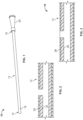
Fig. 1 is perspective view of a reusable catheter in accordance with the present disclosure; -
Fig. 2 is a partial enlarged cross-sectional view of one embodiment of a catheter shaft ofFig. 1 ; -
Fig. 3 is a partial enlarged cross-sectional view of another embodiment of a catheter shaft ofFig. 1 ; -
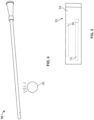
Fig. 4 is a schematic illustration of a catheter product including a light source; and -
Fig. 5 is a front elevational view of another embodiment of a reusable catheter product including a case. - The embodiments disclosed herein are for the purpose of providing a description of the present subject matter, and it is understood that the subject matter may be embodied in various other forms and combinations not shown in detail. Therefore, specific embodiments and features disclosed herein are not to be interpreted as limiting the subject matter as defined in the accompanying claims.
- Reusable urinary catheter products according to the present disclosure and their individual components may be variously configured without departing from the scope of the present disclosure, but in one embodiment, a reusable
urinary catheter 10 is configured as shown inFig. 1 . -
Fig. 1 illustrates one embodiment of a reusableintermittent catheter 10 of the present disclosure. Theintermittent catheter 10 may be used, disinfected and then reused. Thereusable catheter 10 includes acatheter shaft 12. Thecatheter shaft 12 includes aproximal insertion end 14 and adistal end 16. Theproximal insertion end 14 includes a drainage hole oreyelet 18 for the drainage of urine from the bladder and into thecatheter shaft 12. Adrainage member 20, such as a funnel, is located at thedistal end 16 of thecatheter shaft 12. - The
catheter shaft 12 is made from polymer(s) and includes photoactive titanium dioxide. Furthermore, thedrainage member 20 also may be made from polymer(s) and include a photoactive titanium dioxide. The polymer(s) of the shaft and the drainage member may be the same or different polymers. Such polymers may include thermoplastic polymers, such as polyvinyl chloride, thermoplastic olefins, such as polypropylene, polyethylene, block copolymer polypropylene, and/or thermoplastic elastomers, such as Styrenic block copolymers, polyurethanes etc. The polymers may include biodegradable polymers and biodegradable thermoplastic polymers. - Photoactive titanium dioxide, when activated with light, provides a disinfectant that kills and/or inhibits the growth of microbes on the catheter surface. When photoactive titanium dioxide absorbs light with suitable photon energies, the titanium dioxide reacts with oxygen from the surrounding environment (air and/or, if present water). This reaction provides a self-cleaning and/or self-disinfecting effect. When a catheter includes photoactive titanium dioxide, the catheter will include self-cleaning and/or self-disinfecting characteristics.
- Several organic molecules and microorganisms are destroyed or killed by oxidation. The antibacterial properties of a light activated titanium dioxide surface can be derived from the combination of two different characteristics of photoactive titanium dioxide containing materials, namely, self-cleaning and self-disinfection characteristics. The self-cleaning characteristic provides anti-bacterial growth and/or anti-bacterial adhesion characteristics to the catheter surface. For example, degradation of organic substances by oxidation prevents bacteria and biofilm adhesion on the surface of the catheter. Furthermore, degradation of the organic material may kill or destroy the bacteria, thereby providing disinfection. When a surface containing titanium dioxide absorbs light (such as UV light, near UV light and/or visible light) the titanium dioxide reacts with surrounding oxygen to form hydroxyl (•OH) radicals. Hydroxyl free radicals are very powerful oxidizing agents that attack the structure of cell membranes and break down organic molecules. Thus, providing a self-cleaning and/or self-disinfecting catheter surface.
- The titanium dioxide may be anatase, rutile, brookite or mixtures thereof. In solids, the outer electrons can potentially be found in two energetic bands, namely, the valence band and the conduction band. The energy gap between the valence band and the conduction band for titanium dioxide is in the region of 3.0-3.5 eV. With sufficient energy from exposure to light, electrons in titanium oxide can move from the valence band to the conduction band, thus initiating or activating a reaction with the titanium dioxide and surrounding oxygen.
- Anatase shows a band gap of 3.2 e V, corresponding to a UV wavelength adsorption of 385 nm. In contrast, rutile has a smaller band gap of 3.0 eV, with excitation wavelengths that extend into the visible light range of 410 nm. In one embodiment, the catheters of the present disclosure may include a mixture of the different species of photoactive titanium dioxide. For example, the titanium dioxide could be a mixture of anatase-rutile or could be a mixture of brookite-anatase. In some instances the mixtures could be more active than the species is alone. In one embodiment, the photoactive titanium dioxide includes a mixture of anatase in an amount between 60% and 90% and rutile in an amount between 10% and 40%. In another alternative, the photoactive titanium dioxide includes a mixture of 80% anatase and 20% rutile. Furthermore, the catheter could also include one or more of zinc oxide, silver oxide and silicon dioxide. The catheter could include other additives as well. Additionally, the photoactive titanium dioxide may be in microparticle or nanoparticle form.
- Photoactive titanium dioxide may be incorporated into the catheter and/or catheter surface in any suitable manner. For example, a portion of the catheter, such as the shaft and/or drainage member, may be made from a polymer that has been compounded (mixed or blended) with photoactive titanium dioxide. Polymer pellets may be mixed and melted with photoactive titanium dioxide to form a compounded polymer. The compounded polymer may then be extruded or molded to form the catheter or portions thereof.
- Referring to
Fig. 2 , the catheter shaft may be made by coextrusion. The coextruded catheter shaft may have aninner layer 22 and anouter layer 24. One or both of theinner layer 22 and theouter layer 24 may be made from a polymer compounded with photoactive titanium dioxide. In one embodiment, theouter layer 24 is made from a polymer compounded with photoactive titanium dioxide, while theinner layer 22 is made from a polymer with or without other additives. - Referring to
Fig. 3 , in this embodiment, thecatheter 10 includes a substrate polymer that defines, for example, thecatheter shaft 12 and/or thedrainage member 20. In the embodiment illustrated inFig. 3 , a cross-section of thecatheter shaft 12 is shown for illustrative purposes. Thecatheter shaft 12 includes asubstrate 26 formed from a polymer. The polymer may be extruded or molded to form thesubstrate 26. Disposed over the surface of thesubstrate 26 is acoating 28 including photoactive titanium dioxide. - In one embodiment, the coating includes a lubricious hydrophilic polymer, wherein the photoactive titanium dioxide is contained in the hydrophilic coating. The lubricious hydrophilic polymer may be a cross-linked polymer. Furthermore, the lubricious hydrophilic polymer may include a matrix, wherein the photoactive titanium dioxide is contained within the matrix. The hydrophilic polymer may be any suitable hydrophilic polymer, such polyvinylpyrrolidone, polyethylene oxide, polyacrylic acid, polyacrylamide, hyaluronic acid, polyvinyl alcohol etc.
- Alternatively, the photoactive titanium oxide may be applied to the surface of the
substrate 26 by vapor deposition coating. In one embodiment, the coating is applied by chemical vapor deposition. - Referring now to
Fig. 4 , any of the reusable catheter products disclosed herein may include alight source 30 for exposing thecatheter 10 to light. Depending on the particular application, thelight source 30 may produce UV light, near UV light or visible light for activating the titanium dioxide. The light source may be, for example, one or more light emitting diodes. Furthermore, the light source may be powered by batteries, which may be rechargeable batteries. As discussed above, when the catheter is exposed to light, the photoactive titanium dioxide is activated to react with oxygen in the surrounding environment. The oxygen may be gas from the surrounding air or may be oxygen from a surrounding liquid, such as water. For example, when the catheter includes a lubricious hydrophilic coating, the hydrophilic coating is activated to be lubricious by hydration with a hydration fluid, such as water. The hydration fluid may be present at the same time that the catheter is exposed to light. Thelight source 30 may be associated with an automatic shutoff switch or timer that shuts off the light after a selected time. - Referring to
Fig. 5 , there is shown one embodiment of areusable catheter product 32. Theproduct 32 includes acase 34 holding acatheter 10 and alight source 30. Thecatheter 10 may be any of the photoactive titanium dioxide catheters disclosed herein, and thelight source 30 may be any of the light sources disclosed herein. In use, the user removes thecatheter 10 from thecase 34, and performs catheterization. The user then puts thecatheter 10 back in thecase 34 and activates thelight source 30 to expose thecatheter 10 to light, which activates the photoactive titanium dioxide. After the exposure to the light source, the catheter is ready for use. When thecatheter 10 includes a hydrophilic coating, the case may also include a hydration fluid for hydrating the hydrophilic coating. The case may also include an indicator that indicates that the catheter has been exposed to a sufficient level of light or light energy. For example, the case may include a UV indication strip within the case that changes color upon exposure to selected amount of UV light. Such strips may be tuned to change color when exposed to a certain level of UV radiation. - It will be understood that the embodiments described above are illustrative of some of the applications of the principles of the present subject matter. Numerous modifications may be made by those skilled in the art without departing from the spirit and scope of the claimed subject matter, including those combinations of features that are individually disclosed or claimed herein. For these reasons, the scope hereof is not limited to the above description but is as set forth in the following claims, and it is understood that claims may be directed to the features hereof, including as combinations of features that are individually disclosed or claimed herein.
- Additional aspects of the invention are set out below:
- 1. A reusable urinary catheter product, comprising:
an intermittent catheter comprising a catheter shaft, wherein the catheter shaft comprises polymer and photoactive titanium dioxide. - 2. The product of aspect 1, wherein the catheter further includes a drainage member comprised of polymer and photoactive titanium dioxide.
- 3. The product of any one of aspects 1 and 2, wherein the polymer is compounded with photoactive titanium dioxide.
- 4. The product of aspect 3, wherein the catheter shaft includes a coextruded tube including an inner polymer layer and an outer polymer layer, wherein the outer polymer layer comprises the polymer compounded with photoactive titanium dioxide.
- 5. The product of any one of aspect 1 and 2, wherein the polymer defines a substrate and a coating comprising the photoactive titanium dioxide is disposed on a surface of substrate.
- 6. The product of aspect 5, wherein in the coating comprises a lubricious hydrophilic polymer and the photoactive titanium dioxide is contained in the hydrophilic coating.
- 7. The product of aspect 6, wherein the lubricious hydrophilic polymer is cross-linked.
- 8. The product of any one of aspects 6 and 7, wherein the lubricious hydrophilic polymer comprises a matrix and the photoactive titanium dioxide is contained within the matrix.
- 9. The product of aspect 5, wherein the coating is a vapor deposition coating.
- 10. The product of any one of claims 5 and 9, wherein the coating is a chemical vapor deposition coating.
- 11. The product of any one of aspects 1-11, further including a light source that produces light that activates the photoactive titanium dioxide.
- 12. The product of aspect 11, wherein the light source produces UV-light, near UV-light, visible light and/or mixtures thereof.
- 13. The product of any one of
aspects 11 and 12 further an automatic shut off switch that shuts off the light source after a selected period of time. - 14. The product of any one of aspects 11-13, further including a storage and disinfectant case containing the light source and the intermittent urinary catheter.
- 15. The product of any one of aspects 1-14, wherein the photoactive titanium dioxide comprises anatase, rutile, brookite, or mixtures thereof.
- 16. The product of any one of aspects 1-15, wherein the photoactive titanium dioxide comprises a mixture of anatase in an amount between 90% and 60% and rutile in an amount between 10% and 40%.
- 17. The product of any one of aspects 1-16, wherein the photoactive titanium dioxide comprises a mixture of 80% anatase and 20% rutile.
- 18. The product of any one of aspects 1-17, wherein the catheter shaft further comprises one of more of zinc oxide, silver oxide and silicon dioxide.
- 19. A method of disinfecting a reusable catheter comprising photoactive titanium dioxide, comprising:
exposing the catheter to light to active the photoactive titanium dioxide. - 20. The method of aspect 19, wherein the catheter comprises polymer that is compounded with photoactive titanium dioxide.
- 21. The method of
aspect 20, wherein the catheter comprises a catheter shaft that includes a coextruded tube including an inner polymer layer and an outer polymer layer, wherein the outer polymer layer comprises the polymer compounded with photoactive titanium dioxide. - 22. The method of aspect 19, wherein catheter comprises a polymer that defines a substrate and a coating comprising the photoactive titanium dioxide is disposed on a surface of substrate.
- 23. The method of
aspect 22, wherein in the coating comprises a lubricious hydrophilic polymer and the photoactive titanium dioxide is contained in the hydrophilic coating. - 24. The method of aspect 23, wherein the lubricious hydrophilic polymer is cross-linked.
- 25. The method of any one of
aspects 23 and 24, wherein the lubricious hydrophilic polymer comprises a matrix and the photoactive titanium dioxide is contained within the matrix. - 26. The method of
aspect 22, wherein the coating is a vapor deposition coating. - 27. The method of any one of
aspects - 28. The method of any one of aspects 19-27, wherein the light comprises UV-light, near UV-light, visible light and/or mixtures thereof.
- 29. The method of any one of aspects 19-28, wherein the catheter is exposed to the light for a selected period of time.
- 30. The method of any one of aspects 19-29, wherein the photoactive titanium dioxide comprises anatase, rutile, brookite, or mixtures thereof.
- 31. The method of any one of aspects 19-30, wherein the photoactive titanium dioxide comprises a mixture of anatase in an amount between 90% and 60% and rutile in an amount between 10% and 40%.
- 32. The method of any one of aspects 19-31, wherein the photoactive titanium dioxide comprises a mixture of 80% anatase and 20% rutile.
- 33. The method of any one of aspects 19-32, wherein the catheter further comprises one of more of zinc oxide, silver oxide and silicon dioxide.
Claims (15)
- A method of disinfecting a reusable catheter comprising photoactive titanium dioxide, comprising:
exposing the catheter to light to active the photoactive titanium dioxide. - The method of claim 1, wherein the catheter comprises polymer that is compounded with photoactive titanium dioxide.
- The method of claim 2, wherein the catheter comprises a catheter shaft that includes a coextruded tube including an inner polymer layer and an outer polymer layer, wherein the outer polymer layer comprises the polymer compounded with photoactive titanium dioxide.
- The method of claim 1, wherein catheter comprises a polymer that defines a substrate and a coating comprising the photoactive titanium dioxide is disposed on a surface of substrate.
- The method of claim 4, wherein in the coating comprises a lubricious hydrophilic polymer and the photoactive titanium dioxide is contained in the hydrophilic coating.
- The method of claim 5, wherein the lubricious hydrophilic polymer is cross-linked.
- The method of any one of claims 5 and 6, wherein the lubricious hydrophilic polymer comprises a matrix and the photoactive titanium dioxide is contained within the matrix.
- The method of claim 4, wherein the coating is a vapor deposition coating.
- The method of any one of claims 4 and 8, wherein the coating is a chemical vapor deposition coating.
- The method of any one of claims 1-9, wherein the light comprises UV-light, near UV-light, visible light and/or mixtures thereof.
- The method of any one of claims 1-10, wherein the catheter is exposed to the light for a selected period of time.
- The method of any one of claims 1-11, wherein the photoactive titanium dioxide comprises anatase, rutile, brookite, or mixtures thereof.
- The method of any one of claims 1-12, wherein the photoactive titanium dioxide comprises a mixture of anatase in an amount between 90% and 60% and rutile in an amount between 10% and 40%.
- The method of any one of claims 1-13, wherein the photoactive titanium dioxide comprises a mixture of 80% anatase and 20% rutile.
- The method of any one of claims 1-14, wherein the catheter further comprises one of more of zinc oxide, silver oxide and silicon dioxide.
Applications Claiming Priority (3)
| Application Number | Priority Date | Filing Date | Title |
|---|---|---|---|
| US201962905056P | 2019-09-24 | 2019-09-24 | |
| PCT/US2020/052051 WO2021061674A1 (en) | 2019-09-24 | 2020-09-22 | Reusable urinary catheter products |
| EP20786397.8A EP4034181B1 (en) | 2019-09-24 | 2020-09-22 | Reusable urinary catheter products |
Related Parent Applications (2)
| Application Number | Title | Priority Date | Filing Date |
|---|---|---|---|
| EP20786397.8A Division EP4034181B1 (en) | 2019-09-24 | 2020-09-22 | Reusable urinary catheter products |
| EP20786397.8A Division-Into EP4034181B1 (en) | 2019-09-24 | 2020-09-22 | Reusable urinary catheter products |
Publications (3)
| Publication Number | Publication Date |
|---|---|
| EP4338765A1 true EP4338765A1 (en) | 2024-03-20 |
| EP4338765B1 EP4338765B1 (en) | 2025-11-05 |
| EP4338765C0 EP4338765C0 (en) | 2025-11-05 |
Family
ID=72752536
Family Applications (2)
| Application Number | Title | Priority Date | Filing Date |
|---|---|---|---|
| EP20786397.8A Active EP4034181B1 (en) | 2019-09-24 | 2020-09-22 | Reusable urinary catheter products |
| EP24154693.6A Active EP4338765B1 (en) | 2019-09-24 | 2020-09-22 | Reusable urinary catheter products |
Family Applications Before (1)
| Application Number | Title | Priority Date | Filing Date |
|---|---|---|---|
| EP20786397.8A Active EP4034181B1 (en) | 2019-09-24 | 2020-09-22 | Reusable urinary catheter products |
Country Status (8)
| Country | Link |
|---|---|
| US (1) | US20220339326A1 (en) |
| EP (2) | EP4034181B1 (en) |
| AU (2) | AU2020356399B2 (en) |
| CA (1) | CA3155501A1 (en) |
| DK (1) | DK4034181T3 (en) |
| HU (1) | HUE066672T2 (en) |
| LT (1) | LT4034181T (en) |
| WO (1) | WO2021061674A1 (en) |
Families Citing this family (11)
| Publication number | Priority date | Publication date | Assignee | Title |
|---|---|---|---|---|
| EP4138969B1 (en) | 2020-04-24 | 2026-02-18 | ConvaTec Limited | Packaging for a medical device |
| USD967407S1 (en) * | 2021-04-16 | 2022-10-18 | Hollister Incorporated | Urinary catheter |
| USD967403S1 (en) * | 2021-04-16 | 2022-10-18 | Hollister Incorporated | Urinary catheter |
| USD967404S1 (en) * | 2021-04-16 | 2022-10-18 | Hollister Incorporated | Urinary catheter |
| USD967405S1 (en) * | 2021-04-16 | 2022-10-18 | Hollister Incorporated | Urinary catheter |
| USD967406S1 (en) * | 2021-04-16 | 2022-10-18 | Hollister Incorporated | Urinary catheter |
| CN115901715A (en) * | 2021-08-27 | 2023-04-04 | 日立金属株式会社 | Quality control method of resin composition, quality control method of cable or tube, judging device, inspection system, and cable or tube |
| CN114632191B (en) * | 2022-02-22 | 2023-03-31 | 浙江巴泰医疗科技有限公司 | Interventional catheter with enhanced firmness of hydrophilic coating |
| USD1084303S1 (en) | 2022-12-20 | 2025-07-15 | Hollister Incorporated | Intermittent urinary catheter |
| WO2025117549A1 (en) * | 2023-11-28 | 2025-06-05 | Hollister Incorporated | Light therapy devices for urethral health |
| USD1103378S1 (en) | 2024-05-29 | 2025-11-25 | Hollister Incorporated | Intermittent urinary catheter |
Citations (1)
| Publication number | Priority date | Publication date | Assignee | Title |
|---|---|---|---|---|
| WO2012177803A1 (en) * | 2011-06-20 | 2012-12-27 | Sri International | Self - sterilizing catheter with titanium dioxide photocatalyst thin film upon uv radiation |
Family Cites Families (9)
| Publication number | Priority date | Publication date | Assignee | Title |
|---|---|---|---|---|
| US20030065345A1 (en) * | 2001-09-28 | 2003-04-03 | Kevin Weadock | Anastomosis devices and methods for treating anastomotic sites |
| US20090069790A1 (en) * | 2007-09-07 | 2009-03-12 | Edward Maxwell Yokley | Surface properties of polymeric materials with nanoscale functional coating |
| US9474831B2 (en) * | 2008-12-04 | 2016-10-25 | Gearbox, Llc | Systems, devices, and methods including implantable devices with anti-microbial properties |
| BR112012012028B1 (en) * | 2009-11-26 | 2020-01-21 | Coloplast As | telescopic device |
| WO2011107540A1 (en) * | 2010-03-03 | 2011-09-09 | Technical University Of Denmark A/S | Assembly and method for disinfecting lumens of devices |
| US9694114B2 (en) * | 2013-08-07 | 2017-07-04 | Arrow International, Inc. | Antimicrobial catheters with permeabilization agents |
| EP3178514A1 (en) * | 2015-12-09 | 2017-06-14 | Dentsply IH AB | Urinary catheter with integrated connector |
| DE102017102871A1 (en) * | 2017-02-14 | 2018-08-16 | Hoya Corporation | Endoscope, method for cleaning an endoscope, and cleaning device for cleaning an endoscope |
| US10905785B2 (en) * | 2018-04-13 | 2021-02-02 | 3B Medical, Inc. | System and method for disinfecting a conduit |
-
2020
- 2020-09-22 US US17/761,799 patent/US20220339326A1/en active Pending
- 2020-09-22 EP EP20786397.8A patent/EP4034181B1/en active Active
- 2020-09-22 LT LTEPPCT/US2020/052051T patent/LT4034181T/en unknown
- 2020-09-22 AU AU2020356399A patent/AU2020356399B2/en active Active
- 2020-09-22 HU HUE20786397A patent/HUE066672T2/en unknown
- 2020-09-22 DK DK20786397.8T patent/DK4034181T3/en active
- 2020-09-22 EP EP24154693.6A patent/EP4338765B1/en active Active
- 2020-09-22 CA CA3155501A patent/CA3155501A1/en active Pending
- 2020-09-22 WO PCT/US2020/052051 patent/WO2021061674A1/en not_active Ceased
-
2025
- 2025-02-26 AU AU2025201385A patent/AU2025201385A1/en active Pending
Patent Citations (1)
| Publication number | Priority date | Publication date | Assignee | Title |
|---|---|---|---|---|
| WO2012177803A1 (en) * | 2011-06-20 | 2012-12-27 | Sri International | Self - sterilizing catheter with titanium dioxide photocatalyst thin film upon uv radiation |
Non-Patent Citations (3)
| Title |
|---|
| ARJUNAN SUGANYA ET AL: "Study on plasma pre-functionalized PVC film grafted with TiO/PVP to improve blood compatible and antibacterial properties", JOURNAL OF PHYSICS D: APPLIED PHYSICS, INSTITUTE OF PHYSICS PUBLISHING LTD, GB, vol. 50, no. 14, 9 March 2017 (2017-03-09), pages 145402, XP020315245, ISSN: 0022-3727, [retrieved on 20170309], DOI: 10.1088/1361-6463/AA5F06 * |
| IRAM B DITTA ET AL: "Photocatalytic antimicrobial activity of thin surface films of TiO2, CuO and TiO2/CuO dual layers on Escherichia coli and bacteriophage T4", APPLIED MICROBIOLOGY AND BIOTECHNOLOGY, SPRINGER, BERLIN, DE, vol. 79, no. 1, 4 March 2008 (2008-03-04), pages 127 - 133, XP019623564, ISSN: 1432-0614 * |
| YUKI SEKIGUCHI ET AL: "Self-sterilizing catheters with titanium dioxide photocatalyst thin films for clean intermittent catheterization: Basis and study of clinical use", INTERNATIONAL JOURNAL OF UROLOGY, vol. 14, no. 5, 1 May 2007 (2007-05-01), pages 426 - 430, XP055043776, ISSN: 0919-8172, DOI: 10.1111/j.1442-2042.2007.01743.x * |
Also Published As
| Publication number | Publication date |
|---|---|
| AU2020356399B2 (en) | 2024-11-28 |
| AU2025201385A1 (en) | 2025-03-20 |
| US20220339326A1 (en) | 2022-10-27 |
| CA3155501A1 (en) | 2021-04-01 |
| AU2020356399A1 (en) | 2022-04-14 |
| HUE066672T2 (en) | 2024-08-28 |
| EP4338765B1 (en) | 2025-11-05 |
| EP4034181B1 (en) | 2024-03-13 |
| LT4034181T (en) | 2024-04-10 |
| WO2021061674A1 (en) | 2021-04-01 |
| EP4338765C0 (en) | 2025-11-05 |
| DK4034181T3 (en) | 2024-03-25 |
| EP4034181A1 (en) | 2022-08-03 |
Similar Documents
| Publication | Publication Date | Title |
|---|---|---|
| AU2020356399B2 (en) | Reusable urinary catheter products | |
| DK177651B1 (en) | Method of preparing a ready-to-use urinary catheter and a catheter assembly for use in said method | |
| CN104185486B (en) | Combined cover applicator | |
| EP2968632B1 (en) | Process for focused gas phase application of biocide | |
| US20130138085A1 (en) | Port and Surface Cleaning Devices and Techniques | |
| JP4950131B2 (en) | Antimicrobial system and method | |
| US20260007854A1 (en) | Reusable urinary catheter products | |
| WO2008101417A1 (en) | Wound healing dressings and methods of manufacturing the same | |
| JP2021500236A (en) | Water treatment distributor | |
| WO2011142928A1 (en) | Indwelling fecal drainage catheter and fecal collection or ostomy pouch | |
| KR200388593Y1 (en) | Silver Nano Sanitary Gloves | |
| JP7621670B2 (en) | Aqueous composition for sterilization of infectious microorganisms and sterilization method using the same | |
| WO2025131959A1 (en) | Antimicrobial medical device | |
| KR200388098Y1 (en) | Silver Nano Wristband | |
| JP2000202052A (en) | Photocatalytic sanitary mask | |
| KR20060081912A (en) | Nano silver plumbing | |
| HK1219679B (en) | Process for focused gas phase application of biocide | |
| JPH0722741U (en) | Medical device using antibacterial material | |
| HK1196297A (en) | Antimicrobial composition including a residual barrier film |
Legal Events
| Date | Code | Title | Description |
|---|---|---|---|
| PUAI | Public reference made under article 153(3) epc to a published international application that has entered the european phase |
Free format text: ORIGINAL CODE: 0009012 |
|
| STAA | Information on the status of an ep patent application or granted ep patent |
Free format text: STATUS: THE APPLICATION HAS BEEN PUBLISHED |
|
| AC | Divisional application: reference to earlier application |
Ref document number: 4034181 Country of ref document: EP Kind code of ref document: P |
|
| AK | Designated contracting states |
Kind code of ref document: A1 Designated state(s): AL AT BE BG CH CY CZ DE DK EE ES FI FR GB GR HR HU IE IS IT LI LT LU LV MC MK MT NL NO PL PT RO RS SE SI SK SM TR |
|
| STAA | Information on the status of an ep patent application or granted ep patent |
Free format text: STATUS: REQUEST FOR EXAMINATION WAS MADE |
|
| 17P | Request for examination filed |
Effective date: 20240918 |
|
| RBV | Designated contracting states (corrected) |
Designated state(s): AL AT BE BG CH CY CZ DE DK EE ES FI FR GB GR HR HU IE IS IT LI LT LU LV MC MK MT NL NO PL PT RO RS SE SI SK SM TR |
|
| STAA | Information on the status of an ep patent application or granted ep patent |
Free format text: STATUS: EXAMINATION IS IN PROGRESS |
|
| 17Q | First examination report despatched |
Effective date: 20250120 |
|
| GRAP | Despatch of communication of intention to grant a patent |
Free format text: ORIGINAL CODE: EPIDOSNIGR1 |
|
| STAA | Information on the status of an ep patent application or granted ep patent |
Free format text: STATUS: GRANT OF PATENT IS INTENDED |
|
| INTG | Intention to grant announced |
Effective date: 20250610 |
|
| GRAS | Grant fee paid |
Free format text: ORIGINAL CODE: EPIDOSNIGR3 |
|
| GRAA | (expected) grant |
Free format text: ORIGINAL CODE: 0009210 |
|
| STAA | Information on the status of an ep patent application or granted ep patent |
Free format text: STATUS: THE PATENT HAS BEEN GRANTED |
|
| AC | Divisional application: reference to earlier application |
Ref document number: 4034181 Country of ref document: EP Kind code of ref document: P |
|
| AK | Designated contracting states |
Kind code of ref document: B1 Designated state(s): AL AT BE BG CH CY CZ DE DK EE ES FI FR GB GR HR HU IE IS IT LI LT LU LV MC MK MT NL NO PL PT RO RS SE SI SK SM TR |
|
| REG | Reference to a national code |
Ref country code: CH Ref legal event code: F10 Free format text: ST27 STATUS EVENT CODE: U-0-0-F10-F00 (AS PROVIDED BY THE NATIONAL OFFICE) Effective date: 20251105 Ref country code: GB Ref legal event code: FG4D |
|
| REG | Reference to a national code |
Ref country code: IE Ref legal event code: FG4D |
|
| U01 | Request for unitary effect filed |
Effective date: 20251117 |
|
| U07 | Unitary effect registered |
Designated state(s): AT BE BG DE DK EE FI FR IT LT LU LV MT NL PT RO SE SI Effective date: 20251121 |
|
| PG25 | Lapsed in a contracting state [announced via postgrant information from national office to epo] |
Ref country code: ES Free format text: LAPSE BECAUSE OF FAILURE TO SUBMIT A TRANSLATION OF THE DESCRIPTION OR TO PAY THE FEE WITHIN THE PRESCRIBED TIME-LIMIT Effective date: 20251105 |
|
| PG25 | Lapsed in a contracting state [announced via postgrant information from national office to epo] |
Ref country code: NO Free format text: LAPSE BECAUSE OF FAILURE TO SUBMIT A TRANSLATION OF THE DESCRIPTION OR TO PAY THE FEE WITHIN THE PRESCRIBED TIME-LIMIT Effective date: 20260205 |
|
| PG25 | Lapsed in a contracting state [announced via postgrant information from national office to epo] |
Ref country code: HR Free format text: LAPSE BECAUSE OF FAILURE TO SUBMIT A TRANSLATION OF THE DESCRIPTION OR TO PAY THE FEE WITHIN THE PRESCRIBED TIME-LIMIT Effective date: 20251105 |
|
| PG25 | Lapsed in a contracting state [announced via postgrant information from national office to epo] |
Ref country code: RS Free format text: LAPSE BECAUSE OF FAILURE TO SUBMIT A TRANSLATION OF THE DESCRIPTION OR TO PAY THE FEE WITHIN THE PRESCRIBED TIME-LIMIT Effective date: 20260205 |
|
| PG25 | Lapsed in a contracting state [announced via postgrant information from national office to epo] |
Ref country code: IS Free format text: LAPSE BECAUSE OF FAILURE TO SUBMIT A TRANSLATION OF THE DESCRIPTION OR TO PAY THE FEE WITHIN THE PRESCRIBED TIME-LIMIT Effective date: 20260305 |
|
| PG25 | Lapsed in a contracting state [announced via postgrant information from national office to epo] |
Ref country code: PL Free format text: LAPSE BECAUSE OF FAILURE TO SUBMIT A TRANSLATION OF THE DESCRIPTION OR TO PAY THE FEE WITHIN THE PRESCRIBED TIME-LIMIT Effective date: 20251105 |