EP4326353B1 - Enhanced antimicrobial efficacy (synergy) of silver and copper compounds and medical use of their combinations - Google Patents
Enhanced antimicrobial efficacy (synergy) of silver and copper compounds and medical use of their combinations Download PDFInfo
- Publication number
- EP4326353B1 EP4326353B1 EP22721125.7A EP22721125A EP4326353B1 EP 4326353 B1 EP4326353 B1 EP 4326353B1 EP 22721125 A EP22721125 A EP 22721125A EP 4326353 B1 EP4326353 B1 EP 4326353B1
- Authority
- EP
- European Patent Office
- Prior art keywords
- antimicrobial
- dressing
- wound
- silver
- mbc
- Prior art date
- Legal status (The legal status is an assumption and is not a legal conclusion. Google has not performed a legal analysis and makes no representation as to the accuracy of the status listed.)
- Active
Links
Images









Classifications
-
- A—HUMAN NECESSITIES
- A01—AGRICULTURE; FORESTRY; ANIMAL HUSBANDRY; HUNTING; TRAPPING; FISHING
- A01N—PRESERVATION OF BODIES OF HUMANS OR ANIMALS OR PLANTS OR PARTS THEREOF; BIOCIDES, e.g. AS DISINFECTANTS, AS PESTICIDES OR AS HERBICIDES; PEST REPELLANTS OR ATTRACTANTS; PLANT GROWTH REGULATORS
- A01N59/00—Biocides, pest repellants or attractants, or plant growth regulators containing elements or inorganic compounds
- A01N59/16—Heavy metals; Compounds thereof
- A01N59/20—Copper
-
- A—HUMAN NECESSITIES
- A01—AGRICULTURE; FORESTRY; ANIMAL HUSBANDRY; HUNTING; TRAPPING; FISHING
- A01N—PRESERVATION OF BODIES OF HUMANS OR ANIMALS OR PLANTS OR PARTS THEREOF; BIOCIDES, e.g. AS DISINFECTANTS, AS PESTICIDES OR AS HERBICIDES; PEST REPELLANTS OR ATTRACTANTS; PLANT GROWTH REGULATORS
- A01N25/00—Biocides, pest repellants or attractants, or plant growth regulators, characterised by their forms, or by their non-active ingredients or by their methods of application, e.g. seed treatment or sequential application; Substances for reducing the noxious effect of the active ingredients to organisms other than pests
- A01N25/34—Shaped forms, e.g. sheets, not provided for in any other sub-group of this main group
-
- A—HUMAN NECESSITIES
- A01—AGRICULTURE; FORESTRY; ANIMAL HUSBANDRY; HUNTING; TRAPPING; FISHING
- A01N—PRESERVATION OF BODIES OF HUMANS OR ANIMALS OR PLANTS OR PARTS THEREOF; BIOCIDES, e.g. AS DISINFECTANTS, AS PESTICIDES OR AS HERBICIDES; PEST REPELLANTS OR ATTRACTANTS; PLANT GROWTH REGULATORS
- A01N59/00—Biocides, pest repellants or attractants, or plant growth regulators containing elements or inorganic compounds
- A01N59/16—Heavy metals; Compounds thereof
-
- A—HUMAN NECESSITIES
- A01—AGRICULTURE; FORESTRY; ANIMAL HUSBANDRY; HUNTING; TRAPPING; FISHING
- A01P—BIOCIDAL, PEST REPELLANT, PEST ATTRACTANT OR PLANT GROWTH REGULATORY ACTIVITY OF CHEMICAL COMPOUNDS OR PREPARATIONS
- A01P1/00—Disinfectants; Antimicrobial compounds or mixtures thereof
-
- A—HUMAN NECESSITIES
- A61—MEDICAL OR VETERINARY SCIENCE; HYGIENE
- A61L—METHODS OR APPARATUS FOR STERILISING MATERIALS OR OBJECTS IN GENERAL; DISINFECTION, STERILISATION OR DEODORISATION OF AIR; CHEMICAL ASPECTS OF BANDAGES, DRESSINGS, ABSORBENT PADS OR SURGICAL ARTICLES; MATERIALS FOR BANDAGES, DRESSINGS, ABSORBENT PADS OR SURGICAL ARTICLES
- A61L15/00—Chemical aspects of, or use of materials for, bandages, dressings or absorbent pads
- A61L15/16—Bandages, dressings or absorbent pads for physiological fluids such as urine or blood, e.g. sanitary towels, tampons
- A61L15/18—Bandages, dressings or absorbent pads for physiological fluids such as urine or blood, e.g. sanitary towels, tampons containing inorganic materials
-
- A—HUMAN NECESSITIES
- A61—MEDICAL OR VETERINARY SCIENCE; HYGIENE
- A61L—METHODS OR APPARATUS FOR STERILISING MATERIALS OR OBJECTS IN GENERAL; DISINFECTION, STERILISATION OR DEODORISATION OF AIR; CHEMICAL ASPECTS OF BANDAGES, DRESSINGS, ABSORBENT PADS OR SURGICAL ARTICLES; MATERIALS FOR BANDAGES, DRESSINGS, ABSORBENT PADS OR SURGICAL ARTICLES
- A61L15/00—Chemical aspects of, or use of materials for, bandages, dressings or absorbent pads
- A61L15/16—Bandages, dressings or absorbent pads for physiological fluids such as urine or blood, e.g. sanitary towels, tampons
- A61L15/42—Use of materials characterised by their function or physical properties
- A61L15/44—Medicaments
-
- A—HUMAN NECESSITIES
- A61—MEDICAL OR VETERINARY SCIENCE; HYGIENE
- A61L—METHODS OR APPARATUS FOR STERILISING MATERIALS OR OBJECTS IN GENERAL; DISINFECTION, STERILISATION OR DEODORISATION OF AIR; CHEMICAL ASPECTS OF BANDAGES, DRESSINGS, ABSORBENT PADS OR SURGICAL ARTICLES; MATERIALS FOR BANDAGES, DRESSINGS, ABSORBENT PADS OR SURGICAL ARTICLES
- A61L26/00—Chemical aspects of, or use of materials for, wound dressings or bandages in liquid, gel or powder form
- A61L26/0061—Use of materials characterised by their function or physical properties
- A61L26/0066—Medicaments; Biocides
-
- A—HUMAN NECESSITIES
- A61—MEDICAL OR VETERINARY SCIENCE; HYGIENE
- A61L—METHODS OR APPARATUS FOR STERILISING MATERIALS OR OBJECTS IN GENERAL; DISINFECTION, STERILISATION OR DEODORISATION OF AIR; CHEMICAL ASPECTS OF BANDAGES, DRESSINGS, ABSORBENT PADS OR SURGICAL ARTICLES; MATERIALS FOR BANDAGES, DRESSINGS, ABSORBENT PADS OR SURGICAL ARTICLES
- A61L31/00—Materials for other surgical articles, e.g. stents, stent-grafts, shunts, surgical drapes, guide wires, materials for adhesion prevention, occluding devices, surgical gloves, tissue fixation devices
- A61L31/14—Materials characterised by their function or physical properties, e.g. injectable or lubricating compositions, shape-memory materials, surface modified materials
- A61L31/16—Biologically active materials, e.g. therapeutic substances
-
- A—HUMAN NECESSITIES
- A61—MEDICAL OR VETERINARY SCIENCE; HYGIENE
- A61P—SPECIFIC THERAPEUTIC ACTIVITY OF CHEMICAL COMPOUNDS OR MEDICINAL PREPARATIONS
- A61P31/00—Antiinfectives, i.e. antibiotics, antiseptics, chemotherapeutics
- A61P31/04—Antibacterial agents
-
- A—HUMAN NECESSITIES
- A61—MEDICAL OR VETERINARY SCIENCE; HYGIENE
- A61P—SPECIFIC THERAPEUTIC ACTIVITY OF CHEMICAL COMPOUNDS OR MEDICINAL PREPARATIONS
- A61P31/00—Antiinfectives, i.e. antibiotics, antiseptics, chemotherapeutics
- A61P31/12—Antivirals
-
- A—HUMAN NECESSITIES
- A61—MEDICAL OR VETERINARY SCIENCE; HYGIENE
- A61L—METHODS OR APPARATUS FOR STERILISING MATERIALS OR OBJECTS IN GENERAL; DISINFECTION, STERILISATION OR DEODORISATION OF AIR; CHEMICAL ASPECTS OF BANDAGES, DRESSINGS, ABSORBENT PADS OR SURGICAL ARTICLES; MATERIALS FOR BANDAGES, DRESSINGS, ABSORBENT PADS OR SURGICAL ARTICLES
- A61L2300/00—Biologically active materials used in bandages, wound dressings, absorbent pads or medical devices
- A61L2300/10—Biologically active materials used in bandages, wound dressings, absorbent pads or medical devices containing or releasing inorganic materials
- A61L2300/102—Metals or metal compounds, e.g. salts such as bicarbonates, carbonates, oxides, zeolites, silicates
-
- A—HUMAN NECESSITIES
- A61—MEDICAL OR VETERINARY SCIENCE; HYGIENE
- A61L—METHODS OR APPARATUS FOR STERILISING MATERIALS OR OBJECTS IN GENERAL; DISINFECTION, STERILISATION OR DEODORISATION OF AIR; CHEMICAL ASPECTS OF BANDAGES, DRESSINGS, ABSORBENT PADS OR SURGICAL ARTICLES; MATERIALS FOR BANDAGES, DRESSINGS, ABSORBENT PADS OR SURGICAL ARTICLES
- A61L2300/00—Biologically active materials used in bandages, wound dressings, absorbent pads or medical devices
- A61L2300/10—Biologically active materials used in bandages, wound dressings, absorbent pads or medical devices containing or releasing inorganic materials
- A61L2300/102—Metals or metal compounds, e.g. salts such as bicarbonates, carbonates, oxides, zeolites, silicates
- A61L2300/104—Silver, e.g. silver sulfadiazine
-
- A—HUMAN NECESSITIES
- A61—MEDICAL OR VETERINARY SCIENCE; HYGIENE
- A61L—METHODS OR APPARATUS FOR STERILISING MATERIALS OR OBJECTS IN GENERAL; DISINFECTION, STERILISATION OR DEODORISATION OF AIR; CHEMICAL ASPECTS OF BANDAGES, DRESSINGS, ABSORBENT PADS OR SURGICAL ARTICLES; MATERIALS FOR BANDAGES, DRESSINGS, ABSORBENT PADS OR SURGICAL ARTICLES
- A61L2300/00—Biologically active materials used in bandages, wound dressings, absorbent pads or medical devices
- A61L2300/40—Biologically active materials used in bandages, wound dressings, absorbent pads or medical devices characterised by a specific therapeutic activity or mode of action
- A61L2300/404—Biocides, antimicrobial agents, antiseptic agents
-
- A—HUMAN NECESSITIES
- A61—MEDICAL OR VETERINARY SCIENCE; HYGIENE
- A61L—METHODS OR APPARATUS FOR STERILISING MATERIALS OR OBJECTS IN GENERAL; DISINFECTION, STERILISATION OR DEODORISATION OF AIR; CHEMICAL ASPECTS OF BANDAGES, DRESSINGS, ABSORBENT PADS OR SURGICAL ARTICLES; MATERIALS FOR BANDAGES, DRESSINGS, ABSORBENT PADS OR SURGICAL ARTICLES
- A61L2400/00—Materials characterised by their function or physical properties
- A61L2400/12—Nanosized materials, e.g. nanofibres, nanoparticles, nanowires, nanotubes; Nanostructured surfaces
Definitions
- This invention is related to antimicrobial compounds and materials, especially antibacterial and antiviral compounds and materials, and antibacterial dressings, and to uses of the same.
- Metallic Ag has been used as antimicrobial since ancient times and it possesses broad-spectrum antibacterial action, being currently the "gold standard” antibacterial metal.
- the vast majority of commercial antibacterial medical devices consist of silver (Ag), mostly in ionic or metallic form.
- Utilization of Ag nanoparticles instead of ionic/metallic Ag enables controlling Ag ion release, to prevent rapid inactivation of Ag ions by the wound environment, to decrease the probability of bacterial resistance and to enhance the antibacterial effect of Ag ions.
- Wound dressing Acticoat ® with nanocrystalline Ag is one of the few examples that rely on Ag NPs.
- EP1901723A2 discloses Ag NP containing dressings to provide faster healing time and bacterial clearance compared to antibiotic sulfadiazine and lower frequency of wound sepsis and secondary bacteremias in burn wounds compared to Ag salt (AgNO 3 ) in randomized controlled clinical trials, they still do not inactivate bacteria and especially bacterial biofilms entirely.
- Copper as such is known to have weak antimicrobial effects as compared to silver. For this reason, using copper in addition to or instead of Ag, which is known for long to have good antimicrobial efficacy, is not widely used in antibacterial medical devices such as wound dressings.
- US20160022606 discloses a wound care system, where the system includes a mixture of colloidal silver, copper and zinc oxides.
- WO2012162557 is directed to a composition having antimicrobial activity comprising particles comprising at least one inorganic copper salt, CuI and at least one functionalizing agent in contact with the particles, the functionalizing agent stabilizing the particles in a carrier such that an antimicrobially effective amount of ions are released into the environment of a microbe.
- the composition may further comprise at least one of silver particle or a silver halide particle which may be functionalized with an amino acid.
- an antimicrobial medical device such as wound dressing, patch, face mask, ointment, cream, spray, catheter
- a silver component and a copper component wherein the combination of silver and copper components provide a synergistic antimicrobial effect, thus leading to enhanced wound healing efficacy, faster inactivation of bacteria, reduced inflammation and hence, better outcome of wound infection such as reduced probability of limb amputation due to bacterial infection.
- concentration of silver may be significantly decreased (reducing adverse effects associated with frequent use of silver-based products) without losing antimicrobial efficacy.
- the silver component comprises Ag nanoparticles but may also comprise ionic silver in addition to the nanoparticles.
- the copper component comprises copper- based salts selected from CuSO 4 .
- the copper and silver components are provided in or on a medical device in such amounts that based on mg/cm 2 the Cu/Ag ratio in the antimicrobial device (e.g., dressing or facemask) is between 1 to 70, more preferably between 1 to 20 and most preferably between 1 to 8.
- a dressing may have Ag -concentration of 0.1-10 mg/100cm 2 , preferably, 0.5-3 mg/ 100 cm 2 and most preferably 0.6-1.0 mg/ 100 cm 2 .
- the Cu-concentration may be 0.5-7.5 mg/ 100 cm 2 and more preferably 2.5-3.0 mg/100 cm 2 .
- the Ag-concentration is preferably 1-2% of the contact layer, and the Cu concentration is preferably 3-5% of the contact layer.
- K(Syn) as defined here may as well be used to measure antiviral synergy.
- It is an object of this invention to provide an antimicrobial medical device comprising Ag and CuSO 4 and their combinations in a ratio such that Cu/Ag ratio is between 1 to 70, more preferably between 1 to 20 and most preferably 1 to 8.
- the medical device comprises Ag nanoparticles either non-functionalized or functionalized with one or more groups selected from carboxyl functional groups (-COOH), quaternary ammonium, polyethylene imine, branched polyethylene imine, PEG, citrate, PVP, dextran coating, amine groups (-NH 2 ), amino acids, bacteria binding peptides, polyoxometalates (POMs), antibodies, their fragments, and combinations thereof.
- carboxyl functional groups -COOH
- quaternary ammonium polyethylene imine
- branched polyethylene imine PEG
- citrate citrate
- PVP dextran coating
- amine groups -NH 2
- amino acids amino acids
- bacteria binding peptides polyoxometalates (POMs)
- POMs polyoxometalates
- the medical device for example an antimicrobial dressing or facemask comprises protein stabilized Ag nanoparticles and optionally ionic silver, and copper compounds comprising the above Cu based salts.
- the antimicrobial dressing comprises a skin contact layer and an absorbant layer, the skin contact layer comprising the Ag nanoparticles and the copper compounds, and the absorbant layer is a natural or synthetic polymer.
- coronaviruses such as SARS Cov-2
- influenza such as H1N1
- a filter material of a medical mask comprises Ag-nanoparticles and CuSO 4 and the mask is capable of reducing activity or inactivating SARS-CoV-2 and/or H1N1 virus.
- the antimicrobial formulation comprises Ag-nanoparticles selected from either non-functionalized or functionalized with one or more groups selected from carboxyl functional groups (-COOH), quaternary ammonium, polyethylene imine, branched polyethylene imine, PEG, citrate, PVP, dextran coating, amine groups (-NH 2 ), amino acids, bacteria binding peptides, polyoxometalates (POMs), antibodies, their fragments, and combinations thereof.
- carboxyl functional groups -COOH
- quaternary ammonium polyethylene imine
- branched polyethylene imine PEG
- citrate citrate
- PVP dextran coating
- amine groups -NH 2
- amino acids amino acids
- bacteria binding peptides polyoxometalates (POMs)
- POMs polyoxometalates
- the antimicrobial formulation is effective against bacteria, including multi-drug resistant isolates, fungi, protozoa, viruses, including SARS CoV-2 and H1N1, and pathological proteins, including ⁇ -synuclein, prions, and amyloid beta.
- the antimicrobial formulation for use in preventing or diminishing microbial growth on human tissue or wound dressing for use in preventing or diminishing microbial growth on human tissue
- the formulation or wound dressing comprising a silver component and a copper component
- the silver component comprises Ag nanoparticles alone or in combination with ionic silver
- the copper component comprises Cu-based salts selected from CuSO4 in such proportions that Cu/Ag ratio is between 1 to 70, more preferably between 1 to 20 and most preferably 1 to 8, and a coefficient of antimicrobial synergy is higher than 1, higher than 2, higher than 3 or higher than 4.
- the antimicrobial material for use in inactivation of virus, preferably SARS-CoV-2 virus or H1N1 virus upon contact with the material, the antimicrobial material comprising silver and copper components, wherein the silver component comprises Ag nanoparticles alone or in combination with ionic silver and the copper component comprises Cu-based salts selected from CuSO4 in such proportion that Cu/Ag ratio is between 1 to 70, more preferably between 1 to 20 and most preferably 1 to 8.
- the antimicrobial material comprising silver nanoparticles and CuSO 4 in such proportion that Cu/Ag between 1 to 70, more preferably between 1 to 20 and most preferably 1 to 8 is efficient as a face mask to prevent or slow spreading of microbes, especially SARS-CoV-2 virus and H1N1-virus due to inactivation of microbes upon contact with the material.
- It is an object of this invention to provide the antimicrobial formulation for use in a method to treat a wound, the method comprising the step of administering the antimicrobial formulation on a wound, the antimicrobial formulation comprising Ag compound and CuSO 4 in such a ratio that Cu/Ag ratio is between 1 to 70, more preferably between 1 to 20 and most preferably 1 to 8 and coefficient of antimicrobial synergy of the formulation when measured as K Syn 1 / MBC of Ag compound in mix MBC of Ag compound alone + MBC of Cu compound in mix MBC of Cu compound alone MBC of Ag compound alone MBC of Cu compound alone is higher than 1, preferably higher than 2, more preferably higher than 3, and most preferably higher than 4.
- additional metal-based nanoparticles or metal ions selected from Al, Au, Ce, Co, Fe, Ga, Ir, Mo, Ti, Zn may be added to the dressing or the formulation.
- the advantages provided by the invention disclosed and claimed here includes among others a synergy of two antimicrobial components such that bacterial film is completely removed with several times lower silver concentrations than any known solution.
- the advantages include faster wound healing compared to dressings currently in use and the reduction of silver amount in wound treatment.
- the advantages provided by this invention also includes a high efficacy against a large variety of microbes, including antibiotic resistant bacterial strains and their biofilms as well as viruses, especially SARS-CoV-2 and H1N1.
- Nanoparticle as used in this disclosure means a particle of matter that has at least one dimension between 1 and 1000 nm in diameter, preferably between 1 and 100 nm, more preferably between 1 and 60 nm, and most preferably between 1 and 40 nm.
- the diameter of the fiber or tube is between 1 and 100 nm, preferably between 1 and 60 nm and most preferably between 1 and 40nm regardless of the length of the tube or fiber.
- Antibacterial Synergy as used in this disclosure means interaction or cooperation of two or more compounds that produce a combined antibacterial effect greater than the sum of their separate effects.
- the antibacterial synergy is measured as Coefficient of antibacterial synergy K(Syn). According to this disclosure there is antibacterial synergy when the coefficient is higher than 1, more preferably higher than 2, even more preferably higher than 3, and most preferably higher than 4.
- Surface functionalization of nanomaterials as used in this disclosure refers to assembling different organic and/or inorganic materials together in nanoscale through covalent bonds or noncovalent bonds including hydrogen bonds, electrostatic force, or van der Waals force.
- a formulation is effective against microbes as used in this disclosure means that treatment with the formulation is capable of killing at least 90%, preferably at least 99%, more preferably 99.9%, and most preferably more than 99.99% of the microbes.
- Silver compound as used in this disclosure includes Ag nanoparticles alone, or in a combination with ionic or metallic silver.
- Copper compound as used in this disclosure includes Cu nanoparticles, Cu salts or combinations thereof.
- Medical device as used in this disclosure include personal protective devices and generally means devices, structures, and compositions intended for use in the diagnosis of disease or other conditions, or in the cure, mitigation, treatment, or prevention of disease in a living organisms, preferably in a mammal, most preferably in a human being.
- the term medical device thus includes for example stents, catheters, abdominal plugs, adhesive films, contact lenses, bandages, face masks, textiles, filter materials, injectors of drugs, wound dressings, patches, ointments, creams, sprays, without limiting the definition to these examples.
- minimum bactericidal concentration is the lowest concentration of Ag or Cu compounds required to kill particular bacterium. In reference to antiviral effect MBC would mean the minimum concentration of Ag or Cu compounds require to kill particular virus.
- This disclosure provides combinations of Ag nanoparticles (Ag NPs) alone or in combination with ionic silver, and Cu compounds comprising Cu salts, selected from CuSO4, in medical devices, dental materials, antimicrobial dressings, antibacterial fabrics. Even if Cu is known to have antimicrobial effects, its use as antibacterial compound in medical devices or wound dressings has been limited due to the fact that its antimicrobial effects are known to be considerably weaker than those of silver. It was now surprisingly and unexpectedly found that combining Ag NPs with the CuSO 4 the antimicrobial effects are 3 to 5 times higher than with Ag NPs alone. This allows making medical devices, dental materials, antibacterial dressings, and other applications while using less Ag.
- One preferred embodiment is a wound dressing containing less Ag than wound dressings that are commercially available with higher antimicrobial efficacy and improved wound healing properties.
- FIG. 1 a comparison between antimicrobial efficacy of a dressing with silver nanoparticles (Ag NPs) and copper oxide nanoparticles (CuO NP) was conducted as an agar diffusion plate test.
- the results shown in Figure 1 establish the initial surprising and unexpected observation that in the area between the two materials there was a bacteria-free area.
- This disclosure provides a wound dressing comprising silver compounds comprising Ag nanoparticles alone or in combination with ionic silver and copper compounds selected from copper-based salts, selected from CuSO 4 .
- the dressing preferably comprises the Ag-nanoparticles and the copper-based salts, and their combinations in a ratio such that Cu/Ag ratio is between 1 to 70, more preferably between 1 to 20 and most preferably 1 to 8.
- the combination of Ag nanoparticles and Cu compounds as described here provides an unexpected synergy between the Ag nanoparticles and Cu compounds resulting antimicrobial effects 3 to 5 times higher than Ag nanoparticles alone.
- Cu alone is a weak antimicrobial compound and was not expected to increase the effect of Ag nanoparticles.
- the antimicrobial synergy is measured by a coefficient of antibacterial synergy defined as K(Syn) (see above).
- the synergistic effect is used to make highly efficient antibacterial wound dressings.
- the synergistic effect is used to various wound care treatment products such as woven or non-woven wound dressings, cotton gauzes, hydrofibers, gels, creams, ointments, hydrogels, hydrocolloids, foams, films, patches, pads to enhance their antimicrobial efficiency and anti-inflammatory and wound healing properties.
- NP combination can be incorporated into or combined with different synthetic or natural polymers such as alginate, carboxymethyl cellulose, cellulose, cellulose ethyl sulphonate chitosan, chitin, fibroin, nylon, polyurethane, silicone, paraffin, polyethylene or polyvinyl with or without additional components to produce fibers, woven or non-woven wound dressings, cotton gauzes, hydrofibers, gels, creams, ointments, hydrogels or foams produced by sonochemistry, plating, electrospinning, freeze-drying, deposition or other techniques.
- Additional components may include Al, Au, Ce, Co, Fe, Ga, Ir, Mo, Ti, Zn as nanoparticles or as salts.
- the synergistic effect can be used in topical treatment of chronic or acute skin damage caused by infection, injury, inflammation, or medical condition: acne, herpes, skin irritations, inflammations excoriations or abrasions, traumatic injuries, leg and pressures ulcers, burns and surgical, necrotic, chronic or neuropathic/diabetic wounds, graft sides, under compression bandages.
- the synergistic effect can be used in antimicrobial agents in medical devices like stents, catheters, abdominal plugs, adhesive films, face masks, contact lenses, lens cases, bandages, injectors of drugs and other devices that pass through the skin or contact with the skin, as well as prostheses, spokes, screws, and other implants introduced into the body.
- the synergistic effect can be used in antimicrobial, preservative, antioxidative or regenerating components in cosmetics: creams, ointments, lotion, sprays, lipsticks, gels, soaps, shampoos, scrubs.
- the synergistic effect can be used in antimicrobial component for disinfecting in liquids: for washing and disinfecting hands, wounds, surfaces, and items.
- the synergistic effect can be used in textiles to reduce the number of microorganisms and reduce the unpleasant smell from the fabric.
- synergistic effect can be used in antimicrobial components used in dentistry for disinfection on antimicrobial component for dental materials.
- the synergistic effect can be used in anti-inflammatory components or additives for the treatment of local and systemic autoimmune and allergic diseases, including psoriasis, allergic and non-allergic dermatitis, acne, pemphigus, and pemphigoid.
- the synergistic effect can be used in antimicrobial components of the material printed on 3D printers or produced by other technologies and afterwards implanted into the body; electrospun tissue scaffolds part of the nanorobots and electronic devices injected into blood or into organs or used on the body surface.
- the medical device of this disclosure may be a dressing or a formulation comprising a first and a second component.
- the first component is an Ag-based component
- the second component is a Cu-based component.
- the first component comprises an Ag based nanoparticle, or the first component may be a combination of Ag salt and Ag based nanoparticle.
- the second compound comprises a Cu salt, selected from CuSO 4 .
- a third component may include Al, Au, Ce, Co, Fe, Ga, Ir, Mo, Ti, Zn as nanoparticles or as salts.
- the Ag based nanoparticles may be functionalized or non-functionalized. They may be stabilized by surfactants, proteins, polyvinyl pyrrolidone (PVP), citrate, polyethylene glycol (PEG), however this is not a limiting list, but other stabilizers may also be used.
- the Ag NPs may be modified with one or several surface functionalizations, non-limiting list of functional groups includes carboxyl functional groups (-COOH), quaternary ammonium, polyethylene imine, branched polyethylene imine, PEG, citrate, PVP, dextran coating, amine groups (-NH 2 ), amino acids, bacteria binding peptides, polyoxometalates (POMs), antibodies, their fragments, and combinations thereof.
- the copper-based component comprises a copper salt, selected from CuSO 4 .
- the copper-based component may further comprise copper (oxide)-based nanoparticle.
- the optional nanoparticles may be CuO- or Cu 2 O- nanoparticles but other nanoparticles may also be used.
- the surfaces of the nanoparticles may be functionalized or not.
- a non-limiting list of functionalizing groups includes carboxyl groups, PEG, citrate, PVP, dextran coating, amine groups (-NH 2 ), proteins, quaternary ammonium, polyethylene imine, branched polyethylene imine, peptides, POMs, antibodies, their fragments, and combinations thereof.
- the copper compound CuSO 4 has a positive charge.
- Bacterial suspensions were incubated with Ag NPs, CuO NPs, respective ions or their combinations for 24 h, plated on agarized broth, and MBC was determined.
- the bacterial strains included Streptococcus aureus, Pseudomonas aeruginosa, Escherichia faecalis, Staphylococcus dysgalactiae and Escherichia coli. Results are shown in Figure 3 .
- AgNP1 is colloidal protein-functionalized silver
- AgNP 2 is unfunctionalized metallic silver
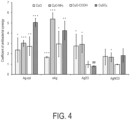
- Ag NP3 Ag 2 O Test species here was E. coli K12. ( Fig 4 ). E. coli suspension was incubated with Ag NPs, CuO NPs, respective ions or their combinations for 24 h, plated on agarized broth and MBC was determined. Synergy with positively charged CuO NPs in case of all three tested Ag NP types was observed. This suggests synergistic effect is universal.
- NP combination was efficient against all tested bacterial isolates and pathogenic yeast Candida albicans according to slightly modified ISO20645:2004 standard: E. coli ATCC 25922 ; E. coli ATCC 13846; E. faecalis ATCC 29212; E . faecalis ATCC 51299 VRE(+); K. pneumoniae ATCC 700603 ESBL(+) ; S . aureus ATCC 25923 S . aureus NCTC 12493 MRSA(+) - S.
- Test was performed according to modified ISO 20645:2004. Bacterial suspension (0.5 McFarland) was plated onto nutrient broth, and Whatman paper discs impregnated with 100 ⁇ l of nanoparticle combination (0.067% Ag NPs and 0.15% CuO-NH 2 NPs were placed on top. After 24-h the area under the discs was visually inspected.
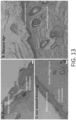
- the dressing comprising AgNPs and Cu-compounds as active ingredients supported formation of mature epidermis, and that new epithelium achieved after treatment of the dressing comprising AgNPs and Cu-compounds was more mature, more homogenous and less inflamed than epithelium achieved after treatment with only Ag+ containing dressing ( Figure 13 ). Further advantages found in using the AgNP and Cu-compound comprising dressings were that neurophilis in blood of the test rats when measured on day 7 of the treatment was substantially lower than in rats treated with only Ag+ containing dressings (results not shown).
- the dressing comprises Ag compound including AgNPs alone or in combination with ionic Ag and Cu compounds.
- the Cu compounds comprise Cu salts.
- Cu salts are selected from CuSO 4 .
- Optional Cu NPs are preferably CuO NPs.
- CuSO 4 and Ag NPs may be incorporated into fibers by electrospinning. Proposed technology implies that bacteria will be entrapped into the skin contact layer having a pore size of 100-300 nm, preferably approximately 200 nm, and become inactivated on the surface of the wound dressing, where moist wound bed will induce high local release of Cu ions and their interaction with AgNP surface.
- Cu-Ag nanoparticles based wound dressings are safe and efficient when applied on patients (voluntary tests). They cause less side effects (like allergic reaction, dizziness, nausea, headache compared to competing commercial Ag-based dressing Aquacel Ag+).
- Cu-Ag compounds based wound dressings reduce bioburden, inflammation and support the wound healing, when applied on the wounds of patients with diabetic foot ulcer infection, patients with burns and beyond.
- the best safety/efficacy balance was obtained when the dressing had Ag -concentration of 0.5-3mg/100cm 2 (1-2% of contact layer) and 3-7.5mg/100cm 2 of Cu (3-5% of contact layer). These concentrations were nontoxic for the mammalian fibroblasts and had an effective concentration of components against bacteria.
- the wound dressing comprises two layers (skin contact and absorbant layer). Ag compound and Cu compound are located in or on the skin contact layer.
- Cu compound may include Cu ion added as CuSO 4 . ( Fig. 7 ). Additional layers may be added.
- the absorbant layer is preferably alginate - a biocompatible and highly absorbant advanced polymer that is known in the art and used in treating chronic wounds.
- the alginate layer may comprise Cu-alginate gel.
- the skin contact layer may be produced by electrospinning method enabling incorporation of NPs into polymers and getting tiny antimicrobial fibers
- Na-alginate is mixed with Ag NPs and Cu compounds in electrospinning solutions, and NPs-containing alginate fibers are produced by electrospinning.
- additives such as polyethylene glycol or cellulose may be added.
- the skin contact layer has pore sizes between 100 and 300 nm, preferably 150-250 nm, and most preferably about 200 nm (i.e., 190-210 nm).
- this disclosure provides antimicrobial medical devices for use in preventing or diminishing microbial growth on mammal, preferably human tissue.
- the medical devices include antimicrobial dressings and formulations, but other variations are also possible.
- the antimicrobial medical devices are effective on a large number of microbes, including antibiotic resistant strains of various bacteria.
- the medical devices according to this disclosure are efficient against at least Escherichia coli, Pseudomonas aeruginosa, Enterococcus faecalis, Staphylococcus aureus, Klebsiella pneumoniae, Staphylococcus epidermidis, Staphylococcus dysgalactiae and Candida albicans.
- this disclosure provides antiviral material for use for example as face masks or other protective material to reduce or eradicate viral populations.
- Mask filter material was produced by electrospinning as described in Example 1 with incorporation of 3.2% copper and 0.4% silver nanoparticles. Pore size of skin contact layer was about 200 nm.
- Nylon 6 was dissolved in formic acid at various concentrations (15-20 wt %) and the solutions were stirred overnight at magnetic heated plate stirrer at 40°C to ensure full dissolution.
- 0-2000 ppm Cu-AgNP suspensions were stirred with nylon 6-formic acid for 1 h at 40° and then subjected to the electrospinning as described by Javed et al 2.
- the polymer solutions were electrospun with a fixed mass flow rate of 0.12 mL/h and a voltage of 15 kV for 2 hours. After preparation of the fibers, scanning electron microscopy was used to determine the morphology and the average diameter of the nanofibers ( Figure 7 , insert).
- Figure 8 demonstrates that CuSO 4 and Ag NP were successfully incorporated into fibers during electrospinning.
- Proposed technology implies that bacteria will be entrapped into the skin contact layer (pore size ⁇ 200 nm) and will be inactivated on the surface of the wound dressing, where moist wound bed will induce high local release of Cu ions and their interaction with AgNP surface.
- Figure 9 demonstrates that the wound dressings containing 2% metal from combination of Ag NPs and CuSO4 (1:1) completely inhibited the growth of E. coli bacteria, in contrast to the wound dressings that contained 2% metal from Ag NPs or CuSO4 alone.
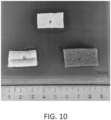
- Figure 10 demonstrates that our wound dressing prepared from the optimal Cu-Ag nanoparticle combination inactivates Escherichia coli better (larger inhibition zone) (a) compared to commercial Ag-based dressings Aquacel Ag+ by ConvaTec (b) and Mepilex by Mölnlycke (c).
- a wound dressing comprising Cu ion-based alginate incorporating Ag NPs (and CuO NPs, optionally) can be made as follows: In the first step, Cu-alginate gel will be synthetized from Na-alginate and CuSO4. In the second step, the obtained gel containing Na- and Cu-alginate will be stirred with AgNO3 to obtain in situ reduction of Ag ions and formation of Ag NPs or subjected to direct addition of Ag NPs.
- CuO NPs will be added to the gel.
- Resulting Cu-alginate gel containing NPs may be used on wounds directly in the form of gel or freeze-dried in several cycles to obtain wound dressing.
- Na-alginate can be mixed with Ag NPs and Cu compounds in electrospinning solutions, and NPs-containing alginate fibers will be produced by electrospinning.
- additives such as polyethylene glycol or cellulose may be added.
- ion exchange-enabled Cu-alginate incorporating Ag NPs is possible. Upon contact with the wound, Cu-alginate will form a hydrophilic gel releasing NPs and metal ions in the wound environment.
- Table 1 demonstrates the raw data (MBCs of Ag NPs and different Cu compounds alone or in combination) used for calculations in Figure 3 . Highlighted column demonstrates that antibacterial effect (MBC) can be achieved with remarkably low concentrations of Ag NPs, if used in combination with Cu compounds. Table 1. Minimal inhibitory concentration (MBC) (mg/l) of Ag NPs and different Cu compounds alone or in combination.
- dysgalacticae DSM 23147 Ag NPs 10,07 ⁇ 3,76 CuO 133,3 ⁇ 57,7 16,67 ⁇ 7,22 1,302 ⁇ 0,451 3,766 ⁇ 0,979 CuO-NH 2 133,3 ⁇ 57,7 15,625 ⁇ 13,26 3,125 ⁇ 0 2,481 ⁇ 0,065 CuO-COOH 200 ⁇ 0 12,5 ⁇ 0 6,25 ⁇ 0 1,44 ⁇ 0,119 CuSO 4 133,3 ⁇ 57,7 12,5 ⁇ 0 1,563 ⁇ 0 3,909 ⁇ 0,832
- the wound dressing was changed every 2 nd day. At the same time, the wound was controlled for healing process and also photographed. Wound size, wound edge redness and swelling, wound secretions (blood, transudate, pus) were documented. The general condition of the rat was scored daily.
- a bacterial inoculum was taken from the wound for bacterial quantitative and qualitative analysis.
- a blood samples were taken for markers of inflammation (clinical blood, markers of inflammation).
- rats were humanely killed by inhalation of CO 2 .
- Blood tests, biopsy at the wound site for histology, microbiology, and biochemical analysis were carried out on the same day.
- the experiment has shown that the dressing of this disclosure (Advanced Antibacterial Wound Dressing (AAWD) is several orders of magnitude more effective against infection in the wound compared to commercial dressing Aquacel Ag+ Extra ( Figure 4 ). The number of bacteria in the wound has decreased with remarkable speed during the first 24 hours.
- AAWD Advanced Antibacterial Wound Dressing
- the wound dressing prepared on the basis of Cu-Ag nanoparticle combination according to this invention inactivated pathogenic bacteria Pseudomonas aeruginosa 8 times better (3) compared to commercial Ag-based dressing Aquacel Ag+ by ConvaTec (2) ( Figure 11 )
- Cu-Ag nanoparticles based wound dressings are safe and efficient, if applied on patients. They cause less side effects (like allergic reaction, dizziness, nausea, headache compared to competing commercial Ag-based dressing Aquacel Ag+).
- Cu-Ag compounds based wound dressings reduce bioburden, inflammation and support the wound healing, when applied on the wounds of patients with diabetic foot ulcer infection, patients with burns and beyond.
- clinical trials are conducted to prove the safety and efficacy:
- Inclusion Criteria males and females aged ⁇ 18 suffering chronic infection of DFU with a size ⁇ 8 cm in diameter and DFU infection grade 2.
- Exclusion Criteria patients receiving antibiotic therapy 7 days before the enrolment, osteomyelitis, cardiac disorder NYHA IV, hepatic disorder Child-Pugh C, cancer stage IV and CLTI, defined as Rutherford's Category ⁇ 4 or Fontaine's stage ⁇ III. Patients meeting the eligibility criteria will be enrolled and followed up until day 21. The study performance will be divided into Active Phase (Visit 1 to Visit 3 during 7 days) and Follow-up Phase (Visit 4 to Visit 6 during next 14 days). The patients will be randomly assigned (1:1) to Arm A (AWD) or Arm B (AQUACEL ® Ag+). Wound dressings will be changed every second day in the Active Phase. During the Follow-up phase, a non-antibacterial silicon dressing will be used, being changed at least during the study visits and whenever it is required by clinical judgment.
- Safety of the AWD will be measured by recording the incidence, the severity and the causal relationship of ADEs, SADEs and DDs, in accordance with the ISO 14155 and the MDCG 2020-10/1 definitions. Safety recording will start after the informed consent has been granted, at the visit 1, and will take until the end of study visit (day 21). All AEs, ADEs, SAEs, SADEs, USADEs and DDs will be recorded.
- Efficacy of AWD will be a complex endpoint evaluated through the following variables: microorganisms' load (CFUs) decrease, qualitative microorganisms' changes, inflammatory and infection blood biomarkers' decrease, time until infection resolution (IWGDF grade 1), wound size decrease and wound bed changes.
- CFUs microorganisms' load
- IWGDF grade 1 time until infection resolution
- Wound appearance will be assessed at each visit through the following parameters: examination of wound size, edges, bed, debridement: exudates and Wound-related pain (VAS scale). In addition, photographs will be taken at each visit to record the wound healing progress.
- the antimicrobial dressing and formulation according to this disclosure provides at least the following benefits:
- Mask filter material was produced as described in Example 1 with incorporation of 3.2% copper and 0.4% silver nanoparticles. The material was tested for antiviral activity against influenza virus and coronavirus SARS-CoV-2.
- the plate was then dried under the hood for 30 minutes, and the fluorescent signal was read using LI-COR scanning machine (wavelength 800 nm). The number of fluorescent plaques was counted in the appropriate dilution wells (5-50 plaques per well), the avarage of the three experiments was calculated and compared to the viral titers in the wells treated with negative controls.
- This combination can be incorporated into various polymers, textiles and materials including but not limited to non-woven as well woven materials, various biodegradable materials (alginate, cellulose (e.g., cellulose ethyl sulphonate, carboxymethylcellulose), collagen, chitin, silk, cotton, polylactic acid), nylon, polyethylene, silicone, polyvinyl alcohol, polyacrylonitrile, polyaniline, polyvinylpyrrolidone, polypropylene, polyurethane, paraffin, viscose, polyester, styrene-acrylonitrile and others using various methods including but not limited to electrospinning, infusion, adsorption, absorption, melt blowing, sonochemistry, plating, impregnation, or electrodeposition etc. techniques to give to these materials excellent antiviral properties.
- biodegradable materials alginate, cellulose (e.g., cellulose ethyl sulphonate, carboxymethylcellulose), collagen, chitin, silk, cotton, poly
Landscapes
- Health & Medical Sciences (AREA)
- Life Sciences & Earth Sciences (AREA)
- Chemical & Material Sciences (AREA)
- General Health & Medical Sciences (AREA)
- Engineering & Computer Science (AREA)
- Veterinary Medicine (AREA)
- Public Health (AREA)
- Animal Behavior & Ethology (AREA)
- Environmental Sciences (AREA)
- Wood Science & Technology (AREA)
- Zoology (AREA)
- Pest Control & Pesticides (AREA)
- Plant Pathology (AREA)
- Epidemiology (AREA)
- Inorganic Chemistry (AREA)
- Dentistry (AREA)
- Agronomy & Crop Science (AREA)
- Materials Engineering (AREA)
- Hematology (AREA)
- Chemical Kinetics & Catalysis (AREA)
- General Chemical & Material Sciences (AREA)
- Medicinal Chemistry (AREA)
- Pharmacology & Pharmacy (AREA)
- Oncology (AREA)
- Communicable Diseases (AREA)
- Nuclear Medicine, Radiotherapy & Molecular Imaging (AREA)
- Organic Chemistry (AREA)
- Biomedical Technology (AREA)
- Virology (AREA)
- Toxicology (AREA)
- Molecular Biology (AREA)
- Heart & Thoracic Surgery (AREA)
- Surgery (AREA)
- Vascular Medicine (AREA)
- Pharmaceuticals Containing Other Organic And Inorganic Compounds (AREA)
- Materials For Medical Uses (AREA)
Description
- This invention is related to antimicrobial compounds and materials, especially antibacterial and antiviral compounds and materials, and antibacterial dressings, and to uses of the same.
- Development of new antibacterial and antiviral compounds is one of the top priorities flagged by the World Health Organization, WHO. In SARS-CoV-2 era, there is a growing demand for advanced antiviral medical devices, textiles and personal protective equipment. The most critical target group of novel antibacterial compounds are multidrug-resistant bacterial strains that cause infections in the patients with injuries (such as burns, traumatic wounds, surgery etc.) or underlying medical conditions exemplified by pressure ulcers and diabetes. Every fifth diabetic develops chronic wounds, commonly foot ulcers that are frequently infected by bacteria. In 15-27 % cases bacterial wound infection leads to the gangrene that requires an amputation of the leg. This demonstrates that current wound infection management strategies are not efficient enough, and there is a great need for new remedies.
- Current wound infection management strategies mainly rely on systemic antibiotics and topical wound care, including antibacterial creams and wound dressings. Systemic antibiotic treatment is a temporary measure and is further complicated by the fact that about 30% of the most common wound bacterial isolates (Staphylococcus aureus, Pseudomonas aeruginosa, Escherichia coli) are multidrug-resistant. Instead, or in addition to antibiotics, antibacterial wound dressings are applied locally (topically).
- Metallic Ag has been used as antimicrobial since ancient times and it possesses broad-spectrum antibacterial action, being currently the "gold standard" antibacterial metal. The vast majority of commercial antibacterial medical devices consist of silver (Ag), mostly in ionic or metallic form.
- Utilization of Ag nanoparticles instead of ionic/metallic Ag enables controlling Ag ion release, to prevent rapid inactivation of Ag ions by the wound environment, to decrease the probability of bacterial resistance and to enhance the antibacterial effect of Ag ions.
- Current wound dressings mainly rely on ionic/metallic Ag. Wound dressing Acticoat® with nanocrystalline Ag is one of the few examples that rely on Ag NPs.
- Various antibacterial dressings comprising ionic Ag have been disclosed in patent publications: Cellulose fibers with ionic Ag is disclosed in
US6471982B1 ;WO2003053484 discloses a textile matrix comprising metallic silver coated fibers, polyurethane and alginate with ionic Ag is disclosed inUS20030021832A ; cellulose and alginate with ionic Ag is disclosed inUS8058499B2 ; nylon plated with metallic Ag is disclosed inUS20030176827A1 . - There are also publications available disclosing use of Ag nanoparticles, e.g.
EP1901723A2 discloses polyethylene fibers with Ag nanoparticles.US 9838652 - Even if for example
EP1901723A2 discloses Ag NP containing dressings to provide faster healing time and bacterial clearance compared to antibiotic sulfadiazine and lower frequency of wound sepsis and secondary bacteremias in burn wounds compared to Ag salt (AgNO3) in randomized controlled clinical trials, they still do not inactivate bacteria and especially bacterial biofilms entirely. - In addition, according to various experiments and publications, Ag has low effect against coronavirus as is also recently demonstrated by our research group. We tested a range of Ag nanoparticles and Ag salt against influenza virus and coronavirus. Surprisingly, the half maximal effective concentrations (EC50) of these tested silver compounds to influenza as well coronavirus were >50 mg/l indicating very low antiviral effect.
- Copper as such is known to have weak antimicrobial effects as compared to silver. For this reason, using copper in addition to or instead of Ag, which is known for long to have good antimicrobial efficacy, is not widely used in antibacterial medical devices such as wound dressings.
- However, there are some publications providing combinations of Ag and Cu in combination with other metals. For example,
US20160022606 discloses a wound care system, where the system includes a mixture of colloidal silver, copper and zinc oxides. -
WO2012162557 is directed to a composition having antimicrobial activity comprising particles comprising at least one inorganic copper salt, CuI and at least one functionalizing agent in contact with the particles, the functionalizing agent stabilizing the particles in a carrier such that an antimicrobially effective amount of ions are released into the environment of a microbe. The composition may further comprise at least one of silver particle or a silver halide particle which may be functionalized with an amino acid. - There are growing concerns about ecotoxicity of Ag and Ag NPs and their adverse effects in vitro and in vivo in patients, including allergies. Therefore, there is a great need for safer (e.g., with less silver content) and more efficient antibacterial dressings, fabrics and other materials that would inactivate bacteria and their biofilms efficiently, act against various bacterial species, including antibiotic-resistant strains and inactivate viruses, including influenza virus and coronavirus; dressings that would provide faster wound re-epithelization, especially for diabetic ulcers, efficiently healing or preventing bacterial infection in chronic wounds (such as diabetic wounds, pressure ulcers) and in acute wounds (such as burns, traumatic and surgical wounds) and therefore preventing the limb amputations, mortality and days spent in hospital.
- Accordingly, this disclosure solves the above-mentioned problems. The scope of invention is defined by the claims.
- It is an object of this disclosure to provide antimicrobial materials, compositions and related solutions for medical devices, including personal protective equipment. Especially an object is to provide antibacterial and antiviral materials.
- It is an object of this invention to provide an antimicrobial medical device (such as wound dressing, patch, face mask, ointment, cream, spray, catheter) comprising a silver component and a copper component, wherein the combination of silver and copper components provide a synergistic antimicrobial effect, thus leading to enhanced wound healing efficacy, faster inactivation of bacteria, reduced inflammation and hence, better outcome of wound infection such as reduced probability of limb amputation due to bacterial infection. In addition, due to the synergy of silver and copper components according to this disclosure, concentration of silver may be significantly decreased (reducing adverse effects associated with frequent use of silver-based products) without losing antimicrobial efficacy.
- The silver component comprises Ag nanoparticles but may also comprise ionic silver in addition to the nanoparticles.
- The copper component comprises copper- based salts selected from CuSO4.
- According to certain embodiments the copper and silver components are provided in or on a medical device in such amounts that based on mg/cm2 the Cu/Ag ratio in the antimicrobial device (e.g., dressing or facemask) is between 1 to 70, more preferably between 1 to 20 and most preferably between 1 to 8. According to certain embodiments a dressing may have Ag -concentration of 0.1-10 mg/100cm2, preferably, 0.5-3 mg/ 100 cm2 and most preferably 0.6-1.0 mg/ 100 cm2. The Cu-concentration may be 0.5-7.5 mg/ 100 cm2 and more preferably 2.5-3.0 mg/100 cm2. The Ag-concentration is preferably 1-2% of the contact layer, and the Cu concentration is preferably 3-5% of the contact layer.
- According to certain embodiments the silver and copper compounds are provided in or on the medical device such that they create a synergistic antimicrobial effect which can be determined by coefficient of antimicrobial synergy K(Syn) calculated as:

- It is an object of this invention to provide an antimicrobial medical device comprising Ag and CuSO4 and their combinations in a ratio such that Cu/Ag ratio is between 1 to 70, more preferably between 1 to 20 and most preferably 1 to 8.
- According to certain embodiments the medical device comprises Ag nanoparticles either non-functionalized or functionalized with one or more groups selected from carboxyl functional groups (-COOH), quaternary ammonium, polyethylene imine, branched polyethylene imine, PEG, citrate, PVP, dextran coating, amine groups (-NH2), amino acids, bacteria binding peptides, polyoxometalates (POMs), antibodies, their fragments, and combinations thereof.
- According to certain embodiments the medical device, for example an antimicrobial dressing or facemask comprises protein stabilized Ag nanoparticles and optionally ionic silver, and copper compounds comprising the above Cu based salts.
- According to certain embodiments the antimicrobial dressing comprises a skin contact layer and an absorbant layer, the skin contact layer comprising the Ag nanoparticles and the copper compounds, and the absorbant layer is a natural or synthetic polymer.
- It is an object of this invention to provide an antimicrobial dressing comprising Ag nanoparticles and Cu-compounds in a ratio such that Cu/Ag ratio is between 1 to 70, more preferably between 1 to 20, most preferably between 1 to 8, and wherein coefficient of antimicrobial synergy when measured as:

MBC of Ag NPs alone MBC of copper compound alone is higher than 1, preferably higher than 2, more preferably higher than 3, and most preferably higher than 4. - It is an object of this invention to provide antimicrobial materials that are suitable for face masks and/or other protective wearable equipment to prevent exposure to airborne microbes, especially to viruses. It is an object to provide materials especially suitable for face masks and capable of killing coronaviruses (such as SARS Cov-2) and influenza (such as H1N1) viruses.
- According to certain embodiments a filter material of a medical mask comprises Ag-nanoparticles and CuSO4 and the mask is capable of reducing activity or inactivating SARS-CoV-2 and/or H1N1 virus.
- It is a further object of the invention to provide an antimicrobial formulation comprising Ag-nanoparticles and CuSO4 in such a ratio that Cu/Ag ratio is between 1 to 70, more preferably between 1 to 20 and most preferably 1 to 8
- According to certain embodiments the antimicrobial formulation comprises Ag-nanoparticles selected from either non-functionalized or functionalized with one or more groups selected from carboxyl functional groups (-COOH), quaternary ammonium, polyethylene imine, branched polyethylene imine, PEG, citrate, PVP, dextran coating, amine groups (-NH2), amino acids, bacteria binding peptides, polyoxometalates (POMs), antibodies, their fragments, and combinations thereof.
- According to certain embodiments the antimicrobial formulation comprising Ag nanoparticles and CuSO4 in such a ratio that Cu/Ag ratio is between 1 to 70, more preferably between 1 to 20 and most preferably 1 to 8, and coefficient of antimicrobial synergy of the formulation when measured as

- According to certain embodiments the antimicrobial formulation is effective against bacteria, including multi-drug resistant isolates, fungi, protozoa, viruses, including SARS CoV-2 and H1N1, and pathological proteins, including α-synuclein, prions, and amyloid beta.
- According to certain embodiments it is provided the antimicrobial formulation for use in preventing or diminishing microbial growth on human tissue or wound dressing for use in preventing or diminishing microbial growth on human tissue, the formulation or wound dressing comprising a silver component and a copper component, wherein the silver component comprises Ag nanoparticles alone or in combination with ionic silver and the copper component comprises Cu-based salts selected from CuSO4 in such proportions that Cu/Ag ratio is between 1 to 70, more preferably between 1 to 20 and most preferably 1 to 8, and a coefficient of antimicrobial synergy is higher than 1, higher than 2, higher than 3 or higher than 4.
- According to certain embodiments it is provided the antimicrobial material for use in inactivation of virus, preferably SARS-CoV-2 virus or H1N1 virus upon contact with the material, the antimicrobial material comprising silver and copper components, wherein the silver component comprises Ag nanoparticles alone or in combination with ionic silver and the copper component comprises Cu-based salts selected from CuSO4 in such proportion that Cu/Ag ratio is between 1 to 70, more preferably between 1 to 20 and most preferably 1 to 8.
- According to certain embodiments the antimicrobial material comprising silver nanoparticles and CuSO4 in such proportion that Cu/Ag between 1 to 70, more preferably between 1 to 20 and most preferably 1 to 8 is efficient as a face mask to prevent or slow spreading of microbes, especially SARS-CoV-2 virus and H1N1-virus due to inactivation of microbes upon contact with the material.
- It is an object of this invention to provide the antimicrobial dressing for use in a method to cure or improve healing of a wound, the method comprising the step of administering the antimicrobial dressing on a wound, such that Cu/Ag ratio is between 1 to 70, more preferably between 1 to 20 and most preferably 1 to 8.
- According to certain embodiments the antimicrobial dressing for use comprises silver compound and CuSO4 in a ratio such that Cu/Ag ratio is between 1 to 70, more preferably between 1 to 20 and most preferably 1 to 8 and wherein coefficient of antimicrobial synergy when measured as

- It is an object of this invention to provide the antimicrobial formulation for use in a method to treat a wound, the method comprising the step of administering the antimicrobial formulation on a wound, the antimicrobial formulation comprising Ag compound and CuSO4 in such a ratio that Cu/Ag ratio is between 1 to 70, more preferably between 1 to 20 and most preferably 1 to 8 and coefficient of antimicrobial synergy of the formulation when measured as

- According to certain embodiments additional metal-based nanoparticles or metal ions selected from Al, Au, Ce, Co, Fe, Ga, Ir, Mo, Ti, Zn may be added to the dressing or the formulation.
- The advantages provided by the invention disclosed and claimed here includes among others a synergy of two antimicrobial components such that bacterial film is completely removed with several times lower silver concentrations than any known solution. The advantages include faster wound healing compared to dressings currently in use and the reduction of silver amount in wound treatment.
- The advantages provided by this invention also includes a high efficacy against a large variety of microbes, including antibiotic resistant bacterial strains and their biofilms as well as viruses, especially SARS-CoV-2 and H1N1.
-
-
Fig 1 illustrates the synergy of Ag NPs and CuO NPs against Escherichia coli K12. Test was performed using slightly modified ISO 20645 (Textile fabricsDetermination of antimicrobial activity -- Agar diffusion plate test). Commercial silver-based wound care product (Hansaplast) is on the left, in-house prepared wound care material containing CuO-COOH NPs is on the right. Material contact area with bacteria (surface area = 2.5 cm2) is denoted by the white dashed line; unexpected bacteria-free area suggesting the synergy between commercial silver material and our nano copper-based material is denoted by the red dashed line. -
Fig. 2 is an example of synergy of NPs. E. coli suspension was incubated with different concentrations of either Ag NPs, CuO NPs or their combinations for 24 h, and 3 µL of bacteria- NP mixture was pipetted onto agarized broth. -
Fig. 3 A and B show the synergistic effect of CuO NPs and CuSO4 with Ag NPs (A) or AgNO3 (B) to a range of Gram-negative and Gram-positive bacteria commonly colonizing wounds. Bacterial suspension was incubated with Ag NPs, CuO NPs, respective ions or their combinations for 24 h, plated on agarized broth, and MBC was determined. -
Fig 4 . Shows the synergistic effect of CuO NPs and CuSO4 with various Ag NPs E. coli K12 suspension was incubated with Ag NPs, CuO NPs, respective ions or their combinations for 24 h, plated on agarized broth, and MBC was determined. -
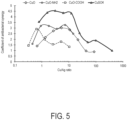
Fig. 5 shows coefficient of antibacterial synergy between Ag NPs and copper components depending to Cu/Ag ratio (calculated on the basis of metal) in the mixture. -
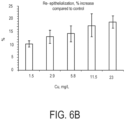
Fig. 6 A andB Scratch closure (re-epithelization) of BALB/c fibroblasts in vitro after 24-h exposure to the control (medium alone) or medium with copper. -
Fig 7 . Illustrates the design of the wound dressing containing an antibacterial skin contact layer and an absorbant layer according to this disclosure.Nylon 6 was dissolved in formic acid at various concentrations (15-20 wt %) and the solutions were stirred overnight at magnetic heated plate stirrer at 40°C to ensure the full dissolution. 0-2000 ppm Cu-AgNP suspensions were stirred with nylon 6-formic acid for 1 h at 40° and then subjected to the electrospinning as described byJaved et al 2. The polymer solutions were electrospun with a fixed mass flow rate of 0.12 mL/h and a voltage of 15 kV for 2 hours. After preparation of the fibers, scanning electron microscopy was used to determine the morphology and the average diameter of the nanofibers (Fig insert). -
Fig 8 . Shows scanning transmission electron microscope images coupled with high-angle annular dark-field (HAADF) and Energy Dispersive X-Ray Analysis (EDX) demonstrated presence of Cu and Ag NPs in the electrospun fibers. -
Fig 9 . Shows antibacterial efficiency of electrospun skin contact layer with CuSO4, Ag NPs or their combinations against E.coli K12. Concentrations are recalculated on metal (Ag or Cu) content to enable comparison. -
Fig 10 . Shows improved antibacterial efficiency (larger zone of inhibition) of the wound dressing according to this disclosure with CuSO4 and Ag NPs against antibiotic-resistant Pseudomonas aeruginosa compared to the popular commercial antibacterial wound dressings. Legend: 1: Our wound dressing: skin layer of silk fibroin with CuSO4 and Ag NPs and absorbant layer; 2: commercial wound dressing 1 and 3: commercial wound dressing 2. The darker color indicates growth of bacteria. -
Fig. 11 A-B demonstrates representative Petri dishes with bacteria isolated from wounds of rats after 24-h treatment with placebo (dressing without antibacterial components) (1), Aguacel Ag+ (2), or a wound dressing according to this disclosure (AAWD= advanced antibacterial wound dressing) prepared on the basis of Cu-Ag nanoparticle combination ; n=27. -
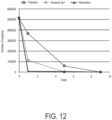
Fig. 12 shows the number of P.aerunginosa cells in wound swab on different days in experiments conducted with rats. -
Fig. 13 Wound healing progress after 5-day treatment with different wound dressings in rat wound infection model. Representative images from blind histology of tissue biopsy after treatment with placebo (A), Aquacel Ag+ (B) or the wound dressing according to this disclosure (C). n=27. There was lower number of inflammatory cells (leukocytes) and more mature epidermis and collagen tissue after the treatment with wound dressing disclosed here.. -
Fig. 14 . A-D shows antiviral activity of material according to this disclosure with Ag and Cu nanoparticles against SARS-CoV-2 virus (A and B) and against H1N1 virus (C and D). - Nanoparticle as used in this disclosure means a particle of matter that has at least one dimension between 1 and 1000 nm in diameter, preferably between 1 and 100 nm, more preferably between 1 and 60 nm, and most preferably between 1 and 40 nm. In case the particle is in the form of a fiber or a tube, the diameter of the fiber or tube is between 1 and 100 nm, preferably between 1 and 60 nm and most preferably between 1 and 40nm regardless of the length of the tube or fiber.
- Antibacterial Synergy as used in this disclosure means interaction or cooperation of two or more compounds that produce a combined antibacterial effect greater than the sum of their separate effects. The antibacterial synergy is measured as Coefficient of antibacterial synergy K(Syn). According to this disclosure there is antibacterial synergy when the coefficient is higher than 1, more preferably higher than 2, even more preferably higher than 3, and most preferably higher than 4.
- Surface functionalization of nanomaterials as used in this disclosure refers to assembling different organic and/or inorganic materials together in nanoscale through covalent bonds or noncovalent bonds including hydrogen bonds, electrostatic force, or van der Waals force.
- A formulation is effective against microbes as used in this disclosure means that treatment with the formulation is capable of killing at least 90%, preferably at least 99%, more preferably 99.9%, and most preferably more than 99.99% of the microbes.
- Silver compound, as used in this disclosure includes Ag nanoparticles alone, or in a combination with ionic or metallic silver.
- Copper compound, as used in this disclosure includes Cu nanoparticles, Cu salts or combinations thereof.
- Medical device, as used in this disclosure include personal protective devices and generally means devices, structures, and compositions intended for use in the diagnosis of disease or other conditions, or in the cure, mitigation, treatment, or prevention of disease in a living organisms, preferably in a mammal, most preferably in a human being. The term medical device thus includes for example stents, catheters, abdominal plugs, adhesive films, contact lenses, bandages, face masks, textiles, filter materials, injectors of drugs, wound dressings, patches, ointments, creams, sprays, without limiting the definition to these examples.
- MBC, minimum bactericidal concentration is the lowest concentration of Ag or Cu compounds required to kill particular bacterium. In reference to antiviral effect MBC would mean the minimum concentration of Ag or Cu compounds require to kill particular virus.
- This disclosure provides combinations of Ag nanoparticles (Ag NPs) alone or in combination with ionic silver, and Cu compounds comprising Cu salts, selected from CuSO4, in medical devices, dental materials, antimicrobial dressings, antibacterial fabrics. Even if Cu is known to have antimicrobial effects, its use as antibacterial compound in medical devices or wound dressings has been limited due to the fact that its antimicrobial effects are known to be considerably weaker than those of silver. It was now surprisingly and unexpectedly found that combining Ag NPs with the CuSO4 the antimicrobial effects are 3 to 5 times higher than with Ag NPs alone. This allows making medical devices, dental materials, antibacterial dressings, and other applications while using less Ag. One preferred embodiment is a wound dressing containing less Ag than wound dressings that are commercially available with higher antimicrobial efficacy and improved wound healing properties. In referring to the appended figures various embodiments are now described.
- In the following examples and tests, only combinations of Ag NPs are part of the invention.
- Referring now to
Figure 1 a comparison between antimicrobial efficacy of a dressing with silver nanoparticles (Ag NPs) and copper oxide nanoparticles (CuO NP) was conducted as an agar diffusion plate test. A commercial wound care material incorporating silver nanoparticles and in-house produced wound care material incorporating copper oxide nanoparticles (CuO NPs) were placed on a same agar plate. The results shown inFigure 1 establish the initial surprising and unexpected observation that in the area between the two materials there was a bacteria-free area. - In order to investigate this synergy effect further, detailed experiments were conducted.
- A synergistic effect between CuO NPs and Ag NPs was demonstrated in an experiment shown in
Figure 2 . Antimicrobial efficacy of NPs was compared by determining minimal bactericidal concentration (MBC, the lowest tested concentration of NPs yielding no visible bacterial growth). As can be seen fromfigure 2 already 10 mg/l Ag NPs + 12.5 mg/l CuO NPs efficiently inactivated E. coli, when used in combination, while the MBC was as high as 40 mg/l for Ag NPs and 400 mg/l for CuO NPs. This clearly proves the synergistic effect. - In order to quantify and compare the synergistic effect between different Ag and Cu compounds and among various bacterial strains, we introduced the term "Coefficient of antimicrobial synergy", K(Syn), showing the antimicrobial efficiency of Ag compound and Cu compound combinations (mix) compared to the sum of the MBC values of individual compounds and calculated as follows:

- It is to be understood that in case silver compound includes NPs only and the Cu compound includes CuO NPs only the equation can be written:

- This disclosure provides a wound dressing comprising silver compounds comprising Ag nanoparticles alone or in combination with ionic silver and copper compounds selected from copper-based salts, selected from CuSO4.
- The dressing preferably comprises the Ag-nanoparticles and the copper-based salts, and their combinations in a ratio such that Cu/Ag ratio is between 1 to 70, more preferably between 1 to 20 and most preferably 1 to 8. The combination of Ag nanoparticles and Cu compounds as described here provides an unexpected synergy between the Ag nanoparticles and Cu compounds resulting
antimicrobial effects 3 to 5 times higher than Ag nanoparticles alone. Cu alone is a weak antimicrobial compound and was not expected to increase the effect of Ag nanoparticles. - The antimicrobial synergy is measured by a coefficient of antibacterial synergy defined as K(Syn) (see above).
- According to certain embodiments the synergistic effect is used to make highly efficient antibacterial wound dressings.
- According to certain embodiments the synergistic effect is used to various wound care treatment products such as woven or non-woven wound dressings, cotton gauzes, hydrofibers, gels, creams, ointments, hydrogels, hydrocolloids, foams, films, patches, pads to enhance their antimicrobial efficiency and anti-inflammatory and wound healing properties. For example, NP combination can be incorporated into or combined with different synthetic or natural polymers such as alginate, carboxymethyl cellulose, cellulose, cellulose ethyl sulphonate chitosan, chitin, fibroin, nylon, polyurethane, silicone, paraffin, polyethylene or polyvinyl with or without additional components to produce fibers, woven or non-woven wound dressings, cotton gauzes, hydrofibers, gels, creams, ointments, hydrogels or foams produced by sonochemistry, plating, electrospinning, freeze-drying, deposition or other techniques. Additional components may include Al, Au, Ce, Co, Fe, Ga, Ir, Mo, Ti, Zn as nanoparticles or as salts.
- According to further embodiments the synergistic effect can be used in topical treatment of chronic or acute skin damage caused by infection, injury, inflammation, or medical condition: acne, herpes, skin irritations, inflammations excoriations or abrasions, traumatic injuries, leg and pressures ulcers, burns and surgical, necrotic, chronic or neuropathic/diabetic wounds, graft sides, under compression bandages.
- According to even further embodiments the synergistic effect can be used in antimicrobial agents in medical devices like stents, catheters, abdominal plugs, adhesive films, face masks, contact lenses, lens cases, bandages, injectors of drugs and other devices that pass through the skin or contact with the skin, as well as prostheses, spokes, screws, and other implants introduced into the body.
- According to further embodiments the synergistic effect can be used in antimicrobial, preservative, antioxidative or regenerating components in cosmetics: creams, ointments, lotion, sprays, lipsticks, gels, soaps, shampoos, scrubs.
- According to even further embodiments the synergistic effect can be used in antimicrobial component for disinfecting in liquids: for washing and disinfecting hands, wounds, surfaces, and items.
- According to still further embodiments the synergistic effect can be used in textiles to reduce the number of microorganisms and reduce the unpleasant smell from the fabric.
- According to even further embodiment the synergistic effect can be used in antimicrobial components used in dentistry for disinfection on antimicrobial component for dental materials.
- According to certain embodiments the synergistic effect can be used in anti-inflammatory components or additives for the treatment of local and systemic autoimmune and allergic diseases, including psoriasis, allergic and non-allergic dermatitis, acne, pemphigus, and pemphigoid.
- According to certain embodiments the synergistic effect can be used in antimicrobial components of the material printed on 3D printers or produced by other technologies and afterwards implanted into the body; electrospun tissue scaffolds part of the nanorobots and electronic devices injected into blood or into organs or used on the body surface.
- According to certain embodiments the medical device of this disclosure may be a dressing or a formulation comprising a first and a second component. The first component is an Ag-based component, and the second component is a Cu-based component. The first component comprises an Ag based nanoparticle, or the first component may be a combination of Ag salt and Ag based nanoparticle. The second compound comprises a Cu salt, selected from CuSO4.
- According to certain embodiments further components may be added to the medical device, dressing and/or formulation. For example, a third component may include Al, Au, Ce, Co, Fe, Ga, Ir, Mo, Ti, Zn as nanoparticles or as salts.
- The Ag based nanoparticles may be functionalized or non-functionalized. They may be stabilized by surfactants, proteins, polyvinyl pyrrolidone (PVP), citrate, polyethylene glycol (PEG), however this is not a limiting list, but other stabilizers may also be used. The Ag NPs may be modified with one or several surface functionalizations, non-limiting list of functional groups includes carboxyl functional groups (-COOH), quaternary ammonium, polyethylene imine, branched polyethylene imine, PEG, citrate, PVP, dextran coating, amine groups (-NH2), amino acids, bacteria binding peptides, polyoxometalates (POMs), antibodies, their fragments, and combinations thereof.
- The copper-based component comprises a copper salt, selected from CuSO4. The copper-based component may further comprise copper (oxide)-based nanoparticle. The optional nanoparticles may be CuO- or Cu2O- nanoparticles but other nanoparticles may also be used. The surfaces of the nanoparticles may be functionalized or not. A non-limiting list of functionalizing groups includes carboxyl groups, PEG, citrate, PVP, dextran coating, amine groups (-NH2), proteins, quaternary ammonium, polyethylene imine, branched polyethylene imine, peptides, POMs, antibodies, their fragments, and combinations thereof. The copper compound CuSO4 has a positive charge.
- In order to quantify and compare the synergistic effect between different Ag NPs and Copper compounds among various bacterial strains, we introduced the term "Coefficient of antibacterial synergy", K(Syn), showing the antimicrobial efficiency of Ag- and copper compound combinations (mix) compared to the sum of the MBC values of individual Ag- and Cu compounds and calculated as follows:

- Bacterial suspensions were incubated with Ag NPs, CuO NPs, respective ions or their combinations for 24 h, plated on agarized broth, and MBC was determined. The bacterial strains included Streptococcus aureus, Pseudomonas aeruginosa, Escherichia faecalis, Staphylococcus dysgalactiae and Escherichia coli. Results are shown in
Figure 3 . Synergy between Ag NPs and CuO NPs with different surface functionalizations was observed in case of all tested bacterial strains and was the highest for CuO NPs with the positive surface charges (CuO and especially CuO-NH2 NPs) and for positively charged CuSO4 (ionic metal) (Fig 3A ), suggesting that positive charges enhanced synergy. In line with this hypothesis, the lowest K(Syn) was observed for negatively charged CuO-COOH NPs. When ionic silver (as AgNO3) was used instead of Ag NPs, synergistic effect was considerably lower. Even if ionic silver salt alone with the copper compounds was not specifically efficient demonstrating that the surface of Ag NPs is pivotal for the enhanced synergistic effect (Fig 3B ), the combination of Ag NPs with ionic or metallic silver with Cu compounds can still provide a substantially high antimicrobial synergy (not shown). - Three different Ag NPs (size, surface functionalizations) were tested for synergy with Cu compounds. In
figure 4 AgNP1 is colloidal protein-functionalized silver,AgNP 2 is unfunctionalized metallic silver, and Ag NP3 Ag2O. Test species here was E. coli K12. (Fig 4 ). E. coli suspension was incubated with Ag NPs, CuO NPs, respective ions or their combinations for 24 h, plated on agarized broth and MBC was determined. Synergy with positively charged CuO NPs in case of all three tested Ag NP types was observed. This suggests synergistic effect is universal. - Experiments were conducted to define the optimal range of the metal components to achieve highest coefficient of antimicrobial synergy K(Syn).
Figure 5 shows that a synergy is highest when Ag NPs are applied with CuSO4 and the Cu/Ag ratio is between 1 and 10. However, ratios being as high as 70-100 still provided substantial synergy benefit. Similarly, by using CuO NH2 provided a good synergy with Ag NPs at Cu/Ag ratio being 1 to 10. With CuO and Ag NPs the synergy was best when Cu/Ag ratio was 7 to 10, and with CuO-COOH and Ag NP the best synergy was achieved when Cu/Ag ration was about 0.7. Accordingly, it seems that the combination of CuSO4 and Ag nanoparticles provides the best synergy and enable decreasing the amount of silver in the dressing. - Experiments were made to test the efficiency of selected NP combination (Ag NPs + CuO-NH2 NPs, 1:4) on a range of multidrug-resistant clinical bacterial isolates. Experiments showed that NP combination was efficient against all tested bacterial isolates and pathogenic yeast Candida albicans according to slightly modified ISO20645:2004 standard:
E. coli ATCC 25922 ; E. coli ATCC 13846; E. faecalis ATCC 29212; E. faecalis ATCC 51299 VRE(+); K. pneumoniae ATCC 700603 ESBL(+) ; S. aureus ATCC 25923 S. aureus NCTC 12493 MRSA(+) - S. epidermidis ATCC 12228;P. aeruginosa ATCC 27853; S.epidermidis L20030902207; E. coli ESBL(+) L20030700513 ;C. albicans L20030700230 - Test was performed according to modified ISO 20645:2004. Bacterial suspension (0.5 McFarland) was plated onto nutrient broth, and Whatman paper discs impregnated with 100 µl of nanoparticle combination (0.067% Ag NPs and 0.15% CuO-NH2 NPs were placed on top. After 24-h the area under the discs was visually inspected.
- According to ISO20645:2004, "good effect" is assigned to the antibacterial material that renders no growth under material. Good effect was verified with all the above strains.
- The potential of Cu component to support the wound healing using BALB/c fibroblasts and in vitro scratch assay as a proxy for the wound healing was tested. The test was conducted as described in Chun-Chi Liang, Ann Y Park & Jun-Lin Guan. (2007). In vitro scratch assay: a convenient and inexpensive method for analysis of cell migration in vitro. Nature Protocols, 2: 329-333. As is shown in
Figure 6a ,b , Cu enhanced the migration of fibroblasts, showing the potential for the improved wound healing. - In further tests with animals, bacterial count in wound was found 26 times lower than using wound dressing without active components and 7.6 times lower than using Ag+ as active component only (cf.
figure 11A andB ). Moreover, number of pathogenic P. aeruginoa PAO1 was 40 times lower when the wound was treated with dressing comprising the AgNPs and Cu-compounds of this invention as compared to placebo (no active ingredients) and 12 lower than in wounds treated with dressings having only Ag+ as active ingredient (cf.Figure 12 ). It was found that the dressing comprising AgNPs and Cu-compounds as active ingredients supported formation of mature epidermis, and that new epithelium achieved after treatment of the dressing comprising AgNPs and Cu-compounds was more mature, more homogenous and less inflamed than epithelium achieved after treatment with only Ag+ containing dressing (Figure 13 ). Further advantages found in using the AgNP and Cu-compound comprising dressings were that neurophilis in blood of the test rats when measured onday 7 of the treatment was substantially lower than in rats treated with only Ag+ containing dressings (results not shown). - Accordingly, this disclosure provides an effective wound dressing that eliminates bacteria and supports the wound healing. The dressing comprises Ag compound including AgNPs alone or in combination with ionic Ag and Cu compounds. The Cu compounds comprise Cu salts. Cu salts are selected from CuSO4. Optional Cu NPs are preferably CuO NPs. CuSO4 and Ag NPs may be incorporated into fibers by electrospinning. Proposed technology implies that bacteria will be entrapped into the skin contact layer having a pore size of 100-300 nm, preferably approximately 200 nm, and become inactivated on the surface of the wound dressing, where moist wound bed will induce high local release of Cu ions and their interaction with AgNP surface.
- Cu-Ag nanoparticles based wound dressings are safe and efficient when applied on patients (voluntary tests). They cause less side effects (like allergic reaction, dizziness, nausea, headache compared to competing commercial Ag-based dressing Aquacel Ag+). In addition, Cu-Ag compounds based wound dressings reduce bioburden, inflammation and support the wound healing, when applied on the wounds of patients with diabetic foot ulcer infection, patients with burns and beyond.
- In in vitro tests the highest synergy was found when Ag NPs are applied with CuSO4 and the Cu/Ag ratio is between 1 and 10. Similarly, by using CuO NH2 provided a good synergy with Ag NPs at Cu/Ag ratio being 1 to 10. With CuO and Ag NPs the synergy was best when Cu/Ag ratio was 7 to 10, and with CuO-COOH and Ag NP the best synergy was achieved when Cu/Ag ration was about 0.7.
- After performing efficacy and toxicity tests with rats, the best safety/efficacy balance was obtained when the dressing had Ag -concentration of 0.5-3mg/100cm2 (1-2% of contact layer) and 3-7.5mg/100cm2 of Cu (3-5% of contact layer). These concentrations were nontoxic for the mammalian fibroblasts and had an effective concentration of components against bacteria.
- According to at least some embodiments the wound dressing comprises two layers (skin contact and absorbant layer). Ag compound and Cu compound are located in or on the skin contact layer. Cu compound may include Cu ion added as CuSO4. (
Fig. 7 ). Additional layers may be added. According to a preferred embodiment the absorbant layer is preferably alginate - a biocompatible and highly absorbant advanced polymer that is known in the art and used in treating chronic wounds. The alginate layer may comprise Cu-alginate gel. - The skin contact layer may be produced by electrospinning method enabling incorporation of NPs into polymers and getting tiny antimicrobial fibers According to certain embodiment Na-alginate is mixed with Ag NPs and Cu compounds in electrospinning solutions, and NPs-containing alginate fibers are produced by electrospinning. To enforce the strength of the fibers, additives such as polyethylene glycol or cellulose may be added. According to certain embodiments the skin contact layer has pore sizes between 100 and 300 nm, preferably 150-250 nm, and most preferably about 200 nm (i.e., 190-210 nm).
- Accordingly, this disclosure provides antimicrobial medical devices for use in preventing or diminishing microbial growth on mammal, preferably human tissue. Especially the medical devices include antimicrobial dressings and formulations, but other variations are also possible. The antimicrobial medical devices are effective on a large number of microbes, including antibiotic resistant strains of various bacteria. The medical devices according to this disclosure are efficient against at least Escherichia coli, Pseudomonas aeruginosa, Enterococcus faecalis, Staphylococcus aureus, Klebsiella pneumoniae, Staphylococcus epidermidis, Staphylococcus dysgalactiae and Candida albicans.
- Further experiments were conducted to verify the antiviral efficiency of the materials and compounds comprising Ag and Cu nanoparticles. Especially interest was to verify the antiviral efficiency against SARS-Cov2 and H1N1 virus. Accordingly, this disclosure provides antiviral material for use for example as face masks or other protective material to reduce or eradicate viral populations. Mask filter material was produced by electrospinning as described in Example 1 with incorporation of 3.2% copper and 0.4% silver nanoparticles. Pore size of skin contact layer was about 200 nm. Materials containing Ag and Cu compounds significantly inactivated SARS-CoV-2 and influenza viruses already after 5 minutes of exposure (
Figure 14A and14C , respectively), whereas after 1 hour the inactivation of the virus was almost complete: 100% in case of SARS-CoV-2 (Figure 14B ) and 94% in case of influenza (Figure 14D ). Thus, this disclosure provides combination of Ag and Cu compounds as an excellent antiviral agent effective against influenza and SARS-CoV-2. The filter materials intended for the antiviral and antibacterial face masks and produced by electrospinning by incorporating a mixture of Ag and Cu compounds into the silk fibers showed high and fast antiviral effects. - In making a prototype,
Nylon 6 was dissolved in formic acid at various concentrations (15-20 wt %) and the solutions were stirred overnight at magnetic heated plate stirrer at 40°C to ensure full dissolution. 0-2000 ppm Cu-AgNP suspensions were stirred with nylon 6-formic acid for 1 h at 40° and then subjected to the electrospinning as described byJaved et al 2. The polymer solutions were electrospun with a fixed mass flow rate of 0.12 mL/h and a voltage of 15 kV for 2 hours. After preparation of the fibers, scanning electron microscopy was used to determine the morphology and the average diameter of the nanofibers (Figure 7 , insert).Figure 8 demonstrates that CuSO4 and Ag NP were successfully incorporated into fibers during electrospinning. - Proposed technology implies that bacteria will be entrapped into the skin contact layer (pore size~200 nm) and will be inactivated on the surface of the wound dressing, where moist wound bed will induce high local release of Cu ions and their interaction with AgNP surface.
Figure 9 demonstrates that the wound dressings containing 2% metal from combination of Ag NPs and CuSO4 (1:1) completely inhibited the growth of E. coli bacteria, in contrast to the wound dressings that contained 2% metal from Ag NPs or CuSO4 alone. -
Figure 10 demonstrates that our wound dressing prepared from the optimal Cu-Ag nanoparticle combination inactivates Escherichia coli better (larger inhibition zone) (a) compared to commercial Ag-based dressings Aquacel Ag+ by ConvaTec (b) and Mepilex by Mölnlycke (c). - A wound dressing comprising Cu ion-based alginate incorporating Ag NPs (and CuO NPs, optionally) can be made as follows: In the first step, Cu-alginate gel will be synthetized from Na-alginate and CuSO4. In the second step, the obtained gel containing Na- and Cu-alginate will be stirred with AgNO3 to obtain in situ reduction of Ag ions and formation of Ag NPs or subjected to direct addition of Ag NPs.
- In a final (optional) step CuO NPs will be added to the gel. Resulting Cu-alginate gel containing NPs may be used on wounds directly in the form of gel or freeze-dried in several cycles to obtain wound dressing.
- Na-alginate can be mixed with Ag NPs and Cu compounds in electrospinning solutions, and NPs-containing alginate fibers will be produced by electrospinning. To enforce the strength of the fibers, additives such as polyethylene glycol or cellulose may be added. In alternative technological solutions for the wound dressings, ion exchange-enabled Cu-alginate incorporating Ag NPs is possible. Upon contact with the wound, Cu-alginate will form a hydrophilic gel releasing NPs and metal ions in the wound environment.
- Table 1 demonstrates the raw data (MBCs of Ag NPs and different Cu compounds alone or in combination) used for calculations in
Figure 3 . Highlighted column demonstrates that antibacterial effect (MBC) can be achieved with remarkably low concentrations of Ag NPs, if used in combination with Cu compounds.Table 1. Minimal inhibitory concentration (MBC) (mg/l) of Ag NPs and different Cu compounds alone or in combination. Bacteria (Gram staining) MBC alone MBC(CuX) in combination MBC(Ag NPs) in combination K(Syn) E.coli K-12 (G-) Ag NPs 34,04 ± 13,1 CuO 215,4 ± 114,4 41,67 ± 14,43 7,441 ± 2,577 2,387 ± 1,179 CuO-NH2 157,1 ± 51,4 18,75 ± 7,22 5,208 ± 3,348 3,047 ± 0,289 CuO-COOH 350 ± 90,5 12,5 ± 0 11,90 ± 5,16 2,75 ± 0,915 CuSO4 217,6 ± 72,8 22,5 ± 16,3 2,679 ± 0,998 5,055 ± 0,383 E.coli ESBL (G-) Ag-col 45,83 ± 9,73 CuO 133,3 ± 57,7 41,67 ± 14,43 7,292 ± 4,774 2,222 ± 0,801 CuO-NH2 100 ± 0 20,83 ± 7,22 5,208 ± 1,804 3,17 ± 0,536 CuO-COOH 333,3 ± 115,5 58,33 ± 38,19 20,83 ± 7,22 1,621 ± 0,352 CuSO4 200 ± 0 25 ± 0 4,167 ± 1,804 4,727 ± 0,63 P. aeruginosa PAO1 (G-) Ag NPs 28,91 ± 15,63 CuO 1400 ± 400 43,75 ± 12,5 15,63 ± 10,83 2,089 ± 0,867 CuO-NH2 200 ± 122,5 20 ± 6,85 8,75 ± 3,423 2,324 ± 0,653 CuO-COOH 800 ± 0 34,38 ± 18,75 21,88 ± 6,25 1,31 ± 0,592 CuSO4 720 ± 178,9 20 ± 6,85 8,75 ± 3,423 2,783 ± 0,687 S.aureus ATCC 25923 (G+) Ag NPs 16,25 ± 5,88 CuO 60 ± 22,36 17,5 ± 6,85 2,969 ± 2,096 2,18 ± 0,447 CuO-NH2 80 ± 27,39 12,5 ± 7,65 1,875 ± 0,699 3,958 ± 0,858 CuO-COOH 110 ± 54,8 11,25 ± 2,8 8,125 ± 4,193 1,918 ± 1,106 CuSO4 90 ± 22,36 16,25 ± 8,39 1,875 ± 0,699 3,659 ± 1,083 E. faecalis ATCC 29212 (G+) Ag NPs 58,33 ± 19,46 CuO 233,3 ± 152,8 29,17 ± 19,09 9,375 ± 5,413 3,81 ± 1,374 CuO-NH2 266,7 ± 115,5 12,5 ± 0 10,42 ± 3,61 4,655 ± 1,62 CuO-COOH 400 ± 0 16,67 ± 7,22 12,5 ± 0 3,936 ± 0,983 CuSO4 200 ± 0 20,83 ± 7,22 8,333 ± 3,608 4,254 ± 0,977 S. dysgalacticae DSM 23147 (G+) Ag NPs 10,07 ± 3,76 CuO 133,3 ± 57,7 16,67 ± 7,22 1,302 ± 0,451 3,766 ± 0,979 CuO-NH2 133,3 ± 57,7 15,625 ± 13,26 3,125 ± 0 2,481 ± 0,065 CuO-COOH 200 ± 0 12,5 ± 0 6,25 ± 0 1,44 ± 0,119 CuSO4 133,3 ± 57,7 12,5 ± 0 1,563 ± 0 3,909 ± 0,832 - Preclinical testing of antibacterial dressing with Wistar rats using the infected wound model was conducted at the Tallinn University of Technology in 2021. The rat's dorsal hair was removed, and the wound site was infiltrated locally with a 1% lidocaine solution to block pain. A round wound about 12 mm in diameter was made using a skin scalpel. 100 µl of bacterial suspension was placed in the wound. The bacterial suspension was a mixture of 4 bacteria (1: 1: 1: 1): Escherichia coli MG1655, Pseudomonas aeruginosa PAO1, Enterococcus faecalis ATCC 29212 and Staphylococcus aureus ATCC 25923. The bacterial concentration was 107/ml. After wound inoculation, the rats were randomly divided into three groups:
- Group 1 - used the wound dressings without active substance (negative control, 9 animals);
- Group 2 - used a commercial antibacterial wound dressing containing the active substance silver - Aquacel Ag+ Extra(positive control, 9 animals);
- Group 3 - used the Advanced Antibacterial Wound Dressing with Ag-col and CuSO4 (test group, 9 animals). Concentration of Ag and Cu in active part of wound dressings were 4% and 8% respectively.
- The wound dressing was changed every 2nd day. At the same time, the wound was controlled for healing process and also photographed. Wound size, wound edge redness and swelling, wound secretions (blood, transudate, pus) were documented. The general condition of the rat was scored daily.
- On
days days Figure 4 ). The number of bacteria in the wound has decreased with remarkable speed during the first 24 hours. Bacterial count in wound was 26 times lower than using wound dressings without active substance (negative control group) and 7,6 times lower than using Aquacel Ag+ Extra (group 2). Only P. aeruginosa and S. aureus have been detected, since they outcompeted other bacterial strains - According to in vivo tests, the wound dressing prepared on the basis of Cu-Ag nanoparticle combination according to this invention inactivated pathogenic
bacteria Pseudomonas aeruginosa 8 times better (3) compared to commercial Ag-based dressing Aquacel Ag+ by ConvaTec (2) (Figure 11 ) - Cu-Ag nanoparticles based wound dressings are safe and efficient, if applied on patients. They cause less side effects (like allergic reaction, dizziness, nausea, headache compared to competing commercial Ag-based dressing Aquacel Ag+). In addition, Cu-Ag compounds based wound dressings reduce bioburden, inflammation and support the wound healing, when applied on the wounds of patients with diabetic foot ulcer infection, patients with burns and beyond. In addition to the ongoing in vivo tests clinical trials are conducted to prove the safety and efficacy:
- Study will be performed on 30 patients meeting all of the inclusion criteria and none of the exclusion criteria.
- Inclusion Criteria: males and females aged ≥18 suffering chronic infection of DFU with a size ≤8 cm in diameter and
DFU infection grade 2. - Exclusion Criteria: patients receiving
antibiotic therapy 7 days before the enrolment, osteomyelitis, cardiac disorder NYHA IV, hepatic disorder Child-Pugh C, cancer stage IV and CLTI, defined as Rutherford's Category ≥4 or Fontaine's stage ≥III. Patients meeting the eligibility criteria will be enrolled and followed up until day 21. The study performance will be divided into Active Phase (Visit 1 to Visit 3 during 7 days) and Follow-up Phase (Visit 4 to Visit 6 during next 14 days). The patients will be randomly assigned (1:1) to Arm A (AWD) or Arm B (AQUACEL® Ag+). Wound dressings will be changed every second day in the Active Phase. During the Follow-up phase, a non-antibacterial silicon dressing will be used, being changed at least during the study visits and whenever it is required by clinical judgment. - Safety of the AWD will be measured by recording the incidence, the severity and the causal relationship of ADEs, SADEs and DDs, in accordance with the ISO 14155 and the MDCG 2020-10/1 definitions. Safety recording will start after the informed consent has been granted, at the
visit 1, and will take until the end of study visit (day 21). All AEs, ADEs, SAEs, SADEs, USADEs and DDs will be recorded. - Efficacy of AWD will be a complex endpoint evaluated through the following variables: microorganisms' load (CFUs) decrease, qualitative microorganisms' changes, inflammatory and infection blood biomarkers' decrease, time until infection resolution (IWGDF grade 1), wound size decrease and wound bed changes.
- Wound appearance will be assessed at each visit through the following parameters: examination of wound size, edges, bed, debridement: exudates and Wound-related pain (VAS scale). In addition, photographs will be taken at each visit to record the wound healing progress.
- The antimicrobial dressing and formulation according to this disclosure provides at least the following benefits:
- 1) Broad antimicrobial effect. The nanoparticle combination is effective against bacteria (including multi-drug resistant isolates), bacterial biofilms, fungi, protozoa, viruses, and pathological proteins (a-synuclein, prions, amyloid beta). Lower amounts of Ag can be used without compromising the antimicrobial effect.
- 2) Regenerative function. The nanoparticle combination accelerates the growth of connective tissue cells (fibroblasts, keratinocytes etc.), accelerates wound re-epithelization, helps to revitalize damaged tissues, reduces oxidative stress, restores normal cell structure after damage, reduces the effects of aging, increases tissue concentration of vascular endothelial growth factor (VEGF), platelet-derived growth factor (PDGF), nerve growth factors (NGFs), angiogenin, matrix metalloproteinases (MMP-1, -2, and -9 etc.), copper peptide GHK, fibrinogen which are necessary to restore the tissues.
- 3) Anti-inflammatory function. Due to the above two points, the nanoparticle combination reduces inflammation in the area of damage and alleviates inflammatory reactions, and thereby reduces further destruction of the tissues. Nanoparticle combination reduces the level of inflammatory factors (such as Tumor Necrosis Factor-α, inflammatory interleukins, cytokines, and cyclooxygenases).
- 4) Anesthetic function. Due to the above properties, these nanoparticle combination alleviate pain from the wound site.
- The antimicrobial effects of materials made according to this invention have proven not only to be efficient as wound dressings but also in other antimicrobial uses, including antiviral use:
- Mask filter material was produced as described in Example 1 with incorporation of 3.2% copper and 0.4% silver nanoparticles. The material was tested for antiviral activity against influenza virus and coronavirus SARS-CoV-2.
- Three independent experiments have been performed. Autoclaved 2x2 cm material pieces were placed into 50 ml falcon tubes using single-use forceps. 30 µl of SARS-CoV-2 virus stock (recombinant, Delta isolate,
titer 5,68x 10⁵ pfu/ml) was added to each material piece and incubated for 0 h and 1 hour at 28°C. After incubation, 470 µl of 1x PBS (phosphate-buffered saline) was added to each tube after a brief vortexing the tubes were centrifuged at 3200 x g for 3 min at room temperature. The supernatants were transferred into the 1.5 ml reaction tubes. Serial 10-fold dilutions of the supernatants (starting from 100 to 10-3) were prepared in a U-bottom 96 well plate using Virus Growth Medium (VGM - DMEM, 0.2% BSA, 100 IU/ml Penicillin, 100 µg/ml Streptomycin), and Vero E6 cells pre-seeded on the flat-bottom 96-well plate were infected with 100 µl of dilutions for 1 hour at 37°C. Next, infected cells were overlaid with VGM/1% CMC (carboxymethyl cellulose) and incubated in a humidified atmosphere at 37°C and 5% CO2. After 48 hours, infected cells were fixed with ice-cold 80% acetone/PBS for 1 hour at - 20°C, and the plate was dried under the hood overnight. Next, an immunoplaque assay was performed to count the microplaques. Cells treated with supernatants from materials without antimicrobial compounds were used as negative controls. Immunoplaque assay - 96-well plate fixed with acetone was blocked using 1x Pierce Clear Milk blocking buffer (Thermo Scientific, Cat. Nr. 37587) for 1 hour at 37°C. Next, the plate was probed using anti-SARS-CoV2-N monoclonal rabbit antibody 82C3 (Icosagen AS, Tartu, Estonia) at a dilution 1:5000 in 1x Pierce Clear Milk blocking buffer for 1 hour at 37°C, and secondary anti-rabbit goat IRDyeCW800-conjugated antibody (LI-COR Biosciences, NE, USA) diluted 1:5000 in 1x Pierce Clear Milk blocking buffer for 1 hour at 37°C. The plate was then dried under the hood for 30 minutes, and the fluorescent signal was read using LI-COR scanning machine (wavelength 800 nm). The number of fluorescent plaques was counted in the appropriate dilution wells (5-50 plaques per well), the avarage of the three experiments was calculated and compared to the viral titers in the wells treated with negative controls.
- Three independent experiments have been performed. 2x2 cm autoclaved materials were placed into the wells of 12-well plates. 30 µl of influenza virus (A/WSN/1933 (H1N1)) stock (6*105 pfu/ml, 1,8*104 pfu-s in 30 µl) was added to materials and then 470 µl pure DMEM medium was added per well (final volume of the sample was 500 µl). Materials were incubated with the virus for 0h or 1h. 1h incubation was carried out at 28°C, 5 % CO2 in a humidified atmosphere. To collect the sample, the liquid from the well was transferred into 1,5 ml tube. 10 times serial dilutions were prepared from each sample in pure DMEM and these dilutions were used to infect 100% confluent Madin-Darby canine kidney (MDCK-2) cells on 12-well plates to titrate the samples by plaque assay. Cells were infected in 150 µl per well for 1h at 37°C, 5 % CO2, humidified atmosphere, gently shaking the plates. After 1h the medium was replaced with 3:2 virus growth medium:2 % carboxymethylcellulose (~1,5 ml/well) containing N-tosyl-L-phenylalanine chloromethyl ketone (TPCK) trypsin (
final concentration 1 µg/ml) and plates were incubated for 96h until the plaques formed. 96 h post-infection the medium was removed and cells were dyed using crystal violet. Plates were washed, plaques were counted, virus titers of the samples were calculated and compared to control titers. - Materials containing Ag and Cu compounds significantly inactivated SARS-CoV-2 and influenza viruses already after 5 minutes of exposure (
Figure 14A and14C , respectively), whereas after 1 hour the inactivation of the virus was almost complete: 100% in case of SARS-CoV-2 (Figure 14B ) and 94% in case of influenza (Figure 14D ). The experiments show that a combination of Ag and Cu compounds according to this disclosure is an excellent antiviral agent effective against influenza and SARS-CoV-2. The filter materials intended for the antimicrobial face masks and produced by electrospinning by incorporating a mixture of Ag and Cu compounds into the silk fibers showed high and fast antiviral effects. - This combination can be incorporated into various polymers, textiles and materials including but not limited to non-woven as well woven materials, various biodegradable materials (alginate, cellulose (e.g., cellulose ethyl sulphonate, carboxymethylcellulose), collagen, chitin, silk, cotton, polylactic acid), nylon, polyethylene, silicone, polyvinyl alcohol, polyacrylonitrile, polyaniline, polyvinylpyrrolidone, polypropylene, polyurethane, paraffin, viscose, polyester, styrene-acrylonitrile and others using various methods including but not limited to electrospinning, infusion, adsorption, absorption, melt blowing, sonochemistry, plating, impregnation, or electrodeposition etc. techniques to give to these materials excellent antiviral properties.
Claims (15)
- A medical device comprising a silver component and a copper component,wherein the combination of silver and copper components provides a synergistic antimicrobial effect,wherein the silver component comprises Ag nanoparticles alone or in combination with ionic silver, and the copper component comprises Cu-based salts selected from CuSO4.
- The medical device according to claim 1, wherein the silver and copper components are in such amounts that Cu/Ag ratio is between 1 to 70, more preferably between 1 to 20, most preferably between 1 to 8,preferably wherein the device is an antimicrobial dressing,more preferably wherein the device is an antimicrobial dressing and Ag nanoparticles are either non functionalized or functionalized with one or more groups selected from carboxyl functional groups (-COOH), quaternary ammonium, polyethylene imine, branched polyethylene imine, PEG, citrate, PVP, dextran coating, amine groups (-NH2), amino acids, bacteria binding peptides, proteins, polyoxometalates (POMs), antibodies, their fragments, and combinations thereof.
- The medical device according to claim 2, wherein the device is antimicrobial dressing, and the Ag nanoparticles are protein stabilized,
preferably wherein the device is antimicrobial dressing, and the silver component comprises Ag nanoparticles and Cu component comprises Cu salt selected from CuSO4, and the Ag and Cu components are embedded in fibers, preferably by electrospinning. - The medical device of claim 3, wherein the device is antimicrobial dressing and coefficient of antimicrobial synergy when measured as

- The medical device of claim 4, wherein the device is antimicrobial dressing and wherein applying the dressing on a wound improves the wound infection and healing outcome in comparison to applying a dressing with only the Ag compound or only the Cu compound.
- The medical device according to claim 4, wherein the device is antimicrobial dressing made of foam, film, proteins, polysaccharides, hydrogel, hydrocolloid, or hydrofibers by using electrospinning or mixing and the Ag and Cu components are applied on the materials via sonochemistry, plating, impregnation, electrospinning, adsorption, melt blowing or electrodeposition techniques, preferably wherein the device is antimicrobial dressing and materials of the dressing are biopolymers, such as alginate, cellulose (e.g., cellulose ethyl sulphonate, carboxymethylcellulose), collagen, bamboo, fibronectin, chitin, silk fibroin, cotton, or synthetic polymers such as nylon, polyethylene, silicone, polyvinyl alcohol, polyacrylonitrile, polyaniline, polyvinylpyrrolidone, polypropylene, polyurethane, viscose, paraffin, polyester or other plastics.
- The medical device according to claim 6, wherein the device is antimicrobial dressing having a skin contact layer comprising the Ag and Cu components, and optionally an absorbant layer comprising a polymer, such as polyethylene or collagen bamboo, fibronectin, chitin, silk fibroin, cotton, or synthetic polymers such as nylon, polyethylene, silicone, polyvinyl alcohol, polyacrylonitrile, polyaniline, polyvinylpyrrolidone, polypropylene, polyurethane, viscose, paraffin, polyester or other plastics,
preferably wherein the device is an antimicrobial dressing, and the skin contact layer is silicone, silk fibroin, collagen or paraffin net comprising the Ag- and the Cu-compounds. - An antimicrobial formulation comprising silver and copper components, wherein the silver component includes Ag nanoparticles alone or in combination with ionic Ag, and Cu component include Cu-based salts selected from CuSO4.
- The antimicrobial formulation according to claim 8 comprising silver and copper components in such proportions that Cu/Ag ratio is between 1 to 70, more preferably between 1 to 20, most preferably between 1 and 8.
- The antimicrobial formulation according to claim 9, wherein Ag nanoparticles are either non-functionalized or functionalized with one or more groups selected from carboxyl functional groups (-COOH), quaternary ammonium, polyethylene imine, branched polyethylene imine, PEG, citrate, PVP, dextran coating, amine groups (-NH2), amino acids, bacteria binding peptides, polyoxometalates (POMs), proteins, antibodies, their fragments, and combinations thereof.
- The antimicrobial formulation according to claim 9, wherein a coefficient of antimicrobial synergy of the formulation when measured as

- The antimicrobial formulation according to claim 9 for use in preventing or diminishing microbial growth on human tissue or on surfaces of a medical device.
- The antimicrobial formulation for use according to claim 12, wherein the formulation is applied directly or indirectly via a medical device onto human tissue.
- The medical device of claim 4 or the formulation of claim 11 for use in treating a wound or an inflamed tissue area.
- The dressing according to any of claims 3 to 7 for use in a method to improve healing of a wound, especially a diabetic ulcer, the method comprising administering the dressing on the wound wherein the improvement is measured as faster removal of antibacterial infection and hence, faster healing time.
Priority Applications (1)
| Application Number | Priority Date | Filing Date | Title |
|---|---|---|---|
| EP25183178.0A EP4595988A1 (en) | 2021-04-19 | 2022-04-19 | Enhanced antimicrobial efficacy (synergy) of silver and copper compounds and medical use of their combinations |
Applications Claiming Priority (3)
| Application Number | Priority Date | Filing Date | Title |
|---|---|---|---|
| US202163176617P | 2021-04-19 | 2021-04-19 | |
| US202163292472P | 2021-12-22 | 2021-12-22 | |
| PCT/IB2022/053656 WO2022224142A1 (en) | 2021-04-19 | 2022-04-19 | Enhanced antimicrobial efficacy (synergy) of silver and copper compounds and medical use of their combinations |
Related Child Applications (1)
| Application Number | Title | Priority Date | Filing Date |
|---|---|---|---|
| EP25183178.0A Division EP4595988A1 (en) | 2021-04-19 | 2022-04-19 | Enhanced antimicrobial efficacy (synergy) of silver and copper compounds and medical use of their combinations |
Publications (3)
| Publication Number | Publication Date |
|---|---|
| EP4326353A1 EP4326353A1 (en) | 2024-02-28 |
| EP4326353B1 true EP4326353B1 (en) | 2025-06-18 |
| EP4326353C0 EP4326353C0 (en) | 2025-06-18 |
Family
ID=81534773
Family Applications (2)
| Application Number | Title | Priority Date | Filing Date |
|---|---|---|---|
| EP22721125.7A Active EP4326353B1 (en) | 2021-04-19 | 2022-04-19 | Enhanced antimicrobial efficacy (synergy) of silver and copper compounds and medical use of their combinations |
| EP25183178.0A Pending EP4595988A1 (en) | 2021-04-19 | 2022-04-19 | Enhanced antimicrobial efficacy (synergy) of silver and copper compounds and medical use of their combinations |
Family Applications After (1)
| Application Number | Title | Priority Date | Filing Date |
|---|---|---|---|
| EP25183178.0A Pending EP4595988A1 (en) | 2021-04-19 | 2022-04-19 | Enhanced antimicrobial efficacy (synergy) of silver and copper compounds and medical use of their combinations |
Country Status (6)
| Country | Link |
|---|---|
| US (1) | US20240041047A1 (en) |
| EP (2) | EP4326353B1 (en) |
| DE (1) | DE102022109392A1 (en) |
| ES (1) | ES3037831T3 (en) |
| PL (1) | PL4326353T3 (en) |
| WO (1) | WO2022224142A1 (en) |
Families Citing this family (1)
| Publication number | Priority date | Publication date | Assignee | Title |
|---|---|---|---|---|
| US20250169501A1 (en) * | 2022-02-23 | 2025-05-29 | Ccrest Laboratories Inc. | Metal(loid)-Based Compositions and Uses Thereof Against Bacterial Biofilms |
Family Cites Families (10)
| Publication number | Priority date | Publication date | Assignee | Title |
|---|---|---|---|---|
| GB9400994D0 (en) | 1994-01-20 | 1994-03-16 | Bristol Myers Squibb Co | Wound dressing |
| US6696077B2 (en) | 2001-07-26 | 2004-02-24 | George H. Scherr | Silver alginate foam compositions |
| GB2382305B (en) | 2001-11-23 | 2004-12-15 | Johnson & Johnson Medical Ltd | Absorbent wound dressings containing a hydrogel layer |
| EP1465673B1 (en) | 2001-12-20 | 2007-01-24 | Noble Fiber Technologies, LLC | Wound dressings comprising metallic silver |
| WO2007000591A2 (en) | 2005-06-27 | 2007-01-04 | Smith & Nephew, Plc | Antimicrobial materials |
| EP2713747B1 (en) * | 2011-05-24 | 2023-02-22 | Agienic, Inc. | Compositions and methods for antimicrobial metal nanoparticles |
| US9838652B2 (en) | 2011-11-14 | 2017-12-05 | Tseng-Lu Chien | Light device has built-in digital data system for record image, sound |
| AU2014241816B9 (en) | 2013-03-14 | 2019-02-14 | Pellficure Pharmaceuticals Inc. | Novel therapy for prostate carcinoma |
| US20150238648A1 (en) * | 2014-02-26 | 2015-08-27 | Monif M. Matouk | Silver-copper-zinc oxide wound care system |
| EP3789046A1 (en) * | 2019-09-05 | 2021-03-10 | Nanordica Medical Oü | Biocompatible nanoparticles with various surface functionalization for antimicrobial applications |
-
2022
- 2022-04-19 EP EP22721125.7A patent/EP4326353B1/en active Active
- 2022-04-19 PL PL22721125.7T patent/PL4326353T3/en unknown
- 2022-04-19 EP EP25183178.0A patent/EP4595988A1/en active Pending
- 2022-04-19 DE DE102022109392.1A patent/DE102022109392A1/en not_active Withdrawn
- 2022-04-19 ES ES22721125T patent/ES3037831T3/en active Active
- 2022-04-19 WO PCT/IB2022/053656 patent/WO2022224142A1/en not_active Ceased
-
2023
- 2023-10-19 US US18/490,294 patent/US20240041047A1/en active Pending
Also Published As
| Publication number | Publication date |
|---|---|
| PL4326353T3 (en) | 2025-09-01 |
| EP4326353A1 (en) | 2024-02-28 |
| DE102022109392A1 (en) | 2022-10-20 |
| US20240041047A1 (en) | 2024-02-08 |
| WO2022224142A1 (en) | 2022-10-27 |
| ES3037831T3 (en) | 2025-10-07 |
| EP4326353C0 (en) | 2025-06-18 |
| EP4595988A1 (en) | 2025-08-06 |
Similar Documents
| Publication | Publication Date | Title |
|---|---|---|
| Bakadia et al. | Biodegradable and injectable poly (vinyl alcohol) microspheres in silk sericin-based hydrogel for the controlled release of antimicrobials: application to deep full-thickness burn wound healing | |
| Hasanin et al. | Novel design of bandages using cotton pads, doped with chitosan, glycogen and ZnO nanoparticles, having enhanced antimicrobial and wounds healing effects | |
| Archana et al. | Chitosan-PVP-nano silver oxide wound dressing: in vitro and in vivo evaluation | |
| Arshad et al. | Antimicrobial and anti-biofilm activities of bio-inspired nanomaterials for wound healing applications | |
| EP2916876B1 (en) | Methods and compositions for wound healing | |
| Lu et al. | Imidazole-molecule-capped chitosan–gold nanocomposites with enhanced antimicrobial activity for treating biofilm-related infections | |
| Tonda-Turo et al. | Nanostructured scaffold with biomimetic and antibacterial properties for wound healing produced by ‘green electrospinning’ | |
| Myronov et al. | Low-frequency ultrasound increase effectiveness of silver nanoparticles in a purulent wound model | |
| Sanjarnia et al. | Nanocomposite chitosan dressing incorporating polydopamine‑copper Janus nanoparticle | |
| Eldebany et al. | Gelatin loaded titanium dioxide and silver oxide nanoparticles: implication for skin tissue regeneration | |
| KR20150013133A (en) | Compositions and uses of antimicrobial materials with tissue-compatible properties | |
| Sheng et al. | Antimicrobial carbon dots/pectin-based hydrogel for promoting healing processes in multidrug-resistant bacteria-infected wounds | |
| Balakrishnan et al. | Biologically important alumina nanoparticles modified polyvinylpyrrolidone scaffolds in vitro characterizations and it is in vivo wound healing efficacy | |
| Rani et al. | Evaluation of the antibacterial effect of silver nanoparticles on guided tissue regeneration membrane colonization—An in vitro study | |
| DE60031016T2 (en) | Use of antiseptics for the preparation of medicaments for the prophylaxis and treatment of inflammation in the interior of the human body | |
| US20240041047A1 (en) | Enhanced antimicrobial efficacy (synergy) of silver and copper compounds and medical use of their combinations | |
| US9265793B2 (en) | Compositions with antibacterial and wound healing activity | |
| DE102006015271A1 (en) | Biguanide-containing liposomes | |
| Tosyali et al. | Fabrication and Characterization of Amphotericin B Loaded Poly (Vinyl Alcohol)/Chitosan‐ZnO Biocomposite Films for Antimicrobial Wound Dressings | |
| KR102796933B1 (en) | Wound healing composition comprising probiotics and metal ion-tannic acid | |
| Dhingra et al. | Lock stock and barrel of wound healing | |
| US11058712B2 (en) | Film for topical application in the treatment of skin lesions and method of obtaining and applying same | |
| Velmurugan et al. | Evaluation of wound healing effect of curcumin loaded OPL carbon nanospheres embedded chitosan membranes | |
| DE102022103062A1 (en) | Products for bacterial toxin binding and elimination in the treatment of wounds and inflammatory skin lesions | |
| Nguyen et al. | The effect of silver nanoparticle concentration on the antibacterial properties of tri-layer PCL-Ag/PT/PVP wound dressing |
Legal Events
| Date | Code | Title | Description |
|---|---|---|---|
| STAA | Information on the status of an ep patent application or granted ep patent |
Free format text: STATUS: UNKNOWN |
|
| STAA | Information on the status of an ep patent application or granted ep patent |
Free format text: STATUS: THE INTERNATIONAL PUBLICATION HAS BEEN MADE |
|
| PUAI | Public reference made under article 153(3) epc to a published international application that has entered the european phase |
Free format text: ORIGINAL CODE: 0009012 |
|
| STAA | Information on the status of an ep patent application or granted ep patent |
Free format text: STATUS: REQUEST FOR EXAMINATION WAS MADE |
|
| 17P | Request for examination filed |
Effective date: 20231025 |
|
| AK | Designated contracting states |
Kind code of ref document: A1 Designated state(s): AL AT BE BG CH CY CZ DE DK EE ES FI FR GB GR HR HU IE IS IT LI LT LU LV MC MK MT NL NO PL PT RO RS SE SI SK SM TR |
|
| DAV | Request for validation of the european patent (deleted) | ||
| DAX | Request for extension of the european patent (deleted) | ||
| STAA | Information on the status of an ep patent application or granted ep patent |
Free format text: STATUS: EXAMINATION IS IN PROGRESS |
|
| 17Q | First examination report despatched |
Effective date: 20250109 |
|
| GRAP | Despatch of communication of intention to grant a patent |
Free format text: ORIGINAL CODE: EPIDOSNIGR1 |
|
| STAA | Information on the status of an ep patent application or granted ep patent |
Free format text: STATUS: GRANT OF PATENT IS INTENDED |
|
| GRAS | Grant fee paid |
Free format text: ORIGINAL CODE: EPIDOSNIGR3 |
|
| INTG | Intention to grant announced |
Effective date: 20250409 |
|
| GRAA | (expected) grant |
Free format text: ORIGINAL CODE: 0009210 |
|
| STAA | Information on the status of an ep patent application or granted ep patent |
Free format text: STATUS: THE PATENT HAS BEEN GRANTED |
|
| AK | Designated contracting states |
Kind code of ref document: B1 Designated state(s): AL AT BE BG CH CY CZ DE DK EE ES FI FR GB GR HR HU IE IS IT LI LT LU LV MC MK MT NL NO PL PT RO RS SE SI SK SM TR |
|
| REG | Reference to a national code |
Ref country code: GB Ref legal event code: FG4D |
|
| REG | Reference to a national code |
Ref country code: CH Ref legal event code: EP |
|
| REG | Reference to a national code |
Ref country code: DE Ref legal event code: R096 Ref document number: 602022016109 Country of ref document: DE |
|
| REG | Reference to a national code |
Ref country code: CH Ref legal event code: EP |
|
| REG | Reference to a national code |
Ref country code: IE Ref legal event code: FG4D |
|
| U01 | Request for unitary effect filed |
Effective date: 20250704 |
|
| U07 | Unitary effect registered |
Designated state(s): AT BE BG DE DK EE FI FR IT LT LU LV MT NL PT RO SE SI Effective date: 20250711 |
|
| REG | Reference to a national code |
Ref country code: ES Ref legal event code: FG2A Ref document number: 3037831 Country of ref document: ES Kind code of ref document: T3 Effective date: 20251007 |
|
| PG25 | Lapsed in a contracting state [announced via postgrant information from national office to epo] |
Ref country code: GR Free format text: LAPSE BECAUSE OF FAILURE TO SUBMIT A TRANSLATION OF THE DESCRIPTION OR TO PAY THE FEE WITHIN THE PRESCRIBED TIME-LIMIT Effective date: 20250919 Ref country code: NO Free format text: LAPSE BECAUSE OF FAILURE TO SUBMIT A TRANSLATION OF THE DESCRIPTION OR TO PAY THE FEE WITHIN THE PRESCRIBED TIME-LIMIT Effective date: 20250918 |
|
| PG25 | Lapsed in a contracting state [announced via postgrant information from national office to epo] |
Ref country code: HR Free format text: LAPSE BECAUSE OF FAILURE TO SUBMIT A TRANSLATION OF THE DESCRIPTION OR TO PAY THE FEE WITHIN THE PRESCRIBED TIME-LIMIT Effective date: 20250618 |
|
| PG25 | Lapsed in a contracting state [announced via postgrant information from national office to epo] |
Ref country code: RS Free format text: LAPSE BECAUSE OF FAILURE TO SUBMIT A TRANSLATION OF THE DESCRIPTION OR TO PAY THE FEE WITHIN THE PRESCRIBED TIME-LIMIT Effective date: 20250918 |
|
| PG25 | Lapsed in a contracting state [announced via postgrant information from national office to epo] |
Ref country code: IS Free format text: LAPSE BECAUSE OF FAILURE TO SUBMIT A TRANSLATION OF THE DESCRIPTION OR TO PAY THE FEE WITHIN THE PRESCRIBED TIME-LIMIT Effective date: 20251018 |
|
| PG25 | Lapsed in a contracting state [announced via postgrant information from national office to epo] |
Ref country code: SM Free format text: LAPSE BECAUSE OF FAILURE TO SUBMIT A TRANSLATION OF THE DESCRIPTION OR TO PAY THE FEE WITHIN THE PRESCRIBED TIME-LIMIT Effective date: 20250618 |
|
| PG25 | Lapsed in a contracting state [announced via postgrant information from national office to epo] |
Ref country code: CZ Free format text: LAPSE BECAUSE OF FAILURE TO SUBMIT A TRANSLATION OF THE DESCRIPTION OR TO PAY THE FEE WITHIN THE PRESCRIBED TIME-LIMIT Effective date: 20250618 |
|
| PG25 | Lapsed in a contracting state [announced via postgrant information from national office to epo] |
Ref country code: SK Free format text: LAPSE BECAUSE OF FAILURE TO SUBMIT A TRANSLATION OF THE DESCRIPTION OR TO PAY THE FEE WITHIN THE PRESCRIBED TIME-LIMIT Effective date: 20250618 |
|
| U20 | Renewal fee for the european patent with unitary effect paid |
Year of fee payment: 5 Effective date: 20260217 |
|
| PGFP | Annual fee paid to national office [announced via postgrant information from national office to epo] |
Ref country code: GB Payment date: 20260216 Year of fee payment: 5 |
|
| PGFP | Annual fee paid to national office [announced via postgrant information from national office to epo] |
Ref country code: IE Payment date: 20260216 Year of fee payment: 5 |
|
| PGFP | Annual fee paid to national office [announced via postgrant information from national office to epo] |
Ref country code: TR Payment date: 20260302 Year of fee payment: 5 |
|
| PGFP | Annual fee paid to national office [announced via postgrant information from national office to epo] |
Ref country code: PL Payment date: 20260217 Year of fee payment: 5 |
|
| PLBE | No opposition filed within time limit |
Free format text: ORIGINAL CODE: 0009261 |
|
| STAA | Information on the status of an ep patent application or granted ep patent |
Free format text: STATUS: NO OPPOSITION FILED WITHIN TIME LIMIT |
|
| REG | Reference to a national code |
Ref country code: CH Ref legal event code: L10 Free format text: ST27 STATUS EVENT CODE: U-0-0-L10-L00 (AS PROVIDED BY THE NATIONAL OFFICE) Effective date: 20260430 |
|
| REG | Reference to a national code |
Ref country code: CH Ref legal event code: U11 Free format text: ST27 STATUS EVENT CODE: U-0-0-U10-U11 (AS PROVIDED BY THE NATIONAL OFFICE) Effective date: 20260501 |