EP4307117B1 - Geschichtete architektur zur verwaltung der gesundheit eines elektronischen systems und verfahren zur geschichteten gesundheitsverwaltung - Google Patents
Geschichtete architektur zur verwaltung der gesundheit eines elektronischen systems und verfahren zur geschichteten gesundheitsverwaltung Download PDFInfo
- Publication number
- EP4307117B1 EP4307117B1 EP22306065.8A EP22306065A EP4307117B1 EP 4307117 B1 EP4307117 B1 EP 4307117B1 EP 22306065 A EP22306065 A EP 22306065A EP 4307117 B1 EP4307117 B1 EP 4307117B1
- Authority
- EP
- European Patent Office
- Prior art keywords
- health
- layer
- electronic system
- subsystem
- group
- Prior art date
- Legal status (The legal status is an assumption and is not a legal conclusion. Google has not performed a legal analysis and makes no representation as to the accuracy of the status listed.)
- Active
Links
Images




Classifications
-
- G—PHYSICS
- G06—COMPUTING OR CALCULATING; COUNTING
- G06F—ELECTRIC DIGITAL DATA PROCESSING
- G06F11/00—Error detection; Error correction; Monitoring
- G06F11/008—Reliability or availability analysis
-
- G—PHYSICS
- G06—COMPUTING OR CALCULATING; COUNTING
- G06F—ELECTRIC DIGITAL DATA PROCESSING
- G06F11/00—Error detection; Error correction; Monitoring
- G06F11/07—Responding to the occurrence of a fault, e.g. fault tolerance
- G06F11/0703—Error or fault processing not based on redundancy, i.e. by taking additional measures to deal with the error or fault not making use of redundancy in operation, in hardware, or in data representation
- G06F11/0706—Error or fault processing not based on redundancy, i.e. by taking additional measures to deal with the error or fault not making use of redundancy in operation, in hardware, or in data representation the processing taking place on a specific hardware platform or in a specific software environment
- G06F11/0736—Error or fault processing not based on redundancy, i.e. by taking additional measures to deal with the error or fault not making use of redundancy in operation, in hardware, or in data representation the processing taking place on a specific hardware platform or in a specific software environment in functional embedded systems, i.e. in a data processing system designed as a combination of hardware and software dedicated to performing a certain function
- G06F11/0739—Error or fault processing not based on redundancy, i.e. by taking additional measures to deal with the error or fault not making use of redundancy in operation, in hardware, or in data representation the processing taking place on a specific hardware platform or in a specific software environment in functional embedded systems, i.e. in a data processing system designed as a combination of hardware and software dedicated to performing a certain function in a data processing system embedded in automotive or aircraft systems
-
- G—PHYSICS
- G06—COMPUTING OR CALCULATING; COUNTING
- G06F—ELECTRIC DIGITAL DATA PROCESSING
- G06F11/00—Error detection; Error correction; Monitoring
- G06F11/30—Monitoring
- G06F11/3065—Monitoring arrangements determined by the means or processing involved in reporting the monitored data
-
- G—PHYSICS
- G06—COMPUTING OR CALCULATING; COUNTING
- G06F—ELECTRIC DIGITAL DATA PROCESSING
- G06F11/00—Error detection; Error correction; Monitoring
- G06F11/30—Monitoring
- G06F11/32—Monitoring with visual or acoustical indication of the functioning of the machine
- G06F11/321—Display for diagnostics, e.g. diagnostic result display, self-test user interface
-
- G—PHYSICS
- G06—COMPUTING OR CALCULATING; COUNTING
- G06F—ELECTRIC DIGITAL DATA PROCESSING
- G06F11/00—Error detection; Error correction; Monitoring
- G06F11/30—Monitoring
- G06F11/32—Monitoring with visual or acoustical indication of the functioning of the machine
- G06F11/324—Display of status information
-
- G—PHYSICS
- G06—COMPUTING OR CALCULATING; COUNTING
- G06F—ELECTRIC DIGITAL DATA PROCESSING
- G06F11/00—Error detection; Error correction; Monitoring
- G06F11/30—Monitoring
- G06F11/34—Recording or statistical evaluation of computer activity, e.g. of down time, of input/output operation ; Recording or statistical evaluation of user activity, e.g. usability assessment
- G06F11/3409—Recording or statistical evaluation of computer activity, e.g. of down time, of input/output operation ; Recording or statistical evaluation of user activity, e.g. usability assessment for performance assessment
Definitions
- This disclosure generally relates to an electronic system, and more particularly to a layered architecture for managing health of the electronic system and methods for layered health management of the electronic system.
- the components include active components, passive components, sensors, actuators, and integrated circuits, among other types of components of the electronic system. Ideally, to avoid such failure, degraded operation of the component is detected before actual failure of the component.
- Document US2012/281706 A1 discloses a health monitoring system of an appliance that monitors the health of servers via multi layer network packets to determine the server for which to distribute a client's request.
- the description that follows includes example systems, methods, techniques, and program flows associated with layered health management of an electronic system.
- Embodiments disclosed herein are directed to a layered architecture for managing health of an electronic system.
- the layered architecture includes monitoring by health monitors components of the electronic system in different layers of the electronic system.
- a layer of the electronic system includes one or more groups of components where each group is a same circuit type and a higher layer further includes groups of components in a lower layer.
- the types of components include active components, passive components, integrated circuits, actuators, sensors, power management integrated circuits (PMIC), transmitters, receivers, or circuit boards among other types of components of the electronic system and the circuit type is an system-on-a-chip (SoC) or circuit board in an example.
- SoC system-on-a-chip
- the health monitors monitor health information of the components such as, for example, voltages, currents, temperatures, timing, frequency, or other characteristics of the components.
- the electronic system has one or more health subsystems to capture the health information of components in groups of one or more layers.
- first layer health subsystems receive the health information of a respective group of components in a first layer of the electronic system, each group in the first layer being a same circuit type.
- the first layer health subsystems provide the received heath information to a second layer health subsystem which receives second health information which comprises the first health information, where each group in the second layer is a same circuit type.
- a third layer health subsystem receives third health information which includes the second health information from one or more second layer health subsystems.
- the third health information is associated with groups of the third layer of the electronic system.
- a group of the third layer comprises components of a group in the second layer and each group in the third layer is a same circuit type.
- the third layer health subsystem provides the received health information to a cloud compute.
- a fourth layer health subsystem of the cloud compute receives the health information of a respective third layer health subsystem of one or more electronic systems of a same type.
- the fourth layer health subsystem uses the received health information to define a health policy for the type of electronic system based on predictive data analytics. Further, based on the health information from an electronic system, the health policy is used to determine a health condition of the electronic system.
- the fourth layer health subsystem wirelessly transmits the health condition to a wireless terminal such as a smartphone of a user of the electronic system and the health policy to the third layer health subsystem of the electronic systems.
- the third layer health subsystem which receives the health policy also uses the health policy to provide the health condition to a display of the electronic system for consumption by the user to indicate whether predictive maintenance of the electronic system is needed.
- the capture of the health information at a granularity of the layers of the electronic system allows for efficient capture of health information which might not otherwise be accessible in the electronic system if health information is captured only at a single layer of the electronic system.
- Well known instructions, protocols, structures, and techniques have not been shown in detail in order not to obfuscate the description.
- FIG. 1 is a block diagram 100 of a layered architecture for managing health of an example electronic system 102 in accordance with an embodiment.
- the electronic system 102 may be in a mobile structure, a stationary structure, a land based structure, an aquatic-based structure, or a space-based structure.
- the electronic system 102 may be an aircraft, a submarine, a bus, a personnel carrier, a tank, a train, an automobile, a spacecraft, a space station, a satellite, or a boat. Reliability of the electronic system 102 in the structure is important to operation and use of the structure.
- the electronic system 102 may be implemented with various components and a health condition of the various components is monitored.
- the health condition may indicate whether a component is failing and should be remedied (e.g., fixed or replaced) before it fails.
- the components of the electronic system may include one or more of active components, passive components, integrated circuits, actuators, sensors, power management integrated circuits (PMIC), transmitters, receivers, or circuit boards, among other components.
- the electronic system 102 may also have one or more health subsystems (HS) 104-114 to capture and process health information provided by health monitors (HM) 116-126 associated with the different components.
- HS health subsystems
- the health subsystem 104-114 may be a processor or a state machine implemented with hardware (e.g., circuits), software, firmware, or a combination thereof and the health information includes, for example, voltages, currents, temperatures, timing, frequencies, or other characteristics of the components received by the health monitors 116-126.
- a layer of the electronic system 102 includes one or more groups of components where each group in the layer is a same circuit type and a higher layer includes a group which further includes the groups of components in a lower layer.
- the electronic system 102 may have one or more first layer (L1) health subsystems 104-108 of a first layer with health monitors 116-126 in groups 148-152, one or more second layer (L2) health subsystems 110 of a second layer comprising group 146 and a third layer (L3) health subsystem 112 of a third layer, the third layer comprising groups 154, 156.
- the circuit type of a group in a first layer may be an integrated circuit in an example.
- the circuit type of a group in a second layer may be a system-on-chip (SoC) in an example.
- SoC system-on-chip
- the circuit type of a group in a third layer may be a circuit board in an example.
- the health subsystems 104-114 may be layered such that an output of one health subsystem is provided as an input to another health subsystem.
- the health subsystems may be coupled together by communication paths 136 and health subsystems are coupled to health monitors by communication paths 134.
- Each first layer health subsystem may receive health information from health monitors in a respective group of the first layer.
- Each group 148-152 in the first layer may be an integrated circuit (IC) circuit type in an example.
- the first layer health subsystem 104 receives health information from health monitors 116-118 coupled to integrated circuits (not shown).
- the first layer health subsystem 104 may schedule receipt of health information from the health monitors 116-118.
- the first layer health subsystem 104 may send a request for health information to a health monitor 116-118 and receive the health information from the health monitor 116-118 in response to the request.
- the health monitor 116-118 may transmit health information to the first layer health subsystem 104 in response to an event.
- the event may be time-based such as when a clock 164 of the electronic system 102 such as a IEEE 1588 timer reaches a predetermined time or when a particular health information such as a current or voltage exceeds a predefined value.
- the event may be a power-on, power-off, or reset of the electronic system 102.
- the second layer health subsystem 110 may receive health information of a respective group in the second layer.
- Each group in the second layer may be a system on chip (SoC) circuit type in an example.
- SoC system on chip
- the second layer health subsystem 110 may send a request for the health information to the first layer health subsystems and receive the health information from the first layer health subsystems or the first layer health subsystems may transmit the health information to the second layer health subsystem 110 in response to an event.
- the group 146 in the second layer may each an SoC in an example.
- the health information received by the second layer health subsystem may include health information from additional components 121 of the group in the second layer which may have a health monitor (not shown) to provide respective health information.
- the third layer health subsystem 112 may be arranged to receive health information of one or more groups in a third layer of the electronic system.
- the group 154 in the third layer includes one or more groups in the second layer and the received health information includes the health information of each group 154, 156.
- each group 154, 156 is a circuit board circuit type which include the SoC.
- the third layer health subsystem 112 may be located on an edge processor 168 which controls operation of the electronic system 102 via a local network of the electronic system 102 such as a zone-based network or domain-based network and is in wireless communication with a cloud compute 144.
- the fourth layer health subsystem 114 may have a health policy.
- the health policy may model operation of the electronic system.
- the health information is input to the model which outputs a health condition of the electronic device.
- the health condition may indicate whether or not a component of the electronic system 102 is in a degraded operation or not operating nominally such that a user may remedy the component before it fails.
- the health policy may be defined by predictive data analytics.
- Predictive data analytics in the context of health monitoring is a process of predicting a health condition of the electronic system 102 based on health information of the electronic system 102.
- Predictive data analytics comprises a learning or training stage where the health information received from the electronic system 102 and the health information received from other electronic systems 166 of a same type as the electronic system 102 to determine relationships between the health information and a known health condition of the electronic system 102 such as whether a component is degrading or not operating nominally.
- the health policy may be a model which is a set of rules defined by the relationships for determining a health condition of the electronic system based on the health information.
- machine learning may be used to develop and refine the set of rules of the model during the initial learning and additional learning or training processes based on the health information which is received over time.
- Machine learning includes developing algorithms to make predictions of the health condition based on the health information.
- a health condition of the electronic system 102 may be determined from the health information when the health condition is not a priori known.
- the health information may be provided to the model which applies the set of rules of the model to the health information to determine and output the health condition.
- the fourth layer health subsystem 114 may transmit the determined health condition to the user of the electronic system 102 via a wireless connection 162 to a wireless terminal of the user such as a smartphone so that the user may be able to perform predictive maintenance of the electronic system before the electronic system actually fails. Further, the capture of the health information at a granularity of the layers of the electronic system allows for efficient capture of health information which might not otherwise be available if health information is only captured at a single layer of the electronic system 102.
- the fourth layer health subsystem 114 may provide the health policy to the third layer health subsystem 112 via a wireless connection 160.
- the fourth layer health subsystem 114 may broadcast the health policy to one or more electronic systems. The broadcast may be received by one or more of the health subsystems in communication with the fourth layer health subsystem 114.
- the third layer health subsystem 112 may be further able to determine the health condition of the electronic system 102 based on the health information of the electronic system 102 and the health policy.
- the health information may be input into the model which outputs the health condition.
- the electronic system 102 may have a display screen 142 to provide via a connection an indication of the health condition to the user of the electronic system 102.
- the display screen 142 may be a dashboard of the automobile to present the health information to a driver of the automobile.
- the health policy may also indicate an action to perform on the electronic system 102 such as power down a component based on the determined health condition.
- the health policy may also indicate what type of health information should be collected from the health monitors or a timing of when the health information is collected.
- the third layer health subsystem 112 may provide the health policy or a portion thereof to the second layer health subsystem 110 so that the second layer health subsystem 110 may collect appropriate health information.
- the health policy may indicate a time when the second layer health subsystem is to schedule receiving certain health information from the first layer health subsystem 104-108 and the health subsystem may collect the health information based on the clock 164 indicating the time to collect the health information.
- the health information may be stored in a non-volatile storage device 140 such as non-volatile memory for later use in diagnostic of the electronic system 102.
- the third layer health subsystem 112 may be coupled to the non-volatile storage device 140 to store the health information.
- one or more of the second layer health subsystem 110 and the first layer health subsystem 104-108 may be coupled to respective non-volatile memory (not shown) to store the received health information.
- the third layer health subsystem 112 may directly receive health information from the first layer health subsystem 104-108 and second layer health subsystem 110 instead of being limited to receiving health information from only the second layer health subsystem 110 directly. Further, third layer health subsystem 112 may receive health information directly from one or more health monitors in a group of the third layer. In other examples, a layer may be partitioned into sublayers for collecting health information at the layer. In other examples, certain layers such as the first layer may not be implemented in less complex electronic systems. In yet other examples, different layers may be combined for health monitoring. For instance, the first layer and second layer for health monitoring may be combined and health monitoring may require at least a respective layer at the circuit board level, the electronic system level, and the cloud compute level to perform the health monitoring. Additionally or alternatively, the second layer and third layer for health monitoring may be combined to perform the health monitoring. Other variations are also possible.
- the electronic system 102 may determine the health condition of the electronic system 102 if the health subsystem in the cloud compute 144 is not operational or by the cloud compute 144 if the health subsystem in the electronic system 102 is not operational.
- the fourth layer health subsystem 114 of the cloud compute 144 may not be operational to provide the health condition, for example, if the wireless connection 162 is disabled.
- the third layer health subsystem 112 of the may not be operational to provide the health condition, for example, if the connection between the third layer health subsystem 112 and the display screen 142 is disabled.
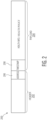
- FIG. 2 is an example format of a frame 200 for carrying the health information between health subsystems of the electronic system 102 in accordance with an example embodiment.
- the frame 200 may be communicated over a communication link 136 in an example.
- the frame 200 may include a plurality of fields including a header 202 and a payload 204.
- the payload 204 may store the health information received from one or more health monitors. In some examples, the health information in the payload may be compressed or encrypted.
- the header 202 may include an indication of the health subsystem which is sending the frame 200. In an example, each health subsystem may be uniquely addressable. The indication may be a unique address 206 of the health subsystem so that the health subsystem which receives the frame may be able to determine a source of the frame.
- the unique address 206 may also indicate a destination address of the health subsystem which is to receive the frame. Further, the health information of the payload 204 may have a respective timestamp 208 that indicates a time that the health information was received from the health monitor, where the clock 164 is used to indicate this time. In other examples, the frame 200 may take other forms and carry other types of information in the payload 204 such as the health policy which is broadcast. In this case, the address 206 may also indicate that the frame 200 is a broadcast frame to be broadcast to a plurality of health subsystems.
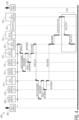
- FIG. 3 is an example timing diagram 300 of operation of an example electronic system 102 having a layered architecture for health monitoring in accordance with an example embodiment.
- the timing diagram shows on axis 302 time (which increases from top to bottom) and on axis 304 example communication among one or more of a system operator 306, health monitors 308-310, a first layer health subsystem 312 associated with the health monitors 308-310, health monitors 314-316, a first layer health subsystem 318 associated with the health monitors 314-316, a second layer health subsystem 320, a third layer health subsystem 322, a dashboard 324, a fourth layer health subsystem 326, and a system owner 328.
- the system owner 328 may be a vehicle owner and the system operator 306 may be an automobile manufacturer. In some cases, the system operator 306 and system owner 328 may be a same entity.
- the system operator 306 may provide an indication via a health policy which causes the second layer health subsystem 320 to schedule receiving data from one or more health monitors 314, 316.
- the second layer health subsystem 320 may send an indication to the first layer health subsystem 318 to schedule receiving health information from the first layer health subsystem 318.
- the first layer health subsystem 318 may send a request to the health monitor 314, 316 for health information and receive the health information from the health monitor 314, 316.
- the health information may be measurements associated with components of the electronic system 102.
- the second layer health subsystem 320 may repeat this process for the first layer health subsystem 312 to receive health information from health monitors 308, 310.
- the second layer health subsystem 320 may aggregate the received health information from the first layer health subsystem 312 and the first layer health subsystem 318 and provide the health information to the third layer health subsystem 322 which in turn provides aggregated health information to the fourth layer health subsystem 326 of the cloud compute.
- the fourth layer health subsystem 326 may use the health information to determine a health condition of the electronic system 102.
- the fourth layer health subsystem 326 may perform predictive data analytics based on a health policy in the form of a model to predict the health condition of the electronic system 102 based on the received health information.
- FIG. 4 is another example timing diagram 400 of operation of an example electronic system 102 having a layered architecture for health monitoring in accordance with an example embodiment.
- the timing diagram 400 includes operations of FIG. 3 and steps 430 where a health policy of the electronic system 102 is provided to the third layer health subsystem 322.
- the third layer health subsystem 322 may use the health policy to determine the health condition of the electronic system 102. Further, the third layer health subsystem 322 may provide the health policy to the second layer health subsystem 320 over a wireless connection 136 to cause the second layer health subsystem 320 to schedule collection of a certain type of health information from the health monitors or establish a timing of when health information is collected in an example.
- FIG. 5 is yet another example timing diagram 500 of operation of an example electronic system 102 having a layered architecture for health monitoring in accordance with an example embodiment.
- the timing diagram 500 includes operations of FIG. 4 and steps 530.
- the timing diagram 500 further indicates that the fourth layer health subsystem 326 performs predictive data analytics to determine a health condition of the electronic system 102. The determination may be made, for example, based on inputting the aggregated health information from the electronic system 102 to a model and the model outputting the health condition.
- This health condition may be provided to the third layer health subsystem 322 which in turn provides the health condition for display on the dashboard 324.
- a light indicative of the health condition such as a dashboard warning light may be displayed on the dashboard 324.
- the fourth layer health subsystem 326 may provide the health condition to system owner 328 via a wireless terminal such as a smart phone via the wireless connection.
- FIG. 6 is another example timing diagram 600 of operation of an example electronic system 102 having a layered architecture for health monitoring in accordance with an example embodiment.
- the timing diagram 600 includes operations of FIG. 5 and steps 630 of sending an updated health policy of the electronic system 102 from the fourth layer health subsystem 326 to the third layer health subsystem 322 based on the received health information via the wireless connection 160.
- the third layer health subsystem may alter operation of the electronic system 102 based on the health condition.
- the operation altered may be to shut down a component that the health condition indicates as failing to prevent further damage to the component or until the component is able to be remedied.
- the operation altered may be to reset the electronic system, gate a clock, or a change an operational mode of the electronic system 102 based on the health condition.
- FIG. 7 is an example timing diagram 700 of operation of an example electronic system 102 having a layered architecture for health monitoring with further operation to disable a component based on a health condition in accordance with an example embodiment.
- the timing diagram 700 includes operations of FIG. 3 and steps 730 where the third layer health subsystem 322 determines a need to alter operation of the electronic system 102 based on a health policy.
- the third layer health subsystem 322 may send an indication to alter operation of the electronic system 102 to the second layer health subsystem 320.
- the indication may cause an operational request command to be provided to the first layer health subsystem 312 to alter the operation in an example.
- the first layer health subsystem 312 may alter the operation followed by an operational request confirmation provided to the second layer health subsystem 320 which in turn provides a confirmation to the third layer health subsystem 322.
- the third layer health subsystem 322 may cause an indication of a degraded mode of the electronic system 102 to be presented on the display screen 324 such as a light on the display screen 324 which indicates the altered operation from a normal operation.
- the third layer health subsystem 322 provide the indication to the fourth layer health subsystem 326 which causes the fourth layer health subsystem 326 to send the indication to a wireless terminal 328 such as a smart phone.
- the indication of the degraded mode may indicate to the user that the electronic system 102 is operating in the degraded mode and requires predictive maintenance.
- FIGs. 8A & 8B illustrate an example flow chart 800 of functions 802-814 associated with a layered architecture for health monitoring in accordance with an example embodiment. Functions of the flow chart 800 may be performed by one or more of the health subsystems and health monitors of the electronic system 102.
- each health monitor is arranged to send first health information of a respective group of components in a first layer of the electronic system to a respective first layer health subsystem of the electronic system which receives the first health information, each group in the first layer being a same circuit type.
- each group in the first layer is a circuit type in the form of an integrated circuit.
- each of the one or more first layer health subsystems is arranged to send the corresponding first health information to a respective second layer health subsystem of the electronic system.
- each of one or more second layer health subsystem is arranged to receive second health information of a respective group in a second layer of the electronic system, the second health information comprises the first health information of each group in the first layer within the group in the second layer and health information from additional components of the group in the second layer, each group in the second layer is a same circuit type and send the corresponding second health information to a third layer health subsystem of the electronic system.
- each group of the second layer may be a circuit type in the form of an SoC.
- the third layer health subsystem is arranged to receive third health information of a respective group in a third layer of the electronic system, the third health information comprises the second health information of each group in the second layer within the group in the third layer, each group in the third layer is a same circuit type.
- each group of the third layer may be a circuit type in the form of a circuit board of the electronic system 102.
- the third layer health subsystem is arranged to determine a health condition of the electronic system based on the third health information and a health policy for the electronic system and send the health condition to a display of the electronic system.
- a health policy may indicate the health condition based on the health information.
- a fourth layer health subsystem of a cloud compute is arranged to receive fourth health information of a respective group in a fourth layer of the electronic system, the fourth health information comprises the third health information and health information from additional electronic systems of a same type as the electronic system, the group in fourth layer includes the electronic system or an additional electronic system; and update the health policy based on the fourth health information.
- the fourth health information may be used to train a model which receives health information and outputs a health condition of an electronic system.
- the fourth layer health subsystem provides an indication of the health condition of the electronic system to a wireless terminal.
- a method for layered management of health of an electronic system comprises: sending, by each health monitor, first health information of a respective group of components in a first layer of the electronic system to a respective first layer health subsystem of the electronic system which receives the first health information, each group in the first layer being a same circuit type; sending, by each of the one or more first layer health subsystems, the corresponding first health information to a respective second layer health subsystem of the electronic system; receiving, by each of one or more second layer health subsystem, second health information of a respective group in a second layer of the electronic system, the second health information comprises the first health information of each group in the first layer within the group in the second layer and health information from additional components of the group in the second layer, each group in the second layer is a same circuit type; sending, by each of the one or more second layer health subsystems, the corresponding second health information to a third layer health subsystem of the electronic system; receiving, by the third layer health subsystem, third health information of a respective group
- determining, by the third layer health subsystem, the health condition of the electronic system comprises determining the health condition based on predictive data analytics and the third health information from the electronic system.
- the method further comprises broadcasting, by the fourth layer health subsystem, the health policy to the third layer health subsystem.
- the method further comprises broadcasting, by the third layer health subsystem, the health policy to the one or more second layer health subsystems to indicate a timing of receipt of certain health information by a particular health subsystem and a type of the certain health information.
- the method further comprises storing, by the third layer health subsystem, the third health information in a non-volatile memory of the electronic system.
- the method further comprises receiving, by the second layer health subsystem, an operational request determined based on the health condition from the third layer health subsystem; and providing the operational request to one of the first or second layer health subsystems to execute the operational request.
- the operational request is to one or more of power off a component of the electronic system, reset of the electronic system, perform a clock gating, and change a mode of the electronic system.
- the method further comprises the fourth layer health subsystem determining the health policy based on predictive data analytics.
- a system for layered management of health of an electronic system comprises: each health monitor arranged to send first health information of a respective group of components in a first layer of the electronic system to a respective first layer health subsystem of the electronic system which receives the first health information, each group in the first layer being a same circuit type; each of the one or more first layer health subsystems arranged to send the corresponding first health information to a respective second layer health subsystem of the electronic system; each of one or more second layer health subsystem arranged to receive second health information of a respective group in a second layer of the electronic system, the second health information comprises the first health information of each group in the first layer within the group in the second layer and health information from additional components of the group in the second layer, each group in the second layer is a same circuit type; and send the corresponding second health information to a third layer health subsystem of the electronic system; the third layer health subsystem arranged to receive third health information of a respective group in a third layer of the electronic system, the third health information
- the third layer health subsystem arranged to determine the health condition comprises determining the health condition based on predictive data analytics and the third health information from the electronic system.
- the system further comprises the third layer health subsystem arranged to receive the health policy from the fourth layer health subsystem.
- the system further comprises the third layer health subsystem arranged to broadcast the health policy to the one or more second layer health subsystems.
- the system further comprises the third layer health subsystem arranged to store the second health information in a non-volatile memory of the electronic system.
- the system further comprises the fourth layer health subsystem is arranged to determine the health policy based on predictive data analytics.
- the system further comprises the second layer health subsystem arranged to receive an operational request determined based on the health condition from the third layer health subsystem; and provide the operational request to one of the first or second layer health subsystem to execute the operational request.
- the operational request is to one or more of power off a component of the electronic system, reset the electronic system, perform a clock gating, and change a mode of the electronic system.
- each group in the first layer is an integrated circuit (IC) circuit type
- each group in the second layer is a system-on-a-chip (SoC) circuit type
- each group in the third layer is a circuit board circuit type.
- the second layer health subsystem arranged to send the second health information to the third layer health subsystem of the electronic system comprises the second layer health subsystem arranged to send a frame comprising a header with an address which uniquely identifies the second layer health subsystem and a payload which includes the second health information.
- the second health information further includes a timestamp indicative of when the second health information was received by a health monitor.
- the second layer health subsystem and the third layer health subsystem are implemented as a same layer health subsystem.
- a layered architecture for managing health of the electronic system comprises a plurality of health subsystems.
- Health subsystems receive health information from health monitors coupled to respective components of the electronic system and provide the health information to another health subsystem. Based on the received health information, the other health subsystem uses predictive data analytics to determine a health condition of the electronic system and update a health policy based on the predictive data analytics to improve prediction of the health condition of the electronic system.
Landscapes
- Engineering & Computer Science (AREA)
- Theoretical Computer Science (AREA)
- Quality & Reliability (AREA)
- General Engineering & Computer Science (AREA)
- Physics & Mathematics (AREA)
- General Physics & Mathematics (AREA)
- Human Computer Interaction (AREA)
- Computer Hardware Design (AREA)
- Debugging And Monitoring (AREA)
Claims (15)
- Verfahren zur schichtweisen Verwaltung der Gesundheit eines elektronischen Systems, wobei das Verfahren Folgendes umfasst:Senden, durch jeden Gesundheitsmonitor, erster Gesundheitsinformationen einer jeweiligen Gruppe von Komponenten in einer ersten Schicht des elektronischen Systems an ein jeweiliges Gesundheitssubsystem der ersten Schicht des elektronischen Systems, das die ersten Gesundheitsinformationen empfängt, wobei jede Gruppe in der ersten Schicht von einem gleichen Schaltungstyp ist;Senden, durch jedes des einen oder der mehreren Gesundheitssubsysteme der ersten Schicht, entsprechender erster Gesundheitszustandsinformationen an ein jeweiliges Gesundheitssubsystem einer zweiten Schicht des elektronischen Systems;Empfangen, durch jedes von einem oder mehreren Gesundheitssubsystemen der zweiten Schicht, zweiter Gesundheitsinformationen einer jeweiligen Gruppe in einer zweiten Schicht des elektronischen Systems, wobei die zweiten Gesundheitsinformationen die ersten Gesundheitsinformationen jeder Gruppe in der ersten Schicht innerhalb der Gruppe in der zweiten Schicht und Gesundheitsinformationen von zusätzlichen Komponenten der Gruppe in der zweiten Schicht umfassen, wobei jede Gruppe in der zweiten Schicht von einem gleichen Schaltungstyp ist;Senden, durch jedes des einen oder der mehreren Gesundheitssubsysteme der zweiten Schicht, der entsprechenden zweiten Gesundheitsinformationen der zweiten Schicht an ein Gesundheitssubsystem einer dritten Schicht des elektronischen Systems;Empfangen, durch das Gesundheitssubsystem der dritten Schicht, dritter Gesundheitsinformationen einer jeweiligen Gruppe in einer dritten Schicht des elektronischen Systems, wobei die dritten Gesundheitsinformationen die zweiten Gesundheitsinformationen jeder Gruppe in der zweiten Schicht innerhalb der Gruppe in der dritten Schicht umfassen, wobei jede Gruppe in der dritten Schicht von einem gleichen Schaltungstyp ist;Bestimmen, durch das Gesundheitssubsystem der dritten Schicht, eines Gesundheitszustands des elektronischen Systems basierend auf den dritten Gesundheitsinformationen und einer Gesundheitsrichtlinie für das elektronische System; undSenden, durch das Gesundheitssubsystem der dritten Schicht, des Gesundheitszustands an eine Anzeige des elektronischen Systems;Empfangen, durch ein Gesundheitssubsystem einer vierten Schicht auf einer Cloud-Rechenumgebung, vierter Gesundheitsinformationen einer jeweiligen Gruppe in einer vierten Schicht des elektronischen Systems, wobei die vierten Gesundheitsinformationen die dritten Gesundheitsinformationen und Gesundheitsinformationen von zusätzlichen elektronischen Systemen eines gleichen Typs wie das elektronische System umfassen, wobei die Gruppe in der vierten Schicht das elektronische System oder eines der zusätzlichen elektronischen Systeme beinhaltet; undAktualisieren der Gesundheitsrichtlinie durch das Gesundheitssubsystem der vierten Schicht basierend auf den vierten Gesundheitsinformationen.
- Verfahren nach Anspruch 1, wobei das Bestimmen, durch das Gesundheitssubsystem der dritten Schicht, des Gesundheitszustands des elektronischen Systems Bestimmen des Gesundheitszustands basierend auf prädiktiver Datenanalyse und den dritten Gesundheitsinformationen von dem elektronischen System umfasst.
- Verfahren nach einem der vorhergehenden Ansprüche, ferner umfassend Rundsenden, durch das Gesundheitssubsystem der vierten Schicht, der Gesundheitsrichtlinie über eine drahtlose Verbindung an das Gesundheitssubsystem der dritten Schicht.
- Verfahren nach Anspruch 3, ferner umfassend Rundsenden, durch das Gesundheitssubsystem der dritten Schicht, der Gesundheitsrichtlinie an das eine oder die mehreren Gesundheitssubsysteme der zweiten Schicht, um eine Zeitvorgabe des Empfangs bestimmter Gesundheitsinformationen durch ein bestimmtes Gesundheitssubsystem und einen Typ der bestimmten Gesundheitsinformationen anzugeben.
- Verfahren nach einem der vorhergehenden Ansprüche, ferner umfassend Speichern, durch das Gesundheitssubsystem der dritten Schicht, der dritten Gesundheitsinformationen in einem nichtflüchtigen Speicher des elektronischen Systems.
- Verfahren nach einem der vorhergehenden Ansprüche, ferner umfassend Empfangen, durch das Gesundheitssubsystem der zweiten Schicht, einer Betriebsanforderung, die basierend auf dem Gesundheitszustand bestimmt wird, von dem Gesundheitssubsystem der dritten Schicht; und Bereitstellen der Betriebsanforderung an eines der Gesundheitssubsysteme der ersten oder der zweiten Schicht, um die Betriebsanforderung auszuführen.
- Verfahren nach einem der vorhergehenden Ansprüche, wobei die Betriebsanforderung zu einem oder mehreren von Ausschalten einer Komponente des elektronischen Systems, Zurücksetzen des elektronischen Systems, Durchführen von getakteter Steuerung und Ändern eines Modus des elektronischen Systems ist.
- Verfahren nach einem der vorhergehenden Ansprüche, ferner umfassend, dass das Gesundheitssubsystem der vierten Schicht die Gesundheitsrichtlinie basierend auf prädiktiver Datenanalyse bestimmt.
- System zur schichtweisen Verwaltung der Gesundheit eines elektronischen Systems, wobei das System umfasst, dass:jeder Gesundheitsmonitor dazu ausgelegt ist, erste Gesundheitsinformationen einer jeweiligen Gruppe von Komponenten in einer ersten Schicht des elektronischen Systems an ein jeweiliges Gesundheitssubsystem der ersten Schicht des elektronischen Systems zu senden, das die ersten Gesundheitsinformationen empfängt, wobei jede Gruppe in der ersten Schicht von einem gleichen Schaltungstyp ist;jedes des einen oder der mehreren Gesundheitssubsysteme der ersten Schicht dazu ausgelegt ist, die entsprechenden ersten Gesundheitszustandsinformationen an ein jeweiliges Gesundheitssubsystem der zweiten Schicht des elektronischen Systems zu senden;jedes von einem oder mehreren Gesundheitssubsystemen der zweiten Schicht dazu ausgelegt ist, zweite Gesundheitsinformationen einer jeweiligen Gruppe in einer zweiten Schicht des elektronischen Systems zu empfangen, wobei die zweiten Gesundheitsinformationen die ersten Gesundheitsinformationen jeder Gruppe in der ersten Schicht innerhalb der Gruppe in der zweiten Schicht und Gesundheitsinformationen von zusätzlichen Komponenten der Gruppe in der zweiten Schicht umfassen, wobei jede Gruppe in der zweiten Schicht von einem gleichen Schaltungstyp ist; und die entsprechenden zweiten Gesundheitsinformationen an ein Gesundheitssubsystem der dritten Schicht des elektronischen Systems zu senden;das Gesundheitssubsystem der dritten Schicht dazu ausgelegt ist, dritte Gesundheitsinformationen einer jeweiligen Gruppe in einer dritten Schicht des elektronischen Systems zu empfangen, wobei die dritten Gesundheitsinformationen die zweiten Gesundheitsinformationen jeder Gruppe in der zweiten Schicht innerhalb der Gruppe in der dritten Schicht umfassen, wobei jede Gruppe in der dritten Schicht von einem gleichen Schaltungstyp ist; einen Gesundheitszustand des elektronischen Systems basierend auf den dritten Gesundheitsinformationen und einer Gesundheitsrichtlinie für das elektronische System zu bestimmen; und den Gesundheitszustand an eine Anzeige des elektronischen Systems zu senden; undein Gesundheitssubsystem der vierten Schicht auf einer Cloud-Rechenumgebung dazu ausgelegt ist, vierte Gesundheitsinformationen einer jeweiligen Gruppe in einer vierten Schicht des elektronischen Systems zu empfangen, wobei die vierten Gesundheitsinformationen die dritten Gesundheitsinformationen und Gesundheitsinformationen von zusätzlichen elektronischen Systemen eines gleichen Typs wie das elektronische System umfassen, wobei die Gruppe in der vierten Schicht das elektronische System oder eines der zusätzlichen elektronischen Systeme beinhaltet; und die Gesundheitsrichtlinie basierend auf den vierten Gesundheitsinformationen zu aktualisieren.
- System nach Anspruch 9, wobei, dass das Gesundheitssubsystem der dritten Schicht zum Bestimmen des Gesundheitszustands ausgelegt ist, Bestimmen des Gesundheitszustands basierend auf prädiktiver Datenanalyse und den dritten Gesundheitsinformationen von dem elektronischen System umfasst.
- System nach Anspruch 10, ferner umfassend, dass das Gesundheitssubsystem der dritten Schicht dazu ausgelegt ist, die Gesundheitsrichtlinie von dem Gesundheitssubsystem der vierten Schicht über eine drahtlose Verbindung zu empfangen.
- System nach einem der Ansprüche 9 bis 11, ferner umfassend, dass das Gesundheitssubsystem der dritten Schicht dazu ausgelegt ist, die Gesundheitsrichtlinie an das eine oder die mehreren Gesundheitssubsysteme der zweiten Schicht rundzusenden.
- System nach einem der Ansprüche 9 bis 12, ferner umfassend, dass das Gesundheitssubsystem der dritten Schicht dazu ausgelegt ist, die zweiten Gesundheitsinformationen in einem nichtflüchtigen Speicher des elektronischen Systems zu speichern.
- System nach einem der Ansprüche 9 bis 13, ferner umfassend, dass das Gesundheitssubsystem der vierten Schicht dazu ausgelegt ist, die Gesundheitsrichtlinie basierend auf prädiktiver Datenanalyse zu bestimmen.
- System nach einem der Ansprüche 9 bis 14, ferner umfassend, dass das Gesundheitssubsystem der zweiten Schicht dazu ausgelegt ist, eine Betriebsanforderung zu empfangen, die basierend auf dem Gesundheitszustand von dem Gesundheitssubsystem der dritten Schicht bestimmt wird; und die Betriebsanforderung an eines von dem Gesundheitssubsystem der ersten oder zweiten Schicht bereitzustellen, um die Betriebsanforderung auszuführen.
Priority Applications (2)
| Application Number | Priority Date | Filing Date | Title |
|---|---|---|---|
| EP22306065.8A EP4307117B1 (de) | 2022-07-15 | 2022-07-15 | Geschichtete architektur zur verwaltung der gesundheit eines elektronischen systems und verfahren zur geschichteten gesundheitsverwaltung |
| US18/348,403 US20240020186A1 (en) | 2022-07-15 | 2023-07-07 | Layered architecture for managing health of an electronic system and methods for layered health management |
Applications Claiming Priority (1)
| Application Number | Priority Date | Filing Date | Title |
|---|---|---|---|
| EP22306065.8A EP4307117B1 (de) | 2022-07-15 | 2022-07-15 | Geschichtete architektur zur verwaltung der gesundheit eines elektronischen systems und verfahren zur geschichteten gesundheitsverwaltung |
Publications (2)
| Publication Number | Publication Date |
|---|---|
| EP4307117A1 EP4307117A1 (de) | 2024-01-17 |
| EP4307117B1 true EP4307117B1 (de) | 2025-05-07 |
Family
ID=82846118
Family Applications (1)
| Application Number | Title | Priority Date | Filing Date |
|---|---|---|---|
| EP22306065.8A Active EP4307117B1 (de) | 2022-07-15 | 2022-07-15 | Geschichtete architektur zur verwaltung der gesundheit eines elektronischen systems und verfahren zur geschichteten gesundheitsverwaltung |
Country Status (2)
| Country | Link |
|---|---|
| US (1) | US20240020186A1 (de) |
| EP (1) | EP4307117B1 (de) |
Family Cites Families (20)
| Publication number | Priority date | Publication date | Assignee | Title |
|---|---|---|---|---|
| US7373556B2 (en) * | 2002-02-22 | 2008-05-13 | Bea Systems, Inc. | Method for monitoring sub-system health |
| US8627149B2 (en) * | 2004-08-30 | 2014-01-07 | International Business Machines Corporation | Techniques for health monitoring and control of application servers |
| US9253252B2 (en) * | 2011-05-06 | 2016-02-02 | Citrix Systems, Inc. | Systems and methods for cloud bridging between intranet resources and cloud resources |
| US9514027B2 (en) * | 2011-11-08 | 2016-12-06 | Microsoft Technology Licensing, Llc | Context-aware model-driven hierarchical monitoring metadata |
| US9804913B2 (en) * | 2015-09-25 | 2017-10-31 | Intel Corporation | Management of a fault condition in a computing system |
| US20170317901A1 (en) * | 2016-04-29 | 2017-11-02 | Cisco Technology, Inc. | Integrated approach to monitor gbp health and adjust policy service level |
| US10776194B2 (en) * | 2018-01-31 | 2020-09-15 | Splunk Inc. | Self-monitor for computing devices of a distributed computing system |
| WO2020023015A1 (en) * | 2018-07-23 | 2020-01-30 | Hewlett-Packard Development Company, L.P. | Adjusting an alert threshold |
| US11102236B2 (en) * | 2018-11-19 | 2021-08-24 | Cisco Technology, Inc. | Systems and methods for remediating internet of things devices |
| US11086749B2 (en) * | 2019-08-01 | 2021-08-10 | International Business Machines Corporation | Dynamically updating device health scores and weighting factors |
| US11651535B2 (en) * | 2020-11-16 | 2023-05-16 | Sas Institute Inc. | Interactive graphical user interface for monitoring computer models |
| US12235726B2 (en) * | 2021-10-03 | 2025-02-25 | VMware LLC | Implementing state change in a hierarchy of resources in an SDDC |
| US11663147B2 (en) * | 2021-10-13 | 2023-05-30 | Dell Products, Lp | System and method for managing peripheral devices at an information handling system |
| US12430165B2 (en) * | 2021-10-29 | 2025-09-30 | Microsoft Technology Licensing, Llc | Implementing a policy-based agent with plugin infrastructure |
| EP4191451A1 (de) * | 2021-12-01 | 2023-06-07 | Nxp B.V. | Architektur zur überwachung, analyse und reaktion auf sicherheits- und cybersicherheitsereignisse |
| US12425293B2 (en) * | 2021-12-07 | 2025-09-23 | Intel Corporation | Self-healing network of infrastructure processing units |
| CN117581211A (zh) * | 2021-12-13 | 2024-02-20 | 英特尔公司 | 基于置信因子、基于故障感知分析的不可校正错误的系统内减轻 |
| US12055995B2 (en) * | 2022-02-28 | 2024-08-06 | Nvidia Corporation | Automatic error prediction in data centers |
| US20230368069A1 (en) * | 2022-05-16 | 2023-11-16 | Microsoft Technology Licensing, Llc | Machine learning feature health monitoring and anomaly detection |
| US11995321B2 (en) * | 2022-05-25 | 2024-05-28 | Micron Technology, Inc. | Lifespan forecasting of memory devices and predictive device health management |
-
2022
- 2022-07-15 EP EP22306065.8A patent/EP4307117B1/de active Active
-
2023
- 2023-07-07 US US18/348,403 patent/US20240020186A1/en active Pending
Also Published As
| Publication number | Publication date |
|---|---|
| US20240020186A1 (en) | 2024-01-18 |
| EP4307117A1 (de) | 2024-01-17 |
Similar Documents
| Publication | Publication Date | Title |
|---|---|---|
| US9489340B2 (en) | Electrical power health monitoring system | |
| US8442702B2 (en) | Fault diagnosis device and method for optimizing maintenance measures in technical systems | |
| US8487785B2 (en) | Device for formulating the alerts of an aircraft system | |
| US11924225B2 (en) | Information processing apparatus, information processing method, and recording medium | |
| EP3429280A1 (de) | Flottenenergiesparverwaltung durch gemeinsame informationsspeicherung | |
| US9043053B2 (en) | Aircraft information management system | |
| CN102903024A (zh) | 用于飞行器的改进的诊断 | |
| US9692828B2 (en) | Monitoring system for an avionics platform with three-tier architecture | |
| US11405421B2 (en) | Electronic control apparatus, monitoring method, recording medium, and gateway apparatus | |
| EP4280057B1 (de) | Kooperatives fahrzeug-zu-infrastruktur-informationsverarbeitungsverfahren und -vorrichtung sowie endgerätevorrichtung | |
| US20180120828A1 (en) | Integrated monitoring control device and integrated monitoring control system | |
| JP7775833B2 (ja) | 車両用ログ収集プログラム、車載装置、車両用ログ収集システムおよび車両用ログ収集方法 | |
| EP4307117A1 (de) | Geschichtete architektur zur verwaltung der gesundheit eines elektronischen systems und verfahren zur geschichteten gesundheitsverwaltung | |
| JP7346688B2 (ja) | 情報処理装置、情報処理方法及びプログラム | |
| US20190377403A1 (en) | Systems and methods for autonomous hardware compute resiliency | |
| US20160110368A1 (en) | Data management system | |
| US9519322B2 (en) | Server | |
| US10528402B2 (en) | Architecture for correlating events for supercomputer surveillance | |
| KR102006080B1 (ko) | 블랙박스 영상 제공 방법 및 이를 수행하는 장치들 | |
| US12316683B2 (en) | Architecture for monitoring, analyzing, and reacting to safety and cybersecurity events | |
| EP3312696B1 (de) | Systeme zur flugzeugnachrichtenüberwachung | |
| US20230421930A1 (en) | Technologies for reducing event notifications in telematics systems | |
| CN116558711A (zh) | 动态多级空气数据探针预测健康监测系统 | |
| CN116566856A (zh) | 动态多级空气数据探针预测健康监测管理 | |
| KR101231933B1 (ko) | 전자 장비의 오류 관리 시스템 및 방법 |
Legal Events
| Date | Code | Title | Description |
|---|---|---|---|
| PUAI | Public reference made under article 153(3) epc to a published international application that has entered the european phase |
Free format text: ORIGINAL CODE: 0009012 |
|
| STAA | Information on the status of an ep patent application or granted ep patent |
Free format text: STATUS: THE APPLICATION HAS BEEN PUBLISHED |
|
| AK | Designated contracting states |
Kind code of ref document: A1 Designated state(s): AL AT BE BG CH CY CZ DE DK EE ES FI FR GB GR HR HU IE IS IT LI LT LU LV MC MK MT NL NO PL PT RO RS SE SI SK SM TR |
|
| STAA | Information on the status of an ep patent application or granted ep patent |
Free format text: STATUS: REQUEST FOR EXAMINATION WAS MADE |
|
| 17P | Request for examination filed |
Effective date: 20240717 |
|
| RBV | Designated contracting states (corrected) |
Designated state(s): AL AT BE BG CH CY CZ DE DK EE ES FI FR GB GR HR HU IE IS IT LI LT LU LV MC MK MT NL NO PL PT RO RS SE SI SK SM TR |
|
| GRAP | Despatch of communication of intention to grant a patent |
Free format text: ORIGINAL CODE: EPIDOSNIGR1 |
|
| STAA | Information on the status of an ep patent application or granted ep patent |
Free format text: STATUS: GRANT OF PATENT IS INTENDED |
|
| INTG | Intention to grant announced |
Effective date: 20250102 |
|
| RAP3 | Party data changed (applicant data changed or rights of an application transferred) |
Owner name: NXP B.V. |
|
| GRAS | Grant fee paid |
Free format text: ORIGINAL CODE: EPIDOSNIGR3 |
|
| GRAA | (expected) grant |
Free format text: ORIGINAL CODE: 0009210 |
|
| STAA | Information on the status of an ep patent application or granted ep patent |
Free format text: STATUS: THE PATENT HAS BEEN GRANTED |
|
| AK | Designated contracting states |
Kind code of ref document: B1 Designated state(s): AL AT BE BG CH CY CZ DE DK EE ES FI FR GB GR HR HU IE IS IT LI LT LU LV MC MK MT NL NO PL PT RO RS SE SI SK SM TR |
|
| REG | Reference to a national code |
Ref country code: GB Ref legal event code: FG4D |
|
| REG | Reference to a national code |
Ref country code: CH Ref legal event code: EP |
|
| REG | Reference to a national code |
Ref country code: DE Ref legal event code: R096 Ref document number: 602022014220 Country of ref document: DE |
|
| REG | Reference to a national code |
Ref country code: IE Ref legal event code: FG4D |
|
| REG | Reference to a national code |
Ref country code: NL Ref legal event code: MP Effective date: 20250507 |
|
| PG25 | Lapsed in a contracting state [announced via postgrant information from national office to epo] |
Ref country code: PT Free format text: LAPSE BECAUSE OF FAILURE TO SUBMIT A TRANSLATION OF THE DESCRIPTION OR TO PAY THE FEE WITHIN THE PRESCRIBED TIME-LIMIT Effective date: 20250908 Ref country code: ES Free format text: LAPSE BECAUSE OF FAILURE TO SUBMIT A TRANSLATION OF THE DESCRIPTION OR TO PAY THE FEE WITHIN THE PRESCRIBED TIME-LIMIT Effective date: 20250507 Ref country code: FI Free format text: LAPSE BECAUSE OF FAILURE TO SUBMIT A TRANSLATION OF THE DESCRIPTION OR TO PAY THE FEE WITHIN THE PRESCRIBED TIME-LIMIT Effective date: 20250507 |
|
| PGFP | Annual fee paid to national office [announced via postgrant information from national office to epo] |
Ref country code: DE Payment date: 20250620 Year of fee payment: 4 |
|
| REG | Reference to a national code |
Ref country code: LT Ref legal event code: MG9D |
|
| PG25 | Lapsed in a contracting state [announced via postgrant information from national office to epo] |
Ref country code: GR Free format text: LAPSE BECAUSE OF FAILURE TO SUBMIT A TRANSLATION OF THE DESCRIPTION OR TO PAY THE FEE WITHIN THE PRESCRIBED TIME-LIMIT Effective date: 20250808 Ref country code: NO Free format text: LAPSE BECAUSE OF FAILURE TO SUBMIT A TRANSLATION OF THE DESCRIPTION OR TO PAY THE FEE WITHIN THE PRESCRIBED TIME-LIMIT Effective date: 20250807 |
|
| PG25 | Lapsed in a contracting state [announced via postgrant information from national office to epo] |
Ref country code: PL Free format text: LAPSE BECAUSE OF FAILURE TO SUBMIT A TRANSLATION OF THE DESCRIPTION OR TO PAY THE FEE WITHIN THE PRESCRIBED TIME-LIMIT Effective date: 20250507 Ref country code: NL Free format text: LAPSE BECAUSE OF FAILURE TO SUBMIT A TRANSLATION OF THE DESCRIPTION OR TO PAY THE FEE WITHIN THE PRESCRIBED TIME-LIMIT Effective date: 20250507 |
|
| REG | Reference to a national code |
Ref country code: AT Ref legal event code: MK05 Ref document number: 1793240 Country of ref document: AT Kind code of ref document: T Effective date: 20250507 |
|
| PG25 | Lapsed in a contracting state [announced via postgrant information from national office to epo] |
Ref country code: BG Free format text: LAPSE BECAUSE OF FAILURE TO SUBMIT A TRANSLATION OF THE DESCRIPTION OR TO PAY THE FEE WITHIN THE PRESCRIBED TIME-LIMIT Effective date: 20250507 |
|
| PG25 | Lapsed in a contracting state [announced via postgrant information from national office to epo] |
Ref country code: HR Free format text: LAPSE BECAUSE OF FAILURE TO SUBMIT A TRANSLATION OF THE DESCRIPTION OR TO PAY THE FEE WITHIN THE PRESCRIBED TIME-LIMIT Effective date: 20250507 |
|
| PG25 | Lapsed in a contracting state [announced via postgrant information from national office to epo] |
Ref country code: AT Free format text: LAPSE BECAUSE OF FAILURE TO SUBMIT A TRANSLATION OF THE DESCRIPTION OR TO PAY THE FEE WITHIN THE PRESCRIBED TIME-LIMIT Effective date: 20250507 |
|
| PG25 | Lapsed in a contracting state [announced via postgrant information from national office to epo] |
Ref country code: RS Free format text: LAPSE BECAUSE OF FAILURE TO SUBMIT A TRANSLATION OF THE DESCRIPTION OR TO PAY THE FEE WITHIN THE PRESCRIBED TIME-LIMIT Effective date: 20250807 |
|
| PG25 | Lapsed in a contracting state [announced via postgrant information from national office to epo] |
Ref country code: IS Free format text: LAPSE BECAUSE OF FAILURE TO SUBMIT A TRANSLATION OF THE DESCRIPTION OR TO PAY THE FEE WITHIN THE PRESCRIBED TIME-LIMIT Effective date: 20250907 |
|
| PG25 | Lapsed in a contracting state [announced via postgrant information from national office to epo] |
Ref country code: LV Free format text: LAPSE BECAUSE OF FAILURE TO SUBMIT A TRANSLATION OF THE DESCRIPTION OR TO PAY THE FEE WITHIN THE PRESCRIBED TIME-LIMIT Effective date: 20250507 |
|
| PG25 | Lapsed in a contracting state [announced via postgrant information from national office to epo] |
Ref country code: DK Free format text: LAPSE BECAUSE OF FAILURE TO SUBMIT A TRANSLATION OF THE DESCRIPTION OR TO PAY THE FEE WITHIN THE PRESCRIBED TIME-LIMIT Effective date: 20250507 Ref country code: SM Free format text: LAPSE BECAUSE OF FAILURE TO SUBMIT A TRANSLATION OF THE DESCRIPTION OR TO PAY THE FEE WITHIN THE PRESCRIBED TIME-LIMIT Effective date: 20250507 |
|
| PG25 | Lapsed in a contracting state [announced via postgrant information from national office to epo] |
Ref country code: CZ Free format text: LAPSE BECAUSE OF FAILURE TO SUBMIT A TRANSLATION OF THE DESCRIPTION OR TO PAY THE FEE WITHIN THE PRESCRIBED TIME-LIMIT Effective date: 20250507 |
|
| PG25 | Lapsed in a contracting state [announced via postgrant information from national office to epo] |
Ref country code: EE Free format text: LAPSE BECAUSE OF FAILURE TO SUBMIT A TRANSLATION OF THE DESCRIPTION OR TO PAY THE FEE WITHIN THE PRESCRIBED TIME-LIMIT Effective date: 20250507 |
|
| PG25 | Lapsed in a contracting state [announced via postgrant information from national office to epo] |
Ref country code: SK Free format text: LAPSE BECAUSE OF FAILURE TO SUBMIT A TRANSLATION OF THE DESCRIPTION OR TO PAY THE FEE WITHIN THE PRESCRIBED TIME-LIMIT Effective date: 20250507 |
|
| PG25 | Lapsed in a contracting state [announced via postgrant information from national office to epo] |
Ref country code: IT Free format text: LAPSE BECAUSE OF FAILURE TO SUBMIT A TRANSLATION OF THE DESCRIPTION OR TO PAY THE FEE WITHIN THE PRESCRIBED TIME-LIMIT Effective date: 20250507 |
|
| REG | Reference to a national code |
Ref country code: DE Ref legal event code: R097 Ref document number: 602022014220 Country of ref document: DE |
|
| REG | Reference to a national code |
Ref country code: CH Ref legal event code: H13 Free format text: ST27 STATUS EVENT CODE: U-0-0-H10-H13 (AS PROVIDED BY THE NATIONAL OFFICE) Effective date: 20260224 |
|
| PG25 | Lapsed in a contracting state [announced via postgrant information from national office to epo] |
Ref country code: RO Free format text: LAPSE BECAUSE OF FAILURE TO SUBMIT A TRANSLATION OF THE DESCRIPTION OR TO PAY THE FEE WITHIN THE PRESCRIBED TIME-LIMIT Effective date: 20250507 |
|
| PLBE | No opposition filed within time limit |
Free format text: ORIGINAL CODE: 0009261 |
|
| STAA | Information on the status of an ep patent application or granted ep patent |
Free format text: STATUS: NO OPPOSITION FILED WITHIN TIME LIMIT |
|
| PG25 | Lapsed in a contracting state [announced via postgrant information from national office to epo] |
Ref country code: LU Free format text: LAPSE BECAUSE OF NON-PAYMENT OF DUE FEES Effective date: 20250715 |
|
| REG | Reference to a national code |
Ref country code: CH Ref legal event code: L10 Free format text: ST27 STATUS EVENT CODE: U-0-0-L10-L00 (AS PROVIDED BY THE NATIONAL OFFICE) Effective date: 20260318 |
|
| REG | Reference to a national code |
Ref country code: BE Ref legal event code: MM Effective date: 20250731 |
|
| 26N | No opposition filed |
Effective date: 20260210 |
|
| PG25 | Lapsed in a contracting state [announced via postgrant information from national office to epo] |
Ref country code: BE Free format text: LAPSE BECAUSE OF NON-PAYMENT OF DUE FEES Effective date: 20250731 |
|
| PG25 | Lapsed in a contracting state [announced via postgrant information from national office to epo] |
Ref country code: FR Free format text: LAPSE BECAUSE OF NON-PAYMENT OF DUE FEES Effective date: 20250731 |
|
| PG25 | Lapsed in a contracting state [announced via postgrant information from national office to epo] |
Ref country code: CH Free format text: LAPSE BECAUSE OF NON-PAYMENT OF DUE FEES Effective date: 20250731 |