EP4306236B1 - Auf nickel basierendes schweissmaterial mit hohem gamma-prime-anteil - Google Patents
Auf nickel basierendes schweissmaterial mit hohem gamma-prime-anteil Download PDFInfo
- Publication number
- EP4306236B1 EP4306236B1 EP23183490.4A EP23183490A EP4306236B1 EP 4306236 B1 EP4306236 B1 EP 4306236B1 EP 23183490 A EP23183490 A EP 23183490A EP 4306236 B1 EP4306236 B1 EP 4306236B1
- Authority
- EP
- European Patent Office
- Prior art keywords
- welding
- gamma prime
- alloy
- nickel based
- high gamma
- Prior art date
- Legal status (The legal status is an assumption and is not a legal conclusion. Google has not performed a legal analysis and makes no representation as to the accuracy of the status listed.)
- Active
Links
Images



Classifications
-
- B—PERFORMING OPERATIONS; TRANSPORTING
- B22—CASTING; POWDER METALLURGY
- B22F—WORKING METALLIC POWDER; MANUFACTURE OF ARTICLES FROM METALLIC POWDER; MAKING METALLIC POWDER; APPARATUS OR DEVICES SPECIALLY ADAPTED FOR METALLIC POWDER
- B22F10/00—Additive manufacturing of workpieces or articles from metallic powder
- B22F10/20—Direct sintering or melting
- B22F10/25—Direct deposition of metal particles, e.g. direct metal deposition [DMD] or laser engineered net shaping [LENS]
-
- B—PERFORMING OPERATIONS; TRANSPORTING
- B22—CASTING; POWDER METALLURGY
- B22F—WORKING METALLIC POWDER; MANUFACTURE OF ARTICLES FROM METALLIC POWDER; MAKING METALLIC POWDER; APPARATUS OR DEVICES SPECIALLY ADAPTED FOR METALLIC POWDER
- B22F5/00—Manufacture of workpieces or articles from metallic powder characterised by the special shape of the product
- B22F5/04—Manufacture of workpieces or articles from metallic powder characterised by the special shape of the product of turbine blades
-
- B—PERFORMING OPERATIONS; TRANSPORTING
- B23—MACHINE TOOLS; METAL-WORKING NOT OTHERWISE PROVIDED FOR
- B23K—SOLDERING OR UNSOLDERING; WELDING; CLADDING OR PLATING BY SOLDERING OR WELDING; CUTTING BY APPLYING HEAT LOCALLY, e.g. FLAME CUTTING; WORKING BY LASER BEAM
- B23K35/00—Rods, electrodes, materials, or media, for use in soldering, welding, or cutting
- B23K35/02—Rods, electrodes, materials, or media, for use in soldering, welding, or cutting characterised by mechanical features, e.g. shape
- B23K35/0255—Rods, electrodes, materials, or media, for use in soldering, welding, or cutting characterised by mechanical features, e.g. shape for use in welding
- B23K35/0261—Rods, electrodes or wires
-
- B—PERFORMING OPERATIONS; TRANSPORTING
- B23—MACHINE TOOLS; METAL-WORKING NOT OTHERWISE PROVIDED FOR
- B23K—SOLDERING OR UNSOLDERING; WELDING; CLADDING OR PLATING BY SOLDERING OR WELDING; CUTTING BY APPLYING HEAT LOCALLY, e.g. FLAME CUTTING; WORKING BY LASER BEAM
- B23K35/00—Rods, electrodes, materials, or media, for use in soldering, welding, or cutting
- B23K35/22—Rods, electrodes, materials, or media, for use in soldering, welding, or cutting characterised by the composition or nature of the material
- B23K35/24—Selection of soldering or welding materials proper
- B23K35/30—Selection of soldering or welding materials proper with the principal constituent melting at less than 1550°C
- B23K35/3033—Ni as the principal constituent
-
- B—PERFORMING OPERATIONS; TRANSPORTING
- B23—MACHINE TOOLS; METAL-WORKING NOT OTHERWISE PROVIDED FOR
- B23K—SOLDERING OR UNSOLDERING; WELDING; CLADDING OR PLATING BY SOLDERING OR WELDING; CUTTING BY APPLYING HEAT LOCALLY, e.g. FLAME CUTTING; WORKING BY LASER BEAM
- B23K35/00—Rods, electrodes, materials, or media, for use in soldering, welding, or cutting
- B23K35/22—Rods, electrodes, materials, or media, for use in soldering, welding, or cutting characterised by the composition or nature of the material
- B23K35/24—Selection of soldering or welding materials proper
- B23K35/30—Selection of soldering or welding materials proper with the principal constituent melting at less than 1550°C
- B23K35/3033—Ni as the principal constituent
- B23K35/304—Ni as the principal constituent with Cr as the next major constituent
-
- B—PERFORMING OPERATIONS; TRANSPORTING
- B23—MACHINE TOOLS; METAL-WORKING NOT OTHERWISE PROVIDED FOR
- B23K—SOLDERING OR UNSOLDERING; WELDING; CLADDING OR PLATING BY SOLDERING OR WELDING; CUTTING BY APPLYING HEAT LOCALLY, e.g. FLAME CUTTING; WORKING BY LASER BEAM
- B23K35/00—Rods, electrodes, materials, or media, for use in soldering, welding, or cutting
- B23K35/22—Rods, electrodes, materials, or media, for use in soldering, welding, or cutting characterised by the composition or nature of the material
- B23K35/24—Selection of soldering or welding materials proper
- B23K35/30—Selection of soldering or welding materials proper with the principal constituent melting at less than 1550°C
- B23K35/3046—Co as the principal constituent
-
- B—PERFORMING OPERATIONS; TRANSPORTING
- B23—MACHINE TOOLS; METAL-WORKING NOT OTHERWISE PROVIDED FOR
- B23K—SOLDERING OR UNSOLDERING; WELDING; CLADDING OR PLATING BY SOLDERING OR WELDING; CUTTING BY APPLYING HEAT LOCALLY, e.g. FLAME CUTTING; WORKING BY LASER BEAM
- B23K9/00—Arc welding or cutting
- B23K9/0026—Arc welding or cutting specially adapted for particular articles or work
-
- B—PERFORMING OPERATIONS; TRANSPORTING
- B23—MACHINE TOOLS; METAL-WORKING NOT OTHERWISE PROVIDED FOR
- B23K—SOLDERING OR UNSOLDERING; WELDING; CLADDING OR PLATING BY SOLDERING OR WELDING; CUTTING BY APPLYING HEAT LOCALLY, e.g. FLAME CUTTING; WORKING BY LASER BEAM
- B23K9/00—Arc welding or cutting
- B23K9/16—Arc welding or cutting making use of shielding gas
- B23K9/167—Arc welding or cutting making use of shielding gas and of a non-consumable electrode
-
- B—PERFORMING OPERATIONS; TRANSPORTING
- B23—MACHINE TOOLS; METAL-WORKING NOT OTHERWISE PROVIDED FOR
- B23K—SOLDERING OR UNSOLDERING; WELDING; CLADDING OR PLATING BY SOLDERING OR WELDING; CUTTING BY APPLYING HEAT LOCALLY, e.g. FLAME CUTTING; WORKING BY LASER BEAM
- B23K9/00—Arc welding or cutting
- B23K9/23—Arc welding or cutting taking account of the properties of the materials to be welded
-
- C—CHEMISTRY; METALLURGY
- C22—METALLURGY; FERROUS OR NON-FERROUS ALLOYS; TREATMENT OF ALLOYS OR NON-FERROUS METALS
- C22C—ALLOYS
- C22C1/00—Making non-ferrous alloys
- C22C1/04—Making non-ferrous alloys by powder metallurgy
- C22C1/0433—Nickel- or cobalt-based alloys
-
- C—CHEMISTRY; METALLURGY
- C22—METALLURGY; FERROUS OR NON-FERROUS ALLOYS; TREATMENT OF ALLOYS OR NON-FERROUS METALS
- C22C—ALLOYS
- C22C16/00—Alloys based on zirconium
-
- C—CHEMISTRY; METALLURGY
- C22—METALLURGY; FERROUS OR NON-FERROUS ALLOYS; TREATMENT OF ALLOYS OR NON-FERROUS METALS
- C22C—ALLOYS
- C22C19/00—Alloys based on nickel or cobalt
- C22C19/03—Alloys based on nickel or cobalt based on nickel
- C22C19/05—Alloys based on nickel or cobalt based on nickel with chromium
- C22C19/051—Alloys based on nickel or cobalt based on nickel with chromium and Mo or W
- C22C19/056—Alloys based on nickel or cobalt based on nickel with chromium and Mo or W with the maximum Cr content being at least 10% but less than 20%
-
- C—CHEMISTRY; METALLURGY
- C22—METALLURGY; FERROUS OR NON-FERROUS ALLOYS; TREATMENT OF ALLOYS OR NON-FERROUS METALS
- C22C—ALLOYS
- C22C19/00—Alloys based on nickel or cobalt
- C22C19/07—Alloys based on nickel or cobalt based on cobalt
-
- C—CHEMISTRY; METALLURGY
- C22—METALLURGY; FERROUS OR NON-FERROUS ALLOYS; TREATMENT OF ALLOYS OR NON-FERROUS METALS
- C22C—ALLOYS
- C22C21/00—Alloys based on aluminium
-
- C—CHEMISTRY; METALLURGY
- C22—METALLURGY; FERROUS OR NON-FERROUS ALLOYS; TREATMENT OF ALLOYS OR NON-FERROUS METALS
- C22C—ALLOYS
- C22C27/00—Alloys based on rhenium or a refractory metal not mentioned in groups C22C14/00 or C22C16/00
- C22C27/02—Alloys based on vanadium, niobium, or tantalum
-
- C—CHEMISTRY; METALLURGY
- C22—METALLURGY; FERROUS OR NON-FERROUS ALLOYS; TREATMENT OF ALLOYS OR NON-FERROUS METALS
- C22C—ALLOYS
- C22C30/00—Alloys containing less than 50% by weight of each constituent
-
- B—PERFORMING OPERATIONS; TRANSPORTING
- B22—CASTING; POWDER METALLURGY
- B22F—WORKING METALLIC POWDER; MANUFACTURE OF ARTICLES FROM METALLIC POWDER; MAKING METALLIC POWDER; APPARATUS OR DEVICES SPECIALLY ADAPTED FOR METALLIC POWDER
- B22F7/00—Manufacture of composite layers, workpieces, or articles, comprising metallic powder, by sintering the powder, with or without compacting wherein at least one part is obtained by sintering or compression
- B22F7/06—Manufacture of composite layers, workpieces, or articles, comprising metallic powder, by sintering the powder, with or without compacting wherein at least one part is obtained by sintering or compression of composite workpieces or articles from parts, e.g. to form tipped tools
- B22F7/062—Manufacture of composite layers, workpieces, or articles, comprising metallic powder, by sintering the powder, with or without compacting wherein at least one part is obtained by sintering or compression of composite workpieces or articles from parts, e.g. to form tipped tools involving the connection or repairing of preformed parts
- B22F2007/068—Manufacture of composite layers, workpieces, or articles, comprising metallic powder, by sintering the powder, with or without compacting wherein at least one part is obtained by sintering or compression of composite workpieces or articles from parts, e.g. to form tipped tools involving the connection or repairing of preformed parts repairing articles
-
- B—PERFORMING OPERATIONS; TRANSPORTING
- B23—MACHINE TOOLS; METAL-WORKING NOT OTHERWISE PROVIDED FOR
- B23K—SOLDERING OR UNSOLDERING; WELDING; CLADDING OR PLATING BY SOLDERING OR WELDING; CUTTING BY APPLYING HEAT LOCALLY, e.g. FLAME CUTTING; WORKING BY LASER BEAM
- B23K2101/00—Articles made by soldering, welding or cutting
- B23K2101/001—Turbines
-
- B—PERFORMING OPERATIONS; TRANSPORTING
- B23—MACHINE TOOLS; METAL-WORKING NOT OTHERWISE PROVIDED FOR
- B23K—SOLDERING OR UNSOLDERING; WELDING; CLADDING OR PLATING BY SOLDERING OR WELDING; CUTTING BY APPLYING HEAT LOCALLY, e.g. FLAME CUTTING; WORKING BY LASER BEAM
- B23K2103/00—Materials to be soldered, welded or cut
- B23K2103/18—Dissimilar materials
- B23K2103/26—Alloys of Nickel and Cobalt and Chromium
-
- B—PERFORMING OPERATIONS; TRANSPORTING
- B33—ADDITIVE MANUFACTURING TECHNOLOGY
- B33Y—ADDITIVE MANUFACTURING, i.e. MANUFACTURING OF THREE-DIMENSIONAL [3D] OBJECTS BY ADDITIVE DEPOSITION, ADDITIVE AGGLOMERATION OR ADDITIVE LAYERING, e.g. BY 3D PRINTING, STEREOLITHOGRAPHY OR SELECTIVE LASER SINTERING
- B33Y70/00—Materials specially adapted for additive manufacturing
-
- B—PERFORMING OPERATIONS; TRANSPORTING
- B33—ADDITIVE MANUFACTURING TECHNOLOGY
- B33Y—ADDITIVE MANUFACTURING, i.e. MANUFACTURING OF THREE-DIMENSIONAL [3D] OBJECTS BY ADDITIVE DEPOSITION, ADDITIVE AGGLOMERATION OR ADDITIVE LAYERING, e.g. BY 3D PRINTING, STEREOLITHOGRAPHY OR SELECTIVE LASER SINTERING
- B33Y80/00—Products made by additive manufacturing
Definitions
- the invention relates to high gamma prime (y') nickel based welding material.
- Nickel based René 142 (R142) and René 80 (R80) welding materials have been used for a repair of high (HPT) and low (LPT) pressure turbine blades from 1980's ( A. Gontcharov et al, GT2018-75862, "Advanced Welding Materials and Technologies for Repair of Turbine Engine Components manufactured of High Gamma Prime Nickel Based Superalloys", Proceedings of ASME Turbo Expo 2018: Turbine Technical Conference and Exposition, GT2018, June 11-15, 2018, Norway (further GT2018-75862)).
- René 142 welding material contains (in wt. %): 10 - 13 % Co, 3-10 % Cr, 0.5 - 2.0 % Mo, 3 - 7 % W, 0.5 - 10 % Re, 5 - 6 % Al, 5 - 7 % Ta, 0.5 - 2.0 % Hf, 0.01 - 0.15 % C, 0.005 - 0.05 % B, 0 - 0.1% Zr, with nickel to balance, has excellent creep properties, but extremely poor weldability.
- 3,615,376 contains Ni - 15%Cr - 9.5%Co - 5%Ti - 4%W - 4%Mo - 3%Al - 0.17%C, has better ductility then René 142 but still required preheating of turbine engine components for a repair to high temperature as it was demonstrated by Dikran A. Barhanko et al, "Development of Blade Tip Repair for SGT-700 Turbine Blade Stage 1, With Oxidation Resistant Weld Alloy", Proceedings of ASME Turbo Expo 2018, Turbomachinery Technical Conference and Exposition, GT2018, June 11-15, 2018, Oslo, Norway , to produce crack free welds. Preheating of turbine engine components to high temperature significantly increases the cost of repair, reduces productivity, and complicates automatization and robotization of weld repair technology and equipment.
- the welding material as per the US Patent No. 11,180,840 contains (in wt. %): 9.0 -10.5% Cr, 20-22% Co, 1.0-1.4% Mo, 5.0-5.8% W, 2.0-6.0% Ta, 3.0-6.5% Al, 0.2-0.5% Hf, 0.01-0.016% C, 1.5-3.5% Re, 0-1.0% Ge, 0-0.2% Y, 0-1.0% Si, 0-0.015% B and nickel to balance, is ductile and can produce crack free welds at ambient temperature (without preheating) and weld overlay on most commercially available single crystal materials.
- the invention relates to a high gamma prime (y') nickel based welding material (Alloy A) containing (by wt. %): from 13.0 to 14.0 % Cr, R&M REF: 52803-3117 from 30.0 to 32.0 % Co, from 0.7 to 0.9 % Mo, from 7.0 to 8.0 % W, from 2.0 to 5.0 % Ta, from 3.8 to 5.5 % Al, from 0 to 0.12 % Ti, from 0 to 0.02 % Zr, from 0.4 to 0.8 % Hf, from 0 to 0.02 % B, from 0.17 to 0.25 % C, from 0.005 to 0.015 % Y, from 0 to 0.01 % V, from 1.0 to 2.0 % Re, and nickel and impurities to balance. It was determined that welding material produced sound high strength welds on single crystal materials with high tantalum content by manual gas tungsten arc welding (GTAW-MA) at ambient temperature.
- GTAW-MA manual gas
- the invention relates to a high gamma prime (y') nickel based welding material (Alloy B), having a low carbon content, the welding material containing (by wt. %): from 13.0 to 14.0 % Cr, from 30.0 to 32.0 % Co, from 0.7 to 0.9 % Mo, from 7.0 to 8.0 % W, from 0.5 to 1.9 % Ta, from 3.8 to 5.5 % Al, from 0 to 0.12 % Ti, from 0.005 to 0.02 % Zr, from 0.4 to 0.8 % Hf, from 0 to 0.02 % B, from 0.05 to 0.16 % C, from 0 to 0.015 % Y, from 0 to 0.01 % V, from 1.0 to 2.0 % Re, and nickel and impurities to balance.
- y' nickel based welding material
- Alloy B produced sound 3D additive manufacturing (AM) materials and as such can be used for manufacturing of various articles, where in due to specific service conditions materials should demonstrate high ductility at ambient and high temperature.
- AM sound 3D additive manufacturing
- the invention relates to a high gamma prime (y') nickel based welding material (Alloy F) containing (by wt. %): from 13.0 to 14.0 % Cr, from 30.0 to 32.0 % Co, from 0.7 to 0.9 % Mo, from 7.0 to 8.0 % W, from 3.0 to 6.0 % Ta, from 3.8 to 4.5 % Al, from 0 to 0.12 % Ti, from 0 to 0.02 % Zr, from 0.4 to 0.8 % Hf, from 0 to 0.02 % B, from 0.2 to 0.3 % C, from 0 to 0.015 % Y, from 0 to 0.01 % V, from 1.0 to 2.0 % Re, and nickel and impurities to balance. It was determined that the welding material produced sound high strength and high hardness welds on various superalloys, which made this material most suitable for a repair of turbine engine components that exhibit combination of wear, high stresses, and high temperature oxidation in service conditions.
- Precipitation strengthening superalloys typically have a matrix with an austenitic face-centered cubic crystal lattice with precipitation of nickel-aluminum or titanium-aluminum based y' phase. Superalloys are used mostly for manufacturing of turbine engine components.
- Structural Turbine Engine Components-various cases, frames, nozzle guide vane rings and other stator parts that ensure engine integrity in service conditions.
- Base Material- is the material of the engine components and test samples.
- EDS Energy-dispersive X-ray spectroscopy
- the invention relates to a high gamma prime (y') nickel based welding material (Alloy A), comprising by wt. %:
- the invention relates to a high gamma prime (y') nickel based welding material (Alloy B), comprising by wt. %:
- the invention relates to a high gamma prime (y') nickel based welding material (Alloy F), comprising by wt. %:
- chromium (Cr) is present in any one of Alloys A, B or F in a range from 13.0 to 14.0 wt. %, and all values in between.
- the high gamma prime (y') nickel based welding material can contain chromium at 13.0 wt. %, 13.1 wt. %, 13.2 wt. %, 13.3 wt. %, 13.4 wt. %, 13.5 wt. %, 13.6 wt. %, 13.7 wt. %, 13.8 wt. %, 13.9 wt. % or 14.0 wt. %, and all values in between and/or all combination of ranges based on the values noted herein.
- cobalt (Co) is present in Alloy A, B or F in a range from 30.0 to 32.0 wt. %, and all values in between.
- the high gamma prime (y') nickel based welding material of Alloy A or F can contain cobalt at 30.0 wt. %, 30.1 wt. %, 30.2 wt. %, 30.3 wt. %, 30.4 wt. %, 30.5 wt. %, 30.6 wt. %, 30.7 wt. %, 30.8 wt. %, 30.9 wt. %, 31.0 wt. %, 31.1 wt.
- molybdenum (Mo) is present in any one of Alloys A, B or F in a range from 0.7 to 0.9 wt. %, and all values in between.
- the high gamma prime (y') nickel based welding material of any one of Alloys A, B or F can contain molybdenum at 0.7 wt. %, 0.75 wt. %, 0.80 wt. %, 0.85 wt. % or 0.9 wt. %, and all values in between and/or all combination of ranges based on the values noted herein.
- tungsten (W) is present in any one of Alloys A, B or F in a range from 7.0 to 8.0 wt. %, and all values in between.
- the high gamma prime (y') nickel based welding material of any one of Alloys A, B or F can contain tungsten at 7.0 wt. %, 7.1 wt. %, 7.2 wt. %, 7.3 wt. %, 7.4 wt. %, 7.5 wt. %, 7.6 wt. %, 7.7 wt. %, 7.8 wt. %, 7.9 wt. %, or 8.0 wt. %, and all values in between and/or all combination of ranges based on the values noted herein.
- tantalum (Ta) is present in Alloy A in a range from 2.0 to 5.0 wt. %, and all values in between.
- the high gamma prime (y') nickel based welding material Alloy A can contain tantalum at 2.0 wt. %, 2.1 wt. %, 2.2 wt. %, 2.3 wt. %, 2.4 wt. %, 2.5 wt. %, 2.6 wt. %, 2.7 wt. %, 2.8 wt. %, 2.9 wt. %, 3.0 wt. %, 3.1 wt. %, 3.2 wt.
- wt. % 3.3 wt. %, 3.4 wt. %, 3.5 wt. %, 3.6 wt. %, 3.7 wt. %, 3.8 wt. %, 3.9 wt. %, 4.0 wt. %, 4.1 wt. %, 4.2 wt. %, 4.3 wt. %, 4.4 wt. %, 4.5 wt. %, 4.6 wt. %, 4.7 wt. %, 4.8 wt. %, 4.9 wt. % or 5.0 wt. %, and all values in between and/or all combination of ranges based on the values noted herein.
- tantalum (Ta) is present in Alloy B in a range from 0.5 to 1.9 wt. %, and all values in between.
- the high gamma prime (y') nickel based welding material of Alloy B can contain tantalum at 0.5 wt. %, 0.6 wt. %, 0.7 wt. %, 0.8 wt. %, 0.9 wt. %, 1.0 wt. %, 1.1 wt. %, 1.2 wt. %, 1.3 wt. %, 1.4 wt. %, 1.5 wt. %, 1.6 wt. %, 1.7 wt. %, 1.8 wt. % or 1.9 wt. %, and all values in between and/or all combination of ranges based on the values noted herein.
- tantalum (Ta) is present in Alloy F in a range from 3.0 to 6.0 wt. %, and all values in between.
- the high gamma prime (y') nickel based welding material of Alloy F can contain tantalum at 3.0 wt. %, 3.1 wt. %, 3.2 wt. %, 3.3 wt. %, 3.4 wt. %, 3.5 wt. %, 3.6 wt. %, 3.7 wt. %, 3.8 wt. %, 3.9 wt. %, 4.0 wt. %, 4.1 wt.
- wt. % 4.2 wt. %, 4.3 wt. %, 4.4 wt. %, 4.5 wt. %, 4.6 wt. %, 4.7 wt. %, 4.8 wt. %, 4.9 wt. %, 5.0 wt. %, 5.1 wt. %, 5.2 wt. %, 5.3 wt. %, 5.4 wt. %, 5.5 wt. %, 5.6 wt. %, 5.7 wt. %, 5.8 wt. %, 5.9 wt. %, or 6.0 wt. %, and all values in between and/or all combination of ranges based on the values noted herein.
- aluminum (Al) is present in Alloy A or B in a range from 3.8 to 5.5 wt. %, and all values in between. In another embodiment, aluminum (Al) is present in Alloy A or B in a range from 4.8 to 5.5 wt. %, and all values in between.
- the high gamma prime (y') nickel based welding material of Alloy A or B can contain aluminum at 3.8 wt. %, 3.9 wt. %, 4.0 wt. %, 4.1 wt. %, 4.2 wt. %, 4.3 wt. %, 4.4 wt. %, 4.5 wt.
- aluminum (Al) is present in Alloy F in a range from 3.8 to 4.5 wt. %, and all values in between.
- the high gamma prime (y') nickel based welding material of Alloy F can contain aluminum at 3.8 wt. %, 3.9 wt. %, 4.0 wt. %, 4.1 wt. %, 4.2 wt. %, 4.3 wt. %, 4.4 wt. %, or 4.5 wt. %, and all values in between and/or all combination of ranges based on the values noted herein.
- titanium (Ti) is present in any one of Alloys A, B or F in a range from 0 to 0.12 wt. %, and all values in between. In another embodiment, titanium (Ti) is present in Alloy A in a range from 0.005 to 0.12 wt. %, and all values in between.
- the high gamma prime (y') nickel based welding material of any one of Alloys A, B or F can contain titanium at 0.005 wt. %, 0.010 wt. %, 0.015 wt. %, 0.020 wt. %, 0.025 wt. %, 0.030 wt.
- wt. % 0.035 wt. %, 0.040 wt. %, 0.045 wt. %, 0.050 wt. %, 0.055 wt. %, 0.060 wt. %, 0.065 wt. %, 0.070 wt. %, 0.075 wt. %, 0.080 wt. %, 0.085 wt. %, 0.090 wt. %, 0.095 wt. %, 0.100 wt. %, 0.105 wt. %, 0.110 wt. %, 0.115 wt. %, or 0.12 wt. %, and all values in between and/or all combination of ranges based on the values noted herein.
- zirconium (Zr) is present in Alloy A or F in a range from 0 to 0.02 wt. %, and all values in between. In another embodiment, zirconium (Zr) is present in Alloy A in a range from 0.005 to 0.02 wt. %, and all values in between.
- the high gamma prime (y') nickel based welding material of Alloy A or F can contain zirconium at 0 wt. %, 0.005 wt. %, 0.010 wt. %, 0.015 wt. % or 0.02 wt. %, and all values in between and/or all combination of ranges based on the values noted herein.
- zirconium (Zr) is present in Alloy B in a range from 0.005 to 0.02 wt. %, and all values in between.
- the high gamma prime (y') nickel based welding material of Alloy B can contain zirconium at 0.005 wt. %, 0.010 wt. %, 0.015 wt. % or 0.02 wt. %, and all values in between and/or all combination of ranges based on the values noted herein.
- hafnium (Hf) is present in any one of Alloys A, B or F in a range from 0.4 to 0.8 wt. %, and all values in between.
- the high gamma prime (y') nickel based welding material of any one of Alloys A, B or F can contain hafnium at 0.4 wt. %, 0.45 wt. %, 0.50 wt. %, 0.55 wt. %, 0.60 wt. %, 0.65 wt. %, 0.70 wt. %, 0.75 wt. %, or 0.80 wt. %, and all values in between and/or all combination of ranges based on the values noted herein.
- boron (B) is present in any one of Alloys A, B or F in a range from 0 to 0.02 wt. %, and all values in between.
- the high gamma prime (y') nickel based welding material of any one of Alloys A, B or F can contain boron at 0 wt. %, 0.005 wt. %, 0.010 wt. %, 0.015 wt. % or 0.02 wt. %, and all values in between and/or all combination of ranges based on the values noted herein.
- carbon (C) is present in Alloy A in a range from 0.17 to 0.25 wt. %, and all values in between.
- the high gamma prime (y') nickel based welding material of Alloy A can contain carbon at 0.17 wt. %, 0.18 wt. %, 0.19 wt. %, 0.20 wt. %, 0.21 wt. %, 0.22 wt. %, 0.23 wt. %, 0.24 wt. % or 0.25 wt. %, and all values in between and/or all combination of ranges based on the values noted herein.
- carbon (C) is present in Alloy B in a range from 0.05 to 0.16 wt. %, and all values in between.
- the high gamma prime (y') nickel based welding material of Alloy A can contain carbon at 0.05 wt. %, 0.06 wt. %, 0.07 wt. %, 0.08 wt. %, 0.09 wt. %, 0.10 wt. %, 0.11 wt. %, 0.12 wt. %, 0.13 wt. %, 0.14 wt. %, 0.15 wt. %, or 0.16 wt. %, and all values in between and/or all combination of ranges based on the values noted herein.
- carbon (C) is present in Alloy F in a range from 0.2 to 0.3 wt. %, and all values in between.
- the high gamma prime (y') nickel based welding material of Alloy A can contain carbon at 0.2 wt. %, 0.21 wt. %, 0.22 wt. %, 0.23 wt. %, 0.24 wt. %, 0.25 wt. %, 0.26 wt. %, 0.27 wt. %, 0.28 wt. %, 0.29 wt. %, or 0.3 wt. %, and all values in between and/or all combination of ranges based on the values noted herein.
- yttrium (Y) is present in Alloy A in a range from 0.005 to 0.015 wt. %, and all values in between.
- the high gamma prime (y') nickel based welding material of Alloy A can contain yttrium at 0.005 wt. %, 0.010 wt. %, or 0.015 wt. %, and all values in between and/or all combination of ranges based on the values noted herein.
- yttrium (Y) is present in Alloys B or F in a range from 0 to 0.015 wt. %, and all values in between.
- the high gamma prime (y') nickel based welding material of Alloy B or F can contain yttrium at 0 wt. %, 0.005 wt. %, 0.010 wt. %, or 0.015 wt. %, and all values in between and/or all combination of ranges based on the values noted herein.
- vanadium (V) is present in any one of Alloys A, B or F in a range from 0 to 0.01 wt. %, and all values in between.
- the high gamma prime (y') nickel based welding material of any one of Alloys A, B or F can contain boron at 0 wt. %, 0.005 wt. %, or 0.01 wt. %, and all values in between and/or all combination of ranges based on the values noted herein.
- rhenium (Re) is present in any one of Alloys A, B or F in a range from 1.0 to 2.0 wt. %, and all values in between.
- the high gamma prime (y') nickel based welding material of any one of Alloys A, B or F can contain rhenium at 1.0 wt. %, 1.1 wt. %, 1.2 wt. %, 1.3 wt. %, 1.4 wt. %, 1.5 wt. %, 1.6 wt. %, 1.7 wt. %, 1.8 wt. %, 1.9 wt. %, or 2.0 wt. %, and all values in between and/or all combination of ranges based on the values noted herein.
- the Alloys A, B or F contains nickel (Ni) and impurities to balance.
- the one or more impurities present in any one of alloys A, B or F are not particularly limited, and can include impurities that are present in small or miniscule amounts that do not alter the properties of Alloys A, B or F, or affect the utility of Alloys A, B or F (particularly, the utility of Alloys A, B or F as a welding material).
- the impurities are present below or at the detection limit of a detector.
- the Alloys A, B or F contains the elements as noted above herein, and nickel to balance.
- the high gamma prime (y') nickel based welding material of Alloy A can be used for welding of a base material containing >6 wt. % or ⁇ 6 wt. % Ta.
- the high gamma prime (y') nickel based welding material of Alloy B can be used for welding of a base material containing ⁇ 6 wt. % or ⁇ 6 wt. % Ta.
- the high gamma prime (y') nickel based welding material of Alloy F can be used for hard facing applications of superalloys containing 0-10 wt. % Ta.
- the invention relates to high gamma prime ( ⁇ ') nickel based welding material (welding material), and is based on further development of the superalloy disclosed in US Patent No. 11,180,840 .
- the welding material disclosed herein can be used for a repair of turbine engine components manufactured from tantalum bearing single crystal and other materials by manual gas tungsten arc welding (GTAW-MA) as well as for automatic laser beam (LBW), plasma (PAW), micro-plasma (MPW), electron beam (EBW) welding, and 3D additive manufacturing (AM).
- GTAW-MA manual gas tungsten arc welding
- LBW automatic laser beam
- PAW plasma
- MPW micro-plasma
- EBW electron beam
- AM 3D additive manufacturing
- the GTAW-MA has been used for a crack repair of various turbine engine components for decades.
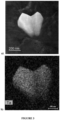
- cracking along the fusion line as shown in Figure 1a due to poorly controlled weld penetration and dilution during manual welding, has been a major drawback of the GTAW-MA process. Therefore, improved high gamma prime welding materials were required to resolve cracking problem because neither chemical composition of turbine engine components nor weld dilution of GTAW-MA welds can be alternated and properly controlled by welders.
- development of high gamma prime superalloys with good weldability can be valuable for the implementation of novel 3D AM process for manufacturing of turbine engine components.
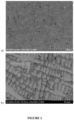
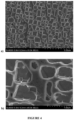
- the welding materials disclosed herein contained the Ni-Co-Cr-W-Re based gamma matrix, cuboidal primary and secondary gamma primary phases as well as discrete, mostly cuboidal, Ta based carbides.
- the fraction volume (vol.%) and size of gamma prime phase depended on chemical composition of welding materials and heat treatment parameters.
- Alloys A and B demonstrated sufficient properties for repair and 3D AM of turbine engine components (see Table 3).
- the selection of suitable welding material should be done based on service conditions and chemical composition of turbine engine components.
- the Alloy A was found to be most suitable for a repair of turbine engine components manufactured from single crystal materials with Ta content exceeding 6 wt. % that exposed to temperature max of 982°C (1800°F).
- the low carbon Alloy B was found to be most suitable for a repair of turbine engine components manufactured from single crystal materials with Ta content below of 6 wt. % by GTAW-MA and 3D AM components that due to service conditions should be manufactured from materials with high ductility at ambient and high temperature. However, due to high Co content, which reduces high temperature 0.2% yield strength, it appears that the service temperature of these components should not exceed 982°C (1800°F).
- HPT high pressure turbine
- the dissimilar weld samples were produced by GTAW-MA multi pass weld deposition using Alloy A welding material (rods) as per claim 1 onto the PWA1484 substrate material with the thickness of 8.9 mm (0.35 inch) at ambient temperature.
- Welding of samples and repair of the HPT blade was performed using the commercially available welding Miller Power Supplier for GTAW in argon.
- Welding current, welding speed, and welding rod feed rate were established by experiments following the standard practices based on the thickness of the base material and diameter of welding rods, refer to 'Guidelines For Gas Tungsten Arc Welding (GTAW)', 215994F from 2018-01, by Miller, which can be found in the Miller website following the link (https://www.millerwelds.com/- /media/inriver/guidelines-for-gas-tunsten-arc-welding-gtaw.pdf).
- GTAW Gas Tungsten Arc Welding
- Arc voltage was variable and depended from the ability of a welder to maintain the distance between the tungsten electrode and welding pool, which in a combination with the inconsistent welding speed and wire rods feed rate resulted in the irregular penetration and variable dilution shown in Figure 1b .
- the test samples were subjected to the primary aging heat treatment at 1079°C (1975°F) for 4 hours followed by the secondary aging heat treatment at 704°C (1300°F) for 24 hours as for PWA1484 base material.
- the dissimilar tensile samples (DWJ) comprising the equal in size and geometries parts of the PWA1484 base material and the Alloy A multi layers weld deposits with the joint line located at the center of the gage area.
- the Alloy A welding material with high cobalt and carbon content was found most suitable for a radial crack repair adjacent to the low stress tip area of turbine blades manufactured from single crystal materials with high tantalum content such as PWA1484, PWA1480, CMSX-10. Due to high carbon and cobalt content, Alloy A was able to accommodate more tantalum and hafnium without cracking. However, cobalt reduced strength of Alloy A at 1038°C (1900°F) as shown in Table 3. Therefore, the Alloy A was recommended mostly for a repair of turbine engine components exposed to temperature below of 982°C (1800°F).
- the dissimilar weld samples were produced by GTAW-MA multi pass weld deposition using welding rods manufactured from Alloy B as per claim 2 onto the Rene N5 substrate at ambient temperature. Welding of samples was performed using the welding equipment, parameters, and techniques described in the Example 1. After welding test samples were subjected to the primary aging heat treatment at 1079°C (1975°F) for 4 hours followed by the secondary aging heat treatment at 899°C (1650°F) for 4 hours as for the Rene N5 base material.
- the DWJ samples comprising the equal in size and geometries parts of the Rene N5 base material and the Alloy B multi layers weld buildup with the joint line located at the center of the gage area were manufactured as per ASTM E-8. Only UTS and reduction of area (RA) were used for a characterization of the dissimilar welded joints due to significate differences in strength and ductility of high strength of the Rene N5 single crystal material and polycrystalline weld metal. The 0.2% Yield Strength is provided for references only. As follows from Table 5, the dissimilar welding joints demonstrated mechanical properties similar to the properties of the Alloy B in aged condition.
- the welding materials disclosed herein can be used also for a repair of turbine engine components manufactured from equiaxed and directionally solidified tantalum free Rene 80, Inconel 713, Rene 77 as well as low tantalum commercially available Inconel 738, Mar M002, and other superalloys that exhibit combination of sever wear and high stresses in service conditions in lieu of the commercially available hard facing PWA694 cobalt based hard facing material.
- PAW694 has good wear resistance but low tensile properties at high temperature as shown in Table 7. It was determined by experiments, welding rods manufactured from Alloy F produced sound welds on Rene 80 and Mar M002 directionally solidified material. The ultimate tensile strength (UTS) of welds produced using Alloy F at 982°C (1800°F) was 326 MPa (47.3 KSI) while PWA694 welds demonstrated UTS just 205 MPa (29.8 KSI). The microhardness of Alloy F welds of 461 H ⁇ at ambient temperature was superior to the microhardness of PWA694 welds of 349.5 H ⁇ as shown in Table 7.
- UTS ultimate tensile strength
- Alloy F can be used for a restoration of shrouds of low and high pressure turbine blades, tip of turbine blades that exhibit combination of rubbing, erosion, and high temperature oxidation, as well as various nozzle guide vanes (NGV).
- Table 7 Tensile Properties of "All Weld Metal” (AWM) Test Samples at 982°C (1800°F) Weld Metal UTS, MPa (KSI) 0.2% Yield Strength, MPa (KSI) Elongation, % Alloy F 326 (47.3) 245 (35.5) 33.1 PWA694 205 (29.8) 138 (20.0) 32.1
Landscapes
- Engineering & Computer Science (AREA)
- Chemical & Material Sciences (AREA)
- Mechanical Engineering (AREA)
- Materials Engineering (AREA)
- Metallurgy (AREA)
- Organic Chemistry (AREA)
- Physics & Mathematics (AREA)
- Plasma & Fusion (AREA)
- Manufacturing & Machinery (AREA)
- Arc Welding In General (AREA)
- Turbine Rotor Nozzle Sealing (AREA)
Claims (15)
- Ein nickelbasiertes Schweißmaterial mit hohem Gamma-Grundwert (y'), umfassend nach Gew.-%:- Chrom von 13,0 bis 14,0 %,- Kobalt von 30,0 bis 32,0 %,- Molybdän von 0,7 bis 0,9 %,- Wolfram von 7,0 bis 8,0 %,- Tantal von 2,0 bis 5,0 %,- Aluminium von 3,8 bis 5,5 %,- Titan von 0 bis 0,12 %,- Zirkonium von 0 bis 0,02 %,- Hafnium von 0,4 bis 0,8 %,- Bor von 0 bis 0,02 %,- Kohlenstoff von 0,17 bis 0,25 %,- Yttrium von 0,005 bis 0,015 %,- Vanadium von 0 bis 0,01 %,- Rhenium von 1,0 bis 2,0 %, und- Nickel und Verunreinigungen zum Ausgleich.
- Ein nickelbasiertes Schweißmaterial mit hohem Gamma-Grundwert (y'), umfassend nach Gew.-%:- Chrom von 13,0 bis 14,0 %,- Kobalt von 30,0 bis 32,0 %,- Molybdän von 0,7 bis 0,9 %,- Wolfram von 7,0 bis 8,0 %,- Tantal von 0,5 bis 1,9 %,- Aluminium von 3,8 bis 5,5 %,- Titan von 0 bis 0,12 %,- Zirkonium von 0,005 bis 0,02 %,- Hafnium von 0,4 bis 0,8 %,- Bor von 0 bis 0,02 %,- Kohlenstoff von 0,05 bis 0,16 %,- Yttrium von 0 bis 0,015 %,- Vanadium von 0 bis 0,01 %,- Rhenium von 1,0 bis 2,0 %, und- Nickel und Verunreinigungen zum Ausgleich.
- Ein nickelbasiertes Schweißmaterial mit hohem Gamma-Grundwert (y'), umfassend nach Gew.-%:- Chrom von 13,0 bis 14,0 %,- Kobalt von 30,0 bis 32,0 %,- Molybdän von 0,7 bis 0,9 %,- Wolfram von 7,0 bis 8,0 %,- Tantal von 3,0 bis 6,0 %,- Aluminium von 3,8 bis 4,5 %,- Titan von 0 bis 0,12 %,- Zirkonium von 0 bis 0,02 %,- Hafnium von 0,4 bis 0,8 %,- Bor von 0 bis 0,02 %,- Kohlenstoff von 0,2 bis 0,3 %,- Yttrium von 0 bis 0,015 %,- Vanadium von 0 bis 0,01 %,- Rhenium von 1,0 bis 2,0 %, und- Nickel und Verunreinigungen zum Ausgleich.
- Verwendung des nickelbasierten Schweißmaterials mit hohem Gamma-Grundwert (y') wie in Anspruch 1, 2 oder 3 definiert als Material für einen Schweißdraht, einen Schweißstab, ein Schweißpulver oder eine Turbinenmotorkomponente.
- Verwendung des nickelbasierten Materials mit hohem Gamma-Grundwert (y') wie in Anspruch 2 definiert als ein Material für additive 3D-Herstellung (AM).
- Verwendung des nickelbasierten Materials mit hohem Gamma-Grundwert (γ') wie in Anspruch 3 definiert als ein Material für additive 3D-Herstellung (AM), oder als eine Aufschweißanwendung auf eine Turbinenmotorkomponente, die aus einer Superlegierung umfassend 0-10 Gew.-% Ta hergestellt ist.
- Eine Turbinenmotorkomponente umfassend das nickelbasierte Material mit hohem Gamma-Grundwert (γ') wie in Anspruch 3 definiert.
- Eine Turbinenmotorkomponente, hergestellt durch additive 3D-Herstellung unter Verwendung des nickelbasierten Materials mit hohem Gamma-Grundwert (y') wie in Anspruch 1, 2 oder 3 definiert.
- Ein Verfahren zur Herstellung einer Turbinenmotorkomponente, umfassend den Schritt des Schweißens eines Grundmaterials mit dem nickelbasierten Schweißmaterial mit hohem Gamma-Grundwert (y') aus Anspruch 1.
- Das Verfahren aus Anspruch 9, wobei das Schweißen durch Wolfram-Lichtbogen-Handschweißen (GTAW-MA) bei Umgebungstemperatur durchgeführt wird.
- Das Verfahren aus Anspruch 9 oder 10, wobei das Grundmaterial > 6 Gew.-% Ta oder ≥ 6 Gew.-% Ta umfasst.
- Ein Verfahren zur Herstellung einer Turbinenmotorkomponente, umfassend den Schritt des Schweißens eines Grundmaterials mit dem nickelbasierten Schweißmaterial mit hohem Gamma-Grundwert (y') aus Anspruch 2.
- Das Verfahren aus Anspruch 12, wobei das Grundmaterial < 6 Gew.-% Ta oder ≤ 6 Gew.-% Ta umfasst.
- Ein Verfahren zur Herstellung einer Turbinenmotorkomponente, umfassend den Schritt des Schweißens eines Grundmaterials oder additiver 3D-Herstellung des Grundmaterials mit dem nickelbasierten Schweißmaterial mit hohem Gamma-Grundwert (y') aus Anspruch 3.
- Das Verfahren aus irgendeinem der Ansprüche 9-14, wobei das Schweißmaterial ein Schweißdraht, ein Schweißstab oder ein Schweißpulver ist.
Applications Claiming Priority (1)
| Application Number | Priority Date | Filing Date | Title |
|---|---|---|---|
| US17/862,128 US11913093B2 (en) | 2022-07-11 | 2022-07-11 | High gamma prime nickel based welding material |
Publications (3)
| Publication Number | Publication Date |
|---|---|
| EP4306236A1 EP4306236A1 (de) | 2024-01-17 |
| EP4306236B1 true EP4306236B1 (de) | 2024-11-27 |
| EP4306236C0 EP4306236C0 (de) | 2024-11-27 |
Family
ID=87136176
Family Applications (1)
| Application Number | Title | Priority Date | Filing Date |
|---|---|---|---|
| EP23183490.4A Active EP4306236B1 (de) | 2022-07-11 | 2023-07-05 | Auf nickel basierendes schweissmaterial mit hohem gamma-prime-anteil |
Country Status (4)
| Country | Link |
|---|---|
| US (1) | US11913093B2 (de) |
| EP (1) | EP4306236B1 (de) |
| CA (1) | CA3194794A1 (de) |
| ES (1) | ES3013062T3 (de) |
Family Cites Families (8)
| Publication number | Priority date | Publication date | Assignee | Title |
|---|---|---|---|---|
| US3615376A (en) | 1968-11-01 | 1971-10-26 | Gen Electric | Cast nickel base alloy |
| US4169742A (en) | 1976-12-16 | 1979-10-02 | General Electric Company | Cast nickel-base alloy article |
| EP1842934B1 (de) * | 2004-12-02 | 2011-10-19 | National Institute for Materials Science | Wärmebeständige superlegierung |
| US8992699B2 (en) * | 2009-05-29 | 2015-03-31 | General Electric Company | Nickel-base superalloys and components formed thereof |
| US20110268989A1 (en) * | 2010-04-29 | 2011-11-03 | General Electric Company | Cobalt-nickel superalloys, and related articles |
| WO2016016437A2 (de) * | 2014-08-01 | 2016-02-04 | Friedrich-Alexander-Universität Erlangen-Nürnberg | Kobaltbasissuperlegierung |
| CN111101022B (zh) | 2018-10-29 | 2022-03-22 | 利宝地工程有限公司 | 高γ′镍基超级合金、其用途及制造涡轮发动机构件的方法 |
| DE102019208246A1 (de) * | 2019-06-06 | 2020-12-10 | Friedrich-Alexander-Universität Erlangen-Nürnberg | Pulvermischung, ein Verfahren, ein Coupon und ein repariertes Bauteil |
-
2022
- 2022-07-11 US US17/862,128 patent/US11913093B2/en active Active
-
2023
- 2023-03-31 CA CA3194794A patent/CA3194794A1/en active Pending
- 2023-07-05 EP EP23183490.4A patent/EP4306236B1/de active Active
- 2023-07-05 ES ES23183490T patent/ES3013062T3/es active Active
Also Published As
| Publication number | Publication date |
|---|---|
| ES3013062T3 (en) | 2025-04-10 |
| EP4306236C0 (de) | 2024-11-27 |
| US11913093B2 (en) | 2024-02-27 |
| CA3194794A1 (en) | 2024-01-11 |
| US20240011127A1 (en) | 2024-01-11 |
| EP4306236A1 (de) | 2024-01-17 |
Similar Documents
| Publication | Publication Date | Title |
|---|---|---|
| EP3815816B1 (de) | Superlegierung auf nickelbasis mit hohem anteil an gamma prime phase, ihre verwendung, turbinenkomponenten und verfahren zur deren herstellung | |
| EP3647442B1 (de) | Auf nickel mit hoch-gamma-prime basierende superlegierung, deren verwendung und verfahren zur herstellung von turbinenmotorkomponenten | |
| EP3153271B1 (de) | Verfahren zur reparatur und herstellung von turbinenmotorkomponenten | |
| EP2902516B1 (de) | Schweißzusatzwerkstoff für Superlegierungen auf Nickelbasis | |
| KR102237760B1 (ko) | 초내열합금의 융접용 석출 경화형 니켈계 용접 재료 | |
| EP2853339B1 (de) | Schweißmittel zum Schweißen von Superlegierungen | |
| Kumar et al. | Dissimilar gas metal arc welding (GMAW) of Inconel 718 and 304L stainless steel: a comparative study of ERNiCrCoMo-1 and ERNiCr-3 filler metals | |
| Gontcharov et al. | Weldability and properties of newly developed LW4280 high gamma prime nickel based superalloy for 3D am and repair of turbine engine components | |
| EP4306236B1 (de) | Auf nickel basierendes schweissmaterial mit hohem gamma-prime-anteil | |
| EP4357050A1 (de) | Nickelbasiertes schweissmaterial mit hohem gamma-prime zur reparatur und generativen 3d-herstellung von turbinenmotorkomponenten | |
| HK40050043A (en) | High gamma prime nickel based superalloy, its use, turbine components and method of manufacturing thereof | |
| HK40050043B (en) | High gamma prime nickel based superalloy, its use, turbine components and method of manufacturing thereof | |
| RU2777822C2 (ru) | Упрочнённый гамма-штрих фазой суперсплав на основе никеля, его применение и способ производства компонентов газотурбинного двигателя | |
| JP2024126617A (ja) | Ni基合金鍛造製品の製造方法 | |
| HK40048693A (en) | High gamma prime nickel based superalloy, its use, and method of manufacturing of turbine engine components | |
| HK40048693B (en) | High gamma prime nickel based superalloy, its use, and method of manufacturing of turbine engine components | |
| HK40023118A (en) | High gamma prime nickel based superalloy, its use, and method of manufacturing of turbine engine components | |
| HK1231013A (en) | Method of repairing and manufacturing of turbine engine components and turbine engine components | |
| HK1231013A1 (en) | Method of repairing and manufacturing of turbine engine components and turbine engine components |
Legal Events
| Date | Code | Title | Description |
|---|---|---|---|
| PUAI | Public reference made under article 153(3) epc to a published international application that has entered the european phase |
Free format text: ORIGINAL CODE: 0009012 |
|
| STAA | Information on the status of an ep patent application or granted ep patent |
Free format text: STATUS: THE APPLICATION HAS BEEN PUBLISHED |
|
| AK | Designated contracting states |
Kind code of ref document: A1 Designated state(s): AL AT BE BG CH CY CZ DE DK EE ES FI FR GB GR HR HU IE IS IT LI LT LU LV MC ME MK MT NL NO PL PT RO RS SE SI SK SM TR |
|
| STAA | Information on the status of an ep patent application or granted ep patent |
Free format text: STATUS: REQUEST FOR EXAMINATION WAS MADE |
|
| 17P | Request for examination filed |
Effective date: 20240228 |
|
| RBV | Designated contracting states (corrected) |
Designated state(s): AL AT BE BG CH CY CZ DE DK EE ES FI FR GB GR HR HU IE IS IT LI LT LU LV MC ME MK MT NL NO PL PT RO RS SE SI SK SM TR |
|
| REG | Reference to a national code |
Ref country code: DE Ref legal event code: R079 Free format text: PREVIOUS MAIN CLASS: B22F0005040000 Ipc: C22C0019070000 Ref country code: DE Ref legal event code: R079 Ref document number: 602023001169 Country of ref document: DE Free format text: PREVIOUS MAIN CLASS: B22F0005040000 Ipc: C22C0019070000 |
|
| GRAP | Despatch of communication of intention to grant a patent |
Free format text: ORIGINAL CODE: EPIDOSNIGR1 |
|
| STAA | Information on the status of an ep patent application or granted ep patent |
Free format text: STATUS: GRANT OF PATENT IS INTENDED |
|
| GRAJ | Information related to disapproval of communication of intention to grant by the applicant or resumption of examination proceedings by the epo deleted |
Free format text: ORIGINAL CODE: EPIDOSDIGR1 |
|
| GRAP | Despatch of communication of intention to grant a patent |
Free format text: ORIGINAL CODE: EPIDOSNIGR1 |
|
| RIC1 | Information provided on ipc code assigned before grant |
Ipc: B23K 103/18 20060101ALN20240627BHEP Ipc: B23K 101/00 20060101ALN20240627BHEP Ipc: B22F 7/06 20060101ALN20240627BHEP Ipc: C22C 30/00 20060101ALI20240627BHEP Ipc: C22C 19/05 20060101ALI20240627BHEP Ipc: C22C 1/04 20230101ALI20240627BHEP Ipc: B33Y 70/00 20200101ALI20240627BHEP Ipc: B23K 35/30 20060101ALI20240627BHEP Ipc: B23K 35/02 20060101ALI20240627BHEP Ipc: B23K 9/23 20060101ALI20240627BHEP Ipc: B23K 9/167 20060101ALI20240627BHEP Ipc: B23K 9/00 20060101ALI20240627BHEP Ipc: B22F 10/25 20210101ALI20240627BHEP Ipc: B22F 5/04 20060101ALI20240627BHEP Ipc: C22C 19/07 20060101AFI20240627BHEP |
|
| RIC1 | Information provided on ipc code assigned before grant |
Ipc: B23K 103/18 20060101ALN20240702BHEP Ipc: B23K 101/00 20060101ALN20240702BHEP Ipc: B22F 7/06 20060101ALN20240702BHEP Ipc: C22C 30/00 20060101ALI20240702BHEP Ipc: C22C 19/05 20060101ALI20240702BHEP Ipc: C22C 1/04 20230101ALI20240702BHEP Ipc: B33Y 70/00 20200101ALI20240702BHEP Ipc: B23K 35/30 20060101ALI20240702BHEP Ipc: B23K 35/02 20060101ALI20240702BHEP Ipc: B23K 9/23 20060101ALI20240702BHEP Ipc: B23K 9/167 20060101ALI20240702BHEP Ipc: B23K 9/00 20060101ALI20240702BHEP Ipc: B22F 10/25 20210101ALI20240702BHEP Ipc: B22F 5/04 20060101ALI20240702BHEP Ipc: C22C 19/07 20060101AFI20240702BHEP |
|
| INTG | Intention to grant announced |
Effective date: 20240715 |
|
| INTG | Intention to grant announced |
Effective date: 20240801 |
|
| GRAS | Grant fee paid |
Free format text: ORIGINAL CODE: EPIDOSNIGR3 |
|
| GRAA | (expected) grant |
Free format text: ORIGINAL CODE: 0009210 |
|
| STAA | Information on the status of an ep patent application or granted ep patent |
Free format text: STATUS: THE PATENT HAS BEEN GRANTED |
|
| AK | Designated contracting states |
Kind code of ref document: B1 Designated state(s): AL AT BE BG CH CY CZ DE DK EE ES FI FR GB GR HR HU IE IS IT LI LT LU LV MC ME MK MT NL NO PL PT RO RS SE SI SK SM TR |
|
| REG | Reference to a national code |
Ref country code: GB Ref legal event code: FG4D |
|
| REG | Reference to a national code |
Ref country code: CH Ref legal event code: EP |
|
| REG | Reference to a national code |
Ref country code: IE Ref legal event code: FG4D |
|
| REG | Reference to a national code |
Ref country code: DE Ref legal event code: R096 Ref document number: 602023001169 Country of ref document: DE |
|
| U01 | Request for unitary effect filed |
Effective date: 20241223 |
|
| U07 | Unitary effect registered |
Designated state(s): AT BE BG DE DK EE FI FR IT LT LU LV MT NL PT RO SE SI Effective date: 20250113 |
|
| REG | Reference to a national code |
Ref country code: ES Ref legal event code: FG2A Ref document number: 3013062 Country of ref document: ES Kind code of ref document: T3 Effective date: 20250410 |
|
| PG25 | Lapsed in a contracting state [announced via postgrant information from national office to epo] |
Ref country code: IS Free format text: LAPSE BECAUSE OF FAILURE TO SUBMIT A TRANSLATION OF THE DESCRIPTION OR TO PAY THE FEE WITHIN THE PRESCRIBED TIME-LIMIT Effective date: 20250327 Ref country code: HR Free format text: LAPSE BECAUSE OF FAILURE TO SUBMIT A TRANSLATION OF THE DESCRIPTION OR TO PAY THE FEE WITHIN THE PRESCRIBED TIME-LIMIT Effective date: 20241127 |
|
| PG25 | Lapsed in a contracting state [announced via postgrant information from national office to epo] |
Ref country code: NO Free format text: LAPSE BECAUSE OF FAILURE TO SUBMIT A TRANSLATION OF THE DESCRIPTION OR TO PAY THE FEE WITHIN THE PRESCRIBED TIME-LIMIT Effective date: 20250227 |
|
| PG25 | Lapsed in a contracting state [announced via postgrant information from national office to epo] |
Ref country code: GR Free format text: LAPSE BECAUSE OF FAILURE TO SUBMIT A TRANSLATION OF THE DESCRIPTION OR TO PAY THE FEE WITHIN THE PRESCRIBED TIME-LIMIT Effective date: 20250228 |
|
| PG25 | Lapsed in a contracting state [announced via postgrant information from national office to epo] |
Ref country code: PL Free format text: LAPSE BECAUSE OF FAILURE TO SUBMIT A TRANSLATION OF THE DESCRIPTION OR TO PAY THE FEE WITHIN THE PRESCRIBED TIME-LIMIT Effective date: 20241127 |
|
| PG25 | Lapsed in a contracting state [announced via postgrant information from national office to epo] |
Ref country code: RS Free format text: LAPSE BECAUSE OF FAILURE TO SUBMIT A TRANSLATION OF THE DESCRIPTION OR TO PAY THE FEE WITHIN THE PRESCRIBED TIME-LIMIT Effective date: 20250227 |
|
| PG25 | Lapsed in a contracting state [announced via postgrant information from national office to epo] |
Ref country code: SM Free format text: LAPSE BECAUSE OF FAILURE TO SUBMIT A TRANSLATION OF THE DESCRIPTION OR TO PAY THE FEE WITHIN THE PRESCRIBED TIME-LIMIT Effective date: 20241127 |
|
| PG25 | Lapsed in a contracting state [announced via postgrant information from national office to epo] |
Ref country code: SK Free format text: LAPSE BECAUSE OF FAILURE TO SUBMIT A TRANSLATION OF THE DESCRIPTION OR TO PAY THE FEE WITHIN THE PRESCRIBED TIME-LIMIT Effective date: 20241127 |
|
| PG25 | Lapsed in a contracting state [announced via postgrant information from national office to epo] |
Ref country code: CZ Free format text: LAPSE BECAUSE OF FAILURE TO SUBMIT A TRANSLATION OF THE DESCRIPTION OR TO PAY THE FEE WITHIN THE PRESCRIBED TIME-LIMIT Effective date: 20241127 |
|
| U20 | Renewal fee for the european patent with unitary effect paid |
Year of fee payment: 3 Effective date: 20250725 |
|
| PLBE | No opposition filed within time limit |
Free format text: ORIGINAL CODE: 0009261 |
|
| STAA | Information on the status of an ep patent application or granted ep patent |
Free format text: STATUS: NO OPPOSITION FILED WITHIN TIME LIMIT |
|
| PGFP | Annual fee paid to national office [announced via postgrant information from national office to epo] |
Ref country code: ES Payment date: 20250801 Year of fee payment: 3 |
|
| 26N | No opposition filed |
Effective date: 20250828 |