EP4301227B1 - Methods and systems for respiratory training and testing - Google Patents
Methods and systems for respiratory training and testing Download PDFInfo
- Publication number
- EP4301227B1 EP4301227B1 EP22709754.0A EP22709754A EP4301227B1 EP 4301227 B1 EP4301227 B1 EP 4301227B1 EP 22709754 A EP22709754 A EP 22709754A EP 4301227 B1 EP4301227 B1 EP 4301227B1
- Authority
- EP
- European Patent Office
- Prior art keywords
- respiratory
- subject
- pressure
- training
- maximum
- Prior art date
- Legal status (The legal status is an assumption and is not a legal conclusion. Google has not performed a legal analysis and makes no representation as to the accuracy of the status listed.)
- Active
Links
Images


Classifications
-
- A—HUMAN NECESSITIES
- A61—MEDICAL OR VETERINARY SCIENCE; HYGIENE
- A61B—DIAGNOSIS; SURGERY; IDENTIFICATION
- A61B5/00—Measuring for diagnostic purposes; Identification of persons
- A61B5/22—Ergometry; Measuring muscular strength or the force of a muscular blow
- A61B5/224—Measuring muscular strength
-
- A—HUMAN NECESSITIES
- A61—MEDICAL OR VETERINARY SCIENCE; HYGIENE
- A61B—DIAGNOSIS; SURGERY; IDENTIFICATION
- A61B5/00—Measuring for diagnostic purposes; Identification of persons
- A61B5/08—Measuring devices for evaluating the respiratory organs
- A61B5/087—Measuring breath flow
-
- A—HUMAN NECESSITIES
- A61—MEDICAL OR VETERINARY SCIENCE; HYGIENE
- A61B—DIAGNOSIS; SURGERY; IDENTIFICATION
- A61B5/00—Measuring for diagnostic purposes; Identification of persons
- A61B5/68—Arrangements of detecting, measuring or recording means, e.g. sensors, in relation to patient
- A61B5/6887—Arrangements of detecting, measuring or recording means, e.g. sensors, in relation to patient mounted on external non-worn devices, e.g. non-medical devices
- A61B5/6898—Portable consumer electronic devices, e.g. music players, telephones, tablet computers
-
- A—HUMAN NECESSITIES
- A63—SPORTS; GAMES; AMUSEMENTS
- A63B—APPARATUS FOR PHYSICAL TRAINING, GYMNASTICS, SWIMMING, CLIMBING, OR FENCING; BALL GAMES; TRAINING EQUIPMENT
- A63B21/00—Exercising apparatus for developing or strengthening the muscles or joints of the body by working against a counterforce, with or without measuring devices
- A63B21/00058—Mechanical means for varying the resistance
- A63B21/00069—Setting or adjusting the resistance level; Compensating for a preload prior to use, e.g. changing length of resistance or adjusting a valve
-
- A—HUMAN NECESSITIES
- A63—SPORTS; GAMES; AMUSEMENTS
- A63B—APPARATUS FOR PHYSICAL TRAINING, GYMNASTICS, SWIMMING, CLIMBING, OR FENCING; BALL GAMES; TRAINING EQUIPMENT
- A63B23/00—Exercising apparatus specially adapted for particular parts of the body
- A63B23/18—Exercising apparatus specially adapted for particular parts of the body for improving respiratory function
-
- A—HUMAN NECESSITIES
- A63—SPORTS; GAMES; AMUSEMENTS
- A63B—APPARATUS FOR PHYSICAL TRAINING, GYMNASTICS, SWIMMING, CLIMBING, OR FENCING; BALL GAMES; TRAINING EQUIPMENT
- A63B24/00—Electric or electronic controls for exercising apparatus of preceding groups; Controlling or monitoring of exercises, sportive games, training or athletic performances
- A63B24/0062—Monitoring athletic performances, e.g. for determining the work of a user on an exercise apparatus, the completed jogging or cycling distance
-
- G—PHYSICS
- G16—INFORMATION AND COMMUNICATION TECHNOLOGY [ICT] SPECIALLY ADAPTED FOR SPECIFIC APPLICATION FIELDS
- G16H—HEALTHCARE INFORMATICS, i.e. INFORMATION AND COMMUNICATION TECHNOLOGY [ICT] SPECIALLY ADAPTED FOR THE HANDLING OR PROCESSING OF MEDICAL OR HEALTHCARE DATA
- G16H40/00—ICT specially adapted for the management or administration of healthcare resources or facilities; ICT specially adapted for the management or operation of medical equipment or devices
- G16H40/60—ICT specially adapted for the management or administration of healthcare resources or facilities; ICT specially adapted for the management or operation of medical equipment or devices for the operation of medical equipment or devices
- G16H40/67—ICT specially adapted for the management or administration of healthcare resources or facilities; ICT specially adapted for the management or operation of medical equipment or devices for the operation of medical equipment or devices for remote operation
-
- G—PHYSICS
- G16—INFORMATION AND COMMUNICATION TECHNOLOGY [ICT] SPECIALLY ADAPTED FOR SPECIFIC APPLICATION FIELDS
- G16H—HEALTHCARE INFORMATICS, i.e. INFORMATION AND COMMUNICATION TECHNOLOGY [ICT] SPECIALLY ADAPTED FOR THE HANDLING OR PROCESSING OF MEDICAL OR HEALTHCARE DATA
- G16H50/00—ICT specially adapted for medical diagnosis, medical simulation or medical data mining; ICT specially adapted for detecting, monitoring or modelling epidemics or pandemics
- G16H50/30—ICT specially adapted for medical diagnosis, medical simulation or medical data mining; ICT specially adapted for detecting, monitoring or modelling epidemics or pandemics for calculating health indices; for individual health risk assessment
-
- A—HUMAN NECESSITIES
- A61—MEDICAL OR VETERINARY SCIENCE; HYGIENE
- A61B—DIAGNOSIS; SURGERY; IDENTIFICATION
- A61B2505/00—Evaluating, monitoring or diagnosing in the context of a particular type of medical care
- A61B2505/09—Rehabilitation or training
-
- A—HUMAN NECESSITIES
- A63—SPORTS; GAMES; AMUSEMENTS
- A63B—APPARATUS FOR PHYSICAL TRAINING, GYMNASTICS, SWIMMING, CLIMBING, OR FENCING; BALL GAMES; TRAINING EQUIPMENT
- A63B71/00—Games or sports accessories not covered in groups A63B1/00 - A63B69/00
- A63B71/06—Indicating or scoring devices for games or players, or for other sports activities
- A63B71/0619—Displays, user interfaces and indicating devices, specially adapted for sport equipment, e.g. display mounted on treadmills
- A63B71/0622—Visual, audio or audio-visual systems for entertaining, instructing or motivating the user
- A63B2071/0625—Emitting sound, noise or music
- A63B2071/063—Spoken or verbal instructions
-
- A—HUMAN NECESSITIES
- A63—SPORTS; GAMES; AMUSEMENTS
- A63B—APPARATUS FOR PHYSICAL TRAINING, GYMNASTICS, SWIMMING, CLIMBING, OR FENCING; BALL GAMES; TRAINING EQUIPMENT
- A63B2220/00—Measuring of physical parameters relating to sporting activity
- A63B2220/50—Force related parameters
- A63B2220/56—Pressure
-
- A—HUMAN NECESSITIES
- A63—SPORTS; GAMES; AMUSEMENTS
- A63B—APPARATUS FOR PHYSICAL TRAINING, GYMNASTICS, SWIMMING, CLIMBING, OR FENCING; BALL GAMES; TRAINING EQUIPMENT
- A63B2220/00—Measuring of physical parameters relating to sporting activity
- A63B2220/62—Time or time measurement used for time reference, time stamp, master time or clock signal
-
- A—HUMAN NECESSITIES
- A63—SPORTS; GAMES; AMUSEMENTS
- A63B—APPARATUS FOR PHYSICAL TRAINING, GYMNASTICS, SWIMMING, CLIMBING, OR FENCING; BALL GAMES; TRAINING EQUIPMENT
- A63B2220/00—Measuring of physical parameters relating to sporting activity
- A63B2220/64—Frequency, e.g. of vibration oscillation
-
- A—HUMAN NECESSITIES
- A63—SPORTS; GAMES; AMUSEMENTS
- A63B—APPARATUS FOR PHYSICAL TRAINING, GYMNASTICS, SWIMMING, CLIMBING, OR FENCING; BALL GAMES; TRAINING EQUIPMENT
- A63B2225/00—Miscellaneous features of sport apparatus, devices or equipment
- A63B2225/50—Wireless data transmission, e.g. by radio transmitters or telemetry
-
- A—HUMAN NECESSITIES
- A63—SPORTS; GAMES; AMUSEMENTS
- A63B—APPARATUS FOR PHYSICAL TRAINING, GYMNASTICS, SWIMMING, CLIMBING, OR FENCING; BALL GAMES; TRAINING EQUIPMENT
- A63B2230/00—Measuring physiological parameters of the user
- A63B2230/40—Measuring physiological parameters of the user respiratory characteristics
- A63B2230/42—Measuring physiological parameters of the user respiratory characteristics rate
-
- A—HUMAN NECESSITIES
- A63—SPORTS; GAMES; AMUSEMENTS
- A63B—APPARATUS FOR PHYSICAL TRAINING, GYMNASTICS, SWIMMING, CLIMBING, OR FENCING; BALL GAMES; TRAINING EQUIPMENT
- A63B2230/00—Measuring physiological parameters of the user
- A63B2230/60—Measuring physiological parameters of the user muscle strain, i.e. measured on the user
Definitions
- a system is configured for measuring a respiratory pressure of a subject in a mouthpiece, transmit pressure data to a remote processing device and continuously process said pressure data for calculation of respiratory training intensity and respiratory muscle performance.
- Respiratory training can be defined as performing specific exercises that aim to improve the function of the respiratory muscles, i.e. the muscles involved in active inspiration and/or active expiration. Respiratory training covers both inspiratory training and expiratory training and has been shown to offer a wide range of beneficial effects. For example, inspiratory training has been shown to improve respiratory muscle function in terms of strength, power, endurance and efficiency and has been proven to be important for reducing dyspnoea on exertion.
- Respiratory exercisers typically comprise a mouthpiece for inhalation and exhalation, and a respiratory pathway with an aperture.
- the aperture ensures that the subject experiences a pressure load during respiration, and thereby a respiratory muscle training stimulus.
- the aperture may be adjustable so that the pressure load can be set depending on the subject's respiratory strength and the type of training benefits desired.
- the adjustment structure is regulating the size of at least one of the openings therein to control the size of the access opening to the atmosphere.
- the air resistance is the same for both inhalation and exhalation.
- DE 10 2019 001926 discloses a device, a process and a computer program for influencing the inspiratory muscles of a person, especially but not exclusively to a concept for training the inspiratory muscles of a training person or of a patient based on electromyographic signals of his/her inspiratory muscles.
- the EMG measurements of the inspiratory muscles are optionally combined with pneumatic signals to determine the time curve of breathing performance and work of breathing.
- the pressure load i.e. the training stimulus magnitude
- the pressure load i.e. the training stimulus magnitude
- the rate of airflow through the aperture such that at a given flow rate, a smaller surface area creates a larger pressure load.
- the same pressure load can be created by apertures with differing surface areas by means of varying the rate of airflow.
- the present inventors have realized how respiratory training units can be configured for obtaining more accurate respiratory training information, and how to provide said training information to a subject, thereby allowing the subject to optimize the training stimulus, instantaneously and/or between training sessions. Furthermore, unlike parameters for assessing respiratory training of the prior art, such as the above mentioned flow rate and pressure load, the present inventors have also realized that basing the determination of respiratory training stimulus on respiratory muscle power and/or respiratory muscle work are far superior as these parameters are both multidimensional, providing the most accurate quantification of the training stimulus.
- the present disclosure therefore, in a first aspect, relates to a computer implemented method for calculation of respiratory training intensity in a dataset representing a subject breathing through separate inhalation and exhalation airways having predefined respiratory resistances, the method comprising the steps of:
- the data may be a dataset comprising pressure data vs. time acquired in connection with at least one of an inhalation and exhalation airways.
- the dataset may for example have been obtained by a pressure sensor for measuring air pressure in a mouthpiece.
- the training stimulus may be considered to be a result of overloading the respiratory muscles, in terms of training duration, intensity and/or frequency, and further a result of the specificity of the training, e.g. strength training stimuli or endurance-training stimuli.
- the electronic sensor unit may for example be adapted to be positioned in an inspiratory and/or expiratory airway of a respiratory training and testing device.
- the respiratory sensing system may comprise a tubular connector arranged for being connected to an inspiratory and/or expiratory airway of a respiratory training and testing device,
- the tubular connector is preferably arranged to contain the electronic sensor unit, such that said sensor unit measures pressure within the connector portion.
- the tubular connector is preferably configured to connect to an end of inspiration and/or expiration pathway.
- the tubular connector may further comprise a mouthpiece.
- the present disclosure relates to a respiratory training and testing system for exercising and analysing respiration of a subject comprising:
- the breathing unit with the mouthpiece and the electronics sensor unit, is preferably portable as also illustrated in figs. 4-6 , thereby in practise functioning as a personal respiratory training and testing device which can be used during active workout.
- the electronic sensor unit comprises a storage medium, i.e. in the form of memory (RAM) or other similar digital storage medium, for storing pressure data, at least temporarily, such that pressure data can be stored on the breathing unit if there is no connection to the remote processing device for a period of time, e.g. 30 minutes or 1-5 hours, for example during a training session where for example a smartphone is not necessarily carried by the user.
- RAM memory
- the remote processing device stored pressure data can be transmitted from the breathing unit and to the remote processing device.
- RMT respiratory muscle training
- a technique that aims to improve the function of the respiratory muscles through specific exercises refers to a technique that aims to improve the function of the respiratory muscles through specific exercises.
- RMT is beneficial for a wide variety of subjects, including subjects suffering from respiratory conditions such as asthma, bronchitis, emphysema and COPD.
- RMT may also be part of a subject's sports training, such as in order to increase the endurance and/or strength and/or power of respiratory muscles.
- Benefits of respiratory muscle training together with methods and systems for the implementation of RMT are described in further detail in McConnell, A. Respiratory Muscle Training: Theory and Practice. Elsevier, 2013 .
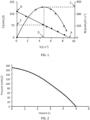
- the (maximal) pressure generating capacity of the respiratory muscles is flow dependent.
- Line A-B in Figure 1 shows an example of a linear regression between a pressure load and the capacity to generate airflow.
- the pressure and flow generating capacity may for example be measured by requiring a subject to make a series of inspirations at maximal inspiratory effort against a range of fixed pressure loads or flow resistances.
- the dependency between the flow generating capacity of the respiratory muscles, such as the inspiratory muscles and/or the expiratory muscles, and maximal pressure generating capacity can be determined as described above, an alternative way of estimating the same is based on the fact that the gradient of the maximal pressure generating capacity of the inspiratory muscles and/or the expiratory muscles vs flow rate is relatively uniform in healthy human beings, typically ⁇ 17.5 units. Accordingly, the pressure at any point on a line describing the relationship between the maximal flow generating capacity and the pressure, as shown in Figure 1 , line A-B, can be estimated by measuring the flow rate generated by a user during inspiration and/or expiration at a single pressure load. A subject may as such use a respiratory training unit set at any respiratory resistance setting, i.e.
- the respiratory pressure constant is between 10 and 25, such as between 13 and 22, more preferably between 16 and 19, most preferably 17.5.
- the maximum inspiratory pressure may be estimated by measuring the flow rate and the inspiratory pressure, at maximum inspiratory effort and at a set pressure load, and thereafter calculating MIP through the above mentioned formula.
- the maximum expiratory pressure may be estimated by measuring the flow rate and the expiratory pressure, at maximum expiratory effort and at a set pressure load, and thereafter calculating MEP by the above mentioned formula.
- the computer implemented method comprises a step of calculating a maximum respiratory pressure of the subject, by multiplying a respiratory pressure constant to a flow rate obtained at maximum respiration effort of the subject, such as at a set pressure load, and thereafter adding a value of pressure measured at said maximum respiration.
- the computer implemented method comprises a step of calculating a maximum inspiratory pressure of the subject, by multiplying a respiratory pressure constant to a flow rate obtained at maximum inspiratory effort of the subject, such as at a set pressure load, and thereafter adding a value of pressure measured at said maximum inspiration.
- the computer implemented method comprises a step of calculating a maximum expiratory pressure of the subject, by multiplying a respiratory pressure constant to a flow rate obtained at maximum expiratory effort of the subject, such as at a set pressure load, and thereafter adding a value of pressure measured at said maximum inspiration.
- the method of the present disclosure may for example comprise a step of estimating a respiratory constant of the subject based on a regression model or a machine learning model, wherein said models may have been trained based on a number of training datasets, such as wherein each training data set comprises a measured respiratory constant, respiratory properties of an individual and/or respiratory measurements of the individual, such as respiratory muscle power vs. time of at least one breath and/or respiratory muscle work vs. time of at least one breath.
- the computer implemented method comprises a step of calculating a maximum respiratory flow rate of the subject, by dividing a pressure measured at maximum respiratory effort of a subject, at a set pressure load, with a respiration flow rate constant, and thereafter adding a value of flow rate measured at said maximum respiration.
- the computer implemented method comprises a step of calculating a maximum inspiratory flow rate of the subject, by dividing a pressure measured at maximum inspiratory effort of the subject, at a set pressure load, with a respiration flow rate constant, and thereafter adding a value of flow rate measured at said maximum inspiratory.
- the computer implemented method comprises a step of calculating a maximum expiratory flow rate of the subject, by dividing a pressure measured at maximum expiratory effort of the subject, at a set pressure load, with a respiration flow rate constant, and thereafter adding a value of flow rate measured at said maximum expiratory effort.
- the maximum inspiratory pressure may be given by
- the computer implemented method comprises calculating respiratory muscle power vs. time of at least one breath of the subject.
- the respiratory muscle power vs. time may in turn be used to derive one or more training intensity indicators. For example, the peak respiratory muscle power per breath, or per any other interval, which is the highest value of the (instantaneous) respiratory muscle power during that time interval.
- the (instantaneous) respiratory muscle power is the product of the (instantaneous) flow rate and pressure.
- the average respiratory muscle power may be calculated per breath, or any other interval.
- the average respiratory muscle power may for example be calculated as the mean of the (instantaneous) power throughout the breath, or any other interval.
- the computer implemented method is configured to calculate the peak respiratory muscle power (PRP) per breath or any other interval, such as a predefined time interval, a respiratory training session or part thereof, by calculating the highest (instantaneous) respiratory muscle power value, per breath or said other interval.
- the computer implemented method is configured to calculate the average respiratory muscle power, per breath or any other interval, such as a predefined time interval, a respiratory training session or part thereof, by calculating the mean of the (instantaneous) respiratory muscle power, per breath or said other interval.
- the computer implemented method is configured to calculate the peak respiratory muscle power, such as the maximum inspiratory power and/or the maximum expiratory power, by multiplying the maximum respiratory pressure, such as the maximum inspiratory pressure and/or the maximum expiratory pressure respectively, with the maximum respiratory flow rate, such as the maximum inspiratory flow rate and/or the maximum expiratory flow rate respectively, and a peak respiratory muscle power factor, wherein the peak respiratory muscle power factor is between 0.1 and 0.4, more preferably between 0.15 and 0.35, yet more preferably between 0.2 and 0.3, most preferably 0.25.
- PRP is the peak respiratory muscle power
- MRF maximum respiratory flow rate
- MRP is the maximum respiratory pressure
- F P is the peak respiratory muscle power factor, typically 0.25.
- the computer implemented method comprises a step of calculating a subject specific respiratory muscle power target for at least one breath, a predetermined amount of time, a training session or a part thereof. Said calculations may be based on the respiratory muscle power vs. time relative to a target respiratory muscle power of the subject, such as a fraction of the peak respiratory muscle power.
- the subject-specific power target may for example be a predetermined fraction of the peak respiratory muscle power, such as 50%, 60%, or 80%.
- a respiratory training system may for example be configured to display the subject-specific power target to a subject using the system, together with a (continuously updated) peak respiratory muscle power per breath, or an average respiratory muscle power per breath during a training session.
- the computer implemented method comprises a step of calculating a subject specific respiratory muscle power factor based on an average peak respiratory muscle power of a plurality of breaths of the subject relative to a peak respiratory muscle power of the subject.
- the subject-specific power factor thereby gives an indication of how near the subject was at reaching the subject-specific maximum, i.e. the peak respiratory muscle power.
- the subject specific respiratory muscle power factor may be a subject specific inspiratory power factor and/or a subject specific expiratory power factor.
- the subject specific inspiratory power factor may be calculated based on an average maximum inspiratory power of a plurality of breaths of the subject relative to a maximum inspiratory power of the subject.
- the subject specific respiratory muscle power factor may be a subject specific expiratory power factor that is calculated based on an average maximum expiratory power of a plurality of breaths of the subject relative to a maximum expiratory power of the subject.
- the maximum attainable respiratory muscle work is lower than the (theoretical) W MAX .
- the equation for calculating W MAX is based upon static inspiratory muscle strength. Pressure generating capacity (dynamic strength) is typically considerably lower. Another reason is that it is typically not possible to work at 100% of W MAX for an entire training session due to the effects of fatigue. Accordingly, for the setting of real-time training intensity targets, as well as for retrospective rating training session quality, a factor of the theoretical W MAX , may be used to approximate the physiological maximum work capacity (W MAXphys ). In other words, the work capacity of a dynamically breathing human being is assumed to be a fraction of their theoretical maximum work capacity.
- the computer implemented method comprises a step of calculating the accumulated respiratory muscle work for at least one breath of the subject. In a specific embodiment of the present disclosure, the computer implemented method comprises a step of calculating the accumulated respiratory muscle work vs. time for at least one breath of the subject. It should be noted that the accumulated respiratory muscle work may be either accumulated inspiratory work and/or accumulated expiratory work. The accumulated respiratory muscle work may comprise a factor between 0 and 1 to calculate the physiological maximum work capacity, typically 0.5.
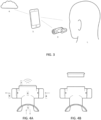
- Respiratory muscle work per breath may be calculated by integrating measured respiratory muscle power (pressure ⁇ flow) with respect to time, i.e. by summing the product of pressure and flow for each sample and then multiplying the sum by the sampling interval.
- W B can be calculated as the integral of pressure with respect to volume (area under the curve in Figure 2 ).
- Respiratory muscle work per breath may be the inspiratory work per breath and/or the expiratory work per breath, and the method may further comprise a step of calculating the accumulated work for a training session, based on the work per breath by summing the work for each breath of the training session.
- the computer implemented method comprises a step of calculating the average respiratory muscle work for a plurality of breaths of the subject.
- the average respiratory muscle work may either be the average inspiratory work and/or the average expiratory work.
- the average respiratory muscle work per breath may be derived by summing the product of pressure and flow for each sample and then multiplying the sum by the sampling interval.
- W B may be calculated as the integral of pressure with respect to volume.
- the computer implemented method comprises a step of calculating a subject specific work target of at least one breath based on a maximum respiratory muscle work capacity for one breath of the subject.
- the maximum respiratory muscle work capacity may for example be based on a physiological respiratory muscle work capacity, such as the maximum respiratory muscle work capacity multiplied with a factor, typically 0.5.
- the subject specific work target is preferably a subject specific work factor of the physiological respiratory muscle work capacity.
- the work factor may for example be 50%, 70%, or 90%, such that the subject specific work target reflects a training intensity target of the subject.
- the subject specific work target may be based on inspiratory data, expiratory data, or both.
- the computer implemented method comprises a step of calculating a subject specific work feedback of at least one breath based on the accumulated respiratory muscle work vs. time relative to a maximum respiratory muscle work capacity for at least one breath of the subject.
- the maximum respiratory muscle work capacity may for example be the physiological respiratory muscle work capacity, i.e. the maximum respiratory muscle work capacity multiplied with a compensation factor, typically 0.5.
- the step of calculating a subject specific work feedback is based on an accumulated respiratory muscle work of a plurality of breaths of the subject relative to a maximum respiratory muscle work capacity of said plurality of breaths.
- an intensity rating such as LOW, MEDIUM and HIGH.
- the electronic sensor unit is detachably mounted to a housing of the breathing unit.
- the attachment connection between the breathing unit and the electronic sensor unit is airtight.
- the detachable electronic sensor unit may for example comprise means for snap-fitting to a main unit of the breathing unit.
- the detachable electronic sensor unit may comprise one part of a snap connection, such as a male part, and the main unit may comprise another part of the snap connection, such as a female part.
- the respiratory muscle training and testing system typically comprises a breathing unit, through which a subject can breathe, such as perform an inspiration, an expiration, or both.
- the breathing unit may comprise a mouthpiece, an electronic sensor and/or a software application. It is a preference that the mouthpiece is connected to at least one airway, more preferably at least one inspiration (inhalation) airway and an expiration (exhalation).
- the software application may be configured for executing the steps of: continuously obtaining pressure data via a receiver on the remote processing device; and executing a computer implemented method for calculation of respiratory training intensity in a dataset, such as a dataset representing a subject breathing through separate inhalation and exhalation airways having predefined respiratory resistances.
- the software application is configured for displaying instantaneous and/or accumulative calculated power and/or work data on a screen of the remote processing device.
- the software application may, additionally or alternatively be configured to display any type of indicator of respiratory training intensity, subject-specific respiratory capabilities, subject-specific target levels, subject-specific feedback, based on respiratory pressure and/or respiratory muscle work and/or power, as disclosed elsewhere herein.
- the remote processing device comprises a processing unit and/or an antenna for communicating with a remote server, such as by telecommunication.
- the software application is preferably configured for executing transmission of respiratory training data to a remote server.
- the respiratory training information preferably comprises calculated parameters of a completed respiratory training session, for example related to respiratory muscle power and/or respiratory muscle work.
- the respiratory training information preferably comprises average respiratory muscle power, peak respiratory muscle power, maximum rate of change of pressure, average peak respiratory muscle power, subject specific respiratory muscle power target, maximum respiratory pressure, maximum respiratory flow rate, subject specific power factor, accumulated respiratory muscle work, average respiratory muscle work, subject specific work feedback and/or subject specific work target.
- FIG. 6A is a top view where the detachable electronic unit 13 can be seen.
- Fig. 6B is a side view looking directly at one of the resistance units 8, and
- fig. 6A is a perspective view.
- the breathing devices in figs. 5 and 6 are also clearly portable because the mouthpiece 18 fits in the mouth of a human.
Landscapes
- Health & Medical Sciences (AREA)
- Life Sciences & Earth Sciences (AREA)
- Engineering & Computer Science (AREA)
- General Health & Medical Sciences (AREA)
- Public Health (AREA)
- Biomedical Technology (AREA)
- Medical Informatics (AREA)
- Physical Education & Sports Medicine (AREA)
- Pathology (AREA)
- Biophysics (AREA)
- Pulmonology (AREA)
- Animal Behavior & Ethology (AREA)
- Heart & Thoracic Surgery (AREA)
- Veterinary Medicine (AREA)
- Surgery (AREA)
- Physics & Mathematics (AREA)
- Molecular Biology (AREA)
- Epidemiology (AREA)
- Primary Health Care (AREA)
- General Business, Economics & Management (AREA)
- Data Mining & Analysis (AREA)
- Business, Economics & Management (AREA)
- Databases & Information Systems (AREA)
- Physiology (AREA)
- Multimedia (AREA)
- Orthopedic Medicine & Surgery (AREA)
- Measurement Of The Respiration, Hearing Ability, Form, And Blood Characteristics Of Living Organisms (AREA)
- Investigating Or Analysing Biological Materials (AREA)
- Examining Or Testing Airtightness (AREA)
Applications Claiming Priority (2)
| Application Number | Priority Date | Filing Date | Title |
|---|---|---|---|
| EP21160622 | 2021-03-04 | ||
| PCT/EP2022/055595 WO2022184908A1 (en) | 2021-03-04 | 2022-03-04 | Methods and systems for respiratory training and testing |
Publications (3)
| Publication Number | Publication Date |
|---|---|
| EP4301227A1 EP4301227A1 (en) | 2024-01-10 |
| EP4301227C0 EP4301227C0 (en) | 2025-04-16 |
| EP4301227B1 true EP4301227B1 (en) | 2025-04-16 |
Family
ID=74858268
Family Applications (1)
| Application Number | Title | Priority Date | Filing Date |
|---|---|---|---|
| EP22709754.0A Active EP4301227B1 (en) | 2021-03-04 | 2022-03-04 | Methods and systems for respiratory training and testing |
Country Status (6)
| Country | Link |
|---|---|
| US (1) | US20240149111A1 (https=) |
| EP (1) | EP4301227B1 (https=) |
| JP (1) | JP2024509170A (https=) |
| AU (1) | AU2022230221A1 (https=) |
| CA (1) | CA3209690A1 (https=) |
| WO (1) | WO2022184908A1 (https=) |
Families Citing this family (7)
| Publication number | Priority date | Publication date | Assignee | Title |
|---|---|---|---|---|
| US20230338775A1 (en) * | 2020-09-29 | 2023-10-26 | Sebastiaan Rutten | Oxygen trainer device |
| WO2023012593A2 (en) * | 2021-08-01 | 2023-02-09 | Reuvers Eduard Johannis Adrianus | Nasal respiratory resistance trainer device |
| US20250058172A1 (en) * | 2023-03-13 | 2025-02-20 | PN Medical Inc. | Respiratory muscle training device |
| CN120981191A (zh) * | 2023-03-30 | 2025-11-18 | 力量呼吸控股有限公司 | 用于呼吸训练装置的智能适配器 |
| US12611118B1 (en) | 2024-02-07 | 2026-04-28 | Robert Ira Hayes | Modular breath tracking and training system |
| WO2026050996A1 (zh) * | 2024-09-06 | 2026-03-12 | 山卫科技股份有限公司 | 训练呼吸肌群方法与装置 |
| CN120241077B (zh) * | 2025-06-03 | 2025-08-08 | 江苏苏云医疗器材有限公司 | 一种基于康复评估的呼吸肌力测试仪 |
Family Cites Families (8)
| Publication number | Priority date | Publication date | Assignee | Title |
|---|---|---|---|---|
| US4221381A (en) | 1978-12-26 | 1980-09-09 | Albany International Corp. | Respiratory exerciser |
| US4739987A (en) | 1985-10-28 | 1988-04-26 | Nicholson Marguerite K | Respiratory exerciser |
| JPS6343647A (ja) * | 1986-08-11 | 1988-02-24 | チエスト株式会社 | 呼吸圧力計 |
| US7674226B2 (en) * | 2006-01-27 | 2010-03-09 | Gary Nadeau | Method for enhanced performance training |
| US8307827B2 (en) * | 2008-03-10 | 2012-11-13 | University Of Florida Research Foundation, Inc. | Automated inspiratory muscle training for patients receiving mechanical ventilation |
| EP3484363B1 (en) | 2016-07-13 | 2025-09-10 | Airofit A/S | Respiratory device and system for exercising and analysing respiration of a subject |
| WO2019161065A1 (en) * | 2018-02-16 | 2019-08-22 | University Of Louisville Research Foundation, Inc. | Respiratory training and airway pressure monitoring device |
| DE102019001926A1 (de) | 2019-03-20 | 2020-09-24 | Drägerwerk AG & Co. KGaA | Vorrichutung, Verfahren und Computerprogramm zur Atmungsbeeinflussung einer Person |
-
2022
- 2022-03-04 EP EP22709754.0A patent/EP4301227B1/en active Active
- 2022-03-04 WO PCT/EP2022/055595 patent/WO2022184908A1/en not_active Ceased
- 2022-03-04 CA CA3209690A patent/CA3209690A1/en active Pending
- 2022-03-04 US US18/280,133 patent/US20240149111A1/en active Pending
- 2022-03-04 JP JP2023553494A patent/JP2024509170A/ja active Pending
- 2022-03-04 AU AU2022230221A patent/AU2022230221A1/en active Pending
Also Published As
| Publication number | Publication date |
|---|---|
| EP4301227C0 (en) | 2025-04-16 |
| WO2022184908A1 (en) | 2022-09-09 |
| US20240149111A1 (en) | 2024-05-09 |
| EP4301227A1 (en) | 2024-01-10 |
| AU2022230221A1 (en) | 2023-09-14 |
| JP2024509170A (ja) | 2024-02-29 |
| CA3209690A1 (en) | 2022-09-09 |
Similar Documents
| Publication | Publication Date | Title |
|---|---|---|
| EP4301227B1 (en) | Methods and systems for respiratory training and testing | |
| EP2519905B1 (en) | Biofeedback for program guidance in pulmonary rehabilitation | |
| US9999388B2 (en) | Hand-held device for the endurance training and the determination of endurance metrics | |
| US4267845A (en) | Method and apparatus for measuring pulmonary ventilation | |
| JP4504383B2 (ja) | 呼吸管の空気流を解析する方法およびシステム | |
| US20160150998A1 (en) | Methods and devices for determining pulmonary measurement | |
| EP1374767A2 (en) | Respiration function measuring system and its application | |
| US20020138213A1 (en) | System and method of metabolic rate measurement | |
| JP2008504068A (ja) | 人工呼吸器支持を受けている患者の終末呼気陽圧(PEEPi)を非侵襲的に予測するための方法及び機器 | |
| JP2024509170A5 (https=) | ||
| US11058323B2 (en) | Device and method for assessing respiratory data in a monitored subject | |
| Ntima et al. | Physiology and conduct of pulmonary function tests | |
| CN209450527U (zh) | 便携式vo2检测设备 | |
| KR20230109045A (ko) | 심전도 신호와 호흡 신호를 출력하는 장치 및 방법 | |
| RU2226355C2 (ru) | Способ определения тренированности спортсмена | |
| GB2629897A (en) | Intelligent adaptor for a breathing training device | |
| Amatya et al. | Correlating spirometric parameters with breath-holding time and maximum chest expansion in healthy young adults | |
| Štork et al. | Noninvasive medical examination and optimal physical activity prescription based on stress test | |
| Niedbała | Values of anthropometric and spirometric indices in children with low grade scoliosis | |
| WO2004080303A1 (ja) | 呼吸機能の測定システム及びその応用 | |
| HK1096276B (en) | Method and system for analysing respiratory tract air flow |
Legal Events
| Date | Code | Title | Description |
|---|---|---|---|
| STAA | Information on the status of an ep patent application or granted ep patent |
Free format text: STATUS: UNKNOWN |
|
| STAA | Information on the status of an ep patent application or granted ep patent |
Free format text: STATUS: THE INTERNATIONAL PUBLICATION HAS BEEN MADE |
|
| PUAI | Public reference made under article 153(3) epc to a published international application that has entered the european phase |
Free format text: ORIGINAL CODE: 0009012 |
|
| STAA | Information on the status of an ep patent application or granted ep patent |
Free format text: STATUS: REQUEST FOR EXAMINATION WAS MADE |
|
| 17P | Request for examination filed |
Effective date: 20230927 |
|
| AK | Designated contracting states |
Kind code of ref document: A1 Designated state(s): AL AT BE BG CH CY CZ DE DK EE ES FI FR GB GR HR HU IE IS IT LI LT LU LV MC MK MT NL NO PL PT RO RS SE SI SK SM TR |
|
| DAV | Request for validation of the european patent (deleted) | ||
| DAX | Request for extension of the european patent (deleted) | ||
| GRAP | Despatch of communication of intention to grant a patent |
Free format text: ORIGINAL CODE: EPIDOSNIGR1 |
|
| STAA | Information on the status of an ep patent application or granted ep patent |
Free format text: STATUS: GRANT OF PATENT IS INTENDED |
|
| INTG | Intention to grant announced |
Effective date: 20241106 |
|
| RAP3 | Party data changed (applicant data changed or rights of an application transferred) |
Owner name: AIROFIT A/S |
|
| GRAS | Grant fee paid |
Free format text: ORIGINAL CODE: EPIDOSNIGR3 |
|
| GRAA | (expected) grant |
Free format text: ORIGINAL CODE: 0009210 |
|
| STAA | Information on the status of an ep patent application or granted ep patent |
Free format text: STATUS: THE PATENT HAS BEEN GRANTED |
|
| AK | Designated contracting states |
Kind code of ref document: B1 Designated state(s): AL AT BE BG CH CY CZ DE DK EE ES FI FR GB GR HR HU IE IS IT LI LT LU LV MC MK MT NL NO PL PT RO RS SE SI SK SM TR |
|
| REG | Reference to a national code |
Ref country code: GB Ref legal event code: FG4D |
|
| REG | Reference to a national code |
Ref country code: CH Ref legal event code: EP |
|
| REG | Reference to a national code |
Ref country code: IE Ref legal event code: FG4D |
|
| REG | Reference to a national code |
Ref country code: DE Ref legal event code: R096 Ref document number: 602022013233 Country of ref document: DE |
|
| U01 | Request for unitary effect filed |
Effective date: 20250425 |
|
| U07 | Unitary effect registered |
Designated state(s): AT BE BG DE DK EE FI FR IT LT LU LV MT NL PT RO SE SI Effective date: 20250506 |
|
| PG25 | Lapsed in a contracting state [announced via postgrant information from national office to epo] |
Ref country code: ES Free format text: LAPSE BECAUSE OF FAILURE TO SUBMIT A TRANSLATION OF THE DESCRIPTION OR TO PAY THE FEE WITHIN THE PRESCRIBED TIME-LIMIT Effective date: 20250416 |
|
| PG25 | Lapsed in a contracting state [announced via postgrant information from national office to epo] |
Ref country code: NO Free format text: LAPSE BECAUSE OF FAILURE TO SUBMIT A TRANSLATION OF THE DESCRIPTION OR TO PAY THE FEE WITHIN THE PRESCRIBED TIME-LIMIT Effective date: 20250716 Ref country code: GR Free format text: LAPSE BECAUSE OF FAILURE TO SUBMIT A TRANSLATION OF THE DESCRIPTION OR TO PAY THE FEE WITHIN THE PRESCRIBED TIME-LIMIT Effective date: 20250717 |
|
| PG25 | Lapsed in a contracting state [announced via postgrant information from national office to epo] |
Ref country code: PL Free format text: LAPSE BECAUSE OF FAILURE TO SUBMIT A TRANSLATION OF THE DESCRIPTION OR TO PAY THE FEE WITHIN THE PRESCRIBED TIME-LIMIT Effective date: 20250416 |
|
| PG25 | Lapsed in a contracting state [announced via postgrant information from national office to epo] |
Ref country code: HR Free format text: LAPSE BECAUSE OF FAILURE TO SUBMIT A TRANSLATION OF THE DESCRIPTION OR TO PAY THE FEE WITHIN THE PRESCRIBED TIME-LIMIT Effective date: 20250416 |
|
| PG25 | Lapsed in a contracting state [announced via postgrant information from national office to epo] |
Ref country code: RS Free format text: LAPSE BECAUSE OF FAILURE TO SUBMIT A TRANSLATION OF THE DESCRIPTION OR TO PAY THE FEE WITHIN THE PRESCRIBED TIME-LIMIT Effective date: 20250716 |
|
| PG25 | Lapsed in a contracting state [announced via postgrant information from national office to epo] |
Ref country code: IS Free format text: LAPSE BECAUSE OF FAILURE TO SUBMIT A TRANSLATION OF THE DESCRIPTION OR TO PAY THE FEE WITHIN THE PRESCRIBED TIME-LIMIT Effective date: 20250816 |
|
| PG25 | Lapsed in a contracting state [announced via postgrant information from national office to epo] |
Ref country code: SM Free format text: LAPSE BECAUSE OF FAILURE TO SUBMIT A TRANSLATION OF THE DESCRIPTION OR TO PAY THE FEE WITHIN THE PRESCRIBED TIME-LIMIT Effective date: 20250416 |
|
| PG25 | Lapsed in a contracting state [announced via postgrant information from national office to epo] |
Ref country code: CZ Free format text: LAPSE BECAUSE OF FAILURE TO SUBMIT A TRANSLATION OF THE DESCRIPTION OR TO PAY THE FEE WITHIN THE PRESCRIBED TIME-LIMIT Effective date: 20250416 |
|
| PG25 | Lapsed in a contracting state [announced via postgrant information from national office to epo] |
Ref country code: SK Free format text: LAPSE BECAUSE OF FAILURE TO SUBMIT A TRANSLATION OF THE DESCRIPTION OR TO PAY THE FEE WITHIN THE PRESCRIBED TIME-LIMIT Effective date: 20250416 |
|
| PLBE | No opposition filed within time limit |
Free format text: ORIGINAL CODE: 0009261 |
|
| STAA | Information on the status of an ep patent application or granted ep patent |
Free format text: STATUS: NO OPPOSITION FILED WITHIN TIME LIMIT |
|
| REG | Reference to a national code |
Ref country code: CH Ref legal event code: L10 Free format text: ST27 STATUS EVENT CODE: U-0-0-L10-L00 (AS PROVIDED BY THE NATIONAL OFFICE) Effective date: 20260225 |
|
| 26N | No opposition filed |
Effective date: 20260119 |
|
| U20 | Renewal fee for the european patent with unitary effect paid |
Year of fee payment: 5 Effective date: 20260312 |