EP4300748A1 - Traction network high harmonic suppression method and system, and rail transit vehicle - Google Patents
Traction network high harmonic suppression method and system, and rail transit vehicle Download PDFInfo
- Publication number
- EP4300748A1 EP4300748A1 EP21928817.2A EP21928817A EP4300748A1 EP 4300748 A1 EP4300748 A1 EP 4300748A1 EP 21928817 A EP21928817 A EP 21928817A EP 4300748 A1 EP4300748 A1 EP 4300748A1
- Authority
- EP
- European Patent Office
- Prior art keywords
- quadrant
- characteristic frequency
- network voltage
- control mode
- traction
- Prior art date
- Legal status (The legal status is an assumption and is not a legal conclusion. Google has not performed a legal analysis and makes no representation as to the accuracy of the status listed.)
- Withdrawn
Links
Images
Classifications
-
- H—ELECTRICITY
- H02—GENERATION; CONVERSION OR DISTRIBUTION OF ELECTRIC POWER
- H02J—ELECTRIC POWER NETWORKS; CIRCUIT ARRANGEMENTS OR SYSTEMS FOR SUPPLYING OR DISTRIBUTING ELECTRIC POWER; SYSTEMS FOR STORING ELECTRIC ENERGY
- H02J3/00—Circuit arrangements for AC mains or AC distribution networks
- H02J3/01—Arrangements for reducing harmonics or ripples
-
- B—PERFORMING OPERATIONS; TRANSPORTING
- B60—VEHICLES IN GENERAL
- B60L—PROPULSION OF ELECTRICALLY-PROPELLED VEHICLES; SUPPLYING ELECTRIC POWER FOR AUXILIARY EQUIPMENT OF ELECTRICALLY-PROPELLED VEHICLES; ELECTRODYNAMIC BRAKE SYSTEMS FOR VEHICLES IN GENERAL; MAGNETIC SUSPENSION OR LEVITATION FOR VEHICLES; MONITORING OPERATING VARIABLES OF ELECTRICALLY-PROPELLED VEHICLES; ELECTRIC SAFETY DEVICES FOR ELECTRICALLY-PROPELLED VEHICLES
- B60L9/00—Electric propulsion with power supply external to the vehicle
-
- H—ELECTRICITY
- H02—GENERATION; CONVERSION OR DISTRIBUTION OF ELECTRIC POWER
- H02J—ELECTRIC POWER NETWORKS; CIRCUIT ARRANGEMENTS OR SYSTEMS FOR SUPPLYING OR DISTRIBUTING ELECTRIC POWER; SYSTEMS FOR STORING ELECTRIC ENERGY
- H02J3/00—Circuit arrangements for AC mains or AC distribution networks
- H02J3/001—Arrangements for handling faults or abnormalities, e.g. emergencies or contingencies
- H02J3/0014—Arrangements for handling faults or abnormalities, e.g. emergencies or contingencies for preventing or reducing power oscillations in networks
- H02J3/00142—Oscillations concerning frequency
-
- H—ELECTRICITY
- H02—GENERATION; CONVERSION OR DISTRIBUTION OF ELECTRIC POWER
- H02M—APPARATUS FOR CONVERSION BETWEEN AC AND AC, BETWEEN AC AND DC, OR BETWEEN DC AND DC, AND FOR USE WITH MAINS OR SIMILAR POWER SUPPLY SYSTEMS; CONVERSION OF DC OR AC INPUT POWER INTO SURGE OUTPUT POWER; CONTROL OR REGULATION THEREOF
- H02M1/00—Details of apparatus for conversion
- H02M1/12—Arrangements for reducing harmonics from AC input or output
-
- B—PERFORMING OPERATIONS; TRANSPORTING
- B60—VEHICLES IN GENERAL
- B60L—PROPULSION OF ELECTRICALLY-PROPELLED VEHICLES; SUPPLYING ELECTRIC POWER FOR AUXILIARY EQUIPMENT OF ELECTRICALLY-PROPELLED VEHICLES; ELECTRODYNAMIC BRAKE SYSTEMS FOR VEHICLES IN GENERAL; MAGNETIC SUSPENSION OR LEVITATION FOR VEHICLES; MONITORING OPERATING VARIABLES OF ELECTRICALLY-PROPELLED VEHICLES; ELECTRIC SAFETY DEVICES FOR ELECTRICALLY-PROPELLED VEHICLES
- B60L2200/00—Type of vehicles
- B60L2200/26—Rail vehicles
-
- Y—GENERAL TAGGING OF NEW TECHNOLOGICAL DEVELOPMENTS; GENERAL TAGGING OF CROSS-SECTIONAL TECHNOLOGIES SPANNING OVER SEVERAL SECTIONS OF THE IPC; TECHNICAL SUBJECTS COVERED BY FORMER USPC CROSS-REFERENCE ART COLLECTIONS [XRACs] AND DIGESTS
- Y02—TECHNOLOGIES OR APPLICATIONS FOR MITIGATION OR ADAPTATION AGAINST CLIMATE CHANGE
- Y02E—REDUCTION OF GREENHOUSE GAS [GHG] EMISSIONS, RELATED TO ENERGY GENERATION, TRANSMISSION OR DISTRIBUTION
- Y02E40/00—Technologies for an efficient electrical power generation, transmission or distribution
- Y02E40/40—Arrangements for reducing harmonics
Definitions
- the present invention relates to the field of rail transit, in particular to a traction network high harmonic suppression method and system, and a rail transit vehicle.
- a traction transformer converts high-voltage single-phase alternating current provided by a traction network into suitable low-voltage single-phase alternating current, which is then converted into direct current by a four-quadrant converter (also known as a PWM converter), and the direct current is converted into three-phase alternating current with adjustable voltage and frequency through a PWM inverter to drive a traction motor.
- a four-quadrant converter also known as a PWM converter
- the use of the network side four-quadrant converter enables an alternating current locomotive to obtain a relatively high-power factor and relatively low network side harmonic current.
- the technical problem to be solved by the present invention is to provide a traction network high harmonic suppression method and system, and a rail transit vehicle, in which high-order harmonics in a traction network are effectively suppressed.
- a traction network high harmonic suppression method includes the following steps:
- the method of the present invention can effectively detect high-frequency resonance in the traction network, accurately determine an output control mode according to the comparison results, reliably suppress high-frequency resonance generated by the traction network, improve system stability, and provide multiple guarantees for reliable operation of locomotives.
- step S1 the harmonic content and characteristic frequency of the network voltage are calculated by using an FFT algorithm.
- the calculation process is simple and the calculation speed is fast.
- a specific implementation process of step S3 includes:
- the present invention further provides a traction network high harmonic suppression system, including:
- a specific implementation process of controlling the four-quadrant converter to operate in the corresponding four-quadrant control mode by the traction control unit includes:
- the detection and calculation unit calculates the harmonic content and characteristic frequency of the network voltage by using an FFT algorithm.
- the detection and calculation unit is integrated in the center control unit, which saves space and achieves light weight, small size, low cost, and strong practicability.
- the present invention further provides a rail transit vehicle using the foregoing traction network high harmonic suppression system.
- the present invention further provides a computer-readable storage medium storing a computer program/instructions, the steps of the traction network high harmonic suppression method of the present invention being implemented when the computer program/instructions are executed by a processor.
- the present invention further provides a computer program product, including a computer program/instructions, the steps of the traction network high harmonic suppression method of the present invention being implemented when the computer program/instructions are executed by a processor.
- the present invention has the following beneficial effects:
- Embodiment 1 of the present invention without changing a hardware architecture of an existing control system of a locomotive, to suppress high-frequency resonance of a traction network.
- an FFT (Fast Fourier transformation) calculation and detection unit (namely, a detection and calculation unit) is added between a traction network power supply voltage collection unit (namely, a network voltage detection unit) and a center control unit (CCU) in Embodiment 2 of the present invention.
- the FFT calculation and detection unit calculates harmonic content and a characteristic frequency of a network voltage in real time and determines in real time whether the harmonic content on a network side exceeds a set threshold value (such as 18%).
- the CCU presets multiple four-quadrant control operation modes according to locomotive line matching tests.
- the FFT sends an abnormal network voltage signal and a characteristic frequency of the current network voltage to the CCU when detecting that the harmonic content on the network side exceeds the set threshold value.
- the CCU After receiving the abnormal network voltage signal, the CCU sends the signal of abnormal network voltage to a TCU (Traction control unit) in time.
- the TCU receives the abnormal network voltage signal and locks four-quadrant pulses to stop operation of the four-quadrant converter.
- the CCU When receiving the abnormal network voltage signal, the CCU compares the characteristic frequency of the current network voltage with characteristic frequency ranges generated by different four-quadrant control methods preset by the CCU, determines a four-quadrant control method that the characteristic frequency range of network side current generated during locomotive operation does not include the characteristic frequency of the current network voltage, and sends the four-quadrant control method obtained by the comparison to the TCU.
- the TCU instruct the four-quadrant converter to switch to the corresponding four-quadrant control mode to continue operation.
- the FFT calculation and detection unit collects a network voltage of a traction network in real time and performs FFT calculation to determine whether the total harmonic content of the extracted network side voltage exceeds a preset network voltage THD (Total Harmonic Distortion) threshold value. If the harmonic content of the collected network voltage exceeds a predetermined value (such as 18%), the FFT triggers an abnormal network voltage signal, and immediately transmits the abnormal network voltage signal and the characteristic frequency of the current network voltage to the CCU. After receiving the abnormal network voltage signal, the CCU sends an instruction of the abnormal network voltage signal to the TCU, and the TCU receives the abnormal network voltage signal and locks four-quadrant converter pulses to stop operation of the four-quadrant converter.
- THD Total Harmonic Distortion
- the CCU determines whether the characteristic frequency of the received network voltage exceeds preset characteristic spectrum ranges of different four-quadrant control methods. If the characteristic frequency of the real-time network voltage exceeds a characteristic frequency spectrum range of a first four-quadrant control mode, the CCU determines that the four-quadrant converter operates in the first four-quadrant control mode and sends a signal of unlocking four-quadrant converter pulses to the TCU, and the TCU unlocks the four-quadrant converter pulses after receiving the signal of unlocking four-quadrant converter pulses to allow the four-quadrant converter to operate in the first four-quadrant control mode.
- the CCU continues to compare the characteristic frequency of the real-time network voltage with a preset characteristic spectrum range of a second four-quadrant control mode. If the characteristic frequency of the real-time network voltage exceeds the characteristic spectrum range of the second four-quadrant control mode, the CCU determines that the four-quadrant converter operates in the second four-quadrant control mode, and sends a signal of unlocking four-quadrant converter pulses to the TCU, and the TCU unlocks the four-quadrant converter pulses after receiving the signal of unlocking four-quadrant converter pulses to allow the four-quadrant converter to operate in the second four-quadrant control mode.
- the CCU compares the characteristic frequency value of the real-time network voltage with a preset characteristic spectrum range of a third four-quadrant control mode. If the characteristic frequency of the real-time network voltage exceeds the characteristic spectrum range of the third four-quadrant control mode, the CCU determines that the four-quadrant converter operates in the third four-quadrant control mode, and sends a signal of unlocking four-quadrant converter pulses to the TCU, and the TCU unlocks the four-quadrant converter pulses after receiving the signal of unlocking four-quadrant converter pulses to allow the four-quadrant converter to operate in the third four-quadrant control mode.
- the CCU compares the characteristic frequency value of the real-time network voltage with a preset characteristic spectrum range of a fourth four-quadrant control mode. If the characteristic frequency of the real-time network voltage exceeds the characteristic spectrum range of the fourth four-quadrant control mode, the CCU determines that the four-quadrant converter operates in the fourth four-quadrant control mode, and sends a signal of unlocking four-quadrant converter pulses to the TCU, and the TCU unlocks the four-quadrant converter pulses after receiving the signal of unlocking four-quadrant converter pulses to allow the four-quadrant converter to operate in the fourth four-quadrant control mode. The above determination process continues until a four-quadrant control mode suitable for the current line is determined.
- the four-quadrant control modes of the present invention are shown in Table 1.
- Table 1 Characteristic frequency ranges in four-quadrant control modes Four-quadrant misalignment angle Four-quadrant control mode Equivalent switching frequency (Hz) Characteristic frequency range (Hz) 45° First four-quadrant control mode 250 1300Hz ⁇ 2700Hz Second four-quadrant control mode 350 2100Hz ⁇ 3500Hz Third four-quadrant control mode 450 2900Hz ⁇ 4300Hz Fourth four-quadrant control mode 550 3700Hz ⁇ 5100Hz
Landscapes
- Engineering & Computer Science (AREA)
- Power Engineering (AREA)
- Life Sciences & Earth Sciences (AREA)
- Sustainable Development (AREA)
- Sustainable Energy (AREA)
- Transportation (AREA)
- Mechanical Engineering (AREA)
- Electric Propulsion And Braking For Vehicles (AREA)
Abstract
Description
- The present invention relates to the field of rail transit, in particular to a traction network high harmonic suppression method and system, and a rail transit vehicle.
- At present, electric locomotives and multiple units in the field of rail transit mainly use electric drive technology adopting alternating current-direct current-alternating current conversion. A traction transformer converts high-voltage single-phase alternating current provided by a traction network into suitable low-voltage single-phase alternating current, which is then converted into direct current by a four-quadrant converter (also known as a PWM converter), and the direct current is converted into three-phase alternating current with adjustable voltage and frequency through a PWM inverter to drive a traction motor. The use of the network side four-quadrant converter enables an alternating current locomotive to obtain a relatively high-power factor and relatively low network side harmonic current. However, when a current characteristic spectrum, generated by the four-quadrant converter which is put into operation on a network side, coincides with a resonant frequency of the traction network, high-frequency resonance of the traction network is easily caused. High-frequency resonance accidents may cause a series of serious consequences, such as protection actions of ground traction substations, locomotive control logic actions, burning of high-voltage devices such as ground and on-board lightning arresters, and the like. Therefore, the research and use of high-frequency resonance suppression methods in train networks may avoid accidents caused by high-frequency resonance and help maintain normal railway transportation order. Besides, there is no research on the suppression of higher-order harmonics in a traction network in existing technologies.
- For the shortcomings of existing technologies, the technical problem to be solved by the present invention is to provide a traction network high harmonic suppression method and system, and a rail transit vehicle, in which high-order harmonics in a traction network are effectively suppressed.
- To solve the foregoing technical problem, the technical solution adopted by the present invention is as follows: A traction network high harmonic suppression method includes the following steps:
- S1, collecting a network voltage of a traction network in real time and calculating harmonic content of the network voltage;
- S2, if the harmonic content is not less than a preset threshold value, determining that the network voltage is abnormal, and controlling a four-quadrant converter to stop operating; otherwise, outputting a characteristic frequency of the current network voltage; and
- S3, determining whether the characteristic frequency of the current network voltage is within a preset characteristic frequency range of a four-quadrant control mode, and controlling the four-quadrant converter to operate in the four-quadrant control mode if the characteristic frequency of the current network voltage is not within the preset characteristic frequency range; if the characteristic frequency of the current network voltage is within the preset characteristic frequency range, comparing the characteristic frequency of the current network voltage with characteristic frequencies of other four-quadrant control modes until the characteristic frequency of the current network voltage exceeds a preset characteristic frequency range of another four-quadrant control mode, and controlling the four-quadrant converter to operate in the corresponding four-quadrant control mode; and returning to step S1 if the characteristic frequency of the current network voltage is within the preset characteristic frequency ranges of all the four-quadrant control modes.
- The method of the present invention can effectively detect high-frequency resonance in the traction network, accurately determine an output control mode according to the comparison results, reliably suppress high-frequency resonance generated by the traction network, improve system stability, and provide multiple guarantees for reliable operation of locomotives.
- In step S1, the harmonic content and characteristic frequency of the network voltage are calculated by using an FFT algorithm. The calculation process is simple and the calculation speed is fast.
- A specific implementation process of step S3 includes:
- 1) determining whether the characteristic frequency of the current network voltage is within a characteristic frequency range of a first four-quadrant control mode, and if so, performing step 2); otherwise, controlling the four-quadrant converter to operate in the first four-quadrant control mode;
- 2) determining whether the characteristic frequency of the current network voltage is within a characteristic frequency range of a second four-quadrant control mode, and if so, performing step 3); otherwise, controlling the four-quadrant converter to operate in the second four-quadrant control mode;
- 3) determining whether the characteristic frequency of the current network voltage is within a characteristic frequency range of a third four-quadrant control mode, and if so, performing step 4); otherwise, controlling the four-quadrant converter to operate in the third four-quadrant control mode; and
- 4) determining whether the characteristic frequency of the current network voltage is within a characteristic frequency range of a fourth four-quadrant control mode, and if so, returning to
S 1; otherwise, controlling the four-quadrant converter to operate in the fourth four-quadrant control mode. - Through the above processes, different four-quadrant control modes are preset without changing a main circuit topology of a conventional high-power electric locomotive traction network power supply mode, to further effectively detect high-frequency resonance of the traction network.
- Correspondingly, the present invention further provides a traction network high harmonic suppression system, including:
- a network voltage detection unit for collecting a network voltage of a traction network in real time;
- a detection and calculation unit for calculating harmonic content and a characteristic frequency of the network voltage;
- a center control unit for sending an abnormal network voltage signal and the characteristic frequency of the current network voltage to a traction control unit when the harmonic content is not less than a preset threshold value; comparing the characteristic frequency of the current network voltage with a preset characteristic frequency range of a four-quadrant control mode, and sending a signal of unlocking four-quadrant pulses to the traction control unit when the characteristic frequency of the current network voltage is not within the preset characteristic frequency range of the four-quadrant control mode; when the characteristic frequency of the current network voltage is within the preset characteristic frequency range of the four-quadrant control mode, comparing the characteristic frequency of the current network voltage with characteristic frequencies of other four-quadrant control modes until the characteristic frequency of the current network voltage exceeds a preset characteristic frequency range of another four-quadrant control mode, and controlling a four-quadrant converter to operate in the corresponding four-quadrant control mode; and
- the traction control unit for locking four-quadrant pulses and controlling the four-quadrant converter to stop operating when receiving the abnormal network voltage signal; and controlling the four-quadrant converter to operate in the corresponding four-quadrant control mode when receiving the signal of unlocking four-quadrant pulses.
- A specific implementation process of controlling the four-quadrant converter to operate in the corresponding four-quadrant control mode by the traction control unit includes:
- 1) determining whether the characteristic frequency of the current network voltage is within a characteristic frequency range of a first four-quadrant control mode, and if so, performing step 2); otherwise, controlling the four-quadrant converter to operate in the first four-quadrant control mode;
- 2) determining whether the characteristic frequency of the current network voltage is within a characteristic frequency range of a second four-quadrant control mode, and if so, performing step 3); otherwise, controlling the four-quadrant converter to operate in the second four-quadrant control mode;
- 3) determining whether the characteristic frequency of the current network voltage is within a characteristic frequency range of a third four-quadrant control mode, and if so, performing step 4); otherwise, controlling the four-quadrant converter to operate in the third four-quadrant control mode; and
- 4) determining whether the characteristic frequency of the current network voltage is within a characteristic frequency range of a fourth four-quadrant control mode, and if so, returning to
S 1; otherwise, controlling the four-quadrant converter to operate in the fourth four-quadrant control mode. - The detection and calculation unit calculates the harmonic content and characteristic frequency of the network voltage by using an FFT algorithm.
- The detection and calculation unit is integrated in the center control unit, which saves space and achieves light weight, small size, low cost, and strong practicability.
- The present invention further provides a rail transit vehicle using the foregoing traction network high harmonic suppression system.
- As an inventive concept, the present invention further provides a computer-readable storage medium storing a computer program/instructions, the steps of the traction network high harmonic suppression method of the present invention being implemented when the computer program/instructions are executed by a processor.
- As an inventive concept, the present invention further provides a computer program product, including a computer program/instructions, the steps of the traction network high harmonic suppression method of the present invention being implemented when the computer program/instructions are executed by a processor.
- Compared with the existing technologies, the present invention has the following beneficial effects:
- 1. On the basis of not changing a main circuit topology of a conventional high-power electric locomotive traction network power supply mode, the present invention can effectively detect high-frequency resonance of the traction network by adding the detection and calculation unit and presetting different four-quadrant control modes, accurately determine the output control mode according to the comparison results, reliably suppress the high-frequency resonance generated by the traction network, improve system stability, and provide multiple guarantees for reliable operation of locomotives.
- 2. The new unit is easily added on the existing mode without excessive hardware and space, and light weight, small size, low cost, and strong practicality are achieved.
-
-
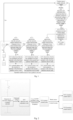
FIG. 1 is a schematic diagram of a method inEmbodiment 1 of the present invention; and -
FIG. 2 is a structural block diagram of a system inEmbodiment 2 of the present invention. - As shown in
FIG. 1 , novel signal collection and calculation units and control logic are introduced inEmbodiment 1 of the present invention without changing a hardware architecture of an existing control system of a locomotive, to suppress high-frequency resonance of a traction network. - As shown in
FIG. 2 , an FFT (Fast Fourier transformation) calculation and detection unit (namely, a detection and calculation unit) is added between a traction network power supply voltage collection unit (namely, a network voltage detection unit) and a center control unit (CCU) inEmbodiment 2 of the present invention. The FFT calculation and detection unit calculates harmonic content and a characteristic frequency of a network voltage in real time and determines in real time whether the harmonic content on a network side exceeds a set threshold value (such as 18%). The CCU presets multiple four-quadrant control operation modes according to locomotive line matching tests. The FFT sends an abnormal network voltage signal and a characteristic frequency of the current network voltage to the CCU when detecting that the harmonic content on the network side exceeds the set threshold value. After receiving the abnormal network voltage signal, the CCU sends the signal of abnormal network voltage to a TCU (Traction control unit) in time. The TCU receives the abnormal network voltage signal and locks four-quadrant pulses to stop operation of the four-quadrant converter. When receiving the abnormal network voltage signal, the CCU compares the characteristic frequency of the current network voltage with characteristic frequency ranges generated by different four-quadrant control methods preset by the CCU, determines a four-quadrant control method that the characteristic frequency range of network side current generated during locomotive operation does not include the characteristic frequency of the current network voltage, and sends the four-quadrant control method obtained by the comparison to the TCU. The TCU instruct the four-quadrant converter to switch to the corresponding four-quadrant control mode to continue operation. When a locomotive is put into operation, the FFT calculation and detection unit collects a network voltage of a traction network in real time and performs FFT calculation to determine whether the total harmonic content of the extracted network side voltage exceeds a preset network voltage THD (Total Harmonic Distortion) threshold value. If the harmonic content of the collected network voltage exceeds a predetermined value (such as 18%), the FFT triggers an abnormal network voltage signal, and immediately transmits the abnormal network voltage signal and the characteristic frequency of the current network voltage to the CCU. After receiving the abnormal network voltage signal, the CCU sends an instruction of the abnormal network voltage signal to the TCU, and the TCU receives the abnormal network voltage signal and locks four-quadrant converter pulses to stop operation of the four-quadrant converter. When receiving the abnormal network voltage signal, the CCU determines whether the characteristic frequency of the received network voltage exceeds preset characteristic spectrum ranges of different four-quadrant control methods. If the characteristic frequency of the real-time network voltage exceeds a characteristic frequency spectrum range of a first four-quadrant control mode, the CCU determines that the four-quadrant converter operates in the first four-quadrant control mode and sends a signal of unlocking four-quadrant converter pulses to the TCU, and the TCU unlocks the four-quadrant converter pulses after receiving the signal of unlocking four-quadrant converter pulses to allow the four-quadrant converter to operate in the first four-quadrant control mode. If the characteristic frequency of the real-time network voltage is within the range of the first four-quadrant control mode, the CCU continues to compare the characteristic frequency of the real-time network voltage with a preset characteristic spectrum range of a second four-quadrant control mode. If the characteristic frequency of the real-time network voltage exceeds the characteristic spectrum range of the second four-quadrant control mode, the CCU determines that the four-quadrant converter operates in the second four-quadrant control mode, and sends a signal of unlocking four-quadrant converter pulses to the TCU, and the TCU unlocks the four-quadrant converter pulses after receiving the signal of unlocking four-quadrant converter pulses to allow the four-quadrant converter to operate in the second four-quadrant control mode. If the characteristic frequency of the real-time network voltage is within the characteristic frequency range of the second four-quadrant control mode, the CCU compares the characteristic frequency value of the real-time network voltage with a preset characteristic spectrum range of a third four-quadrant control mode. If the characteristic frequency of the real-time network voltage exceeds the characteristic spectrum range of the third four-quadrant control mode, the CCU determines that the four-quadrant converter operates in the third four-quadrant control mode, and sends a signal of unlocking four-quadrant converter pulses to the TCU, and the TCU unlocks the four-quadrant converter pulses after receiving the signal of unlocking four-quadrant converter pulses to allow the four-quadrant converter to operate in the third four-quadrant control mode. If the characteristic frequency of the real-time network voltage is within the characteristic frequency range of the third four-quadrant control mode, the CCU compares the characteristic frequency value of the real-time network voltage with a preset characteristic spectrum range of a fourth four-quadrant control mode. If the characteristic frequency of the real-time network voltage exceeds the characteristic spectrum range of the fourth four-quadrant control mode, the CCU determines that the four-quadrant converter operates in the fourth four-quadrant control mode, and sends a signal of unlocking four-quadrant converter pulses to the TCU, and the TCU unlocks the four-quadrant converter pulses after receiving the signal of unlocking four-quadrant converter pulses to allow the four-quadrant converter to operate in the fourth four-quadrant control mode. The above determination process continues until a four-quadrant control mode suitable for the current line is determined. - That is:
- 1) When the network voltage THD (Total Harmonic Distortion) value calculated from the measured network voltage is lower than a preset network voltage THD value, the traction power supply voltage is normal and the locomotive maintains normal operation.
- 2) When the network voltage THD (Total Harmonic Distortion) value calculated from the measured network voltage reaches or exceeds the preset network voltage THD value, the FFT sends an abnormal network voltage signal and a characteristic frequency to the CCU. After receiving the abnormal network voltage signal, the CCU outputs a command of controlling the TCU to lock a four-quadrant converter pulse. Meanwhile, the CCU compares the characteristic frequency of the received network voltage with an equivalent switching frequency of the configured four-quadrant control method to determine whether the harmonic content of the network voltage exceeds set characteristic frequency ranges of different four-quadrant converter control modes, if so, the CCU issues an operation command of the current four-quadrant control mode, and the TCU unlocks four-quadrant converter pulses after receiving the CCU control command to switch the current four-quadrant operation control mode. The detailed architecture is shown in a high-frequency resonance suppression process diagram of
FIG. 1 , and the detailed control logic is shown in a high-frequency resonance suppression control logic diagram ofFIG. 2 . - The four-quadrant control modes of the present invention are shown in Table 1.
Table 1 Characteristic frequency ranges in four-quadrant control modes Four-quadrant misalignment angle Four-quadrant control mode Equivalent switching frequency (Hz) Characteristic frequency range (Hz) 45° First four-quadrant control mode 250 1300Hz~2700Hz Second four-quadrant control mode 350 2100Hz~3500Hz Third four-quadrant control mode 450 2900Hz~4300Hz Fourth four-quadrant control mode 550 3700Hz~5100Hz
Claims (10)
- A traction network high harmonic suppression method, comprising the following steps:S 1, collecting a network voltage of a traction network in real time and calculating harmonic content of the network voltage;S2, if the harmonic content is not less than a preset threshold value, determining that the network voltage is abnormal, and controlling a four-quadrant converter to stop operating; otherwise, outputting a characteristic frequency of the current network voltage; andS3, determining whether the characteristic frequency of the current network voltage is within a preset characteristic frequency range of a four-quadrant control mode, and controlling the four-quadrant converter to operate in the four-quadrant control mode if the characteristic frequency of the current network voltage is not within the preset characteristic frequency range; if the characteristic frequency of the current network voltage is within the preset characteristic frequency range, comparing the characteristic frequency of the current network voltage with characteristic frequencies of other four-quadrant control modes until the characteristic frequency of the current network voltage exceeds a preset characteristic frequency range of another four-quadrant control mode, and controlling the four-quadrant converter to operate in the corresponding four-quadrant control mode; and returning to step S1 if the characteristic frequency of the current network voltage is within the preset characteristic frequency ranges of all the four-quadrant control modes.
- The traction network high harmonic suppression method according to claim 1, wherein in step S1, the harmonic content and characteristic frequency of the network voltage are calculated by using an FFT algorithm.
- The traction network high harmonic suppression method according to claim 1 or 2, wherein a specific implementation process of step S3 comprises:1) determining whether the characteristic frequency of the current network voltage is within a characteristic frequency range of a first four-quadrant control mode, and if so, performing step 2); otherwise, controlling the four-quadrant converter to operate in the first four-quadrant control mode;2) determining whether the characteristic frequency of the current network voltage is within a characteristic frequency range of a second four-quadrant control mode, and if so, performing step 3); otherwise, controlling the four-quadrant converter to operate in the second four-quadrant control mode;3) determining whether the characteristic frequency of the current network voltage is within a characteristic frequency range of a third four-quadrant control mode, and if so, performing step 4); otherwise, controlling the four-quadrant converter to operate in the third four-quadrant control mode; and4) determining whether the characteristic frequency of the current network voltage is within a characteristic frequency range of a fourth four-quadrant control mode, and if so, returning to S 1; otherwise, controlling the four-quadrant converter to operate in the fourth four-quadrant control mode.
- A traction network high harmonic suppression system, comprising:a network voltage detection unit for collecting a network voltage of a traction network in real time;a detection and calculation unit for calculating harmonic content and a characteristic frequency of the network voltage;a center control unit for sending an abnormal network voltage signal and the characteristic frequency of the current network voltage to a traction control unit when the harmonic content is not less than a preset threshold value; comparing the characteristic frequency of the current network voltage with a preset characteristic frequency range of a four-quadrant control mode, and sending a signal of unlocking four-quadrant pulses to the traction control unit when the characteristic frequency of the current network voltage is not within the preset characteristic frequency range of the four-quadrant control mode; when the characteristic frequency of the current network voltage is within the preset characteristic frequency range of the four-quadrant control mode, comparing the characteristic frequency of the current network voltage with characteristic frequencies of other four-quadrant control modes until the characteristic frequency of the current network voltage exceeds a preset characteristic frequency range of another four-quadrant control mode, and controlling a four-quadrant converter to operate in the corresponding four-quadrant control mode; andthe traction control unit for locking four-quadrant pulses and controlling the four-quadrant converter to stop operating when receiving the abnormal network voltage signal; and controlling the four-quadrant converter to operate in the corresponding four-quadrant control mode when receiving the signal of unlocking four-quadrant pulses.
- The traction network high harmonic suppression system according to claim 4, wherein a specific implementation process of controlling the four-quadrant converter to operate in the corresponding four-quadrant control mode by the traction control unit comprises:1) determining whether the characteristic frequency of the current network voltage is within a characteristic frequency range of a first four-quadrant control mode, and if so, performing step 2); otherwise, controlling the four-quadrant converter to operate in the first four-quadrant control mode;2) determining whether the characteristic frequency of the current network voltage is within a characteristic frequency range of a second four-quadrant control mode, and if so, performing step 3); otherwise, controlling the four-quadrant converter to operate in the second four-quadrant control mode;3) determining whether the characteristic frequency of the current network voltage is within a characteristic frequency range of a third four-quadrant control mode, and if so, performing step 4); otherwise, controlling the four-quadrant converter to operate in the third four-quadrant control mode; and4) determining whether the characteristic frequency of the current network voltage is within a characteristic frequency range of a fourth four-quadrant control mode, and if so, returning to S 1; otherwise, controlling the four-quadrant converter to operate in the fourth four-quadrant control mode.
- The traction network high harmonic suppression system according to claim 4, wherein the detection and calculation unit calculates the harmonic content and characteristic frequency of the network voltage by using an FFT algorithm.
- The traction network high harmonic suppression system according to one of claims 4-6, where the detection and calculation unit is integrated in the center control unit.
- A computer-readable storage medium, storing a computer program/instructions, wherein the steps of the traction network high harmonic suppression method according to one of claims 1-3 are implemented when the computer program/instructions are executed by a processor.
- A computer program product, comprising a computer program/instructions, wherein the steps of the traction network high harmonic suppression method according to one of claims 1-3 are implemented when the computer program/instructions are executed by a processor.
- A rail transit vehicle, comprising the traction network high harmonic suppression system according to one of claims 4-7.
Applications Claiming Priority (2)
| Application Number | Priority Date | Filing Date | Title |
|---|---|---|---|
| CN202110223229.1A CN112886590B (en) | 2021-03-01 | 2021-03-01 | Method and system for suppressing higher harmonics of traction network and rail transit vehicle |
| PCT/CN2021/125456 WO2022183743A1 (en) | 2021-03-01 | 2021-10-22 | Traction network high harmonic suppression method and system, and rail transit vehicle |
Publications (2)
| Publication Number | Publication Date |
|---|---|
| EP4300748A1 true EP4300748A1 (en) | 2024-01-03 |
| EP4300748A4 EP4300748A4 (en) | 2024-10-02 |
Family
ID=76054976
Family Applications (1)
| Application Number | Title | Priority Date | Filing Date |
|---|---|---|---|
| EP21928817.2A Withdrawn EP4300748A4 (en) | 2021-03-01 | 2021-10-22 | METHOD AND SYSTEM FOR SUPPRESSING HIGH HARMONICS OF TRACTION NETWORK, AND RAIL TRANSPORT VEHICLE |
Country Status (3)
| Country | Link |
|---|---|
| EP (1) | EP4300748A4 (en) |
| CN (1) | CN112886590B (en) |
| WO (1) | WO2022183743A1 (en) |
Families Citing this family (2)
| Publication number | Priority date | Publication date | Assignee | Title |
|---|---|---|---|---|
| CN112886590B (en) * | 2021-03-01 | 2022-05-13 | 中车株洲电力机车有限公司 | Method and system for suppressing higher harmonics of traction network and rail transit vehicle |
| CN115149531B (en) * | 2022-06-09 | 2025-09-16 | 株洲中车时代电气股份有限公司 | Adjusting method and system suitable for traction power supply network |
Family Cites Families (10)
| Publication number | Priority date | Publication date | Assignee | Title |
|---|---|---|---|---|
| US8810182B2 (en) * | 2010-09-30 | 2014-08-19 | Rockwell Automation Technologies, Inc. | Adaptive harmonic reduction apparatus and methods |
| JP5559712B2 (en) * | 2011-01-18 | 2014-07-23 | 東芝三菱電機産業システム株式会社 | Harmonic optimization system |
| CN103293378B (en) * | 2013-05-03 | 2015-08-19 | 西南交通大学 | A kind of discrimination method of tractive power supply system harmonic resonance frequency |
| CN106602582B (en) * | 2017-01-26 | 2023-12-12 | 湖南铁道职业技术学院 | Resonance suppression method and device for traction power supply system based on adaptive notch |
| CN107196542B (en) * | 2017-06-05 | 2019-06-21 | 中车株洲电力机车研究所有限公司 | A kind of selective harmonic elimination pulsewidth modulation becomes mode control method and its device |
| CN107276089B (en) * | 2017-06-13 | 2020-05-15 | 湖南大学 | Harmonic resonance automatic suppression method of traction network based on unified power quality controller of electric railway |
| CN107453349B (en) * | 2017-06-21 | 2018-08-14 | 湖南华大紫光科技股份有限公司 | A kind of Electrical Railway Harmonic resonance restraining device and suppressing method |
| CN107733275A (en) * | 2017-11-08 | 2018-02-23 | 中车永济电机有限公司 | The four-quadrant rectifier control method and device of Locomotive Converter |
| CN111917096A (en) * | 2019-06-13 | 2020-11-10 | 中车大同电力机车有限公司 | Locomotive pantograph control system and locomotive |
| CN112886590B (en) * | 2021-03-01 | 2022-05-13 | 中车株洲电力机车有限公司 | Method and system for suppressing higher harmonics of traction network and rail transit vehicle |
-
2021
- 2021-03-01 CN CN202110223229.1A patent/CN112886590B/en active Active
- 2021-10-22 EP EP21928817.2A patent/EP4300748A4/en not_active Withdrawn
- 2021-10-22 WO PCT/CN2021/125456 patent/WO2022183743A1/en not_active Ceased
Also Published As
| Publication number | Publication date |
|---|---|
| CN112886590B (en) | 2022-05-13 |
| EP4300748A4 (en) | 2024-10-02 |
| CN112886590A (en) | 2021-06-01 |
| WO2022183743A1 (en) | 2022-09-09 |
Similar Documents
| Publication | Publication Date | Title |
|---|---|---|
| CN110703138B (en) | Ground fault detection method and device for traction system of motor train unit | |
| TWI578686B (en) | Voltage device and method in power-converting system | |
| EP4300748A1 (en) | Traction network high harmonic suppression method and system, and rail transit vehicle | |
| US20160049867A1 (en) | Electronic converter circuit system and control method | |
| WO2021248839A1 (en) | Method and apparatus for detecting ground fault of traction converter | |
| CN109449966B (en) | Control method for battery energy storage power station to deal with direct-current commutation failure | |
| CN105044470B (en) | A kind of current transformer DC capacitor capacity check method based on resonance principle | |
| CN107147095B (en) | A device for suppressing DC and stray harmonic currents from entering the neutral point of a transformer | |
| WO2017076161A1 (en) | Motor train unit traction system and energy control method | |
| CN109955739B (en) | Train bow net offline crossing control device, system and method | |
| CN106849150A (en) | A kind of commutation failure Predictive Control System and method based on harmonic voltage detection | |
| CN108631446A (en) | A kind of contact net power supply network control method | |
| CN104820167A (en) | Detection method of commutation failure of direct-current power transmission system | |
| CN112242796A (en) | Network voltage fluctuation composite detection control device of locomotive traction converter and control method thereof | |
| CN104659778A (en) | Priority considered power quality and noise comprehensive evaluation method for convertor transformer | |
| CN113595126B (en) | Early warning index calculation method and early warning method for commutation failure of direct current transmission system | |
| CN210327034U (en) | High-voltage passive filter protection system | |
| CN108631445A (en) | A kind of contact net power supply network control system | |
| CN111509771A (en) | Self-adaptive feedback control method and device for subway regenerative braking energy feedback device | |
| US12476455B2 (en) | Bipolar photovoltaic system, power supply system, and redundancy protection method | |
| CN202206344U (en) | Integrated control system based on high-voltage motor control and reactive power compensation | |
| CN112134302B (en) | Fan high voltage ride through control system based on direct current bus voltage regulation | |
| CN113937800A (en) | Nonlinear load current compensation control method and device based on flywheel energy storage | |
| CN114441875B (en) | Failure detection method and device for AC filter capacitor of converter, and converter system | |
| CN121356080B (en) | Self-checking method of resonant inductor and charging system |
Legal Events
| Date | Code | Title | Description |
|---|---|---|---|
| STAA | Information on the status of an ep patent application or granted ep patent |
Free format text: STATUS: THE INTERNATIONAL PUBLICATION HAS BEEN MADE |
|
| PUAI | Public reference made under article 153(3) epc to a published international application that has entered the european phase |
Free format text: ORIGINAL CODE: 0009012 |
|
| STAA | Information on the status of an ep patent application or granted ep patent |
Free format text: STATUS: REQUEST FOR EXAMINATION WAS MADE |
|
| 17P | Request for examination filed |
Effective date: 20230929 |
|
| AK | Designated contracting states |
Kind code of ref document: A1 Designated state(s): AL AT BE BG CH CY CZ DE DK EE ES FI FR GB GR HR HU IE IS IT LI LT LU LV MC MK MT NL NO PL PT RO RS SE SI SK SM TR |
|
| DAV | Request for validation of the european patent (deleted) | ||
| DAX | Request for extension of the european patent (deleted) | ||
| REG | Reference to a national code |
Ref country code: DE Ref legal event code: R079 Free format text: PREVIOUS MAIN CLASS: H02J0003010000 Ipc: B60L0009000000 |
|
| A4 | Supplementary search report drawn up and despatched |
Effective date: 20240830 |
|
| RIC1 | Information provided on ipc code assigned before grant |
Ipc: H02J 3/24 20060101ALI20240826BHEP Ipc: H02J 3/01 20060101ALI20240826BHEP Ipc: H02M 1/12 20060101ALI20240826BHEP Ipc: B60L 9/00 20190101AFI20240826BHEP |
|
| STAA | Information on the status of an ep patent application or granted ep patent |
Free format text: STATUS: THE APPLICATION IS DEEMED TO BE WITHDRAWN |
|
| 18D | Application deemed to be withdrawn |
Effective date: 20250318 |