EP4291754B1 - Procede de reparation d'une bride de rotor de turbomachine - Google Patents
Procede de reparation d'une bride de rotor de turbomachine Download PDFInfo
- Publication number
- EP4291754B1 EP4291754B1 EP22707807.8A EP22707807A EP4291754B1 EP 4291754 B1 EP4291754 B1 EP 4291754B1 EP 22707807 A EP22707807 A EP 22707807A EP 4291754 B1 EP4291754 B1 EP 4291754B1
- Authority
- EP
- European Patent Office
- Prior art keywords
- crown
- ring
- bar
- crimped
- flange
- Prior art date
- Legal status (The legal status is an assumption and is not a legal conclusion. Google has not performed a legal analysis and makes no representation as to the accuracy of the status listed.)
- Active
Links
Images

Classifications
-
- F—MECHANICAL ENGINEERING; LIGHTING; HEATING; WEAPONS; BLASTING
- F01—MACHINES OR ENGINES IN GENERAL; ENGINE PLANTS IN GENERAL; STEAM ENGINES
- F01D—NON-POSITIVE DISPLACEMENT MACHINES OR ENGINES, e.g. STEAM TURBINES
- F01D5/00—Blades; Blade-carrying members; Heating, heat-insulating, cooling or antivibration means on the blades or the members
- F01D5/005—Repairing methods or devices
-
- B—PERFORMING OPERATIONS; TRANSPORTING
- B23—MACHINE TOOLS; METAL-WORKING NOT OTHERWISE PROVIDED FOR
- B23P—METAL-WORKING NOT OTHERWISE PROVIDED FOR; COMBINED OPERATIONS; UNIVERSAL MACHINE TOOLS
- B23P6/00—Restoring or reconditioning objects
- B23P6/002—Repairing turbine components, e.g. moving or stationary blades, rotors
-
- B—PERFORMING OPERATIONS; TRANSPORTING
- B23—MACHINE TOOLS; METAL-WORKING NOT OTHERWISE PROVIDED FOR
- B23P—METAL-WORKING NOT OTHERWISE PROVIDED FOR; COMBINED OPERATIONS; UNIVERSAL MACHINE TOOLS
- B23P6/00—Restoring or reconditioning objects
- B23P6/002—Repairing turbine components, e.g. moving or stationary blades, rotors
- B23P6/005—Repairing turbine components, e.g. moving or stationary blades, rotors using only replacement pieces of a particular form
-
- F—MECHANICAL ENGINEERING; LIGHTING; HEATING; WEAPONS; BLASTING
- F01—MACHINES OR ENGINES IN GENERAL; ENGINE PLANTS IN GENERAL; STEAM ENGINES
- F01D—NON-POSITIVE DISPLACEMENT MACHINES OR ENGINES, e.g. STEAM TURBINES
- F01D5/00—Blades; Blade-carrying members; Heating, heat-insulating, cooling or antivibration means on the blades or the members
- F01D5/02—Blade-carrying members, e.g. rotors
-
- F—MECHANICAL ENGINEERING; LIGHTING; HEATING; WEAPONS; BLASTING
- F01—MACHINES OR ENGINES IN GENERAL; ENGINE PLANTS IN GENERAL; STEAM ENGINES
- F01D—NON-POSITIVE DISPLACEMENT MACHINES OR ENGINES, e.g. STEAM TURBINES
- F01D5/00—Blades; Blade-carrying members; Heating, heat-insulating, cooling or antivibration means on the blades or the members
- F01D5/02—Blade-carrying members, e.g. rotors
- F01D5/027—Arrangements for balancing
-
- F—MECHANICAL ENGINEERING; LIGHTING; HEATING; WEAPONS; BLASTING
- F01—MACHINES OR ENGINES IN GENERAL; ENGINE PLANTS IN GENERAL; STEAM ENGINES
- F01D—NON-POSITIVE DISPLACEMENT MACHINES OR ENGINES, e.g. STEAM TURBINES
- F01D5/00—Blades; Blade-carrying members; Heating, heat-insulating, cooling or antivibration means on the blades or the members
- F01D5/30—Fixing blades to rotors; Blade roots ; Blade spacers
-
- B—PERFORMING OPERATIONS; TRANSPORTING
- B23—MACHINE TOOLS; METAL-WORKING NOT OTHERWISE PROVIDED FOR
- B23P—METAL-WORKING NOT OTHERWISE PROVIDED FOR; COMBINED OPERATIONS; UNIVERSAL MACHINE TOOLS
- B23P15/00—Making specific metal objects by operations not covered by a single other subclass or a group in this subclass
- B23P15/006—Making specific metal objects by operations not covered by a single other subclass or a group in this subclass turbine wheels
-
- F—MECHANICAL ENGINEERING; LIGHTING; HEATING; WEAPONS; BLASTING
- F01—MACHINES OR ENGINES IN GENERAL; ENGINE PLANTS IN GENERAL; STEAM ENGINES
- F01D—NON-POSITIVE DISPLACEMENT MACHINES OR ENGINES, e.g. STEAM TURBINES
- F01D5/00—Blades; Blade-carrying members; Heating, heat-insulating, cooling or antivibration means on the blades or the members
- F01D5/02—Blade-carrying members, e.g. rotors
- F01D5/025—Fixing blade carrying members on shafts
-
- F—MECHANICAL ENGINEERING; LIGHTING; HEATING; WEAPONS; BLASTING
- F01—MACHINES OR ENGINES IN GENERAL; ENGINE PLANTS IN GENERAL; STEAM ENGINES
- F01D—NON-POSITIVE DISPLACEMENT MACHINES OR ENGINES, e.g. STEAM TURBINES
- F01D5/00—Blades; Blade-carrying members; Heating, heat-insulating, cooling or antivibration means on the blades or the members
- F01D5/30—Fixing blades to rotors; Blade roots ; Blade spacers
- F01D5/3007—Fixing blades to rotors; Blade roots ; Blade spacers of axial insertion type
- F01D5/3015—Fixing blades to rotors; Blade roots ; Blade spacers of axial insertion type with side plates
-
- F—MECHANICAL ENGINEERING; LIGHTING; HEATING; WEAPONS; BLASTING
- F02—COMBUSTION ENGINES; HOT-GAS OR COMBUSTION-PRODUCT ENGINE PLANTS
- F02C—GAS-TURBINE PLANTS; AIR INTAKES FOR JET-PROPULSION PLANTS; CONTROLLING FUEL SUPPLY IN AIR-BREATHING JET-PROPULSION PLANTS
- F02C7/00—Features, components parts, details or accessories, not provided for in, or of interest apart form groups F02C1/00 - F02C6/00; Air intakes for jet-propulsion plants
- F02C7/04—Air intakes for gas-turbine plants or jet-propulsion plants
-
- F—MECHANICAL ENGINEERING; LIGHTING; HEATING; WEAPONS; BLASTING
- F02—COMBUSTION ENGINES; HOT-GAS OR COMBUSTION-PRODUCT ENGINE PLANTS
- F02K—JET-PROPULSION PLANTS
- F02K3/00—Plants including a gas turbine driving a compressor or a ducted fan
- F02K3/02—Plants including a gas turbine driving a compressor or a ducted fan in which part of the working fluid by-passes the turbine and combustion chamber
- F02K3/04—Plants including a gas turbine driving a compressor or a ducted fan in which part of the working fluid by-passes the turbine and combustion chamber the plant including ducted fans, i.e. fans with high volume, low pressure outputs, for augmenting the jet thrust, e.g. of double-flow type
- F02K3/06—Plants including a gas turbine driving a compressor or a ducted fan in which part of the working fluid by-passes the turbine and combustion chamber the plant including ducted fans, i.e. fans with high volume, low pressure outputs, for augmenting the jet thrust, e.g. of double-flow type with front fan
-
- F—MECHANICAL ENGINEERING; LIGHTING; HEATING; WEAPONS; BLASTING
- F05—INDEXING SCHEMES RELATING TO ENGINES OR PUMPS IN VARIOUS SUBCLASSES OF CLASSES F01-F04
- F05D—INDEXING SCHEME FOR ASPECTS RELATING TO NON-POSITIVE-DISPLACEMENT MACHINES OR ENGINES, GAS-TURBINES OR JET-PROPULSION PLANTS
- F05D2220/00—Application
- F05D2220/30—Application in turbines
- F05D2220/32—Application in turbines in gas turbines
-
- F—MECHANICAL ENGINEERING; LIGHTING; HEATING; WEAPONS; BLASTING
- F05—INDEXING SCHEMES RELATING TO ENGINES OR PUMPS IN VARIOUS SUBCLASSES OF CLASSES F01-F04
- F05D—INDEXING SCHEME FOR ASPECTS RELATING TO NON-POSITIVE-DISPLACEMENT MACHINES OR ENGINES, GAS-TURBINES OR JET-PROPULSION PLANTS
- F05D2220/00—Application
- F05D2220/30—Application in turbines
- F05D2220/36—Application in turbines specially adapted for the fan of turbofan engines
-
- F—MECHANICAL ENGINEERING; LIGHTING; HEATING; WEAPONS; BLASTING
- F05—INDEXING SCHEMES RELATING TO ENGINES OR PUMPS IN VARIOUS SUBCLASSES OF CLASSES F01-F04
- F05D—INDEXING SCHEME FOR ASPECTS RELATING TO NON-POSITIVE-DISPLACEMENT MACHINES OR ENGINES, GAS-TURBINES OR JET-PROPULSION PLANTS
- F05D2230/00—Manufacture
- F05D2230/80—Repairing, retrofitting or upgrading methods
-
- F—MECHANICAL ENGINEERING; LIGHTING; HEATING; WEAPONS; BLASTING
- F05—INDEXING SCHEMES RELATING TO ENGINES OR PUMPS IN VARIOUS SUBCLASSES OF CLASSES F01-F04
- F05D—INDEXING SCHEME FOR ASPECTS RELATING TO NON-POSITIVE-DISPLACEMENT MACHINES OR ENGINES, GAS-TURBINES OR JET-PROPULSION PLANTS
- F05D2240/00—Components
- F05D2240/20—Rotors
-
- F—MECHANICAL ENGINEERING; LIGHTING; HEATING; WEAPONS; BLASTING
- F05—INDEXING SCHEMES RELATING TO ENGINES OR PUMPS IN VARIOUS SUBCLASSES OF CLASSES F01-F04
- F05D—INDEXING SCHEME FOR ASPECTS RELATING TO NON-POSITIVE-DISPLACEMENT MACHINES OR ENGINES, GAS-TURBINES OR JET-PROPULSION PLANTS
- F05D2250/00—Geometry
- F05D2250/20—Three-dimensional
- F05D2250/23—Three-dimensional prismatic
- F05D2250/232—Three-dimensional prismatic conical
-
- F—MECHANICAL ENGINEERING; LIGHTING; HEATING; WEAPONS; BLASTING
- F05—INDEXING SCHEMES RELATING TO ENGINES OR PUMPS IN VARIOUS SUBCLASSES OF CLASSES F01-F04
- F05D—INDEXING SCHEME FOR ASPECTS RELATING TO NON-POSITIVE-DISPLACEMENT MACHINES OR ENGINES, GAS-TURBINES OR JET-PROPULSION PLANTS
- F05D2260/00—Function
- F05D2260/30—Retaining components in desired mutual position
- F05D2260/31—Retaining bolts or nuts
Definitions
- the invention relates to the repair of a flange of a turbomachine rotor, such as a turbojet fan disk flange.
- air is admitted into an inlet sleeve 2 to pass through a blower comprising a series of rotating blades 3 before splitting into a central primary flow and a secondary flow surrounding the primary flow.
- the primary flow is compressed by low pressure compressors 4 and high pressure compressors 5 before reaching a combustion chamber 6, after which it expands by passing through a high pressure turbine 7 and a low pressure turbine 8, before being evacuated generating auxiliary thrust.
- the secondary flow is propelled directly by the fan to generate main thrust.
- the fan 3 of such a turbojet comprises a disk 9 forming part of a rotor rotating around a longitudinal axis AX, and which carries a set of blades regularly distributed around its circumference, such as the blade 10.
- This disk 9 comprises an upstream flange 11 carrying on the one hand balancing weights 12, and on the other hand a flange 13 ensuring axial locking of the blades.
- the flange 13 is fixed to the flange by means of screws engaged in nuts crimped into the upstream flange 11, while the weights are fixed to this flange by riveting.
- the document FR 3 084 697 A1 describes a crown of a turbomachine rotor flange with flange fixing holes and flyweight fixing holes. Each flyweight fixing hole is equipped with a crimped nut.
- the document FR 3 001 515 A1 describes a crown of a turbomachine rotor flange with flange fixing holes and weight fixing holes.
- the flange or crown also has a local low thickness at the level of the weights, so as to facilitate their fixing by riveting, which promotes the risk of deterioration during disassembly during which significant forces may be exerted.
- Deterioration can result in degradation of the rivet holes making them unusable, and in local deformation of the wall constituting the flange.
- the aim of the invention is to provide a solution for ensuring repair of a damaged disc flange at the level of a balancing weight attachment.
- the invention also relates to a method thus defined, in which the same operations are carried out at a location of the crown situated 180° from the damaged crown portion to compensate for the imbalance introduced at the damaged portion.
- the invention also relates to a method thus defined, in which the bar is attached to a downstream face of the crown relative to the direction of fluid circulation in the turbomachine.
- the invention also relates to a method thus defined, in which the crimped nuts used to fix the bar have a greater length than the crimped nuts initially mounted on the crown.
- the invention also relates to a method thus defined, in which the bar has a shape comprising a notch.
- the invention also relates to a turbomachine comprising a rotor having a flange repaired in accordance with the method thus defined.
- the invention also relates to a turbojet comprising a turbomachine thus defined.
- a portion of a fan disk 14 extending around an axis AX comprises at its external periphery a series of bases 15 intended to each receive a blade root to hold it, these bases 15 being regularly distributed at the external periphery of the disk 14.
- Each base 15 has a general shape corresponding to the female part of a dovetail type connection, and extends in a direction substantially parallel to the axis AX.
- This fan disk 14 comprises at its upstream face a substantially flat upstream crown 16, forming a flange, extending perpendicular to the axis AX.
- This crown is located upstream relative to the direction of flow circulation in the engine in service, the upstream and downstream being identified respectively by AM and AV in the figures.
- This crown 16 is delimited externally by a circular external edge 17 and internally by an essentially circular internal edge 18, being connected to the body of the disk 14 by means of a cylindrical portion extending its external edge 17.
- this crown 16 has fixing holes 19 for a locking flange not shown, and fixing holes 21 for weights which are installed when balancing the entire rotor of which this disc 14 is a part.
- Each hole 19 is fitted with a corresponding crimped nut 22.
- a crimped nut 22 comprises a body or head 23 extended by a skirt 24 formed in one piece with the head. This skirt 24 is engaged and crimped in the hole 21 so as to secure the nut 22 to the hole 19 which carries it: the head 23 is located on the downstream side of the crown and the skirt 24 passes through this crown to extend inside the hole towards the upstream face 27.
- the upstream crown 16 is located at a distance from the body of this disk 14, a space thus being available between the downstream face 26 of the crown and the disk body, the flange coming to be applied on the upstream face 27 of this crown 16.
- the head 23 of the crimped nut 22 is located on the downstream side of the crown 16, such that the upstream face 27 of this crown is cleared to receive the flange, the crimping skirt 24 having along the axis AX a thickness very slightly less than that of the crown 16.
- the holes 19 are regularly distributed all around the axis AX by being formed in the crown 16. Between each pair of consecutive flange fixing holes 19, the crown comprises two weight fixing holes 21 and an internal notch 28 formed in the internal edge of the crown.
- the portion of the crown 16 carrying the fixing holes 21 may be damaged, to the point that it is no longer possible to fix a weight there again.
- a machining or similar operation is then carried out to remove this damaged portion of crown, by constituting an extended notch 29 in the internal edge of the crown 16, as visible in the figure 5 .
- This operation thus makes it possible to completely remove the entire portion of the damaged crown, without penalizing the fixing of the upstream flange, since the parts of the crown containing the holes 19 remain present.
- the crimped nuts 22 equipping these holes 19 are removed, so as to completely free the region where the weights are fixed.
- a bar 31 in the shape of a portion of a crown, shown alone on the figure 6 is placed against the downstream face 26 of the crown 16, as visible in the figure 7 , so that once it is in place, it covers the area that was removed, as clearly visible in the figure 8 .
- this strip 31 in the form of a crown portion has at its ends two mounting holes 32, and it has a length corresponding to the distance separating two flange fixing holes 19.
- the two mounting holes 32 of the strip 31 coincide with the two flange fixing holes 19 located on either side of the crown portion 16 having been removed.
- the bar 31 has the overall shape of a portion of the crown 16 with an angular extent slightly greater than the angle separating the holes 19, measured around the axis AX. This portion of crown 16 thus makes it possible to fill the damaged portion which has been removed while being fixed to the crown at its ends.
- the bar 31 can have different shapes, approaching that of the portion of crown removed: in the example of the figure 6 it has a notch 38 at its internal edge, allowing the fixing of other elements to the rotor. Depending on the configuration, this bar can also be without a notch as in the example of the figure 11 .
- each repair crimped nut 33 also has a head 34 extended by a crimping skirt 36, but this crimping skirt 36 is longer than the skirt 24 of the initial crimped nuts 22.
- This skirt thus has a length, along the axis AX, which corresponds to the thickness of the crown 16 increased by the thickness of the bar 31.
- the fixing of the bar 31 is ensured by first placing it in position against the downstream face 26, then by engaging each crimped nut 33 jointly in a hole 32 of the bar and in a corresponding hole 19 of the crown 16. Once the assembly is in place, the two nuts 33 are crimped, for example by means of suitable pliers, in order to flare the upstream end of the skirts of these nuts so as to block them in the holes which carry them, in accordance with the configuration of the figure 9 .
- the bar 31 has two weight fixing holes 37 and a notch 38, which are placed at the same positions respectively as the fixing holes 21 and the notch 28 of the initial crown 16.
- a new weight 39 can be fixed by riveting in the holes 37 of the repair bar, which corresponds to the configuration illustrated in the figure 10 .
- the upstream flange can be attached to the disc, being fixed to it by means of screws passing through it to each screw into a corresponding crimped nut carried by the crown 16.
- the mass difference induced by the addition of a bar at the damaged location is compensated by the addition of another bar in the diametrically opposite region of the crown (at 180°), even if this other region is not damaged. Therefore, it is not necessary to rebalance the disc since the repair does not introduce any imbalance.
- the repair is applied to each damaged region, and to each region located 180° from a damaged region.
- the invention makes it possible to restore the interface of the disk with the weight by mechanically reworking the damaged part of the flange without having to change the disk.
- the attached bar is advantageously made of the same material as the disk, so as to maintain unchanged mechanical characteristics.
Landscapes
- Engineering & Computer Science (AREA)
- Mechanical Engineering (AREA)
- General Engineering & Computer Science (AREA)
- Structures Of Non-Positive Displacement Pumps (AREA)
Description
- L'invention concerne la réparation d'une bride d'un rotor de turbomachine, telle qu'une bride de disque de fan de turboréacteur.
- Dans un moteur de type turboréacteur, repéré par 1 dans la
figure 1 , l'air est admis dans une manche d'entrée 2 pour traverser une soufflante comportant une série de pales rotatives 3 avant de se scinder en un flux primaire central et un flux secondaire entourant le flux primaire. - Le flux primaire est comprimé par des compresseurs basse pression 4 et haute pression 5 avant d'atteindre une chambre de combustion 6, après quoi il se détend en traversant une turbine haute pression 7 et une turbine basse pression 8, avant d'être évacué en générant une poussée auxiliaire. Le flux secondaire est quant à lui propulsé directement par la soufflante pour générer une poussée principale.
- Comme visible sur la
figure 2 , la soufflante 3 d'un tel turboréacteur comporte un disque 9 faisant partie d'un rotor tournant autour d'un axe longitudinal AX, et qui porte un ensemble d'aubes régulièrement réparties à sa circonférence, telles que l'aube 10. - Ce disque 9 comporte une bride amont 11 portant d'une part des masselottes d'équilibrage 12, et d'autre part un flasque 13 assurant un blocage axial des aubes. Le flasque 13 est fixé à la bride au moyen de vis engagées dans des écrous sertis dans la bride amont 11, alors que les masselottes sont fixées à cette bride par rivetage.
- Le document
FR 3 084 697 A1 - Le document
FR 3 001 515 A1 - Lors d'opérations de maintenance, il arrive que le démontage des masselottes conduise à détériorer localement la bride qui les porte, du fait que la fixation de ces masselottes à la bride par rivetage est problématique pour les désolidariser de celle-ci. La bride ou couronne présente en outre localement une faible épaisseur au niveau des masselottes, de manière à faciliter leur fixation par rivetage, ce qui favorise le risque de détérioration lors du démontage durant lequel des efforts importants peuvent être exercés.
- La détérioration peut se traduire par une dégradation des trous de rivetage les rendant inutilisables, et par une déformation locale de la paroi constituant la bride.
- Dans un tel cas, il est nécessaire de remplacer l'ensemble du disque, du fait qu'il s'agit d'une pièce complexe en alliage, de sorte qu'il n'est pas possible d'envisager une reprise d'une telle pièce.
- Le but de l'invention est d'apporter une solution permettant d'assurer une réparation d'une bride de disque endommagée au niveau d'une fixation de masselotte d'équilibrage.
- A cet effet, l'invention a pour objet un procédé de réparation d'une couronne d'une bride de rotor de turbomachine, cette couronne comportant au moins deux trous de fixation de flasque et au moins un trou de fixation de masselotte situé entre les deux trous de fixation de flasque, chaque trou de fixation de flasque étant équipé d'un écrou serti, la couronne comportant une portion endommagée entre deux trous de fixation de flasque, le procédé comportant les étapes de :
- retirer les deux écrous sertis ;
- retirer la portion de couronne endommagée, par exemple par usinage ;
- rapporter une barrette en forme portion de couronne comblant la portion de couronne retirée, cette barrette comportant au moins un trou de fixation de masselotte, et deux trous de montage ;
- fixer la barrette à la couronne au moyen de deux écrous sertis traversant les trous de montage en étant sertis chacun dans un trou de fixation de flasque.
- Cette solution permet ainsi de réparer la couronne de bride au lieu de devoir remplacer l'ensemble du composant de rotor portant cette bride.
- L'invention concerne également un procédé ainsi défini, dans lequel les mêmes opérations sont réalisées à un emplacement de la couronne situé à 180° de la portion de couronne endommagée pour compenser le balourd introduit au niveau de la portion endommagée.
- L'invention concerne également un procédé ainsi défini, dans lequel la barrette est rapportée à une face aval de la couronne par rapport au sens de circulation de fluide dans la turbomachine.
- L'invention concerne également un procédé ainsi défini, dans lequel les écrous sertis utilisés pour fixer la barrette ont une longueur plus importante que les écrous sertis initialement montés sur la couronne.
- L'invention concerne également un procédé ainsi défini, dans lequel la barrette présente une forme comportant une échancrure.
- L'invention concerne également une turbomachine comportant un rotor ayant une bride réparée conformément au procédé ainsi défini.
- L'invention concerne également un turboréacteur comportant une turbomachine ainsi définie.
-
- La
Figure 1 est une vue en coupe longitudinale d'un turboréacteur connu ; - La
Figure 2 est une vue en coupe longitudinale d'un disque de soufflante avec une portion d'aube portée par ce disque ; - La
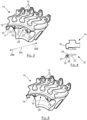
Figure 3 est une vue en perspective d'une portion de disque de soufflante devant être réparé conformément à l'invention ; - La
Figure 4 est une vue en coupe longitudinale montrant un écrou serti équipant une couronne amont du disque de soufflante devant être réparé ; - La
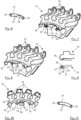
Figure 5 est une vue en perspective d'une portion de disque de soufflante après usinage durant sa réparation conformément à l'invention ; - La
Figure 6 est une vue d'ensemble d'une barrette de réparation selon l'invention ; - La
Figure 7 est une vue en perspective d'une portion de disque de rotor de lors de l'ajout d'une barrette de réparation conformément à l'invention ; - La
Figure 8 est une vue en perspective d'une portion de disque de rotor de soufflante réparé conformément à l'invention ; - La
Figure 9 est une vue en coupe longitudinale d'un écrou serti utilisé pour mettre en œuvre la réparation selon l'invention, avec la barrette de réparation selon l'invention installée ; - La
Figure 10 est une vue de face d'une portion de disque réparé selon l'invention et portant une masselotte ; - La
Figure 11 est une vue d'ensemble d'une variante de barrette de réparation selon l'invention. - Sur la
figure 3 , une portion d'un disque de soufflante 14 s'étendant autour d'un axe AX comporte à sa périphérie externe une série d'embases 15 destinées à recevoir chacune un pied d'aube pour le maintenir, ces embases 15 étant régulièrement distribuées à la périphérie externe du disque 14. Chaque embase 15 a une forme générale correspondant à la partie femelle d'une liaison de type queue d'aronde, et s'étend selon une direction sensiblement parallèle à l'axe AX. - Ce disque de soufflante 14 comporte au niveau de sa face amont une couronne amont 16 sensiblement plane, formant bride, s'étendant perpendiculairement à l'axe AX. Cette couronne est située à l'amont par rapport au sens de circulation du flux dans le moteur en service, l'amont et l'aval étant repérés respectivement par AM et AV sur les figures.
- Cette couronne 16 est délimitée extérieurement par un bord externe 17 circulaire et intérieurement par un bord interne 18 essentiellement circulaire, en étant reliée au corps du disque 14 par l'intermédiaire d'une portion cylindrique prolongeant son bord externe 17.
- Comme visible sur la
figure 3 , cette couronne 16 comporte des trous de fixation 19 d'un flasque de blocage non représentés , et des trous 21 de fixation de masselottes qui sont installées lors de l'équilibrage de l'ensemble du rotor dont fait partie ce disque 14. - Chaque trou 19 est équipé d'un écrou serti correspondant 22. Comme représenté sur la
figure 4 , un tel écrou serti 22 comporte un corps ou tête 23 prolongé par une jupe 24 formée d'un seul tenant avec la tête. Cette jupe 24 est engagée et sertie dans le trou 21 de façon à solidariser l'écrou 22 au trou 19 qui le porte : la tête 23 est située du côté aval de la couronne et la jupe 24 traverse cette couronne pour s'étendre à l'intérieur du trou vers la face amont 27. - Dans le cas du disque 14, la couronne amont 16 est située à distance du corps de ce disque 14, un espace étant ainsi disponible entre la face aval 26 de la couronne et le corps de disque, le flasque venant quant à lui s'appliquer sur la face amont 27 de cette couronne 16.
- Ainsi, et comme visible sur la
figure 4 , la tête 23 de l'écrou serti 22 est située du côté aval de la couronne 16, de telle sorte que la face amont 27 de cette couronne est dégagée pour recevoir le flasque, la jupe de sertissage 24 ayant le long de l'axe AX une épaisseur très légèrement inférieure à celle de la couronne 16. - Les trous 19 sont régulièrement répartis tout autour de l'axe AX en étant formés dans la couronne 16. Entre chaque paire de trous de fixation de flasque 19 consécutifs, la couronne comporte deux trous de fixation de masselottes 21 et une échancrure interne 28 formée dans le bord interne de la couronne.
- Lors du démontage de masselottes portées par les trous 21, la portion de la couronne 16 portant les trous de fixation 21 peut être endommagée, au point qu'il ne soit plus possible d'y fixer à nouveau une masselotte.
- Selon l'invention, on procède alors à une opération d'usinage ou analogue pour retirer cette portion de couronne endommagée, en constituant une échancrure étendue 29 dans le bord interne de la couronne 16, comme visible sur la
figure 5 . Cette opération permet ainsi de retirer entièrement toute la portion de couronne endommagée, sans pénaliser la fixation du flasque amont, du fait que les parties de la couronne comportant les trous 19 restent présentes. Complémentairement, les écrous sertis 22 équipant ces trous 19 sont retirés, de manière à entièrement libérer la région de fixation des masselottes. - Une fois ces opérations réalisées, une barrette 31 en forme de portion de couronne, représentée seule sur la
figure 6 est placée contre la face aval 26 de la couronne 16, comme visible sur lafigure 7 , de sorte qu'une fois qu'elle est en place, elle couvre la région qui a été retirée, comme visible clairement sur lafigure 8 . - Comme visible sur les
figures 6 et 7 , cette barrette 31 en forme de portion de couronne comporte à ses extrémités deux trous de montage 32, et elle présente une longueur correspondant à la distance séparant deux trous de fixation de flasque 19. Ainsi, les deux trous de montage 32 de la barrette 31 coïncident avec les deux trous de fixation de flasque 19 situés de part et d'autre de la portion de couronne 16 ayant été retirée. - Comme visible sur la
figure 6 , la barrette 31 a globalement la forme d'une portion de la couronne 16 en ayant une étendue angulaire légèrement supérieure à l'angle séparant les trous 19, mesuré autour de l'axe AX. Cette portion de couronne 16 permet ainsi de combler la portion endommagée qui a été retirée tout en étant fixée à la couronne au niveau de ses extrémités. - La barrette 31 peut avoir différentes formes, se rapprochant de celle de la portion de couronne retirée : dans l'exemple de la
figure 6 elle comporte une échancrure 38 à son bord interne, permettant la fixation d'autres éléments au rotor. Selon la configuration, cette barrette peut aussi être dépourvue d'échancrure comme sur l'exemple de lafigure 11 . - La fixation de la barrette de remplacement 31 à la couronne 16 est assurée, comme illustré sur la
figure 10 par deux écrous sertis 33 de réparation qui sont légèrement différents des écrous sertis 22 initiaux. Chaque écrou serti de réparation 33 comporte lui aussi une tête 34 prolongée par une jupe de sertissage 36, mais cette jupe de sertissage 36 est plus longue que la jupe 24 des écrous sertis initiaux 22. Cette jupe présente ainsi une longueur, le long de l'axe AX, qui correspond à l'épaisseur de la couronne 16 augmentée de l'épaisseur de la barrette 31. - La fixation de la barrette 31 est assurée en la mettant d'abord en position contre la face aval 26, puis en engageant chaque écrou serti 33 conjointement dans un trou 32 de la barrette et dans un trou correspondant 19 de la couronne 16. Une fois que l'ensemble est en place, les deux écrous 33 sont sertis, par exemple au moyen d'une pince appropriée, afin d'évaser l'extrémité amont des jupes de ces écrous de manière à les bloquer dans les trous qui les portent, conformément à la configuration de la
figure 9 . - Complémentairement, et comme visible sur les
figures 6 à 8 , la barrette 31 comporte deux trous de fixation de masselotte 37 et une échancrure 38, qui sont placés aux mêmes positions respectivement que les trous de fixation 21 et que l'échancrure 28 de la couronne 16 initiale. - Une fois que l'ensemble est en place, comme illustré sur la
figure 8 , une nouvelle masselotte 39 peut être fixée par rivetage dans les trous 37 de la barrette de réparation, ce qui correspond à la configuration illustrée sur lafigure 10 . - Après fixation de la masselotte, le flasque amont peut être rapporté sur le disque, en étant fixé à celui-ci au moyen de vis le traversant pour se visser chacun dans un écrou serti correspondant porté par la couronne 16.
- Comme on le comprend, le serrage des vis de fixation du flasque rapporté dans les écrous sertis assure la fixation complète de la barrette à la couronne en pressant celle-ci efficacement contre la face aval 26 de la couronne.
- En pratique, lorsqu'une portion de fixation de masselotte est endommagée sur la couronne 16, on effectue une réparation telle qu'expliquée ci-dessus à l'emplacement de l'endommagement afin de permettre la fixation d'une nouvelle masselotte. Complémentairement, on effectue la même réparation (retrait d'une portion de couronne et ajout d'une barrette pour combler la portion retirée) dans la région de la couronne diamétralement opposée à celle de l'endommagement, pour assurer que la réparation ne compromette pas l'équilibrage du disque.
- Autrement dit, la différence de masse induite par l'ajout d'une barrette à l'emplacement endommagé est compensée par l'ajout d'une autre barrette dans la région diamétralement opposée de la couronne (à 180°), y compris si cette autre région n'est pas endommagée. Ainsi, il n'est pas nécessaire de procéder à un nouvel équilibrage du disque du fait que la réparation n'introduit pas de balourd.
- Comme on le comprend, si plusieurs régions de la couronne sont endommagées, la réparation est appliquée à chaque région endommagée, et à chaque région située à 180° d'une région endommagée.
- D'une manière générale, l'invention permet de restaurer l'interface du disque avec la masselotte par reprise mécanique de la partie de la bride endommagée sans devoir changer le disque. La barrette rapportée est avantageusement fabriquée dans le même matériau que le disque, de manière à conserver des caractéristiques mécaniques inchangées.
Claims (7)
- Procédé de réparation d'une couronne (16) d'une bride de rotor de turbomachine, cette couronne (16) comportant au moins deux trous de fixation de flasque (19) et au moins un trou de fixation de masselotte (21) situé entre les deux trous de fixation de flasque (19), chaque trou de fixation de flasque (19) étant équipé d'un écrou serti (22), la couronne (16) comportant une portion endommagée entre deux trous de fixation de flasque (19), le procédé comportant les étapes de :- retirer les deux écrous sertis (22) ;- retirer la portion de couronne endommagée, par exemple par usinage ;- rapporter une barrette (31) en forme portion de couronne comblant la portion de couronne (16) retirée, cette barrette (31) comportant au moins un trou de fixation de masselotte (37), et deux trous de montage (32) ;- fixer la barrette (31) à la couronne (16) au moyen de deux écrous sertis (33) traversant les trous de montage en étant sertis chacun dans un trou de fixation de flasque (19).
- Procédé de réparation selon la revendication 1, dans lequel les mêmes opérations sont réalisées à un emplacement de la couronne (16) situé à 180° de la portion de couronne endommagée pour compenser le balourd introduit au niveau de la portion endommagée.
- Procédé selon la revendication 1, dans lequel la barrette est rapportée à une face aval (26) de la couronne (16) par rapport au sens de circulation de fluide dans la turbomachine.
- Procédé selon l'une des revendications 1 à 3, dans lequel les écrous sertis (33) utilisés pour fixer la barrette (31) ont une longueur plus importante que les écrous sertis (22) initialement montés sur la couronne (16).
- Procédé selon la revendication 1, dans lequel la barrette (31) présente une forme comportant une échancrure (38).
- Turbomachine comportant un rotor ayant une bride comportant une couronne réparée avec un procédé selon la revendication 1.
- Turboréacteur comportant une turbomachine selon la revendication 6.
Applications Claiming Priority (2)
| Application Number | Priority Date | Filing Date | Title |
|---|---|---|---|
| FR2101307A FR3119647B1 (fr) | 2021-02-11 | 2021-02-11 | Procédé de réparation d’une bride de rotor de turbomachine |
| PCT/FR2022/050234 WO2022171957A1 (fr) | 2021-02-11 | 2022-02-09 | Procede de reparation d'une bride de rotor de turbomachine |
Publications (2)
| Publication Number | Publication Date |
|---|---|
| EP4291754A1 EP4291754A1 (fr) | 2023-12-20 |
| EP4291754B1 true EP4291754B1 (fr) | 2025-01-22 |
Family
ID=76730602
Family Applications (1)
| Application Number | Title | Priority Date | Filing Date |
|---|---|---|---|
| EP22707807.8A Active EP4291754B1 (fr) | 2021-02-11 | 2022-02-09 | Procede de reparation d'une bride de rotor de turbomachine |
Country Status (5)
| Country | Link |
|---|---|
| US (1) | US12228045B2 (fr) |
| EP (1) | EP4291754B1 (fr) |
| CN (1) | CN117015654A (fr) |
| FR (1) | FR3119647B1 (fr) |
| WO (1) | WO2022171957A1 (fr) |
Citations (1)
| Publication number | Priority date | Publication date | Assignee | Title |
|---|---|---|---|---|
| FR3102205A1 (fr) * | 2019-10-17 | 2021-04-23 | Safran Aircraft Engines | Rotor de turbomachine à masselotte |
Family Cites Families (5)
| Publication number | Priority date | Publication date | Assignee | Title |
|---|---|---|---|---|
| FR2885167B1 (fr) * | 2005-04-29 | 2007-06-29 | Snecma Moteurs Sa | Module de turbine pour moteur a turbine a gaz |
| ES2402257T3 (es) * | 2009-10-30 | 2013-04-30 | Alstom Technology Ltd | Método para reparar un componente de una turbina de gas |
| US8888458B2 (en) * | 2012-03-12 | 2014-11-18 | United Technologies Corporation | Turbomachine rotor balancing system |
| FR3001515B1 (fr) * | 2013-01-25 | 2015-03-20 | Snecma | Assemblage de masselotte d'equilibrage a un element de rotor |
| FR3084696B1 (fr) * | 2018-07-31 | 2021-06-04 | Safran Aircraft Engines | Systeme d'equilibrage ameliore pour turbomachine d'aeronef |
-
2021
- 2021-02-11 FR FR2101307A patent/FR3119647B1/fr active Active
-
2022
- 2022-02-09 EP EP22707807.8A patent/EP4291754B1/fr active Active
- 2022-02-09 WO PCT/FR2022/050234 patent/WO2022171957A1/fr not_active Ceased
- 2022-02-09 CN CN202280022600.0A patent/CN117015654A/zh active Pending
- 2022-02-09 US US18/264,969 patent/US12228045B2/en active Active
Patent Citations (1)
| Publication number | Priority date | Publication date | Assignee | Title |
|---|---|---|---|---|
| FR3102205A1 (fr) * | 2019-10-17 | 2021-04-23 | Safran Aircraft Engines | Rotor de turbomachine à masselotte |
Also Published As
| Publication number | Publication date |
|---|---|
| US20240110482A1 (en) | 2024-04-04 |
| US12228045B2 (en) | 2025-02-18 |
| FR3119647B1 (fr) | 2023-01-13 |
| CN117015654A (zh) | 2023-11-07 |
| WO2022171957A1 (fr) | 2022-08-18 |
| FR3119647A1 (fr) | 2022-08-12 |
| EP4291754A1 (fr) | 2023-12-20 |
Similar Documents
| Publication | Publication Date | Title |
|---|---|---|
| EP2028375B1 (fr) | Soufflante pour turbomachine d'aéronef comprenant une bride d'équilibrage masquée par le cône d'entrée | |
| EP3315721B1 (fr) | Renfort de bord d'attaque d'une aube de turbomachine | |
| EP1918512B1 (fr) | Système d'équilibrage pour rotor de turbomachine | |
| EP3074638B1 (fr) | Soufflante pour une turbomachine | |
| EP2315642B1 (fr) | Procede de reparation ou de reprise d'un disque de turbomachine | |
| EP3705686B1 (fr) | Carter de turbomachine | |
| CA2598532C (fr) | Aube de rotor d'une turbomachine | |
| EP4291754B1 (fr) | Procede de reparation d'une bride de rotor de turbomachine | |
| FR3005693A1 (fr) | Turbomachine d'aeronef a double flux comprenant une virole inter-veine a maintien aval simplifie | |
| EP3973146B1 (fr) | Pion amovible sur distributeur de turbomachine | |
| EP4143421A1 (fr) | Carter intermediaire de redressement avec bras structural monobloc | |
| FR3118785A1 (fr) | Piece de blocage pour assemblage d’elements de turbomachine comprenant des moyens fusibles et turbomachine correspondante | |
| EP2855876B1 (fr) | Procede de montage ameliore d'un verin de commande d'une vanne de decharge d'air d'une turbomachine | |
| EP4034752B1 (fr) | Ensemble pour une turbomachine | |
| EP4544155A1 (fr) | Ensemble aubagé pour turbomachine, turbine pour turbomachine et turbomachine | |
| FR3081187A1 (fr) | Coupelle de protection d'un lamage a montage sans interference | |
| EP3568638B1 (fr) | Chambre de combustion pour turbomachine | |
| FR2998330A1 (fr) | Moyeu de carter pour turbomachine d'aeronef comprenant une piece de fonderie compacte a deflecteur integre au flasque aval | |
| EP3935273B1 (fr) | Turbine à gaz contrarotative pour aéronef à double rotor | |
| FR3160430A1 (fr) | Outillage de protection d’une piece de turbomachine | |
| FR3105981A1 (fr) | Jonc d’assemblage pour turbomachine | |
| FR3071313A1 (fr) | Collier amovible pour identifier un balourd d'un arbre rotatif | |
| FR3048449A1 (fr) | Dispositif de protection des canalisations de servitude d'une turbomachine |
Legal Events
| Date | Code | Title | Description |
|---|---|---|---|
| STAA | Information on the status of an ep patent application or granted ep patent |
Free format text: STATUS: UNKNOWN |
|
| STAA | Information on the status of an ep patent application or granted ep patent |
Free format text: STATUS: THE INTERNATIONAL PUBLICATION HAS BEEN MADE |
|
| PUAI | Public reference made under article 153(3) epc to a published international application that has entered the european phase |
Free format text: ORIGINAL CODE: 0009012 |
|
| STAA | Information on the status of an ep patent application or granted ep patent |
Free format text: STATUS: REQUEST FOR EXAMINATION WAS MADE |
|
| 17P | Request for examination filed |
Effective date: 20230908 |
|
| AK | Designated contracting states |
Kind code of ref document: A1 Designated state(s): AL AT BE BG CH CY CZ DE DK EE ES FI FR GB GR HR HU IE IS IT LI LT LU LV MC MK MT NL NO PL PT RO RS SE SI SK SM TR |
|
| DAV | Request for validation of the european patent (deleted) | ||
| DAX | Request for extension of the european patent (deleted) | ||
| GRAP | Despatch of communication of intention to grant a patent |
Free format text: ORIGINAL CODE: EPIDOSNIGR1 |
|
| STAA | Information on the status of an ep patent application or granted ep patent |
Free format text: STATUS: GRANT OF PATENT IS INTENDED |
|
| INTG | Intention to grant announced |
Effective date: 20240910 |
|
| GRAS | Grant fee paid |
Free format text: ORIGINAL CODE: EPIDOSNIGR3 |
|
| GRAA | (expected) grant |
Free format text: ORIGINAL CODE: 0009210 |
|
| STAA | Information on the status of an ep patent application or granted ep patent |
Free format text: STATUS: THE PATENT HAS BEEN GRANTED |
|
| AK | Designated contracting states |
Kind code of ref document: B1 Designated state(s): AL AT BE BG CH CY CZ DE DK EE ES FI FR GB GR HR HU IE IS IT LI LT LU LV MC MK MT NL NO PL PT RO RS SE SI SK SM TR |
|
| REG | Reference to a national code |
Ref country code: GB Ref legal event code: FG4D Free format text: NOT ENGLISH |
|
| REG | Reference to a national code |
Ref country code: CH Ref legal event code: EP |
|
| REG | Reference to a national code |
Ref country code: IE Ref legal event code: FG4D Free format text: LANGUAGE OF EP DOCUMENT: FRENCH |
|
| REG | Reference to a national code |
Ref country code: DE Ref legal event code: R096 Ref document number: 602022009800 Country of ref document: DE |
|
| PGFP | Annual fee paid to national office [announced via postgrant information from national office to epo] |
Ref country code: AT Payment date: 20250417 Year of fee payment: 4 |
|
| REG | Reference to a national code |
Ref country code: NL Ref legal event code: MP Effective date: 20250122 |
|
| PG25 | Lapsed in a contracting state [announced via postgrant information from national office to epo] |
Ref country code: NL Free format text: LAPSE BECAUSE OF FAILURE TO SUBMIT A TRANSLATION OF THE DESCRIPTION OR TO PAY THE FEE WITHIN THE PRESCRIBED TIME-LIMIT Effective date: 20250122 |
|
| PG25 | Lapsed in a contracting state [announced via postgrant information from national office to epo] |
Ref country code: RS Free format text: LAPSE BECAUSE OF FAILURE TO SUBMIT A TRANSLATION OF THE DESCRIPTION OR TO PAY THE FEE WITHIN THE PRESCRIBED TIME-LIMIT Effective date: 20250422 |
|
| PG25 | Lapsed in a contracting state [announced via postgrant information from national office to epo] |
Ref country code: FI Free format text: LAPSE BECAUSE OF FAILURE TO SUBMIT A TRANSLATION OF THE DESCRIPTION OR TO PAY THE FEE WITHIN THE PRESCRIBED TIME-LIMIT Effective date: 20250122 |
|
| PG25 | Lapsed in a contracting state [announced via postgrant information from national office to epo] |
Ref country code: PL Free format text: LAPSE BECAUSE OF FAILURE TO SUBMIT A TRANSLATION OF THE DESCRIPTION OR TO PAY THE FEE WITHIN THE PRESCRIBED TIME-LIMIT Effective date: 20250122 |
|
| PG25 | Lapsed in a contracting state [announced via postgrant information from national office to epo] |
Ref country code: ES Free format text: LAPSE BECAUSE OF FAILURE TO SUBMIT A TRANSLATION OF THE DESCRIPTION OR TO PAY THE FEE WITHIN THE PRESCRIBED TIME-LIMIT Effective date: 20250122 |
|
| REG | Reference to a national code |
Ref country code: LT Ref legal event code: MG9D |
|
| PG25 | Lapsed in a contracting state [announced via postgrant information from national office to epo] |
Ref country code: IS Free format text: LAPSE BECAUSE OF FAILURE TO SUBMIT A TRANSLATION OF THE DESCRIPTION OR TO PAY THE FEE WITHIN THE PRESCRIBED TIME-LIMIT Effective date: 20250522 Ref country code: NO Free format text: LAPSE BECAUSE OF FAILURE TO SUBMIT A TRANSLATION OF THE DESCRIPTION OR TO PAY THE FEE WITHIN THE PRESCRIBED TIME-LIMIT Effective date: 20250422 |
|
| REG | Reference to a national code |
Ref country code: AT Ref legal event code: MK05 Ref document number: 1761613 Country of ref document: AT Kind code of ref document: T Effective date: 20250122 |
|
| PG25 | Lapsed in a contracting state [announced via postgrant information from national office to epo] |
Ref country code: HR Free format text: LAPSE BECAUSE OF FAILURE TO SUBMIT A TRANSLATION OF THE DESCRIPTION OR TO PAY THE FEE WITHIN THE PRESCRIBED TIME-LIMIT Effective date: 20250122 |
|
| PG25 | Lapsed in a contracting state [announced via postgrant information from national office to epo] |
Ref country code: LV Free format text: LAPSE BECAUSE OF FAILURE TO SUBMIT A TRANSLATION OF THE DESCRIPTION OR TO PAY THE FEE WITHIN THE PRESCRIBED TIME-LIMIT Effective date: 20250122 Ref country code: PT Free format text: LAPSE BECAUSE OF FAILURE TO SUBMIT A TRANSLATION OF THE DESCRIPTION OR TO PAY THE FEE WITHIN THE PRESCRIBED TIME-LIMIT Effective date: 20250522 |
|
| PG25 | Lapsed in a contracting state [announced via postgrant information from national office to epo] |
Ref country code: BG Free format text: LAPSE BECAUSE OF FAILURE TO SUBMIT A TRANSLATION OF THE DESCRIPTION OR TO PAY THE FEE WITHIN THE PRESCRIBED TIME-LIMIT Effective date: 20250122 Ref country code: GR Free format text: LAPSE BECAUSE OF FAILURE TO SUBMIT A TRANSLATION OF THE DESCRIPTION OR TO PAY THE FEE WITHIN THE PRESCRIBED TIME-LIMIT Effective date: 20250423 |
|
| PG25 | Lapsed in a contracting state [announced via postgrant information from national office to epo] |
Ref country code: AT Free format text: LAPSE BECAUSE OF FAILURE TO SUBMIT A TRANSLATION OF THE DESCRIPTION OR TO PAY THE FEE WITHIN THE PRESCRIBED TIME-LIMIT Effective date: 20250122 |
|
| PG25 | Lapsed in a contracting state [announced via postgrant information from national office to epo] |
Ref country code: SE Free format text: LAPSE BECAUSE OF FAILURE TO SUBMIT A TRANSLATION OF THE DESCRIPTION OR TO PAY THE FEE WITHIN THE PRESCRIBED TIME-LIMIT Effective date: 20250122 |
|
| REG | Reference to a national code |
Ref country code: CH Ref legal event code: PL |
|
| PG25 | Lapsed in a contracting state [announced via postgrant information from national office to epo] |
Ref country code: SM Free format text: LAPSE BECAUSE OF FAILURE TO SUBMIT A TRANSLATION OF THE DESCRIPTION OR TO PAY THE FEE WITHIN THE PRESCRIBED TIME-LIMIT Effective date: 20250122 |
|
| PG25 | Lapsed in a contracting state [announced via postgrant information from national office to epo] |
Ref country code: DK Free format text: LAPSE BECAUSE OF FAILURE TO SUBMIT A TRANSLATION OF THE DESCRIPTION OR TO PAY THE FEE WITHIN THE PRESCRIBED TIME-LIMIT Effective date: 20250122 |
|
| PG25 | Lapsed in a contracting state [announced via postgrant information from national office to epo] |
Ref country code: MC Free format text: LAPSE BECAUSE OF FAILURE TO SUBMIT A TRANSLATION OF THE DESCRIPTION OR TO PAY THE FEE WITHIN THE PRESCRIBED TIME-LIMIT Effective date: 20250122 |
|
| PG25 | Lapsed in a contracting state [announced via postgrant information from national office to epo] |
Ref country code: LU Free format text: LAPSE BECAUSE OF NON-PAYMENT OF DUE FEES Effective date: 20250209 Ref country code: IT Free format text: LAPSE BECAUSE OF FAILURE TO SUBMIT A TRANSLATION OF THE DESCRIPTION OR TO PAY THE FEE WITHIN THE PRESCRIBED TIME-LIMIT Effective date: 20250122 |
|
| PG25 | Lapsed in a contracting state [announced via postgrant information from national office to epo] |
Ref country code: CH Free format text: LAPSE BECAUSE OF NON-PAYMENT OF DUE FEES Effective date: 20250228 |
|
| PG25 | Lapsed in a contracting state [announced via postgrant information from national office to epo] |
Ref country code: EE Free format text: LAPSE BECAUSE OF FAILURE TO SUBMIT A TRANSLATION OF THE DESCRIPTION OR TO PAY THE FEE WITHIN THE PRESCRIBED TIME-LIMIT Effective date: 20250122 Ref country code: CZ Free format text: LAPSE BECAUSE OF FAILURE TO SUBMIT A TRANSLATION OF THE DESCRIPTION OR TO PAY THE FEE WITHIN THE PRESCRIBED TIME-LIMIT Effective date: 20250122 |
|
| REG | Reference to a national code |
Ref country code: DE Ref legal event code: R097 Ref document number: 602022009800 Country of ref document: DE |
|
| PG25 | Lapsed in a contracting state [announced via postgrant information from national office to epo] |
Ref country code: RO Free format text: LAPSE BECAUSE OF FAILURE TO SUBMIT A TRANSLATION OF THE DESCRIPTION OR TO PAY THE FEE WITHIN THE PRESCRIBED TIME-LIMIT Effective date: 20250122 |
|
| PG25 | Lapsed in a contracting state [announced via postgrant information from national office to epo] |
Ref country code: SK Free format text: LAPSE BECAUSE OF FAILURE TO SUBMIT A TRANSLATION OF THE DESCRIPTION OR TO PAY THE FEE WITHIN THE PRESCRIBED TIME-LIMIT Effective date: 20250122 |
|
| PLBE | No opposition filed within time limit |
Free format text: ORIGINAL CODE: 0009261 |
|
| STAA | Information on the status of an ep patent application or granted ep patent |
Free format text: STATUS: NO OPPOSITION FILED WITHIN TIME LIMIT |
|
| REG | Reference to a national code |
Ref country code: BE Ref legal event code: MM Effective date: 20250228 |
|
| 26N | No opposition filed |
Effective date: 20251023 |
|
| PG25 | Lapsed in a contracting state [announced via postgrant information from national office to epo] |
Ref country code: BE Free format text: LAPSE BECAUSE OF NON-PAYMENT OF DUE FEES Effective date: 20250228 |
|
| PG25 | Lapsed in a contracting state [announced via postgrant information from national office to epo] |
Ref country code: IE Free format text: LAPSE BECAUSE OF NON-PAYMENT OF DUE FEES Effective date: 20250209 |
|
| PGFP | Annual fee paid to national office [announced via postgrant information from national office to epo] |
Ref country code: GB Payment date: 20260219 Year of fee payment: 5 |
|
| PGFP | Annual fee paid to national office [announced via postgrant information from national office to epo] |
Ref country code: DE Payment date: 20260217 Year of fee payment: 5 |
|
| PGFP | Annual fee paid to national office [announced via postgrant information from national office to epo] |
Ref country code: FR Payment date: 20260219 Year of fee payment: 5 |