EP4287753B1 - Direktzugriffsverfahren, vorrichtung und ausrüstung - Google Patents
Direktzugriffsverfahren, vorrichtung und ausrüstung Download PDFInfo
- Publication number
- EP4287753B1 EP4287753B1 EP23197229.0A EP23197229A EP4287753B1 EP 4287753 B1 EP4287753 B1 EP 4287753B1 EP 23197229 A EP23197229 A EP 23197229A EP 4287753 B1 EP4287753 B1 EP 4287753B1
- Authority
- EP
- European Patent Office
- Prior art keywords
- random
- data block
- control information
- access request
- terminal
- Prior art date
- Legal status (The legal status is an assumption and is not a legal conclusion. Google has not performed a legal analysis and makes no representation as to the accuracy of the status listed.)
- Active
Links
Images


Classifications
-
- H—ELECTRICITY
- H04—ELECTRIC COMMUNICATION TECHNIQUE
- H04W—WIRELESS COMMUNICATION NETWORKS
- H04W72/00—Local resource management
- H04W72/04—Wireless resource allocation
- H04W72/044—Wireless resource allocation based on the type of the allocated resource
- H04W72/0466—Wireless resource allocation based on the type of the allocated resource the resource being a scrambling code
-
- H—ELECTRICITY
- H04—ELECTRIC COMMUNICATION TECHNIQUE
- H04W—WIRELESS COMMUNICATION NETWORKS
- H04W72/00—Local resource management
- H04W72/20—Control channels or signalling for resource management
-
- H—ELECTRICITY
- H04—ELECTRIC COMMUNICATION TECHNIQUE
- H04W—WIRELESS COMMUNICATION NETWORKS
- H04W74/00—Wireless channel access
- H04W74/08—Non-scheduled access, e.g. ALOHA
- H04W74/0833—Random access procedures, e.g. with 4-step access
-
- H—ELECTRICITY
- H04—ELECTRIC COMMUNICATION TECHNIQUE
- H04W—WIRELESS COMMUNICATION NETWORKS
- H04W74/00—Wireless channel access
- H04W74/08—Non-scheduled access, e.g. ALOHA
- H04W74/0833—Random access procedures, e.g. with 4-step access
- H04W74/0841—Random access procedures, e.g. with 4-step access with collision treatment
-
- H—ELECTRICITY
- H04—ELECTRIC COMMUNICATION TECHNIQUE
- H04W—WIRELESS COMMUNICATION NETWORKS
- H04W74/00—Wireless channel access
- H04W74/08—Non-scheduled access, e.g. ALOHA
- H04W74/0833—Random access procedures, e.g. with 4-step access
- H04W74/0836—Random access procedures, e.g. with 4-step access with 2-step access
Definitions
- the present disclosure relates to, but not limited to, wireless communication technologies, and particularly, to a random access method, device and equipment.
- the new generation of mobile communication systems will be systematically networked on carrier frequencies higher than those used in 2G, 3G, and 4G systems.
- frequency bands are mainly 3GHz to 6GHz, 6GHz to 100GHz.
- these bands are relatively high, the loss is greater in propagation, and similarly the coverage radius is relatively small under the same power. This determines the small cell will be the main form in the networks of the new generation mobile communication systems.
- many of these frequency bands belong to unlicensed spectrum, and the RF signal rules of the unlicensed spectrum need to be followed. For example, the rules of the post-listening are to be followed, and a transport point needs to monitor the channel and can transmit signals until the channel is idle.
- Step 1 a terminal (UE) sends a preamble.
- Step 2 an evolved base station (eNodeB) sends a Random Access Response.
- Step 3 the UE sends a message III (Msg3).
- Step 4 the eNodeB sends contention resolution.
- a network node receives a random access request, the random access request including a preamble and a first data block; and the network node transmits a random access response (RAR).
- RAR random access response
- the terminal attempts to access by using a simplified random access method at the beginning. If the transmission is correct in each step, the access can be completed in two steps, and the random access delay can be reduced.
- the access process can be completed by performing retransmission or contention resolution, and the retransmission or contention resolution step can be seamlessly integrated with the related four-step method as a simplified basis, which is very advantageous for the unified design of the system, is beneficial to reduce the implementation complexity of the network side and the terminal.
- the whole delay of random access is significantly reduced, and the amount of reduction in the actual delay depends on the probability that the transmitted content is correctly received by the network node.
- the access success rate is further improved in the case of same delay.
- the steps illustrated in the flowcharts may be executed in a computer system including a set of computer executable instructions.
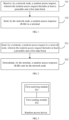
- An embodiment of the present disclosure provides a random access method, as shown in FIG. 1 .
- the method includes the following steps:
- the method further includes: Step 103: the network node receives a second data block transmitted by the terminal or receives the random access request again.
- the network node may be a base station or another transport point (TRP) or the like.
- the network node receives the second data block transmitted by the terminal, and the second data block may be any one of the following information:
- the first data block or the second data block includes control information, or includes the control information and data information; the control information includes at least terminal identification (UE ID).
- UE ID terminal identification
- the RAR includes at least preamble identification (ID) in the random access request.
- ID preamble identification
- the RAR includes:
- the RAR includes:
- receiving, by the network node, a second data block transmitted by a terminal, or re-receiving, by the network node, the random access request includes: receiving, by the network node, the second data block transmitted by the terminal, or re-receiving, by the network node, the random access request in an uplink resource allocated by the uplink grant information.
- receiving, by the network node, a second data block transmitted by a terminal, or re-receiving, by the network node, the random access request includes: receiving, by the network node, the second data block, or re-receiving, by the network node, the random access request in a preset random access request resource.
- a resource allocated by the UL grant in the RAR includes a plurality of orthogonal resources used for a plurality of terminals.
- the preamble ID is included in the RAR in an explicit or implicit manner.
- the implicit manner refers to that the network node determines a scrambling sequence based on the preamble ID.
- the UE ID is included in the RAR in an explicit or implicit manner.
- the implicit manner refers to that the network node determines a scrambling sequence based on the UE ID.
- the method further includes: notifying, by the network node, a terminal of UE ID.
- the terminal attempts to access by using a simplified random access method at the beginning. If the transmission is correct in each step, the access can be completed in two steps; if the demodulation of the control information or data fails, the access process can be completed by performing retransmission or contention resolution, and the added steps can be seamlessly integrated with the related four-step method as a simplified basis, which is very advantageous for the unified design of the system, and is beneficial to reduce the implementation complexity of the network side and the terminal.
- the whole delay of random access is significantly reduced, and the amount of reduction in the actual delay depends on the probability that the transmitted content is correctly received by the network node. Also, compared with LTE, the access success rate is further improved in the case of same delay.
- An embodiment of the present disclosure further provides a random access method, as shown in FIG. 2 .
- the method includes the following steps.
- a terminal sends a random access request to a network node.
- the random access request includes at least a preamble and a first data block.
- step 202 the terminal demodulates a random access response RAR which is sent from the network node.
- the method further includes: In step 203, the terminal transmits a second data block or re-transmits the random access request according to the RAR.
- the second data block transmitted by the terminal is any one of the following information:
- the first data block or the second data block includes control information or includes the control information and data information; and the control information includes at least UE ID.
- the RAR includes at least the preamble ID in the random access request.
- the RAR includes:
- the RAR includes:
- the RAR includes signaling for transmitting the second data block or retransmitting the random access request.
- transmitting, by the terminal, a second data block or re-transmitting, by the terminal, the random access request according to the random access response includes: if the terminal receives the preamble ID included in the random access response but control information in the random access request is not received, or if the terminal receives re-transmission signaling, transmitting, by the terminal, the second data block, or re-transmitting, by the terminal, the random access request using an uplink resource allocated by the UL grant included in the RAR.
- transmitting, by the terminal, a second data block or re-transmitting, by the terminal, the random access request according to the random access response includes: if the terminal receives the preamble ID included in the random access response but control information in the random access request is not received, or if the terminal receives re-transmission signaling, transmitting, by the terminal, the second data block, or re-transmitting, by the terminal, the random access request using a preset random access request resource.
- transmitting, by the terminal, a second data block or re-transmitting, by the terminal, the random access request according to the random access response includes: selecting, by the terminal, different resources in the resource allocated by the uplink grant information to perform transmissions according to the UE ID in the control information.
- selecting, by the terminal, different resources in the resource allocated by the uplink grant information according to the terminal identification in the control information includes: selecting, by the terminal, one of M uplink resources notified by the uplink grant information by UE ID Mod M (i.e., by taking the remainder when dividing the terminal identification by M), where M is 1, 2, 4, 8 or 16.
- transmitting, by the terminal, a second data block or re-transmitting the random access request according to the random access response includes: selecting, by the terminal, different resources in the preset random access request resource according to the UE ID in the control information.
- the preamble ID is included in the RAR in an explicit or implicit manner.
- the implicit manner refers to that a scrambling sequence is determined based on the preamble ID.
- the UE ID in the control information is included in the RAR in an explicit or implicit manner.
- the implicit manner refers to that a scrambling sequence is determined based on the UE ID.
- the method further includes: receiving UE ID notified by the network node.
- demodulating, by the terminal, the received RAR includes: if the terminal receives the preamble ID included in the RAR, receives the UE ID in the control information in the random access request and confirms that the received preamble ID and the UE ID are completely consistent with the preamble identification and the terminal identification in the random access request, ending the random access procedure.
- the terminal attempts to access by using a simplified random access method at the beginning.
- the access can be completed in two steps; if the demodulation of the control information or data fails, the access process can be completed by performing retransmission or contention resolution, and the added steps can be seamlessly integrated with the related four-step method as a simplified basis, which is very advantageous for the unified design of the system, and is beneficial to reduce the implementation complexity of the network side and the terminal.
- the whole delay of random access is significantly reduced, and the amount of reduction in the actual delay depends on the probability that the transmitted content is correctly received by the network node.
- the access success rate is further improved in the case of same delay.
- An embodiment also provides a random access device for realizing the above methods, as shown in FIG. 3 .
- the device includes a first receiving module 301 and a first sending module 302.
- the first receiving module 301 is configured to receive a random access request, wherein the random access request includes at least a preamble and a first data block.
- the first sending module 302 is configured to send a random access response RAR to a terminal.
- the first receiving module 301 is further configured to receive a second data block or re-receive the random access request.
- the network node receives the second data block transmitted by the terminal, and the second data block may be any one of the following information:
- the first data block or the second data block includes control information, or includes the control information and data information; the control information includes at least UE ID.
- the RAR includes at least ID in the random access request.
- the RAR includes:
- the RAR includes:
- receiving, by the first receiving module 301, a second data block transmitted by a terminal, or re-receiving, by the network node, the random access request includes: receiving the second data block transmitted by the terminal, or re-receiving the random access request in an uplink resource allocated by the UL grant.
- receiving, by the first receiving module 301, a second data block transmitted by a terminal, or re-receiving, by the network node, the random access request includes: receiving the second data block, or re-receiving the random access request in a preset random access request resource.
- a resource allocated by the UL grant in the RAR includes a plurality of orthogonal resources used for a plurality of terminals.
- the preamble ID is included in the RAR in an explicit or implicit manner.
- the implicit manner refers to that the first sending module 302 determines a scrambling sequence based on the preamble ID.
- the UE ID is included in the RAR in an explicit or implicit manner.
- the implicit manner refers to that the first sending module 302 determines a scrambling sequence based on the UE ID.
- the device further includes: a notification module 303 configured to, after the first receiving module 301 receives the second data block or re-receives the random access request, notifying the terminal of the UE ID in an explicit or implicit manner.
- An embodiment of the present disclosure also provides a random access device, as shown in Fig. 5 .
- the device includes a second sending module 501 and a second receiving module 502.
- the second sending module 501 is configured to send a random access request to a network node.
- the random access request includes at least a preamble and a first data block.
- the second receiving module 502 is configured to demodulate a random access response RAR which is sent from the network node.
- the second sending module 501 is further configured to transmit a second data block or re-transmits the random access request according to the RAR.
- the second data block transmitted by the terminal is any one of the following information:
- the first data block or the second data block includes control information or includes the control information and data information; and the control information includes at least UE ID.
- the RAR includes at least the preamble ID in the random access request.
- the RAR includes:
- the RAR includes:
- transmitting, by the second sending module 501, a second data block or re-transmitting, by the second sending module 501, the random access request according to the random access response includes: if the preamble ID included in the random access response is received but control information in the random access request is not received, or if re-transmission signaling is received, transmitting the second data block, or re-transmitting the random access request using an uplink resource allocated by the UL grant included in the RAR.
- transmitting, by the second sending module 501, a second data block or re-transmitting, by the second sending module 501, the random access request according to the RAR includes: if the preamble ID included in the RAR is received but control information in the random access request is not received, or if re-transmission signaling is received, transmitting the second data block, or re-transmitting the random access request using a preset random access request resource.
- transmitting, by the second sending module 501, a second data block or re-transmitting, by the second sending module 501, the random access request according to the random access response includes: selecting different resources in the resource allocated by the uplink grant information to perform transmissions according to the UE ID in the control information.
- selecting, by the terminal, different resources in the resource allocated by the uplink grant information according to the terminal identification in the control information includes: selecting, by the second sending module 501, one of M uplink resources notified by the uplink grant information by UE ID Mod M, where M is 1, 2, 4, 8 or 16.
- transmitting, by the second sending module 501, a second data block or re-transmitting the random access request according to the random access response includes: selecting different resources in the preset random access request resource according to the UE ID in the control information.
- the preamble ID is included in the RAR in an explicit or implicit manner.
- the implicit manner refers to that a scrambling sequence is determined based on the preamble ID.
- the UE ID in the control information is included in the RAR in an explicit or implicit manner.
- the implicit manner refers to that a scrambling sequence is determined based on the UE ID.
- the second receiving module 502 receives UE ID notified by the network node in an explicit or implicit manner.
- demodulating, by the second receiving module 502, the RAR sent by the network node includes: if the preamble ID included in the RAR is received, the UE ID in the control information in the random access request is received and it is confirmed that the received preamble ID and the UE ID are completely consistent with the preamble identification and the terminal identification in the random access request, ending the random access procedure.
- each unit in the data processing apparatus in the embodiments of the present disclosure may be implemented by a processor in a network element where the data processing apparatus is located, or may be implemented by a specific logic circuit; for example, in an actual application, each unit may be implemented by a central processing unit (CPU), a microprocessor (MPU), a digital signal processor (DSP), or a field programmable gate array (FPGA) located in the data processing apparatus.
- CPU central processing unit
- MPU microprocessor
- DSP digital signal processor
- FPGA field programmable gate array
- An embodiment of the present disclosure further provides a network node, which may be a base station or other transport point.
- the network node includes: the random access device described in FIG. 3 and FIG. 4 .
- An embodiment of the present disclosure further provides a terminal, which may include: the random access device described in FIG. 5 .
- the device embodiments have the same beneficial effects as the method embodiments, and therefore repeated descriptions will be omitted.
- the network node is a base station or a transport point, for example.
- Embodiment 1 (not claimed): Simplified method of random access process
- the step for the terminal to obtain the TA (time advanced) by transmitting the random access response is unnecessary, so further simplifying the steps becomes a possibility.
- some terminals such as loT terminals, after establishing a link with the network through random access, there is not a large amount of data to be transmitted, and a very small amount of data information to be transmitted can also be considered to be merged into random access, and this further supports the need to simplify random access steps.
- the following processing can be performed based on the method in LTE.
- the terminal sends the preamble and the control information in the Msg3 in the original LTE system, and smaller amount of data information may be added.
- TDM time division multiplexing
- the preamble and control information and the data part are multiplexed by means of TDM, and other multiplexing methods such as frequency division multiplexing or code division multiplexing may also be used.
- the preamble can be used as a reference signal to assist in demodulating control information or data parts. Since the preamble is a code sequence, different codewords represent different preamble IDs, so the preamble implicitly contains the preamble ID.
- the control information includes a unique identification UE ID for each UE. This UE ID will be used for contention resolution. The UE ID is differentiated depending on the terminal status and the application scenarios.
- the unique identifier is the cell radio network temporary identifier (C-RNTI).
- C-RNTI cell radio network temporary identifier
- S-TMSI Serving-Temporary Mobile Subscriber Identity or a random number
- the UE ID in the new generation communication system does not exclude other terms that can be used to characterize the UE.
- the UL Grant (UpLink Grant) and the contention resolution can be combined into one step, that is, the base station or the transport node (TRP) sends through RAR the preamble ID, the control information (such as the UE ID) and UL Grant received from the random access request.
- the control information (such as the UE ID) or the preamble ID may be sent explicitly or implicitly.
- the implicit notification for a terminal is indicated, for example, by scrambling the downlink control channel with the UE ID or the preamble ID.
- the preamble ID is used to confirm whether the preamble is successfully detected.
- the control information (such as the UE ID) can be used to resolve the multi-user contention, and the UL Grant is used to allocate the transmission resources of the uplink data after the access.
- FIG. 7 shows a random access procedure in a new generation communication systems.
- the terminal UE acquires downlink synchronization from a network node and reads a broadcast channel before initial uplink access, to obtain a resource position for random access request transmission.
- the terminal UE transmits a preamble and control information or a preamble, control information and data information to the network node.
- the network node After receiving the preamble and the control information, or the preamble, the control information and data information correctly, the network node sends a random access response to the terminal.
- the random access process ends, and terminal may subsequently select to send the uplink service data according to the data buffering situation.
- Embodiment 2 First scheme for random access control information and data information retransmission
- This embodiment is applied when a partial transmission error occurs in the Embodiment 1.
- the control information and the data information sent by the UE can be uniformly packaged into a data block to be transmitted.
- the detection rate and the false detection rate are mainly investigated, and for the data block formed by packaging the control information or the control information and the data information, the block error rate (BLER) or the bit error rate (BER) are mainly investigated.
- BLER block error rate
- BER bit error rate
- the control information or data block generally has at least ten to several tens of bits, and the signal-to-interference ratio required for demodulation is relatively high.
- the terminal first sends a random access request to the base station or the transport point (TRP), and the random access request includes at least the preamble and the control information, and a part of the data may also be added in some scenarios.
- the control information includes at least the UR ID for contention resolution.
- the control information, the data information, or the control information plus the data information may be defined as the first data block.
- the base station or the transport point (TRP) attempts to receive the random access request.
- the base station or the transport point (TRP) successfully detects the preamble but does not successfully demodulate the control information or the data
- the base station or the transport point (TRP) sends the random access response (RAR) to the terminal.
- the RAR includes at least the preamble ID for performing preamble confirmation with the terminal and a UL Grant for allocating resources for retransmitting the control information (including at least the UE ID) or retransmitting the data information, that is, allocating resources for the second data block.
- the second data block includes information that is the same as the information of the first data block, or information in the original information except the first data block, or information including information other than the first data block in the original information and a part of the information in the first data block, or includes information that is completely different from the information of the first data block.
- the second and third cases are illustrated as follows:
- the information other than the first data block in the original information refers to, for example, other information (34 bits) of the original information (100 bits) except the first data block (66 bits).
- the information including information other than the first data block in the original information and a part of the information of the first data block refers to: information including information (34bits) other than the first data block (66 bits) in the original information (for example, 100 bits), and information in some of the first data blocks (a part of the 66 bits).
- the UL Grant here is also significantly different from the UL Grant in the Embodiment 1.
- the UL Grant in the Embodiment 1 is a resource allocated for subsequent normal service data, and the UL Grant here is for allocating resources for retransmitting the control information or the data which is not successfully demodulated.
- the RAR may also contain some other contents, such as explicit signaling that is used for notifying the terminal to retransmit control information or data. Because the base station or the transport point does not successfully demodulate the control information or data, the RAR does not include the control information sent by the terminal, especially the UE ID sent by the terminal in the first step, and this is clearly different from the contents in the RAR which is sent in the idealized two-step random access procedure in Embodiment 1.
- the RAR can also use explicit signaling to inform the terminal that the control information or data is not successfully demodulated and needs to be retransmitted. It is also possible to implicitly imply that the base station or the transport point (TRP) on the network side does not successfully demodulate the control information or data by not transmitting control information (UE ID).
- TRP transport point
- the RAR may also include some other signaling according to the actual applications or scenarios, such as temporary C-RNTI for scrambling when retransmission is performed, TA (timing advance), and buffer status report (BSR) and the like.
- temporary C-RNTI for scrambling when retransmission is performed
- TA timing advance
- BSR buffer status report
- the preamble ID included in the RAR may be explicitly notified in the RAR, or may be notified in an implicit manner by determining a scrambling sequence based on the preamble ID.
- the UE ID included in the RAR may be explicitly notified in the RAR, or may be notified in an implicit manner by determining a scrambling sequence based on the UE ID.
- the scrambling sequence is determined based on the preamble ID and the UE ID. There are many methods for doing this, such as using the preamble ID or the UE ID to participate in scrambling the CRC of the control channel, or participating in scrambling the data of the channel itself. These methods do not exclude other parameters participating in determination and calculation of the scrambling sequence.
- the implicit notification methods in this embodiment can be similarly applied in other embodiments when implicit notification is needed.
- the terminal determines that the preamble is successfully transmitted but the control information or data needs to be retransmitted; or when the preamble ID is received and confirmed, and the control information is not received, the terminal determines that the preamble is successfully transmitted but the control information or data needs to be retransmitted.
- the terminal retransmits the control information or the data information in the first data block by using the resources provided by the UL Grant.
- the retransmitted data block is a second data block, which may be a retransmission of complete control information and data information in the first data block, the amount of information is the same; or, supplementary information of the control information and data in the first data block may be transmitted by using incremental redundancy techniques.
- the second data block may not have any direct relationship with the first data block, and may be a new data block.
- the first data block has been successfully transmitted, and new data block can be transmitted.
- the base station or the transport point (TRP) sends a successfully demodulated UE ID.
- the control information (such as UE ID) can be transmitted explicitly or implicitly. Notifying the terminal in an implicit manner refers to indicating the contention resolution by determining the scrambling sequence based on the UE ID, and ending the random access procedure.
- the method of distinguishing and multiplexing resources can be performed by means of time, frequency and orthogonal codes. The above is to distinguish the resources used by multiple users. If more resource overhead can be allowed, in the step of receiving the random access request, the resource of the random access request can be distinguished according to the UE ID to avoid interference.
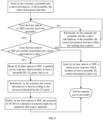
- FIG. 8 From the perspective of the complete system level, the process can be described using FIG. 8 .
- the terminal sends a random access request to the base station or the transport point (TRP), and the random access request includes at least a preamble and control information, and a part of the data may be added in some scenarios.
- the control information includes at least the UE ID for contention resolution.
- the control information, the data information, or control information + data information is defined as a first data block.
- the terminal demodulates a random access response (RAR) sent by the base station or the transport point (TRP).
- RAR random access response
- TRP transport point
- the terminal uses the resources for retransmission allocated by the UL grant in the RAR to retransmit the control information or data.
- the retransmitted contents are defined as the second data block.
- the second data block may include information that is the same as the first data block, or may include information is supplemental to the first data block.
- the precondition for this operation is that if the terminal determines that the preamble is received and the preamble ID is confirmed but the control information is not received, or signaling for transmitting the control information is received, the terminal may determine that the preamble is successfully transmitted but the control information or data needs to be retransmitted.
- Terminals may select different resources among the resources allocated by the UL grant according to their UE IDs to perform transmissions. For example, by the method of (UE ID) Mod M, different terminals are allocated to M different parts of the uplink resources notified by the UL Grant, thereby completely avoiding interference and solving the conflict problem of multi-user access in advance.
- the terminal receives the UE ID that is implicitly or explicitly notified by the base station or the transport point (TRP).
- the conflict is resolved and the random access procedure is ended, and the next uplink service data transmission may be prepared.
- implicit or explicit notifying of the UE ID in this step may not be necessary.
- the RAR includes the control information sent by the terminal, especially the UE ID sent by the terminal in the first step
- the terminal receives the preamble ID and confirms that the preamble ID and the UE ID are completely consistent with that in the random access request
- the random access process ends.
- the terminal further carries the UL Grant
- the terminal can use the resources allocated by the UL Grant in the RAR to prepare for transmitting the service data.
- the transmitted second data block is not relevant to the first data block and is actually ne data.
- the premise of this operation is that the base station or the transport point correctly detects the preamble and demodulates the control information or data, and allows the terminal to confirm by sending back the RAR to the terminal. After the confirmation, there is no subsequent steps for retransmitting control information or data and notifying the UE ID by the base station or the transport point as described above.
- the base station or the transport point receives the random access request, and the random access request includes at least the preamble and the control information. In some scenarios, a part of the data may be added.
- the control information includes at least the UE ID used for the contention resolution.
- the base station or the transport point (TRP) If the base station or the transport point (TRP) successfully detects the preamble but does not successfully demodulate the control information or data, the base station or the transport point (TRP) sends a random access response (RAR) to the terminal.
- the RAR includes at least: the preamble ID, which is used for the terminal to perform preamble confirmation (the preamble may be notified in an implicit or explicit manner, the implicit manner be realized by determining the scrambling sequence of the downlink control channel based on the preamble ID); and UL Grant for allocating resources for retransmitting the control information (including at least the UE ID) or retransmitting the data; or the RAR may include explicit signaling for notifying the terminal to retransmit the control information or data.
- the RAR does not include control information sent by the terminal, especially the UE ID sent by the terminal in the random access request.
- the base station or the transport point (TRP) may allocate multiple resources in a UL Grant to multiple terminals that may conflict with each other, for example, the notified uplink resources may be provided to M terminals for completely orthogonal transmissions.
- the retransmission may be the retransmission of the complete control information and the data information in the random access request, the information amount is the same; or, supplementary information of the control information and data in the random access request may be transmitted by using incremental redundancy techniques.
- the base station or the transport point After receiving the retransmitted control information or data, the base station or the transport point explicitly or implicitly notifies the terminal of the UE ID for contention resolution. If the multi-user contention problem has been resolved in advance by means of interference avoidance, the step of notifying the UE ID may be omitted.
- the base station or the transport point (TRP) transmits another type of random access response (RAR) to the terminal.
- the RAR includes at least: a preamble ID for performing preamble confirmation with the terminal; the control information part including at least the UE ID for contention resolution, and possibly a UL Grant for allocating resources for subsequent normal service data. If the terminal does not need to transmit large amount of data in the initial access, the UL Grant may not be included in the RAR.
- the preamble ID or the UE ID in the control information may also be notified to the terminal in an implicit manner, for example, by using the preamble ID or the UE ID to scramble the downlink control channel.
- the base station or the transport point finishes processing in this branch, the random access procedure ends.
- the base station or the transport point receives the second data block which is sent by the terminal and is totally new data and is not directly relevant to the first data block.
- the terminal attempts to access by using a simplified random access method at the beginning. If the transmission is correct in each step, the access can be completed in two steps; if the demodulation of the control information or data fails, the access process can be completed by performing retransmission or contention resolution, and the added steps can be seamlessly integrated with the related four-step method as a simplified basis, which is very advantageous for the unified design of the system, and is beneficial to reduce the implementation complexity of the network side and the terminal.
- the whole delay of random access is significantly reduced, and the amount of reduction in the actual delay depends on the probability that the transmitted content is correctly received by the network node. Also, compared with LTE, the access success rate is further improved in the case of same delay.
- the terminal first sends a random access request to the base station or the transport point (TRP).
- the random access request includes at least a preamble and control information. In some scenarios, a part of the data may be added.
- the control information includes at least the UE ID for contention resolution.
- the base station or the transport point (TRP) attempts to receive the random access request. When the base station or the transport point (TRP) successfully detects the preamble but does not successfully demodulate the control information or data, the base station or the transport point (TRP) sends the random access response (RAR) to the terminal.
- the RAR includes at least a preamble ID for performing preamble confirmation with the terminal. The preamble ID may be notified by an implicit or explicit manner.
- the RAR does not include the control information sent by the terminal, and particularly the UE ID sent by the terminal in the random access request. It is also possible that the RAR includes signaling that explicitly notify the terminal to perform retransmission.
- the terminal receives the retransmission signaling, or receives and confirms the preamble ID but does not receive the control information, the terminal determines that the preamble is successfully transmitted, but the control information or the data information needs to be retransmitted. The terminal retransmits the control information or the data information in the random access request by using the agreed resource location of the random access request.
- the terminal may further select different resources in the agreed resources for the random access request according to the UE ID in the control information sent by the random access request.
- the retransmitted control information or data information may be completely retransmitted information, or may be supplementary information, and details can be found in the description regarding Embodiment 2. Since the preamble is not retransmitted again, the available resources are increased, and the error correction code rate for retransmitting the control information or the data information may be lowered, or the power of the retransmission can be appropriately increased, so as to improve the demodulation success rate.
- the base station or the transport node explicitly or implicitly sends the successfully demodulated UE ID to resolve the contention and the random access procedure ends.
- the implicit method refers to that the UE ID is used to scramble the downlink control channel.
- the main difference between this solution and the solution in the Embodiment 2 is that the allocation of uplink resources is not performed in the RAR, and the terminal utilizes resources of the random access request to perform retransmission of control information and data information.
- the basic advantages are similar to the Embodiment 2. As compared with the Embodiment 2, and the RAR overhead can be reduced, and the RAR reception success rate is further improved.
- the terminal first sends a random access request to the base station or the transport point (TRP), and the random access request includes at least the preamble and the control information, and a part of the data may also be added in some scenarios.
- the control information needs to include at least the UE ID for contention resolution.
- the base station or the transport point (TRP) attempts to receive the random access request.
- the base station or the transport point (TRP) successfully detects the preamble but does not successfully demodulate the control information or data
- the base station or the transport point (TRP) sends the random access response (RAR) to the terminal.
- the RAR includes at least a preamble ID for performing preamble confirmation with the terminal.
- the preamble ID may be notified by an implicit or explicit manner. Details regarding the implicit manner can be found in Embodiment 2.
- the RAR further includes UL grant for allocating resources for retransmitting the control information (including at least the UE ID) or the data information.
- the RAR does not include the control information sent by the terminal, and particularly the UE ID sent by the terminal in the random access request. It is also possible that the RAR includes signaling that explicitly notify the terminal to perform retransmission.
- the terminal When the terminal receives the retransmission signaling, or receives and confirms the preamble ID but does not receive the control information, the terminal determines that the preamble is successfully transmitted, but the control information or the data information needs to be retransmitted.
- the terminal retransmits the control information or the data information in the random access request and the preamble notified in the RAR by using the resource location allocated by the UL Grant.
- the retransmitted control information or data information may be completely retransmitted information, or may be supplementary information, and details can be found in the description regarding Embodiment 2.
- the terminal selects different resources on the resources allocated by the UL Grant according to the UE ID to perform interference avoidance. Details can be found in description regarding Embodiment 2. By doing this, interference can be completely avoided and solve contention problem of multi-user access may be resolved in advance.
- the base station or the transport node explicitly or implicitly sends the successfully demodulated UE ID to resolve the contention and the random access procedure ends.
- the implicit method refers to that the UE ID is used to scramble the downlink control channel.
- the main difference between this solution and the solution in the Embodiment 2 is that the terminal not only retransmits the control information or the data information, but also retransmits the preamble as notified in the RAR.
- This scheme can be compatible with non-contention random access while keeping the advantages of the Embodiment 2, especially in the case of using different resources granted by the UL Grant for retransmission under the case of multi-user contention, thereby effectively avoiding access conflict.
- Examples of the present disclosure also provide a computer readable storage medium storing computer executable instructions that, when executed by a processor, implement the random access methods described in FIG. 1 .
- Examples of the present disclosure also provide a computer readable storage medium storing computer executable instructions that, when executed by a processor, implement the random access method described in FIG. 2 .
- the terminal attempts to access by using a simplified random access method at the beginning. If the transmission is correct in each step, the access can be completed in two steps; if the demodulation of the control information or data fails, the access process can be completed by performing retransmission or contention resolution, and the added steps can be seamlessly integrated with the related four-step method as a simplified basis, which is very advantageous for the unified design of the system, and is beneficial to reduce the implementation complexity of the network side and the terminal. In terms of performance, the whole delay of random access is significantly reduced. Also, compared with LTE, the access success rate is further improved in the case of same delay.
Landscapes
- Engineering & Computer Science (AREA)
- Computer Networks & Wireless Communication (AREA)
- Signal Processing (AREA)
- Mobile Radio Communication Systems (AREA)
- Transition And Organic Metals Composition Catalysts For Addition Polymerization (AREA)
Claims (16)
- Drahtloses Kommunikationsverfahren, das aufweist:Empfangen, durch einen Netzwerkknoten, einer Direktzugriffsanforderung von einem Endgerät für eine anfängliche Direktzugriffsprozedur, wobei die Direktzugriffsanforderung eine Präambel und einen ersten Datenblock aufweist, und wobei der erste Datenblock Steuerinformationen aufweist, die einer Kennung des Endgeräts zur Konfliktauflösung entsprechen; undSenden, durch den Netzwerkknoten als Reaktion auf die Direktzugriffsanforderung, einer Direktzugriffsantwort an das Endgerät,wobei die anfängliche Direktzugriffsprozedur als Reaktion darauf, dass die Direktzugriffsantwort dieselben Steuerinformationen wie die Direktzugriffsanforderung enthält, erfolgreich abgeschlossen wird, undwobei in einem Fall, in dem die Direktzugriffsantwort nicht dieselben Steuerinformationen wie die Direktzugriffsanforderung enthält, die Direktzugriffsantwort Uplink-Gewährungsinformationen aufweist, die eine Uplink-Ressource für einen zweiten Datenblock zuweisen, wobei das Verfahren ferner das Empfangen, durch den Netzwerkknoten, des zweiten Datenblocks vom Endgerät aufweist, wenn das Endgerät die Direktzugriffsantwort empfängt und feststellt, dass die empfangene Direktzugriffsantwort nicht dieselben Steuerinformationen wie die Direktzugriffsanforderung enthält.
- Verfahren nach Anspruch 1, wobei die Direktzugriffsantwort eine Präambel-Identifikation aufweist, die der Präambel in der Direktzugriffsanforderung entspricht, obwohl die Direktzugriffsantwort nicht dieselben Steuerinformationen wie die Direktzugriffsanforderung enthält.
- Verfahren nach Anspruch 1 oder 2, wobei der zweite Datenblock derselbe ist wie der erste Datenblock.
- Verfahren nach Anspruch 3, wobei die Direktzugriffsantwort eine temporäre Zellfunknetz-Kennung, TC-RNTI, zum erneuten Senden des ersten Datenblocks ohne erneutes Senden der Präambel aufweist.
- Drahtloses Kommunikationsverfahren, das aufweist:Senden, durch ein Endgerät, einer Direktzugriffsanforderung an einen Netzwerkknoten für eine anfängliche Direktzugriffsprozedur, wobei die Direktzugriffsanforderung eine Präambel und einen ersten Datenblock aufweist, und wobei der erste Datenblock Steuerinformationen aufweist, die einer Kennung des Endgeräts zur Konfliktauflösung entsprechen; undEmpfangen, durch das Endgerät, einer Direktzugriffsantwort von dem Netzwerkknoten als Reaktion auf die Direktzugriffsanforderung,wobei die anfängliche Direktzugriffsprozedur als Reaktion darauf, dass die Direktzugriffsantwort dieselben Steuerinformationen wie die Direktzugriffsanforderung enthält, erfolgreich abgeschlossen wird, undwobei in einem Fall, in dem die Direktzugriffsantwort nicht dieselben Steuerinformationen wie die Direktzugriffsanforderung enthält, die Direktzugriffsantwort Uplink-Gewährungsinformationen aufweist, die eine Uplink-Ressource für einen zweiten Datenblock anzeigen, wobei das Verfahren ferner das Senden, durch das Endgerät, des zweiten Datenblocks an den Netzwerkknoten aufweist, wenn das Endgerät feststellt, dass die empfangene Direktzugriffsantwort nicht dieselben Steuerinformationen wie die Direktzugriffsanforderung enthält.
- Verfahren nach Anspruch 5, das ferner aufweist:
Bestimmen, durch das Endgerät, dass die Direktzugriffsantwort eine Präambel-Identifikation aufweist, die der Präambel in der Direktzugriffsanforderung entspricht, obwohl die Direktzugriffsantwort nicht dieselben Steuerinformationen wie die Direktzugriffsanforderung aufweist. - Verfahren nach Anspruch 5 oder 6, wobei der zweite Datenblock derselbe ist wie der erste Datenblock.
- Verfahren nach Anspruch 7, wobei die Direktzugriffsantwort temporäre Zellfunknetz-Kennung, TC-RNTI, zum erneuten Senden des ersten Datenblocks ohne erneutes Senden der Präambel aufweist.
- Drahtlose Kommunikationsvorrichtung, die einen Prozessor aufweist, der konfiguriert ist, um:eine Direktzugriffsanforderung von einem Endgerät für eine anfängliche Direktzugriffsprozedur zu empfangen, wobei die Direktzugriffsanforderung eine Präambel und einen ersten Datenblock aufweist, und wobei der erste Datenblock Steuerinformationen aufweist, die einer Kennung des Endgeräts zur Konfliktauflösung entsprechen; undals Reaktion auf die Direktzugriffsanforderung eine Direktzugriffsantwort an das Endgerät zu senden,wobei die anfängliche Direktzugriffsprozedur als Reaktion darauf, dass die Direktzugriffsantwort dieselben Steuerinformationen wie die Direktzugriffsanforderung enthält, erfolgreich abgeschlossen wird, undwobei in einem Fall, in dem die Direktzugriffsantwort nicht dieselben Steuerinformationen wie die Direktzugriffsanforderung enthält, die Direktzugriffsantwort Uplink-Gewährungsinformationen für die Zuweisung einer Uplink-Ressource für einen zweiten Datenblock aufweist, und der Prozessor ferner konfiguriert ist, den zweiten Datenblock vom Endgerät zu empfangen, wenn das Endgerät die Direktzugriffsantwort empfängt und feststellt, dass die empfangene Direktzugriffsantwort nicht dieselben Steuerinformationen wie die Direktzugriffsanforderung enthält.
- Vorrichtung nach Anspruch 9, wobei die Direktzugriffsantwort eine Präambel-Identifikation aufweist, die der Präambel in der Direktzugriffsanforderung entspricht, obwohl die Direktzugriffsantwort nicht dieselben Steuerinformationen wie die Direktzugriffsanforderung enthält.
- Vorrichtung nach Anspruch 9 oder 10, wobei der zweite Datenblock derselbe ist wie der erste Datenblock.
- Vorrichtung nach Anspruch 11, wobei die Direktzugriffsantwort eine temporäre Zellfunknetz-Kennung, TC-RNTI, zum erneuten Senden des ersten Datenblocks ohne erneutes Senden der Präambel aufweist.
- Drahtlose Kommunikationsvorrichtung, die einen Prozessor aufweist, der konfiguriert ist, um:eine Direktzugriffsanforderung an einen Netzwerkknoten für eine anfängliche Direktzugriffsprozedur zu senden, wobei die Direktzugriffsanforderung eine Präambel und einen ersten Datenblock aufweist, und wobei der erste Datenblock Steuerinformationen aufweist, die einer Kennung der drahtlosen Kommunikationsvorrichtung für eine Konfliktauflösung entsprechen; undeine Direktzugriffsantwort vom Netzwerkknoten als Reaktion auf die Direktzugriffsanforderung zu empfangen,wobei die anfängliche Direktzugriffsprozedur als Reaktion darauf, dass die Direktzugriffsantwort dieselben Steuerinformationen wie die Direktzugriffsanforderung enthält, erfolgreich abgeschlossen wird, undwobei in einem Fall, in dem die Direktzugriffsantwort nicht dieselben Steuerinformationen wie die Direktzugriffsanforderung aufweist, die Direktzugriffsantwort Uplink-Gewährungsinformationen aufweist, die eine Uplink-Ressource für einen zweiten Datenblock anzeigen, und der Prozessor ferner konfiguriert ist, den zweiten Datenblock an den Netzwerkknoten zu senden, wenn er feststellt, dass die empfangene Direktzugriffsantwort nicht dieselben Steuerinformationen wie die Direktzugriffsanforderung aufweist.
- Vorrichtung nach Anspruch 13, wobei der Prozessor konfiguriert ist, um:
festzustellen, dass die Direktzugriffsantwort eine Präambel-Identifikation aufweist, die der Präambel in der Direktzugriffsanforderung entspricht, obwohl die Direktzugriffsantwort nicht dieselben Steuerinformationen wie die Direktzugriffsanforderung enthält. - Vorrichtung nach Anspruch 13 oder 14, wobei der zweite Datenblock derselbe ist wie der erste Datenblock.
- Vorrichtung nach Anspruch 15, wobei die Direktzugriffsantwort eine temporäre Zellfunknetz-Kennung, TC-RNTI, zum erneuten Senden des ersten Datenblocks ohne erneutes Senden der Präambel aufweist.
Applications Claiming Priority (3)
| Application Number | Priority Date | Filing Date | Title |
|---|---|---|---|
| CN201610848341.3A CN107872899B (zh) | 2016-09-23 | 2016-09-23 | 一种随机接入方法、装置和设备 |
| EP17852233.0A EP3518605B1 (de) | 2016-09-23 | 2017-07-27 | Direktzugriffsverfahren, vorrichtung und ausrüstung |
| PCT/CN2017/094707 WO2018054163A1 (zh) | 2016-09-23 | 2017-07-27 | 一种随机接入方法、装置和设备 |
Related Parent Applications (2)
| Application Number | Title | Priority Date | Filing Date |
|---|---|---|---|
| EP17852233.0A Division-Into EP3518605B1 (de) | 2016-09-23 | 2017-07-27 | Direktzugriffsverfahren, vorrichtung und ausrüstung |
| EP17852233.0A Division EP3518605B1 (de) | 2016-09-23 | 2017-07-27 | Direktzugriffsverfahren, vorrichtung und ausrüstung |
Publications (3)
| Publication Number | Publication Date |
|---|---|
| EP4287753A2 EP4287753A2 (de) | 2023-12-06 |
| EP4287753A3 EP4287753A3 (de) | 2024-01-10 |
| EP4287753B1 true EP4287753B1 (de) | 2024-09-11 |
Family
ID=61690175
Family Applications (2)
| Application Number | Title | Priority Date | Filing Date |
|---|---|---|---|
| EP23197229.0A Active EP4287753B1 (de) | 2016-09-23 | 2017-07-27 | Direktzugriffsverfahren, vorrichtung und ausrüstung |
| EP17852233.0A Active EP3518605B1 (de) | 2016-09-23 | 2017-07-27 | Direktzugriffsverfahren, vorrichtung und ausrüstung |
Family Applications After (1)
| Application Number | Title | Priority Date | Filing Date |
|---|---|---|---|
| EP17852233.0A Active EP3518605B1 (de) | 2016-09-23 | 2017-07-27 | Direktzugriffsverfahren, vorrichtung und ausrüstung |
Country Status (6)
| Country | Link |
|---|---|
| US (3) | US11089629B2 (de) |
| EP (2) | EP4287753B1 (de) |
| CN (2) | CN115802513A (de) |
| ES (1) | ES2989333T3 (de) |
| FI (1) | FI3518605T3 (de) |
| WO (1) | WO2018054163A1 (de) |
Families Citing this family (34)
| Publication number | Priority date | Publication date | Assignee | Title |
|---|---|---|---|---|
| CN115802513A (zh) * | 2016-09-23 | 2023-03-14 | 中兴通讯股份有限公司 | 一种随机接入方法、装置和设备 |
| CN108282903B (zh) * | 2017-01-06 | 2020-03-24 | 电信科学技术研究院 | 一种信息传输方法、ue及接入网实体 |
| CN108282901B (zh) * | 2017-01-06 | 2019-08-09 | 电信科学技术研究院 | 一种随机接入响应方法和装置 |
| CN110351878B (zh) * | 2018-04-04 | 2023-07-14 | 华为技术有限公司 | 一种随机接入处理方法和相关设备 |
| CN110392442B (zh) * | 2018-04-18 | 2022-06-14 | 华为技术有限公司 | 通信方法及装置 |
| CN110650547A (zh) | 2018-06-27 | 2020-01-03 | 惠州Tcl移动通信有限公司 | 随机接入方法、基站、用户设备和具有存储功能的装置 |
| CN110769518B (zh) * | 2018-07-26 | 2021-07-09 | 维沃移动通信有限公司 | 随机接入方法、终端设备及网络设备 |
| CN110913498B (zh) | 2018-09-18 | 2021-07-06 | 维沃移动通信有限公司 | 一种随机接入方法及终端 |
| ES3035100T3 (en) * | 2018-09-26 | 2025-08-28 | Lenovo Singapore Pte Ltd | Performing a two-step random access channel procedure |
| US11497060B2 (en) | 2018-10-01 | 2022-11-08 | Mediatek Singapore Pte. Ltd. | Multiplexing, addressing and HARQ for MsgB in two-step RACH in mobile communications |
| CN117202396A (zh) * | 2018-10-26 | 2023-12-08 | 华为技术有限公司 | 用于两步随机接入过程的系统和方法 |
| CN113303021B (zh) | 2019-01-04 | 2023-04-04 | 北京小米移动软件有限公司 | 未经许可频带中的两步随机接入程序 |
| US10820344B2 (en) * | 2019-01-18 | 2020-10-27 | T-Mobile Usa, Inc. | Preamble signature selection for contention based random access in mobile communication |
| WO2020157986A1 (ja) * | 2019-02-01 | 2020-08-06 | 株式会社Nttドコモ | ユーザ装置及び基地局装置 |
| US11490346B2 (en) | 2019-02-01 | 2022-11-01 | Qualcomm Incorporated | Open loop timing control for 2-step RACH |
| CN111436137B (zh) * | 2019-02-02 | 2022-06-24 | 维沃移动通信有限公司 | 随机接入方法、装置、设备及介质 |
| EP3927039A4 (de) | 2019-02-14 | 2022-04-13 | Panasonic Intellectual Property Corporation of America | Endgerät und kommunikationsverfahren |
| CN111586863B (zh) * | 2019-02-15 | 2023-02-03 | 华为技术有限公司 | 随机接入过程中的传输方法和装置 |
| WO2020164618A1 (zh) * | 2019-02-15 | 2020-08-20 | 华为技术有限公司 | 随机接入过程中的传输方法和装置 |
| EP3928584B1 (de) * | 2019-02-22 | 2025-08-06 | Nokia Technologies Oy | Konfliktauflösung in einem direktzugriffverfahren |
| FI3935906T3 (fi) | 2019-03-04 | 2024-12-02 | Zte Corp | Menetelmät ja laite tiedon indikoimiseksi satunnaispääsymenettelyssä |
| US11452141B2 (en) * | 2019-03-04 | 2022-09-20 | Qualcomm Incorporated | Techniques for formatting random access messages in wireless communications |
| EP3927094A4 (de) * | 2019-03-19 | 2022-03-09 | Guangdong Oppo Mobile Telecommunications Corp., Ltd. | Verfahren für direktzugriff in zwei schritten, endgerät und netzwerkvorrichtung |
| EP3923668A4 (de) | 2019-03-19 | 2022-02-23 | Guangdong Oppo Mobile Telecommunications Corp., Ltd. | Drahtloskommunikationsverfahren, endgerätevorrichtung und netzwerkvorrichtung |
| WO2020186546A1 (zh) | 2019-03-19 | 2020-09-24 | Oppo广东移动通信有限公司 | 随机接入的方法和设备 |
| CN118695397A (zh) | 2019-03-22 | 2024-09-24 | 迪朵无线创新有限公司 | 一种被用于无线通信的节点中的方法和装置 |
| CN111769922B (zh) * | 2019-04-02 | 2023-08-15 | 上海朗帛通信技术有限公司 | 一种被用于无线通信的节点中的方法和装置 |
| CN114223305B (zh) * | 2019-08-12 | 2024-07-02 | 瑞典爱立信有限公司 | 用于随机接入的方法和装置 |
| US11490426B2 (en) * | 2019-08-16 | 2022-11-01 | Qualcomm Incorporated | Two-root preamble design for delay and frequency shift |
| WO2021062864A1 (en) * | 2019-10-02 | 2021-04-08 | Qualcomm Incorporated | Systems and methods for latency reduction for 2-step random access channel (rach) hybrid automatic repeat requests (harq) |
| CN110933768A (zh) * | 2019-12-09 | 2020-03-27 | 中国电建集团河南省电力勘测设计院有限公司 | 一种无线通信系统中随机接入响应方法 |
| CN116058029B (zh) * | 2020-08-20 | 2025-03-04 | Oppo广东移动通信有限公司 | 信道资源的确定方法和终端设备 |
| CN114765832B (zh) * | 2021-01-13 | 2024-06-07 | 维沃移动通信有限公司 | 省电处理方法、装置及终端 |
| CN113163507A (zh) * | 2021-03-15 | 2021-07-23 | 新华三技术有限公司 | 一种处理随机接入的方法、系统和基站 |
Family Cites Families (34)
| Publication number | Priority date | Publication date | Assignee | Title |
|---|---|---|---|---|
| US6259724B1 (en) * | 1996-10-18 | 2001-07-10 | Telefonaktiebolaget L M Ericsson (Publ) | Random access in a mobile telecommunications system |
| EP2084928B1 (de) * | 2006-10-30 | 2017-08-23 | LG Electronics Inc. | Verfahren zum durchführen von direktzugriff in einem drahtlosen kommunikationssystem |
| CN101779393A (zh) * | 2007-06-15 | 2010-07-14 | 韩国电子通信研究院 | 基于分组的移动通信系统中的下行链路接收指示方法 |
| EP2144474B1 (de) * | 2007-08-08 | 2012-02-08 | Sharp Kabushiki Kaisha | Verfahren, Funkkommunikationssystem und Mobilstationsvorrichtung |
| US8369269B2 (en) * | 2007-09-18 | 2013-02-05 | Sharp Kabushiki Kaisha | Radio communication system, base station device, mobile station device, and random access method |
| CN101489305B (zh) | 2008-01-17 | 2011-11-16 | 电信科学技术研究院 | 上行数据传输方法、通信系统及装置 |
| KR101122095B1 (ko) * | 2009-01-05 | 2012-03-19 | 엘지전자 주식회사 | 불필요한 재전송 방지를 위한 임의접속 기법 및 이를 위한 단말 |
| US8693448B2 (en) * | 2009-02-11 | 2014-04-08 | Lg Electronics Inc. | Random access procedure |
| JP2011035861A (ja) * | 2009-08-06 | 2011-02-17 | Sharp Corp | 移動局装置、無線通信方法および移動局装置の制御プログラム |
| CN102202412B (zh) * | 2010-06-03 | 2014-03-12 | 开曼群岛威睿电通股份有限公司 | 移动通信装置及其用于机器类型通信数据的传输方法 |
| CN101980576B (zh) * | 2010-10-19 | 2013-08-28 | 华为技术有限公司 | 随机接入处理方法和用户设备 |
| WO2012169837A2 (en) * | 2011-06-09 | 2012-12-13 | Pantech Co., Ltd. | Apparatus and method for performing random access in wireless communication system |
| JP2013017060A (ja) * | 2011-07-05 | 2013-01-24 | Sharp Corp | 無線通信システム、基地局装置、移動局装置、無線通信方法及び集積回路 |
| US9414409B2 (en) * | 2012-02-06 | 2016-08-09 | Samsung Electronics Co., Ltd. | Method and apparatus for transmitting/receiving data on multiple carriers in mobile communication system |
| CN103297207B (zh) | 2012-03-02 | 2016-12-14 | 上海贝尔股份有限公司 | 对随机接入响应消息进行混合自动请求重传的方法 |
| CN107509199B (zh) * | 2012-05-10 | 2020-10-20 | 三星电子株式会社 | 在无线蜂窝网络中通过用户设备进行数据消息传输的方法 |
| WO2014088479A1 (en) * | 2012-12-04 | 2014-06-12 | Telefonaktiebolaget L M Ericsson (Publ) | Overload control in a communication network |
| US9717071B2 (en) * | 2013-08-16 | 2017-07-25 | Qualcomm Incorporated | Uplink procedures for LTE/LTE-A communication systems with unlicensed spectrum |
| US20160278127A1 (en) * | 2014-03-20 | 2016-09-22 | Telefonaktiebolaget L M Ericsson (Publ) | A Network Node, a User Equipment and Methods Therein for Random Access |
| US9781585B2 (en) * | 2014-09-25 | 2017-10-03 | Sharp Laboratories Of America, Inc. | Latency reduction for mode switching in sidelink communications |
| US10375725B2 (en) * | 2015-03-16 | 2019-08-06 | Lg Electronics Inc. | Method of fast-retransmitting uplink data in wireless communication system and apparatus therefor |
| CN106413117B (zh) * | 2015-07-29 | 2021-08-17 | 索尼公司 | 无线通信系统、基站侧和用户设备侧的装置及方法 |
| CN105142236A (zh) * | 2015-08-13 | 2015-12-09 | 小米科技有限责任公司 | 网络连接方法及装置 |
| CN106470468B (zh) * | 2015-08-14 | 2020-08-07 | 电信科学技术研究院 | 一种随机接入响应的传输方法及装置 |
| CN106900032B (zh) * | 2015-12-21 | 2020-02-28 | 上海诺基亚贝尔股份有限公司 | 上行链路广播传输的方法、终端设备以及网络节点 |
| US11096217B2 (en) * | 2016-02-19 | 2021-08-17 | Lg Electronics Inc. | Method for transmitting and receiving data in wireless communication system and device for supporting same |
| KR102909813B1 (ko) * | 2016-04-04 | 2026-01-09 | 삼성전자 주식회사 | 무선 통신 시스템에서 피드백 송수신 방법 및 장치 |
| US10225867B2 (en) * | 2016-09-02 | 2019-03-05 | Qualcomm Incorporated | Transmission configuration and format for random access messages |
| CN115802513A (zh) * | 2016-09-23 | 2023-03-14 | 中兴通讯股份有限公司 | 一种随机接入方法、装置和设备 |
| US10869333B2 (en) * | 2016-12-16 | 2020-12-15 | Huawei Technologies Co., Ltd. | Systems and methods for mixed grant-free and grant-based uplink transmissions |
| MY203312A (en) * | 2017-01-06 | 2024-06-24 | Guangdong Oppo Mobile Telecommunications Corp Ltd | Method for data transmission and terminal |
| CN109392188B (zh) * | 2017-08-11 | 2020-12-25 | 华为技术有限公司 | 随机接入方法、设备及系统 |
| CN110972322B (zh) * | 2018-09-28 | 2022-10-28 | 华为技术有限公司 | 一种随机接入的方法和通信装置 |
| US11477820B2 (en) * | 2019-07-10 | 2022-10-18 | Ofinno, Llc | Cell resource status information |
-
2016
- 2016-09-23 CN CN202211674013.8A patent/CN115802513A/zh active Pending
- 2016-09-23 CN CN201610848341.3A patent/CN107872899B/zh active Active
-
2017
- 2017-07-27 FI FIEP17852233.0T patent/FI3518605T3/fi active
- 2017-07-27 EP EP23197229.0A patent/EP4287753B1/de active Active
- 2017-07-27 US US16/333,472 patent/US11089629B2/en active Active
- 2017-07-27 EP EP17852233.0A patent/EP3518605B1/de active Active
- 2017-07-27 WO PCT/CN2017/094707 patent/WO2018054163A1/zh not_active Ceased
- 2017-07-27 ES ES23197229T patent/ES2989333T3/es active Active
-
2021
- 2021-08-05 US US17/395,398 patent/US11723075B2/en active Active
-
2023
- 2023-06-02 US US18/205,451 patent/US12063692B2/en active Active
Also Published As
| Publication number | Publication date |
|---|---|
| US12063692B2 (en) | 2024-08-13 |
| EP3518605B1 (de) | 2023-11-15 |
| US20190350000A1 (en) | 2019-11-14 |
| US20220030633A1 (en) | 2022-01-27 |
| US11723075B2 (en) | 2023-08-08 |
| US11089629B2 (en) | 2021-08-10 |
| CN107872899A (zh) | 2018-04-03 |
| CN115802513A (zh) | 2023-03-14 |
| EP4287753A2 (de) | 2023-12-06 |
| EP3518605A4 (de) | 2019-08-14 |
| EP3518605A1 (de) | 2019-07-31 |
| FI3518605T3 (fi) | 2023-12-19 |
| EP4287753A3 (de) | 2024-01-10 |
| US20230328796A1 (en) | 2023-10-12 |
| ES2989333T3 (es) | 2024-11-26 |
| CN107872899B (zh) | 2022-12-06 |
| WO2018054163A1 (zh) | 2018-03-29 |
Similar Documents
| Publication | Publication Date | Title |
|---|---|---|
| US12063692B2 (en) | Random access method, device, and equipment | |
| US12082266B2 (en) | Random access method and apparatus in wireless communication system | |
| US11929833B2 (en) | HARQ feedback for unscheduled uplink | |
| US12041623B2 (en) | Random access method, terminal device and network device | |
| US10405355B2 (en) | LTE RACH procedure enhancement | |
| KR101622674B1 (ko) | 2차 캐리어를 통한 경합 기반 랜덤 액세스 방법 | |
| CN107006036B (zh) | 用户装置及数据传输方法 | |
| WO2015002438A1 (ko) | 유사 랜덤 액세스 프로시저를 이용한 단말 간 직접 통신 방법 및 이를 위한 장치 | |
| KR20160056933A (ko) | 랜덤 액세스에서 자원을 예결하는 방법, 사용자 기기, 및 기지국 | |
| WO2010085908A1 (zh) | 用户设备接入方法及系统和网络接入设备 | |
| KR20210141509A (ko) | 단말 및 송신 방법 | |
| CN114126073A (zh) | 用于等待时间减少的随机接入过程 | |
| CN101742724A (zh) | 使用于移动装置和基站的方法及其移动装置和基站 | |
| CN112368965B (zh) | 用于免授权随机接入的arq/harq相关过程 | |
| WO2020166179A1 (ja) | 端末及び通信方法 | |
| US20250142632A1 (en) | Wireless communication method, terminal device and network device | |
| CN114245471B (zh) | 随机接入信号处理方法、随机接入方法、装置及存储介质 | |
| CN114269026B (zh) | 随机接入信号处理方法、随机接入方法、装置及存储介质 | |
| JP2025540603A (ja) | 無線通信システムにおいてダウンリンクデータを受信するための装置及び方法 | |
| KR102876205B1 (ko) | 무선통신시스템에서 2단계 랜덤엑세스 절차에서 백오프를 수행하는 방법 및 장치 |
Legal Events
| Date | Code | Title | Description |
|---|---|---|---|
| PUAI | Public reference made under article 153(3) epc to a published international application that has entered the european phase |
Free format text: ORIGINAL CODE: 0009012 |
|
| STAA | Information on the status of an ep patent application or granted ep patent |
Free format text: STATUS: THE APPLICATION HAS BEEN PUBLISHED |
|
| AC | Divisional application: reference to earlier application |
Ref document number: 3518605 Country of ref document: EP Kind code of ref document: P |
|
| AK | Designated contracting states |
Kind code of ref document: A2 Designated state(s): AL AT BE BG CH CY CZ DE DK EE ES FI FR GB GR HR HU IE IS IT LI LT LU LV MC MK MT NL NO PL PT RO RS SE SI SK SM TR |
|
| PUAL | Search report despatched |
Free format text: ORIGINAL CODE: 0009013 |
|
| AK | Designated contracting states |
Kind code of ref document: A3 Designated state(s): AL AT BE BG CH CY CZ DE DK EE ES FI FR GB GR HR HU IE IS IT LI LT LU LV MC MK MT NL NO PL PT RO RS SE SI SK SM TR |
|
| RIC1 | Information provided on ipc code assigned before grant |
Ipc: H04W 74/08 20090101AFI20231206BHEP |
|
| STAA | Information on the status of an ep patent application or granted ep patent |
Free format text: STATUS: REQUEST FOR EXAMINATION WAS MADE |
|
| 17P | Request for examination filed |
Effective date: 20240215 |
|
| RBV | Designated contracting states (corrected) |
Designated state(s): AL AT BE BG CH CY CZ DE DK EE ES FI FR GB GR HR HU IE IS IT LI LT LU LV MC MK MT NL NO PL PT RO RS SE SI SK SM TR |
|
| GRAP | Despatch of communication of intention to grant a patent |
Free format text: ORIGINAL CODE: EPIDOSNIGR1 |
|
| STAA | Information on the status of an ep patent application or granted ep patent |
Free format text: STATUS: GRANT OF PATENT IS INTENDED |
|
| RIC1 | Information provided on ipc code assigned before grant |
Ipc: H04W 74/08 20090101AFI20240627BHEP |
|
| GRAS | Grant fee paid |
Free format text: ORIGINAL CODE: EPIDOSNIGR3 |
|
| GRAA | (expected) grant |
Free format text: ORIGINAL CODE: 0009210 |
|
| STAA | Information on the status of an ep patent application or granted ep patent |
Free format text: STATUS: THE PATENT HAS BEEN GRANTED |
|
| INTG | Intention to grant announced |
Effective date: 20240710 |
|
| AC | Divisional application: reference to earlier application |
Ref document number: 3518605 Country of ref document: EP Kind code of ref document: P |
|
| AK | Designated contracting states |
Kind code of ref document: B1 Designated state(s): AL AT BE BG CH CY CZ DE DK EE ES FI FR GB GR HR HU IE IS IT LI LT LU LV MC MK MT NL NO PL PT RO RS SE SI SK SM TR |
|
| REG | Reference to a national code |
Ref country code: GB Ref legal event code: FG4D |
|
| REG | Reference to a national code |
Ref country code: CH Ref legal event code: EP |
|
| REG | Reference to a national code |
Ref country code: DE Ref legal event code: R096 Ref document number: 602017084881 Country of ref document: DE |
|
| REG | Reference to a national code |
Ref country code: IE Ref legal event code: FG4D |
|
| REG | Reference to a national code |
Ref country code: ES Ref legal event code: FG2A Ref document number: 2989333 Country of ref document: ES Kind code of ref document: T3 Effective date: 20241126 |
|
| REG | Reference to a national code |
Ref country code: LT Ref legal event code: MG9D |
|
| PG25 | Lapsed in a contracting state [announced via postgrant information from national office to epo] |
Ref country code: NO Free format text: LAPSE BECAUSE OF FAILURE TO SUBMIT A TRANSLATION OF THE DESCRIPTION OR TO PAY THE FEE WITHIN THE PRESCRIBED TIME-LIMIT Effective date: 20241211 |
|
| PG25 | Lapsed in a contracting state [announced via postgrant information from national office to epo] |
Ref country code: GR Free format text: LAPSE BECAUSE OF FAILURE TO SUBMIT A TRANSLATION OF THE DESCRIPTION OR TO PAY THE FEE WITHIN THE PRESCRIBED TIME-LIMIT Effective date: 20241212 Ref country code: FI Free format text: LAPSE BECAUSE OF FAILURE TO SUBMIT A TRANSLATION OF THE DESCRIPTION OR TO PAY THE FEE WITHIN THE PRESCRIBED TIME-LIMIT Effective date: 20240911 |
|
| PG25 | Lapsed in a contracting state [announced via postgrant information from national office to epo] |
Ref country code: BG Free format text: LAPSE BECAUSE OF FAILURE TO SUBMIT A TRANSLATION OF THE DESCRIPTION OR TO PAY THE FEE WITHIN THE PRESCRIBED TIME-LIMIT Effective date: 20240911 |
|
| PG25 | Lapsed in a contracting state [announced via postgrant information from national office to epo] |
Ref country code: LV Free format text: LAPSE BECAUSE OF FAILURE TO SUBMIT A TRANSLATION OF THE DESCRIPTION OR TO PAY THE FEE WITHIN THE PRESCRIBED TIME-LIMIT Effective date: 20240911 |
|
| PG25 | Lapsed in a contracting state [announced via postgrant information from national office to epo] |
Ref country code: HR Free format text: LAPSE BECAUSE OF FAILURE TO SUBMIT A TRANSLATION OF THE DESCRIPTION OR TO PAY THE FEE WITHIN THE PRESCRIBED TIME-LIMIT Effective date: 20240911 |
|
| PG25 | Lapsed in a contracting state [announced via postgrant information from national office to epo] |
Ref country code: RS Free format text: LAPSE BECAUSE OF FAILURE TO SUBMIT A TRANSLATION OF THE DESCRIPTION OR TO PAY THE FEE WITHIN THE PRESCRIBED TIME-LIMIT Effective date: 20241211 |
|
| PG25 | Lapsed in a contracting state [announced via postgrant information from national office to epo] |
Ref country code: RS Free format text: LAPSE BECAUSE OF FAILURE TO SUBMIT A TRANSLATION OF THE DESCRIPTION OR TO PAY THE FEE WITHIN THE PRESCRIBED TIME-LIMIT Effective date: 20241211 Ref country code: NO Free format text: LAPSE BECAUSE OF FAILURE TO SUBMIT A TRANSLATION OF THE DESCRIPTION OR TO PAY THE FEE WITHIN THE PRESCRIBED TIME-LIMIT Effective date: 20241211 Ref country code: LV Free format text: LAPSE BECAUSE OF FAILURE TO SUBMIT A TRANSLATION OF THE DESCRIPTION OR TO PAY THE FEE WITHIN THE PRESCRIBED TIME-LIMIT Effective date: 20240911 Ref country code: HR Free format text: LAPSE BECAUSE OF FAILURE TO SUBMIT A TRANSLATION OF THE DESCRIPTION OR TO PAY THE FEE WITHIN THE PRESCRIBED TIME-LIMIT Effective date: 20240911 Ref country code: GR Free format text: LAPSE BECAUSE OF FAILURE TO SUBMIT A TRANSLATION OF THE DESCRIPTION OR TO PAY THE FEE WITHIN THE PRESCRIBED TIME-LIMIT Effective date: 20241212 Ref country code: FI Free format text: LAPSE BECAUSE OF FAILURE TO SUBMIT A TRANSLATION OF THE DESCRIPTION OR TO PAY THE FEE WITHIN THE PRESCRIBED TIME-LIMIT Effective date: 20240911 Ref country code: BG Free format text: LAPSE BECAUSE OF FAILURE TO SUBMIT A TRANSLATION OF THE DESCRIPTION OR TO PAY THE FEE WITHIN THE PRESCRIBED TIME-LIMIT Effective date: 20240911 |
|
| REG | Reference to a national code |
Ref country code: AT Ref legal event code: MK05 Ref document number: 1723805 Country of ref document: AT Kind code of ref document: T Effective date: 20240911 |
|
| PG25 | Lapsed in a contracting state [announced via postgrant information from national office to epo] |
Ref country code: NL Free format text: LAPSE BECAUSE OF FAILURE TO SUBMIT A TRANSLATION OF THE DESCRIPTION OR TO PAY THE FEE WITHIN THE PRESCRIBED TIME-LIMIT Effective date: 20240911 |
|
| PG25 | Lapsed in a contracting state [announced via postgrant information from national office to epo] |
Ref country code: IS Free format text: LAPSE BECAUSE OF FAILURE TO SUBMIT A TRANSLATION OF THE DESCRIPTION OR TO PAY THE FEE WITHIN THE PRESCRIBED TIME-LIMIT Effective date: 20250111 Ref country code: PT Free format text: LAPSE BECAUSE OF FAILURE TO SUBMIT A TRANSLATION OF THE DESCRIPTION OR TO PAY THE FEE WITHIN THE PRESCRIBED TIME-LIMIT Effective date: 20250113 |
|
| PG25 | Lapsed in a contracting state [announced via postgrant information from national office to epo] |
Ref country code: SM Free format text: LAPSE BECAUSE OF FAILURE TO SUBMIT A TRANSLATION OF THE DESCRIPTION OR TO PAY THE FEE WITHIN THE PRESCRIBED TIME-LIMIT Effective date: 20240911 |
|
| P01 | Opt-out of the competence of the unified patent court (upc) registered |
Free format text: CASE NUMBER: APP_12809/2025 Effective date: 20250314 |
|
| PG25 | Lapsed in a contracting state [announced via postgrant information from national office to epo] |
Ref country code: EE Free format text: LAPSE BECAUSE OF FAILURE TO SUBMIT A TRANSLATION OF THE DESCRIPTION OR TO PAY THE FEE WITHIN THE PRESCRIBED TIME-LIMIT Effective date: 20240911 Ref country code: AT Free format text: LAPSE BECAUSE OF FAILURE TO SUBMIT A TRANSLATION OF THE DESCRIPTION OR TO PAY THE FEE WITHIN THE PRESCRIBED TIME-LIMIT Effective date: 20240911 |
|
| PG25 | Lapsed in a contracting state [announced via postgrant information from national office to epo] |
Ref country code: PL Free format text: LAPSE BECAUSE OF FAILURE TO SUBMIT A TRANSLATION OF THE DESCRIPTION OR TO PAY THE FEE WITHIN THE PRESCRIBED TIME-LIMIT Effective date: 20240911 Ref country code: CZ Free format text: LAPSE BECAUSE OF FAILURE TO SUBMIT A TRANSLATION OF THE DESCRIPTION OR TO PAY THE FEE WITHIN THE PRESCRIBED TIME-LIMIT Effective date: 20240911 |
|
| PG25 | Lapsed in a contracting state [announced via postgrant information from national office to epo] |
Ref country code: SK Free format text: LAPSE BECAUSE OF FAILURE TO SUBMIT A TRANSLATION OF THE DESCRIPTION OR TO PAY THE FEE WITHIN THE PRESCRIBED TIME-LIMIT Effective date: 20240911 Ref country code: IT Free format text: LAPSE BECAUSE OF FAILURE TO SUBMIT A TRANSLATION OF THE DESCRIPTION OR TO PAY THE FEE WITHIN THE PRESCRIBED TIME-LIMIT Effective date: 20240911 |
|
| REG | Reference to a national code |
Ref country code: DE Ref legal event code: R097 Ref document number: 602017084881 Country of ref document: DE |
|
| PG25 | Lapsed in a contracting state [announced via postgrant information from national office to epo] |
Ref country code: DK Free format text: LAPSE BECAUSE OF FAILURE TO SUBMIT A TRANSLATION OF THE DESCRIPTION OR TO PAY THE FEE WITHIN THE PRESCRIBED TIME-LIMIT Effective date: 20240911 |
|
| PGFP | Annual fee paid to national office [announced via postgrant information from national office to epo] |
Ref country code: GB Payment date: 20250605 Year of fee payment: 9 |
|
| PGFP | Annual fee paid to national office [announced via postgrant information from national office to epo] |
Ref country code: FR Payment date: 20250610 Year of fee payment: 9 |
|
| PLBE | No opposition filed within time limit |
Free format text: ORIGINAL CODE: 0009261 |
|
| STAA | Information on the status of an ep patent application or granted ep patent |
Free format text: STATUS: NO OPPOSITION FILED WITHIN TIME LIMIT |
|
| PGFP | Annual fee paid to national office [announced via postgrant information from national office to epo] |
Ref country code: RO Payment date: 20250625 Year of fee payment: 9 |
|
| 26N | No opposition filed |
Effective date: 20250612 |
|
| PG25 | Lapsed in a contracting state [announced via postgrant information from national office to epo] |
Ref country code: SE Free format text: LAPSE BECAUSE OF FAILURE TO SUBMIT A TRANSLATION OF THE DESCRIPTION OR TO PAY THE FEE WITHIN THE PRESCRIBED TIME-LIMIT Effective date: 20240911 |
|
| PGFP | Annual fee paid to national office [announced via postgrant information from national office to epo] |
Ref country code: ES Payment date: 20250804 Year of fee payment: 9 |
|
| PGFP | Annual fee paid to national office [announced via postgrant information from national office to epo] |
Ref country code: DE Payment date: 20250604 Year of fee payment: 9 |
|
| REG | Reference to a national code |
Ref country code: CH Ref legal event code: H13 Free format text: ST27 STATUS EVENT CODE: U-0-0-H10-H13 (AS PROVIDED BY THE NATIONAL OFFICE) Effective date: 20260224 |
|
| PG25 | Lapsed in a contracting state [announced via postgrant information from national office to epo] |
Ref country code: LU Free format text: LAPSE BECAUSE OF NON-PAYMENT OF DUE FEES Effective date: 20250727 |
|
| REG | Reference to a national code |
Ref country code: BE Ref legal event code: MM Effective date: 20250731 |
|
| PG25 | Lapsed in a contracting state [announced via postgrant information from national office to epo] |
Ref country code: BE Free format text: LAPSE BECAUSE OF NON-PAYMENT OF DUE FEES Effective date: 20250731 |
|
| PG25 | Lapsed in a contracting state [announced via postgrant information from national office to epo] |
Ref country code: CH Free format text: LAPSE BECAUSE OF NON-PAYMENT OF DUE FEES Effective date: 20250731 |