EP4282874A1 - Peptide for preventing and treating fibrosis - Google Patents
Peptide for preventing and treating fibrosis Download PDFInfo
- Publication number
- EP4282874A1 EP4282874A1 EP22742932.1A EP22742932A EP4282874A1 EP 4282874 A1 EP4282874 A1 EP 4282874A1 EP 22742932 A EP22742932 A EP 22742932A EP 4282874 A1 EP4282874 A1 EP 4282874A1
- Authority
- EP
- European Patent Office
- Prior art keywords
- peptide
- fibrosis
- seq
- amino acid
- acid sequence
- Prior art date
- Legal status (The legal status is an assumption and is not a legal conclusion. Google has not performed a legal analysis and makes no representation as to the accuracy of the status listed.)
- Pending
Links
Images



Classifications
-
- C—CHEMISTRY; METALLURGY
- C07—ORGANIC CHEMISTRY
- C07K—PEPTIDES
- C07K7/00—Peptides having 5 to 20 amino acids in a fully defined sequence; Derivatives thereof
- C07K7/04—Linear peptides containing only normal peptide links
- C07K7/08—Linear peptides containing only normal peptide links having 12 to 20 amino acids
-
- C—CHEMISTRY; METALLURGY
- C07—ORGANIC CHEMISTRY
- C07K—PEPTIDES
- C07K14/00—Peptides having more than 20 amino acids; Gastrins; Somatostatins; Melanotropins; Derivatives thereof
- C07K14/001—Peptides having more than 20 amino acids; Gastrins; Somatostatins; Melanotropins; Derivatives thereof by chemical synthesis
-
- A—HUMAN NECESSITIES
- A61—MEDICAL OR VETERINARY SCIENCE; HYGIENE
- A61K—PREPARATIONS FOR MEDICAL, DENTAL OR TOILETRY PURPOSES
- A61K38/00—Medicinal preparations containing peptides
- A61K38/16—Peptides having more than 20 amino acids; Gastrins; Somatostatins; Melanotropins; Derivatives thereof
-
- A—HUMAN NECESSITIES
- A61—MEDICAL OR VETERINARY SCIENCE; HYGIENE
- A61K—PREPARATIONS FOR MEDICAL, DENTAL OR TOILETRY PURPOSES
- A61K38/00—Medicinal preparations containing peptides
-
- A—HUMAN NECESSITIES
- A61—MEDICAL OR VETERINARY SCIENCE; HYGIENE
- A61K—PREPARATIONS FOR MEDICAL, DENTAL OR TOILETRY PURPOSES
- A61K38/00—Medicinal preparations containing peptides
- A61K38/16—Peptides having more than 20 amino acids; Gastrins; Somatostatins; Melanotropins; Derivatives thereof
- A61K38/17—Peptides having more than 20 amino acids; Gastrins; Somatostatins; Melanotropins; Derivatives thereof from animals; from humans
- A61K38/1703—Peptides having more than 20 amino acids; Gastrins; Somatostatins; Melanotropins; Derivatives thereof from animals; from humans from vertebrates
- A61K38/1709—Peptides having more than 20 amino acids; Gastrins; Somatostatins; Melanotropins; Derivatives thereof from animals; from humans from vertebrates from mammals
-
- A—HUMAN NECESSITIES
- A61—MEDICAL OR VETERINARY SCIENCE; HYGIENE
- A61K—PREPARATIONS FOR MEDICAL, DENTAL OR TOILETRY PURPOSES
- A61K38/00—Medicinal preparations containing peptides
- A61K38/16—Peptides having more than 20 amino acids; Gastrins; Somatostatins; Melanotropins; Derivatives thereof
- A61K38/17—Peptides having more than 20 amino acids; Gastrins; Somatostatins; Melanotropins; Derivatives thereof from animals; from humans
- A61K38/39—Connective tissue peptides, e.g. collagen, elastin, laminin, fibronectin, vitronectin, cold insoluble globulin [CIG]
-
- A—HUMAN NECESSITIES
- A61—MEDICAL OR VETERINARY SCIENCE; HYGIENE
- A61P—SPECIFIC THERAPEUTIC ACTIVITY OF CHEMICAL COMPOUNDS OR MEDICINAL PREPARATIONS
- A61P1/00—Drugs for disorders of the alimentary tract or the digestive system
- A61P1/16—Drugs for disorders of the alimentary tract or the digestive system for liver or gallbladder disorders, e.g. hepatoprotective agents, cholagogues, litholytics
-
- A—HUMAN NECESSITIES
- A61—MEDICAL OR VETERINARY SCIENCE; HYGIENE
- A61P—SPECIFIC THERAPEUTIC ACTIVITY OF CHEMICAL COMPOUNDS OR MEDICINAL PREPARATIONS
- A61P11/00—Drugs for disorders of the respiratory system
-
- A—HUMAN NECESSITIES
- A61—MEDICAL OR VETERINARY SCIENCE; HYGIENE
- A61P—SPECIFIC THERAPEUTIC ACTIVITY OF CHEMICAL COMPOUNDS OR MEDICINAL PREPARATIONS
- A61P13/00—Drugs for disorders of the urinary system
- A61P13/12—Drugs for disorders of the urinary system of the kidneys
-
- A—HUMAN NECESSITIES
- A61—MEDICAL OR VETERINARY SCIENCE; HYGIENE
- A61P—SPECIFIC THERAPEUTIC ACTIVITY OF CHEMICAL COMPOUNDS OR MEDICINAL PREPARATIONS
- A61P19/00—Drugs for skeletal disorders
- A61P19/04—Drugs for skeletal disorders for non-specific disorders of the connective tissue
-
- A—HUMAN NECESSITIES
- A61—MEDICAL OR VETERINARY SCIENCE; HYGIENE
- A61P—SPECIFIC THERAPEUTIC ACTIVITY OF CHEMICAL COMPOUNDS OR MEDICINAL PREPARATIONS
- A61P43/00—Drugs for specific purposes, not provided for in groups A61P1/00-A61P41/00
-
- C—CHEMISTRY; METALLURGY
- C07—ORGANIC CHEMISTRY
- C07K—PEPTIDES
- C07K14/00—Peptides having more than 20 amino acids; Gastrins; Somatostatins; Melanotropins; Derivatives thereof
Definitions
- the present invention relates to a peptide for preventing or treating fibrosis, and more particularly to a peptide for preventing or treating fibrosis, which inhibits the dissociation of TGF- ⁇ 1 from LCC by binding to integrin, or which inhibits the transition of epithelial cells to mesenchymal cells and promotes the transition of mesenchymal cells to epithelial cells, and also binds to Smad2 and Smad3 through cell penetration to thus inhibit phosphorylation thereof, thereby exhibiting an effect of preventing or treating fibrosis.
- Fibrosis is caused by excessive production and accumulation of collagen fibers in tissues, and is known to mainly occur in the lungs, liver, heart, kidneys, etc.
- pulmonary fibrosis progresses, not only respiratory disorders but also various complications appear.
- Systemic hypoxia caused by reduced lung capacity and impaired oxygen diffusion
- pulmonary hypertension caused by compression of pulmonary arteries and capillaries due to contraction of fibrous tissue
- heart failure caused by blood pooling in the right ventricle due to impaired pulmonary circulation
- other complications such as thrombosis, pneumonia, and the like may occur.
- inflammation and fibrosis may increase the risk of lung cancer.
- Pulmonary fibrosis may be caused by inhalation of toxic substances or continuous inflammation, but there is also idiopathic pulmonary fibrosis (IPF) for which a specific cause cannot be identified.
- IPF idiopathic pulmonary fibrosis
- Pulmonary fibrosis is a fatal disease with an average survival time of about 2 to 3 years after diagnosis, and there is still no way to restore lung tissue with advanced pulmonary fibrosis.
- steroids and immunosuppressants that suppress the inflammatory response are used as therapeutic agents for pulmonary fibrosis, but fibrosis progresses after the inflammatory response, and most patients visit hospitals with dyspnea, so treatment starts after the inflammatory response period has already passed and the fibrosis response period has begun, and therefore, it is difficult to expect a fibrosis inhibitory effect from existing anti-inflammatory drugs.
- nonalcoholic steatohepatitis (NASH or nonalcoholic fatty liver disease (NAFLD)) is steatohepatitis caused by non-drinking obesity, diabetes, hyperlipidemia, drugs, etc.
- NASH nonalcoholic steatohepatitis
- Nonalcoholic steatohepatitis develops into cirrhosis and liver cancer due to inflammation and hepatic fibrosis caused by hepatocellular degeneration/necrosis resulting from fat accumulation in hepatocytes. Therefore, even in case of nonalcoholic steatohepatitis, if fibrosis occurs, restoration to normal tissue is impossible.
- fibrosis may develop in the heart, kidneys, blood vessels, skin, brain, and the like.
- nintedanib product name: Ofev ®
- Ofev ® is a tyrosine kinase inhibitor that targets growth factor receptors involved in the mechanism of pulmonary fibrosis, among which platelet-derived growth factor receptor (PDGFR), fibroblast growth factor receptor (FGFR), and vascular endothelial growth factor receptor (VEGFR) are blocked
- PDGFR platelet-derived growth factor receptor
- FGFR fibroblast growth factor receptor
- VEGFR vascular endothelial growth factor receptor
- pirfenidone is used for the treatment of idiopathic pulmonary fibrosis, in which fibrosis progresses in the lungs without a clear cause.
- This drug is a small molecule oral agent that inhibits the synthesis of collagen, reduces profibrotic cytokines, and suppresses the proliferation of fibroblasts that produce collagen ( US 8383150 B2 ).
- TGF- ⁇ transforming growth factor-beta
- TGF- ⁇ transforming growth factor-beta
- a compound that directly inhibits TGF- ⁇ is being used to develop a fibrosis therapeutic agent.
- direct inhibition by targeting TGF- ⁇ or the TGF- ⁇ receptor may have great side effects.
- a drug with a mechanism that indirectly inhibits the action of TGF- ⁇ is needed.
- epithelial-mesenchymal transition EMT
- myofibroblasts When looking at fibrosis from a cellular point of view, when normal epithelial cells are damaged by inflammation or some stimulus, the expression of TGF- ⁇ increases and the transition of epithelial cells to mesenchymal cells (epithelial-mesenchymal transition, EMT) increases, resulting in transition of epithelial cells to myofibroblasts. It is known that such myofibroblasts ultimately cause fibrosis by excessively producing extracellular matrix proteins such as collagen ( Rock JR, Multiple stromal populations contribute to pulmonary fibrosis without evidence for epithelial to mesenchymal transition. Proc. Natl. Acad. Sci.
- the present inventors have ascertained that the peptide developed by the present inventors does not directly inhibit TGF- ⁇ 1, but binds to integrin present in lung fibroblasts to thus prevent TGF- ⁇ 1 from dissociating from LCC (large latent complex), so fibrosis is suppressed by inhibiting TGF- ⁇ 1-induced profibrotic signaling, and also that the peptide inhibits transition of epithelial cells into mesenchymal cells and simultaneously promotes transition of mesenchymal cells to epithelial cells, inducing cell reprogramming, and binds to Smad2 and Smad3 through cell penetration to thus inhibit phosphorylation thereof, thereby suppressing fibrosis, and furthermore, the peptide is effective at reducing fibrosis when administered to an animal model of pulmonary fibrosis or an animal model of hepatic fibrosis induced by nonalcoholic steatohepatitis, thereby culminating in the present invention.
- the present invention provides a peptide for preventing or treating fibrosis represented by the amino acid sequence of SEQ ID NO: 1 or SEQ ID NO: 2.
- the present invention provides a pharmaceutical composition for preventing or treating fibrosis comprising the peptide represented by the amino acid sequence of SEQ ID NO: 1 and/or the peptide represented by the amino acid sequence of SEQ ID NO: 2 as an active ingredient.
- the present invention provides a method of preventing or treating fibrosis comprising administering the peptide represented by the amino acid sequence of SEQ ID NO: 1 or SEQ ID NO: 2 or the composition comprising the peptide to a subject in need thereof.
- the present invention provides the use of the peptide represented by the amino acid sequence of SEQ ID NO: 1 or SEQ ID NO: 2 or the composition comprising the peptide for preventing or treating fibrosis.
- the present invention provides the use of the peptide represented by the amino acid sequence of SEQ ID NO: 1 or SEQ ID NO: 2 or the composition comprising the peptide for the manufacture of a medicament for preventing or treating fibrosis.
- TGF- ⁇ 1 is known as a protein that plays an important role in increasing fibrosis. In vivo, TGF- ⁇ 1 binds to LLC (large latent complex) and exists in a latent form. LLC is composed of LAP (latency-associated peptide), LTBP1 (latent TGF- ⁇ -binding protein), and TGF- ⁇ 1. When LAP in LLC binds to an integrin receptor on the cell surface, latent TGF- ⁇ 1 is dissociated from LLC. This free-TGF- ⁇ 1 binds to the TGF ⁇ receptor, causing profibrotic intracellular signaling.
- LAP latency-associated peptide
- LTBP1 latent TGF- ⁇ -binding protein
- TGF- ⁇ 1 When LAP in LLC binds to an integrin receptor on the cell surface, latent TGF- ⁇ 1 is dissociated from LLC. This free-TGF- ⁇ 1 binds to the TGF ⁇ receptor, causing profibrotic intracellular signaling.
- the peptide of SEQ ID NO: 1 binds to integrin, thus inhibiting LLC from reacting with integrin, thereby preventing the release of TGF- ⁇ 1. Ultimately, the expression of fibrosis-related proteins by TGF- ⁇ 1 is suppressed ( FIG. 1 ).
- epithelial-mesenchymal transition EMT
- myofibroblasts ultimately induce fibrosis by excessively producing extracellular matrix proteins such as collagen.
- the peptide of SEQ ID NO: 2 inhibits excessive transition of epithelial cells to mesenchymal cells, particularly myofibroblasts, and conversely, promotes the transition of mesenchymal cells to normal epithelial cells (mesenchymal-epithelial transition, MET), that is, increases cell reprogramming, confirming that matrix protein deposition may be inhibited and fibrosis may be treated ( FIG. 2a ).
- the peptide of SEQ ID NO: 2 suppresses TGF- ⁇ 1-induced profibrotic effects by inhibiting phosphorylation of Smad2 and Smad3 increased by TGF- ⁇ 1.
- the peptide of SEQ ID NO: 2 which is capable of penetrating cells, binds to Smad2 and Smad3 proteins in cells to thus inhibit phosphorylation thereof, consequently suppressing TGF- ⁇ 1-induced fibrosis ( FIG. 2b ).
- an aspect of the present invention pertains to a peptide for preventing or treating fibrosis represented by the amino acid sequence of SEQ ID NO: 1 or the amino acid sequence of SEQ ID NO: 2 below.
- the peptide represented by the amino acid sequence of SEQ ID NO: 1 prevents the dissociation of TGF- ⁇ 1 from LLC (large latent complex) by binding to integrin, thus inhibiting TGF- ⁇ 1-induced profibrotic intracellular signaling, thereby suppressing fibrosis.
- the peptide represented by the amino acid sequence of SEQ ID NO: 2 inhibits the epithelial-mesenchymal transition, and also binds to Smad2 and Smad3 through cell penetration to thus inhibit phosphorylation thereof, thereby suppressing fibrosis.
- Another aspect of the present invention pertains to a pharmaceutical composition for preventing or treating fibrosis comprising the peptide represented by the amino acid sequence of SEQ ID NO: 1 and/or the peptide represented by the amino acid sequence of SEQ ID NO: 2 as an active ingredient.
- fibrosis is a disease caused by excessive deposition of collagen, and may be selected from the group consisting of pulmonary fibrosis, hepatic fibrosis, renal fibrosis, and cardiac fibrosis, but is not limited thereto, and the peptide and the pharmaceutical composition according to the present invention may be used for the prevention or treatment of all fibrosis diseases caused by excessive collagen deposition.
- the pharmaceutical composition may be formulated into any one dosage form selected from the group consisting of an injection, a formulation for oral administration, a patch, a liquid, a capsule, a granule, a tablet, a powder, a spray, a formulation for nasal administration, an inhalation spray, an ointment, a gel, a formulation for mucosal administration, and a suppository, but is not limited thereto.
- These formulations may be prepared by a typical method used for formulation in the art or a method disclosed in Remington's Pharmaceutical Science (recent edition), Mack Publishing Company, Easton PA , and may be prepared in various forms depending on individual diseases or ingredients.
- Remington's Pharmaceutical Science Remington's Pharmaceutical Science (recent edition), Mack Publishing Company, Easton PA , and may be prepared in various forms depending on individual diseases or ingredients.
- the above description is illustrative, and formulations applicable to the present invention are not limited thereto.
- the pharmaceutical composition may further comprise an acceptable adjuvant, and the adjuvant may be, for example, a carrier.
- a pharmaceutically acceptable carrier may be saline, sterile water, Ringer's solution, buffered saline, dextrose solution, maltodextrin solution, glycerol, ethanol, and a mixture of one or more thereof, and, as necessary, other typical additives such as antioxidants, buffers, bacteriostatic agents, etc. may be added.
- injectable formulations such as aqueous solutions, suspensions, emulsions, etc., formulations for nasal administration, inhalation sprays, pills, capsules, granules, or tablets.
- injectable formulations such as aqueous solutions, suspensions, emulsions, etc.
- formulations for nasal administration, inhalation sprays, pills, capsules, granules, or tablets may be further added to prepare injectable formulations such as aqueous solutions, suspensions, emulsions, etc.
- formulations for nasal administration, inhalation sprays, pills, capsules, granules, or tablets may be further added to prepare injectable formulations such as aqueous solutions, suspensions, emulsions, etc.
- formulations for nasal administration, inhalation sprays, pills, capsules, granules, or tablets may be further added to prepare injectable formulations such as aqueous solutions, suspensions, emulsions, etc.
- composition of the present invention may be administered orally or parenterally (e.g. intravenous, subcutaneous, intraperitoneal, intranasal, intratracheal, or topical application) depending on the desired method, and the dose thereof varies depending on the patient's body weight, age, gender, health status, diet, administration time, administration method, excretion rate, and severity of disease.
- the peptide of SEQ ID NO: 1 or 2 of the present invention may be administered daily at about 1 ⁇ g/kg to 100 mg/kg, preferably 5 ⁇ g/kg to 50 mg/kg, and may be administered every day or 1-3 times a week.
- the dose and administration interval are not limited thereto.
- administration regimen and dose may vary depending on the age, body weight, and response of the individual patient. Appropriate administration regimens and doses may be readily selected by those skilled in the art who take these factors into account.
- Still another aspect of the present invention pertains to a method of preventing or treating fibrosis comprising administering the peptide represented by the amino acid sequence of SEQ ID NO: 1 or the peptide represented by the amino acid sequence of SEQ ID NO: 2 to a subject in need thereof.
- Yet another aspect of the present invention pertains to a method of preventing or treating fibrosis comprising administering the composition comprising the peptide represented by the amino acid sequence of SEQ ID NO: 1 and/or the peptide represented by the amino acid sequence of SEQ ID NO: 2 to a subject in need thereof.
- a further aspect of the present invention pertains to the use of the peptide represented by the amino acid sequence of SEQ ID NO: 1 or the peptide represented by the amino acid sequence of SEQ ID NO: 2 for preventing or treating fibrosis.
- Still a further aspect of the present invention pertains to the use of the composition comprising the peptide represented by the amino acid sequence of SEQ ID NO: 1 and/or the peptide represented by the amino acid sequence of SEQ ID NO: 2 for preventing or treating fibrosis.
- Yet a further aspect of the present invention pertains to the use of the peptide represented by the amino acid sequence of SEQ ID NO: 1 or the peptide represented by the amino acid sequence of SEQ ID NO: 2 for the manufacture of a medicament for preventing or treating fibrosis.
- Still yet a further aspect of the present invention pertains to the use of the composition comprising the peptide represented by the amino acid sequence of SEQ ID NO: 1 and/or the peptide represented by the amino acid sequence of SEQ ID NO: 2 for the manufacture of a medicament for preventing or treating fibrosis.
- Amino acids and reagents required for synthesis were purchased from GL Biochem and Sigma-Aldrich.
- Peptides were synthesized by an F-moc solid-phase chemical synthesis method from the C-terminus using a synthesizer. Specifically, a rink resin (0.075 mmol/g, 100-200 mesh, 1% DVB crosslinking) with Fmoc-(9-fluorenylmethoxycarbonyl) as a blocking group was used for synthesis, and 50 mg of the rink resin was placed in a synthesizer, the resin was swollen with DMF, and then a 20% piperidine/DMF solution was added to remove the Fmoc-group.
- a 0.5 M amino acid solution (solvent: dimethylformamide, DMF), 1.0 M DIPEA (solvent: dimethylformamide & N-methylpyrrolidone, DMF & NMP), and 0.5 M HBTU (solvent: dimethylformamide, DMF) were added in the sequence from the C-terminus in respective amounts of 5, 10, and 5 equivalent weights and allowed to react for 1 to 2 hours under a nitrogen stream. Whenever the deprotection and coupling steps were terminated, washing was performed twice with DMF and isopropanol. After coupling the last amino acid, deprotection was performed to remove the Fmoc-group.
- the synthesis was confirmed using a ninhydrin test method, and the tested and synthesized resin was dried with tetrahydrofuran (THF) or dichloromethane (DCM), after which a trifluoroacetic acid (TFA) cleavage cocktail was added in an amount of 20 ml relative to 1 g of resin, shaken for 3 hours, and then filtered to separate the cocktail in which the resin and peptide were dissolved. After removing the filtered solution using a rotary evaporator, cold ether was added or an excess of cold ether was directly added to the TFA cocktail solution in which the peptide was dissolved, so the peptide was crystallized into a solid phase, which was then separated through centrifugation. Here, the TFA cocktail was completely removed through washing with ether several times and centrifugation. The peptide thus obtained was dissolved in distilled water and lyophilized.
- TFA trifluoroacetic acid
- the synthesized peptide was cleaved from the resin, washed, lyophilized, and separated and purified by high-performance liquid chromatography (Shimadzu, Japan). Analysis was performed in a manner in which 0.1% TFA/H 2 O and 0.092% TFA/acetonitrile were allowed to flow for 30 minutes with a change of 0 to 60% at a flow rate of 1 ml/min using a C 18 column with a diameter of 4.6 mm.
- the wavelength of a UV detector was set to 220 nm. Purification was carried out under the same solvent and detection wavelength conditions at a flow rate of 20 ml/min using a column with a diameter of 2.2 cm. The molecular weight of the purified peptide was determined through mass spectrometry.
- Example 2 Confirmation of ability of peptide of SEQ ID NO: 1 to bind to integrin using immunoprecipitation
- Human lung fibroblasts (Diseased human lung fibroblasts from IPF patients, DHLF-IPF, Lonza, #CC-7231) derived from patients with idiopathic pulmonary fibrosis were cultured in full growth media (Fibroblast Growth Basal Medium-2 supplemented with hFGF-B, Insulin, GA-1000, and 2% FBS, Lonza #CC-3132). Before treatment of 3 ⁇ 10 6 DHLF-IPF with TGF- ⁇ 1 (R&D systems, #240-B-002), the medium was replaced with Opti-MEM (Gibco, #31985-070), followed by culture for 24 hours.
- Opti-MEM Opti-MEM
- the medium was replaced with existing growth media and the cells were treated with 10 ng/ml TGF- ⁇ 1 (R&D systems, #240-B-002) for 24 hours. After 24 hours, the cells were treated for 1 hour with 100 ⁇ M biotin-bound peptide of SEQ ID NO: 1 (Biotin-Seq 1). The cells treated with 100 ⁇ M biotin-bound peptide of SEQ ID NO: 1 (Biotin-Seq 1) alone were also included in the group.
- the cells thus treated were washed with ice-cold PBS, 500 ⁇ l of RIPA buffer (10 mM Tris-HCl, pH 8.0, 1 mM EDTA, 0.5 mM EGTA, 1% Triton X-100, 0.1% sodium deoxycholate, 0.1% SDS, 140 mM NaCl, complete protease inhibitor cocktail (Sigma-Aldrich), phosphatase inhibitor cocktail (Sigma-Aldrich)) was added thereto, and the cells were lysed for 20 minutes.
- RIPA buffer 10 mM Tris-HCl, pH 8.0, 1 mM EDTA, 0.5 mM EGTA, 1% Triton X-100, 0.1% sodium deoxycholate, 0.1% SDS, 140 mM NaCl, complete protease inhibitor cocktail (Sigma-Aldrich), phosphatase inhibitor cocktail (Sigma-Aldrich)
- centrifugation was performed at 13,000 g for 25 minutes, and cell lysates were allowed to react with an anti-biotin antibody (diluted 1:100; Abcam, ab53494) overnight at 4°C using a vertical rocker. 20 ⁇ l of protein-A agarose beads (Santa Cruz Biotechnology, sc-2003) was added thereto, followed by additional reaction for 3 hours. Centrifugation was briefly performed at 13,000 g, the supernatant was discarded, and the beads were washed with PBS. Protein bound to the beads was separated by adding 5x SDS sample buffer and then boiling the beads, followed by SDS-PAGE and Western blotting.
- Immunoblotting was performed using antibodies against integrin ⁇ 1, ⁇ 3, ⁇ v, ⁇ 4, ⁇ 5 (Santa Cruz Biotechnology, sc-374429, sc-46655, sc-9969, sc-365209, sc-376199), and IgG (Cell Signaling Technology) . Protein levels were represented as whole lysate (input) and immunoprecipitated protein (IP).
- the peptide of SEQ ID NO: 1 (Biotin-Seq 1) had the ability to selectively bind to integrin ⁇ 1, ⁇ 3, and ⁇ v, and upon simultaneous treatment with the peptide of SEQ ID NO: 1 and TGF- ⁇ 1, the ability to bind to integrin ⁇ 1, ⁇ 3, and ⁇ v was further increased ( FIG. 3 ).
- Example 3 Confirmation of ability of peptide of SEQ ID NO: 2 to bind to Smad2 and Smad3 using immunoprecipitation
- LX-2 Human hepatic stellate cell line, Millipore #SCC064 was cultured in medium containing 5% DMEM High glucose (Gibco, 11965092), 10% FBS (Gibco, 16000044), and 1% antibiotics-antimycotic (Gibco, 15240062).
- 3 ⁇ 10 6 LX-2 cells were treated with 100 ⁇ M biotin-bound peptide of SEQ ID NO: 2 (Biotin-Seq 2) for 1 hour.
- the cells thus treated were washed with ice-cold PBS, 500 ⁇ l of RIPA buffer (10 mM Tris-HCl, pH 8.0, 1 mM EDTA, 0.5 mM EGTA, 1% Triton X-100, 0.1% sodium deoxycholate, 0.1% SDS, 140 mM NaCl, complete protease inhibitor cocktail (Sigma-Aldrich), phosphatase inhibitor cocktail (Sigma-Aldrich)) was added thereto, and the cells were lysed for 20 minutes.
- RIPA buffer 10 mM Tris-HCl, pH 8.0, 1 mM EDTA, 0.5 mM EGTA, 1% Triton X-100, 0.1% sodium deoxycholate, 0.1% SDS, 140 mM NaCl, complete protease inhibitor
- the peptide of SEQ ID NO: 2 (Biotin-Seq 2) showed the ability to bind to Smad2 and Smad3, particularly higher ability to bind to Smad3 ( FIG. 4 ), indicating that the peptide of SEQ ID NO: 2 acts on Smad2 and Smad3, which are sub-signals of TGF- ⁇ 1.
- LX-2 Human hepatic stellate cell line, Millipore #SCC064 was cultured in medium containing 5% DMEM High glucose (Gibco, 11965092), 10% FBS (Gibco, 16000044), and 1% antibiotics-antimycotic (Gibco, 15240062). 3 ⁇ 10 6 LX-2 cells were treated with 10 ng/ml TGF- ⁇ 1 and cultured for 24 hours. The cells were treated with 10, 100, or 200 ⁇ M of the peptide of SEQ ID NO: 2 or 10 ⁇ M SIS3 (Smad3 inhibitor, Sigma-Aldrich, catalog #566405) in fresh medium and cultured for 24 hours.
- Proteins were lysed using RIPA lysis buffer (25 mM Tris HCl pH 7.6, 150 mM NaCl, 1% NP-40, 1% sodium deoxycholate, 0.1% SDS) containing a protease inhibitor and a phosphatase inhibitor. Proteins were quantified by BCA protein assay, and the expression levels of pSmad2, Smad2, pSmad3, Smad3, TGF ⁇ receptor 1, and GAPDH proteins were determined by Western blotting. For Western blotting, the sample was loaded in the same amount along with a size marker on an 8% SDS PAGE gel, electrophoresed for about 2 hours, and then transferred to a nitrocellulose membrane.
- RIPA lysis buffer 25 mM Tris HCl pH 7.6, 150 mM NaCl, 1% NP-40, 1% sodium deoxycholate, 0.1% SDS
- Proteins were quantified by BCA protein assay, and the expression levels of pSmad2, Smad2, pSmad3, Smad3, TGF
- the transferred membrane was blocked with 5% skim milk for 1 hour, and allowed to react with primary antibodies at a ratio of 1:1000 overnight.
- the primary antibodies used were pSmad2 (Cell Signaling, #3108), Smad2 (Cell Signaling, #5339), pSmad3 (Abcam, ab52903), Smad3 (Cell Signaling, #9513), TGF ⁇ receptor1 (Abeam, ab31013), and GAPDH (Cell Signaling, #2118S) .
- the membrane was washed with TEST containing 0.1% Tween 20, and allowed to react with HRP-conjugated secondary antibodies anti-rabbit (Bethyl, A120-101P) and anti-mouse (Bethyl, A90-116P) at a ratio of 1:5000 for 1 hour, followed by chemiluminescence with an ECL substrate.
- HRP-conjugated secondary antibodies anti-rabbit (Bethyl, A120-101P) and anti-mouse (Bethyl, A90-116P) at a ratio of 1:5000 for 1 hour, followed by chemiluminescence with an ECL substrate.
- Human lung fibroblasts (Lonza, #CC-7231) derived from patients with idiopathic pulmonary fibrosis were cultured in full growth media (Fibroblast Growth Basal Medium-2 supplemented with hFGF-B, Insulin, GA-1000, and 2% FBS, Lonza #CC-3132). The cells were seeded in a 24-well plate and cultured in starvation medium (Dulbecco's modified Eagle medium/F12 without FBS supplemented with 0.1 mM 2-phospho-L-ascorbic acid) for 24 hours.
- starvation medium Dulbecco's modified Eagle medium/F12 without FBS supplemented with 0.1 mM 2-phospho-L-ascorbic acid
- Recombinant Human TGF- ⁇ 1 Protein (R&D Systems, #240-B-002) was diluted at 20 ug/ml in sterile 4 mM HCl containing 1 mg/ml bovine serum albumin. The cells were cultured for 24 hours in full growth media containing 10 ng/ml TGF- ⁇ 1. The cells were treated with SEQ ID NO: 1 (200 ⁇ M), SEQ ID NO: 2 (200 ⁇ M), or nintedanib (10 ⁇ M) in fresh medium and cultured for 24 hours. The peptides were dissolved in purified water, nintedanib was dissolved in dimethyl sulfoxide, and the concentration of dimethyl sulfoxide in medium was set to 1%.
- cDNA was synthesized from the extracted RNA using a Maxima First strand cDNA synthesis kit (Thermo Fisher, K1641) according to the manufacturer's protocol.
- real-time PCR was performed using QuantStudio 3 (Applied Biosystems, A28132) according to the manufacturer's protocol.
- PCR amplification was conducted by repeating 50 cycles at 95°C for 30 seconds, 60°C for 30 seconds, and 72°C for 30 seconds.
- the primer sequences used are shown in Table 1 below. [Table 1] Primer sequence Gene Primer sequence(5' -> 3') SEQ ID NO.
- LX-2 Human hepatic stellate cell line, Millipore #SCC064 was seeded at 1 ⁇ 10 6 in each well of a 6-well plate (Nunc, 140675), and cultured in medium containing 5% DMEM High glucose (Gibco, 11965092), 10% FBS (Gibco, 16000044), and 1% antibiotics-antimycotic (Gibco, 15240062). After starvation in Opti-MEM TM (Gibco, 31985-070) for 6 hours, the medium was replaced with fresh Opti-MEM TM , and the cells were treated with 10 ng/ml TGF-beta1 and 100 ⁇ M of the peptide of SEQ ID NO: 2 for 24 hours.
- cDNA was synthesized from the extracted RNA using a Maxima First strand cDNA synthesis kit (Thermo Fisher, K1641) according to the manufacturer's protocol.
- real-time PCR was performed using QuantStudio 3 (Applied Biosystems, A28132) according to the manufacturer's protocol.
- PCR amplification was conducted by repeating 40 cycles at 95°C for 15 seconds, 60°C for 50 seconds, and 72°C for 15 seconds.
- the primer sequences used are shown in Table 2 below. [Table 2] Primer sequence Gene Primer Sequence(5'->3') SEQ ID NO.
- the peptide of SEQ ID NO: 2 increased the gene expression of E-cadherin and EpCAM, which are MET markers, and decreased the gene expression of N-cadherin, Twist1, and Snail1, which are EMT markers.
- TGF- ⁇ 1 decreased the expression of MET markers and increased the expression of EMT markers ( FIG. 7 ). Accordingly, it was found that the peptide of SEQ ID NO: 2 increased MET and inhibited EMT.
- mice In order to confirm the fibrosis therapeutic effect of the peptide according to the present invention at the animal level, an animal model in which lung disease was induced with bleomycin was used.
- C57BL/6J mice Male, 7 weeks old
- Mice were anesthetized by intraperitoneal administration of a mixture of Imalgene (ketamine, 100 mg/kg)/Rompun (xylazine, 20 mg/kg), and a total of 50 ⁇ l of bleomycin sulfate (1.45 mg/kg, MBcell, CA, USA) was injected intratracheally once, and saline was injected intratracheally in the normal group (day 0).
- mice On day 7, mice were divided into groups, each consisting of eight.
- PBS NT
- SEQ ID NO: 1 30 mg/kg
- SEQ ID NO: 2 30 mg/kg
- nintedanib 10 mg/kg
- Each of the peptides of SEQ ID NO: 1 and SEQ ID NO: 2 was administered after dissolution in water for injection, and nintedanib was administered after mixing with water containing 0.5% hydroxyethylcellulose (Sigma; lot BCBV5033) and 0.01% Tween 80 (Sigma; lot BCBR6211V). While administering the drug for 21 days, body weight was measured every 2 days, and whether there were other clinical symptoms were checked.
- the experimental protocol is shown in FIG. 8a .
- mice were sacrificed with isoflurane on day 22, lung tissue was excised therefrom and histological analysis was performed. Paraffin was introduced into the lungs, 5 um paraffin sections were manufactured, Sirius Red staining and hematoxylin/phloxine staining were performed to evaluate the extent of pulmonary fibrosis and inflammation, and the extent of inflammation and fibrosis was observed through microscopy. Thereby, in the group (NT) which induced lung disease with bleomycin and to which PBS was administered, a lot of fibrous deposition was observed in the lungs, and in the nintedanib-administered group, there was some therapeutic effect, but a lot of deposited fibrous tissue was still observed.
- NT which induced lung disease with bleomycin and to which PBS was administered
- the group administered with the peptide of SEQ ID NO: 1 and the group administered with the peptide of SEQ ID NO: 2 were confirmed to significantly reduce fibrosis compared to the NT group and the nintedanib-administered group ( FIG. 8c ).
- the area of the red (fibrotic portion) was quantified in the sample stained with Sirius Red.
- the groups treated with the peptide of SEQ ID NO: 1 and the peptide of SEQ ID NO: 2 showed a significant reduction in the area of fibrosis compared to the NT group and the nintedanib-treated group ( FIG. 8d , P ⁇ 0.05).
- hepatitis and hepatic fibrosis were induced by providing methionine-choline-deficient (MCD) diet to mice (methionine-choline-deficient diet mouse model).
- MCD methionine-choline-deficient
- NAFLD activity score Item Definition Score Steatosis ⁇ 5% 0 5-33% 1 > 33-66% 2 > 660 3 Hepatocellular ballooning None 0 Few 1 Many 2 Lobular inflammation No foci 0 ⁇ 2 foci per 200x field 1 2-4 foci per 200x field 2 > 4 foci per 200x field 3
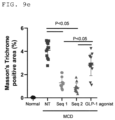
- Example 8-2 The tissue sections manufactured in the same manner as in Example 8-2 were stained with Masson's trichrome, and 100x magnification images were obtained with an optical microscope (BX51, Olympus, GER) at 5 randomly designated different sites among all Masson's trichrome-stained slides (300MI CMOS camera, Aptina). The blue-stained area was measured (Image-Pro Plus, Media Cybernetics Inc., UK) and analyzed as a percentage (Masson's trichrome-positive area (%)).
- both groups administered with the peptides of SEQ ID NO: 1 and SEQ ID NO: 2 were confirmed to significantly reduce the area of fibrosis compared to the NT group or the positive control GLP-1 agonist-administered group.
- a peptide represented by the amino acid sequence of SEQ ID NO: 1 and a peptide represented by the amino acid sequence of SEQ ID NO: 2 are capable of exhibiting superior therapeutic effects compared to nintedanib commercially available as a therapeutic agent for pulmonary fibrosis and liraglutide commercially available as a therapeutic agent for hepatic fibrosis, and thus can replace these commercially available therapeutic agents and can be used in combination with these therapeutic agents.
Landscapes
- Health & Medical Sciences (AREA)
- Chemical & Material Sciences (AREA)
- Life Sciences & Earth Sciences (AREA)
- Medicinal Chemistry (AREA)
- General Health & Medical Sciences (AREA)
- Engineering & Computer Science (AREA)
- Organic Chemistry (AREA)
- Public Health (AREA)
- Pharmacology & Pharmacy (AREA)
- Animal Behavior & Ethology (AREA)
- Bioinformatics & Cheminformatics (AREA)
- Veterinary Medicine (AREA)
- General Chemical & Material Sciences (AREA)
- Chemical Kinetics & Catalysis (AREA)
- Nuclear Medicine, Radiotherapy & Molecular Imaging (AREA)
- Gastroenterology & Hepatology (AREA)
- Proteomics, Peptides & Aminoacids (AREA)
- Immunology (AREA)
- Epidemiology (AREA)
- Genetics & Genomics (AREA)
- Biochemistry (AREA)
- Biophysics (AREA)
- Molecular Biology (AREA)
- Pulmonology (AREA)
- Biomedical Technology (AREA)
- Zoology (AREA)
- Urology & Nephrology (AREA)
- Physical Education & Sports Medicine (AREA)
- Marine Sciences & Fisheries (AREA)
- Medicines That Contain Protein Lipid Enzymes And Other Medicines (AREA)
- Peptides Or Proteins (AREA)
Abstract
Description
- The present invention relates to a peptide for preventing or treating fibrosis, and more particularly to a peptide for preventing or treating fibrosis, which inhibits the dissociation of TGF-β1 from LCC by binding to integrin, or which inhibits the transition of epithelial cells to mesenchymal cells and promotes the transition of mesenchymal cells to epithelial cells, and also binds to Smad2 and Smad3 through cell penetration to thus inhibit phosphorylation thereof, thereby exhibiting an effect of preventing or treating fibrosis.
- Fibrosis is caused by excessive production and accumulation of collagen fibers in tissues, and is known to mainly occur in the lungs, liver, heart, kidneys, etc. As pulmonary fibrosis progresses, not only respiratory disorders but also various complications appear. Systemic hypoxia caused by reduced lung capacity and impaired oxygen diffusion, pulmonary hypertension caused by compression of pulmonary arteries and capillaries due to contraction of fibrous tissue, heart failure caused by blood pooling in the right ventricle due to impaired pulmonary circulation, and other complications such as thrombosis, pneumonia, and the like may occur. Also, inflammation and fibrosis may increase the risk of lung cancer. Pulmonary fibrosis may be caused by inhalation of toxic substances or continuous inflammation, but there is also idiopathic pulmonary fibrosis (IPF) for which a specific cause cannot be identified. When idiopathic pulmonary fibrosis (IPF) develops, lung tissue thickens and hardens over time, such that the lungs are unable to properly absorb oxygen and deliver the same to the bloodstream, ultimately incurring permanent scarring and fibrosis of the lungs, making breathing difficult, and reducing the amount of oxygen delivered to the body's major organs (Coward WR, The pathogenesis of idiopathic pulmonary fibrosis. Ther. Adv. Respir. Dis. 2010; 4:367-388).
- Pulmonary fibrosis is a fatal disease with an average survival time of about 2 to 3 years after diagnosis, and there is still no way to restore lung tissue with advanced pulmonary fibrosis. Currently, steroids and immunosuppressants that suppress the inflammatory response are used as therapeutic agents for pulmonary fibrosis, but fibrosis progresses after the inflammatory response, and most patients visit hospitals with dyspnea, so treatment starts after the inflammatory response period has already passed and the fibrosis response period has begun, and therefore, it is difficult to expect a fibrosis inhibitory effect from existing anti-inflammatory drugs.
- Meanwhile, among liver diseases, nonalcoholic steatohepatitis (NASH or nonalcoholic fatty liver disease (NAFLD)) is steatohepatitis caused by non-drinking obesity, diabetes, hyperlipidemia, drugs, etc. Nonalcoholic steatohepatitis develops into cirrhosis and liver cancer due to inflammation and hepatic fibrosis caused by hepatocellular degeneration/necrosis resulting from fat accumulation in hepatocytes. Therefore, even in case of nonalcoholic steatohepatitis, if fibrosis occurs, restoration to normal tissue is impossible. In addition to the lungs and liver, fibrosis may develop in the heart, kidneys, blood vessels, skin, brain, and the like.
- One of currently available fibrosis drugs is nintedanib (product name: Ofev®), which is a tyrosine kinase inhibitor that targets growth factor receptors involved in the mechanism of pulmonary fibrosis, among which platelet-derived growth factor receptor (PDGFR), fibroblast growth factor receptor (FGFR), and vascular endothelial growth factor receptor (VEGFR) are blocked (Wollin L, Mode of action of nintedanib in the treatment of idiopathic pulmonary fibrosis. Eur. Respir. J. 2015; 45:1434-1445;
EP 1224170 B9 ). In addition, pirfenidone is used for the treatment of idiopathic pulmonary fibrosis, in which fibrosis progresses in the lungs without a clear cause. This drug is a small molecule oral agent that inhibits the synthesis of collagen, reduces profibrotic cytokines, and suppresses the proliferation of fibroblasts that produce collagen (US 8383150 B2 ). - In a normal state, collagen in tissues is kept constant, but in some pathological conditions, the balance is broken, and collagen is excessively produced and accumulated in tissues, leading to fibrosis. Inhibitors that decrease fibrosis mainly perform the functions of 1) reducing the inflammatory response related to fibrosis, 2) inhibiting the activity of profibrotic cytokines or growth factors, 3) suppressing cell proliferation, and 4) reducing procollagen biosynthesis and processing, and therefore, these mechanisms of action are major targets of fibrosis inhibitors. TGF-β (transforming growth factor-beta) is known as a representative profibrotic growth factor, and a compound that directly inhibits TGF-β is being used to develop a fibrosis therapeutic agent. However, since TGF-β is involved in various physiological responses in vivo, direct inhibition by targeting TGF-β or the TGF-β receptor may have great side effects. Hence, a drug with a mechanism that indirectly inhibits the action of TGF-β is needed.
- When looking at fibrosis from a cellular point of view, when normal epithelial cells are damaged by inflammation or some stimulus, the expression of TGF-β increases and the transition of epithelial cells to mesenchymal cells (epithelial-mesenchymal transition, EMT) increases, resulting in transition of epithelial cells to myofibroblasts. It is known that such myofibroblasts ultimately cause fibrosis by excessively producing extracellular matrix proteins such as collagen (Rock JR, Multiple stromal populations contribute to pulmonary fibrosis without evidence for epithelial to mesenchymal transition. Proc. Natl. Acad. Sci. USA 2011; 108:E1475-E1483; Fernandez IE, The impact of TGF-b on lung fibrosis: from targeting to biomarkers. Proc. Am. Thorac. Soc. 2012; 9:111-116; Decaris ML, Proteomic analysis of altered extracellular matrix turnover in bleomycin-induced pulmonary fibrosis. Mol. Cell Proteomics 2014; 13:1741-1752). Therefore, excessive transition of epithelial cells to myofibroblasts is prevented, and on the contrary, transition of mesenchymal cells to normal epithelial cells (mesenchymal-epithelial transition, MET), namely cell reprogramming, is promoted to thus treat fibrosis.
- Accordingly, the present inventors have ascertained that the peptide developed by the present inventors does not directly inhibit TGF-β1, but binds to integrin present in lung fibroblasts to thus prevent TGF-β1 from dissociating from LCC (large latent complex), so fibrosis is suppressed by inhibiting TGF-β1-induced profibrotic signaling, and also that the peptide inhibits transition of epithelial cells into mesenchymal cells and simultaneously promotes transition of mesenchymal cells to epithelial cells, inducing cell reprogramming, and binds to Smad2 and Smad3 through cell penetration to thus inhibit phosphorylation thereof, thereby suppressing fibrosis, and furthermore, the peptide is effective at reducing fibrosis when administered to an animal model of pulmonary fibrosis or an animal model of hepatic fibrosis induced by nonalcoholic steatohepatitis, thereby culminating in the present invention.
- The information described in the Background Art is only for improving understanding of the background of the present invention, and it is not to be construed as including information forming the related art already known to those of ordinary skill in the art to which the present invention belongs.
- It is an object of the present invention to provide a peptide that is effective at preventing and treating fibrosis.
- It is another object of the present invention to provide a pharmaceutical composition for preventing or treating fibrosis comprising the peptide.
- It is still another object of the present invention to provide a method of preventing or treating fibrosis comprising administering the peptide.
- It is yet another object of the present invention to provide the use of the peptide for preventing or treating fibrosis.
- It is still yet another object of the present invention to provide the use of the peptide for the manufacture of a medicament for preventing or treating fibrosis.
- In order to accomplish the above objects, the present invention provides a peptide for preventing or treating fibrosis represented by the amino acid sequence of SEQ ID NO: 1 or SEQ ID NO: 2.
- In addition, the present invention provides a pharmaceutical composition for preventing or treating fibrosis comprising the peptide represented by the amino acid sequence of SEQ ID NO: 1 and/or the peptide represented by the amino acid sequence of SEQ ID NO: 2 as an active ingredient.
- In addition, the present invention provides a method of preventing or treating fibrosis comprising administering the peptide represented by the amino acid sequence of SEQ ID NO: 1 or SEQ ID NO: 2 or the composition comprising the peptide to a subject in need thereof.
- In addition, the present invention provides the use of the peptide represented by the amino acid sequence of SEQ ID NO: 1 or SEQ ID NO: 2 or the composition comprising the peptide for preventing or treating fibrosis.
- In addition, the present invention provides the use of the peptide represented by the amino acid sequence of SEQ ID NO: 1 or SEQ ID NO: 2 or the composition comprising the peptide for the manufacture of a medicament for preventing or treating fibrosis.
-
-
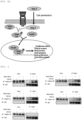
FIG. 1 schematically shows an effect of preventing or treating fibrosis by inhibiting TGF-β1-induced profibrotic intracellular signaling using a peptide according to the present invention that binds to integrin. -
FIG. 2a schematically shows an effect of preventing or treating fibrosis by inhibiting the transition of epithelial cells to mesenchymal cells and promoting the transition of mesenchymal cells to epithelial cells using a peptide according to the present invention. -
FIG. 2b schematically shows an effect of preventing or treating fibrosis by inhibiting profibrotic intracellular signaling using the peptide according to the present invention that binds to Smad2 and Smad3 through cell penetration to thus inhibit phosphorylation thereof. -
FIG. 3 shows results confirming the ability of the peptide of SEQ ID NO: 1 to bind to integrin β1, β3, αv, α4, and α5. -
FIG. 4 shows results confirming the ability of the peptide of SEQ ID NO: 2 to bind to Smad2 or Smad3. -
FIG. 5 shows results of inhibiting the expression of pSmad2 and pSmad3 by the peptide of SEQ ID NO: 2. -
FIG. 6 shows results confirming the effect of the peptide of SEQ ID NO: 1 or 2 on inhibiting COL1A2 and COL3A1 gene expression. -
FIG. 7a shows results of observing an increase in MET marker expression by the peptide of SEQ ID NO: 2. -
FIG. 7b shows results of observing inhibition of EMT marker expression by the peptide of SEQ ID NO: 2. -
FIG. 8a shows an experimental protocol for confirming the therapeutic effect upon treatment of a pulmonary fibrosis animal model with the peptide according to the present invention. -
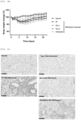
FIG. 8b shows results of observing a weight change upon treatment of a pulmonary fibrosis animal model with the peptide according to the present invention. -
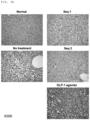
FIG. 8c shows results confirming an effect of reducing fibrous deposition upon treatment of a pulmonary fibrosis animal model with the peptide according to the present invention. -
FIG. 8d shows results confirming the fibrosis reduction effect by measuring the area of fibrosis upon treatment of a pulmonary fibrosis animal model with the peptide according to the present invention. -
FIG. 9a shows an experimental protocol for confirming the therapeutic effect upon treatment of a hepatic fibrosis animal model with the peptide according to the present invention. -
FIG. 9b shows results of H&E staining to confirm the therapeutic effect upon treatment of a hepatic fibrosis animal model with the peptide according to the present invention. -
FIG. 9c shows results of measuring the NAFLD activity score to confirm the therapeutic effect upon treatment of a hepatic fibrosis animal model with the peptide according to the present invention. -
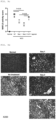
FIG. 9d shows results of Masson's trichrome staining to confirm the therapeutic effect upon treatment of a hepatic fibrosis animal model with the peptide according to the present invention. -
FIG. 9e shows results of measuring the area of fibrosis to confirm the therapeutic effect upon treatment of a hepatic fibrosis animal model with the peptide according to the present invention. - Unless otherwise defined, all technical and scientific terms used herein have the same meanings as typically understood by those skilled in the art to which the present invention belongs. In general, the nomenclature used herein and experimental methods described later are well known in the art and are typical.
- TGF-β1 is known as a protein that plays an important role in increasing fibrosis. In vivo, TGF-β1 binds to LLC (large latent complex) and exists in a latent form. LLC is composed of LAP (latency-associated peptide), LTBP1 (latent TGF-β-binding protein), and TGF-β1. When LAP in LLC binds to an integrin receptor on the cell surface, latent TGF-β1 is dissociated from LLC. This free-TGF-β1 binds to the TGFβ receptor, causing profibrotic intracellular signaling. The peptide of SEQ ID NO: 1 binds to integrin, thus inhibiting LLC from reacting with integrin, thereby preventing the release of TGF-β1. Ultimately, the expression of fibrosis-related proteins by TGF-β1 is suppressed (
FIG. 1 ). - In fibrosis, normal epithelial cells are damaged, and the expression of TGF-β1 increases, so epithelial-mesenchymal transition (EMT) increases, and thus transition of epithelial cells to myofibroblasts occurs. It is known that such myofibroblasts ultimately induce fibrosis by excessively producing extracellular matrix proteins such as collagen. In the present invention, the peptide of SEQ ID NO: 2 inhibits excessive transition of epithelial cells to mesenchymal cells, particularly myofibroblasts, and conversely, promotes the transition of mesenchymal cells to normal epithelial cells (mesenchymal-epithelial transition, MET), that is, increases cell reprogramming, confirming that matrix protein deposition may be inhibited and fibrosis may be treated (
FIG. 2a ). In addition, the peptide of SEQ ID NO: 2 suppresses TGF-β1-induced profibrotic effects by inhibiting phosphorylation of Smad2 and Smad3 increased by TGF-β1. The peptide of SEQ ID NO: 2, which is capable of penetrating cells, binds to Smad2 and Smad3 proteins in cells to thus inhibit phosphorylation thereof, consequently suppressing TGF-β1-induced fibrosis (FIG. 2b ). - Accordingly, an aspect of the present invention pertains to a peptide for preventing or treating fibrosis represented by the amino acid sequence of SEQ ID NO: 1 or the amino acid sequence of SEQ ID NO: 2 below.
- SEQ ID NO: 1: YGLRSKSKKFRRPDIQYPDAT
- SEQ ID NO: 2: GKCSTRGRKSSRRKK
- In the present invention, the peptide represented by the amino acid sequence of SEQ ID NO: 1 prevents the dissociation of TGF-β1 from LLC (large latent complex) by binding to integrin, thus inhibiting TGF-β1-induced profibrotic intracellular signaling, thereby suppressing fibrosis.
- In the present invention, the peptide represented by the amino acid sequence of SEQ ID NO: 2 inhibits the epithelial-mesenchymal transition, and also binds to Smad2 and Smad3 through cell penetration to thus inhibit phosphorylation thereof, thereby suppressing fibrosis.
- Another aspect of the present invention pertains to a pharmaceutical composition for preventing or treating fibrosis comprising the peptide represented by the amino acid sequence of SEQ ID NO: 1 and/or the peptide represented by the amino acid sequence of SEQ ID NO: 2 as an active ingredient.
- In the present invention, fibrosis is a disease caused by excessive deposition of collagen, and may be selected from the group consisting of pulmonary fibrosis, hepatic fibrosis, renal fibrosis, and cardiac fibrosis, but is not limited thereto, and the peptide and the pharmaceutical composition according to the present invention may be used for the prevention or treatment of all fibrosis diseases caused by excessive collagen deposition.
- In the present invention, the pharmaceutical composition may be formulated into any one dosage form selected from the group consisting of an injection, a formulation for oral administration, a patch, a liquid, a capsule, a granule, a tablet, a powder, a spray, a formulation for nasal administration, an inhalation spray, an ointment, a gel, a formulation for mucosal administration, and a suppository, but is not limited thereto. These formulations may be prepared by a typical method used for formulation in the art or a method disclosed in Remington's Pharmaceutical Science (recent edition), Mack Publishing Company, Easton PA, and may be prepared in various forms depending on individual diseases or ingredients. However, the above description is illustrative, and formulations applicable to the present invention are not limited thereto.
- In the present invention, the pharmaceutical composition may further comprise an acceptable adjuvant, and the adjuvant may be, for example, a carrier. A pharmaceutically acceptable carrier may be saline, sterile water, Ringer's solution, buffered saline, dextrose solution, maltodextrin solution, glycerol, ethanol, and a mixture of one or more thereof, and, as necessary, other typical additives such as antioxidants, buffers, bacteriostatic agents, etc. may be added. Also, diluents, dispersants, surfactants, binders, and lubricants may be further added to prepare injectable formulations such as aqueous solutions, suspensions, emulsions, etc., formulations for nasal administration, inhalation sprays, pills, capsules, granules, or tablets. However, the above description is illustrative, and the adjuvant or carrier usable in the present invention is not limited thereto.
- The composition of the present invention may be administered orally or parenterally (e.g. intravenous, subcutaneous, intraperitoneal, intranasal, intratracheal, or topical application) depending on the desired method, and the dose thereof varies depending on the patient's body weight, age, gender, health status, diet, administration time, administration method, excretion rate, and severity of disease. The peptide of SEQ ID NO: 1 or 2 of the present invention may be administered daily at about 1 µg/kg to 100 mg/kg, preferably 5 µg/kg to 50 mg/kg, and may be administered every day or 1-3 times a week. However, the dose and administration interval are not limited thereto.
- Here, the administration regimen and dose may vary depending on the age, body weight, and response of the individual patient. Appropriate administration regimens and doses may be readily selected by those skilled in the art who take these factors into account.
- Still another aspect of the present invention pertains to a method of preventing or treating fibrosis comprising administering the peptide represented by the amino acid sequence of SEQ ID NO: 1 or the peptide represented by the amino acid sequence of SEQ ID NO: 2 to a subject in need thereof.
- Yet another aspect of the present invention pertains to a method of preventing or treating fibrosis comprising administering the composition comprising the peptide represented by the amino acid sequence of SEQ ID NO: 1 and/or the peptide represented by the amino acid sequence of SEQ ID NO: 2 to a subject in need thereof.
- A further aspect of the present invention pertains to the use of the peptide represented by the amino acid sequence of SEQ ID NO: 1 or the peptide represented by the amino acid sequence of SEQ ID NO: 2 for preventing or treating fibrosis.
- Still a further aspect of the present invention pertains to the use of the composition comprising the peptide represented by the amino acid sequence of SEQ ID NO: 1 and/or the peptide represented by the amino acid sequence of SEQ ID NO: 2 for preventing or treating fibrosis.
- Yet a further aspect of the present invention pertains to the use of the peptide represented by the amino acid sequence of SEQ ID NO: 1 or the peptide represented by the amino acid sequence of SEQ ID NO: 2 for the manufacture of a medicament for preventing or treating fibrosis.
- Still yet a further aspect of the present invention pertains to the use of the composition comprising the peptide represented by the amino acid sequence of SEQ ID NO: 1 and/or the peptide represented by the amino acid sequence of SEQ ID NO: 2 for the manufacture of a medicament for preventing or treating fibrosis.
- Since the above-described "peptide or composition comprising the peptide" is employed in the preventive or therapeutic method and use of the present invention, a redundant description thereof will be omitted.
- In the present invention, a specific amino acid sequence of SEQ ID NO: 1 or SEQ ID NO: 2 is described, but it will be apparent to those skilled in the art that, within the scope of the technical idea of the present invention, an amino acid sequence of an equivalent range in which the amino acid sequence of the present invention is partially modified is construed as being within the scope of the present invention.
- Hereinafter, the present invention will be described in more detail with reference to examples. These examples are only for illustrating the present invention, and it will be apparent to those skilled in the art that the scope of the present invention is not to be construed as being limited by these examples.
- Amino acids and reagents required for synthesis were purchased from GL Biochem and Sigma-Aldrich. Peptides were synthesized by an F-moc solid-phase chemical synthesis method from the C-terminus using a synthesizer. Specifically, a rink resin (0.075 mmol/g, 100-200 mesh, 1% DVB crosslinking) with Fmoc-(9-fluorenylmethoxycarbonyl) as a blocking group was used for synthesis, and 50 mg of the rink resin was placed in a synthesizer, the resin was swollen with DMF, and then a 20% piperidine/DMF solution was added to remove the Fmoc-group. A 0.5 M amino acid solution (solvent: dimethylformamide, DMF), 1.0 M DIPEA (solvent: dimethylformamide & N-methylpyrrolidone, DMF & NMP), and 0.5 M HBTU (solvent: dimethylformamide, DMF) were added in the sequence from the C-terminus in respective amounts of 5, 10, and 5 equivalent weights and allowed to react for 1 to 2 hours under a nitrogen stream. Whenever the deprotection and coupling steps were terminated, washing was performed twice with DMF and isopropanol. After coupling the last amino acid, deprotection was performed to remove the Fmoc-group.
- The synthesis was confirmed using a ninhydrin test method, and the tested and synthesized resin was dried with tetrahydrofuran (THF) or dichloromethane (DCM), after which a trifluoroacetic acid (TFA) cleavage cocktail was added in an amount of 20 ml relative to 1 g of resin, shaken for 3 hours, and then filtered to separate the cocktail in which the resin and peptide were dissolved. After removing the filtered solution using a rotary evaporator, cold ether was added or an excess of cold ether was directly added to the TFA cocktail solution in which the peptide was dissolved, so the peptide was crystallized into a solid phase, which was then separated through centrifugation. Here, the TFA cocktail was completely removed through washing with ether several times and centrifugation. The peptide thus obtained was dissolved in distilled water and lyophilized.
- The synthesized peptide was cleaved from the resin, washed, lyophilized, and separated and purified by high-performance liquid chromatography (Shimadzu, Japan). Analysis was performed in a manner in which 0.1% TFA/H2O and 0.092% TFA/acetonitrile were allowed to flow for 30 minutes with a change of 0 to 60% at a flow rate of 1 ml/min using a C18 column with a diameter of 4.6 mm. Here, the wavelength of a UV detector was set to 220 nm. Purification was carried out under the same solvent and detection wavelength conditions at a flow rate of 20 ml/min using a column with a diameter of 2.2 cm. The molecular weight of the purified peptide was determined through mass spectrometry.
- The peptides of SEQ ID NO: 1 and SEQ ID NO: 2 below were synthesized in the same manner as above.
- SEQ ID NO: 1: YGLRSKSKKFRRPDIQYPDAT
- SEQ ID NO: 2: GKCSTRGRKSSRRKK
- Human lung fibroblasts (Diseased human lung fibroblasts from IPF patients, DHLF-IPF, Lonza, #CC-7231) derived from patients with idiopathic pulmonary fibrosis were cultured in full growth media (Fibroblast Growth Basal Medium-2 supplemented with hFGF-B, Insulin, GA-1000, and 2% FBS, Lonza #CC-3132). Before treatment of 3×10⁶ DHLF-IPF with TGF-β1 (R&D systems, #240-B-002), the medium was replaced with Opti-MEM (Gibco, #31985-070), followed by culture for 24 hours. After 24 hours, the medium was replaced with existing growth media and the cells were treated with 10 ng/ml TGF-β1 (R&D systems, #240-B-002) for 24 hours. After 24 hours, the cells were treated for 1 hour with 100 µM biotin-bound peptide of SEQ ID NO: 1 (Biotin-Seq 1). The cells treated with 100 µM biotin-bound peptide of SEQ ID NO: 1 (Biotin-Seq 1) alone were also included in the group.
- The cells thus treated were washed with ice-cold PBS, 500 µl of RIPA buffer (10 mM Tris-HCl, pH 8.0, 1 mM EDTA, 0.5 mM EGTA, 1% Triton X-100, 0.1% sodium deoxycholate, 0.1% SDS, 140 mM NaCl, complete protease inhibitor cocktail (Sigma-Aldrich), phosphatase inhibitor cocktail (Sigma-Aldrich)) was added thereto, and the cells were lysed for 20 minutes. Thereafter, centrifugation was performed at 13,000 g for 25 minutes, and cell lysates were allowed to react with an anti-biotin antibody (diluted 1:100; Abcam, ab53494) overnight at 4°C using a vertical rocker. 20 µl of protein-A agarose beads (Santa Cruz Biotechnology, sc-2003) was added thereto, followed by additional reaction for 3 hours. Centrifugation was briefly performed at 13,000 g, the supernatant was discarded, and the beads were washed with PBS. Protein bound to the beads was separated by adding 5x SDS sample buffer and then boiling the beads, followed by SDS-PAGE and Western blotting. Immunoblotting was performed using antibodies against integrin β1, β3, αv, α4, α5 (Santa Cruz Biotechnology, sc-374429, sc-46655, sc-9969, sc-365209, sc-376199), and IgG (Cell Signaling Technology) . Protein levels were represented as whole lysate (input) and immunoprecipitated protein (IP).
- As a result, the peptide of SEQ ID NO: 1 (Biotin-Seq 1) had the ability to selectively bind to integrin β1, β3, and αv, and upon simultaneous treatment with the peptide of SEQ ID NO: 1 and TGF-β1, the ability to bind to integrin β1, β3, and αv was further increased (
FIG. 3 ). This means that the ability of the peptide of SEQ ID NO: 1 to selectively bind to integrin β1, β3, and αv is further increased in pathological conditions where TGF-β1 is high. - LX-2 (Human hepatic stellate cell line, Millipore #SCC064) was cultured in medium containing 5% DMEM High glucose (Gibco, 11965092), 10% FBS (Gibco, 16000044), and 1% antibiotics-antimycotic (Gibco, 15240062).
- 3×10⁶ LX-2 cells were treated with 100 µM biotin-bound peptide of SEQ ID NO: 2 (Biotin-Seq 2) for 1 hour. The cells thus treated were washed with ice-cold PBS, 500 µl of RIPA buffer (10 mM Tris-HCl, pH 8.0, 1 mM EDTA, 0.5 mM EGTA, 1% Triton X-100, 0.1% sodium deoxycholate, 0.1% SDS, 140 mM NaCl, complete protease inhibitor cocktail (Sigma-Aldrich), phosphatase inhibitor cocktail (Sigma-Aldrich)) was added thereto, and the cells were lysed for 20 minutes. Thereafter, centrifugation was performed at 13,000 g for 25 minutes, and cell lysates were allowed to react with an anti-biotin antibody (diluted 1:100; OriGene) overnight at 4°C using a vertical rocker. 20 µl of protein-A agarose beads (Santa Cruz Biotechnology, sc-2003) was added thereto, followed by additional reaction for 3 hours. Centrifugation was briefly performed at 13,000 g, the supernatant was discarded, and the beads were washed with PBS. Protein bound to the beads was separated by adding 5x SDS sample buffer and then boiling the beads, followed by SDS-PAGE and Western blotting. Immunoblotting was performed using antibodies against Smad2 (Cell Signaling, #5339) and Smad3 (Cell Signaling, #9513). Protein levels were represented as whole lysate (input) and immunoprecipitated protein (IP).
- As a result, the peptide of SEQ ID NO: 2 (Biotin-Seq 2) showed the ability to bind to Smad2 and Smad3, particularly higher ability to bind to Smad3 (
FIG. 4 ), indicating that the peptide of SEQ ID NO: 2 acts on Smad2 and Smad3, which are sub-signals of TGF-β1. - LX-2 (Human hepatic stellate cell line, Millipore #SCC064) was cultured in medium containing 5% DMEM High glucose (Gibco, 11965092), 10% FBS (Gibco, 16000044), and 1% antibiotics-antimycotic (Gibco, 15240062). 3×10⁶ LX-2 cells were treated with 10 ng/ml TGF-β1 and cultured for 24 hours. The cells were treated with 10, 100, or 200 µM of the peptide of SEQ ID NO: 2 or 10 µM SIS3 (Smad3 inhibitor, Sigma-Aldrich, catalog #566405) in fresh medium and cultured for 24 hours.
- Proteins were lysed using RIPA lysis buffer (25 mM Tris HCl pH 7.6, 150 mM NaCl, 1% NP-40, 1% sodium deoxycholate, 0.1% SDS) containing a protease inhibitor and a phosphatase inhibitor. Proteins were quantified by BCA protein assay, and the expression levels of pSmad2, Smad2, pSmad3, Smad3,
TGFβ receptor 1, and GAPDH proteins were determined by Western blotting. For Western blotting, the sample was loaded in the same amount along with a size marker on an 8% SDS PAGE gel, electrophoresed for about 2 hours, and then transferred to a nitrocellulose membrane. The transferred membrane was blocked with 5% skim milk for 1 hour, and allowed to react with primary antibodies at a ratio of 1:1000 overnight. The primary antibodies used were pSmad2 (Cell Signaling, #3108), Smad2 (Cell Signaling, #5339), pSmad3 (Abcam, ab52903), Smad3 (Cell Signaling, #9513), TGFβ receptor1 (Abeam, ab31013), and GAPDH (Cell Signaling, #2118S) . Thereafter, the membrane was washed with TEST containing 0.1% Tween 20, and allowed to react with HRP-conjugated secondary antibodies anti-rabbit (Bethyl, A120-101P) and anti-mouse (Bethyl, A90-116P) at a ratio of 1:5000 for 1 hour, followed by chemiluminescence with an ECL substrate. - As a result, the expression of pSmad3 completely disappeared from the concentration of the peptide of SEQ ID NO: 2 of 10 µM, and the expression of pSmad2 decreased with an increase in the concentration of the peptide of SEQ ID NO: 2 (
FIG. 5 ). However, there was no change in the expression level of the TGFβ receptor. This means that the peptide of SEQ ID NO: 2 binds to Smad2 and Smad3 to thus inhibit phosphorylation thereof. - Human lung fibroblasts (Lonza, #CC-7231) derived from patients with idiopathic pulmonary fibrosis were cultured in full growth media (Fibroblast Growth Basal Medium-2 supplemented with hFGF-B, Insulin, GA-1000, and 2% FBS, Lonza #CC-3132). The cells were seeded in a 24-well plate and cultured in starvation medium (Dulbecco's modified Eagle medium/F12 without FBS supplemented with 0.1 mM 2-phospho-L-ascorbic acid) for 24 hours. Recombinant Human TGF-β1 Protein (R&D Systems, #240-B-002) was diluted at 20 ug/ml in sterile 4 mM HCl containing 1 mg/ml bovine serum albumin. The cells were cultured for 24 hours in full growth media containing 10 ng/ml TGF-β1. The cells were treated with SEQ ID NO: 1 (200 µM), SEQ ID NO: 2 (200 µM), or nintedanib (10 µM) in fresh medium and cultured for 24 hours. The peptides were dissolved in purified water, nintedanib was dissolved in dimethyl sulfoxide, and the concentration of dimethyl sulfoxide in medium was set to 1%. The medium was removed, followed by washing with DPBS (Welgene, LB001-02) and cell lysis using 1 ml of a trizol reagent (Ambion, 15596). 250 µl of chloroform was added thereto, the tube was stirred, and centrifugation was performed at 10,000 rpm for 15 minutes. After removing the aqueous layer using a pipette, 550 µl of isopropanol (Sigma, 19516) was added and shaken gently. After centrifugation at 15,000 rpm for 25 minutes, isopropanol was removed, and 1 ml of 75% ethanol was added thereto. After removal of ethanol and drying in air, the pellets were dissolved in DEPC water (Invitrogen, AM9915G). The concentration of RNA was measured using a Nano Drop (Thermo Scientific, NanoDrop One, AZY1913798).
- cDNA was synthesized from the extracted RNA using a Maxima First strand cDNA synthesis kit (Thermo Fisher, K1641) according to the manufacturer's protocol. In addition, real-time PCR was performed using QuantStudio 3 (Applied Biosystems, A28132) according to the manufacturer's protocol. PCR amplification was conducted by repeating 50 cycles at 95°C for 30 seconds, 60°C for 30 seconds, and 72°C for 30 seconds. Here, the primer sequences used are shown in Table 1 below.
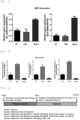
[Table 1] Primer sequence Gene Primer sequence(5' -> 3') SEQ ID NO. Human- COL1a1 Forward CCTGGAAAGAATGGAGATGATG 3 Reverse ATCCAAACCACTGAAACCTCTG 4 Human- COL3a1 Forward GCTGGCTACTTCTCGCTCTG 5 Reverse TCCGCATAGGACTGACCAAG 6 Human- GAPDH Forward GGTGAAGGTCGGTGTGAACG 7 Reverse CTCGCTCCTGGAAGATGGTG 8 - As a result, treatment with TGF-β1 increased COL1A2 and COL3A1 gene expression, but when the cells were treated with TGF-β1 and then the peptide of SEQ ID NO: 1 or SEQ ID NO: 2, the expression of each collagen gene was significantly reduced (*p<0.05), confirming that the peptide of the present invention was more effective than nintedanib (
FIG. 6 ). - LX-2 (Human hepatic stellate cell line, Millipore #SCC064) was seeded at 1×10⁶ in each well of a 6-well plate (Nunc, 140675), and cultured in medium containing 5% DMEM High glucose (Gibco, 11965092), 10% FBS (Gibco, 16000044), and 1% antibiotics-antimycotic (Gibco, 15240062). After starvation in Opti-MEM™ (Gibco, 31985-070) for 6 hours, the medium was replaced with fresh Opti-MEM™, and the cells were treated with 10 ng/ml TGF-beta1 and 100 µM of the peptide of SEQ ID NO: 2 for 24 hours. The medium was removed, followed by washing with DPBS (Welgene, LB001-02) and cell lysis using 1 ml of a trizol reagent (Ambion, 15596) . 250 µl of chloroform was added thereto, the tube was stirred, and centrifugation was performed at 10,000 rpm for 15 minutes. After removing the aqueous layer using a pipette, 550 µl of isopropanol (Sigma, I9516) was added and shaken gently. After centrifugation at 15,000 rpm for 25 minutes, isopropanol was removed, and 1 ml of 75% ethanol was added thereto. After removal of ethanol and drying in air, the pellets were dissolved in DEPC water (Invitrogen, AM9915G). The concentration of RNA was measured using a Nano Drop (Thermo Scientific, NanoDrop One, AZY1913798).
- cDNA was synthesized from the extracted RNA using a Maxima First strand cDNA synthesis kit (Thermo Fisher, K1641) according to the manufacturer's protocol. In addition, real-time PCR was performed using QuantStudio 3 (Applied Biosystems, A28132) according to the manufacturer's protocol. PCR amplification was conducted by repeating 40 cycles at 95°C for 15 seconds, 60°C for 50 seconds, and 72°C for 15 seconds. Here, the primer sequences used are shown in Table 2 below.
[Table 2] Primer sequence Gene Primer Sequence(5'->3') SEQ ID NO. E-cad Forward AGGGGTTAAGCACAACAGCA 9 Reverse ACGACGTTAGCCCGTTCTC 10 EpCAM Forward CGCAGCTCAGGAAGAATGTG 11 Reverse TGAAGTACACTGGCATGACG 12 N-cad Forward TGGGAATCCGACGAATGG 13 Reverse TGCAGATCGGACCGGATACT 14 Twist Forward TGTCCATTTTCTCCTTCTCTGGA 15 Reverse TGTCCGCGTCCCACTAGC 16 Snail Forward GGCCTAGCGAGTGGTTCTTC 17 Reverse GTTAGGCTTCCGATTGGGGT 18 GAPDH Forward ACATCGCTCAGACACCATG 19 Reverse TGTAGTTGAGGTCAATGAAGGG 20 - As a result, the peptide of SEQ ID NO: 2 increased the gene expression of E-cadherin and EpCAM, which are MET markers, and decreased the gene expression of N-cadherin, Twist1, and Snail1, which are EMT markers. Conversely, TGF-β1 decreased the expression of MET markers and increased the expression of EMT markers (
FIG. 7 ). Accordingly, it was found that the peptide of SEQ ID NO: 2 increased MET and inhibited EMT. - In order to confirm the fibrosis therapeutic effect of the peptide according to the present invention at the animal level, an animal model in which lung disease was induced with bleomycin was used. C57BL/6J mice (male, 7 weeks old) were purchased from Charles River. Mice were anesthetized by intraperitoneal administration of a mixture of Imalgene (ketamine, 100 mg/kg)/Rompun (xylazine, 20 mg/kg), and a total of 50 µl of bleomycin sulfate (1.45 mg/kg, MBcell, CA, USA) was injected intratracheally once, and saline was injected intratracheally in the normal group (day 0). On
day 7, mice were divided into groups, each consisting of eight. PBS (NT), SEQ ID NO: 1 (30 mg/kg), and SEQ ID NO: 2 (30 mg/kg) were administered subcutaneously three times a week, and nintedanib (Fluorochem Ref = 050741, 100 mg/kg) was administered orally daily. Each of the peptides of SEQ ID NO: 1 and SEQ ID NO: 2 was administered after dissolution in water for injection, and nintedanib was administered after mixing with water containing 0.5% hydroxyethylcellulose (Sigma; lot BCBV5033) and 0.01% Tween 80 (Sigma; lot BCBR6211V). While administering the drug for 21 days, body weight was measured every 2 days, and whether there were other clinical symptoms were checked. The experimental protocol is shown inFIG. 8a . - Based on results of measuring the change in body weight from
day 0 today 22, the body weight decreased untilday 7 after administration of bleomycin, but increased after treatment with the peptide according to the present invention and nintedanib (FIG. 8b ), and weight loss due to toxicity of the peptide according to the present invention and nintedanib was not observed. - After mice were sacrificed with isoflurane on
day 22, lung tissue was excised therefrom and histological analysis was performed. Paraffin was introduced into the lungs, 5 um paraffin sections were manufactured, Sirius Red staining and hematoxylin/phloxine staining were performed to evaluate the extent of pulmonary fibrosis and inflammation, and the extent of inflammation and fibrosis was observed through microscopy. Thereby, in the group (NT) which induced lung disease with bleomycin and to which PBS was administered, a lot of fibrous deposition was observed in the lungs, and in the nintedanib-administered group, there was some therapeutic effect, but a lot of deposited fibrous tissue was still observed. However, the group administered with the peptide of SEQ ID NO: 1 and the group administered with the peptide of SEQ ID NO: 2 were confirmed to significantly reduce fibrosis compared to the NT group and the nintedanib-administered group (FIG. 8c ). - In order to quantify the fibrotic change, the area of the red (fibrotic portion) was quantified in the sample stained with Sirius Red. As a result, the groups treated with the peptide of SEQ ID NO: 1 and the peptide of SEQ ID NO: 2 showed a significant reduction in the area of fibrosis compared to the NT group and the nintedanib-treated group (
FIG. 8d , P<0.05). - In order to further confirm the fibrosis therapeutic effect of the peptide according to the present invention at the animal level, hepatitis and hepatic fibrosis were induced by providing methionine-choline-deficient (MCD) diet to mice (methionine-choline-deficient diet mouse model). Male 6-week-old C57BL/6J mice were used, and divided into a normal diet group, a group not treated after feeding MCD diet, groups injected with the peptide of SEQ ID NO: 1 (20 mg/kg) and the peptide of SEQ ID NO: 2 (20 mg/kg), and a positive control group subcutaneously injected with liraglutide (0.2 mg/kg), which is a type of glucagon-
like peptide 1 receptor agonist serving as a hepatitis therapeutic agent. After autonomous feeding of MCD diet for 10 weeks, 8 mice were assigned to each group and a therapeutic agent was administered thereto. Peptide and liraglutide were administered once a day, a total of 12 times at 3-day intervals (FIG. 9a ). - For all animals, body weight was measured immediately before initiation of administration and twice a week throughout the entire test. After the end of the last administration, the animals was anesthetized by intraperitoneal injection of 300 µl of Avertin, blood was collected from the abdominal vena cava by laparotomy, the liver and spleen were removed therefrom, and the weight of the removed organs was measured. Tissues were fixed in a neutral buffered formalin solution for all animals subjected to necropsy, and paraffin blocks were manufactured and sectioned through tissue processing. The tissue sections thus obtained were subjected to H&E staining. The H&E stained specimens were scored for steatosis, ballooning degeneration, and lobular inflammation (Table 3), and the extent of hepatic inflammation (NAFLD activity score) was measured.
[Table 3] NAFLD activity score Item Definition Score Steatosis < 5% 0 5-33% 1 > 33-66% 2 > 660 3 Hepatocellular ballooning None 0 Few 1 Many 2 Lobular inflammation No foci 0 < 2 foci per 200x field 1 2-4 foci per 200x field 2 > 4 foci per 200x field 3 - The results thereof are shown in
FIGs. 9b and9c . Both groups administered with the peptides of SEQ ID NO: 1 and SEQ ID NO: 2 significantly reduced the NAFLD activity score compared to the NT group or the positive control GLP-1 agonist-administered group. - The tissue sections manufactured in the same manner as in Example 8-2 were stained with Masson's trichrome, and 100x magnification images were obtained with an optical microscope (BX51, Olympus, GER) at 5 randomly designated different sites among all Masson's trichrome-stained slides (300MI CMOS camera, Aptina). The blue-stained area was measured (Image-Pro Plus, Media Cybernetics Inc., UK) and analyzed as a percentage (Masson's trichrome-positive area (%)).
- As a result, as shown in
FIGs. 9d and9e , both groups administered with the peptides of SEQ ID NO: 1 and SEQ ID NO: 2 were confirmed to significantly reduce the area of fibrosis compared to the NT group or the positive control GLP-1 agonist-administered group. - According to the present invention, a peptide represented by the amino acid sequence of SEQ ID NO: 1 and a peptide represented by the amino acid sequence of SEQ ID NO: 2 are capable of exhibiting superior therapeutic effects compared to nintedanib commercially available as a therapeutic agent for pulmonary fibrosis and liraglutide commercially available as a therapeutic agent for hepatic fibrosis, and thus can replace these commercially available therapeutic agents and can be used in combination with these therapeutic agents.
- Having described specific parts of the present invention in detail above, it will be obvious to those skilled in the art that these specific descriptions are only preferred embodiments, and the scope of the present invention is not limited thereby. Accordingly, the substantial scope of the present invention will be defined by the appended claims and equivalents thereto.
- An electronic file is attached.
Claims (8)
- A peptide for preventing or treating fibrosis represented by an amino acid sequence of SEQ ID NO: 1 or SEQ ID NO: 2.
- The peptide according to claim 1, wherein the peptide represented by the amino acid sequence of SEQ ID NO: 1 inhibits dissociation of TGF-β1 from a large latent complex (LLC) by binding to integrin.
- The peptide according to claim 1, wherein the peptide represented by the amino acid sequence of SEQ ID NO: 2 inhibits epithelial-mesenchymal transition, or binds to Smad2 and Smad3 through cell penetration to thus inhibit phosphorylation thereof.
- A pharmaceutical composition for preventing or treating fibrosis comprising a peptide represented by an amino acid sequence of SEQ ID NO: 1 and/or a peptide represented by an amino acid sequence of SEQ ID NO: 2 as an active ingredient.
- The pharmaceutical composition according to claim 4, wherein the fibrosis is selected from the group consisting of pulmonary fibrosis, hepatic fibrosis, renal fibrosis, and cardiac fibrosis.
- The pharmaceutical composition according to claim 4, wherein the pharmaceutical composition is formulated in any one dosage form selected from the group consisting of an injection, a formulation for oral administration, a patch, a liquid, a capsule, a granule, a tablet, a powder, a spray, a formulation for nasal administration, an inhalation spray, an ointment, a gel, a formulation for mucosal administration, and a suppository.
- The pharmaceutical composition according to claim 4, wherein the pharmaceutical composition further compries an acceptable adjuvant.
- The pharmaceutical composition according to claim 4, wherein the peptide is administered daily at 1 µg/kg to 100 mg/kg, and is administered every day or 1-3 times a week.
Priority Applications (1)
| Application Number | Priority Date | Filing Date | Title |
|---|---|---|---|
| EP25161937.5A EP4541368A3 (en) | 2021-01-25 | 2022-01-24 | Peptide for preventing and treating fibrosis |
Applications Claiming Priority (2)
| Application Number | Priority Date | Filing Date | Title |
|---|---|---|---|
| KR20210009981 | 2021-01-25 | ||
| PCT/KR2022/095016 WO2022158956A1 (en) | 2021-01-25 | 2022-01-24 | Peptide for preventing and treating fibrosis |
Related Child Applications (1)
| Application Number | Title | Priority Date | Filing Date |
|---|---|---|---|
| EP25161937.5A Division EP4541368A3 (en) | 2021-01-25 | 2022-01-24 | Peptide for preventing and treating fibrosis |
Publications (2)
| Publication Number | Publication Date |
|---|---|
| EP4282874A1 true EP4282874A1 (en) | 2023-11-29 |
| EP4282874A4 EP4282874A4 (en) | 2024-08-28 |
Family
ID=82548974
Family Applications (2)
| Application Number | Title | Priority Date | Filing Date |
|---|---|---|---|
| EP22742932.1A Pending EP4282874A4 (en) | 2021-01-25 | 2022-01-24 | PEPTIDE TO PREVENT AND TREAT FIBROSIS |
| EP25161937.5A Pending EP4541368A3 (en) | 2021-01-25 | 2022-01-24 | Peptide for preventing and treating fibrosis |
Family Applications After (1)
| Application Number | Title | Priority Date | Filing Date |
|---|---|---|---|
| EP25161937.5A Pending EP4541368A3 (en) | 2021-01-25 | 2022-01-24 | Peptide for preventing and treating fibrosis |
Country Status (5)
| Country | Link |
|---|---|
| US (1) | US20240238368A1 (en) |
| EP (2) | EP4282874A4 (en) |
| KR (1) | KR102764240B1 (en) |
| CN (1) | CN116981683A (en) |
| WO (1) | WO2022158956A1 (en) |
Cited By (1)
| Publication number | Priority date | Publication date | Assignee | Title |
|---|---|---|---|---|
| EP4480958A4 (en) * | 2022-02-15 | 2025-12-31 | Nibec Co Ltd | PEPTIDE WITH ANTIBACTERIAL, ANTI-INFLAMMATORY OR TISSUE REGENERATION CAPACITY AND USE OF THEREBY |
Families Citing this family (1)
| Publication number | Priority date | Publication date | Assignee | Title |
|---|---|---|---|---|
| CN116655746B (en) * | 2022-11-23 | 2023-12-22 | 浙江大学 | A kind of polypeptide and its application in preparing anti-fibrosis drugs |
Family Cites Families (12)
| Publication number | Priority date | Publication date | Assignee | Title |
|---|---|---|---|---|
| JP2519500B2 (en) | 1988-03-02 | 1996-07-31 | トヨタ自動車株式会社 | Resistance welding equipment |
| UA75054C2 (en) | 1999-10-13 | 2006-03-15 | Бьорінгер Інгельхайм Фарма Гмбх & Ко. Кг | Substituted in position 6 indolinones, producing and use thereof as medicament |
| NZ591443A (en) | 2005-09-22 | 2013-04-26 | Intermune Inc | Granule formation of pirfenidone and pharmaceutically acceptable excipients |
| SG186347A1 (en) * | 2010-06-14 | 2013-01-30 | Hoffmann La Roche | Cell-penetrating peptides and uses therof |
| KR101355809B1 (en) * | 2012-03-13 | 2014-01-28 | 우리들생명과학 주식회사 | Composition for inducing a bone differentiation and method for enhancing a bone differentiation using the same |
| EP3130345B9 (en) * | 2014-04-11 | 2022-05-04 | Gemvax & Kael Co., Ltd. | Peptide having fibrosis inhibitory activity and composition containing same |
| KR101638775B1 (en) * | 2014-07-24 | 2016-07-13 | 서울대학교산학협력단 | Novel Peptide for Inhibiting Fat Accumulation and Pharmaceutical Composition for Preventing or Treating Obesity Comprising the Same |
| CN106860855B (en) * | 2017-03-01 | 2021-06-11 | 成都惠泰生物医药有限公司 | Application of polypeptide and polypeptide derivative in preventing and treating fibrotic diseases |
| KR101964376B1 (en) * | 2017-09-29 | 2019-04-01 | 주식회사 나이벡 | Pharmaceutical composition and Biomaterial Containing Fusion Peptide Comprising Parathyroid hormone(PTH) bonded Bone-selective Peptide |
| EP3842041B1 (en) * | 2018-08-17 | 2025-05-21 | Nibec Co., Ltd. | Composition for treating and preventing gingivoperiodontitis or peri-implantitis, and interdental brush coated with same |
| WO2020046002A1 (en) * | 2018-08-31 | 2020-03-05 | 주식회사 나이벡 | Novel use of peptide for inhibiting functions and expressions of multiple disease biomarkers |
| KR102323691B1 (en) * | 2018-08-31 | 2021-11-09 | 주식회사 나이벡 | Novel Peptides Having an Ability to Bind with Biomarker of Inflammatory and Metabolic Diseases and Use of the Same |
-
2022
- 2022-01-24 US US18/262,543 patent/US20240238368A1/en active Pending
- 2022-01-24 WO PCT/KR2022/095016 patent/WO2022158956A1/en not_active Ceased
- 2022-01-24 CN CN202280017052.2A patent/CN116981683A/en active Pending
- 2022-01-24 KR KR1020220010121A patent/KR102764240B1/en active Active
- 2022-01-24 EP EP22742932.1A patent/EP4282874A4/en active Pending
- 2022-01-24 EP EP25161937.5A patent/EP4541368A3/en active Pending
Cited By (1)
| Publication number | Priority date | Publication date | Assignee | Title |
|---|---|---|---|---|
| EP4480958A4 (en) * | 2022-02-15 | 2025-12-31 | Nibec Co Ltd | PEPTIDE WITH ANTIBACTERIAL, ANTI-INFLAMMATORY OR TISSUE REGENERATION CAPACITY AND USE OF THEREBY |
Also Published As
| Publication number | Publication date |
|---|---|
| EP4541368A3 (en) | 2025-07-02 |
| EP4541368A2 (en) | 2025-04-23 |
| WO2022158956A1 (en) | 2022-07-28 |
| KR102764240B1 (en) | 2025-02-11 |
| KR20220107973A (en) | 2022-08-02 |
| CN116981683A (en) | 2023-10-31 |
| US20240238368A1 (en) | 2024-07-18 |
| EP4282874A4 (en) | 2024-08-28 |
Similar Documents
| Publication | Publication Date | Title |
|---|---|---|
| KR101687037B1 (en) | Melanocortin receptor-specific peptides for treatment of sexual dysfunction | |
| CA2938928C (en) | Use of sigma-1 receptor agonist compounds | |
| CN107567459A (en) | Amylin analogs | |
| CN115379879A (en) | anti-Claudin-1 monoclonal antibody for preventing and treating fibrotic diseases | |
| EP4541368A2 (en) | Peptide for preventing and treating fibrosis | |
| JP7609556B2 (en) | Medical Use of Interferon-Lambda for the Treatment of Fibrosis | |
| JP2022512826A (en) | Biomarkers of MetAP2 inhibitors and their applications | |
| WO2024025264A1 (en) | Method for treating cancer and inflammatory diseases using stem cell- derived extracellular vesicles comprising sirp | |
| CN116731117B (en) | Kim-1 targeting polypeptide and application thereof in renal targeting in acute renal injury | |
| CN100413888C (en) | soluble peptide | |
| CN113024635B (en) | A class of stapled peptide compounds and uses of pharmaceutical compositions thereof | |
| CN105079780B (en) | Application of polypeptide specifically binding TRB3 in treatment of abdominal aortic aneurysm | |
| CN118255843A (en) | Tapelin targeting TEAD-VGL4 interaction and application thereof in skin repair | |
| US12545704B2 (en) | Peptide for treating inflammation and wounds | |
| EP3421484A1 (en) | Polypeptide, derivatives thereof, and application thereof in preparation of drugs having resistance to pulmonary fibrosis | |
| US8507446B2 (en) | Use of PEDF-derived polypeptides for treating liver cirrhosis | |
| EP4137507A1 (en) | Recombinant fusion protein for preventing or treating fibrotic diseases | |
| WO2026019452A2 (en) | Orally deliverable non-naturally occurring melanocortin analogs and uses thereof for treating substance use disorders | |
| WO2023246703A1 (en) | Peptide inhibitor and use thereof | |
| AU2018303333B2 (en) | Angiotensin receptor agonists and uses thereof | |
| WO2025175250A1 (en) | Orally deliverable non-naturally occurring melanocortin analogs and uses thereof for modulating weight loss | |
| TW202604563A (en) | Triple glp-1/gip/glucagon receptor agonist and pharmaceutical composition comprising same for preventing or treating kidney diseases | |
| KR20250118752A (en) | Pharmaceutical composition for preventing or treating fibrotic diseases | |
| HK40082941A (en) | Recombinant fusion protein for preventing or treating fibrotic diseases | |
| HK40127211A (en) | Antibody, nucleic acid, cell, and pharmaceutical |
Legal Events
| Date | Code | Title | Description |
|---|---|---|---|
| STAA | Information on the status of an ep patent application or granted ep patent |
Free format text: STATUS: THE INTERNATIONAL PUBLICATION HAS BEEN MADE |
|
| PUAI | Public reference made under article 153(3) epc to a published international application that has entered the european phase |
Free format text: ORIGINAL CODE: 0009012 |
|
| STAA | Information on the status of an ep patent application or granted ep patent |
Free format text: STATUS: REQUEST FOR EXAMINATION WAS MADE |
|
| 17P | Request for examination filed |
Effective date: 20230807 |
|
| AK | Designated contracting states |
Kind code of ref document: A1 Designated state(s): AL AT BE BG CH CY CZ DE DK EE ES FI FR GB GR HR HU IE IS IT LI LT LU LV MC MK MT NL NO PL PT RO RS SE SI SK SM TR |
|
| DAV | Request for validation of the european patent (deleted) | ||
| DAX | Request for extension of the european patent (deleted) | ||
| REG | Reference to a national code |
Ref country code: DE Ref legal event code: R079 Free format text: PREVIOUS MAIN CLASS: C07K0014000000 Ipc: A61K0038170000 |
|
| RIC1 | Information provided on ipc code assigned before grant |
Ipc: A61K 38/39 20060101ALI20240502BHEP Ipc: A61P 19/04 20060101ALI20240502BHEP Ipc: A61P 13/12 20060101ALI20240502BHEP Ipc: A61P 1/16 20060101ALI20240502BHEP Ipc: A61P 11/00 20060101ALI20240502BHEP Ipc: A61K 38/00 20060101ALI20240502BHEP Ipc: C07K 7/08 20060101ALI20240502BHEP Ipc: C07K 14/00 20060101ALI20240502BHEP Ipc: A61K 38/17 20060101AFI20240502BHEP |
|
| RAP1 | Party data changed (applicant data changed or rights of an application transferred) |
Owner name: NIBEC CO., LTD. |
|
| A4 | Supplementary search report drawn up and despatched |
Effective date: 20240729 |
|
| RIC1 | Information provided on ipc code assigned before grant |
Ipc: A61K 38/39 20060101ALI20240723BHEP Ipc: A61P 19/04 20060101ALI20240723BHEP Ipc: A61P 13/12 20060101ALI20240723BHEP Ipc: A61P 1/16 20060101ALI20240723BHEP Ipc: A61P 11/00 20060101ALI20240723BHEP Ipc: A61K 38/00 20060101ALI20240723BHEP Ipc: C07K 7/08 20060101ALI20240723BHEP Ipc: C07K 14/00 20060101ALI20240723BHEP Ipc: A61K 38/17 20060101AFI20240723BHEP |
|
| STAA | Information on the status of an ep patent application or granted ep patent |
Free format text: STATUS: EXAMINATION IS IN PROGRESS |
|
| 17Q | First examination report despatched |
Effective date: 20250404 |
|
| GRAP | Despatch of communication of intention to grant a patent |
Free format text: ORIGINAL CODE: EPIDOSNIGR1 |
|
| STAA | Information on the status of an ep patent application or granted ep patent |
Free format text: STATUS: GRANT OF PATENT IS INTENDED |
|
| RIC1 | Information provided on ipc code assigned before grant |
Ipc: A61K 38/17 20060101AFI20260227BHEP Ipc: C07K 14/00 20060101ALI20260227BHEP Ipc: C07K 7/08 20060101ALI20260227BHEP Ipc: A61K 38/00 20060101ALI20260227BHEP Ipc: A61P 11/00 20060101ALI20260227BHEP Ipc: A61P 1/16 20060101ALI20260227BHEP Ipc: A61P 13/12 20060101ALI20260227BHEP Ipc: A61P 19/04 20060101ALI20260227BHEP Ipc: A61K 38/39 20060101ALI20260227BHEP Ipc: A61P 43/00 20060101ALI20260227BHEP |
|
| INTG | Intention to grant announced |
Effective date: 20260312 |