EP4276192A1 - Analytical method and therapeutical agent for use in combination with l-asparaginase in tumour therapy - Google Patents
Analytical method and therapeutical agent for use in combination with l-asparaginase in tumour therapy Download PDFInfo
- Publication number
- EP4276192A1 EP4276192A1 EP22172665.6A EP22172665A EP4276192A1 EP 4276192 A1 EP4276192 A1 EP 4276192A1 EP 22172665 A EP22172665 A EP 22172665A EP 4276192 A1 EP4276192 A1 EP 4276192A1
- Authority
- EP
- European Patent Office
- Prior art keywords
- asparaginase
- sod2
- treatment
- tumour
- activity
- Prior art date
- Legal status (The legal status is an assumption and is not a legal conclusion. Google has not performed a legal analysis and makes no representation as to the accuracy of the status listed.)
- Withdrawn
Links
Images



Classifications
-
- A—HUMAN NECESSITIES
- A61—MEDICAL OR VETERINARY SCIENCE; HYGIENE
- A61K—PREPARATIONS FOR MEDICAL, DENTAL OR TOILETRY PURPOSES
- A61K38/00—Medicinal preparations containing peptides
- A61K38/16—Peptides having more than 20 amino acids; Gastrins; Somatostatins; Melanotropins; Derivatives thereof
- A61K38/43—Enzymes; Proenzymes; Derivatives thereof
- A61K38/46—Hydrolases (3)
- A61K38/50—Hydrolases (3) acting on carbon-nitrogen bonds, other than peptide bonds (3.5), e.g. asparaginase
-
- G—PHYSICS
- G01—MEASURING; TESTING
- G01N—INVESTIGATING OR ANALYSING MATERIALS BY DETERMINING THEIR CHEMICAL OR PHYSICAL PROPERTIES
- G01N33/00—Investigating or analysing materials by specific methods not covered by groups G01N1/00 - G01N31/00
- G01N33/48—Biological material, e.g. blood, urine; Haemocytometers
- G01N33/50—Chemical analysis of biological material, e.g. blood, urine; Testing involving biospecific ligand binding methods; Immunological testing
- G01N33/53—Immunoassay; Biospecific binding assay; Materials therefor
- G01N33/575—Immunoassay; Biospecific binding assay; Materials therefor for cancer
- G01N33/57505—Immunoassay; Biospecific binding assay; Materials therefor for cancer of the blood, e.g. leukaemia
-
- A—HUMAN NECESSITIES
- A61—MEDICAL OR VETERINARY SCIENCE; HYGIENE
- A61K—PREPARATIONS FOR MEDICAL, DENTAL OR TOILETRY PURPOSES
- A61K45/00—Medicinal preparations containing active ingredients not provided for in groups A61K31/00 - A61K41/00
- A61K45/06—Mixtures of active ingredients without chemical characterisation, e.g. antiphlogistics and cardiaca
-
- A—HUMAN NECESSITIES
- A61—MEDICAL OR VETERINARY SCIENCE; HYGIENE
- A61P—SPECIFIC THERAPEUTIC ACTIVITY OF CHEMICAL COMPOUNDS OR MEDICINAL PREPARATIONS
- A61P35/00—Antineoplastic agents
- A61P35/02—Antineoplastic agents specific for leukemia
-
- C—CHEMISTRY; METALLURGY
- C12—BIOCHEMISTRY; BEER; SPIRITS; WINE; VINEGAR; MICROBIOLOGY; ENZYMOLOGY; MUTATION OR GENETIC ENGINEERING
- C12Q—MEASURING OR TESTING PROCESSES INVOLVING ENZYMES, NUCLEIC ACIDS OR MICROORGANISMS; COMPOSITIONS OR TEST PAPERS THEREFOR; PROCESSES OF PREPARING SUCH COMPOSITIONS; CONDITION-RESPONSIVE CONTROL IN MICROBIOLOGICAL OR ENZYMOLOGICAL PROCESSES
- C12Q1/00—Measuring or testing processes involving enzymes, nucleic acids or microorganisms; Compositions therefor; Processes of preparing such compositions
- C12Q1/25—Measuring or testing processes involving enzymes, nucleic acids or microorganisms; Compositions therefor; Processes of preparing such compositions involving enzymes not classifiable in groups C12Q1/26 - C12Q1/66
-
- C—CHEMISTRY; METALLURGY
- C12—BIOCHEMISTRY; BEER; SPIRITS; WINE; VINEGAR; MICROBIOLOGY; ENZYMOLOGY; MUTATION OR GENETIC ENGINEERING
- C12Q—MEASURING OR TESTING PROCESSES INVOLVING ENZYMES, NUCLEIC ACIDS OR MICROORGANISMS; COMPOSITIONS OR TEST PAPERS THEREFOR; PROCESSES OF PREPARING SUCH COMPOSITIONS; CONDITION-RESPONSIVE CONTROL IN MICROBIOLOGICAL OR ENZYMOLOGICAL PROCESSES
- C12Q1/00—Measuring or testing processes involving enzymes, nucleic acids or microorganisms; Compositions therefor; Processes of preparing such compositions
- C12Q1/26—Measuring or testing processes involving enzymes, nucleic acids or microorganisms; Compositions therefor; Processes of preparing such compositions involving oxidoreductase
-
- C—CHEMISTRY; METALLURGY
- C12—BIOCHEMISTRY; BEER; SPIRITS; WINE; VINEGAR; MICROBIOLOGY; ENZYMOLOGY; MUTATION OR GENETIC ENGINEERING
- C12Q—MEASURING OR TESTING PROCESSES INVOLVING ENZYMES, NUCLEIC ACIDS OR MICROORGANISMS; COMPOSITIONS OR TEST PAPERS THEREFOR; PROCESSES OF PREPARING SUCH COMPOSITIONS; CONDITION-RESPONSIVE CONTROL IN MICROBIOLOGICAL OR ENZYMOLOGICAL PROCESSES
- C12Q1/00—Measuring or testing processes involving enzymes, nucleic acids or microorganisms; Compositions therefor; Processes of preparing such compositions
- C12Q1/34—Measuring or testing processes involving enzymes, nucleic acids or microorganisms; Compositions therefor; Processes of preparing such compositions involving hydrolase
-
- C—CHEMISTRY; METALLURGY
- C12—BIOCHEMISTRY; BEER; SPIRITS; WINE; VINEGAR; MICROBIOLOGY; ENZYMOLOGY; MUTATION OR GENETIC ENGINEERING
- C12Y—ENZYMES
- C12Y305/00—Hydrolases acting on carbon-nitrogen bonds, other than peptide bonds (3.5)
- C12Y305/01—Hydrolases acting on carbon-nitrogen bonds, other than peptide bonds (3.5) in linear amides (3.5.1)
- C12Y305/01001—Asparaginase (3.5.1.1)
-
- G—PHYSICS
- G01—MEASURING; TESTING
- G01N—INVESTIGATING OR ANALYSING MATERIALS BY DETERMINING THEIR CHEMICAL OR PHYSICAL PROPERTIES
- G01N33/00—Investigating or analysing materials by specific methods not covered by groups G01N1/00 - G01N31/00
- G01N33/48—Biological material, e.g. blood, urine; Haemocytometers
- G01N33/50—Chemical analysis of biological material, e.g. blood, urine; Testing involving biospecific ligand binding methods; Immunological testing
- G01N33/68—Chemical analysis of biological material, e.g. blood, urine; Testing involving biospecific ligand binding methods; Immunological testing involving proteins, peptides or amino acids
- G01N33/6893—Chemical analysis of biological material, e.g. blood, urine; Testing involving biospecific ligand binding methods; Immunological testing involving proteins, peptides or amino acids related to diseases not provided for elsewhere
-
- G—PHYSICS
- G01—MEASURING; TESTING
- G01N—INVESTIGATING OR ANALYSING MATERIALS BY DETERMINING THEIR CHEMICAL OR PHYSICAL PROPERTIES
- G01N2333/00—Assays involving biological materials from specific organisms or of a specific nature
- G01N2333/435—Assays involving biological materials from specific organisms or of a specific nature from animals; from humans
- G01N2333/46—Assays involving biological materials from specific organisms or of a specific nature from animals; from humans from vertebrates
- G01N2333/47—Assays involving proteins of known structure or function as defined in the subgroups
- G01N2333/4701—Details
- G01N2333/4703—Regulators; Modulating activity
-
- G—PHYSICS
- G01—MEASURING; TESTING
- G01N—INVESTIGATING OR ANALYSING MATERIALS BY DETERMINING THEIR CHEMICAL OR PHYSICAL PROPERTIES
- G01N2333/00—Assays involving biological materials from specific organisms or of a specific nature
- G01N2333/90—Enzymes; Proenzymes
- G01N2333/902—Oxidoreductases (1.)
- G01N2333/90283—Oxidoreductases (1.) acting on superoxide radicals as acceptor (1.15)
-
- G—PHYSICS
- G01—MEASURING; TESTING
- G01N—INVESTIGATING OR ANALYSING MATERIALS BY DETERMINING THEIR CHEMICAL OR PHYSICAL PROPERTIES
- G01N2333/00—Assays involving biological materials from specific organisms or of a specific nature
- G01N2333/90—Enzymes; Proenzymes
- G01N2333/914—Hydrolases (3)
- G01N2333/978—Hydrolases (3) acting on carbon to nitrogen bonds other than peptide bonds (3.5)
- G01N2333/98—Hydrolases (3) acting on carbon to nitrogen bonds other than peptide bonds (3.5) acting on amide bonds in linear amides (3.5.1)
- G01N2333/982—Asparaginase
-
- G—PHYSICS
- G01—MEASURING; TESTING
- G01N—INVESTIGATING OR ANALYSING MATERIALS BY DETERMINING THEIR CHEMICAL OR PHYSICAL PROPERTIES
- G01N2800/00—Detection or diagnosis of diseases
- G01N2800/52—Predicting or monitoring the response to treatment, e.g. for selection of therapy based on assay results in personalised medicine; Prognosis
Definitions
- the present invention provides an analytical method for use in combination with tumour treatment making use of L-asparaginase as a therapeutical agent, and provides a therapeutical agent for use in combination with the use of L-asparaginase in tumour therapy.
- a further object is to provide an improved treatment of cancer using administration of L-asparaginase, especially for treatment of cancer that has been analysed and predicted to have resistance against L-asparaginase treatment.
- the invention achieves the object by the features of the claims, especially by an analytical method for detecting the level of activity of superoxide dismutase (SOD2, e.g. UniProtKB P04179 (SODM_HUMAN) in a sample originating from a patient for determining the sensitivity for, or resistance against, tumour treatment with L-asparaginase.
- SOD2 superoxide dismutase
- the invention provides a method for predicting the efficacy of the use of L-asparaginase for use in tumour treatment, e.g. for determination of suitability of use of L-asparaginase in tumour treatment, and respectively for stratifying patients for tumour therapy by L-asparaginase treatment, or for tumour therapy without L-asparaginase treatment, e.g.
- a low activity level of SOD2 preferably is an activity of SOD2 as found in cancer cells that are sensitive to treatment with L-asparaginase, e.g. an activity below 50%, below 40%, preferably below 35% or below 30% of the activity of SOD2 in cancer cells that are resistant to L-asparaginase.
- the invention provides an inhibitor of SOD2 and/or an inhibitor of UBR2 and/or of UBR1 in combination with L-asparaginase for use in the treatment of a tumour, optionally in combination with a chemotherapeutic agent.
- the invention shows that an inhibitor of SOD2 and, separately an inhibitor of UBR2 increases the sensitivity of cancer cells for L-asparaginase. Accordingly, an inhibitor for SOD2 and/or an inhibitor for UBR2 and/or UBR1 in combination with L-asparaginase is suitable for use in the treatment of a tumour.
- sensitization of cancer cells to treatment with L-asparaginase by each of SOD2 and UBR2 and its close relative UBR1 is independent of reactive oxygen species, of cell cycle changes, of alterations of mTOR signaling, and of glutamine anaplerosis.
- the mechanism that causes sensitization of cancer cells to treatment with L-asparaginase by each of SOD2 and/or UBR2 and UBR1 is currently assumed to be a regulation of protein degeneration by the N-degron pathway, also referred to as N-end rule pathway.
- SOD2 and/or UBR2/UBR1 are believed to reduce activity of the protein degradation, which protein degradation may be activated in response to L-asparaginase treatment in order to release amino acids to replenish asparagine intracellularly, leading to resistance against L-asparaginase.
- the inhibition of SOD2 and/or of one or both of UBR2 and UBR1 in combination with administration of L-asparaginase according to the invention is assumed to hinder the release of amino acids by protein degradation in the N-degron pathway, thus supporting the starvation of cancer cells of asparagine due to L-asparaginase.
- leukemia cell lines (CCRF-CEM, Jurkat, MOLT4, DND41, Loucy, KOPTK1) were used.
- the cell lines were cultivated and treated with 100 U/L L-asparaginase in the medium, or vehicle (PBS) as control with incubation under cell culture conditions for 48 h.
- PBS vehicle
- shRNA TRCN0000005942 mature antisense sequence ATAAGGCCTGTTGTTCCTTGC, SEQ ID NO: 1 (shSOD2 #3) or TRCN0000005939 (mature antisense sequence AAAGAGCTTAACATACTCAGC, SEQ ID NO: 2) (shSOD2 #4) were used.
- Fig. 4B for the T-ALL cells depict the cell viability normalized to the cell viability for Vehicle.
- the results show that the inhibitor for UBR2, represented by the sgRNA (sgUBR2 #3) for knock-down of UBR2, increased the sensitivity of these cells for treatment with L-asparaginase, whereas control inhibitor (AAVS 1) essentially had no effect on the sensitivity towards L-asparaginase.
- P-values reflect the comparison of control inhibitor (AAVS 1) and inhibitor of UBR2 (sgUBR2), calculated using a two-way ANOVA with Sidak's adjustments for multiple comparisons.
Landscapes
- Health & Medical Sciences (AREA)
- Life Sciences & Earth Sciences (AREA)
- Chemical & Material Sciences (AREA)
- Engineering & Computer Science (AREA)
- Organic Chemistry (AREA)
- General Health & Medical Sciences (AREA)
- Immunology (AREA)
- Proteomics, Peptides & Aminoacids (AREA)
- Zoology (AREA)
- Molecular Biology (AREA)
- Wood Science & Technology (AREA)
- Medicinal Chemistry (AREA)
- Biochemistry (AREA)
- Hematology (AREA)
- Bioinformatics & Cheminformatics (AREA)
- Microbiology (AREA)
- Analytical Chemistry (AREA)
- Physics & Mathematics (AREA)
- Biotechnology (AREA)
- Animal Behavior & Ethology (AREA)
- Pharmacology & Pharmacy (AREA)
- Veterinary Medicine (AREA)
- Public Health (AREA)
- Biomedical Technology (AREA)
- Urology & Nephrology (AREA)
- General Engineering & Computer Science (AREA)
- Genetics & Genomics (AREA)
- Biophysics (AREA)
- Epidemiology (AREA)
- General Physics & Mathematics (AREA)
- Pathology (AREA)
- Cell Biology (AREA)
- Food Science & Technology (AREA)
- Oncology (AREA)
- Chemical Kinetics & Catalysis (AREA)
- General Chemical & Material Sciences (AREA)
- Nuclear Medicine, Radiotherapy & Molecular Imaging (AREA)
- Gastroenterology & Hepatology (AREA)
- Medicines That Contain Protein Lipid Enzymes And Other Medicines (AREA)
- Acyclic And Carbocyclic Compounds In Medicinal Compositions (AREA)
Abstract
The invention provides an analytical method for detecting the level of activity of superoxide dismutase in a sample originating from a patient for determining the sensitivity for, or resistance against, tumour treatment with L-asparaginase. Further, the invention provides an inhibitor of SOD2 and/or an inhibitor of UBR2 and/or of UBR1 in combination with L-asparaginase for use in the treatment of a tumour, optionally in combination with a chemotherapeutic agent.
Description
- The present invention provides an analytical method for use in combination with tumour treatment making use of L-asparaginase as a therapeutical agent, and provides a therapeutical agent for use in combination with the use of L-asparaginase in tumour therapy.
- The analytical method of the invention is suitable for predicting the outcome of tumour therapy by administration of L-asparaginase, e.g. for stratifying patients into a group that is predicted to be susceptible to treatment with L-asparaginase, and another group that is predicted as having a poorer response to treatment with L-asparaginase. This stratification of patients allows the therapeutical agent of the invention to be used in combination with L-asparaginase in the treatment of tumour. The preferred tumour to be analysed and for use of the therapeutic agent in combination with L-asparaginase is one of colorectal cancer and leukemia and, especially acute lymphoblastic leukemia (ALL). Generally herein, tumour and cancer are used interchangeably.
-
- Appel et al., Blood 107, 4244-4249 (2006) analysed the effect of administration of L-asparaginase and PEGylated L-asparaginase in treatment of ALL on the expression of asparagin synthetase. The therapeutic effect of administration of L-asparaginase against cancer cells is seen in the depletion of serum asparagine by enzymatic conversion to aspartate.
- Place et al., Lancet Oncol, 1677-1690 (2015) analysed the effects of treatment of ALL with native L-asparaginase and PEGylated L-asparaginase.
- Hinze et al., Cancer Discov. 10(11) 1690-1705 (2021) describe the analysis of the WNT/β-catenin signaling pathway in colorectal cancer cell lines which originally were resistant to treatment with L-asparaginase. It was found that treatment of these cells by inhibition of GSK3α induced activation of WNT-signaling, which lead to sensitization of the cancer cells to treatment with L-asparaginase.
- It is an object of the invention to provide an analytical method for predicting the efficacy, or outcome, of treatment of cancer, especially of ALL, with L-asparaginase, especially to identify patients having a cancer, e.g. ALL, that can be expected to be resistant against L-asparaginase therapy. A further object is to provide an improved treatment of cancer using administration of L-asparaginase, especially for treatment of cancer that has been analysed and predicted to have resistance against L-asparaginase treatment.
- The invention achieves the object by the features of the claims, especially by an analytical method for detecting the level of activity of superoxide dismutase (SOD2, e.g. UniProtKB P04179 (SODM_HUMAN) in a sample originating from a patient for determining the sensitivity for, or resistance against, tumour treatment with L-asparaginase. In this embodiment, the invention provides a method for predicting the efficacy of the use of L-asparaginase for use in tumour treatment, e.g. for determination of suitability of use of L-asparaginase in tumour treatment, and respectively for stratifying patients for tumour therapy by L-asparaginase treatment, or for tumour therapy without L-asparaginase treatment, e.g. irradiation therapy and/or chemotherapy only. The sample preferably comprises or consists of cancer cells, e.g. colorectal cancer cells or leukemia cells isolated from a blood sample originating from the patient. Therein, the level of activity of SOD2 can be e.g. the level of SOD2-K68 acetylation, which can be determined by FACS or Western blotting using immunostaining by an antibody specific for acetylated SOD2-K68, or by a colorimetric assay, e.g. use of a superoxide dismutase assay kit. A high level of activity of SOD2 indicates that the cancer cells are not sensitive, e.g. resistant, to treatment with L-asparaginase, predicting a poor effect of L-asparaginase in anti-cancer treatment. In contrast, a low activity level of SOD2 indicates that the cancer cells are sensitive against treatment with L-asparaginase, predicting effectivity of treatment of cancer cells by L-asparaginase. Accordingly, preferably only patients with a low level of activity of SOD2 in cancer cells are selected for therapy that comprises L-asparaginase for use in treatment. Patients with a high activity of SOD2 in cancer cells are selected for therapy that comprises other pharmaceuticals than L-asparaginase for use in treatment.
- A low activity level of SOD2 preferably is an activity of SOD2 as found in cancer cells that are sensitive to treatment with L-asparaginase, e.g. an activity below 50%, below 40%, preferably below 35% or below 30% of the activity of SOD2 in cancer cells that are resistant to L-asparaginase.
- Further, the invention provides an inhibitor of SOD2 and/or an inhibitor of UBR2 and/or of UBR1 in combination with L-asparaginase for use in the treatment of a tumour, optionally in combination with a chemotherapeutic agent.
- The invention shows that an inhibitor of SOD2 and, separately an inhibitor of UBR2 increases the sensitivity of cancer cells for L-asparaginase. Accordingly, an inhibitor for SOD2 and/or an inhibitor for UBR2 and/or UBR1 in combination with L-asparaginase is suitable for use in the treatment of a tumour.
- As UBR1 (E3 ubiquitin-
protein ligase 1, UniProt KB: Q8IWV7 (UBR1_HUMAN)) and UBR2 (E3 ubiquitin-protein ligase 2, UniProt KB: Q8IWV8 (UBR2 HUMAN)) have 95% amino acid identity, the increased sensitivity of cancer cells in the presence of an inhibitor of UBR2 also indicates that a inhibitor of UBR1 increases sensitivity of the cancer cells for treatment by L-asparaginase. - Currently, it is assumed that sensitization of cancer cells to treatment with L-asparaginase by each of SOD2 and UBR2 and its close relative UBR1 is independent of reactive oxygen species, of cell cycle changes, of alterations of mTOR signaling, and of glutamine anaplerosis. The mechanism that causes sensitization of cancer cells to treatment with L-asparaginase by each of SOD2 and/or UBR2 and UBR1 is currently assumed to be a regulation of protein degeneration by the N-degron pathway, also referred to as N-end rule pathway. Inhibition of SOD2 and/or UBR2/UBR1 is believed to reduce activity of the protein degradation, which protein degradation may be activated in response to L-asparaginase treatment in order to release amino acids to replenish asparagine intracellularly, leading to resistance against L-asparaginase. The inhibition of SOD2 and/or of one or both of UBR2 and UBR1 in combination with administration of L-asparaginase according to the invention is assumed to hinder the release of amino acids by protein degradation in the N-degron pathway, thus supporting the starvation of cancer cells of asparagine due to L-asparaginase.
- The invention is now described by way of examples with reference to the figures that show in
-
Fig. 1A activity levels of SOD2 in human leukemia cells that are sensitive or resistant to treatment with L-asparaginase, -
Fig. 1B activity levels of SOD2 in human cancer cells, present as xenografts on mice, which cancer cells are sensitive or resistant to treatment with L-asparaginase, -
Fig. 1C the receiver operating characteristic (ROC) analysis of SOD2 activity as a biomarker of susceptibility of cancer cells to L-asparaginase treatment, -
Fig. 2A viability of CCRF-CEM cancer cells after knock-down of SOD2 in L-asparaginase treatment, -
Fig. 2B viability of Jurkat cancer cells after knock-down of SOD2 in L-asparaginase treatment, -
Fig. 2C viability of MOLT4 cancer cells after knock-down of SOD2 in L-asparaginase treatment, -
Fig. 2D viability of NALM-16 cancer cells after knock-down of SOD2 in L-asparaginase treatment, -
Fig. 2E viability of HCT-15 cancer cells after knock-down of SOD2 in L-asparaginase treatment, -
Fig. 2F viability of SW480 cancer cells after knock-down of SOD2 in L-asparaginase treatment, -
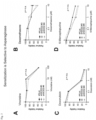
Fig. 3A cancer cell viability in transduced cancer cells in presence of Vincristine, -
Fig. 3B cancer cell viability in transduced cancer cells in presence of Dexamethasone, -
Fig. 3C cancer cell viability in transduced cancer cells in presence of Doxorubicin, -
Fig. 3D cancer cell viability in transduced cancer cells in presence of 6-mercaptopurine, -
Fig. 4A viability of Jurkat cancer cells after knock-down of UBR2 in L-asparaginase treatment, and -
Fig. 4B viability of CCRF-CEM cancer cells after knock-down of UBR2 in L-asparaginase treatment. - Generally, statistical significance P was assessed by a two-sided Student's t-test with Welch adjustment, or by a one-way ANOVA with Dunnett's adjustment for multiple comparisons unless otherwise indicated.
- As representatives of cancer cells, leukemia cell lines (CCRF-CEM, Jurkat, MOLT4, DND41, Loucy, KOPTK1) were used. The cell lines were cultivated and treated with 100 U/L L-asparaginase in the medium, or vehicle (PBS) as control with incubation under cell culture conditions for 48 h.
- Analysis of the activity level of SOD2 was by Western blotting of total cell proteins, using immunostaining for SOD2-K68 acetylation with antibody (available from Abcam, catalog number 137037), with quantitative detection of the blot, or by a colorimetric assay, e.g. the Superoxide Dismutase Assay Kit (Cayman 706002) The results are depicted in
Fig. 1A , showing that low levels of SOD2 activity, e.g. below 40% of the SOD2 activity level found in L-asparaginase resistant cells, correlates with sensitivity to L-asparaginase treatment, whereas high levels of SOD2 activity correlate with resistance against L-asparaginase treatment. - For treatment of PDX cells, ALL clinical specimens collected from children enrolled on ALL-BFM 2000, COALL 0703, COALL 06-97, or AIEOP-BFM ALL 2009 were used, with informed consent and institutional review board approval in accordance with the Declaration of Helsinki. Patient-derived xenografts were generated by engrafting viably frozen leukemic cell into immunodeficient mice followed by harvesting and viably freezing, as described in Townsend et al., 2016. PDX cells were thawed, and subsequently cultured in vitro for treatment with vehicle (PBS), or asparaginase (100 U/L) for 48 hrs to assess drug response.
- The results show that low activity of SOD2 in the cancer cells correlates with sensitivity to L-asparaginase treatment, whereas a high level of activity of SOD2 correlates with resistance to L-asparaginase.
-
Fig. 1C for the data shown inFigures 1A and 1B depicts the receiver operating characteristic analysis of SOD2, showing that the activity of SOD2 in cancer cells is a bioindicator suitable for predicting the efficacy of treatment with L-asparaginase. - As a further proof of the correlation of low SOD2 activity in cancer cells with sensitivity for L-asparaginase treatment, resp. of the correlation of high SOD2 activity in cancer cells with resistance against L-asparaginase treatment, T-ALL cells CCRF-CEM, and Jurkat cells, as well as B-ALL cells (NALM-16) and colorectal cancer cells HCT-15, and SW480 were transduced with shRNA that knocks-down SOD2 (shSOD2), or transduced with shRNA that knocks-down luciferase as a control (shLuc), and treated with 0.1 U/L, 1 u/L, 10 U/L, 100 U/L, or 1000 U/L L-asparaginase, followed by incubation under cell culture conditions for 8 days. After the incubation, cell viability was assessed by counting viable cells by Trypan blue exclusion assay. For knock-down of SOD2, shRNA TRCN0000005942 (mature antisense sequence ATAAGGCCTGTTGTTCCTTGC, SEQ ID NO: 1 (shSOD2 #3) or TRCN0000005939 (mature antisense sequence AAAGAGCTTAACATACTCAGC, SEQ ID NO: 2) (shSOD2 #4) were used.
-
Fig. 2A-F for the different cancer cells depict the anti-cancer activity of L-asparaginase for the cells after shRNA (shSOD) mediated decrease of activity of SOD2, whereas the control-transduced (shLuc) cancer cells continued to be resistant against L-asparaginase treatment. P-values ofFig. 2A-F reflect the comparison of shLuc and shSOD2 at a dose of 100 U/L L-asparaginase and were calculated using a one-way ANOVA with Dunnet's adjustments for multiple comparisons. - These results show that in several types of cancer the sensitivity for L-asparaginase treatment correlates with low activity of SOD2, and that inhibition of activity of SOD2 in cancer increases the sensitivity of the cancer for L-asparaginase. As the results of Example 2 show that the inhibition of SOD2 specifically increases the efficacy of L-asparaginase in the treatment of a tumour, an inhibitor for SOD2 is effective in combination with L-asparaginase alone or in combination with L-asparaginase and a further chemotherapeutic agent for use in treatment of a tumour.
- Further, these results show that an inhibitor for SOD2, herein represented by the shRNA that knocks-down SOD2 expression in the cancer cells, is suitable in combination with L-asparaginase for use in the treatment of cancer.
- As an example for cancer cells, T-ALL cells (CCRF-CEM) were used in in vitro experiments with a chemotherapeutic agent for treatment of cancer. The cancer cells were transduced with shRNA (
shSOD2 # 3 or SOD2 #4) that reduces or knocks-down expression of SOD2, and shLuc as comparative control (original SOD2 activity maintained). As the chemotherapeutic agent, Vincristine, Dexamethasone, Doxorubicin, or 6-mercaptopurine were used. Following incubation under cell culture conditions for 8 days, cell viability was analysed by Trypan blue exclusion. InFig. 3A-D , P-values reflect the comparison of cancer cells transduced by shLuc or shSOD2 at the highest dosage of the chemotherapeutic agent. - The results are depicted in
Fig. 3A-D , showing that inhibition of SOD2 as caused by knock-down of SOD2 in cancer cells specifically correlates with their sensitivity for L-asparaginase, whereas sensitivity for these chemotherapeutic agents is essentially not affected by the activity level of SOD2. - Cas9-expressing Jurkat cells or T-ALL cells (CCRF-CEM) were treated with sgRNA that specifically knocked-out UBR2 (
sgUBR2 # 3, GAAACTTGAAATAGTCTAAA, SEQ ID NO: 3) or control sgRNA directed against the safe harbor control locus AAVS1 (sgAAVS1, 5'-AGCGGCTCCAATTCGGAAGT-3', SEQ ID NO: 4), and after knock-out of UBR2 cells were incubated under cell-culture conditions with 100 U/L L-asparaginase (Asp) or PBS as control agent (Vehicle). Cell viability was analysed by Trypan blue exclusion after 48 h of incubation. -
Fig. 4A for Jurkat cells,Fig. 4B for the T-ALL cells depict the cell viability normalized to the cell viability for Vehicle. The results show that the inhibitor for UBR2, represented by the sgRNA (sgUBR2 #3) for knock-down of UBR2, increased the sensitivity of these cells for treatment with L-asparaginase, whereas control inhibitor (AAVS 1) essentially had no effect on the sensitivity towards L-asparaginase. P-values reflect the comparison of control inhibitor (AAVS 1) and inhibitor of UBR2 (sgUBR2), calculated using a two-way ANOVA with Sidak's adjustments for multiple comparisons.
Claims (6)
- Method for analysis of sensitivity for, or resistance against, tumour treatment with L-asparaginase in a sample originating from a patient, characterized by analysing the activity of superoxide dismutase 2 (SOD2).
- Method according to claim 1, characterized in that the activity of SOD2 is determined as the concentration of K68 acetylation of SOD2, or a colorimetric superoxide dismutase assay
- Method according to one of the preceding claims, wherein a high activity of SOD2 indicates resistance of the tumour against treatment with L-asparaginase, and a low activity of SOD2 indicates susceptibility of the tumour in treatment with L-asparaginase.
- L-asparaginase for use in the treatment of a tumour, characterized by a combination of L-asparaginase with an inhibitor of SOD2 and/or an inhibitor of UBR2 and/or of UBR1 for use in the treatment of a tumour.
- L-asparaginase in combination with an inhibitor of SOD2 and/or an inhibitor of UBR2 and/or of UBR1 for use in the treatment of a tumour according to claim 4, characterized in that the tumour was analysed to have a high activity of SOD2.
- L-asparaginase in combination with an inhibitor of SOD2 and/or an inhibitor of UBR2 and/or of UBR1 for use in the treatment of a tumour according to one of claims 4 to 5, characterized in that the tumour is ALL or colorectal cancer.
Priority Applications (4)
| Application Number | Priority Date | Filing Date | Title |
|---|---|---|---|
| EP22172665.6A EP4276192A1 (en) | 2022-05-10 | 2022-05-10 | Analytical method and therapeutical agent for use in combination with l-asparaginase in tumour therapy |
| PCT/EP2023/062381 WO2023217840A1 (en) | 2022-05-10 | 2023-05-10 | Analytical method and therapeutical agent for use in combination with l-asparaginase in tumour therapy |
| US18/865,191 US20250195628A1 (en) | 2022-05-10 | 2023-05-10 | Analytical method and therapeutical agent for use in combination with l-asparaginase in tumour therapy |
| EP23726037.7A EP4522762B1 (en) | 2022-05-10 | 2023-05-10 | Analytical method and therapeutical agent for use in combination with l-asparaginase in tumour therapy |
Applications Claiming Priority (1)
| Application Number | Priority Date | Filing Date | Title |
|---|---|---|---|
| EP22172665.6A EP4276192A1 (en) | 2022-05-10 | 2022-05-10 | Analytical method and therapeutical agent for use in combination with l-asparaginase in tumour therapy |
Publications (1)
| Publication Number | Publication Date |
|---|---|
| EP4276192A1 true EP4276192A1 (en) | 2023-11-15 |
Family
ID=81653773
Family Applications (2)
| Application Number | Title | Priority Date | Filing Date |
|---|---|---|---|
| EP22172665.6A Withdrawn EP4276192A1 (en) | 2022-05-10 | 2022-05-10 | Analytical method and therapeutical agent for use in combination with l-asparaginase in tumour therapy |
| EP23726037.7A Active EP4522762B1 (en) | 2022-05-10 | 2023-05-10 | Analytical method and therapeutical agent for use in combination with l-asparaginase in tumour therapy |
Family Applications After (1)
| Application Number | Title | Priority Date | Filing Date |
|---|---|---|---|
| EP23726037.7A Active EP4522762B1 (en) | 2022-05-10 | 2023-05-10 | Analytical method and therapeutical agent for use in combination with l-asparaginase in tumour therapy |
Country Status (3)
| Country | Link |
|---|---|
| US (1) | US20250195628A1 (en) |
| EP (2) | EP4276192A1 (en) |
| WO (1) | WO2023217840A1 (en) |
Citations (2)
| Publication number | Priority date | Publication date | Assignee | Title |
|---|---|---|---|---|
| WO2021247009A1 (en) * | 2020-06-02 | 2021-12-09 | Galera Labs, Llc | Combination cancer therapy with pentaaza macrocyclic ring complex and hormone therapy agent |
| WO2021247714A1 (en) * | 2020-06-02 | 2021-12-09 | Galera Labs, Llc | Combination cancer therapy with pentaaza macrocyclic ring complex and hormone therapy agent |
-
2022
- 2022-05-10 EP EP22172665.6A patent/EP4276192A1/en not_active Withdrawn
-
2023
- 2023-05-10 US US18/865,191 patent/US20250195628A1/en active Pending
- 2023-05-10 WO PCT/EP2023/062381 patent/WO2023217840A1/en not_active Ceased
- 2023-05-10 EP EP23726037.7A patent/EP4522762B1/en active Active
Patent Citations (2)
| Publication number | Priority date | Publication date | Assignee | Title |
|---|---|---|---|---|
| WO2021247009A1 (en) * | 2020-06-02 | 2021-12-09 | Galera Labs, Llc | Combination cancer therapy with pentaaza macrocyclic ring complex and hormone therapy agent |
| WO2021247714A1 (en) * | 2020-06-02 | 2021-12-09 | Galera Labs, Llc | Combination cancer therapy with pentaaza macrocyclic ring complex and hormone therapy agent |
Non-Patent Citations (7)
| Title |
|---|
| "UniProt KB", Database accession no. Q8IWV8 |
| ALACHKAR H ET AL: "Expression and polymorphism (rs4880) of mitochondrial superoxide dismutase (SOD2) and asparaginase induced hepatotoxicity in adult patients with acute lymphoblastic leukemia", THE PHARMACOGENOMICS JOURNAL, NATURE PUBLISHING GROUP, GB, vol. 17, no. 3, 29 March 2016 (2016-03-29), pages 274 - 279, XP037650898, ISSN: 1470-269X, [retrieved on 20160329], DOI: 10.1038/TPJ.2016.7 * |
| APPEL ET AL., BLOOD, vol. 107, 2006, pages 4244 - 4249 |
| HINZE ET AL., CANCER DISCOV, vol. 10, no. 11, 2021, pages 1690 - 1705 |
| IBRAHIM N K ET AL: "S107: SOD2 PROMOTES ACUTE LEUKEMIA ADAPTATION TO AMINO ACID STARVATION THROUGH THE N-DEGRON PATHWAY", HEMASPHERE - 20220601 - LIPPINCOTT WILLIAMS AND WILKINS, 1 June 2022 (2022-06-01), pages 17 - 18, XP055967291, Retrieved from the Internet <URL:https://journals.lww.com/hemasphere/Fulltext/2022/06003/Abstract_Book_for_the_27th_Congress_of_the.1.aspx> [retrieved on 20221003], DOI: 10.1097/01.HS9.0000852292.38263.b8 * |
| PLACE ET AL., LANCET ONCOL, 2015, pages 1677 - 1690 |
| YOSHIMITSU KAZUNORI ET AL: "Superoxide Dismutase Activity in Leukemic Blasts of Children with Acute Leukemia", ACTA PAEDIATRICA, vol. 73, no. 1, 1 January 1984 (1984-01-01), GB, pages 92 - 96, XP055967448, ISSN: 0803-5253, DOI: 10.1111/j.1651-2227.1984.tb09904.x * |
Also Published As
| Publication number | Publication date |
|---|---|
| US20250195628A1 (en) | 2025-06-19 |
| EP4522762A1 (en) | 2025-03-19 |
| EP4522762B1 (en) | 2025-10-22 |
| WO2023217840A1 (en) | 2023-11-16 |
Similar Documents
| Publication | Publication Date | Title |
|---|---|---|
| Unwin et al. | Proteomic changes in renal cancer and co‐ordinate demonstration of both the glycolytic and mitochondrial aspects of the Warburg effect | |
| Bouchekioua et al. | JAK3 deregulation by activating mutations confers invasive growth advantage in extranodal nasal-type natural killer cell lymphoma | |
| Chan et al. | Polo‐like kinase 4 inhibitor CFI‐400945 suppresses liver cancer through cell cycle perturbation and eliciting antitumor immunity | |
| Wang et al. | CYLD deficiency enhances metabolic reprogramming and tumor progression in nasopharyngeal carcinoma via PFKFB3 | |
| Fu et al. | Annexin A1: A double-edged sword as novel cancer biomarker | |
| Wang et al. | Deubiquitinase USP13 regulates glycolytic reprogramming and progression in osteosarcoma by stabilizing METTL3/m6A/ATG5 axis | |
| Liu et al. | Hyper-O-GlcNAcylation of YB-1 affects Ser102 phosphorylation and promotes cell proliferation in hepatocellular carcinoma | |
| Wang et al. | The novel β-TrCP protein isoform hidden in circular RNA confers trastuzumab resistance in HER2-positive breast cancer | |
| Wang et al. | Cpt1c regulated by AMPK promotes papillary thyroid carcinomas cells survival under metabolic stress conditions | |
| Zhang et al. | Aldehyde oxidase 1 promoted the occurrence and development of colorectal cancer by up-regulation of expression of CD133 | |
| Chen et al. | The clinical significance of isocitrate dehydrogenase 2 in esophageal squamous cell carcinoma | |
| WO2016111991A1 (en) | The protein kinase activity of phosphoglycerate kinase 1 as a target for cancer treatment and diagnosis | |
| Li et al. | ELAVL4 promotes the tumorigenesis of small cell lung cancer by stabilizing LncRNA LYPLAL1‐DT and enhancing profilin 2 activation | |
| Wang et al. | TPI1 promotes p53 ubiquitination in bladder cancer by recruiting AKT to enhance MDM2 phosphorylation | |
| Kim et al. | Antisense-thioredoxin inhibits angiogenesis via pVHL-mediated hypoxia-inducible factor-1α degradation | |
| Guo et al. | GATAD2B promotes ovarian cancer malignant progression via MYC/CD47 Axis | |
| Duan et al. | ULK1 Depletion Protects Mice from Diethylnitrosamine-Induced Hepatocarcinogenesis by Promoting Apoptosis and Inhibiting Autophagy | |
| US20250195628A1 (en) | Analytical method and therapeutical agent for use in combination with l-asparaginase in tumour therapy | |
| EP4053278A1 (en) | Anti-tumor agent suppressing or inhibiting zic5 | |
| CN115112894A (en) | Lung adenocarcinoma diagnosis marker and application thereof | |
| Miyake et al. | A novel molecular target, superoxide dismutase 1, in ALK inhibitor-resistant lung cancer cells, detected through proteomic analysis | |
| CN114196750A (en) | Novel marker for judging malignant tumor of bile duct cancer and application | |
| CN108663524B (en) | Overexpression of FAT10 disrupts WISP1 protein and mRNA expression to promote liver cancer progression | |
| JP2022037510A (en) | Anti-myeloma agent and screening method for anti-myeloma agent | |
| AU2014348780B2 (en) | Biomarker for MELK activity and methods of using same |
Legal Events
| Date | Code | Title | Description |
|---|---|---|---|
| PUAI | Public reference made under article 153(3) epc to a published international application that has entered the european phase |
Free format text: ORIGINAL CODE: 0009012 |
|
| STAA | Information on the status of an ep patent application or granted ep patent |
Free format text: STATUS: THE APPLICATION HAS BEEN PUBLISHED |
|
| AK | Designated contracting states |
Kind code of ref document: A1 Designated state(s): AL AT BE BG CH CY CZ DE DK EE ES FI FR GB GR HR HU IE IS IT LI LT LU LV MC MK MT NL NO PL PT RO RS SE SI SK SM TR |
|
| STAA | Information on the status of an ep patent application or granted ep patent |
Free format text: STATUS: THE APPLICATION IS DEEMED TO BE WITHDRAWN |
|
| 18D | Application deemed to be withdrawn |
Effective date: 20240516 |