EP4273307A1 - Method for rapidly constructing cyclized library and ring-forming linker - Google Patents
Method for rapidly constructing cyclized library and ring-forming linker Download PDFInfo
- Publication number
- EP4273307A1 EP4273307A1 EP20967409.2A EP20967409A EP4273307A1 EP 4273307 A1 EP4273307 A1 EP 4273307A1 EP 20967409 A EP20967409 A EP 20967409A EP 4273307 A1 EP4273307 A1 EP 4273307A1
- Authority
- EP
- European Patent Office
- Prior art keywords
- adapter
- cyclization
- complementary
- strands
- double
- Prior art date
- Legal status (The legal status is an assumption and is not a legal conclusion. Google has not performed a legal analysis and makes no representation as to the accuracy of the status listed.)
- Pending
Links
- 238000000034 method Methods 0.000 title claims abstract description 34
- 230000000295 complement effect Effects 0.000 claims abstract description 56
- 239000012634 fragment Substances 0.000 claims abstract description 40
- 108091028043 Nucleic acid sequence Proteins 0.000 claims abstract description 7
- 238000007363 ring formation reaction Methods 0.000 claims description 94
- NBIIXXVUZAFLBC-UHFFFAOYSA-N Phosphoric acid Chemical compound OP(O)(O)=O NBIIXXVUZAFLBC-UHFFFAOYSA-N 0.000 claims description 29
- 229910000147 aluminium phosphate Inorganic materials 0.000 claims description 14
- 238000012986 modification Methods 0.000 claims description 14
- 230000004048 modification Effects 0.000 claims description 14
- 108060002716 Exonuclease Proteins 0.000 claims description 6
- 102000013165 exonuclease Human genes 0.000 claims description 6
- 108010021757 Polynucleotide 5'-Hydroxyl-Kinase Proteins 0.000 claims description 2
- 102000008422 Polynucleotide 5'-hydroxyl-kinase Human genes 0.000 claims description 2
- 108020004414 DNA Proteins 0.000 abstract description 23
- 102000003960 Ligases Human genes 0.000 abstract description 5
- 108090000364 Ligases Proteins 0.000 abstract description 5
- 239000000047 product Substances 0.000 description 20
- 238000010276 construction Methods 0.000 description 16
- 238000012163 sequencing technique Methods 0.000 description 14
- 150000007523 nucleic acids Chemical class 0.000 description 12
- 239000000203 mixture Substances 0.000 description 10
- 238000006243 chemical reaction Methods 0.000 description 9
- 108020004707 nucleic acids Proteins 0.000 description 9
- 102000039446 nucleic acids Human genes 0.000 description 9
- 102000053602 DNA Human genes 0.000 description 8
- 239000011324 bead Substances 0.000 description 8
- 238000000746 purification Methods 0.000 description 8
- 238000002474 experimental method Methods 0.000 description 7
- 238000001914 filtration Methods 0.000 description 6
- XLYOFNOQVPJJNP-UHFFFAOYSA-N water Substances O XLYOFNOQVPJJNP-UHFFFAOYSA-N 0.000 description 6
- 239000000872 buffer Substances 0.000 description 4
- 238000010586 diagram Methods 0.000 description 4
- 238000013467 fragmentation Methods 0.000 description 4
- 238000006062 fragmentation reaction Methods 0.000 description 4
- 238000003752 polymerase chain reaction Methods 0.000 description 4
- 239000000243 solution Substances 0.000 description 4
- 108091081548 Palindromic sequence Proteins 0.000 description 3
- 239000003153 chemical reaction reagent Substances 0.000 description 3
- 238000007796 conventional method Methods 0.000 description 3
- 238000013461 design Methods 0.000 description 3
- 238000007481 next generation sequencing Methods 0.000 description 3
- 239000006228 supernatant Substances 0.000 description 3
- 238000002604 ultrasonography Methods 0.000 description 3
- LFQSCWFLJHTTHZ-UHFFFAOYSA-N Ethanol Chemical compound CCO LFQSCWFLJHTTHZ-UHFFFAOYSA-N 0.000 description 2
- 239000007984 Tris EDTA buffer Substances 0.000 description 2
- 230000003321 amplification Effects 0.000 description 2
- 238000004458 analytical method Methods 0.000 description 2
- 230000002255 enzymatic effect Effects 0.000 description 2
- 238000009472 formulation Methods 0.000 description 2
- 238000012165 high-throughput sequencing Methods 0.000 description 2
- 238000013507 mapping Methods 0.000 description 2
- 239000011807 nanoball Substances 0.000 description 2
- 238000003199 nucleic acid amplification method Methods 0.000 description 2
- 238000005580 one pot reaction Methods 0.000 description 2
- 238000005096 rolling process Methods 0.000 description 2
- 239000005711 Benzoic acid Substances 0.000 description 1
- 102000012410 DNA Ligases Human genes 0.000 description 1
- 108010061982 DNA Ligases Proteins 0.000 description 1
- 102000004594 DNA Polymerase I Human genes 0.000 description 1
- 108010017826 DNA Polymerase I Proteins 0.000 description 1
- 101710200526 DNA polymerase 2 Proteins 0.000 description 1
- 238000012408 PCR amplification Methods 0.000 description 1
- 229920002594 Polyethylene Glycol 8000 Polymers 0.000 description 1
- 108091081021 Sense strand Proteins 0.000 description 1
- 108020004682 Single-Stranded DNA Proteins 0.000 description 1
- 238000000137 annealing Methods 0.000 description 1
- 230000000692 anti-sense effect Effects 0.000 description 1
- 230000015572 biosynthetic process Effects 0.000 description 1
- 239000012295 chemical reaction liquid Substances 0.000 description 1
- 238000003776 cleavage reaction Methods 0.000 description 1
- SUYVUBYJARFZHO-RRKCRQDMSA-N dATP Chemical compound C1=NC=2C(N)=NC=NC=2N1[C@H]1C[C@H](O)[C@@H](COP(O)(=O)OP(O)(=O)OP(O)(O)=O)O1 SUYVUBYJARFZHO-RRKCRQDMSA-N 0.000 description 1
- SUYVUBYJARFZHO-UHFFFAOYSA-N dATP Natural products C1=NC=2C(N)=NC=NC=2N1C1CC(O)C(COP(O)(=O)OP(O)(=O)OP(O)(O)=O)O1 SUYVUBYJARFZHO-UHFFFAOYSA-N 0.000 description 1
- 238000004925 denaturation Methods 0.000 description 1
- 230000036425 denaturation Effects 0.000 description 1
- 230000029087 digestion Effects 0.000 description 1
- 239000000539 dimer Substances 0.000 description 1
- 238000005516 engineering process Methods 0.000 description 1
- 238000006911 enzymatic reaction Methods 0.000 description 1
- 239000000463 material Substances 0.000 description 1
- -1 polytetrafluoroethylene Polymers 0.000 description 1
- 229920001343 polytetrafluoroethylene Polymers 0.000 description 1
- 239000004810 polytetrafluoroethylene Substances 0.000 description 1
- 238000002360 preparation method Methods 0.000 description 1
- 239000011541 reaction mixture Substances 0.000 description 1
- 238000004064 recycling Methods 0.000 description 1
- 230000007017 scission Effects 0.000 description 1
- 238000012216 screening Methods 0.000 description 1
- 238000000926 separation method Methods 0.000 description 1
- 238000012772 sequence design Methods 0.000 description 1
Images

Classifications
-
- C—CHEMISTRY; METALLURGY
- C12—BIOCHEMISTRY; BEER; SPIRITS; WINE; VINEGAR; MICROBIOLOGY; ENZYMOLOGY; MUTATION OR GENETIC ENGINEERING
- C12N—MICROORGANISMS OR ENZYMES; COMPOSITIONS THEREOF; PROPAGATING, PRESERVING, OR MAINTAINING MICROORGANISMS; MUTATION OR GENETIC ENGINEERING; CULTURE MEDIA
- C12N15/00—Mutation or genetic engineering; DNA or RNA concerning genetic engineering, vectors, e.g. plasmids, or their isolation, preparation or purification; Use of hosts therefor
- C12N15/09—Recombinant DNA-technology
- C12N15/10—Processes for the isolation, preparation or purification of DNA or RNA
- C12N15/1034—Isolating an individual clone by screening libraries
- C12N15/1093—General methods of preparing gene libraries, not provided for in other subgroups
-
- C—CHEMISTRY; METALLURGY
- C12—BIOCHEMISTRY; BEER; SPIRITS; WINE; VINEGAR; MICROBIOLOGY; ENZYMOLOGY; MUTATION OR GENETIC ENGINEERING
- C12Q—MEASURING OR TESTING PROCESSES INVOLVING ENZYMES, NUCLEIC ACIDS OR MICROORGANISMS; COMPOSITIONS OR TEST PAPERS THEREFOR; PROCESSES OF PREPARING SUCH COMPOSITIONS; CONDITION-RESPONSIVE CONTROL IN MICROBIOLOGICAL OR ENZYMOLOGICAL PROCESSES
- C12Q1/00—Measuring or testing processes involving enzymes, nucleic acids or microorganisms; Compositions therefor; Processes of preparing such compositions
- C12Q1/68—Measuring or testing processes involving enzymes, nucleic acids or microorganisms; Compositions therefor; Processes of preparing such compositions involving nucleic acids
- C12Q1/6806—Preparing nucleic acids for analysis, e.g. for polymerase chain reaction [PCR] assay
-
- C—CHEMISTRY; METALLURGY
- C40—COMBINATORIAL TECHNOLOGY
- C40B—COMBINATORIAL CHEMISTRY; LIBRARIES, e.g. CHEMICAL LIBRARIES
- C40B80/00—Linkers or spacers specially adapted for combinatorial chemistry or libraries, e.g. traceless linkers or safety-catch linkers
-
- C—CHEMISTRY; METALLURGY
- C40—COMBINATORIAL TECHNOLOGY
- C40B—COMBINATORIAL CHEMISTRY; LIBRARIES, e.g. CHEMICAL LIBRARIES
- C40B50/00—Methods of creating libraries, e.g. combinatorial synthesis
- C40B50/06—Biochemical methods, e.g. using enzymes or whole viable microorganisms
-
- C—CHEMISTRY; METALLURGY
- C40—COMBINATORIAL TECHNOLOGY
- C40B—COMBINATORIAL CHEMISTRY; LIBRARIES, e.g. CHEMICAL LIBRARIES
- C40B70/00—Tags or labels specially adapted for combinatorial chemistry or libraries, e.g. fluorescent tags or bar codes
Definitions
- the present disclosure belongs to the field of biotechnology. More specifically, the present disclosure provides a method for rapidly constructing cyclized library and cyclization adapters for the method.
- next-generation sequencing also known as High-Throughput Sequencing
- these library construction methods are generally based on the conventional library construction process, which comprises the following steps: the genomic nucleic acid strands are fragmented by physical or enzymatic means; the obtained fragments are subjected to end-repair by exonuclease and two ends of the fragments are filled in to ensure both ends are blunt, and then A is added to the 3' end of the fragments by polymerase to generate a single-base sticky end; same adapters are added to both ends of the fragments with A at the 3' end.
- the adapter is formed by complementary pairing of a long nucleic acid strand and a short strand, and gap is ligated by ligase after complementary pairing of A and T; the fragment ligated with adapter is used as a template and a nucleic acid single-stranded primer complementary with the adapter is added as primer for Polymerase Chain Reaction (PCR); two single strands of the template are separated by denaturation, and after primer binding to the corresponding single strand, the corresponding single strand is extended to be a completely complementary double-stranded target product, with one end being A adapter and the other end being B adapter; the ligation products are purified and recycled by magnetic beads; the purified and recycled DNA double-stranded products are denatured to obtain single-stranded DNA; the target DNA single strands are cyclized by using a nucleic acid single-stranded primer for assisting cyclization and the screening of the phosphoric acid group at the 5' end of the DNA single strands; the unnecessary and remaining uncycl
- Adapters used in NGS high-throughput sequencing should be a specially designed DNA sequence.
- the characteristic sequence in an adapter will function as the sequence of start site and be paired with sequencing primer during sequencing. The subsequent sequence can be determined through the extension of the primer.
- An adapter may be ligated to both ends of a DNA fragment by ligation and the like. The ligation of adapters with sticky ends is usually used to achieve directional ligation and avoid ligation between adapters. In the conventional library construction, it is necessary to ensure that adapters are ligated to both ends of DNA double strands and the redundant adapter products are removed by purification.
- the present disclosure provides a method for rapidly constructing cyclized library and cyclization adapters for the method.
- the present disclosure provides a method for constructing cyclized library, the method comprising:
- the DNA sequence is fragmented into random fragments by ultrasound or enzymatic cleavage.
- the 3' overhang of the fragments and the 5' overhang of the cyclization adapter are 1-5nt in length, e.g., 3nt or 2nt, preferably 1nt.
- the 3' overhang of the fragmented fragments is an A and the 5' overhang of the cyclization adapter is a T.
- the fragment is treated with exonuclease, polymerase and T4 polynucleotide kinase to form the 5' phosphorylated sticky end with extra A deoxynucleotide at the 3' end.
- the incompletely complementary double strands comprise a nick in one strand or a mis-matching region between the double strands.
- the two strands comprise two mis-matching regions between the double strands and include a barcode sequence for distinguishing samples between the two mis-matching regions.
- the cyclization adapter comprises cyclization adapter (a) or cyclization adapter (b) as follows:
- the cyclization adapter is the cyclization adapter (a)
- the ligated products are digested by exonuclease and the digested products are purified in one step to obtain a cyclized library.
- the cyclization adapter is the cyclization adapter (b) and the ligated products are denatured to obtain a cyclized library.
- the cyclized single-stranded library is subjected to subsequent sequencing, i.e., DNA Nanoballs (DNBs) formed by rolling circle amplication are used for reading nucleic acid sequence information.
- DNBs DNA Nanoballs
- the present disclosure provides a cyclization adapter for constructing cyclized library, the cyclization adapter is formed by incompletely complementary double strands and has a 5' overhang at both ends, and the 5' overhang of the cyclization adapter is complementary with the 3' overhang of the fragment to be cyclized.
- the 3' overhang of the fragment to be cyclized and the 5' overhang of the cyclization adapter are 1-5nt in length, e.g., 3nt or 2nt, preferably 1nt.
- the 3' overhang of the fragment to be cyclized is an A and the 5' overhang of the cyclization adapter is a T.
- the incompletely complementary double strands comprise a nick in one strand or a mis-matching region between the double strands.
- the two strands comprise two mis-matching regions between the double strands and include a barcode sequence for distinguishing samples between the two mis-matching regions.
- the cyclization adapter comprises cyclization adapter (a) or cyclization adapter (b) as follows:
- the present disclosure realizes one-step cyclization of a cyclized library by using specially designed adapters.
- an A-sticky end is formed by end-repair and addition of an A in the fragmented DNA fragment, which is complementary with the T-sticky end of the specially designed adapter to form cyclized structure, and then the ligation at the gap is completed by ligase.
- the present disclosure provides a solution to the problems of long time-consuming of library construction, complicated operation and loss in purification in the conventional library construction process based on MGI, which includes the steps of fragmenting genomic DNA, end repair and addition of A to the end of the DNB fragments, adapter ligation, PCR amplification, separation and cyclization of a single strand, etc.
- MGI MGI-like genome sequence
- the inventors fundamentally improved the conventional method of adding adapters, amplification and cyclization, and designed ligation adapters with unique sequence structure, which combines the adapter ligation and product cyclization in a one-step reaction, optimizes the reaction system and purification step and significantly reduces the time of constructing a cyclized library.
- A shows the sequence information of the final cyclized structure in the library, the upper part shows the inserted fragment, the lower part shows the adapter sequence, and the underline sequence shows the barcode sequence; B, C and D schematically show the library construction process.
- the cyclization adapter (a) is formed by the complementariness of a long nucleic acid strand and two short nucleic acid strands, which allows digestion of the strand of the two short nucleic acid strands after cyclization.
- the length of the cyclization adapter is 84bp, and the gap between the two short nucleic acid sequences is 10bp.
- the long strand and the short strand at the adapter end comprise phosphoric acid modification at the 5' end.
- the complementary double-stranded DNA adapter comprises a sticky end of an extra T deoxynucleotide at the 3' end, and preferably, a single-stranded barcode sequence is 10bp for distinguishing samples in the middle of the adapter.
- the sticky end of an extra T deoxynucleotide at the 3' end of the double-stranded DNA adapter is complementarily paired with the sticky end of an extra A deoxynucleotide at the 3' end of the double-stranded DNA fragment, and then they are ligated by ligase. After ligation and cyclization, the ligated products can be digested to generate a single-stranded library or be used for DNB sequencing directly.
- A is the sequence information of the final cyclized structure in the library, the upper part is the inserted fragment, the lower part is the adapter sequence, the underline non-italic sequence is the barcode, the underline italic sequence is the sequence complementary with the specially designed barcode, and the underline sequence forms a palindromic sequence; B, C and D schematically show the library construction process.
- the cyclization adapter (b) is formed by the complementary pairing of two long nucleic acid strands with phosphoric acid modification at the 5' end.
- the complementary double-stranded DNA adapter comprises a sticky end of extra T deoxynucleotide at the 3' end and a non-complementary sequence in the middle, which forms a ⁇ structure.
- the length of the cyclization adapter is 93bp.
- the ⁇ structure formed by the non-complementary sequence in the middle enables sense strand and antisense strand of the cyclization adapter to be sequenced and reduces the formation of adapter dimers.
- the length of the non-complementary sequence is 34bp.
- the sticky end of an extra T deoxynucleotide at the 3' end of the double-stranded DNA adapter is complementarily paired with the sticky end of an extra A deoxynucleotide at the 3' end of the double-stranded DNA fragment, and then they are ligated by ligase. After ligation and cyclization, the ligated products can be denatured to generate a single-stranded library for DNB sequencing.
- the innovation of the present disclosure lies in the design and construction of cyclization adapters, which are used to construct a library for double-stranded DNA by using AT ligation.
- the sequence design may be adapted to the MGI sequencing platform.
- the ligation adapter in the present disclosure can be ligated to both ends of the fragment simultaneously to realize one-step cyclization by ligation.
- the cyclization adapter in the present disclosure By using the cyclization adapter in the present disclosure, the PCR and cyclization reaction in the conventional library construction can be skipped, and the purification step can be omitted, which greatly reduces the operation time of the whole library construction process. Meanwhile, the reactions of each step are ensured to proceed continuously in same tube, which avoids the operation of changing tubes and the loss in the process. Finally, a cyclized library is obtained after one-step purification.
- the two strands of the cyclization adapter (b) are both long strand b, that is, the matching region and the mis-matching region at both ends of the cyclization adapter (b) are reverse to each other, and the matching region in the middle is a palindromic sequence.
- cyclization adapter (a) Long strand a (100 ⁇ M) 10 ⁇ L Short strand 1 (100 ⁇ M) 10 ⁇ L Short strand 2 (100 ⁇ M) 10 ⁇ L 5 ⁇ STE buffer 20 ⁇ L Water 50 ⁇ L Total 100 ⁇ L
- cyclization adapter (b) Long strand b (100 ⁇ M) 20 ⁇ L 5 ⁇ STE buffer 20 ⁇ L Water 60 ⁇ L Total 100 ⁇ L
- Genomic DNA fragmenting there are various methods for genomic DNA fragmenting, including physical ultrasound methods and enzyme reaction methods. There are very mature solutions for genomic DNA fragmenting in the market. A physical ultrasound fragmentation method was adopted in the example.
- a 96-well PCR plate was added with a polytetrafluoroethylene thread, 1 ⁇ g of extracted genomic DNA, and TE buffer or enzyme-free water to 80 ⁇ L. The plate was sealed, and then ultrasonic fragmentation was performed on the E210 ultrasonicator.
- the fragmentation condition was set as follows: Filing coefficient 20% Intensity 5 Pulse coefficient 200 Time of fragmentation 35 ⁇ 4 times
- Magnetic bead purification method was adopted in the example. 80 ⁇ L of Ampure XP magnetic beads were added into the fragmented DNA and mixed thoroughly, and the mixture was placed for 7-15 min. The mixture was placed on a magnetic rack to collect the supernatant. 40 ⁇ L of Ampure XP magnetic beads were added into the supernatant and mixed thoroughly, and the mixture was placed for 7-15 min. The mixture was placed on a magnetic rack to remove the supernatant. The magnetic beads were washed twice with 75% ethanol, dried, added with 50 ⁇ L of TE buffer or enzyme-free water and mixed thoroughly, and the mixture was placed for 7-15 min to dissolve and recycle product.
- Adapter ligating after the reaction, 5 ⁇ L of cyclization adapter (a) or cyclization adapter (b) at a concentration of 10 ⁇ M was immediately added to the end-repaired product.
- the adapter ligation mixture was prepared as shown in the following table: Reagent Volume 10 ⁇ PNK buffer 3 ⁇ L 100 mM ATP 0.8 ⁇ L Nuclease-free Water 3.6 ⁇ L 50% PEG8000 16 ⁇ L T4 DNA ligase 1.6 ⁇ L Total 25 ⁇ L
- the product was purified by using 2X magnetic beads and finally dissolved in 20 ⁇ L TE solution.
- DNB preparing and sequencing specific steps can refer to the instruction of MGI sequencing kit. DNBs were prepared by using a double-stranded library. The preliminary results of sequencing are as follows: GC coverage information of the experiment conducted with cyclization adapter (a) is shown in A of FIG. 3 , and GC coverage information of the experiment conducted with cyclization adapter (b) is shown in B of FIG. 3 .
- Cyclization adapter (a) Sample Cyclization adapter a Read number after filtering 1076236 Base number after filtering (Mb) 161.44 Proportion after filtering (%) 52.62 Mapping rate (%) 11.1 Specificity rate (%) 98.26 Duplication rate (%) 0.83 Mismatch rate (%) 3.5 Cyclization adapter (b) Sample Cyclization adapter b Read number after filtering 16709122 Base number after filtering (Mb) 1754.46 Proportion after filtering (%) 38.24 Mapping rate (%) 50.65 Specificity rate (%) 98.1 Duplication rate (%) 1.9 Mismatch rate (%) 1.86
Landscapes
- Chemical & Material Sciences (AREA)
- Life Sciences & Earth Sciences (AREA)
- Health & Medical Sciences (AREA)
- Organic Chemistry (AREA)
- Genetics & Genomics (AREA)
- Engineering & Computer Science (AREA)
- Zoology (AREA)
- Wood Science & Technology (AREA)
- Bioinformatics & Cheminformatics (AREA)
- Biotechnology (AREA)
- General Engineering & Computer Science (AREA)
- Molecular Biology (AREA)
- Biomedical Technology (AREA)
- Biochemistry (AREA)
- Microbiology (AREA)
- Physics & Mathematics (AREA)
- Biophysics (AREA)
- General Health & Medical Sciences (AREA)
- Analytical Chemistry (AREA)
- Proteomics, Peptides & Aminoacids (AREA)
- Crystallography & Structural Chemistry (AREA)
- Chemical Kinetics & Catalysis (AREA)
- Bioinformatics & Computational Biology (AREA)
- Plant Pathology (AREA)
- Immunology (AREA)
- General Chemical & Material Sciences (AREA)
- Medicinal Chemistry (AREA)
- Measuring Or Testing Involving Enzymes Or Micro-Organisms (AREA)
Abstract
Description
- The present disclosure belongs to the field of biotechnology. More specifically, the present disclosure provides a method for rapidly constructing cyclized library and cyclization adapters for the method.
- At present, there are many well-established library construction methods based on next-generation sequencing (NGS, also known as High-Throughput Sequencing) technology. However, these library construction methods are generally based on the conventional library construction process, which comprises the following steps: the genomic nucleic acid strands are fragmented by physical or enzymatic means; the obtained fragments are subjected to end-repair by exonuclease and two ends of the fragments are filled in to ensure both ends are blunt, and then A is added to the 3' end of the fragments by polymerase to generate a single-base sticky end; same adapters are added to both ends of the fragments with A at the 3' end. The adapter is formed by complementary pairing of a long nucleic acid strand and a short strand, and gap is ligated by ligase after complementary pairing of A and T; the fragment ligated with adapter is used as a template and a nucleic acid single-stranded primer complementary with the adapter is added as primer for Polymerase Chain Reaction (PCR); two single strands of the template are separated by denaturation, and after primer binding to the corresponding single strand, the corresponding single strand is extended to be a completely complementary double-stranded target product, with one end being A adapter and the other end being B adapter; the ligation products are purified and recycled by magnetic beads; the purified and recycled DNA double-stranded products are denatured to obtain single-stranded DNA; the target DNA single strands are cyclized by using a nucleic acid single-stranded primer for assisting cyclization and the screening of the phosphoric acid group at the 5' end of the DNA single strands; the unnecessary and remaining uncyclized single strands are removed by using exonuclease, and the like; the cyclized products are purified and recycled by magnetic beads; the cyclized single-stranded circular nucleic acid products are subjected to subsequent sequencing; DNA Nanoballs (DNBs) formed by rolling circle amplication are used for reading nucleic acid sequence information. This process involves several tube-changing and purification steps, which could be improved in terms of ease of operation and time of library construction.
- Adapters used in NGS high-throughput sequencing should be a specially designed DNA sequence. The characteristic sequence in an adapter will function as the sequence of start site and be paired with sequencing primer during sequencing. The subsequent sequence can be determined through the extension of the primer. An adapter may be ligated to both ends of a DNA fragment by ligation and the like. The ligation of adapters with sticky ends is usually used to achieve directional ligation and avoid ligation between adapters. In the conventional library construction, it is necessary to ensure that adapters are ligated to both ends of DNA double strands and the redundant adapter products are removed by purification.
- With the proceeding of national sequencing services for large-scale residents in many countries, there is a need for an easy-operating and time-saving method for constructing a cyclized library in the prior art.
- To solve the problems in the prior art, the present disclosure provides a method for rapidly constructing cyclized library and cyclization adapters for the method.
- Therefore, on one aspect, the present disclosure provides a method for constructing cyclized library, the method comprising:
- 1) fragmenting a DNA sequence into fragments;
- 2) enabling two ends of the fragments to form 3' overhangs; and
- 3) cyclizing the fragments with 3' overhang to form a cyclized library by using a cyclization adapter, wherein the cyclization adapter is formed by incompletely complementary double strands and has a 5' overhang at both ends, and the 5' overhang of the cyclization adapter is complementary with 3' overhang of the fragments.
- In one embodiment, in 1), the DNA sequence is fragmented into random fragments by ultrasound or enzymatic cleavage.
- In one embodiment, the 3' overhang of the fragments and the 5' overhang of the cyclization adapter are 1-5nt in length, e.g., 3nt or 2nt, preferably 1nt.
- In one embodiment, the 3' overhang of the fragmented fragments is an A and the 5' overhang of the cyclization adapter is a T.
- In one embodiment, in 2), the fragment is treated with exonuclease, polymerase and T4 polynucleotide kinase to form the 5' phosphorylated sticky end with extra A deoxynucleotide at the 3' end.
- In one embodiment, in 3), the incompletely complementary double strands comprise a nick in one strand or a mis-matching region between the double strands.
- In one embodiment, in 3), the two strands comprise two mis-matching regions between the double strands and include a barcode sequence for distinguishing samples between the two mis-matching regions.
- In one embodiment, in 3), the cyclization adapter comprises cyclization adapter (a) or cyclization adapter (b) as follows:
- the cyclization adapter (a) comprises a long strand and two short strands complementary with both ends of the long strand, wherein the long strand comprises phosphoric acid modification at the 5' end, the 5' end of the short strand complementary with the 3' end of the long strand comprises phosphoric acid modification, the cyclization adapter comprises a T-sticky end at both 3' ends and a single-stranded non-complementary region of 8-12nt (e.g., 10nt) between the complementary double strands; and preferably, the single-stranded non-complementary region comprises a barcode sequence for distinguishing samples;
- the cyclization adapter (b) comprises two partially complementary strands, wherein two ends of the two strands are paired to form a double-stranded structure with phosphoric acid modification at the 5' end and a T-sticky end at the 3' end; and preferably, the double-stranded structure comprises a complementary region of 8-12nt (e.g., 10nt) as a barcode sequence for distinguishing samples.
- In one embodiment, in 3), the cyclization adapter is the cyclization adapter (a), the ligated products are digested by exonuclease and the digested products are purified in one step to obtain a cyclized library.
- In one embodiment, in 3), the cyclization adapter is the cyclization adapter (b) and the ligated products are denatured to obtain a cyclized library.
- In one embodiment, the cyclized single-stranded library is subjected to subsequent sequencing, i.e., DNA Nanoballs (DNBs) formed by rolling circle amplication are used for reading nucleic acid sequence information.
- On the other hand, the present disclosure provides a cyclization adapter for constructing cyclized library, the cyclization adapter is formed by incompletely complementary double strands and has a 5' overhang at both ends, and the 5' overhang of the cyclization adapter is complementary with the 3' overhang of the fragment to be cyclized.
- In one embodiment, the 3' overhang of the fragment to be cyclized and the 5' overhang of the cyclization adapter are 1-5nt in length, e.g., 3nt or 2nt, preferably 1nt.
- In one embodiment, the 3' overhang of the fragment to be cyclized is an A and the 5' overhang of the cyclization adapter is a T.
- In one embodiment, the incompletely complementary double strands comprise a nick in one strand or a mis-matching region between the double strands.
- In one embodiment, the two strands comprise two mis-matching regions between the double strands and include a barcode sequence for distinguishing samples between the two mis-matching regions.
- In one embodiment, the cyclization adapter comprises cyclization adapter (a) or cyclization adapter (b) as follows:
- the cyclization adapter (a) comprises a long strand and two short strands complementary with both ends of the long strand, wherein the long strand comprises phosphoric acid modification at the 5' end, the 5' end of short strand complementary with the 3' end of the long strand comprises phosphoric acid modification, the cyclization adapter comprises a T-sticky end at both 3' ends and a single-stranded non-complementary region of 8-12nt (e.g., 10nt) between the complementary double strands; and preferably, the single-stranded non-complementary region comprises a barcode sequence for distinguishing samples;
- the cyclization adapter (b) comprises two partially complementary strands, wherein two ends of the two strands are paired to form a double-stranded structure with phosphoric acid modification at the 5' end and a T-sticky end at the 3' end and preferably, the double-stranded structure comprises a complementary region of 8-12nt (e.g., 10nt) as a barcode sequence for distinguishing samples.
- The present disclosure realizes one-step cyclization of a cyclized library by using specially designed adapters. In the present disclosure, an A-sticky end is formed by end-repair and addition of an A in the fragmented DNA fragment, which is complementary with the T-sticky end of the specially designed adapter to form cyclized structure, and then the ligation at the gap is completed by ligase.
- To illustrate the embodiments of the present disclosure or the technical solutions in the prior art more clearly, the drawings are briefly described as below. It is obvious that the drawings described below only involve some embodiments of the present disclosure.
-
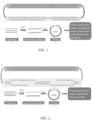
FIG. 1 shows the schematic diagram of cyclization adapter (a): A is the sequence information of the final cyclized structure in the library, the upper part is the inserted fragment, the lower part is the adapter sequence, and the underline sequence is the barcode; B, C and D are the schematic diagrams of the library construction process. -
FIG. 2 shows the schematic diagram of cyclization adapter (b): A is the sequence information of the final cyclized structure in the library, the upper part is the inserted fragment, the lower part is the adapter sequence, the underline non-italic sequence is the barcode, the underline italic sequence is the sequence complementary with the specially designed barcode, and the underline sequence forms a palindromic sequence; B, C and D are the schematic diagrams of the library construction process. -
FIG. 3 shows GC coverage information in the experiment conducted with cyclization adapter (a) (A) and GC coverage information in the experiment conducted with cyclization adapter (b) (B). - The present disclosure is described clearly and completely below. It is obvious that the embodiments described are only a part of the embodiments of the present disclosure, but not all embodiments. Based on the embodiments of the present disclosure, all other embodiments obtained by those skilled in the art are within the scope of protection of the present disclosure. Unless otherwise defined, all technical and scientific terms herein have the same meanings as commonly understood by those skilled in the art to which the present disclosure belongs. The terms in the specification of the present disclosure are for the purpose of describing specific embodiments only and are not intended to limit the present disclosure.
- The present disclosure provides a solution to the problems of long time-consuming of library construction, complicated operation and loss in purification in the conventional library construction process based on MGI, which includes the steps of fragmenting genomic DNA, end repair and addition of A to the end of the DNB fragments, adapter ligation, PCR amplification, separation and cyclization of a single strand, etc. Given the problems in the prior art, the inventors fundamentally improved the conventional method of adding adapters, amplification and cyclization, and designed ligation adapters with unique sequence structure, which combines the adapter ligation and product cyclization in a one-step reaction, optimizes the reaction system and purification step and significantly reduces the time of constructing a cyclized library.
- As shown in
FIG. 1 , for the cyclization adapter (a), A shows the sequence information of the final cyclized structure in the library, the upper part shows the inserted fragment, the lower part shows the adapter sequence, and the underline sequence shows the barcode sequence; B, C and D schematically show the library construction process. The cyclization adapter (a) is formed by the complementariness of a long nucleic acid strand and two short nucleic acid strands, which allows digestion of the strand of the two short nucleic acid strands after cyclization. The length of the cyclization adapter is 84bp, and the gap between the two short nucleic acid sequences is 10bp. The long strand and the short strand at the adapter end comprise phosphoric acid modification at the 5' end. The complementary double-stranded DNA adapter comprises a sticky end of an extra T deoxynucleotide at the 3' end, and preferably, a single-stranded barcode sequence is 10bp for distinguishing samples in the middle of the adapter. The sticky end of an extra T deoxynucleotide at the 3' end of the double-stranded DNA adapter is complementarily paired with the sticky end of an extra A deoxynucleotide at the 3' end of the double-stranded DNA fragment, and then they are ligated by ligase. After ligation and cyclization, the ligated products can be digested to generate a single-stranded library or be used for DNB sequencing directly. - As shown in
FIG. 2 , for the cyclization adapter (b), A is the sequence information of the final cyclized structure in the library, the upper part is the inserted fragment, the lower part is the adapter sequence, the underline non-italic sequence is the barcode, the underline italic sequence is the sequence complementary with the specially designed barcode, and the underline sequence forms a palindromic sequence; B, C and D schematically show the library construction process. The cyclization adapter (b) is formed by the complementary pairing of two long nucleic acid strands with phosphoric acid modification at the 5' end. The complementary double-stranded DNA adapter comprises a sticky end of extra T deoxynucleotide at the 3' end and a non-complementary sequence in the middle, which forms a ∞ structure. The length of the cyclization adapter is 93bp. The ∞ structure formed by the non-complementary sequence in the middle enables sense strand and antisense strand of the cyclization adapter to be sequenced and reduces the formation of adapter dimers. The length of the non-complementary sequence is 34bp. The sticky end of an extra T deoxynucleotide at the 3' end of the double-stranded DNA adapter is complementarily paired with the sticky end of an extra A deoxynucleotide at the 3' end of the double-stranded DNA fragment, and then they are ligated by ligase. After ligation and cyclization, the ligated products can be denatured to generate a single-stranded library for DNB sequencing. - The innovation of the present disclosure lies in the design and construction of cyclization adapters, which are used to construct a library for double-stranded DNA by using AT ligation. The sequence design may be adapted to the MGI sequencing platform. Compared with the sequences in the conventional library construction, which have two adapters ligated to both ends of the fragment, the ligation adapter in the present disclosure can be ligated to both ends of the fragment simultaneously to realize one-step cyclization by ligation. By using the cyclization adapter in the present disclosure, the PCR and cyclization reaction in the conventional library construction can be skipped, and the purification step can be omitted, which greatly reduces the operation time of the whole library construction process. Meanwhile, the reactions of each step are ensured to proceed continuously in same tube, which avoids the operation of changing tubes and the loss in the process. Finally, a cyclized library is obtained after one-step purification.
- The following examples are provided for a better understanding of the present disclosure. The experimental methods in the following examples are conventional methods, unless otherwise specified. The experimental materials in the following examples are all purchased from the regular reagent store unless otherwise specified. It should be noted that the above contents of the disclosure and the detailed description below are only for the purpose of specifically illustrating the present disclosure and are not intended to limit the present disclosure in any way. Without departing from the spirit and theme of the present disclosure, the scope of the present disclosure is determined by the appended claims.
- The sequences of the cyclization adapters in the examples are as follows:
- cyclization adapter (a)
- long strand a:
- 5'-AGTCGGAGGCCAAGCGGTCTTAGGAAGACAAxxxxxxxxxxCAACTCCTTGGCTCAC AGAACGACATGGCTACGATCCGACTT-3', wherein xxxxxxxxxx is a barcode sequence (SEQ ID NO.1)
- short strand 1: 5'-AGTCGGATCGTAGCCATGTCGTTCTGTGAGCCAAGGAGTTG-3' (SE Q ID NO.2)
- short strand 2: 5'-TTGTCTTCCTAAGACCGCTTGGCCTCCGACTT-3' (SEQ ID NO.3) cyclization adapter (b)
- long strand b:

- wherein xxxxxxxxxx is a barcode sequence and YYYYYYYYYY is the sequence complementary with the barcode.
- The two strands of the cyclization adapter (b) are both long strand b, that is, the matching region and the mis-matching region at both ends of the cyclization adapter (b) are reverse to each other, and the matching region in the middle is a palindromic sequence.
- Purchased adapters were redissolved to a concentration of 100 µM by using TE, and
- For cyclization adapter (a), it was diluted according to the following formulation and allowed to stand still at room temperature for 30 minutes, to form 10 µM cyclization adapter (a):
Long strand a (100 µM) 10 µL Short strand 1 (100 µM) 10 µL Short strand 2 (100 µM) 10 µL 5× STE buffer 20 µL Water 50 µL Total 100 µL - For cyclization adapter (b), it was diluted according to the following formulation and allowed to stand still at room temperature for 30 minutes, to form 10µM cyclization adapter (b):
Long strand b (100 µM) 20 µL 5× STE buffer 20 µL Water 60 µL Total 100 µL - 1. Genomic DNA fragmenting: there are various methods for genomic DNA fragmenting, including physical ultrasound methods and enzyme reaction methods. There are very mature solutions for genomic DNA fragmenting in the market. A physical ultrasound fragmentation method was adopted in the example.
- A 96-well PCR plate was added with a polytetrafluoroethylene thread, 1 µg of extracted genomic DNA, and TE buffer or enzyme-free water to 80 µL. The plate was sealed, and then ultrasonic fragmentation was performed on the E210 ultrasonicator.
- The fragmentation condition was set as follows:
Filing coefficient 20 % Intensity 5 Pulse coefficient 200 Time of fragmentation 35×4 times - 2. Fragments selecting: magnetic bead purification method or gel recycling method can be used. Magnetic bead purification method was adopted in the example. 80 µL of Ampure XP magnetic beads were added into the fragmented DNA and mixed thoroughly, and the mixture was placed for 7-15 min. The mixture was placed on a magnetic rack to collect the supernatant. 40 µL of Ampure XP magnetic beads were added into the supernatant and mixed thoroughly, and the mixture was placed for 7-15 min. The mixture was placed on a magnetic rack to remove the supernatant. The magnetic beads were washed twice with 75% ethanol, dried, added with 50 µL of TE buffer or enzyme-free water and mixed thoroughly, and the mixture was placed for 7-15 min to dissolve and recycle product.
- 3. End repairing and adding A: 100 ng of the product recycled in the previous step was added with TE to 40 µL and used to prepare the reaction system according to the following table. The reaction mixture was prepared as shown in the following table:
Reagent Volume Nuclease-free Water 2.1 µL 10×PNK buffer 5 µL 5:1 dATP:dNTP 0.6 µL Klenow fragment 0.1 µL rTaq 0.2 µL T4 DNA polymerase 2 µL Total 10 µL - 10 µL of end repair reaction liquid was immediately added to 40 µL of fragmented product to carry out the following reactions. The reaction conditions are shown in the following table:
Treatment condition Time 37°C 30min 65°C 15min 4°C ∞ - 4. Adapter ligating: after the reaction, 5 µL of cyclization adapter (a) or cyclization adapter (b) at a concentration of 10 µM was immediately added to the end-repaired product. The adapter ligation mixture was prepared as shown in the following table:
Reagent Volume 10×PNK buffer 3 µL 100 mM ATP 0.8 µL Nuclease-free Water 3.6 µL 50% PEG8000 16 µL T4 DNA ligase 1.6 µL Total 25 µL - After adding an appropriate amount of adapters into the end-repaired product, 25 µL adapter ligation mixture was added into the mixture to carry out the following reactions. The reaction conditions are shown in the following table:
Treatment condition Time 23°C 30min 4°C ∞ - 5. After the reaction, the product was purified by using 2X magnetic beads and finally dissolved in 20 µL TE solution.
- 6. DNB preparing and sequencing: specific steps can refer to the instruction of MGI sequencing kit. DNBs were prepared by using a double-stranded library. The preliminary results of sequencing are as follows: GC coverage information of the experiment conducted with cyclization adapter (a) is shown in A of
FIG. 3 , and GC coverage information of the experiment conducted with cyclization adapter (b) is shown in B ofFIG. 3 .Cyclization adapter (a) Sample Cyclization adapter a Read number after filtering 1076236 Base number after filtering (Mb) 161.44 Proportion after filtering (%) 52.62 Mapping rate (%) 11.1 Specificity rate (%) 98.26 Duplication rate (%) 0.83 Mismatch rate (%) 3.5 Cyclization adapter (b) Sample Cyclization adapter b Read number after filtering 16709122 Base number after filtering (Mb) 1754.46 Proportion after filtering (%) 38.24 Mapping rate (%) 50.65 Specificity rate (%) 98.1 Duplication rate (%) 1.9 Mismatch rate (%) 1.86 - Results analysis: given the problems in the prior art, all cyclization adapters would change the conventional method of adding adapters, amplification and cyclization, which combines the adapter ligation and product cyclization in a one-step reaction and significantly reduces the time of constructing a cyclized library. The products of library construction are cyclized, which can be directly sequenced after DNB preparation. The analysis of sequencing results shows that all adapters can be used to construct a library for sequencing successfully. Although the sequencing results are not optimal, the purpose of this experiment is to verify the feasibility of adapter design in the experiment and provide certain exemplary examples. Therefore, the results well prove that the adapter design of the present disclosure meets the requirements of the disclosure and shows certain implementability.
- The specific examples are provided to describe the present disclosure, which are only to assist those skilled in the art to understand the present disclosure, but not to limit the present disclosure. Several simple deductions, variations or replacements can be made by those skilled in the art to which the present disclosure belongs according to the concept of the present disclosure.
Claims (10)
- A method for constructing a cyclized library, the method comprises:1) fragmenting a DNA sequence into fragments;2) enabling two ends of the fragments to form 3' overhangs; and3) cyclizing the fragments with 3' overhang to form a cyclized library by using a cyclization adapter, wherein the cyclization adapter is formed by incompletely complementary double strands and has a 5' overhang at both ends, and the 5' overhang of the cyclization adapter is complementary with the 3' overhang of the fragments.
- The method of claim 1, the 3' overhang of the fragments is an A and the 5' overhang of the cyclization adapter is a T.
- The method of claim 2, in 2), the fragment is treated with exonuclease, polymerase and T4 polynucleotide kinase to form the 5' phosphorylated sticky end with extra A deoxynucleotide at the 3' end.
- The method of any one of claims 1-3, in 3), the incompletely complementary double strands comprise a nick in one strand or a mis-matching region between the double strands.
- The method of claim 4, in 3), the two strands comprise two mis-matching regions between the double strands and include a barcode sequence for distinguishing samples between the two mis-matching regions.
- The method of any one of claims 1-4, in 3), the cyclization adapter comprises cyclization adapter (a) or cyclization adapter (b) as follows:the cyclization adapter (a) comprises a long strand and two short strands complementary with both ends of the long strand, wherein the long strand comprises phosphoric acid modification at the 5' end, the 5' end of the short strand complementary with the 3' end of the long strand comprises phosphoric acid modification, the complementary double-stranded adapter comprises a T-sticky end at the 3' end and a single-stranded non-complementary region of 8-12nt (e.g., 10nt); and preferably, the single-stranded non-complementary region comprises a barcode sequence for distinguishing samples;the cyclization adapter (b) comprises two partially complementary strands, wherein two ends of the two strands are paired to form a double-stranded structure with phosphoric acid modification at the 5' end and a T-sticky end at the 3' end; and preferably, the double-stranded structure comprises a complementary region of 8-12nt (e.g., 10nt) as a barcode sequence for distinguishing samples.
- The method of claim 6, in 3), the cyclization adapter is the cyclization adapter (a), the ligated products are digested by exonuclease, and the digested products are purified in one step to obtain a cyclized library; alternatively, the cyclization adapter is the cyclization adapter (b) and the ligated products are denatured to obtain a cyclized library.
- A cyclization adapter for constructing cyclized library, the cyclization adapter is formed by incompletely complementary double strands and has a 5' overhang at both ends, and the 5' overhang of the cyclization adapter is complementary with the 3' overhang of the fragment to be cyclized.
- The cyclization adapter of claim 8, the incompletely complementary double strands comprise a nick in one strand or a mis-matching region between the double strands; preferably, the two strands comprise two mis-matching regions between the double strands and include a barcode sequence for distinguishing samples between the two mis-matching regions.
- The cyclization adapter of claim 8 or 9, the cyclization adapter comprises cyclization adapter (a) or cyclization adapter (b) as follows:the cyclization adapter (a) comprises a long strand and two short strands complementary with both ends of the long strand, wherein the long strand comprises phosphoric acid modification at the 5' end, the 5' end of short strand complementary with the 3' end of the long strand comprises phosphoric acid modification, the complementary double-stranded adapter comprises a T-sticky end at the 3' end and a single-stranded non-complementary region of 8-12nt (e.g., 10nt); and preferably, the single-stranded non-complementary region comprises a barcode sequence for distinguishing samples;the cyclization adapter (b) comprises two partially complementary strands, wherein two ends of the two strands are paired to form a double-stranded structure with phosphoric acid modification at the 5' end and a T-sticky end at the 3' end; and preferably, the double-stranded structure comprises a complementary region of 8-12nt (e.g., 10nt) as a barcode sequence for distinguishing samples.
Applications Claiming Priority (1)
| Application Number | Priority Date | Filing Date | Title |
|---|---|---|---|
| PCT/CN2020/140877 WO2022141061A1 (en) | 2020-12-29 | 2020-12-29 | Method for rapidly constructing cyclized library and ring-forming linker |
Publications (2)
| Publication Number | Publication Date |
|---|---|
| EP4273307A1 true EP4273307A1 (en) | 2023-11-08 |
| EP4273307A4 EP4273307A4 (en) | 2024-10-16 |
Family
ID=82258757
Family Applications (1)
| Application Number | Title | Priority Date | Filing Date |
|---|---|---|---|
| EP20967409.2A Pending EP4273307A4 (en) | 2020-12-29 | 2020-12-29 | Method for rapidly constructing cyclized library and ring-forming linker |
Country Status (4)
| Country | Link |
|---|---|
| US (1) | US20240076657A1 (en) |
| EP (1) | EP4273307A4 (en) |
| CN (1) | CN116670340A (en) |
| WO (1) | WO2022141061A1 (en) |
Families Citing this family (2)
| Publication number | Priority date | Publication date | Assignee | Title |
|---|---|---|---|---|
| CN120225670A (en) * | 2022-11-07 | 2025-06-27 | 深圳华大智造科技股份有限公司 | Reaction system for preparing DNA nanospheres and application thereof |
| CN120678942A (en) * | 2024-07-03 | 2025-09-23 | 中国科学院杭州医学研究所 | A circular functional nucleic acid and its preparation method and application |
Family Cites Families (5)
| Publication number | Priority date | Publication date | Assignee | Title |
|---|---|---|---|---|
| CN102864498B (en) * | 2012-09-24 | 2014-07-16 | 中国科学院天津工业生物技术研究所 | Establishment method of long mate pair library |
| SG11201608486SA (en) * | 2014-04-11 | 2016-11-29 | Redvault Biosciences Lp | Systems and methods for clonal replication and amplification of nucleic acid molecules for genomic and therapeutic applications |
| WO2016078095A1 (en) * | 2014-11-21 | 2016-05-26 | 深圳华大基因科技有限公司 | Bubble-shaped connector element and method using bubble-shaped connector element to construct sequencing library |
| WO2018081666A1 (en) * | 2016-10-28 | 2018-05-03 | Silgentech Inc. | Methods of single dna/rna molecule counting |
| CN112226821B (en) * | 2020-10-16 | 2024-02-06 | 鲲羽生物科技(江门)有限公司 | Construction method of MGI sequencing platform sequencing library based on double-strand cyclization |
-
2020
- 2020-12-29 WO PCT/CN2020/140877 patent/WO2022141061A1/en not_active Ceased
- 2020-12-29 US US18/259,978 patent/US20240076657A1/en active Pending
- 2020-12-29 CN CN202080107392.5A patent/CN116670340A/en active Pending
- 2020-12-29 EP EP20967409.2A patent/EP4273307A4/en active Pending
Also Published As
| Publication number | Publication date |
|---|---|
| CN116670340A (en) | 2023-08-29 |
| US20240076657A1 (en) | 2024-03-07 |
| WO2022141061A1 (en) | 2022-07-07 |
| EP4273307A4 (en) | 2024-10-16 |
Similar Documents
| Publication | Publication Date | Title |
|---|---|---|
| EP2986741B1 (en) | Method for generating extended sequence reads | |
| EP3191630B1 (en) | Method for constructing sequencing library based on blood sample and usage thereof in determining fetal genetic abnormality | |
| EP3192901A1 (en) | Method for constructing nucleic acid single-stranded cyclic library and reagents thereof | |
| CN117822128A (en) | Single cell whole genome library and combined indexing method for preparing the same | |
| EP4273307A1 (en) | Method for rapidly constructing cyclized library and ring-forming linker | |
| WO2016169431A1 (en) | Method for constructing long fragment dna library | |
| WO2017186117A1 (en) | Dna amplification method | |
| WO2000075368A2 (en) | Method for the synthesis of dna fragments | |
| CN105985945A (en) | mRNA fragmentation method and method for constructing sequencing library based on same | |
| EP3607065B1 (en) | Method and kit for constructing nucleic acid library | |
| CN112708619B (en) | Joint for building library of MGI platform, kit and library building method | |
| WO2016078096A1 (en) | Method using bubble-shaped connector elements to construct sequencing library | |
| US20190187156A1 (en) | Methods for identifying macromolecule interactions | |
| CN111005074A (en) | DNA library construction kit based on illumina sequencing platform, library construction method and application | |
| CN112795990B (en) | Flexible and changeable multi-tag secondary sequencing library joint capable of reducing pollution and PCR bias | |
| CN105506747A (en) | Construction method of RNA library for enriching original transcript information and application thereof | |
| CN114032288A (en) | Kit and method for preparing target nucleotide for sequencing by using same | |
| KR20220122095A (en) | Composition for improving molecular barcoding efficiency and use thereof | |
| EP3643788A1 (en) | Pcr primer pair and application thereof | |
| CN105986020B (en) | Method and device for constructing sequencing library | |
| CN114774411B (en) | Large fragment DNA cyclization connection method | |
| WO2018081666A1 (en) | Methods of single dna/rna molecule counting | |
| KR20230164668A (en) | Method for manufacturing directed tagged sequencing libraries using transposon-based technology using unique molecular identifiers for error correction | |
| CN117487884B (en) | A method for constructing a transposase-based sequencing library with high sample utilization and related oligonucleotides | |
| CN118222686B (en) | A transcriptome and genome accessibility dual-modality sequencing kit and method |
Legal Events
| Date | Code | Title | Description |
|---|---|---|---|
| STAA | Information on the status of an ep patent application or granted ep patent |
Free format text: STATUS: THE INTERNATIONAL PUBLICATION HAS BEEN MADE |
|
| PUAI | Public reference made under article 153(3) epc to a published international application that has entered the european phase |
Free format text: ORIGINAL CODE: 0009012 |
|
| STAA | Information on the status of an ep patent application or granted ep patent |
Free format text: STATUS: REQUEST FOR EXAMINATION WAS MADE |
|
| 17P | Request for examination filed |
Effective date: 20230714 |
|
| AK | Designated contracting states |
Kind code of ref document: A1 Designated state(s): AL AT BE BG CH CY CZ DE DK EE ES FI FR GB GR HR HU IE IS IT LI LT LU LV MC MK MT NL NO PL PT RO RS SE SI SK SM TR |
|
| DAV | Request for validation of the european patent (deleted) | ||
| DAX | Request for extension of the european patent (deleted) | ||
| A4 | Supplementary search report drawn up and despatched |
Effective date: 20240916 |
|
| RIC1 | Information provided on ipc code assigned before grant |
Ipc: C40B 80/00 20060101ALI20240910BHEP Ipc: C40B 50/06 20060101ALI20240910BHEP Ipc: C40B 40/06 20060101AFI20240910BHEP |