EP4261930A1 - Negative electrode sheet of lithium ion battery, lithium ion battery and electronic device - Google Patents
Negative electrode sheet of lithium ion battery, lithium ion battery and electronic device Download PDFInfo
- Publication number
- EP4261930A1 EP4261930A1 EP21920833.7A EP21920833A EP4261930A1 EP 4261930 A1 EP4261930 A1 EP 4261930A1 EP 21920833 A EP21920833 A EP 21920833A EP 4261930 A1 EP4261930 A1 EP 4261930A1
- Authority
- EP
- European Patent Office
- Prior art keywords
- negative electrode
- lithium
- ion battery
- electrode plate
- protective substance
- Prior art date
- Legal status (The legal status is an assumption and is not a legal conclusion. Google has not performed a legal analysis and makes no representation as to the accuracy of the status listed.)
- Pending
Links
- 229910001416 lithium ion Inorganic materials 0.000 title claims abstract description 125
- HBBGRARXTFLTSG-UHFFFAOYSA-N Lithium ion Chemical compound [Li+] HBBGRARXTFLTSG-UHFFFAOYSA-N 0.000 title claims abstract description 122
- 239000000126 substance Substances 0.000 claims abstract description 120
- 230000001681 protective effect Effects 0.000 claims abstract description 116
- 239000013543 active substance Substances 0.000 claims abstract description 80
- WHXSMMKQMYFTQS-UHFFFAOYSA-N Lithium Chemical compound [Li] WHXSMMKQMYFTQS-UHFFFAOYSA-N 0.000 claims abstract description 75
- 229910052744 lithium Inorganic materials 0.000 claims abstract description 75
- RTAQQCXQSZGOHL-UHFFFAOYSA-N Titanium Chemical compound [Ti] RTAQQCXQSZGOHL-UHFFFAOYSA-N 0.000 claims abstract description 67
- OKTJSMMVPCPJKN-UHFFFAOYSA-N Carbon Chemical compound [C] OKTJSMMVPCPJKN-UHFFFAOYSA-N 0.000 claims abstract description 49
- 229910052799 carbon Inorganic materials 0.000 claims abstract description 41
- 239000007767 bonding agent Substances 0.000 claims abstract description 26
- 239000000463 material Substances 0.000 claims abstract description 20
- 239000006258 conductive agent Substances 0.000 claims abstract description 17
- 239000002210 silicon-based material Substances 0.000 claims abstract description 6
- 239000003575 carbonaceous material Substances 0.000 claims abstract description 5
- 239000003792 electrolyte Substances 0.000 claims description 14
- 239000002245 particle Substances 0.000 claims description 14
- MCMNRKCIXSYSNV-UHFFFAOYSA-N Zirconium dioxide Chemical compound O=[Zr]=O MCMNRKCIXSYSNV-UHFFFAOYSA-N 0.000 claims description 10
- XLOMVQKBTHCTTD-UHFFFAOYSA-N Zinc monoxide Chemical compound [Zn]=O XLOMVQKBTHCTTD-UHFFFAOYSA-N 0.000 claims description 7
- 229910021393 carbon nanotube Inorganic materials 0.000 claims description 7
- 239000002041 carbon nanotube Substances 0.000 claims description 7
- -1 polytetrafluoroethylene Polymers 0.000 claims description 7
- 239000002033 PVDF binder Substances 0.000 claims description 6
- 229920003171 Poly (ethylene oxide) Polymers 0.000 claims description 6
- 229920003229 poly(methyl methacrylate) Polymers 0.000 claims description 6
- 229920002239 polyacrylonitrile Polymers 0.000 claims description 6
- 239000004926 polymethyl methacrylate Substances 0.000 claims description 6
- 229920001451 polypropylene glycol Polymers 0.000 claims description 6
- 229920001343 polytetrafluoroethylene Polymers 0.000 claims description 6
- 239000004810 polytetrafluoroethylene Substances 0.000 claims description 6
- 229920002981 polyvinylidene fluoride Polymers 0.000 claims description 6
- VYPSYNLAJGMNEJ-UHFFFAOYSA-N Silicium dioxide Chemical compound O=[Si]=O VYPSYNLAJGMNEJ-UHFFFAOYSA-N 0.000 claims description 5
- TWNQGVIAIRXVLR-UHFFFAOYSA-N oxo(oxoalumanyloxy)alumane Chemical compound O=[Al]O[Al]=O TWNQGVIAIRXVLR-UHFFFAOYSA-N 0.000 claims description 5
- 229910052814 silicon oxide Inorganic materials 0.000 claims description 5
- 229920002134 Carboxymethyl cellulose Polymers 0.000 claims description 4
- 229920002125 Sokalan® Polymers 0.000 claims description 4
- GWEVSGVZZGPLCZ-UHFFFAOYSA-N Titan oxide Chemical compound O=[Ti]=O GWEVSGVZZGPLCZ-UHFFFAOYSA-N 0.000 claims description 4
- 229910001593 boehmite Inorganic materials 0.000 claims description 4
- FAHBNUUHRFUEAI-UHFFFAOYSA-M hydroxidooxidoaluminium Chemical compound O[Al]=O FAHBNUUHRFUEAI-UHFFFAOYSA-M 0.000 claims description 4
- 229920005569 poly(vinylidene fluoride-co-hexafluoropropylene) Polymers 0.000 claims description 4
- 229920003048 styrene butadiene rubber Polymers 0.000 claims description 4
- OGIDPMRJRNCKJF-UHFFFAOYSA-N titanium oxide Inorganic materials [Ti]=O OGIDPMRJRNCKJF-UHFFFAOYSA-N 0.000 claims description 4
- 239000011787 zinc oxide Substances 0.000 claims description 3
- 239000001768 carboxy methyl cellulose Substances 0.000 claims description 2
- 235000010948 carboxy methyl cellulose Nutrition 0.000 claims description 2
- 239000008112 carboxymethyl-cellulose Substances 0.000 claims description 2
- 239000004584 polyacrylic acid Substances 0.000 claims description 2
- 238000007599 discharging Methods 0.000 abstract description 10
- 239000010410 layer Substances 0.000 description 132
- 238000010586 diagram Methods 0.000 description 16
- 239000002002 slurry Substances 0.000 description 15
- 239000002904 solvent Substances 0.000 description 15
- 230000000694 effects Effects 0.000 description 9
- 238000000034 method Methods 0.000 description 8
- 230000008569 process Effects 0.000 description 8
- 238000000576 coating method Methods 0.000 description 7
- 238000005516 engineering process Methods 0.000 description 7
- 238000004880 explosion Methods 0.000 description 5
- 238000007765 extrusion coating Methods 0.000 description 5
- 238000007756 gravure coating Methods 0.000 description 5
- 238000012546 transfer Methods 0.000 description 5
- LFQSCWFLJHTTHZ-UHFFFAOYSA-N Ethanol Chemical compound CCO LFQSCWFLJHTTHZ-UHFFFAOYSA-N 0.000 description 4
- SECXISVLQFMRJM-UHFFFAOYSA-N N-Methylpyrrolidone Chemical compound CN1CCCC1=O SECXISVLQFMRJM-UHFFFAOYSA-N 0.000 description 4
- ATUOYWHBWRKTHZ-UHFFFAOYSA-N Propane Chemical compound CCC ATUOYWHBWRKTHZ-UHFFFAOYSA-N 0.000 description 4
- 239000011248 coating agent Substances 0.000 description 4
- 210000001787 dendrite Anatomy 0.000 description 4
- 238000009830 intercalation Methods 0.000 description 4
- 230000002687 intercalation Effects 0.000 description 4
- 229910052751 metal Inorganic materials 0.000 description 4
- 239000002184 metal Substances 0.000 description 4
- 239000011268 mixed slurry Substances 0.000 description 4
- 238000000354 decomposition reaction Methods 0.000 description 3
- 238000002156 mixing Methods 0.000 description 3
- 239000000203 mixture Substances 0.000 description 3
- 238000002360 preparation method Methods 0.000 description 3
- 238000004804 winding Methods 0.000 description 3
- PNEYBMLMFCGWSK-UHFFFAOYSA-N Alumina Chemical compound [O-2].[O-2].[O-2].[Al+3].[Al+3] PNEYBMLMFCGWSK-UHFFFAOYSA-N 0.000 description 2
- 239000004698 Polyethylene Substances 0.000 description 2
- 239000004743 Polypropylene Substances 0.000 description 2
- 238000009825 accumulation Methods 0.000 description 2
- QVGXLLKOCUKJST-UHFFFAOYSA-N atomic oxygen Chemical compound [O] QVGXLLKOCUKJST-UHFFFAOYSA-N 0.000 description 2
- 150000002500 ions Chemical class 0.000 description 2
- GELKBWJHTRAYNV-UHFFFAOYSA-K lithium iron phosphate Chemical compound [Li+].[Fe+2].[O-]P([O-])([O-])=O GELKBWJHTRAYNV-UHFFFAOYSA-K 0.000 description 2
- 229910052760 oxygen Inorganic materials 0.000 description 2
- 239000001301 oxygen Substances 0.000 description 2
- 230000010287 polarization Effects 0.000 description 2
- 229920000573 polyethylene Polymers 0.000 description 2
- 229920001155 polypropylene Polymers 0.000 description 2
- 239000001294 propane Substances 0.000 description 2
- 239000011241 protective layer Substances 0.000 description 2
- 238000007086 side reaction Methods 0.000 description 2
- XLYOFNOQVPJJNP-UHFFFAOYSA-N water Substances O XLYOFNOQVPJJNP-UHFFFAOYSA-N 0.000 description 2
- 229920000049 Carbon (fiber) Polymers 0.000 description 1
- RYGMFSIKBFXOCR-UHFFFAOYSA-N Copper Chemical compound [Cu] RYGMFSIKBFXOCR-UHFFFAOYSA-N 0.000 description 1
- KFDQGLPGKXUTMZ-UHFFFAOYSA-N [Mn].[Co].[Ni] Chemical compound [Mn].[Co].[Ni] KFDQGLPGKXUTMZ-UHFFFAOYSA-N 0.000 description 1
- 238000010521 absorption reaction Methods 0.000 description 1
- 229910052782 aluminium Inorganic materials 0.000 description 1
- XAGFODPZIPBFFR-UHFFFAOYSA-N aluminium Chemical compound [Al] XAGFODPZIPBFFR-UHFFFAOYSA-N 0.000 description 1
- 239000004917 carbon fiber Substances 0.000 description 1
- 230000008859 change Effects 0.000 description 1
- 239000002131 composite material Substances 0.000 description 1
- 239000011889 copper foil Substances 0.000 description 1
- 230000007797 corrosion Effects 0.000 description 1
- 238000005260 corrosion Methods 0.000 description 1
- 230000007547 defect Effects 0.000 description 1
- 238000009831 deintercalation Methods 0.000 description 1
- 238000011982 device technology Methods 0.000 description 1
- 238000001035 drying Methods 0.000 description 1
- 239000011888 foil Substances 0.000 description 1
- 230000014509 gene expression Effects 0.000 description 1
- 239000010439 graphite Substances 0.000 description 1
- 229910002804 graphite Inorganic materials 0.000 description 1
- 229910021385 hard carbon Inorganic materials 0.000 description 1
- 230000006872 improvement Effects 0.000 description 1
- 150000002484 inorganic compounds Chemical class 0.000 description 1
- 229910010272 inorganic material Inorganic materials 0.000 description 1
- 238000009413 insulation Methods 0.000 description 1
- 238000002955 isolation Methods 0.000 description 1
- 239000007788 liquid Substances 0.000 description 1
- 229910000625 lithium cobalt oxide Inorganic materials 0.000 description 1
- 229910002102 lithium manganese oxide Inorganic materials 0.000 description 1
- 229910003002 lithium salt Inorganic materials 0.000 description 1
- 159000000002 lithium salts Chemical class 0.000 description 1
- BFZPBUKRYWOWDV-UHFFFAOYSA-N lithium;oxido(oxo)cobalt Chemical compound [Li+].[O-][Co]=O BFZPBUKRYWOWDV-UHFFFAOYSA-N 0.000 description 1
- VLXXBCXTUVRROQ-UHFFFAOYSA-N lithium;oxido-oxo-(oxomanganiooxy)manganese Chemical compound [Li+].[O-][Mn](=O)O[Mn]=O VLXXBCXTUVRROQ-UHFFFAOYSA-N 0.000 description 1
- URIIGZKXFBNRAU-UHFFFAOYSA-N lithium;oxonickel Chemical compound [Li].[Ni]=O URIIGZKXFBNRAU-UHFFFAOYSA-N 0.000 description 1
- 230000014759 maintenance of location Effects 0.000 description 1
- 239000011331 needle coke Substances 0.000 description 1
- 239000004745 nonwoven fabric Substances 0.000 description 1
- 239000003960 organic solvent Substances 0.000 description 1
- 238000002161 passivation Methods 0.000 description 1
- 239000002006 petroleum coke Substances 0.000 description 1
- 230000009467 reduction Effects 0.000 description 1
- 229910021384 soft carbon Inorganic materials 0.000 description 1
- 239000011232 storage material Substances 0.000 description 1
- 208000011117 substance-related disease Diseases 0.000 description 1
- 239000011366 tin-based material Substances 0.000 description 1
Images


Classifications
-
- H—ELECTRICITY
- H01—ELECTRIC ELEMENTS
- H01M—PROCESSES OR MEANS, e.g. BATTERIES, FOR THE DIRECT CONVERSION OF CHEMICAL ENERGY INTO ELECTRICAL ENERGY
- H01M4/00—Electrodes
- H01M4/02—Electrodes composed of, or comprising, active material
- H01M4/62—Selection of inactive substances as ingredients for active masses, e.g. binders, fillers
- H01M4/628—Inhibitors, e.g. gassing inhibitors, corrosion inhibitors
-
- H—ELECTRICITY
- H01—ELECTRIC ELEMENTS
- H01M—PROCESSES OR MEANS, e.g. BATTERIES, FOR THE DIRECT CONVERSION OF CHEMICAL ENERGY INTO ELECTRICAL ENERGY
- H01M4/00—Electrodes
- H01M4/02—Electrodes composed of, or comprising, active material
- H01M4/64—Carriers or collectors
- H01M4/66—Selection of materials
- H01M4/665—Composites
- H01M4/667—Composites in the form of layers, e.g. coatings
-
- H—ELECTRICITY
- H01—ELECTRIC ELEMENTS
- H01M—PROCESSES OR MEANS, e.g. BATTERIES, FOR THE DIRECT CONVERSION OF CHEMICAL ENERGY INTO ELECTRICAL ENERGY
- H01M4/00—Electrodes
- H01M4/02—Electrodes composed of, or comprising, active material
- H01M4/13—Electrodes for accumulators with non-aqueous electrolyte, e.g. for lithium-accumulators; Processes of manufacture thereof
-
- H—ELECTRICITY
- H01—ELECTRIC ELEMENTS
- H01M—PROCESSES OR MEANS, e.g. BATTERIES, FOR THE DIRECT CONVERSION OF CHEMICAL ENERGY INTO ELECTRICAL ENERGY
- H01M10/00—Secondary cells; Manufacture thereof
- H01M10/05—Accumulators with non-aqueous electrolyte
- H01M10/052—Li-accumulators
- H01M10/0525—Rocking-chair batteries, i.e. batteries with lithium insertion or intercalation in both electrodes; Lithium-ion batteries
-
- H—ELECTRICITY
- H01—ELECTRIC ELEMENTS
- H01M—PROCESSES OR MEANS, e.g. BATTERIES, FOR THE DIRECT CONVERSION OF CHEMICAL ENERGY INTO ELECTRICAL ENERGY
- H01M10/00—Secondary cells; Manufacture thereof
- H01M10/05—Accumulators with non-aqueous electrolyte
- H01M10/058—Construction or manufacture
- H01M10/0585—Construction or manufacture of accumulators having only flat construction elements, i.e. flat positive electrodes, flat negative electrodes and flat separators
-
- H—ELECTRICITY
- H01—ELECTRIC ELEMENTS
- H01M—PROCESSES OR MEANS, e.g. BATTERIES, FOR THE DIRECT CONVERSION OF CHEMICAL ENERGY INTO ELECTRICAL ENERGY
- H01M10/00—Secondary cells; Manufacture thereof
- H01M10/42—Methods or arrangements for servicing or maintenance of secondary cells or secondary half-cells
- H01M10/4235—Safety or regulating additives or arrangements in electrodes, separators or electrolyte
-
- H—ELECTRICITY
- H01—ELECTRIC ELEMENTS
- H01M—PROCESSES OR MEANS, e.g. BATTERIES, FOR THE DIRECT CONVERSION OF CHEMICAL ENERGY INTO ELECTRICAL ENERGY
- H01M4/00—Electrodes
- H01M4/02—Electrodes composed of, or comprising, active material
- H01M4/13—Electrodes for accumulators with non-aqueous electrolyte, e.g. for lithium-accumulators; Processes of manufacture thereof
- H01M4/134—Electrodes based on metals, Si or alloys
-
- H—ELECTRICITY
- H01—ELECTRIC ELEMENTS
- H01M—PROCESSES OR MEANS, e.g. BATTERIES, FOR THE DIRECT CONVERSION OF CHEMICAL ENERGY INTO ELECTRICAL ENERGY
- H01M4/00—Electrodes
- H01M4/02—Electrodes composed of, or comprising, active material
- H01M4/36—Selection of substances as active materials, active masses, active liquids
- H01M4/38—Selection of substances as active materials, active masses, active liquids of elements or alloys
-
- H—ELECTRICITY
- H01—ELECTRIC ELEMENTS
- H01M—PROCESSES OR MEANS, e.g. BATTERIES, FOR THE DIRECT CONVERSION OF CHEMICAL ENERGY INTO ELECTRICAL ENERGY
- H01M4/00—Electrodes
- H01M4/02—Electrodes composed of, or comprising, active material
- H01M4/36—Selection of substances as active materials, active masses, active liquids
- H01M4/38—Selection of substances as active materials, active masses, active liquids of elements or alloys
- H01M4/386—Silicon or alloys based on silicon
-
- H—ELECTRICITY
- H01—ELECTRIC ELEMENTS
- H01M—PROCESSES OR MEANS, e.g. BATTERIES, FOR THE DIRECT CONVERSION OF CHEMICAL ENERGY INTO ELECTRICAL ENERGY
- H01M4/00—Electrodes
- H01M4/02—Electrodes composed of, or comprising, active material
- H01M4/36—Selection of substances as active materials, active masses, active liquids
- H01M4/58—Selection of substances as active materials, active masses, active liquids of inorganic compounds other than oxides or hydroxides, e.g. sulfides, selenides, tellurides, halogenides or LiCoFy; of polyanionic structures, e.g. phosphates, silicates or borates
- H01M4/583—Carbonaceous material, e.g. graphite-intercalation compounds or CFx
-
- H—ELECTRICITY
- H01—ELECTRIC ELEMENTS
- H01M—PROCESSES OR MEANS, e.g. BATTERIES, FOR THE DIRECT CONVERSION OF CHEMICAL ENERGY INTO ELECTRICAL ENERGY
- H01M4/00—Electrodes
- H01M4/02—Electrodes composed of, or comprising, active material
- H01M4/36—Selection of substances as active materials, active masses, active liquids
- H01M4/58—Selection of substances as active materials, active masses, active liquids of inorganic compounds other than oxides or hydroxides, e.g. sulfides, selenides, tellurides, halogenides or LiCoFy; of polyanionic structures, e.g. phosphates, silicates or borates
- H01M4/583—Carbonaceous material, e.g. graphite-intercalation compounds or CFx
- H01M4/587—Carbonaceous material, e.g. graphite-intercalation compounds or CFx for inserting or intercalating light metals
-
- H—ELECTRICITY
- H01—ELECTRIC ELEMENTS
- H01M—PROCESSES OR MEANS, e.g. BATTERIES, FOR THE DIRECT CONVERSION OF CHEMICAL ENERGY INTO ELECTRICAL ENERGY
- H01M4/00—Electrodes
- H01M4/02—Electrodes composed of, or comprising, active material
- H01M4/62—Selection of inactive substances as ingredients for active masses, e.g. binders, fillers
-
- H—ELECTRICITY
- H01—ELECTRIC ELEMENTS
- H01M—PROCESSES OR MEANS, e.g. BATTERIES, FOR THE DIRECT CONVERSION OF CHEMICAL ENERGY INTO ELECTRICAL ENERGY
- H01M4/00—Electrodes
- H01M4/02—Electrodes composed of, or comprising, active material
- H01M2004/021—Physical characteristics, e.g. porosity, surface area
-
- H—ELECTRICITY
- H01—ELECTRIC ELEMENTS
- H01M—PROCESSES OR MEANS, e.g. BATTERIES, FOR THE DIRECT CONVERSION OF CHEMICAL ENERGY INTO ELECTRICAL ENERGY
- H01M4/00—Electrodes
- H01M4/02—Electrodes composed of, or comprising, active material
- H01M2004/026—Electrodes composed of, or comprising, active material characterised by the polarity
- H01M2004/027—Negative electrodes
-
- H—ELECTRICITY
- H01—ELECTRIC ELEMENTS
- H01M—PROCESSES OR MEANS, e.g. BATTERIES, FOR THE DIRECT CONVERSION OF CHEMICAL ENERGY INTO ELECTRICAL ENERGY
- H01M4/00—Electrodes
- H01M4/02—Electrodes composed of, or comprising, active material
- H01M4/13—Electrodes for accumulators with non-aqueous electrolyte, e.g. for lithium-accumulators; Processes of manufacture thereof
- H01M4/133—Electrodes based on carbonaceous material, e.g. graphite-intercalation compounds or CFx
-
- Y—GENERAL TAGGING OF NEW TECHNOLOGICAL DEVELOPMENTS; GENERAL TAGGING OF CROSS-SECTIONAL TECHNOLOGIES SPANNING OVER SEVERAL SECTIONS OF THE IPC; TECHNICAL SUBJECTS COVERED BY FORMER USPC CROSS-REFERENCE ART COLLECTIONS [XRACs] AND DIGESTS
- Y02—TECHNOLOGIES OR APPLICATIONS FOR MITIGATION OR ADAPTATION AGAINST CLIMATE CHANGE
- Y02E—REDUCTION OF GREENHOUSE GAS [GHG] EMISSIONS, RELATED TO ENERGY GENERATION, TRANSMISSION OR DISTRIBUTION
- Y02E60/00—Enabling technologies; Technologies with a potential or indirect contribution to GHG emissions mitigation
- Y02E60/10—Energy storage using batteries
Definitions
- This application provides a negative electrode plate of a lithium-ion battery, a lithium-ion battery, and an electronic device, to reduce thermal runaway that occurs on the lithium-ion battery, and improve safety of the lithium-ion battery and the electronic device.
- the protective substance may further include lithium titanate or carbon-coated lithium titanate. Because both the lithium titanate and the carbon-coated lithium titanate have a high lithium intercalation potential (1.55 V vs. Li + /Li), no metal lithium dendrite is generated regardless of a rate at which charging and discharging are performed.
- the lithium titanate or the carbon-coated lithium titanate, as the protective substance on the surface of the negative electrode current collector, does not affect fast charging performance of the battery.
- the protective substance includes the nanometal oxide and the conductive agent.
- the nanometal oxide may be at least one or a composite inorganic compound formed by at least two of silicon oxide (SiO 2 ), boehmite (AlOOH), aluminum oxide (Al 2 O 3 ), zirconia (ZrO 2 ), zinc oxide (ZnO), or titanium oxide (TiOz).
- the conductive agent is conductive carbon or carbon nanotube, or a combination of the conductive carbon and the carbon nanotube.
- the thickness of the protective substance layer 234 may be 1 ⁇ m to 10 ⁇ m, for example, 3 ⁇ m to 5 ⁇ m. In one aspect, good protection effect can be achieved. In another aspect, the volume occupied by the protective substance layer 234 can be further reduced. This helps ensure energy density of the lithium-ion battery.
Landscapes
- Chemical & Material Sciences (AREA)
- Chemical Kinetics & Catalysis (AREA)
- Electrochemistry (AREA)
- General Chemical & Material Sciences (AREA)
- Engineering & Computer Science (AREA)
- Materials Engineering (AREA)
- Manufacturing & Machinery (AREA)
- Inorganic Chemistry (AREA)
- Composite Materials (AREA)
- Battery Electrode And Active Subsutance (AREA)
- Secondary Cells (AREA)
Abstract
Description
- This application claims priority to
Chinese Patent Application No. 202110096435.0, filed with China National Intellectual Property Administration on January 25, 2021 - This application relates to the field of electronic device technologies, and in particular, to a negative electrode plate of a lithium-ion battery, a lithium-ion battery, and an electronic device.
- As a green power supply, lithium-ion batteries are widely used in electronic products such as notebooks, tablets, and mobile phones thanks to advantages such as high energy density, a long cycle life, and a low self-discharge rate. However, the lithium-ion batteries bring convenience to our life, while safety risks of the lithium-ion batteries cannot be ignored. In an actual use process, burning issues such as an internal short circuit caused by external damage and thermal runaway caused accordingly occur on the lithium-ion batteries, which causes damage to an electronic device, starts a fire, or the like.
- A lithium-ion battery includes a positive electrode plate, a separator film, and a negative electrode plate. The separator film is located between the positive electrode plate and the negative electrode plate. In the conventional technology, a protective layer is manufactured on the positive electrode plate, or a material of the positive electrode plate or the separator film is improved, so as to avoid a short circuit that occurs when the positive electrode plate is in contact with the negative electrode plate under an external force. However, in the foregoing technology, because the protective layer cannot protect a cross section of the positive electrode plate, the cross section of the positive electrode plate can still be in contact with the negative electrode plate, and a short circuit occurs. When the external force is sufficiently large, the external force can damage the separator film. As a result, the positive electrode plate is in contact with the negative electrode plate, and a short circuit occurs.
- This application provides a negative electrode plate of a lithium-ion battery, a lithium-ion battery, and an electronic device, to reduce thermal runaway that occurs on the lithium-ion battery, and improve safety of the lithium-ion battery and the electronic device.
- According to a first aspect, this application provides a negative electrode plate of a lithium-ion battery. The negative electrode plate includes a negative electrode current collector and an additional layer. The additional layer is disposed on a surface of the negative electrode current collector. The additional layer includes a negative electrode active substance, a protective substance, and a bonding agent. The negative electrode active substance includes at least one of a carbon material, an alloyed material, and a silicon material. The protective substance includes a nanometal oxide and a conductive agent. When the lithium-ion battery is damaged, the protective substance can reduce a risk of thermal runaway caused by a short circuit between a positive electrode current collector of a positive electrode plate and the negative electrode active substance.
- The protective substance may further include lithium titanate or carbon-coated lithium titanate. Because both the lithium titanate and the carbon-coated lithium titanate have a high lithium intercalation potential (1.55 V vs. Li+/Li), no metal lithium dendrite is generated regardless of a rate at which charging and discharging are performed. The lithium titanate or the carbon-coated lithium titanate, as the protective substance on the surface of the negative electrode current collector, does not affect fast charging performance of the battery. In other words, the protective substance in this solution not only can resolve a problem that a severe short circuit occurs between the positive electrode current collector and the negative electrode active substance, but also does not affect a charging/discharging speed of the lithium-ion battery, so that the lithium-ion battery has good electrochemical performance, for example, fast charging performance.
- When the additional layer is specifically prepared, a particle diameter of the lithium titanate or the carbon-coated lithium titanate may be less than 1 µm, and particle diameters of the nanometal oxide and the conductive agent may also be less than 1 µm. This helps improve uniformity of particle mixing, and helps reduce wear of the separator film caused by a rigid particle substance.
- When the additional layer of the negative electrode plate is specifically disposed, the additional layer may be disposed on a surface of one side of the negative electrode current collector. In other words, the surface of the one side of the negative electrode current collector is provided with the additional layer, and a surface of the other side is not provided with the additional layer. In this solution, a volume of the negative electrode plate is small, which helps increase energy density of the lithium-ion battery. Alternatively, in another technical solution, the additional layers may be disposed on surfaces of two sides of the negative electrode current collector. In other words, the surfaces of the two sides of the negative electrode current collector are provided with the additional layers. In this solution, the additional layer of the negative electrode plate has good protection effect on the negative electrode plate, which helps improve safety of the lithium-ion battery.
- The additional layer may include a two-layer structure, or may be of a one-layer structure. In a technical solution, the additional layer includes the two-layer structure: a negative electrode active substance layer and a protective substance layer. The negative electrode active substance layer includes the negative electrode active substance, and the protective substance layer includes the protective substance. The negative electrode active substance layer and the protective substance layer are sequentially stacked on the surface of the negative electrode current collector in a direction away from the negative electrode current collector. To be specific, the negative electrode active substance layer is fastened on the surface of the negative electrode current collector, and the protective substance layer is located on a surface of a side that is of the negative electrode active substance layer and that is away from the negative electrode current collector, and is fastened on the surface of the active substance layer. In this solution, the protective substance layer has good protection effect on the negative electrode active substance layer.
- When the negative electrode plate is specifically disposed, the protective substance further includes the bonding agent. A mass content of the lithium titanate or the carbon-coated lithium titanate in the protective substance layer is 1% to 97%, a mass content of the conductive agent in the protective substance layer is 1% to 30%, a mass content of the nanometal oxide in the protective substance layer is 0% to 30%, and a mass content of the bonding agent in the protective substance layer is 2% to 40%. The foregoing materials are mixed in a corresponding ratio, then stirred in a solvent evenly, and fastened to the surface of the negative electrode active substance layer, to form the protective substance layer.
- To reduce a volume of the negative electrode plate occupied by the protective substance layer, a thickness of the protective substance layer is less than or equal to a thickness of the negative electrode active substance layer. For example, the thickness of the protective substance layer may be 3 µm to 5 µm. The protective substance layer in this solution occupies small space, which helps increase energy density of the lithium-ion battery.
- When the additional layer is of the one-layer structure, the protective substance and the negative electrode active substance of the additional layer are an integrated mixed layer. In other words, after the protective substance and the negative electrode active substance are mixed, the integrated mixed layer is formed. The additional layer in this solution has a simple structure, so that a preparation process can be simplified, and preparation efficiency can be improved. In addition, the protective substance is distributed in the entire integrated mixed layer, and a thickness that takes effect is large, so that a thermal failure caused by a large amount of heat generated by the positive electrode current collector and the negative electrode active substance can be better prevented.
- When the negative electrode plate is specifically disposed, the protective substance further includes the bonding agent. A mass content of the lithium titanate or the carbon-coated lithium titanate in the protective substance is 1% to 97%, a mass content of the conductive agent in the protective substance is 1% to 30%, a mass content of the nanometal oxide in the protective substance is 0% to 30%, and a mass content of the bonding agent in the protective substance is 2% to 40%. The foregoing materials and the negative electrode active substance are mixed in a corresponding ratio, and then stirred in the solvent evenly, to form the integrated mixed layer.
- When the integrated mixed layer is specifically prepared, a mass content of the protective substance in the integrated mixed layer is less than or equal to 30%. The protective substance in this solution occupies small space, which helps increase energy density of the lithium-ion battery.
- In the foregoing solution, the conductive agent in the protective substance may include at least one of conductive carbon and a carbon nanotube. In other words, the conductive agent may include the conductive carbon or the carbon nanotube, or may include both the conductive carbon and the carbon nanotube.
- The bonding agent includes at least one of polyvinylidene fluoride, styrene butadiene rubber, carboxymethyl cellulose, polyacrylic acid, polyacrylonitrile, polyethylene oxide, polypropylene oxide, polyvinylidene fluoride-hexafluoropropylene copolymer, polymethyl methacrylate, and polytetrafluoroethylene. This is not limited in this application.
- The nanometal oxide includes at least one of silicon oxide, boehmite, aluminum oxide, zirconia, zinc oxide, and titanium oxide. In other words, the nanometal oxide may include one of, or two or more of silicon oxide, boehmite, aluminum oxide, zirconia, zinc oxide, and titanium oxide. This is not limited in this application.
- According to a second aspect, this application further provides a lithium-ion battery. The lithium-ion battery includes the negative electrode plate of the lithium-ion battery in any one of the foregoing technical solutions, and further includes an enclosure, a positive electrode plate, a separator film, and an electrolyte. The positive electrode plate, the separator film, and the negative electrode plate are arranged sequentially. The positive electrode plate, the separator film, and the negative electrode plate are disposed in the enclosure by winding or folding, and the electrolyte is filled in the enclosure. The lithium-ion battery in this solution may be used in any electronic device that needs power supply. There is a low probability that a positive electrode current collector of the positive electrode plate of the lithium-ion battery is in contact with an active substance of the negative electrode plate, and less heat is generated. Therefore, the lithium-ion battery is not prone to thermal runaway, and has high safety. In addition, this helps maintain charging efficiency of the lithium-ion battery.
- According to a third aspect, this application further provides an electronic device. The electronic device includes the foregoing lithium-ion battery. The lithium-ion battery is not prone to burning or explosion, and has high safety. In addition, a charging/discharging speed of the lithium-ion battery is not affected, so that the lithium-ion battery has good electrochemical performance.
-
-
FIG. 1 is a schematic diagram of a structure of an electronic device according to an embodiment of this application; -
FIG. 2 is a schematic diagram of a structure of a lithium-ion battery according to an embodiment of this application; -
FIG. 3 is a schematic diagram of a structure of arrangement of a positive electrode plate, a separator film, and a negative electrode plate according to an embodiment of this application; -
FIG. 4 is a schematic diagram of a structure of arrangement of a positive electrode plate, a separator film, and a negative electrode plate in the conventional technology; -
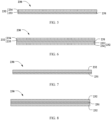
FIG. 5 is a schematic diagram of a structure of a negative electrode plate of a lithium-ion battery according to an embodiment of this application; -
FIG. 6 is a schematic diagram of another structure of a negative electrode plate of a lithium-ion battery according to an embodiment of this application; -
FIG. 7 is a schematic diagram of still another structure of a negative electrode plate of a lithium-ion battery according to an embodiment of this application; and -
FIG. 8 is a schematic diagram of yet another structure of a negative electrode plate of a lithium-ion battery according to an embodiment of this application. - 100: housing; 200: lithium-ion battery; 210: enclosure; 220: positive electrode plate; 221: positive electrode current collector; 222: positive electrode active substance layer; 230: negative electrode plate; 231: negative electrode current collector; 232: additional layer; 233: negative electrode active substance layer; 234: protective substance; 240: positive tab; 250: negative tab; 260: separator film; 270: electrolyte.
- Terms used in the following embodiments are merely intended to describe specific embodiments, but are not intended to limit this application. The terms "one", "a" and "this" of singular forms used in this specification and the appended claims of this application are also intended to include expressions such as "one or more", unless otherwise specified in the context clearly.
- Reference to "an embodiment", "specific embodiments", or the like described in this specification indicates that one or more embodiments of this application include a specific feature, structure, or characteristic described with reference to embodiments. The terms "include", "contain", "have", and their variants all mean "include but are not limited to", unless otherwise specifically emphasized in another manner.
- For ease of understanding a negative electrode plate of a lithium-ion battery, a lithium-ion battery, and an electronic device provided in embodiments of this application, the following first describes an application scenario thereof. In a process of using the electronic device, a power supply apparatus is usually required to supply power to the electronic device. Currently, a lithium-ion battery is usually selected as the power supply apparatus for a relatively small electronic device, especially a mobile electronic device. The lithium-ion battery has high energy density, a long cycle life and a low self-discharge rate. However, the lithium-ion battery has an internal short circuit risk. When the lithium-ion battery is damaged by an external force, for example, the lithium-ion battery is damaged by a user by removing the lithium-ion battery, or the lithium-ion battery is damaged by a foreign object during use. Alternatively, at a high temperature, the separator film between the positive electrode plate and the negative electrode plate shrinks, which causes a short circuit between the positive electrode plate and the negative electrode plate, or a short circuit occurs when the positive electrode plate is in contact with the negative electrode plate due to a process defect. This is prone to the internal short circuit risk, or even thermal runaway, causing a fire or the like. To resolve the foregoing problems, this application provides a negative electrode plate of a lithium-ion battery, a lithium-ion battery, and an electronic device. The following describes the technical solutions of this application with reference to specific embodiments and accompanying drawings.
-
FIG. 1 is a schematic diagram of a structure of an electronic device according to an embodiment of this application. As shown inFIG. 1 , the electronic device includes ahousing 100, and a lithium-ion battery 200 and a functional component (not shown in the figure) disposed in thehousing 100. The lithium-ion battery 200 is configured to supply power to the functional component of the electronic device, to implement a function of the electronic device.FIG. 2 is a schematic diagram of a structure of a lithium-ion battery according to an embodiment of this application.FIG. 3 is a schematic diagram of a structure of arrangement of a positive electrode plate, a separator film, and a negative electrode plate according to an embodiment of this application. As shown inFIG. 2 and FIG. 3 , the lithium-ion battery includes anenclosure 210, apositive electrode plate 220, anegative electrode plate 230, apositive tab 240, anegative tab 250, aseparator film 260, and anelectrolyte 270. Thepositive electrode plate 220, theseparator film 260, and thenegative electrode plate 230 are arranged sequentially, layer structures formed after thepositive electrode plate 220, theseparator film 260, and thenegative electrode plate 230 are arranged sequentially are wound or folded into a battery pole core, and the battery pole core is assembled into theenclosure 210. Theelectrolyte 270 is filled in theenclosure 210 to transport charges moving between thepositive electrode plate 220 and thenegative electrode plate 230. Thepositive tab 240 is connected to thepositive electrode plate 220, and thenegative tab 250 is connected to thenegative electrode plate 230, to implement an electrical connection between the lithium-ion battery and the functional component of the electronic device. -
FIG. 4 is a schematic diagram of a structure of arrangement of a positive electrode plate, a separator film, and a negative electrode plate in the conventional technology. Refer toFIG. 4 . In the conventional technology, thepositive electrode plate 220 includes a positive electrodecurrent collector 221 and a positive electrodeactive substance layer 222 disposed on two sides of the positive electrodecurrent collector 221, and thenegative electrode plate 230 includes a negative electrodecurrent collector 231 and a negative electrodeactive substance layer 233 disposed on a side that is of the negative electrodecurrent collector 231 and that faces thepositive electrode plate 220. The positive electrodecurrent collector 221 may be specifically an aluminum foil, and the positive electrodeactive substance layer 222 is composed of a combination of one or more of lithium cobalt oxide, a ternary material (a nickel-cobalt-manganese system), a lithium manganese oxide, a lithium nickel oxide, and lithium iron phosphate. Theseparator film 260 is one of a polyethylene (PE) substance, a polypropylene (PP) substance, or a nonwoven fabric substance. An aperture of theseparator film 260 needs to be of high ion passability, has a strong liquid absorption and moisture retention capability, keeps ion conductivity, and has electronic insulation, so that thepositive electrode plate 220 can be isolated from thenegative electrode plate 230 through mechanical isolation. In addition, theseparator film 260 should have robust mechanical properties such as puncture strength or tensile strength, corrosion resistance, and good electrochemical stability. Theelectrolyte 270 is a lithium salt and an organic solvent containing carbon and oxygen. Contact between the positive electrodecurrent collector 221 and the negative electrodeactive substance layer 233 is prone to thermal runaway. Therefore, a probability that the positive electrodecurrent collector 221 is in contact with the negative electrodeactive substance layer 233 mainly needs to be reduced. To resolve this problem, in the conventional technology, improvement is performed on thepositive electrode plate 220. Specifically, a safety coating including a material like lithium iron phosphate is coated or printed on a surface of the positive electrodecurrent collector 221. In one aspect, a probability that the positive electrodecurrent collector 221 is in contact with the negative electrodeactive substance layer 233 can be reduced. In another aspect, an ohmic resistance of the battery is increased, so that ohmic polarization of the battery increases in a short circuit process, energy of the battery in the short circuit process is not quickly released, and heat accumulation is avoided. However, there are also some disadvantages in this solution. For example, when the lithium-ion battery is damaged by an external force, a damaged cross section of thepositive electrode plate 220 causes the positive electrodecurrent collector 221 to be exposed, and there is accordingly a probability that the positive electrodecurrent collector 221 is in contact with the negative electrodeactive substance layer 233. -
FIG. 5 is a schematic diagram of a structure of a negative electrode plate of a lithium-ion battery according to an embodiment of this application. As shown inFIG. 5 , a structure of thenegative electrode plate 230 of the lithium-ion battery according to this embodiment of this application includes the negative electrodecurrent collector 231 and anadditional layer 232. Theadditional layer 232 is disposed on a surface of the negative electrodecurrent collector 231. The negative electrodecurrent collector 231 may be specifically a copper foil. Theadditional layer 232 includes a negative electrode active substance and a protective substance. The negative electrode active substance includes at least one of a carbon material, an alloyed material, and a silicon material. The protective substance includes a nanometal oxide and a conductive agent. Theadditional layer 232 further includes a bonding agent, to form a layer structure fastened to the surface of the negative electrodecurrent collector 231. Theadditional layer 232 is disposed on the surface of the negative electrodecurrent collector 231. In this case, when the lithium-ion battery is damaged, the protective substance can reduce a risk of thermal runaway caused by a short circuit between the positive electrodecurrent collector 221 of thepositive electrode plate 220 and the negative electrode active substance. Compared with the conventional technology, in this solution, the protective substance disposed on thenegative electrode plate 230 has poor conductivity, and polarization of thenegative electrode plate 230 increases, that is, energy inside thenegative electrode plate 230 is not easily released. Therefore, a problem that a severe short circuit between thepositive electrode plate 220 and the negative electrode active substance can be resolved, and a large amount of heat generated between the positive electrodecurrent collector 221 and the negative electrode active substance can be avoided or reduced. In this way, thermal runaway can be avoided or reduced, a risk of burning or explosion of the lithium-ion battery can be reduced, and reliability of the lithium-ion battery can be improved. Therefore, when the lithium-ion battery is damaged by an external force or theseparator film 260 is damaged or shrinks, a short circuit between thepositive electrode plate 220 and thenegative electrode plate 230 can be reduced. In this way, safety of the lithium-ion battery can be improved. - In a specific embodiment, the negative electrode active substance uses at least one of the carbon material, the alloyed material, and the silicon material as a main material. After being mixed with the bonding agent and a solvent, the material may be dispersed evenly through physical mixing to obtain a slurry. The slurry is coated on the surface of the negative electrode
current collector 231 and dried, so that the slurry may fixedly cover the surface of the negative electrodecurrent collector 231. The main material may be at least one or a mixture of at least two of soft carbon (petroleum coke, needle coke, carbon fibers, carbonaceous mesophase spherule, and the like), hard carbon, graphite, or an alloyed lithium storage material (a silicon-based material, a tin-based material, and the like). The bonding agent includes at least one or a mixture of at least two of polyvinylidene fluoride (PVDF), styrene butadiene rubber (SBR), carboxymethyl cellulose (CMC), polyacrylic acid (PAA), polyacrylonitrile (PAN), polyethylene oxide (PEO), polypropylene oxide (PPO), polyvinylidene fluoride-hexafluoropropylene (PVDF-HFP) copolymer, polymethyl methacrylate (PMMA), or polytetrafluoroethylene (PTFE). The solvent is water, propane, ethanol, NMP (N-methyl pyrrolidone), or the like. - The protective substance includes the nanometal oxide and the conductive agent. The nanometal oxide may be at least one or a composite inorganic compound formed by at least two of silicon oxide (SiO2), boehmite (AlOOH), aluminum oxide (Al2O3), zirconia (ZrO2), zinc oxide (ZnO), or titanium oxide (TiOz). The conductive agent is conductive carbon or carbon nanotube, or a combination of the conductive carbon and the carbon nanotube. The bonding agent includes at least one or a mixture of at least two of polyvinylidene fluoride (PVDF), styrene butadiene rubber (SBR), carboxymethyl cellulose (CMC), polyacrylic acid (PAA), polyacrylonitrile (PAN), polyethylene oxide (PEO), polypropylene oxide (PPO), polyvinylidene fluoride-hexafluoropropylene (PVDF-HFP) copolymer, polymethyl methacrylate (PMMA), or polytetrafluoroethylene (PTFE). The solvent is water, propane, ethanol, NMP (N-methyl pyrrolidone), or the like.
- Refer to
FIG. 5 . In a specific embodiment, thenegative electrode plate 230 of the lithium-ion battery includes aprotective substance layer 234, the negative electrodeactive substance layer 233, and the negative electrodecurrent collector 231 that are sequentially stacked. Theprotective substance layer 234 includes conductive carbon and a carbon nanotube, nano-aluminum oxide, and a bonding agent, and mass ratios corresponding to the foregoing materials are 30%, 45%, and 25% respectively. The materials are physically stirred and mixed to form a mixed slurry. The mixed slurry may be specifically coated on a surface of the negative electrodeactive substance layer 233 by gravure coating, extrusion coating, or transfer coating. A thickness of theprotective substance layer 234 is 3 µm. - The foregoing protective substance may further include lithium titanate or carbon-coated lithium titanate. There is relatively good conductive contact effect between carbon-coated lithium titanate particles and between the carbon-coated lithium titanate and the negative electrode
current collector 231. Therefore, the carbon-coated lithium titanate has better conductivity and better electrochemical performance than the lithium titanate. - Both the lithium titanate and the carbon-coated lithium titanate have a high lithium intercalation potential (1.55 V vs. Li+/Li), and no metal lithium dendrite is generated regardless of a rate at which charging and discharging are performed. In addition, the lithium titanate is a "zero-strain material". When the lithium titanate is charged and discharged at a high rate, lithium ion intercalation and deintercalation do not cause a change of a crystalline structure of the lithium titanate, so that there is little impact on a structure of the lithium titanate. Therefore, the lithium titanate or the carbon-coated lithium titanate, as the protective substance on a surface of the
negative electrode plate 230, does not affect fast charging performance of the battery. In other words, the protective substance in this solution not only can resolve a problem that a severe short circuit occurs between the positive electrodecurrent collector 221 and the negative electrode active substance, but also does not affect a charging/discharging speed of the lithium-ion battery, so that the lithium-ion battery has good electrochemical performance, for example, fast charging performance. - In addition, compared with the negative electrode active substance and the
electrolyte 270, the lithium titanate and the carbon-coated lithium titanate require higher heat for a decomposition reaction, and release lower heat through the decomposition reaction, so that the lithium titanate and the carbon-coated lithium titanate have higher thermal stability. Therefore, the lithium titanate and the carbon-coated lithium titanate can effectively prevent the positive electrodecurrent collector 221 from contacting the negative electrode active substance, to avoid thermal runaway. The lithium titanate and the carbon-coated lithium titanate do not generate a metal lithium dendrite, and are not prone to pierce theseparator film 260, so that thermal runaway caused by piercing is reduced, and safety of the lithium-ion battery is improved. Equilibrium potentials of the lithium titanate and the carbon-coated lithium titanate are higher than reduction potentials of most electrolyte solvents. Therefore, the lithium titanate and the carbon-coated lithium titanate do not react with theelectrolyte 270, and do not form a passivation film, so that many side reactions are avoided, and safety of the battery is improved. At a high temperature, the lithium titanate and the carbon-coated lithium titanate can absorb oxygen generated by decomposition in a positive electrode, to reduce the side reactions in the positive electrode or theelectrolyte 270, and thus reduce a risk of thermal runaway of the battery. Therefore, thermal runaway is not likely to occur. In addition, the lithium titanate and the carbon-coated lithium titanate are incombustible materials. Therefore, in this application, the protective substance formed by mixing the lithium titanate and the carbon-coated lithium titanate with the nanometal oxide can further reduce a probability of burning or explosion, and ensure electrochemical performance of the lithium-ion battery, so that the lithium-ion battery has a high charging/discharging speed. - When the
additional layer 232 is specifically prepared, a particle diameter of the lithium titanate needs to be less than 1 µm, or a particle diameter of the carbon-coated lithium titanate needs to be less than 1 µm. Particle diameters of the nanometal oxide and the conductive agent are 1 nm to 1000 nm. Therefore, in one aspect, a thickness of theadditional layer 232 can be reduced, and energy density of the lithium-ion battery can be increased. In another aspect, a size of the particle is small. Therefore, this helps improve uniformity of particle distribution and improve protection effect of the protective substance. -
FIG. 6 is a schematic diagram of another structure of a negative electrode plate of a lithium-ion battery according to an embodiment of this application. Refer toFIG. 4 andFIG. 6 . In an embodiment of this application, theadditional layer 232 may be provided on a surface of a side of the negative electrodecurrent collector 231. As shown inFIG. 4 , theadditional layer 232 may be specifically disposed on a surface of a side that is of the negative electrodecurrent collector 231 and that faces theseparator film 260. Therefore, a volume occupied by thenegative electrode plate 230 can be reduced, and energy density of the lithium-ion battery can be increased. Alternatively, in another embodiment, as shown inFIG. 6 , theadditional layers 232 are provided on surfaces of two sides of the negative electrodecurrent collector 231. In this solution, theadditional layer 232 has better protection effect. For example, even if the negative electrodecurrent collector 231 is penetrated by using an external force, that is, even if thepositive electrode plate 220 penetrates the negative electrodecurrent collector 231, thepositive electrode plate 220 may be in contact with a protective substance of theadditional layer 232. Therefore, thermal runaway is not likely to occur. In addition, during preparation of the lithium-ion battery, thepositive electrode plate 220, theseparator film 260, and thenegative electrode plate 230 are usually arranged sequentially by stacking or winding. Therefore, thepositive electrode plate 220 is also provided on a side that is of thenegative electrode plate 230 and that is away from a group of arrangedpositive electrode plates 220, and thepositive electrode plate 220 is not likely to be in contact with thenegative electrode plate 230. Therefore, in this solution, theadditional layer 232 located on a side that is of the negative electrodecurrent collector 231 and that is away from thepositive electrode plate 220 may also provide protection, so that thermal runaway is less likely to occur on the lithium-ion battery. - Still refer to
FIG. 4 andFIG. 6 . When theadditional layer 232 is specifically prepared, the negative electrode active substance may be mixed with the bonding agent and the solvent, to form the negative electrodeactive substance layer 233. Specifically, the negative electrode active substance, the bonding agent, and the solvent may be physically stirred and mixed into a slurry, and then the slurry is coated on a surface of the negative electrodecurrent collector 231 by using a gravure coating, extrusion coating, or transfer coating process and dried, to form the negative electrodeactive substance layer 233. The protective substance is mixed with the bonding agent and the solvent, to form theprotective substance layer 234. Specifically, the protective substance, the bonding agent, and the solvent may be physically stirred and mixed into a slurry, and then the slurry is coated on a surface of the negative electrodeactive substance layer 233 by using a gravure coating, extrusion coating, or transfer coating process and dried, to form theprotective substance layer 234. In other words, theadditional layer 232 includes the negative electrodeactive substance layer 233 and theprotective substance layer 234. The negative electrodeactive substance layer 233 and theprotective substance layer 234 are sequentially stacked on the surface of the negative electrodecurrent collector 231 in a direction away from the negative electrodecurrent collector 231. In the embodiment shown inFIG. 4 , thenegative electrode plate 230 includes theprotective substance layer 234, the negative electrodeactive substance layer 233, and the negative electrodecurrent collector 231 that are sequentially stacked. In the embodiment shown inFIG. 6 , thenegative electrode plate 230 includes theprotective substance layer 234, the negative electrodeactive substance layer 233, the negative electrodecurrent collector 231, the negative electrodeactive substance layer 233, and theprotective substance layer 234 that are sequentially stacked. In the foregoing two solutions, theprotective substance layer 234 covers the negative electrodeactive substance layer 233. Therefore, protection effect is good. - In the foregoing embodiments, a mass content of the lithium titanate or the carbon-coated lithium titanate that is included in the
protective substance layer 234 in theprotective substance layer 234 is 1% to 97%, a mass content of the conductive agent in theprotective substance layer 234 is 1% to 30%, a mass content of the nanometal oxide in theprotective substance layer 234 is 0% to 30%, and a mass content of the bonding agent in theprotective substance layer 234 is 2% to 40%. In this way, theprotective substance layer 234 has good protection effect, and also has good electrochemical performance, to ensure fast charging performance of the lithium-ion battery. - When the
protective substance layer 234 and the negative electrodeactive substance layer 233 are specifically prepared, a thickness of theprotective substance layer 234 is less than or equal to that of the negative electrodeactive substance layer 233. Because theprotective substance layer 234 cannot provide energy for the lithium-ion battery, the thickness of theprotective substance layer 234 should be small, to reduce a volume occupied by theprotective substance layer 234 in the lithium-ion battery, and increase energy density of the lithium-ion battery. - In a specific embodiment, the thickness of the
protective substance layer 234 may be 1 µm to 10 µm, for example, 3 µm to 5 µm. In one aspect, good protection effect can be achieved. In another aspect, the volume occupied by theprotective substance layer 234 can be further reduced. This helps ensure energy density of the lithium-ion battery. - Refer to
FIG. 6 . In a specific embodiment, thenegative electrode plate 230 of the lithium-ion battery includes theprotective substance layer 234, the negative electrodeactive substance layer 233, the negative electrodecurrent collector 231, the negative electrodeactive substance layer 233, and theprotective substance layer 234 that are sequentially stacked. Theprotective substance layer 234 includes lithium titanate, conductive carbon, nano-aluminum oxide, and a bonding agent, and mass ratios corresponding to the foregoing materials are 90%, 2%, 5%, and 3% respectively. After the solvent is added, the materials are physically stirred and mixed to form a mixed slurry. The mixed slurry may be specifically coated on the surfaces of the negative electrode active substance layers 233 on the two sides of the negative electrodecurrent collector 231 by gravure coating, extrusion coating, or transfer coating. A thickness of eachprotective substance layer 234 is 3 µm. -
FIG. 7 is a schematic diagram of still another structure of a negative electrode plate of a lithium-ion battery according to an embodiment of this application.FIG. 8 is a schematic diagram of yet another structure of anegative electrode plate 230 of a lithium-ion battery according to an embodiment of this application. Refer toFIG. 7 and FIG. 8 . In another embodiment of this application, the protective substance and the negative electrode active substance in theadditional layer 232 are an integrated mixed layer. In other words, the protective substance, the negative electrode active substance, the bonding agent, and the solvent are physically stirred and mixed into a slurry, and then the slurry is coated on the surface of the negative electrodecurrent collector 231 by using a gravure coating, extrusion coating, or transfer coating process and dried, to form the integrated mixed layer. Alternatively, the negative electrode active substance, the bonding agent, and the solvent may be physically stirred and mixed into a slurry A, the protective substance, the bonding agent, and the solvent may be physically stirred and mixed into a slurry B, then the slurry A and the slurry B are mixed and stirred to form a final slurry, and then processes such as coating and drying are performed on the final slurry. In this solution, a process of preparing thenegative electrode plate 230 is simple, and thenegative electrode plate 230 can be prepared by using one process. For example, in the embodiment shown inFIG. 7 , the integrated mixed layer is provided on a surface of one side of thenegative electrode plate 230. In the embodiment shown inFIG. 8 , the integrated mixed layers are provided on surfaces of two sides of thenegative electrode plate 230. - In this solution, particles of the protective substance are located around particles of the negative electrode active substance, so that a safety protection net may be formed. After an internal short circuit occurs on the lithium-ion battery, the entire positive electrode
current collector 221 is originally in contact with the negative electrode active substance. Currently, because there is the protective substance, the positive electrodecurrent collector 221 is in contact with the protective substance in addition to the negative electrode active substance, so that a contact area between the positive electrodecurrent collector 221 and the negative electrode active substance is reduced, and heat generated accordingly is reduced. In this way, burning or explosion caused by thermal runaway of the battery is avoided. In addition, when the positive electrodecurrent collector 221 extends to a position closer to the negative electrodecurrent collector 231 due to a large degree of damage caused by an external force, in a case in which the negative electrodeactive substance layer 233 and theprotective substance layer 234 are independent of each other, the positive electrodecurrent collector 221 already penetrates theprotective substance layer 234, and is in contact with the negative electrodeactive substance layer 233, and consequently, thermal runaway occurs. However, in the technical solutions of this application, the negative electrode active substance and the protective substance are mixed. Even if the positive electrodecurrent collector 221 extends to a position closer to the negative electrodecurrent collector 231, the protective substance can still reduce the contact area between the positive electrodecurrent collector 221 and the negative electrode active substance, so as to reduce heat accumulation, and still avoid thermal runaway. - When the negative electrode plate is specifically disposed, the protective substance further includes the bonding agent. A mass content of the lithium titanate or the carbon-coated lithium titanate in the protective substance is 1% to 97%, a mass content of the conductive agent in the protective substance is 1% to 30%, a mass content of the nanometal oxide in the protective substance is 0% to 30%, and a mass content of the bonding agent in the protective substance is 2% to 40%. The foregoing materials and the negative electrode active substance are mixed in a corresponding ratio, and then stirred in the solvent evenly, to form the integrated mixed layer.
- In the foregoing embodiment, a mass content of the protective substance in the integrated mixed layer is less than or equal to 30%. Therefore, a volume occupied by the protective substance is small, which helps increase energy density of the lithium-ion battery. For example, the mass content of the protective substance in the integrated mixed layer may be 10%, 12%, 15%, 20%, 23%, 25%, 28%, or the like. This is not limited in this application.
- This application further provides a lithium-ion battery. The lithium-ion battery includes the negative electrode plate of the lithium-ion battery in any one of the foregoing embodiments, and further includes an enclosure, a positive electrode plate, a separator film, and an electrolyte. The positive electrode plate, the separator film, and the negative electrode plate are arranged sequentially. The positive electrode plate, the separator film, and the negative electrode plate are disposed in the enclosure by winding or folding, and the electrolyte is filled in the enclosure. The lithium-ion battery in this application may be used in any electronic device that needs power supply. There is a low probability that a positive electrode current collector of the positive electrode plate of the lithium-ion battery is in contact with an active substance of the negative electrode plate, and less heat is generated. Therefore, the lithium-ion battery is not prone to thermal runaway, and has high safety. In addition, the lithium-ion battery includes lithium titanate or carbon-coated lithium titanate. Because both the lithium titanate and the carbon-coated lithium titanate have a high lithium intercalation potential (1.55 V vs. Li+/Li), no metal lithium dendrite is generated regardless of a rate at which charging and discharging are performed. The lithium titanate or the carbon-coated lithium titanate, as the protective substance on the surface of the negative electrode current collector, does not affect fast charging performance of the battery. In other words, the protective substance in this solution not only can resolve a problem that a severe short circuit occurs between the positive electrode current collector and the negative electrode active substance, but also does not affect a charging/discharging speed of the lithium-ion battery, so that the lithium-ion battery has good electrochemical performance, for example, fast charging performance.
- This application further provides an electronic device. The electronic device includes the foregoing lithium-ion battery. The lithium-ion battery is not prone to burning or explosion, and has high safety. In addition, a charging/discharging speed of the lithium-ion battery is not affected, so that the lithium-ion battery has good electrochemical performance.
- The foregoing descriptions are merely specific implementations of this application, but are not intended to limit the protection scope of this application. Any variation or replacement readily figured out by a person skilled in the art within the technical scope disclosed in this application shall fall within the protection scope of this application. Therefore, the protection scope of this application shall be subject to the protection scope of the claims.
Claims (16)
- A negative electrode plate of a lithium-ion battery, comprising a negative electrode current collector and an additional layer disposed on a surface of one side of the negative electrode current collector, wherein
the additional layer comprises a negative electrode active substance and a protective substance, the negative electrode active substance comprises at least one of a carbon material, an alloyed material, and a silicon material, the protective substance comprises a nanometal oxide and a conductive agent, and the protective substance further comprises lithium titanate or carbon-coated lithium titanate. - The negative electrode plate of the lithium-ion battery according to claim 1, wherein the protective substance further comprises a bonding agent, a mass content of the lithium titanate or the carbon-coated lithium titanate in the protective substance is 1% to 97%, a mass content of the conductive agent in the protective substance is 1% to 30%, a mass content of the nanometal oxide in the protective substance is 0% to 30%, and a mass content of the bonding agent in the protective substance is 2% to 40%.
- The negative electrode plate of the lithium-ion battery according to claim 1 or 2, wherein the additional layer comprises a negative electrode active substance layer and a protective substance layer, the negative electrode active substance layer comprises the negative electrode active substance, the protective substance layer comprises the protective substance, and the negative electrode active substance layer and the protective substance layer are sequentially stacked in a direction away from the negative electrode current collector.
- The negative electrode plate of the lithium-ion battery according to claim 3, wherein a thickness of the protective substance layer is less than or equal to a thickness of the negative electrode active substance layer.
- The negative electrode plate of the lithium-ion battery according to claim 3 or 4, wherein the thickness of the protective substance layer is 3 µm to 5 µm.
- The negative electrode plate of the lithium-ion battery according to any one of claims 3 to 5, wherein a particle diameter of the lithium titanate or the carbon-coated lithium titanate is less than 1 µm.
- The negative electrode plate of the lithium-ion battery according to any one of claims 3 to 6, wherein particle diameters of the nanometal oxide and the conductive agent are less than 1 µm.
- The negative electrode plate of the lithium-ion battery according to claim 1 or 2, wherein the additional layer is an integral mixed layer.
- The negative electrode plate of the lithium-ion battery according to claim 8, wherein a mass content of the protective substance is less than or equal to a mass content of the active substance.
- The negative electrode plate of the lithium-ion battery according to claim 9, wherein a mass content of the protective substance in the integrated mixed layer is less than or equal to 30%.
- The negative electrode plate of the lithium-ion battery according to any one of claims 1 to 10, wherein the additional layer is further disposed on a surface of the other side of the negative electrode current collector.
- The negative electrode plate of the lithium-ion battery according to any one of claims 1 to 11, wherein the conductive agent comprises at least one of conductive carbon and a carbon nanotube.
- The negative electrode plate of the lithium-ion battery according to any one of claims 2 to 12, wherein the bonding agent comprises at least one of polyvinylidene fluoride, styrene butadiene rubber, carboxymethyl cellulose, polyacrylic acid, polyacrylonitrile, polyethylene oxide, polypropylene oxide, polyvinylidene fluoride-hexafluoropropylene copolymer, polymethyl methacrylate, and polytetrafluoroethylene.
- The negative electrode plate of the lithium-ion battery according to any one of claims 1 to 13, wherein the nanometal oxide comprises at least one of silicon oxide, boehmite, aluminum oxide, zirconia, zinc oxide, and titanium oxide.
- A lithium-ion battery, comprising the negative electrode plate of the lithium-ion battery according to any one of claims 1 to 14, and further comprising an enclosure, a positive electrode plate, a separator film, and an electrolyte, wherein the positive electrode plate, the separator film, and the negative electrode plate are arranged sequentially, the positive electrode plate, the separator film, and the negative electrode plate are disposed in the enclosure, and the electrolyte is filled in the enclosure.
- An electronic device, comprising the lithium-ion battery according to claim 15.
Applications Claiming Priority (2)
| Application Number | Priority Date | Filing Date | Title |
|---|---|---|---|
| CN202110096435.0A CN114792808A (en) | 2021-01-25 | 2021-01-25 | Negative plate of lithium ion battery, lithium ion battery and electronic equipment |
| PCT/CN2021/139699 WO2022156459A1 (en) | 2021-01-25 | 2021-12-20 | Negative electrode sheet of lithium ion battery, lithium ion battery and electronic device |
Publications (2)
| Publication Number | Publication Date |
|---|---|
| EP4261930A1 true EP4261930A1 (en) | 2023-10-18 |
| EP4261930A4 EP4261930A4 (en) | 2025-01-15 |
Family
ID=82459398
Family Applications (1)
| Application Number | Title | Priority Date | Filing Date |
|---|---|---|---|
| EP21920833.7A Pending EP4261930A4 (en) | 2021-01-25 | 2021-12-20 | NEGATIVE ELECTRODE FOIL OF A LITHIUM-ION BATTERY, LITHIUM-ION BATTERY AND ELECTRONIC DEVICE |
Country Status (4)
| Country | Link |
|---|---|
| US (1) | US20240186524A1 (en) |
| EP (1) | EP4261930A4 (en) |
| CN (1) | CN114792808A (en) |
| WO (1) | WO2022156459A1 (en) |
Families Citing this family (5)
| Publication number | Priority date | Publication date | Assignee | Title |
|---|---|---|---|---|
| WO2024087817A1 (en) * | 2022-10-24 | 2024-05-02 | 珠海冠宇电池股份有限公司 | Negative electrode sheet and lithium-ion battery |
| CN116435511A (en) * | 2023-03-30 | 2023-07-14 | 上海瑞浦青创新能源有限公司 | Negative electrode sheet, method for preparing same, and battery comprising same |
| CN119108556B (en) * | 2023-06-07 | 2025-11-14 | 宁德时代新能源科技股份有限公司 | Secondary batteries and electrical devices including the secondary batteries |
| CN116960280B (en) * | 2023-09-18 | 2024-04-30 | 宁德新能源科技有限公司 | Negative electrode sheet, preparation method thereof, and electrochemical device and electronic device containing the same |
| CN117476877A (en) * | 2023-09-27 | 2024-01-30 | 江西赣锋锂电科技股份有限公司 | A method for preparing prelithiated negative electrode sheets for lithium-ion batteries |
Family Cites Families (9)
| Publication number | Priority date | Publication date | Assignee | Title |
|---|---|---|---|---|
| CN101515640B (en) * | 2008-02-22 | 2011-04-20 | 比亚迪股份有限公司 | Cathode and lithium ion secondary battery containing same |
| JP2012022794A (en) * | 2010-07-12 | 2012-02-02 | Sanyo Electric Co Ltd | Negative electrode for nonaqueous electrolyte secondary battery and nonaqueous electrolyte secondary battery |
| JP2014194842A (en) * | 2011-07-26 | 2014-10-09 | Panasonic Corp | Lithium ion secondary battery |
| CN103066250A (en) * | 2011-10-18 | 2013-04-24 | 上海德朗能动力电池有限公司 | Lithium ion battery negative electrode with double-layer active substance structure and lithium ion battery with the same |
| CN103050705A (en) * | 2013-01-06 | 2013-04-17 | 天津市捷威动力工业有限公司 | Lithium titanate coated cathode and lithium ion battery using cathode |
| CN103700808B (en) * | 2013-06-09 | 2016-06-08 | 洛阳月星新能源科技有限公司 | A kind of lithium ion battery composite anode pole piece, preparation method and lithium ion battery |
| CN106299331A (en) * | 2015-05-29 | 2017-01-04 | 普天新能源(深圳)有限公司 | Based lithium-ion battery positive plate comprising lithium titanate coating and preparation method thereof and lithium ion battery |
| CN109755463B (en) * | 2017-11-08 | 2020-12-29 | 宁德时代新能源科技股份有限公司 | Electrode pole piece, electrochemical device and safety coating |
| CN111200101B (en) * | 2018-11-16 | 2021-02-09 | 宁德时代新能源科技股份有限公司 | Positive pole piece and electrochemical device |
-
2021
- 2021-01-25 CN CN202110096435.0A patent/CN114792808A/en active Pending
- 2021-12-20 WO PCT/CN2021/139699 patent/WO2022156459A1/en not_active Ceased
- 2021-12-20 EP EP21920833.7A patent/EP4261930A4/en active Pending
- 2021-12-20 US US18/262,722 patent/US20240186524A1/en active Pending
Also Published As
| Publication number | Publication date |
|---|---|
| EP4261930A4 (en) | 2025-01-15 |
| CN114792808A (en) | 2022-07-26 |
| US20240186524A1 (en) | 2024-06-06 |
| WO2022156459A1 (en) | 2022-07-28 |
Similar Documents
| Publication | Publication Date | Title |
|---|---|---|
| US20240297339A1 (en) | Electrode electrochemical device and electronic device | |
| EP4261930A1 (en) | Negative electrode sheet of lithium ion battery, lithium ion battery and electronic device | |
| US10020478B2 (en) | Electrode with porous protective film, nonaqueous electrolyte secondary battery, and method for manufacturing electrode with porous protective film | |
| CN209045679U (en) | Electrochemical appliance and electronic device comprising it | |
| WO2021008429A1 (en) | Secondary battery, and battery module, battery pack and device related thereto | |
| CN101689676A (en) | Lithium secondary battery | |
| US12040455B2 (en) | Electrochemical energy storage apparatus and device | |
| US11973196B2 (en) | Positive electrode plate, and electrochemical apparatus and device associated therewith | |
| US11894524B2 (en) | Positive electrode plate, and electrochemical apparatus and device associated therewith | |
| EP4668459A1 (en) | Electrode assembly, battery, and electric device | |
| CN112823440B (en) | Negative electrode for lithium ion secondary battery and lithium ion secondary battery | |
| US20250183299A1 (en) | Positive electrode sheet, secondary battery and electric device | |
| KR20230054657A (en) | lithium ion battery | |
| CN117542953A (en) | Positive pole piece, battery and power utilization device | |
| CN116960274A (en) | Cathode plates, secondary batteries, electronic equipment and mobile devices | |
| US8574760B2 (en) | Safety-enhanced electrochemical device including electrode containing binder and wax | |
| US20230052928A1 (en) | Negative electrode material, negative electrode plate, electrochemical apparatus, and electronic apparatus | |
| WO2006113924A2 (en) | Safer high energy battery | |
| CN219591429U (en) | Cathode pole piece, electrode assembly, cell, battery cell, battery and electrical device | |
| JP4207238B2 (en) | Stacked organic electrolyte battery | |
| CN116960360A (en) | Safety coating, preparation method thereof, pole piece and secondary battery | |
| CN116705987B (en) | Negative plate, electrochemical device and preparation method of electrochemical device | |
| JPH1173996A (en) | Non-aqueous secondary battery | |
| US20260011746A1 (en) | Positive electrode sheet, preparation method therefor, secondary battery, and electric device | |
| WO2025185070A1 (en) | Electrode sheet, battery cell, battery, and electric device |
Legal Events
| Date | Code | Title | Description |
|---|---|---|---|
| STAA | Information on the status of an ep patent application or granted ep patent |
Free format text: STATUS: THE INTERNATIONAL PUBLICATION HAS BEEN MADE |
|
| PUAI | Public reference made under article 153(3) epc to a published international application that has entered the european phase |
Free format text: ORIGINAL CODE: 0009012 |
|
| STAA | Information on the status of an ep patent application or granted ep patent |
Free format text: STATUS: REQUEST FOR EXAMINATION WAS MADE |
|
| 17P | Request for examination filed |
Effective date: 20230710 |
|
| AK | Designated contracting states |
Kind code of ref document: A1 Designated state(s): AL AT BE BG CH CY CZ DE DK EE ES FI FR GB GR HR HU IE IS IT LI LT LU LV MC MK MT NL NO PL PT RO RS SE SI SK SM TR |
|
| DAV | Request for validation of the european patent (deleted) | ||
| DAX | Request for extension of the european patent (deleted) | ||
| A4 | Supplementary search report drawn up and despatched |
Effective date: 20241212 |
|
| RIC1 | Information provided on ipc code assigned before grant |
Ipc: H01M 10/42 20060101ALI20241209BHEP Ipc: H01M 10/0585 20100101ALI20241209BHEP Ipc: H01M 10/0525 20100101ALI20241209BHEP Ipc: H01M 4/66 20060101ALI20241209BHEP Ipc: H01M 4/62 20060101ALI20241209BHEP Ipc: H01M 4/13 20100101ALI20241209BHEP Ipc: H01M 4/133 20100101AFI20241209BHEP |