EP4257129B1 - Aim2 inhibitor for use in the treatment of psoriasis - Google Patents
Aim2 inhibitor for use in the treatment of psoriasis Download PDFInfo
- Publication number
- EP4257129B1 EP4257129B1 EP22178915.9A EP22178915A EP4257129B1 EP 4257129 B1 EP4257129 B1 EP 4257129B1 EP 22178915 A EP22178915 A EP 22178915A EP 4257129 B1 EP4257129 B1 EP 4257129B1
- Authority
- EP
- European Patent Office
- Prior art keywords
- aim2
- compound
- medicine
- sld
- psoriasis
- Prior art date
- Legal status (The legal status is an assumption and is not a legal conclusion. Google has not performed a legal analysis and makes no representation as to the accuracy of the status listed.)
- Active
Links
Images





Classifications
-
- A—HUMAN NECESSITIES
- A61—MEDICAL OR VETERINARY SCIENCE; HYGIENE
- A61K—PREPARATIONS FOR MEDICAL, DENTAL OR TOILETRY PURPOSES
- A61K31/00—Medicinal preparations containing organic active ingredients
- A61K31/33—Heterocyclic compounds
- A61K31/395—Heterocyclic compounds having nitrogen as a ring hetero atom, e.g. guanethidine or rifamycins
- A61K31/41—Heterocyclic compounds having nitrogen as a ring hetero atom, e.g. guanethidine or rifamycins having five-membered rings with two or more ring hetero atoms, at least one of which being nitrogen, e.g. tetrazole
- A61K31/4164—1,3-Diazoles
- A61K31/4184—1,3-Diazoles condensed with carbocyclic rings, e.g. benzimidazoles
-
- A—HUMAN NECESSITIES
- A61—MEDICAL OR VETERINARY SCIENCE; HYGIENE
- A61P—SPECIFIC THERAPEUTIC ACTIVITY OF CHEMICAL COMPOUNDS OR MEDICINAL PREPARATIONS
- A61P17/00—Drugs for dermatological disorders
- A61P17/06—Antipsoriatics
-
- C—CHEMISTRY; METALLURGY
- C07—ORGANIC CHEMISTRY
- C07D—HETEROCYCLIC COMPOUNDS
- C07D235/00—Heterocyclic compounds containing 1,3-diazole or hydrogenated 1,3-diazole rings, condensed with other rings
- C07D235/02—Heterocyclic compounds containing 1,3-diazole or hydrogenated 1,3-diazole rings, condensed with other rings condensed with carbocyclic rings or ring systems
- C07D235/04—Benzimidazoles; Hydrogenated benzimidazoles
- C07D235/24—Benzimidazoles; Hydrogenated benzimidazoles with hetero atoms or with carbon atoms having three bonds to hetero atoms with at the most one bond to halogen, e.g. ester or nitrile radicals, directly attached in position 2
- C07D235/26—Oxygen atoms
-
- Y—GENERAL TAGGING OF NEW TECHNOLOGICAL DEVELOPMENTS; GENERAL TAGGING OF CROSS-SECTIONAL TECHNOLOGIES SPANNING OVER SEVERAL SECTIONS OF THE IPC; TECHNICAL SUBJECTS COVERED BY FORMER USPC CROSS-REFERENCE ART COLLECTIONS [XRACs] AND DIGESTS
- Y02—TECHNOLOGIES OR APPLICATIONS FOR MITIGATION OR ADAPTATION AGAINST CLIMATE CHANGE
- Y02A—TECHNOLOGIES FOR ADAPTATION TO CLIMATE CHANGE
- Y02A50/00—TECHNOLOGIES FOR ADAPTATION TO CLIMATE CHANGE in human health protection, e.g. against extreme weather
- Y02A50/30—Against vector-borne diseases, e.g. mosquito-borne, fly-borne, tick-borne or waterborne diseases whose impact is exacerbated by climate change
Definitions
- the disclosure relates to the field of protein inhibitory medicine technologies, and more particularly to a a medicine or a pharmaceutical composition for use in a method of treating psoriasis by inhibiting absent in melanoma 2 (AIM2) protein activity.
- AIM2 absent in melanoma 2
- Psoriasis is a global, refractory, high incidence rate inflammatory-immune disease, which cannot be completely cured under a current medical level.
- broad-spectrum symptomatic treatment is often ineffective, which is very easy to cause repeated illness or other system damage.
- IL-17 interleukin 17
- TNF- ⁇ tumor necrosis factor alpha
- IL-23 interleukin 23
- the biological agents can increase a cure rate of patients with psoriasis to varying degrees over a period of time, with longer dosing interval and greater compliance.
- it has same disadvantages as the traditional treatment regimens.
- all biological agents for psoriasis on the market are still symptomatic treatments that fundamentally reduce the phenotype by blocking efficacy of downstream effector molecules. If uses of the biological agents are stopped for more than half a year, the risk of psoriasis recurrence will be greatly increased.
- the biological agents are expensive, because of the need for long-term maintenance of medication, if the effect is weakened halfway, a variety of biological agents should be used in combination, which brings a greater economic burden to patients.
- AIM2 absent in melanoma 2
- IFN interferon
- AIM2 expression is increased in patients with systemic lupus erythematosus (SLE), psoriasis, and primary Sjogren's syndrome, indicating that AIM2 might be involved in the pathogenesis of autoimmune diseases ( Zhu et al., "The complex role of AIM2 in autoimmune disease and cancers", Immunity, Inflammation and Disease" 2021, 9(3): 649-665 ).
- Ciazynska et al. discloses that inflammasomes are high-molecular-weight protein complexes that may cleave the two main proinflammatory cytokines, pro-interleukin-1 ⁇ and pro-interleukin-18, into active forms, and contribute to psoriasis.
- cytokines pro-interleukin-1 ⁇
- pro-interleukin-18 pro-interleukin-18
- a purpose of the disclosure is to provide a use of a compound or a medicinal derivative thereof in inhibiting absent in melanoma 2 (AIM2) protein activity.
- the compound can be used as a medicine for treating psoriasis, which can significantly inhibit production of interleukin 1 beta (IL-1 ⁇ , reduce proportions of TCR ⁇ /CD3 + ROR ⁇ t of imiquimod (IMQ) mice, significantly improve an inflammatory phenotype of the IMQ mice.
- IL-1 ⁇ interleukin 1 beta
- IMQ imiquimod
- the disclosure provides a use of the compound or a medicinal derivative thereof in inhibiting AIM2 protein activity.
- the compound is in the form of a pharmaceutical salt.
- the compound is in the form of a pharmaceutical acid addition salt.
- the disclosure provides an application method of the compound or the medicinal derivative thereof in preparing a medicine for inhibiting AIM2 protein activity.
- the medicine for inhibiting the AIM2 protein activity is a medicine of inhibiting the AIM2 protein activity of psoriatic lesion tissue.
- the compound is in a form of a pharmaceutical salt.
- the compound is in a form of a pharmaceutical acid addition salt.
- a dosage form of the medicine inhibiting AIM2 protein activity is at least one selected from a group consisting of a capsule, a tablet, an oral preparation, a microcapsule preparation, an injection, a suppository, a spray, and an ointment.
- the disclosure provides a pharmaceutical composition for treating psoriasis, which including at least a compound as shown in formula I; and/or a pharmaceutical carrier, and/or a diluent; and the formula I is expressed as follows:
- the disclosure has beneficial effects as follows.
- D300-0270 refers to a compound involved in the disclosure, also referred to as the SLD-1.
- a purpose of the disclosure is to provide a use of a compound or a medicinal derivative thereof in inhibiting absent in melanoma 2 (AIM2) protein activity.
- the compound can be used as a medicine for treating psoriasis, which can significantly inhibit production of interleukin 1 beta (IL-1 ⁇ ), reduce proportions of TCR ⁇ /CD3 + ROR ⁇ t of imiquimod (IMQ) mice, significantly improve an inflammatory phenotype of the IMQ mice.
- IL-1 ⁇ interleukin 1 beta
- IMQ imiquimod
- the disclosure provides a use of the compound or a medicinal derivative thereof in inhibiting AIM2 protein activity.
- multi-omics studies such as single-cell transcriptome sequencing, assay for transposase accessible chromatin with high-throughput sequencing (ATAC-seq), transcriptomics, genomics of psoriasis patients and imiquimod (IMQ)-induced psoriatic mice showed that only AIM2 inflammasome gene is significantly activated in both psoriatic lesions and peripheral blood.
- AIM2 inflammasome gene is significantly activated in both psoriatic lesions and peripheral blood.
- Aim2 pathway has been proved to play a crucial role in the occurrence and aggravation of psoriasis, and psoriasis-like inflammatory phenotype of IMQ mouse model can be controlled by regulating the activity of AIM2 pathway.
- AIM2 is an upstream initiator of the pathway, the effect of the pathway can be effectively blocked by blocking the ability of AIM2 protein to activate the downstream protein in psoriasis, which has a stronger and lasting effect than only eliminating a executive factor interleukin 17 (IL-17) in principle.
- IL-17 executive factor interleukin 17
- the disclosure uses BiacoreT200 equipment to determine affinity between a compound and a protein model based on an amino coupling method, then screens out 100 small molecule inhibitors of AIM2 according to the affinity by a computer, and finally screens out a safer compound with an inhibitory effect in HaCaT cell model, that is, the compound shown in the formula I.
- the medicinal derivative of the compound refers to a compound obtained by retaining a mother nucleus structure and changing a structure of the compound on a basis of the mother nucleus structure.
- the compounds obtained by structural change can retain the effect of inhibiting the AIM2 protein activity, improve activity of the compound or improve pharmacokinetic properties.
- the compound is in a form of a pharmaceutical salt.
- the compound is in a form of a pharmaceutical acid addition salt.
- a pharmaceutical acid addition salt Of course, other forms of salt formation are not excluded.
- the disclosure provides an application method of the compound or the medicinal derivative thereof in preparing of a medicine for inhibiting AIM2 protein activity.
- the medicine for inhibiting the AIM2 protein activity is a medicine of inhibiting the AIM2 protein activity of psoriatic lesion tissue.
- the compound inhibits the AIM2 protein activity to treat psoriasis through the AIM2-IL-1 ⁇ -IL-17 signaling pathway of psoriasis, and the compound mainly targets AIM2 to reduce the content of active caspase-1 p20 and IL-1 ⁇ p17 with biological activity. It indicates that the compound only has influence on the psoriasis AIM2-IL-1 ⁇ -IL-17 signaling pathway, has no influence on other systems, has a strong pertinence to psoriasis, and brings lower side effects.
- the compound is in a form of a pharmaceutical salt.
- the compound is in a form of a pharmaceutical acid addition salt.
- a dosage form of the medicine inhibiting AIM2 protein activity is at least one of a capsule, a tablet, an oral preparation, a microcapsule preparation, an injection, a suppository, a spray, and an ointment.
- those skilled in the art can select an appropriate dosage form according to an administration route and an administration object.
- the disclosure provides a pharmaceutical composition for treating psoriasis, which includes at least a compound as shown in the formula I; and/or a pharmaceutical carrier, and/or a diluent.
- a pharmaceutical composition for treating psoriasis which includes at least a compound as shown in the formula I; and/or a pharmaceutical carrier, and/or a diluent.
- the formula I is expressed as follows:
- the pharmaceutical carrier and/or the diluent are applicable to any one of a solution dosage form, a colloidal solution dosage form, an emulsion dosage form, a suspension dosage form, a gas dispersion dosage form, a particle dispersion dosage form, and a solid dispersion dosage form.
- the compound shown in the formula I may be combined with other medicines for treating psoriasis to achieve a better therapeutic effect, such as combined with a biological agent targeting downstream molecules IL-17 or IL-23, which can reduce the minimum effective dose of the biological agent, reduce an interference of the biological agent to other systems to a certain extent, and achieve a more stable and safe effect than unilateral use of the biological agent.
- a biological agent targeting downstream molecules IL-17 or IL-23 which can reduce the minimum effective dose of the biological agent, reduce an interference of the biological agent to other systems to a certain extent, and achieve a more stable and safe effect than unilateral use of the biological agent.
- a use dose of an effective component of the compound in the medicine is 2.5 milligrams per kilogram (mg/kg).
- the compound used for inhibiting the AIM2 protein activity is to use BiacoreT200 equipment to determine the affinity between the compound and the protein model based on the amino coupling method, then screens out 100 small molecule inhibitors of AIM2 according to the affinity by the computer, and finally screens out the compound in the disclosure with inhibitory effect in the HaCaT cell model. It specifically includes steps as follows.
- a pyrin domain (PYD) targeting AIM2 is essential for its regulation of the downstream signaling pathway.
- Alpha2 amino acid of the PYD is specific, and the PYD is composed of six helixes.
- D19, E20, D23, F27 and F28 of the alpha2 of the PYD are the most key amino acids for PYD-PYD interaction between AIM2 and a PYD of ligandin ASC. Therefore, taking the crystal structure 3VD8 as the reference, the binding sites composed of D19, E20, D23, F27 and F28 are selected for virtual screening of new small molecule inhibitors of the AIM2 protein.
- the computer virtual screening process the binding sites composed of D19, E20, D23, F27 and F28 of the AIM2 protein are determined to be screening sites of new small molecule inhibitors, and the three-dimensional crystal structure of AIM2 (PDBID: 3VD8) is taken as the reference (as shown in FIG. 1 ). Operation steps of a virtual screening plan are shown in FIG. 2 .
- the small molecule compound library ChemDiv is selected for small molecule database.
- AIM2 based on the three-dimensional crystal structure of AIM2 (PDBID: 3VD8), a "Prepare Protein Structure” module of sybyl-x2.1 is used to process the AIM2 protein. All water molecules are selected in “Remove Substructures ", that is, all water molecules are removed. Then, " Analyze Selected Structure " is used to analyze and modify the protein to complete an operation of hydrogenation of the protein.
- a protocol module of sybyl is used to select D19, E20, D23, F27 and F28 on alpha2 of the PYD to thereby generate a binding cavity file of the small molecule inhibitor in a "Residue" active site generation mode, that is, 3VD8_H-R-0.50-0.sfxc is an output file processed by the target protein.
- Compounds in the database are selected by using a "Compoud Filtering” module of sybyl-X2.1, and the compounds are selected according to the following rules: (a) a molecular weight is less than 700; (b) cLogP (ester-water partition coefficient) is in a range of -4 to 6; (c) a number of hydrogen bond acceptors is not more than 15; (d) a number of hydrogen bond donors is not more than 6; and (e) a number of rotatable bonds is less than 11.
- This project is based on the "Compound Filtering" module of sybyl medicine design platform for a preliminary screening of small molecule database. The general principle is based on the above five rules.
- the purpose of computer virtual screening is to minimize the scope of medicine screening, rather than confirm which compounds must have biological activity (experimental verification is required). Therefore, in order to increase the diversity of compounds and increase the number of lead compounds with certain biological activity, it is necessary to appropriately enlarge a parameter range of "Five Rules" in the virtual screening stage.
- the molecular weight is appropriately set to 700
- the cLogP is used to describe the hydrophilicity/hydrophobicity of the compound, which can be widened from hydrophilic to lipophilic.
- the number of hydrogen bond donors, receptors, and rotatable bonds should be appropriately and reasonably enlarged.
- the second round of screening is performed by using the Surflex module in Sybyl-x2.1 software.
- the default parameters are restored (i.e., "Max configurations per Fragment" is the default of 20, "Max number of rotatable bonds per molecule” is the default 100; default options of "Per-Dock Minimization” and “Post-dock Minimization” are selected to minimize the energy before and after compound docking, and the number of initial conformations of each molecule is increased to 4), and the target compounds of top 500 are selected for artificial screening.
- the 500 targets compounds obtained from the second round of screening are artificially screened to consider whether they could form a stable interaction with alpha2 of the PYD of AIM2 (e.g., hydrogen bond, hydrophobic, ⁇ - ⁇ stacking interaction).
- alpha2 of the PYD of AIM2 e.g., hydrogen bond, hydrophobic, ⁇ - ⁇ stacking interaction.
- compounds that can form multiple hydrogen bond interactions with Arg24, Leu72, Asn73 and other amino acids on AIM2 are screened out.
- there are many hydrophobic amino acids at the binding sites such as Phe27, Phe28, Ala36, Leu40 and Leu72, which can form a hydrophobic pocket, so that the target compounds should have more hydrogen bond donor (and receptor) groups, aromatic ring structure and hydrophobic substituents.
- a structure of the compound should be relatively rigid enough, that is, the number of rotating keys should not be too much.
- 100 compounds are selected from ChemDiv library as potential AIM2 inhibitors, as shown in Table 2.
- Table 2 100 compounds as potential AIM2 inhibitors Name Total_Score MW CLOGP CLOGP_ERROR RBC PSA E565_0962 7.5592 484.5944 3.8206 41 8 189.559 D315_1941 7.5337 413.49 3.2575 41 5 169.776 S635_4687 7.4653 382.5423 2.444 0 6 48.014 G261_0721 7.3816 465.6076 4.4283 0 6 122.811 S426_0572 7.2172 409.4815 1.6657 41 8 73.333 CM3125_2089 7.1314 393.4821 1.8615 0 6 104.402 G806-0276 7.1272 462.6485 2.4265 41 7 113.151 S893_0548 7.1263 433.5642 2.341
- the protective ability of 100 compounds screened above against cell pyroptosis of HaCaT cells stimulated by OligodA-T is evaluated by the real-time fluorescent quantitative polymerase chain reaction (PCR) detection of IL-1 ⁇ mRNA in the stimulated cells.
- PCR real-time fluorescent quantitative polymerase chain reaction
- PC Positive control
- NC negative control
- An inclusion of Lip3000 (Lipofectamine TM 3000 Transfection Reagent) and OligodA-T (OligodA-T: Lip3000: P3000 1:1:25, a concentration of OligodA-T is 1 microgram per millimeter (ug/mL)) is used to transfect HaCat cells.
- a name of the small molecule compound I (also referred to as SLD-1 or D300-0270) screened in the above method is: 5-[2-[4-[(2-adamantamide)methyl] phenoxy]-1-hydroxyethyl] -1,3-dimethylbenzimidazole-2-ketone, with a molecular weight of 461.27, and a structural formula is shown in formula I;
- the small molecule compound I screened above is characterized as follows.
- a statistical analysis of the data is performed using SPSS23.0 and RVersion 4.0.2 software for data processing and analysis. All tests are two-sided, and a P value of less than 0.05 is considered statistically significant.
- SLD-1 The structure of SLD-1 combined with AIM2 protein is simulated. Specifically, two rounds of binding simulation are performed by using a Surflex module in Sybyl-X2.1 software, and then artificial screening and reviewing are performed by forming multiple hydrogen bond interactions with Arg24, Leu72, Asn73 and other amino acids on the AIM2 protein. As shown in FIG. 6 , SLD-1 has strong hydrophobic interactions with multiple hydrophobic amino acids, such as Arg24 (the hydrophobic portion of the side chain), Lys26 (the hydrophobic portion of the side chain), Phe27, Phe28, Leu40, His41, Lys71 (the hydrophobic portion of side chain) and Leu72. In addition, SLD-1 forms ⁇ - ⁇ stacking interactions with Phe27 and Phe28. It can be seen that hydrophobic ⁇ - ⁇ stacking and other interactions together maintain the binding between compound SLD-1 and the AIM2 protein.
- the affinity between SLD-1 and human AIM2 protein is detected.
- a human full-length AIM2 protein is expressed and purified firstly by pET28a vector, and then the affinity is determined by CM5 chip amino-coupling method through a surface-plasmon resonance (SPR) method of Biacore.
- SPR surface-plasmon resonance
- the affinity between SLD-1 and mouse AIM2 protein is detected.
- a mouse full-length AIM2 protein is expressed and purified firstly by pET28a vector, and then the affinity is determined by CM5 chip amino coupling method by a surface plasmon resonance (SPR) method of Biacore.
- SPR surface plasmon resonance
- DMSO Dimethyl sulfoxide
- SLD-1 powder Dimethyl sulfoxide
- the dose gradients of SLD-1 set are 0 mg/kg, 2.5 mg/kg, 5 mg/kg and 10 mg/kg respectively.
- Each mouse is calculated as 20 grams (g), and 0 mg, 0.05 mg, 0.1 mg and 0.2 mg of SLD-1 are administered respective mice every day.
- mice Seven-week-old C57/BL6 mice are selected, fed and modeled in a sun protection factor (SPF) environment.
- the experimental groups are as follows:
- mice in each group are shaved back hair to make a exposed skin reach 4 square centimeters.
- a start date of the experiment is set as day 0 and an end date is set as day 6.
- 100 ⁇ L medicine solution is taken every day and evenly smeared mouse skin to absorb.
- each mouse 62.5 mg IMQ is smeared every day after 20 minutes of SLD-1inhibitor.
- the mouse skins are scored every day, the mice are sacrificed on day 6, and skin tissue is taken for a series of tests.
- PASI scores, skin phenotypes and skin pathological phenotypes of the above IMQ modeled mice are shown in FIG. 13, FIG. 14 and FIG. 15 respectively.
- three doses of SLD-1 reduced the inflammatory phenotype of IMQ mice to varying degrees, of which the reduction effect of 2.5 mg/kg is the most significant, and there is no difference between 5 mg/kg and 10 mg/kg.
- mice in each group proportion of T lymphocytes of TCR ⁇ /CD3 + ROR ⁇ t in the lymphocytes of mouse skin, which are the main effector cells mediated by AIM2 pathway in psoriasis and can secrete a large amount of IL-17 cytokines to aggravate psoriasis
- results are shown in FIG. 16 , compared with IMQ mice without SLD-1, IMQ mice treated with 2.5 mg/kg of SLD-1 have a significantly lower proportion of TCR ⁇ /CD3 + ROR ⁇ t.
Landscapes
- Health & Medical Sciences (AREA)
- Chemical & Material Sciences (AREA)
- Medicinal Chemistry (AREA)
- Pharmacology & Pharmacy (AREA)
- Life Sciences & Earth Sciences (AREA)
- Animal Behavior & Ethology (AREA)
- General Health & Medical Sciences (AREA)
- Public Health (AREA)
- Veterinary Medicine (AREA)
- Organic Chemistry (AREA)
- Engineering & Computer Science (AREA)
- Bioinformatics & Cheminformatics (AREA)
- Dermatology (AREA)
- Chemical Kinetics & Catalysis (AREA)
- General Chemical & Material Sciences (AREA)
- Nuclear Medicine, Radiotherapy & Molecular Imaging (AREA)
- Epidemiology (AREA)
- Pharmaceuticals Containing Other Organic And Inorganic Compounds (AREA)
- Medicines That Contain Protein Lipid Enzymes And Other Medicines (AREA)
- Peptides Or Proteins (AREA)
Description
- The disclosure relates to the field of protein inhibitory medicine technologies, and more particularly to a a medicine or a pharmaceutical composition for use in a method of treating psoriasis by inhibiting absent in melanoma 2 (AIM2) protein activity. The invention is set out in the appended set of claims.
- Psoriasis is a global, refractory, high incidence rate inflammatory-immune disease, which cannot be completely cured under a current medical level. There are many clinical treatments for psoriasis, most of which attempt to alleviate symptoms through extensive inhibition of an immune system, such as uses of hormones and immunosuppressants, and uses of some physical therapy and traditional Chinese medicine. However, broad-spectrum symptomatic treatment is often ineffective, which is very easy to cause repeated illness or other system damage. In recent years, the development of precision medicine for psoriasis has made up for shortcomings of traditional treatment regimens to a certain extent, and many biological agents have been developed to target effector molecules downstream of an inflammatory pathway of psoriasis, such as interleukin 17 (IL-17), tumor necrosis factor alpha (TNF-α), and interleukin 23 (IL-23), in an attempt to eliminate a phenotype of psoriasis.
- Compared with the traditional treatment regimens, the biological agents can increase a cure rate of patients with psoriasis to varying degrees over a period of time, with longer dosing interval and greater compliance. However, it has same disadvantages as the traditional treatment regimens. At present, all biological agents for psoriasis on the market are still symptomatic treatments that fundamentally reduce the phenotype by blocking efficacy of downstream effector molecules. If uses of the biological agents are stopped for more than half a year, the risk of psoriasis recurrence will be greatly increased. In addition, the biological agents are expensive, because of the need for long-term maintenance of medication, if the effect is weakened halfway, a variety of biological agents should be used in combination, which brings a greater economic burden to patients.
- To sum up, medicines currently used in the treatment of psoriasis can be divided into two main types including broad-spectrum immunomodulatory medicines and targeted medicines. The long-term effect of traditional broad-spectrum immunomodulatory medicines is not ideal. The targeted medicines represented by biological agents make up for lacks of efficacy of traditional medicines to a certain extent, but the biological agents are expensive and have relatively high applicable standards. There are few other types of targeted medicines (natural small molecules or artificial compounds) for psoriasis on the market, and almost all of them target a downstream effector pathway in the pathogenesis of psoriasis, which has a weak impact on a key cytokine IL-17 and its upstream initiation pathway. Compared with the treatment that interferes with factors of an upstream of the inflammatory pathway of psoriasis, the long-term effect of this symptomatic treatment may not be good.
- Therefore, it is imperative to develop new medicines that complement advantages of traditional treatment and the biological agents, not only to make up for the shortcomings of the above medicines, but also to take into account the effectiveness, targeting, economy, safety, compliance of medicines.
- Zhu et al., discloses that absent in melanoma 2 (AIM2) is a novel member of interferon (IFN)-inducible PYHIN proteins. In innate immune cells AIM2 servers as a cytoplasmic double-stranded DNA sensor, playing a crucial role in the initiation of the innate immune response as a component of the inflammasome. AIM2 expression is increased in patients with systemic lupus erythematosus (SLE), psoriasis, and primary Sjogren's syndrome, indicating that AIM2 might be involved in the pathogenesis of autoimmune diseases (Zhu et al., "The complex role of AIM2 in autoimmune disease and cancers", Immunity, Inflammation and Disease" 2021, 9(3): 649-665).
- Ciazynska et al., discloses that inflammasomes are high-molecular-weight protein complexes that may cleave the two main proinflammatory cytokines, pro-interleukin-1β and pro-interleukin-18, into active forms, and contribute to psoriasis. Despite recent advances made in the pathogenesis of psoriasis, mainly studied as an autoimmune condition, activation of immune response triggers of psoriasis is still not completely understood. Recently, focus was placed on the role of inflammasomes, and in particular in NLRP1, NLRP3 and AIM2 inflammasomes, in the pathogenesis of psoriasis (Ciazynska et al., "The role of NLRP1, NLRP3, and AIM2 inflammasomes in Psoriasis: Review", International Journal of Molecular Sciences, 2021, 22(11): 5898).
- A purpose of the disclosure is to provide a use of a compound or a medicinal derivative thereof in inhibiting absent in melanoma 2 (AIM2) protein activity. The compound can be used as a medicine for treating psoriasis, which can significantly inhibit production of
interleukin 1 beta (IL-1β, reduce proportions of TCRγ/CD3+RORγt of imiquimod (IMQ) mice, significantly improve an inflammatory phenotype of the IMQ mice. The invention is set out in the appended set of claims. - Specifically, the compound (C28H35N3O3) is shown in formula I, and the formula I is expressed as follows:

- In an aspect, the disclosure provides a use of the compound or a medicinal derivative thereof in inhibiting AIM2 protein activity.
- In an illustrated embodiment of the use of the disclosure, the compound is in the form of a pharmaceutical salt.
- In an illustrated embodiment of the use of the disclosure, the compound is in the form of a pharmaceutical acid addition salt.
- In another aspect, the disclosure provides an application method of the compound or the medicinal derivative thereof in preparing a medicine for inhibiting AIM2 protein activity.
- In an illustrated embodiment of the application method of the disclosure, the medicine for inhibiting the AIM2 protein activity is a medicine of inhibiting the AIM2 protein activity of psoriatic lesion tissue.
- In an illustrated embodiment of the application method of the disclosure, the compound is in a form of a pharmaceutical salt.
- In an illustrated embodiment of the application method of the disclosure, the compound is in a form of a pharmaceutical acid addition salt.
- In an illustrated embodiment of the application method of the disclosure, a dosage form of the medicine inhibiting AIM2 protein activity is at least one selected from a group consisting of a capsule, a tablet, an oral preparation, a microcapsule preparation, an injection, a suppository, a spray, and an ointment.
- In still another aspect, the disclosure provides a pharmaceutical composition for treating psoriasis, which including at least a compound as shown in formula I; and/or a pharmaceutical carrier, and/or a diluent; and the formula I is expressed as follows:

- The disclosure has beneficial effects as follows.
- (1) the compound I (also referred to as SLD-1) in the disclosure is an active small molecule targeting AIM2 protein, and the compound or the medicine prepared by the compound is used for treating psoriasis. Compared with traditional broad-spectrum immunomodulators, the compound I has a stronger targeting effect, and is more accurate, rapid, effective, safe and stable. Furthermore, the compound I has a strong binding force with human AIM2 protein and mouse AIM2 protein, and binding constants are as high as 1.029E-5M and 1.033E-5M respectively.
- (2) a target point of the compound and the prepared medicine thereof for binding inhibition in psoriasis is located at upstream of an AIM2 pathway. Compared with the traditional biological inhibitors (where the biological inhibitors all act on a middle and a downstream psoriatic immune-inflammatory pathway, belong to symptomatic treatment, have unstable maintenance on the treatment effect, and greatly increase a recurrence rate of almost all the biological inhibitors after stopping medication for half a year), a blocking level to inflammatory factors is higher, and the long-term effect is more considerable than that of the biological inhibitors. Moreover, most of traditional biological agents are system injection medicines, which are very easy to affect other systems. However, the compound in the disclosure is easy to absorb for external use, which can avoid many side effects caused by system administration, and have advantages of high safety, wide applicable population, convenient administration and good compliance.
- (3) The compound of the disclosure is a white crystal small molecule in a liquid form or dissolved in a colorless solvent in a colorless and clear state, and can increase applicability and aesthetics of external use on the skin after being prepared into the medicine.
-
-
FIG. 1 illustrates a schematic crystal structure of absent in melanoma 2 (AIM2) protein. -
FIG. 2 illustrates a schematic flowchart of a virtual screening. -
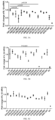
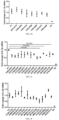
FIGS. 3A-3H illustrate detection results ofinterleukin 1 beta (IL-1β) in HaCaT cells messenger ribonucleic acid (mRNA) by real-time fluorescence quantitative polymerase chain reaction (PCR). -
FIG. 4 illustrates a nuclear magnetic resonance (NMR) spectrum of SLD-1. -
FIG. 5 illustrates a diagram of liquid chromatography-mass spectrometry (LCMS) of the SLD-1. -
FIG. 6 illustrates a diagram showing an interaction pattern between the SLD-1 and the AIM2 protein, where an arrow indicates the SLD-1 bound to amino acid residues of the AIM2 protein, and other parts are amino acid residues of other AIM2 protein. -
FIG. 7 illustrates a detection result of affinity between SLD-1 and human AIM2 protein. -
FIG. 8 illustrates a detection result of affinity between SLD-1 and mouse AIM2 protein. -
FIG. 9 illustrates transcription levels of IL-1β in the HaCaT cells treated with different doses of the SLD-1. -
FIG. 10 illustrates morphological changes of the HaCaT cells treated with 25 micromoles per liter (uM) SLD-1. -
FIG. 11 illustrates AIM2 pathway gene transcription levels in the HaCaT cells treated with the 25 uM SLD-1. -
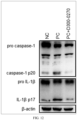
FIG. 12 illustrates AIM2 pathway protein expressions in the HaCaT cells treated with the 25 uM SLD-1. -
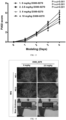
FIG. 13 illustrates psoriasis area and severity index (PASI) scores of mice in respective treatment groups. -
FIG. 14 illustrates a phenotype of imiquimod (IMQ) mice smeared with 2.5 milligrams per kilogram (mg/kg) SLD-1. -
FIG. 15 illustrates skin pathological phenotypes of mice in the respective treatment groups. -
FIG. 16 illustrates a detection result of skin of mice in the respective treatment groups by flow cytometry. -
FIG. 17 illustrates AIM2 pathway protein expressions in skin of IMQ mice treated with the 2.5 mg/kg SLD-1. - Among them, D300-0270 refers to a compound involved in the disclosure, also referred to as the SLD-1.
- Illustrated embodiments are intended to better illustrate the disclosure and are not intended to limit the scope of the disclosure to the illustrated embodiments. Therefore, non-essential modifications and adjustments of implementation solutions by those skilled in the art according to the above disclosure still belong to the protection scope of the disclosure.
- Terms used herein are used only to describe specific embodiments and are not intended to limit the disclosure. Expressions in a singular may include expressions in a plural unless they have a significantly different meaning in the context. As used herein, it should be understood that terms such as "include", "have", "contain" are intended to indicate the presence of features, numbers, operations, components, parts, elements, materials or combinations. The terms of the disclosure are disclosed in the specification and are not intended to exclude the possibility that one or more other features, numbers, operations, components, parts, elements, materials or combinations thereof may be present or may be added. As used here, "/" may be interpreted as "and" or "or" depending on the situation.
- A purpose of the disclosure is to provide a use of a compound or a medicinal derivative thereof in inhibiting absent in melanoma 2 (AIM2) protein activity. The compound can be used as a medicine for treating psoriasis, which can significantly inhibit production of
interleukin 1 beta (IL-1β), reduce proportions of TCRγ/CD3+RORγt of imiquimod (IMQ) mice, significantly improve an inflammatory phenotype of the IMQ mice. - Specifically, the compound (C28H35N3O3) is shown in formula I, and the formula I is expressed as follows:

- In an aspect, the disclosure provides a use of the compound or a medicinal derivative thereof in inhibiting AIM2 protein activity.
- Specifically, multi-omics studies such as single-cell transcriptome sequencing, assay for transposase accessible chromatin with high-throughput sequencing (ATAC-seq), transcriptomics, genomics of psoriasis patients and imiquimod (IMQ)-induced psoriatic mice showed that only AIM2 inflammasome gene is significantly activated in both psoriatic lesions and peripheral blood. There are many susceptibility genes of psoriasis in AIM2-IL-1β-IL-17 signaling pathway, Aim2 pathway has been proved to play a crucial role in the occurrence and aggravation of psoriasis, and psoriasis-like inflammatory phenotype of IMQ mouse model can be controlled by regulating the activity of AIM2 pathway. AIM2 is an upstream initiator of the pathway, the effect of the pathway can be effectively blocked by blocking the ability of AIM2 protein to activate the downstream protein in psoriasis, which has a stronger and lasting effect than only eliminating a executive factor interleukin 17 (IL-17) in principle. Considering that blocking upstream molecules may cause other system abnormalities affected by related pathway in the traditional systematic biological treatment, the disclosure uses BiacoreT200 equipment to determine affinity between a compound and a protein model based on an amino coupling method, then screens out 100 small molecule inhibitors of AIM2 according to the affinity by a computer, and finally screens out a safer compound with an inhibitory effect in HaCaT cell model, that is, the compound shown in the formula I.
- Specifically, the medicinal derivative of the compound refers to a compound obtained by retaining a mother nucleus structure and changing a structure of the compound on a basis of the mother nucleus structure. The compounds obtained by structural change can retain the effect of inhibiting the AIM2 protein activity, improve activity of the compound or improve pharmacokinetic properties.
- In an embodiment, the compound is in a form of a pharmaceutical salt.
- In an embodiment, the compound is in a form of a pharmaceutical acid addition salt. Of course, other forms of salt formation are not excluded.
- In another aspect, the disclosure provides an application method of the compound or the medicinal derivative thereof in preparing of a medicine for inhibiting AIM2 protein activity.
- In an embodiment, the medicine for inhibiting the AIM2 protein activity is a medicine of inhibiting the AIM2 protein activity of psoriatic lesion tissue. Specifically, as described above, the compound inhibits the AIM2 protein activity to treat psoriasis through the AIM2-IL-1β-IL-17 signaling pathway of psoriasis, and the compound mainly targets AIM2 to reduce the content of active caspase-1 p20 and IL-1β p17 with biological activity. It indicates that the compound only has influence on the psoriasis AIM2-IL-1β-IL-17 signaling pathway, has no influence on other systems, has a strong pertinence to psoriasis, and brings lower side effects.
- In an embodiment, the compound is in a form of a pharmaceutical salt.
- In an embodiment, the compound is in a form of a pharmaceutical acid addition salt.
- In an embodiment, a dosage form of the medicine inhibiting AIM2 protein activity is at least one of a capsule, a tablet, an oral preparation, a microcapsule preparation, an injection, a suppository, a spray, and an ointment. Specifically, those skilled in the art can select an appropriate dosage form according to an administration route and an administration object.
- In still another aspect, the disclosure provides a pharmaceutical composition for treating psoriasis, which includes at least a compound as shown in the formula I; and/or a pharmaceutical carrier, and/or a diluent. The formula I is expressed as follows:

- In an embodiment, the pharmaceutical carrier and/or the diluent are applicable to any one of a solution dosage form, a colloidal solution dosage form, an emulsion dosage form, a suspension dosage form, a gas dispersion dosage form, a particle dispersion dosage form, and a solid dispersion dosage form.
- In an embodiment, the compound shown in the formula I may be combined with other medicines for treating psoriasis to achieve a better therapeutic effect, such as combined with a biological agent targeting downstream molecules IL-17 or IL-23, which can reduce the minimum effective dose of the biological agent, reduce an interference of the biological agent to other systems to a certain extent, and achieve a more stable and safe effect than unilateral use of the biological agent.
- Specifically, a use dose of an effective component of the compound in the medicine is 2.5 milligrams per kilogram (mg/kg).
- In the disclosure, the compound used for inhibiting the AIM2 protein activity is to use BiacoreT200 equipment to determine the affinity between the compound and the protein model based on the amino coupling method, then screens out 100 small molecule inhibitors of AIM2 according to the affinity by the computer, and finally screens out the compound in the disclosure with inhibitory effect in the HaCaT cell model. It specifically includes steps as follows.
- According to an amino acid sequence (as shown in SEQ ID NO: 1) and a three-dimensional structure of the AIM2 protein (Interaction-inducible protein AIM2, UniProtKB: https://www.uniprot.org/uniprot/O14862), a protein binding domain for reference is screened. There are five kinds of three-dimensional crystal structures of the AIM2 protein retrieved from RCSBPDB library, as shown in Table 1. Among them, the crystal structures 3VD8 and 4O7Q both have greater resolution, the crystal structure 3VD8 has more amino acid sequences than that of the crystal structure 4O7Q, and therefore the crystal structure 3VD8 is preferentially listed as a crystal structure for screening.
Table 1 three-dimensional crystal structures of AIM2 protein PDB entry Method Resolution (Å) Chin Position 3RN2 X-ray 2.55 A/B 144-343 3RN5 X-ray 2.50 A/B/C/D 144-343 3VD8 X-ray 2.07 A 1-107 4O7Q X-ray 1.82 A 1-93 6MB2 electron microscopy 5.00 A/B/C/D/E/F/G/H/I/J/K/M/N/O 1-93 - A pyrin domain (PYD) targeting AIM2 is essential for its regulation of the downstream signaling pathway. Alpha2 amino acid of the PYD is specific, and the PYD is composed of six helixes. D19, E20, D23, F27 and F28 of the alpha2 of the PYD are the most key amino acids for PYD-PYD interaction between AIM2 and a PYD of ligandin ASC. Therefore, taking the crystal structure 3VD8 as the reference, the binding sites composed of D19, E20, D23, F27 and F28 are selected for virtual screening of new small molecule inhibitors of the AIM2 protein.
- The computer virtual screening process: the binding sites composed of D19, E20, D23, F27 and F28 of the AIM2 protein are determined to be screening sites of new small molecule inhibitors, and the three-dimensional crystal structure of AIM2 (PDBID: 3VD8) is taken as the reference (as shown in
FIG. 1 ). Operation steps of a virtual screening plan are shown inFIG. 2 . - The small molecule compound library: ChemDiv is selected for small molecule database.
- The selection and the preparation of the target protein: based on the three-dimensional crystal structure of AIM2 (PDBID: 3VD8), a "Prepare Protein Structure" module of sybyl-x2.1 is used to process the AIM2 protein. All water molecules are selected in "Remove Substructures ", that is, all water molecules are removed. Then, " Analyze Selected Structure " is used to analyze and modify the protein to complete an operation of hydrogenation of the protein. Finally, a protocol module of sybyl is used to select D19, E20, D23, F27 and F28 on alpha2 of the PYD to thereby generate a binding cavity file of the small molecule inhibitor in a "Residue" active site generation mode, that is, 3VD8_H-R-0.50-0.sfxc is an output file processed by the target protein.
- Compounds in the database are selected by using a "Compoud Filtering" module of sybyl-X2.1, and the compounds are selected according to the following rules: (a) a molecular weight is less than 700; (b) cLogP (ester-water partition coefficient) is in a range of -4 to 6; (c) a number of hydrogen bond acceptors is not more than 15; (d) a number of hydrogen bond donors is not more than 6; and (e) a number of rotatable bonds is less than 11. This project is based on the "Compound Filtering" module of sybyl medicine design platform for a preliminary screening of small molecule database. The general principle is based on the above five rules. Considering that if the preliminary screening is completely based on the five rules, the number of compounds in the small molecule database will be greatly reduced and the diversity of compounds will be significantly reduced. In this situation, the purpose of computer virtual screening is to minimize the scope of medicine screening, rather than confirm which compounds must have biological activity (experimental verification is required). Therefore, in order to increase the diversity of compounds and increase the number of lead compounds with certain biological activity, it is necessary to appropriately enlarge a parameter range of "Five Rules" in the virtual screening stage. For example, the molecular weight is appropriately set to 700, and the cLogP is used to describe the hydrophilicity/hydrophobicity of the compound, which can be widened from hydrophilic to lipophilic. Similarly, for the number of hydrogen bond donors, receptors, and rotatable bonds should be appropriately and reasonably enlarged.
- Screening is performed by using a Surflex module in sybyl-x2.1 software. Some molecular docking parameters are modified to speed up the first round of virtual screening and screen out small molecular compounds with a molecular scoring value of top 1%. Specifically, "Max conformations per Fragment" is changed from the default of 20 to 10, and "Max number of rotatable bonds per molecule" is changed from the default of 100 to 50. Options of default "Per-Dock Minimization" and "Post-Dock Minimization" are cancelled. The "Maximum number of poses per ligand" is changed from the
default 20 to 3, that is, only the top 3 molecular conformations of each ligand molecule are retained, the docking speed is accelerated, and finally the top 1% compounds are obtained. - The second round of screening is performed by using the Surflex module in Sybyl-x2.1 software. On a basis of the top 1% hits screened in the first round, the default parameters are restored (i.e., "Max configurations per Fragment" is the default of 20, "Max number of rotatable bonds per molecule" is the
default 100; default options of "Per-Dock Minimization" and "Post-dock Minimization" are selected to minimize the energy before and after compound docking, and the number of initial conformations of each molecule is increased to 4), and the target compounds of top 500 are selected for artificial screening. - The 500 targets compounds obtained from the second round of screening are artificially screened to consider whether they could form a stable interaction with alpha2 of the PYD of AIM2 (e.g., hydrogen bond, hydrophobic, π-π stacking interaction). Specifically, compounds that can form multiple hydrogen bond interactions with Arg24, Leu72, Asn73 and other amino acids on AIM2 are screened out. In this situation, there are many hydrophobic amino acids at the binding sites, such as Phe27, Phe28, Ala36, Leu40 and Leu72, which can form a hydrophobic pocket, so that the target compounds should have more hydrogen bond donor (and receptor) groups, aromatic ring structure and hydrophobic substituents. A structure of the compound should be relatively rigid enough, that is, the number of rotating keys should not be too much. Finally, 100 compounds are selected from ChemDiv library as potential AIM2 inhibitors, as shown in Table 2.
Table 2 100 compounds as potential AIM2 inhibitors Name Total_Score MW CLOGP CLOGP_ERROR RBC PSA E565_0962 7.5592 484.5944 3.8206 41 8 189.559 D315_1941 7.5337 413.49 3.2575 41 5 169.776 S635_4687 7.4653 382.5423 2.444 0 6 48.014 G261_0721 7.3816 465.6076 4.4283 0 6 122.811 S426_0572 7.2172 409.4815 1.6657 41 8 73.333 CM3125_2089 7.1314 393.4821 1.8615 0 6 104.402 G806-0276 7.1272 462.6485 2.4265 41 7 113.151 S893_0548 7.1263 433.5642 2.341 41 9 74.844 F294-0904 7.122 487.6116 1.6646 0 8 173.641 S586_0189 6.9708 397.5138 1.197 41 8 61.747 C117_0079 6.9675 476.5044 3.77 30 5 271.103 S687_2087 6.8761 405.4928 1.0179 0 5 76.896 S691_1042 6.8635 409.5444 3.169 41 7 56.573 S614_1158 6.86 428.5246 1.267 42 9 66.933 8014_1781 6.8441 374.4754 4.7566 10 6 102.777 G642_0268 6.8409 454.4342 4.938 59 6 142.86 S579_0621 6.8267 418.4849 3.4745 40 6 94.401 S525_0594 6.8049 422.5233 1.428 10 4 117.102 G261_0350 6.7949 497.6495 5.5913 41 6 113.471 G395_1626 6.7868 399.49 -0.4106 30 9 111.251 M735_1211 6.7839 436.5863 4.6829 0 9 45.672 S357_0552 6.679 488.5781 0.8547 0 7 77.585 G022_0278 6.6789 443.5822 4.175 59 5 122.935 F779_0862 6.6704 371.4317 4.3164 0 7 92.409 8018_1330 6.6668 413.4238 4.6209 0 10 200.962 D355_0158 6.6142 422.4736 4.5665 0 4 120.303 D392_0073 6.6134 423.4848 2.8352 30 5 221.711 D503_0349 6.6023 395.498 3.9615 0 7 71.266 D420_6416 6.5841 402.4458 3.2024 0 7 127.837 D481_0136 6.5774 450.9207 2.7938 30 7 129.027 F293-0926 6.5708 499.6256 4.8385 0 9 180.677 E233_1827 6.5554 467.991 2.8943 0 6 37.477 F533-0451 6.5551 490.5907 2.6191 0 6 118.498 G395_1506 6.5494 474.4687 2.1771 0 7 152.213 D315_1663 6.5476 361.4585 2.8325 0 4 162.142 E972-0278 6.546 464.6229 5.0156 59 8 76.761 F293-0126 6.5333 461.5313 4.3922 0 9 213.276 F674_0455 6.5322 464.9473 1.6044 0 5 59.609 8018_4855 6.5217 427.6059 3.5398 0 7 113.073 P393_0964 6.506 305.3721 0.5028 0 4 65.458 S957_0143 6.4915 471.5146 2.4851 30 6 110.685 1607-0158 6.4908 318.3691 4.2875 0 3 114.84 M778-0708 6.4673 444.5686 5.0482 0 8 70.046 F874_0677 6.4653 378.4674 3.929 41 5 55.226 P752-0171 6.4594 325.4048 1.5889 0 5 70.096 SC88_0686 6.4507 456.4899 1.648 41 5 137.639 8640_0355 6.4504 417.5201 4.1948 0 5 177.629 T955_1071 6.4438 438.5194 0.516 0 8 112.665 5210_2223 6.4239 423.4848 3.0019 0 8 178.752 C064_0226 6.4169 465.5149 4.3242 0 8 115.158 D481_0111 6.3988 410.4695 -0.1508 30 7 131.917 S592_0553 6.387 435.4444 3.263 41 6 118.393 S428_1277 6.3716 475.5031 -1.0901 30 7 174.2 G702_6586 6.3576 463.9592 5.2863 0 8 71.04 E196_0255 6.3442 431.4853 3.5329 30 6 90.663 D316_0365 6.3352 421.4657 4.9183 42 7 103.16 G545_0360 6.3345 472.5787 4.7372 30 7 93.843 G651_0736 6.3233 451.462 3.4 59 3 129.509 S787_0679 6.3129 394.5099 1.3327 0 8 75.099 D300_0270 6.3069 461.5958 5.143 0 7 83.883 D356_0726 6.3016 422.5398 3.9 41 5 101.029 F595-0294 6.2971 397.4691 4.1392 0 6 105.667 T158_1077 6.2945 395.5196 0.4552 0 7 69.844 F684_0309 6.2905 483.555 2.9066 20 8 151.851 SA72_0140 6.2882 422.52 1.088 30 9 65.436 1869-0150 6.2643 519.6369 3.031 0 4 188.826 P165_2212 6.2547 414.4565 2.0833 41 5 96.826 5381_0017 6.2481 331.3895 0.6487 59 1 219.333 D264_0400 6.2469 429.5142 5.001 41 4 124.271 3346_2007 6.2448 386.5028 5.156 0 7 45.596 M373-0101 6.2234 390.4533 4.2862 30 6 61.904 4896_4987 6.2132 488.3146 5.5062 0 6 202.076 P635-0170 6.205 391.4662 1.9592 30 5 90.813 S978_0649 6.2041 401.5224 2.069 41 6 80.792 K781-9330 6.1869 467.5556 4.8946 0 5 112.314 G948-4515 6.1866 468.5685 3.6211 0 6 136.406 E518_0588 6.1861 446.5133 3.4234 0 10 83.312 M406-1391 6.1846 441.5216 4.6336 10 5 133.062 D584_4840 6.1693 413.4717 2.2059 30 4 74.045 5617_0137 6.164 307.3432 4.4807 0 4 101.818 F936_0381 6.1541 464.5567 3.6814 59 7 107.32 F708_0500 6.1501 423.5048 2.399 10 5 87.833 8018_5454 6.1473 418.4635 2.8449 0 5 153.539 E245_0497 6.1466 462.5376 3.4682 0 7 155.99 E882-1241 6.1263 452.5079 0.2355 0 7 215.127 D364_0334 6.1207 408.4073 3.1987 59 5 165.049 F290-0385 6.1102 497.5634 3.7437 0 8 201.438 S343_1286 6.0982 372.4183 1.2493 0 5 111.78 F270-0404 6.0751 411.4543 0.2083 0 7 125.982 T842-2472 6.0729 442.5743 3.4651 0 6 72.612 Z298-0149 6.0541 463.5702 4.3477 41 5 69.312 SD31_0130 6.0451 438.4731 -0.118 0 7 133.527 C301_4088 6.0442 375.4453 3.3456 0 5 150.499 8014_2743 6.0381 394.4635 3.6436 10 7 111.958 G796-2149 6.0351 383.5303 4.2273 0 6 52.129 S511_0490 6.0317 381.5111 1.553 0 5 77.366 M941-1431 6.0291 437.5346 4.301 30 7 63.108 T368-3348 6.0266 423.4633 2.5063 0 4 101.128 SA85_0249 6.0222 357.4467 3.1124 30 6 121.01 P506-2053 6.0216 446.5447 3.8363 41 6 65.349 - The protective ability of 100 compounds screened above against cell pyroptosis of HaCaT cells stimulated by OligodA-T is evaluated by the real-time fluorescent quantitative polymerase chain reaction (PCR) detection of IL-1β mRNA in the stimulated cells. Compared with the positive control, the small molecule with the most significant inhibitory effect (p<0.0001) is selected as the candidate ideal inhibitor, that is, the compound I (also referred to as SLD-1 or D300-0270) used in the disclosure.
- 1. Positive control (PC) and negative control (NC) are set in the experimental group. An inclusion of Lip3000 (Lipofectamine™ 3000 Transfection Reagent) and OligodA-T (OligodA-T: Lip3000: P3000 = 1:1:25, a concentration of OligodA-T is 1 microgram per millimeter (ug/mL)) is used to transfect HaCat cells. Lip3000-OligodA-T and 10 micromoles per liter (uM) small molecule inhibitor are used to transfect the HaCat cells in each treatment group, and only the same amount of transfection reagent (Lip3000: P3000 = 1:1) is added in NC group.
- 2. Each experimental group is incubated in a cell incubator containing 5% CO2 for 24 hours at 37 °C, and the cells are collected for real-time fluorescence PCR detection. Among the 100 small molecule inhibitors, the small molecule with the most significant inhibition effect (p<0.0001) is selected as the candidate ideal inhibitor. The results are shown in
FIGS. 3A-3H . - A name of the small molecule compound I (also referred to as SLD-1 or D300-0270) screened in the above method is: 5-[2-[4-[(2-adamantamide)methyl] phenoxy]-1-hydroxyethyl] -1,3-dimethylbenzimidazole-2-ketone, with a molecular weight of 461.27, and a structural formula is shown in formula I;

- The small molecule compound I screened above is characterized as follows.
- (1) A result of nuclear magnetic resonance (NMR) characterization of the small molecule compound I are shown in
FIG. 4 . The characteristic hydrogen and hydroxyl groups of aromatic rings are obvious, and the cleavage is clear, which is consistent with the structure of the compound, and the structure of the compound is correct. - (2) A result of liquid chromatography-mass spectrometry (LCMS) detection of the small molecule compound I is shown in
FIG. 5 . The retention time is 2.11. MS+1 is a target molecular weight of the compound I, and the fragment ion peak 444.7 is the removal of hydroxyl in the compound into double bond MS+1, which is consistent with the characteristics of the target compound. - A synthetic route of the small molecule compound I screened above is as follow:

- In the following embodiments, a statistical analysis of the data is performed using SPSS23.0 and RVersion 4.0.2 software for data processing and analysis. All tests are two-sided, and a P value of less than 0.05 is considered statistically significant.
- In order to better understand the disclosure, the content of the disclosure is further explained in combination with specific embodiments, but the content of the disclosure is not limited to the following embodiments.
- The structure of SLD-1 combined with AIM2 protein is simulated. Specifically, two rounds of binding simulation are performed by using a Surflex module in Sybyl-X2.1 software, and then artificial screening and reviewing are performed by forming multiple hydrogen bond interactions with Arg24, Leu72, Asn73 and other amino acids on the AIM2 protein. As shown in
FIG. 6 , SLD-1 has strong hydrophobic interactions with multiple hydrophobic amino acids, such as Arg24 (the hydrophobic portion of the side chain), Lys26 (the hydrophobic portion of the side chain), Phe27, Phe28, Leu40, His41, Lys71 (the hydrophobic portion of side chain) and Leu72. In addition, SLD-1 forms π-π stacking interactions with Phe27 and Phe28. It can be seen that hydrophobic π-π stacking and other interactions together maintain the binding between compound SLD-1 and the AIM2 protein. - In the embodiment of the disclosure, the affinity between SLD-1 and human AIM2 protein is detected. Specifically, a human full-length AIM2 protein is expressed and purified firstly by pET28a vector, and then the affinity is determined by CM5 chip amino-coupling method through a surface-plasmon resonance (SPR) method of Biacore. A detection result is shown in
FIG. 7 , the result shows that SLD-1 is specifically bound to the human AIM2 protein, a binding constant is 1.029E-5M, and the binding ability is very strong. - In the embodiment of the disclosure, the affinity between SLD-1 and mouse AIM2 protein is detected. Specifically, a mouse full-length AIM2 protein is expressed and purified firstly by pET28a vector, and then the affinity is determined by CM5 chip amino coupling method by a surface plasmon resonance (SPR) method of Biacore. A detection result is shown in
FIG. 8 , the result shows that SLD-1 is specifically bound to the mouse AIM2 protein, a binding constant is 1.033E-5M, and the binding ability is very strong. -
- (1) A positive control (PC), a negative control (NC) and respective treatment groups are set. An inclusion of Lip3000 (Lipofectamine™ 3000 Transfection Reagent) and OligodA-T (OligodA-T: Lip3000: P3000 = 1:1:25, a concentration of OligodA-T is 1 ug/mL) is used to transfect HaCat cells, and only the same amount of transfection reagent (Lip3000: P3000 = 1:1) is added in NC group. The HaCat cells are co-transfected with an inclusion of Lip3000-OligodA-T at gradient doses (0.1 uM, 1 uM, 5 uM, 10 uM and 25 uM) of SLD-1 in the respective treatment groups.
- (2) The positive control (PC), negative control (NC) and the respective treatment groups are incubated in a cell incubator containing 5% CO2 at 37 °C for 24 hours, and the cells are collected for real-time fluorescence PCR detection to observe the effect of different doses of inhibitors on the activation of AIM2 pathway in the HaCaT cells. Results are shown in
FIG. 9 , it can be seen that 25 uM of SLD-1 reduced IL-β transcription levels in the HaCat cells the most in 5 dose gradients compared to the PC. - (3) In this situation, a cell state of 25 uM gradient is observed under microscope fields of 100 times and 400 times, and results are shown in
FIG. 10 . The cell state of this group is close to that of the NC, with very few transparent pyroptosis cells, a high cell density and a good adhesion.
The results obtained in (2) and (3) above show that SLD-1 of 25 uM may be the best dose to inhibit AIM2 protein activity of the HaCaT cells. - (4) In addition, the effect of 25 uM of SLD-1 on the transcription level of genes in the AIM2 pathway of the HaCat cell model is detected, and results are shown in
FIG. 11 . Compared with the PC, the transcription of major genes in the AIM2 pathway is significantly decreased. - (5) Moreover, the expression of AIM2 downstream protein in the HaCaT cells treated with 25uM SLD-1 is detected, and results are shown in
FIG. 12 . The treatment of 25uM SLD-1 has no effect on AIM2 downstream procaspase-1 and proIL-1β, while reduces the content of caspase-1p20 and IL-1βp17, which suggests that SLD-1 effectively reduces the expression of active caspase-1 and active IL-1β. - Dimethyl sulfoxide (DMSO) is used to dissolve SLD-1 powder, the powder is weighed according to different dosage, then diluted with β-cyclodextrin, and a final concentration of DMSO shall not exceed 5%. The dose gradients of SLD-1 set are 0 mg/kg, 2.5 mg/kg, 5 mg/kg and 10 mg/kg respectively. Each mouse is calculated as 20 grams (g), and 0 mg, 0.05 mg, 0.1 mg and 0.2 mg of SLD-1 are administered respective mice every day.
- Seven-week-old C57/BL6 mice are selected, fed and modeled in a sun protection factor (SPF) environment. The experimental groups are as follows:
- (1) mouse skin smeared with IMQ and 0 mg/kg of SLD-1;
- (2) mouse skin smeared with IMQ and 2.5mg/kg of SLD-1;
- (3) mouse skin smeared with IMQ and 5 mg/kg of SLD-1;
- (4) mouse skin smeared with IMQ and 10 mg/kg of SLD-1;
- (5) mouse skin smeared with Vaseline and 0 mg/kg of SLD-1;
- (6) mouse skin smeared with Vaseline and 2.5mg/kg of SLD-1;
- (7) mouse skin smeared with Vaseline and 5 mg/kg of SLD-1; and
- (8) mouse skin smeared with Vaseline and 10 mg/kg of SLD-1.
- Six mice in each group are shaved back hair to make a exposed
skin reach 4 square centimeters. A start date of the experiment is set asday 0 and an end date is set asday 6. Fromday 0 to Day5, 100µL medicine solution is taken every day and evenly smeared mouse skin to absorb. From day2 today 5, each mouse 62.5 mg IMQ is smeared every day after 20 minutes of SLD-1inhibitor. The mouse skins are scored every day, the mice are sacrificed onday 6, and skin tissue is taken for a series of tests. - PASI scores, skin phenotypes and skin pathological phenotypes of the above IMQ modeled mice are shown in
FIG. 13, FIG. 14 andFIG. 15 respectively. Among them, three doses of SLD-1 reduced the inflammatory phenotype of IMQ mice to varying degrees, of which the reduction effect of 2.5 mg/kg is the most significant, and there is no difference between 5 mg/kg and 10 mg/kg. - Next, skin lymphocytes of the mice in each group (proportion of T lymphocytes of TCRγ/CD3+RORγt in the lymphocytes of mouse skin, which are the main effector cells mediated by AIM2 pathway in psoriasis and can secrete a large amount of IL-17 cytokines to aggravate psoriasis) are isolated for flow cytometry. Results are shown in
FIG. 16 , compared with IMQ mice without SLD-1, IMQ mice treated with 2.5 mg/kg of SLD-1 have a significantly lower proportion of TCRγ/CD3+RORγt. - Then, transcription levels of AIM2 pathway genes in the mouse skin are detected, and there is no significant difference between the respective groups. The protein levels are shown in
FIG. 17 . The treatment of 2.5 mg/kg of SLD-1 has no effect on AIM2 downstream procaspase-1 and proil-1β in the mouse skin, while decreases the content of caspase-1p20 and IL-1βp17, which indicates that SLD-1 effectively reduces expression of active caspase-1 and active IL-1β in skin.
Claims (7)
- A medicine for use in a method of treating psoriasis by inhibiting absent in melanoma 2 (AIM2) protein activity, wherein the medicine comprises a compound (C28H35N3O3) as shown in a formula I, and the formula I is expressed as follows:

- The medicine for use according to claim 1, wherein the medicine for inhibiting the AIM2 protein activity is a medicine of inhibiting AIM2 protein activity of psoriatic lesion tissue.
- The medicine for use according to claims 1 or 2, wherein the compound is in a form of a pharmaceutical salt.
- The medicine for use according to claim 3, wherein the compound is in a form of a pharmaceutical acid addition salt.
- The medicine for use according to any one of claims 1, 2, or 4, wherein a dosage form of the medicine for use in a method of treating psoriasis is at least one selected from a group consisting of a capsule, a tablet, an oral preparation, a microcapsule preparation, an injection, a suppository, a spray, and an ointment.
- The medicine for use according to claim 3, wherein a dosage form of the medicine for use in a method of treating psoriasis is at least one selected from a group consisting of a capsule, a tablet, an oral preparation, a microcapsule preparation, an injection, a suppository, a spray, and an ointment.
- A pharmaceutical composition for use in treating psoriasis, at least comprising a compound shown in a formula I; and further comprising at least one of a pharmaceutical carrier and diluent;
wherein the formula I is expressed as follows:
Applications Claiming Priority (1)
| Application Number | Priority Date | Filing Date | Title |
|---|---|---|---|
| CN202210355367.XA CN114699406B (en) | 2022-04-06 | 2022-04-06 | Use of compounds or pharmaceutically acceptable derivatives thereof for inhibiting AIM2 protein activity |
Publications (3)
| Publication Number | Publication Date |
|---|---|
| EP4257129A1 EP4257129A1 (en) | 2023-10-11 |
| EP4257129C0 EP4257129C0 (en) | 2025-02-26 |
| EP4257129B1 true EP4257129B1 (en) | 2025-02-26 |
Family
ID=82058237
Family Applications (1)
| Application Number | Title | Priority Date | Filing Date |
|---|---|---|---|
| EP22178915.9A Active EP4257129B1 (en) | 2022-04-06 | 2022-06-14 | Aim2 inhibitor for use in the treatment of psoriasis |
Country Status (5)
| Country | Link |
|---|---|
| US (1) | US11944603B2 (en) |
| EP (1) | EP4257129B1 (en) |
| JP (1) | JP7491966B2 (en) |
| KR (1) | KR102836473B1 (en) |
| CN (1) | CN114699406B (en) |
Family Cites Families (8)
| Publication number | Priority date | Publication date | Assignee | Title |
|---|---|---|---|---|
| ES2407180T3 (en) * | 2008-09-11 | 2013-06-12 | F. Hoffmann-La Roche Ag | New benzimidazole derivatives |
| KR101562050B1 (en) * | 2014-09-16 | 2015-10-22 | 가톨릭대학교 산학협력단 | Composition for diagnosing psoriasis |
| CN105214087B (en) * | 2015-10-29 | 2017-12-26 | 陈敏 | PCSK9 monoclonal antibodies are preparing the application in treating inflammatory-immune diseases medicine |
| CN116640081A (en) * | 2016-09-12 | 2023-08-25 | 重庆医科大学 | Adamantane sulfonamide compound and its preparation method and application |
| WO2022021981A1 (en) * | 2020-07-30 | 2022-02-03 | 中南大学湘雅二医院 | Di-(benzimidazole)-1, 2, 3-triazole derivative and preparation therefor and use thereof |
| CN112755191A (en) * | 2021-01-20 | 2021-05-07 | 安徽医科大学第一附属医院 | Application of CaMK4 in preparation of medicine for preventing and treating psoriasis |
| CN113855807A (en) * | 2021-10-25 | 2021-12-31 | 孙良丹 | Application of reagent in preparation of medicine for treating/inhibiting psoriasis |
| CN115414483B (en) | 2022-09-26 | 2024-10-29 | 孙良丹 | Use of ADRB1 activity inhibitor as or in the preparation of a preparation for treating psoriasis |
-
2022
- 2022-04-06 CN CN202210355367.XA patent/CN114699406B/en active Active
- 2022-06-09 KR KR1020220069936A patent/KR102836473B1/en active Active
- 2022-06-10 US US17/837,344 patent/US11944603B2/en active Active
- 2022-06-14 EP EP22178915.9A patent/EP4257129B1/en active Active
- 2022-06-14 JP JP2022095986A patent/JP7491966B2/en active Active
Non-Patent Citations (2)
| Title |
|---|
| DATABASE MEDLINE [online] US NATIONAL LIBRARY OF MEDICINE (NLM), BETHESDA, MD, US; 2022, WANG JIEYI ET AL: "Roles of AIM2 Gene and AIM2 Inflammasome in the Pathogenesis and Treatment of Psoriasis.", Database accession no. NLM36118867 * |
| WANG JIEYI ET AL: "Roles of AIM2 Gene and AIM2 Inflammasome in the Pathogenesis and Treatment of Psoriasis.", FRONTIERS IN GENETICS 2022, vol. 13, 2022, pages 929162, ISSN: 1664-8021 * |
Also Published As
| Publication number | Publication date |
|---|---|
| KR102836473B1 (en) | 2025-07-21 |
| US20230321047A1 (en) | 2023-10-12 |
| EP4257129C0 (en) | 2025-02-26 |
| CN114699406A (en) | 2022-07-05 |
| EP4257129A1 (en) | 2023-10-11 |
| US11944603B2 (en) | 2024-04-02 |
| KR20230143902A (en) | 2023-10-13 |
| JP7491966B2 (en) | 2024-05-28 |
| CN114699406B (en) | 2023-07-28 |
| JP2023154372A (en) | 2023-10-19 |
Similar Documents
| Publication | Publication Date | Title |
|---|---|---|
| EP2567225B1 (en) | Lanthionine synthetase component c-like proteins as molecular targets for preventing and treating diseases and disorders | |
| Razali et al. | Role of adenosine receptors in resveratrol‐induced intraocular pressure lowering in rats with steroid‐induced ocular hypertension | |
| Chen et al. | Involvement of high mobility group box‐1 in imiquimod‐induced psoriasis‐like mice model | |
| Cazzola et al. | The need for inhaled phosphodiesterase inhibitors in chronic obstructive pulmonary disease | |
| Zheng et al. | Tree shrews as a new animal model for systemic sclerosis research | |
| EP4344700A1 (en) | Vegfr gene expression inhibitor for use in the treatment of psoriasis | |
| US11944603B2 (en) | Use of compound or medicinal derivative thereof in inhibiting AIM2 protein activity | |
| Liu et al. | Zingerone attenuates concanavalin A-induced acute liver injury by restricting inflammatory responses | |
| EP4424305A1 (en) | Use of compound or medicinal derivative thereof in inhibiting aim2 protein activity | |
| Shu et al. | Single-cell and spatially resolved transcriptomics elucidate the therapeutic mechanism of Tripterygium wilfordii Polyglycosidium in ulcerative colitis | |
| Singh et al. | Evaluation of the efficacy of Tofacitinib, a JAK inhibitor, in alleviating sepsis-induced multiple organ dysfunction syndrome | |
| CN117815214A (en) | Application of disulfiram in preparation of medicine for treating autoimmune diseases caused by activation of cGAS-MITA | |
| US11992493B1 (en) | Use of compound or pharmaceutical derivative thereof in inhibiting CaMK2G protein activity | |
| He et al. | Α-Hederin alleviates psoriasiform skin inflammation by inhibiting NF-κB p65/CXCL2 Axis | |
| Luo et al. | Tubuloside B alleviates con A-induced acute liver injury by inhibiting the IL-23/JAK2/STAT3 signaling pathway hyperactivation during Th17 cell differentiation | |
| Gupta et al. | TDP-43 Inhibitors in Amyotrophic Lateral Sclerosis: An Application of Drug Repurposing Approach Using FDA-Approved Drugs | |
| Li et al. | Role of the STAT3 Signaling Pathway in Cell Proliferation and Inflammation in Psoriasis and Approaches for Targeted Therapies: A Review | |
| CN110742876A (en) | Application of thymol in preparation of medicine for treating psoriasis | |
| Ling et al. | Baicalin Attenuates Ferroptosis after Subarachnoid Hemorrhage via the PI3K/AKT/GPX4 and NLRP3 Axis | |
| Tribble et al. | Suppression of homeostatic gene expression and increased expression of metabolism-related genes are early features of glaucoma in optic nerve head microglia | |
| Liu et al. | Research advancements on the role of CircRNAs in cartilage injury within osteoarthritis | |
| Khan et al. | Quercetin-3-Glucoside from Ocimum basilicum ameliorates polycystic ovary syndrome by targeting the IL-6/JAK-STAT3 signaling axis | |
| CN120624398A (en) | Application of CHK2 in type I interferonopathy | |
| Yang et al. | EXPLORING POTENTIAL THERAPEUTIC TARGETS OF SINOMENINE FOR OSTEOARTHRITIS BASED ON NETWORK PHARMACOLOGY | |
| CN121648113A (en) | Application of vitamin B7 in preparation of medicines for treating allergic rhinitis |
Legal Events
| Date | Code | Title | Description |
|---|---|---|---|
| PUAI | Public reference made under article 153(3) epc to a published international application that has entered the european phase |
Free format text: ORIGINAL CODE: 0009012 |
|
| STAA | Information on the status of an ep patent application or granted ep patent |
Free format text: STATUS: THE APPLICATION HAS BEEN PUBLISHED |
|
| AK | Designated contracting states |
Kind code of ref document: A1 Designated state(s): AL AT BE BG CH CY CZ DE DK EE ES FI FR GB GR HR HU IE IS IT LI LT LU LV MC MK MT NL NO PL PT RO RS SE SI SK SM TR |
|
| STAA | Information on the status of an ep patent application or granted ep patent |
Free format text: STATUS: REQUEST FOR EXAMINATION WAS MADE |
|
| 17P | Request for examination filed |
Effective date: 20240320 |
|
| RBV | Designated contracting states (corrected) |
Designated state(s): AL AT BE BG CH CY CZ DE DK EE ES FI FR GB GR HR HU IE IS IT LI LT LU LV MC MK MT NL NO PL PT RO RS SE SI SK SM TR |
|
| GRAP | Despatch of communication of intention to grant a patent |
Free format text: ORIGINAL CODE: EPIDOSNIGR1 |
|
| STAA | Information on the status of an ep patent application or granted ep patent |
Free format text: STATUS: GRANT OF PATENT IS INTENDED |
|
| INTG | Intention to grant announced |
Effective date: 20241118 |
|
| RAP3 | Party data changed (applicant data changed or rights of an application transferred) |
Owner name: SUN, LIANGDAN |
|
| RIN1 | Information on inventor provided before grant (corrected) |
Inventor name: LI, BAO Inventor name: ZHEN, QI Inventor name: SUN, LIANGDAN |
|
| GRAS | Grant fee paid |
Free format text: ORIGINAL CODE: EPIDOSNIGR3 |
|
| GRAA | (expected) grant |
Free format text: ORIGINAL CODE: 0009210 |
|
| STAA | Information on the status of an ep patent application or granted ep patent |
Free format text: STATUS: THE PATENT HAS BEEN GRANTED |
|
| AK | Designated contracting states |
Kind code of ref document: B1 Designated state(s): AL AT BE BG CH CY CZ DE DK EE ES FI FR GB GR HR HU IE IS IT LI LT LU LV MC MK MT NL NO PL PT RO RS SE SI SK SM TR |
|
| REG | Reference to a national code |
Ref country code: GB Ref legal event code: FG4D |
|
| REG | Reference to a national code |
Ref country code: CH Ref legal event code: EP |
|
| REG | Reference to a national code |
Ref country code: DE Ref legal event code: R096 Ref document number: 602022011009 Country of ref document: DE |
|
| REG | Reference to a national code |
Ref country code: IE Ref legal event code: FG4D |
|
| U01 | Request for unitary effect filed |
Effective date: 20250227 |
|
| U07 | Unitary effect registered |
Designated state(s): AT BE BG DE DK EE FI FR IT LT LU LV MT NL PT RO SE SI Effective date: 20250307 |
|
| PG25 | Lapsed in a contracting state [announced via postgrant information from national office to epo] |
Ref country code: RS Free format text: LAPSE BECAUSE OF FAILURE TO SUBMIT A TRANSLATION OF THE DESCRIPTION OR TO PAY THE FEE WITHIN THE PRESCRIBED TIME-LIMIT Effective date: 20250526 |
|
| PG25 | Lapsed in a contracting state [announced via postgrant information from national office to epo] |
Ref country code: PL Free format text: LAPSE BECAUSE OF FAILURE TO SUBMIT A TRANSLATION OF THE DESCRIPTION OR TO PAY THE FEE WITHIN THE PRESCRIBED TIME-LIMIT Effective date: 20250226 |
|
| PG25 | Lapsed in a contracting state [announced via postgrant information from national office to epo] |
Ref country code: ES Free format text: LAPSE BECAUSE OF FAILURE TO SUBMIT A TRANSLATION OF THE DESCRIPTION OR TO PAY THE FEE WITHIN THE PRESCRIBED TIME-LIMIT Effective date: 20250226 |
|
| PG25 | Lapsed in a contracting state [announced via postgrant information from national office to epo] |
Ref country code: NO Free format text: LAPSE BECAUSE OF FAILURE TO SUBMIT A TRANSLATION OF THE DESCRIPTION OR TO PAY THE FEE WITHIN THE PRESCRIBED TIME-LIMIT Effective date: 20250526 Ref country code: IS Free format text: LAPSE BECAUSE OF FAILURE TO SUBMIT A TRANSLATION OF THE DESCRIPTION OR TO PAY THE FEE WITHIN THE PRESCRIBED TIME-LIMIT Effective date: 20250626 |
|
| PG25 | Lapsed in a contracting state [announced via postgrant information from national office to epo] |
Ref country code: HR Free format text: LAPSE BECAUSE OF FAILURE TO SUBMIT A TRANSLATION OF THE DESCRIPTION OR TO PAY THE FEE WITHIN THE PRESCRIBED TIME-LIMIT Effective date: 20250226 |
|
| PG25 | Lapsed in a contracting state [announced via postgrant information from national office to epo] |
Ref country code: GR Free format text: LAPSE BECAUSE OF FAILURE TO SUBMIT A TRANSLATION OF THE DESCRIPTION OR TO PAY THE FEE WITHIN THE PRESCRIBED TIME-LIMIT Effective date: 20250527 |
|
| U20 | Renewal fee for the european patent with unitary effect paid |
Year of fee payment: 4 Effective date: 20250613 |
|
| PG25 | Lapsed in a contracting state [announced via postgrant information from national office to epo] |
Ref country code: SM Free format text: LAPSE BECAUSE OF FAILURE TO SUBMIT A TRANSLATION OF THE DESCRIPTION OR TO PAY THE FEE WITHIN THE PRESCRIBED TIME-LIMIT Effective date: 20250226 |
|
| PG25 | Lapsed in a contracting state [announced via postgrant information from national office to epo] |
Ref country code: CZ Free format text: LAPSE BECAUSE OF FAILURE TO SUBMIT A TRANSLATION OF THE DESCRIPTION OR TO PAY THE FEE WITHIN THE PRESCRIBED TIME-LIMIT Effective date: 20250226 |
|
| PG25 | Lapsed in a contracting state [announced via postgrant information from national office to epo] |
Ref country code: SK Free format text: LAPSE BECAUSE OF FAILURE TO SUBMIT A TRANSLATION OF THE DESCRIPTION OR TO PAY THE FEE WITHIN THE PRESCRIBED TIME-LIMIT Effective date: 20250226 |
|
| PLBE | No opposition filed within time limit |
Free format text: ORIGINAL CODE: 0009261 |
|
| STAA | Information on the status of an ep patent application or granted ep patent |
Free format text: STATUS: NO OPPOSITION FILED WITHIN TIME LIMIT |
|
| REG | Reference to a national code |
Ref country code: CH Ref legal event code: L10 Free format text: ST27 STATUS EVENT CODE: U-0-0-L10-L00 (AS PROVIDED BY THE NATIONAL OFFICE) Effective date: 20260107 |
|
| REG | Reference to a national code |
Ref country code: CH Ref legal event code: H13 Free format text: ST27 STATUS EVENT CODE: U-0-0-H10-H13 (AS PROVIDED BY THE NATIONAL OFFICE) Effective date: 20260127 |
|
| PG25 | Lapsed in a contracting state [announced via postgrant information from national office to epo] |
Ref country code: MC Free format text: LAPSE BECAUSE OF FAILURE TO SUBMIT A TRANSLATION OF THE DESCRIPTION OR TO PAY THE FEE WITHIN THE PRESCRIBED TIME-LIMIT Effective date: 20250226 |
|
| 26N | No opposition filed |
Effective date: 20251127 |
|
| PG25 | Lapsed in a contracting state [announced via postgrant information from national office to epo] |
Ref country code: IE Free format text: LAPSE BECAUSE OF NON-PAYMENT OF DUE FEES Effective date: 20250614 |
|
| PG25 | Lapsed in a contracting state [announced via postgrant information from national office to epo] |
Ref country code: CH Free format text: LAPSE BECAUSE OF NON-PAYMENT OF DUE FEES Effective date: 20250630 |