EP4254536B1 - Electrochemical device and electronic device - Google Patents
Electrochemical device and electronic device Download PDFInfo
- Publication number
- EP4254536B1 EP4254536B1 EP23163782.8A EP23163782A EP4254536B1 EP 4254536 B1 EP4254536 B1 EP 4254536B1 EP 23163782 A EP23163782 A EP 23163782A EP 4254536 B1 EP4254536 B1 EP 4254536B1
- Authority
- EP
- European Patent Office
- Prior art keywords
- tab
- electrode plate
- electrochemical device
- current collector
- connecting section
- Prior art date
- Legal status (The legal status is an assumption and is not a legal conclusion. Google has not performed a legal analysis and makes no representation as to the accuracy of the status listed.)
- Active
Links
Images



Classifications
-
- H—ELECTRICITY
- H01—ELECTRIC ELEMENTS
- H01M—PROCESSES OR MEANS, e.g. BATTERIES, FOR THE DIRECT CONVERSION OF CHEMICAL ENERGY INTO ELECTRICAL ENERGY
- H01M50/00—Constructional details or processes of manufacture of the non-active parts of electrochemical cells other than fuel cells, e.g. hybrid cells
- H01M50/50—Current conducting connections for cells or batteries
- H01M50/531—Electrode connections inside a battery casing
-
- H—ELECTRICITY
- H01—ELECTRIC ELEMENTS
- H01M—PROCESSES OR MEANS, e.g. BATTERIES, FOR THE DIRECT CONVERSION OF CHEMICAL ENERGY INTO ELECTRICAL ENERGY
- H01M10/00—Secondary cells; Manufacture thereof
- H01M10/05—Accumulators with non-aqueous electrolyte
- H01M10/052—Li-accumulators
-
- H—ELECTRICITY
- H01—ELECTRIC ELEMENTS
- H01M—PROCESSES OR MEANS, e.g. BATTERIES, FOR THE DIRECT CONVERSION OF CHEMICAL ENERGY INTO ELECTRICAL ENERGY
- H01M10/00—Secondary cells; Manufacture thereof
- H01M10/05—Accumulators with non-aqueous electrolyte
- H01M10/058—Construction or manufacture
- H01M10/0587—Construction or manufacture of accumulators having only wound construction elements, i.e. wound positive electrodes, wound negative electrodes and wound separators
-
- H—ELECTRICITY
- H01—ELECTRIC ELEMENTS
- H01M—PROCESSES OR MEANS, e.g. BATTERIES, FOR THE DIRECT CONVERSION OF CHEMICAL ENERGY INTO ELECTRICAL ENERGY
- H01M4/00—Electrodes
- H01M4/02—Electrodes composed of, or comprising, active material
- H01M4/04—Processes of manufacture in general
- H01M4/0402—Methods of deposition of the material
- H01M4/0404—Methods of deposition of the material by coating on electrode collectors
-
- H—ELECTRICITY
- H01—ELECTRIC ELEMENTS
- H01M—PROCESSES OR MEANS, e.g. BATTERIES, FOR THE DIRECT CONVERSION OF CHEMICAL ENERGY INTO ELECTRICAL ENERGY
- H01M50/00—Constructional details or processes of manufacture of the non-active parts of electrochemical cells other than fuel cells, e.g. hybrid cells
- H01M50/10—Primary casings; Jackets or wrappings
- H01M50/102—Primary casings; Jackets or wrappings characterised by their shape or physical structure
- H01M50/103—Primary casings; Jackets or wrappings characterised by their shape or physical structure prismatic or rectangular
-
- H—ELECTRICITY
- H01—ELECTRIC ELEMENTS
- H01M—PROCESSES OR MEANS, e.g. BATTERIES, FOR THE DIRECT CONVERSION OF CHEMICAL ENERGY INTO ELECTRICAL ENERGY
- H01M50/00—Constructional details or processes of manufacture of the non-active parts of electrochemical cells other than fuel cells, e.g. hybrid cells
- H01M50/10—Primary casings; Jackets or wrappings
- H01M50/102—Primary casings; Jackets or wrappings characterised by their shape or physical structure
- H01M50/105—Pouches or flexible bags
-
- H—ELECTRICITY
- H01—ELECTRIC ELEMENTS
- H01M—PROCESSES OR MEANS, e.g. BATTERIES, FOR THE DIRECT CONVERSION OF CHEMICAL ENERGY INTO ELECTRICAL ENERGY
- H01M50/00—Constructional details or processes of manufacture of the non-active parts of electrochemical cells other than fuel cells, e.g. hybrid cells
- H01M50/50—Current conducting connections for cells or batteries
- H01M50/531—Electrode connections inside a battery casing
- H01M50/533—Electrode connections inside a battery casing characterised by the shape of the leads or tabs
-
- H—ELECTRICITY
- H01—ELECTRIC ELEMENTS
- H01M—PROCESSES OR MEANS, e.g. BATTERIES, FOR THE DIRECT CONVERSION OF CHEMICAL ENERGY INTO ELECTRICAL ENERGY
- H01M50/00—Constructional details or processes of manufacture of the non-active parts of electrochemical cells other than fuel cells, e.g. hybrid cells
- H01M50/50—Current conducting connections for cells or batteries
- H01M50/531—Electrode connections inside a battery casing
- H01M50/534—Electrode connections inside a battery casing characterised by the material of the leads or tabs
-
- H—ELECTRICITY
- H01—ELECTRIC ELEMENTS
- H01M—PROCESSES OR MEANS, e.g. BATTERIES, FOR THE DIRECT CONVERSION OF CHEMICAL ENERGY INTO ELECTRICAL ENERGY
- H01M50/00—Constructional details or processes of manufacture of the non-active parts of electrochemical cells other than fuel cells, e.g. hybrid cells
- H01M50/50—Current conducting connections for cells or batteries
- H01M50/531—Electrode connections inside a battery casing
- H01M50/536—Electrode connections inside a battery casing characterised by the method of fixing the leads to the electrodes, e.g. by welding
-
- H—ELECTRICITY
- H01—ELECTRIC ELEMENTS
- H01M—PROCESSES OR MEANS, e.g. BATTERIES, FOR THE DIRECT CONVERSION OF CHEMICAL ENERGY INTO ELECTRICAL ENERGY
- H01M50/00—Constructional details or processes of manufacture of the non-active parts of electrochemical cells other than fuel cells, e.g. hybrid cells
- H01M50/50—Current conducting connections for cells or batteries
- H01M50/531—Electrode connections inside a battery casing
- H01M50/538—Connection of several leads or tabs of wound or folded electrode stacks
-
- H—ELECTRICITY
- H01—ELECTRIC ELEMENTS
- H01M—PROCESSES OR MEANS, e.g. BATTERIES, FOR THE DIRECT CONVERSION OF CHEMICAL ENERGY INTO ELECTRICAL ENERGY
- H01M50/00—Constructional details or processes of manufacture of the non-active parts of electrochemical cells other than fuel cells, e.g. hybrid cells
- H01M50/50—Current conducting connections for cells or batteries
- H01M50/531—Electrode connections inside a battery casing
- H01M50/54—Connection of several leads or tabs of plate-like electrode stacks, e.g. electrode pole straps or bridges
-
- H—ELECTRICITY
- H01—ELECTRIC ELEMENTS
- H01M—PROCESSES OR MEANS, e.g. BATTERIES, FOR THE DIRECT CONVERSION OF CHEMICAL ENERGY INTO ELECTRICAL ENERGY
- H01M50/00—Constructional details or processes of manufacture of the non-active parts of electrochemical cells other than fuel cells, e.g. hybrid cells
- H01M50/50—Current conducting connections for cells or batteries
- H01M50/543—Terminals
- H01M50/547—Terminals characterised by the disposition of the terminals on the cells
- H01M50/55—Terminals characterised by the disposition of the terminals on the cells on the same side of the cell
-
- Y—GENERAL TAGGING OF NEW TECHNOLOGICAL DEVELOPMENTS; GENERAL TAGGING OF CROSS-SECTIONAL TECHNOLOGIES SPANNING OVER SEVERAL SECTIONS OF THE IPC; TECHNICAL SUBJECTS COVERED BY FORMER USPC CROSS-REFERENCE ART COLLECTIONS [XRACs] AND DIGESTS
- Y02—TECHNOLOGIES OR APPLICATIONS FOR MITIGATION OR ADAPTATION AGAINST CLIMATE CHANGE
- Y02E—REDUCTION OF GREENHOUSE GAS [GHG] EMISSIONS, RELATED TO ENERGY GENERATION, TRANSMISSION OR DISTRIBUTION
- Y02E60/00—Enabling technologies; Technologies with a potential or indirect contribution to GHG emissions mitigation
- Y02E60/10—Energy storage using batteries
-
- Y—GENERAL TAGGING OF NEW TECHNOLOGICAL DEVELOPMENTS; GENERAL TAGGING OF CROSS-SECTIONAL TECHNOLOGIES SPANNING OVER SEVERAL SECTIONS OF THE IPC; TECHNICAL SUBJECTS COVERED BY FORMER USPC CROSS-REFERENCE ART COLLECTIONS [XRACs] AND DIGESTS
- Y02—TECHNOLOGIES OR APPLICATIONS FOR MITIGATION OR ADAPTATION AGAINST CLIMATE CHANGE
- Y02P—CLIMATE CHANGE MITIGATION TECHNOLOGIES IN THE PRODUCTION OR PROCESSING OF GOODS
- Y02P70/00—Climate change mitigation technologies in the production process for final industrial or consumer products
- Y02P70/50—Manufacturing or production processes characterised by the final manufactured product
Definitions
- This application relates to the technical field of energy storage, and in particular, to an electrochemical device and an electronic device.
- an electrochemical device is a device that converts external energy into electrical energy for being stored internally so that the stored electrical energy can be supplied to an external device (such as a portable electronic device) when necessary.
- an electrochemical device includes a housing, an electrode assembly accommodated in the housing, and tabs.
- the electrode assembly includes a first electrode plate, a second electrode plate, and a separator.
- the first electrode plate and the second electrode plate are of opposite polarities, and are separated by a separator in between.
- One end of a tab is connected to the first electrode plate, and the other end of the tab protrudes from the housing.
- a plurality of conductive sheets protrude from the edge of the second electrode plate, and the plurality of conductive sheets are stacked.
- One end of the other tab is welded to the stacked conductive sheets, and the other end of the other tab protrudes from the housing.
- This application aims to provide an electrochemical device and an electronic device to alleviate the problem of the low cycle performance caused by poor consistency between the active material layer of the first electrode plate and the active material layer of the second electrode plate.
- an embodiment of this application provides an electrochemical device.
- the electrochemical device includes a housing, an electrode assembly, a first tab, and a second tab.
- the electrode assembly is accommodated in the housing, the electrode assembly includes a first electrode plate, a second electrode plate, and a separator disposed between the first electrode plate and the second electrode plate.
- the first electrode plate, the second electrode plate, and the separator are stacked and then wound.
- the first electrode plate includes a first current collector.
- the second electrode plate includes a second current collector and a plurality of conductive sheets disposed together with the second current collector in one piece. The plurality of conductive sheets protrude from the second current collector along a first direction.
- the plurality of conductive sheets are stacked in a thickness direction of the electrode assembly to form a collection portion.
- the first direction is perpendicular to the thickness direction.
- the first tab is connected to the first current collector and protrudes out of the housing.
- the second tab is connected to the collection portion and protrudes out of the housing.
- a conductivity of the first tab is g 1 S/mm
- a cross-sectional area of the first tab is s 1 mm 2
- a conductivity of the plurality of conductive sheets is g 2 S/mm
- the electrochemical device satisfies 0.8 ⁇ (g 1 ⁇ s 1 )/(g 2 ⁇ s 2 ) ⁇ 1.2.
- the temperature increment differs between the first tab and the conductive sheets.
- the temperature increments of both the first tab and the conductive sheets of the electrochemical device are usually high.
- the inconsistency between the temperature increment of the first tab and the temperature increment of the conductive sheets reduces the consistency between the first active material layer and the second active material layer, and in turn, deteriorates the performance of the electrochemical device, for example, reduces the cycle capacity retention rate of the electrochemical device.
- the electrochemical device satisfies: 0.8 ⁇ (g 1 ⁇ s 1 )/(g 2 ⁇ s 2 ) ⁇ 1.2.
- the temperature increment difference between the first tab and the second tab is relatively small, and therefore, the consistency between the active material layer of the first electrode plate and the active material layer of the second electrode plate is still relatively high after charge-and-discharge cycles, and the cycle capacity retention rate of the electrochemical device is still relatively high.
- the electrochemical device according to this embodiment of this application alleviates the problem of poor consistency between the active material layer of the first electrode plate and the active material layer of the second electrode plate.
- the first tab is welded to the first current collector
- a conductivity of the first current collector is g 3 S/mm
- a welding area between the first tab and the first current collector is a 1 mm 2
- the electrochemical device satisfies min(g 1 , g 3 ) ⁇ a 1 /(g 2 ⁇ s 2 ) ⁇ 0.8. In this way, the temperature increment difference between the conductive sheets and the welding region welded between the first tab and the first electrode plate is relatively small.
- the second tab is welded to the collection portion, a conductivity of the second tab is g 4 S/mm, a welding area between the second tab and the collection portion is a 2 mm 2 , and the electrochemical device satisfies min(g 2 , g 4 ) ⁇ a 2 /(g 2 ⁇ s 2 ) ⁇ 0.8. In this way, the temperature increment difference between the conductive sheets and the welding region welded between the first tab and the first electrode plate is relatively small.
- a current intensity for discharging the electrochemical device at a constant current from a 100 % state of charge to a 0% state of charge within 1 hour is I mA, and the electrochemical device satisfies 1.4 ⁇ (g 1 ⁇ s 1 )/I ⁇ 2.8.
- the flow capacity of the first tab is sufficient. Therefore, the temperature increment difference between a main region and the first tab is relatively small, the cycle capacity retention rate of the electrochemical device is still high, and the manufacturing cost of the first tab is reduced.
- a distance between the first surface and an end of the third portion is L 41 mm
- the end of the third portion is close to the second portion
- a distance between the first surface and a part of the first portion is L 42 mm
- the part of the first portion overlaps the first current collector in the thickness direction.
- An L 41 /L 42 ratio is less than or equal to 1.1.
- a second direction is perpendicular to the first direction and the thickness direction.
Landscapes
- Chemical & Material Sciences (AREA)
- Chemical Kinetics & Catalysis (AREA)
- Electrochemistry (AREA)
- General Chemical & Material Sciences (AREA)
- Engineering & Computer Science (AREA)
- Manufacturing & Machinery (AREA)
- Connection Of Batteries Or Terminals (AREA)
Description
- This application relates to the technical field of energy storage, and in particular, to an electrochemical device and an electronic device.
- An electrochemical device is a device that converts external energy into electrical energy for being stored internally so that the stored electrical energy can be supplied to an external device (such as a portable electronic device) when necessary. Generally, an electrochemical device includes a housing, an electrode assembly accommodated in the housing, and tabs. The electrode assembly includes a first electrode plate, a second electrode plate, and a separator. The first electrode plate and the second electrode plate are of opposite polarities, and are separated by a separator in between. One end of a tab is connected to the first electrode plate, and the other end of the tab protrudes from the housing. A plurality of conductive sheets protrude from the edge of the second electrode plate, and the plurality of conductive sheets are stacked. One end of the other tab is welded to the stacked conductive sheets, and the other end of the other tab protrudes from the housing.
- In the process of working out this application, the applicant of this application finds that: during the use of an electrochemical device, polarization increases and consistency is deficient between an active material layer of a first electrode plate and an active material layer of a second electrode plate. This disadvantage results in low cycle performance of the electrochemical device, especially a low cycle capacity retention rate.
- This application aims to provide an electrochemical device and an electronic device to alleviate the problem of the low cycle performance caused by poor consistency between the active material layer of the first electrode plate and the active material layer of the second electrode plate.
- According to a first aspect, an embodiment of this application provides an electrochemical device. The electrochemical device includes a housing, an electrode assembly, a first tab, and a second tab. The electrode assembly is accommodated in the housing, the electrode assembly includes a first electrode plate, a second electrode plate, and a separator disposed between the first electrode plate and the second electrode plate. The first electrode plate, the second electrode plate, and the separator are stacked and then wound. The first electrode plate includes a first current collector. The second electrode plate includes a second current collector and a plurality of conductive sheets disposed together with the second current collector in one piece. The plurality of conductive sheets protrude from the second current collector along a first direction. The plurality of conductive sheets are stacked in a thickness direction of the electrode assembly to form a collection portion. The first direction is perpendicular to the thickness direction. The first tab is connected to the first current collector and protrudes out of the housing. The second tab is connected to the collection portion and protrudes out of the housing. A conductivity of the first tab is g1 S/mm, a cross-sectional area of the first tab is s1 mm2, a conductivity of the plurality of conductive sheets is g2 S/mm, a sum of cross-sectional areas of the plurality of conductive sheets s2 mm2, and the electrochemical device satisfies 0.8 ≤ (g1 × s1)/(g2 × s2) ≤ 1.2.
- Because the first electrode plate accepts or donates electrons through a directly connected first tab while the second electrode plate accepts or donates electrons through a plurality of conductive sheets, the temperature increment differs between the first tab and the conductive sheets. In the related art, the temperature increments of both the first tab and the conductive sheets of the electrochemical device are usually high. The inconsistency between the temperature increment of the first tab and the temperature increment of the conductive sheets reduces the consistency between the first active material layer and the second active material layer, and in turn, deteriorates the performance of the electrochemical device, for example, reduces the cycle capacity retention rate of the electrochemical device.
- By contrast, in an embodiment of this application, the electrochemical device satisfies: 0.8 ≤ (g1 × s1)/(g2 × s2) ≤ 1.2. In this case, the temperature increment difference between the first tab and the second tab is relatively small, and therefore, the consistency between the active material layer of the first electrode plate and the active material layer of the second electrode plate is still relatively high after charge-and-discharge cycles, and the cycle capacity retention rate of the electrochemical device is still relatively high. In other words, the electrochemical device according to this embodiment of this application alleviates the problem of poor consistency between the active material layer of the first electrode plate and the active material layer of the second electrode plate.
- In some embodiments, the first tab is welded to the first current collector, a conductivity of the first current collector is g3 S/mm, a welding area between the first tab and the first current collector is a1 mm2, and the electrochemical device satisfies min(g1, g3) × a1/(g2 × s2) ≥ 0.8. In this way, the temperature increment difference between the conductive sheets and the welding region welded between the first tab and the first electrode plate is relatively small.
- In some embodiments, the second tab is welded to the collection portion, a conductivity of the second tab is g4 S/mm, a welding area between the second tab and the collection portion is a2 mm2, and the electrochemical device satisfies min(g2, g4) × a2/(g2 × s2) ≥ 0.8. In this way, the temperature increment difference between the conductive sheets and the welding region welded between the first tab and the first electrode plate is relatively small.
- In some embodiments, in a 25 °C environment temperature, a current intensity for discharging the electrochemical device at a constant current from a 100 % state of charge to a 0% state of charge within 1 hour is I mA, and the electrochemical device satisfies 1.4 ≤ (g1 × s1)/I ≤ 2.8. In this way, the flow capacity of the first tab is sufficient. Therefore, the temperature increment difference between a main region and the first tab is relatively small, the cycle capacity retention rate of the electrochemical device is still high, and the manufacturing cost of the first tab is reduced.
- In some embodiments, the first tab includes a first portion, a second portion, and a third portion connected in sequence. The first portion is connected to the first current collector, the second portion is located outside the first current collector and disposed in a bent shape, and the third portion protrudes from the housing. The first tab includes a bent second portion. Therefore, when the first tab is impacted, the first tab can relieve a part of the impact force through deformation of the second portion, thereby reducing the impact force that finally reaches a junction between the first tab and the first electrode plate. Therefore, the electrochemical device according to this embodiment of this application alleviates the problem that the junction between the first tab and the first electrode plate is prone to be damaged by an external impact when the first tab is directly connected to the first electrode plate.
- In some embodiments, the electrode assembly includes a first surface and a second surface that are opposite to each other in the thickness direction. The second portion includes: a first connecting section and a second connecting section. One end of the first connecting section is connected to the first portion and the other end extends toward the first surface. The second connecting section is located on a side of the first connecting section, the side of the first connecting section is away from the electrode assembly. One end of the second connecting section is connected to an end of the first connecting section, the end of the first connecting section is away from the first portion. The other end of the second connecting section is connected to the third portion. In this way, when the first tab is impacted, the second connecting section elastically bends toward the first connecting section, thereby removing a part of the impact force.
- In some embodiments, the second portion further includes a bend section. The first connecting section and the second connecting section are disposed opposite to each other along the first direction. The bend section respectively connects an end of the first connecting section and an end of the second connecting section, the end of the first connecting section is close to the first surface, and the end of the second connecting section is close to the first surface. In this way, the second portion is of a U-shaped structure on the whole.
- In some embodiments, in the thickness direction, a distance between the first surface and an end of the third portion is L41 mm, the end of the third portion is close to the second portion, and a distance between the first surface and a part of the first portion is L42 mm, the part of the first portion overlaps the first current collector in the thickness direction. An L41/L42 ratio is less than or equal to 1.1. A second direction is perpendicular to the first direction and the thickness direction. When the first tab is subjected to an external force along the first direction or bears a component force along the first direction, the second connecting section bends toward the electrode assembly. If, in the thickness direction, the end that is of the second connecting section and that is away from the first surface goes clearly beyond the end of the first connecting section, the end of the first connecting section is away from the first surface; then the end of the second connecting section, which is away from the first surface, may be inserted upside down until touching the second electrode plate in the electrode assembly, thereby causing a short circuit in the electrochemical device. Setting the L41/L42 ratio to a value less than or equal to 1.1 is intended to make the end of the second connecting section which is away from the first surface, not go beyond, or just slightly go beyond the end of the first connecting section, the end of the first connecting section is away from the first surface, thereby reducing the risk of the short circuit.
- In some embodiments, the first electrode plate is a negative electrode plate, and the second electrode plate is a positive electrode plate. The first tab is made of a material that includes copper, a copper alloy, nickel, or a nickel alloy. The second tab is made of a material that includes aluminum or an aluminum alloy.
- In some embodiments, a cross-sectional area of the second tab is s3 mm2, and s1 is greater than s3. Because the first electrode plate accepts or donates electrons through the first tab while the second electrode plate accepts and donates electrons through plenty of conductive sheets and the second tab, it is more difficult for the first tab to dissipate heat compared with a whole formed by the conductive sheets and the second tab. Setting s1 to be greater than s3 increases the surface area of the first tab, thereby increasing the heat dissipation speed of the first tab, and in turn, making the heat dissipation more uniform between the first tab and the second tab.
- In some embodiments, the first electrode plate further includes a first active material layer disposed on the first current collector. A first recess is disposed in the first active material layer. The first recess exposes the first current collector. The first tab is disposed at the first recess and connected to the first current collector.
- According to a second aspect, this application further provides an electronic device. The electronic device includes the electrochemical device described above. Because the electronic device includes the electrochemical device, the electronic device also alleviates the problem of poor consistency between the active material layer of the first electrode plate and the active material layer of the second electrode plate.
- To describe the technical solutions in some embodiments of this application more clearly, the following outlines the drawings to be used in the description of the embodiments. Evidently, the drawings outlined below merely illustrate some embodiments of this application, and a person of ordinary skill in the art may obtain other drawings according to the structure shown in the drawings.
-
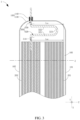
FIG. 1 is a schematic diagram of an electrochemical device according to an embodiment of this application; -
FIG. 2 is a schematic sectional view of the electrochemical device shown inFIG. 1 and sectioned along a line A-A; -
FIG. 3 is a schematic sectional view of the electrochemical device shown inFIG. 1 and sectioned along a line B-B; -
FIG. 4 is a schematic sectional view of the electrochemical device shown inFIG. 1 and sectioned along a line C-C; -
FIG. 5 is a schematic connection diagram of a first electrode plate and a first tab both in a flattened state; -
FIG. 6 is a schematic connection diagram of a second electrode plate in a flattened state; and -
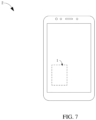
FIG. 7 is a schematic diagram of an electronic device according to an embodiment of this application. - For ease of understanding this application, the following describes this application in more detail with reference to drawings and specific embodiments. It is hereby noted that an element referred to herein as being "fixed to" or "fastened to" another element may be directly disposed on the other element, or may be fixed or fastened to the other element with one or more elements in between. An element referred to herein as "connected to" another element may be connected to the other element directly or with one or more elements in between. The terms "vertical", "horizontal", "left", "right", "in", "out" and other similar expressions used herein are merely for ease of description.
- Unless otherwise defined, all technical and scientific terms used herein bear the same meanings as what is normally understood by a person skilled in the technical field of this application. The terms used in the specification of this application are merely intended to describe specific embodiments but not to limit this application. The term "and/or" used herein is intended to include any and all combinations of one or more relevant items enumerated.
- In addition, to the extent that no mutual conflict occurs, the technical features described below in different embodiments of this application may be combined with each other.
- In this specification, the meanings of "mounting" or "installation" include fixing or confining an element or unit to a specific position or place by welding/soldering, screwing, snap-fit connection, bonding, or other means, where the element or unit may be held stationary in the specific position or place or may move within a limited range, and the element or unit may be detachable or undetachable after being fixed or confined to the specific position or place, without being limited in embodiments of this application.
- Referring to
FIG. 1 to FIG. 4 ,FIG. 1 is a schematic diagram of anelectrochemical device 1 according to an embodiment of this application;FIG. 2 is a schematic sectional view of theelectrochemical device 1 sectioned along a line A-A;FIG. 3 is a schematic sectional view of the electrochemical device sectioned along a line B-B; andFIG. 4 is a schematic sectional view of the electrochemical device sectioned along a line C-C. Theelectrochemical device 1 includes ahousing 100, anelectrode assembly 200, afirst tab 300, and asecond tab 400. Thehousing 100 is configured to mount and support the foregoing structures, and also constitutes a protection structure of theelectrochemical device 1. Theelectrode assembly 200 is accommodated in thehousing 100, and includes afirst electrode plate 210, asecond electrode plate 220, and aseparator 230 disposed between thefirst electrode plate 210 and thesecond electrode plate 220. Thefirst electrode plate 210, thesecond electrode plate 220, and theseparator 230 are stacked and then wound. Thefirst electrode plate 210 includes a firstcurrent collector 211. Thesecond electrode plate 220 includes a secondcurrent collector 221 and a plurality ofconductive sheets 223 disposed together with the secondcurrent collector 221 in one piece. Theconductive sheets 223 protrude from the secondcurrent collector 221 along a first direction X shown in the drawing. Theconductive sheets 223 are stacked in a shown thickness direction Z of theelectrode assembly 200 to form acollection portion 224. The first direction X is perpendicular to the thickness direction Z. Thefirst tab 300 is connected to the firstcurrent collector 211 and protrudes out of thehousing 100. Thesecond tab 400 is connected to thecollection portion 224 and protrudes out of thehousing 100. The "plurality" mentioned herein means two or more. The following describes thehousing 100, theelectrode assembly 200, thefirst tab 300, and thesecond tab 400. - For the
housing 100, referring toFIG. 1 and FIG. 2 , thehousing 100 is in a box shape that is relatively flat as a whole. The thickness direction of the housing is consistent with the thickness direction Z of theelectrode assembly 200. Thehousing 100 includes athird surface 101 and afourth surface 102 that are opposite to each other along the thickness direction Z. Thehousing 100 also includes afirst end 110 and asecond end 120 disposed opposite to each other. Thefirst end 110 is an end of thehousing 100, and thefirst tab 300 and thesecond tab 400 protrude from the end of thehousing 100. Thesecond end 120 is an end of thehousing 100, the end being away from thefirst tab 300. A direction formed by connecting thefirst end 110 and thesecond end 120 is consistent with the first direction X. In addition, anaccommodation cavity 103 is disposed inside thehousing 100, and is configured to accommodate theelectrode assembly 200. A part of thefirst tab 300, theconductive sheets 223, and a part of thesecond tab 400. - In this embodiment, the
electrochemical device 1 is a pouch-type battery. Thehousing 100 is made of a flexible sheet, such as an aluminum plastic film. Specifically, referring toFIG. 3 andFIG. 4 together with other drawings, thehousing 100 includes abody portion 130 and a sealingportion 140 connected to thebody portion 130. Anaccommodation cavity 103 is disposed in thebody portion 130, and theelectrode assembly 200 is accommodated in theaccommodation cavity 103. The sealingportion 140 is formed by extending the surface of thebody portion 130 outward, and is a region for sealing thehousing 100 during the shaping of the housing. Thefirst tab 300 and thesecond tab 400 pass through the sealingportion 140 to protrude out of thehousing 100. Understandably, in other embodiments of this application, theelectrochemical device 1 may be a hard-shell battery instead. Accordingly, thehousing 100 may be made of a hard material, such as a polymer material or a metal material. - For the
electrode assembly 200, referring toFIG. 2 together with other drawings, theelectrode assembly 200 includes afirst electrode plate 210, asecond electrode plate 220, and aseparator 230 that are stacked. Thefirst electrode plate 210 and thesecond electrode plate 220 are of opposite polarities, and are separated by theseparator 230 in between. Thefirst electrode plate 210, thesecond electrode plate 220, and theseparator 230 wound together, and are wound as a whole to form a columnar structure with oblate end faces. Theelectrode assembly 200 includes afirst surface 201 and asecond surface 202 that are disposed opposite to each other along the thickness direction Z. Thefirst surface 201 is disposed close to thethird surface 101, and thesecond surface 202 is disposed close to thefourth surface 102. - In this embodiment, the
first electrode plate 210 is a negative electrode plate, and thesecond electrode plate 220 is a positive electrode plate. Referring toFIG. 5 , which is a schematic connection diagram of thefirst electrode plate 210 and thefirst tab 300 both in a flattened state, thefirst electrode plate 210 includes a firstcurrent collector 211 and a firstactive material layer 212. The firstcurrent collector 211 is a base material layer configured to bear the firstactive material layer 212, and is also a carrier of transferred electrons in thefirst electrode plate 210. The firstactive material layer 212 is disposed on the surface of the firstcurrent collector 211, and is a carrier of lithium ions intercalated or deintercalated. The firstactive material layer 212 includes afirst recess 2121 to expose the firstcurrent collector 211. At thefirst recess 2121, thefirst tab 300 is connected to the firstcurrent collector 211. Definitely, in other embodiments of this application, the firstactive material layer 212 may include nofirst recess 2121. Accordingly, a blank foil region uncoated with the firstactive material layer 212 is disposed at an end of the firstcurrent collector 211. The firstcurrent collector 211 is connected to thefirst tab 300 by the blank foil region. - With respect to the material of the first
current collector 211, in some embodiments, the material of the firstcurrent collector 211 includes copper, and specifically a copper foil. Understandably, in other embodiments, the firstcurrent collector 211 may be made of another appropriate conductive material. For example, in some embodiments, the firstcurrent collector 211 includes a copper alloy, nickel, or a nickel alloy. The firstactive material layer 212 includes a negative active material. For example, in some embodiments, the firstactive material layer 212 includes graphite, a conductive agent, and a binder. The foregoing materials are mixed and stirred well and applied onto the surface of the firstcurrent collector 211 to generate a firstactive material layer 212. - Referring to
FIG. 6 , which is a schematic diagram of thesecond electrode plate 220 in a flattened state, thesecond electrode plate 220 includes a secondcurrent collector 221, a secondactive material layer 222, and a plurality ofconductive sheets 223 that protrude from the secondcurrent collector 221 along the first direction X. The secondcurrent collector 221 is a base material layer configured to bear the secondactive material layer 222, and is also a carrier of transferred electrons in thesecond electrode plate 220. The secondactive material layer 222 is disposed on the surface of the secondcurrent collector 221, and is a carrier of lithium ions intercalated or deintercalated. - With respect to the material of the second
current collector 221, in some embodiments, the material of the secondcurrent collector 221 includes aluminum, and specifically an aluminum foil. Understandably, in other embodiments, the secondcurrent collector 221 may be made of another appropriate conductive material. For example, in some embodiments, the secondcurrent collector 221 includes an aluminum alloy, nickel, or a nickel alloy. The secondactive material layer 222 includes a positive active material. For example, in some embodiments, the secondactive material layer 222 includes lithium iron phosphate particles, a dispersant, a binder, and a conductive agent. The foregoing materials are mixed and stirred well and applied onto the surface of the secondcurrent collector 221 to generate a secondactive material layer 222. - The
conductive sheets 223 are a sheet structure, and is connected to the secondcurrent collector 221. Theconductive sheets 223 are spaced out along a winding direction of thesecond electrode plate 220, so as to divide thesecond electrode plate 220 into a plurality of regions staggered along the winding direction. Still referring toFIG. 4 , one end of eachconductive sheet 223 is connected to the secondcurrent collector 221, and such ends are disposed sequentially along the thickness direction Z. The other end of eachconductive sheet 223 is located away from thesecond electrode plate 220, and such other ends are stacked. The stacked part of theconductive sheets 223 constitutes afirst collection portion 224. In this way, theconductive sheets 223 connect the foregoing regions in parallel, thereby reducing the overall internal resistance of thesecond electrode plate 220 and reducing the heat emission of thesecond electrode plate 220. - In some embodiments, the
conductive sheets 223 are formed together with the secondcurrent collector 221 in one piece. In other words, theconductive sheets 223 are formed by extending the edge of the secondcurrent collector 221 outward. In the process of making theelectrochemical device 1, the surface of the secondcurrent collector 221 is coated with the secondactive material layer 222. Subsequently, a shape shown inFIG. 6 is cut out by die-cutting a part uncoated with the secondactive material layer 222 on the secondcurrent collector 221 by using a cutting device. Afterward, thefirst electrode plate 210, theseparator 230 and thesecond electrode plate 220 are sequentially stacked and wound, and theconductive sheets 223 are roughly aligned along the thickness direction. Afterward, the ends that are of theconductive sheets 223 and that are located away from thesecond electrode plate 220 are stacked and welded fixedly to form theelectrode assembly 200 shown inFIG. 2 to FIG. 4 . Understandably, in other embodiments of this application, theconductive sheets 223 and the second current collector may be formed separately instead, and connected by welding or other means, without being limited in this application. - In some embodiments, the
collection portion 224 is U-shaped on the whole, and includes a first extension section 2241, a second extension section 2242, and athird extension section 2243 that are connected in sequence. Along an extension path of thecollection portion 224, the first extension section 2241 is a part of thecollection portion 224, the part of thecollection portion 224 is close to thesecond electrode plate 220. Thethird extension section 2243 is a part of thecollection portion 224, the part of thecollection portion 224 is away from thesecond electrode plate 220. Along the first direction X, the first extension section 2241 is opposite to thethird extension section 2243, and the first extension section 2241 is located between theelectrode assembly 200 and thethird extension section 2243. The second extension section 2242 is connected to the first extension section 2241 and thethird extension section 2243 separately. In this way, the first extension section 2241, the second extension section 2242, and thethird extension section 2243 close in together to form a U-shaped structure. Understandably, notwithstanding that thecollection portion 224 in this embodiment extends in a U-shape, thecollection portion 224 in other embodiments of this application may extend in any other shape such as a rectilinear or arc shape, without being particularly limited in this application. - For the
first tab 300, still referring toFIG. 5 together withFIG. 3 , one end of thefirst tab 300 is connected to theelectrode assembly 200, and the other end extends out of thehousing 100 along the first direction X, thereby constituting a conductive terminal of theelectrochemical device 1. The conductive terminal is configured to be connected to an external electrical load. Thefirst tab 300 is a sheet structure extending in a bent shape as a whole, and includes afirst portion 310, a second portion 320, and a third portion 330 that are connected in sequence. The following describes thefirst portion 310, the second portion 320, and the third portion 330 with reference toFIG. 3 . - The
first portion 310 is connected to thefirst electrode plate 210, and is in a flat shape as a whole, and extends along the first direction X. Thefirst portion 310 is located at thefirst recess 2121, and is fixed to the firstcurrent collector 211 by welding. - The second portion 320 is located outside the
first electrode plate 210, and is disposed in a bent shape. One end of the second portion 320 is connected to thefirst portion 310, and the other end is connected to the third portion 330. In this embodiment, the second portion 320 is U-shaped on the whole, and includes a first connectingsection 321, a second connectingsection 322, and abend section 323. One end of the first connectingsection 321 is connected to thefirst portion 310, and the other end extends toward thefirst surface 201. One end of thebend section 323 is connected to an end of the first connectingsection 321, the end of the first connectingsection 321 is oriented toward thefirst surface 201. The bend section is bent away from theelectrode assembly 200 against the first connectingsection 321. Along the first direction X, the second connectingsection 322 is located on a side of the first connectingsection 321, the side of the first connectingsection 321 is away from theelectrode assembly 200, and the second connectingsection 322 is disposed opposite to the first connectingsection 321 along the first direction X. One end of the second connectingsection 322 is connected to the end of thebend section 323, the end of thebend section 323 is away from the first connectingsection 321. The other end of the second connectingsection 322 extends away from thefirst surface 201. In other words, an end of the second connectingsection 322, which is away from the third portion 330, is indirectly connected to the first connectingsection 321 by thebend section 323. In this way, the first connectingsection 321, thebend section 323, and the second connectingsection 322 together form a U-shaped structure. - Understandably, although in this embodiment, the second portion 320 includes the first connecting
section 321, thebend section 323, and the second connectingsection 322 simultaneously and the three sections form a U-shaped structure, this application is not limited to such a structure, and any structure that ensures the second portion 320 to be in a bent shape is appropriate. For example, in some other embodiments of this application, the second connectingsection 322 of the second portion 320 is directly connected to the first connectingsection 321. In this case, the second portion 320 is of a V-shaped structure. Put differently, in some circumstances, thebend section 323 is omissible. As another example, in some other embodiments of this application, the second portion 320 includes two V-shaped structures mentioned above. The two V-shaped structures are connected in sequence, so that the second portion 320 is continuously bent. - The third portion 330 is flat as a whole. One end of the third portion 330 is connected to an end of the second portion 320, the end of the second portion 320 is away from the
first portion 310. The other end of the third portion 330 extends out of thehousing 100. When thefirst tab 300 is impacted, thefirst tab 300 can remove at least a part of the impact force on thefirst tab 300 by virtue of elastic deformation of the second portion 320, so as to reduce the impact force finally transmitted to thefirst portion 310 and effective on a connection region between thefirst portion 310 and thefirst electrode plate 210. - In some embodiments, a sharp-corner transition between the
first portion 310, the second portion 320, and the third portion 330 needs to be avoided because the sharp-corner transition leads to stress concentration in the connection region between the foregoing three portions of thefirst tab 300, and affects mechanical properties of thefirst tab 300. To avoid the sharp-corner transition, the second portion 320 includes a rounded corner at an end close to thefirst portion 310, and is connected to thefirst portion 310 by the rounded corner. The second portion 320 includes a rounded corner at an end close to the third portion 330, and is connected to the third portion 330 by the rounded corner. - In some embodiments, the
electrochemical device 1 satisfies: L41/L42 ≤ 1.1. Viewed along the second direction Y, an end of the third portion 330 which is close to the second portion 320 on a side away from thefirst surface 201 is at a distance of L41 mm from thefirst surface 201 along the thickness direction Z. The side of thefirst portion 310 which is away from thefirst surface 201 is at a distance of L42 mm from thefirst surface 201 along the thickness direction Z. A person skilled in the art is able to obtain a distance between a left side of a lower end of the third portion 330 and thefirst surface 201 inFIG. 3 by taking a CT image of theelectrochemical device 1 along the second direction Y and then measuring the distance with a CT device or instrument, and the distance is L41. A person skilled in the art is able to obtain a distance between a left side of thefirst portion 310 and thefirst surface 201 inFIG. 3 by taking a CT image of theelectrochemical device 1 along the second direction Y and then measuring the distance with a CT device or instrument, and the distance is L42. - When the
first tab 300 is subjected to an external force along the shown first direction X or bears a component force along the first direction X, the second connectingsection 322 bends toward theelectrode assembly 200. If, in the thickness direction Z, the end of the second connectingsection 322, which is away from thefirst surface 201, goes clearly beyond the end of the first connectingsection 321 which is away from thefirst surface 201, then the end of the second connectingsection 322 which is away from thefirst surface 201 may be inserted upside down until touching thesecond electrode plate 220 in theelectrode assembly 200, thereby causing a short circuit in theelectrochemical device 1. Setting the L41/L42 ratio to a value less than or equal to 1.1 is intended to make the end of the second connectingsection 322 which is away from thefirst surface 201, not go beyond the end of the first connectingsection 321 which is away from thefirst surface 201, or just slightly go beyond the end of the first connectingsection 321 which is away from thefirst surface 201, thereby reducing the risk of the short circuit. - It is hereby noted that the shape of the
first tab 300 is not particularly limited in this application, and may be a continuously bent shape as in the above embodiment, or a rectilinear extension shape. - For the
second tab 400, referring toFIG. 4 together with other drawings, one end of thesecond tab 400 is connected to thecollection portion 224, and the other end extends out of thehousing 100 through thefirst end 110, thereby constituting another conductive terminal of theelectrochemical device 1. The conductive terminal is configured to be connected to an external electrical load. In this embodiment, thesecond tab 400 includes afourth portion 410 and a fifth portion 420. Thefourth portion 410 overlaps thethird extension section 2243. The fifth portion 420 is at a bent angle to thefourth portion 410, and extends in a straight line. One end of the fifth portion 420 is connected to thefourth portion 410, and the other end extends out of thehousing 100 along the first direction X. - In some embodiments, the cross-sectional area of a cross section of the
first tab 300 perpendicular to an extension path of the first tab is s1 mm2, the cross-sectional area of a cross section of thesecond tab 400 perpendicular to an extension path of the second tab is s3 mm2, and thefirst tab 300 and thesecond tab 400 satisfy s1 > s3. Because thefirst electrode plate 210 accepts or donates electrons through thefirst tab 300 while thesecond electrode plate 220 accepts and donates electrons through plenty ofconductive sheets 223 and thesecond tab 400, it is more difficult for thefirst tab 300 to dissipate heat compared with a whole formed by theconductive sheets 223 and thesecond tab 400. Setting s1 to be greater than s3 increases the surface area of thefirst tab 300, thereby increasing the heat dissipation speed of the first tab, and in turn, making the heat dissipation more uniform between thefirst tab 300 and thesecond tab 400. - The
first electrode plate 210 accepts or donates electrons through thefirst tab 300 while thesecond electrode plate 220 accepts or donates electrons through a plurality ofconductive sheets 223 connected in parallel. The difference in the flow capacity between thefirst tab 300 and the plurality ofconductive sheets 223 leads to a difference in the heat emission between the first tab and the conductive sheets. Therefore, the temperature increment differs between thefirst tab 300 and theconductive sheets 223 during use of theelectrochemical device 1. The inconsistency between the temperature increment of the first tab and the temperature increment of the conductive sheets reduces the consistency between the firstactive material layer 212 and the secondactive material layer 222, and in turn, deteriorates the performance of theelectrochemical device 1, for example, reduces the cycle capacity retention rate of the electrochemical device. - For ease of understanding the subsequent experimental data, the following describes the relevant terms or parameters:
- The term "cycle capacity retention rate" mentioned herein means a ratio (%) of the capacity of a fresh
electrochemical device 1 at the end of several charge-and-discharge cycles to a discharge capacity of theelectrochemical device 1 in a first-cycle test. The term "400th-cycle capacity retention rate" mentioned herein means a ratio of the capacity of a freshelectrochemical device 1 at the end of 400 charge-and-discharge cycles to a discharge capacity of the electrochemical device in a first-cycle charge-and-discharge test. - The conductivity of the
first tab 300 is g1 S/mm. The values of the conductivity may be looked up in technical data according to the type of the material, or the conductivity of a given material may be measured according to the national/industrial standard. In this embodiment, thefirst tab 300 is made of copper, and therefore, g1 = 57000. Definitely, in other embodiments of this application, thefirst tab 300 may be made of other materials, and g1 changes accordingly. - The cross-sectional area of a cross section of the
first tab 300 perpendicular to an extension direction of the first tab is s1 mm2. In this embodiment, thefirst tab 300 is a sheet structure that is uniform in both width and thickness, b1 mm in width, and c1 mm in thickness. Therefore, by measuring the width b1 and thickness c1 of thefirst tab 300, the cross-sectional area of thefirst tab 300 can be calculated with reference to an area calculation formula. - The conductivity of the
conductive sheets 223 is g2 S/mm. In this embodiment, theconductive sheets 223 are formed together with the secondcurrent collector 221 in one piece, both being made of aluminum. Therefore, g2 = 28600. Definitely, in other embodiments of this application, theconductive sheets 223 may be made of other materials, and g2 changes accordingly. - The sum of cross-sectional areas of cross sections of the
conductive sheets 223 perpendicular to an extension direction of the conductive sheets is s2 mm2. In this embodiment, theconductive sheets 223 are uniform in both width and thickness, b2 mm in width, and c2 mm in thickness. Therefore, by measuring the width b2, thickness c2, and the number N of theconductive sheets 223, the sum of the cross-sectional areas of theconductive sheets 223 can be calculated according to an area calculation formula. If theconductive sheets 223 are not uniform in width or thickness, the cross-sectional area of eachconductive sheet 223 is calculated separately, and the cross-sectional areas of all theconductive sheets 223 are summed. - The conductivity of the first
current collector 211 is g3 S/mm. In this embodiment, the first current collector is made of copper, and therefore, g3 = 57000. Definitely, in other embodiments of this application, the first current collector may be made of other materials, and g3 changes accordingly. - The welding area between the
first tab 300 and thefirst electrode plate 210 is a1 mm2. In fact, the welding area may be measured in various ways. For example, in some embodiments, thefirst tab 300 is spot-welded to the first current collector, and therefore, thefirst tab 300 may be separated from the firstcurrent collector 211 first, and then the welding face is placed under a microscope. The microscope is adjusted until the spot-welding region is clearly distinguishable from the non-spot-welding region, and then the welding region is photographed. The frame of the welding region is delineated by graphics software, and the area of each spot-welding region is calculated. The areas of all spot-welding regions add up to the welding area. For example, in some other embodiments, thefirst tab 300 is welded to the firstcurrent collector 211 by pull-welding such as tin-soldering, in which only one welding region exists. Therefore, thefirst tab 300 may be separated from the first current collector first, and then the welding face is placed under a microscope. The microscope is adjusted until the welding region is clearly distinguishable from the non-welding region, and then the welding region is photographed. The frame of the welding region is delineated by graphics software, and the area of the welding region is calculated. - The conductivity of the
second tab 400 is g4 S/mm. In this embodiment, thesecond tab 400 is made of aluminum, and therefore, g4 = 28600. Definitely, in other embodiments of this application, thesecond tab 400 may be made of other materials, and g4 changes accordingly. - The welding area between the
second tab 400 and thecollection portion 224 is a2 mm2. The method for measuring the welding area may be obtained by reference to the method for measuring the welding area between thefirst tab 300 and the first current collector as described above, and is omitted herein. - Under a 25 °C environment, a current intensity for discharging the
electrochemical device 1 at a constant current from a 100 % state of charge (SOC) to a 0% SOC within 1 hour is I mA. In other words, if the capacity of theelectrochemical device 1 is 4500 mAh, I is 4500. In addition, the corresponding I value of theelectrochemical device 1 may be obtained by discharging theelectrochemical device 1 under the above conditions. - In this application, the
electrochemical device 1 satisfies 0.8 ≤ (g1 × s1)/(g2 × s2) ≤ 1.2. The flow capacity of thefirst tab 300 is positively correlated with the conductivity g1 and the cross-sectional area s1 of the first tab. Therefore, (g1×s1) represents the flow capacity of thefirst tab 300. Similarly, (g2×s2) represents the overall flow capacity of allconductive sheets 223. The following describes, with reference to experimental data, how the difference in the flow capacity between thefirst tab 300 and the wholeconductive sheets 223 affects the cycle capacity retention rate of theelectrochemical device 1. - Referring to Table 1, which shows the test results of the temperature increment and the cycle capacity of the
electrochemical device 1 compared between different embodiments. - A method for measuring the temperature increment in Table 1 includes the following steps:
- S501: Charge an
electrochemical device 1 to 100% SOC in a 25 °C±2 °C environment. - S502: Leave the
electrochemical device 1 to stand for 120 minutes to make the temperature of the electrochemical device be equal to the ambient temperature. - S503: Stick a temperature sensor onto a
first tab 300, and stick another temperature sensor onto asecond tab 400. Considering that the temperature of theconductive sheets 223 is not conveniently measurable and thesecond tab 400 is connected to theconductive sheets 223, this method indirectly measures the temperature of theconductive sheets 223 by measuring the temperature of thesecond tab 400. - S504: Discharge the
electrochemical device 1 to a 0% SOC at a current of 1.5 I. - S505: Record a maximum value of the temperature differences measured by the two temperature sensors at the same time, and input the data into Table 1.
- A method for measuring the 400th-cycle capacity retention rate includes the following steps:
- S601: Charge an
electrochemical device 1 at a current of 0.5 I in a 25 °C±2 °C environment until a 100% SOC. - S602: Leave the
electrochemical device 1 to stand for 10 minutes. - S603: Discharge the
electrochemical device 1 to a 0% SOC at a current of 1 I. - S604: Record the first-cycle discharge capacity Q1 of the
electrochemical device 1. - S605: Repeat steps S601 to S604 for 400 cycles.
- S606: Record the 400th-cycle discharge capacity Q2 of the
electrochemical device 1. - S607: Calculate the 400th-cycle capacity retention rate ΔQ according to this formula: ΔQ = Q2/Q1.
- Referring to
Embodiments 1 to 4 first. The main difference in theelectrochemical device 1 between the four embodiments lies in the cross-sectional area s1 of thefirst tab 300, and other parameters such as the conductivity g1 of the first tab, the sum s2 of the cross-sectional areas of theconductive sheets 223, and the conductivity g2 of theconductive sheets 223 are the same. Therefore, the flow capacity ratio of theelectrochemical device 1 differs between the embodiments accordingly. - As can be seen with reference to
Embodiments 1 to 4, when the flow capacity ratio satisfies (g1 × s1)/(g2 × s2) < 0.8, the temperature increment difference between thefirst tab 300 and thesecond tab 400 is greater than 5 °C, and the 400th-cycle capacity retention rate of theelectrochemical device 1 is less than 85%. - Referring to
Embodiment 1 and Embodiments 5 to 7. The main difference in theelectrochemical device 1 between the four embodiments lies in the width of theconductive sheets 223, that is, the sum s2 of the cross-sectional areas of theconductive sheets 223. Other parameters such as cross-sectional area s1 of thefirst tab 300, the conductivity g1 of the first tab, and the conductivity g2 of theconductive sheets 223 are the same. Therefore, the flow capacity ratio of theelectrochemical device 1 differs between the embodiments accordingly. - As can be seen with reference to
Embodiment 1 and Embodiments 5 to 7, when the flow capacity ratio satisfies (g1 × s1)/(g2 × s2) > 1.2, the temperature increment difference between thefirst tab 300 and thesecond tab 400 is greater than 5 °C, and the 400th-cycle capacity retention rate of theelectrochemical device 1 is less than 85%. - As can be seen with reference to
Embodiments 1 to 9, when the flow capacity ratio satisfies 0.8 ≤ (g1 × s1)/(g2 × s2) ≤ 1.2, the temperature increment difference between thefirst tab 300 and thesecond tab 400 is less than 5 °C. Therefore, the consistency of the active material layer between thefirst electrode plate 210 and thesecond electrode plate 220 is still relatively high after 400 charge-and-discharge cycles, and the 400th-cycle capacity retention rate of theelectrochemical device 1 is still higher than 85%. - As can be seen with reference to
Embodiments 1, 8, and 9, although both (g1×s1) and (g2×s2) have changed, as long as the ratio between them remains unchanged, the temperature increment between thefirst tab 300 and thesecond tab 400 as well as the 400th-cycle capacity retention rate of theelectrochemical device 1 are not significantly different between such embodiments.Table 1 Temperature increment and cycle capacity of electrochemical device compared between different embodiments Embodiment Width b1 of first tab (mm) Thickness c1 of first tab (mm) Cross-sectional area s1 of first tab (mm2) Width b2 of conductive sheets (mm) Thickness c2 of conductive sheets (mm) Number of conductive sheets (N) Sum s2 of cross-sectional areas of conductive sheets (mm2) (g1×s1)/(g2×s2) Discharge temperature difference between first tab and second tab (°C) 400th-cycle capacity retention rate Embodiment 1 5 0.358 1.79 11 0.013 20 2.86 1.0 1 88.0 % Embodiment 2 5 0.322 1.61 11 0.013 20 2.86 0.9 2 87.4% Embodiment 3 5 0.286 1.43 11 0.013 20 2.86 0.8 4 87.1% Embodiment 4 5 0.25 1.25 11 0.013 20 2.86 0.7 7 84.0% Embodiment 5 5 0.358 1.79 10 0.013 20 2.60 1.1 -1 87.6% Embodiment 6 5 0.358 1.79 9.17 0.013 20 2.38 1.2 -3 87.1% Embodiment 7 5 0.358 1.79 8.46 0.013 20 2.20 1.3 -7 84.3% Embodiment 8 4 0.447 1.79 11 0.013 20 2.86 1.0 1 88.1% Embodiment 9 3 0.596 1.79 11 0.013 20 2.86 1.0 1 88.1% - In addition, the temperature difference between the
first tab 300 and theconductive sheets 223 is not only affected by the conductivity g1 of thefirst tab 300, the conductivity g2 of thesecond tab 400, the cross-sectional area s1 of thefirst tab 300, and the sum s2 of cross-sectional areas ofconductive sheets 223, but also limited by the area of the welding region of thefirst tab 300. For example, if the welding area of thefirst tab 300 is unduly small, the temperature rise of the welding region will be faster than that of thefirst tab 300. Consequently, the temperature increment of thefirst tab 300 increases accordingly, that is, the temperature rise of thefirst tab 300 is faster than that of theconductive sheets 223. Similarly, the temperature difference between thefirst tab 300 and theconductive sheets 223 is also limited by the area of the welding region of thesecond tab 400. For example, if the welding area of thesecond tab 400 is unduly small, the temperature rise of the welding region will be faster than that of theconductive sheets 223. Consequently, the temperature increment of theconductive sheets 223 increases accordingly, that is, the temperature rise of theconductive sheets 223 is faster than that of thefirst tab 300. - In this application, in order to ensure a relatively small temperature increment difference between the
conductive sheets 223 and the welding region that is welded between thefirst tab 300 and thefirst electrode plate 210, theelectrochemical device 1 satisfies: min(g1, g3) × a1/(g2 × s2) ≥ 0.8. By analogy, in order to further ensure a relatively small temperature increment difference between theconductive sheets 223 and the welding region that is welded between thefirst tab 300 and thefirst electrode plate 210, theelectrochemical device 1 further satisfies: min(g2, g4) × a2/(g2 × s2) ≥ 0.8. - Specifically, referring to Table 2, which shows the test results of the temperature increment of the
electrochemical device 1 compared between different embodiments, the main difference of theelectrochemical device 1 between the embodiments lies in the welding area between thefirst tab 300 and thefirst electrode plate 210. This test aims to indirectly control the change of the flow capacity ratio by controlling the change of the welding area, and, according to the test results of the temperature increment, examine how the flow capacity ratio is related to the temperature increment difference between the welding region and theconductive sheets 223. In this experiment, both thefirst tab 300 and the firstcurrent collector 211 are made of copper, and therefore, min(g1, g3) = 57000. Both theconductive sheets 223 and thesecond tab 400 are made of aluminum, and therefore, min(g2, g4) = 28600. In this application, min(gm, gn) means gm or gn, whichever is the minimum. - As can be seen with reference to Embodiments 10 to 16, when min(g1, g3) × a1/(g2 × s2) is less than 0.8, the temperature increment difference between the
first tab 300 and thesecond tab 400 is greater than 5 °C, and the 400th-cycle capacity retention rate of theelectrochemical device 1 is less than 85%. When min(g1, g3) × a1/(g2 × s2) is greater than or equal to 0.8, the temperature increment difference between the welding region of thefirst tab 300 and thesecond tab 400 is less than 5 °C, and the 400th-cycle capacity retention rate of theelectrochemical device 1 is higher than 85%. - As can be seen with reference to Embodiments 17 to 22, when min(g2, g4) × a2/(g2 × s2) is less than 0.8, the temperature increment difference between the
first tab 300 and thesecond tab 400 in theelectrochemical device 1 is greater than 5 °C, and the 400th-cycle capacity retention rate of theelectrochemical device 1 is less than 85%. When min(g2, g4) × a2/(g2 × s2) is greater than or equal to 0.8, the temperature increment difference between thefirst tab 300 and thesecond tab 400 is less than 5 °C, and the 400th-cycle capacity retention rate of theelectrochemical device 1 is higher than 85%.Table 2 Temperature increment of electrochemical device 1 compared between different embodimentsEmbodiment Welding area a1 between first tab and first electrode plate (mm2) Welding area a2 between second tab and collection portion (mm2) min(g1, g3)×a1/(g2×s2) min(g2, g4)×a2/(g2×s2) Discharge temperature difference between first tab and second tab (°C) 400th-cycle capacity retention rate Embodiment 10 2.3 2.86 1.3 1.0 0.5 87.9% Embodiment 11 2.0 2.86 1.1 1.0 0 88.0% Embodiment 12 1.8 2.86 1.0 1.0 -0.5 88.1% Embodiment 13 1.6 2.86 0.9 1.0 2 87.2% Embodiment 14 1.4 2.86 0.8 1.0 4 86.9% Embodiment 15 1.3 2.86 0.7 1.0 7 83.9% Embodiment 16 1.1 2.86 0.6 1.0 12 80.0% Embodiment 17 1.8 3.15 1.0 1.1 1 87.9% Embodiment 18 1.8 3.72 1.0 1.3 1.5 88.0% Embodiment 19 1.8 2.57 1.0 0.9 -1 87.7% Embodiment 20 1.8 2.29 1.0 0.8 -3 87.1% Embodiment 21 1.8 2.00 1.0 0.7 -5.5 84.0% Embodiment 22 1.8 1.72 1.0 0.6 -11 80.4% - In addition, considering that heat dissipation is more difficult in the middle part of the
electrochemical device 1, the temperature increment also differs between the main part of theelectrochemical device 1, thefirst tab 300, and theconductive sheets 223 during the use of theelectrochemical device 1. The temperature increment difference also affects the 400th-cycle capacity retention rate of the electrochemical device to some extent. - Referring to Table 3, which shows the test results of the temperature increment of the
electrochemical device 1 compared between different embodiments, among theelectrochemical devices 1 prepared in different embodiments, the flow capacity of an aggregate of theconductive sheets 223 is roughly identical to the flow capacity of thefirst tab 300. Specifically, the electrochemical device satisfies 0.95 ≤ (g1 × s1)/(g2 × s2) ≤ 1.05. The main difference of theelectrochemical device 1 between different embodiments lies in the flow capacity of thefirst tab 300 and the flow capacity of the overall structure formed by theconductive sheets 223. This test aims to examine, by controlling the change of the flow capacity of thefirst tab 300 and by reference to the test results of the temperature increment, how the temperature difference between the main part of theelectrochemical device 1 and the first tab 300 (second tab 400) is related to the flow capacity of the first tab 300 (second tab 400). - In this application, the electrochemical device satisfies 1.4 ≤ (g1 × s1)/I ≤ 2.8. Specifically, as can be seen with reference to Embodiments 23 to 26, when (g1×s1)/I is less than 1.4, the temperature increment difference between the
body portion 130 of theelectrochemical device 1 and thefirst tab 300 is greater than 5 °C. When (g1×s1)/I is greater than or equal to 1.4, the temperature increment difference between thebody portion 130 of theelectrochemical device 1 and thefirst tab 300 is less than 5 °C. However, when (g1×s1)/I is greater than 2.8, the temperature increment difference between thebody portion 130 of theelectrochemical device 1 and thefirst tab 300 is less than 1 °C, indicating that under this condition, the temperature increment difference is extremely small and further increase of the flow capacity of thefirst tab 300 is not much significant but increases the manufacturing cost of thefirst tab 300. The setting of 1.4 ≤ (g1×s1)/I ≤ 2.8 ensures a sufficient flow capacity of thefirst tab 300, and therefore, ensures that the temperature increment difference between the main region and thefirst tab 300 is relatively small, ensures that the 400th-cycle capacity retention rate of theelectrochemical device 1 is still high, and also ensures that the manufacturing cost of thefirst tab 300 remains relatively low.Table 3 Temperature increment of electrochemical device 1 compared between different embodimentsEmbodiment Width b1 of first tab (mm) Thickness c1 of first tab (mm) Cross-sectional area s1 of first tab (mm2) Width b2 of conductive sheets (mm) Thickness c2 of conductive sheets (mm) Number of conductive sheets (N) Sum s2 of cross-sectional areas of conductive sheets (mm2) (g1×s1)/(g2×s2) (g1×s1)/I Discharge temperature difference between first tab and body portion (°C) 400th-cycle capacity retention rate Embodiment 23 4.7 0.358 1.68 10.4 0.013 20 2.70 1.01 2.1 2 88.0% Embodiment 24 6.3 0.358 2.26 13.9 0.013 20 3.61 1.02 2.8 0.5 89.1% Embodiment 25 3.2 0.358 1.15 7.0 0.013 20 1.82 1.03 1.4 4.5 87.6% Embodiment 26 1.6 0.358 0.57 3.5 0.013 20 0.91 1.03 0.7 10 81.3% Embodiment 27 7.0 0.358 2.51 15.4 0.013 20 4.00 1.02 3.2 0.5 89.1% - To sum up, the
electrochemical device 1 according to an embodiment of this application includes ahousing 100, anelectrode assembly 200, afirst tab 300, and asecond tab 400. Theelectrode assembly 200 is accommodated in thehousing 100 and includes afirst electrode plate 210, asecond electrode plate 220, and aseparator 230. Thefirst electrode plate 210 includes a firstcurrent collector 211. Thesecond electrode plate 220 includes a secondcurrent collector 221 and a plurality ofconductive sheets 223 disposed together with the secondcurrent collector 221 in one piece. The plurality ofconductive sheets 223 protrude from the secondcurrent collector 221 along the first direction X. The plurality ofconductive sheets 223 are stacked in the thickness direction of theelectrode assembly 200 to form acollection portion 224. Thefirst tab 300 is connected to the firstcurrent collector 211, and thesecond tab 400 is connected to thecollection portion 224. - The
electrochemical device 1 according to this embodiment of this application satisfies: 0.8 ≤ (g1 × s1)/(g2 × s2) ≤ 1.2. This setting ensures that the temperature increment difference between thefirst tab 300 and theconductive sheets 223 is relatively small, and therefore, the consistency between the active material layer of thefirst electrode plate 210 and the active material layer of thesecond electrode plate 220 is still relatively high after 400 charge-and-discharge cycles, and the 400th-cycle capacity retention rate of theelectrochemical device 1 is still relatively high. - Based on the same inventive concept, this application further provides an electronic device. Referring to
FIG. 7 , which is a schematic diagram of anelectronic device 2 according to an embodiment of this application, the electronic device includes theelectrochemical device 1 according to the foregoing embodiment and a load structure powered by theelectrochemical device 1. In this embodiment, theelectronic device 2 includes a mobile phone. Understandably, in other embodiments of this application, the electronic device may be a tablet computer, a computer, an unmanned aerial vehicle, or any other electrically powered devices. - Because the electronic device includes the electrochemical device, the electronic device also alleviates the problem of poor consistency between the active material layer of the first electrode plate and the active material layer of the second electrode plate.
- Finally, it is hereby noted that the foregoing embodiments are merely intended to describe the technical solutions of this application but not to limit this application. Based on the concept of this application, the technical features in the foregoing embodiments or different embodiments may be combined, the steps may be implemented in any order, and many variations may be made to this application in different aspects, which, for brevity, are not provided in detail. Although this application has been described in detail with reference to the foregoing embodiments, a person of ordinary skill in the art understands that modifications may still be made to the technical solutions described in the foregoing embodiments, or equivalent replacements may still be made to some technical features in the technical solutions. Such modifications and replacements do not make the essence of the corresponding technical solutions depart from the scope of the technical solutions of the embodiments of this application.
Claims (10)
- An electrochemical device (1), comprising:a housing (100);an electrode assembly (200) accommodated in the housing (100); the electrode assembly (200) comprising a first electrode plate (210), a second electrode plate (220) and a separator (230) disposed between the first electrode plate (210) and the second electrode plate (220); wherein the first electrode plate (210), the second electrode plate (220), and the separator (230) are stacked and then wound; the first electrode plate (210) comprises a first current collector (211); the second electrode plate (220) comprises a second current collector (221) and a plurality of conductive sheets (223) disposed together with the second current collector (221) in one piece; and the plurality of conductive sheets (223) protrude from the second current collector (221) along a first direction (X), the plurality of conductive sheets (223) are stacked in a thickness direction (Z) of the electrode assembly (200) to form a collection portion (224), and the first direction (X) is perpendicular to the thickness direction (Z);a first tab (300), connected to the first current collector (211) and protruding out of the housing (100); anda second tab (400), connected to the collection portion (224) and protruding out of the housing (100), whereina conductivity of the first tab (300) is g1 S/mm,a cross-sectional area of the first tab (300) perpendicular to an extension path of the first tab (300) is s1 mm2,a conductivity of the plurality of conductive sheets (223) is g2 S/mm,a sum of cross-sectional areas of the plurality of conductive sheets (223) perpendicular to an extension direction of the conductive sheets (223) is s2 mm2, and 0.8 ≤ (g1 × s1)/(g2 × s2) ≤ 1.2.
- The electrochemical device (1) according to claim 1, characterized in that,the first tab (300) is welded to the first current collector (211), a conductivity of the first current collector (211) is g3 S/mm, a welding area between the first tab (300) and the first current collector (211) is a1 mm2, and min(g1, g3) × a1/(g2 × s2) ≥ 0.8; and/orthe second tab (400) is welded to the collection portion (224), a conductivity of the second tab (400) is g4 S/mm, a welding area between the second tab (400) and the collection portion (224) is a2 mm2, and min(g2, g4) × a2/(g2 × s2) ≥ 0.8.
- The electrochemical device (1) according to any one of claims 1 or 2, characterized in that, the first tab (300) comprises a first portion (310), a second portion (320), and a third portion (330) connected in sequence; and
the first portion (310) is connected to the first current collector (211), the second portion (320) is located outside the first current collector (211) and disposed in a bent shape, and the third portion (330) protrudes from the housing (100). - The electrochemical device (1) according to claim 3, characterized in that, the electrode assembly (200) comprises a first surface (201) and a second surface (202) opposite to each other in the thickness direction (Z);the second portion (320) comprises a first connecting section (321) and a second connecting section (322);one end of the first connecting section (321) being connected to the first portion (310) and an other end of the first connecting section (321) extending toward the first surface (201); andthe second connecting section (322) is located on a side of the first connecting section (321);wherein one end of the second connecting section (322) is connected to an end of the first connecting section (321) and an other end of the second connecting section (322) is connected to an end of the third portion (330).
- The electrochemical device (1) according to claim 4, characterized in that, the second portion (320) further comprises a bend section (323);
one end of the bend section (323) is connected to the end of the first connecting section (321) and an other end of the bend section (323) is connected to the one end of the second connecting section (322). - The electrochemical device (1) according to claim 4, characterized in that,in the thickness direction (Z), a distance between the first surface (201) and an end of the third portion (330) away from the first surface (201) is L41 mm;in the thickness direction (Z), a distance between the first surface (201) and an end of the first portion (310) away from the first surface (201) is L42 mm, andan L41/L42 ratio is less than or equal to 1.1.
- The electrochemical device (1) according to any one of claims 1 to 6, characterized in that, the first electrode plate (210) is a negative electrode plate, and the second electrode plate (220) is a positive electrode plate; and
the first tab (300) is made of a material comprising copper, a copper alloy, nickel, or a nickel alloy; and the second tab (400) is made of a material comprising aluminum or an aluminum alloy. - The electrochemical device (1) according to any one of claims 1 to 7, characterized in that, a cross-sectional area of the second tab (400) perpendicular to an extension path of the second tab (400) is s3 mm2, and s1 is greater than s3.
- The electrochemical device (1) according to any one of claims 1 to 8, characterized in that, the first electrode plate (210) further comprises a first active material layer (212) disposed on the first current collector (211), a first recess (2121) is disposed in the first active material layer (212), the first recess (2121) exposes the first current collector (211), and the first tab (300) is disposed at the first recess (2121) and connected to the first current collector (211).
- An electronic device (2), characterized in that, the electronic device (2) comprises the electrochemical device (1) according to any one of claims 1 to 9.
Applications Claiming Priority (1)
| Application Number | Priority Date | Filing Date | Title |
|---|---|---|---|
| CN202210346726.5A CN114665228B (en) | 2022-03-31 | 2022-03-31 | Electrochemical devices and electronic devices |
Publications (2)
| Publication Number | Publication Date |
|---|---|
| EP4254536A1 EP4254536A1 (en) | 2023-10-04 |
| EP4254536B1 true EP4254536B1 (en) | 2025-03-19 |
Family
ID=82033965
Family Applications (1)
| Application Number | Title | Priority Date | Filing Date |
|---|---|---|---|
| EP23163782.8A Active EP4254536B1 (en) | 2022-03-31 | 2023-03-23 | Electrochemical device and electronic device |
Country Status (2)
| Country | Link |
|---|---|
| EP (1) | EP4254536B1 (en) |
| CN (2) | CN118352745A (en) |
Families Citing this family (2)
| Publication number | Priority date | Publication date | Assignee | Title |
|---|---|---|---|---|
| CN115064843B (en) * | 2022-07-20 | 2024-10-29 | 宁德新能源科技有限公司 | Batteries and electrical devices |
| CN115425371B (en) * | 2022-11-04 | 2023-03-14 | 宁德新能源科技有限公司 | A kind of electrochemical device and electronic device |
Family Cites Families (16)
| Publication number | Priority date | Publication date | Assignee | Title |
|---|---|---|---|---|
| KR20130024123A (en) * | 2011-08-30 | 2013-03-08 | 삼성전기주식회사 | Electrodes, and electrochemical capacitors comprising the same |
| WO2014027606A1 (en) * | 2012-08-14 | 2014-02-20 | 株式会社 豊田自動織機 | Electrical storage device |
| CN109565084A (en) * | 2016-06-24 | 2019-04-02 | 宁德新能源科技有限公司 | Winding type battery cell |
| WO2020103014A1 (en) * | 2018-11-21 | 2020-05-28 | 深圳市马力科技有限公司 | Smart battery and lithium battery core thereof |
| CA3163083A1 (en) * | 2019-11-27 | 2021-06-03 | Soteria Battery Innovation Group Inc. | Battery connections and metalized film components in energy storage devices having internal fuses |
| JP7399763B2 (en) * | 2020-03-18 | 2023-12-18 | 愛三工業株式会社 | battery module |
| WO2021195907A1 (en) * | 2020-03-31 | 2021-10-07 | 宁德新能源科技有限公司 | Electrochemical apparatus and electronic apparatus |
| CN111710900A (en) * | 2020-06-17 | 2020-09-25 | 隆能科技(南通)有限公司 | Graphene-based lithium iron phosphate anode-silica composite cathode low-temperature high-magnification high-energy-density lithium ion battery |
| CN111916844B (en) * | 2020-08-13 | 2022-04-15 | 东莞新能安科技有限公司 | Electrochemical device and electronic device |
| CN113330631B (en) * | 2020-09-08 | 2022-12-20 | 东莞新能安科技有限公司 | Electrode assembly, electrochemical device and electronic device |
| CN113366682B (en) * | 2020-09-14 | 2022-12-20 | 东莞新能安科技有限公司 | Electrochemical devices and electronic devices |
| CN113270671B (en) * | 2021-05-13 | 2024-04-16 | 宁德新能源科技有限公司 | Battery cells and electrical devices |
| CN113437443B (en) * | 2021-06-21 | 2023-06-20 | 东莞新能安科技有限公司 | Electrochemical devices and electronic devices |
| CN117276816A (en) * | 2021-06-23 | 2023-12-22 | 东莞新能安科技有限公司 | Electrochemical devices and electronic devices |
| CN215070100U (en) * | 2021-07-23 | 2021-12-07 | 珠海冠宇电池股份有限公司 | a battery |
| CN114447399B (en) * | 2022-01-28 | 2024-11-26 | 宁德新能源科技有限公司 | Electrochemical devices and electronic devices |
-
2022
- 2022-03-31 CN CN202410466233.4A patent/CN118352745A/en active Pending
- 2022-03-31 CN CN202210346726.5A patent/CN114665228B/en active Active
-
2023
- 2023-03-23 EP EP23163782.8A patent/EP4254536B1/en active Active
Also Published As
| Publication number | Publication date |
|---|---|
| EP4254536A1 (en) | 2023-10-04 |
| CN118352745A (en) | 2024-07-16 |
| CN114665228A (en) | 2022-06-24 |
| CN114665228B (en) | 2024-05-07 |
Similar Documents
| Publication | Publication Date | Title |
|---|---|---|
| EP4254536B1 (en) | Electrochemical device and electronic device | |
| CN101771141B (en) | Secondary battery | |
| US8702818B2 (en) | Method of manufacturing an electrode assembly for a rechargeable battery | |
| CN100403582C (en) | Secondary battery and manufacturing method thereof | |
| EP4254535B1 (en) | Electrochemical apparatus and electronic apparatus | |
| US20210328279A1 (en) | Battery pack | |
| US10342134B2 (en) | Printed circuit board and a method of bonding electrode lead of battery to printed circuit board | |
| US9077026B2 (en) | Rechargeable battery pack | |
| CN109417151B (en) | Battery cells using bus bars | |
| CN101546845A (en) | Lithium rechargeable battery | |
| EP4258454A1 (en) | Electrochemical apparatus and electronic device | |
| CN112133876A (en) | Batteries and Terminal Equipment | |
| EP2348557A1 (en) | Secondary battery | |
| CN111279521A (en) | Power storage device | |
| US20110281140A1 (en) | Battery pack | |
| JP7577779B2 (en) | Battery pack | |
| CN110165130B (en) | Direct placement battery module | |
| CN215266434U (en) | Battery protection board and lithium battery | |
| KR101502900B1 (en) | Battery Pack | |
| US20240113399A1 (en) | Electrochemical apparatus and electrical device | |
| EP3863098A1 (en) | Solid-state battery | |
| EP2200113B1 (en) | Secondary battery | |
| CN118511370A (en) | Insulating part of electrodeless ear coiled core battery unit | |
| CN219145727U (en) | A kind of protective circuit board, battery assembly and electronic equipment | |
| CN221283422U (en) | Electronic equipment and ultrathin mobile power supply |
Legal Events
| Date | Code | Title | Description |
|---|---|---|---|
| PUAI | Public reference made under article 153(3) epc to a published international application that has entered the european phase |
Free format text: ORIGINAL CODE: 0009012 |
|
| STAA | Information on the status of an ep patent application or granted ep patent |
Free format text: STATUS: REQUEST FOR EXAMINATION WAS MADE |
|
| 17P | Request for examination filed |
Effective date: 20230323 |
|
| AK | Designated contracting states |
Kind code of ref document: A1 Designated state(s): AL AT BE BG CH CY CZ DE DK EE ES FI FR GB GR HR HU IE IS IT LI LT LU LV MC ME MK MT NL NO PL PT RO RS SE SI SK SM TR |
|
| GRAP | Despatch of communication of intention to grant a patent |
Free format text: ORIGINAL CODE: EPIDOSNIGR1 |
|
| STAA | Information on the status of an ep patent application or granted ep patent |
Free format text: STATUS: GRANT OF PATENT IS INTENDED |
|
| INTG | Intention to grant announced |
Effective date: 20241008 |
|
| RIN1 | Information on inventor provided before grant (corrected) |
Inventor name: LI, WEIWEI |
|
| GRAS | Grant fee paid |
Free format text: ORIGINAL CODE: EPIDOSNIGR3 |
|
| GRAA | (expected) grant |
Free format text: ORIGINAL CODE: 0009210 |
|
| STAA | Information on the status of an ep patent application or granted ep patent |
Free format text: STATUS: THE PATENT HAS BEEN GRANTED |
|
| P01 | Opt-out of the competence of the unified patent court (upc) registered |
Free format text: CASE NUMBER: APP_5673/2025 Effective date: 20250203 |
|
| AK | Designated contracting states |
Kind code of ref document: B1 Designated state(s): AL AT BE BG CH CY CZ DE DK EE ES FI FR GB GR HR HU IE IS IT LI LT LU LV MC ME MK MT NL NO PL PT RO RS SE SI SK SM TR |
|
| REG | Reference to a national code |
Ref country code: GB Ref legal event code: FG4D |
|
| REG | Reference to a national code |
Ref country code: CH Ref legal event code: EP |
|
| REG | Reference to a national code |
Ref country code: IE Ref legal event code: FG4D |
|
| REG | Reference to a national code |
Ref country code: DE Ref legal event code: R096 Ref document number: 602023002433 Country of ref document: DE |
|
| PGFP | Annual fee paid to national office [announced via postgrant information from national office to epo] |
Ref country code: AT Payment date: 20250417 Year of fee payment: 3 |
|
| REG | Reference to a national code |
Ref country code: NL Ref legal event code: FP |
|
| PG25 | Lapsed in a contracting state [announced via postgrant information from national office to epo] |
Ref country code: RS Free format text: LAPSE BECAUSE OF FAILURE TO SUBMIT A TRANSLATION OF THE DESCRIPTION OR TO PAY THE FEE WITHIN THE PRESCRIBED TIME-LIMIT Effective date: 20250619 |
|
| PG25 | Lapsed in a contracting state [announced via postgrant information from national office to epo] |
Ref country code: FI Free format text: LAPSE BECAUSE OF FAILURE TO SUBMIT A TRANSLATION OF THE DESCRIPTION OR TO PAY THE FEE WITHIN THE PRESCRIBED TIME-LIMIT Effective date: 20250319 |
|
| REG | Reference to a national code |
Ref country code: LT Ref legal event code: MG9D |
|
| PG25 | Lapsed in a contracting state [announced via postgrant information from national office to epo] |
Ref country code: NO Free format text: LAPSE BECAUSE OF FAILURE TO SUBMIT A TRANSLATION OF THE DESCRIPTION OR TO PAY THE FEE WITHIN THE PRESCRIBED TIME-LIMIT Effective date: 20250619 |
|
| PG25 | Lapsed in a contracting state [announced via postgrant information from national office to epo] |
Ref country code: HR Free format text: LAPSE BECAUSE OF FAILURE TO SUBMIT A TRANSLATION OF THE DESCRIPTION OR TO PAY THE FEE WITHIN THE PRESCRIBED TIME-LIMIT Effective date: 20250319 |
|
| PG25 | Lapsed in a contracting state [announced via postgrant information from national office to epo] |
Ref country code: LV Free format text: LAPSE BECAUSE OF FAILURE TO SUBMIT A TRANSLATION OF THE DESCRIPTION OR TO PAY THE FEE WITHIN THE PRESCRIBED TIME-LIMIT Effective date: 20250319 |
|
| PG25 | Lapsed in a contracting state [announced via postgrant information from national office to epo] |
Ref country code: GR Free format text: LAPSE BECAUSE OF FAILURE TO SUBMIT A TRANSLATION OF THE DESCRIPTION OR TO PAY THE FEE WITHIN THE PRESCRIBED TIME-LIMIT Effective date: 20250620 Ref country code: BG Free format text: LAPSE BECAUSE OF FAILURE TO SUBMIT A TRANSLATION OF THE DESCRIPTION OR TO PAY THE FEE WITHIN THE PRESCRIBED TIME-LIMIT Effective date: 20250319 |
|
| REG | Reference to a national code |
Ref country code: AT Ref legal event code: MK05 Ref document number: 1777730 Country of ref document: AT Kind code of ref document: T Effective date: 20250319 |
|
| PG25 | Lapsed in a contracting state [announced via postgrant information from national office to epo] |
Ref country code: SE Free format text: LAPSE BECAUSE OF FAILURE TO SUBMIT A TRANSLATION OF THE DESCRIPTION OR TO PAY THE FEE WITHIN THE PRESCRIBED TIME-LIMIT Effective date: 20250319 |
|
| PG25 | Lapsed in a contracting state [announced via postgrant information from national office to epo] |
Ref country code: SM Free format text: LAPSE BECAUSE OF FAILURE TO SUBMIT A TRANSLATION OF THE DESCRIPTION OR TO PAY THE FEE WITHIN THE PRESCRIBED TIME-LIMIT Effective date: 20250319 |
|
| PG25 | Lapsed in a contracting state [announced via postgrant information from national office to epo] |
Ref country code: PT Free format text: LAPSE BECAUSE OF FAILURE TO SUBMIT A TRANSLATION OF THE DESCRIPTION OR TO PAY THE FEE WITHIN THE PRESCRIBED TIME-LIMIT Effective date: 20250721 Ref country code: ES Free format text: LAPSE BECAUSE OF FAILURE TO SUBMIT A TRANSLATION OF THE DESCRIPTION OR TO PAY THE FEE WITHIN THE PRESCRIBED TIME-LIMIT Effective date: 20250319 |
|
| PG25 | Lapsed in a contracting state [announced via postgrant information from national office to epo] |
Ref country code: PL Free format text: LAPSE BECAUSE OF FAILURE TO SUBMIT A TRANSLATION OF THE DESCRIPTION OR TO PAY THE FEE WITHIN THE PRESCRIBED TIME-LIMIT Effective date: 20250319 |
|
| PGFP | Annual fee paid to national office [announced via postgrant information from national office to epo] |
Ref country code: IT Payment date: 20250331 Year of fee payment: 3 |
|
| PG25 | Lapsed in a contracting state [announced via postgrant information from national office to epo] |
Ref country code: AT Free format text: LAPSE BECAUSE OF FAILURE TO SUBMIT A TRANSLATION OF THE DESCRIPTION OR TO PAY THE FEE WITHIN THE PRESCRIBED TIME-LIMIT Effective date: 20250319 |
|
| PG25 | Lapsed in a contracting state [announced via postgrant information from national office to epo] |
Ref country code: CZ Free format text: LAPSE BECAUSE OF FAILURE TO SUBMIT A TRANSLATION OF THE DESCRIPTION OR TO PAY THE FEE WITHIN THE PRESCRIBED TIME-LIMIT Effective date: 20250319 Ref country code: EE Free format text: LAPSE BECAUSE OF FAILURE TO SUBMIT A TRANSLATION OF THE DESCRIPTION OR TO PAY THE FEE WITHIN THE PRESCRIBED TIME-LIMIT Effective date: 20250319 |
|
| PG25 | Lapsed in a contracting state [announced via postgrant information from national office to epo] |
Ref country code: RO Free format text: LAPSE BECAUSE OF FAILURE TO SUBMIT A TRANSLATION OF THE DESCRIPTION OR TO PAY THE FEE WITHIN THE PRESCRIBED TIME-LIMIT Effective date: 20250319 |
|
| PG25 | Lapsed in a contracting state [announced via postgrant information from national office to epo] |
Ref country code: SK Free format text: LAPSE BECAUSE OF FAILURE TO SUBMIT A TRANSLATION OF THE DESCRIPTION OR TO PAY THE FEE WITHIN THE PRESCRIBED TIME-LIMIT Effective date: 20250319 |
|
| PG25 | Lapsed in a contracting state [announced via postgrant information from national office to epo] |
Ref country code: IS Free format text: LAPSE BECAUSE OF FAILURE TO SUBMIT A TRANSLATION OF THE DESCRIPTION OR TO PAY THE FEE WITHIN THE PRESCRIBED TIME-LIMIT Effective date: 20250719 |
|
| REG | Reference to a national code |
Ref country code: DE Ref legal event code: R081 Ref document number: 602023002433 Country of ref document: DE Owner name: NINGDE AMPEREX TECHNOLOGY LIMITED, NINGDE, CN Free format text: FORMER OWNER: DONGGUAN POWERAMP TECHNOLOGY LIMITED, DONGGUAN, GUANGDONG, CN |
|
| REG | Reference to a national code |
Ref country code: NL Ref legal event code: PD Owner name: NINGDE AMPEREX TECHNOLOGY LIMITED; CN Free format text: DETAILS ASSIGNMENT: CHANGE OF OWNER(S), ASSIGNMENT; FORMER OWNER NAME: DONGGUAN POWERAMP TECHNOLOGY LIMITED Effective date: 20251024 |
|
| PG25 | Lapsed in a contracting state [announced via postgrant information from national office to epo] |
Ref country code: LU Free format text: LAPSE BECAUSE OF NON-PAYMENT OF DUE FEES Effective date: 20250323 |
|
| REG | Reference to a national code |
Ref country code: BE Ref legal event code: MM Effective date: 20250331 |
|
| PG25 | Lapsed in a contracting state [announced via postgrant information from national office to epo] |
Ref country code: MC Free format text: LAPSE BECAUSE OF FAILURE TO SUBMIT A TRANSLATION OF THE DESCRIPTION OR TO PAY THE FEE WITHIN THE PRESCRIBED TIME-LIMIT Effective date: 20250319 |
|
| REG | Reference to a national code |
Ref country code: DE Ref legal event code: R097 Ref document number: 602023002433 Country of ref document: DE |
|
| REG | Reference to a national code |
Ref country code: GB Ref legal event code: 732E Free format text: REGISTERED BETWEEN 20251211 AND 20251217 |
|
| PG25 | Lapsed in a contracting state [announced via postgrant information from national office to epo] |
Ref country code: DK Free format text: LAPSE BECAUSE OF FAILURE TO SUBMIT A TRANSLATION OF THE DESCRIPTION OR TO PAY THE FEE WITHIN THE PRESCRIBED TIME-LIMIT Effective date: 20250319 |
|
| PG25 | Lapsed in a contracting state [announced via postgrant information from national office to epo] |
Ref country code: BE Free format text: LAPSE BECAUSE OF NON-PAYMENT OF DUE FEES Effective date: 20250331 |
|
| PG25 | Lapsed in a contracting state [announced via postgrant information from national office to epo] |
Ref country code: IE Free format text: LAPSE BECAUSE OF NON-PAYMENT OF DUE FEES Effective date: 20250323 |
|
| PLBE | No opposition filed within time limit |
Free format text: ORIGINAL CODE: 0009261 |
|
| STAA | Information on the status of an ep patent application or granted ep patent |
Free format text: STATUS: NO OPPOSITION FILED WITHIN TIME LIMIT |
|
| REG | Reference to a national code |
Ref country code: CH Ref legal event code: L10 Free format text: ST27 STATUS EVENT CODE: U-0-0-L10-L00 (AS PROVIDED BY THE NATIONAL OFFICE) Effective date: 20260128 |
|
| 26N | No opposition filed |
Effective date: 20251222 |
|
| PGFP | Annual fee paid to national office [announced via postgrant information from national office to epo] |
Ref country code: NL Payment date: 20260213 Year of fee payment: 4 |
|
| PGFP | Annual fee paid to national office [announced via postgrant information from national office to epo] |
Ref country code: DE Payment date: 20260204 Year of fee payment: 4 |
|
| PGFP | Annual fee paid to national office [announced via postgrant information from national office to epo] |
Ref country code: FR Payment date: 20260209 Year of fee payment: 4 |