EP4245719A1 - Method of regulating the h2/co ratio in synthetic gases by simultaneous gasification of solid and liquid biomass and/or waste - Google Patents
Method of regulating the h2/co ratio in synthetic gases by simultaneous gasification of solid and liquid biomass and/or waste Download PDFInfo
- Publication number
- EP4245719A1 EP4245719A1 EP22195885.3A EP22195885A EP4245719A1 EP 4245719 A1 EP4245719 A1 EP 4245719A1 EP 22195885 A EP22195885 A EP 22195885A EP 4245719 A1 EP4245719 A1 EP 4245719A1
- Authority
- EP
- European Patent Office
- Prior art keywords
- gasification
- biomass
- sub
- ratio
- waste
- Prior art date
- Legal status (The legal status is an assumption and is not a legal conclusion. Google has not performed a legal analysis and makes no representation as to the accuracy of the status listed.)
- Withdrawn
Links
Images


Classifications
-
- C—CHEMISTRY; METALLURGY
- C10—PETROLEUM, GAS OR COKE INDUSTRIES; TECHNICAL GASES CONTAINING CARBON MONOXIDE; FUELS; LUBRICANTS; PEAT
- C10J—PRODUCTION OF PRODUCER GAS, WATER-GAS, SYNTHESIS GAS FROM SOLID CARBONACEOUS MATERIAL, OR MIXTURES CONTAINING THESE GASES; CARBURETTING AIR OR OTHER GASES
- C10J3/00—Production of combustible gases containing carbon monoxide from solid carbonaceous fuels
- C10J3/46—Gasification of granular or pulverulent flues in suspension
- C10J3/48—Apparatus; Plants
- C10J3/485—Entrained flow gasifiers
-
- C—CHEMISTRY; METALLURGY
- C01—INORGANIC CHEMISTRY
- C01B—NON-METALLIC ELEMENTS; COMPOUNDS THEREOF; METALLOIDS OR COMPOUNDS THEREOF NOT COVERED BY SUBCLASS C01C
- C01B3/00—Hydrogen; Gaseous mixtures containing hydrogen; Separation of hydrogen from mixtures containing it; Purification of hydrogen; Reversible storage of hydrogen
- C01B3/02—Production of hydrogen; Production of gaseous mixtures containing hydrogen
- C01B3/32—Production of hydrogen; Production of gaseous mixtures containing hydrogen by reaction of gaseous or liquid organic compounds with gasifying agents, e.g. water, carbon dioxide or air
-
- C—CHEMISTRY; METALLURGY
- C01—INORGANIC CHEMISTRY
- C01B—NON-METALLIC ELEMENTS; COMPOUNDS THEREOF; METALLOIDS OR COMPOUNDS THEREOF NOT COVERED BY SUBCLASS C01C
- C01B3/00—Hydrogen; Gaseous mixtures containing hydrogen; Separation of hydrogen from mixtures containing it; Purification of hydrogen; Reversible storage of hydrogen
- C01B3/02—Production of hydrogen; Production of gaseous mixtures containing hydrogen
- C01B3/32—Production of hydrogen; Production of gaseous mixtures containing hydrogen by reaction of gaseous or liquid organic compounds with gasifying agents, e.g. water, carbon dioxide or air
- C01B3/34—Production of hydrogen; Production of gaseous mixtures containing hydrogen by reaction of gaseous or liquid organic compounds with gasifying agents, e.g. water, carbon dioxide or air by reaction of hydrocarbons with gasifying agents
- C01B3/342—Production of hydrogen; Production of gaseous mixtures containing hydrogen by reaction of gaseous or liquid organic compounds with gasifying agents, e.g. water, carbon dioxide or air by reaction of hydrocarbons with gasifying agents with the aid of electrical means, electromagnetic or mechanical vibrations, or particle radiations
-
- C—CHEMISTRY; METALLURGY
- C01—INORGANIC CHEMISTRY
- C01B—NON-METALLIC ELEMENTS; COMPOUNDS THEREOF; METALLOIDS OR COMPOUNDS THEREOF NOT COVERED BY SUBCLASS C01C
- C01B2203/00—Integrated processes for the production of hydrogen or synthesis gas
- C01B2203/06—Integration with other chemical processes
- C01B2203/061—Methanol production
-
- C—CHEMISTRY; METALLURGY
- C01—INORGANIC CHEMISTRY
- C01B—NON-METALLIC ELEMENTS; COMPOUNDS THEREOF; METALLOIDS OR COMPOUNDS THEREOF NOT COVERED BY SUBCLASS C01C
- C01B2203/00—Integrated processes for the production of hydrogen or synthesis gas
- C01B2203/06—Integration with other chemical processes
- C01B2203/062—Hydrocarbon production, e.g. Fischer-Tropsch process
-
- C—CHEMISTRY; METALLURGY
- C01—INORGANIC CHEMISTRY
- C01B—NON-METALLIC ELEMENTS; COMPOUNDS THEREOF; METALLOIDS OR COMPOUNDS THEREOF NOT COVERED BY SUBCLASS C01C
- C01B2203/00—Integrated processes for the production of hydrogen or synthesis gas
- C01B2203/08—Methods of heating or cooling
- C01B2203/0805—Methods of heating the process for making hydrogen or synthesis gas
- C01B2203/0861—Methods of heating the process for making hydrogen or synthesis gas by plasma
-
- C—CHEMISTRY; METALLURGY
- C10—PETROLEUM, GAS OR COKE INDUSTRIES; TECHNICAL GASES CONTAINING CARBON MONOXIDE; FUELS; LUBRICANTS; PEAT
- C10J—PRODUCTION OF PRODUCER GAS, WATER-GAS, SYNTHESIS GAS FROM SOLID CARBONACEOUS MATERIAL, OR MIXTURES CONTAINING THESE GASES; CARBURETTING AIR OR OTHER GASES
- C10J2300/00—Details of gasification processes
- C10J2300/09—Details of the feed, e.g. feeding of spent catalyst, inert gas or halogens
- C10J2300/0913—Carbonaceous raw material
- C10J2300/0916—Biomass
-
- C—CHEMISTRY; METALLURGY
- C10—PETROLEUM, GAS OR COKE INDUSTRIES; TECHNICAL GASES CONTAINING CARBON MONOXIDE; FUELS; LUBRICANTS; PEAT
- C10J—PRODUCTION OF PRODUCER GAS, WATER-GAS, SYNTHESIS GAS FROM SOLID CARBONACEOUS MATERIAL, OR MIXTURES CONTAINING THESE GASES; CARBURETTING AIR OR OTHER GASES
- C10J2300/00—Details of gasification processes
- C10J2300/09—Details of the feed, e.g. feeding of spent catalyst, inert gas or halogens
- C10J2300/0953—Gasifying agents
- C10J2300/0959—Oxygen
-
- C—CHEMISTRY; METALLURGY
- C10—PETROLEUM, GAS OR COKE INDUSTRIES; TECHNICAL GASES CONTAINING CARBON MONOXIDE; FUELS; LUBRICANTS; PEAT
- C10J—PRODUCTION OF PRODUCER GAS, WATER-GAS, SYNTHESIS GAS FROM SOLID CARBONACEOUS MATERIAL, OR MIXTURES CONTAINING THESE GASES; CARBURETTING AIR OR OTHER GASES
- C10J2300/00—Details of gasification processes
- C10J2300/09—Details of the feed, e.g. feeding of spent catalyst, inert gas or halogens
- C10J2300/0983—Additives
- C10J2300/0989—Hydrocarbons as additives to gasifying agents to improve caloric properties
-
- C—CHEMISTRY; METALLURGY
- C10—PETROLEUM, GAS OR COKE INDUSTRIES; TECHNICAL GASES CONTAINING CARBON MONOXIDE; FUELS; LUBRICANTS; PEAT
- C10J—PRODUCTION OF PRODUCER GAS, WATER-GAS, SYNTHESIS GAS FROM SOLID CARBONACEOUS MATERIAL, OR MIXTURES CONTAINING THESE GASES; CARBURETTING AIR OR OTHER GASES
- C10J2300/00—Details of gasification processes
- C10J2300/12—Heating the gasifier
- C10J2300/123—Heating the gasifier by electromagnetic waves, e.g. microwaves
- C10J2300/1238—Heating the gasifier by electromagnetic waves, e.g. microwaves by plasma
Definitions
- the invention relates to the control of the ratio of hydrogen and carbon monoxide (H 2 /CO) in synthetic gas by simultaneous gasification of solid and liquid biomass and/or waste. It combines different gasification processes: gasification of solid biomass (SB) or waste in oxygen environment and gasification of liquid biomass (LB) or waste by thermal water vapour plasma.
- the present invention proposes a method for combining different thermochemical processes and selecting different types of biomass or waste to obtain the highest possible H 2 /CO ratio suitable for further gas conversion to biomaterials, such as biomethane, bio-methanol and other bio-C x H y O z hydrocarbons.
- Typical H 2 and CO gas concentrations in synthetic gas obtained using conventional gasification reactors Type of gasification reactor H 2 , vol% CO, vol% H 2 /CO Downdraft reactor (air) 15-21 10-22 1.5-0.95 Updraft reactor (air) 10-14 15-20 0.6-0.7 Fluidized bed reactor (air) 12-26 15-22 0.8-1.18 Circulating fluidized-bed reactor (air) 15-17 15-18 1-0.94 Entrained flow reactor (air, steam) 55-58 25-31 2.2-1.87 Dual fluidized-bed reactor (air) 25-40 25-35 1- 1.14 Two stage fixed bed (air) 30-32 16-20 1.87-1.6 Stratified downdraft reactor (air) 22-23 25-27 0.88-0.85 Stratified twin fired updraft/downdraft fixed bed (air) 17 22 0.77 Floating fluidised bed (air) 18 20 0.9 Plasmachemical reactor (air) 45-55 36-52 1.25-1.05
- the present invention relates to the production of synthetic gas and the method of obtaining the required H 2 /CO ratio in it, by using the combined technology of solid and liquid biomass and/or waste gasification.
- gasification technologies and studies that proves the suitability of various biomass for synthetic gas production.
- only a few of them are suitable to obtain H 2 /CO ratio higher than 1.5.
- These processes use enough high temperatures >1100 °C and usually steam, therefore such conditions are not always suitable for problematic solid biomass (e.g., straw, sewage sludge, etc.) with high ash content and low melting point.
- the present invention proposes a new method for synthetic gas production utilising combined biomass and waste gasification, which allows simultaneously thermally decompose the biomass of different fractions while with proper selection of biomass and waste type obtain the highest possible H 2 /CO ratio.
- the proposed method involves the new concept for combining two different gasification technologies: downdraft or other type of gasification reactor that is designed or capable thermally decompose solid biomass and/or wastes in an oxygen atmosphere by coupling with plasma-chemical gasification reactor designed or capable gasify a liquid biomass and/or waste in a steam environment. This method allows to exclude other methods listed above in order to control the H 2 /CO ratio in the synthetic gas.
- the invention proposes a new method for generation a synthesis gas with desired H 2 /CO ratio in the range of 0.7-2.7.
- the method utilize combined ordinary gasification system coupled with water vapour thermal plasma gasification, which allows the simultaneous thermal decomposition of solid and liquid biomass and/or waste.
- This invention proposes to use a water vapour thermal plasma in order to control H 2 /CO ratio in the synthesis gas, which makes it possible to generate a gas with a hydrogen-to-carbon monoxide ratio of more than 2, when works sole, and to mix this plasma derived gas with the synthesis gas generated in an any type gasification unit.
- the combination of gasification processes is accomplished as follows: the synthetic gas generated in the solid biomass gasification reactor is fed into the plasma-chemical reactor after an any type of high-temperature particulate removal device.
- the synthetic gas generated in the solid biomass gasification reactor is fed into the plasma-chemical reactor after an any type of high-temperature particulate removal device.
- the gasification of the selected liquid biomass and/or waste must take place in the plasma-chemical reactor under a water vapour plasma atmosphere.
- the liquid biomass is fed into the plasma-chemical reactor using an atomizer of any type, which allows to distribute the feedstock evenly and in fine droplets throughout the reactor volume. Such distribution allows for better mixing of the degradable material with the active particles formed by the high temperature plasma torch and also with the gas stream coming from the solid biomass gasification reactor.
- the complex thermochemical reactions forms the synthesis gas with adjustable H 2 /CO ratio.
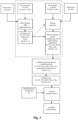
- Fig. 1 The principal schematic overview illustration of the proposed process of this invention is presented in Fig. 1 .
- the process consists of several technological stages:
- the biomass is prepared accordingly, i.e., crushed, dried, fractionated or handled by other conventional physical or chemical methods.
- the invention proposes simultaneously use two different kind of biomass and/or waste, i.e., solid and liquid, to obtain synthetic gas.
- the daf (dry and ash-free) mass fractions of the main chemical elements (C, H, O) of solid lignocellulosic biomass or its waste in raw material depend little on the origin and are more or less the same. ( Fig 2 ).
- the H/C ratio of such feedstock varies in a narrow range, which indicates very limited concentration of hydrogen in the synthetic gas during gasification of these feedstocks when working in an autothermal reactor with oxygen.
- Liquid biomass e.g. vegetable oils, animal fats, bioalcohols, etc.
- process wastes e.g., glycerol
- Solid biomass gasification reactor Liquid biomass plasma-chemical gasification reactor Feedstock feeding, kg/h 34.1 7.88 PG power, kW - 57.9 Oxygen flow, Nm 3 /h: 8.3 - Primary flow 5.1 - Secondary flow 3.2 Steam flow, kg/h - 14.76 Oxygen excess ratio 0.25 Generated gas flow, Nm 3 /h 46 16.56 Gas yield, Nm 3 /kg 1.35 2.10 Dry product gas composition vol.
- the synthetic gas 1 generated in the solid biomass gasification reactor is fed into the plasma-chemical reactor 3 after an any type of high-temperature particulate removal device, e.g., cyclone or porous ceramic or metal filter.
- an any type of high-temperature particulate removal device e.g., cyclone or porous ceramic or metal filter.
- inject the generated gas 1 first, into the plasma generator 2 or directly into the plasma-chemical reactor 3 ( Fig. 3 ).
- this invention proposes to inject the generated synthetic gas 1 after the electric arc, directly into the plasma-chemical reactor 3.
- the mixture of gases undergoes series of thermochemical reactions where remaining heavier compounds are further decomposed to final products consisting mainly of H 2 and CO gases.
- the gasification of the liquid biomass occurs.
- the water vapour was used as a plasma forming gas.
- Water vapour plasma is produced by supplying superheated steam 5 to an atmospheric pressure direct current (DC) linear plasma generator 2.
- the generator allows to create plasma stream with an average outlet temperature of 2800 - 3100 K.
- the liquid biomass is fed into the plasma-chemical reactor 3 using an atomizer of any type, which allows to distribute the feedstock evenly and in fine droplets throughout the reactor volume. Such distribution allows for better mixing of the degradable material with the active particles formed by the high temperature plasma torch and also with the gas stream 1 coming from the solid biomass gasification reactor.
- synthetic gas 6 with H 2 /CO>2 is formed.
- the slag formed during combustion is removed through the bottom 7 of the plasma-chemical reactor.
- the resulting gas mixture allows further usage for the synthesis of valuable chemicals like biomethane, biomethanol, bio-DME, etc.
- Table 4 shows the results of experimental studies, which prove that, depending on the mixing proportions, the required H 2 /CO ratio might be obtained. Table 4.
- the last stage of the process depends on the further use of a synthesis gas. However, before any other stage of the process (e.g., synthesis of synthetic hydrocarbons), any gas cooling, drying, cleaning from remaining solid, liquid or gaseous impurity residues is proposed to use. These processes will ensure stable and reliable operation of other devices.
Landscapes
- Chemical & Material Sciences (AREA)
- Organic Chemistry (AREA)
- Engineering & Computer Science (AREA)
- General Health & Medical Sciences (AREA)
- Combustion & Propulsion (AREA)
- Health & Medical Sciences (AREA)
- Chemical Kinetics & Catalysis (AREA)
- Inorganic Chemistry (AREA)
- Oil, Petroleum & Natural Gas (AREA)
- Mechanical Engineering (AREA)
- Toxicology (AREA)
- Electromagnetism (AREA)
- Physics & Mathematics (AREA)
- Processing Of Solid Wastes (AREA)
Abstract
The invention relates to the control of the ratio of hydrogen and carbon monoxide (H<sub>2</sub>/CO) in synthetic gas by simultaneous gasification of solid and liquid biomass and/or waste. It combines different gasification processes - gasification of solid biomass (SB) or waste in oxygen environment, and gasification of liquid biomass (LB) or waste by thermal water vapor plasma. The present invention proposes a method for combining different thermochemical processes and selecting different types of biomass or waste to obtain the highest possible H<sub>2</sub>/CO ratio suitable for further gas conversion to biomaterials (biomethane, biomethanol and other bio-CxHyOz hydrocarbons). The present invention differs in that the proposed method for the production of synthetic gas allows the thermal decomposition of different fractions of biomass at the same time, selecting different types of biomass with different H/C ratios. As a result, synthetic gases with different H<sub>2</sub>/CO ratios are generated simultaneously. A water vapor thermal plasma reactor is used for gasification of liquid biomass and/or waste, during which synthetic gas with H<sub>2</sub>/CO > 2 is generated. In addition, by introducing synthetic gas with H<sub>2</sub>/CO < 1 generated in the solid biomass gasification reactor into the plasma-chemical reactor and changing the SB/LB ratio, thus adjusting the H<sub>2</sub>/CO ratio in the outlet synthesis gas within the range of the ratio which exists for solo SB and LB gasification modes.
Description
- The invention relates to the control of the ratio of hydrogen and carbon monoxide (H2/CO) in synthetic gas by simultaneous gasification of solid and liquid biomass and/or waste. It combines different gasification processes: gasification of solid biomass (SB) or waste in oxygen environment and gasification of liquid biomass (LB) or waste by thermal water vapour plasma. The present invention proposes a method for combining different thermochemical processes and selecting different types of biomass or waste to obtain the highest possible H2/CO ratio suitable for further gas conversion to biomaterials, such as biomethane, bio-methanol and other bio-CxHyOz hydrocarbons.
- Currently, industrial synthetic gas of various compositions is produced using different techniques:
- 1. From coal, natural gas, oil products and other hydrocarbons (steam reforming process, partial oxidation, etc.);
- 2. From biomass and/or various organic wastes, using various catalytic and non-catalytic thermochemical processes, such as gasification, pyrolysis, liquefaction, dry reforming, supercritical water gasification, high or low temperature plasma gasification, microwave, radio waves, etc.;
- 3. Biological synthesis gas production methods, using various microorganisms.
- Many of the listed processes are already commercialized and practically applied. Due to the high atomic ratios of H and C, synthetic gas production from fossil fuel is most attractive. Synthetic gas produced from fossil fuels, mainly coal and natural gas, is often further converted into higher value-added chemicals such as methanol. Methane (CH4), the main component of natural gas, is especially suitable for such purpose, which during the catalytic steam reforming reaction decomposes into two main synthetic gas components - hydrogen (H2) and carbon monoxide (CO) with molar H2/CO ratio of 3:
CH4 + H2O ⇔ CO + 3 H2, ΔH = +205 kJ/mol (1)
- This ratio is particularly acceptable for the further synthesis of a chemical product such as methanol:
CO + 2 H2 ⇔ 2 CH3OH, ΔH = -91 kJ/mol (2)
- Since synthetic gas has a higher H2/CO ratio than needed to produce methanol, additional CO2 is supplied, which reacts with the excess H2:
CO2 + 3 H2 ⇔ CH3OH + H2O, ΔH = -50 kJ/mol (3)
- While global greenhouse gas (CO2) emissions in the atmosphere increase, many countries around the world are promoting the production of synthetic gas from renewable resources, i.e., by using biomass and/or other organic waste as a carbon source. Conventionally, the gasification process is used to produce synthesis gas from biomass and waste. Numerous different types of equipment have been developed for this process. However, the only essential difference between these processes is how the heat is supplied to the reaction: autothermal, i.e. using the heat released during the reaction, or allothermal, i.e. heat is delivered from an external source; and what kind of reaction atmosphere is used - oxidizing or inert. During gasification, synthetic gas of various compositions and proportions of components is produced. It is important to understand that various factors, including feedstock composition, gasification reactor type, and operating conditions have influence on synthetic gas composition and determine its further use. Typically conventional gasification reactors produces gases with the composition shown in Table 1 (Richard Thomson, Philip Kwong, Ejaz Ahmad, K.D.P. Nigam "Clean syngas from small commercial biomass gasifiers; a review of gasifier development, recent advances and performance evaluation, International Journal of Hydrogen Energy", Volume 45, Issue 41, 2020, Pages 21087-21111, ISSN 0360-3199, https://doi.org/10.1016/j.ijhydene.2020.05.160), which in most cases do not meet the above H2/CO ratio necessary to produce targeting chemicals.
Table 1. Typical H2 and CO gas concentrations in synthetic gas obtained using conventional gasification reactors Type of gasification reactor H2, vol% CO, vol% H2/CO Downdraft reactor (air) 15-21 10-22 1.5-0.95 Updraft reactor (air) 10-14 15-20 0.6-0.7 Fluidized bed reactor (air) 12-26 15-22 0.8-1.18 Circulating fluidized-bed reactor (air) 15-17 15-18 1-0.94 Entrained flow reactor (air, steam) 55-58 25-31 2.2-1.87 Dual fluidized-bed reactor (air) 25-40 25-35 1- 1.14 Two stage fixed bed (air) 30-32 16-20 1.87-1.6 Stratified downdraft reactor (air) 22-23 25-27 0.88-0.85 Stratified twin fired updraft/downdraft fixed bed (air) 17 22 0.77 Floating fluidised bed (air) 18 20 0.9 Plasmachemical reactor (air) 45-55 36-52 1.25-1.05 - In order to increase this ratio, in practice are applied partial CO gas removal, high temperature steam gasification, catalytic water gas shift process, or is added H2 from renewable energy sources (RES).
- Meanwhile, the present invention relates to the production of synthetic gas and the method of obtaining the required H2/CO ratio in it, by using the combined technology of solid and liquid biomass and/or waste gasification. As mentioned above, exist a number of different gasification technologies and studies that proves the suitability of various biomass for synthetic gas production. However, only a few of them (see Table 1) are suitable to obtain H2/CO ratio higher than 1.5. These processes use enough high temperatures >1100 °C and usually steam, therefore such conditions are not always suitable for problematic solid biomass (e.g., straw, sewage sludge, etc.) with high ash content and low melting point. The present invention proposes a new method for synthetic gas production utilising combined biomass and waste gasification, which allows simultaneously thermally decompose the biomass of different fractions while with proper selection of biomass and waste type obtain the highest possible H2/CO ratio. The proposed method involves the new concept for combining two different gasification technologies: downdraft or other type of gasification reactor that is designed or capable thermally decompose solid biomass and/or wastes in an oxygen atmosphere by coupling with plasma-chemical gasification reactor designed or capable gasify a liquid biomass and/or waste in a steam environment. This method allows to exclude other methods listed above in order to control the H2/CO ratio in the synthetic gas.
- The invention proposes a new method for generation a synthesis gas with desired H2/CO ratio in the range of 0.7-2.7. The method utilize combined ordinary gasification system coupled with water vapour thermal plasma gasification, which allows the simultaneous thermal decomposition of solid and liquid biomass and/or waste. This invention proposes to use a water vapour thermal plasma in order to control H2/CO ratio in the synthesis gas, which makes it possible to generate a gas with a hydrogen-to-carbon monoxide ratio of more than 2, when works sole, and to mix this plasma derived gas with the synthesis gas generated in an any type gasification unit.
- In accordance with exemplary process parametric embodiment, which is presented in Table 4 of this invention, the combination of gasification processes is accomplished as follows: the synthetic gas generated in the solid biomass gasification reactor is fed into the plasma-chemical reactor after an any type of high-temperature particulate removal device. For a better plasma reactor performance, it is proposed to introduce the resulted synthetic gas behind the electric arc, i.e. directly into the plasma-chemical reactor. At the same time, the gasification of the selected liquid biomass and/or waste must take place in the plasma-chemical reactor under a water vapour plasma atmosphere. The liquid biomass is fed into the plasma-chemical reactor using an atomizer of any type, which allows to distribute the feedstock evenly and in fine droplets throughout the reactor volume. Such distribution allows for better mixing of the degradable material with the active particles formed by the high temperature plasma torch and also with the gas stream coming from the solid biomass gasification reactor. Finally after, the complex thermochemical reactions forms the synthesis gas with adjustable H2/CO ratio.
- The resulting gas mixture allows further usage for the synthesis of valuable chemicals like biomethane, biomethanol, bio-DME, etc. These and other features of the present invention will be explained in more detail hereafter.
- The invention will be described in closer detail with reference to the explanatory drawings and schemes, wherein:
-
Fig. 1 is a schematic overview illustration of process main steps of the present invention; -
Fig. 2 demonstrates the classification of biomass species according to atomic composition and atomic ratios; -
Fig. 3 demonstrates a scheme of injection of synthesis gas from solid biomass into the plasma-chemical reactor where the liquid biomass is gasified. - The principal schematic overview illustration of the proposed process of this invention is presented in
Fig. 1 . The process consists of several technological stages: - At this technological stage, depending on the type of gasification equipment used, the biomass is prepared accordingly, i.e., crushed, dried, fractionated or handled by other conventional physical or chemical methods. The invention proposes simultaneously use two different kind of biomass and/or waste, i.e., solid and liquid, to obtain synthetic gas. It is well known that the daf (dry and ash-free) mass fractions of the main chemical elements (C, H, O) of solid lignocellulosic biomass or its waste in raw material depend little on the origin and are more or less the same. (
Fig 2 ). The H/C ratio of such feedstock varies in a narrow range, which indicates very limited concentration of hydrogen in the synthetic gas during gasification of these feedstocks when working in an autothermal reactor with oxygen. Liquid biomass (e.g. vegetable oils, animal fats, bioalcohols, etc.) or process wastes (e.g., glycerol) have higher hydrogen potential and higher H/C ratio. (Fig 2 ). Moreover, if a water vapour is used as a gasification agent, the overall H/C ratio of the process would increase even more. Therefore, such combination of two types of biomass allows to produce synthesis gas with a higher hydrogen content. - All known autothermal gasification reactors to date are suitable for solid biomass gasification in an oxygen environment. This invention does not recommend use air for gasification due to the high amount of nitrogen gas, which dilutes the reactive compounds in the synthetic gas, reduces their concentration, and thus complicates the usage of further synthesis devices. Thermal plasma gasification reactors are proposed for gasification of liquid biomass. In order to produce a synthetic gas with a higher H2/CO ratio, the present invention proposes to use water vapour as the plasma-forming gas. Table 2 shows the composition of solid and liquid biomass feedstock from which the syngas was obtained.
Table 2. The composition of solid and liquid biomass feedstock used for experimental studies Parameters Woodchips Glycerol Biomass type Solid liquid Moisture, wt% 10.6 < 0.01 Volatile matter, wt% 75.8 97.75 Fixed-carbon, wt% 12.8 < 0.01 Ash, wt% 0.8 2.27 Higher heating value, MJ/kg 17.3 15.19 C, wt% 48.77 33.75 H, wt% 5.85 8.96 O (diff.), wt% 44.52 54.8 N, wt% 0.05 0.06 S, wt% 0.01 0.011 - First, the gasification tests of selected biomass was carried out in different separate gasifiers. As can be seen from Table 3, the average H2/CO ratio in the gas during solid wood chip gasification was 0.71. Meanwhile, for the liquid biomass waste, i.e., glycerol, this ratio can be as high as 2.74, as found during the tests. It can be even higher when the water content and plasmatron power are increased.
Table 3. Main parameters of experimental studies of solid and liquid biomass gasification Parameters Solid biomass gasification reactor Liquid biomass plasma-chemical gasification reactor Feedstock feeding, kg/h 34.1 7.88 PG power, kW - 57.9 Oxygen flow, Nm3/h: 8.3 - Primary flow 5.1 - Secondary flow 3.2 Steam flow, kg/h - 14.76 Oxygen excess ratio 0.25 Generated gas flow, Nm3/h 46 16.56 Gas yield, Nm3/kg 1.35 2.10 Dry product gas composition vol. %: H2 32.60 58.11 CO 46.01 21.16 CH4 3.29 3.24 C2H2 0.15 0.14 C2H6 0.01 0.02 C3H8 0.02 0.03 CO2 17.61 18.21 N2 0.17 H2/CO 0.71 2.74 H2/CO2 1.85 3.19 H2/(CO+CO2) 0.51 1.46 Lover heating value, MJ/Nm3 10.54 10.13 Tar content (>C10H8), g/Nm3 4.98 (1.76) 0.37 (0.03) Product gas temperature, °C 600 770 - At this stage of the process, a coupling of gasification processes is proposed, as follows: the
synthetic gas 1 generated in the solid biomass gasification reactor is fed into the plasma-chemical reactor 3 after an any type of high-temperature particulate removal device, e.g., cyclone or porous ceramic or metal filter. There are two possible ways how to inject the generated gas 1: first, into theplasma generator 2 or directly into the plasma-chemical reactor 3 (Fig. 3 ). Previous studies showed that plasma stability is reduced by injecting additional gas along with the plasma-forming gas directly into the plasma generator 2 (Nerijus Striugas, Andrius Tamošiunas, Liutauras Marcinauskas, Rolandas Paulauskas, Kestutis Zakarauskas, Raminta Skvorčinskienė "A sustainable approach for plasma reforming of tail biogas for onsite syngas production during lean combustion operation, Energy Conversion and Management", 209 , 2020, 112617, ISSN 0196-8904, https://doi.org/10.1016/j.enconman.2020.112617). Therefore, in order to get more stable operation of the plasma generator, as a second option, this invention proposes to inject the generatedsynthetic gas 1 after the electric arc, directly into the plasma-chemical reactor 3. After entering thereactor 3, the mixture of gases undergoes series of thermochemical reactions where remaining heavier compounds are further decomposed to final products consisting mainly of H2 and CO gases. At the same time, the gasification of the liquid biomass occurs. In the present invention, we used raw glycerol, which enters the plasma-chemical reactor 3 through theinlet 4. The water vapour was used as a plasma forming gas. Water vapour plasma is produced by supplying superheated steam 5 to an atmospheric pressure direct current (DC)linear plasma generator 2. The generator allows to create plasma stream with an average outlet temperature of 2800 - 3100 K. The liquid biomass is fed into the plasma-chemical reactor 3 using an atomizer of any type, which allows to distribute the feedstock evenly and in fine droplets throughout the reactor volume. Such distribution allows for better mixing of the degradable material with the active particles formed by the high temperature plasma torch and also with thegas stream 1 coming from the solid biomass gasification reactor. After a complex thermochemical reaction,synthetic gas 6 with H2/CO>2 is formed. The slag formed during combustion is removed through thebottom 7 of the plasma-chemical reactor. The resulting gas mixture allows further usage for the synthesis of valuable chemicals like biomethane, biomethanol, bio-DME, etc. Table 4 shows the results of experimental studies, which prove that, depending on the mixing proportions, the required H2/CO ratio might be obtained.Table 4. The main parameters of the experimental study of combined solid and liquid biomass gasification Parameter Combined technological unit Experiment No. 1 Experiment No. 2 Experiment No. 3 Solid biomass feeding, kg/h 28 28 28 Oxygen amount, Nm3/h: 6.74 6.74 6.74 - Primary flow 4.16 4.16 4.16 - Secondary flow 2.58 2.58 2.58 Produced gas yield from solid biomass gasification (SB), Nm3/h 36 36 36 Liquid biomass feeding, kg/h 7.8 7.8 7.8 PG power, kW 60 60 60 Produced gas yield from liquid biomass gasification (LB), Nm3/h 22.5 22.5 22.5 Steam supply, kg/h 11.88 11.88 11.88 SB gas flow from solid biomass gasification to plasma-chemical reactor, Nm3/h 6.3 9.0 15.0 PCHR gas yield, Nm3/h 10.08 12.78 18.78 SB/LB 1.67 2.38 3.96 Dry products gas composition vol.%: H2 50.61 42.82 39.79 CO 24.98 33.38 40.02 CH4 1.33 2.34 4.15 C2H2 0.10 0.29 0.57 C2H6 0.01 0.01 0.06 C3H8 0.01 CO2 25.83 25.31 20.29 H2/CO 2.02 1.28 1.00 H2/ CO 21,96 1,69 1,96 H2/(CO+CO2) 1,0 0,73 0,66 - During this test, the amount of synthetic gas generated by the solid biomass gasifier (SB) was changed, while the liquid biomass (LB) gasification gas flow was kept constant. From the presented results can be seen that as the SB/LB ratio decreases, the H2/CO ratio increases. It was also found that when a gas mixture with a different SB/LB ratio is supplied to the plasma-chemical reactor, the H2/CO ratio changes in a non-linear dependence, which indicates the occurrence of additional thermochemical reactions.
- The last stage of the process depends on the further use of a synthesis gas. However, before any other stage of the process (e.g., synthesis of synthetic hydrocarbons), any gas cooling, drying, cleaning from remaining solid, liquid or gaseous impurity residues is proposed to use. These processes will ensure stable and reliable operation of other devices.
Claims (1)
- A method for the H2/CO ratio control in synthetic gas using combined solid and liquid biomass and/or waste gasification, characterised by the steps of:(a) using simultaneous combined gasification of solid biomass (SB) and liquid biomass (LB) and/or waste to simultaneously thermally decompose different fractions of biomass;(b) selecting biomass type with different H/C ratios, thus simultaneously producing synthetic gas with different H2/CO ratios;(c) using water vapour thermal plasma reactor to gasify liquid biomass and/or waste to produce synthetic gas with H2/CO > 2;(d) additionally injecting into the plasma-chemical reactor a gas generated in the solid biomass gasification reactor containing H2/CO < 1 and varying the SB/LB ratio of both flows, thus adjusting the H2/CO ratio in the outlet synthesis gas within the range of the ratio which exists for solo SB and LB gasification modes.
Applications Claiming Priority (1)
| Application Number | Priority Date | Filing Date | Title |
|---|---|---|---|
| LT2022009A LT6985B (en) | 2022-03-15 | 2022-03-15 | Method of regulating the h2/co ratio in synthetic gases by simultaneous gasification of solid and liquid biomass and / or waste |
Publications (1)
| Publication Number | Publication Date |
|---|---|
| EP4245719A1 true EP4245719A1 (en) | 2023-09-20 |
Family
ID=83355476
Family Applications (1)
| Application Number | Title | Priority Date | Filing Date |
|---|---|---|---|
| EP22195885.3A Withdrawn EP4245719A1 (en) | 2022-03-15 | 2022-09-15 | Method of regulating the h2/co ratio in synthetic gases by simultaneous gasification of solid and liquid biomass and/or waste |
Country Status (2)
| Country | Link |
|---|---|
| EP (1) | EP4245719A1 (en) |
| LT (1) | LT6985B (en) |
Citations (4)
| Publication number | Priority date | Publication date | Assignee | Title |
|---|---|---|---|---|
| WO2008113766A2 (en) * | 2007-03-16 | 2008-09-25 | Shell Internationale Research Maatschappij B.V. | Process to prepare a hydrocarbon |
| WO2010135381A1 (en) * | 2009-05-21 | 2010-11-25 | Accelergy Corporation | Integrated coal-to-liquids process |
| US20140148519A1 (en) * | 2012-11-27 | 2014-05-29 | Raymond F. Drnevich | Hybrid plant for liquid fuel production |
| US20140273199A1 (en) * | 2013-03-15 | 2014-09-18 | Renewable Opportunities Inc. | System And Method For Producing A Consistent Quality Syngas From Diverse Waste Materials With Heat Recovery Based Power Generation, And Renewable Hydrogen Co-Production |
-
2022
- 2022-03-15 LT LT2022009A patent/LT6985B/en not_active IP Right Cessation
- 2022-09-15 EP EP22195885.3A patent/EP4245719A1/en not_active Withdrawn
Patent Citations (4)
| Publication number | Priority date | Publication date | Assignee | Title |
|---|---|---|---|---|
| WO2008113766A2 (en) * | 2007-03-16 | 2008-09-25 | Shell Internationale Research Maatschappij B.V. | Process to prepare a hydrocarbon |
| WO2010135381A1 (en) * | 2009-05-21 | 2010-11-25 | Accelergy Corporation | Integrated coal-to-liquids process |
| US20140148519A1 (en) * | 2012-11-27 | 2014-05-29 | Raymond F. Drnevich | Hybrid plant for liquid fuel production |
| US20140273199A1 (en) * | 2013-03-15 | 2014-09-18 | Renewable Opportunities Inc. | System And Method For Producing A Consistent Quality Syngas From Diverse Waste Materials With Heat Recovery Based Power Generation, And Renewable Hydrogen Co-Production |
Non-Patent Citations (2)
| Title |
|---|
| RICHARD THOMSONPHILIP KWONGEJAZ AHMADK.D.P. NIGAM: "Clean syngas from small commercial biomass gasifiers; a review of gasifier development, recent advances and performance evaluation", INTERNATIONAL JOURNAL OF HYDROGEN ENERGY, vol. 45, no. 41, 2020, pages 21087 - 21111, XP086240767, Retrieved from the Internet <URL:https://doi.Org/10.1016/j.ijhydene.2020.05.160> DOI: 10.1016/j.ijhydene.2020.05.160 |
| THOMSON RICHARD ET AL: "Clean syngas from small commercial biomass gasifiers; a review of gasifier development, recent advances and performance evaluation", INTERNATIONAL JOURNAL OF HYDROGEN ENERGY, ELSEVIER, AMSTERDAM, NL, vol. 45, no. 41, 8 July 2020 (2020-07-08), pages 21087 - 21111, XP086240767, ISSN: 0360-3199, [retrieved on 20200708], DOI: 10.1016/J.IJHYDENE.2020.05.160 * |
Also Published As
| Publication number | Publication date |
|---|---|
| LT6985B (en) | 2023-03-27 |
| LT2022009A (en) | 2023-02-27 |
Similar Documents
| Publication | Publication Date | Title |
|---|---|---|
| Pan et al. | Fluidized-bed co-gasification of residual biomass/poor coal blends for fuel gas production | |
| Sidek et al. | Review on effects of gasifying agents, temperature and equivalence ratio in biomass gasification process | |
| Yoon et al. | Gasification and power generation characteristics of rice husk and rice husk pellet using a downdraft fixed-bed gasifier | |
| Zhou et al. | Biomass–oxygen gasification in a high-temperature entrained-flow gasifier | |
| US8617424B2 (en) | Two stage gasifier for generating syngas | |
| Chiodini et al. | Enhancements in Biomass-to-Liquid processes: Gasification aiming at high hydrogen/carbon monoxide ratios for direct Fischer-Tropsch synthesis applications | |
| Meng et al. | Influence of higher equivalence ratio on the biomass oxygen gasification in a pilot scale fixed bed gasifier | |
| JP2011522084A (en) | Two-stage high-temperature preheating steam gasifier | |
| WO2010119972A1 (en) | Btl fuel production system and method for producing btl fuel | |
| CA2774943A1 (en) | A method to produce methane rich fuel gas from carbonaceous feedstocks using a steam hydrogasification reactor and a water gas shift reactor | |
| Yu et al. | Experimental study on the gasification characteristics of biomass with CO2/air in an entrained-flow gasifier | |
| Cai et al. | Two-stage pyrolysis/gasification and plasma conversion technology for the utilization of solid waste | |
| CA2657786A1 (en) | Method and apparatus for steam hydro-gasification in a fluidized bed reactor | |
| Thiagarajan et al. | Thermal kinetics and syngas production on co-gasification of deoiled jatropha seed cake residues with wood chips | |
| EP4245719A1 (en) | Method of regulating the h2/co ratio in synthetic gases by simultaneous gasification of solid and liquid biomass and/or waste | |
| Nguyen et al. | Analysis of industrial syngas production from biomass | |
| Zhang et al. | Investigation on the impact of air equivalence ratio on the characteristics of lignite coal partial gasification products in fluidized bed | |
| Zulkifli et al. | Energy recovery from waste biomass through gasification | |
| JPH11302665A (en) | Gasification method using biomass and fossil fuel | |
| US8771388B2 (en) | Method to produce methane rich fuel gas from carbonaceous feedstocks using a steam hydrogasification reactor and a water gas shift reactor | |
| Yii et al. | The effect of operating temperature and equivalence ratio in an entrained flow gasification of EFB | |
| JP2011219708A (en) | System and method for producing jet biofuel | |
| Kalisz et al. | Continuous high temperature air/steam gasification (HTAG) of biomass | |
| Striūgas et al. | Method of regulating the H2/CO ratio in synthetic gases by simultaneous gasification of solid and liquid biomass and/or waste | |
| Kalisz et al. | Energy balance of high temperature air/steam gasification of biomass in updraft, fixed bed type gasifier |
Legal Events
| Date | Code | Title | Description |
|---|---|---|---|
| PUAI | Public reference made under article 153(3) epc to a published international application that has entered the european phase |
Free format text: ORIGINAL CODE: 0009012 |
|
| STAA | Information on the status of an ep patent application or granted ep patent |
Free format text: STATUS: THE APPLICATION HAS BEEN PUBLISHED |
|
| AK | Designated contracting states |
Kind code of ref document: A1 Designated state(s): AL AT BE BG CH CY CZ DE DK EE ES FI FR GB GR HR HU IE IS IT LI LT LU LV MC MK MT NL NO PL PT RO RS SE SI SK SM TR |
|
| STAA | Information on the status of an ep patent application or granted ep patent |
Free format text: STATUS: THE APPLICATION IS DEEMED TO BE WITHDRAWN |
|
| 18D | Application deemed to be withdrawn |
Effective date: 20240321 |