EP4239508A1 - Verfahren und system zur steuerung der datennutzung, elektronische vorrichtung und speichermedium - Google Patents
Verfahren und system zur steuerung der datennutzung, elektronische vorrichtung und speichermedium Download PDFInfo
- Publication number
- EP4239508A1 EP4239508A1 EP21885030.3A EP21885030A EP4239508A1 EP 4239508 A1 EP4239508 A1 EP 4239508A1 EP 21885030 A EP21885030 A EP 21885030A EP 4239508 A1 EP4239508 A1 EP 4239508A1
- Authority
- EP
- European Patent Office
- Prior art keywords
- data
- request
- resource
- use control
- target
- Prior art date
- Legal status (The legal status is an assumption and is not a legal conclusion. Google has not performed a legal analysis and makes no representation as to the accuracy of the status listed.)
- Pending
Links
Images






Classifications
-
- G—PHYSICS
- G06—COMPUTING OR CALCULATING; COUNTING
- G06F—ELECTRIC DIGITAL DATA PROCESSING
- G06F21/00—Security arrangements for protecting computers, components thereof, programs or data against unauthorised activity
- G06F21/60—Protecting data
- G06F21/604—Tools and structures for managing or administering access control systems
-
- G—PHYSICS
- G06—COMPUTING OR CALCULATING; COUNTING
- G06F—ELECTRIC DIGITAL DATA PROCESSING
- G06F21/00—Security arrangements for protecting computers, components thereof, programs or data against unauthorised activity
- G06F21/60—Protecting data
- G06F21/62—Protecting access to data via a platform, e.g. using keys or access control rules
- G06F21/6218—Protecting access to data via a platform, e.g. using keys or access control rules to a system of files or objects, e.g. local or distributed file system or database
-
- G—PHYSICS
- G06—COMPUTING OR CALCULATING; COUNTING
- G06F—ELECTRIC DIGITAL DATA PROCESSING
- G06F21/00—Security arrangements for protecting computers, components thereof, programs or data against unauthorised activity
- G06F21/60—Protecting data
- G06F21/64—Protecting data integrity, e.g. using checksums, certificates or signatures
-
- H—ELECTRICITY
- H04—ELECTRIC COMMUNICATION TECHNIQUE
- H04L—TRANSMISSION OF DIGITAL INFORMATION, e.g. TELEGRAPHIC COMMUNICATION
- H04L63/00—Network architectures or network communication protocols for network security
- H04L63/10—Network architectures or network communication protocols for network security for controlling access to devices or network resources
- H04L63/102—Entity profiles
-
- H—ELECTRICITY
- H04—ELECTRIC COMMUNICATION TECHNIQUE
- H04L—TRANSMISSION OF DIGITAL INFORMATION, e.g. TELEGRAPHIC COMMUNICATION
- H04L63/00—Network architectures or network communication protocols for network security
- H04L63/20—Network architectures or network communication protocols for network security for managing network security; network security policies in general
Definitions
- the present application relates to information security, and in particular, to a data use control method, a data use control system, an electronic device and a storage medium.
- a data use control method a data use control system, an electronic device and a storage medium.
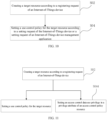
- the data use control method in the embodiments of the present application comprises: receiving a data use request which includes a target resource to be used; acquiring a use control policy of the target resource; and using the target resource according to the use control policy.
- the use control policy includes one or more of data use range, data use purpose, data integrity, data use times, data use time, data validity period, data anonymity, data aggregation, data isolation, event-based data use control, data use record, data post-use action and data sharing.
- the data use control method further comprises: creating a target resource according to a registering request of an Internet-of-Things device; and setting a use control policy for the target resource according to a setting request of the Internet-of-Things device or a setting request of an Internet-of-Things device management application.
- setting the use control policy for the target resource comprises: creating a use control policy resource corresponding to the target resource, where sub-attributes of the use control policy resource include the use control policy; or setting an access control data use privilege in a privilege attribute of an access control policy resource of the target resource, where the access control data use privilege includes the use control policy.
- the data use request comprises an updating request
- the data use control method further comprises: creating a data analysis functional resource according to a creation request of a functional module, wherein the data analysis functional resource comprises an identifier for a data resource to be analyzed; triggering the data analysis functional resource according to the updating request of the functional module to acquire the target resource in the data resource to be analyzed; acquiring a use control policy of the data resource to be analyzed; and in a case where the updating request meets the use control policy of the data resource to be analyzed, feeding an update response back to the functional module to enable the functional module to use the target resource in the data resource to be analyzed according to the use control policy of the data resource to be analyzed.
- the data use request comprises an operation request
- the data use control method further comprises: receiving the operation request and determining whether the operation request is an acquiring request, wherein the operation request comprises a requester identifier, a request target and a request type; and in a case where the operation request is not the acquiring request, acquiring an access control policy corresponding to the request target and returning a first operation response according to the access control policy corresponding to the request target.
- the data use control method further comprises: in a case where the operation request is the acquiring request, determining whether a requester is an application entity to which a receiver belongs; in a case where the requester is not the application entity to which the receiver belongs, returning a second operation response which comprises a target resource protected by digital copyrights; and in a case where the requester is the application entity to which the receiver belongs, acquiring a use control policy corresponding to the request target, and when the operation request meets the use control policy corresponding to the request target, returning a third operation response which comprises a target resource corresponding to the request target.
- the data use request comprises an operation request
- the data use control method further comprises: receiving the operation request and determining whether a request target of the operation request is a functional resource, wherein the operation request comprises a requester identifier, the request target and a request type; and in a case where the request target of the operation request is the functional resource, acquiring a use control policy corresponding to the request target, and when the operation request meets the use control policy corresponding to the request target, returning a fourth operation response which comprises a target resource corresponding to the request target.
- the data use control method further comprises: in a case where the request target of the operation request is not the functional resource, determining whether a requester is an application entity to which a receiver belongs; in a case where the requester is not the application entity to which the receiver belongs, returning a fifth operation response which comprises a target resource protected by digital copyrights; and in a case where the requester is the application entity to which the receiver belongs, acquiring a use control policy corresponding to the request target, and when the operation request meets the use control policy corresponding to the request target, returning the fourth operation response.
- the data use request comprises an updating request
- the data use control method further comprises: receiving the updating request which comprises a requester identifier, a request target and a data aggregation functional resource to which the request target directs; in a case where the updating request meets an access control policy corresponding to the request target, determining whether the request target is a functional resource; in a case where the request target is the functional resource, determining whether the updating request meets a use control policy related to a preset function; and in a case where the updating request meets the use control policy related to the preset function, executing the preset function and returning a successful response, wherein the preset function comprises a data aggregation function, a data isolation function, an event-based data use function and/or a data disuse function.
- determining whether the updating request meets the use control policy related to the preset function comprises: determining whether data to be analyzed meets a data aggregation control policy defined by each of data resources.
- the data use control method further comprises: before executing the data aggregation function, determining whether the updating request meets event notification rules.
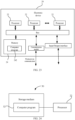
- a data use control system in the embodiments of the present application comprises: a receiving module which is configured to receive a data use request, which comprises a target resource to be used; an acquiring module which is configured to acquire a use control policy of the target resource; and a processing module which is configured to use the target resource according to the use control policy.
- An electronic device in the embodiments of the present application comprises: one or more processor and a memory, where the memory stores a computer program, and the computer program is executed by the one or more processors to implement the data use control method according to any one of the above embodiments.
- a storage medium in the embodiments of the present application stores a computer program therein, where the computer program is executed by one or more processors to implement the data use control method according to any one of the above embodiments.
- the electronic device and the computer storage medium according to the embodiments of the present application, by setting the use control policy for the target resource, after the data use request is received, the use control policy for the target resource is acquired, so as to use the target resource according to the use control policy.
- the system can protect utilization of data, which facilitates protection and utilization of data.
- a data use control method to enable an Internet-of-Things platform to control conditions of using data on the platform, such as purposes of use, ways of use, and restrictions of use, so that a system thereof can protect the use of data, which is beneficial to protect and use the data.
- a data use control system In the embodiments of the present application, there is further provided a data use control system.
- the data use control method in the embodiments of the present application can be used in the data use control system in the embodiments of the present application. That is to say, the data use control system in the embodiments of the present application can adopt the data use control method in the embodiments of the present application to enable an Internet-of-Things platform to control conditions of using data on the platform, such as purposes of use, ways of use, and restrictions of use, so that a system thereof can protect the use of data, which is beneficial to protect and use the data.
- the data use control method includes:
- the data use control system includes a receiving module 11, an acquiring module 12 and a processing module 13.
- the step S12 can be implemented by the receiving module 11, the step S14 can be implemented by the acquiring module 12, and the step S16 can be implemented by the processing module 13. That is to say, the receiving module 11 can be configured to receive the data use request, the acquiring module 12 can be configured to acquire the use control policy of the target resource, and the processing module 13 can be configured to use the target resource according to the use control policy of the target resource.
- sensors and other Internet-of-Things devices which have limited capabilities are connected to the Internet-of-Things platform through an Internet-of-Things gateway, and full function Internet-of-Things devices can be connected to the Internet-of-Things platform directly or through an Internet-of-Things gateway.
- the Internet-of-Things platform centrally manages all kinds of devices and provides an interface for upper layer applications. Internet of Things applications can access data of the devices and control the devices through the Internet-of Things platform.
- a user uses a device such as a mobile phone, a wearable device or the like
- user data including heartbeat, blood pressure, sleep time and the like will be sent to the Internet-of Things platform through the device.
- a third-party application can access the user data and provide health and fitness suggestions, plans and other services for the user through the Internet-of-Things platform.
- the access of the users/applications of the Internet of Things needs to be controlled.
- an access control policy resource corresponding to the target resource is created to achieve the access control over the target resource (data).
- the use control policy for the target resource by setting the use control policy for the target resource, after the data use request is received, the use control policy for the target resource is acquired, so as to use the target resource according to the use control policy, so that the system can protect the use of data, which is beneficial to protect and use the data.
- the use control policy includes one or more of data use range, data use purposes, data integrity, data use times, data use time, data validity period, data anonymity, data aggregation, data isolation, event-based data use control, data use record, data post-use action and data sharing.
- Use control policy Value or description Access control originators Domain, originator ID, all, Role-ID Data use range The data use range can specify applications of a platform, except that the data us is not available; its values are CSE (common service entity), AE (application entity), CSF (common service function), resources, etc.
- Data use purpose Its values are common service and personalized service Access control contexts accessControlTimeWindow, accessControlLocationRegion, accessControlIPAddress, accessControlUserlDs, accessControlEvalCriteria, accessControlLimit Data integrity Its values are modifiable data or non-modifiable data Data use times Data use time Data may be acquired by applications and a platform can specify a time when the data can be used by specifying the data use time Data validity period Lifetime of data on a platform Access control operations RETRIEVE, CREATE, UPDATE, DELETE, DISCOVER, NOTIFY Access control object details resourceType, specialization, childResourceType Access control authentication identifier Whether an originator is authenticated or not Access control attributes Resource attributes Data anonymity During using data, the data needs to be anonymized, and sensitive information, such as personal identifier information, identity information and address information, needs to be replaced to avoid revealing personal privacy Data aggregation During using data, the data needs to be aggregated, and when untru
- the data use range in a use control policy of a target resource, can specify application of data of the target resource on a platform, and the data of the target resource will not be applied beyond the platform.
- Values and corresponding description of the data use range can be as shown below: Value Description CSE MN(middle node)-CSE, ASN(application service node)-CSE, IN(infrastructure node) -CSE AE MN-AE, ASN-AE, IN-AE, AND-AE CSF DMG(device management), REG(registration management), GRP(group management), AI(artificial intelligence), BLOCKCHAIN, ML(machine learning) Resource Container, action, status
- a user can set that data of the target resource uploaded from a device can be used only for IN-CSE. At this time, the data corresponding to the target resource is not allowed to be exchanged between service providers.
- the AE by setting the AE, it can be specified which applications can use the data of the target resource.
- the CSF by setting the CSF, it can be specified which functions can use the data of the target resource.
- the Resources it can be set that some resources can use the data of the target resource.
- the data use purpose it can be determined whether the data of the target resource is allowed to be used according to functions of a data user. If the data use purpose does not meet requirements, the data of the target resource will not be allowed to be used. For example, data of vehicles can be used only for trend analysis. Values and corresponding description of the data use purpose can be as shown below: Value Description Common service Trend analysis: road traffic congestion analysis, etc. Disease diagnosis: disease pathology analysis through big data Personalized service Recommendation based on interests: content recommendation through existing interests
- the data use purpose for the use control policy of the target resource is Common service
- the data of vehicles may be used for trend analysis such as road traffic congestion analysis, or for disease diagnosis of disease pathology analysis through big data
- the data use purpose meets requirements
- the data of the target resource can be used for corresponding analysis module.
- the data use purpose for the use control policy of the target resource is Personalized service
- the data of the target resource can be used to realize a function of recommendation based on interests by way of content recommendation through existing interests.
- the Data integrity it can be used to determine whether a requester is allowed to modify data. Values and corresponding description of the Data integrity can be as shown below: Value Description 1 Data is allowed to be modified 0 Data is not allowed to be modified
- the data use times it can be used to limit a number of times of using the data of the target resource.
- Values of the data use times can be set according to actual needs, that is, the data use times can be any number. After a number of times using the data of the target resource that is allowed to be accessed is set, when the number is exceeded, the data of the target resource will be rejected to be used again.
- the data use time it can be used to allow or prohibit the use of the data of the target resource in a specific time/a time range.
- Values and corresponding description of the data use time can be as shown below: Value Description Time allowed to use It may be a time or a time period Time not allowed to use It may be a time or a time period
- the applications can use the data of the target resource on the hour, so as to analyze and notify analysis results on the hour.
- the applications can acquire the data of the target resource related to sleep at night, so as to achieve sleep quality monitoring, etc.
- the Data validity period may be a point of time or a period of time.
- the Data validity period may be a certain point of time at an end of each month, and all data in the target resource can be deleted when the point of time is reached. New data of the next month can be recorded in the target resource.
- the Data validity period may be a period of time such as one month after the data has been created, and the corresponding data can be deleted after the data has been created for longer than one month.
- the data of the target resource needs to be aggregated during using the data. Specifically, when untrusted applications use the data of the target resource, the data can be aggregated. By way of aggregating, the untrusted applications cannot analyze the data of a single user, such that privacy of the user is protected.
- Attributes and corresponding description of an aggregated resource can be as shown below: Attribute Description Data aggregation switch Its value is turn-on or turn-off Data use purpose This attribute includes identifiers of resources for data use purpose Data aggregation rules Same attributes: e.g., same addresses or contact information; same resources: e.g., devices of the same type; same parent resources: e.g., members belonging to the same family, or sensors from the same factory; same child resource: e.g., members from the same family.
- Data-aggregated resource identifier This parameter includes an identifier for a data resource to be aggregated Data aggregation time Start and end times of data aggregation Data aggregation result Data aggregation result Validity period of data aggregation result Validity period of data aggregation result
- Attribute Description Data isolation switch Its value is turn-on or turn-off Data use purpose
- This attribute includes identifiers of resources for data use purpose Data isolation rules Same attributes: e.g., same addresses or contact information; same resources: e.g., devices of the same type; same parent resources: e.g., members belonging to the same family, or sensors from the same factory; same child resource: e.g., members from the same family.
- Data isolation resource identifier This parameter includes an identifier of a data resource to be aggregated Data isolation time Start and end times of data aggregation
- data can be used when an event occurs, in which subscription resources can be associated and specific events can be set through event notification rules under the subscription resources; and the data cannot be used when an event occurs.
- Attributes and corresponding description of an event-based data use or disuse resource can be as shown below: Attribute Description Switch Its value is turn-on or turn-off Event rules an event has a type defined by the event rules Allowed data use requests
- the allowed data use requests include: (1) basic requests, such as a data acquiring request, a data updating request and a data notification request; (2) advanced functions, such as a data aggregation request and a data isolation request Validity period of event rules Valid times of event rules Unallowed data use requests
- the unallowed data use requests include: (1) basic requests, such as a data acquiring request, a data updating request and a data notification request; (2) advanced functions, such as a data aggregation request and a data isolation request
- usages of data can be recorded through logs.
- this attribute can invoke log resources and record identifiers of the log resources.
- the data post-use action it may be an action, such as notifying a resource, a user or a group, which will be executed after certain data is used.
- This attribute can invoke action resources and record identifiers of the action resources.
- Attributes and corresponding description of the data sharing can be as shown below: Attribute Description Switch Its value is turn-on or turn-off
- Data sharing rules Rules for selecting data sharing objects can be determined according to locations, resource types, node types, etc.
- Data sharing objects Identifiers of the data sharing objects Validity period of data sharing Lifetime of data after the data sharing objects acquire the data, which will be deleted if the lifetime is exceeded
- the data use control method includes:
- the data use control system includes a creating module 14 and a setting module 15.
- the step S02 can be implemented by the creating module 14, and the step S04 can be implemented by the setting module 15. That is to say, the creating module 14 can be configured to create the target resource according to the registering request of the Internet-of Things device, and the setting module 15 can be configured to set the use control policy for the target resource according to the setting request of the Internet-of-Things device or the setting request of the Internet-of-Things device management application.
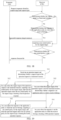
- the Internet-of-Things platform (as shown on a platform layer in FIG. 3 ) can include multiple functional modules, each of which performs specific service logic and can be represented through IN-AE (platform infrastructure node-application entity), and the Internet-of-Things platform includes multiple pieces of data.
- Some functional modules for example, a data analysis functional module
- some functional modules for example, a device upgrade functional module
- the Internet-of-Things platform can be represented through common service entities.
- the applications can implement their service logic through integrated functional modules.
- an application 1 can include a functional module 1 and a functional module 2; an application 2 can include the functional module 2 and a functional module 3.
- some Internet-of-Things platforms provide an interface for accessing data directly.
- an application 3 can directly invoke a data access interface provided by IN-CSE (infrastructure nodes - common service entities) without including functional modules.
- IN-CSE infrastructure nodes - common service entities
- an Internet-of-Things device when joining an Internet-of-Things platform, can first send a registering request to a common service entity, and the common service entity creates a corresponding target resource to manage data uploaded by the Internet-of-Things device. After the common service entity has created the target resource corresponding to the Internet-of-Things device, the Internet-of-Things device with a setting function can send a setting request to set a use control policy for the target resource. For an Internet-of-Things device without a setting function, a corresponding Internet-of-Things device management application can send a setting request to set a use control policy for the target resource. In this way, the system can protect utilization of data, which facilitates protection and utilization of data.
- the step S04 includes:
- the step S042 and step S044 can be implemented by a setting module 15. That is to say, the setting module 15 can be configured to create the use control policy resource corresponding to the target resource according to the setting request of the Internet-of-Things device, where the sub-attributes of the use control policy resource include the one or more use control policy, or be configured to set the access control data use privilege in the privilege attribute of the access control policy resource, where the access control data use privilege includes the one or more use control policy.
- a separate use policy resource can be created according to the setting request of the Internet-of-Things device, and a corresponding use control policy is set in the sub-attributes of the use policy resource, so as to realize a data use control function.
- the access control policy resource corresponding to the target resource can be extended according to the setting request of the Internet-of-Things device, and the access control data use privilege can be set in sub-attributes of the privilege attribute of the access control policy resource, so as to set the corresponding use control policy in the access control data use privilege, and similarly, to realize the function for controlling data use.
- the data use request includes an updating request
- the data use control method includes:
- the steps S21 and S22 can be implemented by the creating module 14, the steps S23 and S24 can be implemented by the acquiring module 12, and the step S25 can be implemented by the processing module 13.
- the creating module 14 can be configured to create the functional module resource according to the registering request of the functional module, and create the data analysis functional resource according to the creation request of the functional module, where the data analysis functional resource includes the identifier for the data resource to be analyzed
- the acquiring module 12 can be configured to trigger the data analysis functional resource according to the updating request of the functional module to acquire the target resource in the data resource to be analyzed, and acquire the use control policy of the data resource to be analyzed
- the processing module 13 can be configured to, in a case where the updating request meets the use control policy of the data resource to be analyzed, feed the update response back to the functional module to enable the functional module to use the target resource in the data resource to be analyzed according to the use control policy of the data resource to be analyzed.
- data from the data resource to be analyzed can be analyzed by invoking the data analysis functional module, so as to realize utilization of data.
- the data use request includes an operation request
- the data use control method includes:
- the step S31 can be implemented by the receiving module 11, and the step S32 can be implemented by the acquiring module 12 and the processing module 13. That is to say, the receiving module 11 can be configured to receive the operation request and determine whether the operation request is the acquiring request.
- the acquiring module 12 can be configured to, in a case where the operation request is not the acquiring request, acquire the access control policy corresponding to the request target.
- the processing module 13 can be configured to return the first operation response according to the access control policy corresponding to the request target.
- a requester can be an application of the Internet of Things platform, and a receiver can be the Internet of Things platform.
- a use control policy is executed with regard to a specific type of request operation.
- the requester does not need to acquire the data of the target resource, nor does it need to control the use of the data. Therefore, the request type can be determined.
- access control is performed according to a corresponding access control policy.
- contents being accessed can be sent to the requester by returning the first operation response; and in a case where the operation request does not meet the access control policy, the requester can be rejected to access by returning the first operation response.
- the data use control method includes:
- the step S33 can be implemented by the receiving module 11, the step S34 can be implemented by the processing module 13, and the step S35 can be implemented by the acquiring module 12 and the processing module 13.
- the receiving module 11 can be configured to, in a case where the operation request is the acquiring request, determine whether the requester is the application entity to which the receiver belongs.
- the processing module 13 can be configured to, in a case where the requester is not the application entity to which the receiver belongs, return the second operation response.
- the acquiring module 12 can be configured to, in a case where the requester is the application entity to which the receiver belongs, acquire the use control policy corresponding to the request target, and the processing module 13 can be configured to, when the operation request meets the use control policy corresponding to the request target, return the third operation response.
- the requester is from inside the platform through the use control policy.
- the third operation response is returned, so as to return initial data corresponding to the target resource.
- the second operation response is returned, so as to return data contents protected by digital copyrights.
- the data use request includes an operation request
- the data use control method includes:
- the step S41 can be implemented by the receiving module 11, and the step S42 can be implemented by the acquiring module 12 and the processing module 13. That is to say, the receiving module 11 can be configured to receive the operation request and determine whether the request target of the operation request is the functional resource.
- the acquiring module 12 can be configured to, in a case where the request target of the operation request is the functional resource, acquire the use control policy corresponding to the request target, and the processing module 13 can be configured to, when the operation request meets the use control policy corresponding to the request target, return the fourth operation response.
- the Internet of Things platform can be based on a Restful architecture, the Internet of Things platform is represented by the common service entity, the Internet of Things platform and its capabilities are represented by resources, an application of the Internet of Things platform is represented by the application entity, and data is represented through the target resource.
- the requester can be an application of the Internet of Things platform
- the receiver can be the Internet of Things platform.
- all functions of the platform can be represented by resources.
- the data use control method includes:
- the step S43 can be implemented by the receiving module 11, the step S44 can be implemented by the processing module 13, and the step S45 can be implemented by the acquiring module 12 and the processing module 13. That is to say, the receiving module 11 can be configured to, in a case where the request target of the operation request is not the functional resource, determine whether the requester is the application entity to which the receiver belongs.
- the processing module 13 can be configured to, in a case where the requester is not the application entity to which the receiver belongs, return the fifth operation response.
- the acquiring module 12 can be configured to, in a case where the requester is the application entity to which the receiver belongs, acquire the use control policy corresponding to the request target, and the processing module 13 can be configured to, when the operation request meets the use control policy corresponding to the request target, return the fourth operation response.
- the requester For a non-functional resource, it can be further determined whether the requester is from inside the platform. For applications or functional modules inside the platform, the fourth operation response is returned, so as to return initial data corresponding to the target resource. For applications outside the platform, the fifth operation response is returned, so as to return data contents protected by digital copyrights.
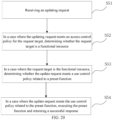
- the data use request includes an updating request
- the data use control method includes:
- the step S51, the step S52 and the step S53 can be implemented by the receiving module 11, and the step S54 can be implemented by the processing module 13.
- the receiving module 11 can be configured to receive the updating request, in a case where the updating request meets the access control policy corresponding to the request target, determine whether the request target is the functional resource, and in a case where the request target is the functional resource, determine whether the updating request meets the use control policy related to the preset function
- the processing module 13 can be configured to, in a case where the updating request meets the use control policy related to the preset function, execute the preset function and return the successful response.
- the preset function includes, but is not limited to, a data aggregation function, a data isolation function, an event-based data use and/or a data disuse function.
- the preset function is the data aggregation function.
- the requester can be an application of the Internet of Things platform
- the receiver can be the Internet of Things platform.
- the access control policy the resource classification and the use control policy
- the data aggregation function can be realized, and untrusted applications cannot analyze data of a single user, such that the privacy of the user is protected.
- the step S53 includes: determining whether the data to be analyzed meets a data aggregation control policy defined by each data resource.
- the receiving module 11 can be configured to determine whether the data to be analyzed meets a data aggregation control policy defined by each data resource.
- attributes of the data to be analyzed include only the data resource 1 and a data resource 2, a data aggregation control policy switch defined by each data resource turns on, and the data aggregation functional resource meets the data use policy, it needs to be further determined whether other parameters of the data aggregation function meet contents of the data aggregation control policy.
- the data use control method includes: before executing the data aggregation function, determining whether the updating request meets event notification rules.
- the receiving module 11 can be configured to, before executing the data aggregation function, determining whether the updating request meets the event notification rules.
- an electronic device including processors and a memory, where the memory stores a computer program which is executed by one or more of the processors to implement the data use control method according to any one of the embodiments.
- the computer program is executed by the processors to perform the following steps:
- the computer program is executed by the processor to implement: by setting the use control policy for the target resource, after receiving the data use request, acquiring the use control policy for the target resource, so as to use the target resource according to the use control policy.
- the system can protect utilization of data, which facilitates protection and utilization of data.
- a storage medium storing a computer program therein, where the computer program is executed by one or more processors to implement the data use control method according to any one of the embodiments.
- all functional units in the embodiments of the present application may be integrated into one processing module, or each unit may be present alone physically, or two or more units may be integrated into one module.
- the above integrated module can be implemented in a form of either hardware or software functional modules. If the integrated modules are implemented in the form of software functional modules, and is sold or used as an independent product, it can be stored in a computer readable storage medium.
- the storage medium mentioned above can be a read-only memory, a magnetic or optical disk, etc.
Landscapes
- Engineering & Computer Science (AREA)
- Theoretical Computer Science (AREA)
- Computer Security & Cryptography (AREA)
- General Engineering & Computer Science (AREA)
- Computer Hardware Design (AREA)
- Software Systems (AREA)
- General Physics & Mathematics (AREA)
- Physics & Mathematics (AREA)
- General Health & Medical Sciences (AREA)
- Bioethics (AREA)
- Health & Medical Sciences (AREA)
- Databases & Information Systems (AREA)
- Computer Networks & Wireless Communication (AREA)
- Computing Systems (AREA)
- Signal Processing (AREA)
- Automation & Control Theory (AREA)
- Storage Device Security (AREA)
- Multimedia (AREA)
- Technology Law (AREA)
- Management, Administration, Business Operations System, And Electronic Commerce (AREA)
Applications Claiming Priority (2)
| Application Number | Priority Date | Filing Date | Title |
|---|---|---|---|
| CN202011196936.8A CN114444109A (zh) | 2020-10-30 | 2020-10-30 | 数据使用控制方法及系统、电子设备和存储介质 |
| PCT/CN2021/125433 WO2022089303A1 (zh) | 2020-10-30 | 2021-10-21 | 数据使用控制方法及系统、电子设备和存储介质 |
Publications (2)
| Publication Number | Publication Date |
|---|---|
| EP4239508A1 true EP4239508A1 (de) | 2023-09-06 |
| EP4239508A4 EP4239508A4 (de) | 2024-09-04 |
Family
ID=81357117
Family Applications (1)
| Application Number | Title | Priority Date | Filing Date |
|---|---|---|---|
| EP21885030.3A Pending EP4239508A4 (de) | 2020-10-30 | 2021-10-21 | Verfahren und system zur steuerung der datennutzung, elektronische vorrichtung und speichermedium |
Country Status (5)
| Country | Link |
|---|---|
| US (1) | US12511415B2 (de) |
| EP (1) | EP4239508A4 (de) |
| KR (1) | KR20230098251A (de) |
| CN (1) | CN114444109A (de) |
| WO (1) | WO2022089303A1 (de) |
Families Citing this family (5)
| Publication number | Priority date | Publication date | Assignee | Title |
|---|---|---|---|---|
| CN114444109A (zh) * | 2020-10-30 | 2022-05-06 | 北京京东方技术开发有限公司 | 数据使用控制方法及系统、电子设备和存储介质 |
| CN117998403A (zh) * | 2022-11-04 | 2024-05-07 | 中兴通讯股份有限公司 | 信息发送、接收方法及装置、功能模块更新方法及装置 |
| CN119628849A (zh) * | 2023-09-14 | 2025-03-14 | 华为技术有限公司 | 一种数据流通方法、装置及系统 |
| US12008138B1 (en) * | 2023-09-29 | 2024-06-11 | Lightbeam.ai, Inc. | Method for maintaining privacy and security of data |
| CN119357947B (zh) * | 2024-09-30 | 2026-02-03 | 上海零数众合信息科技有限公司 | 数据使用控制方法、装置、设备及介质 |
Family Cites Families (20)
| Publication number | Priority date | Publication date | Assignee | Title |
|---|---|---|---|---|
| JP3546787B2 (ja) * | 1999-12-16 | 2004-07-28 | インターナショナル・ビジネス・マシーンズ・コーポレーション | アクセス制御システム、アクセス制御方法、及び記憶媒体 |
| US20070143851A1 (en) * | 2005-12-21 | 2007-06-21 | Fiberlink | Method and systems for controlling access to computing resources based on known security vulnerabilities |
| WO2008101135A1 (en) * | 2007-02-14 | 2008-08-21 | Snapin Software Inc. | System and method for securely managing data stored on mobile devices, such as enterprise mobility data |
| US8538940B2 (en) * | 2007-07-26 | 2013-09-17 | International Business Machines Corporation | Identification of shared resources |
| US20090271856A1 (en) * | 2008-04-24 | 2009-10-29 | Novell, Inc. A Delaware Corporation | Restricted use information cards |
| US8996688B2 (en) * | 2011-05-31 | 2015-03-31 | Nokia Corporation | Method and apparatus for monitoring and controlling data sharing |
| US8595798B2 (en) * | 2011-06-17 | 2013-11-26 | International Business Machines Corporation | Enforcing data sharing policy through shared data management |
| US9407721B2 (en) * | 2013-10-16 | 2016-08-02 | Red Hat, Inc. | System and method for server selection using competitive evaluation |
| CN104217146B (zh) * | 2014-09-04 | 2017-02-15 | 浪潮通用软件有限公司 | 一种基于abac和rbac的权限控制方法 |
| US11329980B2 (en) * | 2015-08-21 | 2022-05-10 | Veridium Ip Limited | System and method for biometric protocol standards |
| US10592683B1 (en) * | 2015-10-12 | 2020-03-17 | Nextlabs, Inc. | Applying an authorization policy across multiple application programs with requests submitted through an HTTP-based API |
| US10609042B2 (en) * | 2016-02-15 | 2020-03-31 | Cisco Technology, Inc. | Digital data asset protection policy using dynamic network attributes |
| CN107666505B (zh) | 2016-07-29 | 2020-09-15 | 京东方科技集团股份有限公司 | 对资源接入进行控制的方法和装置 |
| CN106778348A (zh) * | 2016-12-23 | 2017-05-31 | 北京奇虎科技有限公司 | 一种隔离隐私数据的方法和装置 |
| CN107908973A (zh) * | 2017-11-22 | 2018-04-13 | 中国南方电网有限责任公司超高压输电公司 | 一种基于aop技术的动态数据权限控制方法 |
| CN110858833B (zh) * | 2018-08-22 | 2022-09-30 | 京东方科技集团股份有限公司 | 访问控制策略配置方法、装置和系统以及存储介质 |
| US11222132B2 (en) * | 2018-10-05 | 2022-01-11 | Optum, Inc. | Methods, apparatuses, and systems for data rights tracking |
| US11463444B2 (en) * | 2020-06-11 | 2022-10-04 | Microsoft Technology Licensing, Llc | Cloud-based privileged access management |
| US12483889B2 (en) * | 2020-09-25 | 2025-11-25 | Intel Corporation | Methods, apparatus and systems to enforce data boundaries through the use of boundary labels |
| CN114444109A (zh) * | 2020-10-30 | 2022-05-06 | 北京京东方技术开发有限公司 | 数据使用控制方法及系统、电子设备和存储介质 |
-
2020
- 2020-10-30 CN CN202011196936.8A patent/CN114444109A/zh active Pending
-
2021
- 2021-10-21 WO PCT/CN2021/125433 patent/WO2022089303A1/zh not_active Ceased
- 2021-10-21 KR KR1020237017770A patent/KR20230098251A/ko active Pending
- 2021-10-21 EP EP21885030.3A patent/EP4239508A4/de active Pending
- 2021-10-21 US US18/034,361 patent/US12511415B2/en active Active
Also Published As
| Publication number | Publication date |
|---|---|
| US20230315886A1 (en) | 2023-10-05 |
| EP4239508A4 (de) | 2024-09-04 |
| CN114444109A (zh) | 2022-05-06 |
| KR20230098251A (ko) | 2023-07-03 |
| WO2022089303A1 (zh) | 2022-05-05 |
| US12511415B2 (en) | 2025-12-30 |
Similar Documents
| Publication | Publication Date | Title |
|---|---|---|
| EP4239508A1 (de) | Verfahren und system zur steuerung der datennutzung, elektronische vorrichtung und speichermedium | |
| US11689899B2 (en) | System and method for triggering on platform usage | |
| US12254358B2 (en) | System and method for tagging and tracking events of an application | |
| US12292856B2 (en) | Method and system for applying data retention policies in a computing platform | |
| EP2407907B1 (de) | Vorrichtung und Verfahren zur Durchführung der rollenbasierten Zugangssteuerung | |
| US20110078242A1 (en) | Automatic moderation of media content by a first content provider based on detected moderation by a second content provider | |
| BRPI0611880A2 (pt) | autorização unificada para aplicações heterogêneas | |
| CN109783316A (zh) | 系统安全日志篡改行为的识别方法及装置、存储介质、计算机设备 | |
| US10382487B2 (en) | Policy separation | |
| EP4312446A1 (de) | Verfahren zur erhöhung der privatsphäre in einem zugangsnetzwerk | |
| CN106656936A (zh) | 一种访问控制方法和设备 | |
| CN110187954A (zh) | 应用镜像推送方法、装置、计算机设备及存储介质 | |
| CN118277974A (zh) | 权限管理方法、终端、计算机可读介质 | |
| CN112970021A (zh) | 一种用于实现系统状态感知安全策略的方法 | |
| CN119945725A (zh) | Windows应用权限管理方法、装置、介质及设备 | |
| CN120180395A (zh) | 应用于bi分析软件的权限配置管理方法、装置、存储介质及程序产品 | |
| CN118944937A (zh) | 接口调用方法、装置、电子设备及存储介质 | |
| CN120692042A (zh) | 账号管理方法、装置、设备、系统、程序产品及存储介质 |
Legal Events
| Date | Code | Title | Description |
|---|---|---|---|
| STAA | Information on the status of an ep patent application or granted ep patent |
Free format text: STATUS: THE INTERNATIONAL PUBLICATION HAS BEEN MADE |
|
| PUAI | Public reference made under article 153(3) epc to a published international application that has entered the european phase |
Free format text: ORIGINAL CODE: 0009012 |
|
| STAA | Information on the status of an ep patent application or granted ep patent |
Free format text: STATUS: REQUEST FOR EXAMINATION WAS MADE |
|
| 17P | Request for examination filed |
Effective date: 20230525 |
|
| AK | Designated contracting states |
Kind code of ref document: A1 Designated state(s): AL AT BE BG CH CY CZ DE DK EE ES FI FR GB GR HR HU IE IS IT LI LT LU LV MC MK MT NL NO PL PT RO RS SE SI SK SM TR |
|
| DAV | Request for validation of the european patent (deleted) | ||
| DAX | Request for extension of the european patent (deleted) | ||
| REG | Reference to a national code |
Ref country code: DE Ref legal event code: R079 Free format text: PREVIOUS MAIN CLASS: G06F0021620000 Ipc: G06F0021600000 |
|
| A4 | Supplementary search report drawn up and despatched |
Effective date: 20240801 |
|
| RIC1 | Information provided on ipc code assigned before grant |
Ipc: H04L 9/40 20220101ALI20240729BHEP Ipc: G06F 21/64 20130101ALI20240729BHEP Ipc: G06F 21/62 20130101ALI20240729BHEP Ipc: G06F 21/60 20130101AFI20240729BHEP |