EP4239074A1 - Recombinant vector and expression purification method for heat-labile ung fusion protein - Google Patents
Recombinant vector and expression purification method for heat-labile ung fusion protein Download PDFInfo
- Publication number
- EP4239074A1 EP4239074A1 EP21885299.4A EP21885299A EP4239074A1 EP 4239074 A1 EP4239074 A1 EP 4239074A1 EP 21885299 A EP21885299 A EP 21885299A EP 4239074 A1 EP4239074 A1 EP 4239074A1
- Authority
- EP
- European Patent Office
- Prior art keywords
- ung
- rcod
- purifying
- centrifugation
- expression
- Prior art date
- Legal status (The legal status is an assumption and is not a legal conclusion. Google has not performed a legal analysis and makes no representation as to the accuracy of the status listed.)
- Withdrawn
Links
- 238000000034 method Methods 0.000 title claims abstract description 25
- 239000013598 vector Substances 0.000 title claims abstract description 23
- 238000000746 purification Methods 0.000 title abstract description 5
- 108020001507 fusion proteins Proteins 0.000 title abstract 3
- 102000037865 fusion proteins Human genes 0.000 title abstract 3
- 108090000623 proteins and genes Proteins 0.000 claims abstract description 45
- 239000013612 plasmid Substances 0.000 claims abstract description 13
- 108010006519 Molecular Chaperones Proteins 0.000 claims abstract description 9
- 241001198387 Escherichia coli BL21(DE3) Species 0.000 claims abstract description 4
- 102000004169 proteins and genes Human genes 0.000 claims description 42
- 238000005119 centrifugation Methods 0.000 claims description 30
- 102000004190 Enzymes Human genes 0.000 claims description 21
- 108090000790 Enzymes Proteins 0.000 claims description 21
- 230000001939 inductive effect Effects 0.000 claims description 21
- 239000000243 solution Substances 0.000 claims description 17
- 239000006228 supernatant Substances 0.000 claims description 16
- FAPWRFPIFSIZLT-UHFFFAOYSA-M Sodium chloride Chemical compound [Na+].[Cl-] FAPWRFPIFSIZLT-UHFFFAOYSA-M 0.000 claims description 12
- 239000012148 binding buffer Substances 0.000 claims description 9
- 102000005431 Molecular Chaperones Human genes 0.000 claims description 8
- 229920002873 Polyethylenimine Polymers 0.000 claims description 8
- 238000000527 sonication Methods 0.000 claims description 8
- 239000011780 sodium chloride Substances 0.000 claims description 6
- BPHPUYQFMNQIOC-NXRLNHOXSA-N isopropyl beta-D-thiogalactopyranoside Chemical compound CC(C)S[C@@H]1O[C@H](CO)[C@H](O)[C@H](O)[C@H]1O BPHPUYQFMNQIOC-NXRLNHOXSA-N 0.000 claims description 5
- 238000010828 elution Methods 0.000 claims description 4
- 239000012149 elution buffer Substances 0.000 claims description 4
- 239000005457 ice water Substances 0.000 claims description 4
- 230000002934 lysing effect Effects 0.000 claims description 4
- 239000011534 wash buffer Substances 0.000 claims description 4
- 229940041514 candida albicans extract Drugs 0.000 claims description 3
- 238000000605 extraction Methods 0.000 claims description 3
- 238000003860 storage Methods 0.000 claims description 3
- 239000012138 yeast extract Substances 0.000 claims description 3
- 238000012258 culturing Methods 0.000 claims description 2
- 238000001914 filtration Methods 0.000 claims description 2
- 239000002773 nucleotide Substances 0.000 claims description 2
- 125000003729 nucleotide group Chemical group 0.000 claims description 2
- 238000000751 protein extraction Methods 0.000 claims description 2
- 239000012137 tryptone Substances 0.000 claims description 2
- 230000001131 transforming effect Effects 0.000 abstract description 4
- 238000010367 cloning Methods 0.000 abstract description 2
- 239000000047 product Substances 0.000 description 20
- PEDCQBHIVMGVHV-UHFFFAOYSA-N Glycerine Chemical compound OCC(O)CO PEDCQBHIVMGVHV-UHFFFAOYSA-N 0.000 description 15
- 230000000694 effects Effects 0.000 description 10
- RAXXELZNTBOGNW-UHFFFAOYSA-N imidazole Natural products C1=CNC=N1 RAXXELZNTBOGNW-UHFFFAOYSA-N 0.000 description 9
- 238000011109 contamination Methods 0.000 description 8
- 238000012360 testing method Methods 0.000 description 8
- 108091005804 Peptidases Proteins 0.000 description 7
- 239000004365 Protease Substances 0.000 description 7
- 102100037486 Reverse transcriptase/ribonuclease H Human genes 0.000 description 7
- 229960000723 ampicillin Drugs 0.000 description 7
- AVKUERGKIZMTKX-NJBDSQKTSA-N ampicillin Chemical compound C1([C@@H](N)C(=O)N[C@H]2[C@H]3SC([C@@H](N3C2=O)C(O)=O)(C)C)=CC=CC=C1 AVKUERGKIZMTKX-NJBDSQKTSA-N 0.000 description 7
- 238000006243 chemical reaction Methods 0.000 description 7
- 239000013604 expression vector Substances 0.000 description 7
- 238000002415 sodium dodecyl sulfate polyacrylamide gel electrophoresis Methods 0.000 description 7
- OKKJLVBELUTLKV-UHFFFAOYSA-N Methanol Chemical compound OC OKKJLVBELUTLKV-UHFFFAOYSA-N 0.000 description 6
- 238000001962 electrophoresis Methods 0.000 description 6
- QTBSBXVTEAMEQO-UHFFFAOYSA-N Acetic acid Chemical compound CC(O)=O QTBSBXVTEAMEQO-UHFFFAOYSA-N 0.000 description 5
- 229960005091 chloramphenicol Drugs 0.000 description 5
- WIIZWVCIJKGZOK-RKDXNWHRSA-N chloramphenicol Chemical compound ClC(Cl)C(=O)N[C@H](CO)[C@H](O)C1=CC=C([N+]([O-])=O)C=C1 WIIZWVCIJKGZOK-RKDXNWHRSA-N 0.000 description 5
- 230000009849 deactivation Effects 0.000 description 5
- 239000000499 gel Substances 0.000 description 5
- QKNYBSVHEMOAJP-UHFFFAOYSA-N 2-amino-2-(hydroxymethyl)propane-1,3-diol;hydron;chloride Chemical compound Cl.OCC(N)(CO)CO QKNYBSVHEMOAJP-UHFFFAOYSA-N 0.000 description 4
- 108020004414 DNA Proteins 0.000 description 4
- 102000016911 Deoxyribonucleases Human genes 0.000 description 4
- 108010053770 Deoxyribonucleases Proteins 0.000 description 4
- 241000276438 Gadus morhua Species 0.000 description 4
- 102000006382 Ribonucleases Human genes 0.000 description 4
- 108010083644 Ribonucleases Proteins 0.000 description 4
- ISAKRJDGNUQOIC-UHFFFAOYSA-N Uracil Chemical compound O=C1C=CNC(=O)N1 ISAKRJDGNUQOIC-UHFFFAOYSA-N 0.000 description 4
- 230000009977 dual effect Effects 0.000 description 4
- YBYRMVIVWMBXKQ-UHFFFAOYSA-N phenylmethanesulfonyl fluoride Chemical compound FS(=O)(=O)CC1=CC=CC=C1 YBYRMVIVWMBXKQ-UHFFFAOYSA-N 0.000 description 4
- 238000002360 preparation method Methods 0.000 description 4
- XLYOFNOQVPJJNP-UHFFFAOYSA-N water Substances O XLYOFNOQVPJJNP-UHFFFAOYSA-N 0.000 description 4
- NKLPQNGYXWVELD-UHFFFAOYSA-M coomassie brilliant blue Chemical compound [Na+].C1=CC(OCC)=CC=C1NC1=CC=C(C(=C2C=CC(C=C2)=[N+](CC)CC=2C=C(C=CC=2)S([O-])(=O)=O)C=2C=CC(=CC=2)N(CC)CC=2C=C(C=CC=2)S([O-])(=O)=O)C=C1 NKLPQNGYXWVELD-UHFFFAOYSA-M 0.000 description 3
- 238000001514 detection method Methods 0.000 description 3
- 230000029087 digestion Effects 0.000 description 3
- 238000013467 fragmentation Methods 0.000 description 3
- 238000006062 fragmentation reaction Methods 0.000 description 3
- 238000001502 gel electrophoresis Methods 0.000 description 3
- 238000007429 general method Methods 0.000 description 3
- 230000002401 inhibitory effect Effects 0.000 description 3
- 239000000523 sample Substances 0.000 description 3
- 238000012163 sequencing technique Methods 0.000 description 3
- 230000035939 shock Effects 0.000 description 3
- FWMNVWWHGCHHJJ-SKKKGAJSSA-N 4-amino-1-[(2r)-6-amino-2-[[(2r)-2-[[(2r)-2-[[(2r)-2-amino-3-phenylpropanoyl]amino]-3-phenylpropanoyl]amino]-4-methylpentanoyl]amino]hexanoyl]piperidine-4-carboxylic acid Chemical compound C([C@H](C(=O)N[C@H](CC(C)C)C(=O)N[C@H](CCCCN)C(=O)N1CCC(N)(CC1)C(O)=O)NC(=O)[C@H](N)CC=1C=CC=CC=1)C1=CC=CC=C1 FWMNVWWHGCHHJJ-SKKKGAJSSA-N 0.000 description 2
- 229920000936 Agarose Polymers 0.000 description 2
- 102000016928 DNA-directed DNA polymerase Human genes 0.000 description 2
- 108010014303 DNA-directed DNA polymerase Proteins 0.000 description 2
- AHCYMLUZIRLXAA-SHYZEUOFSA-N Deoxyuridine 5'-triphosphate Chemical group O1[C@H](COP(O)(=O)OP(O)(=O)OP(O)(O)=O)[C@@H](O)C[C@@H]1N1C(=O)NC(=O)C=C1 AHCYMLUZIRLXAA-SHYZEUOFSA-N 0.000 description 2
- 108091028043 Nucleic acid sequence Proteins 0.000 description 2
- 229960000583 acetic acid Drugs 0.000 description 2
- 239000011543 agarose gel Substances 0.000 description 2
- 230000003321 amplification Effects 0.000 description 2
- 230000001580 bacterial effect Effects 0.000 description 2
- 230000015556 catabolic process Effects 0.000 description 2
- 230000000052 comparative effect Effects 0.000 description 2
- 230000009089 cytolysis Effects 0.000 description 2
- NHVNXKFIZYSCEB-XLPZGREQSA-N dTTP Chemical compound O=C1NC(=O)C(C)=CN1[C@@H]1O[C@H](COP(O)(=O)OP(O)(=O)OP(O)(O)=O)[C@@H](O)C1 NHVNXKFIZYSCEB-XLPZGREQSA-N 0.000 description 2
- 238000006731 degradation reaction Methods 0.000 description 2
- 238000000502 dialysis Methods 0.000 description 2
- 230000005764 inhibitory process Effects 0.000 description 2
- 239000012160 loading buffer Substances 0.000 description 2
- 238000003199 nucleic acid amplification method Methods 0.000 description 2
- 239000002244 precipitate Substances 0.000 description 2
- 238000001799 protein solubilization Methods 0.000 description 2
- 230000007925 protein solubilization Effects 0.000 description 2
- 238000011002 quantification Methods 0.000 description 2
- 238000011084 recovery Methods 0.000 description 2
- 238000011160 research Methods 0.000 description 2
- RWQNBRDOKXIBIV-UHFFFAOYSA-N thymine Chemical compound CC1=CNC(=O)NC1=O RWQNBRDOKXIBIV-UHFFFAOYSA-N 0.000 description 2
- 229940035893 uracil Drugs 0.000 description 2
- 108091093088 Amplicon Proteins 0.000 description 1
- 241000894006 Bacteria Species 0.000 description 1
- KCXVZYZYPLLWCC-UHFFFAOYSA-N EDTA Chemical compound OC(=O)CN(CC(O)=O)CCN(CC(O)=O)CC(O)=O KCXVZYZYPLLWCC-UHFFFAOYSA-N 0.000 description 1
- 241000588724 Escherichia coli Species 0.000 description 1
- 102000003960 Ligases Human genes 0.000 description 1
- 108090000364 Ligases Proteins 0.000 description 1
- 101710163270 Nuclease Proteins 0.000 description 1
- 239000001888 Peptone Substances 0.000 description 1
- 108010080698 Peptones Proteins 0.000 description 1
- 238000004458 analytical method Methods 0.000 description 1
- 238000003556 assay Methods 0.000 description 1
- 230000009286 beneficial effect Effects 0.000 description 1
- 239000012472 biological sample Substances 0.000 description 1
- UDSAIICHUKSCKT-UHFFFAOYSA-N bromophenol blue Chemical compound C1=C(Br)C(O)=C(Br)C=C1C1(C=2C=C(Br)C(O)=C(Br)C=2)C2=CC=CC=C2S(=O)(=O)O1 UDSAIICHUKSCKT-UHFFFAOYSA-N 0.000 description 1
- 239000011248 coating agent Substances 0.000 description 1
- 238000000576 coating method Methods 0.000 description 1
- 238000010276 construction Methods 0.000 description 1
- 239000000356 contaminant Substances 0.000 description 1
- 238000013461 design Methods 0.000 description 1
- 238000001976 enzyme digestion Methods 0.000 description 1
- 238000010353 genetic engineering Methods 0.000 description 1
- 239000012362 glacial acetic acid Substances 0.000 description 1
- 238000010438 heat treatment Methods 0.000 description 1
- 239000007788 liquid Substances 0.000 description 1
- 238000011528 liquid biopsy Methods 0.000 description 1
- 238000004519 manufacturing process Methods 0.000 description 1
- 238000002156 mixing Methods 0.000 description 1
- 235000019319 peptone Nutrition 0.000 description 1
- 238000002264 polyacrylamide gel electrophoresis Methods 0.000 description 1
- 238000003752 polymerase chain reaction Methods 0.000 description 1
- 238000004445 quantitative analysis Methods 0.000 description 1
- 239000011535 reaction buffer Substances 0.000 description 1
- 238000003753 real-time PCR Methods 0.000 description 1
- 108091008146 restriction endonucleases Proteins 0.000 description 1
- 238000010186 staining Methods 0.000 description 1
- 238000003756 stirring Methods 0.000 description 1
- 239000000126 substance Substances 0.000 description 1
- 229940113082 thymine Drugs 0.000 description 1
- 101150032615 ung gene Proteins 0.000 description 1
- DGVVWUTYPXICAM-UHFFFAOYSA-N β‐Mercaptoethanol Chemical compound OCCS DGVVWUTYPXICAM-UHFFFAOYSA-N 0.000 description 1
Images


Classifications
-
- C—CHEMISTRY; METALLURGY
- C12—BIOCHEMISTRY; BEER; SPIRITS; WINE; VINEGAR; MICROBIOLOGY; ENZYMOLOGY; MUTATION OR GENETIC ENGINEERING
- C12N—MICROORGANISMS OR ENZYMES; COMPOSITIONS THEREOF; PROPAGATING, PRESERVING, OR MAINTAINING MICROORGANISMS; MUTATION OR GENETIC ENGINEERING; CULTURE MEDIA
- C12N9/00—Enzymes; Proenzymes; Compositions thereof; Processes for preparing, activating, inhibiting, separating or purifying enzymes
- C12N9/14—Hydrolases (3)
- C12N9/24—Hydrolases (3) acting on glycosyl compounds (3.2)
- C12N9/2497—Hydrolases (3) acting on glycosyl compounds (3.2) hydrolysing N- glycosyl compounds (3.2.2)
-
- C—CHEMISTRY; METALLURGY
- C12—BIOCHEMISTRY; BEER; SPIRITS; WINE; VINEGAR; MICROBIOLOGY; ENZYMOLOGY; MUTATION OR GENETIC ENGINEERING
- C12Y—ENZYMES
- C12Y302/00—Hydrolases acting on glycosyl compounds, i.e. glycosylases (3.2)
- C12Y302/02—Hydrolases acting on glycosyl compounds, i.e. glycosylases (3.2) hydrolysing N-glycosyl compounds (3.2.2)
- C12Y302/02027—Uracil-DNA glycosylase (3.2.2.27)
-
- C—CHEMISTRY; METALLURGY
- C12—BIOCHEMISTRY; BEER; SPIRITS; WINE; VINEGAR; MICROBIOLOGY; ENZYMOLOGY; MUTATION OR GENETIC ENGINEERING
- C12N—MICROORGANISMS OR ENZYMES; COMPOSITIONS THEREOF; PROPAGATING, PRESERVING, OR MAINTAINING MICROORGANISMS; MUTATION OR GENETIC ENGINEERING; CULTURE MEDIA
- C12N15/00—Mutation or genetic engineering; DNA or RNA concerning genetic engineering, vectors, e.g. plasmids, or their isolation, preparation or purification; Use of hosts therefor
- C12N15/09—Recombinant DNA-technology
- C12N15/63—Introduction of foreign genetic material using vectors; Vectors; Use of hosts therefor; Regulation of expression
- C12N15/70—Vectors or expression systems specially adapted for E. coli
-
- C—CHEMISTRY; METALLURGY
- C12—BIOCHEMISTRY; BEER; SPIRITS; WINE; VINEGAR; MICROBIOLOGY; ENZYMOLOGY; MUTATION OR GENETIC ENGINEERING
- C12N—MICROORGANISMS OR ENZYMES; COMPOSITIONS THEREOF; PROPAGATING, PRESERVING, OR MAINTAINING MICROORGANISMS; MUTATION OR GENETIC ENGINEERING; CULTURE MEDIA
- C12N9/00—Enzymes; Proenzymes; Compositions thereof; Processes for preparing, activating, inhibiting, separating or purifying enzymes
- C12N9/14—Hydrolases (3)
- C12N9/24—Hydrolases (3) acting on glycosyl compounds (3.2)
- C12N9/2402—Hydrolases (3) acting on glycosyl compounds (3.2) hydrolysing O- and S- glycosyl compounds (3.2.1)
-
- C—CHEMISTRY; METALLURGY
- C07—ORGANIC CHEMISTRY
- C07K—PEPTIDES
- C07K2319/00—Fusion polypeptide
- C07K2319/20—Fusion polypeptide containing a tag with affinity for a non-protein ligand
- C07K2319/21—Fusion polypeptide containing a tag with affinity for a non-protein ligand containing a His-tag
-
- C—CHEMISTRY; METALLURGY
- C07—ORGANIC CHEMISTRY
- C07K—PEPTIDES
- C07K2319/00—Fusion polypeptide
- C07K2319/95—Fusion polypeptide containing a motif/fusion for degradation (ubiquitin fusions, PEST sequence)
-
- C—CHEMISTRY; METALLURGY
- C12—BIOCHEMISTRY; BEER; SPIRITS; WINE; VINEGAR; MICROBIOLOGY; ENZYMOLOGY; MUTATION OR GENETIC ENGINEERING
- C12N—MICROORGANISMS OR ENZYMES; COMPOSITIONS THEREOF; PROPAGATING, PRESERVING, OR MAINTAINING MICROORGANISMS; MUTATION OR GENETIC ENGINEERING; CULTURE MEDIA
- C12N2800/00—Nucleic acids vectors
- C12N2800/10—Plasmid DNA
- C12N2800/101—Plasmid DNA for bacteria
Definitions
- the present disclosure relates to the field of genetic engineering, in particular the present disclosure relates to a method for expressing and purifying a thermolabile UNG fused protein.
- deoxythymidine triphosphate dTTP
- deoxyuridine triphosphate dUTP
- Any uracil-containing PCR products can be degraded using uracil DNA N-glycosylase (UNG) before PCR, residual contaminants can be eliminated, and only a thymine-containing target DNA derived from original biological samples is amplified.
- UNG uracil DNA N-glycosylase
- Cod UNG prepared in recombinant E. coli strains modified with UNG genes of Atlantic cod can be completely and irreversibly deactivated by moderate heat treatment, and the problem can be avoided.
- the main objective of the present disclosure is to provide a thermolabile UNG fused protein and a method for expressing and purifying thereof.
- the purified UNG enzyme has high purity, strong activity, no DNase and RNase contamination, and no inhibitory effect on PCR due to easy deactivation.
- the present disclosure provides a method for expressing and purifying rCod UNG, it comprises the following steps:
- a sequence of the rCod UNG protein is SEQ ID NO. 3; and a sequence of the pCold-SUMO vector is SEQ ID NO. 4.
- an inducing medium for inducing the expression is 1 weight/volume % NaCl; 1 weight/volume % peptone; and 0.5 weight/volume % yeast extract.
- conditions while inducing the expression are as follows: OD 600 is 0.5-0.7, 0.25 mM of IPTG is added, and protein expression is induced for 16 hours at 15 °C and 230 rpm.
- the purifying comprises lysing strains, extracting the fused protein, and purifying the fused protein.
- a volume ratio of the strain solution obtained by inducing the expression to the binding buffer is 1:20.
- a power for deconstructing by the sonication is 50%, a frequency is sonicating for 2 seconds and stopping for 3 seconds, and a duration is 20-25 minutes.
- a volume ratio of the polyethyleneimine to a filtration solution is 1:1000-2000, preferably 1:1000.
- extraction steps of the fused protein comprise adding a supernatant into an Ni-NTA protein extraction column until all of the supernatant flows through Ni-beeds; then adding a wash buffer having a same volume as the Ni-beeds to wash off impure proteins by repeating1-2 times; and then adding an elution buffer for an elution, repeating the elution 4-6 times, and collecting all eluates.
- the purifying the fused protein comprises dialyzing twice with a storage solution for the rCod UNG protein.
- a recombinant vector containing rCod UNG gene is prepared to be transformed to the E. coli BL21 (DE3) competent cells containing the molecular chaperone plasmids pG-Tf2.
- the rCod UNG is properly folded and assembled due to characteristics of the SUMO tag and the molecular chaperone, protein solubilization is stimulated during the purification, and a yield of the rCod UNG protease is improved.
- the expressed product is purified by the His tag to obtain a product with a higher activity than a natural UNG protease.
- SEQ ID NO: 1 of the following embodiments was synthesized by Sangon Biotech (Shanghai) Co., Ltd.
- SEQ ID NO: 2 was synthesized by Suzhou Genewiz Biotechnology Co., Ltd.
- a nucleotide sequence corresponding to rCod UNG is illustrated in SEQ ID NO: 3
- a pCold-SUMO vector sequence is illustrated in SEQ ID NO: 4.
- PFX DNA polymerase was purified by Yongyou Zhang's research group, School of Life Sciences, Xiamen University.
- a genetic sequence of the rCOD UNG is amplified using PCR.
- SEQ ID NO: 1 and SEQ ID NO: 2 are used as primers
- SEQ ID NO. 3 (synthesized by Sangon (Shanghai) Biotech Co., Ltd.) is used as a template
- PFX is used as a DNA polymerase
- an amplification system is 50 ⁇ L
- amplification conditions are 98 °C for 2 minutes; 98 °C for 15 seconds; 64 °C for 15 seconds; 72 °C for 15 seconds; and 72 °C for 2 minutes, a total is 35 cycles
- a PCR product 1 is obtained.
- An electrophoresis is performed using a 1.2% (w/v) agarose gel, a target strip is cut, and a gel is recovered to obtain a product 1.
- 3 ⁇ g of pCold-SUMO plasmid is digested with 20 U of each of dual-enzyme-fragmentation vector pCold-SUMO (SEQ ID NO: 4), PstI-HF and KpnI-HF and reacted in a water bath at 37 °C for 4 hours, an electrophoresis is performed using a 1.2% agarose gel, a target strip is then cut, a gel is recovered to obtain a product 2, the enzyme-fragmentation product is transformed into TOP10 competent cells (purchased from Shanghai Weidi Biotechnology Co., Ltd., product No. DL1010) and cultured overnight after coating to a plate to observe whether the enzyme digestion is complete.
- TOP10 competent cells purchasedd from Shanghai Weidi Biotechnology Co., Ltd., product No. DL1010
- a medium for inducing expression is 1 w/v% of NaCl; 1 w/v% of tryptone; and 0.5 w/v% yeast extract.
- Conditions for inducing the expression are that OD 600 is 0.5-0.7, and 0.25 mM of IPTG is added and cultured for 16 hours at 15 °C and 230 rpm.
- a recombinant plasmid clone is performed using a ligase-independent ligation reaction, and a reaction system is as follows: 30 ng of a recovery product (the product 2) of the dual-enzyme-fragmentation vector pCold-SUMO, 20 ng of a recovery product (the product 1) of rCod-UNG PCR, 20 U of EoxIII (purchased from TAKARA Inc.), 1 ⁇ L of 10X EoxIII reaction buffer, and water is added to yield 10 ⁇ L. After a reaction is performed in ice bath for 1 hour, 1 ⁇ L of 0.5 M EDTA (pH 8.0) is added, reacted at 65 °C for 10 minutes, and inserted back into ice for later use.
- a reaction system is as follows: 30 ng of a recovery product (the product 2) of the dual-enzyme-fragmentation vector pCold-SUMO, 20 ng of a recovery product (the product 1) of rCod-UNG
- a single clone is picked, the bacteria is shaken for 12 hours at 37 °C and 200 rpm using 5 mL of an ampicillin medium, 1 ⁇ L of a bacterial solution is taken for PCR, a portion in which the electrophoresis is correct is sent for sequencing (Xiamen Borui Biotechnology Co., Ltd.), a name of a portion in which sequencing is correct is referred to as pCold-6XHis-SUMO-rCod-UNG, and a view of the vector is illustrated in FIG. 1 .
- the expression vector pCold-6XHis-SUMO-rCod-UNG is extracted from the rest of the bacterial solution using a plasmid mini kit (purchased from Tiangen Biotech Co., Ltd., product No. DP103-03).
- a preparation of a strain of the pCold-6XHis-SUMO-rCod-UNG expression vector 25 ng of the pCold-6XHis-SUMO-rCod-UNG expression vector obtained in Embodiment 1 is added to 100 ⁇ L of 5 kinds of BL21(DE3) competent cells (purchased from Novo(Shanghai) Scientific, Inc.) containing different molecular chaperone plasmids (see FIG.
- heat shock is performed at 42 °C for 90 seconds after an ice bath for 30 minutes, it is inserted back into ice and left to stand for 2 minutes, coated on a dual-resistant LB medium for ampicillin (30 ⁇ g/mL) and chloramphenicol (10 ⁇ g/mL), and placed upside-down overnight in a constant temperature incubator at 37 °C.
- Comparative embodiment a pCold-6XHis-SUMO-rCod-UNG expression strain is prepared by a general method
- the preparation of the strain of the pCold-6XHis-SUMO-rCod-UNG expression vector is as follows: 25 ng of the pCold-6XHis-SUMO-rCod-UNG expression vector obtained in Embodiment 1 is added to 100 ⁇ L of BL21(DE3) competence (purchased from Invitrogen), heat shock is performed at 42 °C for 90 seconds after an ice bath for 30 minutes, it is inserted back into ice and left to stand for 2 minutes, coated on a dual-resistant LB medium for ampicillin (30 ⁇ g/ml) and chloramphenicol (10 ⁇ g/ml), and placed upside-down overnight in a constant temperature incubator at 37 °C.
- a single clone is picked, 5 mL of a dual-resistant LB medium for the ampicillin (30 ⁇ g/mL) and the chloramphenicol (10 ⁇ g/mL) is used, cultured for 12 hours at 37 °C and 200 rpm, transferred to 5 mL of a dual-resistant LB medium for the ampicillin (30 ⁇ g/mL) and the chloramphenicol (10 ⁇ g/mL), cultured until OD 600 is between 0.5-0.7, a stain solution is taken out and cooled on ice for 5 minutes in advance, IPTG is then added to yield 0.25 mM as a working concentration, and it is induced overnight at 15 °C.
- Coomassie brilliant blue staining the gel after electrophoresis is taken, 30 mL of the Coomassie brilliant blue (100 mg of Coomassie brilliant blue R 250 is dissolved in 500 mL of methanol, 100 mL of glacial acetic acid is added, and water is refilled to 1 L) is added and stained for 1 hour at room temperature, and then 40 mL of a destaining solution (methanol to acetic acid to water is equal to 5:1:4) is added, and destained at room temperature, the destaining solution is replaced every 30 minutes and destained 3-4 times, and the results are illustrated in FIG. 3 .
- a protein solubility of the rCod UNG protein expression strain prepared by the present disclosure is obviously improved after inducing the expression.
- the pCold-6XHis-SUMO-rCod-UNG expression strain obtained in Embodiment 2 is cultured overnight to obtain a seed solution and transferred into 1 L of a liquid LB containing ampicillin (30 ⁇ g/mL) and the chloramphenicol (10 ⁇ g/mL) at a ratio of 1:100, cultured on a shaker at 37 °C and 200 rpm until OD 600 is 0.5-0.7, and taken out and cooled on ice for 15 minutes, IPTG is then added to a final concentration of 0.25 mM, and it is placed on the shaker at 15 °C and 200 rpm and cultured for 16 hours for inducing the expression of the protein.
- the strains are collected by a first centrifugation, and the collected cells are frozen at -80 °C for more than 30 minutes, and the frozen strains are taken out to resuspend the cells with 50 mL of precooled His-tag Binding buffer (a volume of a strain solution obtained by inducing the expression to a volume of the His tag Binding buffer is equal to 20:1).
- the cells are deconstructed by sonication in an ice-water bath with 50% power and sonicating for a total of 20 minutes by sonicating for 2 seconds and stopping for 3 seconds.
- PEI polyethyleneimine
- Conditions of the first centrifugation are centrifugation for 10 minutes at 2500 g and 4 °C;
- Conditions of the second centrifugation are centrifugation for 10 minutes at 11000 g and 4 °C;
- Conditions of the third centrifugation are centrifugation for 10 minutes at 1100 g and 4 °C;
- Conditions of the fourth centrifugation are centrifugation for 15 minutes at 1100 g and 4 °C;
- Ni-NTA agarose (Lot No.160042951) is added into a filter column, 10 mL of each of an Elution buffer (50 mM of Tris-HCl (pH 8.0), 0.5 M of NaCl, 250 mM of imidazole, 10% glycerol (v/v), 1 mM of PMSF, and 0.2 mM of ⁇ -ME), a wash buffer (50 mM of Tris-HCl (pH 8.0), 0.5 M of NaCl, 25 mM of imidazole, and 10% glycerol (v/v)) and a His tag Binding buffer are respectively used to wash the Ni-NTA column, the supernatant is added to flow through the Ni-NTA agarose, 2 mL of the wash buffer is then added to elute an impure protein, and 2 mL of an elution buffer is finally used to elute a target protein four times.
- Elution buffer 50 mM of Tris-
- glycerol is added until a final concentration is 50%.
- a protein concentration is tested by a BCA method (a BCA protein quantification kit is purchased from Sangon Biotech (Shanghai) Co., Ltd., product Nb. E713DA0001), it is diluted as needed for long storage at -80 °C. Electrophoresis results of the SDS-PAGE are illustrated in FIG. 4 , and no obvious degradation and generation of impure proteins are observed in the rCod UNG purified by the present disclosure.
- a DNase contamination test of the rCod UNG purified by the present disclosure is performed, and the results are illustrated in FIG. 6 .
- a deactivation temperature test of the rCod UNG purified by the present disclosure is performed.
- An activity test is performed after the UNG is placed at 50 °C for 10 minutes or left untreated, it is compared with a deactivation temperature of a commercially available UNG enzyme (Thermo), and the results are illustrated in FIG. 8 .
- a PCR inhibition ability of the rCod UNG purified by the present disclosure is tested, and the results are illustrated in FIG. 9 .
- a digestion ability of the rCod UNG purified by the present disclosure is tested, and a template is a purified PCR product containing U, and the results are illustrated in FIG. 10 .
- thermolabile UNG protein establishes a method for expressing thermolabile UNG protein and solves an insolubility problem of the expression of the thermolabile UNG protein.
- the purified SUMO-UNG is tested using nuclease contamination, the thermal deactivation temperature, the PCR inhibition ability, and the digestion ability. It can be seen that the rCod UNG enzyme expressed and purified by the present disclosure is soluble, free from DNase and RNase contamination, active, thermolabile, easily removed from the reaction, and has no inhibitory effect on the PCR reaction.
- the present disclosure discloses a recombinant vector of a thermolabile UNG fused protein and an expressing and purifying method.
- the method comprises cloning a Cod UNG genetic sequence to a pCold-SUMO vector to construct a recombinant vector pCold-SUMO-Cod UNG, transforming the recombinant vector to E. coli BL21 (DE3) competence, transforming and expressing molecular chaperone plasmids pG-Tf2 into the competence, inducing the expression at a low temperature to obtain a soluble SUMO-Cod UNG fused protein.
- the present disclosure resolves an insoluble problem of a Cod UNG expression product, it has industrial applicability.
Landscapes
- Health & Medical Sciences (AREA)
- Life Sciences & Earth Sciences (AREA)
- Genetics & Genomics (AREA)
- Chemical & Material Sciences (AREA)
- Engineering & Computer Science (AREA)
- Organic Chemistry (AREA)
- Bioinformatics & Cheminformatics (AREA)
- Zoology (AREA)
- Wood Science & Technology (AREA)
- General Engineering & Computer Science (AREA)
- Biomedical Technology (AREA)
- Biotechnology (AREA)
- Biochemistry (AREA)
- General Health & Medical Sciences (AREA)
- Microbiology (AREA)
- Molecular Biology (AREA)
- Medicinal Chemistry (AREA)
- Plant Pathology (AREA)
- Biophysics (AREA)
- Physics & Mathematics (AREA)
- Enzymes And Modification Thereof (AREA)
- Peptides Or Proteins (AREA)
- Preparation Of Compounds By Using Micro-Organisms (AREA)
Abstract
Description
- The present disclosure relates to the field of genetic engineering, in particular the present disclosure relates to a method for expressing and purifying a thermolabile UNG fused protein.
- Today, much clinical and scientific research relies on detection and quantitative analysis of microanalytes in a limited sample volume, and a real-time quantitative polymerase chain reaction, a digital polymerase chain reaction, and second-generation sequencing are typically used to analyze DNA and RNA. An analysis of small amounts of DNA and RNA molecules in the limited sample volumes (e.g., liquid biopsies and single cells) often requires preamplification to generate a sufficient amount of target molecules, and singleplex quantitations of multiple targets are achieved in a reproducible, specific, and sensitive method. Since the target sequences may require to be amplified in orders of magnitude, handling of subsequent samples causes a potential contamination risk, and the PCR product existing in high concentration may contaminate downstream reactions.
- In PCR, deoxythymidine triphosphate (dTTP) can be replaced with deoxyuridine triphosphate (dUTP). Any uracil-containing PCR products can be degraded using uracil DNA N-glycosylase (UNG) before PCR, residual contaminants can be eliminated, and only a thymine-containing target DNA derived from original biological samples is amplified.
- Since traditional UNG enzymes cannot be completely deactivated, amplicons can be lost, thereby not facilitating subsequent quantification. Cod UNG prepared in recombinant E. coli strains modified with UNG genes of Atlantic cod can be completely and irreversibly deactivated by moderate heat treatment, and the problem can be avoided.
- Three-dimensional structure error of the expressed protein, low expression amount, degradation and impure proteins existing in purified UNG enzyme, and low enzyme activity often occur in the existing methods for expressing and purifying the UNG protein. Therefore, a significant difference exists between an actual production and application and ideal effects of the UNG enzyme.
- The main objective of the present disclosure is to provide a thermolabile UNG fused protein and a method for expressing and purifying thereof. The purified UNG enzyme has high purity, strong activity, no DNase and RNase contamination, and no inhibitory effect on PCR due to easy deactivation.
- To achieve the above objective, the present disclosure provides a method for expressing and purifying rCod UNG, it comprises the following steps:
- preparing a recombinant vector containing rCod UNG protein, wherein the recombinant vector has a His tag and a SUMO tag;
- inducing expression; and
- purifying: purifying the fused protein by the His tag to obtain the rCod UNG protein having a high purity.
- Preferably, a sequence of the rCod UNG protein is SEQ ID NO. 3; and a sequence of the pCold-SUMO vector is SEQ ID NO. 4.
- Preferably, an inducing medium for inducing the expression is 1 weight/volume % NaCl; 1 weight/volume % peptone; and 0.5 weight/volume % yeast extract.
- Preferably, conditions while inducing the expression are as follows: OD600 is 0.5-0.7, 0.25 mM of IPTG is added, and protein expression is induced for 16 hours at 15 °C and 230 rpm.
- Preferably, the purifying comprises lysing strains, extracting the fused protein, and purifying the fused protein.
-
- Preferably, steps of lysing the strains comprise collecting the strains by a first centrifugation of a strain solution obtained by inducing the expression, resuspending by a precooled binding buffer, deconstructing by sonication in an ice-water bath, then performing a second centrifugation, taking a supernatant, performing a third centrifugation, then taking a supernatant, adding polyethyleneimine (PEI) into the supernatant, culturing for 15-20 minutes, and then performing a fourth centrifugation;
- Preferably, conditions of the first centrifugation are centrifugating for 10 minutes at 2500 g and 4 °C;
- Preferably, conditions of the second centrifugation are centrifugating for 10 minutes at 11000 g and 4 °C;
- Preferably, conditions of the third centrifugation are centrifugating for 10 minutes at 1100 g and 4 °C; and
- Preferably, conditions of the fourth centrifugation are centrifugating for 15 minutes at 1100 g and 4 °C.
- Preferably, a volume ratio of the strain solution obtained by inducing the expression to the binding buffer is 1:20.
- Preferably, a power for deconstructing by the sonication is 50%, a frequency is sonicating for 2 seconds and stopping for 3 seconds, and a duration is 20-25 minutes.
- Preferably, a volume ratio of the polyethyleneimine to a filtration solution is 1:1000-2000, preferably 1:1000.
- Preferably, extraction steps of the fused protein comprise adding a supernatant into an Ni-NTA protein extraction column until all of the supernatant flows through Ni-beeds; then adding a wash buffer having a same volume as the Ni-beeds to wash off impure proteins by repeating1-2 times; and
then adding an elution buffer for an elution, repeating the elution 4-6 times, and collecting all eluates. - Preferably, the purifying the fused protein comprises dialyzing twice with a storage solution for the rCod UNG protein.
- According to the design of the applicant, in the present disclosure, a recombinant vector containing rCod UNG gene is prepared to be transformed to the E. coli BL21 (DE3) competent cells containing the molecular chaperone plasmids pG-Tf2. The rCod UNG is properly folded and assembled due to characteristics of the SUMO tag and the molecular chaperone, protein solubilization is stimulated during the purification, and a yield of the rCod UNG protease is improved. The expressed product is purified by the His tag to obtain a product with a higher activity than a natural UNG protease.
- According to the present disclosure:
- ① The rCod UNG expression gene is cloned to the pCold-SUMO vector containing the 6XHis tag and the SUMO tag.
- ② The pCold-SUMO vector is suitable for inducing the expression at a low temperature, which is beneficial to maintaining an activity of the rCod UNG protease obtained by inducing the expression.
- ③ The competent cells transformed by the plasmids: the expression vector is directly transformed into the competent cells in a general method, however, in the method of the present disclosure, the competent cells comprise the molecular chaperone plasmids, when the expression is induced, the molecular chaperone is also expressed to help the target protein to be folded and assembled, and protein solubilization is stimulated.
- ④ In the present disclosure, the SUMO tag and the molecular chaperone do not affect enzyme activity but help the protein to be correctly folded and reduce a wrong three-dimensional structure of the protein, so that an enzyme activity is higher than a wild-type UNG enzyme to a certain extent.
-
-
FIG. 1 illustrates a view of a pCold-6XHis-SUMO-rCod UNG expression vector of the present disclosure. -
FIG. 2 illustrates an SDS-PAGE gel electrophoresis image of rCod UNG mini preparation induced by a general method. -
FIG. 3 illustrates an SDS-PAGE gel electrophoresis image of rCod UNG mini preparation induced by the present disclosure. -
FIG. 4 illustrates an SDS-PAGE gel electrophoresis image of an rCod UNG protein purified by the present disclosure. -
FIG. 5 illustrates an activity assay of the rCod UNG protease purified by the present disclosure. -
FIG. 6 illustrates a DNase contamination detection of the rCod UNG protease purified by the present disclosure. -
FIG. 7 illustrates an RNase contamination detection of the rCod UNG protease purified by the present disclosure. -
FIG. 8 illustrates a deactivation temperature test of the rCod UNG purified by the present disclosure compared with a UNG sold by Thermo Company. -
FIG. 9 illustrates a test result of an inhibitory effect on a PCR reaction of an enzyme purified by the present disclosure. -
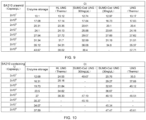
FIG. 10 illustrates a test result of the present disclosure on the digestion ability of rCod UNG protease. - The embodiments of the present disclosure will be further described below. The examples of the embodiments are illustrated in the drawings, and the same reference characters represent the same elements. The embodiments described in combination with the drawings are used to illustrate the present disclosure, and techniques or conditions unspecified in the embodiments follow the techniques or the conditions described in the articles in the art.
- SEQ ID NO: 1 of the following embodiments was synthesized by Sangon Biotech (Shanghai) Co., Ltd., and SEQ ID NO: 2 was synthesized by Suzhou Genewiz Biotechnology Co., Ltd. A nucleotide sequence corresponding to rCod UNG is illustrated in SEQ ID NO: 3, and a pCold-SUMO vector sequence is illustrated in SEQ ID NO: 4.
- Restriction endonucleases PstI-HF (Product No. R3140S) and KpnI-HF (Product No. R3142S) were manufactured by NEB, Inc.
- PFX DNA polymerase was purified by Yongyou Zhang's research group, School of Life Sciences, Xiamen University.
- A genetic sequence of the rCOD UNG is amplified using PCR. SEQ ID NO: 1 and SEQ ID NO: 2 are used as primers, SEQ ID NO. 3 (synthesized by Sangon (Shanghai) Biotech Co., Ltd.) is used as a template, PFX is used as a DNA polymerase, an amplification system is 50 µL, amplification conditions are 98 °C for 2 minutes; 98 °C for 15 seconds; 64 °C for 15 seconds; 72 °C for 15 seconds; and 72 °C for 2 minutes, a total is 35 cycles, and a
PCR product 1 is obtained. - An electrophoresis is performed using a 1.2% (w/v) agarose gel, a target strip is cut, and a gel is recovered to obtain a
product 1. - 3 µg of pCold-SUMO plasmid is digested with 20 U of each of dual-enzyme-fragmentation vector pCold-SUMO (SEQ ID NO: 4), PstI-HF and KpnI-HF and reacted in a water bath at 37 °C for 4 hours, an electrophoresis is performed using a 1.2% agarose gel, a target strip is then cut, a gel is recovered to obtain a
product 2, the enzyme-fragmentation product is transformed into TOP10 competent cells (purchased from Shanghai Weidi Biotechnology Co., Ltd., product No. DL1010) and cultured overnight after coating to a plate to observe whether the enzyme digestion is complete. - A medium for inducing expression is 1 w/v% of NaCl; 1 w/v% of tryptone; and 0.5 w/v% yeast extract. Conditions for inducing the expression are that OD600 is 0.5-0.7, and 0.25 mM of IPTG is added and cultured for 16 hours at 15 °C and 230 rpm.
- A recombinant plasmid clone is performed using a ligase-independent ligation reaction, and a reaction system is as follows: 30 ng of a recovery product (the product 2) of the dual-enzyme-fragmentation vector pCold-SUMO, 20 ng of a recovery product (the product 1) of rCod-UNG PCR, 20 U of EoxIII (purchased from TAKARA Inc.), 1 µL of 10X EoxIII reaction buffer, and water is added to yield 10 µL. After a reaction is performed in ice bath for 1 hour, 1 µL of 0.5 M EDTA (pH 8.0) is added, reacted at 65 °C for 10 minutes, and inserted back into ice for later use.
- 100 µL of the TOP10 competent cells is taken, melted on ice, and added to the above-mentioned ligation product, heat shock is performed at 42 °C for 90 seconds after ice bath for 30 minutes, it is inserted back into ice, left to stand for 2 minutes, coated on an ampicillin LB medium, and placed upside-down overnight in a constant temperature incubator at 37 °C.
- A single clone is picked, the bacteria is shaken for 12 hours at 37 °C and 200 rpm using 5 mL of an ampicillin medium, 1 µL of a bacterial solution is taken for PCR, a portion in which the electrophoresis is correct is sent for sequencing (Xiamen Borui Biotechnology Co., Ltd.), a name of a portion in which sequencing is correct is referred to as pCold-6XHis-SUMO-rCod-UNG, and a view of the vector is illustrated in
FIG. 1 . - The expression vector pCold-6XHis-SUMO-rCod-UNG is extracted from the rest of the bacterial solution using a plasmid mini kit (purchased from Tiangen Biotech Co., Ltd., product No. DP103-03).
- A preparation of a strain of the pCold-6XHis-SUMO-rCod-UNG expression vector: 25 ng of the pCold-6XHis-SUMO-rCod-UNG expression vector obtained in
Embodiment 1 is added to 100 µL of 5 kinds of BL21(DE3) competent cells (purchased from Novo(Shanghai) Scientific, Inc.) containing different molecular chaperone plasmids (seeFIG. 3 ), heat shock is performed at 42 °C for 90 seconds after an ice bath for 30 minutes, it is inserted back into ice and left to stand for 2 minutes, coated on a dual-resistant LB medium for ampicillin (30 µg/mL) and chloramphenicol (10 µg/mL), and placed upside-down overnight in a constant temperature incubator at 37 °C. - Comparative embodiment: a pCold-6XHis-SUMO-rCod-UNG expression strain is prepared by a general method
- The preparation of the strain of the pCold-6XHis-SUMO-rCod-UNG expression vector is as follows: 25 ng of the pCold-6XHis-SUMO-rCod-UNG expression vector obtained in
Embodiment 1 is added to 100 µL of BL21(DE3) competence (purchased from Invitrogen), heat shock is performed at 42 °C for 90 seconds after an ice bath for 30 minutes, it is inserted back into ice and left to stand for 2 minutes, coated on a dual-resistant LB medium for ampicillin (30 µg/ml) and chloramphenicol (10 µg/ml), and placed upside-down overnight in a constant temperature incubator at 37 °C. - A single clone is picked, 5 mL of a dual-resistant LB medium for the ampicillin (30 µg/mL) and the chloramphenicol (10 µg/mL) is used, cultured for 12 hours at 37 °C and 200 rpm, transferred to 5 mL of a dual-resistant LB medium for the ampicillin (30 µg/mL) and the chloramphenicol (10 µg/mL), cultured until OD600 is between 0.5-0.7, a stain solution is taken out and cooled on ice for 5 minutes in advance, IPTG is then added to yield 0.25 mM as a working concentration, and it is induced overnight at 15 °C.
- 10 Strain lysis: 5 mL of the overnight strain solution is taken and centrifuged for 15 minutes at 2500 g and 4 °C to collect the strains after balance. It is frozen at -80 °C for 30 minutes, frozen strains are taken out, 0.5 mL of precooled His tag Binding buffer (50 mM of Tris-HCl (pH8.0), 0.5 M of NaCl, 5 mM of imidazole, 10% of glycerol (v/v), 1 mM of PMSF, and 0.2 mM β-ME) is used to fully resuspend the strains (a volume of a strain solution obtained by inducing the expression to a volume of the His tag Binding buffer is equal to 10:1), it is deconstructed by sonication in an ice-water bath, a power is 10%, a frequency is sonicating for 2 seconds and stopping for 3 seconds, and a duration is 5 minutes.
- It is centrifuged for 10 minutes at 11000 g and 4 °C, 40 µL of a supernatant is taken, and 10 µL of a 5XSDS-PAGE loading buffer (Tris-HCl (pH 6.8) (50 mM); SDS (2%); bromophenol blue (0.1%); glycerol (25%); and β-mercaptoethanol (14.4 mM) is added, a precipitate is resuspended with a 1X SDS-PAGE loading buffer, the protein is denatured at 95 °C for 10 minutes and then inserted back into ice for later use.
- 10 µL of each sample of the protein supernatant and the precipitate obtained in the small amount in
Embodiment 2 and the comparative Embodiment is taken, and an SDS-PAGE electrophoresis is performed, an upper gel is 90 V for 20 minutes; and a lower gel is 150 V for 50 minutes. - Coomassie brilliant blue staining, the gel after electrophoresis is taken, 30 mL of the Coomassie brilliant blue (100 mg of Coomassie brilliant blue R 250 is dissolved in 500 mL of methanol, 100 mL of glacial acetic acid is added, and water is refilled to 1 L) is added and stained for 1 hour at room temperature, and then 40 mL of a destaining solution (methanol to acetic acid to water is equal to 5:1:4) is added, and destained at room temperature, the destaining solution is replaced every 30 minutes and destained 3-4 times, and the results are illustrated in
FIG. 3 . Referring toFIG. 3 , a protein solubility of the rCod UNG protein expression strain prepared by the present disclosure is obviously improved after inducing the expression. - ① Inducing the expression in a large amount of a protein: the pCold-6XHis-SUMO-rCod-UNG expression strain obtained in
Embodiment 2 is cultured overnight to obtain a seed solution and transferred into 1 L of a liquid LB containing ampicillin (30 µg/mL) and the chloramphenicol (10 µg/mL) at a ratio of 1:100, cultured on a shaker at 37 °C and 200 rpm until OD600 is 0.5-0.7, and taken out and cooled on ice for 15 minutes, IPTG is then added to a final concentration of 0.25 mM, and it is placed on the shaker at 15 °C and 200 rpm and cultured for 16 hours for inducing the expression of the protein. - ② Strain Lysis: the strains are collected by a first centrifugation, and the collected cells are frozen at -80 °C for more than 30 minutes, and the frozen strains are taken out to resuspend the cells with 50 mL of precooled His-tag Binding buffer (a volume of a strain solution obtained by inducing the expression to a volume of the His tag Binding buffer is equal to 20:1). The cells are deconstructed by sonication in an ice-water bath with 50% power and sonicating for a total of 20 minutes by sonicating for 2 seconds and stopping for 3 seconds. After the sonication is complete, a second centrifugation is performed, a supernatant is taken after the centrifugation, a third centrifugation is performed, a supernatant is transferred to another clean centrifuge tube, polyethyleneimine (PEI) is added (from Energy Chemical, No.: D110141, lot No.: E8NRD7RK, the polyethyleneimine to the supernatant is 1:1000) while stirring, it is put on ice for 15-20 minutes, and a fourth centrifugation is performed after uniform mixing;
- Conditions of the first centrifugation are centrifugation for 10 minutes at 2500 g and 4 °C;
- Conditions of the second centrifugation are centrifugation for 10 minutes at 11000 g and 4 °C;
- Conditions of the third centrifugation are centrifugation for 10 minutes at 1100 g and 4 °C;
- Conditions of the fourth centrifugation are centrifugation for 15 minutes at 1100 g and 4 °C;
- ③ Purification: 1 mL of Ni-NTA agarose (Lot No.160042951) is added into a filter column, 10 mL of each of an Elution buffer (50 mM of Tris-HCl (pH 8.0), 0.5 M of NaCl, 250 mM of imidazole, 10% glycerol (v/v), 1 mM of PMSF, and 0.2 mM of β-ME), a wash buffer (50 mM of Tris-HCl (pH 8.0), 0.5 M of NaCl, 25 mM of imidazole, and 10% glycerol (v/v)) and a His tag Binding buffer are respectively used to wash the Ni-NTA column, the supernatant is added to flow through the Ni-NTA agarose, 2 mL of the wash buffer is then added to elute an impure protein, and 2 mL of an elution buffer is finally used to elute a target protein four times.
- After the obtained protein is tested by SDS-PAGE, transferred to a dialysis bag to be dialyzed at 4 °C overnight, dialyzed for another 4 hours after a replacement of new dialysate, and taken out from the dialysis bag, glycerol is added until a final concentration is 50%. A protein concentration is tested by a BCA method (a BCA protein quantification kit is purchased from Sangon Biotech (Shanghai) Co., Ltd., product Nb. E713DA0001), it is diluted as needed for long storage at -80 °C. Electrophoresis results of the SDS-PAGE are illustrated in
FIG. 4 , and no obvious degradation and generation of impure proteins are observed in the rCod UNG purified by the present disclosure. - An activity test of the rCod UNG purified by the present disclosure is performed, and the results are illustrated in
FIG. 5 . - A DNase contamination test of the rCod UNG purified by the present disclosure is performed, and the results are illustrated in
FIG. 6 . - An RNase contamination test of the rCod UNG purified by the present disclosure is performed, and the results are illustrated in
FIG. 7 . - A deactivation temperature test of the rCod UNG purified by the present disclosure is performed. An activity test is performed after the UNG is placed at 50 °C for 10 minutes or left untreated, it is compared with a deactivation temperature of a commercially available UNG enzyme (Thermo), and the results are illustrated in
FIG. 8 . - A PCR inhibition ability of the rCod UNG purified by the present disclosure is tested, and the results are illustrated in
FIG. 9 . - A digestion ability of the rCod UNG purified by the present disclosure is tested, and a template is a purified PCR product containing U, and the results are illustrated in
FIG. 10 . - Therefore, the present disclosure establishes a method for expressing thermolabile UNG protein and solves an insolubility problem of the expression of the thermolabile UNG protein. The purified SUMO-UNG is tested using nuclease contamination, the thermal deactivation temperature, the PCR inhibition ability, and the digestion ability. It can be seen that the rCod UNG enzyme expressed and purified by the present disclosure is soluble, free from DNase and RNase contamination, active, thermolabile, easily removed from the reaction, and has no inhibitory effect on the PCR reaction.


- The present disclosure discloses a recombinant vector of a thermolabile UNG fused protein and an expressing and purifying method. The method comprises cloning a Cod UNG genetic sequence to a pCold-SUMO vector to construct a recombinant vector pCold-SUMO-Cod UNG, transforming the recombinant vector to E. coli BL21 (DE3) competence, transforming and expressing molecular chaperone plasmids pG-Tf2 into the competence, inducing the expression at a low temperature to obtain a soluble SUMO-Cod UNG fused protein. The present disclosure resolves an insoluble problem of a Cod UNG expression product, it has industrial applicability.
Claims (10)
- A recombinant vector containing a rCod UNG hydrolase, a sequence of the recombinant vector is SEQ ID NO. 5.
- A method for expressing and purifying a thermolabile rCod UNG enzyme, characterized in that it comprises the following steps:1) preparing a recombinant vector containing rCod UNG hydrolase; the vector has a His tag and a sumo tag; the recombinant vector is introduced into Escherichia coli BL21 (DE3) containing a pG-Tf2 molecular chaperone plasmid;2) inducing expression; and3) purifying: purifying a fused protein by the His tag to obtain rCod UNG enzyme with a high purity.
- The method for expressing and purifying the thermolabile rCod UNG enzyme according to claim 2, characterized in that a nucleotide sequence for coding the rCod UNG hydrolase is SEQ ID NO. 3; and a sequence of the recombinant vector is SEQ ID NO. 5.
- The method for expressing and purifying the thermolabile rCod UNG enzyme according to claim 2, characterized in that in step 2, a medium for inducing the expression is 1 weight/volume % of NaCl; 1 weight/volume % of tryptone; and 0.5 weight/volume % of yeast extract.
- The method for expressing and purifying the thermolabile rCod UNG enzyme according to claim 2, characterized in that conditions for inducing the expression are that OD600 is 0.5-0.7, 0.25 mM of IPTG is added, and the expression is induced for 16 hours at 15 °C and 230 rpm.
- The method for expressing and purifying the thermolabile rCod UNG enzyme according to claim 2, characterized in that the purifying comprises lysing strains, extracting the fused protein, and purifying the fused protein.
- The method for expressing and purifying the thermolabile rCod UNG enzyme according to claim 6, characterized in that lysing the strains comprises collecting the strains by a first centrifugation of a strain solution obtained by inducing the expression, resuspending by a precooled binding buffer, deconstructing by sonication in an ice-water bath, performing a second centrifugation after the sonication is complete, taking a supernatant after the centrifugation, performing a third centrifugation, taking a supernatant, adding polyethyleneimine into the supernatant, culturing for 15-20 minutes, and performing a fourth centrifugation;conditions of the first centrifugation are centrifugating for 10 minutes at 2500 g and 4 °C;conditions of the second centrifugation are centrifugating for 10 minutes at 11000 g and 4 °C;conditions of the third centrifugation are centrifugating for 10 minutes at 1100 g and 4 °C; andconditions of the fourth centrifugation are centrifugating for 15 minutes at 1100 g and 4 °C.
- The method for expressing and purifying the thermolabile rCod UNG enzyme according to claim 7, characterized in thata volume ratio of the strain solution obtained by inducing the expression to the binding buffer is 20:1;a power for deconstructing by the sonication is 50%, a frequency is sonicating for 2 seconds and stopping for 3 seconds, and a duration is 20-25 minutes; anda volume ratio of the polyethyleneimine to a filtration solution is 1:1000-2000, preferably 1:1000.
- The method for expressing and purifying the thermolabile rCod UNG enzyme according to claim 2, characterized in that extraction steps of the fused protein comprise: adding a supernatant into an Ni-NTA protein extraction column until all of the supernatant flows through Ni-beeds; then adding a wash buffer having a same volume as the Ni-beeds to wash off impure proteins by repeating 1-2 times;
then adding an elution buffer for an elution, repeating the elution 4-6 times, and collecting all eluates. - The method for expressing and purifying the thermolabile rCod UNG enzyme according to claim 2, wherein the purifying the fused protein comprises dialyzing twice with a storage solution for the rCod UNG protein.
Applications Claiming Priority (2)
| Application Number | Priority Date | Filing Date | Title |
|---|---|---|---|
| CN202011191136.7A CN112342231A (en) | 2020-10-30 | 2020-10-30 | Recombinant vector of thermolabile UNG fusion protein and expression and purification method |
| PCT/CN2021/127313 WO2022089573A1 (en) | 2020-10-30 | 2021-10-29 | Recombinant vector and expression purification method for heat-labile ung fusion protein |
Publications (2)
| Publication Number | Publication Date |
|---|---|
| EP4239074A1 true EP4239074A1 (en) | 2023-09-06 |
| EP4239074A4 EP4239074A4 (en) | 2024-05-01 |
Family
ID=74356616
Family Applications (1)
| Application Number | Title | Priority Date | Filing Date |
|---|---|---|---|
| EP21885299.4A Withdrawn EP4239074A4 (en) | 2020-10-30 | 2021-10-29 | RECOMBINANT VECTOR AND EXPRESSION PURIFICATION PROCEDURE FOR HEAT-LABILE UNG FUSION PROTEIN |
Country Status (4)
| Country | Link |
|---|---|
| US (1) | US20230193234A1 (en) |
| EP (1) | EP4239074A4 (en) |
| CN (1) | CN112342231A (en) |
| WO (1) | WO2022089573A1 (en) |
Families Citing this family (2)
| Publication number | Priority date | Publication date | Assignee | Title |
|---|---|---|---|---|
| CN112342231A (en) * | 2020-10-30 | 2021-02-09 | 厦门大学 | Recombinant vector of thermolabile UNG fusion protein and expression and purification method |
| CN117417919B (en) * | 2023-10-13 | 2024-10-01 | 江苏省海洋资源开发研究院(连云港) | A heat-sensitive uracil DNA glycosidase and its application |
Family Cites Families (7)
| Publication number | Priority date | Publication date | Assignee | Title |
|---|---|---|---|---|
| NO314091B1 (en) * | 2000-01-12 | 2003-01-27 | Biotec Pharmacon Asa | Heat-labile uracil DNA glycosylase, DNA sequence encoding the enzyme, microorganism containing the DNA sequence, and use of the enzyme |
| CN102250846A (en) * | 2011-07-19 | 2011-11-23 | 上海近岸科技有限公司 | Method for preparing enzyme through coexpression of recombinant protease and molecular chaperone |
| CN102839189A (en) * | 2012-07-18 | 2012-12-26 | 华南农业大学 | Method for high efficiency expression of PCV 2 Cap protein by pCold-sumo expression vector |
| US20180221438A1 (en) * | 2015-04-27 | 2018-08-09 | Adaerata Limited Partnership | Modulating uracil-dna glycosylase and uses thereof |
| CN108504670B (en) * | 2018-02-27 | 2022-01-04 | 温州医科大学 | Construction method and application of escherichia coli cold shock solubilizing expression plasmid |
| CN108913712B (en) * | 2018-07-17 | 2021-04-02 | 厦门生命互联科技有限公司 | Expression and purification method of recombinant Tn5 transposase |
| CN112342231A (en) * | 2020-10-30 | 2021-02-09 | 厦门大学 | Recombinant vector of thermolabile UNG fusion protein and expression and purification method |
-
2020
- 2020-10-30 CN CN202011191136.7A patent/CN112342231A/en active Pending
-
2021
- 2021-10-29 EP EP21885299.4A patent/EP4239074A4/en not_active Withdrawn
- 2021-10-29 WO PCT/CN2021/127313 patent/WO2022089573A1/en not_active Ceased
-
2022
- 2022-11-02 US US18/051,933 patent/US20230193234A1/en active Pending
Also Published As
| Publication number | Publication date |
|---|---|
| WO2022089573A1 (en) | 2022-05-05 |
| US20230193234A1 (en) | 2023-06-22 |
| EP4239074A4 (en) | 2024-05-01 |
| CN112342231A (en) | 2021-02-09 |
Similar Documents
| Publication | Publication Date | Title |
|---|---|---|
| CN101429514B (en) | Di-carbonyl reduction enzyme, its gene and uses thereof | |
| US20230193234A1 (en) | Recombinant vector of thermolabile ung fused protein and an expressing and purifying method | |
| CN110066820B (en) | Fluorescent strain E.coli C600, and construction method and application thereof | |
| CN111607613A (en) | Plasmid vector for expressing mRNA of cellular immune vaccine and construction method and application thereof | |
| CN112899253B (en) | Polypeptide with DNA polymerase activity, recombinant vector, preparation method and application thereof | |
| CN112175980A (en) | Method for improving activity of polymerase large fragment by site-directed mutagenesis and application | |
| CN103602643A (en) | Recombinant Taq DNA polymerase and preparation method thereof | |
| WO2003095649A1 (en) | Nobel glyphosate-tolerant 5-enolpyruvylshikimate-3-phospha synthase and gene encoding it | |
| CN108913712A (en) | A kind of expression and purification method recombinating Tn5 transposase | |
| CN108192907B (en) | A thermostable DNA amplification fusion enzyme | |
| JPH09508806A (en) | Highly purified recombinant reverse transcriptase | |
| CN117683755B (en) | C-to-G base editing system | |
| CN114645033B (en) | A kind of nucleoside triphosphate hydrolase and its purification method and application | |
| CN101985607B (en) | Pseudoalteromonas sp. and application thereof | |
| CN114410608B (en) | A method and application of high-efficiency expression and purification of Cas9 protein | |
| JP2008245604A (en) | Highly efficient thermostable DNA ligase | |
| CN111909929B (en) | Method for obtaining Trichoderma reesei cellulase regulation gene in targeted manner | |
| CN119522288A (en) | Method for determining outer membrane peeling of cyanobacteria, device for determining outer membrane peeling of cyanobacteria, and program | |
| CN116426448A (en) | Visualization of Zymomonas mobilis, its construction method and application | |
| WO2022210748A1 (en) | Novel polypeptide having ability to form complex with guide rna | |
| CN112899254A (en) | DNA polymerase for constant temperature direct amplification of nucleic acid and application method thereof | |
| CN119776321B (en) | UvsY protein mutants and their applications | |
| US12595467B2 (en) | DNA polymerase and Dna polymerase derived 3′-5′exonuclease | |
| US12584155B2 (en) | Method and kit for assembly of multiple DNA fragments at room temperature | |
| Pedro et al. | Reconstitution of a Minimal Human Translation Termination System |
Legal Events
| Date | Code | Title | Description |
|---|---|---|---|
| STAA | Information on the status of an ep patent application or granted ep patent |
Free format text: STATUS: THE INTERNATIONAL PUBLICATION HAS BEEN MADE |
|
| PUAI | Public reference made under article 153(3) epc to a published international application that has entered the european phase |
Free format text: ORIGINAL CODE: 0009012 |
|
| STAA | Information on the status of an ep patent application or granted ep patent |
Free format text: STATUS: REQUEST FOR EXAMINATION WAS MADE |
|
| 17P | Request for examination filed |
Effective date: 20221208 |
|
| AK | Designated contracting states |
Kind code of ref document: A1 Designated state(s): AL AT BE BG CH CY CZ DE DK EE ES FI FR GB GR HR HU IE IS IT LI LT LU LV MC MK MT NL NO PL PT RO RS SE SI SK SM TR |
|
| DAV | Request for validation of the european patent (deleted) | ||
| DAX | Request for extension of the european patent (deleted) | ||
| STAA | Information on the status of an ep patent application or granted ep patent |
Free format text: STATUS: EXAMINATION IS IN PROGRESS |
|
| RIC1 | Information provided on ipc code assigned before grant |
Ipc: C12N 15/56 20060101ALI20240318BHEP Ipc: C12N 9/24 20060101ALI20240318BHEP Ipc: C12N 15/70 20060101AFI20240318BHEP |
|
| A4 | Supplementary search report drawn up and despatched |
Effective date: 20240405 |
|
| 17Q | First examination report despatched |
Effective date: 20240418 |
|
| STAA | Information on the status of an ep patent application or granted ep patent |
Free format text: STATUS: THE APPLICATION IS DEEMED TO BE WITHDRAWN |
|
| 18D | Application deemed to be withdrawn |
Effective date: 20241019 |