EP4219450A1 - 6-methoxy-2-phenethyl isoindoline-1-one derivative and composition for treating neurological disorders, comprising same - Google Patents
6-methoxy-2-phenethyl isoindoline-1-one derivative and composition for treating neurological disorders, comprising same Download PDFInfo
- Publication number
- EP4219450A1 EP4219450A1 EP21872853.3A EP21872853A EP4219450A1 EP 4219450 A1 EP4219450 A1 EP 4219450A1 EP 21872853 A EP21872853 A EP 21872853A EP 4219450 A1 EP4219450 A1 EP 4219450A1
- Authority
- EP
- European Patent Office
- Prior art keywords
- formula
- hydrogen
- alkyl
- compound
- halo
- Prior art date
- Legal status (The legal status is an assumption and is not a legal conclusion. Google has not performed a legal analysis and makes no representation as to the accuracy of the status listed.)
- Pending
Links
Images























Classifications
-
- C—CHEMISTRY; METALLURGY
- C07—ORGANIC CHEMISTRY
- C07D—HETEROCYCLIC COMPOUNDS
- C07D209/00—Heterocyclic compounds containing five-membered rings, condensed with other rings, with one nitrogen atom as the only ring hetero atom
- C07D209/02—Heterocyclic compounds containing five-membered rings, condensed with other rings, with one nitrogen atom as the only ring hetero atom condensed with one carbocyclic ring
- C07D209/44—Iso-indoles; Hydrogenated iso-indoles
- C07D209/46—Iso-indoles; Hydrogenated iso-indoles with an oxygen atom in position 1
-
- A—HUMAN NECESSITIES
- A23—FOODS OR FOODSTUFFS; TREATMENT THEREOF, NOT COVERED BY OTHER CLASSES
- A23K—FODDER
- A23K20/00—Accessory food factors for animal feeding-stuffs
- A23K20/10—Organic substances
- A23K20/111—Aromatic compounds
-
- A—HUMAN NECESSITIES
- A23—FOODS OR FOODSTUFFS; TREATMENT THEREOF, NOT COVERED BY OTHER CLASSES
- A23K—FODDER
- A23K20/00—Accessory food factors for animal feeding-stuffs
- A23K20/10—Organic substances
- A23K20/116—Heterocyclic compounds
- A23K20/132—Heterocyclic compounds containing only one nitrogen as hetero atom
-
- A—HUMAN NECESSITIES
- A23—FOODS OR FOODSTUFFS; TREATMENT THEREOF, NOT COVERED BY OTHER CLASSES
- A23L—FOODS, FOODSTUFFS OR NON-ALCOHOLIC BEVERAGES, NOT OTHERWISE PROVIDED FOR; PREPARATION OR TREATMENT THEREOF
- A23L33/00—Modifying nutritive qualities of foods; Dietetic products; Preparation or treatment thereof
- A23L33/10—Modifying nutritive qualities of foods; Dietetic products; Preparation or treatment thereof using additives
-
- A—HUMAN NECESSITIES
- A61—MEDICAL OR VETERINARY SCIENCE; HYGIENE
- A61K—PREPARATIONS FOR MEDICAL, DENTAL OR TOILETRY PURPOSES
- A61K31/00—Medicinal preparations containing organic active ingredients
- A61K31/33—Heterocyclic compounds
- A61K31/395—Heterocyclic compounds having nitrogen as a ring hetero atom, e.g. guanethidine or rifamycins
- A61K31/40—Heterocyclic compounds having nitrogen as a ring hetero atom, e.g. guanethidine or rifamycins having five-membered rings with one nitrogen as the only ring hetero atom, e.g. sulpiride, succinimide, tolmetin, buflomedil
- A61K31/403—Heterocyclic compounds having nitrogen as a ring hetero atom, e.g. guanethidine or rifamycins having five-membered rings with one nitrogen as the only ring hetero atom, e.g. sulpiride, succinimide, tolmetin, buflomedil condensed with carbocyclic rings, e.g. carbazole
- A61K31/4035—Isoindoles, e.g. phthalimide
-
- A—HUMAN NECESSITIES
- A61—MEDICAL OR VETERINARY SCIENCE; HYGIENE
- A61P—SPECIFIC THERAPEUTIC ACTIVITY OF CHEMICAL COMPOUNDS OR MEDICINAL PREPARATIONS
- A61P25/00—Drugs for disorders of the nervous system
-
- A—HUMAN NECESSITIES
- A61—MEDICAL OR VETERINARY SCIENCE; HYGIENE
- A61P—SPECIFIC THERAPEUTIC ACTIVITY OF CHEMICAL COMPOUNDS OR MEDICINAL PREPARATIONS
- A61P25/00—Drugs for disorders of the nervous system
- A61P25/14—Drugs for disorders of the nervous system for treating abnormal movements, e.g. chorea, dyskinesia
- A61P25/16—Anti-Parkinson drugs
-
- A—HUMAN NECESSITIES
- A61—MEDICAL OR VETERINARY SCIENCE; HYGIENE
- A61P—SPECIFIC THERAPEUTIC ACTIVITY OF CHEMICAL COMPOUNDS OR MEDICINAL PREPARATIONS
- A61P25/00—Drugs for disorders of the nervous system
- A61P25/28—Drugs for disorders of the nervous system for treating neurodegenerative disorders of the central nervous system, e.g. nootropic agents, cognition enhancers, drugs for treating Alzheimer's disease or other forms of dementia
-
- A—HUMAN NECESSITIES
- A61—MEDICAL OR VETERINARY SCIENCE; HYGIENE
- A61P—SPECIFIC THERAPEUTIC ACTIVITY OF CHEMICAL COMPOUNDS OR MEDICINAL PREPARATIONS
- A61P9/00—Drugs for disorders of the cardiovascular system
- A61P9/10—Drugs for disorders of the cardiovascular system for treating ischaemic or atherosclerotic diseases, e.g. antianginal drugs, coronary vasodilators, drugs for myocardial infarction, retinopathy, cerebrovascula insufficiency, renal arteriosclerosis
-
- C—CHEMISTRY; METALLURGY
- C07—ORGANIC CHEMISTRY
- C07D—HETEROCYCLIC COMPOUNDS
- C07D491/00—Heterocyclic compounds containing in the condensed ring system both one or more rings having oxygen atoms as the only ring hetero atoms and one or more rings having nitrogen atoms as the only ring hetero atoms, not provided for by groups C07D451/00 - C07D459/00, C07D463/00, C07D477/00 or C07D489/00
- C07D491/02—Heterocyclic compounds containing in the condensed ring system both one or more rings having oxygen atoms as the only ring hetero atoms and one or more rings having nitrogen atoms as the only ring hetero atoms, not provided for by groups C07D451/00 - C07D459/00, C07D463/00, C07D477/00 or C07D489/00 in which the condensed system contains two hetero rings
- C07D491/04—Ortho-condensed systems
- C07D491/044—Ortho-condensed systems with only one oxygen atom as ring hetero atom in the oxygen-containing ring
- C07D491/048—Ortho-condensed systems with only one oxygen atom as ring hetero atom in the oxygen-containing ring the oxygen-containing ring being five-membered
-
- A—HUMAN NECESSITIES
- A23—FOODS OR FOODSTUFFS; TREATMENT THEREOF, NOT COVERED BY OTHER CLASSES
- A23V—INDEXING SCHEME RELATING TO FOODS, FOODSTUFFS OR NON-ALCOHOLIC BEVERAGES AND LACTIC OR PROPIONIC ACID BACTERIA USED IN FOODSTUFFS OR FOOD PREPARATION
- A23V2002/00—Food compositions, function of food ingredients or processes for food or foodstuffs
-
- A—HUMAN NECESSITIES
- A23—FOODS OR FOODSTUFFS; TREATMENT THEREOF, NOT COVERED BY OTHER CLASSES
- A23V—INDEXING SCHEME RELATING TO FOODS, FOODSTUFFS OR NON-ALCOHOLIC BEVERAGES AND LACTIC OR PROPIONIC ACID BACTERIA USED IN FOODSTUFFS OR FOOD PREPARATION
- A23V2200/00—Function of food ingredients
- A23V2200/30—Foods, ingredients or supplements having a functional effect on health
- A23V2200/322—Foods, ingredients or supplements having a functional effect on health having an effect on the health of the nervous system or on mental function
-
- A—HUMAN NECESSITIES
- A23—FOODS OR FOODSTUFFS; TREATMENT THEREOF, NOT COVERED BY OTHER CLASSES
- A23V—INDEXING SCHEME RELATING TO FOODS, FOODSTUFFS OR NON-ALCOHOLIC BEVERAGES AND LACTIC OR PROPIONIC ACID BACTERIA USED IN FOODSTUFFS OR FOOD PREPARATION
- A23V2250/00—Food ingredients
- A23V2250/30—Other Organic compounds
Definitions
- the present invention relates to: a novel 6-methoxy-2-phenethyl isoindolin-1-one derivative compound having the ability to promote the increase of nerve growth factor, the ability to promote the growth of nerve cells, and antineuritic activity; and a composition for preventing, improving and treating neurological diseases, comprising the same.
- Neurodegenerative disease is a disease that causes several pathologies such as motor disorders, memory disorders, and cognitive disorders due to reduced or lost functions of nerve cells.
- a large number of nerve cells die every day not only in patients with neurological diseases but also in the brains of normal adults, and the number of nerve cells that die increases exponentially with aging.
- Alzheimer's disease Parkinson's disease, Lou Gehrig's disease, Huntington's disease, and the like
- Acetylcholinesterase inhibitors or NMDA (N-methyl-D-aspartate) receptor antagonists, etc. are used as a therapeutic agent for Alzheimer's disease
- L-dopa, dopamine agonists, MAO-B inhibitors, or COMT inhibitors, etc. are used as a therapeutic agent for Parkinson's disease
- dopamine D2 receptors and the like are used as a therapeutic agent for Huntington's disease.
- the method using the therapeutic agents merely relieves symptoms rather than fundamental treatment. Therefore, new drugs capable of fundamental treatment have been continuously required.
- Patent Document 1 Korean Patent No. 10-0935615
- Non-Patent Document 1 Yuan and Yankner, Nature. 407, 802-809, 2000
- An object of the present invention is to provide a novel compound and a pharmaceutically acceptable salt thereof having the ability to promote the increase of nerve growth factor, the ability to promote the growth of nerve cells, and antineuritic activity.
- Another object of the present invention is to provide a composition for preventing, improving or treating neurological diseases, comprising the compound and pharmaceutically acceptable salt thereof.
- R 1 is hydrogen, halo, hydroxy, alkyl, alkenyl, alkynyl, haloalkyl, alkoxy, hydroxyalkyl, or alkoxyalkyl
- R 2 and R 3 are each independently hydrogen, halo, hydroxy, alkyl, alkenyl, alkynyl, alkoxy, hydroxyalkyl, or alkoxyalkyl, or R 3 is taken together with R 2 and the oxygen to which R 2 is attached to form 5 to 6 membered heterocycloalkyl
- R 4 is hydrogen or alkyl.
- the present invention provides a composition for preventing, improving or treating neurological diseases, comprising the compound represented by Formula 22 and pharmaceutically acceptable salt thereof.
- the novel compound of the present invention has the ability to promote the increase of nerve growth factor, the ability to promote the growth of nerve cells, and antineuritic activity.
- composition comprising the novel compound of the present invention can be used as a pharmaceutical composition, a food composition and a feed composition having effects of preventing, improving and treating neurological diseases.
- R 1 is hydrogen, halo, hydroxy, alkyl, alkenyl, alkynyl, haloalkyl, alkoxy, hydroxyalkyl, or alkoxyalkyl
- R 2 and R 3 are each independently hydrogen, halo, hydroxy, alkyl, alkenyl, alkynyl, alkoxy, hydroxyalkyl, or alkoxyalkyl, or R 3 is taken together with R 2 and the oxygen to which R 2 is attached to form 5 to 6 membered heterocycloalkyl
- R 4 is hydrogen or alkyl.
- R 1 may be hydrogen, halo, haloalkyl, or alkoxy
- R 2 may be hydrogen or alkoxyalkyl
- R 3 may be hydrogen, halo, alkyl, alkenyl, or hydroxyalkyl, or may be taken together with R 2 and the oxygen to which R 2 is attached to form 5 to 6 membered heterocycloalkyl
- R 4 may be alkyl
- the present invention provides a compound represented by Formula 23 below or a pharmaceutically acceptable salt thereof.
- R 1 is hydrogen, halo, haloalkyl, or C 1 -C 6 alkoxy
- R 2 is hydrogen or C 1 -C 6 alkoxyalkyl
- R 3 is hydrogen, halo, C 1 -C 6 alkyl, C 2 -C 6 alkenyl, or C 1 -C 6 hydroxyalkyl, or is taken together with R 2 and the oxygen to which R 2 is attached to form 5 to 6 membered heterocycloalkyl
- R 4 is C 1 -C 6 alkyl.
- R 1 may be hydrogen, fluoro, methoxy, or trifluoromethyl
- R 2 may be hydrogen or methoxymethyl
- R 3 may be hydrogen, bromo, vinyl, allyl, hydroxyethyl, or hydroxypropyl, or may be taken together with R 2 and the oxygen to which R 2 is attached to form 5 membered heterocycloalkyl
- R 4 may be methyl
- pharmaceutically acceptable salt refers to a salt according to one aspect of the present invention that is pharmaceutically acceptable and has the desired pharmacological activity of the parent compound.
- pharmaceutically acceptable salts herein are intended to refer to all salts that can be used not only in pharmaceutical compositions, but also in cosmetic compositions or food compositions.
- the salt is not particularly limited as long as it is pharmaceutically acceptable, and for example, hydrochloric acid, sulfuric acid, nitric acid, phosphoric acid, hydrofluoric acid, hydrobromic acid, formic acid, acetic acid, tartaric acid, lactic acid, citric acid, fumaric acid, maleic acid, succinic acid, methanesulfonic acid, benzenesulfonic acid, toluenesulfonic acid, naphthalenesulfonic acid, and the like can be used.
- the present invention provides a compound selected from the group consisting of compounds of the following formulas or a pharmaceutically acceptable salt thereof.
- the present invention provides a pharmaceutical composition for preventing or treating neurological diseases, comprising the compound represented by Formula 22 or pharmaceutically acceptable salt thereof.
- the present invention provides a method for preventing or treating neurological diseases, comprising administering the pharmaceutical composition to a subject.
- the subject may be a mammal, including a human, who has been diagnosed with a neurological disease or is likely to develop a neurological disease.
- the compound represented by Formula 22 may promote the increase of nerve growth factor or promote the growth of nerve cells. In another embodiment, the compound represented by Formula 22 may have antineuritic activity.
- the pharmaceutical composition of the present invention may comprise a pharmaceutically acceptable additive.
- the additive includes a stabilizer, a surfactant, a lubricant, a solubilizer, a buffering agent, a sweetener, a base, an adsorbent, a corrigent, a binder, a suspending agent, a curing agent, an antioxidant, a brightener, a fragrance, a flavoring agent, a pigment, a coating agent, a wetting agent, a moisture adjusting agent, a filler, an antifoaming agent, a cooling agent, a chewing agent, an antistatic agent, a coloring agent, a dragee, a tonicity agent, a softener, an emulsifier, an adhesive, a thickener, a foaming agent, a pH adjusting agent, an excipient, a dispersing agent, a disintegrant, a waterproofing agent, an antiseptic, a preservative, a solub
- the pharmaceutical composition of the present invention can be parenterally administered or orally administered depending on the desired method, and the dosage varies depending on the patient's weight, age, sex, health condition, diet, administration time, administration method, excretion rate, and severity of the disease.
- the therapeutically effective amount of the composition may vary depending on the administration method, the target site, and the condition of the patient, and when used in the human body, the dosage should be determined in an appropriate amount in consideration of safety and efficiency.
- the present invention provides a food composition for preventing or improving neurological diseases, comprising the compound represented by Formula 22 or pharmaceutically acceptable salt thereof.
- the food composition may further comprise various nutrients, vitamins, minerals (electrolytes), flavors such as synthetic flavors and natural flavors, coloring agents and enhancers (cheese, chocolate, etc.), pectic acid and a salt thereof, alginic acid and a salt thereof, organic acids, protective colloidal thickeners, pH adjusting agents, stabilizers, antiseptics, glycerin, alcohol, carbonation agents used in carbonated beverages, and the like.
- the food composition includes a form such as a pill, a powder, a granule, a precipitate, a tablet, a capsule, a liquid, a paste, a gel, or a jelly
- the food to which the composition can be added includes, for example, various types of foods, such as beverages, chewing gum, tea, vitamin complexes, health supplementary food, and the like.
- the formulation of the food composition is not particularly limited, but may be formulated into, for example, a tablet, a granule, a powder, a liquid such as a drink, a caramel, a gel, a bar, and the like.
- the food composition of each formulation may be formulated without difficulty by those of ordinary skill in the art depending on the formulation or purpose of use by selecting and blending ingredients commonly used in the field in addition to the active ingredient.
- the present invention provides a feed composition for preventing or improving neurological diseases, comprising the compound represented by Formula 22 or pharmaceutically acceptable salt thereof.
- the feed composition may be ingested by all non-human animals, such as non-human primates, sheep, dogs, cattle, horses, and the like.
- prevention refers to any action of inhibiting or delaying the onset of a disease by administration of a composition
- treatment refers to any action in which symptoms of a subject suspected of and suffering from a disease are improved or beneficially changed by administration of a composition
- improvement refers to any action that at least reduces a parameter related to a condition, for example, the severity of a symptom, by administration of a composition.
- the neurological disease may be a neurological disease associated with or accompanied by reduced nerve growth factor activity, decreased nerve growth factor, nerve cell death, neuritis or reduced function of nerve cells.
- the neurological disease may be Alzheimer's disease, dementia, Parkinson's disease, epilepsy, neurological disorder, peripheral neuropathy, stroke or ischemic brain disease.
- Cx-y or “Cx-Cy,” when used in conjunction with a chemical moiety such as acyl, acyloxy, alkyl, haloalkyl, cycloalkyl, alkenyl, alkynyl or alkoxy, is intended to include a group containing from x to y carbons in the chain.
- C 0 alkyl represents hydrogen when the substituent is in the terminal position or a bond when the substituent is in the internal position.
- a C 1 -C 6 alkyl group contains from 1 to 6 carbon atoms in the chain.
- substituted for example “substituted alkyl,” means that one or more hydrogen atoms of the alkyl are each independently replaced by a non-hydrogen substituent.
- a substituent may include any of the substituents described herein, for example, halogen, hydroxyl, alkyl, hydroxyalkyl, haloalkyl, cyanoalkyl, alkoxyalkyl, carbonyl (for example, carboxyl, alkoxycarbonyl, formyl, or acyl), thiocarbonyl (for example, thioester, thioacetate, or thioformate), alkoxyl, phosphoryl, phosphate, phosphonate, phosphinate, amino, amido, amidine, imine, cyano, nitro, azido, sulfhydryl, alkylthio, sulfate, sulfonate, sulfamoyl, sulfona
- alkyl is a hydrocarbon having unsubstituted or substituted primary, secondary, tertiary and/or quaternary carbon atoms, and includes a saturated aliphatic group which may be straight-chain, branched or cyclic, or a combination thereof.
- an alkyl group may have from 1 to 20 carbon atoms (i.e., C 1 -C 20 alkyl), from 1 to 10 carbon atoms (i.e., C 1 -C 10 alkyl), or from 1 to 6 carbon atoms (i.e., C 1 -C 6 alkyl).
- an alkyl refers to C 1 -C 6 alkyl.
- alkyl groups may include methyl (Me, -CH 3 ), ethyl (Et, -CH 2 CH 3 ), 1-propyl (n-Pr, n-propyl, - CH 2 CH 2 CH 3 ), 2-propyl (i-Pr, i-propyl, -CH(CH 3 ) 2 ), 1-butyl (n-Bu, n-butyl, - CH 2 CH 2 CH 2 CH 3 ), 2-methyl-1-propyl (i-Bu, i-butyl, -CH 2 CH(CH 3 ) 2 ), 2-butyl (s-Bu, s-butyl, - CH(CH 3 )CH 2 CH 3 ), 2-methyl-2-propyl (t-Bu, t-butyl, -C(CH 3 ) 3 ), 1-pentyl (n-pentyl, - CH 2 CH 2 CH 2 CH 3 ), 2-pentyl (-CH(CH 3 )CH 2
- alkyl is intended to include both unsubstituted and substituted alkyl groups, the latter of which refers to an alkyl moiety having a substituent that replaces a hydrogen on at least one carbon of the hydrocarbon backbone, which includes a haloalkyl group such as trifluoromethyl and 2,2,2-trifluoroethyl, and the like.
- alkenyl is a hydrocarbon that has primary, secondary, tertiary and/or quaternary carbon atoms, includes straight-chain, branched and cyclic groups, or a combination thereof, and has at least one unsaturated region, i.e., a carbon-carbon sp 2 double bond.
- an alkenyl group may have from 2 to 20 carbon atoms (i.e., C 2 -C 20 alkenyl), from 2 to 12 carbon atoms (i.e., C 2 -C 12 alkenyl), from 2 to 10 carbon atoms (i.e., C 2 -C 10 alkenyl), or from 2 to 6 carbon atoms (i.e., C 2 -C 6 alkenyl).
- alkynyl is a hydrocarbon that has primary, secondary, tertiary and/or quaternary carbon atoms, includes straight-chain, branched and cyclic groups, or a combination thereof, and has at least one carbon-carbon sp triple bond.
- an alkynyl group may have from 2 to 20 carbon atoms (i.e., C 2 -C 20 alkynyl), from 2 to 12 carbon atoms (i.e., C 2 -C 12 alkynyl), from 2 to 10 carbon atoms (i.e., C 2 -C 10 alkynyl), or from 2 to 6 carbon atoms (i.e., C 2 -C 6 alkynyl).
- alkoxy refers to a group in which an alkyl group is attached to the parent compound through an oxygen atom, which may be represented by -O-alkyl, wherein the alkyl group is as defined herein and may be unsubstituted or substituted.
- the alkyl group of an alkoxy group may have, for example, from 1 to 20 carbon atoms (i.e., C 1 -C 20 alkoxy), from 1 to 12 carbon atoms (i.e., C 1 -C 12 alkoxy), from 1 to 10 carbon atoms (i.e., C 1 -C 10 alkoxy), or from 1 to 6 carbon atoms (i.e., C 1 -C 6 alkoxy).
- alkoxy groups may include methoxy (-O-CH 3 or -OMe), ethoxy (-OCH 2 CH 3 or -OEt), and t-butoxy (-OC(CH 3 ) 3 or -O-tBu), and the like, but are not limited thereto.
- hydroxyalkyl refers to an alkyl group substituted with a hydroxyl group, and may be represented by -alkyl-OH.
- alkoxyalkyl refers to an alkyl group substituted with an alkoxy group, as defined herein, and may be represented by -alkyl-O-alkyl.
- haloalkyl refers to an alkyl group substituted with at least one halogen as defined herein.
- heterocycloalkyl refers to an unsubstituted or substituted, non-aromatic, saturated or partially saturated ring containing one or more heteroatoms in the ring, which is monocyclic, bicyclic or polycyclic.
- a heterocycloalkyl group may be a polycyclic heterocycloalkyl consisting of two or more rings in which one or more atoms are common to adjacent rings.
- a polycyclic heterocycloalkyl may be a fused ring system, a spirocyclic ring system or a bridged ring system, wherein at least one of the rings is heterocycloalkyl and the other ring may be, for example, cycloalkyl, aryl, heteroaryl, and/or heterocycloalkyl, as defined herein.
- heterocycloalkyl groups may include dihydrofuranyl, piperidinyl, piperazinyl, pyrrolidinyl, morpholinyl, lactonyl, lactamyl, azetidinyl, dihydropyridinyl, dihydroindolyl, tetrahydropyridinyl (piperidinyl), tetrahydrothiophenyl, sulfur-oxidized tetrahydrothiophenyl, indolenyl, 4-piperidinyl, 2-pyrrolidonyl, tetrahydrofuranyl, tetrahydroquinolinyl, tetrahydroisoquinolinyl, decahydroquinolinyl, octahydroisoquinolinyl, 6H-1,2,5-thiadiazinyl, 2H,6H-1,5,2-dithiazinyl, pyranyl, chromenyl,
- the crude product was purified by silica gel column chromatography (hexane/Et 2 O, 20:1) to obtain 4-(allyloxy)-6-methoxy-2-phenethylisoindol-1-one (1.55 g, 91%) represented by Formula 16 as a white solid.
- mesitylene (10 ml) was added to the product (1.55 g, 4.2 mmol), and the reaction mixture was stirred for 1 hour at room temperature.
- the cooled reaction mixture was concentrated in vacuo and dissolved in AcOEt (30 ml).
- the organic layer was washed with a saturated aqueous NaCl solution (100 ml), and then dried over MgSO 4 , and concentrated.
- the crude product was purified by silica gel column chromatography using a 1:3 mixture of AcOEt and hexane as an eluent to obtain 5-allyl-4-hydroxy-6-methoxy-2-phenethyl isoindolin-1-one (1.34 g, 84%) as a white solid.
- NGF nerve growth factor
- NGF nerve growth factor
- Rat astrocyte-derived C6 glioma cells were dispensed in DMEM culture solution at a concentration of 1 ⁇ 10 5 cells/well in a 24 well plate and stabilized overnight, and then treated with the compounds of the present invention at a concentration of 10 ⁇ M, and reacted in a 37 °C incubator for 24 hours.
- the treated medium was collected and centrifuged, and then absorbance was measured using an enzyme linked immunoassay kit (ELISA kit).
- Fig. 22 it was found that the nerve growth factor produced in the cell medium was increased when treated with the compounds of the present invention, and in particular, it was found that the increased production of nerve growth factor was significantly excellent when treated with the compounds of Formulas 1, 6, 8 to 11, 13, 15 to 17, and 20.
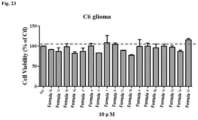
- Rat astrocyte-derived C6 glioma cells were dispensed in DMEM culture solution at a concentration of 1 ⁇ 10 5 cells/well in a 96 well plate and stabilized overnight, and then treated with the compounds of the present invention at a concentration of 10 ⁇ M, and reacted for 24 hours.
- the culture solution was removed, and then 100 ⁇ l of MTT solution at a concentration of 0.5 mg/ml was added to each well and incubated for at least 1 hour in a 37 °C incubator, and then MTT was removed, and DMSO was dispensed in 200 ⁇ l, and absorbance of formazin produced in the well was measured at 540 nm using an ELISA reader.
- Cerebrolysin which has an effect of improving neurological dysfunction and is used as a therapeutic agent for diseases related to brain dysfunction, was used as a positive control group.
- N2a cells Neuro-2a cells
- Neuro-2a cells were coated with a solution of Poly-D-lysin (100 ⁇ g/ml) in a 24 well plate overnight, washed with sterile water, and then incubated for 1 hour.
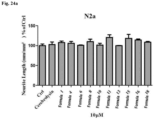
- Nerve cells were dispensed in DMEM at a concentration of 15 ⁇ 10 3 cells/well or 30 ⁇ 10 3 cells/well and stabilized overnight, and then treated with the compounds of the present invention at a concentration of 10 ⁇ M, and the growth of neurites was measured every 2 hours using the Incucyte zoom live cell analysis system.
- Figs. 24a and 24b it was found that the growth of neurites was increased when treated with the compounds of the present invention. Therefore, it was found that the compounds of the present invention are effective for neurotrophic factors and promote the growth of nerve cells.
- N2a cells were dispensed in DMEM culture solution at a concentration of 1 ⁇ 10 5 cells/well in a 96 well plate and stabilized overnight, and then treated with the compounds of the present invention at a concentration of 10 ⁇ M, and reacted for 24 hours.
- the culture solution was removed, and then 100 ⁇ l of MTT solution at a concentration of 0.5 mg/ml was added to each well and incubated for at least 1 hour in a 37 °C incubator, and then MTT was removed, and DMSO was dispensed in 200 ⁇ l, and absorbance of formazin produced in each well was measured at 540 nm using an ELISA reader.
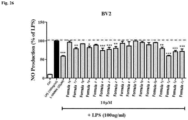
- BV2 cells (microglia) were dispensed in DMEM culture solution at a concentration of 6 ⁇ 10 4 cells/well in a 96 well plate, and then treated with the compounds of the present invention at a concentration of 10 ⁇ M, and incubated for 24 hours. After 24 hours, each sample was treated with a concentration of 10 ⁇ M, reacted for 1 hour, and then stimulated with 100 ng/ml of LPS for 24 hours. The production of nitrite, a soluble oxidation product of NO (nitric oxide), was measured in the culture medium through the Griess reaction.
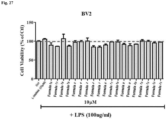
- BV2 cells were dispensed in DMEM culture solution at a concentration of 1 ⁇ 10 5 cells/well in a 96 well plate and stabilized overnight, and then treated with the compounds of the present invention at a concentration of 10 ⁇ M, and then reacted for 24 hours.
- the culture solution was removed, and then 100 ⁇ l of MTT solution at a concentration of 0.5 mg/ml was added to each well and incubated for at least 1 hour in a 37°C incubator, and then MTT was removed, and DMSO was dispensed in 200 ⁇ l, and absorbance of formazin produced in each well was measured at 540 nm using an ELISA reader.
Landscapes
- Health & Medical Sciences (AREA)
- Chemical & Material Sciences (AREA)
- Organic Chemistry (AREA)
- Life Sciences & Earth Sciences (AREA)
- Engineering & Computer Science (AREA)
- Bioinformatics & Cheminformatics (AREA)
- Polymers & Plastics (AREA)
- Neurology (AREA)
- Neurosurgery (AREA)
- Biomedical Technology (AREA)
- Medicinal Chemistry (AREA)
- Veterinary Medicine (AREA)
- Pharmacology & Pharmacy (AREA)
- Public Health (AREA)
- Animal Behavior & Ethology (AREA)
- General Health & Medical Sciences (AREA)
- Chemical Kinetics & Catalysis (AREA)
- Nuclear Medicine, Radiotherapy & Molecular Imaging (AREA)
- General Chemical & Material Sciences (AREA)
- Food Science & Technology (AREA)
- Nutrition Science (AREA)
- Mycology (AREA)
- Zoology (AREA)
- Animal Husbandry (AREA)
- Hospice & Palliative Care (AREA)
- Psychiatry (AREA)
- Heart & Thoracic Surgery (AREA)
- Cardiology (AREA)
- Vascular Medicine (AREA)
- Urology & Nephrology (AREA)
- Epidemiology (AREA)
- Psychology (AREA)
- Pharmaceuticals Containing Other Organic And Inorganic Compounds (AREA)
Abstract
Description
- The present invention relates to: a novel 6-methoxy-2-phenethyl isoindolin-1-one derivative compound having the ability to promote the increase of nerve growth factor, the ability to promote the growth of nerve cells, and antineuritic activity; and a composition for preventing, improving and treating neurological diseases, comprising the same.
- Recently, with the rapid increase of the elderly population, the number of patients with various neurodegenerative brain diseases is increasing, and interest in treatment and prevention thereof is increasing. Neurodegenerative disease is a disease that causes several pathologies such as motor disorders, memory disorders, and cognitive disorders due to reduced or lost functions of nerve cells. A large number of nerve cells die every day not only in patients with neurological diseases but also in the brains of normal adults, and the number of nerve cells that die increases exponentially with aging.
- Major diseases belonging to neurodegenerative diseases include Alzheimer's disease, Parkinson's disease, Lou Gehrig's disease, Huntington's disease, and the like, and the pathogenesis of these diseases has not been completely elucidated to date. Acetylcholinesterase inhibitors or NMDA (N-methyl-D-aspartate) receptor antagonists, etc., are used as a therapeutic agent for Alzheimer's disease, and L-dopa, dopamine agonists, MAO-B inhibitors, or COMT inhibitors, etc., are used as a therapeutic agent for Parkinson's disease, and dopamine D2 receptors and the like are used as a therapeutic agent for Huntington's disease. However, since all of the therapeutic agents target the neurotransmission process, the method using the therapeutic agents merely relieves symptoms rather than fundamental treatment. Therefore, new drugs capable of fundamental treatment have been continuously required.
- On the other hand, it is known that neurological diseases are closely related to the deterioration of the function of brain nerve cells and the death of nerve cells (
Korean Patent No. 10-0935615 - (Patent Document 1)
Korean Patent No. 10-0935615 - (Non-Patent Document 1) Yuan and Yankner, Nature. 407, 802-809, 2000
- An object of the present invention is to provide a novel compound and a pharmaceutically acceptable salt thereof having the ability to promote the increase of nerve growth factor, the ability to promote the growth of nerve cells, and antineuritic activity.
- In addition, another object of the present invention is to provide a composition for preventing, improving or treating neurological diseases, comprising the compound and pharmaceutically acceptable salt thereof.
- The present invention provides a compound represented by Formula 22 below or a pharmaceutically acceptable salt thereof.

- In addition, the present invention provides a composition for preventing, improving or treating neurological diseases, comprising the compound represented by Formula 22 and pharmaceutically acceptable salt thereof.
- The novel compound of the present invention has the ability to promote the increase of nerve growth factor, the ability to promote the growth of nerve cells, and antineuritic activity.
- Therefore, a composition comprising the novel compound of the present invention can be used as a pharmaceutical composition, a food composition and a feed composition having effects of preventing, improving and treating neurological diseases.
-
-
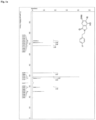
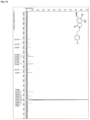
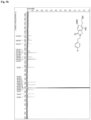
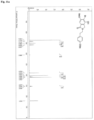
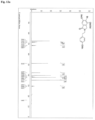
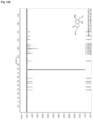
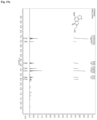
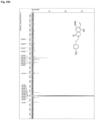
Figs. 1a and1b show the results of 1H NMR and 13C NMR analysis of the compound ofFormula 1. -
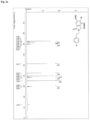
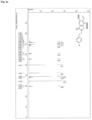
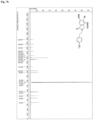
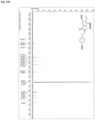
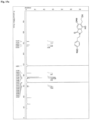
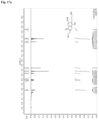
Figs. 2a and2b show the results of 1H NMR and 13C NMR analysis of the compound ofFormula 2. -
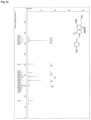
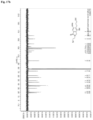
Figs. 3a and3b show the results of 1H NMR and 13C NMR analysis of the compound ofFormula 3. -
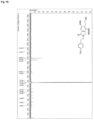
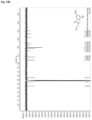
Figs. 4a and4b show the results of 1H NMR and 13C NMR analysis of the compound ofFormula 4. -
Figs. 5a and5b show the results of 1H NMR and 13C NMR analysis of the compound ofFormula 5. -
Figs. 6a and6b show the results of 1H NMR and 13C NMR analysis of the compound ofFormula 6. -
Figs. 7a and7b show the results of 1H NMR and 13C NMR analysis of the compound of Formula 7. -
Figs. 8a and8b show the results of 1H NMR and 13C NMR analysis of the compound of Formula 8. -
Figs. 9a and9b show the results of 1H NMR and 13C NMR analysis of the compound ofFormula 9. -
Figs. 10a and10b show the results of 1H NMR and 13C NMR analysis of the compound ofFormula 10. -
Figs. 11a and11b show the results of 1H NMR and 13C NMR analysis of the compound of Formula 11. -
Figs. 12a and12b show the results of 1H NMR and 13C NMR analysis of the compound ofFormula 12. -
Figs. 13a and13b show the results of 1H NMR and 13C NMR analysis of the compound ofFormula 13. -
Figs. 14a and14b show the results of 1H NMR and 13C NMR analysis of the compound of Formula 14. -
Figs. 15a and15b show the results of 1H NMR and 13C NMR analysis of the compound of Formula 15. -
Figs. 16a and16b show the results of 1H NMR and 13C NMR analysis of the compound ofFormula 16. -
Figs. 17a and17b show the results of 1H NMR and 13C NMR analysis of the compound ofFormula 17. -
Figs. 18a and18b show the results of 1H NMR and 13C NMR analysis of the compound ofFormula 18. -
Figs. 19a and19b show the results of 1H NMR and 13C NMR analysis of the compound ofFormula 19. -
Figs. 20a and20b show the results of 1H NMR and 13C NMR analysis of the compound ofFormula 20. -
Figs. 21a and21b show the results of 1H NMR and 13C NMR analysis of the compound ofFormula 21. -
Fig. 22 is a graph showing the amount of nerve growth factor produced in C6 glioma cells. -
Fig. 23 is a graph showing the results of cytotoxicity evaluation in C6 glioma cells. -
Fig. 24a and24b show the results obtained by measuring neurite growth in N2a cells. -
Fig. 25 is a graph showing the results of cytotoxicity evaluation in N2a cells. -
Fig. 26 is a graph showing the amount of NO production measured in BV2 cells. -
Fig. 27 is a graph showing the results of cytotoxicity evaluation in BV2 cells. - Hereinafter, with reference to the accompanying drawings, embodiments and examples of the present disclosure will be described in detail so that those of ordinary skill in the art to which the present invention belongs can easily practice the present invention. However, the present disclosure may be implemented in various forms and is not limited to the embodiments and examples described herein.
- Throughout the present specification, when a certain part "includes" a certain component, it means that other components may be further included, rather than excluding other components, unless otherwise stated.
- The present invention provides a compound represented by Formula 22 below or a pharmaceutically acceptable salt thereof.

- In one embodiment, R1 may be hydrogen, halo, haloalkyl, or alkoxy; R2 may be hydrogen or alkoxyalkyl; R3 may be hydrogen, halo, alkyl, alkenyl, or hydroxyalkyl, or may be taken together with R2 and the oxygen to which R2 is attached to form 5 to 6 membered heterocycloalkyl; and R4 may be alkyl.
- In one embodiment, the present invention provides a compound represented by Formula 23 below or a pharmaceutically acceptable salt thereof.

- In one embodiment, R1 may be hydrogen, fluoro, methoxy, or trifluoromethyl; R2 may be hydrogen or methoxymethyl; R3 may be hydrogen, bromo, vinyl, allyl, hydroxyethyl, or hydroxypropyl, or may be taken together with R2 and the oxygen to which R2 is attached to form 5 membered heterocycloalkyl; and R4 may be methyl.
- As used herein, the term "pharmaceutically acceptable salt" refers to a salt according to one aspect of the present invention that is pharmaceutically acceptable and has the desired pharmacological activity of the parent compound. In addition, pharmaceutically acceptable salts herein are intended to refer to all salts that can be used not only in pharmaceutical compositions, but also in cosmetic compositions or food compositions. The salt is not particularly limited as long as it is pharmaceutically acceptable, and for example, hydrochloric acid, sulfuric acid, nitric acid, phosphoric acid, hydrofluoric acid, hydrobromic acid, formic acid, acetic acid, tartaric acid, lactic acid, citric acid, fumaric acid, maleic acid, succinic acid, methanesulfonic acid, benzenesulfonic acid, toluenesulfonic acid, naphthalenesulfonic acid, and the like can be used.
- The present invention provides a compound selected from the group consisting of compounds of the following formulas or a pharmaceutically acceptable salt thereof.


- The present invention provides a pharmaceutical composition for preventing or treating neurological diseases, comprising the compound represented by Formula 22 or pharmaceutically acceptable salt thereof. In addition, the present invention provides a method for preventing or treating neurological diseases, comprising administering the pharmaceutical composition to a subject. The subject may be a mammal, including a human, who has been diagnosed with a neurological disease or is likely to develop a neurological disease.
- In one embodiment, the compound represented by Formula 22 may promote the increase of nerve growth factor or promote the growth of nerve cells. In another embodiment, the compound represented by Formula 22 may have antineuritic activity.
- The pharmaceutical composition of the present invention may comprise a pharmaceutically acceptable additive. The additive includes a stabilizer, a surfactant, a lubricant, a solubilizer, a buffering agent, a sweetener, a base, an adsorbent, a corrigent, a binder, a suspending agent, a curing agent, an antioxidant, a brightener, a fragrance, a flavoring agent, a pigment, a coating agent, a wetting agent, a moisture adjusting agent, a filler, an antifoaming agent, a cooling agent, a chewing agent, an antistatic agent, a coloring agent, a dragee, a tonicity agent, a softener, an emulsifier, an adhesive, a thickener, a foaming agent, a pH adjusting agent, an excipient, a dispersing agent, a disintegrant, a waterproofing agent, an antiseptic, a preservative, a solubilizing agent, a solvent, a flowing agent, and the like, but is not limited thereto.
- The pharmaceutical composition of the present invention can be parenterally administered or orally administered depending on the desired method, and the dosage varies depending on the patient's weight, age, sex, health condition, diet, administration time, administration method, excretion rate, and severity of the disease. In addition, the therapeutically effective amount of the composition may vary depending on the administration method, the target site, and the condition of the patient, and when used in the human body, the dosage should be determined in an appropriate amount in consideration of safety and efficiency.
- The present invention provides a food composition for preventing or improving neurological diseases, comprising the compound represented by Formula 22 or pharmaceutically acceptable salt thereof.
- In one embodiment, the food composition may further comprise various nutrients, vitamins, minerals (electrolytes), flavors such as synthetic flavors and natural flavors, coloring agents and enhancers (cheese, chocolate, etc.), pectic acid and a salt thereof, alginic acid and a salt thereof, organic acids, protective colloidal thickeners, pH adjusting agents, stabilizers, antiseptics, glycerin, alcohol, carbonation agents used in carbonated beverages, and the like.
- In one embodiment, the food composition includes a form such as a pill, a powder, a granule, a precipitate, a tablet, a capsule, a liquid, a paste, a gel, or a jelly, and the food to which the composition can be added includes, for example, various types of foods, such as beverages, chewing gum, tea, vitamin complexes, health supplementary food, and the like.
- The formulation of the food composition is not particularly limited, but may be formulated into, for example, a tablet, a granule, a powder, a liquid such as a drink, a caramel, a gel, a bar, and the like. The food composition of each formulation may be formulated without difficulty by those of ordinary skill in the art depending on the formulation or purpose of use by selecting and blending ingredients commonly used in the field in addition to the active ingredient.
- The present invention provides a feed composition for preventing or improving neurological diseases, comprising the compound represented by Formula 22 or pharmaceutically acceptable salt thereof.
- The feed composition may be ingested by all non-human animals, such as non-human primates, sheep, dogs, cattle, horses, and the like.
- As used herein, the term "prevention" refers to any action of inhibiting or delaying the onset of a disease by administration of a composition, and "treatment" refers to any action in which symptoms of a subject suspected of and suffering from a disease are improved or beneficially changed by administration of a composition, and "improvement" refers to any action that at least reduces a parameter related to a condition, for example, the severity of a symptom, by administration of a composition.
- In one embodiment, the neurological disease may be a neurological disease associated with or accompanied by reduced nerve growth factor activity, decreased nerve growth factor, nerve cell death, neuritis or reduced function of nerve cells. Preferably, the neurological disease may be Alzheimer's disease, dementia, Parkinson's disease, epilepsy, neurological disorder, peripheral neuropathy, stroke or ischemic brain disease.
- Unless defined otherwise, all technical terms used herein have the same meaning as commonly understood by those of ordinary skill in the art to which the present invention belongs. Moreover, numerical values described herein are considered to include the meaning of "about" unless explicitly stated otherwise. Definitions of moieties and substituents as used herein are provided below. Unless specified otherwise, each moiety has the following definitions and is used to have the same meaning as commonly understood by those of ordinary skill in the art.
- As used herein, the term "Cx-y" or "Cx-Cy," when used in conjunction with a chemical moiety such as acyl, acyloxy, alkyl, haloalkyl, cycloalkyl, alkenyl, alkynyl or alkoxy, is intended to include a group containing from x to y carbons in the chain. C0 alkyl represents hydrogen when the substituent is in the terminal position or a bond when the substituent is in the internal position. In addition, for example, a C1-C6 alkyl group contains from 1 to 6 carbon atoms in the chain.
- As used herein, the term "substituted", for example "substituted alkyl," means that one or more hydrogen atoms of the alkyl are each independently replaced by a non-hydrogen substituent. A substituent may include any of the substituents described herein, for example, halogen, hydroxyl, alkyl, hydroxyalkyl, haloalkyl, cyanoalkyl, alkoxyalkyl, carbonyl (for example, carboxyl, alkoxycarbonyl, formyl, or acyl), thiocarbonyl (for example, thioester, thioacetate, or thioformate), alkoxyl, phosphoryl, phosphate, phosphonate, phosphinate, amino, amido, amidine, imine, cyano, nitro, azido, sulfhydryl, alkylthio, sulfate, sulfonate, sulfamoyl, sulfonamido, sulfonyl, heterocyclyl, aralkyl, aryl, or heteroaryl, but is not limited thereto. A substituted moiety on the hydrocarbon chain may optionally itself be substituted.
- As used herein, the term "alkyl" is a hydrocarbon having unsubstituted or substituted primary, secondary, tertiary and/or quaternary carbon atoms, and includes a saturated aliphatic group which may be straight-chain, branched or cyclic, or a combination thereof. For example, an alkyl group may have from 1 to 20 carbon atoms (i.e., C1-C20 alkyl), from 1 to 10 carbon atoms (i.e., C1-C10 alkyl), or from 1 to 6 carbon atoms (i.e., C1-C6 alkyl). Unless defined otherwise, in preferred embodiments, an alkyl refers to C1-C6 alkyl. Examples of suitable alkyl groups may include methyl (Me, -CH3), ethyl (Et, -CH2CH3), 1-propyl (n-Pr, n-propyl, - CH2CH2CH3), 2-propyl (i-Pr, i-propyl, -CH(CH3)2), 1-butyl (n-Bu, n-butyl, - CH2CH2CH2CH3), 2-methyl-1-propyl (i-Bu, i-butyl, -CH2CH(CH3)2), 2-butyl (s-Bu, s-butyl, - CH(CH3)CH2CH3), 2-methyl-2-propyl (t-Bu, t-butyl, -C(CH3)3), 1-pentyl (n-pentyl, - CH2CH2CH2CH2CH3), 2-pentyl (-CH(CH3)CH2CH2CH3), 3-pentyl (-CH(CH2CH3)2), 2-methyl-2-butyl (-C(CH3)2CH2CH3), 3-methyl-2-butyl (-CH(CH3)CH(CH3)2), 3-methyl-1-butyl (-CH2CH2CH(CH3)2), 2-methyl-1-butyl (-CH2CH(CH3)CH2CH3), 1-hexyl (-CH2CH2CH2CH2CH2CH3), 2-hexyl (-CH(CH3)CH2CH2CH2CH3), 3-hexyl (-CH(CH2CH3)(CH2CH2CH3)), 2-methyl-2-pentyl (-C(CH3)2CH2CH2CH3), 3-methyl-2-pentyl (-CH(CH3)CH(CH3)CH2CH3), 4-methyl-2-pentyl (-CH(CH3)CH2CH(CH3)2), 3-methyl-3-pentyl (-C(CH3)(CH2CH3)2), 2-methyl-3-pentyl (-CH(CH2CH3)CH(CH3)2), 2,3-dimethyl-2-butyl (-C(CH3)2CH(CH3)2), 3,3-dimethyl-2-butyl (-CH(CH3)C(CH3)3), and octyl (-(CH2)7CH3), and the like, but are not limited thereto.
- Moreover, as used throughout the specification, examples and claims, the term "alkyl" is intended to include both unsubstituted and substituted alkyl groups, the latter of which refers to an alkyl moiety having a substituent that replaces a hydrogen on at least one carbon of the hydrocarbon backbone, which includes a haloalkyl group such as trifluoromethyl and 2,2,2-trifluoroethyl, and the like.
- As used herein, the term "alkenyl" is a hydrocarbon that has primary, secondary, tertiary and/or quaternary carbon atoms, includes straight-chain, branched and cyclic groups, or a combination thereof, and has at least one unsaturated region, i.e., a carbon-carbon sp2 double bond. For example, an alkenyl group may have from 2 to 20 carbon atoms (i.e., C2-C20 alkenyl), from 2 to 12 carbon atoms (i.e., C2-C12 alkenyl), from 2 to 10 carbon atoms (i.e., C2-C10 alkenyl), or from 2 to 6 carbon atoms (i.e., C2-C6 alkenyl). Examples of suitable alkenyl groups may include vinyl (-CH=CH2), allyl (-CH2CH=CH2), cyclopentenyl (-C5H7), and 5-hexenyl (-CH2CH2CH2CH2CH=CH2), but are not limited thereto.
- As used herein, the term "alkynyl" is a hydrocarbon that has primary, secondary, tertiary and/or quaternary carbon atoms, includes straight-chain, branched and cyclic groups, or a combination thereof, and has at least one carbon-carbon sp triple bond. For example, an alkynyl group may have from 2 to 20 carbon atoms (i.e., C2-C20 alkynyl), from 2 to 12 carbon atoms (i.e., C2-C12 alkynyl), from 2 to 10 carbon atoms (i.e., C2-C10 alkynyl), or from 2 to 6 carbon atoms (i.e., C2-C6 alkynyl). Examples of suitable alkynyl groups may include acetylenic (-C=CH) and propargyl (-CH2C=CH), but are not limited thereto.
- As used herein, the term "alkoxy" refers to a group in which an alkyl group is attached to the parent compound through an oxygen atom, which may be represented by -O-alkyl, wherein the alkyl group is as defined herein and may be unsubstituted or substituted. The alkyl group of an alkoxy group may have, for example, from 1 to 20 carbon atoms (i.e., C1-C20 alkoxy), from 1 to 12 carbon atoms (i.e., C1-C12 alkoxy), from 1 to 10 carbon atoms (i.e., C1-C10 alkoxy), or from 1 to 6 carbon atoms (i.e., C1-C6 alkoxy). Examples of suitable alkoxy groups may include methoxy (-O-CH3 or -OMe), ethoxy (-OCH2CH3 or -OEt), and t-butoxy (-OC(CH3)3 or -O-tBu), and the like, but are not limited thereto.
- In addition, in the formula herein, "-OMe" or "-OM" refers to a methoxy group (-O-CH3), and "-OMOM" refers to a -O-CH2-O-CH3 substituent.
- As used herein, the term "hydroxyalkyl" refers to an alkyl group substituted with a hydroxyl group, and may be represented by -alkyl-OH.
- As used herein, the term "alkoxyalkyl" refers to an alkyl group substituted with an alkoxy group, as defined herein, and may be represented by -alkyl-O-alkyl.
- As used herein, the terms "halo" and "halogen" both refer to halogen and include chloro, fluoro, bromo, and iodo.
- As used herein, the term "haloalkyl" refers to an alkyl group substituted with at least one halogen as defined herein.
- As used herein, the term "heterocycloalkyl" refers to an unsubstituted or substituted, non-aromatic, saturated or partially saturated ring containing one or more heteroatoms in the ring, which is monocyclic, bicyclic or polycyclic. A heterocycloalkyl group may be a polycyclic heterocycloalkyl consisting of two or more rings in which one or more atoms are common to adjacent rings. A polycyclic heterocycloalkyl may be a fused ring system, a spirocyclic ring system or a bridged ring system, wherein at least one of the rings is heterocycloalkyl and the other ring may be, for example, cycloalkyl, aryl, heteroaryl, and/or heterocycloalkyl, as defined herein. Examples of suitable heterocycloalkyl groups may include dihydrofuranyl, piperidinyl, piperazinyl, pyrrolidinyl, morpholinyl, lactonyl, lactamyl, azetidinyl, dihydropyridinyl, dihydroindolyl, tetrahydropyridinyl (piperidinyl), tetrahydrothiophenyl, sulfur-oxidized tetrahydrothiophenyl, indolenyl, 4-piperidinyl, 2-pyrrolidonyl, tetrahydrofuranyl, tetrahydroquinolinyl, tetrahydroisoquinolinyl, decahydroquinolinyl, octahydroisoquinolinyl, 6H-1,2,5-thiadiazinyl, 2H,6H-1,5,2-dithiazinyl, pyranyl, chromenyl, xanthenyl, phenoxatinyl, 2H-pyrrolyl, 3H-indolyl, 4H-quinolizinyl, phthalazinyl, naphthyridinyl, quinoxalinyl, quinazolinyl, cinnolinyl, pteridinyl, 4aH-carbazolyl, carbazolyl, β-carbolinyl, phenanthridinyl, acridinyl, phenanthrolinyl, phenazinyl, phenothiazinyl, furazanyl, phenoxazinyl, isochromanyl, chromanyl, imidazolidinyl, pyrazolidinyl, pyrazolinyl, quinuclidinyl, and oxazolidinyl, and the like, but are not limited thereto.
- Hereinafter, the present invention will be described in more detail through the examples, but the following examples are for illustrative purposes only and are not intended to limit the scope of the present invention.
-

- To a solution of methyl 4-bromo-3-hydroxy-5-methoxybenzoate (1.00 g, 3.83 mmol) in methanol (5 mL) was added 2-(4-fluorophenyl)ethanamine (1.07 g, 7.66 mmol), and a 30% formaldehyde solution (2.0 mL) was added dropwise at room temperature. The reaction mixture was warmed to 60 °C and stirred for 12 hours. After confirming the reaction completion by TLC, the reaction mixture was cooled back to room temperature and quenched with water. The aqueous layer was extracted three times with EtOAc, and the combined organic layers were washed with brine, dried over sodium sulfate, evaporated, and then purified by column chromatography to obtain 5-bromo-2-(4-fluorophenethyl)-4-hydroxy-6-methoxyisoindolin-1-one (990 mg, 68%) represented by
Formula 1 as a white solid.
1H NMR (DMSO-d6, 400 MHz): δ 7.28-7.24 (m, 2H), 7.09 (t, J = 8.8 Hz, 2H), 6.80 (s, 1H), 4.25 (s, 2H), 3.87 (s, 3H), 3.74 (t, J = 6.8 Hz, 2H), 2.90 (t, J = 6.8 Hz, 2H). 13C NMR (DMSO-d6, 100 MHz): δ 166.7, 156.9, 149.8, 135.0, 132.8, 130.4, 130.3, 121.2, 115.7, 114.9, 103.4, 97.0, 56.5, 47.7, 43.2, 33.0 -

- To a solution of 5-bromo-2-(4-fluorophenethyl)-4-hydroxy-6-methoxyisoindolin-1-one (990 mg, 2.60 mmol) represented by
Formula 1, N,N-diisopropylethylamine (2.0 equivalents) in CH2Cl2 (25 mL) was added methoxymethyl chloride (420 mg, 5.20 mmol). The reaction mixture was stirred for 2 hours at room temperature. The reaction was quenched by the addition of a saturated aqueous NaHCO3 solution (30 mL) and washed with CH2Cl2 (3 × 30 mL). The combined organic layers were dried over MgSO4, filtered and concentrated. The crude product was purified by silica gel column chromatography to obtain 5-bromo-2-(4-fluorophenethyl)-6-methoxy-4-(methoxymethoxy)isoindolin-1-one (0.93 g, 84%) represented byFormula 2 as a colorless liquid.
1H NMR (CDCl3, 400 MHz): δ 7.21-7.17 (m, 2H), 7.16 (s, 1H), 6.98 (t, J = 8.4 Hz, 2H), 5.12 (s, 2H), 4.25 (s, 2H), 3.96 (s, 3H), 3.83 (t, J = 7.4 Hz, 2H), 3.52 (s, 3H), 2.97 (t, J = 7.4 Hz, 2H). 13C NMR (CDCl3, 100 MHz): δ 167.6, 157.9, 150.5, 134.3, 133.8, 130.2, 130.2, 125.5, 115.7, 115.5, 110.2, 101.9, 98.3, 57.3, 57.0, 49.1, 44.4, 34.1 -

- In a 20 mL microwave vial, 5-bromo-2-(4-fluorophenethyl)-6-methoxy-4-(methoxymethoxy)isoindolin-1-one (900 mg, 2.12 mmol) represented by
Formula 2, Cs2CO3 (3 equivalents), and PdCl2(dppf)2CH2Cl2 (0.1 equivalents) were dissolved in 15 mL of argon purged THF/H2O (9:1). Thereafter, potassium vinyltrifluoroborate (5 equivalents) was added, and the mixture was degassed, and then heated in a microwave reactor for 2 hours at 150 °C. The reaction was quenched with water, filtered, extracted with EtOAc, and then purified by column chromatography to obtain 2-(4-fluorophenethyl)-6-methoxy-4-(methoxymethoxy)-5-vinylisoindolin-1-one (330 mg, 41%) represented byFormula 3 as a light yellow solid.
1H NMR (CDCl3, 400 MHz): δ 7.20-7.16 (m, 2H), 7.14 (s, 1H), 6.96 (t, J = 8.8 Hz, 2H), 6.86 (dd, J = 17.8, 6.0 Hz, 1H), 6.08 (dd, J = 17.8, 2.4 Hz, 1H), 5.55 (dd, J = 12.0, 2.4 Hz, 1H), 5.00 (s, 2H), 4.22 (s, 2H), 3.89 (s, 3H), 3.82 (t, J = 7.4 Hz, 2H), 3.46 (s, 3H), 2.95 (t, J = 7.4 Hz, 2H). 13C NMR (CDCl3, 100 MHz): δ 168.1, 162.9, 160.5, 159.4, 150.9, 133.2, 130.2, 130.1, 127.6, 125.1, 122.3, 121.0, 115.6, 115.4, 101.3, 98.2, 57.1, 56.2, 55.9, 49.2, 44.3, 34.1 -

- A solution of 2-(4-fluorophenethyl)-6-methoxy-4-(methoxymethoxy)-5-vinylisoindolin-1-one (250 mg, 0.67 mmol) represented by
Formula 3 in THF (4 mL) was treated with 9-BBN (2.00 equivalents, 0.5 M) at room temperature, and the mixture was stirred at room temperature for 24 hours. To the crude product, an aqueous NaOH solution (2.2 mL, 2 M) and an aqueous H2O2 solution (30%, 3 mL) were successively added at 0 °C, and the reaction mixture was warmed to room temperature and then stirred for 24 hours. Thereafter, the mixture was treated with a saturated aqueous Na2S2O3 solution (5 mL) and stirred for 10 minutes. The mixture was extracted with DCM (3 × 10 mL), and the combined organic layers were washed with brine (10 mL) and dried over Na2SO4. After concentration under reduced pressure, it was purified by silica gel flash chromatography to obtain 2-(4-fluorophenethyl)-5-(2-hydroxyethyl)-6-methoxy-4-(methoxymethoxy)isoindolin-1-one (89 mg, 34%) represented byFormula 4 as a white solid.
1H NMR (CDCl3, 400 MHz): δ 7.21-7.17 (m, 2H), 7.14 (s, 1H), 6.98 (t, J = 8.8 Hz, 2H), 5.06 (s, 2H), 4.25 (s, 2H), 3.89 (s, 3H), 3.84-3.78 (m, 4H), 3.51 (s, 3H), 3.03 (t, J = 6.4 Hz, 2H), 2.96 (t, J = 7.6 Hz, 2H). 13C NMR (CD3OD, 100 MHz): δ 170.2, 164.3, 161.9, 160.8, 152.8, 136.0, 133.6, 131.5, 131.4, 125.2, 124.3, 116.3, 116.1, 101.0, 98.6, 61.8, 56.4, 50.8, 49.6, 45.2, 37.0, 34.7, 28.8, 21.4 -

- A solution of 2-(4-fluorophenethyl)-5-(2-hydroxyethyl)-6-methoxy-4-(methoxymethoxy)isoindolin-1-one (50 mg, 0.13 mmol) represented by
Formula 4 in methanol (2 mL) was treated with 1N HCl in methanol (3.00 equivalents) at room temperature, and the mixture was stirred at room temperature for 2 hours. Upon formation of the starting material, the reaction was quenched with NaHCO3 at 0 °C, and the reaction mixture was warmed to room temperature and then extracted with DCM (3 × 10 mL), and the combined organic layers were washed with brine (10 mL) and dried over Na2SO4. After concentration under reduced pressure, it was purified by silica gel flash chromatography to obtain 2-(4-fluorophenethyl)-4-hydroxy-5-(2-hydroxyethyl)-6-methoxyisoindolin-1-one (18 mg, 41%) represented byFormula 5 as a white solid.
1H NMR (CD3OD, 400 MHz): δ 7.27-7.23 (m, 2H), 7.00 (t, J = 8.8 Hz, 2H), 6.88 (s, 1H), 4.22 (s, 2H), 3.83 (t, J = 7.6 Hz, 5H), 3.67 (t, J = 6.8 Hz, 2H), 3.01-2.96 (m, 4H). 13C NMR (CD3OD, 100 MHz): δ 171.0, 160.7, 152.4, 136.1, 132.7, 131.5, 131.4, 122.6, 119.7, 116.3, 116.1, 97.5, 62.4, 56.3, 45.3, 34.7, 27.9 -

- To a solution of methyl 4-bromo-3-hydroxy-5-methoxybenzoate (1.00 g, 3.83 mmol) in methanol (5 mL) was added 2-(4-(trifluoromethyl)phenyl)ethanamine (1.44 g, 7.66 mmol), and a 30% formaldehyde solution (2.0 mL) was added dropwise at room temperature. The reaction mixture was warmed to 60 °C and stirred for 12 hours. After confirming the reaction completion by TLC, the reaction mixture was cooled back to room temperature and quenched with water. The aqueous layer was extracted three times with EtOAc, and the combined organic layers were washed with brine, dried over sodium sulfate, evaporated, and then purified by column chromatography to obtain 5-bromo-4-hydroxy-6-methoxy-2-(4-(trifluoromethyl)phenethyl)isoindolin-1-one (1.02 g, 62%) represented by
Formula 6 as a white solid.
1H NMR (CDCl3, 400 MHz): δ 7.55 (d, J = 8.2 Hz, 2H), 7.36 (d, J = 8.2 Hz, 2H), 6.98 (s, 1H), 5.90 (s, 1H), 4.23 (s, 2H), 3.95 (s, 3H), 3.89 (t, J = 7.2 Hz, 2H), 3.07 (t, J = 7.2 Hz, 2H). 13C NMR (CDCl3, 100 MHz): δ 168.0, 157.2, 148.2, 142.7, 133.7, 129.1, 125.7, 120.0, 103.7, 98.5, 77.3, 57.0, 48.0, 43.9, 34.6 -

- To a solution of 5-bromo-4-hydroxy-6-methoxy-2-(4-(trifluoromethyl)phenethyl)isoindolin-1-one (1.00 g, 2.32 mmol) represented by
Formula 6, N,N-diisopropylethylamine (2.0 equivalents) in CH2Cl2(25 mL) was added methoxymethyl chloride (0.37 g, 4.65 mmol). The reaction mixture was stirred for 2 hours at room temperature. The reaction was quenched by the addition of a saturated aqueous NaHCO3 solution (30 mL) and washed with CH2Cl2(3 × 30 mL). The combined organic layers were dried over MgSO4, filtered and concentrated. The crude product was purified by silica gel column chromatography to obtain 5-bromo-6-methoxy-4-(methoxymethoxy)-2-(4-(trifluoromethyl)phenethyl)isoindolin-1-one (940 mg, 86%) represented by Formula 7 as a colorless liquid.
1H NMR (CDCl3, 400 MHz): δ 7.55 (d, J = 7.8 Hz, 2H), 7.36 (d, J = 7.8 Hz, 2H), 7.16 (s, 1H), 5.11 (s, 2H), 4.26 (s, 2H), 4.00 (s, 3H), 3.88 (t, J = 7.0 Hz, 2H), 3.50 (s, 3H), 3.06 (t, J = 7.0 Hz, 2H). 13C NMR (CDCl3, 100 MHz): δ 167.7, 158.0, 150.5, 142.9, 133.7, 129.3, 129.1, 129.0, 125.7, 125.7, 125.4, 110.4, 101.9, 98.3, 77.3, 57.3, 57.0, 49.1, 44.0, 34.7 -

- In a 20 mL microwave vial, 5-bromo-6-methoxy-4-(methoxymethoxy)-2-(4-(trifluoromethyl)phenethyl)isoindolin-1-one (920 mg, 2.12 mmol) represented by Formula 7, Cs2CO3 (3 equivalents), and PdCl2(dppf)2CH2Cl2 (0.1 equivalents) were dissolved in 15 mL of argon purged THF/H2O (9:1). Potassium vinyltrifluoroborate (5 equivalents) was added, and the mixture was degassed, and then heated in a microwave reactor for 2 hours at 150 °C. The reaction was quenched with water, filtered, extracted with EtOAc, and then purified by column chromatography to obtain 6-methoxy-4-(methoxymethoxy)-2-(4-(trifluoromethyl)phenethyl)-5-vinylisoindolin-1-one (290 mg, 32%) represented by Formula 8 as a light yellow solid.
1H NMR (CDCl3, 400 MHz): δ 7.55 (d, J = 8.0 Hz, 2H), 7.37 (d, J = 8.0 Hz, 2H), 7.15 (s, 1H), 6.87 (dd, J = 17.8, 8.8 Hz, 1H), 6.01 (dd, J = 17.8, 2.2 Hz, 1H), 5.57 (dd, J = 12.4, 2.2 Hz, 1H), 5.00 (s, 2H), 4.24 (s, 2H), 3.91 (s, 3H), 3.88 (t, J = 7.2 Hz, 2H), 3.45 (s, 3H), 3.06 (t, J = 7.2 Hz, 2H). 13C NMR (CDCl3, 100 MHz): δ 168.2, 159.5, 151.0, 143.0, 133.1, 129.2, 127.6, 125.6, 125.6, 125.1, 121.1, 101.4, 98.2, 57.1, 56.2, 49.3, 43.9, 34.8 -

- A solution of 6-methoxy-4-(methoxymethoxy)-2-(4-(trifluoromethyl)phenethyl)-5-vinylisoindolin-1-one (250 mg, 0.59 mmol) represented by Formula 8 in THF (4 mL) was treated with 9-BBN (2.00 equivalents, 0.5 M) at room temperature, and the mixture was stirred at room temperature for 24 hours. To the crude product, an aqueous NaOH solution (2.2 mL, 2 M) and an aqueous H2O2 solution (30%, 3 mL) were successively added at 0 °C, and the reaction mixture was warmed to room temperature and then stirred for 24 hours. Thereafter, the mixture was treated with a saturated aqueous Na2S2O3 solution (5 mL) and stirred for 10 minutes. The mixture was extracted with DCM (3 × 10 mL), and the combined organic layers were washed with brine (10 mL) and dried over Na2SO4. After concentration under reduced pressure, it was purified by silica gel flash chromatography to obtain 5-(2-hydroxyethyl)-6-methoxy-4-(methoxymethoxy)-2-(4-(trifluoromethyl)phenethyl)isoindolin-1-one (101 mg, 39%) represented by
Formula 9 as a white solid.
1H NMR (CDCl3, 400 MHz): δ 7.56 (d, J = 7.8 Hz, 2H), 7.37 (d, J = 7.8 Hz, 2H), 7.14 (s, 1H), 5.05 (s, 2H), 4.25 (s, 2H), 3.95-3.78 (m, 7H), 3.49 (s, 3H), 3.07-3.01 (m, 4H). 13C NMR (CDCl3, 100 MHz): δ 159.3, 151.5, 143.0, 133.2, 129.3, 129.2, 125.6, 107.3, 101.0, 97.6, 77.3, 62.4, 56.9, 56.2, 49.6, 43.8, 34.8, 34.5, 27.9 -

- A solution of 5-(2-hydroxyethyl)-6-methoxy-4-(methoxymethoxy)-2-(4-(trifluoromethyl)phenethyl)isoindolin-1-one (60 mg, 0.14 mmol) represented by
Formula 9 in methanol (2 mL) was treated with 1N HCl in methanol (3.00 equivalents) at room temperature, and the mixture was stirred at room temperature for 2 hours. Upon formation of the starting material, the reaction was quenched with an aqueous NaHCO3 solution at 0 °C, and the reaction mixture was warmed to room temperature and then extracted with DCM (3 × 10 mL), and the combined organic layers were washed with brine (10 mL) and dried over Na2SO4. After concentration under reduced pressure, it was purified by silica gel flash chromatography to obtain 4-hydroxy-5-(2-hydroxyethyl)-6-methoxy-2-(4-(trifluoromethyl)phenethyl)isoindolin-1-one (23 mg, 42%) represented byFormula 10 as a white solid.
1H NMR (CD3OD, 400 MHz): δ 7.57 (d, J = 8.0 Hz, 2H), 7.45 (d, J = 8.0 Hz, 2H), 6.80 (s, 1H), 4.26 (s, 2H), 3.88 (t, J = 7.2 Hz, 2H), 3.83 (s, 3H), 3.68 (t, J = 7.2 Hz, 2H), 3.09 (t, J = 6.8 Hz, 2H), 3.00 (t, J = 6.8 Hz, 2H). 13C NMR (CD3OD, 100 MHz): δ 171.6, 160.7, 144.9, 130.5, 126.4, 126.4, 63.1, 56.2, 44.8, 33.3, 30.8, 27.9 -

- To a solution of methyl 4-bromo-3-hydroxy-5-methoxybenzoate (1.00 g, 3.83 mmol) in methanol (5 mL) was added 2-(4-methoxyphenyl)ethanamine (1.15 g, 7.66 mmol), and a 30% formaldehyde solution (2.0 mL) was added dropwise at room temperature. The reaction mixture was warmed to 60 °C and stirred for 12 hours. After confirming the reaction completion by TLC, the reaction mixture was cooled back to room temperature and quenched with water. The aqueous layer was extracted three times with EtOAc, and the combined organic layers were washed with brine, dried over sodium sulfate, evaporated, and then purified by column chromatography to obtain 5-bromo-4-hydroxy-6-methoxy-2-(4-methoxyphenethyl)isoindolin-1-one (886 mg, 59%) represented by
Formula 11 as a white solid.
1H NMR (CDCl3, 400 MHz): δ 7.14 (d, J = 8.8 Hz, 2H), 6.98 (s, 1H), 6.83 (d, J = 8.8 Hz, 2H), 5.89 (s, 1H), 4.20 (s, 2H), 4.00 (s, 3H), 3.83 (t, J = 7.4 Hz, 2H), 3.78 (s, 3H), 2.94 (t, J = 7.4 Hz, 2H). 13C NMR (CDCl3, 100 MHz): δ 167.9, 158.4, 157.1, 148.1, 134.0, 130.7, 129.7, 120.2, 114.2, 103.5, 98.4, 77.3, 57.0, 55.3, 48.1, 44.6, 34.0 -

- To a solution of 5-bromo-4-hydroxy-6-methoxy-2-(4-methoxyphenethyl)isoindolin-1-one (0.86 g, 2.60 mmol) represented by
Formula 11, and N,N-diisopropylethylamine (2.0 equivalents) in CH2Cl2 (25 mL) was added methoxymethyl chloride (0.35 g, 4.38 mmol). The reaction mixture was stirred for 2 hours at room temperature. The reaction was quenched by the addition of a saturated aqueous NaHCO3 solution (30 mL) and washed with CH2Cl2 (3 × 30 mL). The combined organic layers were dried over MgSO4, filtered and concentrated. The crude product was purified by silica gel column chromatography to obtain 5-bromo-6-methoxy-4-(methoxymethoxy)-2-(4-methoxyphenethyl)isoindolin-1-one (784 mg, 82%) represented byFormula 12 as a colorless liquid.
1H NMR (CDCl3, 400 MHz): δ 7.17 (s, 1H), 7.14 (d, J = 8.6 Hz, 2H), 6.83 (d, J = 8.6 Hz, 2H), 5.12 (s, 2H), 4.23 (s, 2H), 4.00 (s, 3H), 3.82 (t, J = 7.4 Hz, 2H), 3.78 (s, 3H), 3.51 (s, 3H), 2.94 (t, J = 7.4 Hz, 2H). 13C NMR (CDCl3, 100 MHz): δ 167.5, 158.4, 157.8, 150.4, 134.0, 130.7, 129.7, 125.6, 114.2, 110.2, 101.9, 98.3, 57.3, 57.0, 55.3, 49.1, 44.6, 34.0 -

- In a 20 mL microwave vial, 5-bromo-6-methoxy-4-(methoxymethoxy)-2-(4-methoxyphenethyl)isoindolin-1-one (750 mg, 1.72 mmol) represented by
Formula 12, Cs2CO3 (3 equivalents), and PdCl2(dppf)2CH2Cl2 (0.1 equivalents) were dissolved in 15 mL of argon purged THF/H2O (9:1). Potassium vinyltrifluoroborate (5 equivalents) was added, and the mixture was degassed, and then heated in a microwave reactor for 2 hours at 150 °C. The reaction was quenched with water, filtered, extracted with EtOAc, and then purified by column chromatography to obtain 6-methoxy-4-(methoxymethoxy)-2-(4-methoxyphenethyl)-5-vinylisoindolin-1-one (230 mg, 35%) represented byFormula 13 as a light yellow solid.
1H NMR (CDCl3, 400 MHz): δ 7.15 (d, J = 7.6 Hz, 3H), 6.87 (dd, J = 18.4, 12.4 Hz, 1H), 6.83 (d, J = 8.8 Hz, 2H), 6.09 (dd, J = 17.6, 2.4 Hz, 1H), 5.56 (dd, J = 12.4, 2.4 Hz, 1H), 5.00 (s, 2H), 4.22 (s, 2H), 3.91 (s, 3H), 3.82 (t, J = 7.0 Hz, 2H), 3.78 (s, 3H), 3.47 (s, 3H), 2.94 (t, J = 7.0 Hz, 2H). 13C NMR (CDCl3, 100 MHz): δ 168.7, 160.0, 158.9, 151.5, 134.0, 131.4, 130.3, 128.2, 125.8, 122.8, 121.6, 114.7, 102.0, 98.8, 57.7, 56.8, 55.9, 49.9, 45.1, 34.6 -

- A solution of 6-methoxy-4-(methoxymethoxy)-2-(4-methoxyphenethyl)-5-vinylisoindolin-1-one (100 mg, 0.26 mmol) represented by
Formula 13 in THF (4 mL) was treated with 9-BBN (2.00 equivalents, 0.5 M) at room temperature, and the mixture was stirred at room temperature for 24 hours. To the crude product, an aqueous NaOH solution (2.2 mL, 2 M) and an aqueous H2O2 solution (30%, 3 mL) were successively added at 0 °C, and the reaction mixture was warmed to room temperature and then stirred for 24 hours. Thereafter, the mixture was treated with a saturated aqueous Na2S2O3 solution (5 mL) and stirred for 10 minutes. The mixture was extracted with DCM (3 × 10 mL), and the combined organic layers were washed with brine (10 mL) and dried over Na2SO4. After concentration under reduced pressure, it was purified by silica gel flash column chromatography to obtain 5-(2-hydroxyethyl)-6-methoxy-4-(methoxymethoxy)-2-(4-methoxyphenethyl)isoindolin-1-one (58 mg, 55%) represented by Formula 14 as a white solid.
1H NMR (CDCl3, 400 MHz): δ 7.15 (d, J = 8.6 Hz, 3H), 6.83 (d, J = 8.6 Hz, 2H), 5.05 (s, 2H), 4.24 (s, 2H), 3.89 (s, 3H), 3.82 (t, J = 7.2 Hz, 4H), 3.78 (s, 3H), 3.51 (s, 3H), 3.03 (t, J = 6.8 Hz, 2H), 2.93 (t, J = 6.8 Hz, 2H). 13C NMR (CDCl3, 100 MHz): δ 159.2, 158.4, 151.5, 130.9, 129.8, 123.8, 123.0, 114.1, 101.0, 97.6, 77.3, 62.4, 57.0, 56.2, 55.3, 49.5, 44.4, 43.2, 34.1, 27.9 -

- A solution of 5-(2-hydroxyethyl)-6-methoxy-4-(methoxymethoxy)-2-(4-methoxyphenethyl)isoindolin-1-one (40 mg, 0.10 mmol) represented by Formula 14 in methanol (2 mL) was treated with 1N HCl in methanol (3.00 equivalents) at room temperature, and the mixture was stirred at room temperature for 2 hours. Upon formation of the starting material, the reaction was quenched with an aqueous NaHCO3 solution at 0 °C, and the reaction mixture was warmed to room temperature and then extracted with DCM (3 × 10 mL), and the combined organic layers were washed with brine (10 mL) and dried over Na2SO4. After concentration under reduced pressure, it was purified by silica gel flash chromatography to obtain 4-hydroxy-5-(2-hydroxyethyl)-6-methoxy-2-(4-methoxyphenethyl)isoindolin-1-one (16 mg, 45%) represented by
Formula 15 as a white solid.
1H NMR (CD3OD, 400 MHz): δ 7.15 (d, J = 8.8 Hz, 2H), 6.82 (d, J = 8.8 Hz, 2H), 6.71 (s, 1H), 4.20 (s, 2H), 3.82 (s, 3H), 3.79 (t, J = 7.0 Hz, 2H), 3.74 (s, 3H), 3.69 (t, J = 6.6 Hz, 2H), 3.00 (t, J = 7.0 Hz, 2H), 2.92 (t, J = 6.6 Hz, 2H). 13C NMR (CD3OD, 100 MHz): δ 163.0, 160.6, 159.9, 132.1, 130.7, 114.9, 56.2, 55.6, 55.5, 50.2, 45.5, 34.7, 27.9 -

- To a solution of 4-hydroxy-6-methoxy-2-phenethyl isoindolin-1-one (1.50 g, 5.30 mmol) in DMF was added 2.5 equivalents of potassium carbonate, and allyl bromide (1.27 g, 10.60 mmol) was added dropwise at room temperature. The reaction mixture was stirred for 15 hours at room temperature. The reaction was quenched by the addition of a saturated aqueous NaHCO3 solution (30 mL) and washed with CHCl3 (3 × 30 mL), and then the combined organic layers were dried over MgSO4, filtered and concentrated. The crude product was purified by silica gel column chromatography (hexane/Et2O, 20:1) to obtain 4-(allyloxy)-6-methoxy-2-phenethylisoindol-1-one (1.55 g, 91%) represented by
Formula 16 as a white solid. Thereafter, mesitylene (10 ml) was added to the product (1.55 g, 4.2 mmol), and the reaction mixture was stirred for 1 hour at room temperature. The cooled reaction mixture was concentrated in vacuo and dissolved in AcOEt (30 ml). The organic layer was washed with a saturated aqueous NaCl solution (100 ml), and then dried over MgSO4, and concentrated. The crude product was purified by silica gel column chromatography using a 1:3 mixture of AcOEt and hexane as an eluent to obtain 5-allyl-4-hydroxy-6-methoxy-2-phenethyl isoindolin-1-one (1.34 g, 84%) as a white solid.
1H NMR (400 MHz, CDCl3) δ 7.31 - 7.15 (m, 5H), 6.97 (s, 1H), 5.95 (ddt, J = 16.2, 10.1, 6.1 Hz, 1H), 5.22 - 5.04 (m, 2H), 4.18 (s, 2H), 3.89 - 3.80 (m, 5H), 3.58 - 3.46 (m, 2H), 3.01 - 2.89 (m, 2H). 13C NMR (100 MHz, CDCl3) δ 168.92, 158.66, 150.25, 138.75, 135.80, 132.70, 128.76, 128.70, 126.60, 121.06, 116.80, 116.48, 97.93, 56.24, 48.23, 44.35, 34.96, 27.96. -

- A solution of 5-allyl-4-hydroxy-6-methoxy-2-phenethyl isoindolin-1-one (20 mg, 0.06 mmol) in THF (4 mL) was treated with 9-BBN 2.00 equivalents (0.5 M) at room temperature, and the mixture was stirred at room temperature for 5 hours. To the crude product, an aqueous NaOH solution (3 mL, 2 M) and an aqueous H2O2 solution (5 equivalents) were successively added at 0 °C, and the reaction mixture was warmed to room temperature and then stirred for 3 hours. Thereafter, the mixture was extracted with CDCl3 (3 × 30 mL), and the combined organic layers were washed with brine (10 mL) and dried over MgSO4. After concentration under reduced pressure, it was purified by silica gel flash column chromatography to obtain 4-hydroxy-5-(3-hydroxypropyl)-6-methoxy-2-phenethyl isoindolin-1-one (9 mg, 41%) represented by
Formula 17 as a white solid.
1H NMR (400 MHz, CDCl3) δ 8.18 (s, 1H), 7.35 - 7.14 (m, 5H), 6.92 (s, 1H), 4.18 (s, 2H), 3.90 - 3.76 (m, 5H), 3.59 (t, J = 5.6 Hz, 2H), 2.96 (t, J = 7.5 Hz, 2H), 2.89 - 2.81 (m, 2H), 1.89 - 1.83 (m, 2H). 13C NMR (100 MHz, CDCl3) δ 159.27, 151.01, 138.83, 132.25, 128.72, 126.56, 121.84, 118.89, 97.29, 71.90, 60.71, 56.04, 48.42, 44.26, 36.42, 34.97, 29.54, 20.09, 18.70 (s) -

- To a solution of methyl 3-hydroxy-5-methoxybenzoate (4.0 g, 21.98 mmol) in methanol (10 ml) was added 2 equivalents (4.0 mL, 33.03 mmol) of phenylethanamine, and a 30% formaldehyde solution (4.0 mL) was added dropwise at room temperature. The reaction mixture was warmed to 60 °C and stirred for 12 hours. After confirming the reaction completion by TLC, the reaction mixture was cooled back to room temperature and quenched by the slow addition of a saturated aqueous solution of sodium hydrogen carbonate. The aqueous layer was extracted three times with EtOAc, and the combined organic layers were washed with brine, dried over sodium sulfate, evaporated, and then purified by column chromatography to obtain methyl 7-methoxy-3-phenethyl-3,4-dihydro-2H-benzo[e][1,3]oxazine-5-carboxylate (3.25 g, 45%) represented by
Formula 18 as a yellow oil. Thereafter, ethanol was added dropwise to the crude product (3.21 g, 9.82 mmol), and then HCl was slowly added thereto, and the mixture was stirred for 3 hours at room temperature. An aqueous NaOH solution was added to the cooled reaction mixture until pH 8 was reached, and the mixture was stirred at room temperature for 2 hours. The combined organic layers were washed with CHCl3, and the organic layer was quenched with brine. It was dried over sodium sulfate, evaporated, and then purified by column chromatography to obtain 4-hydroxy-6-methoxy-2-phenethyl isoindolin-1-one (1.52 g, 55%) represented byFormula 18 as a white solid.
1H NMR (400 MHz, CD3OD) δ 7.27 - 7.13 (m, 5H), 6.76 (d, J = 2.1 Hz, 1H), 6.50 (d, J = 2.1 Hz, 1H), 4.14 (s, 2H), 3.81 (dd, J = 9.3, 5.2 Hz, 2H), 3.77 (s, 3H), 2.96 (t, J = 7.3 Hz, 2H). 13C NMR (100 MHz, CD3OD) δ 169.56, 161.73, 153.10, 138.79, 134.31, 128.46, 128.27, 126.21, 120.75, 105.10, 97.57, 54.70, 44.11, 34.20. -

- 4-hydroxy-5-(2-hydroxyethyl)-6-methoxy-2-phenethyl isoindolin-1-one (40 mg, 0.12 mmol) was added to THF at room temperature, and then MsCl followed by TEA were added dropwise to the reaction mixture, and then stirred for 6 hours. Upon formation of the starting material, the reaction mixture was cooled to 0 °C, and dimethylamine in THF was added to the reaction, and then the reaction mixture was stirred for 6 hours at 60 °C. The reaction was quenched with brine (30 mL) and washed with CHCl3 (3 × 30 mL). The combined organic layers were dried over MgSO4, filtered and concentrated. The crude product was purified by column chromatography to obtain 4-methoxy-7-phenethyl-7,8-dihydro-2H-furo[2,3-e]isoindole-6(3H)-1 (8 mg, 23%) represented by
Formula 19 as a white solid.
1H NMR (400 MHz, CDCl3) δ 7.31 - 7.19 (m, 5H), 6.91 (s, 1H), 4.65 (t, J = 8.8 Hz, 2H), 4.10 (s, 2H), 3.88 - 3.81 (m, 5H), 3.17 (t, J = 8.8 Hz, 2H), 2.97 (t, J = 7.3 Hz, 2H). 13C NMR (100 MHz, CDCl3) δ 168.57, 157.08, 154.91, 138.85, 128.73, 126.59, 117.79, 115.13, 98.10, 72.91, 55.87, 47.71, 44.32, 34.94, 27.47. -

- A solution of 6-methoxy-4-(methoxymethoxy)-2-(4-(trifluoromethyl)phenethyl)-5-vinylisoindolin-1-one (40 mg, 0.10 mmol) was treated with 1N HCl in methanol (3.00 equivalents) at room temperature, and the mixture was stirred at room temperature for 2 hours. Upon formation of the starting material, the reaction was quenched with an aqueous NaHCO3 solution at 0 °C, and the reaction mixture was warmed to room temperature and then extracted with DCM (3 × 10 mL), and the combined organic layers were washed with brine (10 mL) and dried over Na2SO4. After concentration under reduced pressure, it was purified by silica gel flash chromatography to obtain 4-hydroxy-6-methoxy-2-(4-(trifluoromethyl)phenethyl)-5-vinylisoindolin-1-one (26 mg, 71%) represented by
Formula 20 as a white solid.
1H NMR(CD3OD, 400 MHz): δ 7.58 (d, J = 8.0 Hz, 2H), 7.45 (d, J = 8.0 Hz, 2H), 6.93 (dd, J = 18.0, 12.0 Hz, 1H), 6.88 (s, 1H), 6.11 (dd, J = 18.4, 2.6 Hz, 1H), 5.46 (dd, J = 12.4, 2.6 Hz, 1H), 4.27 (s, 2H), 3.91-3.85 (m, 5H), 3.09 (t, J = 7.2 Hz, 2H). 13C NMR (CD3OD, 100 MHz): δ 170.8, 160.8, 151.8, 144.8, 132.9, 130.5, 128.7, 126.4, 122.4, 120.2, 118.8, 97.7, 56.3, 44.9, 35.3 -

- A solution of 6-methoxy-4-(methoxymethoxy)-2-(4-(methoxyphenethyl)-5-vinylisoindolin-1-one (30 mg, 0.08 mmol) was treated with 1N HCl in methanol (3.00 equivalents) at room temperature, and the mixture was stirred at room temperature for 2 hours. Upon formation of the starting material, the reaction was quenched with an aqueous NaHCO3 solution at 0 °C, and the reaction mixture was warmed to room temperature and then extracted with DCM (3 × 10 mL), and the combined organic layers were washed with brine (10 mL) and dried over Na2SO4. After concentration under reduced pressure, it was purified by silica gel flash chromatography to obtain 4-hydroxy-6-methoxy-2-(4-(methoxyphenethyl)-5-vinylisoindolin-1-one (12 mg, 44%) represented by
Formula 21 as a white solid.
1H NMR(CD3OD, 400 MHz): δ 7.14 (d, J = 8.4 Hz, 2H), 6.92 (dd, J = 18.4, 9.2 Hz, 1H), 6.88 (s, 1H), 6.82 (d, J = 8.4 Hz, 2H), 6.10 (dd, J = 18.4, 2.4 Hz, 1H), 5.46 (dd, J = 11.6, 2.4 Hz, 1H), 4.61 (s, 1H), 4.19 (s, 2H), 3.86 (s, 3H), 3.80 (t, J = 7.0 Hz, 2H), 3.74 (s, 3H), 2.92 (t, J = 7.0 Hz, 2H). 13C NMR (CD3OD, 100 MHz): δ 170.8, 160.8, 159.8, 151.9, 133.1, 131.9, 130.7, 128.7, 122.3, 120.1, 118.7, 115.0, 97.6, 56.3, 55.6, 48.3, 34.6, 30.6 - In order to measure the amount of nerve growth factor (NGF) produced in the cell medium and to confirm the effect on cell viability when cells were treated with the compounds of the present invention, the following experiments were performed.
- Rat astrocyte-derived C6 glioma cells were dispensed in DMEM culture solution at a concentration of 1 × 10⁵ cells/well in a 24 well plate and stabilized overnight, and then treated with the compounds of the present invention at a concentration of 10 µM, and reacted in a 37 °C incubator for 24 hours. The treated medium was collected and centrifuged, and then absorbance was measured using an enzyme linked immunoassay kit (ELISA kit).
- As shown in
Fig. 22 , it was found that the nerve growth factor produced in the cell medium was increased when treated with the compounds of the present invention, and in particular, it was found that the increased production of nerve growth factor was significantly excellent when treated with the compounds ofFormulas - Rat astrocyte-derived C6 glioma cells were dispensed in DMEM culture solution at a concentration of 1 × 10⁵ cells/well in a 96 well plate and stabilized overnight, and then treated with the compounds of the present invention at a concentration of 10 µM, and reacted for 24 hours. The culture solution was removed, and then 100 µl of MTT solution at a concentration of 0.5 mg/ml was added to each well and incubated for at least 1 hour in a 37 °C incubator, and then MTT was removed, and DMSO was dispensed in 200 µl, and absorbance of formazin produced in the well was measured at 540 nm using an ELISA reader.
- As shown in
Fig. 23 , when treated with all the compounds, there was no significant difference in cell viability from that of the control group, and thus, it was found that the compounds of the present invention did not exhibit cytotoxicity. - In order to measure the growth degree of neurite and to confirm the effect on cell viability when N2a cells were treated with the compounds of the present invention, the following experiments were performed. Cerebrolysin, which has an effect of improving neurological dysfunction and is used as a therapeutic agent for diseases related to brain dysfunction, was used as a positive control group.
- N2a cells (Neuro-2a cells) were coated with a solution of Poly-D-lysin (100 µg/ml) in a 24 well plate overnight, washed with sterile water, and then incubated for 1 hour. Nerve cells were dispensed in DMEM at a concentration of 15 ×103 cells/well or 30 ×103 cells/well and stabilized overnight, and then treated with the compounds of the present invention at a concentration of 10 µM, and the growth of neurites was measured every 2 hours using the Incucyte zoom live cell analysis system.
- As shown in
Figs. 24a and24b , it was found that the growth of neurites was increased when treated with the compounds of the present invention. Therefore, it was found that the compounds of the present invention are effective for neurotrophic factors and promote the growth of nerve cells. - N2a cells were dispensed in DMEM culture solution at a concentration of 1 × 10⁵ cells/well in a 96 well plate and stabilized overnight, and then treated with the compounds of the present invention at a concentration of 10 µM, and reacted for 24 hours. The culture solution was removed, and then 100 µl of MTT solution at a concentration of 0.5 mg/ml was added to each well and incubated for at least 1 hour in a 37 °C incubator, and then MTT was removed, and DMSO was dispensed in 200 µl, and absorbance of formazin produced in each well was measured at 540 nm using an ELISA reader.
- As shown in
Fig. 25 , when treated with all the compounds, there was no significant difference in cell viability from that of the control group, and thus, it was found that the compounds of the present invention did not exhibit cytotoxicity to nerve cells. - In order to confirm the change in NO production and the effect on cell viability when BV2 cells were treated with the compounds of the present invention, the following experiments were performed. L-NMMA (NG-monomethyl-L-arginine), an NO synthesis inhibitor, was used as a positive control group.
- BV2 cells (microglia) were dispensed in DMEM culture solution at a concentration of 6 ×10⁴ cells/well in a 96 well plate, and then treated with the compounds of the present invention at a concentration of 10 µM, and incubated for 24 hours. After 24 hours, each sample was treated with a concentration of 10 µM, reacted for 1 hour, and then stimulated with 100 ng/ml of LPS for 24 hours. The production of nitrite, a soluble oxidation product of NO (nitric oxide), was measured in the culture medium through the Griess reaction.
- As shown in
Fig. 26 , it was found that when treated with the compounds of the present invention, NO production was reduced compared to that of the untreated control group, and in particular, NO production was significantly reduced when treated with the compounds ofFormulas 2 to 4, 12, 13, 15, 17, 19, and 21. Therefore, it was found that the compounds of the present invention have an antineuritic effect. - BV2 cells were dispensed in DMEM culture solution at a concentration of 1 × 10⁵ cells/well in a 96 well plate and stabilized overnight, and then treated with the compounds of the present invention at a concentration of 10 µM, and then reacted for 24 hours. The culture solution was removed, and then 100 µl of MTT solution at a concentration of 0.5 mg/ml was added to each well and incubated for at least 1 hour in a 37°C incubator, and then MTT was removed, and DMSO was dispensed in 200 µl, and absorbance of formazin produced in each well was measured at 540 nm using an ELISA reader.
- As shown in
Fig. 27 , when treated with all the compounds, there was no significant difference in cell viability from that of the control group, and thus, it was found that the compounds of the present invention did not exhibit cytotoxicity to microglia.
Claims (13)
- A compound represented by Formula 22 below or a pharmaceutically acceptable salt thereof:
 R1 is hydrogen, halo, hydroxy, alkyl, alkenyl, alkynyl, haloalkyl, alkoxy, hydroxyalkyl, or alkoxyalkyl;R2 and R3 are each independently hydrogen, halo, hydroxy, alkyl, alkenyl, alkynyl, alkoxy, hydroxyalkyl, or alkoxyalkyl, or R3 is taken together with R2 and the oxygen to which R2 is attached to form 5 to 6 membered heterocycloalkyl; andR4 is hydrogen or alkyl.
 - The compound or pharmaceutically acceptable salt thereof according to claim 1, whereinR1 is hydrogen, halo, haloalkyl, or alkoxy;R2 is hydrogen or alkoxyalkyl;R3 is hydrogen, halo, alkyl, alkenyl, or hydroxyalkyl, or is taken together with R2 and the oxygen to which R2 is attached to form 5 to 6 membered heterocycloalkyl; andR4 is alkyl.
- A compound represented by Formula 23 below or a pharmaceutically acceptable salt thereof:

 R1 is hydrogen, halo, haloalkyl, or C1-C6 alkoxy;R2 is hydrogen or C1-C6 alkoxyalkyl;R3 is hydrogen, halo, C1-C6 alkyl, C2-C6 alkenyl, or C1-C6 hydroxyalkyl, or is taken together with R2 and the oxygen to which R2 is attached to form 5 to 6 membered heterocycloalkyl; andR4 is C1-C6 alkyl.
 - The compound or pharmaceutically acceptable salt thereof according to claim 3, whereinR1 is hydrogen, fluoro, methoxy, or trifluoromethyl;R2 is hydrogen or methoxymethyl;R3 is hydrogen, bromo, vinyl, allyl, hydroxyethyl, or hydroxypropyl, or is taken together with R2 and the oxygen to which R2 is attached to form 5 membered heterocycloalkyl; andR4 is methyl.
- A compound selected from the group consisting of compounds of the following formulas or a pharmaceutically acceptable salt thereof:


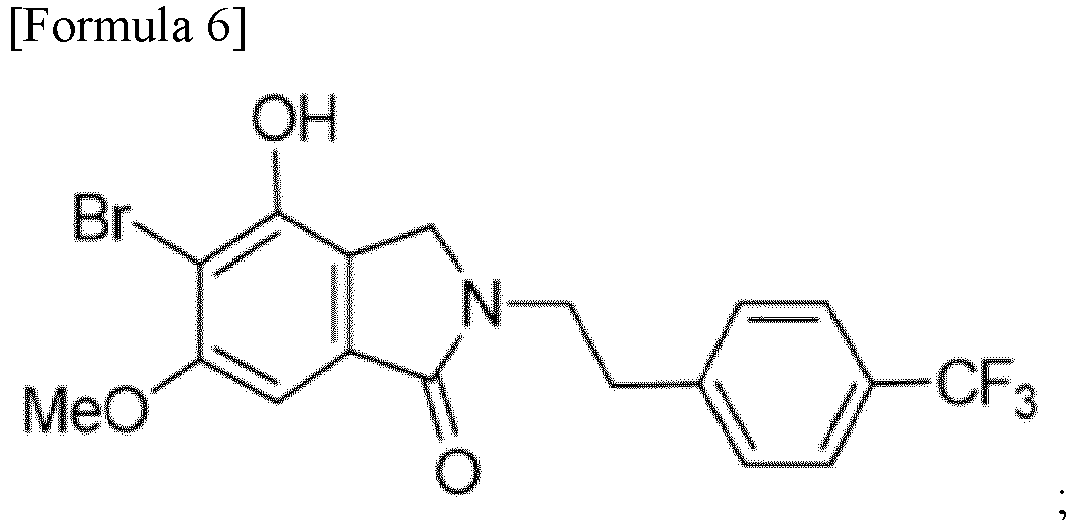


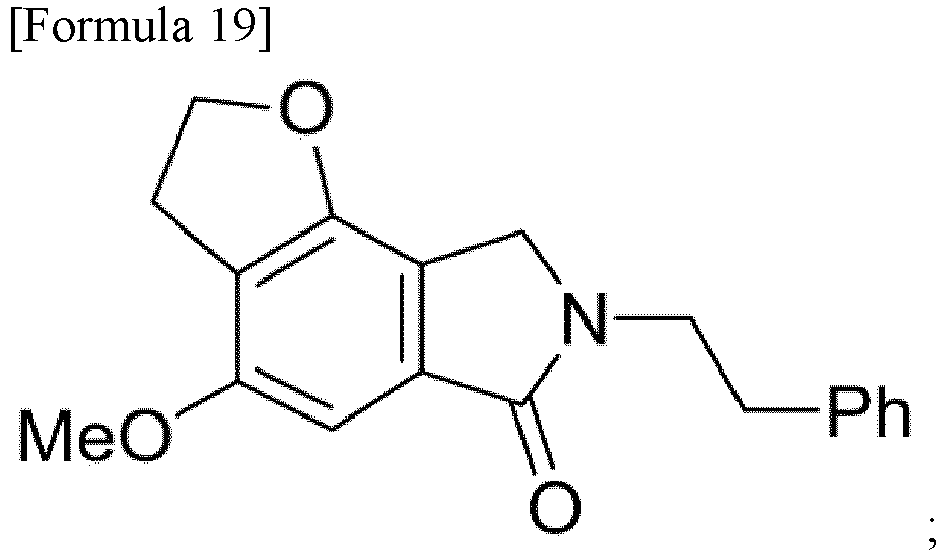


- A pharmaceutical composition for preventing or treating neurological diseases, comprising a compound represented by Formula 22 below or a pharmaceutically acceptable salt thereof:
 R1 is hydrogen, halo, hydroxy, alkyl, alkenyl, alkynyl, haloalkyl, alkoxy, hydroxyalkyl, or alkoxyalkyl;R2 and R3 are each independently hydrogen, halo, hydroxy, alkyl, alkenyl, alkynyl, alkoxy, hydroxyalkyl, or alkoxyalkyl, or R3 is taken together with R2 and the oxygen to which R2 is attached to form 5 to 6 membered heterocycloalkyl; andR4 is hydrogen or alkyl.
 - The pharmaceutical composition for preventing or treating neurological diseases according to claim 6, wherein the neurological disease is selected from the group consisting of Alzheimer's disease, dementia, Parkinson's disease, epilepsy, neurological disorder, peripheral neuropathy, stroke and ischemic brain disease.
- The pharmaceutical composition for preventing or treating neurological diseases according to claim 6, wherein the compound promotes the increase of nerve growth factor.
- The pharmaceutical composition for preventing or treating neurological diseases according to claim 6, wherein the compound promotes the growth of nerve cells.
- The pharmaceutical composition for preventing or treating neurological diseases according to claim 6, wherein the compound has antineuritic activity.
- A food composition for preventing or improving neurological diseases, comprising a compound represented by Formula 22 below or a pharmaceutically acceptable salt thereof:
 R1 is hydrogen, halo, hydroxy, alkyl, alkenyl, alkynyl, haloalkyl, alkoxy, hydroxyalkyl, or alkoxyalkyl;R2 and R3 are each independently hydrogen, halo, hydroxy, alkyl, alkenyl, alkynyl, alkoxy, hydroxyalkyl, or alkoxyalkyl, or R3 is taken together with R2 and the oxygen to which R2 is attached to form 5 to 6 membered heterocycloalkyl; andR4 is hydrogen or alkyl.
 - The food composition for preventing or improving neurological diseases according to claim 11, wherein the neurological disease is selected from the group consisting of Alzheimer's disease, dementia, Parkinson's disease, epilepsy, neurological disorder, peripheral neuropathy, stroke and ischemic brain disease.
- A feed composition for preventing or improving neurological diseases, comprising a compound represented by Formula 22 below or a pharmaceutically acceptable salt thereof:
 R1 is hydrogen, halo, hydroxy, alkyl, alkenyl, alkynyl, haloalkyl, alkoxy, hydroxyalkyl, or alkoxyalkyl;R2 and R3 are each independently hydrogen, halo, hydroxy, alkyl, alkenyl, alkynyl, alkoxy, hydroxyalkyl, or alkoxyalkyl, or R3 is taken together with R2 and the oxygen to which R2 is attached to form 5 to 6 membered heterocycloalkyl; andR4 is hydrogen or alkyl.
Applications Claiming Priority (2)
| Application Number | Priority Date | Filing Date | Title |
|---|---|---|---|
| KR1020200123295A KR20220040294A (en) | 2020-09-23 | 2020-09-23 | 6-methoxy-2-phenethylisoindolin-1-one derivatives and a composition for treatment of neurological diseases comprising the same |
| PCT/KR2021/012799 WO2022065825A1 (en) | 2020-09-23 | 2021-09-17 | 6-methoxy-2-phenethyl isoindoline-1-one derivative and composition for treating neurological disorders, comprising same |
Publications (2)
| Publication Number | Publication Date |
|---|---|
| EP4219450A1 true EP4219450A1 (en) | 2023-08-02 |
| EP4219450A4 EP4219450A4 (en) | 2024-10-09 |
Family
ID=80846094
Family Applications (1)
| Application Number | Title | Priority Date | Filing Date |
|---|---|---|---|
| EP21872853.3A Pending EP4219450A4 (en) | 2020-09-23 | 2021-09-17 | 6-METHOXY-2-PHENETHYL ISOINDOLIN-1-ONE DERIVATIVE AND COMPOSITION FOR THE TREATMENT OF NEUROLOGICAL DISORDERS COMPRISING IT |
Country Status (4)
| Country | Link |
|---|---|
| US (1) | US20230331672A1 (en) |
| EP (1) | EP4219450A4 (en) |
| KR (1) | KR20220040294A (en) |
| WO (1) | WO2022065825A1 (en) |
Families Citing this family (1)
| Publication number | Priority date | Publication date | Assignee | Title |
|---|---|---|---|---|
| KR20230141140A (en) | 2022-03-31 | 2023-10-10 | 에스케이온 주식회사 | Lithium secondary battery |
Family Cites Families (5)
| Publication number | Priority date | Publication date | Assignee | Title |
|---|---|---|---|---|
| HUE041842T2 (en) | 2002-06-14 | 2019-05-28 | Toyama Chemical Co Ltd | Medicinal composition for improving brain function |
| TW200613272A (en) * | 2004-08-13 | 2006-05-01 | Astrazeneca Ab | Isoindolone compounds and their use as metabotropic glutamate receptor potentiators |
| KR101509061B1 (en) * | 2012-12-21 | 2015-04-08 | 대한민국 | Pharmaceutical composition for dementia prevention or treatment comprising substance extracted from Hericium erinacium |
| KR102061526B1 (en) * | 2018-12-05 | 2020-01-06 | 씨엔지바이오 주식회사 | A compound having an ability to increase nerve growth factor and a composition for prevention, improvement and treatment of neurological diseases |
| SG11202109982YA (en) * | 2019-03-12 | 2021-10-28 | Univ Showa | Drug and method for treating or preventing diabetes complications using same drug |
-
2020
- 2020-09-23 KR KR1020200123295A patent/KR20220040294A/en not_active Ceased
-
2021
- 2021-09-17 WO PCT/KR2021/012799 patent/WO2022065825A1/en not_active Ceased
- 2021-09-17 US US18/028,100 patent/US20230331672A1/en active Pending
- 2021-09-17 EP EP21872853.3A patent/EP4219450A4/en active Pending
Also Published As
| Publication number | Publication date |
|---|---|
| KR20220040294A (en) | 2022-03-30 |
| US20230331672A1 (en) | 2023-10-19 |
| EP4219450A4 (en) | 2024-10-09 |
| WO2022065825A1 (en) | 2022-03-31 |
Similar Documents
| Publication | Publication Date | Title |
|---|---|---|
| JP5559156B2 (en) | 3,4-dihydropyrimidine TRPA1 antagonist | |
| JPH05279357A (en) | Azaheterocyclylmethyl-chromans | |
| CN113429387B (en) | Benzo [ b ] selenophen STING regulating agent, preparation method and application thereof | |
| KR20160006207A (en) | Cycloalkyl acid derivative, preparation method thereof, and pharmaceutical application thereof | |
| JP2002510695A (en) | Thiazolo [4,5-d] pyrimidines and pyridines as corticotropin releasing factor (CRF) antagonists | |
| US11414395B2 (en) | Heterocyclic compounds as modulators of mGluR7 | |
| WO2018098251A1 (en) | Tetrasubstituted alkene compounds and their use | |
| EP4219450A1 (en) | 6-methoxy-2-phenethyl isoindoline-1-one derivative and composition for treating neurological disorders, comprising same | |
| CN117136055A (en) | Composition for preventing or treating degenerative neurological diseases comprising a compound that induces expression of anti-aging gene klotho | |
| WO2006077901A1 (en) | Ctgf expression inhibitor | |
| NO180195B (en) | Analogous Process for Preparation of Hexahydroazepine Derivatives | |
| CN111182896A (en) | A therapeutic agent for fatty liver disease and a therapeutic agent for obesity | |
| JPS60214778A (en) | N-substituted 3,4-dihydropyrimidine derivative, its preparation and use | |
| TWI516474B (en) | Synthesis of galanal compounds and analogues thereof | |
| CN103524466A (en) | Dihydrobenzofuran derivative as well as preparation method, intermediate and application thereof | |
| JP2020530836A (en) | A new propaneamine derivative for the treatment of pain and pain-related conditions | |
| CA2982232C (en) | Indole derivatives | |
| EP4223742A1 (en) | 4-methoxy-2-phenethyl isoindoline-1-one derivative, and composition for treating neurological disorders, comprising same | |
| WO2020140894A1 (en) | Fluorine-containing substituted benzothiophene compound, and pharmaceutical composition and application thereof | |
| US3132176A (en) | Preparation of o, o-dialkanoyl derivatives of d, l-alpha-alkyl-beta-3, 4-dihydroxyphenylalanine by preferential acylation | |
| KR100962581B1 (en) | New cinnamic aldehyde derivative with improved solubility in water, preparation method thereof and anticancer composition comprising the same | |
| TW202333697A (en) | Wnt pathway inhibitor compound | |
| JPS633866B2 (en) | ||
| JP2010520218A (en) | Bazedoxifene bisphosphate | |
| CH632763A5 (en) | Triazolothiadiazine derivatives and processes for preparing them |
Legal Events
| Date | Code | Title | Description |
|---|---|---|---|
| STAA | Information on the status of an ep patent application or granted ep patent |
Free format text: STATUS: THE INTERNATIONAL PUBLICATION HAS BEEN MADE |
|
| PUAI | Public reference made under article 153(3) epc to a published international application that has entered the european phase |
Free format text: ORIGINAL CODE: 0009012 |
|
| STAA | Information on the status of an ep patent application or granted ep patent |
Free format text: STATUS: REQUEST FOR EXAMINATION WAS MADE |
|
| 17P | Request for examination filed |
Effective date: 20230322 |
|
| AK | Designated contracting states |
Kind code of ref document: A1 Designated state(s): AL AT BE BG CH CY CZ DE DK EE ES FI FR GB GR HR HU IE IS IT LI LT LU LV MC MK MT NL NO PL PT RO RS SE SI SK SM TR |
|
| DAV | Request for validation of the european patent (deleted) | ||
| DAX | Request for extension of the european patent (deleted) | ||
| A4 | Supplementary search report drawn up and despatched |
Effective date: 20240906 |
|
| RIC1 | Information provided on ipc code assigned before grant |
Ipc: A23K 20/132 20160101ALI20240902BHEP Ipc: A23L 33/10 20160101ALI20240902BHEP Ipc: A61P 9/10 20060101ALI20240902BHEP Ipc: A61P 25/28 20060101ALI20240902BHEP Ipc: A61P 25/00 20060101ALI20240902BHEP Ipc: A61K 31/4035 20060101ALI20240902BHEP Ipc: C07D 491/048 20060101ALI20240902BHEP Ipc: C07D 209/46 20060101AFI20240902BHEP |
|
| STAA | Information on the status of an ep patent application or granted ep patent |
Free format text: STATUS: EXAMINATION IS IN PROGRESS |
|
| 17Q | First examination report despatched |
Effective date: 20250909 |