EP4213089A1 - Air-conditioning load learning device and air-conditioning load prediction device - Google Patents
Air-conditioning load learning device and air-conditioning load prediction device Download PDFInfo
- Publication number
- EP4213089A1 EP4213089A1 EP21864471.4A EP21864471A EP4213089A1 EP 4213089 A1 EP4213089 A1 EP 4213089A1 EP 21864471 A EP21864471 A EP 21864471A EP 4213089 A1 EP4213089 A1 EP 4213089A1
- Authority
- EP
- European Patent Office
- Prior art keywords
- air conditioning
- conditioning load
- load
- prediction
- information
- Prior art date
- Legal status (The legal status is an assumption and is not a legal conclusion. Google has not performed a legal analysis and makes no representation as to the accuracy of the status listed.)
- Withdrawn
Links
Images














Classifications
-
- F—MECHANICAL ENGINEERING; LIGHTING; HEATING; WEAPONS; BLASTING
- F24—HEATING; RANGES; VENTILATING
- F24F—AIR-CONDITIONING; AIR-HUMIDIFICATION; VENTILATION; USE OF AIR CURRENTS FOR SCREENING
- F24F11/00—Control or safety arrangements
- F24F11/30—Control or safety arrangements for purposes related to the operation of the system, e.g. for safety or monitoring
- F24F11/46—Improving electric energy efficiency or saving
-
- F—MECHANICAL ENGINEERING; LIGHTING; HEATING; WEAPONS; BLASTING
- F24—HEATING; RANGES; VENTILATING
- F24F—AIR-CONDITIONING; AIR-HUMIDIFICATION; VENTILATION; USE OF AIR CURRENTS FOR SCREENING
- F24F11/00—Control or safety arrangements
- F24F11/62—Control or safety arrangements characterised by the type of control or by internal processing, e.g. using fuzzy logic, adaptive control or estimation of values
- F24F11/63—Electronic processing
- F24F11/64—Electronic processing using pre-stored data
-
- F—MECHANICAL ENGINEERING; LIGHTING; HEATING; WEAPONS; BLASTING
- F24—HEATING; RANGES; VENTILATING
- F24F—AIR-CONDITIONING; AIR-HUMIDIFICATION; VENTILATION; USE OF AIR CURRENTS FOR SCREENING
- F24F11/00—Control or safety arrangements
- F24F11/62—Control or safety arrangements characterised by the type of control or by internal processing, e.g. using fuzzy logic, adaptive control or estimation of values
- F24F11/63—Electronic processing
-
- G—PHYSICS
- G05—CONTROLLING; REGULATING
- G05B—CONTROL OR REGULATING SYSTEMS IN GENERAL; FUNCTIONAL ELEMENTS OF SUCH SYSTEMS; MONITORING OR TESTING ARRANGEMENTS FOR SUCH SYSTEMS OR ELEMENTS
- G05B15/00—Systems controlled by a computer
- G05B15/02—Systems controlled by a computer electric
-
- G—PHYSICS
- G05—CONTROLLING; REGULATING
- G05B—CONTROL OR REGULATING SYSTEMS IN GENERAL; FUNCTIONAL ELEMENTS OF SUCH SYSTEMS; MONITORING OR TESTING ARRANGEMENTS FOR SUCH SYSTEMS OR ELEMENTS
- G05B19/00—Program-control systems
- G05B19/02—Program-control systems electric
- G05B19/04—Program control other than numerical control, i.e. in sequence controllers or logic controllers
- G05B19/042—Program control other than numerical control, i.e. in sequence controllers or logic controllers using digital processors
-
- G—PHYSICS
- G06—COMPUTING OR CALCULATING; COUNTING
- G06Q—INFORMATION AND COMMUNICATION TECHNOLOGY [ICT] SPECIALLY ADAPTED FOR ADMINISTRATIVE, COMMERCIAL, FINANCIAL, MANAGERIAL OR SUPERVISORY PURPOSES; SYSTEMS OR METHODS SPECIALLY ADAPTED FOR ADMINISTRATIVE, COMMERCIAL, FINANCIAL, MANAGERIAL OR SUPERVISORY PURPOSES, NOT OTHERWISE PROVIDED FOR
- G06Q10/00—Administration; Management
- G06Q10/04—Forecasting or optimisation specially adapted for administrative or management purposes, e.g. linear programming or "cutting stock problem"
-
- G—PHYSICS
- G06—COMPUTING OR CALCULATING; COUNTING
- G06Q—INFORMATION AND COMMUNICATION TECHNOLOGY [ICT] SPECIALLY ADAPTED FOR ADMINISTRATIVE, COMMERCIAL, FINANCIAL, MANAGERIAL OR SUPERVISORY PURPOSES; SYSTEMS OR METHODS SPECIALLY ADAPTED FOR ADMINISTRATIVE, COMMERCIAL, FINANCIAL, MANAGERIAL OR SUPERVISORY PURPOSES, NOT OTHERWISE PROVIDED FOR
- G06Q10/00—Administration; Management
- G06Q10/06—Resources, workflows, human or project management; Enterprise or organisation planning; Enterprise or organisation modelling
-
- G—PHYSICS
- G06—COMPUTING OR CALCULATING; COUNTING
- G06Q—INFORMATION AND COMMUNICATION TECHNOLOGY [ICT] SPECIALLY ADAPTED FOR ADMINISTRATIVE, COMMERCIAL, FINANCIAL, MANAGERIAL OR SUPERVISORY PURPOSES; SYSTEMS OR METHODS SPECIALLY ADAPTED FOR ADMINISTRATIVE, COMMERCIAL, FINANCIAL, MANAGERIAL OR SUPERVISORY PURPOSES, NOT OTHERWISE PROVIDED FOR
- G06Q50/00—Information and communication technology [ICT] specially adapted for implementation of business processes of specific business sectors, e.g. utilities or tourism
- G06Q50/06—Energy or water supply
-
- G—PHYSICS
- G06—COMPUTING OR CALCULATING; COUNTING
- G06Q—INFORMATION AND COMMUNICATION TECHNOLOGY [ICT] SPECIALLY ADAPTED FOR ADMINISTRATIVE, COMMERCIAL, FINANCIAL, MANAGERIAL OR SUPERVISORY PURPOSES; SYSTEMS OR METHODS SPECIALLY ADAPTED FOR ADMINISTRATIVE, COMMERCIAL, FINANCIAL, MANAGERIAL OR SUPERVISORY PURPOSES, NOT OTHERWISE PROVIDED FOR
- G06Q50/00—Information and communication technology [ICT] specially adapted for implementation of business processes of specific business sectors, e.g. utilities or tourism
- G06Q50/10—Services
- G06Q50/16—Real estate
- G06Q50/163—Real estate management
-
- F—MECHANICAL ENGINEERING; LIGHTING; HEATING; WEAPONS; BLASTING
- F24—HEATING; RANGES; VENTILATING
- F24F—AIR-CONDITIONING; AIR-HUMIDIFICATION; VENTILATION; USE OF AIR CURRENTS FOR SCREENING
- F24F2110/00—Control inputs relating to air properties
- F24F2110/10—Temperature
-
- F—MECHANICAL ENGINEERING; LIGHTING; HEATING; WEAPONS; BLASTING
- F24—HEATING; RANGES; VENTILATING
- F24F—AIR-CONDITIONING; AIR-HUMIDIFICATION; VENTILATION; USE OF AIR CURRENTS FOR SCREENING
- F24F2110/00—Control inputs relating to air properties
- F24F2110/10—Temperature
- F24F2110/12—Temperature of the outside air
-
- F—MECHANICAL ENGINEERING; LIGHTING; HEATING; WEAPONS; BLASTING
- F24—HEATING; RANGES; VENTILATING
- F24F—AIR-CONDITIONING; AIR-HUMIDIFICATION; VENTILATION; USE OF AIR CURRENTS FOR SCREENING
- F24F2110/00—Control inputs relating to air properties
- F24F2110/20—Humidity
-
- F—MECHANICAL ENGINEERING; LIGHTING; HEATING; WEAPONS; BLASTING
- F24—HEATING; RANGES; VENTILATING
- F24F—AIR-CONDITIONING; AIR-HUMIDIFICATION; VENTILATION; USE OF AIR CURRENTS FOR SCREENING
- F24F2110/00—Control inputs relating to air properties
- F24F2110/20—Humidity
- F24F2110/22—Humidity of the outside air
-
- F—MECHANICAL ENGINEERING; LIGHTING; HEATING; WEAPONS; BLASTING
- F24—HEATING; RANGES; VENTILATING
- F24F—AIR-CONDITIONING; AIR-HUMIDIFICATION; VENTILATION; USE OF AIR CURRENTS FOR SCREENING
- F24F2130/00—Control inputs relating to environmental factors not covered by group F24F2110/00
- F24F2130/20—Sunlight
-
- F—MECHANICAL ENGINEERING; LIGHTING; HEATING; WEAPONS; BLASTING
- F24—HEATING; RANGES; VENTILATING
- F24F—AIR-CONDITIONING; AIR-HUMIDIFICATION; VENTILATION; USE OF AIR CURRENTS FOR SCREENING
- F24F2140/00—Control inputs relating to system states
- F24F2140/50—Load
-
- G—PHYSICS
- G05—CONTROLLING; REGULATING
- G05B—CONTROL OR REGULATING SYSTEMS IN GENERAL; FUNCTIONAL ELEMENTS OF SUCH SYSTEMS; MONITORING OR TESTING ARRANGEMENTS FOR SUCH SYSTEMS OR ELEMENTS
- G05B2219/00—Program-control systems
- G05B2219/20—Pc systems
- G05B2219/26—Pc applications
- G05B2219/2614—HVAC, heating, ventillation, climate control
Definitions
- the present invention relates to an air conditioning load learning apparatus and an air conditioning load prediction apparatus.
- An air conditioning load learning apparatus includes an actual load acquisition unit, a first information acquisition unit, and a learning unit.
- the actual load acquisition unit acquires an actual air conditioning load that is an actual air conditioning load in a target space inside a target building.
- the first information acquisition unit acquires first information.
- the first information is information about an operation of the target building.
- the learning unit generates a learning model using at least the first information as an explanatory variable and using a value regarding the actual air conditioning load as an objective variable.
- the learning unit generates the learning model using at least the first information as an explanatory variable and using the value regarding the actual air conditioning load as an objective variable. Therefore, the air conditioning load learning apparatus can associate the first information with the value regarding the actual air conditioning load to learn the effect of the operation of the building on the internal heat generation, etc. As a result, the air conditioning load learning apparatus can finally grasp the effect of the operation of the building on the air conditioning load.
- An air conditioning load learning apparatus is the air conditioning load learning apparatus according to the first aspect and further includes a prediction load acquisition unit.
- the prediction load acquisition unit acquires a prediction air conditioning load that is an air conditioning load in the target space predicted by a physical model from at least a thermal property of the target building.
- the learning unit generates the learning model using the first information as an explanatory variable and using a difference load, which is a difference between the actual air conditioning load and the prediction air conditioning load, as an objective variable.
- the air conditioning load learning apparatus can associate the first information with the difference load (the value regarding the actual air conditioning load) to learn the effect of the operation of the building on the internal heat generation, etc. As a result, the air conditioning load learning apparatus can finally grasp the effect of the operation of the building on the air conditioning load.
- An air conditioning load learning apparatus is the air conditioning load learning apparatus according to the second aspect, wherein the actual air conditioning load is an air conditioning load per unit time.
- the air conditioning load learning apparatus can learn the effect of the operation of the building on the air conditioning load in more detail.
- An air conditioning load learning apparatus is the air conditioning load learning apparatus according to the second aspect or the third aspect and further includes a second information acquisition unit.
- the second information acquisition unit acquires second information.
- the second information is at least one of an indoor humidity, an indoor temperature, an air conditioning operating time, a post air conditioning operation start elapsed time, an outside air temperature, an outside air humidity, and solar radiation.
- the learning unit generates the learning model further using the second information as an explanatory variable.
- the air conditioning load learning apparatus can learn the effect of the operation of the building on the outside air introduction load, the heat storage load, the solar radiation load, etc. As a result, the air conditioning load learning apparatus can finally grasp the effect of the operation of the building on the air conditioning load.
- An air conditioning load learning apparatus is the air conditioning load learning apparatus according to any one of the second aspect to the fourth aspect, wherein the learning unit generates the learning model further using the prediction air conditioning load as an explanatory variable.
- the air conditioning load learning apparatus can generate the learning model having a higher prediction accuracy.
- An air conditioning load prediction apparatus includes a difference load prediction unit and a load prediction unit.
- the difference load prediction unit uses the learning model of the air conditioning load learning apparatus according to the second aspect or the third aspect to predict the difference load from the first information.
- the load prediction unit predicts an air conditioning load in the target space based on the predicted difference load and the prediction air conditioning load.
- the air conditioning load prediction apparatus can use the learning model having learned the effect of the operation of the building on internal heat generation, and the like, to predict the air conditioning load in consideration of the effect of the operation of the building.
- An air conditioning load prediction apparatus is the air conditioning load prediction apparatus according to the sixth aspect, wherein the learning model is generated based on the first information, the actual air conditioning load, and the prediction air conditioning load in a short period.
- the difference load prediction unit predicts, from the first information in a long period that is a period longer than the short period, the difference load in the long period.
- the load prediction unit predicts an air conditioning load in the long period in the target space based on the predicted difference load in the long period and the prediction air conditioning load in the long period.
- the air conditioning load prediction apparatus can use the first learning model having learned with the data in the short period to predict the air conditioning load in the long period.
- An air conditioning load prediction apparatus includes a difference load prediction unit and a load prediction unit.
- the difference load prediction unit uses the learning model of the air conditioning load learning apparatus according to the fifth aspect to predict the difference load from the first information and the second information or the prediction air conditioning load.
- the load prediction unit predicts an air conditioning load in the target space based on the predicted difference load and the prediction air conditioning load.
- the air conditioning load prediction apparatus can use the learning model having learned the effect of the operation of the building on the internal heat generation, the outside air introduction load, the heat storage load, the solar radiation load, and the like, to predict the air conditioning load in consideration of the effect of the operation of the building.
- An air conditioning load prediction apparatus is the air conditioning load prediction apparatus according to the eighth aspect, wherein the learning model is generated based on the first information, the second information, the actual air conditioning load, and the prediction air conditioning load in a short period.
- the difference load prediction unit predicts, from the first information and the second information or the prediction air conditioning load in a long period that is a period longer than the short period, the difference load in the long period.
- the load prediction unit predicts an air conditioning load in the long period in the target space based on the predicted difference load in the long period and the prediction air conditioning load in the long period.
- the air conditioning load prediction apparatus can use the learning model having learned with the data in the short period to predict the air conditioning load in the long period.
- An air conditioning load learning apparatus is the air conditioning load learning apparatus according to the first aspect and further includes a prediction load acquisition unit.
- the prediction load acquisition unit acquires a prediction air conditioning load that is an air conditioning load in the target space predicted by a physical model from at least a thermal property of the target building.
- the learning unit generates the learning model using the prediction air conditioning load and the first information as explanatory variables and using the actual air conditioning load as an objective variable.
- the air conditioning load learning apparatus can associate the first information with the actual air conditioning load (the value regarding the actual air conditioning load) to learn the effect of the operation of the building on the internal heat generation, etc. As a result, the air conditioning load learning apparatus can finally grasp the effect of the operation of the building on the air conditioning load.
- An air conditioning load learning apparatus is the air conditioning load learning apparatus according to the tenth aspect, wherein the actual air conditioning load is an air conditioning load per unit time.
- the air conditioning load learning apparatus can learn the effect of the operation of the building on the air conditioning load in more detail.
- An air conditioning load learning apparatus is the air conditioning load learning apparatus according to the tenth aspect or the eleventh aspect and further includes a second information acquisition unit.
- the second information acquisition unit acquires second information.
- the second information is at least one of an indoor humidity, an indoor temperature, an air conditioning operating time, a post air conditioning operation start elapsed time, an outside air temperature, an outside air humidity, and solar radiation.
- the learning unit generates the learning model further using the second information as an explanatory variable.
- the air conditioning load learning apparatus can learn the effect of the operation of the building on the outside air introduction load, the heat storage load, the solar radiation load, etc. As a result, the air conditioning load learning apparatus can finally grasp the effect of the operation of the building on the air conditioning load.
- An air conditioning load prediction apparatus includes a load prediction unit.
- the load prediction unit uses the learning model generated by the learning unit in the air conditioning load learning apparatus according to the tenth aspect or the eleventh aspect to predict an air conditioning load in the target space from the prediction air conditioning load and the first information.
- the air conditioning load prediction apparatus can use the learning model having learned the effect of the operation of the building on internal heat generation, and the like, to predict the air conditioning load in consideration of the effect of the operation of the building.
- An air conditioning load prediction apparatus is the air conditioning load prediction apparatus according to the thirteenth aspect, wherein the learning model is generated based on the prediction air conditioning load, the first information, and the actual air conditioning load in a short period. Based on the prediction air conditioning load and the first information in a long period that is a period longer than the short period, the load prediction unit predicts an air conditioning load in the long period in the target space.
- the air conditioning load prediction apparatus can use the learning model having learned with the data in the short period to predict the air conditioning load in the long period.
- An air conditioning load prediction apparatus includes a load prediction unit.
- the load prediction unit uses the learning model generated by the learning unit in the air conditioning load learning apparatus according to the twelfth aspect to predict an air conditioning load in the target space from the prediction air conditioning load, the first information, and the second information.
- the air conditioning load prediction apparatus can use the learning model having learned the effect of the operation of the building on the internal heat generation, the outside air introduction load, the heat storage load, the solar radiation load, and the like, to predict the air conditioning load in consideration of the effect of the operation of the building.
- An air conditioning load prediction apparatus is the air conditioning load prediction apparatus according to the fifteenth aspect, wherein the learning model is generated based on the prediction air conditioning load, the first information, the second information, and the actual air conditioning load in a short period. Based on the prediction air conditioning load, the first information, and the second information in a long period that is a period longer than the short period, the load prediction unit predicts an air conditioning load in the long period in the target space.
- the air conditioning load prediction apparatus can use the learning model having learned with the data in the short period to predict the air conditioning load in the long period.
- An air conditioning load learning apparatus is the air conditioning load learning apparatus according to the first aspect and further includes an input value acquisition unit.
- the input value acquisition unit acquires a first input value and a second input value.
- the first input value is an input value including at least a thermal property of the target building to a physical model, which outputs a prediction air conditioning load that is a predicted air conditioning load in the target space.
- the second input value is an input value calculated by inverse calculation of the physical model using the actual air conditioning load.
- the learning unit generates the learning model using the first information as an explanatory variable and using a difference input value, which is a difference between the first input value and the second input value, as an objective variable.
- the air conditioning load learning apparatus can associate the first information with the difference input value (the value regarding the actual air conditioning load) to learn the effect of the operation of the building on the internal heat generation, etc. As a result, the air conditioning load learning apparatus can finally grasp the effect of the operation of the building on the air conditioning load.
- An air conditioning load learning apparatus is the air conditioning load learning apparatus according to the seventeenth aspect, wherein the learning unit generates the learning model further using the first input value as an explanatory variable.
- the air conditioning load learning apparatus can generate the learning model having a higher prediction accuracy.
- An air conditioning load prediction apparatus includes a difference input value prediction unit and a prediction load acquisition unit.
- the difference input value prediction unit uses the learning model of the air conditioning load learning apparatus according to the seventeenth aspect or the eighteenth aspect to predict the difference input value from at least the first information.
- the prediction load acquisition unit acquires a prediction air conditioning load that is an air conditioning load in the target space predicted by the physical model.
- the prediction air conditioning load is predicted by the physical model using, as an input, a third input value.
- the third input value is obtained by correcting the first input value using the predicted difference input value.
- the air conditioning load prediction apparatus can use the learning model having learned the effect of the operation of the building on internal heat generation, and the like, to predict the air conditioning load in consideration of the effect of the operation of the building.
- An air conditioning load learning apparatus is the air conditioning load learning apparatus according to the first aspect and further includes a prediction load acquisition unit and a difference input value acquisition unit.
- the prediction load acquisition unit acquires a prediction air conditioning load that is an air conditioning load in the target space predicted by a physical model from at least a thermal property of the target building.
- the difference input value acquisition unit acquires a difference input value calculated by inverse calculation of the physical model using a difference load that is a difference between the actual air conditioning load and the prediction air conditioning load.
- the learning unit generates the learning model using the first information as an explanatory variable and using the difference input value as an objective variable.
- the air conditioning load learning apparatus can associate the first information with the difference input value (the value regarding the actual air conditioning load) to learn the effect of the operation of the building on the internal heat generation, etc. As a result, the air conditioning load learning apparatus can finally grasp the effect of the operation of the building on the air conditioning load.
- An air conditioning load learning apparatus is the air conditioning load learning apparatus according to the twentieth aspect, wherein the learning unit generates the learning model further using an input value to the physical model as an explanatory variable.
- the air conditioning load learning apparatus can generate the learning model having a higher prediction accuracy.
- An air conditioning load prediction apparatus includes a difference input value prediction unit, a prediction difference load acquisition unit, and a load prediction unit.
- the difference input value prediction unit uses the learning model of the air conditioning load learning apparatus according to the twentieth aspect or the twenty-first aspect to predict the difference input value from at least the first information.
- the prediction difference load acquisition unit acquires the difference load predicted by the physical model using the predicted difference input value as an input.
- the load prediction unit predicts an air conditioning load in the target space based on the acquired difference load and the prediction air conditioning load.
- the air conditioning load prediction apparatus can use the learning model having learned the effect of the operation of the building on internal heat generation, and the like, to predict the air conditioning load in consideration of the effect of the operation of the building.
- An air conditioning load learning apparatus is the air conditioning load learning apparatus according to the first aspect and further includes an input value acquisition unit.
- the input value acquisition unit acquires a first input value and a second input value.
- the first input value is an input value including at least a thermal property of the target building to a physical model, which outputs a prediction air conditioning load that is a predicted air conditioning load in the target space.
- the second input value is an input value calculated by inverse calculation of the physical model using the actual air conditioning load.
- the learning unit generates the learning model using the first information and the first input value as explanatory variables and using the second input value as an objective variable.
- the air conditioning load learning apparatus can associate the first information with the second input value (the value regarding the actual air conditioning load) to learn the effect of the operation of the building on the internal heat generation, etc. As a result, the air conditioning load learning apparatus can finally grasp the effect of the operation of the building on the air conditioning load.
- An air conditioning load prediction apparatus includes an input value prediction unit and a prediction load acquisition unit.
- the input value prediction unit uses the learning model of the air conditioning load learning apparatus according to the twenty-third aspect to predict the second input value from the first information and the first input value.
- the prediction load acquisition unit acquires a prediction air conditioning load that is an air conditioning load in the target space predicted by the physical model using the predicted second input value as an input.
- the air conditioning load prediction apparatus can use the learning model having learned the effect of the operation of the building on internal heat generation, and the like, to predict the air conditioning load in consideration of the effect of the operation of the building.
- An air conditioning load learning apparatus 110 learns an air conditioning load of an air conditioning system 30 installed in a target building 10 and generates a learning model LM1.
- a learning process by the air conditioning load learning apparatus 110 is referred to as an air conditioning load learning process.
- An air conditioning load prediction apparatus 120 uses the learning model LM1 generated by the air conditioning load learning apparatus 110 to predict the air conditioning load of the air conditioning system 30 installed in the target building 10.
- a prediction process by the air conditioning load prediction apparatus 120 is referred to as an air conditioning load prediction process.
- the target building 10 is, for example, an office building.
- the target space 11 of the air conditioning system 30 in the target building 10 is, for example, an office space.
- the air conditioning load learning apparatus 110 and the air conditioning load prediction apparatus 120 use thermal load calculation results by a physical model calculation device 70.
- the physical model calculation device 70 calculates the thermal load of the target building 10 based on a physical model PM.
- a calculation process by the physical model calculation device 70 is referred to as a physical model calculation process.
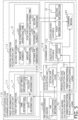
- FIG. 1 is a configuration diagram of the air conditioning load learning apparatus 110 and the air conditioning load prediction apparatus 120.
- the air conditioning load learning apparatus 110, the air conditioning load prediction apparatus 120, the physical model calculation device 70, the air conditioning system 30, and an air conditioning database 80 are communicatively coupled via a network 90.
- the network 90 is the Internet.
- the network 90 is not limited to the Internet as long as the air conditioning load learning apparatus 110, the air conditioning load prediction apparatus 120, the physical model calculation device 70, and the air conditioning system 30 are communicatively coupled.
- the network 90 may be a wired or wireless LAN, etc.
- the air conditioning load learning apparatus 110, the air conditioning load prediction apparatus 120, and the physical model calculation device 70 may be implemented as a single device, and in this case, the network 90 is an electronic circuit, etc. Moreover, the functions of the physical model calculation device 70 may be implemented as functional blocks of the air conditioning load learning apparatus 110 and the air conditioning load prediction apparatus 120.
- the air conditioning system 30 forms a vapor compression refrigeration cycle to air-condition the target space 11.
- the air conditioning system 30 is a multi-air conditioning system for buildings.
- the air conditioning system 30 is not limited thereto, and the air conditioning system 30 may be of any type.
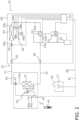
- FIG. 2 is a schematic configuration diagram of the air conditioning system 30.
- the air conditioning system 30 primarily includes an indoor unit 40, an outdoor unit 50, a total heat exchanger 20, and a control unit 60.
- the one indoor unit 40, the one outdoor unit 50, and the one total heat exchanger 20 are illustrated in FIG. 2 , this is not a limitation, and the air conditioning system 30 may include a plurality of the indoor units 40, a plurality of the outdoor units 50, and a plurality of the total heat exchangers 20.
- the air conditioning system 30 includes the plurality of indoor units 40, and the second and subsequent indoor units 40 are not illustrated in FIG. 2 .
- the indoor unit 40 and the outdoor unit 50 are coupled via a liquid refrigerant connection pipe 31 and a gas refrigerant connection pipe 32 to form a refrigerant circuit 33.
- the refrigerant circuit 33 includes an indoor expansion valve 41 and an indoor heat exchanger 42 of the indoor unit 40. Furthermore, the refrigerant circuit 33 includes a compressor 51, a flow direction switching mechanism 52, an outdoor heat exchanger 53, and an outdoor expansion valve 54 of the outdoor unit 50.
- the air conditioning system 30 has, as primary operating modes for the air conditioning operation, a cooling operating mode for performing a cooling operation and a heating operating mode for performing a heating operation.
- the cooling operation is an operation for causing the outdoor heat exchanger 53 to function as a condenser of the refrigerant and causing the indoor heat exchanger 42 to function as an evaporator of the refrigerant to cool the air in the target space 11 where the indoor unit 40 is installed.
- the heating operation is an operation for causing the outdoor heat exchanger 53 to function as an evaporator of the refrigerant and causing the indoor heat exchanger 42 to function as a condenser of the refrigerant to heat the air in the target space 11 where the indoor unit 40 is installed.
- the indoor unit 40 is a unit installed in the target space 11.
- the indoor unit 40 is a ceiling-embedded unit.
- the indoor unit 40 is coupled to the outdoor unit 50 via the liquid refrigerant connection pipe 31 and the gas refrigerant connection pipe 32.
- the indoor unit 40 includes an indoor-side refrigerant circuit 33a forming part of the refrigerant circuit 33.
- the indoor unit 40 primarily includes the indoor expansion valve 41, the indoor heat exchanger 42, an indoor fan 43, various sensors, and an indoor control unit 44. Various sensors included in the indoor unit 40 will be described below.
- the indoor expansion valve 41 is a mechanism that adjusts the pressure and the flow rate of the refrigerant flowing through the indoor-side refrigerant circuit 33a.
- the indoor expansion valve 41 is provided in a refrigerant pipe that couples the liquid side of the indoor heat exchanger 42 and the liquid refrigerant connection pipe 31.
- the indoor expansion valve 41 is, for example, an electronic expansion valve whose opening degree is adjustable.
- the indoor heat exchanger 42 heat is exchanged between the refrigerant flowing through the indoor heat exchanger 42 and the air in the target space 11.
- the indoor heat exchanger 42 is, for example, a fin-and-tube heat exchanger including a plurality of heat transfer tubes and fins.
- One end of the indoor heat exchanger 42 is coupled to the liquid refrigerant connection pipe 31 via a refrigerant pipe.
- the other end of the indoor heat exchanger 42 is coupled to the gas refrigerant connection pipe 32 via a refrigerant pipe.
- the refrigerant flows into the indoor heat exchanger 42 from the liquid refrigerant connection pipe 31 side, and the indoor heat exchanger 42 functions as an evaporator of the refrigerant.
- the refrigerant flows into the indoor heat exchanger 42 from the gas refrigerant connection pipe 32 side, and the indoor heat exchanger 42 functions as a condenser of the refrigerant.
- the indoor fan 43 is a fan that supplies the air to the indoor heat exchanger 42.
- the indoor fan 43 is, for example, a cross-flow fan.
- the indoor fan 43 is driven by an indoor fan motor 43a.
- the number of revolutions of the indoor fan motor 43a can be controlled by an inverter.
- the indoor unit 40 includes an indoor temperature sensor 45a and an indoor humidity sensor 45b.
- the indoor temperature sensor 45a is provided on an air intake side of a casing (not illustrated) of the indoor unit 40.
- the indoor temperature sensor 45a detects the temperature of the air in the target space 11 that flows into the casing of the indoor unit 40 (the suction temperature of the indoor unit 40).
- the indoor humidity sensor 45b is provided on the air intake side of the casing (not illustrated) of the indoor unit 40.
- the indoor humidity sensor 45b detects the humidity of the air in the target space 11 that flows into the casing of the indoor unit 40.
- the indoor humidity sensor 45b detects a relative humidity.
- the indoor control unit 44 controls the operation of each unit included in the indoor unit 40.
- the indoor control unit 44 includes a control arithmetic device and a storage device.
- a processor such as a CPU or a GPU may be used as the control arithmetic device.
- the control arithmetic device reads a program stored in the storage device and performs predetermined arithmetic processing in accordance with the program. Further, the control arithmetic device can write an arithmetic result in the storage device and read information stored in the storage device in accordance with the program.
- the indoor control unit 44 includes a timer. According to the present embodiment, the timer is installed in the indoor control unit 44, but may be installed in an outdoor control unit 57 described below.
- the indoor control unit 44 is electrically connected to the indoor expansion valve 41, the indoor fan 43, the indoor temperature sensor 45a, and the indoor humidity sensor 45b to enable exchange of control signals and information.
- the indoor control unit 44 is configured to enable reception of various signals transmitted from a remote controller 46 to operate the indoor unit 40.
- the various signals transmitted from the remote controller 46 include signals for giving instructions to operate or stop the indoor unit 40 and signals regarding various settings.
- the signals regarding various settings include, for example, switching signals for the operating modes and signals regarding a setting temperature or a setting humidity for the cooling operation and the heating operation.
- the indoor control unit 44 is coupled to the outdoor control unit 57 of the outdoor unit 50 and a total heat exchange control unit 21 of the total heat exchanger 20 via a transmission line 61 in a state where control signals, and the like, can be exchanged. Further, instead of being coupled via the physical transmission line 61, the indoor control unit 44, the outdoor control unit 57, and the total heat exchange control unit 21 may be coupled wirelessly to enable communications.
- the indoor control unit 44, the outdoor control unit 57, and the total heat exchange control unit 21 cooperate with each other to function as the control unit 60 that controls the overall operation of the air conditioning system 30.
- the control unit 60 will be described below.
- the outdoor unit 50 is installed outside the target space 11.
- the outdoor unit 50 is installed, for example, on a roof floor of the target building 10, in which the air conditioning system 30 is provided, or is installed adjacent to the target building 10.
- the outdoor unit 50 is coupled to the indoor units 40 via the liquid refrigerant connection pipe 31 and the gas refrigerant connection pipe 32.
- the outdoor unit 50 includes an outdoor-side refrigerant circuit 33b forming part of the refrigerant circuit 33.
- the outdoor unit 50 primarily includes the compressor 51, the flow direction switching mechanism 52, the outdoor heat exchanger 53, the outdoor expansion valve 54, an accumulator 55, an outdoor fan 56, various sensors, and the outdoor control unit 57.
- Various sensors included in the outdoor unit 50 will be described below.
- the outdoor unit 50 includes an intake pipe 34a, a discharge pipe 34b, a first gas refrigerant pipe 34c, a liquid refrigerant pipe 34d, a second gas refrigerant pipe 34e, a liquid-side shutoff valve 35, and a gas-side shutoff valve 36.
- the intake pipe 34a couples the flow direction switching mechanism 52 and an intake side of the compressor 51.
- the intake pipe 34a is provided with the accumulator 55.
- the discharge pipe 34b couples a discharge side of the compressor 51 and the flow direction switching mechanism 52.
- the first gas refrigerant pipe 34c couples the flow direction switching mechanism 52 and a gas side of the outdoor heat exchanger 53.
- the liquid refrigerant pipe 34d couples a liquid side of the outdoor heat exchanger 53 and the liquid refrigerant connection pipe 31.
- the liquid refrigerant pipe 34d is provided with the outdoor expansion valve 54.
- the liquid-side shutoff valve 35 is provided in a coupling portion between the liquid refrigerant pipe 34d and the liquid refrigerant connection pipe 31.
- the second gas refrigerant pipe 34e couples the flow direction switching mechanism 52 and the gas refrigerant connection pipe 32.
- the gas-side shutoff valve 36 is provided in a coupling portion between the second gas refrigerant pipe 34e and the gas refrigerant connection pipe 32.
- the compressor 51 is a device that takes in the low-pressure refrigerant in the refrigeration cycle from the intake pipe 34a, compresses the refrigerant with a compression mechanism (not illustrated), and discharges the compressed refrigerant to the discharge pipe 34b.
- the compressor 51 is, for example, a rotary type or scroll type volume compressor.
- the compression mechanism of the compressor 51 is driven by a compressor motor 51a.
- the compressor motor 51a is a motor whose number of revolutions can be controlled by an inverter. By controlling the number of revolutions of the compressor motor 51a, the volume of the compressor 51 is controlled.
- the flow direction switching mechanism 52 is a mechanism that switches the flow direction of the refrigerant to change the state of the refrigerant circuit 33 between a first state and a second state.
- the outdoor heat exchanger 53 functions as a condenser of the refrigerant
- the indoor heat exchanger 42 functions as an evaporator of the refrigerant.
- the flow direction switching mechanism 52 sets the state of the refrigerant circuit 33 to the first state during the cooling operation. In other words, during the cooling operation, the flow direction switching mechanism 52 causes the intake pipe 34a to communicate with the second gas refrigerant pipe 34e and causes the discharge pipe 34b to communicate with the first gas refrigerant pipe 34c as indicated in the solid lines in the flow direction switching mechanism 52 in FIG. 2 .
- the outdoor heat exchanger 53 functions as an evaporator of the refrigerant
- the indoor heat exchanger 42 functions as a condenser of the refrigerant.
- the flow direction switching mechanism 52 sets the state of the refrigerant circuit 33 to the second state during the heating operation. In other words, during the heating operation, the flow direction switching mechanism 52 causes the intake pipe 34a to communicate with the first gas refrigerant pipe 34c and causes the discharge pipe 34b to communicate with the second gas refrigerant pipe 34e as indicated in the broken lines in the flow direction switching mechanism 52 in FIG. 2 .
- the flow direction switching mechanism 52 is a four-way switching valve.
- the outdoor heat exchanger 53 heat is exchanged between the refrigerant flowing inside the outdoor heat exchanger 53 and the air in the outdoor area where the outdoor unit 50 is installed.
- the outdoor heat exchanger 53 is, for example, a fin-and-tube heat exchanger including a plurality of heat transfer tubes and fins.
- One end of the outdoor heat exchanger 53 is coupled to the liquid refrigerant pipe 34d.
- the other end of the outdoor heat exchanger 53 is coupled to the first gas refrigerant pipe 34c.
- the outdoor heat exchanger 53 functions as a condenser of the refrigerant during the cooling operation and functions as an evaporator of the refrigerant during the heating operation.
- the outdoor expansion valve 54 is a mechanism that adjusts the pressure and the flow rate of the refrigerant flowing through the liquid refrigerant pipe 34d. As illustrated in FIG. 2 , the outdoor expansion valve 54 is provided in the liquid refrigerant pipe 34d.
- the outdoor expansion valve 54 is, for example, an electronic expansion valve whose opening degree is adjustable.
- the accumulator 55 has a gas-liquid separation function to separate the flowing refrigerant into a gas refrigerant and a liquid refrigerant. Furthermore, the accumulator 55 is a container that has the function to store an excess refrigerant generated in accordance with fluctuations in the operation load of the indoor unit 40, etc. As illustrated in FIG. 2 , the accumulator 55 is provided in the intake pipe 34a. The refrigerant flowing into the accumulator 55 is separated into a gas refrigerant and a liquid refrigerant, and the gas refrigerant collected in an upper space flows into the compressor 51.
- the outdoor fan 56 is a fan that supplies air to the outdoor heat exchanger 53.
- the outdoor fan 56 is a fan that takes in the heat source air outside the outdoor unit 50 into the casing (not illustrated) of the outdoor unit 50, supplies the heat source air to the outdoor heat exchanger 53, and discharges the air, which has exchanged heat with the refrigerant in the outdoor heat exchanger 53, to the outside of the casing of the outdoor unit 50.
- the outdoor fan 56 is, for example, a propeller fan.
- the outdoor fan 56 is driven by an outdoor fan motor 56a. The number of revolutions of the outdoor fan motor 56a can be controlled by an inverter.
- the outdoor unit 50 includes an outdoor temperature sensor 58a, an outdoor humidity sensor 58b, and an outdoor solar radiation sensor 58c.
- the outdoor temperature sensor 58a measures the temperature of the air in the outdoor area where the outdoor unit 50 is installed.
- the outdoor humidity sensor 58b measures the humidity of the air in the outdoor area where the outdoor unit 50 is installed. According to the present embodiment, the outdoor humidity sensor 58b detects the relative humidity. However, this is not a limitation, and the outdoor humidity sensor 58b may detect the absolute humidity.
- the outdoor solar radiation sensor 58c measures the solar radiation in the outdoor area where the outdoor unit 50 is installed.
- the outdoor unit 50 also includes sensors that measure the refrigerant temperature, the refrigerant pressure, etc.
- the outdoor control unit 57 controls the operation of each unit included in the outdoor unit 50.
- the outdoor control unit 57 includes a control arithmetic device and a storage device.
- a processor such as a CPU or a GPU may be used as the control arithmetic device.
- the control arithmetic device reads a program stored in the storage device and performs predetermined arithmetic processing in accordance with the program. Further, the control arithmetic device can write an arithmetic result in the storage device and read information stored in the storage device in accordance with the program.
- the outdoor control unit 57 is electrically connected to the compressor 51, the flow direction switching mechanism 52, the outdoor expansion valve 54, the outdoor fan 56, the outdoor temperature sensor 58a, the outdoor humidity sensor 58b, and the outdoor solar radiation sensor 58c to enable exchange of control signals and information.
- the outdoor control unit 57 is coupled to the indoor control unit 44 of the indoor unit 40 and the total heat exchange control unit 21 of the total heat exchanger 20 via the transmission line 61 in a state where control signals, and the like, can be exchanged.
- the outdoor control unit 57, the indoor control unit 44, and the total heat exchange control unit 21 cooperate with each other to function as the control unit 60 that controls the overall operation of the air conditioning system 30.
- the control unit 60 will be described below.
- the total heat exchanger 20 is a unit installed in the target space 11.
- the total heat exchanger 20 is a ceiling-embedded unit.
- the total heat exchanger 20 performs total heat exchange operation.
- the total heat exchange refers to the exchange of sensible heat and the exchange of latent heat.
- the total heat exchange operation is an operation to perform total heat exchange between the exhaust air discharged from the target space 11 to outside the room and the intake air taken into the target space 11 as fresh air from outside the room.
- the total heat exchanger 20 includes the total heat exchange control unit 21.
- the total heat exchange control unit 21 controls the operation of each unit included in the total heat exchanger 20.
- the total heat exchange control unit 21 includes a control arithmetic device and a storage device.
- a processor such as a CPU or a GPU may be used as the control arithmetic device.
- the control arithmetic device reads a program stored in the storage device and performs predetermined arithmetic processing in accordance with the program. Further, the control arithmetic device can write an arithmetic result in the storage device and read information stored in the storage device in accordance with the program.
- the total heat exchange control unit 21 is configured to enable reception of various signals transmitted from the remote controller 46 to operate the total heat exchanger 20.
- the various signals transmitted from the remote controller 46 include signals for giving instructions to operate or stop the total heat exchanger 20 and signals regarding various settings.
- the control unit 60 is configured by communicatively coupling the indoor control unit 44 of the indoor unit 40, the outdoor control unit 57 of the outdoor unit 50, and the total heat exchange control unit 21 of the total heat exchanger 20 via the transmission line 61.
- the control unit 60 controls the overall operation of the air conditioning system 30 when the control arithmetic devices of the indoor control unit 44, the outdoor control unit 57, and the total heat exchange control unit 21 execute programs stored in the storage devices.
- control unit 60 is electrically connected to the indoor expansion valve 41, the indoor fan 43, the indoor temperature sensor 45a, and the indoor humidity sensor 45b of the indoor unit 40. Furthermore, the control unit 60 is electrically connected to the compressor 51, the flow direction switching mechanism 52, the outdoor expansion valve 54, the outdoor fan 56, the outdoor temperature sensor 58a, the outdoor humidity sensor 58b, and the outdoor solar radiation sensors 58c of the outdoor unit 50.
- the control unit 60 controls the operation and stoppage of the air conditioning system 30 and the operations of various devices of the air conditioning system 30 based on measurement signals of the various sensors 45a, 45b, 58a, 58b, 58c, and the like, commands received by the indoor control unit 44 and the total heat exchange control unit 21 from the remote controller 46, etc.
- control unit 60 acquires information (air conditioning information 37) about the air conditioning system 30 from the air conditioning system 30 at predetermined time intervals and transmits the information to the air conditioning database 80.
- the predetermined time interval is per unit time.
- the unit time is set to one hour.
- the air conditioning database 80 stores the transmitted air conditioning information 37.
- FIG. 3 is a configuration diagram of the air conditioning database 80.
- the air conditioning information 37 includes time information I11, date information 112, an indoor humidity I21, an indoor temperature I22, an air conditioning operating time I23, a post air conditioning operation start elapsed time I24, an outside air temperature I25, an outside air humidity I26, solar radiation I27, an actual air conditioning load 140, and a total heat exchange operating time 131.
- the air conditioning information 37 is not limited to these pieces of information, and may include measurement information of other sensors, etc.
- the time information I11 and the date information 112 are the time and date when the control unit 60 acquires the air conditioning information 37.
- the time information I11 is, for example, a 6-digit numerical value indicating a time, such as 18 (hour) 00 (minute) 00 (second).
- the date information 112 is, for example, an 8-digit numerical value indicating a date, such as 2018 (year) 01 (month) 01 (day).
- the indoor humidity I21 is a measurement value of the indoor humidity sensor 45b when the control unit 60 acquires the air conditioning information 37.
- the indoor temperature I22 is a measurement value of the indoor temperature sensor 45a when the control unit 60 acquires the air conditioning information 37.
- the air conditioning operating time I23 is a time during which the air conditioning operation is performed.
- the air conditioning operating time I23 is a time in a state where the indoor unit 40 is on in the remote controller 46.
- the air conditioning operating time I23 is a time during which the air conditioning operation is performed in a unit time from the previous acquisition of the air conditioning information 37 by the control unit 60. The time up to a unit time is stored as the air conditioning operating time I23.
- the post air conditioning operation start elapsed time I24 is a cumulative operating time (e.g., up to three hours) from the start of the most recent air conditioning operation after the stoppage of the air conditioning operation for a long time (e.g., five hours or more) at the time when the control unit 60 acquires the air conditioning information 37.
- a long time e.g., five hours or more
- 0 is stored as the post air conditioning operation start elapsed time I24 in a case where the operation does not correspond to the operation after the stoppage of the air conditioning operation for a long time or in a case where the cumulative operating time from the start of the air conditioning operation is more than a predetermined time (e.g., three hours described above).
- the operation corresponds to the operation after the stoppage of the air conditioning operation for a long time, and the cumulative operating time from the start of the air conditioning operation falls within a predetermined time (e.g., three hours described above), the time from the start of the most recent air conditioning operation to the time when the control unit 60 acquires the air conditioning information 37 is stored as the post air conditioning operation start elapsed time I24.
- a predetermined time e.g., three hours described above
- the outside air temperature I25 is a measurement value of the outdoor temperature sensor 58a when the control unit 60 acquires the air conditioning information 37.
- the outside air humidity I26 is a measurement value of the outdoor humidity sensor 58b when the control unit 60 acquires the air conditioning information 37.
- the solar radiation I27 is a measurement value of the outdoor solar radiation sensor 58c when the control unit 60 acquires the air conditioning information 37.
- the actual air conditioning load 140 is an actual air conditioning load processed by the air conditioning system 30 in the target space 11 inside the target building 10.
- the actual air conditioning load 140 is an air conditioning capacity actual measurement value of the outdoor unit 50.
- the air conditioning capacity actual measurement value of the outdoor unit 50 is calculated using a compressor curve method (CC method) based on the actual measurement value of an internal sensor of the outdoor unit 50.
- the CC method is a method for calculating a supply capacity by using a refrigerant enthalpy difference obtained from sensor information (refrigerant temperature, refrigerant pressure, etc.) inside the multi-air conditioning system for buildings and a refrigerant circulation amount obtained from the number of revolutions of the compressor motor 51a using a compressor property curve.
- cooling load actual measurement value included in the actual air conditioning load 140 a cooling capacity actual measurement value of the outdoor unit 50 is used as it is.
- the value is used, which is obtained by removing heat loss due to the liquid refrigerant connection pipe 31 and the gas refrigerant connection pipe 32 between the outdoor unit 50 and the indoor unit 40 from the heating capacity actual measurement value of the outdoor unit 50.
- the cooling load actual measurement value and the heating load actual measurement value are calculated for each system of the outdoor unit 50.
- the total heat exchange operating time 131 is a time during which the total heat exchange operation is performed.
- the total heat exchange operating time 131 is a time in a state where the total heat exchanger 20 is on in the remote controller 46.
- the total heat exchange operating time 131 is a time during which the total heat exchange operation is performed in a unit time from the previous acquisition of the air conditioning information 37 by the control unit 60. The time up to a unit time is stored as the total heat exchange operating time 131.
- the physical model calculation device 70 includes a control arithmetic device and a storage device.
- a processor such as a CPU or a GPU may be used as the control arithmetic device.
- the control arithmetic device reads a program stored in the storage device and performs predetermined image processing and arithmetic processing in accordance with the program. Further, the control arithmetic device can write an arithmetic result in the storage device and read information stored in the storage device in accordance with the program.
- the physical model calculation device 70 calculates the thermal load of the target building 10 based on the physical model PM.
- FIG. 4 is a configuration diagram of a physical model calculation process. As illustrated in FIG. 4 , the physical model calculation device 70 inputs an input value 130 to the physical model PM to calculate a first prediction air conditioning load 161.
- the first prediction air conditioning load 161 is a predicted air conditioning load in the target space 11.
- the input value 130 includes at least a thermal property of the target building 10.
- the thermal property of the target building 10 is, for example, thermal insulation property, heat capacity, building shape, solar radiation shielding performance, amount of ventilation of the target building 10, the thermal property of building materials used for obtaining them, Q value, etc.
- the content of the input value 130 depends on the physical model PM and dynamic thermal load calculation software.
- the input value 130 may include, for example, outside air condition, solar radiation condition, indoor condition (e.g., indoor temperature and indoor humidity), condition of air conditioning or outside air introduction (e.g., air conditioning on/off or ventilation introduction on/off), and information about internal heat generation, etc.
- the physical model PM may be a model including a simple heat balance equation or may be a model included in existing dynamic thermal load calculation software.
- Q solar is a solar radiation load from a window
- Q outair is a through-flow thermal load from a wall
- Q buil is heat storage of indoor thermal mass
- Q air is heat storage of air
- Q solar is a ventilation load
- I g is internal heat generation
- ⁇ HVAC is an air conditioning load in the target space 11.
- the linear physical model PM such as Math. 1 makes it possible to inversely calculate the corresponding input value 130 from the air conditioning load in the target space 11.
- the linear physical model PM such as Math. 1 makes it possible to calculate the difference in the air conditioning load in the target space 11 from the difference in the input value 130 and to inversely calculate the difference in the corresponding input value 130 from the difference in the air conditioning load in the target space 11.
- FIG. 5 is a configuration diagram of an air conditioning load learning process. As illustrated in FIGS. 1 and 5 , the air conditioning load learning apparatus 110 primarily includes an actual load acquisition unit 119, a prediction load acquisition unit 113, a first information acquisition unit 111, a second information acquisition unit 112, and a learning unit 114.
- the air conditioning load learning apparatus 110 includes a control arithmetic device and a storage device.
- a processor such as a CPU or a GPU may be used as the control arithmetic device.
- the control arithmetic device reads a program stored in the storage device and performs predetermined image processing and arithmetic processing in accordance with the program. Further, the control arithmetic device can write an arithmetic result in the storage device and read information stored in the storage device in accordance with the program.
- the actual load acquisition unit 119, the prediction load acquisition unit 113, the first information acquisition unit 111, the second information acquisition unit 112, and the learning unit 114 are various functional blocks implemented by the control arithmetic device and the storage device.
- the actual load acquisition unit 119 acquires the actual air conditioning load 140, which is the actual air conditioning load in the target space 11 inside the target building 10, from the air conditioning information 37 in the air conditioning database 80.
- the actual air conditioning load 140 is an air conditioning load per unit time.
- the prediction load acquisition unit 113 acquires, from the physical model calculation device 70, the first prediction air conditioning load 161 that is an air conditioning load in the target space 11 predicted by the physical model PM from at least the thermal property of the target building 10.
- the first information acquisition unit 111 acquires the first information I1.
- the first information I1 is information about the operation of the target building 10.
- the first information I1 includes the time information I11, the date information 112, day-of-week information 113, and holiday information 114.
- the first information I1 may further include information about an operation schedule such as an event.
- the time information I11 and the date information 112 are acquired from the air conditioning information 37 in the air conditioning database 80.
- the day-of-week information I13 and the holiday information I14 are calculated based on the date information I12.
- the day-of-week information I13 is a numerical value corresponding to the day of week, such as "1" for Monday and "2" for Tuesday.
- the holiday information I14 is a numerical value, for example, "0" for a day that is not a holiday and "1" for a holiday.
- the second information acquisition unit 112 acquires the second information I2.
- the second information I2 is at least one of the indoor humidity I21, the indoor temperature I22, the air conditioning operating time I23, the post air conditioning operation start elapsed time I24, the outside air temperature I25, the outside air humidity I26, and the solar radiation I27.
- FIG. 5 illustrates all of these pieces of information.
- the second information I2 is acquired from the air conditioning information 37 in the air conditioning database 80.
- the learning unit 114 generates the learning model LM1 using the first information I1 and the second information I2 as explanatory variables and using a difference load 170, which is the difference between the actual air conditioning load 140 and the first prediction air conditioning load 161, as an objective variable.
- the period (learning data period) of data used for the air conditioning load learning process of the air conditioning load learning apparatus 110 may be shorter than the period (prediction data period) of data used for the air conditioning load prediction process of the air conditioning load prediction apparatus 120.
- the learning model LM1 may be generated based on the first information I1, the second information I2, the actual air conditioning load 140, and the first prediction air conditioning load 161 in a period shorter than the prediction data period.
- the learning model LM1 is a regression-type multilayer perceptron.
- the learning model LM1 is not limited thereto, and the learning model LM1 may be any regression model.
- the regression-type multilayer perceptron will be described in the verification below.
- FIG. 6 is a configuration diagram of an air conditioning load prediction process. As illustrated in FIGS. 1 and 6 , the air conditioning load prediction apparatus 120 primarily includes a prediction load acquisition unit 123, a first information acquisition unit 121, a second information acquisition unit 122, a difference load prediction unit 124, and a load prediction unit 125.
- the air conditioning load prediction apparatus 120 includes a control arithmetic device and a storage device.
- a processor such as a CPU or a GPU may be used as the control arithmetic device.
- the control arithmetic device reads a program stored in the storage device and performs predetermined image processing and arithmetic processing in accordance with the program. Further, the control arithmetic device can write an arithmetic result in the storage device and read information stored in the storage device in accordance with the program.
- the prediction load acquisition unit 123, the first information acquisition unit 121, the second information acquisition unit 122, the difference load prediction unit 124, and the load prediction unit 125 are various functional blocks implemented by the control arithmetic device and the storage device.
- the prediction load acquisition unit 123 acquires the first prediction air conditioning load 161 in the same manner as the prediction load acquisition unit 113 in the air conditioning load learning apparatus 110.
- the first information acquisition unit 121 acquires the first information I1 in the same manner as the first information acquisition unit 111 in the air conditioning load learning apparatus 110.
- the second information acquisition unit 122 acquires the second information I2 in the same manner as the second information acquisition unit 112 in the air conditioning load learning apparatus 110.
- the difference load prediction unit 124 uses the learning model LM1 generated by the learning unit 114 to predict the difference load 170 from the first information I1 and the second information I2.
- the difference load prediction unit 124 may predict the difference load 170 in the same long period.
- the load prediction unit 125 predicts the air conditioning load (a second prediction air conditioning load 162) in the target space 11 based on the predicted difference load 170 and the first prediction air conditioning load 161 (by adding or subtracting the difference load 170 to or from the first prediction air conditioning load 161).
- the load prediction unit 125 may predict the air conditioning load in the same long period in the target space 11.
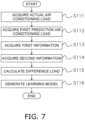
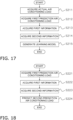
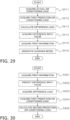
- the air conditioning load learning process will be described using the flowchart of FIG. 7 .
- the air conditioning load learning apparatus 110 acquires the actual air conditioning load 140 from the air conditioning information 37 in the air conditioning database 80.
- the air conditioning load learning apparatus 110 After acquiring the actual air conditioning load 140, the air conditioning load learning apparatus 110 acquires the first prediction air conditioning load 161 from the physical model calculation device 70 as described in Step S112.
- the air conditioning load learning apparatus 110 After acquiring the first prediction air conditioning load 161, the air conditioning load learning apparatus 110 acquires the first information I1 from the air conditioning information 37 in the air conditioning database 80 as described in Step S113.
- the air conditioning load learning apparatus 110 After acquiring the first information I1, the air conditioning load learning apparatus 110 acquires the second information I2 from the air conditioning information 37 in the air conditioning database 80 as described in Step S114.
- the air conditioning load learning apparatus 110 calculates the difference load 170, which is the difference between the actual air conditioning load 140 and the first prediction air conditioning load 161, as described in Step S115.
- the air conditioning load learning apparatus 110 After calculating the difference load 170, the air conditioning load learning apparatus 110 generates the learning model LM1 using the first information I1 and the second information I2 as explanatory variables and using the difference load 170 as an objective variable as described in Step S116.
- the air conditioning load prediction process will be described using the flowchart of FIG. 8 .
- the air conditioning load prediction apparatus 120 acquires the first prediction air conditioning load 161 from the physical model calculation device 70.
- the air conditioning load prediction apparatus 120 After acquiring the first prediction air conditioning load 161, the air conditioning load prediction apparatus 120 acquires the first information I1 from the air conditioning information 37 in the air conditioning database 80 as described in Step S122.
- the air conditioning load prediction apparatus 120 After acquiring the first information I1, the air conditioning load prediction apparatus 120 acquires the second information I2 from the air conditioning information 37 in the air conditioning database 80 as described in Step S123.
- the air conditioning load prediction apparatus 120 predicts the difference load 170 from the first information I1 and the second information I2 using the learning model LM1 as described in Step S124.
- the air conditioning load prediction apparatus 120 After predicting the difference load 170, the air conditioning load prediction apparatus 120 adds or subtracts the difference load 170 to or from the first prediction air conditioning load 161 to calculate the second prediction air conditioning load 162 as described in Step S125.
- the air conditioning load of the target building 10 is predicted using the air conditioning load learning apparatus 110 and the air conditioning load prediction apparatus 120, and the prediction accuracy is verified.
- the learning data period of this verification is the entire period of 2018 and a partial period of 2018.
- the prediction data period for this verification is the entire period of 2019.
- the air conditioning load learning apparatus 110 generates the learning model LM1 from the first information I1, the second information I2, the actual air conditioning load 140, and the first prediction air conditioning load 161 of 2018.
- the air conditioning load prediction apparatus 120 inputs the first information I1 and the second information I2 of 2019 to the learning model LM1, from which the difference load 170 of 2019 is output.
- the first prediction air conditioning load 161 of 2019 is added to the difference load 170 of 2019 to calculate the second prediction air conditioning load 162 of 2019.
- the actual air conditioning load 140 of 2019 is compared with the second prediction air conditioning load 162 of 2019 to verify the prediction accuracy.
- Table 1 below is an overview of the target building 10 used for this verification. ⁇ Table 1> Location Tokyo Floor number 9th floor above the ground Total floor area Approximately 6,900 ⁇ m 2 > Target space 11 2nd to 9th floors: offices (approximately 600 ⁇ m 2 >)
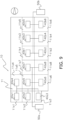
- FIG. 9 is a plan view of the target building 10 used for this verification. As illustrated in FIG. 9 , the office on each floor includes 14 zones 11a1 to 11a8, 11b1 to 11b6.
- the air conditioning system 30 for this verification is a multi-air conditioning system for buildings. As illustrated in FIG. 9 , the air conditioning system 30 includes two systems of outdoor unit 50a, 50b per floor. In the zones 11a1 to 11a8, indoor units 40a1 to 40a8 are installed as a system of the outdoor unit 50a. In the zones 11b1 to 1 1b6, indoor units 40b 1 to 40b6 are installed as a system of the outdoor unit 50b.
- the actual air conditioning load 140 is acquired from the air conditioning information 37 in the air conditioning database 80.
- the sums of the cooling load actual measurement value and the heating load actual measurement value of the two systems are used as the cooling load actual measurement value and the heating load actual measurement value of each floor.
- Table 3 below describes various input conditions to the dynamic thermal load calculation software (the input value 130 to the physical model PM).
- Item Content Weather data Create a weather file for EnergyPlus from Tokyo weather data (AMEDAS) from 2018 to 2019. Chamber shape Input based on building drawings.
- Adjacent building conditions Estimate and input adjacent-building distance and height from Google Maps.
- Air conditioning on/off Turn on when the time-by-time indoor unit remote controller ON time ⁇ min> is larger than 0.
- the air conditioning operating time I23 is used as the indoor unit remote controller ON time. Achieved temperature (when air conditioning is on)
- Heating indoor unit suction temperature -2°C (considering upper and lower temperature differences)
- the indoor temperature I22 is used as the indoor unit suction temperature.
- Table 4 below describes the explanatory variables of the learning model LM1 for this verification.
- ⁇ Table 4> Explanatory variable Content Outside air temperature ⁇ °C> Use the outside air temperature I25 of the second information I2.
- Time ⁇ 0 to 23> Use the date information I12 and the time information I11 of the first information I1.
- Day of week ⁇ Monday to Sunday, holiday> Use the date information I12, the day-of-week information I13, and the holiday information I14 of the first information I1.
- Total remote controller ON time ⁇ min> of all indoor units Calculate from the air conditioning operating time I23 of the second information I2.
- Average suction air temperature of all indoor units ⁇ °C> Calculate from the indoor temperature I22 of the second information I2.
- Suction air temperature of each indoor unit ⁇ °C> Use the indoor temperature I22 of the second information I2.
- the objective variable of the learning model LM1 in this verification is the difference load 170 obtained by subtracting the first prediction air conditioning load 161 from the actual air conditioning load 140.
- the learning model LM1 uses a multilayer perceptron.
- the multilayer perceptron is a model that enables nonlinear regression by providing a hidden layer between an input layer and an output layer for linear regression and applying a nonlinear function to a result of a weighted sum.
- the data set of 2018 is divided into a training set and a validation set, and hyperparameters (the number of hidden layers, the number of nodes in the hidden layer, and a regularization parameter) are adjusted such that the accuracy in the validation set becomes the highest. Learning is then performed again with the adjusted parameters using all the data set of 2018.
- CVRMSE Coefficient of Variation of the Root Mean Square Error
- mi is an actual measurement value
- s i is a prediction value
- m is the mean of actual measurement values
- n is the number of data.
- 30% or less of the CVRMSE is used as a reference value for prediction accuracy evaluation.
- prediction accuracy verification of a peak load that is important at the time of design a relative error of top 2.5% from the peak is also evaluated.
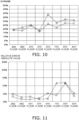
- FIG. 10 illustrates the CVRMSE for each floor when the future annual time-by-time cooling load is predicted from the annual actual measurement and the short-period actual measurement.
- the accuracy of the annual actual measurement is indicated in the graph line in which the values are plotted with square marks.
- the accuracy of the short-period actual measurement is indicated in the graph line in which the values are plotted with triangle marks.
- the values of the CVRMSE fall within 30%, which is the reference value of ASHRAE Guideline 14, in all the floors.
- the mean value for all the floors in the CVRMSE is 22% in the case of the annual actual measurement and is 27% in the case of the short-period actual measurement.
- the accuracy of the model is lowered as a whole as compared with the annual actual measurement.
- FIG. 11 illustrates the relative error absolute values of the top 2.5% cooling load prediction values.
- the graph lines are represented in FIG. 11 in the same manner as that in FIG. 10 .
- the mean value of the relative error absolute values of the top 2.5% cooling load prediction values for all the floors is 4% in the case of the annual actual measurement and is 5% in the case of the short-period actual measurement.
- FIG. 12 illustrates the comparison among the time-by-time cooling load actual measurement value, the prediction value by the annual actual measurement, and the dynamic thermal load calculation value of the second floor in representative summer five days (March 19 to 23).
- the actual measurement values are indicated in a graph line in which no values are plotted.
- the prediction values by the annual actual measurement are indicated in a graph line in which the values are plotted with square marks.
- the dynamic thermal load calculation values are indicated in a graph line in which the values are plotted with cross marks.
- FIG. 12 it can be seen that the prediction value by the annual actual measurement using the combination of the physical model PM and the learning model LM1 is closer to the actual measurement value as compared with the dynamic thermal load calculation value using only the physical model PM.
- the information about the operation of the building is typically hard to obtain and is often incomplete even if it is obtained. Therefore, the conventional method has an issue that it is difficult to grasp the effect of the operation of the building on the air conditioning load.
- the actual load acquisition unit 119 acquires the actual air conditioning load 140 that is an actual air conditioning load in the target space 11 inside the target building 10.
- the first information acquisition unit 111 acquires the first information I1.
- the first information i1 is information about the operation of the target building 10.
- the prediction load acquisition unit 113 acquires the first prediction air conditioning load 161 that is an air conditioning load in the target space 11 predicted by the physical model PM from at least the thermal property of the target building 10.
- the second information acquisition unit 112 acquires the second information I2.
- the second information I2 is at least one of the indoor humidity I21, the indoor temperature I22, the air conditioning operating time I23, the post air conditioning operation start elapsed time I24, the outside air temperature I25, the outside air humidity I26, and the solar radiation I27.
- the learning unit 114 generates the learning model LM1 using the first information I1 and the second information I2 as explanatory variables and using the difference load 170, which is the difference between the actual air conditioning load 140 and the first prediction air conditioning load 161, as an objective variable.
- the air conditioning load learning apparatus 110 associates the first information I1 and the second information I2 with the difference load 170 (the value regarding the actual air conditioning load 140) so as to learn the effect of the operation of the building on the internal heat generation, the outside air introduction load, the heat storage load, the solar radiation load, etc. As a result, the air conditioning load learning apparatus 110 can finally grasp the effect of the operation of the building on the air conditioning load.
- the actual air conditioning load 140 is an air conditioning load per unit time.
- the air conditioning load learning apparatus 110 can learn the effect of the operation of the building on the air conditioning load in more detail.
- the difference load prediction unit 124 uses the learning model LM1 to predict the difference load 170 from the first information I1 and the second information I2.
- the load prediction unit 125 predicts the air conditioning load (the second prediction air conditioning load 162) in the target space 11 based on the predicted difference load 170 and the first prediction air conditioning load 161.
- the air conditioning load prediction apparatus 120 can use the learning model LM1 having learned the effect of the operation of the building on the internal heat generation, the outside air introduction load, the heat storage load, the solar radiation load, and the like, to predict the air conditioning load in consideration of the effect of the operation of the building.
- the learning model LM1 is generated based on the first information I1, the second information I2, the actual air conditioning load 140, and the first prediction air conditioning load 161 in the short period.
- the difference load prediction unit 124 predicts the difference load 170 in the same long period.
- the load prediction unit 125 predicts the air conditioning load (the second prediction air conditioning load 162) in the same long period in the target space 11.
- the air conditioning load prediction apparatus 120 can use the learning model LM1 having learned with the data in the short period to predict the air conditioning load in the long period.
- the first information I1, the second information I2, and the actual air conditioning load 140 are acquired from the air conditioning information 37 in the air conditioning database 80.
- these pieces of information may be directly acquired from the air conditioning system 30.
- the outside air temperature I25, the outside air humidity I26, and the solar radiation I27, which are the second information I2 are acquired from the air conditioning information 37 in the air conditioning database 80.
- these pieces of information may be acquired from weather data (AMEDAS) on the neighborhood of the target building 10, etc.
- the learning unit 114 generates the learning model LM1 using the first information I1 and the second information I2 as explanatory variables and using the difference load 170, which is the difference between the actual air conditioning load 140 and the first prediction air conditioning load 161, as an objective variable.
- the learning unit 114 may generate the learning model LM1 using the first prediction air conditioning load 161 as an explanatory variable instead of the second information I2.
- the learning unit 114 may generate the learning model LM1 using the first information I1, the second information I2, and the first prediction air conditioning load 161 as explanatory variables.
- the air conditioning load learning apparatus 110 can generate the learning model LM1 with a higher prediction accuracy.
- the difference load prediction unit 124 uses the learning model LM1 to predict the difference load 170 from the first information I1 and the second information I2 or the first prediction air conditioning load 161. Furthermore, from the first information I1 and the second information I2 or the first prediction air conditioning load 161 in the long period that is a period longer than the short period, the difference load prediction unit 124 predicts the difference load 170 in the same long period.
- the present embodiment is basically the same as the first embodiment except for the contents described according to the present embodiment.
- FIG. 13 is a configuration diagram of an air conditioning load learning apparatus 210 and an air conditioning load prediction apparatus 220. As illustrated in FIG. 13 , the air conditioning load learning apparatus 210, the air conditioning load prediction apparatus 220, the physical model calculation device 70, the air conditioning system 30, and the air conditioning database 80 are communicatively coupled via the network 90.
- the air conditioning system 30 and the air conditioning database 80 are the same as those according to the first embodiment.
- the physical model calculation device 70 calculates the thermal load of the target building 10 based on the physical model PM.
- FIG. 14 is a configuration diagram of the physical model calculation process. As illustrated in FIG. 14 , the physical model calculation device 70 inputs an input value 230 to the physical model PM to calculate a first prediction air conditioning load 261.
- the input value 230 includes at least a thermal property of the target building 10.
- the first prediction air conditioning load 261 is a predicted air conditioning load in the target space 11.
- FIG. 15 is a configuration diagram of an air conditioning load learning process. As illustrated in FIGS. 13 and 15 , the air conditioning load learning apparatus 210 primarily includes an actual load acquisition unit 219, a prediction load acquisition unit 213, a first information acquisition unit 211, a second information acquisition unit 212, and a learning unit 214.
- the air conditioning load learning apparatus 300 includes a control arithmetic device and a storage device.
- a processor such as a CPU or a GPU may be used as the control arithmetic device.
- the control arithmetic device reads a program stored in the storage device and performs predetermined image processing and arithmetic processing in accordance with the program. Further, the control arithmetic device can write an arithmetic result in the storage device and read information stored in the storage device in accordance with the program.
- the actual load acquisition unit 219, the prediction load acquisition unit 213, the first information acquisition unit 211, the second information acquisition unit 212, and the learning unit 214 are various functional blocks implemented by the control arithmetic device and the storage device.
- the actual load acquisition unit 219 acquires an actual air conditioning load 240, which is an actual air conditioning load in the target space 11 inside the target building 10, from the air conditioning information 37 in the air conditioning database 80.
- the actual air conditioning load 240 is an air conditioning load per unit time.
- the prediction load acquisition unit 213 acquires, from the physical model calculation device 70, the first prediction air conditioning load 261 that is an air conditioning load in the target space 11 predicted by the physical model PM from at least the thermal property of the target building 10.
- the first information acquisition unit 211 acquires the first information I1 from the air conditioning information 37 in the air conditioning database 80.
- the first information I1 is information about the operation of the target building 10.
- the second information acquisition unit 212 acquires the second information I2 from the air conditioning information 37 in the air conditioning database 80.
- the second information I2 is at least one of the indoor humidity I21, the indoor temperature I22, the air conditioning operating time I23, the post air conditioning operation start elapsed time I24, the outside air temperature I25, the outside air humidity I26, and the solar radiation I27.
- FIG. 15 describes all of these pieces of information.
- the learning unit 214 generates a learning model LM2 using the first prediction air conditioning load 261, the first information I1, and the second information I2 as explanatory variables and using the actual air conditioning load 240 as an objective variable.
- the period (learning data period) of data used for the air conditioning load learning process of the air conditioning load learning apparatus 210 may be shorter than the period (prediction data period) of data used for the air conditioning load prediction process of the air conditioning load prediction apparatus 220.
- the learning model LM2 may be generated based on the first prediction air conditioning load 261, the first information I1, the second information I2, and the actual air conditioning load 240 in a period shorter than the prediction data period.
- FIG. 16 is a configuration diagram of an air conditioning load prediction process. As illustrated in FIGS. 13 and 16 , the air conditioning load prediction apparatus 220 primarily includes a prediction load acquisition unit 223, a first information acquisition unit 221, a second information acquisition unit 222, and a load prediction unit 225.
- the air conditioning load prediction apparatus 220 includes a control arithmetic device and a storage device.
- a processor such as a CPU or a GPU may be used as the control arithmetic device.
- the control arithmetic device reads a program stored in the storage device and performs predetermined image processing and arithmetic processing in accordance with the program. Further, the control arithmetic device can write an arithmetic result in the storage device and read information stored in the storage device in accordance with the program.
- the prediction load acquisition unit 223, the first information acquisition unit 221, the second information acquisition unit 222, and the load prediction unit 225 are various functional blocks implemented by the control arithmetic device and the storage device.
- the prediction load acquisition unit 223 acquires the first prediction air conditioning load 261 in the same manner as the prediction load acquisition unit 213 in the air conditioning load learning apparatus 210.
- the first information acquisition unit 221 acquires the first information I1 in the same manner as the first information acquisition unit 211 in the air conditioning load learning apparatus 210.
- the second information acquisition unit 222 acquires the second information I2 in the same manner as the second information acquisition unit 212 in the air conditioning load learning apparatus 210.
- the load prediction unit 225 uses the learning model LM2 generated by the learning unit 214 to predict the air conditioning load (a second prediction air conditioning load 262) in the target space 11 from the first prediction air conditioning load 261, the first information I1, and the second information I2.
- the load prediction unit 225 may predict the air conditioning load in the same long period in the target space 11.
- the air conditioning load learning process will be described using the flowchart of FIG. 17 .
- the air conditioning load learning apparatus 210 acquires the actual air conditioning load 240 from the air conditioning information 37 in the air conditioning database 80.
- the air conditioning load learning apparatus 210 After acquiring the actual air conditioning load 240, the air conditioning load learning apparatus 210 acquires the first prediction air conditioning load 261 from the physical model calculation device 70 as described in Step S212.
- the air conditioning load learning apparatus 210 After acquiring the first prediction air conditioning load 261, the air conditioning load learning apparatus 210 acquires the first information I1 from the air conditioning information 37 in the air conditioning database 80 as described in Step S213.
- the air conditioning load learning apparatus 210 After acquiring the first information I1, the air conditioning load learning apparatus 210 acquires the second information I2 from the air conditioning information 37 in the air conditioning database 80 as described in Step S214.
- the air conditioning load learning apparatus 210 After acquiring the second information I2, the air conditioning load learning apparatus 210 generates the learning model LM2 using the first prediction air conditioning load 261, the first information I1, and the second information I2 as explanatory variables and using the actual air conditioning load 240 as an objective variable as described in Step S215.
- the air conditioning load prediction process will be described using the flowchart of FIG. 18 .
- the air conditioning load prediction apparatus 220 acquires the first prediction air conditioning load 261 from the physical model calculation device 70.
- the air conditioning load prediction apparatus 220 After acquiring the first prediction air conditioning load 261, the air conditioning load prediction apparatus 220 acquires the first information I1 from the air conditioning information 37 in the air conditioning database 80 as described in Step S222.
- the air conditioning load prediction apparatus 220 After acquiring the first information I1, the air conditioning load prediction apparatus 220 acquires the second information I2 from the air conditioning information 37 in the air conditioning database 80 as described in Step S223.
- the air conditioning load prediction apparatus 220 uses the learning model LM2 to predict the second prediction air conditioning load 262 in the target space 11 from the first prediction air conditioning load 261, the first information I1, and the second information I2 as described in Step S224.
- the actual load acquisition unit 219 acquires the actual air conditioning load 240, which is an actual air conditioning load in the target space 11 inside the target building 10.
- the first information acquisition unit 211 acquires the first information I1.
- the first information I1 is information about the operation of the target building 10.
- the prediction load acquisition unit 213 acquires the first prediction air conditioning load 261 that is an air conditioning load in the target space 11 predicted by the physical model PM from at least the thermal property of the target building 10.
- the second information acquisition unit 212 acquires the second information I2.
- the second information I2 is at least one of the indoor humidity I21, the indoor temperature I22, the air conditioning operating time I23, the post air conditioning operation start elapsed time I24, the outside air temperature I25, the outside air humidity I26, and the solar radiation I27.
- the learning unit 214 generates the learning model LM2 using the first prediction air conditioning load 261, the first information I1, and the second information I2 as explanatory variables and using the actual air conditioning load 240 as an objective variable.
- the air conditioning load learning apparatus 210 associates the first information I1 and the second information I2 with the actual air conditioning load 240 (the value regarding the actual air conditioning load 240) so as to learn the effect of the operation of the building on the internal heat generation, the outside air introduction load, the heat storage load, the solar radiation load, etc. As a result, the air conditioning load learning apparatus 210 can finally grasp the effect of the operation of the building on the air conditioning load.
- the actual air conditioning load 240 is an air conditioning load per unit time.
- the air conditioning load learning apparatus 210 can learn the effect of the operation of the building on the air conditioning load in more detail.
- the load prediction unit 225 uses the learning model LM2 to predict the air conditioning load (the second prediction air conditioning load 262) in the target space 11 from the first prediction air conditioning load 261, the first information I1, and the second information I2.
- the air conditioning load prediction apparatus 220 can use the learning model LM2 having learned the effect of the operation of the building on the internal heat generation, the outside air introduction load, the heat storage load, the solar radiation load, and the like, to predict the air conditioning load in consideration of the effect of the operation of the building.
- the learning model LM2 is generated based on the first prediction air conditioning load 261, the first information I1, the second information I2, and the actual air conditioning load 240 in a short period. Based on the first prediction air conditioning load 261, the first information I1, and the second information I2 in the long period that is a period longer than the short period, the load prediction unit 225 predicts the air conditioning load (the second prediction air conditioning load 262) in the same long period in the target space 11.
- the air conditioning load prediction apparatus 220 can use the learning model LM2 having learned with the data in the short period to predict the air conditioning load in the long period.
- the present embodiment is basically the same as the first embodiment except for the contents described according to the present embodiment.
- FIG. 19 is a configuration diagram of an air conditioning load learning apparatus 310 and an air conditioning load prediction apparatus 320. As illustrated in FIG. 19 , the air conditioning load learning apparatus 310, the air conditioning load prediction apparatus 320, the physical model calculation device 70, the air conditioning system 30, and the air conditioning database 80 are communicatively coupled via the network 90.
- the air conditioning system 30 and the air conditioning database 80 are the same as those according to the first embodiment.
- the physical model calculation device 70 calculates the thermal load of the target building 10 based on the physical model PM.
- the present embodiment uses the physical model PM that can inversely calculate the corresponding input value from the air conditioning load in the target space 11.
- FIG. 20 is a configuration diagram of the physical model calculation process.
- the physical model calculation device 70 transmits a first input value 331, which is an input value to the physical model PM, to the air conditioning load learning apparatus 310 and thus acquires an actual air conditioning load 340 corresponding to the first input value 331.
- the physical model calculation device 70 uses the actual air conditioning load 340 to calculate a second input value 332 by inverse calculation of the physical model PM.
- the physical model calculation device 70 transmits the first input value 331 to the air conditioning load prediction apparatus 320 and thus inputs a third input value 333 received from the air conditioning load prediction apparatus 320 to the physical model PM, and calculates a prediction air conditioning load 360.
- the first input value 331, the second input value 332, and the third input value 333 include at least the thermal property of the target building 10.
- the prediction air conditioning load 360 is a predicted air conditioning load in the target space 11.
- FIG. 21 is a configuration diagram of an air conditioning load learning process. As illustrated in FIGS. 19 and 21 , the air conditioning load learning apparatus 310 primarily includes an actual load acquisition unit 319, an input value acquisition unit 316, a first information acquisition unit 311, and a learning unit 314.
- the air conditioning load learning apparatus 310 includes a control arithmetic device and a storage device.
- a processor such as a CPU or a GPU may be used as the control arithmetic device.
- the control arithmetic device reads a program stored in the storage device and performs predetermined image processing and arithmetic processing in accordance with the program. Further, the control arithmetic device can write an arithmetic result in the storage device and read information stored in the storage device in accordance with the program.
- the actual load acquisition unit 319, the input value acquisition unit 316, the first information acquisition unit 311, and the learning unit 314 are various functional blocks implemented by the control arithmetic device and the storage device.
- the actual load acquisition unit 319 acquires, from the air conditioning information 37 in the air conditioning database 80, the actual air conditioning load 340, which is an actual air conditioning load in the target space 11 inside the target building 10, corresponding to the first input value 331 acquired from the physical model calculation device 70.
- the input value acquisition unit 316 acquires the first input value 331 and the second input value 332 from the physical model calculation device 70.
- the first information acquisition unit 311 acquires the first information I1 from the air conditioning information 37 in the air conditioning database 80.
- the first information I1 is information about the operation of the target building 10.
- the learning unit 314 generates a learning model LM3 using the first information I1 as an explanatory variable and using a difference input value 350, which is the difference between the first input value 331 and the second input value 332, as an objective variable.
- FIG. 22 is a configuration diagram of an air conditioning load prediction process. As illustrated in FIGS. 19 and 22 , the air conditioning load prediction apparatus 320 primarily includes a first information acquisition unit 321, a difference input value prediction unit 326, a prediction load acquisition unit 323, and an input value acquisition unit 329.
- the air conditioning load prediction apparatus 320 includes a control arithmetic device and a storage device.
- a processor such as a CPU or a GPU may be used as the control arithmetic device.
- the control arithmetic device reads a program stored in the storage device and performs predetermined image processing and arithmetic processing in accordance with the program. Further, the control arithmetic device can write an arithmetic result in the storage device and read information stored in the storage device in accordance with the program.
- the first information acquisition unit 321, the difference input value prediction unit 326, the prediction load acquisition unit 323, and the input value acquisition unit 329 are various functional blocks implemented by the control arithmetic device and the storage device.
- the first information acquisition unit 321 acquires the first information I1 in the same manner as the first information acquisition unit 311 in the air conditioning load learning apparatus 310.
- the difference input value prediction unit 326 predicts the difference input value 350 from the first information I1 by using the learning model LM3 generated by the learning unit 314.
- the input value acquisition unit 329 acquires the first input value 331 in the same manner as the input value acquisition unit 316 in the air conditioning load learning apparatus 310.
- the prediction load acquisition unit 323 acquires the prediction air conditioning load 360 that is an air conditioning load in the target space 11 predicted by the physical model PM.
- the prediction air conditioning load 360 is predicted by the physical model PM using the third input value 333 as an input.
- the third input value 333 is obtained by correcting the first input value 331 using the predicted difference input value 350 (by adding or subtracting the difference input value 350 to or from the first input value 331).
- the air conditioning load learning process will be described using the flowchart of FIG. 23 .
- the air conditioning load learning apparatus 310 acquires the first input value 331 from the physical model calculation device 70.
- the air conditioning load learning apparatus 310 After acquiring the first input value 331, the air conditioning load learning apparatus 310 acquires the actual air conditioning load 340 corresponding to the first input value 331 from the air conditioning information 37 in the air conditioning database 80 as described in Step S312.
- the air conditioning load learning apparatus 310 After acquiring the actual air conditioning load 340, the air conditioning load learning apparatus 310 transmits the actual air conditioning load 340 to the physical model calculation device 70 and acquires the second input value 332 as described in Step S313.
- the air conditioning load learning apparatus 310 calculates the difference input value 350 that is the difference between the first input value 331 and the second input value 332 as described in Step S314.
- the air conditioning load learning apparatus 310 After calculating the difference input value 350, the air conditioning load learning apparatus 310 acquires the first information I1 from the air conditioning information 37 in the air conditioning database 80 as described in Step S315.
- the air conditioning load learning apparatus 310 After calculating the difference input value 350 and acquiring the first information I1, the air conditioning load learning apparatus 310 generates the learning model LM3 using the first information I1 as an explanatory variable and using the difference input value 350 as an objective variable as described in Step S316.
- the air conditioning load prediction process will be described using the flowchart of FIG. 24 .
- the air conditioning load prediction apparatus 320 acquires the first information I1 from the air conditioning information 37 in the air conditioning database 80 as described in Step S321.
- the air conditioning load prediction apparatus 320 uses the learning model LM3 to predicts the difference input value 350 from the first information I1 as described in Step S322.
- the air conditioning load prediction apparatus 320 After predicting the difference input value 350, the air conditioning load prediction apparatus 320 acquires the first input value 331 from the physical model calculation device 70 as described in Step S323.
- the air conditioning load prediction apparatus 320 After acquiring the first input value 331, the air conditioning load prediction apparatus 320 adds or subtracts the difference input value 350 to or from the first input value 331 to calculate the third input value 333 as described in Step S324.
- the air conditioning load prediction apparatus 320 After calculating the third input value 333, the air conditioning load prediction apparatus 320 acquires, from the physical model calculation device 70, the prediction air conditioning load 360 predicted by the physical model PM using the third input value 333 as an input as described in Step S325.
- the actual load acquisition unit 319 acquires the actual air conditioning load 340 that is an actual air conditioning load in the target space 11 inside the target building 10.
- the first information acquisition unit 311 acquires the first information I1.
- the first information I1 is information about the operation of the target building 10.
- the input value acquisition unit 316 acquires the first input value 331 and the second input value 332.
- the first input value 331 is an input value including at least the thermal property of the target building 10 to the physical model PM that outputs the prediction air conditioning load 360 that is a predicted air conditioning load in the target space 11.
- the second input value 332 is an input value calculated by inverse calculation of the physical model PM using the actual air conditioning load 340.
- the learning unit 314 generates the learning model LM3 using the first information I1 as an explanatory variable and using the difference input value 350, which is the difference between the first input value 331 and the second input value 332, as an objective variable.
- the air conditioning load learning apparatus 310 associates the first information I1 with the difference input value 350 (the value regarding the actual air conditioning load 340) so as to learn the effect of the operation of the building on internal heat generation, etc. As a result, the air conditioning load learning apparatus 310 can finally grasp the effect of the operation of the building on the air conditioning load.
- the difference input value prediction unit 326 uses the learning model LM3 to predict the difference input value 350 from the first information I1.
- the prediction load acquisition unit 323 acquires the prediction air conditioning load 360 that is an air conditioning load in the target space 11 predicted by the physical model PM.
- the prediction air conditioning load 360 is predicted by the physical model PM using the third input value 333 as an input.
- the third input value 333 is obtained by correcting the first input value 331 using the predicted difference input value 350.
- the air conditioning load prediction apparatus 320 can use the learning model LM2 having learned the effect of the operation of the building on internal heat generation, and the like, to predict the air conditioning load in consideration of the effect of the operation of the building.
- the learning unit 314 generates the learning model LM3 using the first information I1 as an explanatory variable and using the difference input value 350, which is the difference between the first input value 331 and the second input value 332, as an objective variable.
- the learning unit 314 may further generate the learning model LM3 using the first input value 331 as an explanatory variable.
- the air conditioning load learning apparatus 310 can generate the learning model LM3 having a higher prediction accuracy.
- the difference input value prediction unit 326 uses the learning model LM3 to predict the difference input value 350 from the first information I1 and the first input value 331.
- the present embodiment is basically the same as the first embodiment except for the contents described according to the present embodiment.
- FIG. 25 is a configuration diagram of an air conditioning load learning apparatus 410 and an air conditioning load prediction apparatus 420. As illustrated in FIG. 25 , the air conditioning load learning apparatus 410, the air conditioning load prediction apparatus 420, the physical model calculation device 70, the air conditioning system 30, and the air conditioning database 80 are communicatively coupled via the network 90.
- the air conditioning system 30 and the air conditioning database 80 are the same as those according to the first embodiment.
- the physical model calculation device 70 calculates the thermal load of the target building 10 based on the physical model PM.
- the present embodiment uses the physical model PM that can inversely calculate the corresponding input value from the air conditioning load in the target space 11. Furthermore, the present embodiment uses the physical model PM that can calculate the difference in the air conditioning load in the target space 11 from the difference in the input value and can also inversely calculate the difference in the corresponding input value from the difference in the air conditioning load in the target space 11.
- FIG. 26 is a configuration diagram of the physical model calculation process.
- the physical model calculation device 70 inputs an input value 430 to the physical model PM to calculate a first prediction air conditioning load 461.
- the input value 430 includes at least the thermal property of the target building 10.
- the first prediction air conditioning load 461 is a predicted air conditioning load in the target space 11.
- the physical model calculation device 70 transmits the first prediction air conditioning load 461 to the air conditioning load learning apparatus 410 and thus uses a difference load 470 received from the air conditioning load learning apparatus 410 to calculate a difference input value 450 by inverse calculation of the physical model PM.
- the physical model calculation device 70 inputs the difference input value 450 received from the air conditioning load prediction apparatus 420 to the physical model PM and thus calculate the difference load 470.
- FIG. 27 is a configuration diagram of an air conditioning load learning process. As illustrated in FIGS. 25 and 27 , the air conditioning load learning apparatus 410 primarily includes an actual load acquisition unit 419, a prediction load acquisition unit 413, a difference input value acquisition unit 417, a first information acquisition unit 411, and a learning unit 414.
- the air conditioning load learning apparatus 410 includes a control arithmetic device and a storage device.
- a processor such as a CPU or a GPU may be used as the control arithmetic device.
- the control arithmetic device reads a program stored in the storage device and performs predetermined image processing and arithmetic processing in accordance with the program. Further, the control arithmetic device can write an arithmetic result in the storage device and read information stored in the storage device in accordance with the program.
- the actual load acquisition unit 419, the prediction load acquisition unit 413, the difference input value acquisition unit 417, the first information acquisition unit 411, and the learning unit 414 are various functional blocks implemented by the control arithmetic device and the storage device.
- the actual load acquisition unit 419 acquires an actual air conditioning load 440, which is an actual air conditioning load in the target space 11 inside the target building 10, from the air conditioning information 37 in the air conditioning database 80.
- the prediction load acquisition unit 413 acquires the first prediction air conditioning load 461 that is an air conditioning load in the target space 11 predicted by the physical model PM from at least the thermal property of the target building 10.
- the difference input value acquisition unit 417 acquires the difference input value 450 calculated by inverse calculation of the physical model PM using the difference load 470 that is the difference between the actual air conditioning load 440 and the first prediction air conditioning load 460.
- the first information acquisition unit 411 acquires the first information I1.
- the first information 11 is information about the operation of the target building 10.
- the learning unit 414 generates a learning model LM4 using the first information I1 as an explanatory variable and using the difference input value 450 as an objective variable.
- FIG. 28 is a configuration diagram of an air conditioning load prediction process. As illustrated in FIGS. 25 and 28 , the air conditioning load prediction apparatus 420 primarily includes a first information acquisition unit 421, a difference input value prediction unit 426, a prediction difference load acquisition unit 427, a prediction load acquisition unit 423, and a load prediction unit 425.
- the air conditioning load prediction apparatus 420 includes a control arithmetic device and a storage device.
- a processor such as a CPU or a GPU may be used as the control arithmetic device.
- the control arithmetic device reads a program stored in the storage device and performs predetermined image processing and arithmetic processing in accordance with the program. Further, the control arithmetic device can write an arithmetic result in the storage device and read information stored in the storage device in accordance with the program.
- the first information acquisition unit 421, the difference input value prediction unit 426, the prediction difference load acquisition unit 427, the prediction load acquisition unit 423, and the load prediction unit 425 are various functional blocks implemented by the control arithmetic device and the storage device.
- the first information acquisition unit 421 acquires the first information I1 in the same manner as the first information acquisition unit 411 in the air conditioning load learning apparatus 410.
- the difference input value prediction unit 426 uses the learning model LM4 generated by the learning unit 414 to predict the difference input value 450 from the first information I1.
- the prediction difference load acquisition unit 427 acquires the difference load 470 predicted by the physical model PM using the predicted difference input value 450 as an input.
- the prediction load acquisition unit 423 acquires the first prediction air conditioning load 461 in the same manner as the prediction load acquisition unit 413 in the air conditioning load learning apparatus 410.
- the load prediction unit 425 predicts the air conditioning load (a second prediction air conditioning load 462) in the target space 11 based on the acquired difference load 470 and the first prediction air conditioning load 461 (by adding or subtracting the difference load 470 to or from the first prediction air conditioning load 461).
- the air conditioning load learning process will be described using the flowchart of FIG. 29 .
- the air conditioning load learning apparatus 410 acquires the actual air conditioning load 440 from the air conditioning information 37 in the air conditioning database 80.
- the air conditioning load learning apparatus 410 After acquiring the actual air conditioning load 440, the air conditioning load learning apparatus 410 acquires the first prediction air conditioning load 461 from the physical model calculation device 70 as described in Step S412.
- the air conditioning load learning apparatus 410 calculates the difference load 470, which is the difference between the actual air conditioning load 440 and the first prediction air conditioning load 460, as described in Step S413.
- the air conditioning load learning apparatus 410 After calculating the difference load 470, the air conditioning load learning apparatus 410 acquires the difference input value 450 calculated by inverse calculation of the physical model PM using the difference load 470 as described in Step S414.
- the air conditioning load learning apparatus 410 After calculating the difference input value 450, the air conditioning load learning apparatus 410 acquires the first information I1 from the air conditioning information 37 in the air conditioning database 80 as described in Step S415.
- the air conditioning load learning apparatus 410 After acquiring the first information I1, the air conditioning load learning apparatus 410 generates the learning model LM4 using the first information I1 as an explanatory variable and using the difference input value 450 as an objective variable as described in Step S416.
- the air conditioning load prediction process will be described using the flowchart of FIG. 30 .
- the air conditioning load prediction apparatus 420 acquires the first information I1 from the air conditioning information 37 in the air conditioning database 80 as described in Step S421.
- the air conditioning load prediction apparatus 420 uses the learning model LM4 to predict the difference input value 450 from the first information I1 as described in Step S422.
- the air conditioning load prediction apparatus 420 After predicting the difference input value 450, the air conditioning load prediction apparatus 420 acquires the difference load 470 predicted by the physical model PM using the difference input value 450 as an input as described in Step S423.
- the air conditioning load prediction apparatus 420 After acquiring the difference load 470, the air conditioning load prediction apparatus 420 acquires the first prediction air conditioning load 461 from the physical model calculation device 70 as described in Step S424.
- the air conditioning load prediction apparatus 420 After acquiring the first prediction air conditioning load 461, the air conditioning load prediction apparatus 420 adds or subtracts the difference load 470 to or from the first prediction air conditioning load 461 to calculate the second prediction air conditioning load 462 as described in Step S425.
- the actual load acquisition unit 419 acquires the actual air conditioning load 440 that is an actual air conditioning load in the target space 11 inside the target building 10.
- the first information acquisition unit 411 acquires the first information I1.
- the first information I1 is information about the operation of the target building 10.
- the prediction load acquisition unit 413 acquires the first prediction air conditioning load 460 that is an air conditioning load in the target space 11 predicted by the physical model PM from at least the thermal property of the target building 10.
- the difference input value acquisition unit 417 acquires the difference input value 450 calculated by inverse calculation of the physical model PM using the difference load 470.
- the learning unit 414 generates the learning model LM4 using the first information I1 as an explanatory variable and using the difference input value 450 as an objective variable.
- the air conditioning load learning apparatus 410 associates the first information I1 with the difference input value 450 (the value regarding the actual air conditioning load 440) so as to learn the effect of the operation of the building on internal heat generation, etc. As a result, the air conditioning load learning apparatus 410 can finally grasp the effect of the operation of the building on the air conditioning load.
- the difference input value prediction unit 426 uses the learning model LM4 to predict the difference input value 450 from the first information I1.
- the prediction difference load acquisition unit 427 acquires the difference load 470 predicted by the physical model PM using the predicted difference input value 450 as an input.
- the load prediction unit 425 predicts an air conditioning load (the second prediction air conditioning load 462) in the target space 11 based on the acquired difference load 470 and the first prediction air conditioning load 461.
- the air conditioning load prediction apparatus 420 can use the learning model LM4 having learned the effect of the operation of the building on internal heat generation, and the like, to predict the air conditioning load in consideration of the effect of the operation of the building.
- the learning unit 414 generates the learning model LM4 using the first information I1 as an explanatory variable and using the difference input value 450 as an objective variable.
- the learning unit 414 may further generate the learning model LM4 using the input value 430 to the physical model PM as an explanatory variable.
- the air conditioning load learning apparatus 410 can generate the learning model LM4 having a higher prediction accuracy.
- the difference input value prediction unit 426 uses the learning model LM4 to predict the difference input value 450 from the first information I1 and the input value 430.
- the present embodiment is basically the same as the first embodiment except for the contents described according to the present embodiment.
- FIG. 31 is a configuration diagram of an air conditioning load learning apparatus 510 and an air conditioning load prediction apparatus 520. As illustrated in FIG. 31 , the air conditioning load learning apparatus 510, the air conditioning load prediction apparatus 520, the physical model calculation device 70, the air conditioning system 30, and the air conditioning database 80 are communicatively coupled via the network 90.
- the air conditioning system 30 and the air conditioning database 80 are the same as those according to the first embodiment.
- the physical model calculation device 70 calculates the thermal load of the target building 10 based on the physical model PM.
- the present embodiment uses the physical model PM that may inversely calculate the corresponding input value from the air conditioning load in the target space 11.
- FIG. 32 is a configuration diagram of the physical model calculation process.
- the physical model calculation device 70 transmits a first input value 531, which is an input value to the physical model PM, to the air conditioning load learning apparatus 510 and thus acquires an actual air conditioning load 540 corresponding to the first input value 531.
- the physical model calculation device 70 uses the actual air conditioning load 540 to calculate a second input value 532 by inverse calculation of the physical model PM.
- the physical model calculation device 70 transmits the first input value 531 to the air conditioning load prediction apparatus 520 and thus inputs the second input value 532 received from the air conditioning load prediction apparatus 520 to the physical model PM to calculate a prediction air conditioning load 560.
- the first input value 531 and the second input value 532 include at least the thermal property of the target building 10.
- the prediction air conditioning load 560 is a predicted air conditioning load in the target space 11.
- FIG. 33 is a configuration diagram of an air conditioning load learning process. As illustrated in FIGS. 31 and 33 , the air conditioning load learning apparatus 510 primarily includes an actual load acquisition unit 519, an input value acquisition unit 516, a first information acquisition unit 511, and a learning unit 514.
- the air conditioning load learning apparatus 310 includes a control arithmetic device and a storage device.
- a processor such as a CPU or a GPU may be used as the control arithmetic device.
- the control arithmetic device reads a program stored in the storage device and performs predetermined image processing and arithmetic processing in accordance with the program. Further, the control arithmetic device can write an arithmetic result in the storage device and read information stored in the storage device in accordance with the program.
- the actual load acquisition unit 519, the input value acquisition unit 516, the first information acquisition unit 511, and the learning unit 514 are various functional blocks implemented by the control arithmetic device and the storage device.
- the actual load acquisition unit 519 acquires, from the air conditioning information 37 in the air conditioning database 80, the actual air conditioning load 540, which is an actual air conditioning load in the target space 11 inside the target building 10, corresponding to the first input value 531 acquired from the physical model calculation device 70.
- the input value acquisition unit 516 acquires the first input value 531 and the second input value 532 from the physical model calculation device 70.
- the first information acquisition unit 511 acquires the first information I1.
- the first information I1 is information about the operation of the target building 10.
- the learning unit 514 generates a learning model LM5 using the first information I1 and the first input value 531 as explanatory variables and using the second input value 532 as an objective variable.
- FIG. 34 is a configuration diagram of an air conditioning load prediction process. As illustrated in FIGS. 31 and 34 , the air conditioning load prediction apparatus 520 primarily includes a first information acquisition unit 521, an input value prediction unit 528, a prediction load acquisition unit 523, and an input value acquisition unit 529.
- the air conditioning load prediction apparatus 520 includes a control arithmetic device and a storage device.
- a processor such as a CPU or a GPU may be used as the control arithmetic device.
- the control arithmetic device reads a program stored in the storage device and performs predetermined image processing and arithmetic processing in accordance with the program. Further, the control arithmetic device can write an arithmetic result in the storage device and read information stored in the storage device in accordance with the program.
- the first information acquisition unit 521, the input value prediction unit 528, the prediction load acquisition unit 523, and the input value acquisition unit 529 are various functional blocks implemented by the control arithmetic device and the storage device.
- the first information acquisition unit 521 acquires the first information I1 in the same manner as the first information acquisition unit 511 in the air conditioning load learning apparatus 510.
- the input value acquisition unit 529 acquires the first input value 531 in the same manner as the input value acquisition unit 516 in the air conditioning load learning apparatus 510.
- the input value prediction unit 528 uses the learning model LM5 generated by the learning unit 514 to predict the second input value 532 from the first information I1 and the first input value 531.
- the prediction load acquisition unit 523 acquires the prediction air conditioning load 560 that is an air conditioning load in the target space 11 predicted by the physical model PM using the predicted second input value 532 as an input.
- the air conditioning load learning process will be described using the flowchart of FIG. 35 .
- the air conditioning load learning apparatus 510 acquires the first input value 531 from the physical model calculation device 70.
- the air conditioning load learning apparatus 510 After acquiring the first input value 531, acquires the actual air conditioning load 540 corresponding to the first input value 531 from the air conditioning information 37 in the air conditioning database 80 as described in Step S512.
- the air conditioning load learning apparatus 510 After acquiring the actual air conditioning load 540, the air conditioning load learning apparatus 510 transmits the actual air conditioning load 540 to the physical model calculation device 70 and acquires the second input value 532 as described in Step S513.
- the air conditioning load learning apparatus 510 After acquiring the second input value 532, the air conditioning load learning apparatus 510 acquires the first information I1 from the air conditioning information 37 in the air conditioning database 80 as described in Step S514.
- the air conditioning load learning apparatus 510 After calculating the difference input value 350 and acquiring the first information I1, the air conditioning load learning apparatus 510 generates the learning model LM5 using the first information I1 and the first input value 531 as explanatory variables and using the second input value 532 as an objective variable as described in Step S515.
- the air conditioning load prediction process will be described using the flowchart of FIG. 36 .
- the air conditioning load prediction apparatus 520 acquires the first information I1 from the air conditioning information 37 in the air conditioning database 80 as described in Step S521.
- the air conditioning load prediction apparatus 520 After acquiring the first information I1, the air conditioning load prediction apparatus 520 acquires the first input value 531 from the physical model calculation device 70 as described in Step S522.
- the air conditioning load prediction apparatus 520 uses the learning model LM5 to predict the second input value 532 from the first information I1 and the first input value 531 as described in Step S523.
- the air conditioning load prediction apparatus 520 After predicting the second input value 532, the air conditioning load prediction apparatus 520 acquires the prediction air conditioning load 560 that is an air conditioning load in the target space 11 predicted by the physical model PM using the second input value 532 as an input as described in Step S524.
- the actual load acquisition unit 519 acquires the actual air conditioning load 540 that is an actual air conditioning load in the target space 11 inside the target building 10.
- the first information acquisition unit 511 acquires the first information I1.
- the first information I1 is information about the operation of the target building 10.
- the input value acquisition unit 516 acquires the first input value 531 and the second input value 532 from the physical model calculation device 70.
- the first input value 531 is an input value including at least the thermal property of the target building 10 to the physical model PM that outputs the prediction air conditioning load 560 that is a predicted air conditioning load in the target space 11.
- the second input value 532 is an input value calculated by inverse calculation of the physical model PM using the actual air conditioning load 540.
- the learning unit 514 generates the learning model LM5 using the first information I1 and the first input value 531 as explanatory variables and using the second input value 532 as an objective variable.
- the air conditioning load learning apparatus 510 associates the first information I1 with the second input value 532 (the value regarding the actual air conditioning load 540) so as to learn the effect of the operation of the building on internal heat generation, etc. As a result, the air conditioning load learning apparatus 510 can finally grasp the effect of the operation of the building on the air conditioning load.
- the input value prediction unit 528 uses the learning model LM5 to predict the second input value 532 from the first information I1 and the first input value 531.
- the prediction load acquisition unit 523 acquires the prediction air conditioning load 560 that is an air conditioning load in the target space 11 predicted by the physical model PM using the second input value 532 as an input.
- the air conditioning load prediction apparatus 520 can use the learning model LM5 having learned the effect of the operation of the building on internal heat generation, and the like, to predict the air conditioning load in consideration of the effect of the operation of the building.
Landscapes
- Engineering & Computer Science (AREA)
- Business, Economics & Management (AREA)
- Physics & Mathematics (AREA)
- Economics (AREA)
- Signal Processing (AREA)
- Strategic Management (AREA)
- Human Resources & Organizations (AREA)
- General Physics & Mathematics (AREA)
- General Engineering & Computer Science (AREA)
- Tourism & Hospitality (AREA)
- Chemical & Material Sciences (AREA)
- Combustion & Propulsion (AREA)
- Mechanical Engineering (AREA)
- Theoretical Computer Science (AREA)
- General Business, Economics & Management (AREA)
- Marketing (AREA)
- Mathematical Physics (AREA)
- Fuzzy Systems (AREA)
- Entrepreneurship & Innovation (AREA)
- Health & Medical Sciences (AREA)
- Primary Health Care (AREA)
- Automation & Control Theory (AREA)
- Development Economics (AREA)
- General Health & Medical Sciences (AREA)
- Game Theory and Decision Science (AREA)
- Operations Research (AREA)
- Quality & Reliability (AREA)
- Public Health (AREA)
- Water Supply & Treatment (AREA)
- Educational Administration (AREA)
- Air Conditioning Control Device (AREA)
Abstract
Description
- The present invention relates to an air conditioning load learning apparatus and an air conditioning load prediction apparatus.
- To implement optimum facility design, optimum control design, and the like, at the time of updating an air conditioner, there is a need to provide a highly accurate air conditioning load prediction technique in consideration of the operation of a proposed building. In PTL 1 (
Japanese Patent No. 5943255 - In order to predict the air conditioning load by using the method disclosed in
PTL 1, there is a need to input the information about the operation of the building so as to reflect the effect of the operation of the building on the internal heat generation, or the like. However, the information about the operation of the building is typically hard to obtain and is often incomplete even if it is obtained. Therefore, the method disclosed inPTL 1 has an issue that it is difficult to grasp the effect of the operation of the building on the air conditioning load. - An air conditioning load learning apparatus according to a first aspect includes an actual load acquisition unit, a first information acquisition unit, and a learning unit. The actual load acquisition unit acquires an actual air conditioning load that is an actual air conditioning load in a target space inside a target building. The first information acquisition unit acquires first information. The first information is information about an operation of the target building. The learning unit generates a learning model using at least the first information as an explanatory variable and using a value regarding the actual air conditioning load as an objective variable.
- In the air conditioning load learning apparatus according to the first aspect, the learning unit generates the learning model using at least the first information as an explanatory variable and using the value regarding the actual air conditioning load as an objective variable. Therefore, the air conditioning load learning apparatus can associate the first information with the value regarding the actual air conditioning load to learn the effect of the operation of the building on the internal heat generation, etc. As a result, the air conditioning load learning apparatus can finally grasp the effect of the operation of the building on the air conditioning load.
- An air conditioning load learning apparatus according to a second aspect is the air conditioning load learning apparatus according to the first aspect and further includes a prediction load acquisition unit. The prediction load acquisition unit acquires a prediction air conditioning load that is an air conditioning load in the target space predicted by a physical model from at least a thermal property of the target building. The learning unit generates the learning model using the first information as an explanatory variable and using a difference load, which is a difference between the actual air conditioning load and the prediction air conditioning load, as an objective variable.
- With such a configuration, the air conditioning load learning apparatus according to the second aspect can associate the first information with the difference load (the value regarding the actual air conditioning load) to learn the effect of the operation of the building on the internal heat generation, etc. As a result, the air conditioning load learning apparatus can finally grasp the effect of the operation of the building on the air conditioning load.
- An air conditioning load learning apparatus according to a third aspect is the air conditioning load learning apparatus according to the second aspect, wherein the actual air conditioning load is an air conditioning load per unit time.
- With such a configuration, the air conditioning load learning apparatus according to the third aspect can learn the effect of the operation of the building on the air conditioning load in more detail.
- An air conditioning load learning apparatus according to a fourth aspect is the air conditioning load learning apparatus according to the second aspect or the third aspect and further includes a second information acquisition unit. The second information acquisition unit acquires second information. The second information is at least one of an indoor humidity, an indoor temperature, an air conditioning operating time, a post air conditioning operation start elapsed time, an outside air temperature, an outside air humidity, and solar radiation. The learning unit generates the learning model further using the second information as an explanatory variable.
- With such a configuration, the air conditioning load learning apparatus according to the fourth aspect can learn the effect of the operation of the building on the outside air introduction load, the heat storage load, the solar radiation load, etc. As a result, the air conditioning load learning apparatus can finally grasp the effect of the operation of the building on the air conditioning load.
- An air conditioning load learning apparatus according to a fifth aspect is the air conditioning load learning apparatus according to any one of the second aspect to the fourth aspect, wherein the learning unit generates the learning model further using the prediction air conditioning load as an explanatory variable.
- With such a configuration, the air conditioning load learning apparatus according to the fifth aspect can generate the learning model having a higher prediction accuracy.
- An air conditioning load prediction apparatus according to a sixth aspect includes a difference load prediction unit and a load prediction unit. The difference load prediction unit uses the learning model of the air conditioning load learning apparatus according to the second aspect or the third aspect to predict the difference load from the first information. The load prediction unit predicts an air conditioning load in the target space based on the predicted difference load and the prediction air conditioning load.
- With such a configuration, the air conditioning load prediction apparatus according to the sixth aspect can use the learning model having learned the effect of the operation of the building on internal heat generation, and the like, to predict the air conditioning load in consideration of the effect of the operation of the building.
- An air conditioning load prediction apparatus according to a seventh aspect is the air conditioning load prediction apparatus according to the sixth aspect, wherein the learning model is generated based on the first information, the actual air conditioning load, and the prediction air conditioning load in a short period. The difference load prediction unit predicts, from the first information in a long period that is a period longer than the short period, the difference load in the long period. The load prediction unit predicts an air conditioning load in the long period in the target space based on the predicted difference load in the long period and the prediction air conditioning load in the long period.
- With such a configuration, the air conditioning load prediction apparatus according to the seventh aspect can use the first learning model having learned with the data in the short period to predict the air conditioning load in the long period.
- An air conditioning load prediction apparatus according to an eighth aspect includes a difference load prediction unit and a load prediction unit. The difference load prediction unit uses the learning model of the air conditioning load learning apparatus according to the fifth aspect to predict the difference load from the first information and the second information or the prediction air conditioning load. The load prediction unit predicts an air conditioning load in the target space based on the predicted difference load and the prediction air conditioning load.
- With such a configuration, the air conditioning load prediction apparatus according to the eighth aspect can use the learning model having learned the effect of the operation of the building on the internal heat generation, the outside air introduction load, the heat storage load, the solar radiation load, and the like, to predict the air conditioning load in consideration of the effect of the operation of the building.
- An air conditioning load prediction apparatus according to a ninth aspect is the air conditioning load prediction apparatus according to the eighth aspect, wherein the learning model is generated based on the first information, the second information, the actual air conditioning load, and the prediction air conditioning load in a short period. The difference load prediction unit predicts, from the first information and the second information or the prediction air conditioning load in a long period that is a period longer than the short period, the difference load in the long period. The load prediction unit predicts an air conditioning load in the long period in the target space based on the predicted difference load in the long period and the prediction air conditioning load in the long period.
- With such a configuration, the air conditioning load prediction apparatus according to the ninth aspect can use the learning model having learned with the data in the short period to predict the air conditioning load in the long period.
- An air conditioning load learning apparatus according to a tenth aspect is the air conditioning load learning apparatus according to the first aspect and further includes a prediction load acquisition unit. The prediction load acquisition unit acquires a prediction air conditioning load that is an air conditioning load in the target space predicted by a physical model from at least a thermal property of the target building. The learning unit generates the learning model using the prediction air conditioning load and the first information as explanatory variables and using the actual air conditioning load as an objective variable.
- With such a configuration, the air conditioning load learning apparatus according to the tenth aspect can associate the first information with the actual air conditioning load (the value regarding the actual air conditioning load) to learn the effect of the operation of the building on the internal heat generation, etc. As a result, the air conditioning load learning apparatus can finally grasp the effect of the operation of the building on the air conditioning load.
- An air conditioning load learning apparatus according to an eleventh aspect is the air conditioning load learning apparatus according to the tenth aspect, wherein the actual air conditioning load is an air conditioning load per unit time.
- With such a configuration, the air conditioning load learning apparatus according to the eleventh aspect can learn the effect of the operation of the building on the air conditioning load in more detail.
- An air conditioning load learning apparatus according to a twelfth aspect is the air conditioning load learning apparatus according to the tenth aspect or the eleventh aspect and further includes a second information acquisition unit. The second information acquisition unit acquires second information. The second information is at least one of an indoor humidity, an indoor temperature, an air conditioning operating time, a post air conditioning operation start elapsed time, an outside air temperature, an outside air humidity, and solar radiation. The learning unit generates the learning model further using the second information as an explanatory variable.
- With such a configuration, the air conditioning load learning apparatus according to the twelfth aspect can learn the effect of the operation of the building on the outside air introduction load, the heat storage load, the solar radiation load, etc. As a result, the air conditioning load learning apparatus can finally grasp the effect of the operation of the building on the air conditioning load.
- An air conditioning load prediction apparatus according to a thirteenth aspect includes a load prediction unit. The load prediction unit uses the learning model generated by the learning unit in the air conditioning load learning apparatus according to the tenth aspect or the eleventh aspect to predict an air conditioning load in the target space from the prediction air conditioning load and the first information.
- With such a configuration, the air conditioning load prediction apparatus according to the thirteenth aspect can use the learning model having learned the effect of the operation of the building on internal heat generation, and the like, to predict the air conditioning load in consideration of the effect of the operation of the building.
- An air conditioning load prediction apparatus according to a fourteenth aspect is the air conditioning load prediction apparatus according to the thirteenth aspect, wherein the learning model is generated based on the prediction air conditioning load, the first information, and the actual air conditioning load in a short period. Based on the prediction air conditioning load and the first information in a long period that is a period longer than the short period, the load prediction unit predicts an air conditioning load in the long period in the target space.
- With such a configuration, the air conditioning load prediction apparatus according to the fourteenth aspect can use the learning model having learned with the data in the short period to predict the air conditioning load in the long period.
- An air conditioning load prediction apparatus according to a fifteenth aspect includes a load prediction unit. The load prediction unit uses the learning model generated by the learning unit in the air conditioning load learning apparatus according to the twelfth aspect to predict an air conditioning load in the target space from the prediction air conditioning load, the first information, and the second information.
- With such a configuration, the air conditioning load prediction apparatus according to the fifteenth aspect can use the learning model having learned the effect of the operation of the building on the internal heat generation, the outside air introduction load, the heat storage load, the solar radiation load, and the like, to predict the air conditioning load in consideration of the effect of the operation of the building.
- An air conditioning load prediction apparatus according to a sixteenth aspect is the air conditioning load prediction apparatus according to the fifteenth aspect, wherein the learning model is generated based on the prediction air conditioning load, the first information, the second information, and the actual air conditioning load in a short period. Based on the prediction air conditioning load, the first information, and the second information in a long period that is a period longer than the short period, the load prediction unit predicts an air conditioning load in the long period in the target space.
- With such a configuration, the air conditioning load prediction apparatus according to the sixteenth aspect can use the learning model having learned with the data in the short period to predict the air conditioning load in the long period.
- An air conditioning load learning apparatus according to a seventeenth aspect is the air conditioning load learning apparatus according to the first aspect and further includes an input value acquisition unit. The input value acquisition unit acquires a first input value and a second input value. The first input value is an input value including at least a thermal property of the target building to a physical model, which outputs a prediction air conditioning load that is a predicted air conditioning load in the target space. The second input value is an input value calculated by inverse calculation of the physical model using the actual air conditioning load. The learning unit generates the learning model using the first information as an explanatory variable and using a difference input value, which is a difference between the first input value and the second input value, as an objective variable.
- With such a configuration, the air conditioning load learning apparatus according to the seventeenth aspect can associate the first information with the difference input value (the value regarding the actual air conditioning load) to learn the effect of the operation of the building on the internal heat generation, etc. As a result, the air conditioning load learning apparatus can finally grasp the effect of the operation of the building on the air conditioning load.
- An air conditioning load learning apparatus according to an eighteenth aspect is the air conditioning load learning apparatus according to the seventeenth aspect, wherein the learning unit generates the learning model further using the first input value as an explanatory variable.
- With such a configuration, the air conditioning load learning apparatus according to the eighteenth aspect can generate the learning model having a higher prediction accuracy.
- An air conditioning load prediction apparatus according to a nineteenth aspect includes a difference input value prediction unit and a prediction load acquisition unit. The difference input value prediction unit uses the learning model of the air conditioning load learning apparatus according to the seventeenth aspect or the eighteenth aspect to predict the difference input value from at least the first information. The prediction load acquisition unit acquires a prediction air conditioning load that is an air conditioning load in the target space predicted by the physical model. The prediction air conditioning load is predicted by the physical model using, as an input, a third input value. The third input value is obtained by correcting the first input value using the predicted difference input value.
- With such a configuration, the air conditioning load prediction apparatus according to the nineteenth aspect can use the learning model having learned the effect of the operation of the building on internal heat generation, and the like, to predict the air conditioning load in consideration of the effect of the operation of the building.
- An air conditioning load learning apparatus according to a twentieth aspect is the air conditioning load learning apparatus according to the first aspect and further includes a prediction load acquisition unit and a difference input value acquisition unit. The prediction load acquisition unit acquires a prediction air conditioning load that is an air conditioning load in the target space predicted by a physical model from at least a thermal property of the target building. The difference input value acquisition unit acquires a difference input value calculated by inverse calculation of the physical model using a difference load that is a difference between the actual air conditioning load and the prediction air conditioning load. The learning unit generates the learning model using the first information as an explanatory variable and using the difference input value as an objective variable.
- With such a configuration, the air conditioning load learning apparatus according to the twentieth aspect can associate the first information with the difference input value (the value regarding the actual air conditioning load) to learn the effect of the operation of the building on the internal heat generation, etc. As a result, the air conditioning load learning apparatus can finally grasp the effect of the operation of the building on the air conditioning load.
- An air conditioning load learning apparatus according to a twenty-first aspect is the air conditioning load learning apparatus according to the twentieth aspect, wherein the learning unit generates the learning model further using an input value to the physical model as an explanatory variable.
- With such a configuration, the air conditioning load learning apparatus according to the twenty-first aspect can generate the learning model having a higher prediction accuracy.
- An air conditioning load prediction apparatus according to a twenty-second aspect includes a difference input value prediction unit, a prediction difference load acquisition unit, and a load prediction unit. The difference input value prediction unit uses the learning model of the air conditioning load learning apparatus according to the twentieth aspect or the twenty-first aspect to predict the difference input value from at least the first information. The prediction difference load acquisition unit acquires the difference load predicted by the physical model using the predicted difference input value as an input. The load prediction unit predicts an air conditioning load in the target space based on the acquired difference load and the prediction air conditioning load.
- With such a configuration, the air conditioning load prediction apparatus according to the twenty-second aspect can use the learning model having learned the effect of the operation of the building on internal heat generation, and the like, to predict the air conditioning load in consideration of the effect of the operation of the building.
- An air conditioning load learning apparatus according to a twenty-third aspect is the air conditioning load learning apparatus according to the first aspect and further includes an input value acquisition unit. The input value acquisition unit acquires a first input value and a second input value. The first input value is an input value including at least a thermal property of the target building to a physical model, which outputs a prediction air conditioning load that is a predicted air conditioning load in the target space. The second input value is an input value calculated by inverse calculation of the physical model using the actual air conditioning load. The learning unit generates the learning model using the first information and the first input value as explanatory variables and using the second input value as an objective variable.
- With such a configuration, the air conditioning load learning apparatus according to the twenty-third aspect can associate the first information with the second input value (the value regarding the actual air conditioning load) to learn the effect of the operation of the building on the internal heat generation, etc. As a result, the air conditioning load learning apparatus can finally grasp the effect of the operation of the building on the air conditioning load.
- An air conditioning load prediction apparatus according to a twenty-fourth aspect includes an input value prediction unit and a prediction load acquisition unit. The input value prediction unit uses the learning model of the air conditioning load learning apparatus according to the twenty-third aspect to predict the second input value from the first information and the first input value. The prediction load acquisition unit acquires a prediction air conditioning load that is an air conditioning load in the target space predicted by the physical model using the predicted second input value as an input.
- With such a configuration, the air conditioning load prediction apparatus according to the twenty-fourth aspect can use the learning model having learned the effect of the operation of the building on internal heat generation, and the like, to predict the air conditioning load in consideration of the effect of the operation of the building.
-
-
FIG. 1 is a configuration diagram of an air conditioning load learning apparatus and an air conditioning load prediction apparatus according to a first embodiment. -
FIG. 2 is a schematic configuration diagram of an air conditioning system according to the first embodiment. -
FIG. 3 is a configuration diagram of an air conditioning database according to the first embodiment. -
FIG. 4 is a configuration diagram of a physical model calculation process according to the first embodiment. -
FIG. 5 is a configuration diagram of an air conditioning load learning process according to the first embodiment. -
FIG. 6 is a configuration diagram of an air conditioning load prediction process according to the first embodiment. -
FIG. 7 is a flowchart of the air conditioning load learning process according to the first embodiment. -
FIG. 8 is a flowchart of the air conditioning load prediction process according to the first embodiment. -
FIG. 9 is a plan view of a target building used for verification according to the first embodiment. -
FIG. 10 is a graph illustrating a verification result of cooling load prediction according to the first embodiment. -
FIG. 11 is a graph illustrating a verification result of cooling load prediction according to the first embodiment. -
FIG. 12 is a graph illustrating a verification result of cooling load prediction according to the first embodiment. -
FIG. 13 is a configuration diagram of an air conditioning load learning apparatus and an air conditioning load prediction apparatus according to a second embodiment. -
FIG. 14 is a configuration diagram of a physical model calculation process according to the second embodiment. -
FIG. 15 is a configuration diagram of an air conditioning load learning process according to the second embodiment. -
FIG. 16 is a configuration diagram of an air conditioning load prediction process according to the second embodiment. -
FIG. 17 is a flowchart of the air conditioning load learning process according to the second embodiment. -
FIG. 18 is a flowchart of the air conditioning load prediction process according to the second embodiment. -
FIG. 19 is a configuration diagram of an air conditioning load learning apparatus and an air conditioning load prediction apparatus according to a third embodiment. -
FIG. 20 is a configuration diagram of a physical model calculation process according to the third embodiment. -
FIG. 21 is a configuration diagram of an air conditioning load learning process according to the third embodiment. -
FIG. 22 is a configuration diagram of an air conditioning load prediction process according to the third embodiment. -
FIG. 23 is a flowchart of the air conditioning load learning process according to the third embodiment. -
FIG. 24 is a flowchart of the air conditioning load prediction process according to the third embodiment. -
FIG. 25 is a configuration diagram of an air conditioning load learning apparatus and an air conditioning load prediction apparatus according to a fourth embodiment. -
FIG. 26 is a configuration diagram of a physical model calculation process according to the fourth embodiment. -
FIG. 27 is a configuration diagram of an air conditioning load learning process according to the fourth embodiment. -
FIG. 28 is a configuration diagram of an air conditioning load prediction process according to the fourth embodiment. -
FIG. 29 is a flowchart of the air conditioning load learning process according to the fourth embodiment. -
FIG. 30 is a flowchart of the air conditioning load prediction process according to the fourth embodiment. -
FIG. 31 is a configuration diagram of an air conditioning load learning apparatus and an air conditioning load prediction apparatus according to a fifth embodiment. -
FIG. 32 is a configuration diagram of a physical model calculation process according to the fifth embodiment. -
FIG. 33 is a configuration diagram of an air conditioning load learning process according to the fifth embodiment. -
FIG. 34 is a configuration diagram of an air conditioning load prediction process according to the fifth embodiment. -
FIG. 35 is a flowchart of the air conditioning load learning process according to the fifth embodiment. -
FIG. 36 is a flowchart of the air conditioning load prediction process according to the fifth embodiment. - An air conditioning
load learning apparatus 110 learns an air conditioning load of anair conditioning system 30 installed in atarget building 10 and generates a learning model LM1. Hereinafter, a learning process by the air conditioningload learning apparatus 110 is referred to as an air conditioning load learning process. An air conditioningload prediction apparatus 120 uses the learning model LM1 generated by the air conditioningload learning apparatus 110 to predict the air conditioning load of theair conditioning system 30 installed in thetarget building 10. Hereinafter, a prediction process by the air conditioningload prediction apparatus 120 is referred to as an air conditioning load prediction process. Thetarget building 10 is, for example, an office building. Thetarget space 11 of theair conditioning system 30 in thetarget building 10 is, for example, an office space. - During the air conditioning load learning process and the air conditioning load prediction process, the air conditioning
load learning apparatus 110 and the air conditioningload prediction apparatus 120 use thermal load calculation results by a physicalmodel calculation device 70. The physicalmodel calculation device 70 calculates the thermal load of thetarget building 10 based on a physical model PM. Hereinafter, a calculation process by the physicalmodel calculation device 70 is referred to as a physical model calculation process. -
FIG. 1 is a configuration diagram of the air conditioningload learning apparatus 110 and the air conditioningload prediction apparatus 120. As illustrated inFIG. 1 , the air conditioningload learning apparatus 110, the air conditioningload prediction apparatus 120, the physicalmodel calculation device 70, theair conditioning system 30, and anair conditioning database 80 are communicatively coupled via anetwork 90. According to the present embodiment, thenetwork 90 is the Internet. However, thenetwork 90 is not limited to the Internet as long as the air conditioningload learning apparatus 110, the air conditioningload prediction apparatus 120, the physicalmodel calculation device 70, and theair conditioning system 30 are communicatively coupled. For example, when the air conditioningload learning apparatus 110, the air conditioningload prediction apparatus 120, and the physicalmodel calculation device 70 are installed in thetarget building 10, thenetwork 90 may be a wired or wireless LAN, etc. Furthermore, the air conditioningload learning apparatus 110, the air conditioningload prediction apparatus 120, and the physicalmodel calculation device 70 may be implemented as a single device, and in this case, thenetwork 90 is an electronic circuit, etc. Moreover, the functions of the physicalmodel calculation device 70 may be implemented as functional blocks of the air conditioningload learning apparatus 110 and the air conditioningload prediction apparatus 120. - The
air conditioning system 30 forms a vapor compression refrigeration cycle to air-condition thetarget space 11. According to the present embodiment, theair conditioning system 30 is a multi-air conditioning system for buildings. However, theair conditioning system 30 is not limited thereto, and theair conditioning system 30 may be of any type. -
FIG. 2 is a schematic configuration diagram of theair conditioning system 30. As illustrated inFIGS. 1 and2 , theair conditioning system 30 primarily includes anindoor unit 40, anoutdoor unit 50, atotal heat exchanger 20, and acontrol unit 60. Although the oneindoor unit 40, the oneoutdoor unit 50, and the onetotal heat exchanger 20 are illustrated inFIG. 2 , this is not a limitation, and theair conditioning system 30 may include a plurality of theindoor units 40, a plurality of theoutdoor units 50, and a plurality of thetotal heat exchangers 20. In particular, according to the present embodiment, theair conditioning system 30 includes the plurality ofindoor units 40, and the second and subsequentindoor units 40 are not illustrated inFIG. 2 . - The
indoor unit 40 and theoutdoor unit 50 are coupled via a liquidrefrigerant connection pipe 31 and a gasrefrigerant connection pipe 32 to form arefrigerant circuit 33. Therefrigerant circuit 33 includes an indoor expansion valve 41 and anindoor heat exchanger 42 of theindoor unit 40. Furthermore, therefrigerant circuit 33 includes acompressor 51, a flowdirection switching mechanism 52, anoutdoor heat exchanger 53, and anoutdoor expansion valve 54 of theoutdoor unit 50. - The
air conditioning system 30 has, as primary operating modes for the air conditioning operation, a cooling operating mode for performing a cooling operation and a heating operating mode for performing a heating operation. The cooling operation is an operation for causing theoutdoor heat exchanger 53 to function as a condenser of the refrigerant and causing theindoor heat exchanger 42 to function as an evaporator of the refrigerant to cool the air in thetarget space 11 where theindoor unit 40 is installed. The heating operation is an operation for causing theoutdoor heat exchanger 53 to function as an evaporator of the refrigerant and causing theindoor heat exchanger 42 to function as a condenser of the refrigerant to heat the air in thetarget space 11 where theindoor unit 40 is installed. - The
indoor unit 40 is a unit installed in thetarget space 11. For example, theindoor unit 40 is a ceiling-embedded unit. As illustrated inFIG. 2 , theindoor unit 40 is coupled to theoutdoor unit 50 via the liquidrefrigerant connection pipe 31 and the gasrefrigerant connection pipe 32. Theindoor unit 40 includes an indoor-siderefrigerant circuit 33a forming part of therefrigerant circuit 33. - The
indoor unit 40 primarily includes the indoor expansion valve 41, theindoor heat exchanger 42, anindoor fan 43, various sensors, and anindoor control unit 44. Various sensors included in theindoor unit 40 will be described below. - The indoor expansion valve 41 is a mechanism that adjusts the pressure and the flow rate of the refrigerant flowing through the indoor-side
refrigerant circuit 33a. The indoor expansion valve 41 is provided in a refrigerant pipe that couples the liquid side of theindoor heat exchanger 42 and the liquidrefrigerant connection pipe 31. The indoor expansion valve 41 is, for example, an electronic expansion valve whose opening degree is adjustable. - In the
indoor heat exchanger 42, heat is exchanged between the refrigerant flowing through theindoor heat exchanger 42 and the air in thetarget space 11. Theindoor heat exchanger 42 is, for example, a fin-and-tube heat exchanger including a plurality of heat transfer tubes and fins. - One end of the
indoor heat exchanger 42 is coupled to the liquidrefrigerant connection pipe 31 via a refrigerant pipe. The other end of theindoor heat exchanger 42 is coupled to the gasrefrigerant connection pipe 32 via a refrigerant pipe. During the cooling operation, the refrigerant flows into theindoor heat exchanger 42 from the liquidrefrigerant connection pipe 31 side, and theindoor heat exchanger 42 functions as an evaporator of the refrigerant. During the heating operation, the refrigerant flows into theindoor heat exchanger 42 from the gasrefrigerant connection pipe 32 side, and theindoor heat exchanger 42 functions as a condenser of the refrigerant. - The
indoor fan 43 is a fan that supplies the air to theindoor heat exchanger 42. Theindoor fan 43 is, for example, a cross-flow fan. Theindoor fan 43 is driven by anindoor fan motor 43a. The number of revolutions of theindoor fan motor 43a can be controlled by an inverter. - As illustrated in
FIG. 2 , theindoor unit 40 includes anindoor temperature sensor 45a and anindoor humidity sensor 45b. - The
indoor temperature sensor 45a is provided on an air intake side of a casing (not illustrated) of theindoor unit 40. Theindoor temperature sensor 45a detects the temperature of the air in thetarget space 11 that flows into the casing of the indoor unit 40 (the suction temperature of the indoor unit 40). - The
indoor humidity sensor 45b is provided on the air intake side of the casing (not illustrated) of theindoor unit 40. Theindoor humidity sensor 45b detects the humidity of the air in thetarget space 11 that flows into the casing of theindoor unit 40. According to the present embodiment, theindoor humidity sensor 45b detects a relative humidity. However, this is not a limitation, and theindoor humidity sensor 45b may detect an absolute humidity. - The
indoor control unit 44 controls the operation of each unit included in theindoor unit 40. Theindoor control unit 44 includes a control arithmetic device and a storage device. A processor such as a CPU or a GPU may be used as the control arithmetic device. The control arithmetic device reads a program stored in the storage device and performs predetermined arithmetic processing in accordance with the program. Further, the control arithmetic device can write an arithmetic result in the storage device and read information stored in the storage device in accordance with the program. Furthermore, theindoor control unit 44 includes a timer. According to the present embodiment, the timer is installed in theindoor control unit 44, but may be installed in anoutdoor control unit 57 described below. - As illustrated in
FIG. 2 , theindoor control unit 44 is electrically connected to the indoor expansion valve 41, theindoor fan 43, theindoor temperature sensor 45a, and theindoor humidity sensor 45b to enable exchange of control signals and information. - The
indoor control unit 44 is configured to enable reception of various signals transmitted from aremote controller 46 to operate theindoor unit 40. The various signals transmitted from theremote controller 46 include signals for giving instructions to operate or stop theindoor unit 40 and signals regarding various settings. The signals regarding various settings include, for example, switching signals for the operating modes and signals regarding a setting temperature or a setting humidity for the cooling operation and the heating operation. - The
indoor control unit 44 is coupled to theoutdoor control unit 57 of theoutdoor unit 50 and a total heatexchange control unit 21 of thetotal heat exchanger 20 via atransmission line 61 in a state where control signals, and the like, can be exchanged. Further, instead of being coupled via thephysical transmission line 61, theindoor control unit 44, theoutdoor control unit 57, and the total heatexchange control unit 21 may be coupled wirelessly to enable communications. Theindoor control unit 44, theoutdoor control unit 57, and the total heatexchange control unit 21 cooperate with each other to function as thecontrol unit 60 that controls the overall operation of theair conditioning system 30. Thecontrol unit 60 will be described below. - The
outdoor unit 50 is installed outside thetarget space 11. Theoutdoor unit 50 is installed, for example, on a roof floor of thetarget building 10, in which theair conditioning system 30 is provided, or is installed adjacent to thetarget building 10. As illustrated inFIG. 2 , theoutdoor unit 50 is coupled to theindoor units 40 via the liquidrefrigerant connection pipe 31 and the gasrefrigerant connection pipe 32. Theoutdoor unit 50 includes an outdoor-siderefrigerant circuit 33b forming part of therefrigerant circuit 33. - The
outdoor unit 50 primarily includes thecompressor 51, the flowdirection switching mechanism 52, theoutdoor heat exchanger 53, theoutdoor expansion valve 54, anaccumulator 55, anoutdoor fan 56, various sensors, and theoutdoor control unit 57. Various sensors included in theoutdoor unit 50 will be described below. - Further, the
outdoor unit 50 includes anintake pipe 34a, adischarge pipe 34b, a firstgas refrigerant pipe 34c, a liquidrefrigerant pipe 34d, a secondgas refrigerant pipe 34e, a liquid-side shutoff valve 35, and a gas-side shutoff valve 36. Theintake pipe 34a couples the flowdirection switching mechanism 52 and an intake side of thecompressor 51. Theintake pipe 34a is provided with theaccumulator 55. Thedischarge pipe 34b couples a discharge side of thecompressor 51 and the flowdirection switching mechanism 52. The firstgas refrigerant pipe 34c couples the flowdirection switching mechanism 52 and a gas side of theoutdoor heat exchanger 53. The liquidrefrigerant pipe 34d couples a liquid side of theoutdoor heat exchanger 53 and the liquidrefrigerant connection pipe 31. The liquidrefrigerant pipe 34d is provided with theoutdoor expansion valve 54. The liquid-side shutoff valve 35 is provided in a coupling portion between the liquidrefrigerant pipe 34d and the liquidrefrigerant connection pipe 31. The secondgas refrigerant pipe 34e couples the flowdirection switching mechanism 52 and the gasrefrigerant connection pipe 32. The gas-side shutoff valve 36 is provided in a coupling portion between the secondgas refrigerant pipe 34e and the gasrefrigerant connection pipe 32. - As illustrated in
FIG. 2 , thecompressor 51 is a device that takes in the low-pressure refrigerant in the refrigeration cycle from theintake pipe 34a, compresses the refrigerant with a compression mechanism (not illustrated), and discharges the compressed refrigerant to thedischarge pipe 34b. - The
compressor 51 is, for example, a rotary type or scroll type volume compressor. The compression mechanism of thecompressor 51 is driven by acompressor motor 51a. When the compression mechanism is driven by thecompressor motor 51a, the refrigerant is compressed by the compression mechanism. Thecompressor motor 51a is a motor whose number of revolutions can be controlled by an inverter. By controlling the number of revolutions of thecompressor motor 51a, the volume of thecompressor 51 is controlled. - The flow
direction switching mechanism 52 is a mechanism that switches the flow direction of the refrigerant to change the state of therefrigerant circuit 33 between a first state and a second state. - When the
refrigerant circuit 33 is in the first state, theoutdoor heat exchanger 53 functions as a condenser of the refrigerant, and theindoor heat exchanger 42 functions as an evaporator of the refrigerant. The flowdirection switching mechanism 52 sets the state of therefrigerant circuit 33 to the first state during the cooling operation. In other words, during the cooling operation, the flowdirection switching mechanism 52 causes theintake pipe 34a to communicate with the secondgas refrigerant pipe 34e and causes thedischarge pipe 34b to communicate with the firstgas refrigerant pipe 34c as indicated in the solid lines in the flowdirection switching mechanism 52 inFIG. 2 . - When the
refrigerant circuit 33 is in the second state, theoutdoor heat exchanger 53 functions as an evaporator of the refrigerant, and theindoor heat exchanger 42 functions as a condenser of the refrigerant. The flowdirection switching mechanism 52 sets the state of therefrigerant circuit 33 to the second state during the heating operation. In other words, during the heating operation, the flowdirection switching mechanism 52 causes theintake pipe 34a to communicate with the firstgas refrigerant pipe 34c and causes thedischarge pipe 34b to communicate with the secondgas refrigerant pipe 34e as indicated in the broken lines in the flowdirection switching mechanism 52 inFIG. 2 . - According to the present embodiment, the flow
direction switching mechanism 52 is a four-way switching valve. - In the
outdoor heat exchanger 53, heat is exchanged between the refrigerant flowing inside theoutdoor heat exchanger 53 and the air in the outdoor area where theoutdoor unit 50 is installed. Theoutdoor heat exchanger 53 is, for example, a fin-and-tube heat exchanger including a plurality of heat transfer tubes and fins. - One end of the
outdoor heat exchanger 53 is coupled to the liquidrefrigerant pipe 34d. The other end of theoutdoor heat exchanger 53 is coupled to the firstgas refrigerant pipe 34c. - The
outdoor heat exchanger 53 functions as a condenser of the refrigerant during the cooling operation and functions as an evaporator of the refrigerant during the heating operation. - The
outdoor expansion valve 54 is a mechanism that adjusts the pressure and the flow rate of the refrigerant flowing through the liquidrefrigerant pipe 34d. As illustrated inFIG. 2 , theoutdoor expansion valve 54 is provided in the liquidrefrigerant pipe 34d. Theoutdoor expansion valve 54 is, for example, an electronic expansion valve whose opening degree is adjustable. - The
accumulator 55 has a gas-liquid separation function to separate the flowing refrigerant into a gas refrigerant and a liquid refrigerant. Furthermore, theaccumulator 55 is a container that has the function to store an excess refrigerant generated in accordance with fluctuations in the operation load of theindoor unit 40, etc. As illustrated inFIG. 2 , theaccumulator 55 is provided in theintake pipe 34a. The refrigerant flowing into theaccumulator 55 is separated into a gas refrigerant and a liquid refrigerant, and the gas refrigerant collected in an upper space flows into thecompressor 51. - The
outdoor fan 56 is a fan that supplies air to theoutdoor heat exchanger 53. Specifically, theoutdoor fan 56 is a fan that takes in the heat source air outside theoutdoor unit 50 into the casing (not illustrated) of theoutdoor unit 50, supplies the heat source air to theoutdoor heat exchanger 53, and discharges the air, which has exchanged heat with the refrigerant in theoutdoor heat exchanger 53, to the outside of the casing of theoutdoor unit 50. Theoutdoor fan 56 is, for example, a propeller fan. Theoutdoor fan 56 is driven by anoutdoor fan motor 56a. The number of revolutions of theoutdoor fan motor 56a can be controlled by an inverter. - As illustrated in
FIG. 2 , theoutdoor unit 50 includes anoutdoor temperature sensor 58a, anoutdoor humidity sensor 58b, and an outdoorsolar radiation sensor 58c. - The
outdoor temperature sensor 58a measures the temperature of the air in the outdoor area where theoutdoor unit 50 is installed. - The
outdoor humidity sensor 58b measures the humidity of the air in the outdoor area where theoutdoor unit 50 is installed. According to the present embodiment, theoutdoor humidity sensor 58b detects the relative humidity. However, this is not a limitation, and theoutdoor humidity sensor 58b may detect the absolute humidity. - The outdoor
solar radiation sensor 58c measures the solar radiation in the outdoor area where theoutdoor unit 50 is installed. - Furthermore, these sensors are some of the sensors, and the
outdoor unit 50 also includes sensors that measure the refrigerant temperature, the refrigerant pressure, etc. - The
outdoor control unit 57 controls the operation of each unit included in theoutdoor unit 50. Theoutdoor control unit 57 includes a control arithmetic device and a storage device. A processor such as a CPU or a GPU may be used as the control arithmetic device. The control arithmetic device reads a program stored in the storage device and performs predetermined arithmetic processing in accordance with the program. Further, the control arithmetic device can write an arithmetic result in the storage device and read information stored in the storage device in accordance with the program. - As illustrated in
FIG. 2 , theoutdoor control unit 57 is electrically connected to thecompressor 51, the flowdirection switching mechanism 52, theoutdoor expansion valve 54, theoutdoor fan 56, theoutdoor temperature sensor 58a, theoutdoor humidity sensor 58b, and the outdoorsolar radiation sensor 58c to enable exchange of control signals and information. - The
outdoor control unit 57 is coupled to theindoor control unit 44 of theindoor unit 40 and the total heatexchange control unit 21 of thetotal heat exchanger 20 via thetransmission line 61 in a state where control signals, and the like, can be exchanged. Theoutdoor control unit 57, theindoor control unit 44, and the total heatexchange control unit 21 cooperate with each other to function as thecontrol unit 60 that controls the overall operation of theair conditioning system 30. Thecontrol unit 60 will be described below. - The
total heat exchanger 20 is a unit installed in thetarget space 11. For example, thetotal heat exchanger 20 is a ceiling-embedded unit. Thetotal heat exchanger 20 performs total heat exchange operation. The total heat exchange refers to the exchange of sensible heat and the exchange of latent heat. The total heat exchange operation is an operation to perform total heat exchange between the exhaust air discharged from thetarget space 11 to outside the room and the intake air taken into thetarget space 11 as fresh air from outside the room. - The
total heat exchanger 20 includes the total heatexchange control unit 21. The total heatexchange control unit 21 controls the operation of each unit included in thetotal heat exchanger 20. The total heatexchange control unit 21 includes a control arithmetic device and a storage device. A processor such as a CPU or a GPU may be used as the control arithmetic device. The control arithmetic device reads a program stored in the storage device and performs predetermined arithmetic processing in accordance with the program. Further, the control arithmetic device can write an arithmetic result in the storage device and read information stored in the storage device in accordance with the program. - The total heat
exchange control unit 21 is configured to enable reception of various signals transmitted from theremote controller 46 to operate thetotal heat exchanger 20. The various signals transmitted from theremote controller 46 include signals for giving instructions to operate or stop thetotal heat exchanger 20 and signals regarding various settings. - As illustrated in
FIG. 2 , thecontrol unit 60 is configured by communicatively coupling theindoor control unit 44 of theindoor unit 40, theoutdoor control unit 57 of theoutdoor unit 50, and the total heatexchange control unit 21 of thetotal heat exchanger 20 via thetransmission line 61. Thecontrol unit 60 controls the overall operation of theair conditioning system 30 when the control arithmetic devices of theindoor control unit 44, theoutdoor control unit 57, and the total heatexchange control unit 21 execute programs stored in the storage devices. - As illustrated in
FIG. 2 , thecontrol unit 60 is electrically connected to the indoor expansion valve 41, theindoor fan 43, theindoor temperature sensor 45a, and theindoor humidity sensor 45b of theindoor unit 40. Furthermore, thecontrol unit 60 is electrically connected to thecompressor 51, the flowdirection switching mechanism 52, theoutdoor expansion valve 54, theoutdoor fan 56, theoutdoor temperature sensor 58a, theoutdoor humidity sensor 58b, and the outdoorsolar radiation sensors 58c of theoutdoor unit 50. - The
control unit 60 controls the operation and stoppage of theair conditioning system 30 and the operations of various devices of theair conditioning system 30 based on measurement signals of thevarious sensors indoor control unit 44 and the total heatexchange control unit 21 from theremote controller 46, etc. - Furthermore, the
control unit 60 acquires information (air conditioning information 37) about theair conditioning system 30 from theair conditioning system 30 at predetermined time intervals and transmits the information to theair conditioning database 80. According to the present embodiment, the predetermined time interval is per unit time. For the verification described below, the unit time is set to one hour. Theair conditioning database 80 stores the transmittedair conditioning information 37. -
FIG. 3 is a configuration diagram of theair conditioning database 80. As illustrated inFIGS. 1 and3 , theair conditioning information 37 includes time information I11,date information 112, an indoor humidity I21, an indoor temperature I22, an air conditioning operating time I23, a post air conditioning operation start elapsed time I24, an outside air temperature I25, an outside air humidity I26, solar radiation I27, an actualair conditioning load 140, and a total heatexchange operating time 131. Theair conditioning information 37 is not limited to these pieces of information, and may include measurement information of other sensors, etc. - The time information I11 and the
date information 112 are the time and date when thecontrol unit 60 acquires theair conditioning information 37. The time information I11 is, for example, a 6-digit numerical value indicating a time, such as 18 (hour) 00 (minute) 00 (second). Thedate information 112 is, for example, an 8-digit numerical value indicating a date, such as 2018 (year) 01 (month) 01 (day). - The indoor humidity I21 is a measurement value of the
indoor humidity sensor 45b when thecontrol unit 60 acquires theair conditioning information 37. - The indoor temperature I22 is a measurement value of the
indoor temperature sensor 45a when thecontrol unit 60 acquires theair conditioning information 37. - The air conditioning operating time I23 is a time during which the air conditioning operation is performed. In other words, the air conditioning operating time I23 is a time in a state where the
indoor unit 40 is on in theremote controller 46. According to the present embodiment, the air conditioning operating time I23 is a time during which the air conditioning operation is performed in a unit time from the previous acquisition of theair conditioning information 37 by thecontrol unit 60. The time up to a unit time is stored as the air conditioning operating time I23. - The post air conditioning operation start elapsed time I24 is a cumulative operating time (e.g., up to three hours) from the start of the most recent air conditioning operation after the stoppage of the air conditioning operation for a long time (e.g., five hours or more) at the time when the
control unit 60 acquires theair conditioning information 37. When the air conditioning operation has stopped when thecontrol unit 60 acquires theair conditioning information control unit 60 acquires theair conditioning information 37 is stored as the post air conditioning operation start elapsed time I24. - The outside air temperature I25 is a measurement value of the
outdoor temperature sensor 58a when thecontrol unit 60 acquires theair conditioning information 37. - The outside air humidity I26 is a measurement value of the
outdoor humidity sensor 58b when thecontrol unit 60 acquires theair conditioning information 37. - The solar radiation I27 is a measurement value of the outdoor
solar radiation sensor 58c when thecontrol unit 60 acquires theair conditioning information 37. - The actual
air conditioning load 140 is an actual air conditioning load processed by theair conditioning system 30 in thetarget space 11 inside thetarget building 10. According to the present embodiment, the actualair conditioning load 140 is an air conditioning capacity actual measurement value of theoutdoor unit 50. The air conditioning capacity actual measurement value of theoutdoor unit 50 is calculated using a compressor curve method (CC method) based on the actual measurement value of an internal sensor of theoutdoor unit 50. The CC method is a method for calculating a supply capacity by using a refrigerant enthalpy difference obtained from sensor information (refrigerant temperature, refrigerant pressure, etc.) inside the multi-air conditioning system for buildings and a refrigerant circulation amount obtained from the number of revolutions of thecompressor motor 51a using a compressor property curve. As the cooling load actual measurement value included in the actualair conditioning load 140, a cooling capacity actual measurement value of theoutdoor unit 50 is used as it is. As the heating load actual measurement value included in the actualair conditioning load 140, the value is used, which is obtained by removing heat loss due to the liquidrefrigerant connection pipe 31 and the gasrefrigerant connection pipe 32 between theoutdoor unit 50 and theindoor unit 40 from the heating capacity actual measurement value of theoutdoor unit 50. The cooling load actual measurement value and the heating load actual measurement value are calculated for each system of theoutdoor unit 50. - The total heat
exchange operating time 131 is a time during which the total heat exchange operation is performed. In other words, the total heatexchange operating time 131 is a time in a state where thetotal heat exchanger 20 is on in theremote controller 46. According to the present embodiment, the total heatexchange operating time 131 is a time during which the total heat exchange operation is performed in a unit time from the previous acquisition of theair conditioning information 37 by thecontrol unit 60. The time up to a unit time is stored as the total heatexchange operating time 131. - The physical
model calculation device 70 includes a control arithmetic device and a storage device. A processor such as a CPU or a GPU may be used as the control arithmetic device. The control arithmetic device reads a program stored in the storage device and performs predetermined image processing and arithmetic processing in accordance with the program. Further, the control arithmetic device can write an arithmetic result in the storage device and read information stored in the storage device in accordance with the program. - The physical
model calculation device 70 calculates the thermal load of thetarget building 10 based on the physical model PM.FIG. 4 is a configuration diagram of a physical model calculation process. As illustrated inFIG. 4 , the physicalmodel calculation device 70 inputs aninput value 130 to the physical model PM to calculate a first predictionair conditioning load 161. The first predictionair conditioning load 161 is a predicted air conditioning load in thetarget space 11. - The
input value 130 includes at least a thermal property of thetarget building 10. The thermal property of thetarget building 10 is, for example, thermal insulation property, heat capacity, building shape, solar radiation shielding performance, amount of ventilation of thetarget building 10, the thermal property of building materials used for obtaining them, Q value, etc. The content of theinput value 130 depends on the physical model PM and dynamic thermal load calculation software. In addition to the thermal property of thetarget building 10, theinput value 130 may include, for example, outside air condition, solar radiation condition, indoor condition (e.g., indoor temperature and indoor humidity), condition of air conditioning or outside air introduction (e.g., air conditioning on/off or ventilation introduction on/off), and information about internal heat generation, etc. - The physical model PM may be a model including a simple heat balance equation or may be a model included in existing dynamic thermal load calculation software.
- Examples of the model including a simple heat balance equation include the following
Equation 1.
- Here, Qsolar is a solar radiation load from a window, Qoutair is a through-flow thermal load from a wall, Qbuil is heat storage of indoor thermal mass, Qair is heat storage of air, Qsolar is a ventilation load, Ig is internal heat generation, and ΦHVAC is an air conditioning load in the
target space 11. The linear physical model PM such as Math. 1 makes it possible to inversely calculate thecorresponding input value 130 from the air conditioning load in thetarget space 11. Furthermore, the linear physical model PM such as Math. 1 makes it possible to calculate the difference in the air conditioning load in thetarget space 11 from the difference in theinput value 130 and to inversely calculate the difference in thecorresponding input value 130 from the difference in the air conditioning load in thetarget space 11. -
FIG. 5 is a configuration diagram of an air conditioning load learning process. As illustrated inFIGS. 1 and5 , the air conditioningload learning apparatus 110 primarily includes an actualload acquisition unit 119, a predictionload acquisition unit 113, a firstinformation acquisition unit 111, a secondinformation acquisition unit 112, and alearning unit 114. - The air conditioning
load learning apparatus 110 includes a control arithmetic device and a storage device. A processor such as a CPU or a GPU may be used as the control arithmetic device. The control arithmetic device reads a program stored in the storage device and performs predetermined image processing and arithmetic processing in accordance with the program. Further, the control arithmetic device can write an arithmetic result in the storage device and read information stored in the storage device in accordance with the program. The actualload acquisition unit 119, the predictionload acquisition unit 113, the firstinformation acquisition unit 111, the secondinformation acquisition unit 112, and thelearning unit 114 are various functional blocks implemented by the control arithmetic device and the storage device. - As illustrated in
FIG. 5 , the actualload acquisition unit 119 acquires the actualair conditioning load 140, which is the actual air conditioning load in thetarget space 11 inside thetarget building 10, from theair conditioning information 37 in theair conditioning database 80. According to the present embodiment, the actualair conditioning load 140 is an air conditioning load per unit time. - As illustrated in
FIG. 5 , the predictionload acquisition unit 113 acquires, from the physicalmodel calculation device 70, the first predictionair conditioning load 161 that is an air conditioning load in thetarget space 11 predicted by the physical model PM from at least the thermal property of thetarget building 10. - As illustrated in
FIG. 5 , the firstinformation acquisition unit 111 acquires the first information I1. The first information I1 is information about the operation of thetarget building 10. According to the present embodiment, the first information I1 includes the time information I11, thedate information 112, day-of-week information 113, andholiday information 114. The first information I1 may further include information about an operation schedule such as an event. - According to the present embodiment, the time information I11 and the
date information 112 are acquired from theair conditioning information 37 in theair conditioning database 80. The day-of-week information I13 and the holiday information I14 are calculated based on the date information I12. The day-of-week information I13 is a numerical value corresponding to the day of week, such as "1" for Monday and "2" for Tuesday. The holiday information I14 is a numerical value, for example, "0" for a day that is not a holiday and "1" for a holiday. - As illustrated in
FIG. 5 , the secondinformation acquisition unit 112 acquires the second information I2. The second information I2 is at least one of the indoor humidity I21, the indoor temperature I22, the air conditioning operating time I23, the post air conditioning operation start elapsed time I24, the outside air temperature I25, the outside air humidity I26, and the solar radiation I27.FIG. 5 illustrates all of these pieces of information. - According to the present embodiment, the second information I2 is acquired from the
air conditioning information 37 in theair conditioning database 80. - As illustrated in
FIG. 5 , thelearning unit 114 generates the learning model LM1 using the first information I1 and the second information I2 as explanatory variables and using adifference load 170, which is the difference between the actualair conditioning load 140 and the first predictionair conditioning load 161, as an objective variable. - The period (learning data period) of data used for the air conditioning load learning process of the air conditioning
load learning apparatus 110 may be shorter than the period (prediction data period) of data used for the air conditioning load prediction process of the air conditioningload prediction apparatus 120. Specifically, the learning model LM1 may be generated based on the first information I1, the second information I2, the actualair conditioning load 140, and the first predictionair conditioning load 161 in a period shorter than the prediction data period. - According to the present embodiment, the learning model LM1 is a regression-type multilayer perceptron. However, the learning model LM1 is not limited thereto, and the learning model LM1 may be any regression model. The regression-type multilayer perceptron will be described in the verification below.
-
FIG. 6 is a configuration diagram of an air conditioning load prediction process. As illustrated inFIGS. 1 and6 , the air conditioningload prediction apparatus 120 primarily includes a predictionload acquisition unit 123, a firstinformation acquisition unit 121, a secondinformation acquisition unit 122, a differenceload prediction unit 124, and aload prediction unit 125. - The air conditioning
load prediction apparatus 120 includes a control arithmetic device and a storage device. A processor such as a CPU or a GPU may be used as the control arithmetic device. The control arithmetic device reads a program stored in the storage device and performs predetermined image processing and arithmetic processing in accordance with the program. Further, the control arithmetic device can write an arithmetic result in the storage device and read information stored in the storage device in accordance with the program. The predictionload acquisition unit 123, the firstinformation acquisition unit 121, the secondinformation acquisition unit 122, the differenceload prediction unit 124, and theload prediction unit 125 are various functional blocks implemented by the control arithmetic device and the storage device. - As illustrated in
FIG. 6 , the predictionload acquisition unit 123 acquires the first predictionair conditioning load 161 in the same manner as the predictionload acquisition unit 113 in the air conditioningload learning apparatus 110. - As illustrated in
FIG. 6 , the firstinformation acquisition unit 121 acquires the first information I1 in the same manner as the firstinformation acquisition unit 111 in the air conditioningload learning apparatus 110. - As illustrated in
FIG. 6 , the secondinformation acquisition unit 122 acquires the second information I2 in the same manner as the secondinformation acquisition unit 112 in the air conditioningload learning apparatus 110. - As illustrated in
FIG. 6 , the differenceload prediction unit 124 uses the learning model LM1 generated by thelearning unit 114 to predict thedifference load 170 from the first information I1 and the second information I2. - From the first information I1 and the second information I2 in a period longer than the learning data period, the difference
load prediction unit 124 may predict thedifference load 170 in the same long period. - As illustrated in
FIG. 6 , theload prediction unit 125 predicts the air conditioning load (a second prediction air conditioning load 162) in thetarget space 11 based on the predicteddifference load 170 and the first prediction air conditioning load 161 (by adding or subtracting thedifference load 170 to or from the first prediction air conditioning load 161). - Based on the predicted
difference load 170 in the long period and the first predictionair conditioning load 161 in the same long period, theload prediction unit 125 may predict the air conditioning load in the same long period in thetarget space 11. - The air conditioning load learning process will be described using the flowchart of
FIG. 7 . - As described in Step S111, the air conditioning
load learning apparatus 110 acquires the actualair conditioning load 140 from theair conditioning information 37 in theair conditioning database 80. - After acquiring the actual
air conditioning load 140, the air conditioningload learning apparatus 110 acquires the first predictionair conditioning load 161 from the physicalmodel calculation device 70 as described in Step S112. - After acquiring the first prediction
air conditioning load 161, the air conditioningload learning apparatus 110 acquires the first information I1 from theair conditioning information 37 in theair conditioning database 80 as described in Step S113. - After acquiring the first information I1, the air conditioning
load learning apparatus 110 acquires the second information I2 from theair conditioning information 37 in theair conditioning database 80 as described in Step S114. - After acquiring the second information I2, the air conditioning
load learning apparatus 110 calculates thedifference load 170, which is the difference between the actualair conditioning load 140 and the first predictionair conditioning load 161, as described in Step S115. - After calculating the
difference load 170, the air conditioningload learning apparatus 110 generates the learning model LM1 using the first information I1 and the second information I2 as explanatory variables and using thedifference load 170 as an objective variable as described in Step S116. - The air conditioning load prediction process will be described using the flowchart of
FIG. 8 . - As described in Step S121, the air conditioning
load prediction apparatus 120 acquires the first predictionair conditioning load 161 from the physicalmodel calculation device 70. - After acquiring the first prediction
air conditioning load 161, the air conditioningload prediction apparatus 120 acquires the first information I1 from theair conditioning information 37 in theair conditioning database 80 as described in Step S122. - After acquiring the first information I1, the air conditioning
load prediction apparatus 120 acquires the second information I2 from theair conditioning information 37 in theair conditioning database 80 as described in Step S123. - After acquiring the second information I2, the air conditioning
load prediction apparatus 120 predicts thedifference load 170 from the first information I1 and the second information I2 using the learning model LM1 as described in Step S124. - After predicting the
difference load 170, the air conditioningload prediction apparatus 120 adds or subtracts thedifference load 170 to or from the first predictionair conditioning load 161 to calculate the second predictionair conditioning load 162 as described in Step S125. - The air conditioning load of the
target building 10 is predicted using the air conditioningload learning apparatus 110 and the air conditioningload prediction apparatus 120, and the prediction accuracy is verified. - The learning data period of this verification is the entire period of 2018 and a partial period of 2018. The prediction data period for this verification is the entire period of 2019.
- In this verification, first, the air conditioning
load learning apparatus 110 generates the learning model LM1 from the first information I1, the second information I2, the actualair conditioning load 140, and the first predictionair conditioning load 161 of 2018. Subsequently, the air conditioningload prediction apparatus 120 inputs the first information I1 and the second information I2 of 2019 to the learning model LM1, from which thedifference load 170 of 2019 is output. Further, the first predictionair conditioning load 161 of 2019 is added to thedifference load 170 of 2019 to calculate the second predictionair conditioning load 162 of 2019. Finally, the actualair conditioning load 140 of 2019 is compared with the second predictionair conditioning load 162 of 2019 to verify the prediction accuracy. - Table 1 below is an overview of the
target building 10 used for this verification.<Table 1> Location Tokyo Floor number 9th floor above the ground Total floor area Approximately 6,900 <m2> Target space 112nd to 9th floors: offices (approximately 600 <m2>) - As described in Table 1, the
target space 11 of thetarget building 10 is offices on the second to ninth floors.FIG. 9 is a plan view of thetarget building 10 used for this verification. As illustrated inFIG. 9 , the office on each floor includes 14 zones 11a1 to 11a8, 11b1 to 11b6. - The
air conditioning system 30 for this verification is a multi-air conditioning system for buildings. As illustrated inFIG. 9 , theair conditioning system 30 includes two systems ofoutdoor unit outdoor unit 50a. In the zones 11b1 to 1 1b6,indoor units 40b 1 to 40b6 are installed as a system of theoutdoor unit 50b. - For this verification, hourly data is used.
- The actual
air conditioning load 140 is acquired from theair conditioning information 37 in theair conditioning database 80. In this verification, as there are two systems of theoutdoor units 50 per floor, the sums of the cooling load actual measurement value and the heating load actual measurement value of the two systems are used as the cooling load actual measurement value and the heating load actual measurement value of each floor. - For this verification, Energyplus is used as dynamic thermal load calculation software for calculating the first prediction
air conditioning load 161. Trimble SketchUp is used to model the chamber shape. Table 2 below describes the wall and window structure of thetarget building 10 for the dynamic thermal load calculation.<Table 2> Material name Material thickness <mm> Thermal conductivity <W/(m·K)> Heat resistance <m2·K/W> in hollow layer Outer wall Tile 8 1.3 Mortar 20 1.5 Prestressed concrete 150 1.5 Styrene foam plate 25 0.037 Hollow layer in outer wall - Thermal resistance: 0.07 Gypsum board 12 0.17 Inner wall Gypsum board 19 0.17 Hollow layer in inner wall - Thermal resistance: 0.15 Gypsum board 19 0.17 Ceiling (floor) Lightweight concrete 106 0.53 Hollow layer in ceiling - Thermal resistance: 0.18 Sound absorbing tile 19 0.06 Window Heat-absorbing glass 6 0.9 - Table 3 below describes various input conditions to the dynamic thermal load calculation software (the
input value 130 to the physical model PM).<Table 3> Item Content Weather data Create a weather file for EnergyPlus from Tokyo weather data (AMEDAS) from 2018 to 2019. Chamber shape Input based on building drawings. Adjacent building conditions Estimate and input adjacent-building distance and height from Google Maps. Air conditioning on/off Turn on when the time-by-time indoor unit remote controller ON time <min> is larger than 0. The air conditioning operating time I23 is used as the indoor unit remote controller ON time. Achieved temperature (when air conditioning is on) Cooling: indoor unit suction temperature Heating: indoor unit suction temperature -2°C (considering upper and lower temperature differences) The indoor temperature I22 is used as the indoor unit suction temperature. Outside air introduction on/off Turn on when the time-by-time total heat exchanger remote controller ON time <min> is larger than 0. The total heat exchange operating time 131 is used as the total heat exchanger remote controller ON time.Introduced outside air amount Input based on catalogue values of the total heat exchanger 20.375 <m3/h> per indoor unit zone Wall and window structure Input the content of Table 2. Draft 0.2 <times/h> Blind open/close Neutral-colored blind. Always closed. Internal heat generation Persons: 0.1 <person/m2> Illumination: 12 <W/m2> Device heat generation: 12 <W/m2> Internal heat generation schedule Summer and winter: internal heat is generated when air conditioning is on. (The ratio is determined based on energy saving law calculation schedule) Intermediate period: energy-saving law calculation schedule Inter-zone mixing 150 <m3/(m·h)> - Table 4 below describes the explanatory variables of the learning model LM1 for this verification.
<Table 4> Explanatory variable Content Outside air temperature <°C> Use the outside air temperature I25 of the second information I2. Solar radiation <MJ/m2> Use the solar radiation I27 of the second information I2. Relative humidity <%> Use the outside air humidity I26 of the second information I2. Wind velocity <m/s> Acquire values on the neighborhood of the target building 10 from Tokyo weather data (AMEDAS) from 2018 to 2019.Precipitation <mm> Acquire values on the neighborhood of the target building 10 from Tokyo weather data (AMEDAS) from 2018 to 2019.Time <0 to 23> Use the date information I12 and the time information I11 of the first information I1. Day of week <Monday to Sunday, holiday> Use the date information I12, the day-of-week information I13, and the holiday information I14 of the first information I1. Total remote controller ON time <min> of all indoor units Calculate from the air conditioning operating time I23 of the second information I2. Average suction air temperature of all indoor units <°C> Calculate from the indoor temperature I22 of the second information I2. Suction air temperature of each indoor unit <°C> Use the indoor temperature I22 of the second information I2. - The objective variable of the learning model LM1 in this verification is the
difference load 170 obtained by subtracting the first predictionair conditioning load 161 from the actualair conditioning load 140. - In this verification, the learning model LM1 uses a multilayer perceptron. The multilayer perceptron is a model that enables nonlinear regression by providing a hidden layer between an input layer and an output layer for linear regression and applying a nonlinear function to a result of a weighted sum.
- To create the model, the data set of 2018 is divided into a training set and a validation set, and hyperparameters (the number of hidden layers, the number of nodes in the hidden layer, and a regularization parameter) are adjusted such that the accuracy in the validation set becomes the highest. Learning is then performed again with the adjusted parameters using all the data set of 2018.
- As an error index, the CVRMSE (Coefficient of Variation of the Root Mean Square Error) described below is used.

- Here, mi is an actual measurement value, si is a prediction value,
m is the mean of actual measurement values, and n is the number of data. According toASHRAE Guideline 14, in the case of time-by-time data prediction, 30% or less of the CVRMSE is used as a reference value for prediction accuracy evaluation. Furthermore, as prediction accuracy verification of a peak load that is important at the time of design, a relative error of top 2.5% from the peak is also evaluated. - A result of annual cooling load prediction in the future (one year of 2019) from the annual (one year of 2018) actual measurement and the short-period (one month of July 2018) actual measurement is described here.
-
FIG. 10 illustrates the CVRMSE for each floor when the future annual time-by-time cooling load is predicted from the annual actual measurement and the short-period actual measurement. InFIG. 10 , the accuracy of the annual actual measurement is indicated in the graph line in which the values are plotted with square marks. Further, the accuracy of the short-period actual measurement is indicated in the graph line in which the values are plotted with triangle marks. As illustrated inFIG. 10 , in the case of the prediction based on the annual actual measurement, the values of the CVRMSE fall within 30%, which is the reference value ofASHRAE Guideline 14, in all the floors. The mean value for all the floors in the CVRMSE is 22% in the case of the annual actual measurement and is 27% in the case of the short-period actual measurement. In the case of the short-period actual measurement, as the learning data is naturally reduced, the accuracy of the model is lowered as a whole as compared with the annual actual measurement. -
FIG. 11 illustrates the relative error absolute values of the top 2.5% cooling load prediction values. The graph lines are represented inFIG. 11 in the same manner as that inFIG. 10 . As illustrated inFIG. 11 , there is a difference between the short-period actual measurement and the annual actual measurement for the sixth floor and the seventh floor, but the accuracy is almost the same for the other floors. The mean value of the relative error absolute values of the top 2.5% cooling load prediction values for all the floors is 4% in the case of the annual actual measurement and is 5% in the case of the short-period actual measurement. -
FIG. 12 illustrates the comparison among the time-by-time cooling load actual measurement value, the prediction value by the annual actual measurement, and the dynamic thermal load calculation value of the second floor in representative summer five days (August 19 to 23). InFIG. 12 , the actual measurement values are indicated in a graph line in which no values are plotted. Further, the prediction values by the annual actual measurement are indicated in a graph line in which the values are plotted with square marks. The dynamic thermal load calculation values are indicated in a graph line in which the values are plotted with cross marks. As illustrated inFIG. 12 , it can be seen that the prediction value by the annual actual measurement using the combination of the physical model PM and the learning model LM1 is closer to the actual measurement value as compared with the dynamic thermal load calculation value using only the physical model PM. - (5-1)
Conventionally, the difference between the actual air conditioning load measurement value and the external thermal load (excluding the internal heat generation) obtained by the physical model is determined so that the internal heat generation related to the operation of the building is estimated and used for air conditioning load prediction. In order to predict the air conditioning load according to this method, there is a need to input the information about the operation of the building so as to reflect the effect of the operation of the building on the internal heat generation, etc. - However, the information about the operation of the building is typically hard to obtain and is often incomplete even if it is obtained. Therefore, the conventional method has an issue that it is difficult to grasp the effect of the operation of the building on the air conditioning load.
- In the air conditioning
load learning apparatus 110 according to the present embodiment, the actualload acquisition unit 119 acquires the actualair conditioning load 140 that is an actual air conditioning load in thetarget space 11 inside thetarget building 10. The firstinformation acquisition unit 111 acquires the first information I1. The first information i1 is information about the operation of thetarget building 10. The predictionload acquisition unit 113 acquires the first predictionair conditioning load 161 that is an air conditioning load in thetarget space 11 predicted by the physical model PM from at least the thermal property of thetarget building 10. The secondinformation acquisition unit 112 acquires the second information I2. The second information I2 is at least one of the indoor humidity I21, the indoor temperature I22, the air conditioning operating time I23, the post air conditioning operation start elapsed time I24, the outside air temperature I25, the outside air humidity I26, and the solar radiation I27. Thelearning unit 114 generates the learning model LM1 using the first information I1 and the second information I2 as explanatory variables and using thedifference load 170, which is the difference between the actualair conditioning load 140 and the first predictionair conditioning load 161, as an objective variable. - Therefore, the air conditioning
load learning apparatus 110 associates the first information I1 and the second information I2 with the difference load 170 (the value regarding the actual air conditioning load 140) so as to learn the effect of the operation of the building on the internal heat generation, the outside air introduction load, the heat storage load, the solar radiation load, etc. As a result, the air conditioningload learning apparatus 110 can finally grasp the effect of the operation of the building on the air conditioning load. - (5-2)
In the air conditioningload learning apparatus 110 according to the present embodiment, the actualair conditioning load 140 is an air conditioning load per unit time. - As a result, the air conditioning
load learning apparatus 110 can learn the effect of the operation of the building on the air conditioning load in more detail. - (5-3)
In the air conditioningload prediction apparatus 120 according to the present embodiment, the differenceload prediction unit 124 uses the learning model LM1 to predict thedifference load 170 from the first information I1 and the second information I2. Theload prediction unit 125 predicts the air conditioning load (the second prediction air conditioning load 162) in thetarget space 11 based on the predicteddifference load 170 and the first predictionair conditioning load 161. - As a result, the air conditioning
load prediction apparatus 120 can use the learning model LM1 having learned the effect of the operation of the building on the internal heat generation, the outside air introduction load, the heat storage load, the solar radiation load, and the like, to predict the air conditioning load in consideration of the effect of the operation of the building. - (5-4)
In the air conditioningload prediction apparatus 120 according to the present embodiment, the learning model LM1 is generated based on the first information I1, the second information I2, the actualair conditioning load 140, and the first predictionair conditioning load 161 in the short period. From the first information I1 and the second information I2 in the long period that is a period longer than the short period, the differenceload prediction unit 124 predicts thedifference load 170 in the same long period. Based on the predicteddifference load 170 in the long period and the first predictionair conditioning load 161 in the same long period, theload prediction unit 125 predicts the air conditioning load (the second prediction air conditioning load 162) in the same long period in thetarget space 11. - As a result, the air conditioning
load prediction apparatus 120 can use the learning model LM1 having learned with the data in the short period to predict the air conditioning load in the long period. - According to the present embodiment, the first information I1, the second information I2, and the actual
air conditioning load 140 are acquired from theair conditioning information 37 in theair conditioning database 80. However, these pieces of information may be directly acquired from theair conditioning system 30. - According to the present embodiment, the outside air temperature I25, the outside air humidity I26, and the solar radiation I27, which are the second information I2, are acquired from the
air conditioning information 37 in theair conditioning database 80. However, these pieces of information may be acquired from weather data (AMEDAS) on the neighborhood of thetarget building 10, etc. - According to the present embodiment, the
learning unit 114 generates the learning model LM1 using the first information I1 and the second information I2 as explanatory variables and using thedifference load 170, which is the difference between the actualair conditioning load 140 and the first predictionair conditioning load 161, as an objective variable. However, thelearning unit 114 may generate the learning model LM1 using the first predictionair conditioning load 161 as an explanatory variable instead of the second information I2. Further, thelearning unit 114 may generate the learning model LM1 using the first information I1, the second information I2, and the first predictionair conditioning load 161 as explanatory variables. - As a result, the air conditioning
load learning apparatus 110 can generate the learning model LM1 with a higher prediction accuracy. - In this case, the difference
load prediction unit 124 uses the learning model LM1 to predict thedifference load 170 from the first information I1 and the second information I2 or the first predictionair conditioning load 161. Furthermore, from the first information I1 and the second information I2 or the first predictionair conditioning load 161 in the long period that is a period longer than the short period, the differenceload prediction unit 124 predicts thedifference load 170 in the same long period. - (6-4)
Although the embodiment of the present disclosure has been described above, it is understood that various modifications may be made to forms and details without departing from the spirit and scope of the present disclosure described in claims. - A different part from the first embodiment is primarily described below. Therefore, the present embodiment is basically the same as the first embodiment except for the contents described according to the present embodiment.
-
FIG. 13 is a configuration diagram of an air conditioningload learning apparatus 210 and an air conditioningload prediction apparatus 220. As illustrated inFIG. 13 , the air conditioningload learning apparatus 210, the air conditioningload prediction apparatus 220, the physicalmodel calculation device 70, theair conditioning system 30, and theair conditioning database 80 are communicatively coupled via thenetwork 90. - The
air conditioning system 30 and theair conditioning database 80 are the same as those according to the first embodiment. - The physical
model calculation device 70 calculates the thermal load of thetarget building 10 based on the physical model PM.FIG. 14 is a configuration diagram of the physical model calculation process. As illustrated inFIG. 14 , the physicalmodel calculation device 70 inputs aninput value 230 to the physical model PM to calculate a first predictionair conditioning load 261. Theinput value 230 includes at least a thermal property of thetarget building 10. The first predictionair conditioning load 261 is a predicted air conditioning load in thetarget space 11. -
FIG. 15 is a configuration diagram of an air conditioning load learning process. As illustrated inFIGS. 13 and15 , the air conditioningload learning apparatus 210 primarily includes an actualload acquisition unit 219, a predictionload acquisition unit 213, a firstinformation acquisition unit 211, a secondinformation acquisition unit 212, and alearning unit 214. - The air conditioning load learning apparatus 300 includes a control arithmetic device and a storage device. A processor such as a CPU or a GPU may be used as the control arithmetic device. The control arithmetic device reads a program stored in the storage device and performs predetermined image processing and arithmetic processing in accordance with the program. Further, the control arithmetic device can write an arithmetic result in the storage device and read information stored in the storage device in accordance with the program. The actual
load acquisition unit 219, the predictionload acquisition unit 213, the firstinformation acquisition unit 211, the secondinformation acquisition unit 212, and thelearning unit 214 are various functional blocks implemented by the control arithmetic device and the storage device. - As illustrated in
FIG. 15 , the actualload acquisition unit 219 acquires an actualair conditioning load 240, which is an actual air conditioning load in thetarget space 11 inside thetarget building 10, from theair conditioning information 37 in theair conditioning database 80. According to the present embodiment, the actualair conditioning load 240 is an air conditioning load per unit time. - As illustrated in
FIG. 15 , the predictionload acquisition unit 213 acquires, from the physicalmodel calculation device 70, the first predictionair conditioning load 261 that is an air conditioning load in thetarget space 11 predicted by the physical model PM from at least the thermal property of thetarget building 10. - As illustrated in
FIG. 15 , the firstinformation acquisition unit 211 acquires the first information I1 from theair conditioning information 37 in theair conditioning database 80. The first information I1 is information about the operation of thetarget building 10. - As illustrated in
FIG. 15 , the secondinformation acquisition unit 212 acquires the second information I2 from theair conditioning information 37 in theair conditioning database 80. The second information I2 is at least one of the indoor humidity I21, the indoor temperature I22, the air conditioning operating time I23, the post air conditioning operation start elapsed time I24, the outside air temperature I25, the outside air humidity I26, and the solar radiation I27.FIG. 15 describes all of these pieces of information. - As illustrated in
FIG. 15 , thelearning unit 214 generates a learning model LM2 using the first predictionair conditioning load 261, the first information I1, and the second information I2 as explanatory variables and using the actualair conditioning load 240 as an objective variable. - The period (learning data period) of data used for the air conditioning load learning process of the air conditioning
load learning apparatus 210 may be shorter than the period (prediction data period) of data used for the air conditioning load prediction process of the air conditioningload prediction apparatus 220. Specifically, the learning model LM2 may be generated based on the first predictionair conditioning load 261, the first information I1, the second information I2, and the actualair conditioning load 240 in a period shorter than the prediction data period. -
FIG. 16 is a configuration diagram of an air conditioning load prediction process. As illustrated inFIGS. 13 and16 , the air conditioningload prediction apparatus 220 primarily includes a predictionload acquisition unit 223, a firstinformation acquisition unit 221, a secondinformation acquisition unit 222, and aload prediction unit 225. - The air conditioning
load prediction apparatus 220 includes a control arithmetic device and a storage device. A processor such as a CPU or a GPU may be used as the control arithmetic device. The control arithmetic device reads a program stored in the storage device and performs predetermined image processing and arithmetic processing in accordance with the program. Further, the control arithmetic device can write an arithmetic result in the storage device and read information stored in the storage device in accordance with the program. The predictionload acquisition unit 223, the firstinformation acquisition unit 221, the secondinformation acquisition unit 222, and theload prediction unit 225 are various functional blocks implemented by the control arithmetic device and the storage device. - As illustrated in
FIG. 16 , the predictionload acquisition unit 223 acquires the first predictionair conditioning load 261 in the same manner as the predictionload acquisition unit 213 in the air conditioningload learning apparatus 210. - As illustrated in
FIG. 16 , the firstinformation acquisition unit 221 acquires the first information I1 in the same manner as the firstinformation acquisition unit 211 in the air conditioningload learning apparatus 210. - As illustrated in
FIG. 16 , the secondinformation acquisition unit 222 acquires the second information I2 in the same manner as the secondinformation acquisition unit 212 in the air conditioningload learning apparatus 210. - As illustrated in
FIG. 16 , theload prediction unit 225 uses the learning model LM2 generated by thelearning unit 214 to predict the air conditioning load (a second prediction air conditioning load 262) in thetarget space 11 from the first predictionair conditioning load 261, the first information I1, and the second information I2. - Based on the first prediction
air conditioning load 261, the first information I1, and the second information I2 in a period longer than the learning data period, theload prediction unit 225 may predict the air conditioning load in the same long period in thetarget space 11. - The air conditioning load learning process will be described using the flowchart of
FIG. 17 . - As described in Step S211, the air conditioning
load learning apparatus 210 acquires the actualair conditioning load 240 from theair conditioning information 37 in theair conditioning database 80. - After acquiring the actual
air conditioning load 240, the air conditioningload learning apparatus 210 acquires the first predictionair conditioning load 261 from the physicalmodel calculation device 70 as described in Step S212. - After acquiring the first prediction
air conditioning load 261, the air conditioningload learning apparatus 210 acquires the first information I1 from theair conditioning information 37 in theair conditioning database 80 as described in Step S213. - After acquiring the first information I1, the air conditioning
load learning apparatus 210 acquires the second information I2 from theair conditioning information 37 in theair conditioning database 80 as described in Step S214. - After acquiring the second information I2, the air conditioning
load learning apparatus 210 generates the learning model LM2 using the first predictionair conditioning load 261, the first information I1, and the second information I2 as explanatory variables and using the actualair conditioning load 240 as an objective variable as described in Step S215. - The air conditioning load prediction process will be described using the flowchart of
FIG. 18 . - As described in Step S221, the air conditioning
load prediction apparatus 220 acquires the first predictionair conditioning load 261 from the physicalmodel calculation device 70. - After acquiring the first prediction
air conditioning load 261, the air conditioningload prediction apparatus 220 acquires the first information I1 from theair conditioning information 37 in theair conditioning database 80 as described in Step S222. - After acquiring the first information I1, the air conditioning
load prediction apparatus 220 acquires the second information I2 from theair conditioning information 37 in theair conditioning database 80 as described in Step S223. - After acquiring the second information I2, the air conditioning
load prediction apparatus 220 uses the learning model LM2 to predict the second predictionair conditioning load 262 in thetarget space 11 from the first predictionair conditioning load 261, the first information I1, and the second information I2 as described in Step S224. - (4-1)
In the air conditioningload learning apparatus 210 according to the present embodiment, the actualload acquisition unit 219 acquires the actualair conditioning load 240, which is an actual air conditioning load in thetarget space 11 inside thetarget building 10. The firstinformation acquisition unit 211 acquires the first information I1. The first information I1 is information about the operation of thetarget building 10. The predictionload acquisition unit 213 acquires the first predictionair conditioning load 261 that is an air conditioning load in thetarget space 11 predicted by the physical model PM from at least the thermal property of thetarget building 10. The secondinformation acquisition unit 212 acquires the second information I2. The second information I2 is at least one of the indoor humidity I21, the indoor temperature I22, the air conditioning operating time I23, the post air conditioning operation start elapsed time I24, the outside air temperature I25, the outside air humidity I26, and the solar radiation I27. Thelearning unit 214 generates the learning model LM2 using the first predictionair conditioning load 261, the first information I1, and the second information I2 as explanatory variables and using the actualair conditioning load 240 as an objective variable. - Thus, the air conditioning
load learning apparatus 210 associates the first information I1 and the second information I2 with the actual air conditioning load 240 (the value regarding the actual air conditioning load 240) so as to learn the effect of the operation of the building on the internal heat generation, the outside air introduction load, the heat storage load, the solar radiation load, etc. As a result, the air conditioningload learning apparatus 210 can finally grasp the effect of the operation of the building on the air conditioning load. - (4-2)
In the air conditioningload learning apparatus 210 according to the present embodiment, the actualair conditioning load 240 is an air conditioning load per unit time. - As a result, the air conditioning
load learning apparatus 210 can learn the effect of the operation of the building on the air conditioning load in more detail. - (4-3)
In the air conditioningload prediction apparatus 220 according to the present embodiment, theload prediction unit 225 uses the learning model LM2 to predict the air conditioning load (the second prediction air conditioning load 262) in thetarget space 11 from the first predictionair conditioning load 261, the first information I1, and the second information I2. - As a result, the air conditioning
load prediction apparatus 220 can use the learning model LM2 having learned the effect of the operation of the building on the internal heat generation, the outside air introduction load, the heat storage load, the solar radiation load, and the like, to predict the air conditioning load in consideration of the effect of the operation of the building. - (4-4)
In the air conditioningload prediction apparatus 220 according to the present embodiment, the learning model LM2 is generated based on the first predictionair conditioning load 261, the first information I1, the second information I2, and the actualair conditioning load 240 in a short period. Based on the first predictionair conditioning load 261, the first information I1, and the second information I2 in the long period that is a period longer than the short period, theload prediction unit 225 predicts the air conditioning load (the second prediction air conditioning load 262) in the same long period in thetarget space 11. - As a result, the air conditioning
load prediction apparatus 220 can use the learning model LM2 having learned with the data in the short period to predict the air conditioning load in the long period. - Although the embodiment of the present disclosure has been described above, it is understood that various modifications may be made to forms and details without departing from the spirit and scope of the present disclosure described in claims.
- A different part from the first embodiment is primarily described below. Therefore, the present embodiment is basically the same as the first embodiment except for the contents described according to the present embodiment.
-
FIG. 19 is a configuration diagram of an air conditioningload learning apparatus 310 and an air conditioningload prediction apparatus 320. As illustrated inFIG. 19 , the air conditioningload learning apparatus 310, the air conditioningload prediction apparatus 320, the physicalmodel calculation device 70, theair conditioning system 30, and theair conditioning database 80 are communicatively coupled via thenetwork 90. - The
air conditioning system 30 and theair conditioning database 80 are the same as those according to the first embodiment. - The physical
model calculation device 70 calculates the thermal load of thetarget building 10 based on the physical model PM. The present embodiment uses the physical model PM that can inversely calculate the corresponding input value from the air conditioning load in thetarget space 11. -
FIG. 20 is a configuration diagram of the physical model calculation process. As illustrated inFIG. 20 , the physicalmodel calculation device 70 transmits afirst input value 331, which is an input value to the physical model PM, to the air conditioningload learning apparatus 310 and thus acquires an actualair conditioning load 340 corresponding to thefirst input value 331. The physicalmodel calculation device 70 uses the actualair conditioning load 340 to calculate asecond input value 332 by inverse calculation of the physical model PM. Furthermore, the physicalmodel calculation device 70 transmits thefirst input value 331 to the air conditioningload prediction apparatus 320 and thus inputs athird input value 333 received from the air conditioningload prediction apparatus 320 to the physical model PM, and calculates a predictionair conditioning load 360. Thefirst input value 331, thesecond input value 332, and thethird input value 333 include at least the thermal property of thetarget building 10. The predictionair conditioning load 360 is a predicted air conditioning load in thetarget space 11. -
FIG. 21 is a configuration diagram of an air conditioning load learning process. As illustrated inFIGS. 19 and21 , the air conditioningload learning apparatus 310 primarily includes an actualload acquisition unit 319, an inputvalue acquisition unit 316, a firstinformation acquisition unit 311, and alearning unit 314. - The air conditioning
load learning apparatus 310 includes a control arithmetic device and a storage device. A processor such as a CPU or a GPU may be used as the control arithmetic device. The control arithmetic device reads a program stored in the storage device and performs predetermined image processing and arithmetic processing in accordance with the program. Further, the control arithmetic device can write an arithmetic result in the storage device and read information stored in the storage device in accordance with the program. The actualload acquisition unit 319, the inputvalue acquisition unit 316, the firstinformation acquisition unit 311, and thelearning unit 314 are various functional blocks implemented by the control arithmetic device and the storage device. - As illustrated in
FIG. 21 , the actualload acquisition unit 319 acquires, from theair conditioning information 37 in theair conditioning database 80, the actualair conditioning load 340, which is an actual air conditioning load in thetarget space 11 inside thetarget building 10, corresponding to thefirst input value 331 acquired from the physicalmodel calculation device 70. - As illustrated in
FIG. 21 , the inputvalue acquisition unit 316 acquires thefirst input value 331 and thesecond input value 332 from the physicalmodel calculation device 70. - As illustrated in
FIG. 21 , the firstinformation acquisition unit 311 acquires the first information I1 from theair conditioning information 37 in theair conditioning database 80. The first information I1 is information about the operation of thetarget building 10. - As illustrated in
FIG. 21 , thelearning unit 314 generates a learning model LM3 using the first information I1 as an explanatory variable and using adifference input value 350, which is the difference between thefirst input value 331 and thesecond input value 332, as an objective variable. -
FIG. 22 is a configuration diagram of an air conditioning load prediction process. As illustrated inFIGS. 19 and22 , the air conditioningload prediction apparatus 320 primarily includes a firstinformation acquisition unit 321, a difference inputvalue prediction unit 326, a predictionload acquisition unit 323, and an inputvalue acquisition unit 329. - The air conditioning
load prediction apparatus 320 includes a control arithmetic device and a storage device. A processor such as a CPU or a GPU may be used as the control arithmetic device. The control arithmetic device reads a program stored in the storage device and performs predetermined image processing and arithmetic processing in accordance with the program. Further, the control arithmetic device can write an arithmetic result in the storage device and read information stored in the storage device in accordance with the program. The firstinformation acquisition unit 321, the difference inputvalue prediction unit 326, the predictionload acquisition unit 323, and the inputvalue acquisition unit 329 are various functional blocks implemented by the control arithmetic device and the storage device. - As illustrated in
FIG. 22 , the firstinformation acquisition unit 321 acquires the first information I1 in the same manner as the firstinformation acquisition unit 311 in the air conditioningload learning apparatus 310. - As illustrated in
FIG. 22 , the difference inputvalue prediction unit 326 predicts thedifference input value 350 from the first information I1 by using the learning model LM3 generated by thelearning unit 314. - As illustrated in
FIG. 22 , the inputvalue acquisition unit 329 acquires thefirst input value 331 in the same manner as the inputvalue acquisition unit 316 in the air conditioningload learning apparatus 310. - As illustrated in
FIG. 22 , the predictionload acquisition unit 323 acquires the predictionair conditioning load 360 that is an air conditioning load in thetarget space 11 predicted by the physical model PM. The predictionair conditioning load 360 is predicted by the physical model PM using thethird input value 333 as an input. Thethird input value 333 is obtained by correcting thefirst input value 331 using the predicted difference input value 350 (by adding or subtracting thedifference input value 350 to or from the first input value 331). - The air conditioning load learning process will be described using the flowchart of
FIG. 23 . - As described in Step S311, the air conditioning
load learning apparatus 310 acquires thefirst input value 331 from the physicalmodel calculation device 70. - After acquiring the
first input value 331, the air conditioningload learning apparatus 310 acquires the actualair conditioning load 340 corresponding to thefirst input value 331 from theair conditioning information 37 in theair conditioning database 80 as described in Step S312. - After acquiring the actual
air conditioning load 340, the air conditioningload learning apparatus 310 transmits the actualair conditioning load 340 to the physicalmodel calculation device 70 and acquires thesecond input value 332 as described in Step S313. - After acquiring the
second input value 332, the air conditioningload learning apparatus 310 calculates thedifference input value 350 that is the difference between thefirst input value 331 and thesecond input value 332 as described in Step S314. - After calculating the
difference input value 350, the air conditioningload learning apparatus 310 acquires the first information I1 from theair conditioning information 37 in theair conditioning database 80 as described in Step S315. - After calculating the
difference input value 350 and acquiring the first information I1, the air conditioningload learning apparatus 310 generates the learning model LM3 using the first information I1 as an explanatory variable and using thedifference input value 350 as an objective variable as described in Step S316. - The air conditioning load prediction process will be described using the flowchart of
FIG. 24 . - The air conditioning
load prediction apparatus 320 acquires the first information I1 from theair conditioning information 37 in theair conditioning database 80 as described in Step S321. - After acquiring the first information I1, the air conditioning
load prediction apparatus 320 uses the learning model LM3 to predicts thedifference input value 350 from the first information I1 as described in Step S322. - After predicting the
difference input value 350, the air conditioningload prediction apparatus 320 acquires thefirst input value 331 from the physicalmodel calculation device 70 as described in Step S323. - After acquiring the
first input value 331, the air conditioningload prediction apparatus 320 adds or subtracts thedifference input value 350 to or from thefirst input value 331 to calculate thethird input value 333 as described in Step S324. - After calculating the
third input value 333, the air conditioningload prediction apparatus 320 acquires, from the physicalmodel calculation device 70, the predictionair conditioning load 360 predicted by the physical model PM using thethird input value 333 as an input as described in Step S325. - (4-1)
In the air conditioningload learning apparatus 310 according to the present embodiment, the actualload acquisition unit 319 acquires the actualair conditioning load 340 that is an actual air conditioning load in thetarget space 11 inside thetarget building 10. The firstinformation acquisition unit 311 acquires the first information I1. The first information I1 is information about the operation of thetarget building 10. The inputvalue acquisition unit 316 acquires thefirst input value 331 and thesecond input value 332. Thefirst input value 331 is an input value including at least the thermal property of thetarget building 10 to the physical model PM that outputs the predictionair conditioning load 360 that is a predicted air conditioning load in thetarget space 11. Thesecond input value 332 is an input value calculated by inverse calculation of the physical model PM using the actualair conditioning load 340. Thelearning unit 314 generates the learning model LM3 using the first information I1 as an explanatory variable and using thedifference input value 350, which is the difference between thefirst input value 331 and thesecond input value 332, as an objective variable. - Therefore, the air conditioning
load learning apparatus 310 associates the first information I1 with the difference input value 350 (the value regarding the actual air conditioning load 340) so as to learn the effect of the operation of the building on internal heat generation, etc. As a result, the air conditioningload learning apparatus 310 can finally grasp the effect of the operation of the building on the air conditioning load. - (4-2)
In the air conditioningload prediction apparatus 320 according to the present embodiment, the difference inputvalue prediction unit 326 uses the learning model LM3 to predict thedifference input value 350 from the first information I1. The predictionload acquisition unit 323 acquires the predictionair conditioning load 360 that is an air conditioning load in thetarget space 11 predicted by the physical model PM. The predictionair conditioning load 360 is predicted by the physical model PM using thethird input value 333 as an input. Thethird input value 333 is obtained by correcting thefirst input value 331 using the predicteddifference input value 350. - As a result, the air conditioning
load prediction apparatus 320 can use the learning model LM2 having learned the effect of the operation of the building on internal heat generation, and the like, to predict the air conditioning load in consideration of the effect of the operation of the building. - According to the present embodiment, the
learning unit 314 generates the learning model LM3 using the first information I1 as an explanatory variable and using thedifference input value 350, which is the difference between thefirst input value 331 and thesecond input value 332, as an objective variable. However, thelearning unit 314 may further generate the learning model LM3 using thefirst input value 331 as an explanatory variable. - As a result, the air conditioning
load learning apparatus 310 can generate the learning model LM3 having a higher prediction accuracy. - In this case, the difference input
value prediction unit 326 uses the learning model LM3 to predict thedifference input value 350 from the first information I1 and thefirst input value 331. - (5-2)
Although the embodiment of the present disclosure has been described above, it is understood that various modifications may be made to forms and details without departing from the spirit and scope of the present disclosure described in claims. - A different part from the first embodiment is primarily described below. Therefore, the present embodiment is basically the same as the first embodiment except for the contents described according to the present embodiment.
-
FIG. 25 is a configuration diagram of an air conditioningload learning apparatus 410 and an air conditioningload prediction apparatus 420. As illustrated inFIG. 25 , the air conditioningload learning apparatus 410, the air conditioningload prediction apparatus 420, the physicalmodel calculation device 70, theair conditioning system 30, and theair conditioning database 80 are communicatively coupled via thenetwork 90. - The
air conditioning system 30 and theair conditioning database 80 are the same as those according to the first embodiment. - The physical
model calculation device 70 calculates the thermal load of thetarget building 10 based on the physical model PM. The present embodiment uses the physical model PM that can inversely calculate the corresponding input value from the air conditioning load in thetarget space 11. Furthermore, the present embodiment uses the physical model PM that can calculate the difference in the air conditioning load in thetarget space 11 from the difference in the input value and can also inversely calculate the difference in the corresponding input value from the difference in the air conditioning load in thetarget space 11. -
FIG. 26 is a configuration diagram of the physical model calculation process. As illustrated inFIG. 26 , the physicalmodel calculation device 70 inputs aninput value 430 to the physical model PM to calculate a first predictionair conditioning load 461. Theinput value 430 includes at least the thermal property of thetarget building 10. The first predictionair conditioning load 461 is a predicted air conditioning load in thetarget space 11. Further, the physicalmodel calculation device 70 transmits the first predictionair conditioning load 461 to the air conditioningload learning apparatus 410 and thus uses adifference load 470 received from the air conditioningload learning apparatus 410 to calculate adifference input value 450 by inverse calculation of the physical model PM. Further, the physicalmodel calculation device 70 inputs thedifference input value 450 received from the air conditioningload prediction apparatus 420 to the physical model PM and thus calculate thedifference load 470. -
FIG. 27 is a configuration diagram of an air conditioning load learning process. As illustrated inFIGS. 25 and27 , the air conditioningload learning apparatus 410 primarily includes an actualload acquisition unit 419, a predictionload acquisition unit 413, a difference inputvalue acquisition unit 417, a firstinformation acquisition unit 411, and alearning unit 414. - The air conditioning
load learning apparatus 410 includes a control arithmetic device and a storage device. A processor such as a CPU or a GPU may be used as the control arithmetic device. The control arithmetic device reads a program stored in the storage device and performs predetermined image processing and arithmetic processing in accordance with the program. Further, the control arithmetic device can write an arithmetic result in the storage device and read information stored in the storage device in accordance with the program. The actualload acquisition unit 419, the predictionload acquisition unit 413, the difference inputvalue acquisition unit 417, the firstinformation acquisition unit 411, and thelearning unit 414 are various functional blocks implemented by the control arithmetic device and the storage device. - As illustrated in
FIG. 27 , the actualload acquisition unit 419 acquires an actualair conditioning load 440, which is an actual air conditioning load in thetarget space 11 inside thetarget building 10, from theair conditioning information 37 in theair conditioning database 80. - As illustrated in
FIG. 27 , the predictionload acquisition unit 413 acquires the first predictionair conditioning load 461 that is an air conditioning load in thetarget space 11 predicted by the physical model PM from at least the thermal property of thetarget building 10. - As illustrated in
FIG. 27 , the difference inputvalue acquisition unit 417 acquires thedifference input value 450 calculated by inverse calculation of the physical model PM using thedifference load 470 that is the difference between the actualair conditioning load 440 and the first prediction air conditioning load 460. - As illustrated in
FIG. 27 , the firstinformation acquisition unit 411 acquires the first information I1. Thefirst information 11 is information about the operation of thetarget building 10. - As illustrated in
FIG. 27 , thelearning unit 414 generates a learning model LM4 using the first information I1 as an explanatory variable and using thedifference input value 450 as an objective variable. -
FIG. 28 is a configuration diagram of an air conditioning load prediction process. As illustrated inFIGS. 25 and28 , the air conditioningload prediction apparatus 420 primarily includes a firstinformation acquisition unit 421, a difference inputvalue prediction unit 426, a prediction differenceload acquisition unit 427, a predictionload acquisition unit 423, and aload prediction unit 425. - The air conditioning
load prediction apparatus 420 includes a control arithmetic device and a storage device. A processor such as a CPU or a GPU may be used as the control arithmetic device. The control arithmetic device reads a program stored in the storage device and performs predetermined image processing and arithmetic processing in accordance with the program. Further, the control arithmetic device can write an arithmetic result in the storage device and read information stored in the storage device in accordance with the program. The firstinformation acquisition unit 421, the difference inputvalue prediction unit 426, the prediction differenceload acquisition unit 427, the predictionload acquisition unit 423, and theload prediction unit 425 are various functional blocks implemented by the control arithmetic device and the storage device. - As illustrated in
FIG. 28 , the firstinformation acquisition unit 421 acquires the first information I1 in the same manner as the firstinformation acquisition unit 411 in the air conditioningload learning apparatus 410. - As illustrated in
FIG. 28 , the difference inputvalue prediction unit 426 uses the learning model LM4 generated by thelearning unit 414 to predict thedifference input value 450 from the first information I1. - As illustrated in
FIG. 28 , the prediction differenceload acquisition unit 427 acquires thedifference load 470 predicted by the physical model PM using the predicteddifference input value 450 as an input. - As illustrated in
FIG. 28 , the predictionload acquisition unit 423 acquires the first predictionair conditioning load 461 in the same manner as the predictionload acquisition unit 413 in the air conditioningload learning apparatus 410. - As illustrated in
FIG. 28 , theload prediction unit 425 predicts the air conditioning load (a second prediction air conditioning load 462) in thetarget space 11 based on the acquireddifference load 470 and the first prediction air conditioning load 461 (by adding or subtracting thedifference load 470 to or from the first prediction air conditioning load 461). - The air conditioning load learning process will be described using the flowchart of
FIG. 29 . - As described in Step S411, the air conditioning
load learning apparatus 410 acquires the actualair conditioning load 440 from theair conditioning information 37 in theair conditioning database 80. - After acquiring the actual
air conditioning load 440, the air conditioningload learning apparatus 410 acquires the first predictionair conditioning load 461 from the physicalmodel calculation device 70 as described in Step S412. - After acquiring the first prediction
air conditioning load 461, the air conditioningload learning apparatus 410 calculates thedifference load 470, which is the difference between the actualair conditioning load 440 and the first prediction air conditioning load 460, as described in Step S413. - After calculating the
difference load 470, the air conditioningload learning apparatus 410 acquires thedifference input value 450 calculated by inverse calculation of the physical model PM using thedifference load 470 as described in Step S414. - After calculating the
difference input value 450, the air conditioningload learning apparatus 410 acquires the first information I1 from theair conditioning information 37 in theair conditioning database 80 as described in Step S415. - After acquiring the first information I1, the air conditioning
load learning apparatus 410 generates the learning model LM4 using the first information I1 as an explanatory variable and using thedifference input value 450 as an objective variable as described in Step S416. - The air conditioning load prediction process will be described using the flowchart of
FIG. 30 . - The air conditioning
load prediction apparatus 420 acquires the first information I1 from theair conditioning information 37 in theair conditioning database 80 as described in Step S421. - After acquiring the first information I1, the air conditioning
load prediction apparatus 420 uses the learning model LM4 to predict thedifference input value 450 from the first information I1 as described in Step S422. - After predicting the
difference input value 450, the air conditioningload prediction apparatus 420 acquires thedifference load 470 predicted by the physical model PM using thedifference input value 450 as an input as described in Step S423. - After acquiring the
difference load 470, the air conditioningload prediction apparatus 420 acquires the first predictionair conditioning load 461 from the physicalmodel calculation device 70 as described in Step S424. - After acquiring the first prediction
air conditioning load 461, the air conditioningload prediction apparatus 420 adds or subtracts thedifference load 470 to or from the first predictionair conditioning load 461 to calculate the second predictionair conditioning load 462 as described in Step S425. - (4-1)
In the air conditioningload learning apparatus 410 according to the present embodiment, the actualload acquisition unit 419 acquires the actualair conditioning load 440 that is an actual air conditioning load in thetarget space 11 inside thetarget building 10. The firstinformation acquisition unit 411 acquires the first information I1. The first information I1 is information about the operation of thetarget building 10. The predictionload acquisition unit 413 acquires the first prediction air conditioning load 460 that is an air conditioning load in thetarget space 11 predicted by the physical model PM from at least the thermal property of thetarget building 10. The difference inputvalue acquisition unit 417 acquires thedifference input value 450 calculated by inverse calculation of the physical model PM using thedifference load 470. Thelearning unit 414 generates the learning model LM4 using the first information I1 as an explanatory variable and using thedifference input value 450 as an objective variable. - Therefore, the air conditioning
load learning apparatus 410 associates the first information I1 with the difference input value 450 (the value regarding the actual air conditioning load 440) so as to learn the effect of the operation of the building on internal heat generation, etc. As a result, the air conditioningload learning apparatus 410 can finally grasp the effect of the operation of the building on the air conditioning load. - (4-2)
In the air conditioningload prediction apparatus 420 according to the present embodiment, the difference inputvalue prediction unit 426 uses the learning model LM4 to predict thedifference input value 450 from the first information I1. The prediction differenceload acquisition unit 427 acquires thedifference load 470 predicted by the physical model PM using the predicteddifference input value 450 as an input. Theload prediction unit 425 predicts an air conditioning load (the second prediction air conditioning load 462) in thetarget space 11 based on the acquireddifference load 470 and the first predictionair conditioning load 461. - As a result, the air conditioning
load prediction apparatus 420 can use the learning model LM4 having learned the effect of the operation of the building on internal heat generation, and the like, to predict the air conditioning load in consideration of the effect of the operation of the building. - According to the present embodiment, the
learning unit 414 generates the learning model LM4 using the first information I1 as an explanatory variable and using thedifference input value 450 as an objective variable. However, thelearning unit 414 may further generate the learning model LM4 using theinput value 430 to the physical model PM as an explanatory variable. - As a result, the air conditioning
load learning apparatus 410 can generate the learning model LM4 having a higher prediction accuracy. - In this case, the difference input
value prediction unit 426 uses the learning model LM4 to predict thedifference input value 450 from the first information I1 and theinput value 430. - (5-2)
Although the embodiment of the present disclosure has been described above, it is understood that various modifications may be made to forms and details without departing from the spirit and scope of the present disclosure described in claims. - A different part from the first embodiment is primarily described below. Therefore, the present embodiment is basically the same as the first embodiment except for the contents described according to the present embodiment.
-
FIG. 31 is a configuration diagram of an air conditioningload learning apparatus 510 and an air conditioningload prediction apparatus 520. As illustrated inFIG. 31 , the air conditioningload learning apparatus 510, the air conditioningload prediction apparatus 520, the physicalmodel calculation device 70, theair conditioning system 30, and theair conditioning database 80 are communicatively coupled via thenetwork 90. - The
air conditioning system 30 and theair conditioning database 80 are the same as those according to the first embodiment. - The physical
model calculation device 70 calculates the thermal load of thetarget building 10 based on the physical model PM. The present embodiment uses the physical model PM that may inversely calculate the corresponding input value from the air conditioning load in thetarget space 11. -
FIG. 32 is a configuration diagram of the physical model calculation process. As illustrated inFIG. 32 , the physicalmodel calculation device 70 transmits afirst input value 531, which is an input value to the physical model PM, to the air conditioningload learning apparatus 510 and thus acquires an actualair conditioning load 540 corresponding to thefirst input value 531. The physicalmodel calculation device 70 uses the actualair conditioning load 540 to calculate asecond input value 532 by inverse calculation of the physical model PM. Furthermore, the physicalmodel calculation device 70 transmits thefirst input value 531 to the air conditioningload prediction apparatus 520 and thus inputs thesecond input value 532 received from the air conditioningload prediction apparatus 520 to the physical model PM to calculate a predictionair conditioning load 560. Thefirst input value 531 and thesecond input value 532 include at least the thermal property of thetarget building 10. The predictionair conditioning load 560 is a predicted air conditioning load in thetarget space 11. -
FIG. 33 is a configuration diagram of an air conditioning load learning process. As illustrated inFIGS. 31 and33 , the air conditioningload learning apparatus 510 primarily includes an actualload acquisition unit 519, an inputvalue acquisition unit 516, a firstinformation acquisition unit 511, and alearning unit 514. - The air conditioning
load learning apparatus 310 includes a control arithmetic device and a storage device. A processor such as a CPU or a GPU may be used as the control arithmetic device. The control arithmetic device reads a program stored in the storage device and performs predetermined image processing and arithmetic processing in accordance with the program. Further, the control arithmetic device can write an arithmetic result in the storage device and read information stored in the storage device in accordance with the program. The actualload acquisition unit 519, the inputvalue acquisition unit 516, the firstinformation acquisition unit 511, and thelearning unit 514 are various functional blocks implemented by the control arithmetic device and the storage device. - As illustrated in
FIG. 33 , the actualload acquisition unit 519 acquires, from theair conditioning information 37 in theair conditioning database 80, the actualair conditioning load 540, which is an actual air conditioning load in thetarget space 11 inside thetarget building 10, corresponding to thefirst input value 531 acquired from the physicalmodel calculation device 70. - As illustrated in
FIG. 33 , the inputvalue acquisition unit 516 acquires thefirst input value 531 and thesecond input value 532 from the physicalmodel calculation device 70. - As illustrated in
FIG. 33 , the firstinformation acquisition unit 511 acquires the first information I1. The first information I1 is information about the operation of thetarget building 10. - As illustrated in
FIG. 33 , thelearning unit 514 generates a learning model LM5 using the first information I1 and thefirst input value 531 as explanatory variables and using thesecond input value 532 as an objective variable. -
FIG. 34 is a configuration diagram of an air conditioning load prediction process. As illustrated inFIGS. 31 and34 , the air conditioningload prediction apparatus 520 primarily includes a firstinformation acquisition unit 521, an inputvalue prediction unit 528, a predictionload acquisition unit 523, and an inputvalue acquisition unit 529. - The air conditioning
load prediction apparatus 520 includes a control arithmetic device and a storage device. A processor such as a CPU or a GPU may be used as the control arithmetic device. The control arithmetic device reads a program stored in the storage device and performs predetermined image processing and arithmetic processing in accordance with the program. Further, the control arithmetic device can write an arithmetic result in the storage device and read information stored in the storage device in accordance with the program. The firstinformation acquisition unit 521, the inputvalue prediction unit 528, the predictionload acquisition unit 523, and the inputvalue acquisition unit 529 are various functional blocks implemented by the control arithmetic device and the storage device. - As illustrated in
FIG. 34 , the firstinformation acquisition unit 521 acquires the first information I1 in the same manner as the firstinformation acquisition unit 511 in the air conditioningload learning apparatus 510. - As illustrated in
FIG. 34 , the inputvalue acquisition unit 529 acquires thefirst input value 531 in the same manner as the inputvalue acquisition unit 516 in the air conditioningload learning apparatus 510. - As illustrated in
FIG. 34 , the inputvalue prediction unit 528 uses the learning model LM5 generated by thelearning unit 514 to predict thesecond input value 532 from the first information I1 and thefirst input value 531. - As illustrated in
FIG. 34 , the predictionload acquisition unit 523 acquires the predictionair conditioning load 560 that is an air conditioning load in thetarget space 11 predicted by the physical model PM using the predictedsecond input value 532 as an input. - The air conditioning load learning process will be described using the flowchart of
FIG. 35 . - As described in Step S511, the air conditioning
load learning apparatus 510 acquires thefirst input value 531 from the physicalmodel calculation device 70. - After acquiring the
first input value 531, the air conditioningload learning apparatus 510 acquires the actualair conditioning load 540 corresponding to thefirst input value 531 from theair conditioning information 37 in theair conditioning database 80 as described in Step S512. - After acquiring the actual
air conditioning load 540, the air conditioningload learning apparatus 510 transmits the actualair conditioning load 540 to the physicalmodel calculation device 70 and acquires thesecond input value 532 as described in Step S513. - After acquiring the
second input value 532, the air conditioningload learning apparatus 510 acquires the first information I1 from theair conditioning information 37 in theair conditioning database 80 as described in Step S514. - After calculating the
difference input value 350 and acquiring the first information I1, the air conditioningload learning apparatus 510 generates the learning model LM5 using the first information I1 and thefirst input value 531 as explanatory variables and using thesecond input value 532 as an objective variable as described in Step S515. - The air conditioning load prediction process will be described using the flowchart of
FIG. 36 . - The air conditioning
load prediction apparatus 520 acquires the first information I1 from theair conditioning information 37 in theair conditioning database 80 as described in Step S521. - After acquiring the first information I1, the air conditioning
load prediction apparatus 520 acquires thefirst input value 531 from the physicalmodel calculation device 70 as described in Step S522. - After acquiring the
first input value 531, the air conditioningload prediction apparatus 520 uses the learning model LM5 to predict thesecond input value 532 from the first information I1 and thefirst input value 531 as described in Step S523. - After predicting the
second input value 532, the air conditioningload prediction apparatus 520 acquires the predictionair conditioning load 560 that is an air conditioning load in thetarget space 11 predicted by the physical model PM using thesecond input value 532 as an input as described in Step S524. - (4-1)
In the air conditioningload learning apparatus 510 according to the present embodiment, the actualload acquisition unit 519 acquires the actualair conditioning load 540 that is an actual air conditioning load in thetarget space 11 inside thetarget building 10. The firstinformation acquisition unit 511 acquires the first information I1. The first information I1 is information about the operation of thetarget building 10. The inputvalue acquisition unit 516 acquires thefirst input value 531 and thesecond input value 532 from the physicalmodel calculation device 70. Thefirst input value 531 is an input value including at least the thermal property of thetarget building 10 to the physical model PM that outputs the predictionair conditioning load 560 that is a predicted air conditioning load in thetarget space 11. Thesecond input value 532 is an input value calculated by inverse calculation of the physical model PM using the actualair conditioning load 540. Thelearning unit 514 generates the learning model LM5 using the first information I1 and thefirst input value 531 as explanatory variables and using thesecond input value 532 as an objective variable. - Therefore, the air conditioning
load learning apparatus 510 associates the first information I1 with the second input value 532 (the value regarding the actual air conditioning load 540) so as to learn the effect of the operation of the building on internal heat generation, etc. As a result, the air conditioningload learning apparatus 510 can finally grasp the effect of the operation of the building on the air conditioning load. - (4-2)
In the air conditioningload prediction apparatus 520 according to the present embodiment, the inputvalue prediction unit 528 uses the learning model LM5 to predict thesecond input value 532 from the first information I1 and thefirst input value 531. The predictionload acquisition unit 523 acquires the predictionair conditioning load 560 that is an air conditioning load in thetarget space 11 predicted by the physical model PM using thesecond input value 532 as an input. - As a result, the air conditioning
load prediction apparatus 520 can use the learning model LM5 having learned the effect of the operation of the building on internal heat generation, and the like, to predict the air conditioning load in consideration of the effect of the operation of the building. - Although the embodiment of the present disclosure has been described above, it is understood that various modifications may be made to forms and details without departing from the spirit and scope of the present disclosure described in claims.
-
- 10 Target building
- 11 Target space
- 110, 210, 310, 410, 510 Air conditioning load learning apparatus
- 111, 211, 311, 411, 511 First information acquisition unit
- 112, 212 Second information acquisition unit
- 113, 213, 323, 413, 523 Prediction load acquisition unit
- 114, 214, 314, 414, 514 Learning unit
- 119, 219, 319, 419, 519 Actual load acquisition unit
- 120, 220, 320, 420, 520 Air conditioning load prediction apparatus
- 124 Difference load prediction unit
- 125, 225, 425 Load prediction unit
- 140, 240, 340, 440, 540 Actual air conditioning load
- 161, 261, 360, 461, 560 Prediction air conditioning load
- 170, 470 Difference load
- 316, 516 Input value acquisition unit
- 326, 426 Difference input value prediction unit
- 331, 531 First input value
- 332, 532 Second input value
- 333 Third input value
- 350, 450 Difference input value
- 417 Difference input value acquisition unit
- 427 Prediction difference load acquisition unit
- 430 Input value
- 528 Input value prediction unit
- I1 First information
- I2 Second information
- LM1 to LM5 Learning model
- PM Physical model
- PTL 1: Patent No.
5943255
Claims (24)
- An air conditioning load learning apparatus (110, 210, 310, 410, 510) comprising:an actual load acquisition unit (119, 219, 319, 419, 519) that acquires an actual air conditioning load (140, 240, 340, 440, 540) that is an actual air conditioning load in a target space (11) inside a target building (10);a first information acquisition unit (111, 211, 311, 411, 511) that acquires first information (I1) that is information about an operation of the target building; anda learning unit (114, 214, 314, 414, 514) that generates a learning model (LM1 to LM5) using at least the first information as an explanatory variable and using a value regarding the actual air conditioning load as an objective variable.
- The air conditioning load learning apparatus (110) according to claim 1, further comprising a prediction load acquisition unit (113) that acquires a prediction air conditioning load (161) that is an air conditioning load in the target space predicted by a physical model (PM) from at least a thermal property of the target building, wherein
the learning unit generates the learning model using the first information as an explanatory variable and using a difference load (170), which is a difference between the actual air conditioning load and the prediction air conditioning load, as an objective variable. - The air conditioning load learning apparatus (110) according to claim 2, wherein the actual air conditioning load is an air conditioning load per unit time.
- The air conditioning load learning apparatus (110) according to claim 2 or 3, further comprising a second information acquisition unit (112) that acquires second information (I2) that is at least one of an indoor humidity (I21), an indoor temperature (I22), an air conditioning operating time (I23), a post air conditioning operation start elapsed time (I24), an outside air temperature (I25), an outside air humidity (I26), and solar radiation (I27), wherein
the learning unit generates the learning model further using the second information as an explanatory variable. - The air conditioning load learning apparatus (110) according to any one of claims 2 to 4, wherein the learning unit generates the learning model further using the prediction air conditioning load as an explanatory variable.
- An air conditioning load prediction apparatus (120) comprising:a difference load prediction unit (124) that uses the learning model of the air conditioning load learning apparatus (110) according to claim 2 or 3 to predict the difference load from the first information; anda load prediction unit (125) that predicts an air conditioning load in the target space based on the predicted difference load and the prediction air conditioning load.
- The air conditioning load prediction apparatus (120) according to claim 6, whereinthe learning model is generated based on the first information, the actual air conditioning load, and the prediction air conditioning load in a short period,the difference load prediction unit predicts, from the first information in a long period that is a period longer than the short period, the difference load in the long period, andthe load prediction unit predicts an air conditioning load in the long period in the target space based on the predicted difference load in the long period and the prediction air conditioning load in the long period.
- An air conditioning load prediction apparatus (120) comprising:a difference load prediction unit (124) that uses the learning model of the air conditioning load learning apparatus (110) according to claim 5 to predict the difference load from the first information and the second information or the prediction air conditioning load; anda load prediction unit (125) that predicts an air conditioning load in the target space based on the predicted difference load and the prediction air conditioning load.
- The air conditioning load prediction apparatus (120) according to claim 8, whereinthe learning model is generated based on the first information, the second information, the actual air conditioning load, and the prediction air conditioning load in a short period,the difference load prediction unit predicts, from the first information and the second information or the prediction air conditioning load in a long period that is a period longer than the short period, the difference load in the long period, andthe load prediction unit predicts an air conditioning load in the long period in the target space based on the predicted difference load in the long period and the prediction air conditioning load in the long period.
- The air conditioning load learning apparatus (210) according to claim 1, further comprising a prediction load acquisition unit (213) that acquires a prediction air conditioning load (261) that is an air conditioning load in the target space predicted by a physical model (PM) from at least a thermal property of the target building, wherein
the learning unit generates the learning model using the prediction air conditioning load and the first information as explanatory variables and using the actual air conditioning load as an objective variable. - The air conditioning load learning apparatus (210) according to claim 10, wherein the actual air conditioning load is an air conditioning load per unit time.
- The air conditioning load learning apparatus (210) according to claim 10 or 11, further comprising a second information acquisition unit (212) that acquires second information (I2) that is at least one of an indoor humidity (I21), an indoor temperature (I22), an air conditioning operating time (I23), a post air conditioning operation start elapsed time (I24), an outside air temperature (I25), an outside air humidity (I26), and solar radiation (I27), wherein
the learning unit generates the learning model further using the second information as an explanatory variable. - An air conditioning load prediction apparatus (220) comprising a load prediction unit (225) that uses the learning model generated by the learning unit in the air conditioning load learning apparatus (210) according to claim 10 or 11 to predict an air conditioning load in the target space from the prediction air conditioning load and the first information.
- The air conditioning load prediction apparatus (220) according to claim 13, whereinthe learning model is generated based on the prediction air conditioning load, the first information, and the actual air conditioning load in a short period, andbased on the prediction air conditioning load and the first information in a long period that is a period longer than the short period, the load prediction unit predicts an air conditioning load in the long period in the target space.
- An air conditioning load prediction apparatus (220) comprising a load prediction unit (225) that uses the learning model generated by the learning unit in the air conditioning load learning apparatus (210) according to claim 12 to predict an air conditioning load in the target space from the prediction air conditioning load, the first information, and the second information.
- The air conditioning load prediction apparatus (220) according to claim 15, whereinthe learning model is generated based on the prediction air conditioning load, the first information, the second information, and the actual air conditioning load in a short period, andbased on the prediction air conditioning load, the first information, and the second information in a long period that is a period longer than the short period, the load prediction unit predicts an air conditioning load in the long period in the target space.
- The air conditioning load learning apparatus (310) according to claim 1, further comprising an input value acquisition unit (316) that acquires a first input value (331) including at least a thermal property of the target building to a physical model (PM), which outputs a prediction air conditioning load (360) that is a predicted air conditioning load in the target space, and a second input value (332) calculated by inverse calculation of the physical model using the actual air conditioning load, wherein
the learning unit generates the learning model using the first information as an explanatory variable and using a difference input value (350), which is a difference between the first input value and the second input value, as an objective variable. - The air conditioning load learning apparatus (310) according to claim 17, wherein the learning unit generates the learning model further using the first input value as an explanatory variable.
- An air conditioning load prediction apparatus (320) comprising:a difference input value prediction unit (326) that uses the learning model of the air conditioning load learning apparatus (310) according to claim 17 or 18 to predict the difference input value from at least the first information; anda prediction load acquisition unit (323) that acquires a prediction air conditioning load (360) that is an air conditioning load in the target space predicted by the physical model using, as an input, a third input value (333) obtained by correcting the first input value using the predicted difference input value.
- The air conditioning load learning apparatus (410) according to claim 1, further comprising:a prediction load acquisition unit (413) that acquires a prediction air conditioning load (461) that is an air conditioning load in the target space predicted by a physical model (PM) from at least a thermal property of the target building;a difference input value acquisition unit (417) that acquires a difference input value (450) calculated by inverse calculation of the physical model using a difference load (470) that is a difference between the actual air conditioning load and the prediction air conditioning load; andthe learning unit generates the learning model using the first information as an explanatory variable and using the difference input value as an objective variable.
- The air conditioning load learning apparatus (410) according to claim 20, wherein the learning unit generates the learning model further using an input value (430) to the physical model as an explanatory variable.
- An air conditioning load prediction apparatus (420) comprising:a difference input value prediction unit (426) that uses the learning model of the air conditioning load learning apparatus (410) according to claim 20 or 21 to predict the difference input value from at least the first information;a prediction difference load acquisition unit (427) that acquires the difference load predicted by the physical model using the predicted difference input value as an input; anda load prediction unit (425) that predicts an air conditioning load in the target space based on the acquired difference load and the prediction air conditioning load.
- The air conditioning load learning apparatus (510) according to claim 1, further comprising an input value acquisition unit (516) that acquires a first input value (531) including at least a thermal property of the target building to a physical model (PM), which outputs a prediction air conditioning load (560) that is a predicted air conditioning load in the target space, and a second input value (532) calculated by inverse calculation of the physical model using the actual air conditioning load, wherein
the learning unit generates the learning model using the first information and the first input value as explanatory variables and using the second input value as an objective variable. - An air conditioning load prediction apparatus (520) comprising:an input value prediction unit (528) that uses the learning model of the air conditioning load learning apparatus (510) according to claim 23 to predict the second input value from the first information and the first input value; anda prediction load acquisition unit (523) that acquires a prediction air conditioning load (560) that is an air conditioning load in the target space predicted by the physical model using the predicted second input value as an input.
Applications Claiming Priority (3)
| Application Number | Priority Date | Filing Date | Title |
|---|---|---|---|
| JP2020149959 | 2020-09-07 | ||
| JP2021123224A JP7125644B2 (en) | 2020-09-07 | 2021-07-28 | Air conditioning load learning device, air conditioning load prediction device |
| PCT/JP2021/032779 WO2022050420A1 (en) | 2020-09-07 | 2021-09-07 | Air-conditioning load learning device and air-conditioning load prediction device |
Publications (2)
| Publication Number | Publication Date |
|---|---|
| EP4213089A1 true EP4213089A1 (en) | 2023-07-19 |
| EP4213089A4 EP4213089A4 (en) | 2024-10-30 |
Family
ID=80491995
Family Applications (1)
| Application Number | Title | Priority Date | Filing Date |
|---|---|---|---|
| EP21864471.4A Withdrawn EP4213089A4 (en) | 2020-09-07 | 2021-09-07 | AIR CONDITIONING LOAD LEARNING DEVICE AND AIR CONDITIONING LOAD PREDICTION DEVICE |
Country Status (4)
| Country | Link |
|---|---|
| US (1) | US12590726B2 (en) |
| EP (1) | EP4213089A4 (en) |
| CN (1) | CN116097044A (en) |
| WO (1) | WO2022050420A1 (en) |
Families Citing this family (2)
| Publication number | Priority date | Publication date | Assignee | Title |
|---|---|---|---|---|
| US12530040B2 (en) | 2022-03-01 | 2026-01-20 | Tyco Fire & Security Gmbh | Building automation system with edge device common data bus |
| US20230280061A1 (en) * | 2022-03-01 | 2023-09-07 | Johnson Controls Tyco IP Holdings LLP | Building automation system with edge processing diversity |
Family Cites Families (15)
| Publication number | Priority date | Publication date | Assignee | Title |
|---|---|---|---|---|
| JP4392604B2 (en) | 2004-09-07 | 2010-01-06 | 清水建設株式会社 | Air conditioning load prediction method |
| JP5943255B2 (en) | 2013-01-22 | 2016-07-05 | 株式会社日立製作所 | Energy management device and energy management system |
| US10332026B2 (en) * | 2014-11-26 | 2019-06-25 | International Business Machines Corporation | Building thermal control techniques |
| CA3045324A1 (en) * | 2016-11-29 | 2018-06-07 | Peak Power, Inc. | System and method for dynamic energy storage system control |
| US11238547B2 (en) * | 2017-01-12 | 2022-02-01 | Johnson Controls Tyco IP Holdings LLP | Building energy cost optimization system with asset sizing |
| US11675322B2 (en) * | 2017-04-25 | 2023-06-13 | Johnson Controls Technology Company | Predictive building control system with discomfort threshold adjustment |
| US11371739B2 (en) * | 2017-04-25 | 2022-06-28 | Johnson Controls Technology Company | Predictive building control system with neural network based comfort prediction |
| US12242259B2 (en) * | 2017-05-25 | 2025-03-04 | Tyco Fire & Security Gmbh | Model predictive maintenance system with event or condition based performance |
| US20190187634A1 (en) * | 2017-12-15 | 2019-06-20 | Midea Group Co., Ltd | Machine learning control of environmental systems |
| KR102212663B1 (en) * | 2018-05-22 | 2021-02-05 | 주식회사 석영시스템즈 | An apparatus for hvac system input power control based on target temperature and method thereof |
| CA3078441C (en) * | 2018-08-20 | 2021-10-19 | Grid4C | Method and system for hvac inefficiency prediction using household electrical smart meter data |
| US11159022B2 (en) * | 2018-08-28 | 2021-10-26 | Johnson Controls Tyco IP Holdings LLP | Building energy optimization system with a dynamically trained load prediction model |
| WO2020070794A1 (en) * | 2018-10-02 | 2020-04-09 | 三菱電機株式会社 | Information processing device and air-conditioning system provided with same |
| JP2020067270A (en) * | 2018-10-23 | 2020-04-30 | 富士通株式会社 | Air conditioning control program, air conditioning control method and air conditioning control device |
| CN110598923A (en) | 2019-09-03 | 2019-12-20 | 深圳市得益节能科技股份有限公司 | Air conditioner load prediction method based on support vector regression optimization and error correction |
-
2021
- 2021-09-07 CN CN202180054472.3A patent/CN116097044A/en active Pending
- 2021-09-07 WO PCT/JP2021/032779 patent/WO2022050420A1/en not_active Ceased
- 2021-09-07 EP EP21864471.4A patent/EP4213089A4/en not_active Withdrawn
- 2021-09-07 US US18/023,599 patent/US12590726B2/en active Active
Also Published As
| Publication number | Publication date |
|---|---|
| EP4213089A4 (en) | 2024-10-30 |
| US20230304691A1 (en) | 2023-09-28 |
| US12590726B2 (en) | 2026-03-31 |
| WO2022050420A1 (en) | 2022-03-10 |
| CN116097044A (en) | 2023-05-09 |
Similar Documents
| Publication | Publication Date | Title |
|---|---|---|
| US9879874B2 (en) | Air-conditioning system control apparatus | |
| Wang et al. | Parameter estimation of internal thermal mass of building dynamic models using genetic algorithm | |
| Zhu et al. | Online optimal control of variable refrigerant flow and variable air volume combined air conditioning system for energy saving | |
| EP3299975B1 (en) | Indoor environment model creation device | |
| Hong et al. | Updates to the China Design Standard for Energy Efficiency in public buildings | |
| US20210404691A1 (en) | Air conditioner system | |
| Kim et al. | Model calibration of a variable refrigerant flow system with a dedicated outdoor air system: A case study | |
| Kim et al. | Energy savings potential of passive chilled beams vs air systems in various US climatic zones with different system configurations | |
| JP2011221921A (en) | Energy saving unit and system for building by mutual learning | |
| WO2012037241A1 (en) | Thermodynamic modeling for enclosures | |
| WO2017098552A1 (en) | Control device, air-conditioning system, and control method for air conditioners | |
| US12590726B2 (en) | Air conditioning load learning apparatus and air conditioning load prediction apparatus | |
| Fine et al. | A grouped control strategy for the retrofit of post-war multi-unit residential building hydronic space heating systems | |
| Nasrullah et al. | Air Conditioning Energy Efficiency and Thermal Comfort in Hotel Buildings in Hot and Humid Tropical Climates: The Case Study of Makassar City Coastal Area Hotel, South Sulawesi, Indonesia | |
| Kim et al. | Analysis of thermal environment and energy performance by biased economizer outdoor air temperature sensor fault | |
| Hurnik | Novel cylindrical induction controller and its application in VAV air conditioning system in an office building | |
| JP7125644B2 (en) | Air conditioning load learning device, air conditioning load prediction device | |
| JP2008298296A (en) | Air conditioning controller | |
| Pham et al. | A field study on effects of openings on thermal performance of natural cooling efficiency for atrium buildings. | |
| JP7787481B1 (en) | Equipment selection method and equipment selection system | |
| JP7485970B2 (en) | Heat Load Prediction System | |
| López-Pérez et al. | Energy Savings Comparative in Tropical Climate Educational Building by Adaptive Thermal Comfort Approach and Artificial Intelligence | |
| Grygierek et al. | Multi-variable optimization models for building envelope design using EnergyPlus simulation and metaheuristic algorithms | |
| Węglarz et al. | The optimal thermal design of residential buildings using energy simulation and fuzzy sets theory | |
| Asadi et al. | Development of an optimization model for decision making in building retrofit projects |
Legal Events
| Date | Code | Title | Description |
|---|---|---|---|
| STAA | Information on the status of an ep patent application or granted ep patent |
Free format text: STATUS: THE INTERNATIONAL PUBLICATION HAS BEEN MADE |
|
| PUAI | Public reference made under article 153(3) epc to a published international application that has entered the european phase |
Free format text: ORIGINAL CODE: 0009012 |
|
| STAA | Information on the status of an ep patent application or granted ep patent |
Free format text: STATUS: REQUEST FOR EXAMINATION WAS MADE |
|
| 17P | Request for examination filed |
Effective date: 20230222 |
|
| AK | Designated contracting states |
Kind code of ref document: A1 Designated state(s): AL AT BE BG CH CY CZ DE DK EE ES FI FR GB GR HR HU IE IS IT LI LT LU LV MC MK MT NL NO PL PT RO RS SE SI SK SM TR |
|
| DAV | Request for validation of the european patent (deleted) | ||
| DAX | Request for extension of the european patent (deleted) | ||
| P01 | Opt-out of the competence of the unified patent court (upc) registered |
Effective date: 20231201 |
|
| A4 | Supplementary search report drawn up and despatched |
Effective date: 20240930 |
|
| RIC1 | Information provided on ipc code assigned before grant |
Ipc: G05B 19/042 20060101ALI20240924BHEP Ipc: G05B 15/02 20060101ALI20240924BHEP Ipc: F24F 130/20 20180101ALI20240924BHEP Ipc: F24F 110/22 20180101ALI20240924BHEP Ipc: F24F 110/20 20180101ALI20240924BHEP Ipc: F24F 110/12 20180101ALI20240924BHEP Ipc: F24F 110/10 20180101ALI20240924BHEP Ipc: F24F 11/64 20180101ALI20240924BHEP Ipc: F24F 11/63 20180101ALI20240924BHEP Ipc: F24F 11/46 20180101ALI20240924BHEP Ipc: G06Q 50/16 20120101AFI20240924BHEP |
|
| STAA | Information on the status of an ep patent application or granted ep patent |
Free format text: STATUS: THE APPLICATION IS DEEMED TO BE WITHDRAWN |
|
| 18D | Application deemed to be withdrawn |
Effective date: 20250418 |