EP4203561A1 - Communication method and apparatus, and storage medium - Google Patents
Communication method and apparatus, and storage medium Download PDFInfo
- Publication number
- EP4203561A1 EP4203561A1 EP22176164.6A EP22176164A EP4203561A1 EP 4203561 A1 EP4203561 A1 EP 4203561A1 EP 22176164 A EP22176164 A EP 22176164A EP 4203561 A1 EP4203561 A1 EP 4203561A1
- Authority
- EP
- European Patent Office
- Prior art keywords
- gateway
- network
- target
- communication
- dhcp
- Prior art date
- Legal status (The legal status is an assumption and is not a legal conclusion. Google has not performed a legal analysis and makes no representation as to the accuracy of the status listed.)
- Granted
Links
Images




Classifications
-
- H—ELECTRICITY
- H04—ELECTRIC COMMUNICATION TECHNIQUE
- H04W—WIRELESS COMMUNICATION NETWORKS
- H04W36/00—Hand-off or reselection arrangements
- H04W36/08—Reselecting an access point
-
- H—ELECTRICITY
- H04—ELECTRIC COMMUNICATION TECHNIQUE
- H04W—WIRELESS COMMUNICATION NETWORKS
- H04W48/00—Access restriction; Network selection; Access point selection
- H04W48/20—Selecting an access point
-
- H—ELECTRICITY
- H04—ELECTRIC COMMUNICATION TECHNIQUE
- H04W—WIRELESS COMMUNICATION NETWORKS
- H04W8/00—Network data management
- H04W8/005—Discovery of network devices, e.g. terminals
-
- H—ELECTRICITY
- H04—ELECTRIC COMMUNICATION TECHNIQUE
- H04L—TRANSMISSION OF DIGITAL INFORMATION, e.g. TELEGRAPHIC COMMUNICATION
- H04L61/00—Network arrangements, protocols or services for addressing or naming
- H04L61/50—Address allocation
- H04L61/5007—Internet protocol [IP] addresses
- H04L61/5014—Internet protocol [IP] addresses using dynamic host configuration protocol [DHCP] or bootstrap protocol [BOOTP]
-
- H—ELECTRICITY
- H04—ELECTRIC COMMUNICATION TECHNIQUE
- H04W—WIRELESS COMMUNICATION NETWORKS
- H04W24/00—Supervisory, monitoring or testing arrangements
- H04W24/08—Testing, supervising or monitoring using real traffic
-
- H—ELECTRICITY
- H04—ELECTRIC COMMUNICATION TECHNIQUE
- H04W—WIRELESS COMMUNICATION NETWORKS
- H04W36/00—Hand-off or reselection arrangements
- H04W36/0005—Control or signalling for completing the hand-off
- H04W36/0011—Control or signalling for completing the hand-off for data sessions of end-to-end connection
- H04W36/0033—Control or signalling for completing the hand-off for data sessions of end-to-end connection with transfer of context information
-
- H—ELECTRICITY
- H04—ELECTRIC COMMUNICATION TECHNIQUE
- H04W—WIRELESS COMMUNICATION NETWORKS
- H04W8/00—Network data management
- H04W8/02—Processing of mobility data, e.g. registration information at HLR [Home Location Register] or VLR [Visitor Location Register]; Transfer of mobility data, e.g. between HLR, VLR or external networks
- H04W8/08—Mobility data transfer
- H04W8/12—Mobility data transfer between location registers or mobility servers
-
- H—ELECTRICITY
- H04—ELECTRIC COMMUNICATION TECHNIQUE
- H04W—WIRELESS COMMUNICATION NETWORKS
- H04W84/00—Network topologies
- H04W84/02—Hierarchically pre-organised networks, e.g. paging networks, cellular networks, WLAN [Wireless Local Area Network] or WLL [Wireless Local Loop]
- H04W84/10—Small scale networks; Flat hierarchical networks
- H04W84/12—WLAN [Wireless Local Area Networks]
-
- H—ELECTRICITY
- H04—ELECTRIC COMMUNICATION TECHNIQUE
- H04W—WIRELESS COMMUNICATION NETWORKS
- H04W88/00—Devices specially adapted for wireless communication networks, e.g. terminals, base stations or access point devices
- H04W88/16—Gateway arrangements
-
- Y—GENERAL TAGGING OF NEW TECHNOLOGICAL DEVELOPMENTS; GENERAL TAGGING OF CROSS-SECTIONAL TECHNOLOGIES SPANNING OVER SEVERAL SECTIONS OF THE IPC; TECHNICAL SUBJECTS COVERED BY FORMER USPC CROSS-REFERENCE ART COLLECTIONS [XRACs] AND DIGESTS
- Y02—TECHNOLOGIES OR APPLICATIONS FOR MITIGATION OR ADAPTATION AGAINST CLIMATE CHANGE
- Y02D—CLIMATE CHANGE MITIGATION TECHNOLOGIES IN INFORMATION AND COMMUNICATION TECHNOLOGIES [ICT], I.E. INFORMATION AND COMMUNICATION TECHNOLOGIES AIMING AT THE REDUCTION OF THEIR OWN ENERGY USE
- Y02D30/00—Reducing energy consumption in communication networks
- Y02D30/70—Reducing energy consumption in communication networks in wireless communication networks
Definitions
- the present disclosure relates to the technical field of communication, in particular to a communication method and apparatus, and a storage medium.
- a terminal device may obtain network services through connection to an access point.
- a coverage range of the access point is limited, which may cause a phenomenon that the terminal device is out of the coverage range of the access point.
- a new access point may be set to achieve network connection, so that the terminal device can be connected to the new access point and can maintain its original networking services.
- a process that the terminal device switches from one access point to another access point and maintains network connection is called roaming.
- the present disclosure provides a communication method and apparatus, and a storage medium.
- a communication method includes:
- the sending the dynamic host configuration protocol (DHCP) discovery message in the network includes:
- the determining the target gateway according to the DHCP offer message includes:
- the performing network communication through the target gateway includes:
- a communication apparatus includes:
- the message sending module includes:
- a communication apparatus includes:
- the processor is configured to:
- the processor is further configured to:
- a non-temporary computer-readable storage medium stores a computer program instruction, and the program instruction, when being executed by a processor, implements steps of the communication method according to any of the first aspect above.
- the device may trigger an NUD_FAILED mechanism under a condition of not receiving the response message to the ARP message, which may result in that the device is disconnected and is reconnected to a router that is currently connected.
- the user accessing a webpage or playing a game may experience network disconnection, which causes a poor online surfing experience.
- a WIFI state machine on an application framework layer may receive an ASSOCIATED_BSSID_EVENT event notice.
- the Android device may, for instance, send the DHCP discovery message in the network under a condition that roaming reassociation is completed.
- Fig. 3 is a flow chart of a communication method illustrated by the present disclosure.
- the step of performing network communication through the target gateway may include:
- step S241 a network configuration request is sent to the target gateway.
- Fig. 4 is a flow chart of a communication method illustrated according to an example.
- the method may, for instance, be applied to various devices, such as mobile phones, tablet computers, and wearable devices. As shown in Fig. 4 , the method may include the following steps:
- step S41 in response to a device triggering the WIFI roaming event, a first gateway used by the device in a previous communication process is determined.
- the message sending module 701 includes:
- the present disclosure further provides a non-temporary computer-readable storage medium.
- the storage medium stores a computer program instruction, and the program instruction, when being executed by a processor, implements steps of the communication method provided by the present disclosure.
- the memory 804 is configured to store various types of data to support operations on the apparatus 800. Instances of these data include instructions for any application program or method operating on the apparatus 800, contact data, phone book data, messages, pictures, videos, etc.
- the memory 804 may be implemented by any type of volatile or non-volatile storage devices or their combination, such as a static random access memory (SRAM), an electrically erasable programmable read-only memory (EEPROM), an erasable Programmable read-only memory (EPROM), a programmable read-only memory (PROM), a read-only memory (ROM), a magnetic memory, a flash memory, a magnetic disk or an optical disk.
- SRAM static random access memory
- EEPROM electrically erasable programmable read-only memory
- EPROM erasable Programmable read-only memory
- PROM programmable read-only memory
- ROM read-only memory
- the I/O interface 812 provides an interface between the processing component 802 and a peripheral interface module.
- the above peripheral interface module may be a keyboard, a click wheel, buttons, and the like. These buttons may include but are not limited to: a home button, a volume button, a start button, and a lock button.
Landscapes
- Engineering & Computer Science (AREA)
- Computer Networks & Wireless Communication (AREA)
- Signal Processing (AREA)
- Databases & Information Systems (AREA)
- Computer Security & Cryptography (AREA)
- Mobile Radio Communication Systems (AREA)
Abstract
Description
- The present disclosure relates to the technical field of communication, in particular to a communication method and apparatus, and a storage medium.
- In a WIFI (wireless fidelity) technology, a terminal device may obtain network services through connection to an access point. However, a coverage range of the access point is limited, which may cause a phenomenon that the terminal device is out of the coverage range of the access point. Under this condition, a new access point may be set to achieve network connection, so that the terminal device can be connected to the new access point and can maintain its original networking services. A process that the terminal device switches from one access point to another access point and maintains network connection is called roaming.
- In order to solve the problem in the related art, the present disclosure provides a communication method and apparatus, and a storage medium.
- According to a first aspect of the present disclosure, a communication method is provided and includes:
- sending a dynamic host configuration protocol (DHCP) discovery message in a network in response to a device triggering a wireless fidelity (WIFI) roaming event;
- receiving a DHCP offer message which is for responding to the DHCP discovery message;
- determining a target gateway according to the DHCP offer message; and
- performing network communication through the target gateway.
- Optionally, the sending the dynamic host configuration protocol (DHCP) discovery message in the network includes:
- determining a first gateway used by the device in a previous communication process;
- sending a network diagnosis request to the first gateway; and
- sending the DHCP discovery message in the network under a condition that a response duration of the network diagnosis request is longer than a duration threshold.
- Optionally, the determining the target gateway according to the DHCP offer message includes:
- obtaining a target Internet protocol address from the DHCP offer message; and
- using the first gateway as the target gateway under a condition that the target Internet protocol address is consistent with an Internet protocol address of the first gateway.
- Optionally, the determining the target gateway according to the DHCP offer message further includes:
- determining a second gateway according to the target Internet protocol address under a condition that the target Internet protocol address is inconsistent with the Internet protocol address of the first gateway; and
- using the second gateway as the target gateway.
- Optionally, the method further includes:
performing network communication through the first gateway under a condition that the response duration of the network diagnosis request is shorter than or equal to the duration threshold. - Optionally, the performing network communication through the target gateway includes:
- sending a network configuration request to the target gateway;
- receiving network configuration information sent by the target gateway for responding to the network configuration request, the network configuration information including an Internet protocol address configured for the device; and
- performing network communication through the network configuration information.
- According to a second aspect of the present disclosure, a communication apparatus is provided and includes:
- a message sending module, configured to send a dynamic host configuration protocol (DHCP) discovery message in a network in response to a device triggering a wireless fidelity (WIFI) roaming event;
- a message receiving module, configured to receive a DHCP offer message which is for responding to the DHCP discovery message;
- a first gateway determining module, configured to determine a target gateway according to the DHCP offer message; and
- a first communication module, configured to perform network communication through the target gateway.
- Optionally, the message sending module includes:
- a first determining sub-module, configured to determine a first gateway used by the device in a previous communication process;
- a first sending sub-module, configured to send a network diagnosis request to the first gateway; and
- a second sending sub-module, configured to send the DHCP discovery message in the network under a condition that a response duration of the network diagnosis request is longer than a duration threshold.
- Optionally, the first gateway determining module includes:
- an address obtaining sub-module, configured to obtain a target Internet protocol address from the DHCP offer message; and
- a first gateway determining sub-module, configured to determine the first gateway to be the target gateway under a condition that the target Internet protocol address is consistent with an Internet protocol address of the first gateway.
- Optionally, the first gateway determining module further includes:
- a second gateway determining sub-module, configured to determine a second gateway according to the target Internet protocol address under a condition that the target Internet protocol address is inconsistent with the Internet protocol address of the first gateway; and
- an execution sub-module, configured to use the second gateway as the target gateway.
- Optionally, the apparatus further includes:
a second communication module, configured to perform network communication through the first gateway under a condition that the response duration of the network diagnosis request is shorter than or equal to the duration threshold. - Optionally, the first communication module includes:
- a configuration request sending sub-module, configured to send a network configuration request to the target gateway;
- a configuration receiving sub-module, configured to receive network configuration information sent by the target gateway for responding to the network configuration request, the network configuration information including an Internet protocol address configured for the device; and
- a communication sub-module, configured to perform network communication through the network configuration information.
- According to a third aspect of the present disclosure, a communication apparatus is provided and includes:
- a processor; and
- a memory used to store an instruction executable by the processor.
- The processor is configured to:
- send a dynamic host configuration protocol (DHCP) discovery message in a network in response to a device triggering a wireless fidelity (WIFI) roaming event;
- receive a DHCP offer message which is for responding to the DHCP discovery message;
- determine a target gateway according to the DHCP offer message; and
- perform network communication through the target gateway.
- Optionally, the processor is further configured to:
- determine a first gateway used by the device in a previous communication process;
- send a network diagnosis request to the first gateway; and
- send the DHCP discovery packet in the network under a condition that a response duration of the network diagnosis request is longer than a duration threshold.
- Optionally, the processor is further configured to:
- obtain a target Internet protocol address from the DHCP offer packet; and
- use the first gateway as the target gateway under a condition that the target Internet protocol address is consistent with an Internet protocol address of the first gateway.
- Optionally, the processor is further configured to:
- determine a second gateway according to the target Internet protocol address under a condition that the target Internet protocol address is inconsistent with the Internet protocol address of the first gateway; and
- use the second gateway as the target gateway.
- Optionally, the processor is further configured to: perform network communication through the first gateway under a condition that the response duration of the network diagnosis request is shorter than or equal to the duration threshold.
- Optionally, the processor is further configured to:
- send a network configuration request to the target gateway;
- receive network configuration information sent by the target gateway for responding to the network configuration request, wherein the network configuration information comprises an Internet protocol address configured for the device; and
- perform network communication through the network configuration information.
- According to a fourth aspect of the present disclosure, a non-temporary computer-readable storage medium is provided. The storage medium stores a computer program instruction, and the program instruction, when being executed by a processor, implements steps of the communication method according to any of the first aspect above.
- By adopting the above technical solution, in response to triggering the WIFI roaming event, the device may send the DHCP discovery message in the network, and receive the DHCP offer message which is for responding to the DHCP discovery message. In this way, the device may obtain information on a gateway that can provide DHCP services in the network through the DHCP offer message. After obtaining the information of the gateway, the device may perform network communication through the gateway. In other words, the above technical solution can obtain gateway information of a subnet where the device is located in response to the device triggering the WIFI roaming event. In this way, even if a cross-subnet phenomenon occurs during a WIFI roaming process of the device, the device can obtain a gateway of a current subnet and perform communication through the gateway, so a problem of network disconnection is avoided.
- It should be understood that, the foregoing general description and the following detailed description provide examples and are explanatory only, and the present disclosure is not limited.
- The accompanying drawings, which are incorporated in and constitute a part of this specification, illustrate embodiments consistent with the present disclosure, and together with the specification serve to explain the principles of the present disclosure.
-
Fig. 1 is a flow chart of device communication illustrated according to an example. -
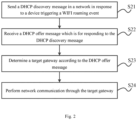
Fig. 2 is a flow chart of a communication method illustrated according to an example. -
Fig. 3 is a flow chart of a communication method illustrated according to an example. -
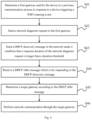
Fig. 4 is a flow chart of a communication method illustrated according to an example. -
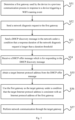
Fig. 5 is a flow chart of a communication method illustrated according to an example. -
Fig. 6 is a flow chart of a communication method illustrated according to an example. -
Fig. 7 is a block diagram of a communication apparatus illustrated according to an example. -
Fig. 8 is a block diagram of an apparatus used for communication illustrated according to an example. - Examples will be described in detail herein, instances of which are illustrated in the accompanying drawings. When the following description refers to the drawings, the same numerals in different drawings refer to the same or similar elements unless otherwise indicated. Implementations described in the examples below are not intended to represent all implementations consistent with the present disclosure. On the contrary, they are merely instances of apparatus and methods consistent with some aspects of the present disclosure as recited in the appended claims.
- Before introducing a communication method and apparatus and a storage medium provided by the present disclosure, an application scene of the present disclosure is introduced first.
-
Fig. 1 is a flow chart of device communication illustrated by the present disclosure. Referring toFig. 1 , in a related scene, a WIFI roaming network composed of a plurality of Aps (access points) may be set. The plurality of Aps may be located at different network segments, and gateways may be set for the network segments correspondingly. In this way, when a device accesses the WIFI roaming network, the device may perform WIFI roaming according to signal strengths of the Aps. - As an instance, the device may roam from API to AP2. Specifically, API is located at network segment 1, a gateway of network segment 1 is gateway 1, AP2 is located at network segment 2, and a gateway of network segment 2 is gateway 2. After WIFI roaming, the device may send an ARP (address resolution protocol) message for network probing.
- The applicant discovered that, because gateway information saved by the device is gateway 1 corresponding to API before roaming, the device may send the ARP message to gateway 1. However, the device is already located at the network segment of gateway 2 after roaming, so the ARP message cannot be transmitted to gateway 1, nor can the device receive a response message to the ARP message. Based on a roaming mechanism of the device, a phenomenon of network disconnection of the device may be caused, which results in an influence on a user.
- For instance, in a Google roaming strategy, the device may trigger an NUD_FAILED mechanism under a condition of not receiving the response message to the ARP message, which may result in that the device is disconnected and is reconnected to a router that is currently connected. At the moment, the user accessing a webpage or playing a game may experience network disconnection, which causes a poor online surfing experience.
- For this purpose, the present disclosure provides a communication method.
Fig. 2 is a flow chart of a communication method illustrated according to an example. The method may, for instance, be applied to various devices, such as mobile phones, tablet computers, and wearable devices (such as watches and bracelets). As shown inFig. 2 , the method may include the following steps: - In step S21, in response to a device triggering a WIFI roaming event, a DHCP (dynamic host configuration protocol) discovery message is sent in a network.
- The communication method shown in
Fig. 2 is described taking an Android device as an instance. In response to roaming of the Android device, a WIFI state machine on an application framework layer may receive an ASSOCIATED_BSSID_EVENT event notice. In this way, the Android device may, for instance, send the DHCP discovery message in the network under a condition that roaming reassociation is completed. - The DHCP discovery message may be a broadcast message, so a host in a network segment where the Android device is located may receive the DHCP discovery message. In response to receiving the DHCP discovery message, a gateway in the network may generate a DHCP offer message which is for responding to the DHCP discovery message, and send the DHCP offer message to the Android device.
- In step S22, the DHCP offer message which is for responding to the DHCP discovery message is received.
- In step S23, a target gateway is determined according to the DHCP offer message.
- For example, the Android device may obtain an IP (Internet protocol) address of the gateway sending the DHCP offer message from the DHCP offer message, and determine the target gateway according to the IP address.
- In this way, in step S24, network communication is performed through the target gateway.
-
Fig. 3 is a flow chart of a communication method illustrated by the present disclosure. As shown inFig. 3 , in one possible implementation, the step of performing network communication through the target gateway (step S24) may include: - In step S241, a network configuration request is sent to the target gateway.
- For example, after obtaining an IP address of the target gateway, the Android device may send the network configuration request to the target gateway, and the network configuration request may be used for requesting the target gateway to perform network configuration for the Android device.
- In step S242, network configuration information sent by the target gateway for responding to the network configuration request is received.
- Here, the network configuration information may include an IP address configured by the target gateway for the device. In some implementations, the network configuration information may further include a subnet mask, DNS (domain name system) information, etc. The present disclosure has no limitation on this.
- In this way, after obtaining the network configuration information, in step S243, network communication is performed through the network configuration information.
- By adopting the above technical solution, in response to triggering the WIFI roaming event, the device may send the DHCP discovery message in the network, and receive the DHCP offer message which is for responding to the DHCP discovery message. In this way, the device may obtain information on a gateway that can provide DHCP services in the network through the DHCP offer message. After obtaining the information of the gateway, the device may perform network communication through the gateway. In other words, the above technical solution can obtain gateway information of a subnet where the device is located in response to the device triggering the WIFI roaming event. In this way, even if a cross-subnet phenomenon occurs during a WIFI roaming process of the device, the device can obtain a gateway of a current subnet and perform communication through the gateway, so a problem of network disconnection is avoided.
-
Fig. 4 is a flow chart of a communication method illustrated according to an example. The method may, for instance, be applied to various devices, such as mobile phones, tablet computers, and wearable devices. As shown inFig. 4 , the method may include the following steps: - In step S41, in response to a device triggering the WIFI roaming event, a first gateway used by the device in a previous communication process is determined.
- As an instance, the device may roam from API to AP2. Specifically, API is located at network segment 1, a gateway of network segment 1 is gateway 1, AP2 is located at network segment 2, and a gateway of network segment 2 is gateway 2. Under this condition, the device may determine gateway 1 to be the first gateway.
- In step S42, a network diagnosis request is sent to the first gateway.
- For example, the device may send a ping (Packet Internet Groper) request message to the first gateway, and wait to receive a ping response from the first gateway.
- In step S43, the DHCP discovery message is sent in the network under a condition that a response duration of the network diagnosis request is longer than a duration threshold.
- Here, the duration threshold may be set based on application needs, which is not limited by the present disclosure. As an instance, the duration threshold may be 70 milliseconds, and in response to determining that the ping response from the first gateway returns in 70 milliseconds or in less than 70 milliseconds, the device may determine that network connection between the device and the first gateway is normal. Under this condition, the device may determine that WIFI roaming of the device does not cross network segments (subnets), so the device may perform network communication through the first gateway.
- In response to determining that ping response from the first gateway does not return within 70 milliseconds, the device may determine that network connection between the device and the first gateway is abnormal. In other words, the device may roam to other network segments and cannot communicate with the first gateway. Under the condition that the response duration of the network diagnosis request is longer than the duration threshold, the device may send the DHCP discovery message in the network.
- In step S44, the DHCP offer message which is for responding to the DHCP discovery message is received.
- In step S45, the target gateway is determined according to the DHCP offer message.
- In step S46, network communication is performed through the target gateway.
- Specifically, for implementation of step S44 to step S46, reference may be made to description of the example of step S22 to step S24, and the present disclosure does not make any repeated description.
- By adopting the above technical solution, in response to triggering the WIFI roaming event, the device may perform network diagnosis on the first gateway used by the device in the previous communication process. In response to determining that a network diagnosis result shows that the device cannot communicate with the first gateway normally, the device may obtain the gateway information of the subnet where the device is located through a manner of sending the DHCP discovery message in the network. In this way, even if the cross-subnet phenomenon occurs during the WIFI roaming process of the device, the device can obtain the gateway of the current subnet and perform network communication through the gateway, so the problem of network disconnection is avoided.
- In addition, in response to determining that the network diagnosis result shows that the device communicates with the first gateway normally, the device may determine that WIFI roaming does not cross network segments, and at the moment, network communication may be performed based on the first gateway without sending the DHCP discovery message. Through such a manner, a sending frequency of the DHCP discovery message can be reduced and network overhead is lowered.
-
Fig. 5 is a flow chart of a communication method illustrated according to an example. Referring toFig. 5 , the method may include: - In step S51, in response to the device triggering the WIFI roaming event, the first gateway used by the device in a previous communication process is determined.
- In step S52, the network diagnosis request is sent to the first gateway.
- In step S53, the DHCP discovery message is sent in the network under the condition that the response duration of the network diagnosis request is longer than the duration threshold.
- In step S54, the DHCP offer message which is for responding to the DHCP discovery message is received.
- Specifically, for implementation of step S51 to step S54, reference may be made to description of the example of step S41 to step S44, and the present disclosure does not make any repeated description for the purpose of conciseness of this specification.
- In step S55, a target Internet protocol address is obtained from the DHCP offer message. Here, the target Internet protocol address may be the IP address of the gateway sending the DHCP offer message.
- In step S56, the first gateway is used as the target gateway under a condition that the target Internet protocol address is consistent with an Internet protocol address of the first gateway.
- It should be understood that, under the condition that the target Internet protocol address is consistent with the Internet protocol address of the first gateway, it may be determined that the DHCP offer message is sent by the first gateway. In other words, no change of network segments is caused in the WIFI roaming process of the device, and the situation that the response duration of the network diagnosis request in step S53 is longer than the duration threshold may be caused by network fluctuation or relatively high load of the first gateway. The first gateway may be used as the target gateway.
- In this way, in step S57, network communication is performed through the target gateway.
- In the above technical solution, the device may determine whether cross-network-segment WIFI roaming of the device is caused through the network diagnosis request and the IP address in the DHCP offer message. In response to occurrence of cross-network segment WIFI roaming, the device may obtain gateway information of a new network segment by launching a DHCP procedure, and may perform network communication through the gateway. In response to determining that no cross-network-segment WIFI roaming occur, the device may perform network communication through the first gateway (i.e. the gateway used in the previous communication process), and the DHCP procedure is not needed. Through such a manner, a launching frequency of the DHCP procedure can be reduced and the network overhead is lowered.
-
Fig. 6 is a flow chart of a communication method illustrated according to an example. Referring toFig. 6 , the method may include: - In step S61, in response to the device triggering the WIFI roaming event, the first gateway used by the device in the previous communication process is determined.
- In step S62, the network diagnosis request is sent to the first gateway.
- In step S63, the DHCP discovery message is sent in the network under the condition that the response duration of the network diagnosis request is longer than the duration threshold.
- In step S64, the DHCP offer message which is for responding to the DHCP discovery message is received.
- In step S65, the target Internet protocol address is obtained from the DHCP offer message. Here, the target Internet protocol address may be the IP address of the gateway sending the DHCP offer message.
- In step S66, a second gateway is determined according to the target Internet protocol address under a condition that the target Internet protocol address is inconsistent with the Internet protocol address of the first gateway.
- It should be understood that, under the condition that the target Internet protocol address is inconsistent with the Internet protocol address of the first gateway, it may be determined that the DHCP offer message is not sent by the first gateway. In other words, the device roams from a network segment corresponding to the first gateway to another network segment. Under this condition, in response to that the ARP message is still sent to the first gateway, a situation that the ARP message receives no response may occur, which may result in network disconnection of the device.
- In this way, in step S67, the second gateway may be used as the target gateway.
- In step S68, network communication is performed through the target gateway.
- In the above technical solution, the device may determine whether the network segments is changed in the WIFI roaming process of the device through the network diagnosis request and the IP address of the DHCP offer message, and in response to determining that the network segment is changed, the device may obtain gateway information of a new network segment by launching the DHCP procedure. In this way, the device may perform network communication through the gateway of the new network segment, so network disconnection of the device is avoided.
- Based on the same inventive concept, the present disclosure further provides a communication apparatus.
Fig. 7 is a block diagram of a communication apparatus illustrated by the present disclosure. Referring toFig. 7 , thecommunication apparatus 700 includes: - a
message sending module 701, configured to send a dynamic host configuration protocol (DHCP) discovery message in a network in response to a device triggering a wireless fidelity (WIFI) roaming event; - a
message receiving module 702, configured to receive a DHCP offer message which is for responding to the DHCP discovery message; - a first
gateway determining module 703, configured to determine a target gateway according to the DHCP offer message; and - a
first communication module 704, configured to perform network communication through the target gateway. - By adopting the above technical solution, in response to triggering the WIFI roaming event, the device may send the DHCP discovery message in the network, and receive the DHCP offer message which is for responding to the DHCP discovery message. In this way, the device may obtain information on a gateway that can provide DHCP services in the network through the DHCP offer message. After obtaining the information of the gateway, the device may perform network communication through the gateway. In other words, the above technical solution can obtain gateway information of a subnet where the device is located in response to the device triggering the WIFI roaming event. In this way, even if a cross-subnet phenomenon occurs during a WIFI roaming process of the device, the device can obtain a gateway of a current subnet and perform network communication through the gateway, so a problem of network disconnection is avoided.
- In an example, the
message sending module 701 includes: - a first determining sub-module, configured to determine a first gateway used by the device in a previous communication process;
- a first sending sub-module, configured to send a network diagnosis request to the first gateway; and
- a second sending sub-module, configured to send the DHCP discovery message in the network under a condition that a response duration of the network diagnosis request is longer than a duration threshold.
- In an example, the first
gateway determining module 703 includes: - an address obtaining sub-module, configured to obtain a target Internet protocol address from the DHCP offer message; and
- a first gateway determining sub-module, configured to determine the first gateway to be the target gateway under a condition that the target Internet protocol address is consistent with an Internet protocol address of the first gateway.
- In an example, the first gateway determining module further 703 includes:
- a second gateway determining sub-module, configured to determine a second gateway according to the target Internet protocol address under a condition that the target Internet protocol address is inconsistent with the Internet protocol address of the first gateway; and
- an execution sub-module, configured to use the second gateway as the target gateway.
- In an example, the
communication apparatus 700 further includes:
a second communication module, configured to perform network communication through the first gateway under a condition that the response duration of the network diagnosis request is shorter than or equal to the duration threshold. - In an example, the
first communication module 704 includes: - a configuration request sending sub-module, configured to send a network configuration request to the target gateway;
- a configuration receiving sub-module, configured to receive network configuration information sent by the target gateway for responding to the network configuration request, the network configuration information including an Internet protocol address configured for the device; and
- a communication sub-module, configured to perform network communication through the network configuration information.
- With regard to the apparatus in the above embodiment, specific manners in which the modules perform operation have been described in detail in the embodiment related to the method, and no detailed description is made here.
- The present disclosure further provides a communication apparatus, including:
- a processor; and
- a memory used to store an instruction executable by the processor.
- The processor is configured to:
- send a dynamic host configuration protocol (DHCP) discovery message in a network in response to a device triggering a wireless fidelity (WIFI) roaming event;
- receive a DHCP offer message which is for responding to the DHCP discovery message;
- determine a target gateway according to the DHCP offer message; and
- perform network communication through the target gateway.
- Of course, the processor may also be configured to execute steps of the communication method provided by the present disclosure.
- The present disclosure further provides a non-temporary computer-readable storage medium. The storage medium stores a computer program instruction, and the program instruction, when being executed by a processor, implements steps of the communication method provided by the present disclosure.
-
Fig. 8 is a block diagram of anapparatus 800 used for communication illustrated according to an example. For instance, theapparatus 800 may be a mobile phone, a computer, a digital broadcasting terminal, a messaging device, a tablet device, a medical device, a fitness device, a personal digital assistant, etc. - Referring to
Fig. 8 , theapparatus 800 may include one or more of the following components: aprocessing component 802, amemory 804, apower component 806, amultimedia component 808, anaudio component 810, an input/output (I/O)interface 812, asensor component 814, and a communication component 816. - The
processing component 802 generally controls overall operations of theapparatus 800, such as operations associated with display, telephone calls, data communication, camera operations, and recording operations. Theprocessing component 802 may include one or a plurality ofprocessors 820 to execute instructions to complete all or part of steps of the above communication method. In addition, theprocessing component 802 may include one or a plurality of modules to facilitate interaction between theprocessing component 802 and other components. For example, theprocessing component 802 may include a multimedia module to facilitate interaction between themultimedia component 808 and theprocessing component 802. - The
memory 804 is configured to store various types of data to support operations on theapparatus 800. Instances of these data include instructions for any application program or method operating on theapparatus 800, contact data, phone book data, messages, pictures, videos, etc. Thememory 804 may be implemented by any type of volatile or non-volatile storage devices or their combination, such as a static random access memory (SRAM), an electrically erasable programmable read-only memory (EEPROM), an erasable Programmable read-only memory (EPROM), a programmable read-only memory (PROM), a read-only memory (ROM), a magnetic memory, a flash memory, a magnetic disk or an optical disk. - The
power component 806 provides power to various components of theapparatus 800. Thepower component 806 may include a power management system, one or a plurality of power supplies, and other components associated with generation, management, and distribution of the power for theapparatus 800. - The
multimedia component 808 includes a screen that provides an output interface between theapparatus 800 and a user. In some embodiments, the screen may include a liquid crystal display (LCD) and a touch panel (TP). If the screen includes the touch panel, the screen may be implemented as a touch screen to receive input signals from the user. The touch panel includes one or a plurality of touch sensors to sense touch, wipe, and gestures on the touch panel. The touch sensor may not only sense a boundary of a touch or wipe action, but also detect a duration and pressure related to a touch or wipe operation. In some embodiments, themultimedia component 808 includes a front camera and/or a rear camera. When theapparatus 800 is in an operation mode, such as a shooting mode or a video mode, the front camera and/or the rear camera may receive external multimedia data. Each front camera and rear camera may be a fixed optical lens system or have focal length and optical zoom capabilities. - The
audio component 810 is configured to output and/or input audio signals. For instance, theaudio component 810 includes a microphone (MIC). When theapparatus 800 is in the operation mode, such as a call mode, a recording mode, and a voice recognition mode, the microphone is configured to receive external audio signals. The received audio signal may be further stored in thememory 804 or sent via the communication component 816. In some embodiments, theaudio component 810 further includes a speaker for outputting audio signals. - The I/
O interface 812 provides an interface between theprocessing component 802 and a peripheral interface module. The above peripheral interface module may be a keyboard, a click wheel, buttons, and the like. These buttons may include but are not limited to: a home button, a volume button, a start button, and a lock button. - The
sensor component 814 includes one or a plurality of sensors to provide theapparatus 800 with various aspects of status assessment. For instance, thesensor component 814 may detect an on/off status of theapparatus 800 and relative positioning of a component. For instance, the component is a display and a keypad of theapparatus 800. Thesensor component 814 may also detect a position change of theapparatus 800 or a component of theapparatus 800, presence or absence of contact between the user and theapparatus 800, orientation or acceleration/deceleration of theapparatus 800, and a temperature change of theapparatus 800. Thesensor component 814 may include a proximity sensor configured to detect presence of a nearby object when there is no physical contact. Thesensor component 814 may also include a light sensor, such as a CMOS or CCD image sensor, for use in imaging applications. In some embodiments, thesensor component 814 may also include an acceleration sensor, a gyroscope sensor, a magnetic sensor, a pressure sensor or a temperature sensor. - The communication component 816 is configured to facilitate wired or wireless communication between the
apparatus 800 and other devices. Theapparatus 800 may access a wireless network based on a communication standard, such as WiFi, 2G or 3G, 4G/LTE, 5G/NR or a combination thereof. In an example, the communication component 816 receives a broadcast signal or broadcast related information from an external broadcast management system via a broadcast channel. In an example, the communication component 816 further includes a near field communication (NFC) module to facilitate short-range communication. For instance, the NFC module may be implemented based on radio frequency identification (RFID) technology, infrared data association (IrDA) technology, ultra-wideband (UWB) technology, Bluetooth (BT) technology and other technologies. - In an example, the
apparatus 800 may be implemented by one or more of an application specific integrated circuit (ASIC), a digital signal processor (DSP), a digital signal processing device (DSPD), a programmable logic device (PLD), a field programmable gate array (FPGA), a controller, a microcontroller, a microprocessor, or other electronic components, so as to execute the above communication method. - In an example, a non-transitory computer-readable storage medium including instructions is further provided, for instance, a
memory 804 including the instructions. The above instructions may be executed by aprocessor 820 of anapparatus 800 to complete the above communication method. For instance, the non-transitory computer-readable storage medium may be a ROM, a random access memory (RAM), a CD-ROM, a magnetic tape, a floppy disk, an optical data storage device, etc. - In another example, a computer program product is further provided. The computer program product contains a computer program that can be executed by a programmable apparatus, and the computer program has a code part that is used to execute the above communication method when being executed by the programmable apparatus.
Claims (13)
- A communication method, comprising:sending a dynamic host configuration protocol, DHCP, discovery message in a network in response to a device triggering a wireless fidelity, WIFI, roaming event (S21);receiving a DHCP offer message which is for responding to the DHCP discovery message (S22; S44; S54; S64);determining a target gateway according to the DHCP offer message (S23; S45); andperforming network communication through the target gateway (S24; S46; S57; S68).
- The communication method according to claim 1, wherein the sending the dynamic host configuration protocol, DHCP, discovery message in the network comprises:determining a first gateway used by the device in a previous communication process (S41; S51; S61);sending a network diagnosis request to the first gateway (S42; S52; S62); andsending the DHCP discovery message in the network under a condition that a response duration of the network diagnosis request is longer than a duration threshold (S43; S53; S63).
- The communication method according to claim 2, wherein the determining the target gateway according to the DHCP offer message comprises:obtaining a target Internet protocol address from the DHCP offer message (S55;S65); andusing the first gateway as the target gateway under a condition that the target Internet protocol address is consistent with an Internet protocol address of the first gateway (S56).
- The method according to claim 3, wherein the determining the target gateway according to the DHCP offer message further comprises:determining a second gateway according to the target Internet protocol address under a condition that the target Internet protocol address is inconsistent with the Internet protocol address of the first gateway (S66); andusing the second gateway as the target gateway (S67).
- The communication method according to any one of claims 2 to 4, further comprising:
performing network communication through the first gateway under a condition that the response duration of the network diagnosis request is shorter than or equal to the duration threshold. - The communication method according to any one of claims 1 to 5, wherein the performing network communication through the target gateway comprises:sending a network configuration request to the target gateway (S241);receiving network configuration information sent by the target gateway for responding to the network configuration request, wherein the network configuration information comprises an Internet protocol address configured for the device (S242); andperforming network communication through the network configuration information (S243).
- A communication apparatus (800), comprising:a processor (820); anda memory (804) used to store an instruction executable by the processor (820); whereinthe processor (820) is configured to:send a dynamic host configuration protocol, DHCP, discovery message in a network in response to a device triggering a wireless fidelity, WIFI, roaming event (S21);receive a DHCP offer message which is for responding to the DHCP discovery message (S22; S44; S54; S64);determine a target gateway according to the DHCP offer message (S23; S45); andperform network communication through the target gateway (S24; S46; S57; S68).
- The communication apparatus (800) according to claim 7, wherein the processor is further configured to:determine a first gateway used by the device in a previous communication process (S41; S51; S61);send a network diagnosis request to the first gateway (S42; S52; S62); andsend the DHCP discovery packet in the network under a condition that a response duration of the network diagnosis request is longer than a duration threshold (S43; S53; S63).
- The communication apparatus (800) according to claim 8, wherein the processor is further configured to:obtain a target Internet protocol address from the DHCP offer packet (S55;S65); anduse the first gateway as the target gateway under a condition that the target Internet protocol address is consistent with an Internet protocol address of the first gateway (S56).
- The communication apparatus (800) according to claim 9, wherein the processor is further configured to:determine a second gateway according to the target Internet protocol address under a condition that the target Internet protocol address is inconsistent with the Internet protocol address of the first gateway (S66); anduse the second gateway as the target gateway (S67).
- The communication apparatus (800) according to any one of claims 8 to 10, wherein the processor is further configured to:
perform network communication through the first gateway under a condition that the response duration of the network diagnosis request is shorter than or equal to the duration threshold. - The communication apparatus according to any one of claims 7 to 11, wherein the processor is further configured to:send a network configuration request to the target gateway (S241);receive network configuration information sent by the target gateway for responding to the network configuration request, wherein the network configuration information comprises an Internet protocol address configured for the device (S242); andperform network communication through the network configuration information (S243).
- A non-temporary computer-readable storage medium, storing a computer program instruction, wherein the program instruction, when being executed by a processor, implements steps of the method according to any one of claims 1 to 6.
Applications Claiming Priority (1)
| Application Number | Priority Date | Filing Date | Title |
|---|---|---|---|
| CN202111593304.XA CN116347541A (en) | 2021-12-23 | 2021-12-23 | Communication method, device and storage medium |
Publications (2)
| Publication Number | Publication Date |
|---|---|
| EP4203561A1 true EP4203561A1 (en) | 2023-06-28 |
| EP4203561B1 EP4203561B1 (en) | 2026-03-11 |
Family
ID=82319760
Family Applications (1)
| Application Number | Title | Priority Date | Filing Date |
|---|---|---|---|
| EP22176164.6A Active EP4203561B1 (en) | 2021-12-23 | 2022-05-30 | Communication method and apparatus, and storage medium |
Country Status (3)
| Country | Link |
|---|---|
| US (1) | US12185417B2 (en) |
| EP (1) | EP4203561B1 (en) |
| CN (1) | CN116347541A (en) |
Citations (4)
| Publication number | Priority date | Publication date | Assignee | Title |
|---|---|---|---|---|
| JP2011199732A (en) * | 2010-03-23 | 2011-10-06 | Hitachi Cable Ltd | Wireless lan system, mobile terminal, and mobile terminal ip address switching method |
| US20140334438A1 (en) * | 2013-05-10 | 2014-11-13 | Qualcomm Incorporated | Systems and methods for wlan roaming |
| US20150281172A1 (en) * | 2012-12-19 | 2015-10-01 | Huawei Technologies Co., Ltd. | Method, relay agent, and system for acquiring internet protocol address in network |
| US20200145370A1 (en) * | 2017-04-27 | 2020-05-07 | Huawei Technologies Co., Ltd. | Data service implementation method and apparatus, and terminal |
Family Cites Families (7)
| Publication number | Priority date | Publication date | Assignee | Title |
|---|---|---|---|---|
| US7337224B1 (en) * | 2002-10-24 | 2008-02-26 | Cisco Technology, Inc. | Method and apparatus providing policy-based determination of network addresses |
| EP1892883A1 (en) * | 2006-08-23 | 2008-02-27 | Thomson Telecom Belgium | Method and device for identifying and selecting an interface to access a network |
| CN104066083B (en) * | 2013-03-18 | 2020-02-21 | 华为终端(深圳)有限公司 | A method and device for accessing a wireless local area network |
| EP3091715A1 (en) * | 2015-05-06 | 2016-11-09 | Thomson Licensing | Method for allocating internet protocol addresses to clients of a network and corresponding apparatus |
| CN105188047A (en) * | 2015-08-26 | 2015-12-23 | 广东欧珀移动通信有限公司 | Wifi wireless roaming Internet access method and mobile terminal |
| US11122007B2 (en) * | 2019-07-31 | 2021-09-14 | Hewlett Packard Enterprise Development Lp | Data routing through a gateway cluster of a wide area network |
| CN113473576B (en) * | 2020-03-31 | 2023-04-07 | 深圳市万普拉斯科技有限公司 | Roaming network processing method, device, mobile terminal and readable storage medium |
-
2021
- 2021-12-23 CN CN202111593304.XA patent/CN116347541A/en active Pending
-
2022
- 2022-05-20 US US17/664,340 patent/US12185417B2/en active Active
- 2022-05-30 EP EP22176164.6A patent/EP4203561B1/en active Active
Patent Citations (4)
| Publication number | Priority date | Publication date | Assignee | Title |
|---|---|---|---|---|
| JP2011199732A (en) * | 2010-03-23 | 2011-10-06 | Hitachi Cable Ltd | Wireless lan system, mobile terminal, and mobile terminal ip address switching method |
| US20150281172A1 (en) * | 2012-12-19 | 2015-10-01 | Huawei Technologies Co., Ltd. | Method, relay agent, and system for acquiring internet protocol address in network |
| US20140334438A1 (en) * | 2013-05-10 | 2014-11-13 | Qualcomm Incorporated | Systems and methods for wlan roaming |
| US20200145370A1 (en) * | 2017-04-27 | 2020-05-07 | Huawei Technologies Co., Ltd. | Data service implementation method and apparatus, and terminal |
Also Published As
| Publication number | Publication date |
|---|---|
| EP4203561B1 (en) | 2026-03-11 |
| US12185417B2 (en) | 2024-12-31 |
| CN116347541A (en) | 2023-06-27 |
| US20230209324A1 (en) | 2023-06-29 |
Similar Documents
| Publication | Publication Date | Title |
|---|---|---|
| EP3863330B1 (en) | Network switching to a target wireless access network capable of establishing a connection with an ims network | |
| WO2022016431A1 (en) | Cell handover method and apparatus, communication device, and storage medium | |
| WO2022041245A1 (en) | Paging cause sending method and apparatus, and paging cause acquisition method and apparatus | |
| CN113906796A (en) | Method, device, communication equipment and storage medium for paging monitoring | |
| WO2022094809A1 (en) | Relay ue reselection method, apparatus, communication device, and storage medium | |
| CN110337825B (en) | Service switching method and device | |
| CN108702689B (en) | Cell access method, device and storage medium | |
| US20220400050A1 (en) | Port configuration method and device | |
| WO2022205385A1 (en) | Measurement gap processing method and apparatus, and communication device and storage medium | |
| WO2022205341A1 (en) | Measurement gap pre-configuration processing method and apparatus, communication device, and storage medium | |
| CN110431863A (en) | Tracking area updating method and device, communication equipment and storage medium | |
| US11218940B2 (en) | Cell reselection method and device, and storage medium | |
| CN108156272B (en) | Associated frequency band determination method, device and electronic equipment | |
| EP4203561B1 (en) | Communication method and apparatus, and storage medium | |
| WO2022120735A1 (en) | Wireless communication method and apparatus, and communication device and storage medium | |
| US20250301389A1 (en) | Mobility event processing method and apparatus, and communication device and storage medium | |
| CN116965075A (en) | Authentication methods and devices, network equipment and computer storage media | |
| WO2020118706A1 (en) | Method and apparatus for transmitting configuration information | |
| CN110945941B (en) | Identification sending method, identification receiving method, information sending method and device | |
| US20240187307A1 (en) | Policy determining method and device, and storage medium | |
| CN116074816A (en) | Communication method, device, storage medium and electronic equipment | |
| WO2022174393A1 (en) | Capability exchange method and apparatus, and exchange triggering method and apparatus | |
| CN114531715A (en) | Network configuration method, network measurement method and device | |
| CN114365519A (en) | Method and device for determining paging packet, communication equipment and storage medium | |
| WO2022178728A1 (en) | Drx cycle processing method and apparatus, communication device, and storage medium |
Legal Events
| Date | Code | Title | Description |
|---|---|---|---|
| PUAI | Public reference made under article 153(3) epc to a published international application that has entered the european phase |
Free format text: ORIGINAL CODE: 0009012 |
|
| STAA | Information on the status of an ep patent application or granted ep patent |
Free format text: STATUS: REQUEST FOR EXAMINATION WAS MADE |
|
| 17P | Request for examination filed |
Effective date: 20220530 |
|
| AK | Designated contracting states |
Kind code of ref document: A1 Designated state(s): AL AT BE BG CH CY CZ DE DK EE ES FI FR GB GR HR HU IE IS IT LI LT LU LV MC MK MT NL NO PL PT RO RS SE SI SK SM TR |
|
| RBV | Designated contracting states (corrected) |
Designated state(s): AL AT BE BG CH CY CZ DE DK EE ES FI FR GB GR HR HU IE IS IT LI LT LU LV MC MK MT NL NO PL PT RO RS SE SI SK SM TR |
|
| GRAP | Despatch of communication of intention to grant a patent |
Free format text: ORIGINAL CODE: EPIDOSNIGR1 |
|
| STAA | Information on the status of an ep patent application or granted ep patent |
Free format text: STATUS: GRANT OF PATENT IS INTENDED |
|
| RIC1 | Information provided on ipc code assigned before grant |
Ipc: H04W 48/20 20090101AFI20250930BHEP Ipc: H04W 84/12 20090101ALN20250930BHEP |
|
| INTG | Intention to grant announced |
Effective date: 20251104 |
|
| GRAS | Grant fee paid |
Free format text: ORIGINAL CODE: EPIDOSNIGR3 |
|
| GRAA | (expected) grant |
Free format text: ORIGINAL CODE: 0009210 |
|
| STAA | Information on the status of an ep patent application or granted ep patent |
Free format text: STATUS: THE PATENT HAS BEEN GRANTED |
|
| AK | Designated contracting states |
Kind code of ref document: B1 Designated state(s): AL AT BE BG CH CY CZ DE DK EE ES FI FR GB GR HR HU IE IS IT LI LT LU LV MC MK MT NL NO PL PT RO RS SE SI SK SM TR |
|
| REG | Reference to a national code |
Ref country code: CH Ref legal event code: F10 Free format text: ST27 STATUS EVENT CODE: U-0-0-F10-F00 (AS PROVIDED BY THE NATIONAL OFFICE) Effective date: 20260311 Ref country code: GB Ref legal event code: FG4D |
|
| REG | Reference to a national code |
Ref country code: DE Ref legal event code: R096 Ref document number: 602022031987 Country of ref document: DE |
|
| REG | Reference to a national code |
Ref country code: IE Ref legal event code: FG4D |
|
| PGFP | Annual fee paid to national office [announced via postgrant information from national office to epo] |
Ref country code: GB Payment date: 20260331 Year of fee payment: 5 |