EP4201293A1 - Method and apparatus for identifying ground feature by automatic cleaning device - Google Patents
Method and apparatus for identifying ground feature by automatic cleaning device Download PDFInfo
- Publication number
- EP4201293A1 EP4201293A1 EP21859731.8A EP21859731A EP4201293A1 EP 4201293 A1 EP4201293 A1 EP 4201293A1 EP 21859731 A EP21859731 A EP 21859731A EP 4201293 A1 EP4201293 A1 EP 4201293A1
- Authority
- EP
- European Patent Office
- Prior art keywords
- current
- ground
- cleaning device
- automatic cleaning
- side brush
- Prior art date
- Legal status (The legal status is an assumption and is not a legal conclusion. Google has not performed a legal analysis and makes no representation as to the accuracy of the status listed.)
- Withdrawn
Links
Images




Classifications
-
- A—HUMAN NECESSITIES
- A47—FURNITURE; DOMESTIC ARTICLES OR APPLIANCES; COFFEE MILLS; SPICE MILLS; SUCTION CLEANERS IN GENERAL
- A47L—DOMESTIC WASHING OR CLEANING; SUCTION CLEANERS IN GENERAL
- A47L9/00—Details or accessories of suction cleaners, e.g. mechanical means for controlling the suction or for effecting pulsating action; Storing devices specially adapted to suction cleaners or parts thereof; Carrying-vehicles specially adapted for suction cleaners
- A47L9/28—Installation of the electric equipment, e.g. adaptation or attachment to the suction cleaner; Controlling suction cleaners by electric means
- A47L9/2805—Parameters or conditions being sensed
-
- A—HUMAN NECESSITIES
- A47—FURNITURE; DOMESTIC ARTICLES OR APPLIANCES; COFFEE MILLS; SPICE MILLS; SUCTION CLEANERS IN GENERAL
- A47L—DOMESTIC WASHING OR CLEANING; SUCTION CLEANERS IN GENERAL
- A47L9/00—Details or accessories of suction cleaners, e.g. mechanical means for controlling the suction or for effecting pulsating action; Storing devices specially adapted to suction cleaners or parts thereof; Carrying-vehicles specially adapted for suction cleaners
- A47L9/28—Installation of the electric equipment, e.g. adaptation or attachment to the suction cleaner; Controlling suction cleaners by electric means
- A47L9/2805—Parameters or conditions being sensed
- A47L9/2826—Parameters or conditions being sensed the condition of the floor
-
- A—HUMAN NECESSITIES
- A47—FURNITURE; DOMESTIC ARTICLES OR APPLIANCES; COFFEE MILLS; SPICE MILLS; SUCTION CLEANERS IN GENERAL
- A47L—DOMESTIC WASHING OR CLEANING; SUCTION CLEANERS IN GENERAL
- A47L11/00—Machines for cleaning floors, carpets, furniture, walls, or wall coverings
- A47L11/24—Floor-sweeping machines, motor-driven
-
- A—HUMAN NECESSITIES
- A47—FURNITURE; DOMESTIC ARTICLES OR APPLIANCES; COFFEE MILLS; SPICE MILLS; SUCTION CLEANERS IN GENERAL
- A47L—DOMESTIC WASHING OR CLEANING; SUCTION CLEANERS IN GENERAL
- A47L11/00—Machines for cleaning floors, carpets, furniture, walls, or wall coverings
- A47L11/28—Floor-scrubbing machines, motor-driven
- A47L11/282—Floor-scrubbing machines, motor-driven having rotary tools
-
- A—HUMAN NECESSITIES
- A47—FURNITURE; DOMESTIC ARTICLES OR APPLIANCES; COFFEE MILLS; SPICE MILLS; SUCTION CLEANERS IN GENERAL
- A47L—DOMESTIC WASHING OR CLEANING; SUCTION CLEANERS IN GENERAL
- A47L11/00—Machines for cleaning floors, carpets, furniture, walls, or wall coverings
- A47L11/40—Parts or details of machines not provided for in groups A47L11/02 - A47L11/38, or not restricted to one of these groups, e.g. handles, arrangements of switches, skirts, buffers, levers
- A47L11/4011—Regulation of the cleaning machine by electric means; Control systems and remote control systems therefor
-
- A—HUMAN NECESSITIES
- A47—FURNITURE; DOMESTIC ARTICLES OR APPLIANCES; COFFEE MILLS; SPICE MILLS; SUCTION CLEANERS IN GENERAL
- A47L—DOMESTIC WASHING OR CLEANING; SUCTION CLEANERS IN GENERAL
- A47L9/00—Details or accessories of suction cleaners, e.g. mechanical means for controlling the suction or for effecting pulsating action; Storing devices specially adapted to suction cleaners or parts thereof; Carrying-vehicles specially adapted for suction cleaners
- A47L9/02—Nozzles
- A47L9/04—Nozzles with driven brushes or agitators
- A47L9/0461—Dust-loosening tools, e.g. agitators, brushes
- A47L9/0466—Rotating tools
- A47L9/0477—Rolls
-
- A—HUMAN NECESSITIES
- A47—FURNITURE; DOMESTIC ARTICLES OR APPLIANCES; COFFEE MILLS; SPICE MILLS; SUCTION CLEANERS IN GENERAL
- A47L—DOMESTIC WASHING OR CLEANING; SUCTION CLEANERS IN GENERAL
- A47L9/00—Details or accessories of suction cleaners, e.g. mechanical means for controlling the suction or for effecting pulsating action; Storing devices specially adapted to suction cleaners or parts thereof; Carrying-vehicles specially adapted for suction cleaners
- A47L9/02—Nozzles
- A47L9/04—Nozzles with driven brushes or agitators
- A47L9/0461—Dust-loosening tools, e.g. agitators, brushes
- A47L9/0488—Combinations or arrangements of several tools, e.g. edge cleaning tools
-
- A—HUMAN NECESSITIES
- A47—FURNITURE; DOMESTIC ARTICLES OR APPLIANCES; COFFEE MILLS; SPICE MILLS; SUCTION CLEANERS IN GENERAL
- A47L—DOMESTIC WASHING OR CLEANING; SUCTION CLEANERS IN GENERAL
- A47L9/00—Details or accessories of suction cleaners, e.g. mechanical means for controlling the suction or for effecting pulsating action; Storing devices specially adapted to suction cleaners or parts thereof; Carrying-vehicles specially adapted for suction cleaners
- A47L9/28—Installation of the electric equipment, e.g. adaptation or attachment to the suction cleaner; Controlling suction cleaners by electric means
- A47L9/2836—Installation of the electric equipment, e.g. adaptation or attachment to the suction cleaner; Controlling suction cleaners by electric means characterised by the parts which are controlled
- A47L9/2842—Suction motors or blowers
-
- A—HUMAN NECESSITIES
- A47—FURNITURE; DOMESTIC ARTICLES OR APPLIANCES; COFFEE MILLS; SPICE MILLS; SUCTION CLEANERS IN GENERAL
- A47L—DOMESTIC WASHING OR CLEANING; SUCTION CLEANERS IN GENERAL
- A47L9/00—Details or accessories of suction cleaners, e.g. mechanical means for controlling the suction or for effecting pulsating action; Storing devices specially adapted to suction cleaners or parts thereof; Carrying-vehicles specially adapted for suction cleaners
- A47L9/28—Installation of the electric equipment, e.g. adaptation or attachment to the suction cleaner; Controlling suction cleaners by electric means
- A47L9/2836—Installation of the electric equipment, e.g. adaptation or attachment to the suction cleaner; Controlling suction cleaners by electric means characterised by the parts which are controlled
- A47L9/2847—Surface treating elements
-
- G—PHYSICS
- G01—MEASURING; TESTING
- G01R—MEASURING ELECTRIC VARIABLES; MEASURING MAGNETIC VARIABLES
- G01R19/00—Arrangements for measuring currents or voltages or for indicating presence or sign thereof
- G01R19/0092—Measuring current only
-
- G—PHYSICS
- G01—MEASURING; TESTING
- G01R—MEASURING ELECTRIC VARIABLES; MEASURING MAGNETIC VARIABLES
- G01R19/00—Arrangements for measuring currents or voltages or for indicating presence or sign thereof
- G01R19/10—Measuring sum, difference or ratio
-
- G—PHYSICS
- G01—MEASURING; TESTING
- G01R—MEASURING ELECTRIC VARIABLES; MEASURING MAGNETIC VARIABLES
- G01R31/00—Arrangements for testing electric properties; Arrangements for locating electric faults; Arrangements for electrical testing characterised by what is being tested not provided for elsewhere
- G01R31/36—Arrangements for testing, measuring or monitoring the electrical condition of accumulators or electric batteries, e.g. capacity or state of charge [SoC]
- G01R31/385—Arrangements for measuring battery or accumulator variables
-
- A—HUMAN NECESSITIES
- A47—FURNITURE; DOMESTIC ARTICLES OR APPLIANCES; COFFEE MILLS; SPICE MILLS; SUCTION CLEANERS IN GENERAL
- A47L—DOMESTIC WASHING OR CLEANING; SUCTION CLEANERS IN GENERAL
- A47L2201/00—Robotic cleaning machines, i.e. with automatic control of the travelling movement or the cleaning operation
-
- A—HUMAN NECESSITIES
- A47—FURNITURE; DOMESTIC ARTICLES OR APPLIANCES; COFFEE MILLS; SPICE MILLS; SUCTION CLEANERS IN GENERAL
- A47L—DOMESTIC WASHING OR CLEANING; SUCTION CLEANERS IN GENERAL
- A47L2201/00—Robotic cleaning machines, i.e. with automatic control of the travelling movement or the cleaning operation
- A47L2201/06—Control of the cleaning action for autonomous devices; Automatic detection of the surface condition before, during or after cleaning
-
- Y—GENERAL TAGGING OF NEW TECHNOLOGICAL DEVELOPMENTS; GENERAL TAGGING OF CROSS-SECTIONAL TECHNOLOGIES SPANNING OVER SEVERAL SECTIONS OF THE IPC; TECHNICAL SUBJECTS COVERED BY FORMER USPC CROSS-REFERENCE ART COLLECTIONS [XRACs] AND DIGESTS
- Y02—TECHNOLOGIES OR APPLICATIONS FOR MITIGATION OR ADAPTATION AGAINST CLIMATE CHANGE
- Y02E—REDUCTION OF GREENHOUSE GAS [GHG] EMISSIONS, RELATED TO ENERGY GENERATION, TRANSMISSION OR DISTRIBUTION
- Y02E10/00—Energy generation through renewable energy sources
- Y02E10/50—Photovoltaic [PV] energy
Definitions
- Embodiments of the present specification relate to the technical field of sweeping robots, and in particular, to a method, a device, an automatic cleaning device, and a control method for the automatic cleaning device which are configured to identify a ground feature by the automatic cleaning device.
- an identification method based on optical flow sensor i.e., an identification method based on ultrasonic sensor; and an identification method based on current.
- the embodiments of the present specification provide a method, a device, an automatic cleaning device, and a control method for the automatic cleaning device which are configured to identify a ground feature by the automatic cleaning device.
- a technical solution adopted in the embodiment of the present specification is: a method for identifying a ground feature by an automatic cleaning device, including:
- obtaining the ground identification coefficient according to the weighted calculation of the rolling brush current and the side brush current includes:
- identifying the ground feature where the automatic cleaning device is located according to the ground identification coefficient includes:
- the method before collecting the rolling brush current and the side brush current of the automatic cleaning device, the method further includes:
- the method before collecting the rolling brush current and the side brush current, the method further includes:
- the method further includes:
- the method before collecting the rolling brush current and the side brush current, the method further includes: updating the rolling brush reference current and the side brush reference current, when a battery voltage meets a preset range.
- a second solution proposed by the embodiment of the present specification is: a device for identifying a ground feature by an automatic cleaning device, including:
- a third solution proposed by the embodiment of the present specification is: an automatic cleaning device, including: the device for identifying the ground feature as in the foregoing solution.
- a fourth solution proposed by the embodiment of the present specification is: a control method for an automatic cleaning device, the control method applying the method for identifying the ground feature as in any one of the foregoing solutions, the control method including:
- the embodiments of the present specification have the following beneficial effects: the method for identifying the ground feature by the automatic cleaning device provided by the embodiments of the present specification is used for the automatic cleaning device. It calculates the ground identification coefficient by combining the rolling brush current and the side brush current, and at the same time sets the weighting coefficient to make the rolling brush current and the side brush current have different reference proportions. For example, when a sweeper is near a wall, the rolling brush current does not change significantly, but the side brush current increases significantly. At this time, the ground identification coefficient increases. By reducing the reference proportion of the side brush current, the growth rate of the ground identification coefficient is limited, so that it does not exceed the threshold for identifying the carpet, thereby improving the accuracy of the identification result.
- the sweeper can identify that the ground is a carpet media surface or a non-carpet media surface.
- the present application makes software optimization based on the current detection technology, which reduces the false identification rate without additional cost.
- an embodiment of the present invention provides a method for identifying a ground feature by using an automatic cleaning device, which includes: a calibration process: a factory calibration process or a user's home self-calibration process can be selected. At least one calibration process is enabled to obtain a reference current of a side brush and a reference current of a rolling brush.
- the factory calibration process is as follows:
- different numbers of voltage levels can be selected according to actual needs. The more levels, the higher the accuracy of identifying the ground feature.
- the sweeper is calibrated before leaving the factory by the following steps: placing a sweeping robot on a non-carpet smooth medium surface such as a floor and a floor tile; sending commands to the sweeper through a serial port and other data interfaces to control the rotation of the machine's rolling brush and the side brush, so as to collect an average value of the normal currents of the rolling brush and the side brush within a period of time as a reference current; and storing the reference current in a memory, such as a flash, to ensure that data is not lost when power is turned off.
- the user's home self-calibration process is as follows:
- the sweeper is automatically calibrated in user's home according to the following steps: during the normal cleaning process of the sweeping robot, the sweeping robot uses one or more of the data, which obtained by discrete Fast Fourier Transform (FFT) on the wheel speed data, the rolling brush current, the side brush current and the inertial measurement unit (IMU) data, to independently determine whether it is on a non-carpet smooth medium surface; and the sweeping robot collects the average value of the normal currents of the rolling brush and the side brush on the non-carpet smooth medium surface for a period of time as the reference current.
- the reference current will be stored in a memory, such as a flash, to ensure that data is not lost when power is turned off.
- Away to determine the wheel speed data, the inertial measurement unit data and the side brush current/the rolling brush current is as follows:
- the wheel speed data is used to limit operating scenarios of the sweeper.
- the judgment of the data after FFT is performed on the original data of the IMU.
- the FFT threshold is variable, which usually decreases automatically after the sweeper runs for a period of time after self-calibration fails, but can only drop to a preset minimum threshold.
- the side brush current/the rolling brush current is stable or not; if it is stable, it is regarded as reliable self-calibration cache data.
- the above cached reliable side brush/rolling brush current self-calibration data can be screened. Assuming that the preset acceptable current range is 150mA to 350mA, it is divided into ten levels with 20mA as an interval. Assuming that the above-mentioned reliable data volume of the side brush/rolling brush is 1000, it is divided into these ten levels. Finally, the level with the largest amount of data, or an average value of the data of its adjacent levels, is used as the final reference current value.
- the data amount of different levels can be corrected according to the distribution trend of the actual current. For example, in actual work, the data volume of the 330mA to 350mA level should be very small, and the data volume of this level can be multiplied by 0.8 before participating in the comparison.
- Step S 10 collecting a rolling brush current and a side brush current of the automatic cleaning device.
- the automatic cleaning device is a sweeping robot.
- the rolling brush current and the side brush current are collected in no particular order.
- Step S20 obtaining a ground identification coefficient according to a weighted calculation of the rolling brush current and the side brush current.
- the ground identification coefficient is obtained by comparing the real-time brush current of the sweeper with the rolling brush reference current and calculating the difference, by comparing the real-time side brush current of the sweeper with the side brush reference current and calculating the difference, and by weighting the two differences.
- Step S30 identifying the ground feature where the automatic cleaning device is located according to the ground identification coefficient.
- the ground identification coefficient is calculated by combining both the rolling brush current and the side brush current, and at the same time, by setting the weighting coefficient, the rolling brush current and the side brush current have different reference proportions.
- the ground material can be identified as carpet, floor tiles, floor, and the like.
- ground identification coefficients are assigned respectively according to the difference between the current of the side brush, the current of the rolling brush and their calibrated reference values. Through the weighted summation of the identification coefficients of the side brush and the rolling brush, the total ground identification coefficients are obtained. Through the ground identification coefficients, it is determined whether the sweeper is on the carpet.
- the step S20 includes:
- the first difference value and the second difference value are both positive numbers;
- the ground identification coefficient is a sum of the first difference value multiplied by a first weighting coefficient and the second difference value multiplied by a second weighting coefficient.
- the first weighting coefficient is greater than the second weighting coefficient.
- the identification coefficient a1 of the side brush is the difference between the side brush current and the side brush reference current multiplied by a constant
- the identification coefficient a2 of the rolling brush is the difference between the rolling brush current and the rolling brush reference current multiplied by a constant, wherein the constant of the side brush is 100, and the constant of the rolling brush is 10.
- the range of the identification coefficient a1 of the side brush is set to be 0 ⁇ 300, and the range of the identification coefficient a2 of the rolling brush is set to be 0 ⁇ 1000.
- the weighting coefficient of the side brush be b1, and the weighting coefficient of the rolling brush be b2, where b2 is several times larger than b 1.
- the ground identification coefficient of the sweeper c a1 ⁇ b1+a2 ⁇ b2.
- the weighting coefficient of the side brush b1 is 0.3
- the weighting coefficient of the rolling brush b2 is 0.7.
- the sweeper can identify that the ground is a carpet media surface or a non-carpet media surface.
- the present application makes software optimization based on the current detection technology, which reduces the false identification rate without additional cost.
- the average current of the side brush and the average current of the rolling brush of the sweeper running on the ground of various materials are pre-tested and recorded. For example, for wooden floors, floor tiles, long-haired carpets, short-haired carpets, etc., different ground feature identification thresholds are set, so that the sweeper can intelligently identify the material of the ground and adjust the cleaning strategy according to different materials of the ground.
- the step S30 includes:
- the first threshold is the carpet identification threshold C1.
- the carpet identification threshold C1 When the sweeper is running, on the non-carpet medium surface, if the rolling brush passes through the obstacle, the rolling brush current will increase at this time. However, the time that the rolling brush current increases will not last for too long.
- the ground identification coefficient is greater than the carpet identification threshold, and the sweeper identifies the carpet, thereby improving the reliability of the identification result.
- the sweeper When the sweeper is on the carpet, the sweeper sweeps harder than it does on non-carpet media. When the sweeper runs from carpet to non-carpet, it is necessary to adjust the sweeping intensity. As the brush travels from the carpet to the non-carpet media, the brush current decreases until it approaches the rolling brush reference current. At this time, the ground identification coefficient decreases and continues to stabilize below the second threshold C2. The identification result of the sweeper switching is a non-carpet media surface. By setting the filter time from the first threshold to the second threshold, and the hysteresis interval for the identification of the ground identification coefficient, it is possible to avoid the situation where the ground identification coefficient suddenly increases to the first threshold in a short time and it is mistakenly identified as a carpet by the sweeper.
- the step S10 includes: step S101, collecting the side brush/rolling brush current at the output end of the side brush/rolling brush driving motor.
- one end of a sampling resistor is connected to the side brush/rolling brush driving motor, the other end of the sampling resistor is grounded, and the current on the sampling resistor is collected. Since the sweeper itself monitors various components, a main control board of the sweeper can realize current sampling by calling the information of the current on the existing sampling resistor.
- the method also includes:
- the steps S40 to S60 are performed simultaneously with the steps S10 to S30.
- the gearbox and the motor age and wear out as the sweeper runs longer.
- the brush will also cause the current to increase due to entanglement, and false triggering will occur on flat ground. Therefore, measuring the stability of the current average value according to the dispersion degree of the rolling brush currents and the side brush current, when the current average value stability degree is high and the current increases slowly, the reference current will be updated. Aiming at the characteristic that the current of the rolling brush and the current of the side brush increase slowly after aging, the follow-up of the reference current is realized, which is beneficial to more accurate identification of the carpet.
- the current reference value when the difference between the current average value and the present current reference value is less than the set first threshold value, and the current dispersion degree is less than the set second threshold value, the current reference value will be updated. In a specific embodiment, when the difference between the current average value and the present current reference value is less than the set first threshold value, and the standard deviation of the current is less than the set second threshold value, the current reference value will be updated. Optionally, the reference current is updated only when the battery voltage is within a certain range, for example, between 15V to 16V. Wherein, the first threshold and the second threshold are set according to actual needs.
- the dispersion degree of the rolling brush/side brush current is determined according to the calculation results such as the difference, standard deviation and variance of the average value of the current and the present current reference value. If the change of the current average value does not exceed the set first threshold, the reference current is updated. By setting a maximum threshold instead of a minimum threshold, the update frequency of the current can be guaranteed, thereby ensuring the accuracy of the identification system.
- the automatic cleaning device in combination with the steps S40 to S60, when it is detected that the rolling brush reference current and/or the side brush reference current needs to be updated, the automatic cleaning device can more accurately identify the ground feature.
- a new rolling brush reference current and/or a new side brush reference current may be re-collected and recorded in each voltage interval mentioned in the step S02, so that the automatic cleaning device can more accurately identify the ground feature.
- FIG. 8 a device for identifying a ground feature by an automatic cleaning device, including: a current collecting unit 801, a ground identification coefficient obtaining unit 802 and a ground feature identification unit 803, wherein:
- Another solution proposed by an embodiment of the present specification is: an automatic cleaning device, including the device for identifying the ground feature in the foregoing solutions.
- a solution also proposed by an embodiment of the present specification is: as shown in FIG. 9 , a method for an automatic cleaning device, the control method applying any of the aforementioned methods for identifying the ground feature, the control method including:
- the ground feature identification method in the above embodiment is used to calculate and identify the ground material where the automatic cleaning device is located. After identifying the ground material, the cleaning strategy of the automatic cleaning device will be adjusted accordingly. For example, if it is identified that the ground is a carpet, increase the output power of the fan, increase the suction force, and automatically adjust the water outlet level of the water tank to the minimum or close the water outlet. If it is identified that the ground is a non-carpet, switch to mopping mode after completing the initial cleaning of the same area, the water outlet level of the water tank can be automatically adjusted to a larger level or the maximum level, or the mopping mode can be turned on directly.
Landscapes
- Engineering & Computer Science (AREA)
- Mechanical Engineering (AREA)
- Physics & Mathematics (AREA)
- General Physics & Mathematics (AREA)
- Electric Vacuum Cleaner (AREA)
- Cleaning In General (AREA)
- Control Of Position, Course, Altitude, Or Attitude Of Moving Bodies (AREA)
Abstract
Description
- Embodiments of the present specification relate to the technical field of sweeping robots, and in particular, to a method, a device, an automatic cleaning device, and a control method for the automatic cleaning device which are configured to identify a ground feature by the automatic cleaning device.
- With the gradual improvement of people's purchasing power, the consumption concept of residents is also undergoing subtle changes, which is manifested in the obvious increase in the demand for intelligent products such as service robots. At the same time, the fast-paced life brought about by the process of urbanization has led to the reduction of people's time for housework, and the rigid demand for housework robots has also emerged. Technological progress has made service robots more intelligent, which can better meet the needs and pain points of consumers' home intelligence.
- At present, there are three main detection methods for identifying carpet materials, i.e., an identification method based on optical flow sensor; an identification method based on ultrasonic sensor; and an identification method based on current.
- However, the use of optical flow and ultrasonic detection techniques requires dedicated sensors, which are costly. Moreover, the detection method based on current identification in the prior art has a relatively high false identification rate.
- Therefore, how to reduce the false identification rate of carpet material detection under the premise of controlling costs has become an urgent problem to be solved.
- In view of the deficiencies in the above-mentioned technologies, the embodiments of the present specification provide a method, a device, an automatic cleaning device, and a control method for the automatic cleaning device which are configured to identify a ground feature by the automatic cleaning device.
- In order to solve the above-mentioned technical problems, a technical solution adopted in the embodiment of the present specification is:
a method for identifying a ground feature by an automatic cleaning device, including: - collecting a rolling brush current and a side brush current of the automatic cleaning device;
- obtaining a ground identification coefficient according to a weighted calculation of the rolling brush current and the side brush current; and
- identifying the ground feature where the automatic cleaning device is located according to the ground identification coefficient.
- Optionally, obtaining the ground identification coefficient according to the weighted calculation of the rolling brush current and the side brush current, includes:
- obtaining a first difference value between the rolling brush current and a rolling brush reference current;
- obtaining a second difference value between the side brush current and a side brush reference current; and
- obtaining the ground identification coefficient according to the first difference value and the second difference value;
- wherein the first difference value and the second difference value are both positive numbers; the ground identification coefficient is a sum of the first difference value multiplied by a first weighting coefficient and the second difference value multiplied by a second weighting coefficient.
- Optionally, identifying the ground feature where the automatic cleaning device is located according to the ground identification coefficient, includes:
- outputting that an identification result is a carpet, if the ground identification coefficient is greater than a first threshold within a first preset time range;
- outputting that the identification result is a non-carpet, if the ground identification coefficient is less than a second threshold within a second preset time range;
- wherein the first threshold is higher than the second threshold.
- Optionally, before collecting the rolling brush current and the side brush current of the automatic cleaning device, the method further includes:
- placing the automatic cleaning device on a non-carpet smooth media surface; and
- collecting an average value of the rolling brush currents and an average value of the side brush currents in a second preset time as a rolling brush reference current and a side brush reference current, respectively.
- Optionally, before collecting the rolling brush current and the side brush current, the method further includes:
- collecting wheel speed data and inertial measurement unit data;
- when the wheel speed data, the inertial measurement unit data, and the side brush current or the rolling brush current all meet conditions, collecting an average value of the rolling brush currents and an average value of the side brush currents in a third preset time as a rolling brush reference current and a side brush reference current, respectively.
- Optionally, the method further includes:
- obtaining a dispersion degree of the rolling brush currents and a dispersion degree of the side brush currents;
- when a difference value between the average value of the rolling brush currents and a rolling brush reference current is less than a preset value, a difference value between the average value of the side brush currents and a side brush reference current is less than a preset value, and the dispersion degree of the rolling brush currents and the dispersion degree of the side brush currents remain stable, the rolling brush reference current and the side brush current are updated.
- Optionally, before collecting the rolling brush current and the side brush current, the method further includes:
updating the rolling brush reference current and the side brush reference current, when a battery voltage meets a preset range. - A second solution proposed by the embodiment of the present specification is:
a device for identifying a ground feature by an automatic cleaning device, including: - a current collecting unit, configured to collect a rolling brush current and a side brush current of the automatic cleaning device;
- a ground identification coefficient obtaining unit, configured to obtain a ground identification coefficient according to the rolling brush current and the side brush current; and
- a ground feature identification unit, configured to identify the ground feature where the automatic cleaning device is located according to the ground identification coefficient.
- A third solution proposed by the embodiment of the present specification is:
an automatic cleaning device, including: the device for identifying the ground feature as in the foregoing solution. - A fourth solution proposed by the embodiment of the present specification is:
a control method for an automatic cleaning device, the control method applying the method for identifying the ground feature as in any one of the foregoing solutions, the control method including: - obtaining a ground identification coefficient; and
- adjusting an output power of a fan and a running state of a water tank of the automatic cleaning device according to the ground identification coefficient.
- Compared with the prior art, the embodiments of the present specification have the following beneficial effects:
the method for identifying the ground feature by the automatic cleaning device provided by the embodiments of the present specification is used for the automatic cleaning device. It calculates the ground identification coefficient by combining the rolling brush current and the side brush current, and at the same time sets the weighting coefficient to make the rolling brush current and the side brush current have different reference proportions. For example, when a sweeper is near a wall, the rolling brush current does not change significantly, but the side brush current increases significantly. At this time, the ground identification coefficient increases. By reducing the reference proportion of the side brush current, the growth rate of the ground identification coefficient is limited, so that it does not exceed the threshold for identifying the carpet, thereby improving the accuracy of the identification result. By collecting the side brush current and the rolling brush current, by obtaining the ground identification coefficient according to the weighted calculation, and comparing the ground identification coefficient with the carpet identification threshold, the sweeper can identify that the ground is a carpet media surface or a non-carpet media surface. The present application makes software optimization based on the current detection technology, which reduces the false identification rate without additional cost. - In order to illustrate the technical solutions in the embodiments of the present specification more clearly, the following briefly introduces the accompanying drawings that are used in the description of the embodiments. It is apparent that the drawings in the following description are only some embodiments of the present specification. For those of ordinary skill in the art, other drawings can also be obtained from these drawings without creative effort. In the drawings:
-
FIG. 1 is a flow chart of a method for identifying a ground feature by an automatic cleaning device proposed by an embodiment of the present specification; -
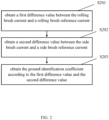
FIG. 2 is a flowchart of a method for calculating a ground identification coefficient proposed by an embodiment of the present specification; -
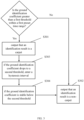
FIG. 3 is a schematic diagram of an identification and judgment process for the ground feature proposed by an embodiment of the present specification; -
FIG. 4 is a schematic diagram of a method for collecting a rolling brush current and a side brush current proposed by an embodiment of the present specification; -
FIG. 5 is a schematic diagram of a factory calibration method proposed by an embodiment of the present specification; -
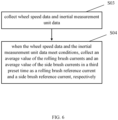
FIG. 6 is a schematic diagram of an automatic calibration method for an automatic cleaning device proposed by an embodiment of the present specification; -
FIG. 7 is a schematic diagram of a reference current self-following method proposed by an embodiment of the present specification; -
FIG. 8 is a structural diagram of a device for identifying a ground feature proposed by an embodiment of the present specification; and -
FIG. 9 is a flowchart of a method for controlling an automatic cleaning device proposed by an embodiment of the present specification. - In order to make the above objects, features and advantages of the embodiments of the present specification more clearly understood, the specific embodiments of the present specification will be described in detail below with reference to the accompanying drawings. In addition, it should be noted that, for the convenience of description, the drawings only show some but not all structures related to the embodiments of the present specification. Based on the embodiments in the present specification, all other embodiments obtained by persons of ordinary skill in the art without creative efforts shall fall within the protection scope of the embodiments in the present specification.
- The terms "comprising" and "including" and any variations thereof in the specific embodiments of the present specification are intended to cover a non-exclusive inclusion. For example, a process, method, system, product or device comprising a series of steps or elements is not limited to the listed steps or elements, but may optionally also include unlisted steps or elements; or, optionally, other steps or units inherent to these processes, methods, products or devices are also included.
- It should be noted that when an element is referred to as being "fixed to" another element, it can be directly on another element or intervening elements may also be present. When an element is referred to as being "connected" to another element, it can be directly connected to another element or intervening elements may also be present. The terms "vertical," "horizontal," "left," "right," and similar expressions are used herein for illustrative purposes only.
- Unless otherwise defined, all technical and scientific terms used herein have the same meaning as commonly understood by one of ordinary skill in the art to which the present invention belongs. The terms used herein in the description of the present invention are for the purpose of describing specific embodiments only, and are not intended to limit the present invention. As used herein, the term "and/or" includes any and all combinations of one or more of the associated listed items.
- Reference herein to an "embodiment" means that a particular feature, structure, or characteristic described in connection with the embodiment can be included in at least one embodiment of the specification of the present application. The appearances of the phrase in various places in the specification are not necessarily all referring to the same embodiment, nor a separate or alternative embodiment that is mutually exclusive of other embodiments. It is explicitly and implicitly understood by those skilled in the art that the embodiments described herein may be combined with other embodiments.
- As shown in
FIG. 1 , an embodiment of the present invention provides a method for identifying a ground feature by using an automatic cleaning device, which includes:
a calibration process: a factory calibration process or a user's home self-calibration process can be selected. At least one calibration process is enabled to obtain a reference current of a side brush and a reference current of a rolling brush. - The factory calibration process is as follows:
- step S01, place a sweeper on a non-carpet smooth medium surface; and
- step S02, set a voltage range for the sweeper to operate normally, for example, 12V to 16.5V. It is divided into a fixed voltage value, for example, every 0.5V is a level; and in each voltage level, an average value of the rolling brush currents and an average value of the side brush currents in the preset time are collected as a rolling brush reference current and a side brush reference current, respectively.
- As an optional method, different numbers of voltage levels can be selected according to actual needs. The more levels, the higher the accuracy of identifying the ground feature.
- In this embodiment, the sweeper is calibrated before leaving the factory by the following steps: placing a sweeping robot on a non-carpet smooth medium surface such as a floor and a floor tile; sending commands to the sweeper through a serial port and other data interfaces to control the rotation of the machine's rolling brush and the side brush, so as to collect an average value of the normal currents of the rolling brush and the side brush within a period of time as a reference current; and storing the reference current in a memory, such as a flash, to ensure that data is not lost when power is turned off.
- The user's home self-calibration process is as follows:
- step S03, collecting wheel speed data, inertial measurement unit data and side brush/rolling brush current data; and
- step S04, when the wheel speed data, the inertial measurement unit data, and the side brush current/the rolling brush current all meet conditions, collecting an average value of the rolling brush currents and an average value of the side brush currents within a preset time, and using them as the rolling brush reference current and the side brush reference current, respectively.
- In this embodiment, the sweeper is automatically calibrated in user's home according to the following steps: during the normal cleaning process of the sweeping robot, the sweeping robot uses one or more of the data, which obtained by discrete Fast Fourier Transform (FFT) on the wheel speed data, the rolling brush current, the side brush current and the inertial measurement unit (IMU) data, to independently determine whether it is on a non-carpet smooth medium surface; and the sweeping robot collects the average value of the normal currents of the rolling brush and the side brush on the non-carpet smooth medium surface for a period of time as the reference current. The reference current will be stored in a memory, such as a flash, to ensure that data is not lost when power is turned off.
- Away to determine the wheel speed data, the inertial measurement unit data and the side brush current/the rolling brush current is as follows:
- Firstly, the wheel speed data is used to limit operating scenarios of the sweeper. When it is detected that left and right wheel speeds are both around 300 mm/s, the judgment of the data after FFT is performed on the original data of the IMU.
- Secondly, the data after FFT of the IMU raw data is compared with a preset FFT threshold. The FFT threshold is variable, which usually decreases automatically after the sweeper runs for a period of time after self-calibration fails, but can only drop to a preset minimum threshold.
- If the data after FFT of the IMU raw data is greater than the preset threshold, it is determined whether the side brush current/the rolling brush current is stable or not; if it is stable, it is regarded as reliable self-calibration cache data.
- As an optional implementation item, the above cached reliable side brush/rolling brush current self-calibration data can be screened. Assuming that the preset acceptable current range is 150mA to 350mA, it is divided into ten levels with 20mA as an interval. Assuming that the above-mentioned reliable data volume of the side brush/rolling brush is 1000, it is divided into these ten levels. Finally, the level with the largest amount of data, or an average value of the data of its adjacent levels, is used as the final reference current value.
- As an option, the data amount of different levels can be corrected according to the distribution trend of the actual current. For example, in actual work, the data volume of the 330mA to 350mA level should be very small, and the data volume of this level can be multiplied by 0.8 before participating in the comparison.
-
Step S 10, collecting a rolling brush current and a side brush current of the automatic cleaning device. - In this embodiment, the automatic cleaning device is a sweeping robot. The rolling brush current and the side brush current are collected in no particular order.
- Step S20, obtaining a ground identification coefficient according to a weighted calculation of the rolling brush current and the side brush current.
- The ground identification coefficient is obtained by comparing the real-time brush current of the sweeper with the rolling brush reference current and calculating the difference, by comparing the real-time side brush current of the sweeper with the side brush reference current and calculating the difference, and by weighting the two differences.
- Step S30, identifying the ground feature where the automatic cleaning device is located according to the ground identification coefficient.
- In this embodiment, the ground identification coefficient is calculated by combining both the rolling brush current and the side brush current, and at the same time, by setting the weighting coefficient, the rolling brush current and the side brush current have different reference proportions. In general, it is necessary to limit the degree of influence of the side brush. For example, when the sweeper is near a wall, the current of the rolling brush does not change significantly, but the current of the side brush increases significantly. At this time, the ground identification coefficient increases, and the ground identification coefficient may exceed the judgment threshold of the carpet surface. By reducing the reference proportion of the side brush current and setting the upper limit of the side brush identification coefficient, the accuracy of the identification result is improved.
- In a specific embodiment, by setting different judgment thresholds, the ground material can be identified as carpet, floor tiles, floor, and the like.
- In this embodiment, different ground identification coefficients are assigned respectively according to the difference between the current of the side brush, the current of the rolling brush and their calibrated reference values. Through the weighted summation of the identification coefficients of the side brush and the rolling brush, the total ground identification coefficients are obtained. Through the ground identification coefficients, it is determined whether the sweeper is on the carpet.
- As an optional embodiment, as shown in
FIG. 2 , the step S20 includes: - step S201, obtaining a first difference value between the rolling brush current and a rolling brush reference current;
- step S202, obtaining a second difference value between the side brush current and a side brush reference current; and
- step S203, obtaining the ground identification coefficient according to the first difference value and the second difference value.
- Wherein, the first difference value and the second difference value are both positive numbers; the ground identification coefficient is a sum of the first difference value multiplied by a first weighting coefficient and the second difference value multiplied by a second weighting coefficient. The first weighting coefficient is greater than the second weighting coefficient.
- In this embodiment, the identification coefficient a1 of the side brush is the difference between the side brush current and the side brush reference current multiplied by a constant, and the identification coefficient a2 of the rolling brush is the difference between the rolling brush current and the rolling brush reference current multiplied by a constant, wherein the constant of the side brush is 100, and the constant of the rolling brush is 10.
- Since the difference of the side brush current is not obvious, it is necessary to set the upper limit of the side brush identification coefficient a1 to reduce the influence of the side brush current on the ground identification coefficient. For example, the range of the identification coefficient a1 of the side brush is set to be 0~300, and the range of the identification coefficient a2 of the rolling brush is set to be 0~1000. Let the weighting coefficient of the side brush be b1, and the weighting coefficient of the rolling brush be b2, where b2 is several times larger than b 1. Let the ground identification coefficient of the sweeper c=a1∗b1+a2∗b2. In a specific embodiment, it is assumed that the weighting coefficient of the side brush b1 is 0.3, and the weighting coefficient of the rolling brush b2 is 0.7.
- In a specific embodiment, assuming that the difference between the side brush current and the side brush reference current is 2mA, and the difference between the rolling brush current and the rolling brush reference current is 50mA, then the ground identification coefficient c=2* 100*0.3+50* 10 *0.7=410. Or, assuming that the difference between the side brush current and the side brush reference current is 4 mA, and the difference between the rolling brush current and the rolling brush reference current is 30mA, then the side brush identification coefficient a1=4∗100=400. At this time, the identification coefficient of the side brush exceeds the upper limit of 300 of the identification coefficient a1 of the side brush, so the ground identification coefficient c=300*0.3+30*10*0.7=300. It can be seen that while realizing the reference of introducing the side brush current, the influence degree of the side brush current is limited, and the accuracy of the identification result is guaranteed.
- Set a carpet identification threshold C1, such as 500. If the difference between the side brush current and the side brush reference current is 2mA, and the difference between the rolling brush current and the rolling brush reference current is 70mA, the ground identification coefficient at this time is c=2* 100*0.3+70* 10*0.7=550. At this time, the ground identification coefficient is greater than the carpet identification threshold C1, so the sweeper identifies the ground where it is located as a carpet. In order to prevent shaking when identifying the ground feature, only when the ground identification coefficient is less than the carpet identification threshold C2, the sweeper identifies that the ground it is on is a non-carpet medium surface, where C2 is less than C1. An interval between C1 and C2 can be called a hysteresis interval of ground feature identification.
- By collecting the side brush current and the rolling brush current, by obtaining the ground identification coefficient according to the weighted calculation, and comparing the ground identification coefficient with the carpet identification threshold, the sweeper can identify that the ground is a carpet media surface or a non-carpet media surface. The present application makes software optimization based on the current detection technology, which reduces the false identification rate without additional cost.
- In a specific embodiment, the average current of the side brush and the average current of the rolling brush of the sweeper running on the ground of various materials are pre-tested and recorded. For example, for wooden floors, floor tiles, long-haired carpets, short-haired carpets, etc., different ground feature identification thresholds are set, so that the sweeper can intelligently identify the material of the ground and adjust the cleaning strategy according to different materials of the ground.
- As an optional embodiment, as shown in
FIG. 3 , the step S30 includes: - step S301, outputting that an identification result is a carpet, if the ground identification coefficient is greater than a first threshold within a first preset time range;
- step S302, outputting that the identification result is a non-carpet, if the ground identification coefficient is less than a second threshold within a second preset time range;
- step S303, after outputting that the identification result is the carpet, entering a hysteresis interval if the ground identification coefficient drops below the first threshold and above the second threshold; and
- step S304, in the hysteresis interval, switching the identification result to be a non-carpet medium surface, if the ground identification coefficient falls below the second threshold and lasts longer than the second preset time; wherein the first threshold is higher than the second threshold.
- In this embodiment, the first threshold is the carpet identification threshold C1. When the sweeper is running, on the non-carpet medium surface, if the rolling brush passes through the obstacle, the rolling brush current will increase at this time. However, the time that the rolling brush current increases will not last for too long. By setting a filter time, within this filter time, the ground identification coefficient is greater than the carpet identification threshold, and the sweeper identifies the carpet, thereby improving the reliability of the identification result.
- When the sweeper is on the carpet, the sweeper sweeps harder than it does on non-carpet media. When the sweeper runs from carpet to non-carpet, it is necessary to adjust the sweeping intensity. As the brush travels from the carpet to the non-carpet media, the brush current decreases until it approaches the rolling brush reference current. At this time, the ground identification coefficient decreases and continues to stabilize below the second threshold C2. The identification result of the sweeper switching is a non-carpet media surface. By setting the filter time from the first threshold to the second threshold, and the hysteresis interval for the identification of the ground identification coefficient, it is possible to avoid the situation where the ground identification coefficient suddenly increases to the first threshold in a short time and it is mistakenly identified as a carpet by the sweeper.
- As an optional embodiment, as shown in
FIG. 4 , the step S10 includes:
step S101, collecting the side brush/rolling brush current at the output end of the side brush/rolling brush driving motor. - In this embodiment, one end of a sampling resistor is connected to the side brush/rolling brush driving motor, the other end of the sampling resistor is grounded, and the current on the sampling resistor is collected. Since the sweeper itself monitors various components, a main control board of the sweeper can realize current sampling by calling the information of the current on the existing sampling resistor.
- As an optional embodiment, as shown in
FIG.7 , the method also includes: - step S40, obtaining an average value of the rolling brush currents and an average value of the side brush currents;
- step S50, obtaining a dispersion degree of the rolling brush currents and a dispersion degree of the side brush currents, such as standard deviation, variance, etc.
- step S60, when a difference value between the average value of the rolling brush currents and a rolling brush reference current is less than a preset value, a difference value between the average value of the side brush currents and a side brush reference current is less than a preset value, and the dispersion degree of the rolling brush currents and the dispersion degree of the side brush currents remain stable, the rolling brush reference current and the side brush current are updated.
- In this embodiment, the steps S40 to S60 are performed simultaneously with the steps S10 to S30. The gearbox and the motor age and wear out as the sweeper runs longer. The brush will also cause the current to increase due to entanglement, and false triggering will occur on flat ground. Therefore, measuring the stability of the current average value according to the dispersion degree of the rolling brush currents and the side brush current, when the current average value stability degree is high and the current increases slowly, the reference current will be updated. Aiming at the characteristic that the current of the rolling brush and the current of the side brush increase slowly after aging, the follow-up of the reference current is realized, which is beneficial to more accurate identification of the carpet.
- In a specific embodiment, when the difference between the current average value and the present current reference value is less than the set first threshold value, and the current dispersion degree is less than the set second threshold value, the current reference value will be updated. In a specific embodiment, when the difference between the current average value and the present current reference value is less than the set first threshold value, and the standard deviation of the current is less than the set second threshold value, the current reference value will be updated. Optionally, the reference current is updated only when the battery voltage is within a certain range, for example, between 15V to 16V. Wherein, the first threshold and the second threshold are set according to actual needs.
- Under the condition that the dispersion degree of the rolling brush/side brush current remains stable, the dispersion degree is determined according to the calculation results such as the difference, standard deviation and variance of the average value of the current and the present current reference value. If the change of the current average value does not exceed the set first threshold, the reference current is updated. By setting a maximum threshold instead of a minimum threshold, the update frequency of the current can be guaranteed, thereby ensuring the accuracy of the identification system.
- In a specific embodiment, in combination with the steps S40 to S60, when it is detected that the rolling brush reference current and/or the side brush reference current needs to be updated, the automatic cleaning device can more accurately identify the ground feature. Optionally, a new rolling brush reference current and/or a new side brush reference current may be re-collected and recorded in each voltage interval mentioned in the step S02, so that the automatic cleaning device can more accurately identify the ground feature.
- Another solution proposed by an embodiment of the present specification is:
as shown inFIG. 8 , a device for identifying a ground feature by an automatic cleaning device, including: acurrent collecting unit 801, a ground identificationcoefficient obtaining unit 802 and a groundfeature identification unit 803, wherein: - the
current collecting unit 801 is installed at the output end of the side brush/rolling brush drive motor, and is configured to collect a rolling brush current and a side brush current of the automatic cleaning device; - the ground identification
coefficient obtaining unit 802 is configured to obtain a ground identification coefficient according to the rolling brush current and the side brush current; and - the ground
feature identification unit 803 is configured to identify the ground feature where the automatic cleaning device is located according to the ground identification coefficient. - In this embodiment, the specific details of the above-mentioned device for identifying the ground feature can be understood by referring to the corresponding descriptions and effects in the embodiments shown in
FIG. 1 andFIG. 7 . Details are not repeated here. - Another solution proposed by an embodiment of the present specification is:
an automatic cleaning device, including the device for identifying the ground feature in the foregoing solutions. - In this embodiment, the specific details of the above-mentioned device for identifying the ground feature can be understood by referring to the corresponding descriptions and effects in the embodiments shown in
FIG. 1 andFIG. 7 . Details are not repeated here. - A solution also proposed by an embodiment of the present specification is:
as shown inFIG. 9 , a method for an automatic cleaning device, the control method applying any of the aforementioned methods for identifying the ground feature, the control method including: - step S 1, obtaining a ground identification coefficient; and
- step S2, adjusting an output power of a fan and a running state of a water tank of the automatic cleaning device according to the ground identification coefficient.
- In this embodiment, the ground feature identification method in the above embodiment is used to calculate and identify the ground material where the automatic cleaning device is located. After identifying the ground material, the cleaning strategy of the automatic cleaning device will be adjusted accordingly. For example, if it is identified that the ground is a carpet, increase the output power of the fan, increase the suction force, and automatically adjust the water outlet level of the water tank to the minimum or close the water outlet. If it is identified that the ground is a non-carpet, switch to mopping mode after completing the initial cleaning of the same area, the water outlet level of the water tank can be automatically adjusted to a larger level or the maximum level, or the mopping mode can be turned on directly.
- The technical features of the above-described embodiments can be combined arbitrarily. In order to simplify the description, all possible combinations of the technical features in the above embodiments are not described. However, as long as there is no contradiction in the combination of these technical features, they should be considered to be within the scope of the description in the present specification.
- The above-mentioned embodiments only represent several embodiments of the present specification, and the descriptions thereof are relatively specific and detailed, but should not be construed as a limitation on the patent scope of the embodiments of the present specification. It should be pointed out that for those of ordinary skill in the art, without departing from the concept of the present invention, several modifications and improvements can also be made, which all belong to the protection scope of the present invention. Therefore, the patent protection scope of the present invention should be subject to appended claims.
Claims (10)
- A method for identifying a ground feature by an automatic cleaning device, comprising:collecting a rolling brush current and a side brush current of the automatic cleaning device;obtaining a ground identification coefficient according to a weighted calculation of the rolling brush current and the side brush current; andidentifying the ground feature where the automatic cleaning device is located according to the ground identification coefficient.
- The method for identifying the ground feature by the automatic cleaning device according to claim 1, wherein obtaining the ground identification coefficient according to the weighted calculation of the rolling brush current and the side brush current, comprises:obtaining a first difference value between the rolling brush current and a rolling brush reference current;obtaining a second difference value between the side brush current and a side brush reference current; andobtaining the ground identification coefficient according to the first difference value and the second difference value;wherein the first difference value and the second difference value are both positive numbers; the ground identification coefficient is a sum of the first difference value multiplied by a first weighting coefficient and the second difference value multiplied by a second weighting coefficient.
- The method for identifying the ground feature by the automatic cleaning device according to claim 1, wherein identifying the ground feature where the automatic cleaning device is located according to the ground identification coefficient, comprises:outputting that an identification result is a carpet, if the ground identification coefficient is greater than a first threshold within a first preset time range;outputting that the identification result is a non-carpet, if the ground identification coefficient is less than a second threshold within a second preset time range;wherein the first threshold is higher than the second threshold.
- The method for identifying the ground feature by the automatic cleaning device according to any one of claims 1 to 3, wherein before collecting the rolling brush current and the side brush current of the automatic cleaning device, the method further comprises:placing the automatic cleaning device on a non-carpet smooth media surface; andcollecting an average value of the rolling brush currents and an average value of the side brush currents in a second preset time as a rolling brush reference current and a side brush reference current, respectively.
- The method for identifying the ground feature by the automatic cleaning device according to any one of claims 1 to 3, wherein before collecting the rolling brush current and the side brush current, the method further comprises:collecting wheel speed data and inertial measurement unit data;when the wheel speed data, the inertial measurement unit data, and the side brush current or the rolling brush current all meet conditions, collecting an average value of the rolling brush currents and an average value of the side brush currents in a third preset time as a rolling brush reference current and a side brush reference current, respectively.
- The method for identifying the ground feature by the automatic cleaning device according to any one of claims 1 to 3, further comprising:obtaining an average value of the rolling brush currents and an average value of the side brush currents;obtaining a dispersion degree of the rolling brush currents and a dispersion degree of the side brush currents;when a difference value between the average value of the rolling brush currents and a rolling brush reference current is less than a preset value, a difference value between the average value of the side brush currents and a side brush reference current is less than a preset value, and the dispersion degree of the rolling brush currents and the dispersion degree of the side brush currents remain stable, the rolling brush reference current and the side brush current are updated.
- The method for identifying the ground feature by the automatic cleaning device according to claim 6, wherein before collecting the rolling brush current and the side brush current, the method further comprises:
updating the rolling brush reference current and the side brush reference current, when a battery voltage meets a preset range. - A device for identifying a ground feature by an automatic cleaning device, comprising:a current collecting unit, configured to collect a rolling brush current and a side brush current of the automatic cleaning device;a ground identification coefficient obtaining unit, configured to obtain a ground identification coefficient according to the rolling brush current and the side brush current; anda ground feature identification unit, configured to identify the ground feature where the automatic cleaning device is located according to the ground identification coefficient.
- An automatic cleaning device, comprising: the device for identifying the ground feature as claimed in claim 8.
- A control method for an automatic cleaning device, the control method applying the method for identifying the ground feature as claimed in any one claims 1 to 7, the control method comprising:obtaining a ground identification coefficient; andadjusting an output power of a fan and a running state of a water tank of the automatic cleaning device according to the ground identification coefficient.
Applications Claiming Priority (2)
| Application Number | Priority Date | Filing Date | Title |
|---|---|---|---|
| CN202010892851.7A CN112137505B (en) | 2020-08-31 | 2020-08-31 | A method and device for automatic cleaning equipment to identify ground features |
| PCT/CN2021/096346 WO2022041886A1 (en) | 2020-08-31 | 2021-05-27 | Method and apparatus for identifying ground feature by automatic cleaning device |
Publications (2)
| Publication Number | Publication Date |
|---|---|
| EP4201293A1 true EP4201293A1 (en) | 2023-06-28 |
| EP4201293A4 EP4201293A4 (en) | 2024-02-21 |
Family
ID=73890940
Family Applications (1)
| Application Number | Title | Priority Date | Filing Date |
|---|---|---|---|
| EP21859731.8A Withdrawn EP4201293A4 (en) | 2020-08-31 | 2021-05-27 | METHOD AND DEVICE FOR IDENTIFYING A SOIL FEATURE BY AN AUTOMATIC CLEANING DEVICE |
Country Status (8)
| Country | Link |
|---|---|
| US (1) | US12616349B2 (en) |
| EP (1) | EP4201293A4 (en) |
| JP (1) | JP2023537428A (en) |
| KR (1) | KR20230075449A (en) |
| CN (2) | CN112137505B (en) |
| AU (1) | AU2021334496A1 (en) |
| CA (1) | CA3190388A1 (en) |
| WO (1) | WO2022041886A1 (en) |
Families Citing this family (8)
| Publication number | Priority date | Publication date | Assignee | Title |
|---|---|---|---|---|
| CN112137505B (en) | 2020-08-31 | 2022-08-12 | 追觅创新科技(苏州)有限公司 | A method and device for automatic cleaning equipment to identify ground features |
| CN115104947B (en) * | 2021-03-17 | 2024-07-02 | 达利通香港有限公司 | Floor material identification device, suction head and vacuum cleaner having the same |
| CN114646835B (en) * | 2022-03-28 | 2026-04-14 | 微思机器人(深圳)有限公司 | Side wheel aging method and side wheel aging jig |
| CN114675109B (en) * | 2022-03-28 | 2024-05-14 | 湖南鹏耀科技有限公司 | Automatic test fixture for rolling brush performance of sweeper |
| CN115191883B (en) * | 2022-05-30 | 2024-07-30 | 宁波博电科技有限公司 | Method for intelligently adjusting suction force of floor scrubber |
| JP2024027226A (en) * | 2022-08-17 | 2024-03-01 | シャープ株式会社 | Vacuum cleaner |
| CN116539664A (en) * | 2023-04-26 | 2023-08-04 | 珠海一微半导体股份有限公司 | Method for adjusting carpet detection threshold by robot, chip and robot |
| CN116509247A (en) * | 2023-04-26 | 2023-08-01 | 珠海一微半导体股份有限公司 | Method for detecting carpet by robot, chip and robot |
Family Cites Families (27)
| Publication number | Priority date | Publication date | Assignee | Title |
|---|---|---|---|---|
| DE10357635B4 (en) * | 2003-12-10 | 2013-10-31 | Vorwerk & Co. Interholding Gmbh | Floor cleaning device |
| KR20090119638A (en) * | 2008-05-16 | 2009-11-19 | 엘지전자 주식회사 | Robot cleaner and floor type detection method using the same |
| KR101752190B1 (en) * | 2010-11-24 | 2017-06-30 | 삼성전자주식회사 | Robot cleaner and method for controlling the same |
| DE102012108802A1 (en) * | 2012-09-19 | 2014-03-20 | Vorwerk & Co. Interholding Gmbh | Automatically movable floor cleaning device and method for operating a floor cleaning device |
| US9326654B2 (en) * | 2013-03-15 | 2016-05-03 | Irobot Corporation | Roller brush for surface cleaning robots |
| US9877626B2 (en) * | 2014-05-07 | 2018-01-30 | AI Incorporated | Horizontal agitator for robotic vacuum |
| WO2016096046A1 (en) * | 2014-12-19 | 2016-06-23 | Aktiebolaget Electrolux | Measuring brush roll current for determining type of surface |
| US10788836B2 (en) * | 2016-02-29 | 2020-09-29 | AI Incorporated | Obstacle recognition method for autonomous robots |
| CN106264357B (en) * | 2016-08-30 | 2019-10-18 | 宁波菜鸟智能科技有限公司 | Carpet determination method and system for sweeping robot |
| CN107913030A (en) * | 2016-10-06 | 2018-04-17 | 日立空调·家用电器株式会社 | Self walking electric dust catcher |
| DE102017101936A1 (en) * | 2017-02-01 | 2018-08-02 | Vorwerk & Co. Interholding Gesellschaft mit beschränkter Haftung | Automatically movable soil tillage implement |
| CN107664748B (en) * | 2017-09-29 | 2020-01-21 | 珠海市一微半导体有限公司 | Method and chip for robot inspection of carpet |
| CN107943039A (en) * | 2017-11-29 | 2018-04-20 | 深圳市沃特沃德股份有限公司 | Sweeping robot cleaning method and sweeping robot |
| CN108594692A (en) * | 2017-12-18 | 2018-09-28 | 深圳市奇虎智能科技有限公司 | A kind of cleaning equipment control method, device, computer equipment and storage medium |
| JP2021526446A (en) * | 2018-06-08 | 2021-10-07 | ポジテック パワー ツールズ(スーチョウ)カンパニー,リミティド | Cleaning robot and its control method, cleaning robot system |
| JP7063738B2 (en) * | 2018-06-14 | 2022-05-09 | 東芝ライフスタイル株式会社 | Autonomous vacuum cleaner and cleaning system |
| JP7232600B2 (en) * | 2018-09-07 | 2023-03-03 | 日立グローバルライフソリューションズ株式会社 | self-propelled vacuum cleaner |
| CN109846427A (en) * | 2019-01-16 | 2019-06-07 | 深圳乐动机器人有限公司 | A kind of control method of cleaning robot and cleaning robot |
| CN111493742A (en) * | 2019-01-30 | 2020-08-07 | 江苏美的清洁电器股份有限公司 | Cleaning robot, control method and storage medium |
| CN109917488A (en) * | 2019-03-07 | 2019-06-21 | 上海岚豹智能科技有限公司 | Sweeping robot carpet detection method and equipment |
| CN110448225B (en) * | 2019-07-01 | 2021-06-08 | 深圳拓邦股份有限公司 | Cleaning strategy adjusting method and system and cleaning equipment |
| CN110522360A (en) * | 2019-09-05 | 2019-12-03 | 深圳市杉川机器人有限公司 | Carpet detection method, device, sweeping robot and computer storage medium |
| CN110710935A (en) * | 2019-11-14 | 2020-01-21 | 北京富通芯科技有限公司 | Sweeping robot, ground detection method and smart home system |
| CN111096715B (en) * | 2019-12-24 | 2021-09-14 | 北京石头世纪科技股份有限公司 | Intelligent cleaning device control method and device and intelligent cleaning device |
| US11436940B2 (en) * | 2020-02-28 | 2022-09-06 | Irobot Corporation | Mobile cleaning robot hardware recommendations |
| CN112137505B (en) * | 2020-08-31 | 2022-08-12 | 追觅创新科技(苏州)有限公司 | A method and device for automatic cleaning equipment to identify ground features |
| CN219962747U (en) * | 2020-12-04 | 2023-11-07 | 苏州宝时得电动工具有限公司 | cleaning robot |
-
2020
- 2020-08-31 CN CN202010892851.7A patent/CN112137505B/en active Active
- 2020-08-31 CN CN202210805989.8A patent/CN115227149B/en active Active
-
2021
- 2021-05-27 US US18/024,051 patent/US12616349B2/en active Active
- 2021-05-27 CA CA3190388A patent/CA3190388A1/en active Pending
- 2021-05-27 AU AU2021334496A patent/AU2021334496A1/en not_active Abandoned
- 2021-05-27 EP EP21859731.8A patent/EP4201293A4/en not_active Withdrawn
- 2021-05-27 WO PCT/CN2021/096346 patent/WO2022041886A1/en not_active Ceased
- 2021-05-27 KR KR1020237010512A patent/KR20230075449A/en not_active Ceased
- 2021-05-27 JP JP2023511649A patent/JP2023537428A/en active Pending
Also Published As
| Publication number | Publication date |
|---|---|
| CA3190388A1 (en) | 2022-03-03 |
| WO2022041886A1 (en) | 2022-03-03 |
| CN112137505B (en) | 2022-08-12 |
| AU2021334496A1 (en) | 2023-03-16 |
| CN115227149B (en) | 2023-08-08 |
| CN112137505A (en) | 2020-12-29 |
| EP4201293A4 (en) | 2024-02-21 |
| US12616349B2 (en) | 2026-05-05 |
| US20230263358A1 (en) | 2023-08-24 |
| KR20230075449A (en) | 2023-05-31 |
| CN115227149A (en) | 2022-10-25 |
| JP2023537428A (en) | 2023-08-31 |
Similar Documents
| Publication | Publication Date | Title |
|---|---|---|
| US12616349B2 (en) | Method and apparatus for identifying ground feature by automatic cleaning device | |
| CN110448225B (en) | Cleaning strategy adjusting method and system and cleaning equipment | |
| CN106264357B (en) | Carpet determination method and system for sweeping robot | |
| CN112443933A (en) | Air conditioner and anti-condensation control method thereof | |
| EP4049576A1 (en) | Sweeper control method and controller | |
| CN110652247B (en) | Floor treatment device with a base device and an accessory device detachably connected thereto | |
| DE102017118227A1 (en) | Soil cultivation device with an accumulator | |
| CN112741555A (en) | Cleaning method, system and cleaning equipment | |
| CN113237189B (en) | Direct current motor starting control method and device, air conditioner and computer readable storage medium | |
| CN106175605A (en) | Sweeping robot and dust compression control apparatus and method | |
| KR102814836B1 (en) | Washing control method and device, computer readable storage medium and electronic device | |
| US12232670B2 (en) | Controlling method and apparatus of cleaning robot, cleaning method and apparatus, system, and storage medium | |
| CN114431785A (en) | Mopping humidity control method and device, robot and computer readable storage medium | |
| US20250134332A1 (en) | Surface engagement sensing for a surface cleaning apparatus | |
| CN111082497B (en) | Power-off judgment method of cleaning equipment and cleaning equipment | |
| CN113951754A (en) | Control method of window cleaning robot, main control chip and intelligent window cleaning robot | |
| WO2023217166A1 (en) | Control method, system, and apparatus for cleaning device | |
| CN120066055B (en) | Automatic obstacle avoidance system based on ultrasonic detection | |
| CN110486912B (en) | Control method and device of air conditioner, air conditioner and readable storage medium | |
| JP2007029490A (en) | Self-propelled vacuum cleaner and its program | |
| RU2831217C2 (en) | Cleaning equipment and methods of detecting contamination | |
| RU2830248C1 (en) | Method and device for controlling cleaning of cleaning equipment cleaning components and machine-readable data medium | |
| CN118614819A (en) | Cleaning equipment control method, device, program product, medium and cleaning equipment | |
| CN117723859A (en) | Detection methods, cleaning equipment and non-volatile computer-readable storage media | |
| CN118873046A (en) | Sweeping machine and control method thereof, computer readable storage medium, and program product |
Legal Events
| Date | Code | Title | Description |
|---|---|---|---|
| STAA | Information on the status of an ep patent application or granted ep patent |
Free format text: STATUS: THE INTERNATIONAL PUBLICATION HAS BEEN MADE |
|
| PUAI | Public reference made under article 153(3) epc to a published international application that has entered the european phase |
Free format text: ORIGINAL CODE: 0009012 |
|
| STAA | Information on the status of an ep patent application or granted ep patent |
Free format text: STATUS: REQUEST FOR EXAMINATION WAS MADE |
|
| 17P | Request for examination filed |
Effective date: 20230322 |
|
| AK | Designated contracting states |
Kind code of ref document: A1 Designated state(s): AL AT BE BG CH CY CZ DE DK EE ES FI FR GB GR HR HU IE IS IT LI LT LU LV MC MK MT NL NO PL PT RO RS SE SI SK SM TR |
|
| DAV | Request for validation of the european patent (deleted) | ||
| DAX | Request for extension of the european patent (deleted) | ||
| A4 | Supplementary search report drawn up and despatched |
Effective date: 20240123 |
|
| RIC1 | Information provided on ipc code assigned before grant |
Ipc: A47L 9/28 20060101ALI20240117BHEP Ipc: A47L 11/24 20060101AFI20240117BHEP |
|
| STAA | Information on the status of an ep patent application or granted ep patent |
Free format text: STATUS: THE APPLICATION IS DEEMED TO BE WITHDRAWN |
|
| 18D | Application deemed to be withdrawn |
Effective date: 20240810 |