EP4197971A1 - Scm-34 molecular sieve, preparation method therefor and use thereof - Google Patents
Scm-34 molecular sieve, preparation method therefor and use thereof Download PDFInfo
- Publication number
- EP4197971A1 EP4197971A1 EP21866019.9A EP21866019A EP4197971A1 EP 4197971 A1 EP4197971 A1 EP 4197971A1 EP 21866019 A EP21866019 A EP 21866019A EP 4197971 A1 EP4197971 A1 EP 4197971A1
- Authority
- EP
- European Patent Office
- Prior art keywords
- molecular sieve
- solvent
- scm
- hours
- organic
- Prior art date
- Legal status (The legal status is an assumption and is not a legal conclusion. Google has not performed a legal analysis and makes no representation as to the accuracy of the status listed.)
- Granted
Links
Images



Classifications
-
- C—CHEMISTRY; METALLURGY
- C01—INORGANIC CHEMISTRY
- C01B—NON-METALLIC ELEMENTS; COMPOUNDS THEREOF; METALLOIDS OR COMPOUNDS THEREOF NOT COVERED BY SUBCLASS C01C
- C01B39/00—Compounds having molecular sieve and base-exchange properties, e.g. crystalline zeolites; Their preparation; After-treatment, e.g. ion-exchange or dealumination
- C01B39/54—Phosphates, e.g. APO or SAPO compounds
-
- B—PERFORMING OPERATIONS; TRANSPORTING
- B01—PHYSICAL OR CHEMICAL PROCESSES OR APPARATUS IN GENERAL
- B01J—CHEMICAL OR PHYSICAL PROCESSES, e.g. CATALYSIS OR COLLOID CHEMISTRY; THEIR RELEVANT APPARATUS
- B01J29/00—Catalysts comprising molecular sieves
- B01J29/82—Phosphates
- B01J29/84—Aluminophosphates containing other elements, e.g. metals, boron
- B01J29/85—Silicoaluminophosphates [SAPO compounds]
-
- B—PERFORMING OPERATIONS; TRANSPORTING
- B01—PHYSICAL OR CHEMICAL PROCESSES OR APPARATUS IN GENERAL
- B01J—CHEMICAL OR PHYSICAL PROCESSES, e.g. CATALYSIS OR COLLOID CHEMISTRY; THEIR RELEVANT APPARATUS
- B01J37/00—Processes, in general, for preparing catalysts; Processes, in general, for activation of catalysts
- B01J37/0009—Use of binding agents; Moulding; Pressing; Powdering; Granulating; Addition of materials ameliorating the mechanical properties of the product catalyst
- B01J37/0018—Addition of a binding agent or of material, later completely removed among others as result of heat treatment, leaching or washing,(e.g. forming of pores; protective layer, desintegrating by heat)
-
- B—PERFORMING OPERATIONS; TRANSPORTING
- B01—PHYSICAL OR CHEMICAL PROCESSES OR APPARATUS IN GENERAL
- B01J—CHEMICAL OR PHYSICAL PROCESSES, e.g. CATALYSIS OR COLLOID CHEMISTRY; THEIR RELEVANT APPARATUS
- B01J37/00—Processes, in general, for preparing catalysts; Processes, in general, for activation of catalysts
- B01J37/02—Impregnation, coating or precipitation
- B01J37/03—Precipitation; Co-precipitation
- B01J37/031—Precipitation
-
- B—PERFORMING OPERATIONS; TRANSPORTING
- B01—PHYSICAL OR CHEMICAL PROCESSES OR APPARATUS IN GENERAL
- B01J—CHEMICAL OR PHYSICAL PROCESSES, e.g. CATALYSIS OR COLLOID CHEMISTRY; THEIR RELEVANT APPARATUS
- B01J37/00—Processes, in general, for preparing catalysts; Processes, in general, for activation of catalysts
- B01J37/04—Mixing
-
- C—CHEMISTRY; METALLURGY
- C01—INORGANIC CHEMISTRY
- C01B—NON-METALLIC ELEMENTS; COMPOUNDS THEREOF; METALLOIDS OR COMPOUNDS THEREOF NOT COVERED BY SUBCLASS C01C
- C01B37/00—Compounds having molecular sieve properties but not having base-exchange properties
- C01B37/04—Aluminophosphates [APO compounds]
-
- C—CHEMISTRY; METALLURGY
- C01—INORGANIC CHEMISTRY
- C01B—NON-METALLIC ELEMENTS; COMPOUNDS THEREOF; METALLOIDS OR COMPOUNDS THEREOF NOT COVERED BY SUBCLASS C01C
- C01B37/00—Compounds having molecular sieve properties but not having base-exchange properties
- C01B37/06—Aluminophosphates containing other elements, e.g. metals, boron
- C01B37/08—Silicoaluminophosphates [SAPO compounds], e.g. CoSAPO
-
- C—CHEMISTRY; METALLURGY
- C01—INORGANIC CHEMISTRY
- C01B—NON-METALLIC ELEMENTS; COMPOUNDS THEREOF; METALLOIDS OR COMPOUNDS THEREOF NOT COVERED BY SUBCLASS C01C
- C01B39/00—Compounds having molecular sieve and base-exchange properties, e.g. crystalline zeolites; Their preparation; After-treatment, e.g. ion-exchange or dealumination
- C01B39/02—Crystalline aluminosilicate zeolites; Isomorphous compounds thereof; Direct preparation thereof; Preparation thereof starting from a reaction mixture containing a crystalline zeolite of another type, or from preformed reactants; After-treatment thereof
- C01B39/026—After-treatment
-
- C—CHEMISTRY; METALLURGY
- C07—ORGANIC CHEMISTRY
- C07C—ACYCLIC OR CARBOCYCLIC COMPOUNDS
- C07C1/00—Preparation of hydrocarbons from one or more compounds, none of them being a hydrocarbon
- C07C1/02—Preparation of hydrocarbons from one or more compounds, none of them being a hydrocarbon from oxides of a carbon
- C07C1/04—Preparation of hydrocarbons from one or more compounds, none of them being a hydrocarbon from oxides of a carbon from carbon monoxide with hydrogen
- C07C1/0425—Catalysts; their physical properties
- C07C1/043—Catalysts; their physical properties characterised by the composition
-
- C—CHEMISTRY; METALLURGY
- C07—ORGANIC CHEMISTRY
- C07C—ACYCLIC OR CARBOCYCLIC COMPOUNDS
- C07C1/00—Preparation of hydrocarbons from one or more compounds, none of them being a hydrocarbon
- C07C1/20—Preparation of hydrocarbons from one or more compounds, none of them being a hydrocarbon starting from organic compounds containing only oxygen atoms as heteroatoms
- C07C1/247—Preparation of hydrocarbons from one or more compounds, none of them being a hydrocarbon starting from organic compounds containing only oxygen atoms as heteroatoms by splitting of cyclic ethers
-
- C—CHEMISTRY; METALLURGY
- C10—PETROLEUM, GAS OR COKE INDUSTRIES; TECHNICAL GASES CONTAINING CARBON MONOXIDE; FUELS; LUBRICANTS; PEAT
- C10G—CRACKING HYDROCARBON OILS; PRODUCTION OF LIQUID HYDROCARBON MIXTURES, e.g. BY DESTRUCTIVE HYDROGENATION, OLIGOMERISATION, POLYMERISATION; RECOVERY OF HYDROCARBON OILS FROM OIL-SHALE, OIL-SAND, OR GASES; REFINING MIXTURES MAINLY CONSISTING OF HYDROCARBONS; REFORMING OF NAPHTHA; MINERAL WAXES
- C10G2/00—Production of liquid hydrocarbon mixtures of undefined composition from oxides of carbon
- C10G2/30—Production of liquid hydrocarbon mixtures of undefined composition from oxides of carbon from carbon monoxide with hydrogen
- C10G2/32—Production of liquid hydrocarbon mixtures of undefined composition from oxides of carbon from carbon monoxide with hydrogen with the use of catalysts
- C10G2/33—Production of liquid hydrocarbon mixtures of undefined composition from oxides of carbon from carbon monoxide with hydrogen with the use of catalysts characterised by the catalyst used
- C10G2/334—Production of liquid hydrocarbon mixtures of undefined composition from oxides of carbon from carbon monoxide with hydrogen with the use of catalysts characterised by the catalyst used containing molecular sieve catalysts
-
- B—PERFORMING OPERATIONS; TRANSPORTING
- B01—PHYSICAL OR CHEMICAL PROCESSES OR APPARATUS IN GENERAL
- B01J—CHEMICAL OR PHYSICAL PROCESSES, e.g. CATALYSIS OR COLLOID CHEMISTRY; THEIR RELEVANT APPARATUS
- B01J2235/00—Indexing scheme associated with group B01J35/00, related to the analysis techniques used to determine the catalysts form or properties
- B01J2235/15—X-ray diffraction
-
- B—PERFORMING OPERATIONS; TRANSPORTING
- B01—PHYSICAL OR CHEMICAL PROCESSES OR APPARATUS IN GENERAL
- B01J—CHEMICAL OR PHYSICAL PROCESSES, e.g. CATALYSIS OR COLLOID CHEMISTRY; THEIR RELEVANT APPARATUS
- B01J2235/00—Indexing scheme associated with group B01J35/00, related to the analysis techniques used to determine the catalysts form or properties
- B01J2235/30—Scanning electron microscopy; Transmission electron microscopy
-
- C—CHEMISTRY; METALLURGY
- C01—INORGANIC CHEMISTRY
- C01P—INDEXING SCHEME RELATING TO STRUCTURAL AND PHYSICAL ASPECTS OF SOLID INORGANIC COMPOUNDS
- C01P2002/00—Crystal-structural characteristics
- C01P2002/70—Crystal-structural characteristics defined by measured X-ray, neutron or electron diffraction data
- C01P2002/72—Crystal-structural characteristics defined by measured X-ray, neutron or electron diffraction data by d-values or two theta-values, e.g. as X-ray diagram
-
- C—CHEMISTRY; METALLURGY
- C01—INORGANIC CHEMISTRY
- C01P—INDEXING SCHEME RELATING TO STRUCTURAL AND PHYSICAL ASPECTS OF SOLID INORGANIC COMPOUNDS
- C01P2002/00—Crystal-structural characteristics
- C01P2002/70—Crystal-structural characteristics defined by measured X-ray, neutron or electron diffraction data
- C01P2002/74—Crystal-structural characteristics defined by measured X-ray, neutron or electron diffraction data by peak-intensities or a ratio thereof only
-
- C—CHEMISTRY; METALLURGY
- C01—INORGANIC CHEMISTRY
- C01P—INDEXING SCHEME RELATING TO STRUCTURAL AND PHYSICAL ASPECTS OF SOLID INORGANIC COMPOUNDS
- C01P2002/00—Crystal-structural characteristics
- C01P2002/80—Crystal-structural characteristics defined by measured data other than those specified in group C01P2002/70
- C01P2002/88—Crystal-structural characteristics defined by measured data other than those specified in group C01P2002/70 by thermal analysis data, e.g. TGA, DTA, DSC
-
- C—CHEMISTRY; METALLURGY
- C01—INORGANIC CHEMISTRY
- C01P—INDEXING SCHEME RELATING TO STRUCTURAL AND PHYSICAL ASPECTS OF SOLID INORGANIC COMPOUNDS
- C01P2004/00—Particle morphology
- C01P2004/01—Particle morphology depicted by an image
- C01P2004/03—Particle morphology depicted by an image obtained by SEM
Definitions
- the present invention pertains to the field of molecular sieve, in particular to a SCM-34 molecular sieve, and preparation method therefor and use thereof.
- Porous materials are a kind of solid compounds with regular pore structures. According to the definition of the International Union of Pure and Applied Chemistry (IUPAC), porous materials with pore diameters of less than 2 nm are classified as micropore materials; porous materials with pore diameters of more than 2 nm are classified as mesopore materials or macropore materials (with pore diameters of more than 50 nm).
- Molecular sieve materials generally have pore channel diameters of less than 2 nm, belong to micropore materials and are a kind of porous materials mainly characterized by selective adsorption. Their unique pore channel system renders them capable of sieving small molecules with different sizes, where the name of "molecular sieve" comes.
- these materials have a wide range of inner pore cavity sizes and have rich and diverse topology structures, have been widely used in fields such as adsorption separation, heterogeneous catalysis, carrier of various guest molecules and ion exchange, and have achieved excellent technical results.
- zeolite molecular sieves are a kind of crystalline silicate materials, are generally formed by connecting silicon-oxygen tetrahedron [SiO 4 ] 4- and aluminum-oxygen tetrahedron [AlO 4 ] 5- via shared oxygen atoms, and are generally referred to as TO 4 tetrahedron (a primary structural unit), wherein the silicon element can also be subjected to a partial isomorphous substitution by other elements, in particular some trivalent or tetravalent elements such as Al, B, Ga, Ge, Ti, etc. Owning to some particularities of their structures and chemical properties, zeolite molecular sieves are widely used in catalysis, adsorption, ion exchange and other fields.
- a key factor deciding the application performance of molecular sieves is the characteristics of their pore channels or cages, which are in turn determined by the intrinsic crystal structure of molecular sieves. Therefore, to obtain a molecular sieve with a new crystal structure is of great significance for exploiting the application of molecular sieves.
- SAPO-n a non-neutral skeleton composed of SiO 4 , AlO 4 and PU 4 tetrahedrons is formed in the structure of SAPO-n.
- silicon is present in two ways: (1) replacing one P atom with one Si atom; (2) replacing a pair of aluminum atom and phosphorus atom respectively with two silicon atoms.
- the representative SAPO-n molecular sieve is an SAPO-34 molecular sieve with a topological structure of CHA.
- the molecular sieve has a skeleton structure similar to chabasite and belongs to cubic system.
- the structural motif is composed of AlO 2 - , SiO 2 and PO 2 + tetrahedrons.
- the skeleton contains an ellipsoidal supercage and a three-dimensional cross structure with 8-membered ring pore channel.
- the 8-membered ring pore channel has a pore diameter of about 0.38 nm.
- the supercage has a pore opening diameter maintained between 0.43 and 0.50 nm.
- SAPO-34 molecular sieve Due to its suitable proton acidity, larger specific surface area, better adsorption performance, better thermal stability, good hydrothermal stability and excellent shape selectivity of pore channel structure to light olefins, SAPO-34 molecular sieve has been successfully commercialized as the catalyst for methanol to light olefins (MTO), and has shown very good catalytic activity and selectivity.
- MTO methanol to light olefins
- molecular sieves with known topological structures are mostly prepared by hydrothermal or solvothermal synthesis.
- the major steps of a typical hydrothermal or solvothermal synthesis method are: firstly evenly mixing reactants such as the metallic source, the non-metallic source, the organic template and the solvent etc. to obtain an initial sol, i.e., a mixture to be crystallized, and then placing the mixture to be crystallized in a reactor with PTFE as the lining and a stainless steel as the outer wall for a crystallization reaction under a certain temperature and an autogenous pressure after sealing, just like the process of rock formation in the earth, i.e. a process of precipitation of a molecular sieve crystal from a crystallization mixture.
- the reaction mixture includes skeleton reactants (such as silica sol, phosphoric acid and aluminum oxide), the structure directing agent (SDA) and water, which are uniformly mixed, and is placed in an oven at a fixed temperature (160-220 °C ) for several days in a static or dynamic manner for crystallization reaction.
- skeleton reactants such as silica sol, phosphoric acid and aluminum oxide
- SDA structure directing agent
- water which are uniformly mixed, and is placed in an oven at a fixed temperature (160-220 °C ) for several days in a static or dynamic manner for crystallization reaction.
- a solid product containing SAPO-34 molecular sieve is filtered out and dried for the later use.
- the present invention provides a SCM-34 molecular sieve(, and a preparation method therefor and a use thereof.
- the SCM-34 molecular sieve is a novel molecular sieve with a new skeleton structure and can be used to prepare a metal-containing AFI type molecular sieve or an SAPO-17 molecular sieve, meeting the different needs for catalysts in the chemical production.
- a SCM-34 molecular sieve characterized in that the SCM-34 molecular sieve comprises aluminum, phosphorus, oxygen and optionally silicon; in XRD diffraction data of the molecular sieve, a 20 degree of the strongest peak within the range of 5-50° is 7.59 ⁇ 0.2; an X-ray diffraction pattern of the SCM-34 molecular sieve includes X-ray diffraction peaks shown in the following table: 2 ⁇ (°) relative intensity, [(I/I 0 ) ⁇ 100] 7.59 ⁇ 0.2 100 10.81 ⁇ 0.1 5-50 16.52 ⁇ 0.1 5-50 17.97 ⁇ 0.1 5-50 23.34 ⁇ 0.05 5-50 .
- the present invention further provides a SCM-34 molecular sieve.
- the SCM-34 molecular sieve has a schematic chemical composition as shown in the formula "Al 2 O 3 : xSiO 2 : yP 2 O", wherein 0 ⁇ x ⁇ 0.5, 0.75 ⁇ _y ⁇ _1.5; in the XRD diffraction data of the molecular sieve, the 2 ⁇ degree of the strongest peak within the range of 5-50° is 7.59 ⁇ 0.2; the X-ray diffraction pattern of the SCM-34 molecular sieve includes X-ray diffraction peaks shown in the following table: 2 ⁇ (°) relative intensity, [(I/I 0 ) ⁇ 100] 7.59+0.2 100 10.81 ⁇ 0.1 5-50 16.52 ⁇ 0.1 5-50 17.97 ⁇ 0.1 5-50 23.34+0.05 5-50 34.74+0.05 5-50 .
- the X-ray diffraction pattern of the SCM-34 molecular sieve also includes the X-ray diffraction peaks shown in the following table: 2 ⁇ (°) relative intensity, [(I/I 0 ) ⁇ 100] 14.25 ⁇ 0.1 5-50 21.01+0.1 10-20 24.27 ⁇ 0.05 5-50 26.05 ⁇ 0.05 5-50 27.82 ⁇ 0.05 5-50 28.15 ⁇ 0.02 5-50 30.03+0.02 5-50 .
- the X-ray diffraction pattern of the SCM-34 molecular sieve also includes the X-ray diffraction peaks shown in the following table: 2 ⁇ (°) relative intensity, [(I/I 0 ) ⁇ 100] 10.33 ⁇ 0.1 10-20 12.09 ⁇ 0.1 5-50 19.77 ⁇ 0.1 5-50 31.33 ⁇ 0.01 5-50 38.29 ⁇ 0.01 5-50 .
- the incident ray of the X-ray diffraction is CuK ⁇ 1.
- a method of preparing the aforementioned SCM-34 molecular sieve comprising: crystallizing a mixture containing an aluminum source, a phosphorus source, an organic template R1 and an organic template R2, a solvent S1, a solvent S2 and a solvent S3, and optionally a silicon source to obtain a SCM-34 molecular sieve; wherein, the organic template R1 is selected from one or more of quaternary ammonium salts and/or quaternary ammonium bases; the organic template R2 is selected from one or more of imidazole, pyrrolidine, and derivatives thereof; the solvent S1 is selected from one or more of amide group solvents; the solvent S2 is selected from one or more of the cyclic organic solvents; the solvent S3 is selected from one or more of water or lower alcohols, wherein the organic template R1 and organic template R2 represent different organic templates from each other, and the solvent S1, the solvent S2 and the solvent S3 represent different solvent
- the organic template R1 is selected from one or more of tetraethylammonium bromide, tetraethylammonium hydroxide, tetrapropylammonium bromide, tetrapropylammonium hydroxide, tetrabutylammonium bromide, tetrabutylammonium hydroxide;
- the organic template R2 is selected from one or more of imidazole, 2-methylimidazole, 4-methylimidazole, 1-(3-aminopropyl)imidazole, 2-ethyl-4-methylimidazole, pyrrolidine, 1-(3-pyrrolidine)pyrrolidine, N-ethyl-2-aminomethylpyrrolidine;
- the solvent S1 is selected from one or more of N,N-dimethylformamide, N,N-dimethylacetamide, N, N-diethylformamide and N, N-dibutylformamide;
- the organic template R1 is preferably one or more of tetraethylammonium bromide, tetraethylammonium hydroxide, tetrapropylammonium hydroxide and tetrabutylammonium hydroxide;
- the organic template R2 is preferably one or more of 1-(3-aminopropyl) imidazole, 2-ethyl-4-methylimidazole, N-ethyl-2-aminomethylpyrrolidine;
- the solvent S1 is preferably one or two of N, N-dimethylacetamide and N, N-dibutylformamide;
- the molar ratio of the organic template R1 to the organic template R2 is 0.01 to 1:1, preferably 0.1 to 0.25:1.
- the molar ratio of the solvent S1, the solvent S2 and the solvent S3 is 1:0.01-1:1-100, preferably 1:0.05 ⁇ 0.5:10 ⁇ 80.
- the aluminum source is selected from one or more of aluminum isopropoxide, aluminate, metaaluminate, aluminum salts, hydroxide of aluminum, oxide of aluminum and aluminum-containing minerals, preferably one or two of aluminate and metaaluminate;
- the silicon source is selected from one or more of organic silicon, amorphous silicon dioxide, silica sol, solid silicon oxide, silica gel, diatomite and water glass, preferably one or more of amorphous silicon dioxide, silica sol and solid silicon oxide;
- the phosphorus source is selected from at least one of phosphoric acid, ammonium monohydrogen phosphate and ammonium dihydrogen phosphate, preferably orthophosphoric acid.
- stirring and precipitation treatments are carried out before the crystallization treatment.
- the stirring time is 0.5-5 hours, the precipitation time is 1 ⁇ 12 hours.
- the conditions of the crystallization treatment include: the crystallization temperature of 120-200 °C, preferably 140-180 °C, more preferably 140-160 °C; the crystallization time of 1-5 days, preferably 3-5 days, more preferably 4-5 days.
- conventional post-processing is carried out, for example the steps of filtering, washing and drying to obtain the molecular sieve; and optionally the step of calcining the obtained molecular sieve.
- a molecular sieve composition including the SCM-34 molecular sieve described in the aforementioned first aspect or the SCM-34 molecular sieve prepared according to the method described in the aforementioned second aspect, and a binder.
- a method of preparing the molecular sieve composition comprises the following steps:
- a use of molecular sieve is provided, that is, the use of the SCM-34 molecular sieve described in the aforementioned first aspect, the SCM-34 molecular sieve prepared according to the method described in the aforementioned second aspect, or the SCM-34 molecular sieve composition described in the aforementioned third aspect for preparing a metal containing AFI type molecular sieve.
- the metal containing AFI type molecular sieve has a special acid distribution and a novel morphology and is suitable for the methanol-to-olefin reaction.
- the metal element in the metal containing AFI type molecular sieve is an alkaline earth metal and/or a transition metal element, preferably selected from at least one metal element in the IIA, IIB, IIIB, IVB or VIIIB group, and is further preferably at least one of magnesium, zinc, lanthanum, titanium, cobalt. Based on the mass of the AFI type molecular sieve, the content of the metal element is preferably 0.01% ⁇ 1.0%.
- the metal containing AFI molecular sieve has a weak acid center, a medium-strong acid center and a strong acid center at the same time.
- the acid content distribution is as follows: the weak acid content accounting for 30%-50% of the total acid content, the medium-strong acid content accounting for 5% ⁇ 20% of the total acid content, and the strong acid content accounting for 30% ⁇ 65% of the total acid content.
- a method of preparing the metal containing AFI molecular sieve includes: using the SCM-34 molecular sieve according to the present invention as reactant raw material, mixing it with a solvent SI, an organic template R, a selectively added first silicon source to prepare a precursor A, and then mixing the precursor A with a solvent SII, a metal source, a selectively added second silicon source to prepare the AFI type molecular sieve.
- the mass ratio of solvent SI to solvent SII is 0.1 to 20:1.
- preparation method of the AFI type molecular sieve specifically includes the following steps:
- the organic template R is an organic amine, which is preferably selected from at least one of tetraethylammonium bromide, tetraethylammonium hydroxide, tetrapropylammonium bromide, tetrapropylammonium hydroxide, tetrabutylammonium bromide, tetrabutylammonium hydroxide, benzyltriethylammonium chloride, benzyltrimethylammonium hydroxide, triethylamine, n-butylamine, di-n-propylamine, diisopropylamine, ethylenediamine and ethylamine, further preferably at least one of tetraethylammonium hydroxide, benzyltrimethylammonium hydroxide and triethylamine.
- the solvent SI or the solvent SII is each independently selected from at least one of N, N-dimethylformamide, N, N-dimethylacetamide, ethylene glycol, ethanol and water, preferably at least one of N, N-dimethylformamide, ethanol and water.
- first silicon source or the second silicon source is each independently selected from at least one of organic silicon, amorphous silicon dioxide, silica sol and solid silicon oxide; preferably, at least one of amorphous silicon dioxide, silica sol and solid silicon oxide.
- the metal source is selected from at least one of nitrate, sulfate and acetate of the corresponding alkaline earth metal and/or transition metal element, preferably nitrate of the corresponding metal.
- step a the heat treatment condition is: 0.5-2 hours at 40-80 °C.
- the crystallization reaction conditions are: 110 ⁇ 160 °C, preferably 110 ⁇ 145 °C, more preferably 120-135 °C; the reaction time range of 10-120 minutes, preferably 20-100 minutes, more preferably 30-90 minutes.
- step d the crystallization product can go through post-processing steps, such as filtering, washing, drying, calcining, etc., and conventional operating conditions in the art can be adopted for the post-processing steps.
- post-processing steps such as filtering, washing, drying, calcining, etc.
- the obtained product mixture can be subjected to a simple vacuum filtration.
- the washing for example deionized water and/or ethanol can be used for the washing.
- the drying temperature for example, 40-250 °C, preferably 60 ⁇ 150 °C can be listed, and as the drying time, for example, 3-30 hours, preferably 5-20 hours can be listed.
- the drying can be carried out under atmospheric pressure or reduced pressure.
- the calcining can be carried out in any way commonly known in the art, for example, the calcining temperature is generally 300 ⁇ 800 °C, preferably 400 ⁇ 650 °C, while the calcining time is generally 1-12 hours, preferably 3-12 hours.
- the calcining is generally carried out in an oxygen containing atmosphere, such as air or oxygen atmosphere.
- the metal containing AFI type molecular sieve can be used in the reaction of methanol-to-hydrocarbon.
- the reaction conditions for methanol-to-hydrocarbon are as follows: methanol as raw material, reaction temperature of 400 ⁇ 600 °C, reaction pressure of 0.01 ⁇ 10MPa, and methanol weight space velocity of 0.1 ⁇ 15h -1 .
- the preparation method of the AFI type molecular sieve according to the present invention allows a rapid crystallization at a lower temperature, for example, the lowest reaction temperature is 110 °C , and the fastest reaction time is 10 minutes.
- the obtained AFI molecular sieve is suitable for the methanol-to-olefin reaction, and has achieved good technical effect.
- a use of molecular sieve is provided.
- the SCM-34 molecular sieve described in the aforementioned first aspect, the SCM-34 molecular sieve prepared according to the method described in the aforementioned second aspect, or the SCM-34 molecular sieve composition described in the aforementioned third aspect is used for preparing an SAPO-17 molecular sieve.
- the SAPO-17 molecular sieve prepared herein has an excellent performance for the use in the industrial production of methanol downstream products, the industrial production of syngas downstream products, and the hydrocarbon cracking.
- the preparation method of SAPO-17 molecular sieve includes the following steps:
- the organic template cR is at least one of 1,10-phenanthroline, 2,2-bipyridine, 4,4-bipyridine, piperazine, cyclohexylamine and pyridine; preferably at least one of piperazine, cyclohexylamine.
- the first organic solvent cS and the second organic solvent cS are each independently selected from at least one of tetrahydrofuran, 2-methyltetrahydrofuran, 1,2-epoxycyclopentane, 1, 4-dioxane, cyclohexanone, cyclohexanol; preferably, at least one of 1,4-dioxane, cyclohexanone.
- the mass ratio of the added SCM-34 molecular sieve, the organic template cR and all the organic solvents cS is 0.1 ⁇ 1: 1 ⁇ 10: 1 ⁇ 10, wherein, all the organic solvents are the total amount of the first organic solvent cS in step 1) and the second organic solvent cS in step 2).
- the mass ratio of the first organic solvent cS in step 1) to the second organic solvent cS in step 2) is 1:0.1 ⁇ 1.
- the temperature of the first heat treatment is 40 ⁇ 90 °C, the time is 1 ⁇ 5 hours; preferably, the temperature of the first heat treatment is 55 ⁇ 75 °C, the time is 2 ⁇ 4 hours.
- the temperature of the second heat treatment is 40 ⁇ 90 °C, the time is 1 ⁇ 5 hours; preferably, the temperature of the second heat treatment is 50 ⁇ 70 °C, the time is 2 ⁇ 3 hours.
- the mass ratio of the silicon source to the SCM-34 molecular sieve is 0 to 10:1, preferably 0.1 to 10:1.
- the silicon source is at least one of organic silicon, amorphous silicon dioxide, silica sol, silica, silica gel, diatomite and water glass; preferably, at least one of amorphous silica, silica sol and silica.
- the mixing is preferably adding the precursor P into the mixture material M while stirring, the stirring time is 0.5 to 5 hours, preferably 2.5 to 4 hours.
- the pretreatment condition is stirring for 0.5 to 5h at 80 to 110 °C.
- step 4 the conditions of the crystallization reaction are: crystallization for 1 to 8 hours at 115 to 140 °C.
- the SAPO-17 molecular sieve can be used in the reactions of methanol-to-hydrocarbon and syngas-to-olefin.
- reaction conditions for the methanol-to-hydrocarbon are as follows: methanol as raw material, reaction temperature of 400-600 °C , reaction pressure of 0.01 ⁇ 10MPa, methanol weight space velocity of 0.1 ⁇ 15h -1 .
- the SAPO-17 molecular sieve prepared according to the present invention is used to the reaction of methanol-to-hydrocarbon, within the set evaluation conditions, the methanol conversion rate is 100%, the single pass yields of ethylene and propylene are up to 84.5%, and the selectivity ratio (ethylene/propylene) is in the range of 2.5-3.0, the catalyst has good stability.
- the highest CO conversion rate is up to 51.7%
- the highest C 2 -C 4 olefin selectivity is up to 85.6%
- the selectivity ratio (ethylene/propylene) is in the range of 2.5-3.0.
- the preparation of the SAPO-17 molecular sieve according to the method of the present invention involves a shorter crystallization time, can shorten the total synthesis time of SAPO-17 molecular sieve to a certain extent at the same time, and can be conducted at a lower temperature.
- the SAPO-17 molecular sieve prepared by the crystal transformation of the SCM-34 molecular sieve according to the present invention significantly improves the use performance of SAPO-17 molecular sieve.
- the SAPO-17 molecular sieve synthesized by this method shows an excellent performance during the use in the industrial production of methanol downstream products, the industrial production of syngas downstream products, and the cracking of hydrocarbons.
- the total yields of ethylene and propylene are high, and the selectivity ratio (ethylene/propylene) is high.
- the selectivity of C 2 -C 4 olefins is high, the selectivity ratio (ethylene/propylene) is high.
- XRD X-ray diffraction pattern
- an X'Pert PRO X-ray powder diffractometer (XRD) manufactured by PANalytical B.V. is used, with a working voltage of 40kV, a current of 40mA and a scanning range of 3.5-50°.
- the product morphology is photographed with S-4800 Field Emission Scanning Electron Microscope (Fe-SEM) manufactured by HITACHI of Japan.
- the above mixture to be crystallized was placed at 140 °C for crystallization for 5 days. After filtering, washing, the product was dried at 100 °C for 8 hours to obtain a product SCM-34.
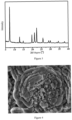
- the X-ray diffraction pattern data are shown in Table 1, the X-ray diffraction pattern is shown in Figure 1 , and the SEM is shown in Figure 2 .
- Table 1 2 ⁇ (°) relative intensity, [(I/I 0 ) ⁇ 100] 7.39 100 10.24 16 10.71 35 12.01 6 14.20 5 16.44 32 17.93 35 19.71 9 21.01 18 23.31 19 24.25 15 26.03 15 27.81 11 28.13 13 30.02 10 31.33 5 34.73 7 38.28 6 .
- Al(iPr) 3 aluminum isopropoxide
- phosphoric acid purity >_85wt.%
- tetrabutylammonium hydroxide 40wt.% aqueous solution, MkSeal
- 569.1g of 1-(3-aminopropyl) imidazole were then added to the solution C to obtain a solution C' after stirring for 5 hours, precipitating for 1 hour.
- 1021.2g of aluminum isopropoxide was dissolved in 1078.1mL of water to form a solution C after mixing.
- 432.4g of phosphoric acid (purity >_ 85wt.%), 24016.3g of tetraethylammonium hydroxide (40wt.% aqueous solution, Sigma-Aldrich) and 54426.1g of 1-(3-aminopropyl) imidazole were then added to the solution C obtain a solution C' after stirring for 3 hours, precipitating for 6 hours.
- the precursor A was fed to the mixture B under a closed stirring condition, the stirring was continued for 3.5hbours and was further continued for 1 hour at 85°C. Then it was crystallized at 160 °C for 10min, dried at 100°C for 6 hours after filtering and washing, then heated to 600°C, calcined at a constant temperature for 4 hours, and thus an AFI molecular sieve (the same below) was obtained, marked as SSP5-1. Through ICP test, the SSP5-1 contains 0.18wt.% Mg element. Its XRD pattern is similar to Figure 3 , SEM pattern is similar to Figure 4 and Figure 5 , and the metal content and the acid distribution in the product are listed in Table 7.
- the precursor A was fed into the mixture B under a closed stirring condition, the stirring was continued for 0.5 hours and was further continued for 0.5 hours at 100°C under a closed state.
- the above mixture after stirring was then crystallized at 110°C for 120min, filtered, washed, and then dried at 90 °C for 8 hours, then heated to 500°C, calcined at a constant temperature for 8 hours to obtain a product, marked as SSP5-2.
- the SSP5-2 contains 0.01wt.% Co element.
- Its XRD pattern is similar to Figure 3
- SEM pattern is similar to Figure 4 and Figure 5
- the metal content and the acid distribution in the product are listed in Table 7.
- SSP5-3 contains 1.0wt.% Zn element.
- SEM pattern is Figure 4 and Figure 5
- TPD pattern is Figure 6
- metal content and the acid distribution in the product are listed in Table 7.
- Table 7 sample name type and weight content of metal element weak acid (percentage in total acid) medium-strong acid (percentage in total acid) strong acid (percentage in total acid) SSP5-1 Mg, 0.18% 42.8% 5.0% 52.2% SSP5-2 Co, 0.01% 34.5% 7.5% 58.0% SSP5-3 Zn, 1.0% 43.9% 19.7% 36.4%
- the SSP5-1 molecular sieve synthesized in Example 7 was calcined at 550°C for 4 hours, cooled to room temperature, then tableted, smashed and screened. 12-20 meshes of particles were selected for later use. Using methanol as raw material and a fixed bed reactor with a diameter of 15mm, an assessment was carried out under the conditions of 505°C, a mass space velocity of 3.5h -1 and a pressure of 1.7MPa. The yields of ethylene, propylene and butylene were up to 96.8%. Good technical results were obtained.
- the SSP5-2 molecular sieve synthesized in Example 8 was calcined at 550°C for 4 hours, cooled to room temperature, then tableted, smashed and screened. 12-20 meshes of particles were selected for later use. Using methanol as raw material and a fixed bed reactor with a diameter of 15mm, an assessment was carried out under the conditions of 400 °C, a mass space velocity of 0.5h -1 and a pressure of 5.1MPa. The yields of ethylene, propylene and butylene were up to 92.6% and good technical results were obtained.
- the SSP5-3 molecular sieve synthesized in Example 9 was calcined at 550°C for 4 hours, cooled to room temperature, then tableted, smashed and screened. 12-20 meshes of particles were selected for later use. Using methanol as raw material and a fixed bed reactor with a diameter of 15mm, an assessment was carried out under the conditions of 600°C, a mass space velocity of 0.1h -1 and a pressure of 0.01MPa. The yields of ethylene, propylene and butylene were up to 90.9% and good technical results were obtained.
- HCHA cyclohexylamine
- PIP piperazine
- DOA 1,4-dioxane
- CHO cyclohexanone
- the precursor P 3 was fed into the mixture material M 3 under the condition of vigorous stirring. The stirring was continued for 1 hour, a closed stirring was then carried out at 100°C for 1 hour, and crystallization was then carried out at 120°C for 5 hours. After filtering, washing, the product was dried at 80°C for 9 hours, then heated to 400°C, and calcined at a constant temperature for 8 hours, and a product was obtained, marked as STE-3. Its XRD pattern is similar to Figure 7 , and its SEM pattern is similar to Figure 8 .
- SAPO-17 molecular sieve was prepared according to the synthesis method of SAPO-17 molecular sieve disclosed in CN103922361A , which is specifically as follows: with aluminum isopropoxide as aluminum source, phosphoric acid as phosphorus source, silica sol as silicon source, and cyclohexylamine as template, 81g of aluminum isopropoxide was added to 48.9g of ultrapure water, and 45.7g of phosphoric acid (85wt.%) was added after stirring evenly. After stirring for 1 hour, 11.5mL of cyclohexylamine was added to the mixed solution, and after 2 hours of stirring and aging, 11.9g of 30wt.% SiO 2 aqueous solution was added to the system.
- the sol was placed in a stainless steel reactor with a PTFE lining and crystallized at 200°C for 120 hours to obtain a short and thick rod-like SAPO-17 molecular sieve. See Figure 9 for its XRD pattern and Figure 10 for its SEM pattern.
- the synthesis method of SAPO-17 molecular sieve is specifically: with aluminum isopropoxide as aluminum source, phosphoric acid as phosphorus source, silica sol as silicon source, and cyclohexylamine as template, according to a solution of a reaction ratio of 1Al 2 O 3 : 1P 2 O 5 : 0.3SiO 2 : 1CHA : 1HF : 40H 2 O and a fixed amount of aluminum source of 0.015mol, 3.06g of aluminum isopropoxide was added to 5.4 g of deionized water, 1.7g of phosphoric acid (85wt.%) was added after stirring evenly, 0.7g of cyclohexylamine was added to the mixed solution after a continued stirring of 1.5 hours, 2.25g of silica sol (40wt.%) was added to the reaction system after stirring and aging for 1.5 hours, the sol was placed in a stainless steel reactor with a PTFE
- the STE-1 molecular sieve synthesized in Example 13 was calcined at 550°C for 4 hours, cooled to room temperature, then tableted, smashed and sieved, and 12-20 meshes of particles were selected for later use.
- methanol as raw material and a fixed bed reactor with a diameter of 15mm
- an assessment was conducted under the conditions of 600°C, a mass space velocity of 4.9h -1 , and a pressure of 1.0MPa.
- the methanol conversion rate was 100%, the yields of ethylene, propylene in the product were up to 78.7%, and the selectivity ratio (ethylene/propylene) was 2.87. Good technical results were obtained.
- the STE-2 molecular sieve synthesized in Example 14 was used to prepare a catalyst according to the catalyst preparation method in Example 16. Using methanol as raw material and a fixed bed reactor with a diameter of 15mm, an assessment was carried out under the conditions of 550°C, a mass space velocity of 15h -1 , and a pressure of 10MPa. The methanol conversion rate was 100%, the yields of ethylene, propylene in the product were up to 80.8%, and the selectivity ratio (ethylene/propylene) was 2.76. Good technical results have been achieved.
- the STE-3 molecular sieve synthesized in Example 15 was used to prepare a catalyst according to the catalyst preparation method in Example 16. Using methanol as raw material and a fixed bed reactor with a diameter of 15mm, an assessment was carried out under the conditions of 474°C, a mass space velocity of 7.1h -1 , and a pressure of 2.4MPa. The methanol conversion rate was 100%, the yields of ethylene, propylene in the product were up to 84.5%, and the selectivity ratio (ethylene/propylene) was 2.99. Good technical results have been achieved.
- the SAPO-17 molecular sieve synthesized in Comparative Example 1 was used to prepare a catalyst according to the catalyst preparation method of Example 16.
- the methanol conversion rate was 100%
- the yields of ethylene, propylene in the product were up to 33.3%
- the selectivity ratio (ethylene/propylene) was 1.1.
- the SAPO-17 molecular sieve synthesized in Comparative Example 2 was used to prepare a catalyst according to the catalyst preparation method of Example 16.
- the methanol conversion rate was 100%
- the yields of ethylene, propylene in the product were up to 40.1%
- the selectivity ratio (ethylene/propylene) was 1.2.
- the STE-1 molecular sieve synthesized in Example 13 was calcined at 550°C for 6 hours, then tableted, smashed, screened, and 20-40 meshes of particles were selected.
- a weight ratio of catalyst to filler ZnCrO x /STE 1.0 (ZnCrO x represents a mixture of zinc oxide and chromium oxide, and an oxide-molecular sieve catalyst was prepared for later use) was used.
- the STE-2 molecular sieve synthesized in Example 14 was used to prepare a catalyst according to the catalyst preparation method in Example 19.
- the STE-3 molecular sieve synthesized in Example 15 was used to prepare a catalyst according to the catalyst preparation method in Example 19.
- the SAPO-17 molecular sieve synthesized in Comparative Example 2 was used to prepare a catalyst according to the catalyst preparation method of Example 20.
- the CO conversion rate was 22.3%, wherein the C 2 -C 4 olefin selectivity was 36.8%, and the selectivity ratio (ethylene/propylene) was 1.21.
Landscapes
- Chemical & Material Sciences (AREA)
- Organic Chemistry (AREA)
- Chemical Kinetics & Catalysis (AREA)
- Engineering & Computer Science (AREA)
- Materials Engineering (AREA)
- Inorganic Chemistry (AREA)
- Oil, Petroleum & Natural Gas (AREA)
- Life Sciences & Earth Sciences (AREA)
- Geology (AREA)
- General Life Sciences & Earth Sciences (AREA)
- General Chemical & Material Sciences (AREA)
- Silicates, Zeolites, And Molecular Sieves (AREA)
- Catalysts (AREA)
Abstract
Description
- The present invention pertains to the field of molecular sieve, in particular to a SCM-34 molecular sieve, and preparation method therefor and use thereof.
- Porous materials are a kind of solid compounds with regular pore structures. According to the definition of the International Union of Pure and Applied Chemistry (IUPAC), porous materials with pore diameters of less than 2 nm are classified as micropore materials; porous materials with pore diameters of more than 2 nm are classified as mesopore materials or macropore materials (with pore diameters of more than 50 nm). Molecular sieve materials generally have pore channel diameters of less than 2 nm, belong to micropore materials and are a kind of porous materials mainly characterized by selective adsorption. Their unique pore channel system renders them capable of sieving small molecules with different sizes, where the name of "molecular sieve" comes. Moreover, these materials have a wide range of inner pore cavity sizes and have rich and diverse topology structures, have been widely used in fields such as adsorption separation, heterogeneous catalysis, carrier of various guest molecules and ion exchange, and have achieved excellent technical results.
- Traditional zeolite molecular sieves are a kind of crystalline silicate materials, are generally formed by connecting silicon-oxygen tetrahedron [SiO4]4- and aluminum-oxygen tetrahedron [AlO4]5- via shared oxygen atoms, and are generally referred to as TO4 tetrahedron (a primary structural unit), wherein the silicon element can also be subjected to a partial isomorphous substitution by other elements, in particular some trivalent or tetravalent elements such as Al, B, Ga, Ge, Ti, etc. Owning to some particularities of their structures and chemical properties, zeolite molecular sieves are widely used in catalysis, adsorption, ion exchange and other fields. A key factor deciding the application performance of molecular sieves is the characteristics of their pore channels or cages, which are in turn determined by the intrinsic crystal structure of molecular sieves. Therefore, to obtain a molecular sieve with a new crystal structure is of great significance for exploiting the application of molecular sieves.
- In 1982, scientists, named S. T. Wilson and E. M. Flanigen etc. of Union Carbide Corp.(UCC) of USA, by employing aluminum sources, phosphorus sources and organic templates, successfully synthesized and developed a brand new family of molecular sieves : aluminophosphate molecular sieves AlPO4-n with n representing model number(
US 4310440 ). After two years, on the basis of AlPO4-n, by partially replacing Al atoms and P atoms in AlPO skeleton with Si atoms, UCC successfully prepared another series of silicoaluminophosphate molecular sieves: SAPO-n, where n represents model number. After replacing P or Al atoms of the original AlPO framework with Si atoms, a non-neutral skeleton composed of SiO4, AlO4 and PU4 tetrahedrons is formed in the structure of SAPO-n. In the skeleton of this type of molecular sieves, silicon is present in two ways: (1) replacing one P atom with one Si atom; (2) replacing a pair of aluminum atom and phosphorus atom respectively with two silicon atoms. The representative SAPO-n molecular sieve is an SAPO-34 molecular sieve with a topological structure of CHA. The molecular sieve has a skeleton structure similar to chabasite and belongs to cubic system. The structural motif is composed of AlO2 -, SiO2 and PO2 + tetrahedrons. The skeleton contains an ellipsoidal supercage and a three-dimensional cross structure with 8-membered ring pore channel. The 8-membered ring pore channel has a pore diameter of about 0.38 nm. The supercage has a pore opening diameter maintained between 0.43 and 0.50 nm. Due to its suitable proton acidity, larger specific surface area, better adsorption performance, better thermal stability, good hydrothermal stability and excellent shape selectivity of pore channel structure to light olefins, SAPO-34 molecular sieve has been successfully commercialized as the catalyst for methanol to light olefins (MTO), and has shown very good catalytic activity and selectivity. - At present, molecular sieves with known topological structures are mostly prepared by hydrothermal or solvothermal synthesis. The major steps of a typical hydrothermal or solvothermal synthesis method are: firstly evenly mixing reactants such as the metallic source, the non-metallic source, the organic template and the solvent etc. to obtain an initial sol, i.e., a mixture to be crystallized, and then placing the mixture to be crystallized in a reactor with PTFE as the lining and a stainless steel as the outer wall for a crystallization reaction under a certain temperature and an autogenous pressure after sealing, just like the process of rock formation in the earth, i.e. a process of precipitation of a molecular sieve crystal from a crystallization mixture. Specifically, taking the synthesis of silicoaluminophosphate SAPO-34 molecular sieves as an example, the reaction mixture includes skeleton reactants (such as silica sol, phosphoric acid and aluminum oxide), the structure directing agent (SDA) and water, which are uniformly mixed, and is placed in an oven at a fixed temperature (160-220 °C ) for several days in a static or dynamic manner for crystallization reaction. When the crystallization reaction is completed, a solid product containing SAPO-34 molecular sieve is filtered out and dried for the later use.
- Up to now (August 4, 2021), according to the International Zeolite Association, including the latest AlPO-91 molecular sieve with a topological structure of ANO [
US Patent 10336, 622 B1, (2019 - The present invention provides a SCM-34 molecular sieve(, and a preparation method therefor and a use thereof. The SCM-34 molecular sieve is a novel molecular sieve with a new skeleton structure and can be used to prepare a metal-containing AFI type molecular sieve or an SAPO-17 molecular sieve, meeting the different needs for catalysts in the chemical production.
- According to the first aspect of the present invention, a SCM-34 molecular sieve is provided, characterized in that the SCM-34 molecular sieve comprises aluminum, phosphorus, oxygen and optionally silicon; in XRD diffraction data of the molecular sieve, a 20 degree of the strongest peak within the range of 5-50° is 7.59 ± 0.2; an X-ray diffraction pattern of the SCM-34 molecular sieve includes X-ray diffraction peaks shown in the following table:
2θ (°) relative intensity, [(I/I0)×100] 7.59±0.2 100 10.81±0.1 5-50 16.52±0.1 5-50 17.97±0.1 5-50 23.34±0.05 5-50 - The present invention further provides a SCM-34 molecular sieve. The SCM-34 molecular sieve has a schematic chemical composition as shown in the formula "Al2O3: xSiO2: yP2O", wherein 0≤x≤0.5, 0.75<_y<_1.5; in the XRD diffraction data of the molecular sieve, the 2θ degree of the strongest peak within the range of 5-50° is 7.59 ± 0.2; the X-ray diffraction pattern of the SCM-34 molecular sieve includes X-ray diffraction peaks shown in the following table:
2θ (°) relative intensity, [(I/I0)×100] 7.59+0.2 100 10.81±0.1 5-50 16.52±0.1 5-50 17.97±0.1 5-50 23.34+0.05 5-50 34.74+0.05 5-50 - Furthermore, the X-ray diffraction pattern of the SCM-34 molecular sieve also includes the X-ray diffraction peaks shown in the following table:
2θ (°) relative intensity, [(I/I0)×100] 14.25±0.1 5-50 21.01+0.1 10-20 24.27±0.05 5-50 26.05±0.05 5-50 27.82±0.05 5-50 28.15±0.02 5-50 30.03+0.02 5-50 - Furthermore, the X-ray diffraction pattern of the SCM-34 molecular sieve also includes the X-ray diffraction peaks shown in the following table:
2θ (°) relative intensity, [(I/I0)×100] 10.33±0.1 10-20 12.09±0.1 5-50 19.77±0.1 5-50 31.33±0.01 5-50 38.29±0.01 5-50 - Therein, the incident ray of the X-ray diffraction is CuKα1.
- According to the second aspect of the present invention, a method of preparing the aforementioned SCM-34 molecular sieve is provided, comprising: crystallizing a mixture containing an aluminum source, a phosphorus source, an organic template R1 and an organic template R2, a solvent S1, a solvent S2 and a solvent S3, and optionally a silicon source to obtain a SCM-34 molecular sieve;
wherein, the organic template R1 is selected from one or more of quaternary ammonium salts and/or quaternary ammonium bases; the organic template R2 is selected from one or more of imidazole, pyrrolidine, and derivatives thereof; the solvent S1 is selected from one or more of amide group solvents; the solvent S2 is selected from one or more of the cyclic organic solvents; the solvent S3 is selected from one or more of water or lower alcohols, wherein the organic template R1 and organic template R2 represent different organic templates from each other, and the solvent S1, the solvent S2 and the solvent S3 represent different solvents from each other. - Further, the organic template R1 is selected from one or more of tetraethylammonium bromide, tetraethylammonium hydroxide, tetrapropylammonium bromide, tetrapropylammonium hydroxide, tetrabutylammonium bromide, tetrabutylammonium hydroxide; the organic template R2 is selected from one or more of imidazole, 2-methylimidazole, 4-methylimidazole, 1-(3-aminopropyl)imidazole, 2-ethyl-4-methylimidazole, pyrrolidine, 1-(3-pyrrolidine)pyrrolidine, N-ethyl-2-aminomethylpyrrolidine; the solvent S1 is selected from one or more of N,N-dimethylformamide, N,N-dimethylacetamide, N, N-diethylformamide and N, N-dibutylformamide; the solvent S2 is selected from one or more of 1,4-dioxane, cyclohexane, cyclohexanone and cyclohexanol; and/or the solvent S3 is selected from one or more of methanol, ethanol, ethylene glycol, butanol and water.
- Further, the organic template R1 is preferably one or more of tetraethylammonium bromide, tetraethylammonium hydroxide, tetrapropylammonium hydroxide and tetrabutylammonium hydroxide; the organic template R2 is preferably one or more of 1-(3-aminopropyl) imidazole, 2-ethyl-4-methylimidazole, N-ethyl-2-aminomethylpyrrolidine; the solvent S1 is preferably one or two of N, N-dimethylacetamide and N, N-dibutylformamide; the solvent S2 is preferably one or two of 1,4-dioxane and cyclohexanone; and/or the solvent S3 is preferably one or both of ethanol and water, wherein water is preferably deionized water.
- Further, in the mixture, the molar constitution of the aluminum source based on Al2O3, the silicon source based on SiO2, the phosphorus source based on P2O5, the organic templates R1+R2, the solvents S1+S2+S3 is as follows: SiO2/Al2O3=0~1, preferably 0.1-0.75; P2O5/Al2O3=0.5~2, preferably 0.75-1.5; templates R1+R2/Al2O3=1∼200, preferably 5~50; solvents S1+S2+S3/Al2O3=5~500, preferably 35~120.
- Further, the molar ratio of the organic template R1 to the organic template R2 is 0.01 to 1:1, preferably 0.1 to 0.25:1.
- Further, the molar ratio of the solvent S1, the solvent S2 and the solvent S3 is 1:0.01-1:1-100, preferably 1:0.05~0.5:10~80.
- Further, the aluminum source is selected from one or more of aluminum isopropoxide, aluminate, metaaluminate, aluminum salts, hydroxide of aluminum, oxide of aluminum and aluminum-containing minerals, preferably one or two of aluminate and metaaluminate; the silicon source is selected from one or more of organic silicon, amorphous silicon dioxide, silica sol, solid silicon oxide, silica gel, diatomite and water glass, preferably one or more of amorphous silicon dioxide, silica sol and solid silicon oxide; the phosphorus source is selected from at least one of phosphoric acid, ammonium monohydrogen phosphate and ammonium dihydrogen phosphate, preferably orthophosphoric acid.
- Further, in the preparation method, stirring and precipitation treatments are carried out before the crystallization treatment. The stirring time is 0.5-5 hours, the precipitation time is 1~12 hours.
- Further, the conditions of the crystallization treatment include: the crystallization temperature of 120-200 °C, preferably 140-180 °C, more preferably 140-160 °C; the crystallization time of 1-5 days, preferably 3-5 days, more preferably 4-5 days.
- Further, after the crystallization treatment, conventional post-processing is carried out, for example the steps of filtering, washing and drying to obtain the molecular sieve; and optionally the step of calcining the obtained molecular sieve.
- According to the third aspect of the present invention, a molecular sieve composition is provided, including the SCM-34 molecular sieve described in the aforementioned first aspect or the SCM-34 molecular sieve prepared according to the method described in the aforementioned second aspect, and a binder. For example, a method of preparing the molecular sieve composition comprises the following steps:
- a. subjecting the SCM-34 molecular sieve according to the present invention to ammonium exchange, calcination to obtain a hydrogen-type SCM-34 molecular sieve;
- b. weighing a certain amount of the hydrogen-type SCM-34 molecular sieve obtained in step a, uniformly mixing it with a certain amount of binder and a pore forming agent, then kneading and extruding with a certain amount of water and dilute nitric acid solution to obtain a columnar sample, upon drying at 80~120 °C and calcining at 500~650 °C in sequence, obtaining a catalyst sample, wherein, the pore forming agent is selected from at least one of sesbania powder, carboxymethyl cellulose and starch.
- According to the fourth aspect of the present invention, a use of molecular sieve is provided, that is, the use of the SCM-34 molecular sieve described in the aforementioned first aspect, the SCM-34 molecular sieve prepared according to the method described in the aforementioned second aspect, or the SCM-34 molecular sieve composition described in the aforementioned third aspect for preparing a metal containing AFI type molecular sieve. The metal containing AFI type molecular sieve has a special acid distribution and a novel morphology and is suitable for the methanol-to-olefin reaction.
- The metal element in the metal containing AFI type molecular sieve is an alkaline earth metal and/or a transition metal element, preferably selected from at least one metal element in the IIA, IIB, IIIB, IVB or VIIIB group, and is further preferably at least one of magnesium, zinc, lanthanum, titanium, cobalt. Based on the mass of the AFI type molecular sieve, the content of the metal element is preferably 0.01% ~ 1.0%.
- The metal containing AFI molecular sieve has a weak acid center, a medium-strong acid center and a strong acid center at the same time. The acid content distribution is as follows: the weak acid content accounting for 30%-50% of the total acid content, the medium-strong acid content accounting for 5%~20% of the total acid content, and the strong acid content accounting for 30%~65% of the total acid content.
- A method of preparing the metal containing AFI molecular sieve includes: using the SCM-34 molecular sieve according to the present invention as reactant raw material, mixing it with a solvent SI, an organic template R, a selectively added first silicon source to prepare a precursor A, and then mixing the precursor A with a solvent SII, a metal source, a selectively added second silicon source to prepare the AFI type molecular sieve.
- Furthermore, based on the mass m of the fed SCM-34 molecular sieve, the mass ratio of raw materials used is: silicon source/m=0~20, organic template R/m=1~20, metal source/m=0.01~1, solvents (SI+SII)/m=2~100; preferably, silicon source/m=0.1~10, organic template R/m=2~10, metal source/m=0.05-0.5, solvents (SI+SII)/m=10~50; more preferably: silicon source/m=0.5~1, organic template R/m=3~6, metal source/m=0.1-0.25, solvents (SI+SII)/m=20-40.
- Furthermore, the mass ratio of solvent SI to solvent SII is 0.1 to 20:1.
- Further, the preparation method of the AFI type molecular sieve specifically includes the following steps:
- a. adding a SCM-34 molecular sieve, an organic template R to a solvent SI, selectively adding the first silicon source, stirring and carrying out a heat treatment to obtain a precursor A;
- b. mixing a metal source with a solvent SII, and selectively adding the second silicon source to obtain a mixture B;
- c. adding the precursor A to the mixture B while stirring to form a mixture to be crystallized;
- d. placing the mixture to be crystallized in step c under the condition of 60-100 °C and continuing the stirring for 0.5-2 hours for a crystallization reaction to obtain an AFI type molecular sieve.
- Further, the organic template R is an organic amine, which is preferably selected from at least one of tetraethylammonium bromide, tetraethylammonium hydroxide, tetrapropylammonium bromide, tetrapropylammonium hydroxide, tetrabutylammonium bromide, tetrabutylammonium hydroxide, benzyltriethylammonium chloride, benzyltrimethylammonium hydroxide, triethylamine, n-butylamine, di-n-propylamine, diisopropylamine, ethylenediamine and ethylamine, further preferably at least one of tetraethylammonium hydroxide, benzyltrimethylammonium hydroxide and triethylamine.
- Further, the solvent SI or the solvent SII is each independently selected from at least one of N, N-dimethylformamide, N, N-dimethylacetamide, ethylene glycol, ethanol and water, preferably at least one of N, N-dimethylformamide, ethanol and water.
- Further, the first silicon source or the second silicon source is each independently selected from at least one of organic silicon, amorphous silicon dioxide, silica sol and solid silicon oxide; preferably, at least one of amorphous silicon dioxide, silica sol and solid silicon oxide.
- Further, the metal source is selected from at least one of nitrate, sulfate and acetate of the corresponding alkaline earth metal and/or transition metal element, preferably nitrate of the corresponding metal.
- Further, in step a, the heat treatment condition is: 0.5-2 hours at 40-80 °C.
- Further, in step d, the crystallization reaction conditions are: 110~160 °C, preferably 110~145 °C, more preferably 120-135 °C; the reaction time range of 10-120 minutes, preferably 20-100 minutes, more preferably 30-90 minutes.
- Further, in step d, the crystallization product can go through post-processing steps, such as filtering, washing, drying, calcining, etc., and conventional operating conditions in the art can be adopted for the post-processing steps.
- Specifically for example, as the filtration, for example, the obtained product mixture can be subjected to a simple vacuum filtration. As the washing, for example deionized water and/or ethanol can be used for the washing. As the drying temperature, for example, 40-250 °C, preferably 60~150 °C can be listed, and as the drying time, for example, 3-30 hours, preferably 5-20 hours can be listed. The drying can be carried out under atmospheric pressure or reduced pressure. The calcining can be carried out in any way commonly known in the art, for example, the calcining temperature is generally 300~800 °C, preferably 400~650 °C, while the calcining time is generally 1-12 hours, preferably 3-12 hours. In addition, the calcining is generally carried out in an oxygen containing atmosphere, such as air or oxygen atmosphere.
- The metal containing AFI type molecular sieve can be used in the reaction of methanol-to-hydrocarbon. Furthermore, the reaction conditions for methanol-to-hydrocarbon are as follows: methanol as raw material, reaction temperature of 400 ~ 600 °C, reaction pressure of 0.01 ~ 10MPa, and methanol weight space velocity of 0.1 ~ 15h-1.
- The preparation method of the AFI type molecular sieve according to the present invention allows a rapid crystallization at a lower temperature, for example, the lowest reaction temperature is 110 °C , and the fastest reaction time is 10 minutes. The obtained AFI molecular sieve is suitable for the methanol-to-olefin reaction, and has achieved good technical effect.
- According to the fifth aspect of the present invention, a use of molecular sieve is provided. The SCM-34 molecular sieve described in the aforementioned first aspect, the SCM-34 molecular sieve prepared according to the method described in the aforementioned second aspect, or the SCM-34 molecular sieve composition described in the aforementioned third aspect is used for preparing an SAPO-17 molecular sieve. The SAPO-17 molecular sieve prepared herein has an excellent performance for the use in the industrial production of methanol downstream products, the industrial production of syngas downstream products, and the hydrocarbon cracking.
- In one embodiment, the preparation method of SAPO-17 molecular sieve includes the following steps:
- 1) mixing an organic template cR and a first organic solvent cS for a first heat treatment to obtain a precursor P;
- 2) mixing the SCM-34 molecular sieve according to the present invention, a selectively added silicon source with a second organic solvent cS for a second heat treatment to obtain a mixture material M;
- 3) mixing the precursor P obtained in step 1) with the mixture material M obtained in step 2) to form a mixture to be crystallized;
- 4) pretreating the mixture to be crystallized obtained in step 3), and then carrying out a crystallization reaction to obtain an SAPO-17 molecular sieve.
- Further, in step 1), the organic template cR is at least one of 1,10-phenanthroline, 2,2-bipyridine, 4,4-bipyridine, piperazine, cyclohexylamine and pyridine; preferably at least one of piperazine, cyclohexylamine.
- Further, in step 1) and step 2), the first organic solvent cS and the second organic solvent cS are each independently selected from at least one of tetrahydrofuran, 2-methyltetrahydrofuran, 1,2-epoxycyclopentane, 1, 4-dioxane, cyclohexanone, cyclohexanol; preferably, at least one of 1,4-dioxane, cyclohexanone.
- Furthermore, the mass ratio of the added SCM-34 molecular sieve, the organic template cR and all the organic solvents cS is 0.1 ~ 1: 1 ~ 10: 1 ~ 10, wherein, all the organic solvents are the total amount of the first organic solvent cS in step 1) and the second organic solvent cS in step 2). The mass ratio of the first organic solvent cS in step 1) to the second organic solvent cS in step 2) is 1:0.1 ~ 1.
- Further, in step 1), the temperature of the first heat treatment is 40 ~ 90 °C, the time is 1 ~ 5 hours; preferably, the temperature of the first heat treatment is 55 ~ 75 °C, the time is 2 ~ 4 hours.
- Further, in step 2), the temperature of the second heat treatment is 40 ~ 90 °C, the time is 1 ~ 5 hours; preferably, the temperature of the second heat treatment is 50 ~ 70 °C, the time is 2 ~ 3 hours.
- Further, in step 2), the mass ratio of the silicon source to the SCM-34 molecular sieve is 0 to 10:1, preferably 0.1 to 10:1.
- Further, in step 2), the silicon source is at least one of organic silicon, amorphous silicon dioxide, silica sol, silica, silica gel, diatomite and water glass; preferably, at least one of amorphous silica, silica sol and silica.
- Further, in step 3), the mixing is preferably adding the precursor P into the mixture material M while stirring, the stirring time is 0.5 to 5 hours, preferably 2.5 to 4 hours.
- Further, in step 4), the pretreatment condition is stirring for 0.5 to 5h at 80 to 110 °C.
- Further, in step 4), the conditions of the crystallization reaction are: crystallization for 1 to 8 hours at 115 to 140 °C.
- The SAPO-17 molecular sieve can be used in the reactions of methanol-to-hydrocarbon and syngas-to-olefin.
- Furthermore, the reaction conditions for the methanol-to-hydrocarbon are as follows: methanol as raw material, reaction temperature of 400-600 °C , reaction pressure of 0.01~10MPa, methanol weight space velocity of 0.1∼15h-1.
- Further, the reaction conditions for the syngas-to-olefin are as follows: syngas as raw material, H2/CO=0.5~1:1, reaction temperature of 200~400 °C , reaction pressure of 0.1~10MPa, syngas weight space velocity of 20~2000h-1.
- When the SAPO-17 molecular sieve prepared according to the present invention is used to the reaction of methanol-to-hydrocarbon, within the set evaluation conditions, the methanol conversion rate is 100%, the single pass yields of ethylene and propylene are up to 84.5%, and the selectivity ratio (ethylene/propylene) is in the range of 2.5-3.0, the catalyst has good stability.
- During the course of using the SAPO-17 molecular sieve prepared according to the present invention in the reaction of syngas-to-olefin, within the set evaluation conditions, the highest CO conversion rate is up to 51.7%, the highest C2-C4 olefin selectivity is up to 85.6%, the selectivity ratio (ethylene/propylene) is in the range of 2.5-3.0.
- Compared with the prior art, the preparation of the SAPO-17 molecular sieve according to the method of the present invention involves a shorter crystallization time, can shorten the total synthesis time of SAPO-17 molecular sieve to a certain extent at the same time, and can be conducted at a lower temperature. The SAPO-17 molecular sieve prepared by the crystal transformation of the SCM-34 molecular sieve according to the present invention significantly improves the use performance of SAPO-17 molecular sieve. The SAPO-17 molecular sieve synthesized by this method shows an excellent performance during the use in the industrial production of methanol downstream products, the industrial production of syngas downstream products, and the cracking of hydrocarbons. For example, in the reaction of the methanol conversion to hydrocarbon, the total yields of ethylene and propylene are high, and the selectivity ratio (ethylene/propylene) is high. In the reaction of syngas-to-hydrocarbon, the selectivity of C2-C4 olefins is high, the selectivity ratio (ethylene/propylene) is high.
-
-
Figure 1 is the X-ray diffraction (XRD) pattern of the molecular sieve prepared in Example 1; -
Figure 2 is the SEM photo of the molecular sieve prepared in Example 1; -
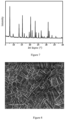
Figure 3 is the XRD pattern of the AFI type molecular sieve synthesized in Example 9; -
Figure 4 andFigure 5 are the SEM photos of the AFI type molecular sieve synthesized in Example 9; -
Figure 6 shows the TPD pattern of the AFI type molecular sieve synthesized in Example 9; -
Figure 7 is the XRD pattern of the SAPO-17 molecular sieve in Example 13; -
Figure 8 is the SEM photo of the SAPO-17 molecular sieve in Example 13; -
Figure 9 is the XRD pattern of the SAPO-17 molecular sieve in Comparative Example 1; -
Figure 10 shows the SEM photos of SAPO-17 molecular sieve in Comparative Example 1. - In order to facilitate the understanding of the present invention, the following examples are listed in the present invention. However, those skilled in the art should understand that the examples only serve to assist the understanding of the present invention, and should not be regarded as a specific limitation to the present invention. The end points and any values of the ranges disclosed in the present invention are not limited to the precise ranges or values, and these ranges or values should be understood to include the values close to these ranges or values.
- In the present invention, the structure of the molecular sieve is determined by X-ray diffraction pattern (XRD), and the X-ray diffraction pattern (XRD) of the molecular sieve is determined by X-ray powder diffractometer, with a Cu-Kα ray source, a Kα1 wavelength λ= 1.5405980 Å, a Ni filter.
- In the present invention, an X'Pert PRO X-ray powder diffractometer (XRD) manufactured by PANalytical B.V. is used, with a working voltage of 40kV, a current of 40mA and a scanning range of 3.5-50°. The product morphology is photographed with S-4800 Field Emission Scanning Electron Microscope (Fe-SEM) manufactured by HITACHI of Japan.
- It should be noted particularly that the two or more aspects (or embodiments) disclosed in the context of the present invention can be arbitrarily combined with each other, and the technical solutions (such as methods or systems) thus formed are a part of the original disclosure in the present description, and also fall within the scope of protection in the present description.
- Unless otherwise specified, all percentages, parts, ratios, etc. mentioned in the present invention are based on weight, unless taking weight as a basis is not in accordance with the conventional understanding of those skilled in the art.
- The raw materials involved in the specific embodiments of the present invention are as follows:
- aluminum sulfate[Al2(SO4)3·18H2O]: an industrial product containing Al2O3, 15.7 wt.%;
- aluminum isopropoxide [Al(iPr)3]: containing Al2O3, 24.9 wt.%;
- aluminum nitrate [Al(NO3)3·9H2O]: containing Al2O3, 27.5 wt.%;
- phosphoric acid (purity>_85wt.%): containing P2O5, 72.3 wt.%, commercially available;
- acidic silica sol (40wt.% aqueous solution): containing SiO2, 40 wt.%, commercially available;
- silica: containing SiO2, 99 wt.%;
- magnesium nitrate [Mg(NO3)2·6H2O]: containing MgO, 15.6 wt.%;
- cobalt nitrate [Co(NO3)2·6H2O]: containing CoO, 25.7 wt.%;
- zinc nitrate [Zn(NO3)2·6H2O]: containing ZnO, 27.3 wt.%.
- 3.8g of aluminum nitrate [A1(NO3)3·9H2O] was dissolved in 4.3mL of deionized water to form a solution C after mixing. 1.8g of phosphoric acid (purity≥85wt.%), 10.8g of tetrabutylammonium hydroxide (40wt.% aqueous solution, MkSeal) and 10.4g of 1-(3-aminopropyl) imidazole were then added to the solution C to obtain a solution C' after strring for 0.5 hours, precipitating for 12 hours. Then, 0.1g of silica (Aladdin, S104573, ≥99%), 1.4mL of N, N-dibutylformamide and 0.4 mL of cyclohexanone were slowly added to the solution C' to form a uniform mixture to be crystallized after stirring for 3.5 hours and then subjecting to a heat treatment at 90 °C for 8 hours, wherein the molar ratio of aluminum source based on Al2O3, silicon source based on SiO2, phosphorus source based on P2O5, total template and total solvent is: Al2O3: SiO2: P2O5: template R: solvent S=1:0.1:1.5:5:35, template R1 (tetrabutylammonium hydroxide)/template R2 (1- (3-aminopropyl) imidazole)=0.2, solvent S1 (N,N-dibutyl formamide)/solvent S2 (cyclohexanone)/solvent S3 (water)=1:0.5:78.5. The above mixture to be crystallized was placed at 140 °C for crystallization for 5 days. After filtering, washing, the product was dried at 100 °C for 8 hours to obtain a product SCM-34. The X-ray diffraction pattern data are shown in Table 1, the X-ray diffraction pattern is shown in
Figure 1 , and the SEM is shown inFigure 2 .Table 1 2θ(°) relative intensity, [(I/I0)×100] 7.39 100 10.24 16 10.71 35 12.01 6 14.20 5 16.44 32 17.93 35 19.71 9 21.01 18 23.31 19 24.25 15 26.03 15 27.81 11 28.13 13 30.02 10 31.33 5 34.73 7 38.28 6 - 20.4g of aluminum isopropoxide (Al(iPr)3) was dissolved in 207.2mL of water to form a solution C after mixing. 8.6g of phosphoric acid (purity >_85wt.%), 294.8g of tetrabutylammonium hydroxide (40wt.% aqueous solution, MkSeal) and 569.1g of 1-(3-aminopropyl) imidazole were then added to the solution C to obtain a solution C' after stirring for 5 hours, precipitating for 1 hour. Then, 15.0g of acidic silica sol (Ludox HS type, 40wt.% aqueous solution), 313.2mL of N, N-dimethylbutylamide and 9.8mL of cyclohexanone were slowly added to the solution C' to form a uniform mixture to be crystallized after stirring for 2.5 hours and then subjecting to a heat treatment at 100 °C for 6 hours, wherein the molar ratio of aluminum source based on Al2O3, silicon source based on SiO2, phosphorus source based on P2O5, total template and total solvent is: Al2O3: SiO2: P2O5: template R: solvent S=1:0.5:0.75:25:120, template R1 (tetrabutylammonium hydroxide)/template R2 (1-(3-aminopropyl) imidazole)=0.1, solvent S1 (N, N-dimethylbutylamide)/solvent S2 (cyclohexanone)/solvent S3 (water)=1:0.05:11. The above mixture to be crystallized was placed at 140 °C for crystallization for 4 days. After filtering, washing, the product was dried at 120 °C for 4 hours to obtain a product SCM-34. The X-ray diffraction pattern data are shown in Table 2, and the XRD pattern is similar to
Figure 1 .Table 2 2θ(°) relative intensity, [(I/I0)×100] 7.65 100 10.37 17 10.89 24 12.15 43 14.29 9 16.61 24 18.01 11 19.84 16 21.11 19 23.39 21 24.30 18 26.10 7 27.86 10 28.16 9 30.05 12 31.33 17 34.75 5 38.29 11 - 1021.2g of aluminum isopropoxide was dissolved in 1078.1mL of water to form a solution C after mixing. 432.4g of phosphoric acid (purity >_ 85wt.%), 24016.3g of tetraethylammonium hydroxide (40wt.% aqueous solution, Sigma-Aldrich) and 54426.1g of 1-(3-aminopropyl) imidazole were then added to the solution C obtain a solution C' after stirring for 3 hours, precipitating for 6 hours. Then, 450.0g of silica (Aladdin, S104573, ≥99%), 4528.8mL of N,N-dimethylbutylamine and 706.6mL of cyclohexanone were slowly added to the solution C' to form a uniform mixture to be crystallized after stirring for 1.5 hours and then subjecting to a heat treatment at 90 °C for 11 hours, wherein the molar ratio of aluminum source based on Al2O3, silicon source based on SiO2, phosphorus source based on P2O5, total template and total solvent is: Al2O3: SiO2: P2O5: template R: solvent S=1:0.75:0.75:50:90, template R1 (tetraethylammonium hydroxide)/template R2 (1-(3-aminopropyl) imidazole)=0.15, solvent S1 (N, N-dimethylbutylamide)/solvent S2 (cyclohexanone)/solvent S3 (water)=1:0.25:30. The above mixture to be crystallized was placed at 140 °C for crystallization for 5 days. After filtering, washing, the product was dried at 90 °C for 10 hours to obtain a product SCM-34. The X-ray diffraction pattern data are shown in Table 3, and the XRD pattern is similar to
Figure 1 .Table 3 2θ(°) relative intensity, [(I/I0)×100] 7.55 100 10.30 16 10.79 8 12.05 19 14.21 34 16.48 15 17.95 21 19.74 42 21.00 18 23.29 5 24.24 8 26.02 9 27.79 6 28.14 17 30.01 11 31.32 6 34.74 9 38.28 6 - 375.1g of aluminum nitrate was dissolved in 405.1mL of water to form a solution C after mixing. 138.4g of phosphoric acid (purity ≥85wt.%), 2827.6g of tetrabutylammonium hydroxide (40wt.% aqueous solution, MkSeal) and 3209.7g of 1-(3-aminopropyl) imidazole were then added to the solution C to obtain a solution C' after stirring for 2 hours, precipitating for 8 hours. Then, 36.1g of silica (Aladdin, S104573, ≥99%), 299.1mL of N, N-dimethylformamide and 18.7mL of cyclohexanone were slowly added to the solution C' to form a uniform mixture to be crystallized after stirring for 4 hours and then subjecting to a heat treatment at 110 °C for 3 hours, wherein the molar ratio of aluminum source based on Al2O3, silicon source based on SiO2, phosphorus source based on P2O5, total template and total solvent is: Al2O3: SiO2: P2O5: template R: solvent S=1:0.3:1.2:15:60, template R1 (tetrabutylammonium hydroxide)/template R2 (1- (3-aminopropyl) imidazole)=0.17, solvent S1 (N, N-dimethylbutylamide)/solvent S2 (cyclohexanone)/solvent S3 (water)=1:0.1:62. The above mixture to be crystallized was placed at 140 °C for crystallization for 5 days. After filtering, washing, the product was dried at 120 °C for 4 hours to obtain a product SCM-34. The X-ray diffraction pattern data are shown in Table 4, and the XRD pattern is similar to
Figure 1 .Table 4 2θ (°) relative intensity, [(I/I0)×100] 7.75 100 10.41 11 10.90 8 12.15 17 14.39 32 16.60 22 18.05 13 19.84 17 21.09 10 23.38 23 24.31 21 26.08 14 27.85 11 28.16 19 30.03 22 31.33 9 34.74 8 38.29 11 - 33.3g of aluminum sulfate [Al2(SO4)3·18H2O] was dissolved in 66.3mL of water to form a solution C after mixing. 5.2g of phosphoric acid (purity ≥85wt.%), 117.0g of tetrabutylammonium hydroxide (40wt.% aqueous solution, MkSeal) and 102.6g of 1-(3-aminopropyl) imidazole were then added to the solution C to obtain a solution C' after stirring for 3 hours, precipitating for 6 hours. Then, 6.1g of acidic silica sol (Ludox HS type, 40wt.% aqueous solution), 25.5mL of N, N-dimethylbutylamine and 4.8mL of cyclohexanone were slowly added to the C' solution to form a uniform mixture to be crystallized after stirring for 4.5 hours and then subjecting to a heat treatment at 80 °C for 12 hours, wherein the molar ratio of aluminum source based on Al2O3, silicon source based on SiO2, phosphorus source based on P2O5, total template and total solvent is: Al2O3: SiO2: P2O5: total template agent R: total solvent S=1:0.4:0.9:10:80, template agent R1 (tetrabutylammonium hydroxide)/template agent R2 (1 - (3-aminopropyl) imidazole)=0.22, solvent S1 (N, N-dimethylbutylamide)/solvent S2 (cyclohexanone)/solvent S3 (water)=1:0.3:48. The above mixture to be crystallized was placed at 140 °C for crystallization for 5 days. After filtering, washing, the product was dried at 100 °C for 8 hours to obtain a product SCM-34. The X-ray diffraction pattern data are shown in Table 5, and the XRD pattern is similar to
Figure 1 .Table 5 2θ (°) relative intensity, [(I/I0)×100] 7.50 100 10.27 16 10.76 9 12.03 21 14.20 11 16.45 35 17.87 25 19.71 31 20.95 17 23.31 16 24.23 25 26.01 5 27.79 17 28.14 24 30.02 23 31.33 9 34.73 9 38.28 6 - 266.6 g of aluminum sulfate was dissolved in 157.5 mL of water to form a solution C after mixing. 50.7 g of phosphoric acid (purity >_ 85 wt.%), 614.6 g of tetraethylammonium hydroxide (25 wt.% aqueous solution) and 801.3 g of N-ethyl-2-aminomethylpyrrolidine (purity 95%, Meryer) were then added to the solution C to form a solution C' after stirring for 4.5 hours and precipitating for 3.5 hours. Then, 18.1 g of acidic silica sol (Ludox HS type, 40 wt.% aqueous solution), 124.9 mL of N, N-dimethylformamide and 60.2mL of 1,4-dioxane were slowly added to the solution C' to form a uniform mixture to be crystallized after stirring for 3.5 hours and then subjecting to a heat treatment at 80 °C for 12 hours, wherein the molar ratio of aluminum source based on Al2O3, silicon source based on SiO2, phosphorus source based on P2O5, total template and total solvent is: Al2O3: SiO2: P2O5: total template R: total solvent S=1:0.3:1.1:20:100, template R1 (tetraethylammonium hydroxide)/template R2 (N-ethyl-2-aminomethylpyrrolidine)=0.15, solvent S1 (N, N-dimethylbutylamine)/solvent S2 (1,4-dioxane)/solvent S3 (water)=1:0.4:22. The above mixture to be crystallized was placed at 140 °C for crystallization for 5 days. After filtering, washing, the product was dried at 100 °C for 8 hours to obtain a product SCM-34. The X-ray diffraction pattern data are shown in Table 6, and the XRD pattern is similar to
Figure 1 .Table 6 2θ (°) relative intensity, [(I/I0)×100] 7.50 100 10.27 16 10.76 17 12.03 27 14.20 13 16.45 23 17.87 14 19.71 41 20.95 15 23.31 10 24.23 33 26.01 6 27.79 7 28.14 14 30.02 28 31.33 7 34.73 8 38.28 9 - At room temperature, 136.2g of the SCM-34 molecular sieve obtained in Example 1, 34.7g of triethylamine[TEA], 237.6g of tetraethylammonium bromide[TEABr] and 12008.3g of deionized water were sufficiently stirred, and then placed at 80°C for a heat treatment for 0.5 hours to obtain a precursor A. 1.4g of magnesium nitrate [Mg(NO3)2·6H2O, purity >_ 98wt.%] was dissolved in 1161.7mL of deionized water to form a mixture B after stirring sufficiently for 1.5 hours. The precursor A was fed to the mixture B under a closed stirring condition, the stirring was continued for 3.5hbours and was further continued for 1 hour at 85°C. Then it was crystallized at 160 °C for 10min, dried at 100°C for 6 hours after filtering and washing, then heated to 600°C, calcined at a constant temperature for 4 hours, and thus an AFI molecular sieve (the same below) was obtained, marked as SSP5-1. Through ICP test, the SSP5-1 contains 0.18wt.% Mg element. Its XRD pattern is similar to
Figure 3 , SEM pattern is similar toFigure 4 andFigure 5 , and the metal content and the acid distribution in the product are listed in Table 7. - At room temperature, 20.8g of the SCM-34 molecular sieve obtained in Example 2, 208g of triethylamine [TEA], 4.2g of silica [SiO2, 99wt.%] and 685.6g of deionized water were stirred sufficiently, and then placed at 60°C for a heat treatment for 1 hour to obtain a precursor A. 1.1g of cobalt nitrate [Co(NO3)2·4H2O, purity >_99wt.%], 6.3g of silica [SiO2, 99wt.%] were dissolved in 354.4mL of deionized water to form a mixture B after stirring sufficiently for 2.5 hours. The precursor A was fed into the mixture B under a closed stirring condition, the stirring was continued for 0.5 hours and was further continued for 0.5 hours at 100°C under a closed state. The above mixture after stirring was then crystallized at 110°C for 120min, filtered, washed, and then dried at 90 °C for 8 hours, then heated to 500°C, calcined at a constant temperature for 8 hours to obtain a product, marked as SSP5-2. After ICP test, the SSP5-2 contains 0.01wt.% Co element. Its XRD pattern is similar to
Figure 3 , SEM pattern is similar toFigure 4 andFigure 5 , and the metal content and the acid distribution in the product are listed in Table 7. - At room temperature, 12110.7g of the SCM-34 molecular sieve obtained from Example 4, 8106.3g of benzyltriethylammonium chloride [TEBAC, 99wt.%], 4004.4g of tetraethylammonium hydroxide [TEAOH, 50%] and 15363.4g of acidic silica sol [SiO2, 40wt.%] were sufficiently stirred for 1.5 hours, and then placed at 60°C for a heat treatment for 1.5 hours to obtain a precursor A. 6055.4g of zinc nitrate [Zn(NO3)2·6H2O, purity ≥99wt.%] and 15363.4g of acidic silica sol [SiO2, 40wt.%] were dissolved in 4052.9mL of deionized water to form a mixture B after stirring sufficiently for 2.5 hours. The precursor A was fed into the mixture B under a closed stirring condition, the stirring was continued for 0.5 hours, and further continued at 90°C for 0.9 hours under a closed state. The above mixture after stirring was then crystallized at 115 °C for 86 min, filtered, washed, and then dried at 80°C for 9 hours, then heated to 550°C, calcined at a constant temperature for 5 hours to obtain a product, marked as SSP5-3. Through ICP test, the SSP5-3 contains 1.0wt.% Zn element. Its XRD pattern is
Figure 3 , SEM pattern isFigure 4 andFigure 5 , TPD pattern isFigure 6 , and the metal content and the acid distribution in the product are listed in Table 7.Table 7 sample name type and weight content of metal element weak acid (percentage in total acid) medium-strong acid (percentage in total acid) strong acid (percentage in total acid) SSP5-1 Mg, 0.18% 42.8% 5.0% 52.2% SSP5-2 Co, 0.01% 34.5% 7.5% 58.0% SSP5-3 Zn, 1.0% 43.9% 19.7% 36.4% - The SSP5-1 molecular sieve synthesized in Example 7 was calcined at 550°C for 4 hours, cooled to room temperature, then tableted, smashed and screened. 12-20 meshes of particles were selected for later use. Using methanol as raw material and a fixed bed reactor with a diameter of 15mm, an assessment was carried out under the conditions of 505°C, a mass space velocity of 3.5h-1 and a pressure of 1.7MPa. The yields of ethylene, propylene and butylene were up to 96.8%. Good technical results were obtained.
- The SSP5-2 molecular sieve synthesized in Example 8 was calcined at 550°C for 4 hours, cooled to room temperature, then tableted, smashed and screened. 12-20 meshes of particles were selected for later use. Using methanol as raw material and a fixed bed reactor with a diameter of 15mm, an assessment was carried out under the conditions of 400 °C, a mass space velocity of 0.5h-1 and a pressure of 5.1MPa. The yields of ethylene, propylene and butylene were up to 92.6% and good technical results were obtained.
- The SSP5-3 molecular sieve synthesized in Example 9 was calcined at 550°C for 4 hours, cooled to room temperature, then tableted, smashed and screened. 12-20 meshes of particles were selected for later use. Using methanol as raw material and a fixed bed reactor with a diameter of 15mm, an assessment was carried out under the conditions of 600°C, a mass space velocity of 0.1h-1 and a pressure of 0.01MPa. The yields of ethylene, propylene and butylene were up to 90.9% and good technical results were obtained.
- At room temperature, 2.6g of piperazine (PIP) and 8.5g of 1,4-dioxane (DOA) were sufficiently stirred, and then placed at 90°C for a heat treatment for 1.0 hour to obtain a precursor P1. 5.6g of the SCM-34 molecular sieve prepared in Example 3 and 3.1g of silica (SiO2) were mixed in 6.9g of 1,4-dioxane solution, and subjected to a heat treatment at 40°C for 5 hours to obtain a mixture material M1. The precursor P1 was fed into the mixture material M1 under the condition of vigorous stirring, and a mixture to be crystallized was formed after further stirring for 2.5 hours. The stirring was continued at 110°C for 0.5 hours, and crystallization was then carried out at 140 °C for 1 hour. After filtering, washing, the product was dried at 120 °C for 4 hours, then heated to 500°C, and calcined at a constant temperature for 6 hours, and an SAPO-17 molecular sieve was obtained, marked as STE-1. See
Figure 7 for its XRD pattern andFigure 8 for its SEM pattern. - At room temperature, 666.7g of 1,10-phenanthroline (1,10-PIH), 731.3g of piperazine (PIP) and 1285.2g of 1,2-epoxycyclopentane (CPO) were sufficiently stirred, and then placed at 40°C for a heat treatment for 5 hours to obtain a precursor P2. 239.8g of the SCM-34 molecular sieve prepared in Example 5 was mixed in 139.8g of 1,2-epoxycyclopentane (CPO) solution and subjected to a heat treatment at 90°C for 1.0 hour to obtain a mixture material M2. The precursor P2 was fed into the mixture material M2 under the condition of vigorous stirring. The stirring was continued for 4.0 hours, a closed stirring was then carried out at 80°C for 5 hours, then crystallization was carried out at 130°C for 2 hours. After filtering, washing, the product was dried at 100°C for 6 hours, then heated to 600°C, and calcined at a constant temperature for 4 hours, and a product was obtained, marked as STE-2. Its XRD pattern is similar to
Figure 7 , and its SEM pattern is similar toFigure 8 . - At room temperature, 0.8g of cyclohexylamine (HCHA), 33.7g of piperazine (PIP), 5.5g of 1,4-dioxane (DOA) and 5.2g of cyclohexanone (CHO) were sufficiently stirred, and then placed at 55°C for a heat treatment for 4.0 hours to obtain a precursor P3. 6.9g of the SCM-34 molecular sieve prepared in Example 6 was mixed in the solution of 5.0g of 1,4-dioxane (DOA) and 5.7g of cyclohexanone (CHO), and a heat treatment was carried out at 70°C for 2.0 hours to obtain a mixture material M3. The precursor P3 was fed into the mixture material M3 under the condition of vigorous stirring. The stirring was continued for 1 hour, a closed stirring was then carried out at 100°C for 1 hour, and crystallization was then carried out at 120°C for 5 hours. After filtering, washing, the product was dried at 80°C for 9 hours, then heated to 400°C, and calcined at a constant temperature for 8 hours, and a product was obtained, marked as STE-3. Its XRD pattern is similar to
Figure 7 , and its SEM pattern is similar toFigure 8 . - An SAPO-17 molecular sieve was prepared according to the synthesis method of SAPO-17 molecular sieve disclosed in
CN103922361A , which is specifically as follows: with aluminum isopropoxide as aluminum source, phosphoric acid as phosphorus source, silica sol as silicon source, and cyclohexylamine as template, 81g of aluminum isopropoxide was added to 48.9g of ultrapure water, and 45.7g of phosphoric acid (85wt.%) was added after stirring evenly. After stirring for 1 hour, 11.5mL of cyclohexylamine was added to the mixed solution, and after 2 hours of stirring and aging, 11.9g of 30wt.% SiO2 aqueous solution was added to the system. After several hours of continuous aging, the sol was placed in a stainless steel reactor with a PTFE lining and crystallized at 200°C for 120 hours to obtain a short and thick rod-like SAPO-17 molecular sieve. SeeFigure 9 for its XRD pattern andFigure 10 for its SEM pattern. - According to a document (Tianjin Chemical Industry, 2016, 30 (3): 17-19.), the synthesis method of SAPO-17 molecular sieve is specifically: with aluminum isopropoxide as aluminum source, phosphoric acid as phosphorus source, silica sol as silicon source, and cyclohexylamine as template, according to a solution of a reaction ratio of 1Al2O3 : 1P2O5 : 0.3SiO2 : 1CHA : 1HF : 40H2O and a fixed amount of aluminum source of 0.015mol, 3.06g of aluminum isopropoxide was added to 5.4 g of deionized water, 1.7g of phosphoric acid (85wt.%) was added after stirring evenly, 0.7g of cyclohexylamine was added to the mixed solution after a continued stirring of 1.5 hours, 2.25g of silica sol (40wt.%) was added to the reaction system after stirring and aging for 1.5 hours, the sol was placed in a stainless steel reactor with a PTFE lining and crystallized at 200°C for 120 hours to obtain an SAPO-17 molecular sieve after further stirring for several hours.
- The STE-1 molecular sieve synthesized in Example 13 was calcined at 550°C for 4 hours, cooled to room temperature, then tableted, smashed and sieved, and 12-20 meshes of particles were selected for later use. With methanol as raw material and a fixed bed reactor with a diameter of 15mm, an assessment was conducted under the conditions of 600°C, a mass space velocity of 4.9h-1, and a pressure of 1.0MPa. The methanol conversion rate was 100%, the yields of ethylene, propylene in the product were up to 78.7%, and the selectivity ratio (ethylene/propylene) was 2.87. Good technical results were obtained.
- The STE-2 molecular sieve synthesized in Example 14 was used to prepare a catalyst according to the catalyst preparation method in Example 16. Using methanol as raw material and a fixed bed reactor with a diameter of 15mm, an assessment was carried out under the conditions of 550°C, a mass space velocity of 15h-1, and a pressure of 10MPa. The methanol conversion rate was 100%, the yields of ethylene, propylene in the product were up to 80.8%, and the selectivity ratio (ethylene/propylene) was 2.76. Good technical results have been achieved.
- The STE-3 molecular sieve synthesized in Example 15 was used to prepare a catalyst according to the catalyst preparation method in Example 16. Using methanol as raw material and a fixed bed reactor with a diameter of 15mm, an assessment was carried out under the conditions of 474°C, a mass space velocity of 7.1h-1, and a pressure of 2.4MPa. The methanol conversion rate was 100%, the yields of ethylene, propylene in the product were up to 84.5%, and the selectivity ratio (ethylene/propylene) was 2.99. Good technical results have been achieved.
- The SAPO-17 molecular sieve synthesized in Comparative Example 1 was used to prepare a catalyst according to the catalyst preparation method of Example 16. By assessing according to the manner of Example 17, the methanol conversion rate was 100%, the yields of ethylene, propylene in the product were up to 33.3%, and the selectivity ratio (ethylene/propylene) was 1.1.
- The SAPO-17 molecular sieve synthesized in Comparative Example 2 was used to prepare a catalyst according to the catalyst preparation method of Example 16. By assessing according to the manner of Example 18, the methanol conversion rate was 100%, the yields of ethylene, propylene in the product were up to 40.1%, and the selectivity ratio (ethylene/propylene) was 1.2.
- The STE-1 molecular sieve synthesized in Example 13 was calcined at 550°C for 6 hours, then tableted, smashed, screened, and 20-40 meshes of particles were selected. A weight ratio of catalyst to filler ZnCrOx/STE=1.0 (ZnCrOx represents a mixture of zinc oxide and chromium oxide, and an oxide-molecular sieve catalyst was prepared for later use) was used. With syngas as raw material and a fixed bed reactor with a diameter of 15mm, the process conditions are: a reaction temperature of 400°C, a pressure of 10MPa, a space velocity of 2000h-1, a syngas constitution H2/CO=0.5:1, a CO conversion rate of 41.9%, wherein the C2-C4 olefin selectivity was 66.9%, and the selectivity ratio (ethylene/propylene)=2.61.
- The STE-2 molecular sieve synthesized in Example 14 was used to prepare a catalyst according to the catalyst preparation method in Example 19. The process conditions are as follows: a reaction temperature of 375°C, a pressure of 7.5MPa, a space velocity of 1000h-1, a syngas constitution H2/CO=0.66:1, a CO conversion rate of 45.6%, wherein the C2-C4 olefin selectivity was 75.6%, and the selectivity ratio (ethylene/propylene)=2.66.
- The STE-3 molecular sieve synthesized in Example 15 was used to prepare a catalyst according to the catalyst preparation method in Example 19. The process conditions are: a reaction temperature of 350°C, a pressure of 1.2MPa, a space velocity of 500h-1, a syngas constitution H2/CO=0.75:1, a CO conversion rate 51.7%, wherein the C2-C4 olefin selectivity was 85.6%, and the selectivity ratio (ethylene/propylene)=2.98.
- The SAPO-17 molecular sieve synthesized in Comparative Example 2 was used to prepare a catalyst according to the catalyst preparation method of Example 20. By assessing according to the manner of Example 20, the CO conversion rate was 22.3%, wherein the C2-C4 olefin selectivity was 36.8%, and the selectivity ratio (ethylene/propylene) was 1.21.
- It can be seen from the above comparative tests that the SAPO-17 molecular sieves prepared in the present invention have higher ethylene and propylene yields and higher selectivity ratios (ethylene/propylene) in the reaction of the methanol conversion to hydrocarbon; the SAPO-17 molecular sieves prepared in the present invention have higher C2 =~C4 =selectivities and also higher selectivity ratios (ethylene/propylene) in the reaction of syngas-to-hydrocarbon.
Claims (15)
- A SCM-34 molecular sieve, characterized in that the SCM-34 molecular sieve comprises aluminum, phosphorus, oxygen and optionally silicon; in XRD diffraction data of the molecular sieve, a 2θ degree of the strongest peak within the range of 5-50° is 7.59 ± 0.2; an X-ray diffraction pattern of the SCM-34 molecular sieve includes X-ray diffraction peaks shown in the following table:
2θ (°) relative intensity, [(I/I0)×100] 7.59±0.2 100 10.81+0.1 5-50 16.52±0.1 5-50 17.97±0.1 5-50 23.34±0.05 5-50 - The SCM-34 molecular sieve according to claim 1, characterized in that the SCM-34 molecular sieve has a schematic chemical composition as shown in the formula "Al2O3 : xSiO2 : yP2O", wherein 0≤x≤0.5, 0.75≤y≤1.5; in the XRD diffraction data of the molecular sieve, the 2θ degree of the strongest peak within the range of 5-50° is 7.59 ± 0.2; the X-ray diffraction pattern of the SCM-34 molecular sieve includes the X-ray diffraction peaks shown in the following table:
2θ (°) relative intensity, [(I/I0)×100] 7.59+0.2 100 10.81±0.1 5-50 16.52±0.1 5-50 17.97±0.1 5-50 23.34+0.05 5-50 34.74±0.05 5-50 - The molecular sieve according to claim 1 or 2, characterized in that the X-ray diffraction pattern of the SCM-34 molecular sieve further includes the X-ray diffraction peaks shown in the following table:
2θ (°) relative intensity, [(I/I0)×100] 14.25±0.1 5-50 21.01±0.1 10-20 24.27±0.05 5-50 26.05±0.05 5-50 27.82±0.05 5-50 28.15±0.02 5-50 30.03±0.02 5-50 - The molecular sieve according to any one of claims 1-3, characterized in that the X-ray diffraction pattern of the SCM-34 molecular sieve further includes the X-ray diffraction peaks shown in the following table:
2θ (°) relative intensity, [(I/I0)×100] 10.33±0.1 10-20 12.09±0.1 5-50 19.77±0.1 5-50 31.33±0.01 5-50 38.29±0.01 5-50 - A method of preparing the SCM-34 molecular sieve according to any one of claims 1-4, comprising: crystallizing a mixture containing an aluminum source, a phosphorus source, an organic template R1 and an organic template R2, a solvent S1, a solvent S2 and a solvent S3, and optionally a silicon source to obtain a SCM-34 molecular sieve;
wherein the organic template R1 is selected from one or more of quaternary ammonium salts and/or quaternary ammonium bases; the organic template R2 is selected from one or more of imidazole, pyrrolidine, and derivatives thereof; the solvent S1 is selected from one or more of amide group solvents; the solvent S2 is selected from one or more of the cyclic organic solvents; the solvent S3 is selected from one or more of water and lower alcohols, wherein the organic template R1 and the organic template R2 represent different organic templates from each other, and the solvent S1, the solvent S2 and the solvent S3 represent different solvents from each other. - The method according to claim 5, characterized in that the organic template R1 is selected from one or more of tetraethylammonium bromide, tetraethylammonium hydroxide, tetrapropylammonium bromide, tetrapropylammonium hydroxide, tetrabutylammonium bromide, tetrabutylammonium hydroxide; the organic template R2 is selected from one or more of imidazole, 2-methylimidazole, 4-methylimidazole, 1- (3-aminopropyl) imidazole, 2-ethyl-4-methylimidazole, pyrrolidine, 1- (3-pyrrolidine) pyrrolidine, N-ethyl-2-aminomethylpyrrolidine; the solvent S1 is selected from one or more of N, N-dimethylformamide, N, N-dimethylacetamide, N, N-diethylformamide and N, N-dibutylformamide; the solvent S2 is selected from one or more of 1,4-dioxane, cyclohexane, cyclohexanone and cyclohexanol; and/or, the solvent S3 is selected from one or more of methanol, ethanol, ethylene glycol, butanol and water.
- The method according to claim 5 or 6, characterized in that in the mixture, the molar constitution of the aluminum source based on Al2O3, the silicon source based on SiO2, the phosphorus source based on P2O5, the organic templates R1+R2, the solvents S1+S2+S3 is as follows: SiO2/Al2O3=0~1, preferably 0.1~0.75; P2O5/Al2O3=0.5~2, preferably 0.75-1.5; templates R1+R2/Al2O3=1∼200, preferably 5~50; solvents S1+S2+S3/Al2O3=5~500, preferably 35-120.
- The method according to any one of claims 5-7, characterized in that the molar ratio of the organic template R1 to the organic template R2 is 0.01-1:1, preferably 0.1-0.25:1; the molar ratio of the solvent S1, the solvent S2 and the solvent S3 is 1:0.01-1:1-100, preferably 1:0.05∼0.5:10∼80.
- The method according to any one of claims 5-8, characterized in that the conditions for the crystallization treatment include: crystallization temperature of 120-200 °C , preferably 140~180 °C , more preferably 140~160 °C; crystallization time of 1-5 days, preferably 3-5 days, more preferably 4-5 days.
- A molecular sieve composition, characterized in that it includes the molecular sieve according to any one of claims 1-4 or the molecular sieve prepared by the method according to any one of claims 5-9, and a binder.
- Use of the molecular sieve according to any one of claims 1-4 or the molecular sieve prepared by the method according to any one of claims 5-9 in the preparation of a metal containing AFI type molecular sieve or an SAPO-17 molecular sieve.
- A method of preparing a metal containing AFI type molecular sieve includes: using the molecular sieve according to any one of claims 1-4 or the molecular sieve prepared by the method according to any one of claims 5-9 as reactant raw material, mixing it with a solvent SI, an organic template R, a selectively added first silicon source to prepare a precursor A, and then mixing the precursor A with a solvent SII, a metal source, a selectively added second silicon source to prepare the AFI molecular sieve.
- A method of preparing an SAPO-17 molecular sieve, including:1) mixing an organic template cR and a first organic solvent cS for a first heat treatment to obtain a precursor P;2) mixing the SCM-34 molecular sieve according to the present invention, a selectively added silicon source with a second organic solvent cS for a second heat treatment to obtain a mixture material M;3) mixing the precursor P obtained in step 1) with the mixture material M obtained in step 2) to form a mixture to be crystallized;4) pretreating the mixture to be crystallized obtained in step 3), and then carrying out a crystallization reaction to obtain the SAPO-17 molecular sieve.
- Use of the metal containing AFI type molecular sieve obtained by the method according to claim 12 in the reaction of the methanol conversion to hydrocarbon.
- Use of the SAPO-17 molecular sieve obtained by the method according to claim 13 in the reaction of methanol-to-hydrocarbon or in the reaction of syngas-to-hydrocarbon.
Applications Claiming Priority (4)
| Application Number | Priority Date | Filing Date | Title |
|---|---|---|---|
| CN202010962076.8A CN114180597B (en) | 2020-09-14 | 2020-09-14 | SCM-34 molecular sieve and preparation method and application thereof |
| CN202110438110.6A CN115231584B (en) | 2021-04-22 | 2021-04-22 | AFI molecular sieve and preparation method and application thereof |
| CN202110699686.8A CN115504485B (en) | 2021-06-23 | 2021-06-23 | Preparation method of SAPO-17 molecular sieve |
| PCT/CN2021/117344 WO2022052967A1 (en) | 2020-09-14 | 2021-09-09 | Scm-34 molecular sieve, preparation method therefor and use thereof |
Publications (3)
| Publication Number | Publication Date |
|---|---|
| EP4197971A1 true EP4197971A1 (en) | 2023-06-21 |
| EP4197971A4 EP4197971A4 (en) | 2024-03-20 |
| EP4197971B1 EP4197971B1 (en) | 2026-04-01 |
Family
ID=80630287
Family Applications (1)
| Application Number | Title | Priority Date | Filing Date |
|---|---|---|---|
| EP21866019.9A Active EP4197971B1 (en) | 2020-09-14 | 2021-09-09 | Scm-34 molecular sieve, preparation method therefor and use thereof |
Country Status (7)
| Country | Link |
|---|---|
| US (1) | US12194446B2 (en) |
| EP (1) | EP4197971B1 (en) |
| JP (1) | JP7728335B2 (en) |
| KR (1) | KR102961787B1 (en) |
| BR (1) | BR112023003730A2 (en) |
| TW (1) | TWI881165B (en) |
| WO (1) | WO2022052967A1 (en) |
Families Citing this family (3)
| Publication number | Priority date | Publication date | Assignee | Title |
|---|---|---|---|---|
| JP7873721B2 (en) | 2021-10-20 | 2026-06-12 | 中国石油化工股▲ふん▼有限公司 | SCM-38 Molecular Sieve, Method of Preparation Thereof, and Use |
| CN117776208B (en) * | 2023-12-26 | 2026-01-30 | 山西腾茂科技股份有限公司 | A phosphorus-containing hollow ZSM-5 molecular sieve, its preparation method and application |
| CN121849997A (en) * | 2024-10-14 | 2026-04-14 | 中国石油化工股份有限公司 | SCM-47 molecular sieve and preparation method and application thereof |
Family Cites Families (32)
| Publication number | Priority date | Publication date | Assignee | Title |
|---|---|---|---|---|
| US4310440A (en) | 1980-07-07 | 1982-01-12 | Union Carbide Corporation | Crystalline metallophosphate compositions |
| US4499327A (en) * | 1982-10-04 | 1985-02-12 | Union Carbide Corporation | Production of light olefins |
| RU2203875C2 (en) | 1998-04-27 | 2003-05-10 | Юоп | Process of production of light olefins from oxygen-containing starting material stream |
| US6423295B1 (en) * | 2000-12-19 | 2002-07-23 | Praxair Technology, Inc. | Synthesis of aluminum rich AFI zeolite |
| CN1162324C (en) * | 2001-05-30 | 2004-08-18 | 中国石油化工股份有限公司 | A kind of preparation method of AFI structure chromium aluminum phosphorus molecular sieve |
| NO318680B1 (en) | 2001-11-07 | 2005-04-25 | Polymers Holding As | Method of preparing crystalline microporost metalloaluminophosphate from a solid body and use thereof |
| US6906233B2 (en) | 2002-12-12 | 2005-06-14 | Exxon Mobil Chemical Patents Inc. | Modified metalloaluminophosphate molecular sieves |
| CN101121522A (en) | 2006-08-08 | 2008-02-13 | 中国科学院大连化学物理研究所 | Utilization method of synthesis mother liquor of phosphorus silicon aluminum molecular sieve |
| US20100196261A1 (en) | 2007-06-28 | 2010-08-05 | Bharat Petroleum Corporation Ltd. | Process for synthesis of ato molecular sieve framework |
| CN101397143B (en) * | 2007-09-28 | 2010-10-20 | 中国石油化工股份有限公司 | A kind of synthetic method of SAPO-35 molecular sieve |
| EP2161242A1 (en) * | 2008-08-29 | 2010-03-10 | Total Petrochemicals Research Feluy | Method for Preparing Crystalline Metalloaluminophosphate (MeAPO) Molecular Sieve from Amorphous Materials |
| CN103964457B (en) | 2013-01-29 | 2016-12-28 | 中国科学院过程工程研究所 | A kind of SAPO molecular sieve and its production and use |
| JP6399557B2 (en) | 2013-07-09 | 2018-10-03 | 三菱ケミカル株式会社 | Method for producing zeolite |
| CN104340985B (en) | 2013-07-30 | 2017-03-29 | 中国科学院大连化学物理研究所 | Prepare method of little crystal grain SAPO molecular sieve and products thereof and purposes |
| CN104437615A (en) | 2013-09-24 | 2015-03-25 | 中国石油化工股份有限公司 | Preparation method of molecular sieve fluidized bed catalyst |
| CN103922361A (en) | 2014-04-25 | 2014-07-16 | 江西师范大学 | Preparation method of SAPO-17 molecular sieves |
| WO2016090612A1 (en) | 2014-12-11 | 2016-06-16 | 中国科学院大连化学物理研究所 | Synthesis method for mesoporous and microporous sapo-34 molecular sieve |
| CN107032363B (en) * | 2016-02-04 | 2019-08-02 | 中国科学院大连化学物理研究所 | A Novel SAPO Molecular Sieve and Its Synthetic Method |
| CN107511175B (en) | 2016-06-18 | 2020-10-30 | 中国石油化工股份有限公司 | MWW structure molecular sieve catalyst, preparation method and application |
| CN106241830B (en) | 2016-07-19 | 2018-09-14 | 南京方膜高科技有限公司 | A kind of phosphate aluminium molecular sieve film of ERI configurations and its preparation method and application |
| CN106629760B (en) | 2017-01-03 | 2018-10-02 | 兰州理工大学 | A method of synthesis AFI type silicoaluminophosphamolecular molecular sieves |
| US11097256B2 (en) | 2017-06-13 | 2021-08-24 | China Petroleum & Chemical Corporation | Molecular sieve SCM-14, a preparation process and use thereof |
| CN109422272A (en) * | 2017-08-31 | 2019-03-05 | 中国科学院大连化学物理研究所 | A method of synthesis has AFI structure hetero atom Metal-aluminophosphate Molecular Siever |
| JPWO2019155607A1 (en) * | 2018-02-09 | 2020-12-17 | Toyo Tire株式会社 | Method for producing light olefin |
| US10336622B1 (en) | 2018-06-22 | 2019-07-02 | Uop Llc | Crystalline metallophosphates, their method of preparation, and use |
| CN111099603B (en) * | 2018-10-25 | 2022-12-09 | 中国石油化工股份有限公司 | SCM-18 molecular sieve and preparation method thereof |
| CN111099625B (en) | 2018-10-25 | 2021-10-01 | 中国石油化工股份有限公司 | Molecular sieve SCM-24, its synthesis method and use |
| CN111099612B (en) | 2018-10-25 | 2021-11-30 | 中国石油化工股份有限公司 | Molecular sieve SCM-23, its synthesis method and use |
| CN112520751B (en) | 2019-09-19 | 2022-08-12 | 中国石油化工股份有限公司 | Method for synthesizing low-silicon SAPO-17 molecular sieve by two-step method |
| CN112520756B (en) | 2019-09-19 | 2022-07-12 | 中国石油化工股份有限公司 | Method for preparing SAPO-17 molecular sieve |
| CN115991482B (en) | 2021-10-20 | 2025-08-26 | 中国石油化工股份有限公司 | A SCM-38 molecular sieve and its preparation method |
| JP7873721B2 (en) * | 2021-10-20 | 2026-06-12 | 中国石油化工股▲ふん▼有限公司 | SCM-38 Molecular Sieve, Method of Preparation Thereof, and Use |
-
2021
- 2021-09-09 JP JP2023516537A patent/JP7728335B2/en active Active
- 2021-09-09 US US18/245,202 patent/US12194446B2/en active Active
- 2021-09-09 TW TW110133529A patent/TWI881165B/en active
- 2021-09-09 BR BR112023003730A patent/BR112023003730A2/en unknown
- 2021-09-09 EP EP21866019.9A patent/EP4197971B1/en active Active
- 2021-09-09 KR KR1020237012873A patent/KR102961787B1/en active Active
- 2021-09-09 WO PCT/CN2021/117344 patent/WO2022052967A1/en not_active Ceased
Also Published As
| Publication number | Publication date |
|---|---|
| US20230356201A1 (en) | 2023-11-09 |
| JP7728335B2 (en) | 2025-08-22 |
| US12194446B2 (en) | 2025-01-14 |
| EP4197971A4 (en) | 2024-03-20 |
| KR102961787B1 (en) | 2026-05-07 |
| BR112023003730A2 (en) | 2023-03-28 |
| TW202222693A (en) | 2022-06-16 |
| WO2022052967A1 (en) | 2022-03-17 |
| JP2023540642A (en) | 2023-09-25 |
| TWI881165B (en) | 2025-04-21 |
| EP4197971B1 (en) | 2026-04-01 |
| KR20230067667A (en) | 2023-05-16 |
Similar Documents
| Publication | Publication Date | Title |
|---|---|---|
| EP4197971B1 (en) | Scm-34 molecular sieve, preparation method therefor and use thereof | |
| CN112645349A (en) | Preparation method and application of mordenite molecular sieve | |
| CN112645351B (en) | SCM-30 molecular sieve and preparation method and application thereof | |
| CN101121529A (en) | A kind of rapid synthesis method of phosphorus silicon aluminum SAPO-34 molecular sieve | |
| CN112645352B (en) | SCM-31 molecular sieve and preparation method and application thereof | |
| CN112520756B (en) | Method for preparing SAPO-17 molecular sieve | |
| CN115990513B (en) | Catalyst for producing propylene by catalytic cracking of olefins, preparation method and application thereof | |
| CN103706394B (en) | Submicron SAPO-5/SAPO-18 composite molecular sieve and preparation method thereof | |
| KR100891001B1 (en) | Method for preparing a complex catalyst for producing light olefins from an oxygenated compound and method for producing a light olefin using the complex catalyst | |
| CN111099623B (en) | AEI/MFI composite structure molecular sieve and synthetic method thereof | |
| CN114180597B (en) | SCM-34 molecular sieve and preparation method and application thereof | |
| CN109701609B (en) | AEI composite molecular sieve catalyst, preparation method and application thereof | |
| CN115231584B (en) | AFI molecular sieve and preparation method and application thereof | |
| EP4421039A1 (en) | Scm-38 molecular sieve, preparation method therefor, and use thereof | |
| RU2838325C1 (en) | Scm-34 molecular sieve, method for production thereof and use thereof | |
| CN115990506B (en) | Catalyst for co-cracking of C4 mixed hydrocarbons and its preparation method and application | |
| KR100898127B1 (en) | Manufacturing Method of Silica Aluminophosphate (SAPO-34) Molecular Sieve for Production of Light Olefin with High Activity and High Lifetime and Production Method of Light Olefin Using the Same | |
| CN115504485B (en) | Preparation method of SAPO-17 molecular sieve | |
| CN119219009A (en) | A low-silicon SAPO-34 molecular sieve and its preparation method and application | |
| CN116768231B (en) | Me-SCM-34 molecular sieve and its preparation and application | |
| CN111422882B (en) | SAPO-34 molecular sieve, synthetic method and application thereof, and method for preparing olefin from methanol | |
| CN116002711B (en) | SAPO-35/SAPO-34 symbiotic molecular sieves and preparation methods and applications thereof, as well as molecular sieve compositions and applications thereof | |
| CN120903520A (en) | MAPO-17 molecular sieve and preparation method and application thereof | |
| CN119929835A (en) | GeAlPO-34 molecular sieve and its preparation method and application | |
| CN117085731B (en) | A light olefin skeletal isomerization catalyst, its preparation method and application |
Legal Events
| Date | Code | Title | Description |
|---|---|---|---|
| STAA | Information on the status of an ep patent application or granted ep patent |
Free format text: STATUS: THE INTERNATIONAL PUBLICATION HAS BEEN MADE |
|
| PUAI | Public reference made under article 153(3) epc to a published international application that has entered the european phase |
Free format text: ORIGINAL CODE: 0009012 |
|
| STAA | Information on the status of an ep patent application or granted ep patent |
Free format text: STATUS: REQUEST FOR EXAMINATION WAS MADE |
|
| 17P | Request for examination filed |
Effective date: 20230315 |
|
| AK | Designated contracting states |
Kind code of ref document: A1 Designated state(s): AL AT BE BG CH CY CZ DE DK EE ES FI FR GB GR HR HU IE IS IT LI LT LU LV MC MK MT NL NO PL PT RO RS SE SI SK SM TR |
|
| DAV | Request for validation of the european patent (deleted) | ||
| DAX | Request for extension of the european patent (deleted) | ||
| A4 | Supplementary search report drawn up and despatched |
Effective date: 20240219 |
|
| RIC1 | Information provided on ipc code assigned before grant |
Ipc: C10G 2/00 20060101ALI20240213BHEP Ipc: C07C 1/04 20060101ALI20240213BHEP Ipc: C01B 39/02 20060101ALI20240213BHEP Ipc: B01J 37/04 20060101ALI20240213BHEP Ipc: B01J 37/00 20060101ALI20240213BHEP Ipc: B01J 29/85 20060101ALI20240213BHEP Ipc: C01B 39/54 20060101ALI20240213BHEP Ipc: C01B 37/08 20060101ALI20240213BHEP Ipc: C01B 37/04 20060101AFI20240213BHEP |
|
| GRAP | Despatch of communication of intention to grant a patent |
Free format text: ORIGINAL CODE: EPIDOSNIGR1 |
|
| STAA | Information on the status of an ep patent application or granted ep patent |
Free format text: STATUS: GRANT OF PATENT IS INTENDED |
|
| INTG | Intention to grant announced |
Effective date: 20251111 |
|
| GRAS | Grant fee paid |
Free format text: ORIGINAL CODE: EPIDOSNIGR3 |
|
| GRAA | (expected) grant |
Free format text: ORIGINAL CODE: 0009210 |
|
| STAA | Information on the status of an ep patent application or granted ep patent |
Free format text: STATUS: THE PATENT HAS BEEN GRANTED |
|
| AK | Designated contracting states |
Kind code of ref document: B1 Designated state(s): AL AT BE BG CH CY CZ DE DK EE ES FI FR GB GR HR HU IE IS IT LI LT LU LV MC MK MT NL NO PL PT RO RS SE SI SK SM TR |
|
| REG | Reference to a national code |
Ref country code: CH Ref legal event code: F10 Free format text: ST27 STATUS EVENT CODE: U-0-0-F10-F00 (AS PROVIDED BY THE NATIONAL OFFICE) Effective date: 20260401 Ref country code: GB Ref legal event code: FG4D |
|
| REG | Reference to a national code |
Ref country code: IE Ref legal event code: FG4D |
|
| REG | Reference to a national code |
Ref country code: DE Ref legal event code: R096 Ref document number: 602021051336 Country of ref document: DE |
|
| P01 | Opt-out of the competence of the unified patent court (upc) registered |
Free format text: CASE NUMBER: UPC_APP_0011485_4197971/2026 Effective date: 20260331 |
|
| REG | Reference to a national code |
Ref country code: NL Ref legal event code: MP Effective date: 20260401 |