EP4195033B1 - Verfahren und vorrichtung zur aktualisierung eines blockchain-systems und endgerätevorrichtung - Google Patents
Verfahren und vorrichtung zur aktualisierung eines blockchain-systems und endgerätevorrichtung Download PDFInfo
- Publication number
- EP4195033B1 EP4195033B1 EP22789829.3A EP22789829A EP4195033B1 EP 4195033 B1 EP4195033 B1 EP 4195033B1 EP 22789829 A EP22789829 A EP 22789829A EP 4195033 B1 EP4195033 B1 EP 4195033B1
- Authority
- EP
- European Patent Office
- Prior art keywords
- version
- version number
- blockchain system
- target
- upgrade
- Prior art date
- Legal status (The legal status is an assumption and is not a legal conclusion. Google has not performed a legal analysis and makes no representation as to the accuracy of the status listed.)
- Active
Links
Images

Classifications
-
- G—PHYSICS
- G06—COMPUTING OR CALCULATING; COUNTING
- G06F—ELECTRIC DIGITAL DATA PROCESSING
- G06F8/00—Arrangements for software engineering
- G06F8/60—Software deployment
- G06F8/65—Updates
-
- G—PHYSICS
- G06—COMPUTING OR CALCULATING; COUNTING
- G06F—ELECTRIC DIGITAL DATA PROCESSING
- G06F8/00—Arrangements for software engineering
- G06F8/70—Software maintenance or management
- G06F8/71—Version control; Configuration management
Definitions
- the present application relates to the technical field of computer applications, and particularly to a method and an apparatus for upgrading a blockchain system, and a terminal device.
- a blockchain system serving as a distributed ledger, may be composed of a plurality of participant nodes.
- the blockchain system may be repaired or updated in a system upgrading manner.
- CN 112 162 768 A (ALIPAY HANGZHOU INF TECH CO LTD), 1 January 2021 , discloses a blockchain upgrading process in rounds where different rounds correspond to different zones for blockchain nodes.
- One of the objectives of the present application is to provide a method and an apparatus for upgrading a blockchain system, and a terminal device.
- a method for upgrading a blockchain system may include steps of: determining a first target support version number of the blockchain system after an initial binary program is updated to a target binary program by participant nodes in the blockchain system; determining a first target upgrade version number shared by the participant nodes in the blockchain system according to the first target support version number; and upgrading a system version of an initial operation version number currently operated on the blockchain system to a system version of the first target upgrade version number, when a voting result of the participant nodes on a system upgrade proposal transaction is passed.
- the upgrade proposal transaction is initiated by a chain-level administrator account
- the system version of the first target support version number is a system version compatible with the target binary program.
- the first target support version number is a set of version numbers of support versions corresponding to the participant nodes in the blockchain system, and includes the initial operation version number and the first target upgrade version number, the first target upgrade version number is higher than the initial operation version number, and the participant nodes are nodes participating in a consensus mechanism in the blockchain system.
- the method further include steps of:
- a terminal device in the second aspect, includes a memory, a processor and a computer program stored in the memory and executable by the processor, the processor is configured to, when executing the computer program, implement the method described in the first aspect.
- a computer-readable storage medium stores a computer program, that, when executed by the processor, implement the method described in the first aspect.
- a computer program product is provided, when the computer program product is executed by the terminal device, the terminal device is caused to perform the method according to the first aspect.
- the method for upgrading the blockchain system has the following beneficial effects: according to the present application, the first target support version number of the blockchain system is determined after the participant nodes in the blockchain system update the initial binary program with the target binary program; and the first target upgrade version number shared by the participant nodes in the blockchain system is determined according to the first target support version number.
- the system version of the initial operation version number currently operating on the blockchain system is updated to the system version of the first target upgrade version number.
- the target binary program updated by the participant nodes can be compatible with the initial operation version of the blockchain system, and the blockchain system is operated with the initial version before it is upgraded, so that the consensus mechanism and the availability of the blockchain system before upgrading of the blockchain system can be ensured.
- the binary program is updated in advance, the system version is directly updated after the first target upgrading version is determined, so that the upgrade efficiency of the blockchain system is improved, a problem that a consensus cannot be reached or an entire blockchain system is unavailable in the upgrading process of the blockchain system has been solved, the upgrade efficiency of the blockchain system is improved.
- the blockchain system has a better usability and a better practicability.
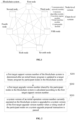
- FIG. 1 illustrates a schematic diagram of a system architecture of an application scenario according to one embodiment of the present application
- a consortium blockchain is a distributed ledger for which a plurality of enterprises or institutions participate in computation, each of participants has deployed at least one blockchain node, and the blockchain node is configured to synchronize full blockchain data and participate in the computation and consensus of the ledger.
- the system that includes the plurality of participants can be a blockchain system.
- a new node binary package (a repaired binary program) may be added through a developer, and the participant in the blockchain system may complete the repairing of the blockchain system by replacing the binary package at a self-selected time without upgrading the entire blockchain system.
- a method for upgrading a consortium blockchain system includes an offline system upgrade and an online system upgrade.
- the offline system upgrade a plurality of participants are required to determine an upgrade period that can be accepted by the plurality of participants by negotiation.
- the upgrade period all application services in the blockchain system are stopped.
- the binary programs of all participant nodes have been replaced, and the restarted blockchain system are normally operated, it is determined that the upgrade is successful.
- the offline communication cost is great, it is difficult to determine a consistent upgrade period by negotiation.
- the participant nodes need to keep in contact with each other in a replacing process of the binary program. Whether the local node is operated normally can be checked only after all participant nodes have completed the replacement of the binary program.
- different binary program versions may be existed in the upgrading process, such that the entire blockchain system may not provide blockchain service normally.
- the blockchain system is required to obtain a system upgrade proposal transaction proposed by a user, after the voting of the participant nodes on the system upgrade proposal transaction is passed, the system upgrade proposal transaction is executed.
- the participant nodes need to automatically obtain a binary file and an upgrade script required for upgrading remotely through a network request, and compare a hash value of the binary file with that of the other participant nodes, the upgrade script is executed only when the hash values are consistent, and the upgrade of the blockchain system is performed. Due to the environmental deviations and the complexities of the participant nodes, a risk of a request for binary files through network is failed may be existed.
- the upgrade script is responsible for stopping an operation process of an old binary program of a node, and starting the operation process of the new binary program of the node, so that a condition that upgrade scripts of some nodes are successfully executed, and execution of upgrade scripts of some nodes are failed.
- the blockchain system will be in an unavailable state.
- the compatibility of multiple system versions of the participant nodes can be achieved, offline communication cost is reduced through online version management and version negotiation, and upgrade efficiency of the blockchain system is improved. Moreover, it is guaranteed that, a new block can also be generated and service can be continuously provided for an upper-layer application in the upgrading process of the blockchain system.
- FIG. 1 is a schematic diagram of a system architecture of an application scenario according to one embodiment of the present application.
- the blockchain system is a distributed ledger which is a network cluster composed of a plurality of participant nodes.
- the blockchain system includes a first participant node, a second participant node, a third participant node, a fourth participant node, a fifth participant node, a sixth participant node and a seventh participant node.
- Each of the participant nodes may include a node-level version module (e.g., a communication network module) and a chain-level version module (e.g., a consensus algorithm module, an execution engine module, a virtual machine module, a cryptography module, and the like).
- a node-level version module e.g., a communication network module
- a chain-level version module e.g., a consensus algorithm module, an execution engine module, a virtual machine module, a cryptography module, and the like.
- the participant nodes may have different time for binary program upgrade, so that it is necessary to ensure data compatibility, protocol compatibility, communication compatibility of the participant nodes in the blockchain system.
- the blockchain system is a system including the communication network module, the consensus algorithm module, the execution engine module, the virtual machine module, and the cryptographic module, the system versions corresponding to the various modules of the blockchain system are divided into the node-level version and the chain-level version, and the system versions corresponding to the various modules are managed, so that the compatibility of the various modules in the upgrading process of the blockchain system is realized.
- the node-level version refers to a system version corresponding to the modules of the blockchain system in which a communication interaction between the participant nodes is not constrained by the consensus mechanism, and the corresponding version number does not need to be recorded on the ledger of the blockchain, and the two nodes that communicate with each other only needs to determine the maximum version number shared by the modules by negotiation and operate with the logic defined by the maximum version number.
- a link-level version refers to a system version of the modules in the blockchain system in which the communication interaction between the participant nodes is constrained by the consensus mechanism, and the corresponding version number needs to be recorded on the ledger of the blockchain, and the common maximum version number is determined by negotiation based on all participant nodes through the consensus mechanism, and the plurality of participant nodes are operated with the logic defined by the maximum version number.
- the consensus mechanism constraint includes a consensus quorum constraint.
- the consensus quorum is in a practical byzantine fault tolerance (Practical Byzantine Fault Tolerance, PBFT) consortium chain consensus algorithm. After a consensus message is broadcast by a node, execution can be continued to be performed only when replies of a quorum of nodes are received.
- PBFT Practical Byzantine Fault Tolerance
- a module or a protocol of a general chain-level version may affect the logic of execution of transaction and the results of execution of transaction of the participant node. Therefore, in the upgrading process of the blockchain system, the modules of the chain-level version in the blockchain system are managed to implement the compatibility of the system versions corresponding to the modules.
- this method may implement the compatibility of the modules in the upgrading process of the blockchain system, and improve the upgrade efficiency of the blockchain system.
- the detailed process of implementation of this method are described according to the embodiments of the present application.
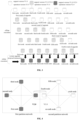
- FIG. 2 is a schematic flowchart of the method for upgrading the blockchain system according to one embodiment of the present application. As shown in FIG. 2 , this method includes the following steps: In step of S201, a first target support version number of the blockchain system is determined after the participant nodes in the blockchain system update the initial binary program with the target binary program.
- an executive subject of the method may be a terminal device corresponding to a participant node in the blockchain system, and the terminal device may be a computer device such as a desktop computer, a notebook, a palmtop computer, and a cloud server, and the like.
- the binary program is a program file of data or program instructions written by rows of characters, and is a program file for supporting the operation of the blockchain system.
- each of the participant nodes needs to be upgraded by replacing a binary program offline.
- the participant nodes need to stop operation online.
- the offline upgrades of the various participant nodes need to be performed in a manner of sequence of rounds.
- the terminal device corresponding to the participant nodes in the blockchain system may receive the upgrade instruction input by the user, and execute the upgrade instruction to replace the initial binary program upgrade in the blockchain system with the target binary program.
- the participant nodes in the blockchain system updates the initial binary program with the target binary program, includes: a preset number of the participant nodes in the blockchain system stops operation online in a manner of sequence of rounds, and perform a data backup.
- the preset number of the participant nodes replace the initial binary program with the target binary program offline.
- the preset number is less than or equal to the number of participant nodes that are fault-tolerant to the consensus mechanism of the blockchain system, or the preset number is less than or equal to the number of participant nodes that are fault-tolerant in the consensus mechanism in a partition network of the blockchain system.
- the participant nodes of the blockchain system is the first node, the second node, the third node, the fourth node ,the fifth node, the sixth node and the seventh node in the blockchain system.
- a blockchain consensus network composed of the seven nodes, it can be known from a formula of a redundant Byzantine Fault Tolerance (Redundant Byzantine Fault Tolerance, RBFT) consensus algorithm that the number f of Byzantine nodes is equal to 2, that is, two nodes at most can be shut down at the same moment, if more than two nodes are shut down, the blockchain system cannot reach the consensus. Therefore, it is necessary to update the binary programs of the nodes in the blockchain consensus network in a manner of sequence of rounds.
- RBFT redundant Byzantine Fault Tolerance
- the support version number corresponding to the node is a system version compatible with the initial binary program.
- the support version corresponding to the first node, the second node, the third node, the fourth node, the fifth node, the sixth node and the seventh node before the first round of upgrade is version V1.0.
- the corresponding system version after offline upgrade is a version compatible with the target binary program.
- the support version corresponding to the first node and the second node after the first round of upgrade includes version V1.0 and version V2.0 .
- the initial seven nodes in the blockchain consensus network only support the V1.0 protocol, and the blockchain system is operated with a version V1.0.
- the system version needs to be upgraded to the version V2.0, and all nodes in the entire blockchain consensus network complete upgrade and replacement of the binary program by stopping operations of two nodes each time, upgrading the binary program offline, and repeating four rounds of upgrading of the binary program.
- the first round of upgrade of the binary program is performed by the first node and the second node, after the upgrade is completed, the first node and the second node support the version V1.0 and the version V2.0. Since the system version operated by the entire system is still the version V1.0, the first node and the second node operate the version V1.0.
- the second round of upgrade of the binary program is performed by the third node and the fourth node. After the upgrade of the binary program is completed, the third node and the fourth node support the version V1.0 and the version V2.0. Since the system version operated by the entire system is still version V1.0, the third node and the fourth node operate the version V1.0.
- the third round of upgrade and the fourth round of upgrade are based on the same rationale.
- an upgrade and replacement of the binary program may also be performed according to the partition networks.
- each of the partition networks is an independent application chain
- the first partition network is composed of the first node, the second node, the third node and the fourth node
- the second partition network is composed of the fourth node, the fifth node, the sixth node and the seventh node.
- the fourth node is within two partition networks.
- the initial system that the first partition network and the second partition network are operated on is the version V1.0
- the first partition network needs to be upgraded to the version V2.0.
- the node in the first partition network performs the upgrade and replacement of the binary program offline, and initializes the support version on the chain of the node in the first partition network again after startup is successfully performed, and then upgrades the system version to the version V2.0 through the system upgrade proposal.
- the entire upgrading process of the first partition network is almost devoid of consciousness to the second partition network, a transient shutdown and restart only occurs in the fourth node.
- the temporary shutdown of the fourth node does not affect the service operation of the second partition network.
- the two partition networks are operated on different chain-level versions, the first partition network is operated on the version V2.0 of the protocol, and the second partition network is operated on the version V1.0 of the protocol.
- the fourth node supports the version V1.0 and the version V2.0, the version V2.0 is operated in the first partition network, and the version V1.0 is operated in the second partition network.
- the node may upgrade and replace the binary program in a manner of sequence of rounds in the first condition, so that the upgrade of the binary program of all nodes in the partition network are completed offline according to multiple rounds of upgrading.
- the node before performing the upgrade and replacement of the binary program, the node further performs a data backup. Where the data backup includes backup of the system version and backup of other transaction execution result data. After the binary program is replaced, the node changes the corresponding configuration (e.g., reconfiguration of system parameters, etc.).
- a version number belonging to the chain-level version in the blockchain system can be recorded in Genesis block, and a genesis chain is initialized before upgrade of the blockchain system.
- the version number recorded in the Genesis block includes the link list of version number (the version numbers of all support versions) supported by the genesis node and the currently operated chain-level version number (the version number of the operation version), so that the version can be queried or referenced conveniently in a subsequent upgrading process.
- the Genesis chain when the chain-level version number in the blockchain system is recorded in the genesis block, the initial operation version and the initial support version of the system are recorded in the ledger of the blockchain system, and the node in the blockchain system completes the offline upgrading of the binary program, after startup, the support version compatible with the target binary program is re-recorded in the ledger.
- the seven nodes complete the upgrade and replacement of the binary program, and the system version operated by the blockchain system is still the initial operation version (e.g., the version V1.0) recorded in the ledger. Therefore, the compatibility of the modules in the upgrading process of the blockchain system is ensured, and the consensus mechanism of the blockchain system is satisfied. Even if binary programs compatible with different system versions in the blockchain system are existed, the blockchain consensus network can still provide a consensus service normally.
- the initial operation version e.g., the version V1.0
- the target binary programs are the same after the nodes in the blockchain system are upgraded, and the system versions supported by the nodes are consistent.
- a condition of replacement of different target binary programs may also exist, such that the compatible system versions between the nodes may be different, in particular, setting can be made according to actual application requirements. If an error of replacement occurs, an error correction processing may also be performed subsequently. Thus, the cost of offline communication is reduced in an overall upgrading process.
- the first target support version number is a set of version numbers of support versions corresponding to the participant nodes in the blockchain system, or the version numbers of the support versions corresponding to the entire blockchain system.
- the initial seven nodes in FIG. 3 after the initial seven nodes in FIG. 3 are upgraded, the initial seven nodes only support the version V1.0 and the version V2.0 , and the first target support version number corresponding to the blockchain system includes the version V1.0 and the version V2.0 .
- the first target support version number of the blockchain system is determined, includes: an uplink request for a support version number initiated by a chain-level administrator account is obtained by the participant nodes; the participant nodes in the blockchain system generate transactions including the support version number thereof according to the uplink request, and broadcasts the transaction to other participant nodes in the blockchain system; and the participant nodes store the support version numbers in the transactions into the ledger in the process of performing the received transactions including the support version numbers, so that the first target support version number of the blockchain system is obtained.
- the chain-level administrator account may be an account setting up on an authorized participant node in the blockchain system, and may be an account setting up on an authorized genesis block or be an account setting up in the authorized block having a higher level, and an uplink request may be submitted to a participant node in the blockchain system by using this account.
- the uplink request may include parameters for the support versions of the various participant nodes.
- the participant nodes in the blockchain system constructs a transaction containing a support version thereof based on a node account thereof, and broadcasts the transaction to the participant nodes in the entire blockchain system.
- a master node in the participant nodes may obtain the transactions from the transaction pool, package the one or more transactions into a block, and broadcast the transactions to other participant nodes.
- the participant nodes reach a consensus on the block.
- the participant node performs the transactions in the block.
- the state of the ledger is modified, and the support version numbers in the transactions are stored in the ledger.
- participant nodes in the blockchain system serve as executive subjects, the participant nodes may be initiators of the transactions, or be recipients of the transactions.
- the support versions in the received transactions are stored in the ledger.
- the first target support version number corresponding to the blockchain system can be determined.
- the first target support version numbers corresponding to the blockchain system include the version V1.0 and the version V2.0 according to the transactions performed by the participant nodes.
- the method further includes: in the process of execution of the transaction, the participant nodes authenticate the permission of the participant node that broadcasts the transaction. If the participant node that broadcasts the transaction is the node participating in the consensus mechanism in the blockchain system, the participant nodes store the support version numbers in all transactions into the ledger.
- step of S202 the first target upgrade version number shared by the participant nodes in the blockchain system are calculated according to the first target support version number.
- the first target upgrade version number corresponding to the blockchain system may be determined based on the first target support version number.
- a binary program may be compatible with multiple system versions.
- a system version compatible with a binary program A is V1.0 and V1.1; then, some new features have been added, and the system version is V1.2
- a system version compatible with a binary program B is V1.0, V1.1 and V1.2. That is, in case of the binary program A, the participant nodes in the blockchain system support the system versions including version V1.0 and version V1.1.
- the system versions supported by the participant nodes in the blockchain system include the version V1.0, the version V1.1, and the version V1.2. That is, it can be determined that the first target support versions include the version V1.0, the version V1.1, and the version V1.2.
- the first target upgrade version number (e.g., the version V1.2) shared by the participant nodes may be calculated according to the first target support version.
- the method further includes: the initial upgrade version number recorded in the ledger is replaced with the first target upgrade version number if the first target upgrade version number is higher than the initial operation version number; the initial upgrade version number recorded in the ledger is reserved if the first target upgrade version number is not higher than the initial operation version number.
- an initial operation version number before upgrade of the system is recorded in the blockchain system or in the ledger of the participant nodes.
- the blockchain system may have been upgraded multiple times, the initial upgrade version number during the last system upgrade may be recorded in the ledger.
- the version number of the operated system version after the upgrade of the system is also the initial upgrade version number. Then, when the next upgrade is performed, if the first target upgrade version number is higher than the initial operation version number (i.e., the initial upgrade version number), the re-calculated first target upgrade version number is replaced with the initial upgrade version number.
- step of S203 when a voting result of the participant nodes on the system upgrade proposal transaction is passed, the system version of the initial operation version number currently operating on the blockchain system is upgraded with the system version of the first target upgrade version number.
- the upgrade proposal transaction is initiated by an authorized chain-level administrator account
- the system version of the first target support version number is a system version compatible with the target binary program
- the first target support version number includes the initial operation version number and the first target upgrade version number
- the first target upgrade version number is higher than the initial operation version number
- the participant nodes are the nodes participating in the consensus mechanism in the blockchain system.
- the method further includes: In the process of execution of the system upgrade proposal transaction, if an effective value corresponding to the first target upgrade version number in the ledger of the participant nodes is non-null and the first target upgrade version number is higher than the initial operation version number, the system version of the initial operation version number is upgraded with the system version of the first target upgrade version number.
- the chain-level administrator initiates a system upgrade proposal transaction to the blockchain system, after the voting of the participant nodes of the blockchain system on the system upgrade proposal transaction is passed, the system upgrade proposal transaction is executed.
- the system upgrade proposal transaction is executed.
- the system version of the currently operating initial operation version number is reset to the system version of the first target upgrade version number, and the upgrade of the system is accomplished. Otherwise, execution of the system upgrade proposal transaction is failed, and an upgrade operation is not performed on the system.
- a binary program may be compatible with multiple system versions, for example, the system versions supported by a binary program A is version V1.0 and version V1.1. Assuming that the currently operated system version of the blockchain system after startup is the version V1.1. Then, After development, some new features are added into the system version, and the system version is version V1.2, then, the system versions supported by the binary program B is version V1.0, version V1.1 and version V1.2. After startup, the system version operated by the blockchain system is still version V1.1. Then, the system version of the blockchain system is upgraded to the version V1.2 after the voting of the system upgrade proposal transaction is passed.
- the system versions supported by a binary program A is version V1.0 and version V1.1. Assuming that the currently operated system version of the blockchain system after startup is the version V1.1. Then, some new features are added into the system version, and the system version is version V1.2, then, the system versions supported by the binary program B is version V1.0, version V1.1 and version V1.2. After startup, the system version operated by the blockchain system is still version V1.1
- the system upgrade proposal transaction is executed by each of the participant nodes online, and the operation version of the blockchain system is reset to the version V2.0.
- the method before the system version of the initial operation version number currently operating on the blockchain system is updated to the system version of the first target upgrade version number, the method further includes: If a new node is added in the blockchain system, the first target upgrade version number recorded in the ledger of the blockchain system is cleared, and the second target support version number of the blockchain system after the new node is added is redetermined. A second target upgrade version number of the blockchain system is calculated according to the second target support version number, and the second target upgrade version number is recorded in the ledger.
- system version of the initial operation version number currently operating on the blockchain system is updated to the system version of the second target upgrade version number when the voting result of the system upgrade proposal transaction re-initiated by the participant nodes to the chain-level administrator account is passed.
- the second target support version number of the blockchain system is redetermined after the new node is added includes: the new node obtains an uplink request for a support version number, initiated by the chain-level administrator account. According to the uplink request, the new node generates a transaction containing the support version corresponding to the new node, and broadcasts the transaction to other participant nodes in the blockchain system. In the process of execution of the transaction, the support version number in the transaction is stored, and the support version number in the ledger is updated, so that the second target support version number is obtained.
- a new node requests to join in the consensus network of the blockchain system, after the other old nodes in the blockchain system allow the new node to join in the consensus network of the blockchain system by voting, information of the new node is recorded in an embedded contract of the blockchain system.
- an upgradeable version of the blockchain system (i.e., the first target upgrade version) may be changed, the upgradeable version of the blockchain system needs to be recalculated.
- the blockchain system clears the first target upgrade version number in the current ledger.
- the new node receives the uplink request for the support version sent by the authorized chain-level administrator account, and a node account corresponding to the new node constructs a transaction carrying the version number supported by the new node and broadcasts the transaction to the whole network, updates the first target support version number in the ledger, obtains the updated second target support version number, and calculates the second target upgrade version number according to the second target support version number. Therefore, in the upgrading process of the blockchain system, it is ensured that a service can be continuously provided for an upper-layer application when a new block node is added in the blockchain system.
- the participant nodes include chain-level version modules. After the system version of the initial operation version number currently operating on the blockchain system is updated to the system version of the first target upgrade version number, the method further includes: the operation logic of the chain-level version modules is changed by the participant nodes in the blockchain system according to the upgraded system version.
- the version number of the operation version of the blockchain system is notified to the protocol or the module of each chain-level version to change the logic.
- the method further includes: a list of version number of the system versions supported by the node-level version module is registered to the network module by the participant nodes.
- a request for establishing a network connection is received through the network module
- the identity of the participant node that initiates the request for establishing the network connection is authenticated through the network module.
- a maximum version number shared by the node-level modules in the participant node that performs the network connection are calculated through the network module.
- the notification is sent to the node-level version modules in the participant node that performs the network connection through the network module, the notification is used to instruct the node-level module in the participant node that performs the network connection to perform communication based on the maximum version number.
- the network module may be a module in the participant node that receives a network connection request.
- each node-level protocol or node-level module of the upper layer in the blockchain system registers the list of version numbers of the system versions supported by the node-level protocol or the node-level module to the network module.
- the network module receives a network connection, after the identity authentication of the participant node initiating the network connection is completed, the network module performs negotiation of protocol version and calculates the maximum version number shared by the node-level protocols or the node-level modules of the two participant nodes, respectively.
- the network module returns a negotiation result to the node-level protocols or the node-level modules of the upper layer.
- the node-level protocols or the node-level modules of the upper layer record a result of negotiation of the protocol version of the network module. Subsequently, the communication between the two participant nodes is performed with the logic defined by the system version of the shared maximum version number.
- the network module may be one module of the two participant nodes that communicate with each other, and the executive subject of the aforesaid process may be a participant node that receives the network connection in the blockchain system.
- a local node that may have established network connections with the plurality of participant nodes
- network communication is not constrained by the consensus Quorum
- the network connections are independent of each other, and different node-level versions may be used for communication between the local node and different participant nodes.
- the participant nodes in the blockchain system update the initial binary program to the target binary program
- the first target support version number of the blockchain system is determined, and the first target upgrade version number shared by the participant nodes in the blockchain system is calculated according to the first target support version number.
- the system version of the initial operation version number currently operating on the blockchain system is updated to the system version of the first target upgrade version number, so that the offline communication cost is reduced, and the upgrade efficiency of the blockchain system is improved.
- the blockchain system can still normally provide consensus service even if nodes having different binary versions are existed, and the upgrading process of the blockchain system is generally controllable.
- FIG. 5 illustrates a schematic block diagram of an apparatus for upgrading the blockchain system provided by the embodiments of the present application.
- the part related with the embodiments of the present application is illustrated merely.
- this apparatus includes:
- the upgrade proposal transaction is initiated by a chain-level administrator account
- the system version of the first target support version number is a system version compatible with the target binary program.
- the first target support version number comprises the initial operation version number and the first target upgrade version number
- the first target upgrade version number is higher than the initial operation version number
- the participant nodes are nodes participating in a consensus mechanism in the blockchain system.
- the participant nodes in the blockchain system update the initial binary program to the target binary program
- the first target support version number of the blockchain system is determined, and the first target upgrade version number shared by the participant nodes in the blockchain system is calculated according to the first target support version number.
- the system version of the initial operation version number currently operating on the blockchain system is updated to the system version of the first target upgrade version number, so that the offline communication cost is reduced, and the upgrade efficiency of the system is improved.
- the blockchain system can still normally provide consensus service even if nodes having different binary versions are existed, and the upgrading process of the system is generally controllable.
- the dividing of the aforesaid various functional units, functional modules is exemplified merely, in actual application, the aforesaid functions may be assigned to different functional units and functional modules to be accomplished, that is, the inner structure of the device is divided into functional units or modules so as to accomplish the whole or a part of functionalities described above.
- the various functional units and modules in the embodiments may be integrated into a processing unit, or each of the units exists independently and physically, or two or more than two of the units are integrated into a single unit.
- the aforesaid integrated unit may either be realized in the form of hardware or be realized in the form of software functional units.
- a computer-readable storage medium is further provided in the embodiments of the present application, the computer-readable storage medium stores a computer program, that, when executed by a processor, causes the processor to implement the steps in the various method embodiments.
- the embodiments of the present application further provide a computer program product, that, when executed on a mobile terminal, causes the mobile terminal to implement the steps in the various method embodiments.
- FIG. 6 illustrates a schematic structural diagram of a terminal device 6 according to one embodiment of the present application.
- the terminal device 6 in this embodiment includes: at least one processor 60 (only one processor is shown in FIG. 6 ), a processor, a memory 61, and a computer program 62 stored in the memory 61 and executable on the at least one processor 60.
- the processor 60 implements the steps in the aforesaid embodiment when executing the computer program 62.
- the terminal device 6 can be a computing device such as a desktop computer, a laptop computer, a palm computer, a cloud server, etc.
- the terminal device 6 can include but is not limited to: a processor 60, the memory 61.
- FIG. 6 only illustrates an example of the terminal device 6, but should not be constituted as limitation to the terminal device 6, more or less components than the components shown in FIG. 6 may be included. As an alternative, some components or different components may be combined.
- the terminal device 6 can also include an input and output device, a network access device, etc.
- the so-called processor 60 may be central processing unit (Central Processing Unit, CPU), and can also be other general purpose processor, digital signal processor (Digital Signal Processor, DSP), application specific integrated circuit (Application Specific Integrated Circuit, ASIC), field-programmable gate array (Field-Programmable Gate Array, FGPA), or some other programmable logic devices, discrete gate or transistor logic device, discrete hardware component, etc.
- the general purpose processor may be a microprocessor, as an alternative, the processor can also be any conventional processor, and the like.
- the memory 61 may be an internal storage unit of the terminal device 6, such as a hard disk or a memory of the terminal device 6.
- the memory 61 may also be an external storage device of the terminal device 6, such as a plug-in hard disk, a smart media card (Smart Media Card, SMC), a secure digital (Secure Digital, SD) card, a flash card (Flash Card, FC) equipped on the terminal device 6.
- the memory 61 may not only include the internal storage unit of the terminal device 6 but also include the external memory of the terminal device 6.
- the memory 61 is configured to store an operating system, an application program, a BootLoader, data, and other procedures, such as program codes of the computer program.
- the memory 61 can also be configured to store data that has been output or being ready to be output temporarily.
- the computer program includes computer program codes, which may be in the form of source code, object code, executable documents or some intermediate form, etc.
- the computer-readable medium can at least include: a recording medium, a computer memory, a read-only memory (Read-Only Memory, ROM), a random access memory (Random Access Memory, RAM),
- the device and the method disclosed may be achieved in other ways.
- the aforementioned apparatus embodiments are schematic merely, for example, the division of the aforementioned units is just a kind of logic function division, some other divisions may be used in actual implementations, for example, a plurality of units or components may be combined or integrated into another system, or some features may be ignored or not executed.
- the interacted coupling or directly coupling or communication connection displayed or discussed may be indirect coupling or communication connection via some ports, apparatus or units, and the form of the connection may be electrical, mechanical, or other types.
Landscapes
- Engineering & Computer Science (AREA)
- Software Systems (AREA)
- General Engineering & Computer Science (AREA)
- Theoretical Computer Science (AREA)
- Computer Security & Cryptography (AREA)
- Physics & Mathematics (AREA)
- General Physics & Mathematics (AREA)
- Information Retrieval, Db Structures And Fs Structures Therefor (AREA)
- Financial Or Insurance-Related Operations Such As Payment And Settlement (AREA)
Claims (11)
- Verfahren zum Aktualisieren eines Blockchain-Systems mit den folgenden Schritten:Bestimmen einer ersten Ziel-Supportversionsnummer des Blockchain-Systems nach dem Aktualisieren eines ursprünglichen binären Programms auf ein binäres Zielprogramm durch Teilnehmerkonten in dem Blockchain-System;Bestimmen einer ersten Ziel-Upgradeversionsnummer, welche den Teilnehmerknoten in den Blockchain-System gemeinsam ist, gemäß der ersten Ziel-Supportversionsnummer; undUpgraden einer Systemversion einer ursprünglichen Betriebsversionsnummer, welche aktuell in dem Blockchain-System in Betrieb ist, auf eine Systemversion der ersten Ziel-Upgradeversionsnummer, wenn ein Abstimmungsergebnis der Teilnehmerknoten über eine Systemupgradevorschlagtransaktion geleitet wird;wobei die Systemupgradevorschlagtransaktion von einem Chain-Level-Administrator-Account initiiert wird, die Systemversion der ersten Ziel-Supportversionsnummer eine mit dem binären Zielprogramm kompatible Systemversion ist, die erste Ziel-Supportversionsnummer ein Satz von Versionsnummern von Supportversionen ist, welche den Teilnehmerknoten in dem Blockchain-System entsprechen, und die ursprüngliche Betriebsversionsnummer und die erste Ziel-Upgradeversionsnummer aufweist, die erste Ziel-Upgradeversionsnummer höher als die ursprüngliche Betriebsversionsnummer ist, und die Teilnehmerknoten Knoten sind, welche an einem Konsensmechanismus in dem Blockchain-System teilnehmen;wobei das Verfahren vor dem Schritt des Upgradens der Systemversion der ursprünglichen Betriebsversionsnummer, welche aktuell in dem Blockchain-System in Betrieb ist, auf die Systemversion der ersten Ziel-Upgradeversionsnummer ferner die folgenden Schritte aufweist:Löschen der in dem Ledger des Blockchain-Systems aufgezeichneten ersten Ziel-Upgradeversionsnummer, wenn ein neuer Knoten dem Blockchain-System hinzugefügt wird;Neubestimmen einer zweiten Ziel-Supportversionsnummer des Blockchain-Systems, welchem der neue Knoten hinzugefügt wird;Berechnen einer zweiten Ziel-Upgradeversionsnummer des Blockchain-Systems gemäß der zweiten Ziel-Supportversionsnummer, und Aufzeichnen der zweiten Ziel-Upgradeversionsnummer in dem Ledger; undwenn das Ergebnis der von den Teilnehmerknoten erneut initiierten Abstimmung über die Systemupgradevorschlagtransaktion an den Chain-Level-Administrator-Account geleitet wird, Upgraden der Systemversion der ursprünglichen Betriebsversionsnummer, welche aktuell auf dem Blockchain-System in Betrieb ist, auf die Systemversion der zweiten Ziel-Upgradeversionsnummer.
- Verfahren nach Anspruch 1, dadurch gekennzeichnet, dass der Schritt des Aktualisierens des ursprünglichen binären Programms auf das binäre Ziel-programm durch die Teilnehmerkonten in dem Blockchain-System die folgenden Schritte aufweist:Stoppen von Online-Operationen einer voreingestellten Anzahl der Teilnehmerknoten in dem Blockchain-System nach Art einer Rundenfolge, und Durchführen eines Daten-Backups; undoffline erfolgendes Ersetzen des ursprünglichen binaren Programms durch das binäre Ziel-Programm durch die voreingestellte Anzahl von Teilnehmerknoten;wobei die voreingestellte Anzahl kleiner als oder gleich einer Anzahl von Teilnehmerknoten ist, die gegenüber dem Konsensmechanismus des Blockchain-Systems fehlertolerant sind, oder die voreingestellte Anzahl kleiner als oder gleich der Anzahl von Teilnehmerknoten ist, welche gegenüber dem Konsensmechanismus in einem Partitionsnetzwerk des Blockchain-Systems fehlertolerant sind.
- Verfahren nach Anspruch 1, dadurch gekennzeichnet, dass der Schritt des Bestimmens der ersten Ziel-Supportversionsnummer des Blockchain-Systems die folgenden Schritte aufweist:Erhalten, durch die Teilnehmerknoten, einer Uplink-Anfrage nach einer Supportversionsnummer, welche durch den Chain-Level-Administrator-Account initiiert wurde;Erzeugen von Transaktionen, welche Supportversionsnummern der Teilnehmerknoten enthalten, gemäß der Uplink-Anfrage, und Übertragen der Transaktionen an andere Teilnehmerknoten in dem Blockchain-System durch die Teilnehmerknoten in dem Blockchain-System; undSpeichern, durch die Teilnehmerknoten, der Supportversionsnummern in der Transaktion in einem Ledger, um die erste Ziel-Supportversionsnummer des Blockchain-Systems in einem Prozess des Ausführens der Transaktionen zu erhalten, welche die von den anderen Teilnehmerknoten in dem Blockchain-System empfangenen Supportversionsnummern enthalten.
- Verfahren nach Anspruch 3, dadurch gekennzeichnet, dass das Verfahren nach dem Schritt des Übertragens der Transaktion an andere Teilnehmerknoten in dem Blockchain-System ferner die folgenden Schritte aufweist:Authentifizieren, durch die Teilnehmerknoten, von Erlaubnissen der die Transaktionen übertragenden Teilnehmerknoten in dem Prozess des Ausführens der Transaktionen; undSpeicher, durch die Teilnehmerknoten, der Supportversionsnummern in den Transaktionen in den Ledger, wenn die die Transaktionen übertragenden Teilnehmerknoten Knoten sind, welche an dem Konsensmechanismus in dem Blockchain-System teilnehmen.
- Verfahren nach Anspruch 1, dadurch gekennzeichnet, dass das Verfahren nach dem Schritt des Leitens des Abstimmungsergebnisses der Teilnehmerknotens über die System-Upgradevorschlagtransaktion ferner den folgenden Schritt aufweist:
in einem Prozess des Ausführens der System-Upgradevorschlagtranskation, Upgraden der Systemversion der ursprünglichen Betriebsversionsnummer auf die Systemversion der ersten Ziel-Upgradeversionsnummer, wenn ein effektiver Wert, welcher der ersten Ziel-Upgradeversionsnummer in dem Ledger der Teilnehmerknoten entspricht, von Null verschieden ist und die erste Ziel-Upgradeversionsnummer höher als die ursprüngliche Betriebsversionsnummer ist. - Verfahren nach Anspruch 1, dadurch gekennzeichnet, dass das Verfahren nach dem Schritt des Berechnens der ersten Ziel-Upgradeversionsnummer des Blockchain-Systems gemäß der ersten Ziel-Supportversionsnummer ferner die folgenden Schritte aufweist:Ersetzen der in dem Ledger aufgezeichneten ursprünglichen Upgradeversionsnummer durch die erste Ziel-Upgradeversionsnummer, wenn die erste Ziel-Upgradeversionsnummer höher als die ursprüngliche Betriebsversionsnummer ist; oderReservieren der in dem Ledger aufgezeichneten ursprünglichen Upgradeversionsnummer, wenn die erste Ziel-Upgradeversionsnummer nicht höher ist als die ursprüngliche Betriebsversionsnummer.
- Verfahren nach Anspruch 1, dadurch gekennzeichnet, dass der Schritt des Neubestimmens der zweiten Ziel-Supportversionsnummer des Blockchain-Systems, welchem der neue Knoten hinzugefügt wird, die folgenden Schritte aufweist:Erhalten, durch den neuen Knoten, einer Uplink-Anfrage nach einer Supportversionsnummer, welche durch den Chain-Level-Administrator-Account initiiert wurde;Erzeugen, durch den neuen Knoten, einer Transaktion, welche die dem neuen Knoten entsprechende Supportversion der Teilnehmerknoten enthält, und Übertragen der Transaktion an andere Teilnehmerknoten in dem Blockchain-System gemäß der Uplink-Anfrage; undSpeichern der Supportversionsnummer in der Transaktion und Aktualisieren der Supportversion in dem Ledger, um die zweite Ziel-Supportversionsnummer in dem Prozess des Ausführens der Transaktionen zu erhalten.
- Verfahren nach einem der Ansprüche 1-7, dadurch gekennzeichnet, dass die Teilnehmerknoten Chain-Level-Versionsmodule aufweisen;
wobei das Verfahren nach dem Schritt des Upgradens der Systemversion der ursprünglichen Betriebsversionsnummer, welche aktuell auf dem Blockchain-System in Betrieb ist, auf die Systemversion der ersten Ziel-Upgradeversionsnummer ferner den folgenden Schritt aufweist:
Ändern, durch die Teilnehmerknoten in dem Blockchain-System, einer Betriebslogik jedes der Chain-Level-Versionsmodule gemäß der Systemversion der ersten Ziel-Upgradeversionsnummer. - Verfahren nach einem der Ansprüche 1-7, dadurch gekennzeichnet, dass die Teilnehmerkonten Knoten-Level-Versionsmodule aufweisen, und das Verfahren ferner die folgenden Schritte aufweist:Melden, durch den Teilnehmerknoten, einer Liste von Versionsnummern von Systemversionen, welche von dem Knoten-Level-Versionsmodul unterstützt werden, an ein Netzwerkmodul;bei Empfang einer Anfrage nach einer Herstellung einer Netzwerkverbindung durch das Netzwerkmodul, Durchführen einer Identitätsauthentifizierung der Teilnehmerknoten, welche die Anfrage nach der Herstellung der Netzwerkverbindung durch das Netzwerkmodul initiieren;Berechnen, durch das Netzwerkmodul, einer maximalen Versionsnummer, welche den Knoten-Level-Versionsmodulen in den Teilnehmerknoten gemeinsam ist, welche die Netzwerkverbindung durchführen, nach dem Bestehen der Netzwerkauthentifizierung; undSenden, durch das Netzwerkmodul, einer Mitteilung an die Knoten-Level-Module in den Teilnehmerknoten, welche die Netzwerkverbindung durchführen, wobei die Mitteilung dazu dient, die Knoten-Level-Module in den Teilnehmerknoten, welche die Netzwerkverbindung durchführen, anzuweisen, die Kommunikation basierend auf der maximalen Versionsnummer durchzuführen.
- Endgerät (6) mit einem Speicher (61), einem Prozessor (60), und einem in dem Speicher (61) gespeicherten und von dem Prozessor (60) ausführbaren Computerprogramm (62), dadurch gekennzeichnet, dass der Prozessor (60) dazu ausgebildet ist, beim Ausführen des Computerprogramms (62) das Verfahren nach einem der Ansprüche 1-9 zu implementieren.
- Computerlesbares Speichermedium, welches ein Computerprogramm (62) speichert, dadurch gekennzeichnet, dass der Prozessor (60) dazu ausgebildet ist, wenn das Computerprogramm (62) durch einen Prozessor (60) ausgeführt wird, das Verfahren nach einem der Ansprüche 1-9 zu implementieren.
Applications Claiming Priority (2)
| Application Number | Priority Date | Filing Date | Title |
|---|---|---|---|
| CN202111214650.2A CN113641391B (zh) | 2021-10-19 | 2021-10-19 | 升级区块链系统的方法、装置及终端设备 |
| PCT/CN2022/111761 WO2023065788A1 (zh) | 2021-10-19 | 2022-08-11 | 升级区块链系统的方法、装置及终端设备 |
Publications (3)
| Publication Number | Publication Date |
|---|---|
| EP4195033A1 EP4195033A1 (de) | 2023-06-14 |
| EP4195033A4 EP4195033A4 (de) | 2024-04-24 |
| EP4195033B1 true EP4195033B1 (de) | 2025-06-18 |
Family
ID=78427330
Family Applications (1)
| Application Number | Title | Priority Date | Filing Date |
|---|---|---|---|
| EP22789829.3A Active EP4195033B1 (de) | 2021-10-19 | 2022-08-11 | Verfahren und vorrichtung zur aktualisierung eines blockchain-systems und endgerätevorrichtung |
Country Status (4)
| Country | Link |
|---|---|
| US (1) | US12032943B1 (de) |
| EP (1) | EP4195033B1 (de) |
| CN (1) | CN113641391B (de) |
| WO (1) | WO2023065788A1 (de) |
Families Citing this family (3)
| Publication number | Priority date | Publication date | Assignee | Title |
|---|---|---|---|---|
| CN113641391B (zh) * | 2021-10-19 | 2022-02-18 | 杭州趣链科技有限公司 | 升级区块链系统的方法、装置及终端设备 |
| CN116088898A (zh) * | 2022-12-21 | 2023-05-09 | 成都质数斯达克科技有限公司 | 区块链版本升级方法、装置、设备及存储介质 |
| CN116208487A (zh) * | 2022-12-30 | 2023-06-02 | 杭州趣链科技有限公司 | 区块链系统中的共识算法升级方法、装置、设备及介质 |
Family Cites Families (17)
| Publication number | Priority date | Publication date | Assignee | Title |
|---|---|---|---|---|
| US7313792B2 (en) * | 2003-09-08 | 2007-12-25 | Microsoft Corporation | Method and system for servicing software |
| US7360208B2 (en) | 2004-05-17 | 2008-04-15 | Oracle International Corp. | Rolling upgrade of distributed software with automatic completion |
| US10185550B2 (en) * | 2016-09-28 | 2019-01-22 | Mcafee, Inc. | Device-driven auto-recovery using multiple recovery sources |
| US11385792B2 (en) * | 2018-04-27 | 2022-07-12 | Pure Storage, Inc. | High availability controller pair transitioning |
| CN110798331B (zh) | 2018-08-02 | 2021-11-09 | 华为技术有限公司 | 一种设备升级方法和装置 |
| US11757663B1 (en) * | 2019-03-22 | 2023-09-12 | Emtruth, Inc. | Blockchain-based monitoring of devices |
| CN111381866A (zh) * | 2020-05-29 | 2020-07-07 | 支付宝(杭州)信息技术有限公司 | 区块链系统的版本升级方法、系统、及装置 |
| CN112052021B (zh) * | 2020-08-12 | 2024-08-20 | 中钞信用卡产业发展有限公司杭州区块链技术研究院 | 联盟区块链升级的方法、装置、设备及存储介质 |
| CN112162768B (zh) * | 2020-10-14 | 2022-09-30 | 支付宝(杭州)信息技术有限公司 | 一种区块链升级方法和系统 |
| CN112256305B (zh) * | 2020-11-04 | 2022-05-10 | 暗链科技(深圳)有限公司 | 一种区块链软件更新方法及系统 |
| CN112631641B (zh) * | 2020-12-28 | 2025-05-16 | 杭州趣链科技有限公司 | 区块链服务升级方法、装置、终端设备及存储介质 |
| CN112650514B (zh) * | 2020-12-28 | 2024-07-26 | 杭州趣链科技有限公司 | 联盟链的补丁更新方法、装置、设备及存储介质 |
| US11874827B2 (en) * | 2020-12-30 | 2024-01-16 | Luther Systems Us Incorporated | System and method for automatic, rapid, and auditable updates of digital contracts |
| US11741066B2 (en) * | 2021-05-25 | 2023-08-29 | International Business Machines Corporation | Blockchain based reset for new version of an application |
| CN113641391B (zh) * | 2021-10-19 | 2022-02-18 | 杭州趣链科技有限公司 | 升级区块链系统的方法、装置及终端设备 |
| US20230393832A1 (en) * | 2022-06-06 | 2023-12-07 | Incentive Marketing Group, Inc. | Automated translation of computer languages to extract and deploy computer systems and software |
| CN116069346A (zh) * | 2023-02-06 | 2023-05-05 | 北京全界科技有限公司 | 一种平滑的智能合约安装方法、设备和存储介质 |
-
2021
- 2021-10-19 CN CN202111214650.2A patent/CN113641391B/zh active Active
-
2022
- 2022-08-11 WO PCT/CN2022/111761 patent/WO2023065788A1/zh not_active Ceased
- 2022-08-11 EP EP22789829.3A patent/EP4195033B1/de active Active
- 2022-08-11 US US17/921,515 patent/US12032943B1/en active Active
Also Published As
| Publication number | Publication date |
|---|---|
| EP4195033A4 (de) | 2024-04-24 |
| WO2023065788A1 (zh) | 2023-04-27 |
| US20240220224A1 (en) | 2024-07-04 |
| CN113641391B (zh) | 2022-02-18 |
| EP4195033A1 (de) | 2023-06-14 |
| US12032943B1 (en) | 2024-07-09 |
| CN113641391A (zh) | 2021-11-12 |
Similar Documents
| Publication | Publication Date | Title |
|---|---|---|
| US11615195B2 (en) | Systems and methods for providing multi-node resiliency for blockchain peers | |
| US12113823B2 (en) | Remote attestation method and device for composite device | |
| US12032943B1 (en) | Method for upgrading blockchain system, and terminal device | |
| CN110569309B (zh) | 用于实现区块链的设备、方法、系统以及介质 | |
| US20240378281A1 (en) | Autonomous secrets renewal and distribution | |
| CN110430087B (zh) | 区块链热升级的架构设计与实现 | |
| US10819701B2 (en) | Autonomous secrets management for a managed service identity | |
| EP3765982B1 (de) | Autonome bereichsübergreifende verwaltung von geheimnissen | |
| US20200028947A1 (en) | System and method for ending view change protocol | |
| US10691790B2 (en) | Autonomous secrets management for a temporary shared access signature service | |
| CN111737104B (zh) | 区块链网络服务平台及其测试用例共享方法、存储介质 | |
| JP2020522725A (ja) | 合意システムのダウンタイムの回復 | |
| CN112970020A (zh) | 使用分布式账本监视设备部件 | |
| CN113760311A (zh) | 一种微服务部署方法、设备及介质 | |
| US12580781B2 (en) | Device management method, system, and apparatus | |
| CN113190327A (zh) | 微服务部署方法、装置、设备及存储介质 | |
| CN110602136B (zh) | 集群访问方法和相关产品 | |
| US20260064542A1 (en) | Data management method and related device | |
| CN110730081A (zh) | 基于区块链网络的证书吊销方法、相关设备及介质 | |
| HK40087834A (en) | Method and apparatus for upgrading blockchain system, and terminal device | |
| HK40087834B (en) | Method and apparatus for upgrading blockchain system, and terminal device | |
| CN115309430A (zh) | eSIM卡操作系统升级方法、装置、eSIM卡、服务器和存储介质 | |
| US12587370B2 (en) | Identifiers for collective management of groups of information handling systems | |
| US20250244989A1 (en) | Collective management of groups of information handling systems | |
| CN113778497A (zh) | 一种热补丁应用管理方法及装置 |
Legal Events
| Date | Code | Title | Description |
|---|---|---|---|
| STAA | Information on the status of an ep patent application or granted ep patent |
Free format text: STATUS: UNKNOWN |
|
| STAA | Information on the status of an ep patent application or granted ep patent |
Free format text: STATUS: THE INTERNATIONAL PUBLICATION HAS BEEN MADE |
|
| PUAI | Public reference made under article 153(3) epc to a published international application that has entered the european phase |
Free format text: ORIGINAL CODE: 0009012 |
|
| STAA | Information on the status of an ep patent application or granted ep patent |
Free format text: STATUS: REQUEST FOR EXAMINATION WAS MADE |
|
| 17P | Request for examination filed |
Effective date: 20221026 |
|
| AK | Designated contracting states |
Kind code of ref document: A1 Designated state(s): AL AT BE BG CH CY CZ DE DK EE ES FI FR GB GR HR HU IE IS IT LI LT LU LV MC MK MT NL NO PL PT RO RS SE SI SK SM TR |
|
| REG | Reference to a national code |
Ref country code: HK Ref legal event code: DE Ref document number: 40087834 Country of ref document: HK |
|
| A4 | Supplementary search report drawn up and despatched |
Effective date: 20240325 |
|
| RIC1 | Information provided on ipc code assigned before grant |
Ipc: G06F 8/65 20180101AFI20240319BHEP |
|
| GRAP | Despatch of communication of intention to grant a patent |
Free format text: ORIGINAL CODE: EPIDOSNIGR1 |
|
| STAA | Information on the status of an ep patent application or granted ep patent |
Free format text: STATUS: GRANT OF PATENT IS INTENDED |
|
| DAV | Request for validation of the european patent (deleted) | ||
| DAX | Request for extension of the european patent (deleted) | ||
| INTG | Intention to grant announced |
Effective date: 20250114 |
|
| RAP3 | Party data changed (applicant data changed or rights of an application transferred) |
Owner name: HANGZHOU HYPERCHAIN TECHNOLOGY CO., LTD. |
|
| GRAS | Grant fee paid |
Free format text: ORIGINAL CODE: EPIDOSNIGR3 |
|
| GRAA | (expected) grant |
Free format text: ORIGINAL CODE: 0009210 |
|
| STAA | Information on the status of an ep patent application or granted ep patent |
Free format text: STATUS: THE PATENT HAS BEEN GRANTED |
|
| AK | Designated contracting states |
Kind code of ref document: B1 Designated state(s): AL AT BE BG CH CY CZ DE DK EE ES FI FR GB GR HR HU IE IS IT LI LT LU LV MC MK MT NL NO PL PT RO RS SE SI SK SM TR |
|
| REG | Reference to a national code |
Ref country code: GB Ref legal event code: FG4D |
|
| REG | Reference to a national code |
Ref country code: CH Ref legal event code: EP |
|
| REG | Reference to a national code |
Ref country code: DE Ref legal event code: R096 Ref document number: 602022016194 Country of ref document: DE |
|
| REG | Reference to a national code |
Ref country code: CH Ref legal event code: EP |
|
| REG | Reference to a national code |
Ref country code: IE Ref legal event code: FG4D |
|
| PG25 | Lapsed in a contracting state [announced via postgrant information from national office to epo] |
Ref country code: FI Free format text: LAPSE BECAUSE OF FAILURE TO SUBMIT A TRANSLATION OF THE DESCRIPTION OR TO PAY THE FEE WITHIN THE PRESCRIBED TIME-LIMIT Effective date: 20250618 |
|
| REG | Reference to a national code |
Ref country code: LT Ref legal event code: MG9D |
|
| PG25 | Lapsed in a contracting state [announced via postgrant information from national office to epo] |
Ref country code: NO Free format text: LAPSE BECAUSE OF FAILURE TO SUBMIT A TRANSLATION OF THE DESCRIPTION OR TO PAY THE FEE WITHIN THE PRESCRIBED TIME-LIMIT Effective date: 20250918 Ref country code: GR Free format text: LAPSE BECAUSE OF FAILURE TO SUBMIT A TRANSLATION OF THE DESCRIPTION OR TO PAY THE FEE WITHIN THE PRESCRIBED TIME-LIMIT Effective date: 20250919 |
|
| PG25 | Lapsed in a contracting state [announced via postgrant information from national office to epo] |
Ref country code: BG Free format text: LAPSE BECAUSE OF FAILURE TO SUBMIT A TRANSLATION OF THE DESCRIPTION OR TO PAY THE FEE WITHIN THE PRESCRIBED TIME-LIMIT Effective date: 20250618 |
|
| PG25 | Lapsed in a contracting state [announced via postgrant information from national office to epo] |
Ref country code: HR Free format text: LAPSE BECAUSE OF FAILURE TO SUBMIT A TRANSLATION OF THE DESCRIPTION OR TO PAY THE FEE WITHIN THE PRESCRIBED TIME-LIMIT Effective date: 20250618 |
|
| PGFP | Annual fee paid to national office [announced via postgrant information from national office to epo] |
Ref country code: AT Payment date: 20251020 Year of fee payment: 4 |
|
| PG25 | Lapsed in a contracting state [announced via postgrant information from national office to epo] |
Ref country code: RS Free format text: LAPSE BECAUSE OF FAILURE TO SUBMIT A TRANSLATION OF THE DESCRIPTION OR TO PAY THE FEE WITHIN THE PRESCRIBED TIME-LIMIT Effective date: 20250918 |
|
| REG | Reference to a national code |
Ref country code: NL Ref legal event code: MP Effective date: 20250618 |
|
| PG25 | Lapsed in a contracting state [announced via postgrant information from national office to epo] |
Ref country code: LV Free format text: LAPSE BECAUSE OF FAILURE TO SUBMIT A TRANSLATION OF THE DESCRIPTION OR TO PAY THE FEE WITHIN THE PRESCRIBED TIME-LIMIT Effective date: 20250618 |
|
| PG25 | Lapsed in a contracting state [announced via postgrant information from national office to epo] |
Ref country code: NL Free format text: LAPSE BECAUSE OF FAILURE TO SUBMIT A TRANSLATION OF THE DESCRIPTION OR TO PAY THE FEE WITHIN THE PRESCRIBED TIME-LIMIT Effective date: 20250618 |
|
| PG25 | Lapsed in a contracting state [announced via postgrant information from national office to epo] |
Ref country code: PT Free format text: LAPSE BECAUSE OF FAILURE TO SUBMIT A TRANSLATION OF THE DESCRIPTION OR TO PAY THE FEE WITHIN THE PRESCRIBED TIME-LIMIT Effective date: 20251020 |
|
| REG | Reference to a national code |
Ref country code: AT Ref legal event code: MK05 Ref document number: 1804830 Country of ref document: AT Kind code of ref document: T Effective date: 20250618 |
|
| PG25 | Lapsed in a contracting state [announced via postgrant information from national office to epo] |
Ref country code: IS Free format text: LAPSE BECAUSE OF FAILURE TO SUBMIT A TRANSLATION OF THE DESCRIPTION OR TO PAY THE FEE WITHIN THE PRESCRIBED TIME-LIMIT Effective date: 20251018 |
|
| PG25 | Lapsed in a contracting state [announced via postgrant information from national office to epo] |
Ref country code: AT Free format text: LAPSE BECAUSE OF FAILURE TO SUBMIT A TRANSLATION OF THE DESCRIPTION OR TO PAY THE FEE WITHIN THE PRESCRIBED TIME-LIMIT Effective date: 20250618 Ref country code: SM Free format text: LAPSE BECAUSE OF FAILURE TO SUBMIT A TRANSLATION OF THE DESCRIPTION OR TO PAY THE FEE WITHIN THE PRESCRIBED TIME-LIMIT Effective date: 20250618 |
|
| PG25 | Lapsed in a contracting state [announced via postgrant information from national office to epo] |
Ref country code: CZ Free format text: LAPSE BECAUSE OF FAILURE TO SUBMIT A TRANSLATION OF THE DESCRIPTION OR TO PAY THE FEE WITHIN THE PRESCRIBED TIME-LIMIT Effective date: 20250618 |
|
| PG25 | Lapsed in a contracting state [announced via postgrant information from national office to epo] |
Ref country code: PL Free format text: LAPSE BECAUSE OF FAILURE TO SUBMIT A TRANSLATION OF THE DESCRIPTION OR TO PAY THE FEE WITHIN THE PRESCRIBED TIME-LIMIT Effective date: 20250618 |
|
| PG25 | Lapsed in a contracting state [announced via postgrant information from national office to epo] |
Ref country code: EE Free format text: LAPSE BECAUSE OF FAILURE TO SUBMIT A TRANSLATION OF THE DESCRIPTION OR TO PAY THE FEE WITHIN THE PRESCRIBED TIME-LIMIT Effective date: 20250618 |
|
| PG25 | Lapsed in a contracting state [announced via postgrant information from national office to epo] |
Ref country code: SK Free format text: LAPSE BECAUSE OF FAILURE TO SUBMIT A TRANSLATION OF THE DESCRIPTION OR TO PAY THE FEE WITHIN THE PRESCRIBED TIME-LIMIT Effective date: 20250618 |
|
| PG25 | Lapsed in a contracting state [announced via postgrant information from national office to epo] |
Ref country code: ES Free format text: LAPSE BECAUSE OF FAILURE TO SUBMIT A TRANSLATION OF THE DESCRIPTION OR TO PAY THE FEE WITHIN THE PRESCRIBED TIME-LIMIT Effective date: 20250618 |
|
| REG | Reference to a national code |
Ref country code: DE Ref legal event code: R119 Ref document number: 602022016194 Country of ref document: DE |
|
| PG25 | Lapsed in a contracting state [announced via postgrant information from national office to epo] |
Ref country code: RO Free format text: LAPSE BECAUSE OF FAILURE TO SUBMIT A TRANSLATION OF THE DESCRIPTION OR TO PAY THE FEE WITHIN THE PRESCRIBED TIME-LIMIT Effective date: 20250618 |
|
| REG | Reference to a national code |
Ref country code: CH Ref legal event code: H13 Free format text: ST27 STATUS EVENT CODE: U-0-0-H10-H13 (AS PROVIDED BY THE NATIONAL OFFICE) Effective date: 20260324 |
|
| PG25 | Lapsed in a contracting state [announced via postgrant information from national office to epo] |
Ref country code: MC Free format text: LAPSE BECAUSE OF FAILURE TO SUBMIT A TRANSLATION OF THE DESCRIPTION OR TO PAY THE FEE WITHIN THE PRESCRIBED TIME-LIMIT Effective date: 20250618 |
|
| PG25 | Lapsed in a contracting state [announced via postgrant information from national office to epo] |
Ref country code: DK Free format text: LAPSE BECAUSE OF FAILURE TO SUBMIT A TRANSLATION OF THE DESCRIPTION OR TO PAY THE FEE WITHIN THE PRESCRIBED TIME-LIMIT Effective date: 20250618 |
|
| PG25 | Lapsed in a contracting state [announced via postgrant information from national office to epo] |
Ref country code: LU Free format text: LAPSE BECAUSE OF NON-PAYMENT OF DUE FEES Effective date: 20250811 Ref country code: IT Free format text: LAPSE BECAUSE OF FAILURE TO SUBMIT A TRANSLATION OF THE DESCRIPTION OR TO PAY THE FEE WITHIN THE PRESCRIBED TIME-LIMIT Effective date: 20250618 |
|
| PG25 | Lapsed in a contracting state [announced via postgrant information from national office to epo] |
Ref country code: CH Free format text: LAPSE BECAUSE OF NON-PAYMENT OF DUE FEES Effective date: 20250831 |
|
| PLBE | No opposition filed within time limit |
Free format text: ORIGINAL CODE: 0009261 |
|
| STAA | Information on the status of an ep patent application or granted ep patent |
Free format text: STATUS: NO OPPOSITION FILED WITHIN TIME LIMIT |
|
| REG | Reference to a national code |
Ref country code: CH Ref legal event code: L10 Free format text: ST27 STATUS EVENT CODE: U-0-0-L10-L00 (AS PROVIDED BY THE NATIONAL OFFICE) Effective date: 20260430 |