EP4177094B1 - Display system - Google Patents
Display system Download PDFInfo
- Publication number
- EP4177094B1 EP4177094B1 EP22201449.0A EP22201449A EP4177094B1 EP 4177094 B1 EP4177094 B1 EP 4177094B1 EP 22201449 A EP22201449 A EP 22201449A EP 4177094 B1 EP4177094 B1 EP 4177094B1
- Authority
- EP
- European Patent Office
- Prior art keywords
- display
- transmittance
- liquid crystal
- light
- reflectance
- Prior art date
- Legal status (The legal status is an assumption and is not a legal conclusion. Google has not performed a legal analysis and makes no representation as to the accuracy of the status listed.)
- Active
Links
Images


Classifications
-
- B—PERFORMING OPERATIONS; TRANSPORTING
- B60—VEHICLES IN GENERAL
- B60R—VEHICLES, VEHICLE FITTINGS, OR VEHICLE PARTS, NOT OTHERWISE PROVIDED FOR
- B60R1/00—Optical viewing arrangements; Real-time viewing arrangements for drivers or passengers using optical image capturing systems, e.g. cameras or video systems specially adapted for use in or on vehicles
- B60R1/12—Mirror assemblies combined with other articles, e.g. clocks
-
- B—PERFORMING OPERATIONS; TRANSPORTING
- B60—VEHICLES IN GENERAL
- B60K—ARRANGEMENT OR MOUNTING OF PROPULSION UNITS OR OF TRANSMISSIONS IN VEHICLES; ARRANGEMENT OR MOUNTING OF PLURAL DIVERSE PRIME-MOVERS IN VEHICLES; AUXILIARY DRIVES FOR VEHICLES; INSTRUMENTATION OR DASHBOARDS FOR VEHICLES; ARRANGEMENTS IN CONNECTION WITH COOLING, AIR INTAKE, GAS EXHAUST OR FUEL SUPPLY OF PROPULSION UNITS IN VEHICLES
- B60K35/00—Instruments specially adapted for vehicles; Arrangement of instruments in or on vehicles
- B60K35/20—Output arrangements, i.e. from vehicle to user, associated with vehicle functions or specially adapted therefor
- B60K35/21—Output arrangements, i.e. from vehicle to user, associated with vehicle functions or specially adapted therefor using visual output, e.g. blinking lights or matrix displays
- B60K35/22—Display screens
-
- B—PERFORMING OPERATIONS; TRANSPORTING
- B60—VEHICLES IN GENERAL
- B60K—ARRANGEMENT OR MOUNTING OF PROPULSION UNITS OR OF TRANSMISSIONS IN VEHICLES; ARRANGEMENT OR MOUNTING OF PLURAL DIVERSE PRIME-MOVERS IN VEHICLES; AUXILIARY DRIVES FOR VEHICLES; INSTRUMENTATION OR DASHBOARDS FOR VEHICLES; ARRANGEMENTS IN CONNECTION WITH COOLING, AIR INTAKE, GAS EXHAUST OR FUEL SUPPLY OF PROPULSION UNITS IN VEHICLES
- B60K35/00—Instruments specially adapted for vehicles; Arrangement of instruments in or on vehicles
- B60K35/20—Output arrangements, i.e. from vehicle to user, associated with vehicle functions or specially adapted therefor
- B60K35/28—Output arrangements, i.e. from vehicle to user, associated with vehicle functions or specially adapted therefor characterised by the type of the output information, e.g. video entertainment or vehicle dynamics information; characterised by the purpose of the output information, e.g. for attracting the attention of the driver
-
- B—PERFORMING OPERATIONS; TRANSPORTING
- B60—VEHICLES IN GENERAL
- B60K—ARRANGEMENT OR MOUNTING OF PROPULSION UNITS OR OF TRANSMISSIONS IN VEHICLES; ARRANGEMENT OR MOUNTING OF PLURAL DIVERSE PRIME-MOVERS IN VEHICLES; AUXILIARY DRIVES FOR VEHICLES; INSTRUMENTATION OR DASHBOARDS FOR VEHICLES; ARRANGEMENTS IN CONNECTION WITH COOLING, AIR INTAKE, GAS EXHAUST OR FUEL SUPPLY OF PROPULSION UNITS IN VEHICLES
- B60K35/00—Instruments specially adapted for vehicles; Arrangement of instruments in or on vehicles
- B60K35/20—Output arrangements, i.e. from vehicle to user, associated with vehicle functions or specially adapted therefor
- B60K35/29—Instruments characterised by the way in which information is handled, e.g. showing information on plural displays or prioritising information according to driving conditions
-
- B—PERFORMING OPERATIONS; TRANSPORTING
- B60—VEHICLES IN GENERAL
- B60K—ARRANGEMENT OR MOUNTING OF PROPULSION UNITS OR OF TRANSMISSIONS IN VEHICLES; ARRANGEMENT OR MOUNTING OF PLURAL DIVERSE PRIME-MOVERS IN VEHICLES; AUXILIARY DRIVES FOR VEHICLES; INSTRUMENTATION OR DASHBOARDS FOR VEHICLES; ARRANGEMENTS IN CONNECTION WITH COOLING, AIR INTAKE, GAS EXHAUST OR FUEL SUPPLY OF PROPULSION UNITS IN VEHICLES
- B60K35/00—Instruments specially adapted for vehicles; Arrangement of instruments in or on vehicles
- B60K35/40—Instruments specially adapted for improving the visibility thereof to the user, e.g. fogging prevention or anti-reflection arrangements
- B60K35/415—Glare prevention
-
- B—PERFORMING OPERATIONS; TRANSPORTING
- B60—VEHICLES IN GENERAL
- B60K—ARRANGEMENT OR MOUNTING OF PROPULSION UNITS OR OF TRANSMISSIONS IN VEHICLES; ARRANGEMENT OR MOUNTING OF PLURAL DIVERSE PRIME-MOVERS IN VEHICLES; AUXILIARY DRIVES FOR VEHICLES; INSTRUMENTATION OR DASHBOARDS FOR VEHICLES; ARRANGEMENTS IN CONNECTION WITH COOLING, AIR INTAKE, GAS EXHAUST OR FUEL SUPPLY OF PROPULSION UNITS IN VEHICLES
- B60K35/00—Instruments specially adapted for vehicles; Arrangement of instruments in or on vehicles
- B60K35/60—Instruments characterised by their location or relative disposition in or on vehicles
-
- B—PERFORMING OPERATIONS; TRANSPORTING
- B60—VEHICLES IN GENERAL
- B60K—ARRANGEMENT OR MOUNTING OF PROPULSION UNITS OR OF TRANSMISSIONS IN VEHICLES; ARRANGEMENT OR MOUNTING OF PLURAL DIVERSE PRIME-MOVERS IN VEHICLES; AUXILIARY DRIVES FOR VEHICLES; INSTRUMENTATION OR DASHBOARDS FOR VEHICLES; ARRANGEMENTS IN CONNECTION WITH COOLING, AIR INTAKE, GAS EXHAUST OR FUEL SUPPLY OF PROPULSION UNITS IN VEHICLES
- B60K35/00—Instruments specially adapted for vehicles; Arrangement of instruments in or on vehicles
- B60K35/80—Arrangements for controlling instruments
- B60K35/81—Arrangements for controlling instruments for controlling displays
-
- B—PERFORMING OPERATIONS; TRANSPORTING
- B60—VEHICLES IN GENERAL
- B60R—VEHICLES, VEHICLE FITTINGS, OR VEHICLE PARTS, NOT OTHERWISE PROVIDED FOR
- B60R1/00—Optical viewing arrangements; Real-time viewing arrangements for drivers or passengers using optical image capturing systems, e.g. cameras or video systems specially adapted for use in or on vehicles
- B60R1/02—Rear-view mirror arrangements
- B60R1/08—Rear-view mirror arrangements involving special optical features, e.g. avoiding blind spots, e.g. convex mirrors; Side-by-side associations of rear-view and other mirrors
- B60R1/083—Anti-glare mirrors, e.g. "day-night" mirrors
- B60R1/088—Anti-glare mirrors, e.g. "day-night" mirrors using a cell of electrically changeable optical characteristic, e.g. liquid-crystal or electrochromic mirrors
-
- B—PERFORMING OPERATIONS; TRANSPORTING
- B60—VEHICLES IN GENERAL
- B60R—VEHICLES, VEHICLE FITTINGS, OR VEHICLE PARTS, NOT OTHERWISE PROVIDED FOR
- B60R1/00—Optical viewing arrangements; Real-time viewing arrangements for drivers or passengers using optical image capturing systems, e.g. cameras or video systems specially adapted for use in or on vehicles
- B60R1/20—Real-time viewing arrangements for drivers or passengers using optical image capturing systems, e.g. cameras or video systems specially adapted for use in or on vehicles
- B60R1/22—Real-time viewing arrangements for drivers or passengers using optical image capturing systems, e.g. cameras or video systems specially adapted for use in or on vehicles for viewing an area outside the vehicle, e.g. the exterior of the vehicle
- B60R1/23—Real-time viewing arrangements for drivers or passengers using optical image capturing systems, e.g. cameras or video systems specially adapted for use in or on vehicles for viewing an area outside the vehicle, e.g. the exterior of the vehicle with a predetermined field of view
- B60R1/26—Real-time viewing arrangements for drivers or passengers using optical image capturing systems, e.g. cameras or video systems specially adapted for use in or on vehicles for viewing an area outside the vehicle, e.g. the exterior of the vehicle with a predetermined field of view to the rear of the vehicle
-
- G—PHYSICS
- G02—OPTICS
- G02F—OPTICAL DEVICES OR ARRANGEMENTS FOR THE CONTROL OF LIGHT BY MODIFICATION OF THE OPTICAL PROPERTIES OF THE MEDIA OF THE ELEMENTS INVOLVED THEREIN; NON-LINEAR OPTICS; FREQUENCY-CHANGING OF LIGHT; OPTICAL LOGIC ELEMENTS; OPTICAL ANALOGUE/DIGITAL CONVERTERS
- G02F1/00—Devices or arrangements for the control of the intensity, colour, phase, polarisation or direction of light arriving from an independent light source, e.g. switching, gating or modulating; Non-linear optics
- G02F1/01—Devices or arrangements for the control of the intensity, colour, phase, polarisation or direction of light arriving from an independent light source, e.g. switching, gating or modulating; Non-linear optics for the control of the intensity, phase, polarisation or colour
- G02F1/13—Devices or arrangements for the control of the intensity, colour, phase, polarisation or direction of light arriving from an independent light source, e.g. switching, gating or modulating; Non-linear optics for the control of the intensity, phase, polarisation or colour based on liquid crystals, e.g. single liquid crystal display cells
- G02F1/133—Constructional arrangements; Operation of liquid crystal cells; Circuit arrangements
- G02F1/13306—Circuit arrangements or driving methods for the control of single liquid crystal cells
- G02F1/13318—Circuits comprising a photodetector
-
- B—PERFORMING OPERATIONS; TRANSPORTING
- B60—VEHICLES IN GENERAL
- B60K—ARRANGEMENT OR MOUNTING OF PROPULSION UNITS OR OF TRANSMISSIONS IN VEHICLES; ARRANGEMENT OR MOUNTING OF PLURAL DIVERSE PRIME-MOVERS IN VEHICLES; AUXILIARY DRIVES FOR VEHICLES; INSTRUMENTATION OR DASHBOARDS FOR VEHICLES; ARRANGEMENTS IN CONNECTION WITH COOLING, AIR INTAKE, GAS EXHAUST OR FUEL SUPPLY OF PROPULSION UNITS IN VEHICLES
- B60K2360/00—Indexing scheme associated with groups B60K35/00 or B60K37/00 relating to details of instruments or dashboards
- B60K2360/16—Type of output information
- B60K2360/178—Warnings
-
- B—PERFORMING OPERATIONS; TRANSPORTING
- B60—VEHICLES IN GENERAL
- B60K—ARRANGEMENT OR MOUNTING OF PROPULSION UNITS OR OF TRANSMISSIONS IN VEHICLES; ARRANGEMENT OR MOUNTING OF PLURAL DIVERSE PRIME-MOVERS IN VEHICLES; AUXILIARY DRIVES FOR VEHICLES; INSTRUMENTATION OR DASHBOARDS FOR VEHICLES; ARRANGEMENTS IN CONNECTION WITH COOLING, AIR INTAKE, GAS EXHAUST OR FUEL SUPPLY OF PROPULSION UNITS IN VEHICLES
- B60K2360/00—Indexing scheme associated with groups B60K35/00 or B60K37/00 relating to details of instruments or dashboards
- B60K2360/18—Information management
- B60K2360/188—Displaying information using colour changes
-
- B—PERFORMING OPERATIONS; TRANSPORTING
- B60—VEHICLES IN GENERAL
- B60K—ARRANGEMENT OR MOUNTING OF PROPULSION UNITS OR OF TRANSMISSIONS IN VEHICLES; ARRANGEMENT OR MOUNTING OF PLURAL DIVERSE PRIME-MOVERS IN VEHICLES; AUXILIARY DRIVES FOR VEHICLES; INSTRUMENTATION OR DASHBOARDS FOR VEHICLES; ARRANGEMENTS IN CONNECTION WITH COOLING, AIR INTAKE, GAS EXHAUST OR FUEL SUPPLY OF PROPULSION UNITS IN VEHICLES
- B60K2360/00—Indexing scheme associated with groups B60K35/00 or B60K37/00 relating to details of instruments or dashboards
- B60K2360/20—Optical features of instruments
- B60K2360/23—Optical features of instruments using reflectors
-
- B—PERFORMING OPERATIONS; TRANSPORTING
- B60—VEHICLES IN GENERAL
- B60K—ARRANGEMENT OR MOUNTING OF PROPULSION UNITS OR OF TRANSMISSIONS IN VEHICLES; ARRANGEMENT OR MOUNTING OF PLURAL DIVERSE PRIME-MOVERS IN VEHICLES; AUXILIARY DRIVES FOR VEHICLES; INSTRUMENTATION OR DASHBOARDS FOR VEHICLES; ARRANGEMENTS IN CONNECTION WITH COOLING, AIR INTAKE, GAS EXHAUST OR FUEL SUPPLY OF PROPULSION UNITS IN VEHICLES
- B60K2360/00—Indexing scheme associated with groups B60K35/00 or B60K37/00 relating to details of instruments or dashboards
- B60K2360/20—Optical features of instruments
- B60K2360/27—Optical features of instruments using semi-transparent optical elements
-
- B—PERFORMING OPERATIONS; TRANSPORTING
- B60—VEHICLES IN GENERAL
- B60K—ARRANGEMENT OR MOUNTING OF PROPULSION UNITS OR OF TRANSMISSIONS IN VEHICLES; ARRANGEMENT OR MOUNTING OF PLURAL DIVERSE PRIME-MOVERS IN VEHICLES; AUXILIARY DRIVES FOR VEHICLES; INSTRUMENTATION OR DASHBOARDS FOR VEHICLES; ARRANGEMENTS IN CONNECTION WITH COOLING, AIR INTAKE, GAS EXHAUST OR FUEL SUPPLY OF PROPULSION UNITS IN VEHICLES
- B60K2360/00—Indexing scheme associated with groups B60K35/00 or B60K37/00 relating to details of instruments or dashboards
- B60K2360/20—Optical features of instruments
- B60K2360/33—Illumination features
- B60K2360/347—Optical elements for superposition of display information
-
- B—PERFORMING OPERATIONS; TRANSPORTING
- B60—VEHICLES IN GENERAL
- B60K—ARRANGEMENT OR MOUNTING OF PROPULSION UNITS OR OF TRANSMISSIONS IN VEHICLES; ARRANGEMENT OR MOUNTING OF PLURAL DIVERSE PRIME-MOVERS IN VEHICLES; AUXILIARY DRIVES FOR VEHICLES; INSTRUMENTATION OR DASHBOARDS FOR VEHICLES; ARRANGEMENTS IN CONNECTION WITH COOLING, AIR INTAKE, GAS EXHAUST OR FUEL SUPPLY OF PROPULSION UNITS IN VEHICLES
- B60K2360/00—Indexing scheme associated with groups B60K35/00 or B60K37/00 relating to details of instruments or dashboards
- B60K2360/20—Optical features of instruments
- B60K2360/33—Illumination features
- B60K2360/349—Adjustment of brightness
-
- B—PERFORMING OPERATIONS; TRANSPORTING
- B60—VEHICLES IN GENERAL
- B60K—ARRANGEMENT OR MOUNTING OF PROPULSION UNITS OR OF TRANSMISSIONS IN VEHICLES; ARRANGEMENT OR MOUNTING OF PLURAL DIVERSE PRIME-MOVERS IN VEHICLES; AUXILIARY DRIVES FOR VEHICLES; INSTRUMENTATION OR DASHBOARDS FOR VEHICLES; ARRANGEMENTS IN CONNECTION WITH COOLING, AIR INTAKE, GAS EXHAUST OR FUEL SUPPLY OF PROPULSION UNITS IN VEHICLES
- B60K2360/00—Indexing scheme associated with groups B60K35/00 or B60K37/00 relating to details of instruments or dashboards
- B60K2360/60—Structural details of dashboards or instruments
- B60K2360/68—Features of instruments
- B60K2360/693—Cover plate features
-
- B—PERFORMING OPERATIONS; TRANSPORTING
- B60—VEHICLES IN GENERAL
- B60K—ARRANGEMENT OR MOUNTING OF PROPULSION UNITS OR OF TRANSMISSIONS IN VEHICLES; ARRANGEMENT OR MOUNTING OF PLURAL DIVERSE PRIME-MOVERS IN VEHICLES; AUXILIARY DRIVES FOR VEHICLES; INSTRUMENTATION OR DASHBOARDS FOR VEHICLES; ARRANGEMENTS IN CONNECTION WITH COOLING, AIR INTAKE, GAS EXHAUST OR FUEL SUPPLY OF PROPULSION UNITS IN VEHICLES
- B60K2360/00—Indexing scheme associated with groups B60K35/00 or B60K37/00 relating to details of instruments or dashboards
- B60K2360/77—Instrument locations other than the dashboard
- B60K2360/779—Instrument locations other than the dashboard on or in rear view mirrors
-
- B—PERFORMING OPERATIONS; TRANSPORTING
- B60—VEHICLES IN GENERAL
- B60R—VEHICLES, VEHICLE FITTINGS, OR VEHICLE PARTS, NOT OTHERWISE PROVIDED FOR
- B60R1/00—Optical viewing arrangements; Real-time viewing arrangements for drivers or passengers using optical image capturing systems, e.g. cameras or video systems specially adapted for use in or on vehicles
- B60R1/12—Mirror assemblies combined with other articles, e.g. clocks
- B60R2001/1253—Mirror assemblies combined with other articles, e.g. clocks with cameras, video cameras or video screens
-
- B—PERFORMING OPERATIONS; TRANSPORTING
- B60—VEHICLES IN GENERAL
- B60R—VEHICLES, VEHICLE FITTINGS, OR VEHICLE PARTS, NOT OTHERWISE PROVIDED FOR
- B60R2300/00—Details of viewing arrangements using cameras and displays, specially adapted for use in a vehicle
- B60R2300/80—Details of viewing arrangements using cameras and displays, specially adapted for use in a vehicle characterised by the intended use of the viewing arrangement
- B60R2300/802—Details of viewing arrangements using cameras and displays, specially adapted for use in a vehicle characterised by the intended use of the viewing arrangement for monitoring and displaying vehicle exterior blind spot views
- B60R2300/8026—Details of viewing arrangements using cameras and displays, specially adapted for use in a vehicle characterised by the intended use of the viewing arrangement for monitoring and displaying vehicle exterior blind spot views in addition to a rear-view mirror system
-
- G—PHYSICS
- G02—OPTICS
- G02F—OPTICAL DEVICES OR ARRANGEMENTS FOR THE CONTROL OF LIGHT BY MODIFICATION OF THE OPTICAL PROPERTIES OF THE MEDIA OF THE ELEMENTS INVOLVED THEREIN; NON-LINEAR OPTICS; FREQUENCY-CHANGING OF LIGHT; OPTICAL LOGIC ELEMENTS; OPTICAL ANALOGUE/DIGITAL CONVERTERS
- G02F1/00—Devices or arrangements for the control of the intensity, colour, phase, polarisation or direction of light arriving from an independent light source, e.g. switching, gating or modulating; Non-linear optics
- G02F1/01—Devices or arrangements for the control of the intensity, colour, phase, polarisation or direction of light arriving from an independent light source, e.g. switching, gating or modulating; Non-linear optics for the control of the intensity, phase, polarisation or colour
- G02F1/13—Devices or arrangements for the control of the intensity, colour, phase, polarisation or direction of light arriving from an independent light source, e.g. switching, gating or modulating; Non-linear optics for the control of the intensity, phase, polarisation or colour based on liquid crystals, e.g. single liquid crystal display cells
- G02F1/133—Constructional arrangements; Operation of liquid crystal cells; Circuit arrangements
- G02F1/1333—Constructional arrangements; Manufacturing methods
- G02F1/1347—Arrangement of liquid crystal layers or cells in which the final condition of one light beam is achieved by the addition of the effects of two or more layers or cells
-
- G—PHYSICS
- G02—OPTICS
- G02F—OPTICAL DEVICES OR ARRANGEMENTS FOR THE CONTROL OF LIGHT BY MODIFICATION OF THE OPTICAL PROPERTIES OF THE MEDIA OF THE ELEMENTS INVOLVED THEREIN; NON-LINEAR OPTICS; FREQUENCY-CHANGING OF LIGHT; OPTICAL LOGIC ELEMENTS; OPTICAL ANALOGUE/DIGITAL CONVERTERS
- G02F2201/00—Constructional arrangements not provided for in groups G02F1/00 - G02F7/00
- G02F2201/58—Arrangements comprising a monitoring photodetector
-
- G—PHYSICS
- G02—OPTICS
- G02F—OPTICAL DEVICES OR ARRANGEMENTS FOR THE CONTROL OF LIGHT BY MODIFICATION OF THE OPTICAL PROPERTIES OF THE MEDIA OF THE ELEMENTS INVOLVED THEREIN; NON-LINEAR OPTICS; FREQUENCY-CHANGING OF LIGHT; OPTICAL LOGIC ELEMENTS; OPTICAL ANALOGUE/DIGITAL CONVERTERS
- G02F2203/00—Function characteristic
- G02F2203/48—Variable attenuator
Definitions
- the present invention relates to a display device that displays a reflected image as a mirror and a display image in a superimposed manner.
- the display device for displaying a display image on a reflected image as a mirror in a superimposed manner include a display device in which an optical device capable of controlling reflectance/transmittance of incident light is disposed so as to face a screen of a liquid crystal display (e.g., refer to Japanese Patent No. 6624193 ).
- the optical device controls the reflectance/transmittance by changing a rate of division of the incident light into reflected light and transmitted light. If the reflectance is increased, the transmittance is decreased, and if the reflectance is decreased, the transmittance is increased.
- the reflectance/transmittance is controlled appropriately, so that the display image on the liquid crystal display can be displayed on the reflected image by the optical device in a superimposed manner.
- the display device for displaying a display image on a reflected image as a mirror in a superimposed manner described above, and to display information based on the display image on the liquid crystal display on a reflected image showing the rear view of the vehicle in a superimposed manner; thereby to use the display device as a rearview mirror with an information display function.
- an object of the present invention is to achieve appropriate anti-glare with visibility of a display image maintained in a display system including a display device that displays a display image on a reflected image as a mirror in a superimposed manner.
- the present invention relates to a display system according to the appended claims. Embodiments are disclosed in the dependent claims.
- a display system for displaying a video of a display object on a reflected image in a superimposed manner includes a display device including a display and an optical device configured to control reflectance/transmittance of incident light; and a display control means configured to display a display object on the display and an optical device control means configured to change reflectance/transmittance of the optical device.
- the display emits image light of the display object
- the optical device is disposed on a first direction side of the display so as to overlap a screen of the display when viewed in the first direction, the first direction being an emission direction of image light of the display
- the display control means changes, according to the reflectance/transmittance of the optical device, a display color of a same display object on the display so as to reduce a change in color of the display object visually recognized by a user with a change in the reflectance/transmittance of the optical device.
- the display control means may change the display color of the same display object on the display so that the lower the transmittance of the optical device is, the higher lightness is.
- the display control means may change the display color of the same display object on the display so that lightness of the display object visually recognized by the user is not changed with the change in the reflectance/transmittance of the optical device.
- the display may be a liquid crystal display including a backlight.
- the display device may be disposed at an upper part of a front windshield of a vehicle so that image light is emitted toward a rear direction of the vehicle.
- the display device may be disposed at a side part of a front door of a vehicle so that image light is emitted toward a rear direction of the vehicle.
- a display system having an anti-glare function by providing a light detection means configured to detect intensity of light coming from behind the vehicle, and controlling, by the optical device control means, according to the intensity of the light detected by the light detection means, the reflectance/transmittance of the optical device so that the reflectance is decreased and the transmittance is increased as the intensity of the light is increased.
- a display system as described herein, it is possible to achieve appropriate anti-glare by controlling the reflectance/transmittance of the optical device, and to maintain visibility of the display object by changing, according to the reflectance/transmittance of the optical device, a display color of a same display object on the display so as to reduce a change in color of the display object visually recognized by a user with a change in reflectance/transmittance of the optical device.
- a display system including a display device that displays a display image on a reflected image as a mirror in a superimposed manner.
- Fig. 1 illustrates a configuration of a display system according to an embodiment.
- a display system may be a system disposed, e.g. mounted on a vehicle.
- a display system includes a display device 1, a mode control device 2, a display control device 3, one or more video source devices 4, a control device 5, a plurality of sensors 6, and an input device 7.
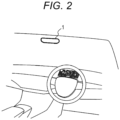
- the display device 1 is disposed at a position where a rearview mirror has been conventionally provided on an upper part of a front windshield of a vehicle.
- the display system has a display mode and a mirror mode as operation modes, and, in the display mode, the display device 1 is caused to function as a device for displaying a display image on the liquid crystal display 11, and, in the mirror mode, the display device 1 is caused to function as a mirror and also as a device for displaying a display image of the liquid crystal display 11 on a reflected image as the mirror in a superimposed manner.
- the display device 1 can be used as a display on which to display various types of information, and in the mirror mode, the display device 1 can be used as a rearview mirror having an information display function.
- the display device 1 may be disposed at a position where a wing mirror has been conventionally provided on a side part of a front door of a vehicle.
- the display device 1 in the display mode, can be used as a display on which to display various types of information, and in the mirror mode, the display device 1 can be used as a wing mirror having an information display function.
- a back camera for capturing an image of the rear view of the vehicle and a device for outputting other videos are provided.
- the plurality of sensors 6 include an illuminance sensor 6 for detecting surrounding brightness, an optical sensor 6 for detecting the intensity of light coming from behind the vehicle, and a sensor 6 for detecting various states of the vehicle such as a traveling state of the vehicle and seat belt usage.
- the display control device 3 displays a video output from the video source device 4 on the liquid crystal display 11 under the control of the control device 5, and, in the mirror mode, the display control device 3 displays a display object such as an icon 510 on the liquid crystal display 11 under the control of the control device 5.
- the mode control device 2 adjusts the reflectance/transmittance of the optical device 12 under the control of the control device 5.
- control device 5 switches between the display mode and the mirror mode of the display device 1 in accordance with a user operation or the like received by the input device 7.
- control device 5 performs processing for switching the video source device 4 that is the output source of the video displayed on the liquid crystal display 11 by the display control device 3 in accordance with a user operation or the like received by the input device 7.
- the control device 5 sets an anti-glare level so as to be increased as the light intensity is increased, according to the intensity of light coming from behind detected by the optical sensor 6. In the mirror mode, the control device 5 also sets the anti-glare level to the minimum level during a period in which the detection value of the illuminance sensor 6 indicates that the surroundings are not dark.
- the surrounding brightness and the intensity of light coming from behind may be determined, in the control device 5, based on a video output by the back camera provided as the video source device 4.
- control device 5 controls the mode control device 2 to adjust the reflectance/transmittance of the optical device 12 and set at low reflectance/high transmittance so that the display device 1 functions as the device for displaying a display image on the liquid crystal display 11.
- the control device 5 controls the mode control device 2 to adjust the reflectance/transmittance of the optical device 12 so that the display device 1 functions as the mirror and also as the device for displaying a display image on the liquid crystal display 11 on a reflected image 500 as the mirror in a superimposed manner, and so that the reflectance is decreased and the transmittance is increased as the anti-glare level is increased.
- the mode control device 2 is controlled to adjust the reflectance/transmittance of the optical device 12 and set at high reflectance/low transmittance in a range where the transmittance is ensured to such an extent that the user can visually recognize the display image on the liquid crystal display 11. Then, the mode control device 2 is caused to control the reflectance/transmittance of the optical device 12 so that the reflectance is decreased and the transmittance is increased as the anti-glare level is increased.
- the degree of anti-glare of the display device 1 in the mirror mode is increased.
- Fig. 3 schematically illustrates a configuration of a display device 1.
- the display device 1 has, from the back to the front thereof, a structure in which a backlight 13 for emitting display illumination light, an air gap or an optical clear adhesive (OCA: optical clear adhesive sheet) 14, a backlight polarizing plate 111, a display liquid crystal panel 112, an image light polarizing plate 113, an air gap or an OCA 15, a reflective polarizing plate 121, a mode switching liquid crystal panel 122, an external light polarizing plate 123, an air gap or an OCA 16, and a cover glass 17 are stacked.
- OCA optical clear adhesive sheet
- the backlight polarizing plate 111, the display liquid crystal panel 112, and the image light polarizing plate 113 constitute the liquid crystal display 11.
- the direction of a polarizing transmission axis of the image light polarizing plate 113 is set to a first direction
- the direction of a polarizing transmission axis of the backlight polarizing plate 111 is set to a second direction that is orthogonal to the first direction. Only a component of linearly polarized light in the second direction of the display illumination light emitted from the backlight 13 passes through the backlight polarizing plate 111 to enter the display liquid crystal panel 112.
- a vibration plane of the display illumination light is adjusted to a desired direction for each pixel, colored, and emitted to the image light polarizing plate 113.
- the image light polarizing plate 113 transmits only a component of linearly polarized light in the first direction of the display illumination light entering from the display liquid crystal panel 112, and emits the resultant as image light representing a video.
- the pixel electrode 1122 and the counter electrode 1126 control, for each pixel, an effective voltage applied to the liquid crystal layer 1124, so that the orientation of the liquid crystal can be controlled for each pixel to adjust the vibration plane of the display illumination light emitted from the liquid crystal layer 1124 and set at a desired direction.
- the display illumination light emitted from the liquid crystal layer 1124 is colored for each pixel by the color filter 1127 and emitted to the image light polarizing plate 113.
- the reflective polarizing plate 121, the mode switching liquid crystal panel 122, and the external light polarizing plate 123 constitute the optical device 12.
- the polarizing transmission axes of the external light polarizing plate 123 and the reflective polarizing plate 121 are set to the first direction which is the same as that of the polarizing transmission axis of the image light polarizing plate 113 of the liquid crystal display 11.
- the reflective polarizing plate 121 is an optical device that transmits linearly polarized light in the direction of the polarizing transmission axis and reflects linearly polarized light in a direction orthogonal to the polarizing transmission axis, and since the polarizing transmission axis is the first direction herein, the reflective polarizing plate 121 transmits linearly polarized light in the first direction and reflects linearly polarized light in the second direction that is the direction orthogonal to the first direction.
- the mode switching liquid crystal panel 122 can control the orientation of the liquid crystal in the mode switching liquid crystal panel 122, adjust the vibration plane of the linearly polarized light incident on the mode switching liquid crystal panel 122 and set at a desired direction to emit the resultant.
- Fig. 4A illustrates an operation of a display device 1 in the display mode with the cover glass 17, the air gap, and the OCA not involved in the operation omitted.
- a component of the linearly polarized light in the first direction of external light that has entered the external light polarizing plate 123 passes through the external light polarizing plate 123 having the polarizing transmission axis in the first direction, and passes through the mode switching liquid crystal panel 122 with the direction of the vibration plane maintained in the first direction.
- the linearly polarized light in the first direction that has passed through the mode switching liquid crystal panel 122 passes through the reflective polarizing plate 121 having the polarizing transmission axis in the first direction, enters the liquid crystal display 11, and most of the linearly polarized light is absorbed therein.
- the image light containing only the linearly polarized light in the first direction is emitted from the liquid crystal display 11.
- the image light emitted from the liquid crystal display 11 passes through the reflective polarizing plate 121 having the polarizing transmission axis in the first direction to enter the mode switching liquid crystal panel 122.
- the image light that has entered the mode switching liquid crystal panel 122 passes through the mode switching liquid crystal panel 122 with the direction of the vibration plane maintained in the first direction, directly passes through the external light polarizing plate 123 having the polarizing transmission axis in the first direction, and is emitted to the outside.
- the image light emitted to the outside is then used to display a video.
- Fig. 4B illustrates an operation of a display device 1 for a case where the mode control device 2 controls the mode switching liquid crystal panel 122 so as to rotate, by 90 degrees, a vibration plane of incident linearly polarized light with the cover glass 17, the air gap, and the OCA not involved in the operation omitted.
- the reflected light of the linearly polarized light in the second direction reflected by the reflective polarizing plate 121 is incident on the mode switching liquid crystal panel 122, the vibration plane of the reflected light is rotated by 90 degrees in the mode switching liquid crystal panel 122, the reflected light is emitted to the external light polarizing plate 123 as the linearly polarized light in the first direction, and directly passes through the external light polarizing plate 123 having the polarizing transmission axis in the first direction, and is emitted to the outside. Then, the function of the display device 1 as the mirror is realized by the reflected light emitted to the outside.
- the image light of the linearly polarized light in the first direction emitted from the liquid crystal display 11 passes through the reflective polarizing plate 121, the vibration plane of the image light is rotated by 90 degrees in the mode switching liquid crystal panel 122, the image light enters the external light polarizing plate 123 as the linearly polarized light in the second direction, is blocked by the external light polarizing plate 123, and the video on the liquid crystal display 11 is not displayed and output externally.
- the reflected light of the linearly polarized light in the second direction reflected by the reflective polarizing plate 121 is incident on the mode switching liquid crystal panel 122, the vibration plane of the reflected light is rotated by ⁇ in the mode switching liquid crystal panel 122 and emitted to the external light polarizing plate 123, and the external light polarizing plate 123 emits, to the outside, a component of the linearly polarized light in the first direction of the reflected light entering from the mode switching liquid crystal panel 122. Then, the function of the display device 1 as the mirror is also realized by the reflected light emitted to the outside. Further, it is possible to change the reflectance of the optical device 12 according to the angle ⁇ of rotation of the vibration plate in the mode switching liquid crystal panel 122 to achieve anti-glare of the display device 1 according to the anti-glare level.
- the control device 5 controls the display control device 3 to display, on the liquid crystal display 11 as illustrated in Fig. 5B b2, an image in which the icon 510 to notify that the driver has not fastened the seat belt illustrated in Fig. 5B b1 is arranged on a black background.
- Fig. 5B b3 illustrates a state of the display device 1 visually recognized by the user at this time, and in this case, the reflected image 500 showing the rear view and the icon 510 superimposed on each other are displayed in the display device 1 in response to the operation of the display device 1 in the mirror mode described above.
- the display control device 3 calculates, as the current display color of the icon 510, a color obtained by adjusting the lightness of the basic display color of the icon 510 determined in advance by the ratio represented by the lightness adjustment rate k (%), and displays the icon 510 in the current display color on the liquid crystal display 11.
- the basic display color of the icon 510 is a color represented by color data (RGB or the like) of the icon 510.
- the lightness adjustment rate (%) is calculated according to the transmittance such that, in a case where the minimum transmittance used in the mirror mode is MN% (approximately 20% in Fig. 6A ) and the maximum transmittance is MX% (approximately 80% in Fig. 6A ), the lightness adjustment rate (%) is 0% at a transmittance of MN%, and the lightness adjustment rate (%) is increased as the transmittance approaches MX%.
- the relationship between the transmittance of the optical device 12 and the lightness adjustment rate k (%) in Fig. 6A is preset by an experiment or calculation as the relationship in which the same color (color intended by the designer) as that for a transmittance of the maximum MN% is visually recognized by the user by displaying, on the liquid crystal display 11, the icon 510 of the current display color determined as described above at each transmittance between MX% and MN%.
- the relationship between the transmittance and the lightness adjustment rate k (%) as illustrated in Fig. 6A is preset in the control device 5, and the lightness adjustment rate k (%) is calculated according to the relationship set in the control device 5.
- the current display color of the icon 510 may be calculated as follows.
- the control device 5 notifies the display control device 3 of the post-change transmittance.
- a table is preset in the display control device 3 for each color used as the basic display color of the icon 510, and the table registers, for each transmittance, a color to be used as the current display color of the icon 510 for the corresponding transmittance.
- the color to be used as the current display color registered for each transmittance is a color that is visually recognized by the user as a color of the icon 510 intended, by the designer, to be visually recognized by the user at the corresponding transmittance of the optical device 12 by displaying the icon 510 in that color. Further, the color to be used as the current display color has higher lightness as the transmittance is lower.
- Fig. 5B illustrates a case of mirror mode, low anti-glare level, and high reflectance/low transmittance
- Fig. 5C illustrates a case of mirror mode, average anti-glare level, and average reflectance/average transmittance
- Fig. 5D illustrates a case of mirror mode, high anti-glare level, low reflectance/high transmittance.
- Figs. 5B b1, 5C c1, and 5D d1 illustrate the icon 510 of the current display color in each case. As illustrated, the higher the transmittance is, the lower the lightness of the current display color of the icon 510 is.
- the icon 510 is so displayed on the liquid crystal display 11 that the lower the transmittance is, the higher the lightness is.
- the icon 510 is visually recognized by the user as the icon 510 having substantially similar color/lightness regardless of the anti-glare level and the reflectance/transmittance of the optical device 12, as illustrated in the appearance of the display device 1 visually recognized in the case of low anti-glare level and high reflectance/low transmittance of Fig. 5B b3, as illustrated in the appearance of the display device 1 visually recognized in the case of average anti-glare level and average reflectance/average transmittance of Fig. 5C c3, and as illustrated in the appearance of the display device 1 visually recognized in the case of high anti-glare level, low reflectance /high transmittance of Fig. 5D d3.
- the current display color may be set such that a change associated with the change in reflectance/transmittance from the basic display color is canceled for all color attributes relating to the change in reflectance/transmittance.
Landscapes
- Engineering & Computer Science (AREA)
- Mechanical Engineering (AREA)
- Chemical & Material Sciences (AREA)
- Combustion & Propulsion (AREA)
- Transportation (AREA)
- Multimedia (AREA)
- Physics & Mathematics (AREA)
- Crystallography & Structural Chemistry (AREA)
- Nonlinear Science (AREA)
- Mathematical Physics (AREA)
- General Physics & Mathematics (AREA)
- Optics & Photonics (AREA)
- Liquid Crystal (AREA)
- Devices For Indicating Variable Information By Combining Individual Elements (AREA)
- Closed-Circuit Television Systems (AREA)
- Controls And Circuits For Display Device (AREA)
- Liquid Crystal Display Device Control (AREA)
Description
- The present invention relates to a display device that displays a reflected image as a mirror and a display image in a superimposed manner.
- Known examples of the display device for displaying a display image on a reflected image as a mirror in a superimposed manner include a display device in which an optical device capable of controlling reflectance/transmittance of incident light is disposed so as to face a screen of a liquid crystal display (e.g., refer to
Japanese Patent No. 6624193 - Thus, in the display device, the reflectance/transmittance is controlled appropriately, so that the display image on the liquid crystal display can be displayed on the reflected image by the optical device in a superimposed manner.
- It is conceivable to install, in a vehicle, the display device for displaying a display image on a reflected image as a mirror in a superimposed manner described above, and to display information based on the display image on the liquid crystal display on a reflected image showing the rear view of the vehicle in a superimposed manner; thereby to use the display device as a rearview mirror with an information display function.
- In this case, it is conceivable to, in response to intense light coming from behind such as a headlight of the following vehicle, reduce the reflectance of the optical device for anti-glare.
- However, this also changes the reflectance/transmittance of the image light of the display image on the liquid crystal display of the optical device; therefore, even if the same image is displayed on the liquid crystal display, lightness of the image light emitted from the display device changes. This sometimes makes it difficult for the user to see information displayed by the display image on the liquid crystal display, or the user may feel strange about the display of the information.
- In light of the above, an object of the present invention is to achieve appropriate anti-glare with visibility of a display image maintained in a display system including a display device that displays a display image on a reflected image as a mirror in a superimposed manner.
- The present invention relates to a display system according to the appended claims. Embodiments are disclosed in the dependent claims.
- According to the invention, a display system for displaying a video of a display object on a reflected image in a superimposed manner includes a display device including a display and an optical device configured to control reflectance/transmittance of incident light; and a display control means configured to display a display object on the display and an optical device control means configured to change reflectance/transmittance of the optical device. The display emits image light of the display object, the optical device is disposed on a first direction side of the display so as to overlap a screen of the display when viewed in the first direction, the first direction being an emission direction of image light of the display, and the display control means changes, according to the reflectance/transmittance of the optical device, a display color of a same display object on the display so as to reduce a change in color of the display object visually recognized by a user with a change in the reflectance/transmittance of the optical device.
- In the display system, according to an embodiment the display control means may change the display color of the same display object on the display so that the lower the transmittance of the optical device is, the higher lightness is.
- According to an embodiment, the display control means may change the display color of the same display object on the display so that lightness of the display object visually recognized by the user is not changed with the change in the reflectance/transmittance of the optical device.
- According to an embodiment, the display may be a liquid crystal display including a backlight.
- According to an embodiment, the display device may be disposed at an upper part of a front windshield of a vehicle so that image light is emitted toward a rear direction of the vehicle.
- According to an embodiment, the display device may be disposed at a side part of a front door of a vehicle so that image light is emitted toward a rear direction of the vehicle.
- According to an embodiment with such display device disposed, e.g. mounted on a vehicle, it is possible to configure a display system having an anti-glare function by providing a light detection means configured to detect intensity of light coming from behind the vehicle, and controlling, by the optical device control means, according to the intensity of the light detected by the light detection means, the reflectance/transmittance of the optical device so that the reflectance is decreased and the transmittance is increased as the intensity of the light is increased.
- According to a display system as described herein, it is possible to achieve appropriate anti-glare by controlling the reflectance/transmittance of the optical device, and to maintain visibility of the display object by changing, according to the reflectance/transmittance of the optical device, a display color of a same display object on the display so as to reduce a change in color of the display object visually recognized by a user with a change in reflectance/transmittance of the optical device.
- According to the present invention, it is possible to achieve appropriate anti-glare with visibility of a display image maintained, in a display system including a display device that displays a display image on a reflected image as a mirror in a superimposed manner.
-
-
Fig. 1 is a block diagram that illustrates a configuration of a display system according to an embodiment of the present invention. -
Fig. 2 is a diagram that illustrates an arrangement of a display device according to an embodiment of the present invention. -
Fig. 3 is a diagram that schematically illustrates a configuration of a display device according to an embodiment of the present invention. -
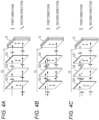
Figs. 4A to 4C are diagrams that illustrate operations of a display device according to an embodiment of the present invention. -
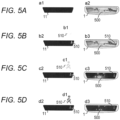
Figs. 5A to 5D are diagrams that illustrate display examples of a display device according to an embodiment of the present invention. -
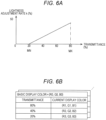
Figs. 6A and 6B are diagrams that illustrate a method for setting a display object color during anti-glare according to an embodiment of the present invention. - Hereinafter, embodiments of the invention will be described.
-
Fig. 1 illustrates a configuration of a display system according to an embodiment. - Generally, a display system according to the invention may be a system disposed, e.g. mounted on a vehicle. As illustrated in
Fig. 1 , a display system includes adisplay device 1, amode control device 2, adisplay control device 3, one or morevideo source devices 4, acontrol device 5, a plurality ofsensors 6, and aninput device 7. - The
display device 1 is a device that can be caused to selectively function as a mirror, a device for displaying a video, or a device for displaying a display image on a reflected image as the mirror in a superimposed manner, and thedisplay device 1 includes aliquid crystal display 11 on which to display a video, and anoptical device 12 that is disposed at a position through which image light emitted from theliquid crystal display 11 passes and is capable of controlling reflectance/transmittance of light. - For example, as illustrated in
Fig. 2 , thedisplay device 1 is disposed at a position where a rearview mirror has been conventionally provided on an upper part of a front windshield of a vehicle. - The display system has a display mode and a mirror mode as operation modes, and, in the display mode, the
display device 1 is caused to function as a device for displaying a display image on theliquid crystal display 11, and, in the mirror mode, thedisplay device 1 is caused to function as a mirror and also as a device for displaying a display image of theliquid crystal display 11 on a reflected image as the mirror in a superimposed manner. - Therefore, in the display mode, the
display device 1 can be used as a display on which to display various types of information, and in the mirror mode, thedisplay device 1 can be used as a rearview mirror having an information display function. - Note that the
display device 1 may be disposed at a position where a wing mirror has been conventionally provided on a side part of a front door of a vehicle. In this case, in the display mode, thedisplay device 1 can be used as a display on which to display various types of information, and in the mirror mode, thedisplay device 1 can be used as a wing mirror having an information display function. - Returning back to
Fig. 1 , as thevideo source device 4, a back camera for capturing an image of the rear view of the vehicle and a device for outputting other videos are provided. - The plurality of
sensors 6 include anilluminance sensor 6 for detecting surrounding brightness, anoptical sensor 6 for detecting the intensity of light coming from behind the vehicle, and asensor 6 for detecting various states of the vehicle such as a traveling state of the vehicle and seat belt usage. - In the display mode, the
display control device 3 displays a video output from thevideo source device 4 on theliquid crystal display 11 under the control of thecontrol device 5, and, in the mirror mode, thedisplay control device 3 displays a display object such as anicon 510 on theliquid crystal display 11 under the control of thecontrol device 5. - The
mode control device 2 adjusts the reflectance/transmittance of theoptical device 12 under the control of thecontrol device 5. - Next, the
control device 5 switches between the display mode and the mirror mode of thedisplay device 1 in accordance with a user operation or the like received by theinput device 7. - In the display mode, the
control device 5 performs processing for switching thevideo source device 4 that is the output source of the video displayed on theliquid crystal display 11 by thedisplay control device 3 in accordance with a user operation or the like received by theinput device 7. - In the mirror mode, during a period in which a detection value of the
illuminance sensor 6 indicates that the surroundings are dark, thecontrol device 5 sets an anti-glare level so as to be increased as the light intensity is increased, according to the intensity of light coming from behind detected by theoptical sensor 6. In the mirror mode, thecontrol device 5 also sets the anti-glare level to the minimum level during a period in which the detection value of theilluminance sensor 6 indicates that the surroundings are not dark. - However, the surrounding brightness and the intensity of light coming from behind may be determined, in the
control device 5, based on a video output by the back camera provided as thevideo source device 4. - In the display mode, the
control device 5 controls themode control device 2 to adjust the reflectance/transmittance of theoptical device 12 and set at low reflectance/high transmittance so that thedisplay device 1 functions as the device for displaying a display image on theliquid crystal display 11. - In the mirror mode, the
control device 5 controls themode control device 2 to adjust the reflectance/transmittance of theoptical device 12 so that thedisplay device 1 functions as the mirror and also as the device for displaying a display image on theliquid crystal display 11 on areflected image 500 as the mirror in a superimposed manner, and so that the reflectance is decreased and the transmittance is increased as the anti-glare level is increased. - More specifically, during the mirror mode, at a low level of the anti-glare level, the
mode control device 2 is controlled to adjust the reflectance/transmittance of theoptical device 12 and set at high reflectance/low transmittance in a range where the transmittance is ensured to such an extent that the user can visually recognize the display image on theliquid crystal display 11. Then, themode control device 2 is caused to control the reflectance/transmittance of theoptical device 12 so that the reflectance is decreased and the transmittance is increased as the anti-glare level is increased. Here, as the reflectance of theoptical device 12 is decreased and the transmittance is increased, the degree of anti-glare of thedisplay device 1 in the mirror mode is increased. - Therefore, during the mirror mode, the higher the intensity of light coming from behind is, the greater the degree of anti-glare of the
optical device 12 is. - Next,
Fig. 3 schematically illustrates a configuration of adisplay device 1. - As illustrated in
Fig. 3 , thedisplay device 1 has, from the back to the front thereof, a structure in which abacklight 13 for emitting display illumination light, an air gap or an optical clear adhesive (OCA: optical clear adhesive sheet) 14, abacklight polarizing plate 111, a display liquid crystal panel 112, an image light polarizing plate 113, an air gap or anOCA 15, a reflective polarizingplate 121, a mode switchingliquid crystal panel 122, an externallight polarizing plate 123, an air gap or an OCA 16, and acover glass 17 are stacked. - The
backlight polarizing plate 111, the display liquid crystal panel 112, and the image light polarizing plate 113 constitute theliquid crystal display 11. - In the
liquid crystal display 11, the direction of a polarizing transmission axis of the image light polarizing plate 113 is set to a first direction, and the direction of a polarizing transmission axis of thebacklight polarizing plate 111 is set to a second direction that is orthogonal to the first direction. Only a component of linearly polarized light in the second direction of the display illumination light emitted from thebacklight 13 passes through thebacklight polarizing plate 111 to enter the display liquid crystal panel 112. In the display liquid crystal panel 112, a vibration plane of the display illumination light is adjusted to a desired direction for each pixel, colored, and emitted to the image light polarizing plate 113. The image light polarizing plate 113 transmits only a component of linearly polarized light in the first direction of the display illumination light entering from the display liquid crystal panel 112, and emits the resultant as image light representing a video. - Further, the display liquid crystal panel 112 has, from the back to the front of the
display device 1, a structure in which a backtransparent substrate 1121, apixel electrode 1122, a back orientation film 1123, aliquid crystal layer 1124, afront orientation film 1125, acounter electrode 1126, a color filter andblack matrix 1127, and a fronttransparent substrate 1128 are stacked. - The
pixel electrode 1122 and thecounter electrode 1126 control, for each pixel, an effective voltage applied to theliquid crystal layer 1124, so that the orientation of the liquid crystal can be controlled for each pixel to adjust the vibration plane of the display illumination light emitted from theliquid crystal layer 1124 and set at a desired direction. Here, the display illumination light emitted from theliquid crystal layer 1124 is colored for each pixel by thecolor filter 1127 and emitted to the image light polarizing plate 113. - In the
display device 1, the reflectivepolarizing plate 121, the mode switchingliquid crystal panel 122, and the external lightpolarizing plate 123 constitute theoptical device 12. - The polarizing transmission axes of the external light
polarizing plate 123 and the reflectivepolarizing plate 121 are set to the first direction which is the same as that of the polarizing transmission axis of the image light polarizing plate 113 of theliquid crystal display 11. The reflectivepolarizing plate 121 is an optical device that transmits linearly polarized light in the direction of the polarizing transmission axis and reflects linearly polarized light in a direction orthogonal to the polarizing transmission axis, and since the polarizing transmission axis is the first direction herein, the reflectivepolarizing plate 121 transmits linearly polarized light in the first direction and reflects linearly polarized light in the second direction that is the direction orthogonal to the first direction. - The mode switching
liquid crystal panel 122 can control the orientation of the liquid crystal in the mode switchingliquid crystal panel 122, adjust the vibration plane of the linearly polarized light incident on the mode switchingliquid crystal panel 122 and set at a desired direction to emit the resultant. - The description goes on to operations of a
display device 1 in the display mode and the mirror mode. - First,
Fig. 4A illustrates an operation of adisplay device 1 in the display mode with thecover glass 17, the air gap, and the OCA not involved in the operation omitted. - In the display mode, as illustrated in
Fig. 4A , the mode switchingliquid crystal panel 122 is controlled by themode control device 2 so as to emit linearly polarized light while maintaining the vibration plane of the incident linearly polarized light as it is. - A component of the linearly polarized light in the first direction of external light that has entered the external light
polarizing plate 123 passes through the external lightpolarizing plate 123 having the polarizing transmission axis in the first direction, and passes through the mode switchingliquid crystal panel 122 with the direction of the vibration plane maintained in the first direction. The linearly polarized light in the first direction that has passed through the mode switchingliquid crystal panel 122 passes through the reflectivepolarizing plate 121 having the polarizing transmission axis in the first direction, enters theliquid crystal display 11, and most of the linearly polarized light is absorbed therein. - On the other hand, as described above, the image light containing only the linearly polarized light in the first direction is emitted from the
liquid crystal display 11. The image light emitted from theliquid crystal display 11 passes through the reflectivepolarizing plate 121 having the polarizing transmission axis in the first direction to enter the mode switchingliquid crystal panel 122. The image light that has entered the mode switchingliquid crystal panel 122 passes through the mode switchingliquid crystal panel 122 with the direction of the vibration plane maintained in the first direction, directly passes through the external lightpolarizing plate 123 having the polarizing transmission axis in the first direction, and is emitted to the outside. The image light emitted to the outside is then used to display a video. - Next,
Fig. 4B illustrates an operation of adisplay device 1 for a case where themode control device 2 controls the mode switchingliquid crystal panel 122 so as to rotate, by 90 degrees, a vibration plane of incident linearly polarized light with thecover glass 17, the air gap, and the OCA not involved in the operation omitted. - In this case, a component of the linearly polarized light in the first direction of external light that has entered the external light
polarizing plate 123 passes through the external lightpolarizing plate 123 having the polarizing transmission axis in the first direction, the direction of the vibration plane is rotated by 90 degrees in the mode switchingliquid crystal panel 122 to enter the reflectivepolarizing plate 121 as the linearly polarized light in the second direction. Since the external light entering from the mode switchingliquid crystal panel 122 is linearly polarized light in the second direction that is orthogonal to the polarizing transmission axis in the first direction, the reflectivepolarizing plate 121 reflects all of the external light. The reflected light of the linearly polarized light in the second direction reflected by the reflectivepolarizing plate 121 is incident on the mode switchingliquid crystal panel 122, the vibration plane of the reflected light is rotated by 90 degrees in the mode switchingliquid crystal panel 122, the reflected light is emitted to the external lightpolarizing plate 123 as the linearly polarized light in the first direction, and directly passes through the external lightpolarizing plate 123 having the polarizing transmission axis in the first direction, and is emitted to the outside. Then, the function of thedisplay device 1 as the mirror is realized by the reflected light emitted to the outside. - On the other hand, in this case, even if the display is performed in the
liquid crystal display 11, the image light of the linearly polarized light in the first direction emitted from theliquid crystal display 11 passes through the reflectivepolarizing plate 121, the vibration plane of the image light is rotated by 90 degrees in the mode switchingliquid crystal panel 122, the image light enters the external lightpolarizing plate 123 as the linearly polarized light in the second direction, is blocked by the external lightpolarizing plate 123, and the video on theliquid crystal display 11 is not displayed and output externally. - Next,
Fig. 4C illustrates an operation of adisplay device 1 in the mirror mode with thecover glass 17, the air gap, and the OCA not involved in the operation omitted. - In the mirror mode, the mode switching
liquid crystal panel 122 is controlled to have a state betweenFigs. 4A and 4B . Specifically, themode control device 2 controls the mode switchingliquid crystal panel 122 so as to rotate the vibration plane of incident linearly polarized light by an angle θ determined according to the anti-glare level within a range of θa (θa > 0) degrees or more and θb (θb < 90) degrees or less. - In the mirror mode in which the mode switching
liquid crystal panel 122 is controlled as described above, a component of linearly polarized light in the first direction of external light that has entered the external lightpolarizing plate 123 passes through the external lightpolarizing plate 123 having the polarizing transmission axis in the first direction, the direction of the vibration plane is rotated by θ in the mode switchingliquid crystal panel 122 to enter the reflectivepolarizing plate 121 as the linearly polarized light in a direction between the first direction and the second direction. - The reflective
polarizing plate 121 reflects the component of the linearly polarized light in the second direction of the external light entering from the mode switchingliquid crystal panel 122 and transmits the component of the linearly polarized light in the first direction of the incident external light. Thus, the reflectivepolarizing plate 121 reflects a part of the external light entering from the mode switchingliquid crystal panel 122 and transmits a part thereof. - The reflected light of the linearly polarized light in the second direction reflected by the reflective
polarizing plate 121 is incident on the mode switchingliquid crystal panel 122, the vibration plane of the reflected light is rotated by θ in the mode switchingliquid crystal panel 122 and emitted to the external lightpolarizing plate 123, and the external lightpolarizing plate 123 emits, to the outside, a component of the linearly polarized light in the first direction of the reflected light entering from the mode switchingliquid crystal panel 122. Then, the function of thedisplay device 1 as the mirror is also realized by the reflected light emitted to the outside. Further, it is possible to change the reflectance of theoptical device 12 according to the angle θ of rotation of the vibration plate in the mode switchingliquid crystal panel 122 to achieve anti-glare of thedisplay device 1 according to the anti-glare level. - On the other hand, the external light of the linearly polarized light in the first direction that has passed through the reflective
polarizing plate 121 enters theliquid crystal display 11, and thereafter, most of the external light is absorbed therein. - On the other hand, the image light of the linearly polarized light in the first direction emitted from the
liquid crystal display 11 passes through the reflectivepolarizing plate 121, the vibration plane of the image light is rotated by θ in the mode switchingliquid crystal panel 122 and the image light enters the external lightpolarizing plate 123, and the external lightpolarizing plate 123 emits, to the outside, a component of the linearly polarized light in the first direction of the image light entering from the mode switchingliquid crystal panel 122. - Therefore, in the mirror mode, the image reflected by the reflective
polarizing plate 121 and the video displayed on theliquid crystal display 11 superimposed on each other are visually recognized by the user. - The transmittance of the
optical device 12 of the image light emitted from thedisplay device 1 to the outside changes according to the angle θ of rotation of the vibration plane in the mode switchingliquid crystal panel 122, and the transmittance thereof is decreased as the reflectance of theoptical device 12 is increased, and is increased as the reflectance of theoptical device 12 is decreased. Therefore, the transmittance of theliquid crystal display 11 of the image light emitted from thedisplay device 1 to the outside changes according to the anti-glare level. - As described above, in the mirror mode, the
control device 5 controls display of the display object of thedisplay control device 3 on theliquid crystal display 11. -
Fig. 5A illustrates a case where the display object is not displayed in the mirror mode. - In this case, as illustrated in
Fig. 5A a1, thecontrol device 5 controls thedisplay control device 3 to display a black screen on theliquid crystal display 11.Fig. 5A a2 illustrates a state of thedisplay device 1 visually recognized by the user at this time, and in this case, only the reflectedimage 500 showing the rear view is displayed in thedisplay device 1. - Next,
Fig. 5B illustrates a case where the display object is displayed in the mirror mode. - Hereinafter, a case where the display object is an
icon 510 to notify the user of an unfastened seat belt is described as an example. - In this case, for example, when the
sensor 6 detects that the driver has not fastened the seat belt while the vehicle is traveling, thecontrol device 5 controls thedisplay control device 3 to display, on theliquid crystal display 11 as illustrated inFig. 5B b2, an image in which theicon 510 to notify that the driver has not fastened the seat belt illustrated inFig. 5B b1 is arranged on a black background.Fig. 5B b3 illustrates a state of thedisplay device 1 visually recognized by the user at this time, and in this case, the reflectedimage 500 showing the rear view and theicon 510 superimposed on each other are displayed in thedisplay device 1 in response to the operation of thedisplay device 1 in the mirror mode described above. - As described above, in the mirror mode, the reflectance/transmittance of the
optical device 12 is changed according to the anti-glare level, and accordingly, the transmittance of theliquid crystal display 11 of the image light emitted from thedisplay device 1 to the outside also changes. - Therefore, in a case where a display color of the
icon 510 is constant regardless of the anti-glare level, theicon 510 is visually recognized, by the user, in different colors according to the anti-glare level. - In light of the above, in the mirror mode, the
control device 5 controls thedisplay control device 3 to change, according to the reflectance/transmittance of theoptical device 12 under control, the display color of theicon 510 so that theicon 510 is visually recognized as a similar color regardless of the anti-glare level. - In a case where the change in reflectance/transmittance of the
optical device 12 relates only to the lightness of theicon 510 visually recognized, thecontrol device 5 performs the following control. - Specifically, the
control device 5 calculates a lightness adjustment rate k (%), which is a rate of lightness adjustment to the display color of theicon 510, so that in a case where the reflectance/transmittance of theoptical device 12 is changed with a change in anti-glare level, the user can visually recognize theicon 510 of the same color based on the post-change transmittance, and sets the lightness adjustment rate k (%) in thedisplay control device 3. - Then, the
display control device 3 calculates, as the current display color of theicon 510, a color obtained by adjusting the lightness of the basic display color of theicon 510 determined in advance by the ratio represented by the lightness adjustment rate k (%), and displays theicon 510 in the current display color on theliquid crystal display 11. Note that the basic display color of theicon 510 is a color represented by color data (RGB or the like) of theicon 510. - Here, the calculation of the lightness adjustment rate k (%) according to the transmittance and the calculation of the current display color according to the lightness adjustment rate k (%) are performed such that the lower the transmittance is, the higher the lightness of the current display color is.
- More specifically, for example, as
Fig. 6A shows the relationship between the transmittance of theoptical device 12 and the lightness adjustment rate k (%), the lightness adjustment rate (%) is calculated according to the transmittance such that, in a case where the minimum transmittance used in the mirror mode is MN% (approximately 20% inFig. 6A ) and the maximum transmittance is MX% (approximately 80% inFig. 6A ), the lightness adjustment rate (%) is 0% at a transmittance of MN%, and the lightness adjustment rate (%) is increased as the transmittance approaches MX%. - In the
display control device 3, for example,
the current display color is so set to satisfy the following equation:
current display color lightness = basic display color lightness × {1 - (k/100)}. - Further, in this case, the basic display color of the
icon 510 is set to a color that is visually recognized by the user as a color of theicon 510 intended by a designer at a transmittance of the maximum MN% when theicon 510 is displayed in the color on theliquid crystal display 11. The designer selects the basic display color in advance, and sets color data of the selected basic display color as the color data of theicon 510. - In the mirror mode, the relationship between the transmittance of the
optical device 12 and the lightness adjustment rate k (%) inFig. 6A is preset by an experiment or calculation as the relationship in which the same color (color intended by the designer) as that for a transmittance of the maximum MN% is visually recognized by the user by displaying, on theliquid crystal display 11, theicon 510 of the current display color determined as described above at each transmittance between MX% and MN%. - In the calculation of the lightness adjustment rate k (%) based on the transmittance of the
optical device 12 in thecontrol device 5, the relationship between the transmittance and the lightness adjustment rate k (%) as illustrated inFig. 6A is preset in thecontrol device 5, and the lightness adjustment rate k (%) is calculated according to the relationship set in thecontrol device 5. - Here, instead of calculating the lightness adjustment rate k (%) in the control as described above and calculating the current display color of the
icon 510 using the lightness adjustment rate k (%) in thedisplay control device 3, the current display color of theicon 510 may be calculated as follows. - Specifically, in a case where the reflectance/transmittance of the
optical device 12 is changed with a change in anti-glare level, thecontrol device 5 notifies thedisplay control device 3 of the post-change transmittance. - As illustrated in
Fig. 6B , a table is preset in thedisplay control device 3 for each color used as the basic display color of theicon 510, and the table registers, for each transmittance, a color to be used as the current display color of theicon 510 for the corresponding transmittance. - Then, in the table corresponding to the basic display color of the
icon 510 to be displayed, thedisplay control device 3 calculates, as the current display color, a color registered for the transmittance notified by thecontrol device 5 and displays theicon 510 in the current display color on theliquid crystal display 11. - In the table of each basic display color as illustrated in
Fig. 6B , the color to be used as the current display color registered for each transmittance is a color that is visually recognized by the user as a color of theicon 510 intended, by the designer, to be visually recognized by the user at the corresponding transmittance of theoptical device 12 by displaying theicon 510 in that color. Further, the color to be used as the current display color has higher lightness as the transmittance is lower. - In the meantime, a display example of the
icon 510 in response to the operation of thecontrol device 5 and thedisplay control device 3 in the mirror mode as described above is described. -
Fig. 5B illustrates a case of mirror mode, low anti-glare level, and high reflectance/low transmittance,Fig. 5C illustrates a case of mirror mode, average anti-glare level, and average reflectance/average transmittance, andFig. 5D illustrates a case of mirror mode, high anti-glare level, low reflectance/high transmittance. -
Figs. 5B b1, 5C c1, and 5D d1 illustrate theicon 510 of the current display color in each case. As illustrated, the higher the transmittance is, the lower the lightness of the current display color of theicon 510 is. - Therefore, as illustrated in
Figs. 5B b2, 5C c2 and 5D d2, theicon 510 of the current display color in each case is so displayed, on theliquid crystal display 11, that the higher the transmittance is, the lower the lightness is. - As
Fig. 5B b3,Fig. 5C c3 andFig. 5D d3 each illustrates a state of thedisplay device 1 visually recognized by the user, theicon 510 displayed on theliquid crystal display 11 is displayed in such a manner that the reflectedimage 500 showing the rear view and theicon 510 are displayed in a superimposed manner in thedisplay device 1. - Here, the lower the transmittance of the
optical device 12 is, the smaller the amount of light passing through theoptical device 12 is, and theicon 510 visually recognized by the user has lightness lower than the current display color of theicon 510 displayed on theliquid crystal display 11. - On the other hand, as described above, the
icon 510 is so displayed on theliquid crystal display 11 that the lower the transmittance is, the higher the lightness is. - Therefore, the
icon 510 is visually recognized by the user as theicon 510 having substantially similar color/lightness regardless of the anti-glare level and the reflectance/transmittance of theoptical device 12, as illustrated in the appearance of thedisplay device 1 visually recognized in the case of low anti-glare level and high reflectance/low transmittance ofFig. 5B b3, as illustrated in the appearance of thedisplay device 1 visually recognized in the case of average anti-glare level and average reflectance/average transmittance ofFig. 5C c3, and as illustrated in the appearance of thedisplay device 1 visually recognized in the case of high anti-glare level, low reflectance /high transmittance ofFig. 5D d3. - In the embodiments described above, the case where the change in reflectance/transmittance of the
optical device 12 relates only to the change in lightness of theicon 510 visually recognized is described; however, in a case where the change in reflectance/transmittance of theoptical device 12 also relates to a change in color attributes other than the lightness such as hue and saturation, in the embodiments described above, the current display color may be set such that a change associated with the change in reflectance/transmittance from the basic display color is canceled for all color attributes relating to the change in reflectance/transmittance. -
- 1
- DISPLAY DEVICE
- 2
- MODE CONTROL DEVICE
- 3
- DISPLAY CONTROL DEVICE
- 4
- VIDEO SOURCE DEVICE
- 5
- CONTROL DEVICE
- 6
- SENSOR
- 7
- INPUT DEVICE
- 11
- LIQUID CRYSTAL DISPLAY
- 12
- OPTICAL DEVICE
- 13
- BACKLIGHT
- 14
- AIR GAP OR OCA
- 15
- AIR GAP OR OCA
- 16
- AIR GAP OR OCA
- 17
- COVER GLASS
- 111
- BACKLIGHT POLARIZING PLATE
- 112
- DISPLAY LIQUID CRYSTAL PANEL
- 113
- IMAGE LIGHT POLARIZING PLATE
- 121
- REFLECTIVE POLARIZING PLATE
- 122
- MODE SWITCHING LIQUID CRYSTAL PANEL
- 123
- EXTERNAL LIGHT POLARIZING PLATE
- 500
- REFLECTED IMAGE
- 510
- ICON
- 1121
- BACK TRANSPARENT SUBSTRATE
- 1122
- PIXEL ELECTRODE
- 1123
- BACK ORIENTATION FILM
- 1124
- LIQUID CRYSTAL LAYER
- 1125
- FRONT ORIENTATION FILM
- 1126
- COUNTER ELECTRODE
- 1127
- COLOR FILTER AND BLACK MATRIX
- 1128
- FRONT TRANSPARENT SUBSTRATE
Claims (7)
- A display system for displaying a video of a display object (510) on a reflected image (500) in a superimposed manner, the display system comprising:a display device (1) including a display (11) and an optical device (12) configured to control reflectance/transmittance of incident light; anda display control means (3) configured to display a display object (510) on the display (11) and an optical device control means configured to change reflectance/transmittance of the optical device (12),the display (11) is configured to emit image light of the display object (510),the optical device (12) is disposed on a first direction side of the display (11) so as to overlap a screen of the display (11) when viewed in the first direction, the first direction being an emission direction of image light of the display (11),
characterized in thatthe display control means (3) is configured to change, according to the reflectance/transmittance of the optical device (12), a display color of a same display object (510) on the display (11) so as to reduce a change in color of the display object (510) visually recognized by a user with a change in the reflectance/transmittance of the optical device (12). - The display system according to claim 1, wherein
the display control means (3) is configured to change the display color of the same display object (510) on the display (11) so that the lower the transmittance of the optical device (12) is, the higher lightness is. - The display system according to claim 1 or 2, wherein
the display control means (3) is configured to change the display color of the same display object (510) on the display (11) so that lightness of the display object (510) visually recognized by the user is not changed with the change in the reflectance/transmittance of the optical device (12). - The display system according to claim 1, 2, or 3, wherein
the display (11) is a liquid crystal display (11) including a backlight (13). - The display system according to one of claims 1 to 4, wherein
the display device (1) is disposed at an upper part of a front windshield of a vehicle so that image light is emitted toward a rear direction of the vehicle. - The display system according to one of claims 1 to 5, wherein
the display device (1) is disposed at a side part of a front door of a vehicle so that image light is emitted toward a rear direction of the vehicle. - The display system according to claim 5 or 6, comprisinga light detection means configured to detect intensity of light coming from behind the vehicle,the optical device control means is configured to control, according to the intensity of the light detected by the light detection means, the reflectance/transmittance of the optical device (12) so that the reflectance is decreased and the transmittance is increased as the intensity of the light is increased.
Applications Claiming Priority (1)
| Application Number | Priority Date | Filing Date | Title |
|---|---|---|---|
| JP2021181646A JP7575368B2 (en) | 2021-11-08 | 2021-11-08 | Display System |
Publications (2)
| Publication Number | Publication Date |
|---|---|
| EP4177094A1 EP4177094A1 (en) | 2023-05-10 |
| EP4177094B1 true EP4177094B1 (en) | 2024-06-12 |
Family
ID=84053057
Family Applications (1)
| Application Number | Title | Priority Date | Filing Date |
|---|---|---|---|
| EP22201449.0A Active EP4177094B1 (en) | 2021-11-08 | 2022-10-13 | Display system |
Country Status (3)
| Country | Link |
|---|---|
| US (1) | US12434632B2 (en) |
| EP (1) | EP4177094B1 (en) |
| JP (1) | JP7575368B2 (en) |
Family Cites Families (20)
| Publication number | Priority date | Publication date | Assignee | Title |
|---|---|---|---|---|
| JPS59189317A (en) * | 1983-04-12 | 1984-10-26 | Seiko Instr & Electronics Ltd | Color liquid-crystal display device |
| JPS6084903U (en) * | 1983-11-15 | 1985-06-12 | 三菱電機株式会社 | LCD anti-glare mirror |
| JPS6196972A (en) | 1984-10-17 | 1986-05-15 | Takashi Tanaka | Dried kakuni prepared by using fish as main raw material, and its preparation |
| JPS62143542U (en) * | 1986-03-05 | 1987-09-10 | ||
| JP3096383B2 (en) * | 1993-11-25 | 2000-10-10 | シャープ株式会社 | Reflective liquid crystal display |
| US6072629A (en) * | 1997-02-26 | 2000-06-06 | Reveo, Inc. | Polarizer devices and methods for making the same |
| JP4418483B2 (en) * | 2007-06-28 | 2010-02-17 | 株式会社村上開明堂 | LCD anti-glare mirror |
| US8411245B2 (en) * | 2009-02-06 | 2013-04-02 | Gentex Corporation | Multi-display mirror system and method for expanded view around a vehicle |
| US9598016B2 (en) * | 2010-10-15 | 2017-03-21 | Magna Mirrors Of America, Inc. | Interior rearview mirror assembly |
| WO2015034773A1 (en) * | 2013-09-04 | 2015-03-12 | Gentex Corporation | A rearview assembly of a vehicle for displaying images |
| KR101977685B1 (en) | 2014-11-13 | 2019-05-13 | 젠텍스 코포레이션 | Rearview mirror system with a display |
| JP6624193B2 (en) | 2015-02-27 | 2019-12-25 | ソニー株式会社 | Optical device, display device and electronic equipment |
| US10046706B2 (en) * | 2015-06-26 | 2018-08-14 | Magna Mirrors Of America, Inc. | Interior rearview mirror assembly with full screen video display |
| JP2017047804A (en) * | 2015-09-03 | 2017-03-09 | 株式会社Jvcケンウッド | Mirror device and control method thereof |
| KR20180125593A (en) | 2016-04-07 | 2018-11-23 | 니폰 가야꾸 가부시끼가이샤 | Light reflecting film, light control film and mirror display using the same |
| CN108216043A (en) | 2018-02-06 | 2018-06-29 | 深圳市歌美迪电子技术发展有限公司 | It is a kind of that there is the rearview mirror of display instrument and its control system |
| JP7339728B2 (en) | 2018-04-20 | 2023-09-06 | 美里工業株式会社 | vehicle mirror |
| JP7135021B2 (en) | 2020-02-27 | 2022-09-12 | ダイハツ工業株式会社 | vehicle display |
| CN111439204B (en) * | 2020-04-30 | 2022-01-28 | 北京京东方技术开发有限公司 | Anti-dazzle display device, anti-dazzle display method and interior rearview mirror |
| US20220203898A1 (en) * | 2020-12-29 | 2022-06-30 | Larry Warren | Vehicle side mirror with video display and automatic camera system |
-
2021
- 2021-11-08 JP JP2021181646A patent/JP7575368B2/en active Active
-
2022
- 2022-10-13 EP EP22201449.0A patent/EP4177094B1/en active Active
- 2022-10-26 US US17/974,029 patent/US12434632B2/en active Active
Also Published As
| Publication number | Publication date |
|---|---|
| JP7575368B2 (en) | 2024-10-29 |
| JP2023069630A (en) | 2023-05-18 |
| US12434632B2 (en) | 2025-10-07 |
| US20230140960A1 (en) | 2023-05-11 |
| EP4177094A1 (en) | 2023-05-10 |
Similar Documents
| Publication | Publication Date | Title |
|---|---|---|
| US12240384B2 (en) | Interior rearview mirror assembly with full screen video display | |
| JP7030523B2 (en) | Transparent display with controllable masking display | |
| EP1991905B1 (en) | Vehicle rearview assembly including a high intensity display | |
| US20090096937A1 (en) | Vehicle Rearview Assembly Including a Display for Displaying Video Captured by a Camera and User Instructions | |
| US11480826B2 (en) | Vehicle mirror | |
| US9601083B2 (en) | Glare reduction system | |
| US20170206858A1 (en) | Display control method, display control device and display system | |
| CN110706663B (en) | Mirror display device and control method thereof | |
| WO2020100674A1 (en) | Display device | |
| US12434632B2 (en) | Display system including display control unit and optical device | |
| US20200264489A1 (en) | Electronic mirror with automatic luminance and automatic dimming control system | |
| KR102764082B1 (en) | Camera Monitor System for Responding to Amount of Light | |
| EP4173869A1 (en) | Display device and display system | |
| JP7297192B2 (en) | vehicle mirror | |
| JP7270953B2 (en) | vehicle mirror | |
| JP4470100B2 (en) | Liquid crystal display | |
| KR100686147B1 (en) | Apparatus and method for controlling screen brightness of a projection display device | |
| KR20250047194A (en) | Digital Rear Mirror Device having Anti-Glare Function and Control Method thereof |
Legal Events
| Date | Code | Title | Description |
|---|---|---|---|
| PUAI | Public reference made under article 153(3) epc to a published international application that has entered the european phase |
Free format text: ORIGINAL CODE: 0009012 |
|
| STAA | Information on the status of an ep patent application or granted ep patent |
Free format text: STATUS: THE APPLICATION HAS BEEN PUBLISHED |
|
| AK | Designated contracting states |
Kind code of ref document: A1 Designated state(s): AL AT BE BG CH CY CZ DE DK EE ES FI FR GB GR HR HU IE IS IT LI LT LU LV MC ME MK MT NL NO PL PT RO RS SE SI SK SM TR |
|
| STAA | Information on the status of an ep patent application or granted ep patent |
Free format text: STATUS: REQUEST FOR EXAMINATION WAS MADE |
|
| 17P | Request for examination filed |
Effective date: 20231106 |
|
| RBV | Designated contracting states (corrected) |
Designated state(s): AL AT BE BG CH CY CZ DE DK EE ES FI FR GB GR HR HU IE IS IT LI LT LU LV MC ME MK MT NL NO PL PT RO RS SE SI SK SM TR |
|
| RIC1 | Information provided on ipc code assigned before grant |
Ipc: G02F 1/1335 20060101ALI20231221BHEP Ipc: G02B 5/08 20060101ALI20231221BHEP Ipc: B60R 1/12 20060101ALI20231221BHEP Ipc: B60R 1/02 20060101ALI20231221BHEP Ipc: B60K 37/02 20060101AFI20231221BHEP Ipc: B60R 1/08 20060101ALI20231221BHEP |
|
| REG | Reference to a national code |
Ref country code: DE Ref legal event code: R079 Free format text: PREVIOUS MAIN CLASS: B60K0037020000 Ipc: B60K0035220000 Ref country code: DE Ref legal event code: R079 Ref document number: 602022003925 Country of ref document: DE Free format text: PREVIOUS MAIN CLASS: B60K0037020000 Ipc: B60K0035220000 |
|
| GRAP | Despatch of communication of intention to grant a patent |
Free format text: ORIGINAL CODE: EPIDOSNIGR1 |
|
| STAA | Information on the status of an ep patent application or granted ep patent |
Free format text: STATUS: GRANT OF PATENT IS INTENDED |
|
| INTG | Intention to grant announced |
Effective date: 20240201 |
|
| RIC1 | Information provided on ipc code assigned before grant |
Ipc: G02F 1/1335 20060101ALI20240130BHEP Ipc: G02B 5/08 20060101ALI20240130BHEP Ipc: B60R 1/12 20060101ALI20240130BHEP Ipc: B60R 1/08 20060101ALI20240130BHEP Ipc: B60R 1/02 20060101ALI20240130BHEP Ipc: B60K 35/81 20240101ALI20240130BHEP Ipc: B60K 35/60 20240101ALI20240130BHEP Ipc: B60K 35/40 20240101ALI20240130BHEP Ipc: B60K 35/29 20240101ALI20240130BHEP Ipc: B60K 35/28 20240101ALI20240130BHEP Ipc: B60K 35/22 20240101AFI20240130BHEP |
|
| GRAS | Grant fee paid |
Free format text: ORIGINAL CODE: EPIDOSNIGR3 |
|
| GRAA | (expected) grant |
Free format text: ORIGINAL CODE: 0009210 |
|
| STAA | Information on the status of an ep patent application or granted ep patent |
Free format text: STATUS: THE PATENT HAS BEEN GRANTED |
|
| P01 | Opt-out of the competence of the unified patent court (upc) registered |
Effective date: 20240409 |
|
| AK | Designated contracting states |
Kind code of ref document: B1 Designated state(s): AL AT BE BG CH CY CZ DE DK EE ES FI FR GB GR HR HU IE IS IT LI LT LU LV MC ME MK MT NL NO PL PT RO RS SE SI SK SM TR |
|
| REG | Reference to a national code |
Ref country code: GB Ref legal event code: FG4D |
|
| REG | Reference to a national code |
Ref country code: CH Ref legal event code: EP |
|
| REG | Reference to a national code |
Ref country code: DE Ref legal event code: R096 Ref document number: 602022003925 Country of ref document: DE |
|
| REG | Reference to a national code |
Ref country code: IE Ref legal event code: FG4D |
|
| PG25 | Lapsed in a contracting state [announced via postgrant information from national office to epo] |
Ref country code: BG Free format text: LAPSE BECAUSE OF FAILURE TO SUBMIT A TRANSLATION OF THE DESCRIPTION OR TO PAY THE FEE WITHIN THE PRESCRIBED TIME-LIMIT Effective date: 20240612 |
|
| PG25 | Lapsed in a contracting state [announced via postgrant information from national office to epo] |
Ref country code: FI Free format text: LAPSE BECAUSE OF FAILURE TO SUBMIT A TRANSLATION OF THE DESCRIPTION OR TO PAY THE FEE WITHIN THE PRESCRIBED TIME-LIMIT Effective date: 20240612 Ref country code: HR Free format text: LAPSE BECAUSE OF FAILURE TO SUBMIT A TRANSLATION OF THE DESCRIPTION OR TO PAY THE FEE WITHIN THE PRESCRIBED TIME-LIMIT Effective date: 20240612 |
|
| REG | Reference to a national code |
Ref country code: LT Ref legal event code: MG9D |
|
| PG25 | Lapsed in a contracting state [announced via postgrant information from national office to epo] |
Ref country code: GR Free format text: LAPSE BECAUSE OF FAILURE TO SUBMIT A TRANSLATION OF THE DESCRIPTION OR TO PAY THE FEE WITHIN THE PRESCRIBED TIME-LIMIT Effective date: 20240913 |
|
| REG | Reference to a national code |
Ref country code: NL Ref legal event code: MP Effective date: 20240612 |
|
| PG25 | Lapsed in a contracting state [announced via postgrant information from national office to epo] |
Ref country code: ES Free format text: LAPSE BECAUSE OF FAILURE TO SUBMIT A TRANSLATION OF THE DESCRIPTION OR TO PAY THE FEE WITHIN THE PRESCRIBED TIME-LIMIT Effective date: 20240612 |
|
| PG25 | Lapsed in a contracting state [announced via postgrant information from national office to epo] |
Ref country code: LV Free format text: LAPSE BECAUSE OF FAILURE TO SUBMIT A TRANSLATION OF THE DESCRIPTION OR TO PAY THE FEE WITHIN THE PRESCRIBED TIME-LIMIT Effective date: 20240612 |
|
| PG25 | Lapsed in a contracting state [announced via postgrant information from national office to epo] |
Ref country code: NO Free format text: LAPSE BECAUSE OF FAILURE TO SUBMIT A TRANSLATION OF THE DESCRIPTION OR TO PAY THE FEE WITHIN THE PRESCRIBED TIME-LIMIT Effective date: 20240912 Ref country code: LV Free format text: LAPSE BECAUSE OF FAILURE TO SUBMIT A TRANSLATION OF THE DESCRIPTION OR TO PAY THE FEE WITHIN THE PRESCRIBED TIME-LIMIT Effective date: 20240612 Ref country code: HR Free format text: LAPSE BECAUSE OF FAILURE TO SUBMIT A TRANSLATION OF THE DESCRIPTION OR TO PAY THE FEE WITHIN THE PRESCRIBED TIME-LIMIT Effective date: 20240612 Ref country code: GR Free format text: LAPSE BECAUSE OF FAILURE TO SUBMIT A TRANSLATION OF THE DESCRIPTION OR TO PAY THE FEE WITHIN THE PRESCRIBED TIME-LIMIT Effective date: 20240913 Ref country code: FI Free format text: LAPSE BECAUSE OF FAILURE TO SUBMIT A TRANSLATION OF THE DESCRIPTION OR TO PAY THE FEE WITHIN THE PRESCRIBED TIME-LIMIT Effective date: 20240612 Ref country code: ES Free format text: LAPSE BECAUSE OF FAILURE TO SUBMIT A TRANSLATION OF THE DESCRIPTION OR TO PAY THE FEE WITHIN THE PRESCRIBED TIME-LIMIT Effective date: 20240612 Ref country code: BG Free format text: LAPSE BECAUSE OF FAILURE TO SUBMIT A TRANSLATION OF THE DESCRIPTION OR TO PAY THE FEE WITHIN THE PRESCRIBED TIME-LIMIT Effective date: 20240612 Ref country code: RS Free format text: LAPSE BECAUSE OF FAILURE TO SUBMIT A TRANSLATION OF THE DESCRIPTION OR TO PAY THE FEE WITHIN THE PRESCRIBED TIME-LIMIT Effective date: 20240912 |
|
| PG25 | Lapsed in a contracting state [announced via postgrant information from national office to epo] |
Ref country code: NL Free format text: LAPSE BECAUSE OF FAILURE TO SUBMIT A TRANSLATION OF THE DESCRIPTION OR TO PAY THE FEE WITHIN THE PRESCRIBED TIME-LIMIT Effective date: 20240612 |
|
| REG | Reference to a national code |
Ref country code: AT Ref legal event code: MK05 Ref document number: 1693950 Country of ref document: AT Kind code of ref document: T Effective date: 20240612 |
|
| PG25 | Lapsed in a contracting state [announced via postgrant information from national office to epo] |
Ref country code: NL Free format text: LAPSE BECAUSE OF FAILURE TO SUBMIT A TRANSLATION OF THE DESCRIPTION OR TO PAY THE FEE WITHIN THE PRESCRIBED TIME-LIMIT Effective date: 20240612 |
|
| PG25 | Lapsed in a contracting state [announced via postgrant information from national office to epo] |
Ref country code: PT Free format text: LAPSE BECAUSE OF FAILURE TO SUBMIT A TRANSLATION OF THE DESCRIPTION OR TO PAY THE FEE WITHIN THE PRESCRIBED TIME-LIMIT Effective date: 20241014 |
|
| PG25 | Lapsed in a contracting state [announced via postgrant information from national office to epo] |
Ref country code: PT Free format text: LAPSE BECAUSE OF FAILURE TO SUBMIT A TRANSLATION OF THE DESCRIPTION OR TO PAY THE FEE WITHIN THE PRESCRIBED TIME-LIMIT Effective date: 20241014 |
|
| PG25 | Lapsed in a contracting state [announced via postgrant information from national office to epo] |
Ref country code: PL Free format text: LAPSE BECAUSE OF FAILURE TO SUBMIT A TRANSLATION OF THE DESCRIPTION OR TO PAY THE FEE WITHIN THE PRESCRIBED TIME-LIMIT Effective date: 20240612 |
|
| PG25 | Lapsed in a contracting state [announced via postgrant information from national office to epo] |
Ref country code: EE Free format text: LAPSE BECAUSE OF FAILURE TO SUBMIT A TRANSLATION OF THE DESCRIPTION OR TO PAY THE FEE WITHIN THE PRESCRIBED TIME-LIMIT Effective date: 20240612 |
|
| PG25 | Lapsed in a contracting state [announced via postgrant information from national office to epo] |
Ref country code: IS Free format text: LAPSE BECAUSE OF FAILURE TO SUBMIT A TRANSLATION OF THE DESCRIPTION OR TO PAY THE FEE WITHIN THE PRESCRIBED TIME-LIMIT Effective date: 20241012 Ref country code: AT Free format text: LAPSE BECAUSE OF FAILURE TO SUBMIT A TRANSLATION OF THE DESCRIPTION OR TO PAY THE FEE WITHIN THE PRESCRIBED TIME-LIMIT Effective date: 20240612 |
|
| PG25 | Lapsed in a contracting state [announced via postgrant information from national office to epo] |
Ref country code: CZ Free format text: LAPSE BECAUSE OF FAILURE TO SUBMIT A TRANSLATION OF THE DESCRIPTION OR TO PAY THE FEE WITHIN THE PRESCRIBED TIME-LIMIT Effective date: 20240612 |
|
| PG25 | Lapsed in a contracting state [announced via postgrant information from national office to epo] |
Ref country code: RO Free format text: LAPSE BECAUSE OF FAILURE TO SUBMIT A TRANSLATION OF THE DESCRIPTION OR TO PAY THE FEE WITHIN THE PRESCRIBED TIME-LIMIT Effective date: 20240612 Ref country code: SK Free format text: LAPSE BECAUSE OF FAILURE TO SUBMIT A TRANSLATION OF THE DESCRIPTION OR TO PAY THE FEE WITHIN THE PRESCRIBED TIME-LIMIT Effective date: 20240612 |
|
| PG25 | Lapsed in a contracting state [announced via postgrant information from national office to epo] |
Ref country code: SM Free format text: LAPSE BECAUSE OF FAILURE TO SUBMIT A TRANSLATION OF THE DESCRIPTION OR TO PAY THE FEE WITHIN THE PRESCRIBED TIME-LIMIT Effective date: 20240612 |
|
| PG25 | Lapsed in a contracting state [announced via postgrant information from national office to epo] |
Ref country code: SM Free format text: LAPSE BECAUSE OF FAILURE TO SUBMIT A TRANSLATION OF THE DESCRIPTION OR TO PAY THE FEE WITHIN THE PRESCRIBED TIME-LIMIT Effective date: 20240612 Ref country code: SK Free format text: LAPSE BECAUSE OF FAILURE TO SUBMIT A TRANSLATION OF THE DESCRIPTION OR TO PAY THE FEE WITHIN THE PRESCRIBED TIME-LIMIT Effective date: 20240612 Ref country code: RO Free format text: LAPSE BECAUSE OF FAILURE TO SUBMIT A TRANSLATION OF THE DESCRIPTION OR TO PAY THE FEE WITHIN THE PRESCRIBED TIME-LIMIT Effective date: 20240612 Ref country code: PL Free format text: LAPSE BECAUSE OF FAILURE TO SUBMIT A TRANSLATION OF THE DESCRIPTION OR TO PAY THE FEE WITHIN THE PRESCRIBED TIME-LIMIT Effective date: 20240612 Ref country code: IS Free format text: LAPSE BECAUSE OF FAILURE TO SUBMIT A TRANSLATION OF THE DESCRIPTION OR TO PAY THE FEE WITHIN THE PRESCRIBED TIME-LIMIT Effective date: 20241012 Ref country code: EE Free format text: LAPSE BECAUSE OF FAILURE TO SUBMIT A TRANSLATION OF THE DESCRIPTION OR TO PAY THE FEE WITHIN THE PRESCRIBED TIME-LIMIT Effective date: 20240612 Ref country code: CZ Free format text: LAPSE BECAUSE OF FAILURE TO SUBMIT A TRANSLATION OF THE DESCRIPTION OR TO PAY THE FEE WITHIN THE PRESCRIBED TIME-LIMIT Effective date: 20240612 Ref country code: AT Free format text: LAPSE BECAUSE OF FAILURE TO SUBMIT A TRANSLATION OF THE DESCRIPTION OR TO PAY THE FEE WITHIN THE PRESCRIBED TIME-LIMIT Effective date: 20240612 |
|
| PG25 | Lapsed in a contracting state [announced via postgrant information from national office to epo] |
Ref country code: IT Free format text: LAPSE BECAUSE OF FAILURE TO SUBMIT A TRANSLATION OF THE DESCRIPTION OR TO PAY THE FEE WITHIN THE PRESCRIBED TIME-LIMIT Effective date: 20240612 |
|
| REG | Reference to a national code |
Ref country code: DE Ref legal event code: R097 Ref document number: 602022003925 Country of ref document: DE |
|
| PG25 | Lapsed in a contracting state [announced via postgrant information from national office to epo] |
Ref country code: DK Free format text: LAPSE BECAUSE OF FAILURE TO SUBMIT A TRANSLATION OF THE DESCRIPTION OR TO PAY THE FEE WITHIN THE PRESCRIBED TIME-LIMIT Effective date: 20240612 |
|
| PLBE | No opposition filed within time limit |
Free format text: ORIGINAL CODE: 0009261 |
|
| STAA | Information on the status of an ep patent application or granted ep patent |
Free format text: STATUS: NO OPPOSITION FILED WITHIN TIME LIMIT |
|
| 26N | No opposition filed |
Effective date: 20250313 |
|
| PG25 | Lapsed in a contracting state [announced via postgrant information from national office to epo] |
Ref country code: MC Free format text: LAPSE BECAUSE OF FAILURE TO SUBMIT A TRANSLATION OF THE DESCRIPTION OR TO PAY THE FEE WITHIN THE PRESCRIBED TIME-LIMIT Effective date: 20240612 |
|
| PG25 | Lapsed in a contracting state [announced via postgrant information from national office to epo] |
Ref country code: LU Free format text: LAPSE BECAUSE OF NON-PAYMENT OF DUE FEES Effective date: 20241013 Ref country code: BE Free format text: LAPSE BECAUSE OF NON-PAYMENT OF DUE FEES Effective date: 20241031 |
|
| REG | Reference to a national code |
Ref country code: BE Ref legal event code: MM Effective date: 20241031 |
|
| PG25 | Lapsed in a contracting state [announced via postgrant information from national office to epo] |
Ref country code: SE Free format text: LAPSE BECAUSE OF FAILURE TO SUBMIT A TRANSLATION OF THE DESCRIPTION OR TO PAY THE FEE WITHIN THE PRESCRIBED TIME-LIMIT Effective date: 20240612 |
|
| PG25 | Lapsed in a contracting state [announced via postgrant information from national office to epo] |
Ref country code: IE Free format text: LAPSE BECAUSE OF NON-PAYMENT OF DUE FEES Effective date: 20241013 |
|
| PGFP | Annual fee paid to national office [announced via postgrant information from national office to epo] |
Ref country code: DE Payment date: 20251021 Year of fee payment: 4 |
|
| PGFP | Annual fee paid to national office [announced via postgrant information from national office to epo] |
Ref country code: FR Payment date: 20251030 Year of fee payment: 4 |
|
| PG25 | Lapsed in a contracting state [announced via postgrant information from national office to epo] |
Ref country code: CY Free format text: LAPSE BECAUSE OF FAILURE TO SUBMIT A TRANSLATION OF THE DESCRIPTION OR TO PAY THE FEE WITHIN THE PRESCRIBED TIME-LIMIT; INVALID AB INITIO Effective date: 20221013 |
|
| PG25 | Lapsed in a contracting state [announced via postgrant information from national office to epo] |
Ref country code: HU Free format text: LAPSE BECAUSE OF FAILURE TO SUBMIT A TRANSLATION OF THE DESCRIPTION OR TO PAY THE FEE WITHIN THE PRESCRIBED TIME-LIMIT; INVALID AB INITIO Effective date: 20221013 |