EP4172633B1 - Verfahren, zusammensetzungen und systeme zum nachweis von coronavirusneutralisierenden antikörpern - Google Patents
Verfahren, zusammensetzungen und systeme zum nachweis von coronavirusneutralisierenden antikörpern Download PDFInfo
- Publication number
- EP4172633B1 EP4172633B1 EP21745569.0A EP21745569A EP4172633B1 EP 4172633 B1 EP4172633 B1 EP 4172633B1 EP 21745569 A EP21745569 A EP 21745569A EP 4172633 B1 EP4172633 B1 EP 4172633B1
- Authority
- EP
- European Patent Office
- Prior art keywords
- cell
- cells
- coronavirus
- sample
- subject
- Prior art date
- Legal status (The legal status is an assumption and is not a legal conclusion. Google has not performed a legal analysis and makes no representation as to the accuracy of the status listed.)
- Active
Links
Images

















Classifications
-
- G—PHYSICS
- G01—MEASURING; TESTING
- G01N—INVESTIGATING OR ANALYSING MATERIALS BY DETERMINING THEIR CHEMICAL OR PHYSICAL PROPERTIES
- G01N33/00—Investigating or analysing materials by specific methods not covered by groups G01N1/00 - G01N31/00
- G01N33/48—Biological material, e.g. blood, urine; Haemocytometers
- G01N33/50—Chemical analysis of biological material, e.g. blood, urine; Testing involving biospecific ligand binding methods; Immunological testing
- G01N33/68—Chemical analysis of biological material, e.g. blood, urine; Testing involving biospecific ligand binding methods; Immunological testing involving proteins, peptides or amino acids
- G01N33/6854—Immunoglobulins
-
- C—CHEMISTRY; METALLURGY
- C07—ORGANIC CHEMISTRY
- C07K—PEPTIDES
- C07K14/00—Peptides having more than 20 amino acids; Gastrins; Somatostatins; Melanotropins; Derivatives thereof
- C07K14/005—Peptides having more than 20 amino acids; Gastrins; Somatostatins; Melanotropins; Derivatives thereof from viruses
-
- C—CHEMISTRY; METALLURGY
- C12—BIOCHEMISTRY; BEER; SPIRITS; WINE; VINEGAR; MICROBIOLOGY; ENZYMOLOGY; MUTATION OR GENETIC ENGINEERING
- C12N—MICROORGANISMS OR ENZYMES; COMPOSITIONS THEREOF; PROPAGATING, PRESERVING, OR MAINTAINING MICROORGANISMS; MUTATION OR GENETIC ENGINEERING; CULTURE MEDIA
- C12N15/00—Mutation or genetic engineering; DNA or RNA concerning genetic engineering, vectors, e.g. plasmids, or their isolation, preparation or purification; Use of hosts therefor
- C12N15/09—Recombinant DNA-technology
- C12N15/63—Introduction of foreign genetic material using vectors; Vectors; Use of hosts therefor; Regulation of expression
- C12N15/79—Vectors or expression systems specially adapted for eukaryotic hosts
- C12N15/85—Vectors or expression systems specially adapted for eukaryotic hosts for animal cells
- C12N15/86—Viral vectors
-
- C—CHEMISTRY; METALLURGY
- C12—BIOCHEMISTRY; BEER; SPIRITS; WINE; VINEGAR; MICROBIOLOGY; ENZYMOLOGY; MUTATION OR GENETIC ENGINEERING
- C12N—MICROORGANISMS OR ENZYMES; COMPOSITIONS THEREOF; PROPAGATING, PRESERVING, OR MAINTAINING MICROORGANISMS; MUTATION OR GENETIC ENGINEERING; CULTURE MEDIA
- C12N5/00—Undifferentiated human, animal or plant cells, e.g. cell lines; Tissues; Cultivation or maintenance thereof; Culture media therefor
- C12N5/06—Animal cells or tissues; Human cells or tissues
- C12N5/0602—Vertebrate cells
- C12N5/0684—Cells of the urinary tract or kidneys
- C12N5/0686—Kidney cells
-
- C—CHEMISTRY; METALLURGY
- C12—BIOCHEMISTRY; BEER; SPIRITS; WINE; VINEGAR; MICROBIOLOGY; ENZYMOLOGY; MUTATION OR GENETIC ENGINEERING
- C12N—MICROORGANISMS OR ENZYMES; COMPOSITIONS THEREOF; PROPAGATING, PRESERVING, OR MAINTAINING MICROORGANISMS; MUTATION OR GENETIC ENGINEERING; CULTURE MEDIA
- C12N9/00—Enzymes; Proenzymes; Compositions thereof; Processes for preparing, activating, inhibiting, separating or purifying enzymes
- C12N9/0004—Oxidoreductases (1.)
- C12N9/0069—Oxidoreductases (1.) acting on single donors with incorporation of molecular oxygen, i.e. oxygenases (1.13)
-
- C—CHEMISTRY; METALLURGY
- C12—BIOCHEMISTRY; BEER; SPIRITS; WINE; VINEGAR; MICROBIOLOGY; ENZYMOLOGY; MUTATION OR GENETIC ENGINEERING
- C12N—MICROORGANISMS OR ENZYMES; COMPOSITIONS THEREOF; PROPAGATING, PRESERVING, OR MAINTAINING MICROORGANISMS; MUTATION OR GENETIC ENGINEERING; CULTURE MEDIA
- C12N9/00—Enzymes; Proenzymes; Compositions thereof; Processes for preparing, activating, inhibiting, separating or purifying enzymes
- C12N9/14—Hydrolases (3)
- C12N9/48—Hydrolases (3) acting on peptide bonds (3.4)
- C12N9/485—Exopeptidases (3.4.11-3.4.19)
-
- C—CHEMISTRY; METALLURGY
- C12—BIOCHEMISTRY; BEER; SPIRITS; WINE; VINEGAR; MICROBIOLOGY; ENZYMOLOGY; MUTATION OR GENETIC ENGINEERING
- C12N—MICROORGANISMS OR ENZYMES; COMPOSITIONS THEREOF; PROPAGATING, PRESERVING, OR MAINTAINING MICROORGANISMS; MUTATION OR GENETIC ENGINEERING; CULTURE MEDIA
- C12N9/00—Enzymes; Proenzymes; Compositions thereof; Processes for preparing, activating, inhibiting, separating or purifying enzymes
- C12N9/14—Hydrolases (3)
- C12N9/48—Hydrolases (3) acting on peptide bonds (3.4)
- C12N9/50—Proteinases, e.g. Endopeptidases (3.4.21-3.4.25)
- C12N9/64—Proteinases, e.g. Endopeptidases (3.4.21-3.4.25) derived from animal tissue
- C12N9/6421—Proteinases, e.g. Endopeptidases (3.4.21-3.4.25) derived from animal tissue from mammals
- C12N9/6424—Serine endopeptidases (3.4.21)
-
- G—PHYSICS
- G01—MEASURING; TESTING
- G01N—INVESTIGATING OR ANALYSING MATERIALS BY DETERMINING THEIR CHEMICAL OR PHYSICAL PROPERTIES
- G01N33/00—Investigating or analysing materials by specific methods not covered by groups G01N1/00 - G01N31/00
- G01N33/48—Biological material, e.g. blood, urine; Haemocytometers
- G01N33/50—Chemical analysis of biological material, e.g. blood, urine; Testing involving biospecific ligand binding methods; Immunological testing
- G01N33/5005—Chemical analysis of biological material, e.g. blood, urine; Testing involving biospecific ligand binding methods; Immunological testing involving human or animal cells
- G01N33/5091—Chemical analysis of biological material, e.g. blood, urine; Testing involving biospecific ligand binding methods; Immunological testing involving human or animal cells for testing the pathological state of an organism
-
- G—PHYSICS
- G01—MEASURING; TESTING
- G01N—INVESTIGATING OR ANALYSING MATERIALS BY DETERMINING THEIR CHEMICAL OR PHYSICAL PROPERTIES
- G01N33/00—Investigating or analysing materials by specific methods not covered by groups G01N1/00 - G01N31/00
- G01N33/48—Biological material, e.g. blood, urine; Haemocytometers
- G01N33/50—Chemical analysis of biological material, e.g. blood, urine; Testing involving biospecific ligand binding methods; Immunological testing
- G01N33/58—Chemical analysis of biological material, e.g. blood, urine; Testing involving biospecific ligand binding methods; Immunological testing involving labelled substances
- G01N33/581—Chemical analysis of biological material, e.g. blood, urine; Testing involving biospecific ligand binding methods; Immunological testing involving labelled substances with enzyme label (including co-enzymes, co-factors, enzyme inhibitors or substrates)
-
- C—CHEMISTRY; METALLURGY
- C12—BIOCHEMISTRY; BEER; SPIRITS; WINE; VINEGAR; MICROBIOLOGY; ENZYMOLOGY; MUTATION OR GENETIC ENGINEERING
- C12N—MICROORGANISMS OR ENZYMES; COMPOSITIONS THEREOF; PROPAGATING, PRESERVING, OR MAINTAINING MICROORGANISMS; MUTATION OR GENETIC ENGINEERING; CULTURE MEDIA
- C12N2740/00—Reverse transcribing RNA viruses
- C12N2740/00011—Details
- C12N2740/10011—Retroviridae
- C12N2740/16011—Human Immunodeficiency Virus, HIV
- C12N2740/16041—Use of virus, viral particle or viral elements as a vector
- C12N2740/16043—Use of virus, viral particle or viral elements as a vector viral genome or elements thereof as genetic vector
-
- C—CHEMISTRY; METALLURGY
- C12—BIOCHEMISTRY; BEER; SPIRITS; WINE; VINEGAR; MICROBIOLOGY; ENZYMOLOGY; MUTATION OR GENETIC ENGINEERING
- C12N—MICROORGANISMS OR ENZYMES; COMPOSITIONS THEREOF; PROPAGATING, PRESERVING, OR MAINTAINING MICROORGANISMS; MUTATION OR GENETIC ENGINEERING; CULTURE MEDIA
- C12N2770/00—MICROORGANISMS OR ENZYMES; COMPOSITIONS THEREOF; PROPAGATING, PRESERVING, OR MAINTAINING MICROORGANISMS; MUTATION OR GENETIC ENGINEERING; CULTURE MEDIA ssRNA viruses positive-sense
- C12N2770/00011—Details
- C12N2770/20011—Coronaviridae
- C12N2770/20022—New viral proteins or individual genes, new structural or functional aspects of known viral proteins or genes
-
- G—PHYSICS
- G01—MEASURING; TESTING
- G01N—INVESTIGATING OR ANALYSING MATERIALS BY DETERMINING THEIR CHEMICAL OR PHYSICAL PROPERTIES
- G01N2333/00—Assays involving biological materials from specific organisms or of a specific nature
- G01N2333/005—Assays involving biological materials from specific organisms or of a specific nature from viruses
- G01N2333/08—RNA viruses
- G01N2333/165—Coronaviridae, e.g. avian infectious bronchitis virus
-
- G—PHYSICS
- G01—MEASURING; TESTING
- G01N—INVESTIGATING OR ANALYSING MATERIALS BY DETERMINING THEIR CHEMICAL OR PHYSICAL PROPERTIES
- G01N2333/00—Assays involving biological materials from specific organisms or of a specific nature
- G01N2333/90—Enzymes; Proenzymes
- G01N2333/914—Hydrolases (3)
- G01N2333/948—Hydrolases (3) acting on peptide bonds (3.4)
-
- G—PHYSICS
- G01—MEASURING; TESTING
- G01N—INVESTIGATING OR ANALYSING MATERIALS BY DETERMINING THEIR CHEMICAL OR PHYSICAL PROPERTIES
- G01N2333/00—Assays involving biological materials from specific organisms or of a specific nature
- G01N2333/90—Enzymes; Proenzymes
- G01N2333/914—Hydrolases (3)
- G01N2333/948—Hydrolases (3) acting on peptide bonds (3.4)
- G01N2333/95—Proteinases, i.e. endopeptidases (3.4.21-3.4.99)
- G01N2333/964—Proteinases, i.e. endopeptidases (3.4.21-3.4.99) derived from animal tissue
- G01N2333/96425—Proteinases, i.e. endopeptidases (3.4.21-3.4.99) derived from animal tissue from mammals
- G01N2333/96427—Proteinases, i.e. endopeptidases (3.4.21-3.4.99) derived from animal tissue from mammals in general
- G01N2333/9643—Proteinases, i.e. endopeptidases (3.4.21-3.4.99) derived from animal tissue from mammals in general with EC number
- G01N2333/96433—Serine endopeptidases (3.4.21)
-
- G—PHYSICS
- G01—MEASURING; TESTING
- G01N—INVESTIGATING OR ANALYSING MATERIALS BY DETERMINING THEIR CHEMICAL OR PHYSICAL PROPERTIES
- G01N2469/00—Immunoassays for the detection of microorganisms
- G01N2469/20—Detection of antibodies in sample from host which are directed against antigens from microorganisms
Definitions
- the present disclosure relates to the detection of virus-neutralizing antibodies.
- SARS CoV-2 there is a need in the art for an assay that accurately assesses a subject's immune response to a virus such as SARS CoV-2.
- a virus such as SARS CoV-2.
- the 2019/2020 SARS CoV-2 outbreak in Wuhan China has provided sobering evidence that regional outbreaks of zoonotic virus infection have the potential to spread rapidly across much larger geographic regions.
- SARS CoV-2 may now be established as an endemic virus in the world population.
- the pathogenicity of SARS CoV-2 necessitates that all cell-based in vitro studies involving live (i.e. replication competent) virus are performed under BSL3 containment, including assessments of nAb activity.
- the assay as disclosed herein provides an accurate, reproducible, and high-throughput alternative that can be conducted under BSL2 containment resulting in reduced risk to laboratory personnel and lower costs to vaccine sponsors and providers of convalescent sera.
- Such an assay allows for studies to establish protective immunity levels to SARS CoV-2 and would contribute to predicting individual prognoses and monitoring recovery following an infection with the pathogen. Additionally, the assay can be used to study vaccine and treatment responses and to assist in the selection of donor plasma for convalescent plasma therapy. Presently available assays are insufficient for these applications.
- the reporting system uses the formation of syncitia to produce fully functional luciferase in infected cells, utilizing Vero cells and a VSV expression vector.
- the present invention provides a method for detecting whether a subject exposed to a coronavirus has developed a neutralizing antibody response, comprising (a) transfecting into a plurality of first cells, wherein the plurality of first cells are human embryonic kidney 293 (HEK293) cells: i) a nucleic acid encoding a coronavirus spike protein, and ii) a viral expression vector which comprises an indicator nucleic acid which produces a detectable signal, wherein the viral expression vector is a human immunodeficiency virus (HIV) expression vector; (b) incubating the first cells under conditions such that the first cells produce viral particles comprising the coronavirus spike protein; (c) contacting the viral particles of step (b) with a second cell in the presence or absence of a sample comprising an antibody from the subject, wherein the second cell expresses a cell surface receptor to which the coronavirus binds, wherein the cell surface receptor comprises ACE-2 and TMPRSS2, and wherein the second cell
- the present invention provides methods to evaluate the effect of a mutation in a SARS CoV-2 spike protein on susceptibility to an anti-SARS CoV-2 neutralizing antibody.
- the method comprises (a) transfecting into a first portion of a plurality of first cells, wherein the first portion of a plurality of first cells are human embryonic kidney 293 (HEK293) cells: i) a nucleic acid encoding a control coronavirus spike protein, and ii) a viral expression vector which comprises an indicator nucleic acid which produces a detectable signal, wherein the viral expression vector is a human immunodeficiency virus (HIV) expression vector; and (b) transfecting into a second portion of a plurality of first cells, wherein the second portion of a plurality of first cells are human embryonic kidney 293 (HEK293) cells: i) a nucleic acid encoding a coronavirus spike protein that comprises a mutation and ii) a viral expression vector which comprises an indicator nucle
- compositions for the detection of a compound such as a neutralizing antibody that can modulate SARS infectivity comprising human embryonic kidney 293 (HEK293) cells that that express an angiotensin-converting enzyme 2 receptor (ACE-2), optionally in a stable manner; and a human airway transmembrane trypsin-like serine protease (TMPRSS2), optionally in a stable manner.
- ACE-2 angiotensin-converting enzyme 2 receptor
- TMPRSS2 human airway transmembrane trypsin-like serine protease
- the cells have been engineered to be either producer cells or target cells as disclosed herein.
- the system may comprise a first cell (or cells) that has been genetically modified to be a target cell that expresses an angiotensin-converting enzyme 2 receptor (ACE-2).
- the target cell may be genetically modified to also express human airway transmembrane trypsin-like serine protease (TMPRSS2).
- TMPRSS2 human airway transmembrane trypsin-like serine protease
- the ACE2 and/or TMPRSS2 may be introduced into the target cell in a manner that allows for transient expression.
- the ACE2 and/or TMPRSS2 may be introduced into the target cell in a manner that allows for stable expression.
- the present invention provides a method for detecting the level of neutralizing antibody response (e.g., titer) in a sample from subject exposed to a coronavirus vaccine comprising: (a) transfecting into a plurality of first cells, wherein the plurality of first cells are human embryonic kidney 293 (HEK293) cells: i) a nucleic acid encoding a coronavirus spike protein, and ii) a viral expression vector which comprises an indicator nucleic acid which produces a detectable signal, wherein the viral expression vector is a human immunodeficiency virus (HIV) expression vector; (b) incubating the first cells under conditions such that the first cells produce viral particles comprising the coronavirus spike protein; (c) contacting the viral particles of step (b) with a second cell in the presence of a sample obtained from the subject before the subject was exposed to a coronavirus vaccine or a sample from the subject obtained after the sample was exposed to the coronavirus vaccine, wherein the second cell
- compositions and methods recites various aspects and embodiments of the present compositions and methods. No particular embodiment is intended to define the scope of the compositions and methods. Rather, the embodiments merely provide non-limiting examples of various methods and systems that are at least included within the scope of the compositions and methods. The description is to be read from the perspective of one of ordinary skill in the art; therefore, information well known to the skilled artisan is not necessarily included.
- any one of the listed items can be employed by itself or in combination with any one or more of the listed items.
- the expression “A and/or B” is intended to mean either or both of A and B, i.e. A alone, B alone or A and B in combination.
- the expression “A, B, and/or C” is intended to mean A alone, B alone, C alone, A and B in combination, A and C in combination, B and C in combination, or A, B, and C in combination.
- range format Various aspects of this disclosure are presented in a range format. It should be understood that the description in range format is merely for convenience and brevity and should not be construed as an inflexible limitation on the scope of the disclosure. Accordingly, the description of a range should be considered to have specifically disclosed all the possible sub-ranges as well as individual numerical values within that range. For example, description of a range such as from 1 to 6 should be considered to have specifically disclosed sub-ranges such as from 1 to 3, from 1 to 4, from 1 to 5, from 2 to 4, from 2 to 6, from 3 to 6 etc., as well as individual numbers within that range, for example, 1, 2, 3, 4, 5, and 6. This applies regardless of the breadth of the range.
- sample or “patient sample” or “biological sample” or “specimen” are used interchangeably herein.
- the source of the sample may be solid tissue as from a fresh tissue, frozen and/or preserved organ or tissue or biopsy or aspirate.
- the source of the sample may be a liquid sample.
- liquid samples include cell-free nucleic acid, blood or a blood product (e.g., serum, plasma, or the like), urine, nasal swabs, biopsy sample (e.g., liquid biopsy for the detection of cancer) or combinations thereof.
- blood encompasses whole blood, blood product, or any fraction of blood, such as serum, plasma, buffy coat, or the like as conventionally defined.
- Suitable samples include those which are capable of being deposited onto a substrate for collection and drying including, but not limited to: blood, plasma, serum, urine, saliva, tear, cerebrospinal fluid, organ, hair, muscle, or other tissue sampler other liquid aspirate.
- the sample body fluid may be separated on the substrate prior to drying.
- blood may be deposited onto a sampling paper substrate which limits migration of red blood cells allowing for separation of the blood plasma fraction prior to drying in order to produce a dried plasma sample for analysis.
- the biological sample comprises a specimen from either the upper or lower respiratory system.
- the sample may comprise e.g., at least one of a nasopharyngeal swab, a mid-turbinate swab, anterior nares swab, an oropharyngeal swab, sputum, a lower respiratory tract aspirate, a bronchoalveolar lavage, a nasopharyngeal wash and/or aspirate, or a nasal aspirate.
- the sample may contain compounds that are not naturally intermixed with the tissue in nature such as preservatives, anticoagulants, buffers, fixatives, nutrients, antibiotics, or the like.
- the terms “subject” and “patient” are used interchangeably.
- the terms “subject” and “subjects” refer to an animal, preferably a mammal including a non-primate (e.g., a cow, pig, horse, donkey, goat, camel, cat, dog, guinea pig, rat, mouse, or sheep) and a primate (e.g., a monkey, such as a cynomolgus monkey, gorilla, chimpanzee, or a human).
- a non-primate e.g., a cow, pig, horse, donkey, goat, camel, cat, dog, guinea pig, rat, mouse, or sheep
- a primate e.g., a monkey, such as a cynomolgus monkey, gorilla, chimpanzee, or a human.
- pseudovirus As used herein, the terms “pseudovirus,” “pseudovirion,” and “viral particles” may be used interchangeably.
- Treatment refers to the administration of an agent to impede a disease. Treatment may also refer to any course which one skilled, for example, a treating physician, deems expedient.
- titer refers to the concentration of an analyte of interest. As used herein, “titer” may refer to the concentration of an antibody. In some embodiments, “titer” may refer to the concentration of a neutralizing antibody, such as a neutralizing antibody that recognized the Sars-CoV-2 spike protein..
- the present invention provides a method for detecting whether a subject exposed to a coronavirus has developed a neutralizing antibody response, comprising (a) transfecting into a plurality of first cells, wherein the plurality of first cells are human embryonic kidney 293 (HEK293) cells: i) a nucleic acid encoding a coronavirus spike protein, and ii) a viral expression vector which comprises an indicator nucleic acid which produces a detectable signal, wherein the viral expression vector is a human immunodeficiency virus (HIV) expression vector; (b) incubating the first cells under conditions such that the first cells produce viral particles comprising the coronavirus spike protein; (c) contacting the viral particles of step (b) with a second cell in the presence or absence of a sample comprising an antibody from the subject, wherein the second cell expresses a cell surface receptor to which the coronavirus binds, wherein the cell surface receptor comprises ACE-2 and TMPRSS2, and wherein the second cell
- the present disclosure provides for a method for determining whether a subject infected by a virus is likely to respond to treatment with an antibody preparation, comprising: (a) transfecting into a plurality of first cells: i) a nucleic acid encoding a coronavirus spike protein from the subject, and ii) a viral expression vector which comprises an indicator nucleic acid which produces a detectable signal; (b) incubating the first cells under conditions such that the first cells produce viral particles comprising the coronavirus spike protein from the subject; (c) contacting the viral particles of step (b) with a second cell in the presence or absence of the antibody preparation, wherein the second cell expresses a cell surface receptor to which the virus binds; (d) measuring the amount of the detectable signal produced by the second cell in the presence or absence of the antibody preparation; and (e) comparing the amount of signal measured in step (d) in the presence of the antibody preparation with the amount of signal produced in step (
- the present disclosure provides a method for detecting the level (e.g., titer) of neutralizing antibody response in a sample from subject exposed to a coronavirus comprising: (a) transfecting into a plurality of first cells: i) a nucleic acid encoding a coronavirus spike protein, and ii) a viral expression vector which comprises an indicator nucleic acid which produces a detectable signal; (b) incubating the first cells under conditions such that the first cells produce viral particles comprising the coronavirus spike protein; (c) contacting the viral particles of step (b) with a second cell in the presence or absence of the sample from the subject that was exposed to a coronavirus, wherein the second cell expresses a cell surface receptor to which the coronavirus binds; (d) measuring the amount of the detectable signal produced by the second cell in order to determine the infectivity of the viral particles in the presence or absence of the sample; and (e
- the present invention provides a method for detecting the level of neutralizing antibody response (e.g., titer) in a sample from subject exposed to a coronavirus vaccine comprising: (a) transfecting into a plurality of first cells, wherein the plurality of first cells are human embryonic kidney 293 (HEK293) cells: i) a nucleic acid encoding a coronavirus spike protein, and ii) a viral expression vector which comprises an indicator nucleic acid which produces a detectable signal, wherein the viral expression vector is a human immunodeficiency virus (HIV) expression vector; (b) incubating the first cells under conditions such that the first cells produce viral particles comprising the coronavirus spike protein; (c) contacting the viral particles of step (b) with a second cell in the presence of a sample obtained from the subject before the subject was exposed to a coronavirus vaccine or a sample from the subject obtained after the sample was exposed to the coronavirus vaccine, wherein the second cell
- the antibody response may be a neutralizing antibody response that completely inhibits infection. In some embodiments of the methods disclosed herein, the neutralizing antibody response may partially inhibit infection, but to a level that is therapeutically effective.
- the coronavirus spike protein may be a coronavirus S protein.
- SARS CoV-2 Spike (S) protein is a trimeric protein that mediates the binding and entry of the virus into host cells. S protein is a major target of neutralizing antibodies. Each S protein monomer consists of an N-terminal S1 domain that mediates receptor binding and a membrane-proximal S2 domain that mediates membrane fusion. SARS CoV-2 can use the angiotensin converting enzyme-2 (ACE-2) as its cellular receptor.
- ACE-2 angiotensin converting enzyme-2
- the SARS CoV-2 S protein is known to mutate, leading to variants.
- SARS-CoV-2 variants are defied by specific point mutations along the length of the spike gene causing amino acid deletions or substitutions. These changers may confer enhanced spike protein binding efficiency to the ACE 2 receptor, allowing the virus to infect cells more readily. Additionally and/or alternatively, these changes may affect the capability of the virus to escape from antibodies that are raised after natural infection, after vaccine, or from antibody therapies.
- the S protein may be from a subject infected with a severe acute respiratory syndrome coronavirus 2 (SARS-CoV-2) variant.
- the variant may be the B.1.1.7 (UK) variant, B.1.351 (South Africa) variant, the B.1.1.28.1 (Brazil) variant, or the B.1.427/B/1/429 (California) variant.
- the indicator nucleic acid may comprise an indicator gene.
- the indicator gene may be a luciferase gene. Or other gene sequences that encode detectable indicators may be used.
- the cell surface receptor is ACE-2.
- the cell surface receptor e.g., ACE-2
- the cell surface receptor may be transiently expressed.
- the cell surface receptor e.g., ACE-2
- the second cell further expresses human airway transmembrane trypsin-like serine protease (TMPRSS2).
- TMPRSS2 human airway transmembrane trypsin-like serine protease
- both ACE-2 and TMPRSS2 may be stably expressed.
- the cells may express a low level of ACE-2.
- the cells may express an intermediate level of ACE-2.
- the cells may express a high level of ACE-2.
- the method comprises (a) transfecting into a first portion of a plurality of first cells, wherein the first portion of a plurality of first cells are human embryonic kidney 293 (HEK293) cells: i) a nucleic acid encoding a control coronavirus spike protein, and ii) a viral expression vector which comprises an indicator nucleic acid which produces a detectable signal, wherein the viral expression vector is a human immunodeficiency virus (HIV) expression vector; and (b) transfecting into a second portion of a plurality of first cells, wherein the second portion of a plurality of first cells are human embryonic kidney 293 (HEK293) cells: i) a nucleic acid encoding a coronavirus spike protein that comprises a mutation.
- HAV human immunodeficiency virus
- the method further comprises (c) incubating the first and second portion of first cells separately under conditions such that the first portion cells produce first viral particles comprising the control coronavirus spike protein, and the second portion cells produce second viral particles comprising the coronavirus spike protein having the mutation.
- the method further comprises (d) contacting the first viral particles of step (c) with a second cell in the presence of a sample comprising an antibody that recognizes SARS CoV-2 (i.e., an anti-SARS CoV-2 antibody), wherein the second cell expresses a cell surface receptor to which the coronavirus binds, wherein the cell surface receptor comprises ACE-2 and TMPRSS2, and wherein the second cell is a HEK293 cell.
- SARS CoV-2 i.e., an anti-SARS CoV-2 antibody
- the method further comprises (e) contacting the second viral particles of step (c) with a second cell in the presence of a sample comprising an antibody that recognizes SARS CoV-2, wherein the second cell expresses a cell surface receptor to which the coronavirus binds, wherein the cell surface receptor comprises ACE-2 and TMPRSS2, and wherein the second cell is a HEK293 cell.
- the method further comprises (f) measuring the amount of the detectable signal produced by the second cells in (d) and (e), wherein a reduced amount of signal produced by the second cell in step (d) as compared to the signal produced by the second cell in step (e) indicates that the mutation in the spike protein confers a reduced susceptibility of the viral particles to the anti-SARS CoV-2 antibody.
- control coronavirus spike protein is a spike protein from a wild type coronavirus. In certain other embodiments, the control coronavirus spike protein is a spike protein from a different subject or from the same subject at a different time point.
- the present disclosure provides a method for detecting the level of neutralizing antibody response (e.g., titer) to a mutated or variant SARS-CoV-2 in a subject previously exposed to a coronavirus vaccine developed for a non-mutated SARS-CoV-2 comprising: (a) transfecting into a plurality of first cells: i) a nucleic acid encoding a coronavirus spike protein (i.e., the mutated or variant spike protein), and ii) a viral expression vector which comprises an indicator nucleic acid which produces a detectable signal; (b) incubating the first cells under conditions such that the first cells produce viral particles comprising the mutant/variant coronavirus spike protein; (c) contacting the viral particles of step (b) with a second cell in the presence of a sample obtained from the subject before the subject was exposed to a coronavirus vaccine or a sample from the subject obtained after the sample was exposed to the cor
- the spike protein of step (a) is isolated from the subject.
- the spike protein is genetically modified in vitro.
- the results with the mutated spike protein are compared to a normal (i.e., non-mutated) spike protein control.
- the coronavirus spike protein may comprise a mutation associated with increased viral infectivity.
- the coronavirus spike protein may contain a D614G mutation. The mutation D614G in the carboxy terminal region of the SARS CoV-2 S1 domain is associated with increased viral loads in COVID-19 patients.
- the subject was infected with a coronavirus. In some embodiments of the methods disclosed herein, the subject was infected with severe acute respiratory syndrome coronavirus 2 (SARS CoV-2).
- SARS CoV-2 severe acute respiratory syndrome coronavirus 2
- the first cells are human embryonic kidney 293 cells.
- the second cell is a human embryonic kidney 293 cell, wherein the cell expresses cell surface receptor to which coronavirus binds, and the cell surface receptor comprises ACE-2 and TMPRSS2.
- the second cell (also referred to herein as a target cell) is engineered to stably express ACE2 and/or TMPRSS2.
- the second cell is the 5A10 cell line. In certain embodiments, the second cell is the 5G7 cell line.
- the sample may be serum or plasma.
- the viral expression vector is a human immunodeficiency virus (HIV) expression vector.
- HIV human immunodeficiency virus
- the level of neutralizing antibody response of the sample is correlated to the subject's level of post-infection protective immunity.
- the level of neutralizing antibody response in the sample is correlated to a titer of total anti-coronavirus antibody as measured in the subject.
- compositions for the detection of a compound such as a neutralizing antibody that can modulate SARS infectivity may comprise cells that have been engineered to be either producer cells or target cells as disclosed herein.
- compositions of the invention comprise a human embryonic kidney 293 (HEK293) cell that expresses an angiotensin-converting enzyme 2 receptor (ACE-2), and a human airway transmembrane trypsin-like serine protease (TMPRSS2).
- HEK293 human embryonic kidney 293
- ACE-2 angiotensin-converting enzyme 2 receptor
- TMPRSS2 human airway transmembrane trypsin-like serine protease
- the composition may comprise a cell (or cells) genetically modified to be a target cell that expresses an angiotensin-converting enzyme 2 receptor (ACE-2).
- the target cell may be genetically modified to also express human airway transmembrane trypsin-like serine protease (TMPRSS2).
- the ACE2 and/or TMPRSS2 may be introduced into the target cell in a manner that allows for transient expression.
- the ACE2 and/or TMPRSS2 may be introduced into the target cell in a manner that allows for stable expression.
- the target cell is from the 5A10 cell line. In certain embodiments, the target cell is from the 5G7 cell line.
- the composition may comprise a producer cell (or cells), namely HEK293 cell.
- the producer cell may comprise: i) a nucleic acid encoding a SARS CoV-2 spike protein or a portion thereof, and ii) a genomic viral expression vector comprising sequences from a second virus that is not a coronavirus and that comprises an indicator nucleic acid that produces a detectable signal, wherein the viral expression vector is a human immunodeficiency virus (HIV) expression vector.
- HAV human immunodeficiency virus
- the producer cell may be a genetically modified cell made by the steps of: transfecting into the cell: i) a nucleic acid encoding a SARS CoV-2 spike protein or a portion thereof, and ii) a genomic viral expression vector comprising sequences from a second virus that is not a coronavirus and that comprises an indicator nucleic acid that produces a detectable signal, wherein the viral expression vector is a human immunodeficiency virus (HIV) expression vector.
- the coronavirus spike protein is a coronavirus S protein.
- the viral expression vector comprising sequences from a second virus that is not a coronavirus and that comprises an indicator nucleic acid that produces a detectable signal is introduced into the cell in a manner that allows for transient expression.
- the viral expression vector comprising sequences from a second virus that is not a coronavirus and that comprises an indicator nucleic acid that produces a detectable signal is introduced into the cell in a manner that allows for stable expression, and the second virus is HIV or a genetically modified HIV.
- composition comprising an HIV nucleic acid modified to remove genomic sequences that encode the HIV envelope protein and genetically modified to encode and express SARS CoV-2 spike protein or a portion thereof and/or cells transfected with an HIV nucleic acid modified encode and express SARS CoV-2 spike protein or a portion thereof.
- the indicator nucleic acid comprises an indicator gene.
- the indicator gene may be a luciferase gene. Or, other indicator genes may be used.
- the S protein is from a subject infected with a coronavirus.
- the subject is infected with severe acute respiratory syndrome coronavirus 2 (SARS CoV-2).
- SARS CoV-2 S protein is known to mutate, leading to variants.
- SARS-CoV-2 variants are defied by specific point mutations along the length of the spike gene causing amino acid deletions or substitutions. These changers may confer enhanced spike protein binding efficiency to the ACE 2 receptor, allowing the virus to infect cells more readily. Additionally, these changes may affect the capability of the virus to escape from antibodies that are raised after natural infection, after vaccine, or from antibody therapies.
- the S protein may be from a subject infected with a severe acute respiratory syndrome coronavirus 2 (SARS-CoV-2) variant.
- the variant may be the B.1.1.7 (UK) variant, B.1.351 (South Africa) variant, the B.1.1.28.1 (Brazil) variant, or the B.1.427/B/1/429 (California) variant.
- a variety of cells may be used to generate the target cell or the producer cell.
- the producer cells and the target cells are 293 HEK cells.
- kits for performing any of the steps of the disclosed methods and/or using any of the disclosed compositions and a computer-program product tangibly embodied in a non-transitory machine-readable storage medium (e.g., software) for performing any of the steps of the disclosed methods, and/or using any of the disclosed compositions, or running any of the parts of the disclosed systems.
- a non-transitory machine-readable storage medium e.g., software
- the kit may comprise HEK293 cells that have been engineered to be either producer cells or target cells as disclosed herein.
- the producer cell may comprise: i) a nucleic acid encoding a SARS CoV-2 spike protein or a portion thereof, and ii) a genomic viral expression vector comprising sequences from a second virus that is not a coronavirus and that comprises an indicator nucleic acid that produces a detectable signal, wherein the viral expression vector is a human immunodeficiency virus (HIV) expression vector.
- HAV human immunodeficiency virus
- the producer cell may be made by the steps of: transfecting into a producer cell: i) a nucleic acid encoding a SARS CoV-2 spike protein or a portion thereof, and ii) a genomic viral expression vector comprising sequences from a second virus that is not a coronavirus and that comprises an indicator nucleic acid that produces a detectable signal, wherein the viral expression vector is a human immunodeficiency virus (HIV) expression vector.
- HIV human immunodeficiency virus
- the kit may comprise a target cell (or cells), HEK293, that has been engineered to express an angiotensin-converting enzyme 2 receptor (ACE-2) and TMPRSS2.
- ACE-2 angiotensin-converting enzyme 2 receptor
- TMPRSS2 may be introduced into the target cell, HEK293 cell, in a manner that allows for transient expression.
- the ACE2 and/or TMPRSS2 may be introduced into the target cell, HEK293 cell, in a manner that allows for stable expression.
- the cells may comprise one of the 5A10 and/or 5G7 cell lines disclosed herein.
- the kit may further comprise a reagent and/or equipment for contacting the target cell with a viral particle comprising at least a portion of the SARS CoV-2 spike protein in the absence and the presence of a compound to be tested as a potential modulator of SARS CoV-2 infectivity.
- the compound may be a subject or a patient sample believed to contain neutralizing antibodies.
- the kit may comprise a reagent and/or equipment and/or software for measuring levels of infection of the target cell in order to determine infectivity of the viral particle in the presence or absence of the compound.
- infected cells may comprise a detectable marker.
- the target cells may comprise luciferase.
- the viral particle may comprise the detectable marker (e.g., luciferase).
- the kit may comprise a reagent and/or equipment and/or software for measuring signal from the detectable marker (e.g., luciferase) due to infection of the target cells.
- the viral particle is an HIV pseudovirion.
- the method may utilize the PhenoSense SARS CoV-2 neutralizing antibody (nAb) Assay format as disclosed herein.
- the kit may further comprise reagents and/or equipment for incubating the producer cell under conditions such that pseudovirions that comprise the SARS CoV-2 spike protein or a portion thereof are generated. Also, the kit may comprise reagents and/or equipment for contacting the pseudovirions made by the producer cell with a target cell under conditions such that the pseudovirions infect the target cell and in the presence or absence of a compound to be tested as a potential modulator of SARS CoV-2 infectivity.
- the compound may be a subject or patient sample believed to contain neutralizing antibodies.
- the kit may comprise a reagent and/or equipment and/or software for measuring levels of infection of the target cell in order to determine infectivity of the viral particle in the presence or absence of the compound.
- infected cells may comprise a detectable marker.
- the target cells may comprise luciferase.
- the viral particle may comprise luciferase.
- the kit may comprise a reagent and/or equipment and/or software for measuring signal from luciferase due to infection of the target cells.
- kits comprises a computer-program product tangibly embodied in a non-transitory machine-readable storage medium, including instructions configured to use the kit and/or perform a step or steps of the kit of any of the disclosed embodiments.
- the kit comprises a computer-program product tangibly embodied in a non-transitory machine-readable storage medium, including instructions configured to determine changes in SARS CoV-2 infectivity caused by a compound of interest.
- a non-transitory machine-readable storage medium i.e., software
- the system may comprise cells that have been engineered to be either producer cells or target cells as disclosed herein.
- the producer cell HEK293, may comprise: i) a nucleic acid encoding a SARS CoV-2 spike protein or a portion thereof, and ii) a genomic viral expression vector comprising sequences from a second virus that is not a coronavirus and that comprises an indicator nucleic acid that produces a detectable signal, wherein the viral expression vector is a human immunodeficiency virus (HIV) expression vector.
- HAV human immunodeficiency virus
- the producer cell may be made by the steps of: transfecting into a producer cell: i) a nucleic acid encoding a SARS CoV-2 spike protein or a portion thereof, and ii) a genomic viral expression vector comprising sequences from a second virus that is not a coronavirus and that comprises an indicator nucleic acid that produces a detectable signal, wherein the viral expression vector is a human immunodeficiency virus (HIV) expression vector.
- HIV human immunodeficiency virus
- the target cell (or cells), HEK293 cells, may be engineered to express an angiotensin-converting enzyme 2 receptor (ACE-2) and/or TMPRSS2.
- ACE-2 angiotensin-converting enzyme 2 receptor
- TMPRSS2 may be introduced into the target cell in a manner that allows for transient expression.
- the ACE2 and/or TMPRSS2 may be introduced into the target cell, HEK293, in a manner that allows for stable expression.
- the target cell is from the 5A10 cell line.
- the target cell is from the 5G7 cell line.
- the system may further comprise a station and/or equipment for contacting the target cell with a viral particle comprising at least a portion of the SARS CoV-2 spike protein in the absence and the presence of a compound to be tested as a potential modulator of SARS CoV-2 infectivity.
- the compound may be a subject or a patient sample believed to contain neutralizing antibodies.
- the system may comprise a station and/or equipment for measuring levels of infection of the target cell in order to determine infectivity of the viral particle in the presence or absence of the compound.
- infected cells may comprise a detectable marker.
- the target cells may comprise luciferase.
- the viral particle may comprise the detectable marker (e.g., luciferase).
- the system may comprise a station for measuring signal from the detectable marker (e.g. luciferase) due to infection of the target cells.
- the viral particle is an HIV pseudovirion.
- the method may utilize the PhenoSense SARS CoV-2 neutralizing antibody (nAb) Assay format as disclosed herein.
- the system may further comprise a station and/or equipment for incubating the producer cell under conditions such that pseudovirions that comprise the SARS CoV-2 spike protein or a portion thereof are generated. Also, the system may comprise a station and/or equipment for contacting the pseudovirions made by the producer cell with a target cell under conditions such that the pseudovirions infect the target cell and in the presence or absence of a compound to be tested as a potential modulator of SARS CoV-2 infectivity.
- the compound may be a subject or patient sample believed to contain neutralizing antibodies.
- the system may comprise a station and/or equipment for measuring levels of infection of the target cell in order to determine infectivity of the viral particle in the presence or absence of the compound.
- infected cells may comprise a detectable marker.
- the target cells may comprise luciferase.
- the viral particle may comprise luciferase.
- the system may comprise a station for measuring signal from luciferase due to infection of the target cells.
- the system or any of the stations of the system further comprises a computer and/or a data processor.
- the system may comprise one or more computers, and/or a computer product tangibly embodied in a non-transitory computer readable storage medium containing instructions which, when executed on the one or more data processors, cause the one or more data processors to perform actions for performing the methods or implementing the systems of any of embodiments disclosed herein.
- One or more embodiments described herein can be implemented using programmatic modules, engines, or components.
- a programmatic module, engine, or component can include a program, a sub-routine, a portion of a program, or a software component or a hardware component capable of performing one or more stated tasks or functions.
- a module or component can exist on a hardware component independently of other modules or components.
- a module or component can be a shared element or process of other modules, programs or machines.
- the system may comprise a computer and/or computer-program product tangibly embodied in a non-transitory machine-readable storage medium for relating changes in infectivity of the viral particles or pseudovirions to an autoimmune response.
- the system may comprise components to quantify the measurement.
- the system may comprise components to perform statistical analysis of the data.
- a computer-program product tangibly embodied in a non-transitory machine-readable storage medium, including instructions configured to run the systems and/or perform a step or steps of the methods of any of the disclosed embodiments.
- the system comprises a computer-program product tangibly embodied in a non-transitory machine-readable storage medium, including instructions configured to determine changes in SARS CoV-2 infectivity caused by a compound of interest.
- the SARS CoV-2 nAb Assay has been developed by leveraging the proprietary PhenoSense Assay platform that was developed to evaluate antiretroviral drug susceptibility ( Petropoulos et al., Antimicrob. Agents Chemother. 44:920-28, 2000 ) and later adapted to evaluate entry inhibitors, nAb activity ( Richman et al., PNAS 100:4144-49, 2003 ) and co-receptor tropism ( Whitcomb et al., Antimicrob. Agents Chemother. 51:566-75, 2007 ).
- the production of luciferase is dependent on virus entry and the completion of a single round of virus replication.
- the measurement of nAb activity using the PhenoSense SARS CoV-2 nAb Assay is performed by generating HIV-1 pseudovirions that express the SARS CoV-2 spike protein (See, e.g., FIGS. 1-3 ).
- the pseudovirus is prepared by co-transfecting HEK293 producer cells with an HIV-1 genomic vector and a SARS CoV-2 envelope expression vector.
- Neutralizing antibody activity is measured by assessing the inhibition of luciferase activity in HEK293 target cells expressing the ACE2 receptor following pre-incubation of the pseudovirions with serial dilutions of the serum specimen.
- the expression of luciferase activity in target cells is inhibited in the presence of anti-SARS CoV-2 nAb.
- PhenoSense SARS CoV-2 nAb can be reported as an ID 50 titer (1/Dilution) or qualitatively (positive, negative) based on a pre-defined dilution cutoff (e.g >50% inhibition at 1:40 dilution).
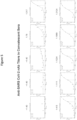
- Examples of Anti-SARS CoV-2 nAb titration profiles can be found in FIGS. 4 and 5 .
- each test specimen is also assessed using a non-specific pseudovirus (specificity control) that expresses a non-reactive envelope protein of one or more unrelated viruses (e.g. avian influenza virus).
- a non-specific pseudovirus specifically control
- a non-reactive envelope protein of one or more unrelated viruses e.g. avian influenza virus
- a critical reagent is defined as an assay component essential to obtaining the anti-SARS CoV-2 nAb titer.
- Critical reagents for the anti-SARS CoV-2 nAb assay include the following:
- Serology Positive specimens are defined as IgG or total Ig positive as determined using antibody binding assays.
- Serology Negative samples are defined as IgG or Total Ig negative as determined using antibody binding assays.
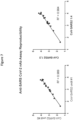
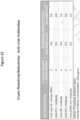
- Historical Negative samples are defined as samples with collection dates that pre-date the SARS CoV-2 pandemic. All serology positive SARS CoV-2 Positive/Reactive sera were confirmed SARS CoV-2 PCR Positive and all SARS CoV-2 Negative/Non-Reactive sera were confirmed SARS CoV-2 PCR Negative. Examples of correlations between the results of the antibody binding assays and nAb titers generated using the assay disclosed herein are in FIGS. 8 and 9 .
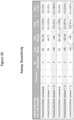
- the sensitivity of the PhenoSense anti-SARS CoV-2 Assay is 100% (no false negatives among 49 samples), and the specificity is 98% (one false positive among 50 samples). The single false positive result occurred at the 1:40 minimum required dilution.
- the specificity of the PhenoSense anti-SARS CoV-2 nAb assay is 98.8% (one false positive among 82 samples).
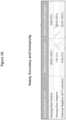
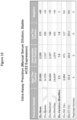
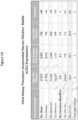
- Intra-Assay Precision was determined by assessing the variation in ID 50 observed across six replicates of four serum samples consisting of a nAb High-Titer Positive, Intermediate-Titer Positive, Low-Titer Positive and Negative sample.
- Intra-Assay Precision was evaluated within each of four separate assay runs.
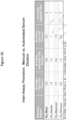
- Inter-Assay Precision was determined by assessing the variation in ID 50 mean observed across six replicates of four serum samples consisting of a High-Titer Positive, Intermediate-Titer Positive, Low-Titer Positive and Negative sample (Precision and Reproducibility Panel).
- Inter-Assay Precision was evaluated across all four independent runs performed by two operators using two independent lots of critical reagents (pseudovirus, cells, assay controls).
- FIG. 15 A graphic analysis of the reproducibility of an anti-SARS CoV-2 nAb assay carried out according to an embodiment of the disclosure is depicted in FIG. 7 .
- Run C automated sample dilution, transient ACE2 expression
- Run D automated sample dilution, stable ACE2 expression
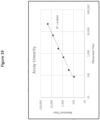
- Assay Linearity was determined by creating and testing five three-fold dilutions (approximately one half log10) of a High-Titer Positive serum in negative serum. Each dilution was tested independently in the assay.
- a serum with an ID 50 titer of 22,224 was used to generate six contrived samples with nominal (expected) ID 50 titers of 7408, 2469, 823, 274, 123, 91.
- the observed titers of each of the contrived samples was compared to the nominal titers based on the undiluted sample ID 50 ( FIG. 18 ).
- Assay linearity was interrogated using standard statistical methods, e.g. linear regression testing ( FIG. 19 ).
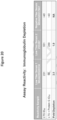
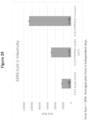
- Assay reactivity was evaluated by depleting the immunoglobulin of two low-titer anti-SARS CoV-2 nAb samples (LTS-1, LTS-2) and one negative titer sample (NTS) and assessing the impact on anti-SARS CoV-2 nAb activity.
- Antibody depletion was performed using protein G sepharose affinity chromatography.
- FIGS. 20 and 21 The depletion on anti-SARS CoV-2 nAb activity is recorded in FIGS. 20 and 21 . It is expected that multiple rounds of protein G affinity chromatography would be required to completely deplete immunoglobulin and the associated anti-SARS CoV-2 nAb activity.
- nAb activity observed in the presence of high concentrations (200 ⁇ g/mL) of antiviral antibodies was compared to nAb activity in the presence of antiviral antibody vehicle alone ( FIG. 23 ).
- Non-specific anti-SARS CoV-2 nAb activity was not detected in four HN samples spiked with anti-viral antibodies. Two of the four HN samples exhibited low level nAb activity against SARS CoV in the presence and absence (vehicle only) of anti-viral nAb.
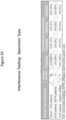
- FIG. 25 Interference related to specimen type/collection is recorded in FIG. 25 . Significant differences in assay results based on specimen type were not observed. Comparisons of anti-SARS CoV-2 nAb titers in convalescent sera and plasma can be seen in FIG. 6 . Four discordant qualitative assessment of anti-SARS CoV-2 nAb activity for serum and plasma pairs occurred at low titer or in the presence of non-specific inhibition based on the assay specificity control result. The quantitative assessments of nAb titer for these four sample pairs were comparable.
- Sample and reagent stability was demonstrated by evaluating the consistency of anti-SARS CoV-2 nAb activity over time and under different storage conditions. Stability studies through 14 days were performed in the initial validation studies.
- LTS low titer sample
- ITS intermediate titer sample
- CR critical reagents
- Stability testing included a freshly thawed tube of sample for comparison (Time 0). Sample stability conditions were selected to reflect possible conditions associated with sample collection, shipment and storage prior to performing the assay.
- Critical reagents consist of the SARS CoV-2 Pseudovirus, Specificity Control Pseudovirus and HEK293-ACE2 Target Cells.
- the performance of two lots of critical reagents was evaluated by comparing test results generated immediately after recovery from storage (Hour 0) versus six hours (Hour 6) at ambient temperature.
- In-process assessment of critical reagents was performed using low titer serum (LTS) and intermediate titer serum (ITS) specimens.
- LTS low titer serum
- ITS intermediate titer serum
- the target cells in the SARS CoV-2 nAb Assay may be produced by expressing ACE2 or both ACE2 and TMPRSS2 transiently through transfection or the target cells may stably express ACE2 or both ACE2 and TMPRSS2.
- HEK293VL cells were transfected with 0.5 ⁇ g/mL ACE2 and 1 ⁇ g/mL TMPRSS2 DNA 24 hours before cells were harvested and used in the SARS CoV-2 neutralizing antibody assays (See FIGS. 29 and 30 ).
- the target cells may be a cell line engineered to stably express ACE2 or both ACE2 and TMPRSS2.
- the 5A10 cell line that stably expresses ACE2 was produced by transfecting HEK293VL cells with 5 ⁇ g/mL ACE2 DNA. Hygromycin antibiotic selection was used (at 150 ⁇ g/mL) to select for ACE2 expressing cells.
- the stable ACE2 expressing cell pool was then screened for SARS CoV-2 pseudovirus infectivity and neutralizing antibody efficiency against SARS CoV-2 pseudovirus.
- a monoclonal cell line was generated from the stable cell pool using limiting dilution and was maintained under 150 ⁇ g/mL hygromycin selection.
- the stable monoclonal ACE2 expressing culture was then screened for SARS CoV-2 pseudovirus infectivity and neutralizing antibody efficiency against SARS CoV-2 pseudovirus (See FIGS. 29 and 30 ).
- the 5G7 cell line that stably expresses both ACE2 and TMPRSS2 was produced by transfecting the 5A10 cell line (ACE2/HEK293VL) with 1 ⁇ g/mL TMPRSS2 DNA. Blasticidin antibiotic selection (at 10 ⁇ g/mL) was used to select for TMPRSS2 expressing cells, and the cells were maintained under hygromycin selection (at 150 ⁇ g/mL) to maintain ACE2 expression. The stable ACE2/TMPRSS2 expressing cell pool was then screened for SARS CoV-2 pseudovirus infectivity and neutralizing antibody efficiency against SARS CoV-2 pseudovirus.
- a monoclonal cell line was generated from the stable ACE2/TMPRSS2 expressing cell pool using limiting dilution and was maintained under the 10 ⁇ g/mL blasticidin and 150 ⁇ g/mL hygromycin antibiotic selection.
- the stable monoclonal ACE2/TMPRSS2 expressing culture was then screened for SARS CoV-2 pseudovirus infectivity and neutralizing antibody efficiency against SARS CoV-2 pseudovirus (See FIGS. 29 and 30 ).
- FIGS. 29 and 30 The results with these three target cell types for the assays of pseudovirus infectivity and neutralizing antibody efficiency against SARS CoV-2 pseudovirus are shown in FIGS. 29 and 30 , respectively.
- the data in FIG. 29 represent the average infectivity from assays performed with the stably or transiently expressing cells on 4 different days, and the number of pseudoviruses tested with each cell type is indicated. Cells transiently or stably expressing both ACE2 and TMPRSS2 exhibited higher pseudovirus infectivity than cells stably expressing ACE2 alone.
- the data shown in FIG. 30 represent the average ID 50 titer of SARS CoV-2 neutralizing antibody control serum from assays performed on 4 different days, and the number of pseudoviruses tested with each cell is indicated.
- infectivity relative luminescence units
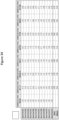
- FIG. 33 shows an example (B1.1.7) ID50 table displaying neutralization titers for each sample generated from a 10-point sample titration curve.
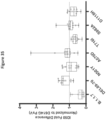
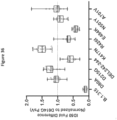
- FIG. 34 shows the fold difference of each sample (B.1.1.7) titer for each pseudovirus normalized using D614G SARS-CoV-2 pseudovirus, along with each's mean and median.
Landscapes
- Health & Medical Sciences (AREA)
- Life Sciences & Earth Sciences (AREA)
- Engineering & Computer Science (AREA)
- Chemical & Material Sciences (AREA)
- Biomedical Technology (AREA)
- Genetics & Genomics (AREA)
- Molecular Biology (AREA)
- Organic Chemistry (AREA)
- Biotechnology (AREA)
- Immunology (AREA)
- Zoology (AREA)
- Wood Science & Technology (AREA)
- Bioinformatics & Cheminformatics (AREA)
- Biochemistry (AREA)
- General Health & Medical Sciences (AREA)
- Urology & Nephrology (AREA)
- Microbiology (AREA)
- Medicinal Chemistry (AREA)
- Hematology (AREA)
- General Engineering & Computer Science (AREA)
- Physics & Mathematics (AREA)
- Cell Biology (AREA)
- General Physics & Mathematics (AREA)
- Pathology (AREA)
- Analytical Chemistry (AREA)
- Food Science & Technology (AREA)
- Proteomics, Peptides & Aminoacids (AREA)
- Virology (AREA)
- Biophysics (AREA)
- Tropical Medicine & Parasitology (AREA)
- Gastroenterology & Hepatology (AREA)
- Physiology (AREA)
- Plant Pathology (AREA)
- Measuring Or Testing Involving Enzymes Or Micro-Organisms (AREA)
- Micro-Organisms Or Cultivation Processes Thereof (AREA)
- Peptides Or Proteins (AREA)
- Medicines Containing Antibodies Or Antigens For Use As Internal Diagnostic Agents (AREA)
Claims (9)
- Verfahren zum Nachweisen, ob ein Subjekt, das einem Coronavirus ausgesetzt wurde, eine neutralisierende Antikörperreaktion entwickelt hat, umfassend:(a) Transfizieren, in eine Vielzahl von ersten Zellen, wobei die Vielzahl von ersten Zellen humane embryonale Nierenzellen 293 (HEK293-Zellen) sind:i) einer Nukleinsäure, die ein Coronavirus-Spike-Protein codiert, undii) eines viralen Expressionsvektors, der eine Indikatornukleinsäure umfasst, die ein nachweisbares Signal erzeugt, wobei der virale Expressionsvektor ein Expressionsvektor eines humanen Immundefizienzvirus (HIV) ist;(b) Inkubieren der ersten Zellen unter derartigen Bedingungen, dass die ersten Zellen virale Partikel erzeugen, umfassend das Coronavirus-Spike-Protein;(c) Inberührungbringen der viralen Partikel aus Schritt (b) mit einer zweiten Zelle in Anwesenheit oder Abwesenheit einer Probe, umfassend einen Antikörper von dem Subjekt, wobei die zweite Zelle einen Zelloberflächenrezeptor exprimiert, an den sich das Coronavirus bindet, wobei der Zelloberflächenrezeptor ACE-2 und TMPRSS2 umfasst und wobei die zweite Zelle eine HEK293-Zelle ist;(d) Messen der Menge des nachweisbaren Signals, die durch die zweite Zelle in Anwesenheit oder Abwesenheit der Probe erzeugt wird; und(e) Vergleichen der Signalmenge, die in Schritt (d) in Anwesenheit der Probe gemessen wird, mit der Signalmenge, die in Schritt (d) in Abwesenheit der Probe erzeugt wird, wobei eine reduzierte Signalmenge in Anwesenheit der Probe angibt, dass das Subjekt eine neutralisierende Antikörperreaktion entwickelt hat, die zum Reduzieren einer Infektion in der Lage ist.
- Verfahren nach Anspruch 1, wobei die Indikatornukleinsäure ein Indikatorgen umfasst; und optional, wobei das Indikatorgen ein Luziferasegen ist.
- Verfahren nach den Ansprüchen 1 bis 2, wobei das Subjekt mit einem schweren akuten respiratorischen Syndrom von Coronavirus 2 (SARS CoV-2) infiziert wurde.
- Verfahren nach den Ansprüchen 1 bis 3, wobei die Probe ein Serum oder Plasma ist.
- Verfahren nach den Ansprüchen 1 bis 4, wobei ACE-2, TMPRSS2 oder beide durch die zweite Zelle stabil exprimiert werden.
- Verfahren nach den Ansprüchen 1 bis 5, wobei der Grad der neutralisierenden Antikörperreaktion in der Probe mit einem Titer eines gesamten Anti-Coronavirus-Antikörpers korreliert wird, wie er für das Subjekt gemessen wurde.
- Verfahren zum Bewerten der Auswirkung einer Mutation in dem Spike-Protein auf eine Anfälligkeit gegenüber Anti-SARS-CoV-2-Antikörpern, umfassend:(a) Transfizieren, in einen ersten Anteil einer Vielzahl von ersten Zellen, wobei der erste Anteil einer Vielzahl von ersten Zellen humane embryonale Nierenzellen 293 (HEK293-Zellen) sind:i) einer Nukleinsäure, die ein Kontroll-Coronavirus-Spike-Protein codiert, undii) eines viralen Expressionsvektors, der eine Indikatornukleinsäure umfasst, die ein nachweisbares Signal erzeugt, wobei der virale Expressionsvektor ein Expressionsvektor des humanen Immundefizienzvirus (HIV) ist;(b) Transfizieren, in einen zweiten Anteil einer Vielzahl von ersten Zellen, wobei der zweite Anteil einer Vielzahl von ersten Zellen humane embryonale Nierenzellen 293 (HEK293-Zellen) sind:i) einer Nukleinsäure, die ein Coronavirus-Spike-Protein codiert, das eine Mutation umfasst; undii) eines viralen Expressionsvektors, der eine Indikatornukleinsäure umfasst, die ein nachweisbares Signal erzeugt;(c) getrenntes Inkubieren des ersten und des zweiten Anteils von ersten Zellen unter derartigen Bedingungen, dass die Zellen des ersten Anteils erste virale Partikel erzeugen, umfassend das Kontroll-Coronavirus-Spike-Protein, und die Zellen des zweiten Anteils zweite virale Partikel erzeugen, umfassend das Coronavirus-Spike-Protein, das die Mutation aufweist;(d) Inberührungbringen der ersten viralen Partikel aus Schritt (c) mit einem ersten Anteil einer Vielzahl von zweiten Zellen in Anwesenheit einer Probe, umfassend einen Antikörper, der SARS CoV-2 bindet, wobei die zweite Zelle einen Zelloberflächenrezeptor exprimiert, an den sich das Coronavirus bindet, wobei der Zelloberflächenrezeptor ACE-2 und TMPRSS2 umfasst und wobei die zweite Zelle eine HEK293-Zelle ist;(e) Inberührungbringen der zweiten viralen Partikel aus Schritt (c) mit einem zweiten Anteil einer Vielzahl von zweiten Zellen in Anwesenheit einer Probe, umfassend einen Antikörper, der SARS CoV-2 bindet, wobei die zweite Zelle einen Zelloberflächenrezeptor exprimiert, an den sich das Coronavirus bindet, wobei der Zelloberflächenrezeptor ACE-2 und TMPRSS2 umfasst und wobei die zweite Zelle eine HEK293-Zelle ist; und(f) Messen der Menge des nachweisbaren Signals, die durch die zweite Zelle in den Schritten (d) und (e) erzeugt wird, wobei eine reduzierte Signalmenge, die durch die zweite Zelle in Schritt (d) erzeugt wird, im Vergleich zu der Signalmenge, die durch die zweite Zelle in Schritt (e) erzeugt wird, angibt, dass die Mutation in dem Spike-Protein eine reduzierte Anfälligkeit der viralen Partikel gegenüber dem Anti-SARS-CoV-2-Antikörper verleiht.
- Zusammensetzung, umfassend eine humane embryonale Nierenzelle 293 (HEK293-Zelle), die einen Angiotensin-Konversionsenzym-2-Rezeptor (ACE-2), optional auf eine stabile Weise; und eine transmembrane trypsinartige Serinprotease (TMPRSS2) eines humanen Atemwegs exprimiert, optional auf eine stabile Weise.
- Verfahren zum Nachweisen des Grads der neutralisierenden Antikörperreaktion in einer Probe von einem Subjekt, das einem Coronavirus-Impfstoff ausgesetzt wurde, umfassend:(a) Transfizieren, in eine Vielzahl von ersten Zellen, wobei die Vielzahl von ersten Zellen humane embryonale Nierenzellen 293 (HEK293-Zellen) sind:i) einer Nukleinsäure, die ein Coronavirus-Spike-Protein codiert, undii) eines viralen Expressionsvektors, der eine Indikatornukleinsäure umfasst, die ein nachweisbares Signal erzeugt, wobei der virale Expressionsvektor ein Expressionsvektor des humanen Immundefizienzvirus (HIV) ist;(b) Inkubieren der ersten Zellen unter derartigen Bedingungen, dass die ersten Zellen virale Partikel erzeugen, umfassend das Coronavirus-Spike-Protein;(c) Inberührungbringen der viralen Partikel aus Schritt (b) mit einer zweiten Zelle in Anwesenheit einer Probe von dem Subjekt, die entnommen wurde, bevor das Subjekt einem Coronavirus-Impfstoff ausgesetzt wurde, oder einer Probe des Subjekts, die entnommen wurde, nachdem das Subjekt einem Coronavirus-Impfstoff ausgesetzt wurde, wobei die zweite Zelle einen Zelloberflächenrezeptor exprimiert, an den sich das Coronavirus bindet, wobei der Zelloberflächenrezeptor ACE-2 und TMPRSS2 umfasst und wobei die zweite Zelle eine HEK293-Zelle ist;(d) Messen der Menge des nachweisbaren Signals, die durch die zweite Zelle in Anwesenheit der Probe erzeugt wird, die entnommen wurde, bevor das Subjekt dem Coronavirus-Impfstoff ausgesetzt wurde;(e) Messen der Menge des nachweisbaren Signals, die durch die zweite Zelle in Anwesenheit der Probe erzeugt wird, die entnommen wurde, nachdem das Subjekt dem Coronavirus-Impfstoff ausgesetzt wurde; und(f) Vergleichen der Signalmenge, die in Schritt (d) gemessen wird, mit der Signalmenge, die in Schritt (e) erzeugt wird, und Bestimmen des Grads einer neutralisierenden Antikörperreaktion in dem Subjekt basierend auf der Differenz zwischen der Signalmenge, die in Schritt (d) gemessen wird, und der Signalmenge, die in Schritt (e) erzeugt wird.
Priority Applications (1)
| Application Number | Priority Date | Filing Date | Title |
|---|---|---|---|
| EP25181055.2A EP4628897A3 (de) | 2020-06-25 | 2021-06-25 | Verfahren, zusammensetzungen und systeme zum nachweis von coronavirusneutralisierenden antikörpern |
Applications Claiming Priority (4)
| Application Number | Priority Date | Filing Date | Title |
|---|---|---|---|
| US202063044070P | 2020-06-25 | 2020-06-25 | |
| US202063126164P | 2020-12-16 | 2020-12-16 | |
| US202163143592P | 2021-01-29 | 2021-01-29 | |
| PCT/US2021/039185 WO2021263165A1 (en) | 2020-06-25 | 2021-06-25 | Methods, compositions, and systems for detecting coronavirus neutralizing antibodies |
Related Child Applications (1)
| Application Number | Title | Priority Date | Filing Date |
|---|---|---|---|
| EP25181055.2A Division EP4628897A3 (de) | 2020-06-25 | 2021-06-25 | Verfahren, zusammensetzungen und systeme zum nachweis von coronavirusneutralisierenden antikörpern |
Publications (3)
| Publication Number | Publication Date |
|---|---|
| EP4172633A1 EP4172633A1 (de) | 2023-05-03 |
| EP4172633C0 EP4172633C0 (de) | 2025-06-11 |
| EP4172633B1 true EP4172633B1 (de) | 2025-06-11 |
Family
ID=77022267
Family Applications (2)
| Application Number | Title | Priority Date | Filing Date |
|---|---|---|---|
| EP21745569.0A Active EP4172633B1 (de) | 2020-06-25 | 2021-06-25 | Verfahren, zusammensetzungen und systeme zum nachweis von coronavirusneutralisierenden antikörpern |
| EP25181055.2A Pending EP4628897A3 (de) | 2020-06-25 | 2021-06-25 | Verfahren, zusammensetzungen und systeme zum nachweis von coronavirusneutralisierenden antikörpern |
Family Applications After (1)
| Application Number | Title | Priority Date | Filing Date |
|---|---|---|---|
| EP25181055.2A Pending EP4628897A3 (de) | 2020-06-25 | 2021-06-25 | Verfahren, zusammensetzungen und systeme zum nachweis von coronavirusneutralisierenden antikörpern |
Country Status (6)
| Country | Link |
|---|---|
| US (1) | US12366581B2 (de) |
| EP (2) | EP4172633B1 (de) |
| JP (1) | JP2023531723A (de) |
| CA (1) | CA3186975A1 (de) |
| ES (1) | ES3037385T3 (de) |
| WO (1) | WO2021263165A1 (de) |
Families Citing this family (1)
| Publication number | Priority date | Publication date | Assignee | Title |
|---|---|---|---|---|
| CN115219726B (zh) * | 2022-09-06 | 2024-04-09 | 昭衍(苏州)新药研究中心有限公司 | 一种SARS-CoV-2假病毒检测血清中中和抗体滴度的方法 |
Family Cites Families (1)
| Publication number | Priority date | Publication date | Assignee | Title |
|---|---|---|---|---|
| US7247439B1 (en) * | 2001-06-04 | 2007-07-24 | Monogram Biosciences, Inc. | Method of evaluating a patient antibody response to envelope proteins of a virus |
-
2021
- 2021-06-25 JP JP2022579957A patent/JP2023531723A/ja active Pending
- 2021-06-25 US US17/359,064 patent/US12366581B2/en active Active
- 2021-06-25 ES ES21745569T patent/ES3037385T3/es active Active
- 2021-06-25 CA CA3186975A patent/CA3186975A1/en active Pending
- 2021-06-25 EP EP21745569.0A patent/EP4172633B1/de active Active
- 2021-06-25 EP EP25181055.2A patent/EP4628897A3/de active Pending
- 2021-06-25 WO PCT/US2021/039185 patent/WO2021263165A1/en not_active Ceased
Also Published As
| Publication number | Publication date |
|---|---|
| ES3037385T3 (en) | 2025-10-01 |
| US12366581B2 (en) | 2025-07-22 |
| WO2021263165A1 (en) | 2021-12-30 |
| EP4172633C0 (de) | 2025-06-11 |
| EP4628897A3 (de) | 2026-04-01 |
| EP4628897A2 (de) | 2025-10-08 |
| JP2023531723A (ja) | 2023-07-25 |
| US20220065869A1 (en) | 2022-03-03 |
| CA3186975A1 (en) | 2021-12-30 |
| EP4172633A1 (de) | 2023-05-03 |
Similar Documents
| Publication | Publication Date | Title |
|---|---|---|
| D'Cruz et al. | Laboratory testing methods for novel severe acute respiratory syndrome-coronavirus-2 (SARS-CoV-2) | |
| Osterman et al. | Comparison of four commercial, automated antigen tests to detect SARS-CoV-2 variants of concern | |
| EP3670669B1 (de) | Nachweis von sars-cov-2 in mehreren biologischen proben | |
| Huang et al. | Sensitive tracking of circulating viral RNA through all stages of SARS-CoV-2 infection | |
| Frische et al. | Optimization and evaluation of a live virus SARS-CoV-2 neutralization assay | |
| Achazi et al. | Detection and differentiation of tick-borne encephalitis virus subtypes by a reverse transcription quantitative real-time PCR and pyrosequencing | |
| Jung et al. | Analytical and clinical performance of cPass neutralizing antibodies assay | |
| Xiong et al. | Comparative performance of four nucleic acid amplification tests for SARS-CoV-2 virus | |
| Ehret et al. | Clinical evaluation of the automated abbott realtime SARS-CoV-2, alinity m SARS-CoV-2, and alinity m Resp-4-Plex assays | |
| Martinaud et al. | Evaluation of the Quotient® MosaiQ™ COVID-19 antibody microarray for the detection of IgG and IgM antibodies to SARS-CoV-2 virus in humans | |
| Kuo et al. | Comparison of two nucleic acid amplification tests (NAATs) and two antigen tests for detection of SARS-CoV-2 from upper respiratory specimens | |
| Liang et al. | Development of an automated, high-throughput SARS-CoV-2 neutralization assay based on a pseudotyped virus using a vesicular stomatitis virus (VSV) vector | |
| US12366581B2 (en) | Methods, compositions, and systems for detecting coronavirus neutralizing antibodies | |
| McAdam et al. | Developments in tissue culture detection of respiratory viruses | |
| McHenry et al. | Detection of SARS-CoV-2 in tissue: the comparative roles of RT-qPCR, in situ RNA hybridization, and immunohistochemistry | |
| Sberna et al. | Rapid and qualitative identification of SARS-CoV-2 mutations associated with variants of concern using a multiplex RT-PCR assay coupled with melting analysis | |
| HK40091249B (en) | Methods, compositions, and systems for detecting coronavirus neutralizing antibodies | |
| HK40091249A (en) | Methods, compositions, and systems for detecting coronavirus neutralizing antibodies | |
| HK40126735A (en) | Methods, compositions, and systems for detecting coronavirus neutralizing antibodies | |
| Robertson et al. | Detection of anti‐NS1 antibodies after pandemic influenza exposure: evaluation of a serological method for distinguishing H1N1pdm09 infected from vaccinated cases | |
| US20240011992A1 (en) | Methods, Compositions, and Systems for Modulation of Coronavirus Infection | |
| Samaraweera et al. | The laboratory investigation of a measles outbreak in the eve of its elimination in Sri Lanka | |
| Kim et al. | Replication kinetics and infectivity of SARS-CoV-2 Omicron variant sublineages recovered in the Republic of Korea | |
| Chen et al. | A rapid test for the detection of influenza A virus including pandemic influenza A/H1N1 2009 | |
| Schuit et al. | The use of an Ebola virus reporter cell line in a semi-automated microtitration assay |
Legal Events
| Date | Code | Title | Description |
|---|---|---|---|
| STAA | Information on the status of an ep patent application or granted ep patent |
Free format text: STATUS: UNKNOWN |
|
| STAA | Information on the status of an ep patent application or granted ep patent |
Free format text: STATUS: THE INTERNATIONAL PUBLICATION HAS BEEN MADE |
|
| PUAI | Public reference made under article 153(3) epc to a published international application that has entered the european phase |
Free format text: ORIGINAL CODE: 0009012 |
|
| STAA | Information on the status of an ep patent application or granted ep patent |
Free format text: STATUS: REQUEST FOR EXAMINATION WAS MADE |
|
| 17P | Request for examination filed |
Effective date: 20230119 |
|
| AK | Designated contracting states |
Kind code of ref document: A1 Designated state(s): AL AT BE BG CH CY CZ DE DK EE ES FI FR GB GR HR HU IE IS IT LI LT LU LV MC MK MT NL NO PL PT RO RS SE SI SK SM TR |
|
| DAV | Request for validation of the european patent (deleted) | ||
| DAX | Request for extension of the european patent (deleted) | ||
| STAA | Information on the status of an ep patent application or granted ep patent |
Free format text: STATUS: EXAMINATION IS IN PROGRESS |
|
| REG | Reference to a national code |
Ref country code: HK Ref legal event code: DE Ref document number: 40091249 Country of ref document: HK |
|
| 17Q | First examination report despatched |
Effective date: 20231117 |
|
| GRAP | Despatch of communication of intention to grant a patent |
Free format text: ORIGINAL CODE: EPIDOSNIGR1 |
|
| STAA | Information on the status of an ep patent application or granted ep patent |
Free format text: STATUS: GRANT OF PATENT IS INTENDED |
|
| INTG | Intention to grant announced |
Effective date: 20250220 |
|
| GRAS | Grant fee paid |
Free format text: ORIGINAL CODE: EPIDOSNIGR3 |
|
| GRAA | (expected) grant |
Free format text: ORIGINAL CODE: 0009210 |
|
| STAA | Information on the status of an ep patent application or granted ep patent |
Free format text: STATUS: THE PATENT HAS BEEN GRANTED |
|
| AK | Designated contracting states |
Kind code of ref document: B1 Designated state(s): AL AT BE BG CH CY CZ DE DK EE ES FI FR GB GR HR HU IE IS IT LI LT LU LV MC MK MT NL NO PL PT RO RS SE SI SK SM TR |
|
| REG | Reference to a national code |
Ref country code: GB Ref legal event code: FG4D |
|
| REG | Reference to a national code |
Ref country code: CH Ref legal event code: EP |
|
| REG | Reference to a national code |
Ref country code: IE Ref legal event code: FG4D |
|
| REG | Reference to a national code |
Ref country code: DE Ref legal event code: R096 Ref document number: 602021032146 Country of ref document: DE |
|
| PGFP | Annual fee paid to national office [announced via postgrant information from national office to epo] |
Ref country code: GB Payment date: 20250627 Year of fee payment: 5 |
|
| PGFP | Annual fee paid to national office [announced via postgrant information from national office to epo] |
Ref country code: AT Payment date: 20250721 Year of fee payment: 5 |
|
| U01 | Request for unitary effect filed |
Effective date: 20250620 |
|
| U07 | Unitary effect registered |
Designated state(s): AT BE BG DE DK EE FI FR IT LT LU LV MT NL PT RO SE SI Effective date: 20250701 |
|
| U20 | Renewal fee for the european patent with unitary effect paid |
Year of fee payment: 5 Effective date: 20250628 |
|
| REG | Reference to a national code |
Ref country code: ES Ref legal event code: FG2A Ref document number: 3037385 Country of ref document: ES Kind code of ref document: T3 Effective date: 20251001 |
|
| PGFP | Annual fee paid to national office [announced via postgrant information from national office to epo] |
Ref country code: ES Payment date: 20250701 Year of fee payment: 5 |
|
| PG25 | Lapsed in a contracting state [announced via postgrant information from national office to epo] |
Ref country code: GR Free format text: LAPSE BECAUSE OF FAILURE TO SUBMIT A TRANSLATION OF THE DESCRIPTION OR TO PAY THE FEE WITHIN THE PRESCRIBED TIME-LIMIT Effective date: 20250912 Ref country code: NO Free format text: LAPSE BECAUSE OF FAILURE TO SUBMIT A TRANSLATION OF THE DESCRIPTION OR TO PAY THE FEE WITHIN THE PRESCRIBED TIME-LIMIT Effective date: 20250911 |
|
| PG25 | Lapsed in a contracting state [announced via postgrant information from national office to epo] |
Ref country code: HR Free format text: LAPSE BECAUSE OF FAILURE TO SUBMIT A TRANSLATION OF THE DESCRIPTION OR TO PAY THE FEE WITHIN THE PRESCRIBED TIME-LIMIT Effective date: 20250611 |
|
| PG25 | Lapsed in a contracting state [announced via postgrant information from national office to epo] |
Ref country code: RS Free format text: LAPSE BECAUSE OF FAILURE TO SUBMIT A TRANSLATION OF THE DESCRIPTION OR TO PAY THE FEE WITHIN THE PRESCRIBED TIME-LIMIT Effective date: 20250911 |
|
| PG25 | Lapsed in a contracting state [announced via postgrant information from national office to epo] |
Ref country code: IS Free format text: LAPSE BECAUSE OF FAILURE TO SUBMIT A TRANSLATION OF THE DESCRIPTION OR TO PAY THE FEE WITHIN THE PRESCRIBED TIME-LIMIT Effective date: 20251011 |
|
| PG25 | Lapsed in a contracting state [announced via postgrant information from national office to epo] |
Ref country code: SM Free format text: LAPSE BECAUSE OF FAILURE TO SUBMIT A TRANSLATION OF THE DESCRIPTION OR TO PAY THE FEE WITHIN THE PRESCRIBED TIME-LIMIT Effective date: 20250611 |
|
| PG25 | Lapsed in a contracting state [announced via postgrant information from national office to epo] |
Ref country code: CZ Free format text: LAPSE BECAUSE OF FAILURE TO SUBMIT A TRANSLATION OF THE DESCRIPTION OR TO PAY THE FEE WITHIN THE PRESCRIBED TIME-LIMIT Effective date: 20250611 |
|
| PG25 | Lapsed in a contracting state [announced via postgrant information from national office to epo] |
Ref country code: PL Free format text: LAPSE BECAUSE OF FAILURE TO SUBMIT A TRANSLATION OF THE DESCRIPTION OR TO PAY THE FEE WITHIN THE PRESCRIBED TIME-LIMIT Effective date: 20250611 |
|
| PG25 | Lapsed in a contracting state [announced via postgrant information from national office to epo] |
Ref country code: SK Free format text: LAPSE BECAUSE OF FAILURE TO SUBMIT A TRANSLATION OF THE DESCRIPTION OR TO PAY THE FEE WITHIN THE PRESCRIBED TIME-LIMIT Effective date: 20250611 |
|
| REG | Reference to a national code |
Ref country code: CH Ref legal event code: H13 Free format text: ST27 STATUS EVENT CODE: U-0-0-H10-H13 (AS PROVIDED BY THE NATIONAL OFFICE) Effective date: 20260127 |
|
| PG25 | Lapsed in a contracting state [announced via postgrant information from national office to epo] |
Ref country code: MC Free format text: LAPSE BECAUSE OF FAILURE TO SUBMIT A TRANSLATION OF THE DESCRIPTION OR TO PAY THE FEE WITHIN THE PRESCRIBED TIME-LIMIT Effective date: 20250611 |
|
| PG25 | Lapsed in a contracting state [announced via postgrant information from national office to epo] |
Ref country code: IE Free format text: LAPSE BECAUSE OF NON-PAYMENT OF DUE FEES Effective date: 20250625 |
|
| PLBE | No opposition filed within time limit |
Free format text: ORIGINAL CODE: 0009261 |
|
| STAA | Information on the status of an ep patent application or granted ep patent |
Free format text: STATUS: NO OPPOSITION FILED WITHIN TIME LIMIT |
|
| PG25 | Lapsed in a contracting state [announced via postgrant information from national office to epo] |
Ref country code: CH Free format text: LAPSE BECAUSE OF NON-PAYMENT OF DUE FEES Effective date: 20250630 |
|
| REG | Reference to a national code |
Ref country code: CH Ref legal event code: L10 Free format text: ST27 STATUS EVENT CODE: U-0-0-L10-L00 (AS PROVIDED BY THE NATIONAL OFFICE) Effective date: 20260423 |